



Shadow root blonde hair color ideas are the sweet spot between bright, polished blonde and the grow-out that doesn’t make you want to book a salon visit three days later. A soft root shadow gives the color a calmer start, so the blonde can stay luminous without looking striped at the scalp.
That little strip of depth matters more than most people realize. A root that’s one or two levels deeper than the mids can soften foil lines, blur harsh regrowth, and make balayage look more expensive than a flat all-over blonde ever will. It also gives your stylist room to work with your natural color instead of fighting it.
I keep coming back to this category because it flatters so many different heads of hair. Fine hair gets a bit of lift at the crown. Thick hair loses that helmet effect. Curly hair gets a smoother blend when the highlights move through the bends instead of sitting on top like frosting.
The real trick is tone. Beige, ash, honey, pearl, mushroom, rose, champagne — each one changes the mood completely, and the wrong choice can turn a pretty blonde dull or brassy fast. The good ones look blended from the first inch to the last curl, with enough depth at the root to make the ends shine harder.
1. Champagne Blonde with a Soft Shadow Root
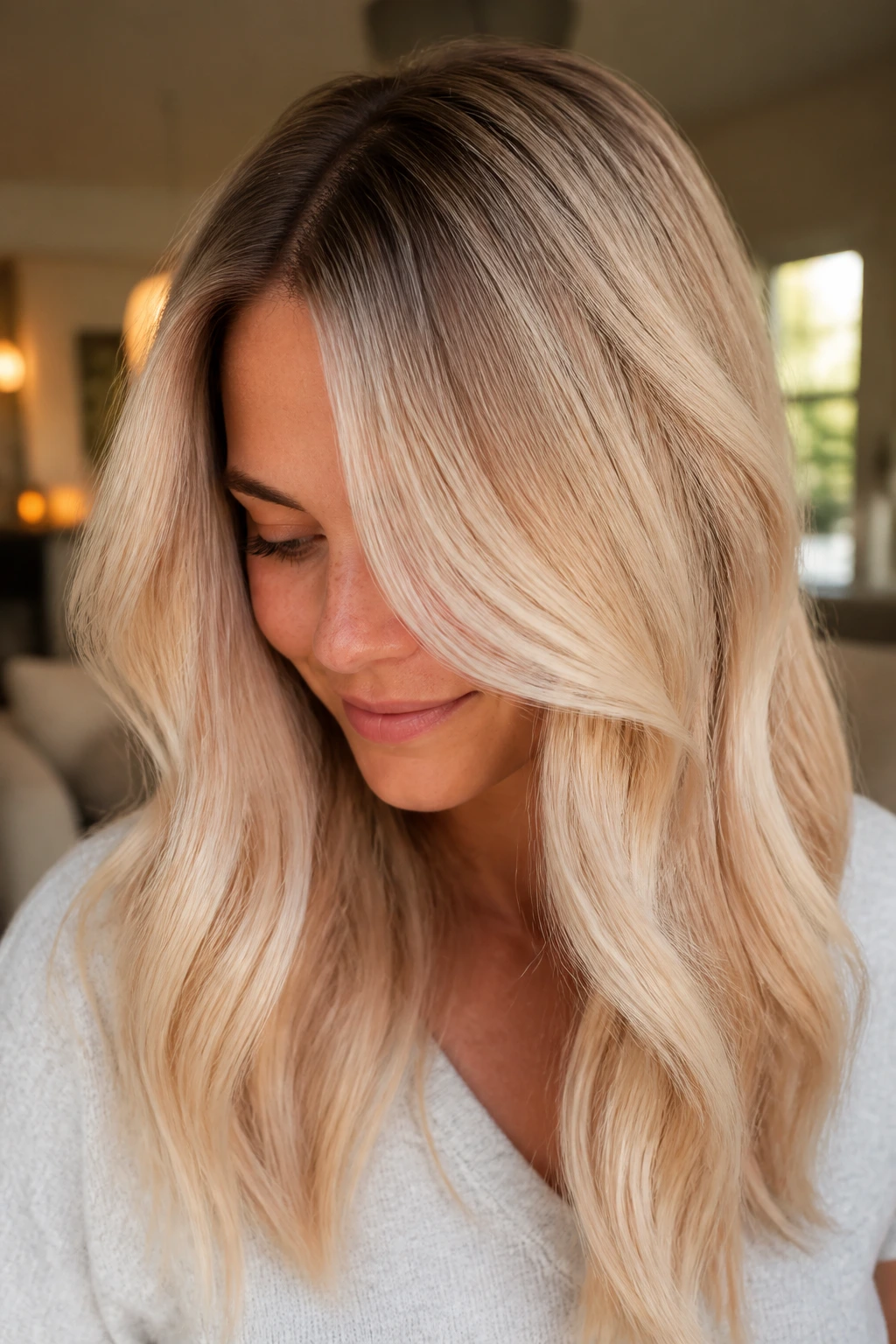
Champagne blonde is the shade I reach for when someone wants brightness without that sharp, bleached-out edge at the scalp. The shadow root keeps the top calm and slightly deeper, while the mids and ends stay pale, creamy, and glossy.
Why It Feels So Balanced
This look works because champagne carries a little warmth and a little coolness at the same time. That means it doesn’t fight your skin the way a harsh platinum can. Ask for a beige or soft taupe root melt, then let the blonde fade into pale gold through the lengths.
- Best on medium blonde to light brown starting points.
- Ask for face-framing pieces that begin slightly higher than the rest.
- Use a gloss every 6 to 8 weeks if the champagne starts looking flat.
Pro tip: keep the root shadow soft around the hairline. If the front is too dark, the whole style loses that airy, expensive feel.
2. Beige Blonde with a Taupe Melt
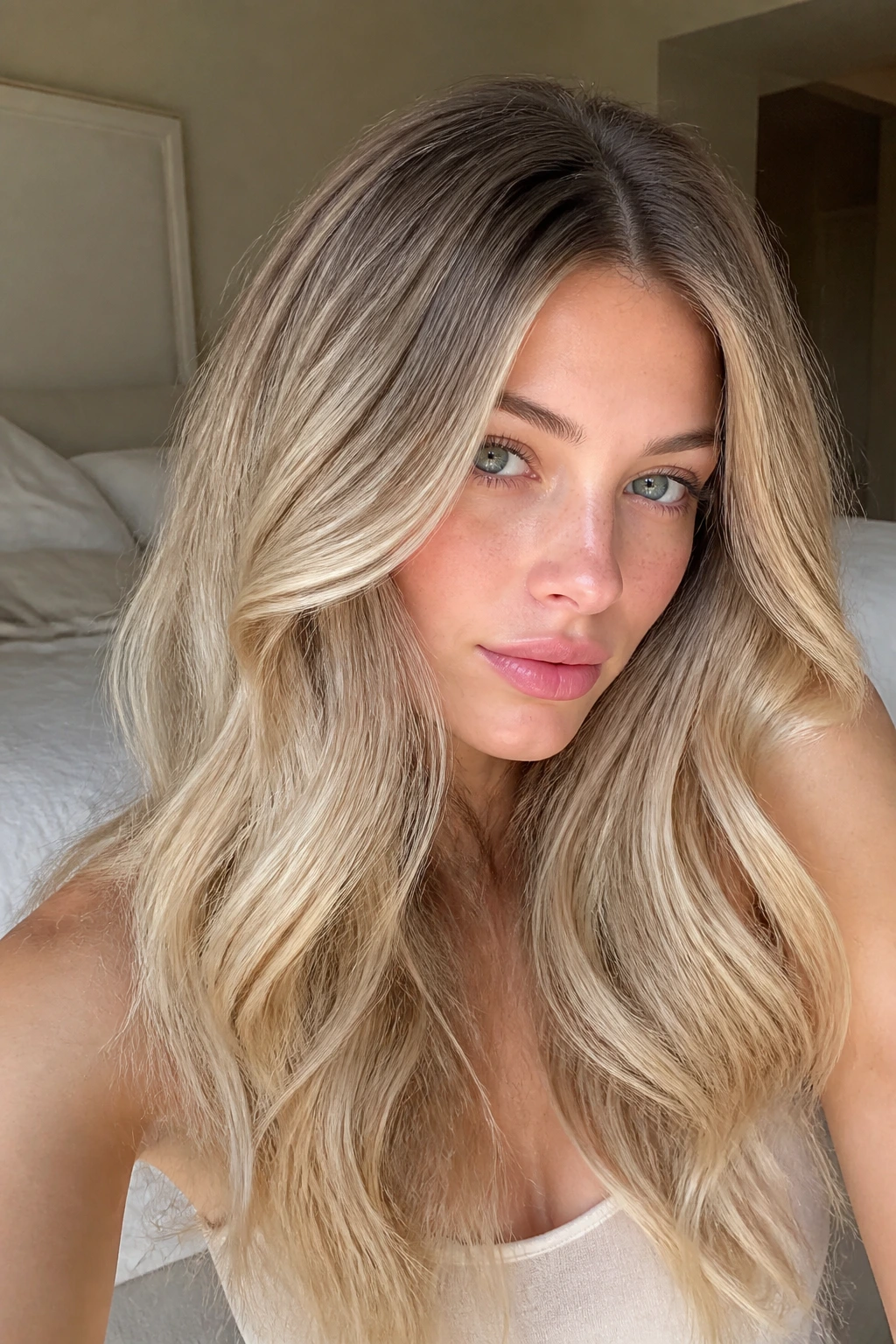
Beige blonde looks the cleanest when the root stays just a touch deeper. That is the whole trick. The taupe melt gives the blonde somewhere to start, so the color reads blended instead of painted on.
This is the shade I’d hand to someone who wants low-drama blonde and hates obvious regrowth lines. Beige sits in that middle lane — not too yellow, not too icy, not washed out. The result is calm, smooth, and wearable with almost any wardrobe, which sounds boring until you see how good it looks in daylight.
Tell your colorist you want the root to stay smoky, not muddy. That difference matters. Muddy roots look dull; taupe roots look deliberate. Keep the mids airy and bright so the blonde still pops through the crown.
3. Icy Pearl Blonde with a Smoky Root
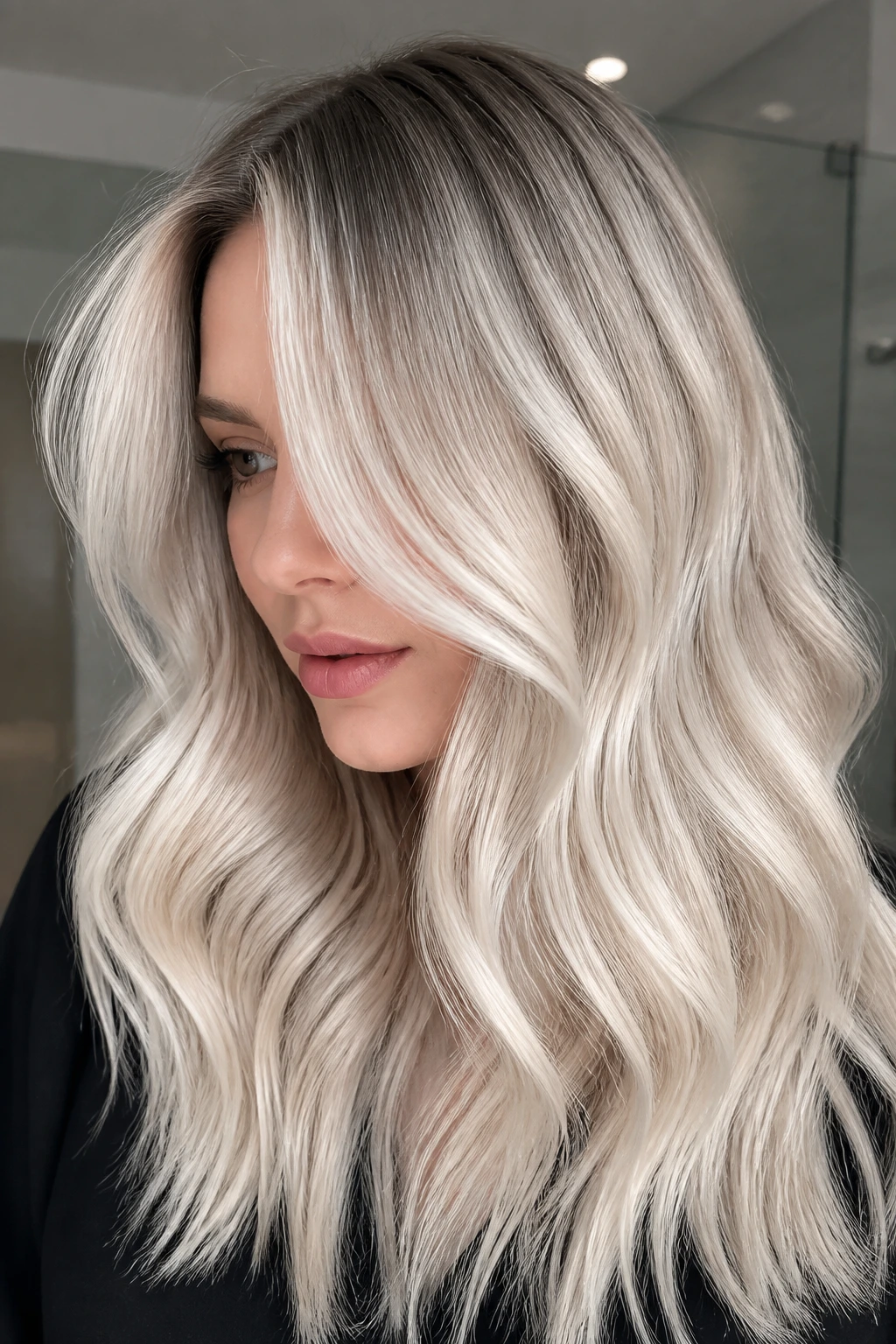
Why do icy blondes go wrong so often? Usually because the root is too flat or the ends are too white. A smoky shadow root fixes both problems by giving the pearl tone a little frame at the top.
What Keeps It Looking Clean
Pearl blonde needs a cool base, but it should still feel soft, not chalky. The root should melt into a pale silver-beige before the lengths turn nearly white. That slight shift stops the color from looking like one big block of bleach.
How to Ask for It
- Request a cool shadow at the crown, not a dark brown root.
- Ask for ultra-fine highlights through the part line.
- Keep purple shampoo to once a week unless brass is obvious.
This one is best if you like a crisp, high-contrast blonde and don’t mind a bit more toner upkeep. It’s sharp. It’s a little icy. And that is exactly the point.
4. Honey Butter Blonde Balayage
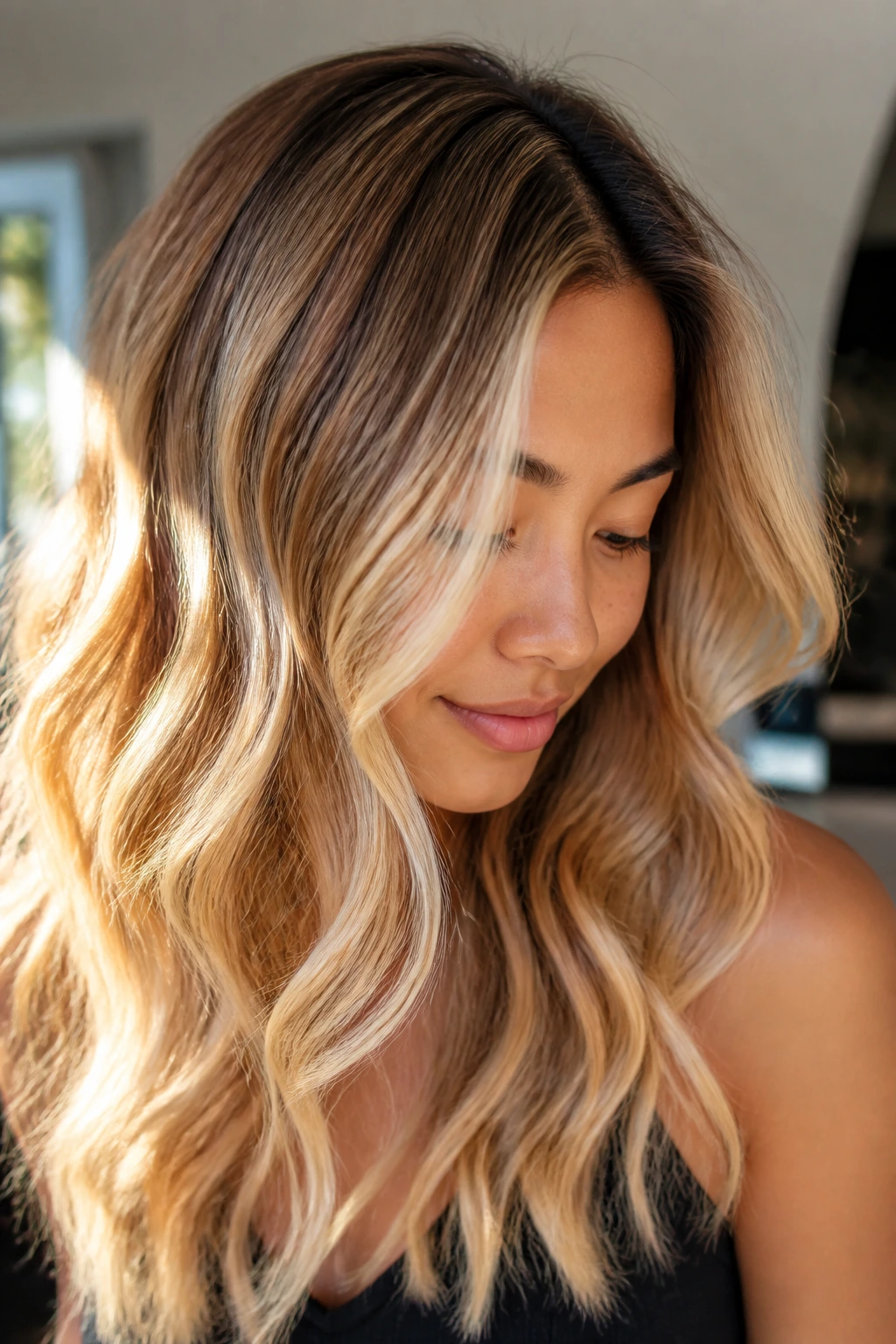
Picture warm sunlight sliding through hair that still has depth at the roots. That’s honey butter blonde. The shadow root keeps the whole look grounded, while the balayage pieces bring in soft gold and a buttery finish.
This is a smart choice if your natural hair leans medium brown or dark blonde and you do not want to fight brass every six weeks. Honey tones forgive a lot, which is why they look so good on hair that has a bit of texture or wave. They also make the hair feel thicker because the darker root and lighter ribbons create real dimension.
I’d ask for a root smudge that stays about 1 to 1.5 inches deep. Any more than that, and the blonde can start feeling heavy at the crown. Keep the ends lighter, but not white. That keeps the color cozy instead of orange.
- Great if you like warm makeup shades.
- Works well with loose waves or big blowouts.
- Needs occasional glossing to keep the honey from drifting brassy.
5. Mushroom Blonde with Creamy Ends
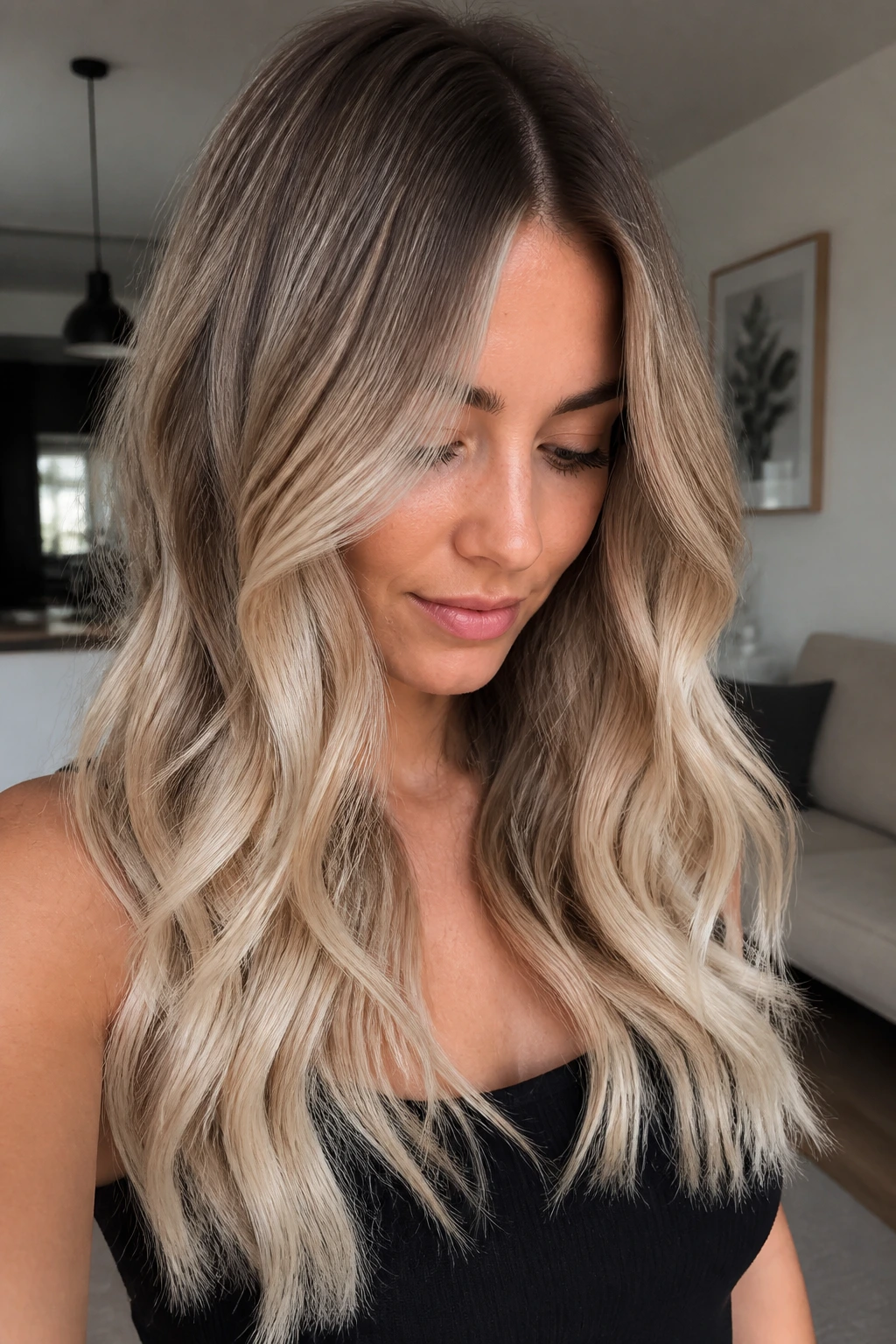
Mushroom blonde is the shade I recommend when someone says, “I want blonde, but I don’t want it to scream blonde.” That sounds vague, but I know exactly what they mean. The root stays cool, earthy, and slightly smoky, while the ends turn creamy instead of yellow.
It’s a quiet look, but not a dull one. The beauty is in the blend. On straight hair, you get a clean gradation from shadowed root to soft beige midlengths. On waves, the different tones catch in a way that makes the hair look fuller than it really is.
There’s a nice little bonus here: mushroom blonde hides a lot of regrowth better than icy or golden shades. If you hate seeing a hard line at the part, this one is worth a serious look. It behaves.
6. Vanilla Cream Blonde with a Root Smudge
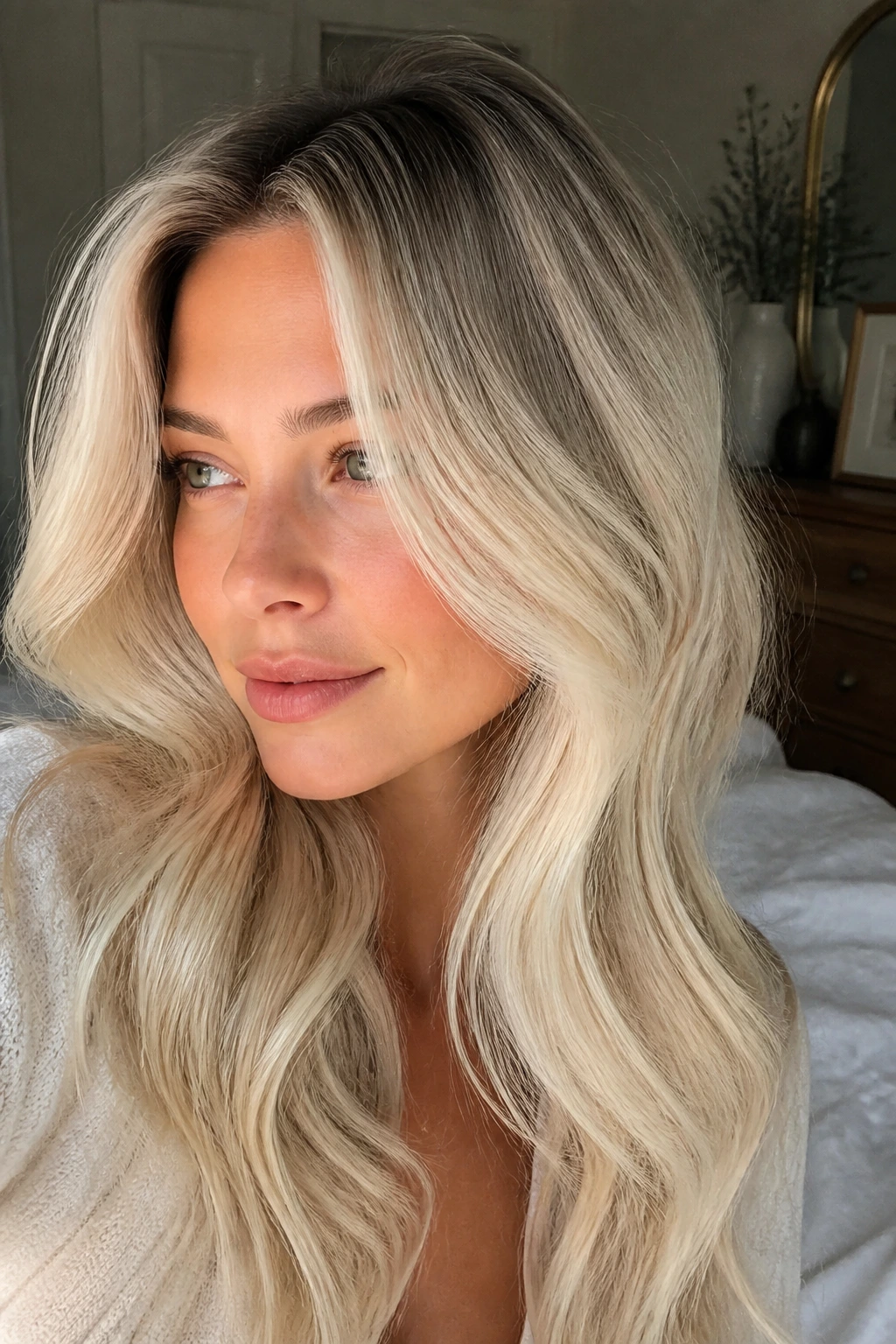
Vanilla cream blonde is softer than platinum and cleaner than gold. That makes it a favorite for people who want lightness without the sharp, overprocessed feel that some blondes get. A root smudge keeps the brightness from starting too high, which helps the color move instead of sitting stiffly on top of the head.
Compared with stark all-over blonde, this version feels more lived-in and easier to wear. The root is usually a neutral beige or light brown shade, then the mids open into vanilla and the ends stay silky and pale. It’s one of those shades that looks expensive even when the haircut is plain.
Ask for the smudge to stay feathered, not painted in a hard band. If you have fine hair, that tiny bit of darkness at the root can make the crown look fuller. If your hair is thick, it just keeps the top from puffing out like a triangle.
7. Sandy Bronde with Sunlit Ribbons
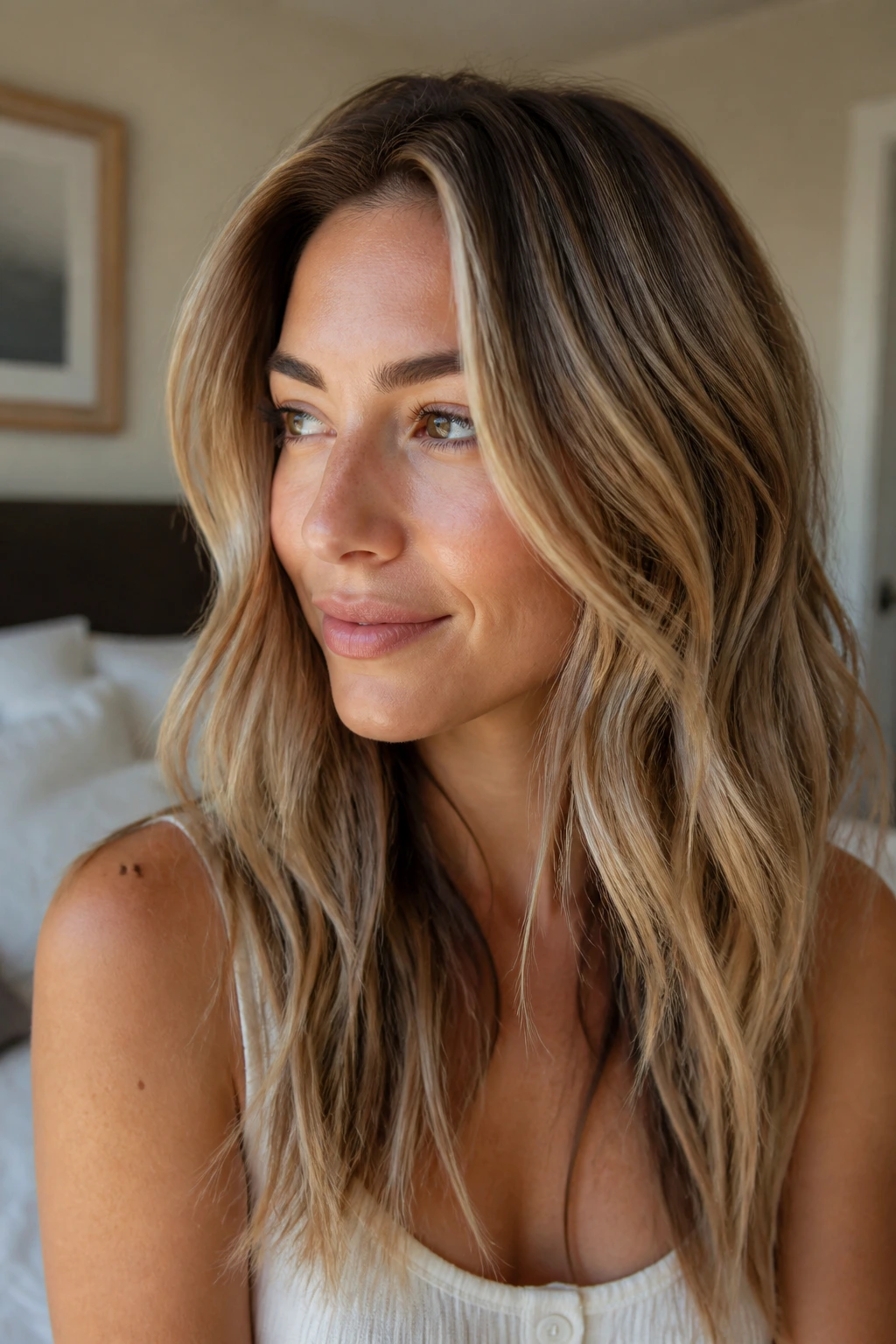
Sandy bronde is for the person who wants blonde, but only if it still looks believable. The shadow root gives it that believable start, and the lighter ribbons through the mids do the rest. It’s one of the easiest balayage looks to wear because it doesn’t rely on any one bright tone.
Why It Flatters So Many People
The color sits between brunette and blonde, which is why it’s so forgiving. You can keep the root deeper, run ribbon-like highlights through the lengths, and leave a few pieces around the face a touch brighter. That creates movement without turning the hair into a stripe show.
A Few Salon Notes
- Ask for soft, hand-painted pieces rather than chunky highlights.
- Keep the root a neutral brown-beige, not a red brown.
- A dry texturizing spray shows the dimension better than heavy cream products.
One good thing about sandy bronde: it grows out quietly, so the regrowth tends to look intentional instead of neglected.
8. Platinum Blonde Ends with a Deep Root Shadow
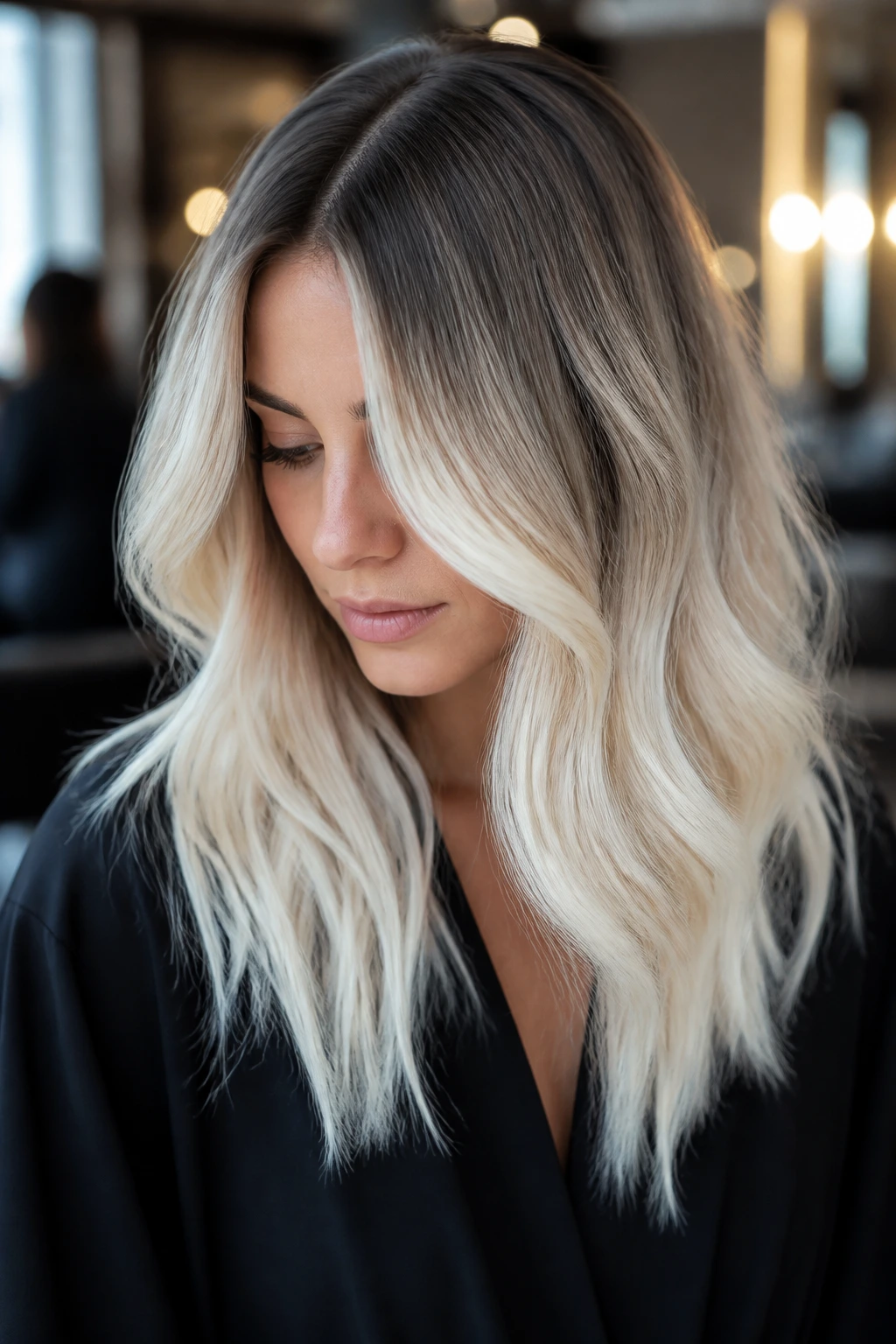
Platinum looks harsher when the root is too light. A deeper shadow root fixes that by giving the white-blonde ends some contrast. The color becomes sharper and more modern-looking, but not stripy.
This is the choice for someone who wants drama. Not subtle drama. Full-on contrast. The dark root should be soft enough to blend, but deep enough to make the platinum ends look almost luminous. I like it best on hair with some length, because the gradient has room to breathe.
Be honest with yourself about upkeep. Platinum ends need toner more often than beige or honey blondes, and the root shadow can only do so much. If you like a crisp finish and do not mind salon maintenance, though, this is one of the strongest shadow root blonde hair color ideas on the list.
9. Caramel Ribbon Blonde
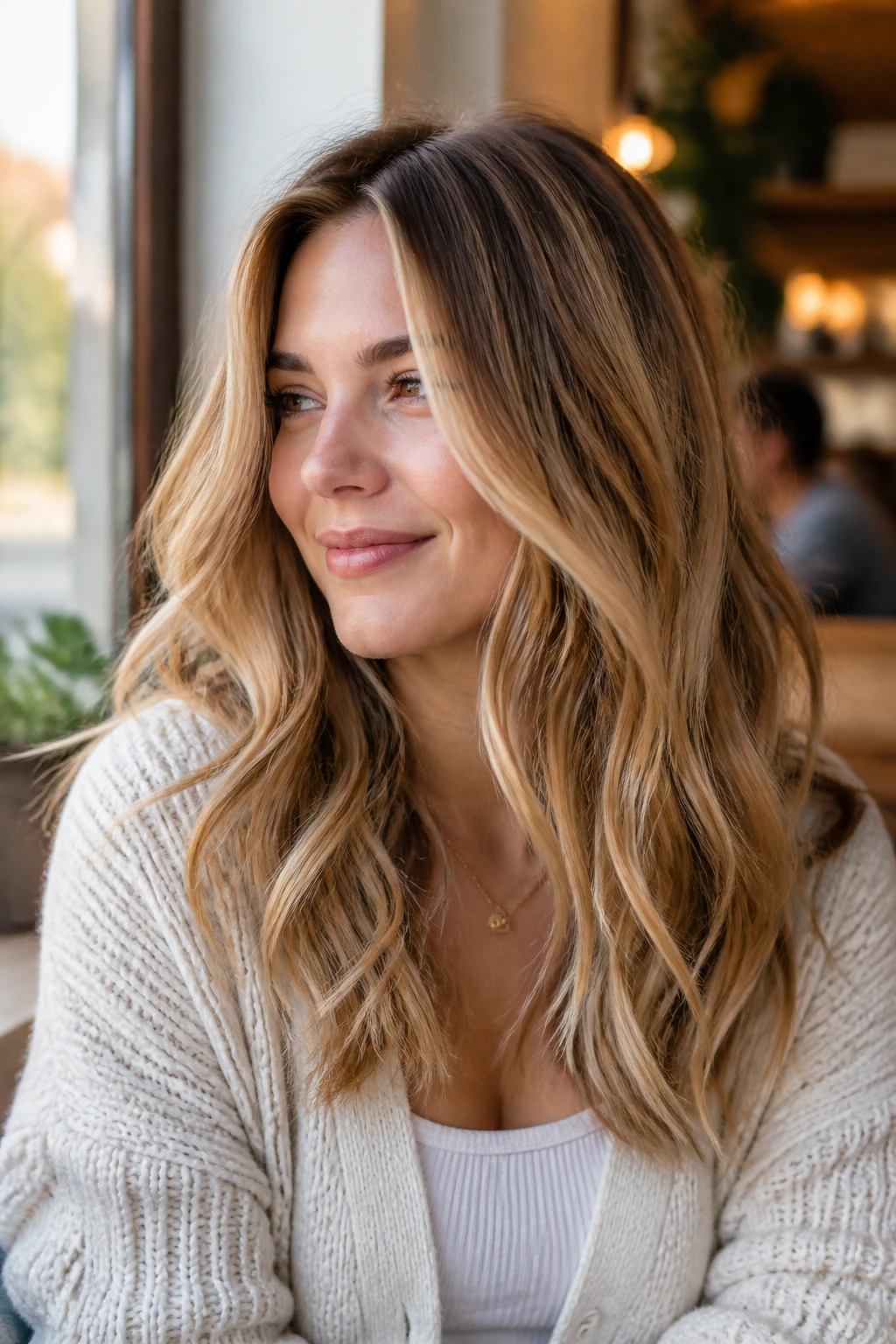
Why does caramel blonde always look richer when it’s done through ribbons instead of blocks? Because the color gets movement from the start. The shadow root keeps the crown darker, then the caramel threads float through the blonde like thin brushstrokes.
That contrast works especially well on medium to thick hair. It keeps the style from reading puffy or one-note. Caramel also plays nicely with warm skin tones, but it can look good on cooler complexions too if the blonde underneath stays beige instead of orange.
If your current blonde feels flat, this is a smart reset. Ask for fine ribbons rather than broad panels, and keep the root slightly smoky so the caramel doesn’t look too sweet. The result is softer than highlighted brunette, but deeper than regular blonde.
10. Ash Beige Shadow Root Blonde
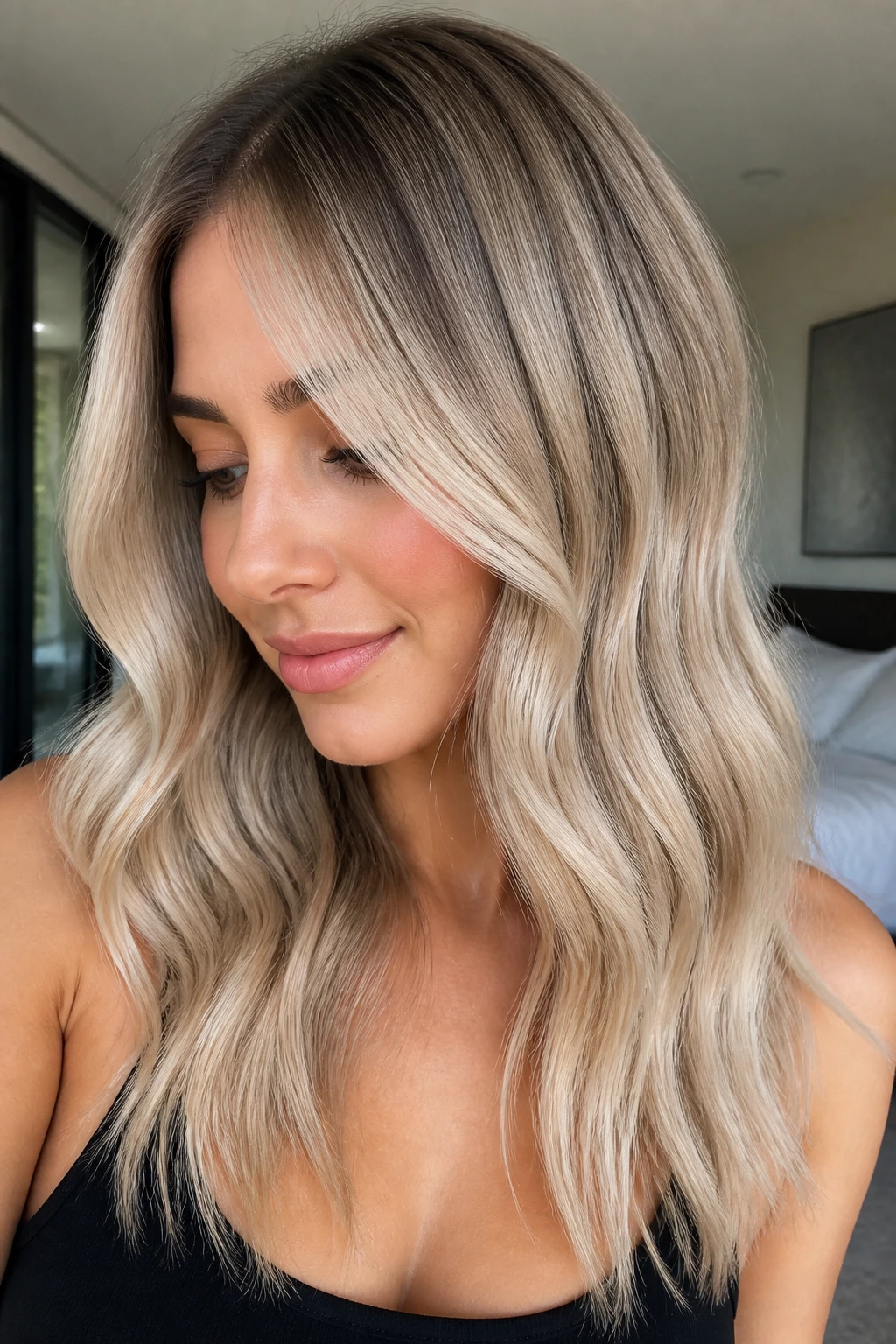
Ash beige is the answer when you want blonde without gold. The root shadow should stay cool and muted, then the blonde opens into beige lengths that feel soft rather than icy. It’s a calm, polished look, and I like it on people who get annoyed by yellow tones fast.
The Tone Difference That Matters
Ash beige is not the same thing as silver blonde. It has enough beige to keep the hair wearable, which means it doesn’t wash out the face the way ultra-cool blondes sometimes do. The shadow root helps the ash tone stay intentional instead of muddy.
Best Ways to Wear It
- Straight hair shows the contrast between root and ends beautifully.
- Wavy hair makes the beige tones look softer.
- A middle part emphasizes the clean color melt.
Tip: ask for a gloss that leans neutral, not blue-violet. Too much cool pigment can make ash beige look flat and dusty.
11. Strawberry Blonde with a Chestnut Root
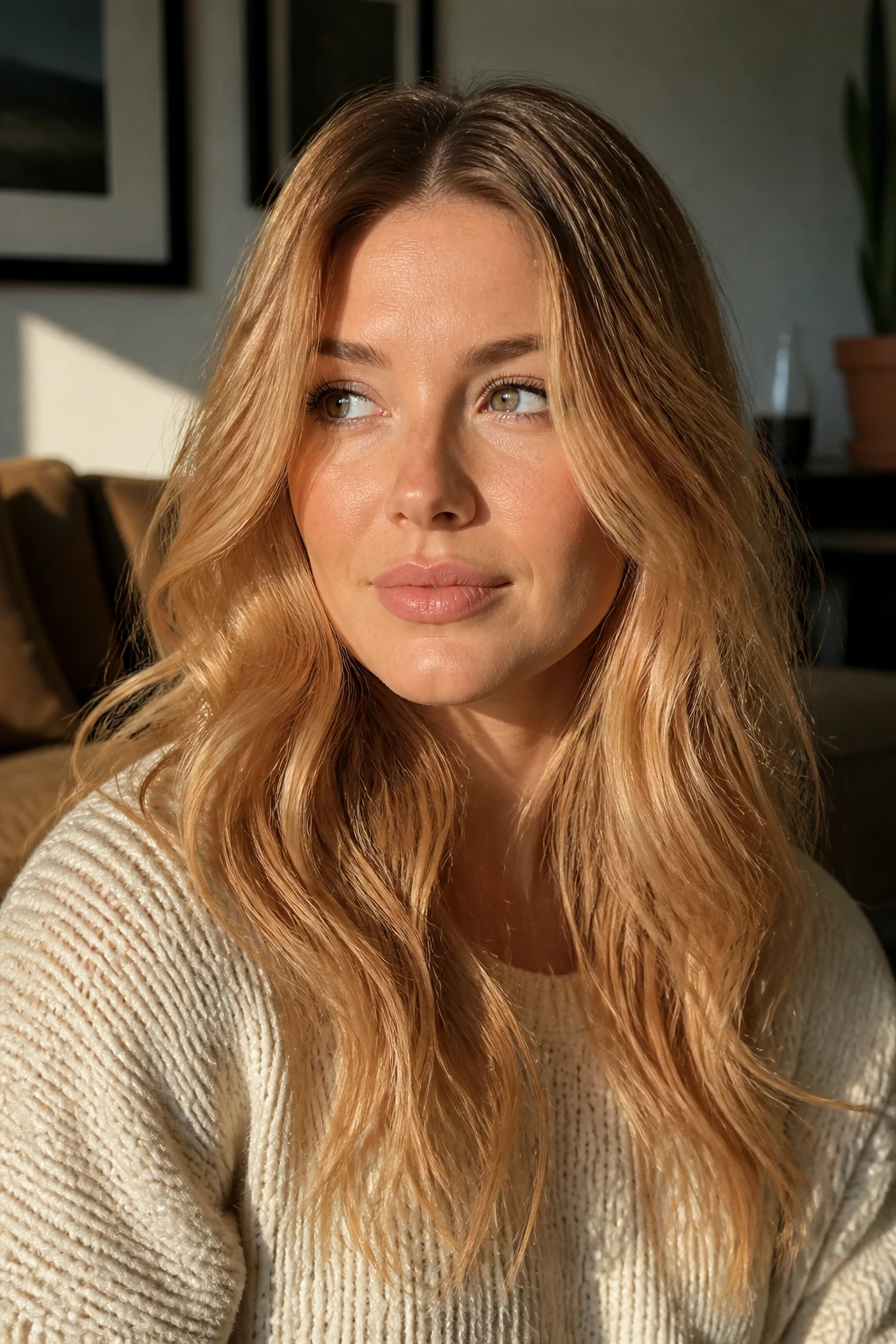
Strawberry blonde gets prettier when it doesn’t start at the scalp like a newborn’s first crayon. A chestnut root gives it some depth, and that depth makes the rosy-gold lengths feel richer. I like this look when the goal is warmth without obvious copper.
The best versions stay soft. You want a root that’s darker and slightly brown, then strawberry tones that show up in the mids and ends instead of sitting everywhere at once. That makes the color feel more natural and a little less candy-like.
If you have freckles or warm undertones, this can be ridiculously flattering. If your skin is cooler, ask for a more beige strawberry rather than a bright orange-red. The root shadow keeps the whole thing from looking too sweet.
12. Champagne Rose Blonde
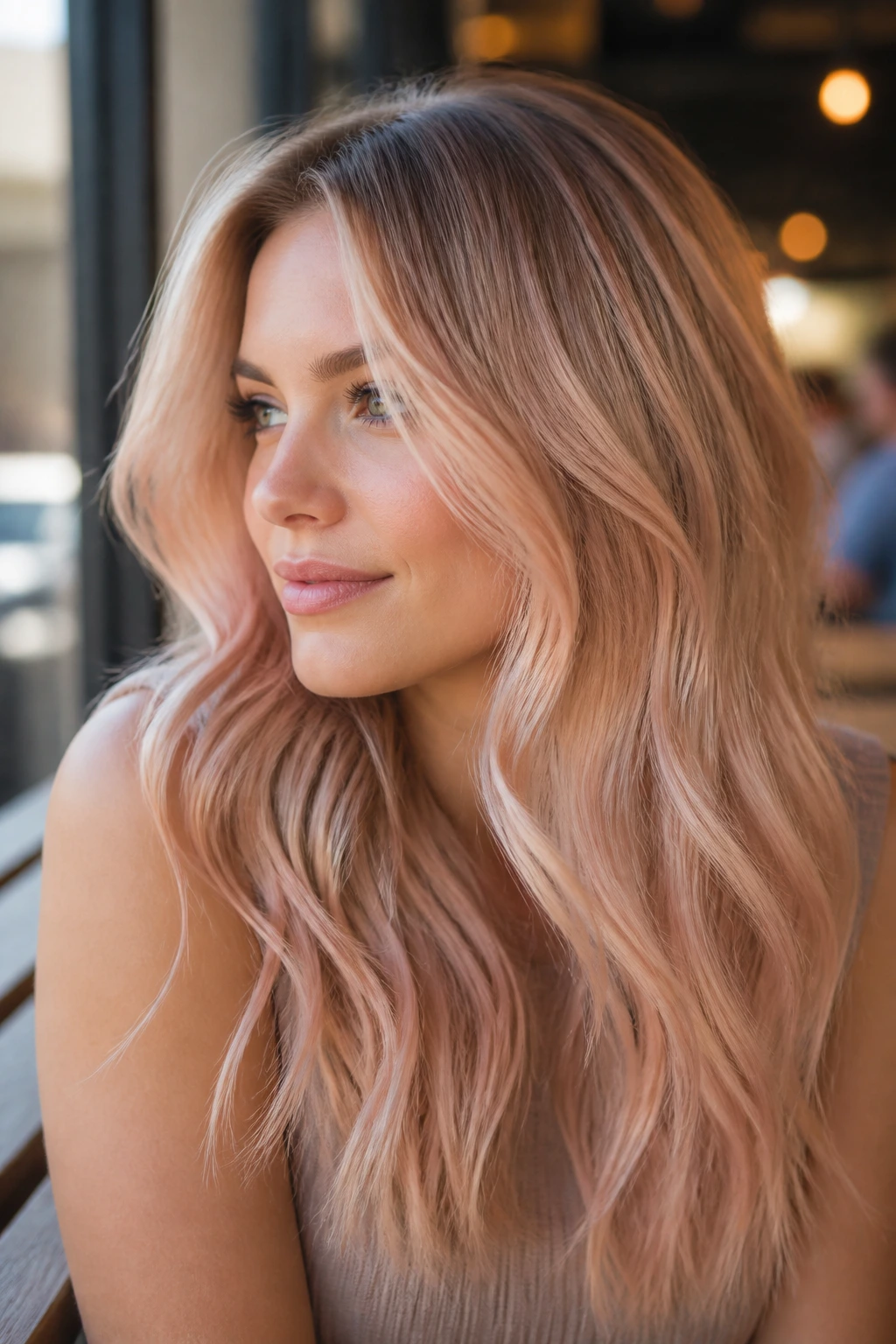
Champagne rose blonde is what happens when champagne gets a blush tint and somebody remembers to leave depth at the root. It’s feminine without being sugary, and the shadow root keeps the pink-peach notes from drifting into costume territory.
Compared with a plain rose gold blonde, this version feels softer and more expensive. The root should stay neutral beige or light ash brown, then the mids and ends get that pale rosy shine. It’s especially good on wavy hair because the color shows up in little flashes instead of one solid block.
This shade fades fast if you wash it too aggressively. Use cooler water, fewer harsh shampoos, and a color-safe conditioner that doesn’t weigh the hair down. The whole thing works best when it looks slightly diffused, not freshly painted.
13. Grown-Out Scandi Blonde
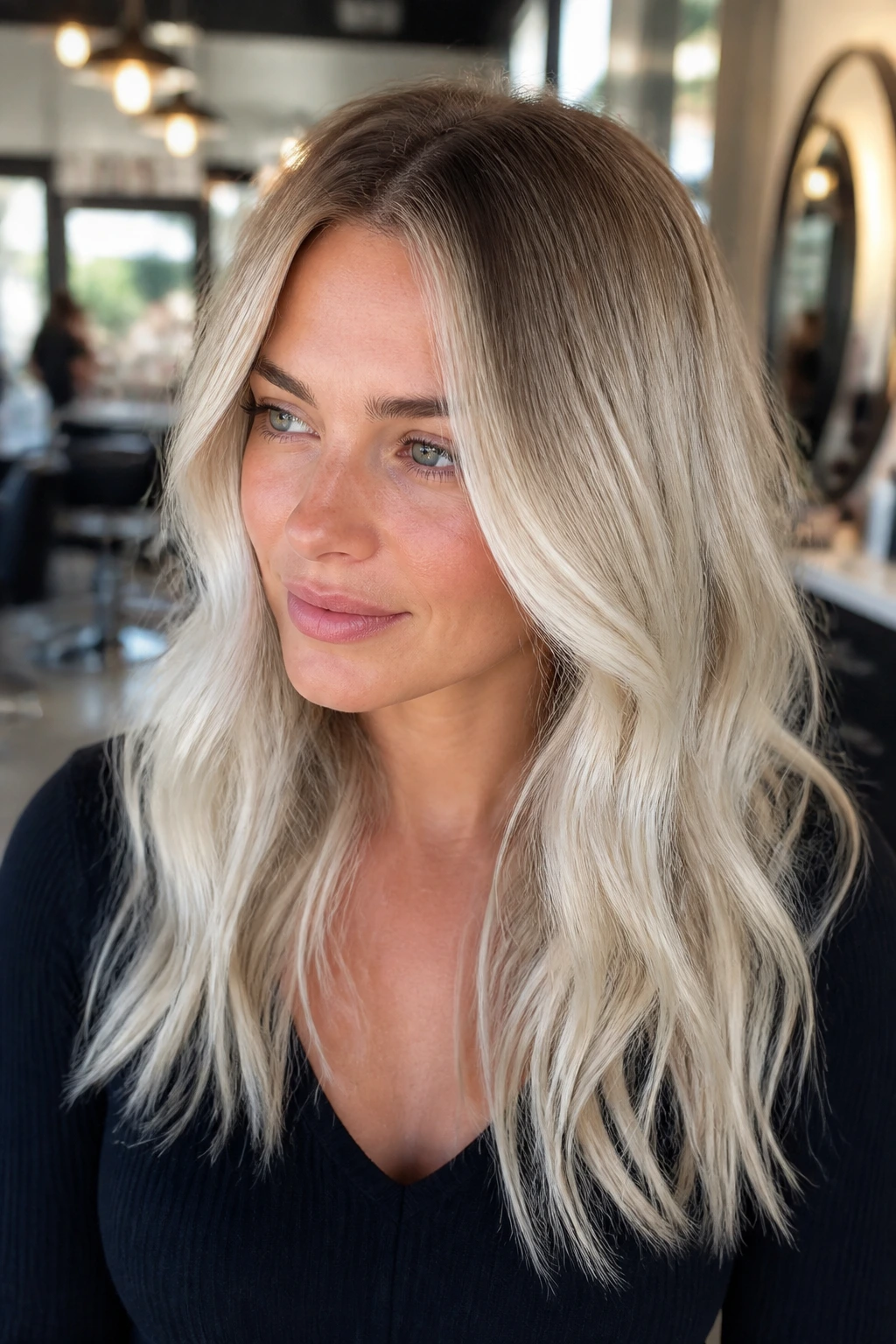
A grown-out Scandi blonde is basically a cool blonde that remembers to relax. The root stays visible on purpose, which is why it feels so modern without trying too hard. You get that pale, airy blonde through the lengths, but the crown keeps a little depth so the whole look doesn’t float away.
Why This Version Feels Easier
Traditional Scandi blonde can be brutal to maintain. A shadow root makes it friendlier. The regrowth blends into the blonde rather than sitting on top of it, and that means fewer panic appointments when the roots start showing.
What to Ask For
- Keep the root shadow cool but soft.
- Use scattered light pieces around the hairline.
- Let the ends stay as pale as your hair can safely handle.
My honest take: this looks best when the cut is clean. A crisp bob or blunt long layers make the color feel deliberate instead of messy.
14. Toasted Coconut Blonde
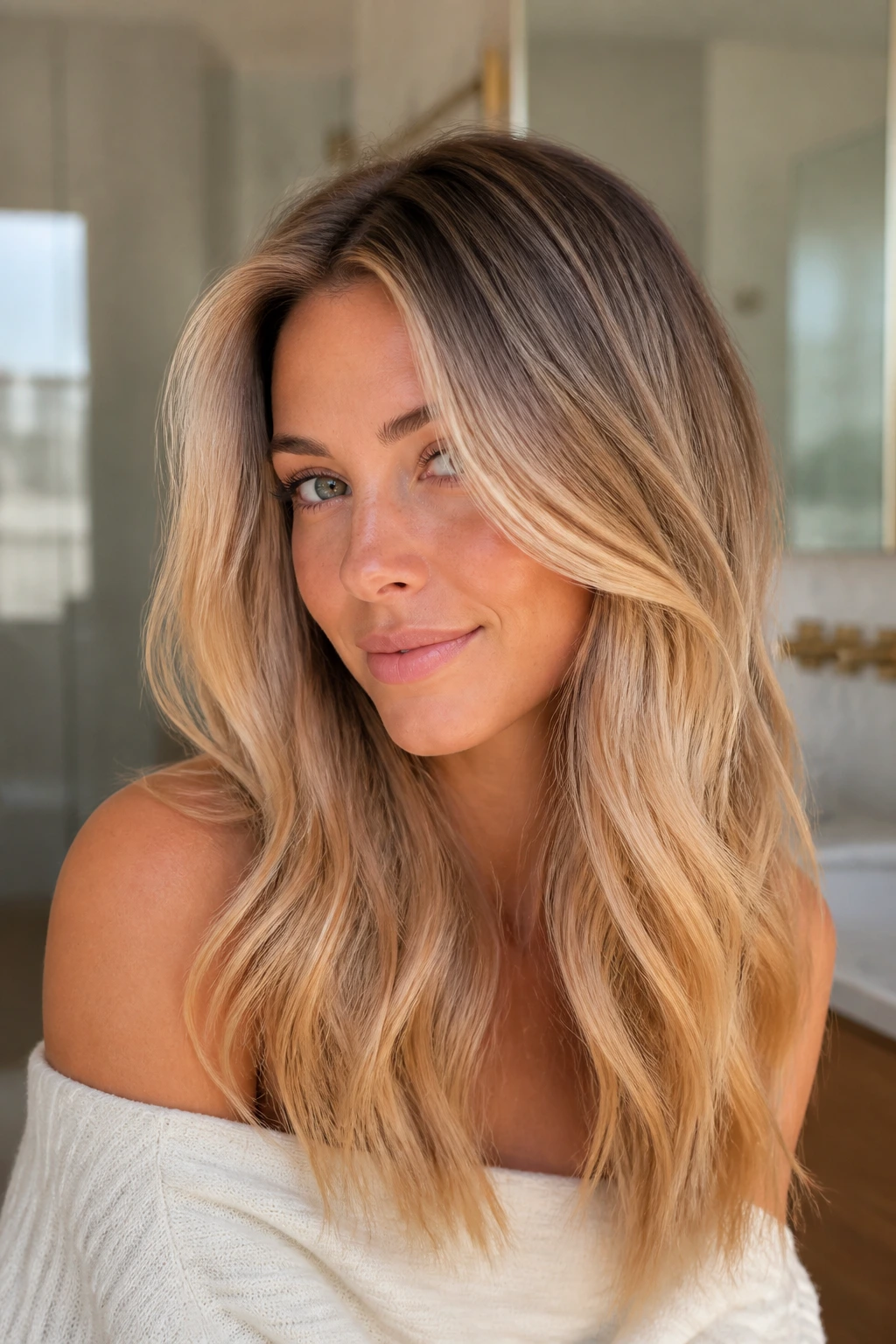
Toasted coconut blonde is warm at the ends and smoky at the top, which is why it looks so rich. The root shadow adds a little toasted depth, while the blonde lengths stay creamy and slightly golden, like the pale inside of a coconut shell.
This is a nice middle ground for people who find ash blonde too cold and honey blonde too orange. The color has warmth, but it’s controlled warmth. Tell your stylist you want the root soft and neutral, then let the blonde build brighter through the mids rather than right at the scalp.
It suits hair with a bit of texture because the different shades show up as movement, not stripes. On very straight hair, it can look sleek and glossy. On waves, it looks almost layered even when the cut is simple.
15. Buttery Face-Framing Blonde
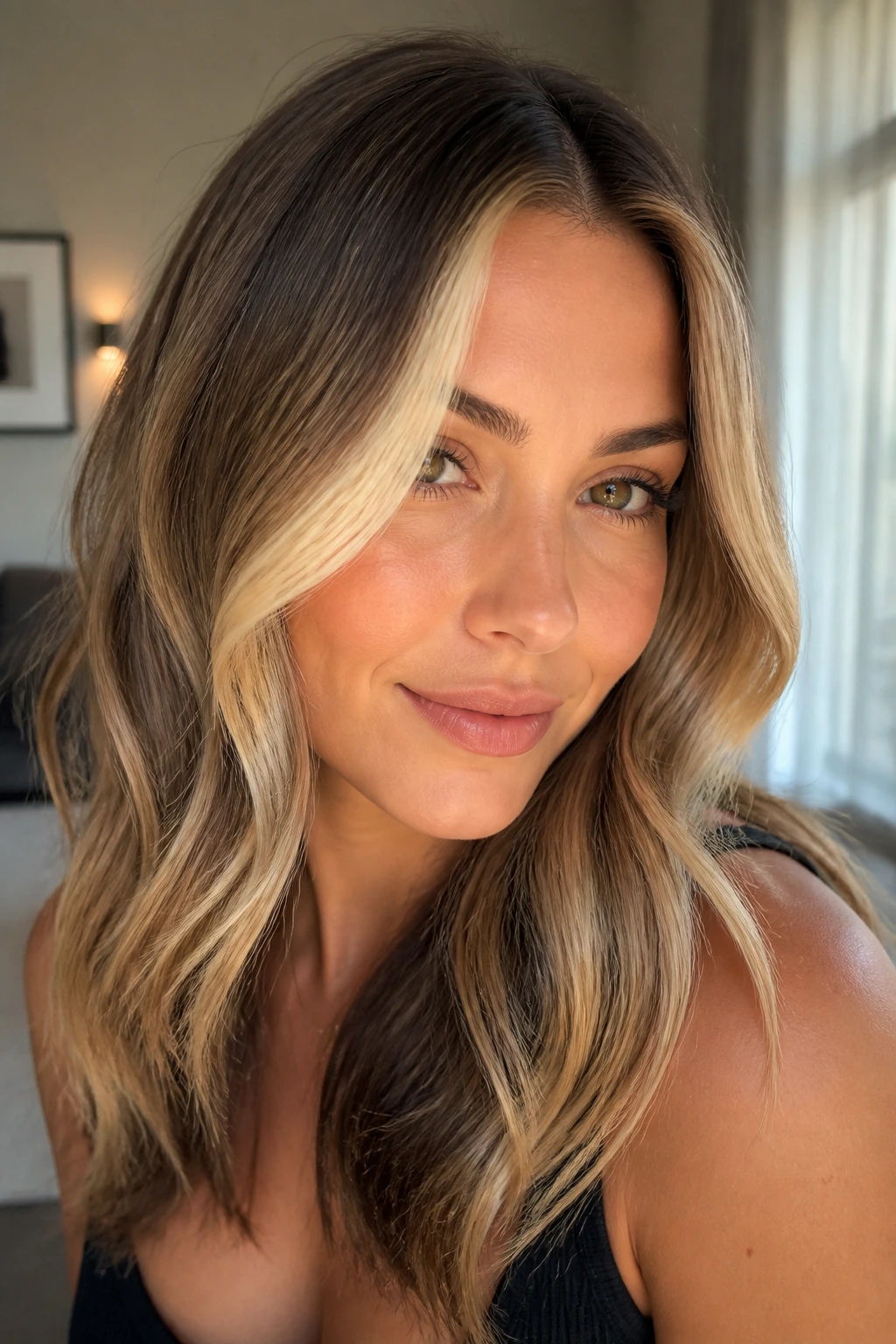
Does the bright stuff have to go everywhere? Not really. Buttery face-framing blonde proves the point. The shadow root keeps the crown deeper, while the front pieces are lifted enough to brighten the face fast.
This is one of the smartest shadow root blonde hair color ideas if you want impact without a full blonde overhaul. The face frame does the heavy lifting. The rest of the hair stays softer, which means the grow-out looks nicer and the overall color feels more wearable day to day.
How to Wear It Well
Ask for the front pieces to start just below the temple or cheekbone, depending on where you want the light to land. If you have strong features, a brighter face frame can sharpen them. If your face is already narrow, keep the front piece softer so it doesn’t take over.
The best part? You can keep the roots deeper in the back and still look bright from the front. That’s a good trade.
16. Smoky Ice Blonde
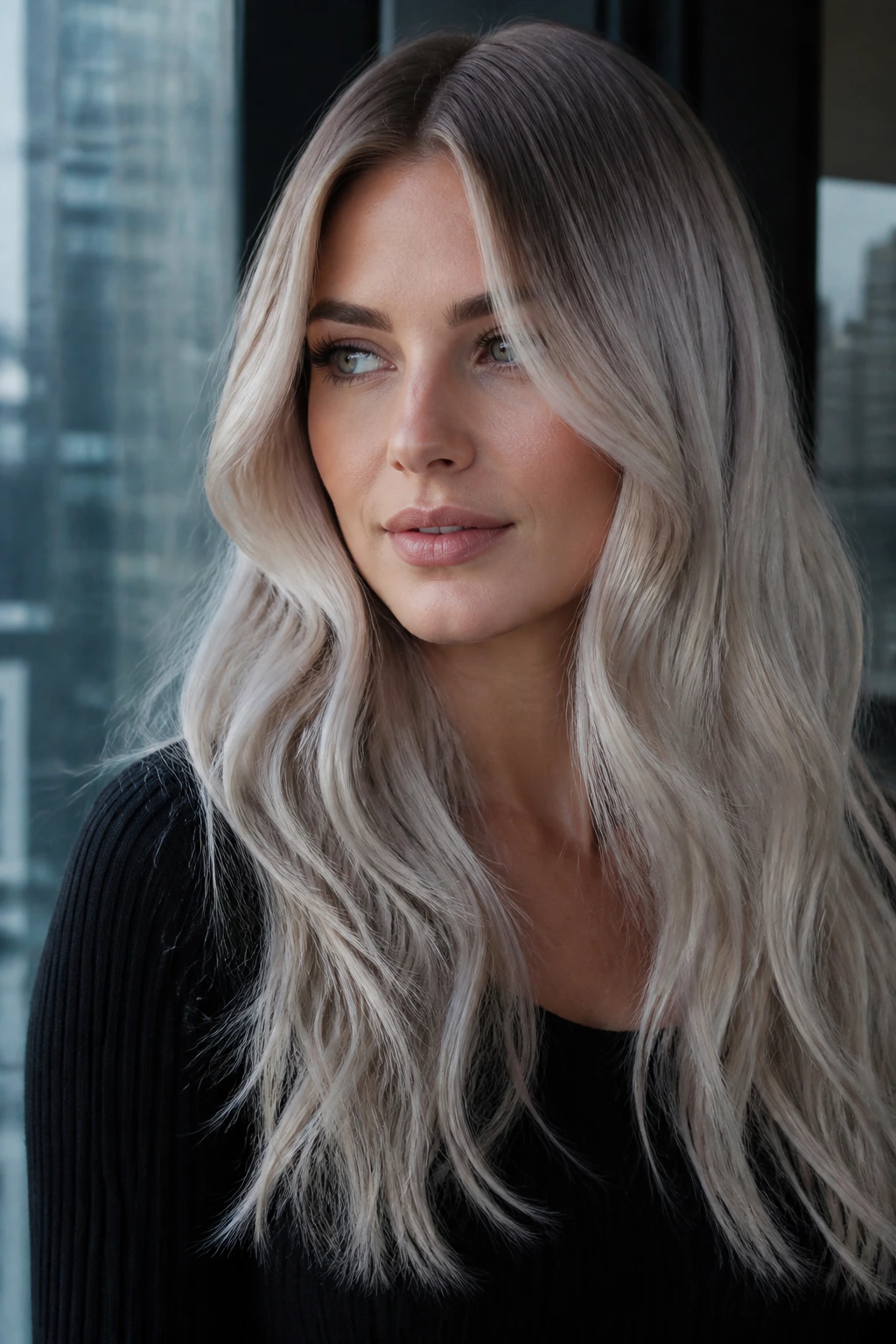
A smoky ice blonde is a little less severe than full platinum and a little more dramatic than beige blonde. The shadow root gives it a moody start, which stops the icy lengths from looking flat or over-bleached.
I like this look on short to medium hair because the contrast reads fast. You see the dark root, then the cool lengths, and the whole thing feels sharp without being harsh. It also works on longer hair if you want the ends to look almost white while the top stays grounded.
This shade needs toner discipline. If the cool pigments fade, the ice can go yellow in a hurry. A blue-violet shampoo once a week and a gloss every so often usually keep it honest.
17. Mocha Root Blonde Melt
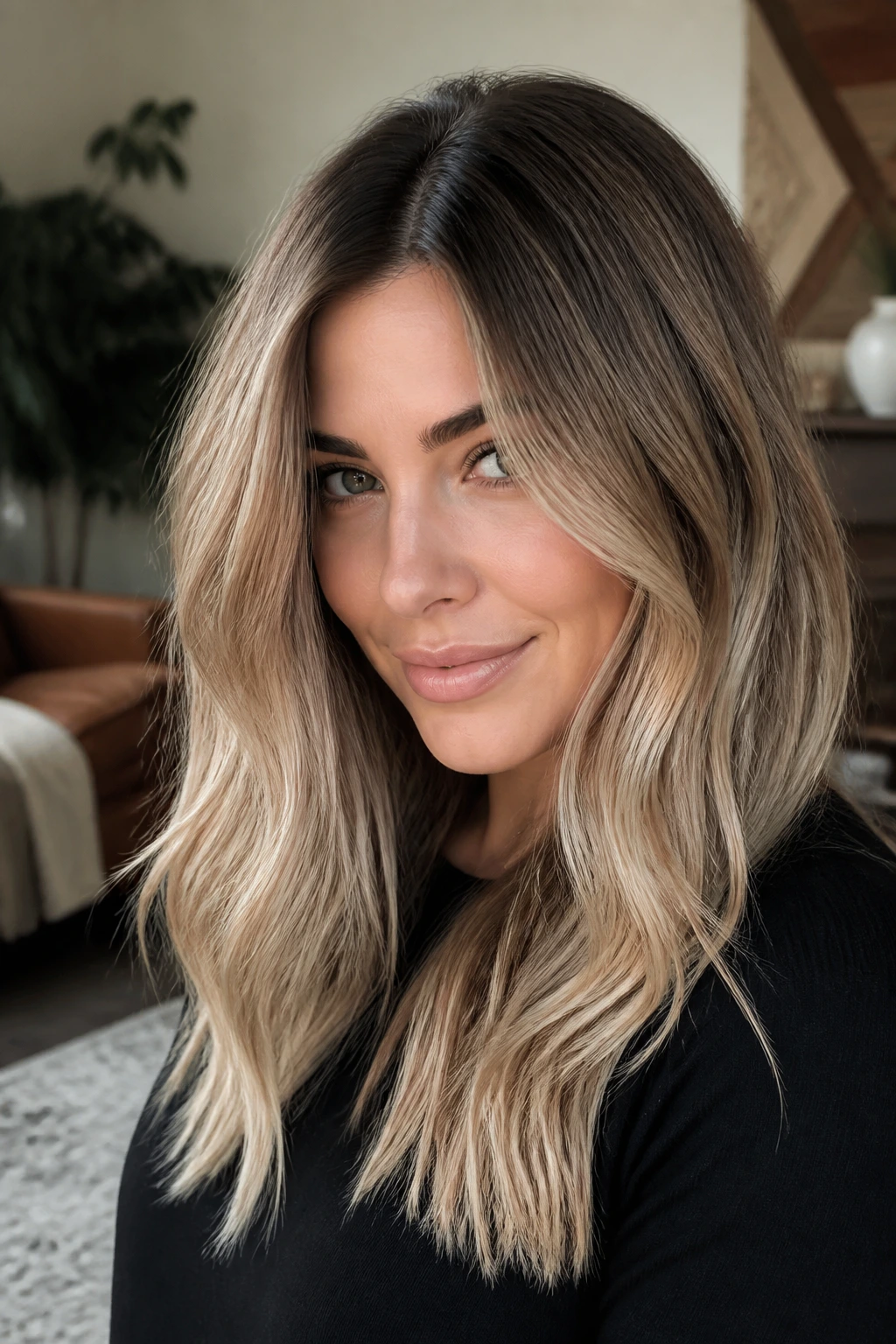
Mocha root blonde is what I suggest when someone wants to look blonde but still wants to recognize themselves in the mirror. The mocha root gives the style depth, and the melt into beige-blonde ends keeps it from becoming too dark.
It’s especially good for people with naturally medium brown hair who don’t want the grow-out to feel brutal. The root shadow can be soft and a little espresso-like, but the blonde should still start early enough that the color reads light overall. That blend makes the hair look thicker too, because the darker top gives the lighter pieces somewhere to live.
There’s something nice and unfussy about this shade. It doesn’t beg for attention. It just looks pulled together, which is often the better result.
18. Sunlit Wheat Blonde
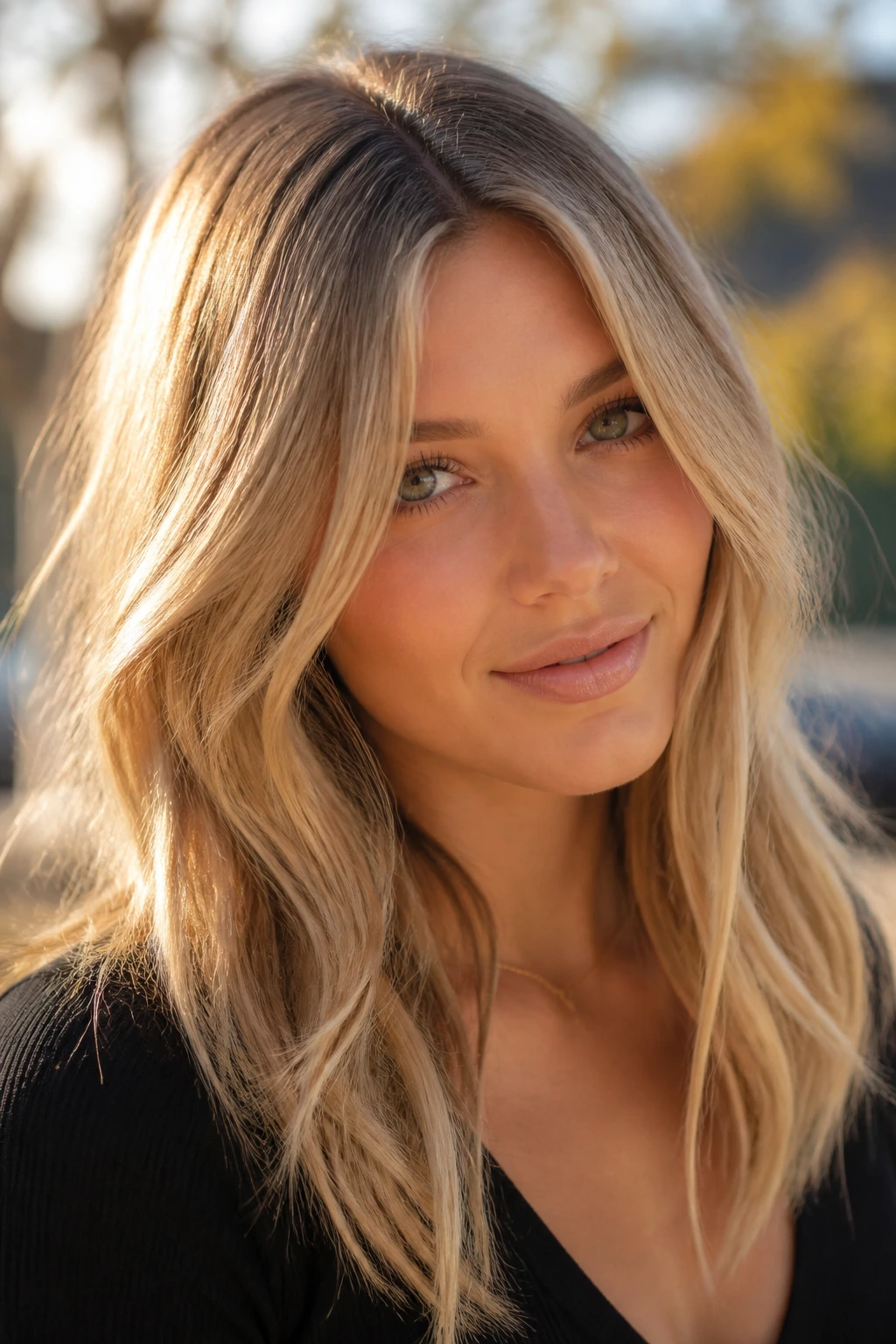
What makes wheat blonde so wearable is the absence of sharp edges. The shadow root stays a little deeper, the blonde opens into warm wheat and pale gold, and the whole thing feels like sunlight that settled into the hair instead of sitting on top of it.
Why It Beats Flat Gold
Flat gold can look one-dimensional fast. Wheat blonde has enough beige in it to stay soft. That root depth also keeps the color from feeling too light around the part line, which helps the style look fuller and less wispy.
Styling Notes
- Loose waves make the different gold tones visible.
- A light shine spray works better than heavy oil.
- If brass creeps in, tone the mids rather than the ends first.
Best match: someone who wants warmth, easy grow-out, and a blonde that never feels icy or severe.
19. Beige Blonde Lob with a Shadow Root
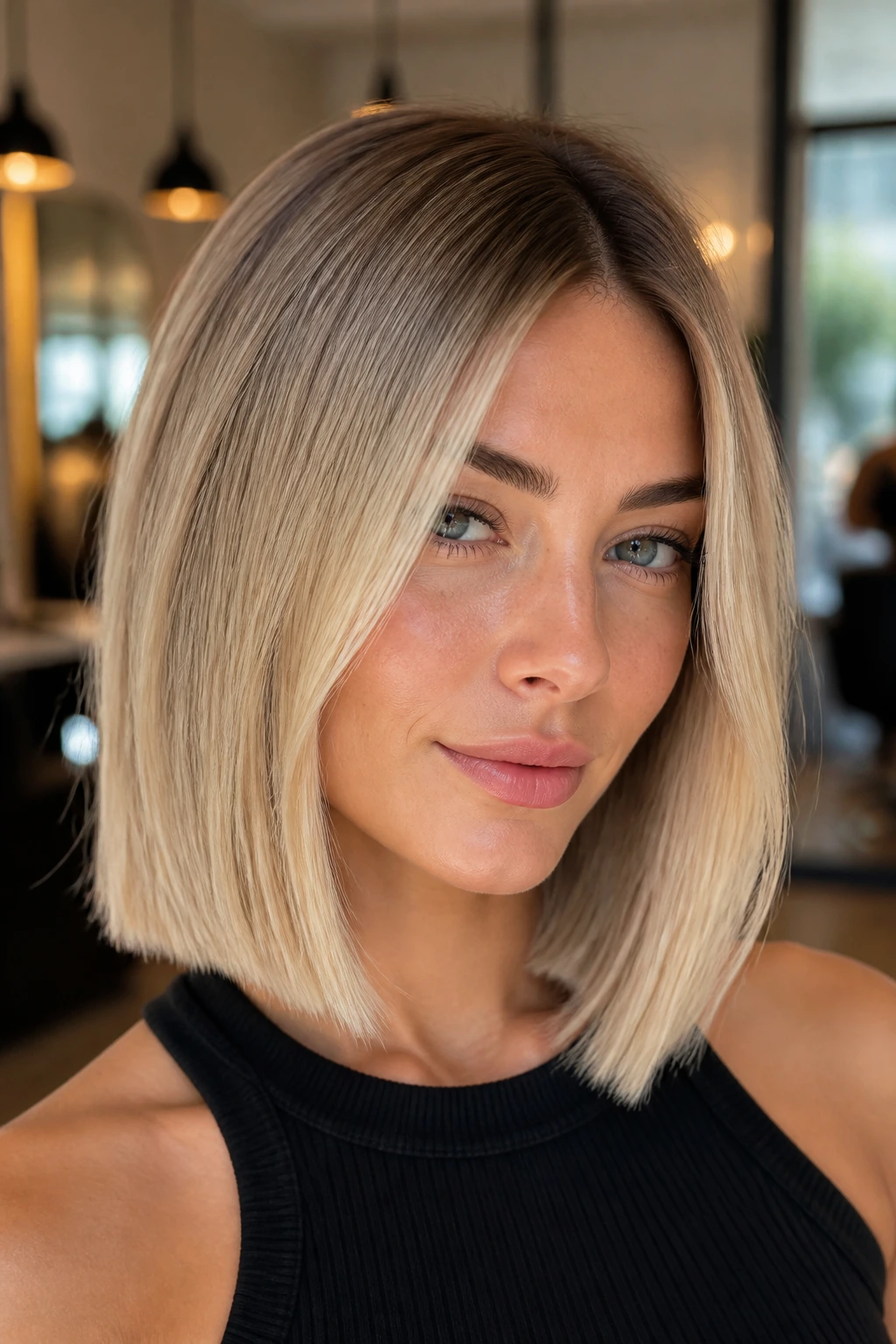
A lob is the perfect canvas for a shadow root blonde because the shape already feels clean and polished. Add beige blonde and the whole thing becomes smoother, softer, and easier to grow out. The darker root keeps the top from looking overdone, while the blunt edge of the lob keeps the blonde from going fluffy.
A Small Shape, Big Difference
This is one of those styles where the cut and color really need each other. A lob with a shadow root looks best when the ends are kept blunt enough to hold the line. That balance keeps the beige blonde from feeling too floaty.
Salon Request Cheat Sheet
- Ask for a neutral root smudge, about 1 inch deep.
- Keep the beige lighter through the front.
- Make sure the ends are glossy, not porous.
My favorite part: it looks sharp with straight styling and still holds up when you wear it slightly wavy.
20. Golden Blonde with a Soft Shadow Root
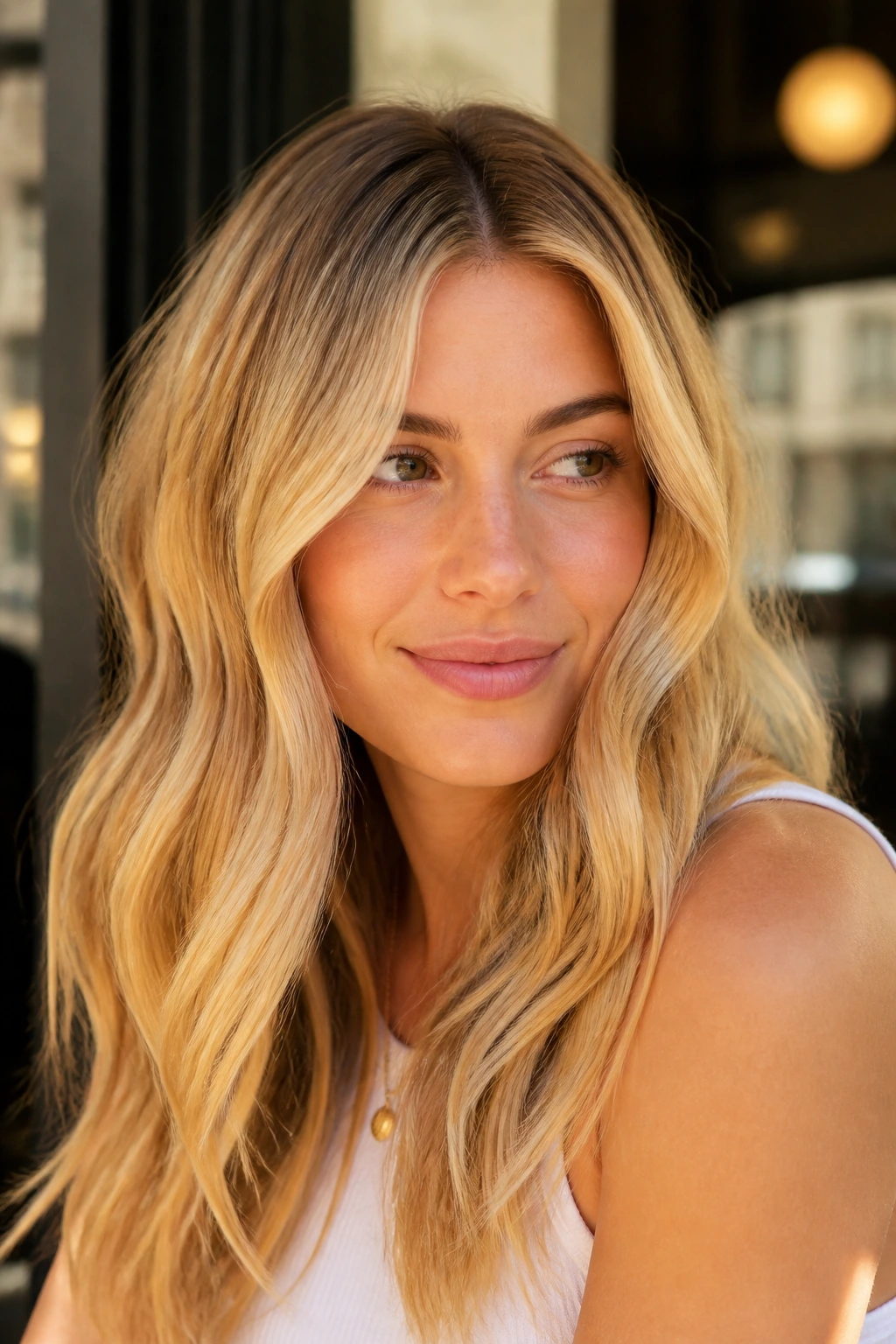
Golden blonde looks richer when the crown stays quiet. The soft shadow root gives the warmer pieces room to glow, and that glow is what keeps the color from turning flat or brassy.
This version is friendlier than a heavy honey blonde because the root stays more neutral. The blonde itself can be warm and sunny, but the base should stay deep enough to make the gold feel intentional. If the entire head goes the same tone, you lose that lift. If the root stays a shade darker, the light pieces almost shimmer.
It’s a good choice if your skin likes warmth and your hair naturally pulls yellow rather than orange. Ask for the blonde to be brighter around the face and softer near the nape. That little variation keeps the color from reading blocky.
21. Pearl Blonde Money Piece
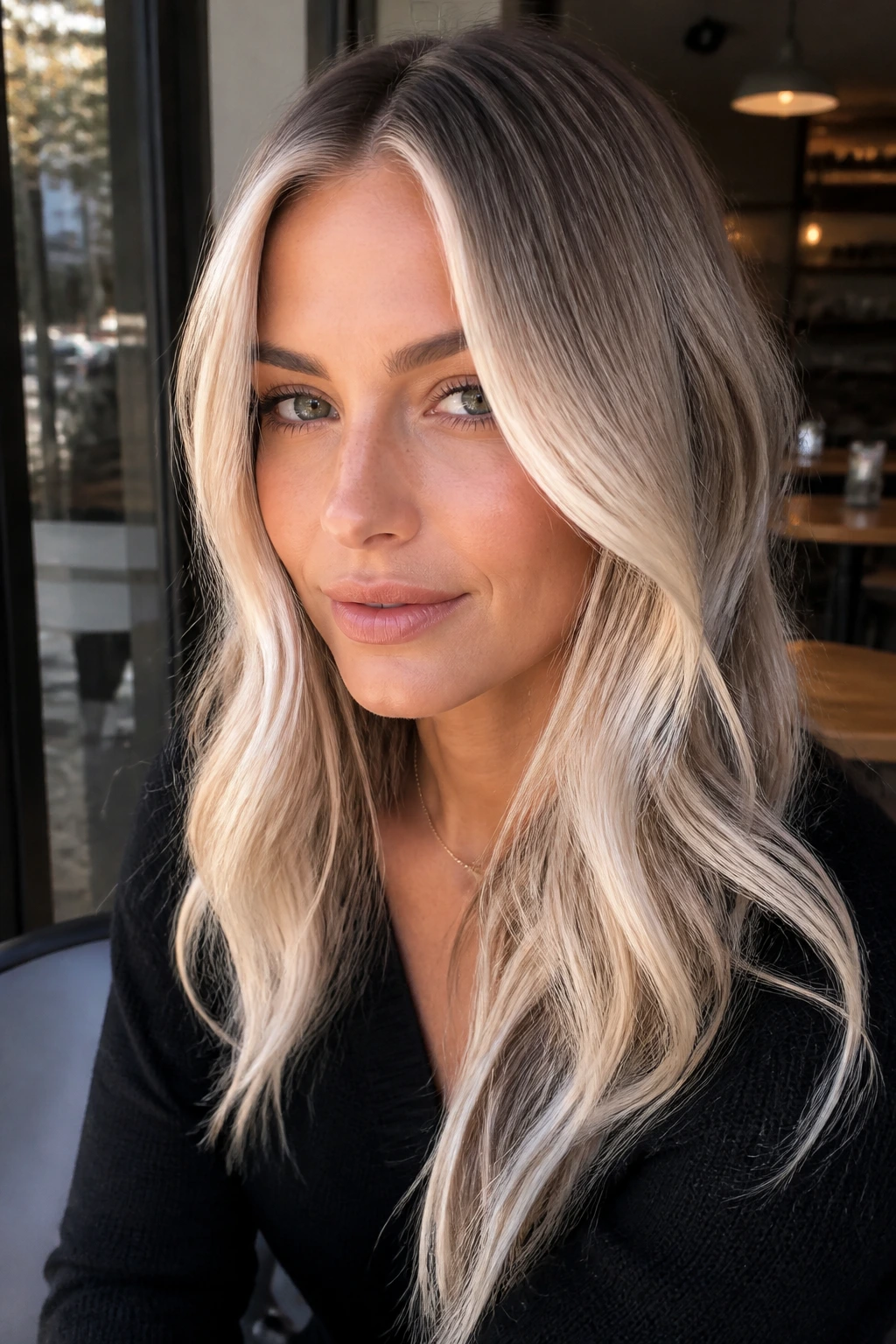
Why put the brightness in one place? Because sometimes that’s the smartest move. A pearl blonde money piece brightens the face immediately, while the shadow root keeps the rest of the color low-key and blended.
That front section should be pale, cool, and softly glossy, not white and chalky. The root can stay beige or neutral ash, which stops the money piece from looking disconnected from the rest of the hair. This is one of those looks that photographs well in real life because the contrast lands where people actually look first.
It’s also a great fix if you want to test a lighter blonde without bleaching everything to the same level. Start with the front, keep the crown deeper, and let the rest of the hair stay softer. Easy. Smart. Less regret.
22. Honey Ash Blonde
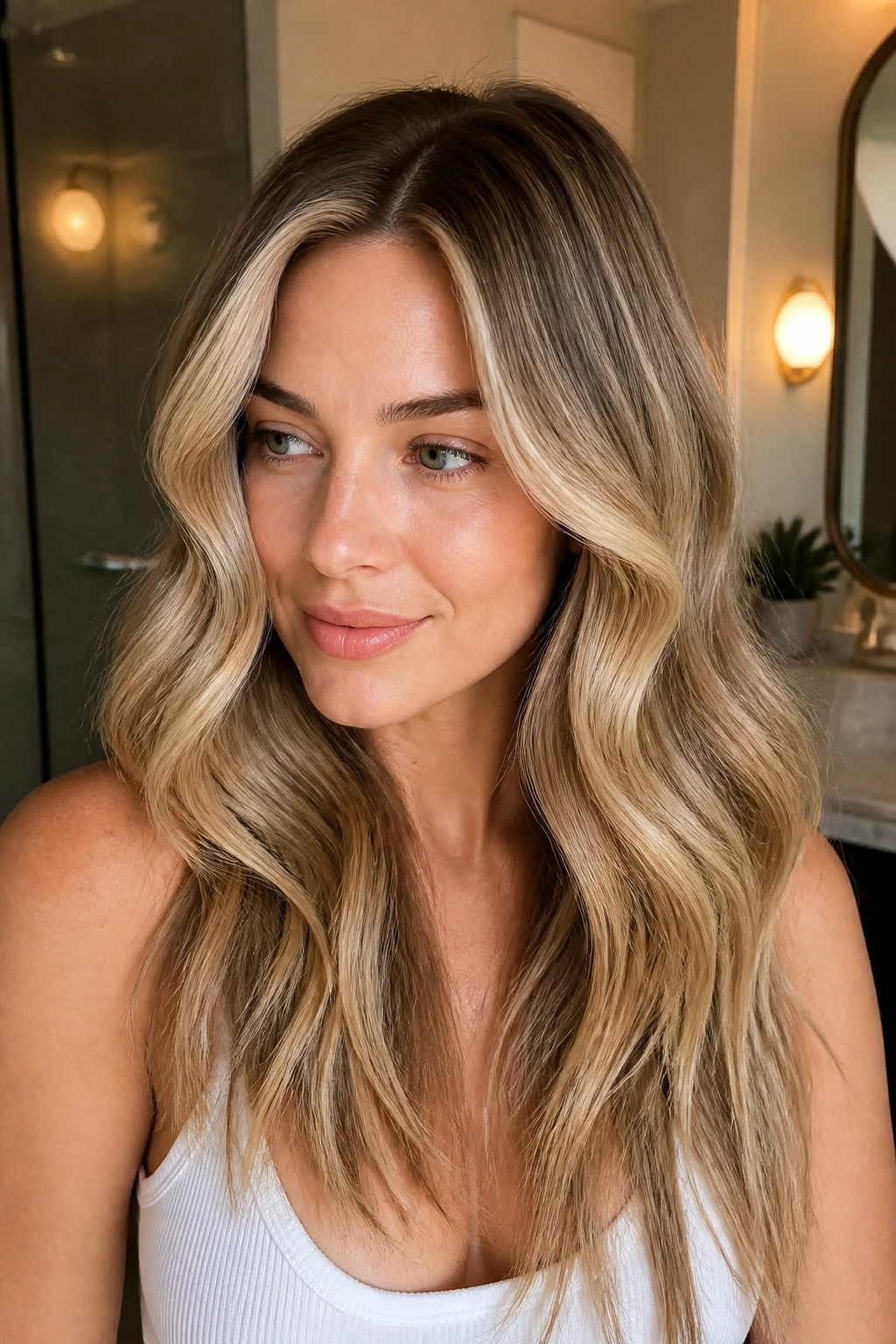
Honey ash sounds contradictory, and that’s exactly why it works. The root shadow keeps things grounded, the ash tones cool down the brass, and the honey pieces stop the whole style from looking cold.
This is a good option for someone whose hair tends to go orange but who still wants some warmth in the finish. The root can be a smoky beige-brown, then the mids pick up muted gold instead of bright yellow. That mix is especially flattering on layered cuts because the warm and cool pieces move together.
You do have to stay on top of toning. Not every wash, not dramatically, just enough to keep the ash from disappearing. If the warmth starts winning too hard, the shade loses its name.
23. Soft Bronde to Blonde Melt
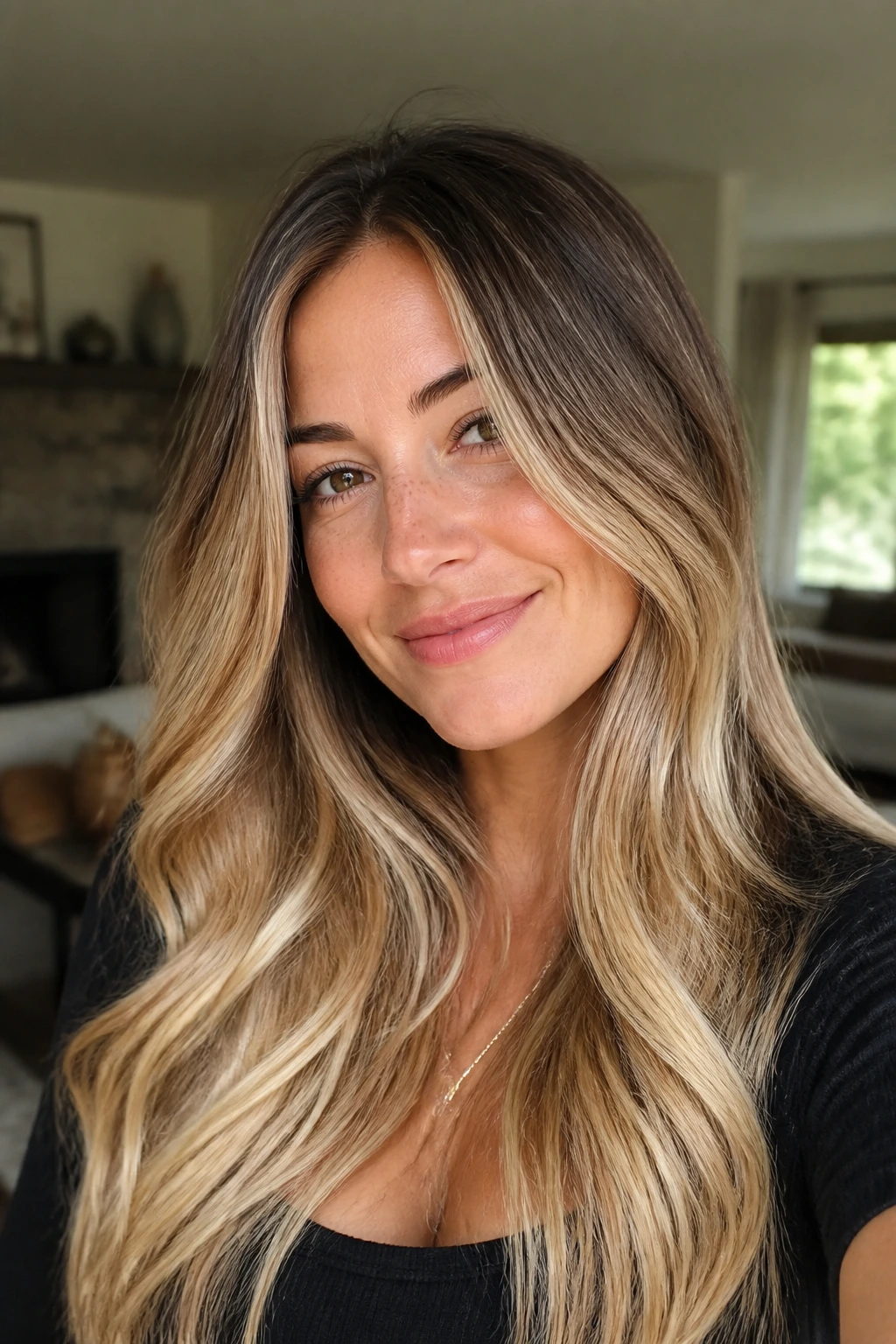
Soft bronde into blonde is one of the easiest color transitions to live with. The root shadow starts in brunette territory, the mids lighten through beige and caramel, and the ends settle into blonde without any harsh line between them.
I like this for people who are flirting with blonde but do not want to go all the way. The grow-out is forgiving, the color looks multi-tonal, and the hair tends to look thicker because the deeper root adds visual weight. It’s also a good move if your natural color is already somewhere between light brown and dark blonde.
The key is not letting the blonde pieces become too yellow. Keep them creamy, and let the root do the anchoring. That’s what makes the melt feel smooth instead of patchy.
24. Buttercream Blonde Bob
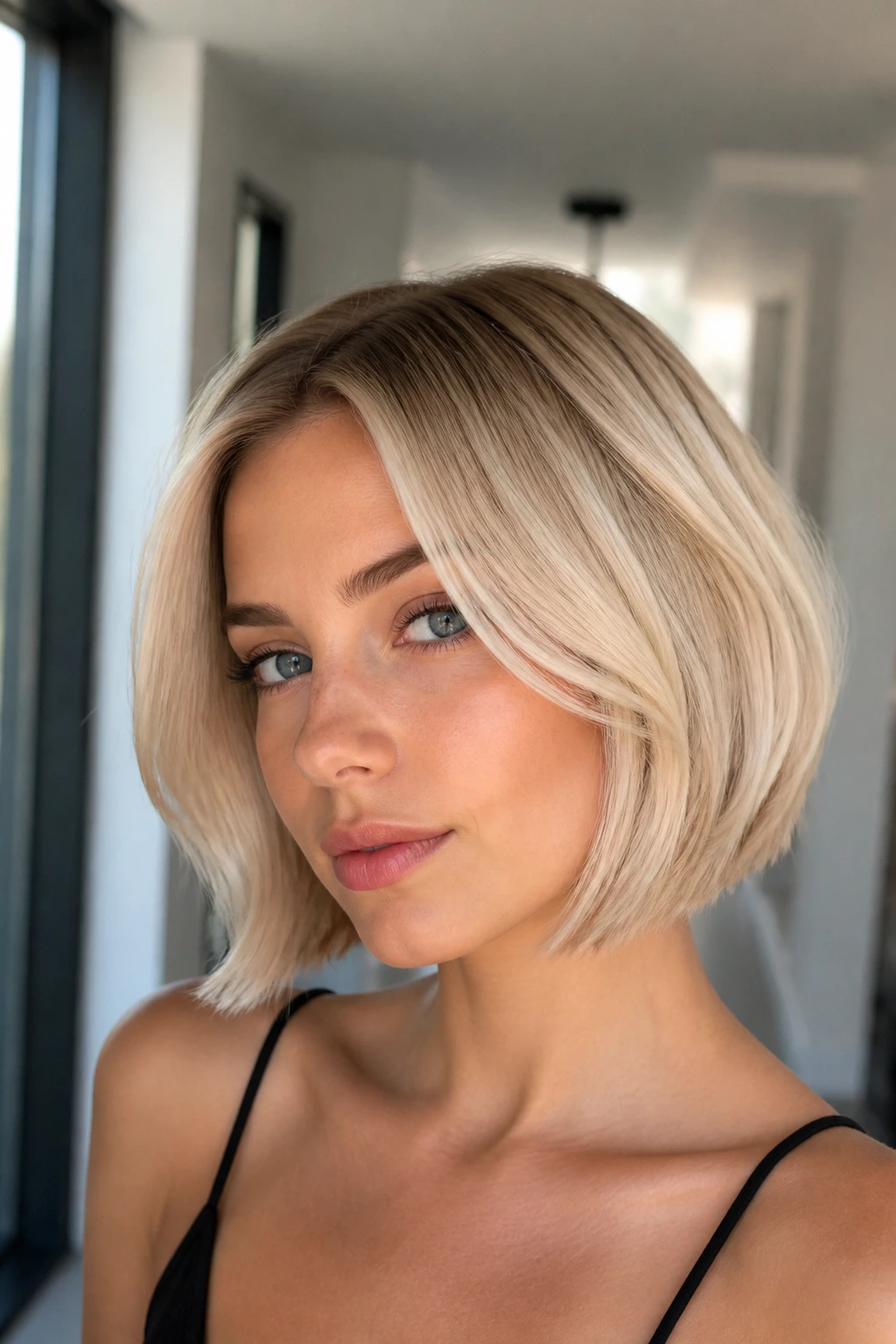
A buttercream blonde bob can look flat fast if the root is too light. Shadowing the crown solves that problem and gives the cut a bit of lift. The blonde itself should stay creamy and smooth, like softened butter rather than bright yellow frosting.
Why the Bob Needs Depth
A bob has less length to show off a color melt, so the root matters even more. A slight shadow makes the shape look denser at the top and cleaner around the edges. It also keeps the cut from turning into one solid block of pale blonde.
A Few Practical Notes
- Keep the root a shade deeper than the mids.
- Use a gloss to hold the buttery tone.
- Tuck one side behind the ear to show the blend.
Best on: chin-length to collarbone bobs with a straight edge or soft bend.
25. Rooted Surf Blonde
Rooted surf blonde has that lived-in, salty feel without looking messy. The shadow root gives the crown some depth, then the blonde pieces move through the lengths like sun lightening that happened over time. It’s easy, but not lazy. There’s a difference.
This shade works especially well on waves, because the bends break up the color in a natural way. Ask for scattered highlights rather than even placement. That keeps the blonde from becoming too uniform and helps the root melt into the rest of the hair.
I’d choose this for someone who likes a beachy finish and doesn’t want to fuss with perfect styling every morning. It looks better the more relaxed it is. That’s the charm.
26. Ultra-Light Champagne Blonde
Ultra-light champagne blonde needs a shadow root or it can go flat in a hurry. The root gives the hair a starting point, and the champagne tone keeps the ends from turning stark white. When it works, it looks airy and polished, not overprocessed.
This is for someone who wants a very light blonde but still wants some softness around the part line. The root should stay close to your natural depth, just smudged enough to avoid a hard line. The mids can stay pale and reflective, with the ends just a touch more translucent.
It’s not a low-maintenance look, and I’d never pretend it is. But if you love bright blonde and you want it to look a little more grown-up, this shade does the job better than one flat platinum wash ever could.
27. Cinnamon-Maple Blonde
Cinnamon-maple blonde is warmer and more dimensional than people expect. The shadow root keeps the top from turning orange, while the blonde lengths catch red-gold and soft maple tones that look rich instead of loud.
What Makes It Distinct
A lot of warm blondes melt together too much. This one needs contrast. The root should stay deeper and cooler, while the midlengths pick up the cinnamon warmth and the ends glow with maple gold. That separation gives the color its shape.
Where It Shines
- Beautiful on layered cuts.
- Good for naturally warm brunettes going lighter.
- Easy to dress up with curls or a round-brush blowout.
Small warning: if your hair already pulls very red, keep the cinnamon muted. Too much red can make the whole blonde look coppery.
28. Cream Soda Blonde
Cream soda blonde is sweet in the best way. The shadow root keeps it from going sugary, and the blonde itself has a creamy beige-gold finish that feels soft around the face. It’s one of those shades that looks expensive because it never gets too loud.
Picture a darker root, then a frothy beige blonde through the mids, and pale creamy ends that still show dimension. That’s the target. I like this version on medium to long hair because there’s room for the color melt to show. On shorter hair, it can still work, but you need the root shadow to stay feathered.
This is also one of the friendliest shades for people who want blonde but hate a cold finish. It’s warm, but not honey-heavy. Easy to wear.
29. Spun Sugar Blonde
Spun sugar blonde is soft, light, and a little airy around the edges. The shadow root keeps the top grounded, while the blonde pieces stay pale and fine, like threads instead of big panels. That makes the color feel delicate without turning fragile.
It’s a nice choice for fine hair because the darker root adds a bit of visual density. On thicker hair, it softens the overall look and keeps the blonde from becoming too heavy. The shade works best when the highlights are placed in thin, scattered sections rather than broad chunks, because the whole point is movement.
I’d ask for a gloss that leans neutral-beige, not overly gold. That keeps the spun-sugar effect from drifting into butter yellow. Soft is the keyword here. Soft and light.
30. Dusty Beige Blonde with a Clean Grow-Out
A dusty beige blonde with a clean grow-out is the practical blonde I keep respecting more and more. It’s not flashy. It’s not trying to be. The shadow root does the quiet work of blending your natural color into the beige lengths, and the result is tidy even when the roots start pushing through.
This is the shade for someone who likes a polished look without babysitting every inch of regrowth. The beige tone stays neutral enough to work with a lot of skin tones, and the root depth keeps the part line from looking too stark. If you wear your hair straight, the blend looks crisp. If you wear it wavy, it looks softer and more expensive.
Tell your colorist you want the root to fade, not stop. That little difference is what makes the grow-out clean instead of obvious.
