



Thick wavy hair has a personality problem in the best possible way. It can look expensive with almost no effort, then turn boxy, puffy, or strangely heavy if the cut fights the texture instead of working with it.
That’s why thick hairstyles for wavy hair are such a sweet spot. The right shape keeps the movement, controls the bulk, and lets the waves do the interesting part. The wrong one leaves you pushing hair behind your ears all day, wondering why it suddenly feels like a mop.
The main thing to understand is weight. Dense waves need places to move, air between the layers, and a perimeter that makes sense for the face and the shoulders. You don’t have to chop everything off to get that shape. You just need the right outline, the right length, and a style that doesn’t collapse under all that hair.
Some of these looks are cuts. Some are styles you can pin, braid, twist, or pull up on days when you want your hair off your neck. A few are polished, a few are messy on purpose, and a few are the kind of thing people with thick waves end up wearing on repeat because they work when the weather changes, when you skip wash day, and when you’re in a rush.
1. Long Layers for Thick Wavy Hair
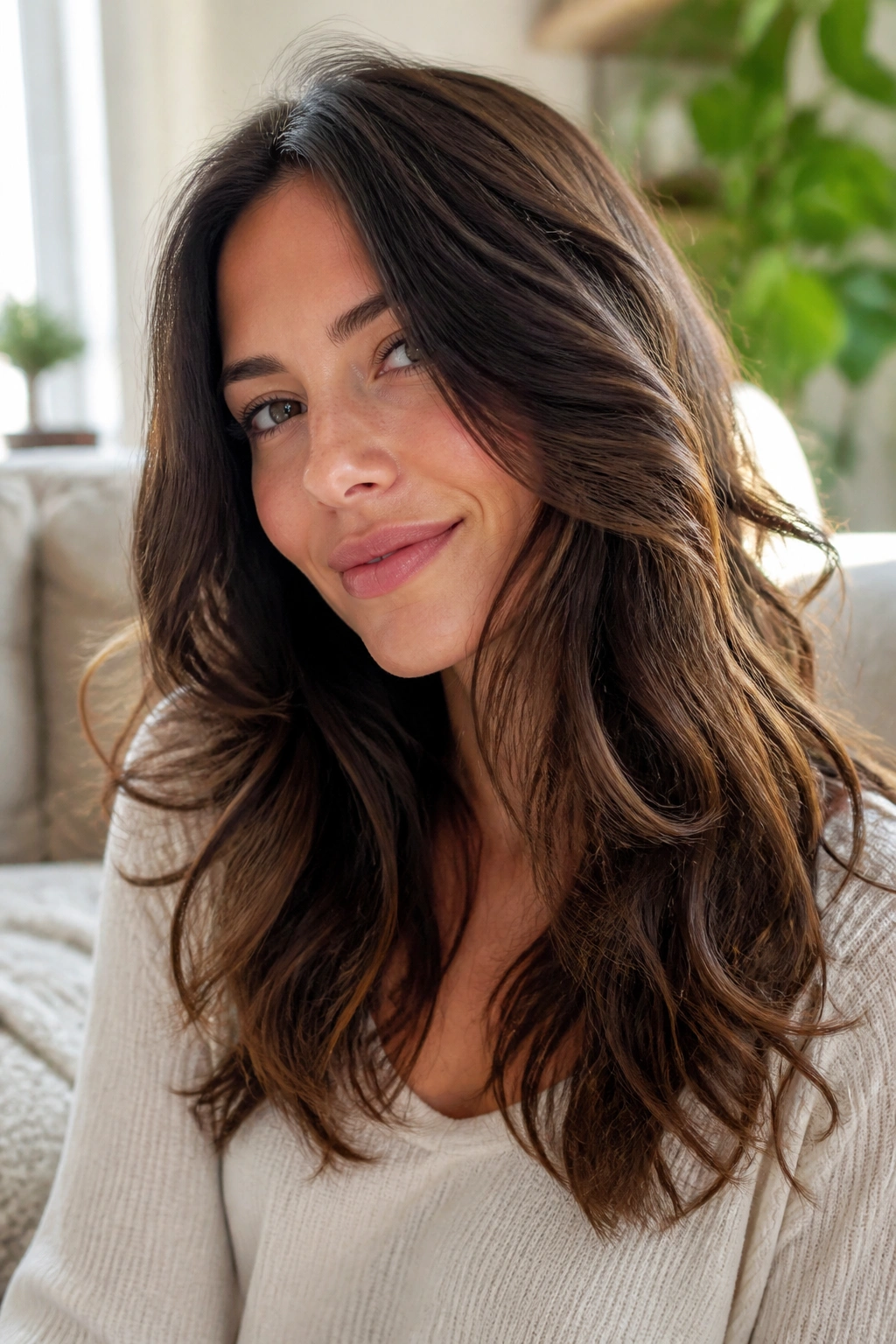
Long layers are the safest place to start if you like your length and don’t want your waves to feel boxed in. They remove weight from the mid-lengths, which helps thick hair fall with more swing instead of forming a heavy curtain.
The trick is keeping the layers long, not choppy. Ask for face-framing pieces that begin around the chin or collarbone, then let the rest blend down the back. That keeps the shape soft and makes the wave pattern show up instead of disappearing under bulk.
This is one of those cuts that looks better when it’s slightly imperfect. A little frizz at the crown? Fine. A bent piece near the ends? Also fine. Thick waves need room, not perfection.
2. The Soft Shag With Feathered Ends

Why does the shag keep showing up for wavy hair? Because it solves the exact thing thick hair struggles with: too much weight in the wrong places. The shorter crown pieces lift the top, while the feathered ends stop the bottom from feeling like a shelf.
Why It Works on Dense Waves
A soft shag gives you shape without asking you to fight your texture every morning. The layers land at different points, so the hair doesn’t sit as one heavy block. That means the wave pattern gets more visible, especially once a little mousse or curl cream scrunches it up.
- Best if you want movement without losing body.
- Works well when the ends look blunt and heavy.
- Easy to air-dry with a leave-in and a diffuser.
- Looks even better on day two, when the texture settles.
My favorite part: it looks styled even when it isn’t. That’s a rare thing.
3. Collarbone Lob With Invisible Layers
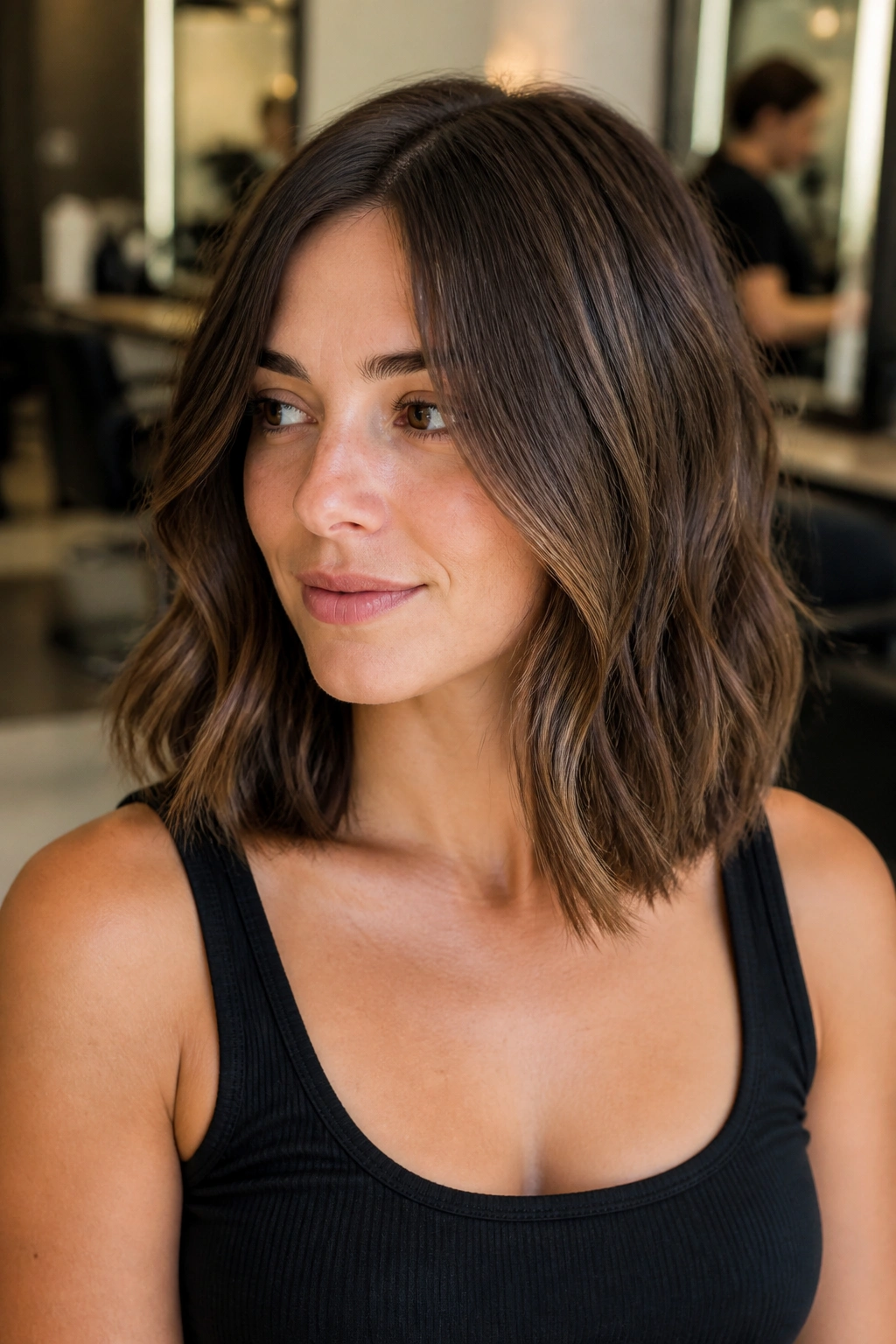
A collarbone lob is one of the smartest lengths for thick wavy hair. It hits at a spot where the hair can move, but it is still long enough to tuck behind the ears or pull into a clip when you need it out of the way.
Invisible layers are the secret here. They take weight out from inside the cut, not from the outline, so the lob keeps its clean shape while the waves loosen up. If you like a polished look without losing texture, this is a strong middle ground.
Ask for the perimeter to stay blunt, then let the interior carry the movement. That combination keeps the style from puffing out. It also means you can wear it air-dried one day and brushed out the next without it looking like two different haircuts.
4. Curtain Bangs for Thick Wavy Hair
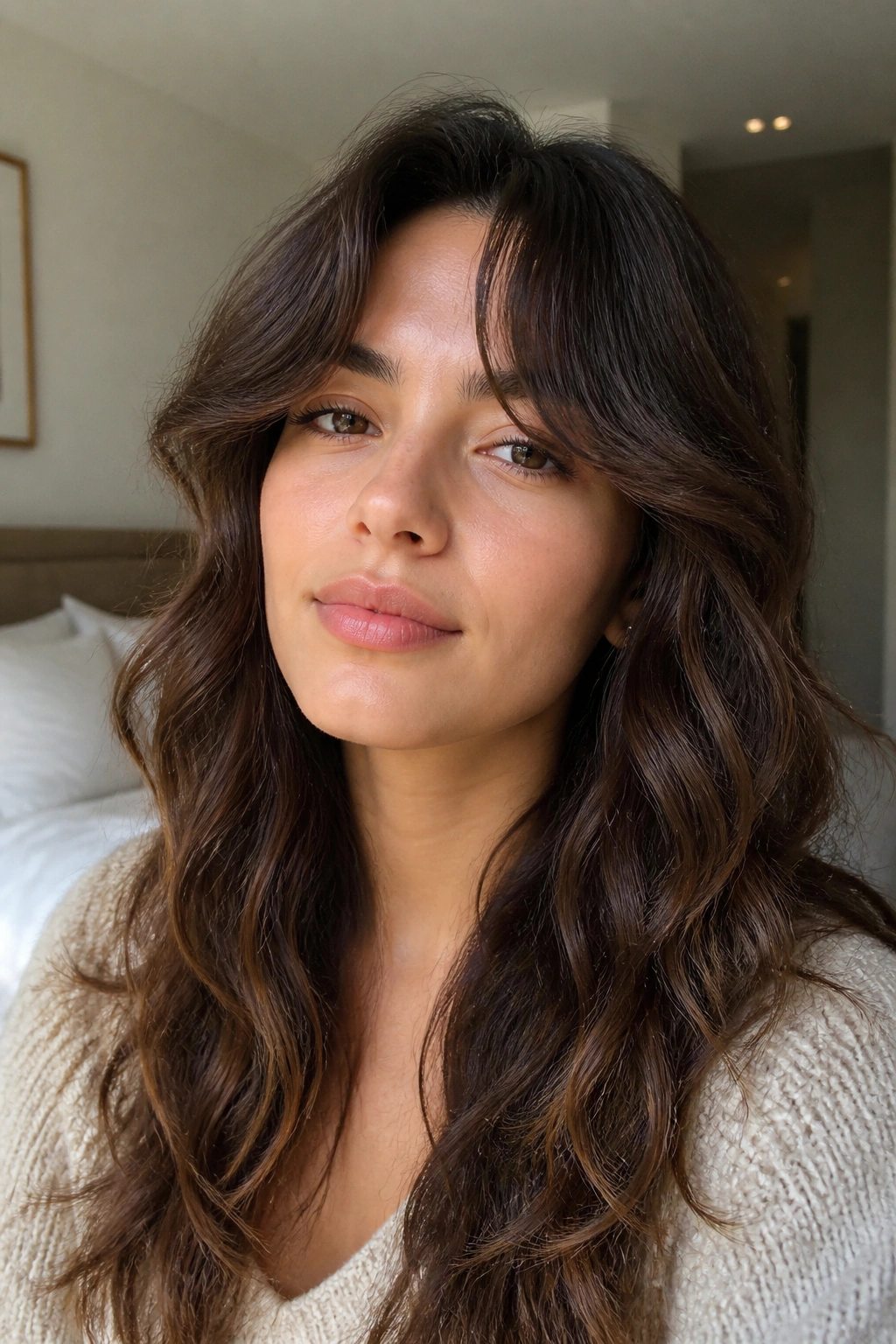
Curtain bangs work because they break up density right where thick hair can feel heaviest: around the face. They soften the front of the cut, give the waves a landing place, and stop everything from falling straight down like a wall.
The best version is not too short. If the fringe starts around the cheekbones and opens out toward the jaw, it blends into the rest of the hair instead of sitting on top of it. That matters. Too-short curtain bangs on thick waves can puff up fast, especially if your hair has a strong bend.
Keep the styling simple. A round brush at the roots, a little heat, and a quick bend away from the face is enough. You do not need a giant blowout. That would be a lot of work for a style that’s supposed to look relaxed.
5. The Butterfly Cut With Floating Layers
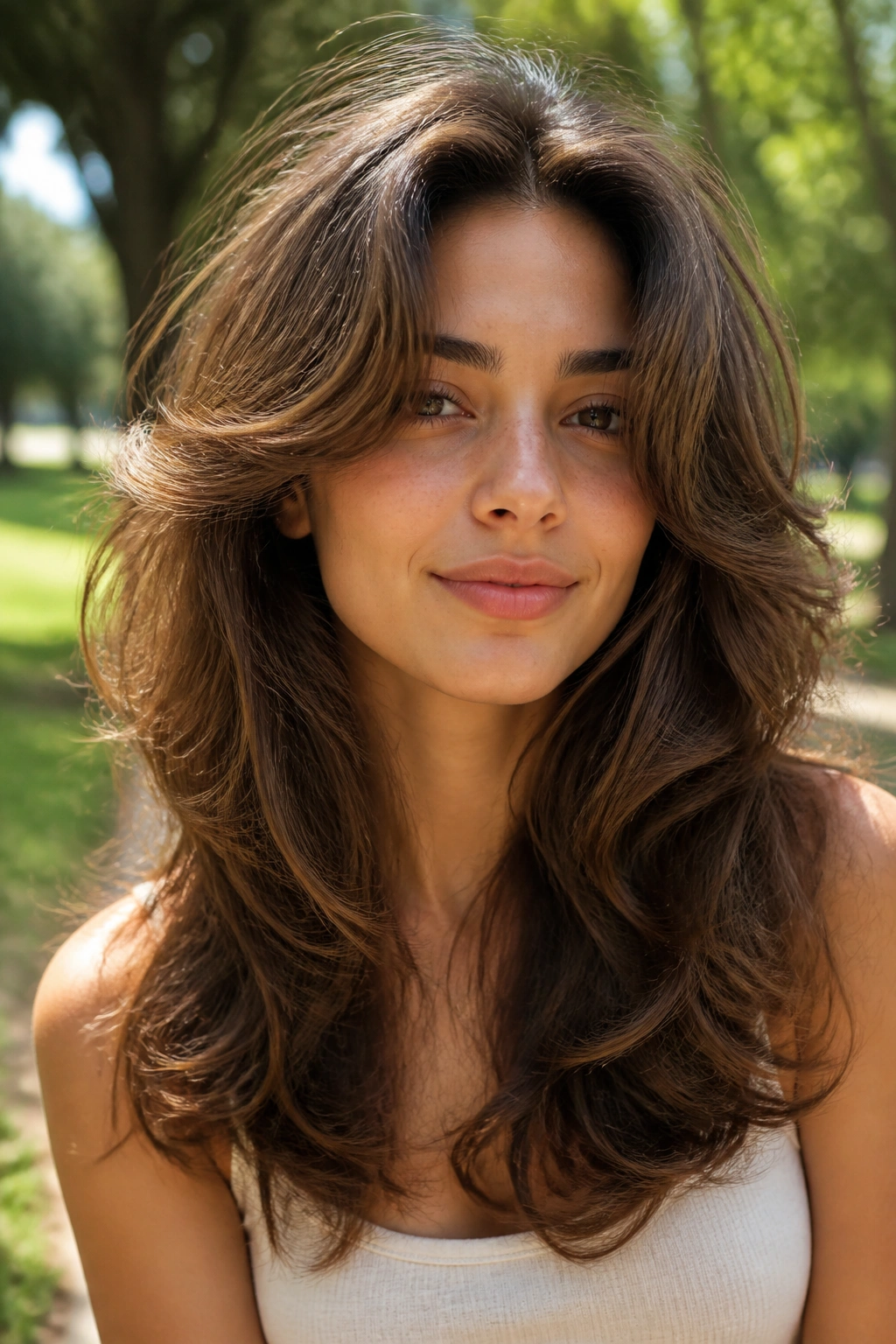
The butterfly cut is made for hair that wants volume in the right places. The shorter top layers create lift around the crown and cheekbones, while the longer layers keep the overall length intact.
It’s a good choice if your waves are thick but feel flat at the top. The style gives the illusion of shorter hair around the face without actually sacrificing much length. That can be a relief when you like long hair but hate the drag that comes with too much density.
I also like it because it grows out well. The layers don’t turn awkward all at once. They soften, merge, and keep working for a while, which is more than you can say for a lot of trendy cuts.
6. Textured Blunt Bob With a Clean Edge
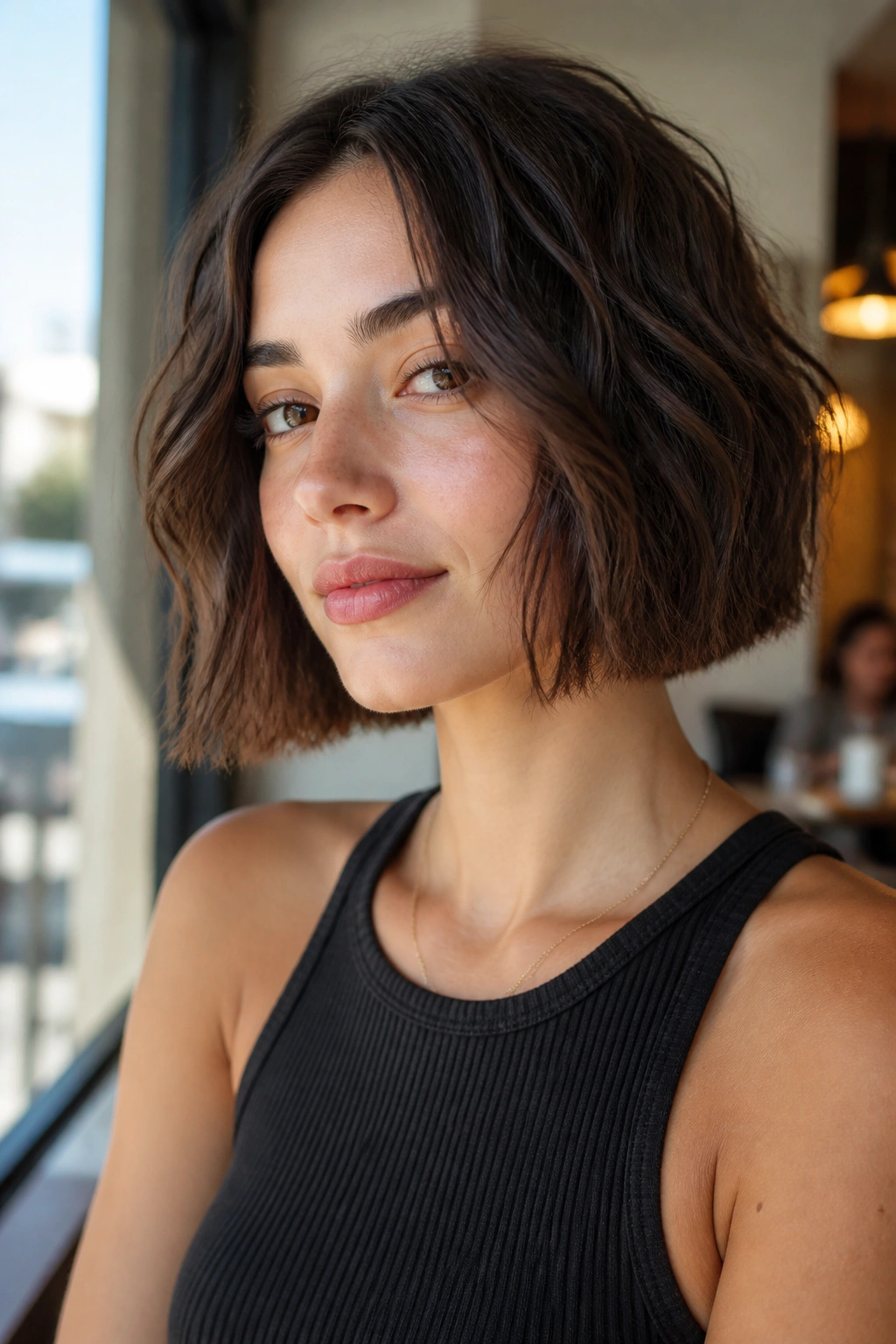
A blunt bob sounds severe, but on thick wavy hair it can look chic in a very practical way. The key is texture inside the shape, not jagged ends. That gives the bob weight at the line while keeping it from ballooning out at the sides.
This works best when the length sits between the jaw and just below it. Any shorter and the wave pattern can spring up higher than you want. Any longer and it stops looking like a bob and starts behaving like a shaggy medium cut.
If your hair is very dense, ask your stylist to soften the interior just enough to stop the triangle effect. Not too much. The point is a clean edge with some life in the middle, not a fuzzy outline that needs constant flat-ironing.
7. Side-Swept Layers That Move When You Walk
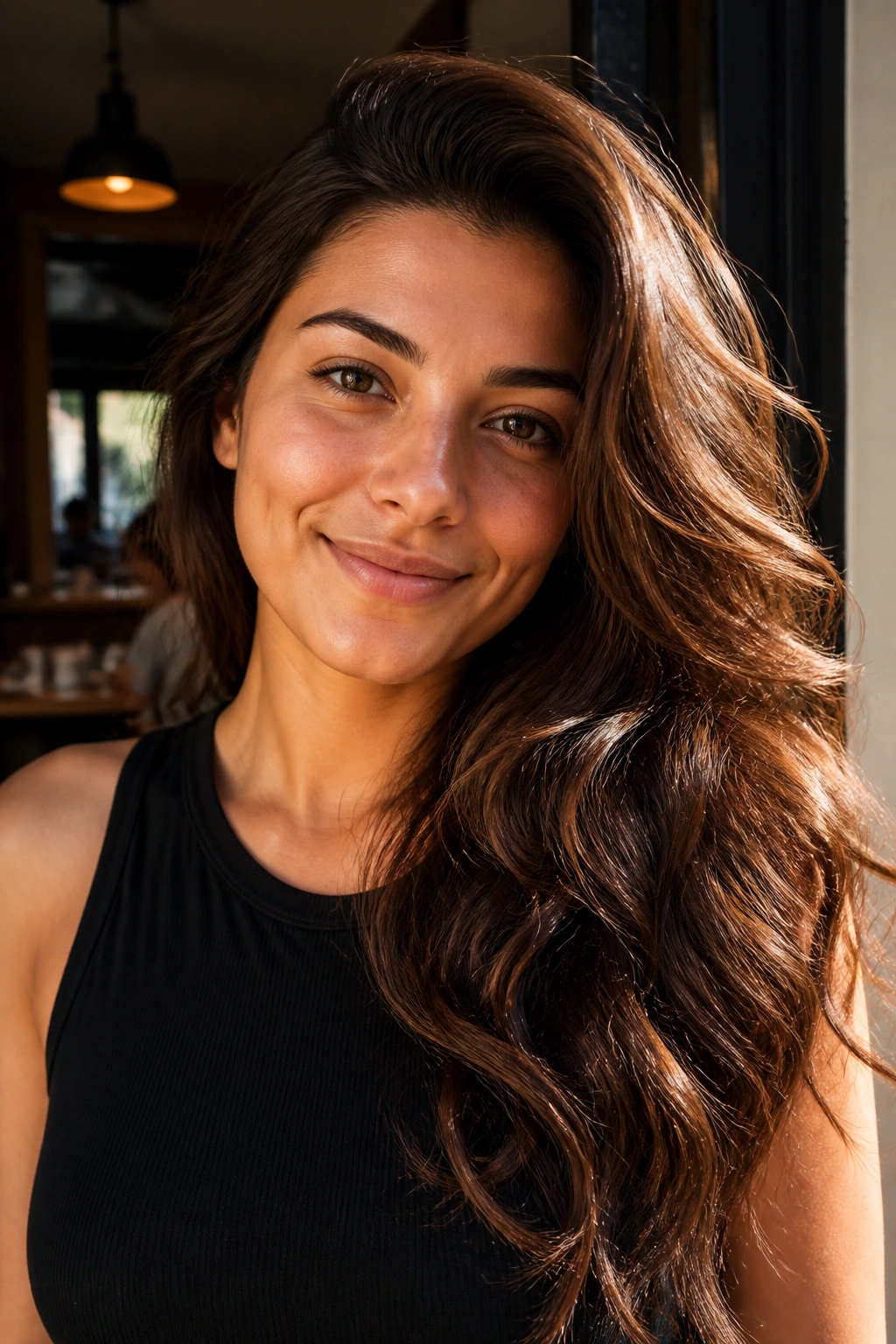
A deep side sweep gives thick waves drama without requiring much styling skill. The hair naturally drapes to one side, which helps redistribute bulk and makes the face look a little longer and leaner.
What Makes It Different
Unlike a center part, a side part interrupts the width of thick hair. That can be handy if your waves get big at the temples or if your crown wants to stand up on its own. It also gives the style a bit of old-school polish without making it stiff.
Wear it with soft layers that start below the cheekbones. Keep the front pieces long enough to blend into the rest of the cut. If the shortest layer is too high, the style can flip out in a way that feels dated rather than deliberate.
8. The Wolf Cut With Airy Crown Volume

The wolf cut is a bolder version of the shag, and thick wavy hair carries it well. The crown stays lighter, the sides get a little rougher, and the ends keep enough length to avoid the full mullet effect unless that’s what you want.
This cut is for people who like texture that looks lived-in. It does not try to be neat. It wants shape, separation, and a bit of swing around the face. That’s why it works so well on dense waves — the wave pattern fills in the gaps the layers create.
A dab of curl cream on damp hair is usually enough. Scrunch, diffuse for a few minutes, and stop before it gets too polished. Too much brushing ruins the whole point.
9. V-Cut Length for Heavy Waves
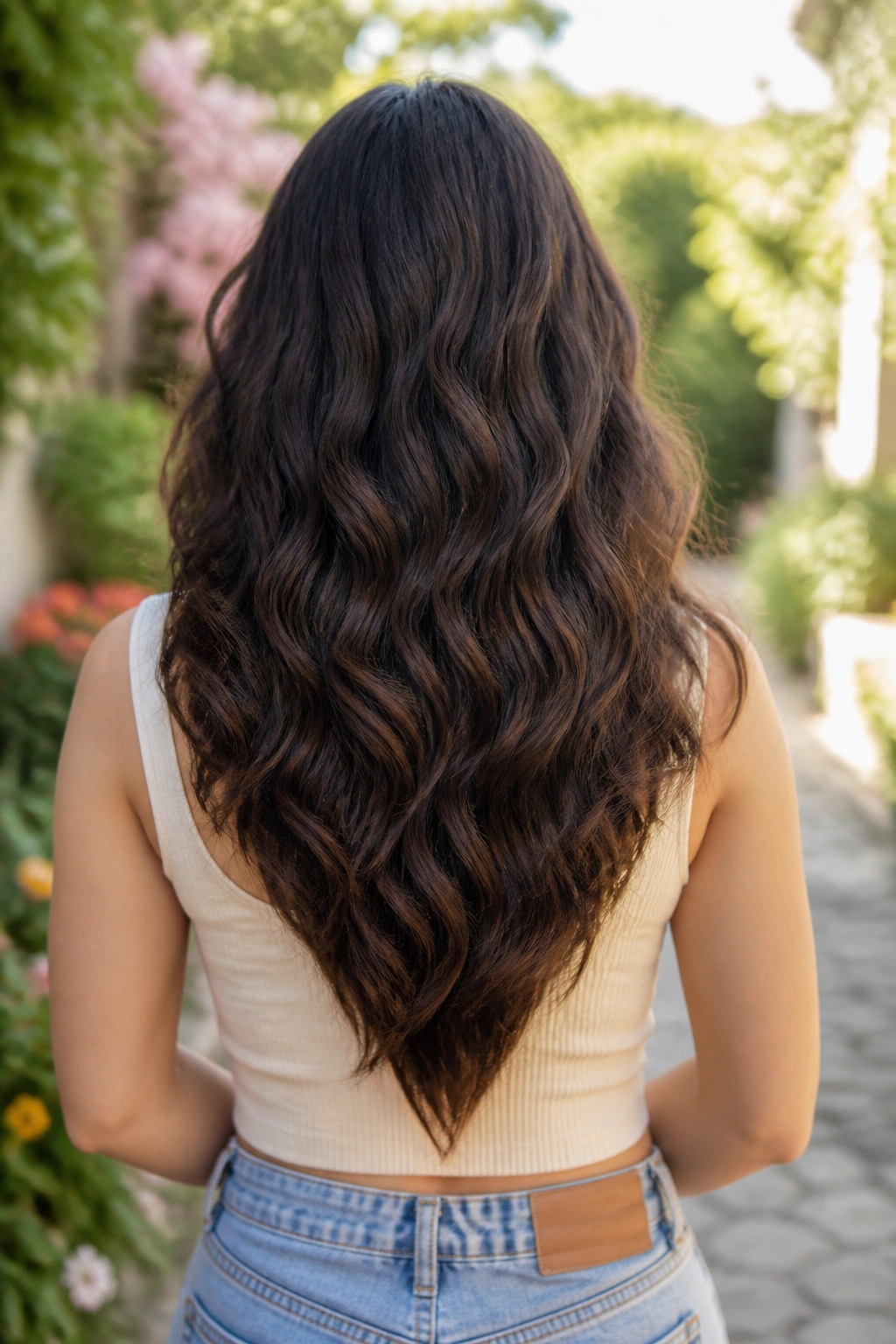
The V-cut is underrated for long, thick hair. Instead of creating a flat line at the back, it narrows toward the center and gives the length a point, which makes the ends feel lighter and more intentional.
It works especially well when your waves are strong but your hair is very dense. A straight blunt hem can sit too heavy. A V-shape breaks that weight visually, even before you start styling it.
- Keeps long hair from feeling bottom-heavy.
- Helps waves stack in a more natural shape.
- Gives ponytails a prettier fall.
- Looks good with or without layers.
Tip: if your hair is prone to frizz, keep the point soft, not sharp. That keeps the line from looking thin at the very bottom.
10. The U-Shape Cut for Softer Ends
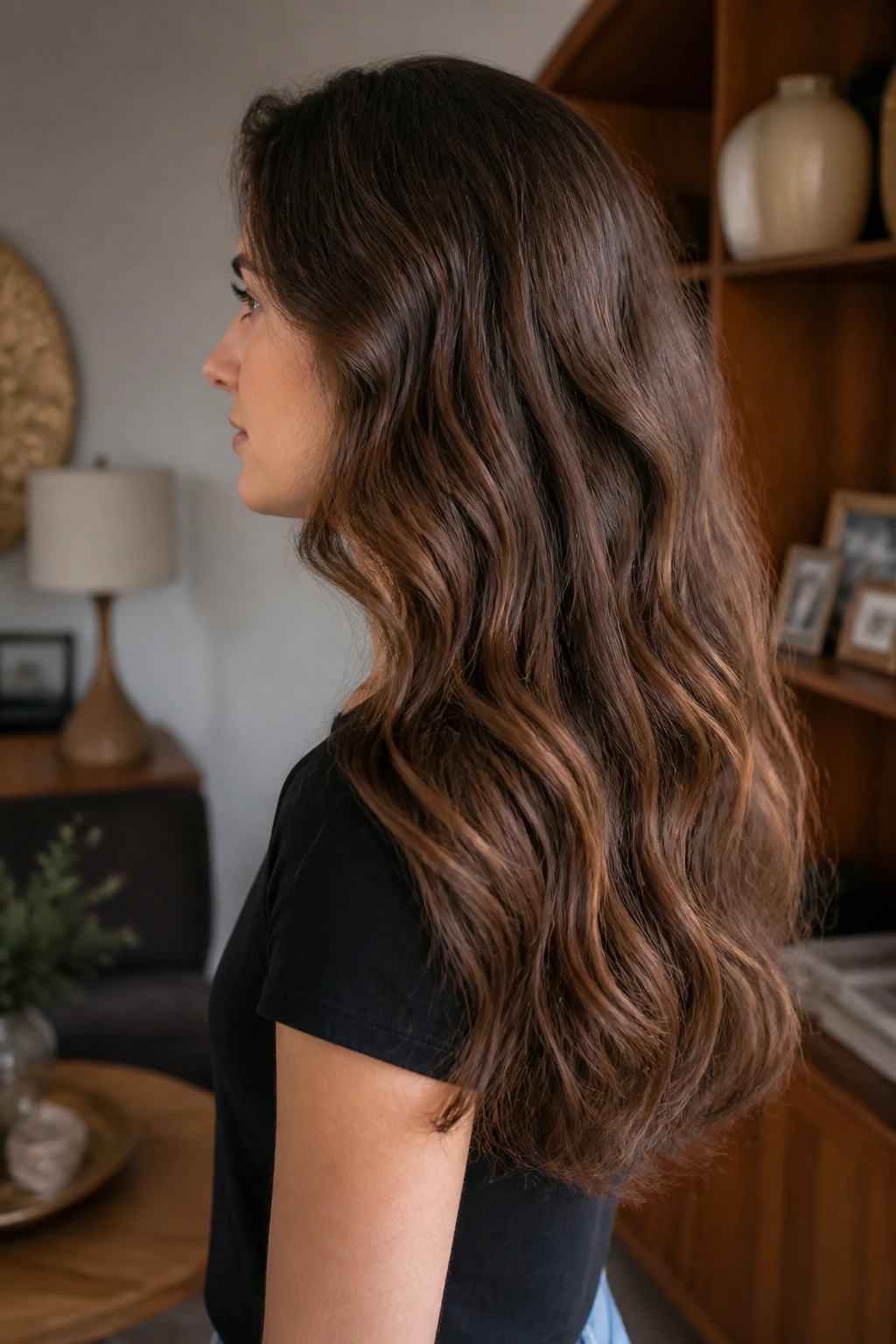
Do you want long hair without the hard edge of a blunt cut? The U-shape is a nicer answer. It keeps the center a little longer and curves the sides inward, which helps thick wavy hair fall in a smoother, softer way.
The shape is subtle, and that’s the appeal. It doesn’t scream “layered haircut,” but it still removes some of the heaviness that thick hair collects at the ends. If you like hair that moves when you turn your head, this is a good lane.
The U-cut also plays well with natural wave clumps. Those clumps look more defined when the perimeter has a curve instead of a flat shelf. Small change. Big difference.
11. The Asymmetrical Lob With a Sharp Bend
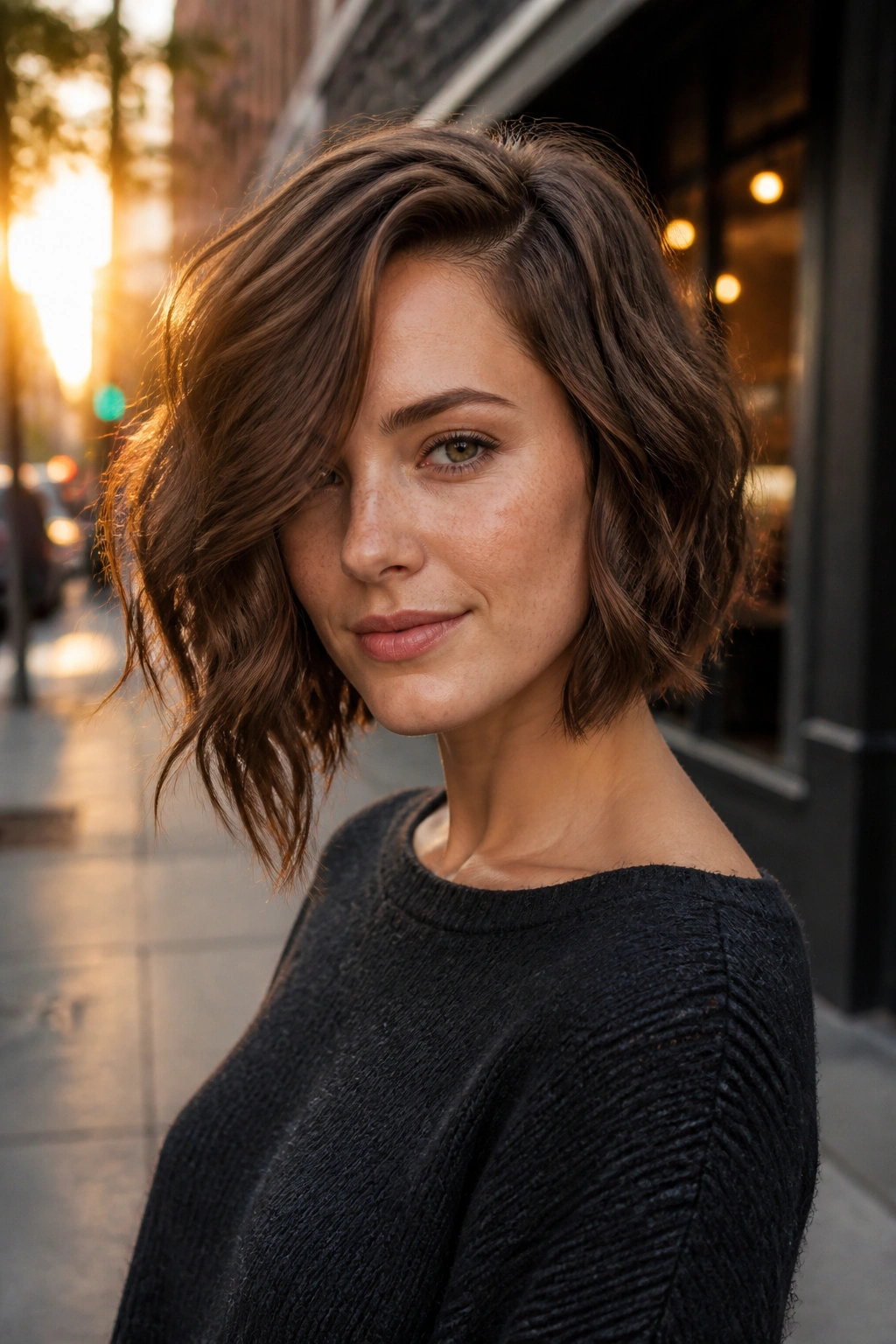
An asymmetrical lob gives thick waves a little attitude. One side sits slightly longer than the other, which creates motion even before you style it. That angle can make heavy hair feel lighter because the eye sees movement right away.
It’s not a wild cut. The difference between sides can be subtle — often just an inch or two — but that’s enough to break up the bulk and make the style feel modern. On wavy texture, the asymmetry looks less severe and more fluid than it does on straight hair.
I like this one for anyone who wants shape without going full short. It feels polished at work, then loosens up nicely by evening. Not every haircut pulls that off.
12. The Chin-Length Wavy Bob

Chin-length cuts can be tricky on thick hair, but when they’re done with interior debulking, they look sharp. The length brings the wave pattern right into the face, which gives the style personality fast.
The danger is too much bulk at the bottom. Thick hair can make a chin-length bob puff outward if the inside is too heavy. A little point cutting inside the ends helps the shape settle instead of flaring out.
This is a cut for people who like maintenance. You’ll likely need a round brush or a diffuser to keep the line from kicking out in odd places. The payoff is a short shape that still feels full, touchable, and not too precious.
13. Shoulder-Grazing Flip Layers
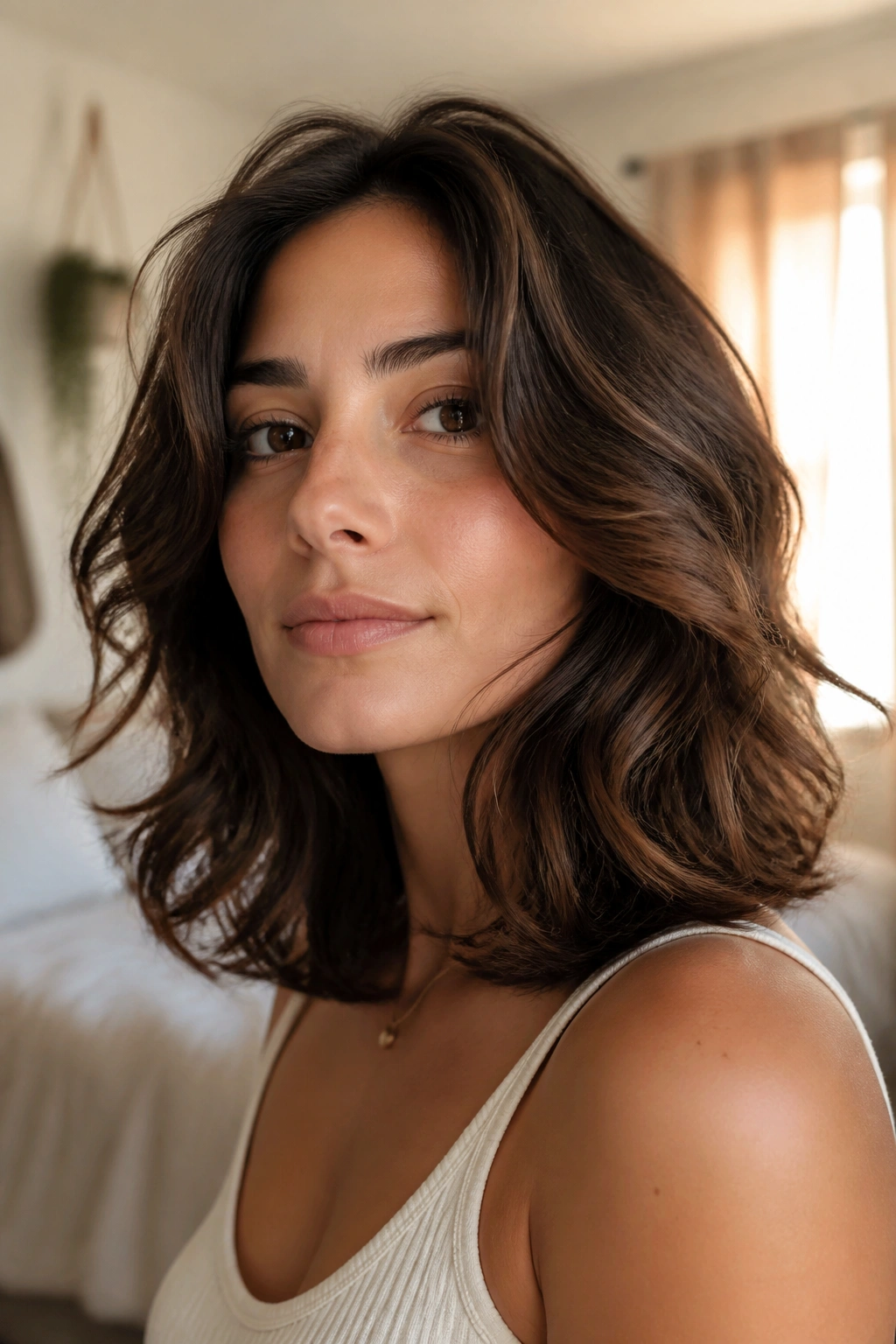
Shoulder-grazing layers have a built-in softness that thick wavy hair loves. The length is short enough to lighten the weight, but long enough to tuck, pin, or twist back when you’re done with it.
The flip at the ends gives the style some bounce. That little outward bend keeps the hair from falling flat against the shoulders, which is a common complaint with dense waves. It’s a simple detail, but it changes the whole mood of the cut.
Let the layers start around the collarbone and continue in a gentle slope. Too many short pieces can make it choppy. Too few can leave it boxy. The sweet spot sits right in the middle.
14. A Deep Side Part With Polished Waves
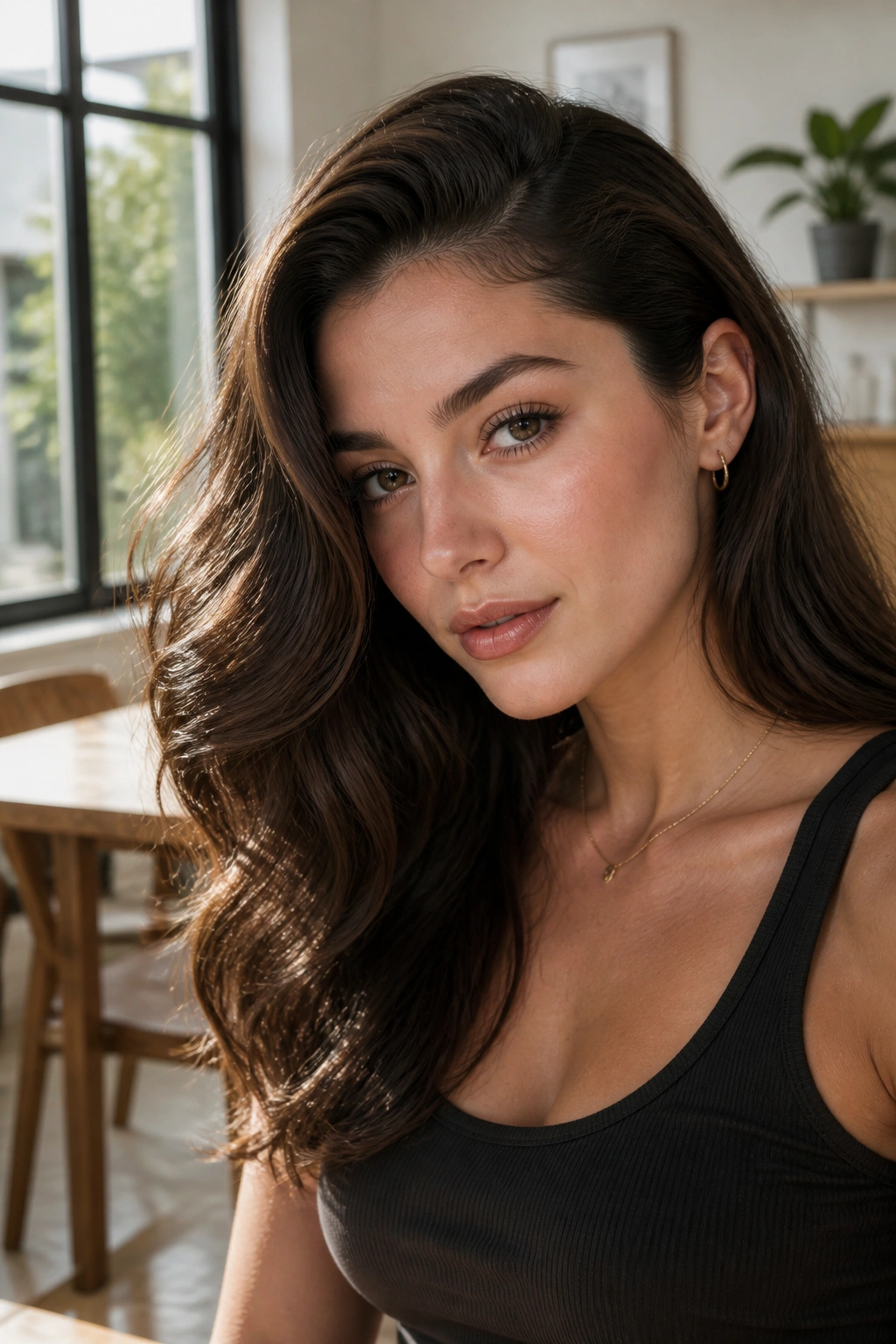
A deep side part can make thick waves look more controlled without making them stiff. It shifts the bulk, creates height at the crown, and gives the hair a swept, tailored shape that works with a little shine serum.
How to Wear It
Brush the front section over while the hair is still damp, then set the part before drying. Once the roots dry in that direction, the style holds better and the whole shape looks more intentional.
- Use a lightweight mousse at the roots.
- Keep the part around 2 to 3 inches off center.
- Smooth only the top layer, not the whole head.
- Finish with a drop of serum on the ends.
It’s a good style for days when you want wave texture but not too much volume near the cheeks.
15. The Half-Up Twist That Keeps Hair Off Your Neck
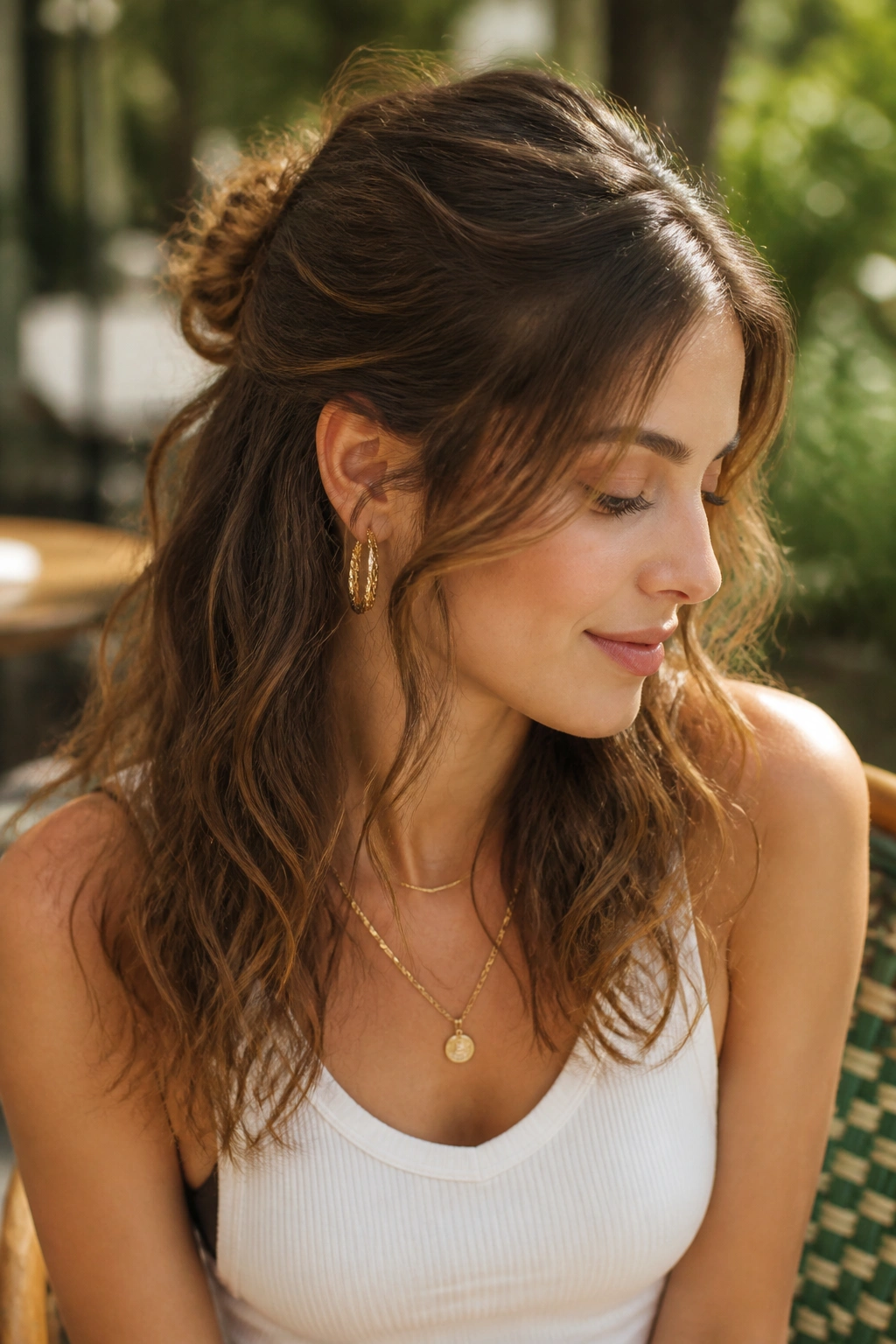
A half-up twist is one of those styles that saves the day when thick waves start feeling heavy. You get the lift, the shape, and the relief of having some hair off your face, but you still keep the length on display.
The trick is not pulling it too tight. Thick hair already brings its own weight, and over-tightening makes the top collapse by lunch. Leave the twist a little loose and pin it with two crossed bobby pins if you need extra hold.
This style shines when the ends are left soft and loose. A few face-framing pieces around the temples keep it from looking severe. Easy. Fast. Still looks like you meant it.
16. The Claw Clip French Twist
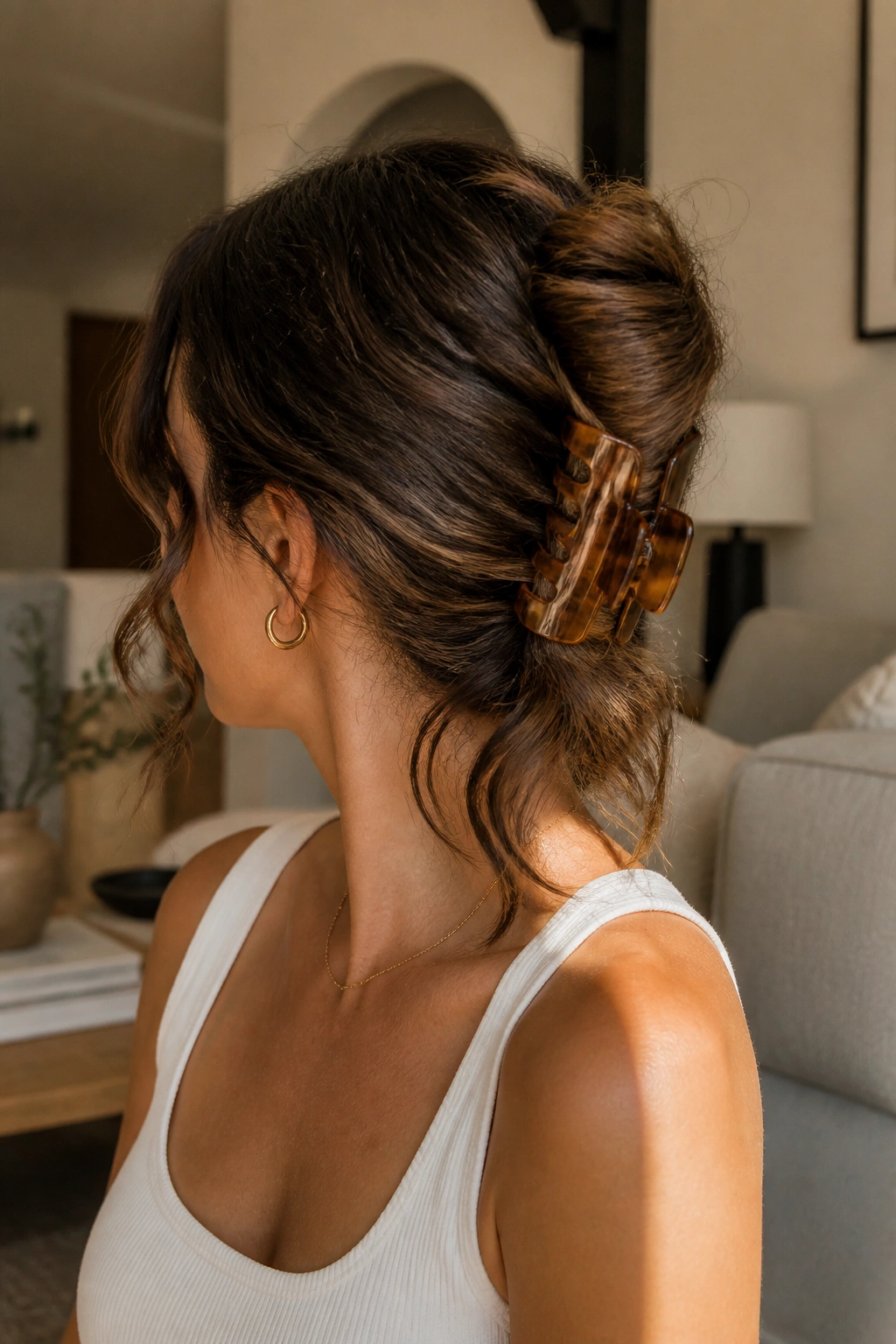
The claw clip earns its keep on thick wavy hair. A French twist made with a clip can hold more hair than a skinny barrette ever could, and it lets the wave pattern stay visible instead of burying it under slick styling.
Start by twisting the hair upward at the back of the head, then tuck the ends under the clip. If your hair is heavy, leave a few inches of the ends loose for a softer shape. That keeps the style from looking overpacked.
I prefer this on second-day waves. The texture gives the clip something to grip, and you don’t need as much product. Clean hair can slip; textured hair behaves better.
17. The Low Messy Bun With Face-Framing Pieces
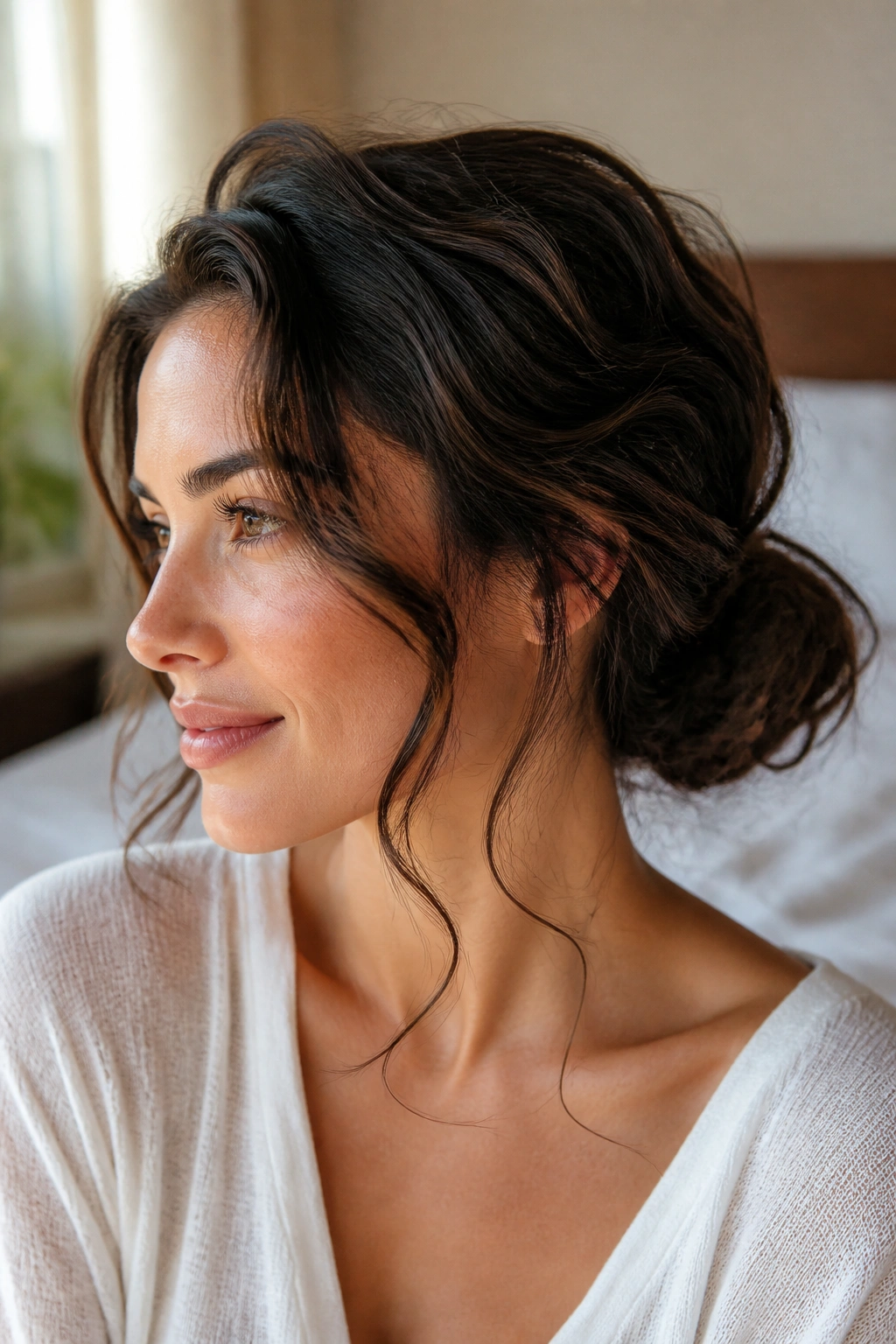
A low messy bun is not boring when thick waves are involved. The density gives the bun shape and depth, so even a loose version looks full instead of limp.
Pull the hair to the nape, twist it once or twice, then pin it in a loose coil. Leave a few pieces around the hairline and ears. Those small pieces matter; they keep the style from feeling too strict, especially if your waves are naturally strong.
The best part is how forgiving it is. You can make it neater for dinner or leave it more undone for a weekend errand run. Thick hair makes both versions look intentional.
18. The High Ponytail With a Wrapped Base
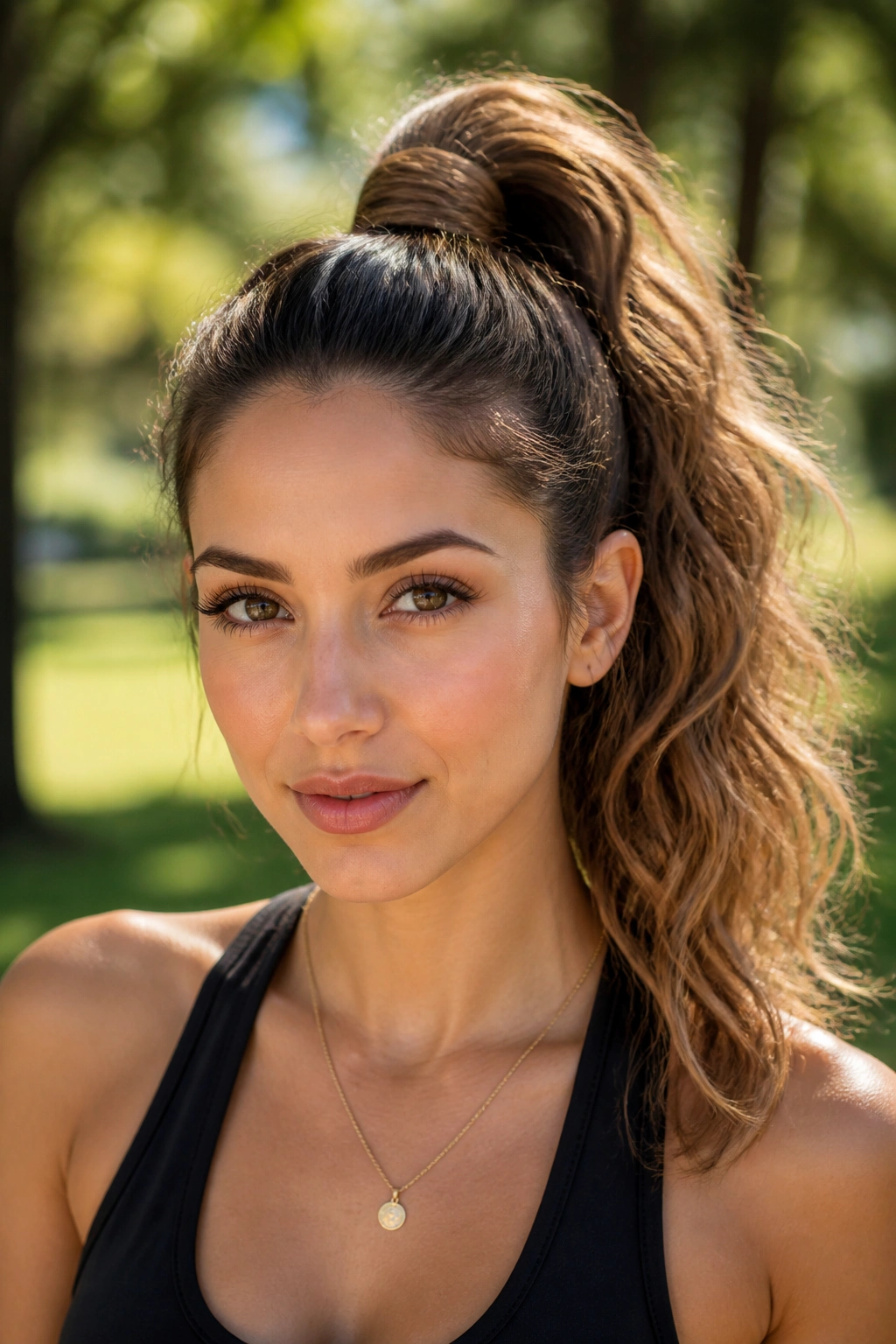
A high ponytail on thick wavy hair can look sleek, athletic, or glam depending on how polished you make the crown. The real trick is supporting the weight so the ponytail sits high instead of drooping by the third hour.
Use a strong elastic, then wrap a small section of hair around the base to hide it. If your hair is very dense, split the ponytail into two elastics a few inches apart before wrapping. That takes pressure off the roots.
Best detail: smooth the crown with a boar-bristle brush only where you need control. Leave the ponytail itself textured. That contrast is what makes the style look good instead of helmet-like.
19. The Braided Crown That Uses Every Inch
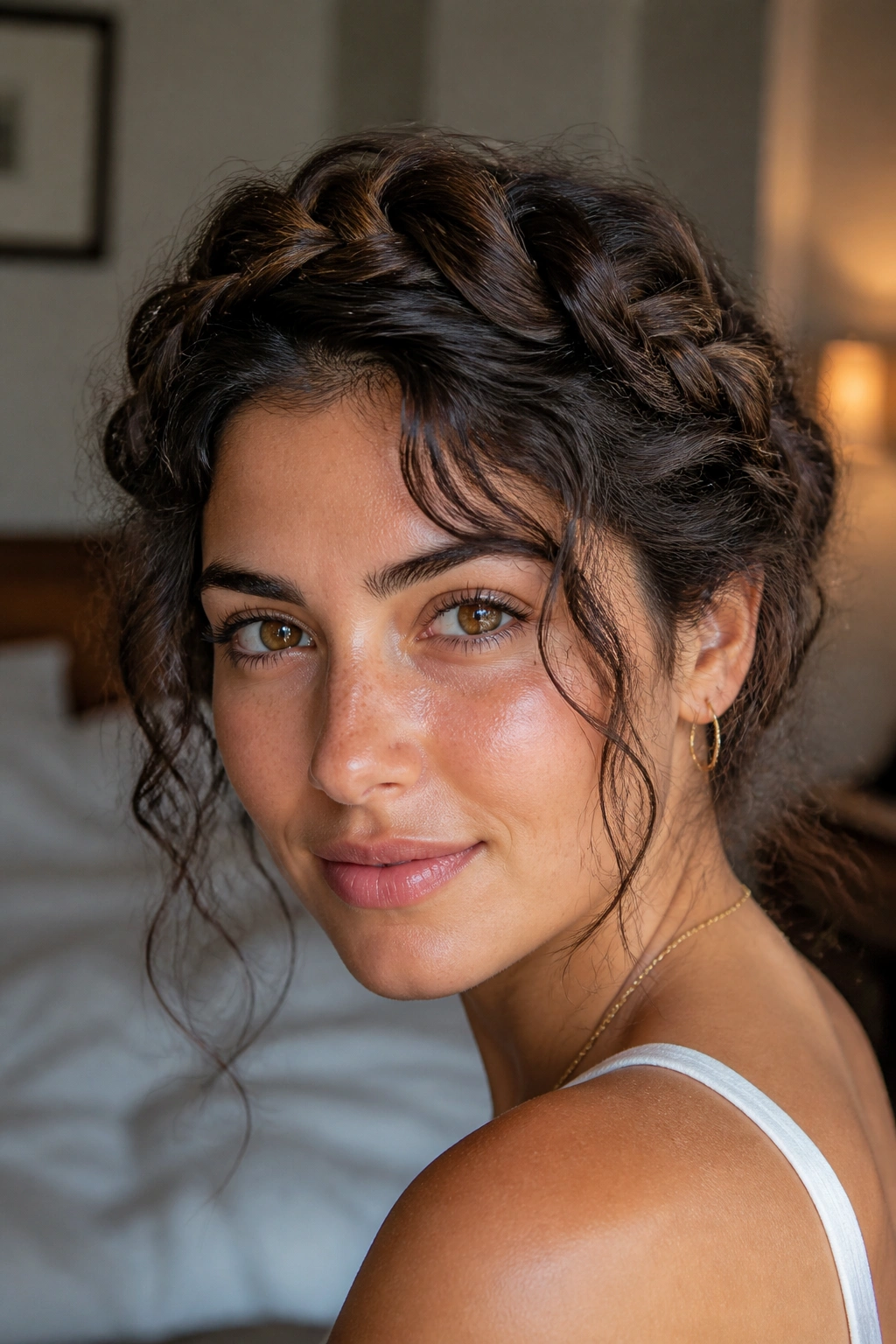
A braided crown is one of the prettiest ways to manage thick wavy hair without flattening it. Because the braid travels around the head, it keeps the volume distributed and turns density into the main feature.
This style loves texture. A little grit helps the braid hold, and waves give the crown a fuller, more dimensional look than straight hair usually does. If your hair is slippery, a dry texturizing spray before braiding can make life easier.
Quick Notes
- Start the braid behind one ear and work around the head.
- Pin the ends under the opposite side.
- Loosen the braid slightly with your fingers after it’s secured.
- Leave a few wisps out near the temples if you want it softer.
It looks more elaborate than it is. That is half the charm.
20. Double Dutch Braids That Stay Put
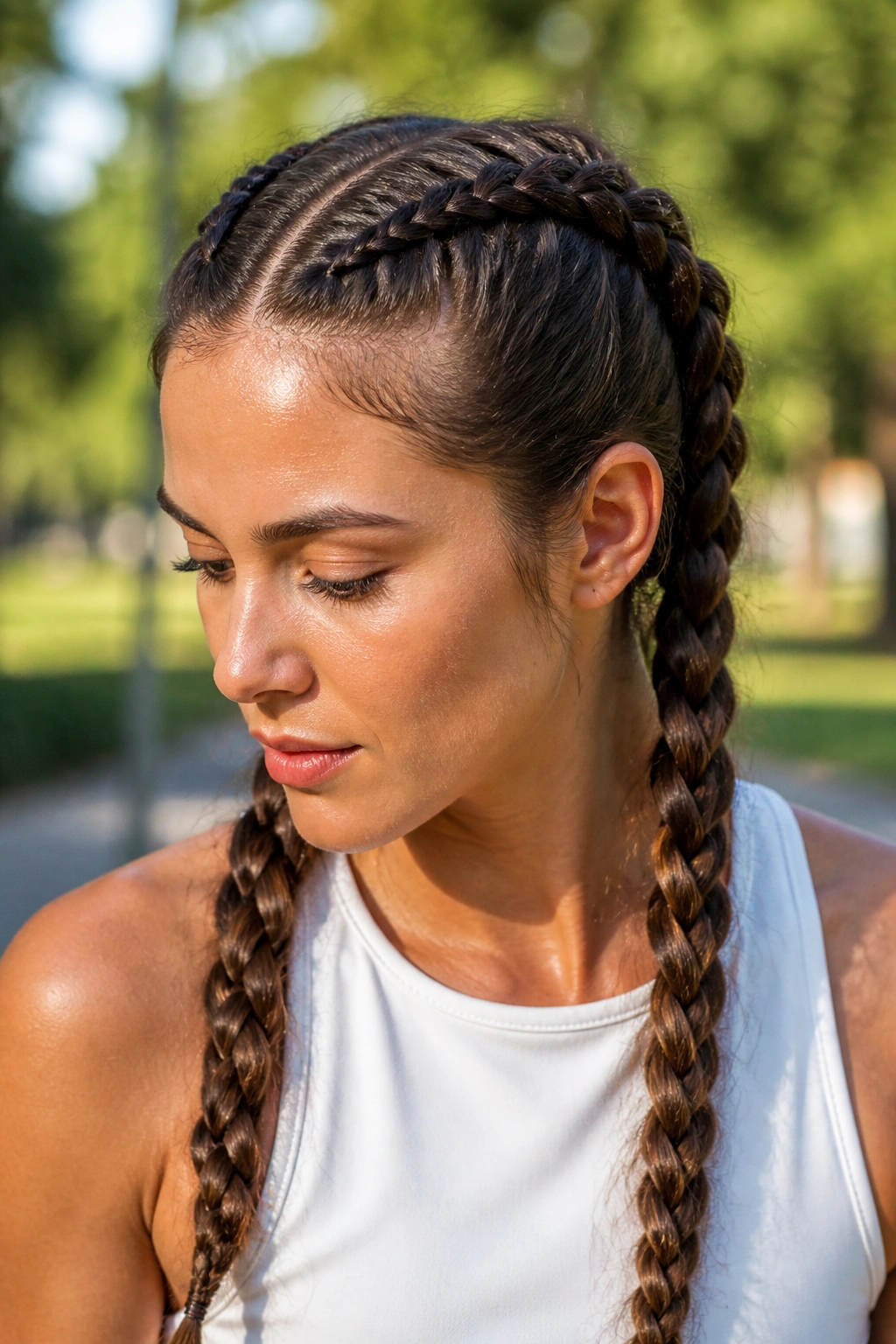
Double Dutch braids are practical, but thick wavy hair makes them look surprisingly full and dimensional. The raised braid pattern shows off the texture, and the two braids keep heavy hair secure for hours.
This is one of the best options for active days, humid weather, or any moment when you want your hair off your shoulders and not thinking about it. Once the braids are in, they do the job. No fuss.
Keep the sections tight at the scalp and looser through the tails if you want a softer finish. If you prefer a cleaner look, braid all the way to the ends and secure them with small elastics. Both versions work. The difference is mostly mood.
21. The Waterfall Braid for Showcasing Texture
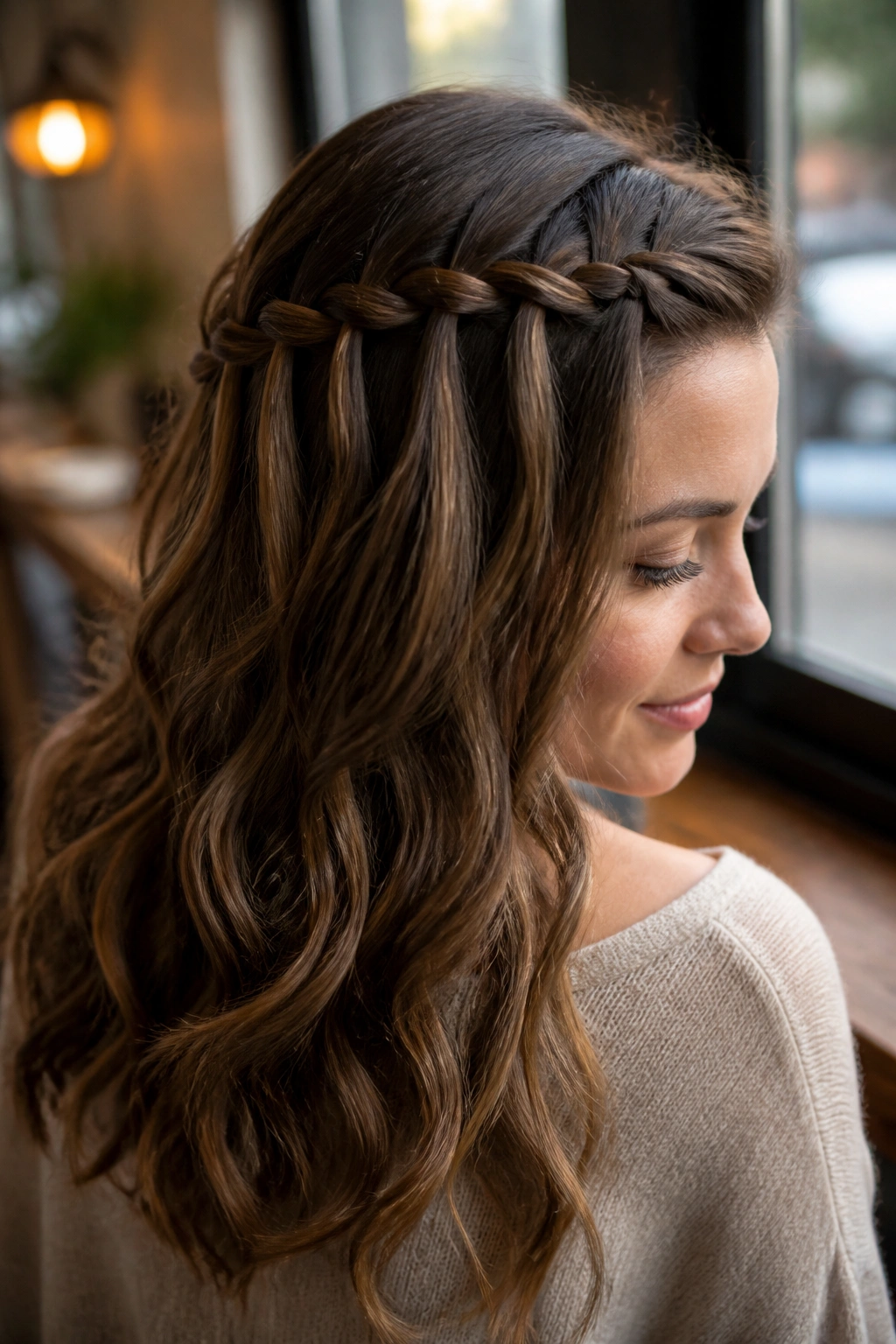
A waterfall braid is for people who want their waves visible, not hidden. The braid skips one strand each pass, so pieces fall through and create a lace-like effect that sits nicely on thick hair.
It works best when the rest of the hair is left loose and softly waved. That contrast matters. The braid gives structure up top while the length keeps moving underneath. It is one of those styles that looks more detailed on thick hair because there’s enough volume to support it.
If you’re new to it, practice once or twice before you need to wear it out. The hand pattern is a little fiddly at first. After that, it becomes the kind of braid you can do while half-watching a show.
22. The Half-Up Top Knot With Soft Ends
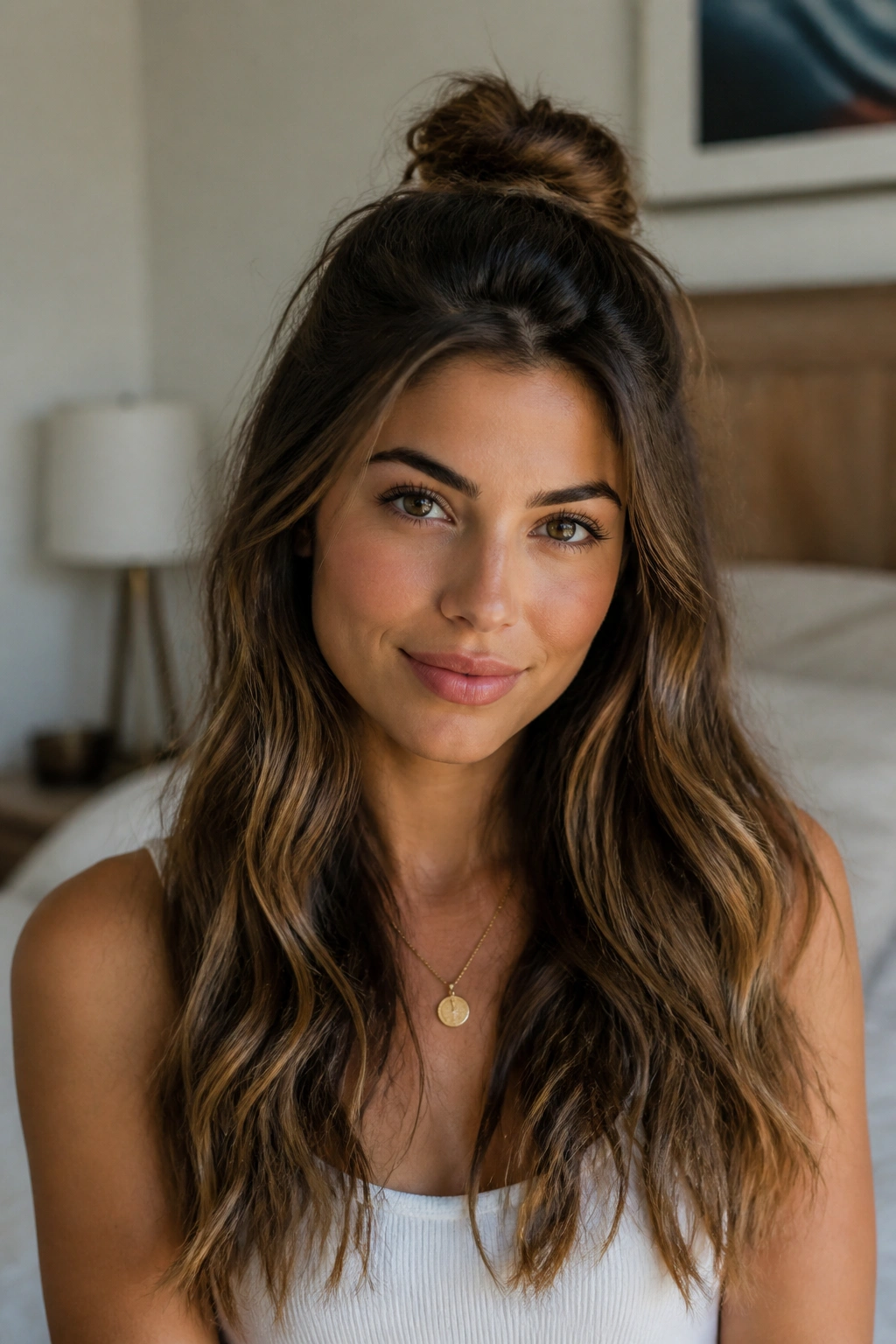
A half-up top knot is a blunt little fix for thick waves on days when the crown needs to get out of the way. It lifts the hair, gives the face some space, and keeps the length loose enough to still feel like your own hair.
Do not make the knot too tiny. Thick hair needs a knot with enough size to balance the rest of the head. A tiny top knot on very dense hair can look like it’s trying to escape.
Leave the ends loose and unbrushed if you want the style to keep its wave pattern. A little unevenness here helps. Too much smoothing makes it look fussy, and nobody wants that from a half-up style.
23. The Modern Mullet for Brave Wave Patterns
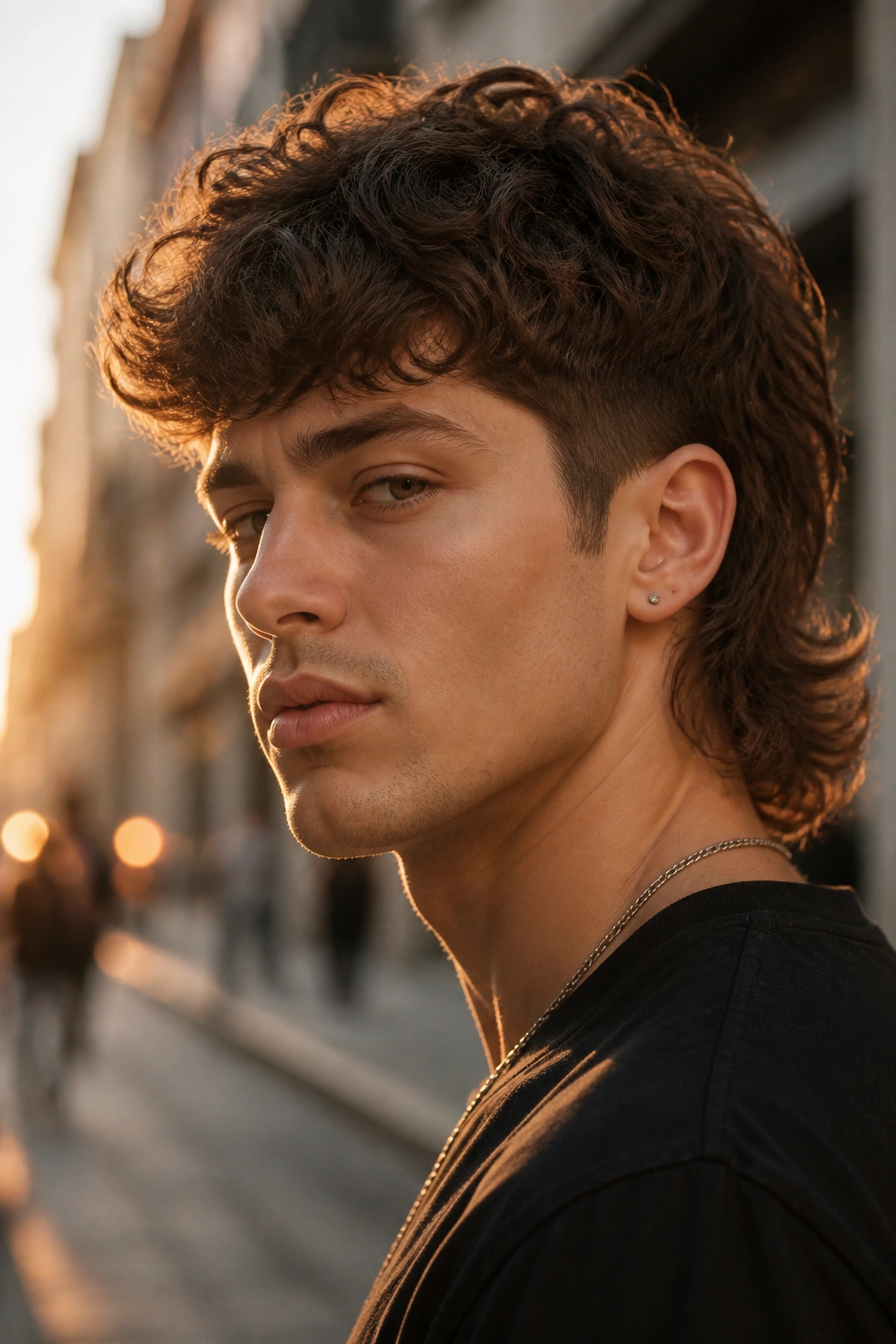
The modern mullet is not for everyone, and that’s fine. On thick wavy hair, though, it can be surprisingly flattering because the shorter top and sides remove weight while the back keeps movement and length.
What makes this version different from the old-school one is softness. The transition between layers is more blended, so it feels wearable instead of costume-y. The wave texture helps a lot here because it takes the edge off the shape.
This is a good choice if you want to show off your natural texture and you do not care much for safe haircuts. It has personality. Plenty of it.
24. The Tapered Pixie With a Long Top
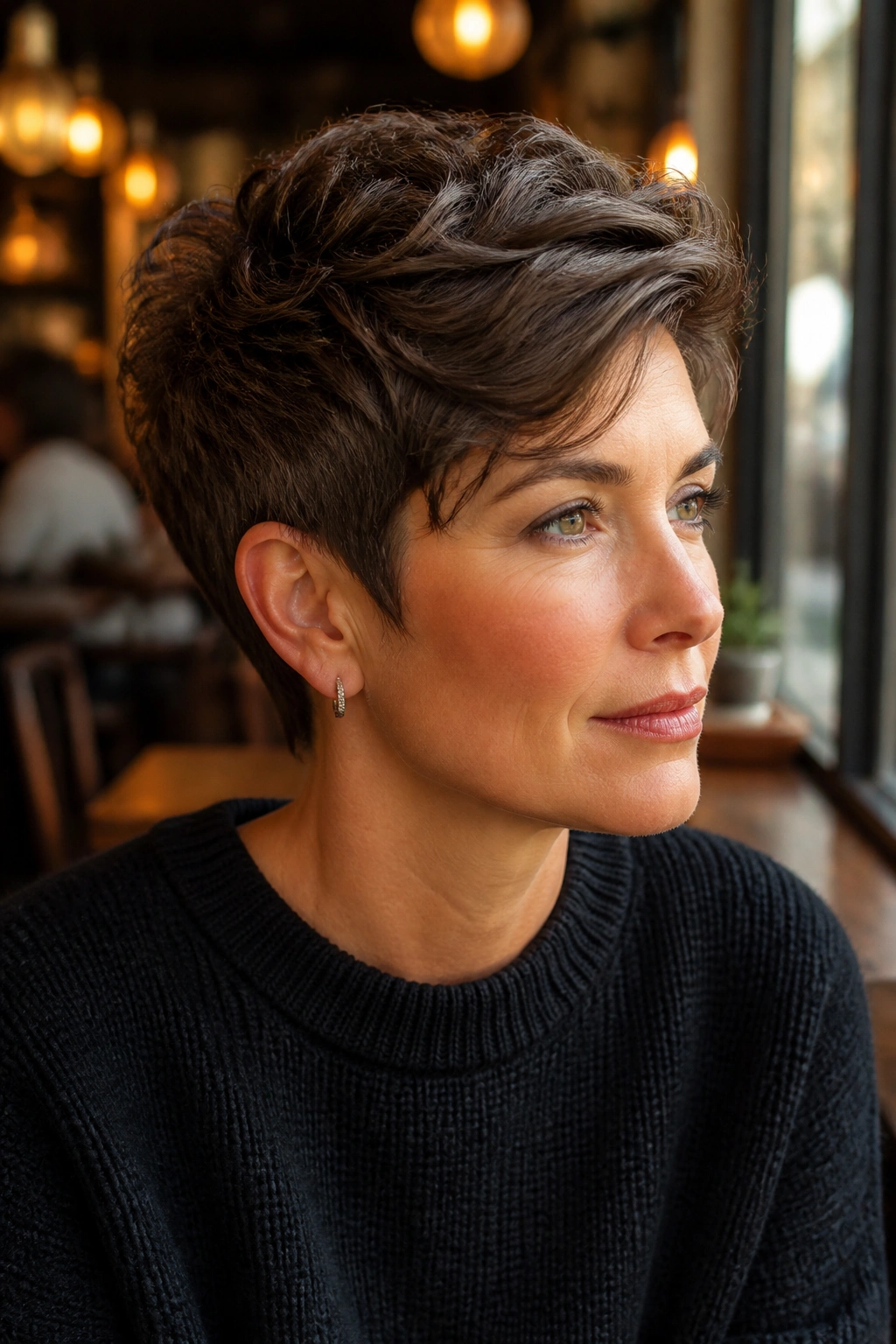
A pixie on thick wavy hair needs the right shape, or it turns puffy fast. A tapered sides-and-back cut with more length on top keeps the bulk under control and lets the wave pattern do the visual work.
The long top gives you something to play with — side part, little quiff, soft fringe, whatever fits your face. The tapered sides stop the shape from widening out too much. That balance is what makes the cut work on dense texture.
Be honest with your stylist about how much effort you want to spend. A pixie can be low on drying time, but the styling takes some hands-on work. A thumb-sized amount of cream or paste is usually enough.
25. Face-Framing Layers With a Grown-Out Fringe
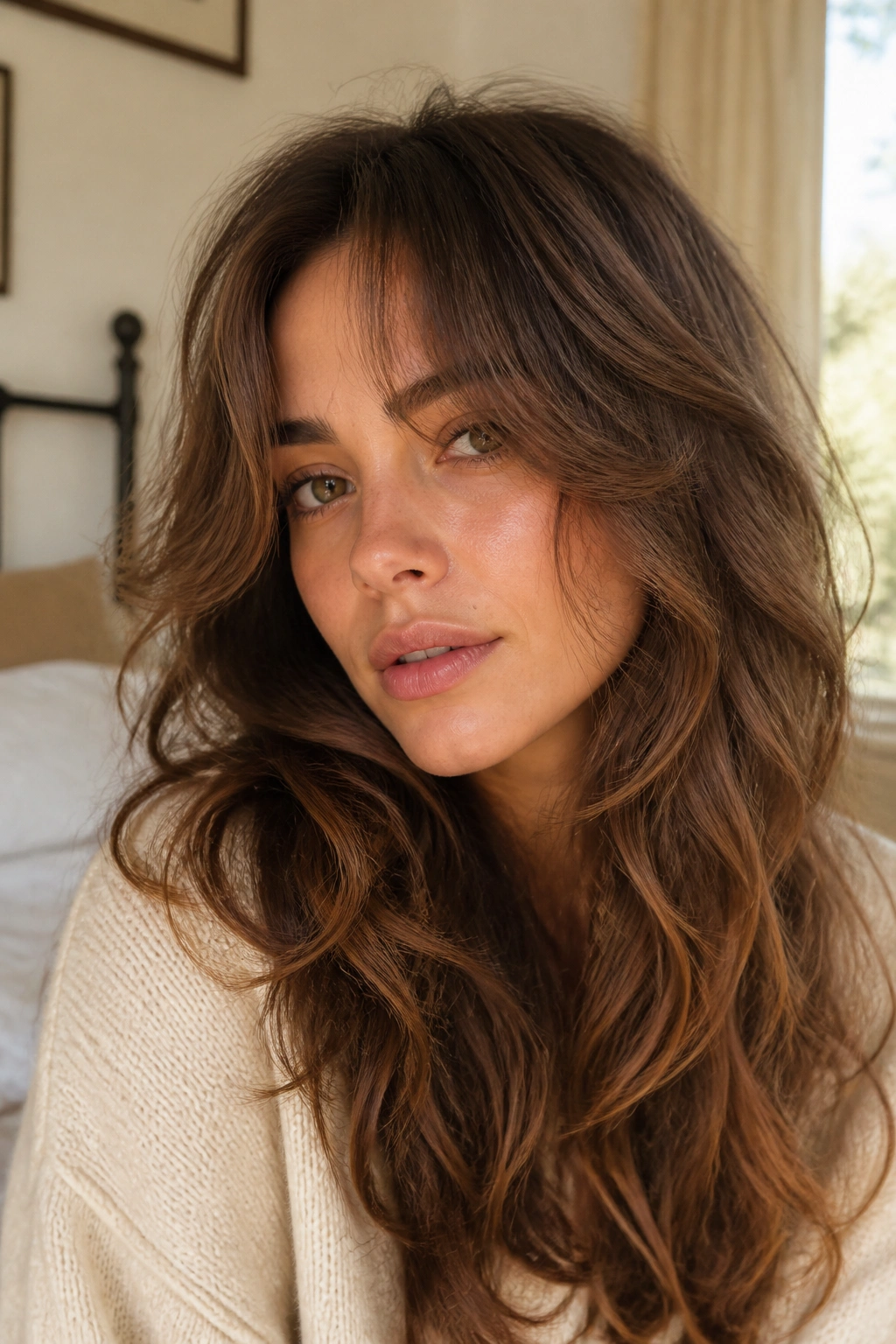
This is the haircut for someone who likes softness around the face without committing to bangs that need constant trims. The grown-out fringe blends into long layers and gives thick waves a gentle shape right where the hair meets the face.
The best part is how forgiving it is. When it grows, it still looks intentional. That matters if you don’t want a haircut that turns awkward after six weeks.
Ask for the shortest pieces to start near the cheekbone, then continue them into longer layers that sweep past the chin. The result is easy to wear with a center part, a side part, or pushed back behind the ears. Flexible haircuts are underrated.
26. The Sleek Low Bun With a Side Part
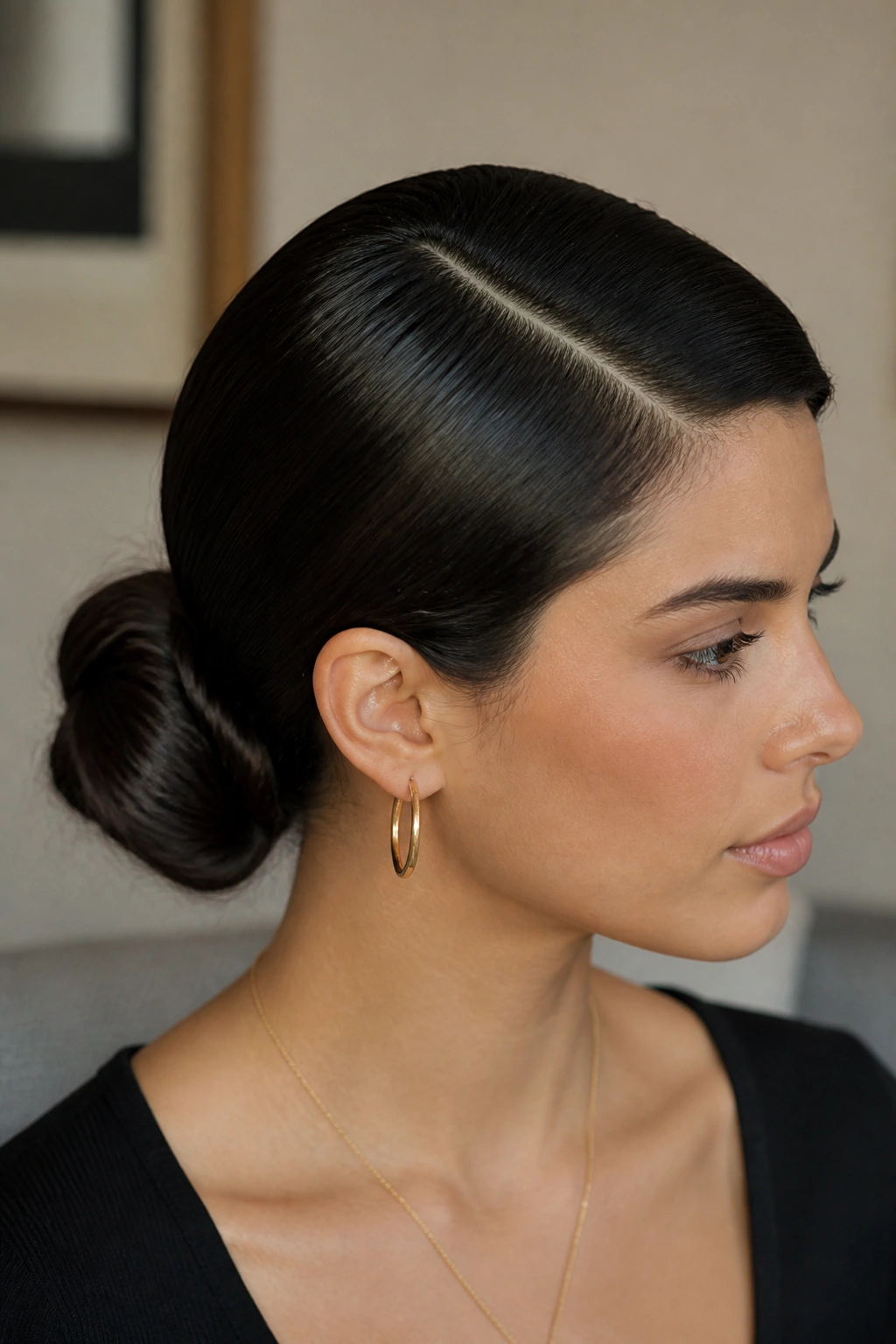
A sleek low bun on thick wavy hair is not as simple as it sounds. Dense hair can fight the smooth finish, so the side part helps create direction and keep the style from puffing up at the crown.
Use a little gel or smoothing cream only where you need it — mostly the top, sides, and hairline. Then gather the hair low at the nape and twist it into a neat coil. The bun doesn’t need to be huge. In fact, too much size can make the whole thing look awkward.
This is a good one for formal events, interviews, or any day when you want your hair to behave. Straightforward. Clean. Reliable.
27. The Bubble Ponytail for Thick Length
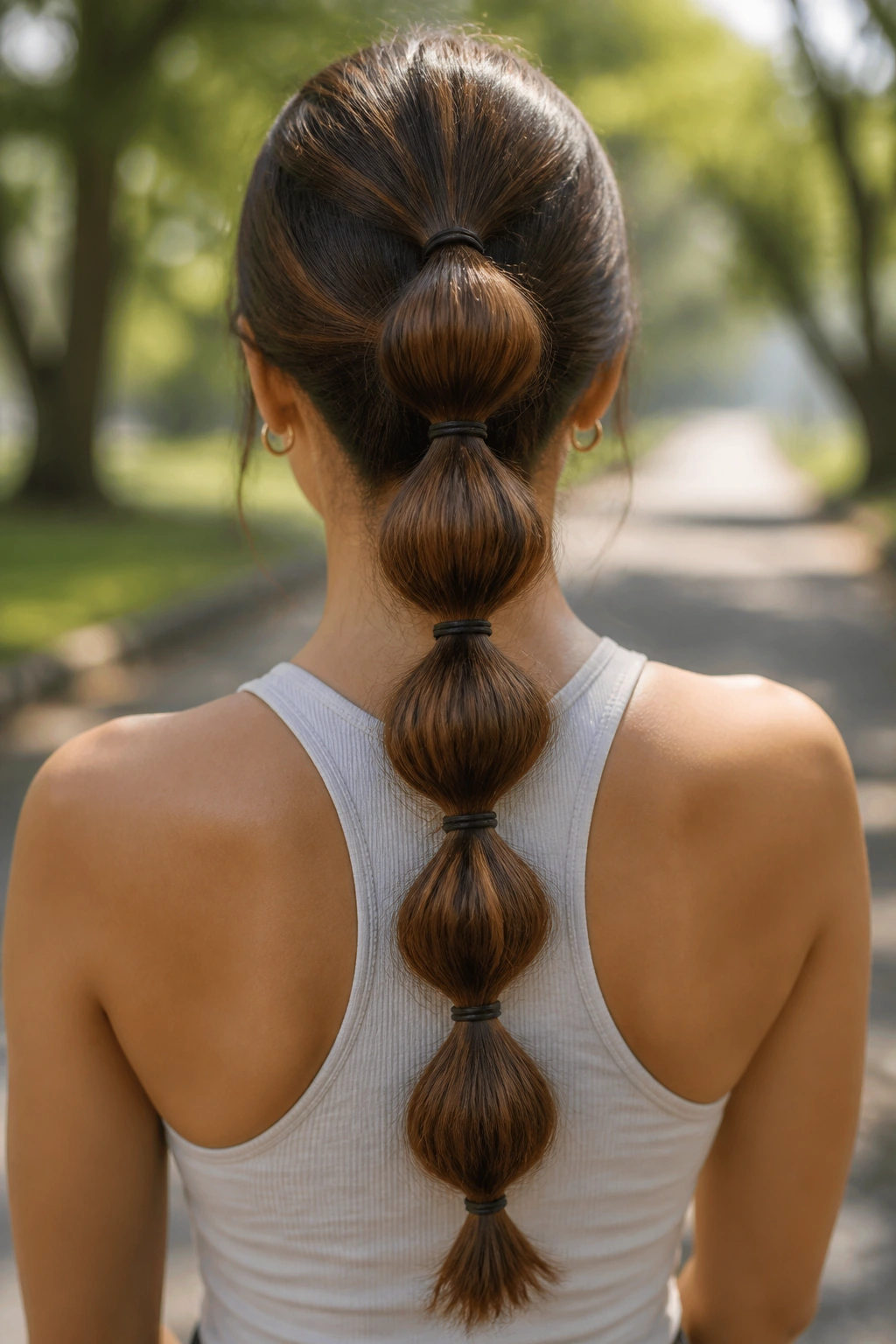
The bubble ponytail works beautifully on thick hair because you already have the volume to make each section pop. Instead of trying to hide the density, this style breaks the length into visible little bands, which can look playful and polished at the same time.
Start with a regular ponytail, then add small elastics every 3 to 4 inches down the length. Gently tug each section outward so it forms a round “bubble.” If your hair is very long, keep the bubbles more spaced out so the style doesn’t feel crowded.
I like this one because it solves the “my ponytail looks flat” problem without needing heat or a complicated setup. It’s a little extra. In a good way.
28. Loose Mermaid Waves With Internal Layers
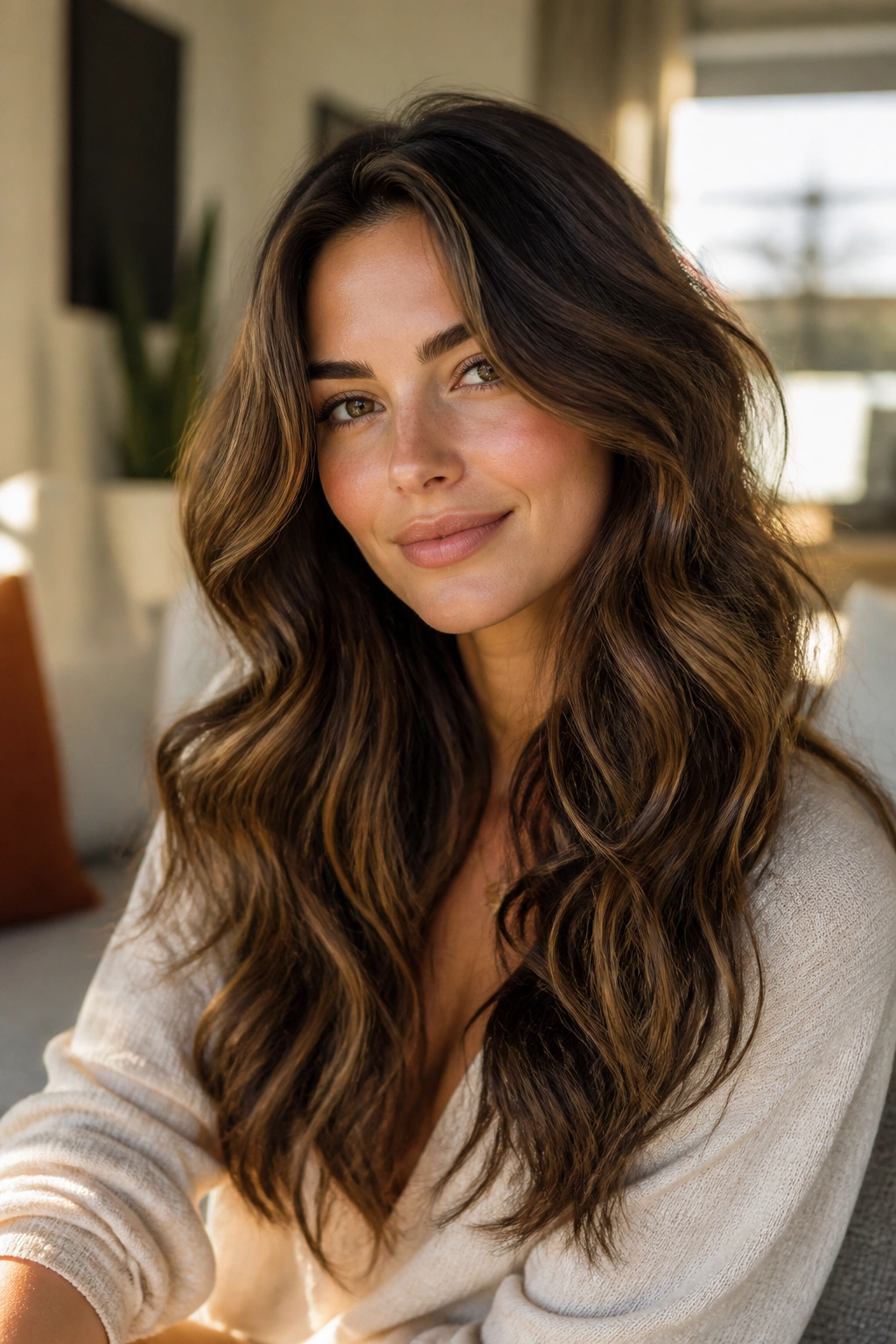
Loose mermaid waves are the style people picture when they think of big, touchable thick hair. The internal layers keep the length from feeling heavy, while the loose bends make the wave pattern look soft and glossy rather than crunchy.
A 1.25-inch curling iron or a large wand works well here. Wrap sections away from the face, leave the ends out for a more relaxed finish, and brush through once the hair cools. That last part matters; brushing too early can make the wave collapse into puffiness.
If your hair is naturally wavy already, you can fake most of this with a smoothing cream and a few bends from a flat iron. Keep the movement loose, not tight. The style should look like your hair has room to breathe.
Final Thoughts
Thick wavy hair looks best when the cut gives it somewhere to go. That might mean long layers, a shag, a lob, or a braid that keeps the bulk under control without flattening the pattern.
The styles that win here are the ones that respect the density instead of fighting it. A blunt line can work. So can a messy bun or a modern mullet. The common thread is shape — if the hair has a clear outline and a little breathing room, the waves start doing the heavy lifting.
If you’re stuck between two options, start with the one that matches your daily routine, not the one that only looks good in a photo. Thick hair has enough presence on its own. The right style just gives it a place to land.
