



Medium fine haircuts for wavy hair live or die on shape. Get the shape right, and the waves look fuller, softer, and a little more expensive than they have any right to. Get it wrong, and the same hair can go flat at the crown, puff out at the sides, or hang in wispy ends that feel thinner than they really are.
That’s the annoying part about fine hair. It isn’t always less hair; often it’s just hair with a smaller strand diameter, which means every decision shows. A blunt edge can make a shoulder-length cut look denser. Too many short layers can turn the bottom half into air. And wavy texture adds one more wrinkle, because waves want movement, but they also collapse if the cut steals too much weight.
I usually think of this hair type as a balancing act. You want enough structure to keep the perimeter looking solid, enough softness to let the wave bend, and enough lift around the face that the whole cut doesn’t sink into one shape by noon. The sweet spot is usually somewhere between collarbone and shoulder, with layers that are placed on purpose instead of sprayed everywhere.
So the cuts below lean on that idea. Some are blunt and clean. Some are shaggy, but only in the right places. A few are a little moodier, a little cooler, and a few are quietly practical in the way good haircuts usually are. If your waves tend to droop, frizz, or look stringy at the ends, pay close attention to where the weight sits. That’s the whole game.
1. Blunt Collarbone Lob
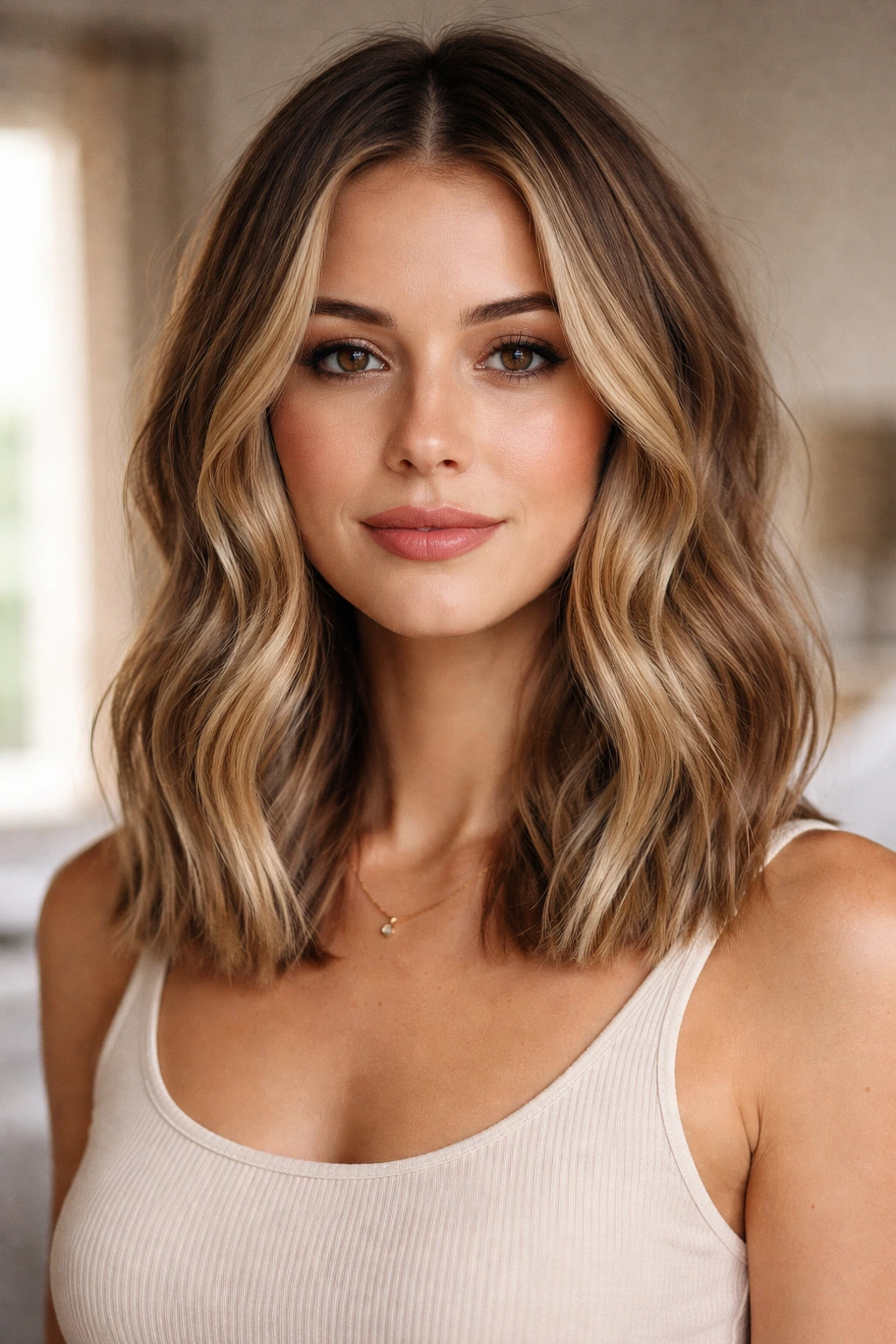
A blunt collarbone lob is the haircut I reach for when fine waves need to look fuller fast. The straight perimeter gives the ends a thicker outline, and collarbone length is long enough to show off wave pattern without dragging everything down.
This cut works because it keeps the eye on a solid line. Fine hair often looks sparse when the ends are heavily chipped away, and a blunt edge fixes that in one shot. Ask your stylist to keep the line clean and to use only a whisper of internal texturing if your hair is very dense. You want movement, not holes.
A center part looks modern here, but a soft off-center part can add lift at the root if your crown tends to lie flat. I like this cut for people who air-dry half the time and blow-dry the other half. It behaves either way.
Best for: waves that clump nicely but lose shape at the ends.
2. Soft Shag with Curtain Bangs
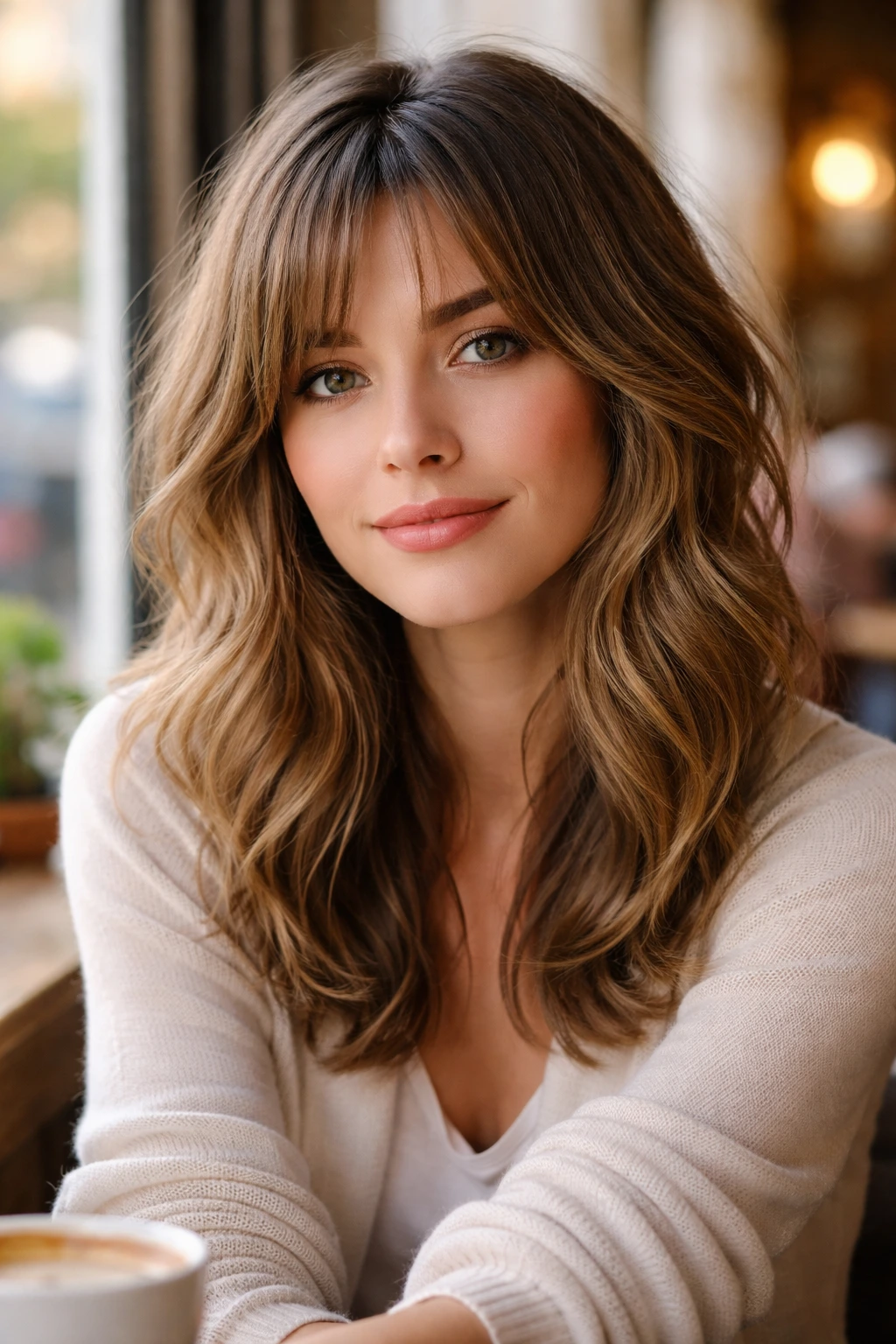
A soft shag can be a gift for fine wavy hair, provided the layers stay controlled. Too much shag on fine strands turns into see-through ends. Too little, and you miss the point. The sweet spot is a shag that removes bulk near the top while leaving enough length through the bottom half to keep the haircut from vanishing.
Why It Works
Curtain bangs help break up the face shape and pull some of the visual weight upward. That matters when the rest of the hair is fine and a little flat. The bangs blend into cheekbone-length layers, which keeps the cut from looking chopped up.
What to Ask For
- Layers that start around the cheekbone, not the ear.
- Soft, blended bangs that can part in the middle.
- A perimeter that still hits the collarbone or just above it.
- Light point-cutting through the sides, not heavy razor work.
Pro tip: keep the shag airy, not shredded. Fine hair gets tired fast when the layers are too aggressive.
3. U-Shaped Cut with Long Face-Framing Layers
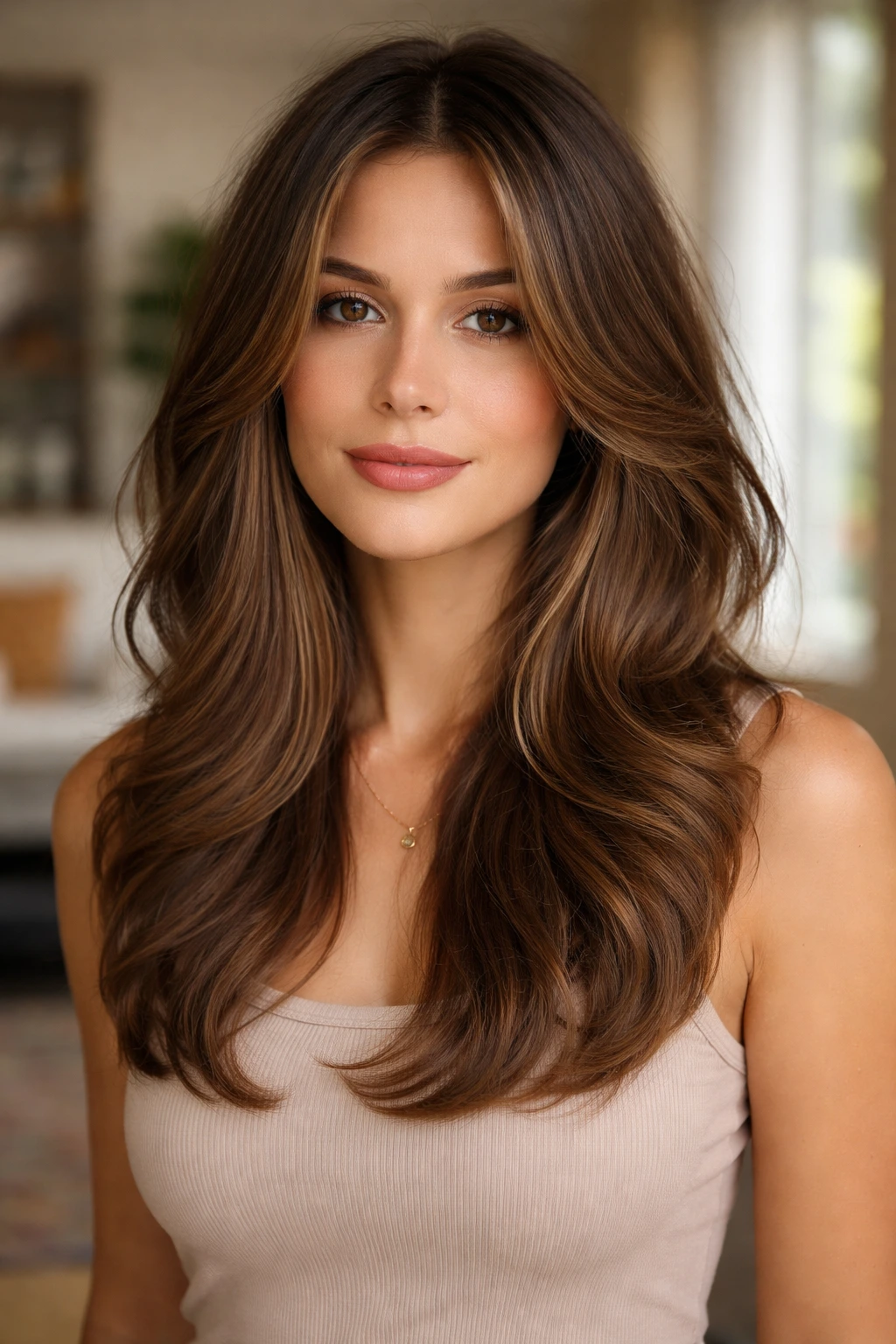
A U-shaped outline keeps more fullness at the back than a straight-across cut. That’s the simple reason this shape works so well on medium fine wavy hair. It gives you a softer curtain of hair through the sides without stealing density from the bottom.
The U shape is nice because it doesn’t scream “layered haircut.” It just makes the whole head of hair look a little more rounded and expensive. Long face-framing pieces starting around the cheekbone can open the face without making the ends look ragged. That balance matters more on fine hair than people realize.
I’d ask for the longest point to stay at or just below the collarbone if you want the waves to hold a bend. If the U gets too steep, the sides can look sparse when the hair is dry. Keep the curve gentle. That’s the part that usually gets missed.
4. Butterfly Cut
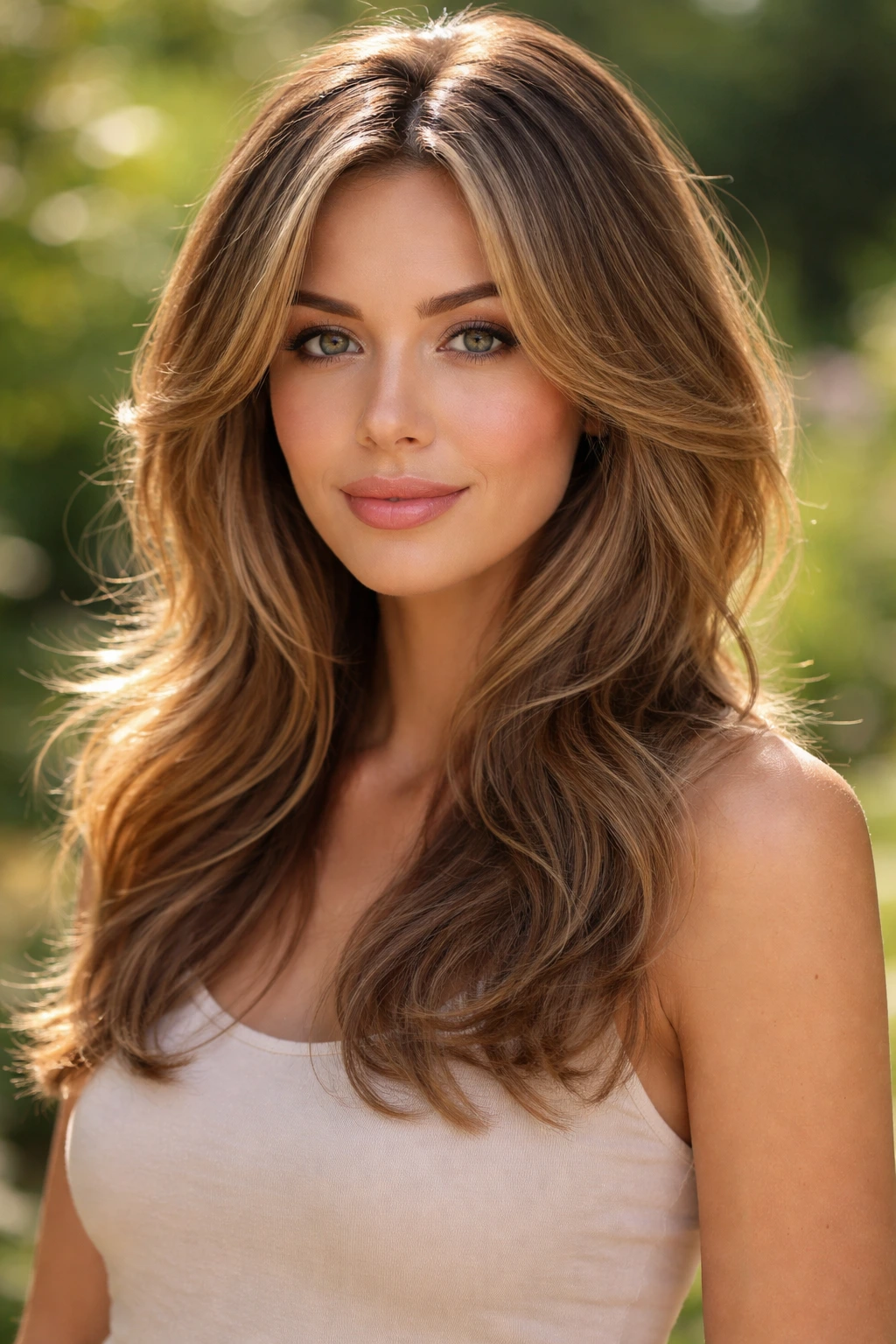
The butterfly cut can be a smart move on medium fine wavy hair, but only if the shorter top layers stay long enough. On thick hair, this cut can be dramatic. On fine hair, drama is the enemy unless it’s carefully managed.
What you want is a floated shape: shorter pieces around the front and upper crown, longer lengths underneath, and enough connection between the two that the haircut still feels like one piece. The butterfly cut gives waves room to lift around the face while keeping the bottom length intact.
It’s a good option if your hair falls flat at the roots but you still want to keep a feminine, swingy outline. The big caution is over-layering the top. If those upper layers get too short, fine hair can start to look frayed instead of airy. That’s a bad trade. Keep the shortest face pieces below the cheekbone if you want this to stay flattering.
5. Shoulder-Grazing Layered Cut
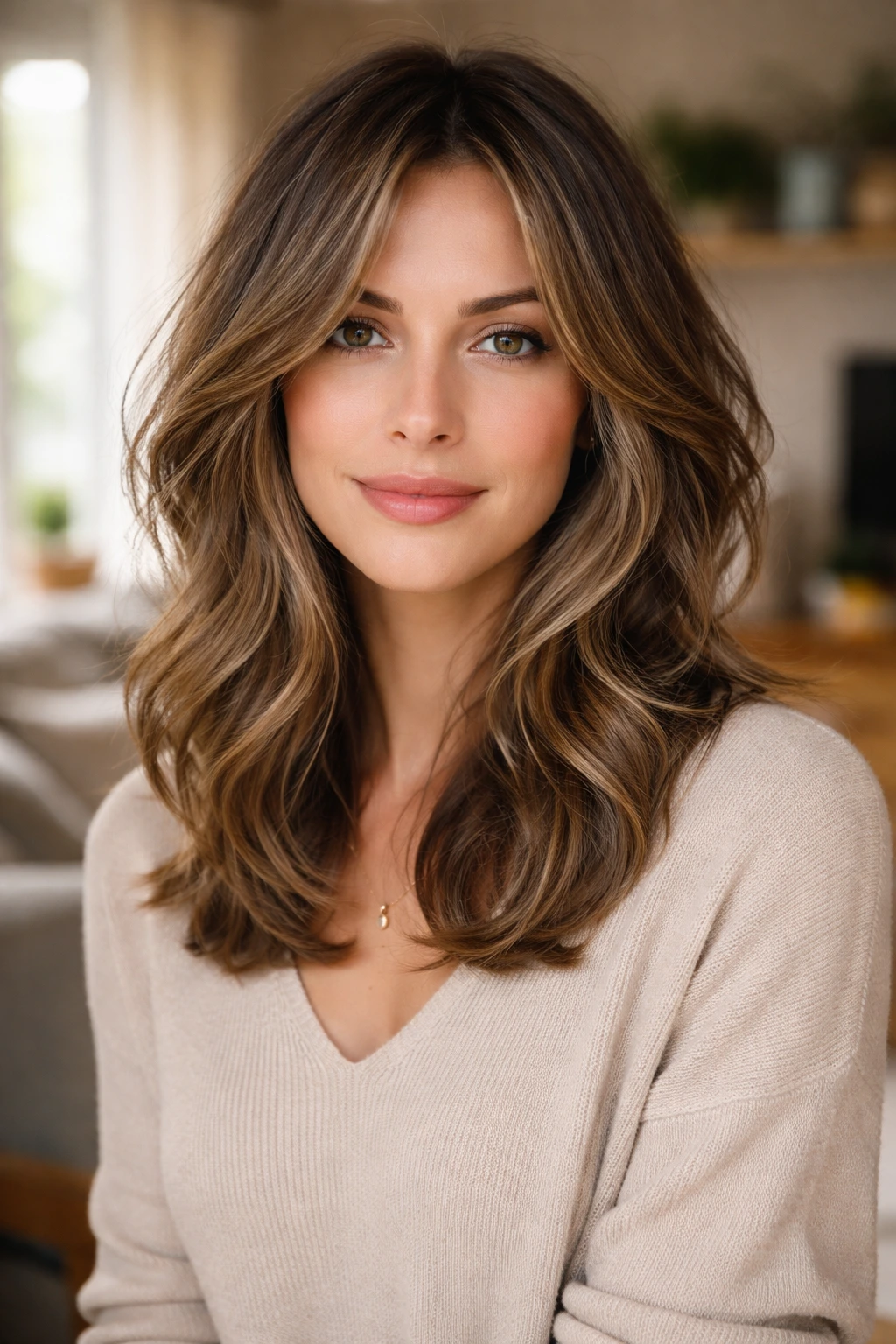
Shoulder-grazing cuts are underrated for wavy fine hair. They sit in that safe zone where the hair still has enough weight to look full, but not so much that the waves get pulled straight. It’s a practical cut, which is a nice way of saying it doesn’t fight you every morning.
The layers should be gentle and long, with the shortest ones blending in around the chin or lower cheek. That gives the top some lift without making the ends look thin. A shoulder cut also tends to grow out well, which saves you from the awkward in-between phase that so many layered cuts create.
I like this shape for people who want movement but hate styling drama. A quick scrunch with mousse, a rough diffuse, and you’re done. If you air-dry, even better. The haircut does a lot of the work.
6. Italian Lob
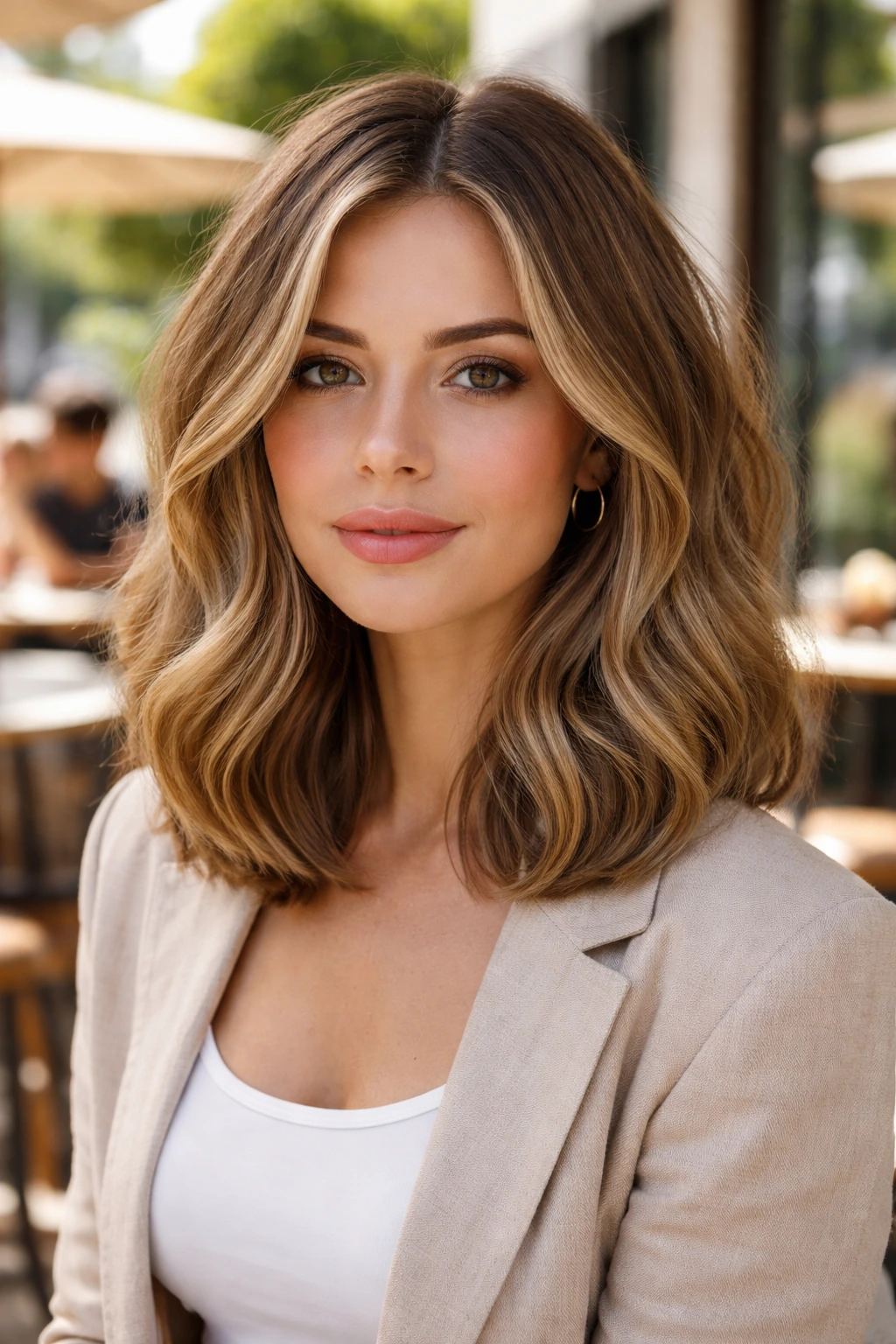
An Italian lob has polish. That’s the whole appeal. It usually sits around the collarbone, has soft internal movement, and keeps the perimeter rounded instead of hard-edged. On medium fine wavy hair, that rounded finish can make the hair look richer than a choppy cut would.
What to Ask For
- A collarbone length lob with a soft, rounded outline.
- Light face framing, not severe layers.
- Texture only where the wave naturally bends.
- No bulky layering through the crown.
The charm of this cut is that it looks styled even when it isn’t. Waves fall into that soft, expensive-looking shape, especially if you use a light cream or mousse and let the hair dry with a loose center part. It’s one of those cuts that feels grown-up without being stiff.
7. A-Line Lob
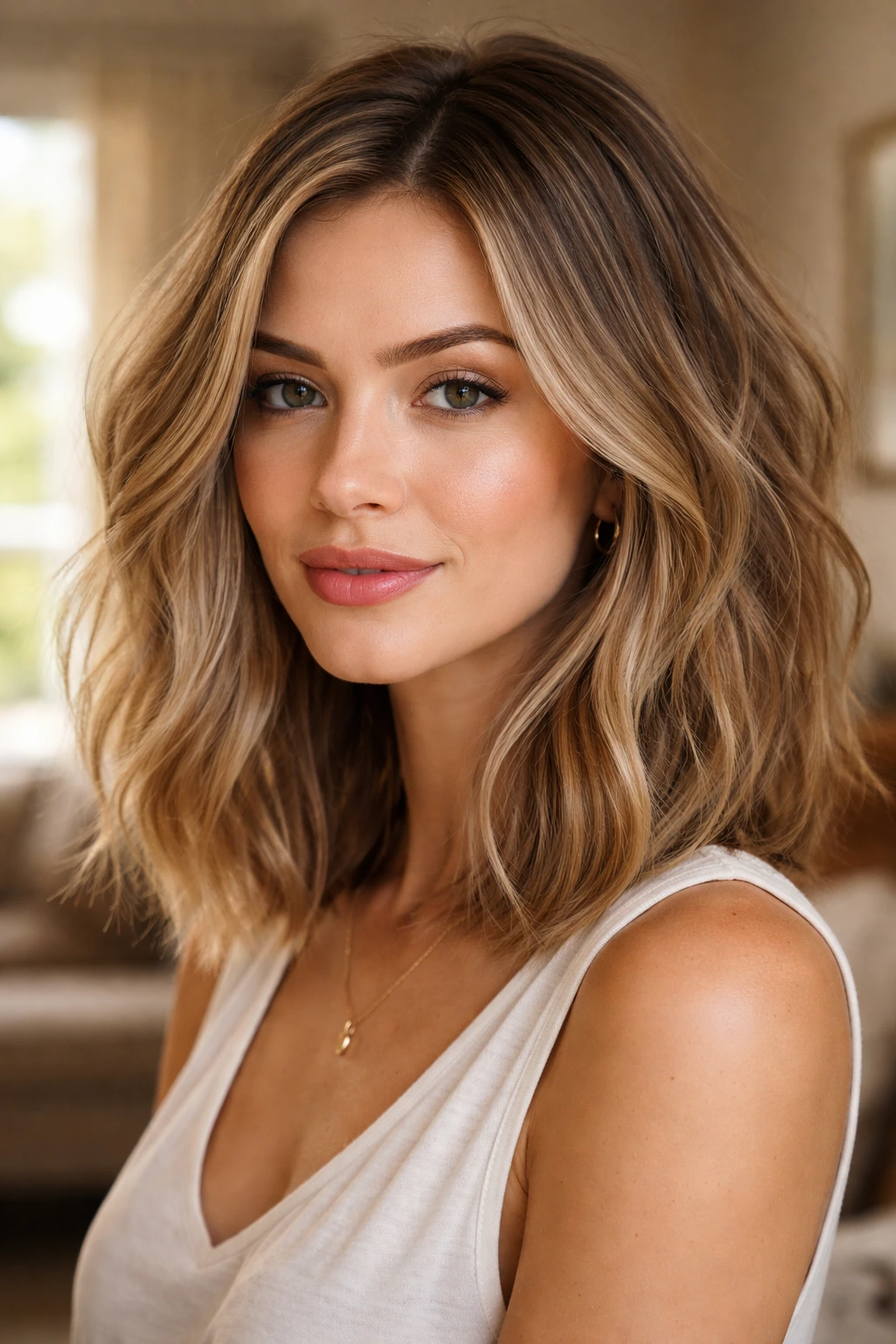
A-line lobs have a little swing to them. The back sits slightly shorter, and the front gets a touch more length, which creates a nice slope around the jawline. On wavy fine hair, that slope gives the illusion of volume without asking the hair to be something it isn’t.
I like this shape when the nape is flat but the front pieces hold wave well. The shorter back helps the haircut lift, while the longer front keeps the outline looking full. It’s a smart cut for anyone who wants movement near the face without giving up the cleaner feel of a bob.
The only real trap is making the angle too sharp. On fine hair, a dramatic A-line can expose the back of the head in a way that feels thin. Keep the difference subtle. A little angle goes a long way here.
8. Hidden Internal Layers
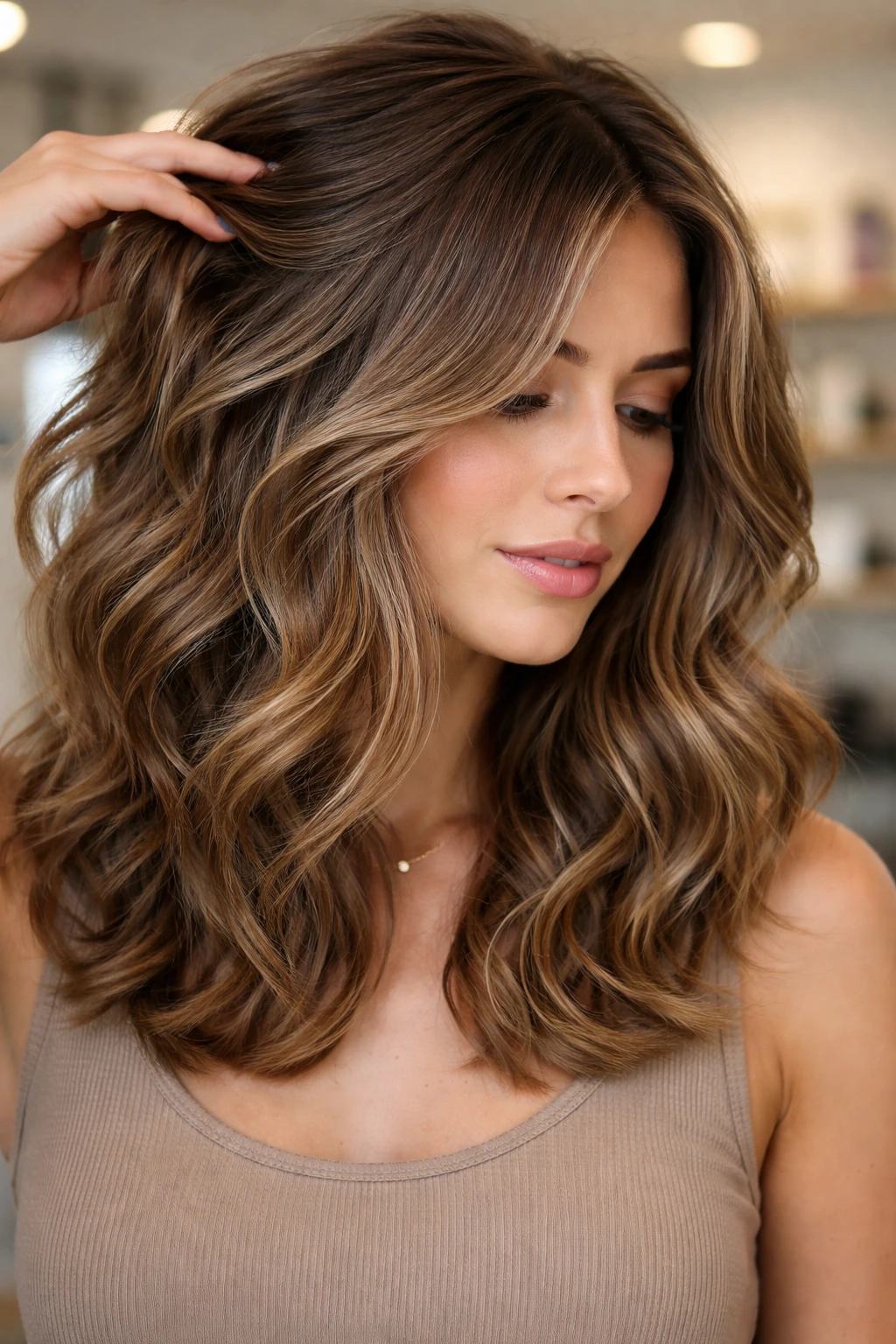
Hidden internal layers are one of the sneakiest good choices for medium fine wavy hair. The outer shape stays mostly intact, so the haircut still looks thick at the perimeter. The weight gets removed from inside the shape, where it helps the waves spring instead of hang.
That’s why this cut is so useful for people who want fullness but also need some movement. It doesn’t advertise itself the way a shag does. It just makes the hair behave better. You get less triangular bulk, more bend, and a smoother fall through the ends.
Ask for the stylist to keep the top line dense and to remove only what’s needed inside the mid-lengths. Too much internal cutting can make fine hair collapse, so restraint matters. This is one of those cuts where a little goes further than expected.
9. Soft Wolf Cut
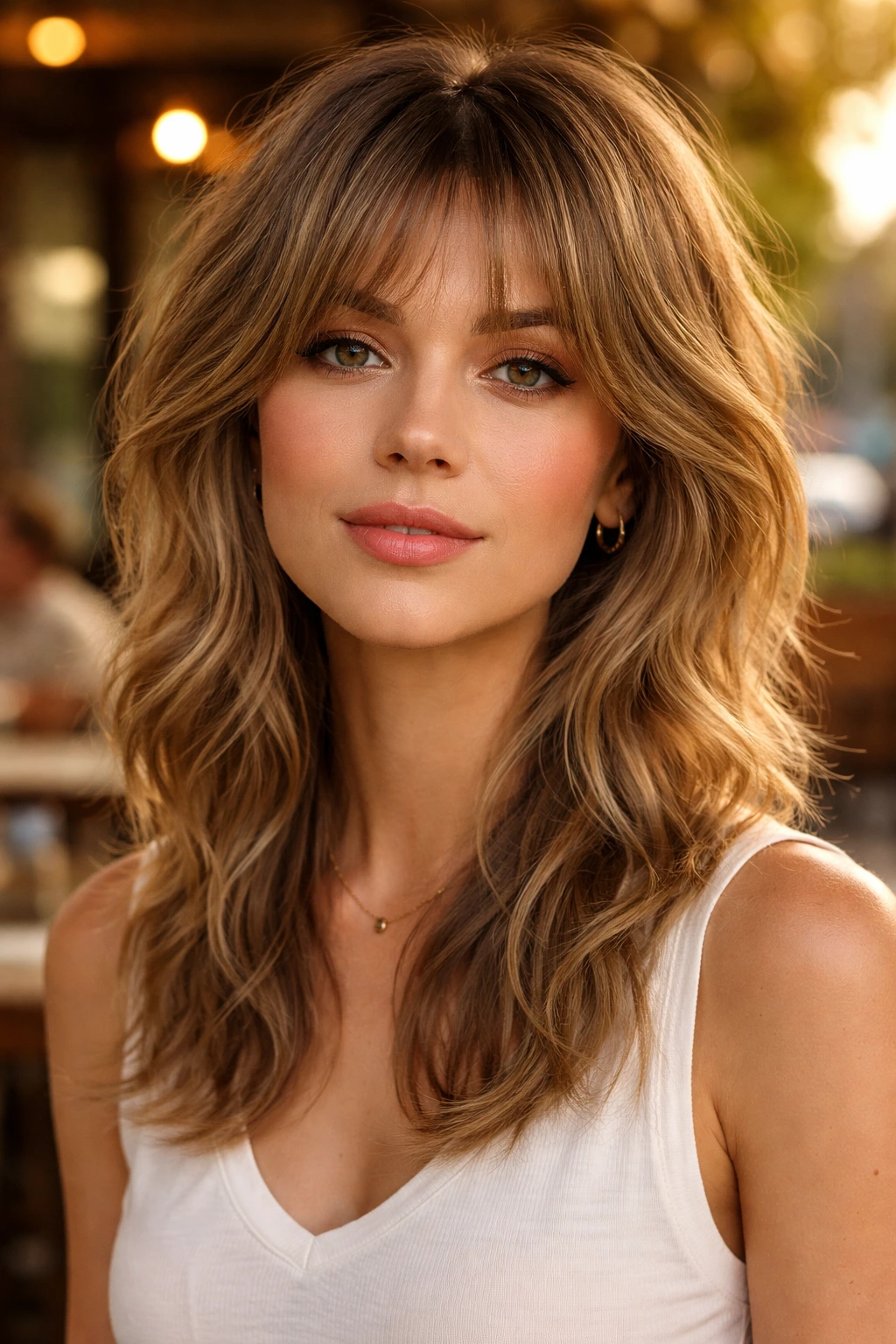
Can a wolf cut work on fine waves? Yes, but only the soft version. A hard wolf cut on fine hair can look sparse and too disconnected. A softer version keeps the edgy shape while preserving enough bulk at the ends.
The trick is to keep the crown layers long enough to avoid that mushroom-cloud look. The sides should still connect to the lower lengths, and the whole thing should feel lived-in rather than aggressively chopped. On naturally wavy hair, that shape can be really flattering because the wave pattern fills in the texture for you.
This is a good cut if you like a little attitude in your hair and don’t mind some texture spray. It is not the haircut for someone who wants sleek and tidy. Different vibe. Still, when it’s done well, the shape has a nice lift around the face and a lot of movement through the crown.
10. Rounded Midi Cut
A rounded midi cut is one of the cleanest answers to fine wavy hair that goes flat at the sides. Instead of hanging in a straight curtain, the shape curves gently inward around the ends. That keeps the haircut from looking boxy.
The roundness helps waves stack in a pleasing way. Fine hair often loses visual body when it’s all one length and cut too straight. A curved shape fixes that without needing a lot of layers. I like this cut when someone wants softness more than edge.
It also plays nicely with a side part or a loose center part, depending on how your waves fall. If your hair has a bend that wants to kick outward, the round shape gives it a place to go. It sounds small. It isn’t. The silhouette changes everything.
11. Feathered Shoulder Cut
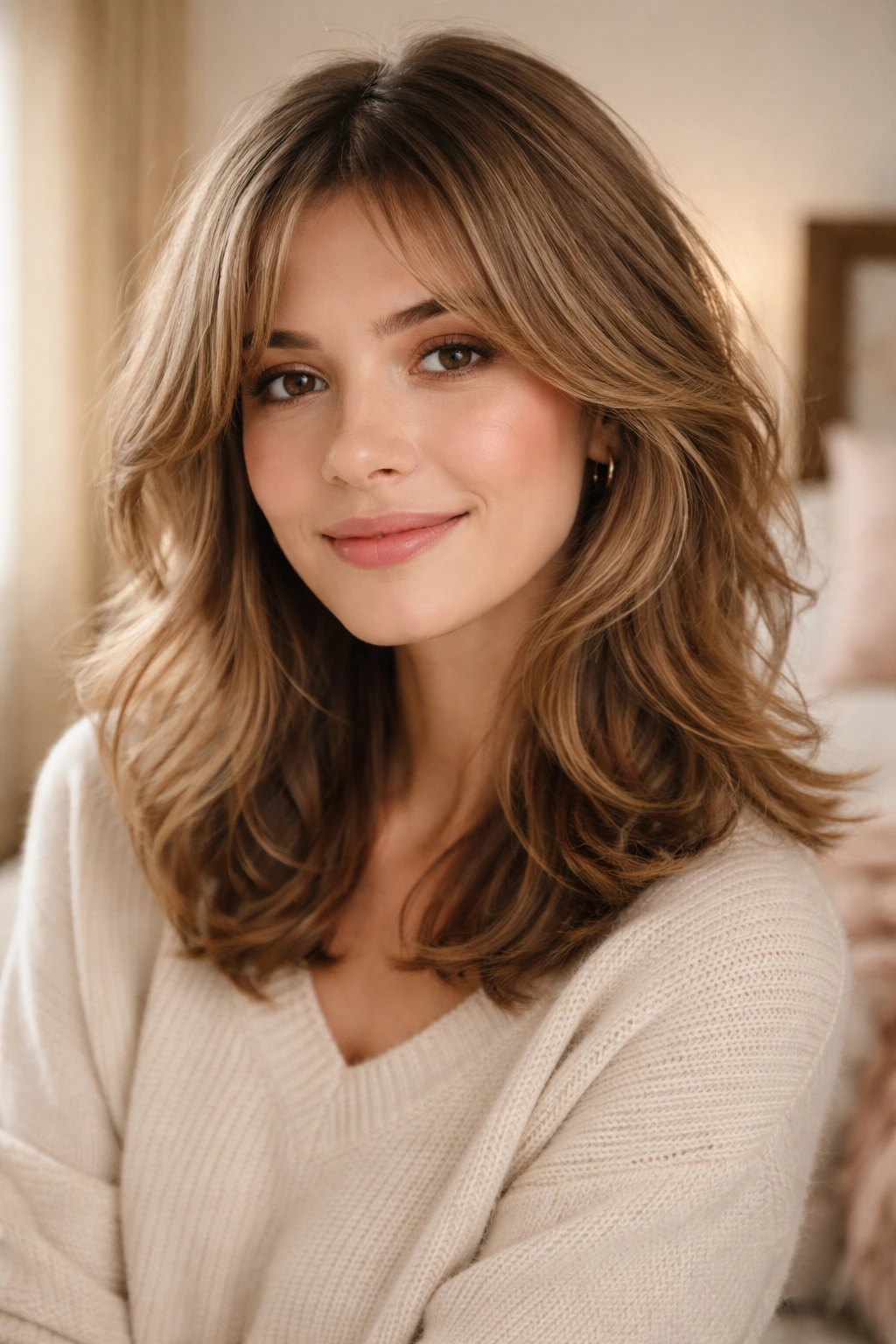
Feathering gets a bad reputation because people picture the heavy, overblown cuts from decades ago. Done lightly, though, feathering can be excellent on medium fine wavy hair. The key is to keep it soft and near the ends, where it creates airy movement instead of obvious steps.
A feathered shoulder cut feels especially good if your waves are loose and tend to dry in soft bends rather than coils. The ends lift just enough to keep the hair from looking stuck to the neck. It’s a nice option if you like a bit of a blowout look without spending half your life at the round brush.
Use this if: you want movement, not choppiness. Fine hair can look tired when the ends are too blunt and too heavy, and feathering offers a middle path. Just keep the layering restrained.
12. Side-Part Layered Lob
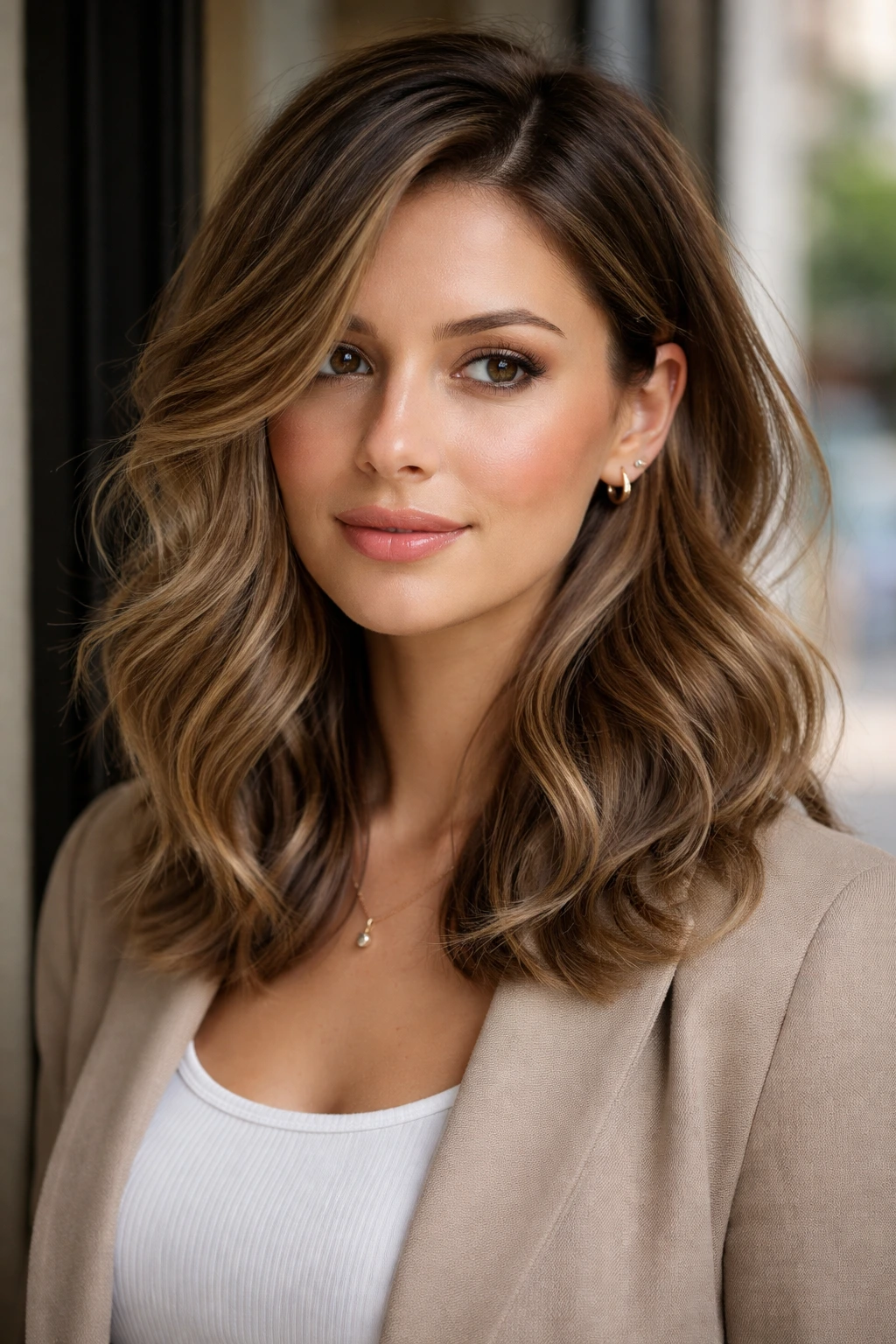
A side part can do more for fine wavy hair than people admit. It shifts the visual weight, gives the roots a little lift, and stops the top from lying too flat. Pair it with a layered lob, and you get a haircut that looks fuller with almost no extra effort.
Why It Changes the Shape
- The heavier side creates instant volume near the crown.
- Long layers keep the waves from puffing out at the jaw.
- The part can be moved a little, which helps if your hair has a stubborn cowlick.
- The whole cut feels less symmetrical, which often reads as fuller.
I like this one for faces that need a bit of framing without a heavy fringe. If your hair naturally falls better on one side, let it. Fighting the part usually just makes the hair look smaller.
13. Curtain Fringe with Medium Waves
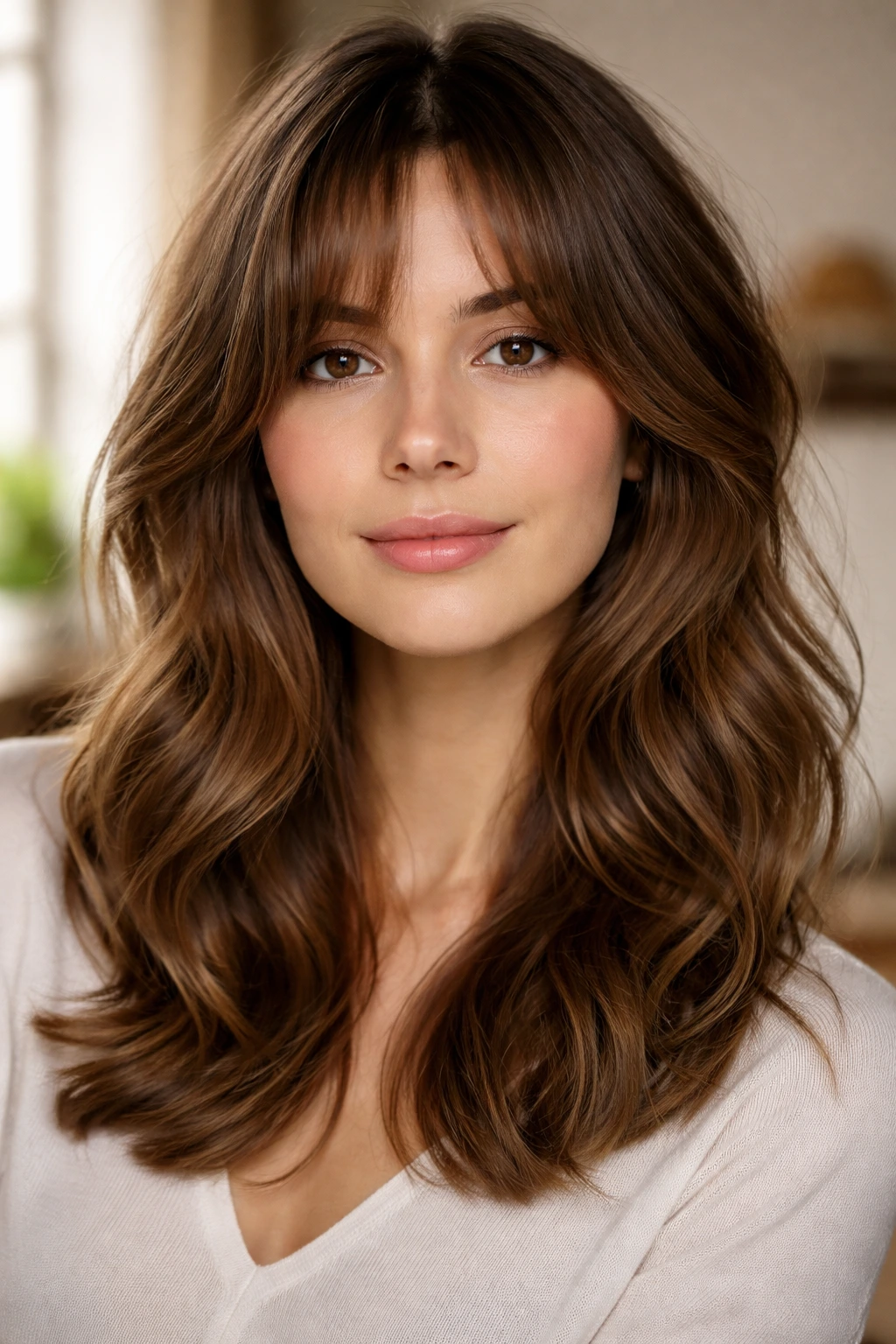
Curtain fringe is one of the easiest bang styles to live with on wavy fine hair. It opens in the middle, blends into the sides, and grows out more softly than blunt bangs. That matters when you don’t want your forehead framed by a heavy, solid line that can overpower finer strands.
The fringe should be long enough to tuck into the rest of the haircut. Short curtain bangs on fine hair can split too fast and need constant styling. Long enough to hit the cheekbone or lower is usually safer. That length gives the wave room to bend instead of sticking out.
This cut pairs well with medium layers and a shoulder-length shape. It’s especially good if your face feels a little long or if you like a soft, romantic outline. And yes, the fringe needs a quick touch-up now and then. That’s the price.
14. Choppy Midi Cut
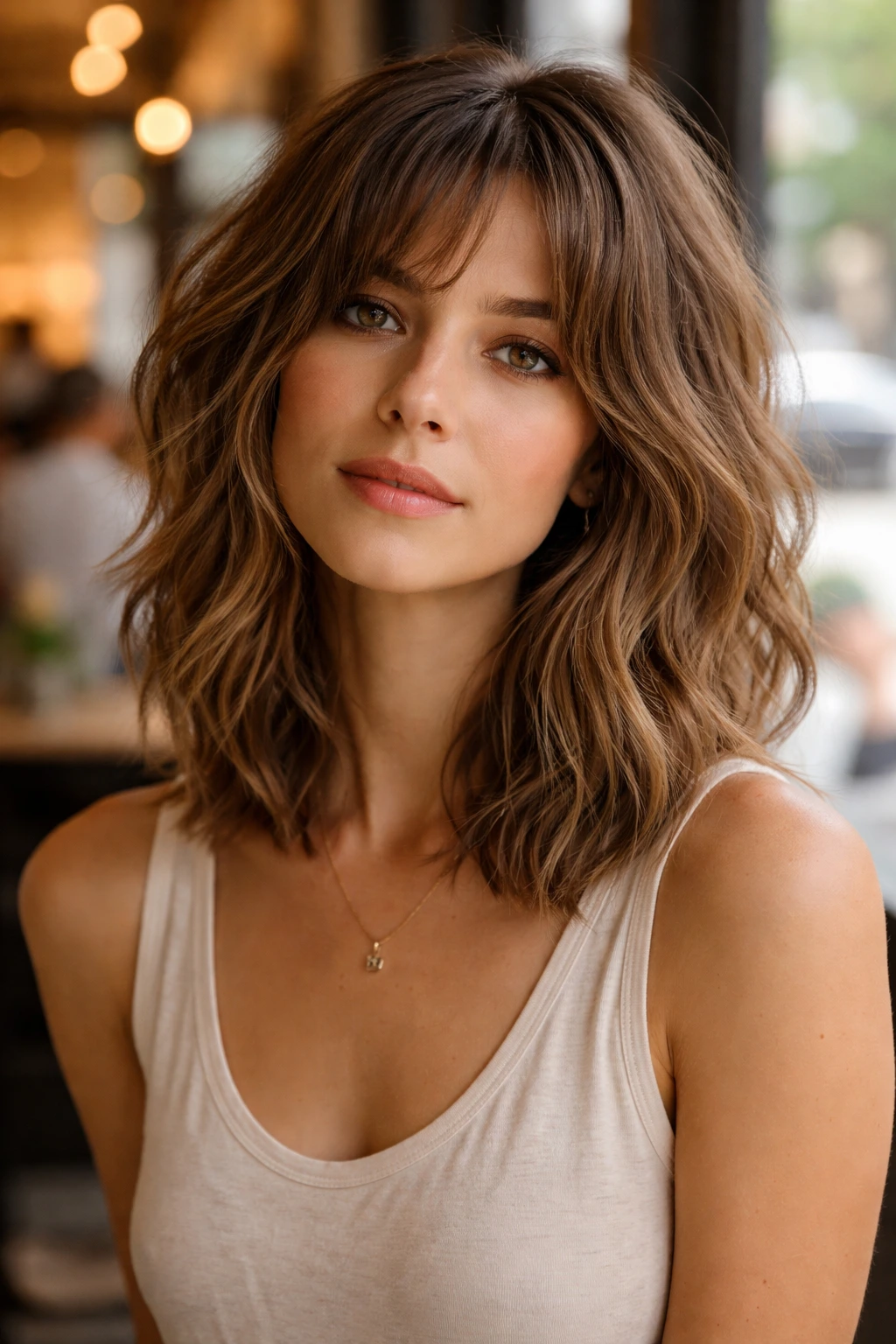
A choppy midi cut is all about broken-up texture. Not shredded. Broken up. There’s a difference, and on fine hair, that difference matters a lot. Too much chopping makes the ends look ragged; the right amount creates motion that waves can bounce off.
This cut sits nicely between the collarbone and shoulder, which gives it enough length to feel substantial. The texture is placed through the mid-lengths and ends so the hair doesn’t settle into one flat sheet. That’s useful if your waves like to separate in weird places.
I’d choose this cut if you want something a little less polished and a little more casual. It’s good with salt spray, mousse, or a quick bend from a flat iron on the ends. It does not need perfect styling. That’s part of the appeal.
15. Blunt Cut with a Deep Side Part
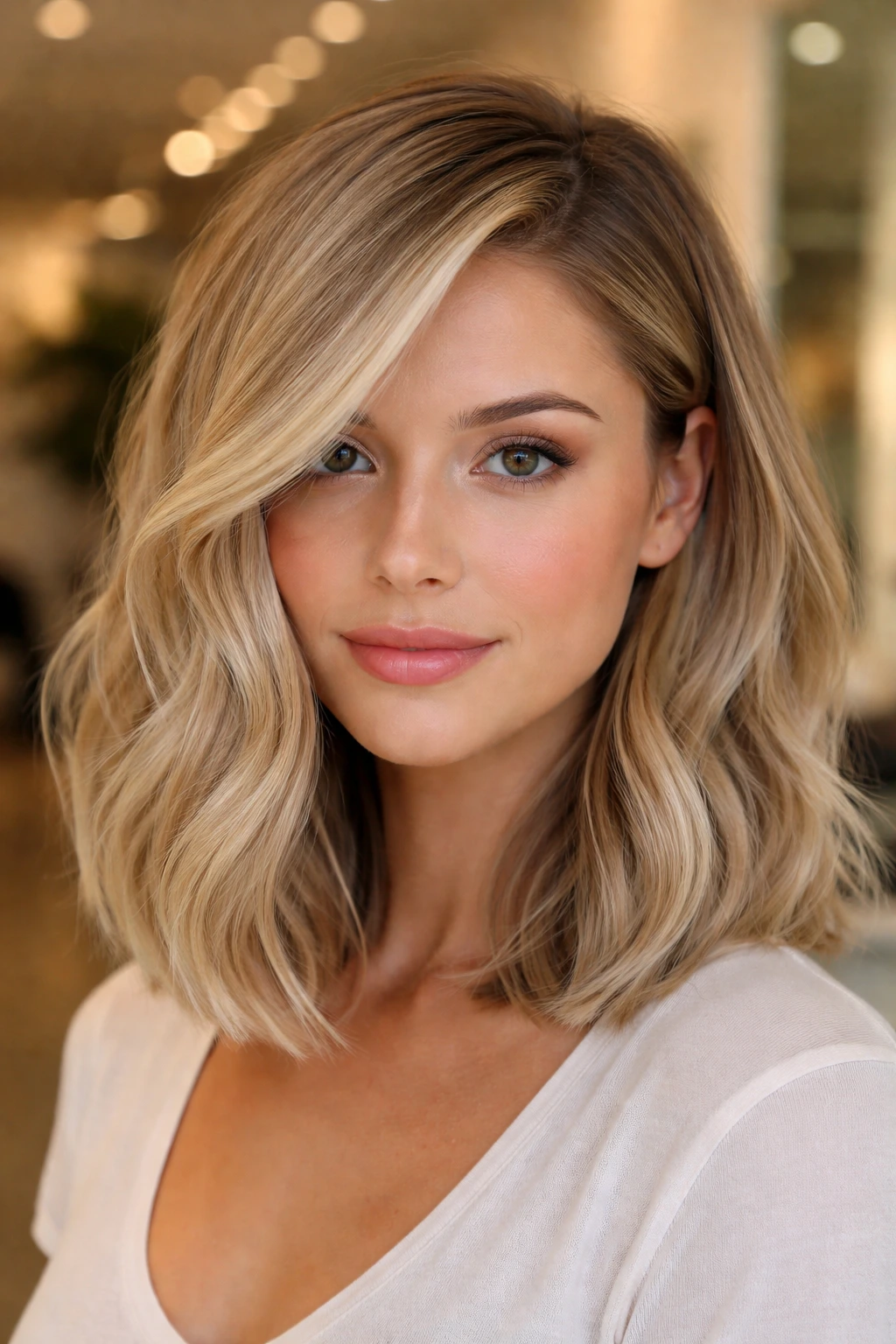
A blunt cut sounds plain until you pair it with a deep side part. Then the whole thing changes. The clean ends keep the hair looking full, and the deep part gives enough lift and drama that fine waves don’t disappear into the head.
This is a smart haircut for someone who wants versatility. Wear it sleek one day, let the waves take over the next. The blunt edge keeps the density, while the part changes the mood. It’s a nice trick, and it works.
The look is especially good if your hair is fine but has a lot of natural bend. Fine hair with wave can sometimes need a little structure to stop it from collapsing, and this cut gives you that. Keep the layers minimal. The line is doing the heavy lifting here.
16. Razor-Textured Lob
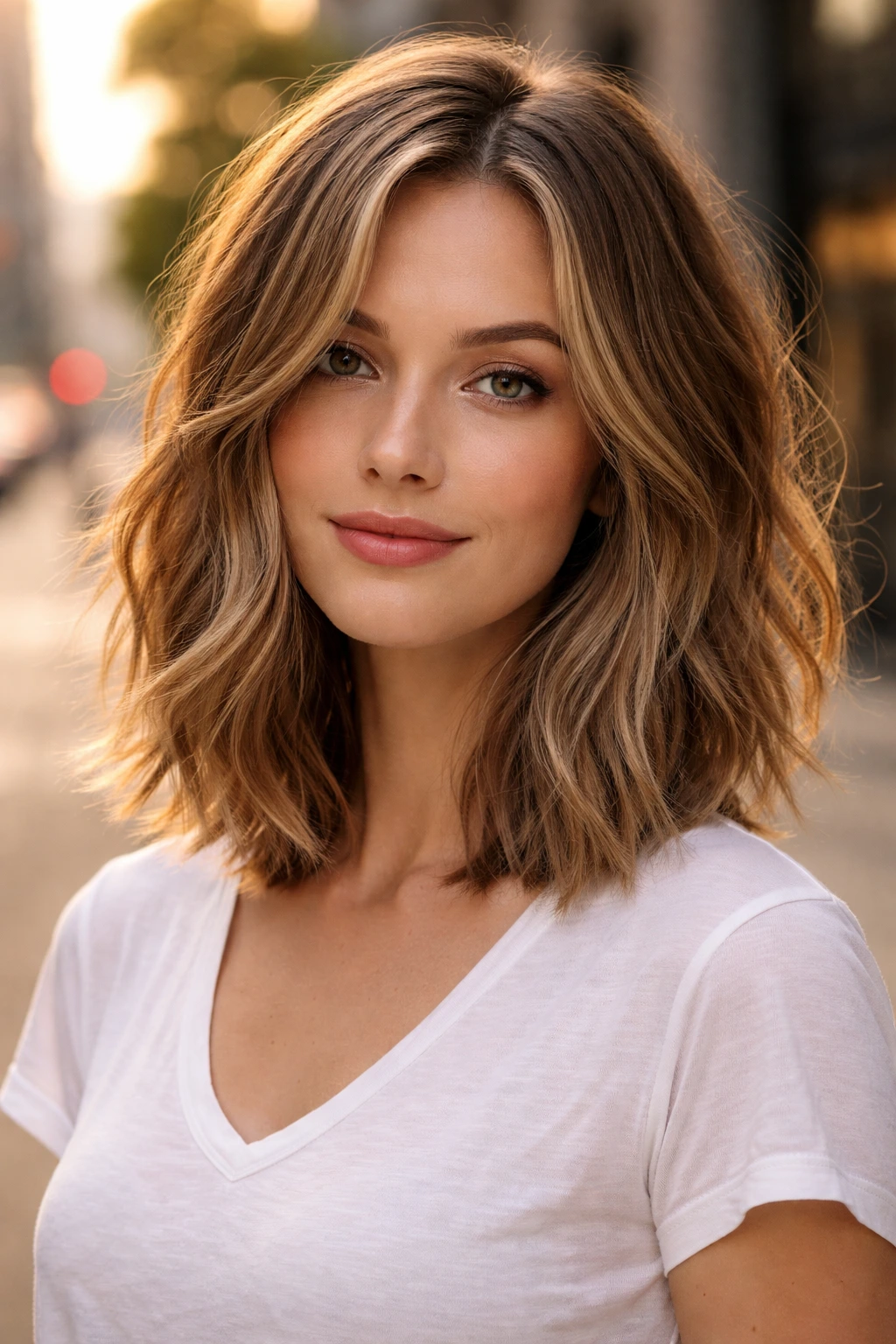
A razor-textured lob is a little risky, and I mean that in a good way only if the hair can handle it. The razor softens the ends and gives the waves a breezier fall, which can look lovely on healthy fine hair with a strong wave pattern.
But here’s the catch: if your ends are already fragile, a razor can make them look wispy fast. You want texture, not fray. So this cut is best when the hair is in decent shape and the stylist uses the razor sparingly, mainly for softening rather than removing chunks.
I like this one for people who hate a heavy perimeter and want a little edge without going full shag. It works especially well on hair that air-dries with a loose S-wave. If your wave pattern is uneven, though, a softer scissor cut may be kinder.
17. Bottleneck Bangs at Collarbone Length
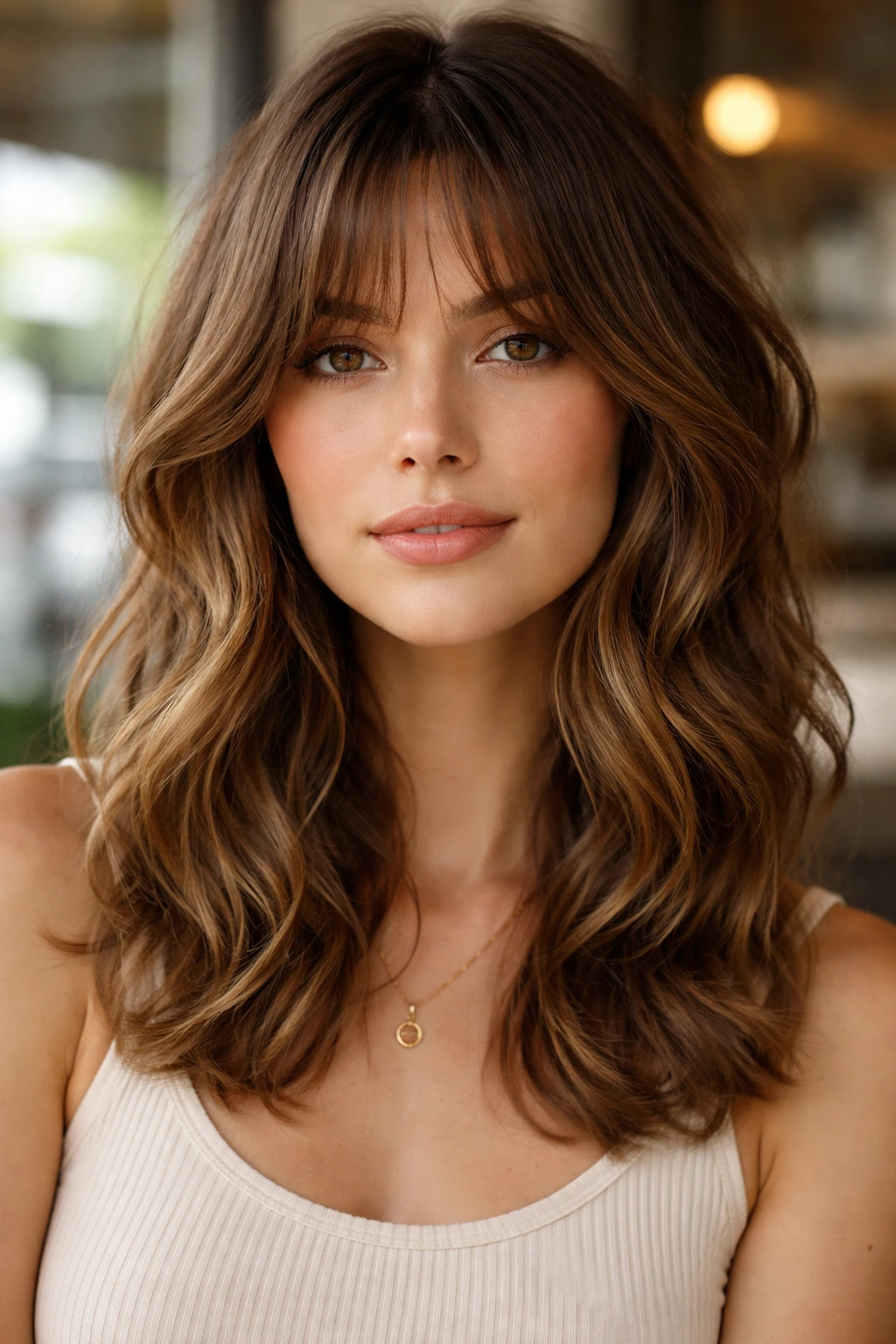
Bottleneck bangs are a neat compromise between curtain bangs and full fringe. They start narrow in the middle, open slightly around the eyes, and blend into the rest of the haircut. On medium fine wavy hair, that shape frames the face without swallowing it.
What Makes Them Useful
- They keep the front light, which matters for fine hair.
- They soften the forehead without creating a hard line.
- They grow out better than blunt bangs.
- They work with loose waves, not against them.
Pair them with collarbone length and a soft perimeter. You get enough length to keep fullness, but the front feels fresh. I’d recommend this cut to anyone who wants bangs but is nervous about maintenance. It’s one of the easier fringe options to live with.
18. Soft Inverted Bob
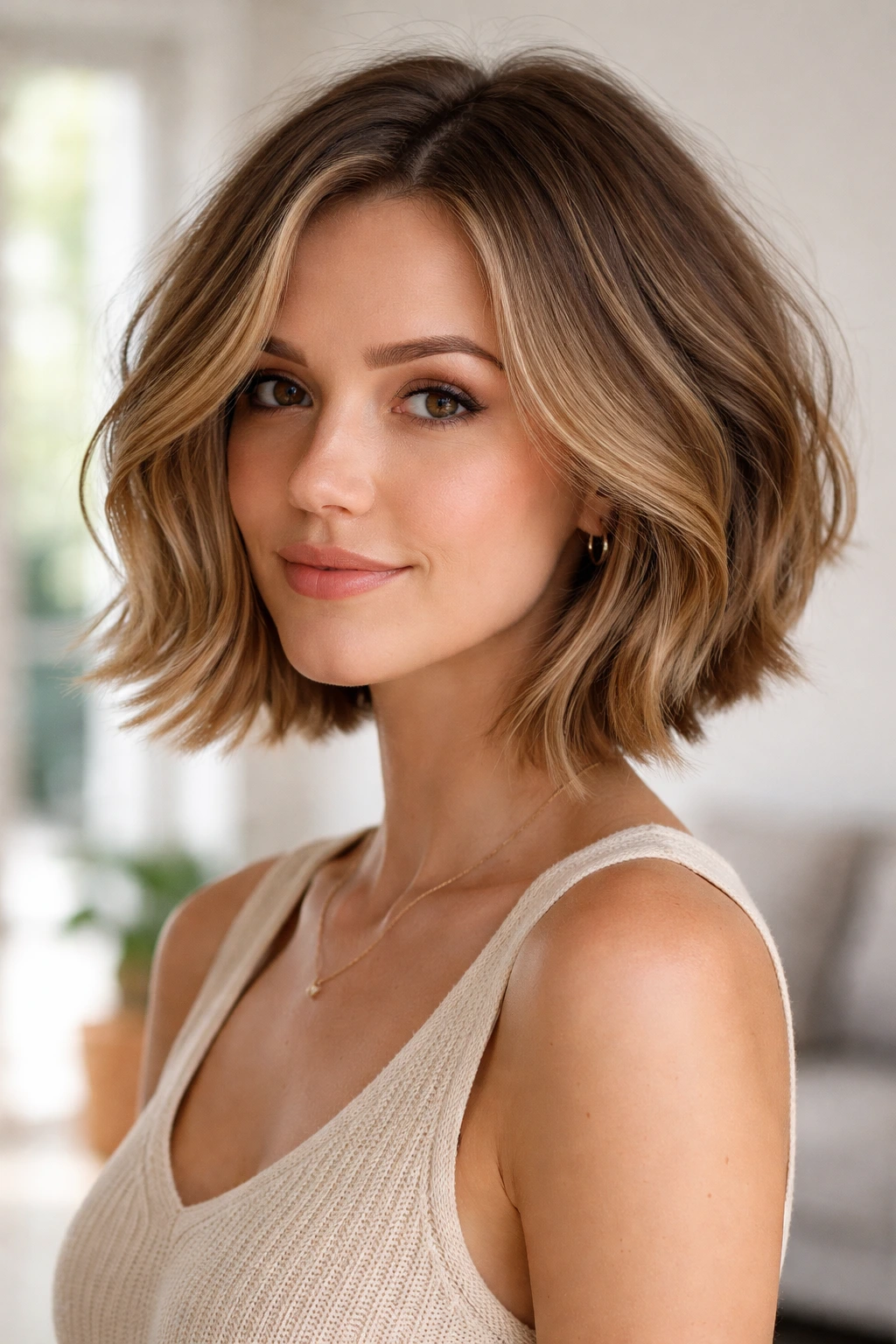
A soft inverted bob lifts the back and leaves a little more length in front, but not in a sharp, dated way. On fine wavy hair, that subtle rise at the back can be a lifesaver if the nape tends to go flat and floppy.
The shape gives the head a bit more structure. Waves in the front can fall around the cheek and jaw, while the back gets enough support to avoid that limp curtain effect. Keep the angle gentle, though. A severe inversion can make fine hair look exposed.
This cut likes a little root volume spray and a quick blow-dry at the crown. It’s a strong choice if you want a bob that feels polished but not severe. And yes, it’s still easy to tuck behind the ears on bad hair days.
19. Shattered Ends Cut
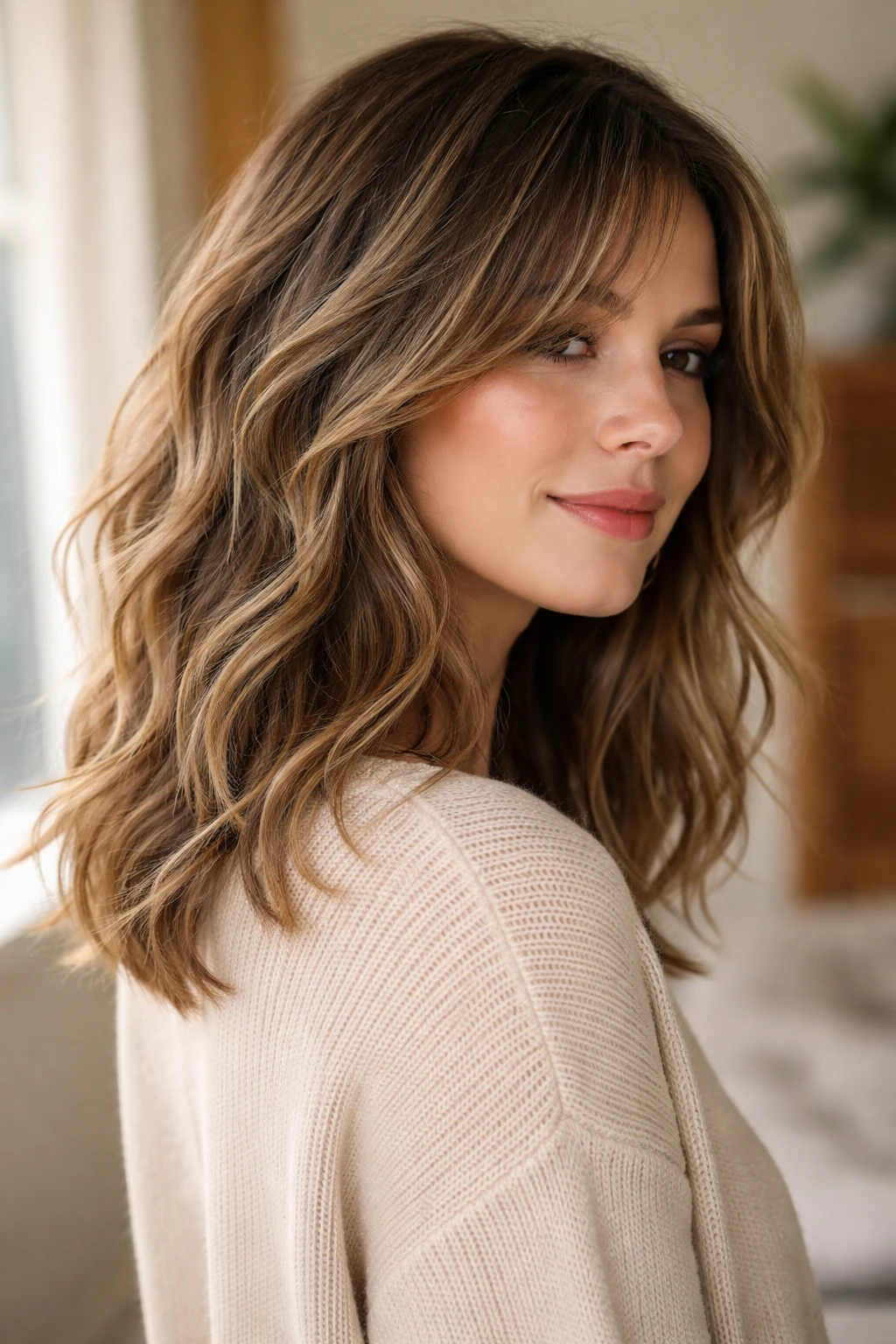
A shattered ends cut sounds harsher than it is. The idea is to break up the very bottom of the haircut so the ends move instead of sitting like a solid shelf. On fine wavy hair, that little bit of movement can stop the cut from looking too blunt or too heavy.
The important thing is restraint. You are not trying to create layers all over the place. You’re softening the final inch or two so the waves separate in a more natural way. That’s different from making the haircut thin.
I like this cut for people whose waves bunch up at the bottom and create a heavy block. The shattered finish helps the hair swing. It also photographs well in motion, though what matters more is how it feels in real life—light, flexible, and less helmet-like.
20. Face-Framing Cascade Layers
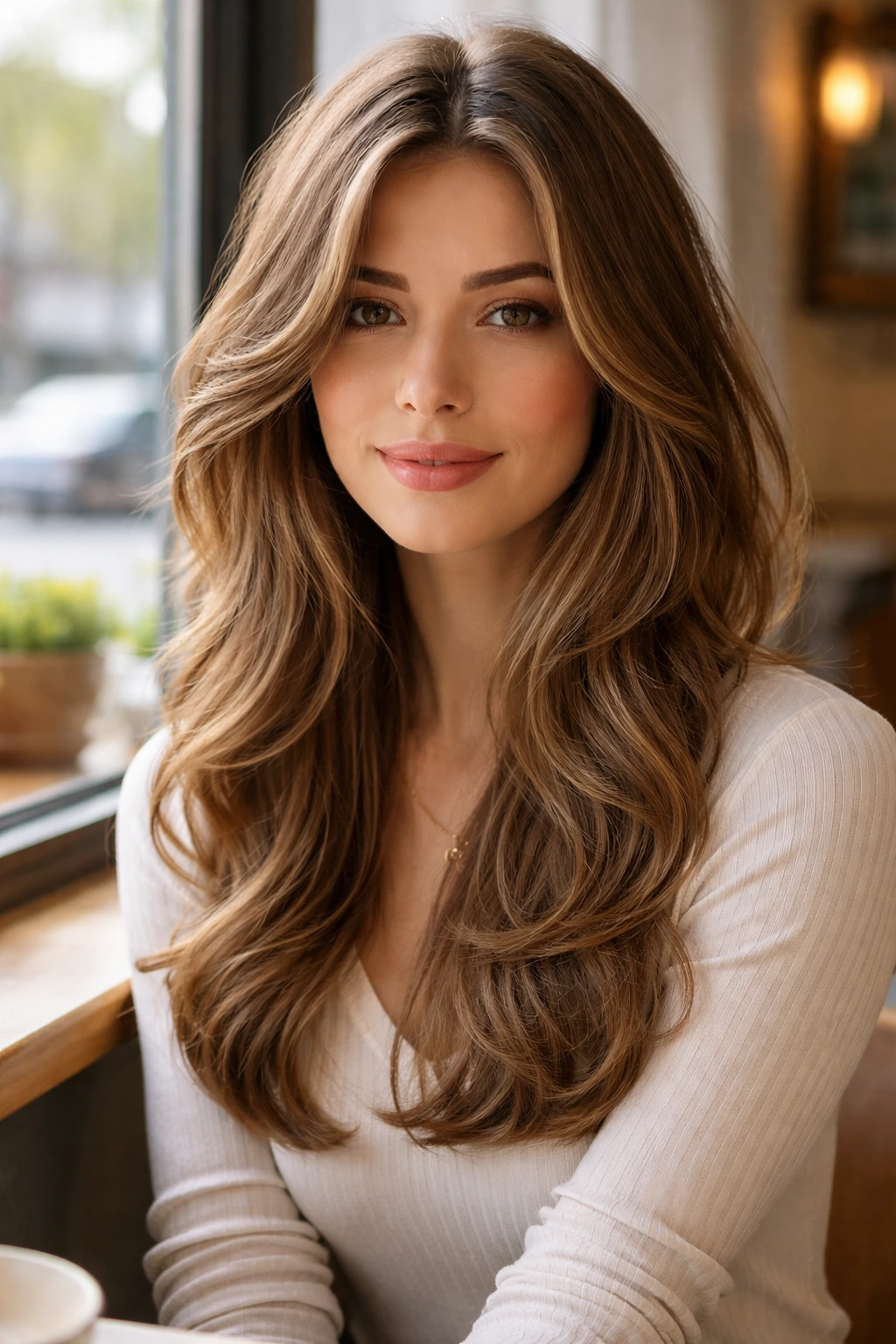
Face-framing cascade layers are a nice option if you want to keep most of your length while still giving the haircut some shape. The shortest pieces sit around the cheekbone or jaw, then they taper down into longer lengths. That creates a soft waterfall effect without taking too much from the perimeter.
This is especially useful when fine wavy hair gets flat around the face but still looks decent in the back. The cascade brings attention upward and gives the cut a sense of motion. It also works well if you like to pull your hair half up, because the front pieces stay interesting even when the rest is tied back.
I’d keep the layers long. Short, stacked face-framing pieces can look choppy on fine hair. Long is safer. Long is usually prettier here too.
21. One-Length Midi with Crown Lift
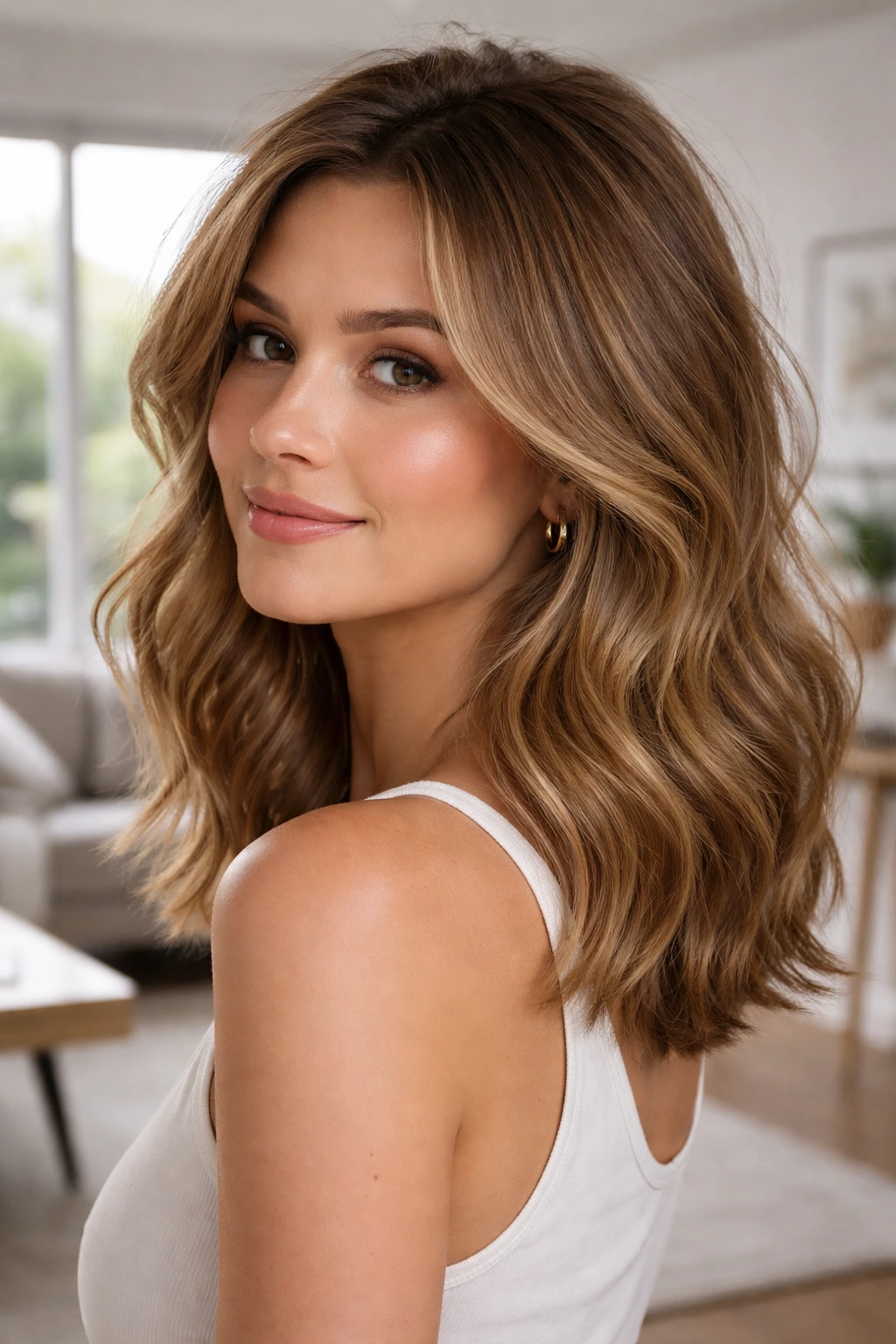
A one-length midi sounds basic, and that’s exactly why it can work so well. Fine wavy hair often looks thinner when too many layers eat away at the outline. A clean perimeter keeps the body intact. Add a little crown lift through styling, and you get volume without giving up density.
The shape is good for people who don’t want a “haircut haircut.” You know the kind—obvious, fussy, high-maintenance. This one is quieter. It depends on smart length and a good root lift rather than a ton of visible layering.
If your waves are loose and your hair is prone to looking sparse at the ends, this may be the safest option on the list. A round brush at the crown or a quick diffuser lift at the roots is usually enough. No drama. No weird gaps.
22. Texturized Mid-Shag
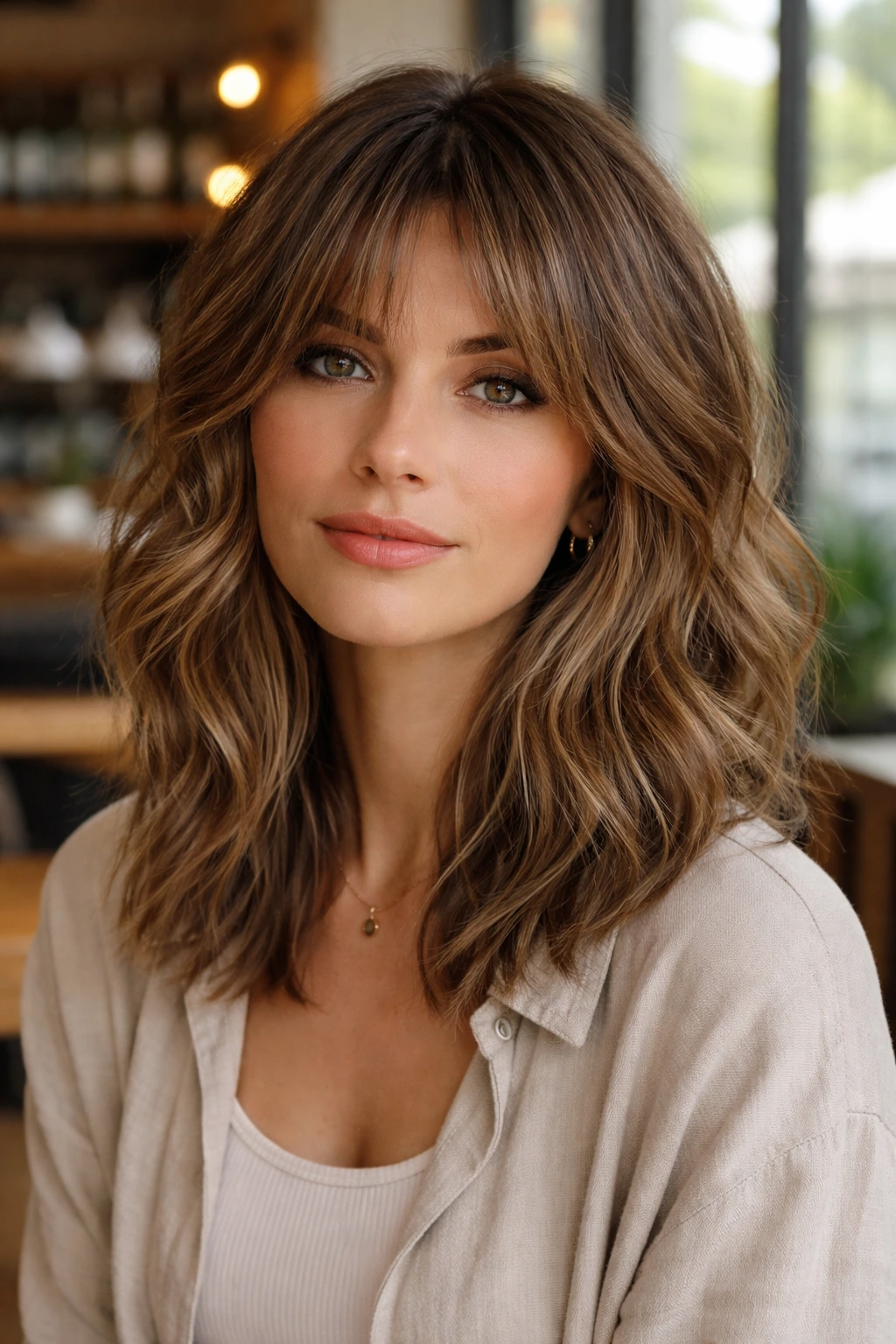
A texturized mid-shag is the cleaner cousin of the full shag. It has movement, but the layers are more controlled and the outline stays a little neater. That makes it a better match for fine waves than the ultra-choppy version people often picture.
How to Style It
- Work a light mousse through damp hair, focusing on the roots.
- Scrunch with your hands, then diffuse on low heat.
- Keep the ends soft with a small amount of serum if they start to fluff out.
- Skip heavy creams unless your hair is very dry.
The haircut should hit somewhere between the collarbone and shoulder. Shorter than that, and the shag can look too playful; longer than that, and the texture gets lost. This one has personality, but it still knows when to stop.
23. Soft Mullet-Inspired Cut
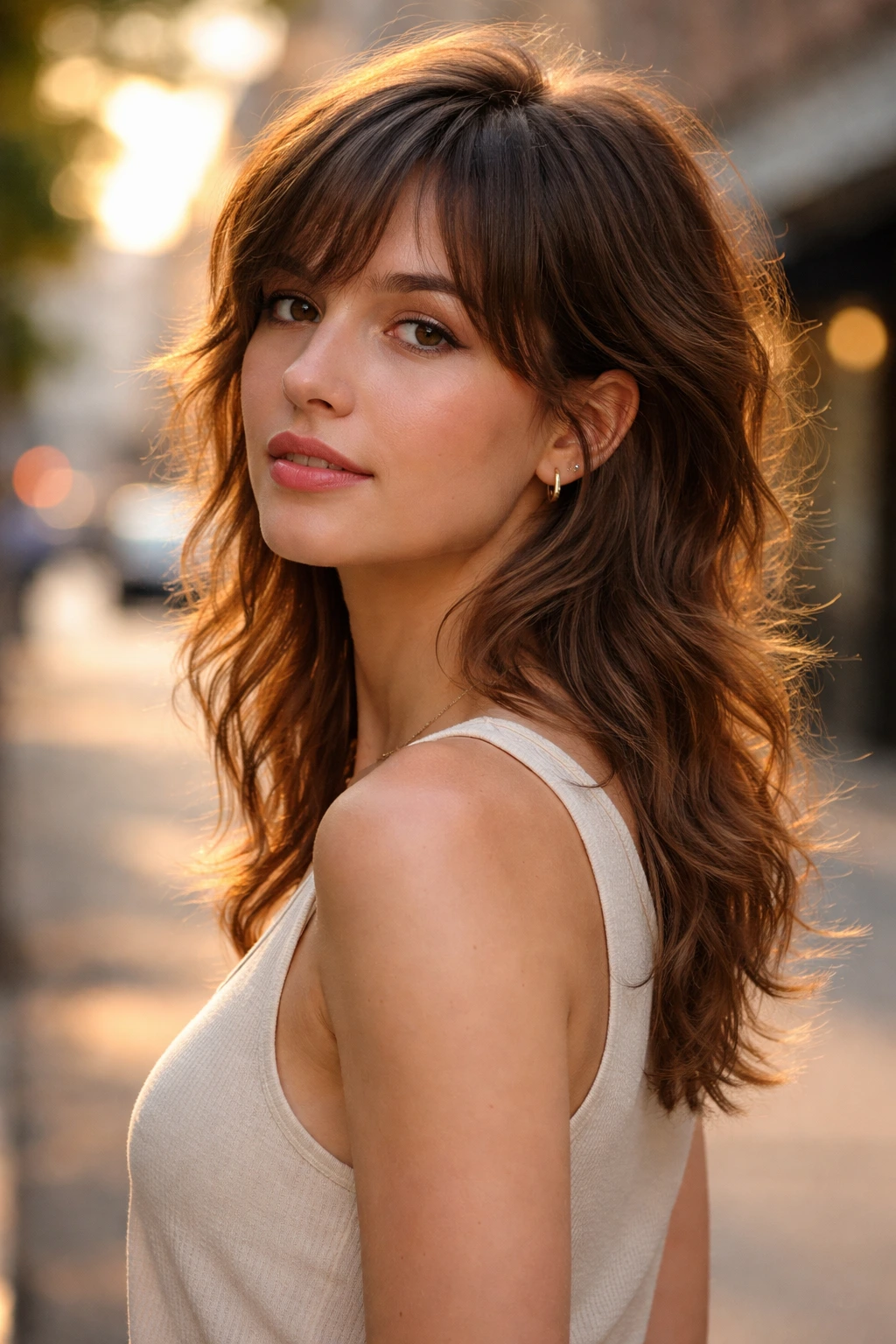
A soft mullet-inspired cut sounds bolder than it has to be. On medium fine wavy hair, it can be surprisingly wearable if the contrast stays gentle. The crown gets a little lift, the front stays touchable, and the back keeps enough length to avoid looking severe.
I’d only recommend this if you like texture and don’t mind a cut with some attitude. The waves help soften the shape, which is why it works better on wavy hair than on straight hair. The back should still connect to the sides in a smooth way; you are not trying to create a harsh disconnect.
This cut can be fun. It can also go wrong fast if the top is cut too short. So keep the shortest pieces just long enough to blend, and let the wave pattern do the rest.
24. Long Tapering Layers
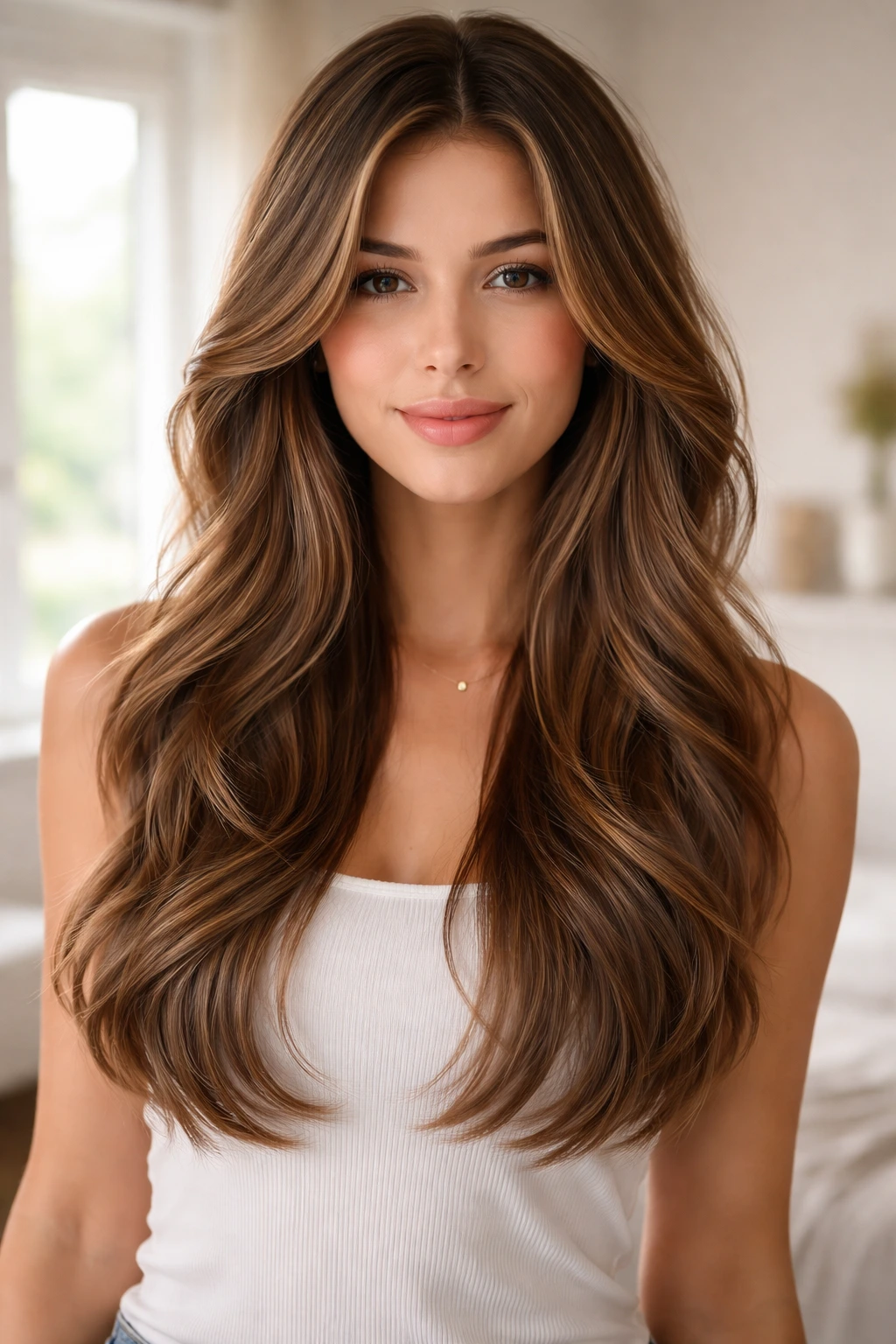
Long tapering layers are one of the safest ways to build movement into fine wavy hair without wrecking the shape. The layers start low, then gradually taper toward the ends, so the cut still feels full through the mids. That is the part that usually matters most.
The beauty of this cut is that it gives you flexibility. Blow it out, and the layers fall softly. Air-dry it, and the waves separate without collapsing. It’s not flashy, but it’s useful, and useful haircuts age well.
Why I Like It
- It keeps bulk off the shoulders.
- It doesn’t carve up the crown.
- It grows out cleanly between trims.
- It gives just enough movement for fine waves to look lively.
If you want a cut that doesn’t demand constant attention, this is a strong pick. It’s plain in the best way.
25. Shoulder-Length Beveled Cut
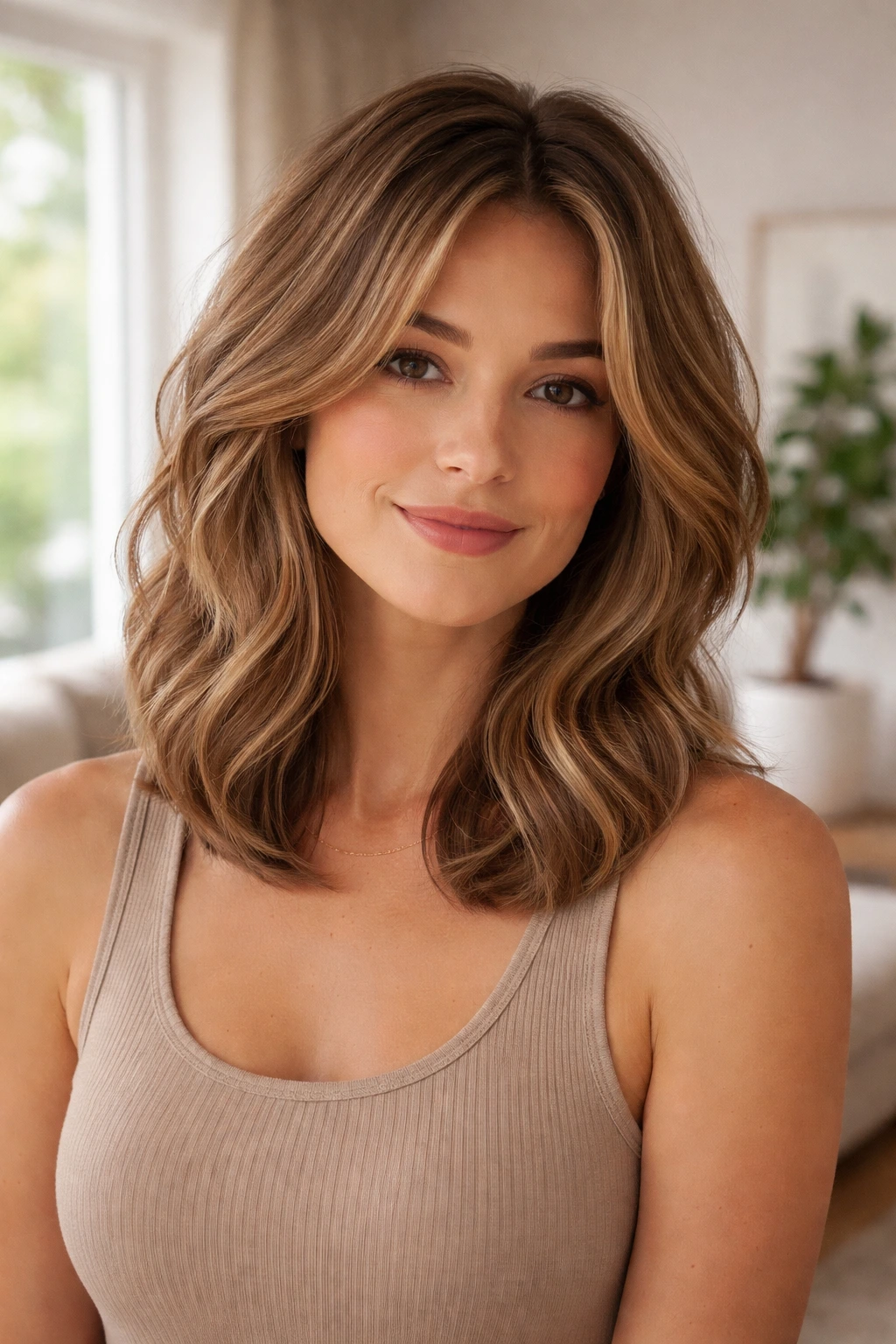
A beveled cut has ends that curve slightly inward or outward instead of hanging in a hard line. On shoulder-length fine waves, that tiny bend changes the whole mood of the haircut. It gives shape without asking for layers everywhere.
The bevel is especially helpful if your hair tends to flip in odd directions when it dries. A stylist who understands how your wave pattern falls can angle the ends so the cut bends instead of fighting your natural texture. That’s the part people often miss.
I like beveled cuts for anyone who wants a tidy outline with a bit of softness. It’s a nice middle ground between a blunt bob and a shag. Not flashy. Very workable. And the wave pattern gets to stay visible.
26. C-Shaped Medium Cut
A C-shaped cut curves around the face and through the sides, which makes it a flattering choice for medium fine wavy hair. The outline is softer than a V and less rigid than a blunt bob. It gives the hair a rounded fall that reads fuller on the ends.
What makes this shape nice is the way it hugs the face without crowding it. The curve starts near the cheek or jaw and rolls down through the collarbone area. That keeps the haircut open while still protecting the density at the bottom.
It’s a smart option if your waves naturally swoop instead of springing in tight bends. The shape works with the wave instead of forcing it into place. I’d call it one of the quiet winners on this list.
27. Wedge-Inspired Midi Bob
A wedge-inspired midi bob borrows the lifted back of the classic wedge and softens it for modern wear. On medium fine wavy hair, that little bit of elevation at the back can give the cut more energy and stop it from lying flat against the neck.
The trick is to keep the wedge soft. Too much stacking in the back can feel stiff and old-fashioned. What you want is a subtle rise, a rounded contour, and enough length in front to keep the haircut from shrinking too high. Waves help blur the edges, which makes this shape look fresher than you might expect.
This is a good choice if you want structure but don’t want a blunt, heavy look. It has a bit of shape memory in it. That matters on hair that tends to collapse after a few hours.
28. Micro-Layered Polished Lob
A micro-layered polished lob is the haircut I’d hand to someone who wants the safest all-around answer. It keeps the outline blunt enough to look thick, but adds tiny layers in just the right places so the waves don’t sit like a sheet. The effect is clean, soft, and easy to wear.
The key is the word micro. You do not want chunky layers. You want just enough internal adjustment to stop the hair from bunching at the ends. A polished lob like this can be worn center-parted, side-parted, air-dried, or lightly blown out. It stays versatile because the shape stays disciplined.
If your fine wavy hair has ever looked great on wash day and limp by lunch, this is the kind of cut that usually behaves better. It gives the wave room to move without giving away the density. And that, honestly, is the whole point.
