



Medium-length hair sits in a sweet spot that long hair rarely gives you. It has enough weight to lie smooth, but not so much that every wave gets dragged straight before lunch. That’s why sleek hair waves for medium length hair can look sharp in a way loose curls often don’t — cleaner at the crown, softer through the ends, and a little more deliberate.
The trick is never just the wave itself. It’s the balance. A polished root, a controlled bend, and ends that still move instead of sticking out like they’ve had enough. If the top is fuzzy, the whole style reads messy. If the wave is too round, the look turns heavy. And if you load on too much product, the hair loses that crisp, glassy finish that makes the style feel modern.
That’s the part people usually miss. Sleek waves are not about making hair stiff. They’re about shaping it so the bend looks intentional and the surface looks smooth. A fine-tooth comb, a good heat protectant, a small barrel or flat iron, and a light hand with oil or shine spray can do more than a pile of products ever will.
The best part is how flexible these styles are. Some are dressy, some are office-friendly, some are the kind you can wear with a white T-shirt and still look pulled together. The first one is the classic for a reason.
1. Deep Side-Part Waves With a Glassy Crown
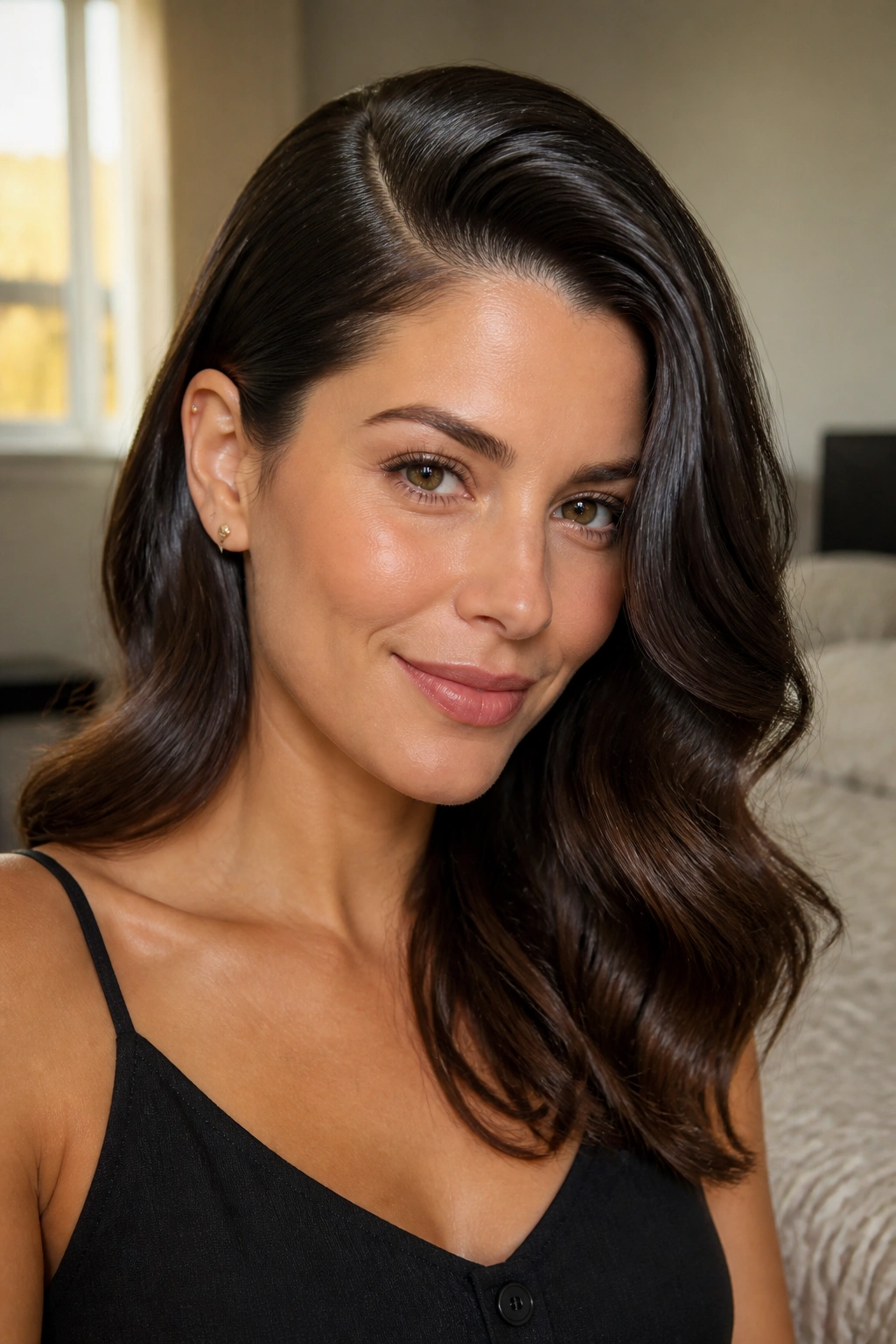
A deep side part makes medium hair look longer and more expensive in one move. It pulls the face open on one side, flattens the crown just enough to look polished, and gives the wave pattern a little drama without turning it into a full red-carpet style.
Why it works
The clean part does most of the heavy lifting here. When the roots are smoothed down and the wave starts a few inches below the cheekbone, the whole look feels controlled. That contrast matters. Sleek on top, movement below is the formula.
A 1-inch curling iron or wand usually gives the cleanest bend for this style. Curl away from the face on the heavier side of the part, then alternate the direction as you move toward the back. Let each section cool before you touch it. If you brush too early, the wave collapses into fluff.
- Use a tail comb for a sharp part.
- Work with 1-inch sections, not thicker.
- Finish with a light mist of shine spray, then smooth the top with your hands.
- Keep the ends slightly straighter than the mid-lengths.
Best for: medium-density hair that needs a little lift at the root and polish through the top.
2. Center-Part S-Waves That Frame the Jaw
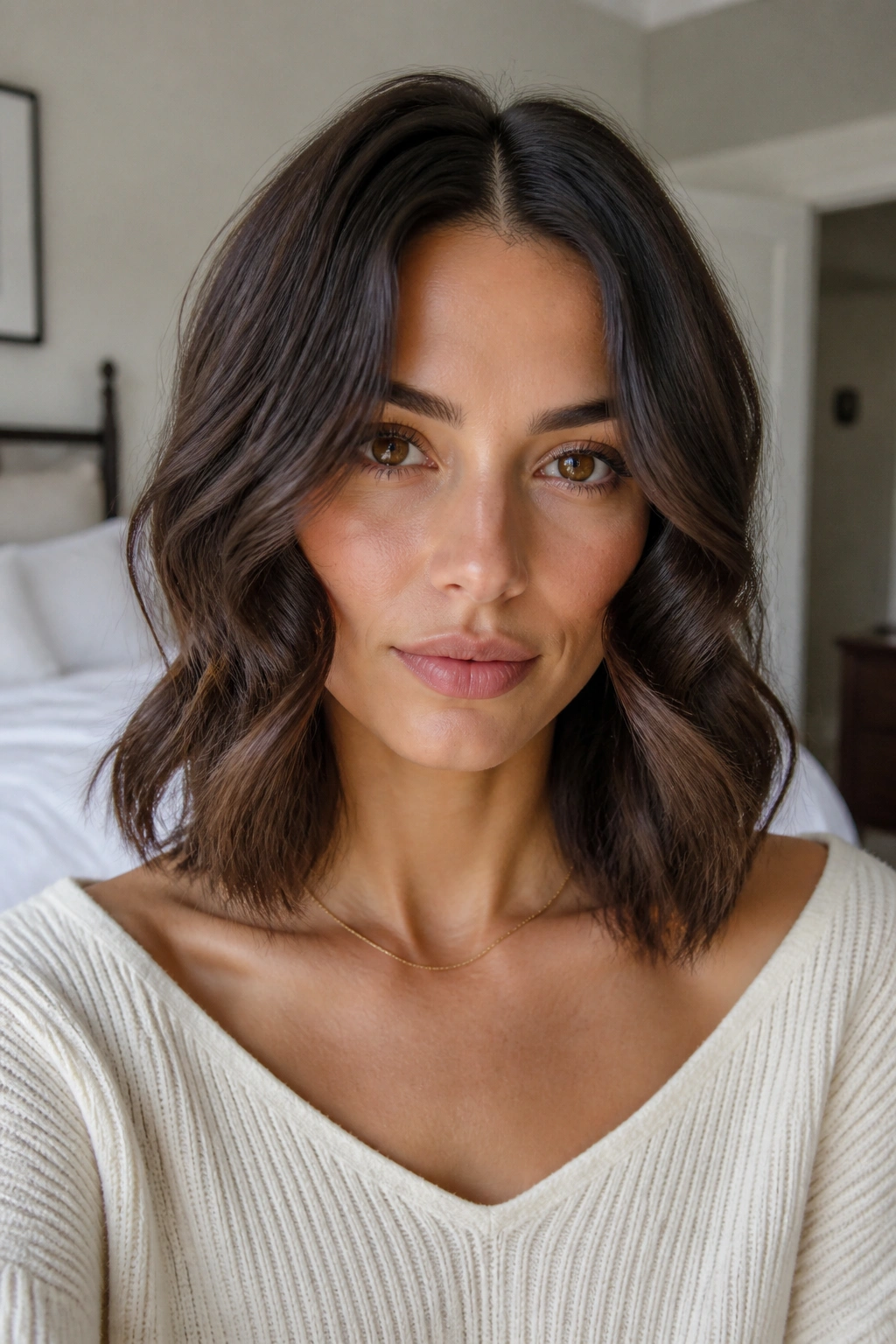
Want something softer than a curl and cleaner than a blowout? This is the move. Center-part S-waves sit close to the head, skim the cheeks, and give collarbone-length hair a smooth line that feels neat without looking strict.
How to get the bend
The shape comes from alternating the direction of the wave every few inches. Start near the mid-lengths, not the roots, and keep the iron moving in a shallow bend rather than a full wrap. The goal is an S, not a spiral. That’s the difference between polished and puffy.
A little mousse at the roots helps here, especially if your hair tends to go flat at the crown. After styling, let the waves cool completely before you rake through them with your fingers. A brush is fine too, but use a soft one and move gently. This style looks best when the surface stays smooth.
What to watch for
If the bends are too tight, the look can skew vintage in a way that fights the clean center part. If the sections are too large, the wave turns blunt. Stay in the middle. Not tiny. Not chunky.
Best for: heart-shaped and oval faces, though honestly it flatters most people because it keeps the shape balanced.
3. Flat-Iron Ribbon Waves for Medium Length Hair
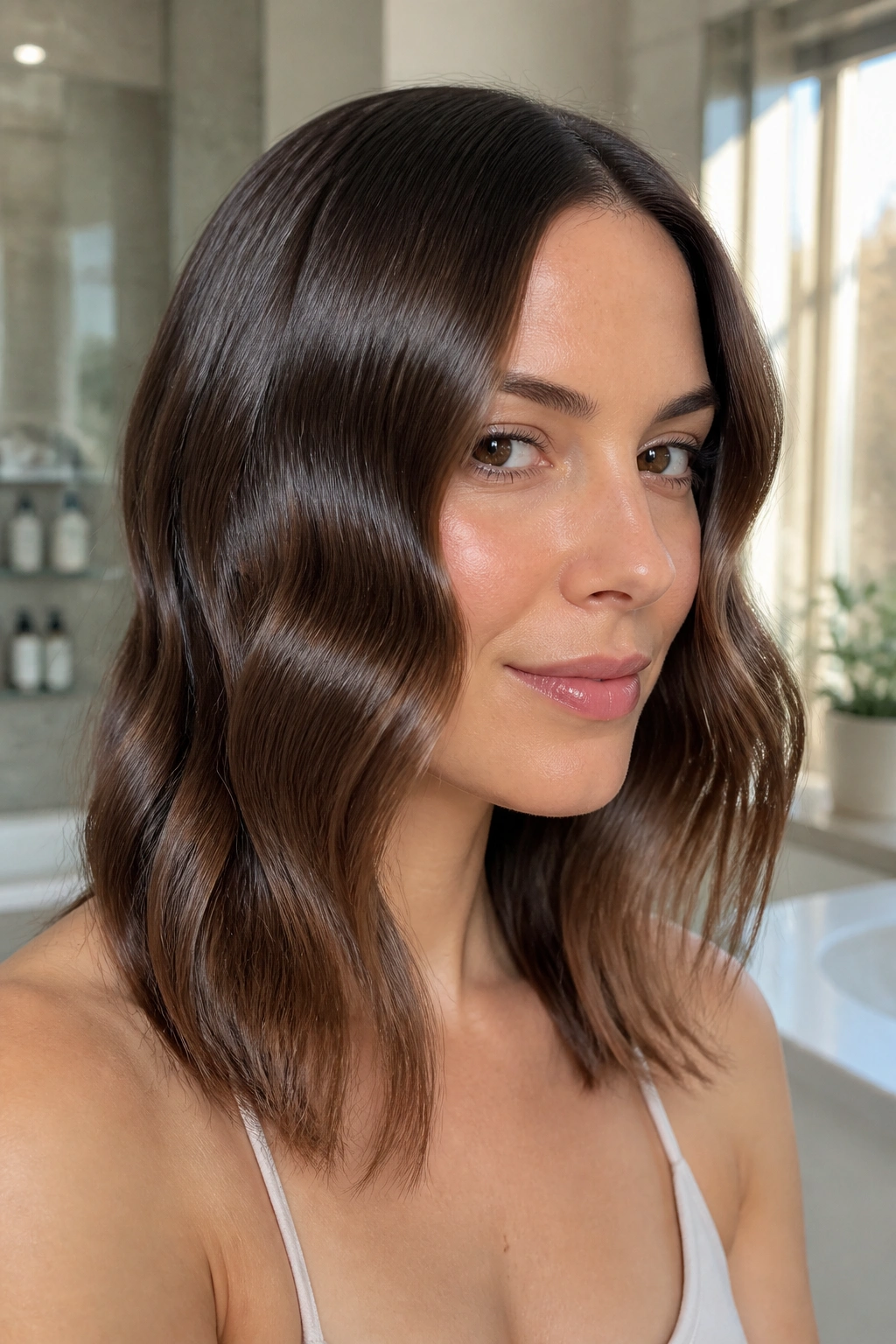
Flat-iron waves are the answer when you want movement without the obvious curl pattern. They look like a ribbon bent by hand — smooth, long, and a little glossy at the edges. On medium length hair, that shape lands nicely because there’s enough length for the bends to read, but not so much hair that the wave gets swallowed up.
Start with dry hair and a heat protectant that doesn’t leave a sticky finish. Clamp the flat iron about an inch from the root, then twist the wrist as you glide downward in a slow, controlled motion. The wrist movement matters more than the tool. Too much twisting and the wave looks kinked. Too little and nothing happens.
A lot of people rush this style. Don’t. Slow passes make cleaner curves. You also want to leave the last inch or two straighter, especially on shoulder-skimming cuts. That little bit of straight end keeps the whole thing sleek instead of frilly.
- Use a 1-inch flat iron with rounded edges.
- Work in narrow vertical sections.
- Let each ribbon cool in your palm before separating it.
- Finish with a pea-sized amount of serum on the ends only.
That last part is worth repeating. Ends only.
4. Brushed-Out Barrel Waves With a Satin Finish
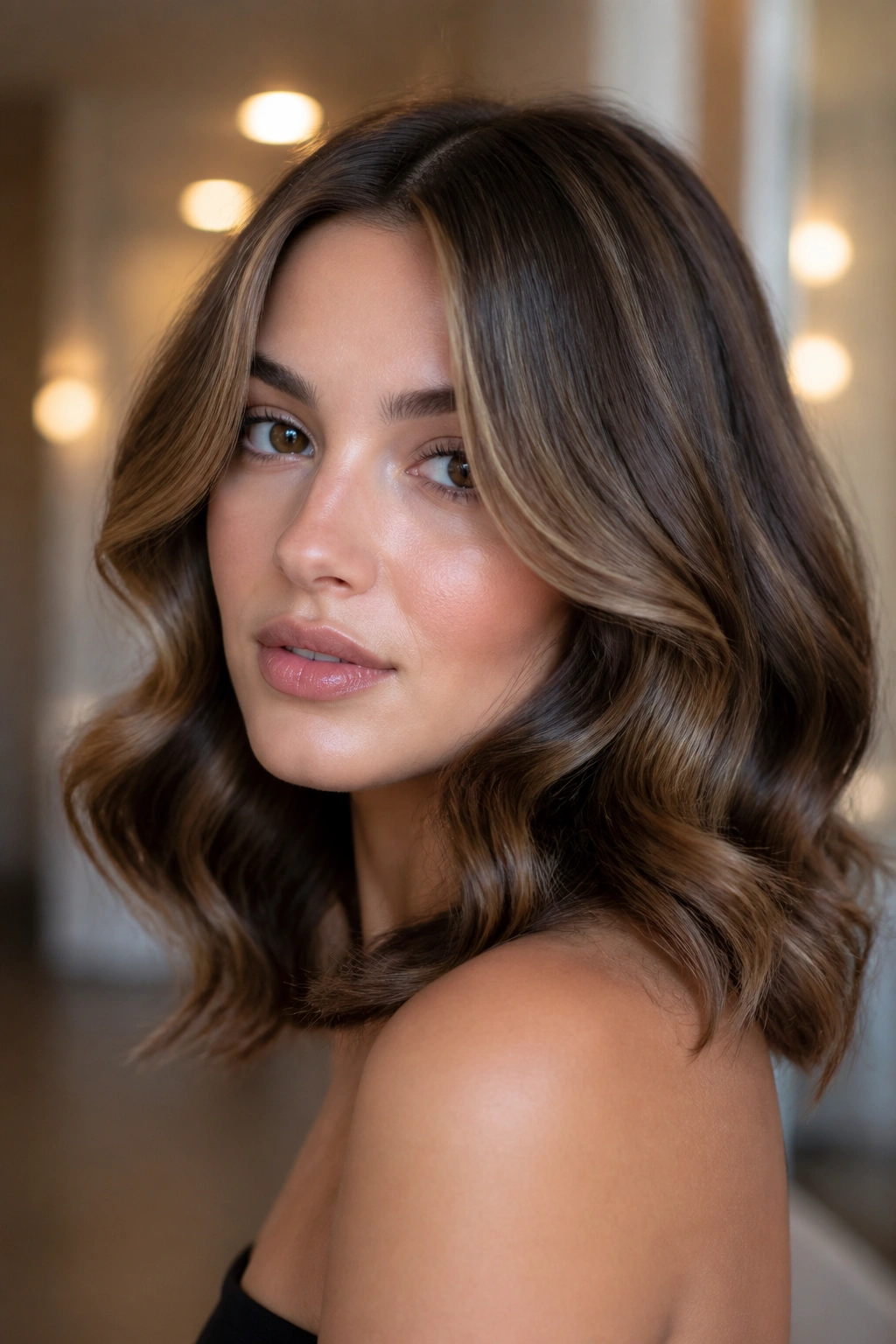
Not every wave needs to look tight. Some of the best sleek styles start as barrel curls and end as soft, brushed-out bends that feel more satin than shine spray. The key is control during cooling. If you touch the curls too soon, they frizz. If you leave them too long without loosening, they get stiff and dated.
A 1.25-inch barrel usually gives the right amount of softness for medium hair. Curl sections away from the face on each side, pin them for a few minutes if your hair is resistant, then let them drop fully before brushing. A boar bristle brush is my pick here. A paddle brush can work, but it tends to flatten the shape faster than you want.
The finish should look airy, not big. That’s the line. You want movement through the mid-lengths and a smooth crown, with the kind of texture that still swings when you walk. A drop of oil warmed between your palms can tame flyaways without making the roots look greasy.
Use this when: you want a softer wave for dinner, a wedding, or any day when clean hair alone feels too plain.
5. Tucked-Behind-the-Ear Waves That Stay Neat
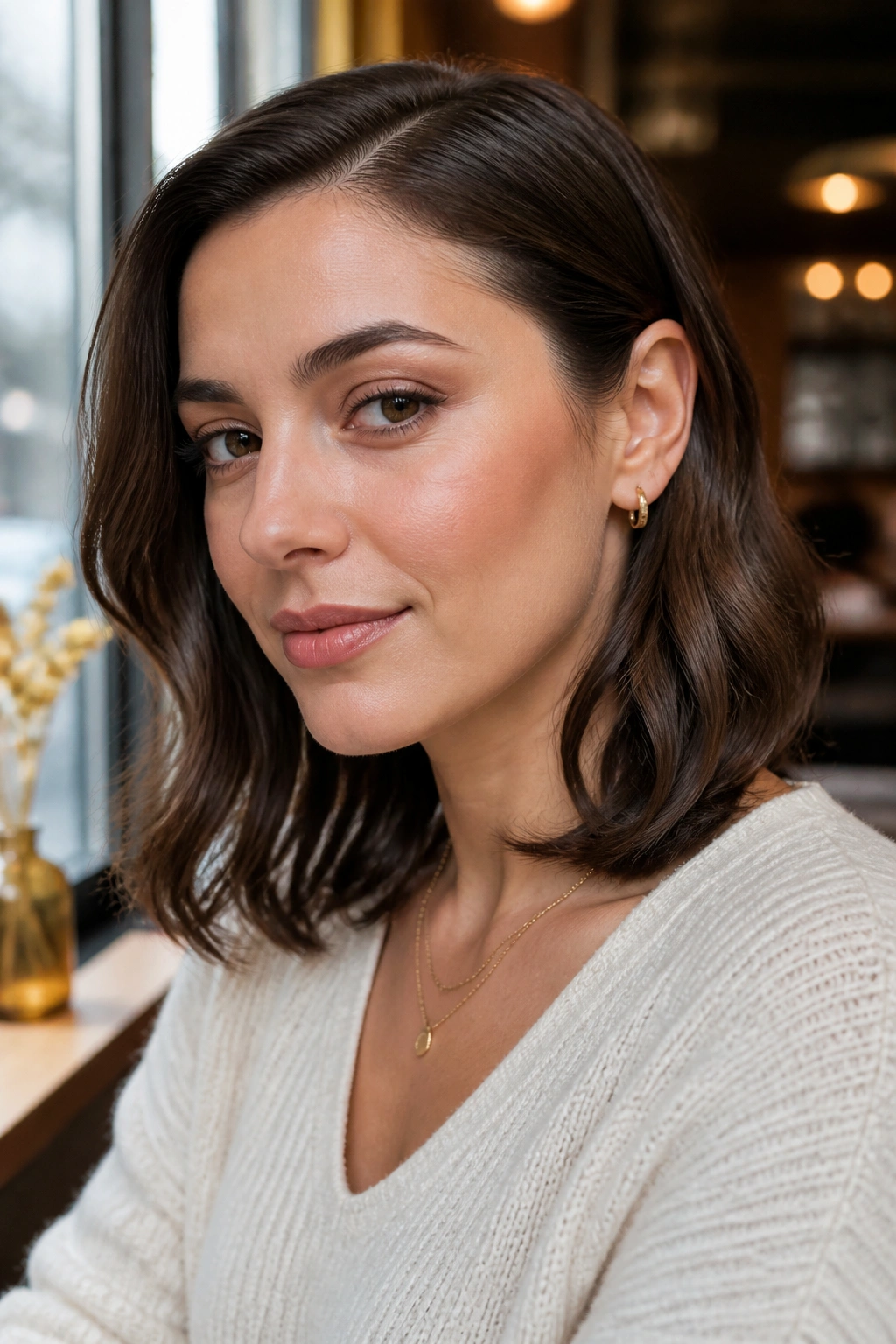
A tucked side changes the whole haircut. It exposes the cheekbone, clears the face, and makes medium-length waves feel sharper instantly. This style looks especially good when one side is tucked and the other side keeps its wave pattern full, because the contrast feels deliberate rather than fussy.
A small ear tuck changes everything
You do not need a dramatic wave pattern for this. A medium bend with a smooth top section is enough. The front pieces should be polished, almost brushed flat at the root, so the tuck sits cleanly. If the hair puffs out at the ear, the effect is lost.
A tiny bit of styling cream at the temples helps keep the front from splitting apart. After that, pinch the hair behind the ear and secure it with a discreet bobby pin if needed. No one needs to see the clip. They just need to see the line.
- Best with hoop earrings or a single statement stud.
- Works well on second-day hair if the roots are still clean.
- Keep the tucked side slightly tighter than the other side.
- Leave one thin face-framing piece loose if you want softness.
That last move keeps the style from looking severe. Small detail. Big payoff.
6. Old-Hollywood Waves on a Collarbone Lob
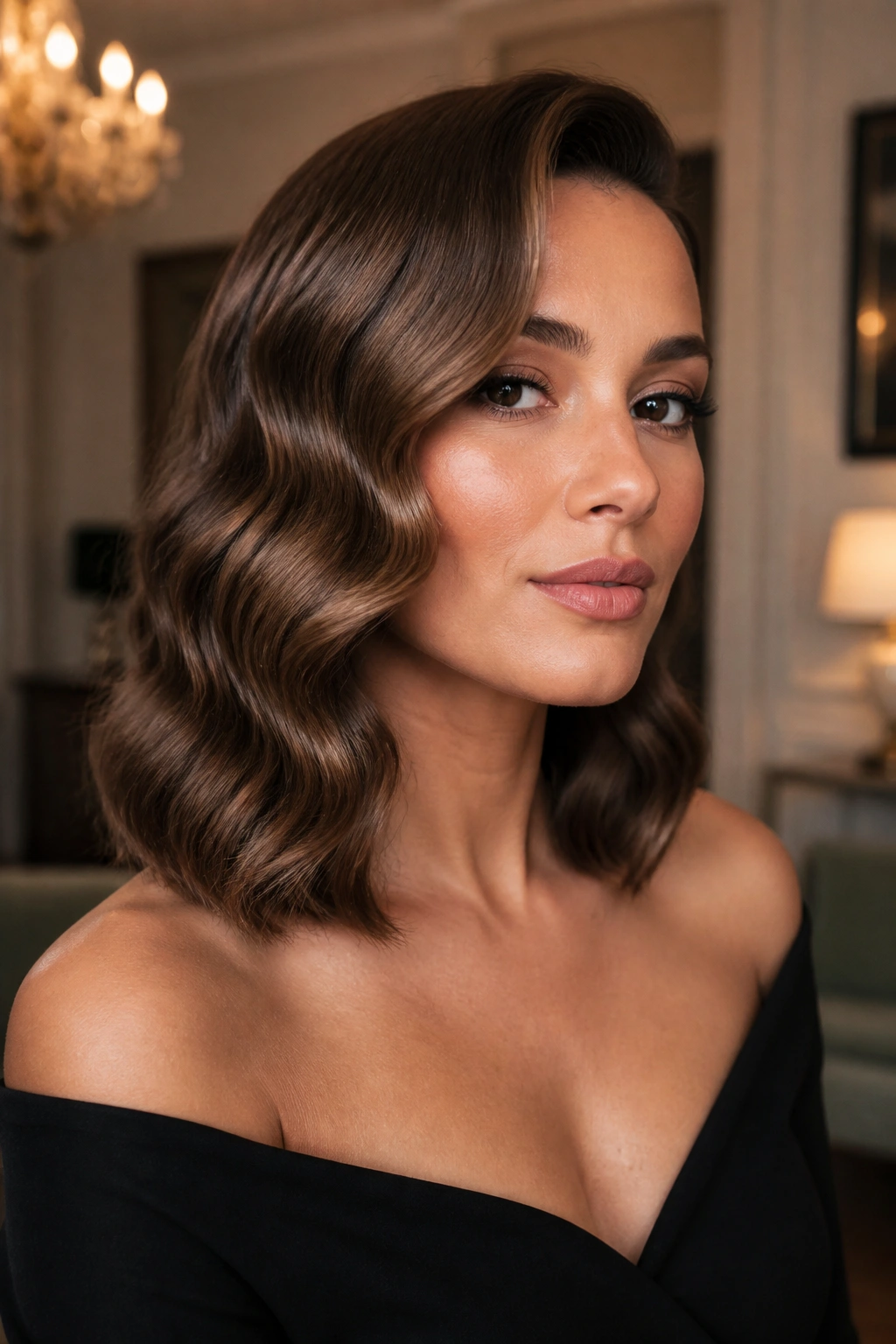
This is the polished, sculpted version of waves — the one that looks like it took time, even when the steps are straightforward. On a collarbone lob, old-Hollywood waves land perfectly because the length is long enough to hold the curve and short enough to keep the silhouette neat.
Start with a deep side part and a smooth blow-dry. The smoother the base, the better the waves behave. Then set the hair in uniform sections, curling in the same direction if you want a stronger vintage line, or alternating slightly if you want the finish to feel less rigid. Once the hair is cool, brush the whole thing into one flowing shape.
A strong-hold spray helps, but use it lightly. You want memory, not helmet hair. The wave should hold its line when you turn your head, then move when you walk. That’s the sweet spot.
It’s a little more formal than some of the other looks here. That’s fine. Some days call for that kind of finish. On medium-length hair, this style has a nice side effect too — it makes the cut look denser and more intentional, especially if your ends are a touch blunt.
7. Beach Waves, Only Polished
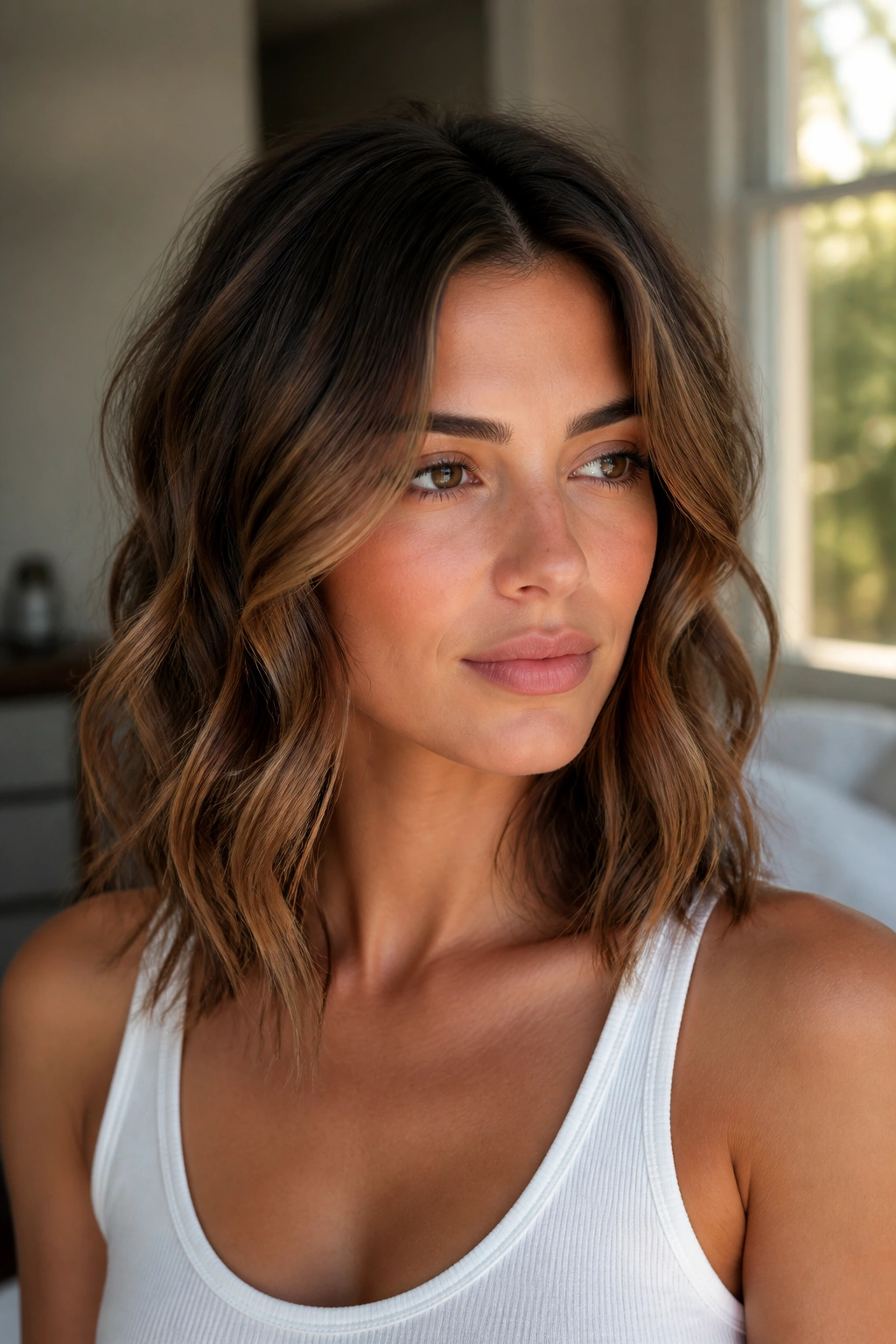
Beach waves get a bad reputation because people often stop one step too early. The hair ends up rough at the crown, dry at the ends, and half-formed in the middle. The sleek version keeps the loose movement but drops the frizz and the chaos.
What makes them sleek instead of messy?
The answer is section size and product choice. Use larger sections than you would for a textured, undone wave. Keep the curl pattern loose, and leave the top inch or two near the roots smoother. A small amount of cream or serum through the mid-lengths will keep the wave from looking dry.
A sea-salt spray can be useful, but too much of it turns this style fuzzy fast. I’d reach for a light mousse, a thermal spray, or a smoothing lotion instead. Those give the hair a bend without sucking the shine out of it.
The result should feel easy, not beachy in the overdone sense. Think clean movement, not crunchy texture. Medium-length hair is perfect for that because it has enough body to hold the curve but not so much length that the wave gets buried.
How to keep it polished: brush the curls out with your fingers first, then decide if it needs one pass with a soft brush. Usually, it does.
8. Half-Up Waves With a Sleek Top Section
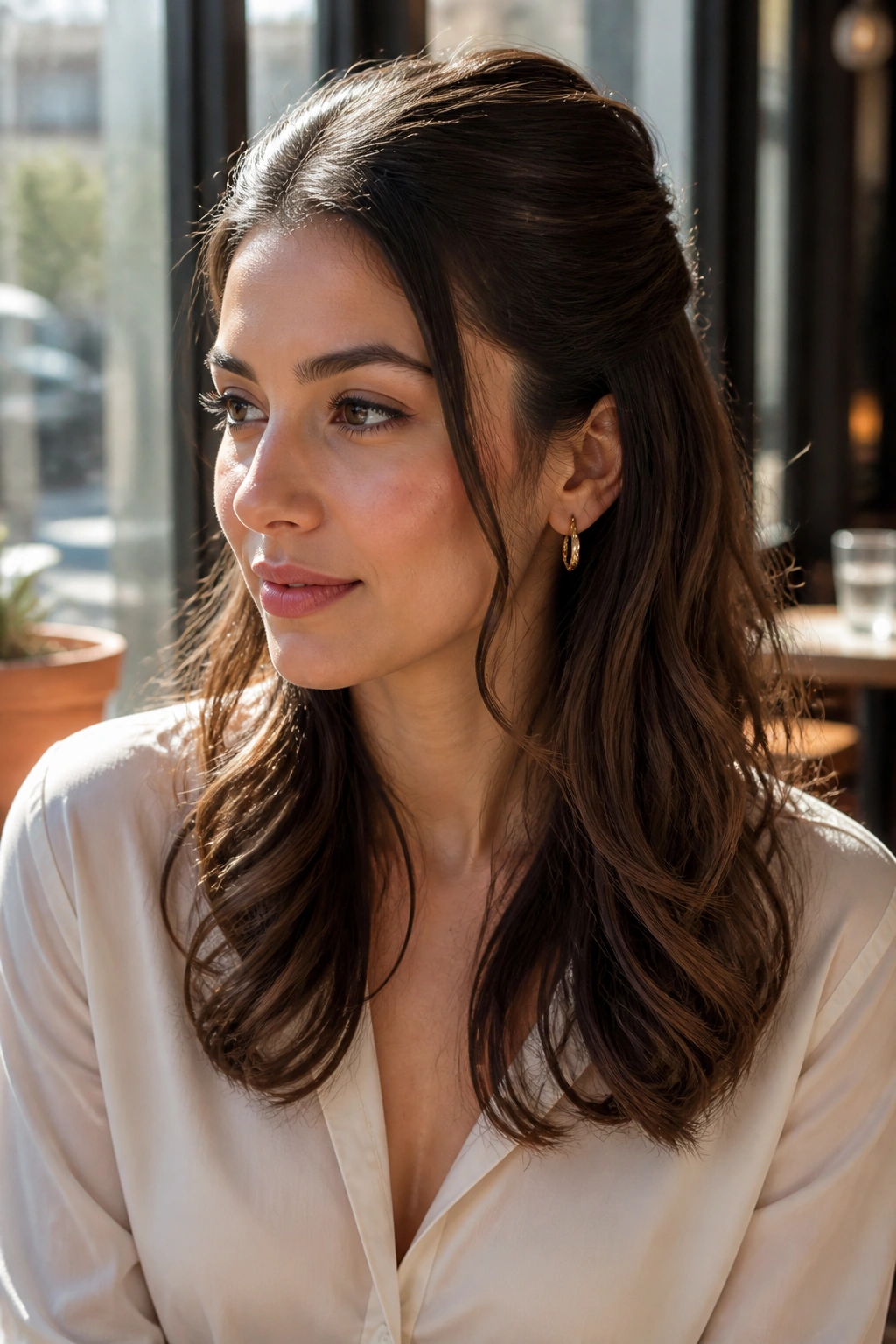
Half-up styles are underrated on medium hair. They solve a real problem: the front can get flat or busy, while the lower lengths still need movement. Pulling the top section back gives the face room to breathe, and the remaining waves keep the style from looking like a basic ponytail.
The top section should be smooth. That’s the whole point. Brush it back with a little styling cream, secure it with a small elastic or clip, and wrap a thin strand around the base if you want a cleaner finish. The lower half can be waved more loosely, since the lifted top section already creates structure.
This look is especially good if your hair grows out around your collarbones and flips inward or outward at the ends. The half-up shape controls that awkward mid-length bend. It also keeps the style from feeling heavy at the sides, which can happen fast on fuller hair.
A nice side benefit: it works with a blunt hemline or a few soft layers. You do not need a perfect cut for it. You just need clean roots and a wave pattern that has some shape left in the ends.
9. One-Bend Waves With Blunt Ends
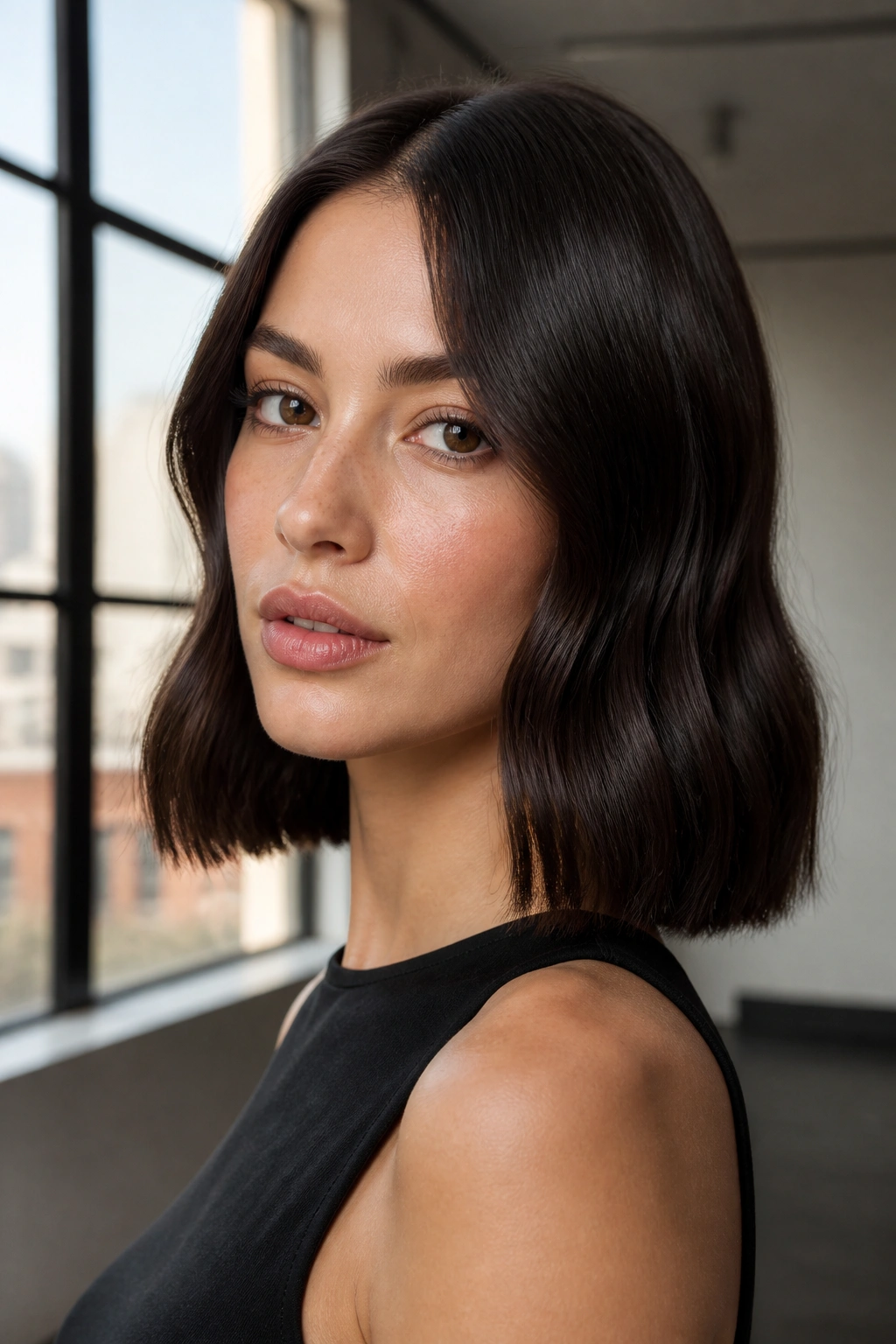
Unlike full curls, one-bend waves keep the silhouette minimal. Each section gets a single curve through the mid-lengths, then the ends stay straighter and cleaner. On medium-length hair with blunt ends, that contrast looks modern and sharp.
Why the shape matters
A blunt cut can turn puffy if every section is curled from root to tip. One-bend styling avoids that. It lets the cut line stay visible, which is the whole point of wearing a blunt medium-length style in the first place.
Use a flat iron or wand and bend each section once in the middle. That’s it. No wrap-around. No spiral. When the hair is cool, separate the wave just enough to soften the line, then leave the ends alone. If the ends are too rounded, the style loses its edge.
- Best for fine to medium hair.
- Great if your ends are freshly trimmed.
- Keep product light so the line stays visible.
- Works well with a sharp center part or a slight off-center part.
Personal take: this is one of the easiest styles to wear on repeat because it looks intentional even when the execution is fast.
10. Wet-Look Waves for a Night-Out Finish
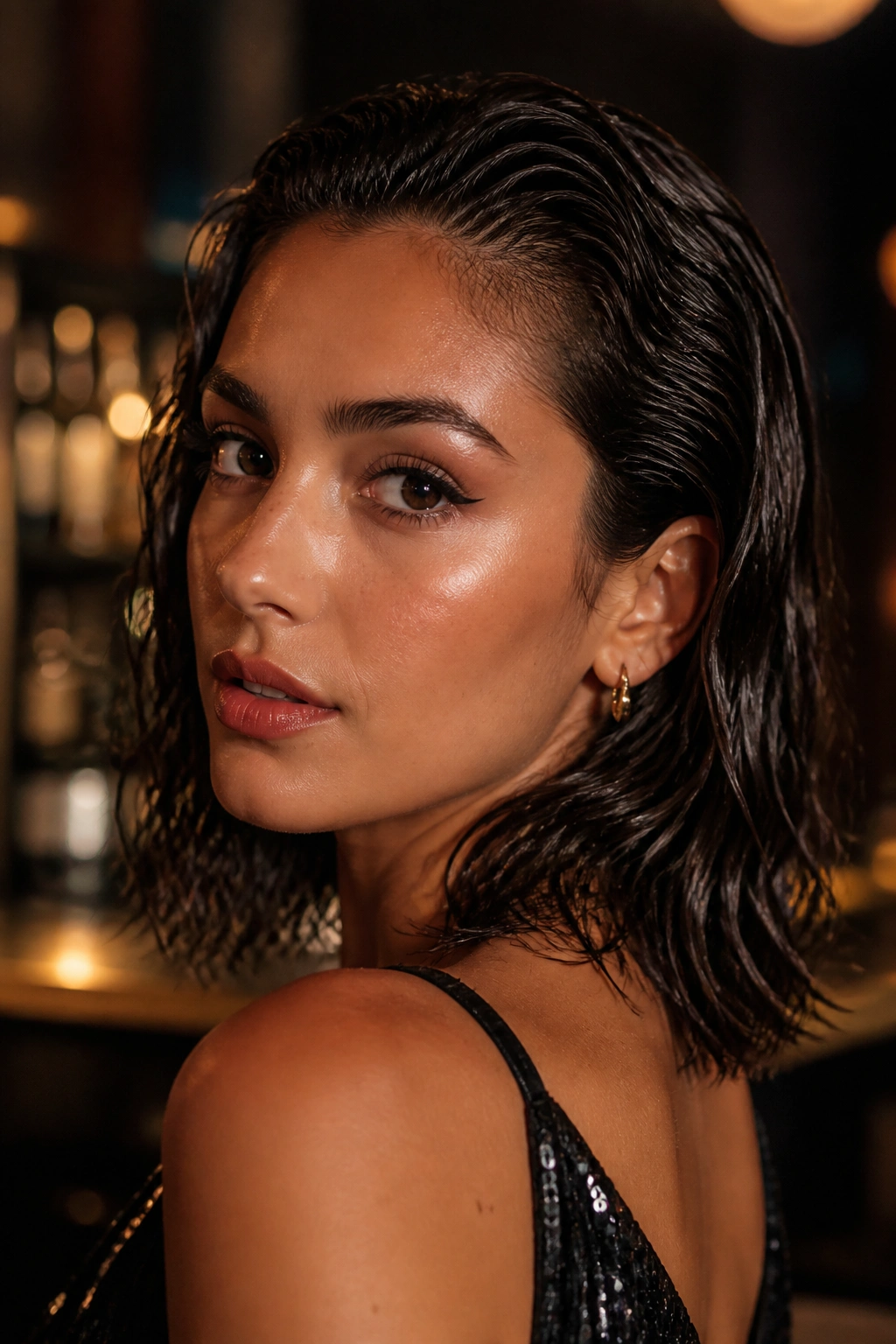
Wet-look waves can go wrong fast. Too much gel and the hair looks greasy. Too little and it turns into half-dried fluff with no shine at all. But when the balance is right, medium-length hair handles this style beautifully because the shorter length keeps the weight under control.
Start on damp hair with a lightweight gel or cream-gel mix. Comb it through until the surface looks smooth, then shape soft waves with your fingers or a wide-tooth comb. Some people like to clamp a few bends with clips while the hair dries. That helps keep the outline clean instead of accidental.
The finish should feel slick at the roots and glossy through the lengths. Not crunchy. Not sticky. If the hair is dried with a diffuser, keep the airflow low and the touch minimal. If you’re air-drying, resist the urge to keep messing with it. That’s the part that ruins the line.
This style looks strongest with simple clothes and strong makeup, but it does not need that to work. A black sweater and a little shine on the hair can be enough. Easy. Clean. A little bold.
11. Side-Swept Waves With a Deep Bend
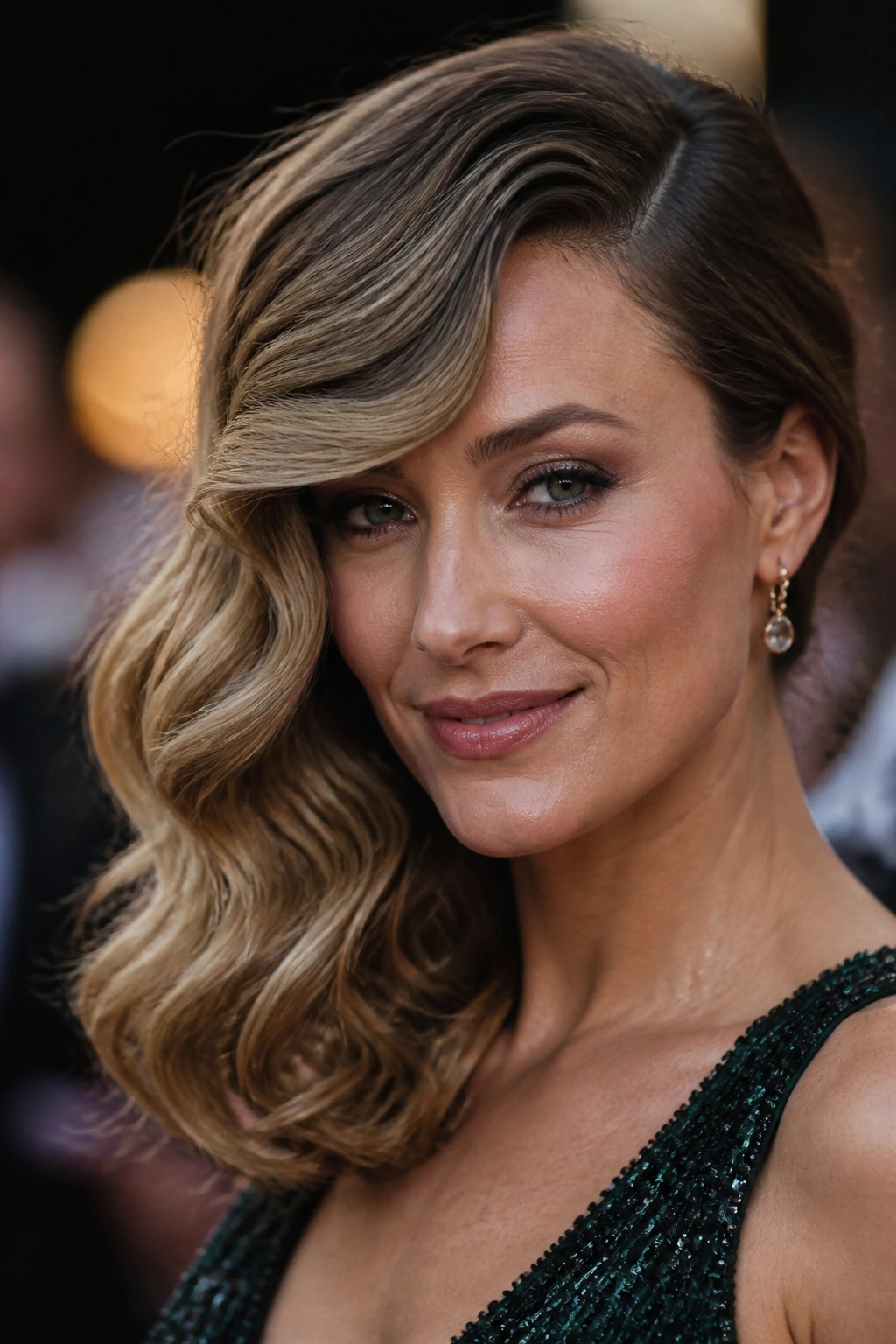
What if you want glamour but don’t want the formality of a full vintage wave? Side-swept waves give you that in a looser, more wearable way. One side opens the face, the opposite side slides back over the shoulder, and the wave pattern gets a dramatic diagonal line.
The easiest way to do this is to create a strong side part, then direct most of the wave away from the face on the heavier side. The lighter side can stay tighter and closer to the head. That contrast is what makes the style interesting. If both sides are too similar, the sweep loses its shape.
A little root lift at the crown helps too. Tease just a touch at the base if your hair is flat, then smooth the top layer over it. You want fullness, not a visible bump. Medium-length hair has enough body for this without becoming bulky, which is why the style feels so dependable.
Best moments for it
- One-shoulder tops.
- Evening events.
- Hair that needs to look dressed up fast.
- Any day you want movement without a full updo.
That’s a small list, but it covers the use cases that matter.
12. Rope-Twist Waves for Low-Heat Styling
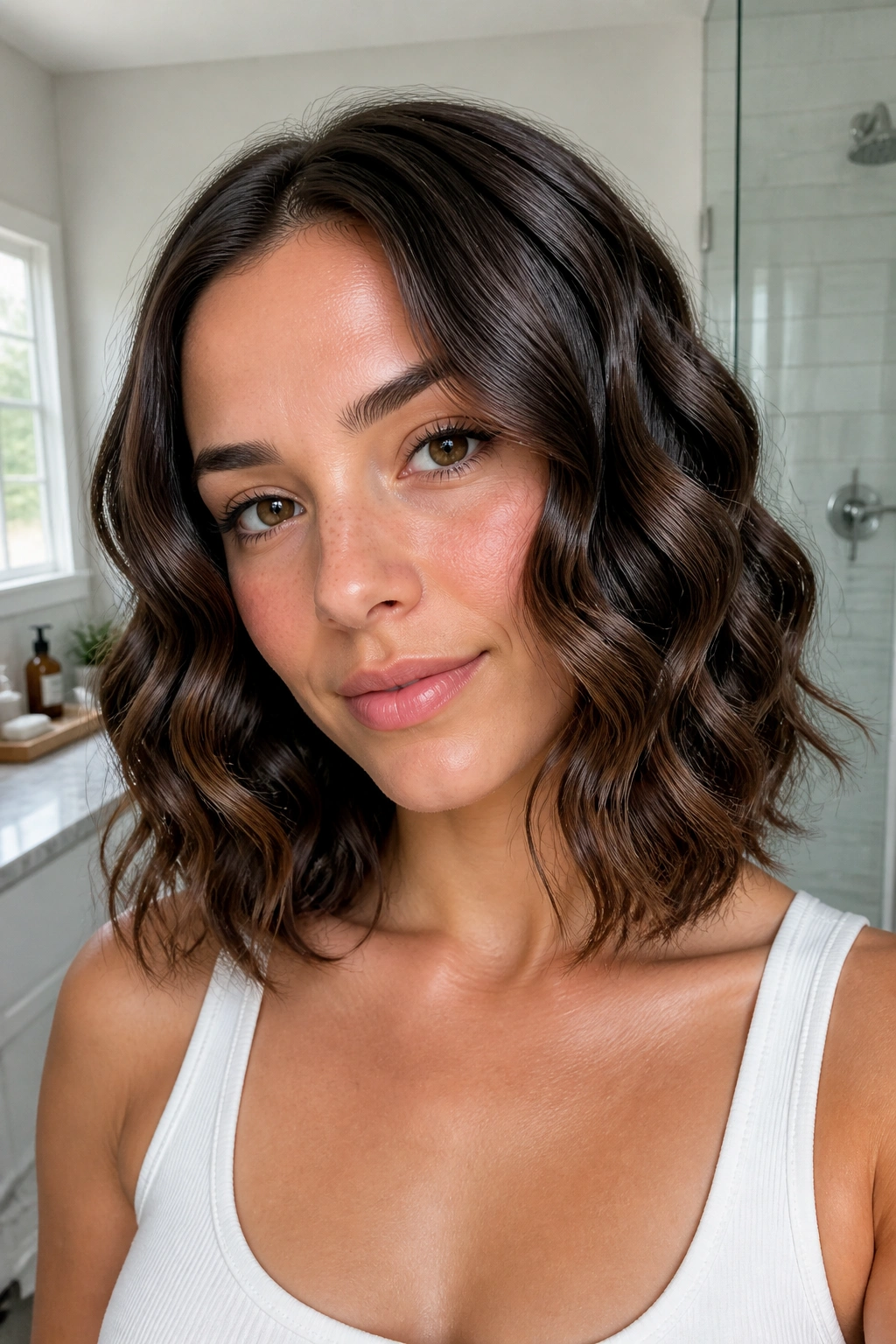
Sometimes you want the look without the iron. Rope-twist waves are a solid option for that. They work by twisting damp sections into ropes, letting them dry fully, and then loosening them into a smooth bend that feels more controlled than messy.
The trick is to keep the sections even. Twist each one away from the face, then coil the rope into a flat bun or secure it with a soft tie. If the sections are too thick, the wave won’t set well. If they’re too thin, the style can turn frizzy at the ends. Medium-length hair usually takes four to six sections, which is enough to shape the whole head without making it a project.
A small amount of mousse or setting lotion gives the twist memory. That matters, especially if your hair tends to fall limp. Once dry, separate the twists gently with your fingers and smooth the surface with a tiny bit of serum.
It’s not the most dramatic style here. Fine. It doesn’t need to be. It’s practical, low-heat, and clean-looking, which makes it useful on the days when you want sleek waves but not hot tools.
13. Pin-Curved Waves for a Sculpted Outline
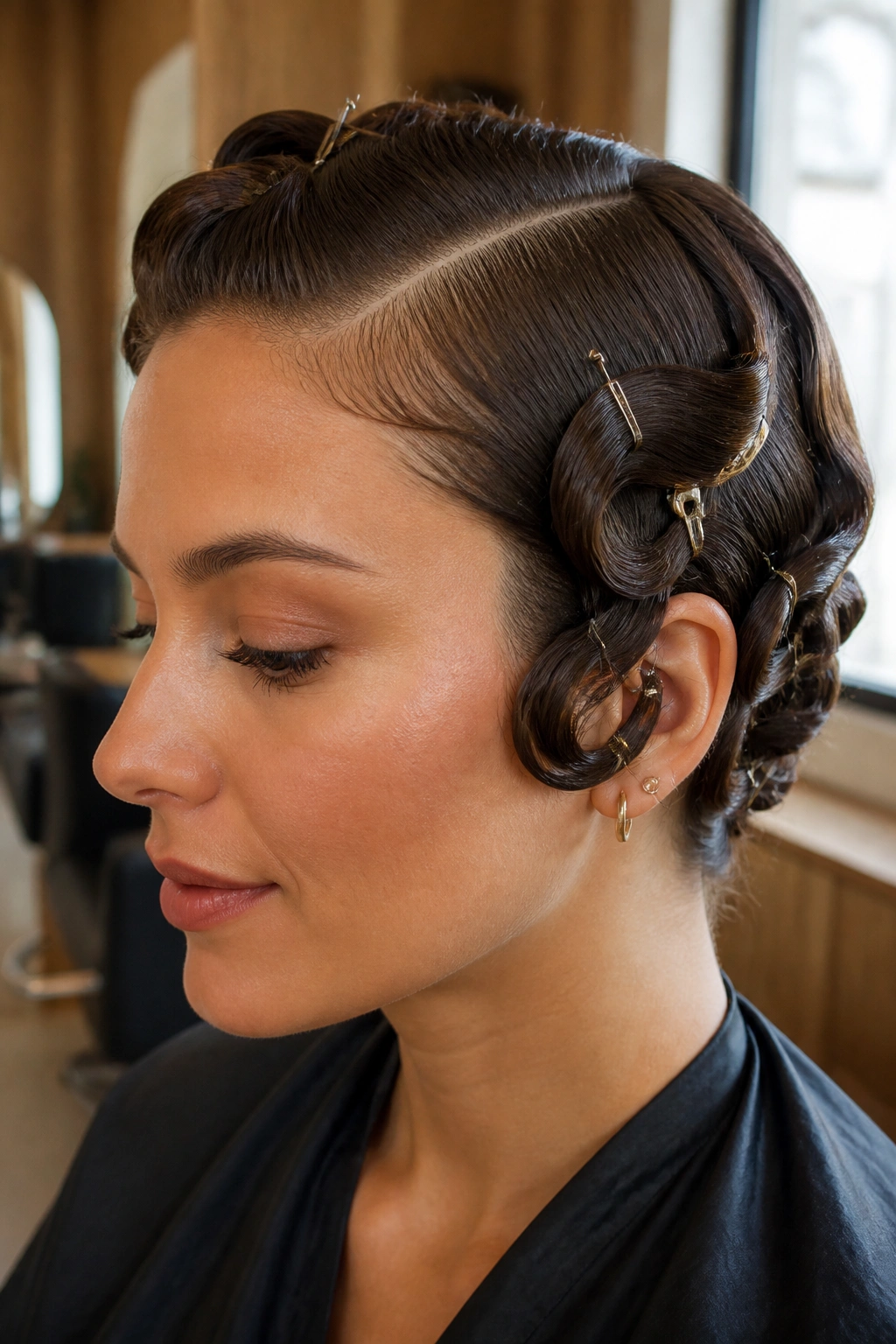
Pin-curls feel old-fashioned in the best way. They create a smooth, sculpted wave that sits close to the head and leaves very little room for frizz to sneak in. On medium-length hair, they give a controlled finish that looks almost tailored.
Section the hair into small pieces, curl each section into a flat circle, and pin it against the head until it cools completely. The cooling part matters more than the rolling part. If you take the pins out too soon, the shape collapses. If you wait, the hair remembers the curve.
A side part makes the result look cleaner, but a center part works too if you want a softer, more balanced frame. Once the pins come out, brush the waves into one polished shape. Use a soft brush and a light hand. The more you pull, the more the style relaxes.
My one hard rule here: do not rush the cooling. Warm hair lies to you. It feels set when it is not. Give it time, and the style pays you back with a smooth finish that lasts longer than a quick curl ever will.
14. Layered Waves That Keep the Ends Light
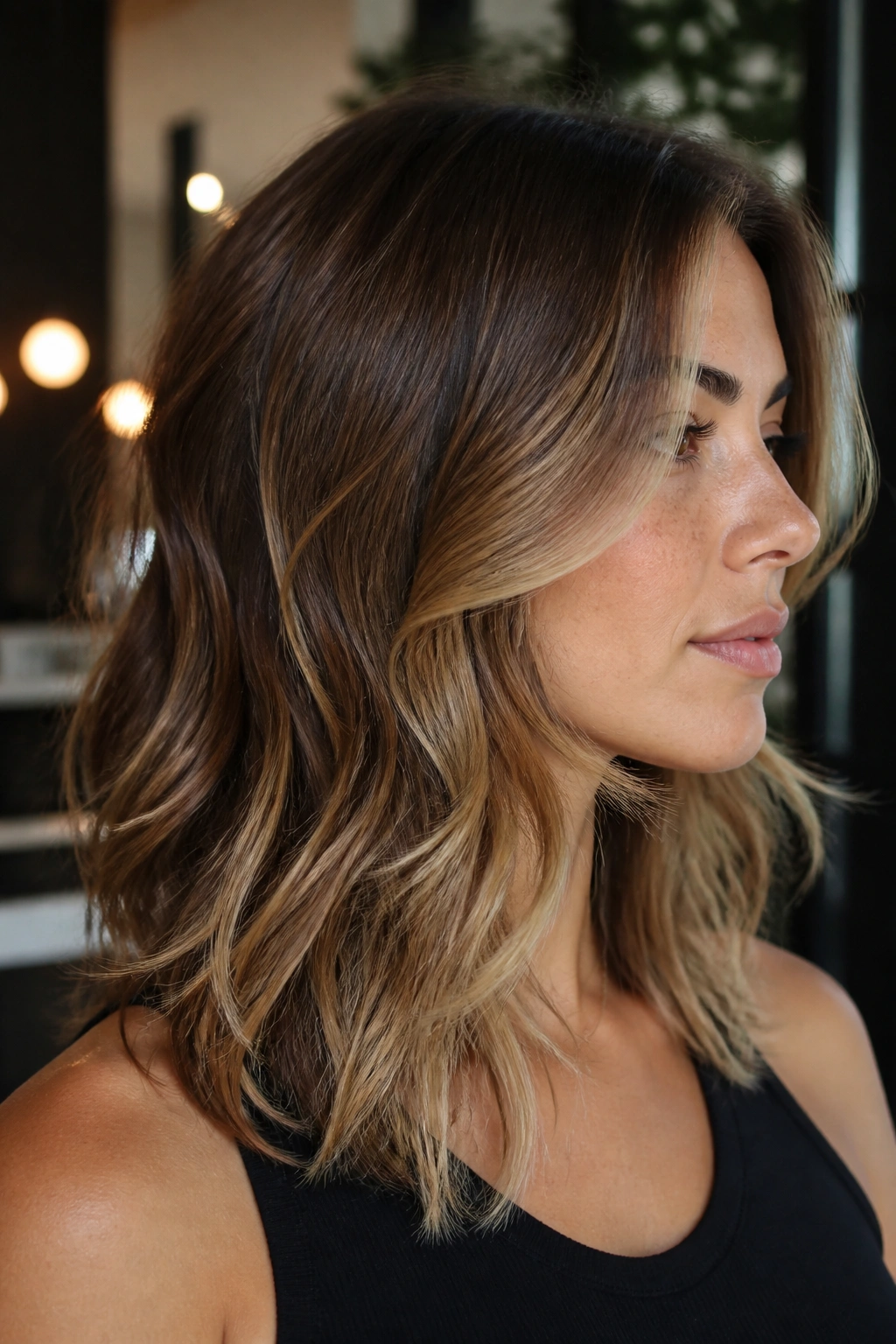
Layers change how waves sit on medium-length hair. Without them, the style can gather at the bottom and look heavy. With them, the wave has room to move, and the ends stay lighter instead of clumping into one thick line.
Why layers help
They break up bulk. That means the wave can bend more naturally around the face and through the sides, especially if your hair is thick or slightly coarse. The result is still sleek, but it doesn’t feel weighed down.
When styling layered waves, don’t curl every piece the same way. Leave some front sections a touch looser and keep the shorter face-framing pieces softly bent rather than fully wrapped. That keeps the cut visible. It also stops the hair from puffing at the cheekbones, which can happen if the layers are all forced into the same pattern.
- Use a medium barrel, around 1 to 1.25 inches.
- Keep the shortest layers away from the hottest part of the iron.
- Let the ends stay a little straighter.
- Finish with a brush-through, not a full rake with your fingers.
This is one of those styles that looks better when it looks a little imperfect. Not messy. Just alive.
15. Soft S-Waves With a Minimal-Product Routine
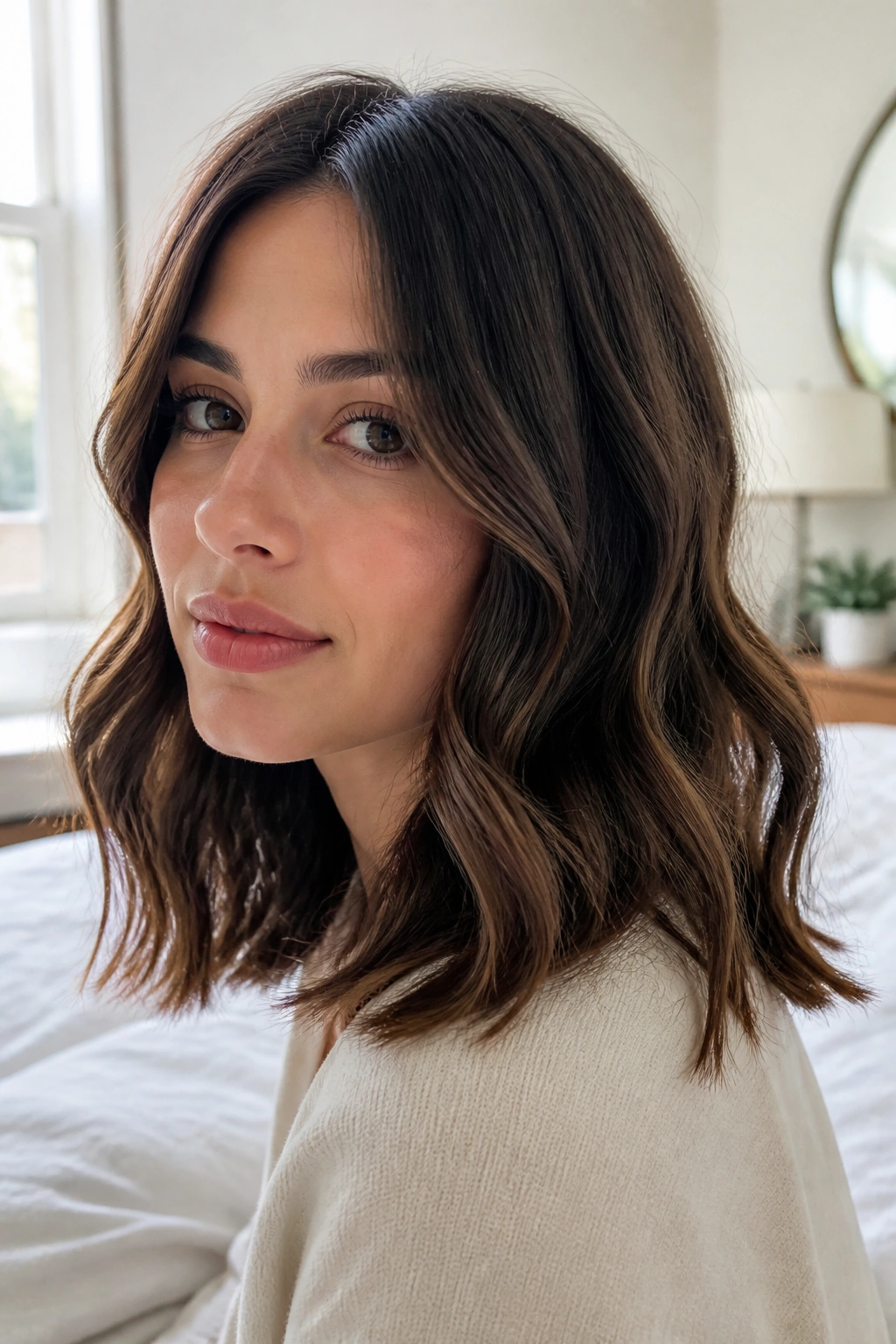
Can sleek waves still feel light? Absolutely. Soft S-waves are the proof. They use just enough shape to give medium-length hair movement, while keeping the finish clean enough for everyday wear.
How to keep them light
Start with a heat protectant and a tiny amount of mousse at the roots if you need lift. Then use a flat iron or wand to make shallow S-shapes through large sections. The bends should be gentle, almost lazy. That’s the charm. The hair still moves, but it never looks overworked.
The product part matters here. Heavy creams can flatten fine hair fast, and too much oil can make the roots separate in a greasy way. A light serum on the ends is plenty. If your hair is thick, you may want a touch more, but start small. You can always add. Taking it back is harder.
This style is the easiest one to live with on a regular day because it does not demand perfect conditions. It looks good on clean hair, second-day hair, and hair that has had a quick refresh with dry shampoo. That kind of flexibility counts for a lot.
If you only learn one trick from all of this, make it this one: the sleek part matters as much as the wave itself. Smooth roots, controlled bends, and a restrained finish will do more for medium-length hair than any pile of styling products ever will.
Final Thoughts
Medium-length hair gives you room to play, but it also punishes sloppy styling fast. That’s why these wave styles work so well when the roots are clean and the bends are deliberate. The shape reads polished instead of puffy, and the hair still has enough swing to feel modern.
The smartest choice is usually the one that matches your cut. Blunt ends like one-bend waves. Layers like softer S-shapes or brushed-out barrel waves. If you want drama, a deep side part or a wet-look finish will get you there faster than anything else.
Pick one style, test it with the tools you already own, and pay attention to what your hair does after the first hour. That tells you more than a mirror ever will.
