



Haircuts for wavy hair live or die on weight. Leave too much of it in the wrong place and the hair puffs out, bends oddly, or hangs flat at the crown while the ends flare like they’ve got opinions. Remove too much and the shape can go stringy fast. That’s the balancing act, and it’s why a good wavy cut looks less like a haircut and more like something that was thought through.
The best cuts for waves usually do one of three things: they let the wave pattern move, they keep the ends from looking thin, or they build shape where your hair naturally wants to bend. A blunt line can look gorgeous on one person and boxy on another. Layers can be a gift or a mess. Bangs can soften the face or turn into a daily wrestling match. The haircut matters more than most people think.
I’ve always had a soft spot for cuts that work with the wave instead of trying to tame it into submission. That usually means a little less uniformity, a little more shape, and a stylist who understands that wet hair and dry hair are not the same creature. Dry cutting can help, razor work can help, and sometimes a pair of sharp scissors and restraint are the whole story.
So if your waves seem to change personality from one wash to the next, good. That means you have room to shape them well. Start with the length that feels right, then pay attention to where the bulk sits. That’s where the good cuts begin.
1. Long Layers with Face-Framing Pieces
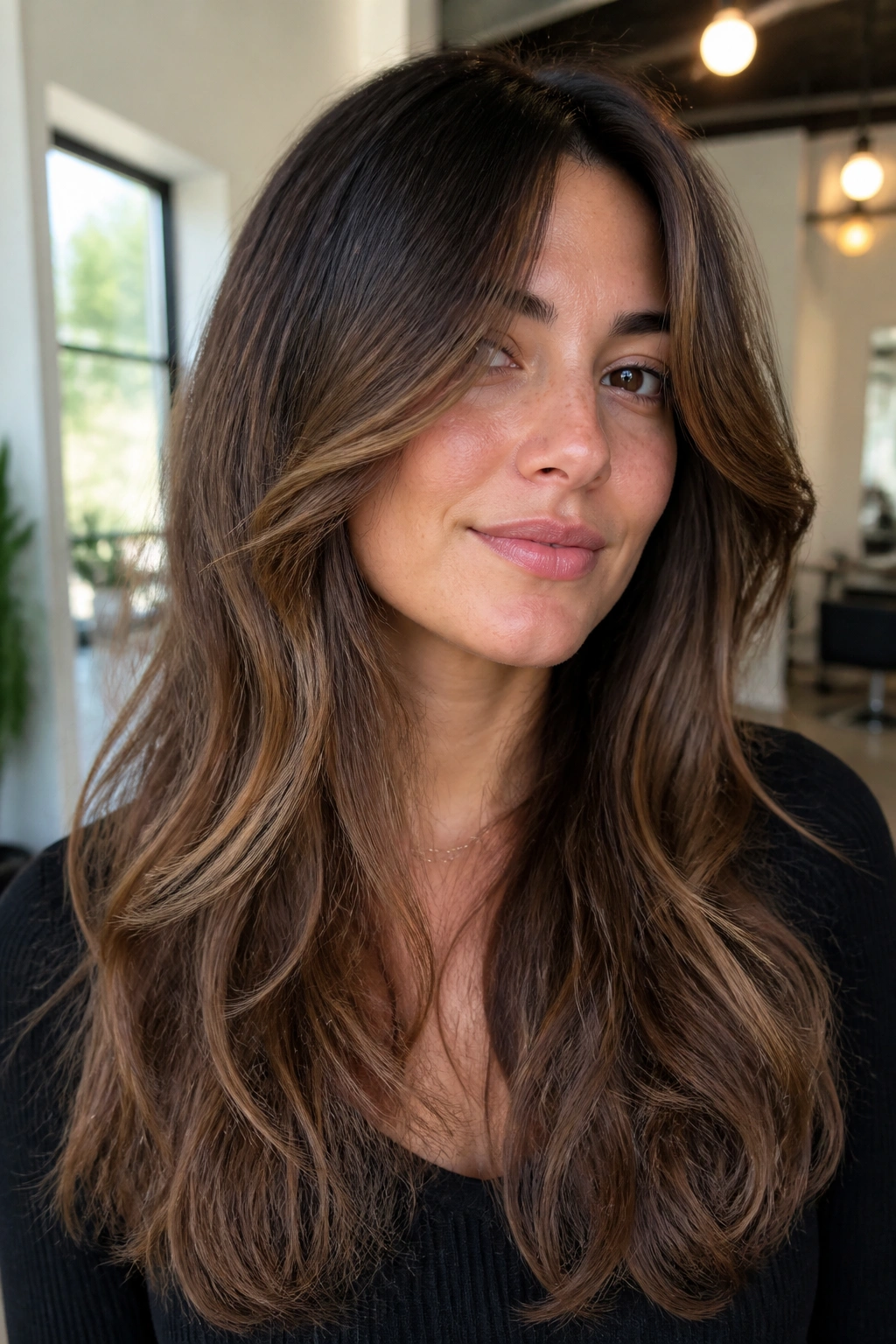
Long layers are the easiest place to start if you want movement without giving up length. They let waves bend instead of hanging in one heavy sheet, which matters a lot when your hair has that loose S-shape and a bit of volume at the ends. The face-framing pieces keep the whole cut from feeling too bottom-heavy.
What makes the layers work
Ask for layers that start below the chin, not high up near the cheekbones unless you want a lot of lift. High layers can be lovely, but on some waves they create a cloud around the head. Better to keep the structure soft and let the front pieces angle toward the jaw or collarbone.
This cut is especially good if your waves are medium to thick and you like air-drying. A little mousse at the roots and a light cream through the mids is usually enough. The hair falls into shape without needing a perfect blowout, which is the whole point.
Best for: long, loose waves; medium to thick density; people who want movement but not a big chop.
Ask for: long layers, soft face-framing pieces, and no heavy thinning at the ends.
Avoid: short crown layers that make the top frizzy while the bottom stays flat.
Pro tip: If your ends look wispy, keep the front pieces a little longer than you first think. Waves eat length fast.
2. Collarbone Lob
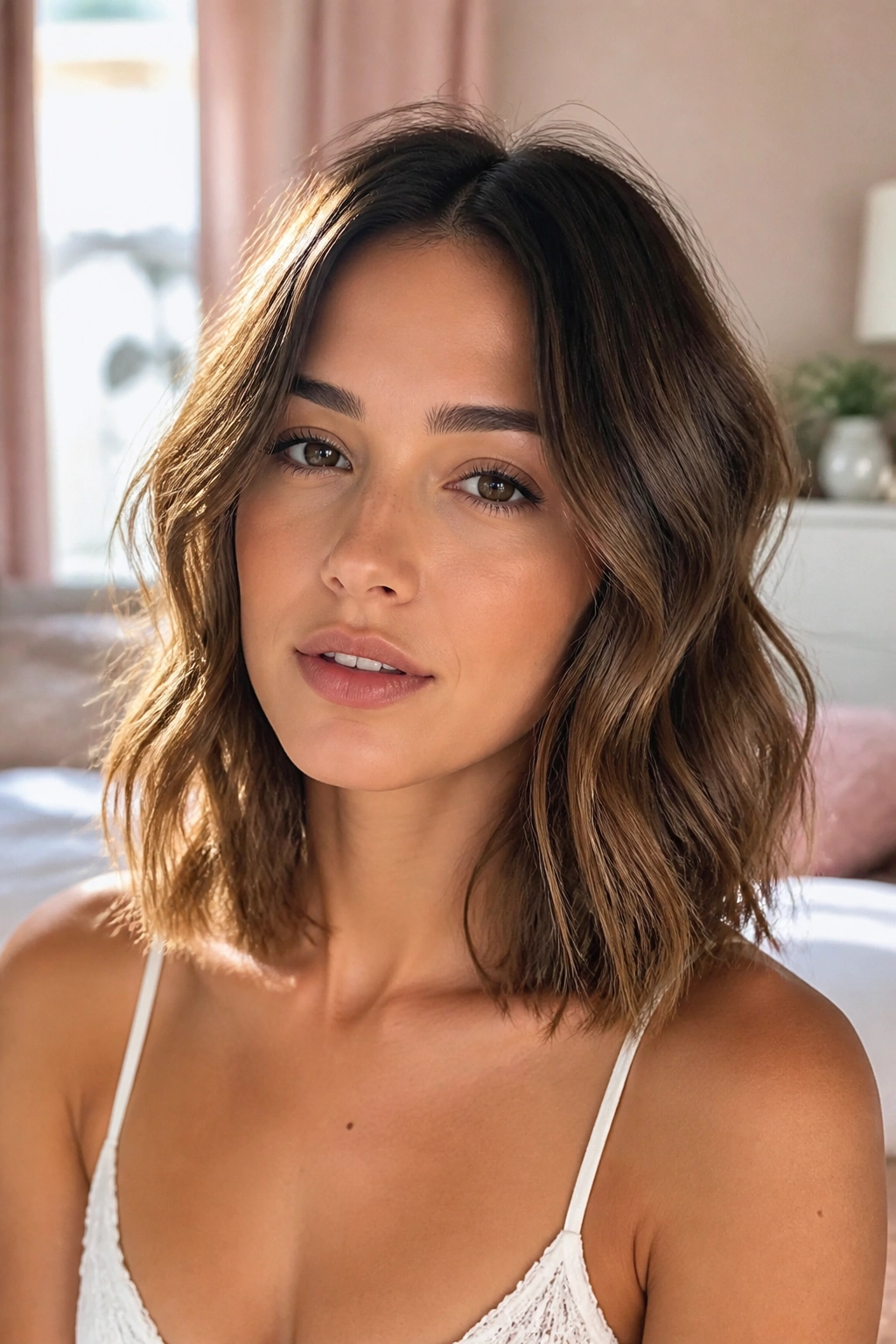
A collarbone lob is one of those cuts that looks clean even when you do almost nothing to it. It hits at a forgiving spot, right where the hair still has enough length to bend, but not so much that it gets weighed down. On wavy hair, that sweet spot can be gold.
The slightly longer length gives waves room to form without ballooning out. It also tucks behind the ear nicely, which sounds small, but it matters in real life. You can wear it with a center part, a side part, or a little bend from a diffuser, and it still reads as intentional.
Styling in five minutes
- Scrunch in a light mousse or wave foam while the hair is damp.
- Let the roots air-dry a bit, then diffuse on low heat if you want more shape.
- Finish with a tiny bit of oil on the ends only, because overloaded ends go limp fast.
What I like about this cut is the honesty of it. There’s no trick haircut drama here. It’s just a good length for waves, plain and simple, and that makes it one of the most wearable options on the list.
3. Curly Shag

The shag is what happens when waves are allowed to have a little attitude. It’s layered, airy, and often a little wild around the crown in the best way. If your waves are loose to medium and you want them to look fuller, this cut can do a lot with not much effort.
The trick is restraint. Too many short layers and the hair starts to puff outward instead of falling into those soft bends people actually want. A good shag keeps the weight line from feeling heavy while still leaving enough length to keep the shape connected. It should look lived-in, not hacked up.
Why it suits waves so well
Wavy hair already has built-in movement, and the shag just gives that movement somewhere to go. The shorter top layers help lift the roots, while the longer pieces keep the finish from turning into a triangle. That balance is the whole game.
A shag also plays well with air-drying days when you do not feel like fussing. A bit of salt spray, a diffuser if you want extra body, and a finger-comb at the end are usually enough. Skip the brush once it’s dry. Seriously. Brush it and you’ll often wreck the shape you paid for.
4. Curtain Bangs with Wavy Layers
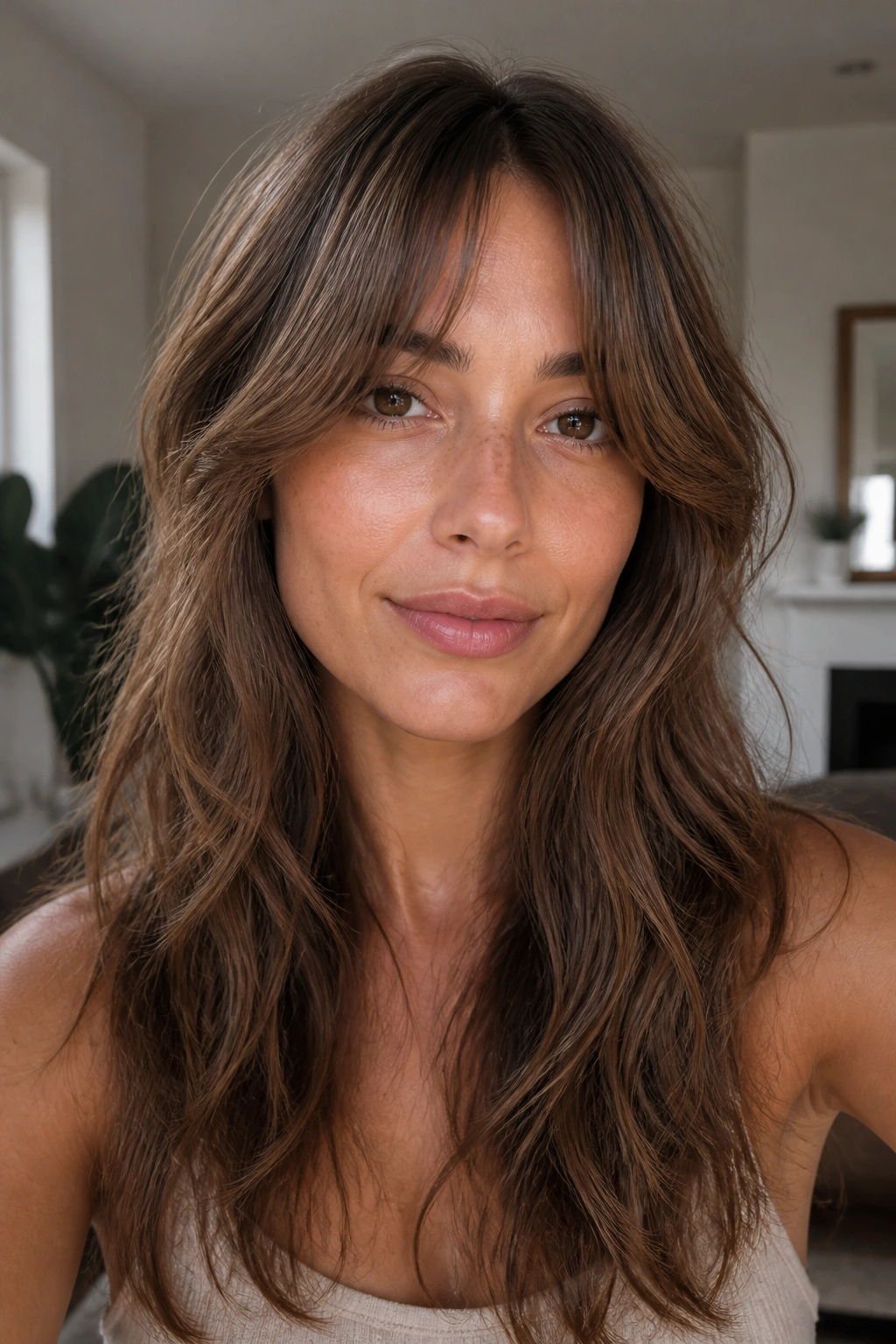
Curtain bangs are popular for a reason: they break up the face without taking over the whole haircut. On wavy hair, they fall with a soft bend that feels relaxed rather than stiff, especially when they’re cut long enough to split naturally in the middle. They also give you an easy way to change the shape of the cut without losing length.
The best version doesn’t sit too short. That’s where people get into trouble. If the bangs land too high on the forehead, they can spring up and separate in weird ways once they dry. Longer curtain bangs, usually starting around the cheekbones and slipping toward the jaw, tend to behave better.
How the fringe should fall
Think of these bangs as part of the haircut, not an add-on. They should blend into the layers around the face, so the whole shape feels connected. If the ends are too blunt, the bangs can look disconnected from the rest of the hair and start fighting the wave pattern.
This cut works for people who like a little face framing but don’t want to commit to a full fringe. It also gives some shape to the front of the hair when you pull the rest back into a clip or loose bun. A round brush can help on wash day, but a bend from the wave is usually enough.
5. Blunt Bob with Soft Ends

Here’s the contrarian take: wavy hair does not always need more layers. Sometimes it needs a cleaner line. A blunt bob can make waves look thicker and more polished, especially if your hair is fine to medium and tends to lose its shape when it gets too layered.
The key is keeping the ends soft. Not choppy, not ragged, just lightly point-cut so the line doesn’t feel helmet-like. A jaw-length or chin-length bob can give waves a nice bounce and make the texture look deliberate instead of accidental.
One thing I’ve noticed with this cut is that it looks best when the wave pattern is allowed to do its own thing. If you blow it straight every day, you lose the point. A blunt bob on waves wants a bend, a little separation, and a bit of edge.
It’s also a good cut if you want a shorter style that still feels grown-up. Clean line. Easy shape. Not much nonsense.
6. Butterfly Cut

The butterfly cut has a lot of fans because it creates the look of two haircuts in one: shorter layers around the face, longer layers underneath. On wavy hair, that can be a very smart move. It keeps the length while giving the top pieces enough lift to keep the cut from looking flat.
The short front layers usually start around the chin or collarbone, then flow into longer pieces in the back. That gives the hair a sort of floating effect when it moves. It’s especially good if your hair is dense and you want that airy feel without sacrificing length.
Length map
- Shortest layers: chin to collarbone
- Longest layers: mid-back or longer
- Shape: soft, rounded, and blended
A butterfly cut can look dramatic if the layers are too disconnected, so the blending matters. A good version should still feel like one haircut, not two separate ones taped together. If you love ponytails and half-up styles, this cut gives those front pieces enough softness to fall around the face.
It does take a little styling if you want the layers to show. A round brush on the face-framing pieces or a large Velcro roller near the front can help. But if you prefer a more undone finish, the shape still holds without much help.
7. Wolf Cut

The wolf cut is the cut for someone who wants texture with a little bite. It’s a shag’s louder cousin, with shorter layers at the top and more separation through the body. On wavy hair, it can look fantastic because the natural bend gives the cut movement without much forcing.
That said, this is not a haircut for people who hate volume. It leans into it. If your hair is already wide at the sides or frizzes easily, too much short layering can make the silhouette expand in ways you may not love. A good wolf cut needs control, not chaos.
The best version keeps the ends a little longer and the top layers soft enough to blend. You want the shape to feel edgy, not shredded. A bit of mousse, a diffuser, and a few scrunched sections are usually enough to bring it to life.
I like this cut on people who wear their hair messy on purpose. That sounds flippant, but it matters. The wolf cut looks best when it isn’t trying too hard.
8. Shoulder-Length Razor Cut
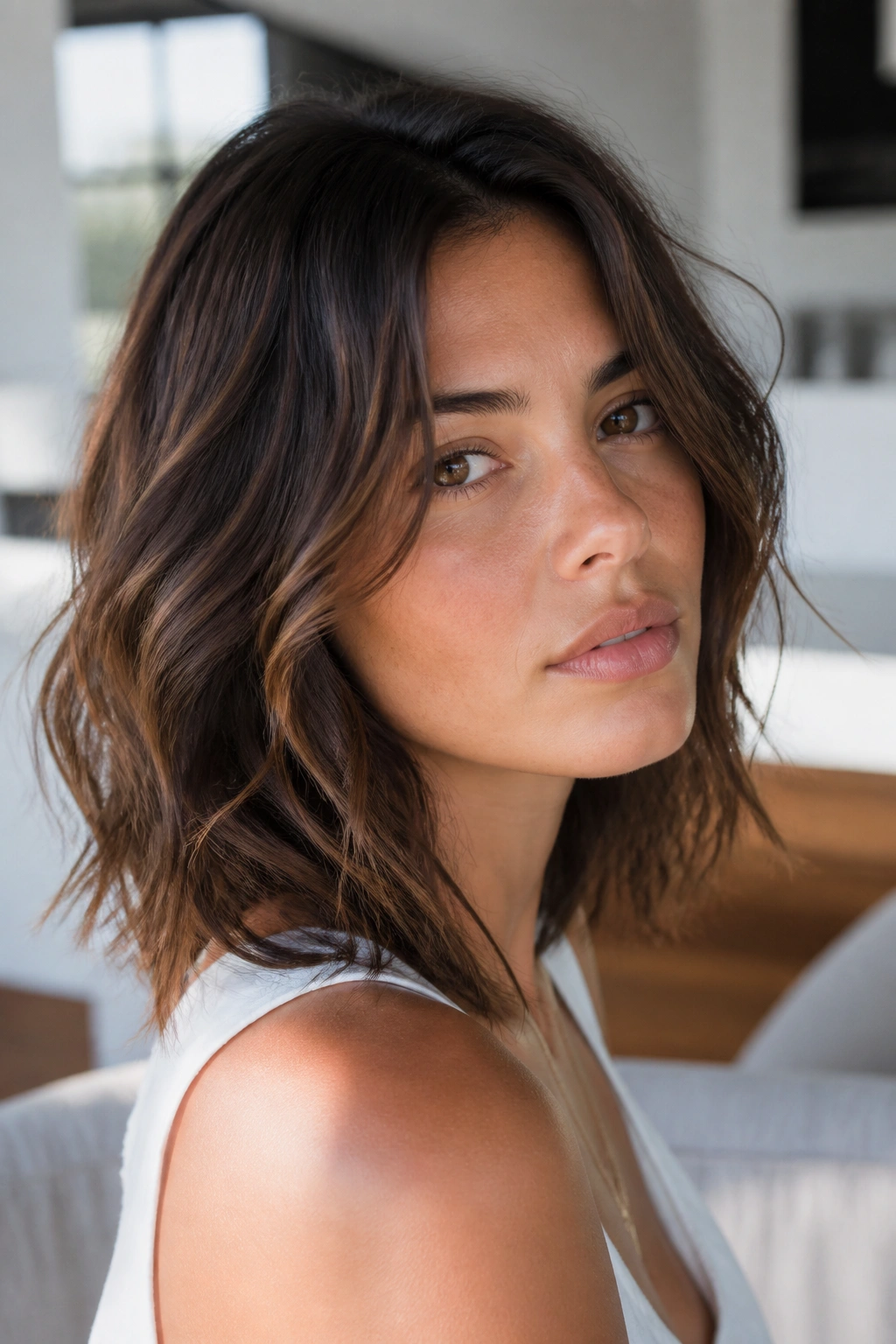
A shoulder-length razor cut can make wavy hair look feather-light and airy, especially if your hair is medium density and tends to hang heavy at longer lengths. The razor removes a bit of softness from the outline and gives the ends a more broken-up finish. That can be lovely on waves.
But the razor has to be used with care. Coarse or very frizz-prone hair can get fuzzy if too much is removed. I’d never ask for a heavy-handed razor job on the whole head. The better move is to use it lightly on the ends and in the face-framing pieces, where it can soften the line without making the cut look ragged.
What to tell the stylist
- Keep the length around the shoulders.
- Use the razor sparingly, mostly on the ends.
- Leave enough weight through the mid-lengths so the waves still clump together.
That little bit of lightness can change everything. The cut feels more flexible, the waves separate in a nicer way, and you don’t get that heavy shelf effect some shoulder-length cuts develop.
It’s one of my favorites for people who want movement first and polish second.
9. Rounded Midi Cut
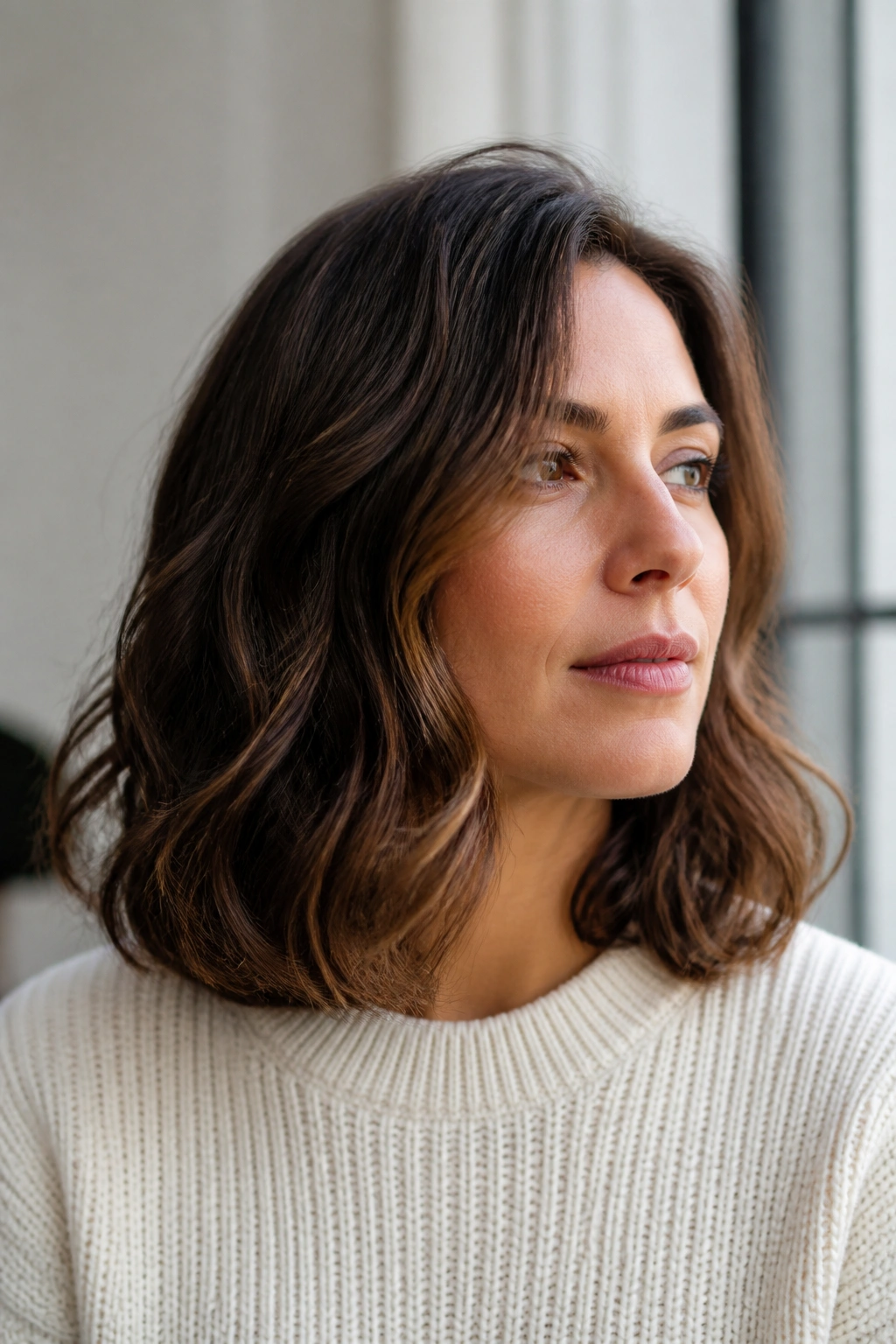
A rounded midi cut is the shape people forget to ask for, and that’s a shame. It keeps the outer line soft and curved instead of straight across, which helps wavy hair sit in a more flattering shape. The result is gentle, balanced, and easy to wear.
The rounded edge matters because waves do better when the outline has some give. A sharp, straight hem can make the ends look blunt in an odd way if your hair bends naturally. A rounded midi shape allows the sides and back to taper just enough to follow the head.
The curve matters
When this cut is done well, the hair doesn’t look cut into pieces. It looks like it falls that way on its own. That’s a big difference. The shape should be visible from the front, the side, and the back, not only when you stare straight ahead in the mirror.
This works especially well for medium density hair and people who want shoulder-grazing length without the heaviness of a one-length cut. A center part gives it symmetry. A side part gives it a little swing. Either way, the curve keeps the shape from going boxy.
10. Asymmetrical Lob
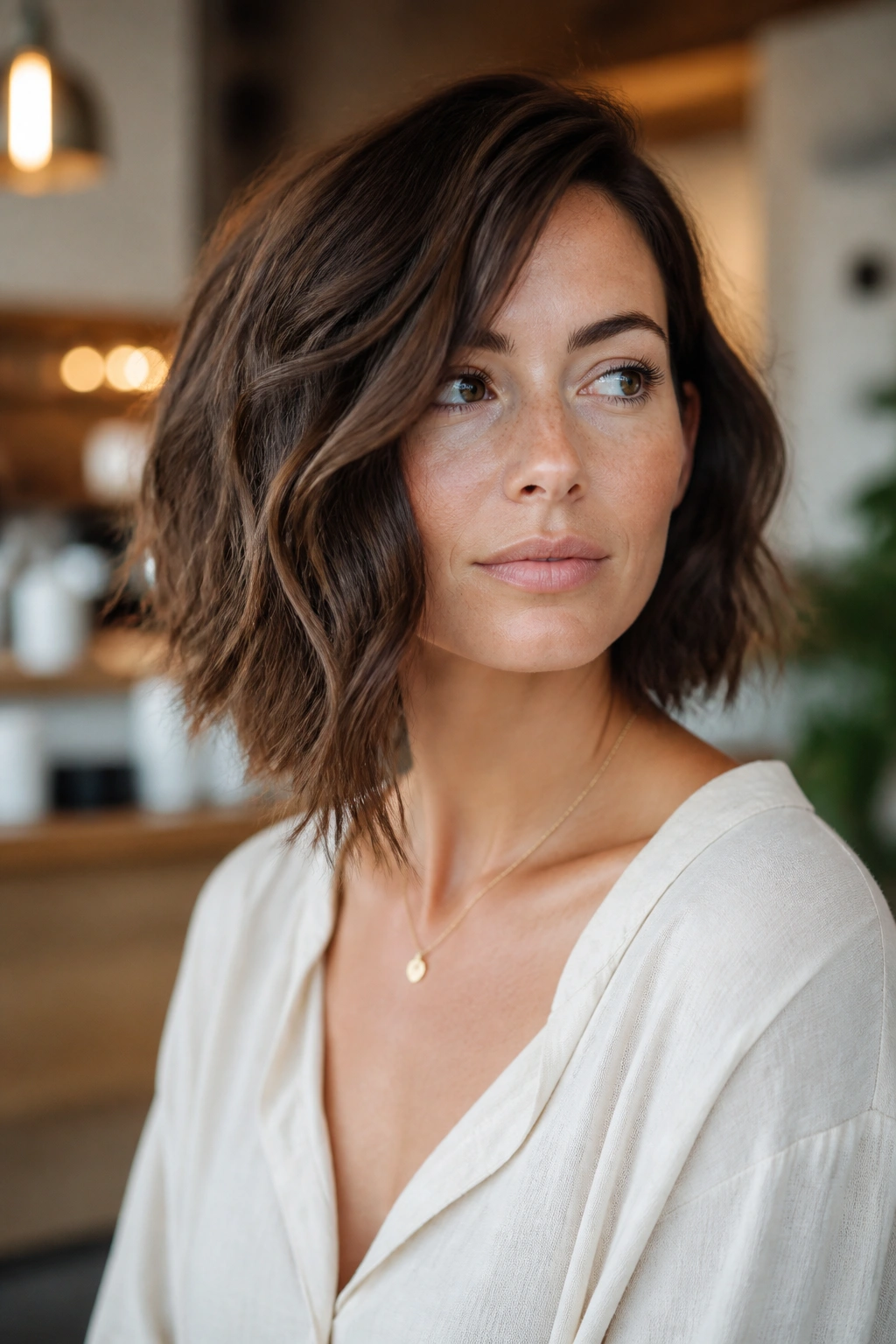
An asymmetrical lob is for someone who wants a little sharpness without going full edgy. One side sits slightly longer than the other, and that tiny difference gives wavy hair more movement than people expect. It also makes the cut feel more deliberate, which is handy if your waves sometimes look a little too casual.
The beauty of this cut is that it changes with the part. Shift the parting a little, and the longer side swings differently. That gives you some control over how dramatic or subtle the shape feels on any given day.
It’s a smart cut if your hair has one side that naturally waves more than the other. The uneven length can balance that out instead of fighting it. You can still tuck one side behind the ear, clip it back, or rough-dry it and let the bend do the work.
No drama needed. The shape does enough on its own.
11. U-Cut
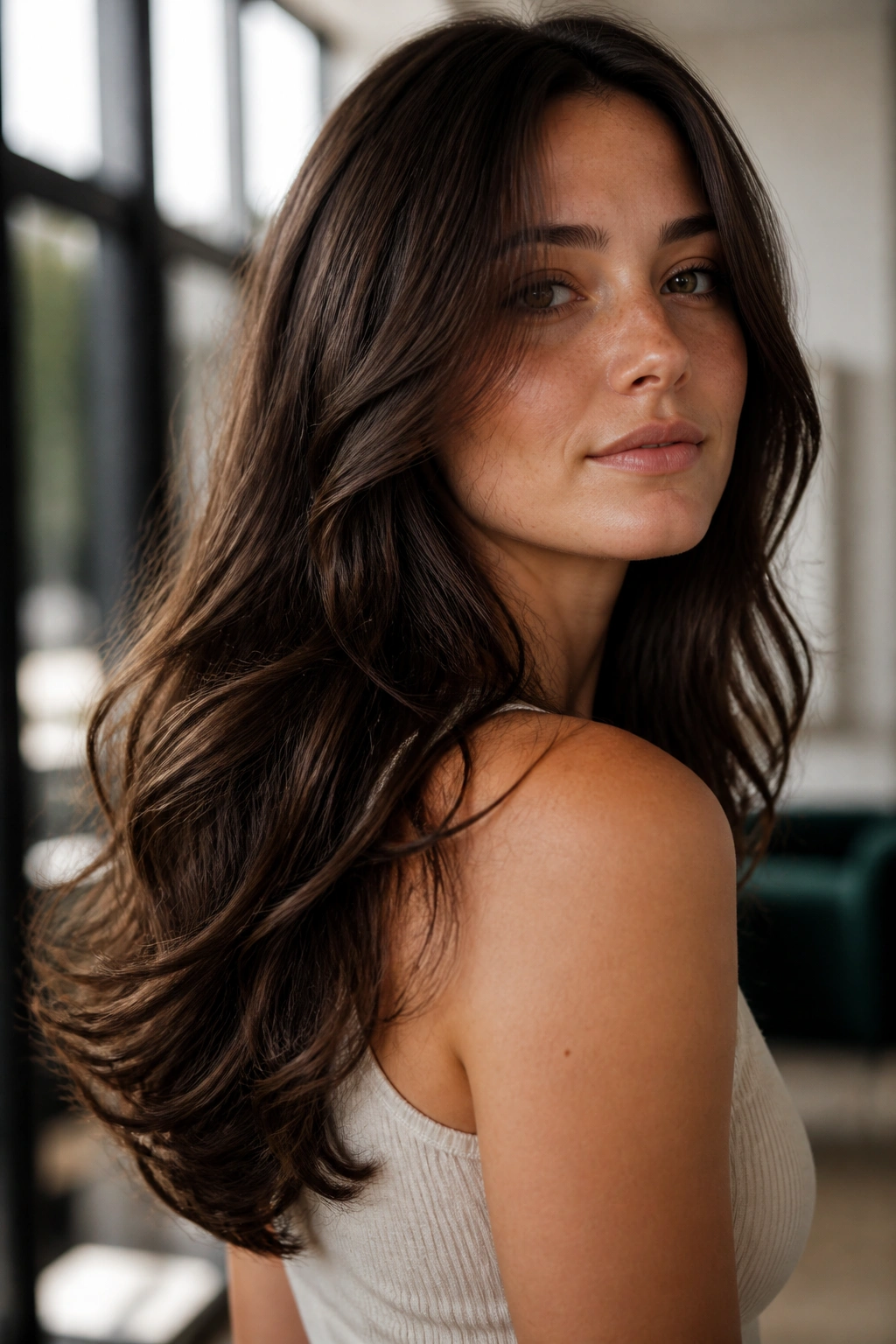
A U-cut is one of the best ways to keep long wavy hair from looking heavy at the ends. Instead of a straight line across the back, the hair curves gently into a U shape, leaving a little more length in the center and a soft sweep around the sides. That shape helps waves fall in a more fluid way.
It’s a quieter cut than a shag or wolf cut, and that’s exactly why it works. The line is subtle, but the effect is real. Long wavy hair often starts to feel bulky at the bottom, especially if all the weight sits in one straight curtain. The U-shape softens that.
Best if your waves stretch at the crown
If the top of your hair tends to lie flat while the bottom gets all the action, a U-cut can help the balance. It doesn’t steal too much length from the perimeter, which is good if you like to wear your hair down most of the time.
This is also a cut that grows out gracefully. That matters more than people admit. A haircut that still looks decent at six or eight weeks is worth paying attention to.
12. Textured Pixie
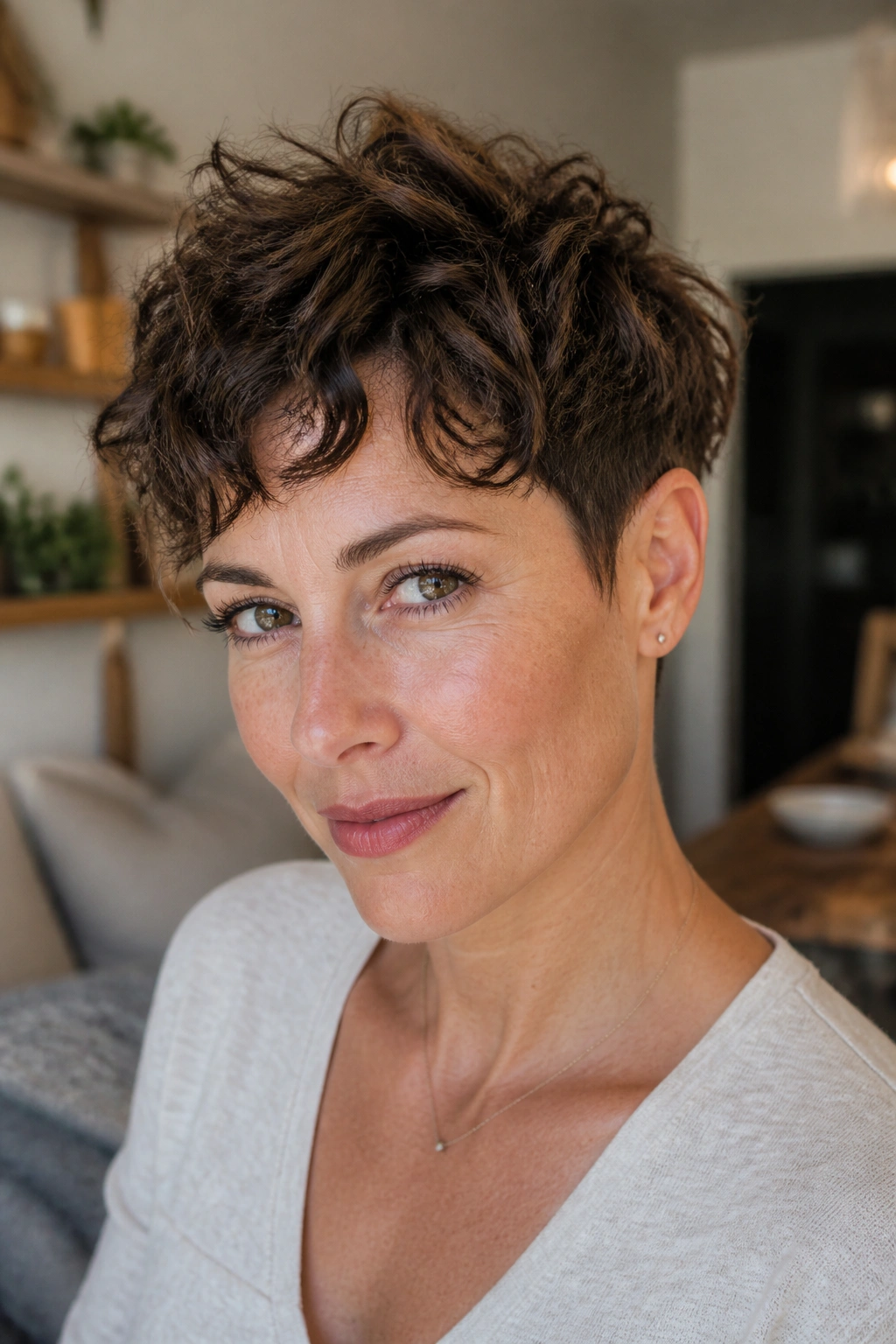
A textured pixie on wavy hair is bold in the best way. The wave pattern keeps the cut from looking too stiff, and the texture gives the short length some life. If you’ve spent years with longer hair and want something lighter, this can feel surprisingly freeing.
The important thing is to keep more length on top and through the crown. That’s where the wave needs room. If the top gets too short, the hair can stick up in a way that looks accidental rather than styled. Around the ears and nape, the cut can be tighter, but the crown should still have enough length to bend.
Crown versus sides
- Crown: keep it long enough to show the wave pattern.
- Sides: taper gently, not too tight.
- Nape: clean, but not shaved unless you want that edge.
This cut is a good match for people who like to run their hands through their hair and leave the house. It doesn’t ask for a lot. A dab of cream, a little scrunching, maybe a touch of pomade on the ends. Done.
Cowlicks matter here, though. A good pixie for wavy hair should respect them, not fight them into submission.
13. Side-Swept Fringe with Soft Layers
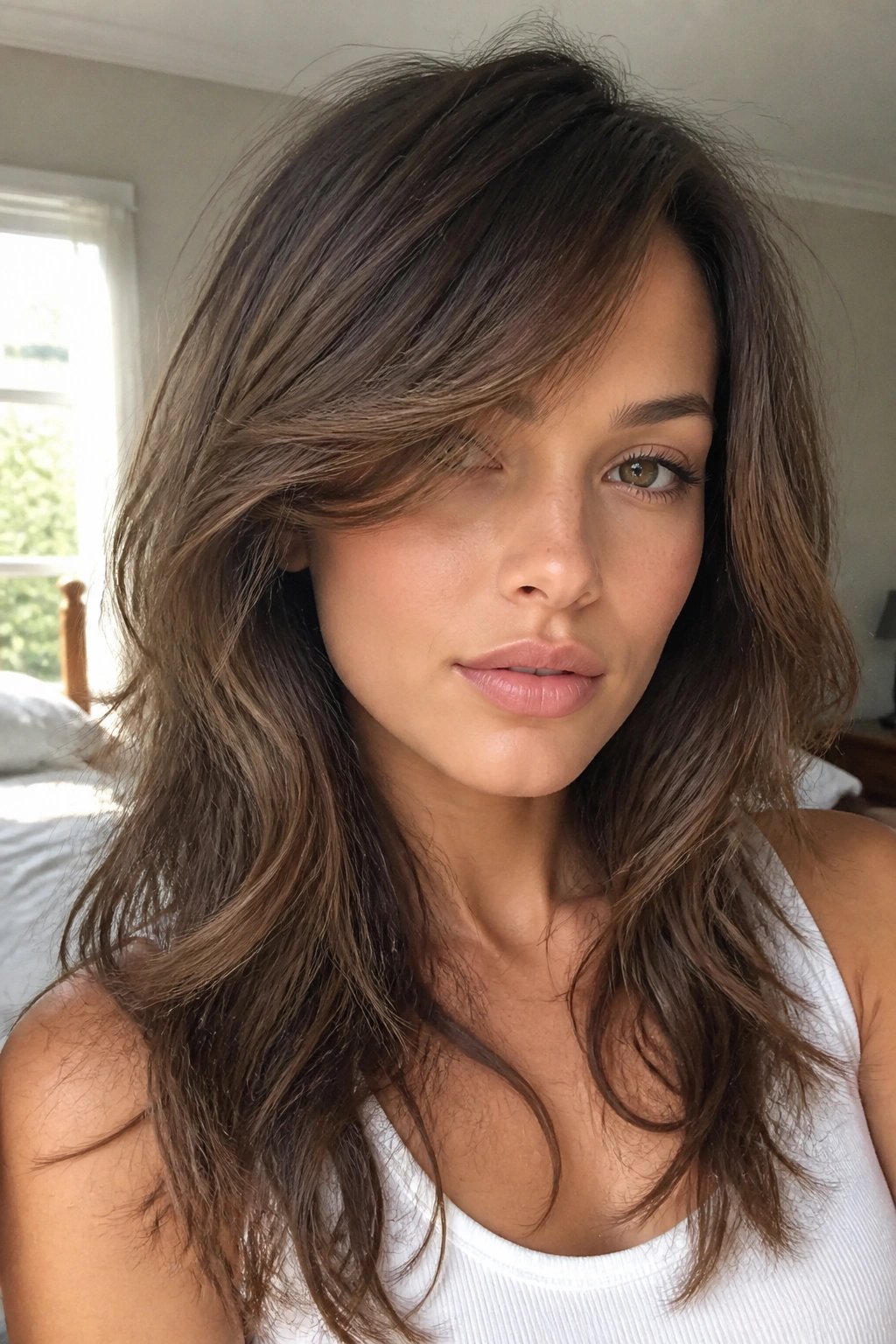
Side-swept fringe tends to get overlooked because curtain bangs get all the attention. That’s a mistake. On wavy hair, a side-swept fringe can feel softer, more directional, and easier to live with if you don’t want the front split down the middle every day.
The fringe should be long enough to move, not sit stiffly across the forehead. I like it best when it starts near the brow and sweeps toward the cheekbone. Paired with soft layers, it can make the whole haircut feel lighter around the face without stealing too much length.
How to wear it
If your waves have a strong bend, let the fringe dry in its natural direction. If they’re looser, a quick pass with a round brush or even a large roller can give it shape for a few hours. The point isn’t perfect symmetry. It’s movement.
This is a nice middle ground for anyone who wants some forehead coverage but not a full fringe that needs daily babysitting. It also works well with ponytails and messy buns, because the front pieces stay interesting even when the rest of the hair is up.
14. French Bob

A French bob is short, blunt-ish, and a little flirtatious in the best way. It usually sits around the jawline or just above it, and on wavy hair that length makes the texture pop. The bend in the hair becomes the style, not just a detail.
What I like about this cut is that it doesn’t need to look perfect to look good. In fact, too much polish can flatten the charm right out of it. A bit of piecey texture, a small bend at the ends, and a side part or center part can all work.
The line should stay clean enough to show shape, but soft enough that the wave pattern can break it up. If the cut is too blunt and the hair is very dense, it can feel boxy. If it’s too layered, the whole point disappears. So the balance is touchy, and yes, it matters.
This is the cut for someone who likes a little character near the face and does not mind their hair having an opinion.
15. Wavy Mullet
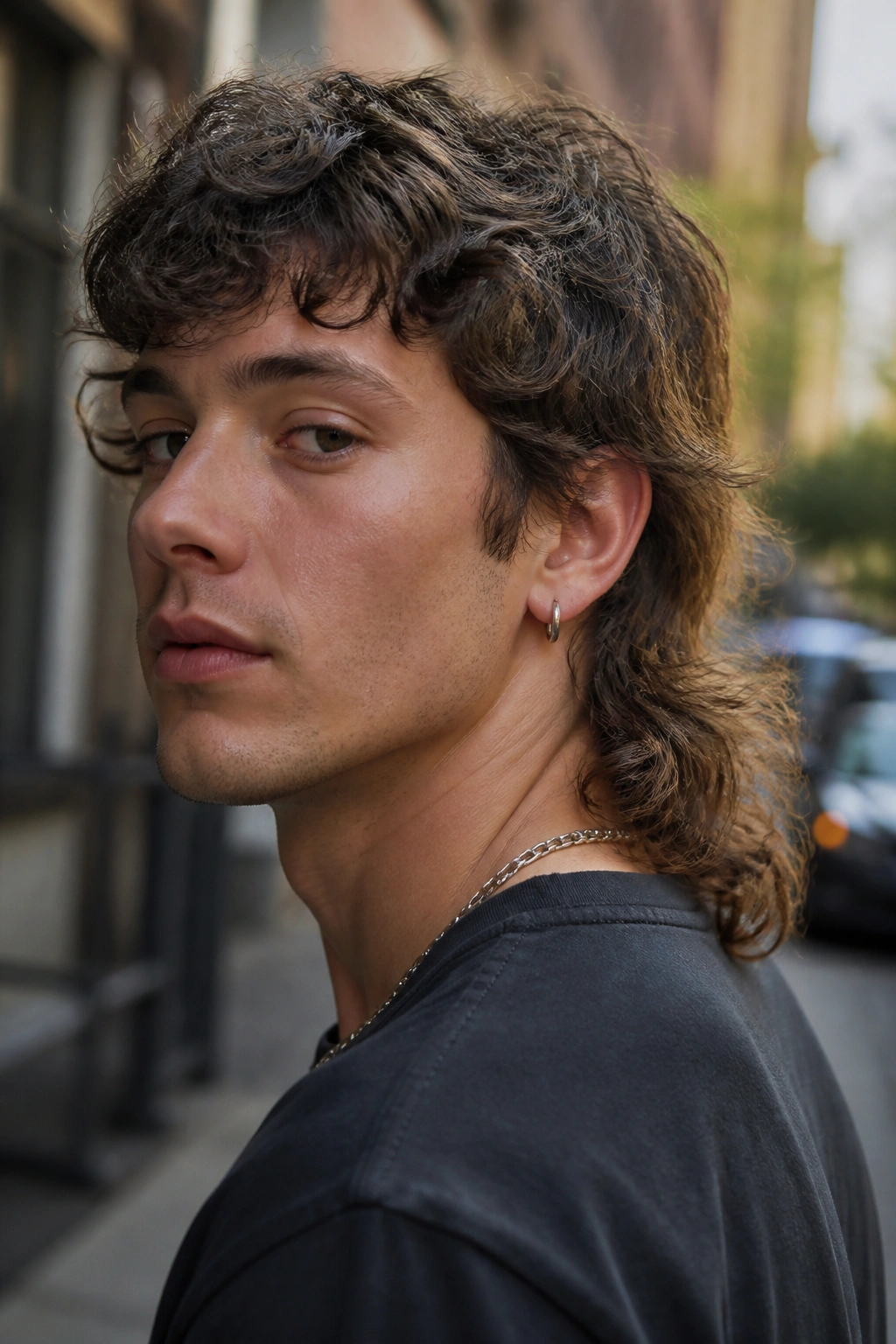
The wavy mullet is not a shy haircut. It’s shorter at the front and crown, longer in the back, and usually blended in a way that feels modern rather than costume-y. On wavy hair, it can look fantastic because the texture softens the contrast between lengths.
This cut works best when the layers around the crown are kept controlled. If they’re too short, the top can stand up while the back drags. If they’re too long, the mullet loses its shape. The sweet spot is a soft transition with enough contrast to show the silhouette.
What makes it different
- Shorter crown for lift
- Longer back for movement
- Soft side layers so the cut doesn’t look disconnected
It suits people who like a little edge and don’t mind styling with purpose. A cream or mousse can help the top pieces stay separated while the back falls in those loose wave clumps that make the haircut work.
Not everyone wants this shape. That’s fair. But on the right person, it has real personality.
16. Invisible Layers for Thick Waves
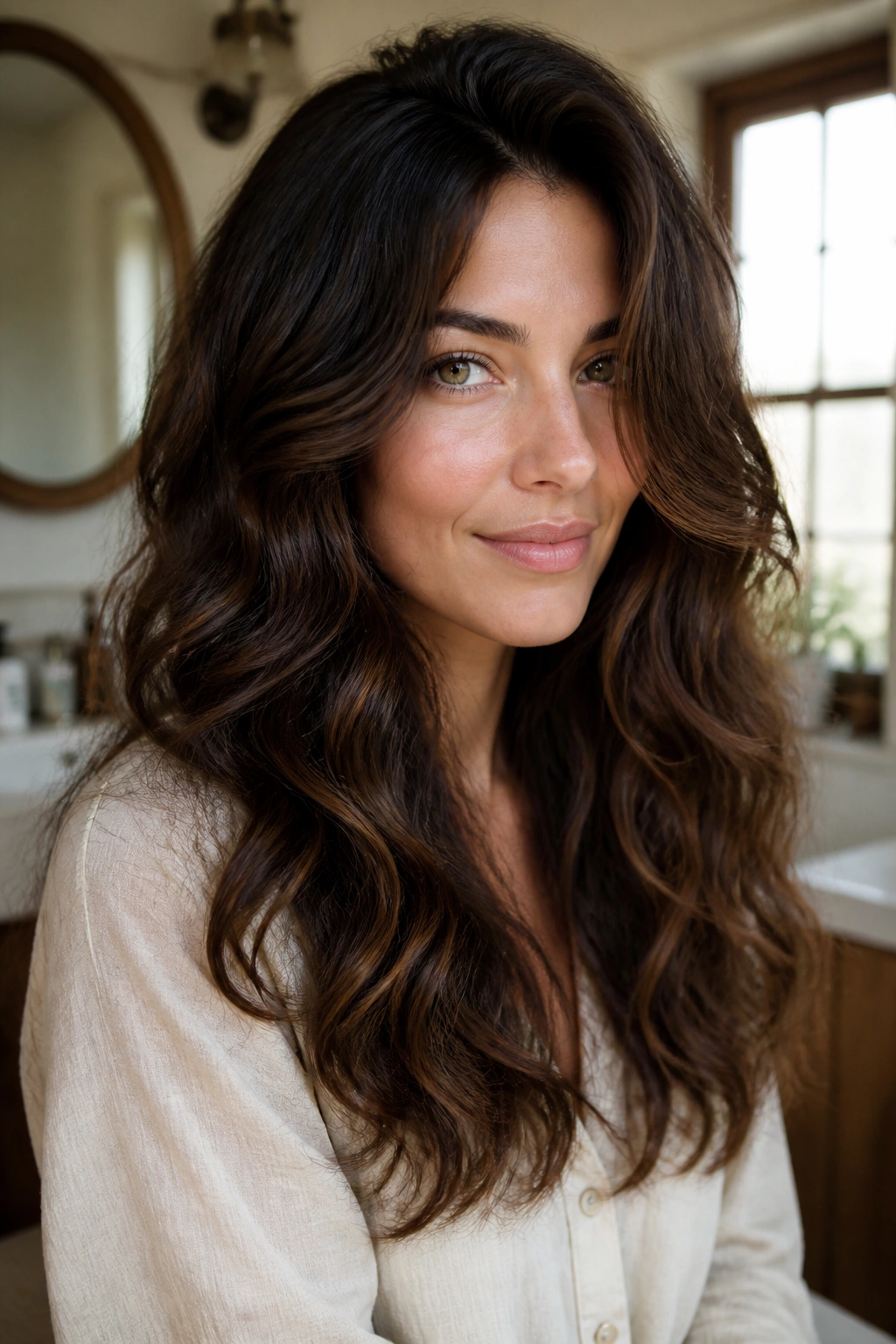
Invisible layers are the haircut trick I wish more people knew about. Instead of slicing the hair into obvious tiered sections, the stylist removes weight inside the shape so the outside still looks smooth. On thick wavy hair, that can be a lifesaver.
The goal is to reduce bulk without making the cut look choppy. Thick waves often need room to move, but they also need enough density at the perimeter to avoid the frizzy, see-through ends that happen when the haircut is over-thinned. Invisible layers thread that needle better than blunt chopping does.
How invisible layers work
- Weight comes out of the interior, not the outline.
- The surface keeps a cleaner look.
- Waves sit more evenly because the bottom isn’t dragging the top down.
This is a great choice if your hair feels heavy in the middle but you still want a full-looking length. It can make blow-drying easier, too, because less internal bulk means less time wrestling with each section. I’d still avoid going too aggressive near the ends. Thick wavy hair needs density to hold its shape.
If you’ve ever had a cut that looked fine for two weeks and then turned fuzzy, this is probably the kind of thing you were missing.
17. Grown-Out Pixie Bob
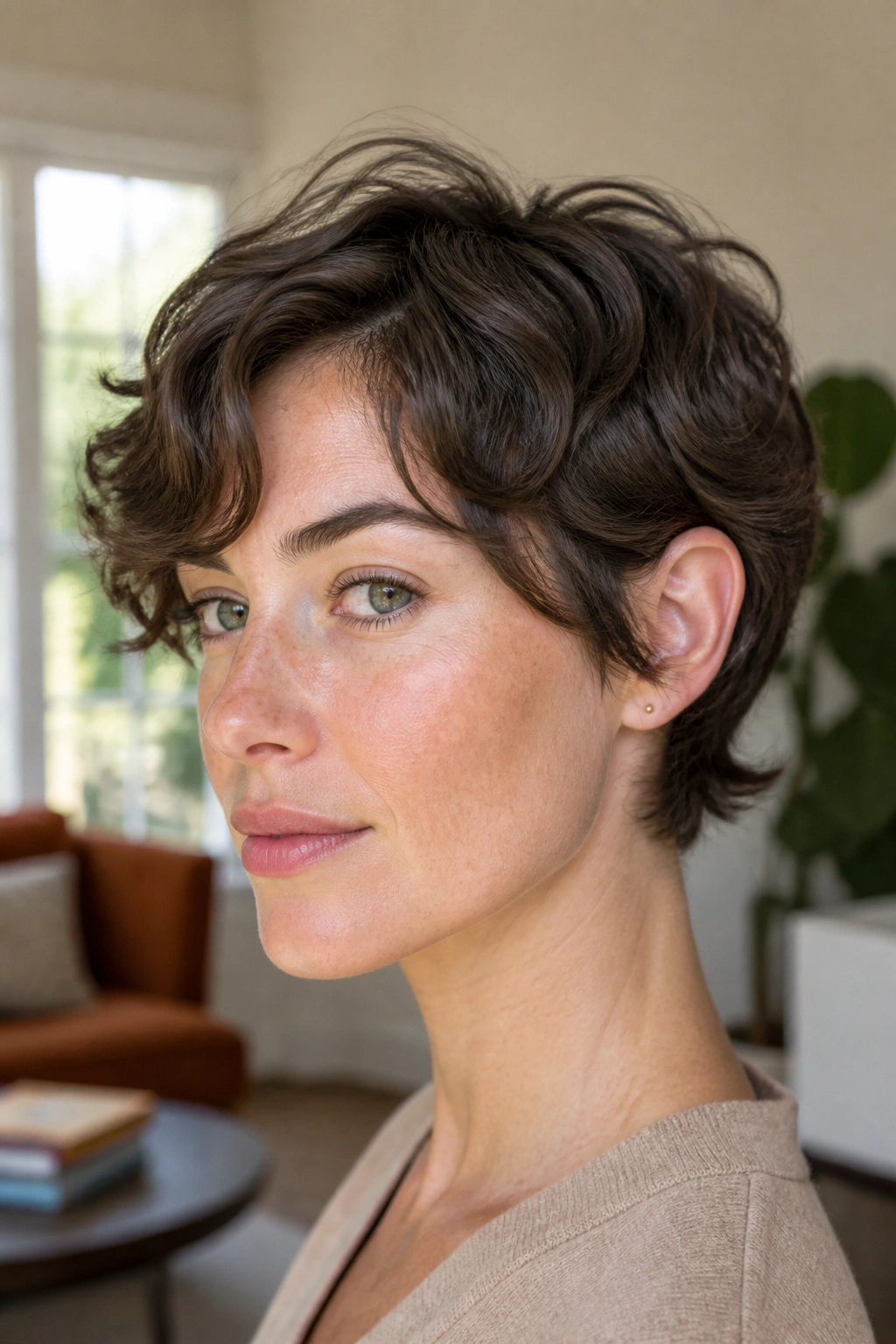
A grown-out pixie bob sits in that awkward-length zone where the hair is short enough to feel fresh but long enough to tuck behind the ears. On wavy hair, it can be one of the easiest cuts to wear because the wave adds built-in shape around the head.
The key is keeping the back neat and the top a little longer. That gives the silhouette a soft curve instead of a mushroom shape. If the sides are too bulky, the cut loses its line fast. If they’re too tight, the whole thing can feel severe.
This one is especially good if you want short hair without a severe crop. It still gives you some styling options. You can part it deeper on one side, push it back with a clip, or let the front pieces fall forward a little when you want a messier finish.
A lot of short wavy cuts fail because they ignore the natural bend at the temples and nape. This one works because it respects that bend.
18. Clavicut
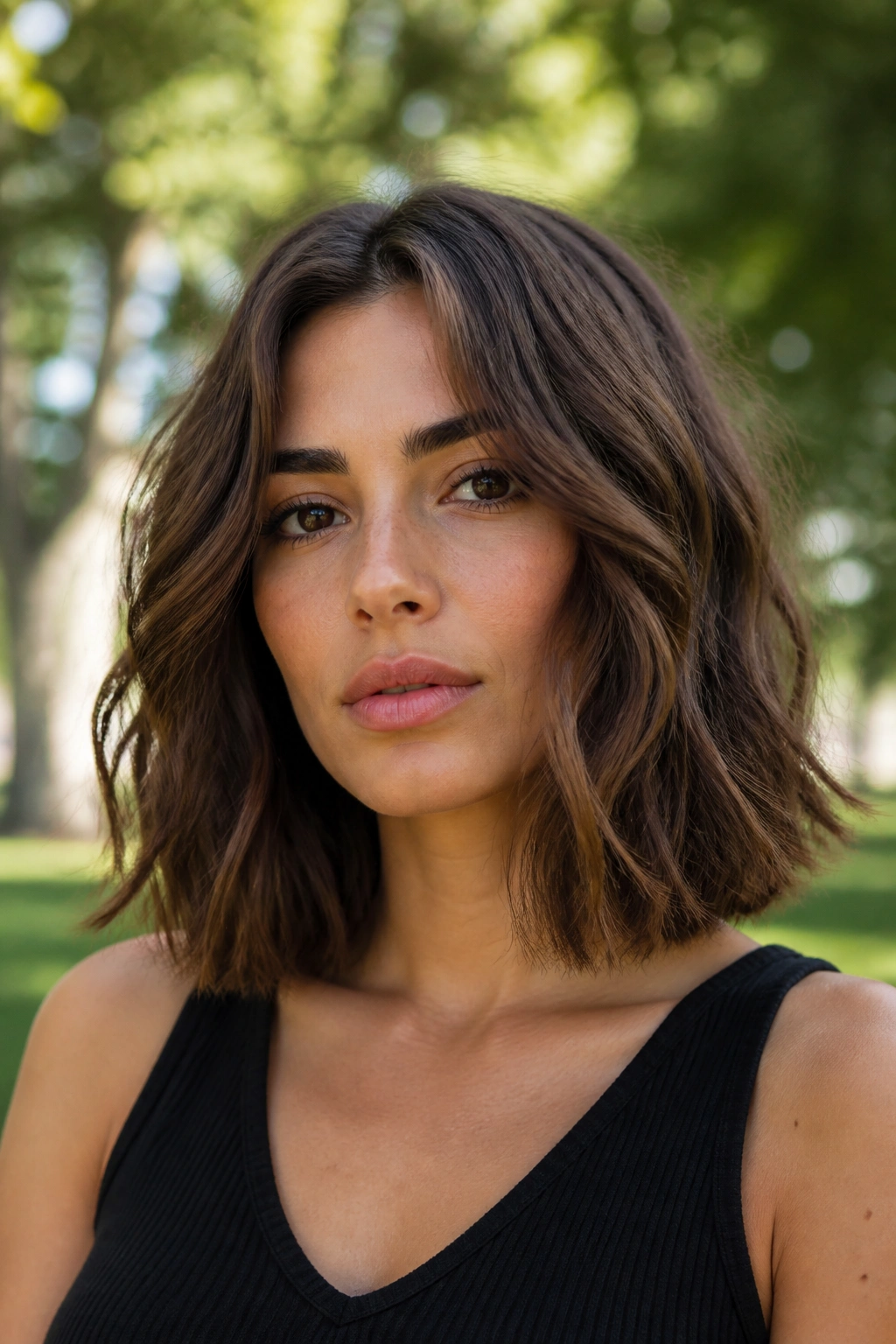
A clavicut is one of the safest bets in the bunch, and I mean that in the best possible way. It hits right around the collarbone, which gives wavy hair enough length to move but not so much that it gets dragged down. The shape is easy, clean, and friendly to almost every wave pattern.
What makes this cut work is the grow-out. A clavicut still looks decent when it starts to get a little longer, so you’re not fighting a strange in-between stage. You can wear it down, clip it half up, braid the front pieces, or let it air-dry into a soft bend. Nothing about it is fussy.
Why this cut earns its keep
If your waves are uneven from one side to the other, the clavicut tends to smooth that out. If your hair is fine, the length keeps it from looking too sparse. If it’s thick, the collarbone length avoids the triangle shape that can sneak up on longer cuts.
It’s the haircut I’d hand to someone who wants the least drama with the most mileage. Clean line. Good movement. No drama around the face. And when you want to change things up, a side part or a few face-framing pieces usually does enough.
The best wavy haircut is the one that makes your hair look like itself, only better. That’s the real test.
