



Short pixie cuts for men can look sharper than a buzz cut when the shape is handled with a little care. The difference usually isn’t length. It’s the way the cut sits around the ears, the nape, and the fringe so the hair moves instead of landing in one flat block.
That’s why this haircut works on more than one hair type. Straight hair can read crisp, wavy hair can look soft and airy, and curls can sit close and controlled instead of puffing out. The trick is to keep the outline neat and let the top have some life.
Most bad versions fail for the same boring reasons. The sides stay boxy, the fringe gets too heavy, or the crown is left long enough to flop but not long enough to style. Messy in the wrong way. Tired in the wrong way.
Pick the shape that matches your face and texture, and the whole thing changes. Some of these cuts are clean and close, some are choppy and loose, and a few lean more fashion-forward than everyday safe. Start with the one that sounds closest to your hair, not the one that only looks good on someone else.
1. Classic Tapered Pixie
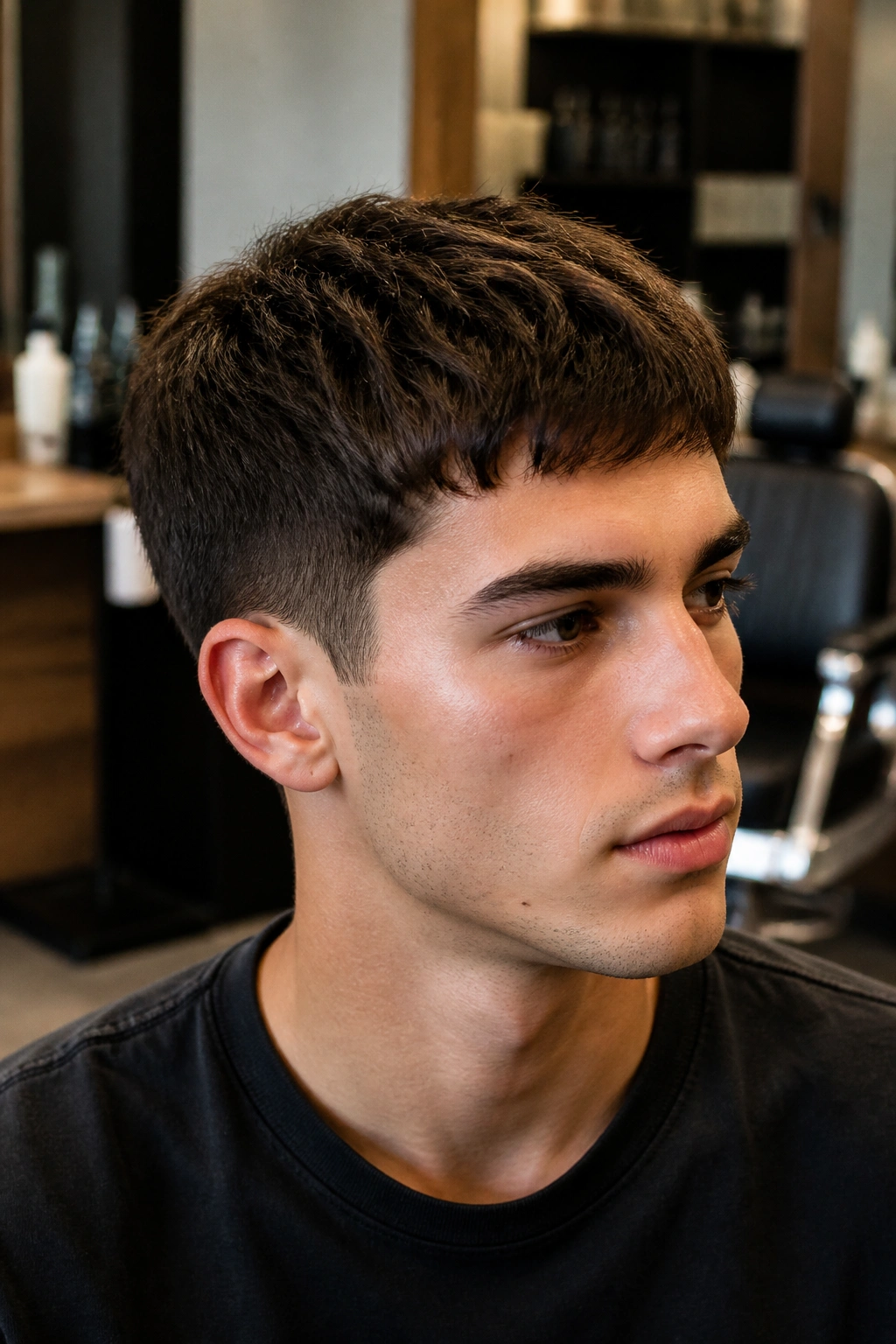
This is the cut I’d hand to a guy who wants a safe starting point without looking plain. The top stays short enough to lift with a bit of product, while the sides and nape taper down so the head shape looks tidy from every angle.
What to ask for
- Top length: about 1 to 2 inches, cut with light texture on the ends.
- Sides: tapered close, but not skin-tight.
- Back: softened at the neckline so it grows out cleanly.
A classic tapered pixie doesn’t try too hard. Clean lines do the work. If your hair is straight or only slightly wavy, this version gives you shape without needing a mirror and a blow-dryer every morning.
A pea-sized amount of matte cream is usually enough. Rub it between your palms, push it through the top, and pinch the front pieces so they separate a little. The point is to keep the cut looking alive, not glued down.
2. Side-Swept Pixie
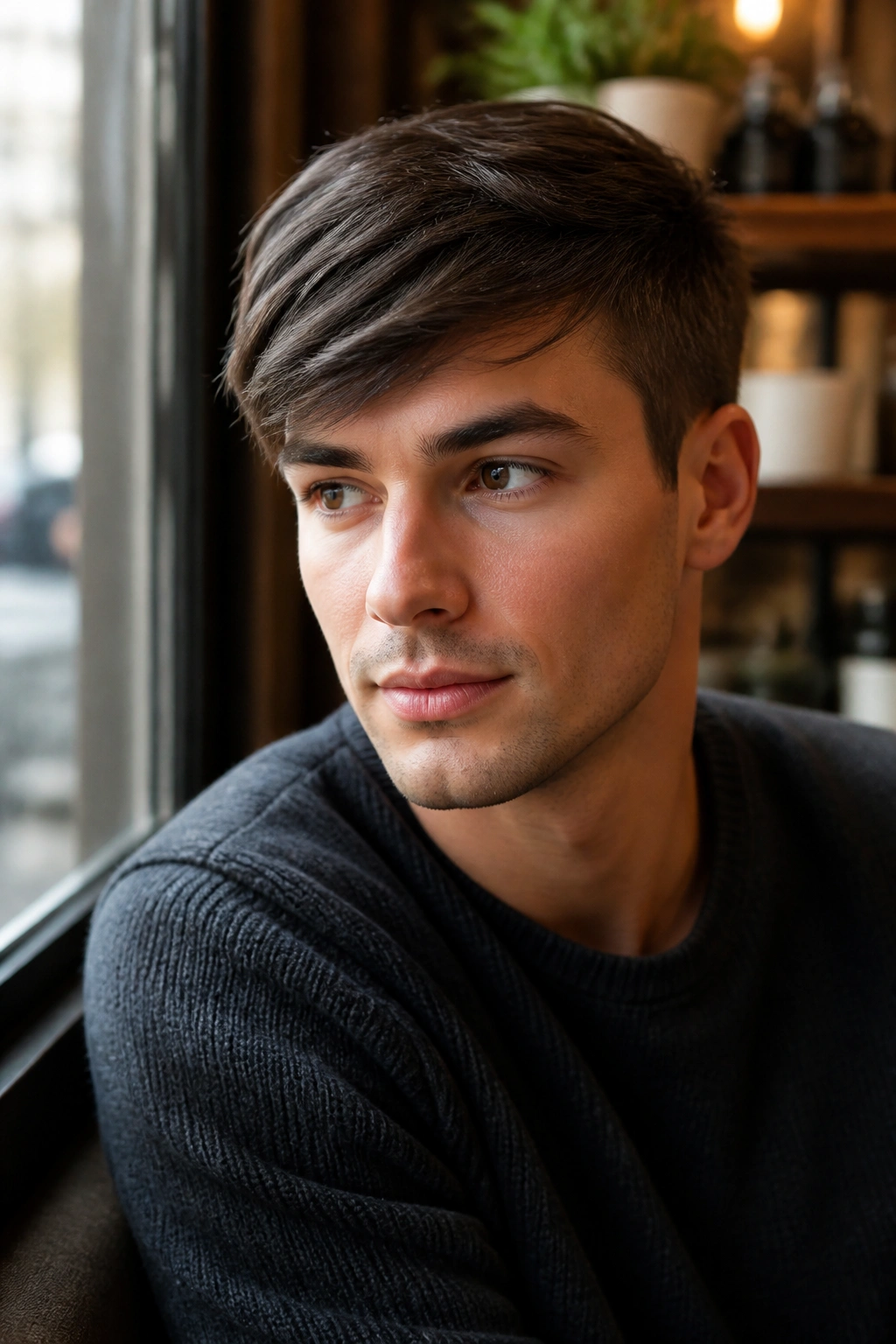
Want something softer around the forehead? A side-swept pixie does that job fast. The front is left a touch longer and pushed diagonally instead of straight down, which takes the edge off a high forehead or a strong hairline.
The best part is how little effort it takes. If your hair naturally falls to one side, you’re already halfway there. A quick blow-dry with fingers or a vent brush is usually enough to give the fringe a bend.
This cut suits men who want a little movement without obvious styling. Keep the fringe light, not heavy, or it starts to look like a grown-out bowl cut. Nobody wants that.
3. Choppy Layered Pixie
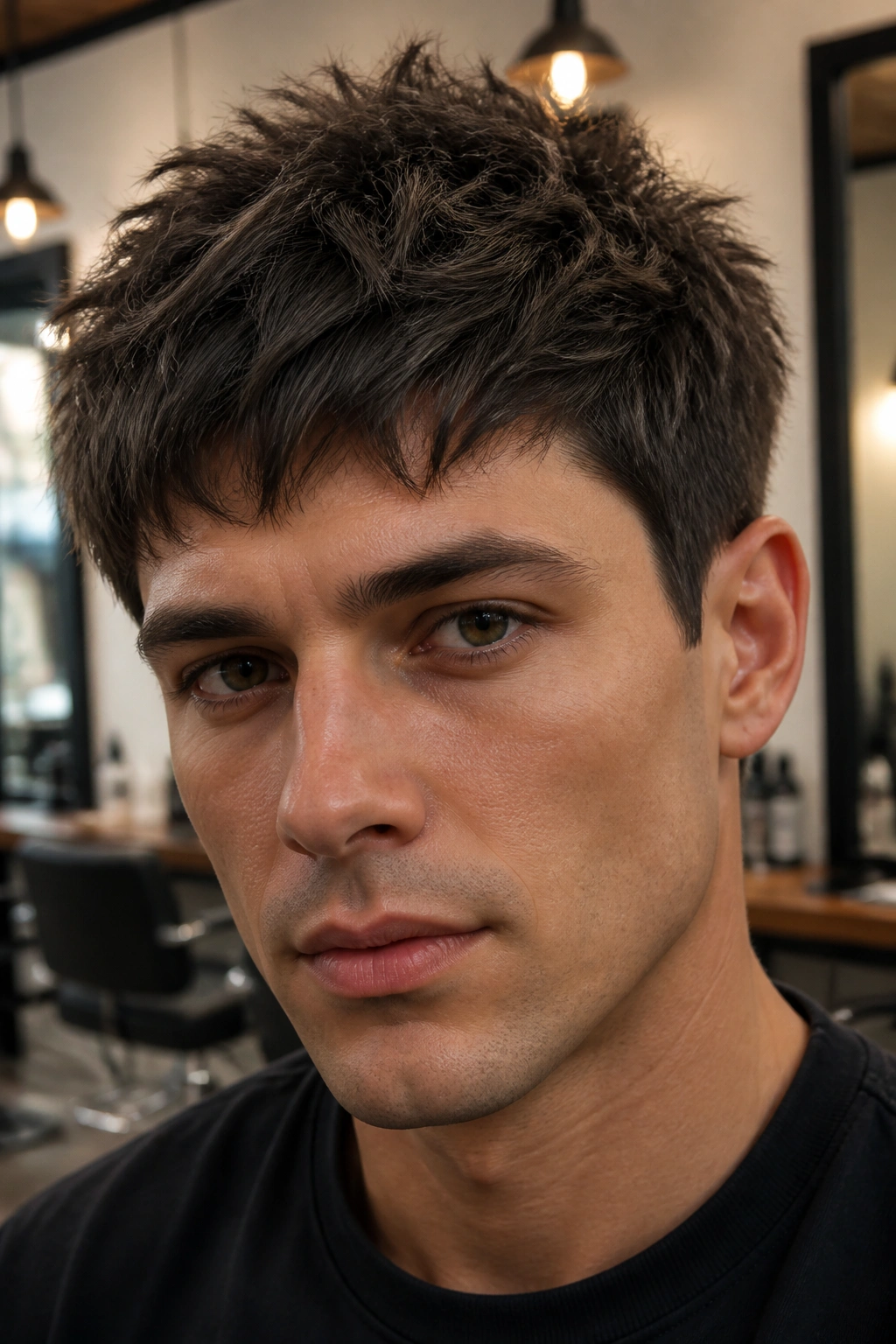
Choppy layers are what keep a short pixie from looking helmet-like. The ends are cut with texture instead of a blunt line, so the hair breaks up into pieces and holds some shape even after a long day.
That matters if your hair has a stubborn bend or flips out at the sides. A clean one-length top can expose every weird cowlick. Choppy layers hide some of that and make the whole cut look more relaxed.
How it behaves in real life
- It looks better a little tousled than overly combed.
- Sea salt spray helps if your hair is fine or slippery.
- Matte paste is safer than shiny pomade here.
One small warning: don’t let the layers get shredded. Too much thinning makes the top feel weak, and then the style collapses instead of sitting with texture.
4. Clean Temple Fade Pixie
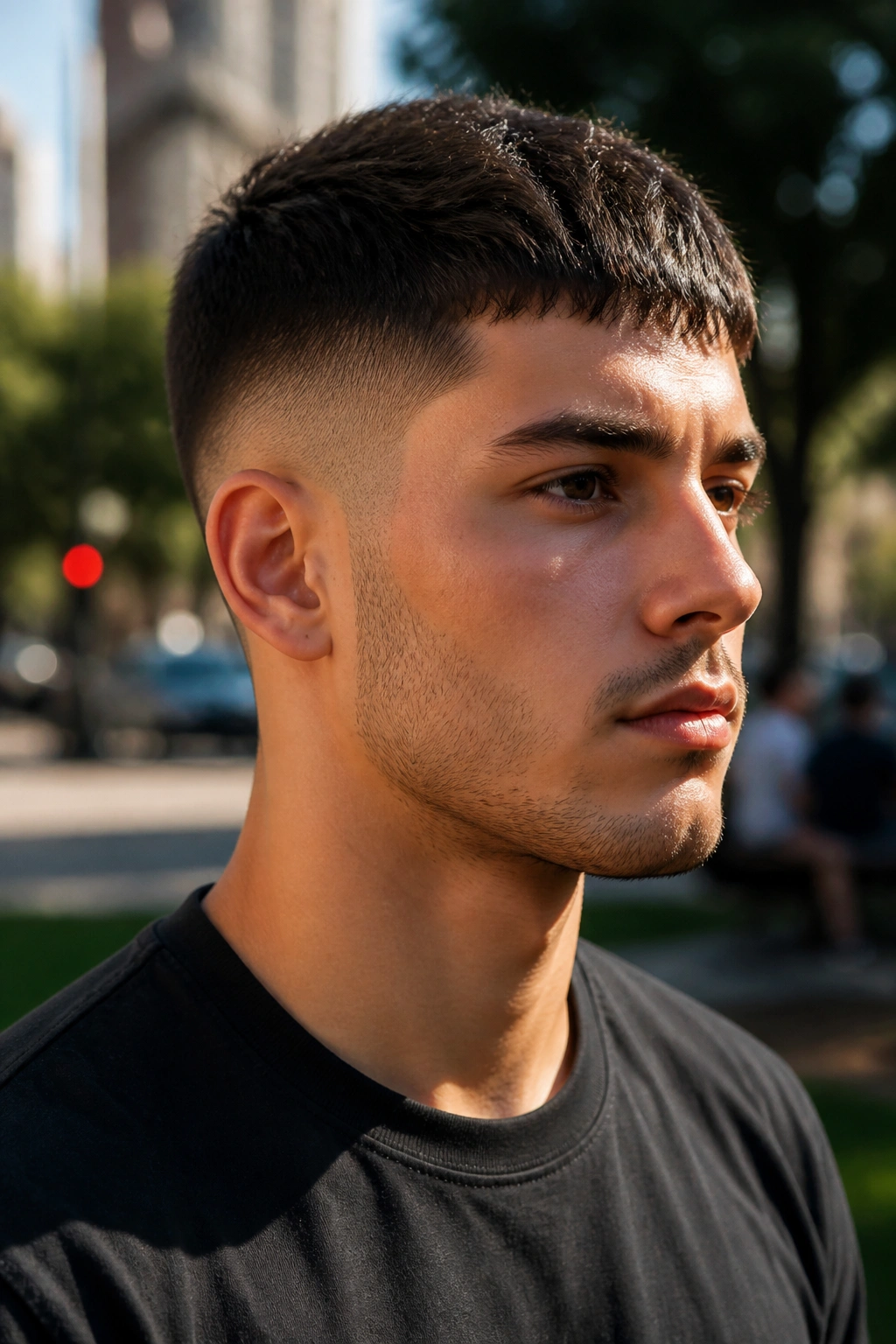
A temple fade changes the whole mood of a pixie cut. The sides narrow down near the temples, which gives the face more edge and keeps the cut from puffing out around the ears.
Why the temple area matters
The temple is where a lot of short haircuts look either sharp or sloppy. If that area is cleaned up, the cut reads deliberate. If it’s left fuzzy, the whole thing can look unfinished even when the top is well cut.
This version works especially well if you wear glasses or have a beard line that needs a clear connection. Ask for a low fade or skin fade at the temples, then keep the top short and broken up. The contrast is the point.
It does need upkeep. Once the fade grows out past a couple of weeks, the shape softens fast. That’s not a flaw; it’s just the price of having a crisp outline.
5. Curly Pixie Crop
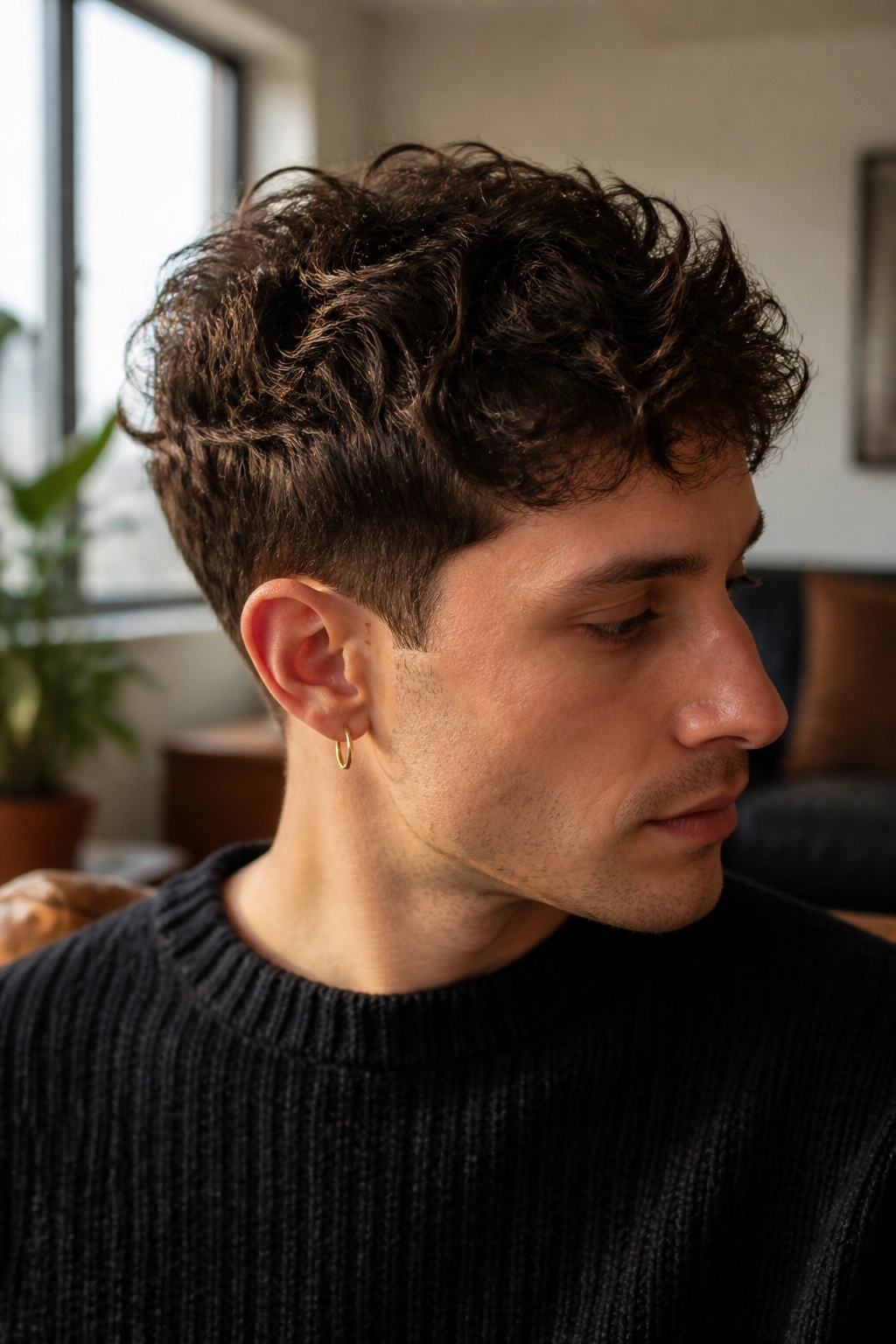
Curly hair and pixie cuts get along better than people expect. The key is leaving enough length for the curl to show its pattern, while trimming the sides tight enough that the shape doesn’t balloon out.
A good curly pixie crop usually sits close at the nape and ears, then lets the curls live a little on top. If the curls are tight, a diffuser helps keep the pattern intact. If they’re loose, a curl cream does the heavier lifting.
Keep the curl pattern intact
- Don’t overthin the top.
- Avoid brushing curls dry.
- Use a light cream or gel on damp hair.
The mistake I see most is cutting curly hair too short on top. Once the curl springs up, the style can look smaller than expected. Leave a touch more length than you think you need.
6. Wavy Tapered Pixie
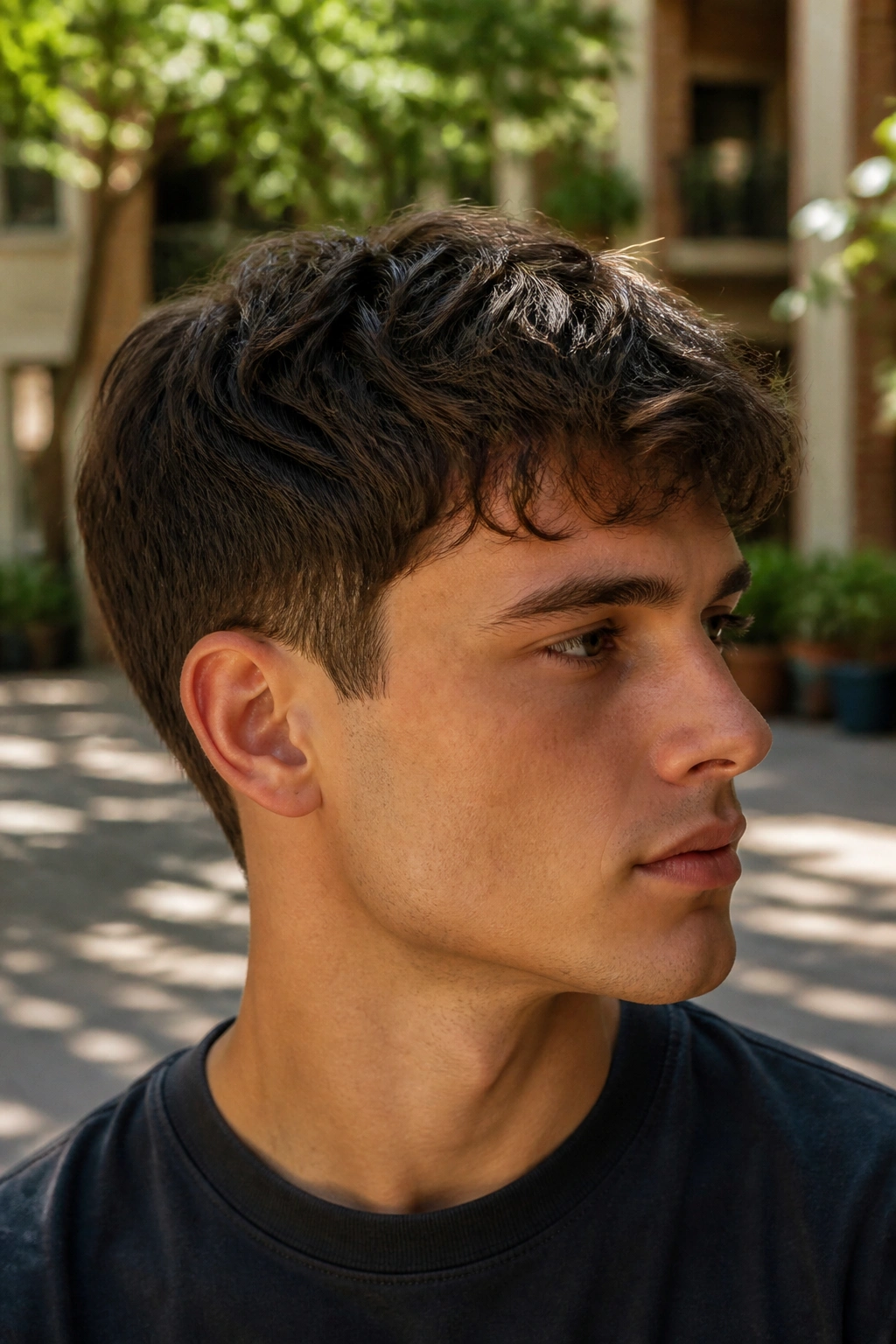
Wavy hair gives a pixie some built-in movement, which is handy because you don’t have to fake texture with a lot of product. The best wavy version keeps the top soft and slightly uneven, then tapers the sides so the wave shows up where it matters.
This cut looks especially good when the front has a little bend rather than a hard part. Air-dry it when you can. If you blow-dry, use low heat and keep your hands in the hair instead of trying to flatten everything.
A light mousse or styling foam is usually enough. Heavy wax tends to drag waves down and make them separate in odd places. Keep it loose, and the hair does the rest.
7. Messy Bedhead Pixie
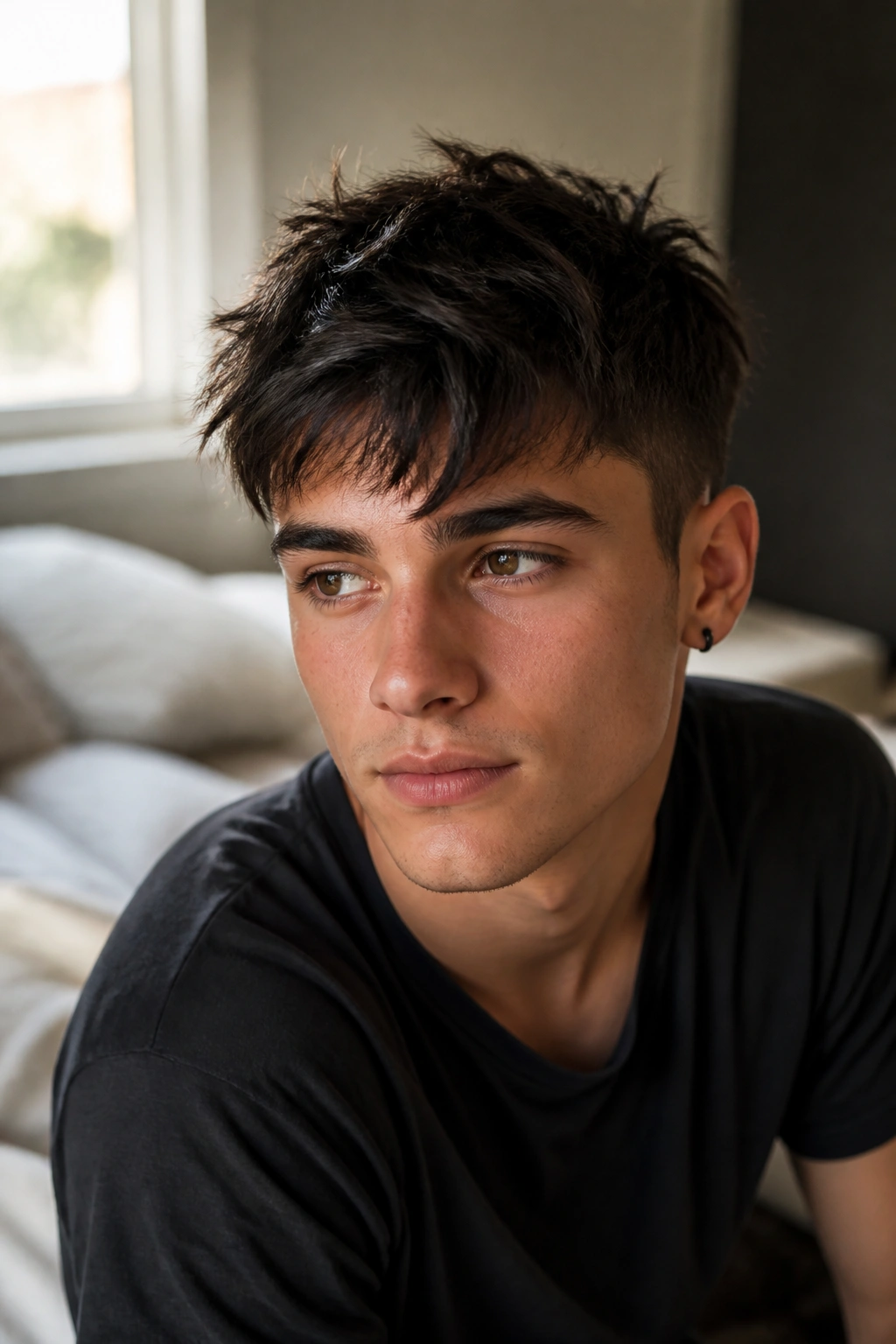
Messy only works when the cut underneath is controlled. That’s the part people miss. A bedhead pixie should look like you ran your hands through it, not like you forgot to comb it for three days.
The trick is short sides, a broken-up crown, and a front section that can fall a little forward without hiding the eyes. Dry shampoo helps if the hair is fine. Texture paste helps if it’s thicker.
This style suits men who want something casual and a little rebellious without sliding into full chaos. The perimeter still needs to be clean, especially at the neckline. Otherwise the mess looks accidental instead of intentional.
8. Sleek Combed Pixie
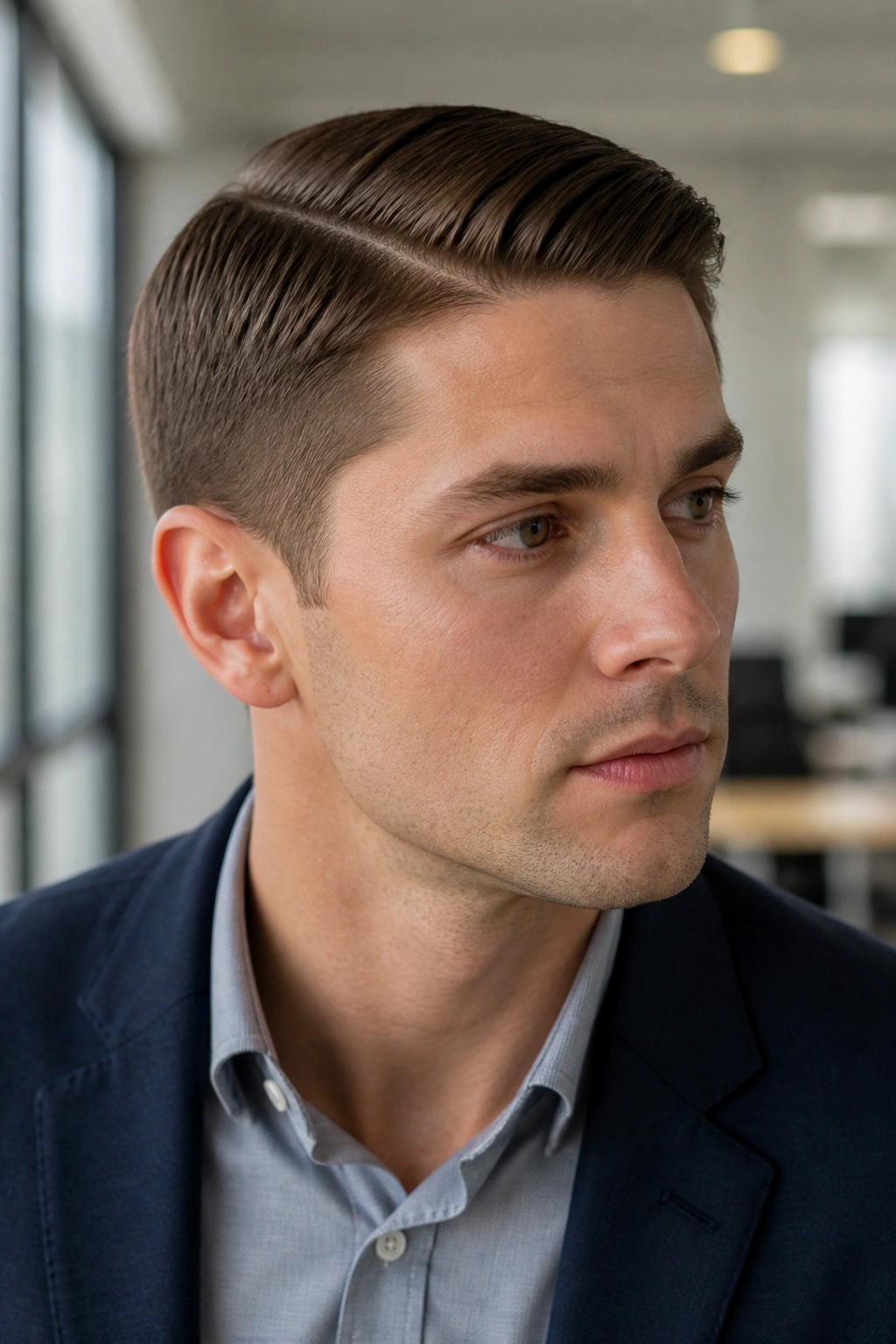
A pixie cut does not have to look scruffy. That’s the part people get wrong. A sleek combed pixie uses short sides and a smooth top to create a neater finish, almost like a tiny tailored crop.
It works best on straight hair or hair that takes direction easily. Comb the top to one side, keep the shine low, and let the line of the part do some of the visual work. A small amount of cream or soft pomade is enough; too much product makes short hair look greasy fast.
This one suits office settings, dinners, and anywhere a messy finish would feel out of place. It’s also a smart choice if you want a short cut that still feels polished.
9. Micro Fringe Pixie
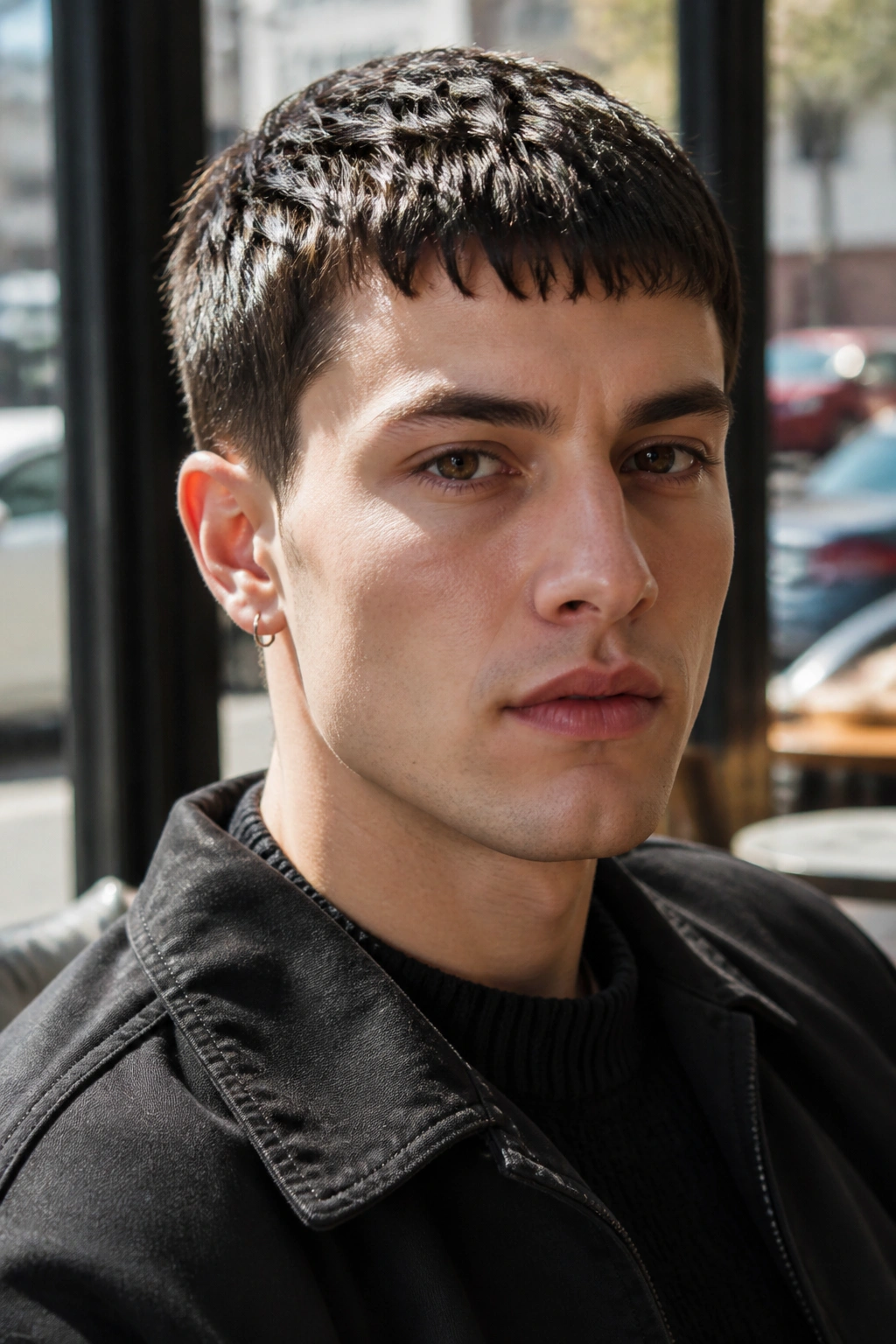
A micro fringe is short, blunt, and a little bold. The front sits above the brows instead of skimming them, so the face feels more open and the eyes get more focus.
What makes it different
The tiny fringe shifts attention upward. That can sharpen the face, but it also means the cut has to be precise. If the fringe sits crooked or too thick, the whole style gets heavy in a hurry.
Best on oval, narrow, or heart-shaped faces. Less friendly on very long faces unless you pair it with a bit more width through the sides.
Keep the bangs trimmed often. A quarter inch too long makes a micro fringe lose its point, and then it starts reading like an awkward grow-out instead of a style choice.
10. Brushed-Up Pixie
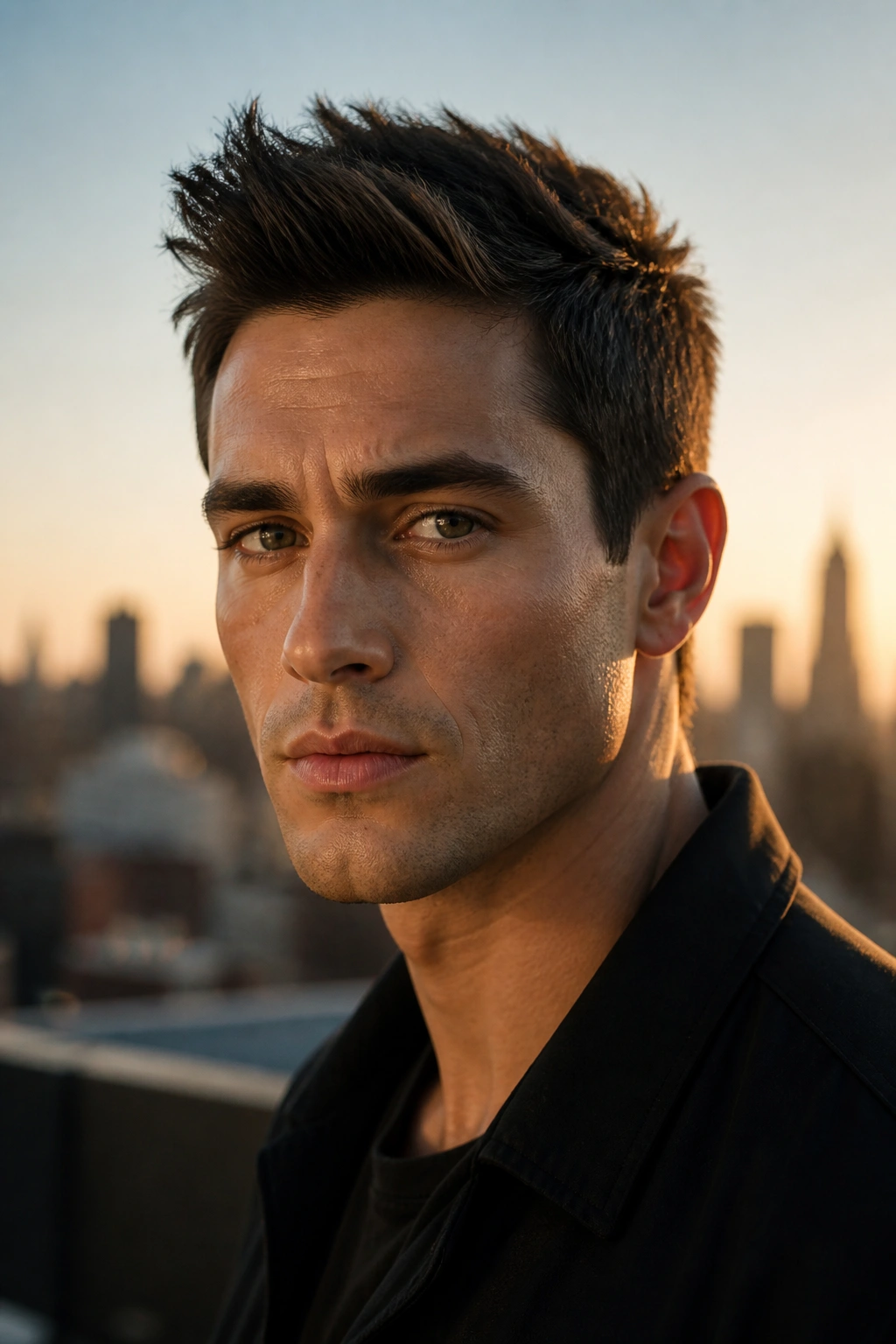
A little height changes everything. A brushed-up pixie lifts the front and crown just enough to stretch the face vertically, which helps if your features are round or soft.
The shape comes from the roots, not from spiking the hair. Blow-dry upward with your fingers or a small brush, then use a matte clay to keep the lift in place. If the front is too stiff, it stops looking like a pixie and starts acting like a mini pompadour. Not the same thing.
This cut needs a bit of patience in the morning. But the payoff is a cleaner profile and more definition through the top. That’s a fair trade.
11. Two-Block Pixie
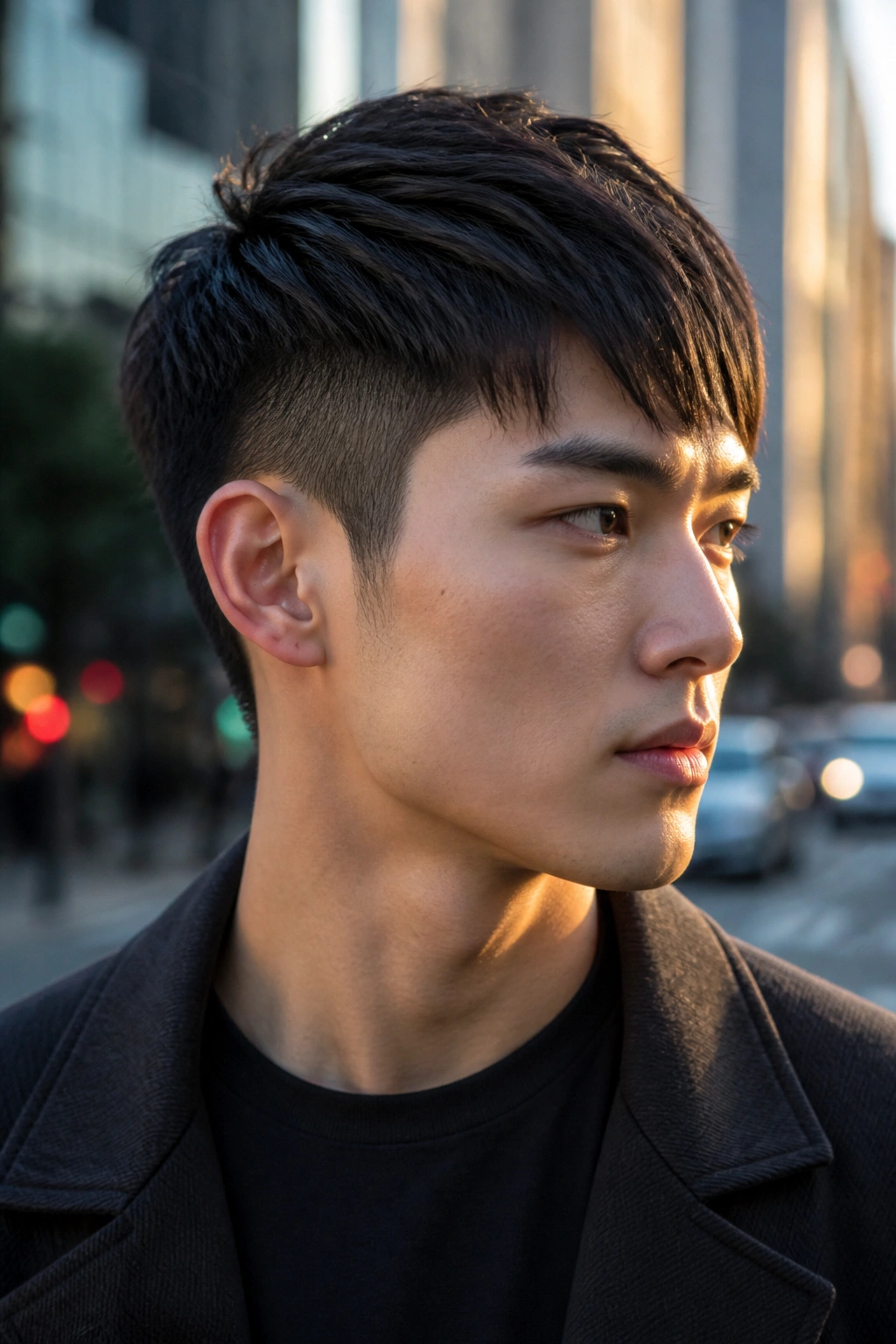
The two-block pixie borrows from the same idea as the well-known two-block shape: short, close sides with a fuller top section. The split between the two zones gives the haircut a stronger silhouette and a sharper edge.
How to keep it from puffing out
The top must stay controlled. If it gets too wide, the cut turns mushroom-shaped fast. Ask for weight removal only where the bulk actually sits, usually through the upper sides and crown.
A two-block pixie suits straight hair and hair that naturally falls in clean lines. It also looks good when the fringe is pushed forward in a loose, piecey way. The shape is modern without being loud.
If you like contrast, this is one of the stronger options on the list. If you hate regular trims, skip it.
12. Taper Fade Pixie
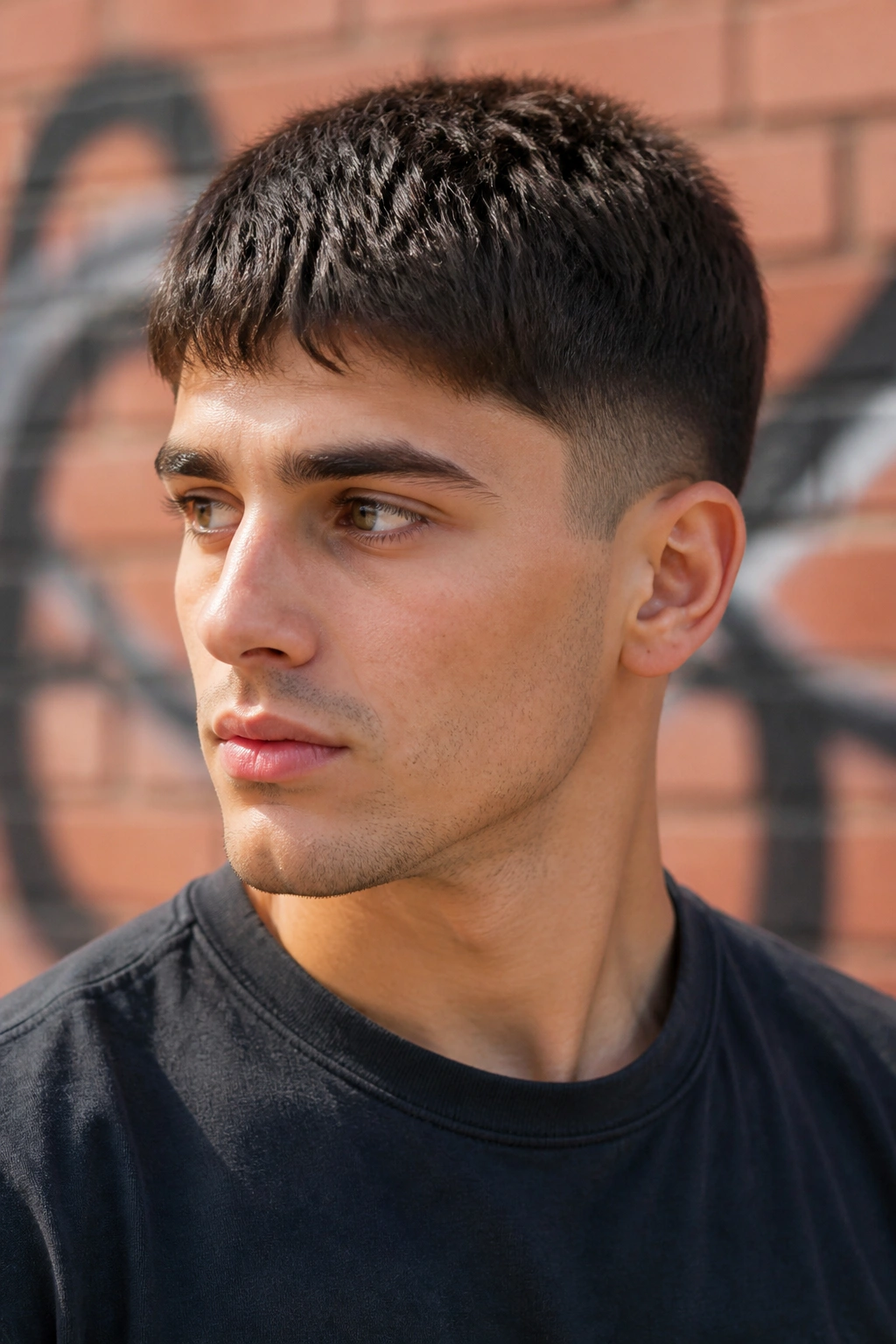
A taper fade pixie keeps the transition soft instead of harsh. The hair gradually shortens around the sides and back, which gives the cut a cleaner flow than a hard undercut.
That softer transition helps if you want the style to grow out without a dramatic line showing up after ten days. It also keeps the haircut friendly for men who are trying a pixie shape for the first time and do not want it to look too edgy.
Use a light cream, work it through damp hair, and let the top sit naturally. The fade should support the shape, not compete with it.
13. Disconnected Pixie
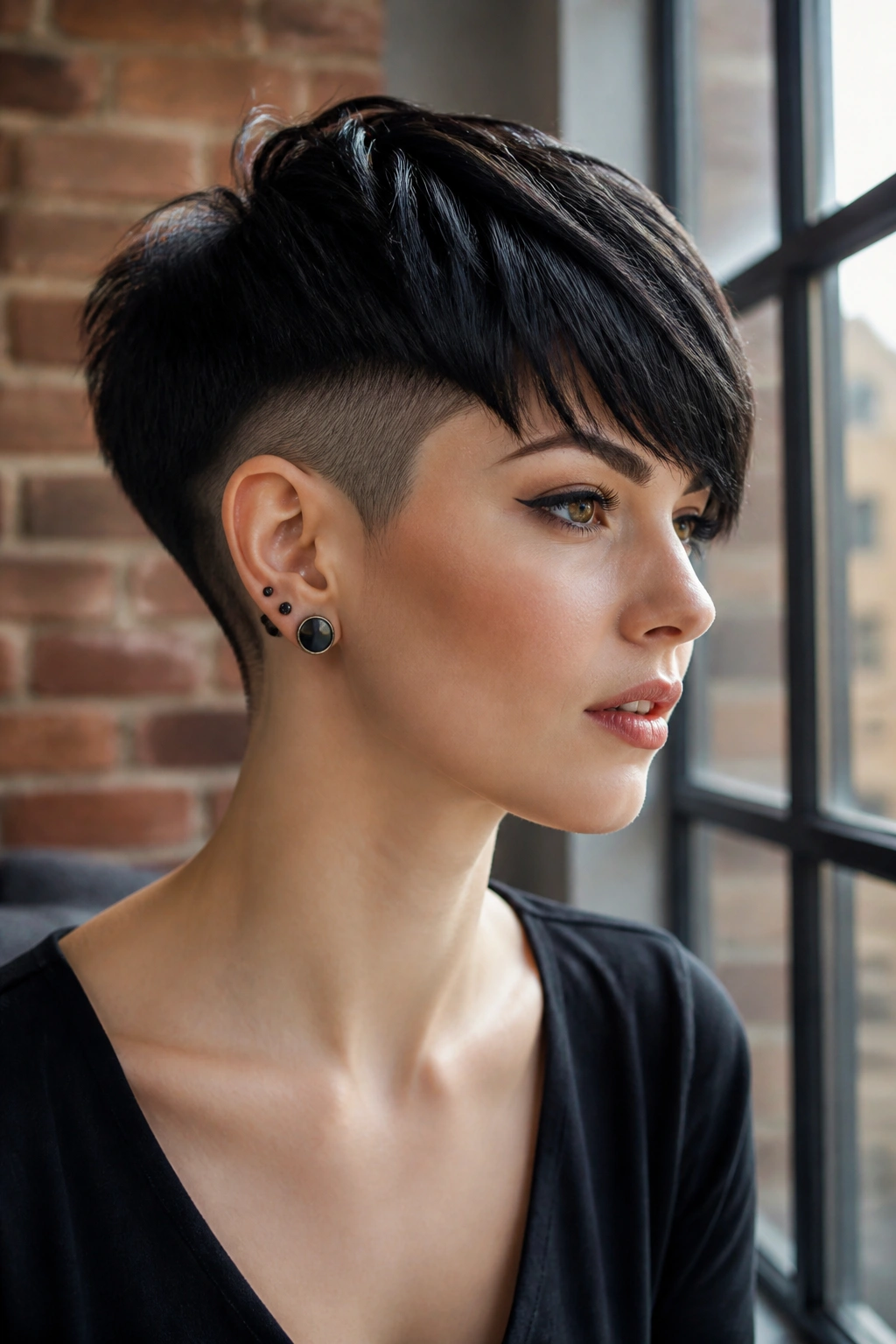
This one has attitude. A disconnected pixie keeps the top longer while the sides stay very short, and the lack of blending gives the cut a sharp, graphic feel.
It’s a stronger look than the taper fade. That’s the whole draw. The contrast makes the top read fuller and gives the haircut a clear line from side to crown. Good on straight hair, especially if you like a cleaner, more fashion-forward finish.
It does not forgive sloppy growth. When the sides grow out, the disconnect can look accidental. If you want to wear this cut, you need to be okay with keeping it in shape.
14. Soft Curved Pixie
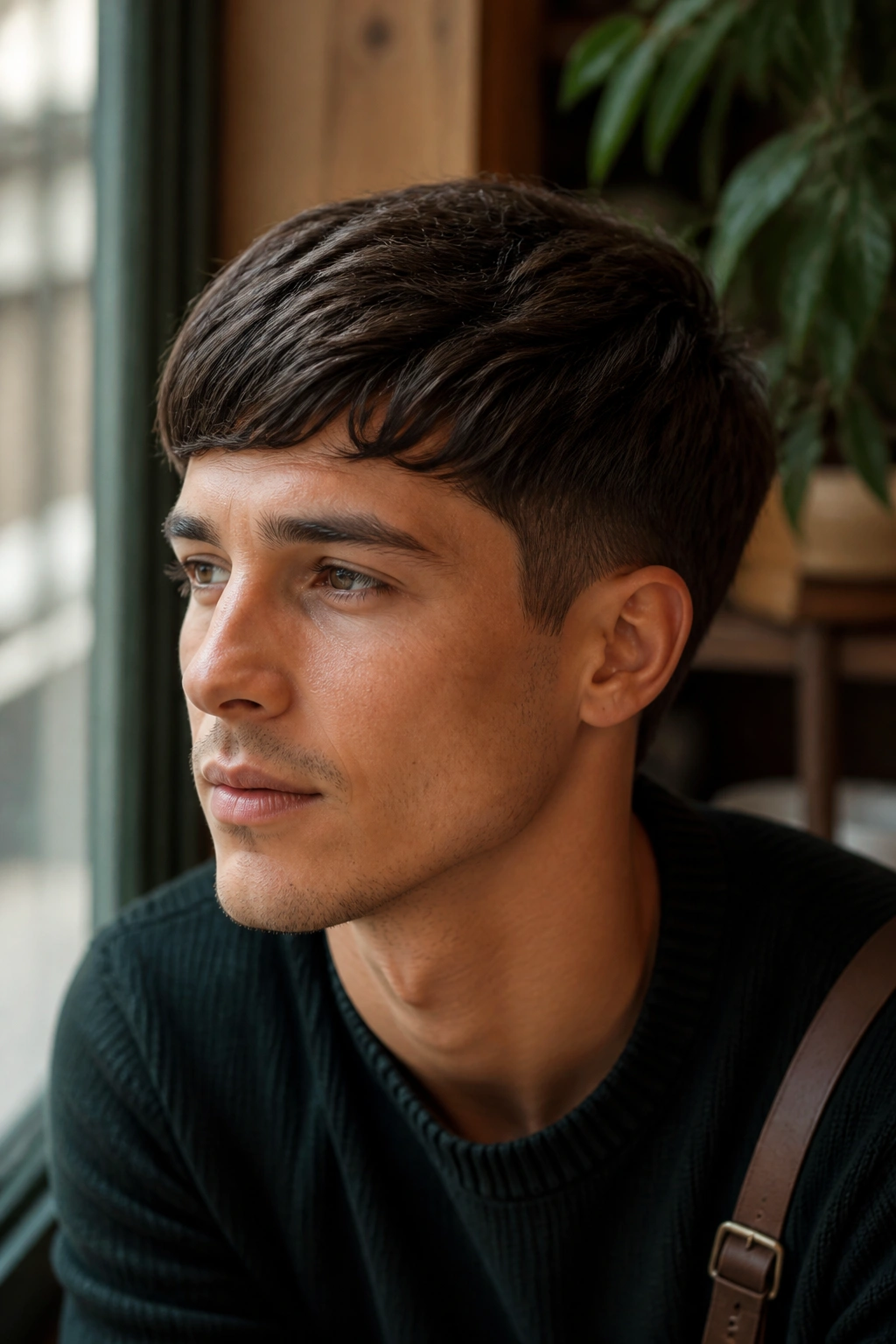
If your face has softer lines, a curved pixie can be a smart move. The outline bends around the ears and nape instead of cutting straight across, which keeps the haircut from looking boxy.
The fringe can be feathered and slightly rounded too. That little curve matters. It keeps the style gentle without making it vague, and the difference shows when you catch the haircut in profile.
This is one of the better choices for someone who wants a pixie that feels approachable rather than sharp. You still want clean edges. You just do not want the geometry to feel hard.
15. Angular Pixie for Square Faces
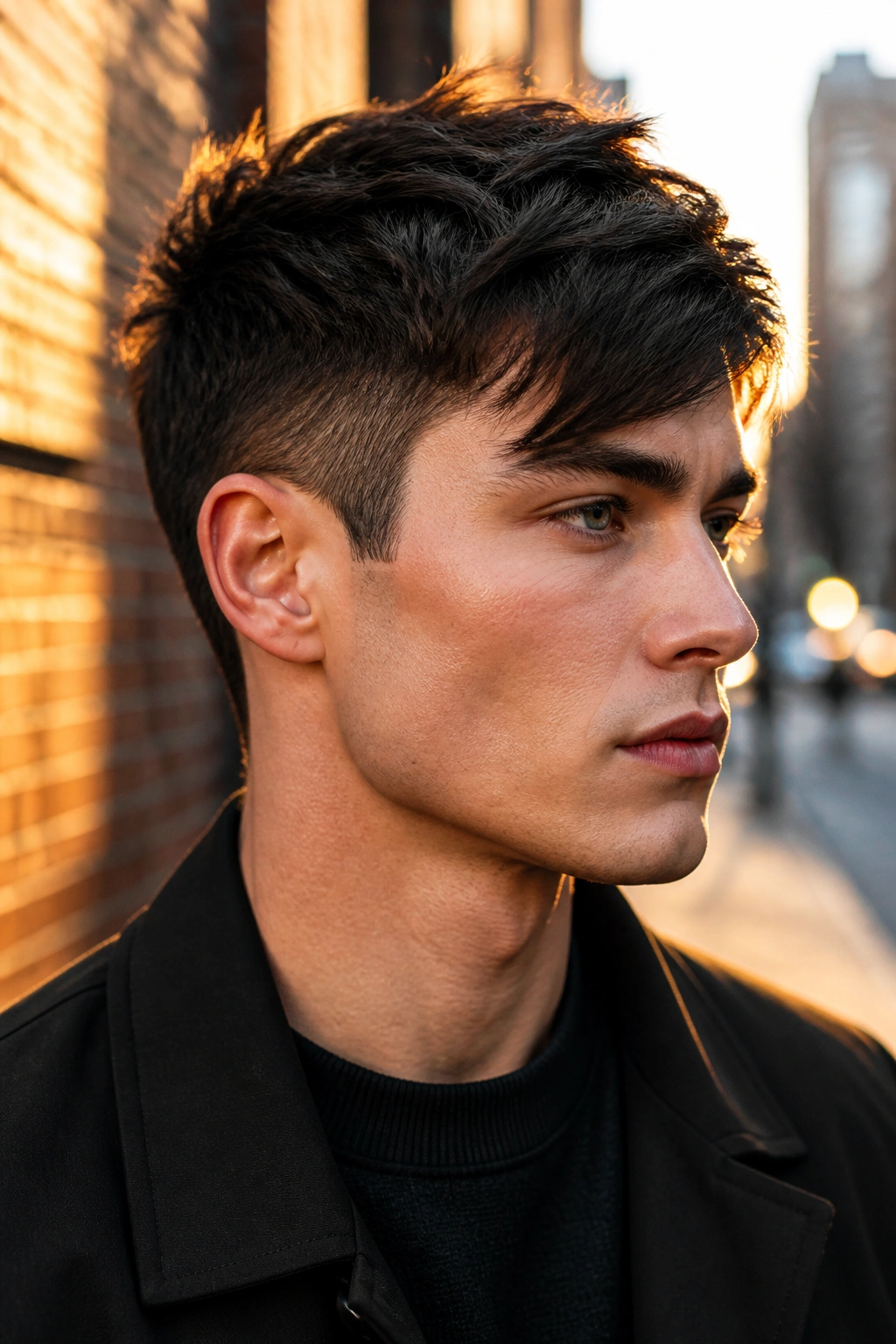
Square faces can carry a little extra structure on top, but the sides need to be handled with care. An angular pixie uses a diagonal fringe or side section to interrupt the straight lines of the jaw.
What to keep in mind
- Keep the top textured, not flat.
- Leave some softness near the temples.
- Avoid a blunt, even fringe across the forehead.
That last point matters more than people think. A blunt line can echo the jaw too much and make the face feel boxy. A broken or angled front gives the haircut more movement and takes some pressure off the lower half of the face.
This style looks strongest when the barber shapes it with the head turned in a few directions, not just straight on. The side view matters here.
16. Height-Boosting Pixie for Round Faces
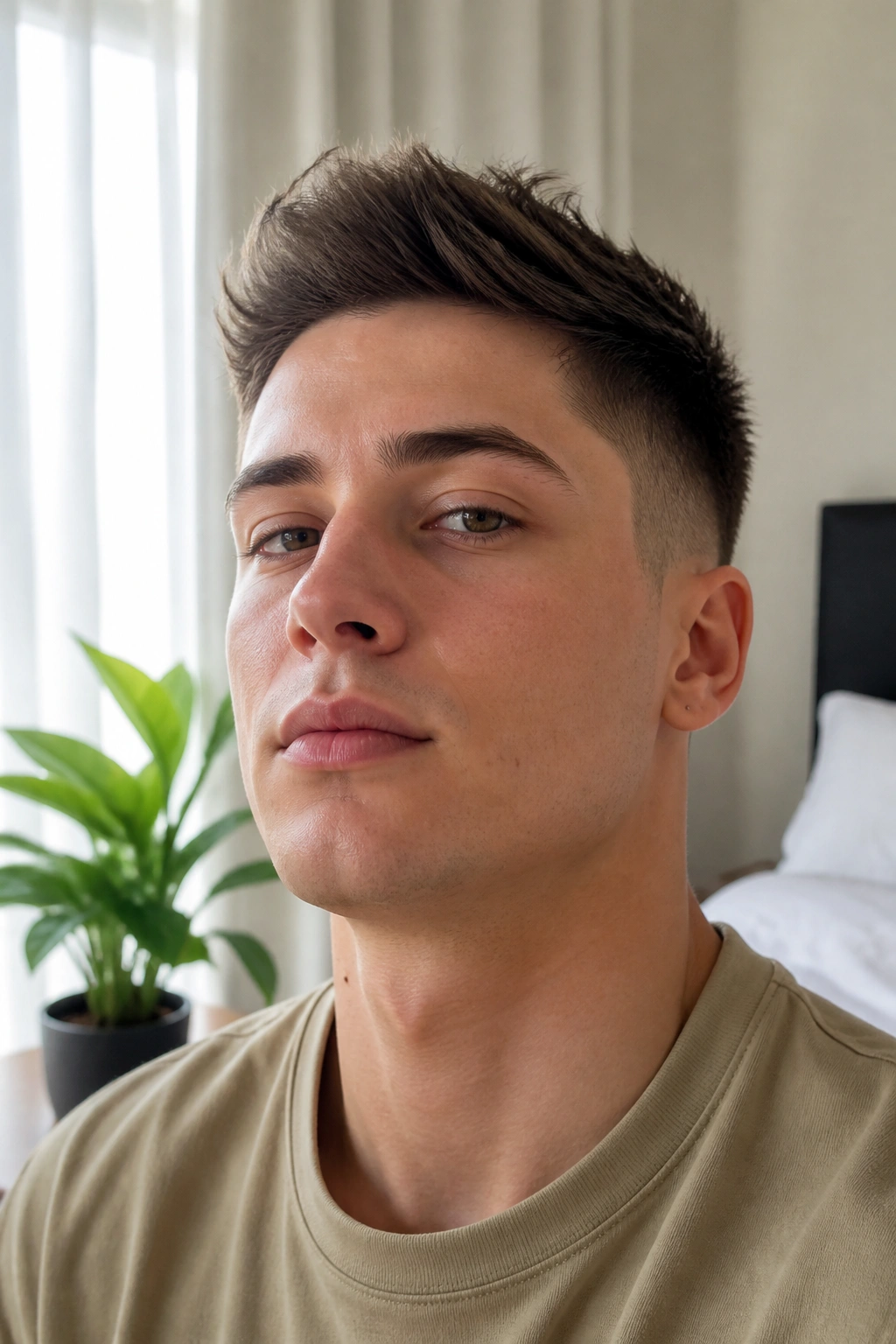
Round faces usually benefit from a little vertical lift. A height-boosting pixie does that by keeping the sides close and the top light enough to push upward or slightly forward.
The front can have a small ridge of volume, but don’t let it spread wide. Width makes the face look fuller. Height stretches it out. That’s the whole equation.
A matte product is safer than anything shiny, because shine reflects light and can make the top look flatter. If you blow-dry, aim the airflow from the roots up and away from the scalp for a few seconds before shaping it by hand. Simple. Effective.
17. Fine Hair Pixie With Light Layers
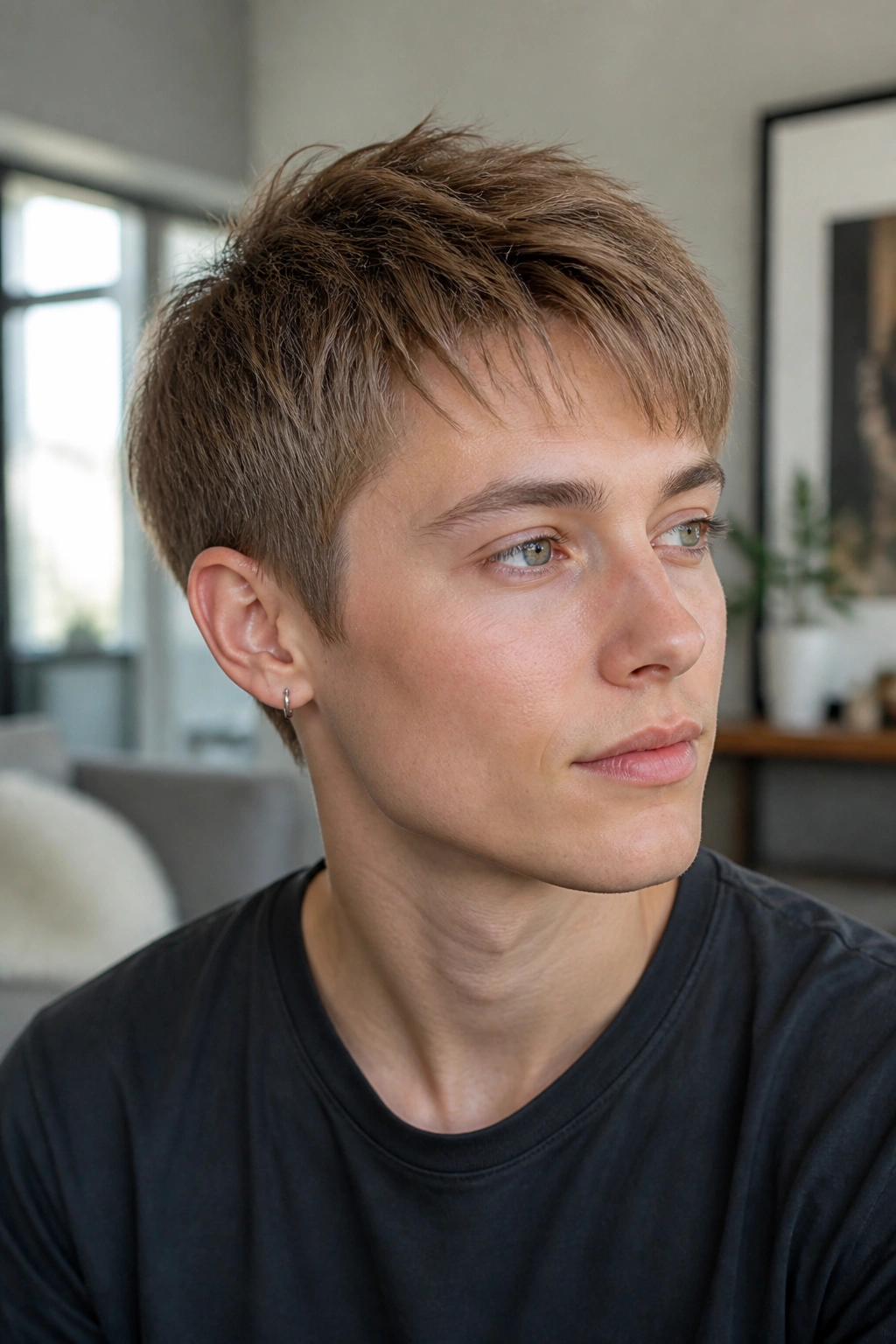
Fine hair needs a different touch. Heavy layers can make it look thinner than it is, so the goal is to keep the ends airy without carving huge gaps into the shape.
What to ask the barber
- Light point cutting through the top.
- Shorter sides for support.
- No aggressive thinning shears near the crown.
A fine-hair pixie works best when the top is just long enough to move, but not so long that it collapses. A lightweight mousse or volumizing spray gives more lift than a greasy cream ever will. Fine hair gets weighed down fast, and once that happens, the style quits.
This is one of those cuts that looks better after a quick blow-dry than after air-drying. The roots need a little push.
18. Thick Hair Pixie With Weight Removal
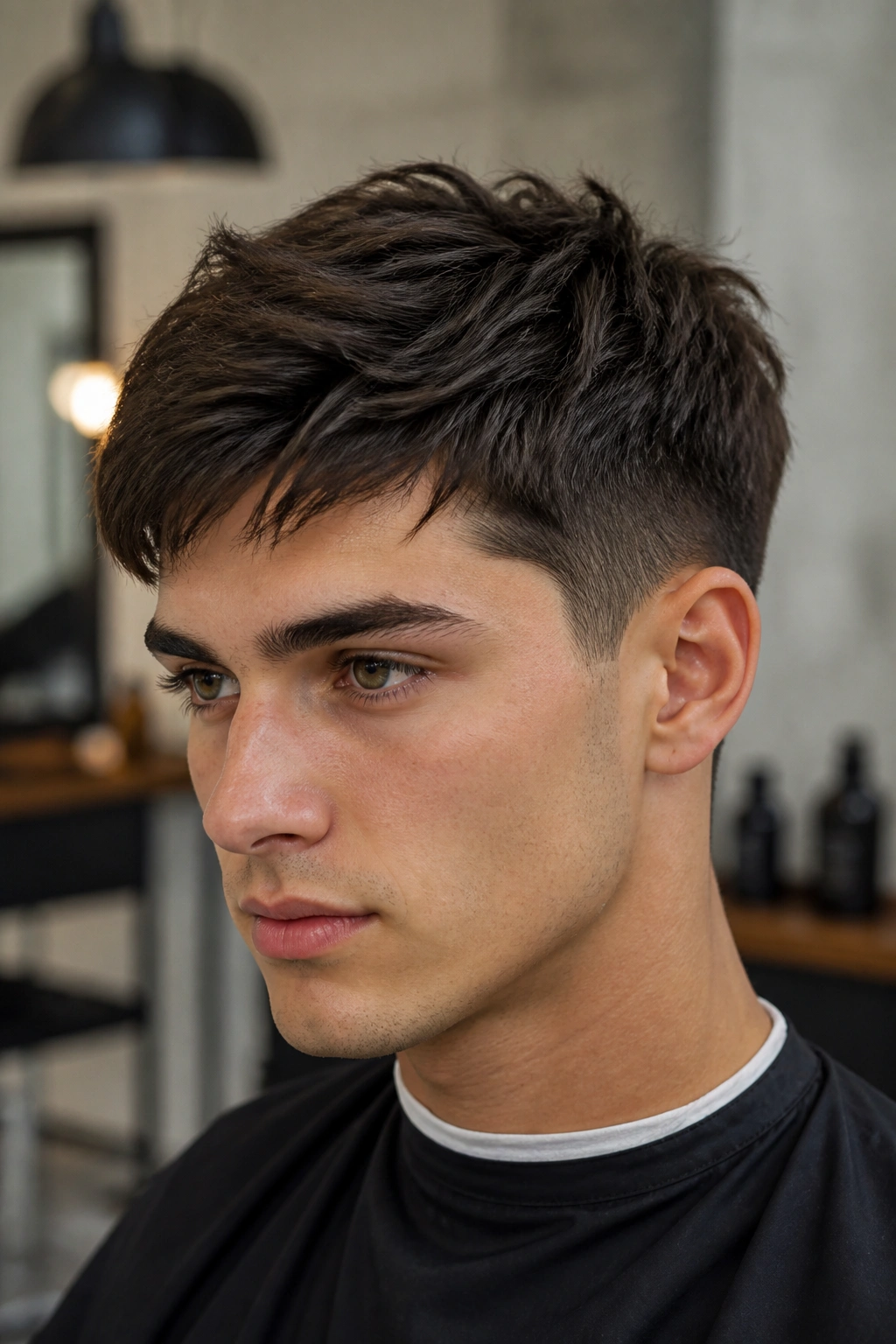
Thick hair can be a gift and a headache at the same time. A short pixie on dense hair needs internal weight removal so the top sits down instead of rising into a thick dome.
The trick is control
You want the barber to remove bulk from the right spots, not shred the whole top. Thinning too much can make thick hair frizzy and uneven. A cleaner point-cut shape usually works better than random texturizing.
This version handles a lot of hair without feeling bulky around the ears. It also grows out better than people expect, because the weight is already spread more evenly. A cream with a little hold usually beats a stiff paste here.
Thick hair looks good short. It just needs direction.
19. Salt-and-Pepper Pixie
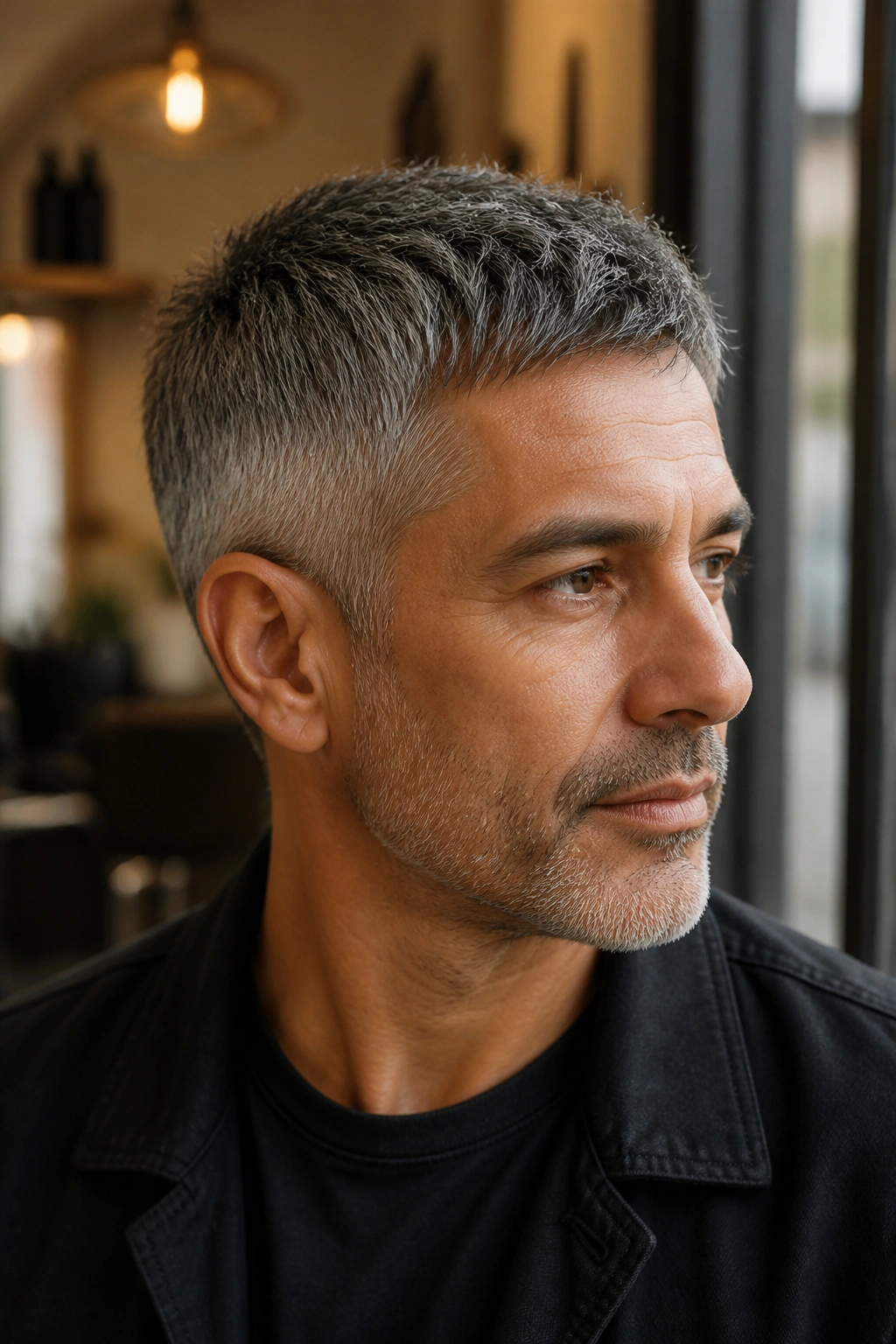
Gray mixed with darker hair makes a pixie look more defined. The contrast shows off texture, especially when the ends are cut into small pieces instead of left blunt.
That’s one reason salt-and-pepper hair often looks strong in a short crop. The variation in color gives the cut natural depth. You do not need a lot of product, either. A light cream or even nothing at all can be enough if the cut is well shaped.
Let the barber keep the outline neat around the temples and nape. Gray growth can get fuzzy fast at the edges, and a clean perimeter keeps the whole style looking intentional rather than grown out.
20. Platinum Pixie
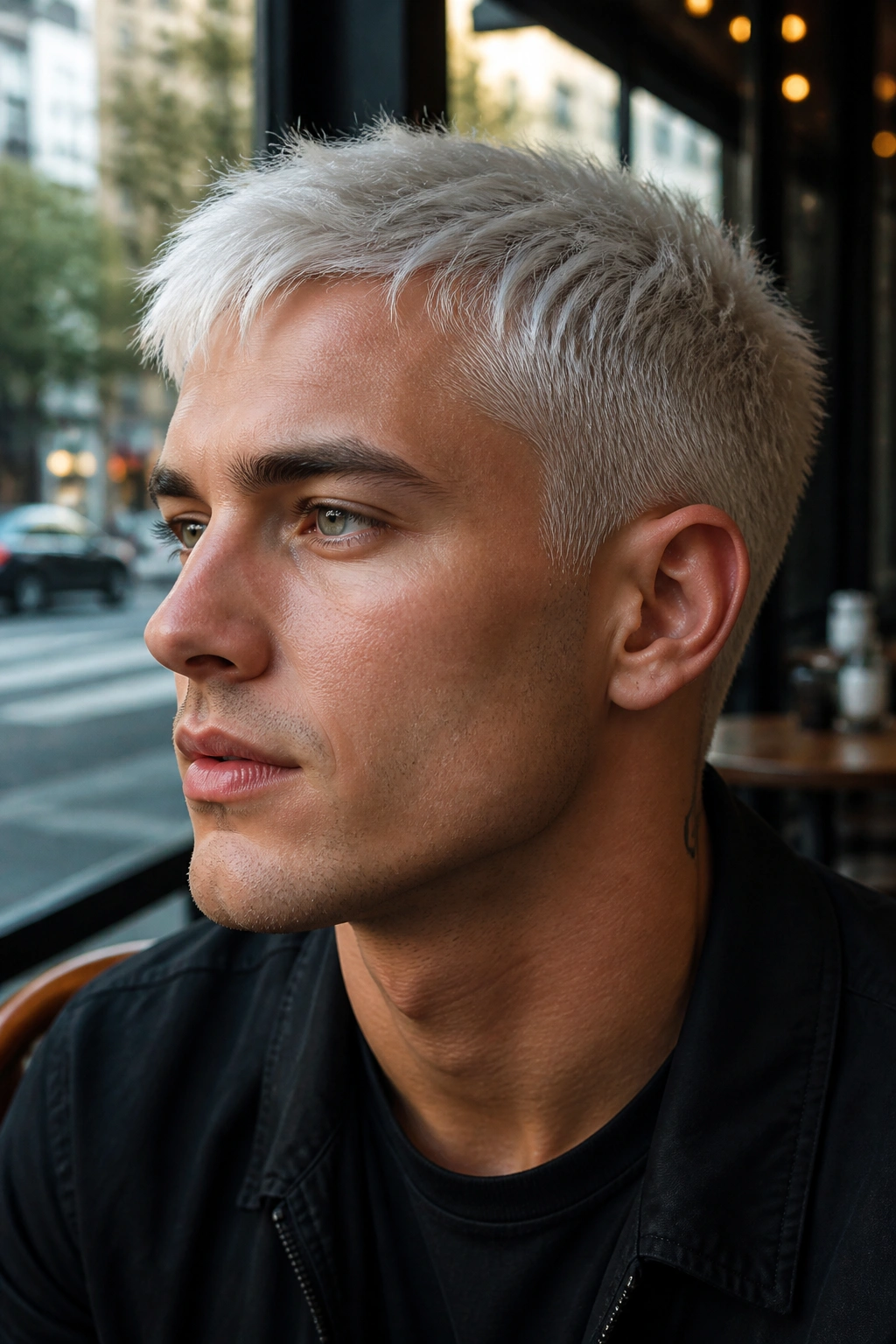
Platinum hair changes the whole read of a pixie cut. Because the color is so light, the haircut itself needs to be crisp; otherwise the look can turn soft in a way that feels unfinished.
Shorter lengths help here because they show less damage and keep the silhouette clear. A platinum pixie works well with strong texture on top and a tight outline on the sides. If the hair has been bleached, use a conditioner that leaves it smooth but not slippery.
This is a bold choice, no question. It suits men who want the hair to do part of the talking before they even get dressed. Keep the tone even, keep the cut tidy, and it stays sharp.
21. Copper Pixie
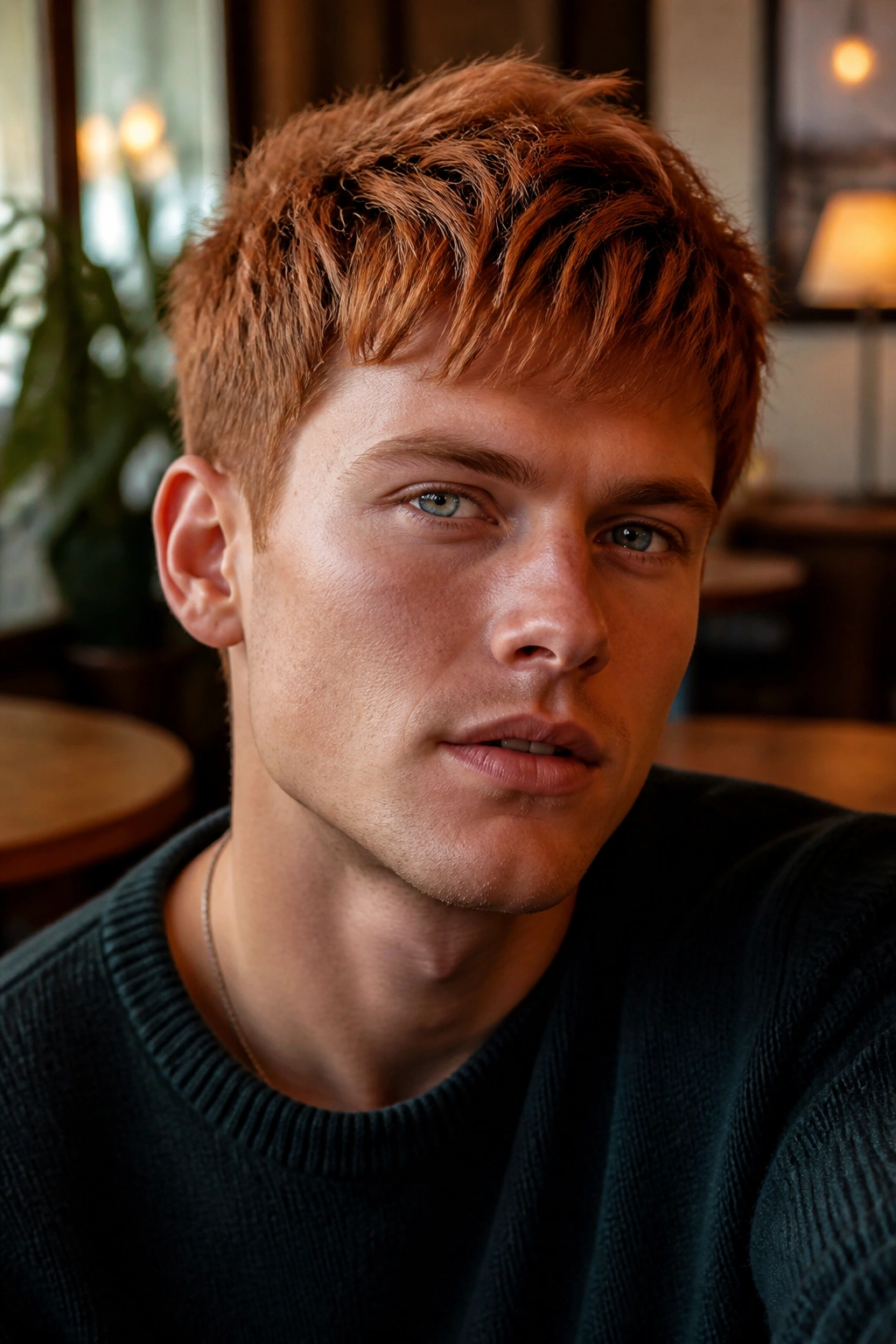
Copper hair has warmth built into it, and a short pixie lets that color show without too much fuss. The cut can be soft and piecey, or cleaner and more cropped, depending on how bright the copper runs.
Warm tones look especially good when the fringe is broken up a little. That movement keeps the color from reading flat. A color-safe shampoo helps hold the tone, and a quick gloss treatment now and then keeps the red from going dull too fast.
This is a cut with a bit of personality. If your skin has warm or neutral undertones, copper can make the whole face look more alive. If the tone is too orange for your taste, ask for a deeper auburn instead.
22. Low-Maintenance Grown-Out Pixie
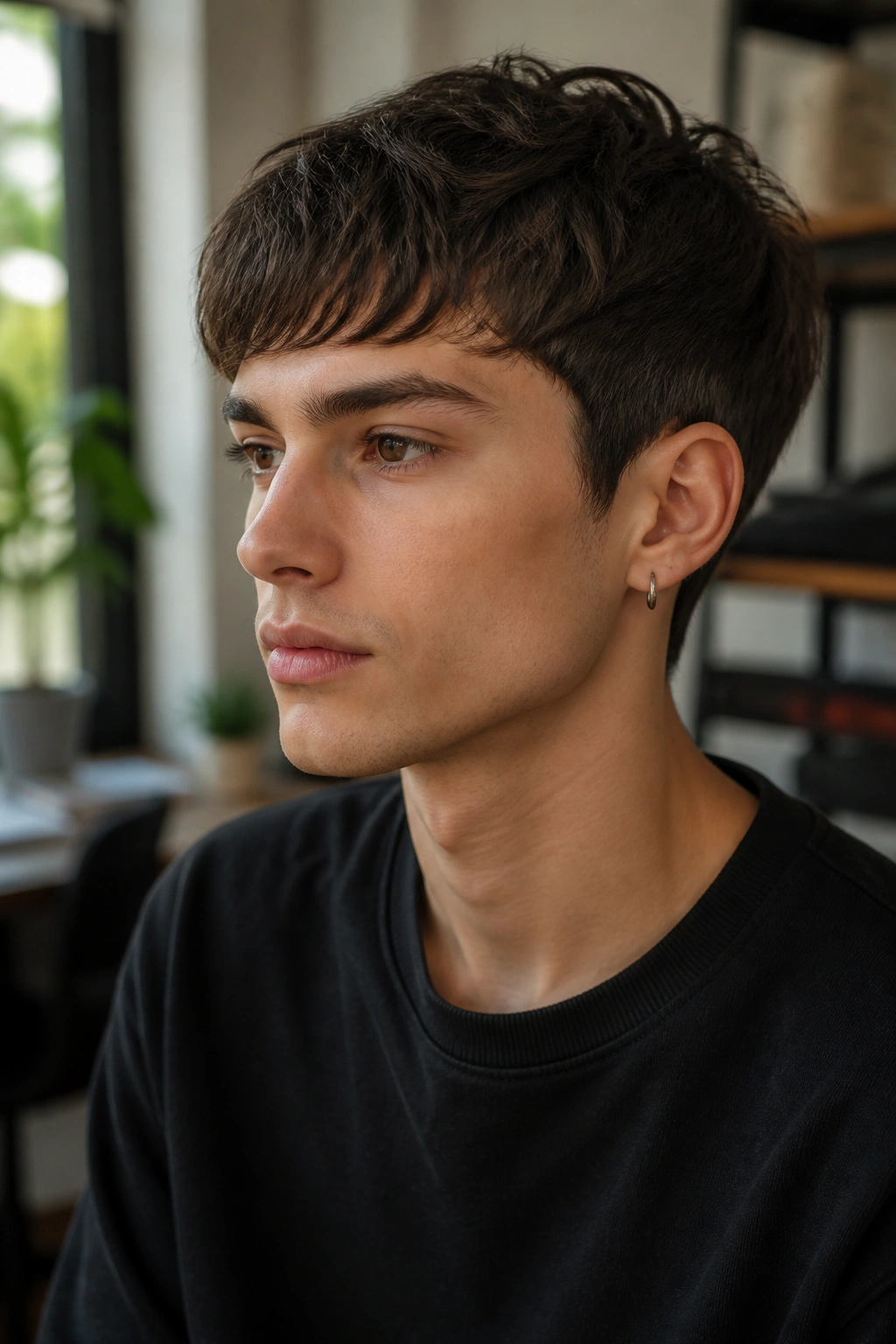
Some people want a pixie cut but hate living in the barber chair. Fair enough. A grown-out version keeps more length on top and a softer nape so the style can stretch between appointments.
The key is balance. You still want the top short enough to move, but long enough to tuck behind the ear or push forward on rough days. That extra room makes the cut easier to live with, especially if your schedule is messy.
A grown-out pixie is one of the few short styles that can look better after a few weeks. The shape loosens, the texture softens, and it starts to feel less precise in a good way. Just don’t let the sides flare out.
23. Airy Editorial Pixie
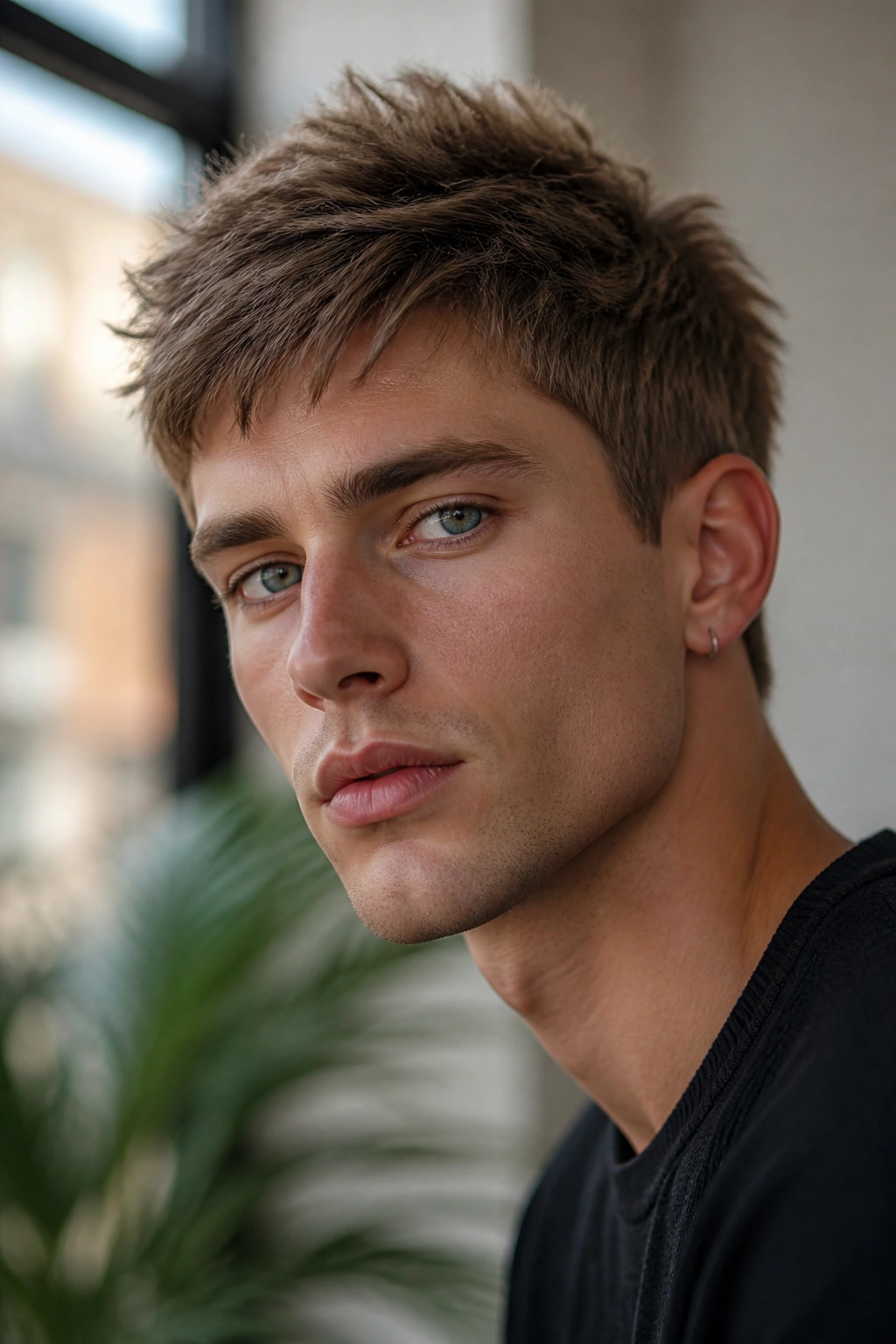
This is the softer, more fashion-minded version of a pixie cut. The ends are feathered lightly, the top sits with a bit of lift, and the whole shape feels lighter than a classic crop.
It works because the hair is allowed to move. Not in a chaotic way — in a controlled, airy way. Use a touch of styling cream and lift the front with your fingers as it dries. You want separation, not spikes.
This cut suits men who like a little style edge without hard lines everywhere. It can look casual in a T-shirt and sharp under a tailored jacket, which is probably why it keeps showing up in editorial settings. It has range.
24. Sharp Temple Pixie
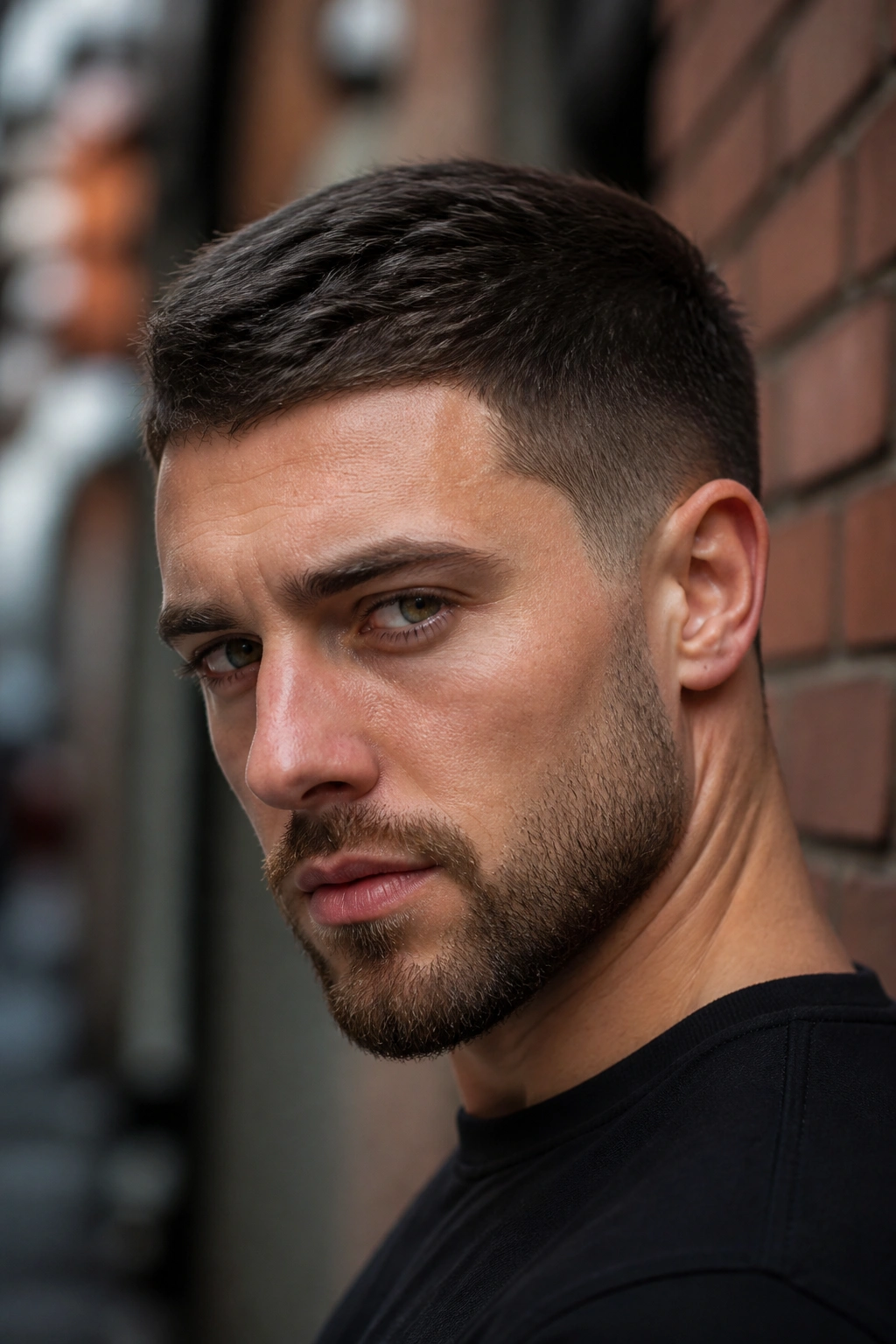
A sharp temple pixie puts the focus right where the forehead meets the sideburn area. Clean temples tighten the frame of the face and make the haircut feel more deliberate, especially from the front.
Why the temples matter so much
When the temple area is fuzzy, the eye reads the fuzz first. When it’s sharp, the eye moves to the shape of the top and the line of the brow. That small shift changes the whole impression.
This cut looks strong with a beard or stubble, because the temple line can connect into facial hair in a neat way. Ask for a tidy sideburn edge and a close cleanup every couple of weeks. The difference is noticeable.
25. Ear-Tuck Pixie
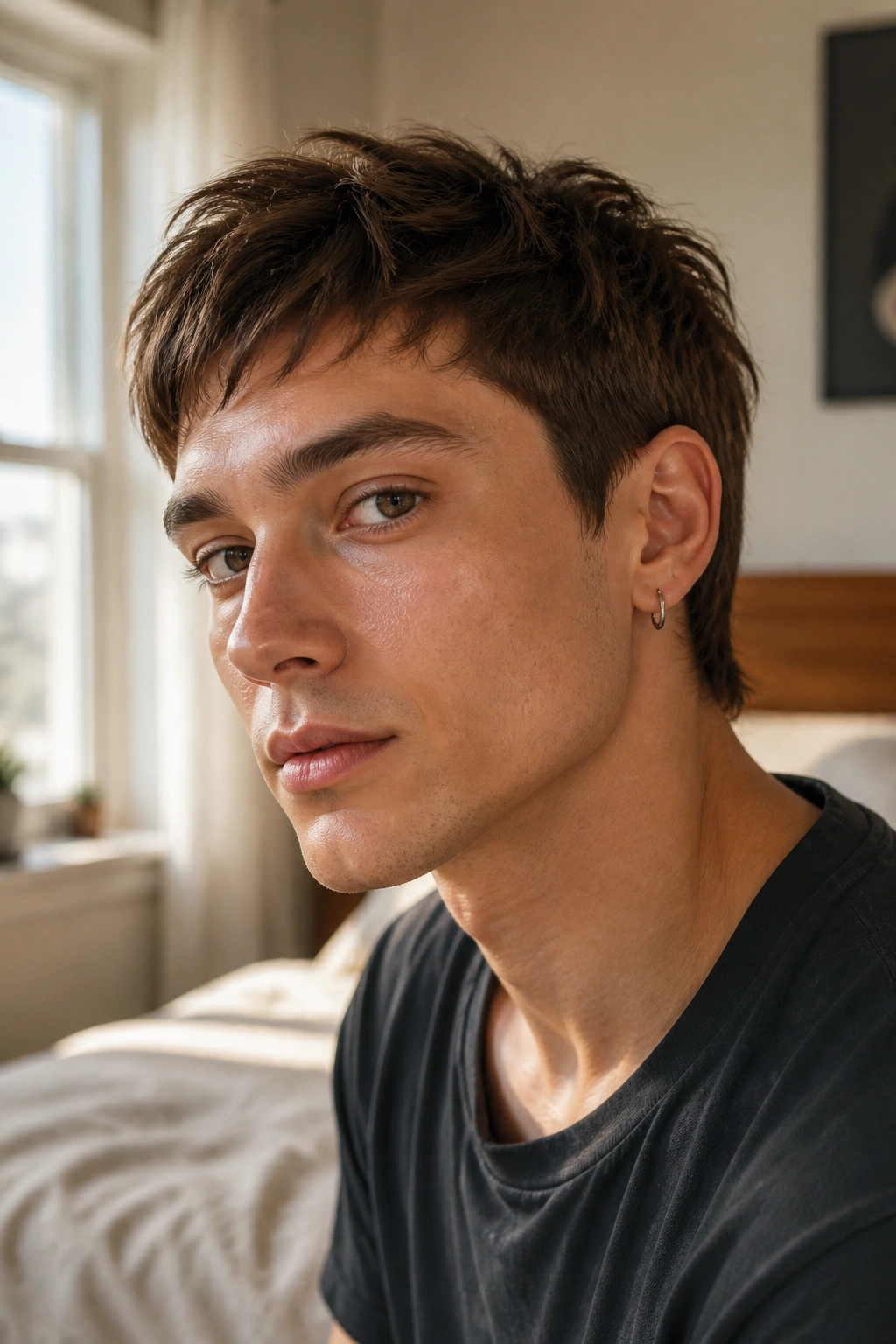
An ear-tuck pixie is softer than it sounds. The sides are cut to sit close enough that the hair can tuck behind the ear without fighting back, while the top stays loose enough to move.
It’s a smart choice if you want a lighter shape around the face. The ear line stays visible, which can make the haircut feel less closed in. If your ears sit a little prominent, that may bother you. If not, the openness is a nice detail.
I like this version on men who wear small earrings or glasses. It keeps the sides tidy and leaves room for the accessories to show up instead of getting buried in hair.
26. Long-Top Cropped-Sides Pixie
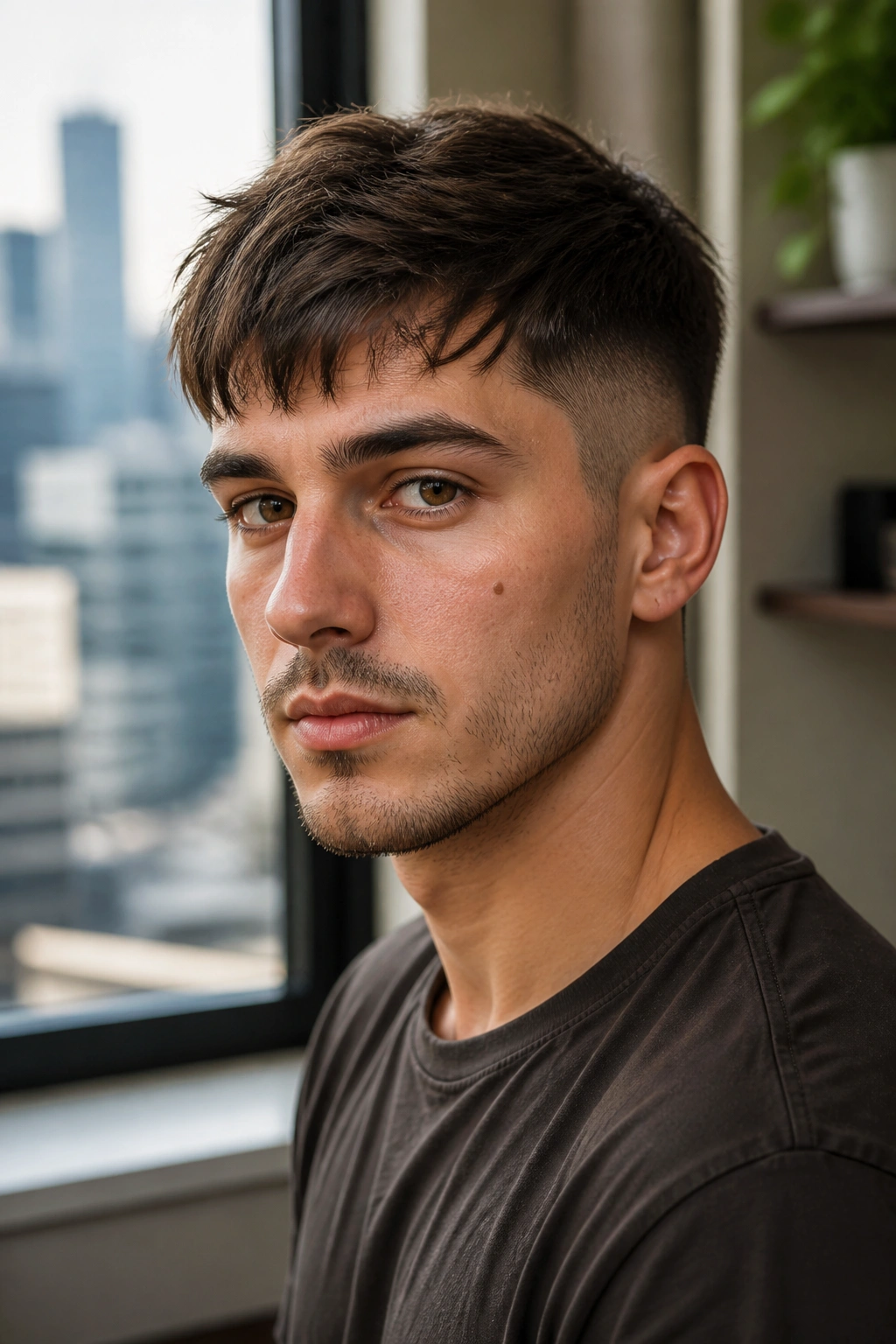
This cut gives you more room on top than the average short pixie, usually around 3 to 4 inches, while the sides stay clipped short enough to keep the shape from spreading. It’s a good bridge if you want something short but not ultra-short.
The extra top length means you can change the look a little day to day. Brush it forward, part it softly, or push it back with your fingers. The haircut still reads as a pixie, just with more styling room built in.
A small amount of matte paste usually does the job. Heavy gel can make the longer top look stiff, and stiff is exactly what you do not want here.
27. Asymmetrical Side-Part Pixie
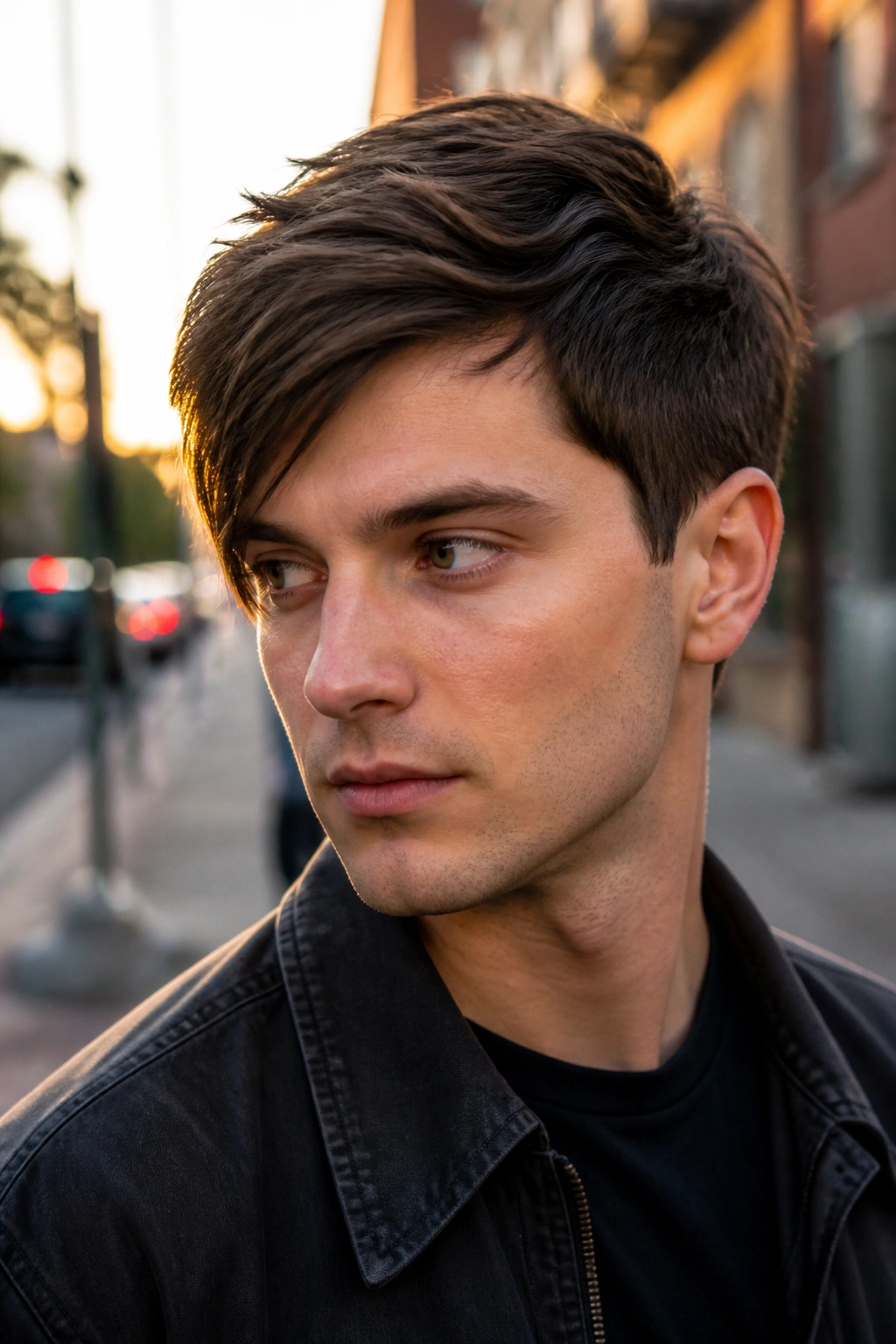
Asymmetry gives a pixie some personality without needing bright color or sharp fades. One side is kept a little fuller, the front falls in a deeper side part, and the silhouette feels more alive than a centered cut.
What makes asymmetry flattering
The unevenness pulls the eye across the face instead of straight down the middle. That can be useful if you want to soften a long forehead or add shape to a face that feels too symmetrical.
A few points worth remembering:
- Keep one temple slightly softer than the other.
- Let the fringe fall in a diagonal line.
- Ask the barber to leave enough room to tuck one side back.
This is a good choice for anyone who likes haircuts with a little tension in them. Not messy. Not severe. Just a little off-center in a way that feels intentional.
28. Razor-Textured Pixie
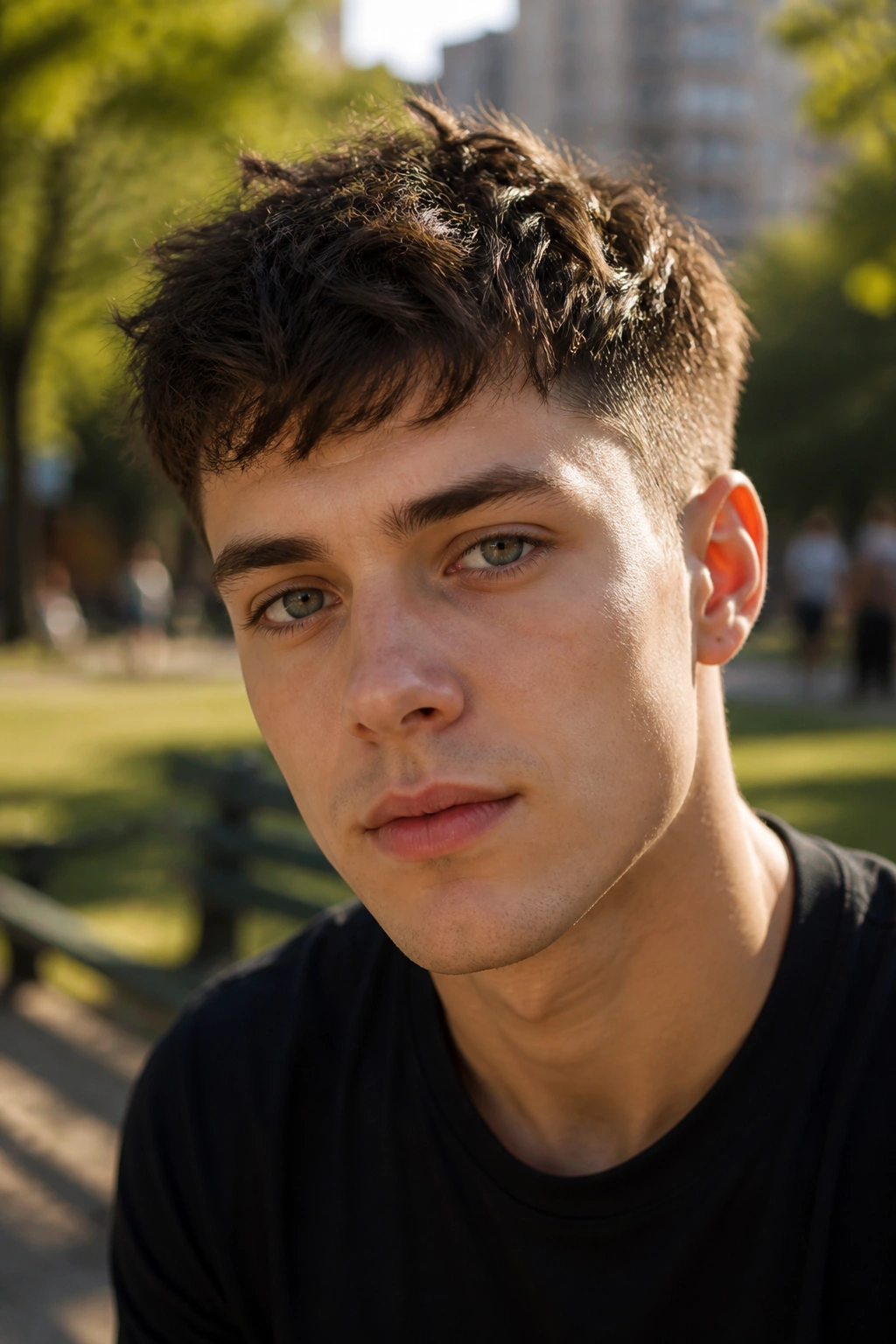
Razor texture can make a pixie feel airy and soft at the ends, but it needs a careful hand. A light razor finish breaks the line of the cut so the top doesn’t sit like a solid block.
That said, this is not the move for every head of hair. Fine or damaged hair can get frayed if the razor work is too heavy. Thick, healthy hair usually takes it better because the ends can handle the softer finish.
If you like a piecey, broken-up look, this one can be excellent. Keep the product light and let the texture show. The cut should feel light, not shredded.
Final Thoughts
A good pixie on a man is mostly about shape. Short sides, a controlled top, and a perimeter that doesn’t drift into boxy territory — that combination does more than any trendy product ever will.
The best version is the one that matches your hair type without fighting it. Straight hair can go sleek, curls can stay close and defined, and thicker hair can stay light if the barber removes weight in the right places.
If you’re taking a photo to the chair, bring one that shows the side and one that shows the back. That part matters more than people think. A pixie can look great from the front and still fall apart from the temple line, and that’s usually where the real decision gets made.
