



Finding the perfect shade of red or pink when your skin has cool undertones feels like walking a tightrope. It is notoriously difficult because standard reds often lean toward copper, orange, or gold—the exact pigments that can make cool-toned skin look sallow or washed out. If your veins look blue or purple and you tend to burn rather than tan, you are looking for colors that contain blue or violet bases. These shades harmonize with your skin rather than fighting against it.
The secret lies in the color wheel. You are aiming for cool-toned reds like cherry, berry, and plum, or pinks that lean towards magenta, fuchsia, or lavender-pink rather than salmon or peach. Getting this right transforms your complexion, making your eyes pop and your skin appear brighter and more luminous. The following list explores specific shades and techniques that work for you, prioritizing color integrity and aesthetic balance.
1. Raspberry Sorbet
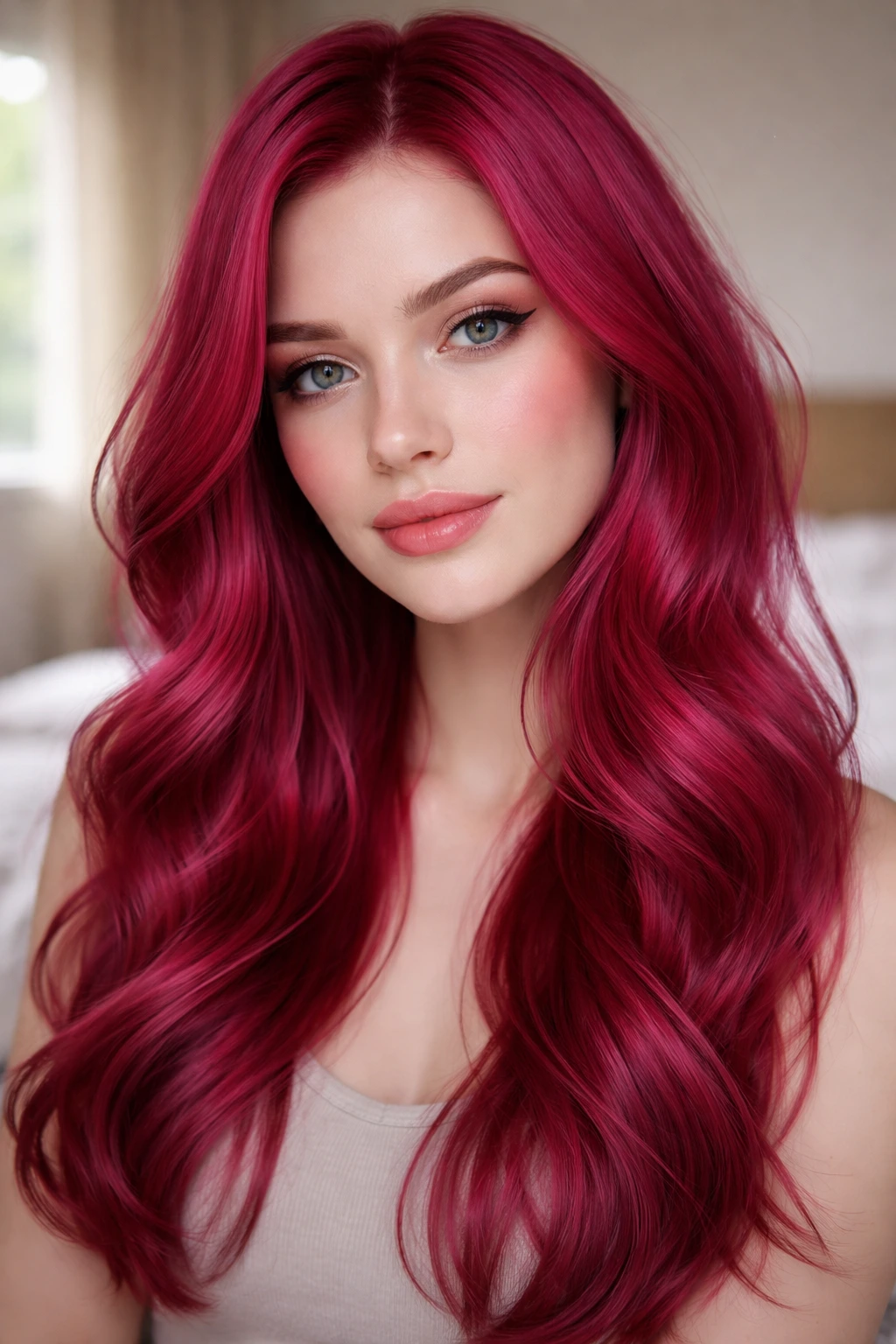
This is the gold standard for cool-toned red-pink hybrid hair. It sits perfectly between a deep pink and a vibrant red, but it carries a distinct blue undertone that keeps it from veering into orange territory. It is incredibly flattering for fair skin because it mimics a natural, healthy flush.
Why It Works for You
The depth of the raspberry tone acts like a cool-toned filter on your face. Unlike copper reds which clash with cool undertones, the purple base in this shade anchors the color, making it look deliberate and sophisticated rather than like an accidental dye job.
Maintenance Tips
This shade is prone to fading if you wash your hair with hot water. Stick to cool water rinses and use a color-depositing conditioner once a week to keep the vibrancy. It is a high-reward, moderate-maintenance choice that looks expensive when cared for properly.
2. Icy Rose Gold
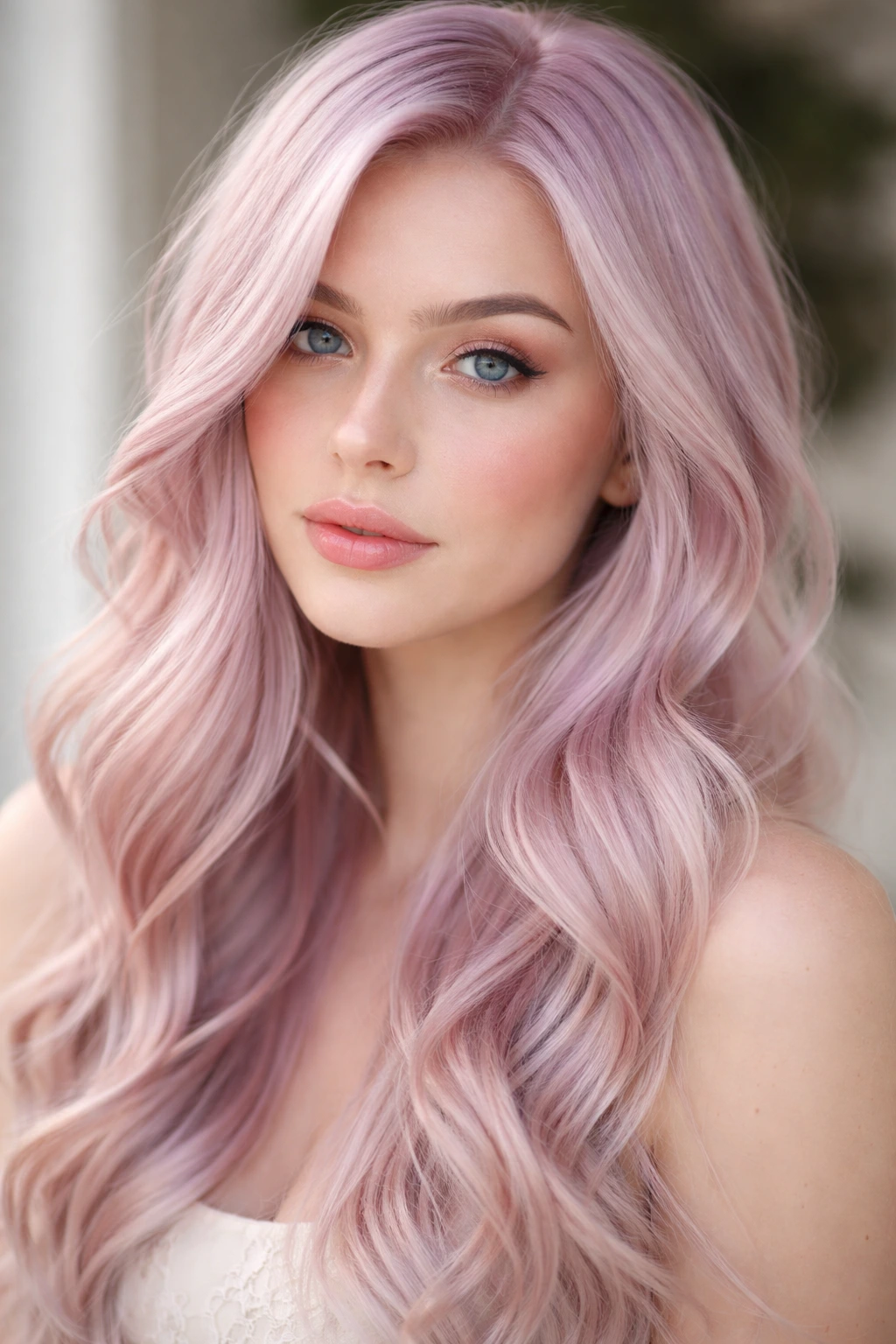
When you hear “rose gold,” most people immediately think of a warm, peachy metallic. For cool skin, that version is a disaster. You need a variation that leans heavily into the lavender and silver spectrum, creating a metallic, cool-toned pastel pink that reflects light rather than absorbing it.
Achieving the Look
You will need a very light blonde base, likely a level 9 or 10, before applying a diluted, cool-toned pink toner. If your hair has any yellow remaining, the result will turn peachy, so ensure your stylist or your DIY process includes a thorough silver or violet toning step first.
Best Skin Pairings
This looks ethereal on very fair, porcelain complexions with pink undertones. It brings out the cool clarity of light eye colors like blue or light grey.
3. Plum-Infused Cherry
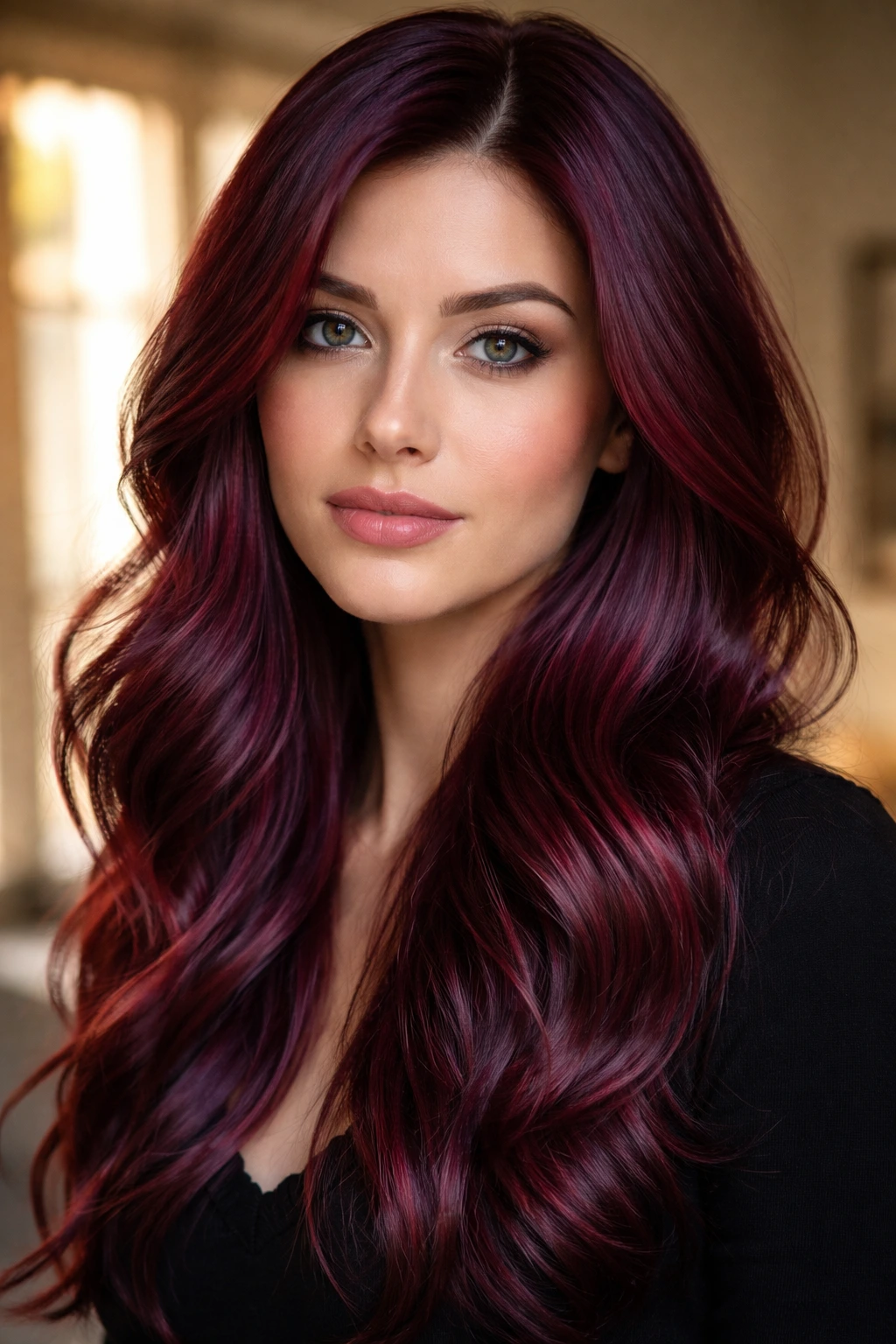
Think of this as the dark, moodier cousin of standard cherry red. By adding a significant dose of plum or violet, you create a rich, multidimensional color that feels very grounded. It is perfect if you want a bold color that feels sophisticated and office-appropriate rather than cartoonish.
The Science of the Undertone
Because plum contains significant amounts of blue and violet, it naturally neutralizes any unwanted warmth in your hair as it fades. This means your hair stays “cool” for longer, avoiding that brassy, orange shift that happens with standard red dyes.
Style Note: Pair this with a high-shine gloss treatment. The depth of this color relies on its ability to reflect light; dullness will kill the effect.
4. Pastel Magenta
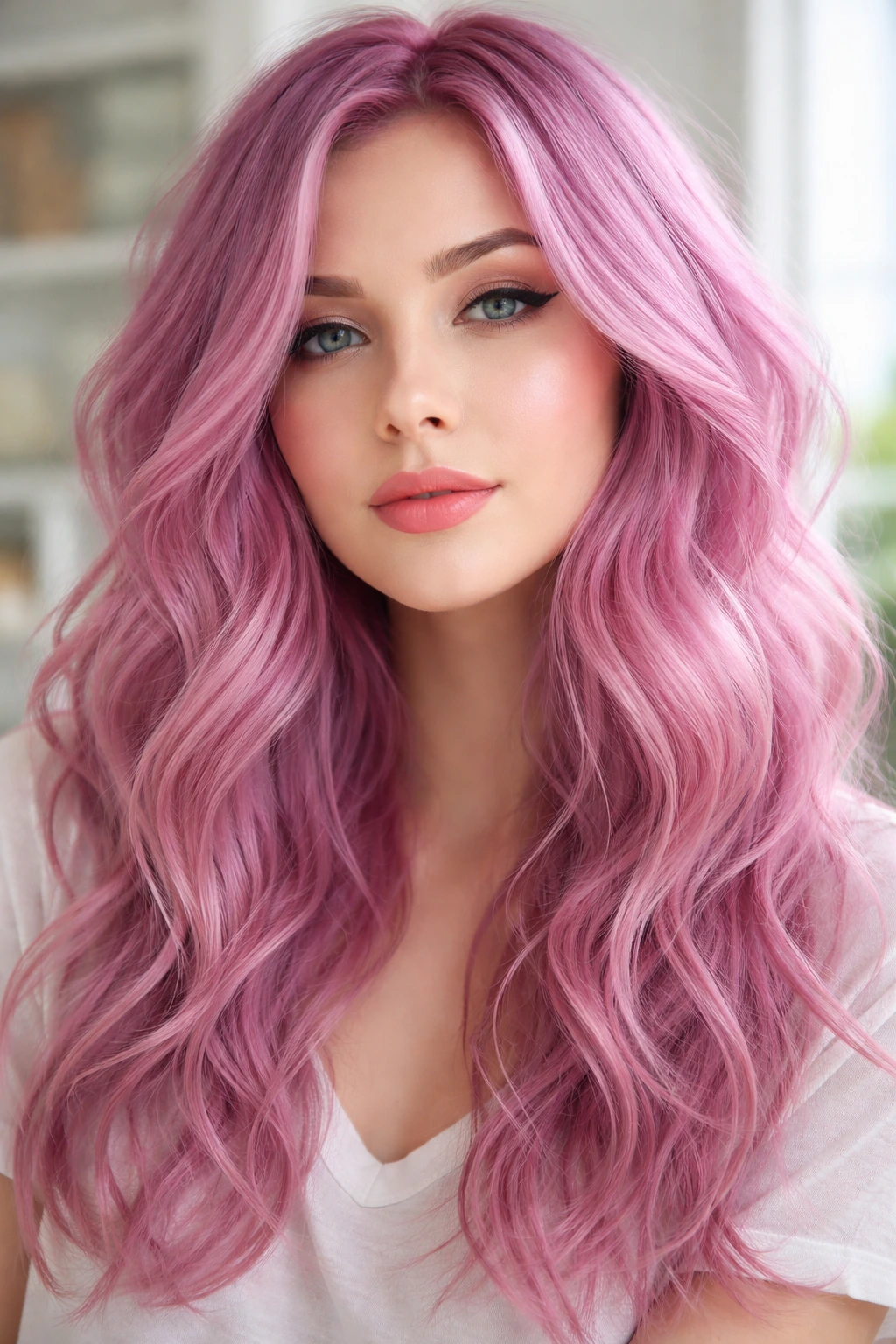
This is a softer, dreamier version of high-impact fuchsia. It is punchy but dialed back, making it feel whimsical and intentional. It works because it is essentially a “cool” pink—it doesn’t have the yellow or orange warmth that makes other pinks look jarring on cool skin.
How to Style
Because this color is lighter, it works best with loose, textured waves. The movement helps show off the different tones in the pink, preventing it from looking like a flat block of color.
Quick Tip
If you are doing this at home, you can easily create this shade by mixing a small amount of vibrant magenta dye into a large tub of white conditioner. It is the best way to get a custom, pastel shade without the stress of trying to find the perfect pre-mixed formula.
5. Cranberry Crush
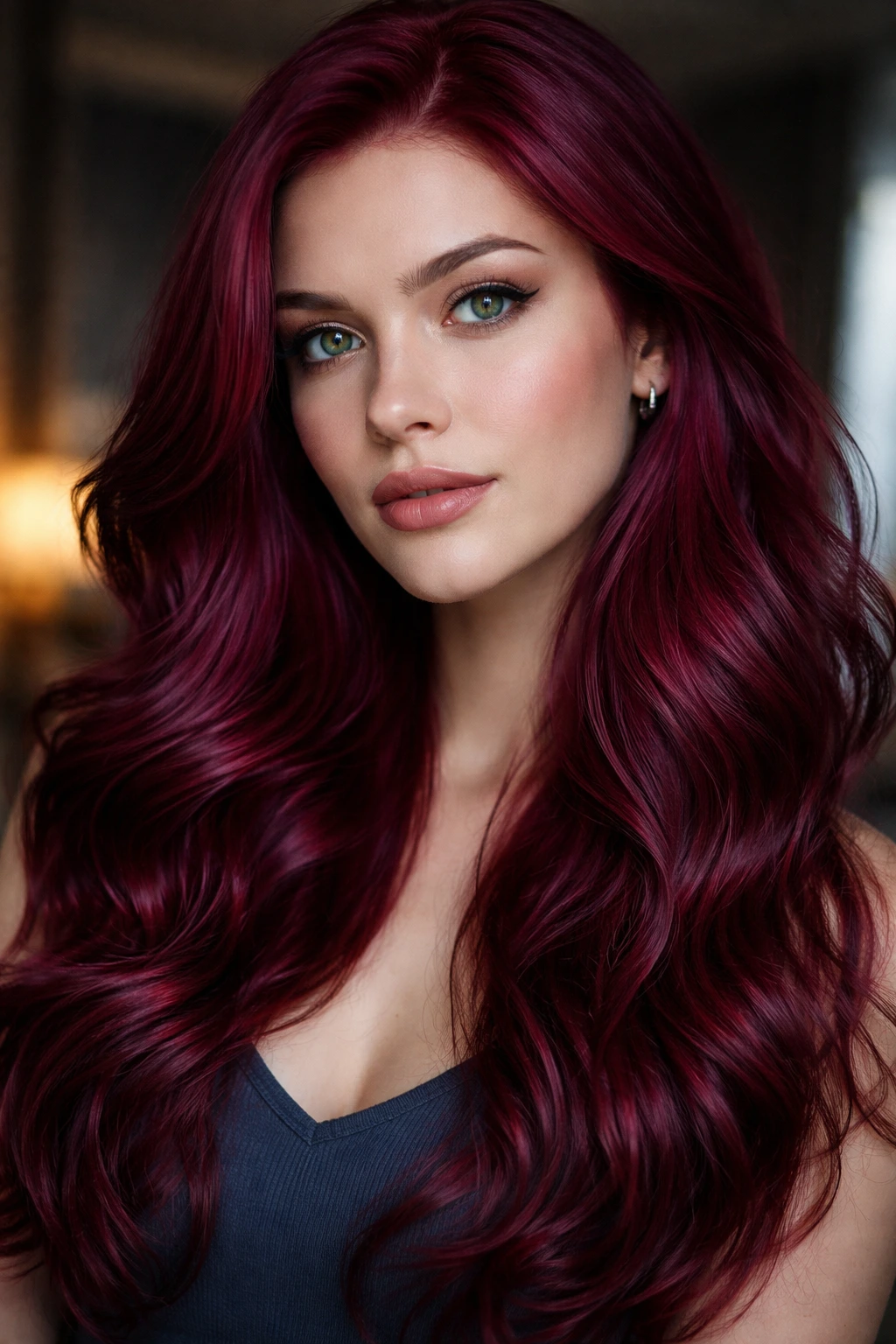
This shade is a classic for a reason. It is a deep, saturated red that has a cool, berry-like finish. Unlike “fire engine” red, which is very orange-based, cranberry is rooted in a blue-red spectrum that makes teeth look whiter and skin look clearer.
Why It Stands Out
It is a versatile color that transitions well between seasons. It looks deep and moody during colder months and bright and playful during warmer weather, making it one of the most reliable shades if you want something that feels consistent.
Crucial Warning: Be prepared for the first two washes. This shade will bleed color everywhere. Invest in dark pillowcases and towels for the first week.
6. Electric Fuchsia
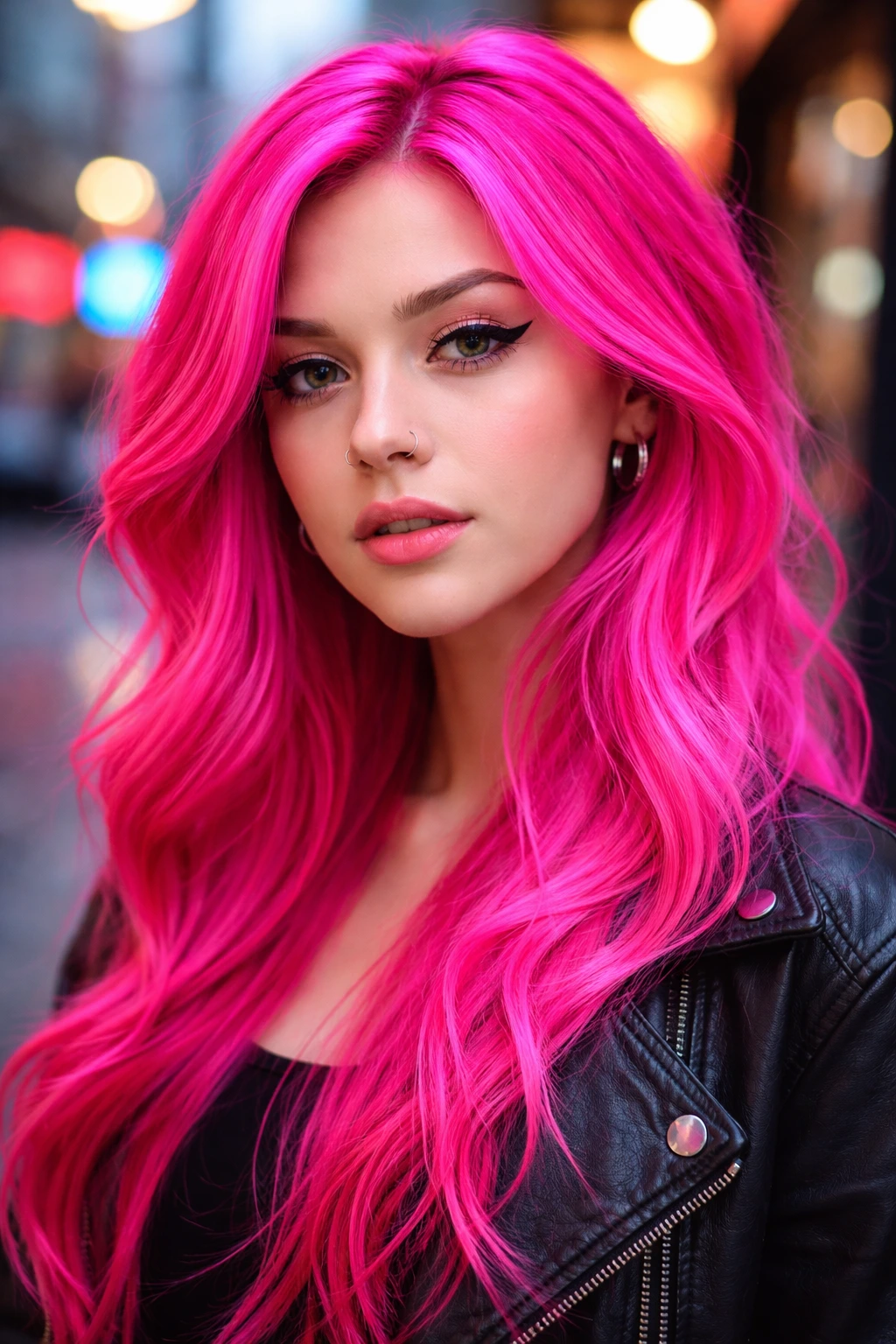
If you want to make a statement, this is the shade. It is a bright, neon-leaning pink that is unashamedly cool-toned. Because it is so intense, it actually creates a high-contrast look that can make cool-toned skin appear more porcelain and bright.
The Contrast Factor
Don’t be afraid of the brightness. When you have cool skin, you have the advantage of being able to pull off high-contrast, “unnatural” colors that would overwhelm someone with a warmer complexion. Lean into the vibrancy.
Best Used For
This works exceptionally well for dip-dye or peek-a-boo highlights. If you aren’t ready to commit your whole head, try putting this on just the bottom few inches of your hair.
7. Smokey Mauve Red
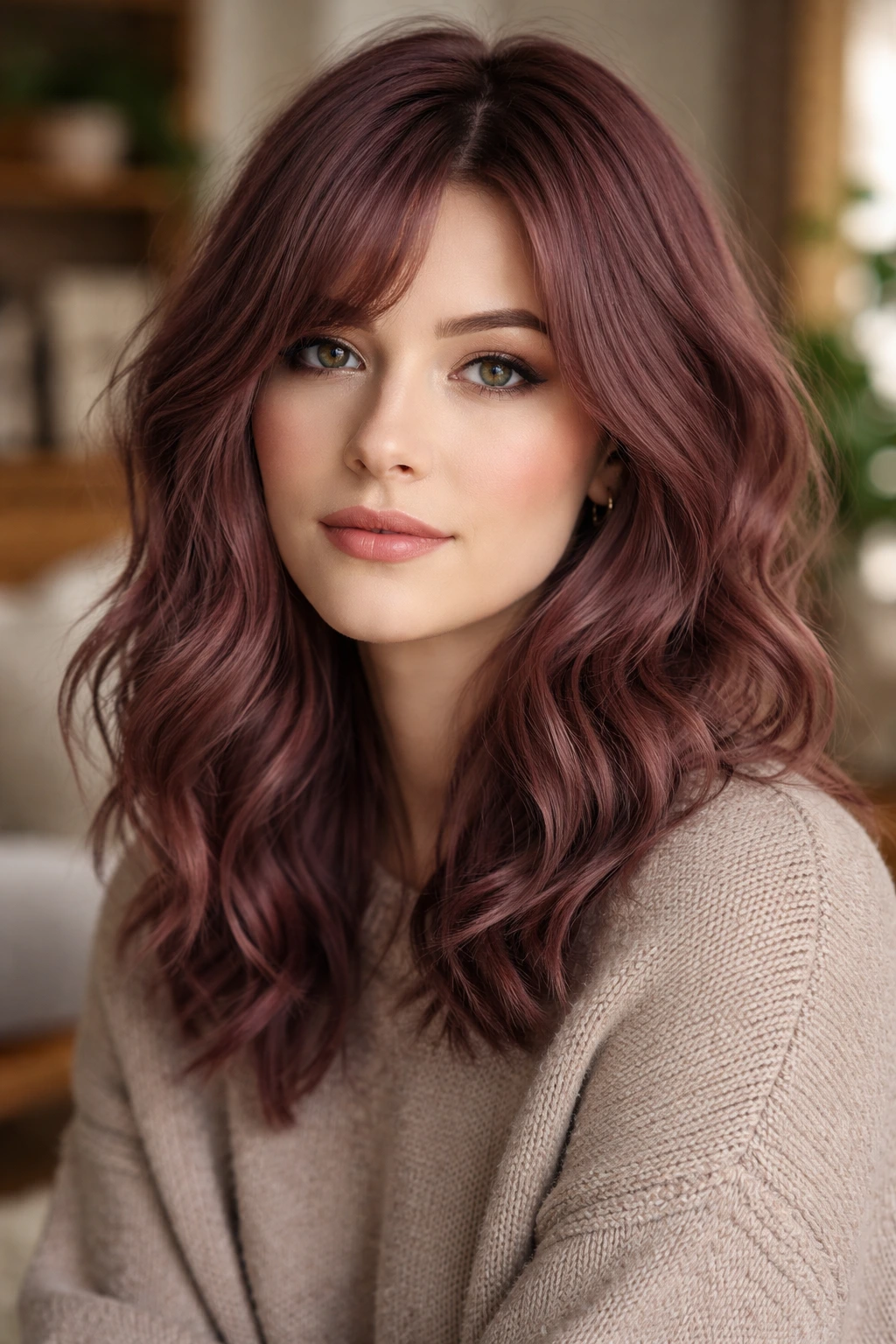
This is a more muted, sophisticated take on red-pink. It has a “dusty” quality, almost as if the color has been filtered through a grey lens. It is incredibly chic and perfect if you are working in a professional environment and need something that isn’t neon.
Creating the “Smokey” Effect
This is usually achieved by mixing a hint of charcoal or silver into your red-pink dye. It kills the saturation, creating that moody, vintage-inspired shade that is incredibly flattering on cool skin.
Styling Tip: This color looks best when it isn’t perfectly polished. A messy, lived-in style pairs perfectly with the muted nature of the shade.
8. Burgundy Wine
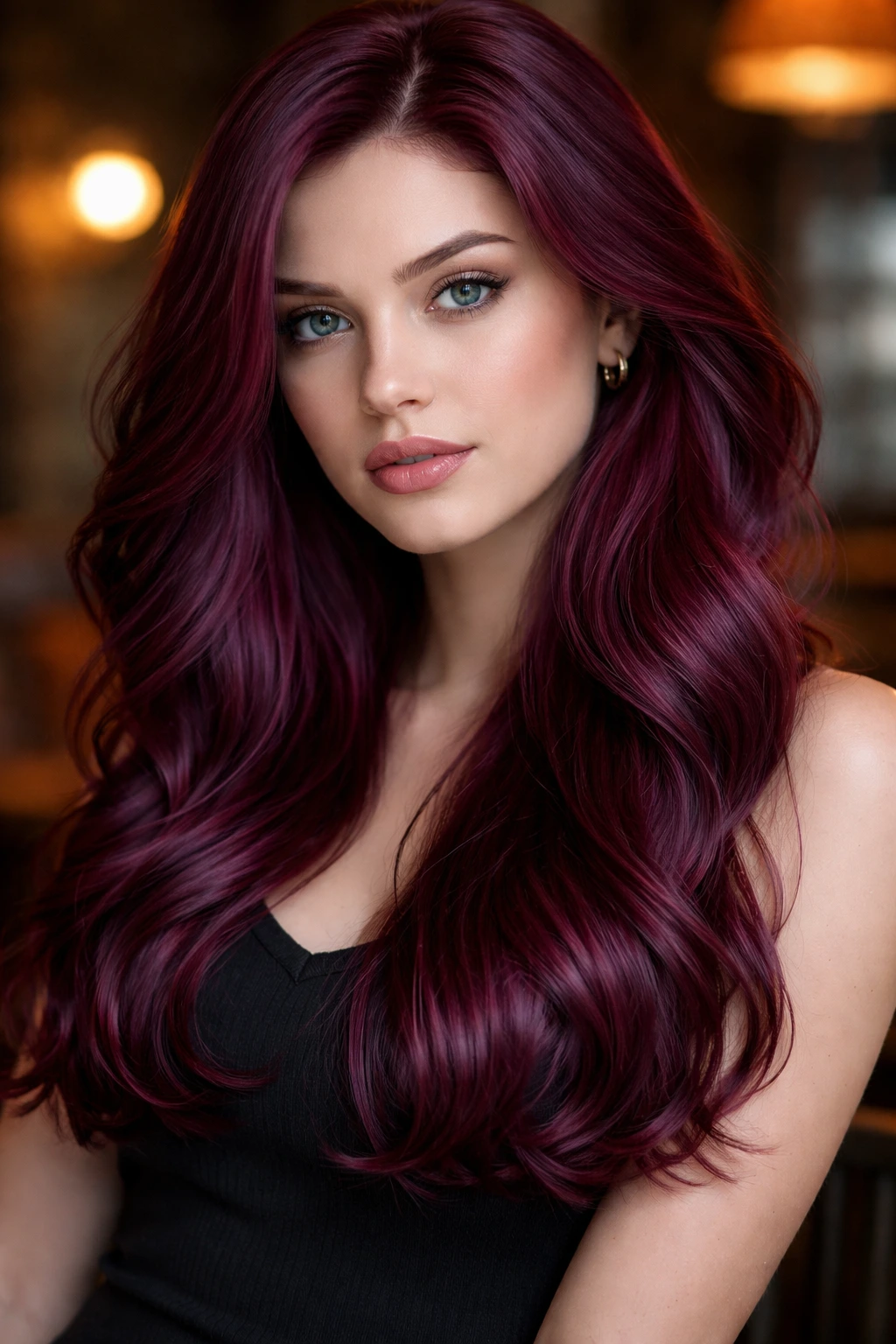
Burgundy is the ultimate winter red. It is deep, intense, and has a very strong purple base, which is exactly what you need for cool skin. It is dark enough to look almost black in low light but reveals a stunning, cool-toned red under the sun.
Why It Works
It is nearly impossible to mess up this shade. Because it is so dark, it covers unevenly bleached hair better than any pastel or light shade. If you are doing this at home, it is one of the most forgiving red options.
Skin Tone Match
It creates a beautiful contrast against cool, pale skin. It also adds a lot of richness to eyes, particularly if you have green or hazel eyes with cool flecks.
9. Cool-Toned Strawberry Blonde
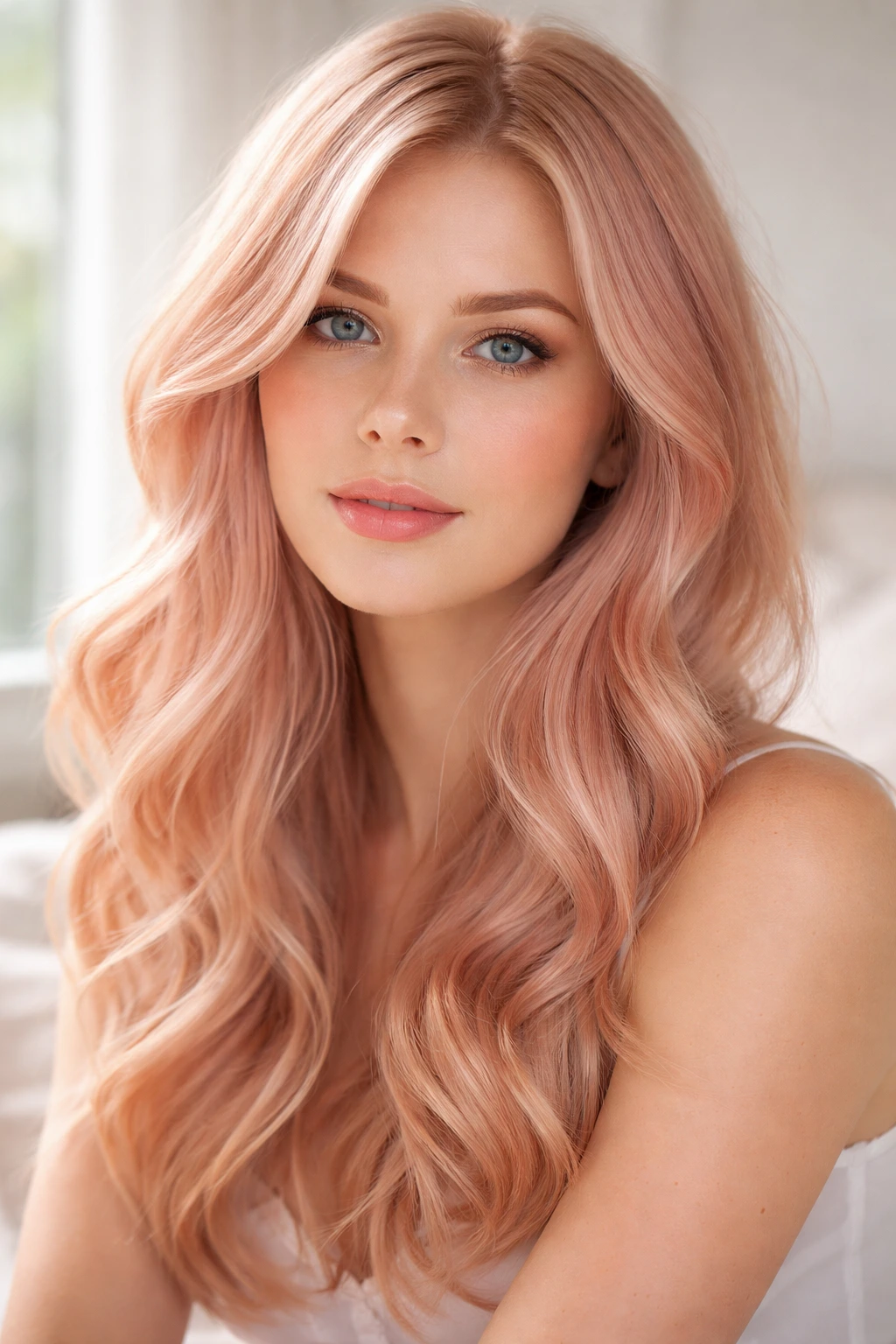
Most people associate strawberry blonde with orange-red tones. To make this work for cool skin, you have to invert that. You want a “cool” strawberry, which basically means a blonde base with a very faint, blue-based pink tint rather than a copper tint.
The Subtle Difference
It should look like your hair was dipped in rosewater. It is incredibly subtle and often looks more like a natural blonde with an iridescent pink sheen than a full-blown “dyed” look.
Who is this for? This is perfect if you are already blonde and want a change without the maintenance of a full-head, high-saturation color.
10. Neon Candy Pink
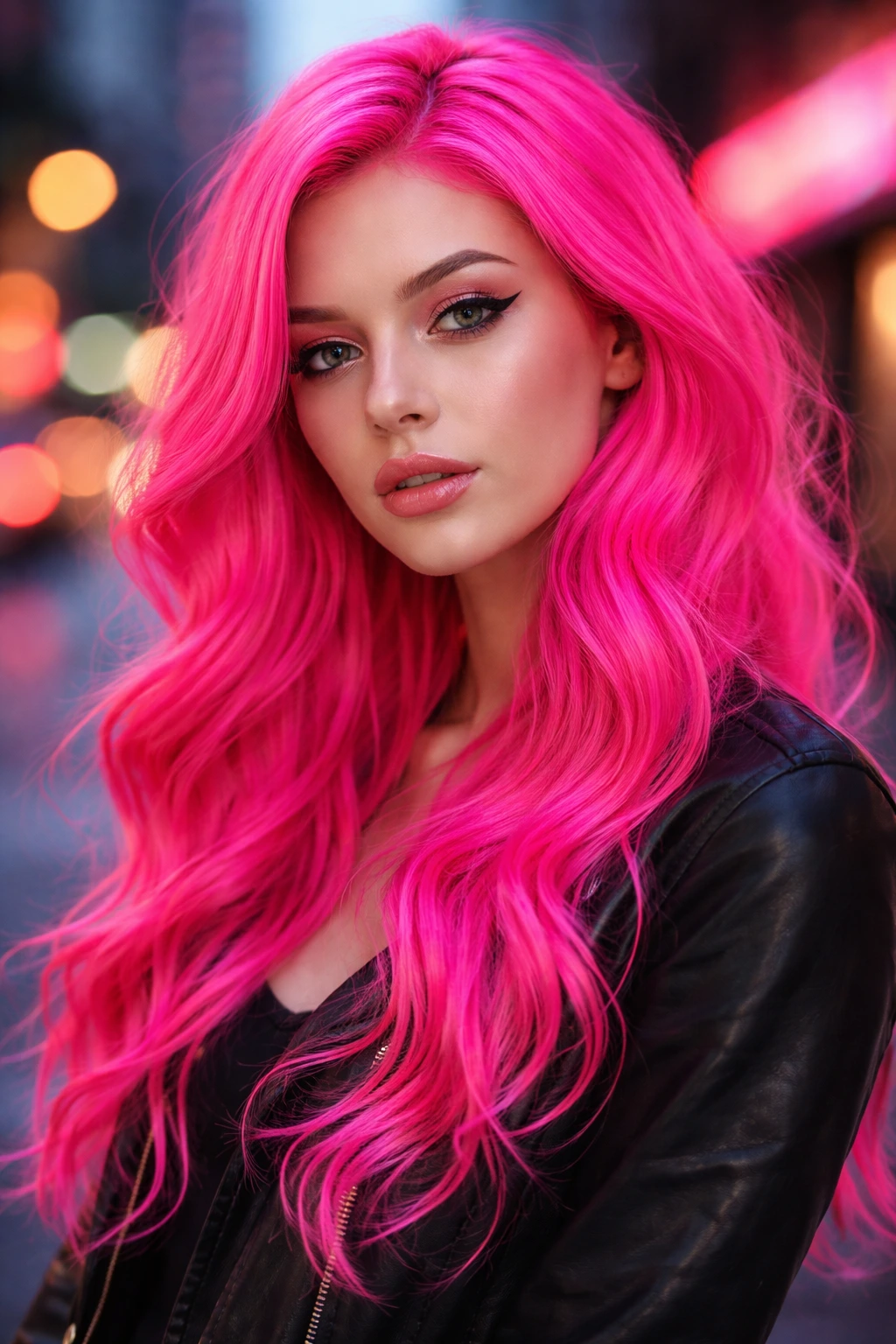
Think of the pink on a classic candy wrapper. This is a bright, clear, blue-based pink. It does not lean into orange or peach at all. It is bold, fun, and looks fantastic against cool, fair skin.
Achieving the Brightness
To get this, you need a very clean, pale-blonde canvas. If your hair is yellow when you bleach it, the yellow will mix with the pink and turn it a muddy peach. Use a heavy-duty purple toner before applying the pink.
Longevity
Expect this to fade to a nice, soft pastel pink. It is a great color if you enjoy changing your hair shade frequently, as the wash-out process is usually quite pretty.
11. Deep Hibiscus
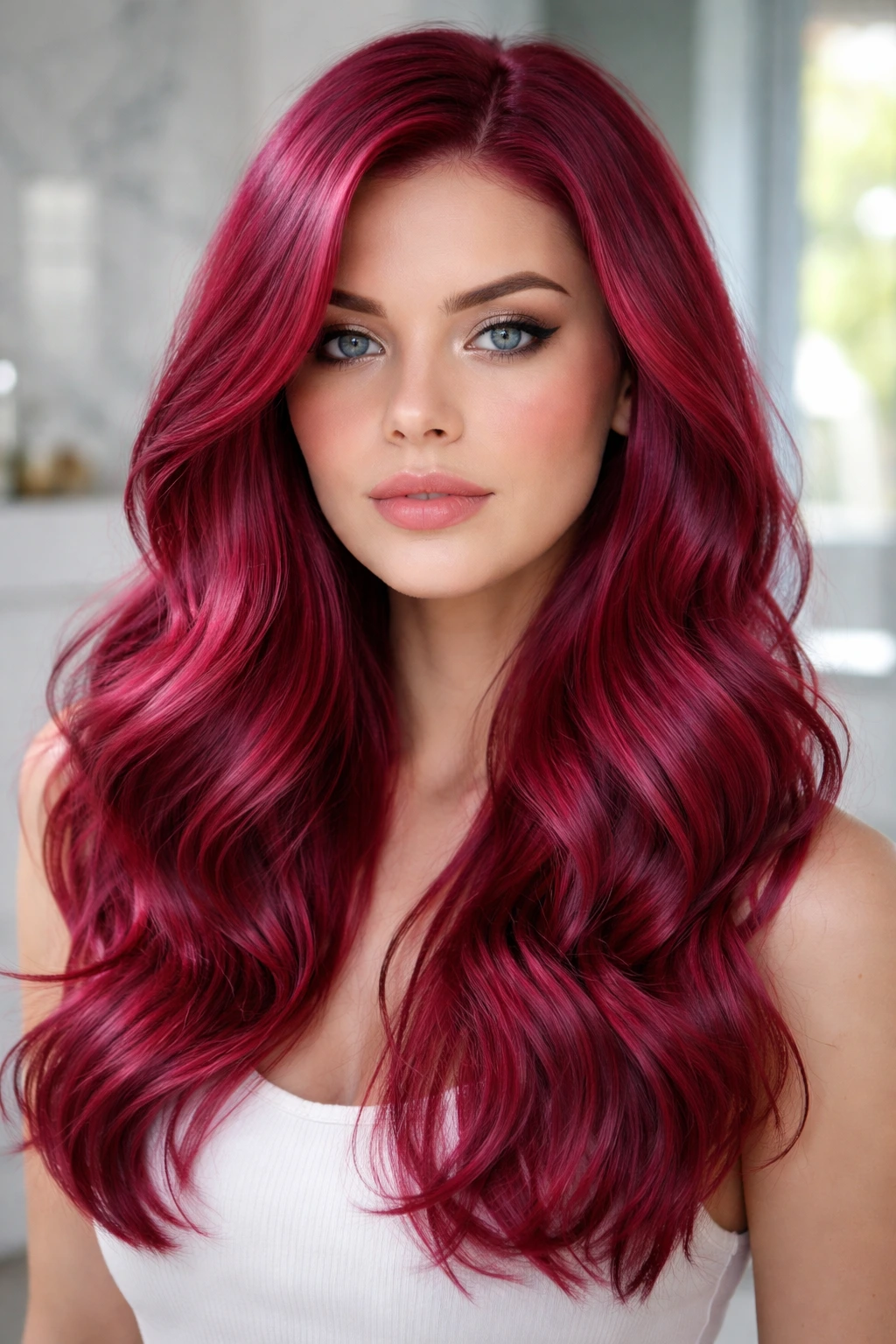
Hibiscus is a tropical, vibrant red-pink. In its natural form, it is quite warm, but for a cool-toned version, look for “Hibiscus” shades that are specifically labeled as “cool” or “blue-based.” It mimics the look of a flower petal—deeply saturated and velvety.
Why It Works
This color is all about saturation. Because it is so deep, it doesn’t need to be perfectly even to look good. It has a natural, multidimensional quality that makes it look like you spent hours in a salon.
Maintenance: Use a glossing treatment regularly. This color thrives when it is shiny. If it gets dry, it loses its “velvet” quality and starts to look flat.
12. Frosted Raspberry
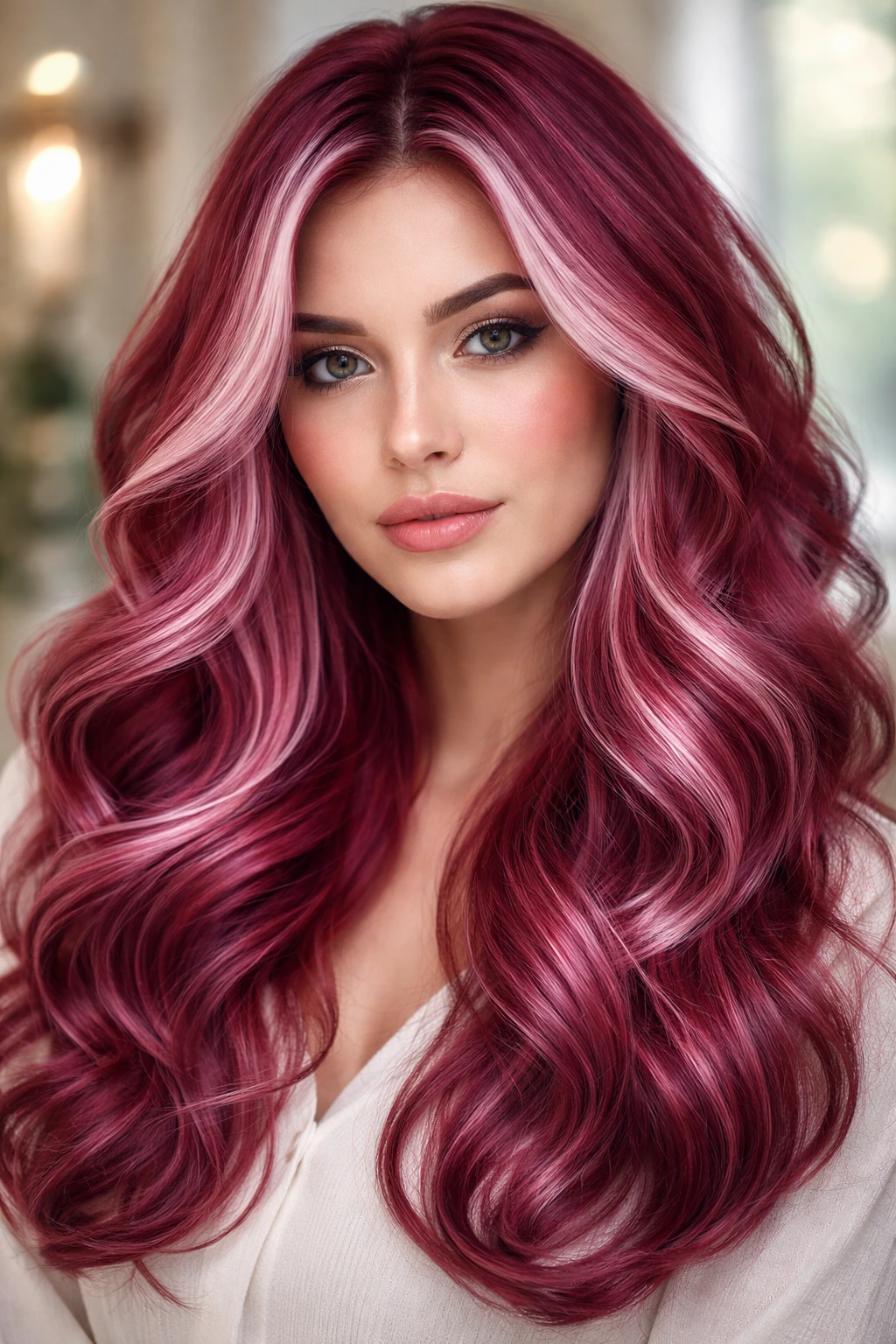
This isn’t a solid color; it is a technique. You take a deep, cool-toned raspberry base and add “frosted” or icy highlights throughout. The contrast between the deep base and the icy, almost-silver-pink highlights creates incredible dimension.
The Contrast Effect
The “frosted” pieces should be a very pale, cool pink or even a silver-pink. This draws light to the face and breaks up the intensity of the raspberry base, which is perfect if you are worried about a full-head red being too overpowering.
Professional vs. Home
This is a technique-heavy look. It is best left to a professional colorist who understands how to balayage or highlight effectively without creating muddy blends.
13. Amethyst-Tipped Red
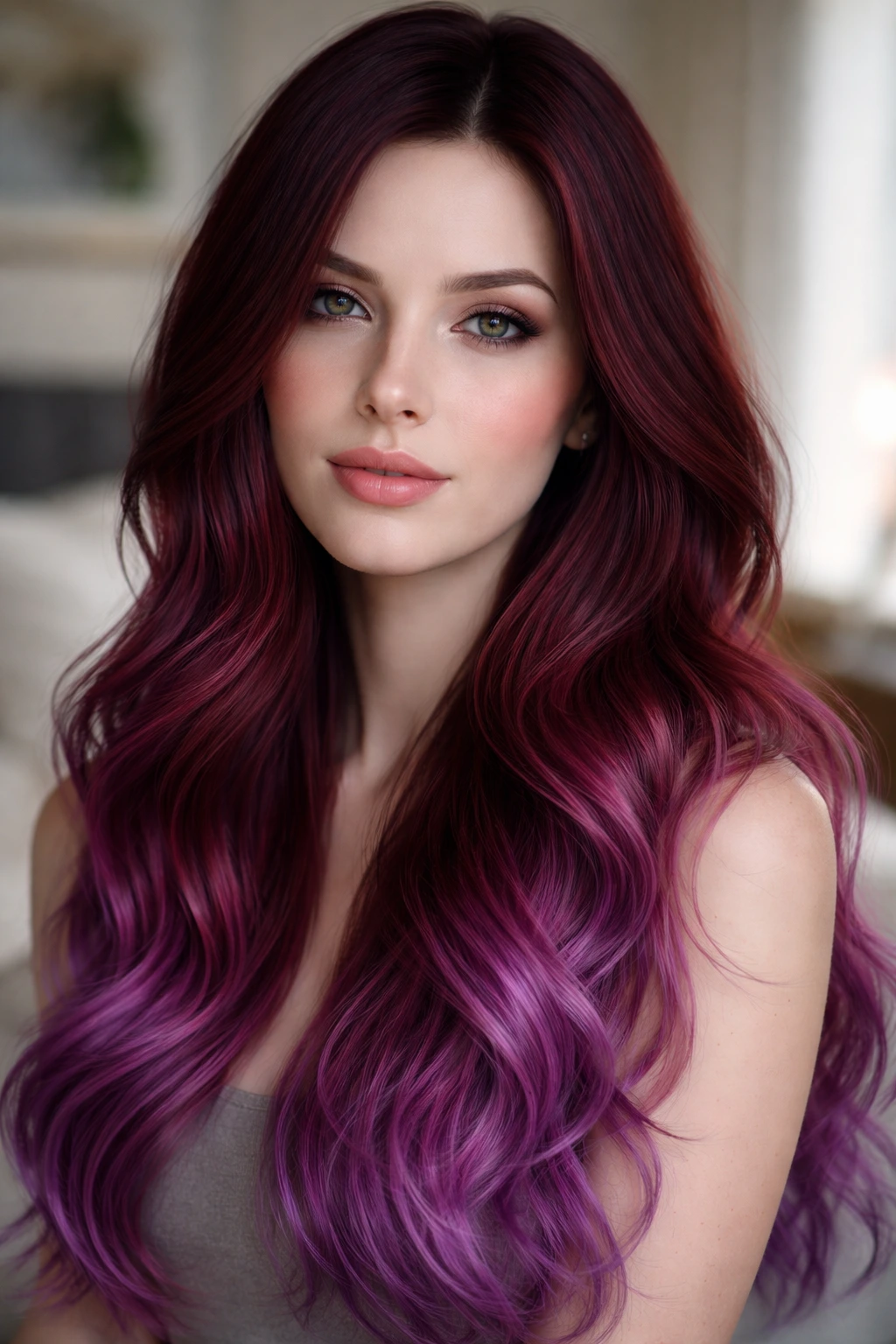
This look involves a cool, dark red base that gradually fades into a vibrant, amethyst-purple-pink on the ends. It is a subtle ombre that stays strictly in the cool color family.
Why It’s Unique
It bridges the gap between red and purple. Because both colors have strong blue/violet undertones, they blend seamlessly. It avoids the harsh “two-tone” look that some ombres suffer from because the color family is so consistent.
Who should do this? Anyone with longer hair who wants to experiment with color but is nervous about damaging their roots. Keeping the vivid color on the ends is a safer, healthier choice.
14. Watermelon Swirl
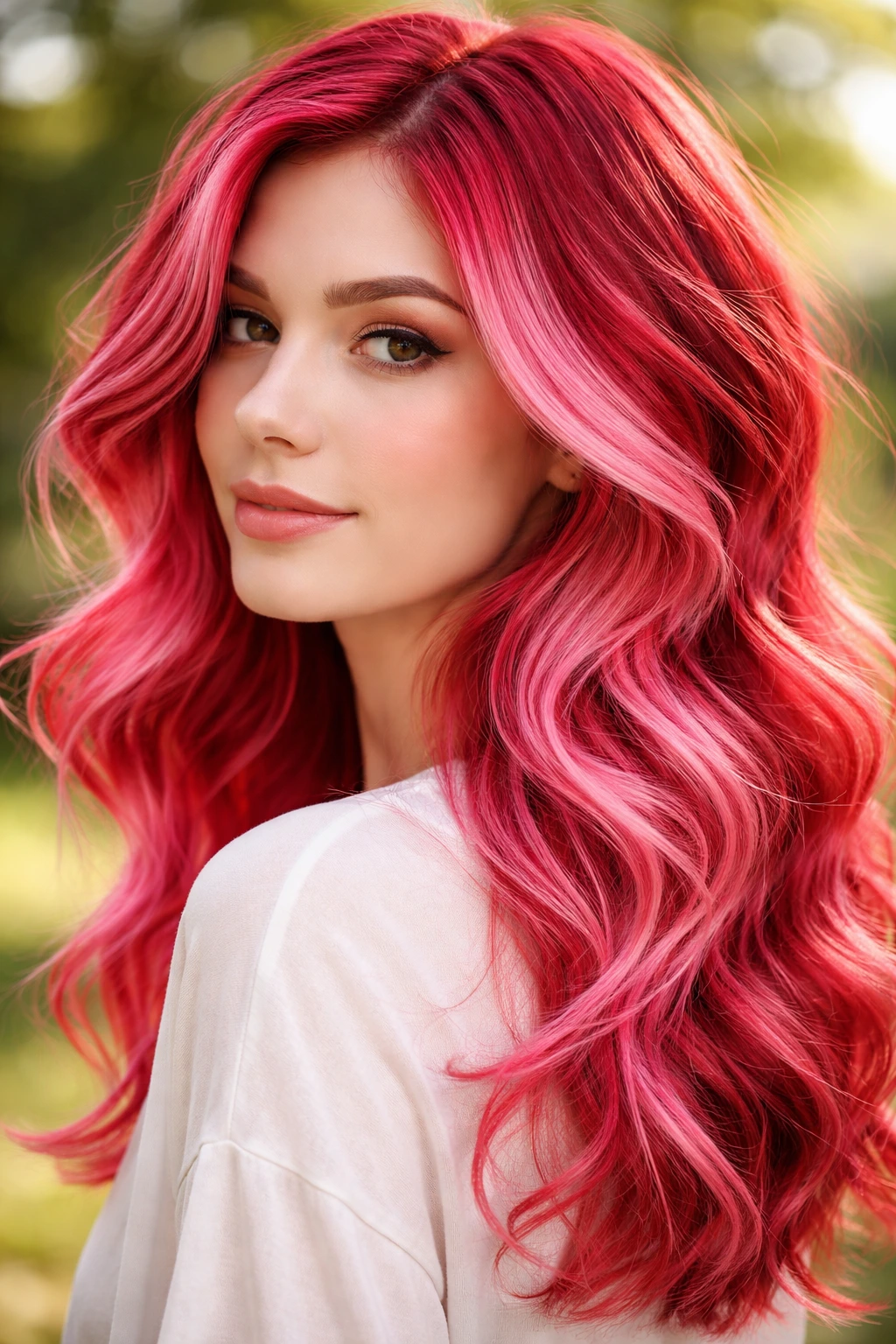
This is a mix of a medium-depth red and a bright, bubblegum pink. The trick is to ensure both tones are cool-leaning. You want a “cool red” and a “cool pink” blended together, perhaps using a foil-highlight technique.
Creating the Swirl
The colors should be woven together, not color-blocked. When the wind blows or you move your head, the colors should appear to “swirl” into each other. It is a very soft, natural-looking way to wear bright, unnatural colors.
Texture Matters
This style looks incredible with loose curls or crimped hair. The texture helps the two colors blend and catch the light differently.
15. Muted Rosewood
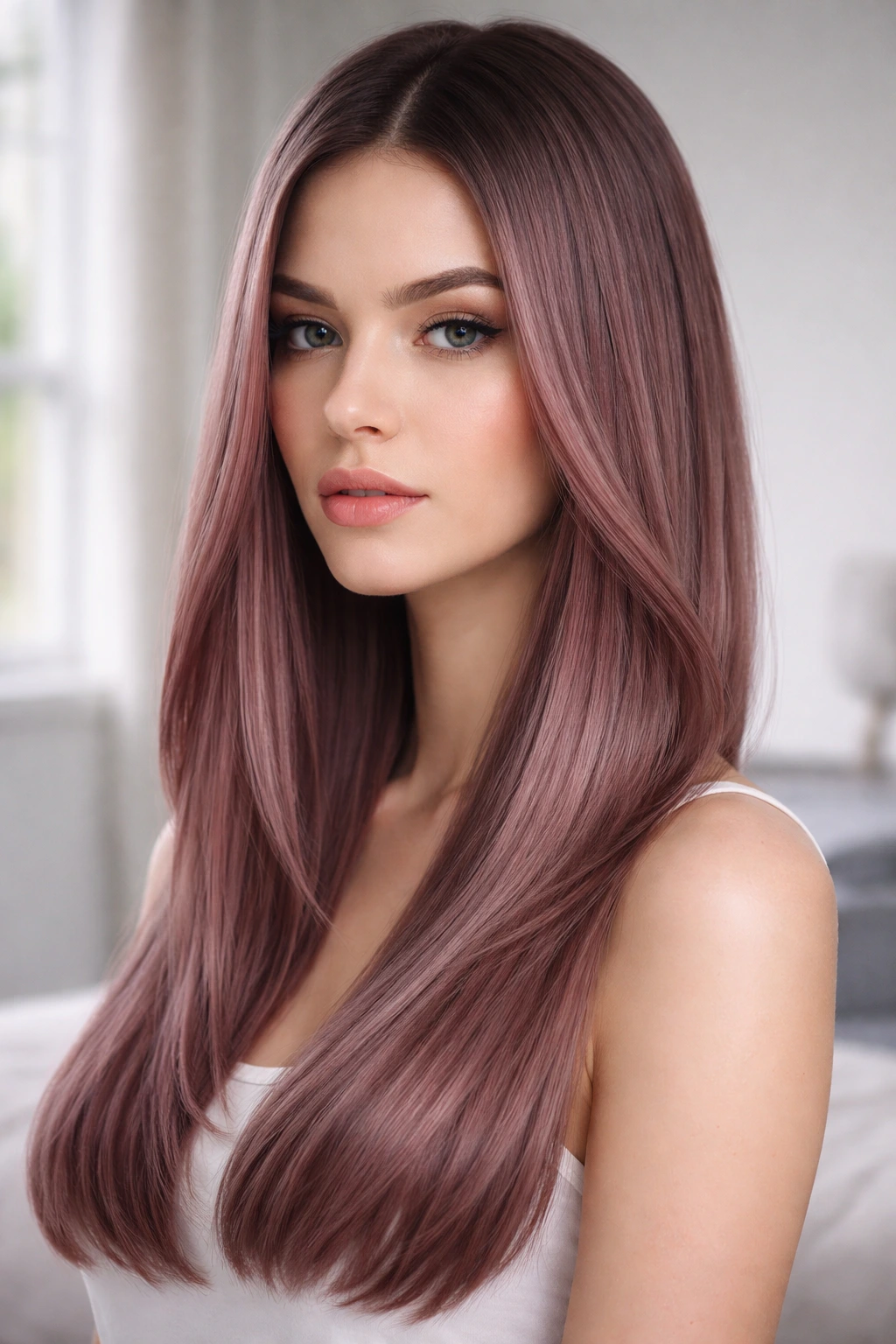
If you want something understated and very “cool girl,” this is it. It’s a mix of grey, brown, and dusty pink. It’s not bright, it’s not loud, and it looks remarkably like a natural hair color—just a very unique, custom one.
Why It’s Perfect for Cool Skin
Because it has a heavy grey/ash base, it automatically harmonizes with cool skin. It lacks the warmth that usually makes “fashion colors” tricky to wear. It is perhaps the most wearable shade on this list.
Styling: This looks best with straight, sleek hair or a very minimalist cut, like a blunt bob. It doesn’t need big, messy volume to look good.
16. Beetroot Red
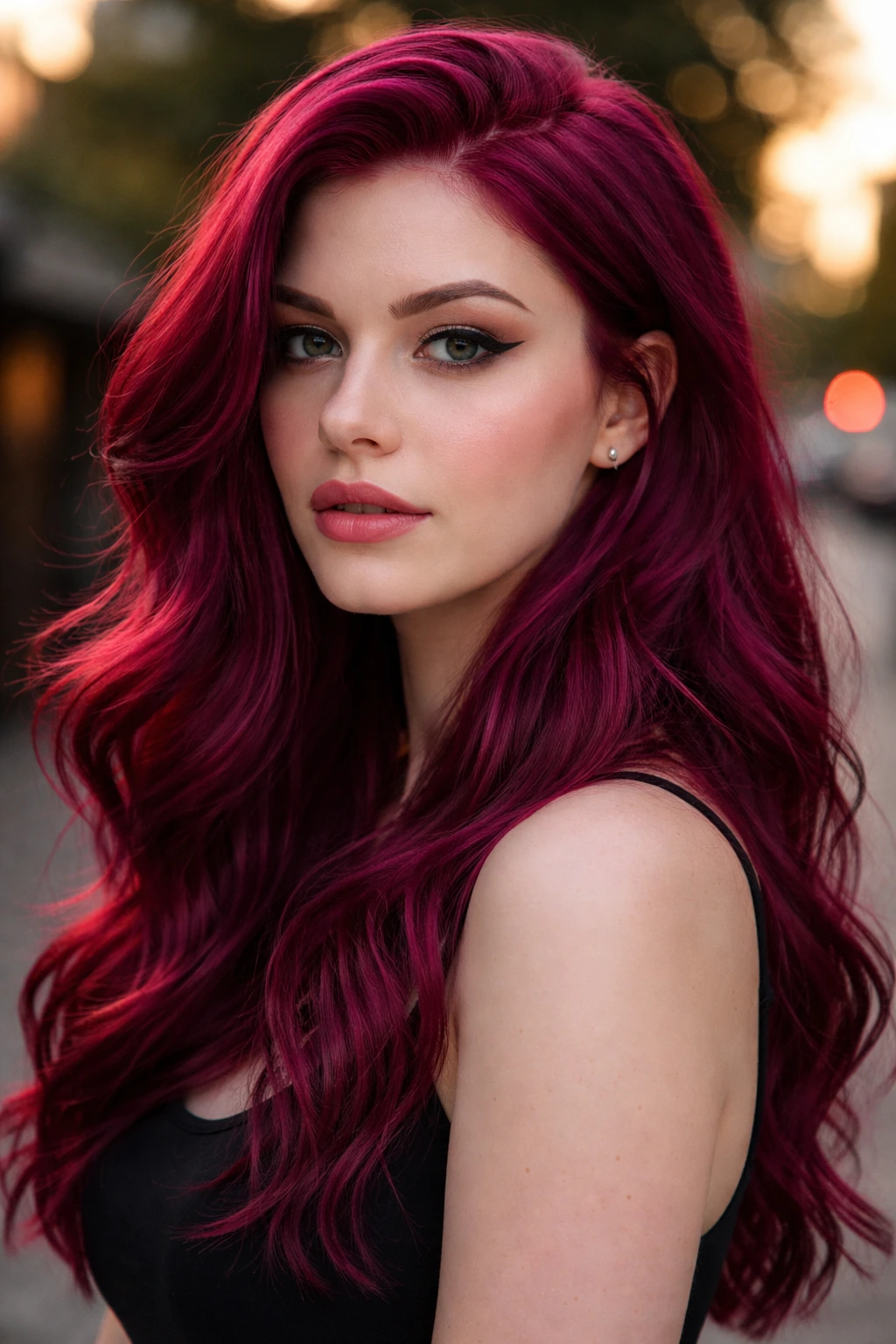
This is a deep, earthy, yet vibrant red. It mimics the color of beets—a deep, blue-based magenta. It is extremely pigmented and rich. It feels more “natural” than a neon pink, but it’s still definitely a fashion color.
The Depth Factor
Because it is so pigmented, this color lasts a long time. If you are tired of your color fading in two weeks, this is a great alternative. It has enough depth to hold onto the hair shaft for a long time.
Skin Tone Synergy
It creates a beautiful, moody contrast against porcelain skin. It looks particularly stunning with dark, dramatic makeup.
17. Lilac-Pink Balayage
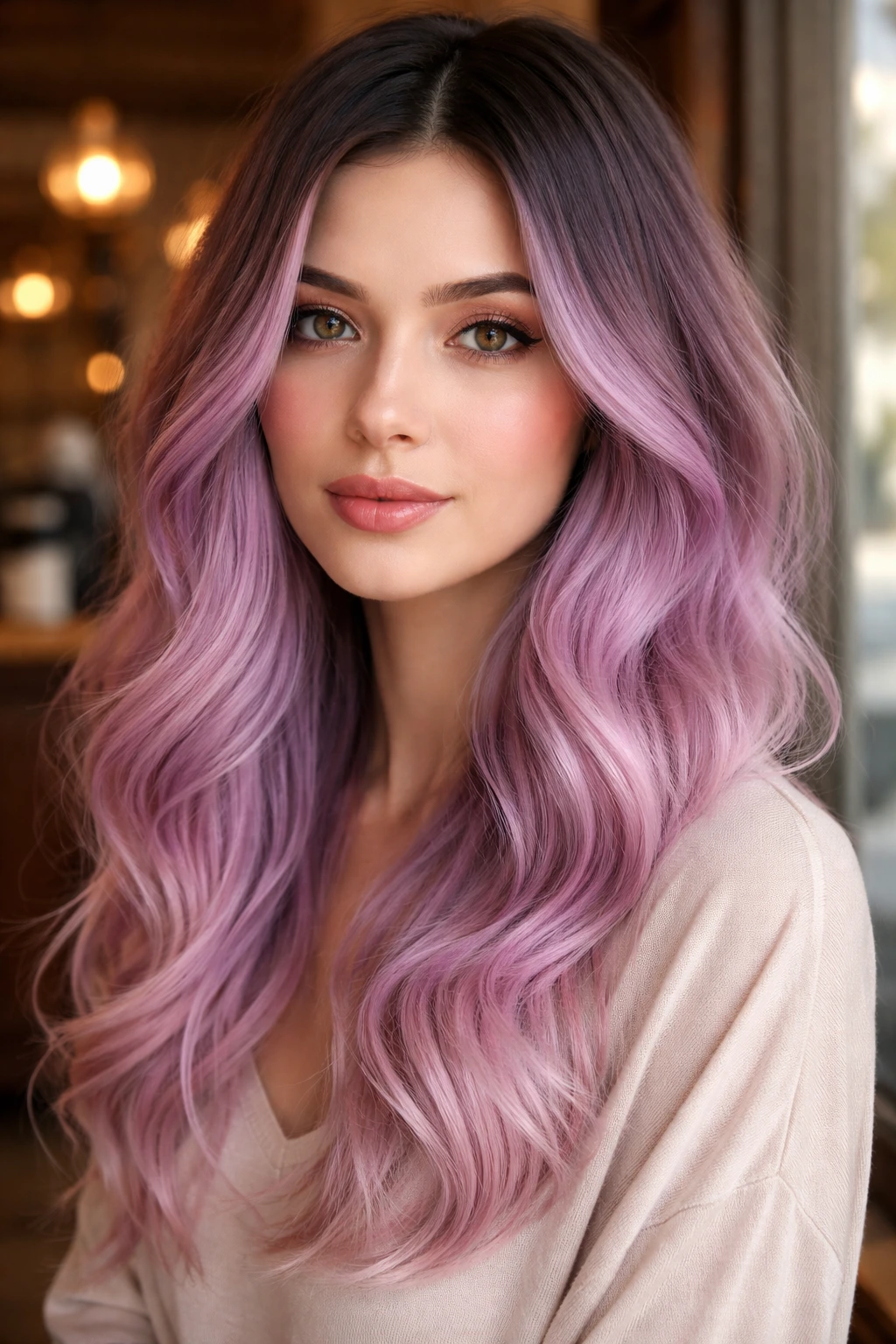
This is a sophisticated blend where a dark, natural root melts into a cool-toned lilac-pink. The key here is the root melt; keeping your natural, cool-toned root makes the grow-out process invisible.
How to Blend
The key is to avoid harsh lines. You want a soft, hand-painted transition. The lilac tones should be concentrated on the ends, where the hair is lightest.
Why it wins: It’s low maintenance. You only need to touch up the pink every few months, and you don’t have to worry about root touch-ups.
18. Dark Berry Merlot
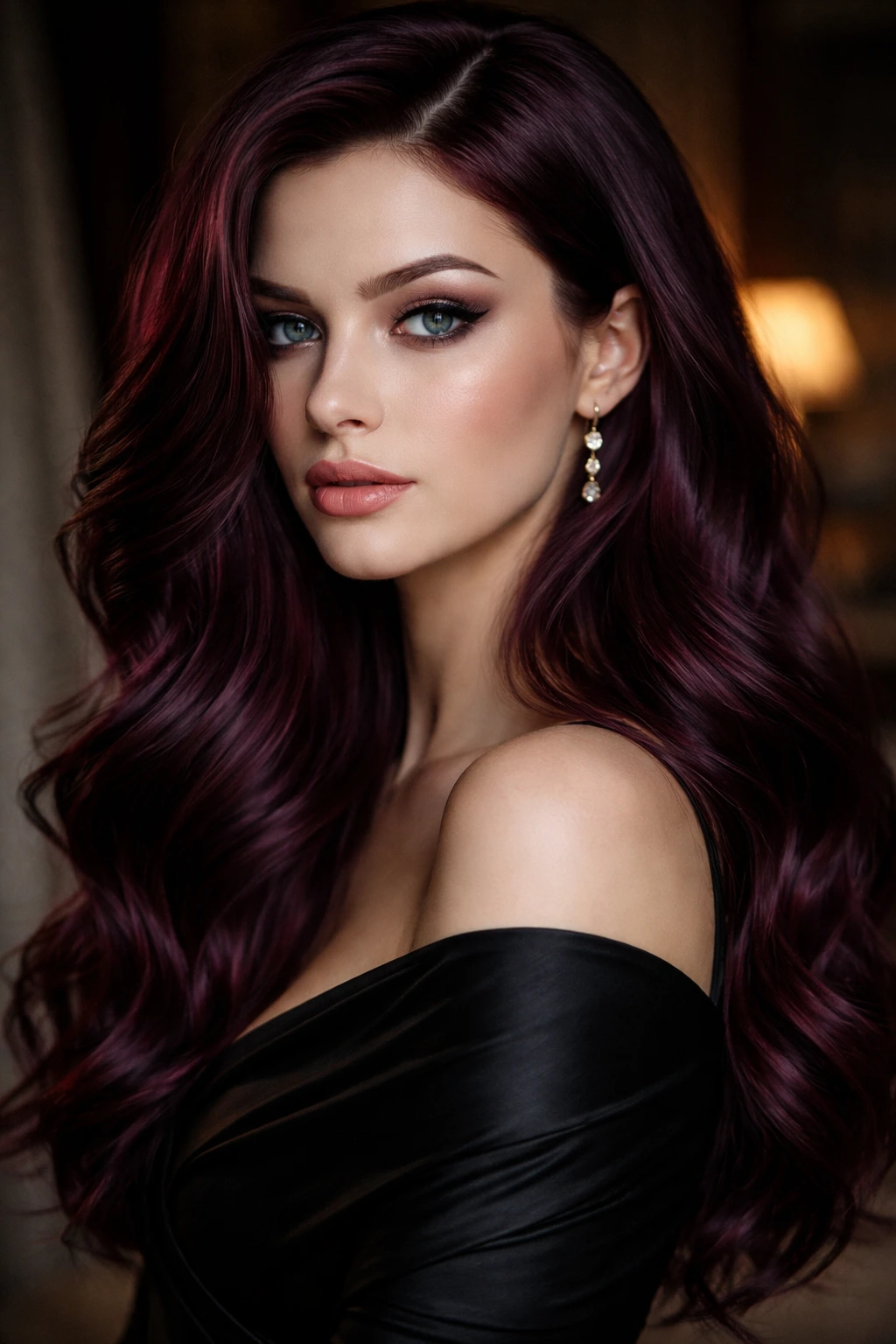
This is a very dark, sophisticated red-purple. It is the color of a heavy red wine. It is elegant, mysterious, and perfect for a polished, high-fashion look.
Why It Works for You
It is the ultimate cool-toned red. There isn’t a hint of orange in it. It’s all blue, violet, and deep red pigments. It’s flattering, easy to maintain, and looks expensive.
Practical Advice
This color is very strong. If you decide to go back to blonde later, be warned: this color is notoriously difficult to remove from the hair. Only commit to this if you are happy staying in the dark-hair family for a while.
19. Blushed Peach-Red
Wait, didn’t I say to avoid peach? Yes, usually. But if you are dying for a lighter, softer look, you can do a “blushed” shade. This is a very light, pinkish-blonde that has just enough red to be visible but is so cool-toned it leans toward silver.
Achieving the Balance
The secret is heavy violet toning. You are using the violet to counteract the yellow of your blonde hair, leaving behind a “blushed” look that feels more like a cool-toned tint than a solid color.
Styling: This is a delicate color. It doesn’t tolerate heat styling well, as the heat can strip the toner. Use a low-heat setting or air dry whenever possible.
20. Candy Apple with a Twist
A classic candy apple is usually bright, warm red. To make it work for you, swap the orange-red for a blue-red. The result is a vibrant, shiny, cool-toned red that is still just as punchy as a classic apple red.
The “Twist”
The twist is in the finish. Use a clear gloss or a shine spray. The goal is to make the hair look like it has been dipped in candy shell. It should be highly reflective and sleek.
Why it works
It brings life to pale, cool skin. The brightness of the color acts like a highlighter, drawing attention to your face and eyes.
21. Dusty Rose Ombre
This is a very wearable, muted pink. It starts with a natural-colored root and fades into a soft, dusty rose. It feels very bohemian and romantic.
Creating the “Dusty” Look
You need to mix a bit of grey or brown into your pink formula. If you use a pure pink, it will be too bright. The “dustiness” comes from that muted, slightly desaturated quality.
Maintenance: This is low maintenance. As the pink fades, it just turns into a slightly lighter, softer shade of rose, which usually looks quite nice.
22. Vivid Violet-Red
This is practically purple, but with enough red to still be classified as a red color. It is intense, powerful, and very flattering for cool skin because it is entirely based on violet pigments.
Why It’s Unique
It stands out in a crowd. It’s not quite red, not quite purple. It has a magical, multidimensional quality that makes it look different in every light.
Who it suits
It suits people who want to be bold. It is a high-contrast color that works perfectly for people with cool skin who find that “normal” colors don’t do enough for them.
23. Blended Currant
Currant is a medium-depth red with a tart, berry-like finish. By blending it with a slightly lighter, cooler red, you create a look that has a lot of movement.
The Technique
Use a “teasylights” technique—backcombing the hair before applying the lighter color to create a soft, diffused highlight effect. It breaks up the intensity of the deep currant base.
Styling Tip: This color looks great with a blunt, textured cut. The different shades of red catch the light and emphasize the texture of the hair.
24. Soft Bubblegum Red
This is a light, playful, pastel-leaning red. It’s not quite as intense as a cherry red, but it’s definitely red—just a soft, ethereal version.
Creating the Softness
This requires a very specific color balance. It’s basically a high-lift, cool-toned red. It’s best achieved by a professional because if you go too light, it looks orange, and if you go too dark, it looks like a deep berry.
The Vibe
It’s fun, youthful, and vibrant. It’s the perfect color for summer or if you just want to feel a bit more playful.
25. Cranberry Spice
Normally, “spice” implies cinnamon or nutmeg (warm tones). To make this work for cool skin, you have to redefine the spice. Use cool-toned “spices” like a hint of deep, cool-toned clove or even a whisper of ash.
Why it works
It adds complexity to a standard cranberry red. It’s not just a flat red; it has layers of color that make it look rich and deep.
Styling: This looks fantastic with braids. The way the light hits the twists in a braid shows off the subtle variations in the cool-toned red.
26. Magenta Dip-Dye
This is a bold, high-contrast look. Keep your roots natural (or a dark, cool brown) and dip-dye the bottom half of your hair in an electric magenta.
Why it’s Cool-Toned
Magenta is inherently blue-based. By keeping the natural root, you avoid having to bleach your whole head, which keeps the hair healthier and makes the maintenance much easier.
Practicality
If you get tired of the color, you can just cut off the ends. It’s a low-commitment way to wear a very high-impact color.
27. Deep Ruby
This is a classic, saturated red. It’s the color of a gemstone. It is intense, shiny, and beautiful. It works for cool skin because it’s a deep, rich red without any orange influence.
How to keep it Ruby
You need a gloss treatment. Ruby is a color that needs to be shiny to look like a gem. If it gets dull, it starts to look flat and ordinary. Use a shine spray every time you style it.
Best for: Someone who wants a “classic” look. It’s the kind of red that feels timeless.
28. Rose Quartz Highlights
Finally, for those who want to be very subtle, try Rose Quartz highlights. These are very faint, cool-toned pink highlights woven into a natural cool-blonde or light-brown base.
The Aesthetic
It’s almost invisible. It just makes your hair look like it has a hint of iridescence. It’s soft, elegant, and very easy to wear.
Who should try this?
This is perfect for someone who works in a very conservative environment but still wants a hint of personality in their hair. It’s a “blink and you’ll miss it” style that feels very refined.
Final Thoughts
Choosing a red or pink for cool skin comes down to one principle: blue and violet bases are your best friends. Avoid anything that looks like a sunset—peachy, orange, or gold-based reds are the enemy of cool skin. By sticking to the berry, cherry, magenta, and plum spectrum, you ensure that your hair color complements your natural undertones rather than clashing with them.
When you are ready to take the plunge, remember that maintenance is the real challenge with these shades. Cool-toned reds and pinks fade differently than natural browns; they tend to lose their vibrancy and shift toward a lighter, less saturated version of themselves. Investing in a high-quality color-depositing conditioner is the single best thing you can do to keep your color looking fresh between salon visits. Trust your gut—if a shade looks too warm in the bottle, it will look too warm on your skin. Stick to the cool spectrum, and you will find your perfect match.
