



There is a pervasive myth in the beauty world that if you have cool undertones—meaning your skin has pink, blue, or violet nuances rather than golden or olive ones—you must strictly avoid anything in the copper or red family. This advice, while well-intentioned to prevent the skin from looking sallow, is ultimately limiting. The key is not to avoid copper entirely, but to adjust the chemistry of the color to align with your complexion.
When you have cool skin, the goal is to choose shades of copper that are grounded in violet, ash, or blue bases rather than purely gold or orange tones. By shifting the temperature of the copper itself, you can wear a vibrant, head-turning shade without clashing with your natural coloring. It is all about finding the specific intersection where warmth meets a cool, muted base.
Getting this right requires a shift in how you think about hair color. You are not just asking for “copper”; you are looking for dimensional, complex tones that respect the blue and pink in your skin while still delivering that coveted metallic punch. The following twenty-eight approaches cover the spectrum, from subtle transitions to bold, saturated statements, specifically calibrated for those who usually feel restricted by their cool undertones.
1. Deep Burgundy-Copper
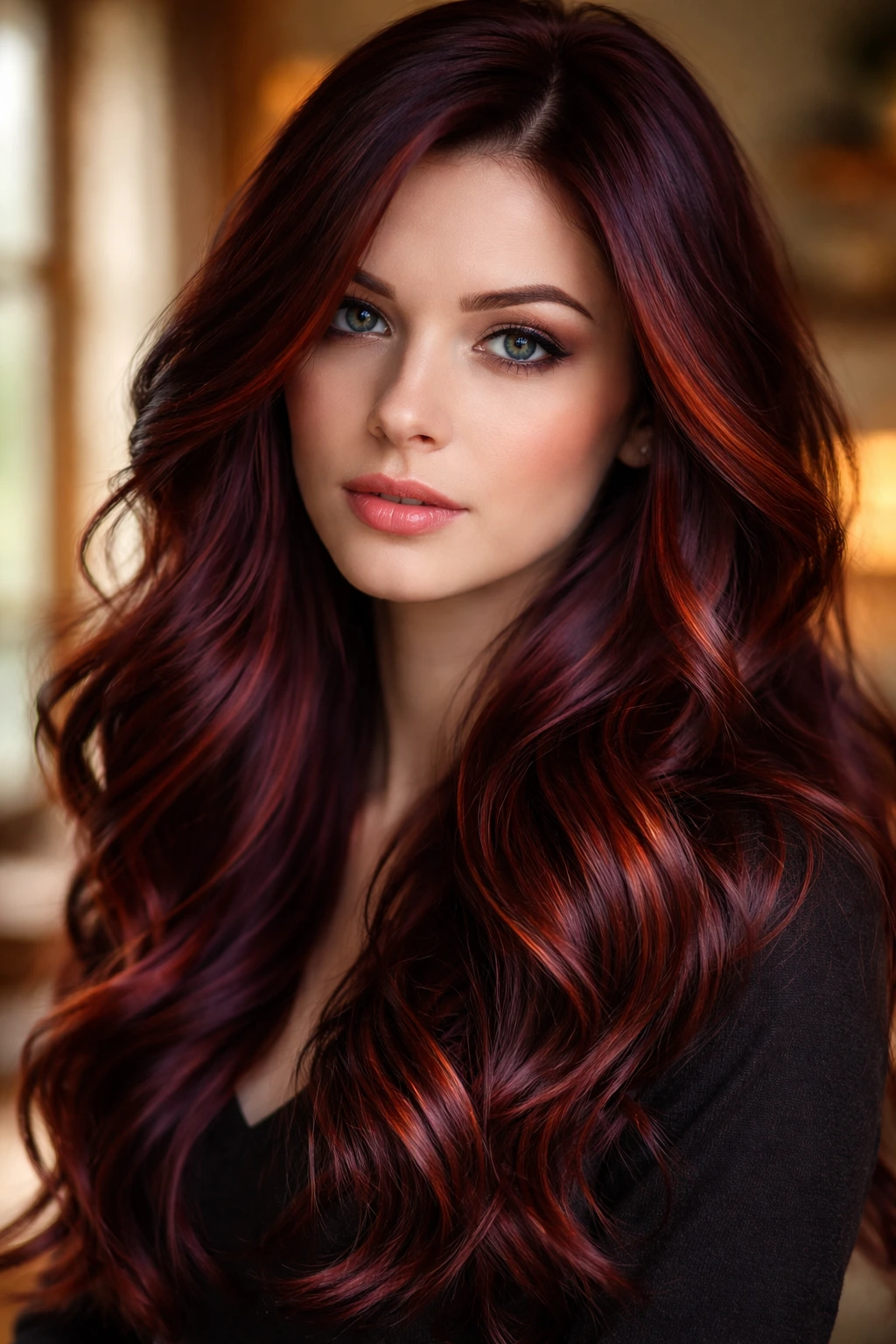
Burgundy is inherently a cool-toned red because it pulls from purple and blue pigments. By incorporating copper ribbons into a deep burgundy base, you create a look that feels fiery but remains harmonious with your skin. The secret here is keeping the base dark enough that it provides a stark contrast against your pale or cool-toned complexion.
Why It Works for Cool Skin
The heavy dose of violet in the burgundy base acts as a counterbalance. While the copper adds brightness, it is grounded by the deep, wine-colored lowlights. This combination prevents the “sallow” effect that happens when pure orange tones sit against cool skin.
Maintenance Note
This shade tends to lose its vibrancy quickly. Use a color-depositing conditioner with a slight violet tint to keep the burgundy from fading into a muddy brown, which can happen if you wash with standard shampoo too frequently.
2. Cool-Toned Strawberry Blonde
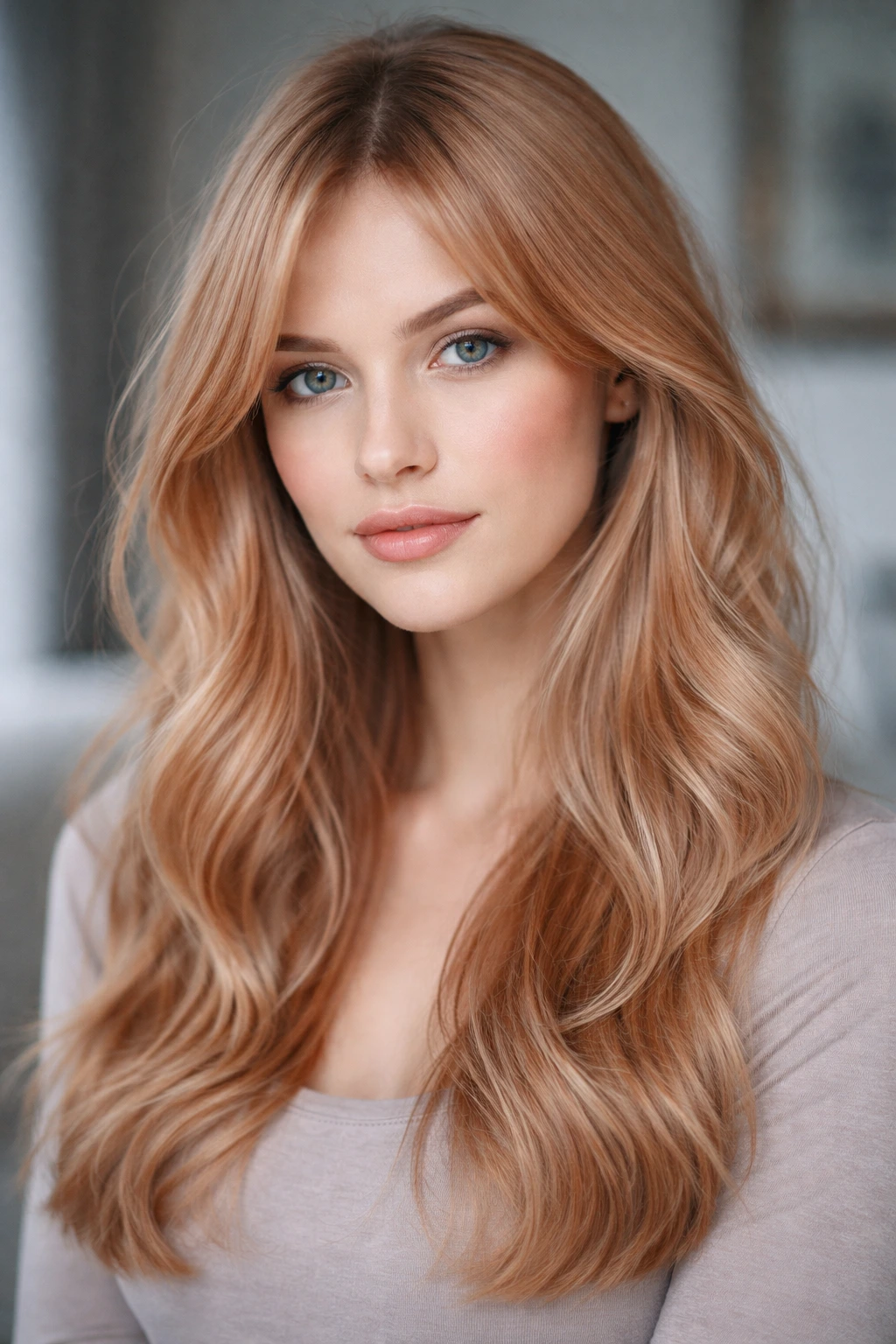
Many people with cool skin avoid strawberry blonde because they assume it must be warm. However, a cool-toned strawberry blonde leans heavily toward ash rather than gold. Think of it as a metallic, muted pink-gold rather than a bright, sunshine-yellow copper. It mimics the natural coloring of those with northern European ancestry who have cool, fair skin.
Achieving the Tone
The colorist should aim for a “beige-copper” rather than a “gold-copper.” This often requires a toner applied after the initial lift to strip out any unwanted golden brassiness, leaving behind a sophisticated, dusty finish that feels intentional and refined.
3. Smoky Copper Balayage
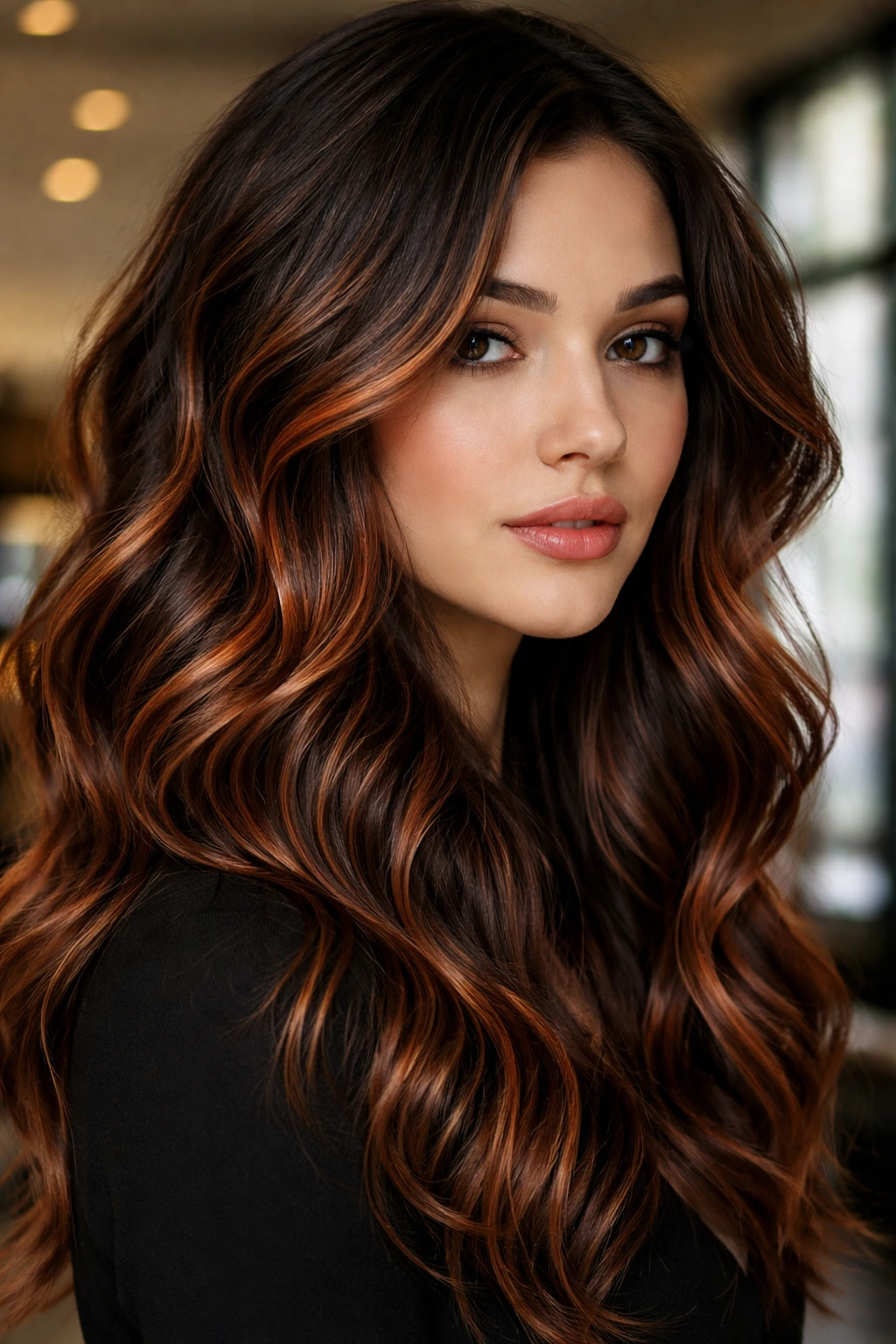
A smoky copper balayage involves painting copper tones onto a dark, ash-brown base. Because the roots and lowlights remain cool (ashy brown), the bright copper pieces provide a high-contrast accent without overwhelming your skin tone. It is a fantastic entry point for those who are nervous about going full-on red.
Styling for Maximum Effect
This look thrives on texture. Because it is a balayage, the colors are painted in ribbons that follow the hair’s movement. Using a curling wand to create loose, messy waves will show off the dimension between the dark, cool base and the lighter, smoky copper highlights.
4. Dark Copper-Plum
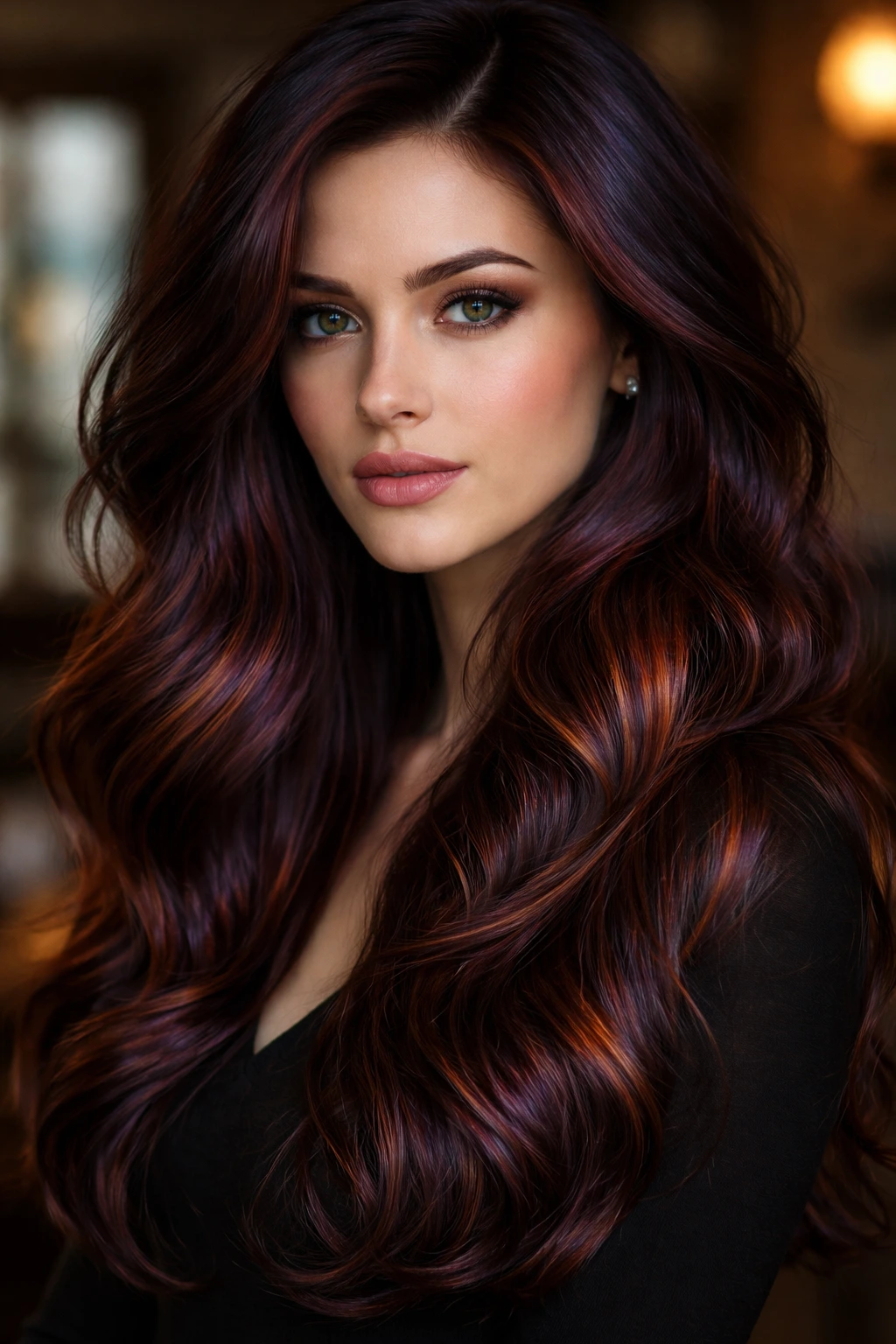
This is a sophisticated, moody shade that feels almost regal. It is a deep, dark brown base with an intense infusion of plum and copper. The plum is the star here—it provides that necessary blue-based foundation that allows the copper to pop without clashing with your skin’s undertones.
The Visual Effect
Under indoor lighting, the hair may look like a deep, rich brown with hints of violet. When you step into direct sunlight, the copper undertones ignite, giving you a multidimensional look that changes based on your environment. It is an ideal choice for someone who wants a professional, understated color that still has a “wow” factor.
5. Violet-Copper Ombré
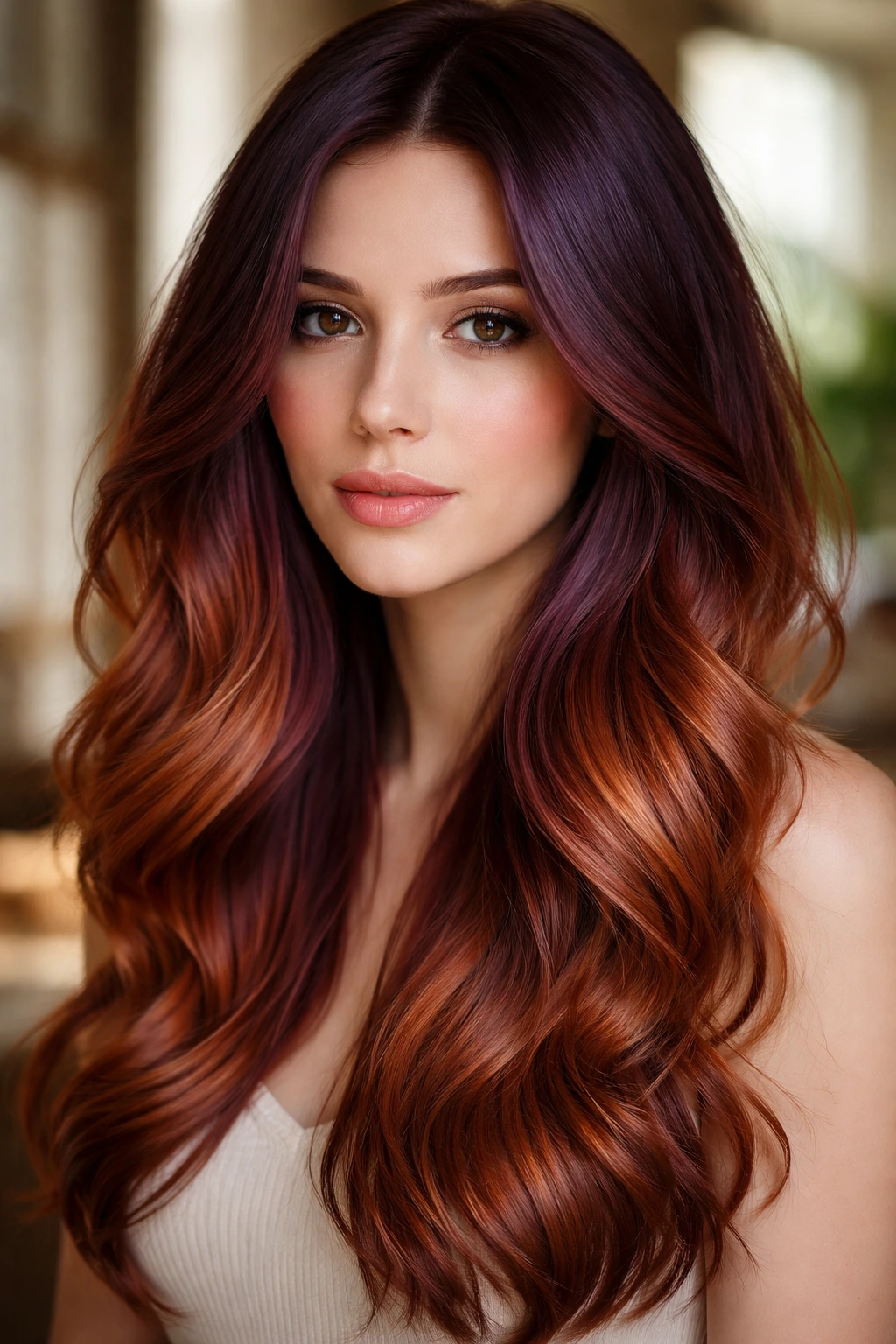
In this style, the roots are a deep, natural-toned violet or dark brown, and the ends fade into a vivid, metallic copper. The ombré technique is perfect for cool-skinned individuals because it keeps the warm, bright copper away from the skin near your face. The transition zone serves as a buffer, ensuring the warm tones do not sit directly against your jawline.
Why This Technique Matters
You get the joy of wearing bright copper on your ends, but the cool tones at your roots keep the overall aesthetic grounded. It creates an elongated look that can make your hair appear fuller and healthier, especially if you have fine strands.
6. Icy Copper Highlights
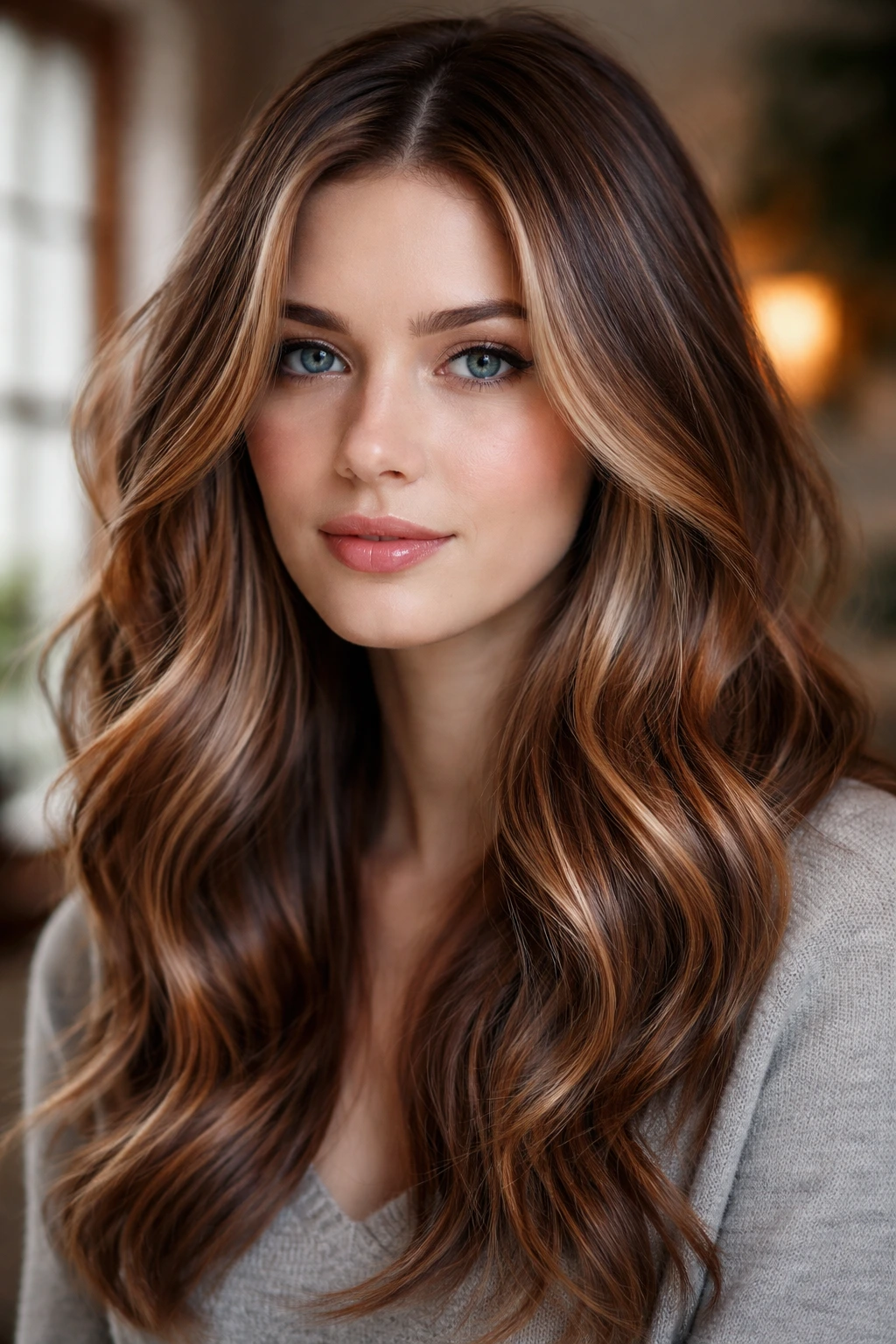
Instead of an all-over color, consider weaving thin, icy copper highlights throughout an ash-brown or platinum base. The base color provides the cool foundation your skin needs, while the highlights offer just enough copper to warm up the overall look without washing you out.
Ask Your Colorist For:
Ask for “fine-weave” highlights. Chunkier highlights in copper can look dated and may be too aggressive for a cool complexion. Fine, scattered ribbons look like natural, sun-drenched strands that have been kissed by the light.
7. Muted Copper-Brown
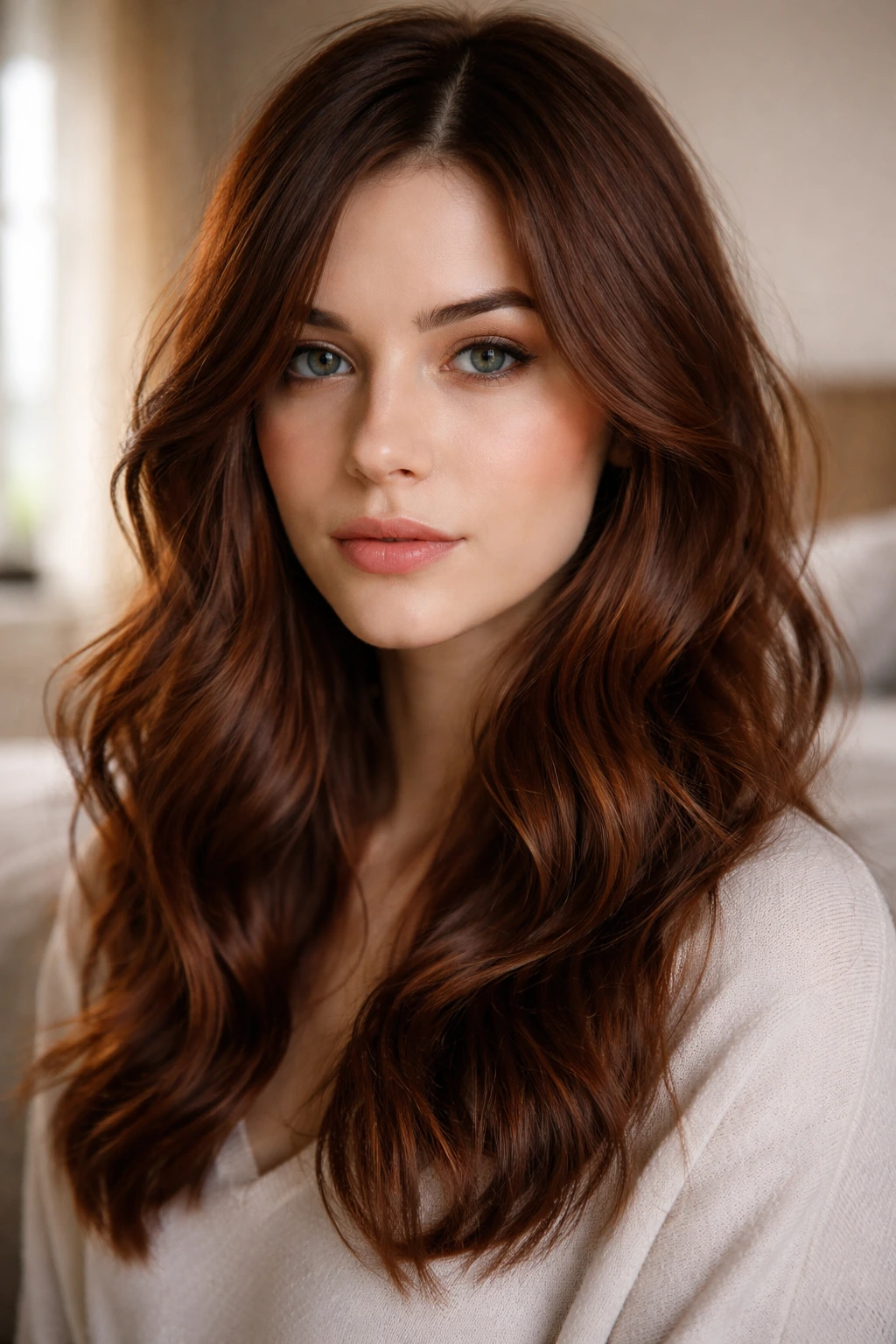
If you want something subtle, go for a muted copper-brown. This is essentially a dark brown base with a copper glaze. The glaze adds a sheen and a tint, but it is not opaque enough to change your hair color entirely. It gives the hair a “coppery-red-brown” appearance that is incredibly versatile and easy to maintain.
When to Choose This
This is the best option for people who are unsure about committing to a permanent color change. Because it is a glaze or gloss, it is semi-permanent. If you do not like how it interacts with your skin tone, it will wash out within a few weeks, leaving no permanent damage.
8. Copper-Cherry Hybrid
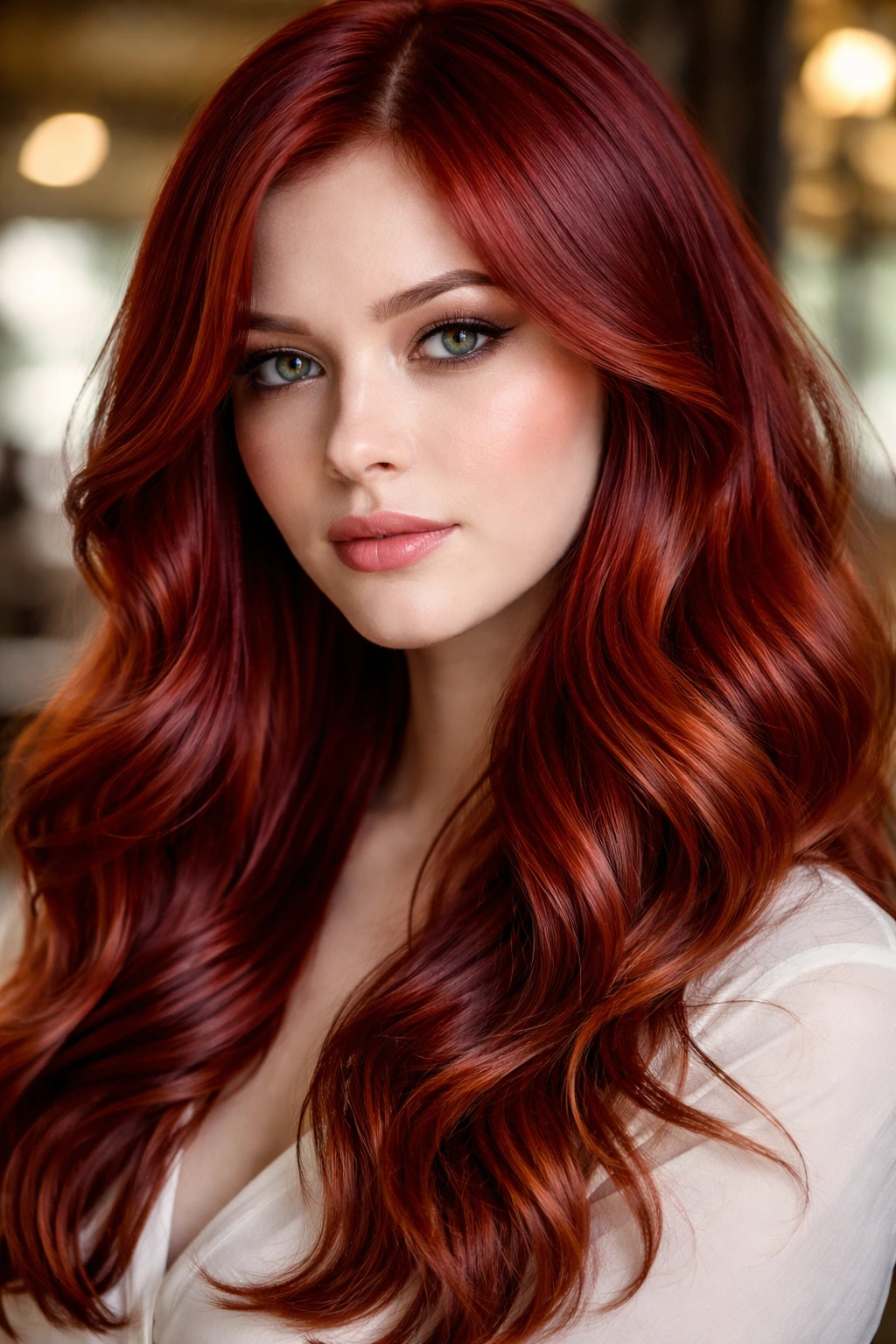
Cherry red is a classic cool-toned red, but it can be quite intense. By blending it with a softer, more metallic copper, you get a hybrid shade that is vibrant but much more wearable. It is essentially a “cool copper,” where the red notes lean closer to blue-red than orange-red.
Complementary Skin Tones
This shade looks particularly striking on individuals with very pale, porcelain skin. The contrast between the vivid color and the light skin is deliberate and creates a striking, porcelain-doll aesthetic that is timeless.
9. Ash Copper
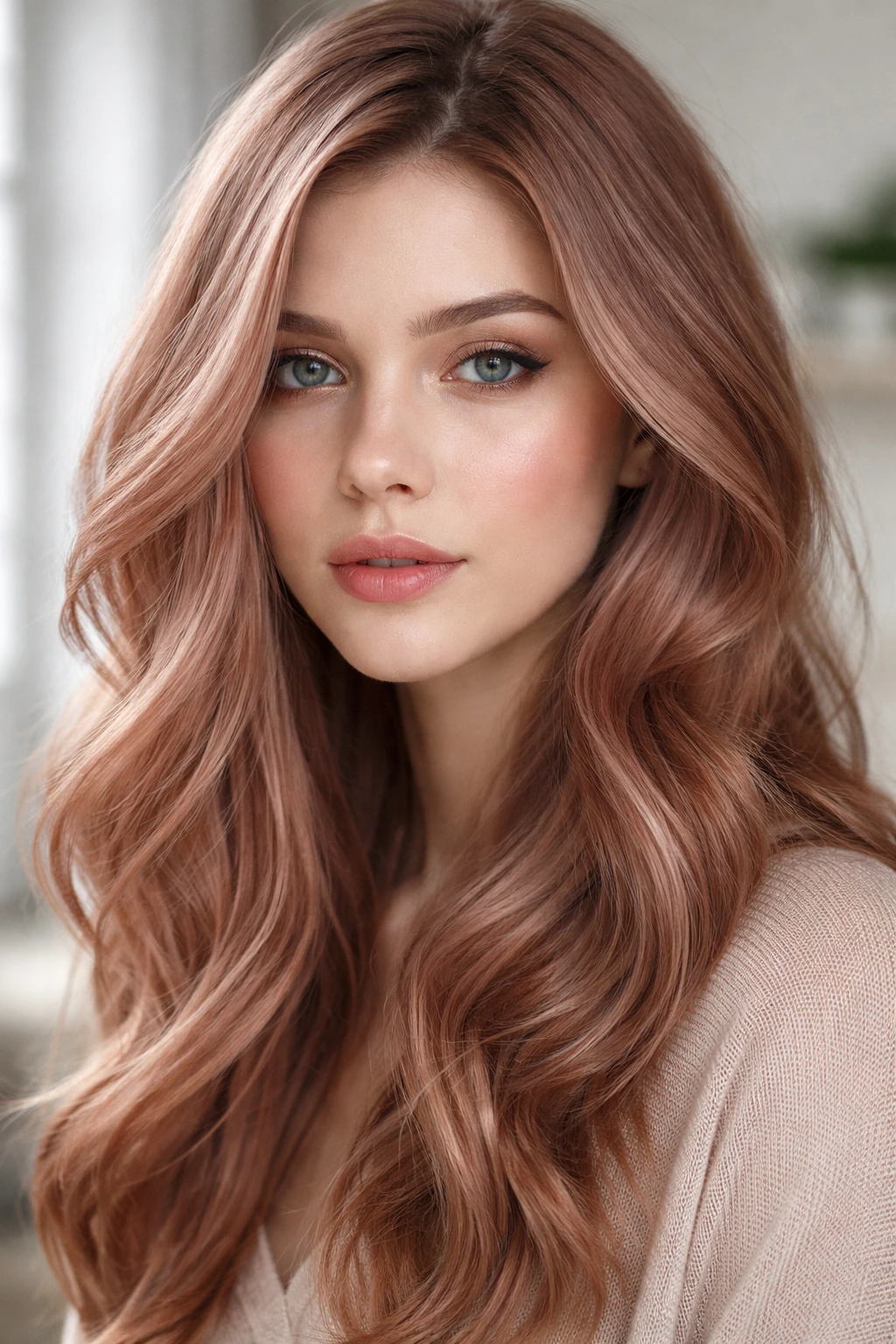
“Ash” implies a lack of gold. By mixing ash pigments into the copper formula, you neutralize the orange, turning it into a dusty, metallic, almost rose-gold hue. This is perhaps the safest and most flattering copper shade for someone with cool skin because the “ash” modifier explicitly fights the warmth that usually causes the clashing effect.
Expert Advice
Do not be afraid to ask for “added ash” in your formula. Many colorists are trained to default to gold or warm bases when mixing red. You must specifically clarify that you want to neutralize the gold to ensure you get that dusty, metallic finish.
10. Copper-Mocha Blend
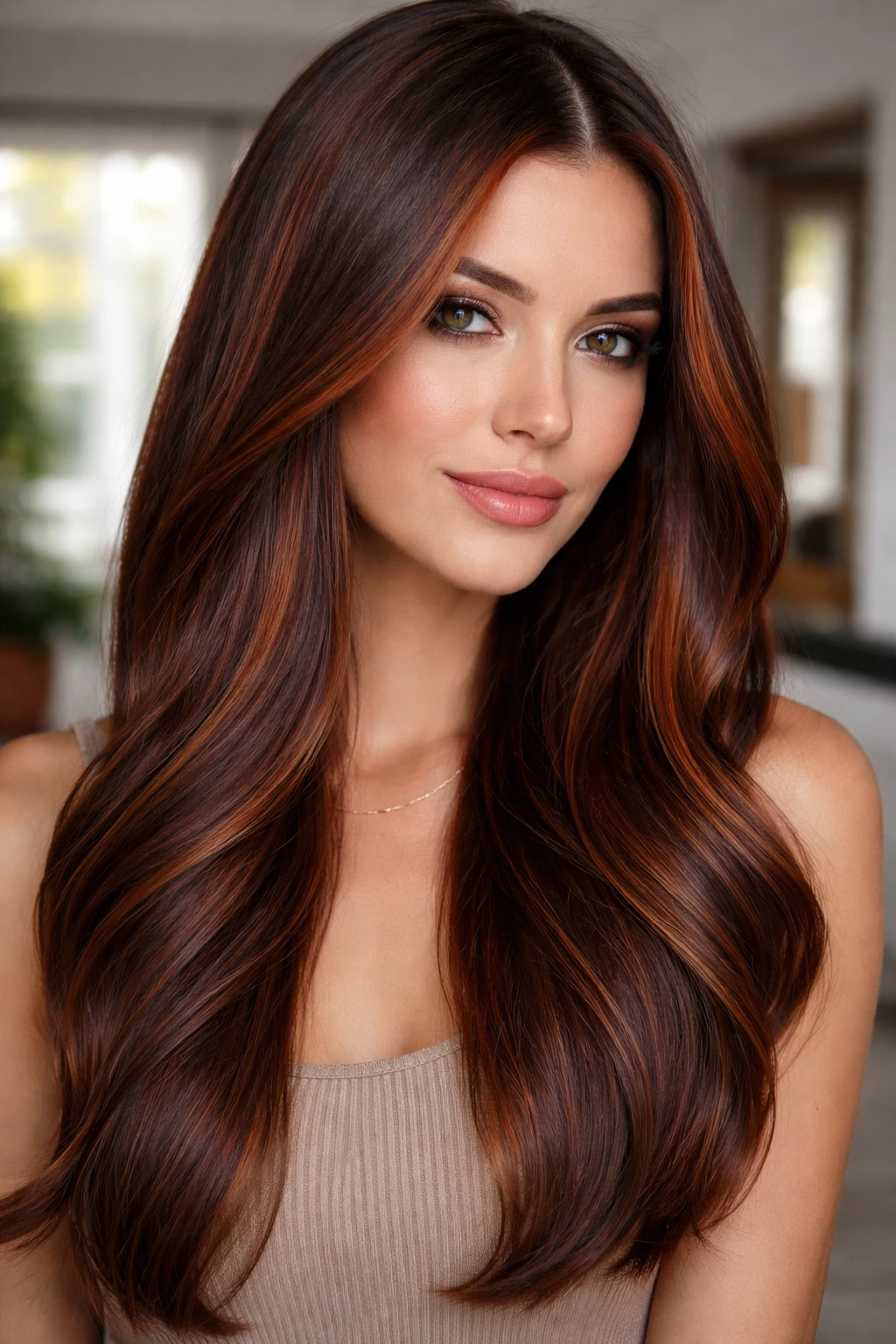
A mocha base is naturally cool and brown. When you weave copper into this, you are effectively using the brown as a frame. This look is very popular because it creates a grounded, earthy aesthetic. It does not feel like “artificial red”; it feels like a rich, natural shade that could almost exist in nature, albeit in a stylized way.
Styling Tip
Because this look relies on the blend of two colors, it looks best when the hair is styled straight or with very sleek, polished waves. Too much messy texture can blur the lines of the color blend, making it look muddy rather than intentional.
11. Wine-Copper Fusion
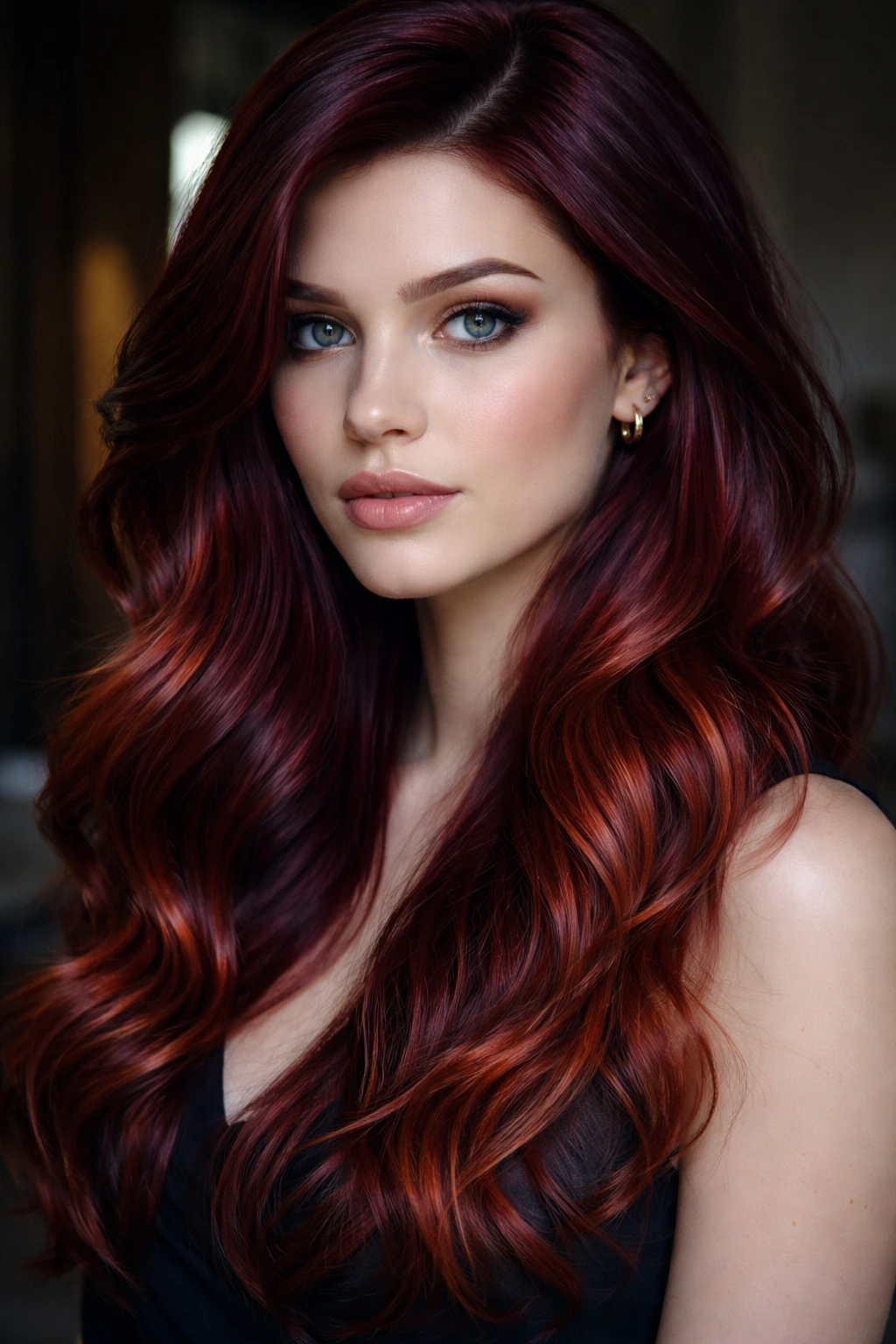
This look is similar to the deep burgundy-copper but focuses more on the red-wine tones. The ratio here is usually 70% wine-red to 30% copper. The wine base provides the cool factor, and the copper acts as the accent. It is a bold, high-drama choice that looks incredible on those with dark features and cool skin.
Why It Lasts
Red molecules are notoriously the largest and hardest to keep in the hair shaft. Because this look is rooted in wine tones, which are darker, the fade-out process is much more gradual and less noticeable than a bright copper fade.
12. Metallic Copper with Silver Undertones
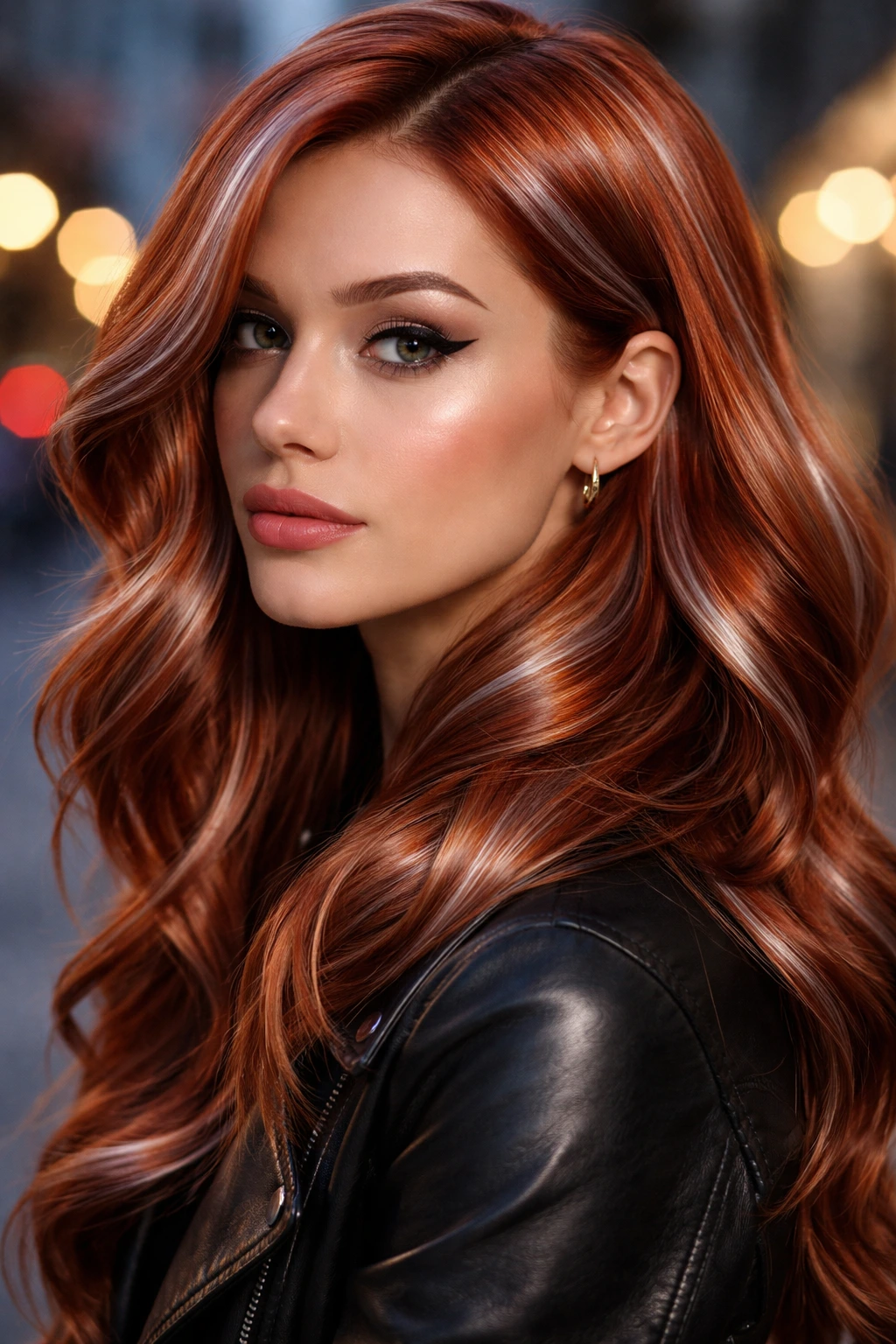
This is a modern, high-fashion take on red hair. It involves a copper color that has been “diluted” with silver or gray tones. It creates a metallic finish that reflects light in a cool, silvery way rather than a golden, warm way.
The Aesthetic
This is not for the faint of heart. It is a statement color. Because of the silver undertones, it reflects light very differently than standard red hair, making it look almost like polished metal. It is stunning, but it does require frequent gloss treatments to keep the metallic shine alive.
13. Black-Cherry Copper
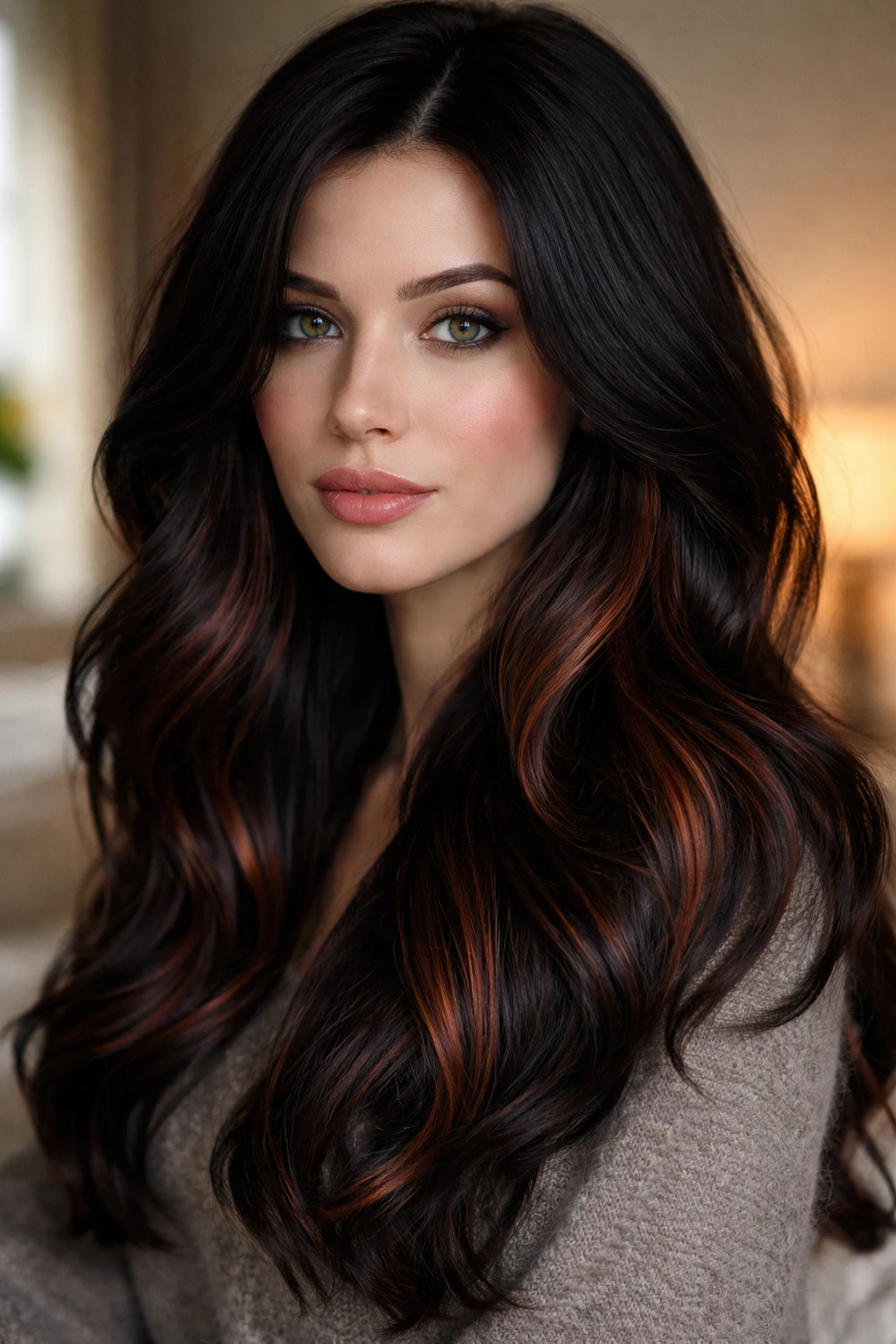
Imagine the deepest, darkest cherry shade—almost black—with a subtle copper peek-a-boo effect. This creates a shadow-root effect that is perfect for cool skin because the dark base is what frames your face. The copper appears only in the mid-lengths and ends.
Placement Matters
The key here is starting the copper transition well below the cheekbones. By keeping the hair near your face in the cool, black-cherry family, you ensure that the warmth of the copper never has a chance to affect your complexion negatively.
14. Rusty Copper with Cool Lowlights
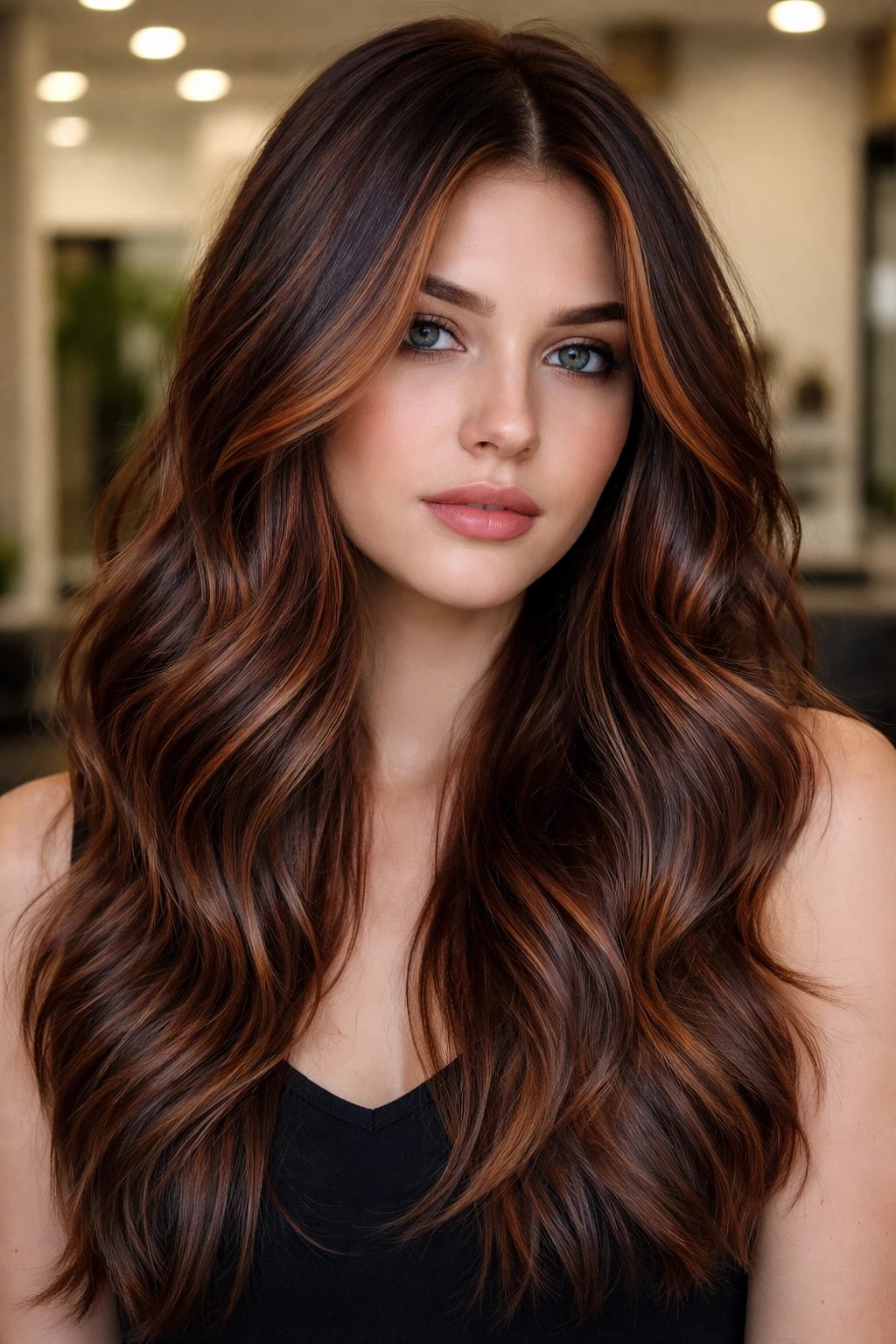
Rust is a warm, earthy color. To make it work for cool skin, you must intersperse it with intense, cool-toned lowlights. Use shades of charcoal, ash brown, or deep violet to break up the rust. These cool ribbons will neutralize the overall effect, preventing the rust from looking too orange against your skin.
Technical Detail
When asking for this, ensure your colorist understands the “interspersing” technique. You do not want a color block; you want a true weave where the cool and warm tones are physically blended in each section of the hair.
15. Pastel Copper-Pink
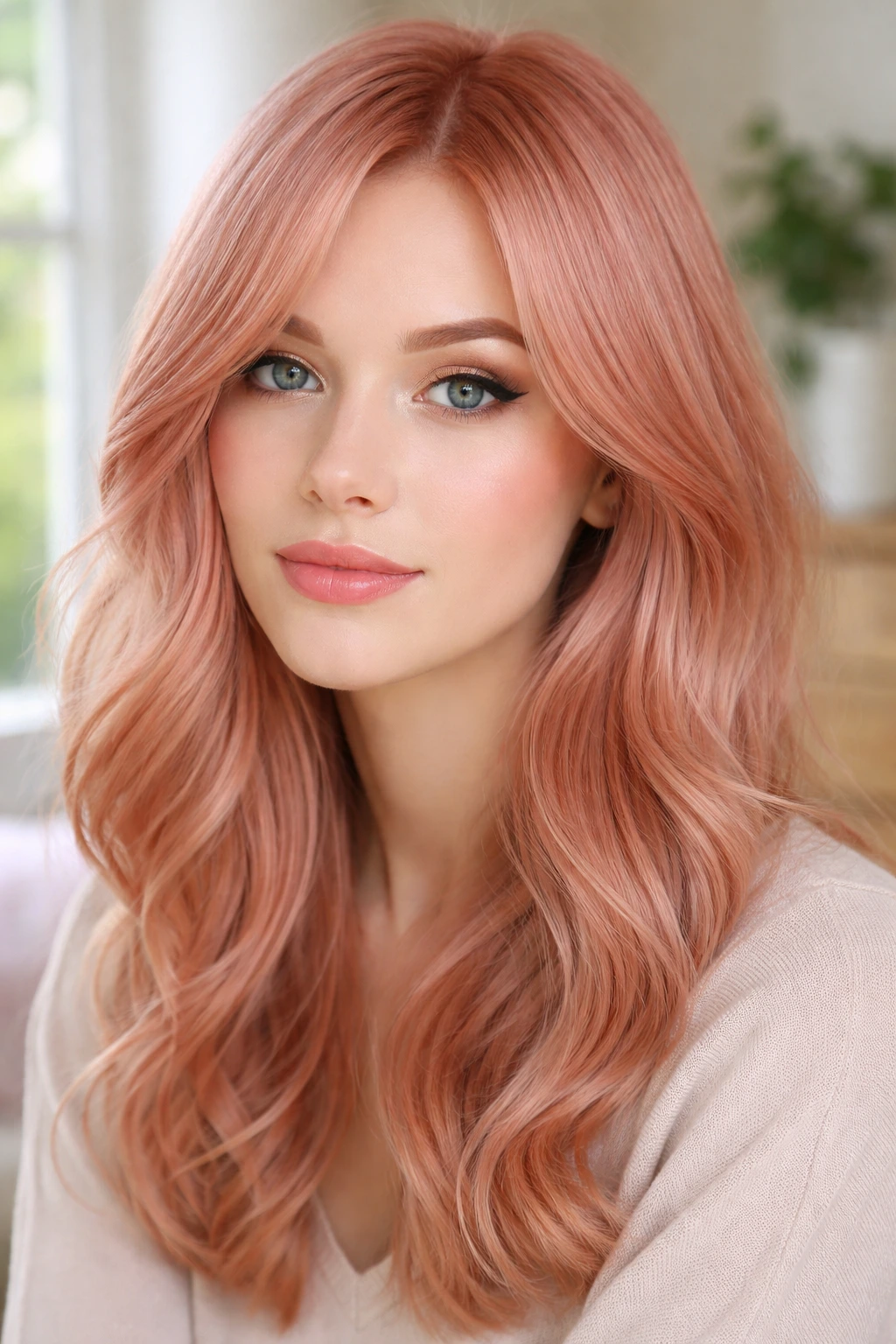
If you want something softer, look at pastel copper. This is very light, almost peach-pink, but with enough copper to keep it from looking like standard bubblegum pink. It is a light, airy shade that feels fresh and modern.
Why It Fits
Pastel colors often have a chalky or dusty finish, which inherently lacks the intense, golden warmth of deep copper. This “dusty” quality is exactly what makes it safe for cool skin. It is light enough that it does not create a heavy, unnatural contrast.
16. Mahogany Copper
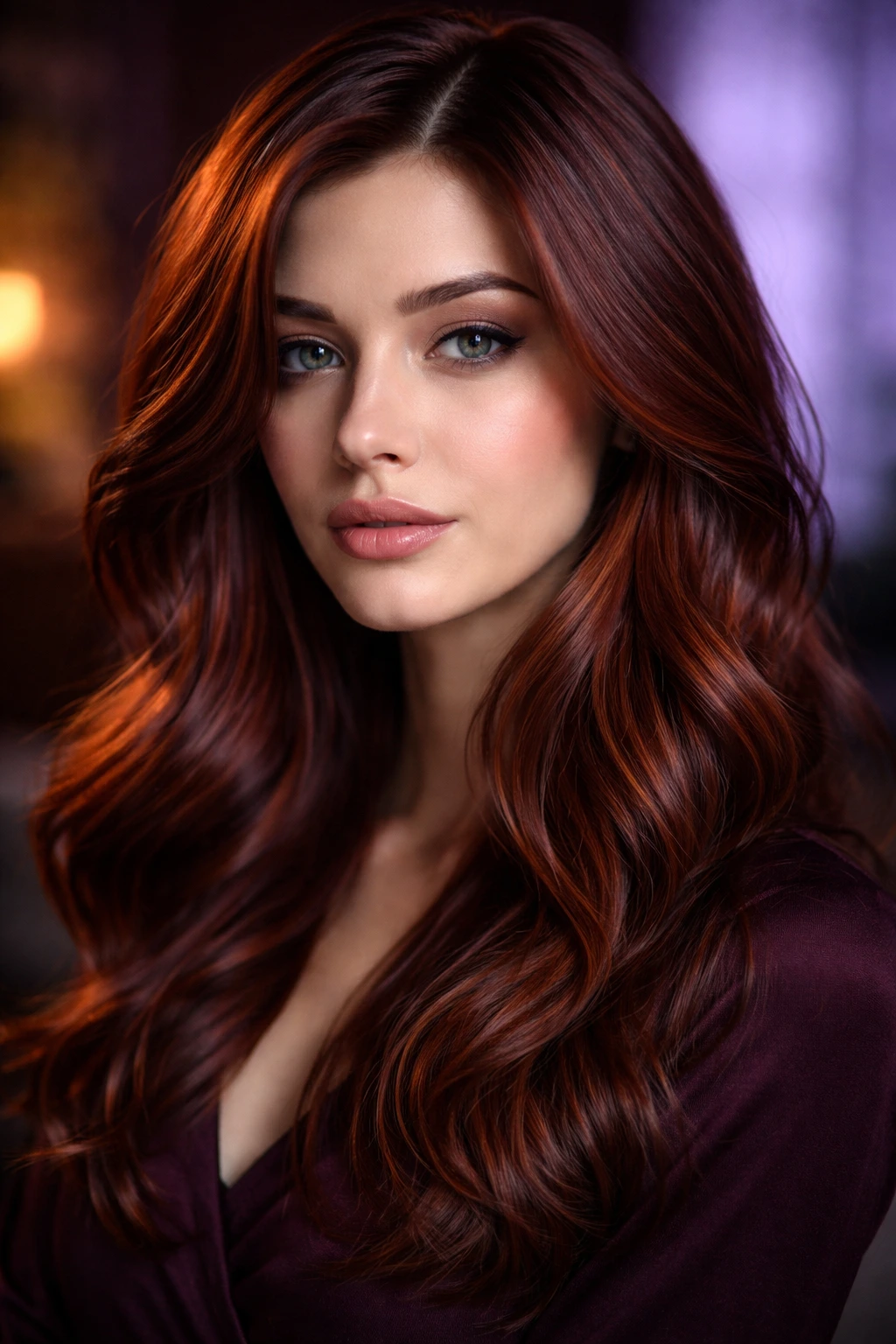
Mahogany is a mix of red and brown with a significant amount of violet or blue. It is one of the most classic colors for cool-skinned individuals who want to dabble in red. When you add copper to mahogany, you are simply brightening up the red tones.
The Result
The result is a rich, warm-looking color that doesn’t actually have a “warm” base. It is a perfect optical illusion. You get the perceived heat of a copper, but the actual color formula is cool enough to complement your skin.
17. Espresso-Copper Melt
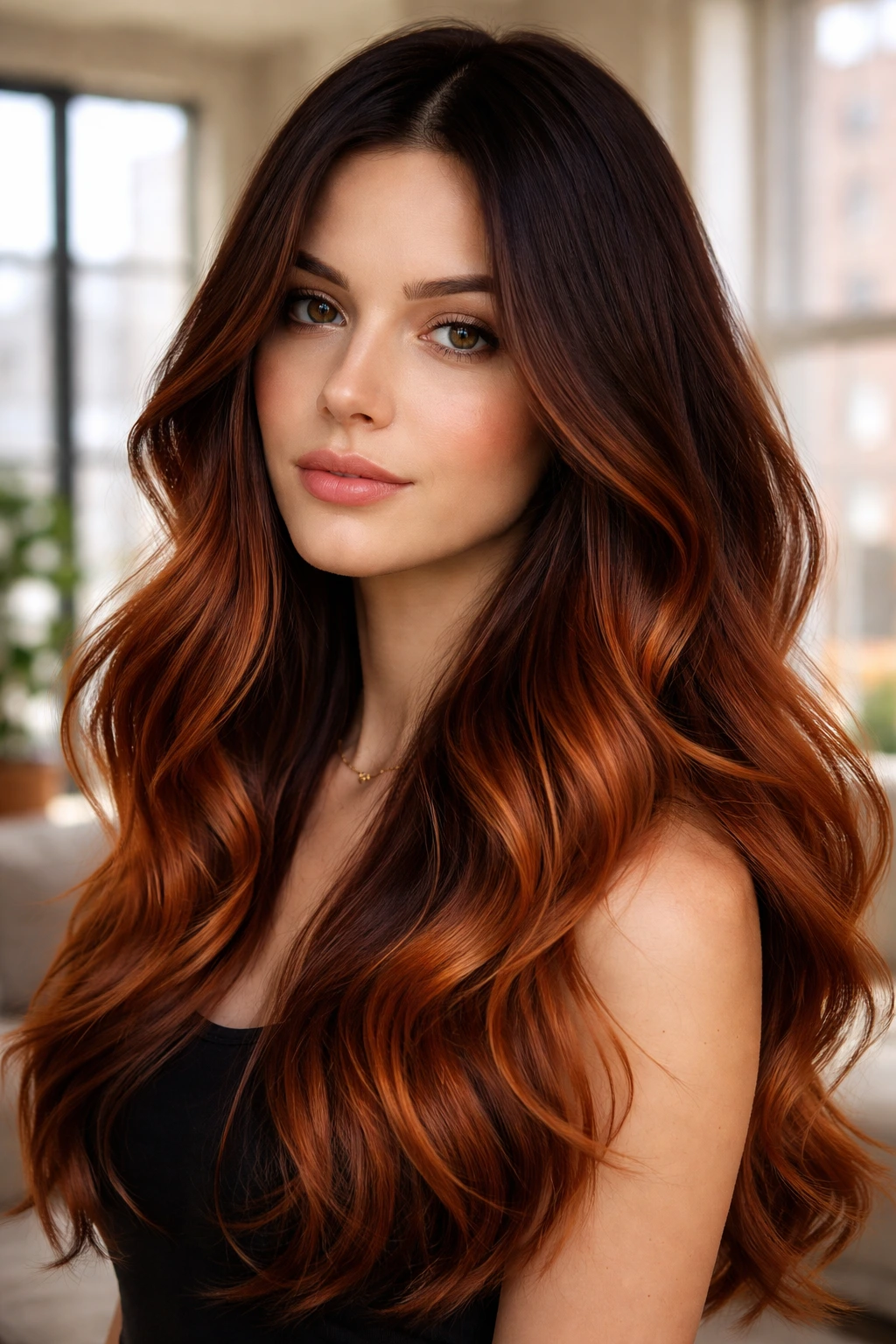
An “espresso” root melt is the gold standard for blending cool and warm tones. You keep your roots the shade of deep, black coffee (very cool) and melt that into a bright copper at the ends. The transition is seamless, allowing for a soft, gradient effect.
Practicality
This is the ultimate low-maintenance look. As your roots grow out, they simply blend into the dark espresso base, meaning you do not have a harsh line of demarcation. You can easily go three or four months between root touch-ups.
18. Copper-Lilac Tint
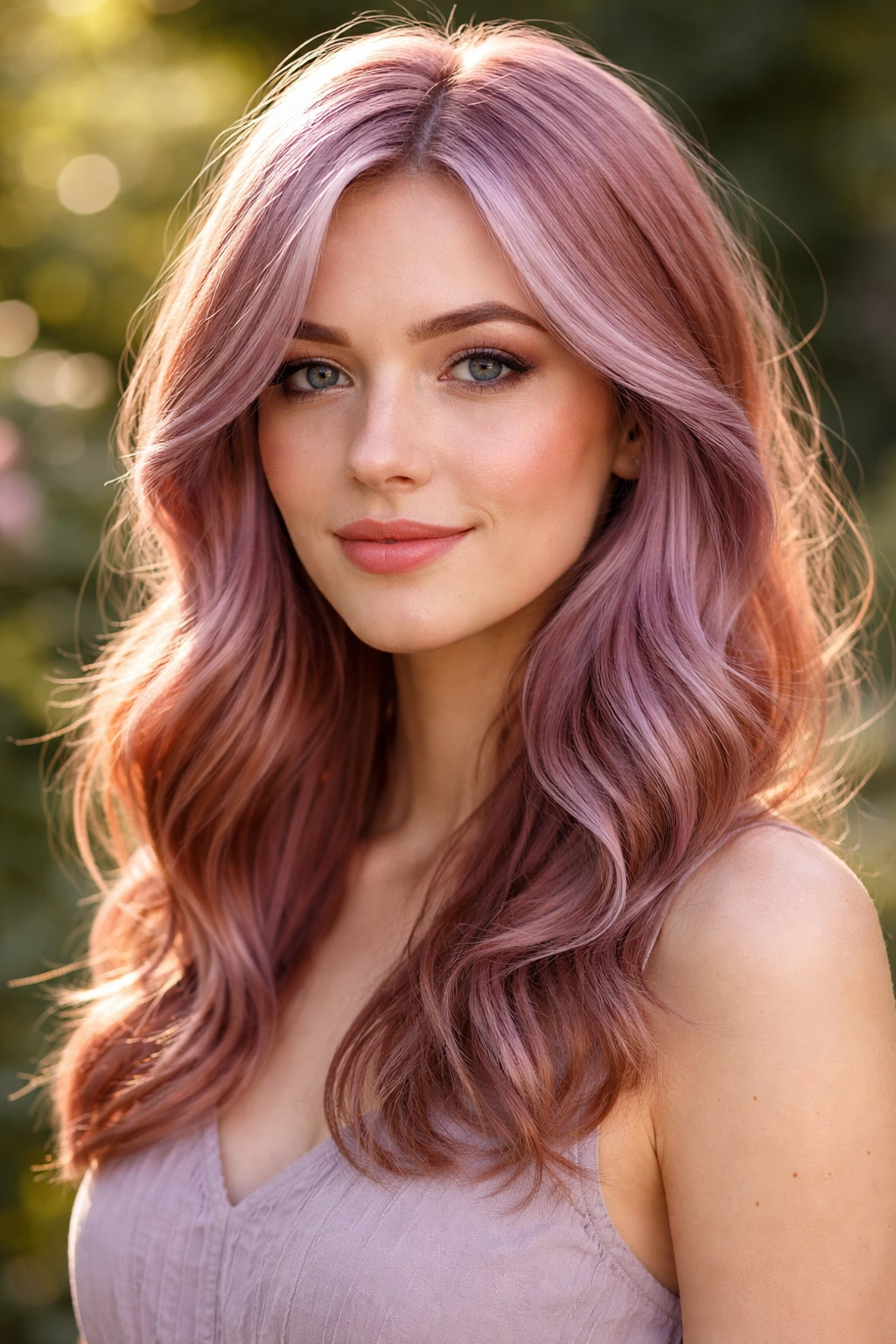
This sounds unusual, but it is incredibly effective. By adding a lilac (purple-based) tint to a light copper base, you effectively neutralize any yellow or orange undertones in the color. It creates a “unicorn” copper that is soft, pretty, and inherently cool.
Who Is This For?
This is for the person who wants to express creativity with their hair. It is not a natural-looking shade, but it is one that feels incredibly cohesive and intentional. It pairs beautifully with cool-toned makeup looks, specifically berry or mauve lip shades.
19. Dusty Copper Balayage
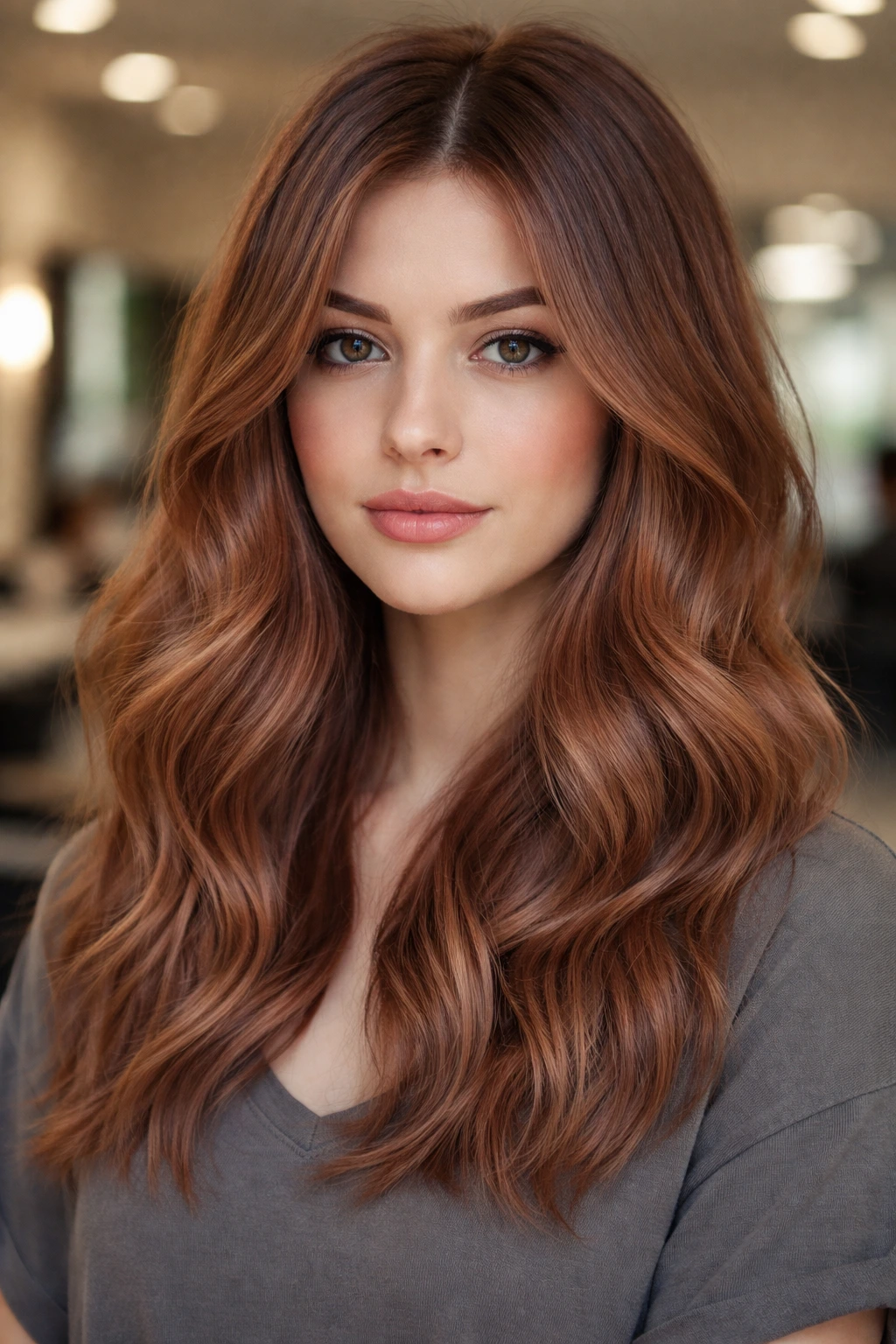
Think of a traditional copper, but imagine it covered in a thin layer of dust. That is the dusty copper look. It is matte, muted, and sophisticated. It lacks the high-shine, golden reflection of traditional copper, making it much more flattering for those with pink or blue skin undertones.
The Finish
This look is often achieved using a matte-finish hair glaze. It does not reflect light the way a high-gloss color does, which helps to hide any clashing with your skin tone. It is a great choice if you prefer a modern, edgy aesthetic over a traditional “bouncy” red.
20. Cool Strawberry with Platinum Ribbons
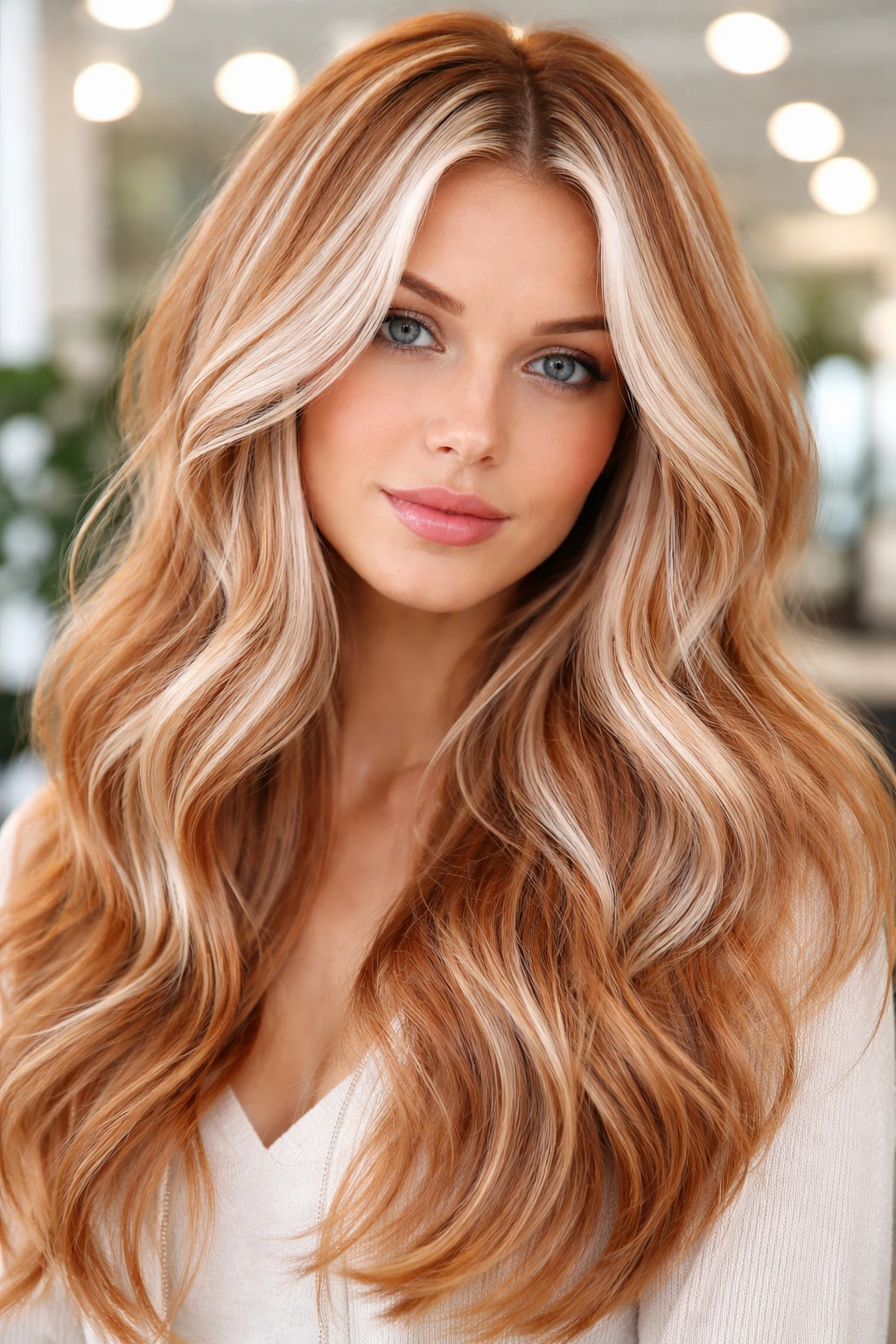
This is a high-contrast, high-maintenance look, but it is stunning. You have a cool strawberry blonde base with very thin, icy platinum highlights woven throughout. The platinum pulls the eye and creates a cool-toned focal point, while the strawberry blonde provides the depth.
The Contrast
The platinum ribbons act as a bridge. By placing cool, near-white strands next to the copper, you visually “cool down” the copper by association. It is a clever color theory trick that makes a warm color look perfectly at home on cool skin.
21. Berry-Copper Glaze
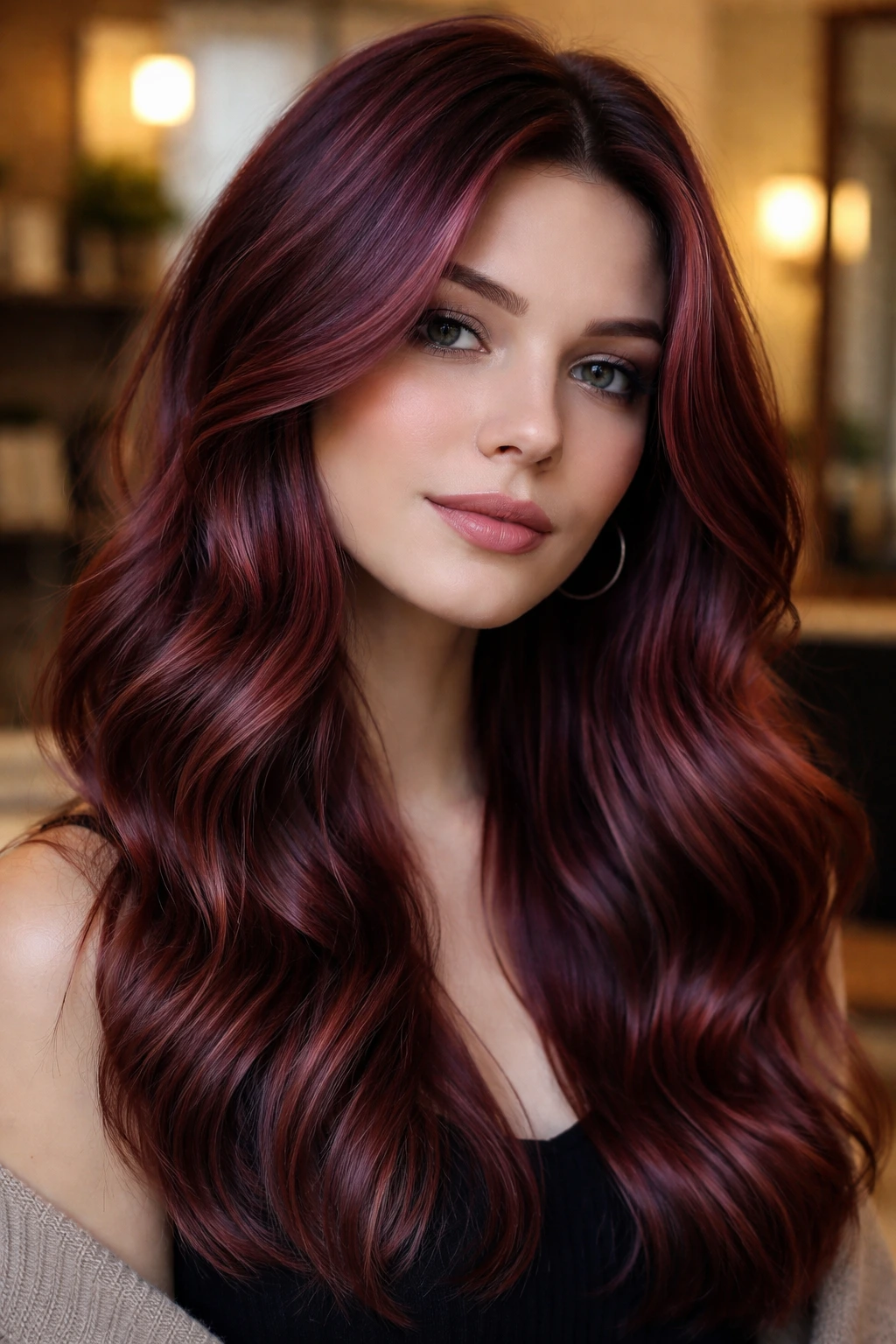
A berry glaze is simply a sheer, translucent wash of red-violet color over existing hair. When applied over a copper base, it cools down the orange. If your copper is currently too warm for your skin, you do not need to bleach or dye it again—you simply need a professional berry-toned glaze to shift the hue.
Why This is Smart
Glazes are essentially “hair makeup.” They wash out, they are gentle, and they allow you to experiment with shifting your tone without committing to a permanent chemical change. It is the best tool for fine-tuning your shade.
22. Copper-Chocolate Blend
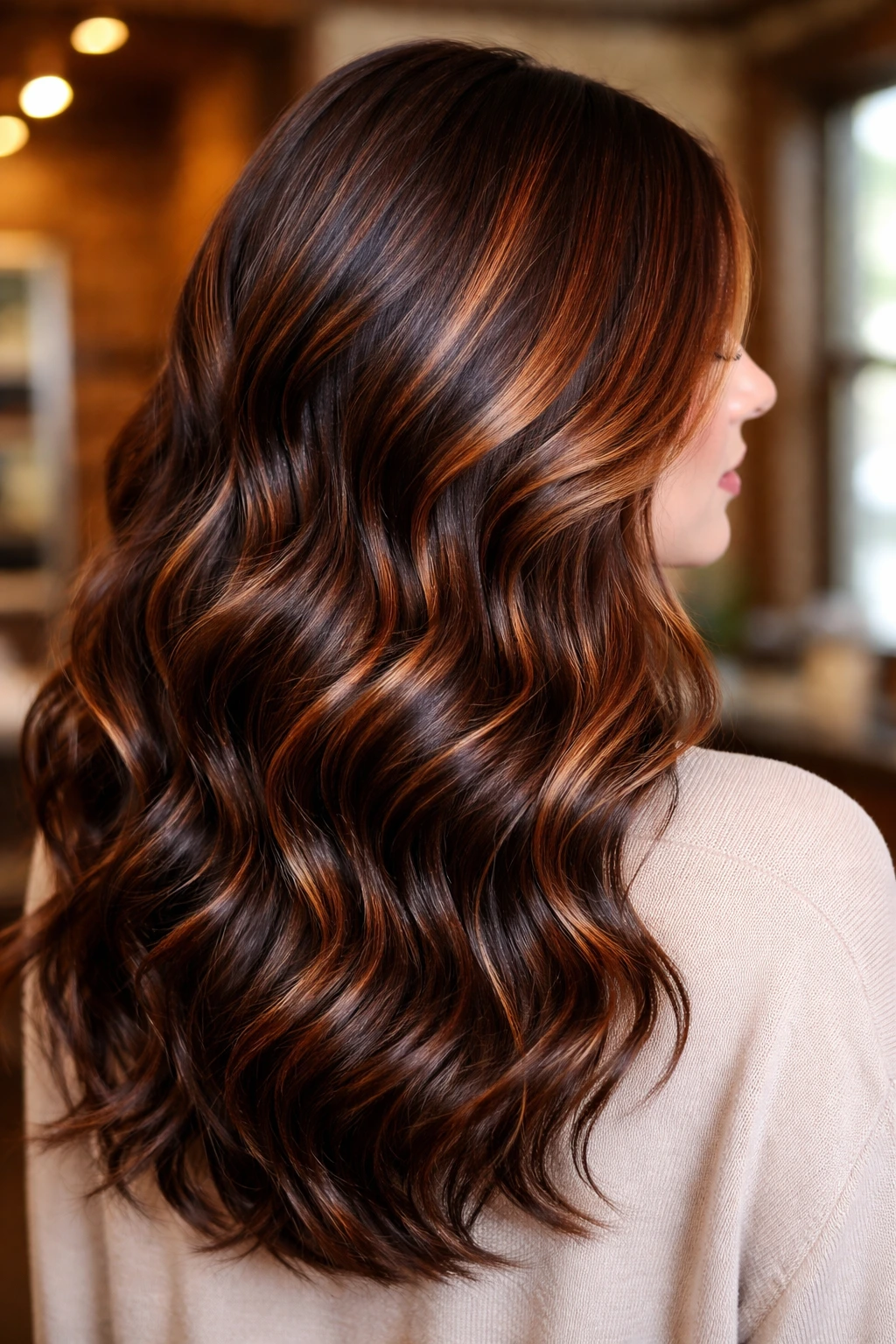
Chocolate brown is a neutral-to-cool base. By blending copper into it with a foilayage technique (balayage performed in foils for more lift), you create a multi-tonal look. The chocolate brown provides the frame for your face, ensuring you stay in your color comfort zone.
Versatility
This look is universally flattering. Because the chocolate brown is so neutral, it acts as a buffer. Even if you aren’t sure how much copper you can handle, this blend allows you to scale the amount of red up or down without needing a major color correction.
23. Deep Auburn-Violet
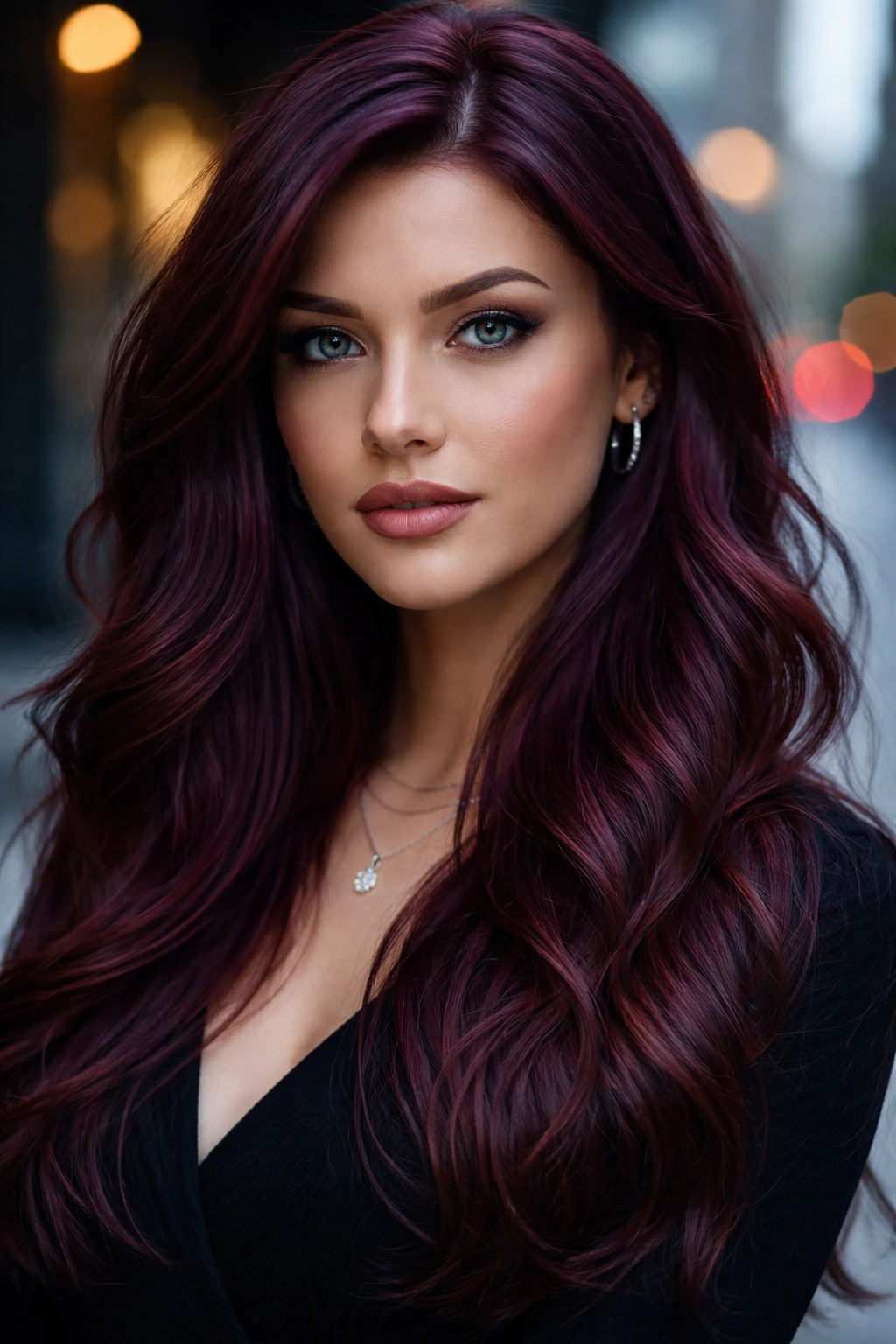
Auburn is generally a brown-red, but a “deep auburn-violet” is specifically formulated to be cool. It has that signature earthiness of auburn but replaces the golden-orange reflection with a violet one. It is a very sophisticated, mature shade that exudes confidence.
Style Pairing
This shade looks fantastic with bold, cool-toned jewelry, such as silver or platinum. Because the hair color itself has cool undertones, it does not fight against the coolness of silver metal, creating a cohesive, polished look from head to toe.
24. Copper-Mahogany with Icy Face-Framing
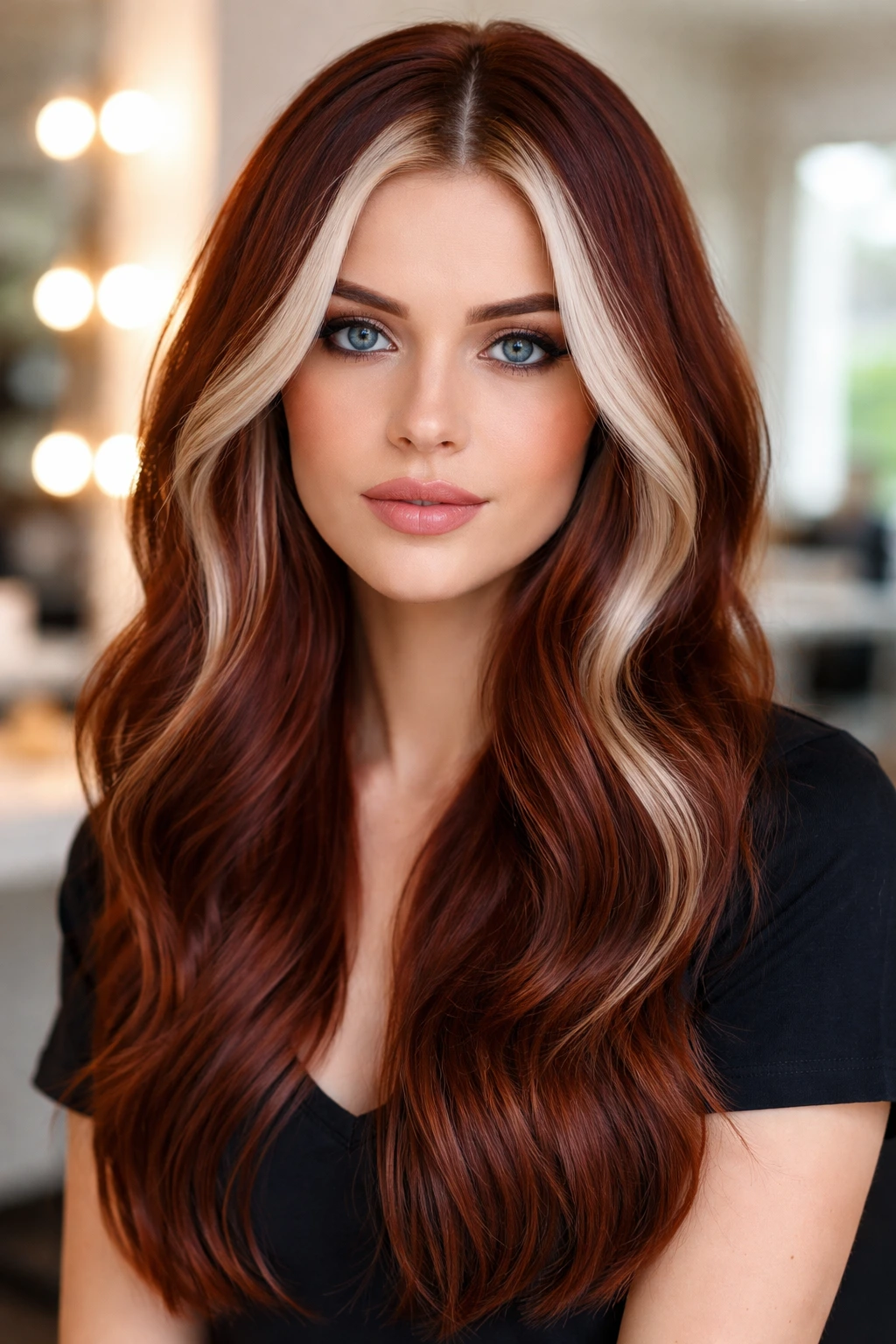
Keep the majority of the hair a rich, warm copper-mahogany, but make the pieces directly around your face icy platinum or ash blonde. This is the ultimate “cheat” for cool-toned skin. You get to wear the warm hair color you love, but the frame of your face is dominated by a color that matches your skin perfectly.
The Benefit
This technique allows you to wear almost any hair color. By creating a literal barrier between the warm hair and your skin, you eliminate the possibility of clashing. It is a bold, modern look that has been popular for a reason—it works.
25. Silver-Copper Transition
If you are transitioning to gray hair or already have gray hair, you can still wear copper. A silver-copper transition involves a silver base with copper lowlights. The silver naturally bridges the gap to your skin tone, while the copper adds that touch of brightness and youthfulness.
The Evolution
As your hair continues to grow out or change, the copper lowlights can be faded out or adjusted in intensity. It is a very gracious way to handle the transition to gray while keeping your hair vibrant and interesting.
26. Shadow-Root Copper
A shadow root is a classic technique where the roots are dyed a shade or two darker and cooler than the rest of the hair. For a copper look, you would use a cool-toned ash brown for the shadow root, melting that into your copper mid-lengths.
The Visual Correction
The dark, cool root provides the structure your face needs. It grounds the look and prevents the “floating” feeling that happens when bright, warm hair sits directly against a pale, cool face. It also makes the style look expensive and intentionally designed.
27. Burgundy-Rooted Copper
Similar to a shadow root, but with more impact. Using a deep burgundy as the root color provides a very strong cool base. When this bleeds into a copper, it creates a fiery, sunset-like effect that feels very intense and deliberate.
Color Theory
The burgundy root serves as a “reset” for your complexion. Even if the ends of your hair are blazing orange-copper, the first three inches of your hair are dominated by the cool, violet-based burgundy. That is enough to maintain the harmony with your skin.
28. Soft Copper-Rose
Finally, we have the soft copper-rose. This is the most gentle of all the options. It is essentially a light copper that has been muted with significant amounts of pink and ash. It is very close to a rose-gold, but with more copper pigment and less pink.
The Final Verdict
This is the “safe” choice. It is soft, feminine, and sits comfortably between warm and cool. If you are very pale and very cool-toned, start here. It will provide the red effect you want without the high-contrast intensity of a true, vibrant copper.
Final Thoughts
Wearing copper when you have cool skin is entirely possible—it just requires a shift in perspective. You are not looking for the bright, golden, “orange soda” copper that might look great on someone with olive skin. You are looking for coppers that have been “tempered” with blue, violet, or ash pigments.
Remember that color is cumulative. If you go to a salon and the first attempt feels too warm, you do not need to dye your hair brown immediately. Ask for a cool-toned gloss or a violet-based toner. These simple, low-commitment additions can shift the temperature of your color instantly, moving it from “clashing” to “custom-made.” Confidence is your best accessory, but having a color that respects your skin’s natural undertones makes that confidence so much easier to carry.
