



Purple red hair can do something plain red rarely does: it flatters cool skin instead of fighting it.
That sounds obvious, but it’s the reason some red shades look rich and expensive on one person and a little off on another. Cool skin tones usually have pink, rosy, blue, or neutral-blue undertones, and they tend to look best when the hair color carries that same cooler bias—berry, wine, plum, cherry, garnet, merlot. When a red leans too orange or too copper, it can pull the whole face warmer than you meant.
There’s also a very practical side to this. Purple-red shades usually sit in that sweet spot between bold and wearable, which means they can look dramatic in daylight and still feel polished in soft indoor light. The trick is choosing the right depth. Too light, and the color can go brassy. Too warm, and it starts drifting into copper territory. Too dark, and the violet can disappear unless the finish is glossy.
So the game is not “pick a red.” It’s pick the red that has the right amount of violet, berry, or blue in it—and that’s where these shades get interesting.
1. Blackberry Burgundy
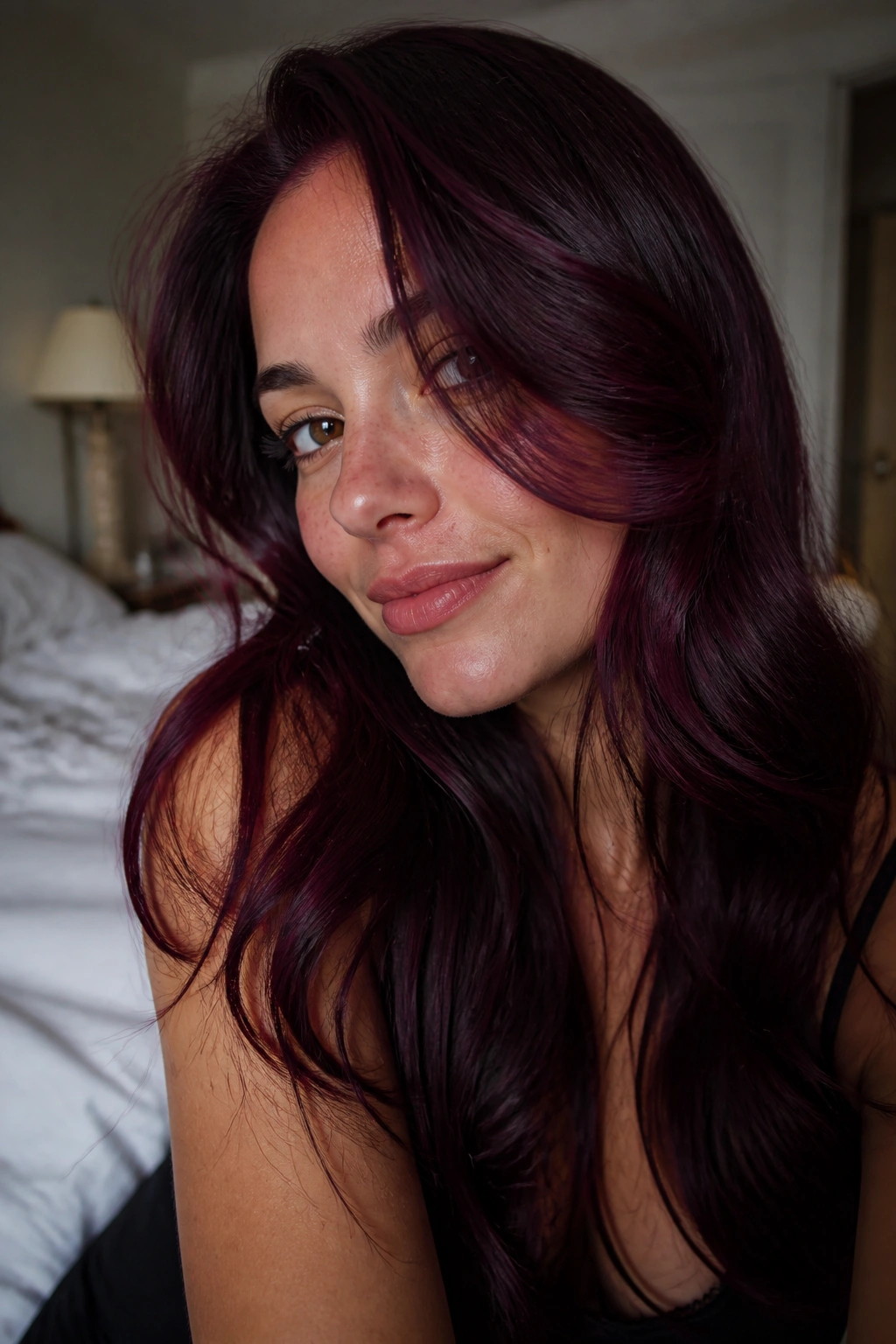
Blackberry burgundy is one of the easiest wins for cool skin because it stays dark, juicy, and slightly purple without going flat. It has that deep wine look that reads polished on pale skin and sharp on medium cool undertones, especially if your eyes are gray, hazel, or blue.
Why It Works on Cool Skin
The purple base matters. A true blackberry burgundy has enough blue-violet pigment to soften redness in the cheeks and keep the face looking balanced, not flushed. It also catches light in a way that makes the color look layered instead of one-note.
This shade is especially kind to brunettes who don’t want a dramatic pre-lightening job. On a level 4 to 6 base, it can show up as a rich translucent red-violet. On lighter hair, it gets brighter and more berry-like.
- Best on natural brunettes who want low-commitment dimension
- Works well as an all-over color or a gloss over dark brown
- Fades softly into berry-brown instead of turning orange
- Looks especially good with cool makeup tones like plum blush and mauve lips
My favorite thing here: it looks intentional even when the color softens a little.
2. Plum Merlot
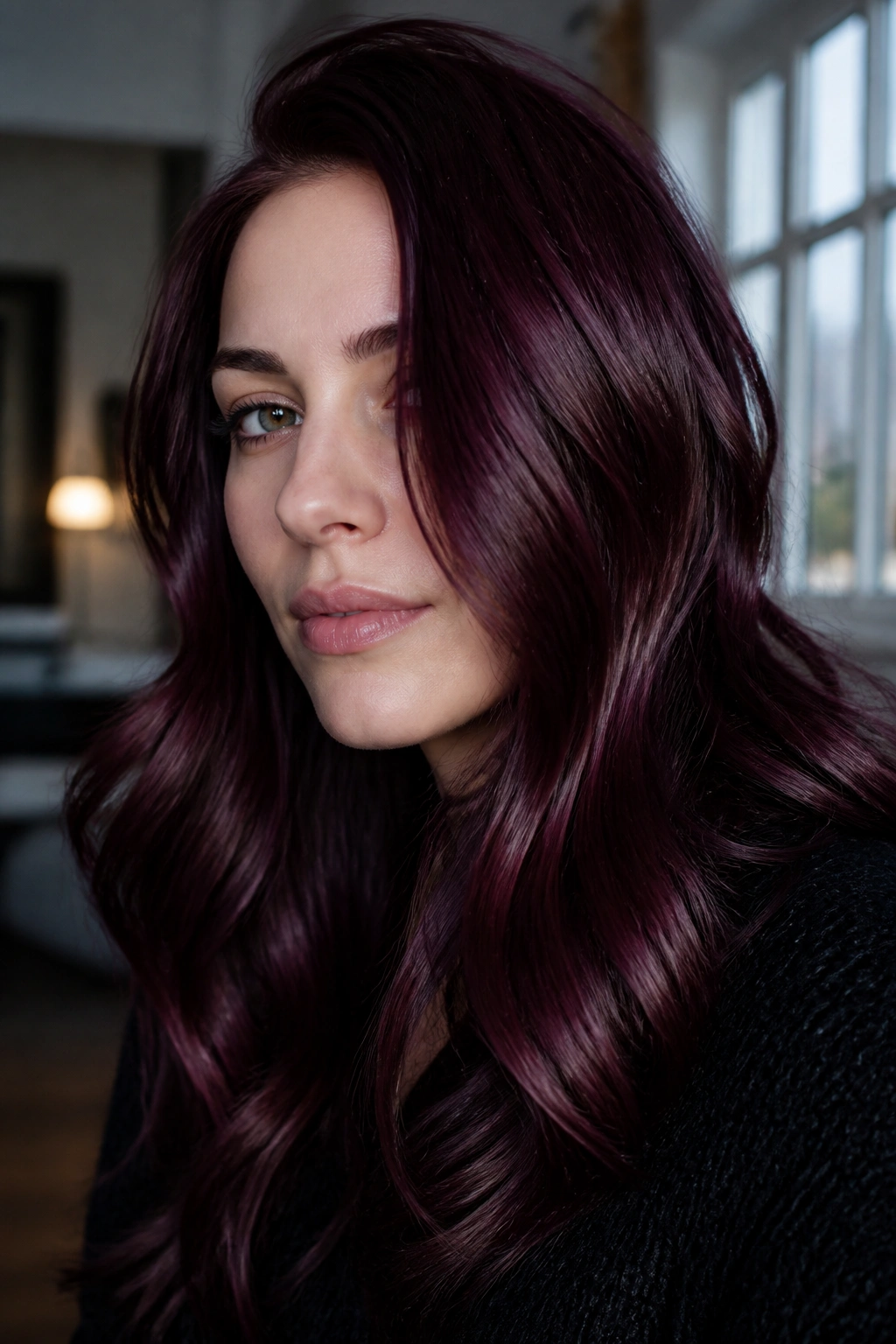
Plum merlot is darker and moodier than blackberry burgundy, with more of a grape-wine edge than a fresh berry feel. If you like hair color that looks rich from across a room and even better up close, this is a smart pick.
The reason it flatters cool skin so well is simple: the plum note cools down the red. You get warmth from the merlot side, but the violet keeps it grounded. On fair cool skin, it creates contrast without looking harsh. On deeper cool skin, it gives that velvet-on-velvet effect that’s hard to fake.
This shade works best on medium to dark bases where the violet can sit on top of the natural depth. A gloss finish keeps it from looking black in low light. A matte finish, honestly, can make it feel a little dull. Don’t do that.
If you want something elegant rather than flashy, this is the one. It’s red hair for people who don’t want to look like they tried too hard.
3. Black Cherry Gloss
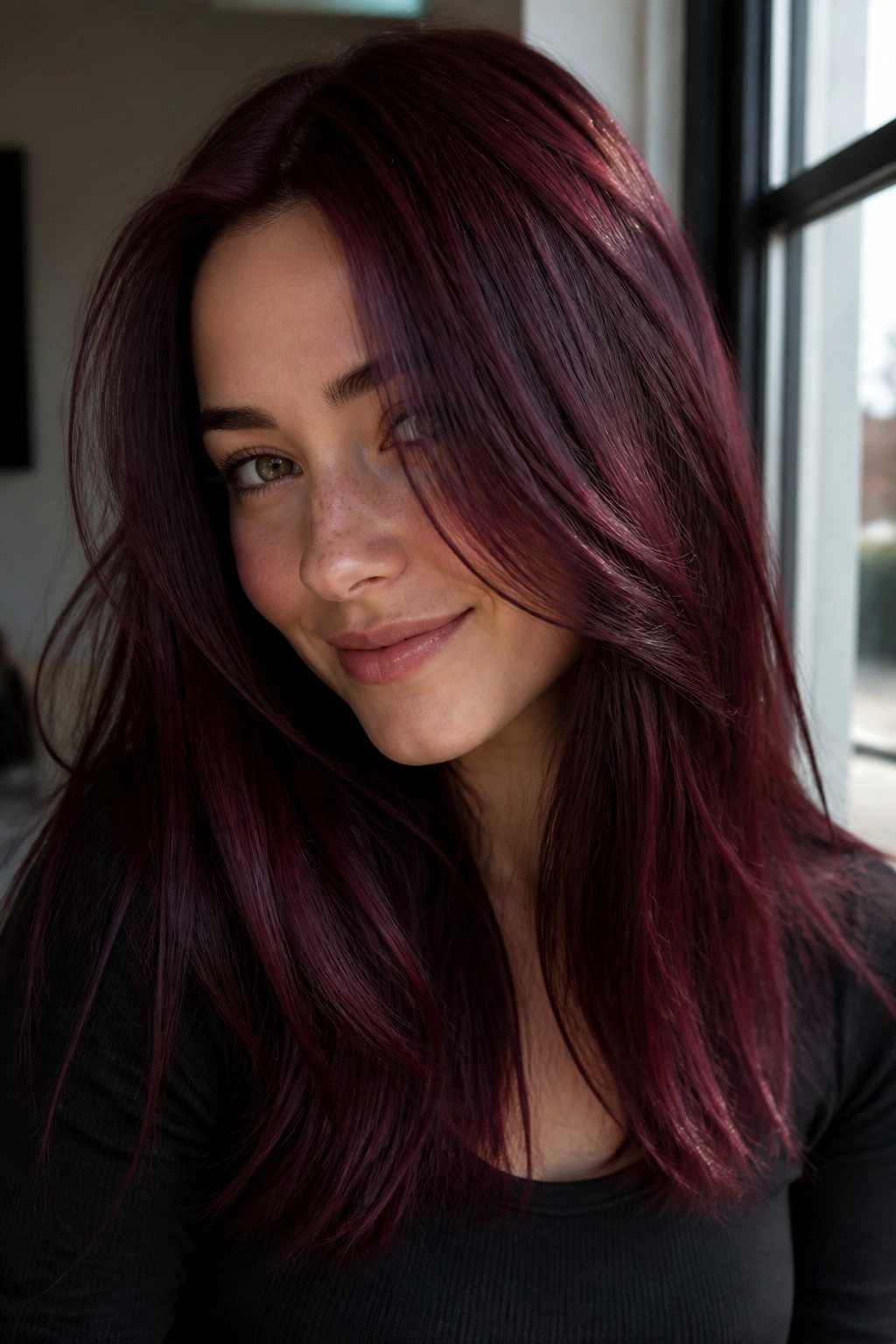
Black cherry gloss has a little more shine and a little more red pop than blackberry burgundy, which makes it ideal if you want the purple-red family but still want the color to read clearly as red.
What I like about black cherry is that it can live in two places at once. Indoors, it looks like a deep brunette with a wine stain. In bright light, the cherry pigment wakes up and gives you that glossy red reflection. That makes it one of the better purple red hair color ideas for cool skin tones that don’t want a flat, uniform shade.
What to Ask for at the Salon
Ask for a deep red-violet gloss or a black cherry all-over shade, depending on how much brightness you want. If your stylist reaches for orange-red or copper-red, steer it back. You want cherry, not rust.
This shade is a good match for cool-toned wardrobes too—black, charcoal, icy pink, slate blue, even crisp white. The hair does half the styling work.
4. Raspberry Cabernet
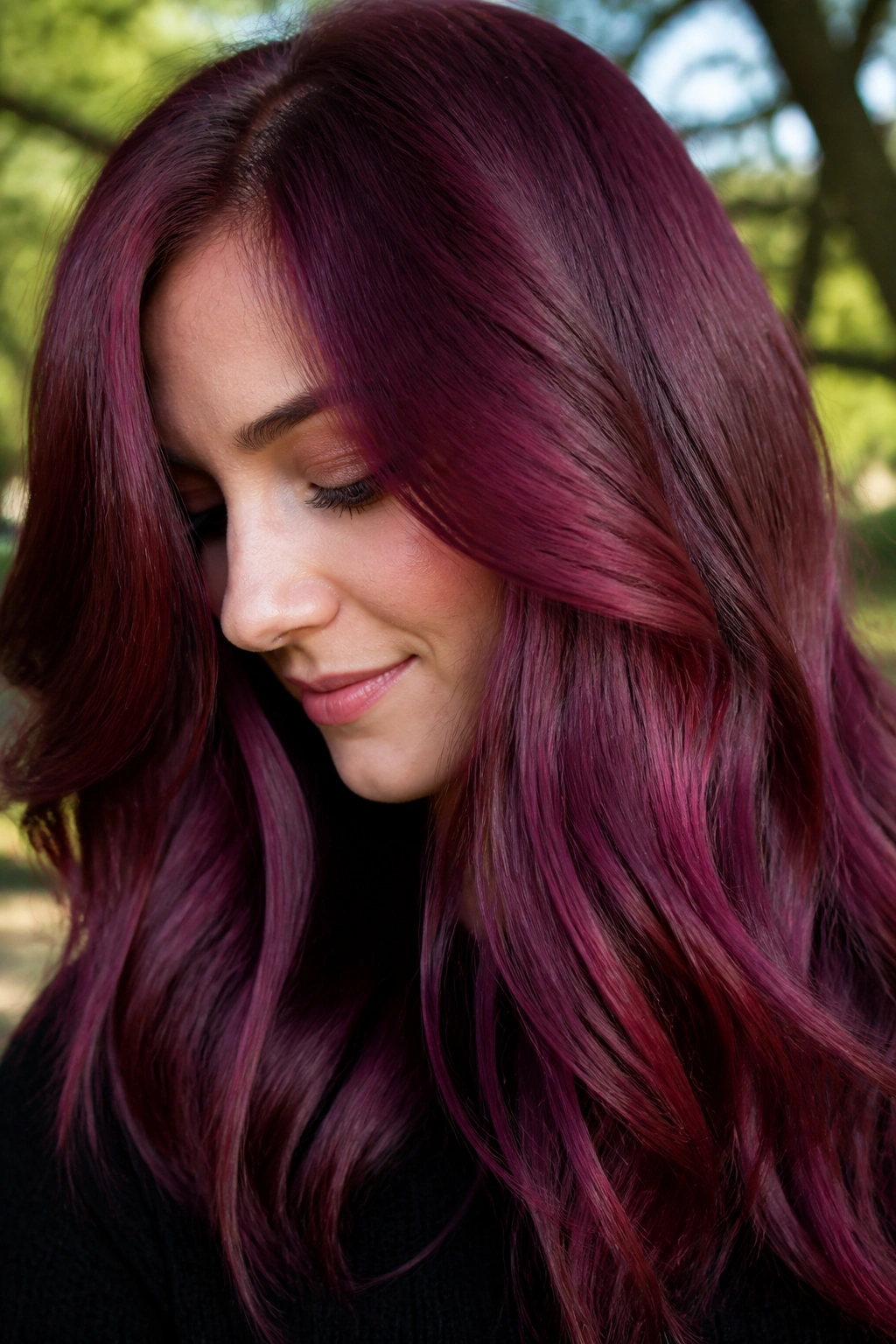
Raspberry cabernet feels a little brighter, a little more playful, and a lot less heavy than the darker wine shades. It has that juicy berry top note, then settles into a red-wine base that keeps it grown-up.
The color is especially flattering on cool skin because it brings life to the face without dragging warmth into the cheeks. That’s the difference between a true berry-red and a warm scarlet. One brightens. The other can overpower.
You’ll usually see this shade best on hair that’s lifted to a medium or light brown base, or on pre-lightened strands if you want the raspberry to show clearly. If you keep the base darker, it becomes more like cabernet with a berry reflection. Either way, it’s a good middle ground for someone who wants movement.
It also photographs well in a very natural way. Not in the fake, overfiltered sense—just in the sense that the color shifts from wine to berry depending on the angle, which is exactly what makes it interesting.
5. Violet Wine Balayage
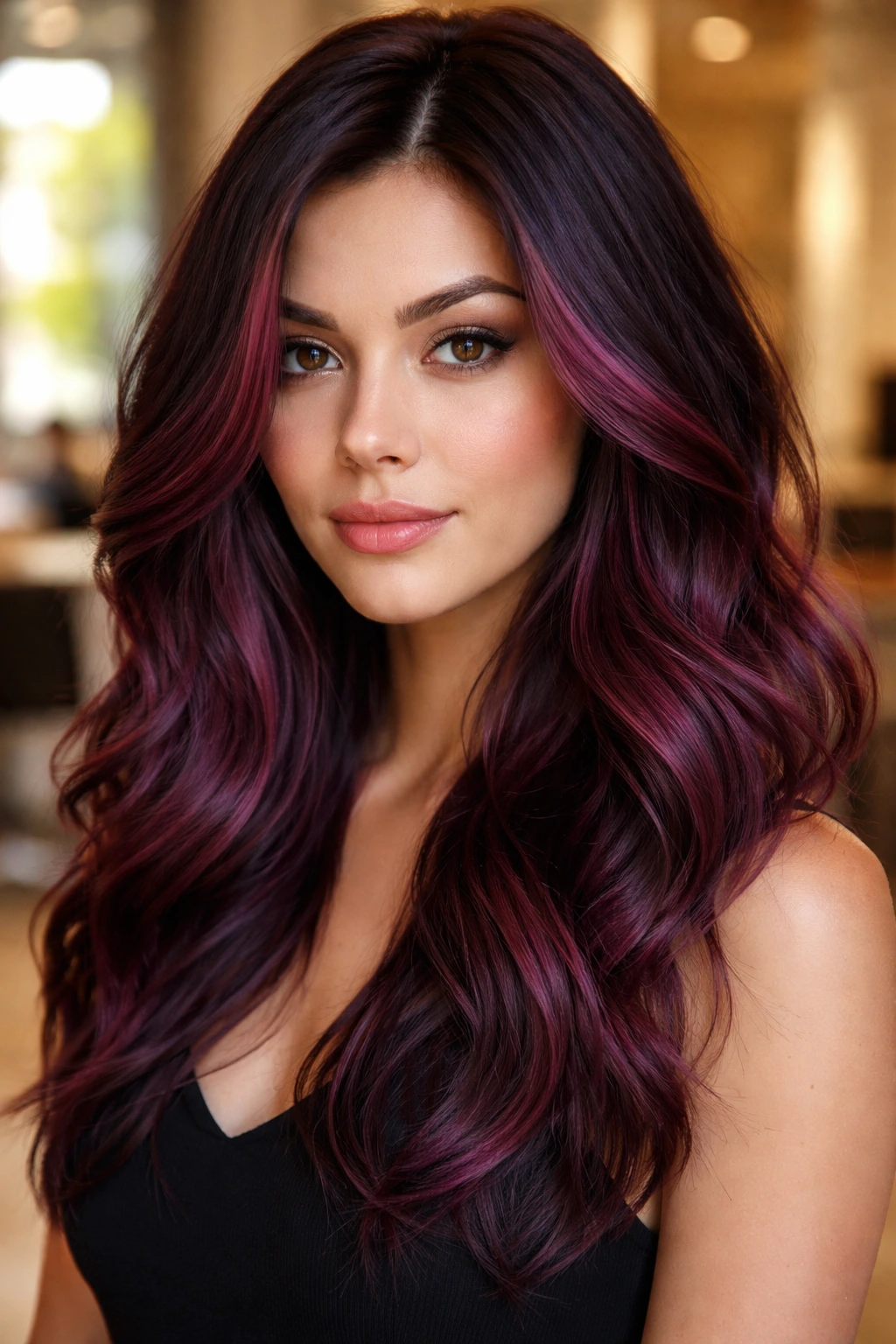
Violet wine balayage is for anyone who wants dimension instead of a solid block of color. The roots stay deeper, usually brown or near-black, while the mid-lengths and ends carry streaks of wine, plum, and violet-red.
That placement is doing a lot of work. The darker root zone keeps maintenance sane, and the brighter painted pieces keep the color from looking heavy. On cool skin, the violet ribboning around the face gives a soft framing effect—especially if the pieces sit near the temples and cheekbones.
Best Way to Wear It
This looks best when the balayage pieces are fine enough to blend, not chunky. You want movement, not stripes. A few wider face-framing ribbons are fine, but the rest should melt into the base.
- Works on medium brown to dark brown hair
- Pairs well with layered cuts and soft waves
- Needs a gloss every 4 to 8 weeks to keep the violet clean
- Looks less dramatic when straight, more dimensional when curled
A lot of people ask for balayage when they really want highlights. This is not that. It’s softer, moodier, and better for cool skin because the purple tones stay in the red family without going brassy.
6. Cranberry Velvet
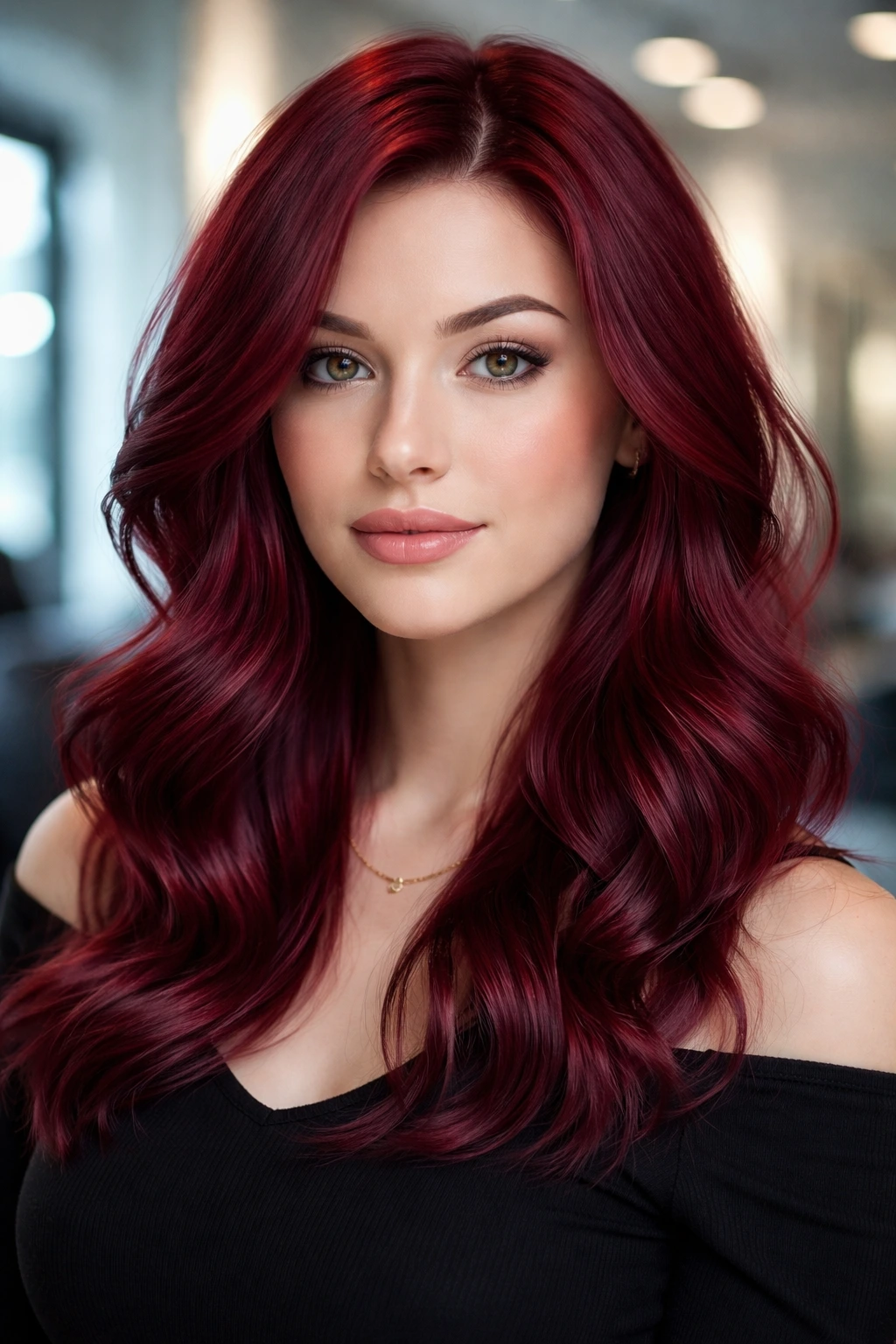
Cranberry velvet is brighter than burgundy and cooler than cherry red. It has a tart, polished feel—like a cranberry cocktail that someone made with actual fruit instead of syrup.
That brightness is why it works so well on cool skin tones. It wakes up the complexion without turning the whole look orange. Fair skin gets a clean, festive contrast. Medium cool skin gets a rich red that doesn’t muddy out.
This shade tends to look best on lighter brunettes and dark blondes, or on anyone with pre-lightened hair who wants something bold but still wearable. If you want a red that looks vivid but not neon, this is the safer bet.
It also pairs nicely with clean makeup: a berry lip, soft taupe eyeshadow, maybe a bit of silver liner if you like that sharper finish. Too much warm makeup can fight the shade. Keep the rest cool and it all makes sense.
7. Mulberry Melt
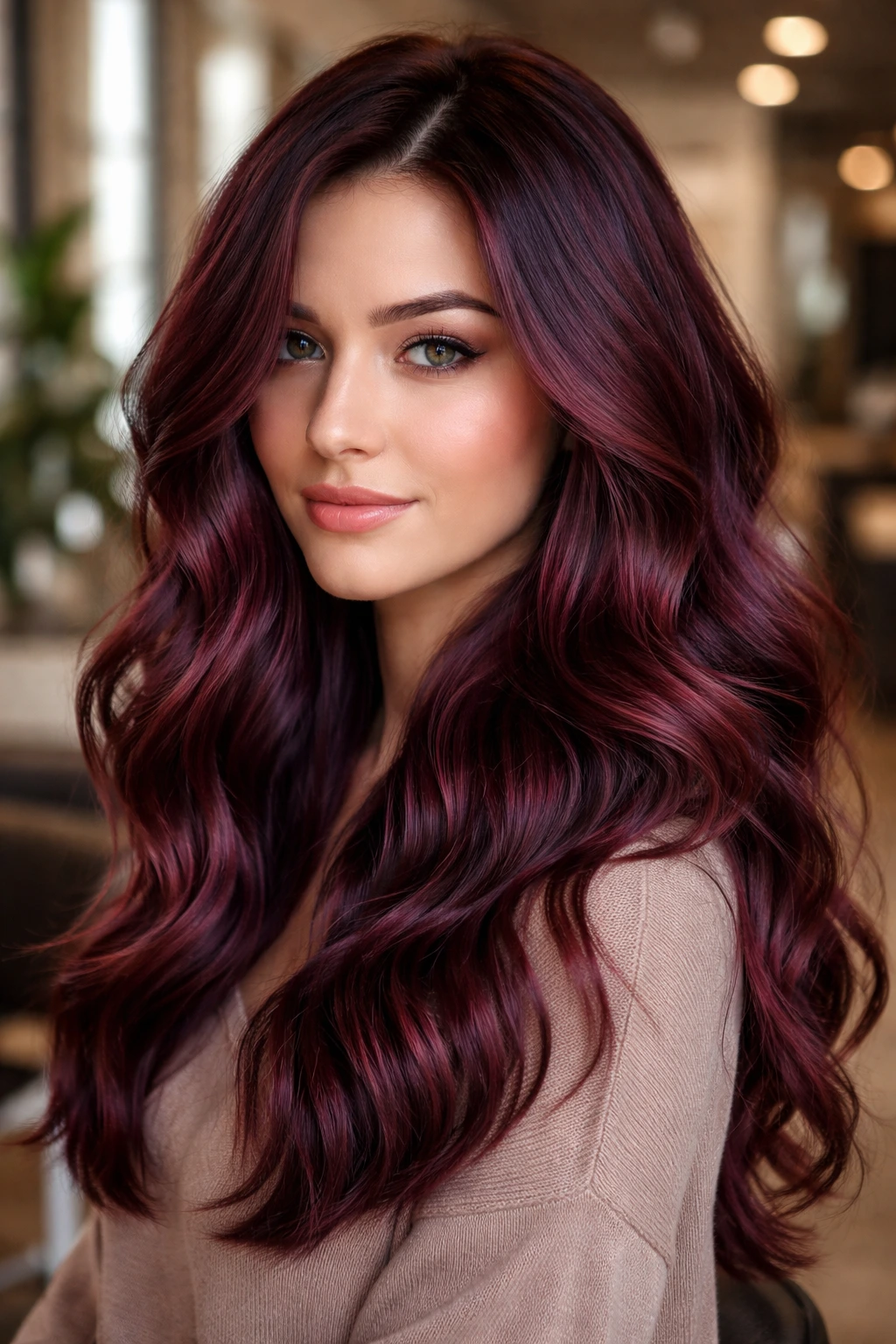
Mulberry melt is one of those shades that looks expensive because it does not try to be loud. It blends plum, berry, and a muted red into one soft gradient, so the eye catches the transition instead of one flat color.
This is a smart choice if you like purple-red hair but don’t want your hair to shout from across the street. The melt effect makes it forgiving on grow-out, which helps if you’re not the type to book touch-ups every few weeks. Nice bonus. A real one.
How It Shows Up
On cool skin, mulberry tends to look especially good because the purple element keeps the red from turning too warm. The result is more like a dark berry stain than a classic red dye job. That subtlety matters.
It’s a lovely fit for wavy or curly textures because the shade shifts along the bends in the hair. Straight hair can wear it too, of course, but you’ll want a glossy finish so the color doesn’t disappear in low light.
8. Garnet Velvet
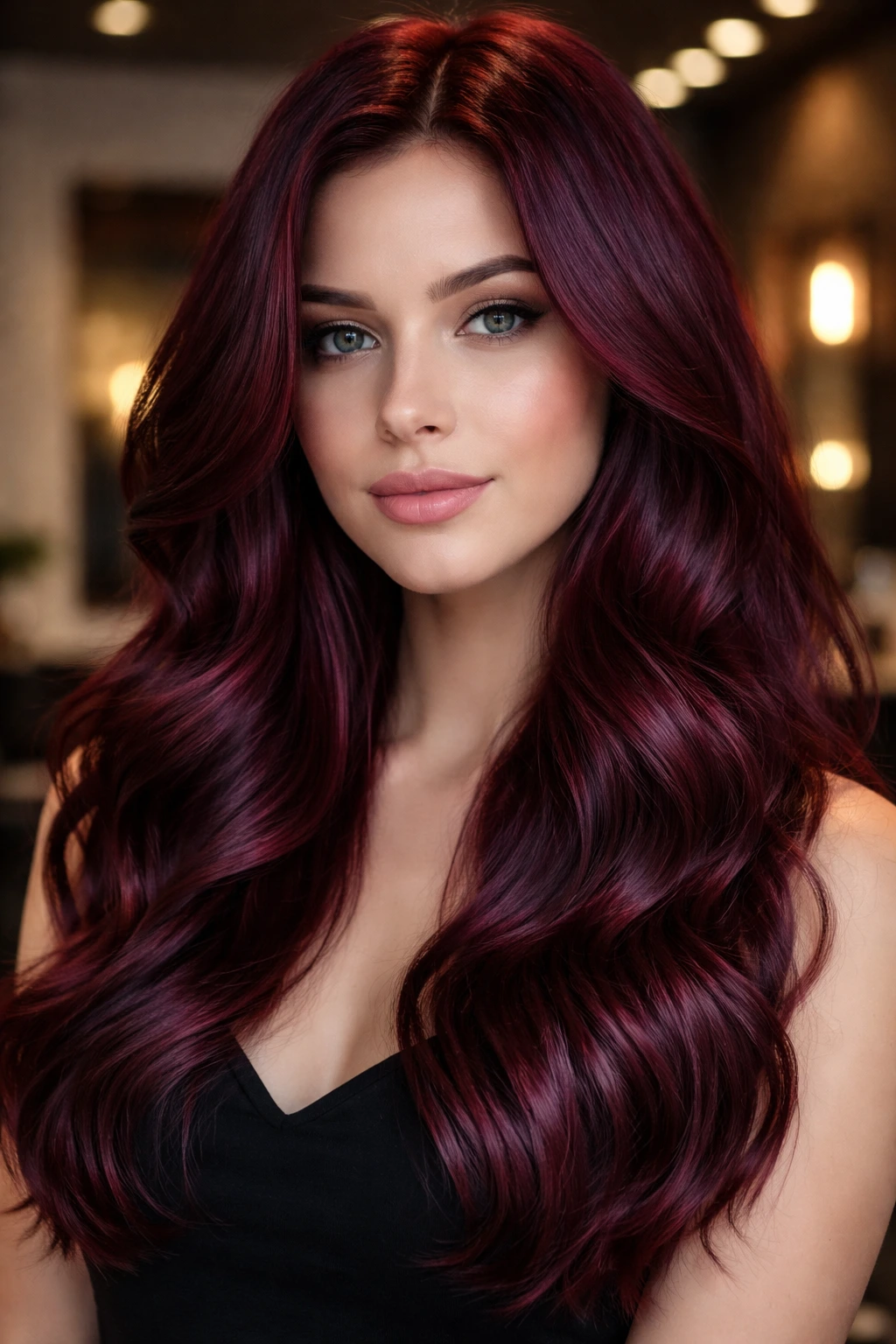
Garnet velvet has more sparkle in it than you might expect. Not glitter—just a deep jewel tone that catches light and throws back ruby-red reflections with a hint of purple underneath.
The cool-skin advantage here is contrast. Garnet sits darker and cooler than a bright ruby, which helps fair skin look clearer and deeper skin look even richer. It’s a strong choice if you want red hair that doesn’t lean trendy or pastel.
A lot depends on the finish. Glossy garnet looks lush. A dry or porous version of garnet can look flat, almost brown, and that’s usually where people get disappointed. If you choose this shade, keep it shiny. Serum, gloss, or a clear glaze all help.
This is one of the better choices for someone who wears a lot of black, navy, or charcoal. The hair and wardrobe start speaking the same language.
9. Blue-Red Ruby
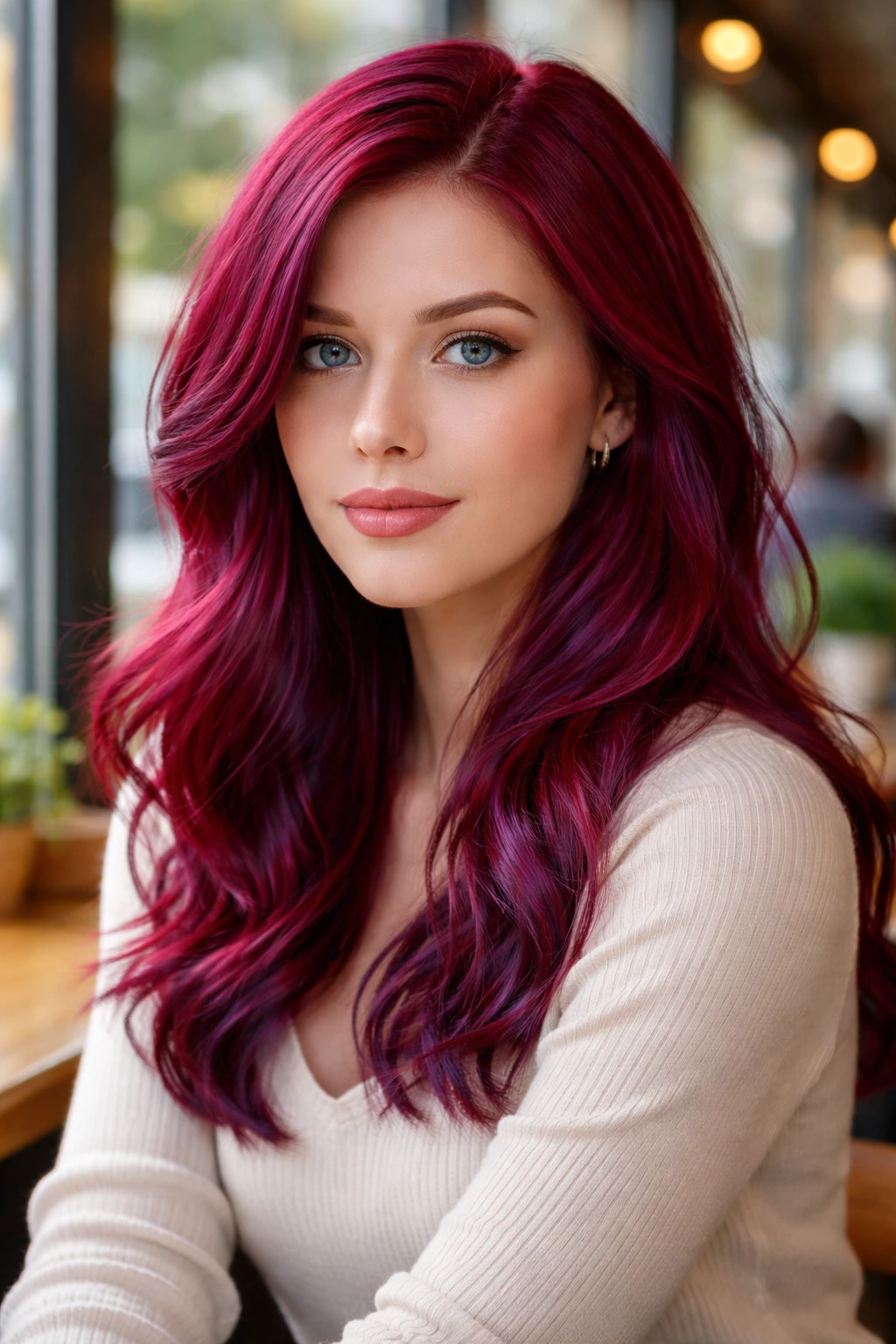
Blue-red ruby is the cleanest, sharpest red in this whole family. It has a cooler base than most classic reds, which makes it a natural match for cool skin that needs brightness but not warmth.
This is the shade for people who want their hair color to read clearly from a distance. The blue-red cast keeps it crisp. That matters more than people think, because a red that’s too orange can make cool skin look a little tired or blotchy. Ruby does the opposite.
What Makes It Different
Unlike burgundy or plum, ruby has less brown in the mix. It’s brighter, cleaner, and a bit more dramatic. That also means it can fade faster, so expect to refresh the tone more often with color-depositing masks or salon glossing.
- Best on level 7 to 9 hair if you want the red to show clearly
- Looks striking with clean center parts and smooth blowouts
- Needs UV and heat protection to keep the red from fading flat
- Works well if you like strong lipstick shades like cranberry or blue-red
It’s a bold choice, but not a reckless one. There’s a difference.
10. Rosewood Red
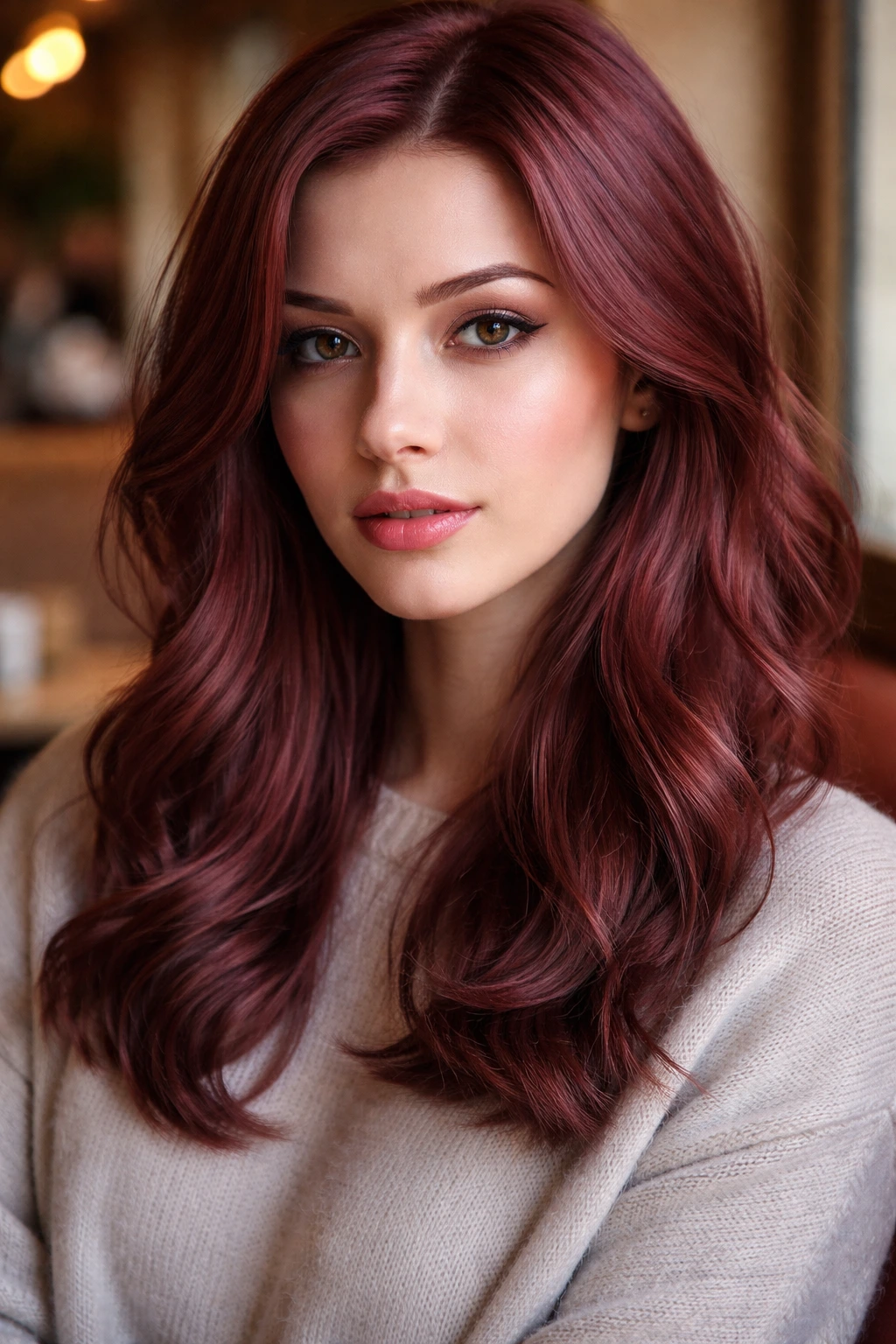
Rosewood red is softer than most of the colors here. It mixes dusty rose, muted red, and a little plum, which gives you a quiet, elegant finish without losing the red identity completely.
Cool skin tends to love this shade because it doesn’t shove warmth into the face. It softens rather than sharpens. If your natural coloring is delicate—light eyes, cool undertones, pale skin, maybe freckles—rosewood can look almost tailored to you.
This is one of my favorite options for someone who wants a red that feels wearable at work, on weekends, and everywhere in between. It doesn’t read costume-y. It reads considered.
It’s also forgiving as it fades. Instead of going copper, it usually settles into a dusty berry-brown, which is about as nice a fade as red hair can give you.
11. Pinot Noir Brunette
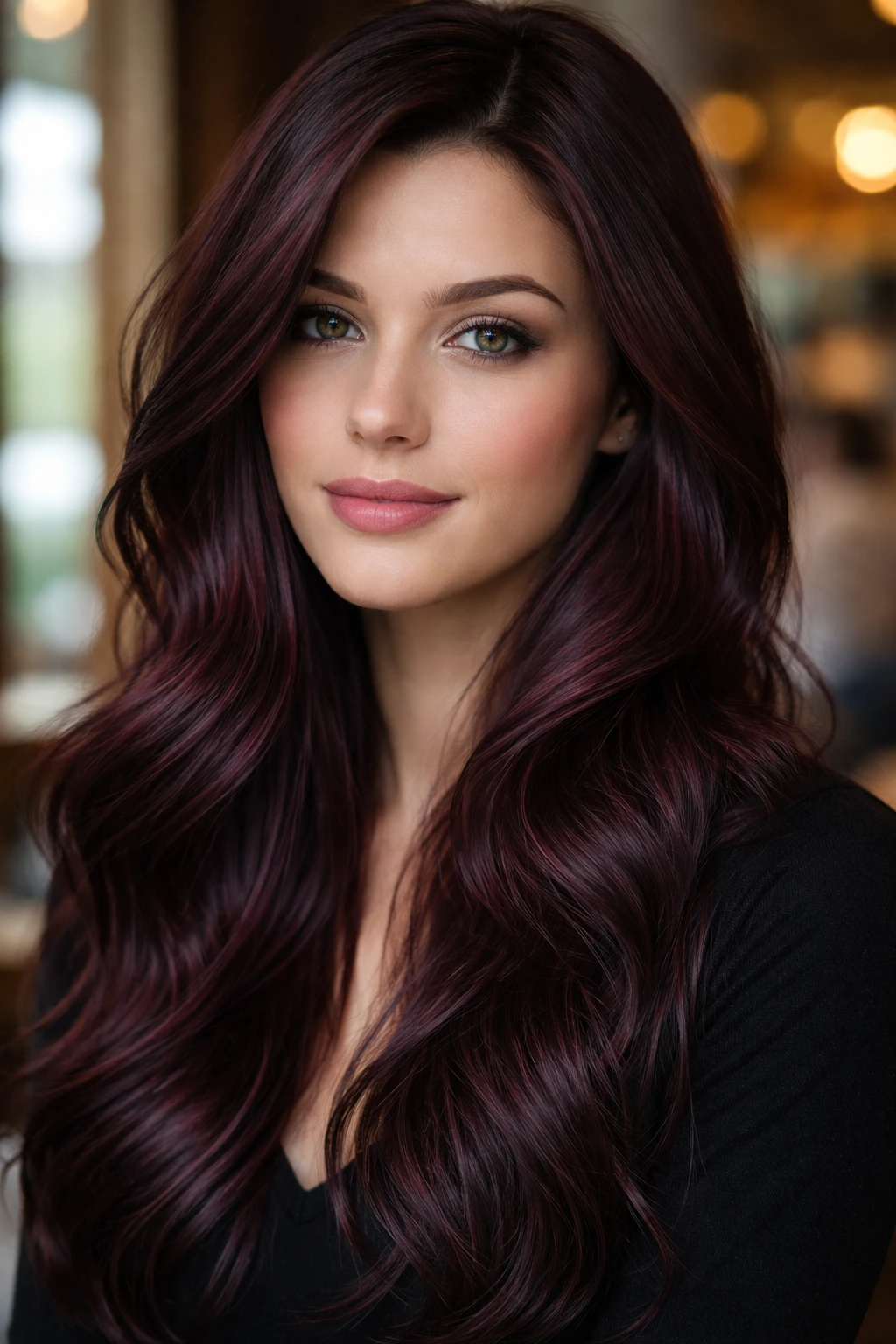
Pinot noir brunette sits in that lovely space where people aren’t fully sure whether your hair is brown or red until the light hits it. That ambiguity is the charm.
The color works because it keeps the base dark and adds red-violet reflection on top. On cool skin, the effect is subtle but useful: the face looks less washed out than it can with flat dark brown, but you avoid the warmth of a copper auburn. Good trade.
Why It’s So Easy to Wear
This shade is a quiet powerhouse for people who want minimal maintenance. The deeper base means regrowth is less obvious, and the red-violet gloss can be refreshed without a full color overhaul.
- Best for brunettes who want a richer finish, not a total change
- Looks especially good in fall light and soft indoor lighting
- Can be done as an all-over glaze or a brunette color bath
- Needs sulfate-free shampoo if you want the red tone to hang around
It’s the kind of color that rewards good shine products. Dry hair can make it look brown. Healthy hair makes the red show.
12. Orchid Red
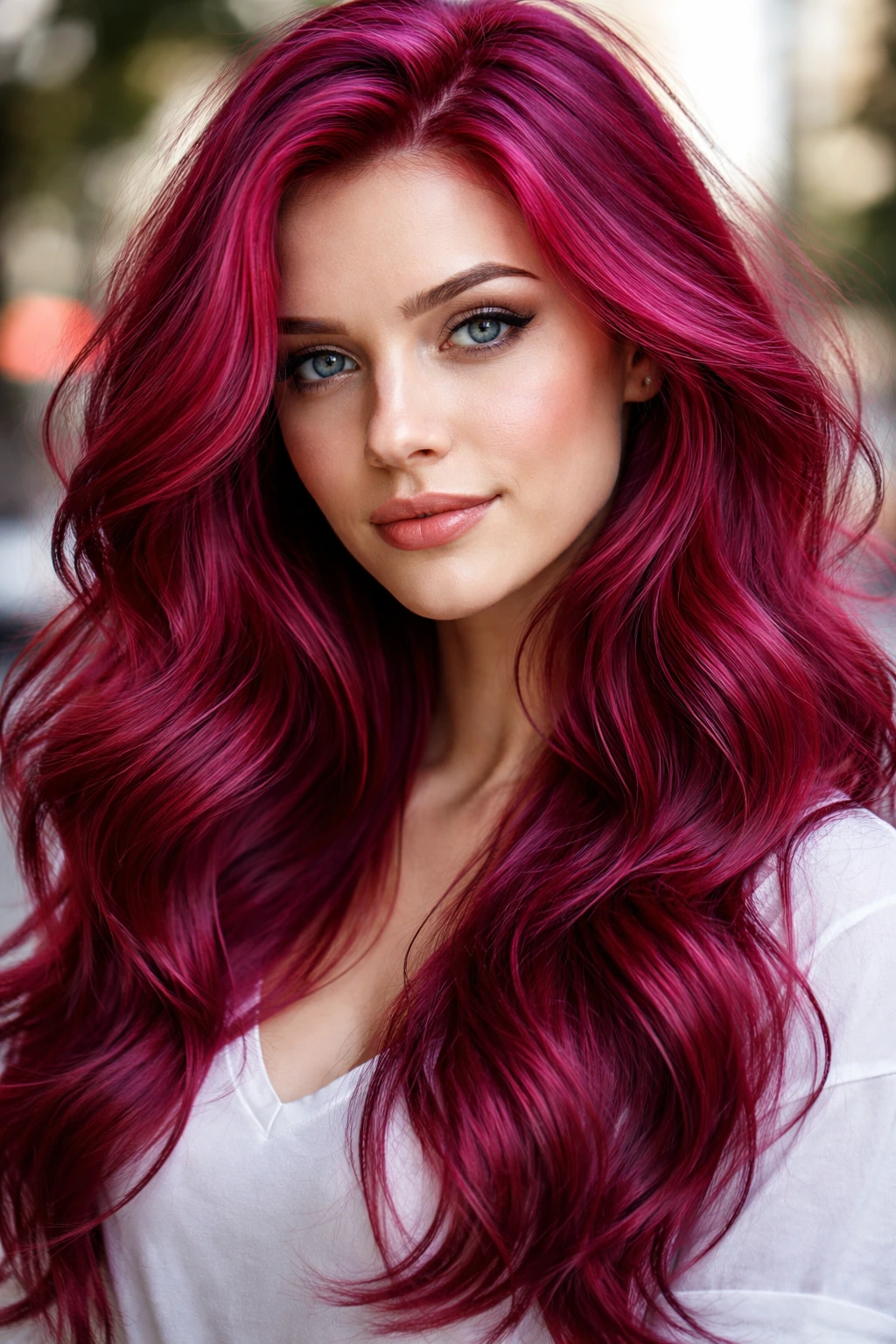
Orchid red is one of the brighter, more unusual purple-red hair color ideas for cool skin tones. It leans pinkish-violet at first glance, then reveals a deeper red underneath.
That layered look makes it interesting on cool skin because it pulls from the same rosy family, but with enough pigment to keep it from feeling pastel. On fair skin, it can look electric in a very elegant way. On medium skin, it reads bolder and more fashion-forward.
You’ll usually need a lighter base for this one, unless you’re happy with a darker, more muted result. Levels 8 and up tend to show the orchid side best. And yes, that means more upkeep. Bright violet-reds ask for attention. They always do.
Still, this is a great shade if you want something people will notice without drifting into neon territory. It has personality. Plenty of it.
13. Plum-Black Shadow Root
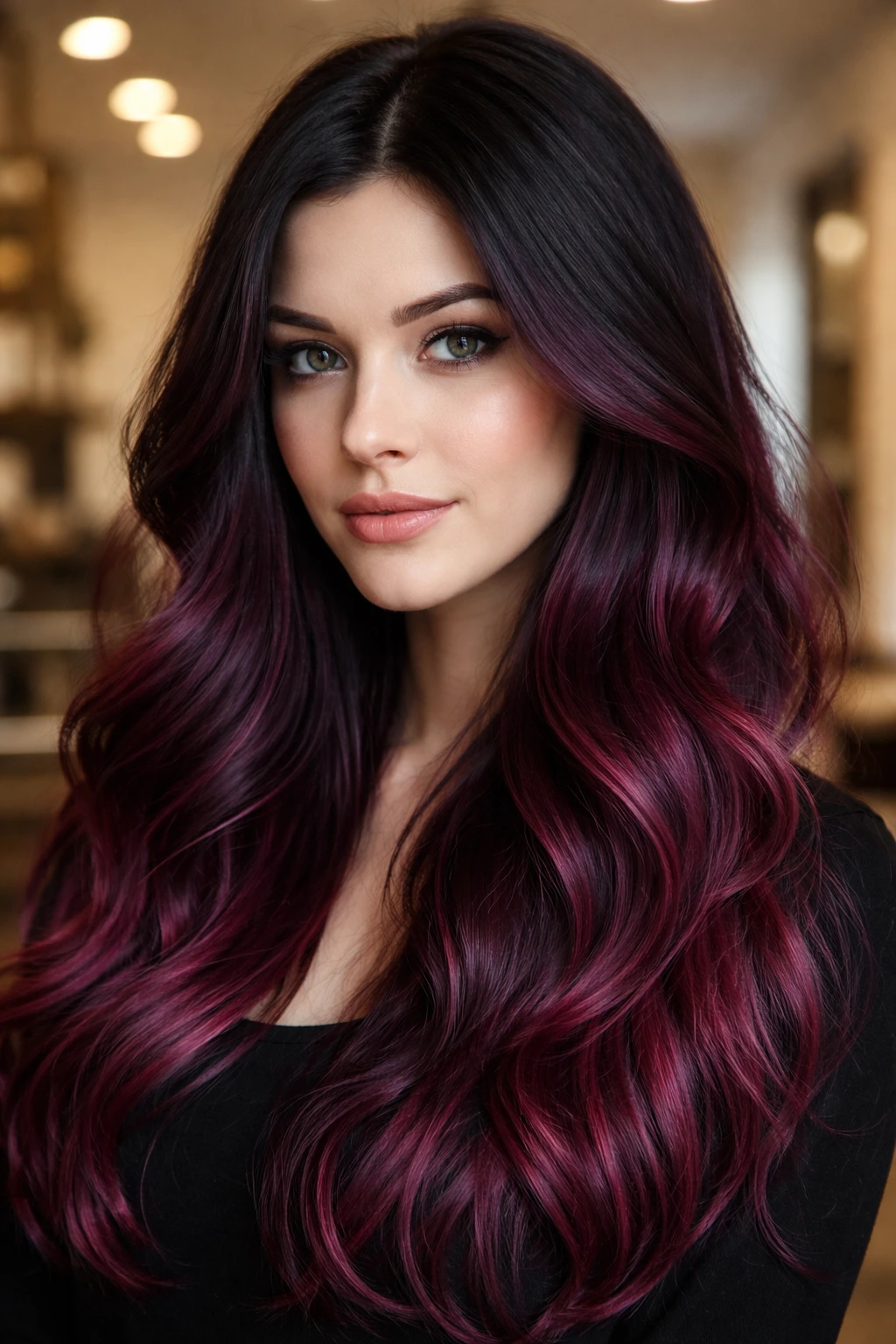
Plum-black shadow root is for people who want depth at the roots and drama at the ends. The top stays dark, almost black, while the lower lengths soften into plum-red or violet wine.
That contrast is doing the heavy lifting. It gives the eye a place to land at the root, then lets the color open up through the rest of the hair. For cool skin, the dark root keeps the look grounded while the plum tones near the ends add softness around the face and jaw.
How to Keep It From Looking Heavy
The key is placement. You want the plum to appear through movement, not as a thick block under the top layer. A few face-framing pieces can keep the whole style from feeling too dense.
This is especially good on long layers, lobs, and textured cuts. The shadow root gives you an easy grow-out. The plum lengths give you interest. That combination is hard to beat if you’re not trying to sit in a salon chair every month.
14. Pomegranate Pop
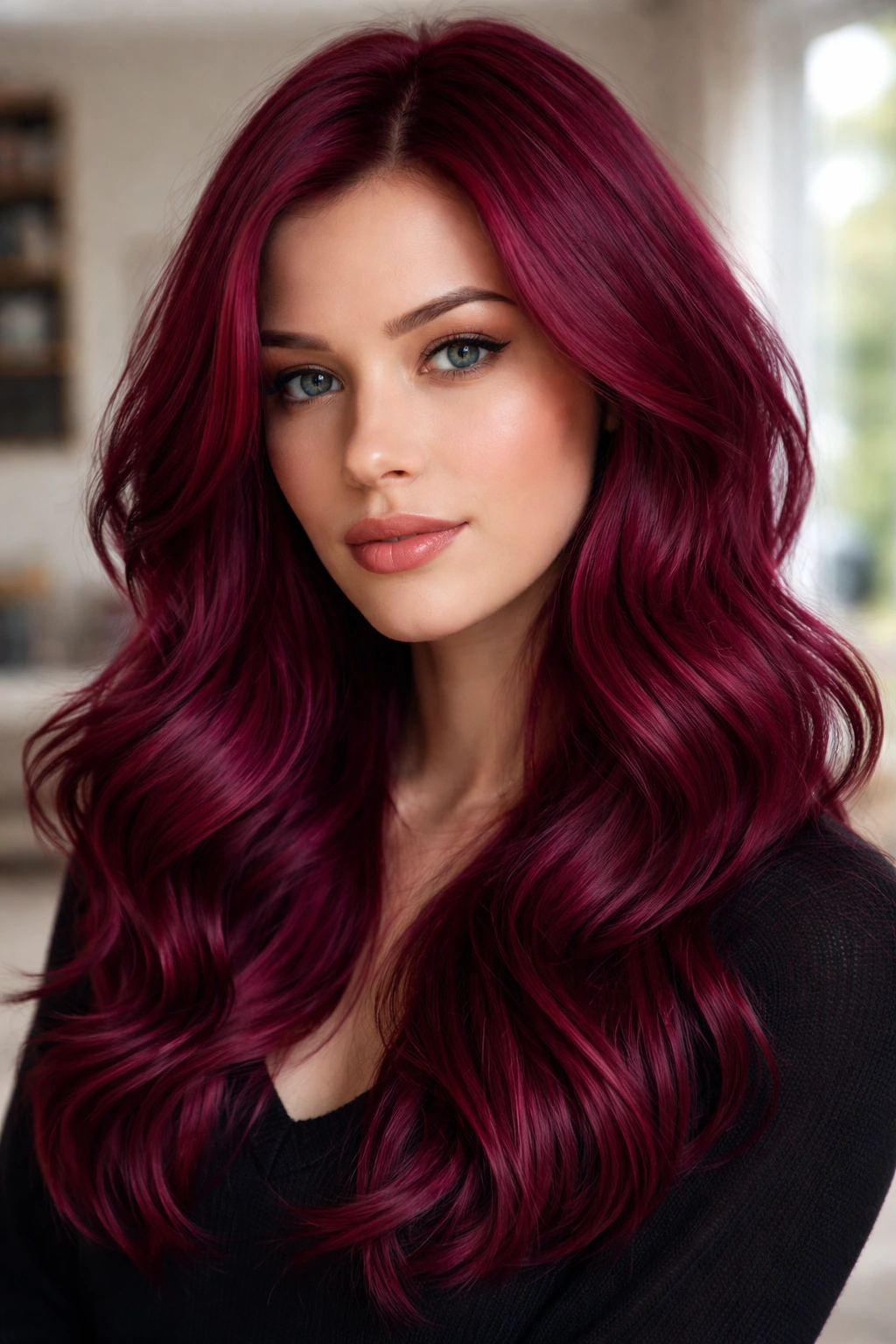
Pomegranate pop is brighter and more saturated than cranberry, but not as blue-red as ruby. It has a fruit-skin warmth that still sits on the cooler side of red, which makes it a nice bridge shade.
If you want a red that feels lively and modern without going full copper, this is a smart place to land. On cool skin, the purple-red undertone keeps the face looking fresh. On deeper skin tones, it can bring a beautiful glow around the cheekbones.
This color usually works best when the base is prepped well and the porosity is even. Uneven hair grabs red pigment in weird ways—one section can go dark, another can go bright. That’s not the shade’s fault. It’s just how red pigments behave.
A sleek finish helps the color read cleaner. A soft wave helps it look richer. Both work. Pick your mood.
15. Sangria Money Piece
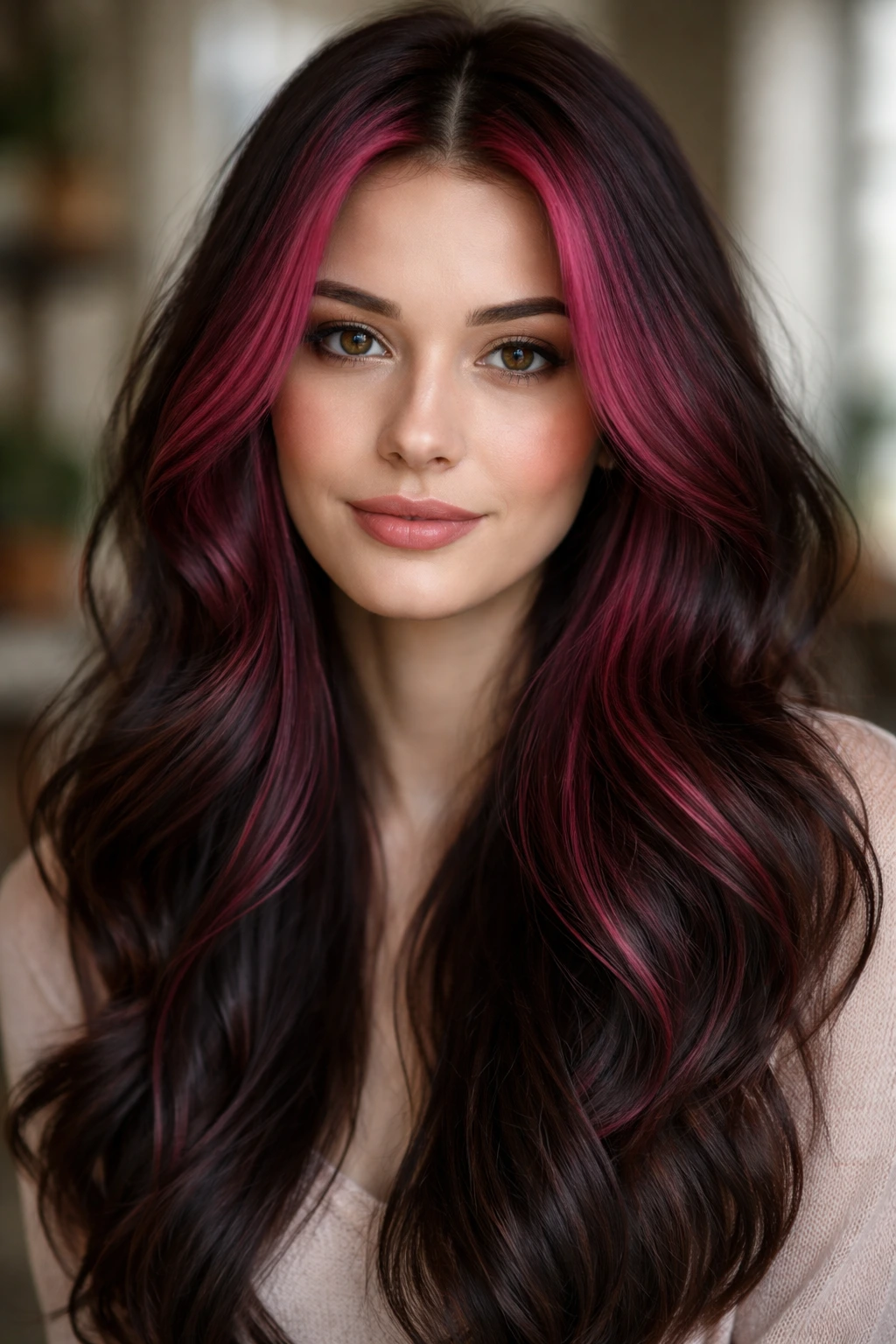
Sangria money piece is a fun one because the color is concentrated right where people look first. The front sections get a vivid sangria-red with plum undertones, while the rest of the hair can stay darker and quieter.
That makes it a good choice for cool skin if you want impact without coloring every inch. The cool undertones sit near the face and frame it. The darker lengths keep the whole thing from becoming too loud.
Best Way to Wear It
This shade loves contrast. Pair it with dark brown, espresso, or even black lengths. If the rest of your hair is too warm, the sangria front pieces can look disconnected.
- Best for straight, wavy, or loosely curled hair
- Looks strongest when the money piece is placed just off-center
- Refreshes easily with a semi-permanent red-violet stain
- Works well if you want a color change without a full commitment
A lot of people underestimate how much a front piece can change the whole face shape. It can make the eyes look brighter and the skin look cleaner. Small placement, big effect.
16. Iced Berry Red
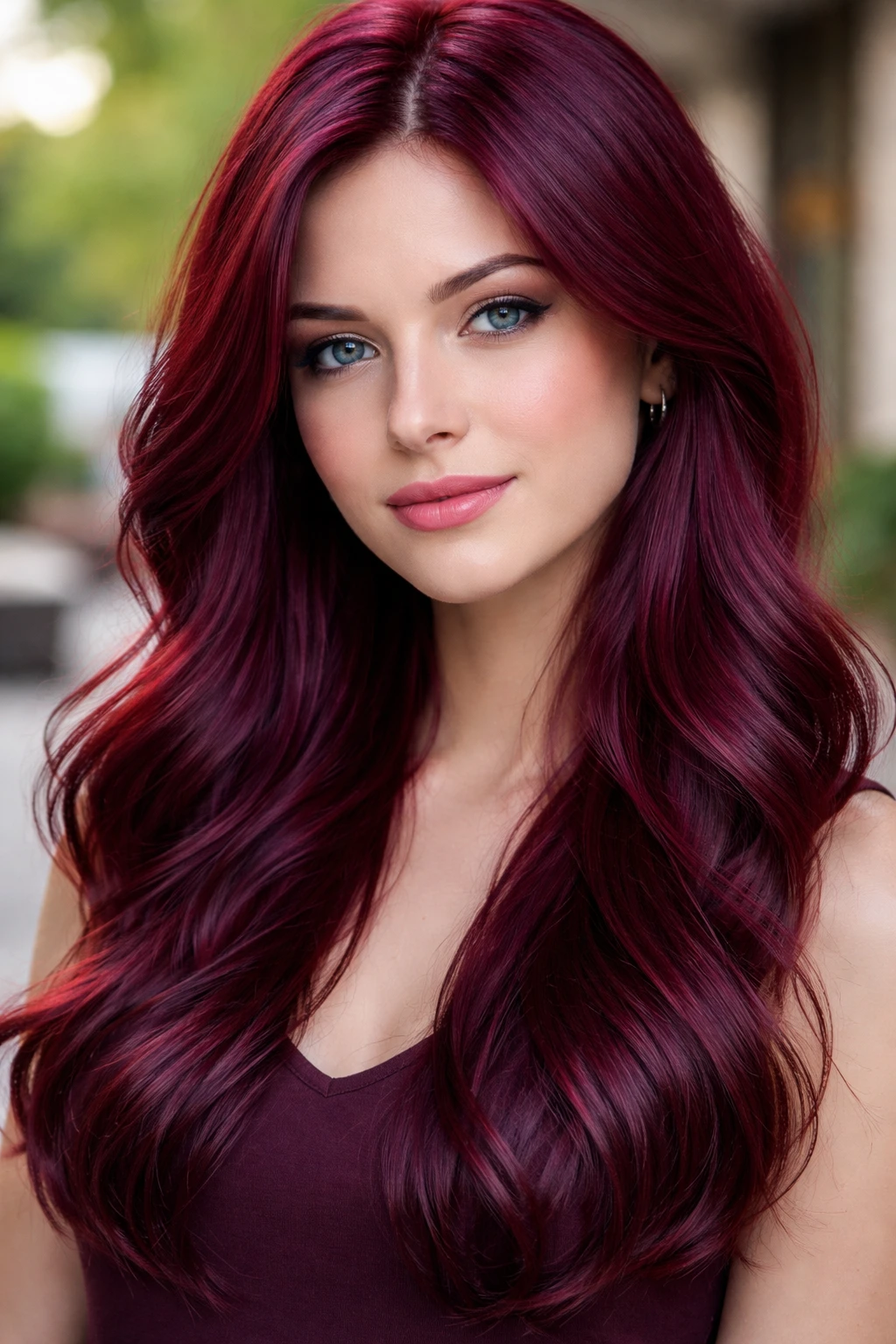
Iced berry red is cool, crisp, and a little glossy in a way that feels modern without needing a trendy label attached to it. The berry keeps it red; the icy undertone keeps it cool.
That combination is a gift for cool skin tones. The color doesn’t pull sallow. It doesn’t turn orange. It just sits cleanly against the face and lets your natural undertones stay visible. That’s what you want.
This shade is especially pretty on medium blondes and light brunettes who want to go red without committing to a deep wine or plum. It has brightness, but the brightness feels controlled. Not sugary. More like frozen berries crushed into a glaze.
If your hair is porous, be careful here. Light berry reds can grab unevenly. A good pre-tone or equalizing color filler helps the result look polished instead of patchy.
17. Amethyst Rose
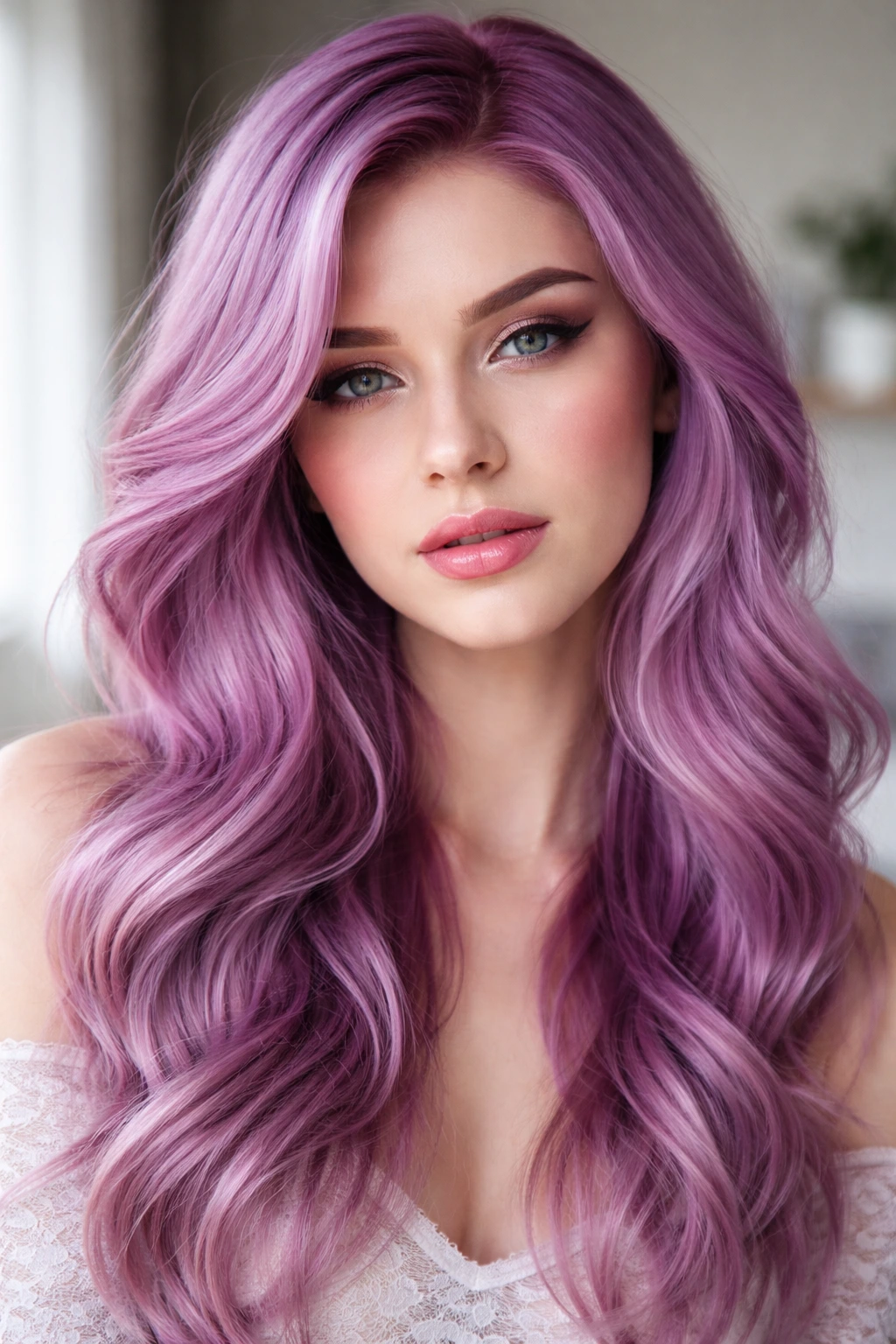
Amethyst rose mixes purple and soft rose-red in a way that feels elegant, almost lilac at the edges. It’s one of the more unusual choices in the group, and that’s what makes it worth considering.
Cool skin tends to look good with it because the pink side keeps the face alive while the purple side keeps everything calm. If a true red feels too hard on you, amethyst rose can give you the mood of red hair without the full weight of it.
Who It Suits Best
This shade works best on lighter bases where the rose-violet blend can stay visible. It can also be beautiful on darker hair as a tinted gloss, though the effect becomes subtler.
- A good pick for people with cool skin and fine features
- Looks softest under natural window light
- Needs regular hydration masks to keep the pastel-ish edge from drying out
- Can be worn with blunt bangs, soft waves, or a sleek bob
It’s a little more romantic than the other shades here. A little less obvious, too. That’s not a weakness.
18. Mahogany Violet Wash
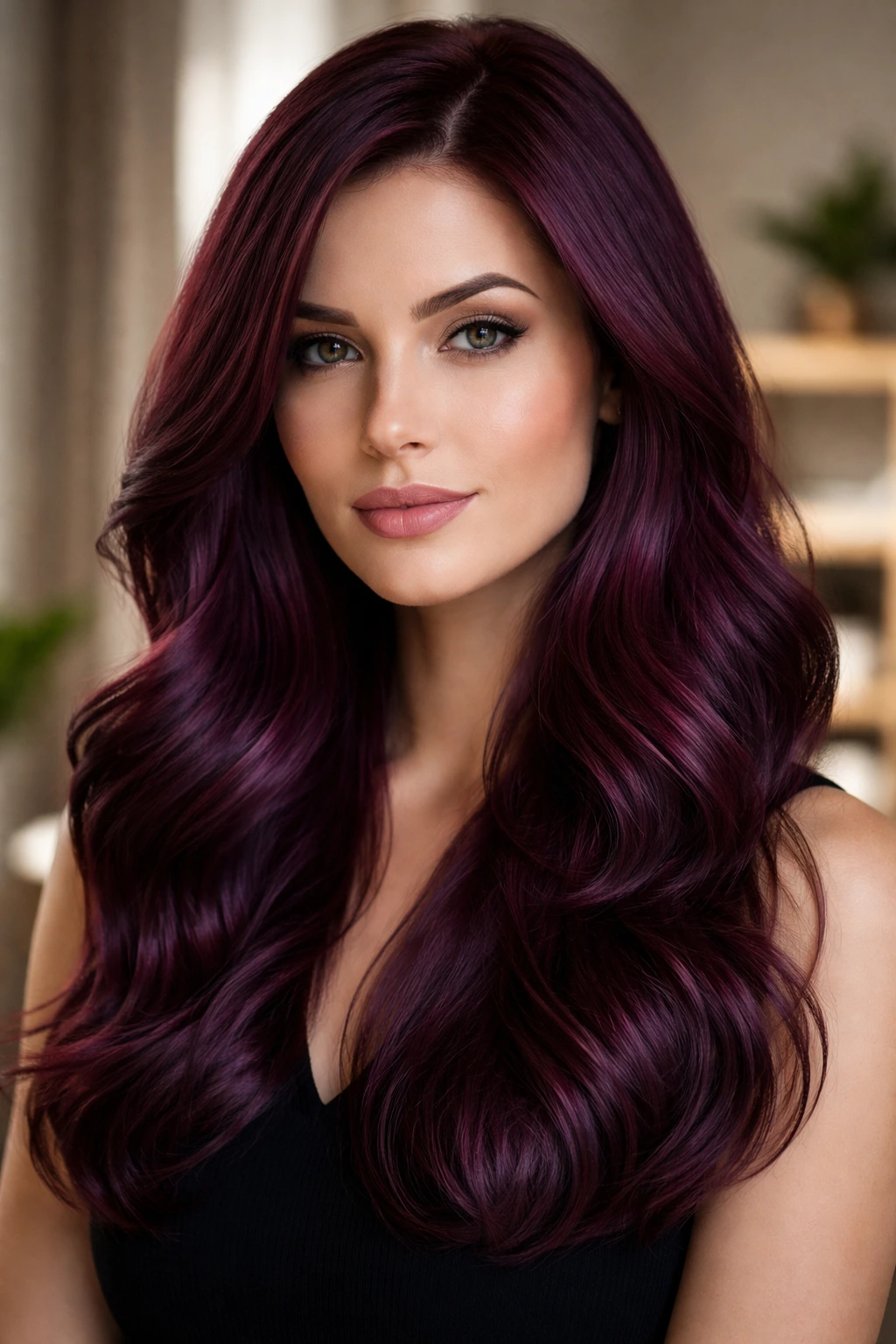
Mahogany violet wash is for people who want depth first and color second. The mahogany base gives you brown-red richness, and the violet wash keeps the tone cool enough for blue or pink undertones to feel at home.
This is one of the best choices if you want a red-purple tone that won’t fight professional dress codes or conservative style rules. It’s noticeable, but not noisy. You see the color most when the hair moves or catches side light.
The violet wash also helps keep the mahogany from drifting too orange, which is the usual problem with warmer reds on cool skin. Without that violet note, mahogany can skew muddy. With it, the whole shade looks cleaner.
It’s especially good on longer hair where the wash can show depth from root to end. Short cuts can wear it too, but the effect is more compact. Less drift, more punch.
19. Cool Cherry Cola
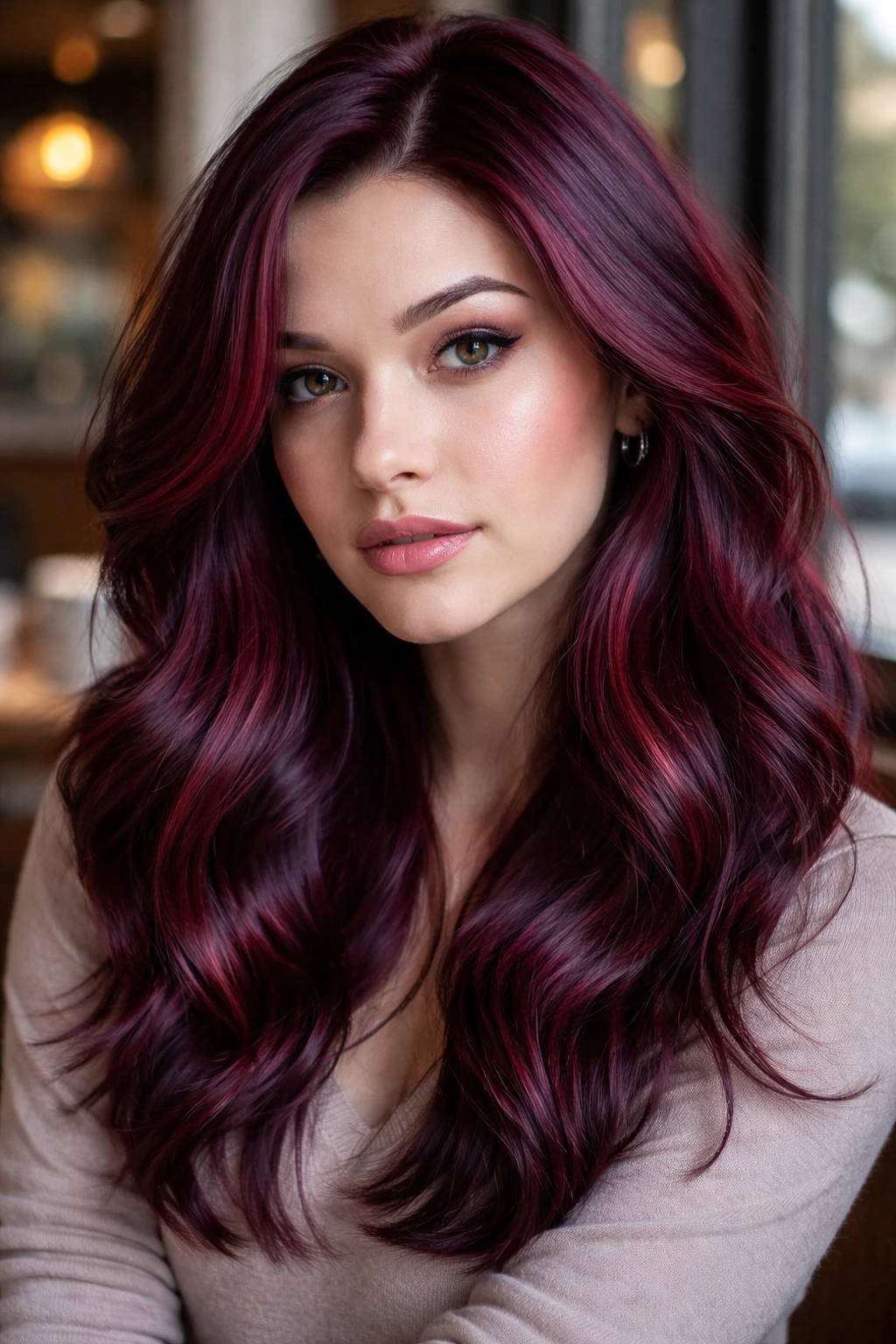
Cool cherry cola has a darker, fizzy feel that sits between red velvet and deep burgundy. It’s a shade with shadow in it, which makes it a very practical option for cool skin tones that want a red with edge.
The cola note keeps the color grounded. The cherry keeps it alive. Put together, they make a shade that doesn’t scream for attention, but definitely gets it when the light hits. That’s a useful balance.
What to Watch For
If the red component gets too warm, cherry cola starts looking flat. If the base is too black, the cherry disappears. You want enough red-violet to show, but not so much that it feels bright. That balance is the whole point.
This shade works particularly well with layered cuts and textured blowouts because the movement creates little flashes of red between the darker strands. It’s a good choice for someone who likes dimension more than brightness.
20. Midnight Merlot
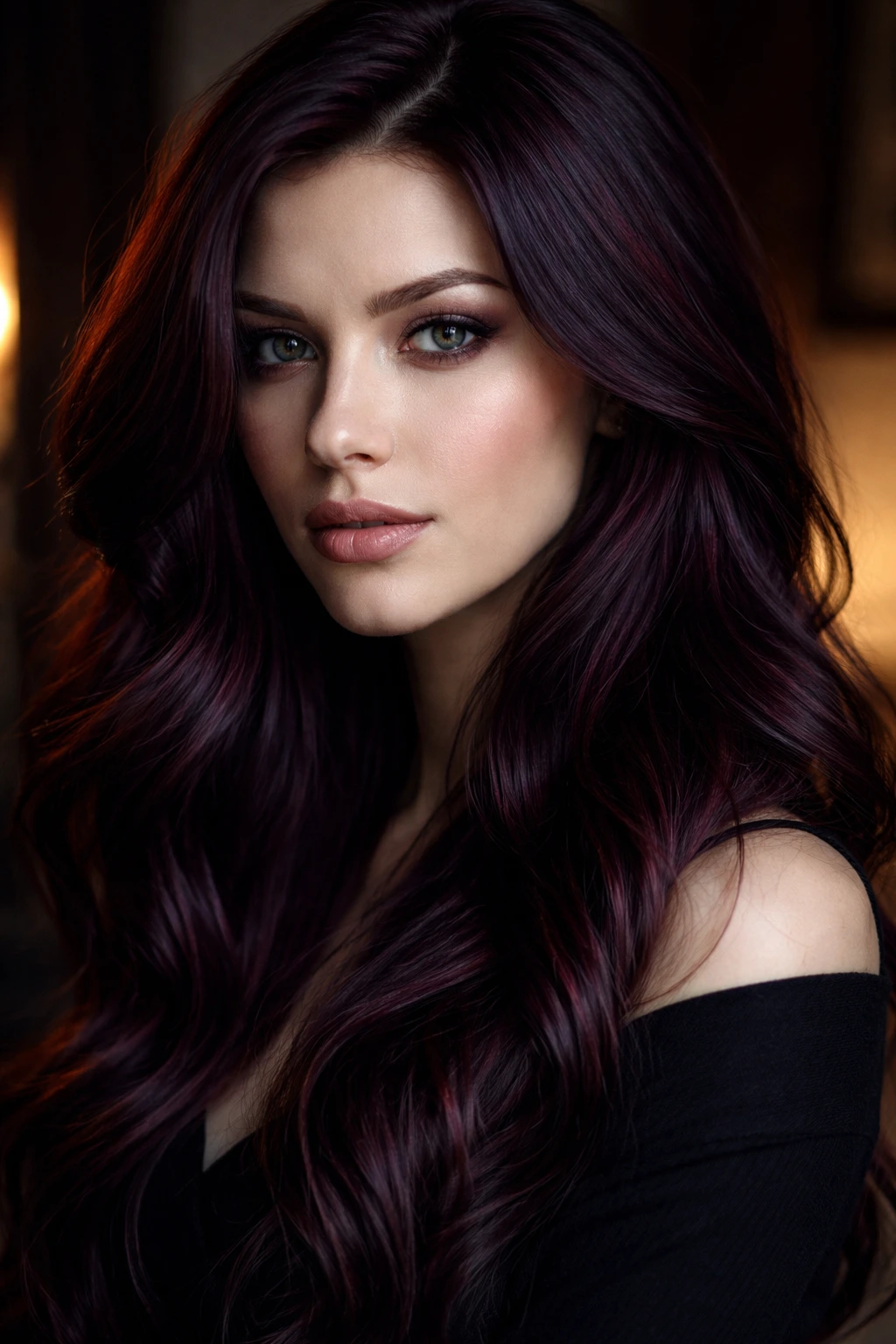
Midnight merlot is dark, brooding, and a little luxurious in the best way. It’s merlot pushed toward black, with just enough purple-red showing through to keep the color from reading like plain espresso.
Cool skin tends to look clean and calm against this shade. The depth gives contrast, but the wine undertone prevents the hair from looking harsh. If you wear cool-toned clothes, this color slips right into the wardrobe without any struggle.
Unlike brighter reds, midnight merlot is often more about reflection than visible pigment. You don’t always see the red immediately. Then the light shifts, and there it is. That delayed reveal is what makes it interesting.
This is a strong pick if you want drama with a low-maintenance feel. Root growth is less obvious, and fading usually moves into a softer wine-brown rather than something brassy. That alone puts it in a useful category.
21. Elderberry Red
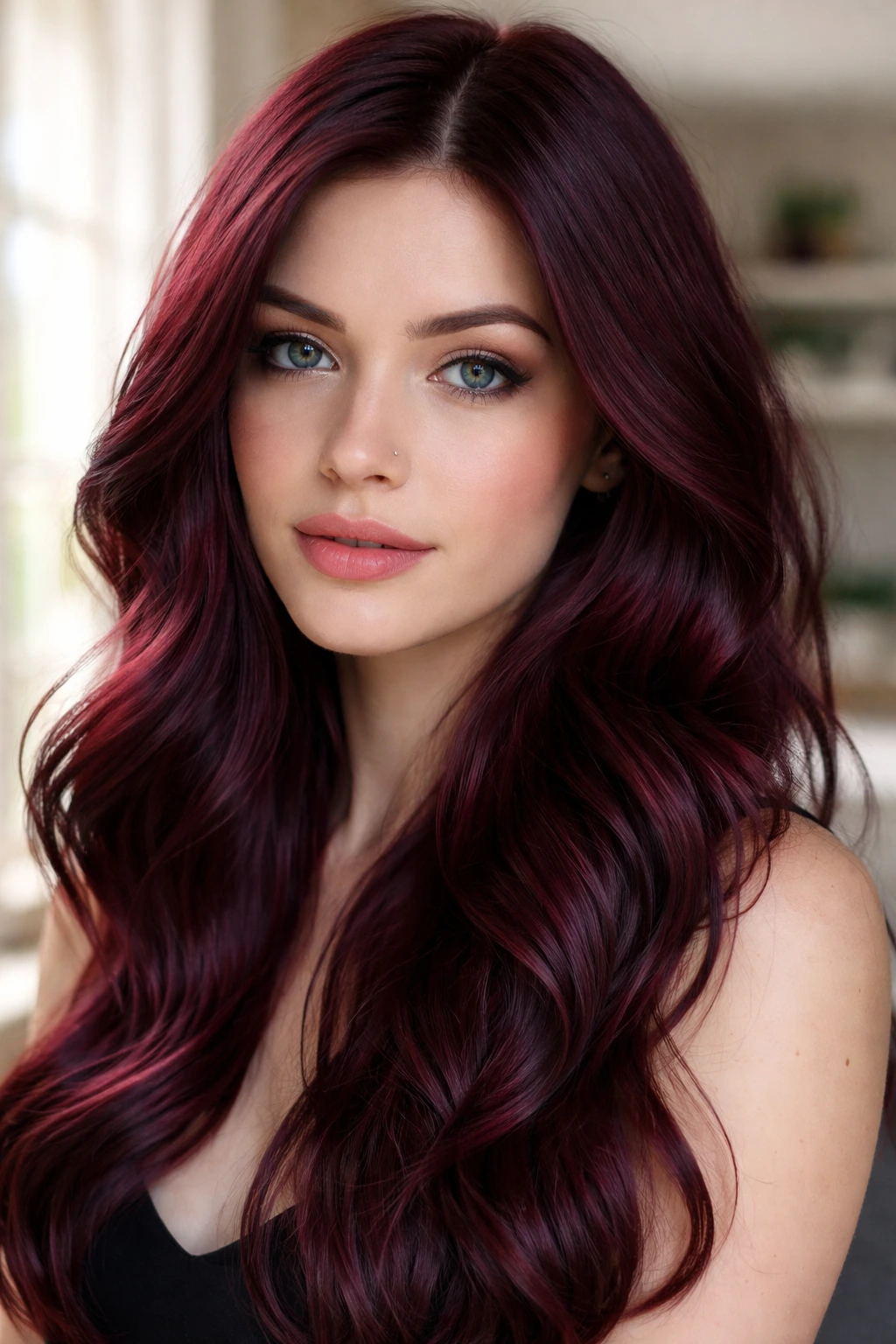
Elderberry red has a dusky, fruit-dark look that feels a bit more mysterious than cranberry or cherry. It sits in the berry family, but the color is deeper, cooler, and slightly more muted.
That muted quality is exactly why cool skin likes it. The shade doesn’t dump orange on the face. It doesn’t fight rosy cheeks. It just gives the hair a cool, ripe color that makes the complexion look cleaner. Simple as that.
How to Make It Read Well
Elderberry red can disappear a little if the hair is too dark or too matte, so shine matters. A clear gloss or lightweight finishing serum helps the color reflect enough light to show the berry tones.
- Best on medium-to-dark bases with good condition
- Works beautifully on curls because the shade shifts across the texture
- Can skew brown if it’s underprocessed or overdarkened
- Looks sharp with silver earrings and cool-toned makeup
This is a shade for someone who wants depth with a small twist. Not loud. Not plain either.
22. Smoky Aubergine Red
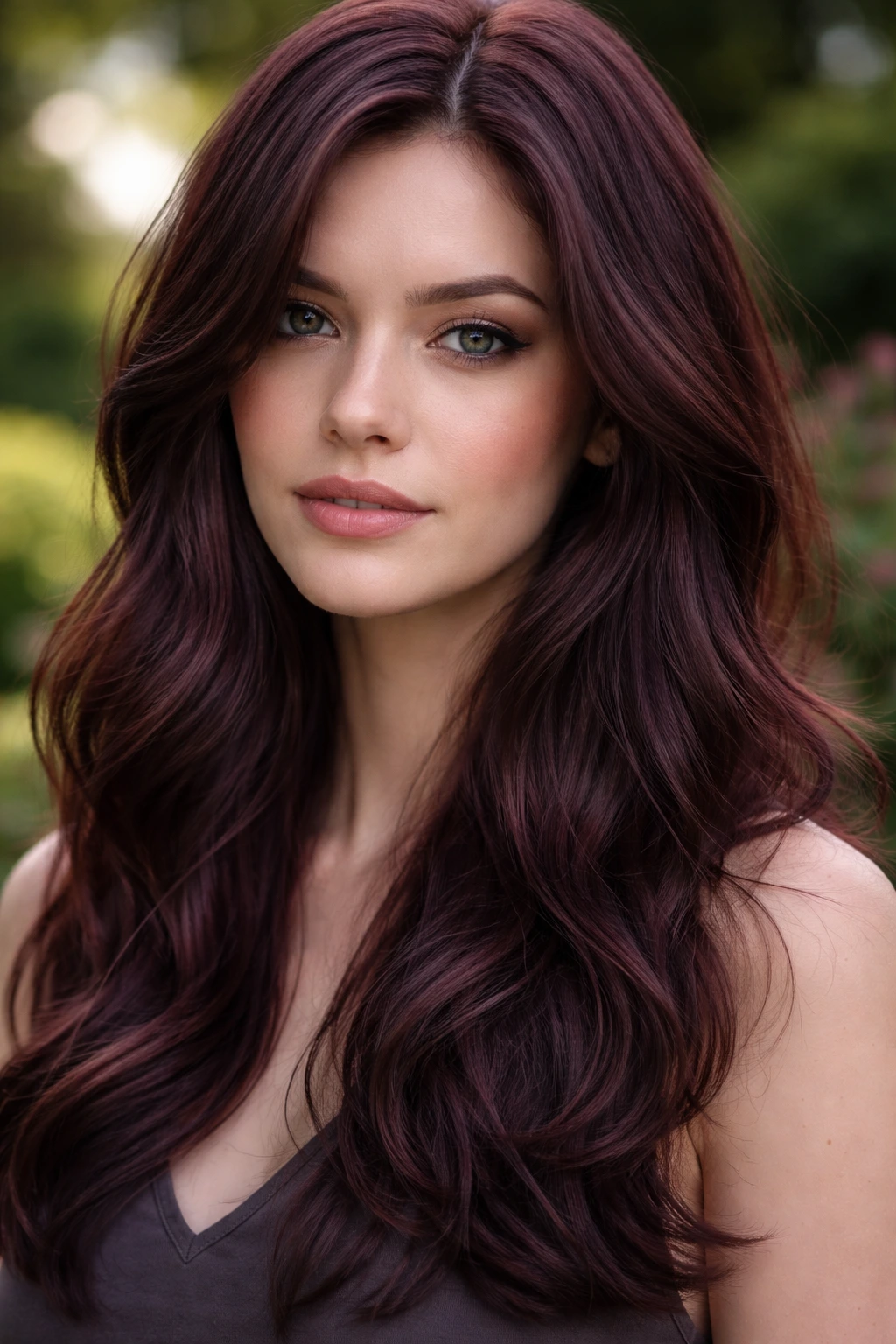
Smoky aubergine red is the most muted of the bunch, and honestly, that’s what makes it so usable. It mixes eggplant-purple, dark red, and a little smoky brown into a shade that feels refined rather than flashy.
For cool skin tones, this can be a standout because it keeps the red hidden just enough. The aubergine side cools the face; the red side keeps the hair from going dead brown. The result is a soft, moody color that still has life in it.
If you want something dramatic but not bright, this is one of the safest bets. It suits short crops, long waves, blunt bobs, and layered shags without changing the entire mood of the haircut. That flexibility matters more than people expect.
The color also pairs well with a strong brow and a clean lip. Not a heavy face, not a heavy dress code. Just a color with some depth and restraint.
Final Thoughts
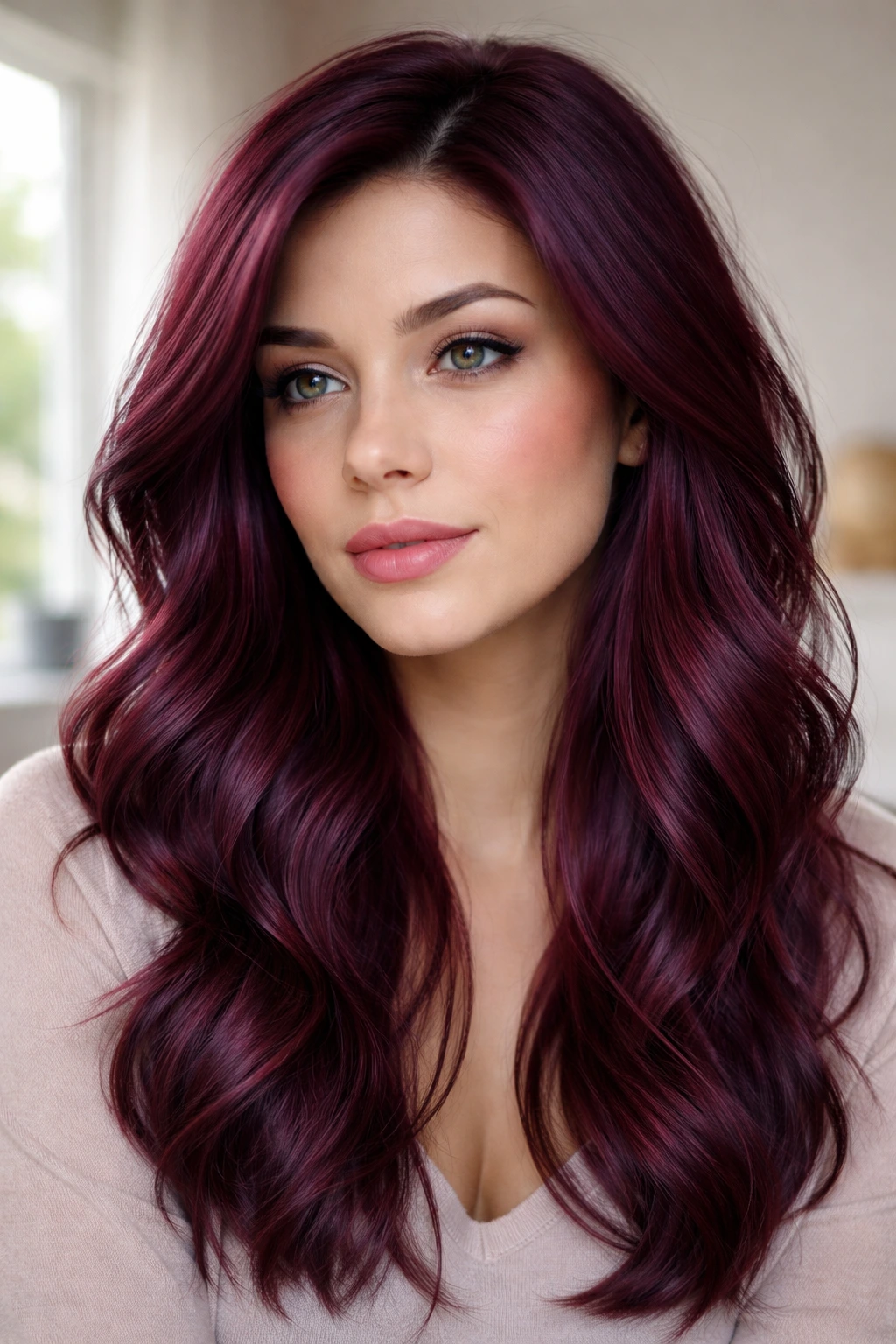
Purple-red shades are kind to cool skin when they stay on the wine, berry, plum, or cherry side of the spectrum. The minute they drift too orange, the whole effect changes.
That’s why the best choices here are the ones with blue, violet, or berry pigment built in. They don’t just look pretty in a swatch; they sit better against the face and hold their shape as they fade.
If you’re choosing between two shades, pick the cooler one. Almost every time, it wears better.
