



Cherry burgundy hair color can look like polished wine on cool skin — or it can drift into coppery red and fight your face. The difference usually comes down to one thing: undertone. When the red leans blue, violet, or plum, cool skin tones wake up. When it leans orange, the whole look can turn a little muddy around the cheeks and jaw.
Nope, not every burgundy is equal.
Cool undertones usually play nicest with black cherry, merlot, mulberry, damson, and smoky burgundy shades. Those tones keep the red deep and clean, which matters more than people think. A good burgundy should look rich in low light and still show a berry flash when daylight hits it, not scream neon red from across the room.
The shades that work best on cool skin also tend to be the ones with the most flexibility. Some look nearly black indoors. Some read as wine or plum. Some need only a gloss over brunette hair, while others benefit from balayage or a face-framing pop. The trick is choosing the version that works with your undertone, not against it — and the first place to start is the deepest, coolest version.
1. Black Cherry Burgundy for Cool Skin Tones
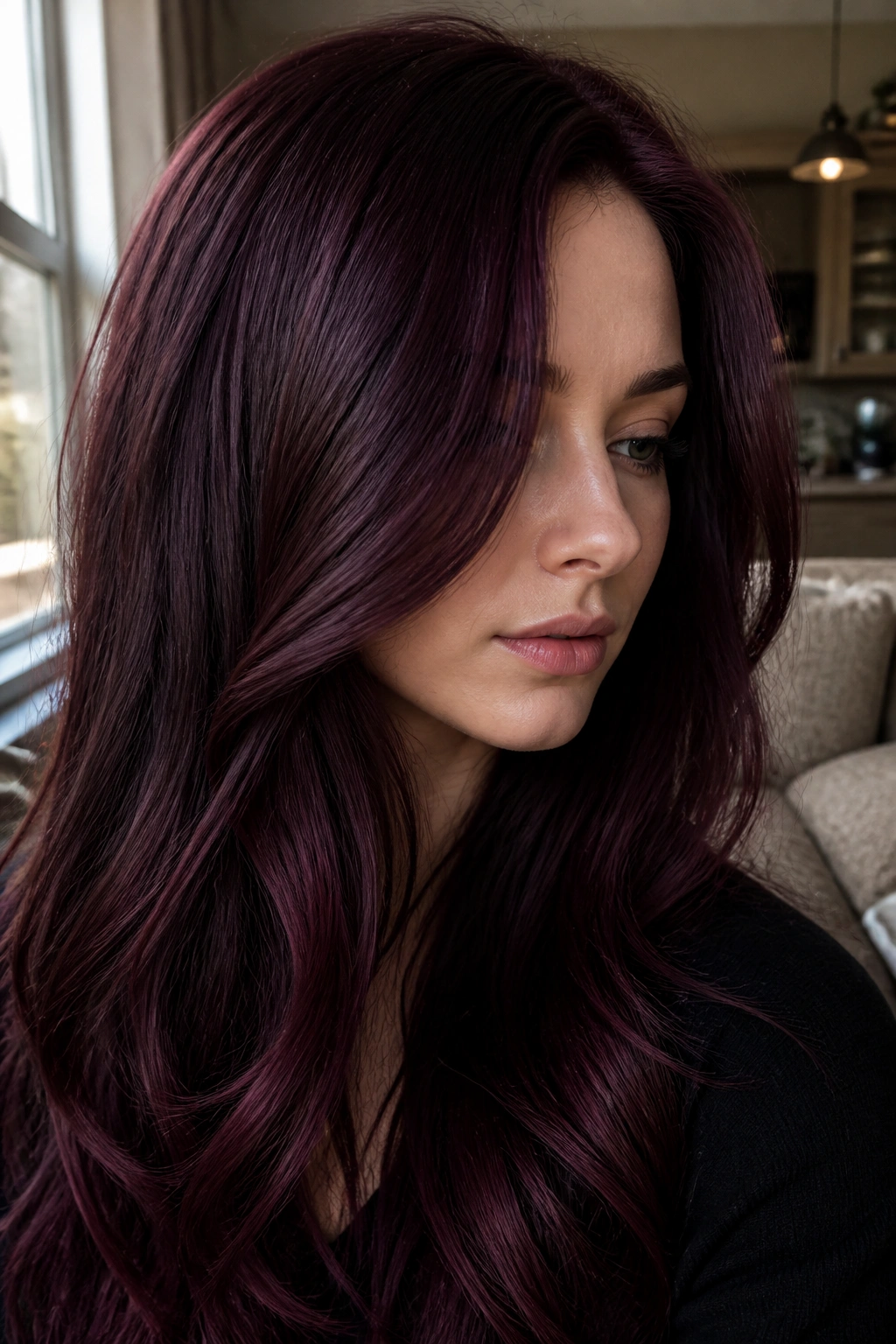
The deepest black-cherry tones are the safest place to start if your skin runs cool. They sit close to brunette, which keeps the color wearable, but the blue-violet red still gives the hair that berry sheen that flatters pink or neutral-cool undertones.
Why It Flatters Cool Undertones
Black cherry works because it keeps the red family under control. Instead of orange, you get a dark wine cast that looks sharp against fair skin and clean against deeper cool tones.
It also behaves well in different lighting. Indoors, it can look almost espresso-dark. Near a window, the cherry note wakes up and gives the hair movement without making the whole head look bright red.
- Best on level 2 to 4 brunette bases
- Good for short cuts, glossy bobs, and long layers
- Usually needs a blue-violet gloss every 4 to 6 weeks
- Easier to maintain than vivid red because the base stays dark
Pro tip: ask for a demi-permanent black cherry glaze if you want softness first and commitment second.
2. Cherry Cola Burgundy on a Level 4 Brunette Base
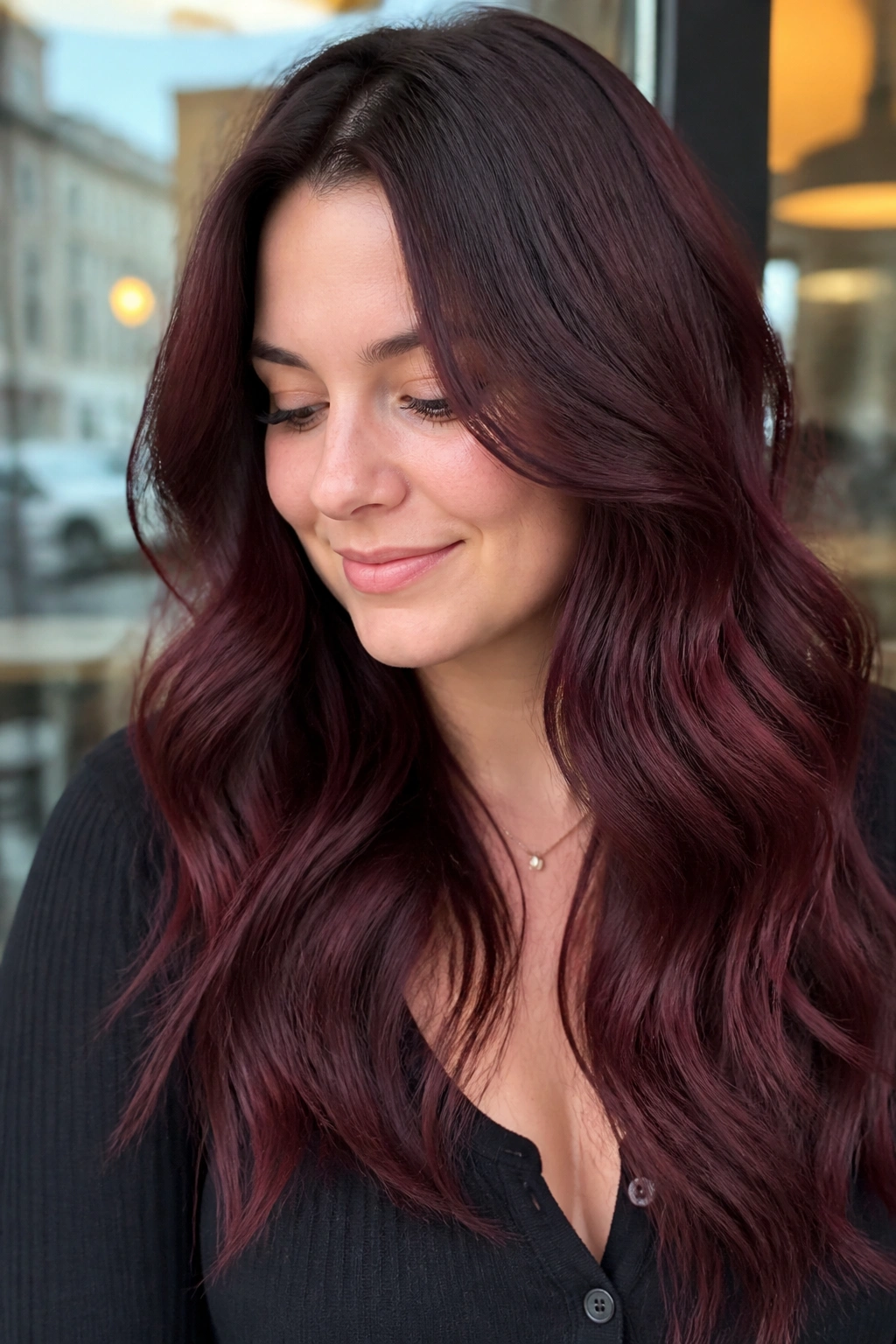
Cherry cola burgundy is the shade I hand people when they want red without a lot of fuss. It has more brown in the mix than black cherry, so it feels a little softer and more lived-in, but it still keeps the cool side of burgundy intact.
On a level 4 brunette base, the color reads like dark cherry syrup stirred into cola. That may sound playful, but the result is serious enough for office life and rich enough for a night out. The brown anchor keeps the red from going too loud, which is exactly why it works so well on cool skin.
I like this shade on hair that moves a bit — loose waves, collarbone layers, or a blunt cut with a soft bend. When the hair swings, the burgundy catches the light in flashes instead of sitting there as one flat block. That little movement makes the color feel more expensive in the practical sense.
If your natural hair is dark and you do not want bleach, this is one of the easiest places to land. A colorist can usually work with a brown base and a cherry-burgundy demi to create depth without a heavy lift. It’s the kind of shade that looks intentional without asking for weekly maintenance.
3. Crimson Burgundy Balayage with Cool Brown Roots
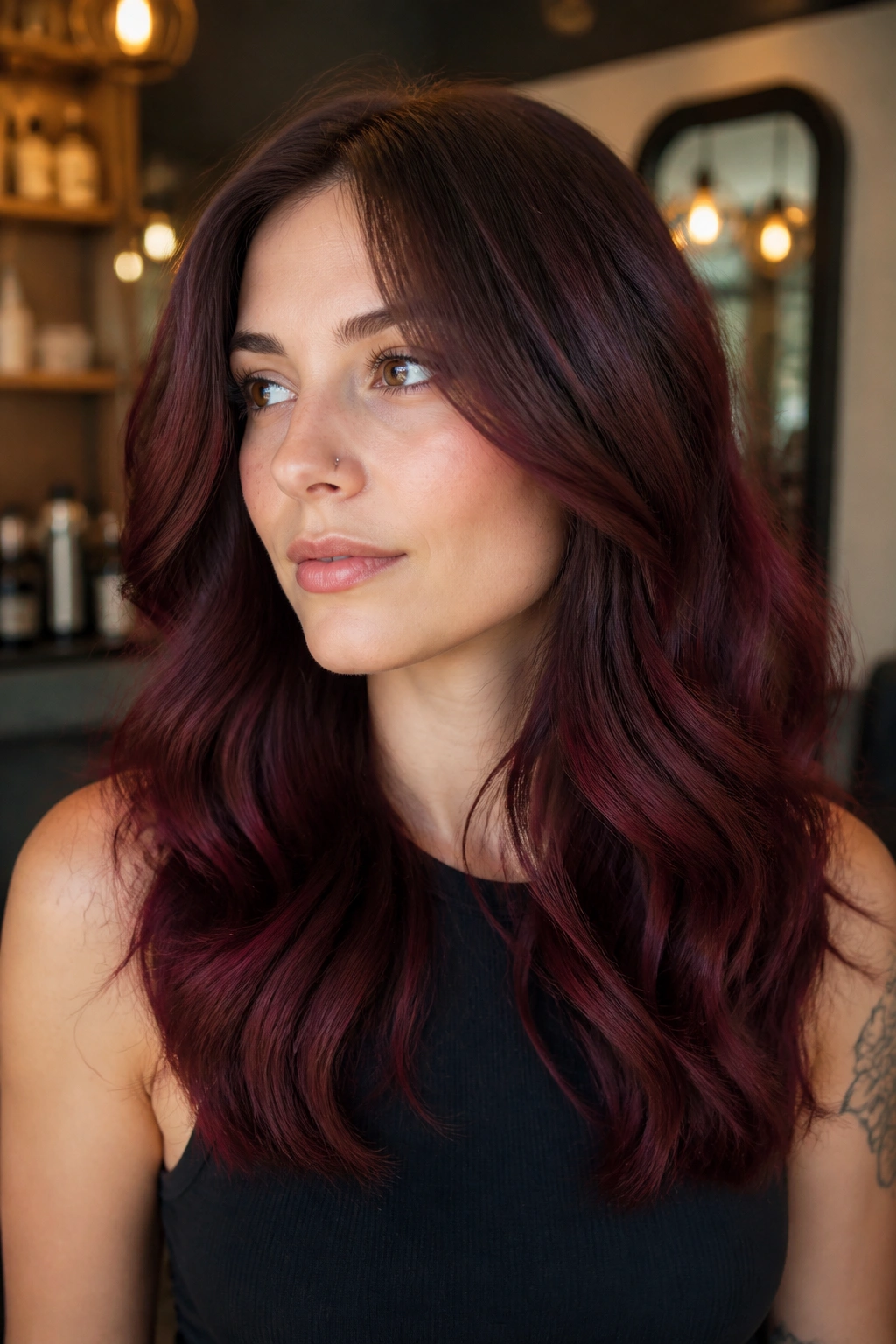
Picture a brunette who wants color, but not the kind that shouts the second she steps outside. Crimson burgundy balayage is for that person. The roots stay cool brown, and the burgundy gets painted through the mid-lengths and ends in soft ribbons.
That root shadow matters. It keeps the grow-out from looking harsh and stops the red from taking over the entire head. The color ends up reading dimensional instead of uniform, which is useful if your skin leans pink, blue, or neutral-cool and you want the face to stay the focus.
What to Ask for at the Salon
- A cool brown root shadow, not a warm chestnut one
- Burgundy ribbons placed mostly through the mids and ends
- Softer pieces around the face, not a hard stripe
- A gloss refresh every 6 to 8 weeks if you want the color to stay crisp
The best part is how forgiving this is on wavy or curly hair. The bends in the hair catch the crimson notes and break up the darker base, so the color looks richer from every angle. It is a smart choice when you want movement more than drama.
4. Mulberry Burgundy Lob with Soft Face-Framing
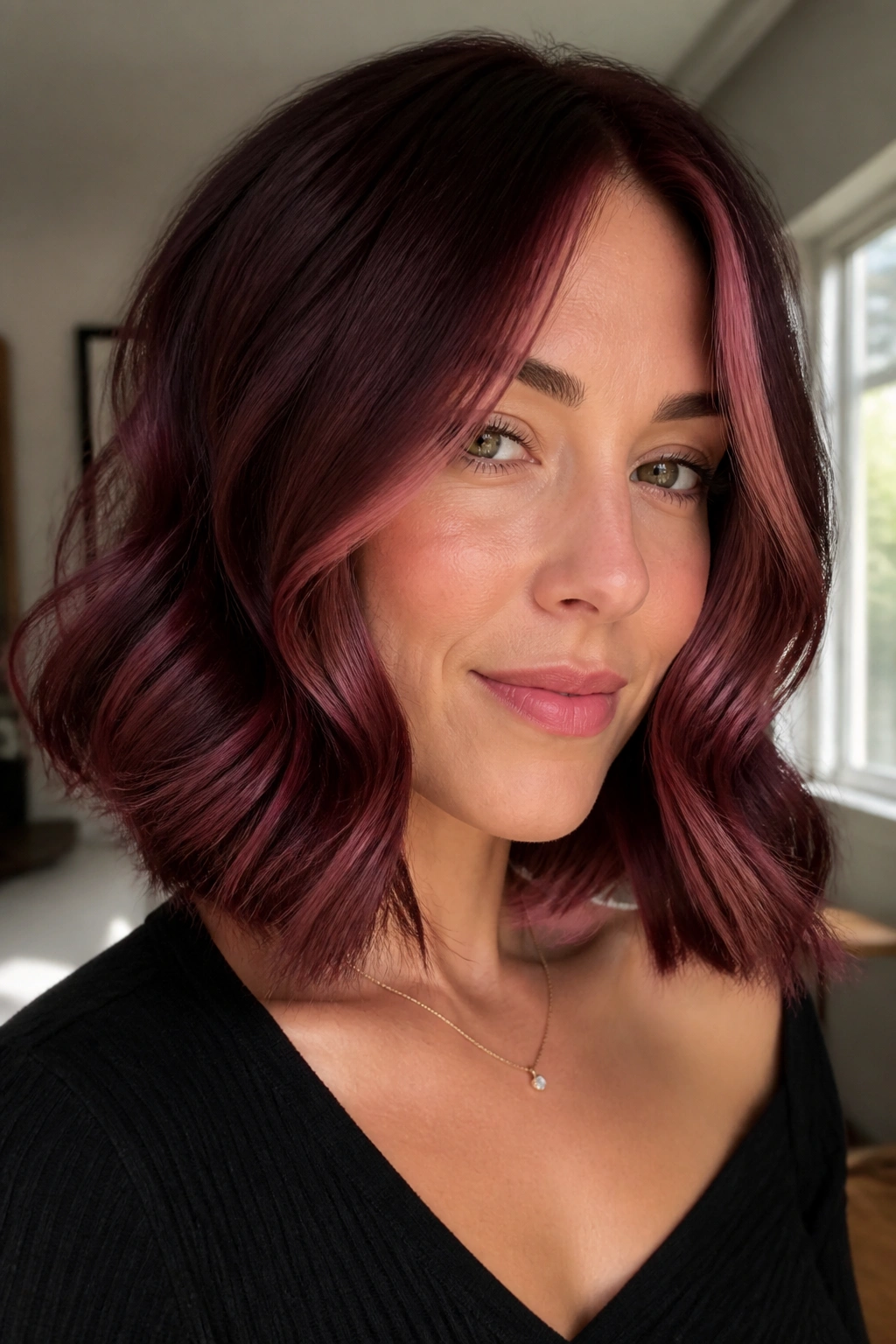
Why does a burgundy lob look so polished on cool skin? Because the cut does half the work for you. A lob gives the color a clean edge, and the mulberry tone adds enough depth to keep the style from feeling too playful.
How to Wear It Without It Looking Harsh
Keep the face-framing pieces a half-shade lighter than the rest of the hair. That little shift softens the line around the cheeks and keeps the shade from sitting too heavy near the eyes. If the color is all one depth, especially on straight hair, the result can feel flat.
A textured lob with a bit of bend works better than a pin-straight finish. The mulberry note shows up in the movement, and the cut stops the burgundy from reading like a solid helmet. If your skin has pink undertones, this is one of the nicest ways to wear red-violet hair without the color overpowering you.
The sweet spot is collarbone length with ends that move. Clean, yes. Severe, no.
5. Deep Merlot Gloss on Dark Brunette Hair
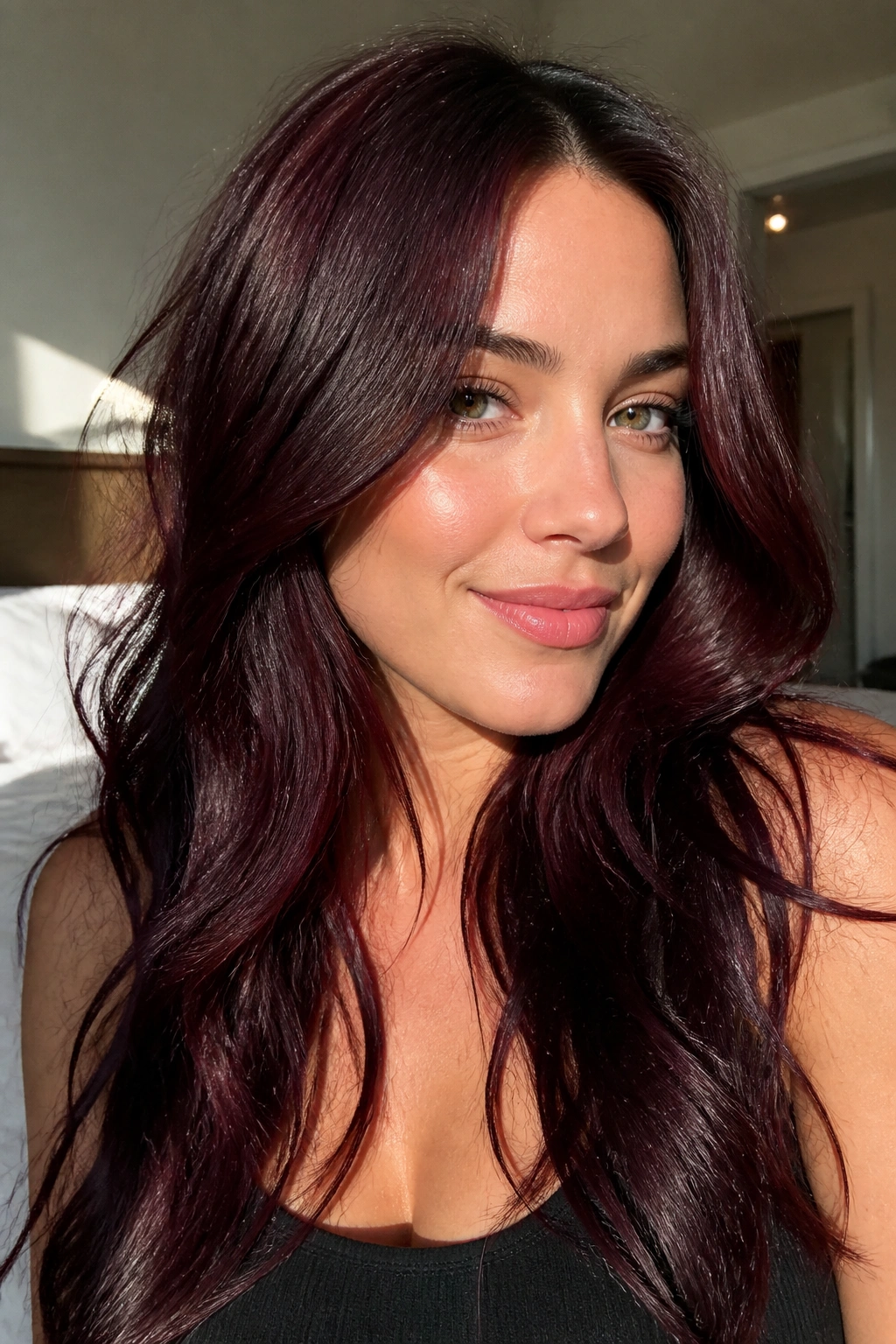
Deep merlot is the quiet one in the room, and that is exactly why I like it. It doesn’t try to look red from across the street. Instead, it gives dark brunette hair a wine-dark gloss that appears under the surface, which is much friendlier to cool skin than a brighter burgundy.
A merlot gloss works especially well when you already have dark hair and want a color shift without a major makeover. The base stays close to your natural shade, so the hair keeps its depth, but the red-violet overlay changes how the light lands on it. You get shine first, color second.
If you hate obvious red, this is your lane.
It also wears well with blunt cuts, sleek ponytails, and smooth blowouts. There’s a reason this shade shows up so often on dark hair that needs a little life: it gives movement without demanding drama. A cool-toned merlot glaze can be refreshed with a color-depositing conditioner every week or two, and that small habit keeps the shade from fading into flat brown.
I’d call this one the easiest burgundy to live with. It’s low-noise, but not boring. That is a rare combination.
6. Cherry Cabernet Ribbon Highlights
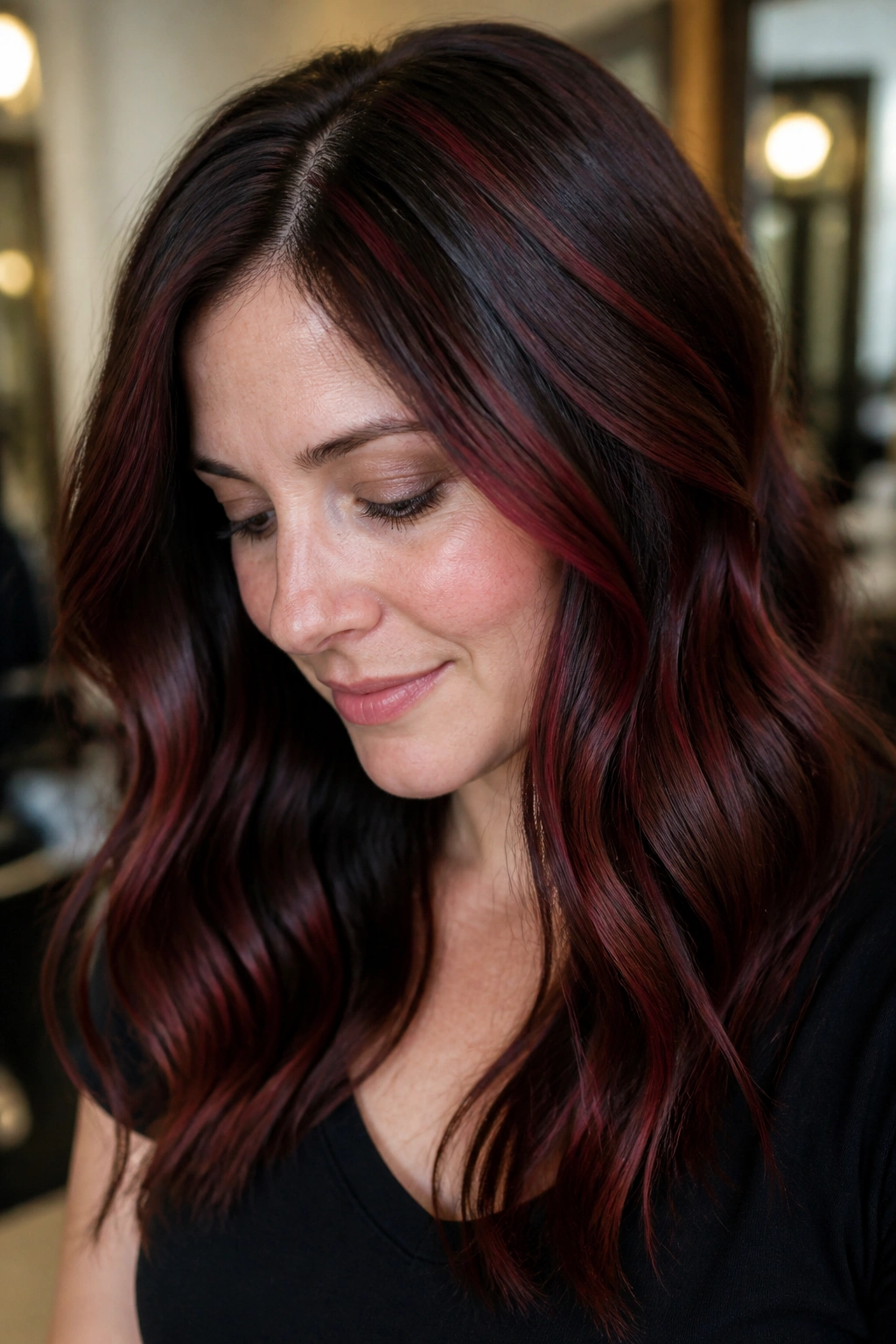
Unlike chunky highlights, cherry cabernet ribbons keep the hair looking dense. That matters on cool skin because the color adds warmth in the right place, but it doesn’t break the head into big stripes that can look harsh or dated.
The trick is thin placement. Think narrow foils through the crown, around the temples, and a few hidden pieces under the top layer so the color moves when the hair does. On dark brunette hair, these ribbons show as wine-red flashes rather than a full red overhaul.
Where This Shade Works Best
- Medium to thick hair, where ribbons can hide and reveal themselves
- Cuts with layers or long movement
- People who want a red note without full saturation
- Cool undertones that need brightness near the face
I like this version because it feels custom, not copied. The cabernet tone gives the hair a polished edge, and the narrow placement keeps the result believable. Ask for a burgundy ribbon highlight rather than broad red panels, and you’ll get something that looks softer in daylight and cleaner in indoor light.
7. Smoky Burgundy Melt with Ash Brown Roots
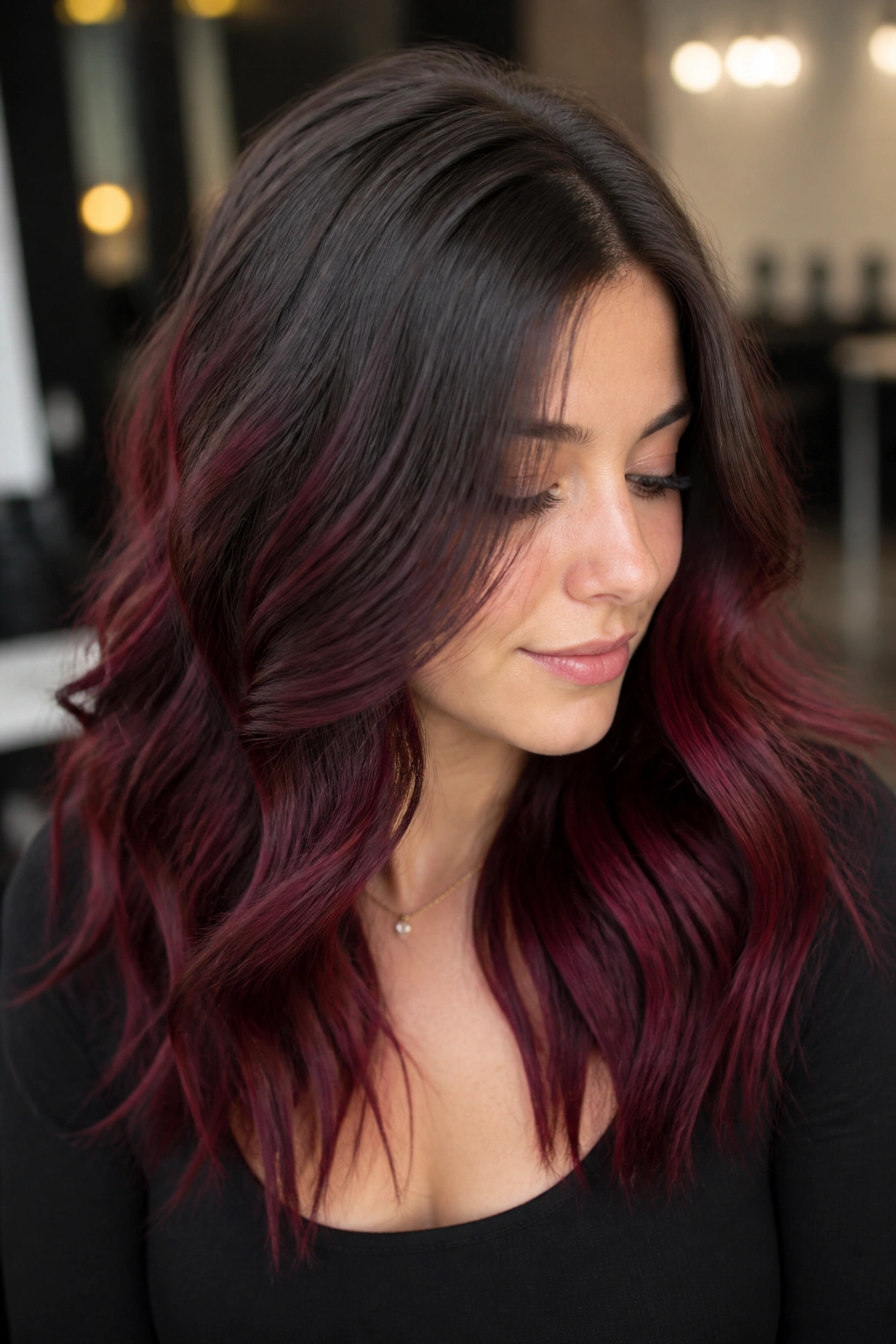
Smoky burgundy is the shade I reach for when someone says, “I want red, but I don’t want my hair to feel loud.” The ash brown root keeps the top grounded, and the burgundy melt comes in lower, where it can show off without fighting the face.
What the Smoky Finish Changes
The ash in the root and mid-tone does a lot of heavy lifting. It strips out that rusty edge that can make burgundy clash with cool skin, and it gives the color a dusky, almost velvet feel. The result is less cherry candy and more crushed berry at dusk.
This shade is especially good if your hair tends to pick up warmth fast. Porous hair can grab red dye and spit out copper later, which is a pain nobody needs. A smoky melt solves part of that by building in cool depth from the start.
It also looks good on long hair because the fade from ash root to burgundy end has room to breathe. On shorter cuts, the transition can happen too quickly; on longer layers, it feels soft and deliberate. If you want red that behaves like brunette until it moves, this is a strong choice.
8. Blackberry Cherry Pixie with Dimensional Tones
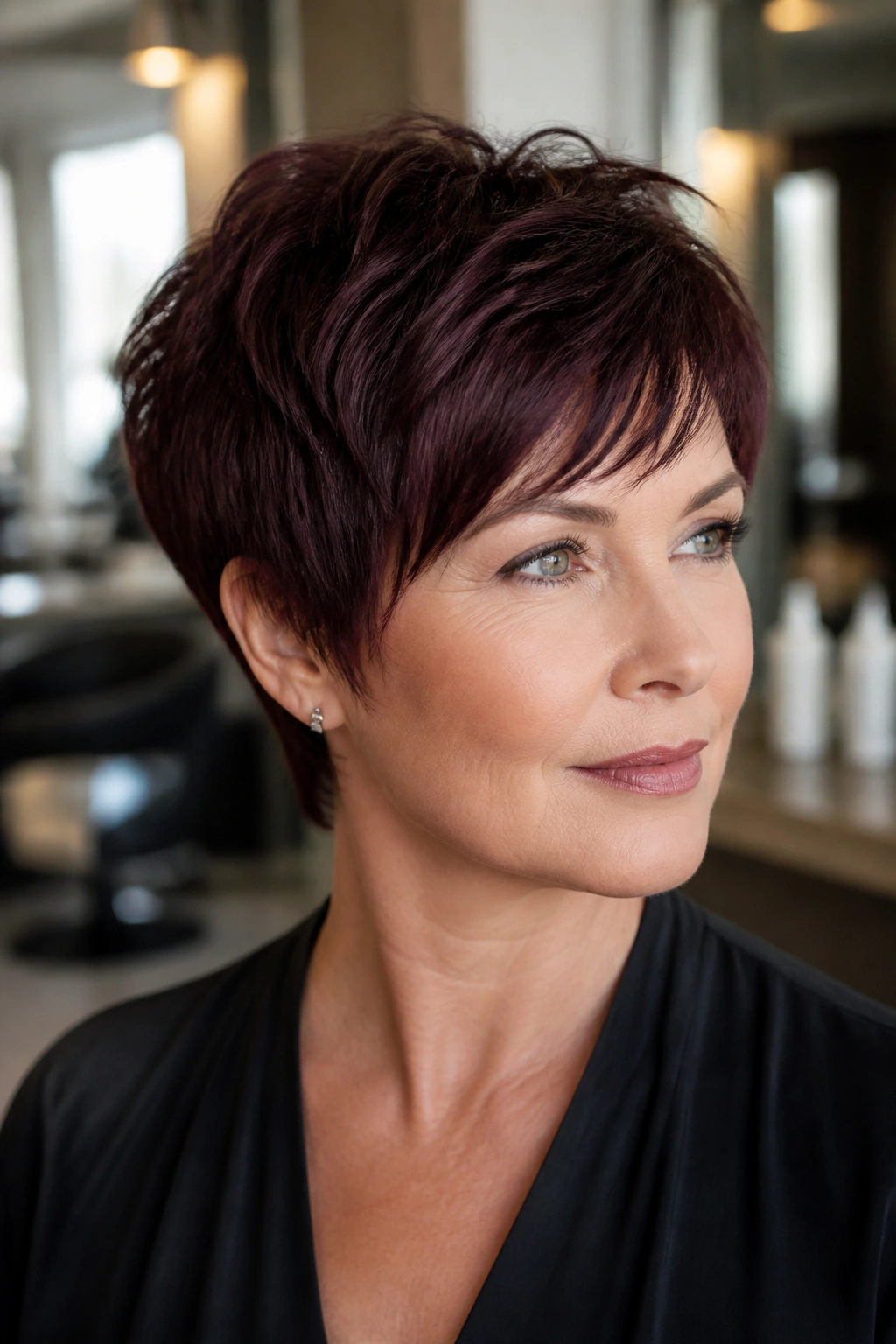
A pixie in blackberry cherry looks sharper than the same cut in plain brown. Small cuts show everything, so a dimensional burgundy is useful here — it gives the shape contour without making the style fussy.
Keep the sides a shade deeper and let the top carry more cherry. That split makes the cut look fuller, especially if your hair is fine. You want enough contrast to show the texture, but not so much that the color starts wearing the haircut instead of the other way around.
- Ask for deeper shading through the nape and sides
- Keep the fringe or top a little brighter
- Use a pea-size styling cream, not a heavy wax
- Plan on trims every 4 to 5 weeks so the shape stays clean
Pixies don’t have much room for error. Too much color variation can look busy. Too little can make the cut feel flat. Blackberry cherry hits the middle ground nicely, and cool skin tones tend to like that plum-red depth near the face.
9. Plum-Cherry Money Piece for Cool Skin Tones
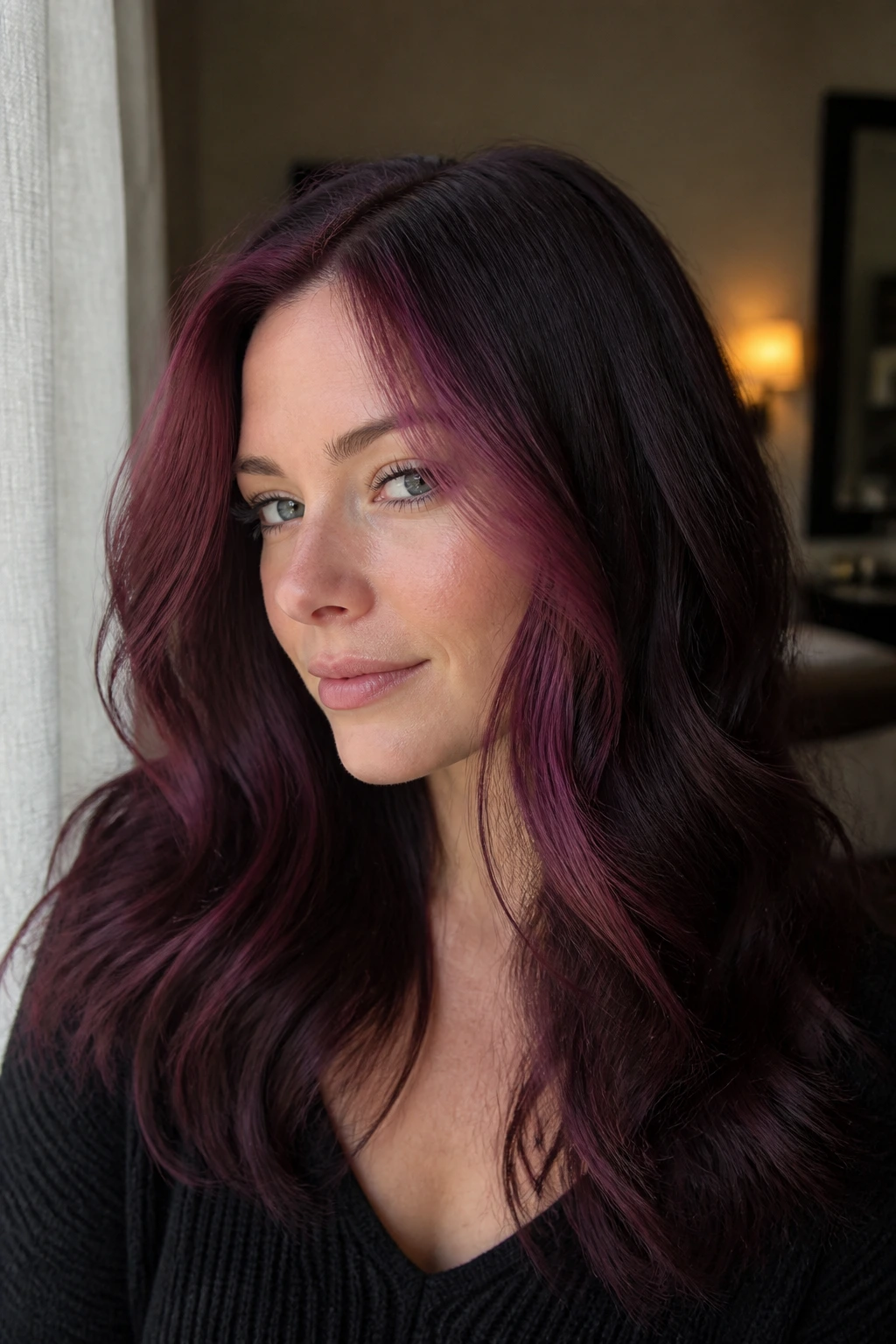
Can one bright panel change the whole face? Yes — if you place it right. A plum-cherry money piece draws light to the front without forcing the rest of the hair into a bright red commitment.
How to Keep the Face Frame Cool
The money piece should be one to two levels lighter than the base, but still firmly in the violet-red family. If it gets too light, it can wash toward pink. If it picks up too much orange, it stops flattering cool skin and starts competing with it.
That front brightness works best when the rest of the hair stays a shade or two deeper. The contrast sharpens the cheekbones and gives the eyes something to sit against. I like this on cool skin that needs a little lift near the face but doesn’t want a full color job every six weeks.
A money piece also gives you a practical out. If you’re nervous about burgundy, start here. You’ll still get the mood of cherry hair, but in a smaller, easier-to-manage dose. It is one of the simplest ways to test the shade before going all in.
10. Burgundy Velvet Curls with Cool Reflects
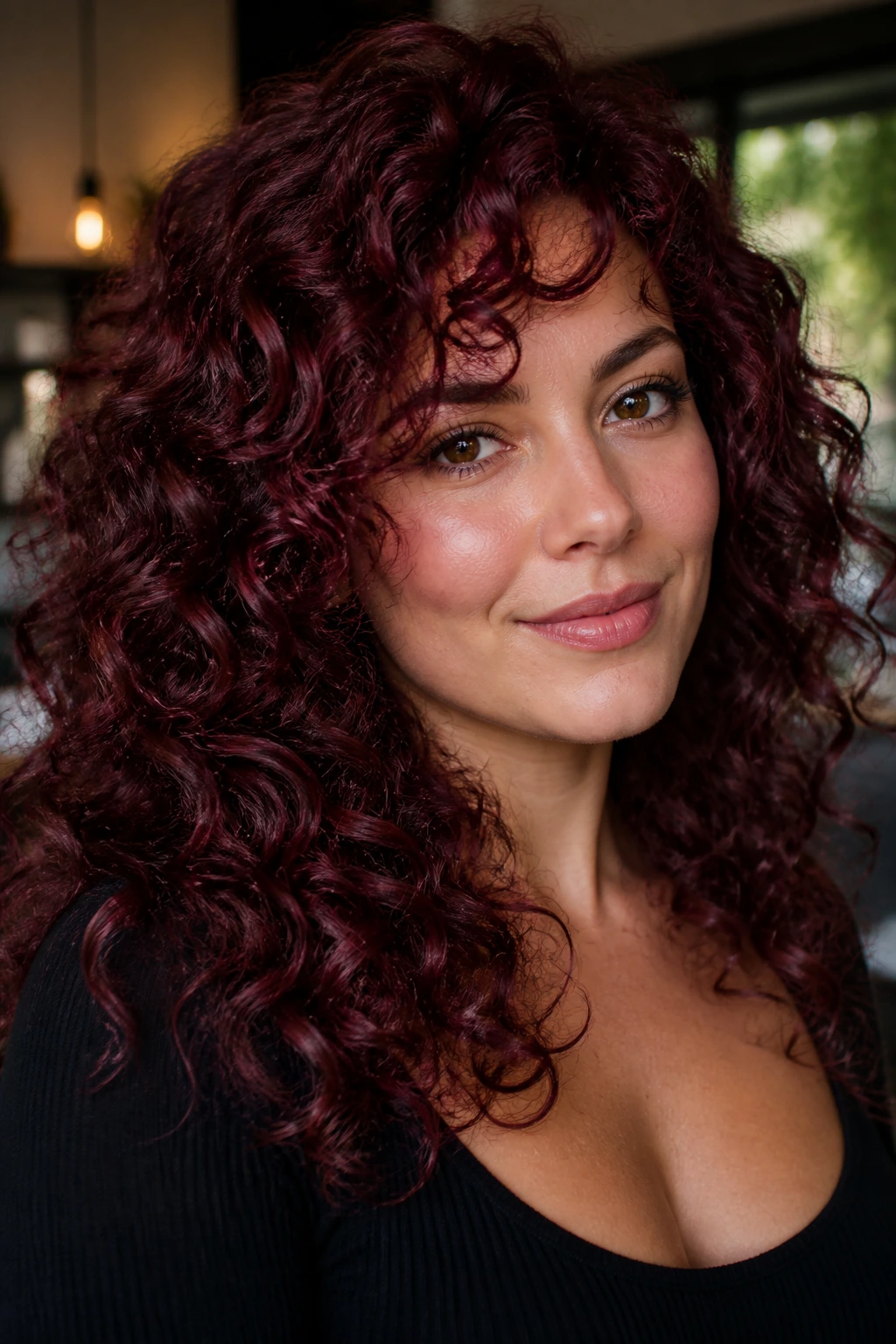
Curls make burgundy look richer than straight hair ever can. The coil pattern catches the different red and violet notes at once, which gives the color depth even when the base is dark.
What to Ask For
- A cool burgundy base with lowlights underneath
- Slightly brighter surface pieces so the curls do not disappear
- A gloss finish rather than a flat matte toner
- A curl-safe routine with heat kept low and moisture kept high
The reason this works so well on cool skin is simple: the color changes as the curl turns. You get flashes of berry, wine, and plum without needing a dramatic contrast panel. That makes the whole head feel alive, not busy.
A lot of people over-lighten curls when they want burgundy, and that is usually a mistake. Curls already have texture; they do not need extra damage to look dimensional. Keep the base rich, protect the curl shape, and let the color do the talking.
11. Cherry Mahogany with a Sheer Violet Glaze
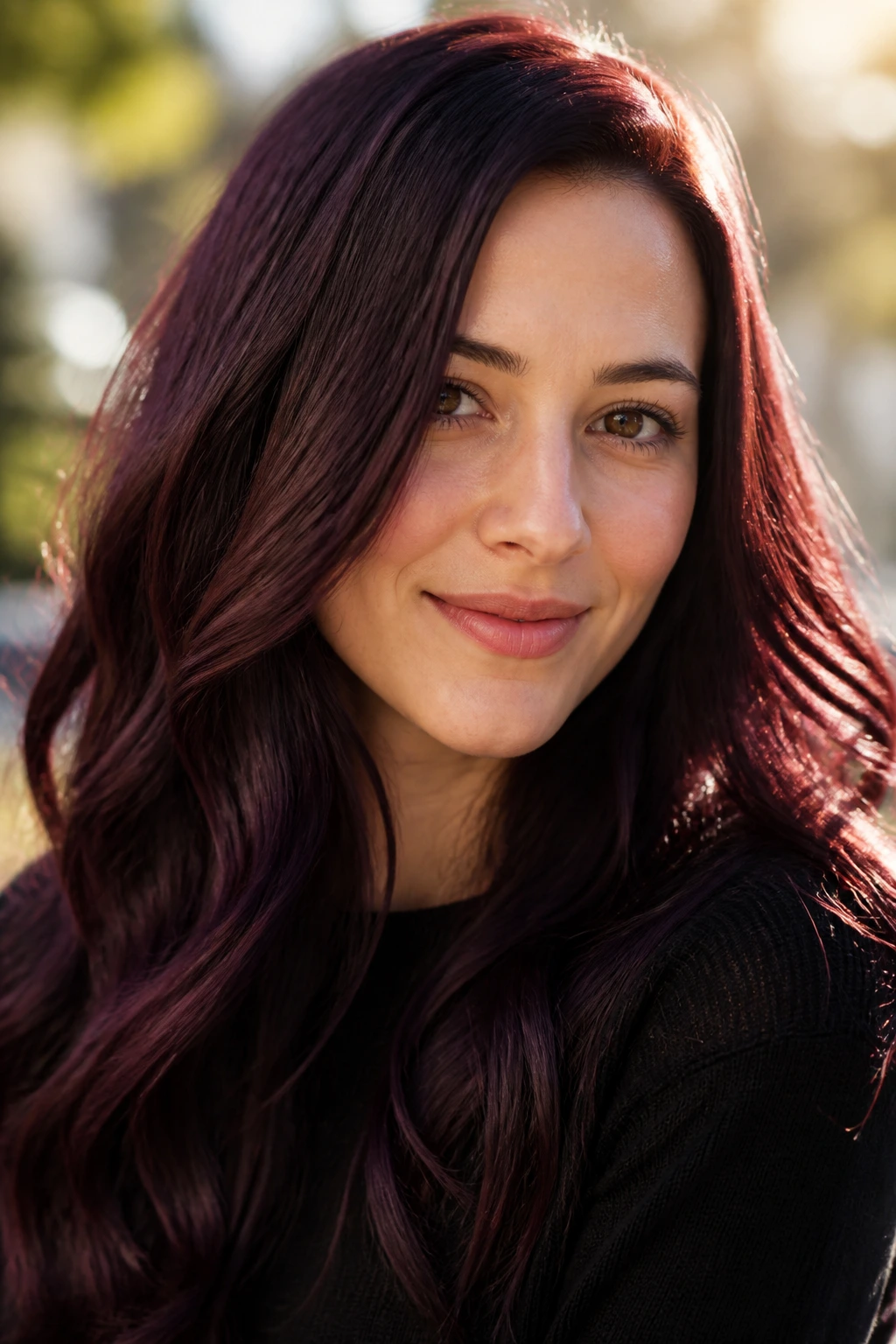
Cherry mahogany sits in a different lane than warm mahogany, and that difference matters on cool skin. Warm mahogany can slide orange if the formula is too copper-heavy. A sheer violet glaze keeps the red clean and stops the brown from feeling sticky or muddy.
This is a good choice if you want your hair to read brown first, red second. The mahogany depth keeps the color grounded, while the violet glaze adds that quiet berry note that cool undertones usually handle well. It is a smart move for anyone who likes understated color but still wants dimension in sunlight.
I’d especially recommend this shade to people who wear black, charcoal, navy, or silver a lot. Those colors tend to sit nicely next to the cooler burgundy family, and the hair ends up feeling like part of the wardrobe instead of a separate statement. That sounds small, but it changes how wearable the shade feels.
If you want to keep the look fresh, ask for a gloss refresh instead of repeatedly lifting the base. Rebuilding shine does more for this color than pushing it lighter ever will.
12. Dark Ruby Burgundy Bob with Clean Blunt Ends
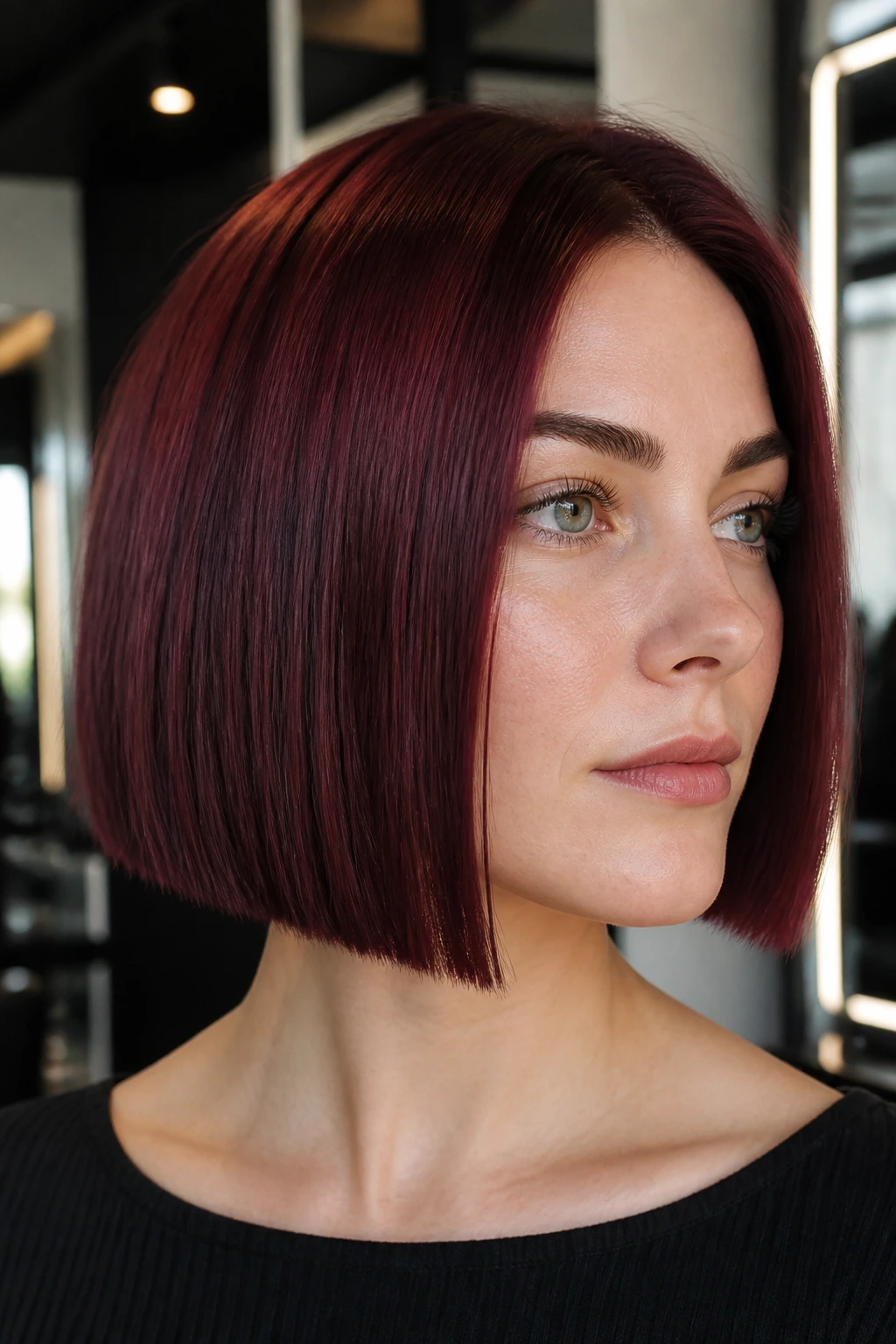
A blunt bob is a blunt instrument in the best way. There’s nowhere for the eye to wander, so the dark ruby burgundy takes center stage and looks denser, cleaner, and more mirror-like.
The sharp line at the ends makes the color read as intentional. On cool skin, that matters because the hair doesn’t need extra softness to compensate for warmth — it needs polish. A dark ruby tone does that without drifting into purple or brown.
Best Details to Bring to the Appointment
- A chin-length or jaw-length cut with a blunt perimeter
- A ruby-burgundy formula with a cool red base
- Smooth styling that keeps the line visible
- Toner touch-ups every 4 to 6 weeks if you want the red to stay crisp
This look is a favorite when someone wants the hair to feel structured. It’s neat, but not severe. And when you tuck one side behind the ear, the dark ruby tone picks up light in a way that makes the whole bob feel sharper.
13. Frosted Cherry Wine Balayage
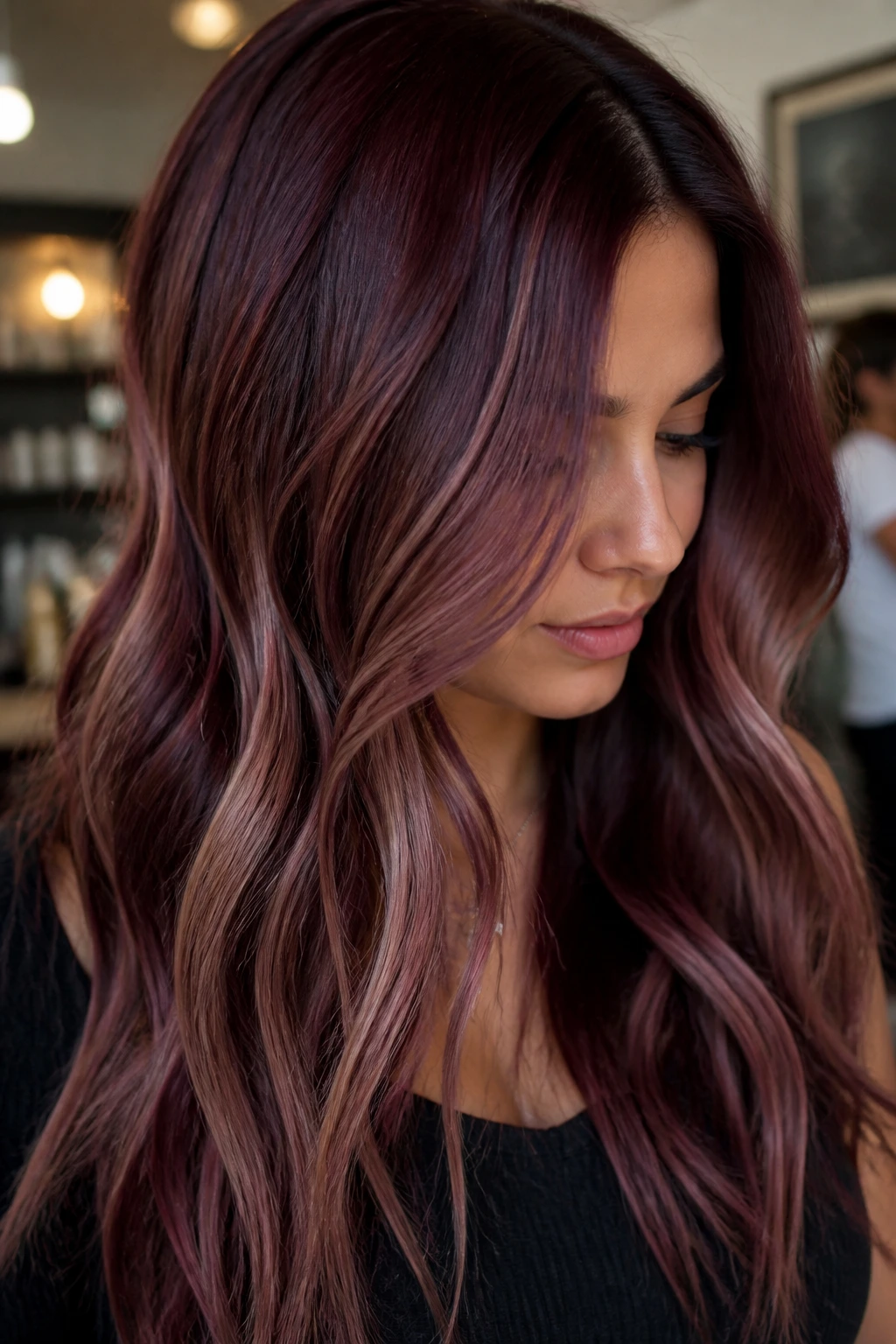
How do you keep a cherry wine balayage from drifting warm? You stop trying to make it blonde. That is the trap. The softer, frosted version works because the lighter pieces stay muted and cool, not yellow or orange.
How to Keep It Cool
Ask for beige-brown or mushroom-brown ribbons under the cherry wine, not bright gold. The lighter pieces should support the burgundy, not fight it. When the lift stays low, the color keeps its wine character and doesn’t wander into copper territory.
This is a strong pick for longer hair, where balayage has room to blur. The frosted edges keep the ends from feeling too heavy, and the cherry wine through the mids gives the shade depth. If your cool skin tends to look washed out next to bright red, the muted highlight placement helps a lot.
The maintenance is easier than a full bright-red process too. You can refresh the wine tone with a gloss and keep the soft ribbons intact longer. That’s a better trade than chasing brightness every few weeks, which usually leads to dryness and regret.
14. Beaujolais Burgundy with Airy Layers
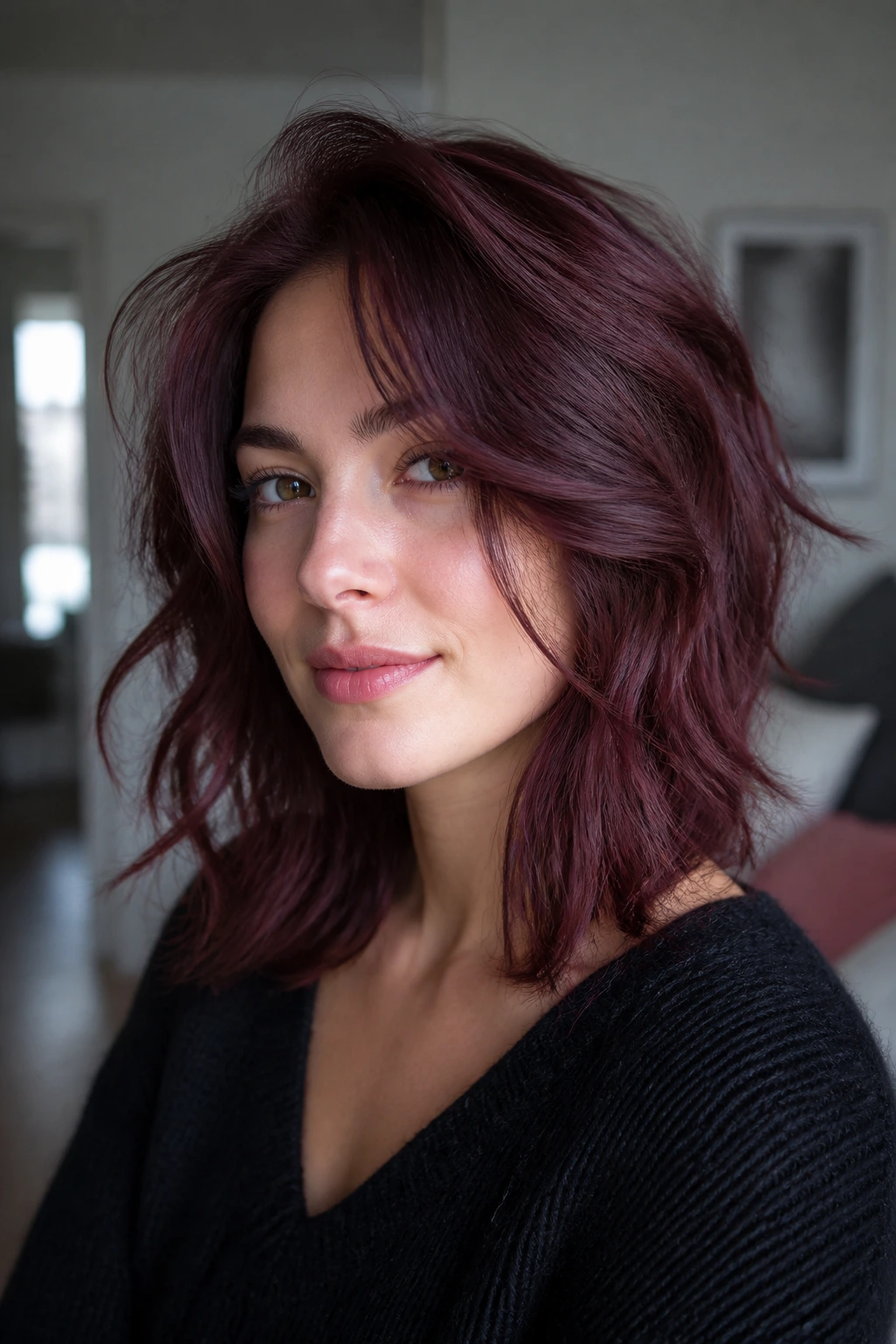
Layers keep burgundy from turning into a flat block. That is the whole point of Beaujolais burgundy — it’s meant to move. The color has enough red-violet depth to feel plush, but the airy layers stop it from sitting heavy on the head.
This shade works well on medium-length cuts, especially if the hair has a little natural bend. The lifted pieces catch more light, so the burgundy reads as wine, plum, and berry depending on the angle. On cool skin, that shifting depth is more flattering than a one-note bright red.
I also like this version for people who wear makeup sparingly. The hair brings enough color to frame the face, so you do not need a lot of extra help from lipstick or blush. That sounds small until you have to get ready in five minutes and realize the hair already did the job.
If you’re debating between a flat all-over burgundy and something with movement, take the layered route. It ages better, grows out softer, and looks less harsh when the color starts to fade.
15. Cool-Red Auburn Hybrid for Soft Contrast
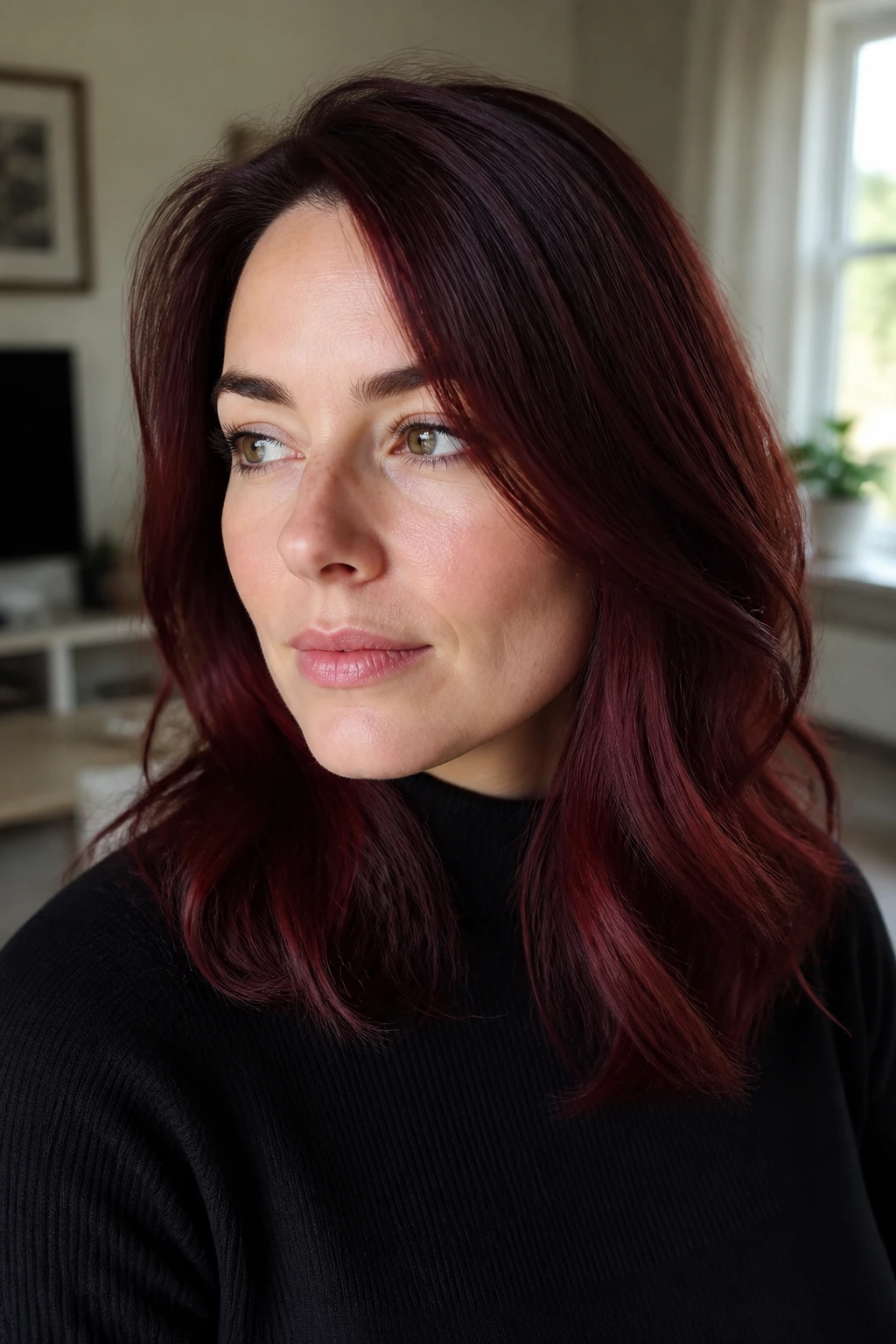
A cool-red auburn hybrid is what I suggest when someone wants a little warmth but still needs the shade to sit well on cool skin. It’s the warmest color on this list, but the red should lean cranberry more than copper. That distinction matters.
Unlike traditional auburn, which can run orange fast, this version stays darker and slightly more muted. The brown base holds the shade down, while the red-violet reflects keep it from turning pumpkin-like. If your skin is neutral-cool or you have a lot of pink in your face but still like some warmth in your hair, this can be a nice middle path.
I would not push this shade too light. The lighter it gets, the more likely it is to tip warm. Keep the base deep and let the red live mostly in the mid-lengths and surface, where it can give a soft contrast without taking over the complexion.
It is a good pick for people who want burgundy but keep backing away from purple. There is enough brown here to feel familiar, enough red to feel fresh, and enough coolness to stay friendly to the skin.
16. Rich Damson Burgundy on Wavy Midlength Hair
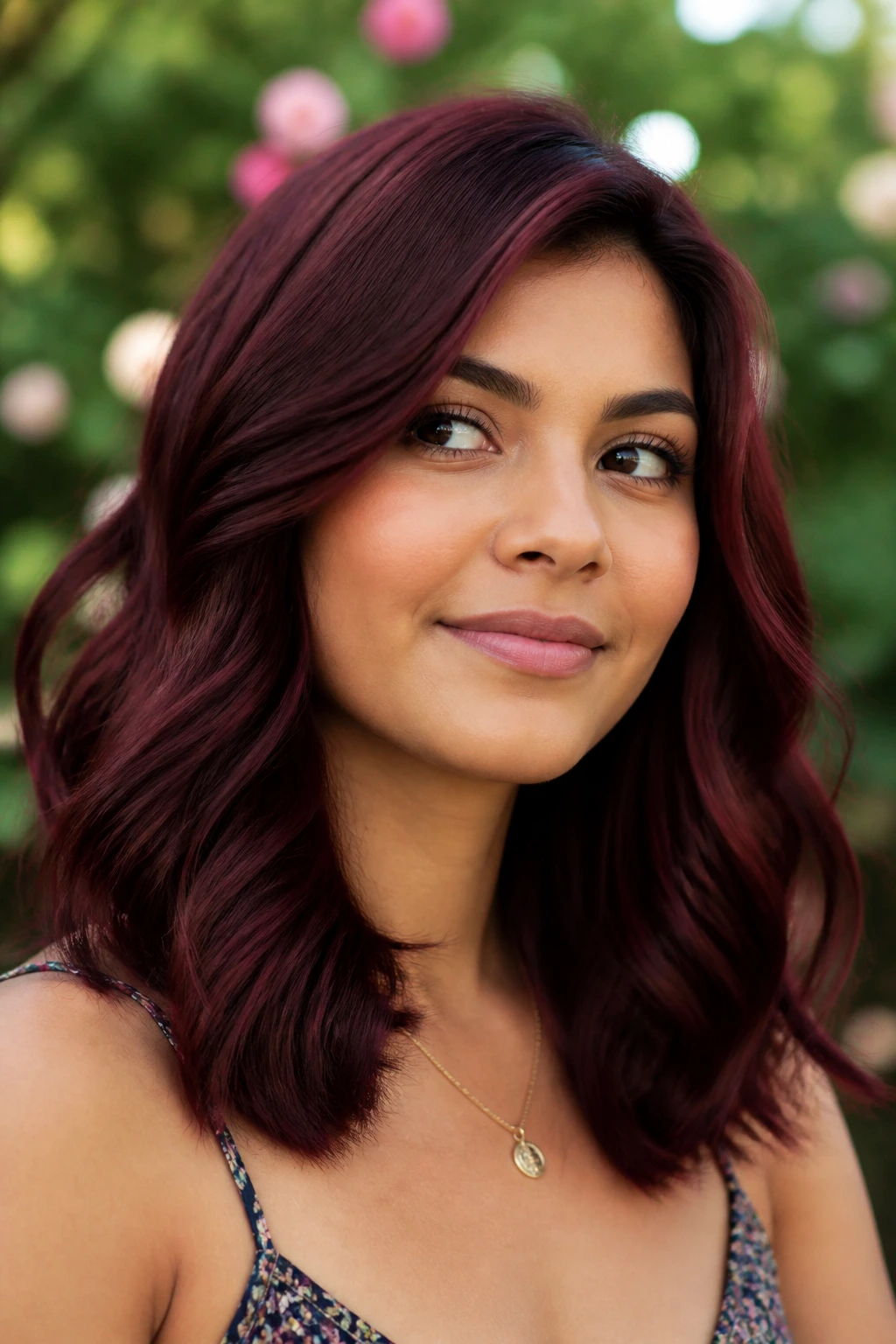
Rich damson burgundy looks especially good on wavy midlength hair because the wave pattern breaks the color up naturally. Damson has that plum-heavy note that reads cool without feeling flat, and the medium length gives it enough room to show off.
It moves.
That might sound obvious, but movement is the whole reason this shade works. On straight hair, damson can lean a little heavier. On waves, the folds and bends catch the plum and cherry notes separately, which gives the hair a textured, almost fabric-like look. I like it when the ends are slightly softer than the top — not faded, just less dense.
This shade also wears well with a light oil or shine spray. You do not need anything heavy. Too much product can darken the surface and mute the burgundy, which is a shame because the best part of damson is how it shifts in daylight. Keep the finish clean, and the color does the rest.
If you like hair that feels moody but not severe, this is an easy favorite. It has enough depth for cool skin and enough berry warmth to keep the face from going flat.
17. Sheer Cherry Burgundy on Fine Hair
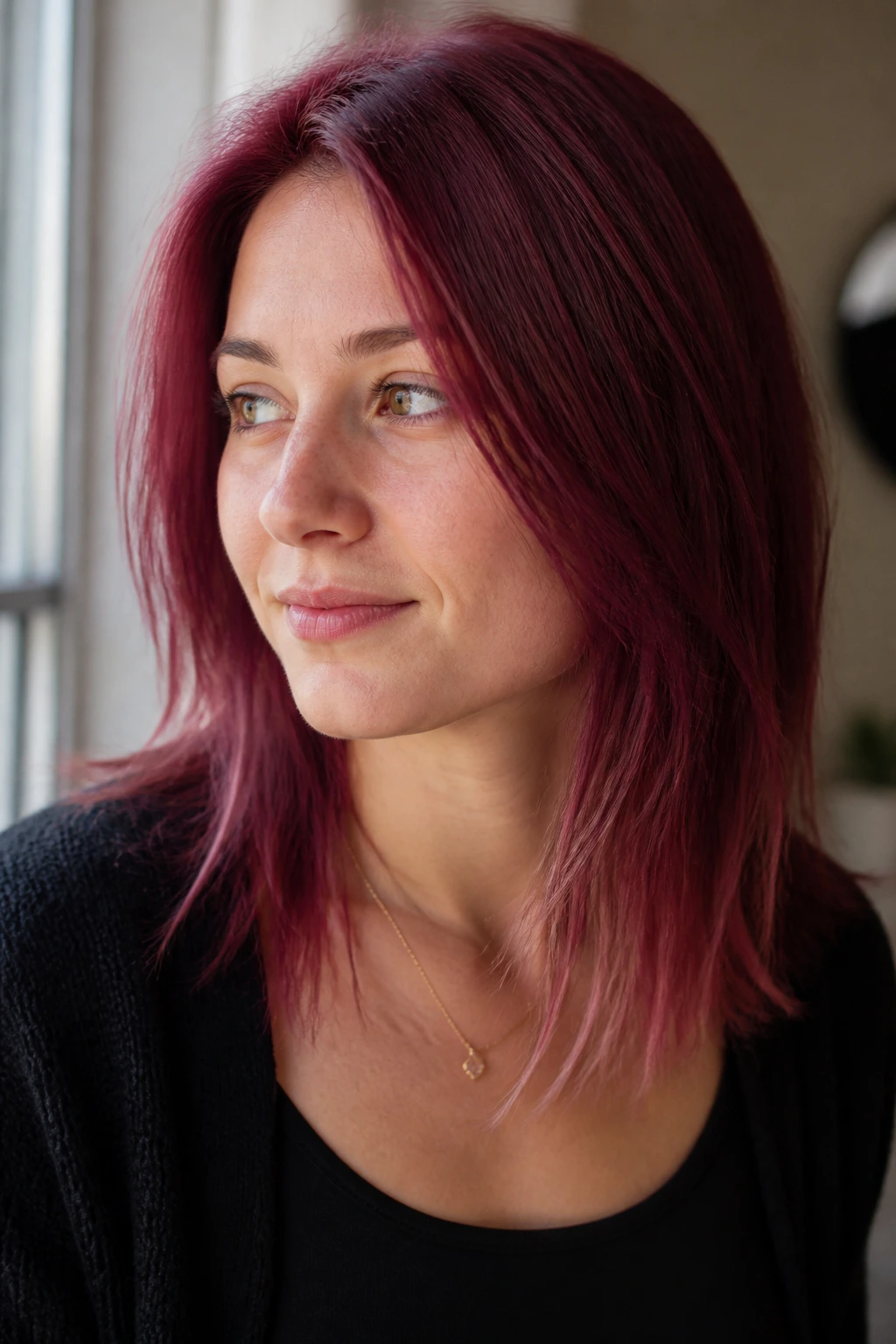
Can fine hair handle burgundy without looking stringy? Yes, if the shade stays sheer. Heavy, dark red can make fine strands look thinner at the ends, which is why a lighter-handed cherry burgundy often works better.
Why Less Pigment Can Look Better
A demi-permanent formula or a clear-burgundy gloss keeps the color translucent. That translucency lets the hair keep its movement, and movement is what gives fine hair the illusion of fullness. A solid, overly dark formula can flatten the texture and make the cut look smaller than it is.
I’d keep the base close to your natural depth and concentrate the cherry on the mid-lengths. Let the ends stay a touch lighter if possible. That tiny shift keeps the silhouette airy and stops the color from swallowing the shape of the haircut.
This is also one of the easiest burgundy looks to grow out. Because the shade is softer to begin with, fading is less dramatic. Cool skin tones still get the berry effect, but the hair keeps a light, breathable feel instead of looking painted on.
18. Graphite Burgundy with a Cherry Edge
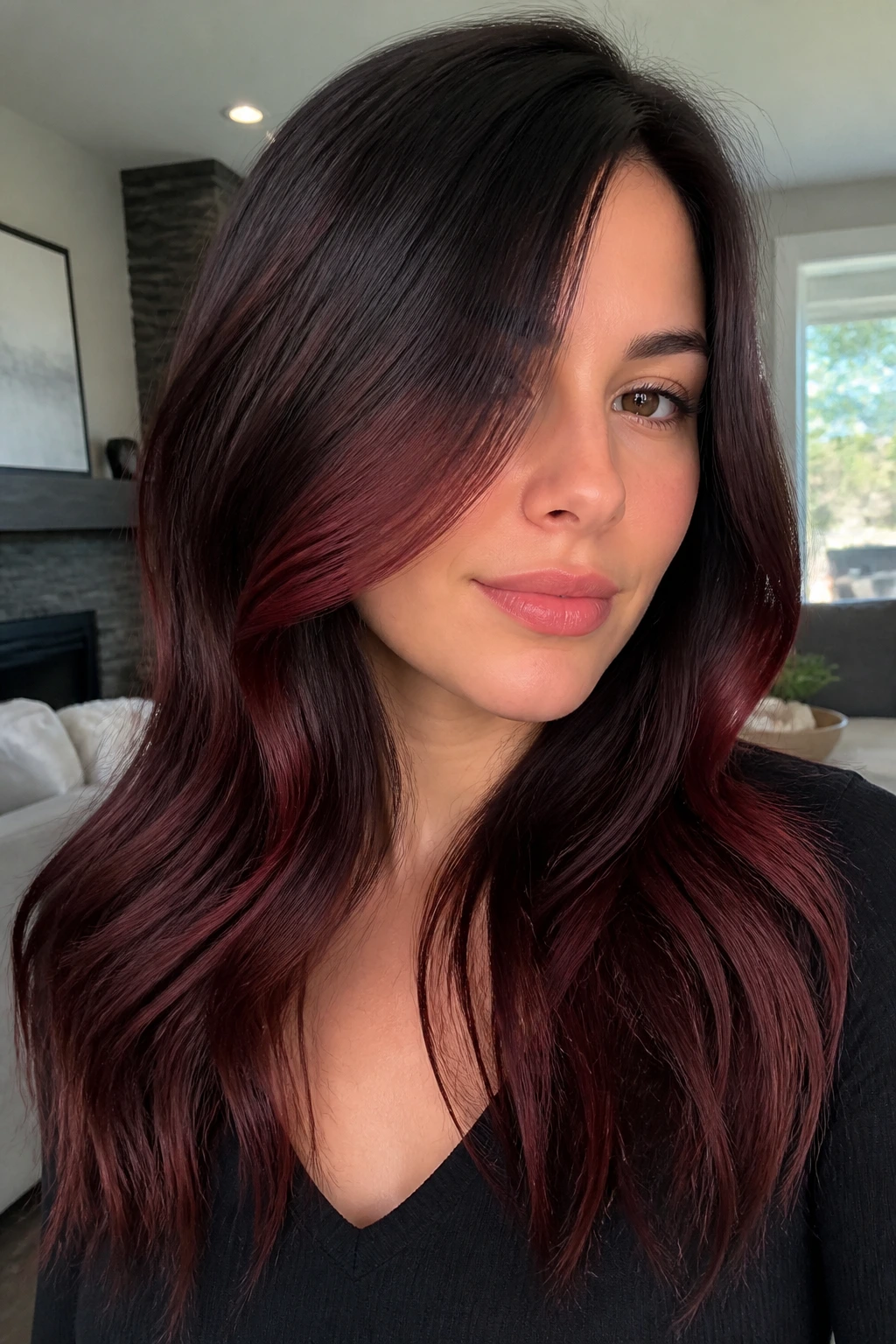
Graphite burgundy is the sleeper shade in this whole group. It sits almost charcoal-brown at first glance, then throws a cherry edge when the light hits it the right way. For cool skin, that balance is gold — or rather, not gold, which is the point.
This is the one I’d point to if you want something subtle enough for daily wear but not dull. The graphite base keeps the hair grounded, and the hidden cherry reflection keeps it interesting. You get a cool-toned red that behaves almost like brunette until it moves, which makes it easy to wear with black, gray, silver, and deep navy.
If you’re torn between going darker or brighter, start here. It is easier to build more cherry later than it is to pull warmth back out of a shade that went too coppery. Ask your colorist for a cool graphite-burgundy blend with a violet-red sheen, and keep the finish glossy rather than flat.
The nicest burgundy shades for cool skin tones are the ones that respect depth first. Cherry can be loud. It does not have to be. When the red stays blue-based and the brunette stays rich, the result looks clean, modern, and easy to live with — which is usually the whole point.
