



Finding the right hair color is usually a balance of chemistry and intuition, but when you have cool skin tones, the margin for error feels significantly smaller. You have likely experienced the frustration of trying a vibrant copper or a warm, golden auburn, only to look in the mirror and see your skin appear sallow, gray, or washed out. That happens because warm-toned hair colors clash with the blue and pink undertones in your complexion.
The good news is that you do not have to settle for dull browns or icy blondes. Red violet hair colors offer a bridge between the intensity of a true red and the flattering, cool-leaning depth of violet or plum. Because red violet shades incorporate a blue base, they harmonize with cool skin rather than fighting against it. They add brightness to your face, making your eyes pop and your skin look clearer, without introducing the brassiness that usually makes cool skin look tired.
Understanding your undertones is the first step toward getting the perfect shade. If your veins look blue or purple under natural light, and you find that silver jewelry looks significantly better on your skin than gold, you almost certainly have a cool undertone. This creates a canvas that practically begs for cooler, deeper, or more jewel-toned hair colors. By shifting your color palette toward those violet-reds, you are choosing shades that mimic the natural health and radiance your skin deserves.
Why Red Violet Works Specifically for Cool Undertones
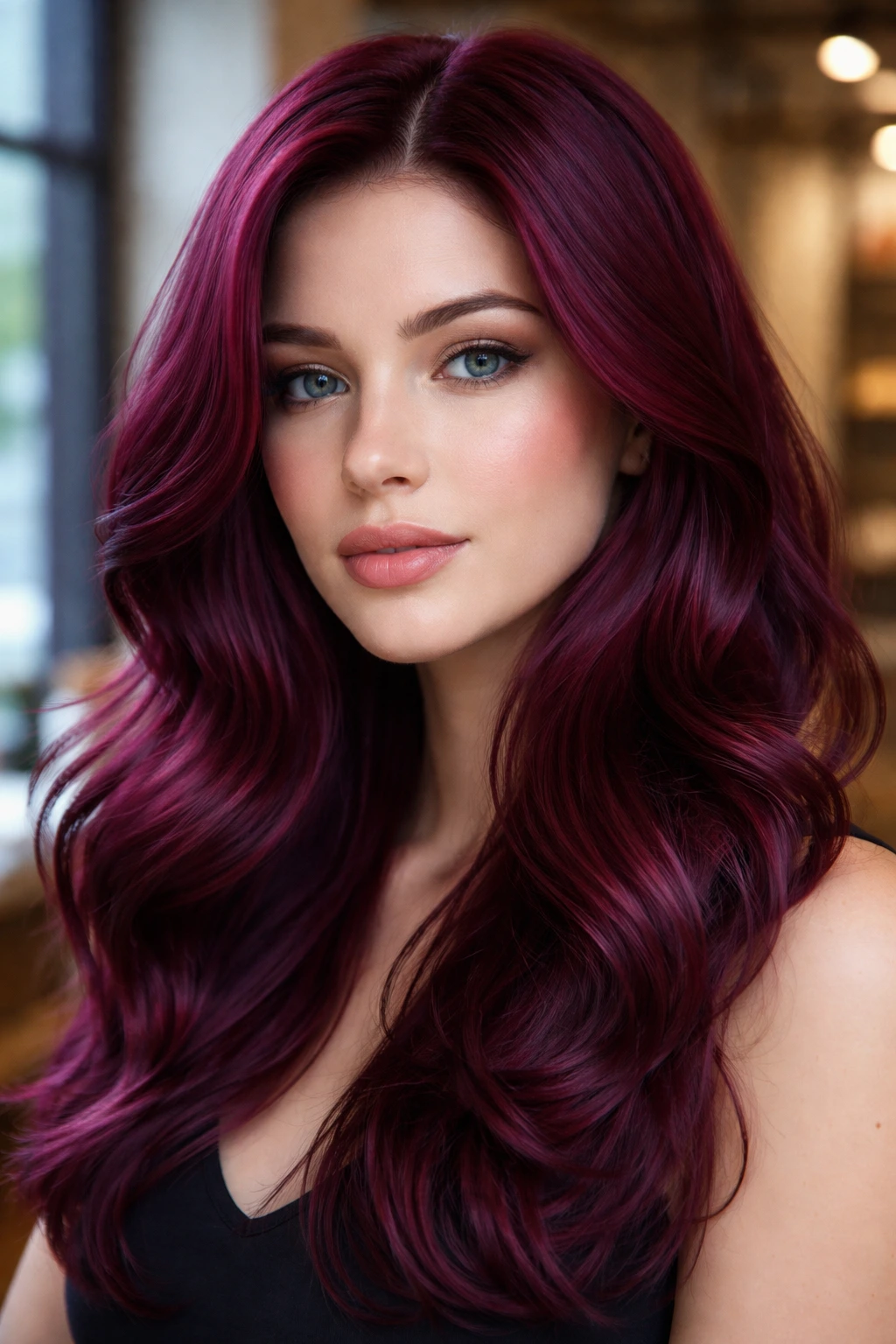
The secret to success with red violet shades lies in the color wheel. Your skin has a base of blue or pink, and warm colors—like orange, yellow, or golden-red—act as a highlighter for those tones, often in an unflattering way. They pull the color out of your skin, leaving it looking sallow or muted. Violet, however, is a cool color by nature.
When a colorist mixes a red dye with a violet pigment, the result is a shade that cools down the intensity of the red. This creates a “cool red.” It is not that you are avoiding red; you are simply choosing a version of red that has been tempered by a cooler base. This helps the color feel cohesive with your complexion.
Another major benefit of these shades is their versatility. You can go as dark as a midnight plum or as light as a raspberry tint, all while staying within the “cool” family. The depth of these colors also tends to make the hair look thicker and shinier, as darker, cooler tones reflect light differently than porous, warm, brassy shades. Whether you want a subtle shift or a bold transformation, the cool-violet spectrum offers an incredible range of possibilities that won’t make you feel like you are compromising your style.
Preparing Your Hair for a Red Violet Shift
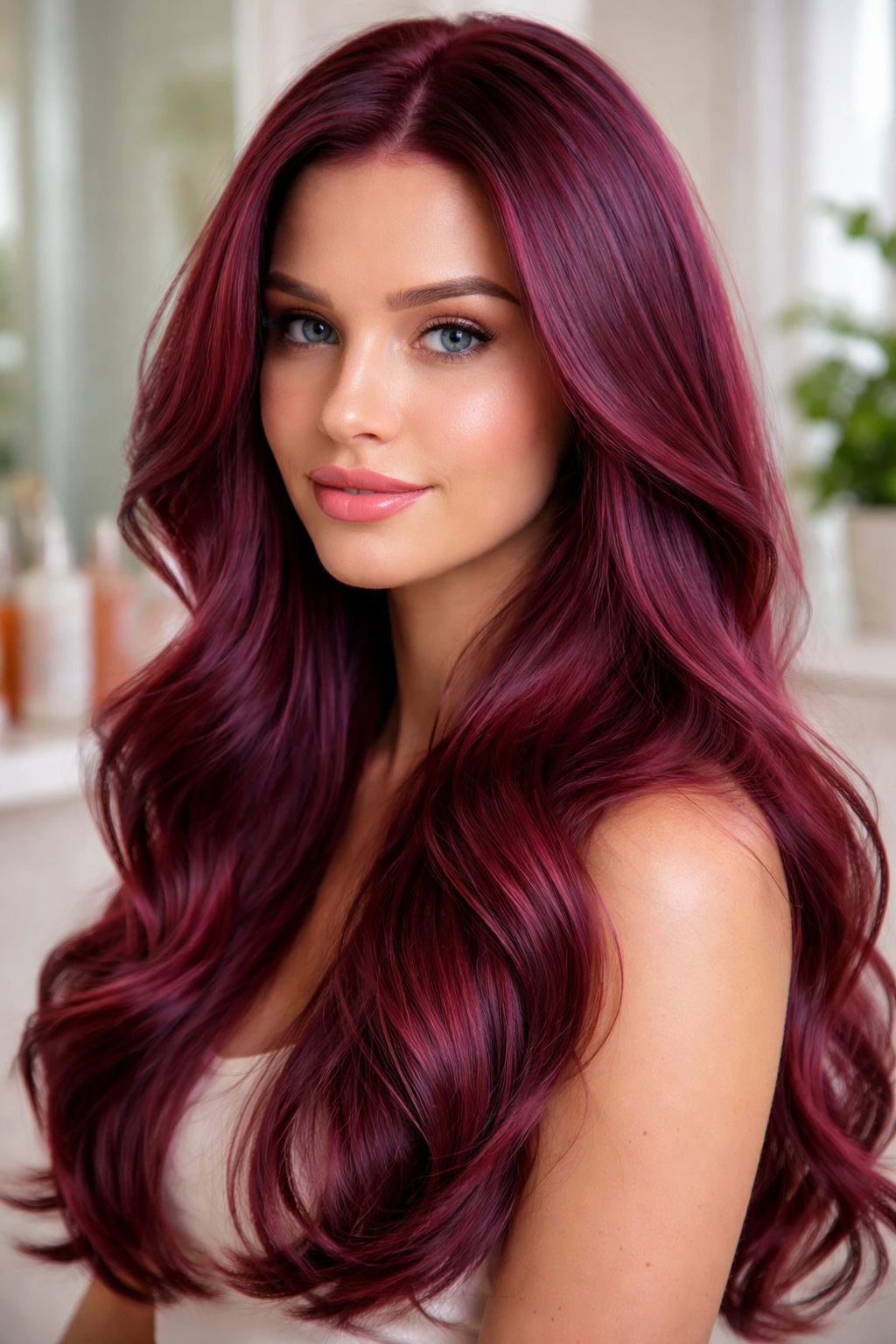
Before you dive into the world of plum, burgundy, and cherry shades, you need to assess the health and history of your hair. Red pigment is notoriously small, which means it penetrates the hair shaft easily but also slips out just as quickly. If your hair is damaged or overly porous, it will grab the red pigment unevenly, leading to a blotchy finish.
Assessing Your Starting Level
If your hair is currently dark brown or black, you may need a slight lift to get the “violet” part of the red violet to show up. Without a lift, a red dye might only deposit a subtle red tint that disappears after two washes. Conversely, if your hair is bleached platinum, you must be careful; the red will grab onto the blonde hair intensely, often turning a neon pink rather than a sophisticated plum.
Essential Pre-Color Care
Focus on moisture. Start using a deep conditioning mask once or twice a week at least two weeks before your appointment. This evens out the porosity of your hair, ensuring that when the color is applied, it lands evenly from root to tip. You should also skip clarifying shampoos in the days leading up to your coloring session, as they can strip your hair and make it too prone to soaking up color in an unpredictable way.
1. Deep Plum Balayage
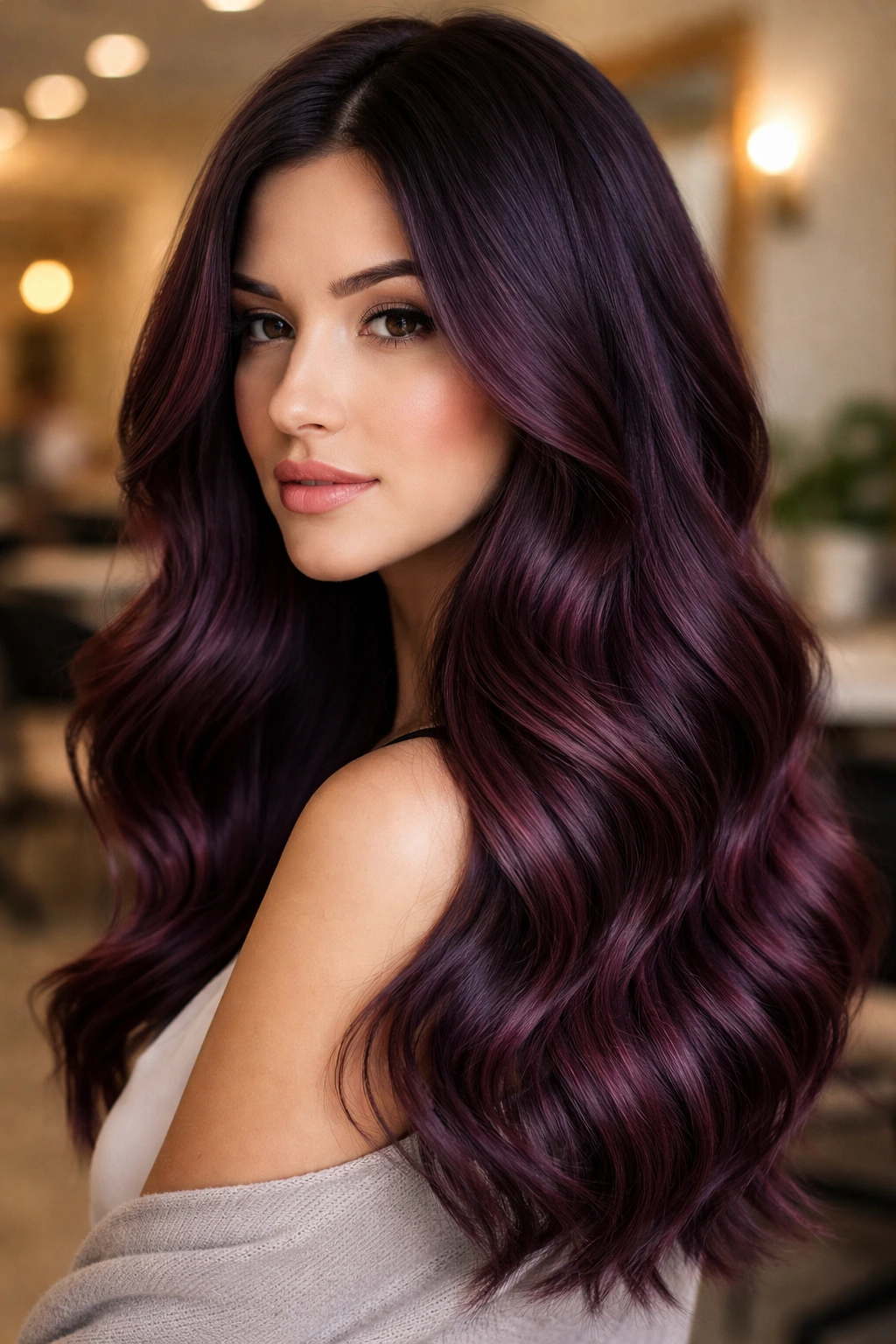
This look is perfect if you want to test the waters of red violet without committing to a solid, single-process color. A deep plum balayage involves painting darker violet-red tones onto a naturally dark base, focusing primarily on the mid-lengths and ends.
Why This Works for Beginners
Because the roots remain your natural, darker color, you do not have to worry about the dreaded “root grow-out” line. The plum tones are hand-painted, meaning the transition is soft and seamless.
Keeping the Contrast
- Ask your colorist to focus the plum placement away from the immediate hairline to keep the focus on your face.
- Use a color-depositing conditioner once a week to maintain that specific plum pigment. Pro Tip: If your natural hair is black or dark brown, the plum will look like a subtle, hidden gem in low light and a vibrant, dimensional purple-red in the sun.
2. Midnight Cherry Ombré
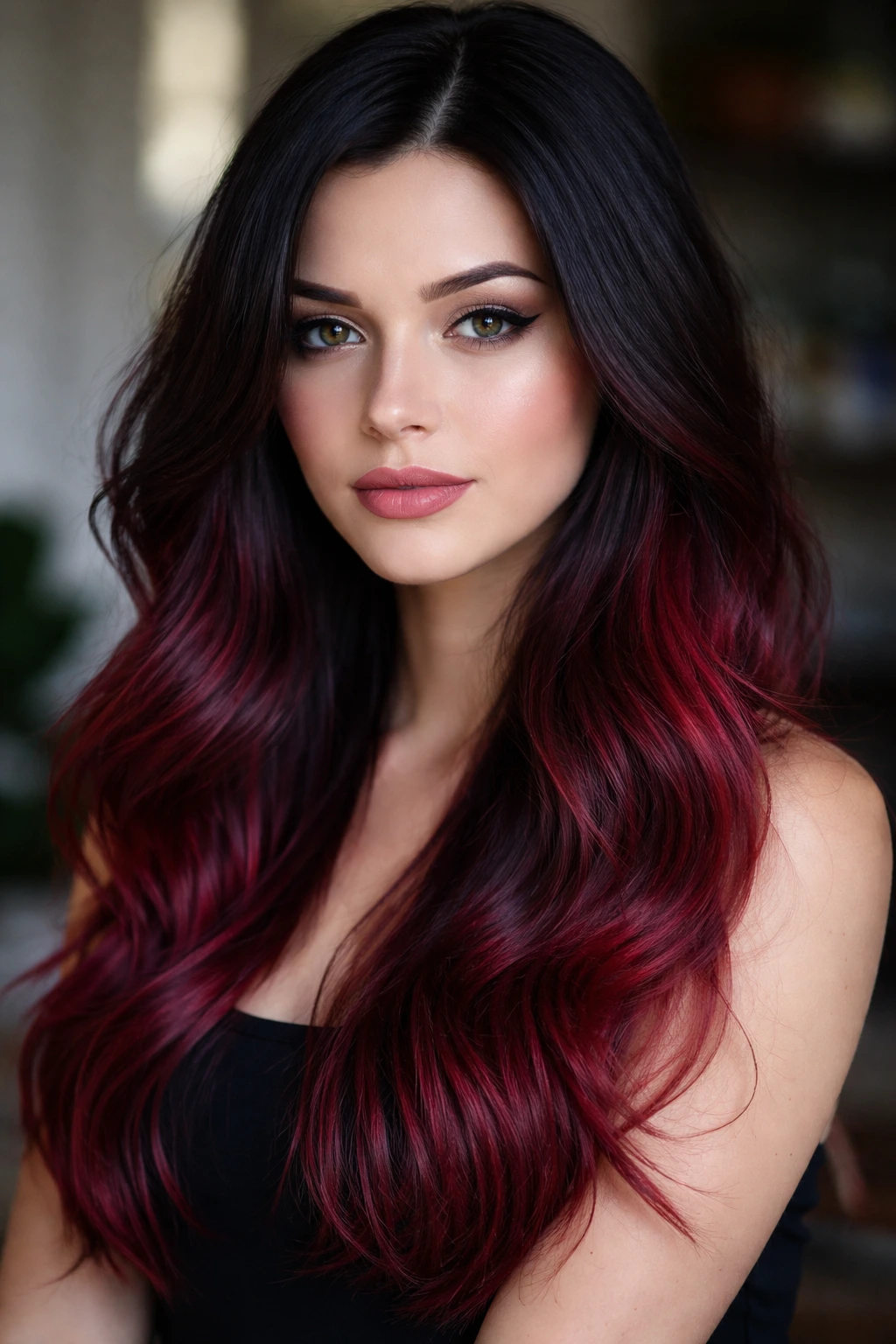
Think of this as a moody, sophisticated update to the classic ombré trend. The transition here is from a deep, near-black root color into a rich, saturated cherry-red at the ends.
The Technical Details
The key is to avoid an abrupt line of demarcation. You want a “melted” look where the dark root and the cherry ends blend together somewhere around your chin or jawline. This prevents the color from looking like a harsh dip-dye and makes the grow-out process much more manageable.
Why It Suits Cool Skin
Cherry-red is one of the few reds that can be adjusted to lean very cool. By asking for a “blue-based cherry” or a “cool cherry,” you ensure that the red doesn’t lean into the orange family, which keeps your cool skin looking bright and crisp.
3. Dark Burgundy Root Smudge
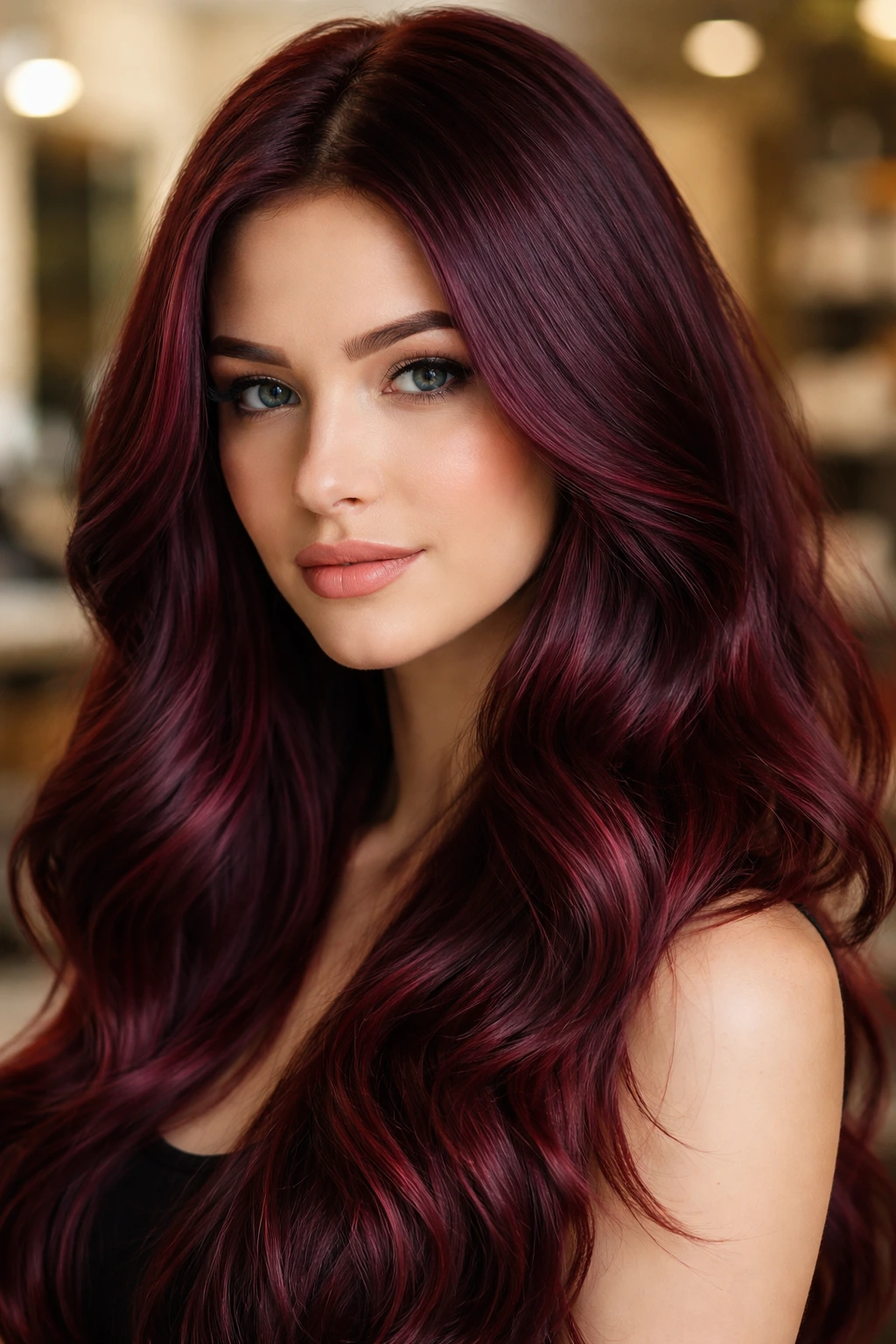
Root smudging is a technique where your colorist takes a darker, slightly deeper shade and applies it directly to the roots, blurring it down into your existing color. For this look, go for a deep, almost wine-colored burgundy at the root.
The Impact
This adds incredible depth to the hair. It mimics the natural way hair grows, where it’s often darker near the scalp, but it adds that rich, luxury feel of red violet. It works well with any length of hair but looks particularly stunning on long, layered cuts.
Maintenance Note
This is a low-maintenance style. You can go longer between salon visits because the root smudge softens the line of demarcation as your natural hair grows in.
4. Fuchsia-Violet Money Piece
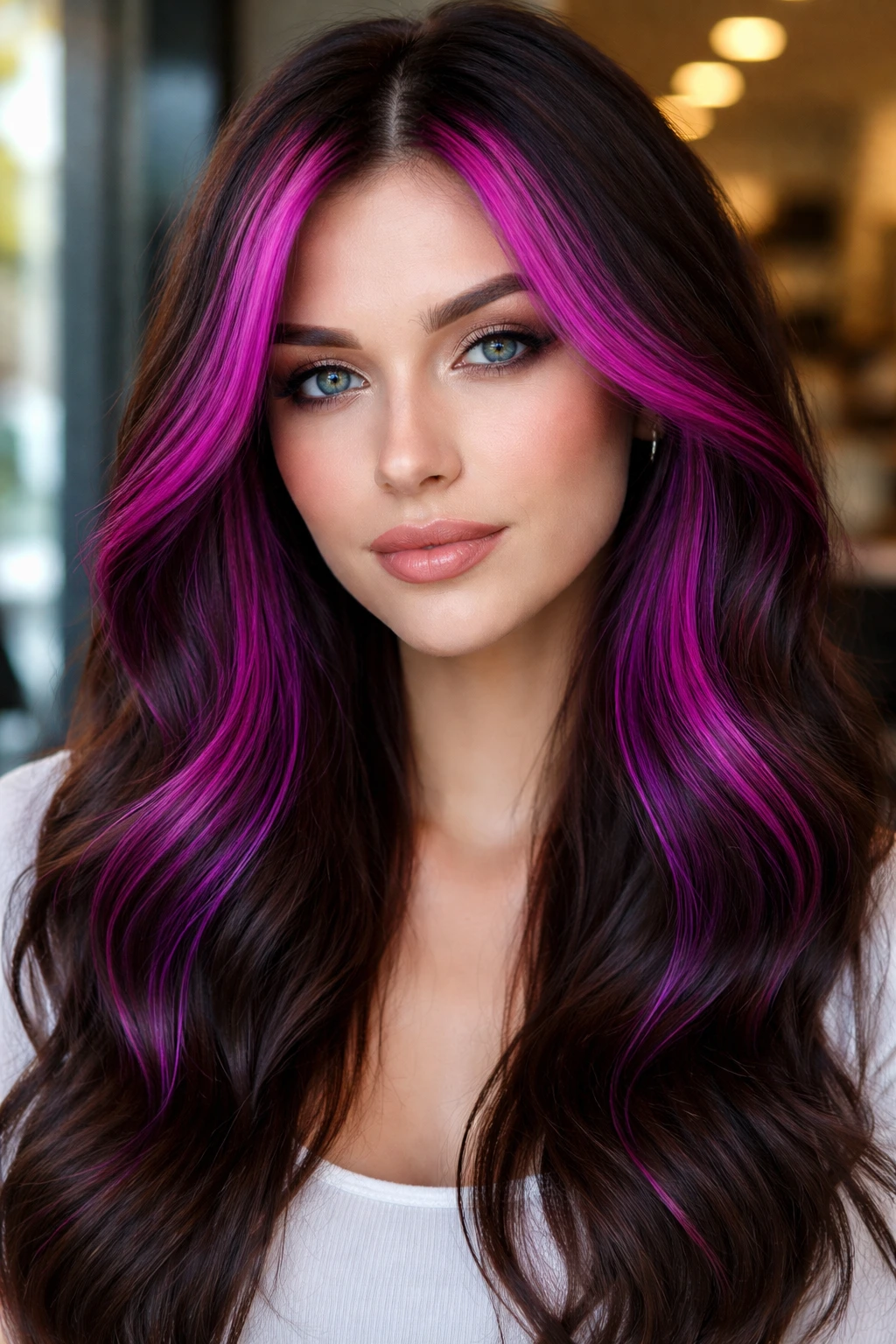
The “money piece” trend focuses on highlighting the front sections of the hair that frame your face. A fuchsia-violet money piece is bold, modern, and high-impact without requiring you to color your entire head.
The Visual Effect
Because these strands are directly against your skin, they have the most impact on how you look. Choosing a cool-toned fuchsia-violet here acts like a ring light, illuminating your complexion.
Application Tips
- Keep the rest of your hair a darker, more subdued shade of dark cherry or espresso.
- The contrast between the dark base and the bright, vivid fuchsia is what makes this style stand out. Pro Tip: If you are afraid of the commitment, use a semi-permanent color mask to try this section first. If you don’t like it, it will wash out in a few weeks.
5. Merlot Dimension Highlights
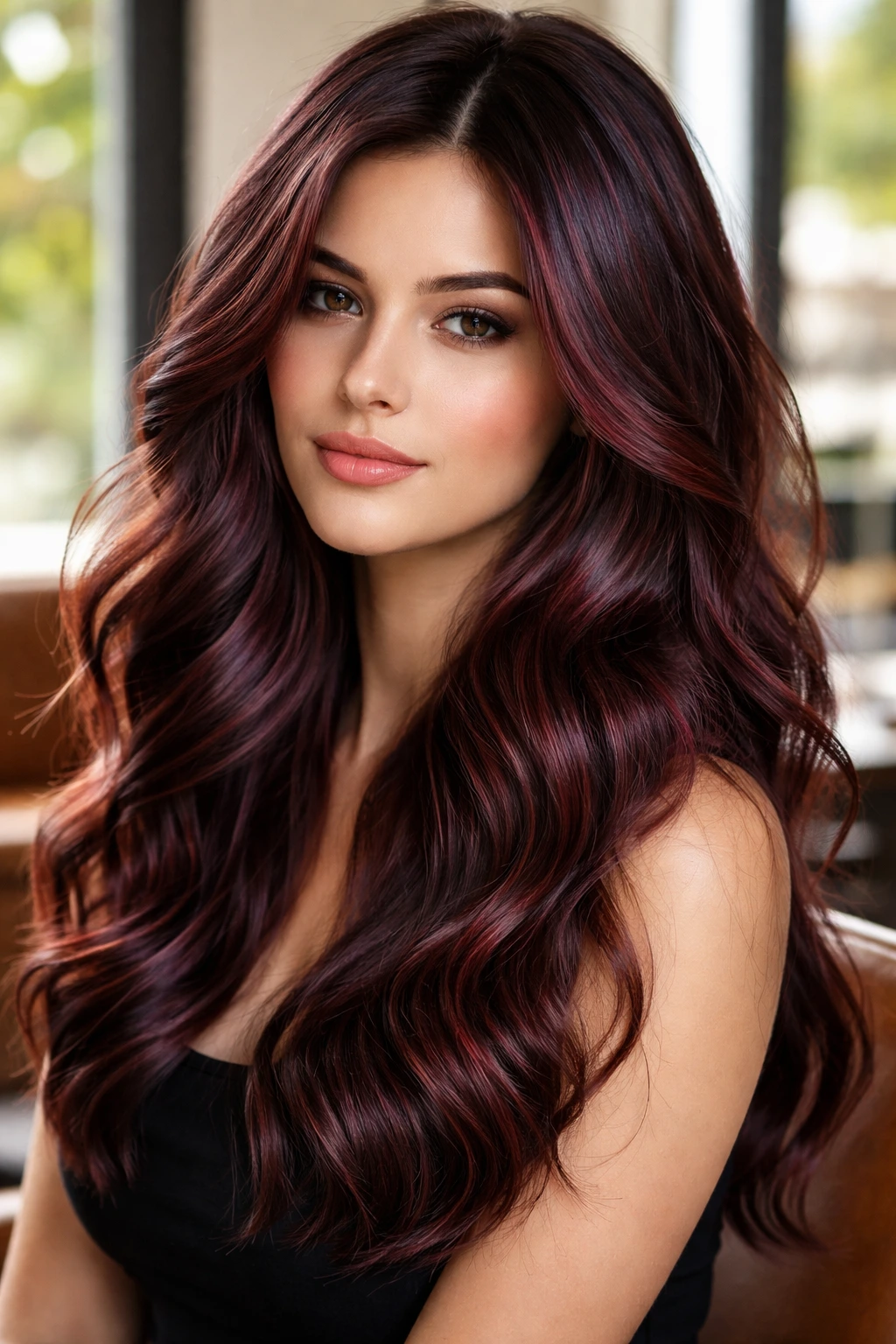
If you prefer a natural, sun-kissed look, merlot dimension highlights are the way to go. Instead of thick chunks of color, ask for thin, fine-weave highlights scattered throughout your hair.
The Result
This adds movement and texture. When you move your head, the light catches these merlot-toned highlights, giving the appearance of a multi-tonal, expensive color job.
Why It’s Unique
It mimics the complexity of natural red hair, which is rarely just one flat color. You get the richness of the red violet without the solid, “dyed” look that some people want to avoid.
6. Electric Grape Peekaboo
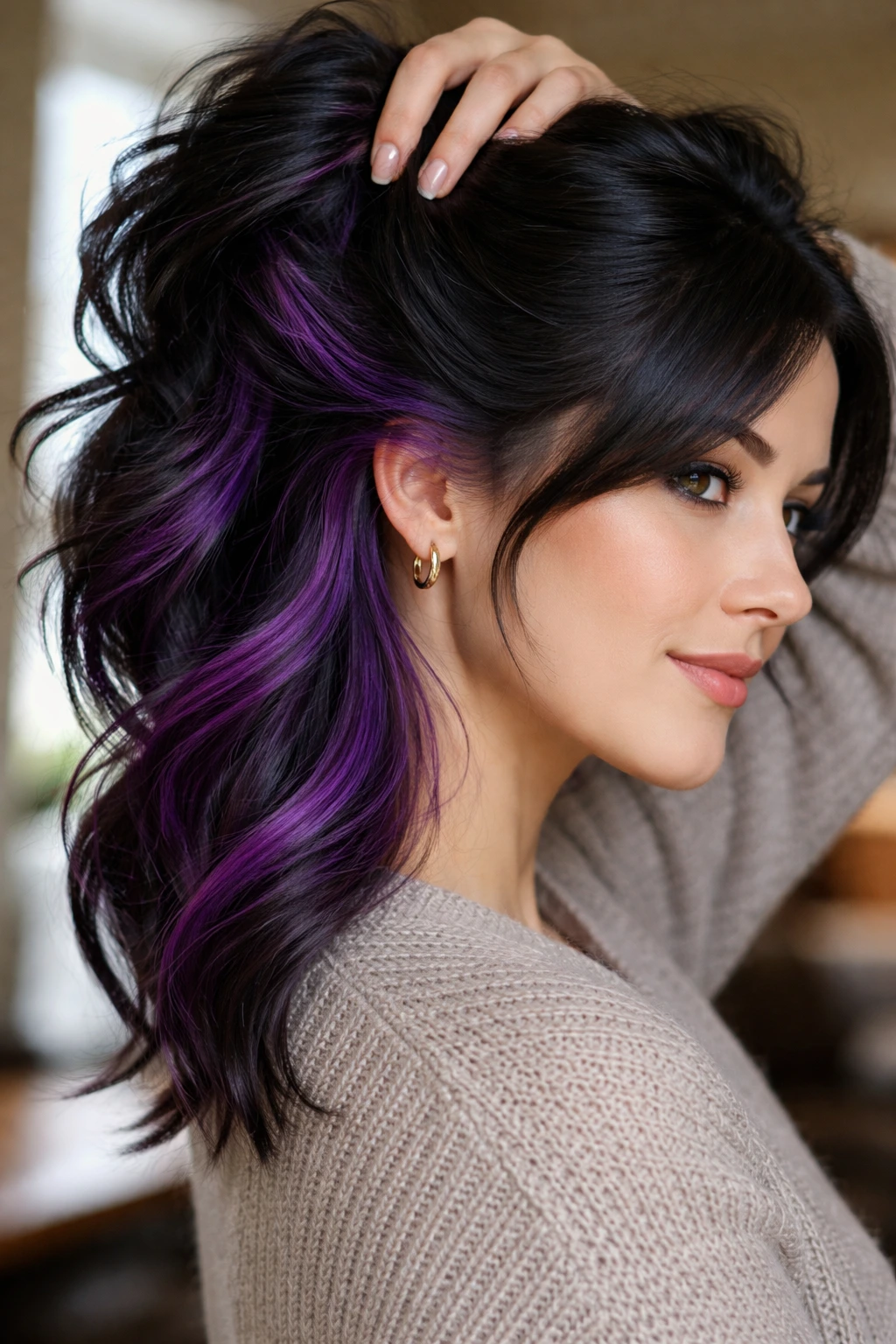
Peekaboo hair involves placing color in the bottom layers of your hair, so it is only revealed when you put your hair up or style it with layers. An electric grape shade is a vibrant, cool-toned violet that packs a punch.
Why You’ll Love It
It’s a secret style. When you wear your hair down, you might only see a subtle hint of the color. When you pull your hair into a ponytail, the vibrant, electric grape color is front and center.
Style Versatility
This is an excellent option for workplaces that have strict hair color rules. You can keep the top layers professional and dark while still expressing your personality underneath.
7. Wine-Stained Color Melt
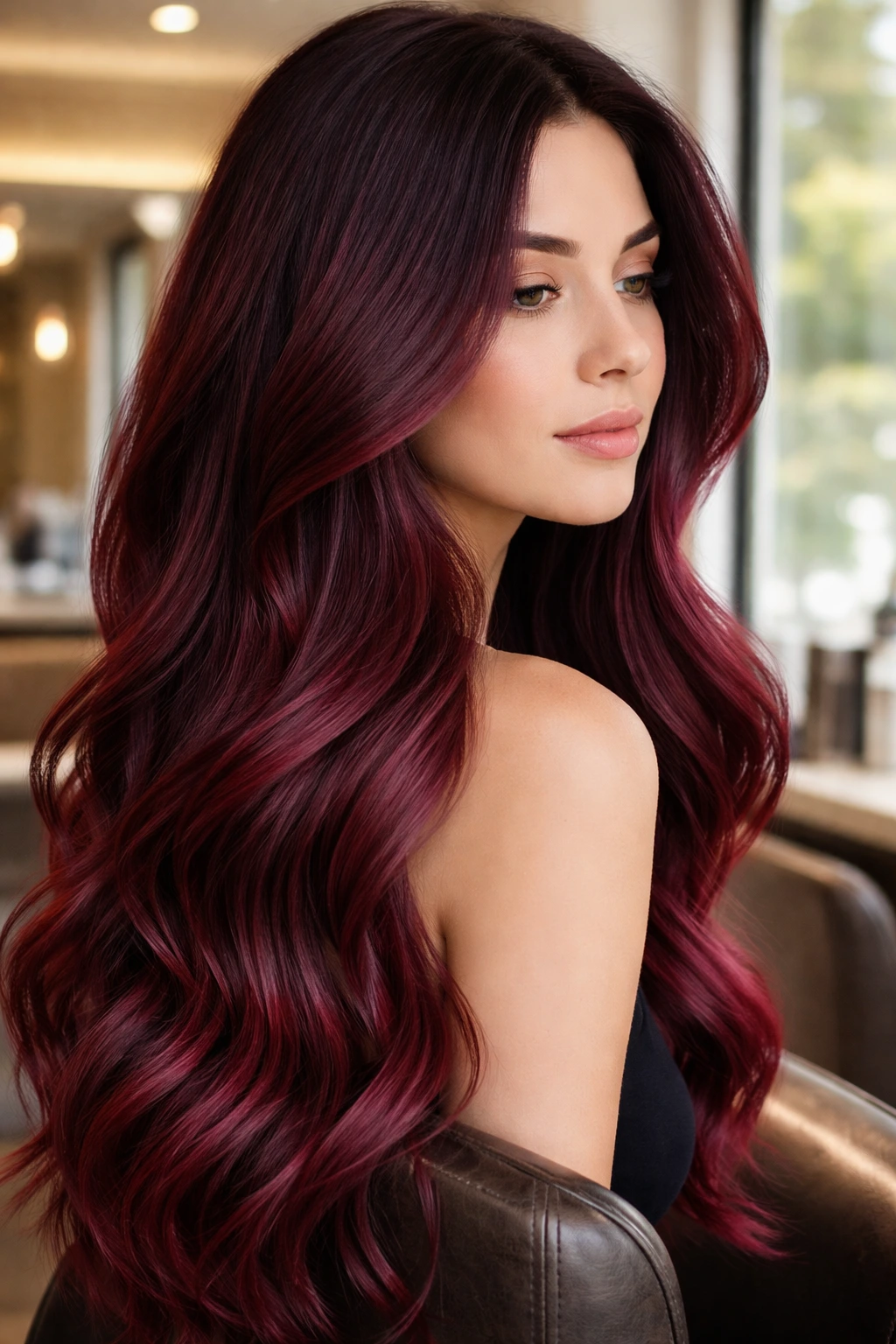
A color melt is more advanced than an ombré; it involves blending multiple shades of red violet so that you cannot tell where one ends and the next begins. Start with a deep, dark burgundy at the root, melt into a classic wine color in the middle, and finish with a lighter cranberry at the tips.
The Technicality
This requires a stylist who is comfortable with “melting” techniques. It creates a seamless gradient that looks incredibly luxurious.
Who Should Choose This
If you have long hair, this is the best way to showcase the color. The gradient really shines on hair that has length and movement.
8. Subtle Violet-Red Lowlights
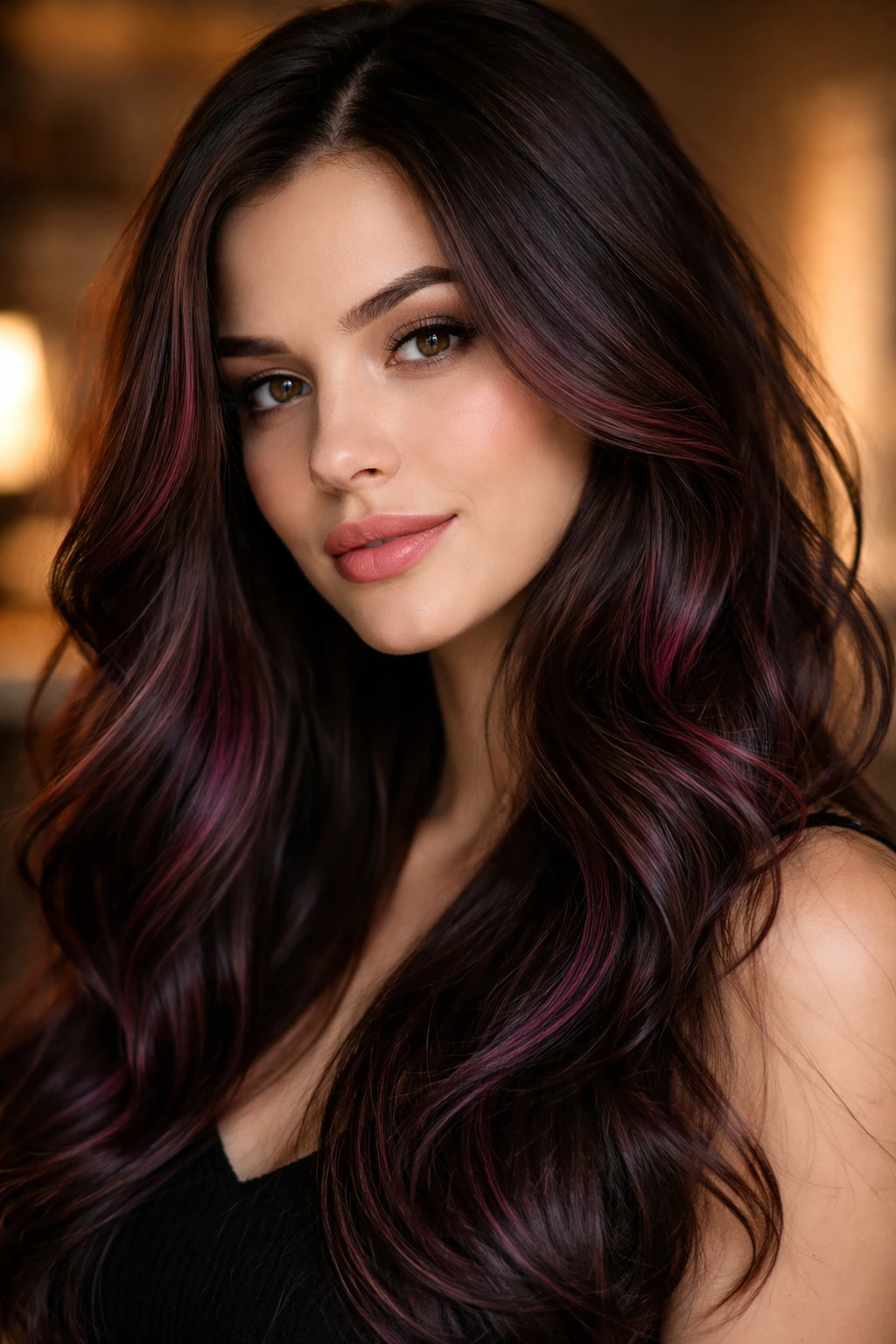
Lowlights are usually used to add darkness and depth to hair that has become too blonde or too flat. By adding violet-red lowlights into a dark brown or black base, you create a rich, gothic, and sophisticated look.
The Subtle Approach
This is perfect for someone who wants to embrace the red violet trend without coloring their whole head. It’s an “if you know, you know” kind of look.
Why It’s So Effective
It adds depth. If your hair is currently a plain dark brown, adding these lowlights makes it look more “expensive” and intentionally styled rather than just flat and single-toned.
9. Black-Cherry Glaze
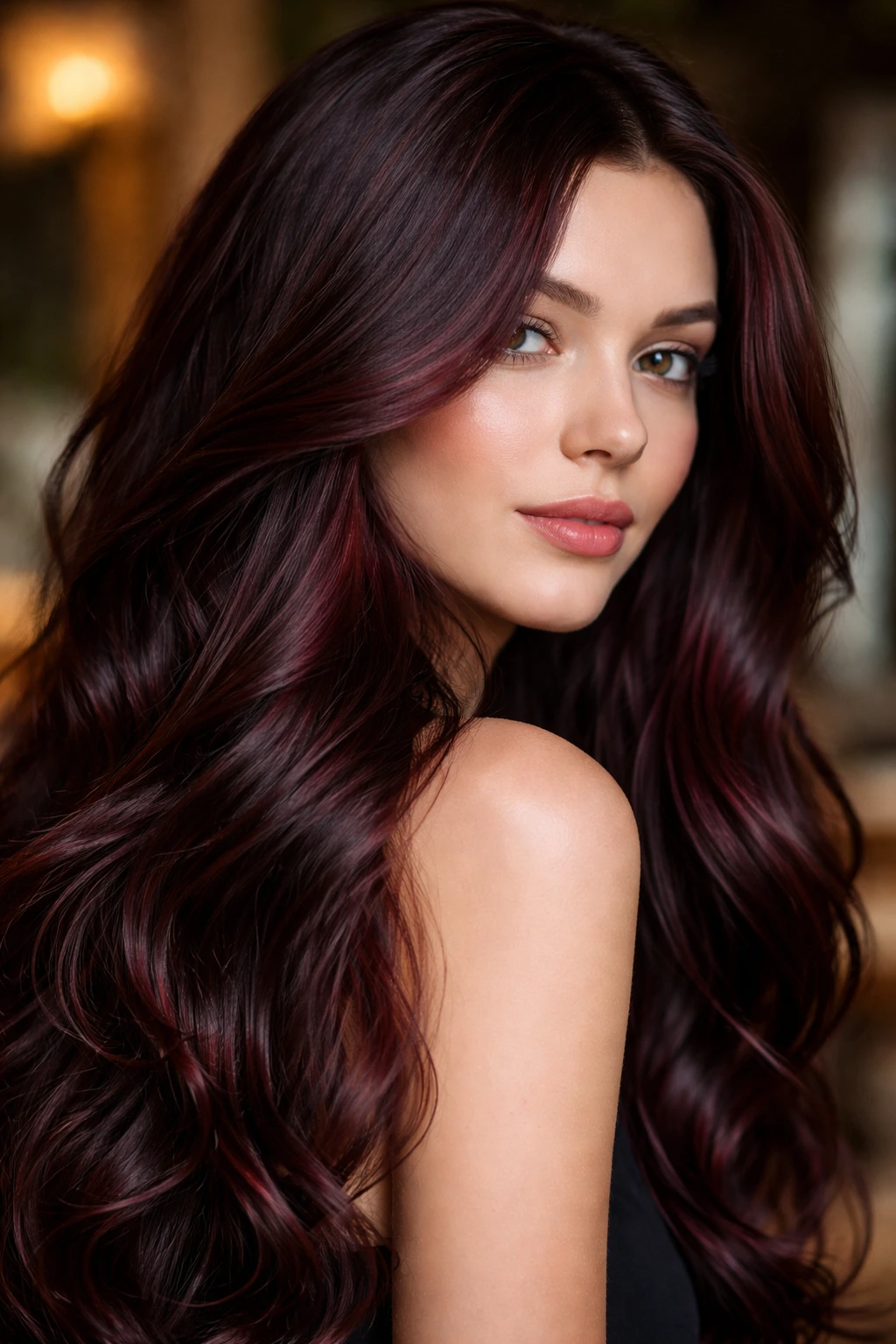
A glaze is a semi-permanent color treatment that acts like a topcoat for your hair. It provides immense shine and a sheer tint of color. A black-cherry glaze is the most understated way to join the red violet trend.
The Benefits
- It is low damage.
- It is very shiny.
- It fades gracefully without turning brassy.
How to Maintain It
You will need to go back to the salon every 4 to 6 weeks to refresh the glaze. Because it doesn’t penetrate the hair as deeply as permanent color, it washes out faster, but it is also the easiest to change if you decide you want something different.
10. Magenta Face-Framing
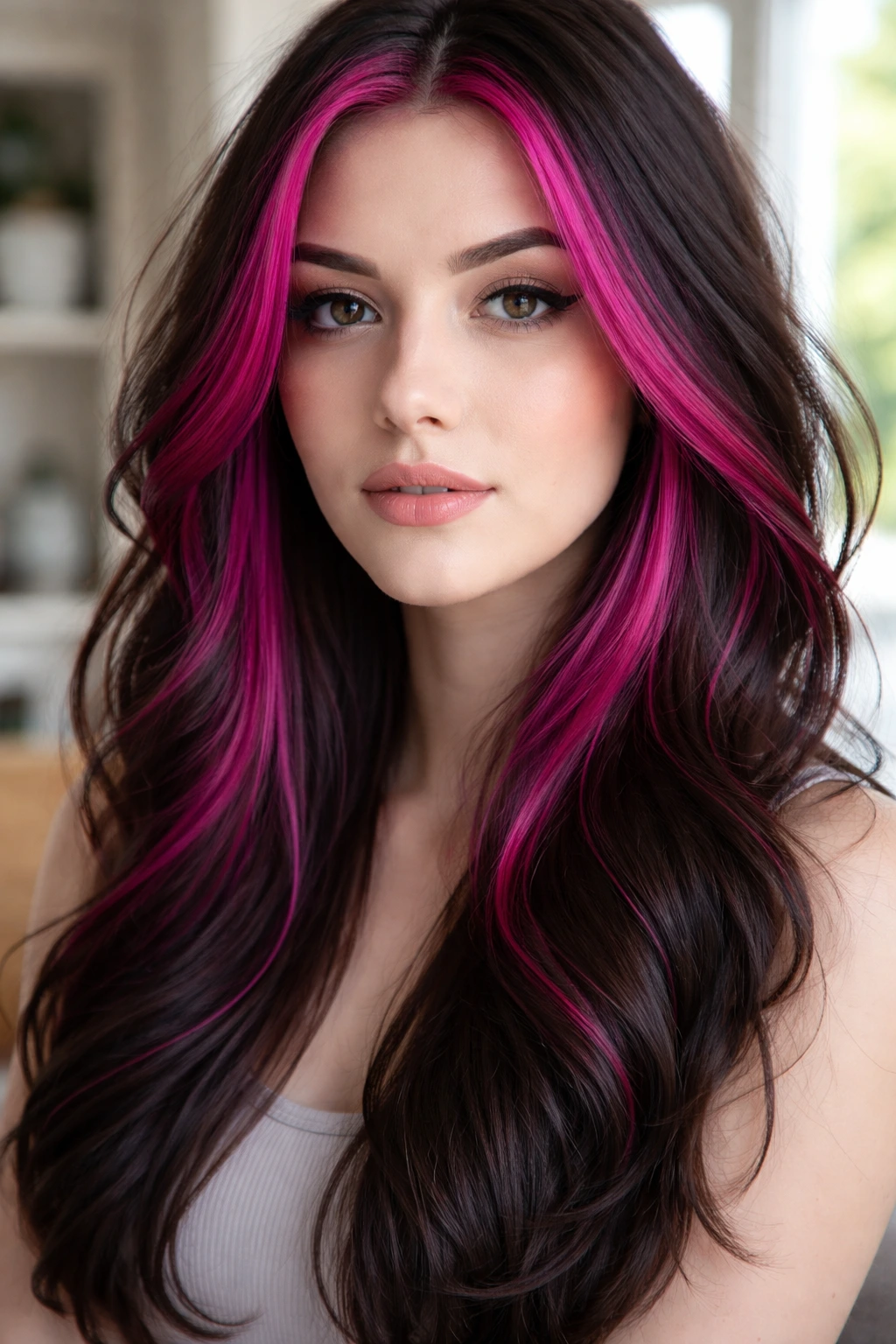
If you love the money piece look but want something even more vibrant, go for magenta face-framing. Magenta is a red-violet that leans slightly more purple, which is a fantastic choice for those with very cool, pale skin tones.
The Visual Impact
This shade has a high saturation. It looks almost neon but stays within the cool-toned family, so it won’t make you look washed out. It brings a lot of attention to your eyes and lips.
Choosing the Right Magenta
Ensure your colorist uses a “cool magenta” and not a “warm magenta.” You want to avoid any orangey-pink tones.
11. Muted Cranberry Blend
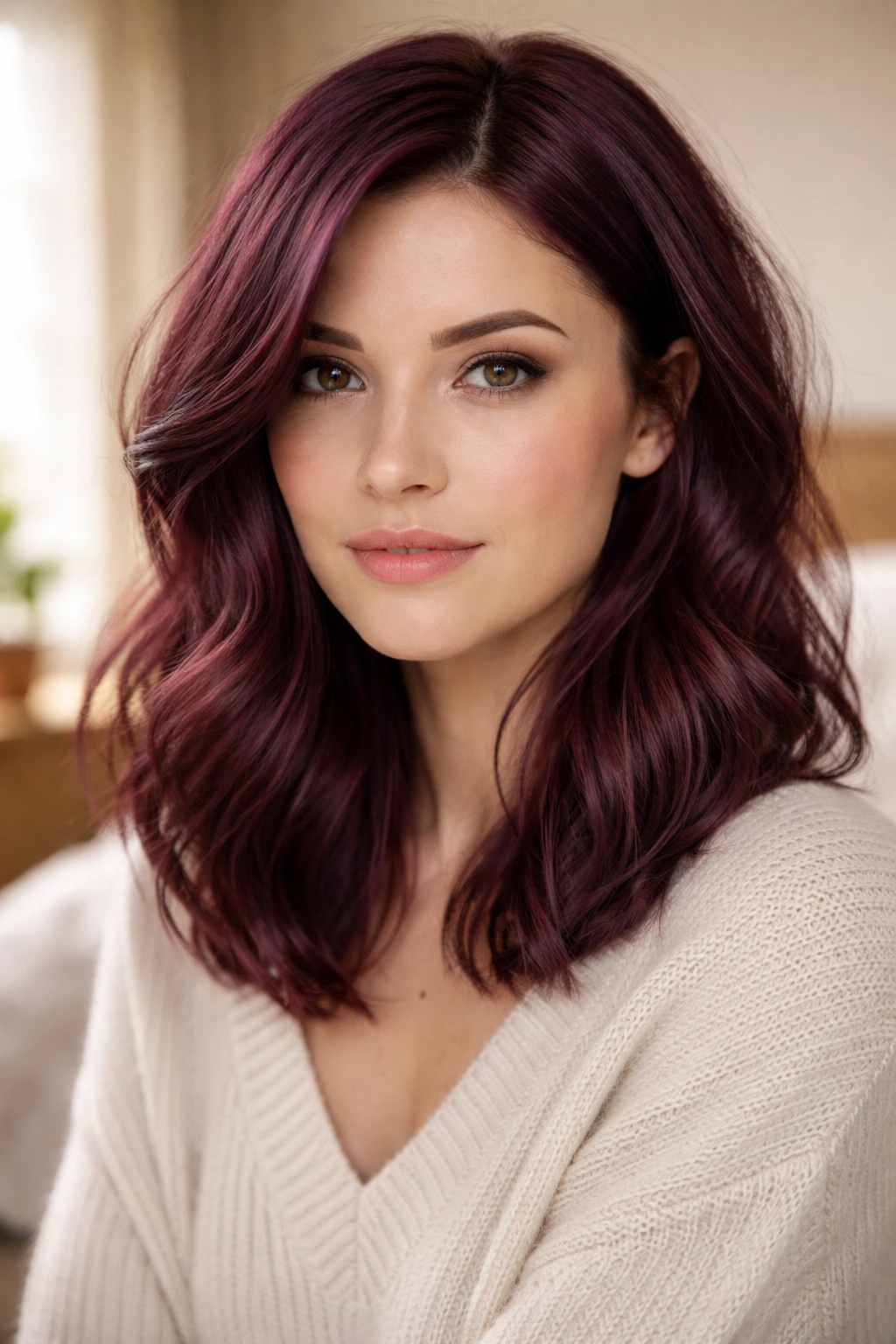
Not every red violet needs to be bright and loud. A muted cranberry blend is a softer, dustier version of the color. Think of it like a red violet that has been toned down with a touch of gray or brown.
Why This is Sophisticated
It feels lived-in and natural. This shade is often called “dusty plum” or “antique cranberry.” It is very flattering on people who are nervous about bright hair colors.
Perfect For
This is a great year-round color. It doesn’t scream “summer vibrancy” or “winter depth”—it just looks polished and intentional at all times.
12. Deep Eggplant Solid
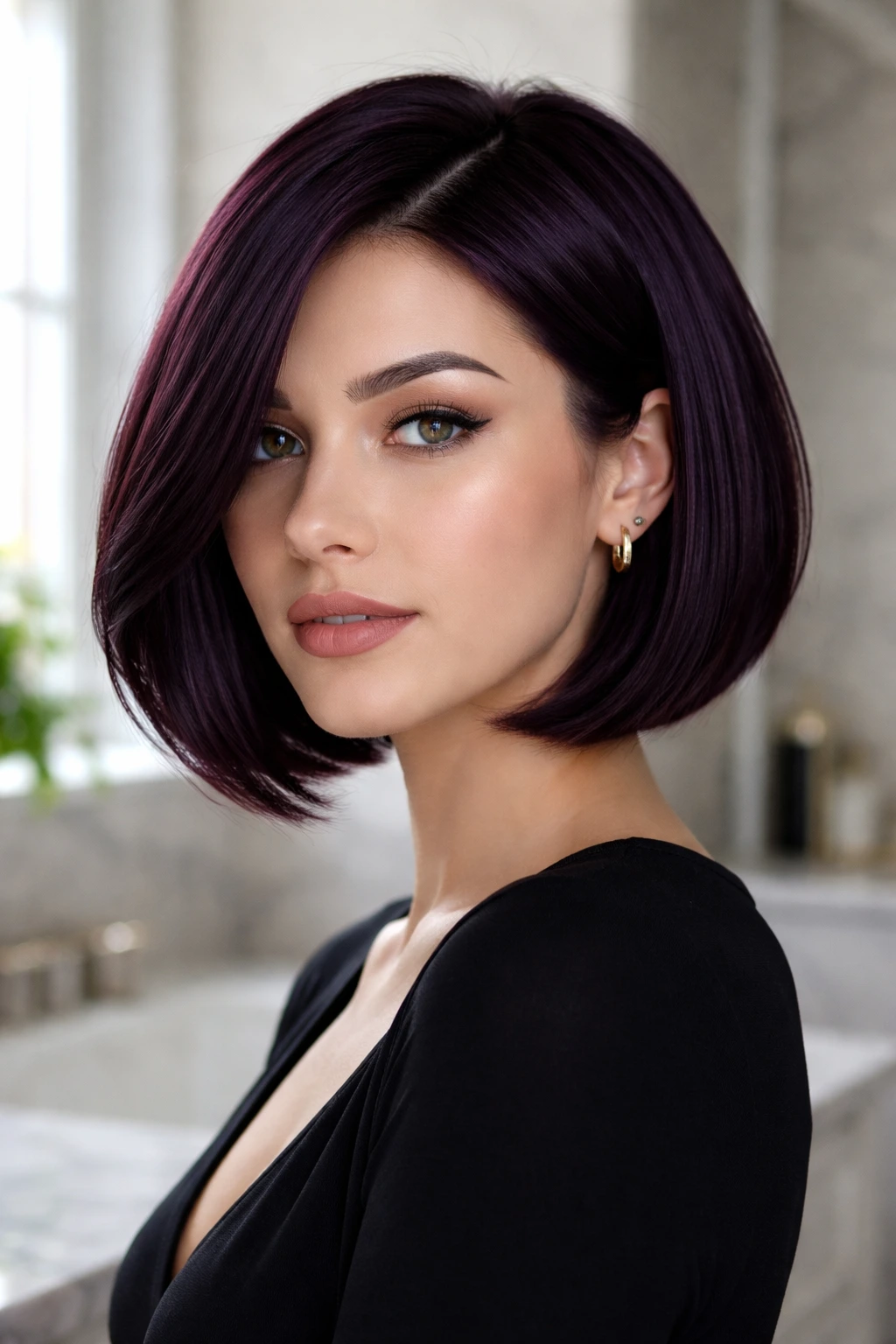
Sometimes, you just want a solid, all-over color. Deep eggplant is a rich, dark violet-red that is almost black in the shade but reveals its intense violet heart under direct light.
The Aesthetic
This is an incredibly chic, bold look. It says you are confident and intentional. It works perfectly on shorter cuts like bobs or lobs, as it highlights the shape of the haircut.
Styling Tip
Because this color is so dark and saturated, it looks incredible when styled with high-shine products. Use a gloss spray to really make that violet pigment catch the light.
13. Raspberry-Violet Balayage
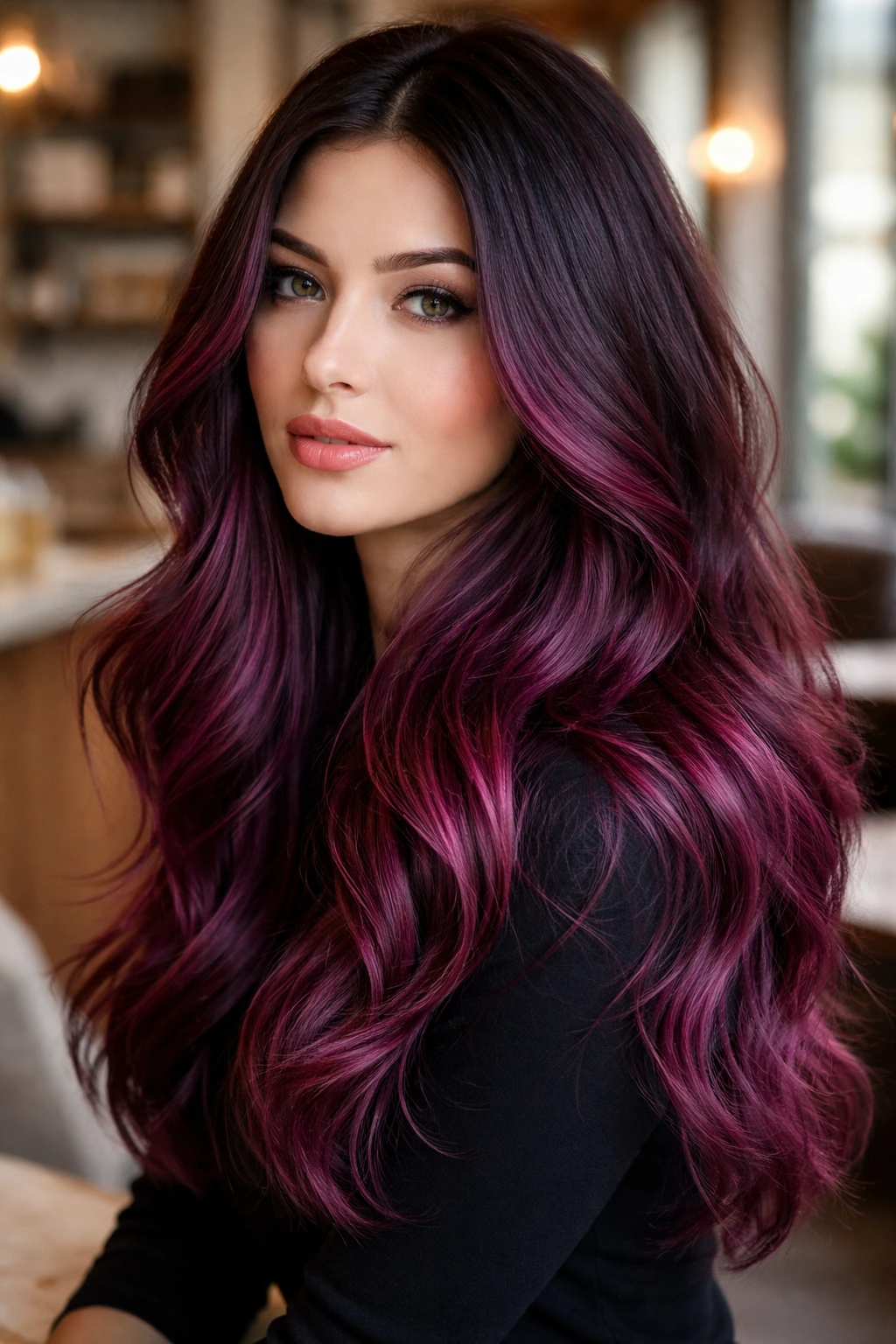
Raspberry-violet is a shade that sits right between bright pink and deep red. When used in a balayage, it creates a playful, youthful look that still feels sophisticated enough for a professional environment.
The Mix
Your colorist will blend a darker root with lighter, raspberry-violet ends. The key is to keep the raspberry tone from getting too warm; ensure they use a violet additive in the dye to keep the “cool” factor.
Why It’s Trendy
This look is very photogenic. It provides enough contrast to be noticeable but enough depth to be wearable in everyday life.
14. Espresso with Plum Ribbons
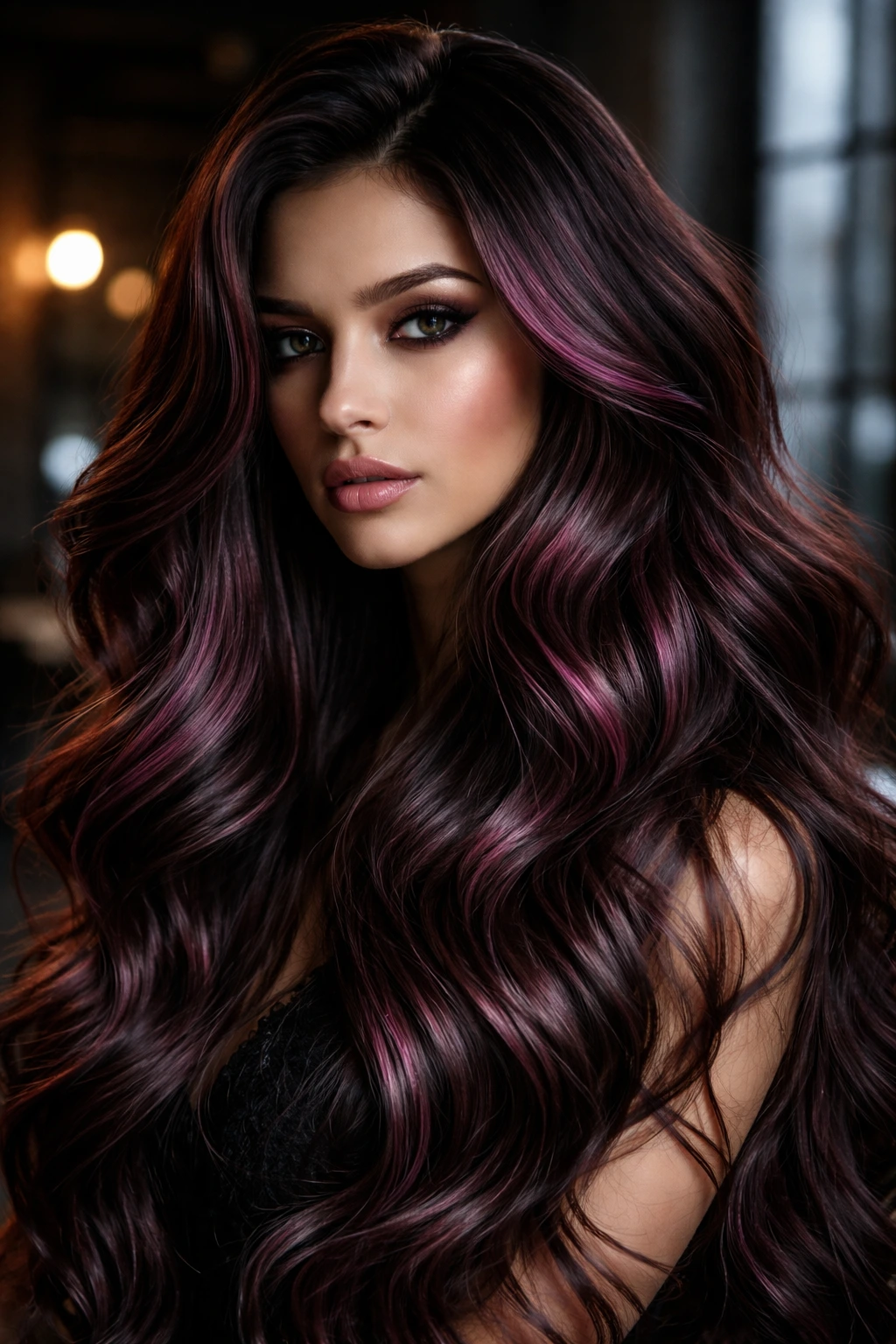
If you have naturally dark hair and are afraid to lighten your base, keep your base color exactly as it is and add “ribbons” of plum color throughout.
The Technique
“Ribbons” refers to larger, more visible sections of color than traditional highlights. They aren’t thick chunks, but they are substantial enough to be clearly visible against the dark espresso base.
The Result
It creates a beautiful, dark-romance aesthetic. The plum ribbons against the deep espresso base look intentional, edgy, and very high-fashion.
15. Vibrant Violet-Red Dip Dye
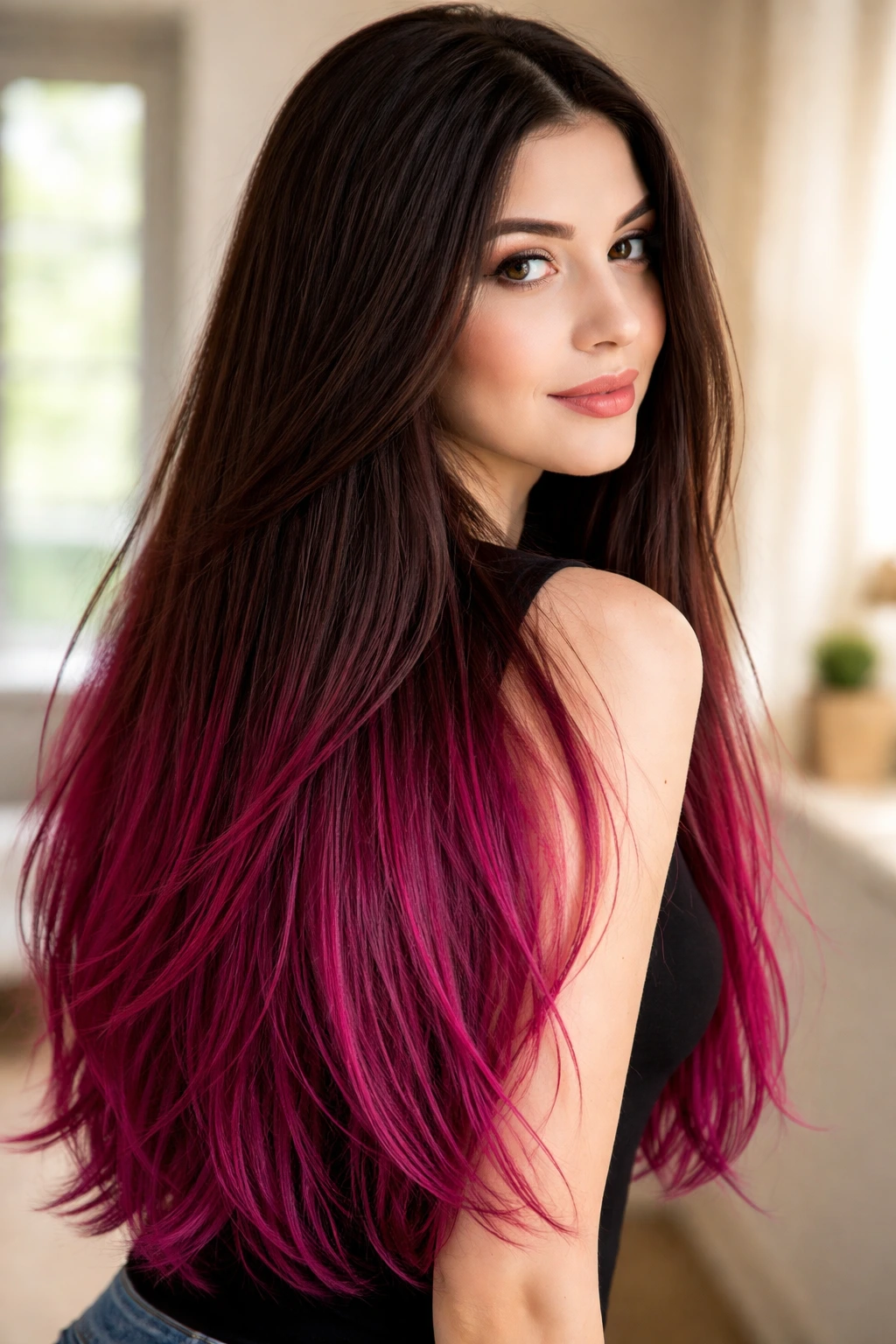
A dip dye is exactly what it sounds like: only the very ends of your hair are dyed a bold, vibrant shade. For this, go for a super-saturated violet-red.
The Edge
This is a high-contrast style. It works best on long, straight hair where the “dip” is clearly visible.
Why You Can Take the Risk
Because it is only on the ends, if you get tired of the color or if it gets damaged, you can simply cut it off. It is one of the lowest-risk ways to wear a very high-intensity color.
16. Soft Blackberry Highlights
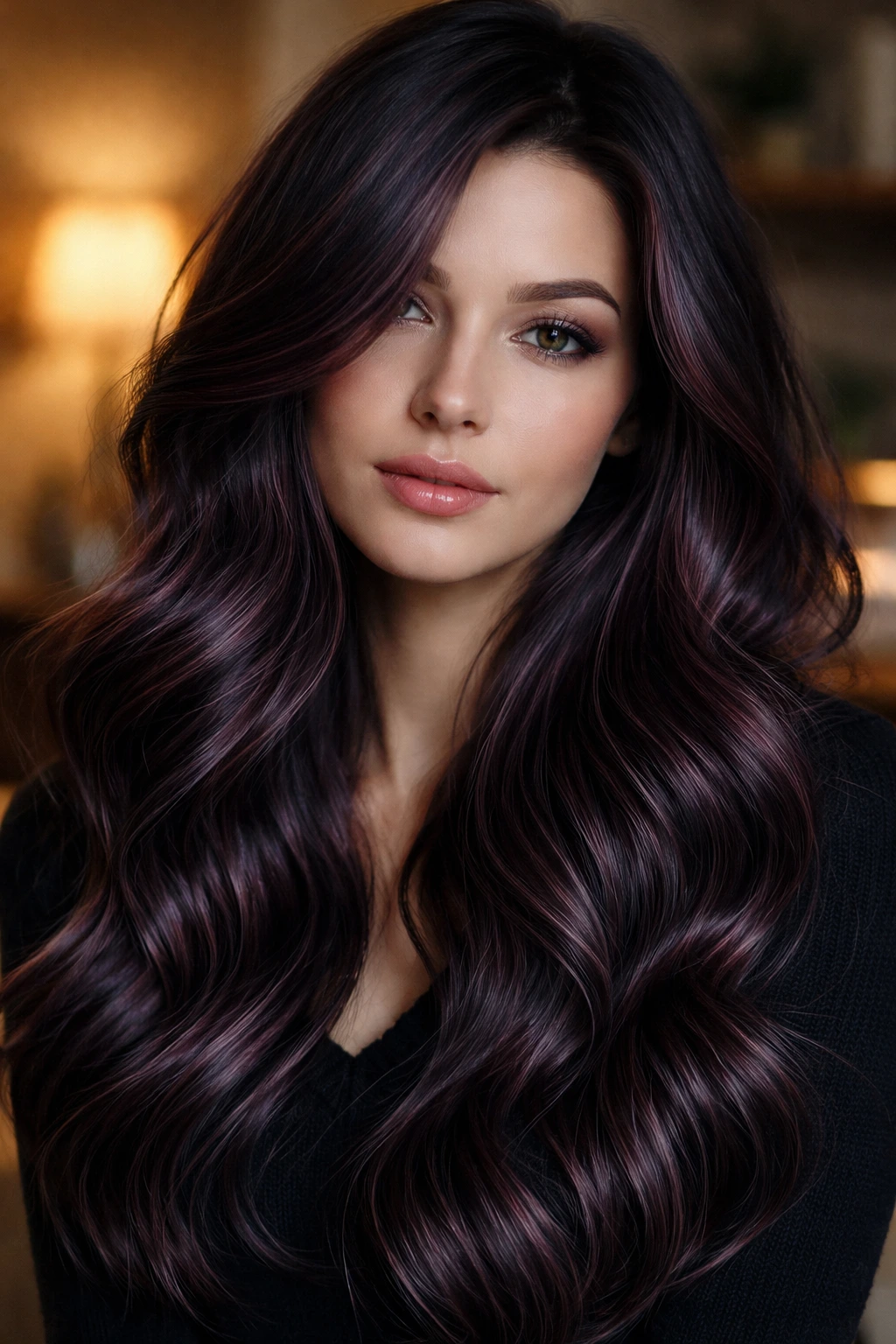
Blackberry color is a blend of dark charcoal and deep violet. When you turn these into highlights, you get a cool-toned, smoky look that is incredibly unique.
The Smoky Factor
These aren’t your typical bright highlights. They are dark, moody, and sophisticated. They work best if you have naturally ash-brown or black hair.
The Maintenance
Because these highlights are dark, they do not require bleach as often as brighter colors. This keeps the hair healthier and makes the maintenance much easier to handle.
17. Beet-Root Gloss
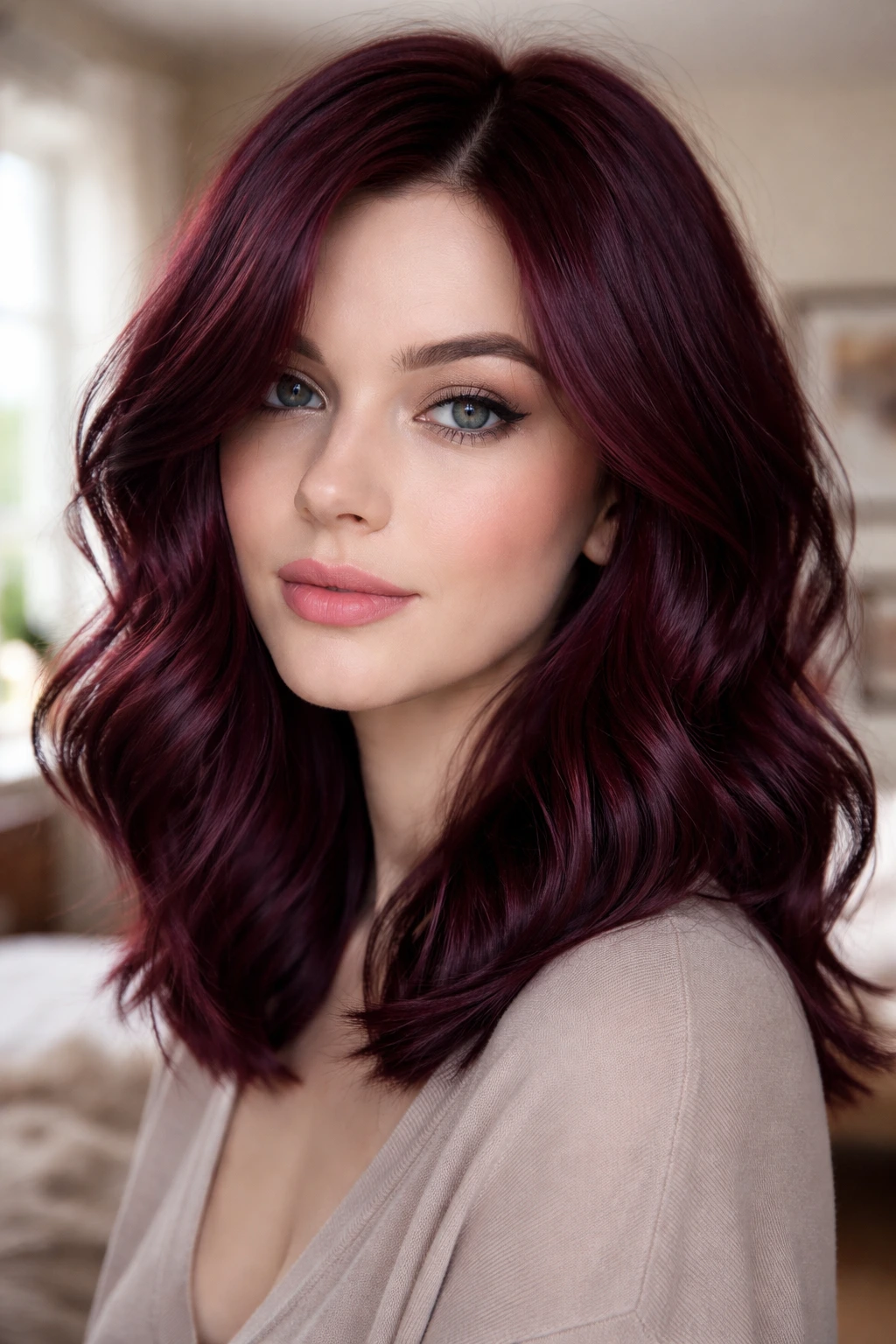
This is a specific, deep, earthy red-violet shade. It is less about “purple” and more about “deep, stained red.” Think of the color of roasted beets.
The Vibe
This is a very organic-looking shade. It is deep and slightly moody. It looks excellent on those with porcelain or very fair, cool skin, as the depth provides a striking contrast.
Why It Stays
This color has a lot of pigment. It will last longer than a brighter red, which is great if you want to avoid frequent salon visits.
18. Dark Orchid Roots
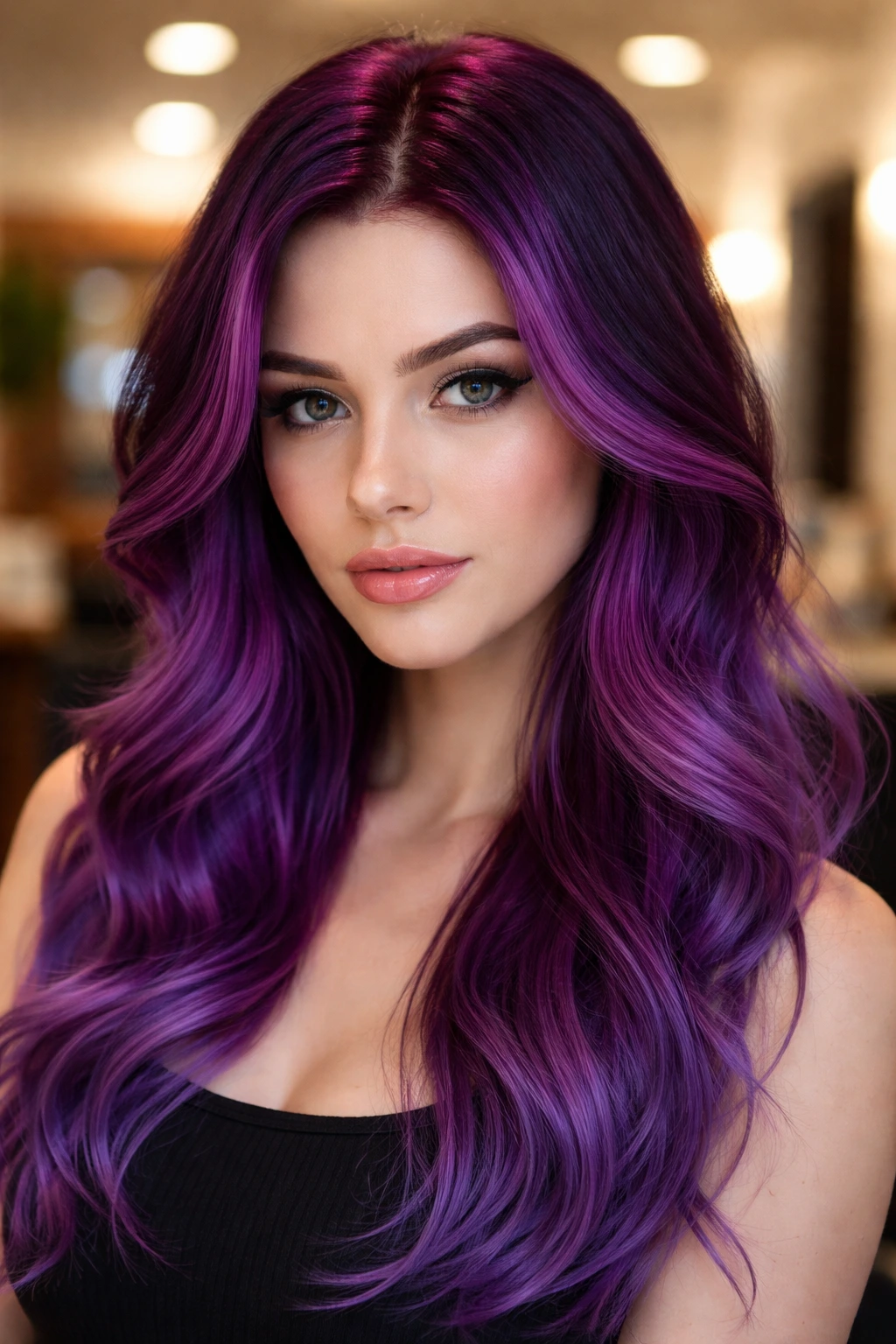
Instead of going with a natural brown root, try going with a dark orchid root. This is a very deep, saturated purple that leans heavily into the red side of the spectrum.
The Transition
You can transition this into a lighter violet or a soft, faded plum on the lengths. It is a bold, artistic choice that frames your face with a cool, unique tone.
Commitment Level
This is high maintenance. Dark orchid shades can fade to a muddy tone if you do not use the correct color-depositing shampoos. Be prepared to treat your hair like a delicate piece of silk.
19. Iridescent Violet-Red Accents
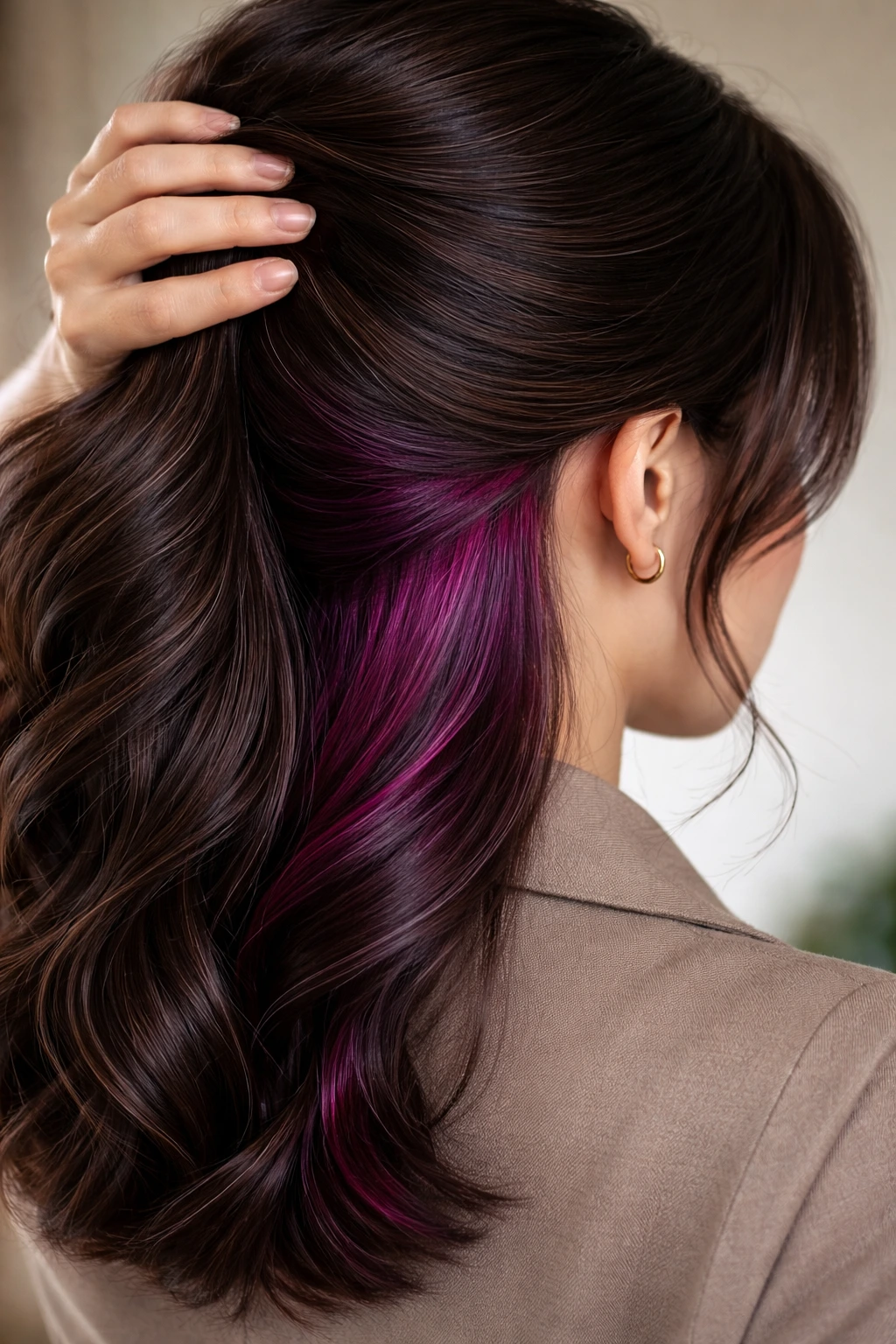
If you want something subtle but cool, try adding iridescent violet-red accents just in the nape of your neck or around your ears.
The Surprise
These aren’t meant to be seen at all times. They are meant to be seen when you move your hair or style it up. It adds a touch of color that feels like a hidden personal detail.
Why It’s Fun
It allows you to wear a very bright, saturated color without it dominating your professional or daily aesthetic. It’s a way to experiment without going “all in.”
20. Mauve-Red Sombré
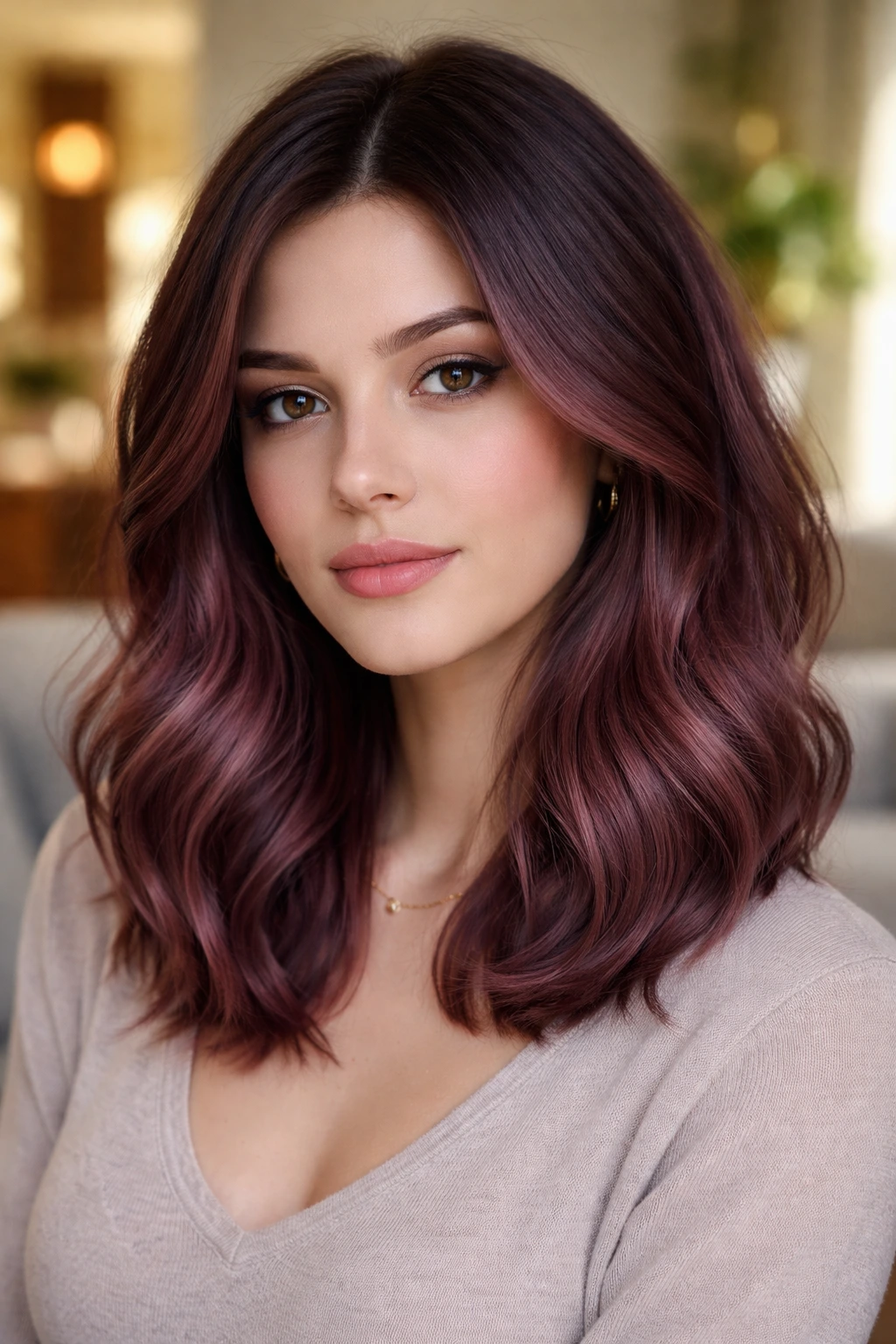
Sombré is the softer, more subtle cousin of ombré. Instead of a high-contrast transition, a sombré is barely noticeable. A mauve-red sombré is a beautiful, dusty, cool-toned shade that looks like a faded velvet.
The Look
This is incredibly soft. It is perfect if you are worried about looking “too edgy.” The mauve tones take the edge off the red and make it feel more muted and refined.
Who It Suits
Mauve-red is one of the most universally flattering colors for cool skin tones. It provides just enough warmth to look healthy but enough cool, dusty violet to harmonize perfectly with your undertones.
21. Cool Burgundy Ribboning
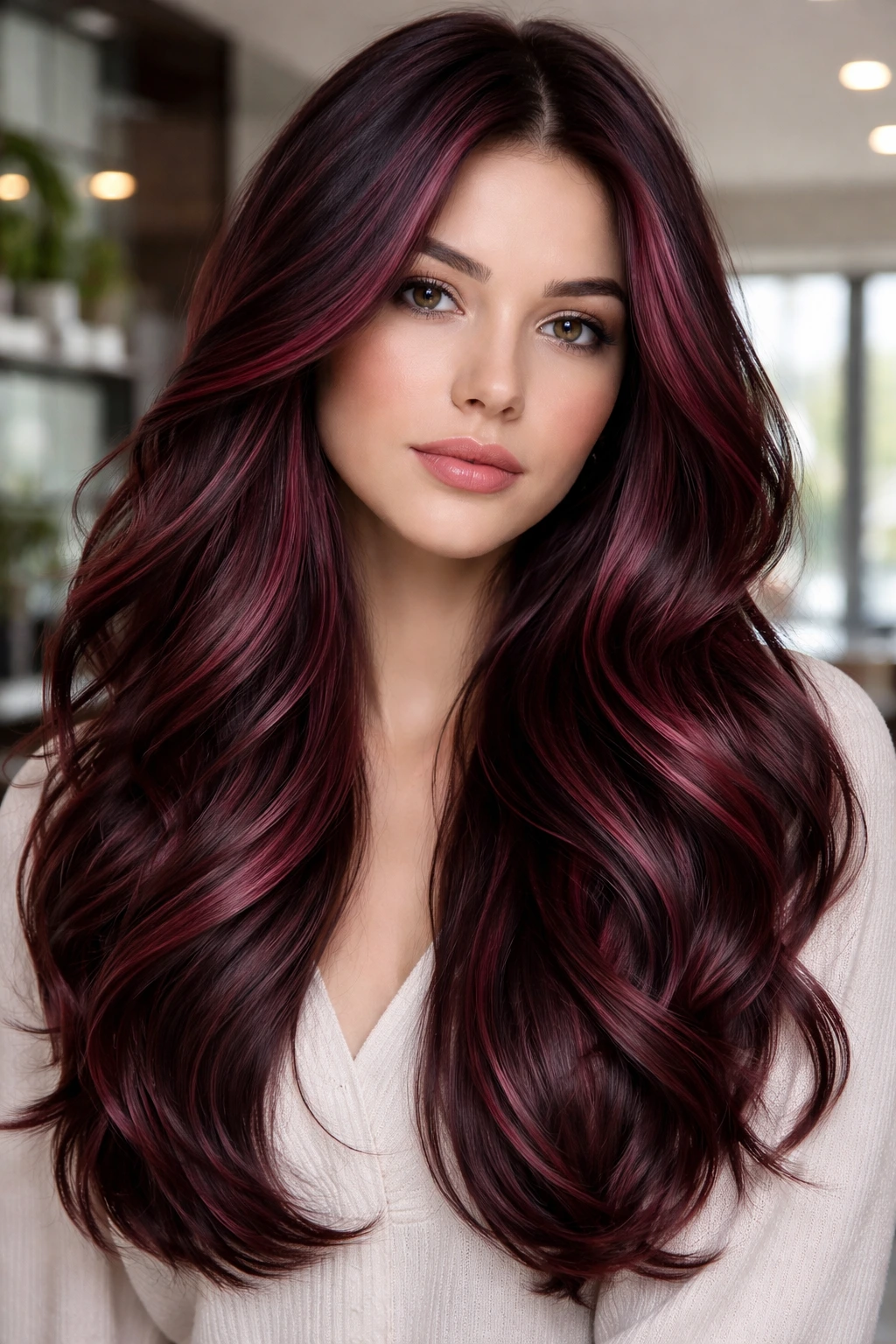
Burgundy is a classic, but “cool burgundy” is the updated version. When done in ribbons—thicker, more intentional sections of color—it creates a sense of luxury.
The Texture
The ribbons should be spaced out to allow your natural hair to shine through. This keeps the hair from looking like a solid block of color and gives it a high-end, salon-styled appearance.
Style Advice
This look is best served with sleek, straight, or lightly waved hair. It really highlights the depth and the different tones within the burgundy.
22. Vivid Mulberry Layers
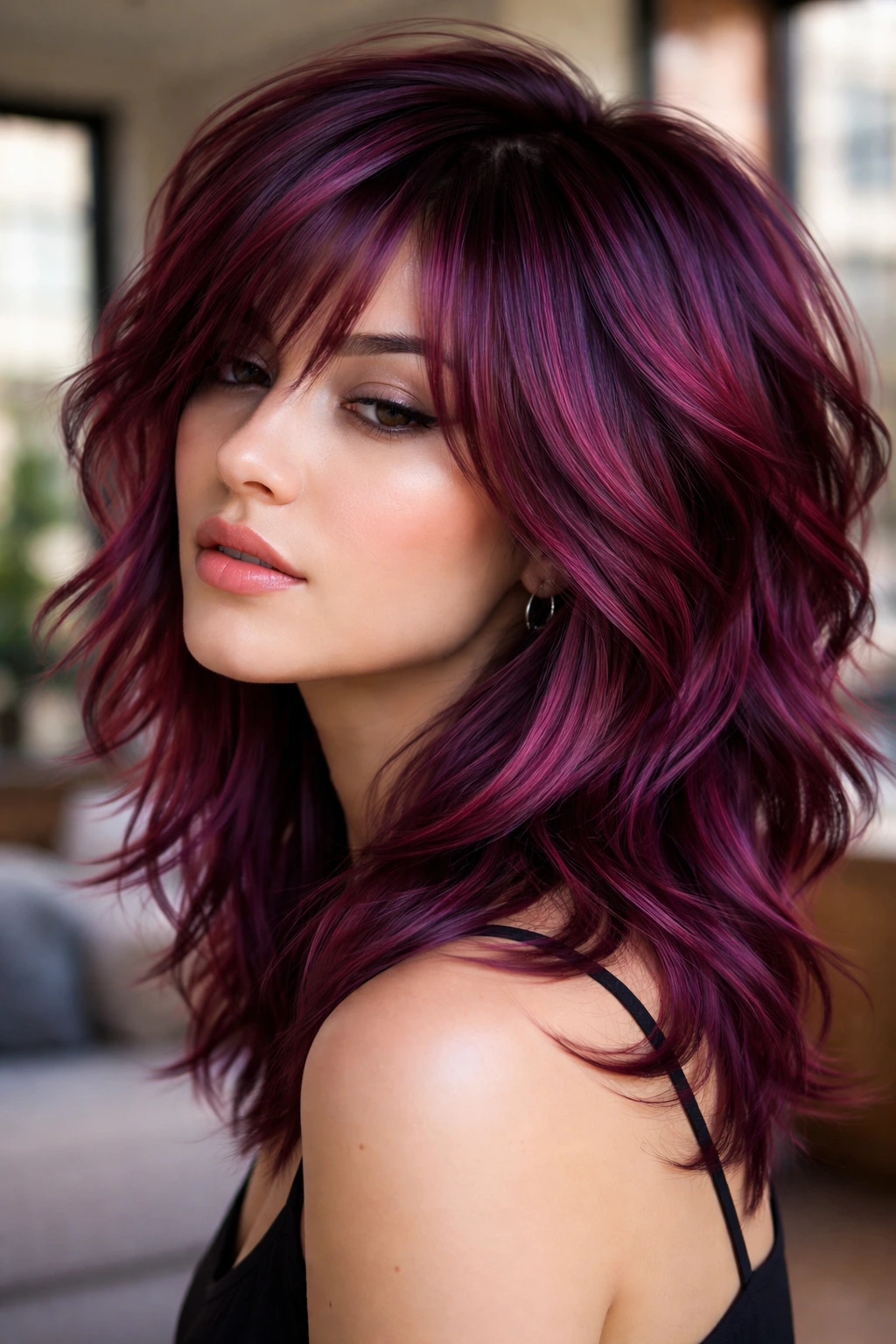
If you have layers in your hair, using them to place your color is a smart move. Mulberry—a dark, rich, berry-toned purple-red—looks stunning when applied to the layers of a shaggy or layered cut.
The Dimension
Because the layers move, the color will move with them. The mulberry shade will catch the light at different angles as your hair sits at different lengths.
Why It Works
It turns a basic haircut into a dynamic, artistic style. If you have a shag or a textured cut, this is the way to take it to the next level of style.
Maintenance and Care for Red Violet Shades
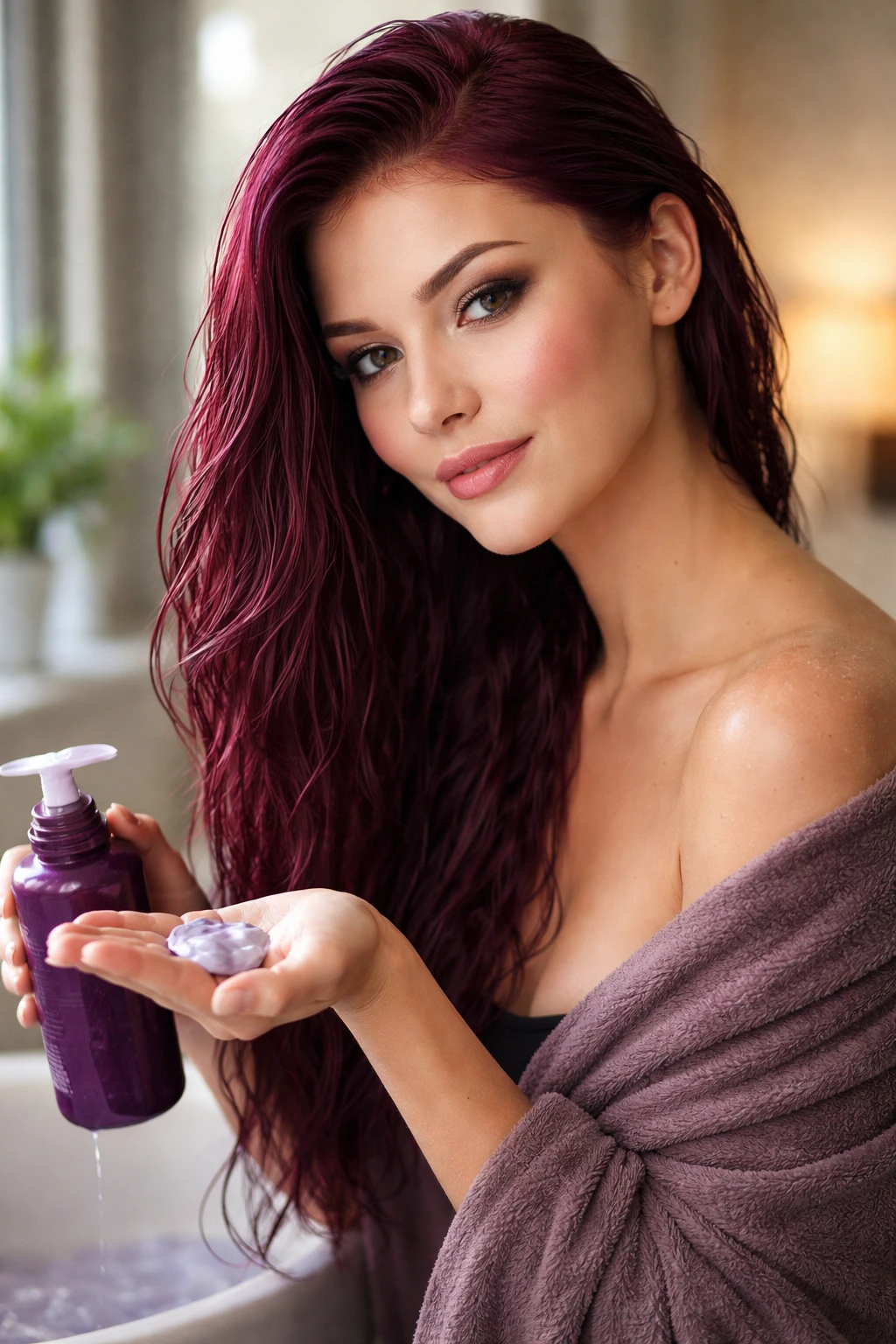
Once you have your dream color, the real work begins. Red and violet pigments are the most unstable molecules in the hair color world. They are larger than other molecules, which means they do not stay locked into the hair cuticle as effectively as browns or blondes. This is why red hair is famous for fading fast.
The Washing Schedule
Do not wash your hair every day. If you can, aim for twice a week. Every time you wet your hair, you are washing away some of that expensive pigment. Use cool water—never hot—to rinse your hair. Hot water opens the hair cuticle, allowing the color to escape. Cool water keeps the cuticle tight, which helps hold the color inside.
The Product Arsenal
Invest in a high-quality, sulfate-free shampoo. Sulfates are surfactants that clean your hair by stripping everything off it, including your color. Also, incorporate a color-depositing conditioner. This is your best friend. Every time you wash your hair, it adds a tiny bit of red-violet pigment back in, keeping your color fresh between salon visits.
Choosing the Right Salon Professional
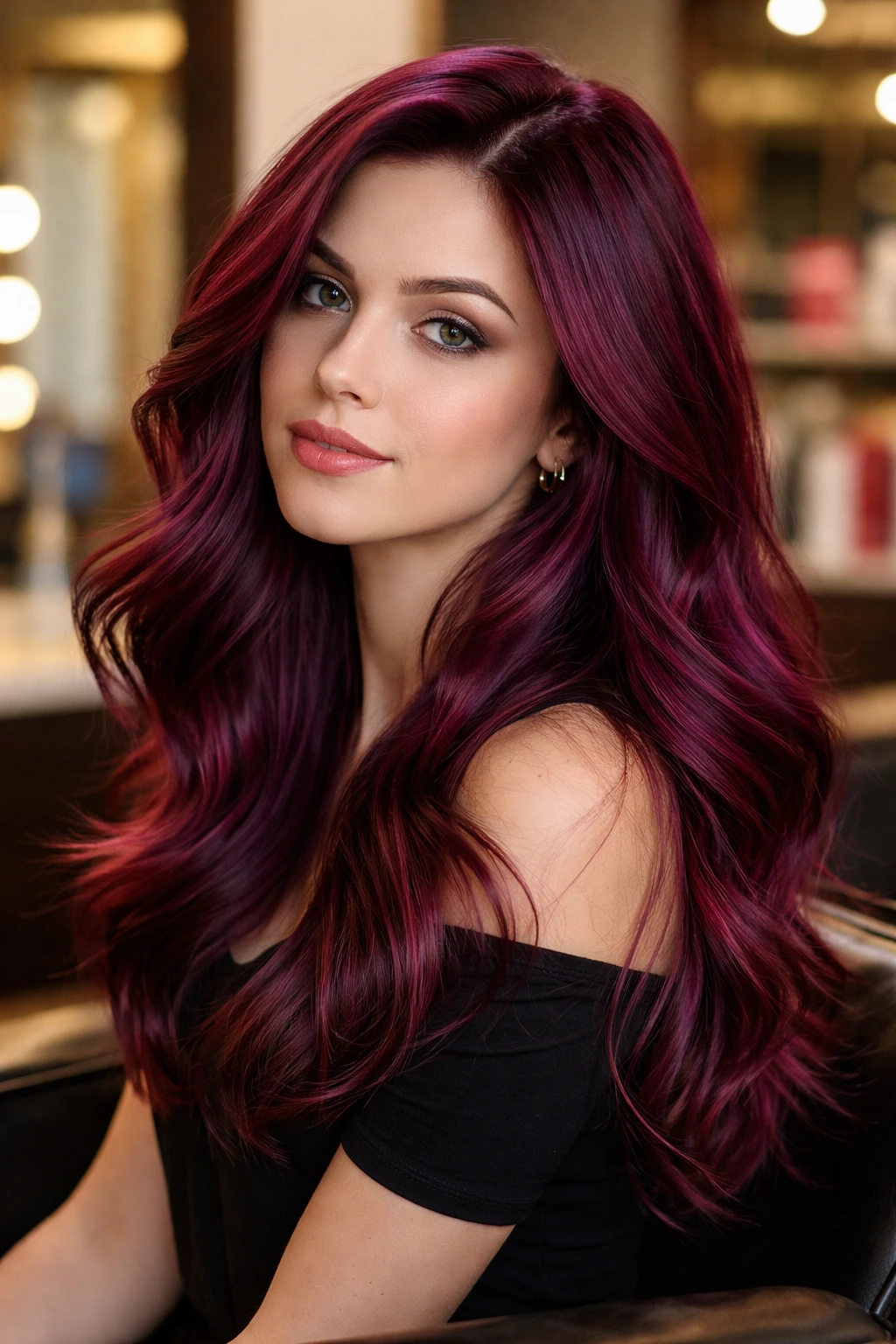
You cannot expect a box dye from a local drugstore to give you these multi-tonal, sophisticated red violet looks. These styles require a professional who understands “color theory” and knows how to manipulate the undertones in your specific hair type.
How to Vet Your Stylist
Look for a stylist who specializes in vivids or dimensional color. Check their social media portfolios for photos that aren’t just filtered to perfection—look for the “after” shots that show natural lighting. Do they have experience with dark-to-light transitions? Do they understand how to formulate a color that doesn’t turn brassy?
The Consultation
Always book a consultation first. Bring three pictures: one that shows the color you want, one that shows the color you definitely don’t want, and one that shows your current hair in natural light. A good colorist will be honest with you. They will tell you if your hair is healthy enough for the process and if the specific shade you want is achievable without compromising the integrity of your hair.
Final Verdict
Choosing a red violet hair color is a fantastic way to lean into the cool tones of your complexion rather than fighting them. By focusing on blue-based reds, plums, and berries, you are ensuring that your hair color enhances your skin rather than competing with it. Whether you opt for a bold, solid eggplant or a subtle, balayage-style burgundy, the key is the cool-toned base.
Remember that maintenance is part of the package with these shades. If you are prepared to use the right products, wash with cool water, and visit your colorist for touch-ups, you will find that these colors can be remarkably versatile and stunning. Do not be afraid to customize these ideas. Your hair is an accessory that should reflect your personality, so use these suggestions as a foundation to create a look that feels uniquely yours.
