



Most people make the same mistake when they start experimenting with red hair. They see a picture of a vibrant, fiery copper in a magazine or on a screen, they take that inspiration to the salon or the drugstore, and three hours later, they look in the mirror to find that their skin looks drained, sallow, or just plain grey. It is not that the hair color itself is bad; it is simply that the color is warm, and their skin is cool. If you have cool skin tones, your complexion naturally leans toward blue, pink, or violet undertones. When you slap a warm, orange-based red on top of that, you create a visual clash that pulls the vibrancy right out of your face.
The secret to success lies in the base of the dye. If you have cool skin, you need to be looking for red hair colors that are anchored in blue, violet, or purple pigments. These shades sit on the same side of the color wheel as your skin, creating a harmonious, intentional look rather than a fight for attention. It is not about avoiding red hair entirely—it is about picking a red that respects your natural coloring. You can absolutely rock a head-turning red; you just have to know which shades are built for your specific complexion.
Here are twenty-five red hair color ideas specifically chosen for their ability to complement, rather than clash with, cool skin tones.
1. Deep Burgundy
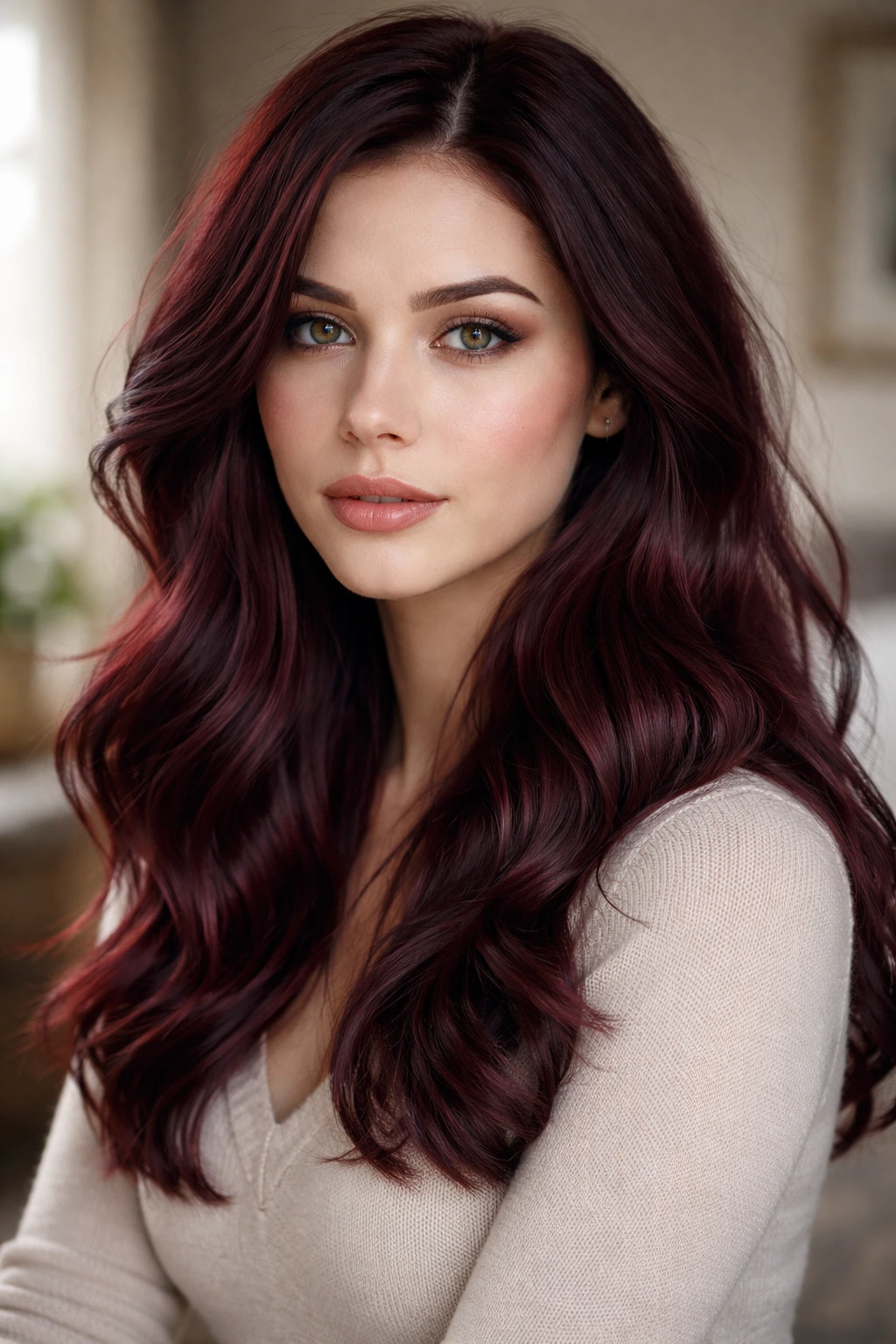
Burgundy is arguably the gold standard for cool-toned skin. Because it has such a strong violet and brown base, it provides the depth necessary to keep you from looking washed out while still giving you that intense, multidimensional red. It mimics the natural flush of healthy skin rather than overpowering it.
Why It Works So Well
This shade is rich and dark, which creates a striking contrast against pale or cool-toned skin. It doesn’t contain the yellow or orange pigments that usually cause “sallow skin syndrome” in those with cool undertones. Instead, the purple influence makes your eyes pop and makes your skin appear brighter and clearer.
Maintenance Tips
- Use a color-depositing conditioner with a purple tint to keep the violet base from fading into a muddy brown.
- Wash with cool water to prevent the color from bleeding out of the hair shaft too quickly.
- Avoid excessive heat styling, as high temperatures strip this particular shade of its glossy, deep finish.
Pro tip: If you are nervous about committing to a full head of deep burgundy, ask your stylist for a balayage using a burgundy gloss. It allows you to test the color against your face before going all-in.
2. Cranberry Red
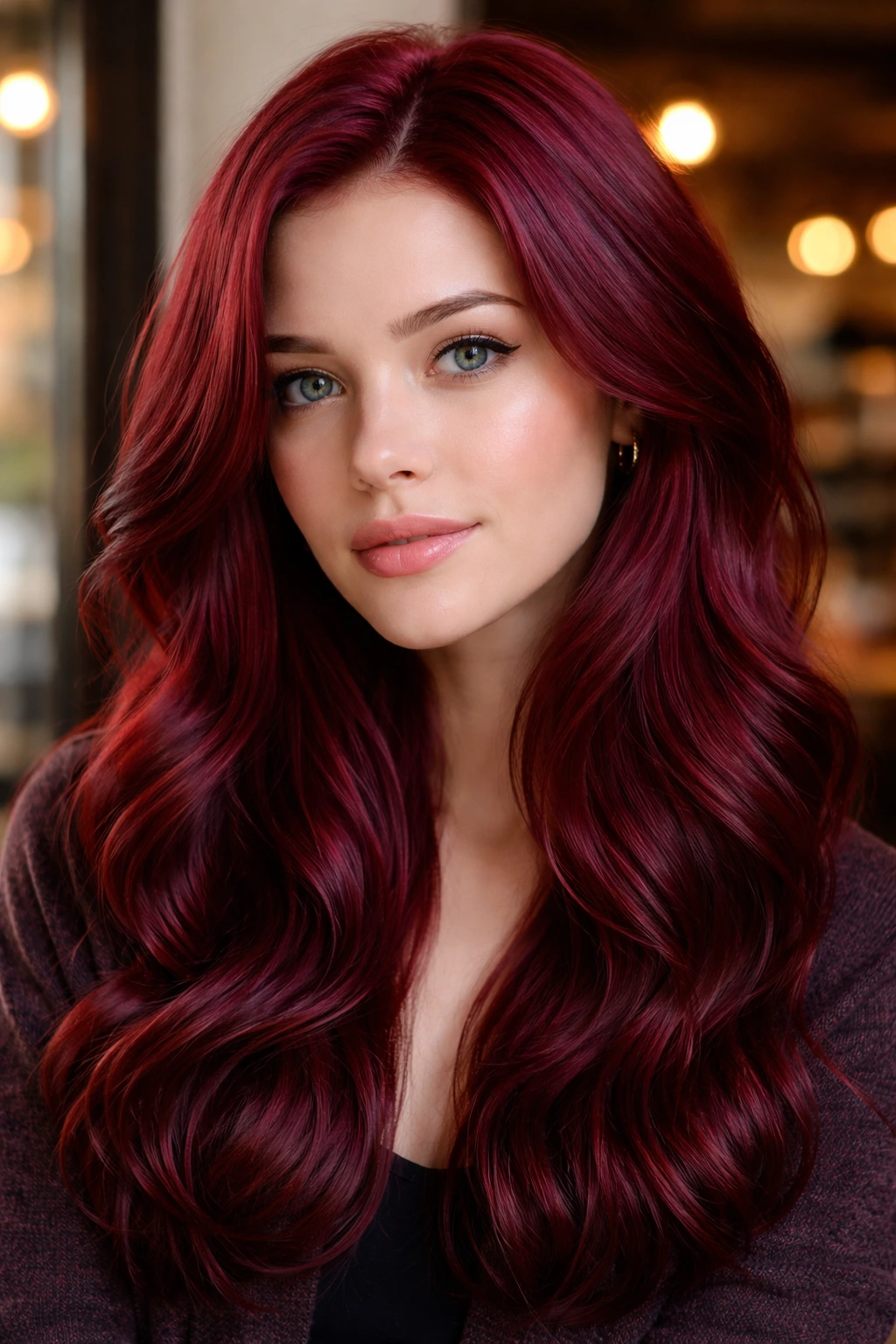
Cranberry is the perfect middle ground for someone who wants to be noticed but isn’t ready for a dark, moody shade. It is a vibrant, cooler red that leans heavily into pink territory. It avoids the brick-red traps and stays firmly in the “berry” family, which is almost always a win for cool skin.
Imagine a fresh, bright berry sitting on white porcelain; that is the level of contrast and brightness this color provides. It is crisp, clean, and feels incredibly modern. It is not a natural red, and it doesn’t try to be. It owns its artificial intensity and looks all the better for it.
Because this color is so vibrant, it can look a bit startling if you let it fade. You need to keep it polished. If you go for this shade, commit to a professional glaze every four to six weeks to keep the pigment density high. If the color becomes translucent, it loses its “berry” quality and just looks like a faded dye job.
3. Cool-Toned Cherry
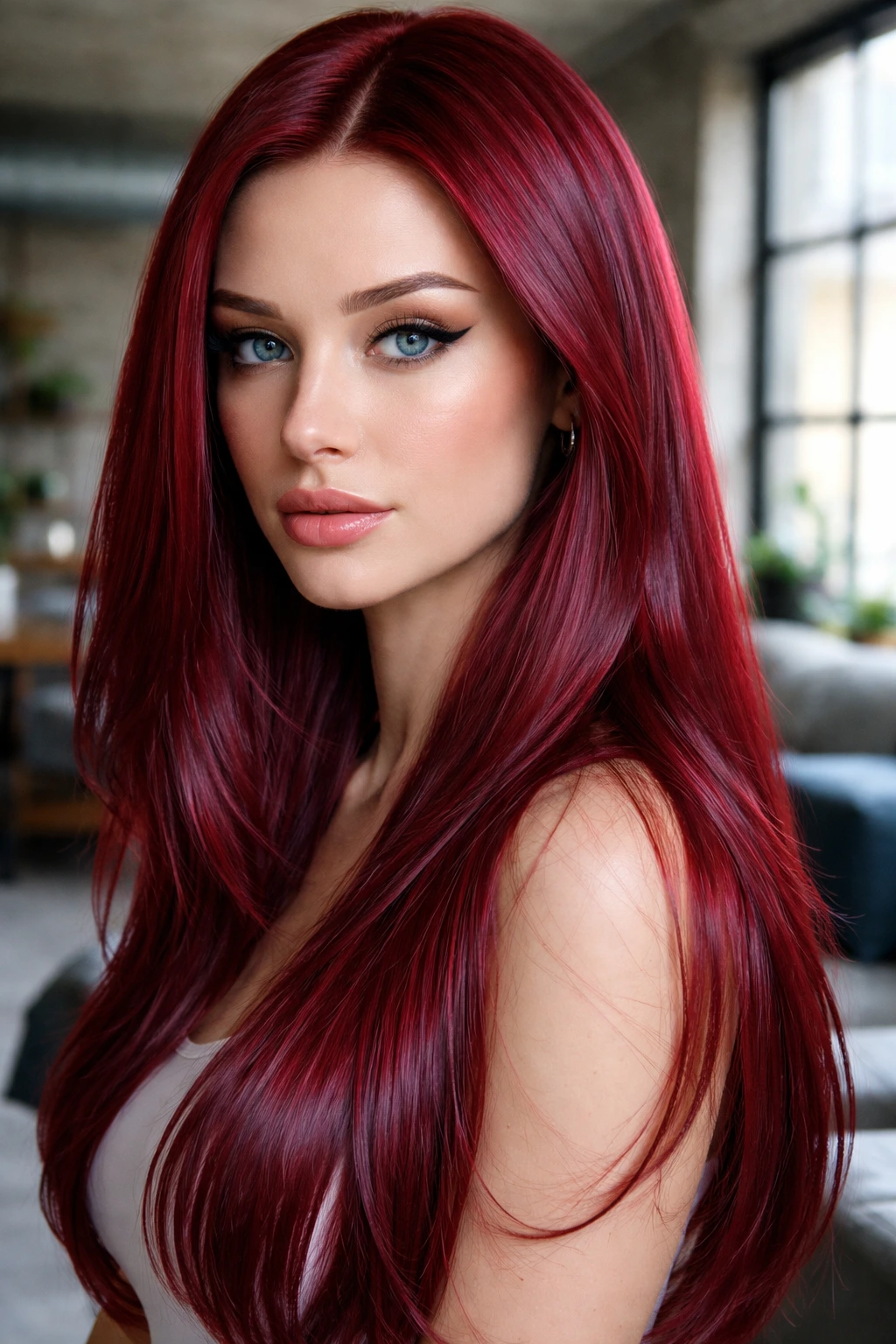
When people say they want “cherry red,” they often accidentally end up with “fire engine red,” which is usually too warm. A cool-toned cherry red is essentially a vibrant red mixed with a drop of blue. It gives you that classic, pin-up girl intensity but with the necessary blue base to keep it compatible with cool skin.
The Mechanics of the Color
This is a high-maintenance color. To achieve this level of vibrancy, you often need to lift your hair to a lighter level before applying the red. Since you are cooling the tone down with blue pigments, you don’t have to worry about the hair looking “brassy” after the bleaching process, provided your stylist uses the right toner.
Styling for Impact
- Sleek, straight styles show off the vibrancy best.
- High-gloss serums are mandatory to maintain the “candy apple” shine.
- Keep your eyebrows in mind; if you go for a very bright cherry, consider a slightly cooler, deeper shade for your brows to ground the look.
Final word: This is a statement color. If you are comfortable being the center of attention in every room you walk into, this is your shade.
4. Rich Black Cherry
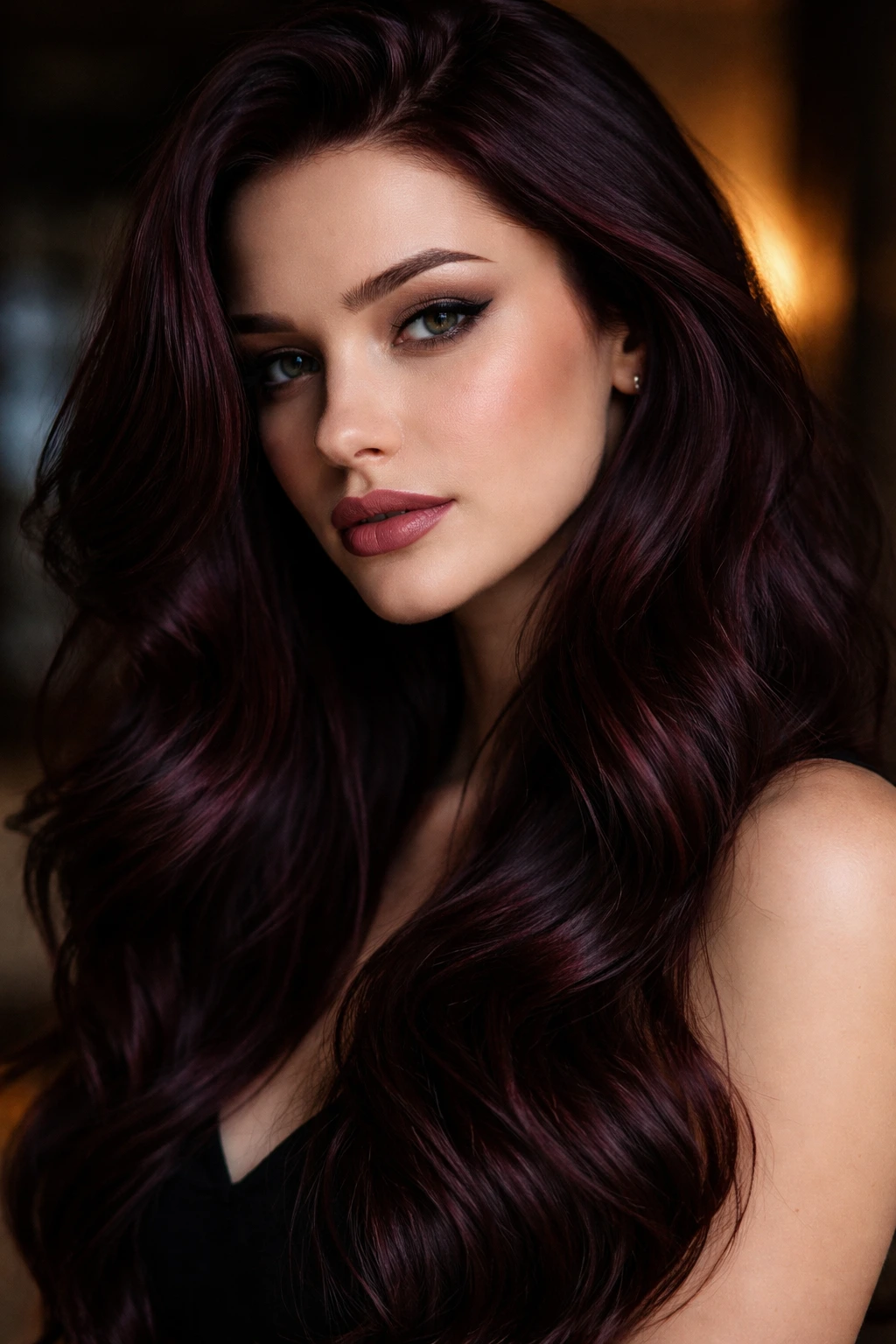
This is the “moody sister” of the classic cherry red. It’s dark, almost gothic, and exceptionally sophisticated. While other reds scream for attention, black cherry whispers it. It is perfect for those who want to dip their toe into red hair without leaving their dark-hair comfort zone behind.
The beauty of this shade is its versatility. In direct sunlight, you get a flash of vibrant, cool-toned red that catches the light beautifully. But in indoor lighting or overcast weather, it appears as a deep, glossy black with a hint of something mysterious beneath. It adds a layer of depth that makes thin hair look thicker and fuller.
If you have a very fair complexion, this color can be quite high-contrast. It might require you to adjust your makeup routine. You will likely find that you need a little more blush or a bolder lip color to balance out the intensity of the hair, as a very dark hair color can sometimes make a fair face look a bit stark if you don’t frame it properly.
5. Muted Plum Red
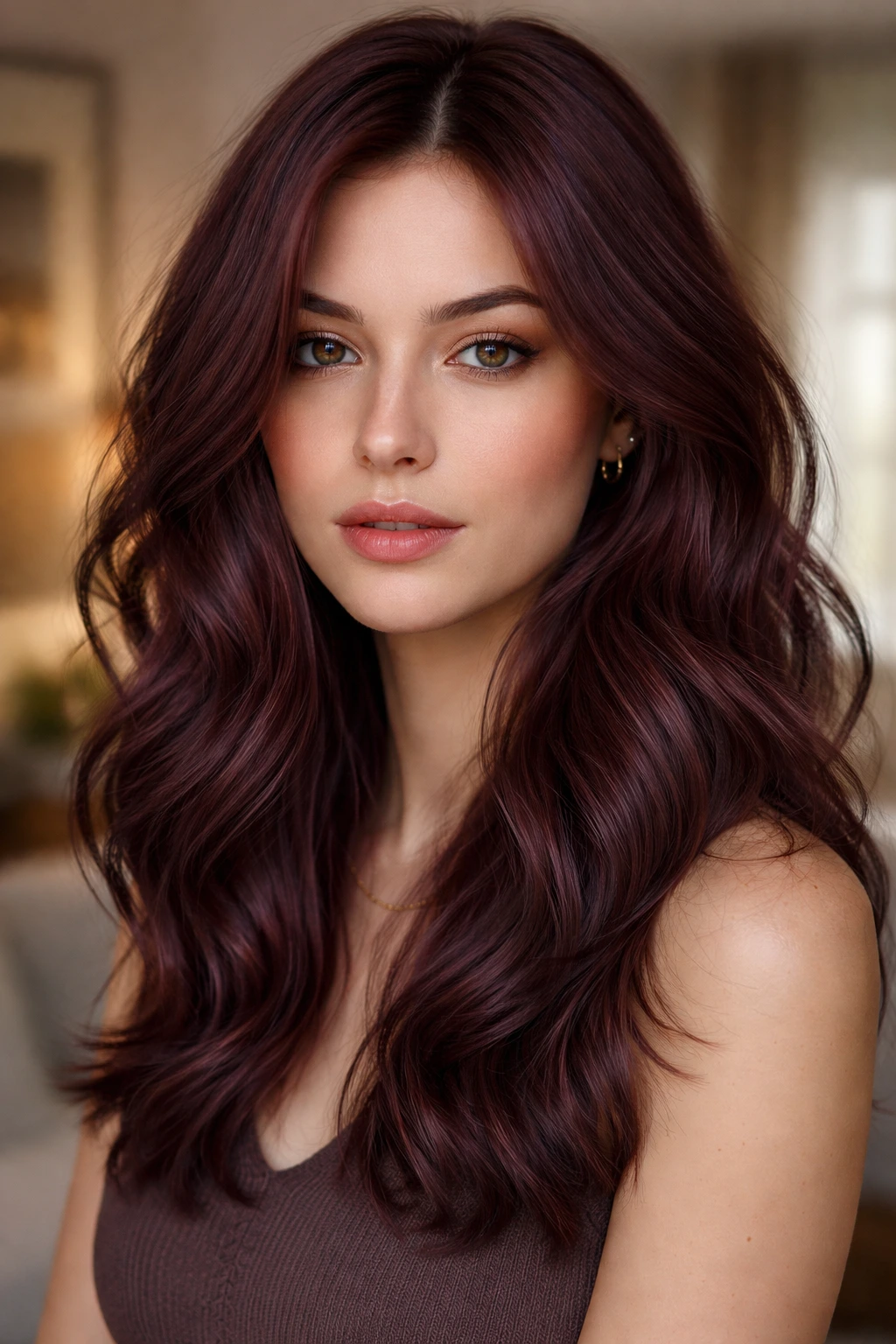
If you find bright reds too aggressive, a muted plum red is the sophisticated, understated answer. It is a blend of dark red, violet, and a touch of ash-brown. It creates a smoky, ethereal effect that looks incredibly natural on someone with a cool, porcelain complexion.
What Makes It Different
Unlike the high-octane reds, this shade is about mood. It is less about “look at my hair” and more about “look at this cool vibe.” Because it has such a strong ash-brown foundation, it is arguably the easiest red to grow out. You won’t have a harsh line of demarcation as your natural roots start to come in, which is a major benefit for those who don’t want to spend their life in the salon chair.
Key Considerations
- This shade looks best with textured, wavy hair. The movement of the hair allows the different undertones—the plum, the red, the ash—to blend together visually.
- Avoid products with high alcohol content, as they will dry out the hair and make this “muted” shade look dull and dusty rather than soft and sophisticated.
6. Vibrant Magenta-Red
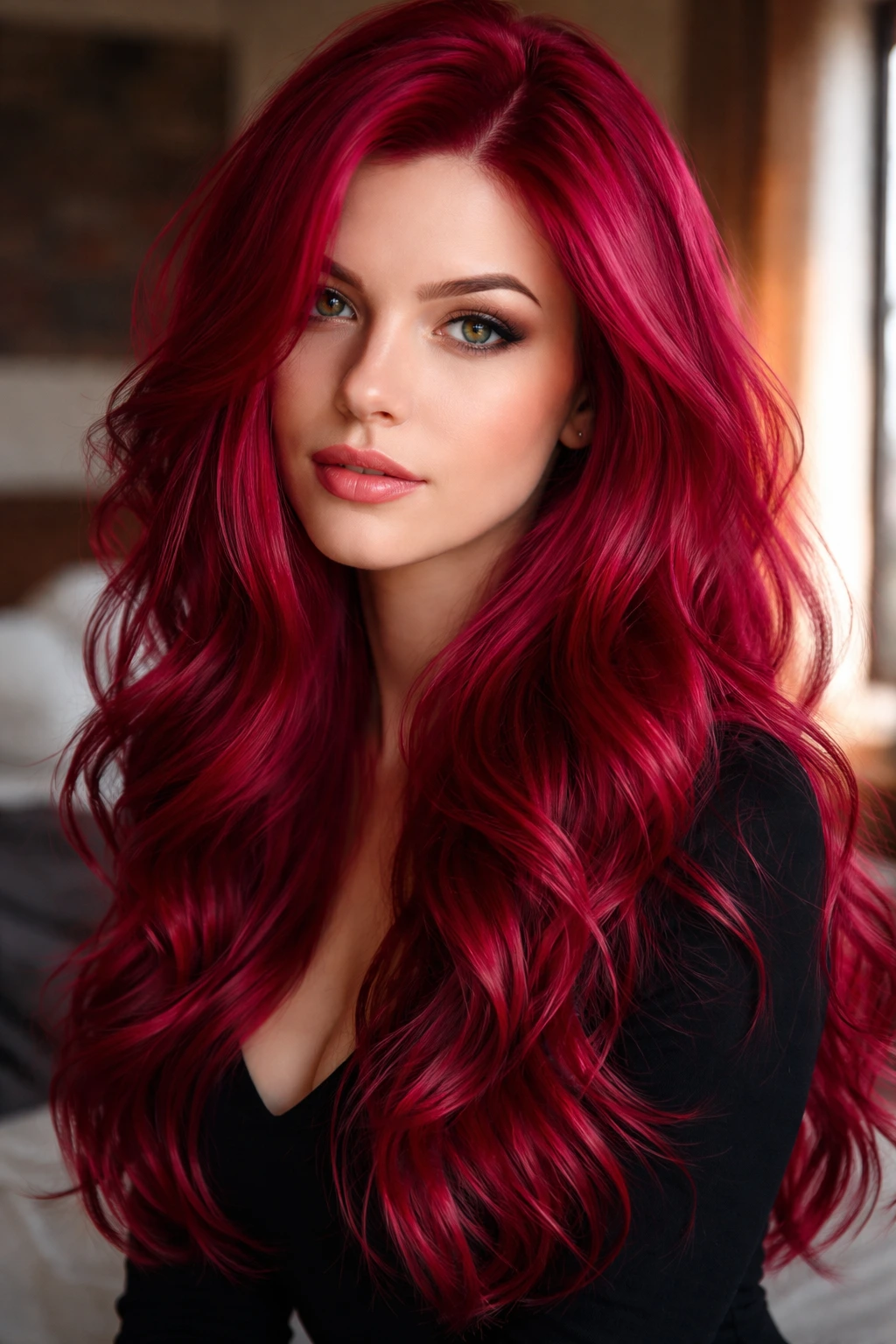
Magenta is a bold move, but it is one of the most reliable shades for cool skin. By definition, magenta is a purplish-red that is heavily cool-toned. It creates an electric, almost neon effect that works phenomenally well against skin with pink or blue undertones.
Don’t mistake this for a natural shade. It is not. It is vibrant, playful, and fun. It is the color of choice for people who see hair as an accessory rather than a natural extension. If you wear a lot of black or monochromatic clothing, this color will become your best accessory, adding a pop of energy to any outfit you wear.
It is worth noting that this color will stain everything it touches during the first few washes. Your pillowcases, your towels, your shirt collars—they are all at risk. Use a dark-colored towel after you wash your hair for at least the first two weeks. It sounds like a hassle, but the payoff of having such a vibrant, flattering color is worth the extra laundry logistics.
7. Icy Strawberry Blonde
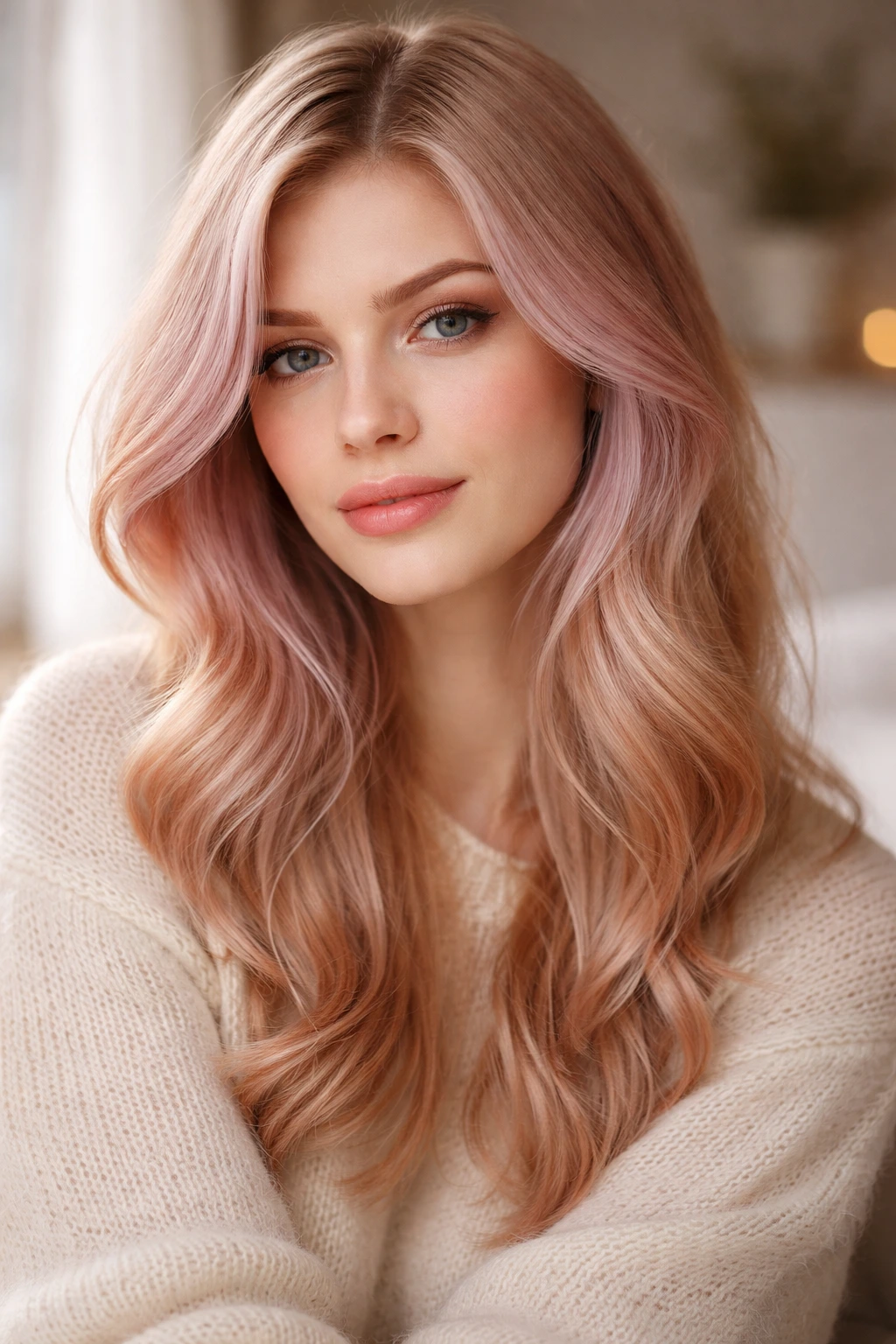
Yes, you can have strawberry blonde with cool skin, provided you go for the “icy” version. Standard strawberry blonde is usually gold or orange-leaning, which is the enemy of cool skin. An icy strawberry blonde, however, pulls from pale pink and violet-ash tones.
Think of a pale, soft rose gold but with more red pigment than gold. It is a delicate shade that requires a very light base color to achieve. If you aren’t naturally blonde, this requires a significant amount of lifting (bleaching), which means you need to be very serious about your hair health.
If you have natural dark hair, getting to this shade is a journey. It’s not a one-session transformation. You might spend a few months transitioning through lighter copper tones before you can safely achieve this icy, red-tinted blonde. It is a commitment, but for the right person, it provides a light, fresh, and modern look that is rare to see.
8. Bordeaux
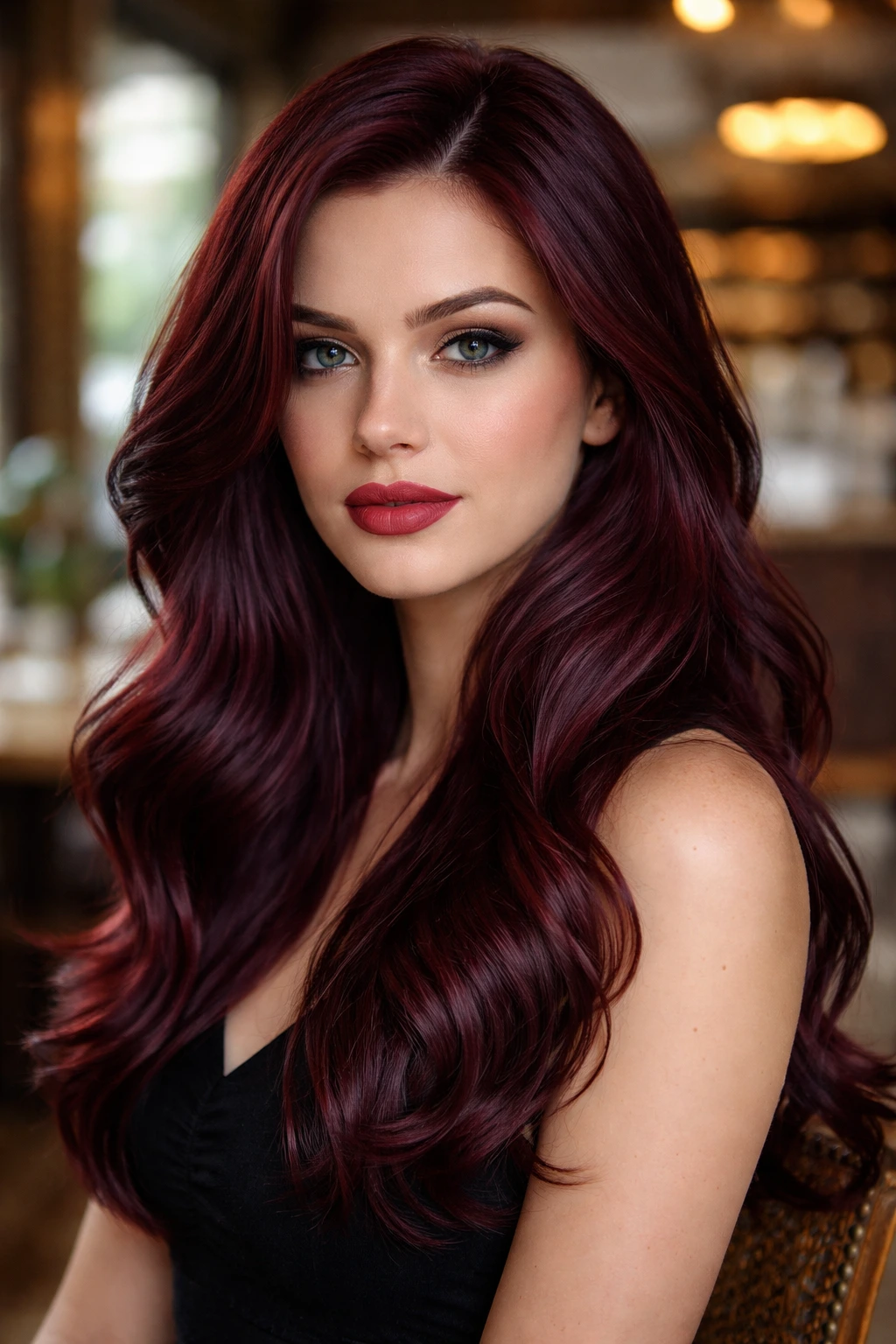
Bordeaux is deep, elegant, and timeless. It is effectively a darker, more concentrated burgundy. It is the shade of red wine, and much like a good vintage, it has an air of complexity and maturity. It is exceptionally flattering on cool skin because the blue-purple undertones are very prominent.
Why It’s a Go-To
It feels expensive. Because it is a deeper, more saturated color, it often reflects light better than brighter reds, which can sometimes look flat. Bordeaux has an inherent dimension that makes the hair look healthy and shiny.
Styling Advice
- Pair this with a bold, dark lip color for a cohesive, dramatic look.
- Because it is dark, keep your brows groomed and defined, as dark hair can sometimes overpower unkempt eyebrows.
Pro tip: Bordeaux looks incredible with silver or platinum jewelry. The coolness of the metal complements the blue-purple base of the hair color perfectly, creating a high-end, polished aesthetic.
9. Raspberry Tint
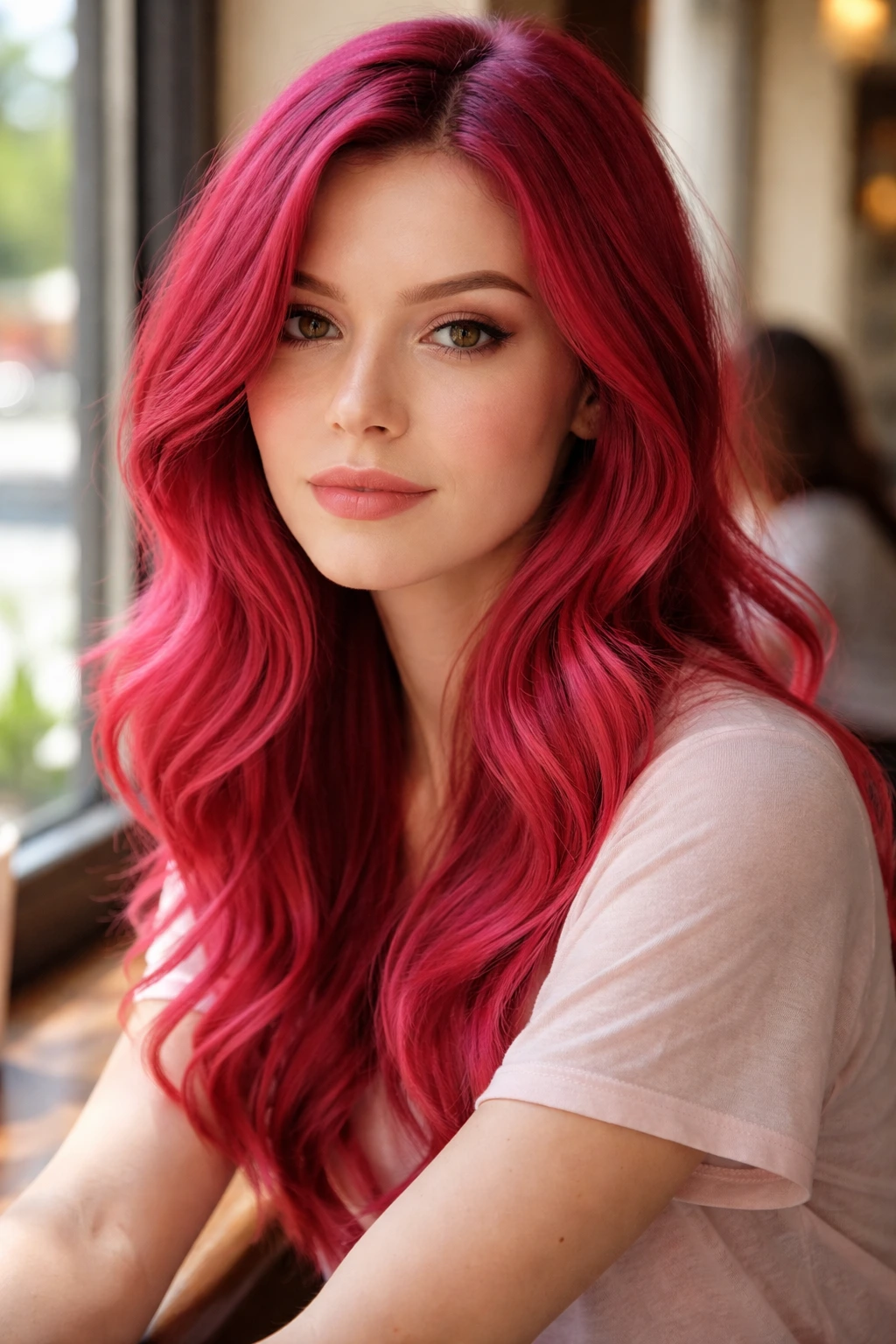
Raspberry is a vibrant, pink-leaning red that sits somewhere between a true red and a fuchsia. It is energetic and youthful. If you are struggling with a hair color that feels “stiff” or “boring,” adding a raspberry tint can instantly inject life and movement into your style.
It is not a full-coverage, opaque color like black cherry or dark burgundy. It has a slightly more translucent quality, which makes it look almost like a stained glass effect when the light hits it. This translucency is what makes it so vibrant—it reflects light back through the color rather than absorbing it.
The biggest challenge with a raspberry tint is preventing it from fading into a muddy pink. You need to use a color-protecting shampoo that is specifically formulated for red tones. Even better, ask your stylist to mix a small amount of your specific red dye into your conditioner so you can deposit a little bit of color back into your hair every time you shower.
10. Dark Violet-Red
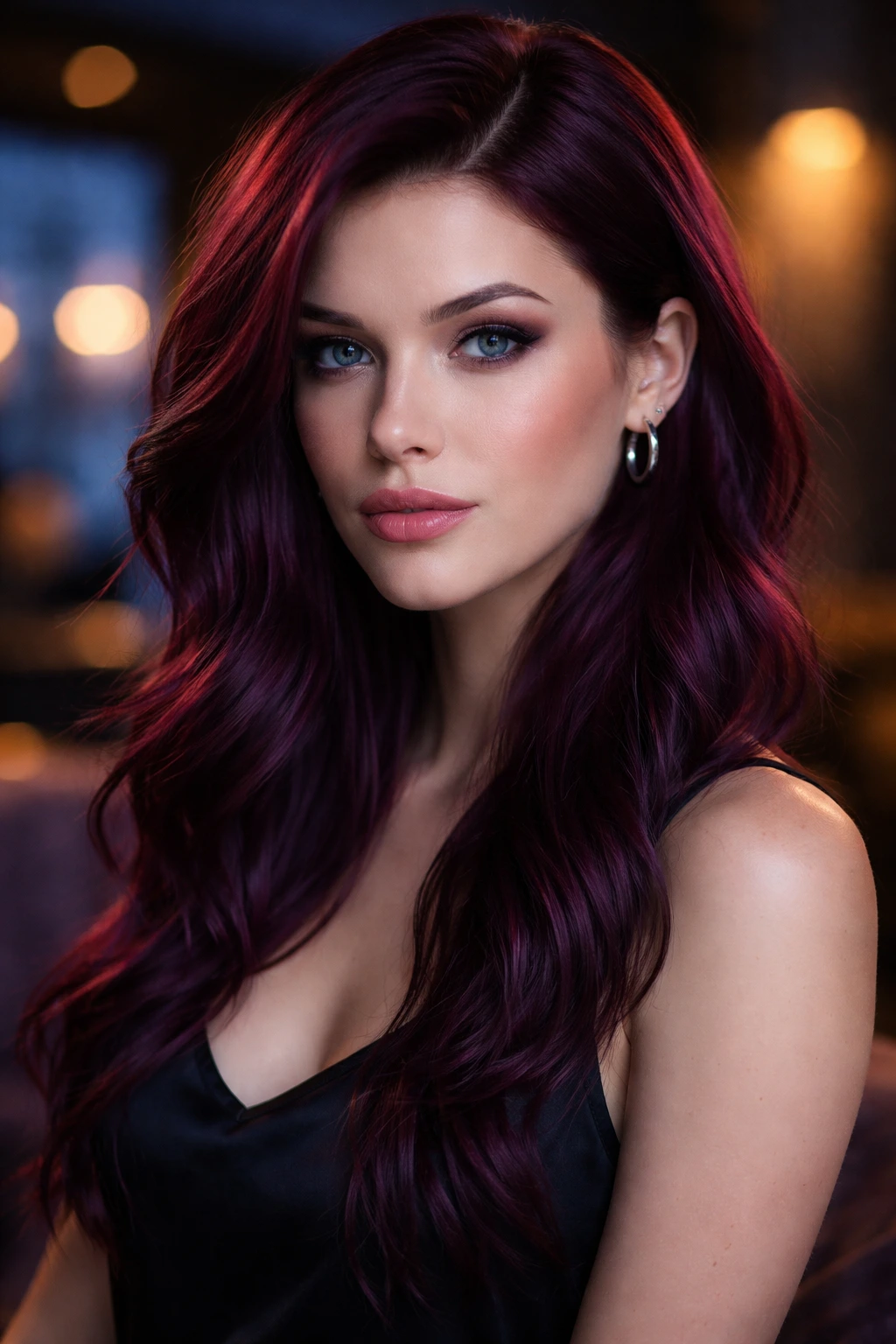
This shade is unapologetically cool. It is so deep and pigmented with violet that some might even question if it is truly red at all. That is exactly what makes it so wearable for people with very fair, cool skin. It provides high contrast without the jarring effect that a lighter, brighter red might have.
The Power of Violet
Violet is the key ingredient here. It acts as a neutralizer. If you have any unwanted yellow tones in your hair—which often happens if you have previously bleached your hair—the violet base will counteract them, resulting in a cleaner, more vibrant red finish.
When to Choose This
- You have naturally dark brown or black hair and want a red that doesn’t look “fake.”
- You want a color that looks professional in an office setting but fun in a social one.
- Your hair is prone to going brassy (turning orange). The violet base keeps the brass at bay.
11. Soft Rosewood
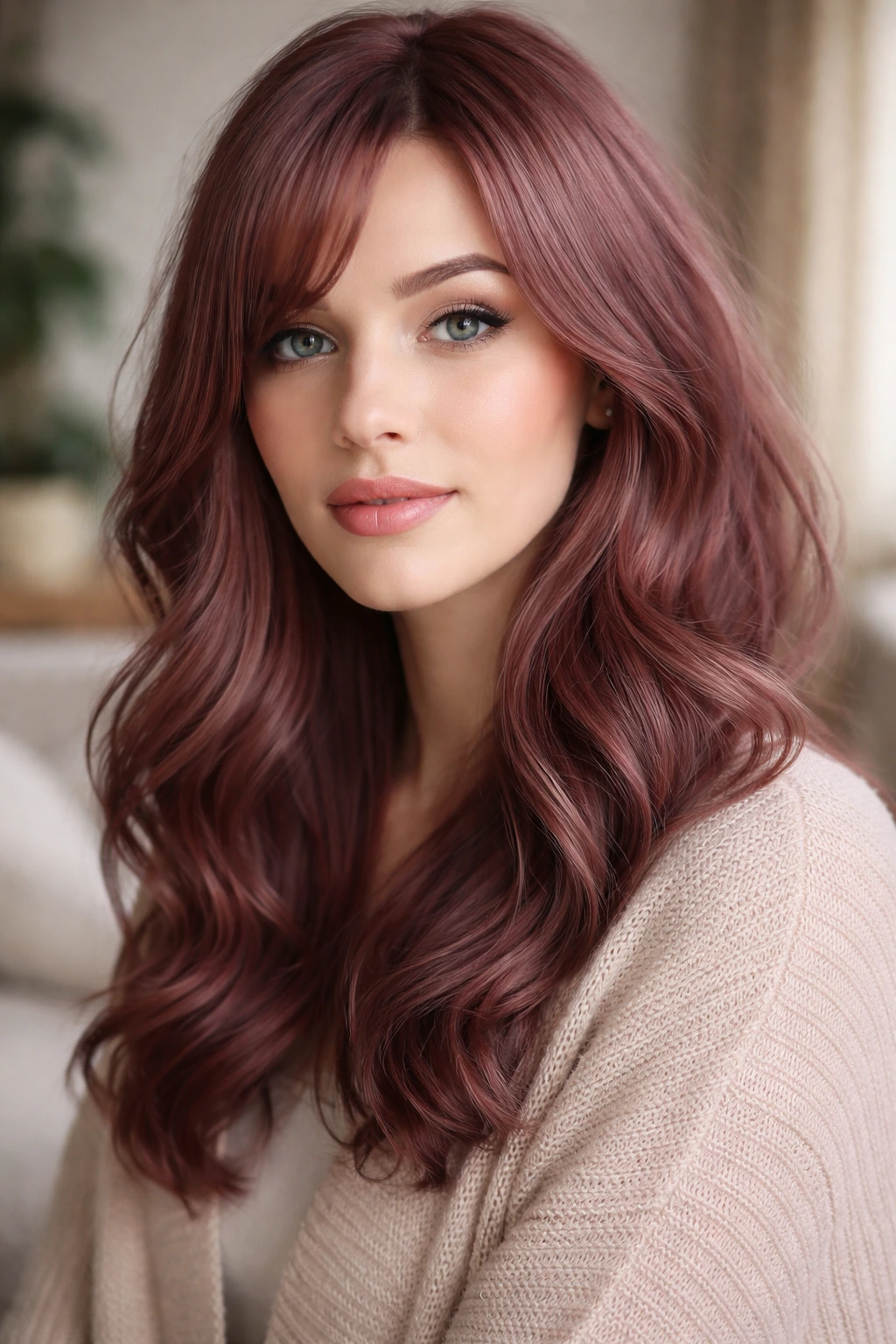
Rosewood is the “neutral” of the red world. It leans toward a dusty, brownish-red with distinct cool, pinkish-purple undertones. It is not an intense or dramatic color, which makes it a fantastic choice for someone who wants to try red but is nervous about making a big change.
It is soft, romantic, and incredibly flattering. Because it is a more “muted” shade, it works beautifully with a wide variety of cool skin tones, from the very palest to those with more olive-cool undertones. It doesn’t fight for attention; it blends into your overall look.
It is also one of the most forgiving red shades when it comes to maintenance. As it fades, it just becomes a lighter, dustier version of itself rather than turning into an unrecognizable shade of orange. If you are a busy person who cannot get to the salon every six weeks, rosewood is a very practical, low-maintenance option.
12. Espresso-Red Blend
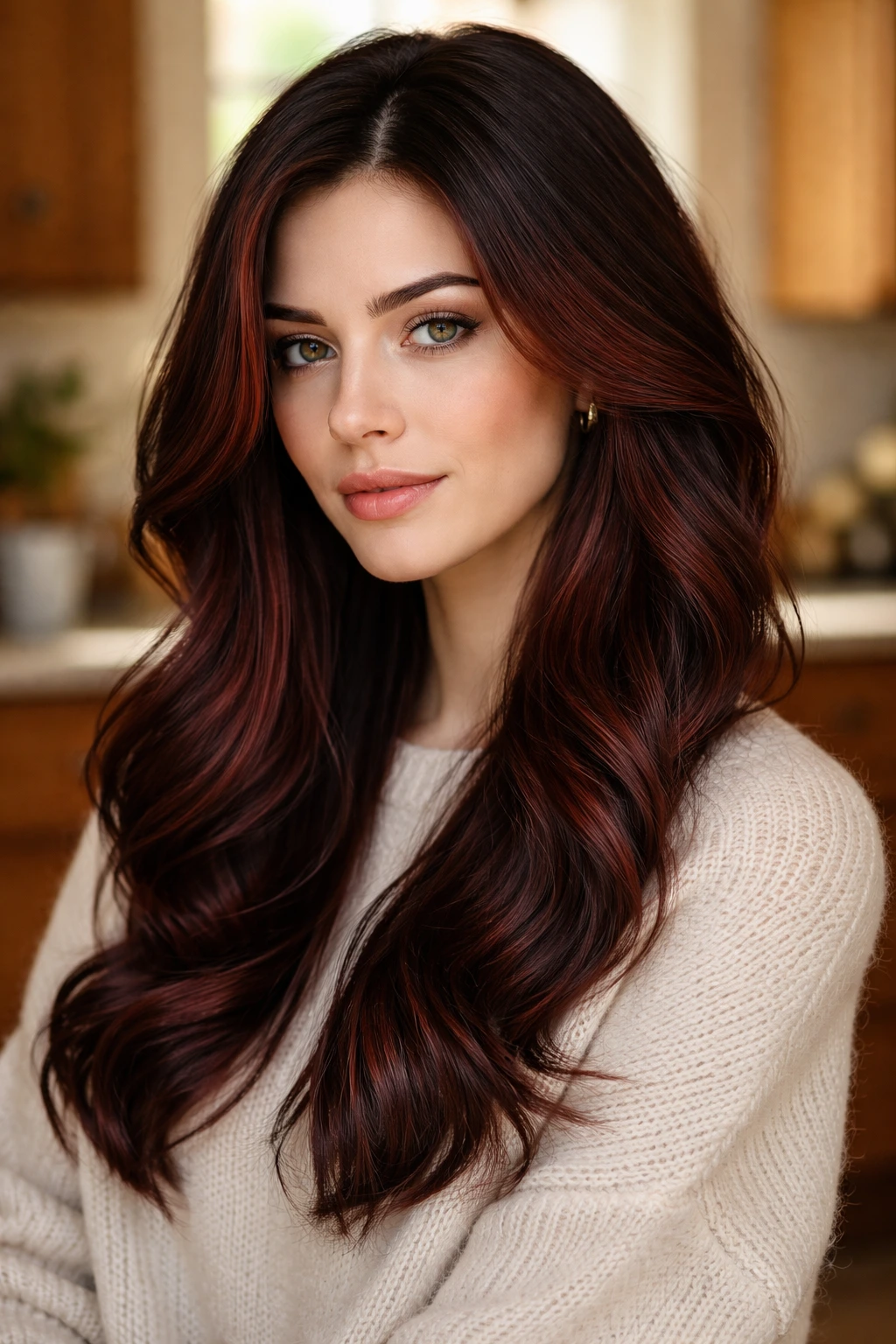
Imagine your favorite cup of dark coffee, but with a swirl of pomegranate syrup. That is the essence of an espresso-red blend. It is primarily a dark brown base with subtle, cool-toned red ribbons woven throughout. It is the ultimate “brunette with a twist” color.
Why It Works
It gives you the ease of being a brunette but the personality of being a redhead. The cool-toned red ribbons brighten up your complexion without the commitment of a full-head red dye job. It is a dimensional look that adds volume and texture to fine, thin hair.
Application Technique
- Ask your colorist for a “ribbon” technique rather than a standard highlight. You want the red to look like it is woven through the brown, not sitting on top of it.
- Keep the roots dark. The contrast between your natural dark root and the red mid-lengths and ends is part of what makes this look so striking.
13. Deep Merlot
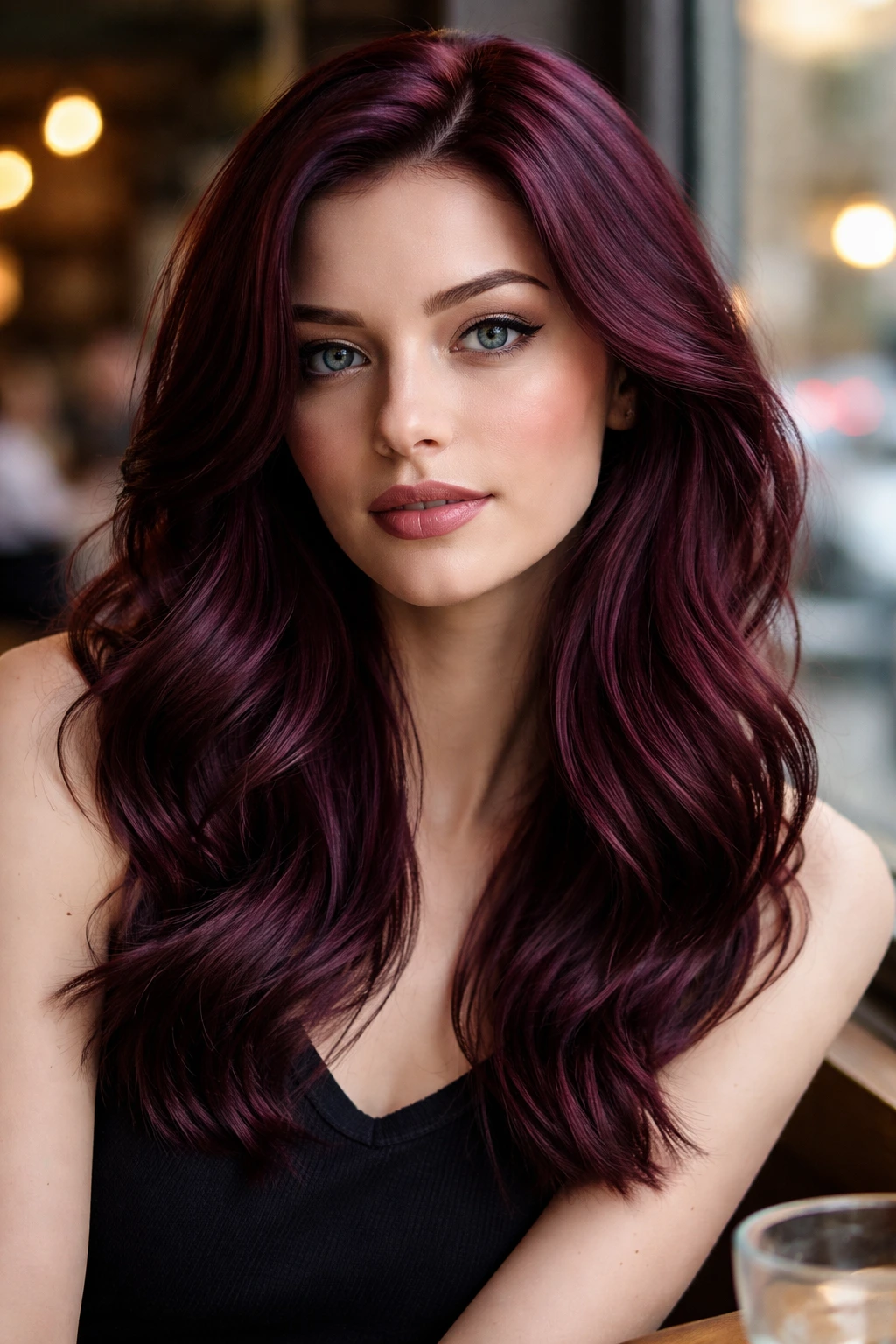
Merlot is a classic, rich, and sophisticated shade of red. It’s distinct from burgundy because it has a slightly more “juicy” quality—think of the deep, staining color of red wine grapes. It is a fantastic choice for those who want a dramatic look that still feels timeless.
This color is heavy on the blue base, which makes it incredibly flattering for cool-toned skin. It doesn’t turn orangey as it fades; instead, it settles into a beautiful, soft plum. It is a very “grown-up” red, perfect for someone looking for a change that feels polished and put-together rather than wild and chaotic.
One thing to watch out for with deep merlot is your clothing choices. Because the color is so rich, it can clash with certain patterns or bright colors. It looks stunning with neutrals like cream, grey, and navy, but it can get messy if you try to pair it with busy prints. Keep your wardrobe simple, and your hair will do all the talking.
14. Jewel-Toned Garnet
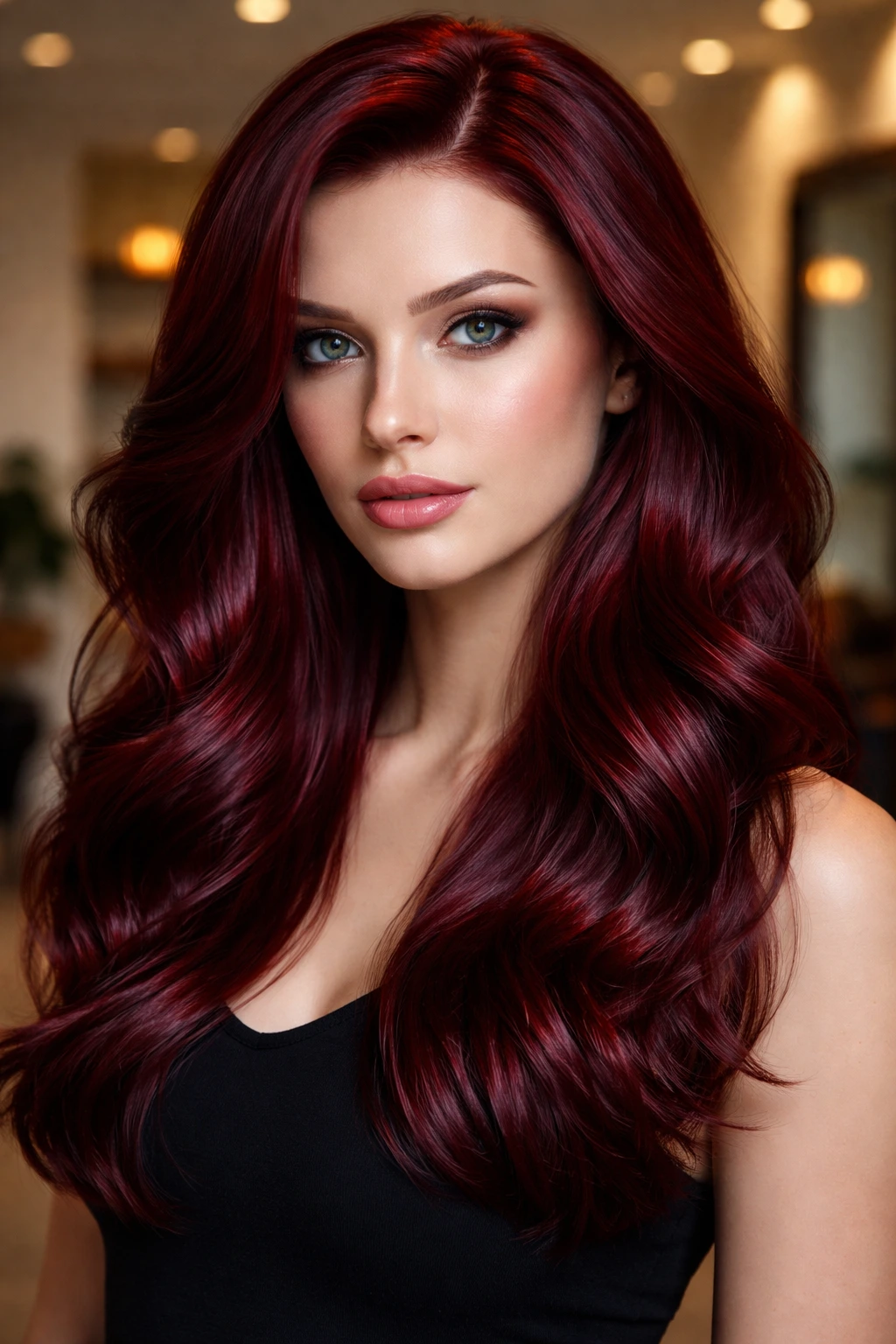
Garnet is a deep, intense red that feels expensive. Like a gemstone, it has clarity and depth. It is not a brown-red; it is a true, saturated red with a strong cool base. It looks amazing on people with high-contrast features—very pale skin and dark eyes or hair.
The Gemstone Effect
- High shine is critical. Garnet needs to be glossy to look like a jewel. Dull garnet just looks like… well, dull hair. Invest in a high-quality finishing spray or a shine gloss treatment at your salon.
- It is a dense, opaque color. This means it offers excellent coverage for grey hair. If you are dealing with premature greys, a garnet shade will cover them completely and keep them hidden for longer than a lighter, sheerer red would.
15. Ashy Auburn
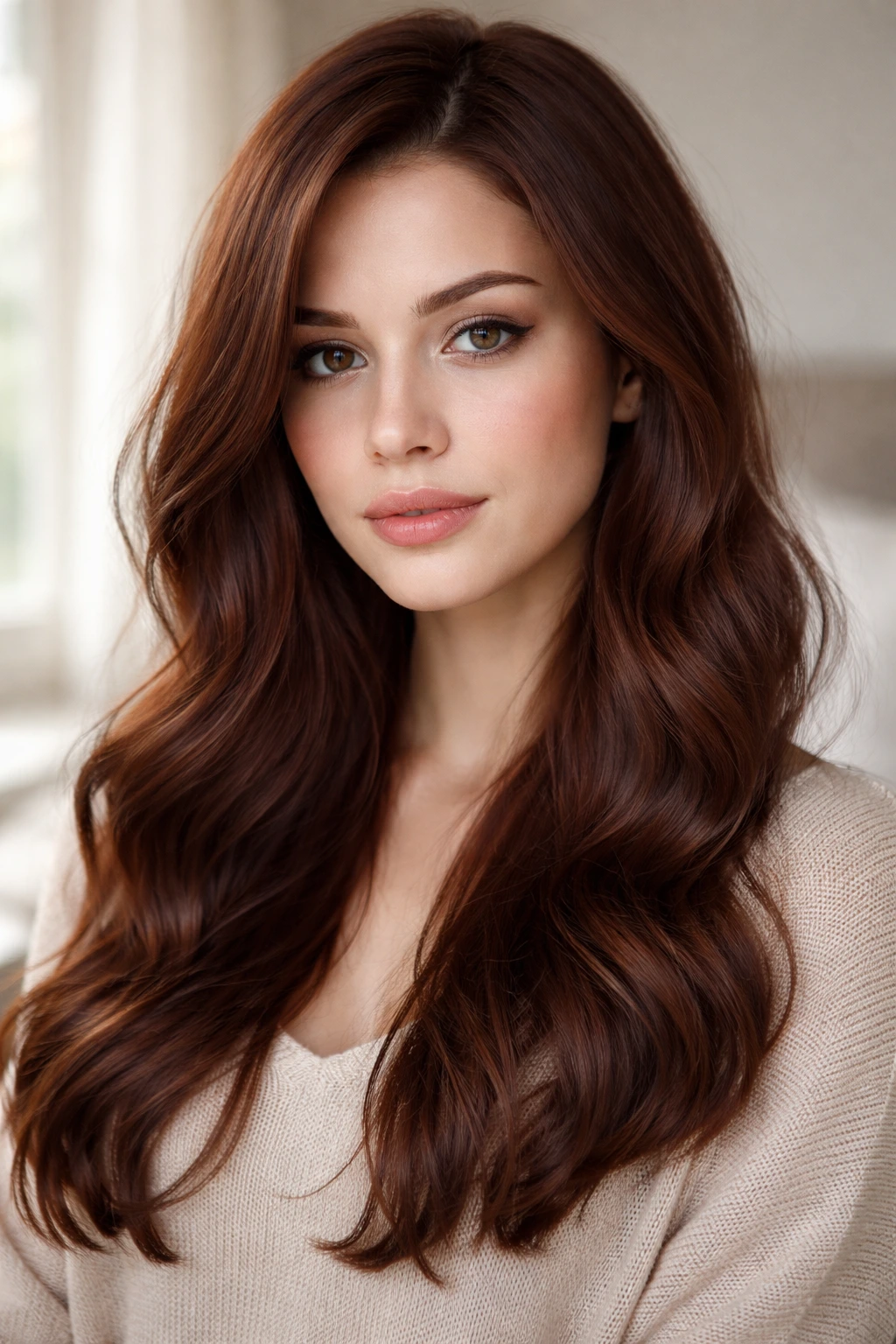
People usually think of “auburn” as a warm, copper-brown color, which is generally a nightmare for cool-toned skin. But “ashy auburn” flips the script. It is an auburn that has been toned down with ash (blue/grey) pigments, removing the orange warmth and replacing it with a cool, muted brown-red.
It is a great choice if you have a “cool olive” skin tone. You have that slight green tint to your skin, but you are definitely on the cool side of the spectrum. An ashy auburn pulls everything together, balancing the green in your skin with the red in your hair, resulting in a look that feels very balanced and intentional.
Because this is a more natural-looking shade, it is also very easy to maintain. You aren’t chasing a neon pigment. You are chasing a tone. If it fades, it just looks like a slightly lighter brown, which is much less of an aesthetic disaster than a faded, bright red.
16. Sangria Red
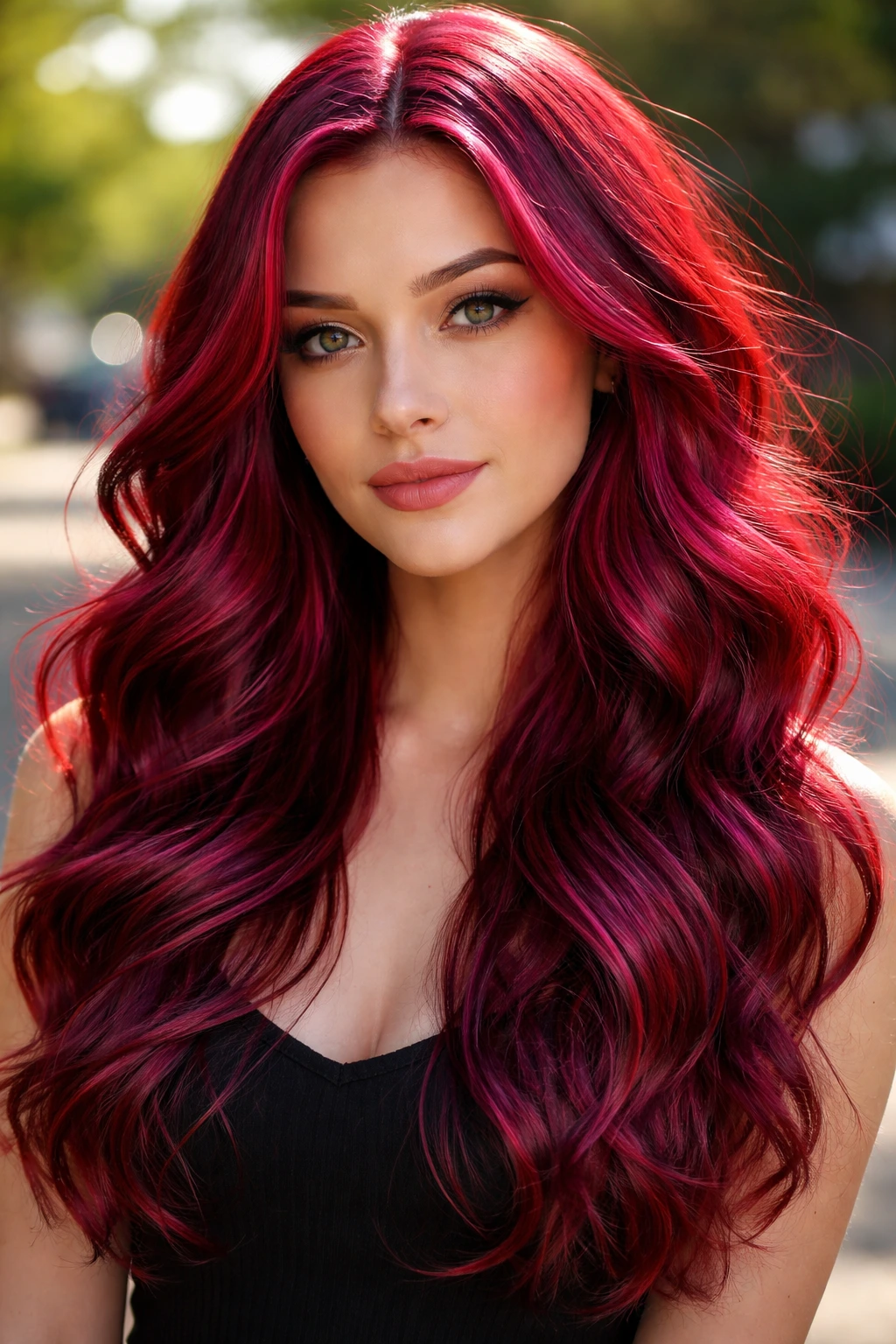
Sangria red is a festive, bright, and fun color. It is essentially a mix of red and pink with a splash of purple. It is a great “gateway” color if you want to experiment with vivids but don’t want to go full neon or pastel. It’s vibrant, but it has enough depth to feel wearable.
This color loves light. In the sun, it looks like a fun, bright, summer-ready red. In the shade, it looks more like a deep, sophisticated berry. It is a two-for-one color experience. If you live in a place with distinct seasons, this is a fun color to have because it changes personality based on the lighting around you.
Be warned: this color will fade. Fast. It is a high-maintenance shade that requires a color-depositing shampoo every single wash. If you skip the maintenance, you will be left with a dull, washed-out pink in a matter of weeks. You have to love the process of caring for your hair to make this color work for you.
17. Electric Fuchsia-Red
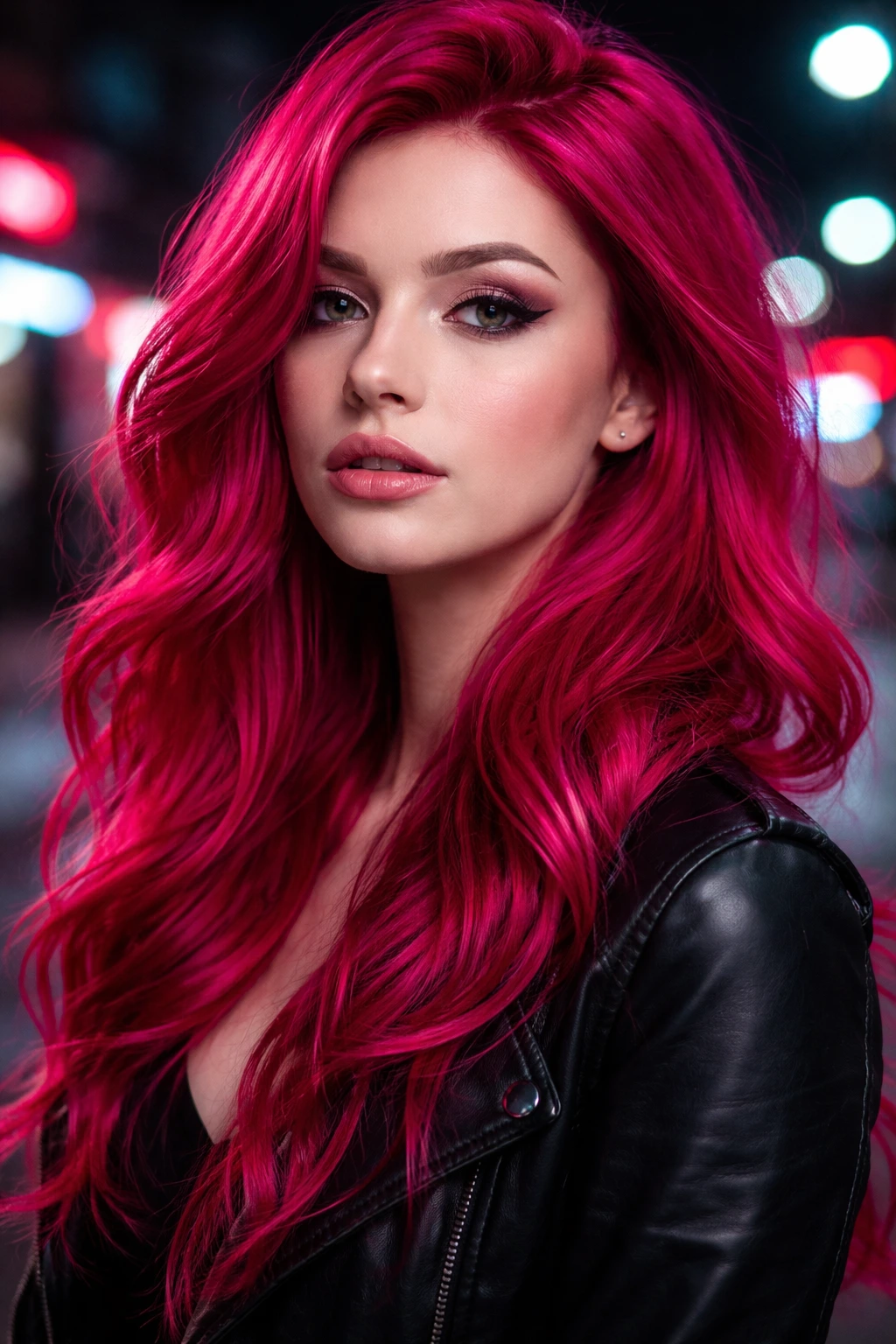
This is not for the faint of heart. It is loud, proud, and incredibly cool-toned. Fuchsia is arguably the “coolest” red you can get because it is basically a dark pink. It looks fantastic on people with very cool, almost bluish skin tones.
How to Wear It
- Go for a full-head application. This isn’t a color that works well as a highlight; it is a color that needs to be saturated.
- Keep the rest of your look simple. Your hair is the main character; your outfit should be the supporting cast.
- Be prepared for the upkeep. Vivid colors like fuchsia fade into a pastel version of themselves very quickly. You are looking at a refresh session every 4 to 5 weeks if you want to keep that electric intensity.
18. Cool-Base Copper
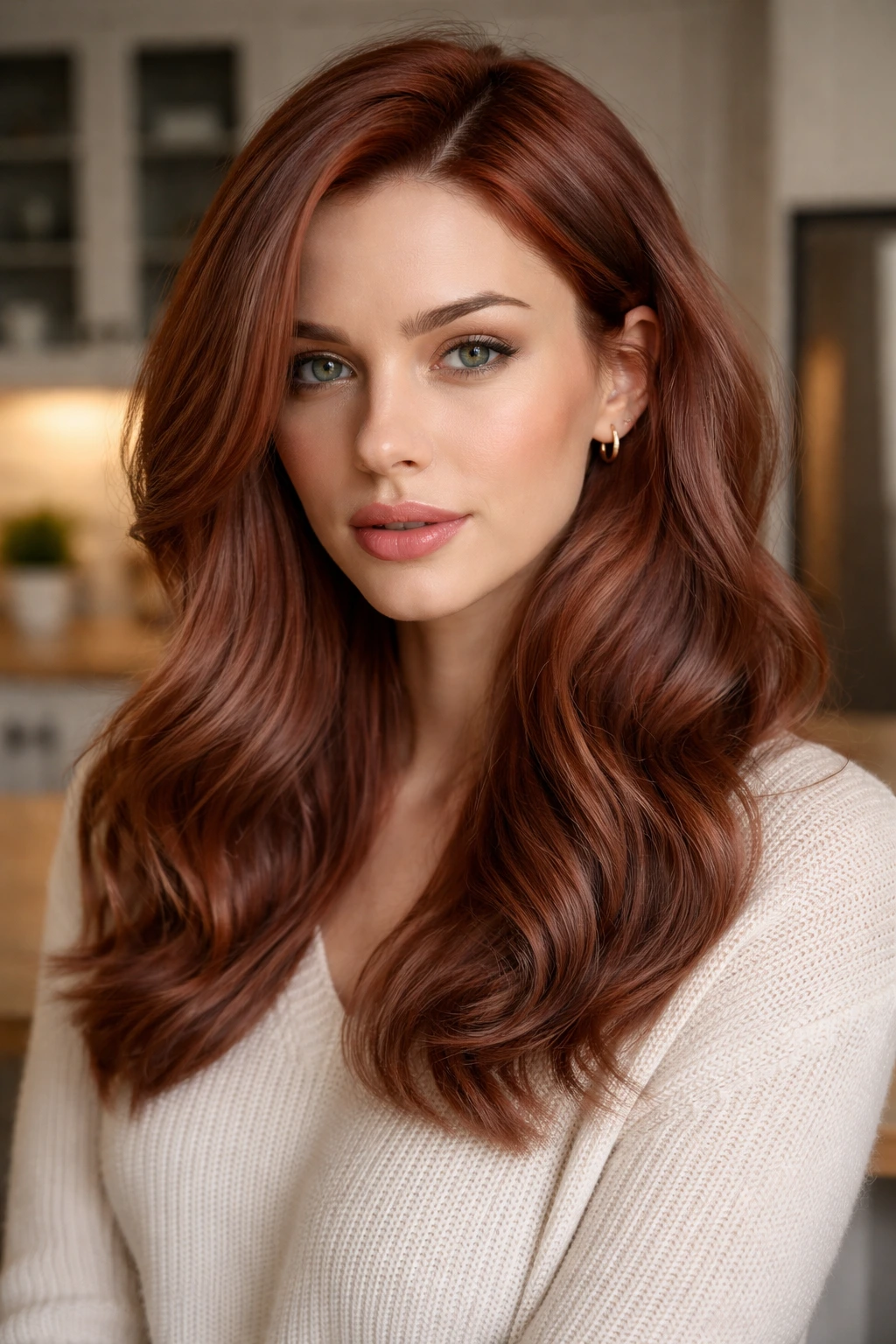
I know what you are thinking: “Copper is warm!” And you are right. Copper is naturally warm. However, a “cool-base copper” is a hair color trend where you take the copper pigment but mix it with violet or ash-grey undertones. It creates a “muted” or “smoky” copper that doesn’t trigger the orange-clash with cool skin.
It is a tricky color to get right. You need a colorist who understands color theory, because if they add too much blue, you get a muddy brown; if they add too little, you get bright orange. It is a delicate balance. But when you get it right, it is one of the most unique and beautiful colors you can have.
It looks like the color of an old penny that has been sitting in the rain. It is sophisticated, unexpected, and completely different from the bright, sunny coppers you see everywhere else. It is the copper for the person who doesn’t like copper.
19. Velvet Crimson
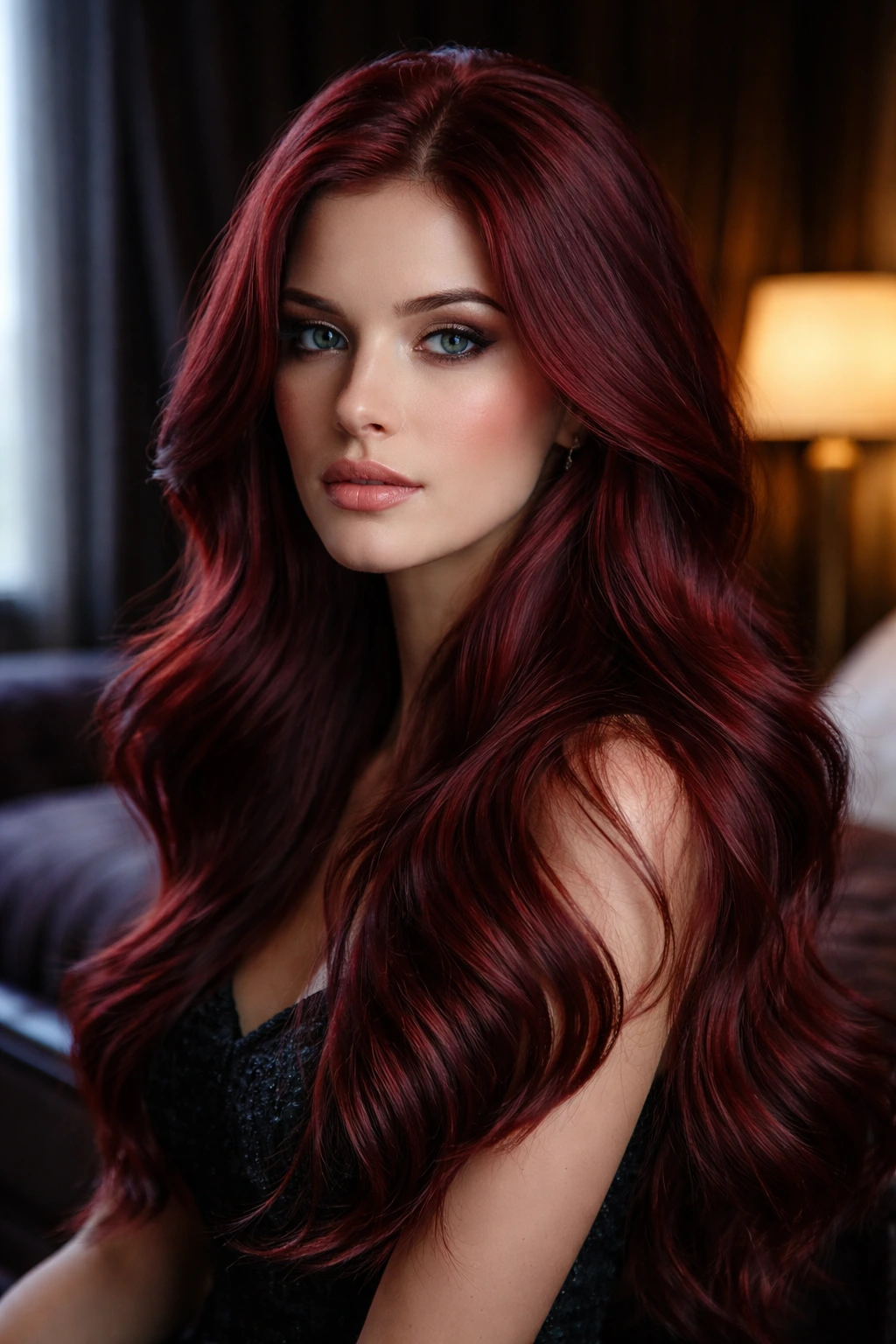
Velvet crimson is a dark, luxurious red that has a matte finish. It doesn’t have the “candy” shine of cherry red; it has a deeper, more plush quality. It is incredibly flattering on cool skin because the blue base is so strong that it almost verges on a dark, blood-red.
This is a very high-drama color. It looks best on healthy, thick hair. If you have fine or damaged hair, the darkness of this color might make it look a bit flat. However, if your hair is in good condition, this color looks like a piece of high-end fabric. It is regal, striking, and absolutely perfect for the colder months of the year.
Because it is so dark, avoid putting it on hair that has been heavily damaged by bleach. Highly porous hair will soak up this dark pigment like a sponge, and you will end up with a result that is much darker—almost black—than what you intended. Always ensure your porosity is balanced before applying such a deep, dense shade.
20. Mulberry Red
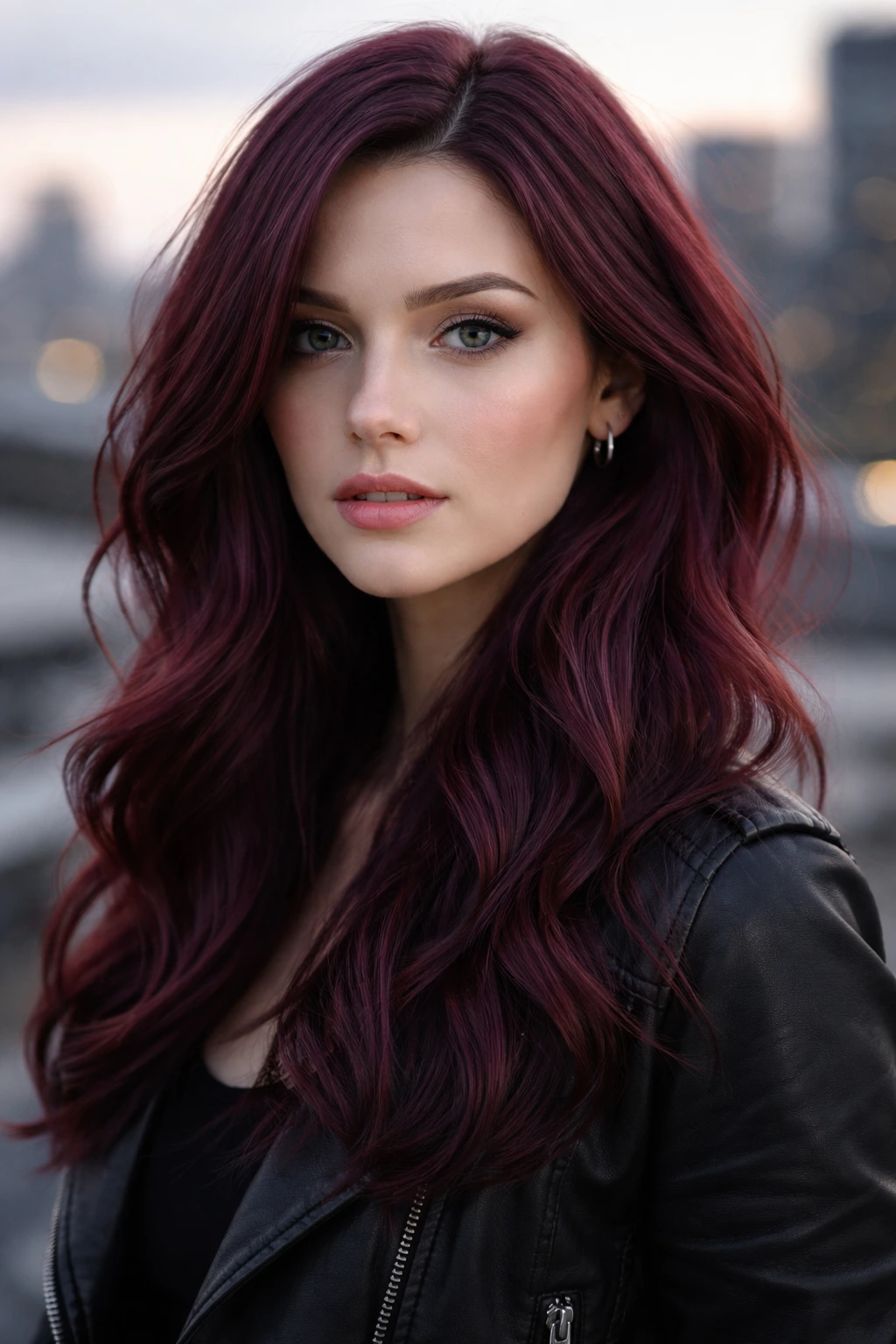
Mulberry is a blend of dark red, dark purple, and a hint of grey. It is a “dirty” red, and I mean that in the best way possible. It lacks the clarity of cherry or garnet, and that murkiness is exactly why it is so good for cool skin. It doesn’t try to compete with the skin; it complements it by matching its soft, muted undertones.
This is a fantastic “everyday” color. It is not shocking or extreme, but it is definitely red. It is the kind of color that makes people do a double-take. They see you, they know your hair is red, but they can’t quite place the shade. That elusive quality makes it very alluring.
It pairs exceptionally well with muted clothing tones. Think grey sweaters, navy jackets, and olive green scarves. Because it is such a soft color, it doesn’t clash with those earthy, cool-toned palettes, making it a very versatile color for your wardrobe.
21. Subtle Mahogany
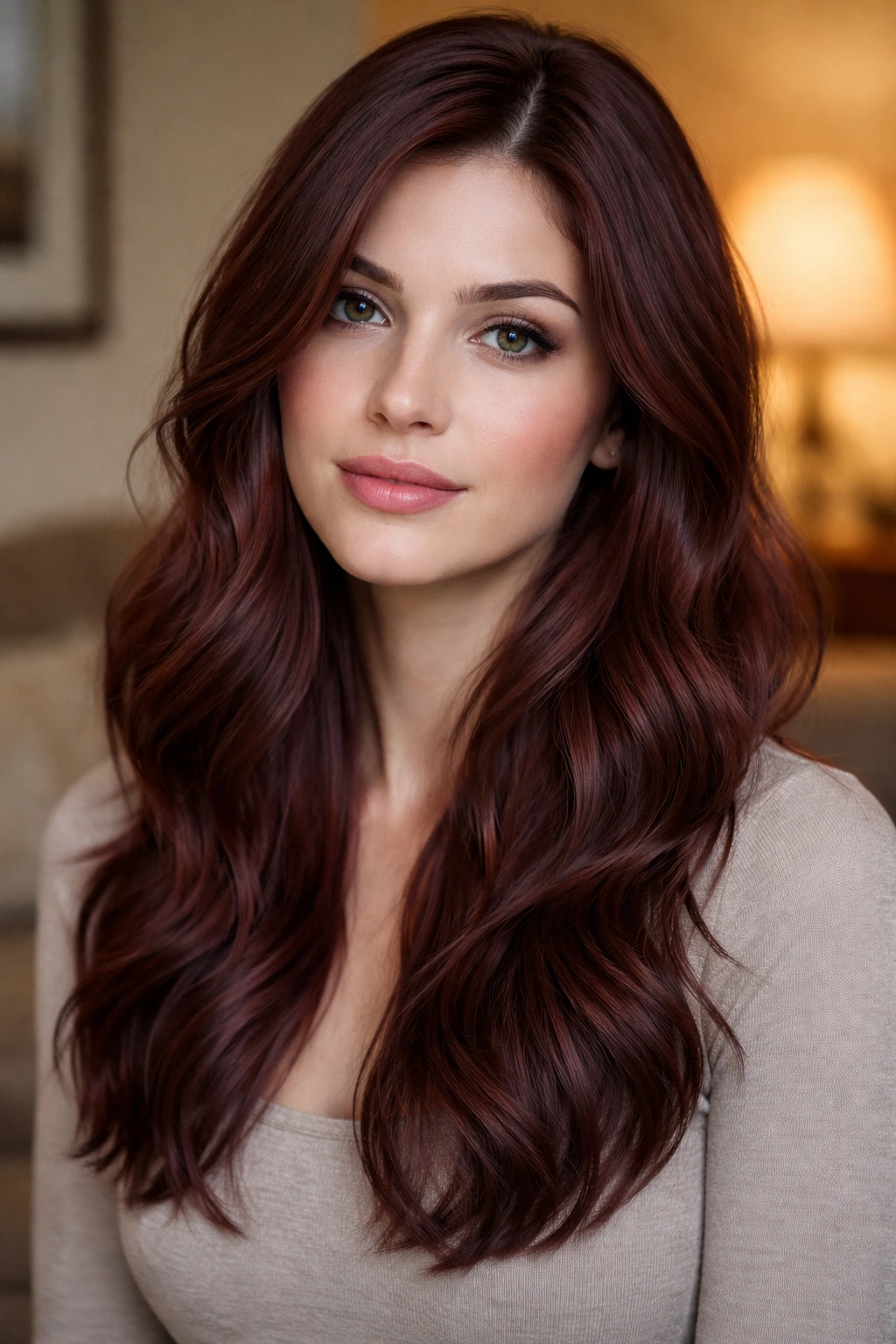
Mahogany is traditionally a reddish-brown, but the “subtle” version is all about the balance. By focusing on a mahogany shade that leans heavily into the purple-brown side of the spectrum, you can get a beautiful, natural-looking red that plays perfectly with cool, pale skin.
It is a great way to “fake” a natural red. If you didn’t know better, you might assume that someone with this hair color was born with it. It has that authentic, subtle shift in color that natural hair has. It is not monochromatic; it has depth and shadows.
Maintenance is straightforward. Because it is a more “natural” shade, the fade-out is very graceful. You aren’t going to wake up one morning with neon pink roots. It is a slow, gradual shift back toward your base color, which makes it perfect for someone who isn’t interested in the high-maintenance upkeep of vivids or high-contrast shades.
22. Intense Ruby
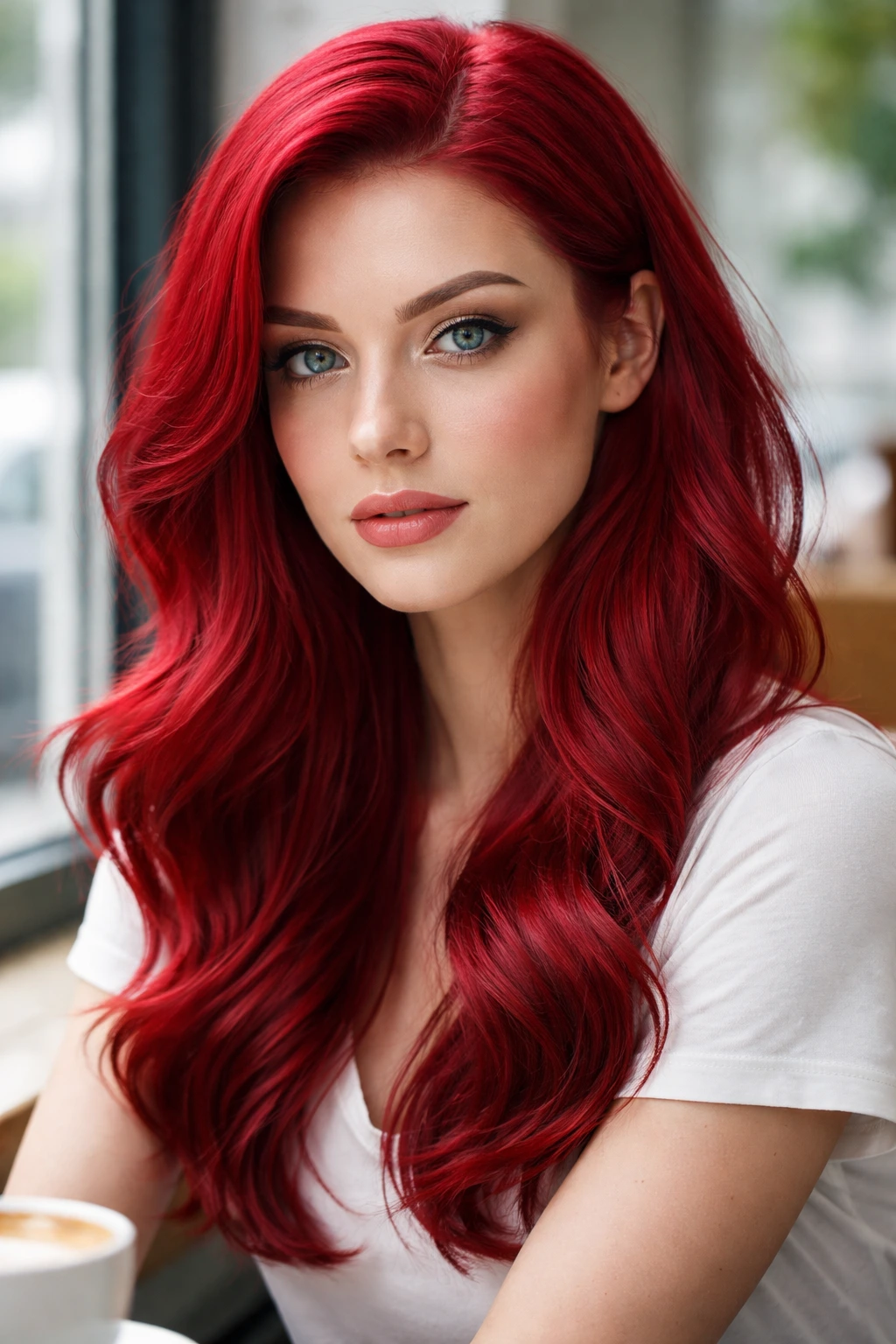
Ruby red is the bolder cousin of garnet. It is brighter, punchier, and more saturated. It is a classic “cool red” because it is a true, primary red mixed with a touch of blue to keep it from turning orange. It is the red you see on a classic lipstick bullet, but on your hair.
The “Lipstick” Rule
If you can wear a classic cool-toned red lipstick without it making your teeth look yellow or your skin look grey, you can wear ruby red hair. They share the same color family. If that lipstick shade makes you look like a million bucks, that hair color will do the exact same thing.
Best Styling Pairings
- Keep your makeup clean. With such an intense hair color, a classic “no-makeup” makeup look often looks best.
- Avoid over-accessorizing. Let the hair be the statement piece. A simple pair of studs and a neutral outfit is all you need.
23. Cool-Toned Cinnamon
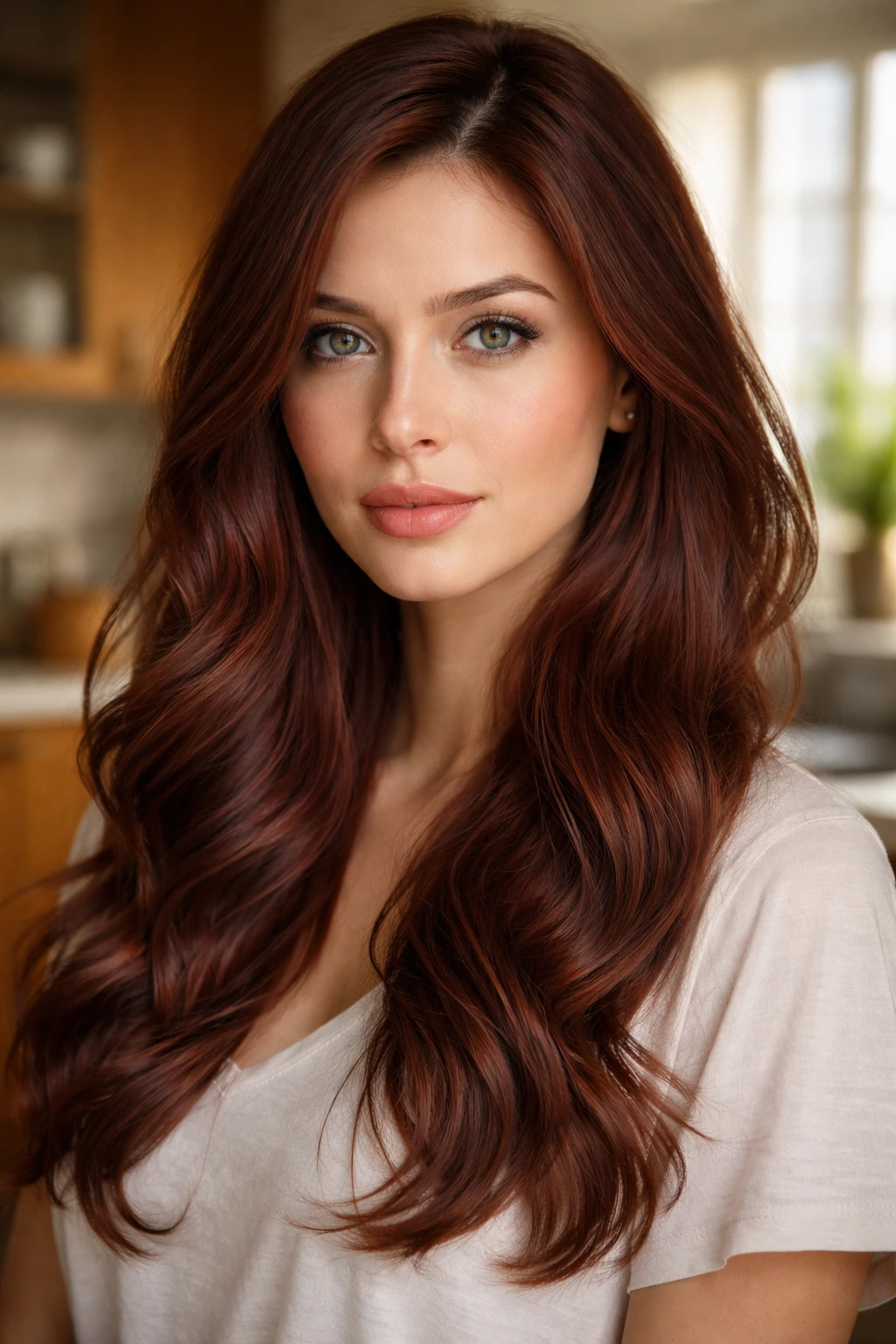
While standard cinnamon is warm, a cool-toned cinnamon is a softer, browner version of a spicy red. Think of the color of the spice itself rather than the candy-flavored version. It is a light to medium brown with a distinct red-violet undertone.
This is arguably the most “wearable” red for someone who is terrified of the salon. It doesn’t require bleaching. It can often be achieved with a demi-permanent gloss over a light brown base. It is low-risk, low-commitment, and low-damage.
It provides a lovely “warmed up” look without actually being warm-toned. It’s a paradox of color theory, but it works. It adds life to your hair and brightens your complexion, but it stays firmly in the “brown” category, which feels much safer for most people than diving into the “red” category.
24. Midnight Red
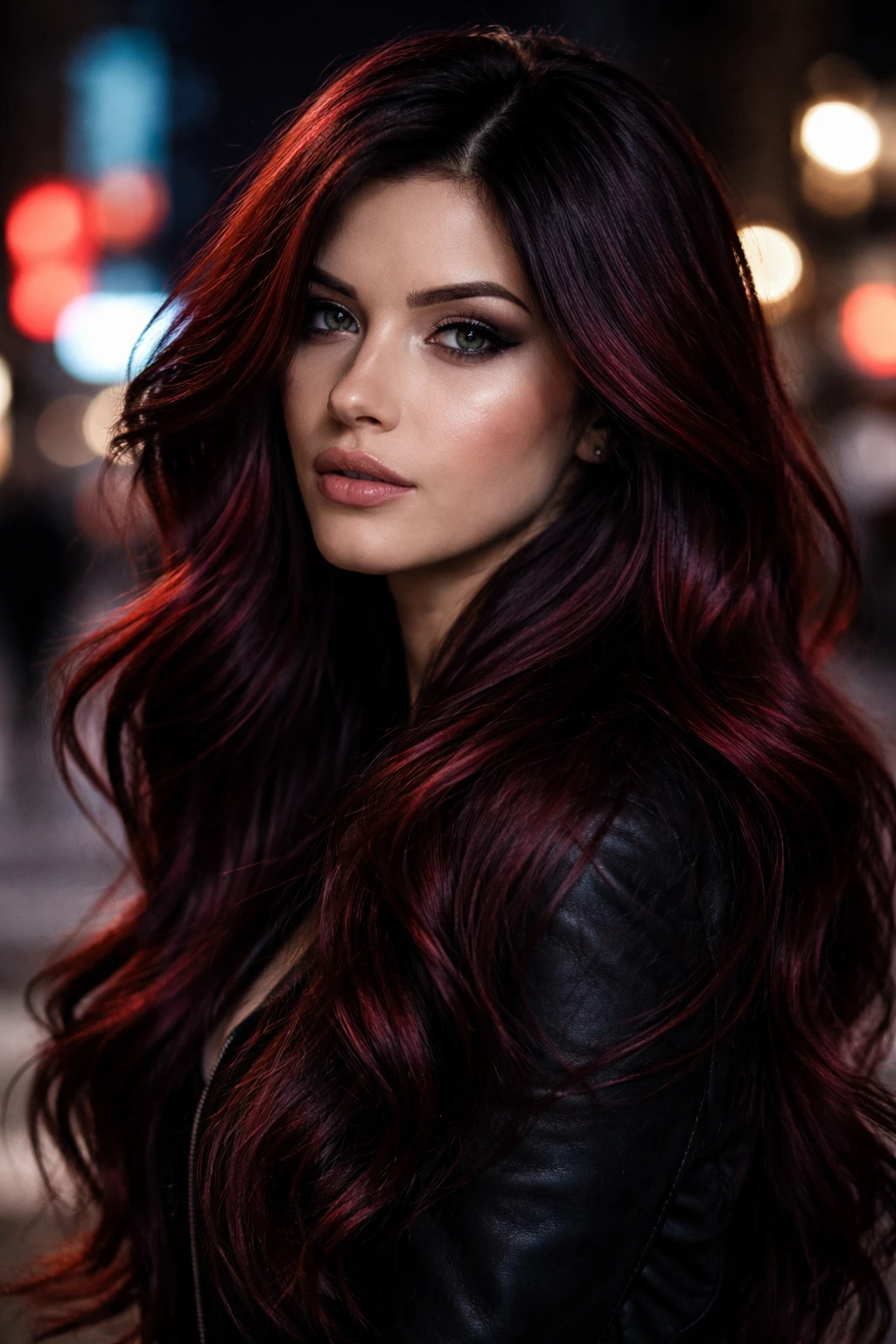
Midnight red is the closest you can get to black hair while still being able to call it red. It is a black base with a very concentrated, cool-toned red pigment. You only really see the red when you are in direct, bright light. The rest of the time, it looks like a very dark, lustrous black.
This is perfect for the person who loves the look of black hair but wants to avoid the “flatness” that sometimes comes with it. The red undertones provide a subtle glow that makes the hair look healthier and more dimensional than a plain, flat black.
It is exceptionally flattering on cool, pale skin. It provides a stunning, Snow White-esque contrast. It is dramatic, elegant, and timeless. Just be aware that once you go this dark with red pigment, it is very difficult to remove. This is a “for keeps” color choice, so be sure you are ready for the commitment before the stylist starts the application.
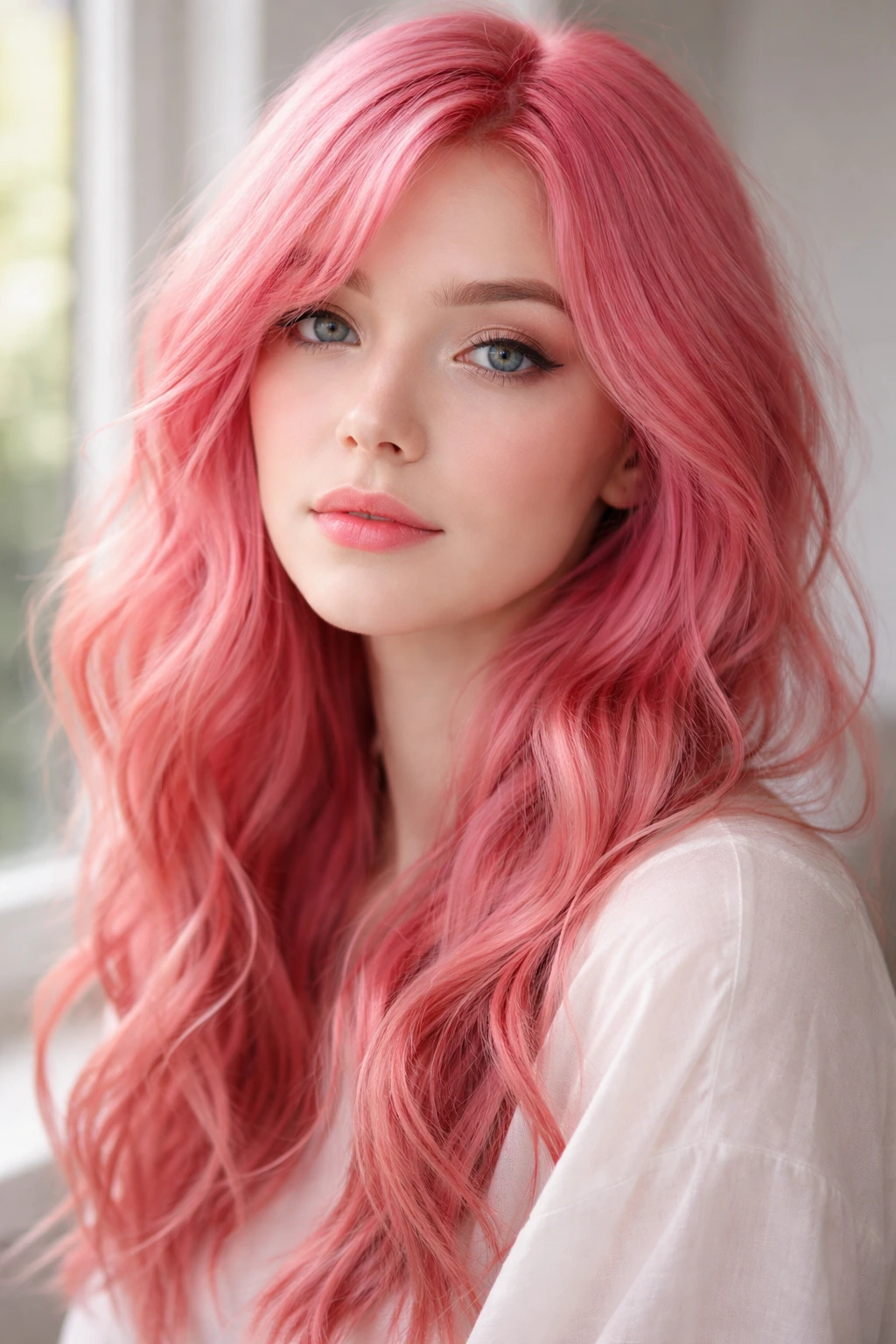
25. Pastel Pink-Red
If you have light hair and want a playful look, pastel pink-red is a soft, beautiful option. It’s essentially a diluted magenta, giving you a soft, fairy-tale vibe that is very clearly cool-toned. It is not an intense, scary color; it is whimsical and light.
This is a great option for people with cool skin who are worried about being “drowned out” by dark, intense reds. A pastel shade has a high light-reflectance, which can actually make your skin look brighter and more radiant. It is like having a highlighter for your face attached to your head.
Because it is a pastel, it will wash out quickly. You will need to use a conditioning mask mixed with a tiny bit of red/pink pigment every week to keep the color alive. It is a high-maintenance “fun” color, but it provides a soft, unique aesthetic that you simply cannot get with darker, more traditional red dyes.
Final Thoughts
Finding the right red for cool skin is entirely about embracing the blue and violet base. The moment you start experimenting with oranges, yellows, and warm coppers, you will find yourself fighting against your own complexion. By sticking to these cooler, richer, or more vivid berry-based shades, you allow your hair color to act as a frame for your face, highlighting your natural features rather than competing with them.
Do not be afraid to mix and match. Hair color is temporary, and the best way to find your “perfect” red is to try a gloss or a demi-permanent color first. See how it interacts with your skin over the course of a few weeks. Does it make you look tired when it fades? Does it brighten your eyes? Trust your mirror over any trend report. Your cool skin has its own rules, and once you learn to play by them, you will find that you can pull off almost any shade of red in the book.
