



Cherry hair color can look razor-sharp on cool skin tones—if the red leans blue, berry, or wine instead of orange.
That one detail changes everything. A cherry shade with violet or blue undertones tends to sit neatly against pink, rosy, or neutral-cool skin, while warm copper notes can make the face look a little washed out or ruddy. You can see the difference fast under daylight. One version looks rich and polished; the other starts to feel like it’s fighting your complexion.
Red hair is rarely one-size-fits-all, and cherry is even less forgiving than people think. The good versions are deep, glossy, and slightly moody. The bad versions go tomato-bright or copper-heavy, which is a quick way to lose that cool-toned balance.
The shades below move from dark and smoky to bright and berry-rich, because cool skin tones can wear cherry in more than one mood. Some are soft enough for everyday life. Some make a blunt bob look expensive. Some are louder, and that’s the point.
1. Black Cherry Gloss
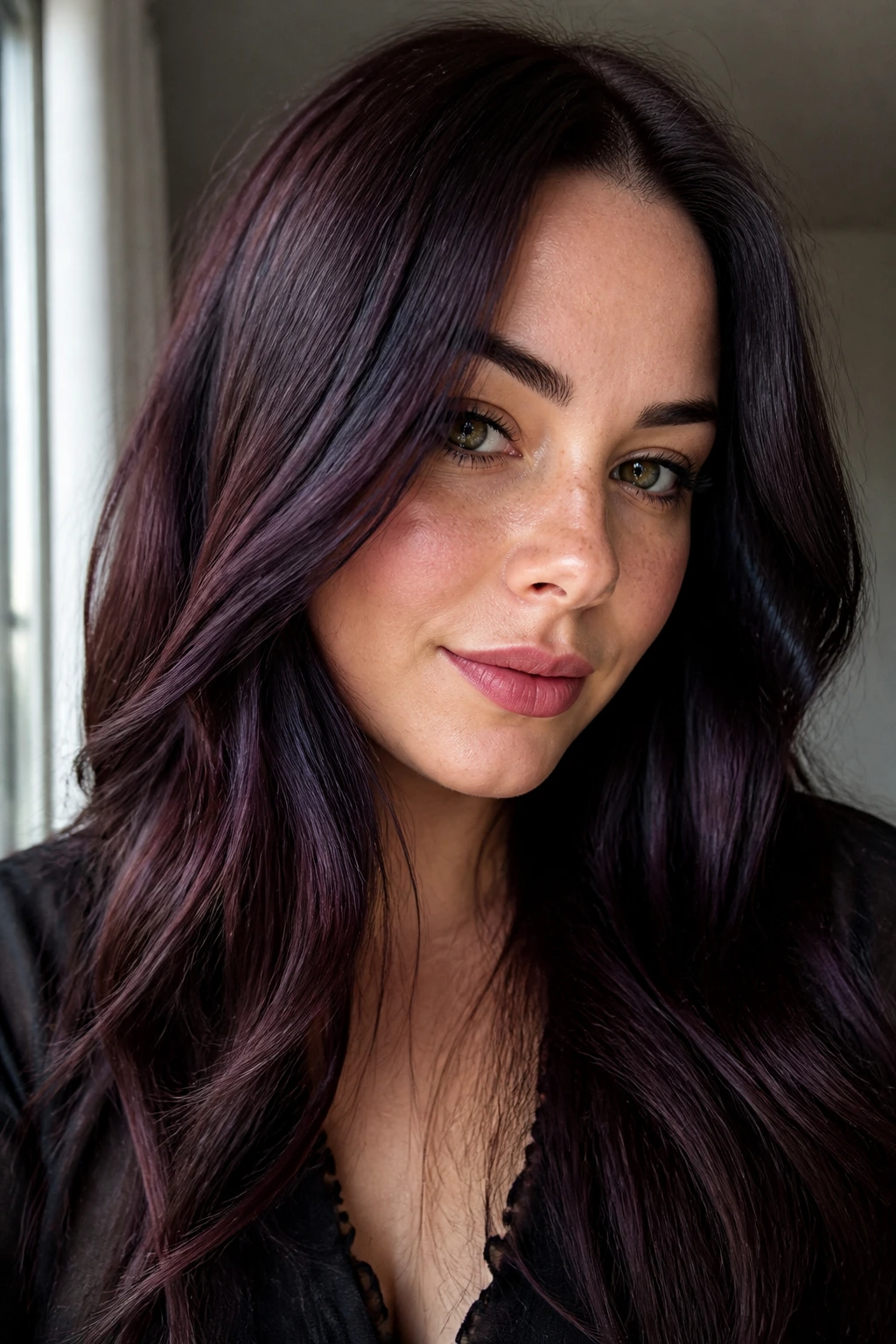
Black cherry gloss is the shade I reach for when someone wants cherry hair color without turning their whole head into a neon sign. It sits in that sweet spot between deep brown and wine-red, with a violet cast that cool skin tones usually wear well. Under indoor lighting it can look almost espresso-dark. Outside, the cherry shows up.
Why It Flatters Cool Skin
The reason this shade works is simple: the red pigment stays deep and blue-based. That keeps it from drifting orange, which is where a lot of cherry shades fall apart. On pale skin, it makes the complexion look cleaner. On medium skin, it adds contrast without shouting.
What To Ask For
- A level 3 to 4 brunette base with a black cherry gloss or demi-permanent glaze.
- Violet-red and blue-red tones, not copper.
- A soft, shiny finish rather than a bright opaque red.
- A root-to-end refresh every 4 to 6 weeks if you want the gloss to stay rich.
Best tip: Ask for the color to look wine-dark first and cherry second. That tiny shift keeps the whole shade cooler and more wearable.
2. Blue-Red Cherry
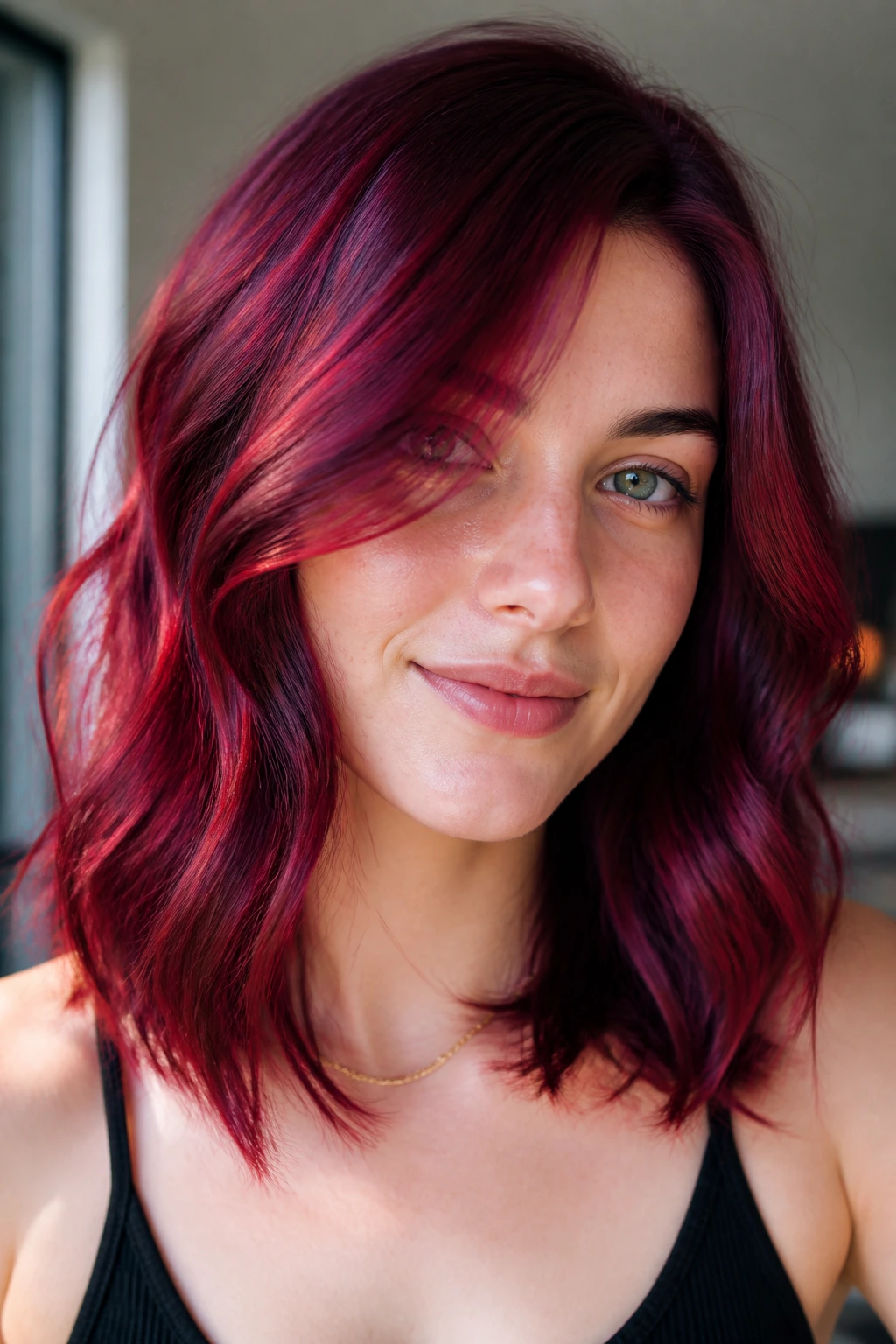
If you want the brightest cherry hair color that still flatters cool undertones, this is the one to beat. Blue-red cherry has the kind of sharp, clean edge that makes green, gray, and blue eyes stand out without needing a harsh contrast. It feels bolder than black cherry, but not hot or orange.
The magic is in the undertone. Blue-red reflects cooler light back onto the skin, so cheeks and jawlines tend to look crisp instead of flushed. That matters more than people realize. A red can be vivid and still calm the face down a little, which sounds backward until you see it in a mirror.
I like this shade on shoulder-length cuts and long layers, where the movement lets the red flash in different light. On a blunt cut, it looks graphic. On waves, it looks richer. If you’re new to vivid reds, this is a strong starting point because it reads like a true cherry, not a costume color.
A good colorist will usually build it over a red-violet base and then nudge it cooler with gloss. That final glaze is doing more work than most people think.
3. Cherry Cola Brown
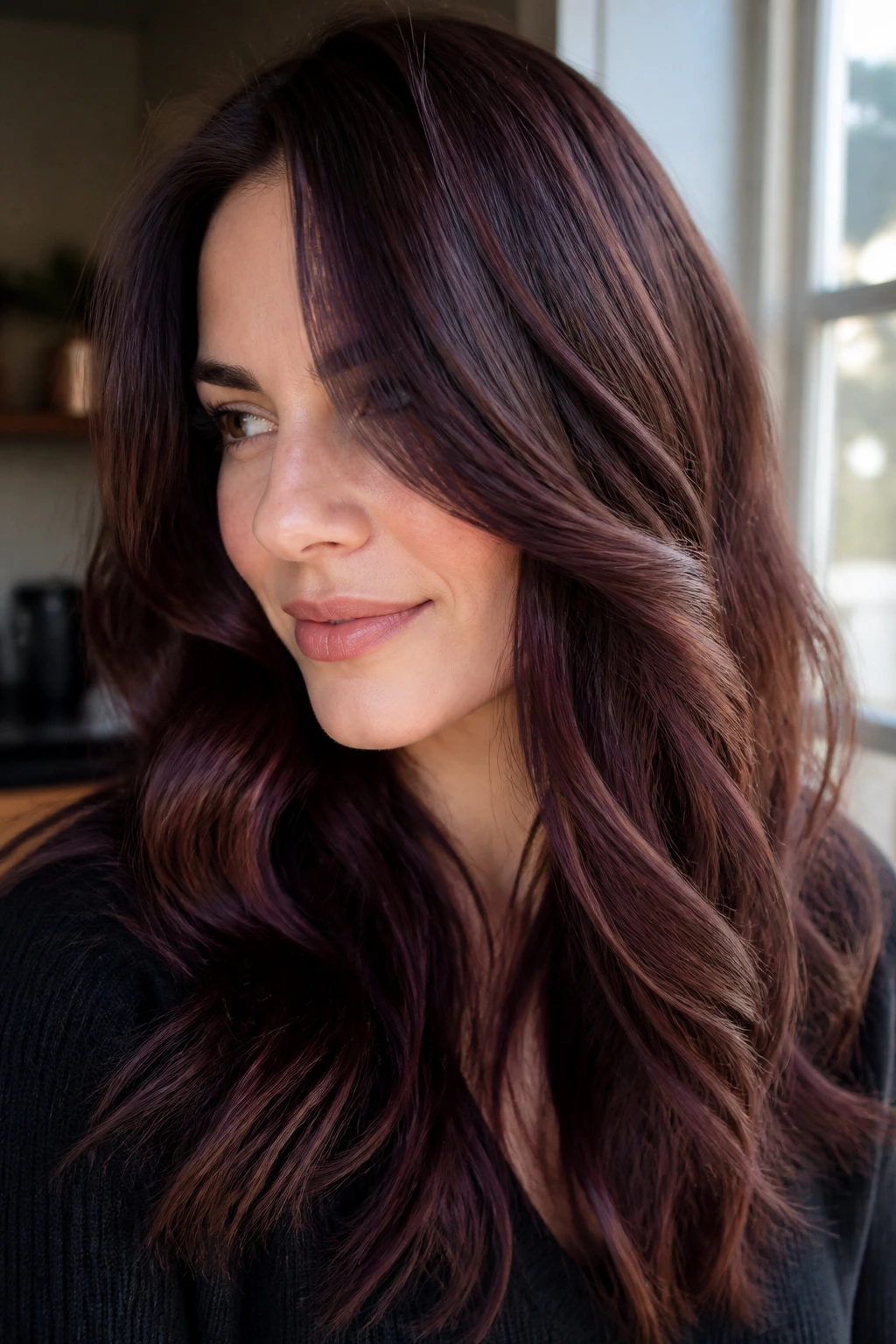
Why does cherry cola look so good on cool skin? Because it gives you red without handing the whole job to red. The brown base keeps the color grounded, while the cherry ribbon on top keeps it interesting. That combination is what saves it from looking flat.
You get a brunette shade that changes in the light. Inside, it can look like a deep mocha with a wine tint. In sunlight, the cherry opens up and you get that soft soda-bottle shine people always try to describe and usually overdo. Here, it actually fits.
How To Wear It
A cherry cola shade works best when the root stays a touch darker than the mids and ends. That little shadow at the scalp makes the red look more expensive and less uniform. It also gives cool-toned skin a bit of contrast without bleaching the face out.
If you want the safest version, ask for a neutral brown base with cherry glaze through the lengths. If you want more drama, push the red deeper and make the ends slightly brighter. Either way, keep the warmth low. That’s the whole game.
4. Burgundy Cherry Melt
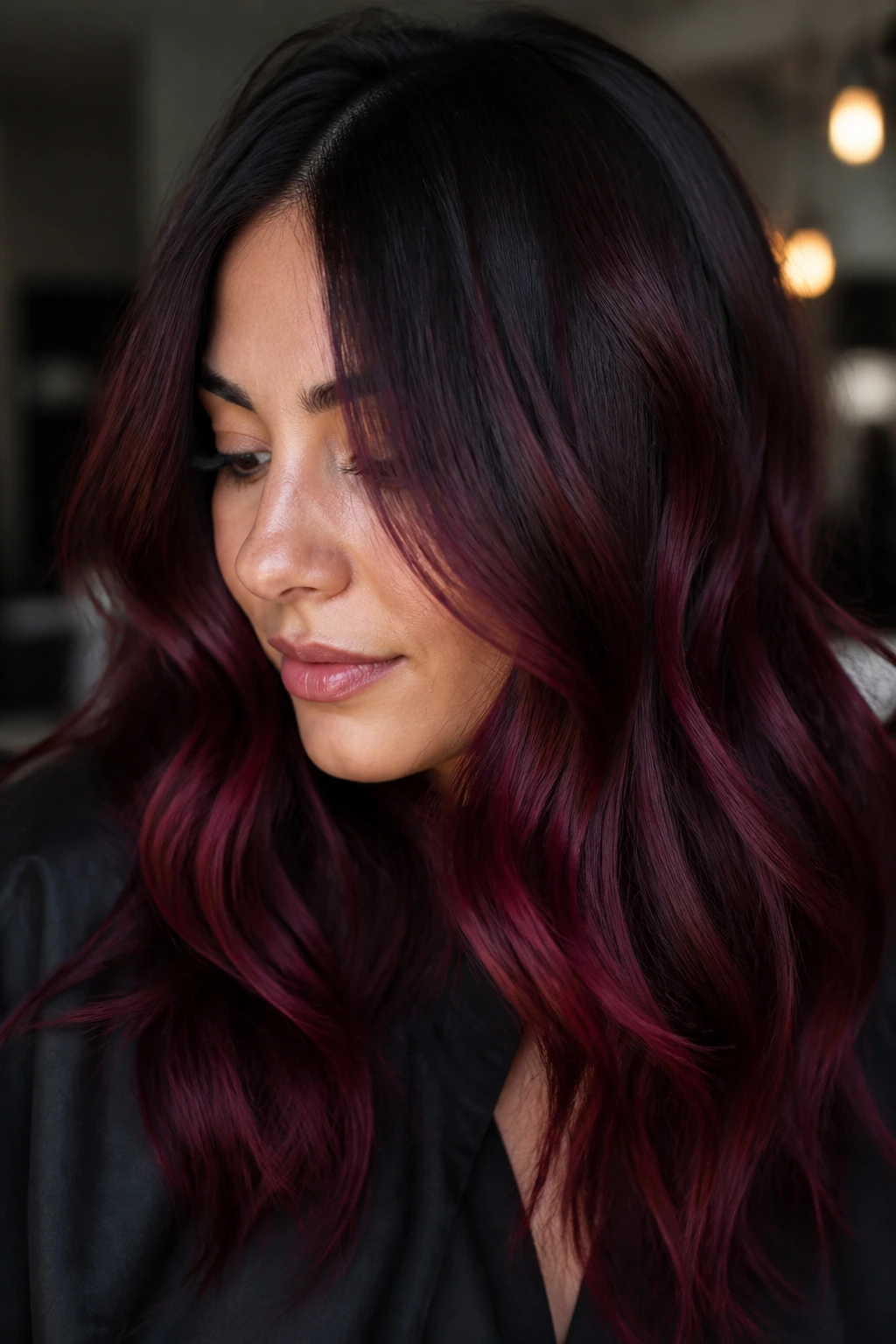
Picture a dark root fading into burgundy cherry mids, then settling into a soft red-black end. That’s the whole mood here. It’s moody, but not flat. And on cool skin, the wine tones do a lot of flattering work because they echo the blue and pink already in the complexion.
This is a good shade for people who want depth first and color second. The melt keeps the grow-out gentle, which matters if you don’t want harsh lines every three weeks. It also works well with layered cuts, since the dimension shows up when the hair moves.
- Best on dark brunettes or black hair that can hold a deep red glaze.
- Looks richer with loose waves than with poker-straight styling.
- Needs a color-safe shampoo and cooler water if you want the burgundy to stay clear.
- Can be lifted toward brighter cherry at the ends if you want more contrast.
The payoff is subtle in a good way. It looks like someone spent money on your color, which, frankly, is the point.
5. Plum Cherry All-Over
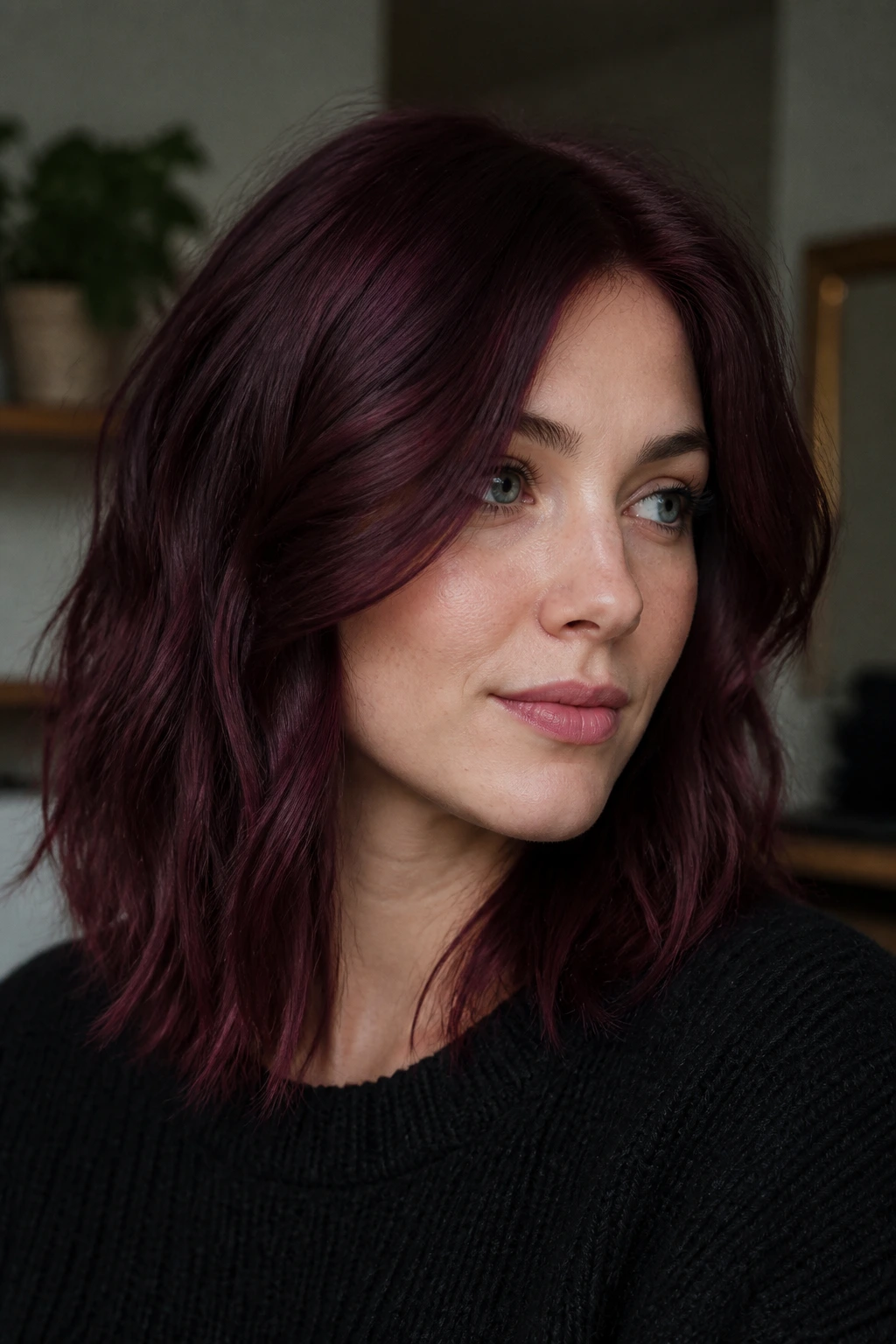
Plum cherry is the shade people underestimate until they see it on cool skin and realize it gives the face an almost lit-from-within clarity. The plum piece pulls the red toward violet, which helps the whole color stay cool and wearable. It’s darker than raspberry, softer than black cherry, and a little more romantic than burgundy.
I like this shade on fair skin with pink undertones, especially when the hair is medium to long. The violet cast stops the red from looking loud. Instead, it reads as plush. That matters if you want cherry hair color that feels polished rather than punchy.
There’s also a practical upside: plum cherry tends to fade into a pretty berry tone instead of a brassy mess. That’s not true of every red, and it saves a lot of frustration between salon visits.
If you wear a lot of silver, charcoal, navy, or black, this shade sits nicely with your wardrobe. It has range. Quiet range, but range all the same.
6. Merlot Cherry Balayage
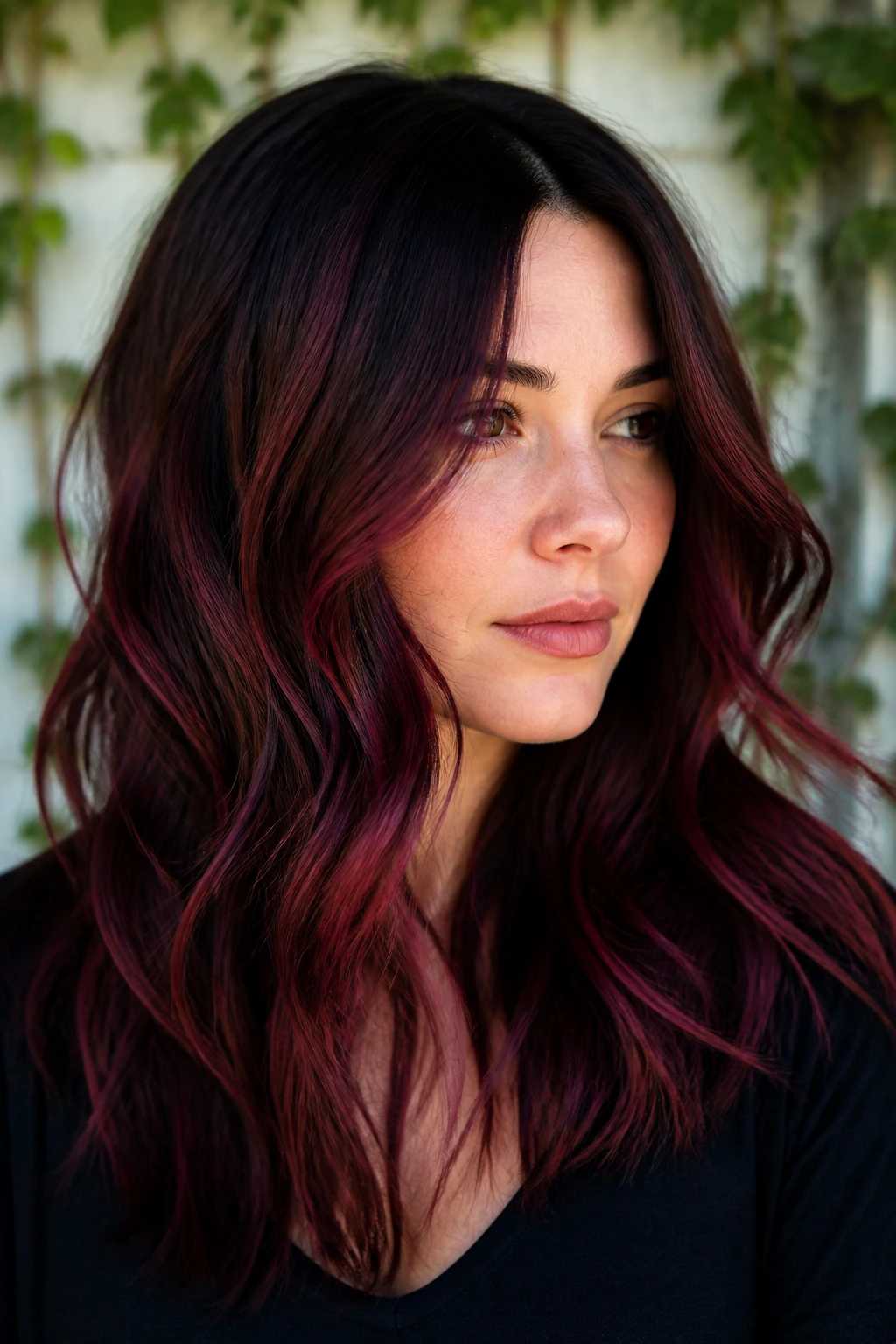
Merlot cherry balayage is the answer for anyone who wants red dimension without giving up their brunette base. Compared with an all-over cherry shade, this version feels softer and easier to live with. The darker pieces stay near the root and crown, while the cherry-merlot ribbons show up through the mid-lengths and ends.
That contrast is what makes it work on cool skin. The deeper wine notes frame the face instead of warming it up too much. You still get movement, but the color never turns into one solid block. A little darkness around the root also keeps the eye moving downward, which is great on longer cuts.
This is the right pick if your hair already has some depth and you want a change that won’t look loud on day one. It also grows out cleaner than full-on cherry because the balayage placement gives you breathing room. No harsh line. No panic in the mirror.
Ask for hand-painted wine-red ribbons, not chunky stripes. Chunky highlights can tip a cherry shade into costume territory fast.
7. Smoky Cherry Balayage
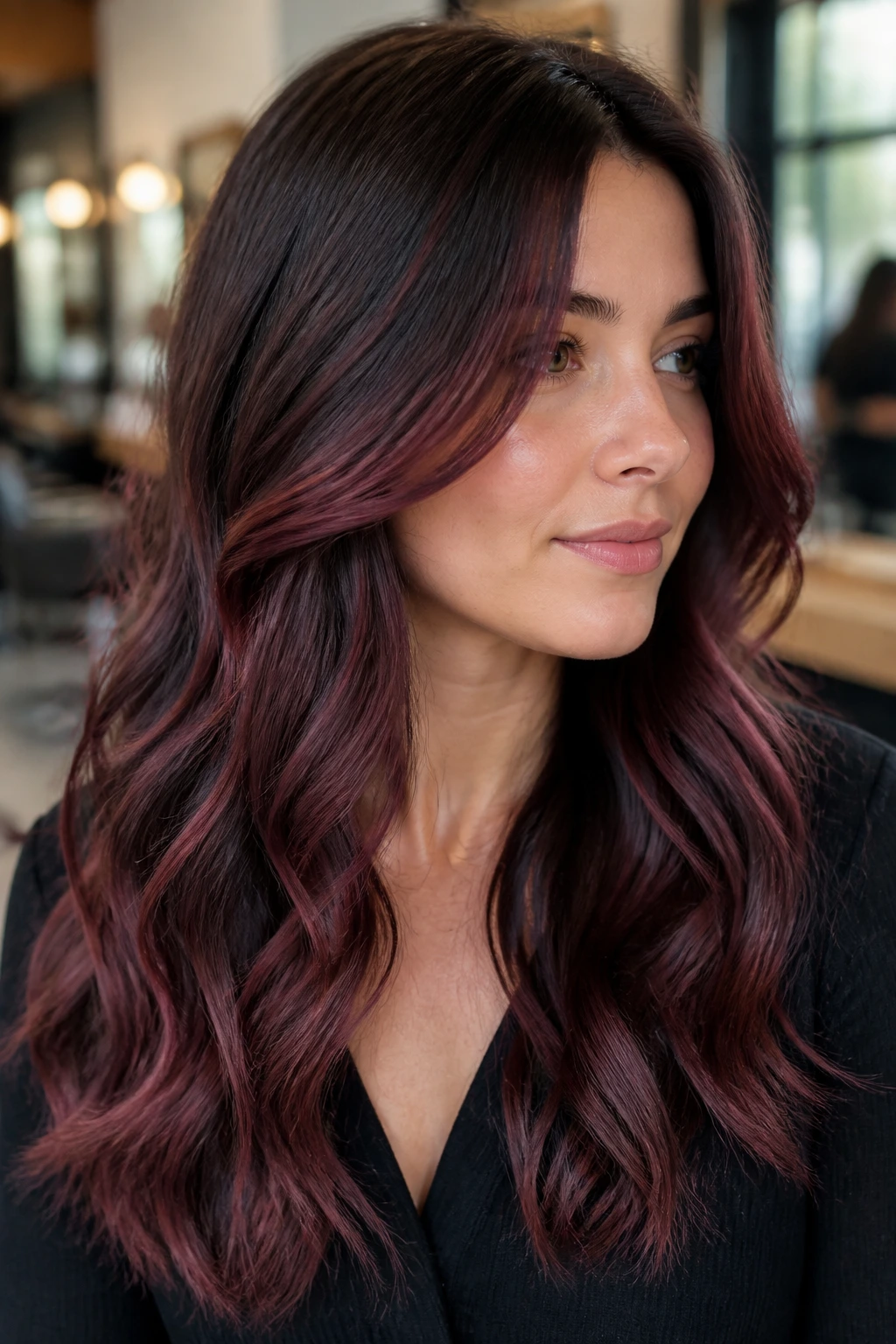
Smoky cherry balayage is the cool-toned brunette’s best friend when you want movement and you do not want warmth sneaking in from the sides. The trick is the smoky overlay. It dulls the brightness just enough that the red feels modern, not sugary.
Why It Works
On cool skin, pure red can sometimes sit a little too close to flush. Smoky cherry avoids that by threading in ash-brown or soft violet depth. The result is a color that still catches the eye, but in a quieter way. It’s especially good if your natural hair is medium brown and you don’t want to bleach too much.
What To Ask For
- A balayage base lifted only 1 to 2 levels.
- Cherry-red ribbons glazed with violet-brown.
- A matte-to-satin finish rather than high shine.
- Soft face-framing pieces, not stripey highlights.
Watch the undertone. If the red formula starts to pull orange, the whole look loses its edge. Smoky cherry should feel cool, not warm.
8. Raspberry Cherry Gloss
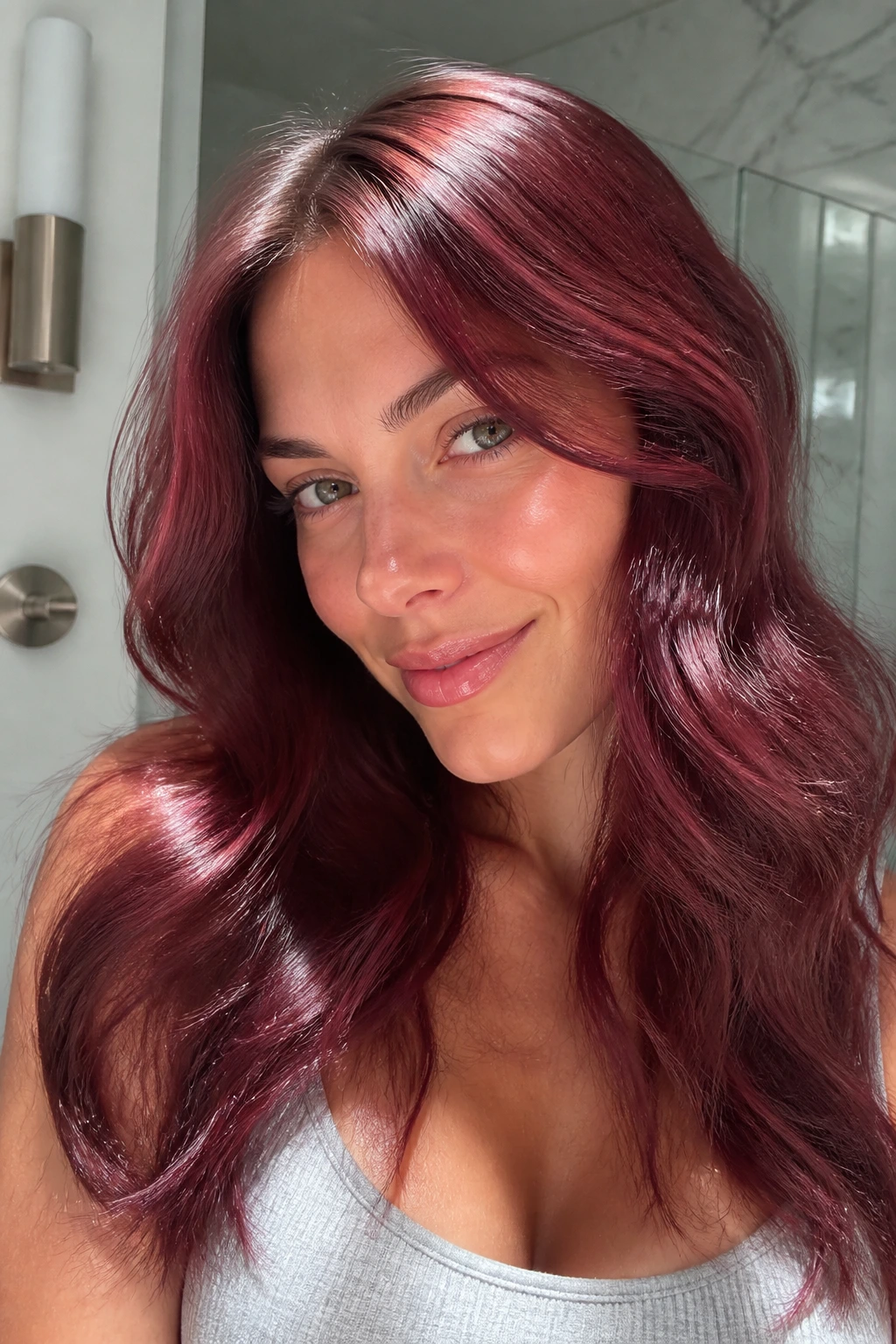
Raspberry cherry is brighter, softer, and a little more playful than burgundy or black cherry. It’s a smart pick for cool skin tones that can handle color near the face without getting overwhelmed. The raspberry note keeps it fresh. The cherry note keeps it grounded.
This shade works especially well as a gloss over pre-lightened hair or as a semi-permanent color on lighter brunettes. It doesn’t need to be opaque to be effective. In fact, a sheer raspberry cherry can look richer than a heavy red because you still see the hair moving underneath it.
I’d choose this when the goal is shine. Lots of shine. The color reflects light in a way that makes waves look polished and bouncy instead of flat. If your hair is fine, that sheen helps a lot.
The tradeoff is fade. Bright berry reds wash out faster than deeper wine shades, so you have to be okay with regular refreshes. If you are, the result is gorgeous.
9. Cherry Wine Money Piece
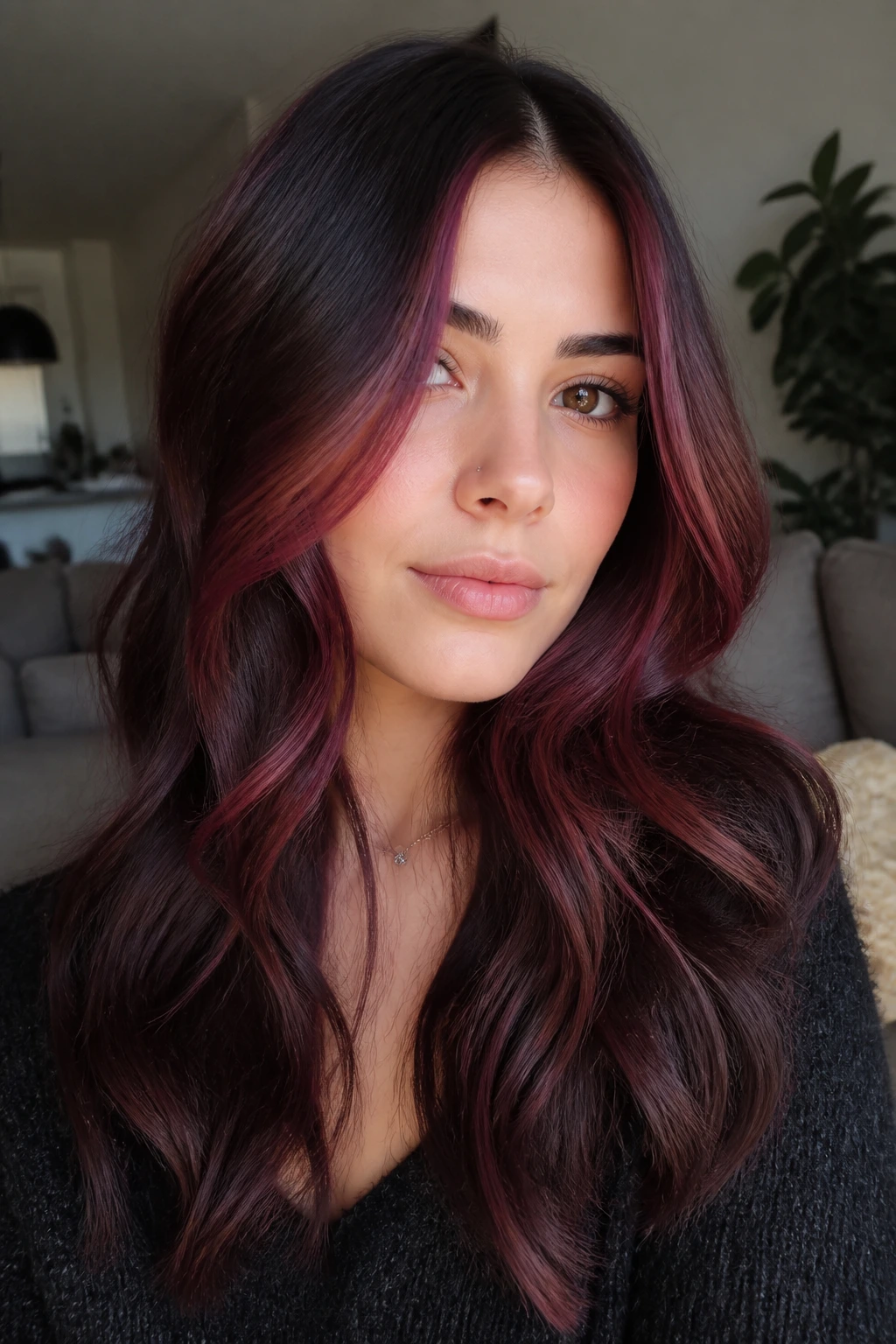
A cherry wine money piece is for the person who wants red right around the face, but not all over the head. That makes it one of the easiest ways to try cherry hair color on cool skin tones without making a full commitment. Two front panels are often enough.
The placement matters more than the exact shade. Keep the money piece in a cool wine-red, not a bright copper red, and the whole look stays flattering. If the pieces are too warm, they can sit weirdly against pink skin and throw off the balance. If they’re cooler, they sharpen the eyes and make the cheekbones stand out.
How To Place It
Ask for 1 to 2 inch face-framing sections that start just off the part and drop down beside the cheekbones. A softer root fade keeps the grow-out tidy. On curly hair, the money piece should blend into the curl pattern instead of sitting like a stripe.
This is one of those styles that looks especially good with a center part and loose bends. Nothing fussy. Just color in the right place.
10. Dark Cherry Velvet
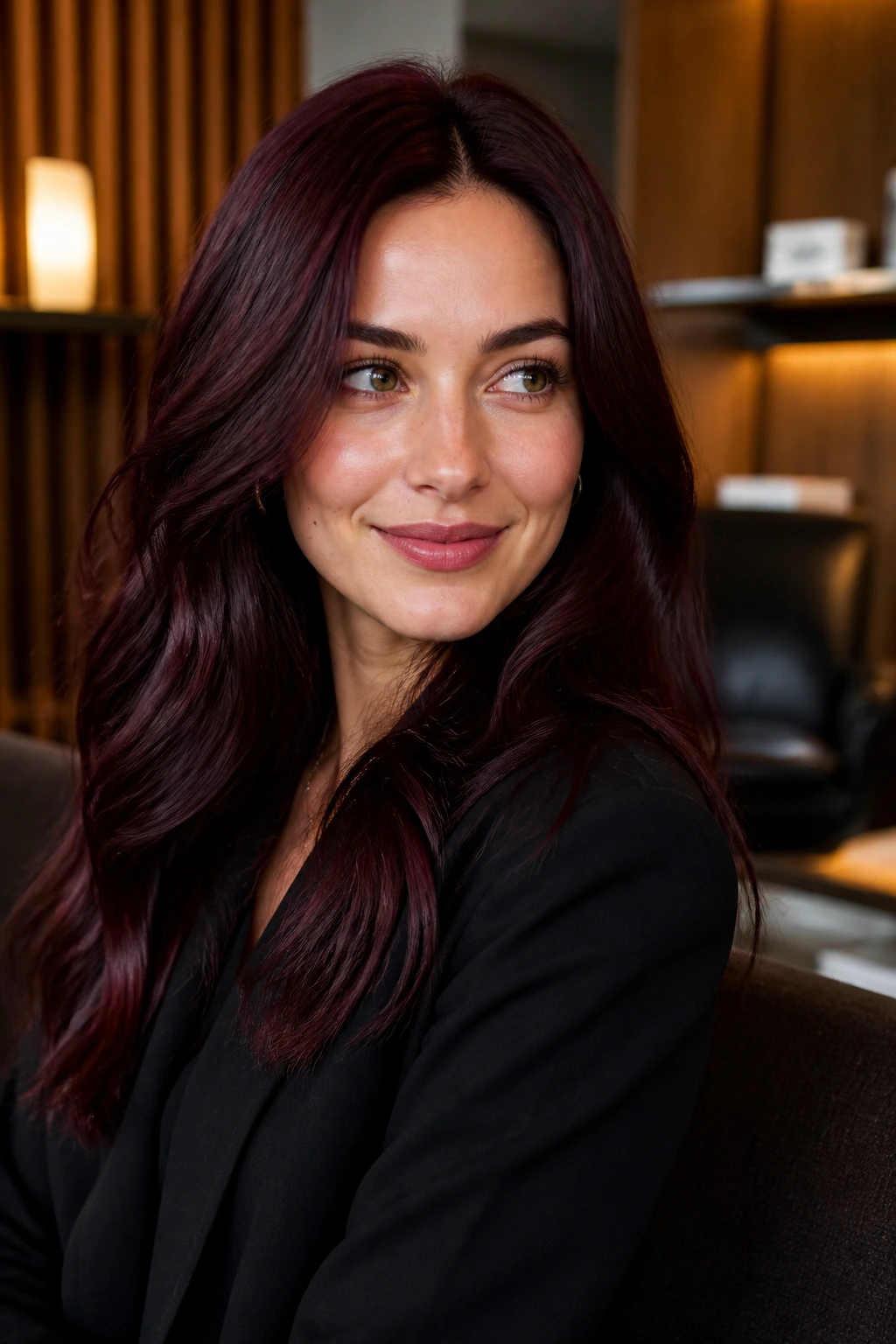
Dark cherry velvet is what I’d call the “wear it with a blazer and no one can accuse you of trying too hard” shade. It’s deeper than plum, more muted than raspberry, and has a plush finish that makes the hair look thick even when the strands are fine.
The velvet effect comes from depth. Dark cherry absorbs light at the root and catches it at the ends, so the color feels dimensional without relying on bright highlights. On cool skin, that gives a very clean contrast. Not harsh. Clean.
I like this on lobs, blunt cuts, and long one-length hair. Those shapes let the color read as a sheet of polished red-brown. If you add too many lighter pieces, the velvet effect starts to disappear.
It’s also a good bridge shade if you’re moving from brunette into red for the first time. You get the emotional satisfaction of cherry hair color without jumping straight into something bright enough to stop traffic.
11. Violet Cherry Curls
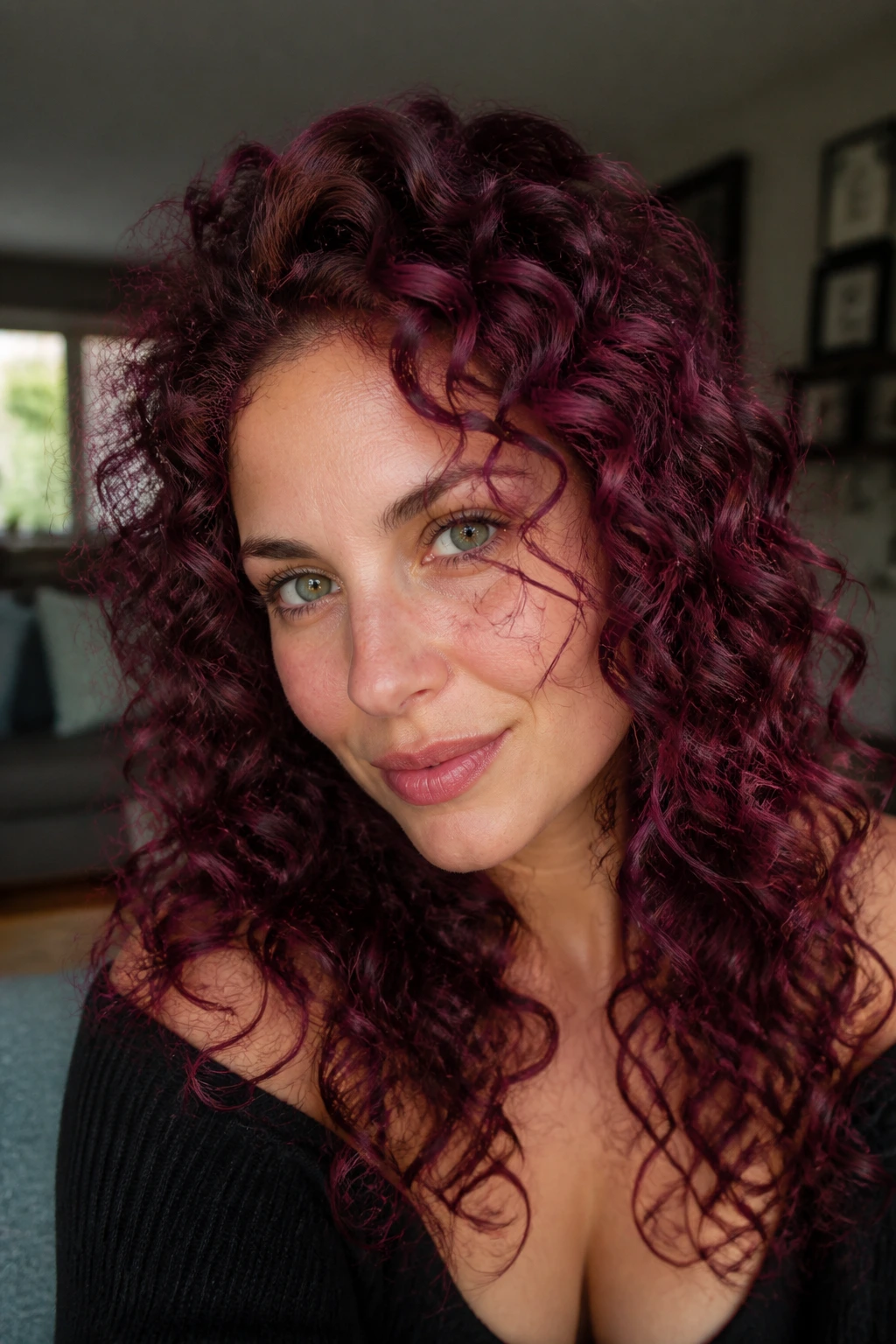
Violet cherry and curls are a great match because curls hold multiple tones at once. A curl picks up light on the outside and shadow inside, which gives a violet-red shade room to show off. On cool skin, that purple-red mix is especially flattering because it never turns muddy.
This shade leans romantic, but not in a sugary way. The violet keeps it cooler and slightly more editorial. If you wear natural curls, loose waves, or spiral styling, the color changes as the hair moves, which makes it feel richer than a flat one-tone red.
I’d avoid making this too bright at the ends. The best version stays a little deeper through the mid-lengths and lets the lighter violet cherry appear where the curls naturally catch the light. That keeps the shape of the hair from getting lost.
It’s one of those colors that makes people look twice, then lean in closer. Good sign.
12. Espresso Cherry Root Shadow
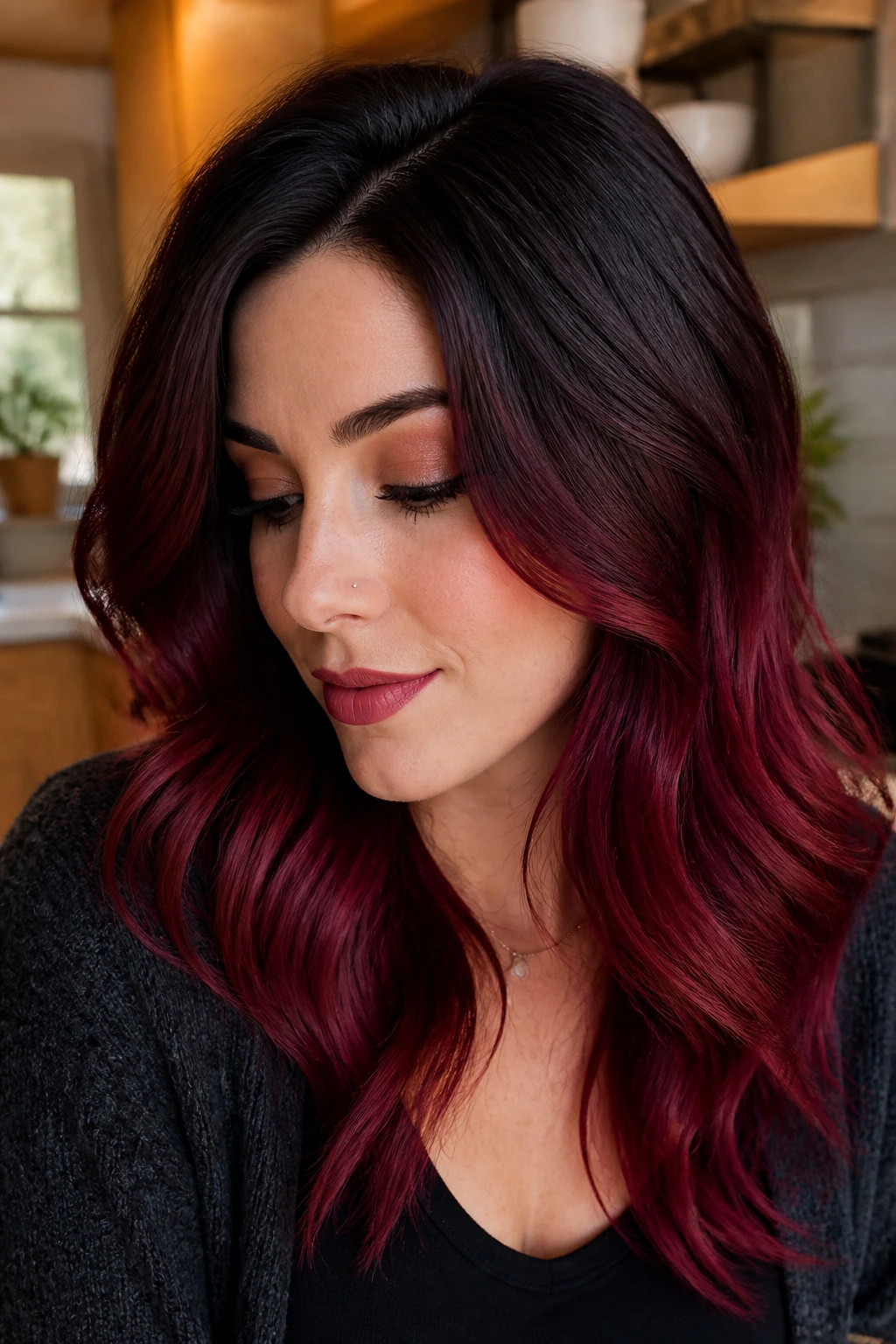
Espresso cherry root shadow is the low-maintenance pick for cool skin tones that want red but don’t want a touch-up every few weeks. The dark espresso root keeps the color anchored, while cherry through the mids and ends adds movement. It’s a smart compromise.
Compared with a full cherry application, this version looks softer at the scalp and richer at the ends. That contrast is useful on cool skin because the darker root gives structure to the face, while the red lengths keep things lively. Too much brightness at the root can be unforgiving. This avoids that.
Who is it best for? People with naturally dark hair, anyone growing out previous color, and anyone who wants red that does not scream from the parking lot. It also works on layered cuts because the shadow root prevents the layers from looking stripy.
My recommendation: keep the root no lighter than a level 4 espresso and push the cherry mostly below the crown. The color will wear better and look more intentional.
13. Cranberry Cherry Bob
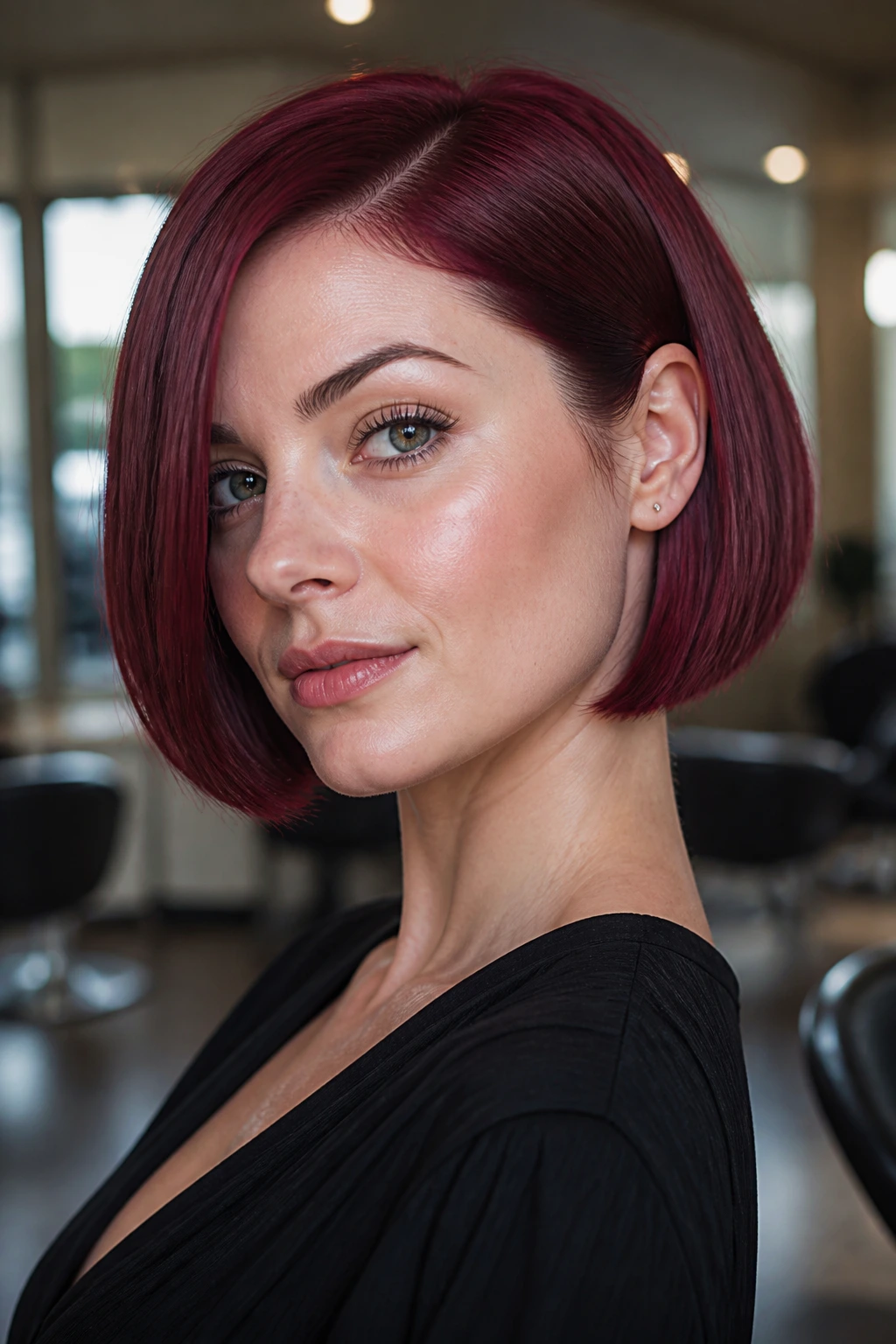
A cranberry cherry bob looks crisp in a way long hair can’t always match. The shorter shape keeps the color concentrated, so the cranberry-red reads as sharper and cleaner on cool skin. It’s especially strong on blunt bobs, where the edge of the cut helps the color feel graphic.
Why The Bob Changes The Read
A bob takes away some of the softness that long hair naturally gives you. That means the color has to do more visual work. Cranberry cherry handles that well because it has enough berry depth to stay cool, but enough red in it to feel alive.
Quick Details
- Works well at chin length or just above the shoulders.
- Best with a glossy finish and precise ends.
- Looks especially good with a deep side part or a tucked-behind-the-ear style.
- Needs regular trim appointments to keep the line sharp.
Small warning: if the bob is textured and choppy, the color can look more casual. If you want the polished version, keep the cut neat.
14. Rose Cherry Ends
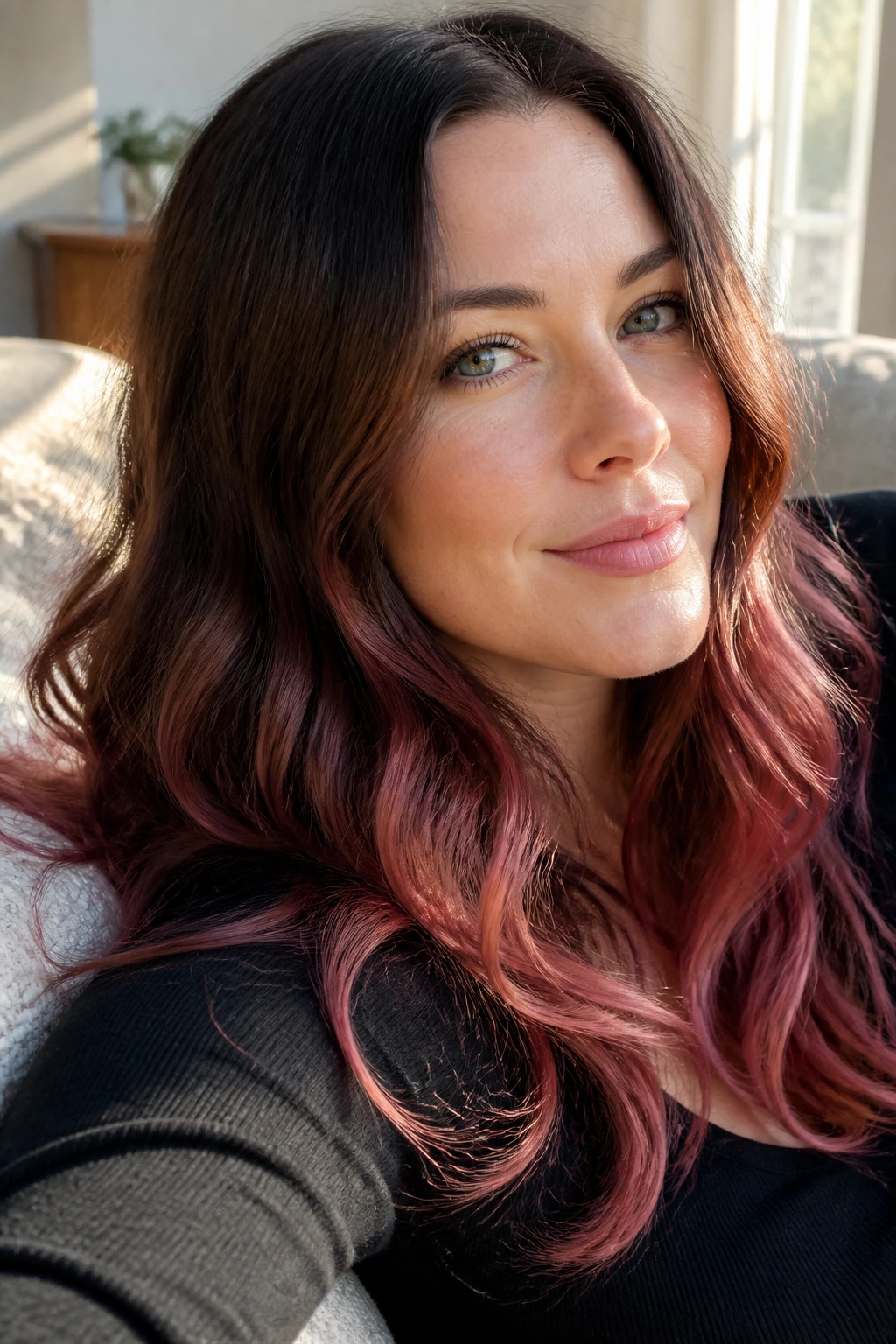
Rose cherry ends are softer than full red and a little more unexpected. The top stays darker or neutral, while the lower half picks up a rosy cherry tone that can look delicate on cool skin. This is one of my favorite ideas for blondes or light brunettes who want a red shift without a hard all-over color.
The reason it flatters is the same reason a good lip tint flatters: the color sits in the right neighborhood. Rose cherry doesn’t blast warmth across the whole head. It gives you a controlled dose, mostly at the ends where movement shows it off.
This style works best with loose waves, layered cuts, or a bit of texture spray. The rose tone catches on the bends and looks almost brushed on. Too much heat styling can flatten the effect, so keep the finish soft.
If you want something that feels lighter than burgundy but cooler than copper, this is a strong middle lane. And yes, that middle lane is often where the prettiest hair lives.
15. Black Cherry Peekaboo
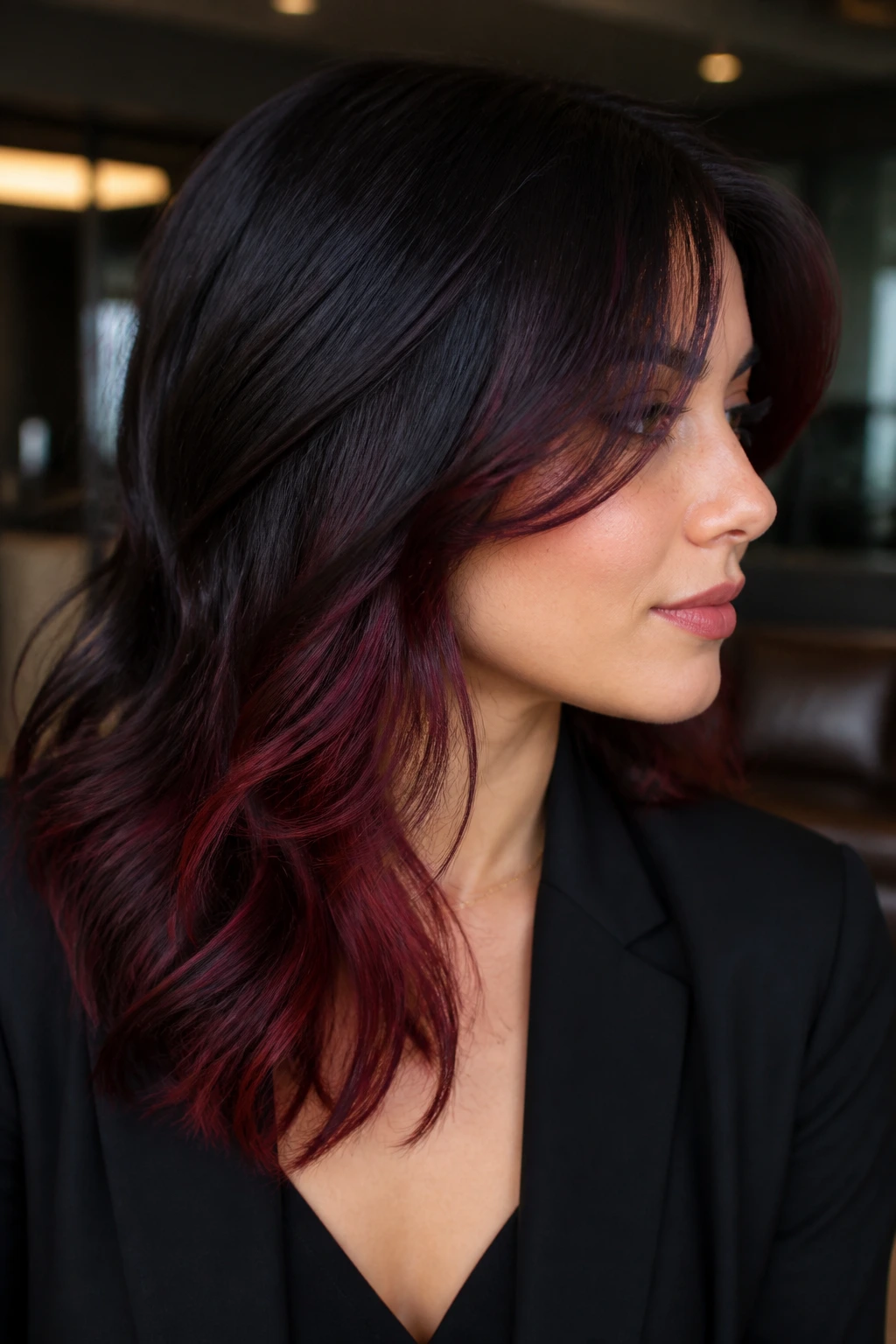
Need cherry hair color that hides when you want it to and shows off when you move? Black cherry peekaboo does exactly that. The darker outer layer keeps the color understated, while the hidden red underneath flashes through when you tuck your hair up or swing it to one side.
That makes it great for cool skin tones that look best with contrast but not constant brightness. The black cherry undertone stays cool, so the reveal feels rich instead of hot. It’s also one of the easiest ways to wear red in a professional setting without giving up personality.
How To Wear It
Ask for the red panels under the top layer, usually around the nape and side sections. Keep the visible top layer deep brown or black. A center part can show more color, while a side part hides more of it. That flexibility is the appeal.
If you’ve ever wanted cherry hair color with a bit of a secret, this is the move. It’s a little dramatic. In a good way.
16. Cherry Plum Ombré
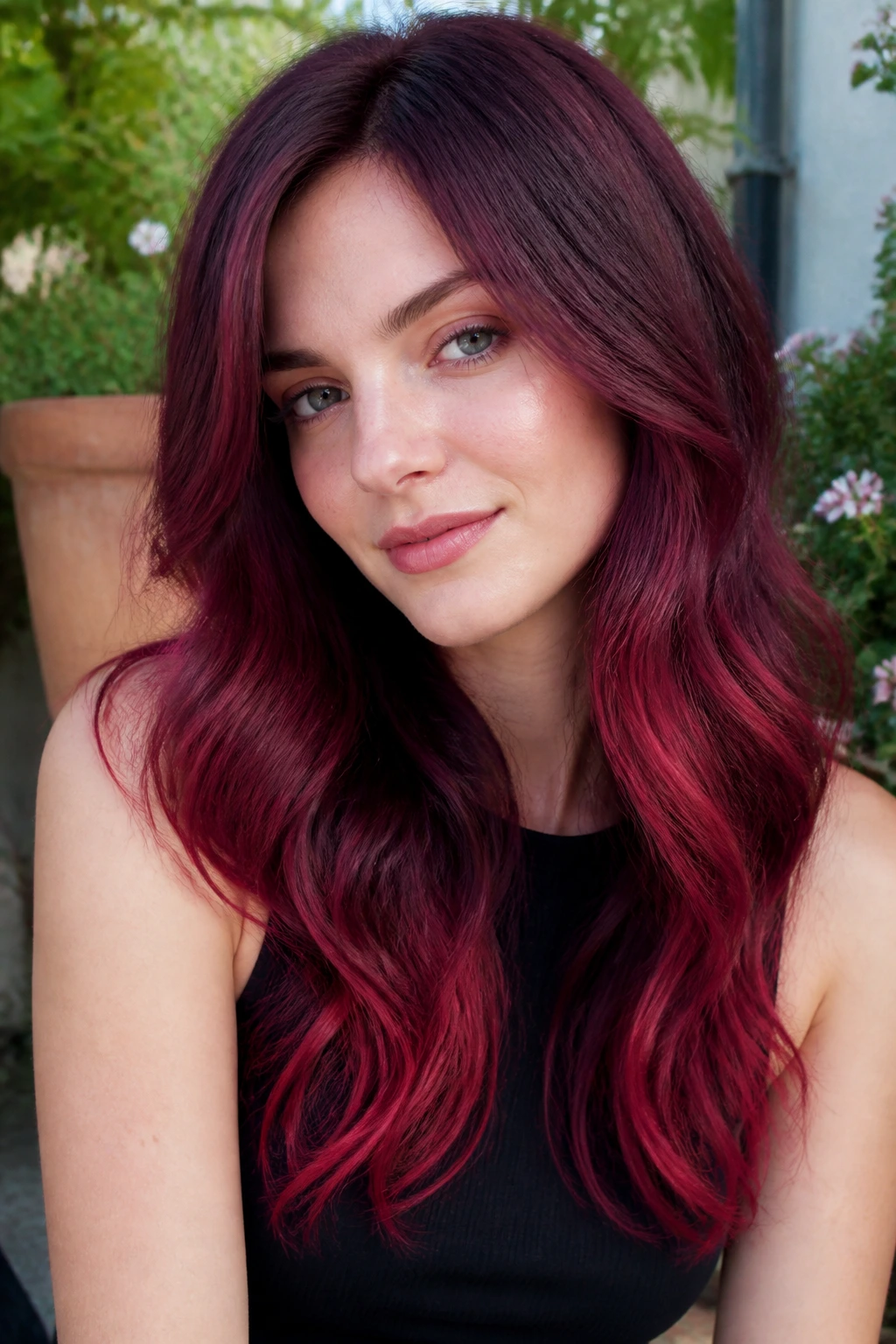
Cherry plum ombré gives you a slow color shift instead of a hard stop, which is why it works so well on longer hair. The roots stay dark or cool brown, the mids turn plum, and the ends land in a cherry-red zone that looks soft rather than blunt. On cool skin, that violet-to-red blend is easy to wear.
The ombré shape matters here. Because the color moves downward, the face stays framed by the darker root and midsection. That keeps the whole look balanced. A warm ombré would fight that. A cool one settles in.
- Best on hair that falls below the shoulders.
- Looks strongest with waves or blowouts that show the transition.
- Easier to grow out than a solid red.
- Can be adjusted toward deeper plum if you want less brightness.
I like this option for anyone who wants something a little more artistic but still grown-up. It’s not loud. It just has a point of view.
17. Midnight Cherry Pixie
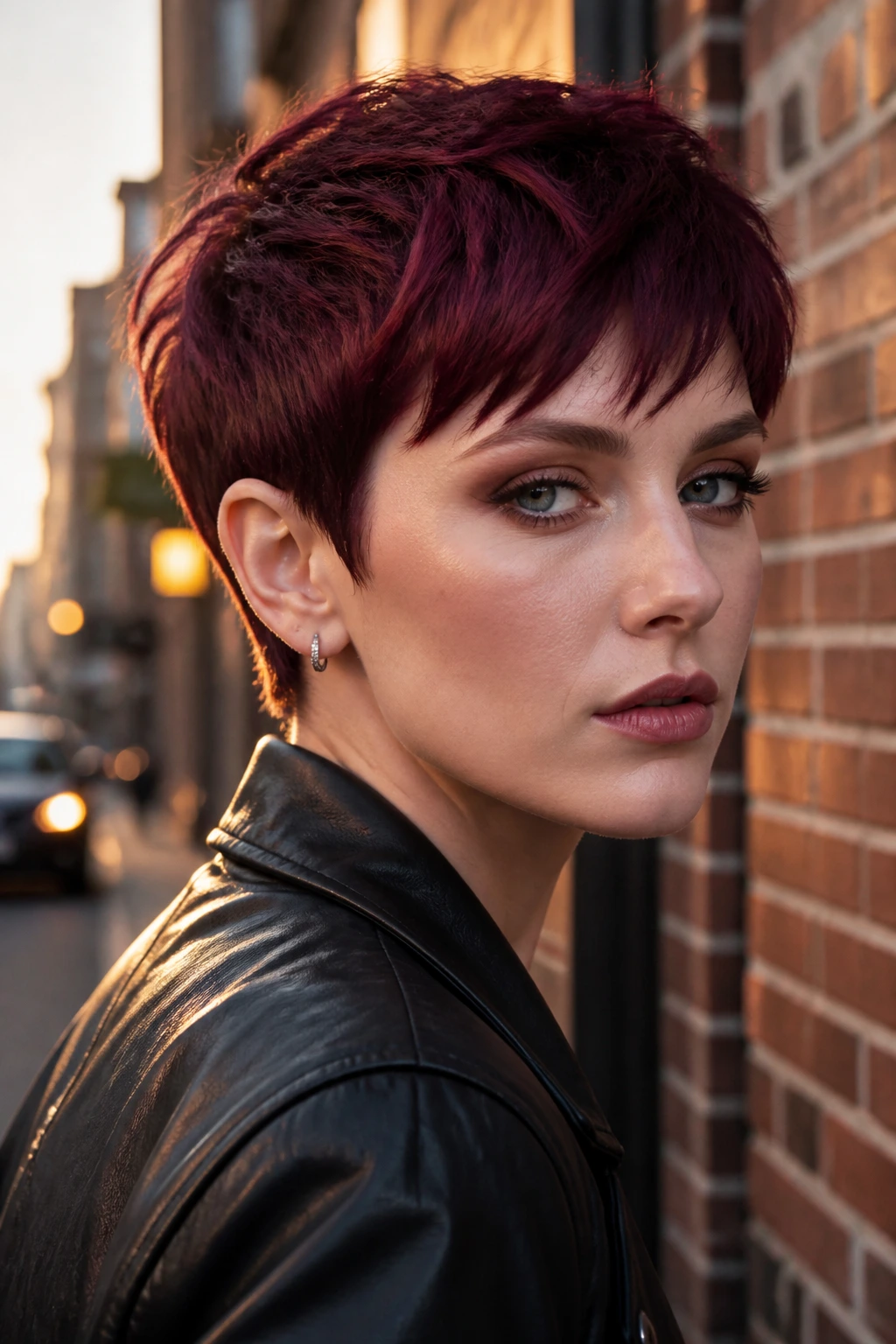
A midnight cherry pixie is tiny in length and big in payoff. Short cuts make color look concentrated, so even a deep cherry glaze can feel bold on cool skin. The midnight piece keeps the red from turning too bright, and the pixie shape gives the whole style a sharp edge.
The beauty of this look is that it does not need dimension everywhere. A pixie can carry one strong color and still feel interesting because the cut itself gives you texture. On cool skin, that dark cherry shade brings out the eyes and keeps the face from getting lost inside the hair.
If you like low-fuss styling, this is one of the easiest cherry ideas to live with. A little pomade, a little finger shaping, done. The color itself is the statement.
I’d skip overly warm red on this cut. Short hair shows undertones fast, and a copper drift can make the whole thing feel less precise.
18. Smoked Black Cherry
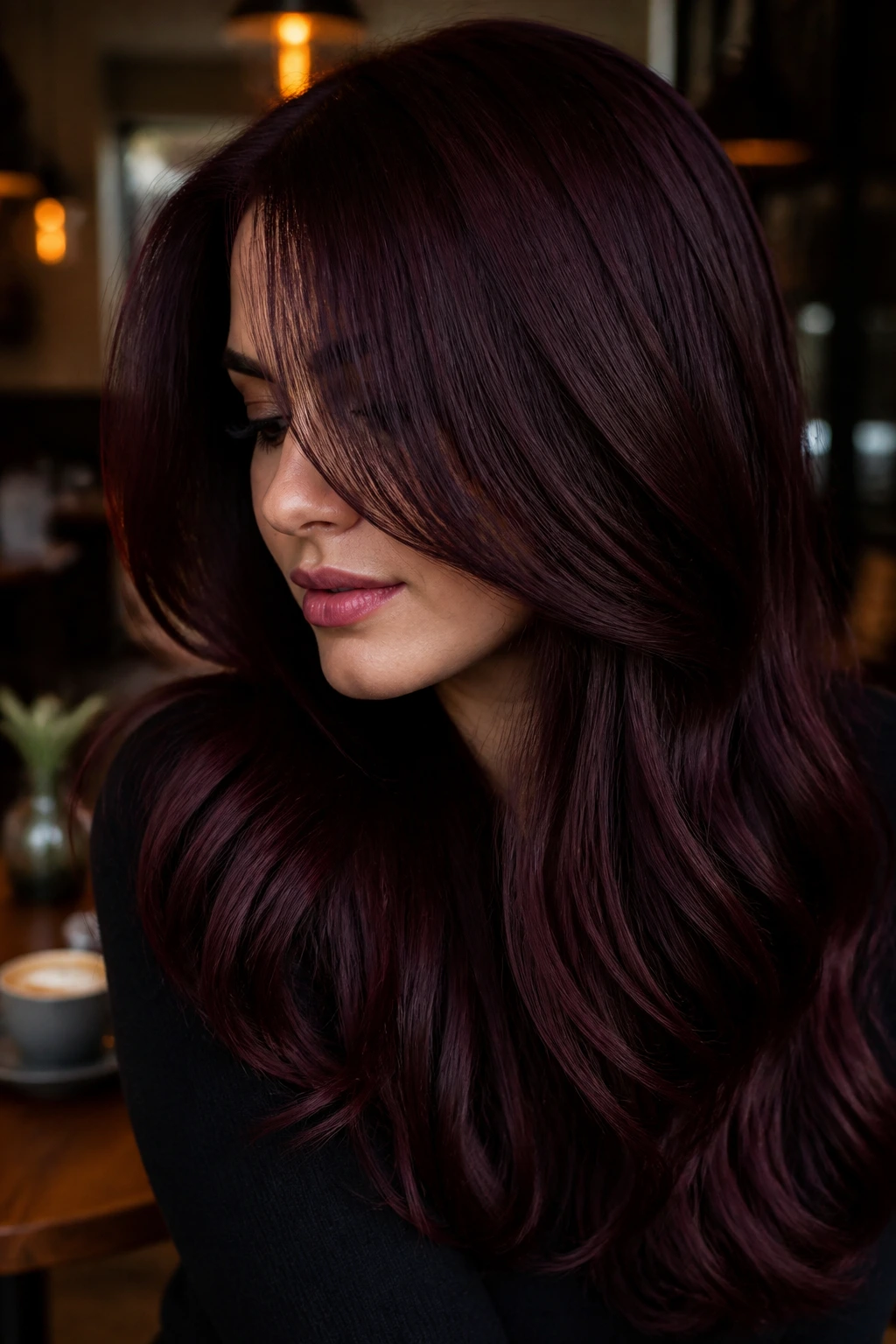
Smoked black cherry is the shade I’d hand to someone who wants the richest possible cherry hair color without losing the cool-toned edge that makes the color flattering in the first place. It sits between black cherry gloss and deep burgundy, with a softer smoky veil that keeps the red from feeling flat or overly bold.
Compared with a brighter cherry, this version is quieter. Compared with true black, it has more life. That balance is exactly why cool skin tones can wear it so easily. The smoky cast smooths out redness in the face, while the cherry core still gives the hair depth and shine.
It’s especially good on thick hair, layered cuts, and anyone who likes darker clothes. The color feels expensive in a very unflashy way. That’s not a bad thing. Sometimes the best red is the one people notice only after they’ve looked twice.
If you want one shade that can carry you through work, weekends, and dressier nights without changing the whole mood of your style, this is the one I’d pick first.
