



Finding the right shade of red is notoriously difficult, especially if your skin carries cool undertones. Most people gravitate toward copper, strawberry, or fire-engine red, only to realize the result makes their skin look drained, washed out, or strangely sallow. The secret to avoiding that “sickly” look isn’t to abandon red hair entirely; it is to shift your focus toward the cooler, deeper end of the spectrum.
Mahogany is that hidden gem of the hair world. It sits at the intersection of brown and red, often with a whisper of violet or blue at its base. Unlike those vibrant, orange-based reds that clash violently with cool skin, mahogany acts as a harmonious companion. It brings depth, richness, and a sophisticated edge that feels intentional rather than accidental. You do not need to settle for flat, one-dimensional colors just to satisfy your undertones.
Whether you are looking for something subtle to test the waters or a bold, high-contrast look that commands attention, mahogany has range. It is remarkably versatile, working just as well in a salon-grade balayage as it does in a solid, high-gloss tint. The goal is to keep the warmth under control, letting those cool purple and brown notes do the heavy lifting.
Understanding the Cool Skin Spectrum
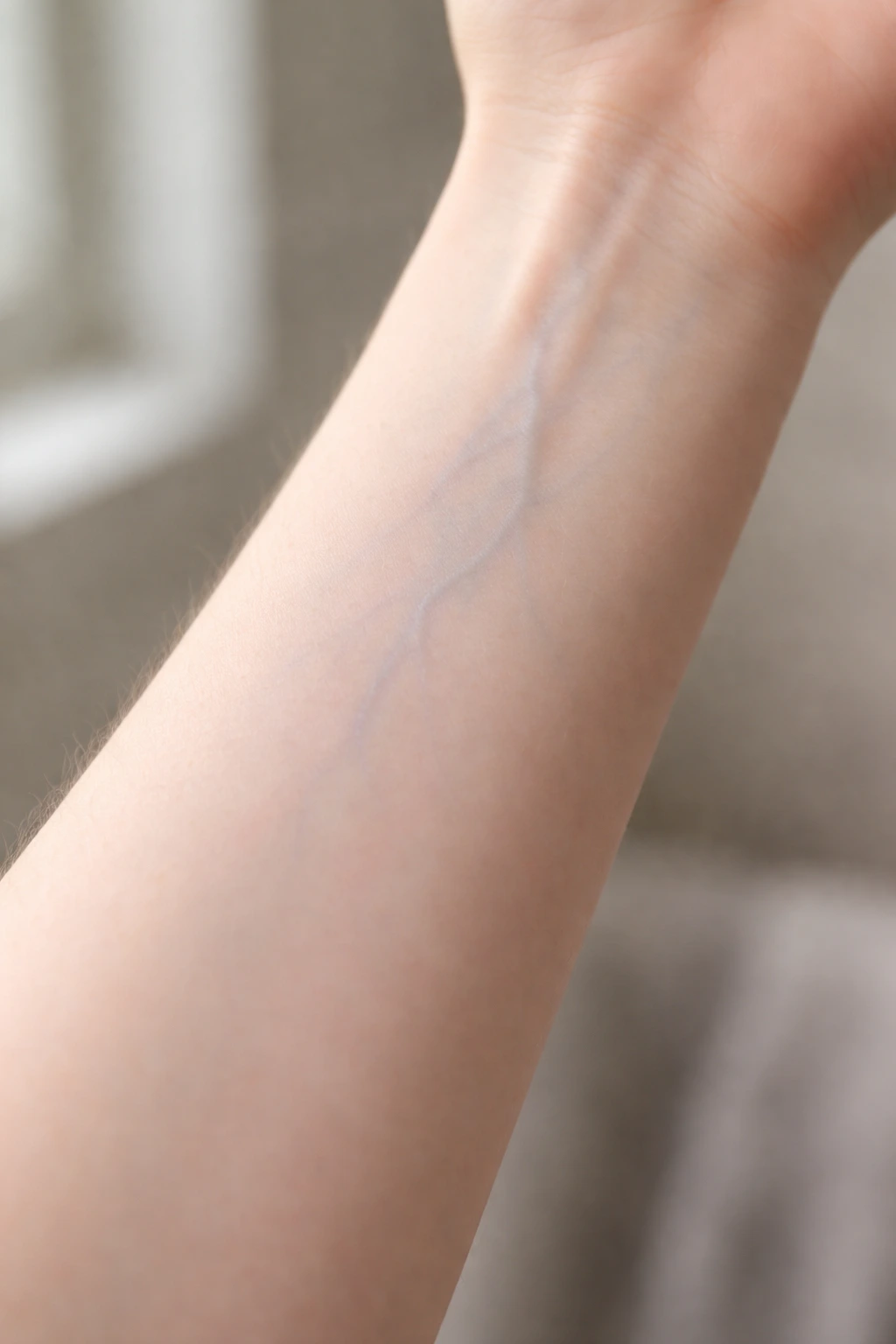
If you have cool undertones, your skin likely has hints of blue, pink, or red. A quick way to confirm this is to look at the veins on your inner wrist. If they appear blue or purple, you are definitely in the cool category. Another classic test involves jewelry: does silver flatter your complexion more than gold? If the answer is yes, then you are a prime candidate for cooler hair colors.
Choosing the wrong hair color for cool skin is usually about the base pigment. When you choose a warm hair color, like a golden copper, it creates a color clash. The orange in the hair sits against the blue/pink in your skin, and the result is a complexion that looks muddy. Mahogany avoids this by using a blue or violet base. These colors sit across from orange on the color wheel, effectively neutralizing unwanted warmth and aligning perfectly with your skin’s natural palette.
You do not need to be a colorist to understand this, but you do need to be observant. When looking at swatches, ask to see the “base.” Is it a golden-orange base, or is it a cooler, violet-based brown? If you see brown or purple, you are heading in the right direction. It is the difference between looking like you have a sunburn and looking like you just stepped out of a high-end salon.
Why Mahogany Is a Superior Choice for Cool Tones
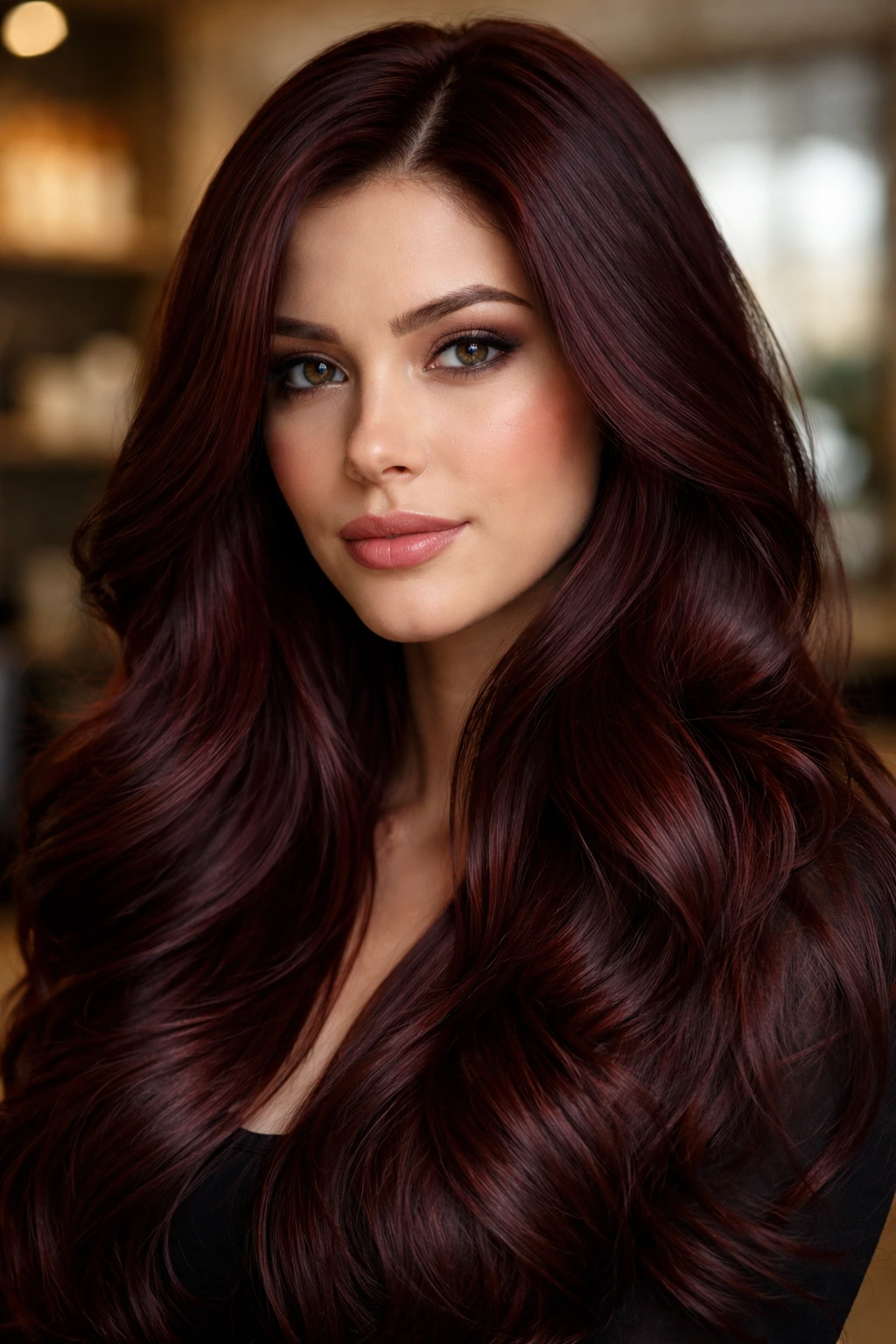
Mahogany is technically a brownish-red, but in practice, it is much more nuanced. Because it incorporates those cooler, darker tones, it provides a sense of gravity and depth that lighter, brighter reds lack. For someone with cool skin, this is a massive advantage. It provides the “red” experience without the orange-based pitfalls that lead to the dreaded wash-out effect.
One of the biggest benefits of mahogany is its longevity. Brighter, orange-based reds fade almost instantly. They are notorious for turning brassy or pale within a few washes. Mahogany, because it is anchored in darker brown and violet tones, tends to hold its ground much longer. As it fades, it usually softens into a pretty, muted version of the original color rather than turning into a neon orange.
This shade also offers incredible dimension. Because it is a hybrid color, it reacts differently to light than a monochromatic red. You get the richness of a brunette and the punchy impact of a redhead. It is a chameleon color that looks deep and moody in low light, but reveals its true, vibrant red-violet personality when you step into the sun. That is the kind of payoff most people want when they go red.
Essential Maintenance for Red Hair Longevity
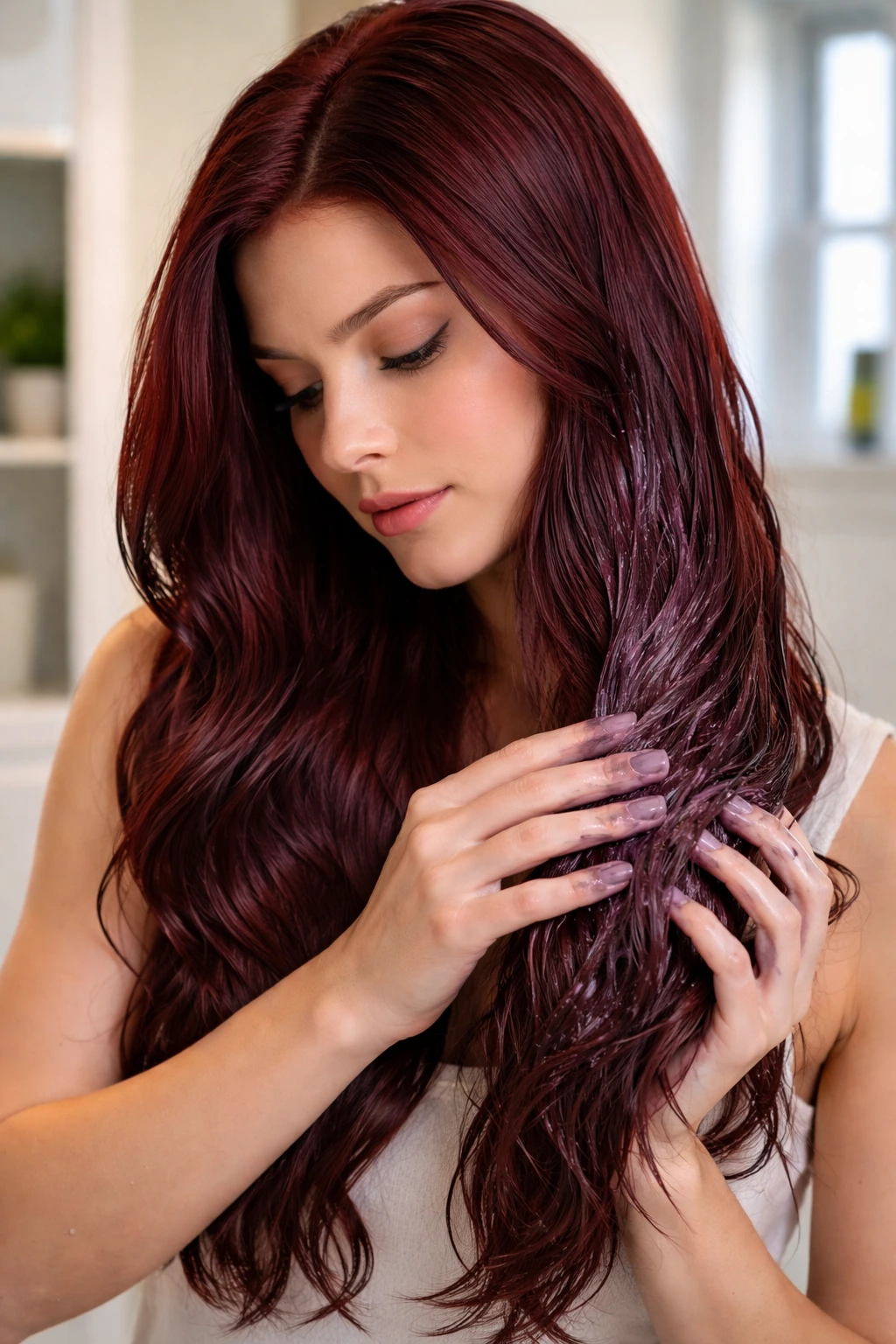
Red hair—any red, including mahogany—is a high-maintenance commitment. The dye molecules used to create red are physically larger than other pigment molecules, which means they do not penetrate the hair shaft as deeply. They sit closer to the surface, making them prone to washing away. If you are going to invest the time and money into mahogany, you need a strategy to keep it from fading into a dull brown.
Start with your shower routine. Heat is the enemy of red pigment. Wash your hair in the coolest water you can stand—warm water opens the hair cuticle, letting the color slide right out. Cold water keeps the cuticle tight and seals the pigment in. You should also limit your washes to two or three times a week. Every time you wet your hair, you lose color. Dry shampoo is not just an option; it is a requirement for maintaining the vibrancy of mahogany red.
Finally, invest in a color-depositing conditioner. This is a game-changer. These products contain small amounts of red or purple pigment that replace the color you lose during every wash. You do not need to use them every single time, but keeping one on hand to use once a week will keep your color looking fresh, rich, and deeply pigmented for weeks longer than standard care.
1. Deep Burgundy Mahogany
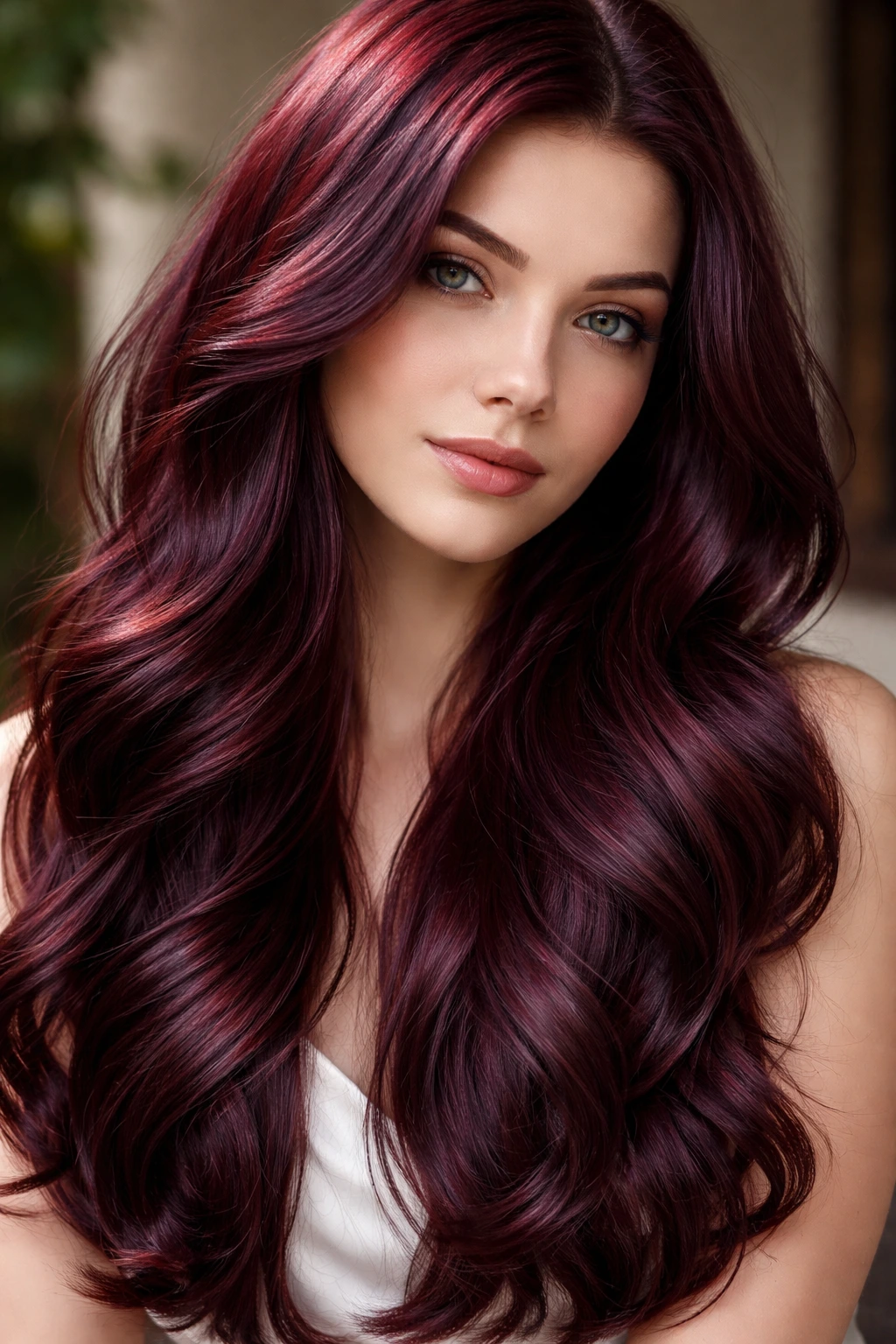
This is the quintessential choice for someone who wants to embrace the darker side of the spectrum. It leans heavily into violet and wine notes, making it intensely flattering for very cool skin. The base is deep, dark brown, which keeps the hair looking healthy and shiny. It does not pull orange at all; instead, it glows with a deep, berry-like hue in the sunlight.
Why It Works for Cool Skin
The violet base in this shade acts as a natural complement to the blue-pink undertones in your skin. By staying away from the orange-red spectrum, you avoid any muddy or sallow appearance. This color is bold without being neon, providing a sophisticated look that pairs perfectly with silver or cool-toned makeup.
Maintaining the Intensity
- Use a violet-based color-depositing conditioner weekly to prevent the red from fading to brown.
- Avoid hot styling tools without a thermal protectant, as heat damage makes this deep color look dull quickly.
Pro tip: This color looks best when the hair is kept sleek and shiny, so a lightweight glossing spray is a great finish.
2. Soft Mahogany Balayage
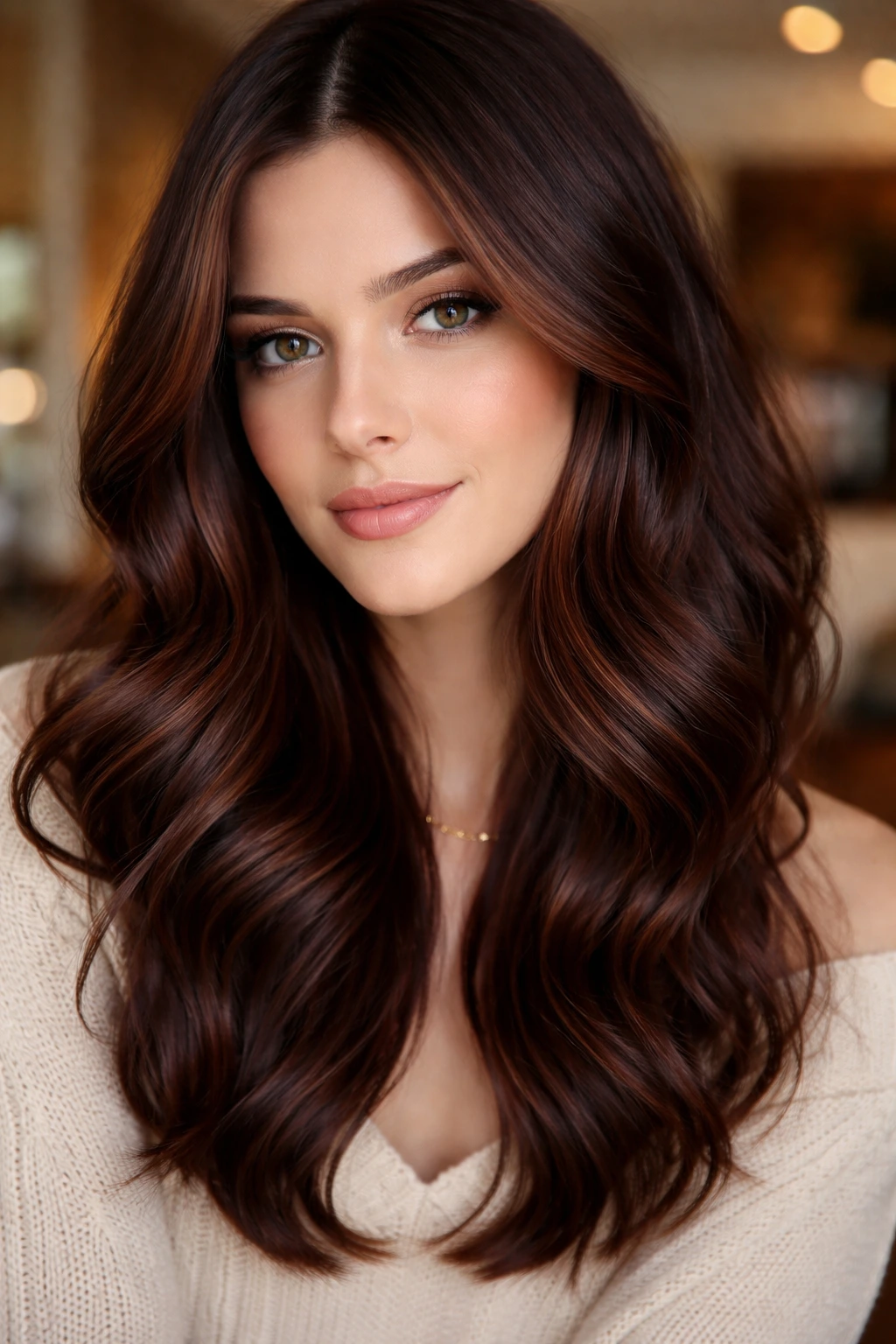
Balayage is the perfect technique if you are nervous about going full red. By painting mahogany highlights onto a natural dark brown or black base, you get the movement and life of red hair without the total commitment of a solid dye job. The key here is the placement; you want the mahogany to frame your face, where it can brighten your complexion.
How to Style It
- Keep the roots dark and natural to avoid regular touch-ups.
- Ask for hand-painted pieces that concentrate on the mid-lengths and ends for a soft, grown-out look.
- Style with loose waves, which naturally show off the dimension of the mahogany highlights against the dark base.
This look is inherently low maintenance. Because the mahogany is only applied to sections of the hair, you do not have to worry about a harsh root line as your natural hair grows out. It is arguably the most “wearable” way to try out a red tone.
3. Subtle Mahogany Highlights
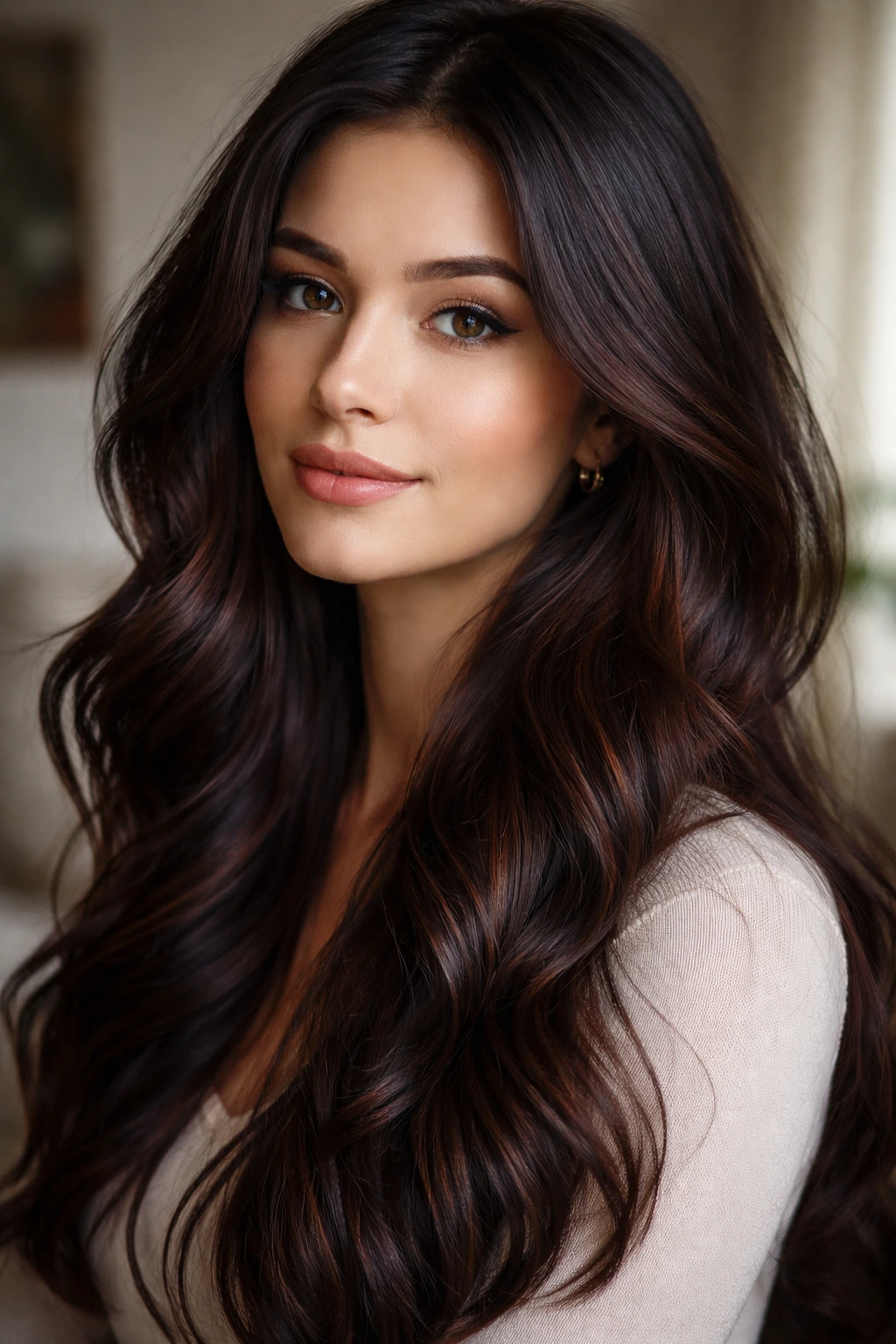
Sometimes, you do not want your hair to scream “red.” You just want a little something extra. Subtle mahogany highlights offer that tiny bit of warmth—but not the orange kind—that makes hair look vibrant and alive. This is great for someone with very dark hair who wants a change but is afraid of bleach damage.
What to Ask For
- Ask for “low-contrast” highlights. You want the mahogany to be only one or two shades lighter than your natural base.
- Mention you want a “cool-toned” or “violet-base” mahogany to ensure the stylist stays away from copper.
- Focus the highlights on the ends of the hair, rather than from the root, to keep it looking soft and expensive.
The effect is not immediately obvious indoors. It is the kind of color that people notice, but they might not be able to immediately pinpoint what has changed—it just looks like your hair has more life and shine.
4. Full-Coverage Dark Mahogany
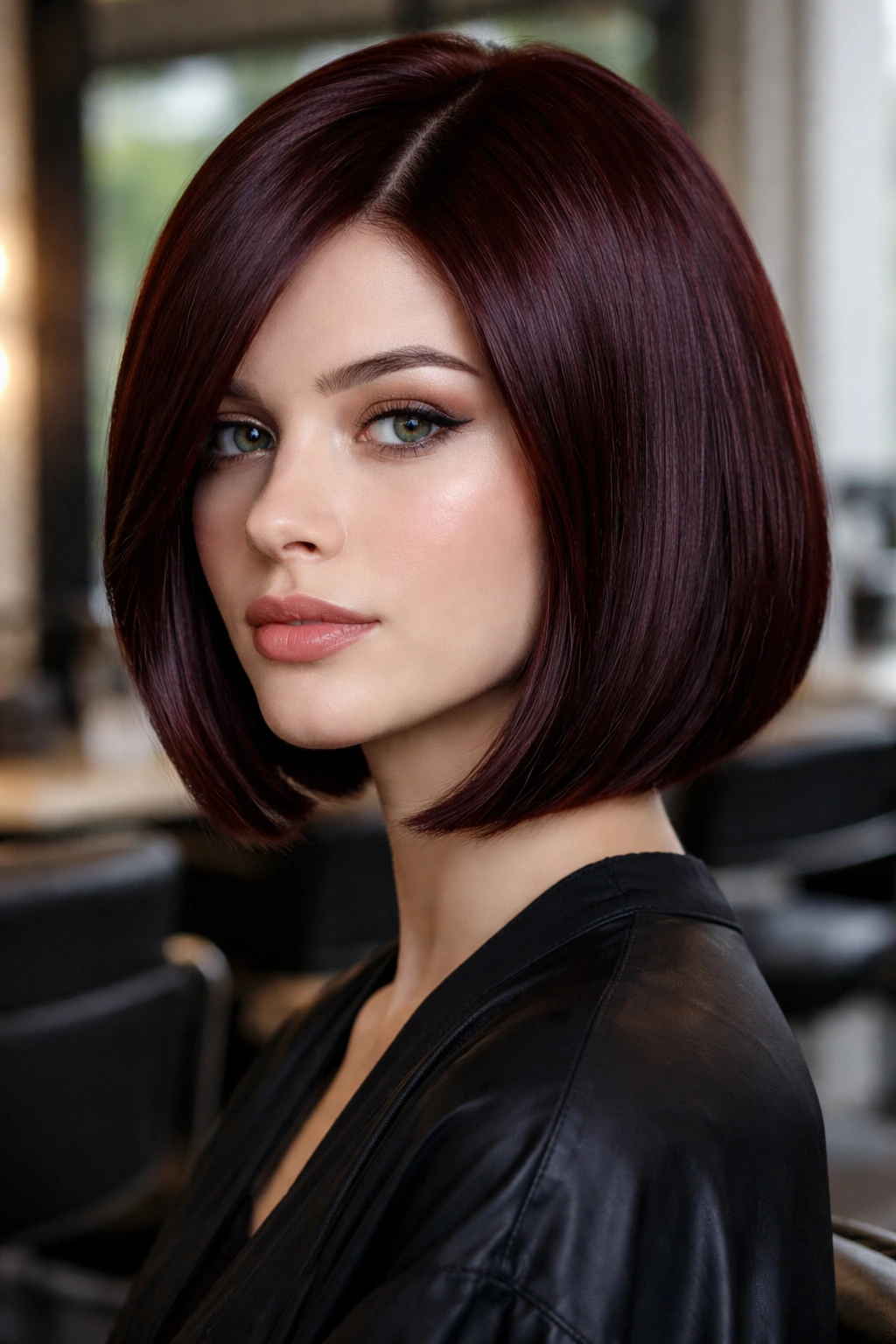
If you want impact, full coverage is the way to go. This is a single-process color application where every strand is saturated with a rich, dark mahogany shade. It is dramatic, intense, and incredibly chic. On cool skin, this creates a striking contrast that can make blue or green eyes look significantly brighter.
The Trade-Offs
- Maintenance: This requires root touch-ups every 4-6 weeks.
- Commitment: It is much harder to go back to a lighter color once you saturate your hair with this much pigment.
- Shine: Because it is a solid color, it needs to be very healthy to reflect light well. Use deep conditioning treatments regularly.
Despite the maintenance, the payoff is a rich, uniform color that looks very high-fashion. It works particularly well with short, blunt haircuts, where the precision of the cut highlights the depth of the color.
5. Mahogany with Plum Undertones
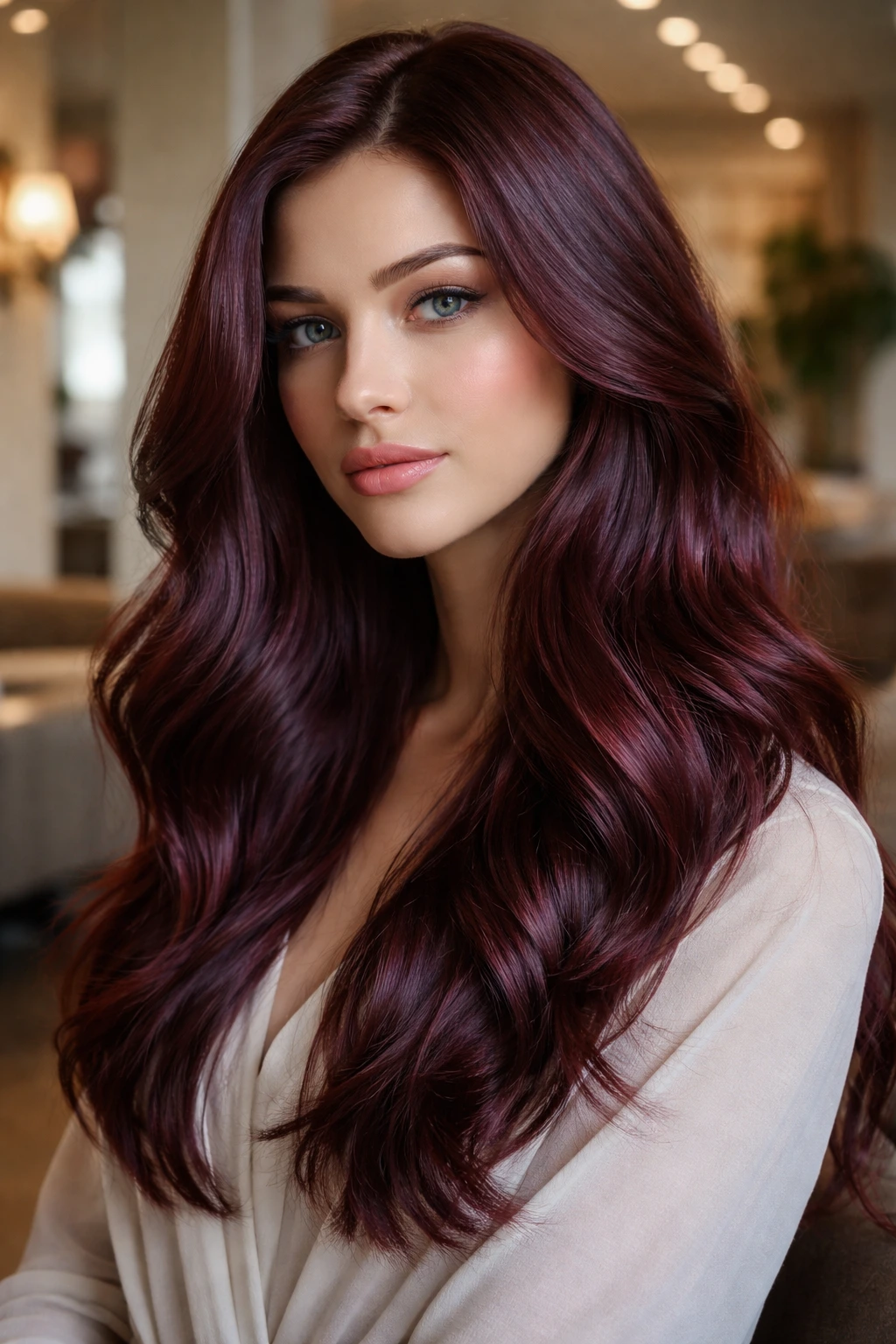
Plum is the ultimate secret weapon for cool-toned mahogany. By injecting a direct dose of deep purple into the mahogany mix, you steer the color as far away from orange as possible. It is a moody, mysterious shade that looks almost like a dark brown in dim lighting and erupts into a stunning violet-red in the sun.
Why This is a Top Pick
Plum undertones are naturally cool. When mixed with the brown base of mahogany, they create a shade that is incredibly stable. It doesn’t fade into the dreaded brassy orange that plagues many other red colors. It simply fades to a lighter, softer plum-brown.
How to Wear It
- This color pairs well with darker, cooler makeup palettes—think berry stains for lips and cool taupes for eyeshadow.
- Since it is so dark, make sure you keep your brows groomed; dark hair makes brows stand out more, so they need to be sharp.
6. Mahogany Ombre
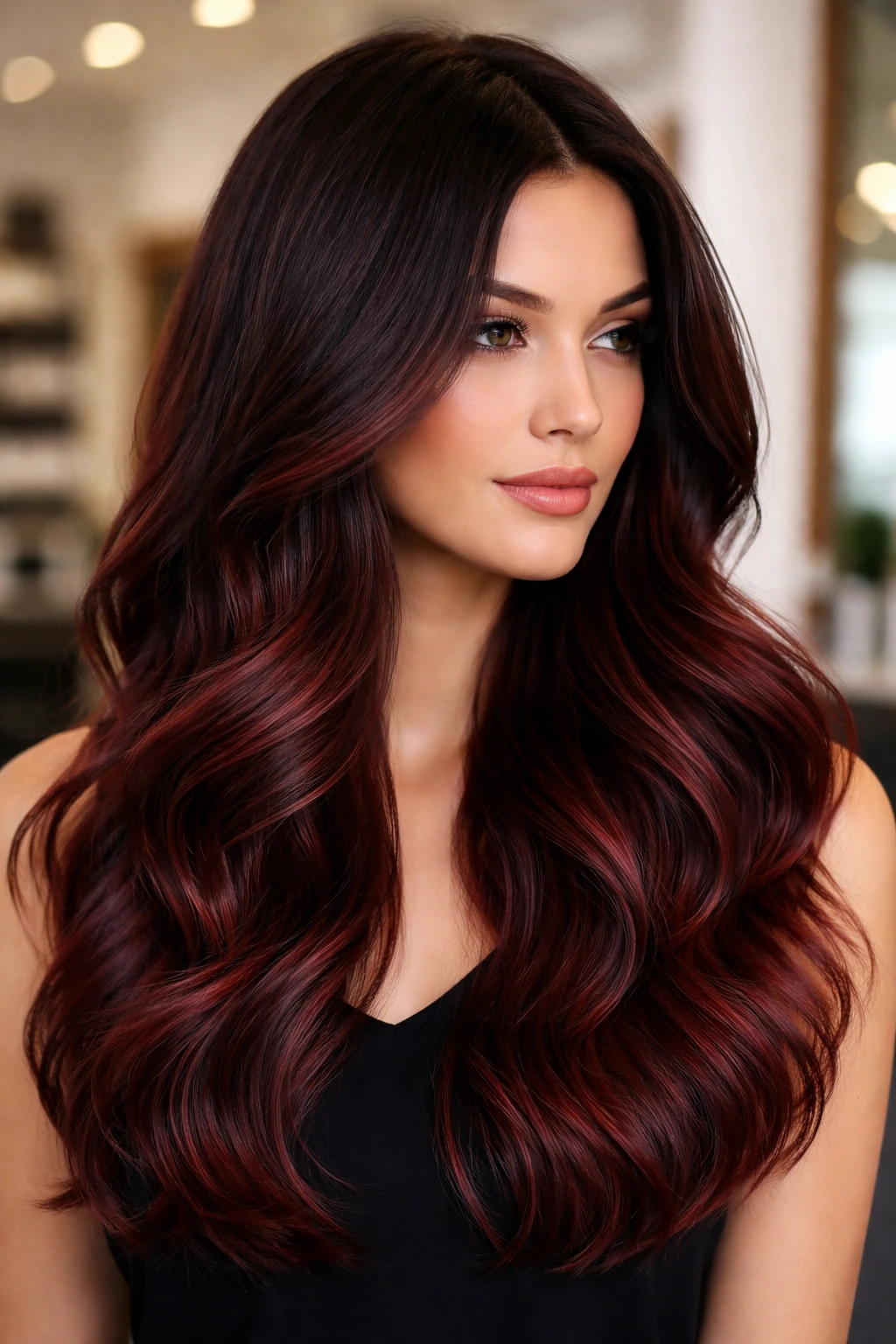
Ombre has evolved from the harsh dip-dye looks of the past into something much more refined. A mahogany ombre features a dark, cool brown root that melts seamlessly into a vibrant, rich mahogany at the ends. This works exceptionally well for those with dark hair who want a dramatic transition without constant root maintenance.
The key to a successful mahogany ombre is the “melt.” You do not want a sharp line where the brown ends and the red begins. A skilled stylist will blend the two colors in the mid-section, ensuring a gradient that looks like it grew that way. It is a sophisticated way to wear a bold color.
7. Mahogany with Violet Lowlights
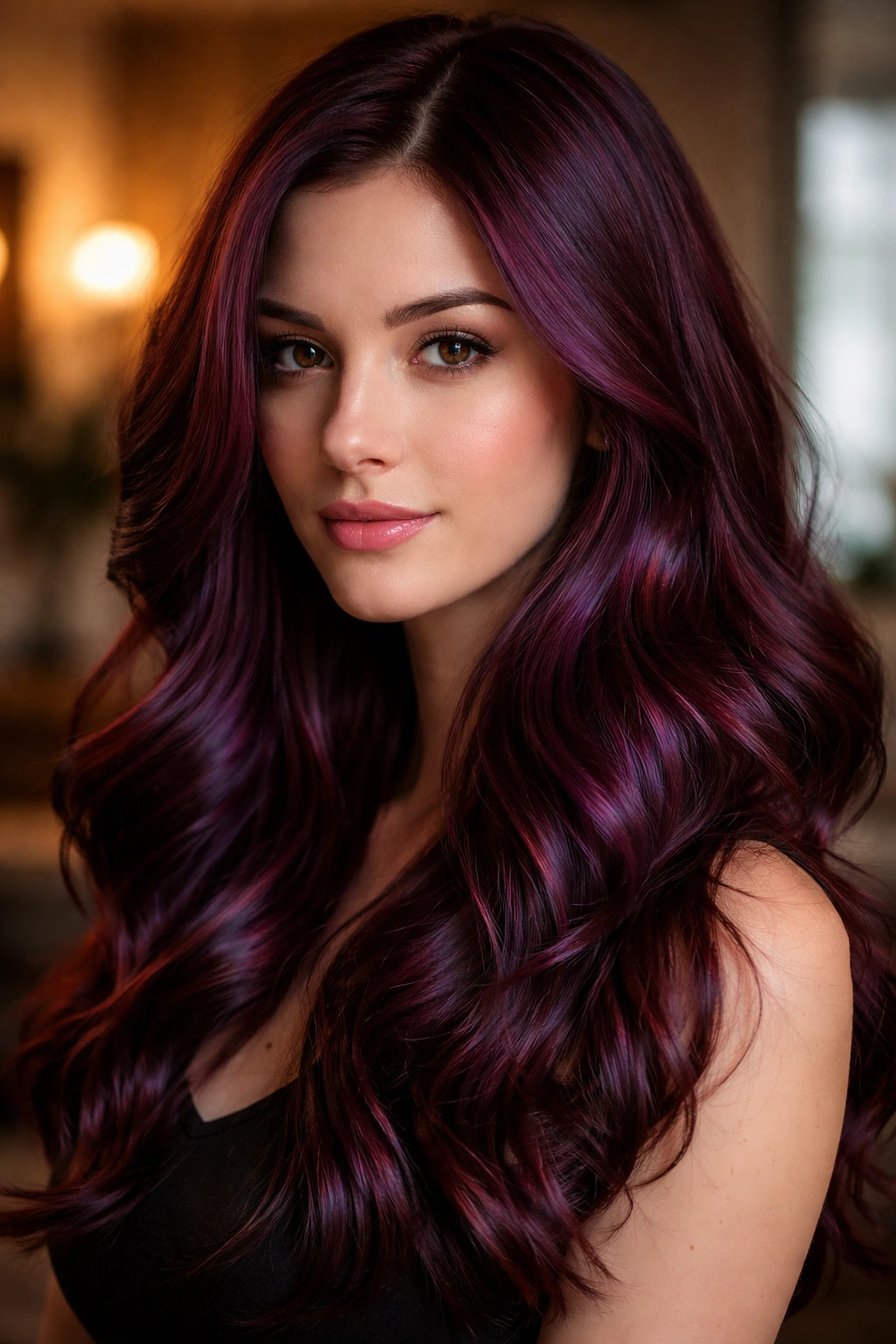
If your hair is already a lighter shade of red or brown, adding violet lowlights can pull the entire look toward the mahogany family. Lowlights add depth and movement to hair that feels a bit flat. By weaving in dark, violet-based mahogany strands, you create a dimensional, textured look that feels much thicker and healthier.
Why It Works
- Dimensionality: Your hair looks like it has multiple colors woven through it, which is the hallmark of expensive-looking hair.
- Cooling Effect: The violet lowlights neutralize any existing warm or brassy tones in your hair.
- Versatility: You can customize the ratio. If you want it darker, add more lowlights; if you want it lighter, stick with fewer.
8. Dimensional Mahogany Ribbons
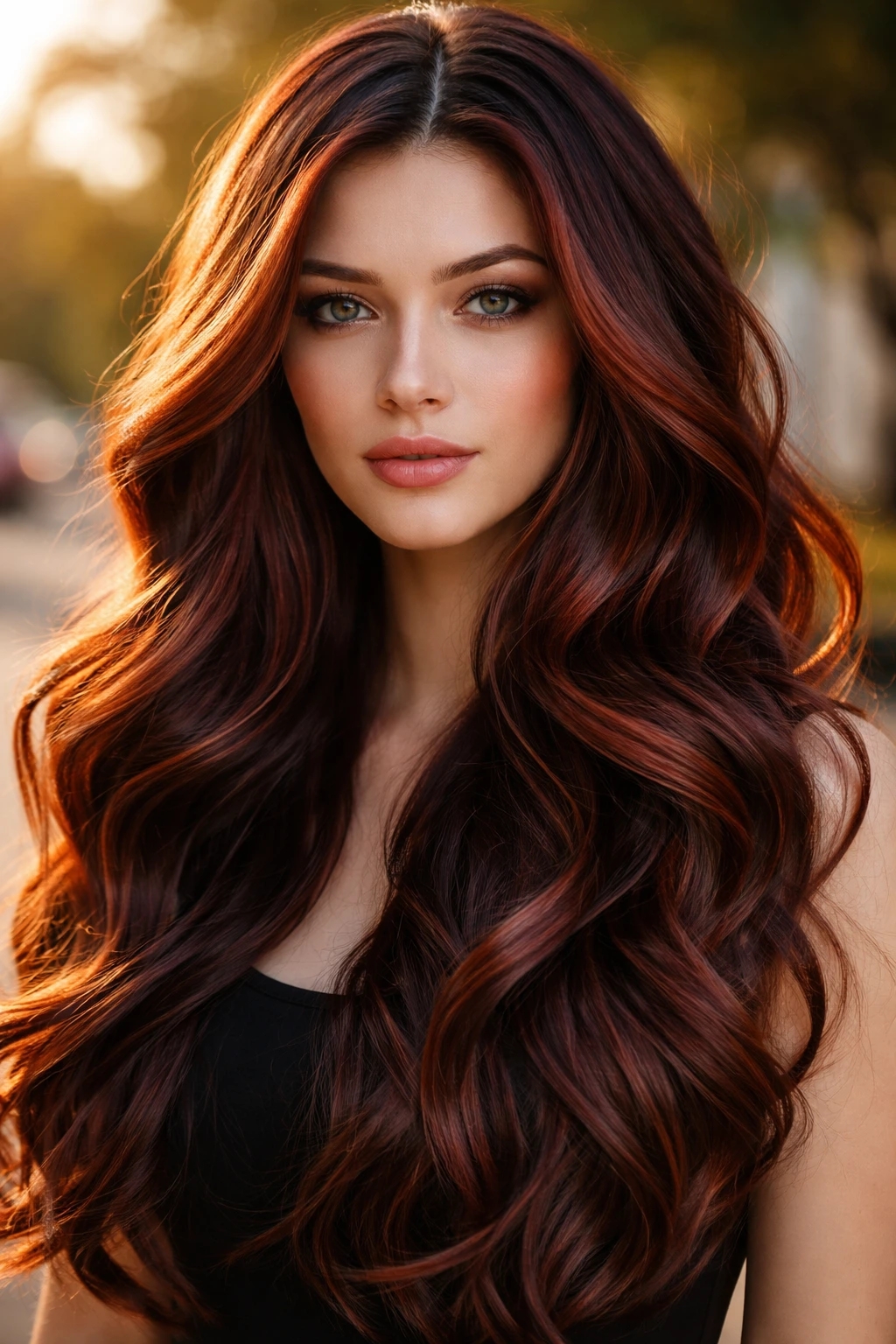
Ribbon highlights are wider and more spaced out than traditional highlights. When done in a deep mahogany shade on a dark base, they create a “ribbon” effect that catches the light beautifully. It is less about streaks and more about long, flowing lines of color that travel through the hair.
This look is particularly effective on long, straight, or loose-wavy hair. The wide sections of color allow the mahogany to really show off its depth. Because the sections are larger, the color looks more intentional and polished. It is a great way to add “glamour” to a haircut that might otherwise feel simple.
9. Mahogany Cherry Cola
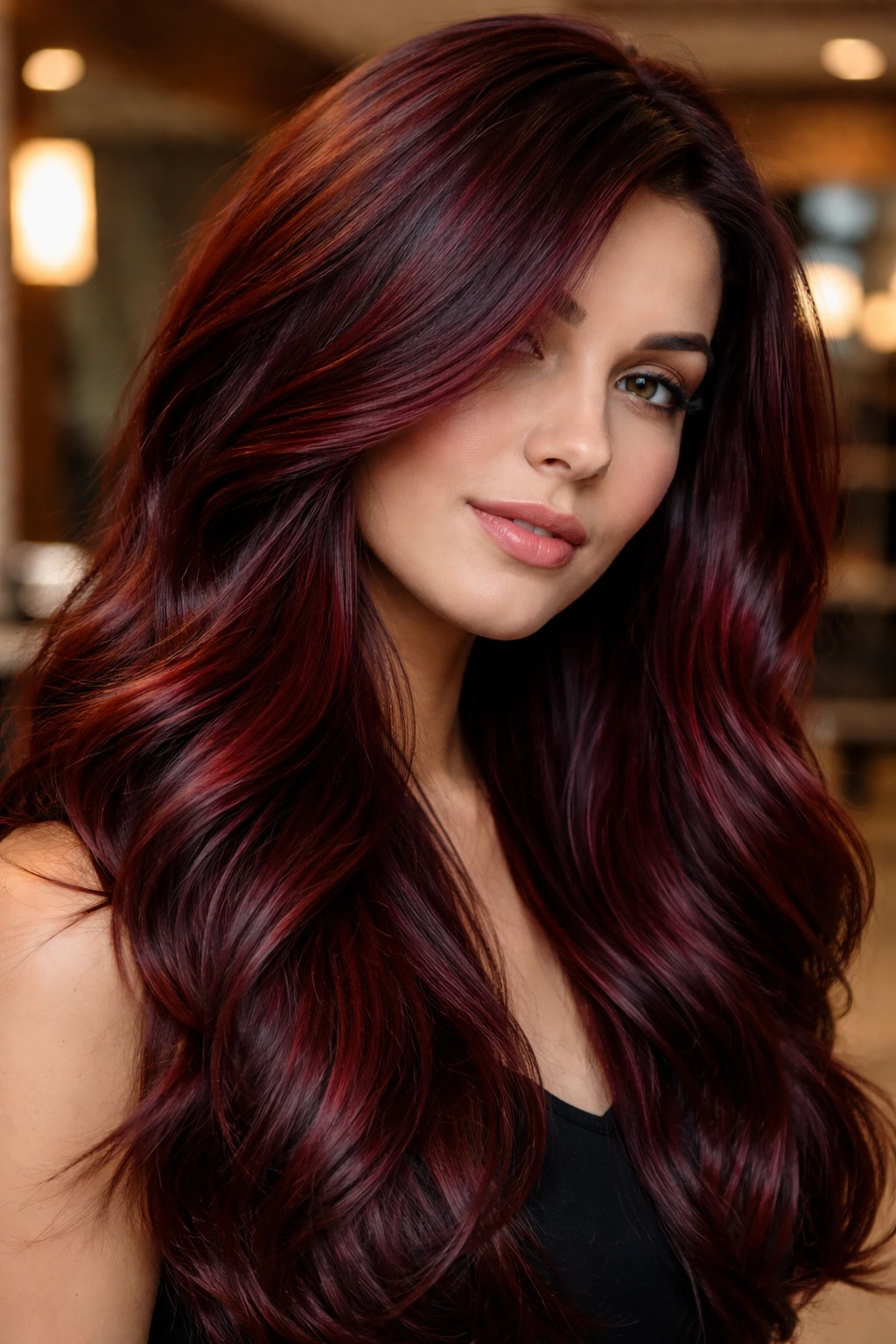
This is a fan favorite for a reason. It is exactly what it sounds like—the deep, brownish-red of cola mixed with the brighter, punchy red of a cherry. It is a bit bolder than a standard dark mahogany, but because it relies on that “cola” brown base, it still sits squarely in the cool-toned camp.
How to Get the Look
- Ask for a “cola” base color.
- Request “cherry” red glossing over the top.
- The gloss is what provides the vibrant, juicy shine that makes this color stand out.
You will need to maintain the gloss with regular salon visits or at-home glossing treatments to keep the “cherry” element from fading. If the gloss fades, you are left with a nice dark brown—not the worst thing in the world, but not the look you were going for.
10. Muted Mahogany
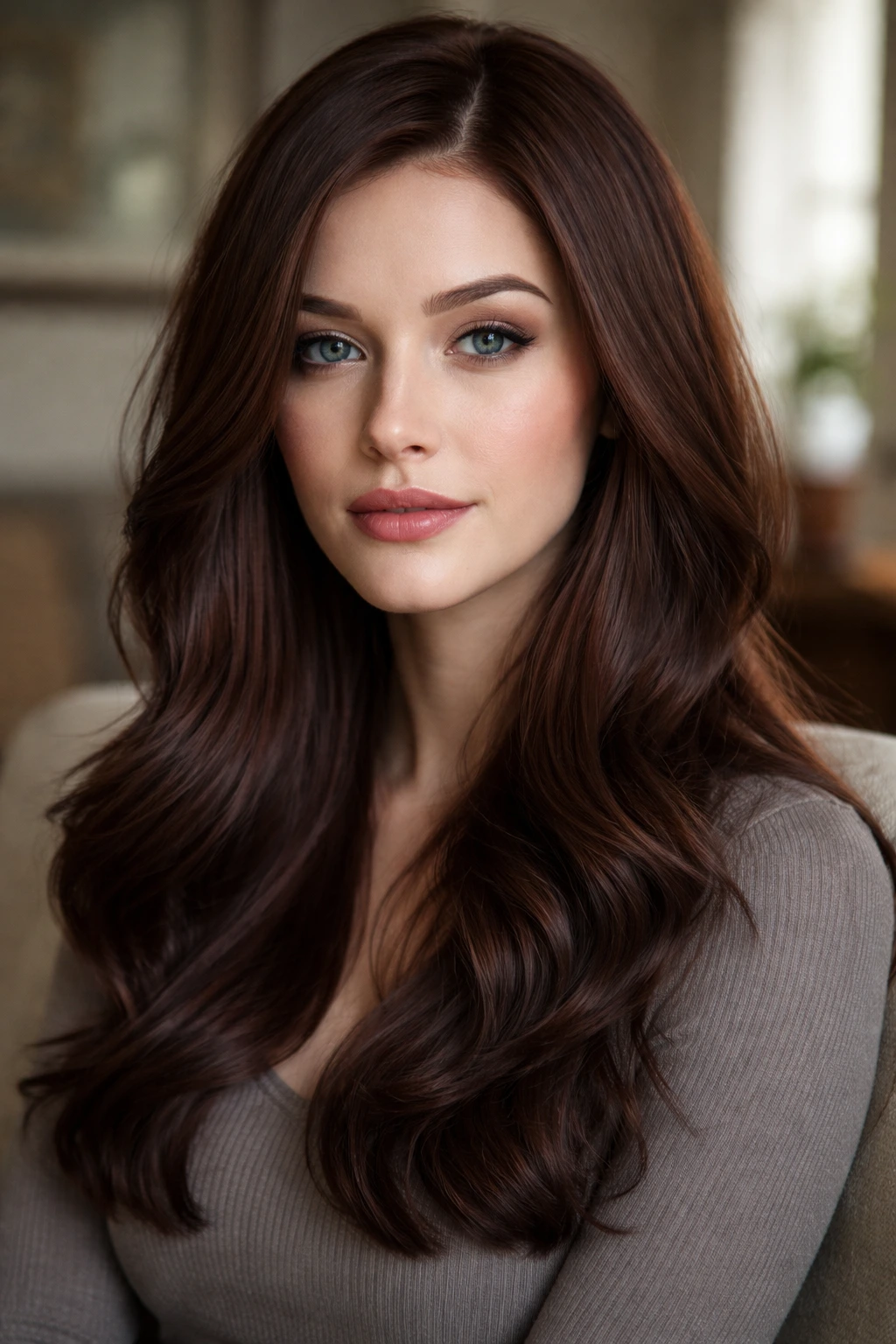
Not everyone wants a loud hair color. If you prefer a more understated aesthetic, muted mahogany is your best friend. This color is intentionally dulled down, using more brown and gray undertones to create a “dusty” or “ashy” mahogany. It is sophisticated, elegant, and looks very natural.
Who Is This Best For?
This is ideal for the professional who wants a hint of red but needs to keep things relatively conservative. It also works wonders for those who have a naturally cooler, perhaps slightly olive or pale, complexion. The lack of intense saturation makes it very easy to wear, and it grows out beautifully without requiring a massive overhaul of your style.
11. Cool-Toned Mahogany
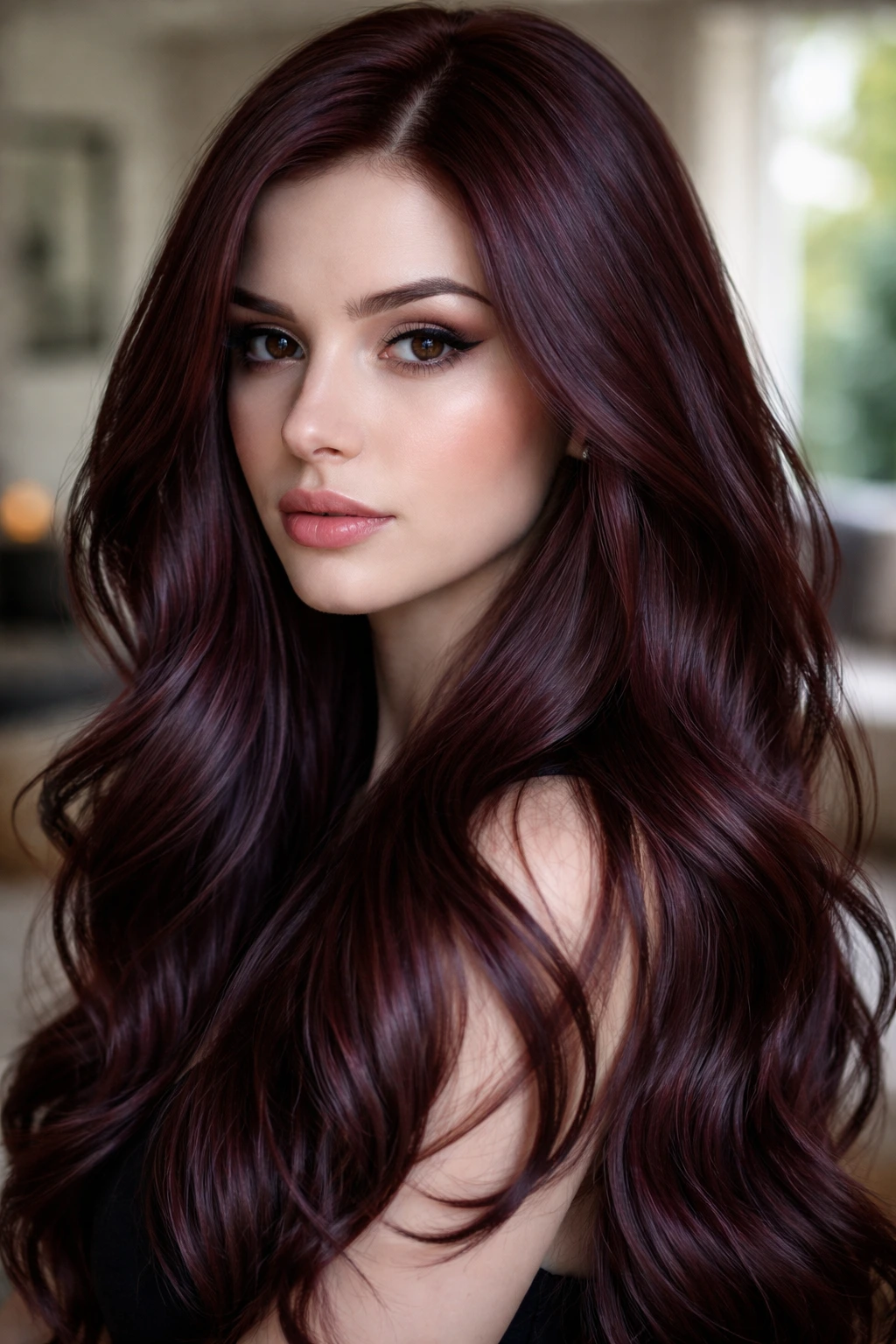
Wait, is mahogany usually warm? Often, yes. This variation is for the person who wants to be absolutely sure there is zero warmth. By explicitly asking for a “cool-toned” mahogany, you are asking for a higher concentration of violet and blue pigments in the formula.
This color is sleek, almost metallic in its intensity. It looks incredible with porcelain skin and dark eyes. It is not for the faint of heart, as it is a very specific, high-fashion shade. When you wear this, your hair becomes the main event, so keep your outfit simple.
12. Chocolate Mahogany
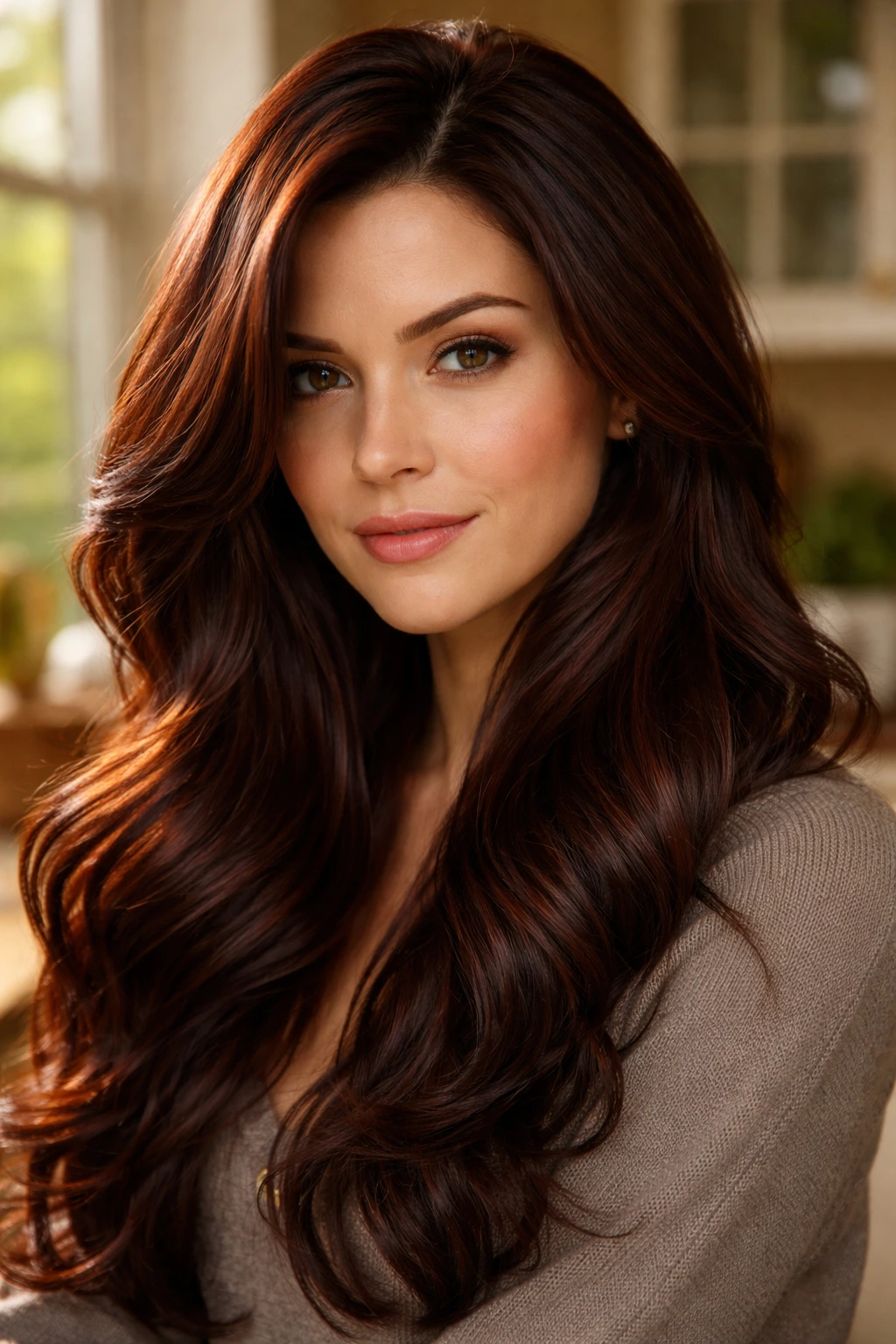
Chocolate brown is a staple for cool skin tones because it is neutral and rich. By infusing it with mahogany, you take a basic brown and give it a sophisticated twist. This is the “bridge” color—the perfect step if you are a brunette who is afraid of fully committing to red.
Why it works
It provides all the benefits of brown (shine, depth, ease of maintenance) with just enough red to make it interesting. It doesn’t fade into an ugly orange. It fades into a slightly warmer chocolate, which is still flattering. It is perhaps the most “forgiving” mahogany shade on this entire list.
13. Mahogany Brown
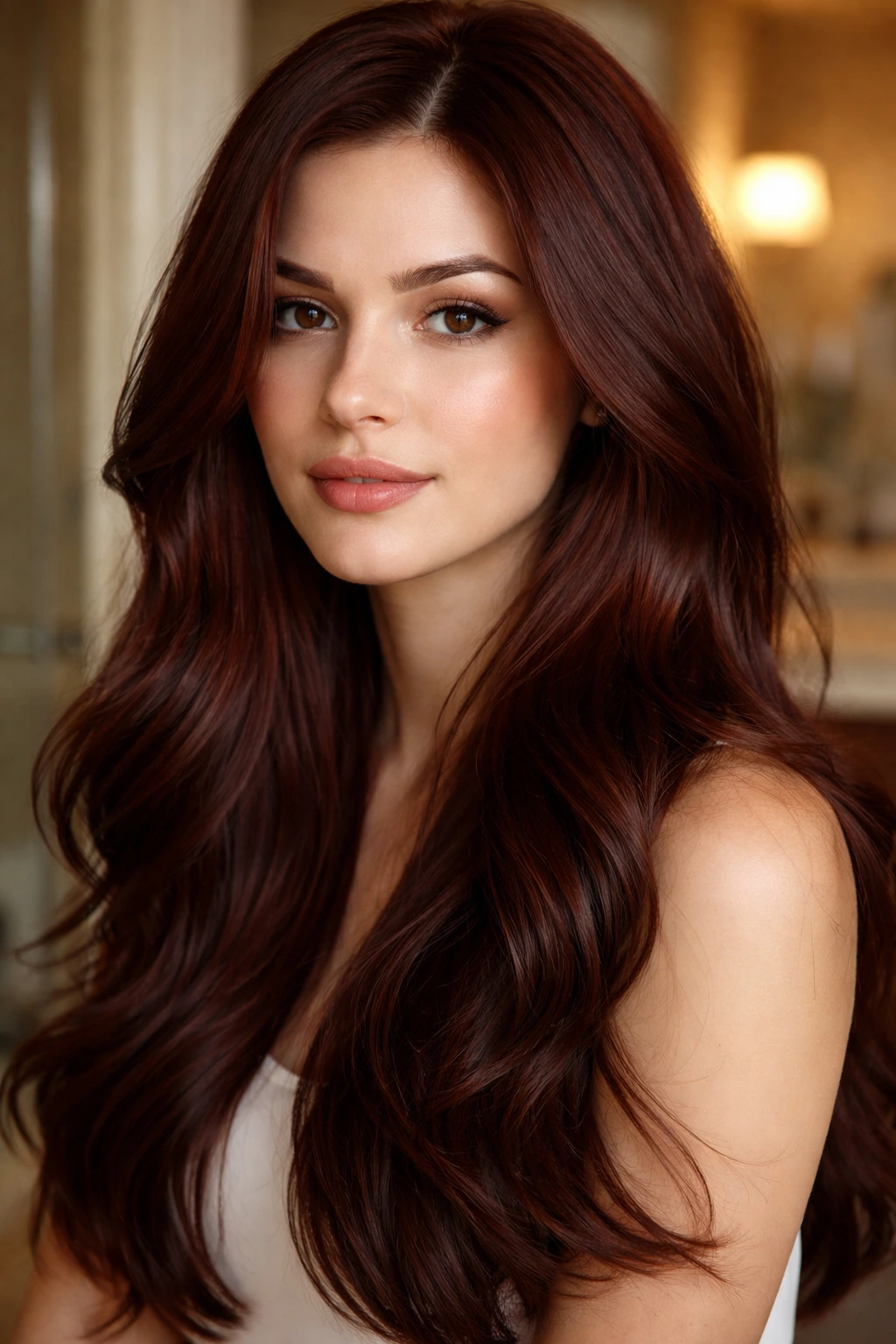
This is often used interchangeably with chocolate mahogany, but the focus here is more on the brown than the red. You have a deep brown base, and the mahogany is treated as a tint rather than a full color. It is subtle, glossy, and very low-effort.
Think of this as a “top coat” for your hair. You can achieve this with a semi-permanent glaze. It is perfect if you want to test out the mahogany vibe for a month or two before deciding if you want to make it a permanent fixture.
14. Espresso Mahogany
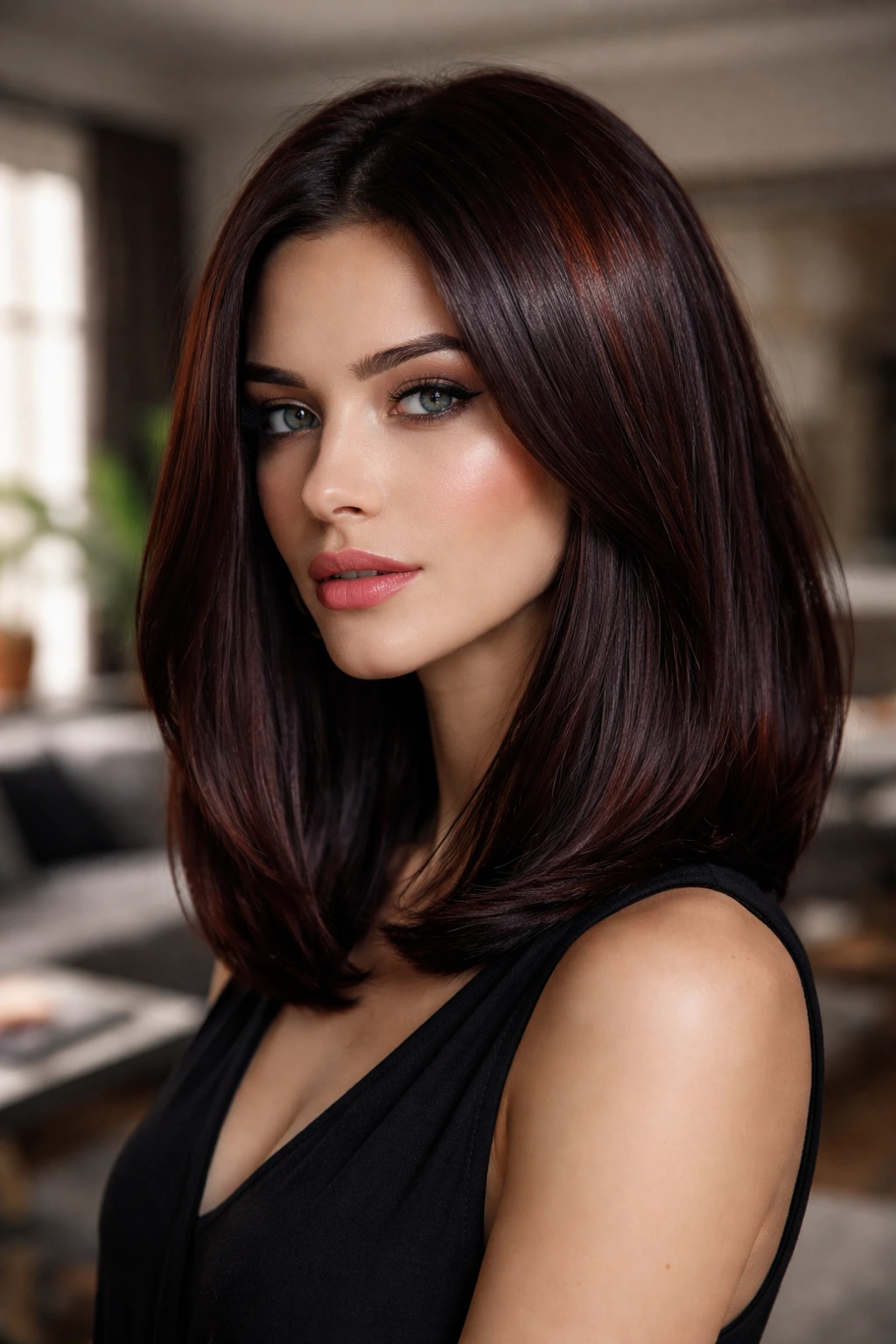
Espresso is a very dark, almost black-brown. When you add a mahogany tint to it, you get a shade that looks nearly black indoors but reveals deep, hidden red highlights in direct light. It is incredibly cool, mysterious, and works perfectly with the high-contrast aesthetic that often accompanies cool skin.
Styling Tips
- Avoid overly bulky layers; they can make dark, dense hair look heavy.
- Use a lightweight oil after styling to ensure the black-brown base looks glassy, not flat.
- A blunt bob or a sharp, long cut looks fantastic with this color.
15. Wine-Stained Mahogany
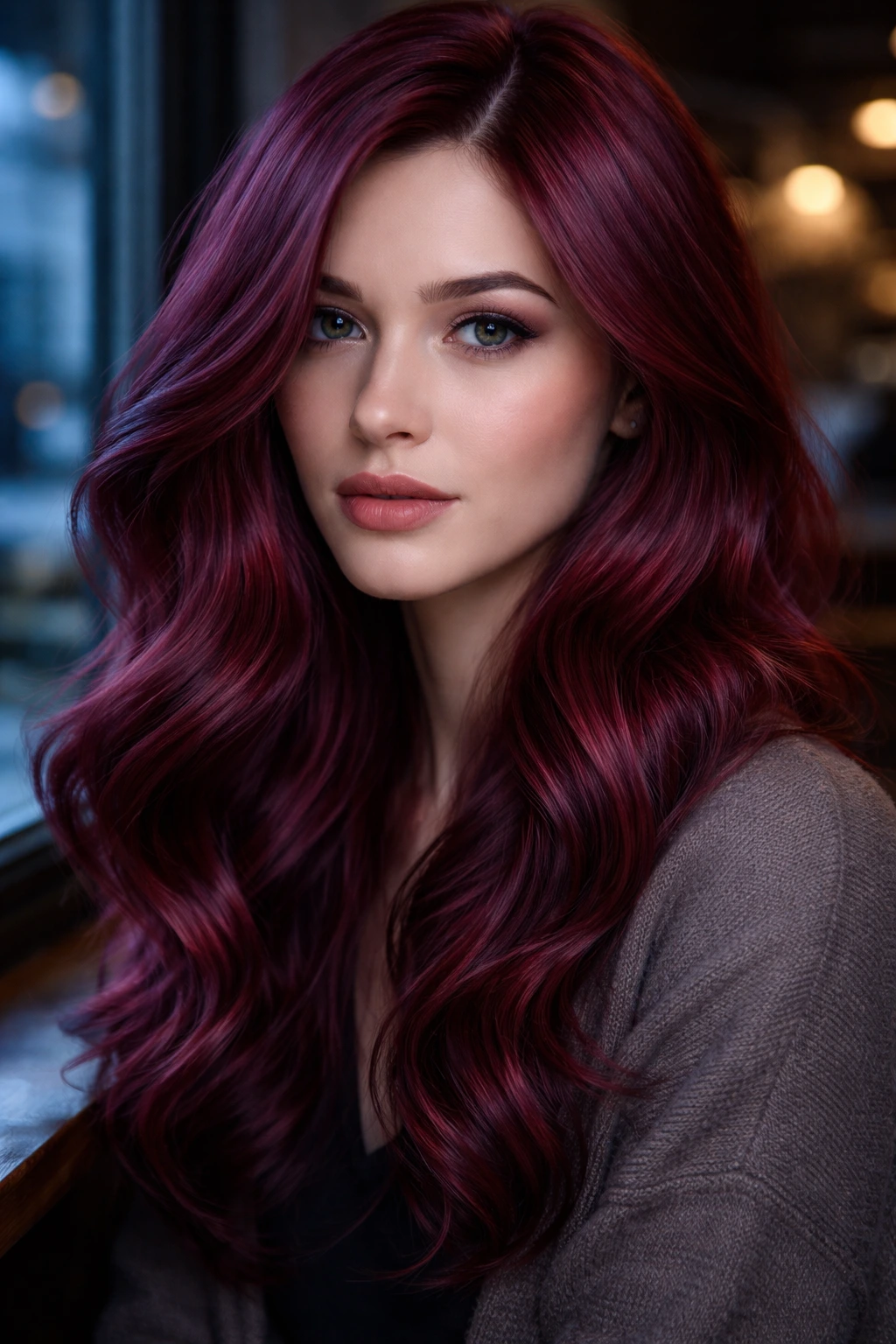
Think of the color of a heavy Merlot or a Cabernet Sauvignon. That deep, saturated, purple-leaning red is what defines this style. It is bold, it is dramatic, and it leans heavily into the “cool” side of the spectrum. It is not a natural-looking color, but it is a stunning one.
This is a statement color. It requires confidence, and it requires a routine that protects color vibrancy. Because it is so saturated, you will see it bleed in the shower for the first few washes. This is normal. Use a sulfate-free shampoo to minimize the loss.
16. Mahogany Money Piece
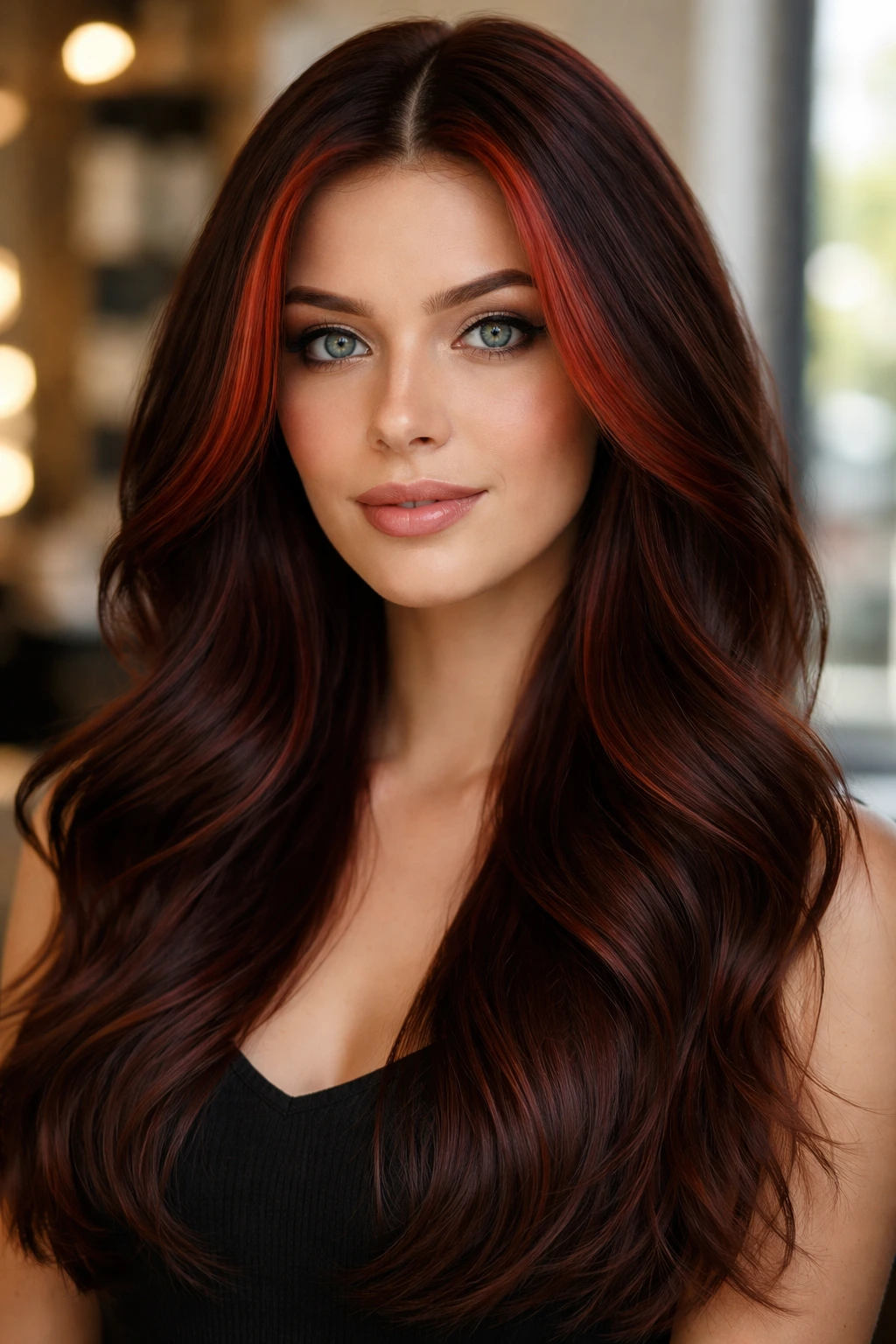
The “money piece” trend is still going strong, and it is a fantastic way to wear mahogany. A money piece involves lightening the two front strands of hair around the face. If you dye these strands a vivid, bright mahogany, you create an instant focal point that brightens your face and emphasizes your features.
Why It Works for You
- It places the boldest, most “red” part of the color right next to your skin.
- By keeping the rest of your hair a darker, more muted mahogany or brown, you keep the overall look grounded.
- It’s fun, it’s trendy, and it’s arguably the easiest way to try out a bold mahogany without dyeing your whole head.
17. Peekaboo Mahogany
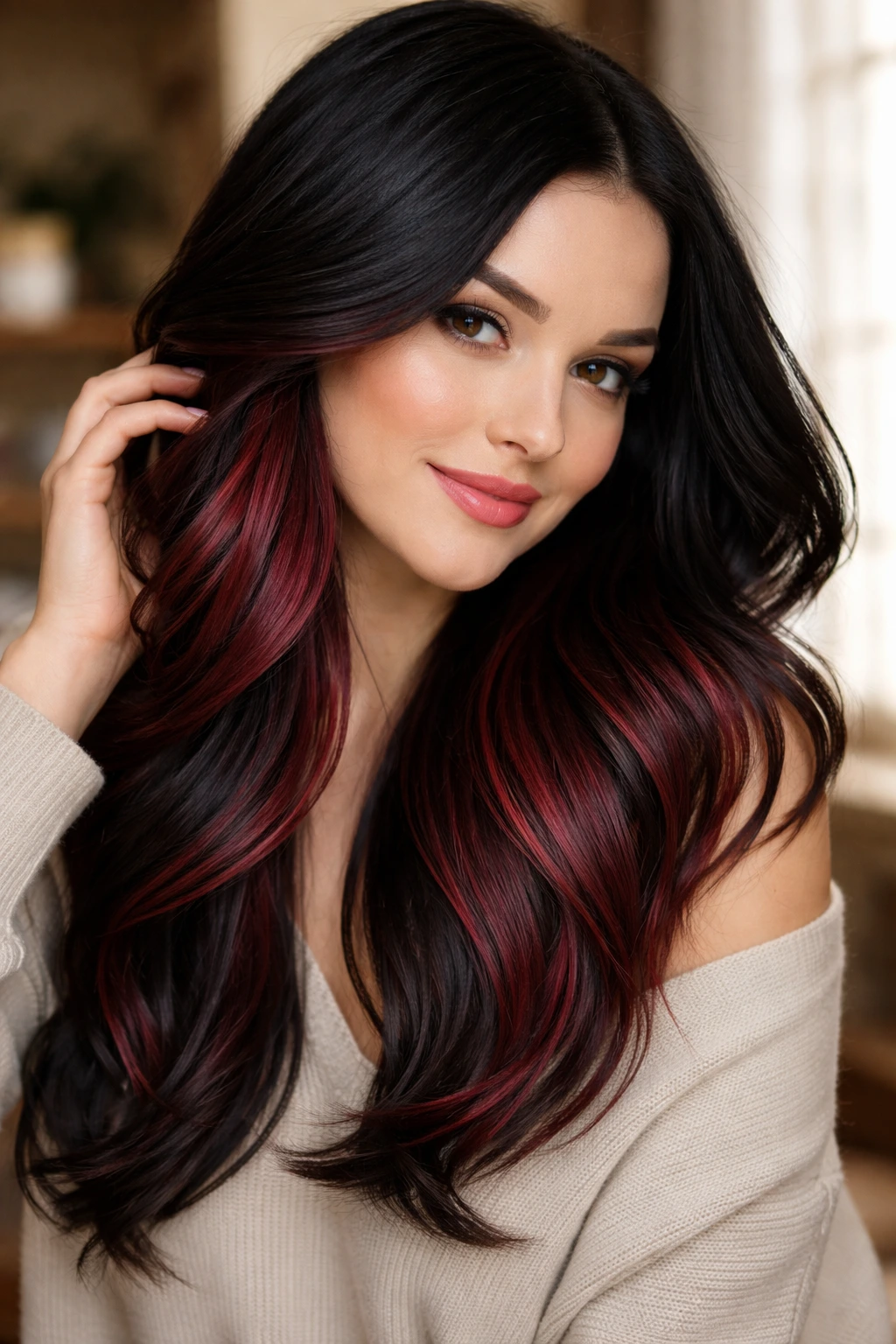
Peekaboo color is placed on the bottom layer of the hair, hidden beneath the top layer. It only reveals itself when you move, tie your hair up, or style it in certain ways. This is a great way to introduce a vibrant mahogany into a more conservative look.
The Best Way to Style It
- Keep the top layer a natural, cool-toned dark brown or black.
- Let the mahogany shine when you wear a half-up style or a high ponytail.
- It is a “fun” color that doesn’t feel overwhelming.
18. Mahogany Root Melt
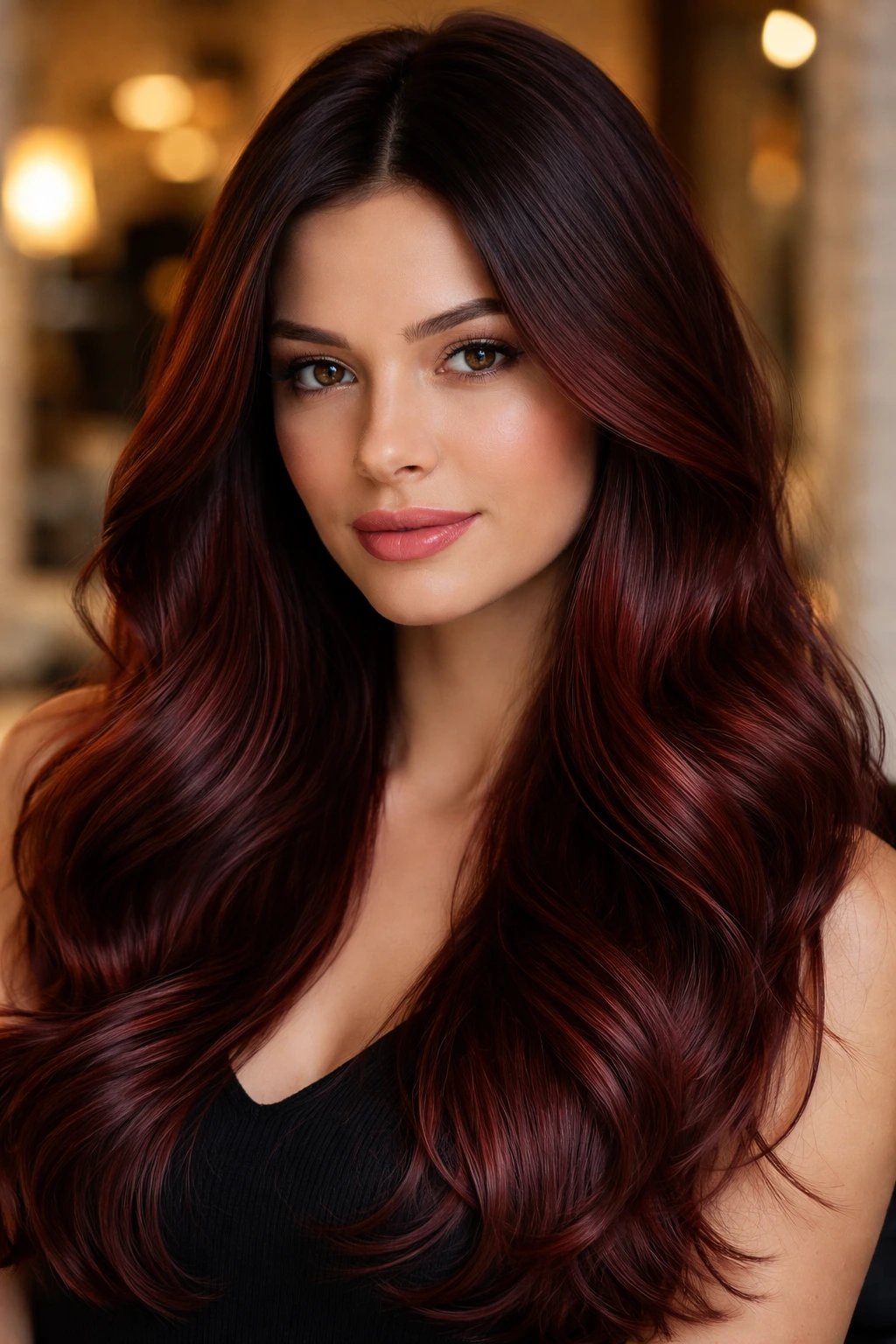
A root melt is a technique where the root area is kept dark, and the color is “melted” into a lighter mahogany toward the ends. This is the gold standard for long-lasting color. Because the root is blended, you do not get a harsh line of demarcation as your hair grows out.
This look relies on skill. The stylist needs to be very precise with the blend. If you are looking for a low-maintenance red, this is the one to ask for. You can go months without a touch-up, and it will still look like a style choice rather than neglect.
19. Glazed Mahogany
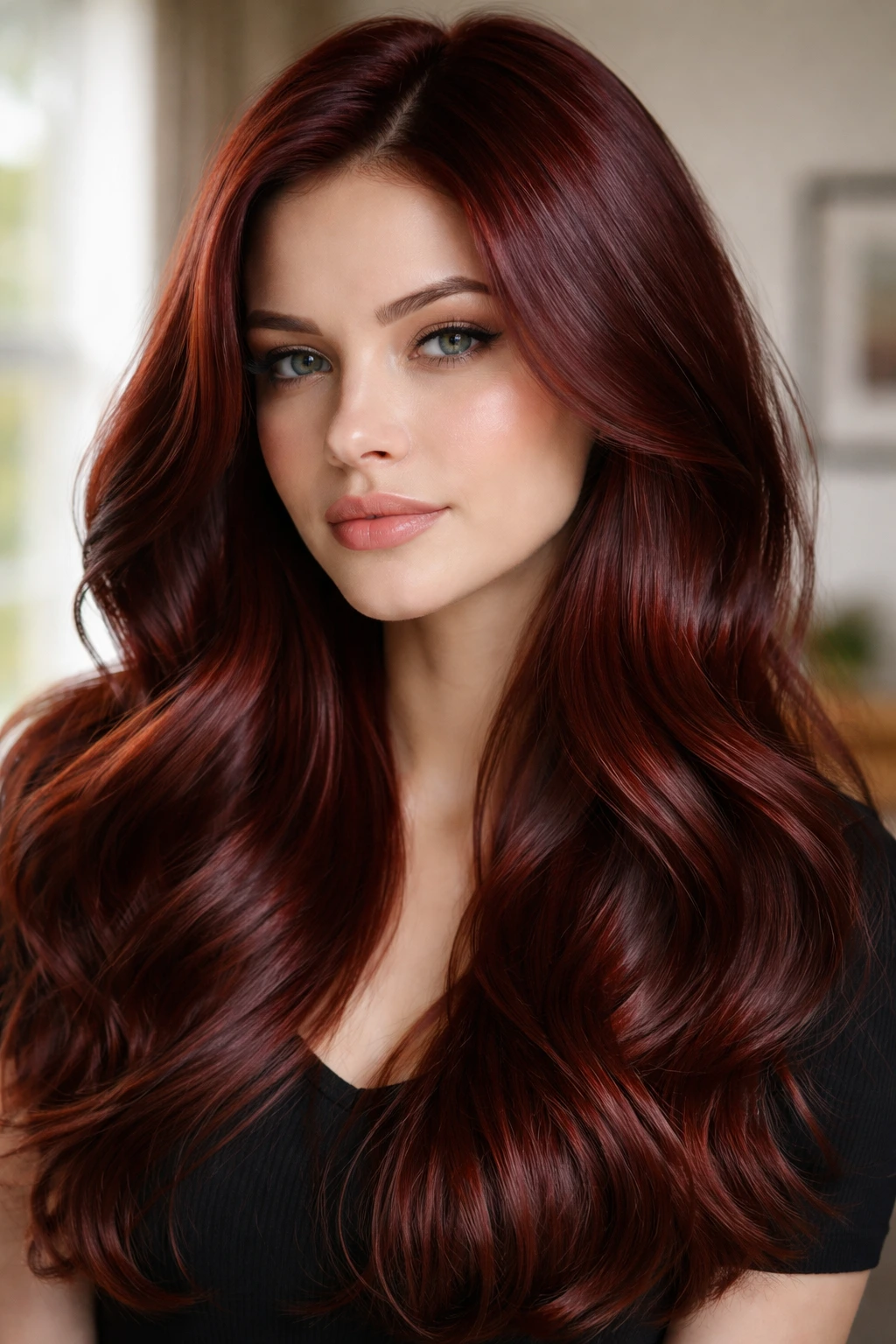
Glazing is a process where a clear or semi-sheer colored gloss is applied to the hair. If you have light brown or dark blonde hair, you can achieve a mahogany look just by using a mahogany-tinted glaze. It is sheer, luminous, and incredibly healthy-looking.
This is the least damaging way to try out the color. There is no bleach, no ammonia, and no permanent change to your hair structure. It will wash out over time, usually in 4 to 8 weeks, giving you the perfect low-stakes opportunity to see if mahogany is for you.
20. Deep Berry Mahogany
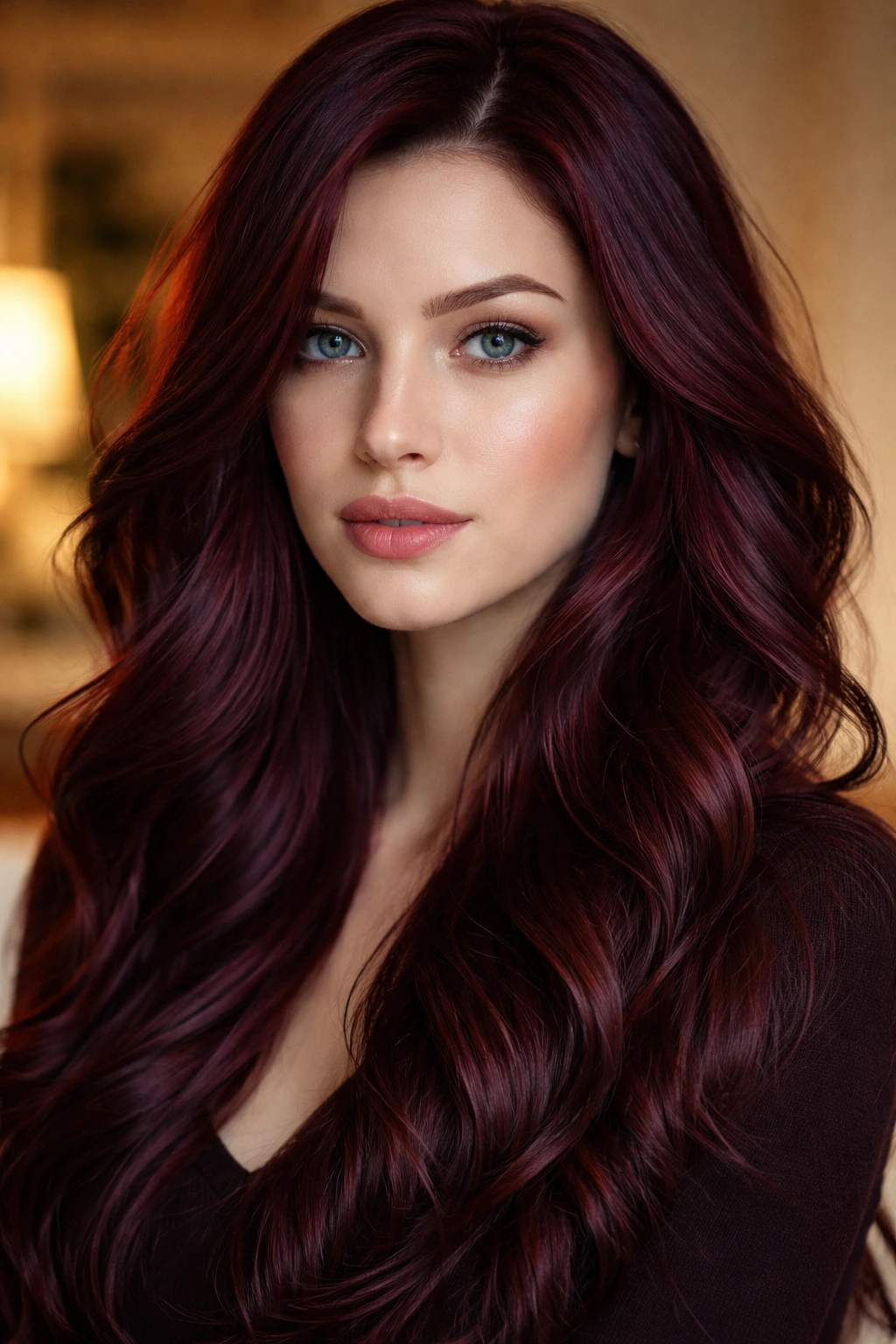
This is similar to the plum-undertone mahogany but with a slightly softer, more “juicy” finish. It feels a bit more natural, like the color of berries staining the hair. It is a fantastic option for someone who wants a vibrant red but needs to keep it cool-toned.
Complementary Makeup
Because this is a berry shade, it looks incredible with berry-toned lipsticks. It is a very cohesive look. If you like to wear bold makeup, this hair color will feel like a natural extension of your personal style.
21. Mahogany Raspberry
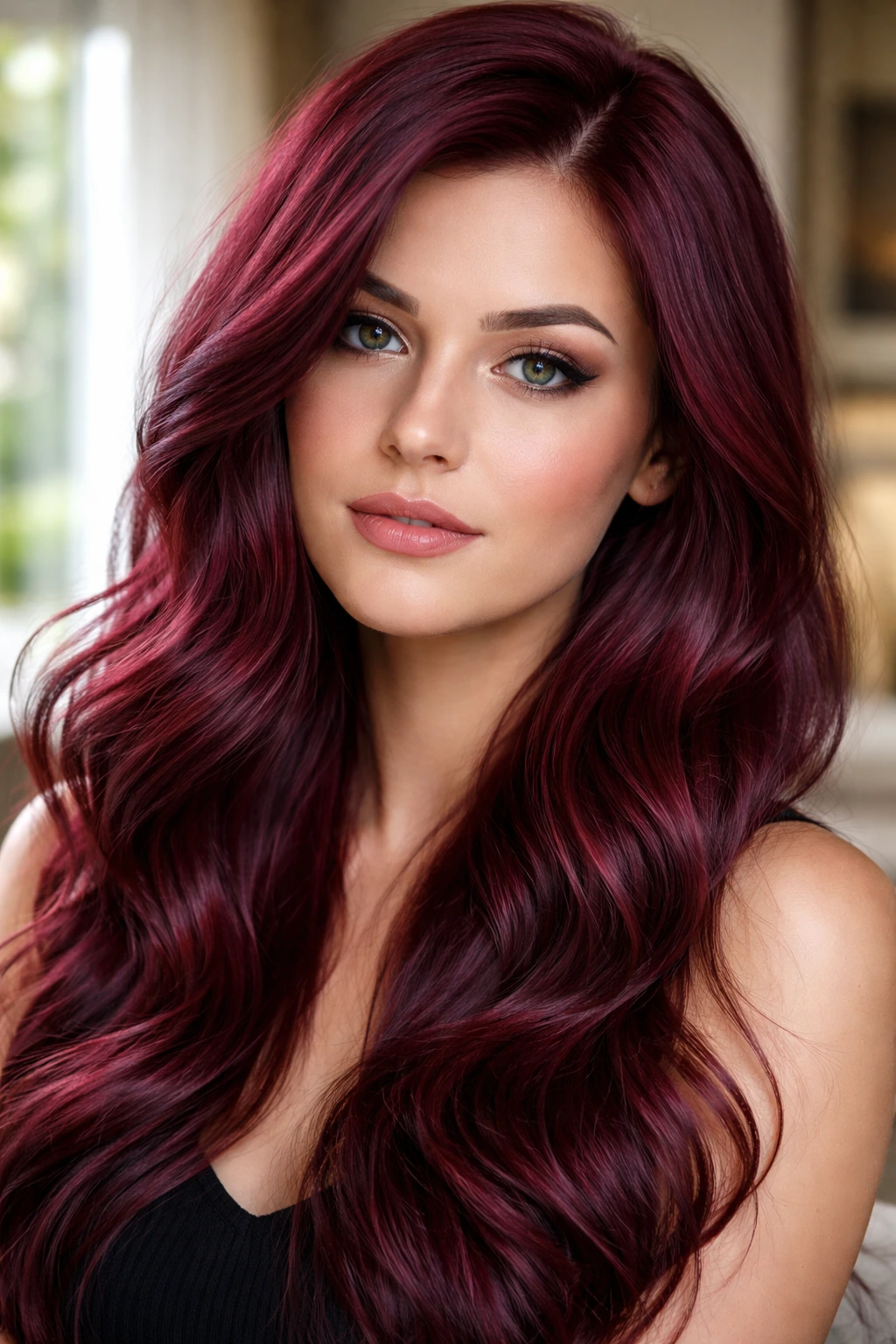
Raspberry is a bit lighter and punchier than deep berry. It has a slight pinkish-violet undertone. When mixed with a brown base, it creates a unique, multidimensional shade that is definitely more “fashion” than “natural.” It is perfect if you want to push the boundaries of what mahogany can be.
How to Maintain It
This shade requires the most attention. The pinkish-violet tones are the first to fade. You absolutely need a color-depositing shampoo that matches the red-violet tone. If you skip this, the raspberry will fade into a plain, light brown very quickly.
22. Dark Plum Mahogany
This is for the person who wants to lean into the purple side of things. It is very dark, very moody, and very cool. It is the color of a storm cloud. It works incredibly well for those with dark skin tones or very pale, cool skin, providing a stark, beautiful contrast.
Because it is so dark, make sure you keep your hair hydrated. Darker colors look the best when they are shiny. Use a deep conditioning mask once a week to keep the cuticles flat and the light reflection high.
23. Mahogany Mocha
Mocha brown is a rich, cool-leaning brown. Adding mahogany to it makes it look like a coffee drink with a splash of syrup. It is warm, inviting, and very approachable. This is perhaps the “friendliest” mahogany color on the list—it feels soft, welcoming, and very low-maintenance.
24. Mahogany Rose
Rose is typically associated with a soft, pinkish-red. When you combine that with a mahogany base, you get a “dusty” rose-brown. It is incredibly delicate and feminine. This is a very popular “modern” take on red hair that feels much less intense than the traditional deep reds.
It requires a lighter base to really show the “rose” aspect. If you have dark hair, you will need to lift it slightly, which means you need to be mindful of damage. If your hair is already light, this is an easy, beautiful transition.
25. Mahogany with Black Lowlights
If you go for a bright, vibrant mahogany, adding black lowlights can help ground the color. It stops the red from looking too “costume-y.” The black adds depth and structure, making the red look like a deliberate color choice rather than a fading dye job.
It is a great way to make a vibrant mahogany feel more mature and sophisticated. The contrast between the intense red and the deep black is striking and very high-fashion.
26. Mahogany Gloss
We talked about glazing, but a “gloss” can also refer to the final step of a color service. If you are already doing a mahogany color, ask for a clear or mahogany-tinted gloss finish. It closes the cuticle, locks in the color, and creates a mirror-like shine that makes the mahogany look 10 times more expensive.
This is a service you can get on its own, too. Even if you have virgin hair, a mahogany gloss can give you a subtle, temporary red tint and a massive boost in shine.
27. Satin Mahogany
Satin is a finish, not a color. It is somewhere between matte and high-gloss. It is the way the hair reflects light—smooth, soft, and even. Mahogany is a color that loves a satin finish because it prevents the red from looking “cheap.”
Ask your stylist how to get this texture. It usually involves specific products, like a lightweight smoothing cream, rather than just the color formula itself. It makes the mahogany look soft and touchable.
28. Dimensional Rich Mahogany
This is the “everything” look. It uses multiple shades of mahogany—light, dark, plum-toned, and chocolate-toned—all woven together through highlights and lowlights. It creates a result that is incredibly complex and multi-layered.
Who Is This For?
This is for the person who wants the best of everything. It is high-maintenance, it is expensive, and it takes time in the salon chair. But the result is a masterpiece of hair color. If you are looking for a change that is truly transformative, this is the one.
Final Thoughts
Choosing a mahogany red is a journey of finding the balance between the depth of brown and the intensity of red. For cool skin tones, this shade is a gift. It allows you to step away from the limited, often-flattering world of copper and strawberry reds and embrace something richer, deeper, and—ultimately—much more sophisticated.
The key to keeping any of these styles looking their best is consistency. From the cold-water rinses to the color-depositing conditioners, your at-home routine is just as important as the work done in the chair. Treat your mahogany hair like the high-maintenance accessory it is, and it will reward you with a depth and shine that truly stands out. When you finally find that perfect, violet-tinged shade that makes your skin glow instead of washing it out, you will wonder why you didn’t make the switch sooner.
