



The biggest mistake people with cool skin tones make is assuming that ginger is off-limits. There is this pervasive, outdated myth that red hair requires a warm complexion—that you need to have golden or peachy skin to pull off anything with an orange base. That just isn’t true.
If you have cool undertones, your skin likely has hints of pink, blue, or violet. You probably look best in silver jewelry, and your veins likely look blue or purple under natural light. When you slap a neon, yellow-based, classic orange copper on cool skin, the results can be jarring. It can make you look sallow or washed out. But the solution isn’t to swear off red forever. The secret is simply adjusting the tone.
You need to shift away from the “fire engine” oranges and toward the cooler side of the spectrum. Think of colors that incorporate blue, violet, ash, or brown bases to neutralize the orange. These shades bridge the gap, giving you that vibrant, head-turning ginger look without clashing with your natural complexion. You can absolutely be a redhead. You just have to pick the right flavor of red.
1. Soft Strawberry Blonde
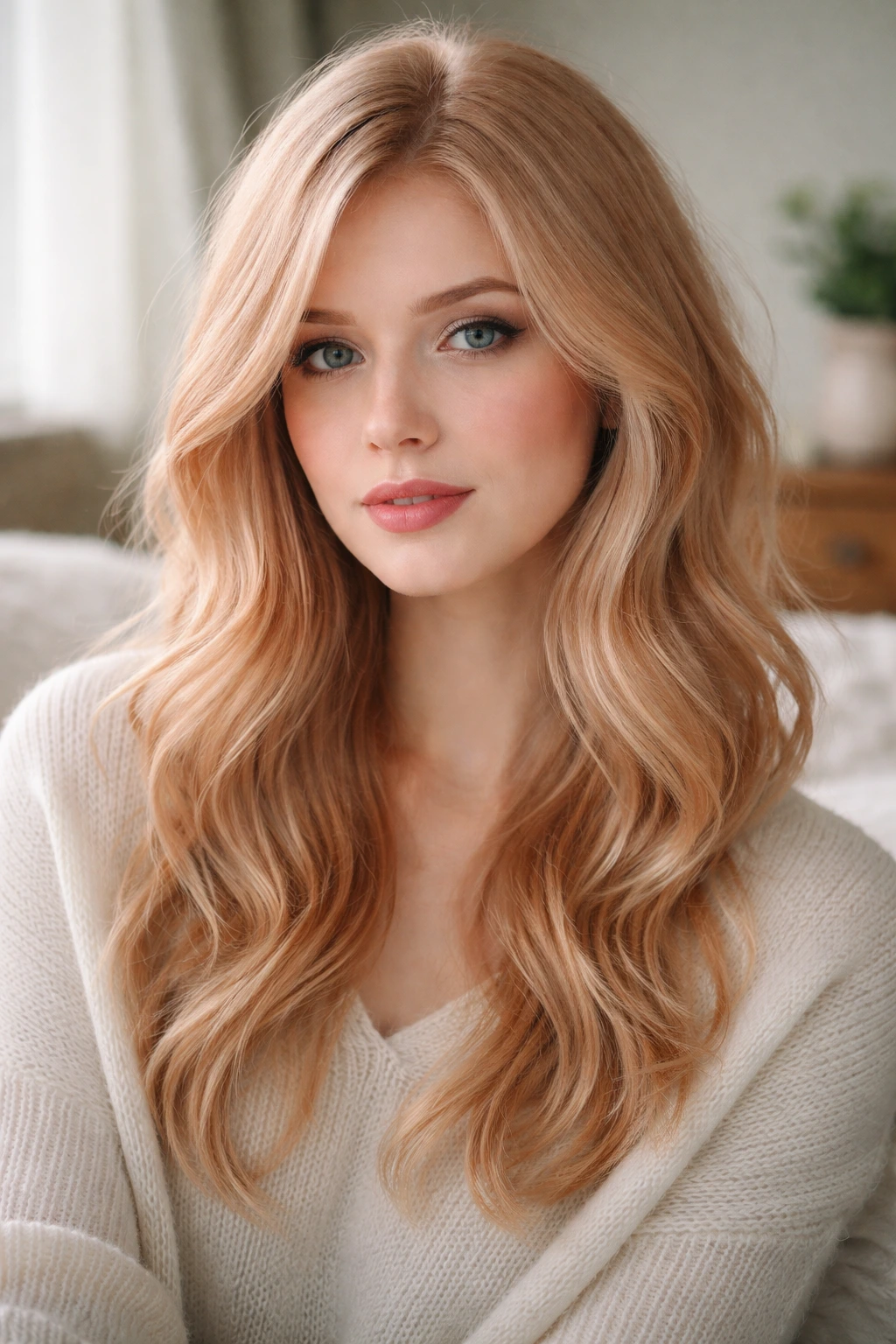
This is the gentlest entry point for someone who is nervous about going too vibrant. Strawberry blonde is essentially a mix of blonde and copper, but for cool skin, you need to keep the ratio right. You aren’t looking for a golden-honey strawberry. You are looking for a cool-leaning version that leans more toward pale pinks and soft corals.
Why It Works
By keeping the base closer to a platinum or ash blonde, you eliminate the yellow intensity that makes cool skin look sickly. The red pigment is sheer rather than opaque, which makes the color feel like a natural glow rather than a heavy coat of paint. It looks particularly striking on people with very fair, porcelain skin.
Pro tip: Ask your colorist for a “sheer glaze” rather than a permanent color. It allows your natural skin tone to harmonize with the hair rather than fighting against it.
2. Deep Cherry Copper
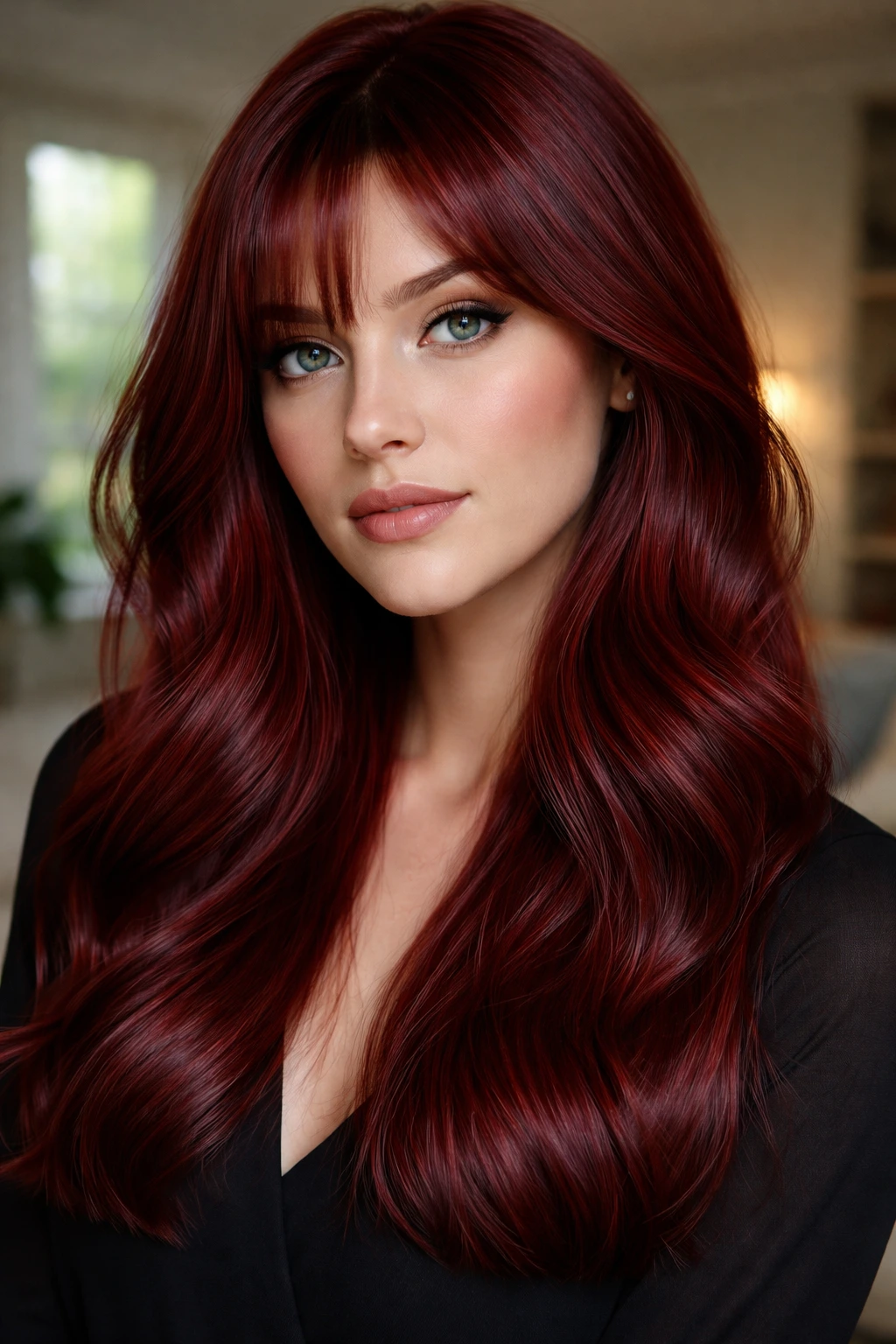
If you want drama, this is where you start. This shade isn’t about being subtle; it’s about depth and intensity. Cherry copper works because it pulls heavily from the blue-red family, which is naturally more flattering for cool undertones. It creates a rich, moody vibe that feels intentional and sophisticated.
How to Style It
- Keep the ends blunt to make the color pop.
- Use a high-gloss serum to prevent the red from looking dull or “dusty” in low light.
- Avoid heavy, warm-toned makeup; stick to cool berry or rose lip shades to tie the look together.
This color is remarkably forgiving. Because it has such a strong depth, you do not have to worry as much about it fading into an unflattering orange. It fades into a nice, deep auburn.
3. Dusty Rose Ginger
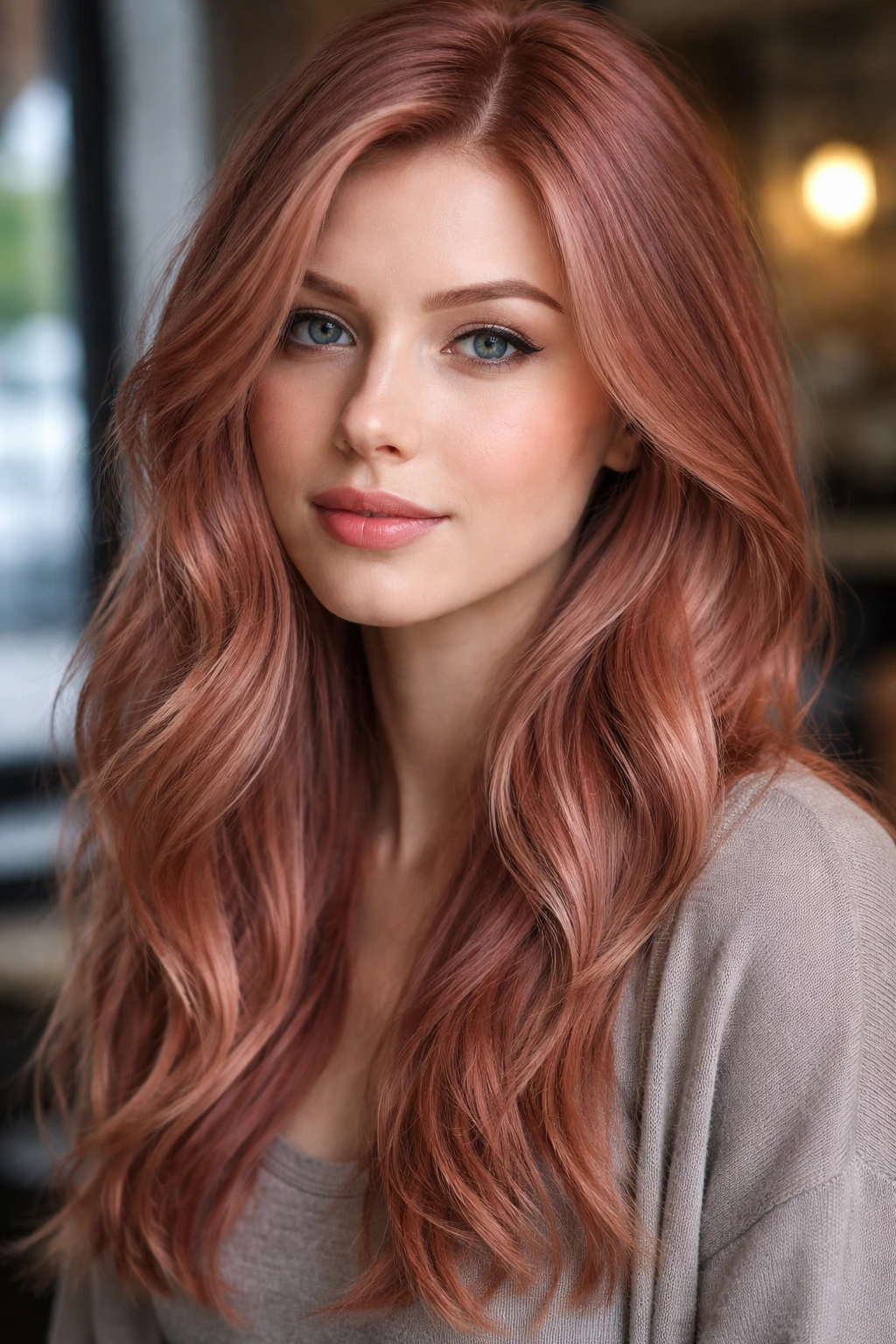
This color is having a massive moment, and for good reason—it is the perfect compromise between a fantasy color and a natural ginger. It’s muted, it’s soft, and it leans heavily into pink/violet tones, which are classic cool-skin companions.
Imagine a traditional copper shade, but filtered through a gray or ash lens. That “dusty” quality is what makes it work. It feels earthy and grounded, not neon. It doesn’t scream at your skin; it whispers. This is arguably the most modern, fashion-forward ginger shade you can wear right now. It looks incredible with a slightly messy, textured lob or beach waves.
4. Cool-Toned Auburn
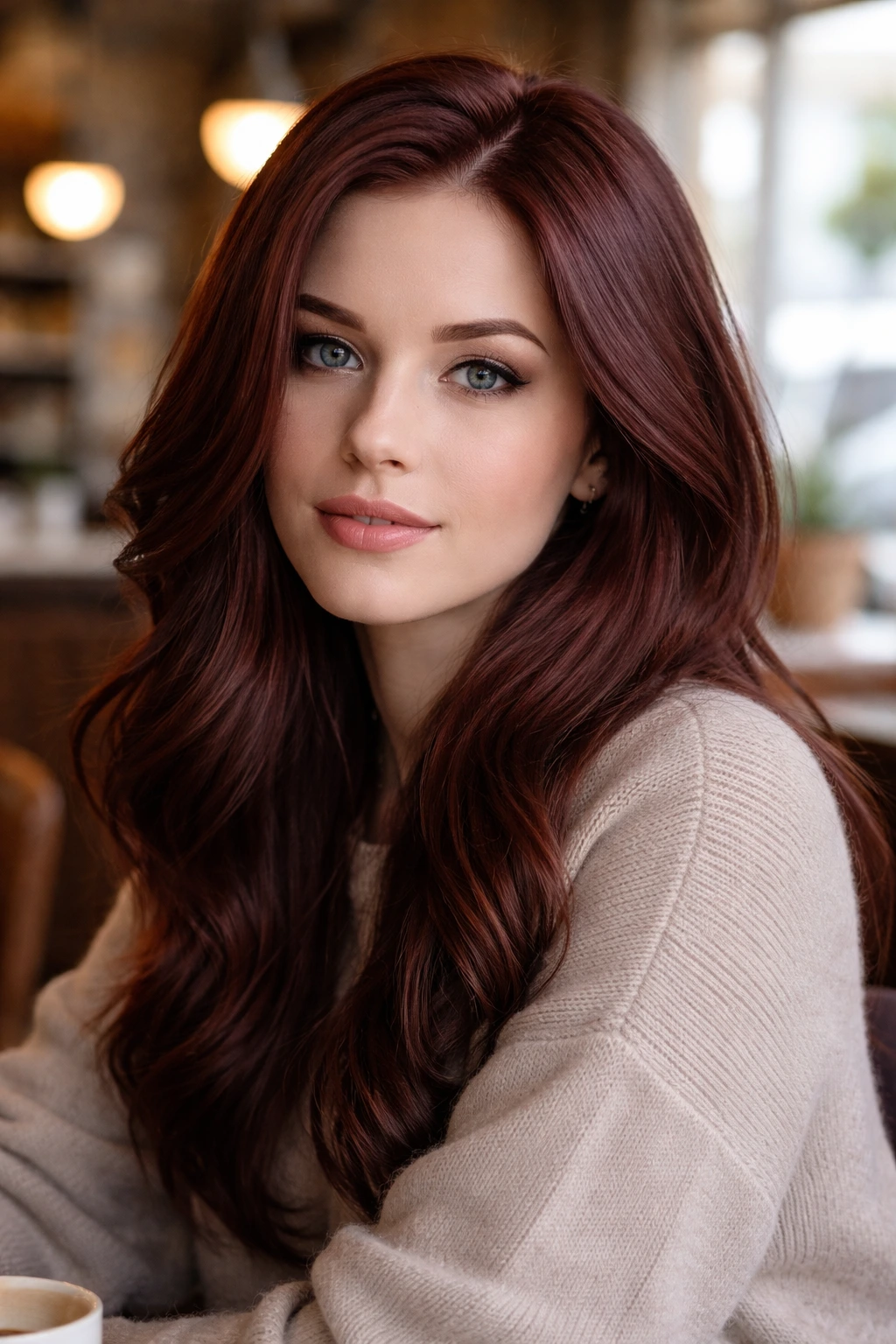
Auburn is usually associated with deep, warm, autumnal vibes—think of spiced cinnamon and dead leaves. But you can pivot auburn to be cool. The trick is to ask for a “cool auburn” or a “chocolate-cherry auburn.”
The Color Mechanics
You want the primary pigment to be brown-based, not yellow-based. The red should be a cool, deep red—almost a maroon. When you look at the hair, it should feel heavy and dense, not light and airy.
Maintenance note: Auburn fades the fastest of all red shades. You absolutely must wash with cold water and use a color-depositing conditioner to keep that deep red from turning into a sad, faded brown.
5. Violet-Infused Copper
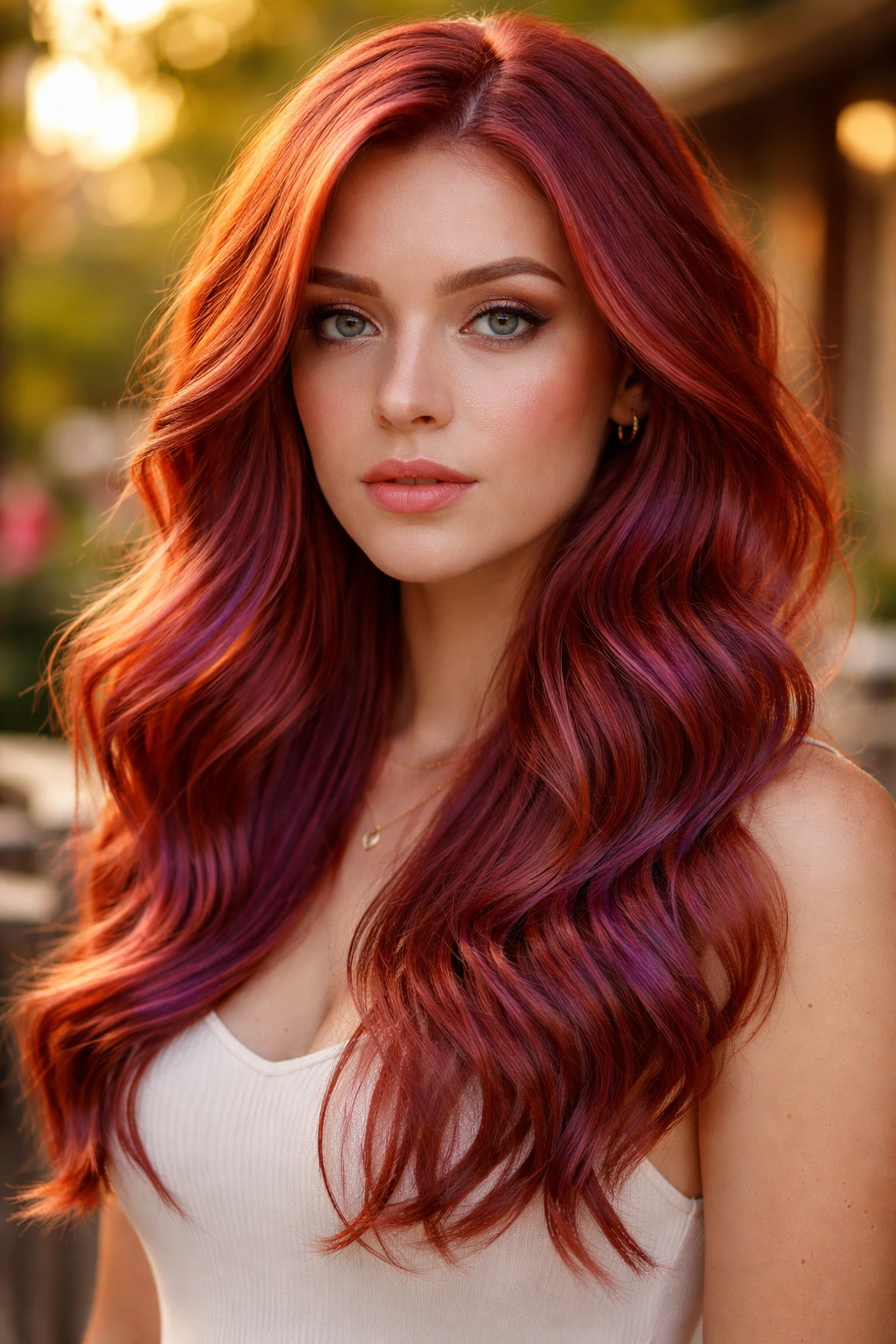
Violet is the absolute best friend of a cool-toned redhead. Why? Because violet is the opposite of yellow on the color wheel. If you are worried that your copper will turn brassy or yellow, adding a hint of violet neutralizes it immediately.
This look gives you the best of both worlds. You get the brightness of a copper, but the undertones are strictly cool. It is a stunning, dimensional color that shifts in the light. In the shade, it looks deep and mysterious; in the sun, it flares up with this cool, icy brightness.
6. Muted Terracotta
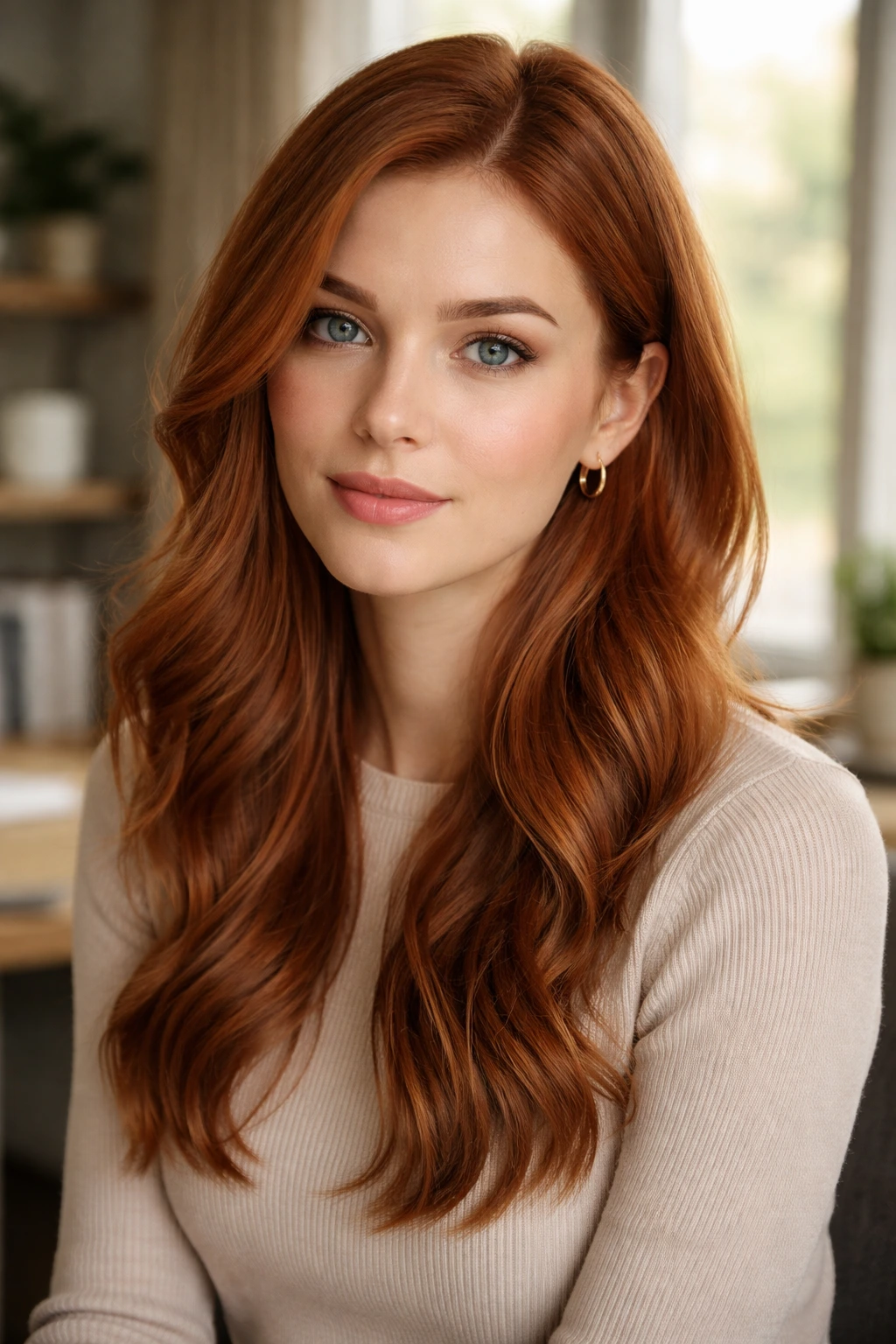
Think of the color of a clay pot, but dial back the orange and lean into the brown. Terracotta can lean very warm, but a “muted” version acts as a neutral. It is incredibly chic for those who want a ginger look that feels professional and understated.
This shade works beautifully for people who are naturally brunette but want to dip their toes into red. It doesn’t require a massive bleach-out, which is great for hair health. You are essentially shifting your tone, not stripping your pigment entirely. It pairs beautifully with dark, cool-toned eyes like hazel or cool brown.
7. Burgundy-Ginger Blend
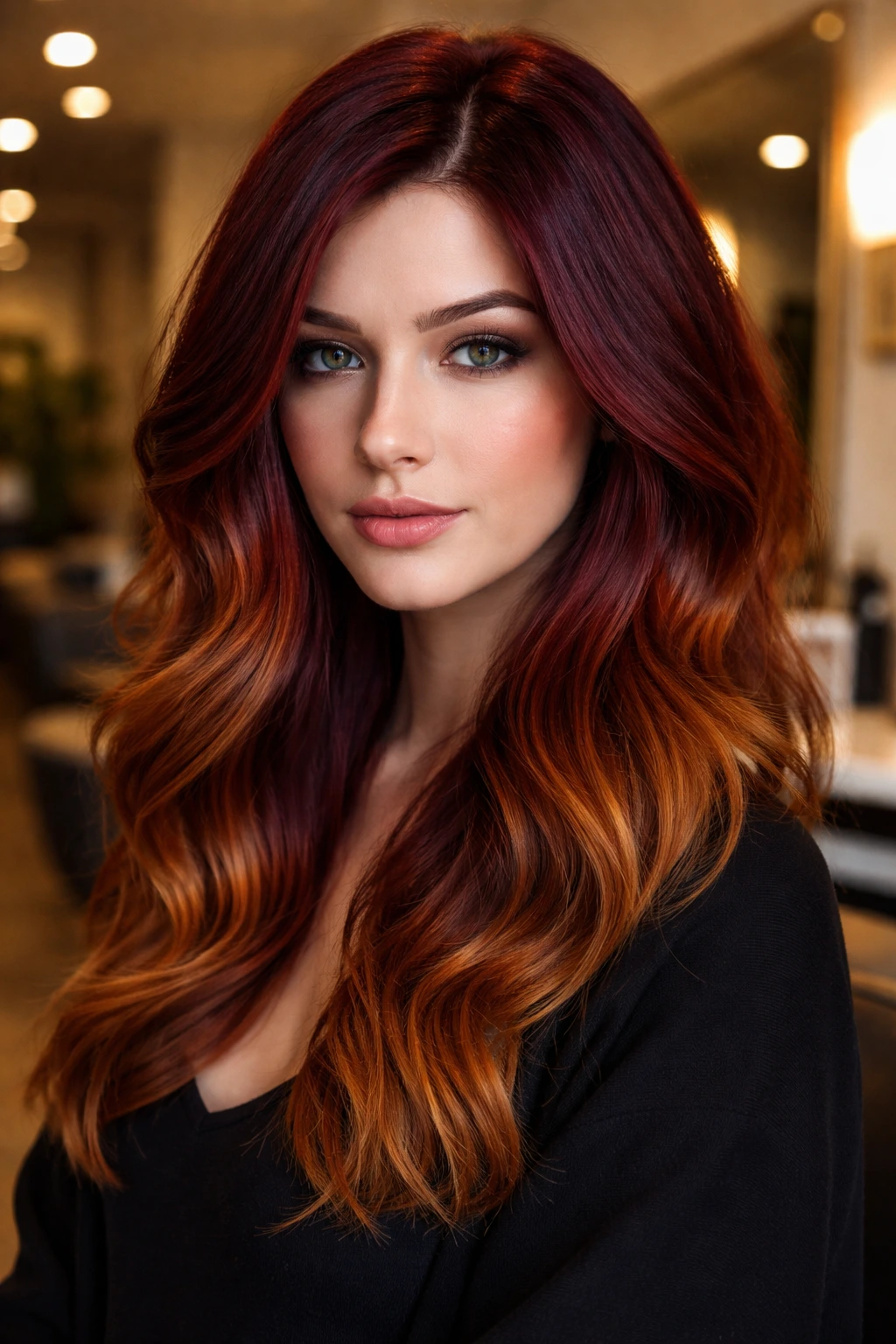
Sometimes you don’t have to choose between burgundy and ginger. You can blend them. This technique uses a ginger root color that melts into a deep, cool-toned burgundy toward the ends.
It is a masterful way to handle cool skin because the ginger never actually touches the skin around your face. The deep burgundy frames your face, providing that cool-toned buffer, while the ginger adds the fun, bright element through the length of your hair. It’s a smart, calculated way to wear a “warm” color without risking your complexion.
8. Icy Apricot
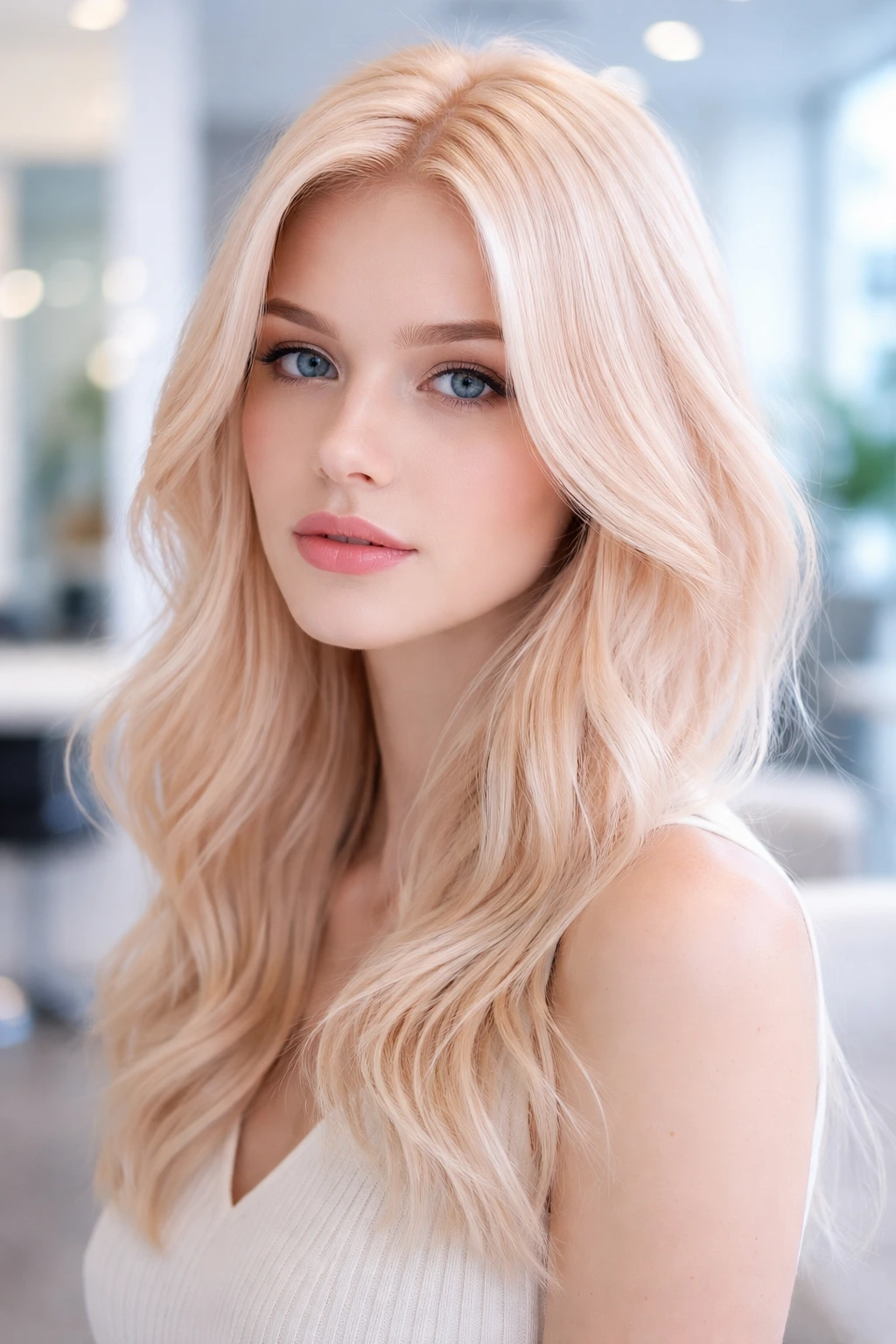
This is an avant-garde take on ginger. It’s a very pale, light orange—almost white-orange. It is incredibly high maintenance and usually requires platinum-level bleaching first.
Why It Works for Cool Skin
Because the hair is essentially platinum with a sheer apricot tint, it doesn’t fight your skin tone. It acts like an accessory. It is very light and bright, almost reflective. If you have cool skin and blue eyes, this color creates a high-contrast look that is striking and memorable. You have to be prepared to tone this hair every two to three weeks, or it will turn yellow.
9. Cool Cinnamon
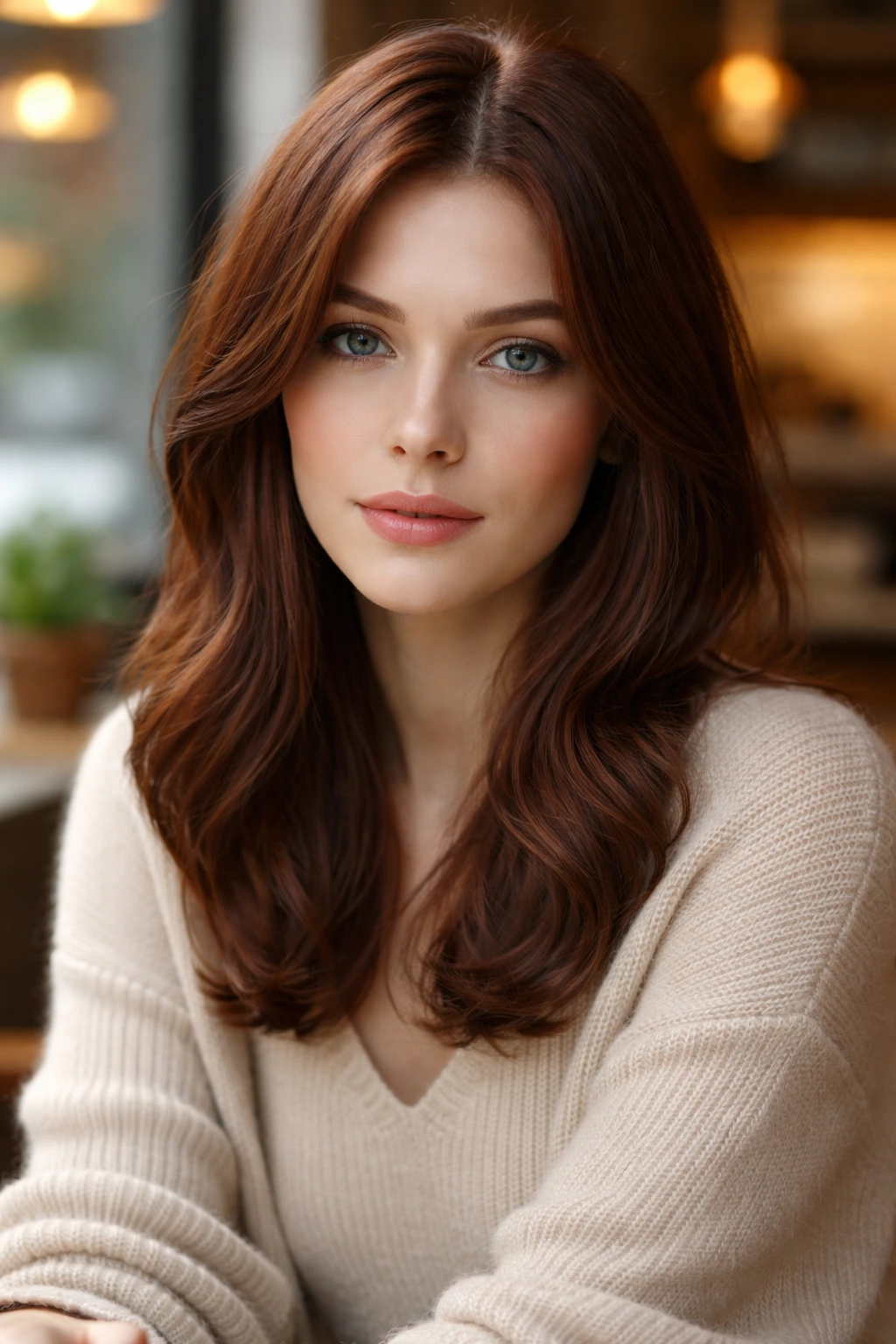
Cinnamon is often marketed as a warm spice, but in hair terms, “cool cinnamon” means a darker, ashier red-brown. It is less about the orange-red and more about the spice-red.
This is a very wearable, “everyday” color. It looks healthy, shiny, and vibrant without needing special-effects lighting to look good. It is one of the most reliable colors for cool skin because it stays firmly within the brown family while still delivering that ginger-red punch you’re after.
10. Rose Gold Ginger
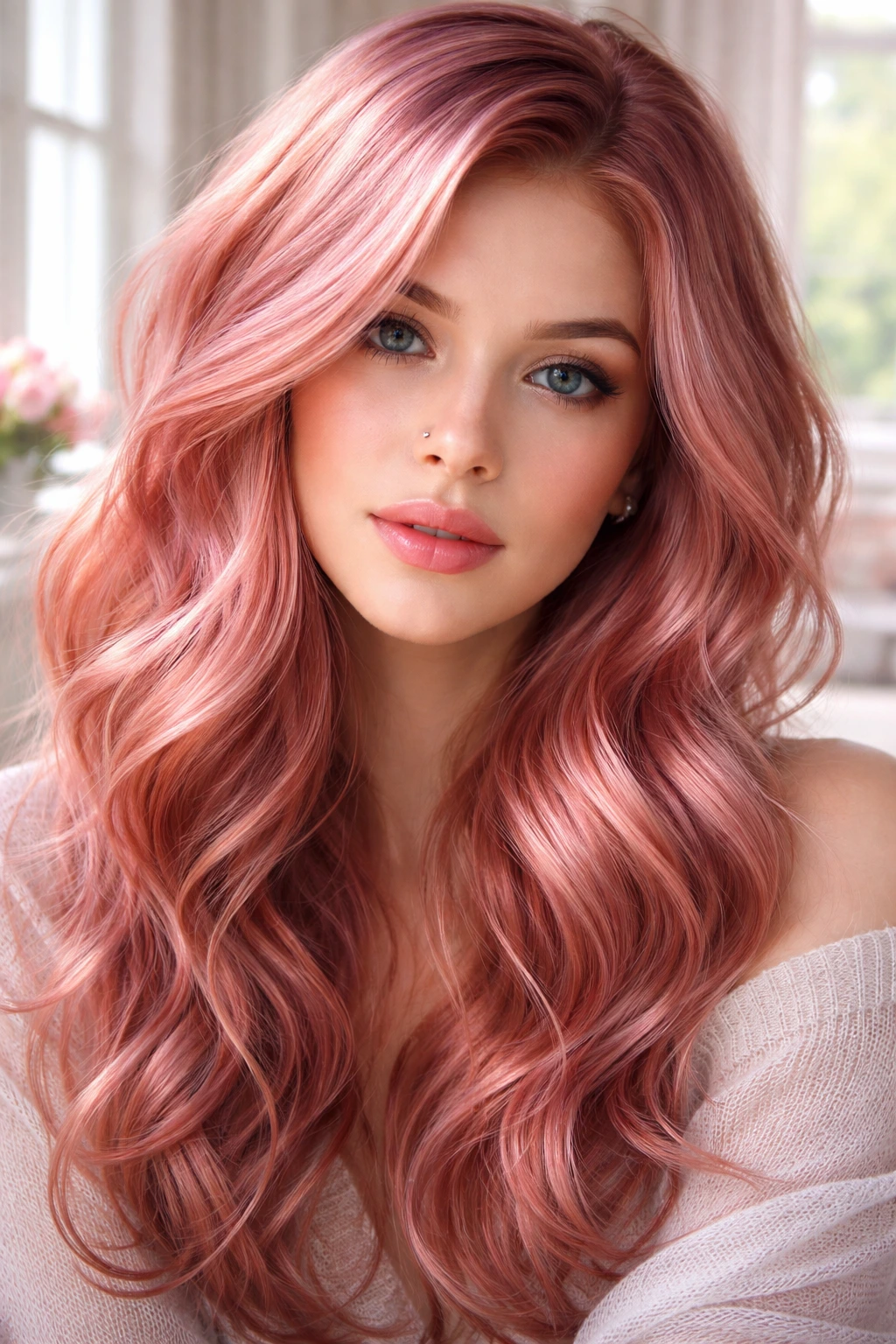
Rose gold has been everywhere, but the version for cool skin needs to be specific. Avoid the “pink-peach” rose gold, which is very warm. Go for a “pink-violet” rose gold.
This creates a shimmering, metallic effect that mimics the way light hits a jewel. It is a fantastic option if you like lighter hair but want more personality than a standard blonde or ash-brown. It looks exceptionally good with fair, cool-toned skin because the pink tones pick up the natural flush in your cheeks.
11. Plum-Toned Red
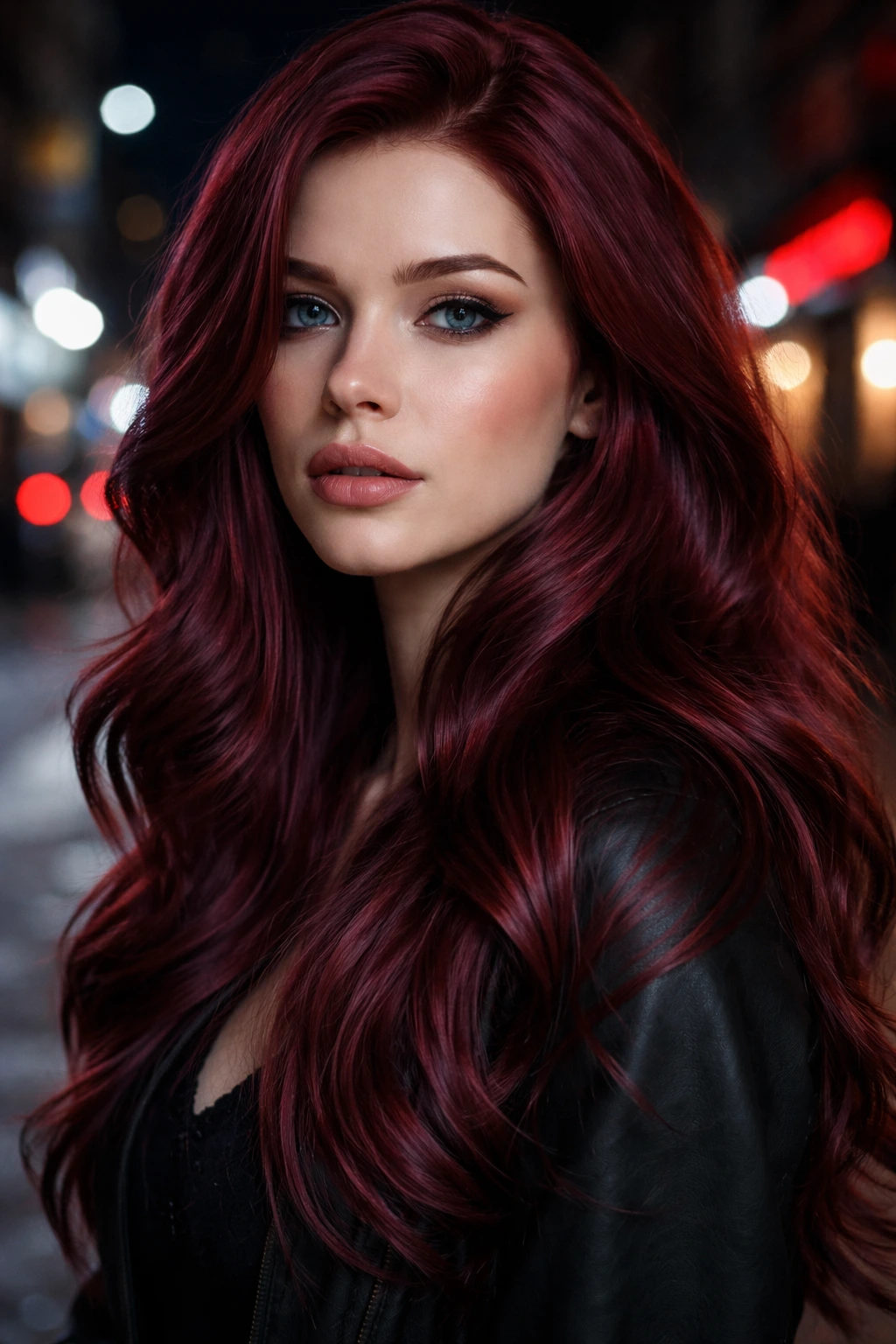
Think of the skin of a dark plum. It has that deep, slightly purple-red look. When you apply this as a ginger-inspired look, it is essentially a very dark, cool-toned auburn.
This is a power color. It is intense, it is bold, and it demands attention. It is excellent if you have darker features or if your cool skin is on the olive side. It provides a stunning contrast against dark or pale skin, making your eyes—especially if they are green or blue—look incredibly intense.
12. Ash-Ginger Balayage
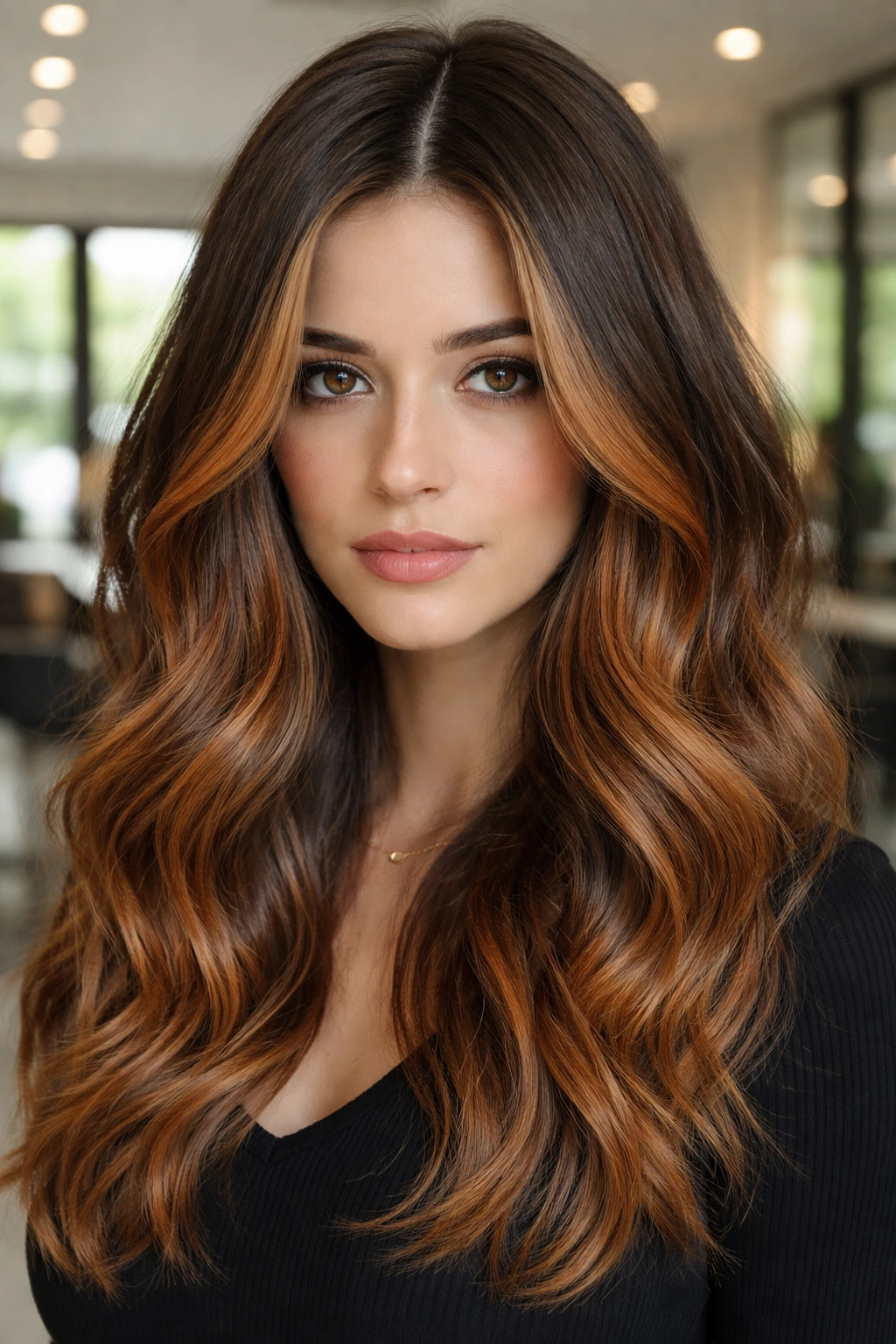
If you can’t commit to a full head of red, balayage is your answer. Ask for a root smudge in a cool, deep brown or dark ash-blonde, and have the stylist paint on ginger highlights using an ash-based toner.
The Strategy
- Keep the roots cool and neutral.
- Concentrate the ginger-red on the mid-lengths and ends.
- Ensure the toner used for the highlights is strictly ash, not gold.
This allows you to test the waters. Because the color is hand-painted and not sitting against your hairline, you don’t have to worry about the “washout” effect that occurs with full-coverage colors.
13. Deep Raspberry Copper
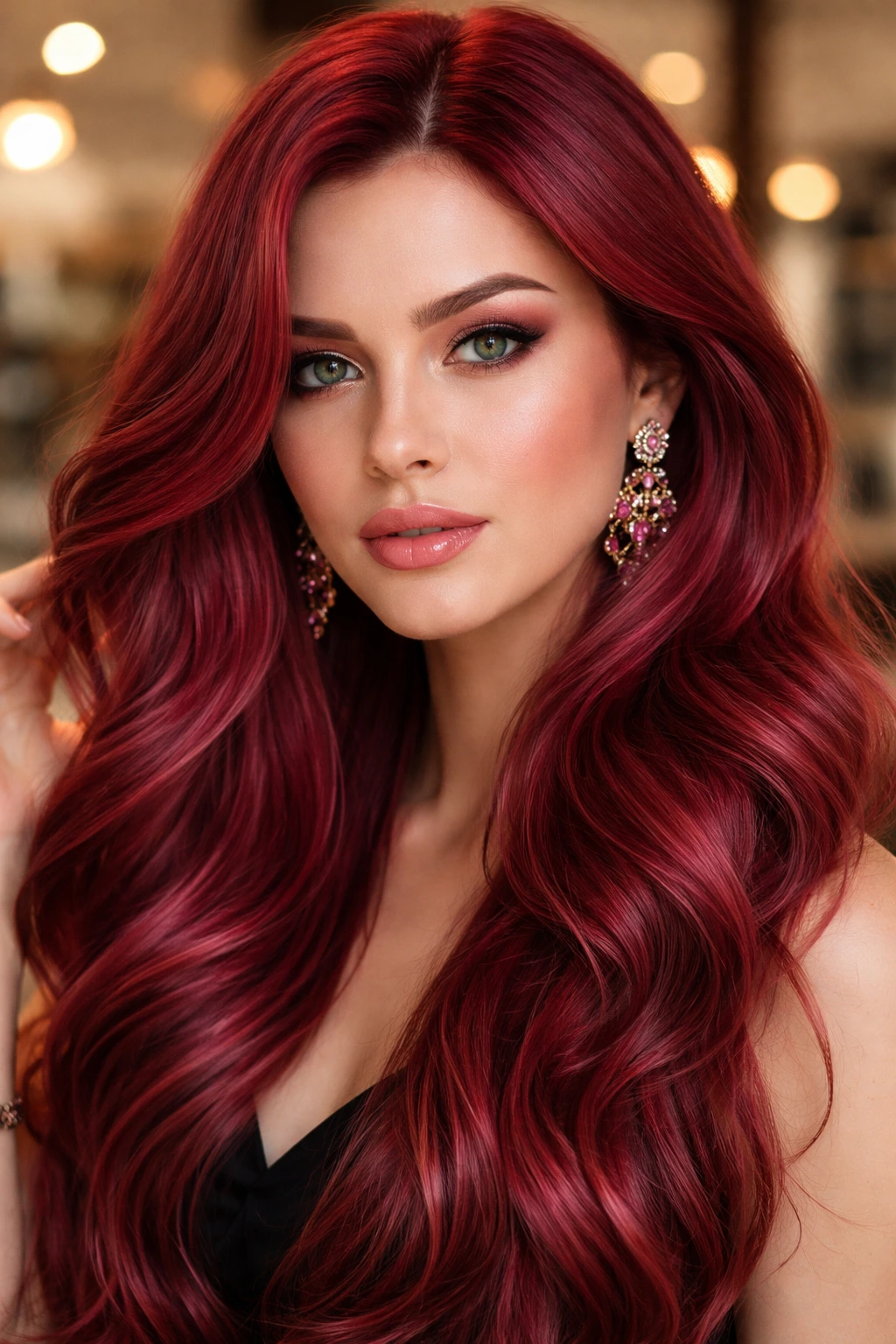
This is similar to cherry copper but with more “pink” and less “brown.” It is vibrant, fruity, and undeniably cool-toned. It’s like the color of fresh raspberry sorbet.
This shade is fantastic for people who want to embrace being a “redhead” without looking like they are trying to mimic a natural, orange-based ginger. It is a loud color. You will need to embrace bold makeup choices and statement jewelry. It doesn’t look great with washed-out, no-makeup looks; it needs the volume turned up.
14. Champagne Ginger
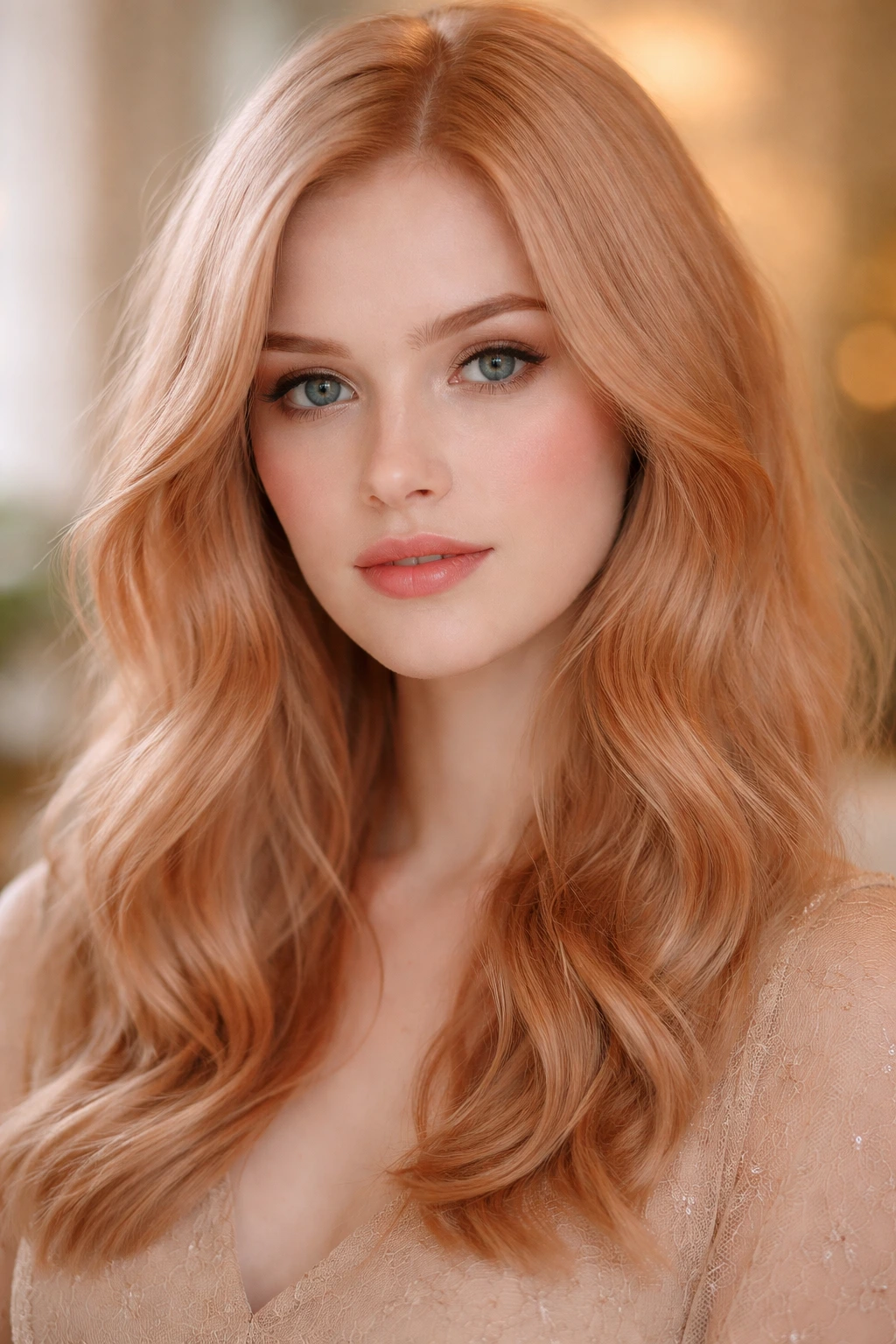
Think of a glass of champagne that has a tiny splash of cranberry juice in it. It’s very light, very pale, but it has that distinct pink-red undertone.
This is a refined, elegant look. It’s not “in your face.” It’s subtle, almost ghostly. If you have very fair, cool skin, this is arguably the most flattering ginger-adjacent color you can choose. It looks expensive and intentional. The downside? You need to maintain the “champagne” base, which involves keeping hair strictly toned to avoid brassiness.
15. Cool Mahogany
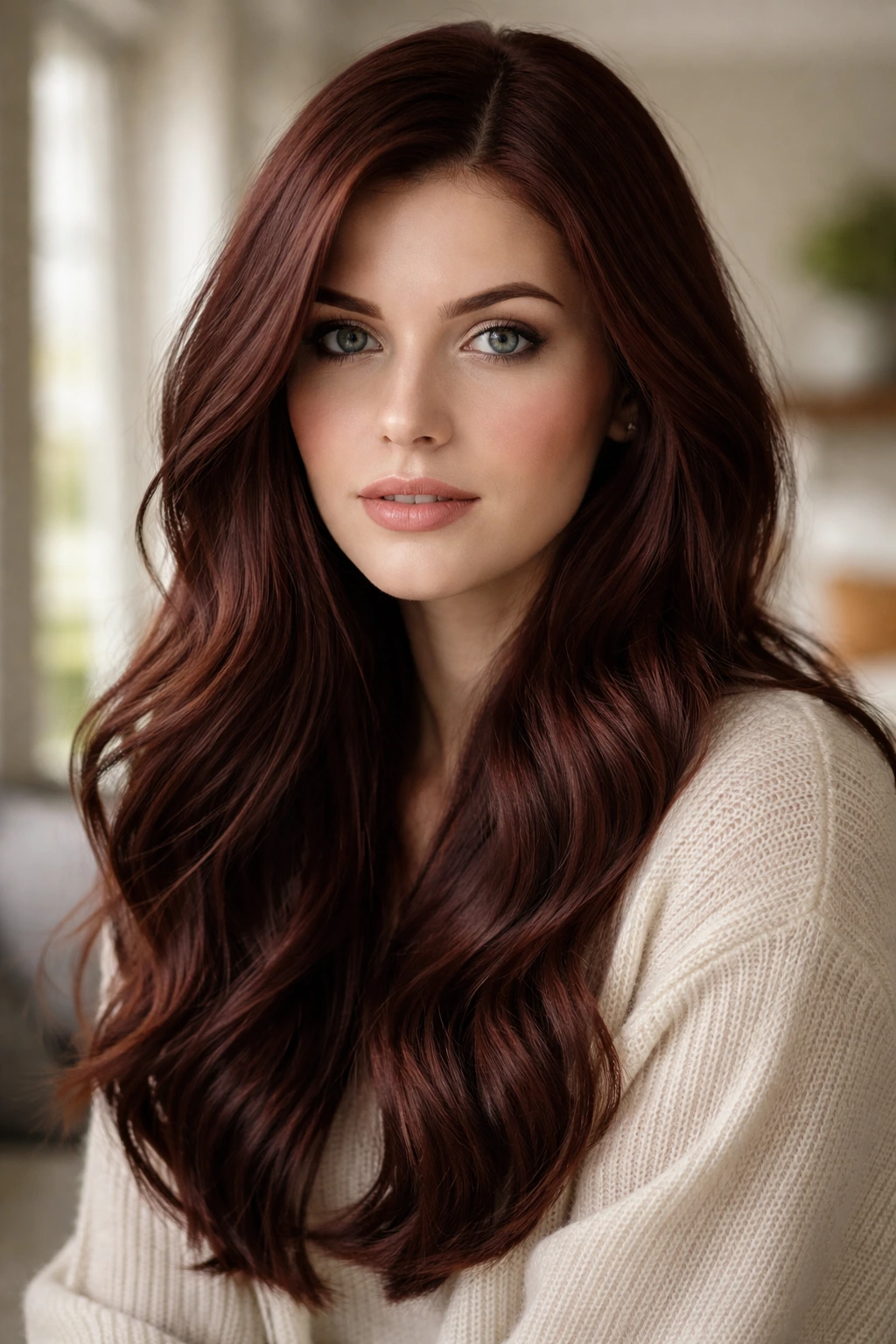
Mahogany is a classic hair color, but it’s often overlooked. It sits right between brown and red, with a distinct coolness that makes it perfect for those who find “copper” too intimidating.
It is a low-maintenance red. Because it is darker and closer to natural brown tones, you won’t have to deal with the rapid fading that happens with bright copper. It looks rich, healthy, and incredibly shiny. If you are a brunette who wants a change but isn’t ready to go bright, start here.
16. Pale Peach-Pink
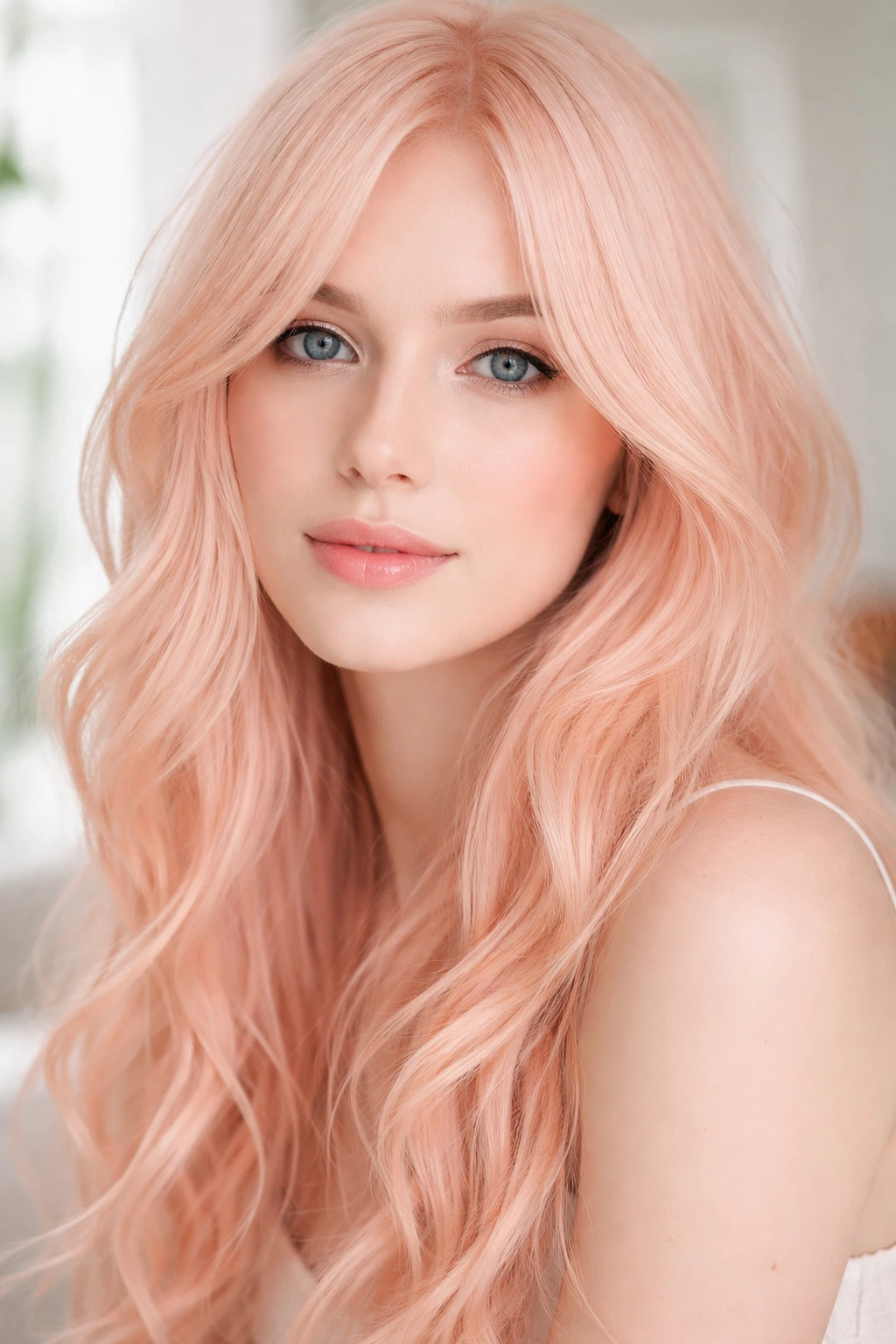
This is for the person who wants to be trendy and doesn’t mind the upkeep. It is a very light, desaturated peach that leans into pink.
This color is almost “pastel ginger.” It requires the hair to be lifted to a level 9 or 10, so ensure your hair is strong enough to handle it. The cool-toned pink base ensures it harmonizes with your skin rather than fighting it. It’s fun, it’s playful, and it’s very specific to a certain aesthetic.
17. Smoked Paprika
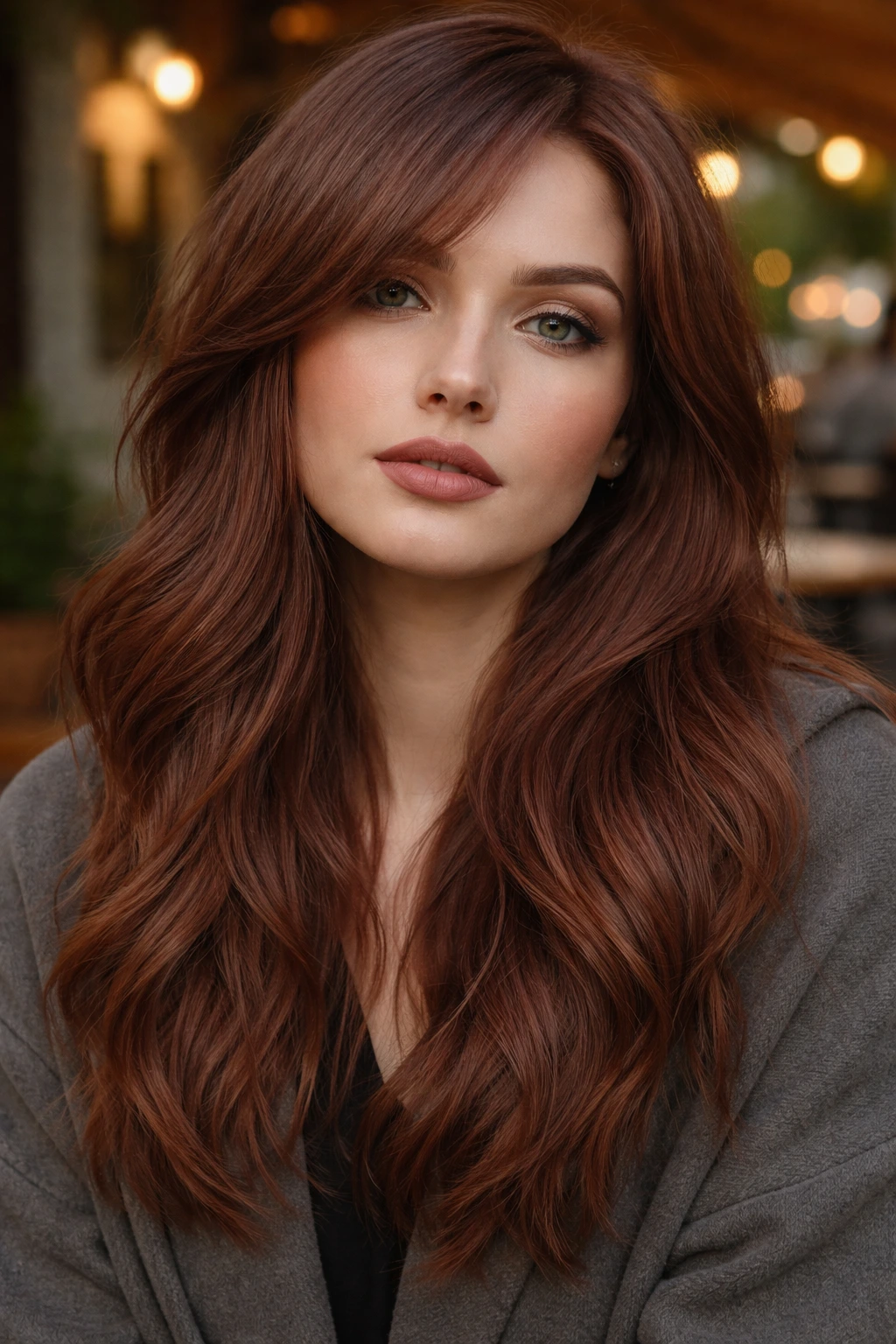
“Smoked” is the keyword here. It implies a grayish, ashy overtone that takes the heat out of the paprika red. Paprika is naturally a bright orange-red, but by “smoking” it, you’re bringing it down into a muted, sophisticated realm.
It looks like the spice jar—earthy, rich, and vibrant, but not neon. This works well for those with medium-cool skin tones, perhaps with some olive or grey undertones. It’s an unconventional color that looks very intentional and curated.
18. Soft Copper Lowlights
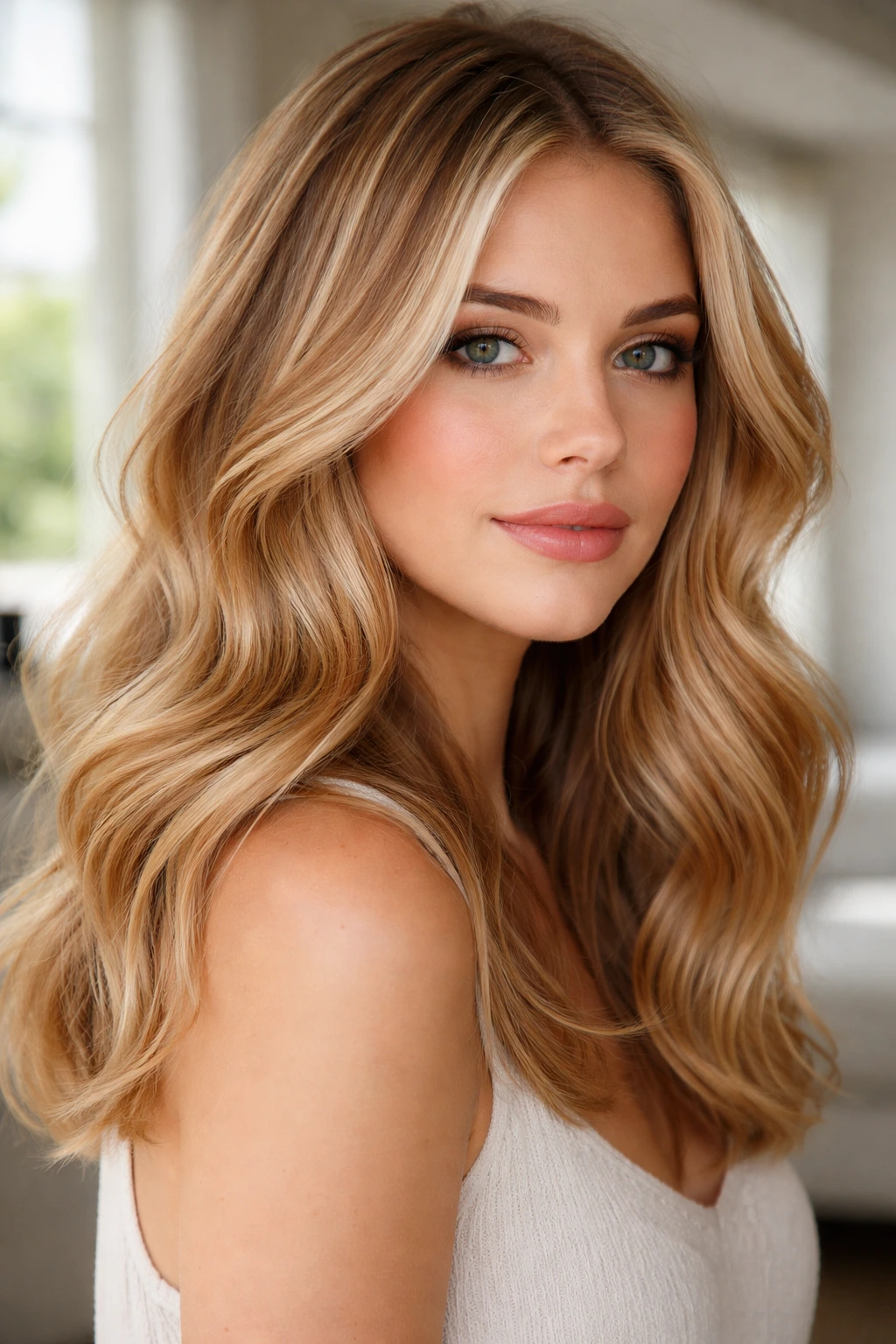
Sometimes, less is more. If you are currently blonde or light brown, you don’t need a full-head transformation. You can achieve a “ginger” look just by adding cool-toned, soft copper lowlights.
Why This Works
The base color (the blonde or brown) is still there, providing that cool, neutral backdrop. The lowlights just add warmth and dimension. It breaks up the monotony of a flat hair color and gives you the vibe of being a redhead without the commitment of the full-scalp color. It is the lowest-maintenance option on this list.
19. Cool-Toned Ginger Ombré
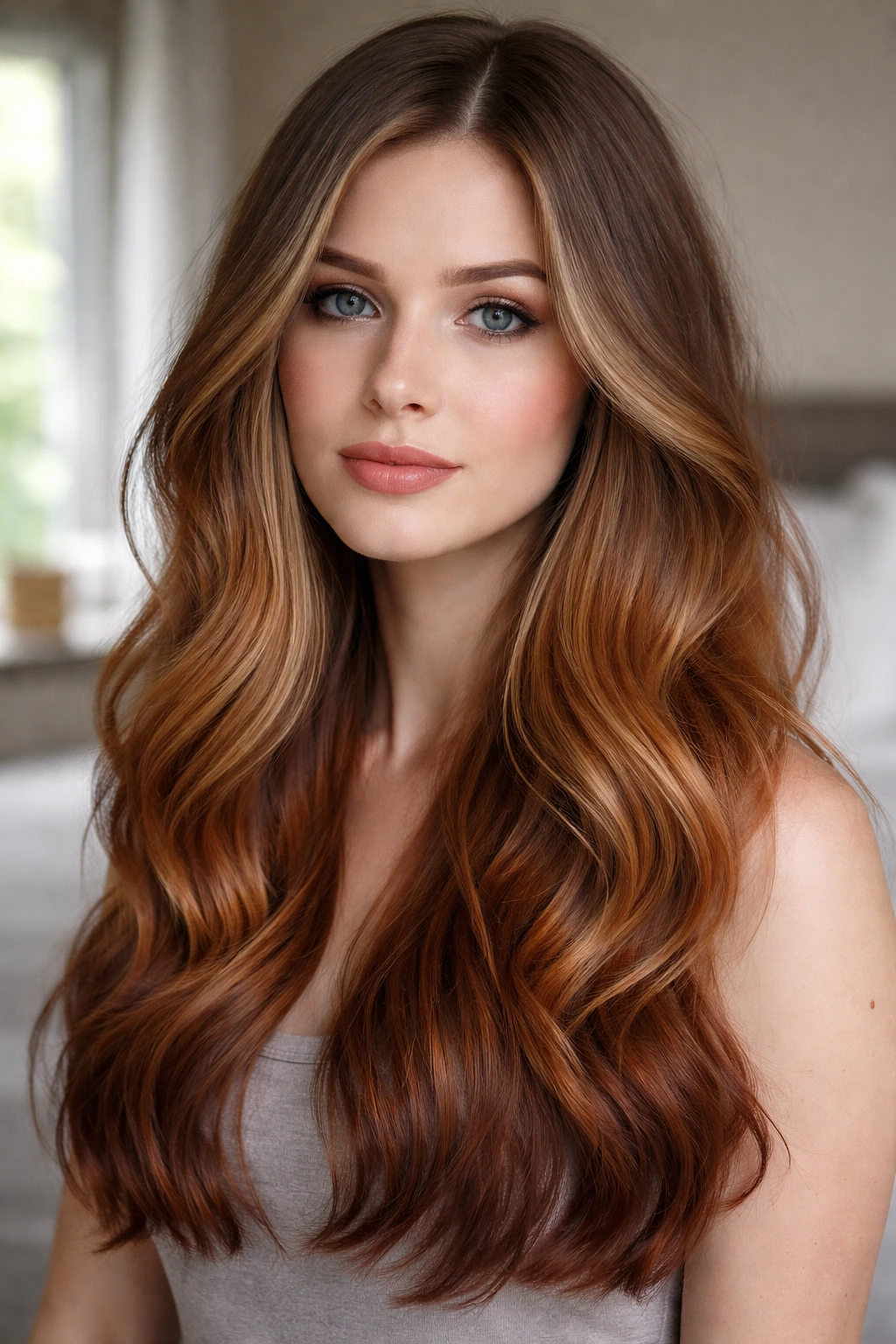
An ombré allows you to transition into the ginger look. Keep your roots natural (or a cool ash-brown) and have the red fade in toward the bottom.
To keep it cool-toned, ensure the transition phase—the middle part of the hair—is a neutral transition shade. Don’t let it drift into a yellow-orange. By the time the color reaches your ends, it can be a nice, cool copper or even a dark, muted auburn. This is a great way to grow out a color or to try something new without a permanent cut or style change.
20. Sunset Mauve
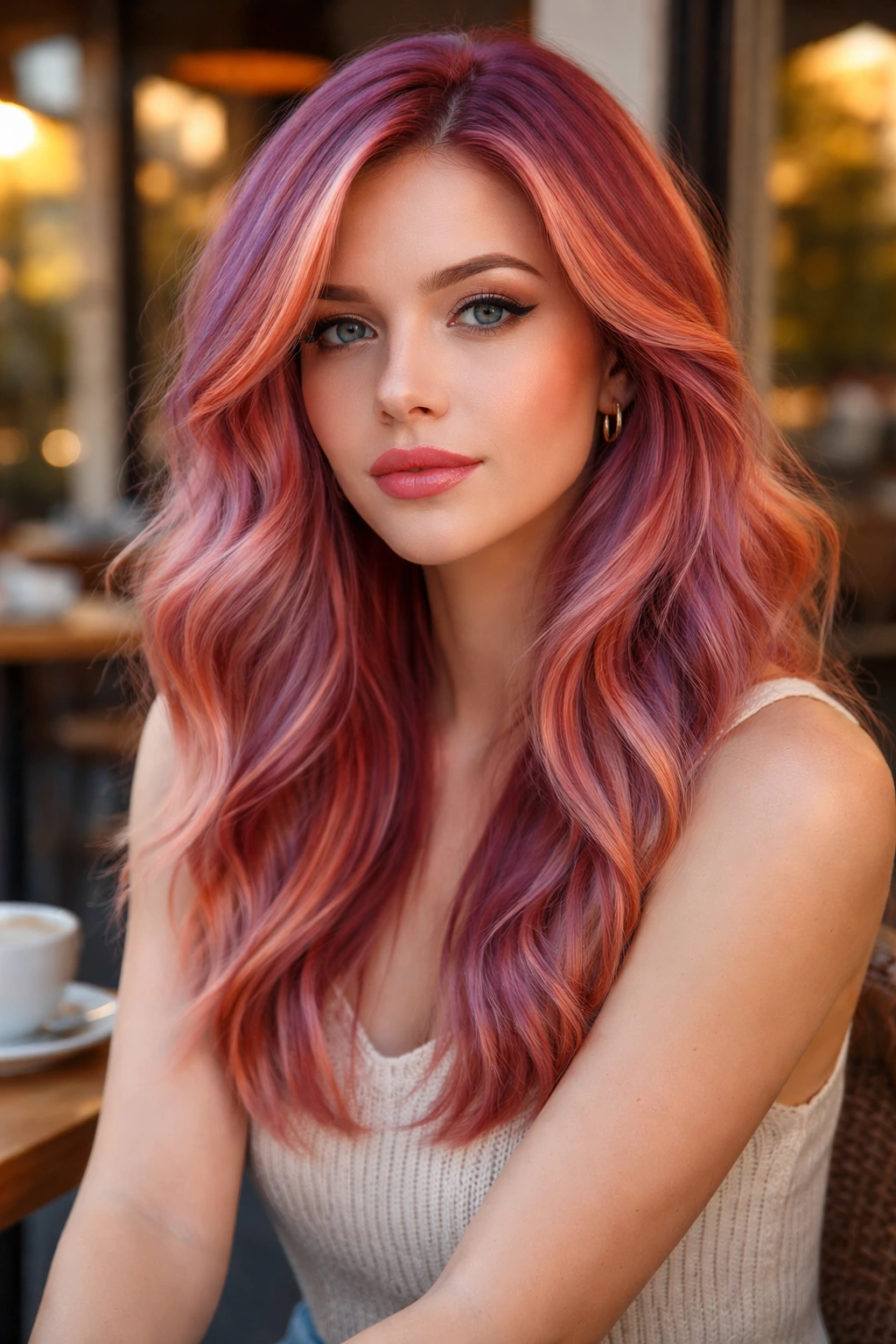
Let’s end on a high note. Sunset mauve is a blend of orange, pink, and violet. It captures that exact moment when the sun dips below the horizon and the sky turns that weird, beautiful shade of bruised purple and orange.
It is complex, it is moody, and it is entirely cool-toned because of the heavy violet influence. This is a high-fashion color. It’s not for the timid. If you want a ginger look that is completely unique and will have people asking what your “color formula” is, this is it. It looks fantastic with silver or platinum blonde highlights woven throughout for extra shimmer.
Final Thoughts
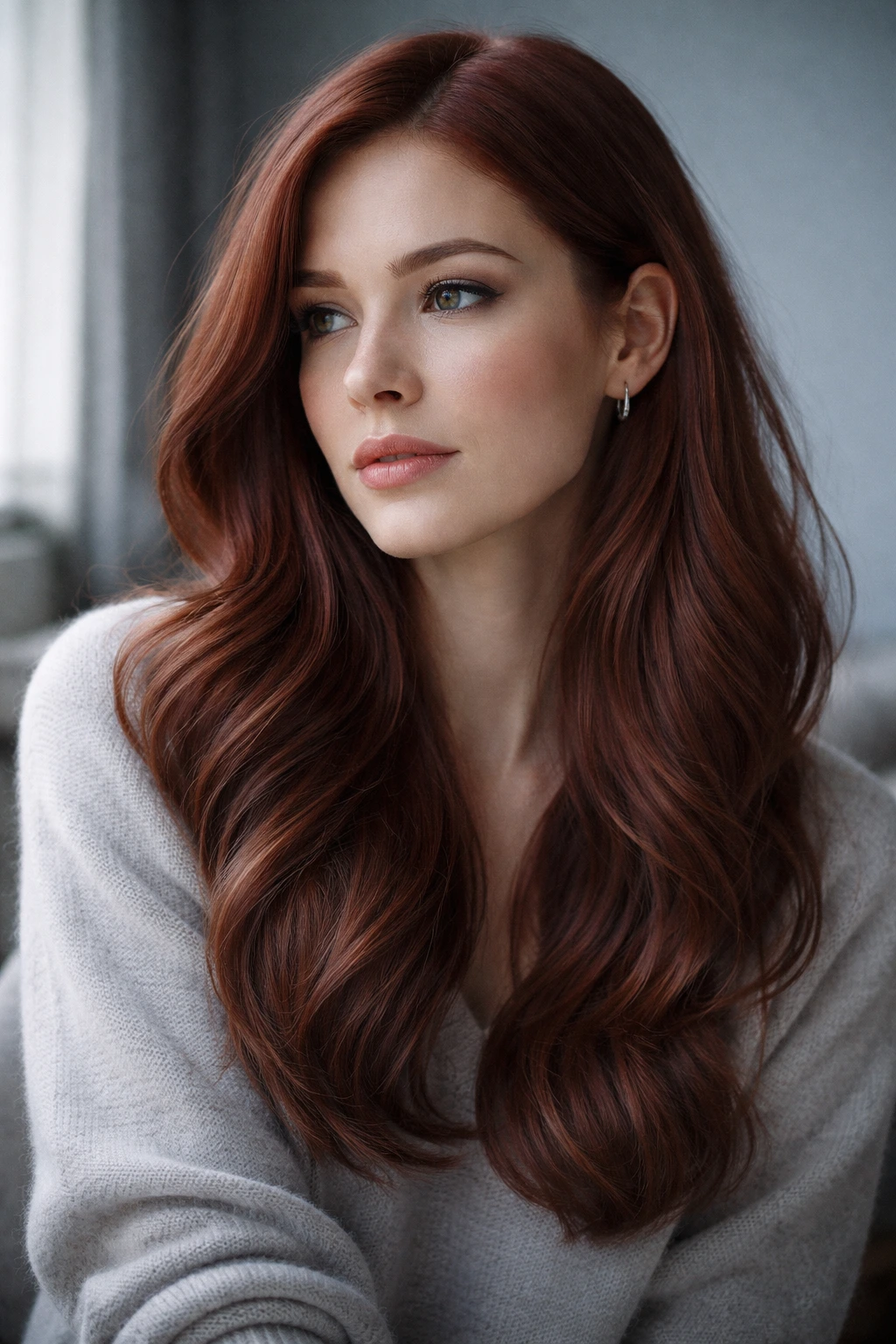
Finding the right ginger shade for cool skin is really just a lesson in color theory. You are avoiding the “clash” by avoiding the yellow/gold base. The moment you introduce a blue, violet, or ash base, the color stops fighting your skin and starts working with it.
If you are at the salon, don’t just ask for “ginger.” That word is too broad and usually implies the warm, yellow-based shades that scare people away. Bring photos—not of just any ginger hair, but of cool-toned, muted, or violet-based red hair. Be specific. Tell your colorist you are worried about brassiness and that you want to avoid yellow undertones.
A good colorist will understand immediately. They will know to reach for the ash toners and the blue-based reds. Once you get that shift right, you will realize that being a “cool-toned redhead” is not a contradiction. It is one of the most striking and sophisticated looks you can pull off. Just remember to use cold water when you wash, skip the hot styling tools when possible, and lean into the colors that make you feel like the best version of yourself.
