



Finding the right shade of red when your skin has cool, blue-based undertones feels like navigating a minefield. Most people assume red hair belongs to the warm family, filled with copper, gold, and orange pigments that clash spectacularly with pink or blue complexions. You have likely experienced the frustration of trying a beautiful, vibrant copper dye, only to catch a glimpse of yourself in the mirror and realize you look washed out or—worse—sallow.
That is where mahogany enters the conversation. It is the secret weapon for anyone with cool skin who wants to embrace red tones without looking like they are fighting their own natural coloring. Mahogany is unique because it blends red with deep violet or blue undertones, which aligns perfectly with your skin’s chemistry rather than clashing against it. It offers that rich, sophisticated depth that makes your eyes pop and your skin look bright and clear.
When we talk about mahogany for cool skin, we are not talking about a single, flat box color. We are talking about a spectrum. You can lean into the purple side, the deep brown side, or even a lighter, icy red side. The key is in the balance of those blue pigments, which act as the bridge between the vibrancy of red and the coolness of your skin. If you have been hesitant to try red, this is the safest and most flattering entry point.
Understanding Why Mahogany Wins on Cool Skin
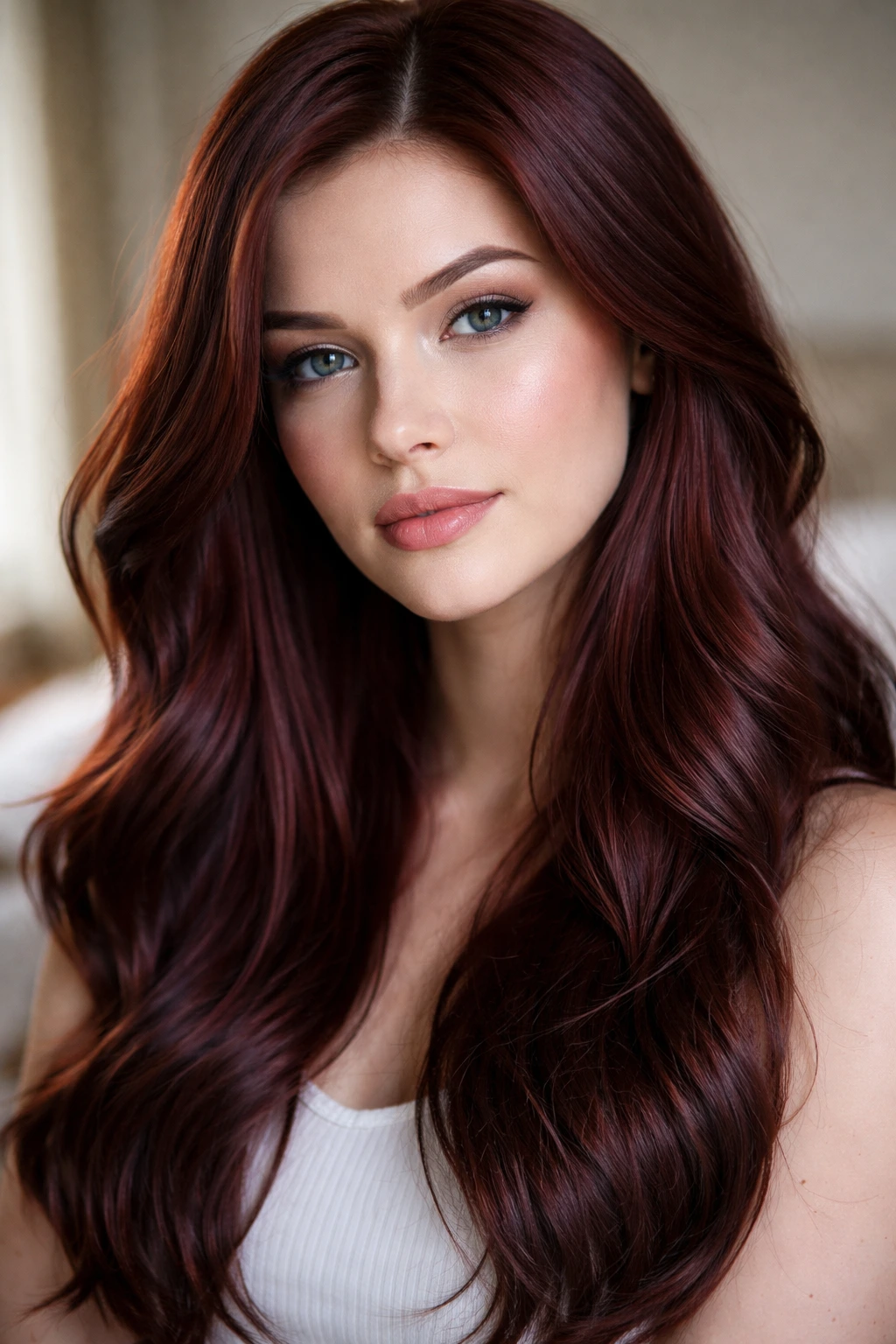
You might wonder why mahogany works when other reds fail so miserably. The answer lies in color theory. Cool skin tones possess blue or pink undertones. When you introduce a hair color that is predominantly orange or yellow-based, like a true copper or bright gold-red, your skin creates a muddy, jaundiced effect. It absorbs the warmth and leaves you looking tired.
Mahogany, by contrast, is rooted in cooler spectrums. It is essentially a brownish-red with a heavy dose of violet or plum. Because the base is cool, it harmonizes with the blue in your veins rather than fighting it. This creates a cohesive look where the hair color enhances your complexion instead of draining it. It is also a very forgiving color family, which makes it perfect for those who want to experiment without a drastic commitment.
The versatility of mahogany is its biggest strength. You can keep it dark and moody for a professional, sophisticated appearance, or you can weave it into a lighter, balayage-style look to create movement and texture. It works on nearly every hair texture, from stick-straight to tightly coiled, because the depth of the color adds the appearance of thickness and shine.
1. Deep Plum Mahogany
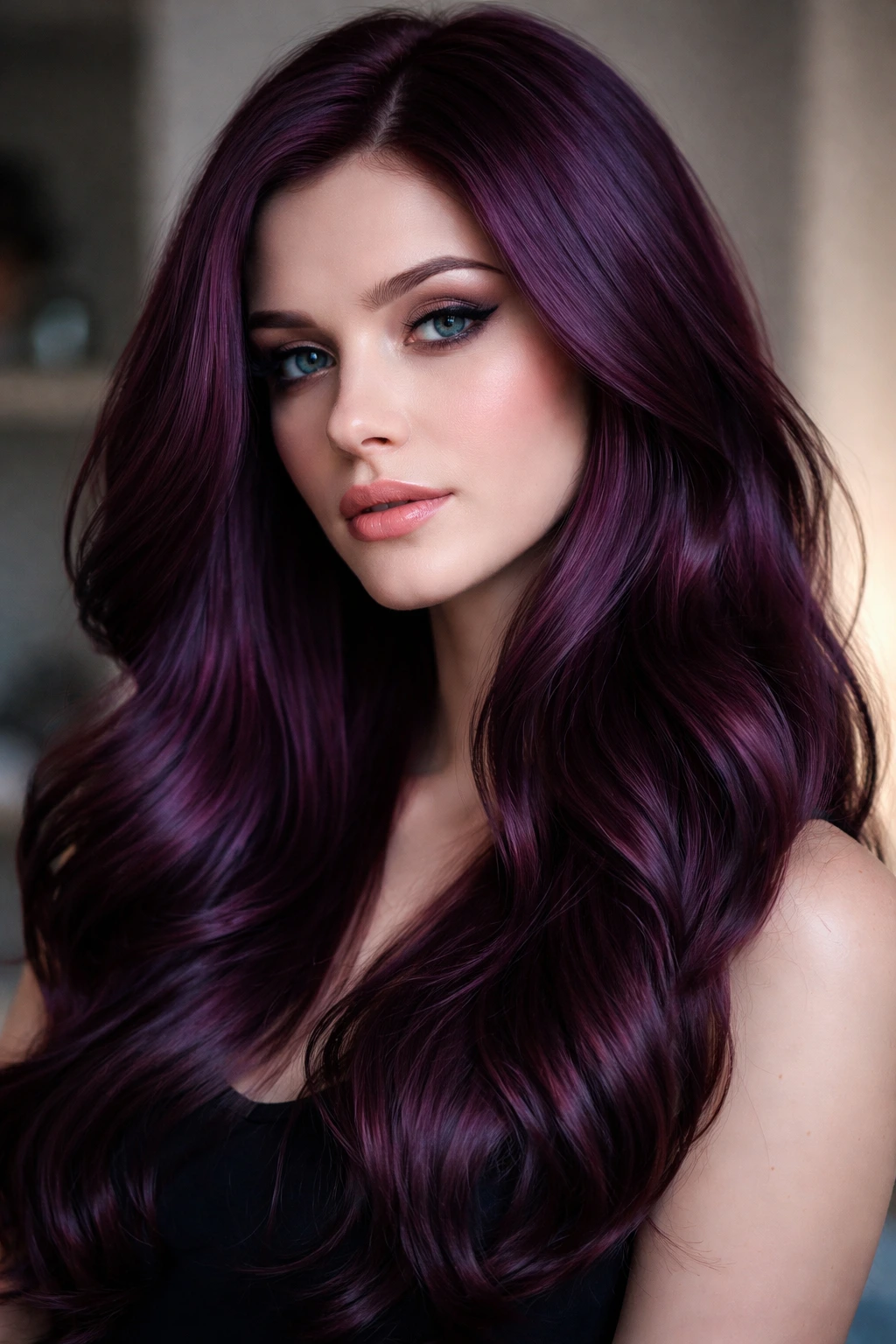
This is the quintessential mahogany for someone who really wants to lean into the purple-blue side of things. It is dramatic, moody, and undeniably cool-toned. It pairs exceptionally well with very fair skin, offering a sharp contrast that looks expensive and high-maintenance, even if you are just using a color-depositing conditioner to keep it up.
Why It Works for Cool Undertones
The high concentration of violet pigment acts as a natural “cool” agent. Unlike traditional reds, there is almost no orange here. It creates a rich, jammy color that makes cool skin appear brighter and less pink.
Quick Maintenance Tips
- Use a sulfate-free shampoo to prevent the violet tones from washing out.
- Rinse with cool water to lock the cuticle flat and reflect more light.
- Pro Tip: If your color starts to fade to brown, a purple-toning gloss will bring the plum back to life in just 10 minutes.
2. Mahogany Ribbon Highlights
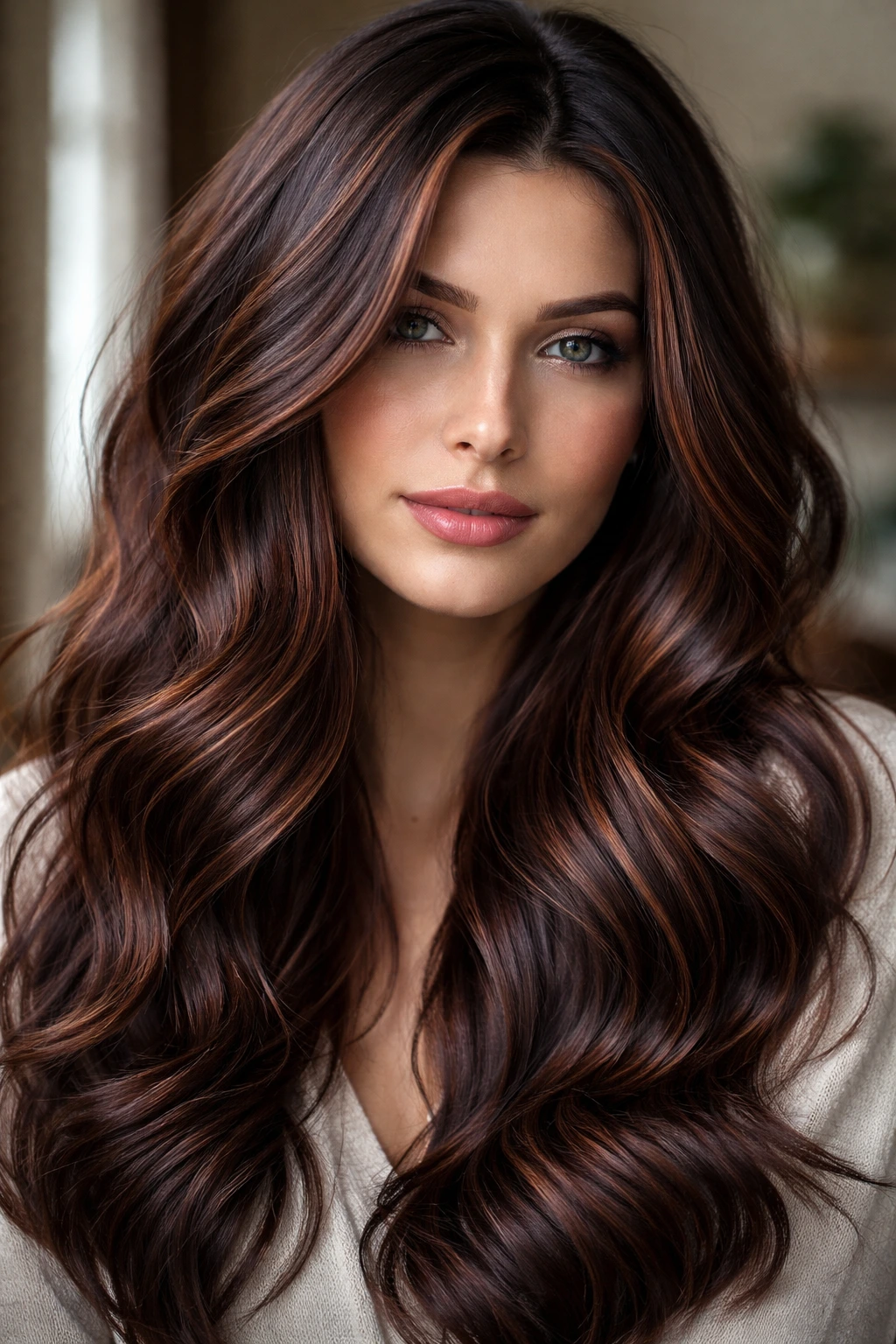
If you are not ready for a solid head of color, ribbons are your best friend. This technique involves painting the mahogany color onto select strands while leaving your natural base color exposed. It creates a multi-dimensional look that feels soft and lived-in.
The beauty of ribbons is the way they catch the light. Because mahogany has such depth, weaving it through a cool-toned dark brown or ash black base creates a subtle, shifting effect. It looks different in the office lighting than it does in direct sunlight.
How to Style for Maximum Impact
Since this is a dimensional color, waves are your best friend. A loose beach wave helps the mahogany “ribbons” peek out from underneath, showcasing the contrast between the cool brown base and the cool red accents. A simple straight iron can also work, but keep the ends slightly beveled to ensure the layers don’t look too flat.
3. Cool Berry Balayage
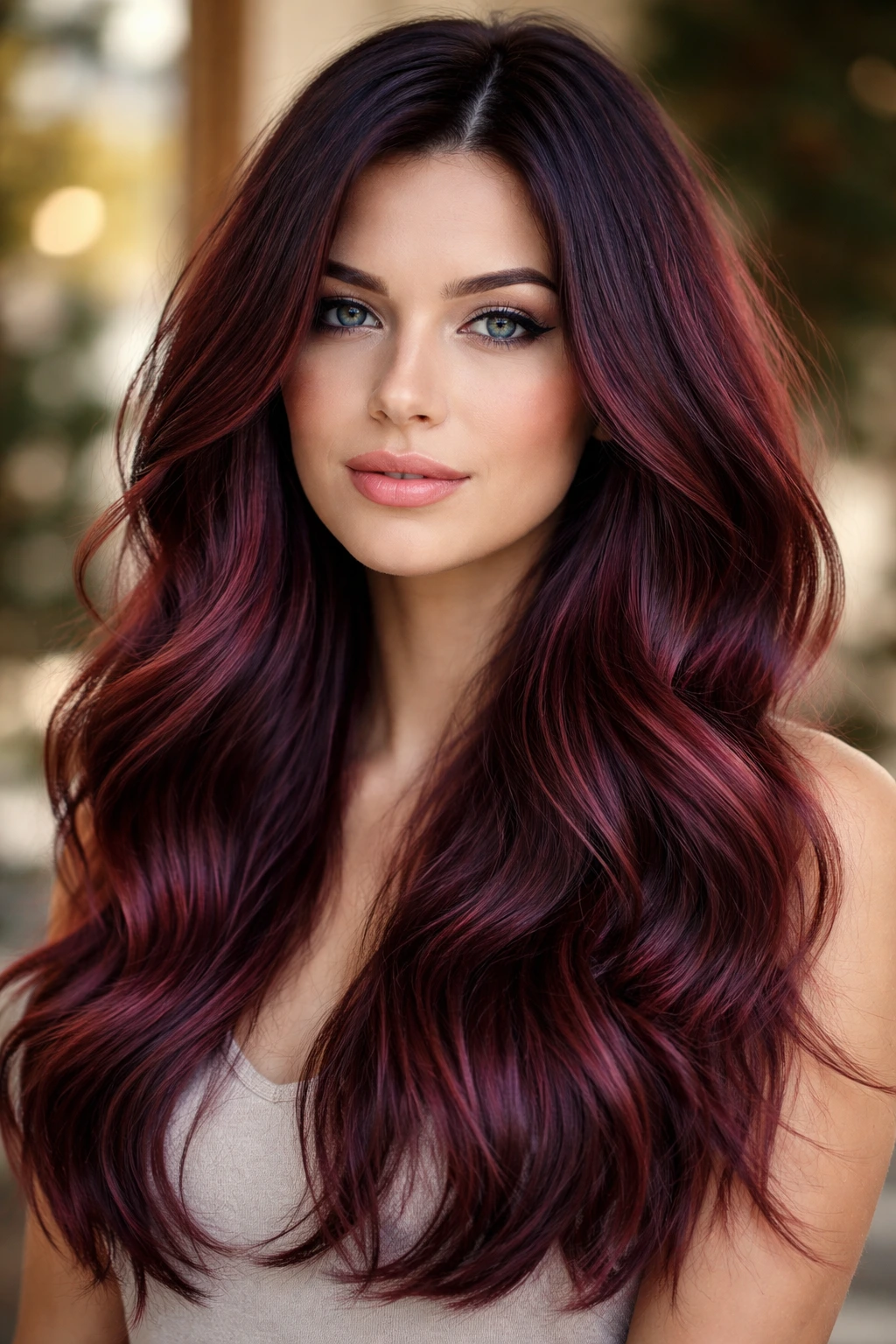
Balayage has become a permanent fixture in salons for a reason, but the “cool berry” approach is specific to those who need to avoid warmth. Instead of painting with honey or caramel, your colorist uses a berry-mahogany hue. It starts deep at the root and gradually transitions into a lighter, cherry-mahogany at the ends.
The Science Behind the Blend
By keeping the roots dark and cool-toned, you anchor the color to your skin tone. The lighter ends serve to add volume and texture without introducing unwanted warmth. It is a very natural-looking grow-out, meaning you won’t need to visit the salon every six weeks for a root touch-up.
Who Should Choose This
If you have long hair with layers, this is the style for you. The graduation of color looks incredible as it grows out, and it prevents the “helmet hair” effect that can happen with solid, dark colors.
4. Velvet Mahogany Ombré
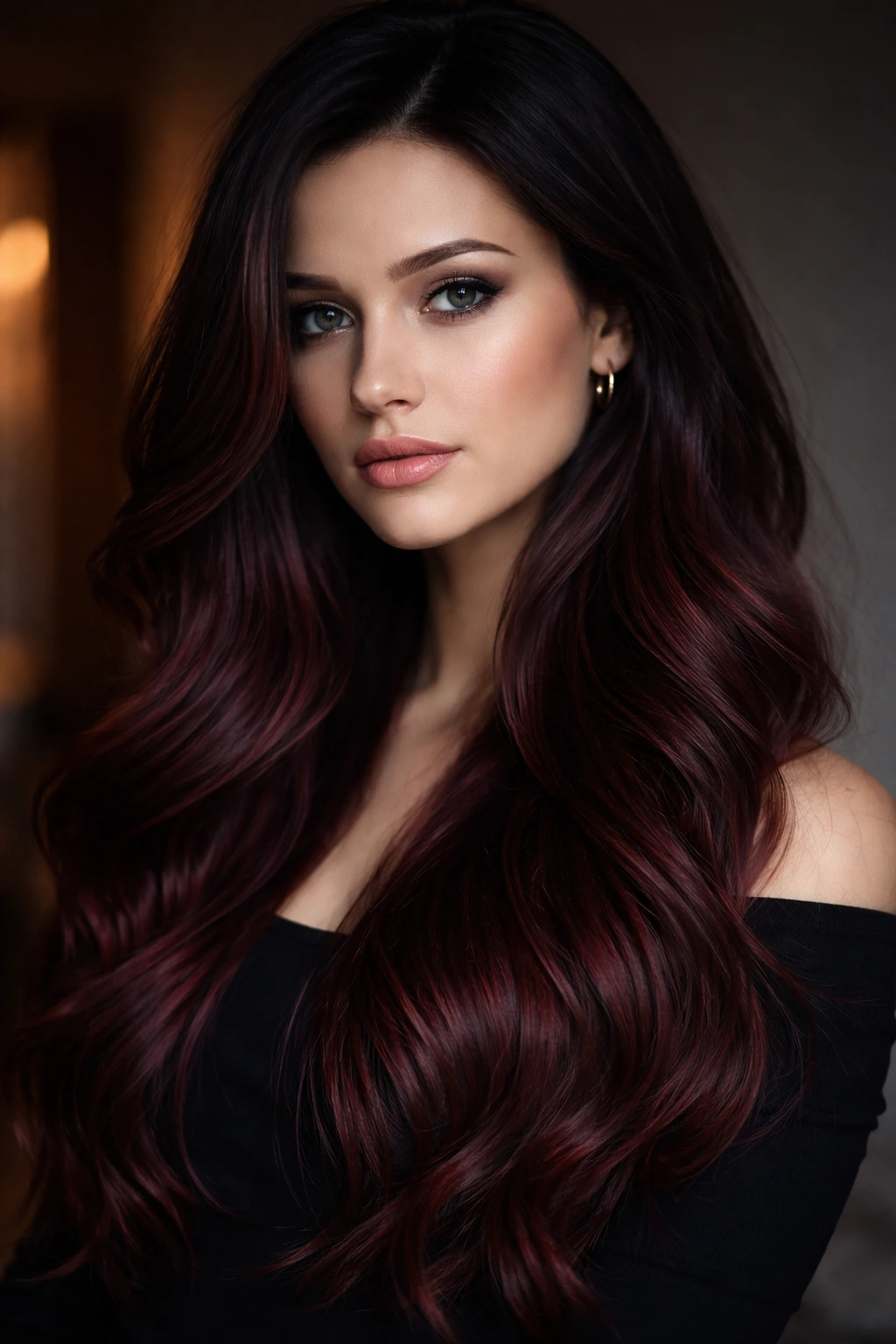
Ombré often gets a bad reputation for being dated, but the velvet mahogany version is entirely different. This is about a high-contrast transition from a near-black root to a soft, lush mahogany length. It mimics the look of high-end fabric—think crushed velvet.
Why This Style Persists
It offers all the drama of a dark hair color with the excitement of a red tone. The transition line should be blurred using a “smudging” technique, where the two colors are blended together on the hair shaft rather than meeting at a harsh, distinct line. This prevents the look from feeling like a mistake and instead makes it feel like a intentional design choice.
5. Black Cherry Mahogany
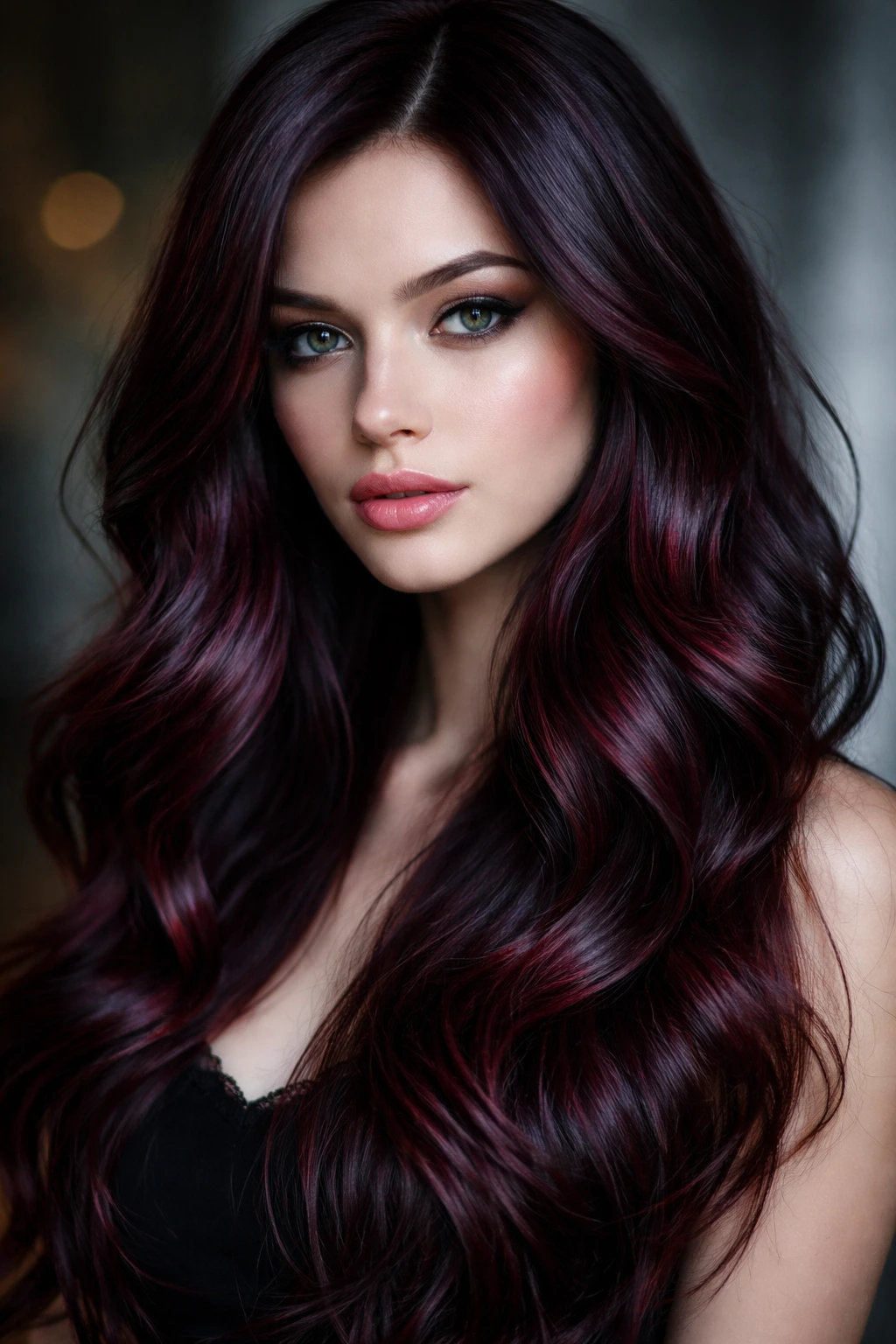
Imagine the darkest possible brown, almost black, infused with a deep cherry red. That is black cherry mahogany. It is the most “goth-adjacent” of the mahogany family, and it is stunning on anyone with very pale, cool skin.
Making It Your Own
The intensity is the star here. You can ask for a sheer glaze over dark hair for a subtle effect, or go for a permanent color application for maximum impact. The key is to ensure the cherry tone stays on the cool, pink-red spectrum rather than the orange-red spectrum. If it leans toward orange, you have lost the mahogany effect and entered copper territory, which is exactly what we are avoiding.
6. Smoky Mahogany
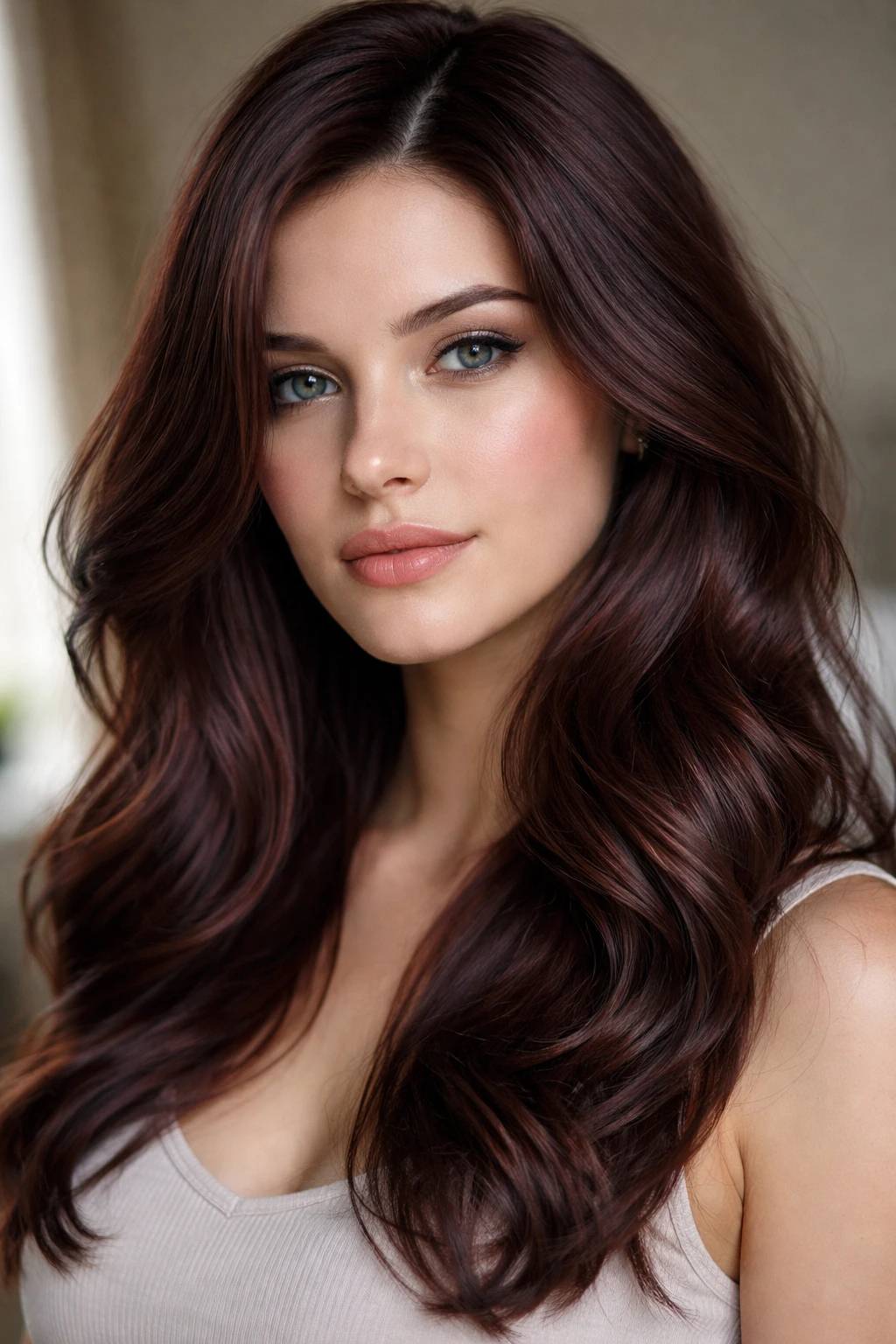
“Smoky” colors are essentially muted or “dusty” shades. This is mahogany mixed with a significant amount of grey or ash. It takes the vibrant, juicy quality of mahogany and tones it down to a sophisticated, modern shade that looks almost metallic.
The Appeal of Muted Tones
For many people, bright, saturated red is too much. Smoky mahogany provides the red influence without the shock factor. It pairs beautifully with grey-blue eyes and cool skin because the ash component in the dye acts as a harmonizer.
How to Get the Look
Ask your colorist for an “ash mahogany” or “dusty plum” blend. They will likely need to pre-lighten your hair slightly to ensure the ash tones show up properly, as putting an ash tone over very dark, natural hair can sometimes result in a dull, muddy appearance.
7. Mahogany with Violet Lowlights
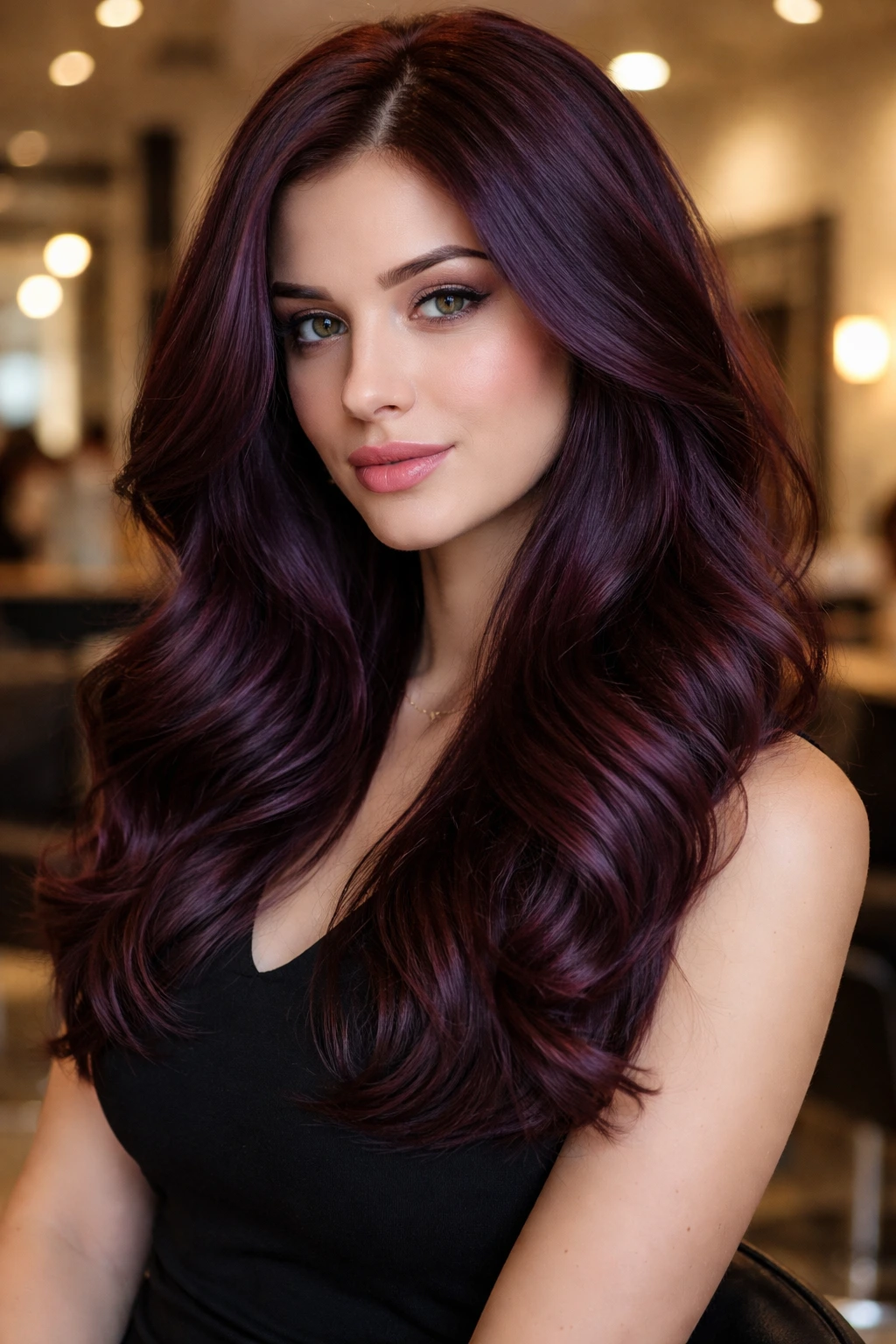
Sometimes the best way to change your hair color is not by changing the all-over shade, but by changing the depths within it. Adding violet-based lowlights to a base mahogany color adds instant richness and makes the hair appear significantly thicker.
Why Lowlights Matter
Lowlights create the illusion of density. If your hair is fine, weaving in darker, cooler violet ribbons gives the appearance of volume. It also adds a layer of complexity to the color, so it doesn’t look like a single flat sheet of dye. This is an excellent technique for transitioning from a lighter color to a darker one, as it helps ease you into the change.
8. Icy Mahogany Melt
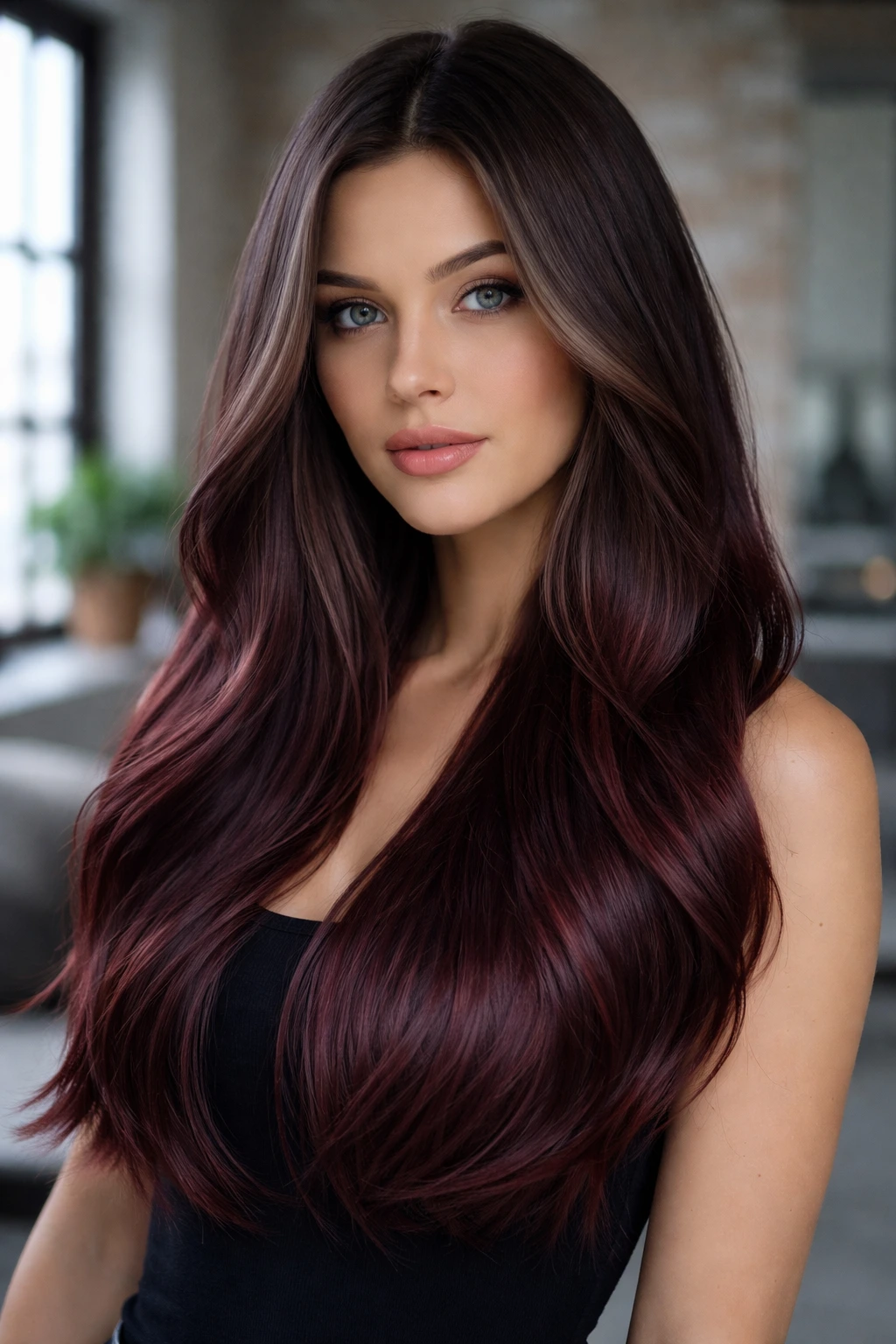
A “color melt” is a more sophisticated version of an ombré. The colors are melted together so seamlessly that you cannot find the transition point. An icy mahogany melt uses a cool, ash-based brown at the roots and melts it into a cool, wine-colored mahogany toward the ends.
Managing the Tone
The “icy” aspect comes from the toner used at the very end of the service. Even if the hair is dyed a beautiful mahogany, a final cool-toned gloss or toner is necessary to strip away any residual warmth that might have emerged during the processing time. This is the step that makes the color truly “cool.”
9. Mahogany Root Shadow
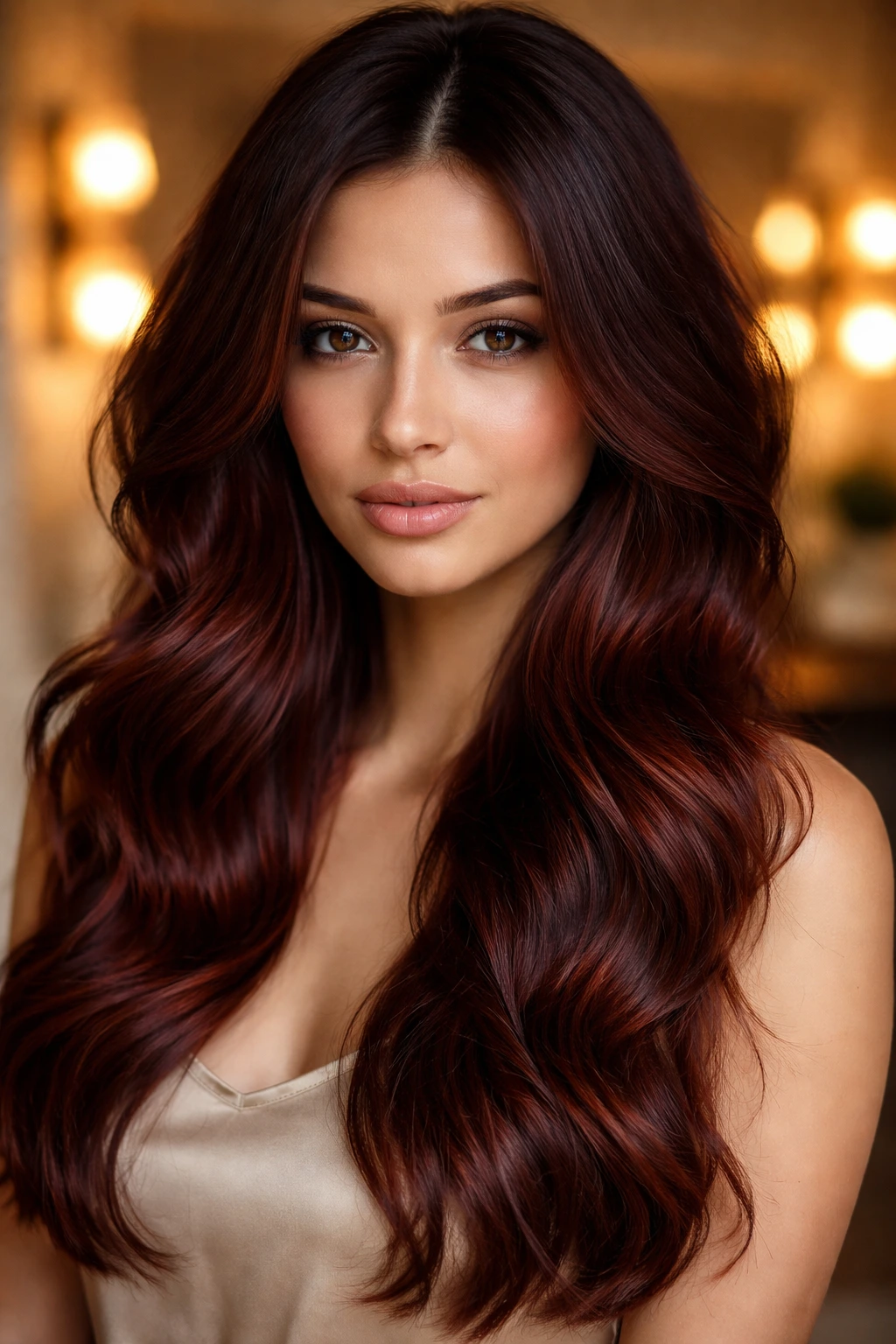
If you love the look of light mahogany but hate the maintenance of dark roots, the root shadow is your solution. You get the fun, vibrant color everywhere, but the roots are shadowed with a deep, dark mahogany to blend with your natural hair as it grows out.
The Practicality of Rooting
This technique is a lifesaver. You can go 12 weeks without a touch-up because the line of demarcation is purposely blurred. It also adds depth to the overall color, making the lighter ends look like they are catching more light.
10. Deep Espresso Mahogany
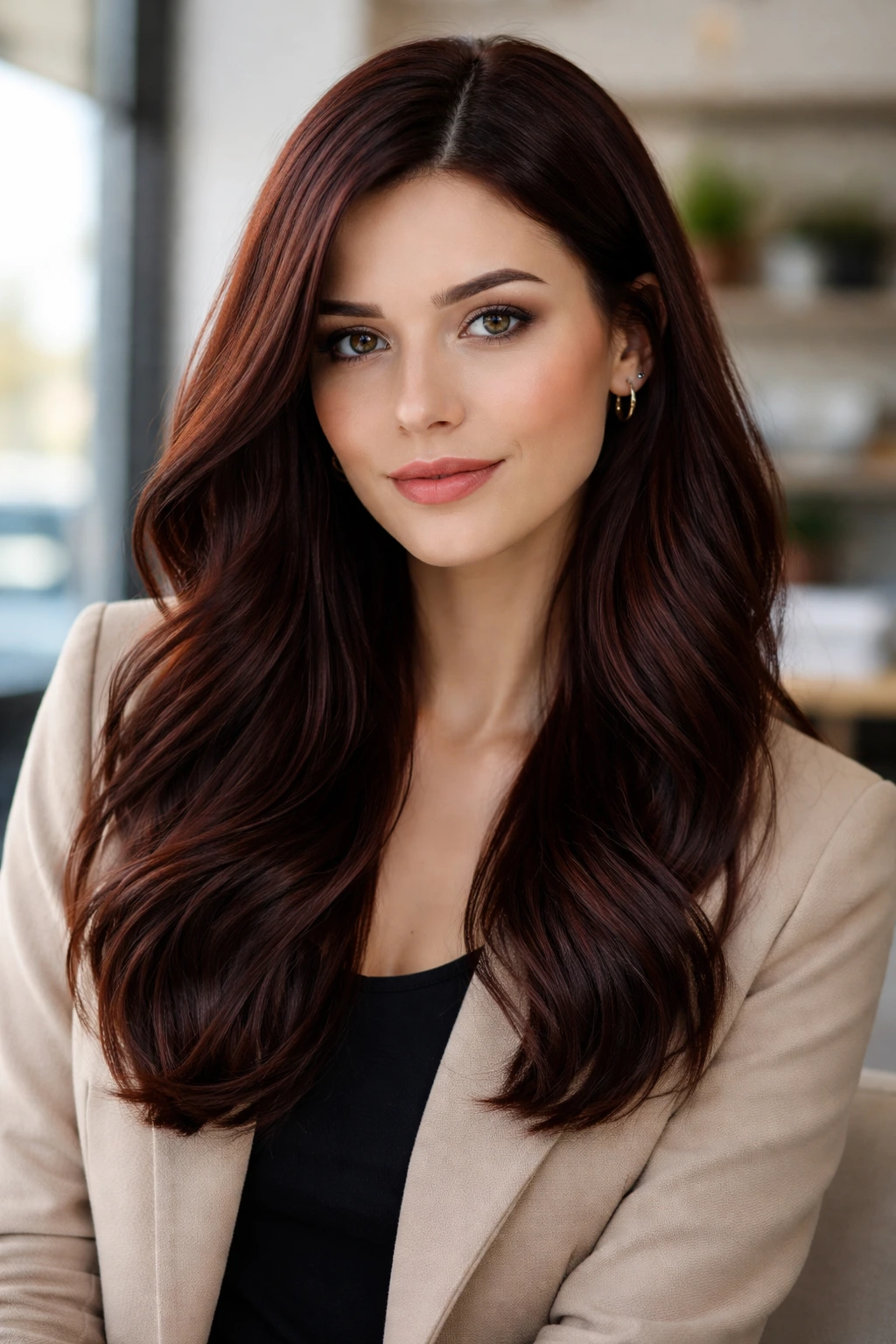
This is for the person who wants to stay as close to brunette as possible while still claiming the “red” title. It is essentially an espresso base color that has been tinted with a mahogany glaze. You mostly see the red when you walk into direct sunlight.
Subtle Sophistication
It is the ultimate “if you know, you know” color. It looks professional and subtle, yet in the right light, it reveals a hidden, fiery dimension. It is perfect for workplace environments where extreme colors are discouraged but you still want a bit of personal flair.
11. Muted Mahogany
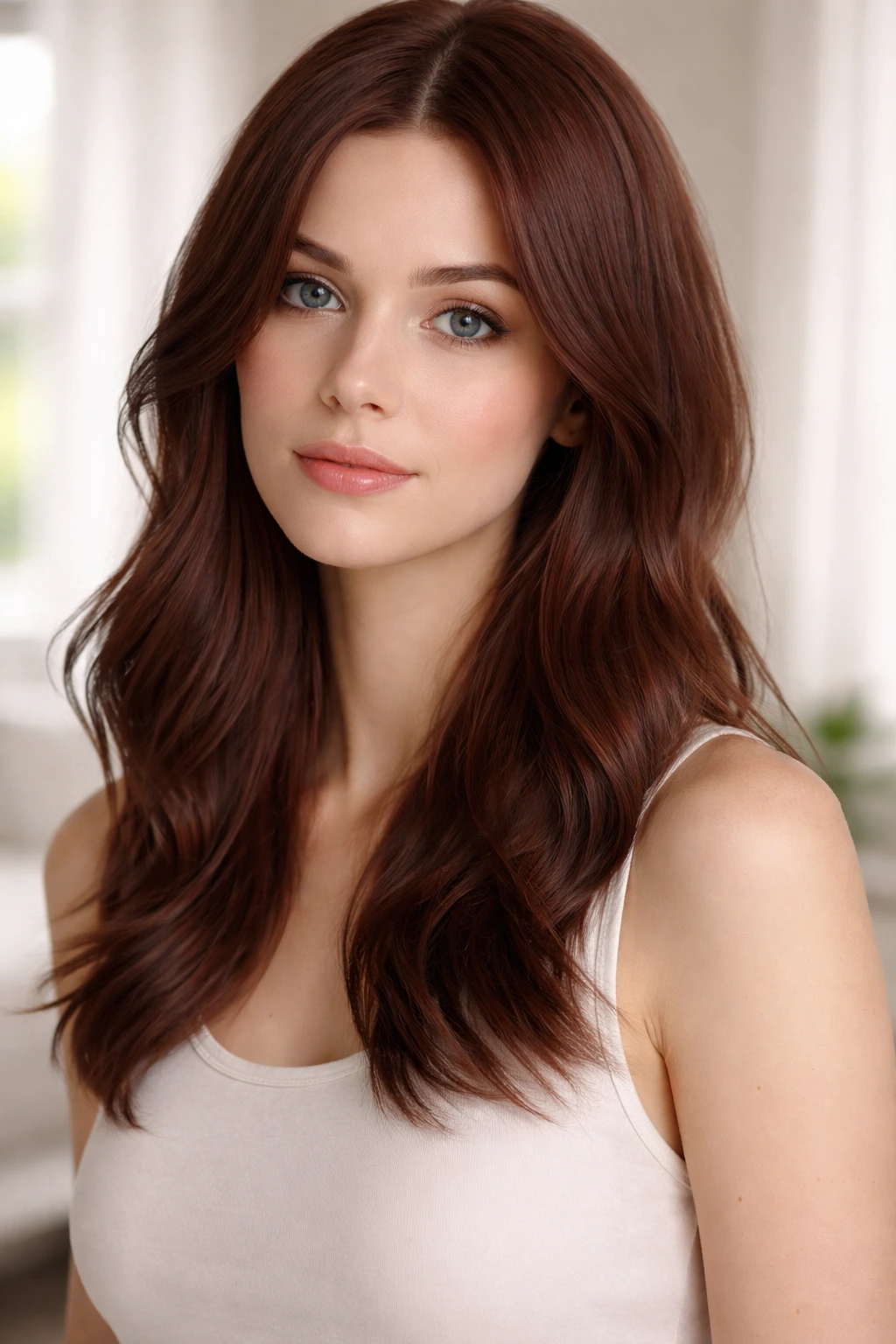
Muted mahogany is for the minimalist. It strips away the vibrancy and leaves a brownish-red that is soft, neutral, and incredibly chic. It is the color equivalent of a soft cashmere sweater.
Styling for the Minimalist
Because this color is so understated, it looks best with clean, simple cuts. A blunt bob or long, healthy layers suit this shade well. You don’t need a lot of styling products here—just a light smoothing serum to keep the hair polished and shiny.
12. Merlot Mahogany
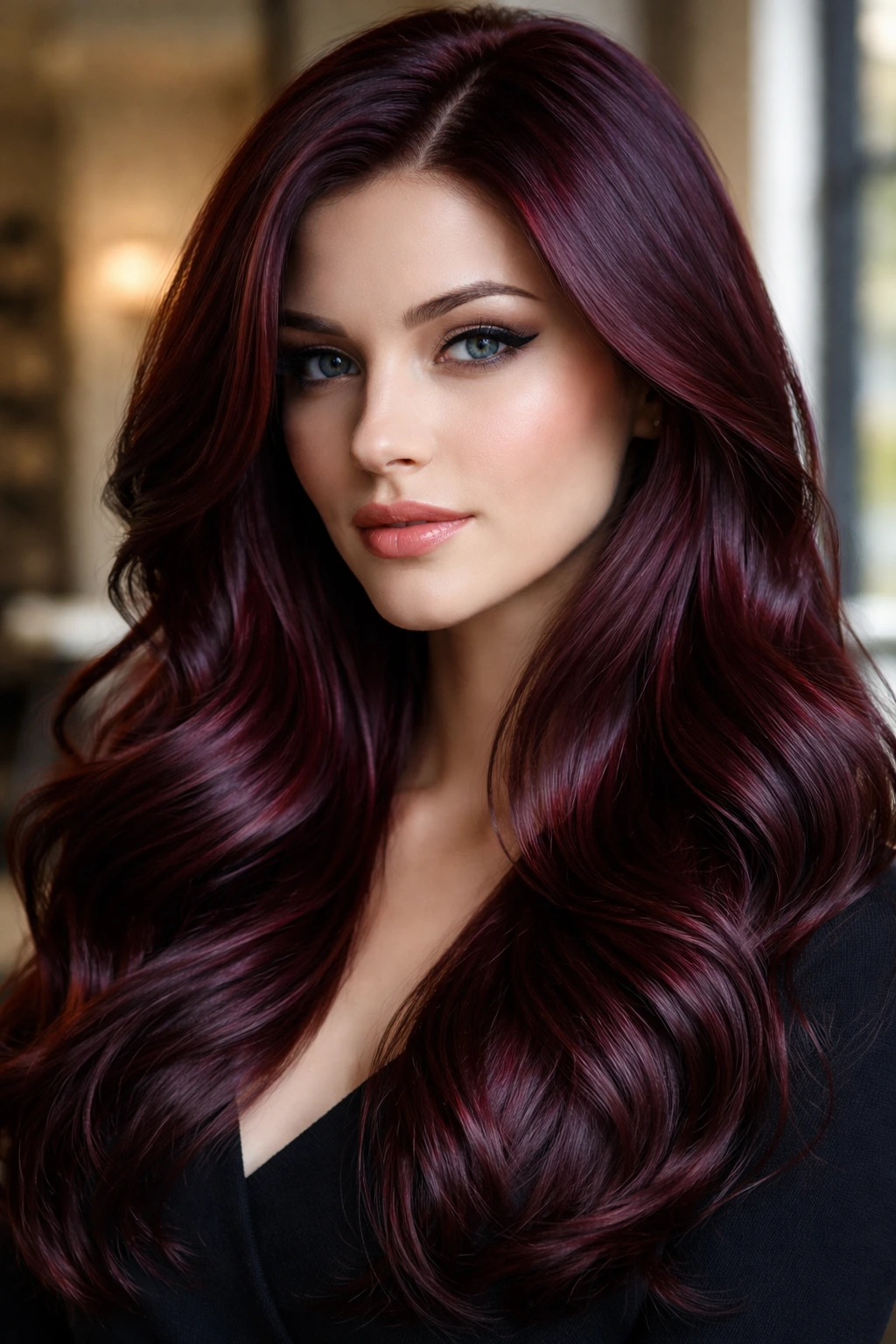
Merlot is a classic for a reason. It is deeper than a bright cherry and cooler than a standard red. It is the color of a heavy, full-bodied red wine. This shade is particularly flattering on cool skin tones because of that heavy blue undertone.
Why It’s a Staple
It is timeless. You could wear this color for years and it would never feel “dated.” It is vibrant enough to be exciting, but dark enough to remain grounded and elegant. It is also one of the easiest red shades to maintain because it doesn’t rely on being overly bright to look good.
13. Mahogany with Platinum Face-Framing
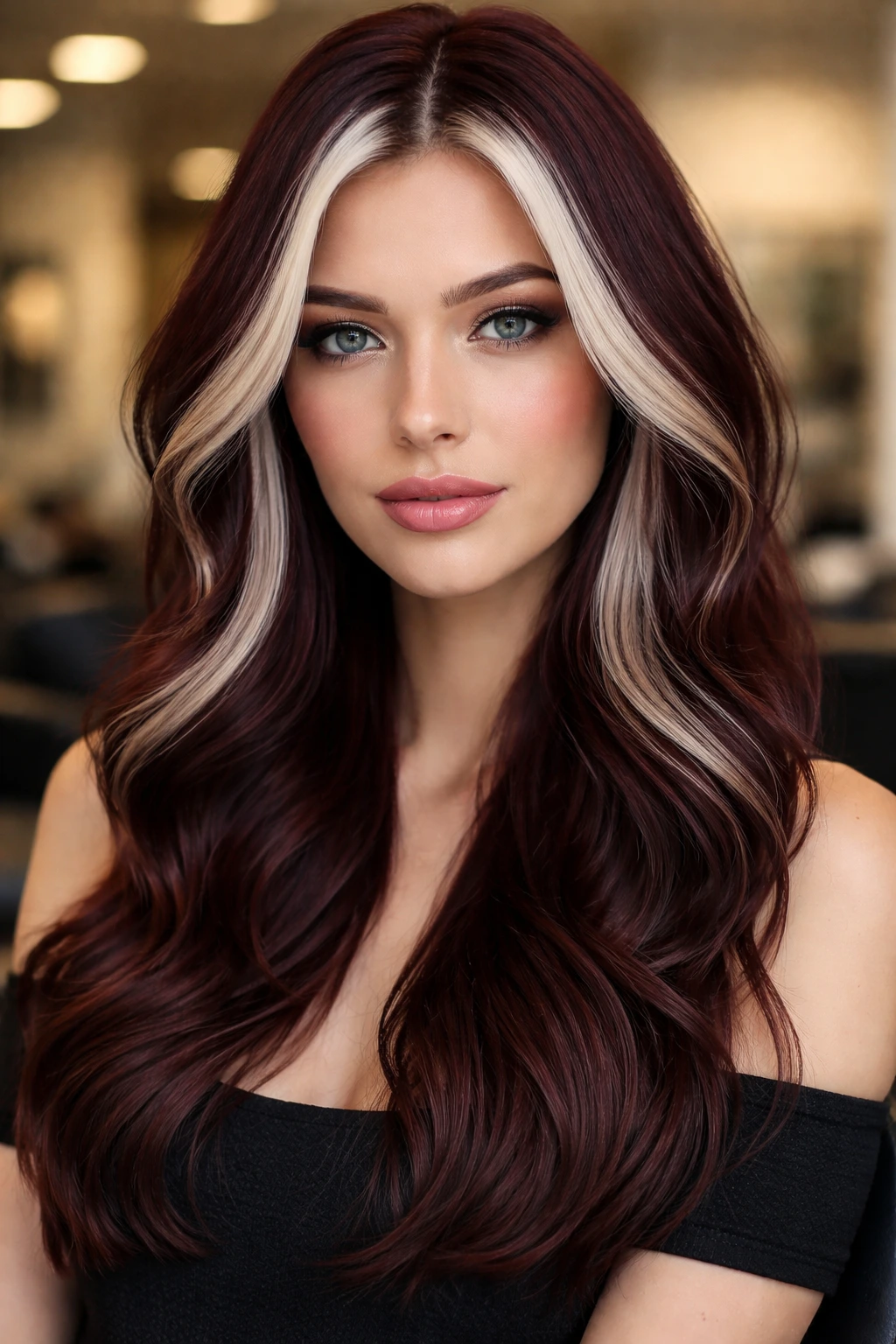
If you want to draw attention to your eyes and cheekbones, platinum face-framing pieces (money pieces) are the way to go. Place these bright, cool-toned blonde pieces against a deep mahogany background for a look that is bold and modern.
The Risk of Contrast
Yes, it is a high-contrast look, but that contrast is exactly what makes it work for cool skin. The cool platinum highlights keep the face bright, while the deep mahogany base ensures the overall look doesn’t feel too “warm” or “golden.” Just be aware that platinum maintenance is real—you will need to tone those pieces every few weeks to keep them from turning yellow.
14. Rich Mahogany Gloss
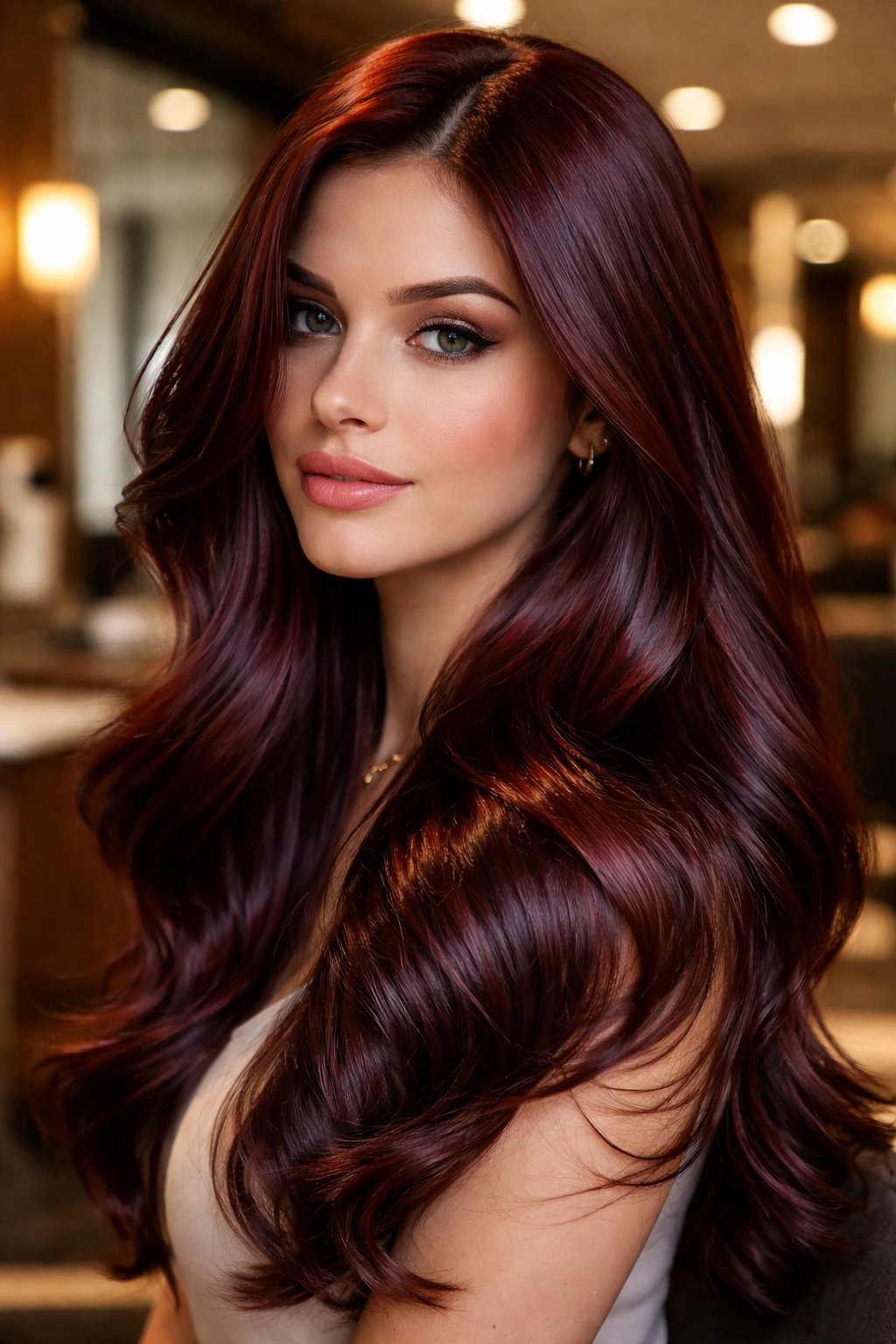
Sometimes you don’t need permanent color; you need a gloss. A mahogany gloss is a semi-permanent treatment that deposits color on the surface of the hair shaft. It closes the cuticle, adds intense shine, and gives you a temporary mahogany tint.
The Benefits of Glossing
It is non-damaging, affordable, and fades out gracefully over 4-6 weeks. It is the perfect way to test drive mahogany without the commitment of ammonia-based permanent dye. It also makes your hair feel like silk because the glossing agents smooth down the outer layer of the hair.
15. Mahogany with Ash Brown Babylights
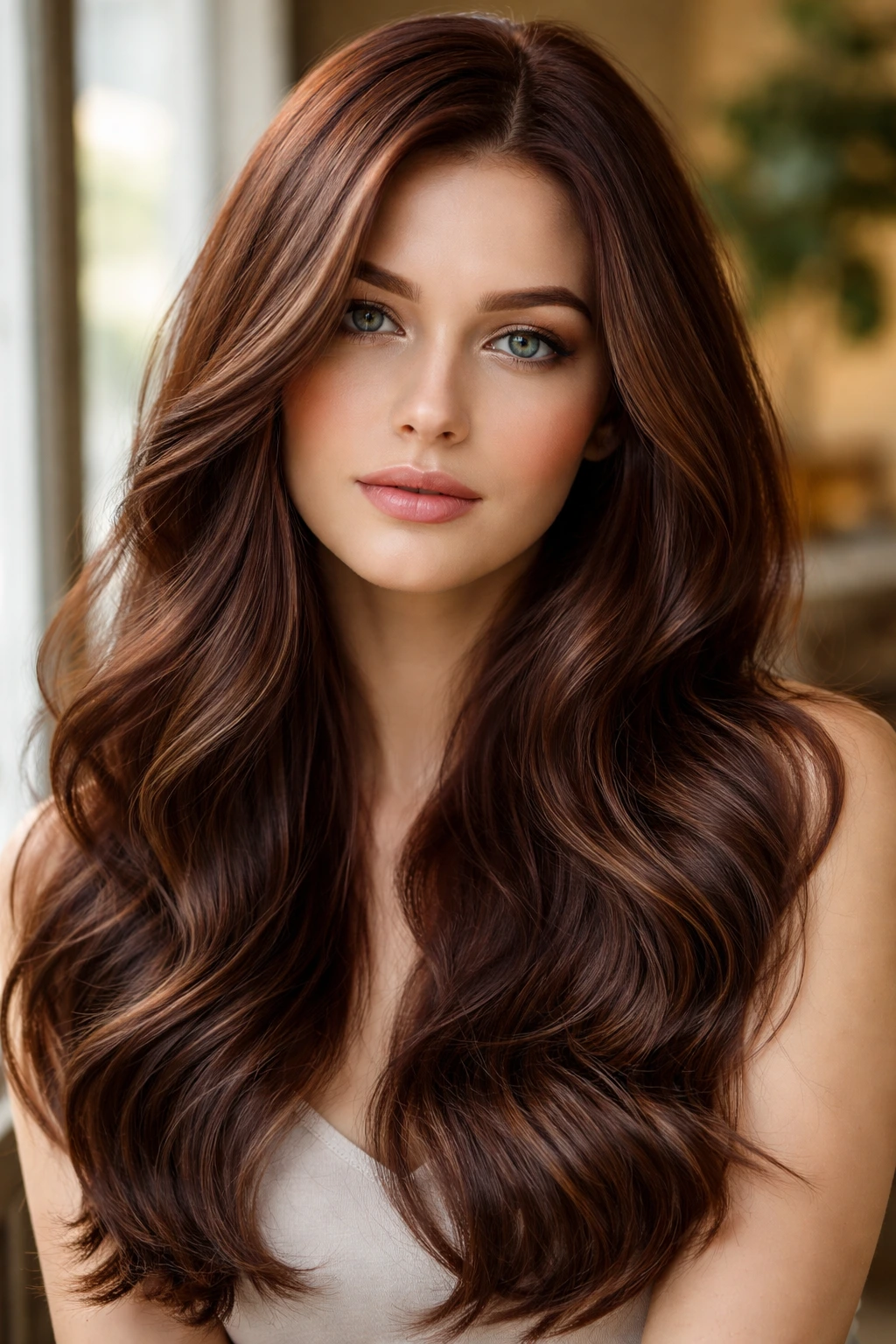
Babylights are extremely fine, subtle highlights. Mixing mahogany with ash brown babylights creates a “bronde” effect with a red twist. It is incredibly natural and gives your hair a sun-kissed, multi-dimensional look that is actually quite refined.
Why This is Great for Hair Health
Because the babylights are so fine, you don’t need to bleach your entire head. This preserves the integrity of your hair and keeps it feeling healthy and strong. It is the “I woke up like this” of hair colors.
16. Dark Burgundy Mahogany
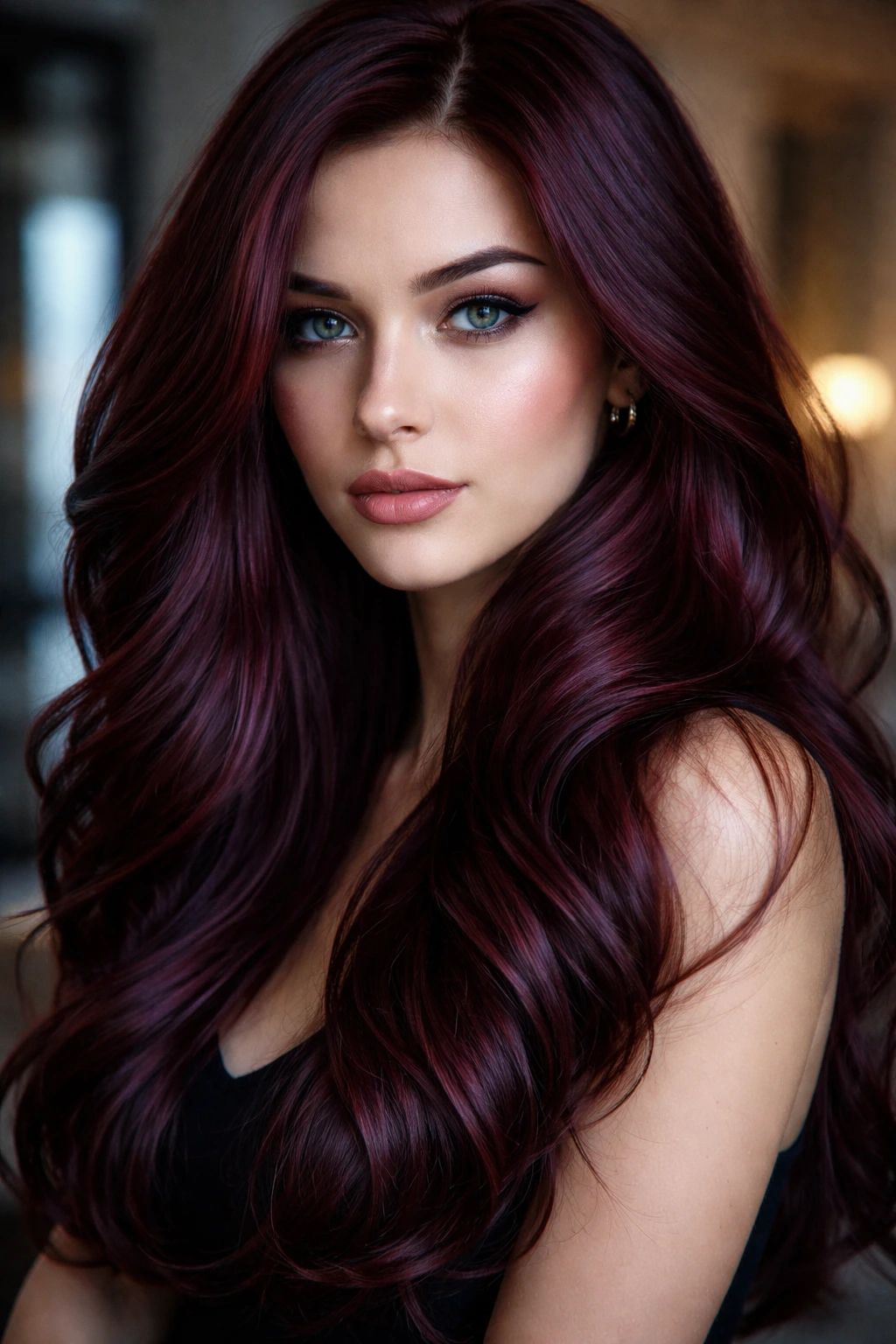
Burgundy and mahogany are siblings, but they aren’t the same. Burgundy leans heavily toward the wine/purple side. By mixing it with a mahogany base, you get the best of both worlds: the richness of the red and the depth of the purple.
Who Should Wear This
If you have high-contrast coloring—say, very dark hair, pale skin, and dark eyes—this shade is made for you. It matches the intensity of your natural features perfectly.
17. Midnight Mahogany
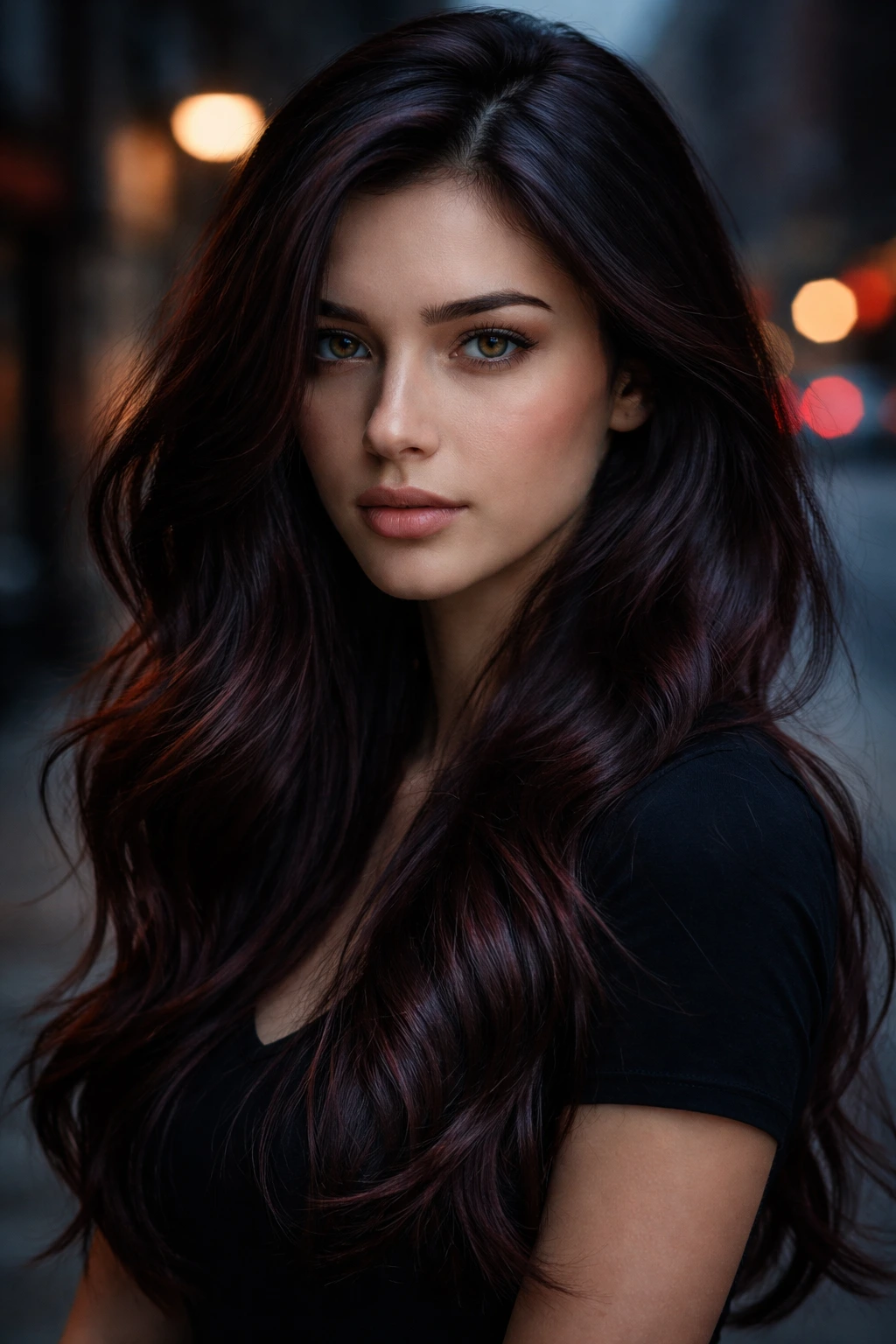
This is the deepest of the deep. It is essentially black hair with a mahogany undertone that only reveals itself in the sun. It is mysterious, edgy, and incredibly low maintenance.
The Versatility of “Hidden” Color
You get the benefits of having dark hair (low maintenance, high shine) with the secret benefit of having a custom color. It makes your hair look incredibly healthy, as the deep pigments fill in the hair shaft and reflect a lot of light.
18. Mahogany with Silver Accents
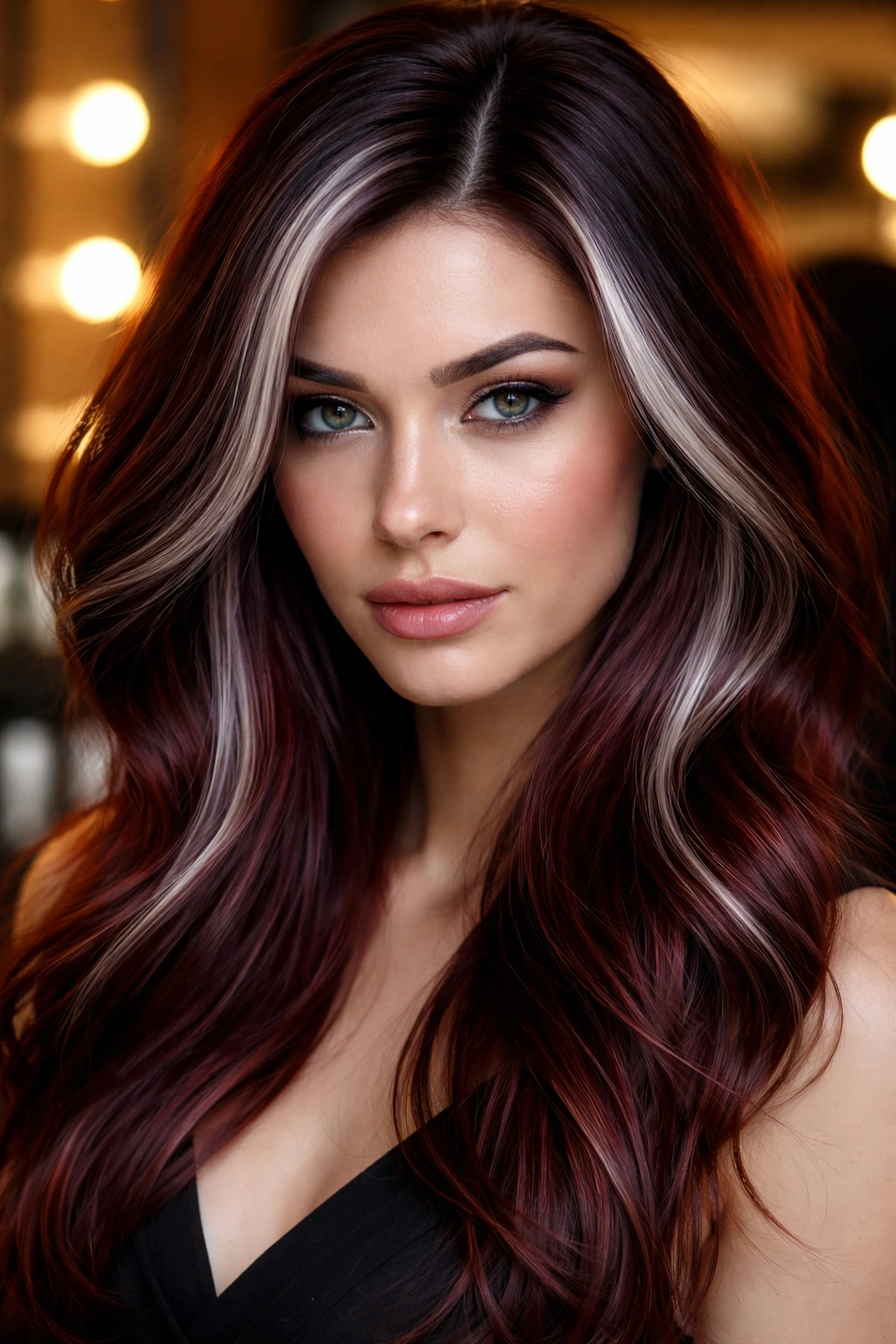
Silver accents in mahogany hair create a futuristic, high-fashion look. This isn’t for everyone, but if you have a cool skin tone, the silver will look incredibly crisp and clean against your skin.
Applying the Technique
The best way to do this is through “teasylights” or fine highlights placed around the face. The silver keeps the mahogany base from looking too flat or “dirty” and adds a sharp, metallic edge that is very modern.
19. Cool Toned Mahogany Pixie
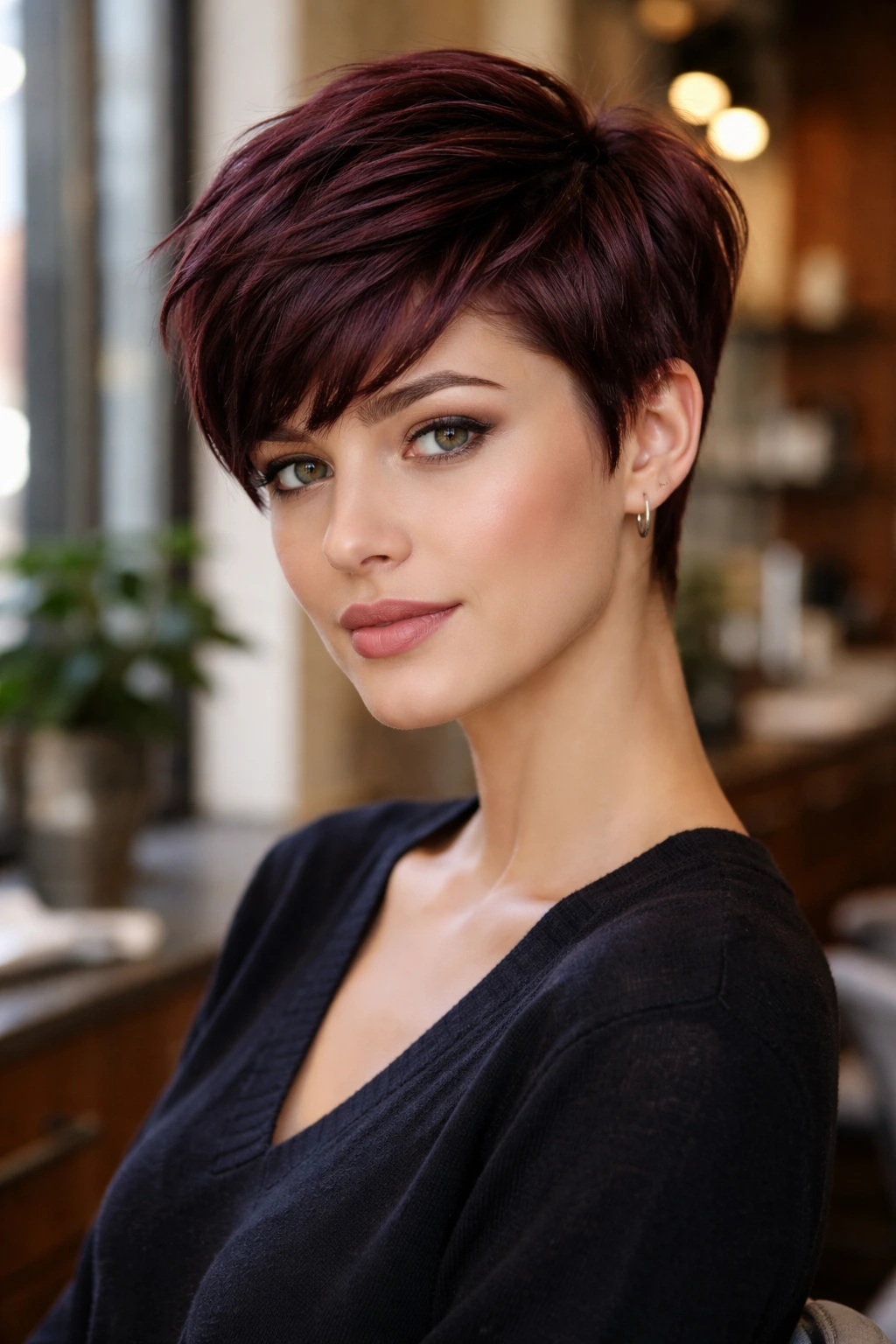
Pixie cuts are all about shape and color. Because there is less hair, you can be bolder with your color choice. A deep, cool-toned mahogany works beautifully on a short cut because it adds depth to the short layers, making the haircut look more detailed and intentional.
Styling Short Hair
With a pixie, your color is your main accessory. Use a matte pomade or a light styling cream to show off the texture, and keep your brows groomed—they will frame your face and contrast beautifully with the dark mahogany color.
20. Mahogany Sombré
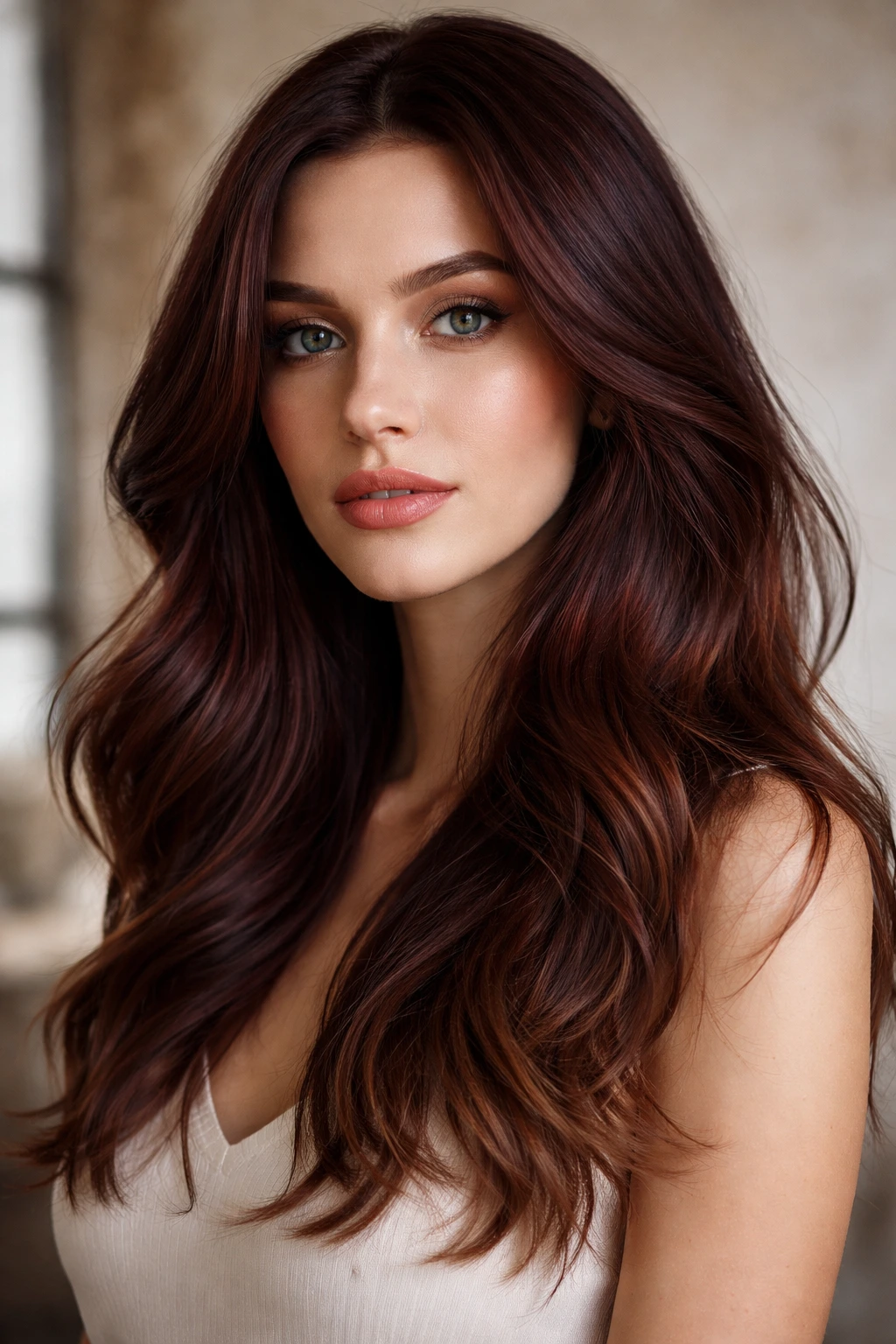
Sombré is the subtler version of ombré. The color change is much softer, almost indistinguishable. It is perfect if you want to dip your toes into a lighter mahogany without the jarring transition of a traditional ombré.
The “Sophisticated Grow-Out”
The shift in color happens lower down on the hair shaft, and it is much more gradual. It creates a soft, hazy look that is very flattering for people who want a low-maintenance color that still feels like a “style” rather than just “grown-out roots.”
21. Natural Mahogany
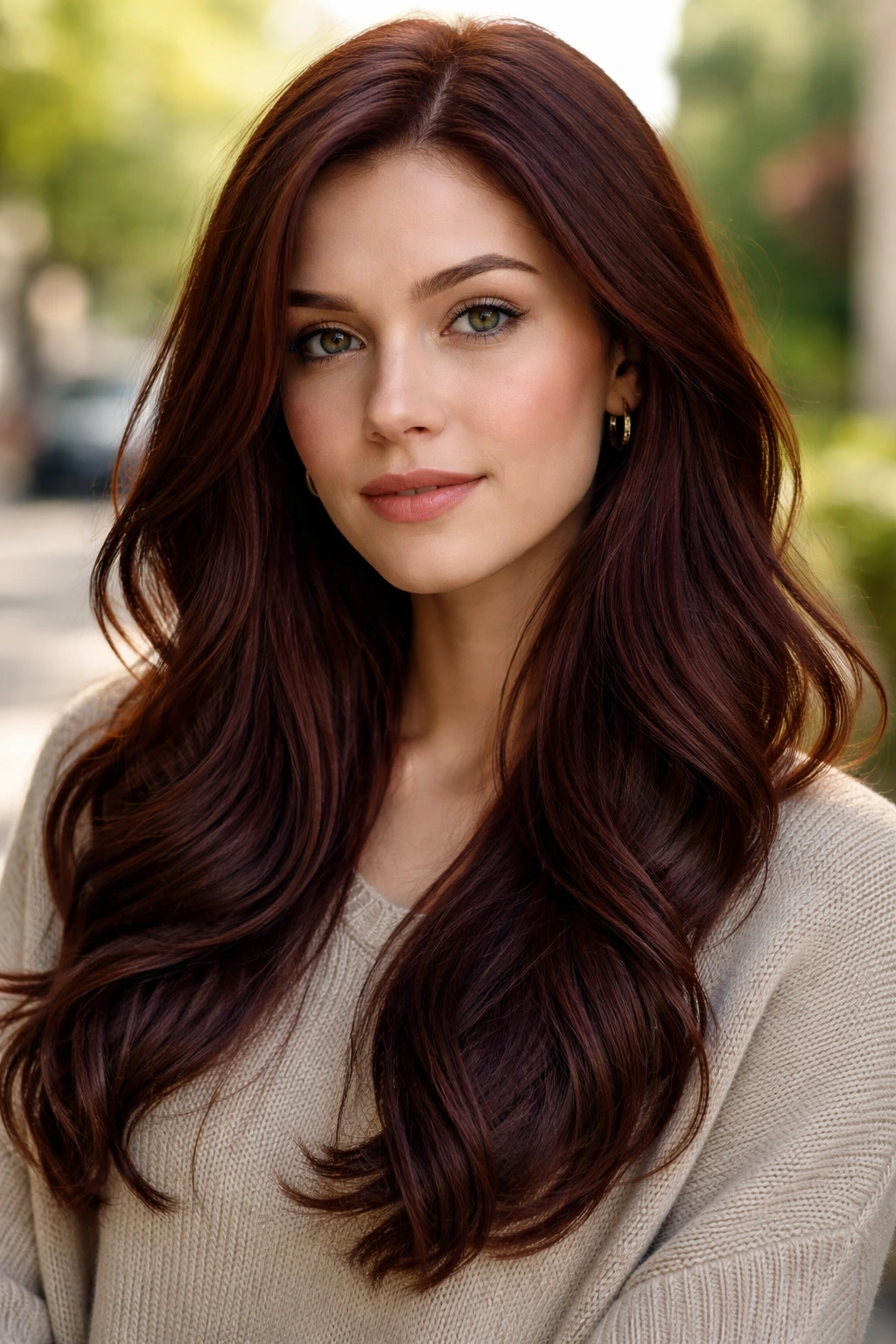
For some, the best color is one that looks like it could be yours naturally. Natural mahogany is a medium-toned brown with a soft, mahogany red tint. It isn’t loud; it isn’t flashy. It just looks like you were born with healthy, rich-colored hair.
The “Your Hair But Better” Approach
If you are nervous about going red, start here. It is the most neutral version of the shade. It won’t clash with anything in your wardrobe, and it won’t require a total overhaul of your makeup routine. It is simply a polished, elevated version of brown.
22. Mahogany with Blue-Black Glaze
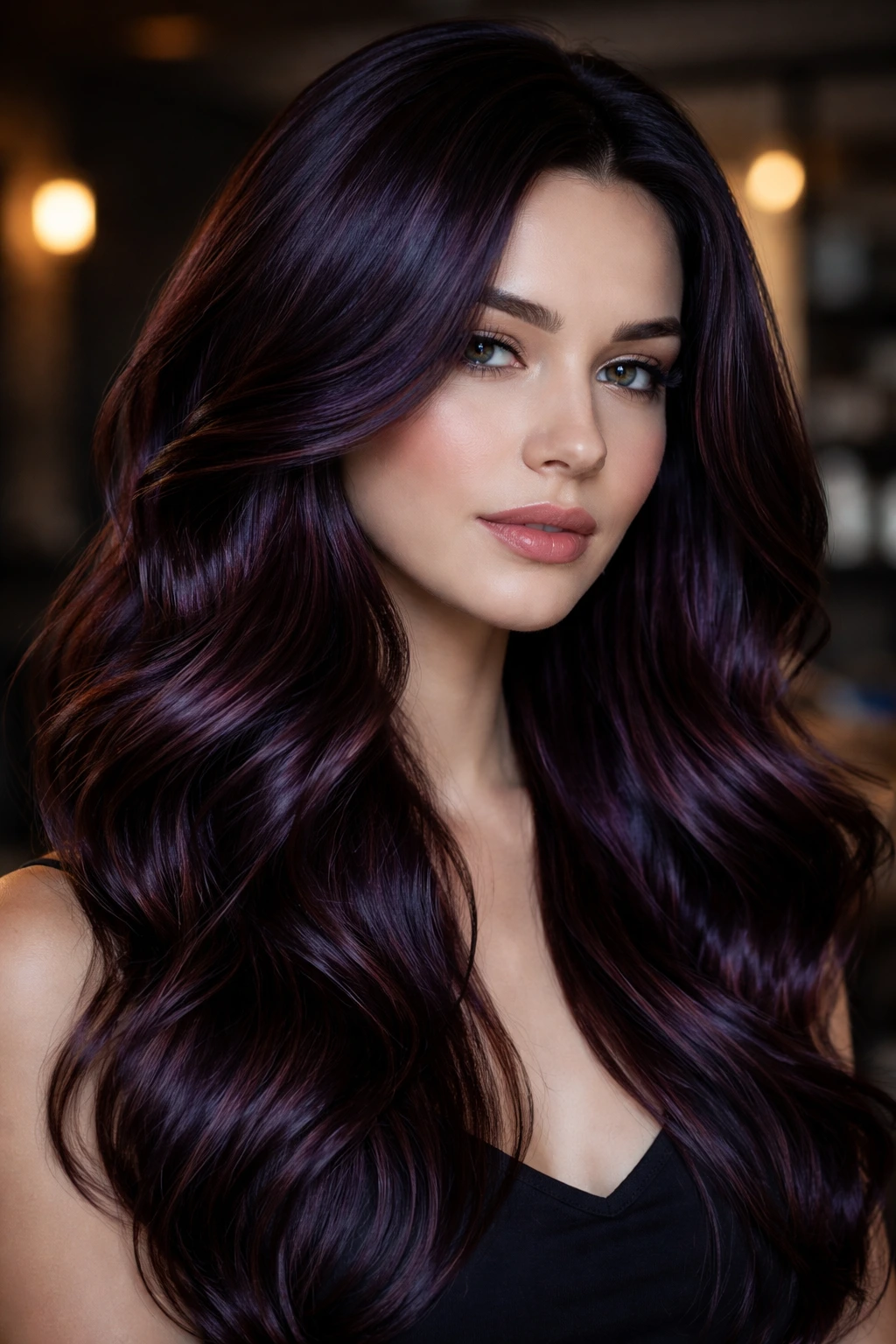
If you find that your mahogany hair is looking a little too “warm” after a few weeks, take it to the salon for a blue-black glaze. The blue pigments in the glaze will counteract any hidden orange/red warmth, pushing the mahogany back into that cool, plum territory.
The Correction Technique
This is a pro-level move. Most people try to use purple shampoo, but a professional glaze is far more effective. It corrects the tone while simultaneously depositing shine-enhancing proteins. It is the ultimate “refresh” service.
23. Frosted Mahogany
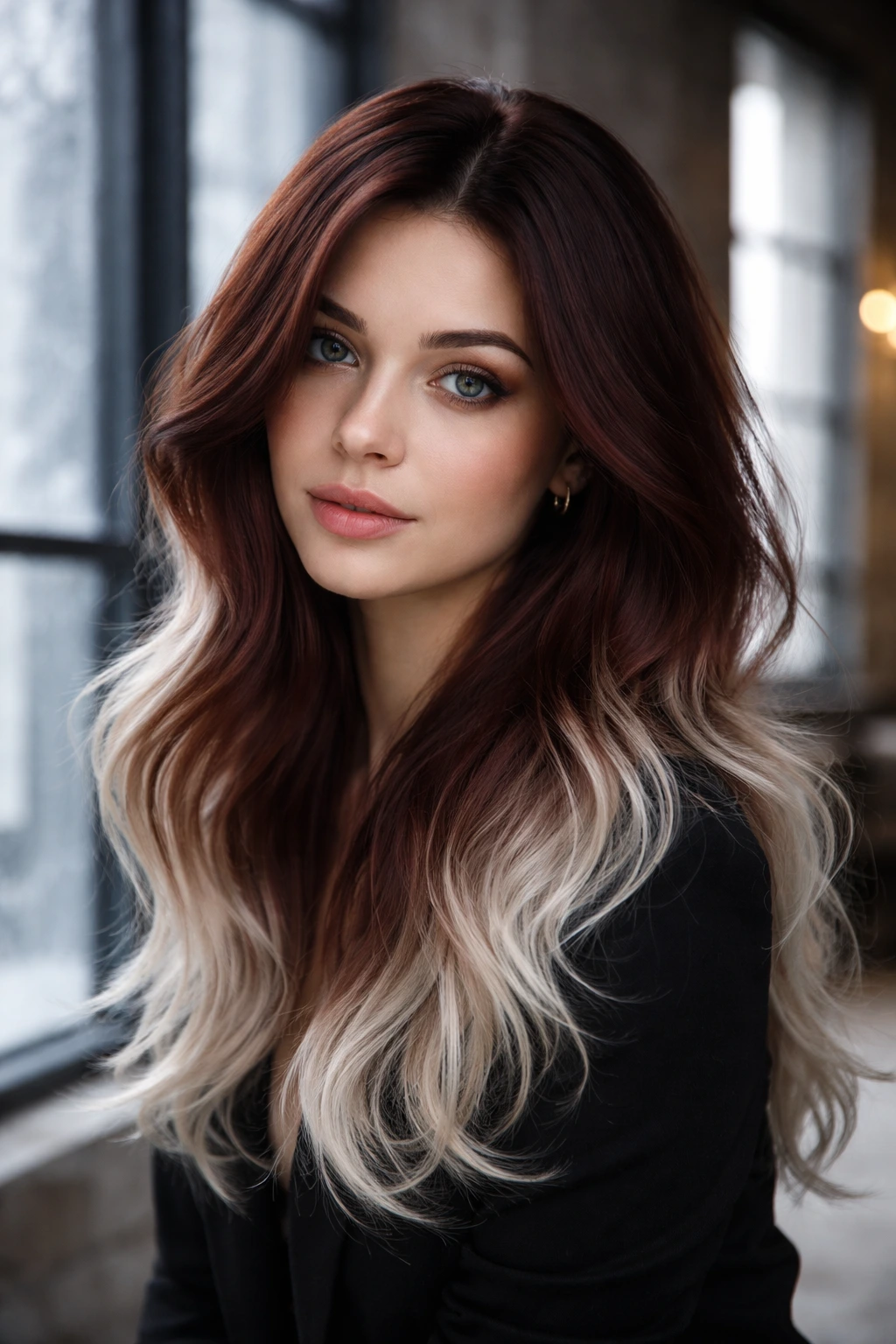
“Frosted” is a vintage term that has made a comeback. It involves taking the ends of the hair and lightening them to a cool ash or platinum, creating a “frosted” effect against the dark mahogany base.
Why it Works
It creates a deliberate contrast. When done well, it looks like a chic, intentional color block. It is very popular in modern editorial hair photography and is a great way to add “cool” to a traditionally “warm” or “rich” color family.
24. Mahogany with Hidden Panels
If you want the fun of a bold color but need to keep things professional, hidden panels are your best bet. You color the underneath section of your hair mahogany, while keeping the top section your natural color.
The Surprise Factor
When you wear your hair down, you only see flashes of the mahogany. When you pull it up into a ponytail or a half-up style, the full color is revealed. It is a fantastic way to experiment with color without committing to coloring your entire head.
25. Mauve Mahogany
Mauve is a mix of pink, purple, and grey. When you mix this with mahogany, you get a “dusty” red that is incredibly trendy. It is cool-toned, soft, and feels very editorial.
Pairing with Makeup
Because mauve has a significant amount of grey and cool pink in it, it pairs beautifully with cool-toned makeup. Think berry lip stains, ash-toned brow pencils, and soft pink blushes. It creates a very cohesive, “put-together” aesthetic.
26. Mahogany with Cool Ash Toning
Sometimes the base color is fine, but the tone is off. If your mahogany is pulling too much red-gold, a cool ash toner can fix it. It neutralizes the warmth and leaves behind a cool, mahogany brown.
Why Ash Matters
Ash acts as a filter. Imagine putting a sheer grey veil over your hair. That is what an ash toner does. It cuts the intensity of the warmth and makes the mahogany look more “expensive” and less “box dye.”
27. Deep Mahogany Mocha
Mocha is a very popular hair color, but it can sometimes be a bit boring. Adding a mahogany tint to it gives it that “je ne sais quoi.” It is a deep, rich brown with a hint of red that is vibrant enough to be noticed but dark enough to be grounded.
The Versatility of Brown
This is the ultimate office-friendly color. It works in every season and with every skin tone. If you are ever unsure about what to do with your hair, deep mahogany mocha is almost always the right answer.
28. Dimensional Mahogany Ribbons
We started with ribbons, and we will end with them. This is the more advanced version—mixing two or three shades of mahogany (one lighter, one darker, one more violet) throughout the hair.
The Depth Illusion
By using multiple shades, you create the illusion that your hair has depth even when it is straight. It is a masterclass in coloring. It requires a skilled colorist to get the placements right, but the result is a rich, expensive-looking head of hair that has movement and life.
Final Thoughts
Choosing mahogany for cool skin is about embracing the chemistry of your complexion rather than fighting it. You do not need to settle for flat, boring browns or clashing, orangey reds. Mahogany offers you a playground of possibilities, from moody, deep plum shades to soft, dimensional balayage.
The secret to keeping these colors looking their best is, as always, maintenance. Cool-toned reds are notoriously prone to fading into warmer, brassy shades if you use the wrong products. Commit to a good color-depositing shampoo, keep your water temperature down, and schedule regular gloss treatments to keep those violet undertones crisp.
Most importantly, do not be afraid to customize these ideas. Your hair is an accessory that you wear every single day. Take these 28 concepts, chat with your stylist, and adjust the intensity until you find the exact shade that makes you feel confident and bright every time you look in the mirror. After all, the best hair color is the one that makes you feel like the most authentic version of yourself.
