



Brunette hair often gets a bad rap for being one-dimensional, but anyone who has actually lived with a rich, dark mane knows that isn’t the case. The real issue is that brown hair tends to absorb light rather than reflect it, which can make even the most vibrant color look a bit flat under indoor lighting. That is where caramel lowlights step in. They are not just about adding lighter streaks; they are about reintroducing depth, movement, and a sun-kissed warmth that makes the hair look like it has its own internal lighting system.
It is easy to get caught up in the idea of “lighter is better” and rush into a full set of highlights, but that often leads to a high-maintenance cycle of brassiness and split ends. Caramel tones, however, occupy a unique space in the spectrum. They are warm enough to complement the natural richness of brown hair but subtle enough that they do not require the aggressive bleaching sessions that can compromise the structural integrity of your strands. You are working with the hair’s natural undertones, not against them.
Think of these lowlights as the contouring of the hair world. Just like a makeup artist uses darker shades to carve out cheekbones, a skilled colorist uses caramel ribbons to create the illusion of volume in fine hair or to break up the heaviness of thick, dark locks. When done with precision, the result is not a dramatic, striped look from the nineties—it is a seamless, lived-in aesthetic that looks just as good in a messy bun as it does in a sleek blowout.
Why Caramel Lowlights Transform Brunette Hair
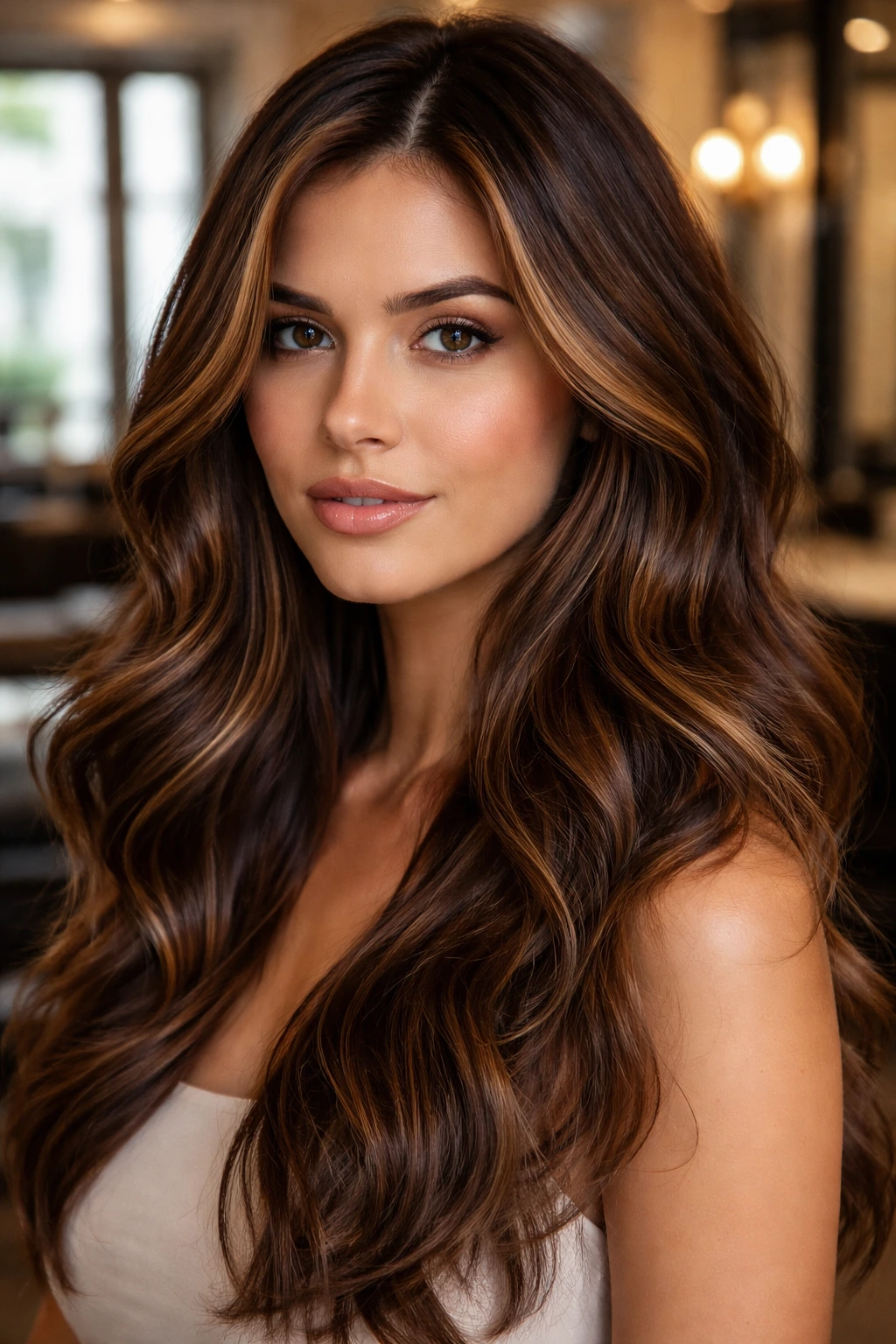
There is a fundamental difference between just dyeing your hair lighter and strategically placing caramel lowlights. Most people assume that lowlights are meant to darken hair, but when we talk about caramel tones, we are actually talking about enhancing. A good caramel lowlight shifts the base color just enough to add a multi-tonal quality. It creates a “shattered” look, which is a technical way of saying the color isn’t a solid block.
The primary benefit here is the softening effect. If you have deep, dark brown hair, the contrast against your skin tone might be harsh. Caramel hues have that golden, buttery warmth that acts as a bridge. It softens the transition from your roots to your ends and can do wonders for dull complexions. Plus, because you aren’t lifting the hair to an icy blonde level, the hair cuticle remains smoother and healthier, reflecting light naturally rather than looking frayed.
Choosing the Right Caramel Shade for Your Skin Tone
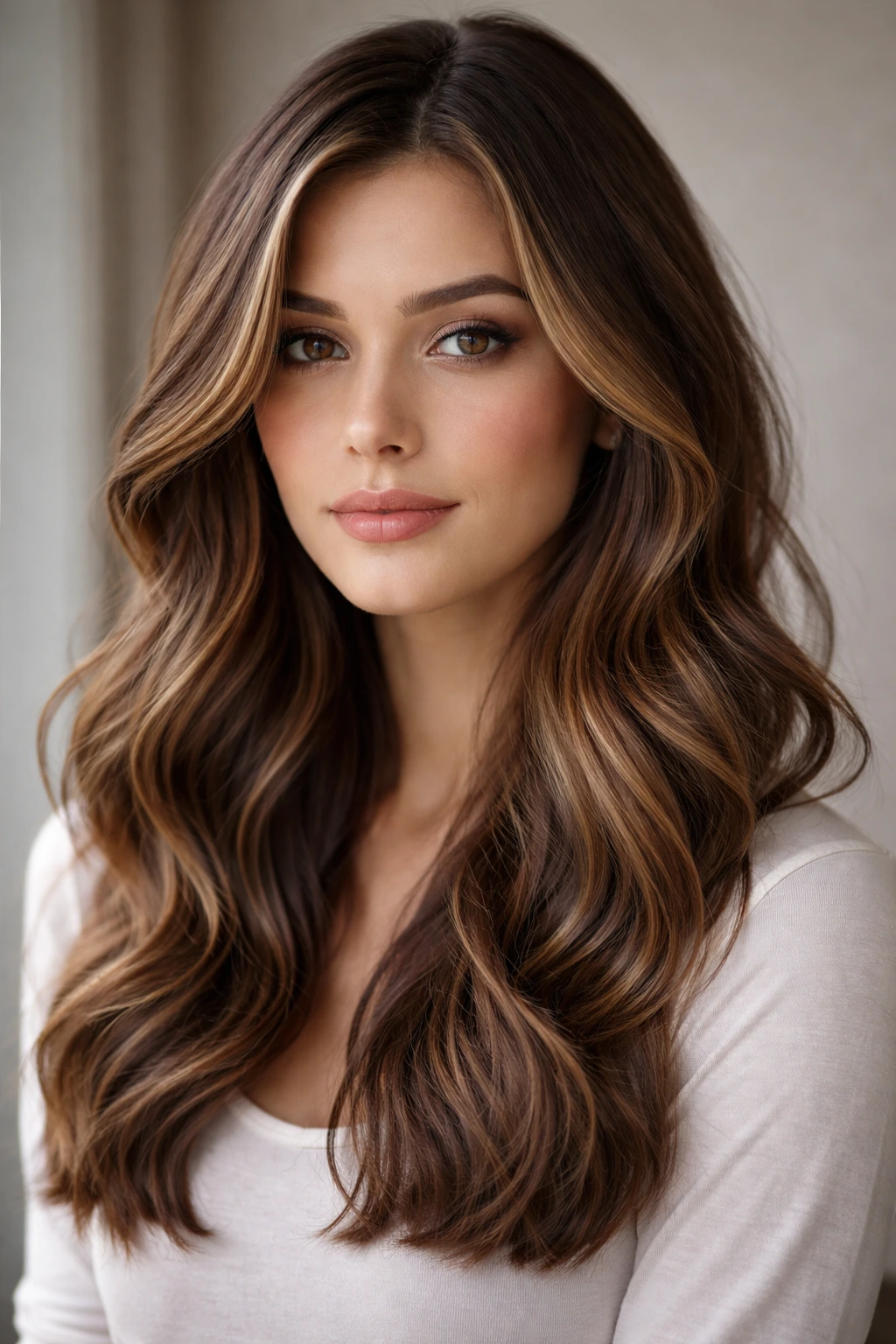
Not all caramel is created equal, and this is where many people run into trouble. If you have a cool complexion with pink or blue undertones, a very orange-leaning caramel can actually make you look washed out. You want to aim for “cool caramel,” which leans more toward a muted coffee or a soft, tawny gold. It balances the warmth without clashing with your skin.
For those with olive or warm, golden skin tones, you have a bit more freedom. You can lean into those rich, honeyed, and even reddish-caramel tones. These colors will play up the gold in your skin and give you that “glowing from within” look. The key is to look at your veins—if they look green, go for the warmer, honey-toned caramels. If they look blue or purple, stay in the cooler, taupe-caramel range.
The Difference Between Highlights and Lowlights
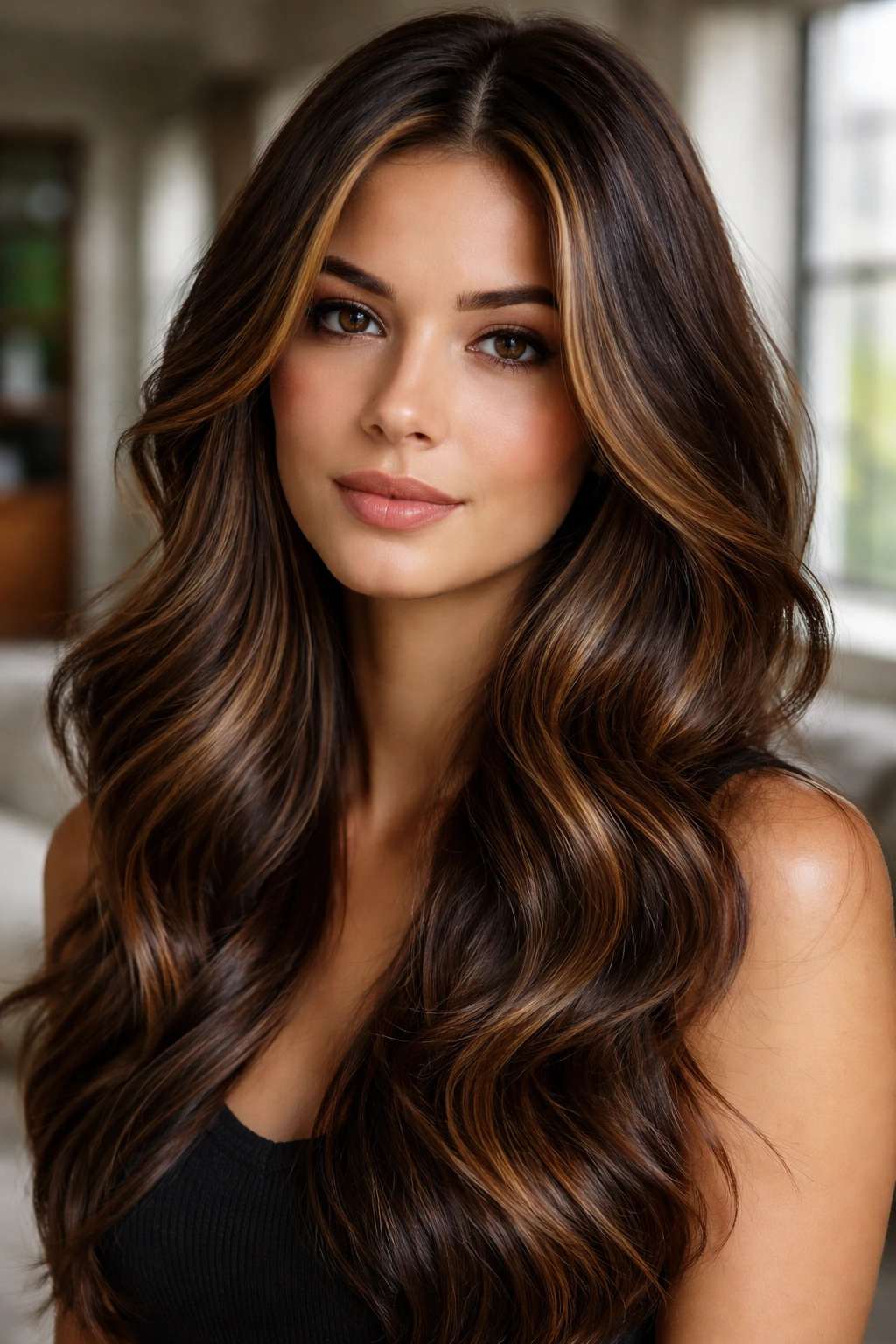
It is a common point of confusion, and getting it wrong can lead to a completely different result than what you wanted. Highlights are about taking individual strands and lifting them two to three shades lighter than your base. They are meant to pop. Lowlights, by definition, are about adding depth. You are depositing color, not removing it.
When you mix the two—which is the secret to that coveted “expensive” hair look—you get dimension. The highlights provide the light, the lowlights provide the shadow, and your natural base color fills in the gaps. This creates a 3D effect that makes hair look thicker and healthier. If you have fine hair, don’t overdo the highlights. Lean harder into the lowlights to keep the density looking consistent while still gaining that beautiful, sun-drenched texture.
1. Soft Honey-Caramel Balayage
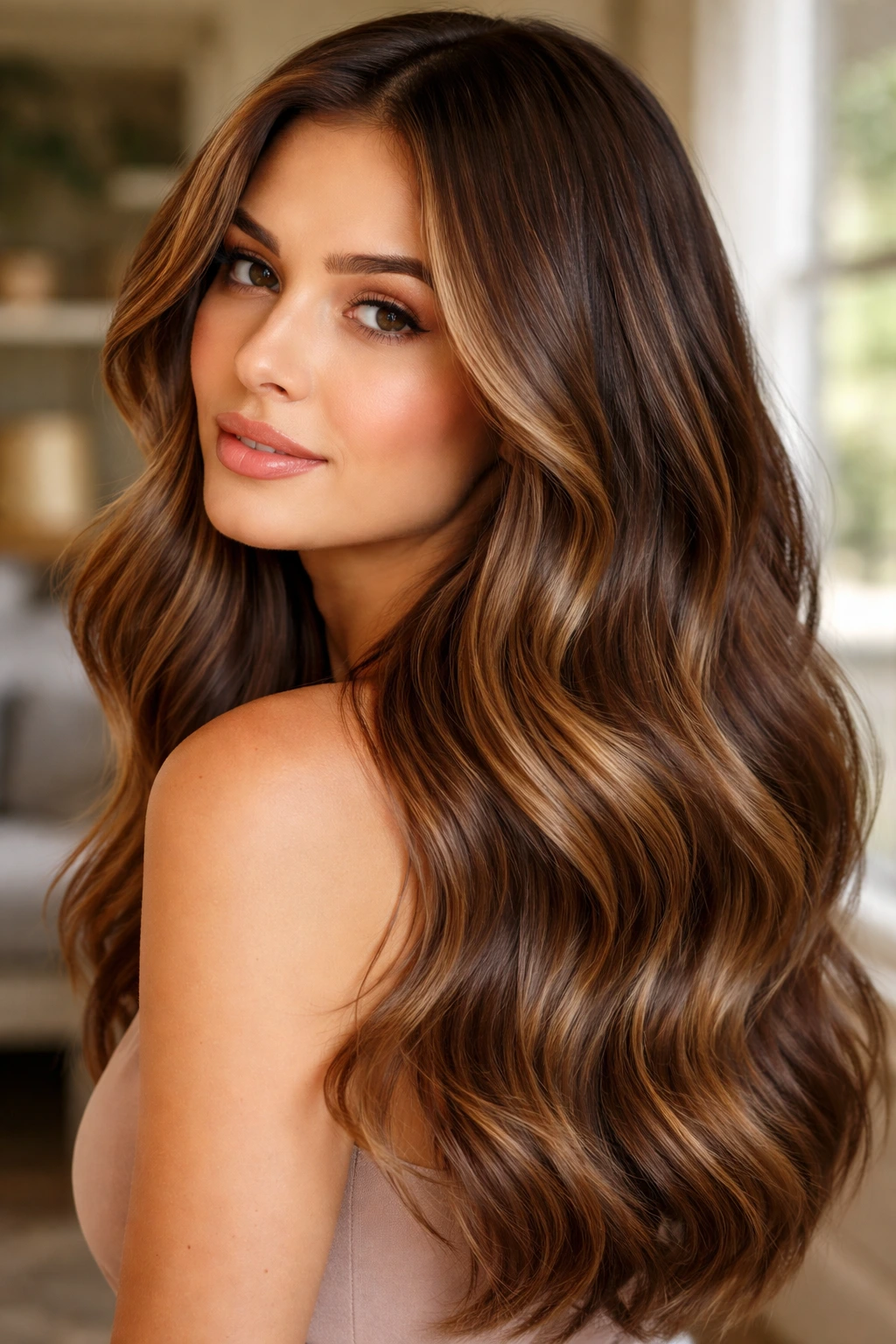
Balayage is the gold standard for a reason. Instead of using foils that create a definitive start and stop point for the color, hand-painting the hair allows for a soft, feathered transition. This honey-caramel shade is specifically designed for people who want to look like they’ve spent a few weeks in the sun without actually having to endure the damage of a beach vacation.
How to Get the Look
The technique here is all about placement. You want the caramel to start about three inches from the root, leaving your natural color at the crown to avoid that dreaded line of demarcation as your hair grows out. The ends should be saturated, becoming the lightest part of the hair.
Pro-tip: Ask your stylist to “melt” the color at the mid-shaft. This means they apply a slightly darker glaze between your natural root color and the caramel mid-lengths to ensure a seamless blend.
2. Deep Mocha with Golden Caramel Ribbons
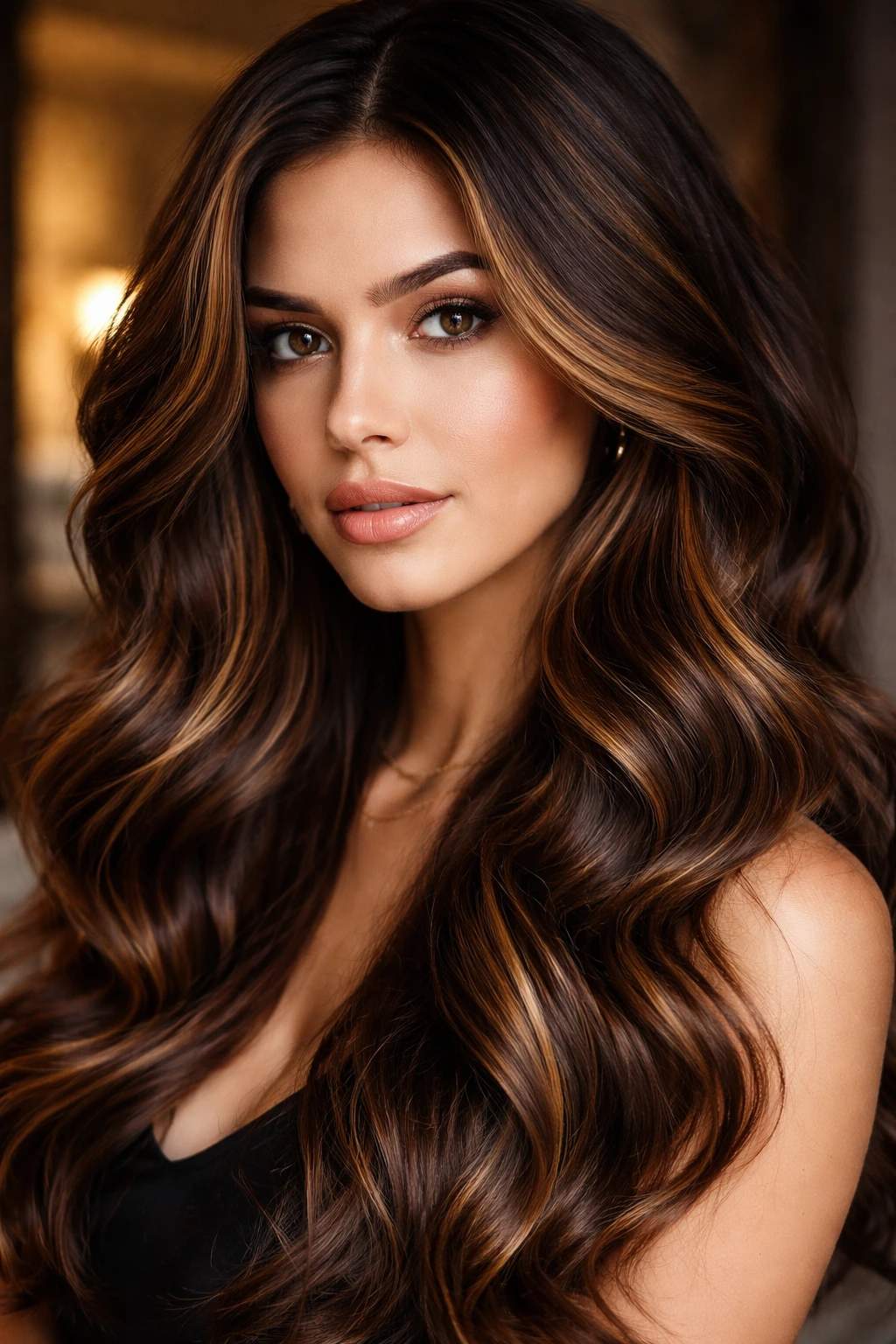
If you are starting with a very dark, espresso-colored base, you don’t want to jump straight to a light, buttery blonde. That kind of contrast can look synthetic. Instead, use golden caramel ribbons. These ribbons are thicker than standard babylights, which allows them to stand out against the dark mocha background.
This style works exceptionally well for people with thick, textured hair. The golden tones pick up the light in the waves, making the hair look glossy. Because you are not lifting the dark base too high, the hair stays incredibly shiny. It’s a sophisticated look that feels classic rather than trendy.
3. Face-Framing Caramel Money Pieces
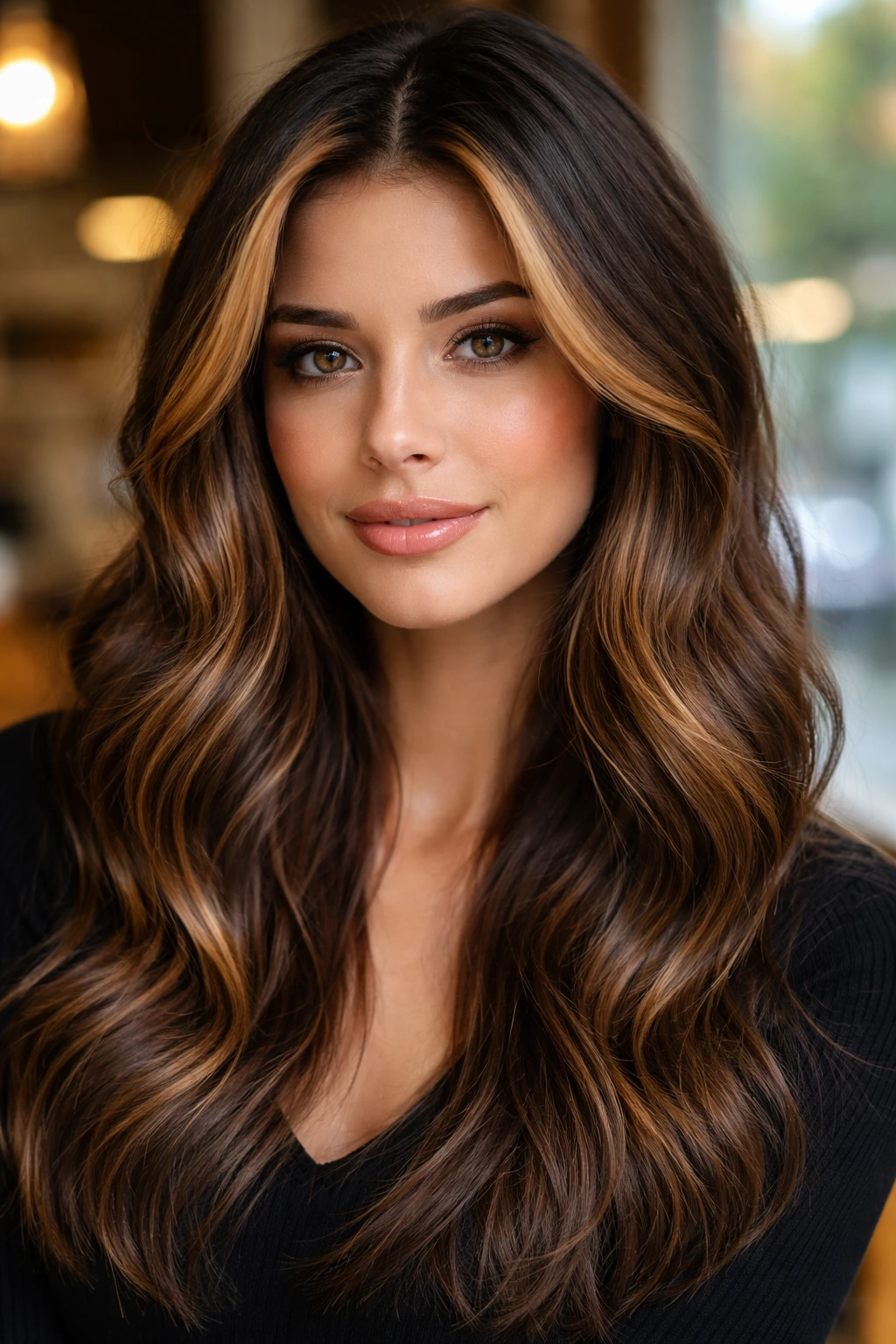
The “money piece” trend is sticking around for a reason—it works. But rather than doing a bright blonde or platinum, try a soft caramel. It provides just enough lightness around the face to brighten your complexion without the high-maintenance upkeep of traditional bleach-heavy face frames.
Why It Works
It’s basically strategic highlighting. By keeping the caramel bright and concentrated around the front, you draw attention to your eyes and cheekbones. The rest of the hair can have much more subtle, scattered lowlights. It’s an efficient way to update your look without committing to an entire head of color.
4. Subtly Blended Mocha-Caramel Babylights
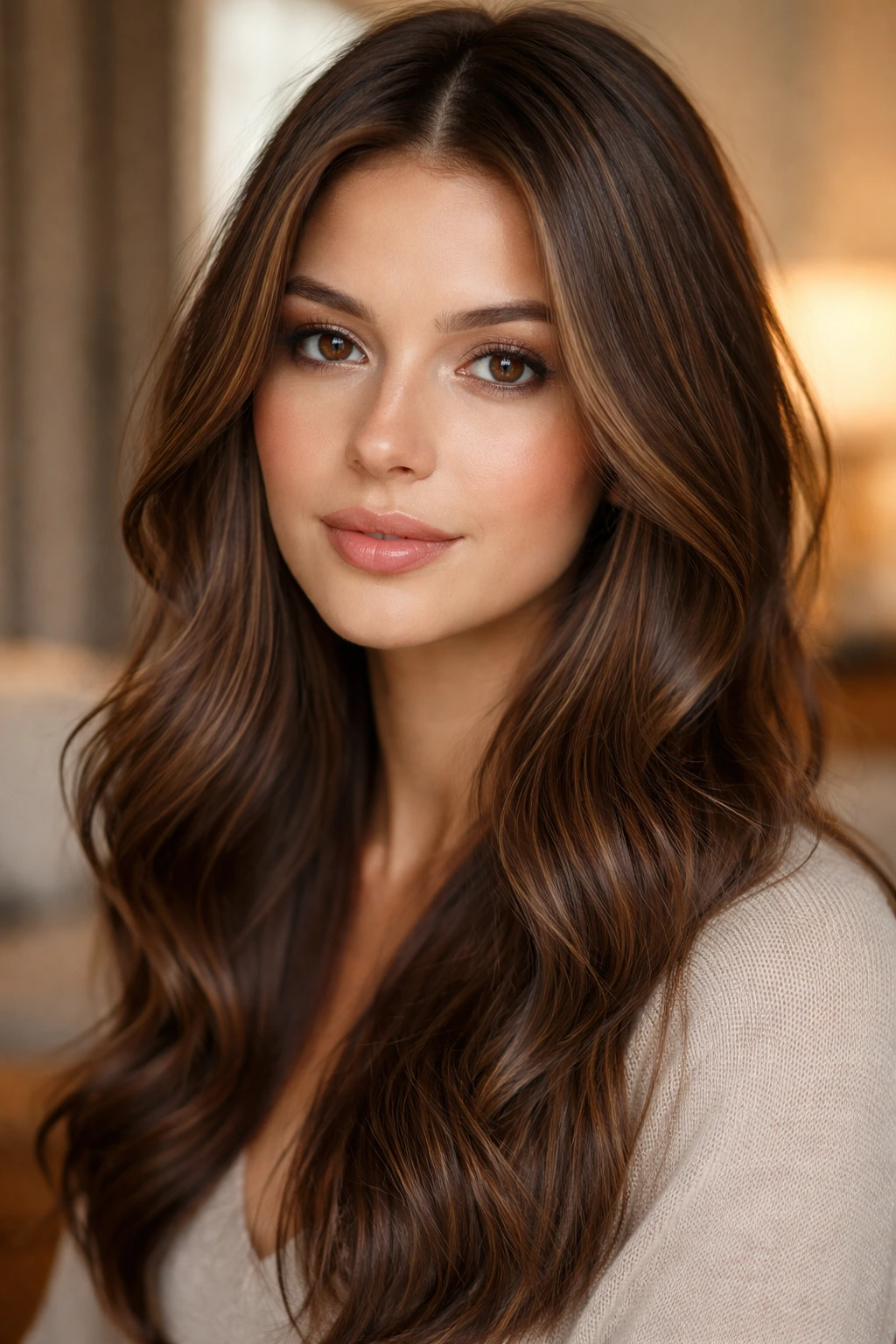
Babylights are the most delicate form of highlighting, involving tiny, fine sections of hair. When you do these in a caramel tone on a mocha base, the result is almost invisible—it just looks like your hair has natural, healthy highlights. This is the perfect entry point if you are nervous about changing your hair color for the first time.
You won’t have to worry about root touch-ups every six weeks. Since the babylights are so fine, they grow out naturally without creating a harsh root line. It is the ultimate “my hair, but better” look.
5. Rich Espresso Base with Toffee Lowlights
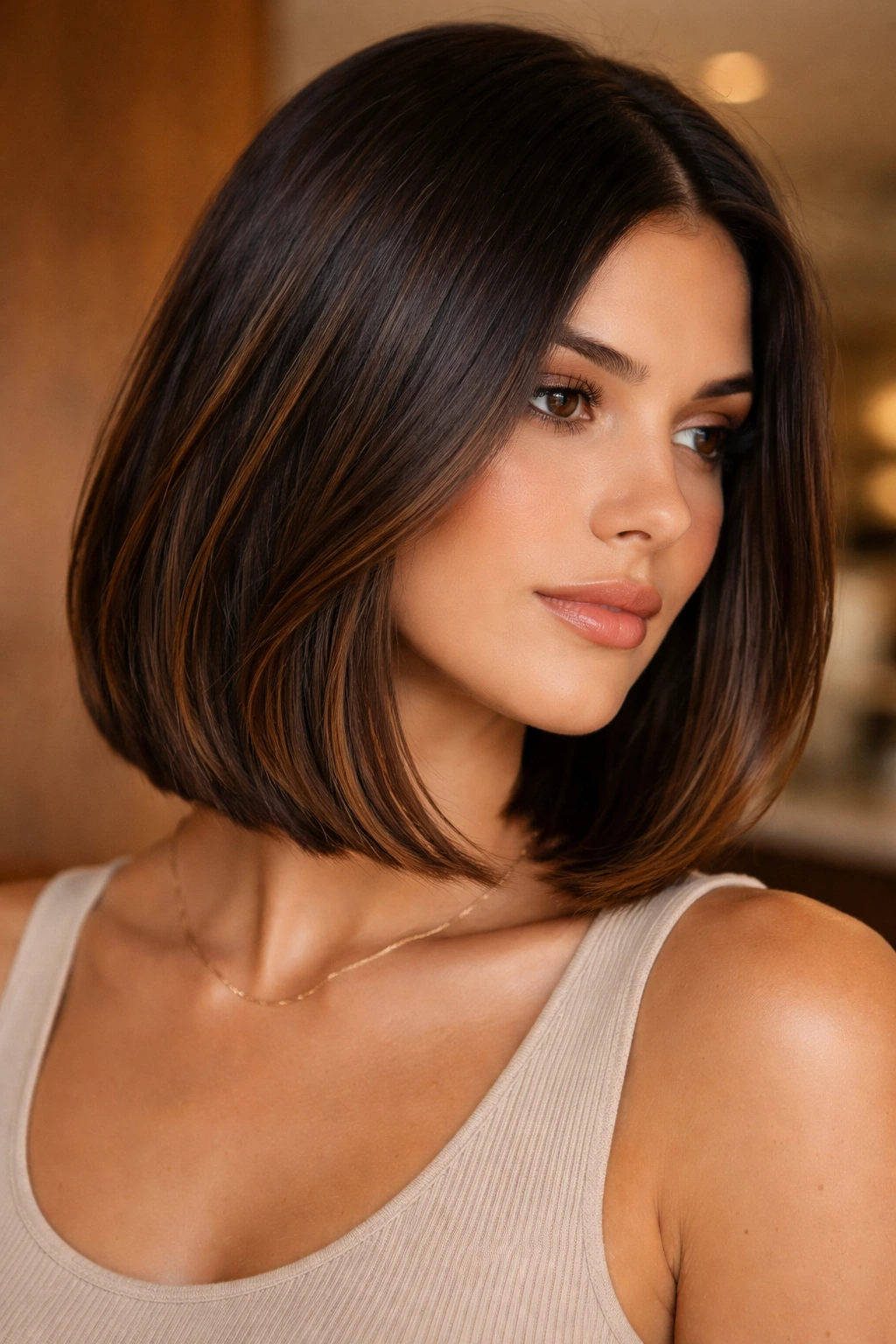
Toffee is essentially a slightly warmer, creamier cousin to traditional caramel. When paired with a rich, dark espresso base, it creates a delicious, multi-dimensional look that is perfect for colder months. This is less about “sun-kissed” and more about “luxe warmth.”
The contrast between the dark base and the creamy toffee makes the hair look remarkably soft to the touch. This look is stunning when worn with a sharp, blunt-cut bob or a long, layered shag. The color placement is usually concentrated toward the ends, creating a soft, dimensional ombré effect that is far more refined than the harsh ombrés of the past.
6. Caramel-Infused Chocolate Ombré
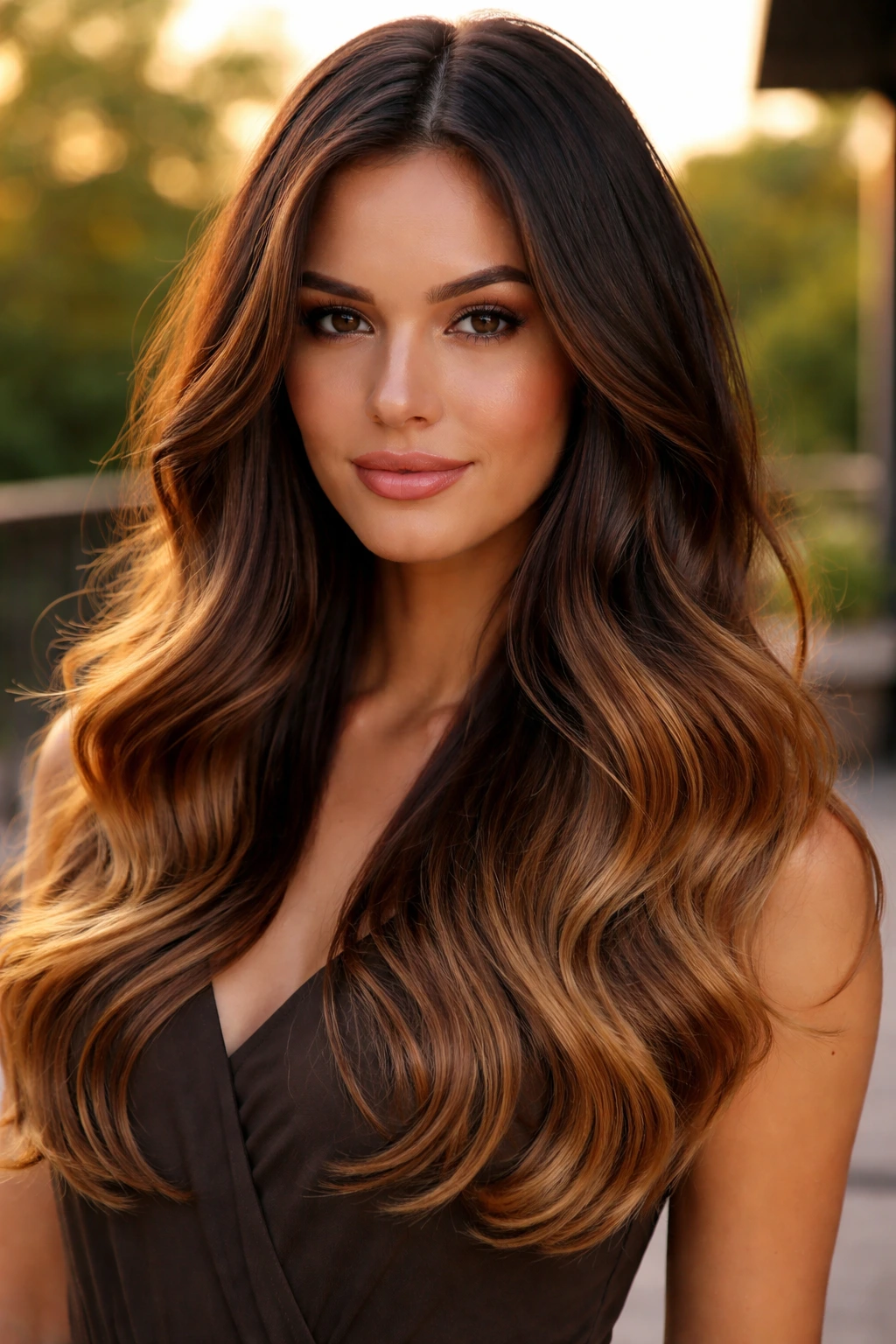
The ombré of today is a far cry from the stark black-to-blonde dip-dye that dominated a few years ago. Modern chocolate ombré is a gradual fade, and infusing it with caramel takes the edge off. Think of it as a smooth, buttery transition from dark brown at the roots to a warm, caramel-dipped finish at the ends.
Managing the Fade
Because this style focuses on the ends, your biggest concern is dryness. You need a routine that incorporates deep conditioning masks at least once a week. Because the ends have been lifted, they are naturally more porous than your virgin hair at the roots. Treat them with the care you would treat a delicate fabric.
7. Warm Chestnut with Burnt Caramel Streaks
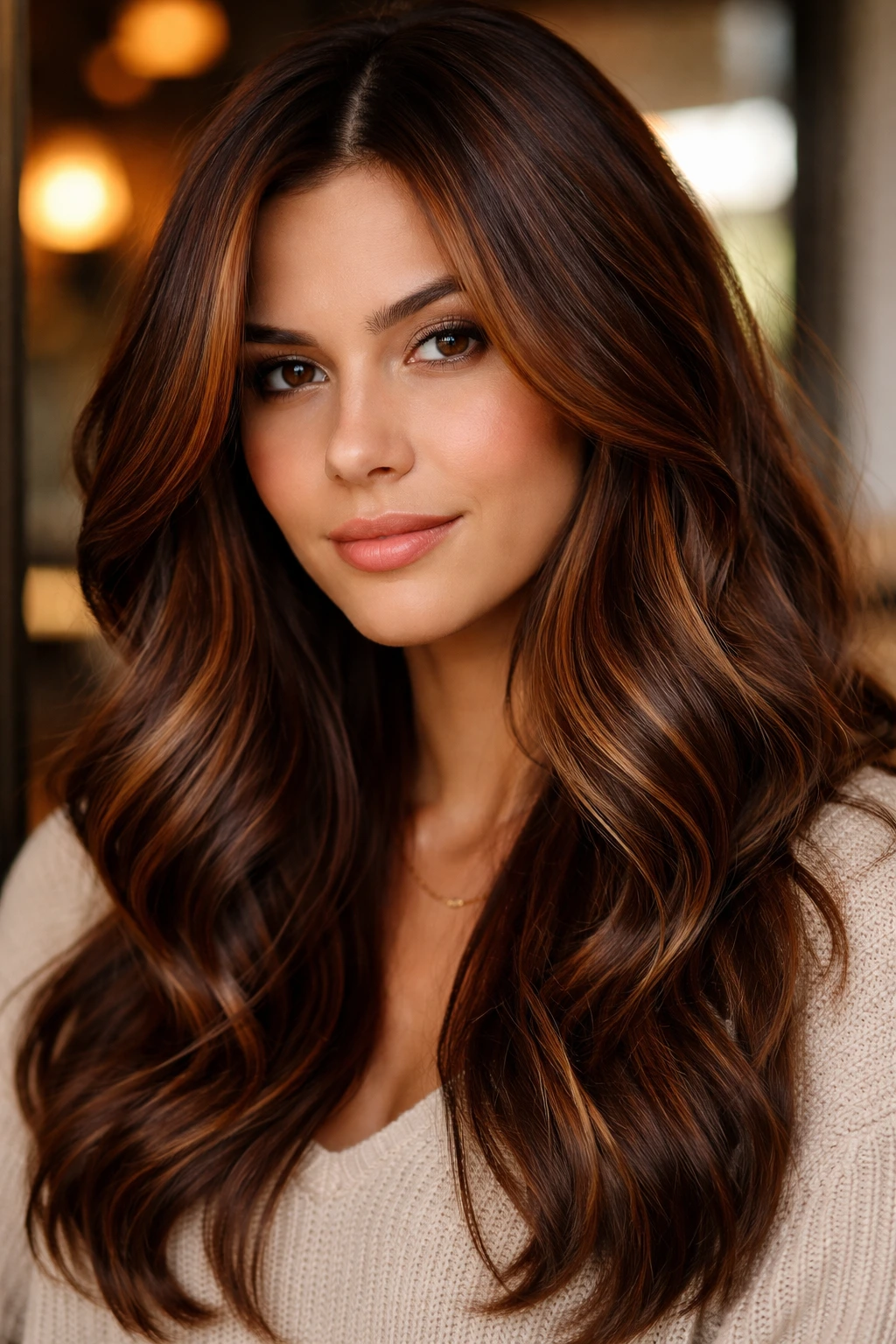
Chestnut hair has naturally red and gold undertones. Pushing it further with burnt caramel—which leans slightly toward a darker, spicier copper—makes for a stunning, vibrant look. This isn’t for the faint of heart, but it is incredibly flattering if you want to add some heat to your complexion.
The “burnt” aspect of the caramel adds a bit of depth, preventing the look from becoming too bright. It’s essentially a brown-red hybrid that feels like a natural evolution of a chestnut base.
8. Creamy Caramel Accents on Dark Chocolate
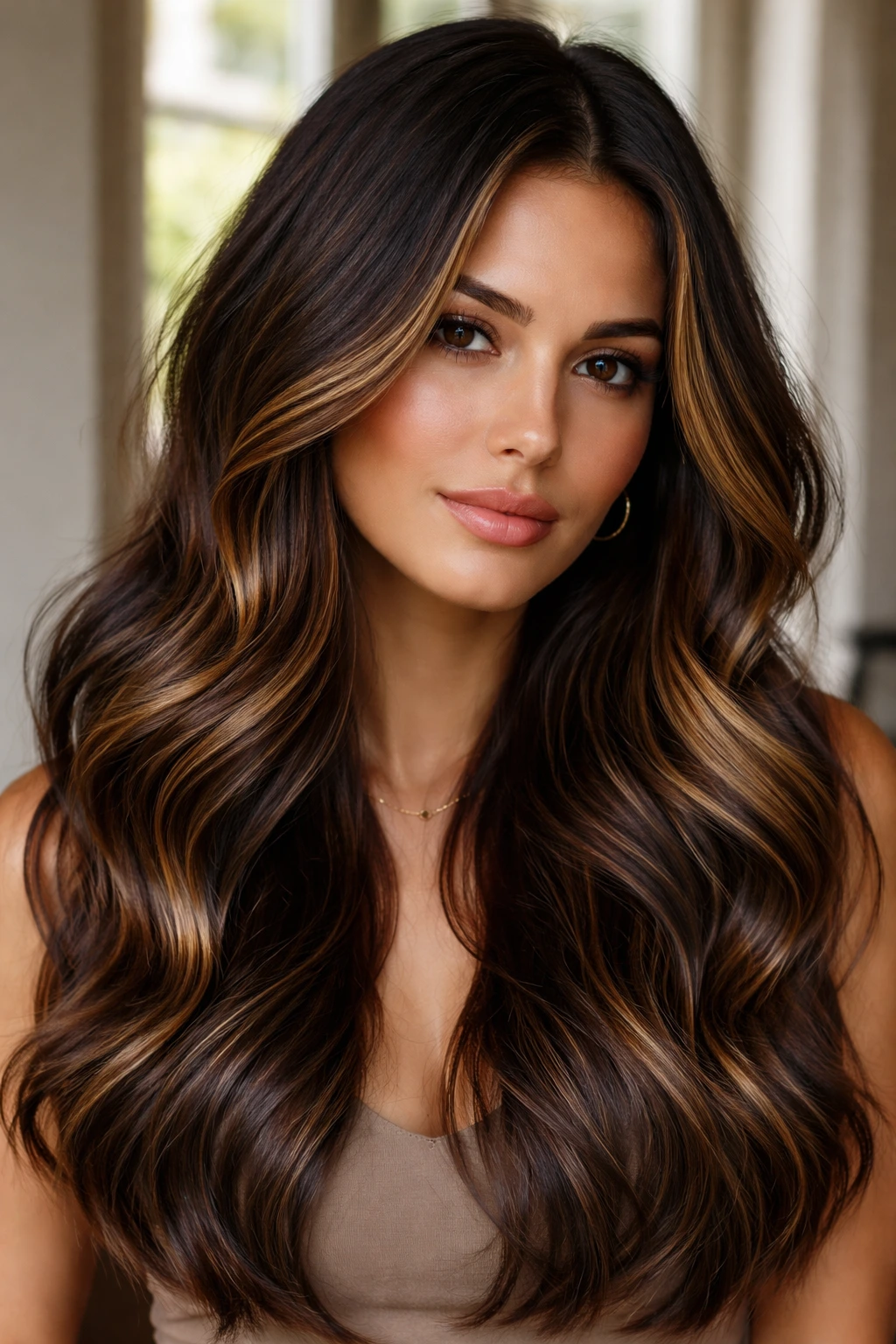
When you have a dark chocolate base, you don’t need a lot of color to make an impact. Just a few creamy caramel accents—placed primarily around the ends and lightly through the mid-lengths—can change the entire vibe.
This style relies on gloss. After the coloring process, ask for a clear or slightly tinted gloss. It seals the hair cuticle and makes those creamy accents shimmer. Without the gloss, the caramel can sometimes look dry or dusty against the dark background.
9. Dimensional Brunette Mix
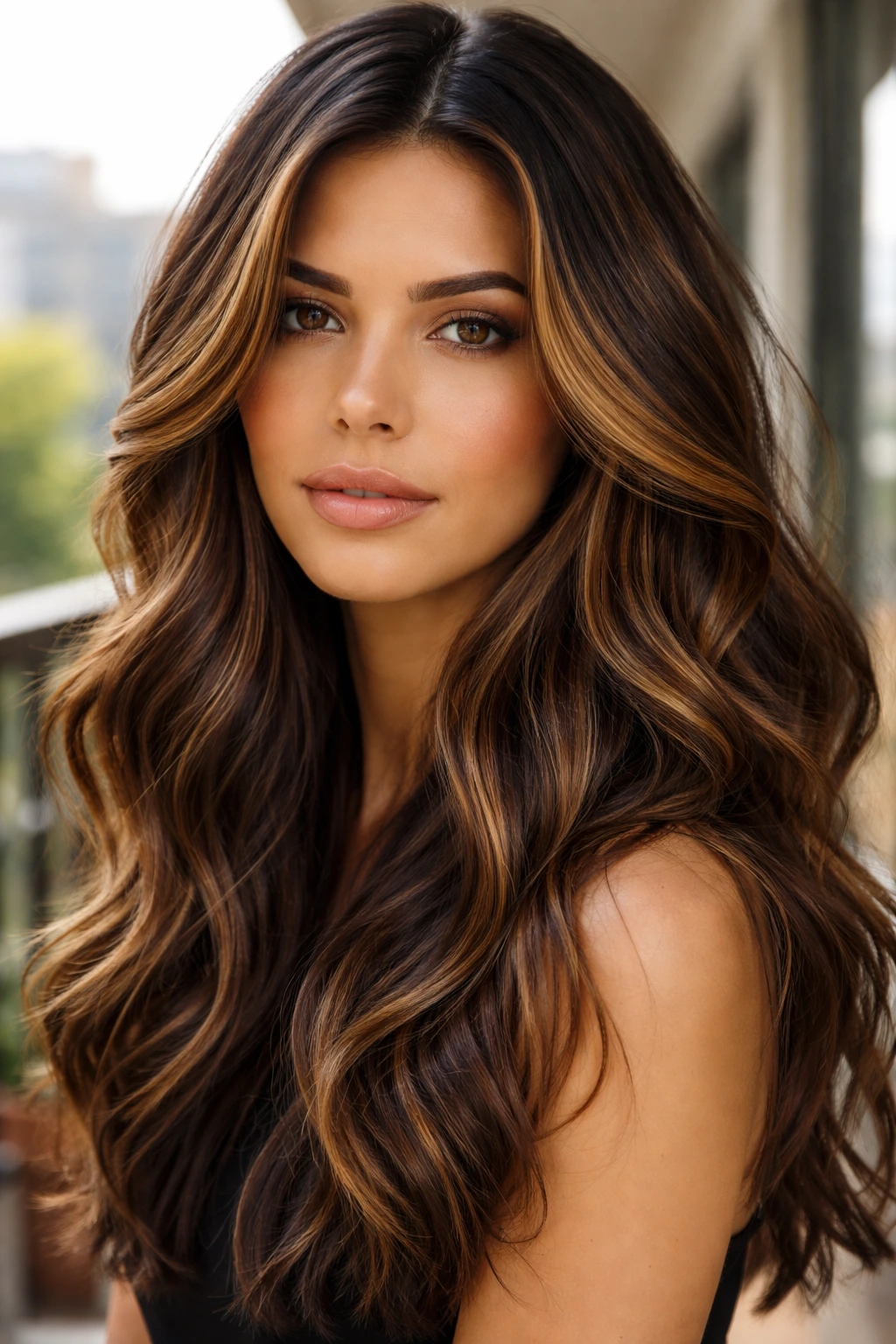
The dimensional brunette look is all about mixing. You aren’t just doing caramel lowlights; you are doing a mix of highlights and lowlights. You have the dark base, you have slightly lighter warm brown lowlights, and then you have the caramel highlights.
Why This Technique Prevents Flatness
By incorporating three different shades within the same tonal family, you create a complex, realistic color. It’s impossible for hair to look flat when it has three different hues reflecting light in different ways. It’s a bit more expensive at the salon because it requires more time, but the payoff in terms of longevity is huge.
10. Auburn-Tinged Caramel Ribbons
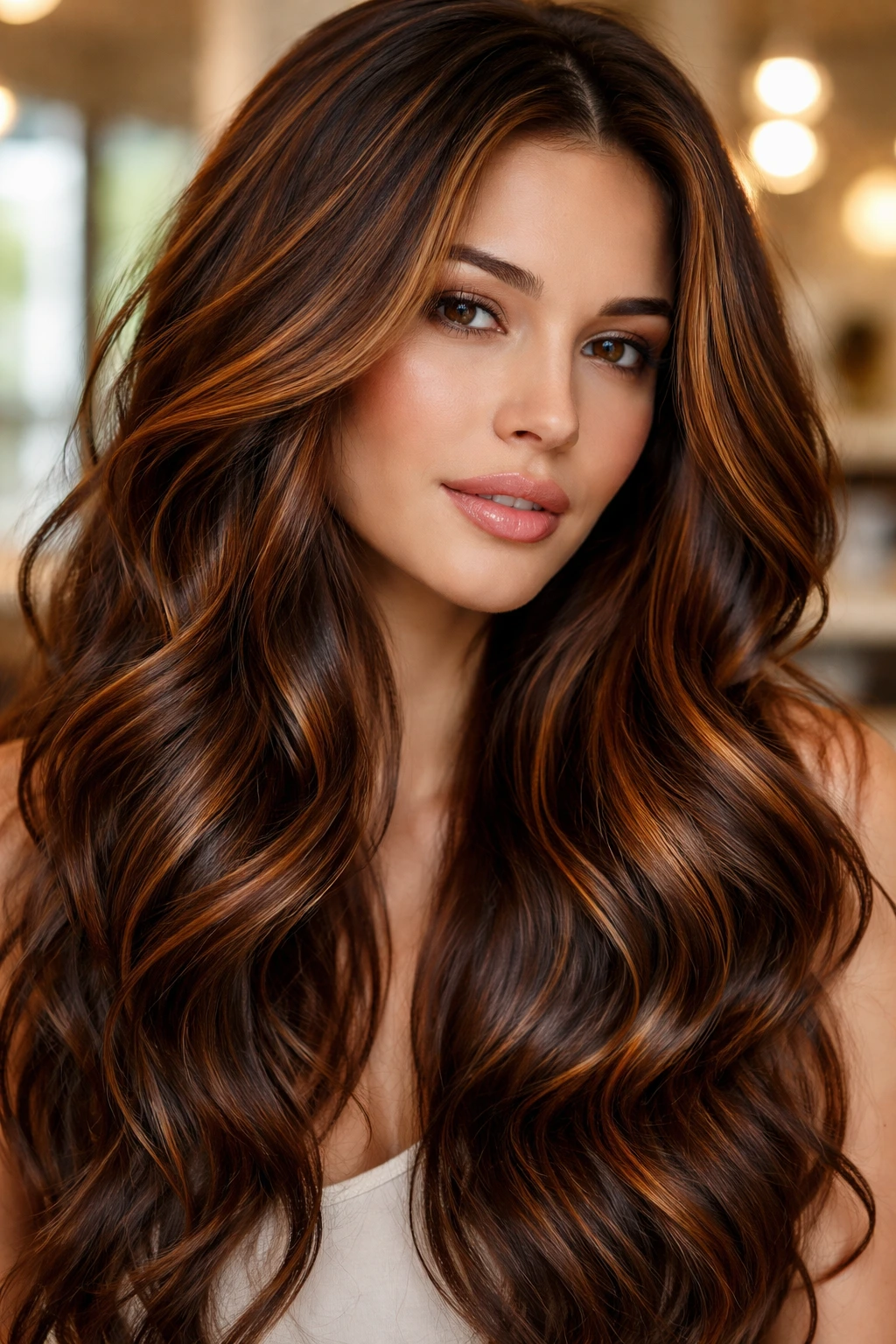
If you’ve ever debated going red but didn’t want the full commitment, this is your answer. Auburn-tinged caramel ribbons offer that warmth without the intensity of a copper or bright red dye. It’s a very natural look, especially for those with fair-to-medium skin.
The ribbons should be placed throughout the hair rather than just at the ends, which mimics the way hair naturally lightens in the sun—starting in patches rather than a solid gradient.
11. Caramel Lowlights on Dark Chocolate Locks
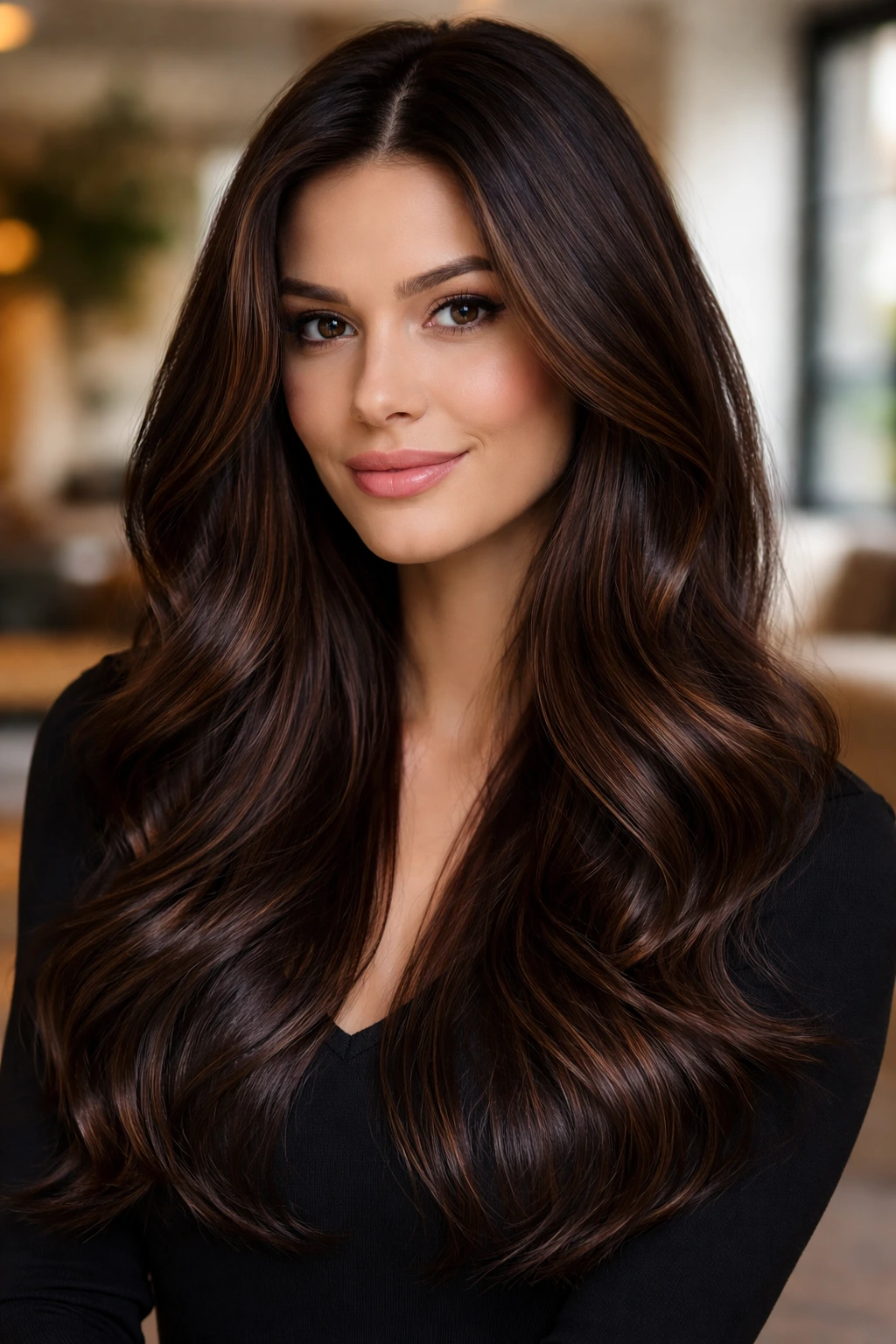
This is a classic. It’s refined, understated, and incredibly professional. The caramel here is used sparingly. It’s not meant to be a dramatic transformation; it’s meant to break up the solid color and add some shine.
Think of this as an accessory to your hair. It’s like adding a bit of jewelry—it elevates the whole outfit without being the main focus. If you have a corporate job or just prefer a more conservative look, this is the version of caramel lowlights you should ask for.
12. Cinnamon-Caramel Dimension
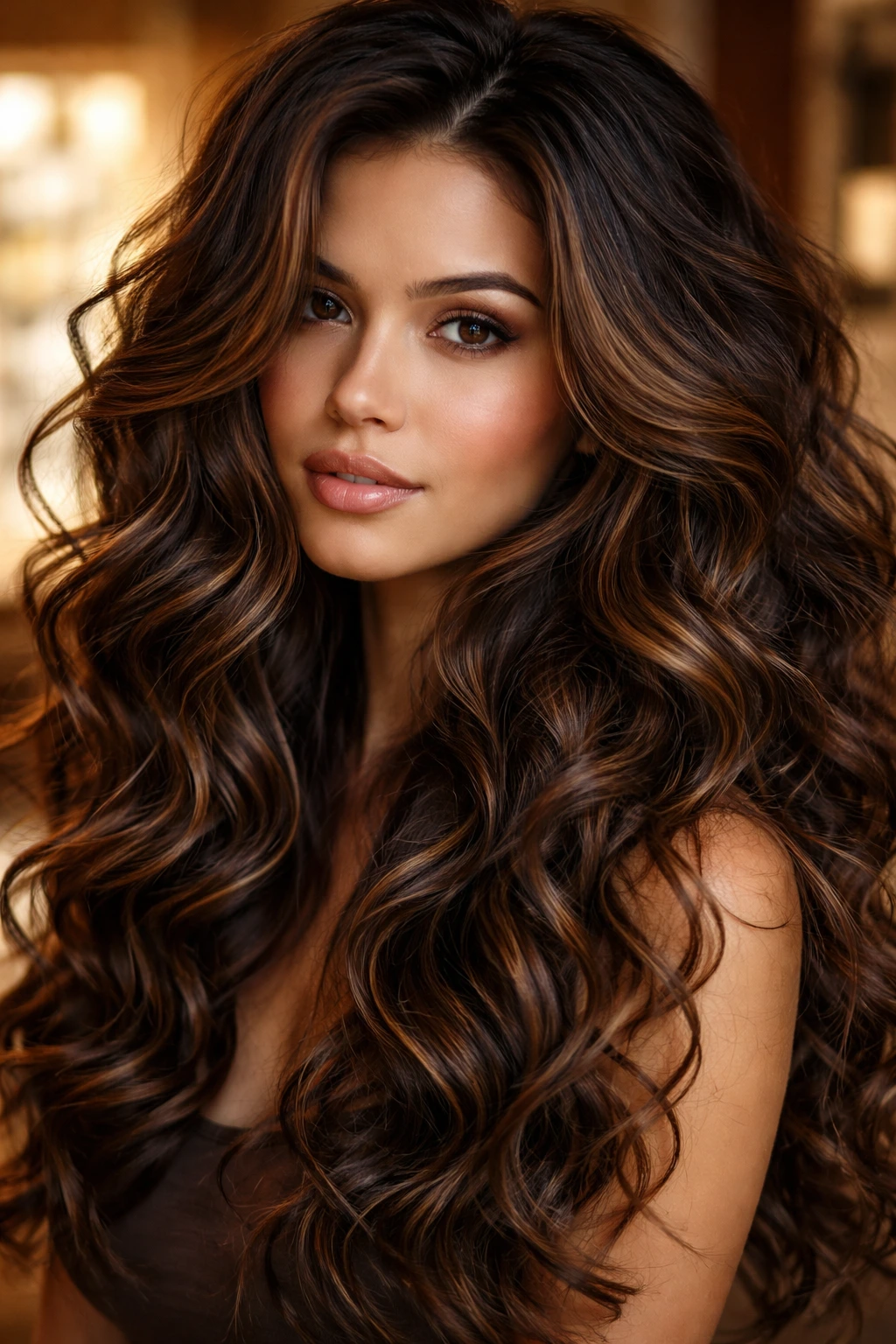
Cinnamon is a bit spicier and darker than traditional honey-caramel. When you blend cinnamon and caramel lowlights together, you get a warm, earthy, rich look that is breathtaking. It’s particularly beautiful on people with dark eyes, as it brings out the gold and copper flecks that are often hidden in the iris.
This combination works well on curly or wavy hair, where the different shades can swirl together, showcasing the complexity of the color with every movement.
13. Subtle Caramel Ribbons on Black-Brown Hair
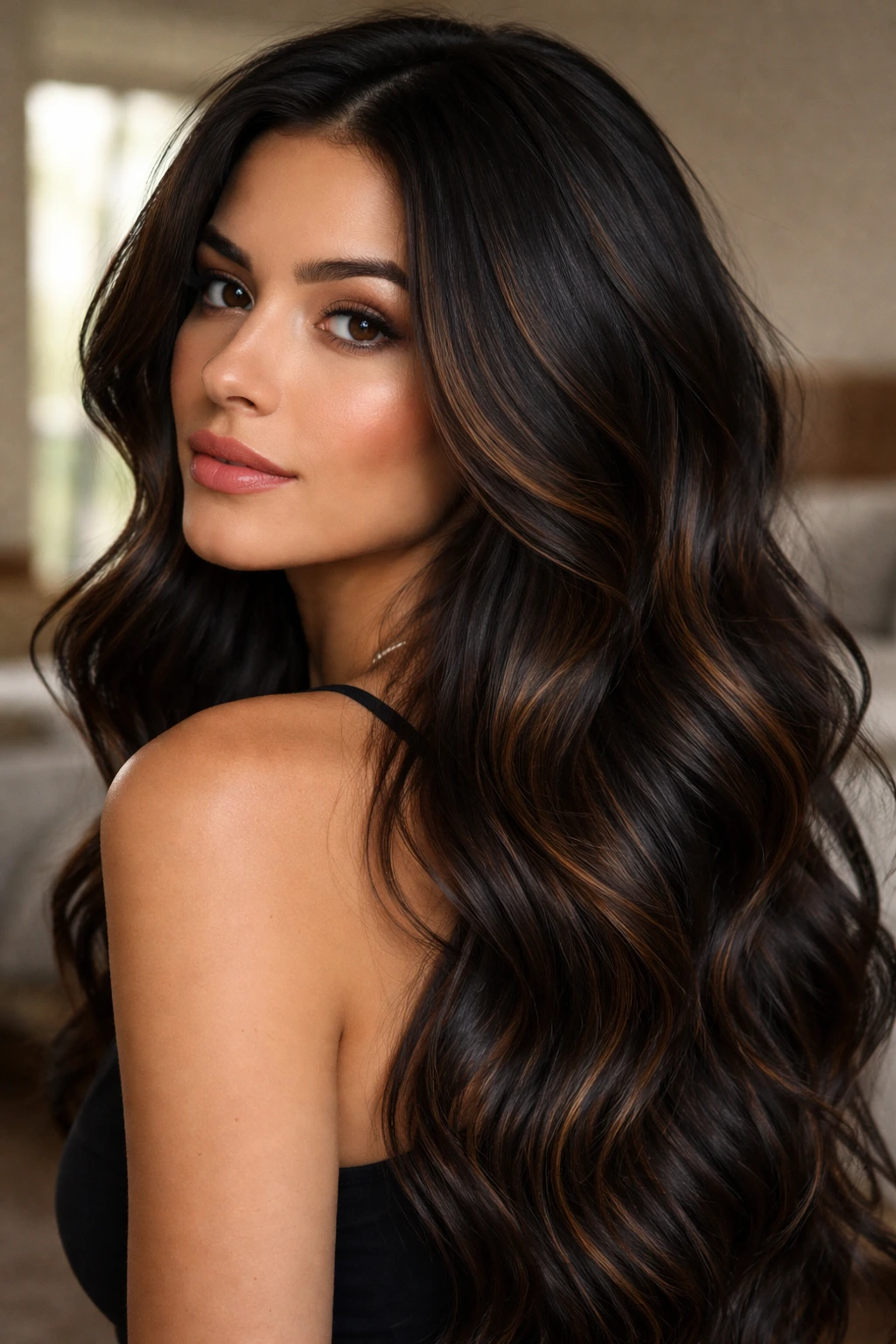
Going from nearly black to a lighter shade is a high-risk game. Instead of doing a full bleach-out, stick to subtle caramel ribbons. They act as a contrast against the depth of the black-brown base.
The trick here is to keep the caramel “darker” rather than “blonde.” A true, buttery blonde would look harsh against jet-black hair. A deep, saturated caramel will look like light is hitting the hair perfectly. It adds dimension without looking like you are fighting against your natural darkness.
14. Caramel-Glazed Layers
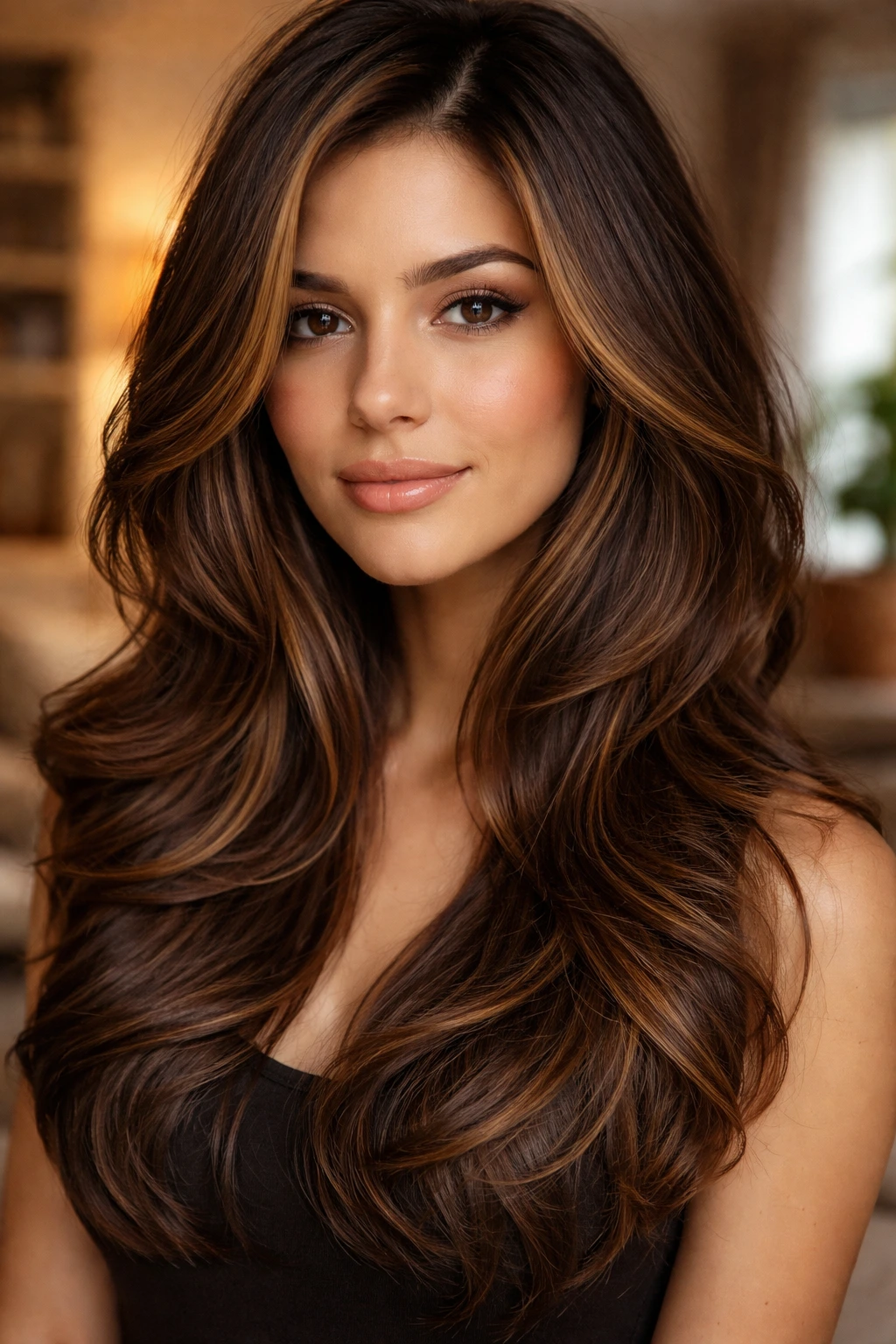
If you have a cut with a lot of movement—think long, swooping layers or a classic “Rachel” cut—caramel-glazed layers are designed to emphasize the silhouette of the haircut. The colorist paints the caramel along the edges of the layers.
How to Style
To really make this pop, you need to use a round brush when blow-drying. The color is placed to accent the curves of the layers. If you wear it straight, the effect is diminished. If you wear it with a slight bend or wave, the caramel catches the light on every single layer.
15. Honey-Caramel Highlights in a Deep Brown Base
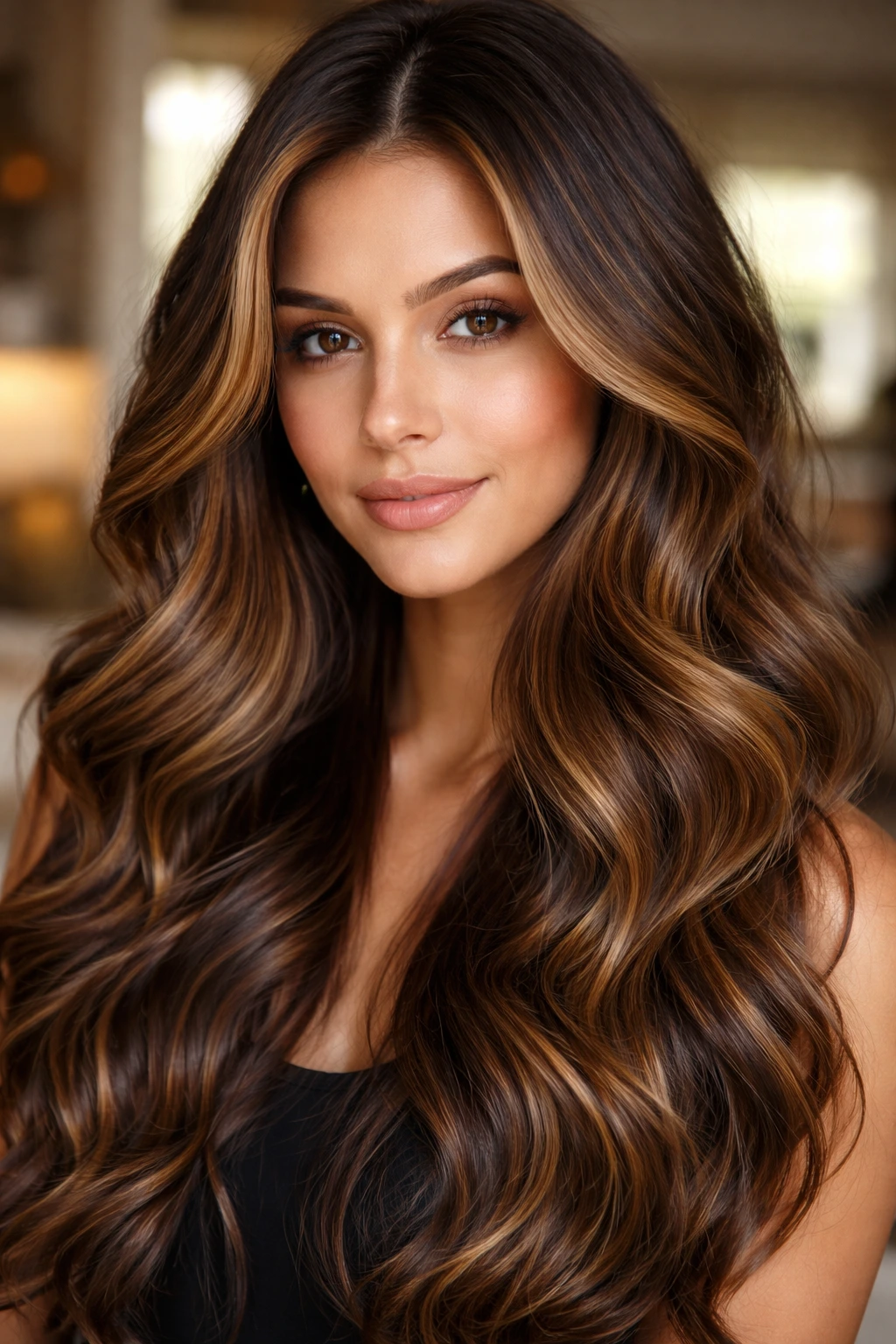
Honey-caramel is lighter and brighter than toffee or cinnamon. Placing these as highlights—rather than lowlights—means you are lifting the hair a bit more. The deep brown base acts as a canvas, and the honey-caramel acts as the artwork.
Because this creates a higher contrast, it is a higher maintenance style. You will likely need to go back for a toner every six to eight weeks to keep the honey from turning brassy or orange. It’s a beautiful look, but it requires a commitment to aftercare.
16. Caramel-Dipped Ends
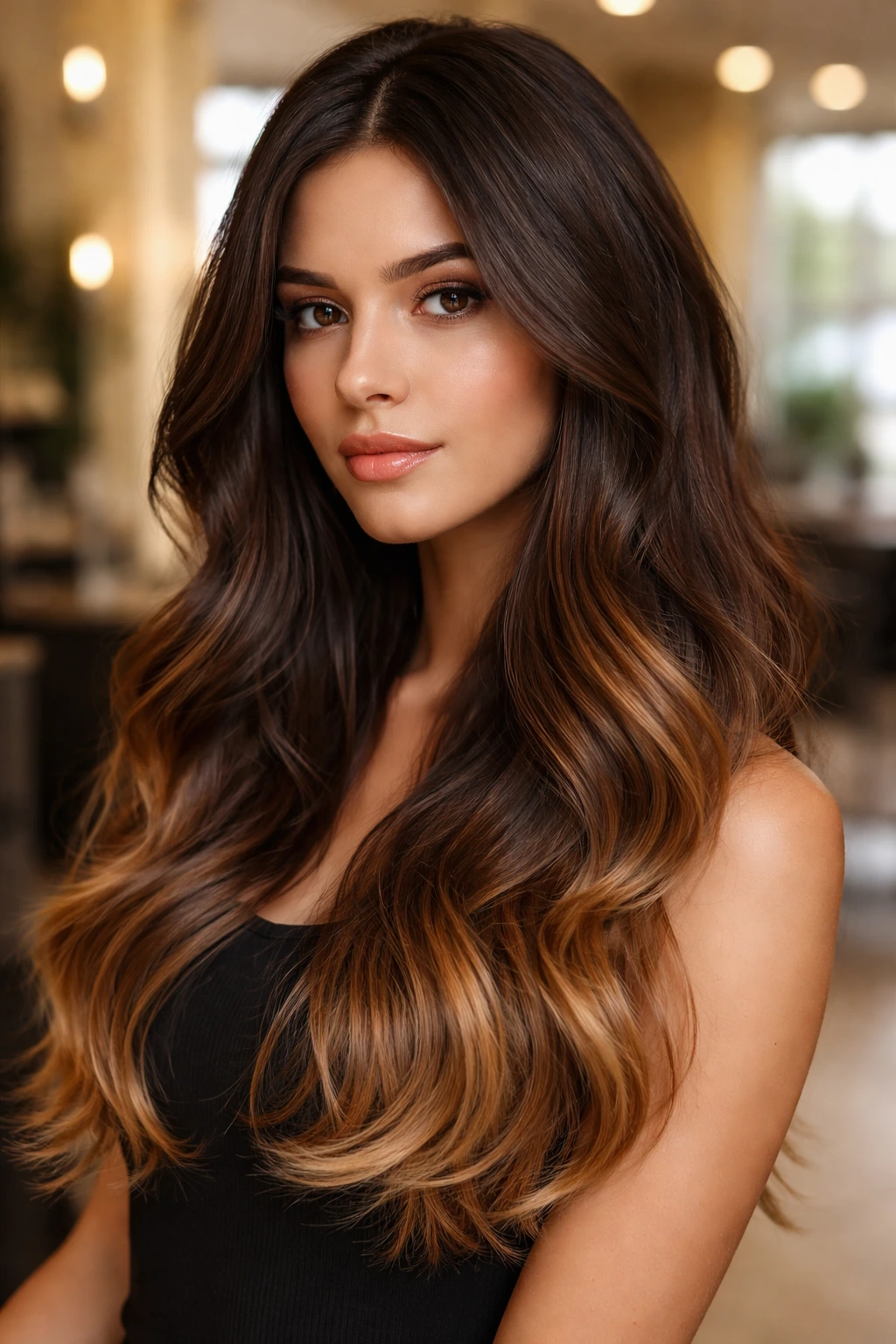
This is a very specific type of ombré. Instead of a long gradient, the caramel is concentrated almost exclusively on the bottom two or three inches of the hair. It’s a bold look that works well if you want to play with color without touching the hair near your face.
It’s also an easy “fix” if you find your hair feels boring but you are scared of changing your roots. If you hate it, you can just cut off those few inches. It’s a low-risk way to experiment.
17. Soft Butterscotch Lowlights
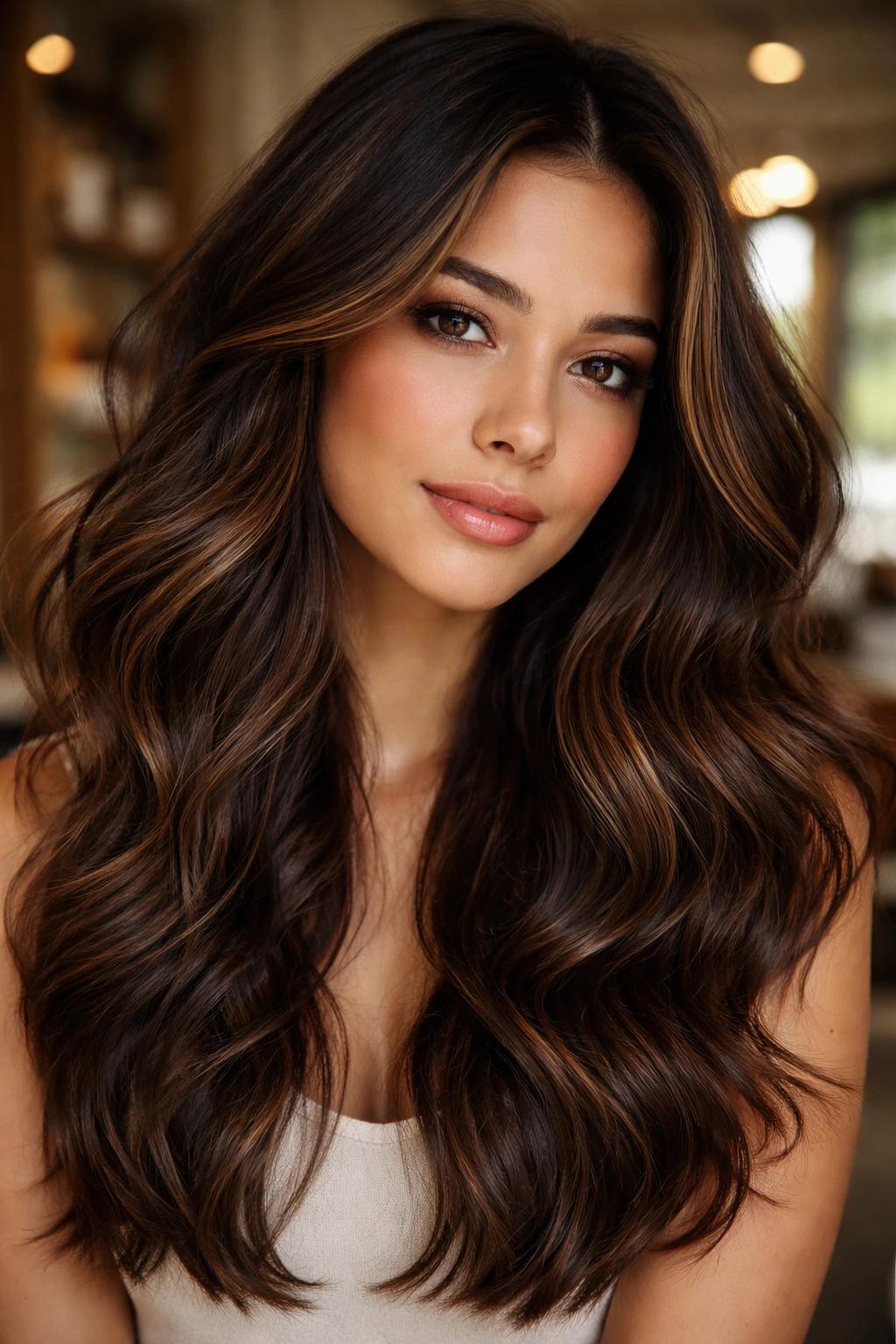
Butterscotch is a very specific shade—it’s yellow-based and warm. It looks incredible on brunettes who have a tan or naturally olive skin. It has a vibrancy that is often missing from more muted caramel shades.
When you mix butterscotch lowlights into a darker brown, the result is bright and cheerful. It’s a great style for late summer or early autumn when you want to carry that sun-kissed feeling into the cooler months.
18. Caramel and Copper Blend
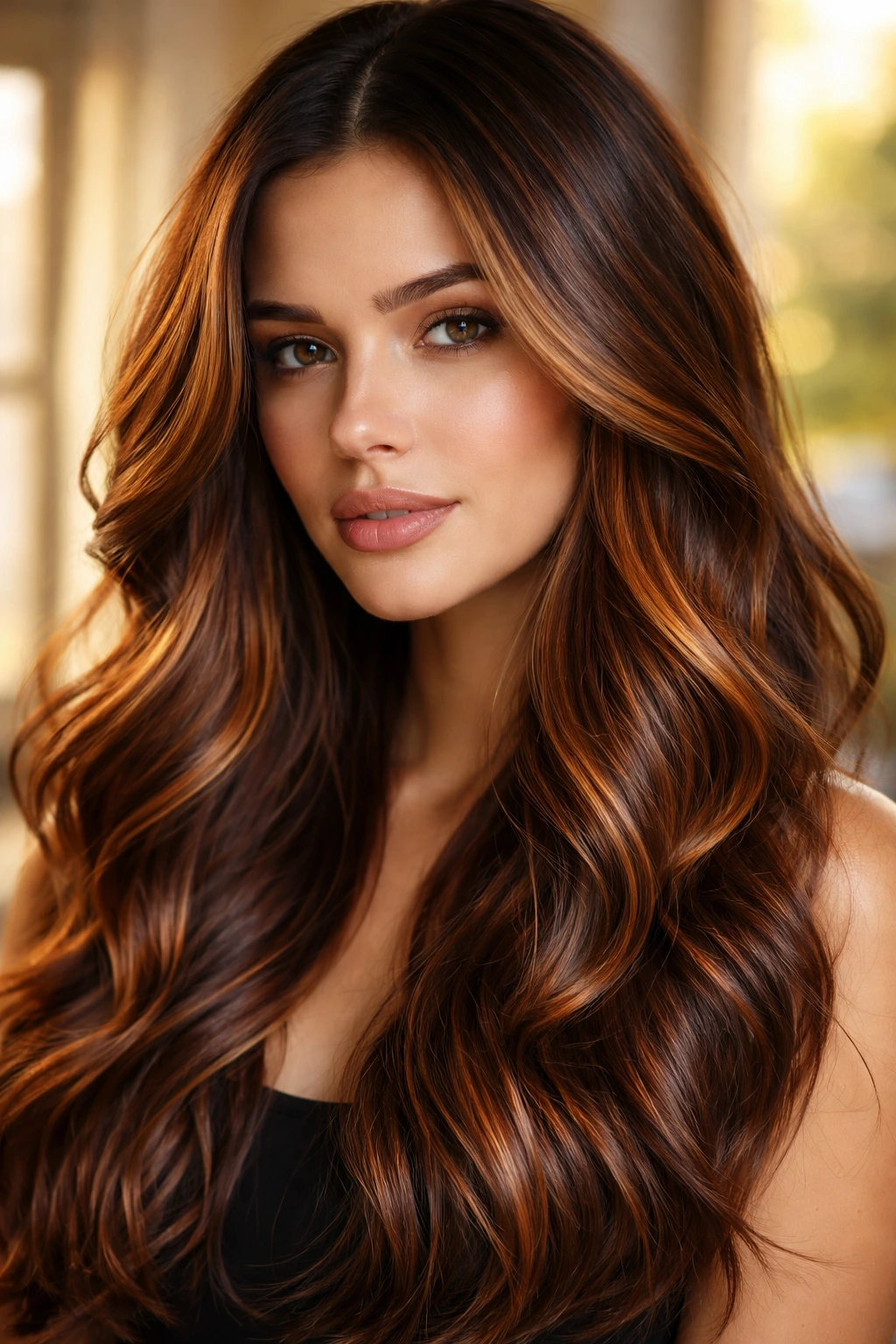
Who says you have to pick one warmth? A blend of caramel and copper provides a fire-and-gold aesthetic. The copper adds a reddish punch, while the caramel adds the soft, golden light.
The Science of the Blend
The key to pulling this off is the ratio. Start with a 70/30 split—70% caramel, 30% copper. If you go 50/50, it can quickly become too intense. You want the copper to support the caramel, not overtake it.
19. Ash-Brown Base with Caramel Accents
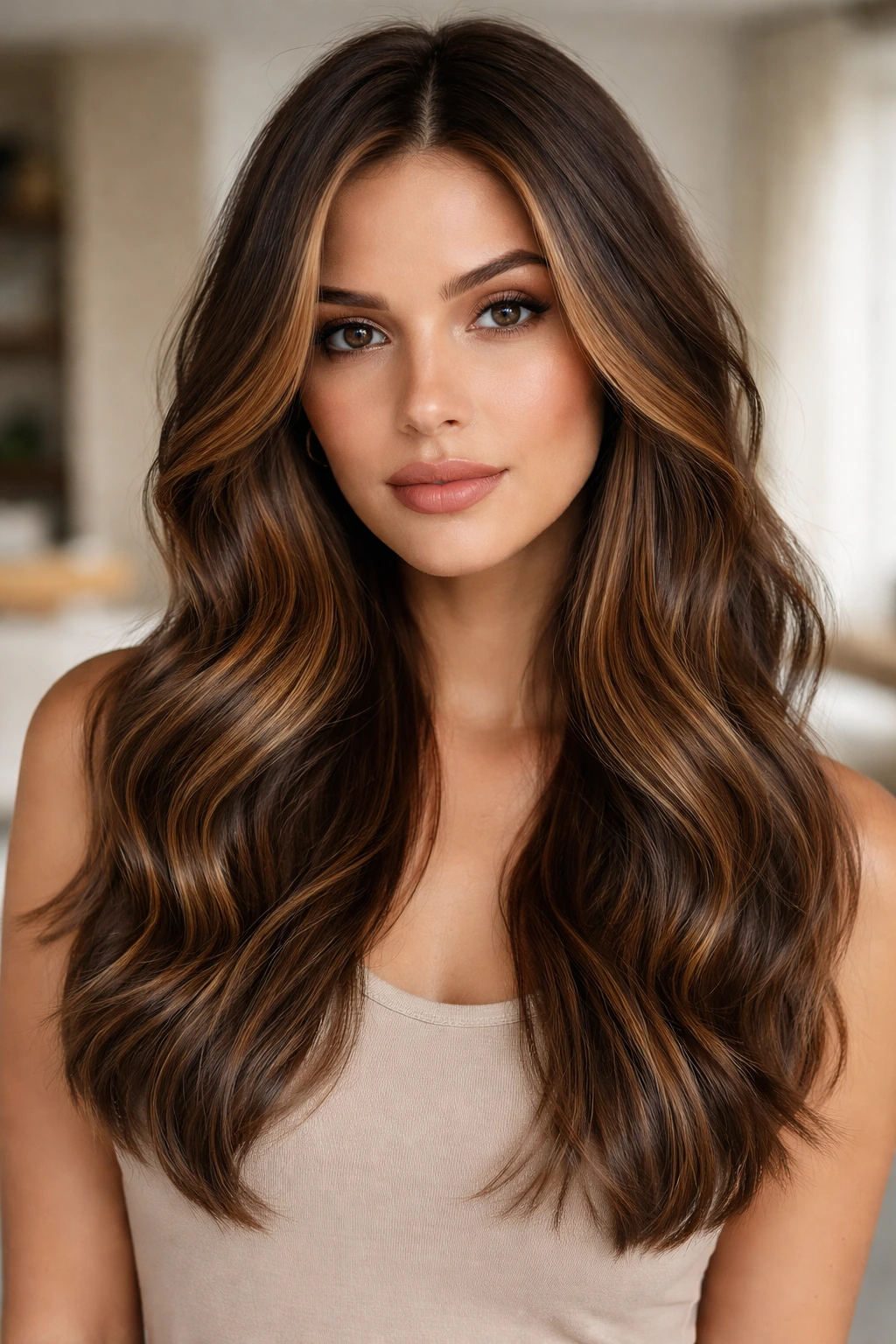
This is a contrarian approach. Usually, caramel is paired with warm-toned bases. But pairing it with an ash-brown—which has cool, greyish undertones—creates a very modern, “expensive” contrast. The coolness of the ash-brown tones down the warmth of the caramel, making it look much more sophisticated and less “sunny.”
This is a fantastic option if you don’t like the “orange” phase that often happens when dark hair is lightened. The ash base neutralizes those unwanted tones, leaving you with a clean, light-brown result.
20. Caramel Money Piece with Subtle Lowlights
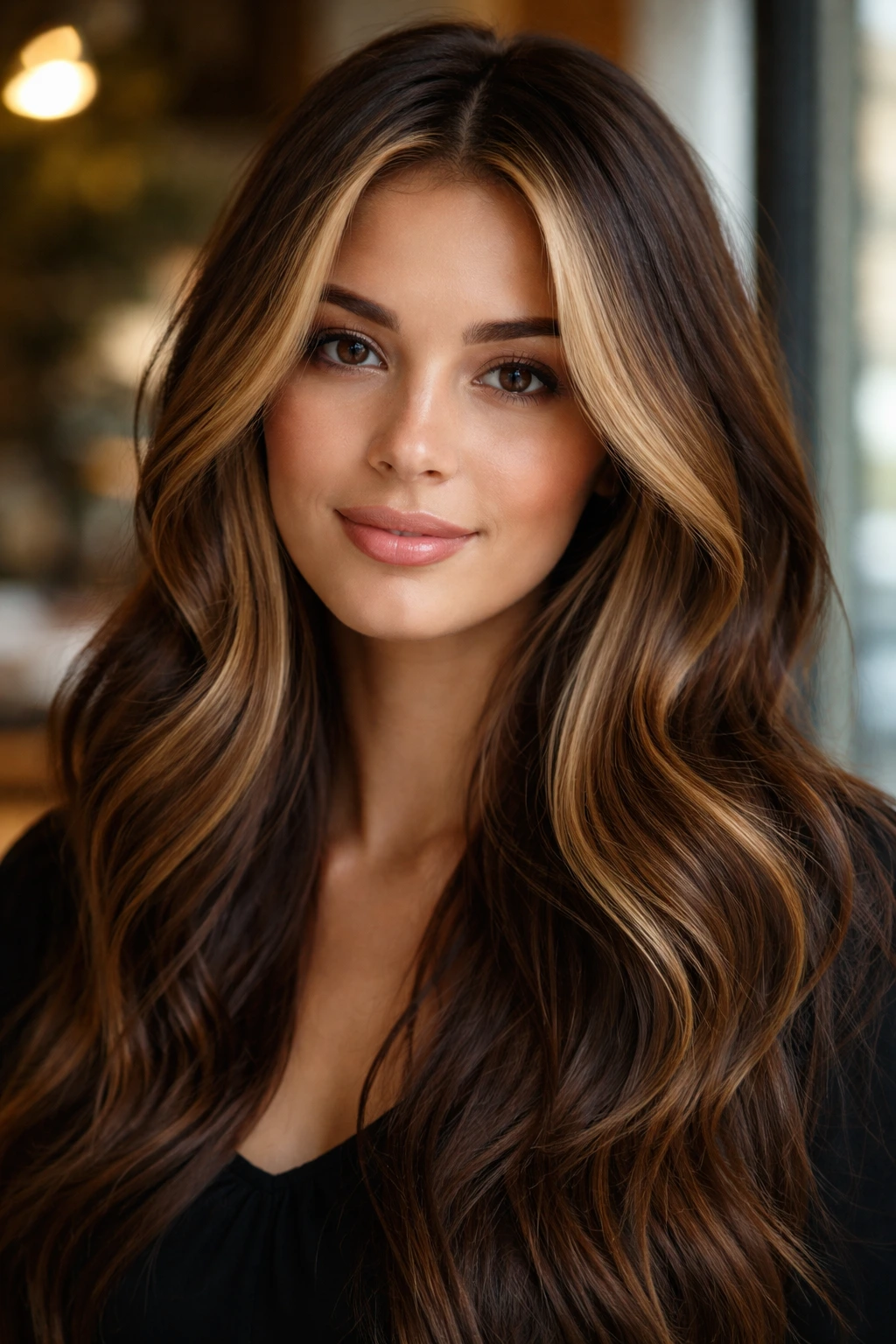
Most money pieces are paired with bright blonde. By pairing a caramel money piece with subtle, scattered caramel lowlights throughout the back, you create a cohesive look that doesn’t feel like a top-heavy dye job.
The money piece brings the light to your face, while the lowlights ensure that the back of your hair doesn’t look like a solid, dark wall. It’s a balanced style that feels very put-together and intentional.
21. Caramel-Tinted Babylights for Added Movement
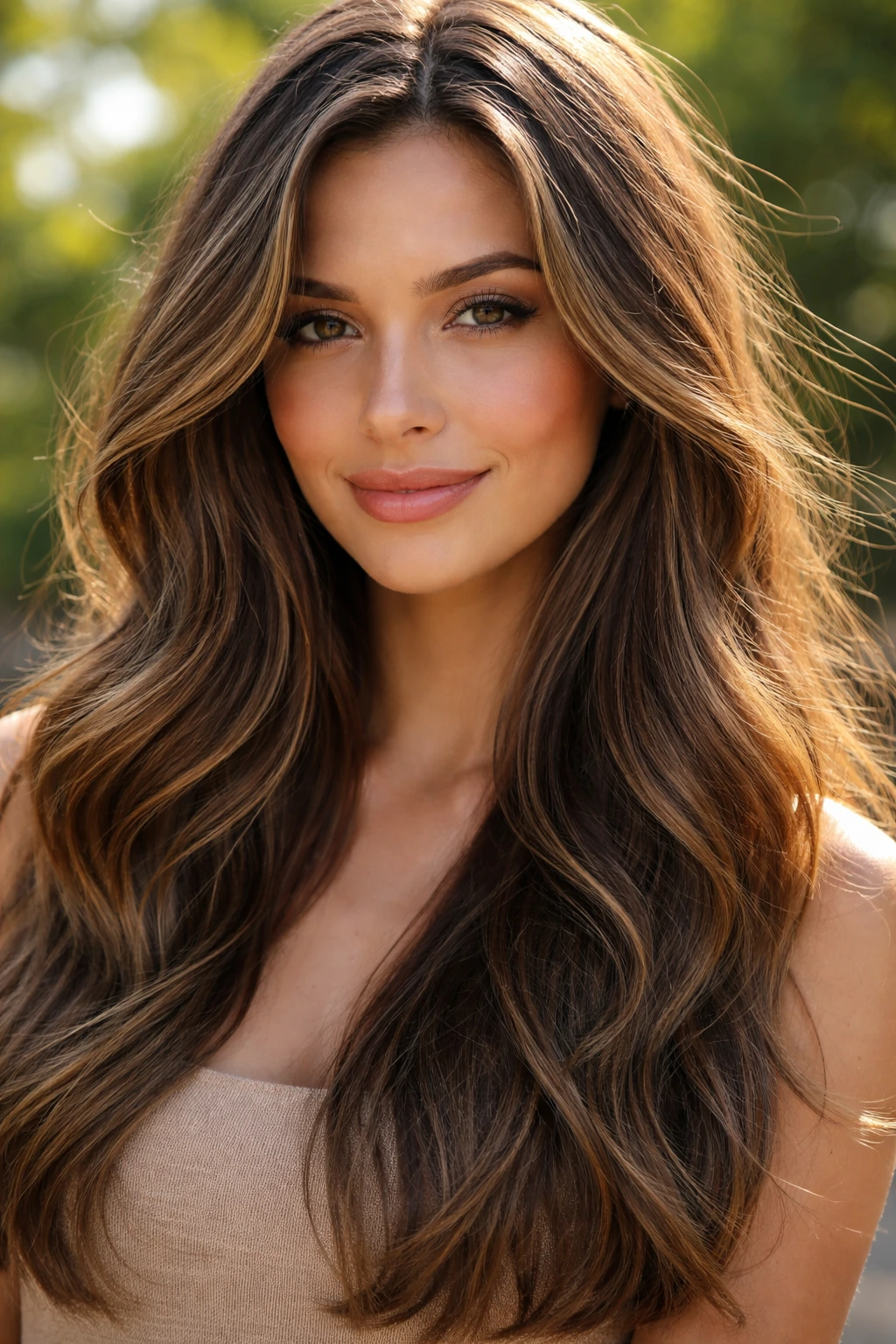
If your hair is thin, you want the illusion of movement. Caramel-tinted babylights, scattered in a sporadic pattern, are the best way to achieve this. You aren’t creating big, obvious stripes. You are creating thousands of micro-variations in shade.
Because babylights are so small, they blend seamlessly. When you move your head, the light catches these tiny, warm streaks, creating a shimmer that looks incredibly natural. It makes fine hair look much denser and more alive.
22. Dark Coffee Base with Ribbons of Light Caramel
If your hair is naturally very dark, almost black, do not reach for light caramel. Reach for “light-for-you” caramel. Ribbons of this shade against a dark coffee base create a stunning, dramatic effect.
The contrast is sharp, which makes the style feel edgy and modern. It’s not a soft, blended look; it’s a deliberate, high-contrast aesthetic that requires a good stylist who can paint precise ribbons without getting “muddy” edges.
23. Caramel-Brushed Curls
If you have textured hair, you know that color can look different on curls than it does on straight hair. Brushing caramel through the curls—rather than doing a traditional foil—allows the colorist to hit the specific curves of your hair.
Maintaining the Texture
You must be careful. Curly hair is inherently drier than straight hair. Adding chemical color to curls can break the curl pattern if you aren’t careful with the developer strength. Always go for a lower volume developer. It will take longer, but your curls will stay bouncy and defined instead of becoming limp.
24. Golden Caramel Ribbons on Textured Brunettes
Textured hair has a lot of surface area for light to bounce off. Golden caramel ribbons are perfect here because they emphasize the shape of the coils or waves. The gold reflects light intensely, turning a dark, heavy head of curls into a sparkling, textured masterpiece.
This is a look that demands hydration. Use a curl cream after washing to define the ribbons and let the color sing. Dry, frizzy hair hides the color; hydrated, defined hair shows it off.
25. Soft Mocha Base with Caramel Melt
A “melt” is a technique where two colors are blended so perfectly you can’t tell where one ends and the other begins. A soft mocha base melting into caramel ends is perhaps the most requested look in salons today.
It is effortless. It feels like you were born with it. It’s the ultimate “low-maintenance” color because there is no defined root line. You can let this grow out for months, and it will still look like a style choice rather than a neglected salon visit.
26. Caramel-Streaked Curtain Bangs
If you have curtain bangs, you have a natural frame for your face. Putting caramel streaks right in those bangs draws attention to the eyes and cheekbones, just like the money piece, but with a softer, more integrated feel.
Pair this with a few subtle caramel streaks in the rest of your hair to keep the look balanced. If you only color the bangs, it can look like an accident. If you color the bangs and sprinkle a few highlights throughout, it looks like a curated style.
27. Caramel Lowlights for Short Bobs
Short hair often struggles with dimension because there isn’t enough length for a full ombré. Caramel lowlights are the perfect solution for bobs. They add visual depth to the cut, making the hair look layered even if it’s one length.
The key is to place the lowlights around the face and toward the ends. It helps define the shape of the bob. Without them, a dark bob can look like a helmet. With them, it looks like a chic, intentional fashion statement.
28. Caramel-Balayage on Layered Cuts
Layers are meant to be seen. Caramel balayage acts like a highlighter for your haircut. It picks out the edges of your layers and makes them pop. If you have a shag cut, a long-layered cut, or a blunt cut with texturized ends, this technique is your best friend.
Why This Works
The balayage allows the color to focus on the points of the hair that move the most. As you walk, your hair moves, and those caramel tips catch the light. It’s dynamic, it’s vibrant, and it highlights the physical structure of your haircut.
Final Thoughts
Caramel lowlights are not a temporary trend; they are a fundamental way to elevate brunette hair. By introducing warmth and dimension, you change the way your hair interacts with the world. It stops being a static accessory and starts being a vibrant, multi-tonal feature.
The key to all of this is patience. Do not rush to go five shades lighter in one appointment. Build your dimension over time. Start with subtle babylights or a soft balayage, see how you like the upkeep, and add more intensity as you get comfortable.
Finally, remember that color-treated hair is a relationship. You have to feed it, protect it, and respect its limits. Whether you choose a soft mocha blend or a bold, golden ribbon look, the goal is always the same: healthy, shiny, and dimensional hair that makes you feel confident every time you catch a glimpse of yourself in the mirror.
