



Finding the perfect hair color often feels like a high-stakes guessing game. You flip through magazine pages, scroll through endless social media feeds, and wonder if that striking shade of blue will actually look good on you or just make you look tired. If you have cool skin tones, you are in a uniquely advantageous position when it comes to blue hair. While warm skin tones often struggle with finding a blue that does not clash with their natural golden or olive undertones, cool skin — characterized by pink, red, or bluish undertones — naturally harmonizes with the cool, icy, and deep spectrums of the color wheel.
The science of color theory here is straightforward. Cool skin thrives when paired with cool-toned hair colors because they reinforce your natural palette rather than fighting against it. If you have ever felt washed out by a golden blonde or a warm chestnut brown, your skin was likely telling you that it prefers a cooler temperature. Blue is the ultimate cool color. However, not all blues are created equal. Some lean toward green (teal), which can introduce warmth, while others are pure, icy, or deep, which perfectly complement the blue veins and pinkish skin of a cool complexion.
Navigating this spectrum requires a bit of precision. You want to avoid the “washed out” look that happens when the hair color is too close to your skin tone without enough contrast, or when a shade has too much yellow in its base. Instead, aim for colors that either pop against your skin or mirror its inherent coolness. This guide breaks down the best ways to wear blue, ensuring you find a shade that feels like an extension of your own style rather than a costume.
1. Icy Platinum Blue
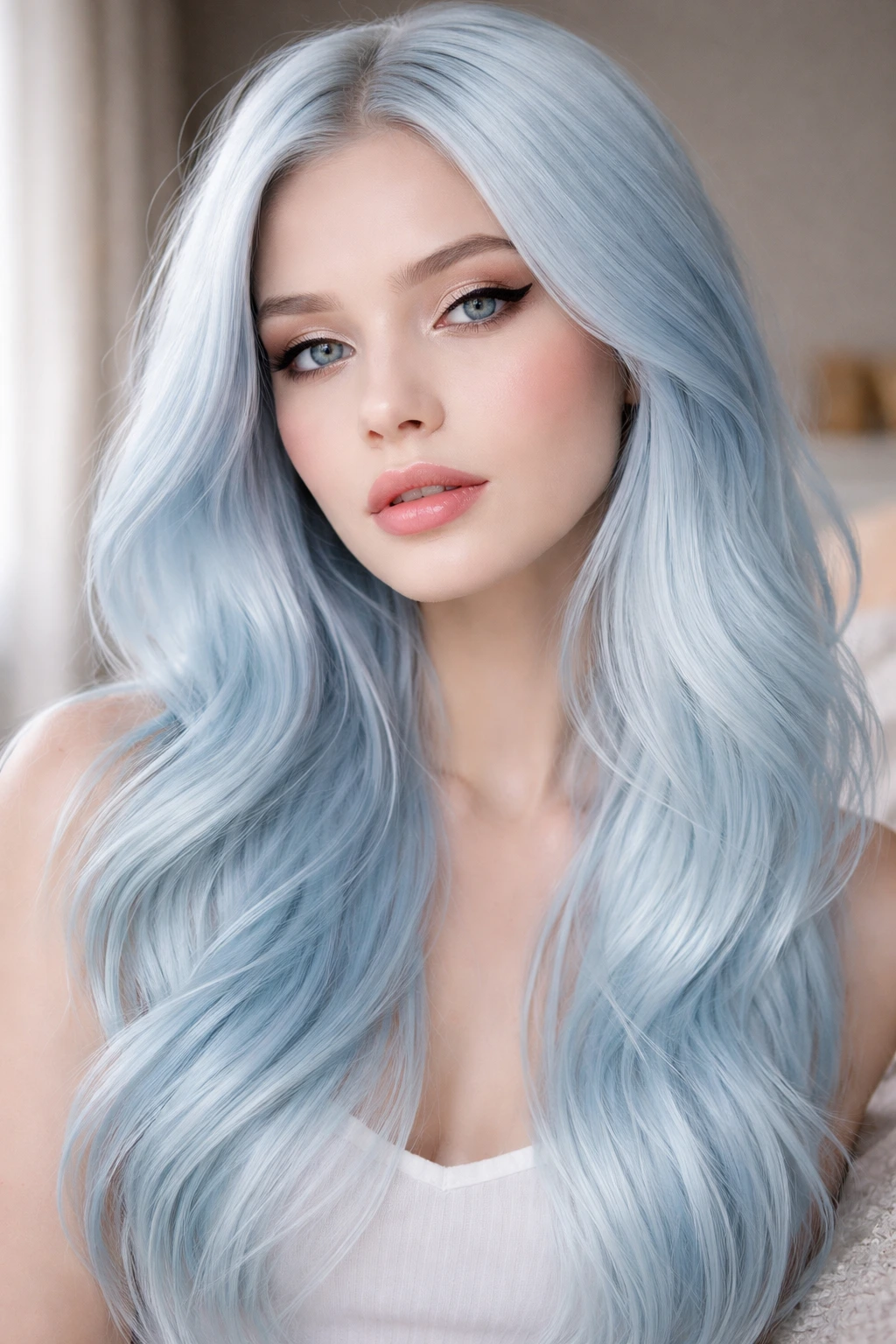
This shade sits right on the edge of white and blue, offering a translucent, ethereal quality that is arguably the most flattering option for very fair, cool skin. It works because the lack of pigment in the platinum base prevents any muddying of your skin tone, while the subtle blue tint keeps the hair from looking like a harsh, solid white.
Why It Works for Cool Skin
The icy nature of this color mimics the natural coolness in your complexion. Because it lacks depth in terms of warmth, it creates a seamless transition from your skin to your hair. You will find that this look is incredibly high-maintenance, but the payoff is a clean, bright appearance that makes your eyes look clearer.
Tips for Maintenance
- Use a high-quality purple toning shampoo twice a week to keep the platinum base from turning yellow.
- Avoid excessive heat styling, as the level of bleach required to get this platinum base makes the hair shaft fragile.
- Schedule touch-ups for your roots every four to six weeks to keep the contrast sharp.
Pro tip: If your skin is extremely pale, avoid going too dark with your root smudge, as a harsh dark root can sometimes cast a gray shadow on your face.
2. Deep Midnight Navy
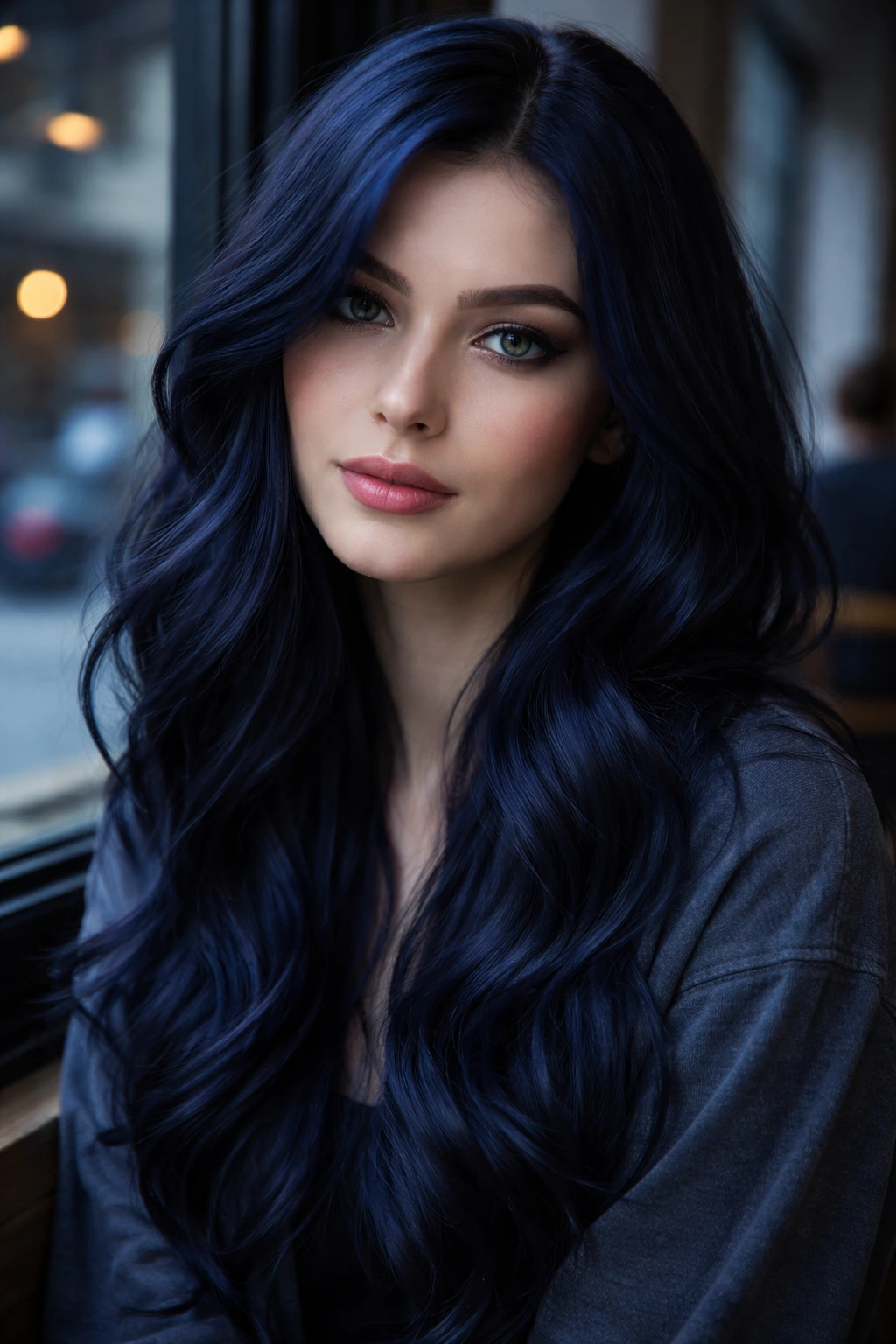
Midnight navy is the black coffee of the blue hair world: intense, sophisticated, and incredibly versatile. It is one of the few blues that can look professional in a conservative setting while still being undeniably edgy. Since it is so dark, it provides a striking contrast against cool, fair skin, making your features pop without looking unnatural.
The Appeal of Dark Blue
Most people fear dark hair colors, thinking they will look harsh. But for cool skin tones, dark, blue-based colors are often far more flattering than dark, warm-toned colors like chocolate brown or warm auburn. Midnight navy avoids the redness that can highlight blotchy or pink-prone skin.
Making It Last
- Cold water washing is non-negotiable here. Hot water will strip the dye in a single shower.
- Use a color-depositing conditioner with blue pigments to refresh the tone every time you wash.
- Minimize sun exposure, as UV rays are the fastest way to turn a beautiful navy into a muddy, washed-out green or gray.
3. Electric Cobalt
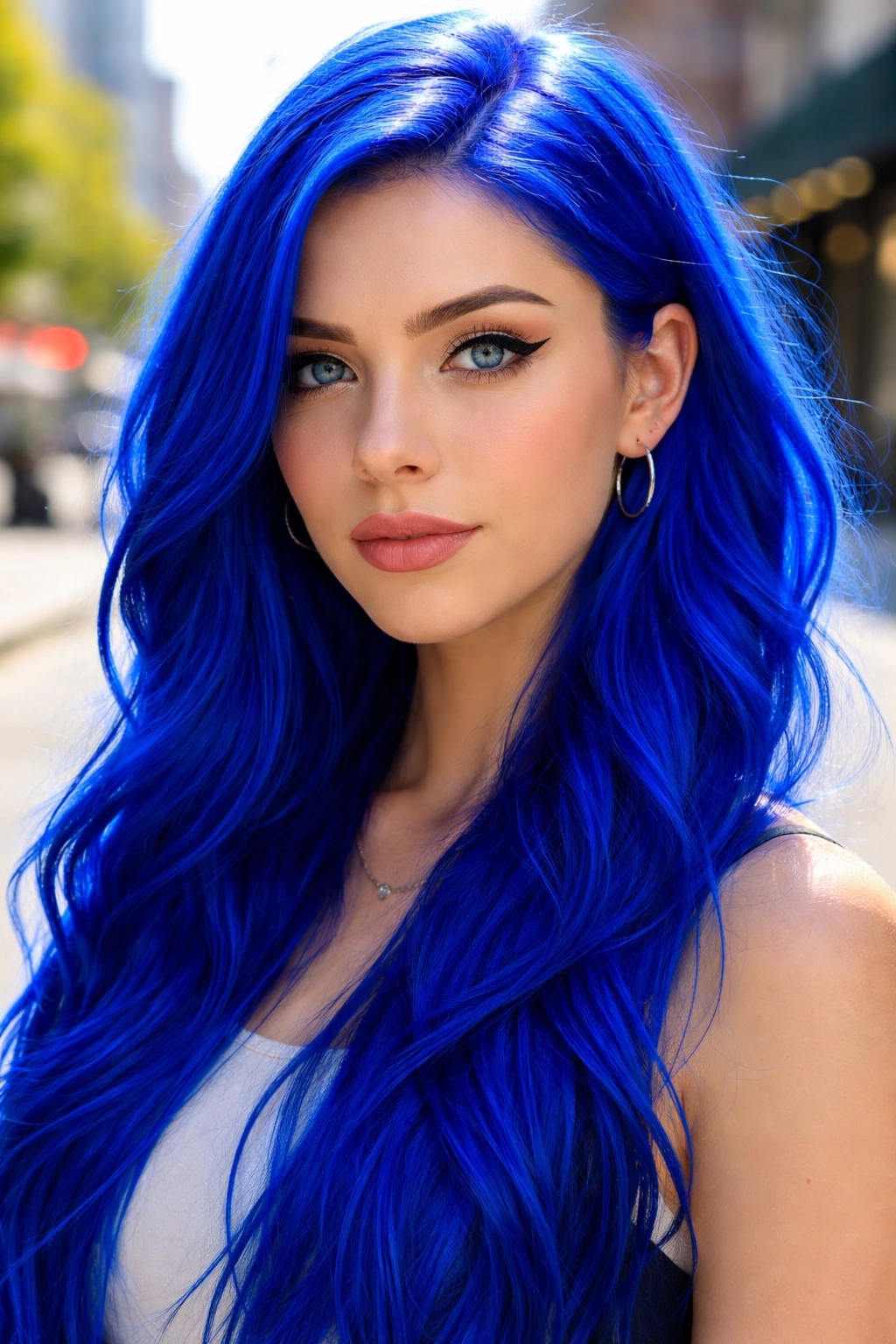
If you want a look that commands attention, electric cobalt is your go-to. This shade is vibrant and highly pigmented, leaning neither too far into the green nor too far into the violet spectrum. It is a true, “primary” blue that looks electric against cool skin, providing a modern, high-fashion aesthetic.
Unlike pastel colors that require the hair to be lifted to a near-white level, cobalt can often be achieved on hair that has been lifted to a pale yellow. This saves your hair from the most damaging levels of bleaching. You want a colorist who understands how to balance the blue pigment so it doesn’t fade into a weird greenish tint over time.
Because this color is so saturated, it tends to stain everything it touches. Prepare for your pillowcases, towels, and shower curtain to take on a blue hue for the first week or two. Investing in a silk or satin pillowcase is a smart move here, not just for the color, but to keep your hair from drying out.
4. Smoky Steel Blue
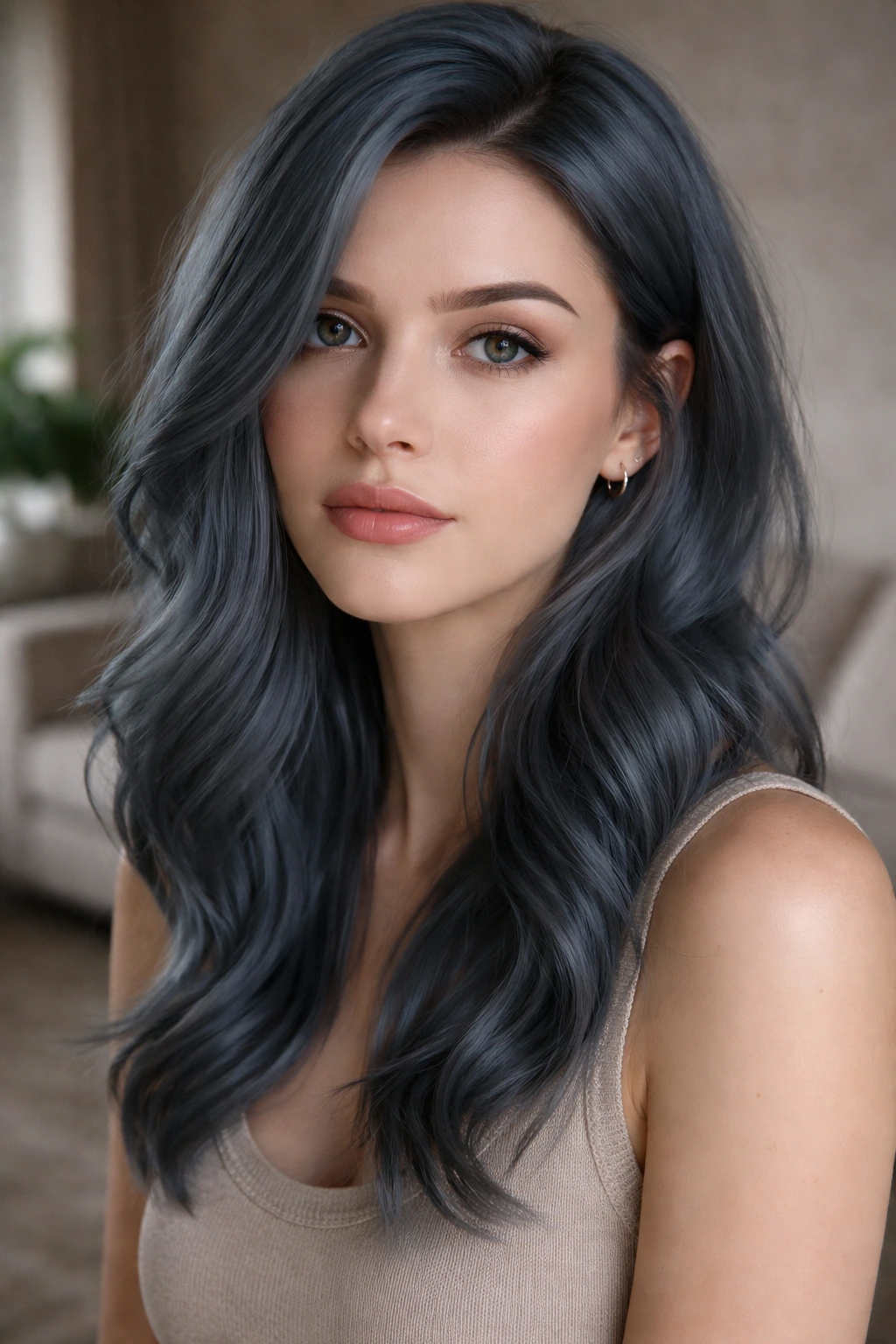
Smoky steel blue is a softer, more muted alternative to vibrant cobalt. It has a gray, metallic undertone that makes it look sophisticated and “lived-in” rather than freshly painted. This is an excellent choice if you want to experiment with blue hair but feel intimidated by the idea of neon-bright strands.
The Gray Factor
The gray in steel blue acts as a neutralizer, making the hair look expensive and textured. For those with cool skin, this color is particularly effective because it aligns with the cool, ashier side of the color spectrum. It creates a moody, monochromatic look that works beautifully with minimal makeup or a bold, dark lip.
Key Styling Considerations
- Use a texturizing spray to emphasize the different shades of gray and blue in your hair.
- Avoid overly shiny, glossy serums, as the matte, smoky effect is what makes this color look intentional and modern.
- This shade fades quickly into a light gray, which can actually look quite lovely as it ages.
5. Periwinkle Pastel
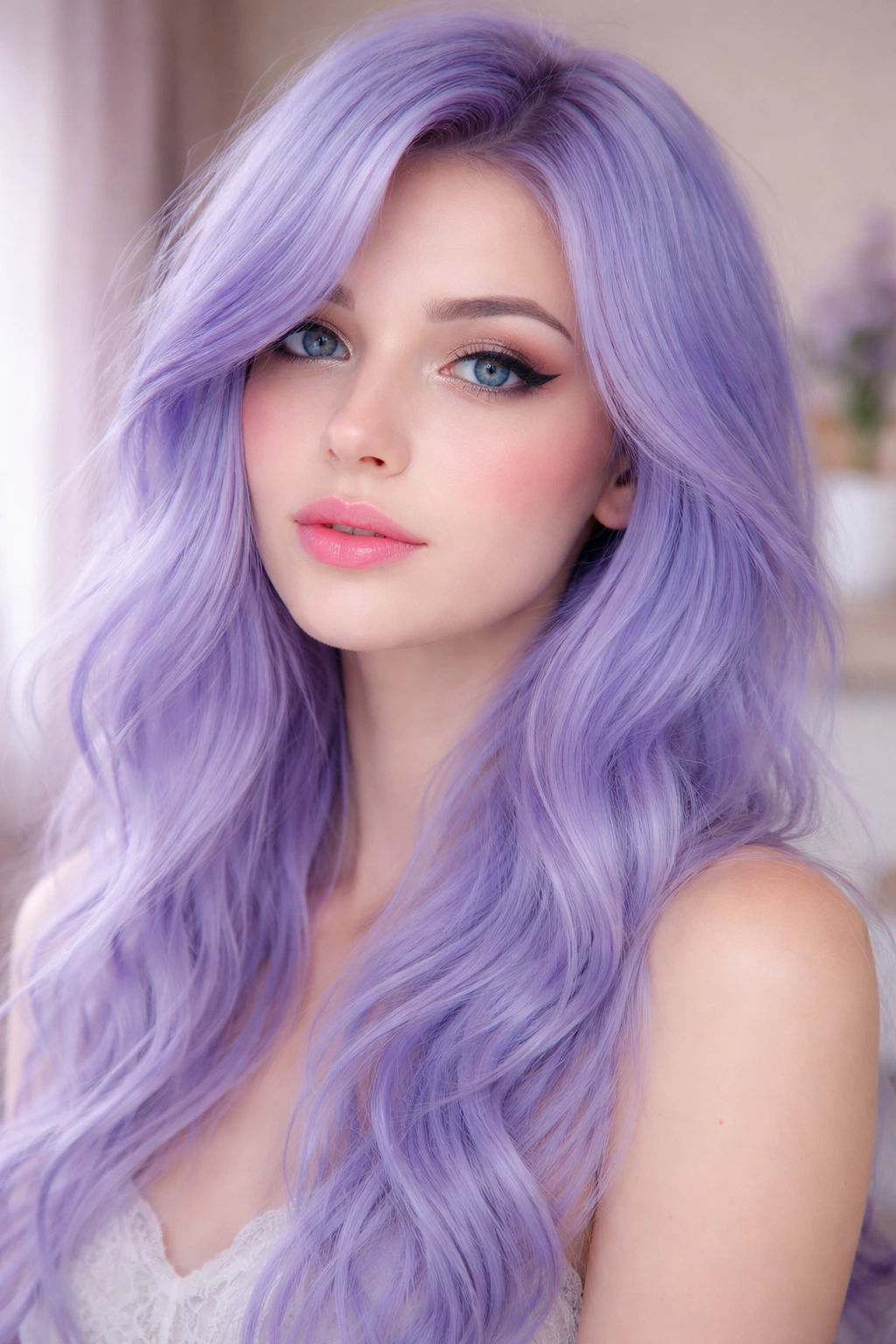
Periwinkle is the marriage of blue and violet, and it is a match made in heaven for cool-toned skin. Because periwinkle sits between blue and purple, it inherently has a cool, soft base that is incredibly gentle on the face. It feels romantic and soft, perfect for anyone who wants a “fairytale” aesthetic.
Why This Shade Is Unique
Many pastel blues turn green as they fade because they are mixed with too much yellow in the base. Periwinkle avoids this because the purple influence in the dye helps counteract any yellow tones in your bleached hair. This means the fade-out process is usually much more pleasant, moving from a soft periwinkle to a delicate lavender.
The Application Process
To achieve this, your hair needs to be lifted to a very clean, pale blonde. If there is any yellow left in the hair, the blue will mix with it to create green. Do not rush the lifting process; a patient approach to bleaching is the secret to a perfect pastel.
6. Denim Blue
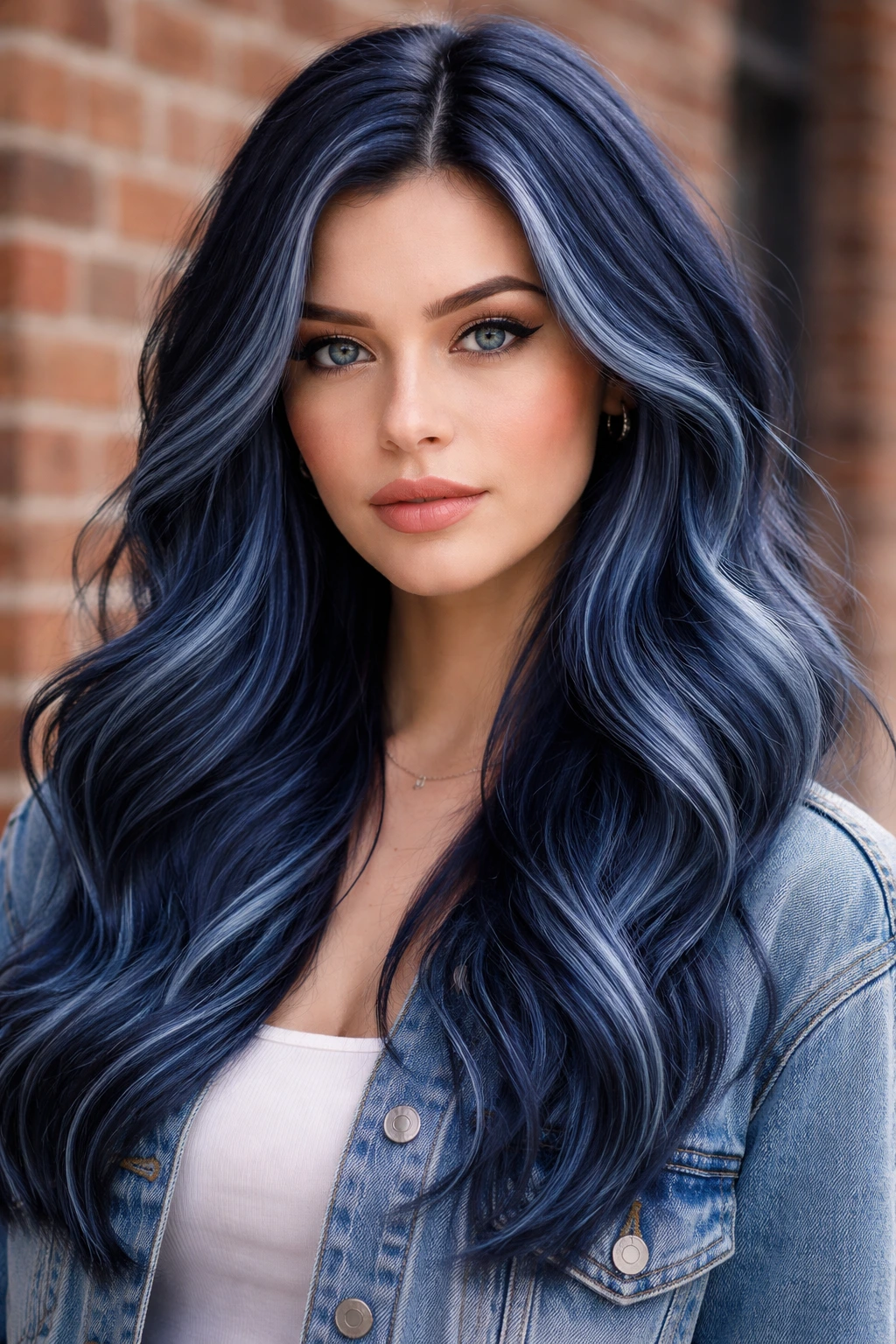
Denim blue has become a staple in the world of vivid hair because it is so wearable. It mimics the variegated, slightly worn look of your favorite pair of jeans, blending darker navy tones with lighter, dusted-blue highlights. It feels casual and effortless, which is a rare quality for a vivid hair color.
Achieving the “Denim” Look
This look is rarely a single solid color. It usually requires a base of medium blue with highlights of lighter, silvery-blue woven throughout. The contrast created by these multiple tones adds depth to the hair, making it look fuller and more voluminous than a flat, single-process dye.
Who It Works For
This is arguably the most “neutral” of the blue options. Because it sits between dark and light, it works for a wider range of skin tones within the cool category, from very fair to deeper, cool-toned complexions. It is the perfect choice for the person who wants to be bold but still professional.
7. Vibrant Sapphire
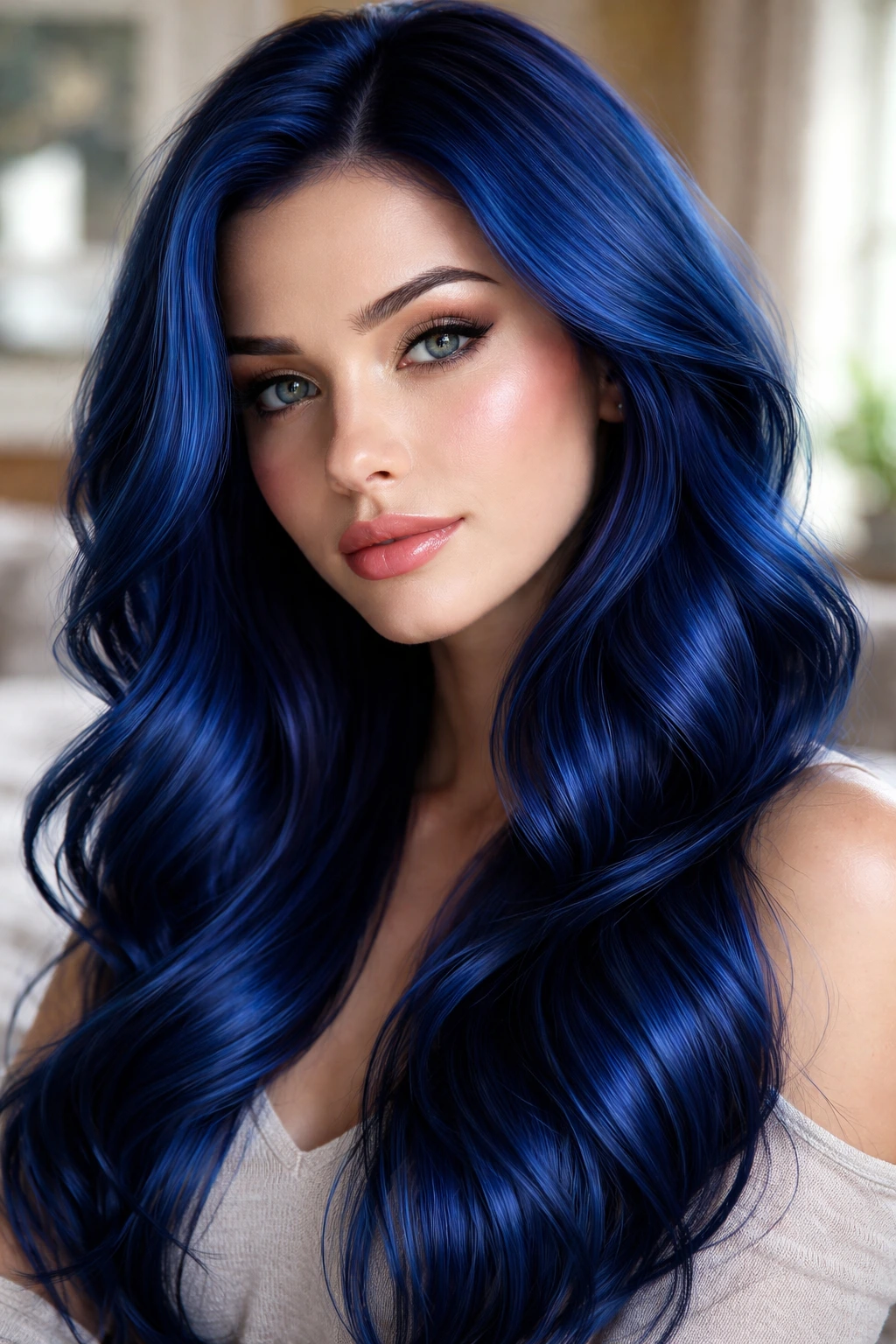
Vibrant sapphire is the deeper, more gemstone-focused cousin of electric cobalt. It has an incredible, almost reflective quality that catches the light and makes the hair appear shiny and healthy. For cool skin tones, this shade acts as a natural enhancer, making blue or gray eyes look even brighter.
The Importance of Shine
When you wear a vibrant color like sapphire, the health of your hair is visible. Split ends and dry, brittle hair will dull the color, making it look flat. Use a gloss treatment once a month to keep the hair cuticle smooth. A smooth cuticle reflects light, and when that light hits a vibrant blue, the color looks multidimensional and expensive.
Color-Protecting Secrets
- Swap out your regular shampoo for a sulfate-free version immediately. Sulfates are the enemy of vivid hair dyes.
- Try a protein treatment every two weeks to reinforce the hair shaft. Strong hair holds onto vivid dyes much longer than damaged, porous hair.
8. Dusty Slate Blue
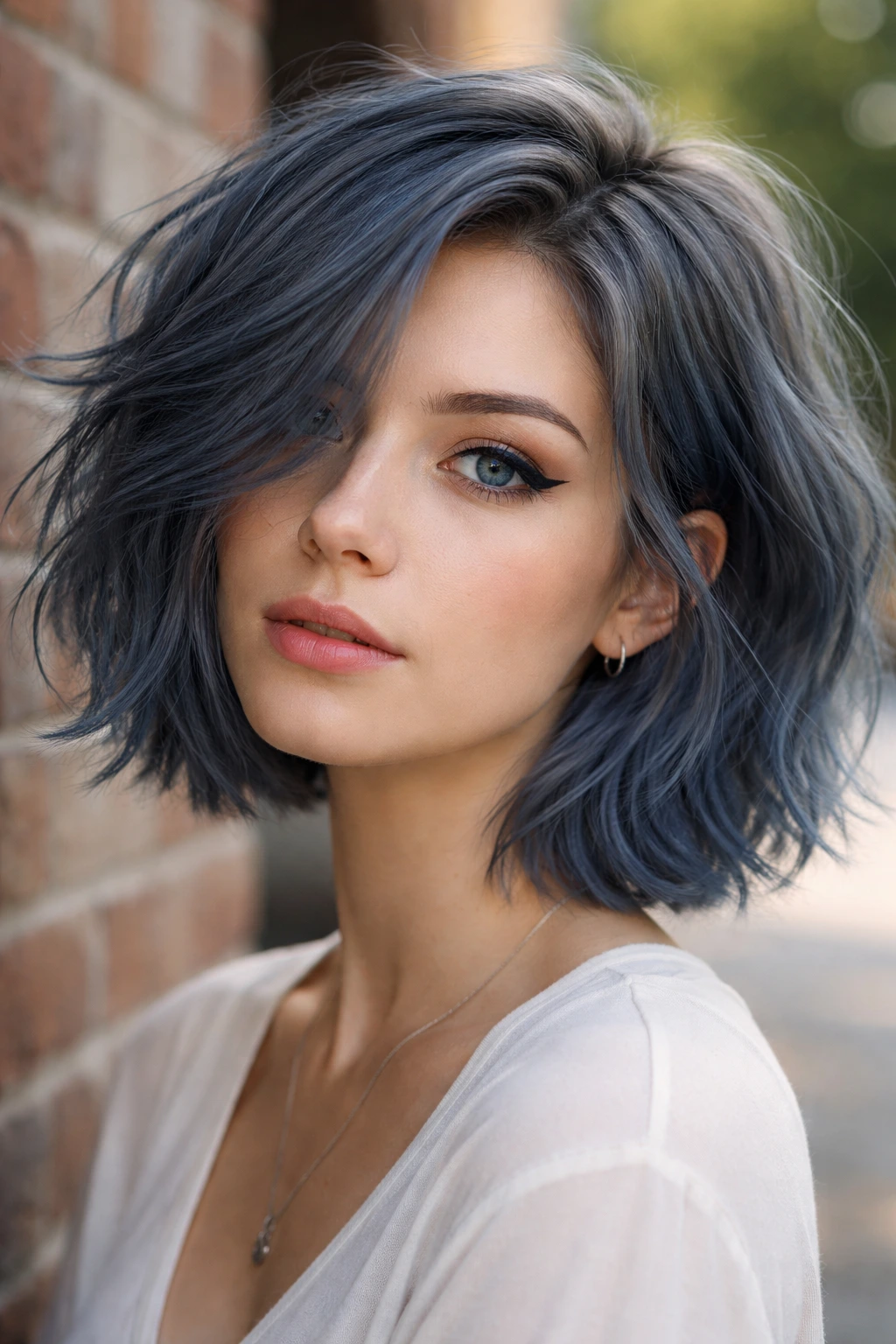
Dusty slate blue is perhaps the most underrated shade in the entire spectrum. It combines the deep, cool tones of charcoal with a heavy dose of blue, resulting in a color that feels earthy and grounded. It is less “cartoonish” than neon blue and more “high-fashion editorial.”
Styling for Impact
This shade looks fantastic with textured styles like beach waves or a messy, tousled bob. The matte finish of dusty slate blue makes it look very natural, as if you were born with cool-toned, slate-colored hair. It is a great choice if you are concerned about your hair color looking “fake” or “over-the-top.”
Makeup Pairings
Because this color is so muted and cool, it pairs beautifully with cool-toned makeup. Think silver highlighters, berry-toned lipsticks, and cool-toned taupe eyeshadows. Avoid warm-toned bronzers, as they will clash with the coolness of the slate.
9. Royal Blue Balayage
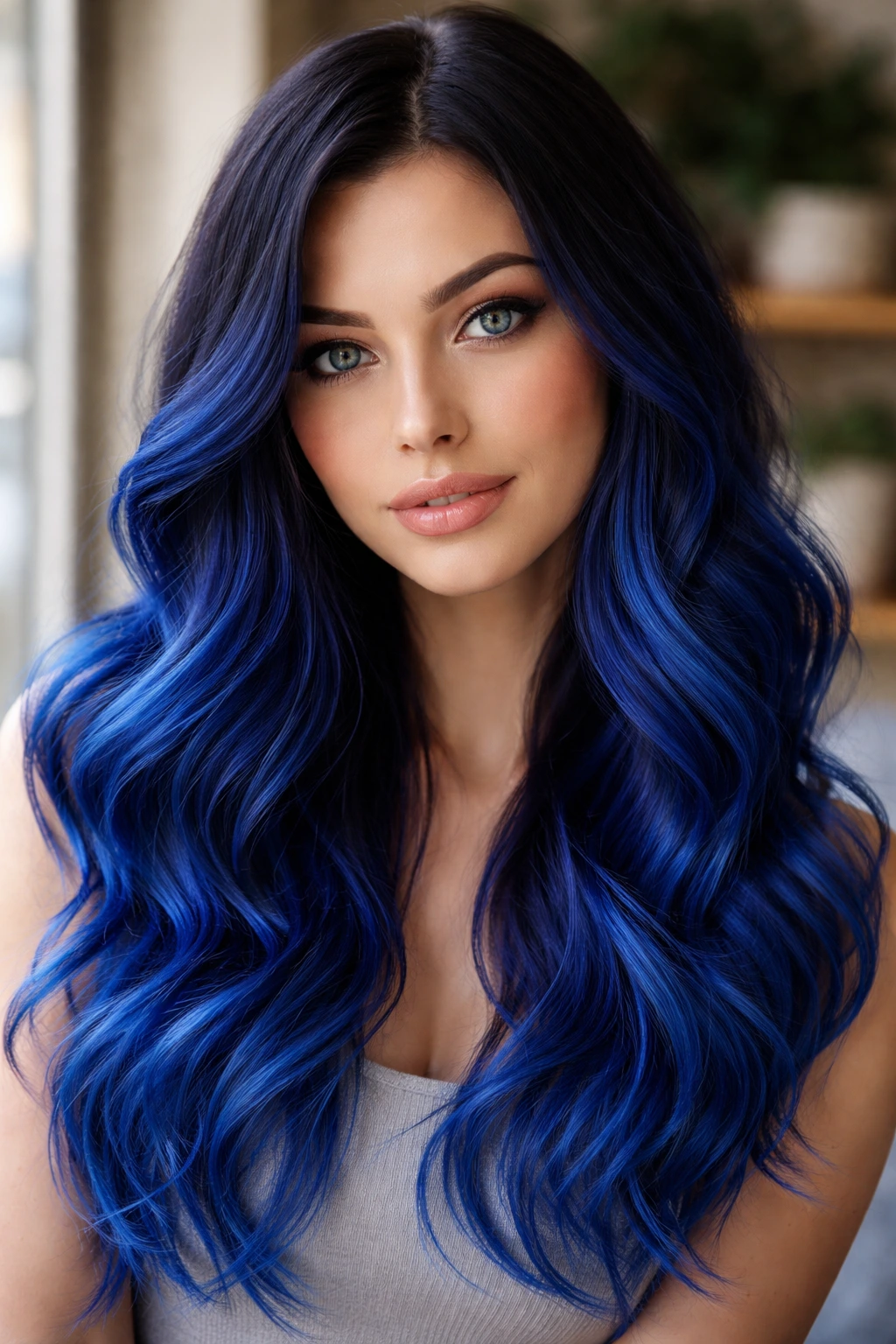
Balayage is not just for blondes and brunettes. A royal blue balayage allows you to keep your natural root color while incorporating vibrant blue mid-lengths and ends. This is the ultimate “low-commitment” way to wear blue, as you don’t have to worry about root growth every two weeks.
Why Balayage Works
By painting the blue onto the hair in a sweeping, natural pattern, your colorist can create a seamless transition that looks like the hair was naturally lightened. For cool skin tones, having your natural dark, cool-toned roots can frame the face beautifully, while the blue ends provide that pop of color without overwhelming your complexion.
Customization
You can control the intensity of the balayage. Go for a subtle “peek-a-boo” effect with just a few face-framing blue pieces, or go for a full-blown transformation where 70% of your hair is dyed a deep, royal blue.
10. Blue-Black Tones
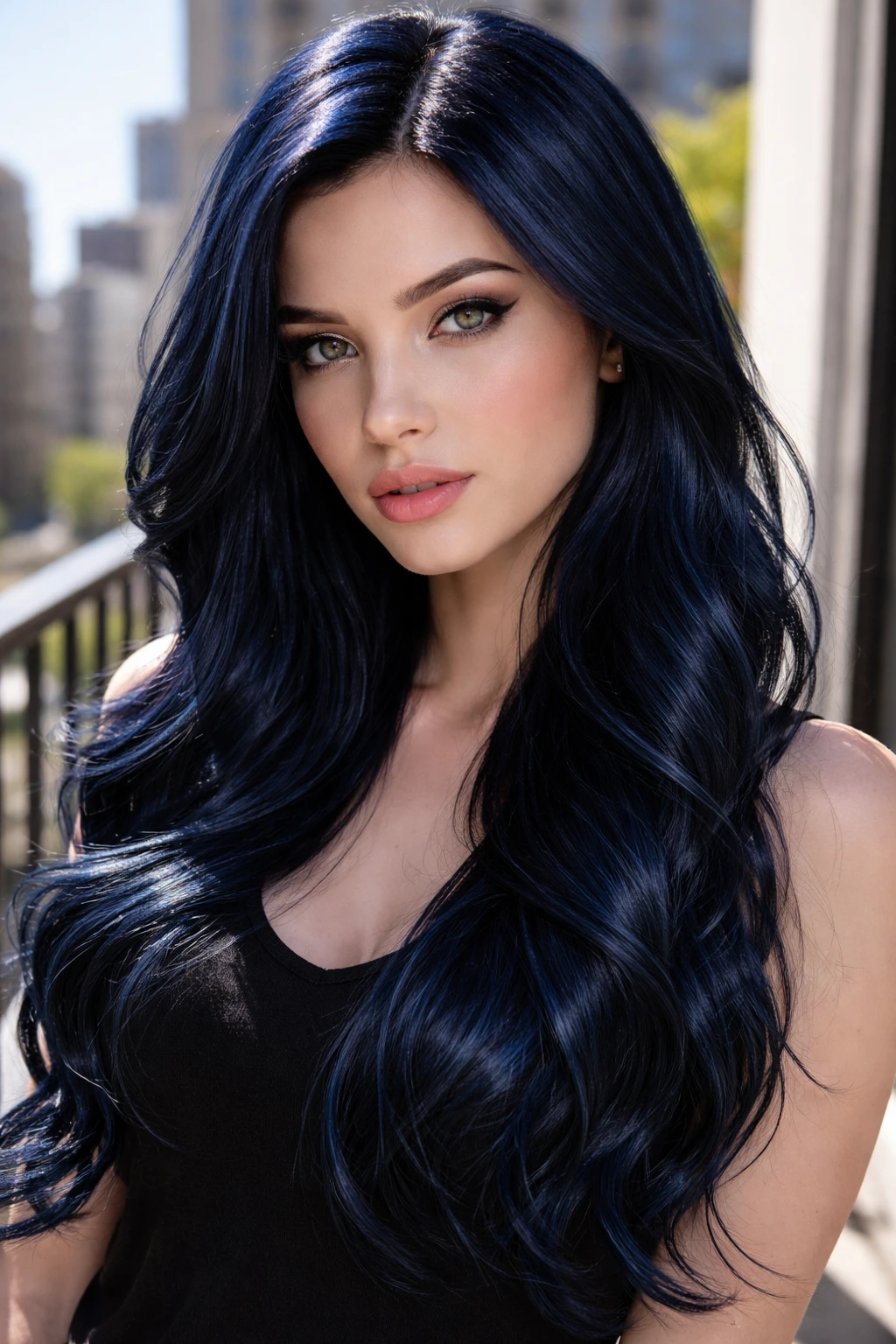
Blue-black hair is a classic, timeless choice that has been popular for decades. It is essentially an intense black dye with a blue base, so the color only truly reveals itself in the sunlight. In dim lighting, it looks like a deep, shiny black. In the sun, it radiates a cool, deep blue sheen.
The Cool Skin Advantage
Blue-black is incredibly flattering on cool skin tones because it lacks the warmth of a jet-black or warm-brown black. It creates a stark, dramatic contrast against fair or pale skin, which can look very high-fashion and edgy. If you have cool, dark hair naturally, this is an easy transition to make.
Maintenance Notes
This color is very difficult to remove. If you are someone who likes to change their hair color every few months, think twice before going blue-black. It is a long-term commitment that often requires a significant amount of effort to lift or transition away from later.
11. Frosted Baby Blue
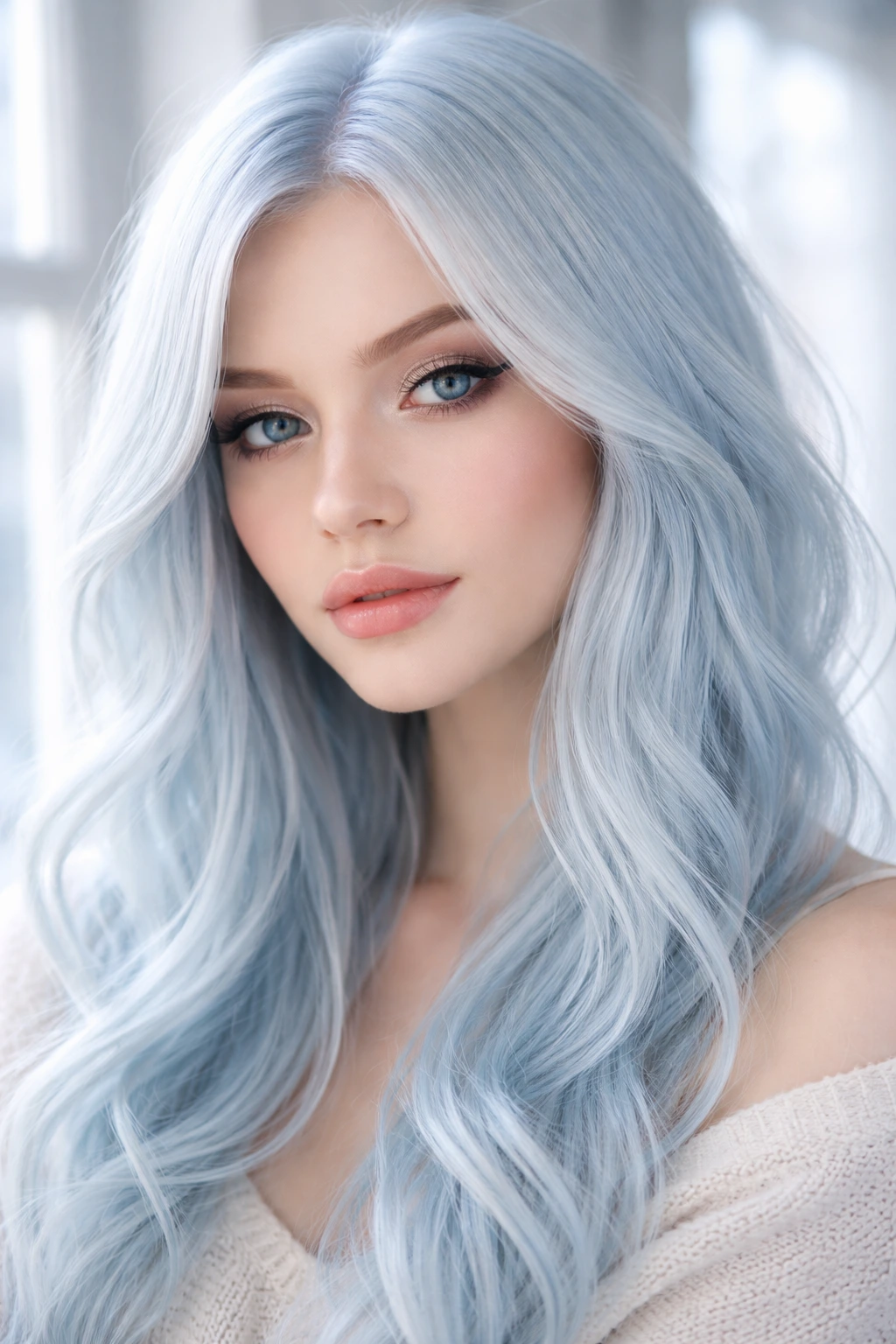
Frosted baby blue is a very light, airy shade that feels like a winter morning. It is essentially a pastel blue with a white or silver glaze over it. It is incredibly delicate and works best on those with very fair, cool skin.
Achieving the Frost
To get that “frosted” effect, you often need to combine the pastel blue with a sheer, silver toner. This metallic layer is what gives the hair that crystalline, reflective quality. It is a technical color that usually requires a professional hand to balance the blue with the silver effectively.
Hair Health
Because this look requires hair to be lifted to level 10 (the lightest blonde), the health of your hair is the primary concern. You must be prepared to use bond-building treatments to keep the hair from breaking during the lightening process. If your hair is already compromised, talk to your stylist about a slightly darker, safer blue shade.
12. Teal-Infused Blue
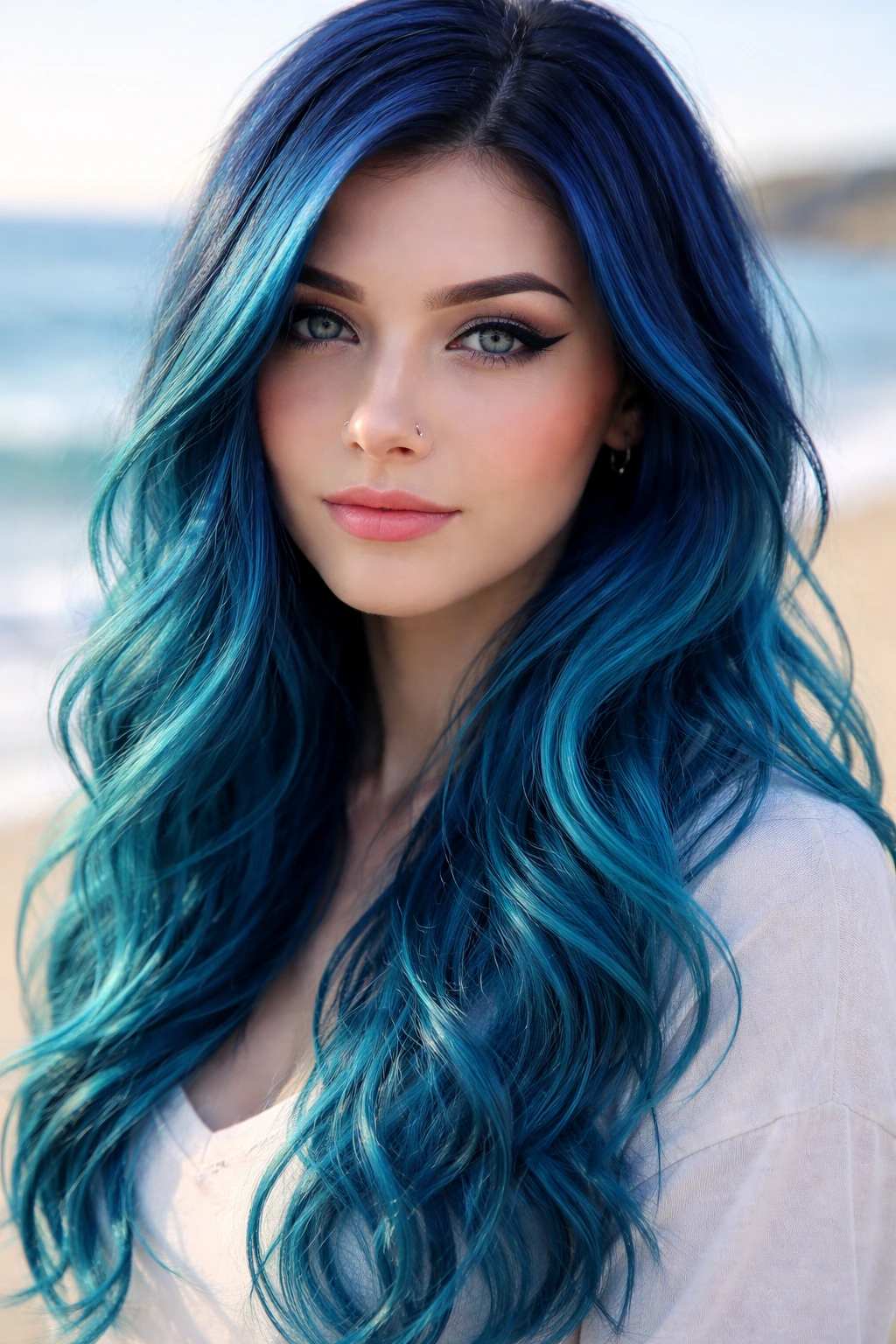
While teal typically leans toward green, a teal-infused blue can still work for cool skin if the blue pigment is dominant. Think of it as a deep, oceanic color — like the Caribbean sea rather than a grassy pond. This is a great transition color if you are nervous about committing to a pure, bright blue.
The Balance
The key to making this work for cool skin is to avoid “yellow-teal.” You want a “blue-teal.” Ask your colorist for a sapphire base with a touch of emerald. When the blue is the primary driver, it remains cool-toned enough to complement your complexion without clashing.
Color Fading
Teal-infused colors are known for being stubborn. Because green-based dyes penetrate the hair shaft differently than pure blue dyes, they can be much harder to remove. Be aware that you might be rocking a version of this color for a long time, as it tends to stain the hair significantly.
13. Indigo Gradient
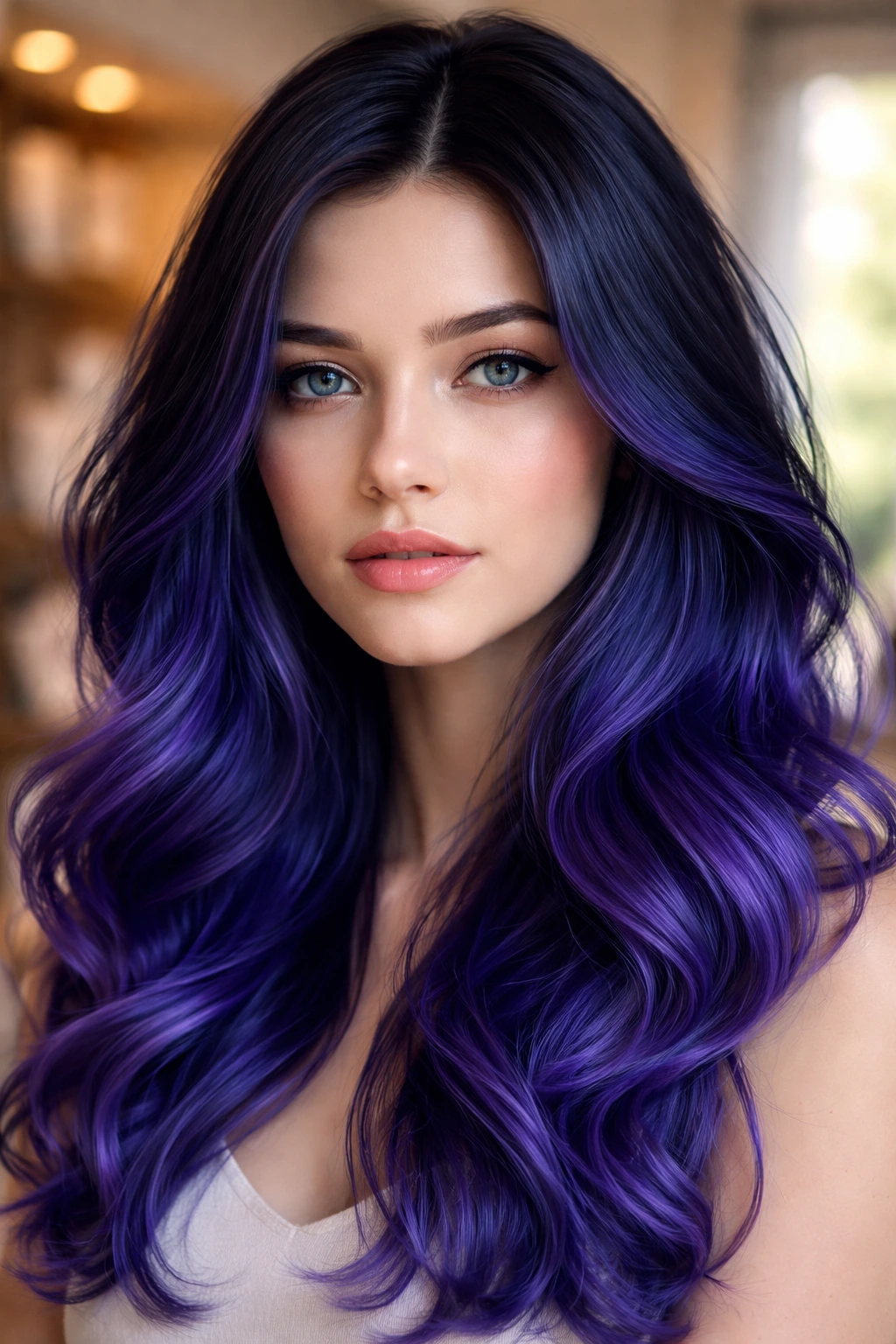
An indigo gradient (or “ombré”) transitions from a deep, midnight blue at the roots to a vibrant, lighter violet-blue at the ends. This is a sophisticated way to wear blue because it incorporates the purple spectrum, which is naturally cool-toned and very flattering on skin with pink or blue undertones.
The Beauty of the Gradient
Gradient styles are visually interesting because they draw the eye down. They can help elongate the face, making them a great choice for various face shapes. The depth of the roots also makes this style much easier to maintain, as you do not need to worry about harsh root lines as your hair grows out.
Styling Ideas
Try curling the hair to emphasize the shift in color from top to bottom. The movement of the curls helps blend the two shades, making the transition look soft and intentional.
14. Metallic Blue Silver
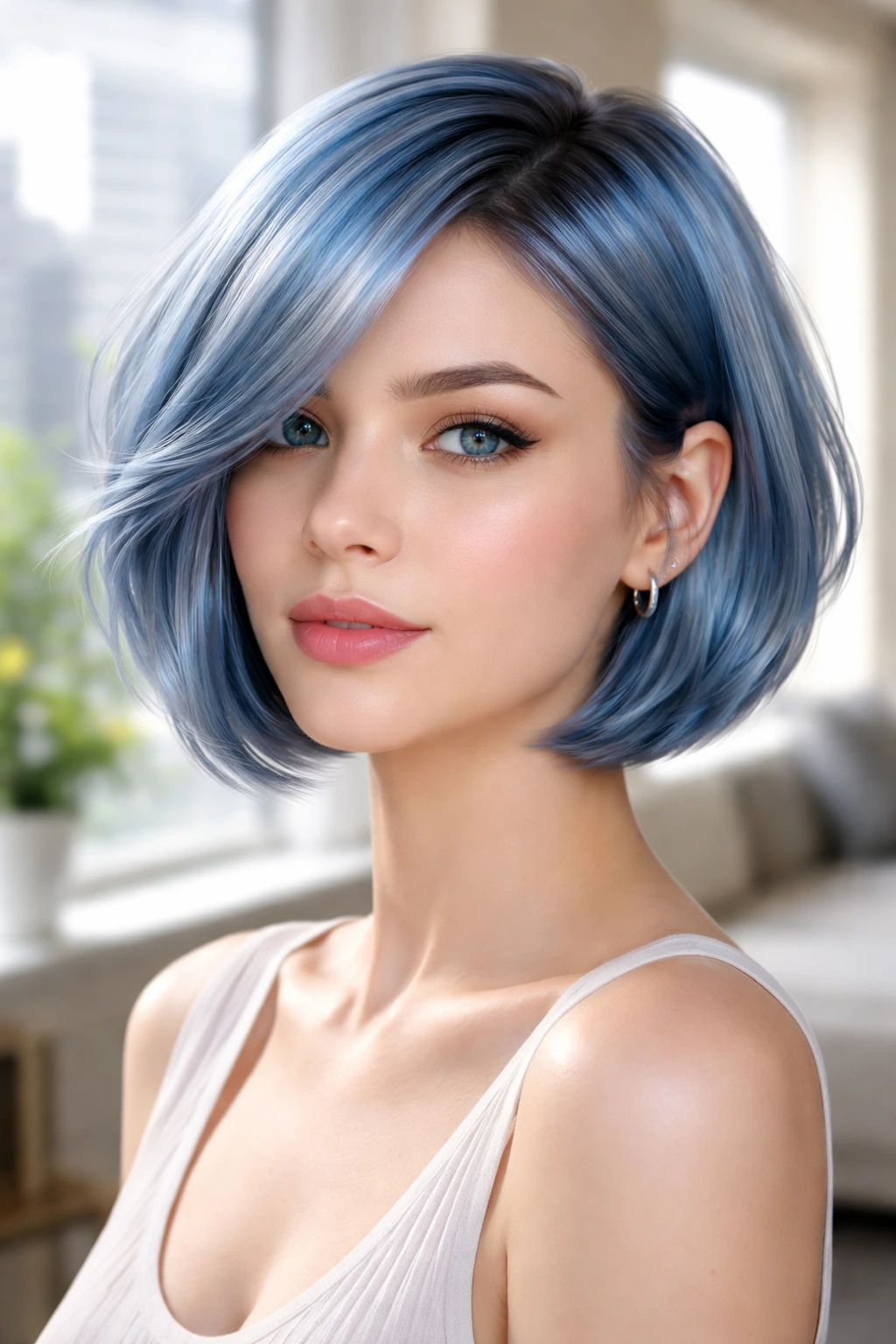
Metallic blue-silver is the futuristic, high-fashion version of blue hair. It is not just about the color; it is about the finish. This shade has a high-gloss, almost foil-like sheen that makes the hair look like liquid metal.
Why This Works
The metallic finish acts as a neutralizer, reflecting light in a way that makes the hair appear multi-dimensional. For cool skin tones, the silver base keeps the hair cool and bright, preventing any warmth from creeping in. It is a striking, bold choice that looks best with short, sharp haircuts like a bob or a pixie.
Expert Advice
This is a high-maintenance color. To maintain that metallic “liquid” look, you need regular glossing treatments. You should also consider using a shine spray as part of your final styling routine to ensure the hair reflects light properly.
15. Pastel Sky Blue
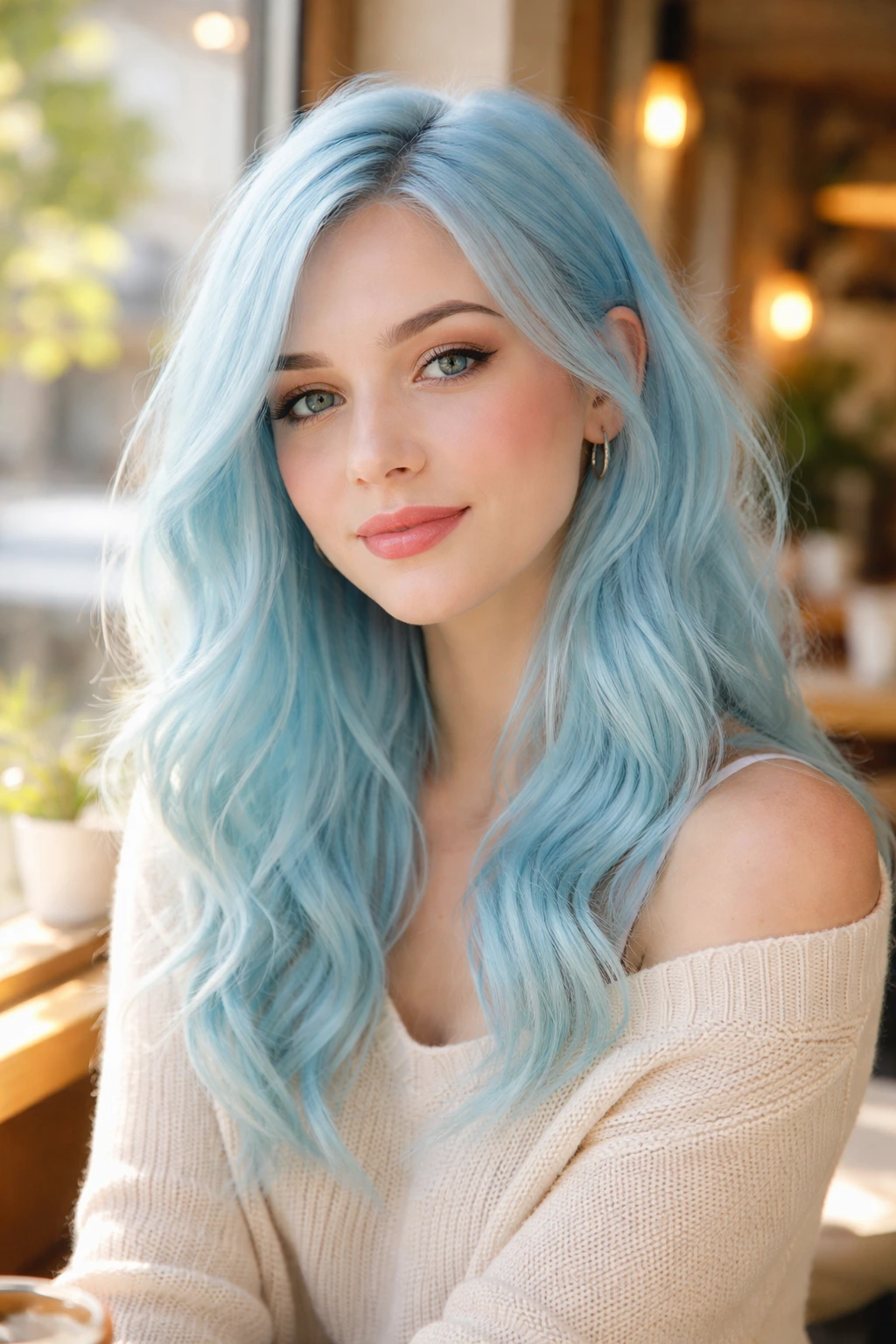
Pastel sky blue is bright, cheerful, and light. It is less “cool” and “moody” than other shades of blue, and more lighthearted. It looks like a clear summer day. This is a fantastic option if you want something fun and playful that doesn’t feel heavy or dark.
Skin Compatibility
Because it is so light, it is most flattering on those with lighter skin. If you have a deeper skin tone, you might find that sky blue looks a bit too washed out. In that case, consider adding a slightly darker root melt to anchor the color and create more contrast.
Fade Potential
Pastel colors fade notoriously fast. You will likely see significant fading after just two or three washes. If you want to keep this look alive for more than a couple of weeks, you need to invest in a color-depositing conditioner that you can use at home to top up the pigment after every wash.
16. Dark Petrol Blue
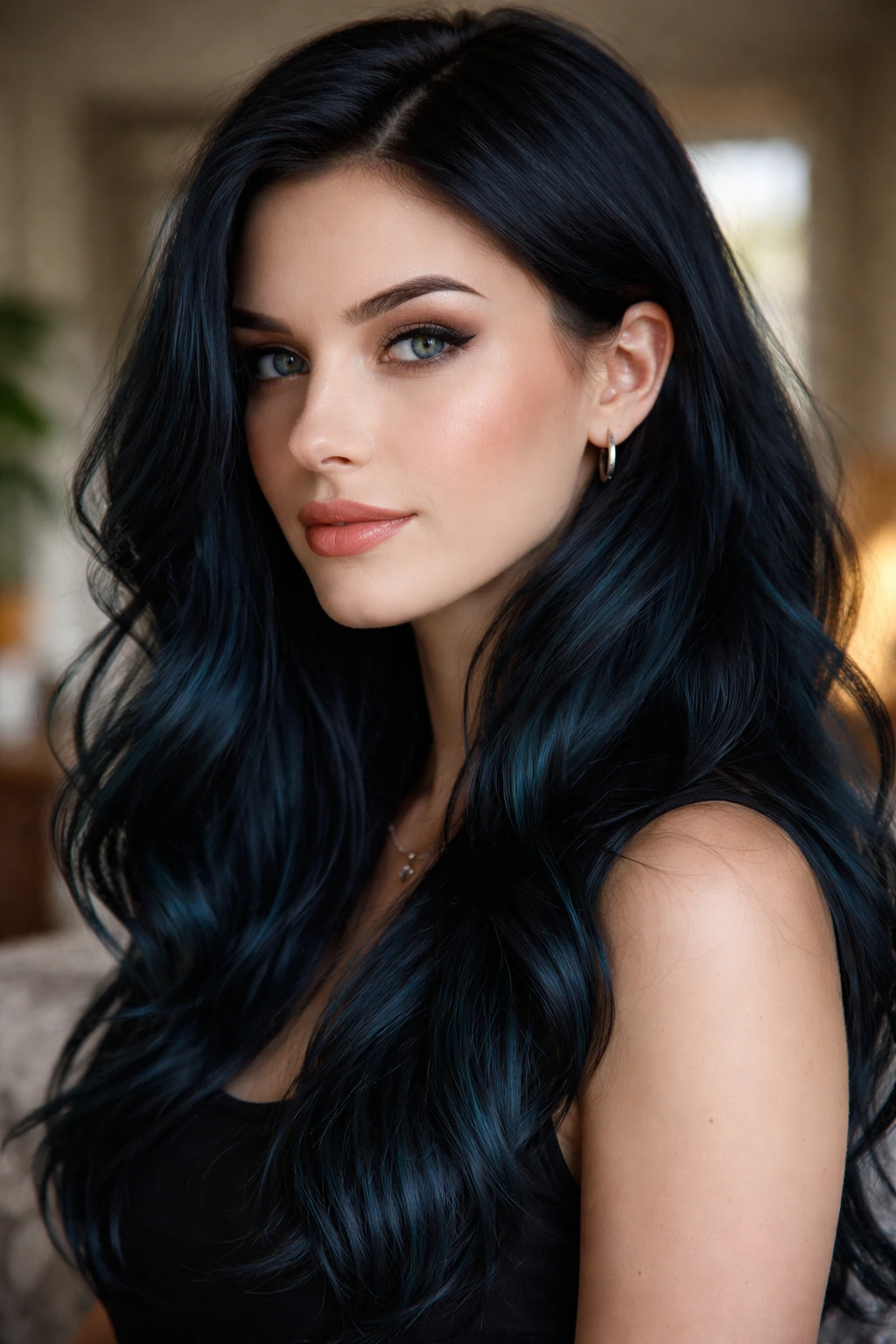
Dark petrol blue is a deep, moody, almost-black shade with a subtle blue-green undertone. It is incredibly rich and elegant. If you work in an environment where bright blue hair is frowned upon, dark petrol is often subtle enough to pass as a “dark fashion color.”
The “Subtle” Factor
When you are indoors, it looks like a deep, sophisticated dark blue. When you step into the sun, the blue-green tones come alive. This makes it a great “hidden” surprise. It is also surprisingly easy to maintain compared to lighter blues, as the deep pigments last much longer.
Care and Feeding
Petrol blue is prone to turning a bit muddy over time. Keep a blue-tinted shampoo on hand to revive the brightness of the blue pigment whenever you notice it starting to lose its “punch.”
17. Electric Neon Blue
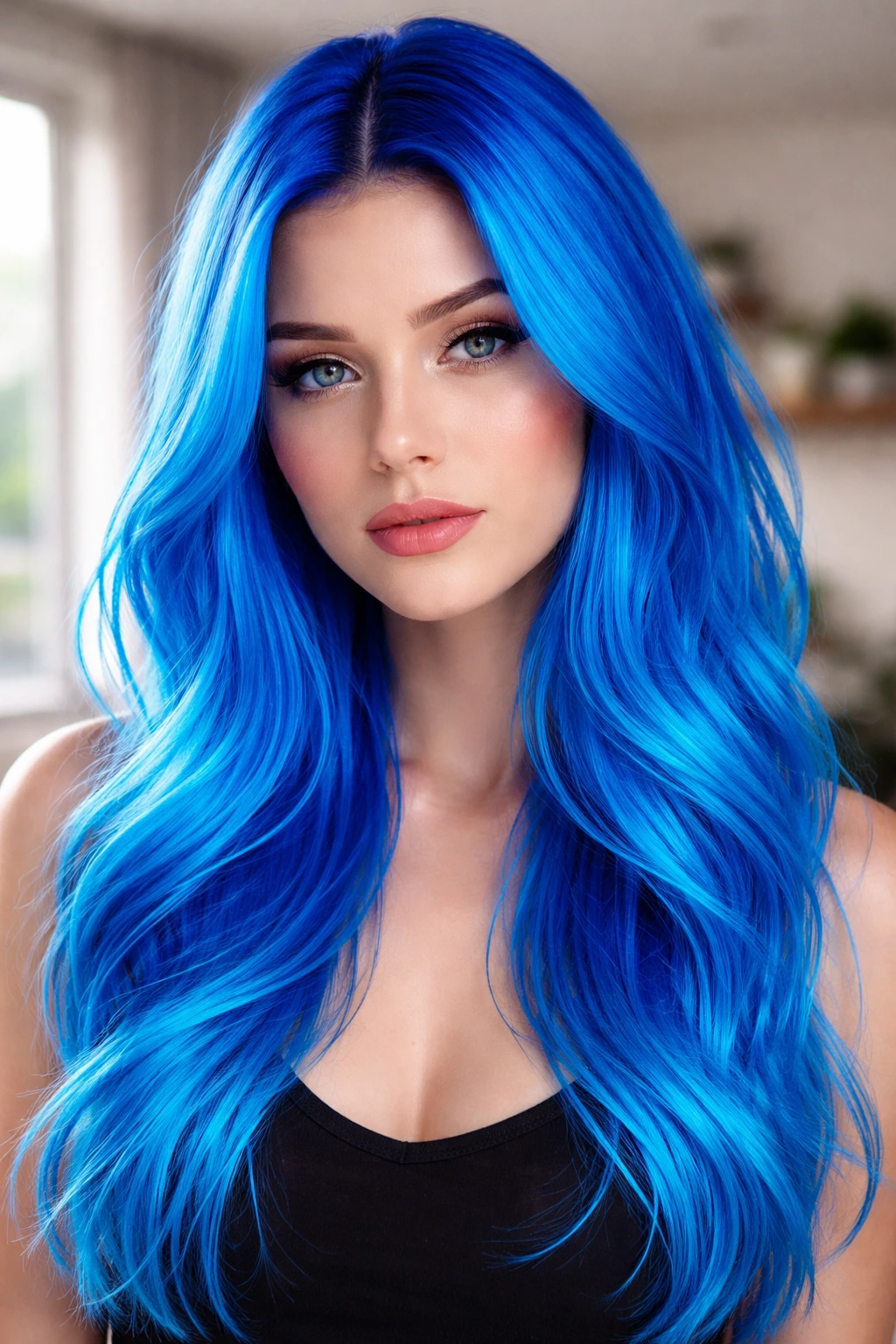
Electric neon blue is about as loud as hair color gets. It is bright, saturated, and incredibly high-contrast. This is not a color for the faint of heart. If you have cool, fair skin, this color will make you look like a walking piece of modern art.
Managing Neon
Neon colors require a very clean, neutral base. If your hair has any remaining yellow, the neon blue will turn green. You must be willing to lift your hair to a white-blonde level to achieve this intensity.
The Commitment
Neon dyes are often semi-permanent, meaning they sit on top of the hair cuticle. They will bleed when you wash your hair, and they will fade quickly. You need to be prepared for the maintenance involved in keeping this color neon-bright. This includes using cool water, avoiding heat, and refreshing the color frequently.
18. Soft Cornflower
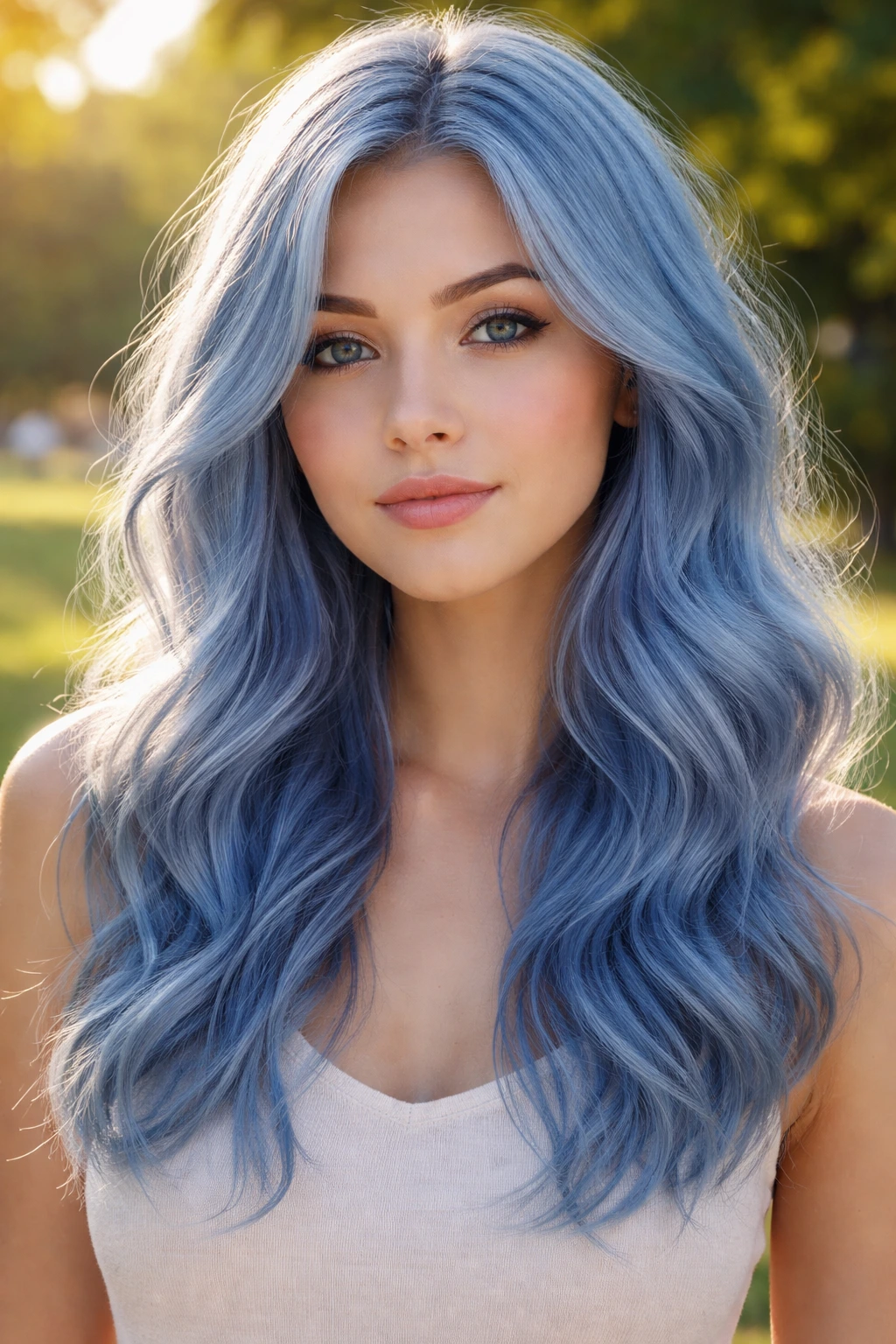
Soft cornflower is a mid-tone blue that is perfectly balanced. It is not too light, not too dark, and doesn’t lean too heavily into green or violet. It is a “true” blue that feels very natural, in an unnatural way.
Why It’s Versatile
Because it is a mid-tone, it has enough depth to stand on its own without needing a root melt or highlights. It is a solid, beautiful color that looks great on most cool skin tones. It provides just enough contrast without being overly aggressive.
Styling Tip
This color looks beautiful with loose, natural waves. The softness of the wave complements the softness of the color. Avoid overly complicated updos; this shade looks best when it is allowed to flow freely.
19. Deep Sea Blue
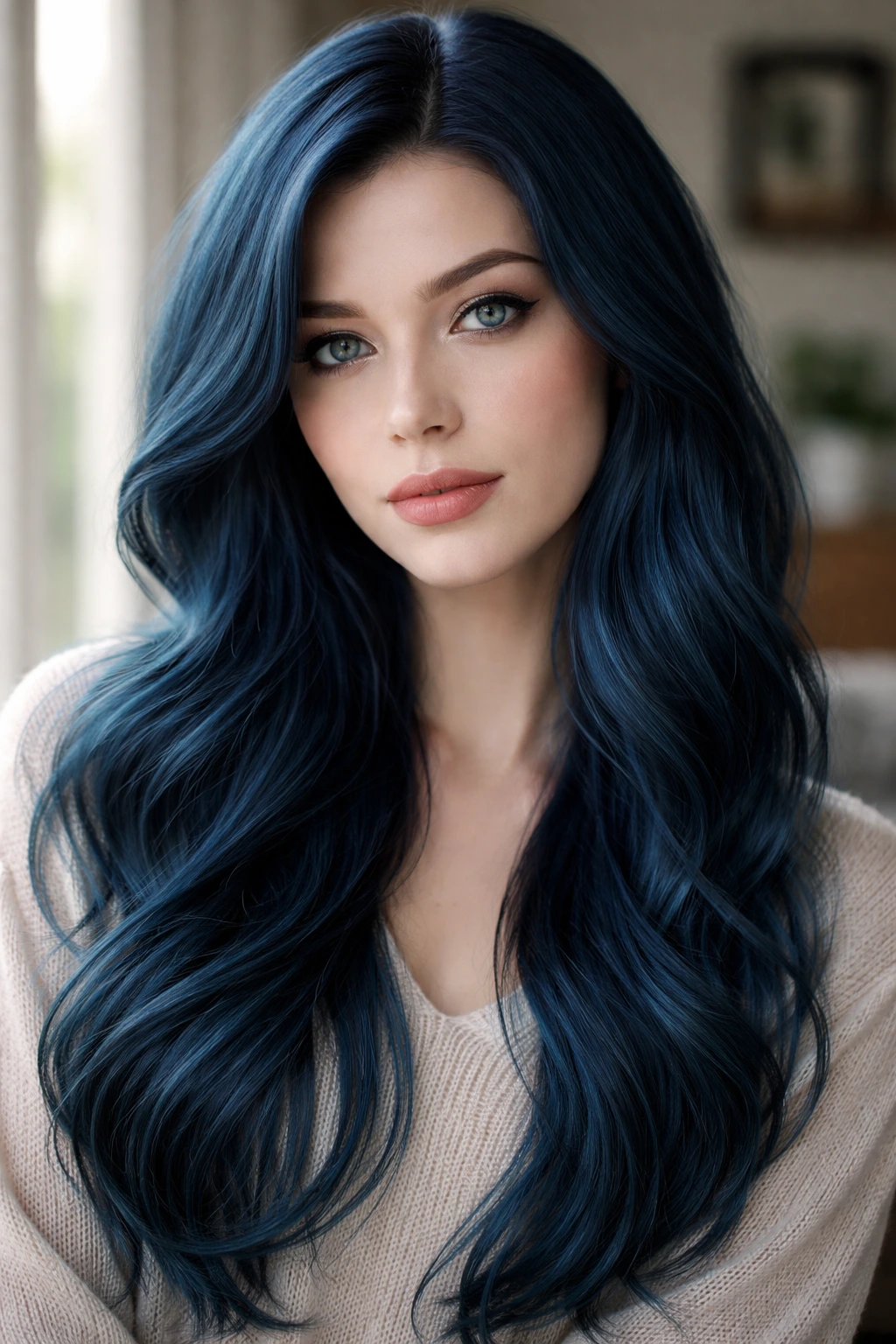
Deep sea blue is the “grown-up” version of bright blue. It is rich, dark, and saturated. It evokes the feeling of the ocean depths. It is an incredibly flattering color on almost all cool skin tones because it adds a sense of depth and mystery.
The Depth Factor
Deep sea blue works by layering different blue pigments on top of each other. A good colorist will mix a true blue with a touch of navy and perhaps a tiny hint of violet to create a complex, deep color that doesn’t look flat.
Care Routine
Because this is such a dense, dark color, it can bleed onto your skin when you sweat or if your hair is damp. Always dry your hair completely before wearing light-colored clothing, especially if you have just washed it.
20. Muted Denim
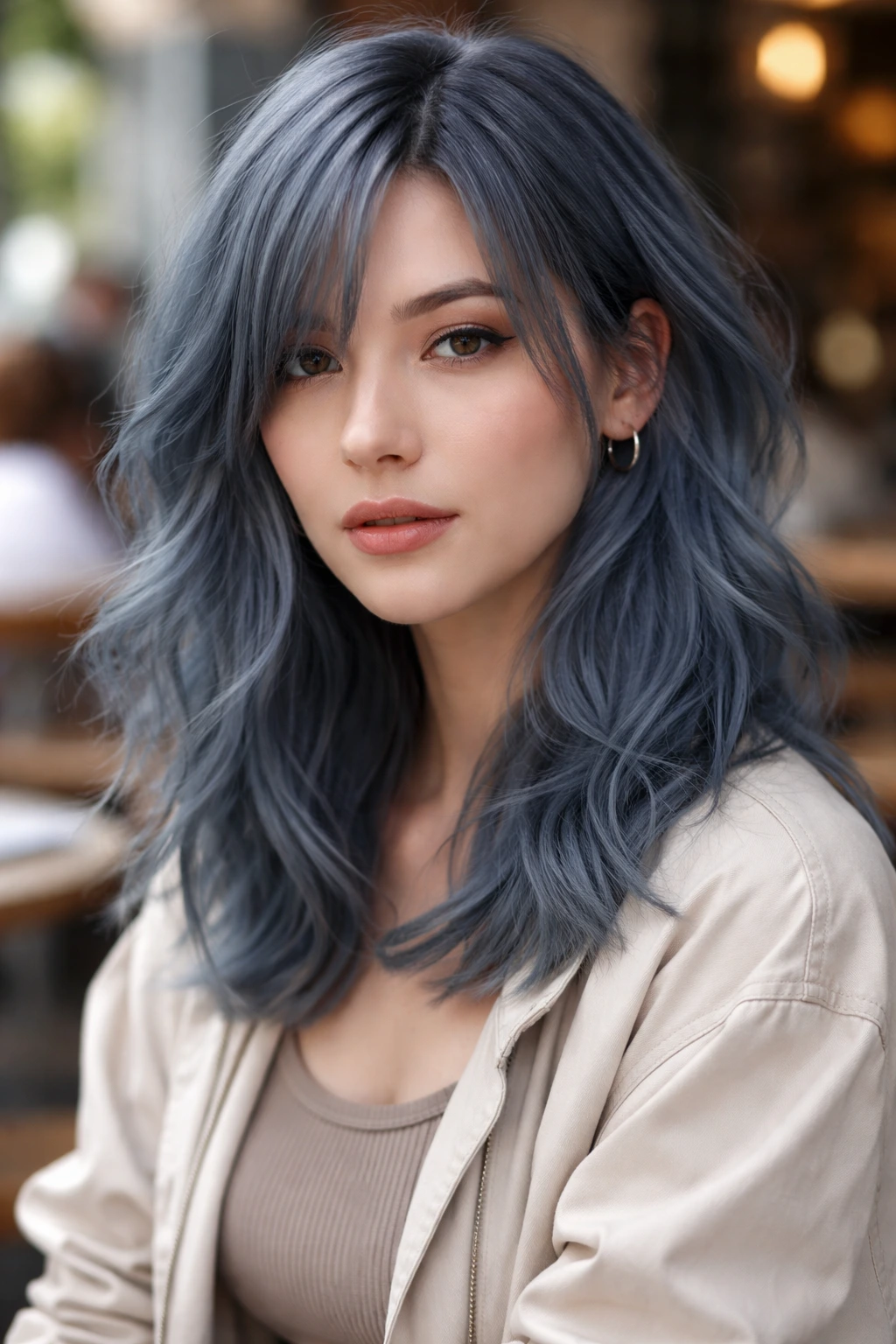
Muted denim is the softer, more wearable version of the denim trend. It takes the classic blue-jeans look and softens it with a heavy dose of gray. It is the “everyday” vivid color. If you want a cool, stylish look that doesn’t scream for attention, this is it.
Texture Matters
This color thrives on texture. Whether it is a choppy shag cut, a messy long bob, or long, layered hair, the color looks best when it has some movement. A sleek, straight, one-length cut might make this color look a bit flat, so ask for some layers to break it up.
Why It Works for Cool Skin
The muted, gray-blue tones perfectly complement the natural, cool, and often slightly gray-toned complexion of many people with cool undertones. It creates a seamless, cohesive aesthetic.
21. Vibrant Turquoise
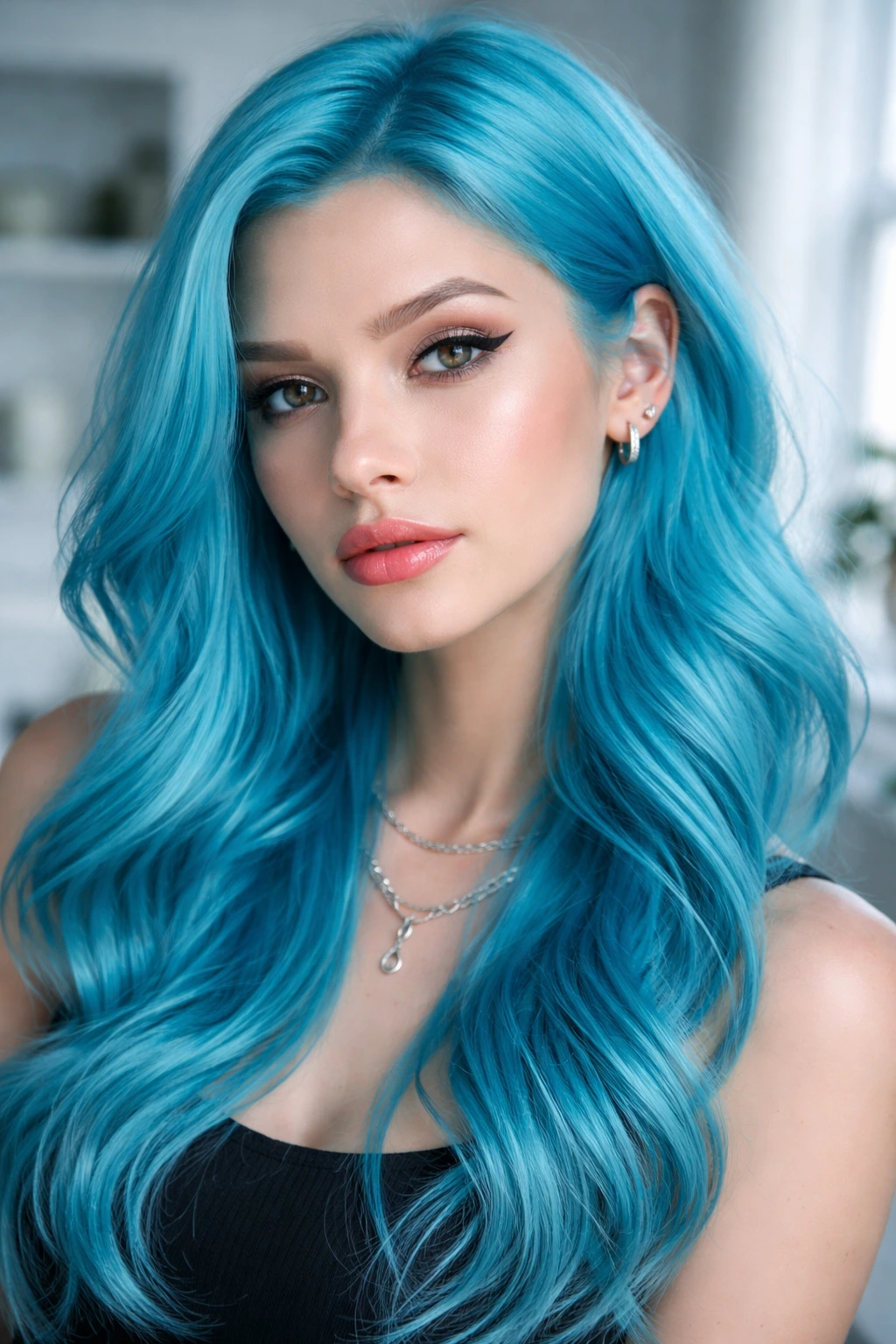
While turquoise is often associated with warmth (due to the green), a “vibrant” turquoise can work for cool skin if the blue pigment is dialled up. Look for a “cool turquoise” rather than a “tropical turquoise.” The difference is in the base.
Finding the Right Turquoise
When you are choosing your dye, look at the color swatch. If it looks like a lime green-blue, avoid it. If it looks like a deep, sea-foam blue, go for it. The goal is to keep the blue as the primary color so that it doesn’t fight with your skin’s pink or red undertones.
Pairing with Accessories
This color looks fantastic with silver jewelry. Silver is a cool-toned metal that mirrors the brightness of the turquoise. Avoid gold if possible, as it can highlight the warmth in the hair and potentially cause the colors to clash with your skin.
22. Ashy Blue Ombre
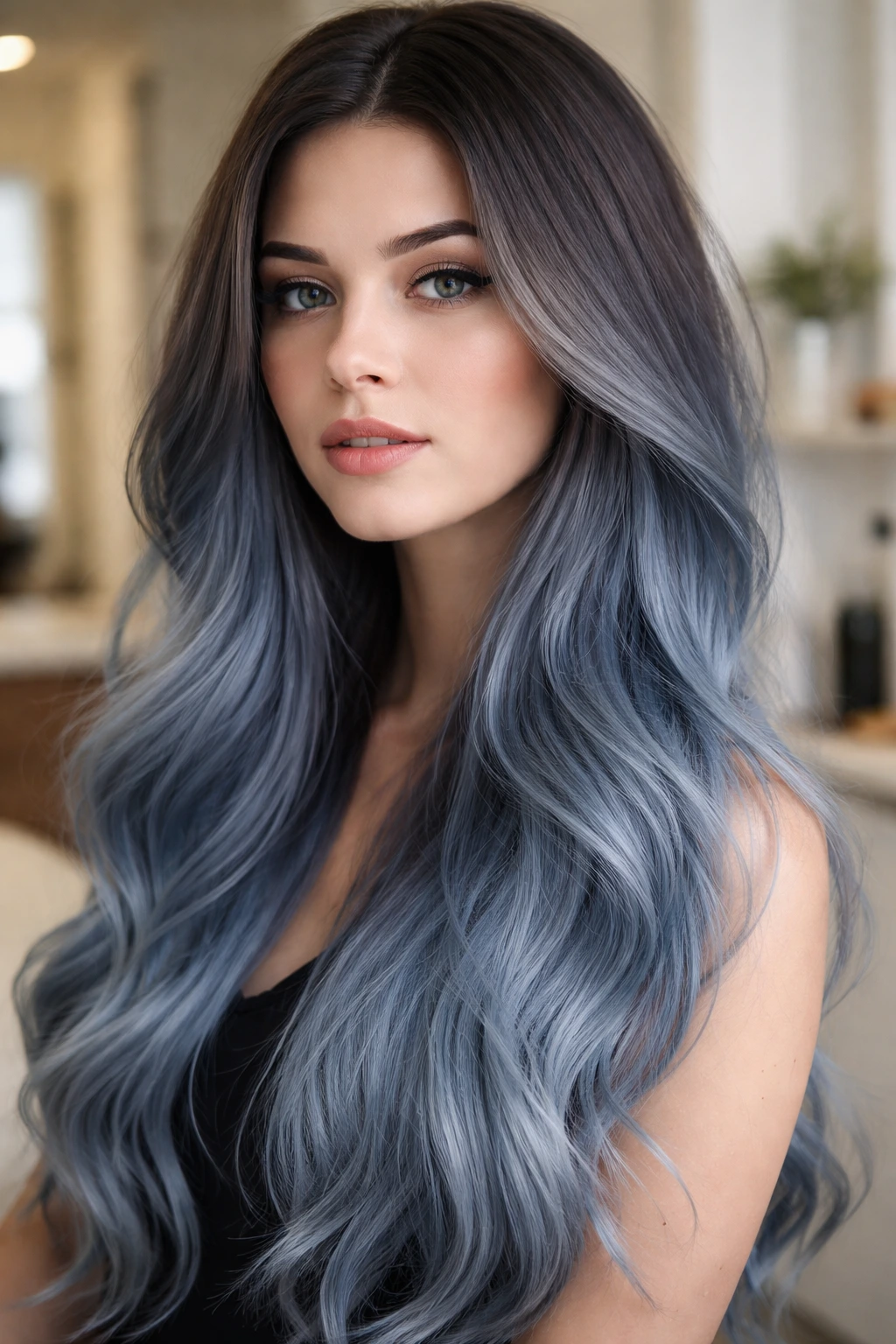
An ashy blue ombre starts with your natural hair color at the roots and transitions into an ashy, muted blue at the ends. This is a very popular look because it is low-maintenance and works with your natural regrowth.
Why “Ashy” Is Better
For cool skin, “ashy” is almost always the right choice. Ashy colors are cool-toned by definition. They lack the warmth that can make your skin look sallow or dull. By choosing an ashy blue for your ombre, you are ensuring the transition remains in the cool family from root to tip.
The Fade
As the ashy blue fades, it will likely turn into a soft, silvery-gray. This is a beautiful transition and is often just as stylish as the original blue. You get two looks in one: the vibrant blue to start, and the cool-toned gray to finish.
23. Sapphire Root Melt
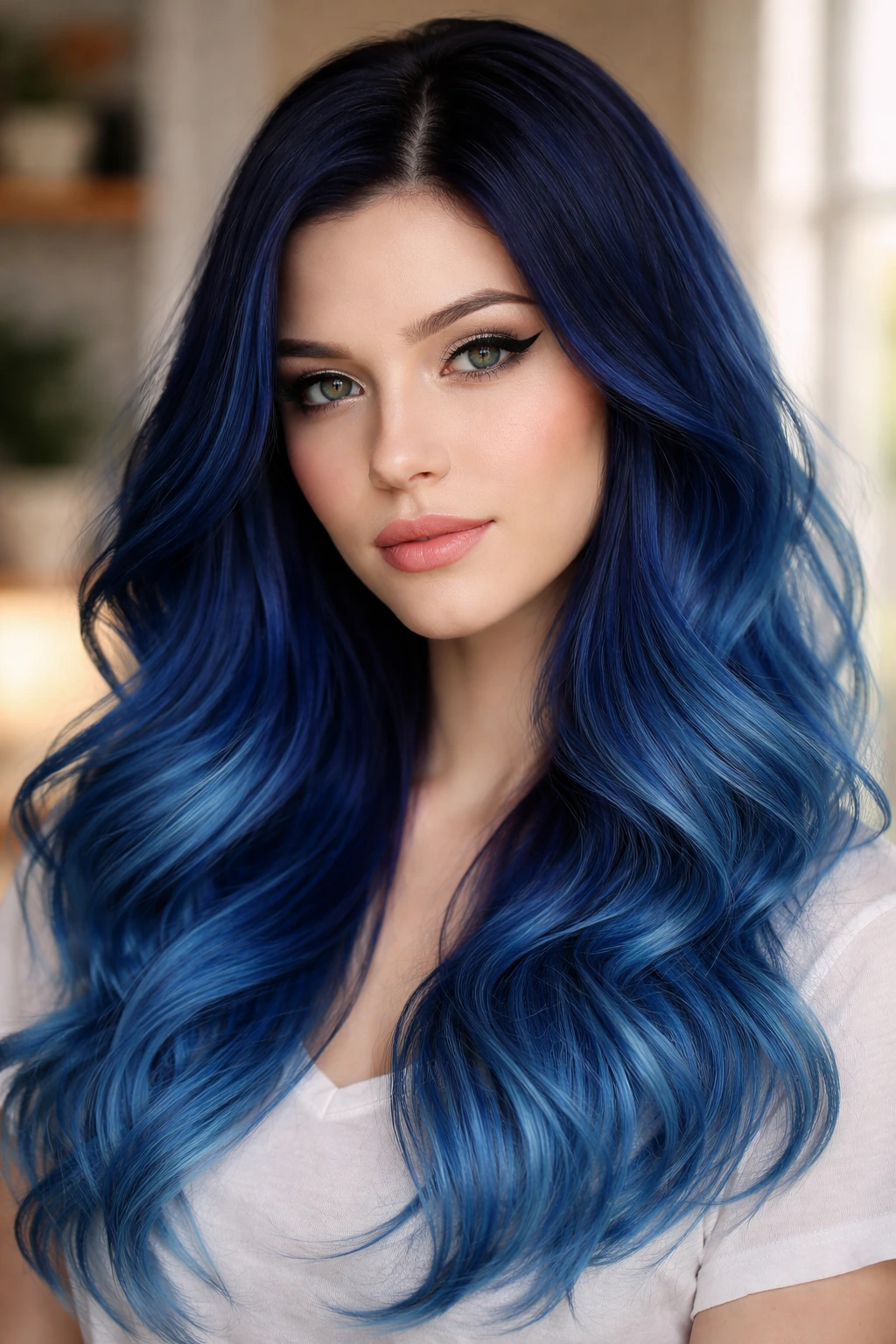
A root melt is a technique where the stylist blends a darker color at the roots into a lighter color toward the ends. A sapphire root melt uses a deep, midnight blue at the root, which then transitions into a vibrant, bright sapphire blue.
The Blending Technique
The beauty of a root melt is the “melted” look—the colors bleed into each other so smoothly that you cannot see where one begins and the other ends. This prevents the “stripey” look that can sometimes happen with DIY home highlights.
Why It Works
By keeping the roots dark and cool, you are framing your face with the darkest part of the color. This provides a natural-looking foundation that is incredibly flattering on cool skin tones, as it creates contrast without being as harsh as a solid block of color.
24. Icy Violet-Blue
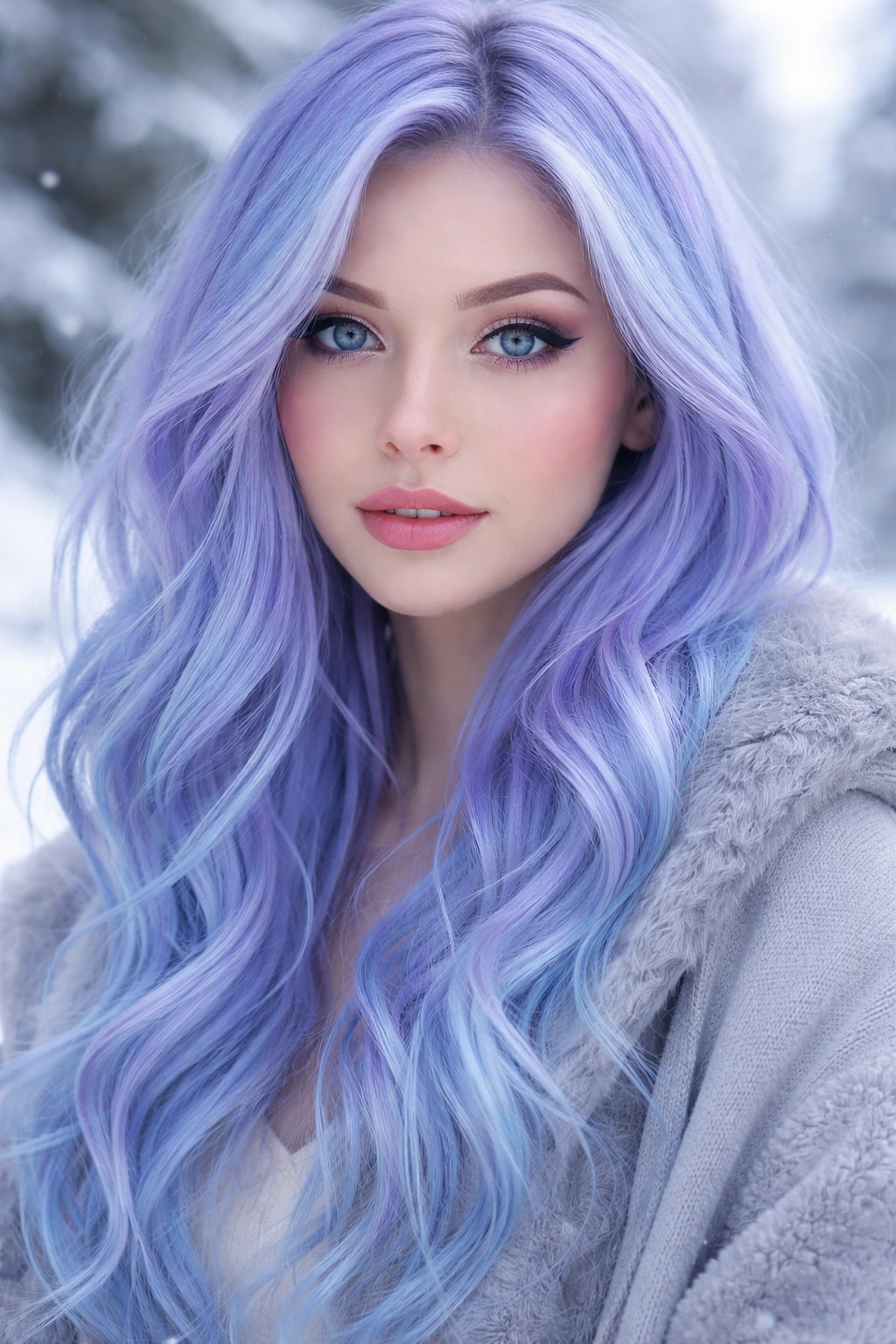
If you are worried that pure blue will be too much, adding a touch of violet is the perfect compromise. Icy violet-blue is essentially a light, silvery blue with a whisper of lavender. It is a very cool-toned, ethereal color.
The Role of Violet
Violet is the ultimate “fixer” for hair that has been bleached. It neutralizes any lingering yellow tones that would otherwise turn your hair green. By using a violet-blue, you are essentially killing two birds with one stone: you get a beautiful, cool blue color, and you keep your hair looking bright and clean.
Best Skin Tones
This is arguably one of the most universally flattering colors for the “cool/fair” category. It brightens the face, makes the skin look clearer, and brings out the cool tones in your eyes.
25. Darkened Sapphire
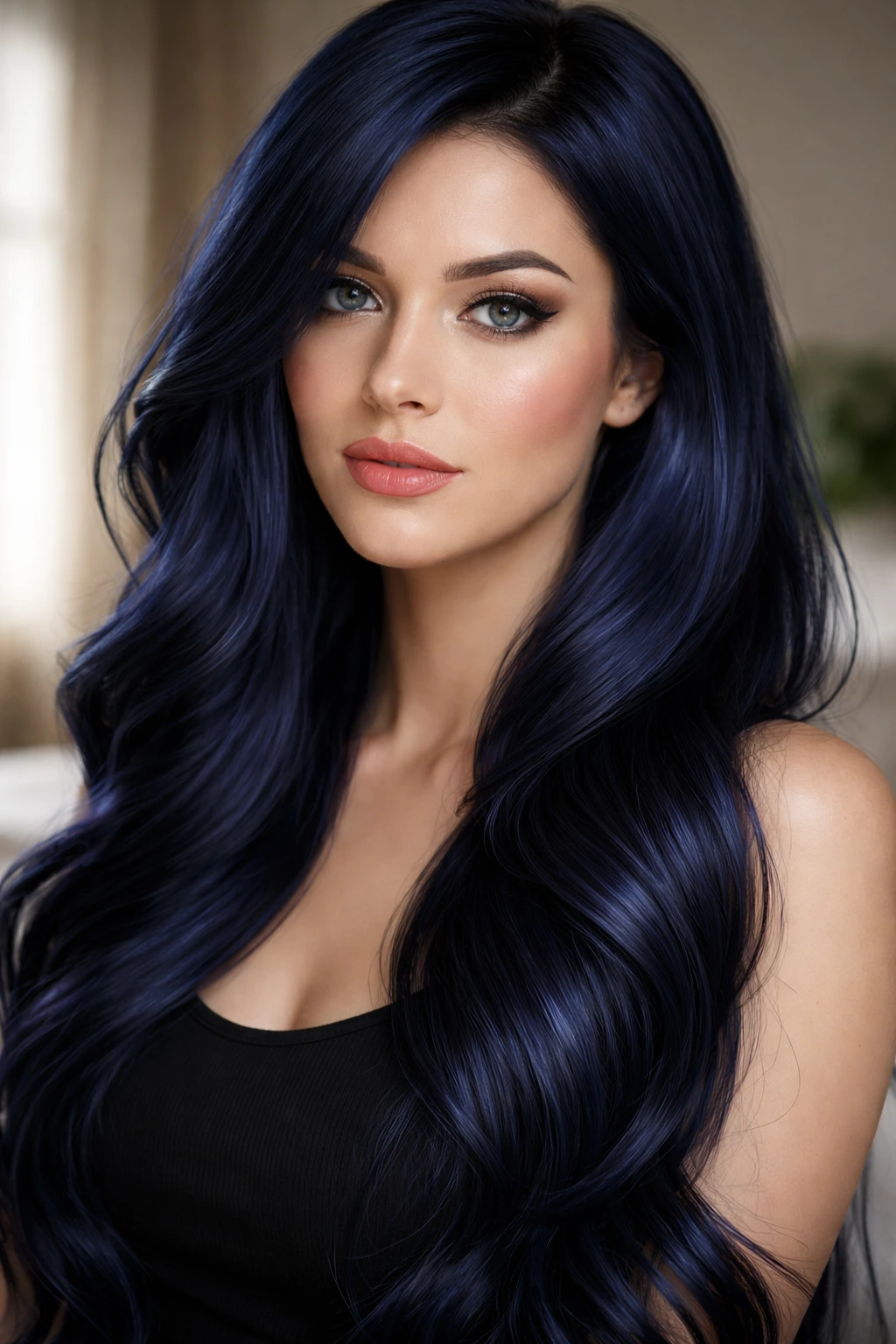
Darkened sapphire is a rich, intense, nearly-black blue. It is deeper and more dramatic than regular sapphire. It has a high pigment density, which means it lasts longer than lighter, pastel blues.
Why Darker Is Easier
Darker colors require less bleaching, which means less damage to your hair. If you have naturally dark hair, you can often achieve a darkened sapphire with much less aggressive lifting than you would need for a pastel or electric blue.
Professional Look
This color is very polished. It looks fantastic with sharp, defined hairstyles. If you are a fan of sleek bobs or precise layers, this color will emphasize the shape of your haircut beautifully.
26. Silver-Blue Highlights
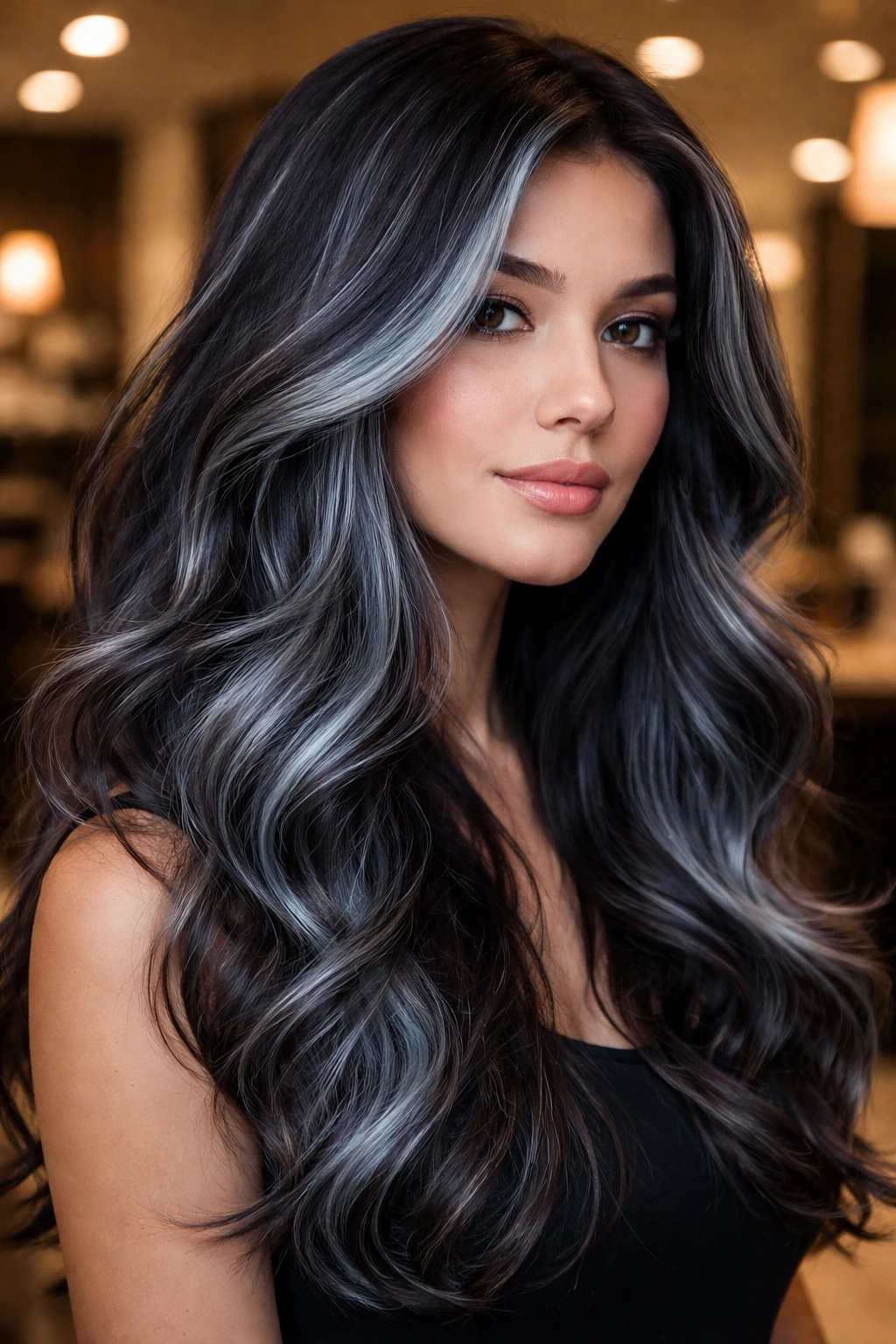
If you want to keep your natural base color (or if you already have graying hair), silver-blue highlights are a fantastic option. You can weave thin, cool-toned blue ribbons through your hair to add dimension and brightness.
The Contrast
Silver-blue creates a beautiful contrast against darker, cool-toned natural hair. It adds a “shimmer” to the hair that looks very natural, almost like the way light hits water. It is a subtle way to embrace the blue trend without fully committing to a full head of color.
Maintenance
This look is very easy to maintain. Since you are just adding highlights, you do not need to worry about harsh root growth lines. You can simply refresh the highlights every few months as they fade.
27. Powder Blue
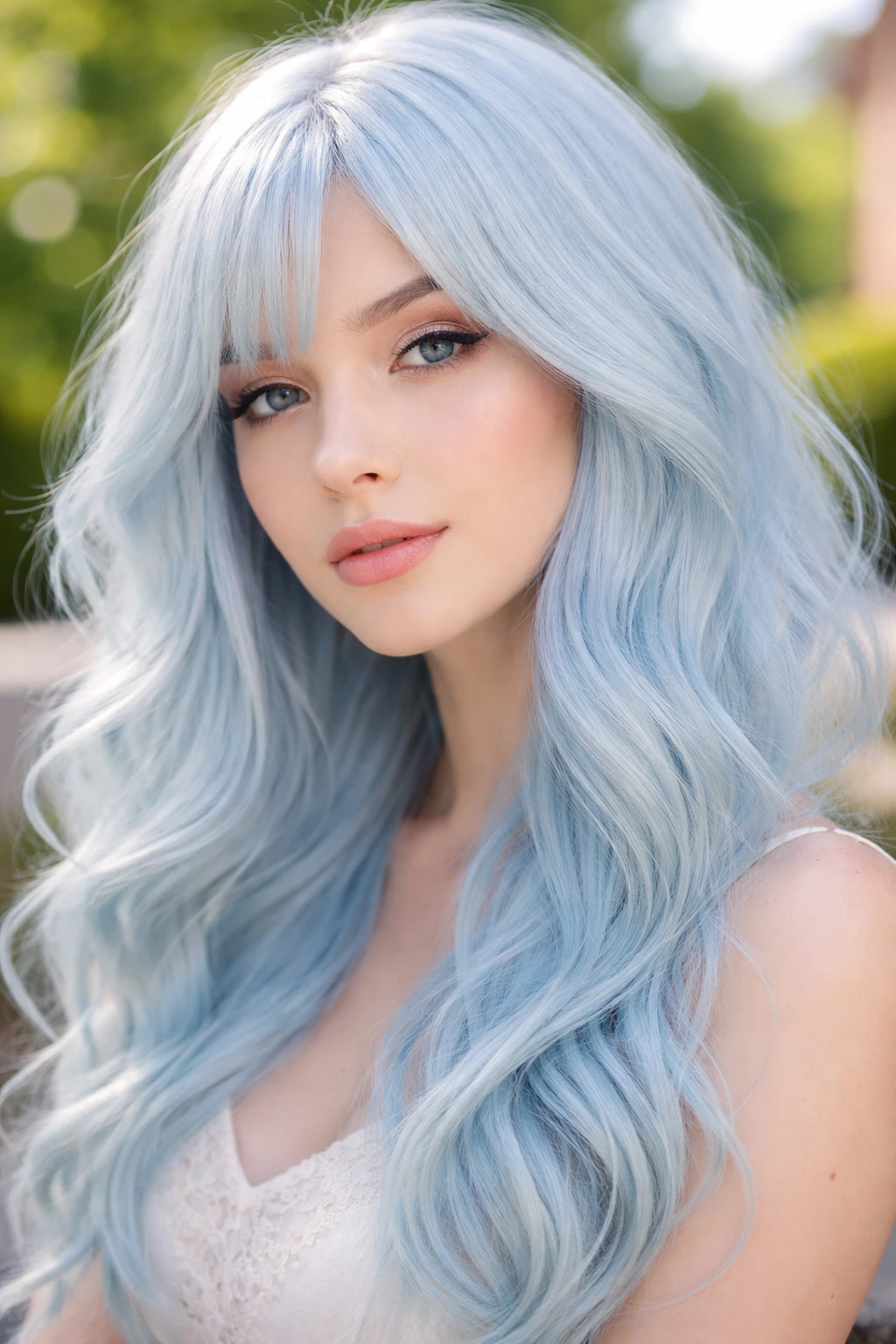
Powder blue is a soft, delicate, and very light blue. It is very similar to sky blue but often has a bit more “white” in it, making it look creamy and opaque rather than translucent. It is a very vintage-inspired, romantic color.
Achieving the Creamy Look
To get that opaque, powder-blue look, your stylist will need to use a heavy-pigment pastel dye. Because it is so light, your hair must be in pristine condition. Any porosity or damage will show up immediately, making the color look blotchy.
Styling Ideas
This color pairs beautifully with braids and updos. The softness of the shade looks amazing when styled into intricate, loose braids. It is a whimsical look that is perfect for summer months or special events.
28. Midnight Blue Peak-a-Boo
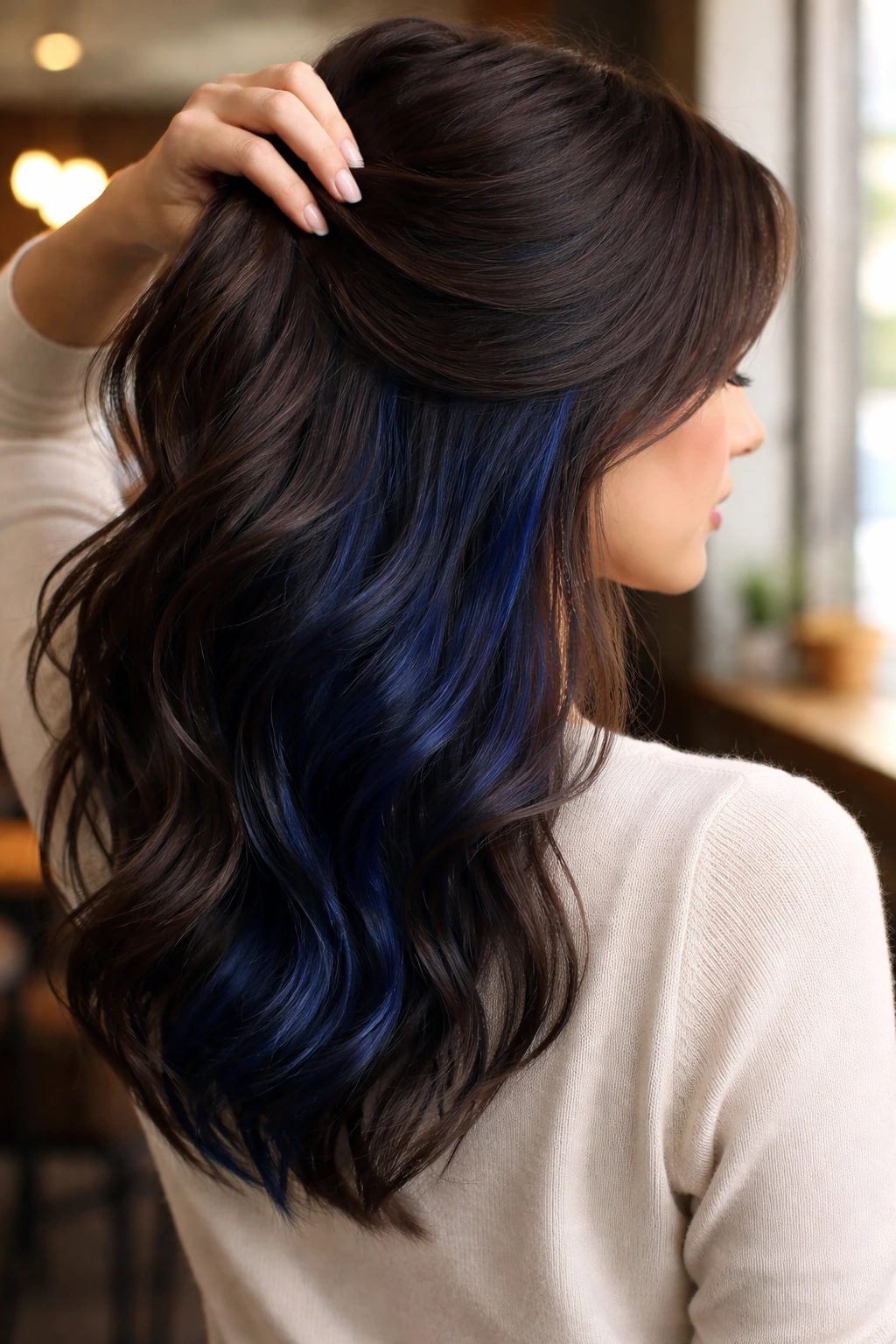
Peak-a-boo highlights involve coloring the bottom layer of your hair while leaving the top layer your natural color. It is a hidden, exciting way to wear midnight blue. You only see it when you move your hair or put it up.
The Hidden Benefit
If you have a strict dress code at work or just want to be able to “hide” your vivid color when needed, this is the perfect solution. It is a low-commitment style that allows you to have fun with color without changing your entire look.
Why It Works
It provides a flash of deep, cool-toned blue that looks intentional and stylish. When the blue hair rests against your natural hair, it creates a subtle contrast that is elegant and sophisticated, rather than loud or overwhelming. It is the ultimate “style with a secret.”
Final Thoughts
Choosing a blue hair color is an exciting, personal journey that completely changes your look. When you have cool skin, you have the advantage of being able to pull off almost any blue in the spectrum, provided you pay attention to the undertones and ensure the base is clean. Whether you opt for a deep, professional midnight navy or a bright, high-fashion electric cobalt, the key is to prioritize hair health and color maintenance.
Remember that blue is a high-maintenance color, regardless of the shade. It requires a commitment to sulfate-free washing, cold water rinses, and frequent touch-ups. However, if you are willing to put in the effort, the results are stunning. Do not be afraid to experiment with different shades or even mix them together to create a custom color that is uniquely yours. Most importantly, wear your color with confidence—because nothing makes a hair color look better than the person wearing it.
