



Pink hair can look icy, soft, or flat-out dramatic on cool skin tones, and the difference usually comes down to the base underneath the color. These pink hair color ideas for cool skin tones lean blue, violet, smoky, or berry-toned because those shades sit cleanly against pink, red, or blue undertones instead of fighting them.
If silver jewelry flatters you more than gold and coral makeup tends to go strange on your face, you already know the problem. Warm pinks can pull peach or orange in a way that makes skin look tired. Blue-based pinks, on the other hand, usually make the face look sharper and cleaner.
The useful trick is contrast. Fair cool skin tends to love icy pastels and translucent blush shades; medium and deep cool skin can carry berry, magenta, plum rose, and even neon with much more ease. That part gets missed all the time, and it’s why one pink can look dreamy on one person and weirdly dusty on another.
A good colorist will talk about level, undertone, and placement in the same breath. That’s not salon jargon for the sake of it. A pink gloss over level 10 blonde behaves very differently from a mauve glaze over brunette hair with a soft lift, and you can see the difference the second the light hits it.
1. Icy Baby Pink
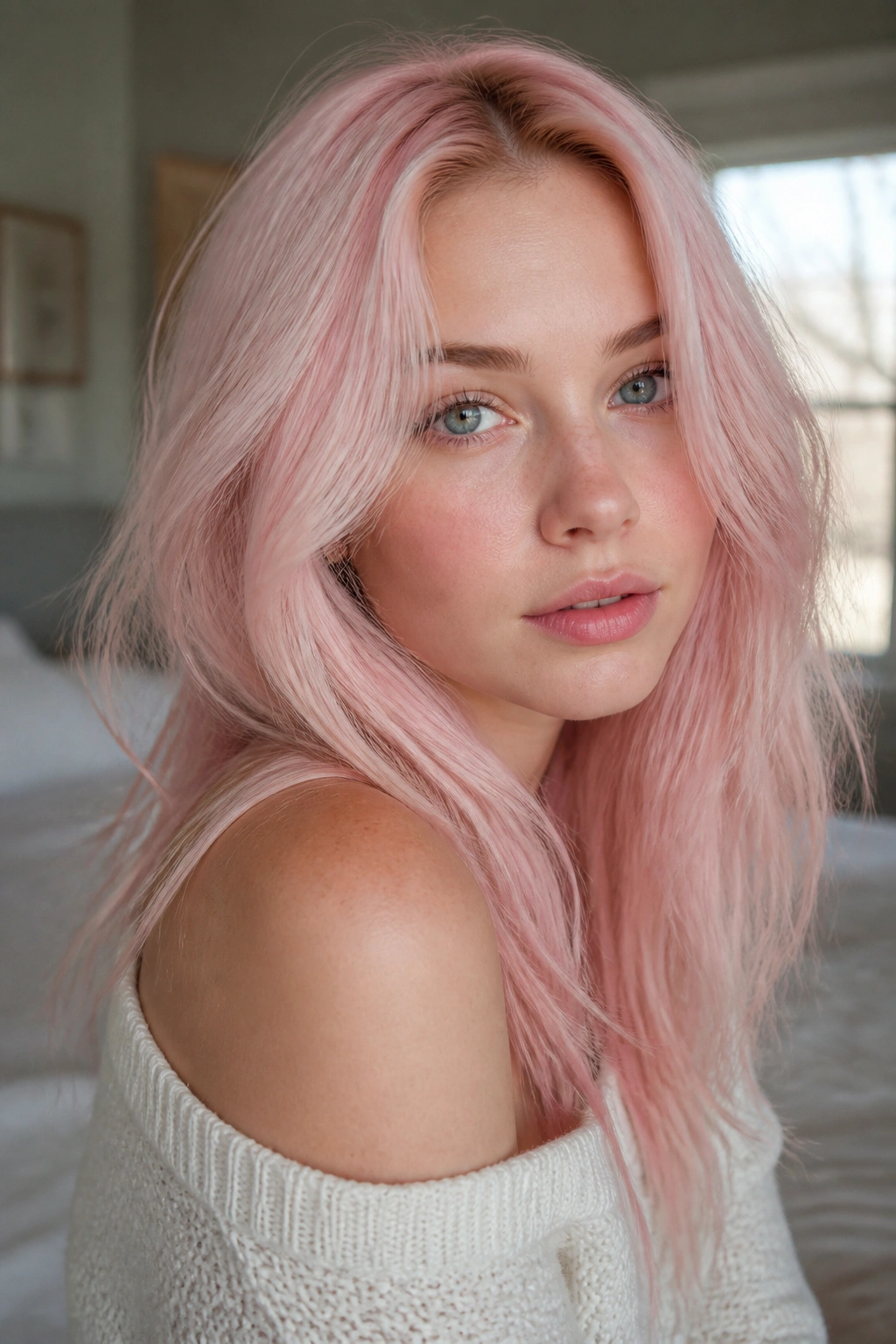
Icy baby pink is the shade I reach for when someone wants pink hair to look crisp instead of sugary. It has that frozen, pale finish that sits beautifully on fair cool skin because it echoes the same clean, cool cast you see in porcelain complexions.
Why It Flatters Cool Skin
The best version of this shade starts on a pale blonde base, usually level 10. Any yellow left in the hair will push the pink warm, and that’s where the magic starts to slip.
A soft violet-pink toner keeps the color from drifting peach. On short hair, it reads playful; on long hair, it feels airy and sharp. Either way, it looks neat, not messy.
- Best on level 9–10 blonde
- Looks strongest on straight or softly waved hair
- Fades into a blush tint instead of going brassy
- Works well with silver makeup and cool lip colors
Ask for a pink with no peach in the formula. That one detail changes everything.
2. Soft Rose Quartz
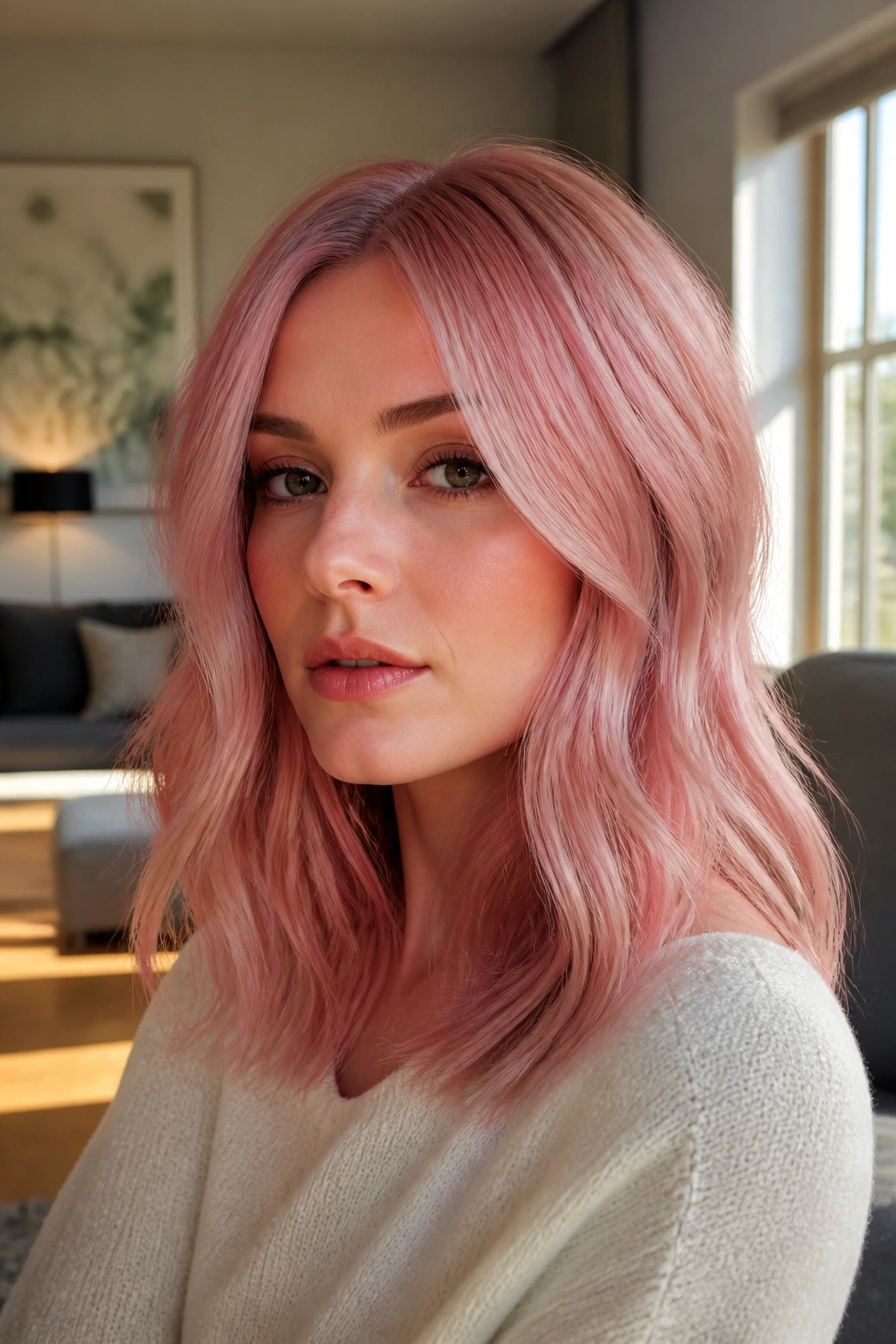
Soft Rose Quartz is the shade I recommend when you want pink, but not costume-pink. It has a smoky, crystal-like softness that flatters cool skin without screaming for attention.
The color sits between pastel rose and muted mauve, which makes it easier to wear than a brighter cotton-candy pink. On medium cool skin, it can make the complexion look clear and even. On very fair skin, it keeps the face from disappearing under a pale wash of color.
I like this shade on layered cuts because the movement shows off the different tones inside the pink. A blunt bob can wear it too, but the finish needs to be glossy or it can look a touch flat. A root shadow about half an inch deep gives the whole thing more shape.
If you want pink hair that feels polished and grown-up without getting dull, this is one of the smartest places to start.
3. Dusty Rose Bob
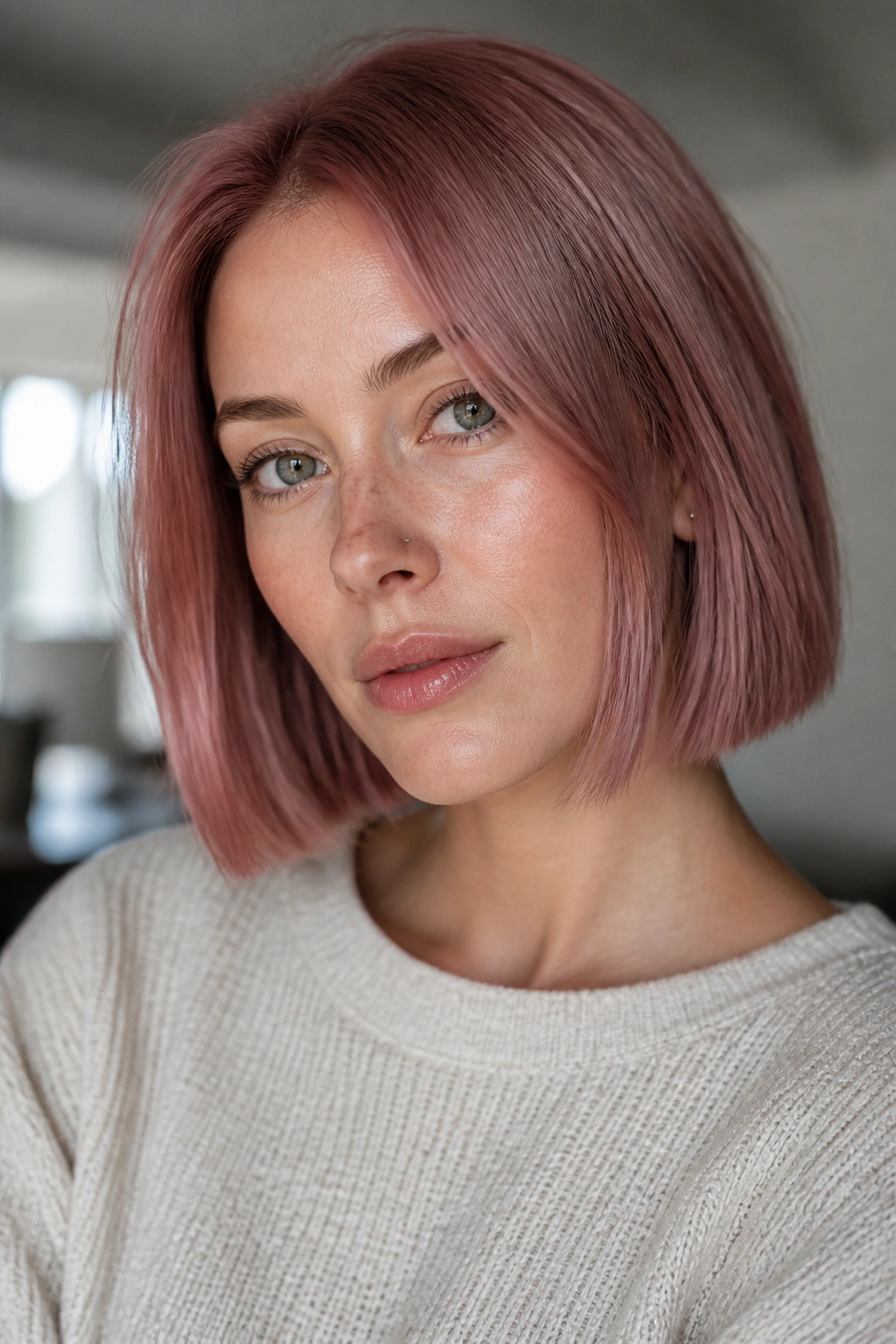
Why does dusty rose keep showing up on cool skin? Because it has just enough gray in it to feel easy, and just enough pink to stay feminine without turning sweet.
A blunt bob is the best cut for it. The clean line gives the color structure, which matters when the pink is soft and muted. On wavy hair, the shade gets a lived-in feel fast; on straight hair, it looks intentional and neat.
How to Wear It
Ask for a dusty rose glaze over a cool blonde base, then keep the finish low-shine rather than glassy. That slightly soft look is what keeps the color from tipping into bubblegum.
It’s a good choice if you want pink hair color ideas for cool skin tones that feel wearable at work but still interesting on the weekend. The cut does half the work here. The color just has to behave.
4. Blush Silver Melt
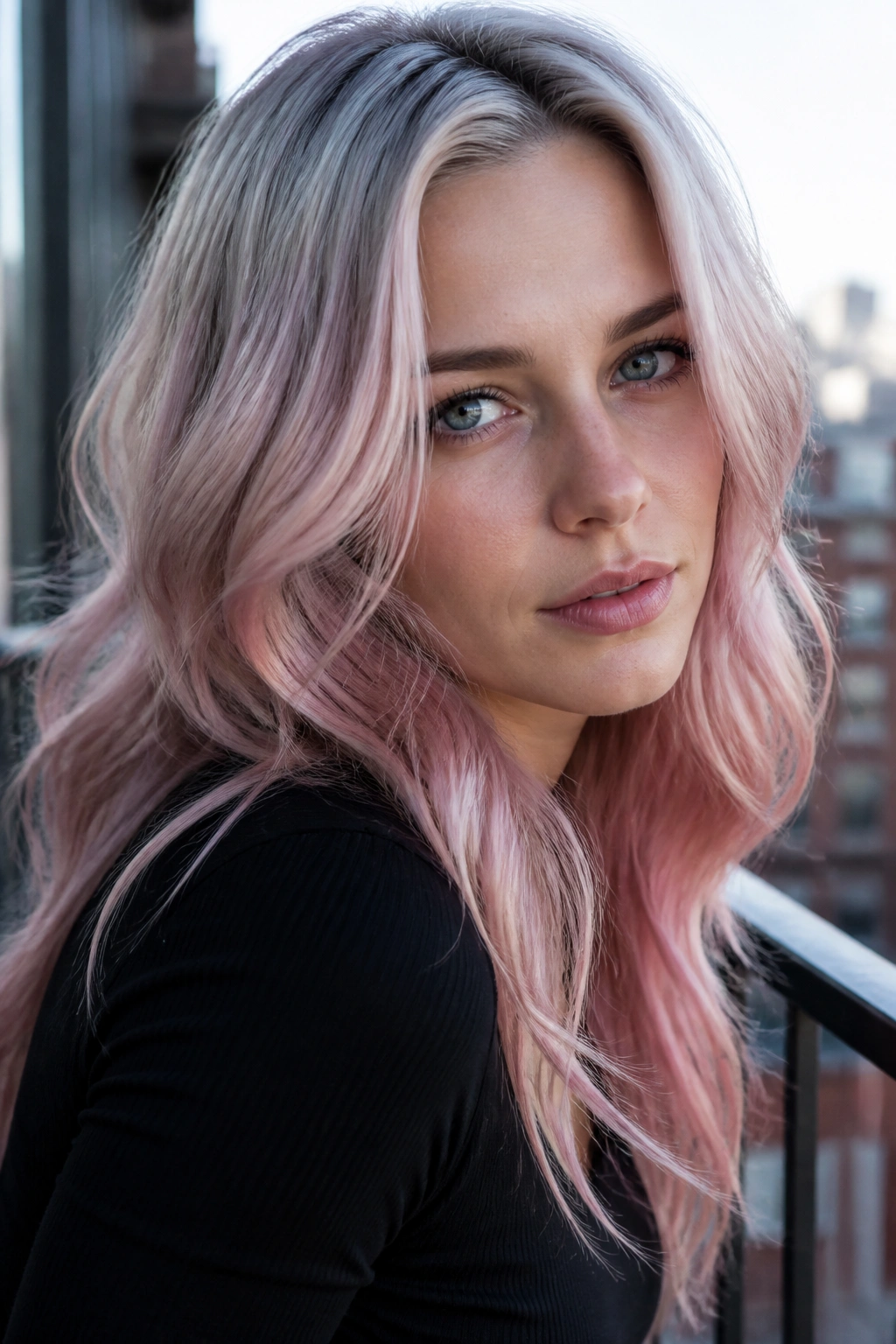
Picture silver earrings, a cool-toned coat, and blush hair that melts into the light. That’s the whole appeal here.
Blush silver is a pink-silver blend with a neutral-cool base, and it can look expensive in a way brighter pinks sometimes don’t. The silver keeps the pink from turning sugary, while the blush keeps the gray from feeling harsh. On cool skin, that balance is the whole trick.
A melt works better than a hard line. Ask for a soft transition from silver roots to blush mid-lengths, with the palest color near the face. A one- to two-inch blur at the root makes the style feel finished instead of stripey.
- Best for short bobs and shoulder-length cuts
- Looks strong with cool gray makeup
- Needs a pale blonde base for the cleanest result
- Grows out better than a solid pastel
It’s subtle in a good way. Not boring. Just controlled.
5. Mauve Pink Balayage
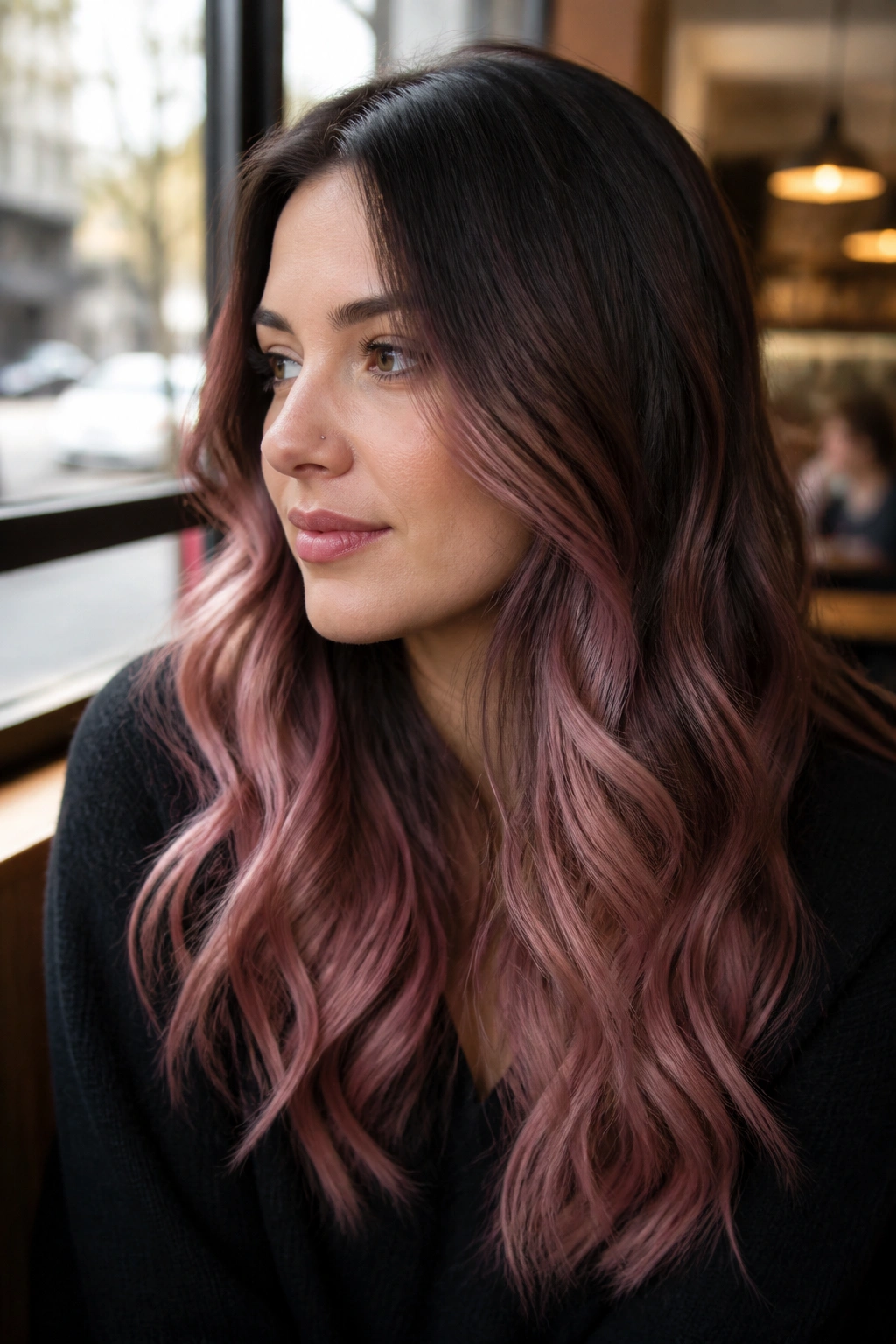
Mauve pink balayage is one of those shades that makes brunettes stop apologizing for wanting pink hair. The ribbons sit on a darker base, so the whole look feels softer and more natural than an all-over pastel.
A medium cool skin tone usually handles this beautifully because the mauve has depth. It doesn’t wash the face out the way a very light pink can. Instead, it echoes the cooler parts of the complexion and lets the eyes do more work.
The placement matters. Wide, painted ribbons look more modern than skinny highlights here, especially if the pink starts a few inches below the root. That keeps the grow-out easy and stops the color from reading too busy.
This is one of my favorite options for someone who wants a pink moment without bleaching every inch of hair. You get movement, contrast, and a color that still feels believable in daylight.
6. Ballet Slipper Pink
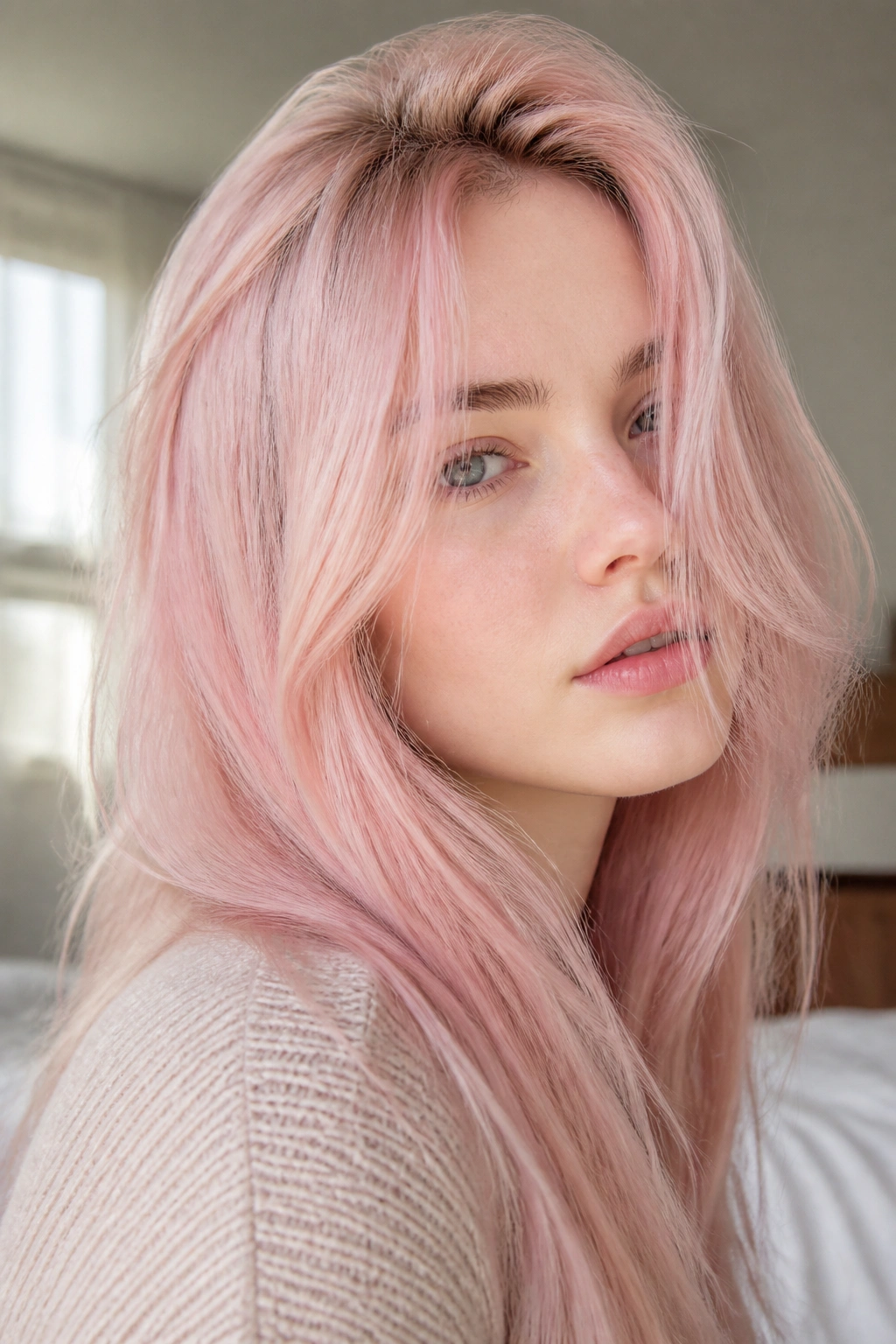
Ballet slipper pink is delicate, but it’s not flimsy. The best version has a sheer opacity, almost like a wash of color over satin.
Unlike bubblegum pink, this shade works best when it stays quiet. That makes it a strong match for fair cool skin, especially if your natural coloring already leans soft. The hair doesn’t steal the show. It lifts the face instead.
I’d keep the cut simple here. A clean lob, a soft pixie, or long hair with barely-there layers keeps the color from looking fussy. If you add too much texture, the pink can start to look scattered.
For someone who likes pale lipstick, pearl earrings, and understated clothes, this shade makes sense. It feels gentle, but not weak. And that’s a good line to walk.
7. Frosted Cotton Candy
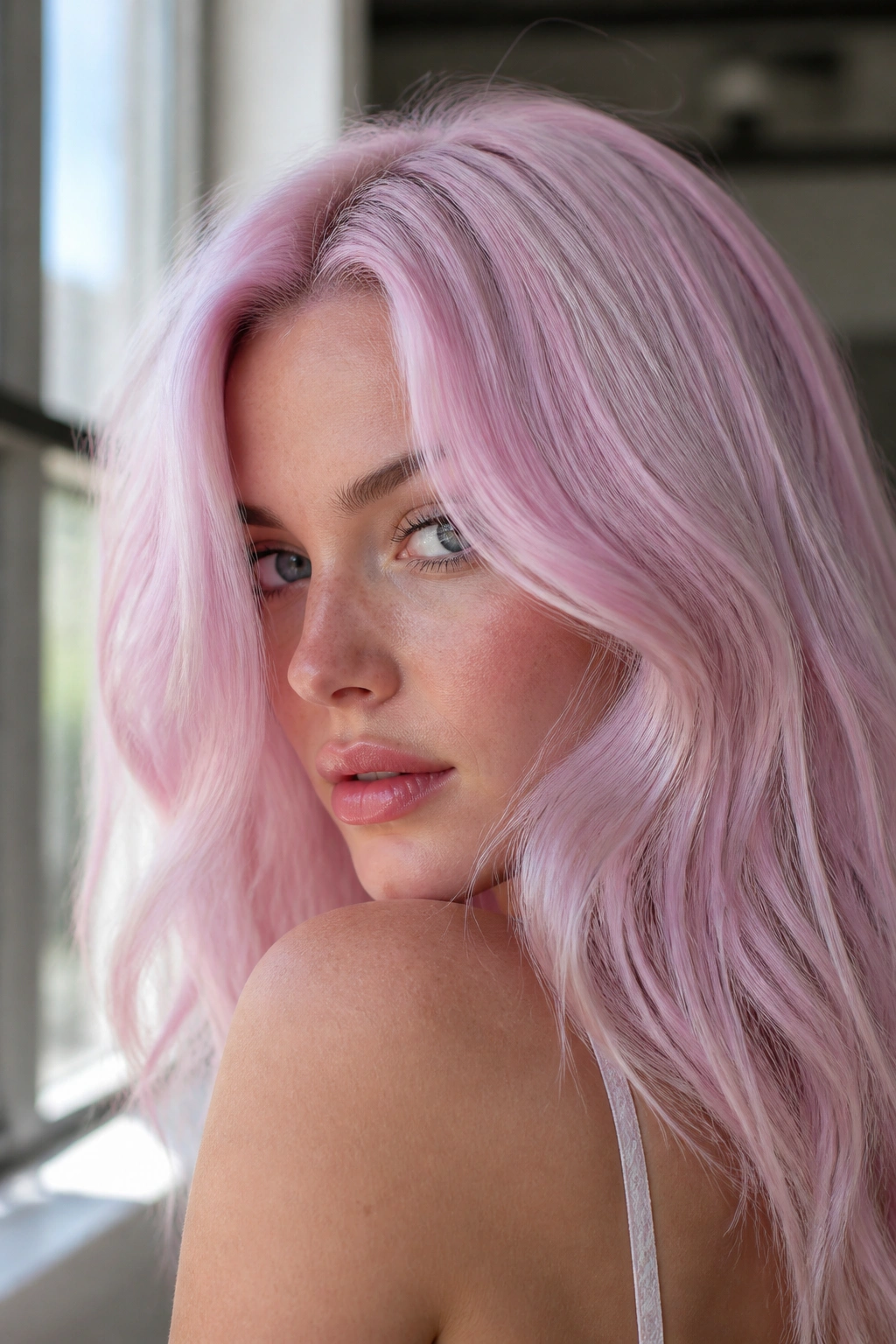
Frosted cotton candy is the pastel pink for people who want the sweetness without the sticky, overdone vibe. The frost in the name matters. Without it, the shade can go warm fast.
What Makes It Different
A cool toner is what keeps this color from turning into standard candy pink. The finish should look pale, airy, and almost translucent, with a hint of blue-violet underneath.
- Works best on level 10 blonde
- Needs a cool gloss every few weeks
- Looks brightest in daylight
- Pairs well with sharp liner and cool blush
If the pink looks peach in the bowl, it will look peach in the hair. Don’t let that slide.
This is the kind of color that looks happiest on lighter complexions with blue or pink undertones. On deeper cool skin, it can still work, but it needs stronger makeup or a darker outfit to hold it in place.
8. Berry Pink Money Piece
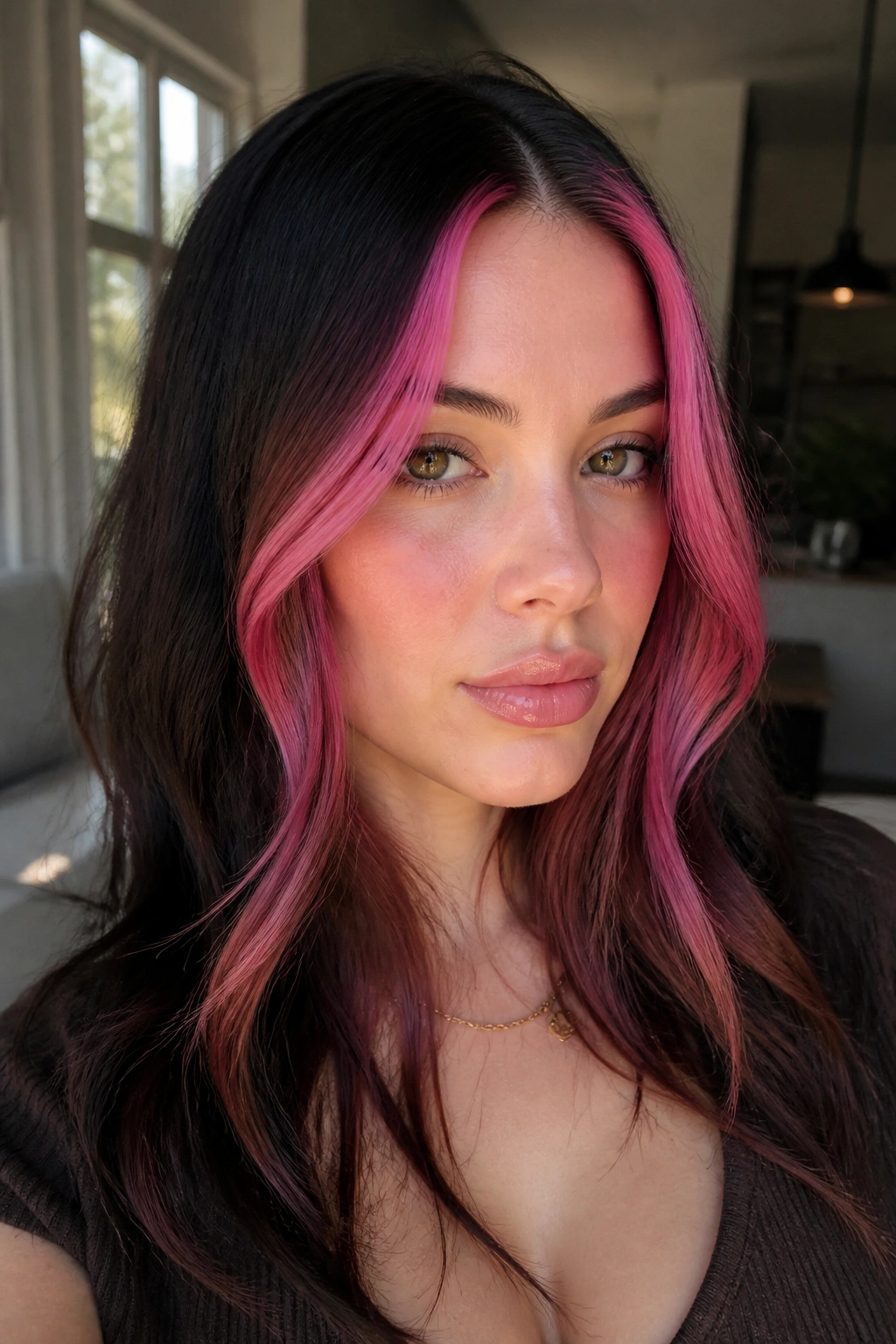
A berry pink money piece can change the whole face in ten minutes. That is the power of a strong front section.
The color itself is richer than pastel and cooler than red, which makes it a smart call for medium and deep cool skin. It frames the eyes, sharpens the cheekbones, and keeps the rest of the hair quieter. You don’t need to dye the whole head to get the effect.
I like this best when the money piece is about two to three inches wide at the temple, then tapers softly into the rest of the hair. Too thin and it disappears. Too thick and it can look clunky.
This is also a good option if you want to test pink without making a full commitment. You see the color every time you look in the mirror, but it doesn’t dominate the whole head. Simple. Smart. A little bold.
9. Orchid Pink
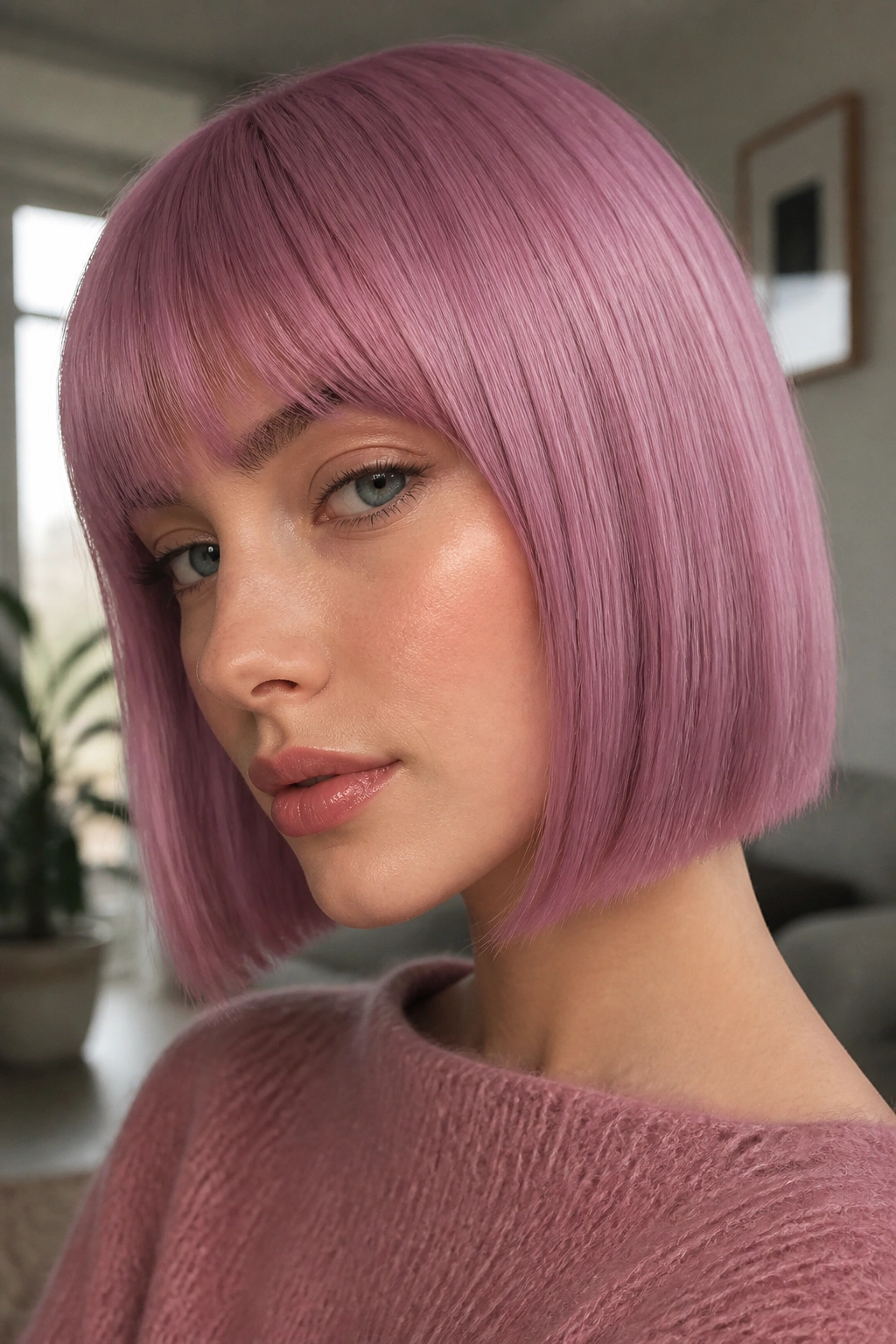
What makes orchid pink different from magenta? It has a purple pull that softens the brightness and makes the whole shade feel smoother.
That violet cast is why it flatters cool skin so well. Orchid pink catches the coolness in the complexion instead of sitting against it. On fair skin, it can look luminous. On deeper skin, it reads richer and more dimensional, especially when the finish is glossy.
How to Wear It
A blunt cut gives orchid pink a sleek edge, while waves make it feel softer and more romantic. If you want the color to look expensive rather than cartoonish, keep the root area a half shade deeper.
This is a good choice for people who wear a lot of black, charcoal, or silver. The shade has enough personality to stand alone, but it doesn’t scream for attention the way neon can. It just holds the room a little longer.
10. Smoky Pink Ombré
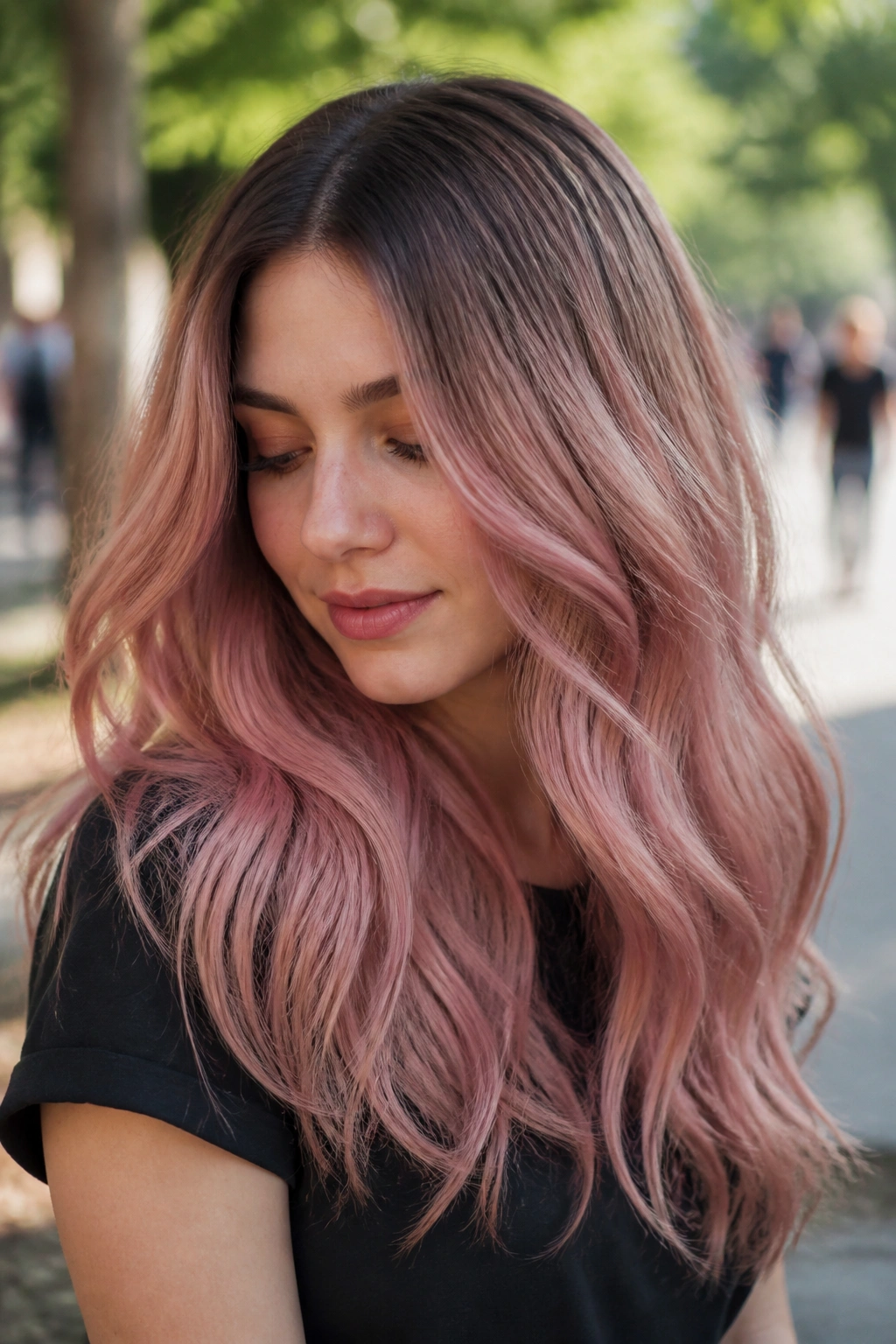
Smoky pink ombré is for anyone who wants the easiest grow-out in the pink family. Darker roots fade into smoky rose ends, and the transition can be as soft or as dramatic as you like.
I’ve always liked this on people who don’t want to sit in the salon every few weeks. The root shadow does the boring work for you. The color starts lower, so the hair keeps its shape even when the ends fade a little.
A good ombré should blur across at least three inches, not stop in a hard line. If the pink begins too abruptly, it looks like dip-dye from a decade ago. Softness matters here.
- Good for medium to long hair
- Works on cool brunettes and cool blondes
- Easier to maintain than a full pastel
- Gives curly hair extra depth
It’s a low-drama way to wear pink, which is not the same thing as a plain way.
11. Raspberry Sorbet
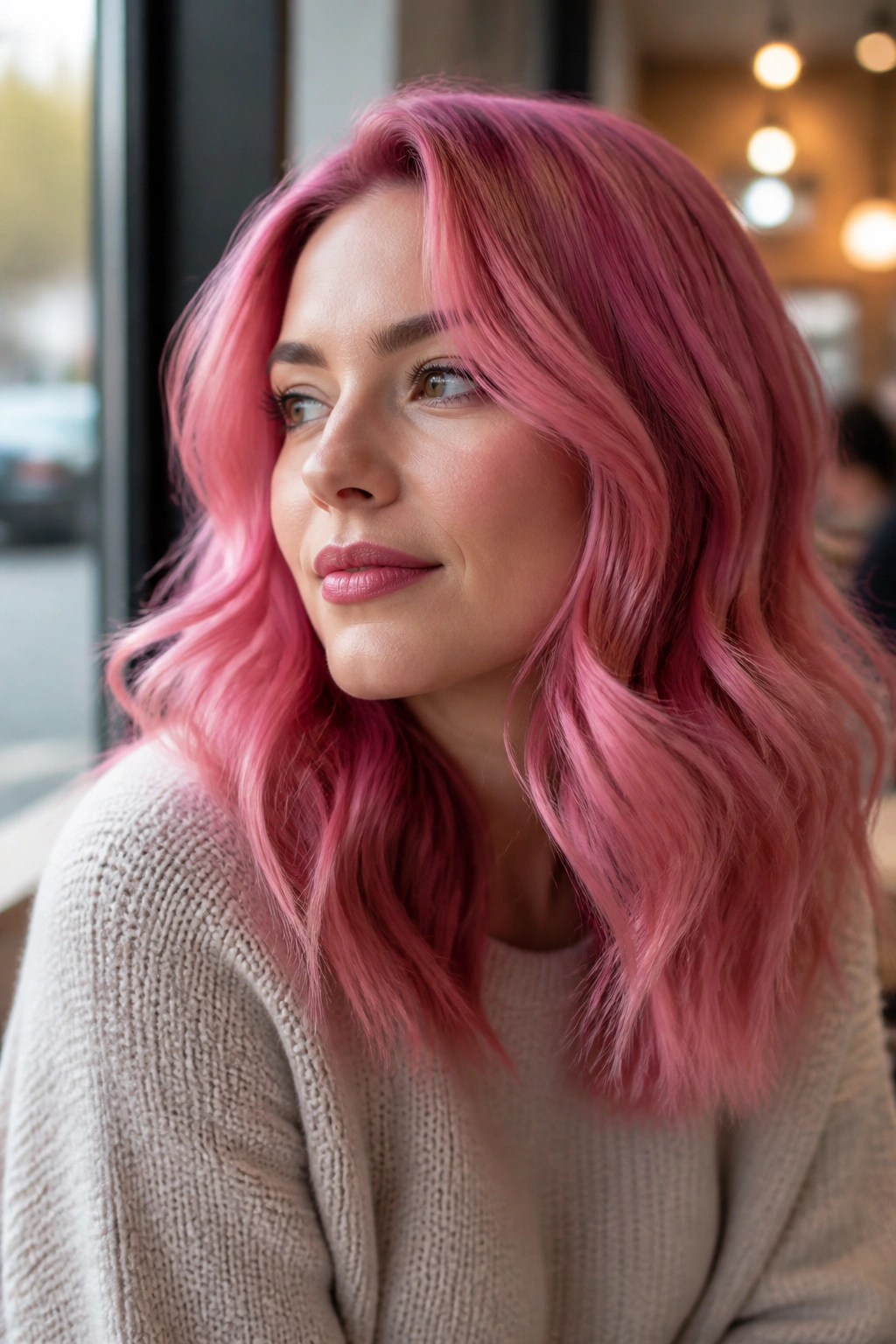
Raspberry sorbet sits in that sweet spot between pastel and berry. It has enough color to show up, but it still feels playful.
On cool skin, this shade usually reads cleaner than warm strawberry tones because the red leans blue. That keeps the face from looking flushed. It’s especially good for people with dark lashes or naturally strong brows, since the hair color needs a little visual weight to balance them.
A shoulder-length cut with loose bends is ideal. Straight hair shows off the shine, while waves keep the color from looking too uniform. You can also deepen the roots by half a level if you want a more lived-in finish.
This is one of those colors that can go sweet or sharp depending on styling. Tucked behind the ears with a dark lip? Sharp. Soft waves and a knit sweater? Sweet. Same shade. Different mood.
12. Lilac-Infused Pink
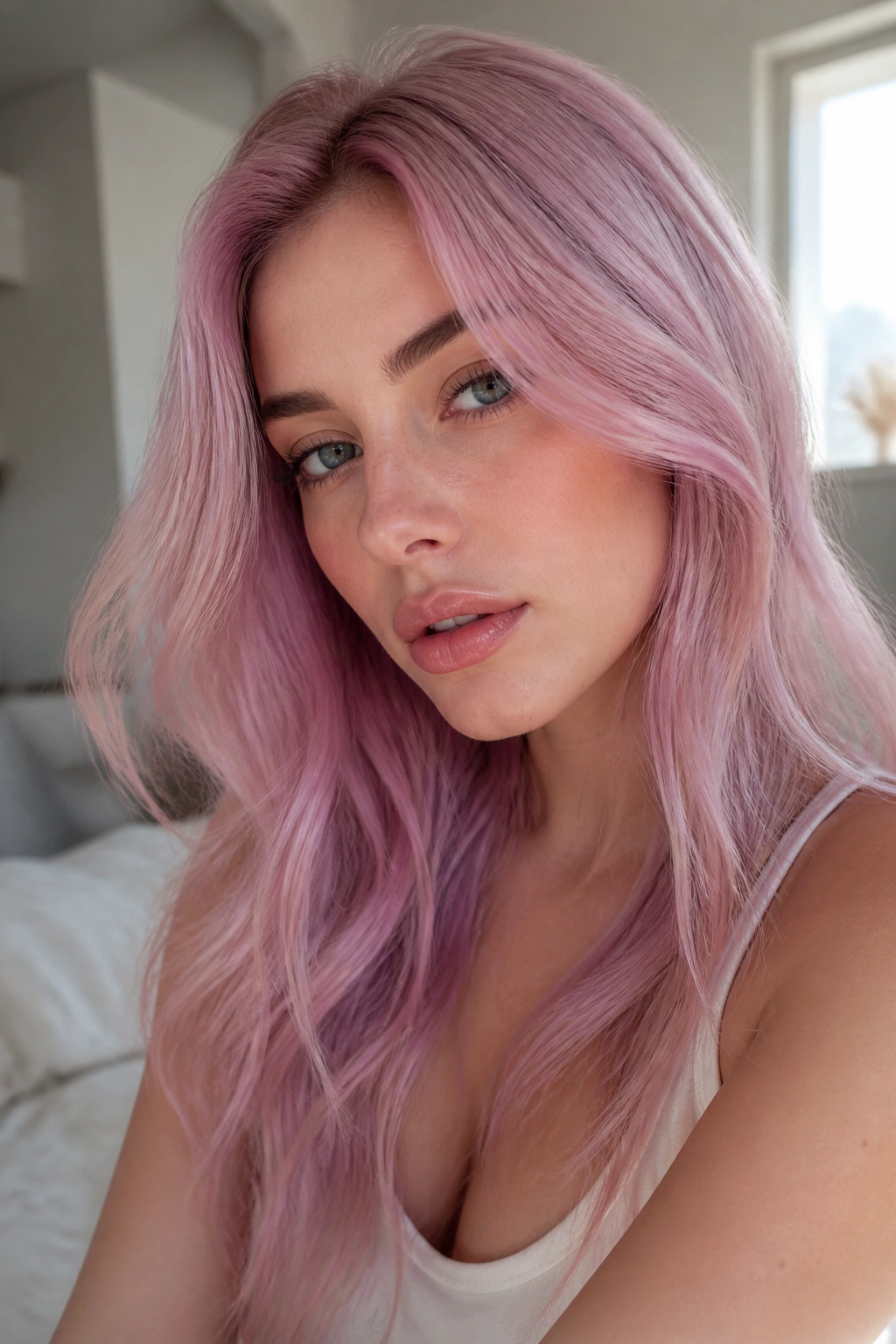
Lilac-infused pink is the shade I point to when someone says, “I want pink, but I still want it to feel cool.” The lilac keeps the pink from turning bubblegum, and the pink keeps the lilac from looking too lavender.
Unlike a pure pastel, this color has a little more structure. That makes it easier for cool skin to wear, especially if your complexion already has blue or pink notes. It tends to make the face look softer around the edges, which some people love and some people hate. I love it on square or angular face shapes because it takes the edge off.
If you’re into silver eyeshadow, mauve lipstick, and soft knits, this shade fits the wardrobe. It’s gentle, but it doesn’t disappear. The finish should look misty, not chalky.
Use it on a lob, a shag, or long layers. Short, blunt cuts can make it feel too neat.
13. Magenta Pop
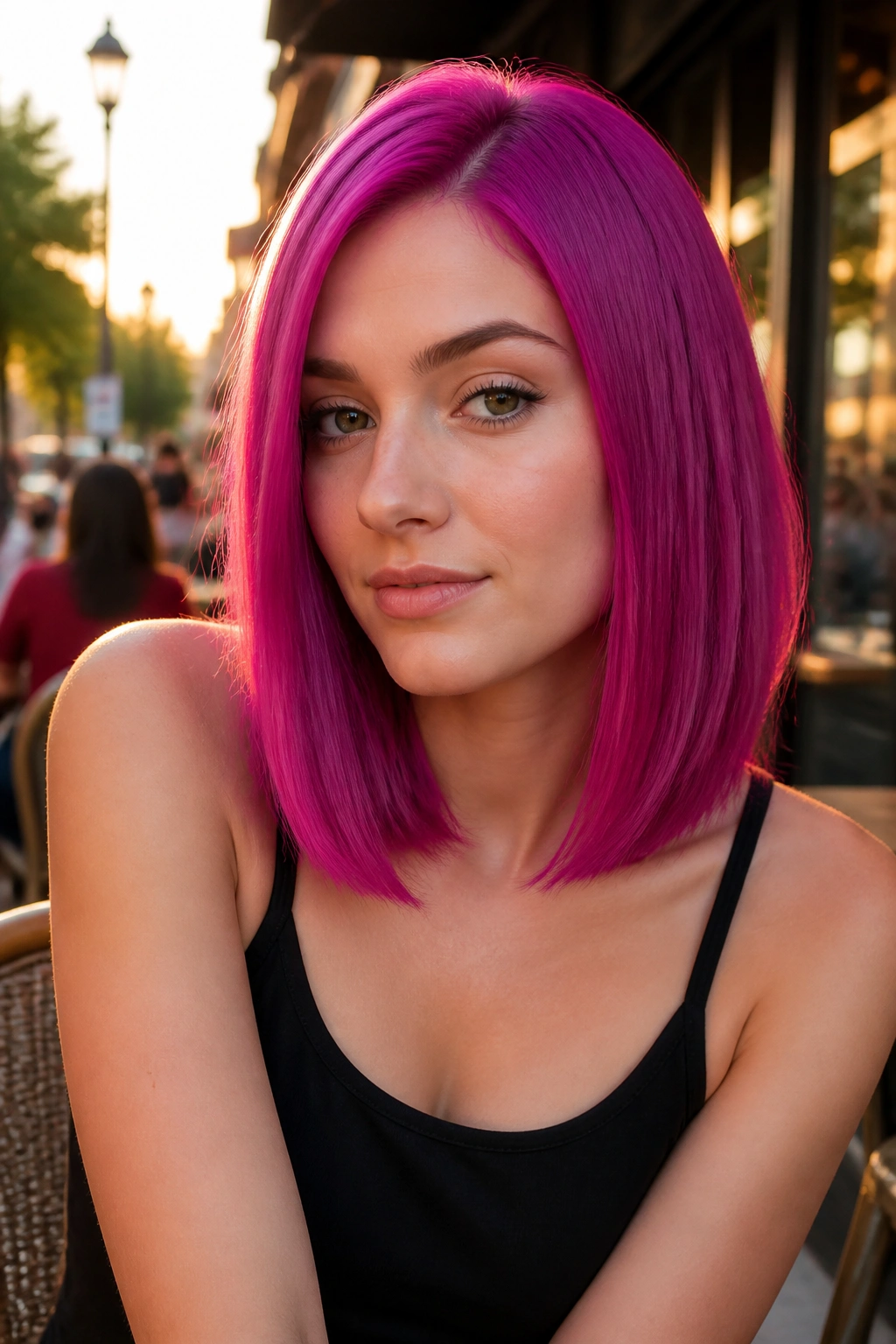
Magenta Pop is not shy, and that’s the whole point. On cool skin, a blue-based magenta brings out the clarity in the face and gives the hair a kind of electric richness that lighter pinks can’t match.
Why It Stands Out
This shade works best when the pigment is saturated and clean. If it gets muddy, the whole look loses its punch. That’s why a cool base matters so much here.
- Best on level 9 blonde or lighter
- Looks strong on deep cool skin
- Works with blunt cuts and sleek styling
- Fades into a softer berry instead of peach
What to Watch For
Too much warmth will drag it into red territory fast. A violet booster in the formula usually helps keep it on the cool side.
Magenta pop is for someone who likes hair that enters the room before they do. No apology needed.
14. Rose Violet
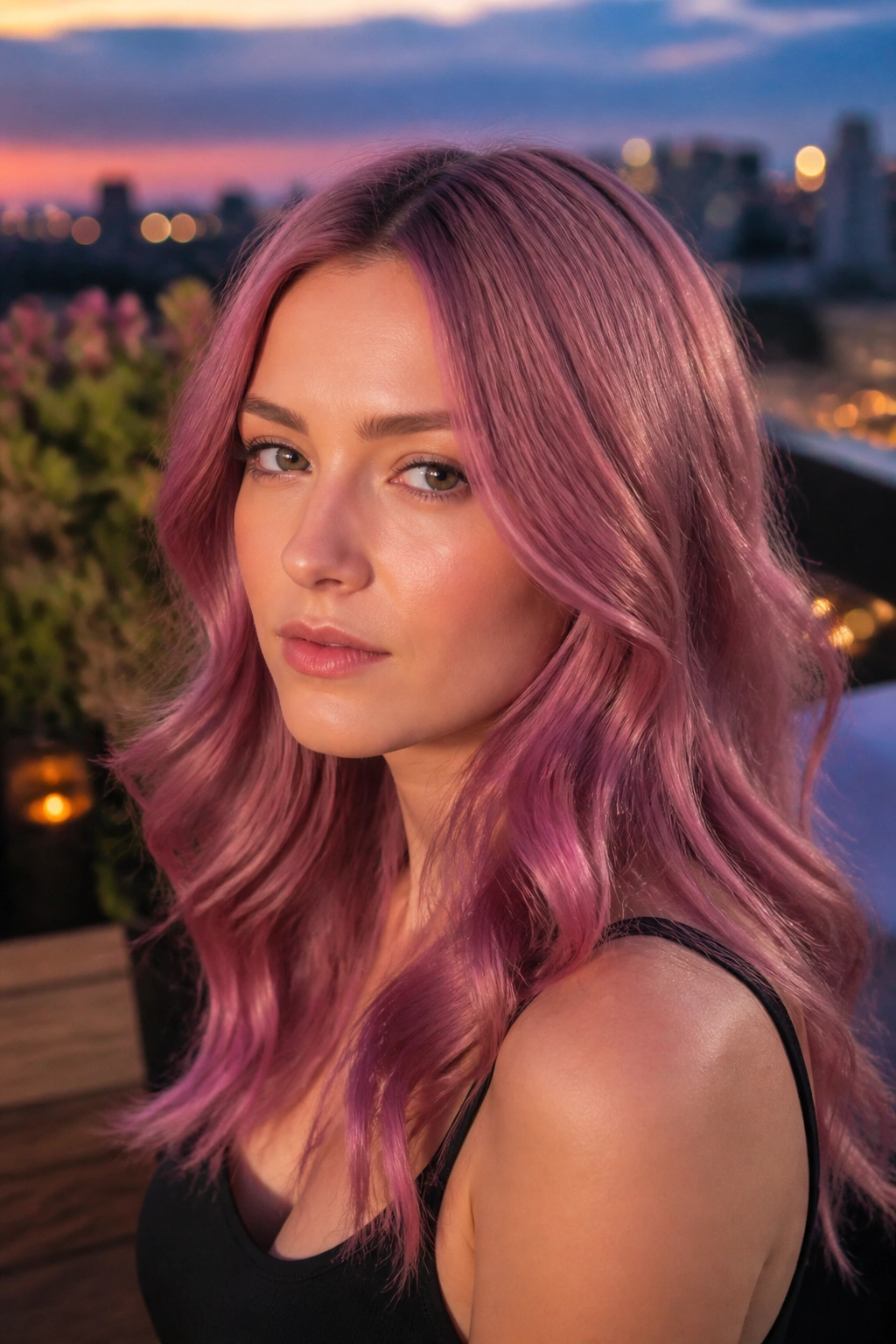
Is rose violet pink, purple, or both? The answer is yes, and that’s what makes it useful.
The rose side keeps it wearable. The violet side keeps it cool. Put those together and you get a shade that flatters cool skin in a way very few brighter pinks can. It works especially well if your wardrobe leans toward black, gray, navy, or deep jewel tones.
A gloss finish is worth the effort here because rose violet can look dry if the hair is porous. On curls, the color pops in little pockets of light. On straight hair, it feels smoother and more polished.
If you want something that sits between romantic and edgy, this is a strong pick. It’s not as loud as fuchsia, not as soft as blush, and that middle ground is where a lot of people actually live.
15. Cherry Blossom Pink
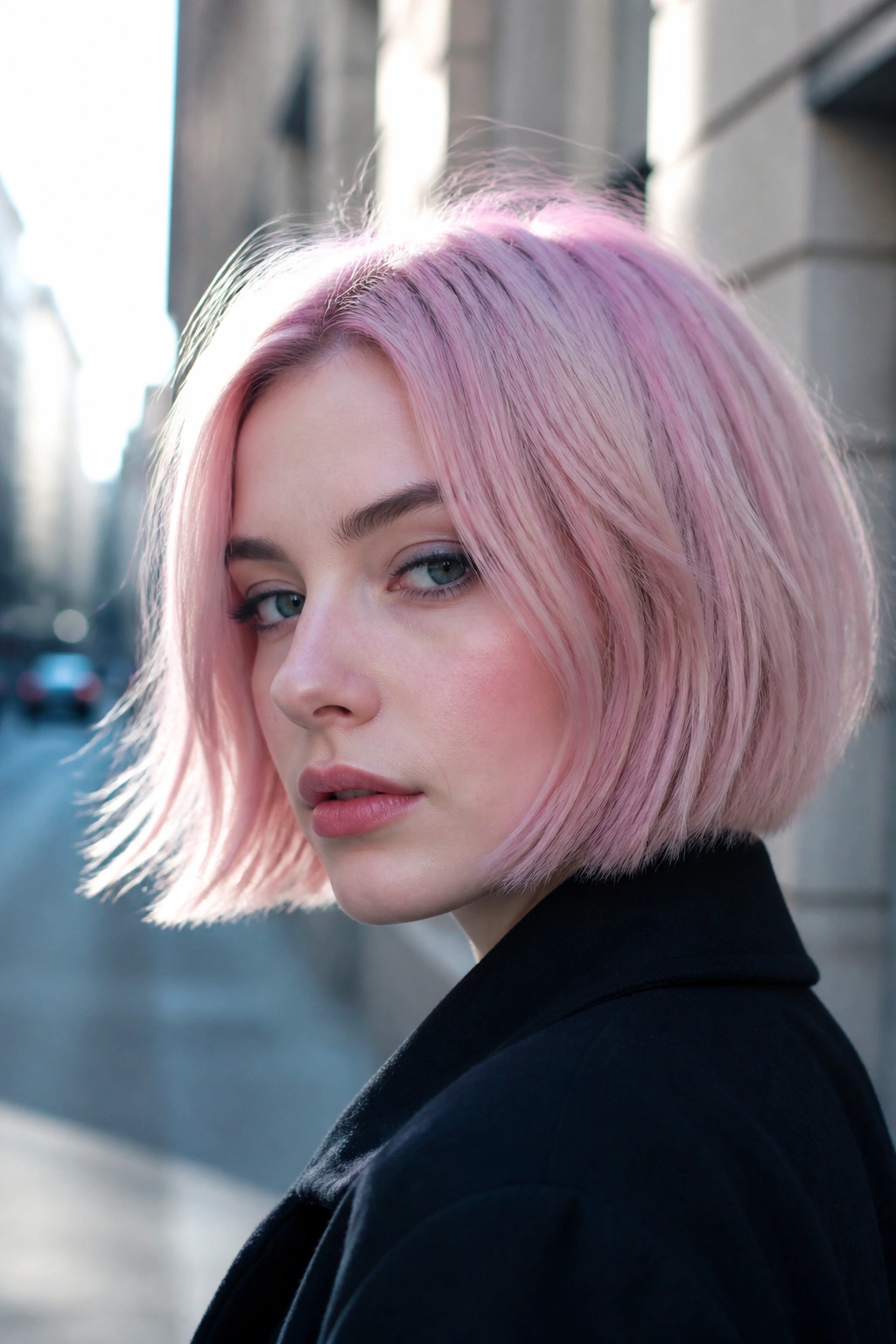
Cherry blossom pink is the shade people imagine when they picture spring petals, only without the warm peach that ruins the effect.
Picture this: a pale pink bob, clean skin, silver hoops, and a little sheen on the lips. That’s the mood. The color is light enough to feel airy, but it still needs a cool base or it drifts too warm and loses that blossom look.
How to Wear It
It works well on short cuts, especially pixies and chin-length bobs, because the color stays crisp. On long hair, soft waves help keep the shade from looking washed out.
- Best on fair cool skin
- Needs level 10 blonde under it
- Looks prettier with a subtle shine spray
- Fades into a gentle blush
A lot of people overcomplicate this shade. They shouldn’t. Clean placement and a cool toner are enough.
16. Plum Rose
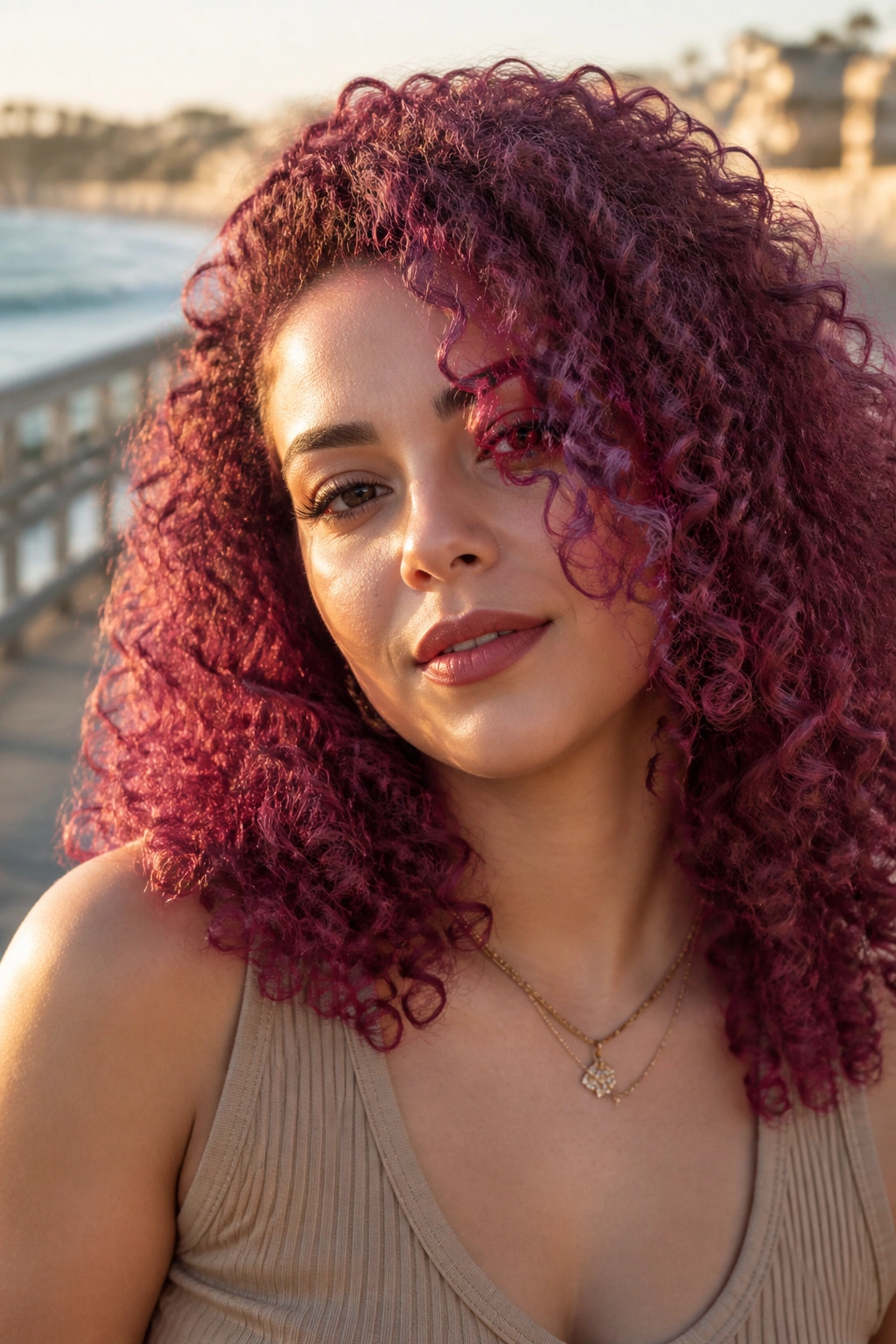
Plum rose is where pink stops being cute and starts being moody. That’s a compliment, by the way.
The plum in the formula deepens the pink, which makes this shade work well on deeper cool skin and darker natural hair. It also means you don’t need every strand to be bleached pale for the color to matter. The richness does some of the heavy lifting.
I especially like this on curls and coils because the depth shows up in the bends of the hair. It doesn’t flatten out the pattern. If anything, it makes the texture look more defined.
A matte finish can make plum rose look a little heavy, so keep the hair glossy. A light oil on the ends helps. Not much. Just enough to catch the light without turning the color greasy.
17. Fuchsia Dip-Dye
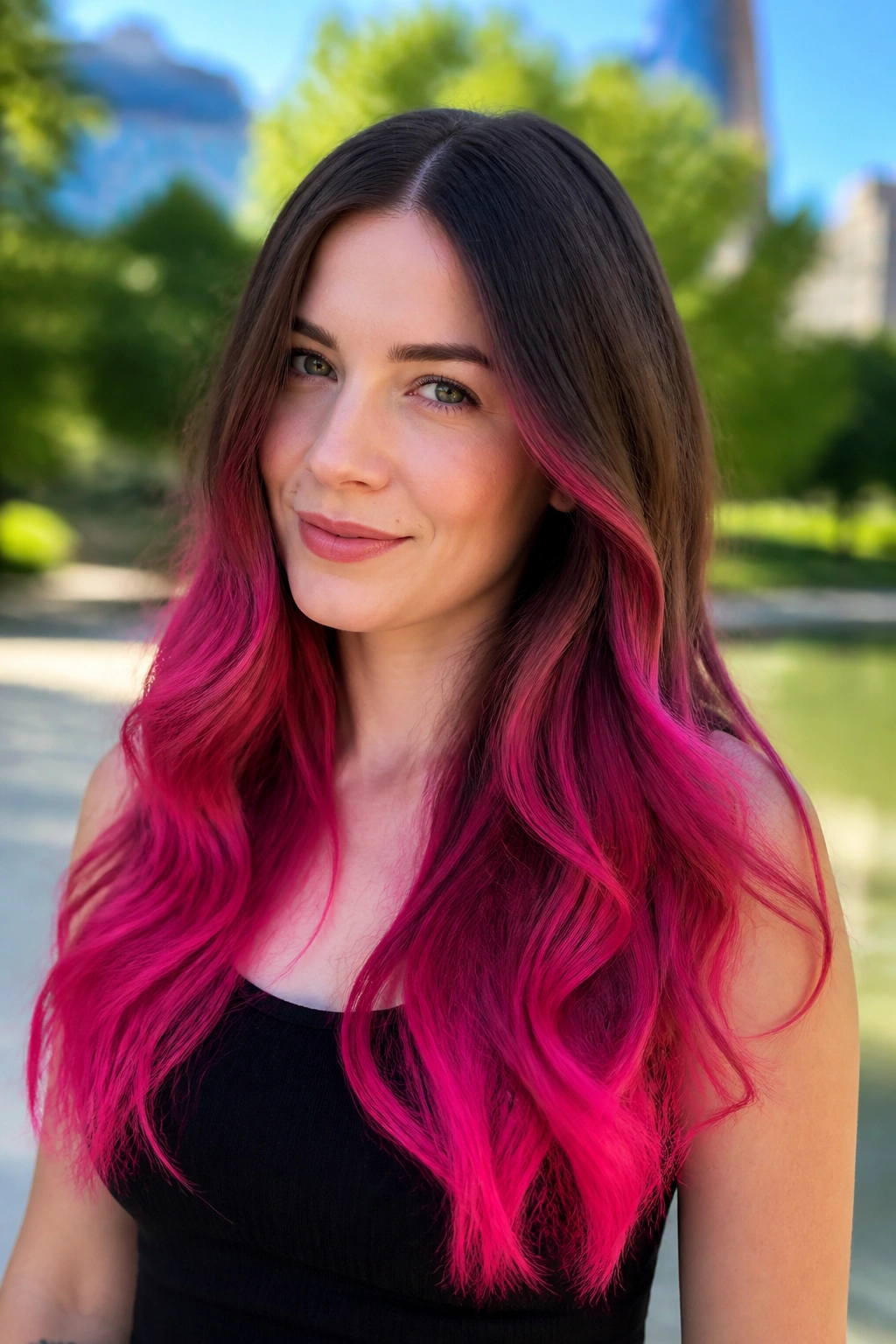
Fuchsia dip-dye is the easiest way to wear a loud pink without living with it everywhere. The ends carry the color; the roots stay calm.
Unlike full-head color, this version gives you room to be dramatic and lazy at the same time. That is a useful combination. On cool skin, the fuchsia edge draws attention downward and makes the whole style look more deliberate, especially when the line is blurred rather than blunt.
It works well on long hair, straight or wavy. Curly hair can handle it too, but the dip should follow the curl pattern instead of cutting across it. Otherwise, the line gets awkward fast.
If you like switching between polished and messy styles, this is a smart option. Tie it up, and the pink peeks out. Wear it down, and it becomes the point of the look.
18. Antique Rose
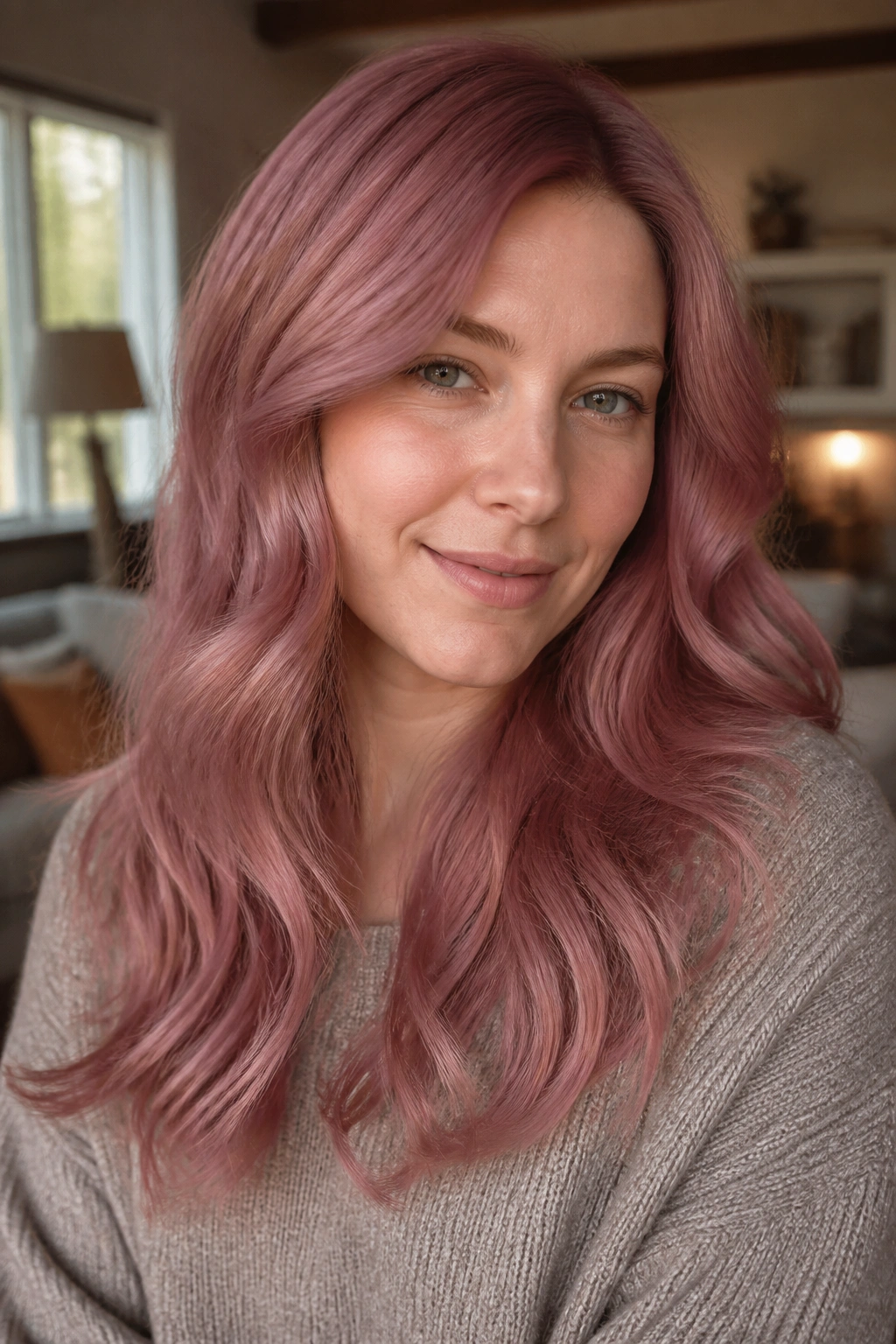
Antique rose is the pink for people who hate looking like they tried too hard. It’s muted, a little dusty, and quietly flattering.
The shade has a vintage feel because the pink is softened by beige and gray, not candy gloss. On cool skin, that muted base prevents the hair from pulling warm or overly bright. It can make very fair complexions look more balanced, and it helps medium cool skin avoid looking overly flushed.
I like this best with a low-shine finish and lived-in waves. The color feels more expensive that way, though I’m not wild about the word expensive in hair writing. What I mean is: it looks finished.
This is also one of the easiest pinks to pair with neutrals. Camel can be tricky, but charcoal, cream, black, and navy all sit nicely next to it. If your closet is calm, antique rose fits right in.
19. Pink Champagne
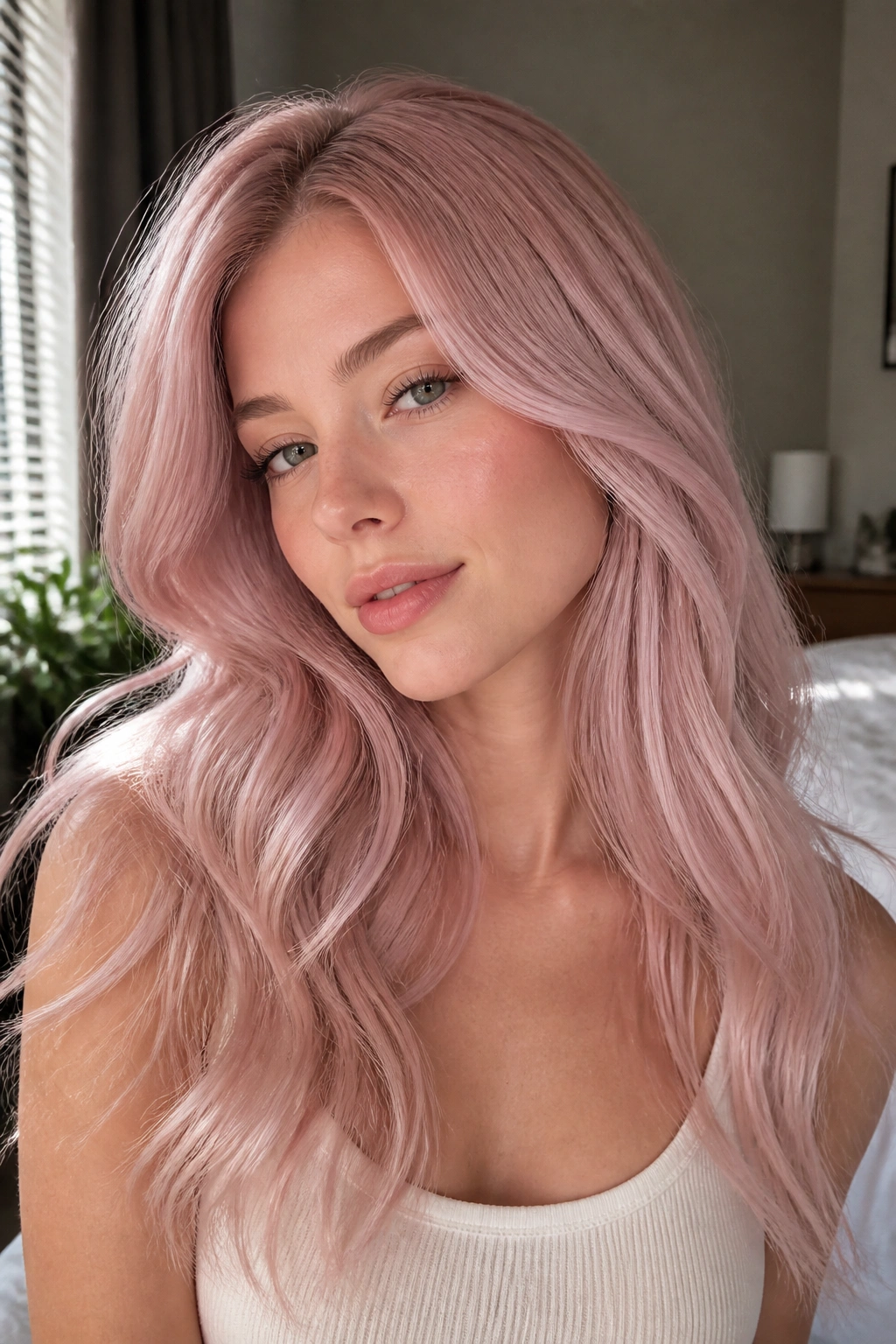
Pink champagne is the softer cousin of bright rose, but it only works when the base stays cool. If the beige leans golden, the shade loses its edge and starts looking warm in a way that cool skin usually does not love.
Why It Works
The trick is a beige-silver mix under the pink. That gives the color a fizzy look, like bubbles in a glass. It’s pale enough for fair cool skin, but it has a little more body than icy baby pink.
- Best on level 9–10 blonde
- Looks good with soft curls
- Needs cool beige, not gold
- Pairs well with pearl or silver accessories
A Small Warning
If your hair is porous, champagne shades can turn smoky fast. Sometimes that is lovely. Sometimes it’s muddy. Watch the toner.
This shade feels dressy without being fussy, and that makes it useful for weddings, dinners, and all the moments where you want pink hair to look intentional.
20. Neon Pink Panels
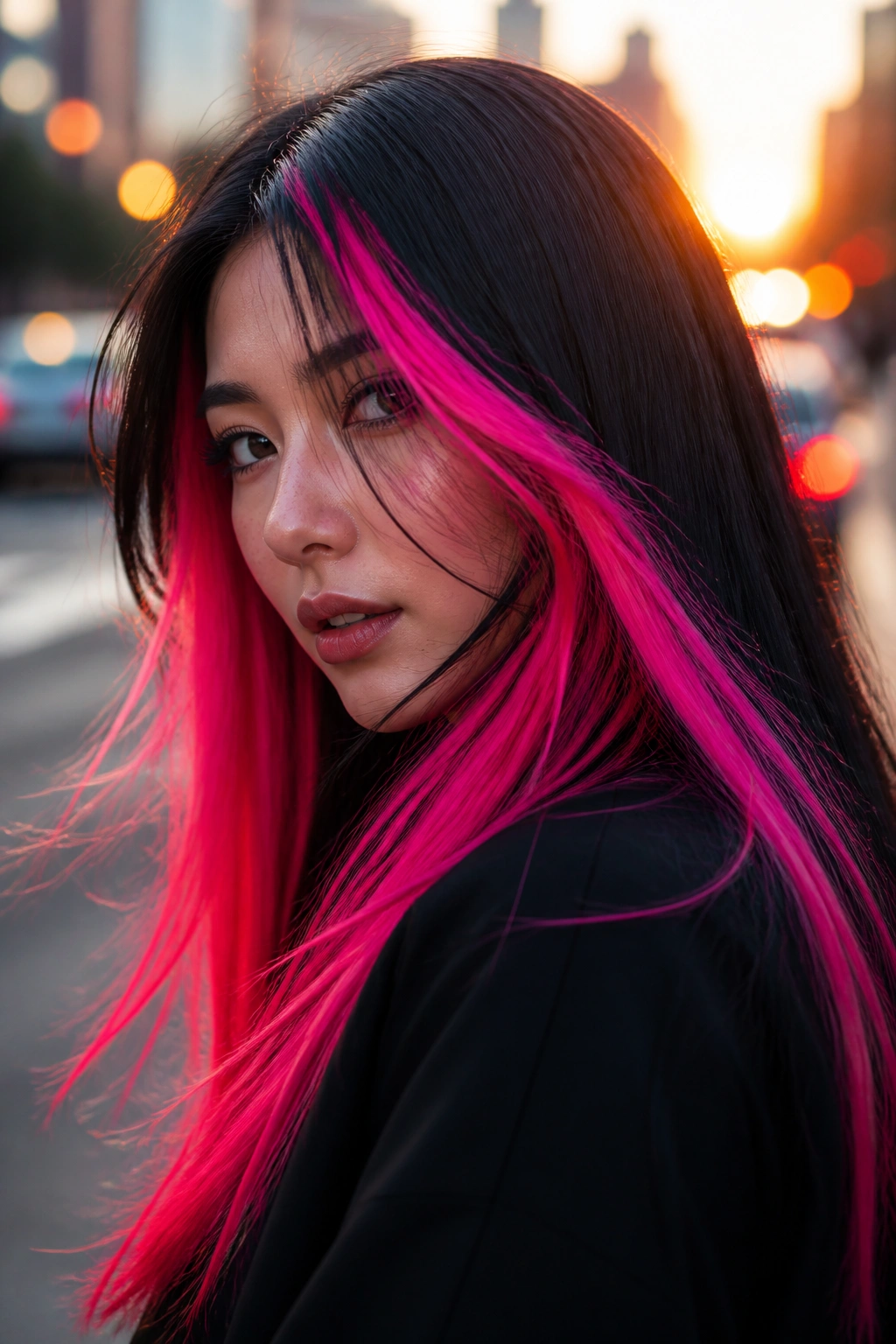
Neon pink panels are for the person who wants their hair to have a pulse. The placement is what keeps it wearable.
A few bold panels under the top layer make the color look sharp instead of scattered. On cool skin, the neon reads best when the base is dark, clean, and glossy. Too much texture can break the effect apart, so sleek styling helps.
I’d place the brightest pieces around the face or beneath a center part, where they show only when the hair moves. That gives you the punch without making the whole head look crowded. Chunky panels work better than skinny slices here.
This is the kind of color that looks almost restrained from one angle and wild from another. That contrast is the fun part. If you want pink that feels modern and a little bit rebellious, this is it.
21. Cranberry Glow
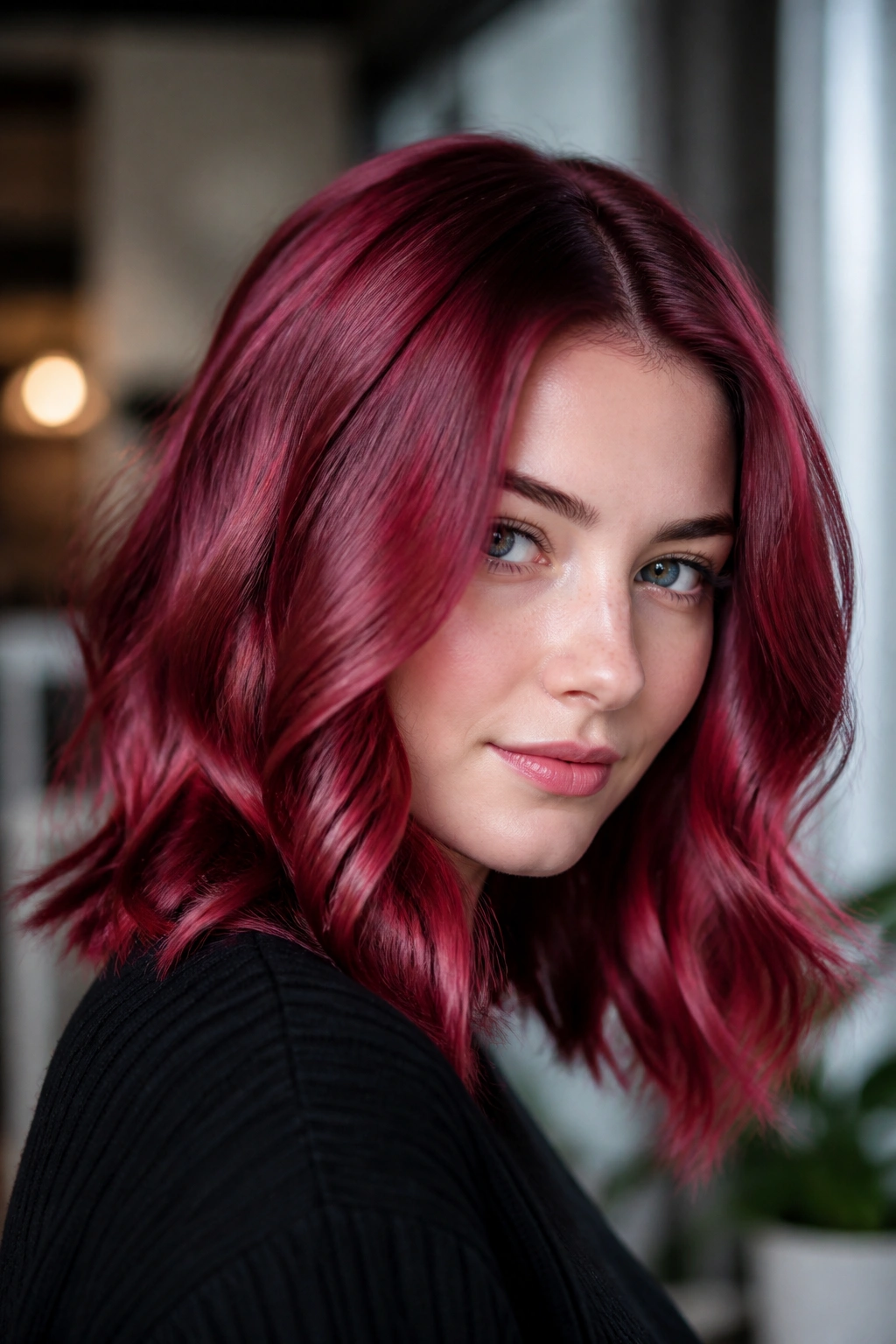
Can red-ish pink work on cool skin? Yes, if the red stays on the blue side.
Cranberry glow is richer than raspberry and less purple than plum. It sits in that middle zone where the hair looks juicy but not warm. On cool skin, especially deeper cool skin, it can make the complexion look vivid instead of washed out.
I like this shade with soft layers and movement because it catches light in different places. On straight hair, it can look almost lacquered. On waves, the color reads more dimensional.
How to Wear It
A dark root shadow makes cranberry glow easier to live with, and a slightly deeper finish near the crown helps the color feel grounded. If you want drama without neon, this is a smart stop.
22. Pink Underlayer
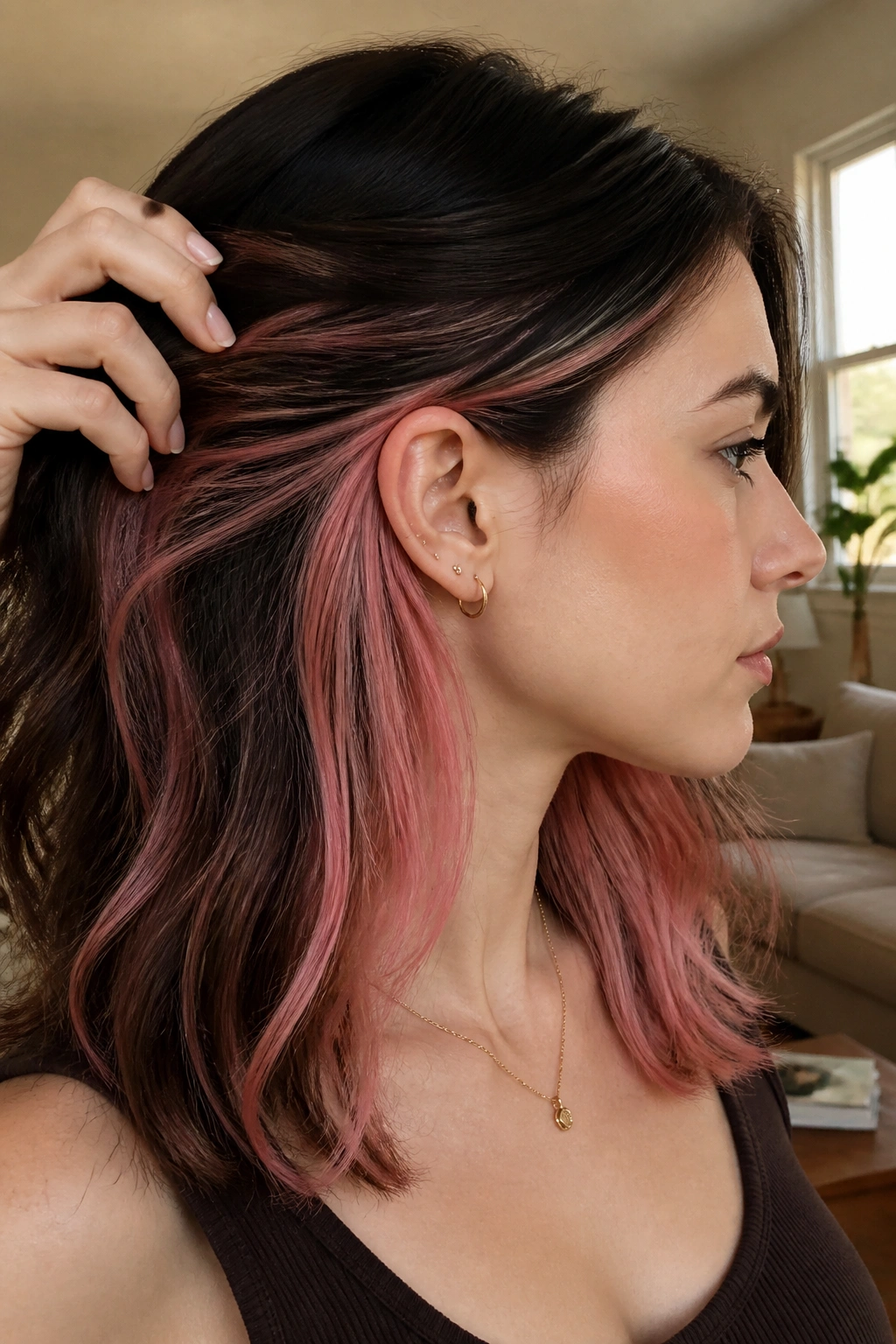
A pink underlayer is the quiet troublemaker of the group. Most people do not see it until you move your hair, and then it gets all the credit.
That hidden placement is why it works so well for people with cool skin who need flexibility. You can keep the top layer dark, neutral, or natural, and let the pink show only when you want it to. It’s useful for work settings, family gatherings, and anyone who likes a little secret.
This is especially good on lob length or longer, where the underlayer has room to peek out under the top section. On curls, it looks even better because the color shows up in pockets instead of all at once.
If you’ve been nervous about full pink hair, start here. It’s easier to wear, easier to grow out, and honestly a lot more interesting than people expect.
23. Frosted Raspberry Lob
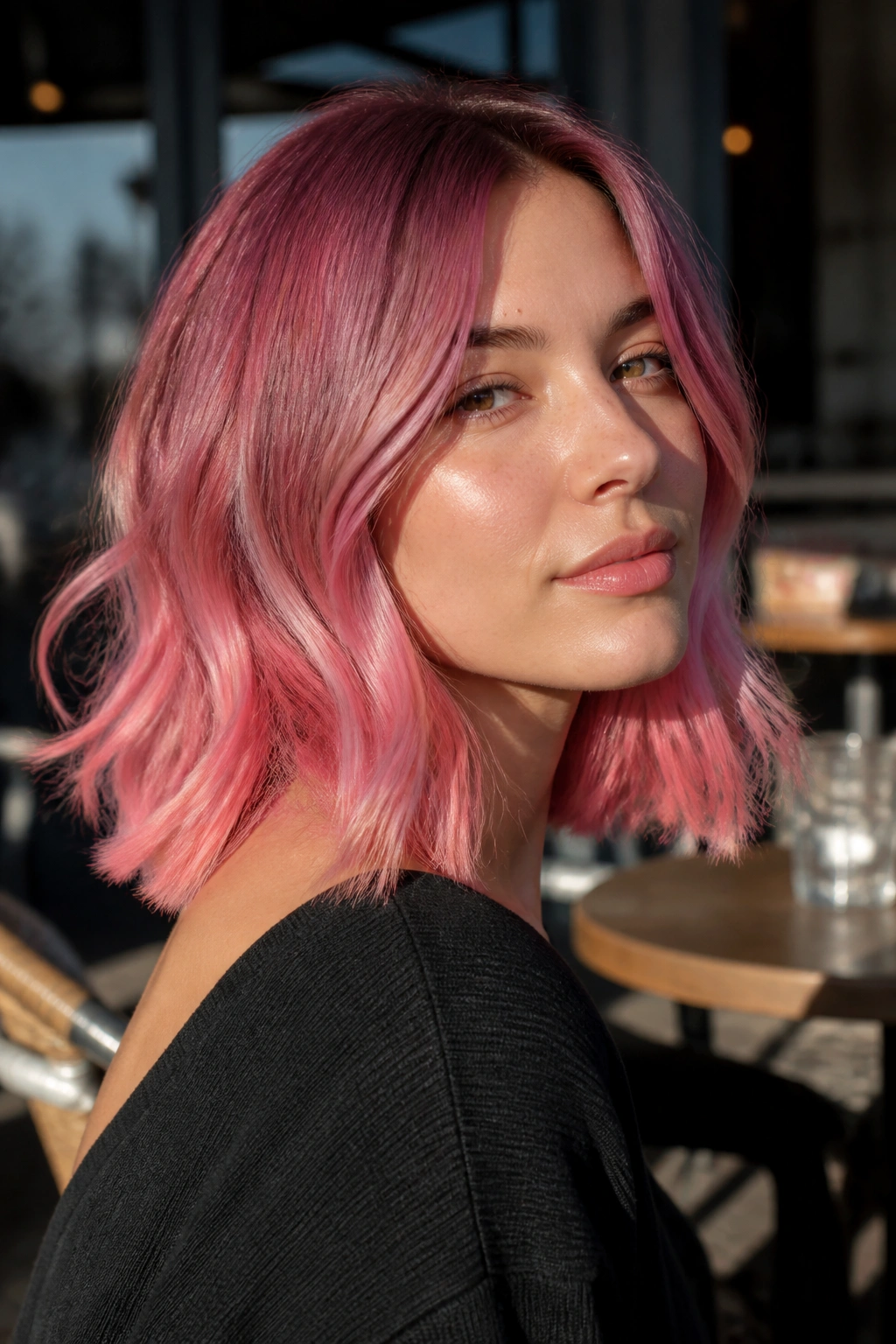
A frosted raspberry lob is where polish meets punch. The lob gives the color a neat frame, and the frosted raspberry keeps it cool enough for pink-toned skin without drifting too sweet.
This shade has more body than a pastel and more lightness than a berry. That middle ground makes it a solid match for medium cool skin, especially if you like hair that looks finished with minimal styling. One bend from a curling iron, and it already has shape.
I’d keep the ends slightly brighter than the roots so the cut looks thicker. If the shade is flat from top to bottom, the lob can lose its edge. A tiny bit of contrast goes a long way.
It’s a good choice if you want pink that can sit next to denim, black, or a crisp white shirt and still hold its own. No drama needed.
24. Smoky Mauve Money Piece
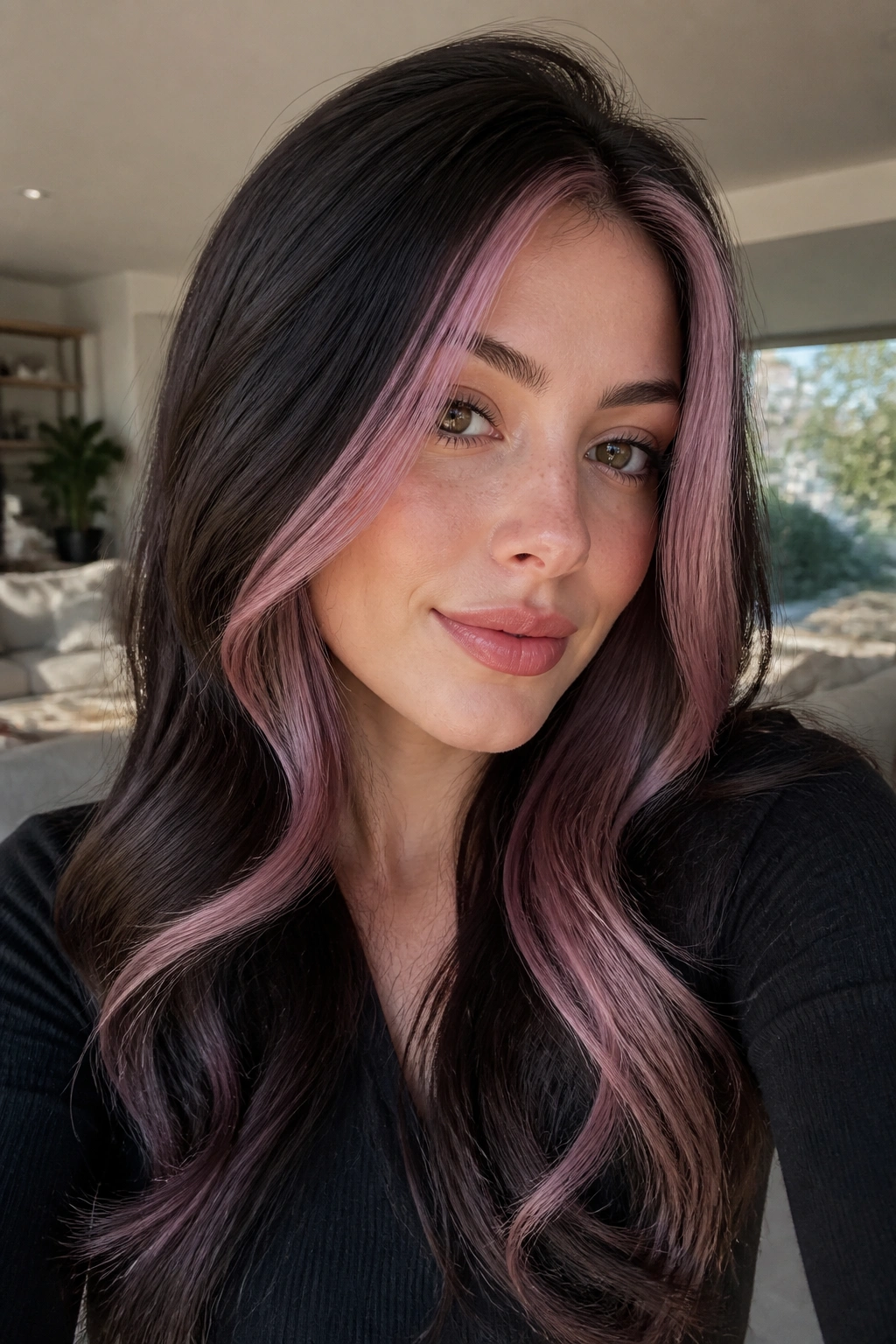
Smoky mauve money pieces are for people who want a face frame that feels strong but not loud. The color does the talking, and the rest of the hair can stay quiet.
Unlike brighter pink highlights, the smoky mauve version is cooler and a little softer. That makes it much easier on cool skin, especially if your complexion has a blue cast or a bit of natural pink. The front pieces brighten the face without fighting the rest of your features.
What Makes It Different
The placement is the whole point. A two-inch section at each temple can completely change how the haircut reads, especially on long layers or curtain bangs. Keep the tone muted enough that it blends instead of flashing.
This is a good pick if you want pink hair but not a full pink head. It is one of the more forgiving options on this list, and that matters more than people admit.
25. Amethyst Pink
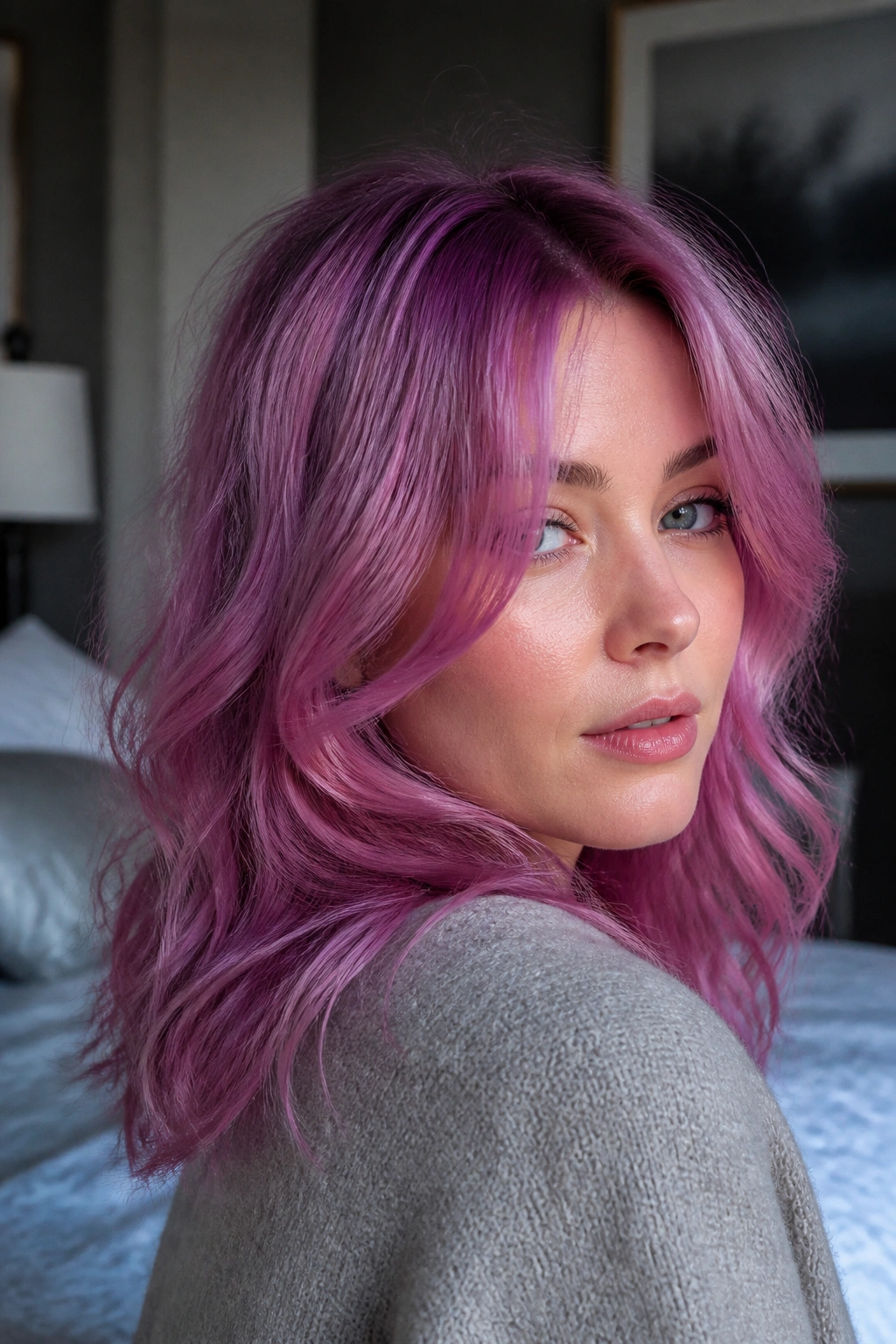
Amethyst pink lands between jewel tone and pastel, which gives it a nice range. It looks rich on deep cool skin and soft on fair cool skin, as long as the violet side stays present.
Why It Suits Cool Undertones
The amethyst note keeps the pink from turning childish. It also makes the shade look deeper in shadow and brighter in sunlight, which is useful if you wear your hair down a lot.
- Good on level 8–10 hair
- Works on long curls, sleek bobs, and layered cuts
- Needs a cool violet base to stay clean
- Looks especially good with silver or platinum accessories
If you want a color that feels a little mystical without wandering into costume territory, this is the lane. The violet depth gives it shape.
26. Candyfloss Ombré
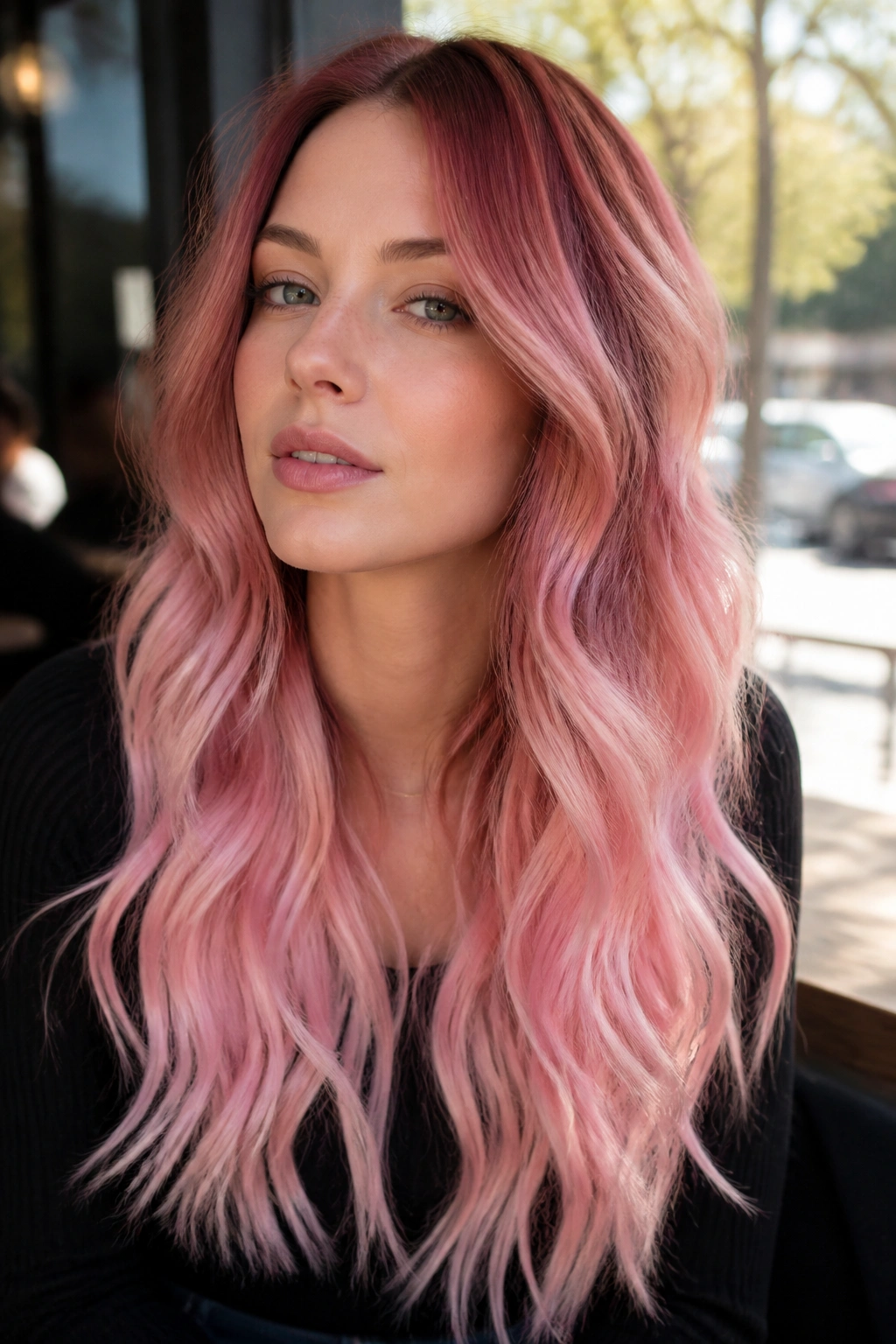
Candyfloss ombré sounds sugary, and it is, but the cool version can be surprisingly elegant. The fade matters more than the name.
I like this when the roots stay soft and the pink gets lighter toward the ends, with the transition stretched over several inches. A short fade looks choppy. A longer fade looks expensive, though again, that word is doing a lot of work here. What I really mean is smooth.
On cool skin, the airy pink ends keep the face bright, especially when the mid-lengths stay a little muted. It’s a nice option for people who want movement but do not want a solid block of color.
This also works well on layered hair because the ombré shows up at different lengths. If you wear waves, even better. The color gets a little extra lift every time the hair bends.
27. Wine Pink
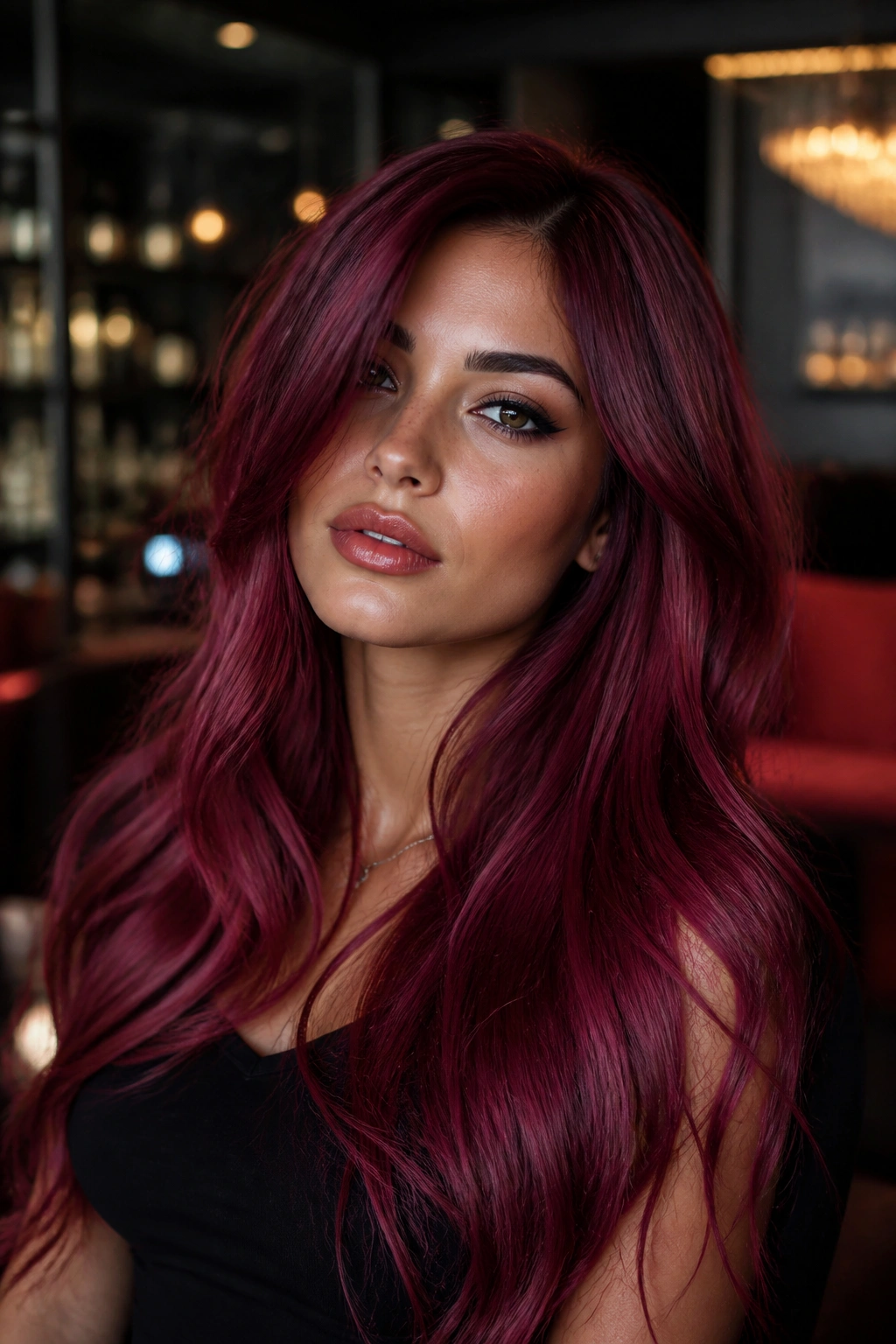
Wine pink is the grown-up, late-night version of pink hair. It has depth, darkness, and just enough berry tone to stay cool.
This shade works beautifully on long hair because the richness can stretch out instead of crowding the face. It also suits cool skin that can handle contrast. Fair skin gets a dramatic frame. Deep skin gets a lush, velvety look that feels strong rather than overdone.
I’d keep the finish glossy and the cut clean. Layers help if you want the color to move, but too much choppiness can eat the depth. That’s the tradeoff.
Wine pink is not subtle. It does not want to be. But it is one of the easiest ways to wear a deeper pink without leaning warm or orange.
28. Split-Dye Pink and Indigo
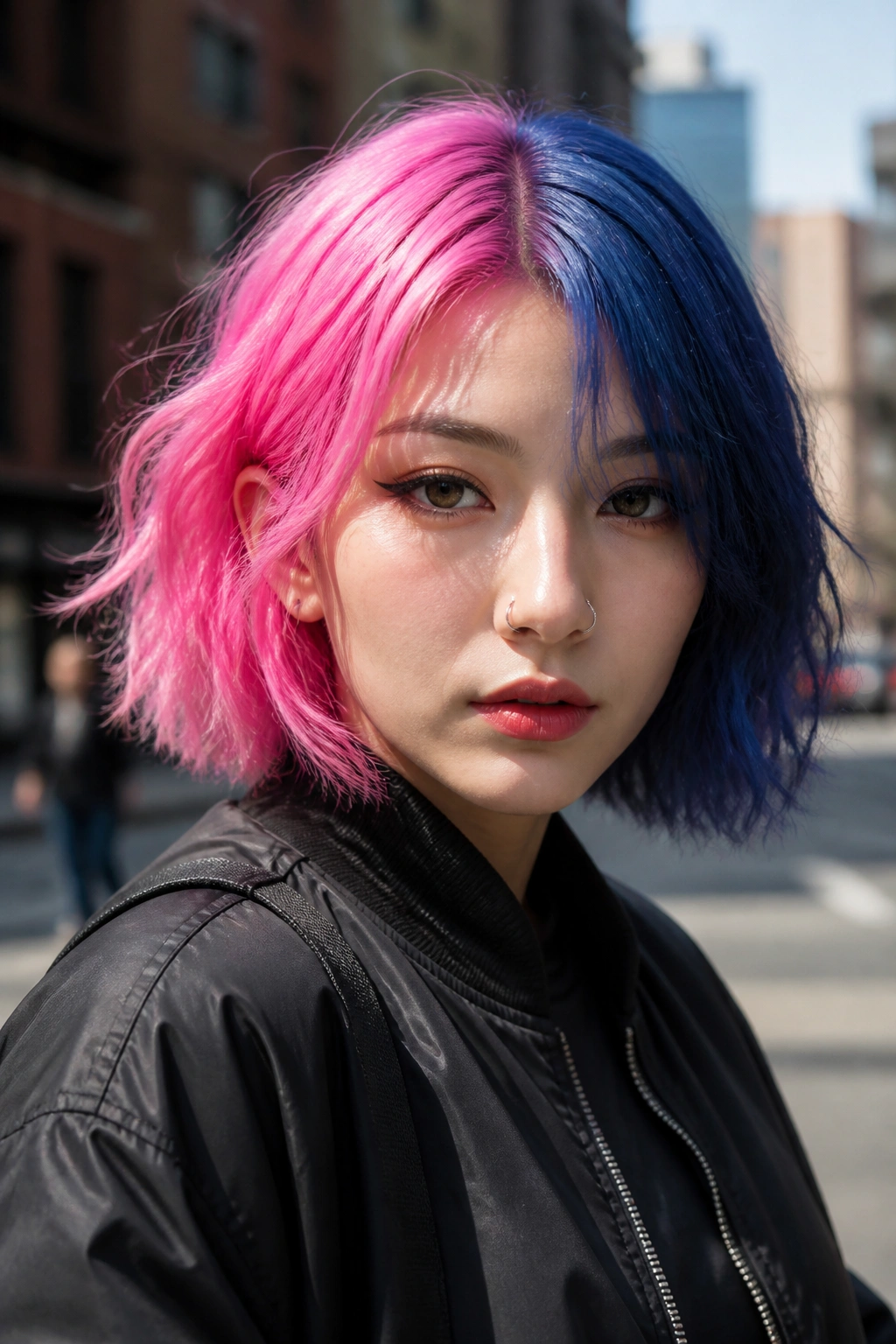
Split-dye pink and indigo is the boldest contrast on this list, and cool skin wears it better than you’d think. The indigo cools the whole look down, while the pink brings the energy back up.
The clean line between the two colors matters more than the shades themselves. A sharp part keeps the style readable; a fuzzy part can make it look messy. You want intentional. Not accidental.
This is a strong choice if you like graphic hair, sharp liner, or clothes with big blocks of color. It also works well on short cuts because the split reads fast. On long hair, the visual hit is stronger, but it needs careful styling.
If you want pink hair color ideas for cool skin tones that stop traffic a little, this is the loud one. Wear it with confidence or don’t bother.
29. Deep Rose Noir
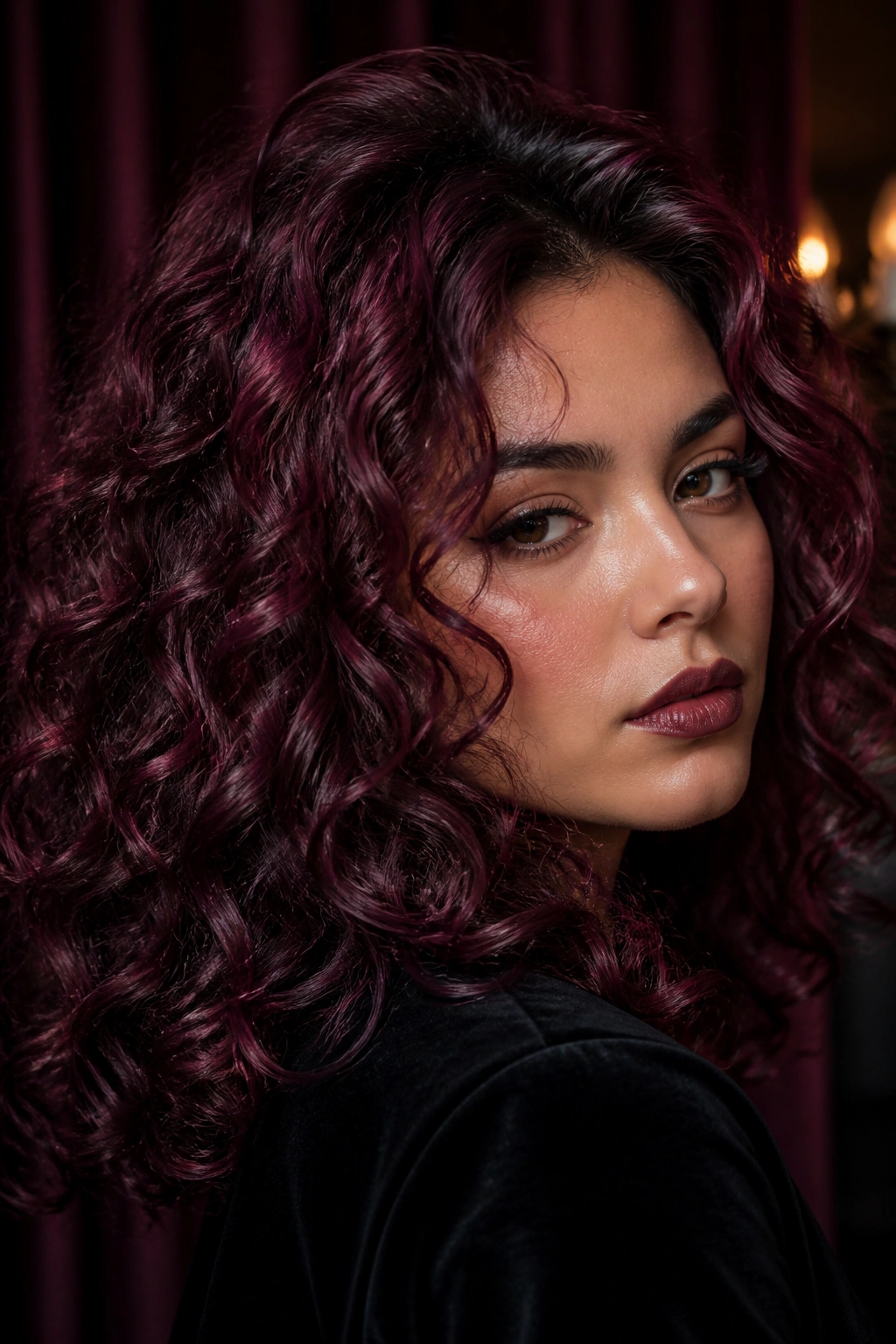
Deep rose noir is what happens when pink grows up and puts on black velvet.
The color sits so dark that people sometimes miss the pink at first, then see it in sunlight and do a double take. That makes it perfect for cool skin that wants depth more than brightness. The blue-black undertone of the rose keeps it crisp, while the darkness gives it a moody edge.
This shade is especially good on textured hair because the rose notes show up in the curves and bends. On straight hair, it feels sleeker and more dramatic. Either way, you need shine. Matte finishes flatten the whole thing.
I’m a fan of this one for people who like dark lipstick, silver jewelry, and a little mystery. It gives you pink without handing over the whole story.
30. Platinum Pink Shadow Root
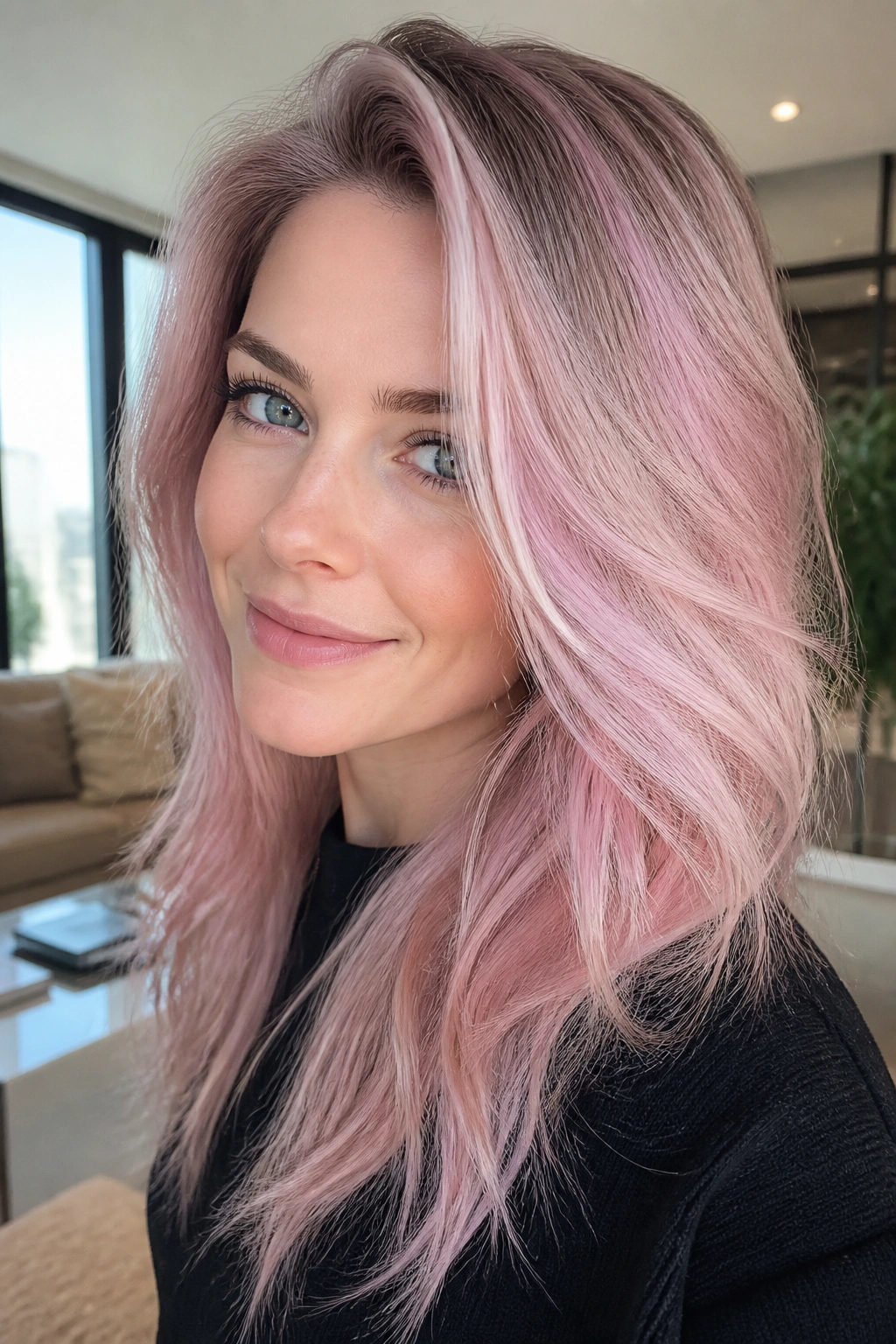
Platinum pink with a shadow root is the cleanest way to keep a very light pink from looking harsh on cool skin. The root shadow softens the base, and the platinum lengths keep the whole thing bright.
Why It Works So Well
The shadow root gives depth near the scalp, which keeps the style from floating away from the face. The platinum ends carry the pink beautifully, especially if the toner is a cool blush rather than a warm rose.
- Best on level 10 blonde with a neutral-to-cool root melt
- Works on bobs, long layers, and blunt crops
- Grows out more gracefully than a solid pastel
- Flatters pale cool skin and high-contrast features
The Last Word on It
This is the version I’d choose if I wanted a light pink that still looked polished after a few weeks. It has structure, shine, and enough contrast to keep the hair from disappearing into the skin.
Final Thoughts
Pink hair on cool skin works best when the color stays blue, violet, smoky, or berry-leaning. That can mean a soft blush whisper or a full neon punch. The point is not softness for its own sake. It’s balance.
If your complexion is fair, start with icy pastel, blush silver, or rose quartz. If your skin has more depth, lean into berry pinks, magenta, plum rose, or wine pink. The shade should echo your undertone, not argue with it.
Bring a reference photo, yes, but also bring a little judgment. If the pink looks peachy in daylight, keep walking.
