



If you have cool skin, you know the drill. You have probably tried a warm-toned sweater at some point, looked in the mirror, and realized you looked like you had the flu. That is the nature of cool undertones—they demand colors that harmonize with those icy, pink, or blue-leaning vibes. When it comes to hair, this is actually a massive advantage. While warm skin tones often struggle to pull off sharp, icy colors without looking washed out, your complexion acts as the perfect canvas for the blue spectrum. Blue isn’t just a color; it’s a filter for your face.
Finding the right shade of blue, however, is not as simple as picking a box off the shelf. Blue pigment is notoriously fickle. It fades fast, it turns green if your base hair color is too yellow, and it requires a level of commitment that makes standard brown dye look like a weekend hobby. For cool skin, the goal is to choose blues that either lean icy, violet, or deep, avoiding anything that veers too far into the “warm teal” or “seafoam” territory unless you want to clash with your natural color palette.
Let’s be honest about the process: blue hair requires light hair. If you have dark hair and want a vibrant blue, you are going to be bleaching. If you aren’t prepared to handle the health of your hair, stop right now. But if you are ready to put in the time—the toner, the color-depositing conditioners, the cold-water rinses—the results can be transformative. Here are twenty-five ways to wear blue that won’t fight your complexion.
1. Icy Platinum Blue
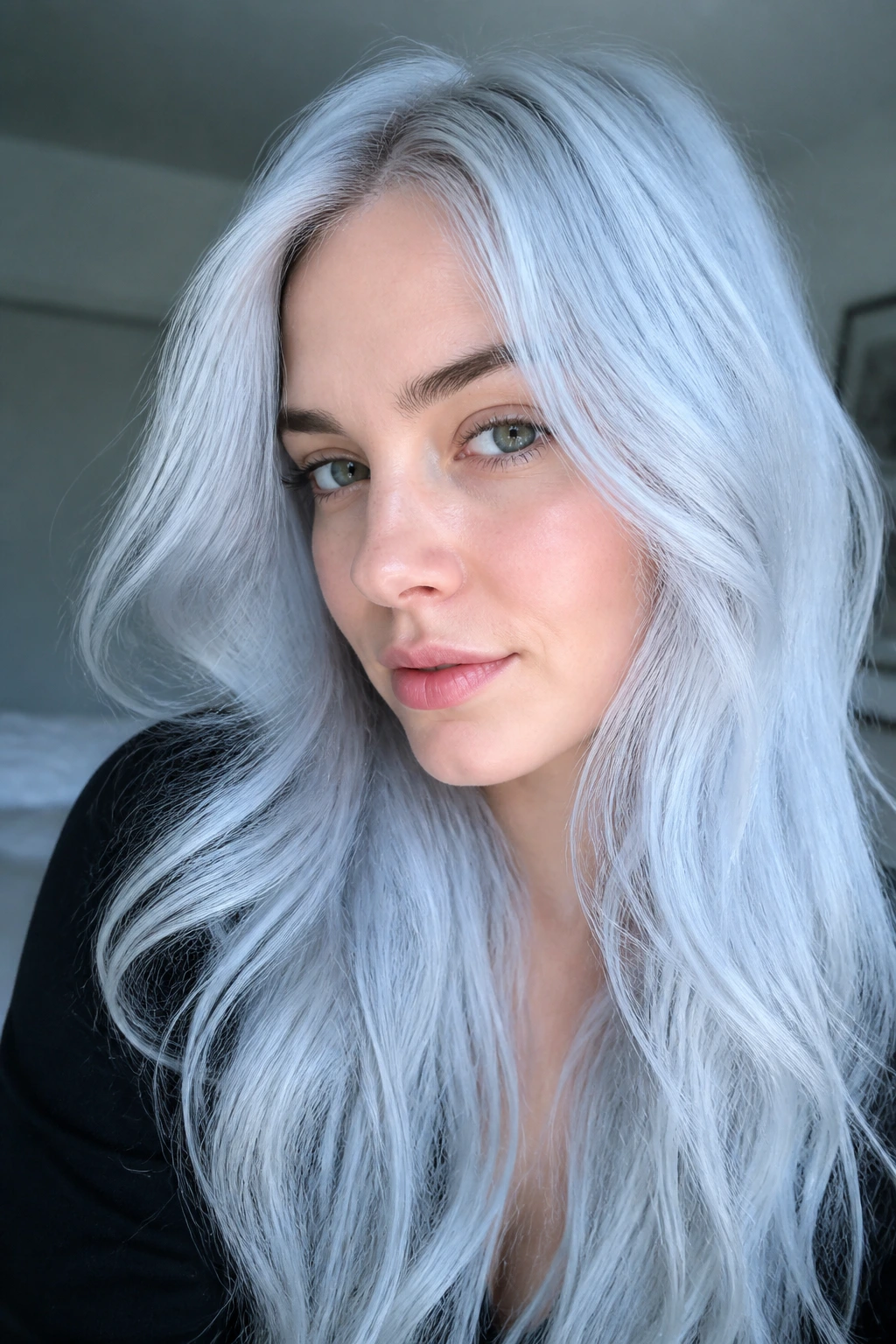
This is the holy grail for fair, cool skin. It is not quite pastel, but it is not quite vibrant either. It sits in that sweet spot of looking almost like liquid glass. To get this, your hair must be lifted to a level 10, which is basically the color of the inside of a banana peel.
Why It Works for You
Because your skin likely lacks yellow or orange undertones, the icy blue reflects the light away from your face rather than pulling it in. It creates a seamless transition between your skin and your hair, making the color look intentional rather than accidental.
The Maintenance Reality
You will need to use a violet-based shampoo once a week. If you don’t, the blue will fade to a muddy grey. It is not a low-maintenance color, but it is the most striking shade you can choose.
2. Deep Midnight Navy
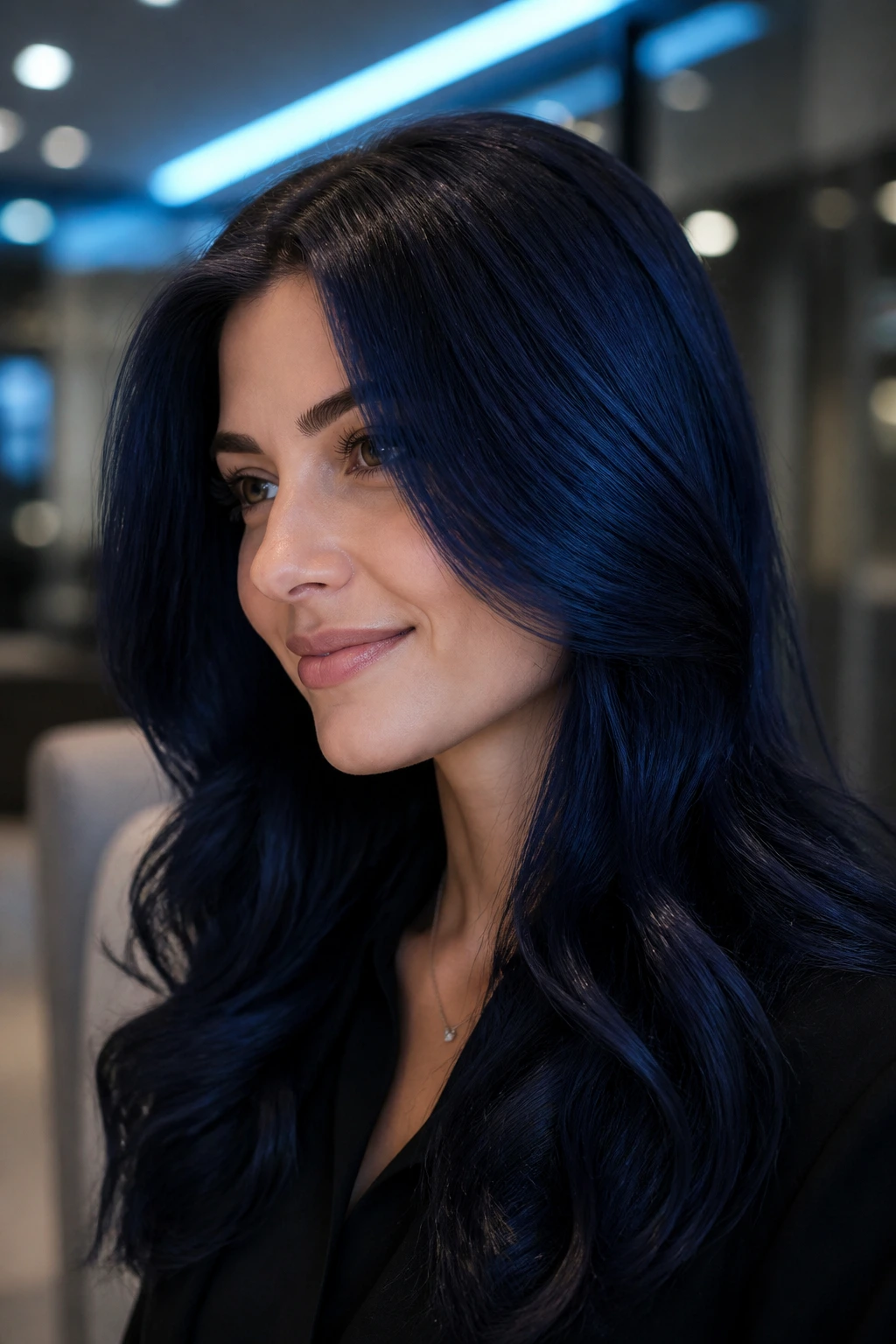
Think of this as the “business” blue. It is dark, moody, and surprisingly sophisticated. If you have cool skin but aren’t ready to commit to a neon look, navy is your gateway. It provides enough contrast to make your eyes pop without being so bright that it overwhelms your features.
How to Achieve the Depth
You do not need a level 10 lift for this. A level 8 (golden blonde) is usually sufficient because the dark blue pigment is opaque enough to cover residual warmth. This saves your hair strands from the extreme damage of multiple bleaching sessions.
Pro Styling Tip
Pair this with silver or white gold accessories. Since you have cool undertones, these metals will make the blue look richer and more intense, effectively amplifying the color’s natural cool-toned shine.
3. Dusty Denim Blue
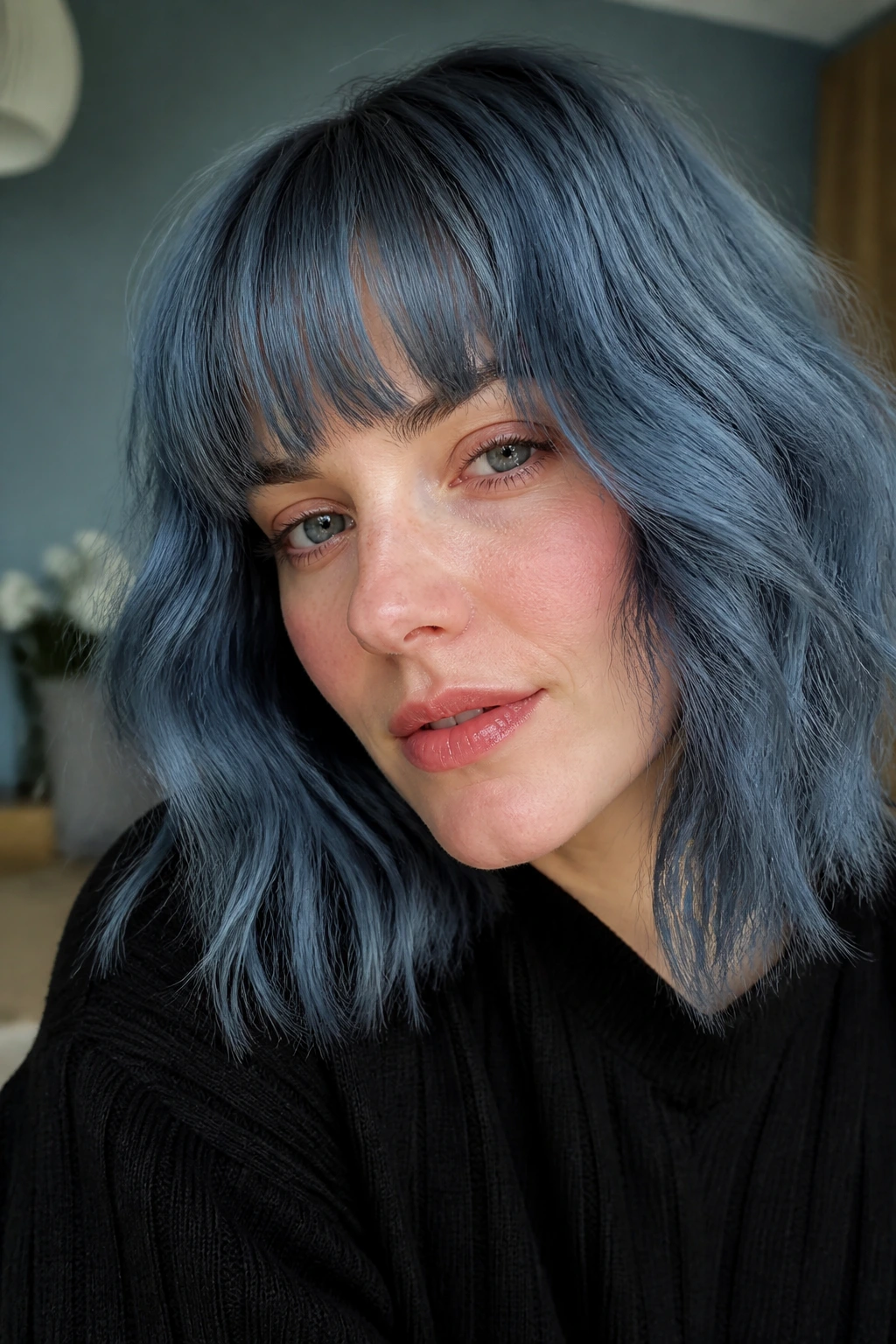
This color is like your favorite pair of faded jeans. It has a slightly grey, muted quality that makes it incredibly wearable. It isn’t loud. It whispers. For someone who wants a fashion color but needs to keep things slightly understated, this is it.
The Color Theory
The secret here is the grey additive. By mixing a standard blue with a grey or silver toner, you neutralize the vibrancy. This gives it a “lived-in” aesthetic that feels soft and approachable. It works perfectly with pale skin that has a hint of pink in the cheeks.
Avoiding the Green
If your hair is too yellow when you apply denim blue, it will turn into a swampy olive. Always, always check your base with a white strand test before committing. If it looks yellow, tone it to white first.
4. Electric Cobalt
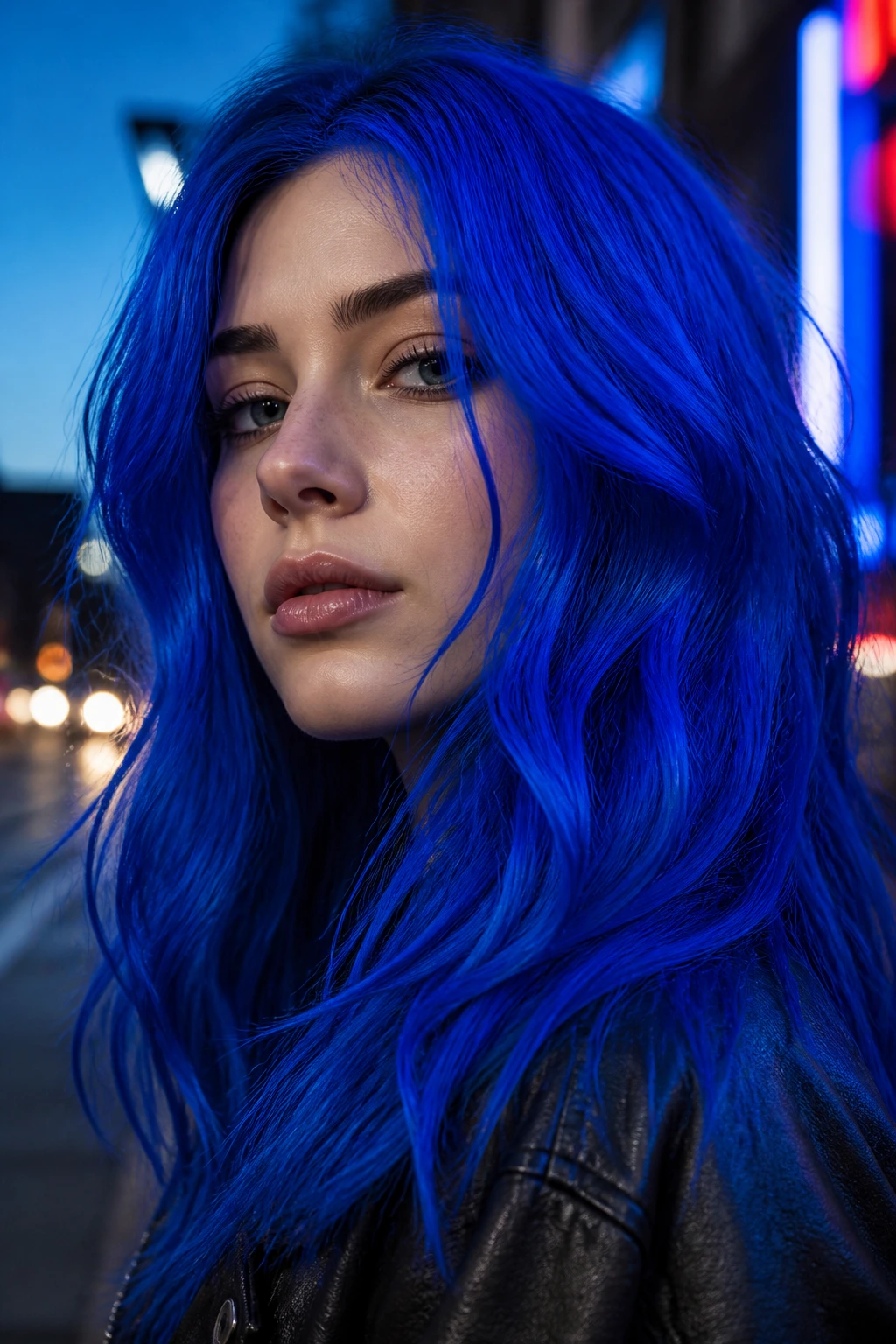
This is for the person who wants to be seen from across the room. It is vibrant, high-energy, and unapologetically saturated. On cool skin, electric cobalt looks sharp and clean. It lacks the green base of turquoise, so it stays firmly in the “cool” category.
Why It’s a Statement
Cobalt blue absorbs light. Unlike platinum blue, which reflects, cobalt creates a silhouette around your head. It works wonders for people with dark, cool-toned eyes, creating a monochromatic harmony that makes the irises look brighter by comparison.
A Quick Word on Fading
Cobalt is one of the most stable blue dyes, but it will eventually fade to a lighter, periwinkle blue. This is actually a great look. Enjoy the two phases of the color rather than rushing to touch it up immediately.
5. Metallic Silver-Blue
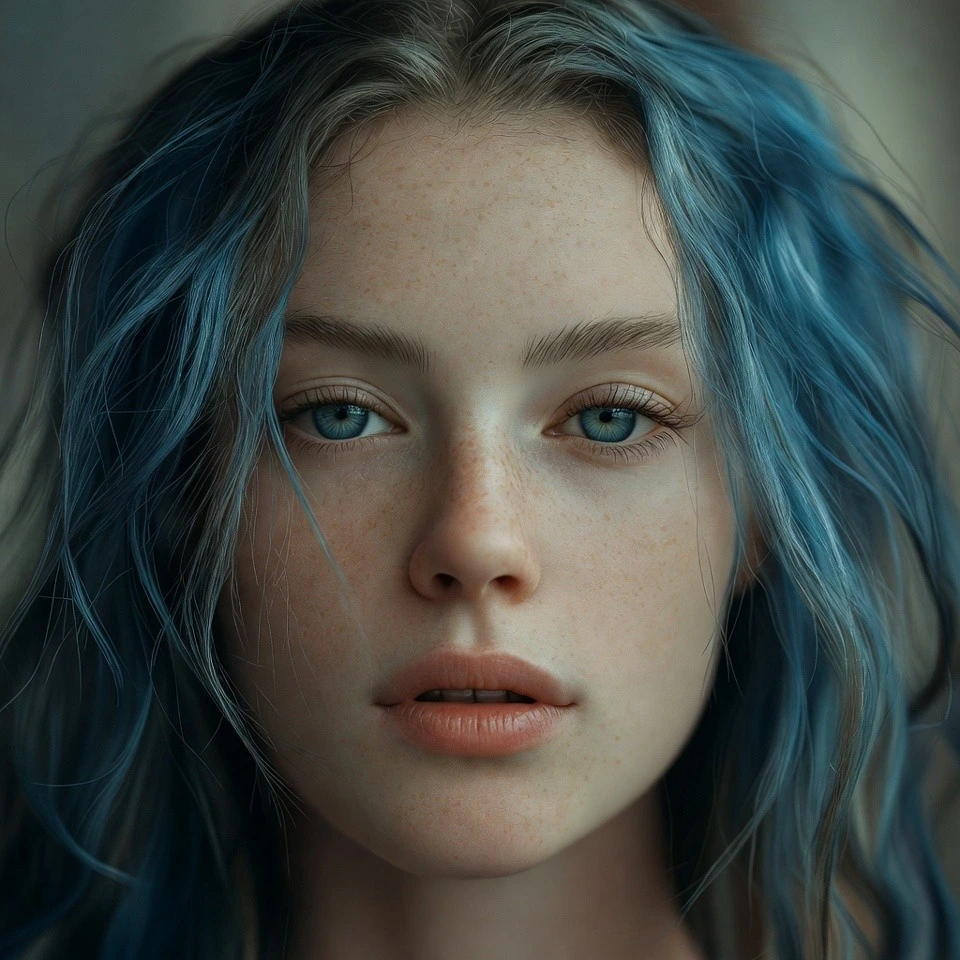
Imagine the sheen of a steel pipe. This color blends silver undertones with a hint of azure. It is sleek, futuristic, and feels very polished. If you have a professional environment where you can get away with fashion colors, this is the safest bet because the silver gives it an “expensive” finish.
The Application Technique
This is best applied as a gloss or a toner rather than a heavy dye. You want the metallic reflection to come from the hair’s cuticle, not just the pigment. Use a professional-grade clear gloss over the blue to lock in that high-shine finish.
When to Refresh
Metallic colors lose their “sheen” before they lose their “color.” When your hair stops looking shiny and starts looking dull, it is time for a gloss treatment, not necessarily more dye.
6. Smokey Slate
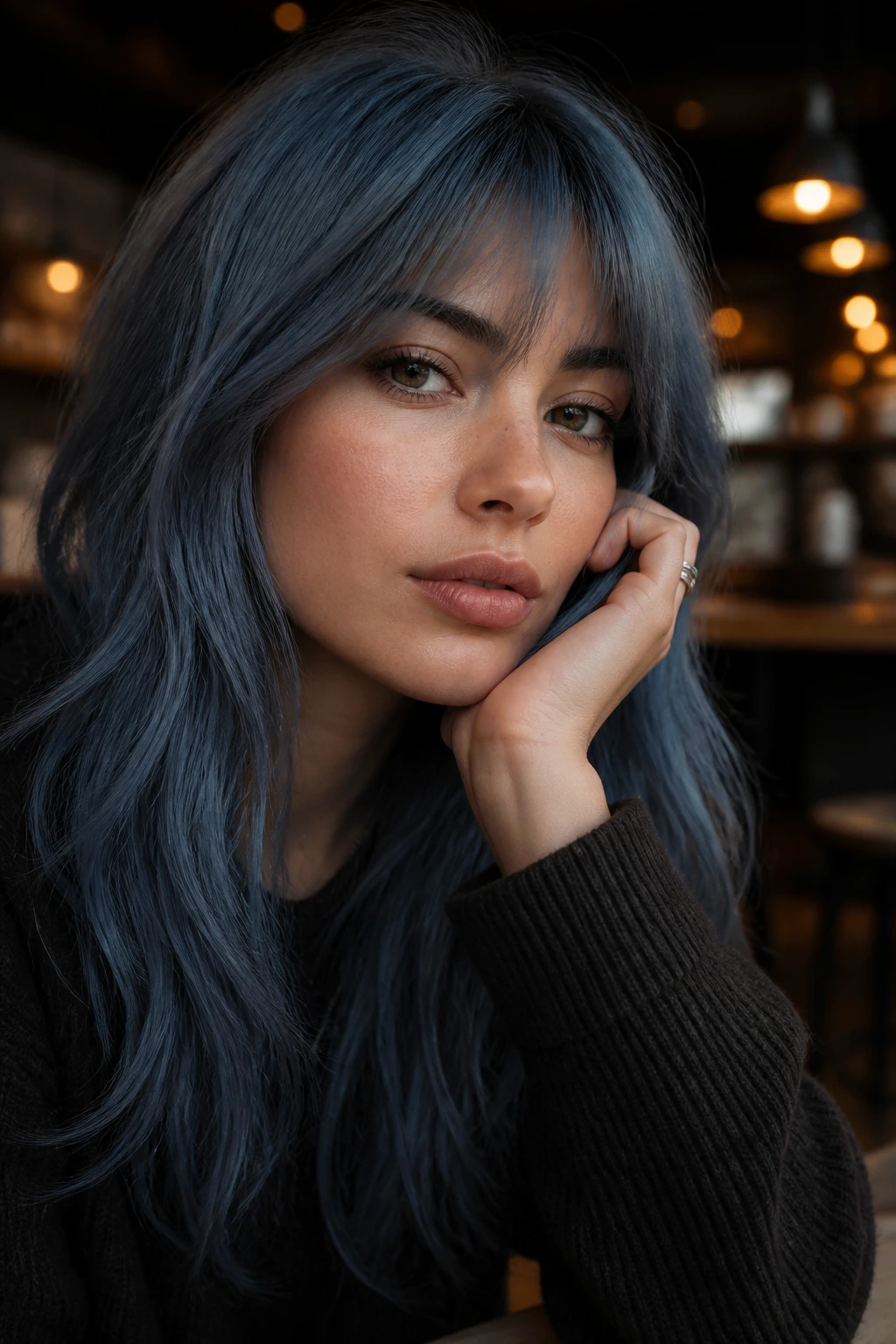
Slate is blue’s quieter cousin. It is heavily weighted toward grey, with just enough blue to be recognized as a deliberate hair color. It is sophisticated and works exceptionally well on those with naturally cool, dark hair roots who don’t want to maintain a harsh regrowth line.
How to Wear It
Smokey slate looks fantastic in a blunt bob or a long, layered cut. Because it has such a neutral, muted quality, it doesn’t fight against your natural skin tone. It effectively mimics the look of high-fashion editorial hair.
The Secret Ingredient
Add a drop of violet dye to your slate mixture. It prevents the slate from pulling too much green as it fades. This small tweak is the difference between a stylish grey-blue and hair that looks prematurely silver.
7. Royal Blue Ombré
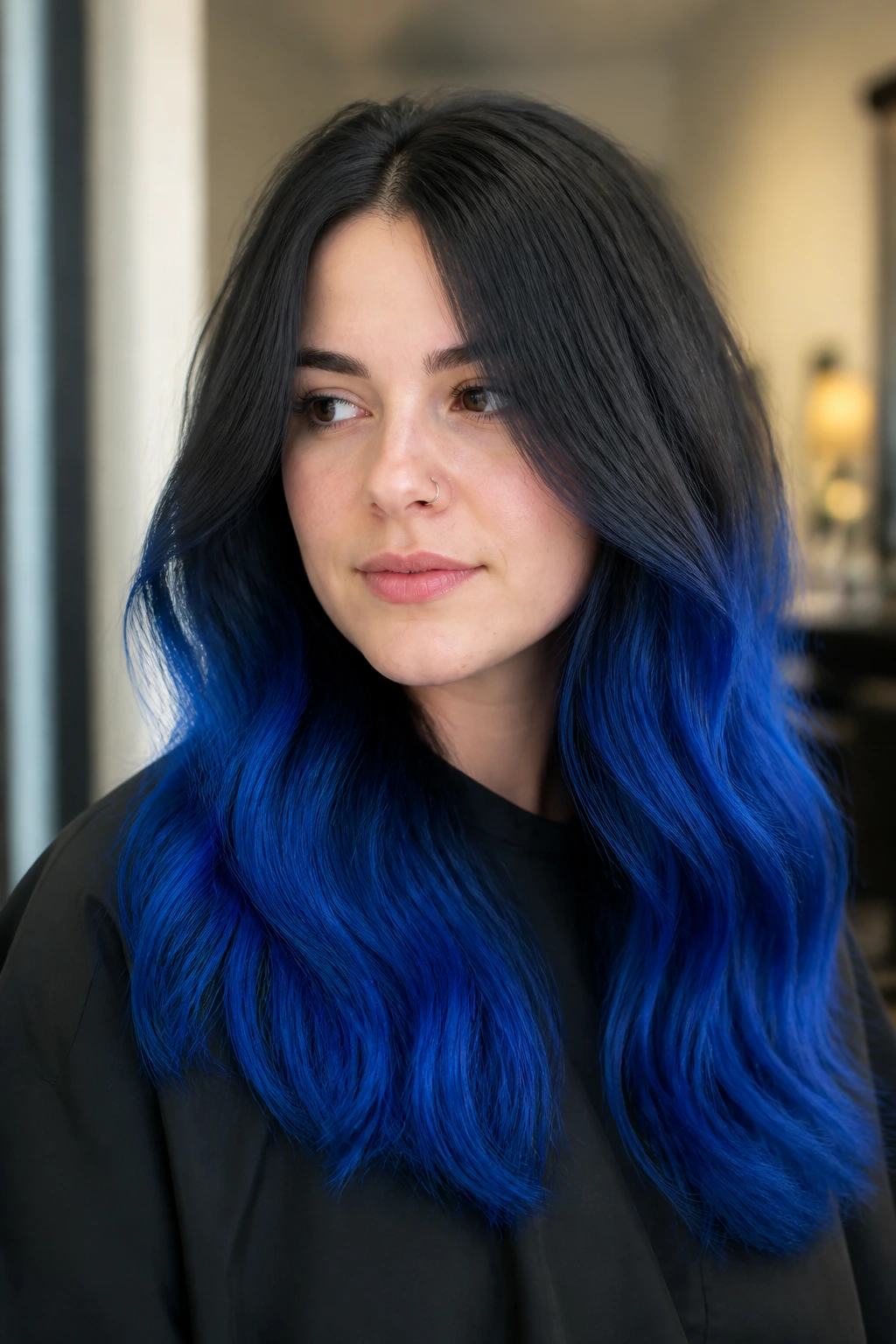
You don’t have to commit to blue at the roots. An ombré application allows you to keep your natural color (if it is dark) or a neutral shade at the top and transition into a deep, regal blue at the ends. It is the perfect entry point for the blue-curious.
The Transition
The secret to a good ombré is the melt. You want a gradient, not a horizontal line where your hair suddenly changes color. Ask your stylist for a “root smudge” where the blue and your base color overlap and blur together.
Why This Suits Cool Skin
Since the blue is concentrated on the ends, it doesn’t wash out your face. You get the fun of the color without having to worry about it clashing with your complexion when you are having a bad skin day.
8. Pastel Periwinkle
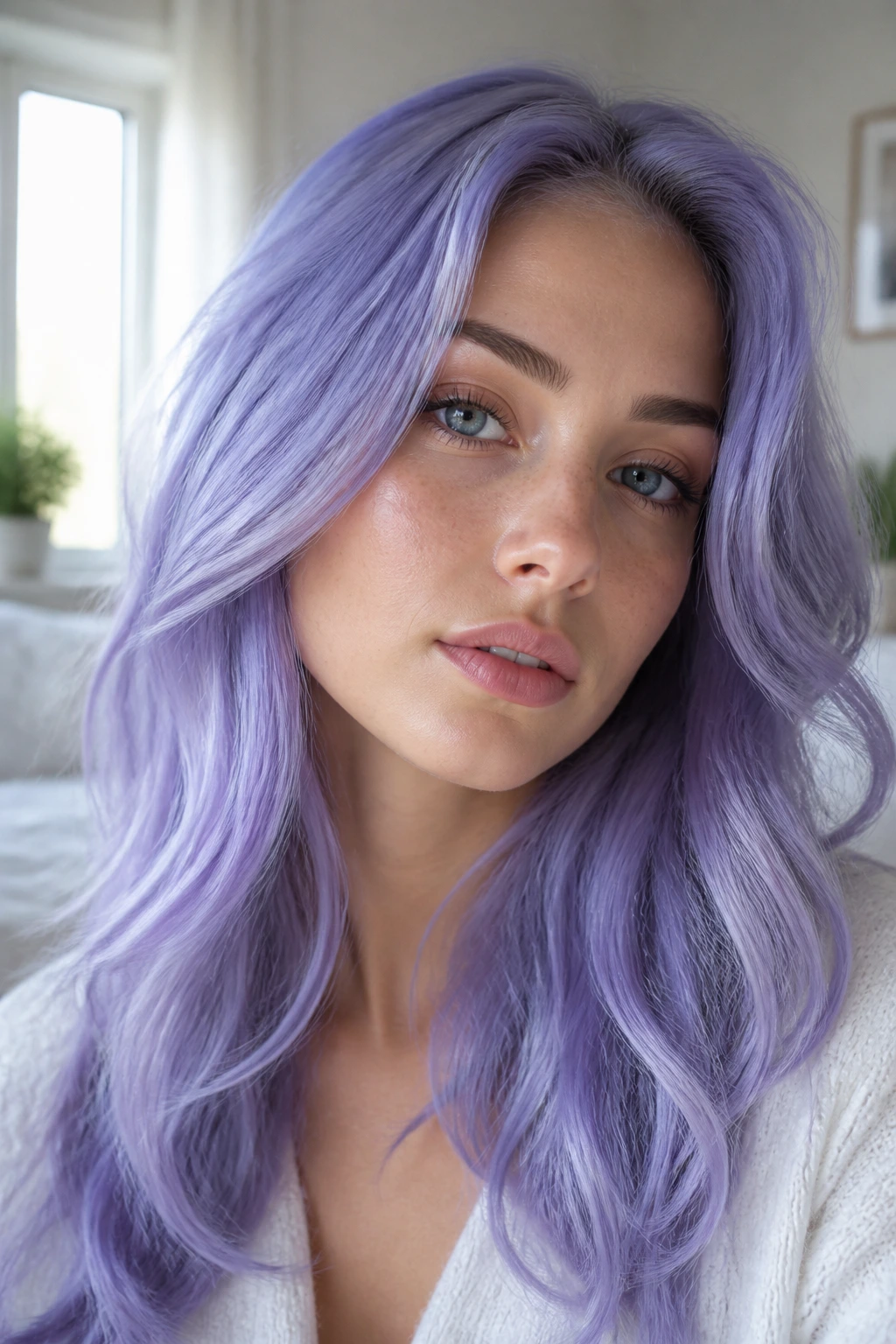
Periwinkle is the marriage of blue and lavender. Because it has that purple base, it is inherently cool-toned. This is perhaps the most flattering shade for extremely fair skin with blue veins. It looks almost ethereal.
The Delicate Balance
Pastels are high-maintenance. You need to mix your dye with a generous amount of white conditioner. If you apply full-strength dye, it will be purple. If you dilute it, you get that soft, dreamy periwinkle.
Testing the Color
Start by mixing your dye in a bowl. Test a small amount on the inside of your wrist. If it looks too dark, add more conditioner. Do not apply it to your head until you are happy with the shade in the bowl.
9. Cool Teal
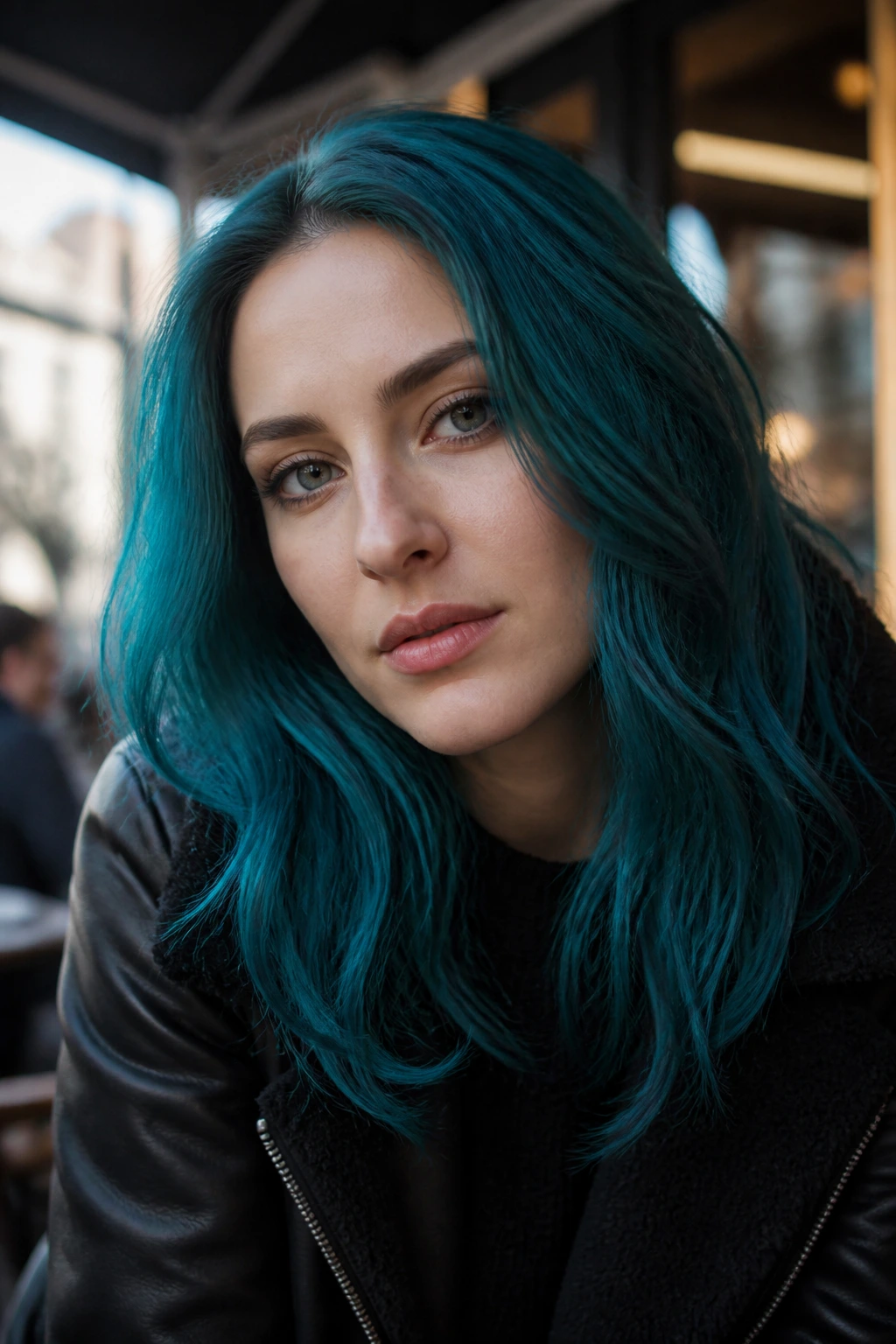
Okay, I know what you’re thinking: “Teal is green, and green is warm.” Not necessarily. If you pick a teal that leans heavily into the blue spectrum and avoid the yellow-green shades, it can actually look stunning on cool skin. It’s all about the temperature of the mix.
Finding the Right Mix
Avoid “jungle” teals. Look for “ocean” teals. These contain more cyan and less yellow pigment. They provide a nice contrast to the pinkish undertones often found in cool skin, creating a pop of color that feels very natural.
The Risk Factor
Teal is the hardest color to remove. It stains the hair. If you are the type of person who likes to change their hair color every two months, do not choose teal. You will be stuck with it for a long, long time.
10. Indigo Roots
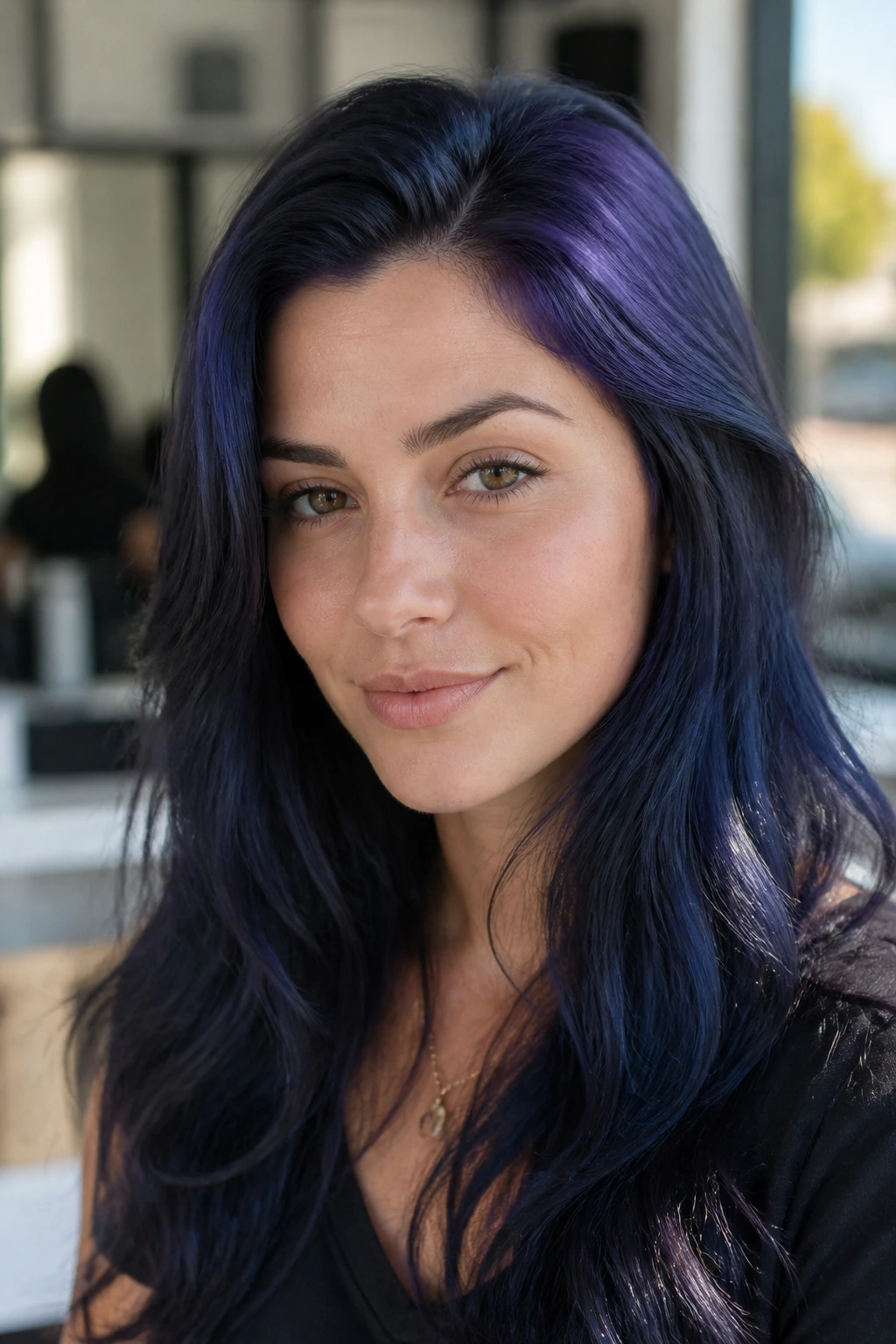
Sometimes the best way to do blue is to hide it at the base. Indigo roots look almost black indoors but reveal a deep, rich violet-blue in the sunlight. It is a subtle way to incorporate the color without bleaching your entire head to a level 10.
The Contrast
If you have dark hair, you can often achieve a deep indigo with a semi-permanent dye over your natural color, provided you choose a high-pigment brand. It adds a subtle tint that catches the light beautifully without requiring bleach.
Maintenance
Since it is at the roots, you don’t have to worry about color-bleeding onto your ends as much as you would with a full-head color. It stays concentrated and easy to manage.
11. Electric Blue Highlights
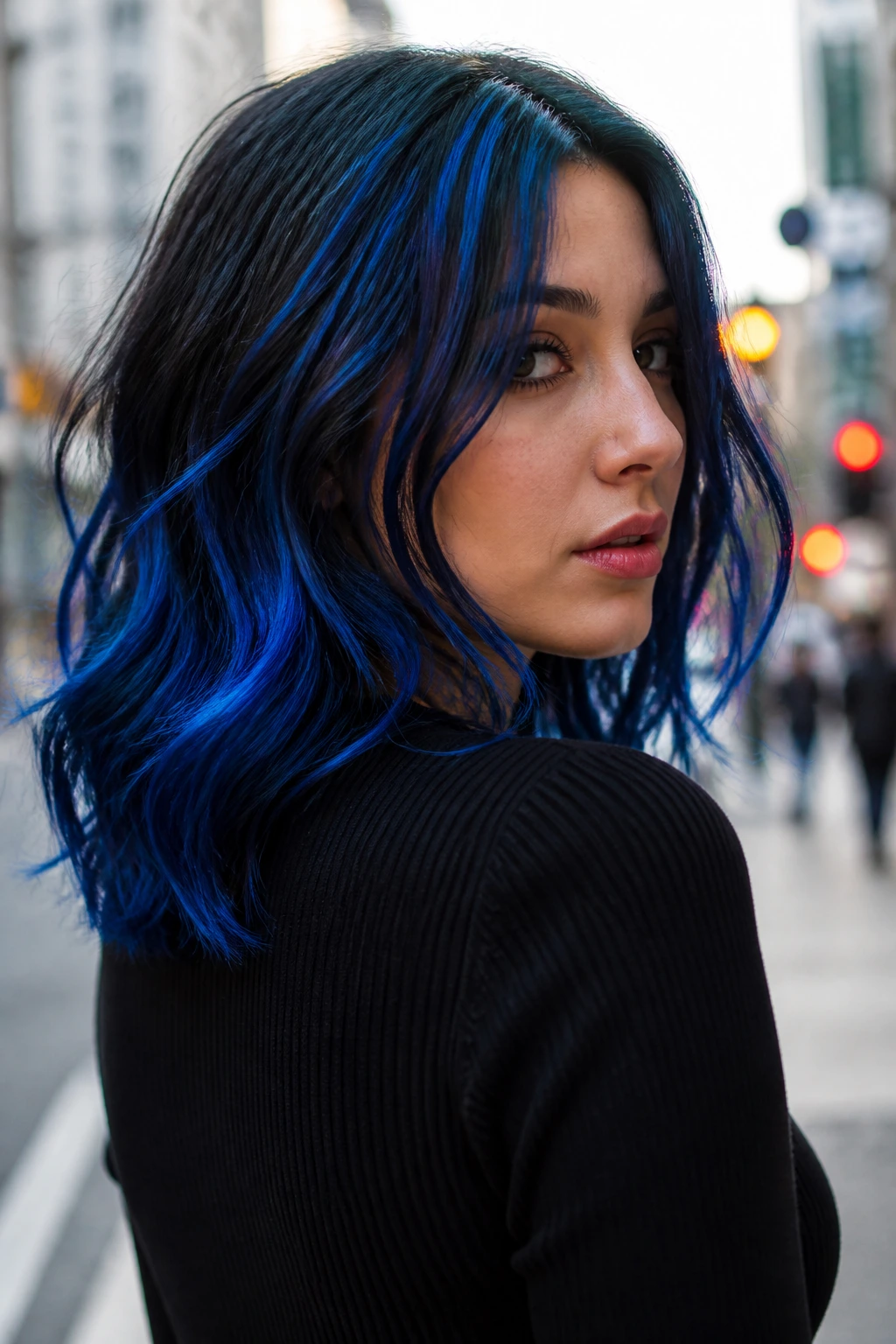
Highlights offer dimension. If you have flat, one-dimensional hair, weaving in electric blue highlights will add volume and texture visually. For cool skin, keep the placement away from the face if you are worried about the color being too harsh.
Placement Matters
Focus the highlights in the mid-lengths and the back. This creates a halo of color when you move, rather than framing your face with a bright, potentially clashing shade.
Style Tip
Do not over-bleach the highlight strands. You need them to be light enough for the blue to show, but if you fry them, the blue will fade in one wash. Use a bond builder in your bleach mix.
12. Soft Powder Blue
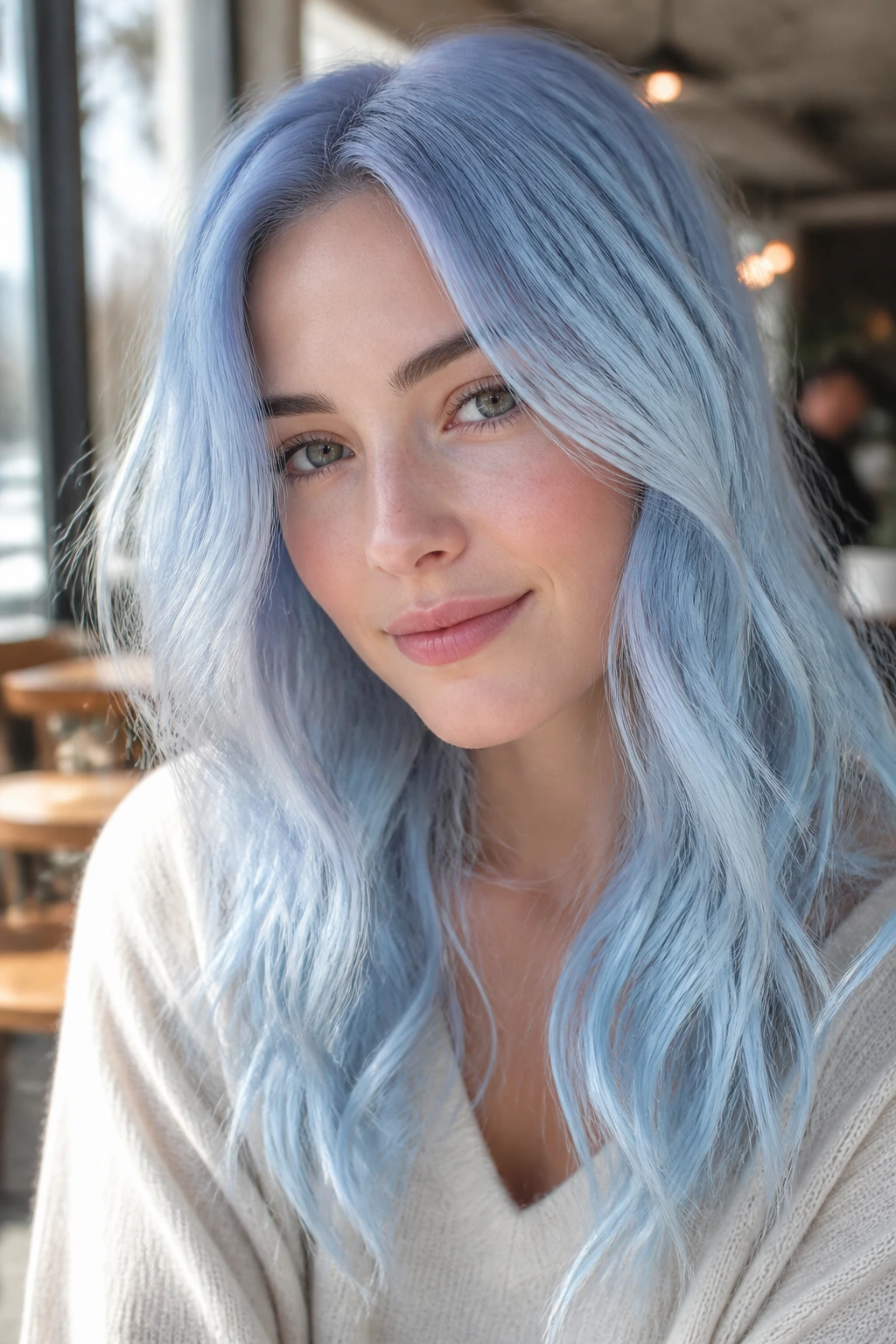
Powder blue is the lighter, friendlier version of sky blue. It is delicate and requires a very pale base to look right. If your hair isn’t white-blonde, powder blue will just look like dirty dishwater.
The Essential Base
You need to lift to a level 10 and then use a white toner before applying the blue. If there is a hint of yellow left in your hair, the powder blue will turn green. There is no getting around this chemistry.
Who Should Avoid This
If your hair is damaged or porous, do not attempt powder blue. The color will not take evenly, and you will end up with patchy, translucent strands. Wait until your hair health is restored.
13. Galaxy Blue Mix
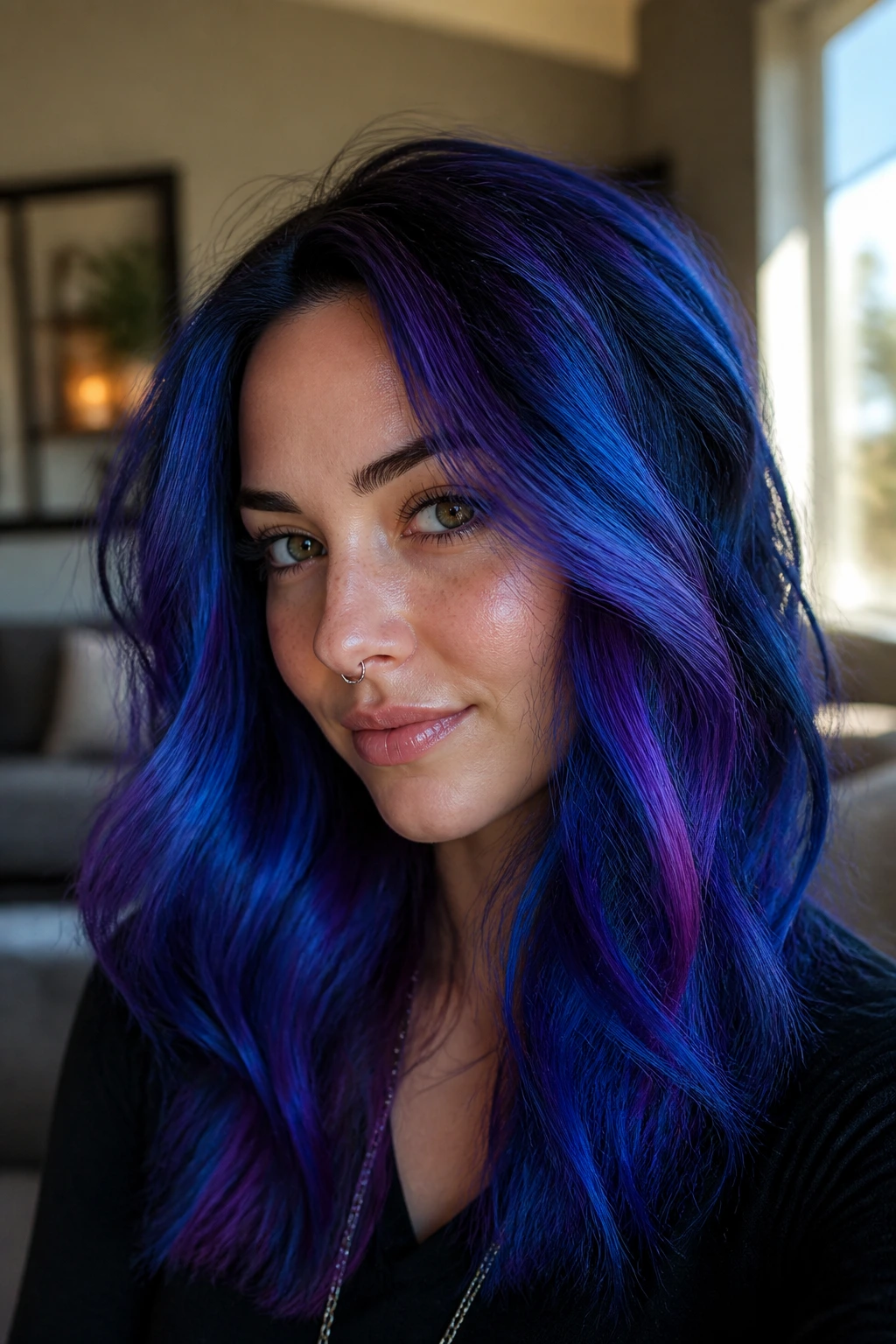
This involves mixing shades. You take a midnight blue, a cobalt, and a little bit of violet or teal to create a multi-dimensional “galaxy” effect. It is artistic, fun, and very forgiving on the maintenance front because the variation hides roots and fading.
Why It Works
By mixing multiple shades of blue, you are creating a spectrum. This means that as it fades, it doesn’t fade to a singular, potentially ugly color—it fades into a variety of blues. It looks intentional for much longer.
Application
Use a sponge to paint the different blues onto your hair in clumps. Don’t worry about perfect blending. The nature of a galaxy is chaos; your hair should reflect that.
14. Azure Money Pieces
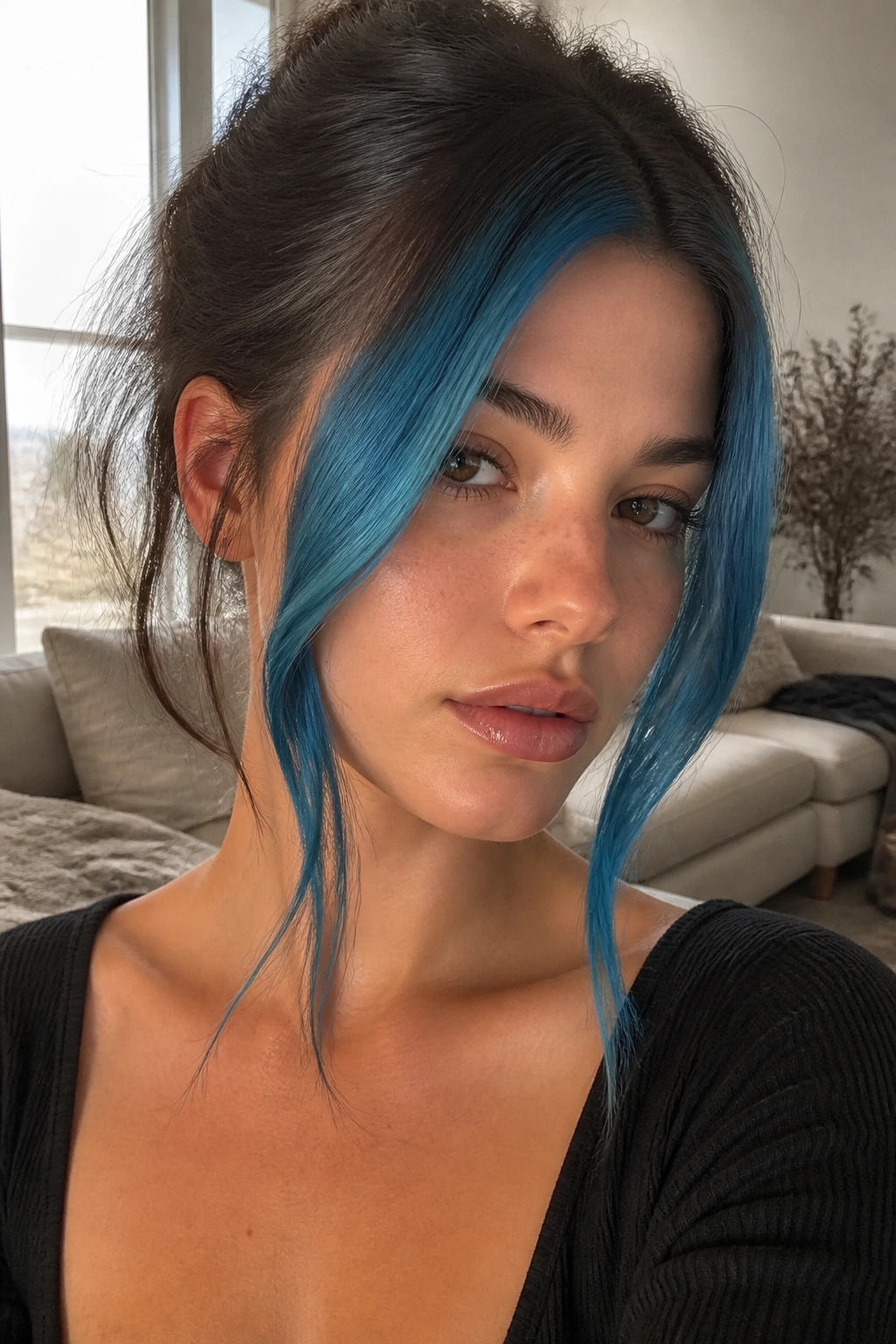
The “money piece” trend—bleaching just the two front strands of hair—is a great way to test a color without doing your whole head. Azure blue here creates a striking, modern look that frames the face.
Framing the Face
For cool skin, the azure money piece works because it sits right next to the skin, emphasizing the coolness of your complexion. It acts like a spotlight on your face.
The Upkeep
Because this is right at the front, it will fade the fastest. Keep a tiny container of your color mixed with conditioner in your shower. Apply it every time you wash your hair to keep the azure vibrant.
15. Blue-Black Gloss
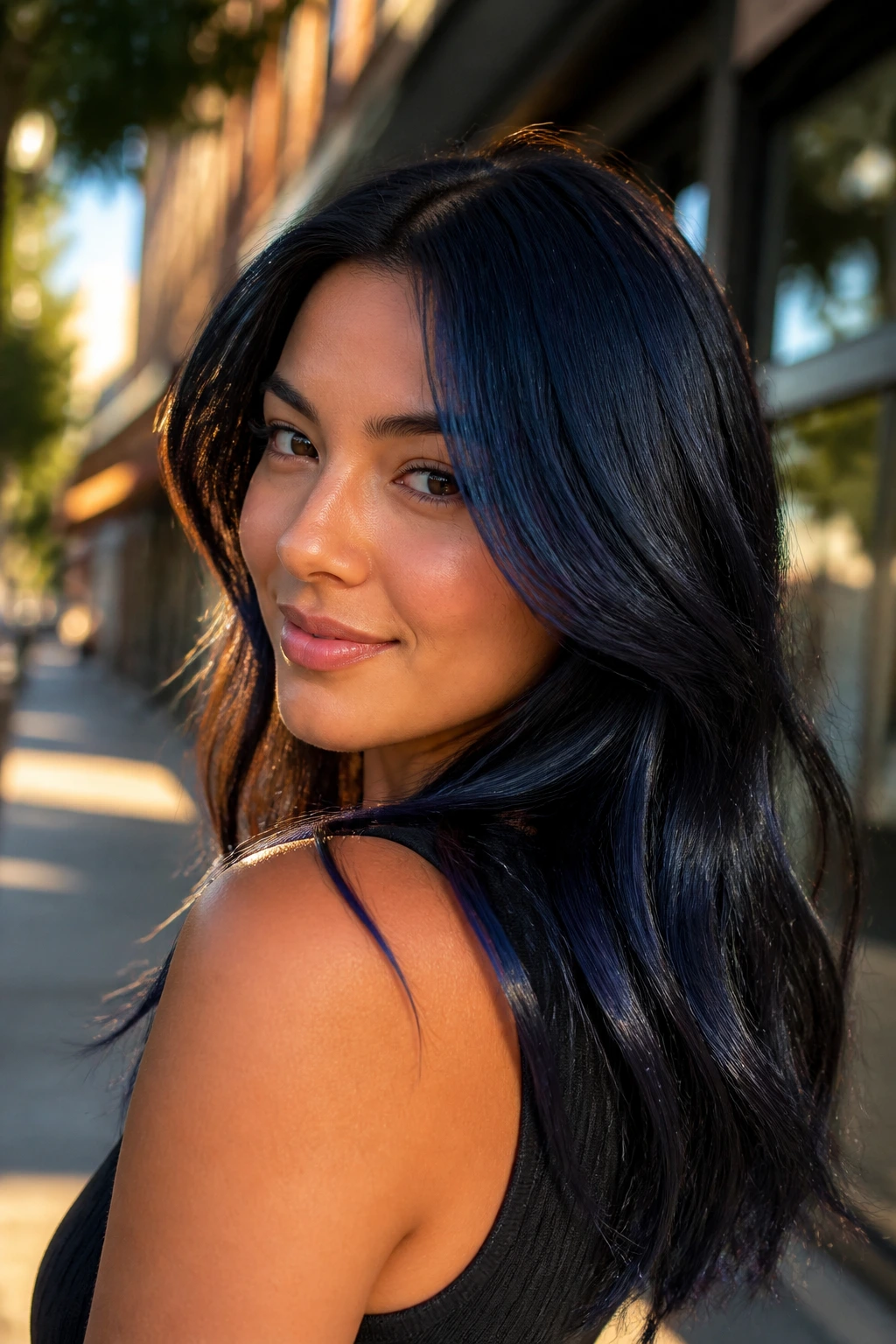
This is for those who love the idea of blue but want to stay in the “natural” hair color territory. It is black hair with a blue sheen that only becomes visible when the light hits it. It is incredibly sleek.
The Look
It gives your hair that “inky” quality, similar to a raven’s wing. It’s perfect for someone with cool, pale skin who wants to look edgy without going full neon.
How to Get It
You don’t need to bleach for this. You can use a semi-permanent blue black over dark brown or black hair. The pigment will deposit on the surface, giving you that blue-black reflection.
16. Arctic Blue Balayage
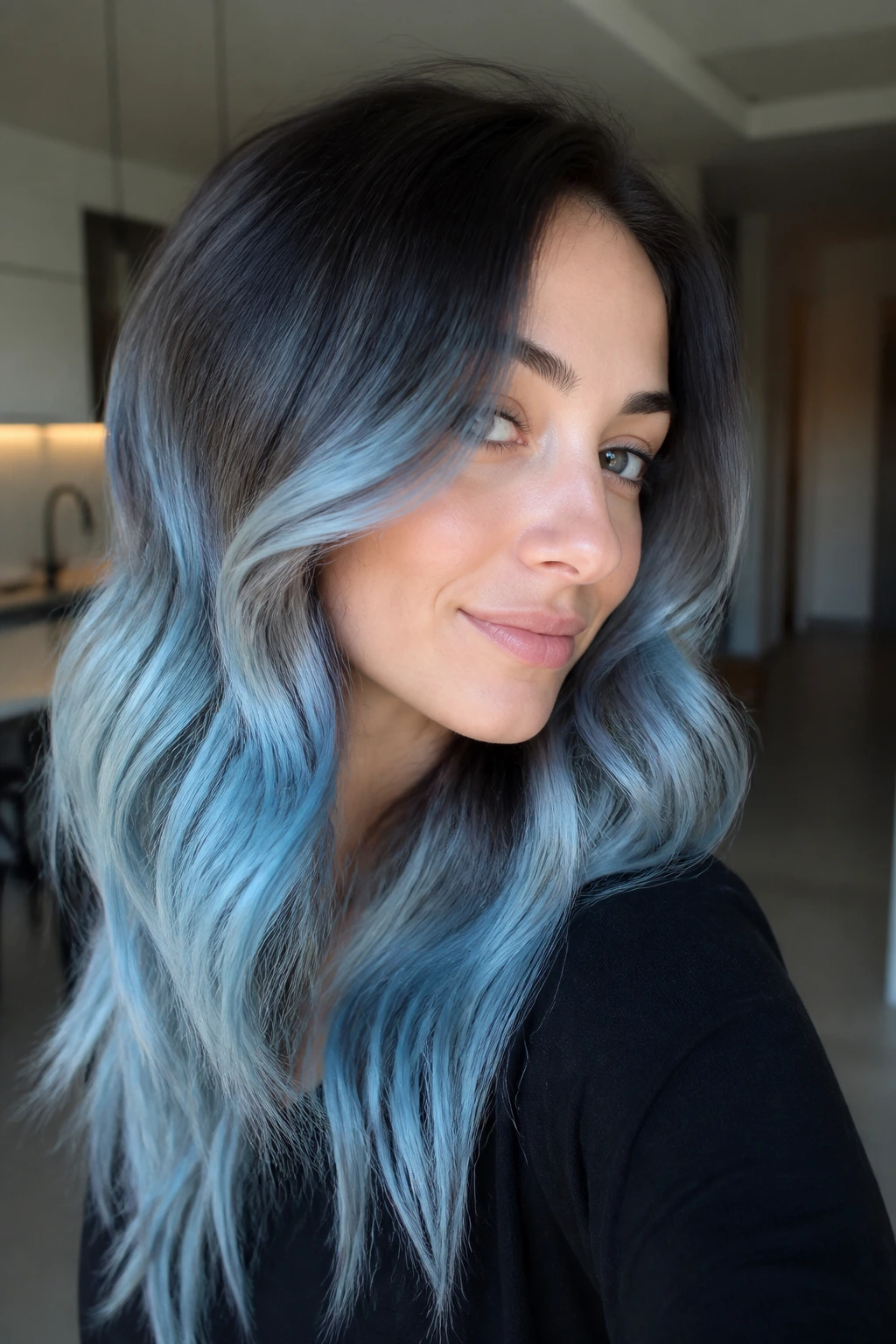
Balayage is the technique of hand-painting color to create a natural-looking transition. When you do this with an arctic blue, it looks like frozen ocean waves. It is perfect for those who want a long-lasting, low-maintenance color.
The Natural Feel
Because the roots remain dark and the blue is concentrated on the ends, you won’t have a regrowth line. You can let this grow out for months before you need a touch-up.
Technique
Ask your colorist for “teased” highlights. They backcomb the hair before applying the bleach, which creates a soft, diffused line of color rather than a harsh streak.
17. Stormy Grey-Blue
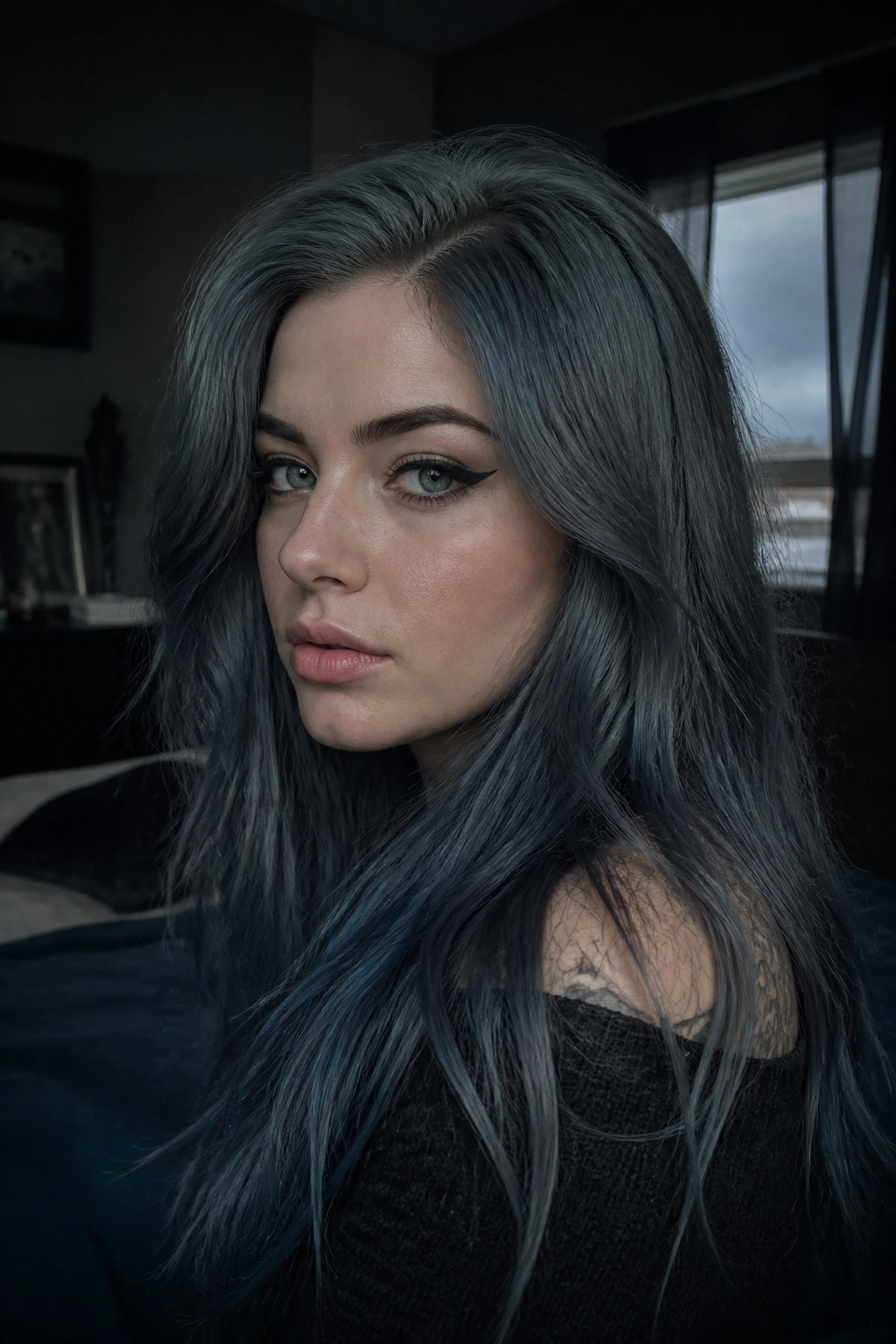
Think of the sky before a thunderstorm. This shade is moody, dark, and elegant. It is less “colorful” than cobalt and more “atmospheric.” It looks stunning on people with cool, dark skin tones as well as very pale, cool skin.
The Nuance
This is all about the grey. If you use too much blue, it looks like you’re wearing a costume. Keep the ratio high on the grey side, and use the blue as a tint.
Pairing with Makeup
This color makes dark eyeliner look incredible. Because the hair is so moody, it provides a frame that allows for a dramatic eye look without feeling like you are overdoing it.
18. Vivid Turquoise
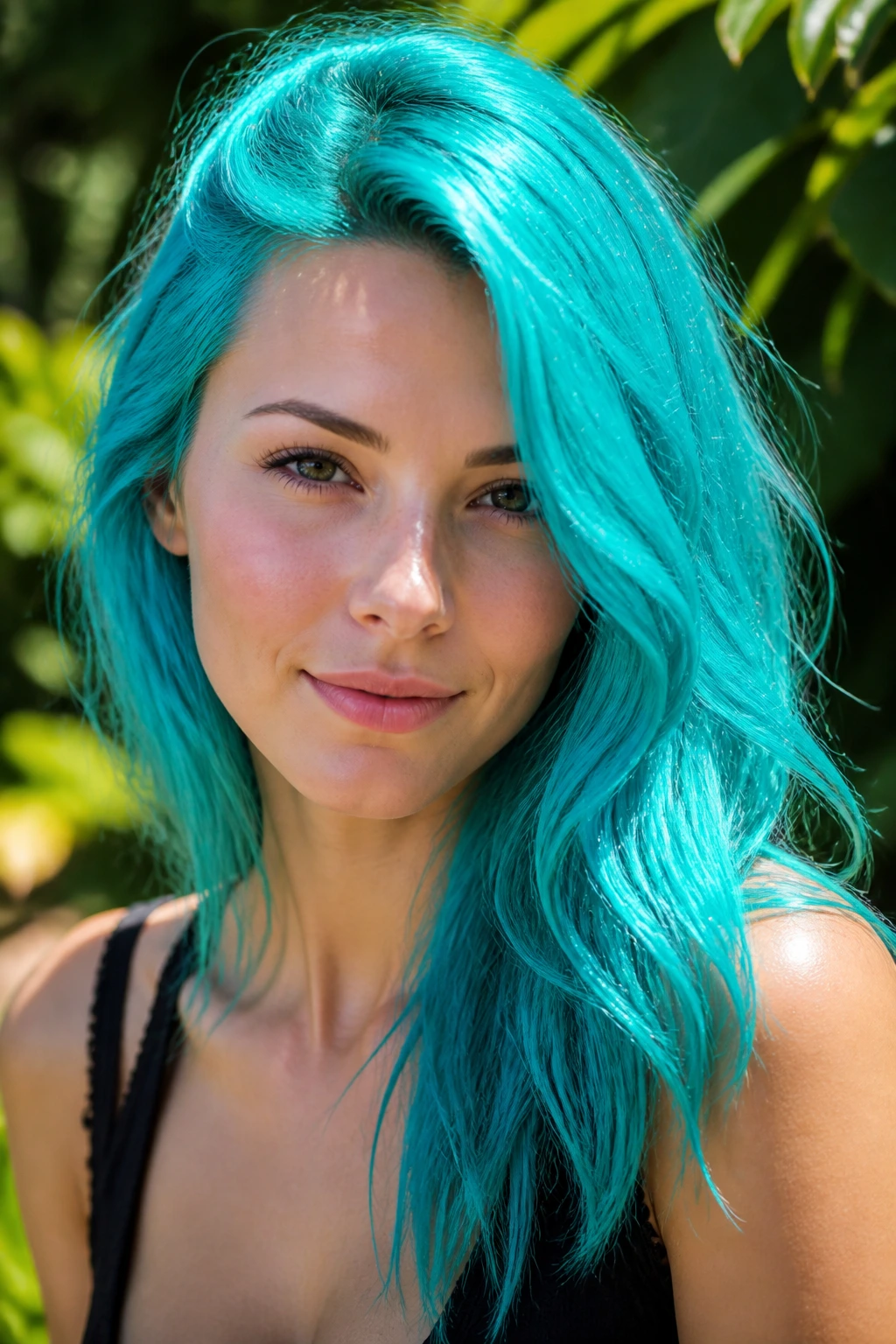
Yes, I mentioned earlier that teal can be risky, but vivid turquoise—when it leans strictly cool—is a powerhouse. It is bright, tropical, and fun. If you have cool undertones but want to channel a bit of warmth in your style, this is the way to do it without clashing.
The “Cool” Check
Hold a swatch of the dye up to your skin. If it looks jarring, it’s too warm. If it complements your skin tone, you are good to go.
Color Removal
Turquoise is notoriously difficult to get out. If you think you might change your mind in a month, do not use this. It is a commitment color.
19. Sapphire Dip-Dyed Ends
Dip-dye is back, and it is cleaner than ever. Instead of a gradient, you get a sharp, saturated block of sapphire blue on the bottom two inches of your hair. It is graphic and intentional.
Precision
The key to a good dip-dye is the line of demarcation. It should be straight and clean. Use a foil to ensure the bleach and dye don’t bleed up into the rest of your hair.
Style
This looks best on blunt-cut hair. If you have layered, shaggy hair, the dip-dye can look a bit messy. A crisp, straight edge makes the sapphire pop.
20. Steel Blue Roots
This is a bold, modern look. You keep your ends a natural or neutral color, but you dye your roots a metallic steel blue. It draws attention to the face and is surprisingly chic.
Why It Works
By placing the intense color at the roots, you are essentially wearing a “color accessory” all the time. It is very editorial.
Maintenance Note
You will have to touch this up every 4-6 weeks, as your roots will grow out and break the effect. It is a high-maintenance look, but for the payoff, many find it worth the effort.
21. Soft Lavender-Blue
Sometimes blue is too harsh. By leaning into lavender, you soften the edges. This color is romantic, soft, and feels very intentional. It is a great way to wear blue without feeling like you are trying too hard.
The Fading Process
This will fade to a very pale, silvery-lavender. It’s one of the few colors that looks just as good faded as it does fresh. You don’t have to scramble to re-dye it the second it starts to lighten.
Mixing
You can achieve this by mixing a standard blue dye with a significant amount of violet dye and conditioner. Play with the ratios until you find that perfect periwinkle-lavender hybrid.
22. Ink Blue
Ink blue is the deepest blue possible before it becomes black. It is intense, brooding, and incredibly shiny. It is the color of a classic fountain pen ink.
Texture
This color looks best on hair with a lot of movement. If you have stick-straight hair, make sure you use a shine spray to emphasize the deep, inky tones. It adds a layer of sophistication that flat hair often lacks.
Depth
Unlike navy, which has a bit of brightness, ink blue is about opacity. It should look solid. If you can see through your hair to the light, you haven’t used enough pigment.
23. Frosty Blue Peekaboos
Peekaboo hair is color hidden underneath your top layer. It is a secret, a surprise. When your hair moves, you see a flash of frosty blue. It is perfect for those who want to express their personality without committing to a full-head transformation.
The Reveal
This works best with a high-contrast base. If your hair is dark, a frosty blue peekaboo will stand out immensely. If your hair is blonde, it will be a more subtle, tonal shift.
Styling
You have to style your hair to show it off. A half-up, half-down look is perfect for this. It keeps the hair secure but allows the blue sections to drape down and be visible.
24. Seafoam Blue
Seafoam is a lighter, more green-leaning blue, but it is cool enough to work if you balance it with the right styling. It’s airy and light. If you have very fair skin, seafoam looks almost like a fairy-tale color.
The Contrast
Pair this with darker clothes to make the hair color stand out. If you wear pastels with seafoam hair, you might fade into the background. Let the hair be the accessory.
Hair Health
This requires a very light base. Ensure your hair is conditioned deeply before you bleach, and use a protein filler after you bleach to ensure the color holds.
25. Violet-Blue Hybrid
If you are still nervous about blue clashing with your skin, start here. This is a blue that has been heavily tempered with violet. It sits right on the edge of the cool spectrum. It is deep, rich, and almost always flattering on cool skin.
The Versatility
This color looks different in every lighting situation. Indoors, it looks almost purple. Outdoors, the blue notes come to life. It is the most versatile shade in the entire blue family.
Why You’ll Love It
You don’t have to worry about fading to green. Because it has such a strong violet base, even when it fades, it stays in the cool, purple-pink family, which is much more predictable and easier to manage than blue.
Final Thoughts
Blue hair is an commitment, but it is one that pays off if you respect the chemistry. The most important thing to remember is your base. If you try to put cool blue over warm, yellow hair, you will get a murky, greenish result that rarely looks good on anyone. Always lighten your hair to a level 10, use a toner to strip the yellow, and keep your color-depositing conditioner nearby.
Your cool skin tone is your biggest asset here. You can pull off shades—like ice blue and metallic silver-blue—that other people simply cannot wear without looking sickly. Embrace that. Experiment. Just be prepared to wash your hair in cold water for the foreseeable future, because hot water is the sworn enemy of blue dye. It takes a little more effort to keep it looking sharp, but when you catch that perfect reflection in the mirror, you’ll know it was worth the extra rinse.
