



Lavender hair is a commitment, but when you have cool skin tones, it is one of the most rewarding transformations you can make. The magic happens when the blue and violet pigments in your hair dye meet the natural blue or pink undertones in your skin. When the match is right, the hair color makes your eyes pop and your complexion look bright, almost porcelain. Get it wrong, and you risk a muddy, washed-out finish.
Most people with cool undertones mistakenly try to force warm, golden-lavender shades, which inevitably clash with their complexion. Instead, you need to lean into the icy, silver, or deep violet side of the spectrum. It is not about simply picking a jar of purple dye off the shelf; it is about understanding how specific pigments interact with the foundation of your hair. You need a base that is light enough—typically a level 10 blonde—so the lavender does not turn brown or khaki.
This guide explores eighteen distinct directions you can take your color. Whether you are looking for something subtle and professional or a high-intensity statement, the secret lies in the undertones.
1. Icy Lavender Root Melt
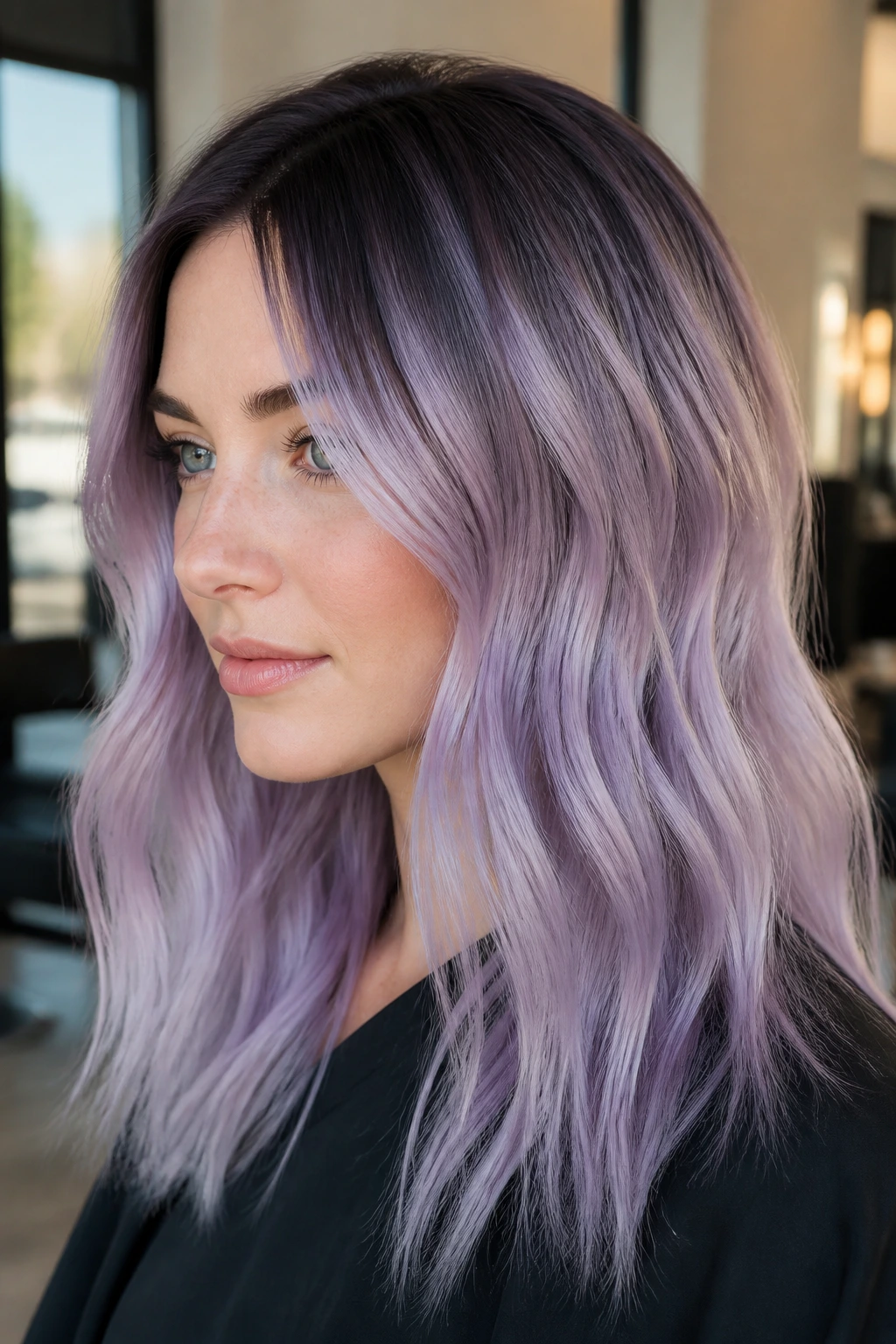
A root melt is perhaps the smartest way to transition into pastel colors without spending your entire life in a stylist’s chair. By keeping your natural dark roots and blending them into a cool, icy lavender, you create a seamless transition that hides regrowth beautifully. The key is in the transition zone where the dark color meets the light.
Why It Works for Cool Tones
The “icy” aspect of this lavender is crucial. It contains no warm, reddish, or golden pigments, which means it will not fight with the natural blue tones in your skin. Instead, it complements them, making your skin look clearer and more vibrant.
Key Maintenance Details
- Root Smudge: Your stylist should use a shadow root technique to blend the colors.
- Toning: You will need to refresh the icy toner every four to six weeks.
- Product: Use a purple shampoo specifically formulated to neutralize yellow tones in the lightened sections.
Pro tip: Ask your stylist to avoid a “warm” smudge at the root. If they use a warm brown instead of a cool ash or slate, the whole look loses its icy appeal.
2. Deep Plum Lavender
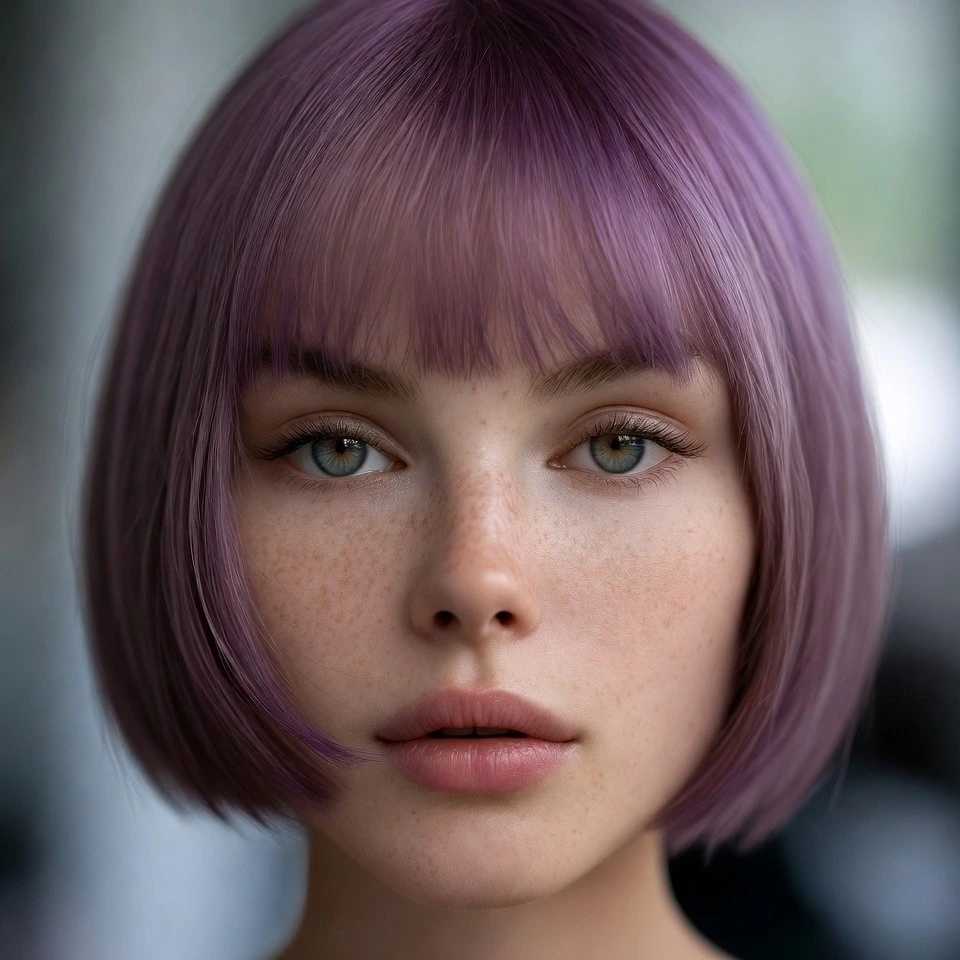
If pastels feel too soft for your personality, move toward a deep, saturated plum-lavender. This shade is much easier to maintain than a pale violet because the pigment density is significantly higher. It creates a bold, moody vibe that looks particularly striking against pale, cool-toned skin.
The Science Behind the Depth
This color relies on a higher concentration of blue-violet dye. Unlike pastels, which wash out after a few washes, deep plum-lavender sticks to the hair shaft much longer. It acts as a powerful contrast, making dark eyes appear deeper and light eyes look piercingly bright.
How to Style It
Because this color is so vibrant, it looks best with clean, sleek styling. A straight bob or long, polished layers will show off the depth of the color better than messy, beachy waves, which can sometimes make very dark fashion colors look muddled. You want that glossy, glass-hair finish to let the plum undertones shine.
3. Pastel Periwinkle
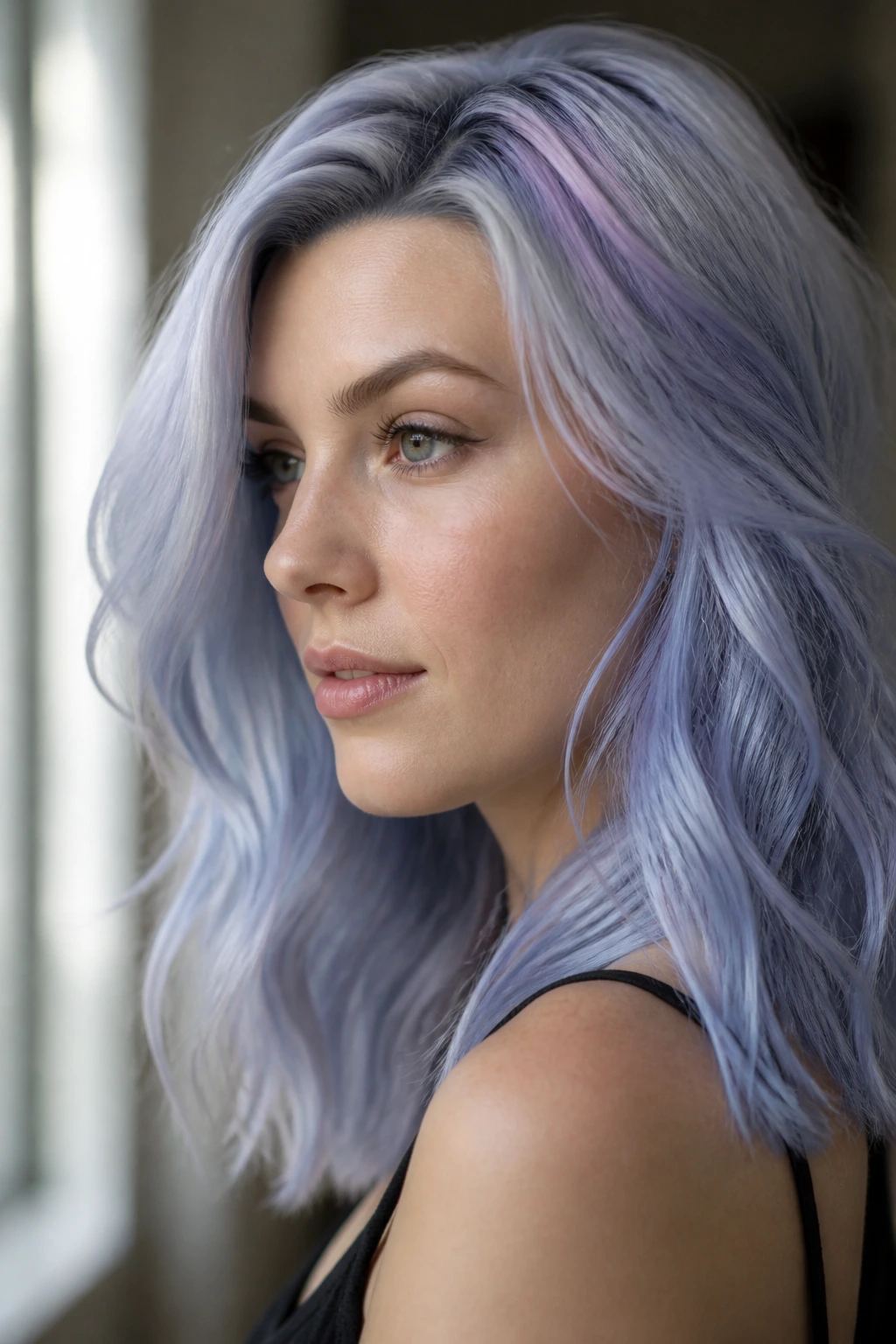
Periwinkle is the sweet spot between blue and lavender. It leans heavily on blue, which makes it the absolute gold standard for cool skin. If you find standard lavender makes your skin look sallow, switch to a periwinkle that has more blue-gray notes.
Why does this work? Most people with cool undertones have blue veins visible at the wrist. Blue-based colors like periwinkle mirror that natural undertone. It creates a monochromatic, harmonious look that feels intentional rather than accidental.
How to Get the Look
To achieve this, your hair needs to be a very pale, platinum-blonde base. If there is even a hint of yellow left in your hair, the blue in the periwinkle will turn it green. Before you apply the color, perform a strand test on a hidden piece of hair to ensure your base is clean enough.
4. Dusty Lavender
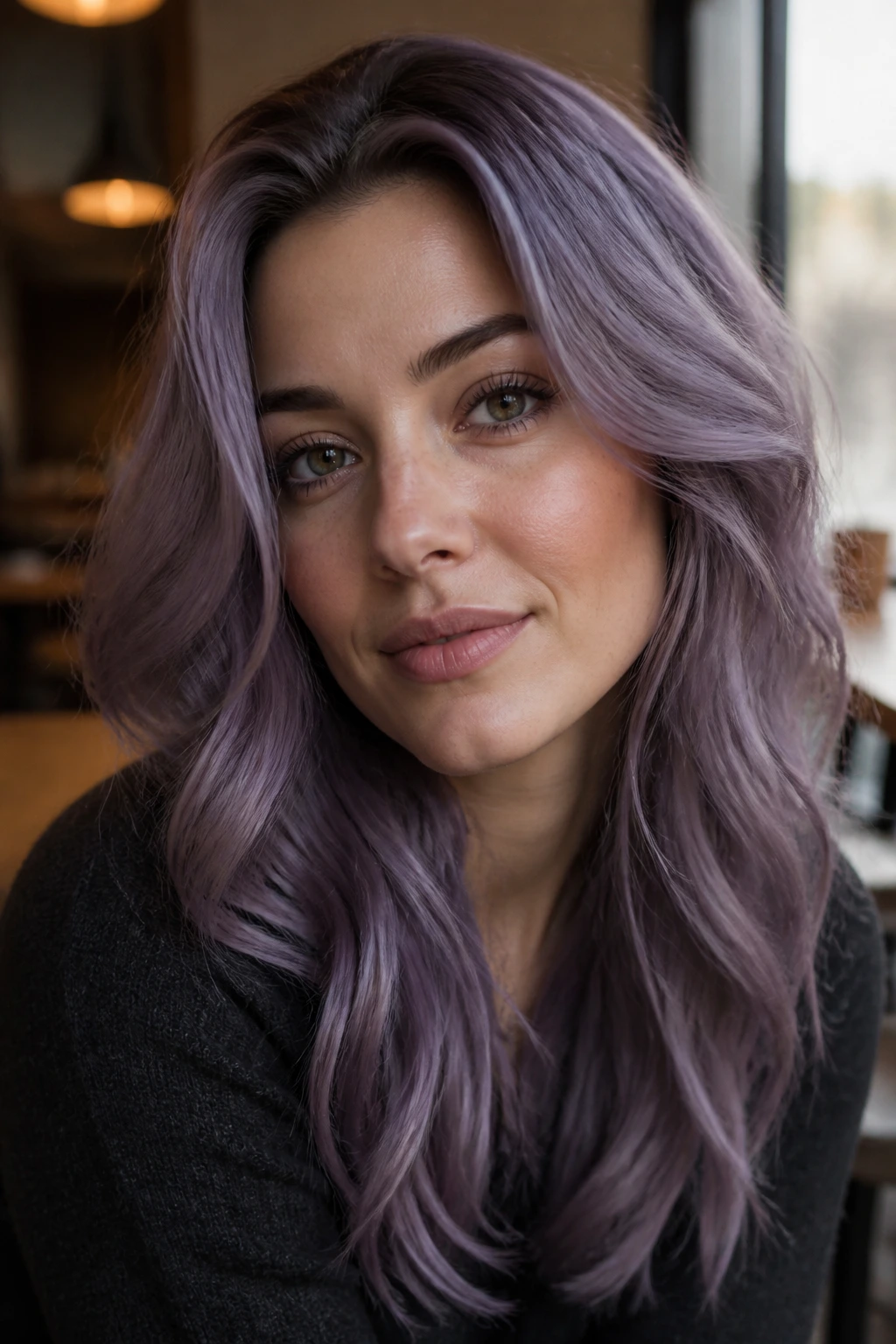
Think of dusty lavender as the sophisticated, “grown-up” version of bright purple hair. It incorporates a significant amount of gray pigment, which tones down the intensity. It is perfect for professional environments where bright, neon colors might be frowned upon, but you still want to express your creativity.
Why This Shade Is Unique
Dusty lavender doesn’t try to compete with your natural coloring. It sits quietly against the skin, offering a muted aesthetic that is incredibly trendy. It feels effortless and lived-in, not like you just stepped out of a comic book.
What to Watch For
Dusty shades fade faster than saturated ones. Because the color is “muted” with gray, as the gray fades, you might be left with a duller-looking purple. Keep a color-depositing conditioner on hand to bring back those soft, silvery violet tones when they start to look washed out.
5. Smoky Lilac
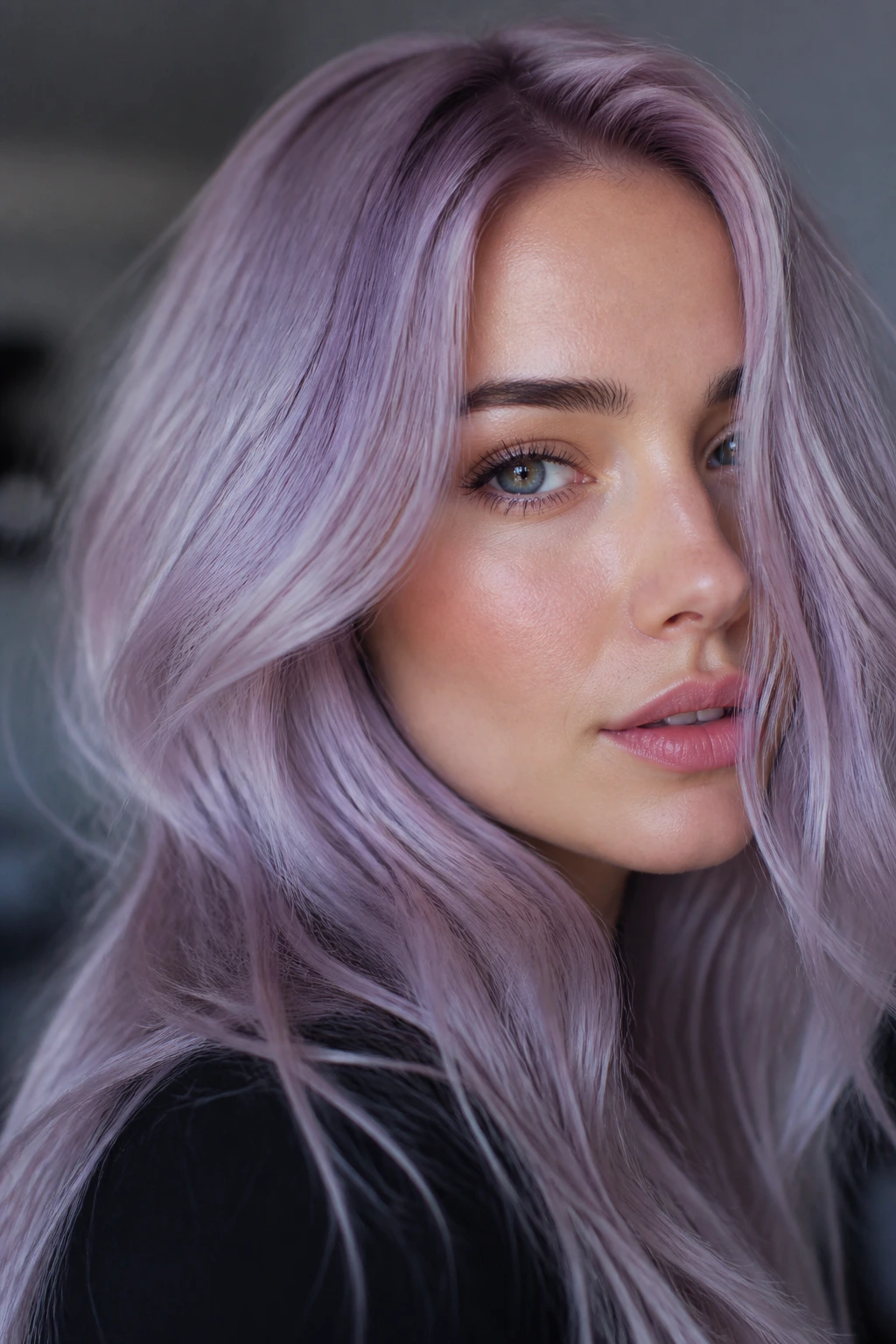
Smoky lilac is the cool-toned cousin of rose gold. While rose gold brings in warm, pink, and copper tones, smoky lilac brings in silver and charcoal. This color is all about the “ash” factor. It is a very cool-toned, ethereal color that feels almost metallic.
The beauty of this shade is its versatility. It looks incredible on very pale skin, but it also provides a beautiful, muted contrast against cool-toned olive skin. You need to be prepared to bleach your hair to a near-white level to get the clarity required for this specific hue.
Warning: This is not a color you can DIY at home if your hair has any existing color buildup. You need a professional to lift the pigment safely, or you risk damaging your hair texture significantly.
6. Silver-Lavender Balayage
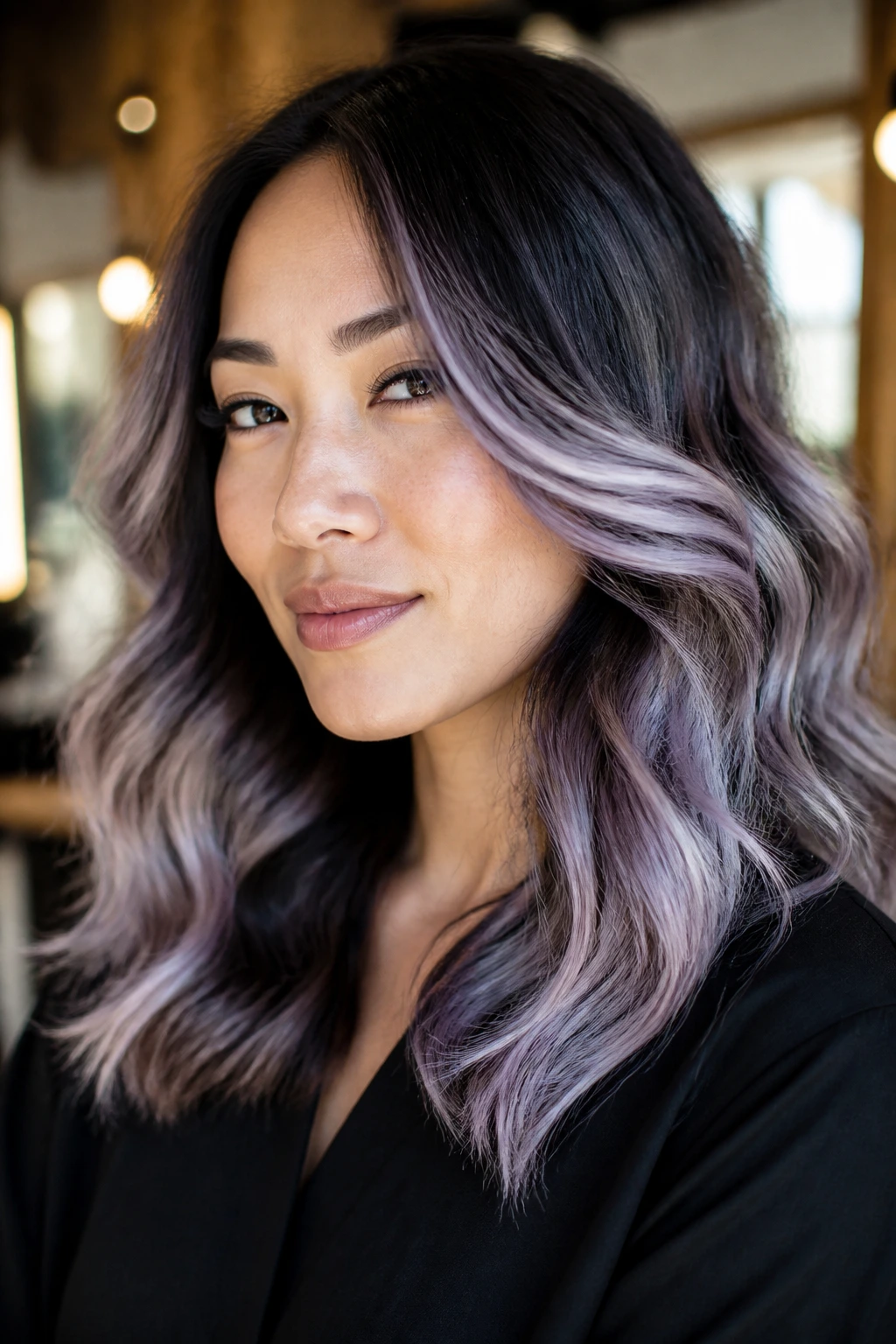
Balayage is the technique of hand-painting color onto the hair to create a natural, sun-kissed effect. When applied with silver and lavender, the result is dimensional and sparkling. The silver chunks provide the “pop,” while the lavender fills in the gaps, creating a cohesive, icy look.
Why It’s Perfect for Beginners
If you are nervous about committing to a full head of neon purple, this is your entry point. The darker, natural base remains, which means you do not have to worry about root growth as much. You get the fun of lavender without the stress of constant salon visits.
Maintenance Tips
- Silver Maintenance: Silver tones are notorious for fading. Use a silver-toning mask once a week.
- Blending: Ensure the balayage is placed strategically around the face to brighten up your cool-toned complexion.
7. Lavender Ombré with Platinum
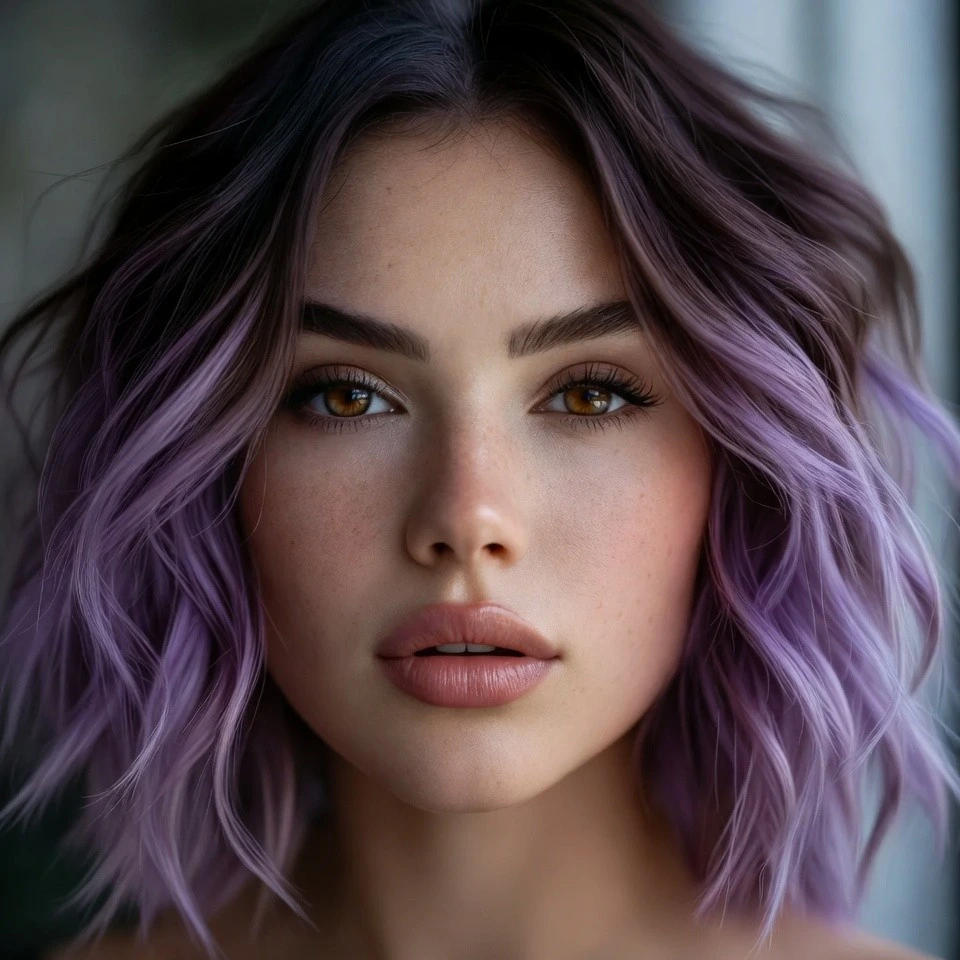
An ombré—where the hair fades from dark to light—looks dramatic with lavender. Starting with a dark, ash-brown or cool-blonde root and melting into a vibrant, icy lavender tip is a high-contrast style. It’s bold, it’s graphic, and it’s undeniably striking.
Designing the Transition
The secret to a great ombré is the melt zone. You want the dark color to fade into the lavender gradually, not in a harsh line. This requires your stylist to use a “stippling” or “blending” brush technique. If the line is too solid, it looks like a dip-dye from a box kit.
Who Should Avoid This
If your hair is already very damaged, the ends—which have to be the lightest—will struggle to hold onto the lavender pigment. They will soak it up, fade quickly, and possibly feel like straw. Only attempt this if your hair is in healthy condition.
8. Neon Lavender
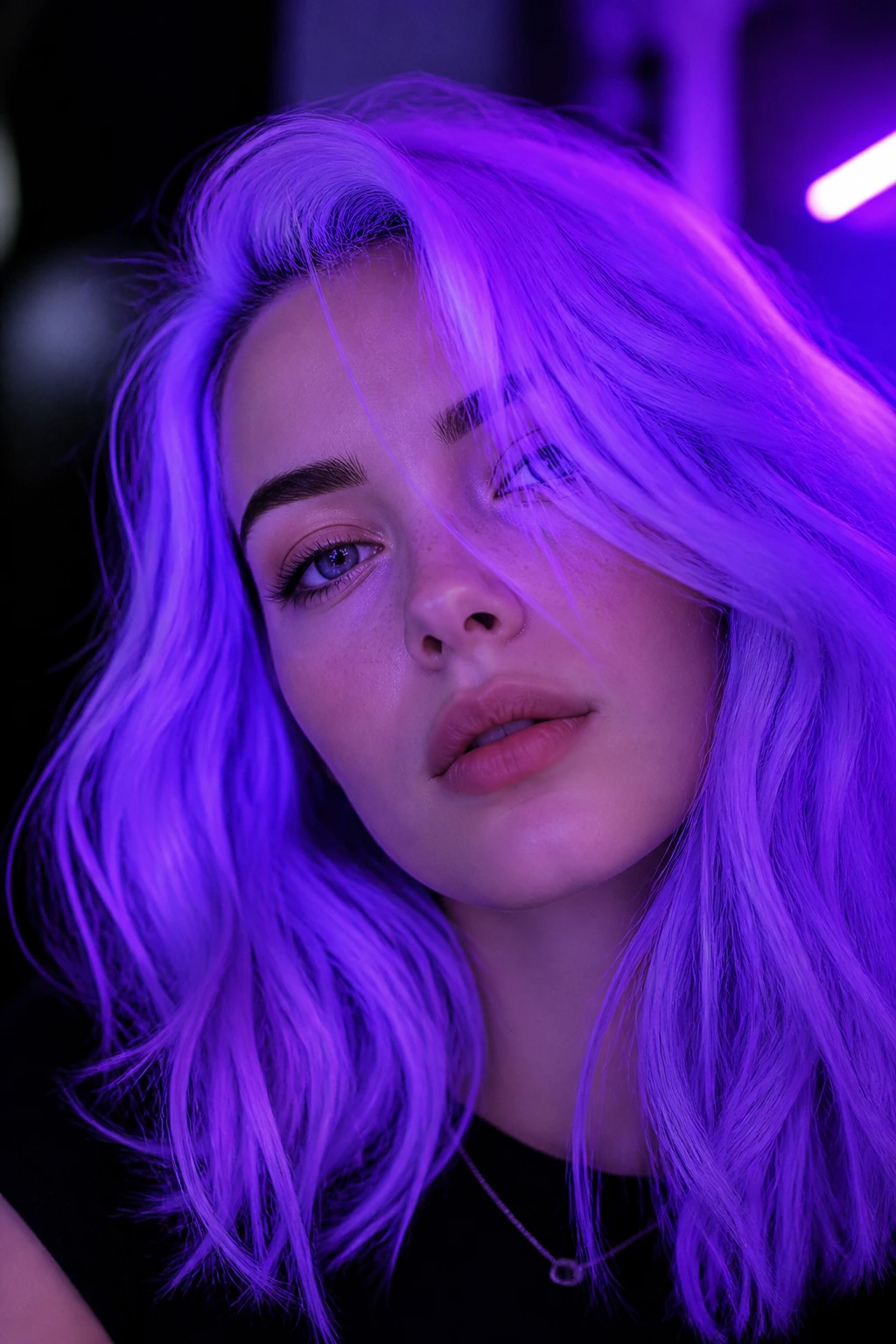
Neon lavender is not for the faint of heart. It is bright, electric, and unapologetically loud. It sits in the ultraviolet spectrum, almost glowing under blacklight. For those with very cool skin, this color provides a dramatic contrast that can make you look like a character from another dimension.
Making It Last
Neon dyes are often direct dyes, meaning they do not require a developer to activate. They are semi-permanent. Because they are so bright, they will bleed onto your pillowcases and towels for the first few washes. Wash with cold water—ice cold, if you can stand it—to keep the cuticle closed and the color trapped inside the hair shaft.
A Balancing Act
With neon hair, keep your makeup minimal. A light, cool-toned lipstick and some mascara are usually enough. If you go too heavy on the blush or eyeshadow, you might look like a doll, which can overwhelm the hair color.
9. Lavender and Slate Gray
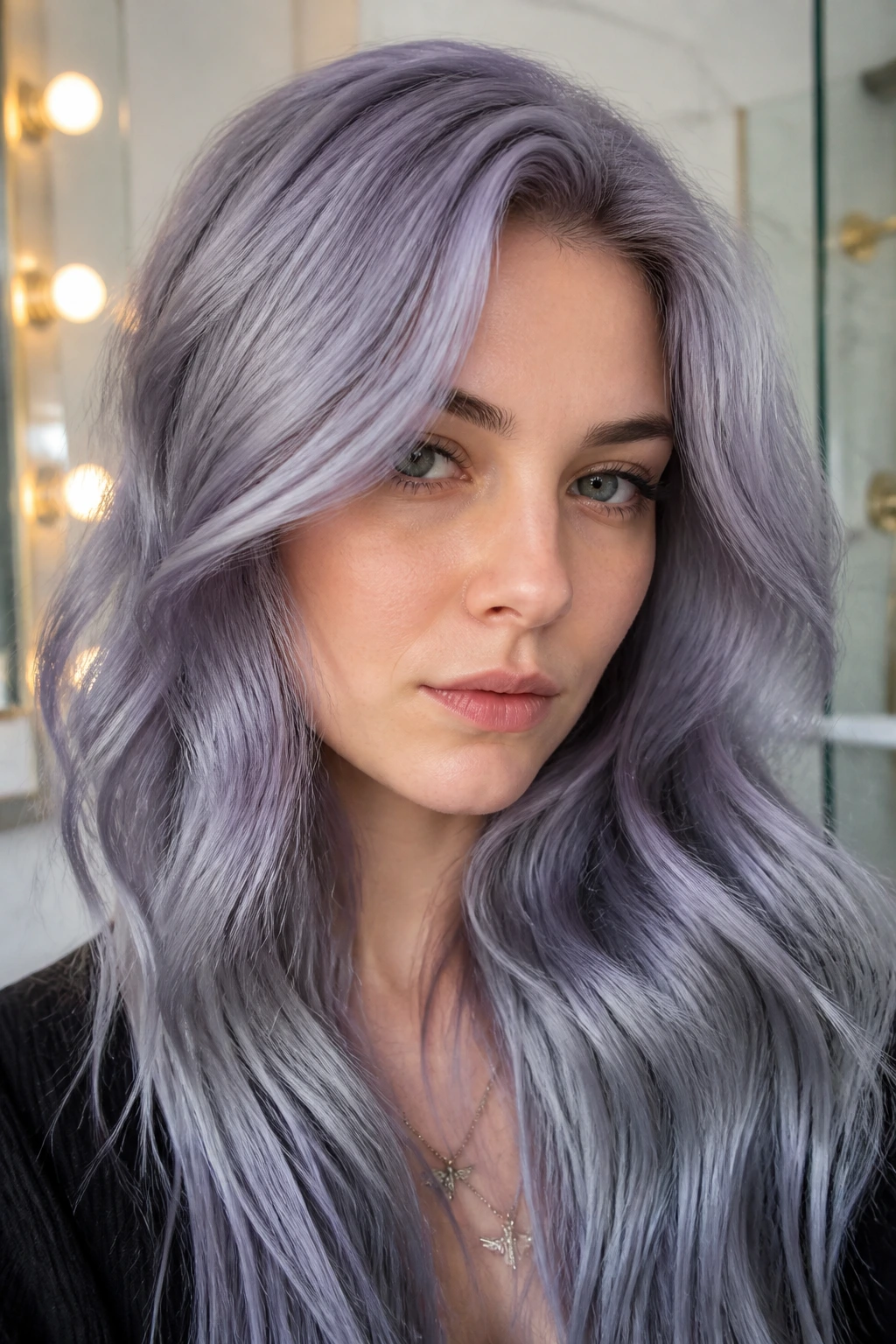
Slate gray is the ultimate cool-toned neutral. When you mix it with lavender, you get a steely, muted violet that looks incredibly expensive. This isn’t a “fun” purple; it is a “fashion” purple. It has a metallic sheen that catches the light and highlights the texture of your hair.
The Benefits of Gray Integration
Adding gray to your lavender formula cuts down on the brightness. This makes the color more wearable and professional. It also helps with the fade-out process; instead of fading to a weird green or yellow, it simply fades to a soft, silvery gray.
How to Style
This color looks best on hair with movement. Think shags, textured bobs, or layers. The variation in length allows the light to hit the slate and lavender sections differently, adding depth that would be missing on a single-length, blunt cut.
10. Violet-Infused Lavender
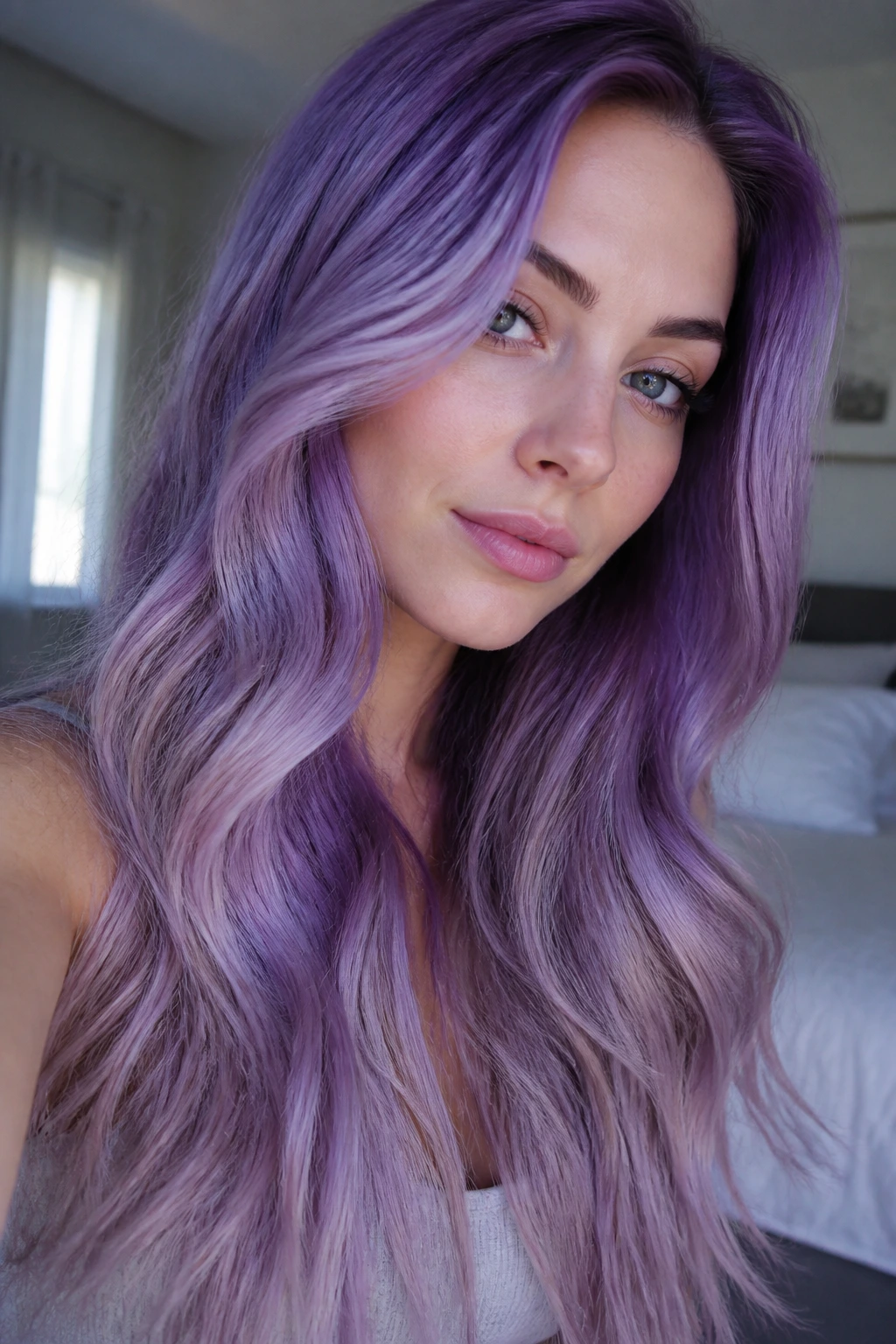
If you want something that feels intense but isn’t quite neon, look at violet-infused lavender. This shade is richer and more pigmented than a soft pastel but avoids the dark heaviness of a plum. It’s a medium-toned purple that feels balanced.
Why It Works for Everyone
This is arguably the most flattering of all the lavender shades for cool skin. It has enough saturation to make a statement, but it doesn’t look chalky or dusty. It’s a “true” purple that keeps your hair looking healthy and shiny, even after a few washes.
Application Strategy
Ask your colorist to mix a drop of cool, dark violet into your lavender formula. This tiny addition of darkness gives the color weight. Without it, lavender can sometimes look translucent, which can make your hair look thin even if it is thick.
11. Lavender Highlights on Cool Ash Blonde
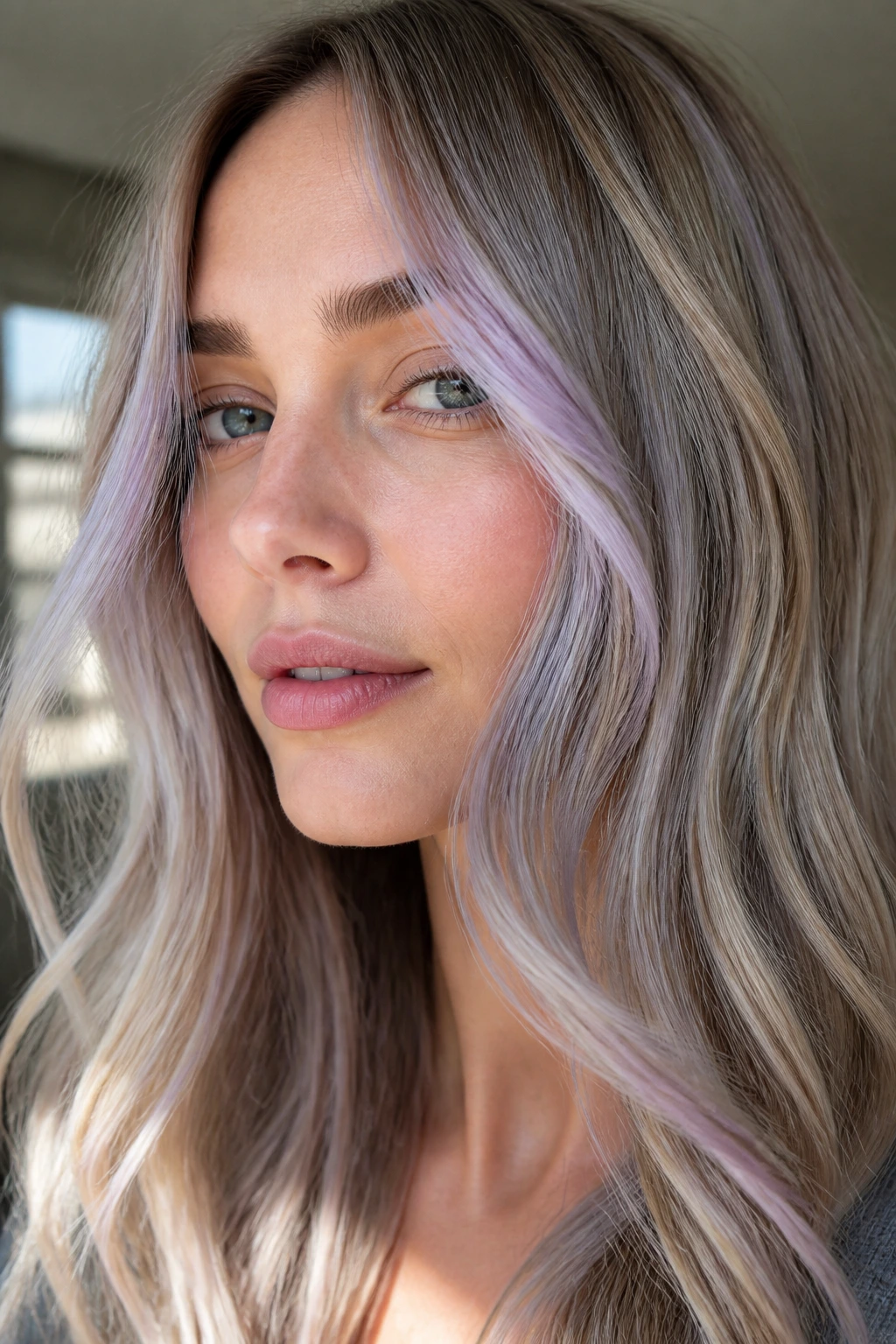
You don’t have to color your entire head to get the lavender look. If you already have cool, ash-blonde hair, adding thin, baby-light highlights of lavender can create a multi-dimensional effect. It looks like your hair has been kissed by amethyst dust.
The Benefit of Highlights
- Low Maintenance: You only need to touch up the highlights every few months.
- Hair Health: You aren’t bleaching your whole head, which keeps the bulk of your hair stronger.
- Subtlety: It’s a great introduction to the color if you aren’t ready for a full-color transformation.
Pro tip: Focus the lavender highlights around the face. This frames your features and ensures the color is doing the work of brightening your skin.
12. Electric Purple-Lavender Mix
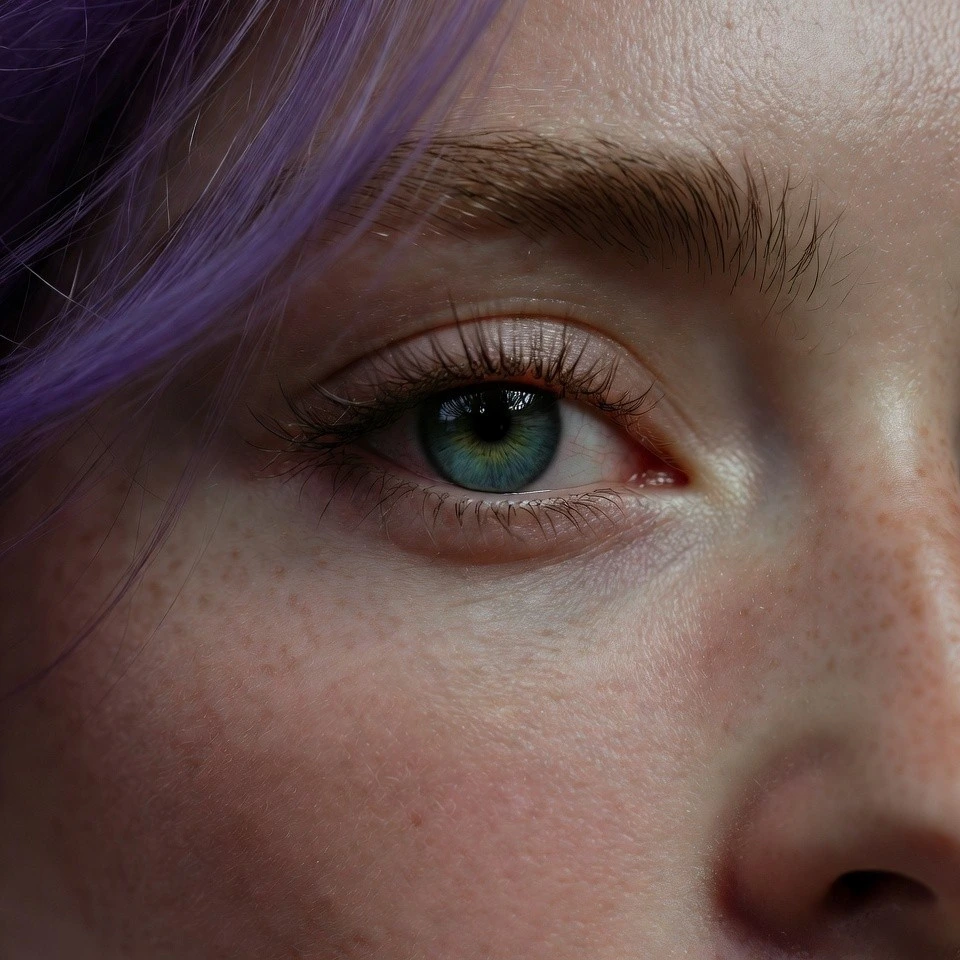
Why settle for one shade of purple? A mix of electric, bright purple and soft, light lavender creates a custom “galaxy” effect. By weaving these two colors together, you create a sense of volume and movement that a single, flat color simply cannot replicate.
Customizing Your Mix
If your skin is very fair and cool, lean more into the lavender side. If your skin has a bit more pink or red in it, the deeper purple will be more flattering. You can ask your colorist to color-map your head, placing the darker purple on the bottom layers and the lavender on top for a hidden-surprise effect.
Care Instructions
The challenge here is the color bleeding. Because you have two different intensities of dye, when you wash your hair, the darker purple will inevitably bleed into the lighter lavender. Use a gentle, sulfate-free shampoo and avoid rubbing your hair vigorously with a towel. Pat it dry instead.
13. Pale Lavender Frosting
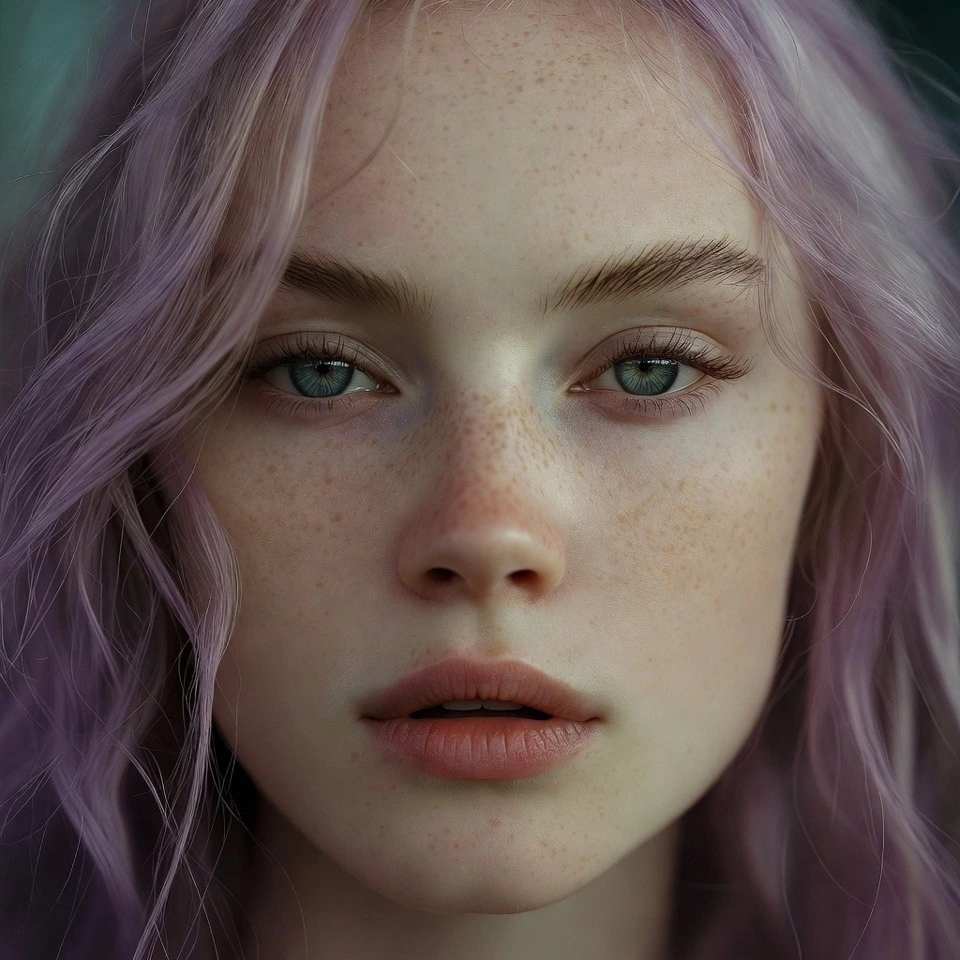
Pale lavender frosting is nearly white, with just a whisper of violet. It is essentially a toner-level color. This is the highest-maintenance option on this list, as it requires your hair to be lifted to a level 11 (the lightest possible blonde) to avoid turning yellow.
The Reality of Maintenance
There is no such thing as a “low-maintenance” white-lavender. You will need to use a toning shampoo at least once a week to keep the yellow at bay. You will also need to go back to the salon every 4-5 weeks to touch up your roots, as any natural hair growth will look starkly dark against this pale color.
Who Is This For?
It is for those who love the “icy queen” aesthetic. It looks stunning in photos, particularly against winter clothes or cool-toned fabrics. However, be honest with your stylist about your budget and time before committing.
14. Lavender and Silver Peekaboo
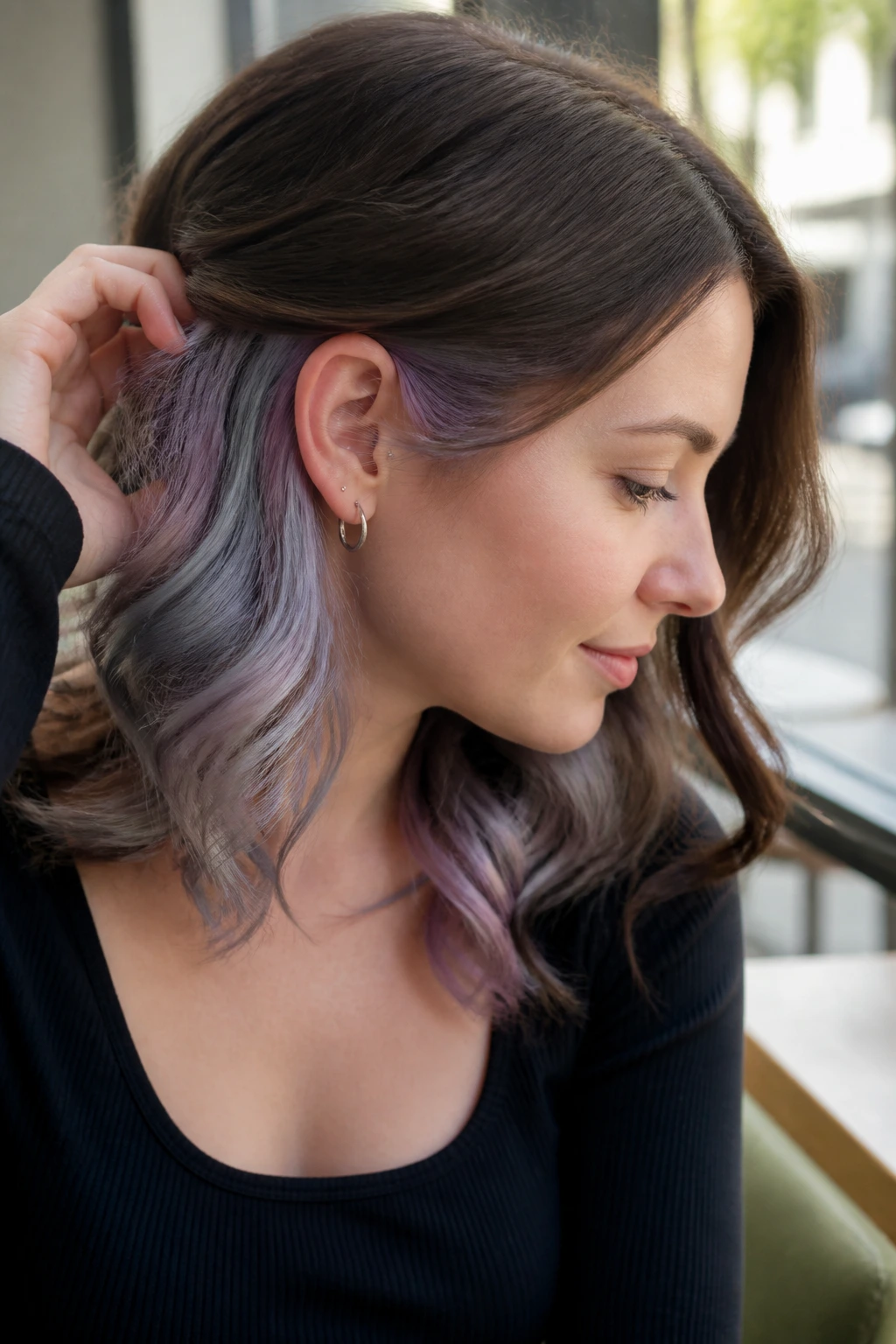
Peekaboo color involves placing the vibrant shade underneath the top layer of your hair. This is a brilliant way to have lavender hair that you can “hide” at work or formal events and reveal when you put your hair up or style it in waves.
Styling for Maximum Impact
When you want to show it off, use a curling iron or flat iron to create texture. The silver and lavender sections will peek out from underneath the natural-colored top layer, creating a dynamic look. It is playful, discreet, and incredibly fun to experiment with.
Placement
The best placement for peekaboo color is at the nape of the neck or just behind the ears. This allows the color to flow naturally as you move your head. Avoid putting it too close to the part line, or it will look more like highlights than peekaboo color.
15. Midnight Lavender
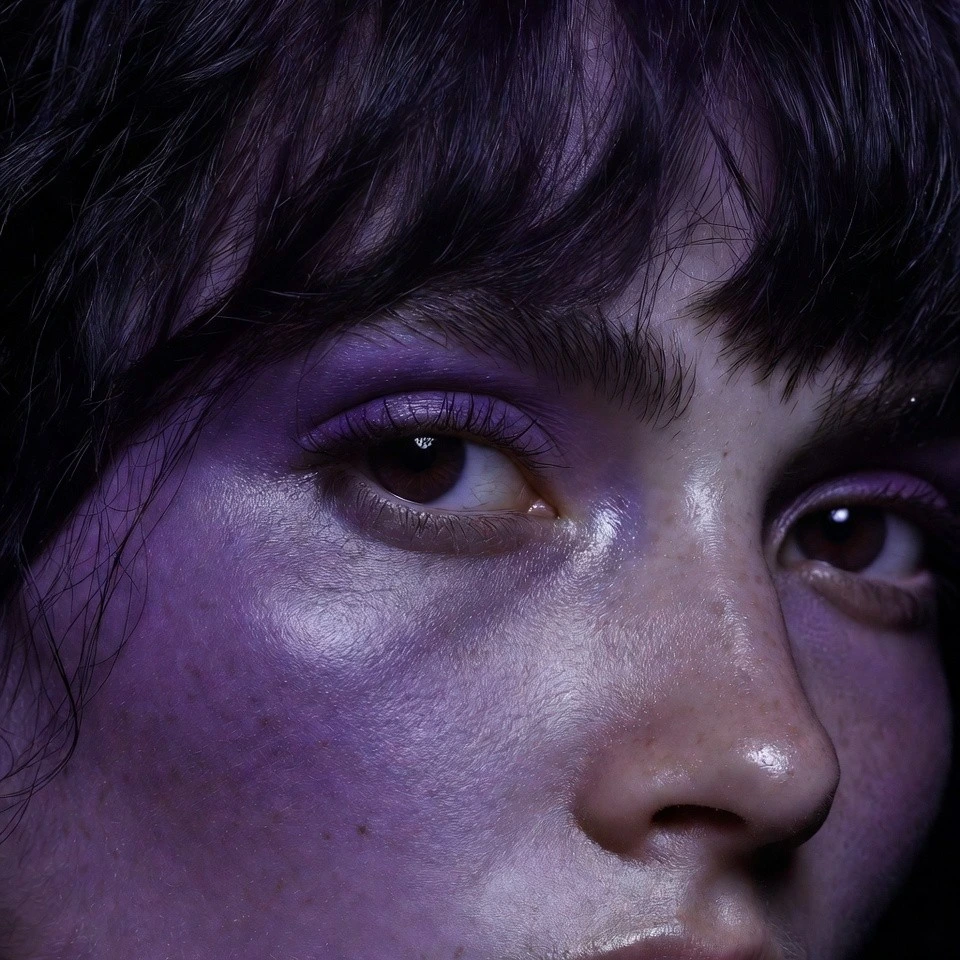
Midnight lavender is almost black, with a deep, dark violet sheen that you only see when the light hits it directly. It is perfect for those who want a dramatic, moody change but are afraid of the high-maintenance upkeep of pastels.
Why It’s Under-Appreciated
Most people think “lavender” and imagine light, frothy hair. Midnight lavender proves that you can be “lavender” without being light. It feels gothic, sophisticated, and cool. It also works beautifully on hair that has a natural dark base, as you don’t need to bleach your hair to a platinum white to achieve it.
The Fade-Out
Because the pigment is so dark, this color will fade slowly and gracefully. It won’t have the harsh yellow-fading issues of lighter pastels. You will simply notice the purple becoming more and more subtle over time, eventually settling into a dark, cool-toned brown.
16. Lavender Mermaid Waves
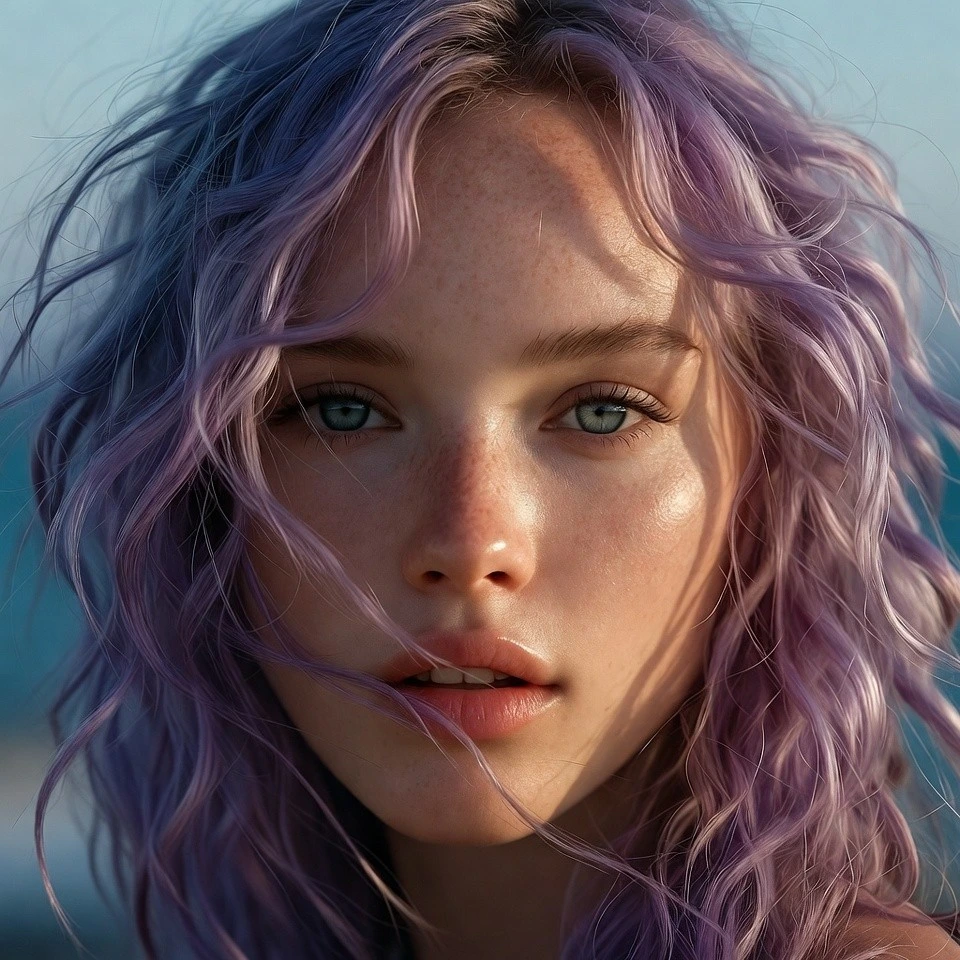
Mermaid waves are all about long, flowing texture with a mix of colors. Lavender, when combined with seafoam green or cool, icy blue, creates a classic “mermaid” aesthetic. Because the colors are all cool-toned, they sit harmoniously together rather than clashing.
Creating the Texture
You can achieve this look with a large-barrel curling iron. Take small sections, wrap them around the iron, and pull down slightly to create a loose, beachy wave. If your hair is naturally wavy, use a sea salt spray to enhance the texture after you’ve dried it.
Color Placement
Don’t blend the colors too much. You want to see distinct ribbons of lavender, blue, and green. This “ribbon” effect gives the hair more volume and makes it look fuller than a single-colored mane.
17. Soft Lavender Toner on Pre-lightened Hair
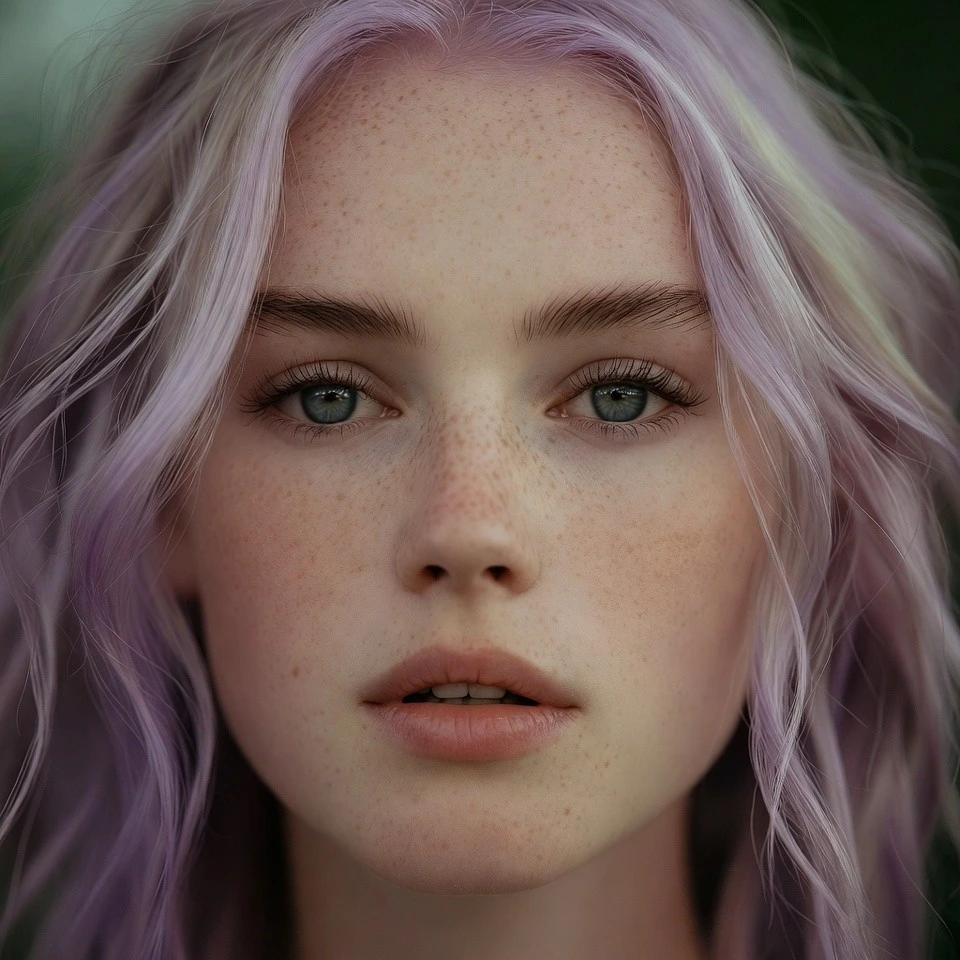
Sometimes, the best lavender is the simplest. If you are already a platinum blonde, you don’t necessarily need a permanent hair dye to go lavender. A high-quality, professional-grade lavender toner can give you a sheer, temporary, but gorgeous violet tint.
Why This Is Different
Toners are acidic, which means they are gentler on your hair than dyes. They fill the cuticle and deposit pigment without opening it up, which helps maintain hair health. It is the perfect way to “try on” the color for a few weeks before deciding if you want to commit to something more permanent.
The “Wash Out” Factor
Because toners are so gentle, they fade very quickly. Expect the color to last maybe 3-5 washes. If you fall in love with the color, you can ask your stylist for a “toning gloss” to keep it fresh every time you get a cut.
18. Iced Lavender Bob
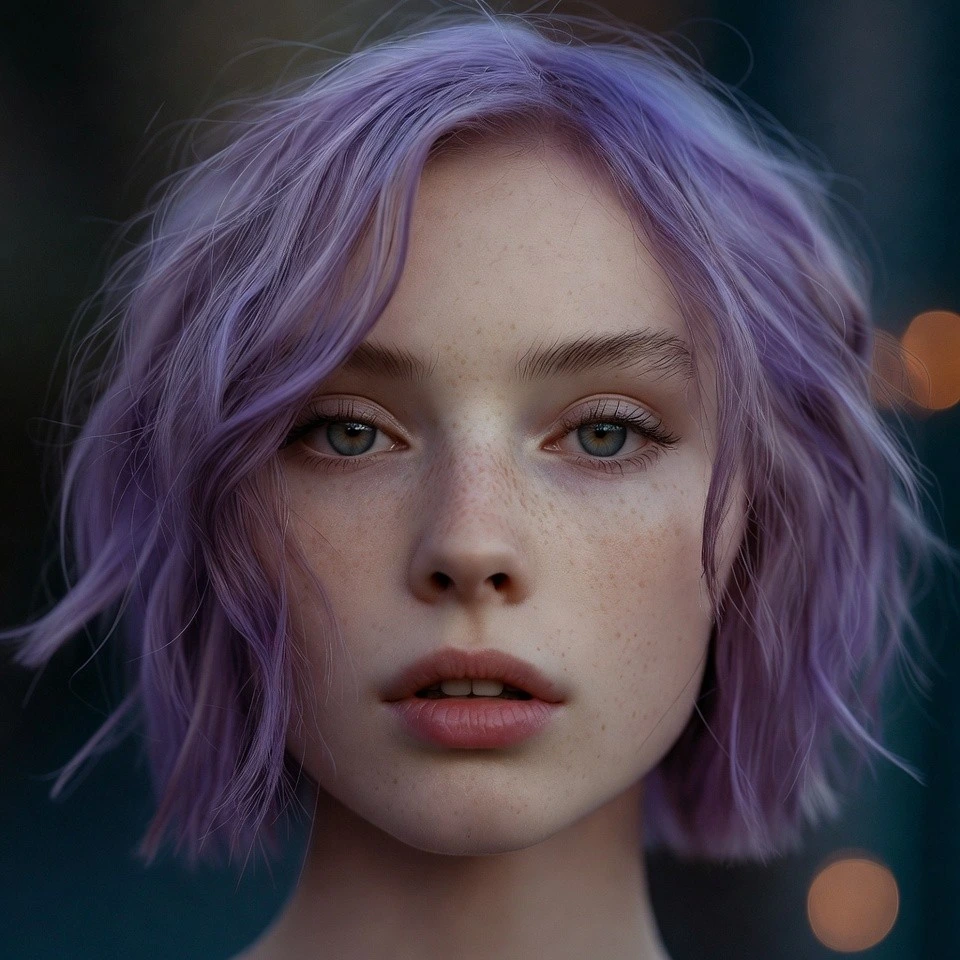
There is something about a sharp, clean-cut bob paired with a vibrant, icy lavender that screams confidence. The precision of the cut highlights the color. If you have a blunt bob that hits at the chin or jawline, a cool, monochromatic lavender makes the entire look appear modern and edgy.
Pairing with Your Face Shape
Bobs are great for showing off the jawline. If you have a heart-shaped face, a bob with lavender can soften the angle of your chin. If you have a round face, ask your stylist to cut it slightly longer in the front to create an elongating effect.
The Importance of Gloss
With a short cut like a bob, shine is everything. A matte or dull lavender bob looks aged. Use a shine spray or a lightweight hair oil to keep the surface of the hair reflecting light. This highlights the lavender pigment and makes the cut look sharp and expensive.
Final Thoughts
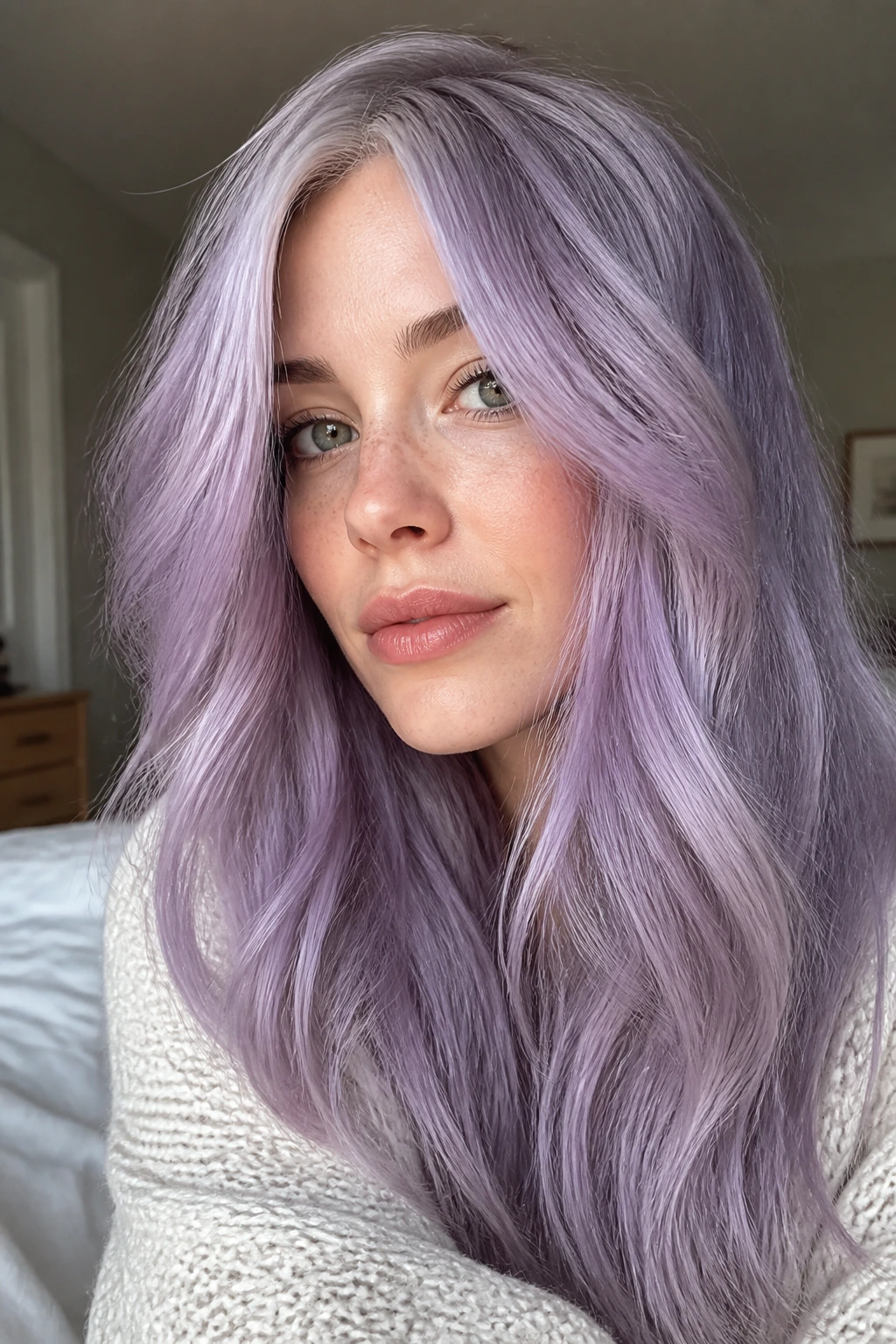
Choosing a lavender hair color for cool skin tones is about finding that precise balance between blue-violet and gray-silver. It is less about following a specific “trend” and more about finding the shade that makes your skin look bright and your eyes look clear. If your skin is naturally cool, you have a massive advantage: you can pull off the icy, platinum-lavender shades that would make warmer skin tones look sickly.
Remember that the process is as important as the result. If your hair is currently dark or warm, that transition phase is vital. Do not rush the lifting process. A healthy, level-10 platinum base is the only way to get a clean, true lavender. If you cut corners with the bleach, you will end up with a muddy, muted purple that will frustrate you for weeks.
Finally, keep your maintenance routine simple. You do not need twenty products. You need one good purple shampoo, one high-quality, deep-conditioning mask, and a habit of washing with cool water. Keep your heat tools on the lowest setting, and always use a heat protectant. Lavender is a beautiful, high-impact choice—give it the care it deserves, and it will remain a signature part of your look for a long time.
