



Purple hair can look icy and sharp on cool skin tones, but only if the shade leans blue, violet, or silver instead of muddy red. That’s the part people miss. They see “purple” on a color chart and assume every purple will do the same job, when the undertone inside the dye changes everything.
The best purple hair color ideas for cool skin tones tend to echo what cool undertones already do well: crisp contrast, clean color, and a little edge. A blue-based lilac can make pale skin look fresh. A smoky plum can give deeper complexions more depth. A warm grape, though? That’s where things can go sideways fast and leave the face looking flatter than it should.
Hair condition matters too. A pastel shade on porous blonde hair behaves nothing like a deep violet on virgin brunette hair, and anyone who has watched a toner grab too hard at the front pieces knows how messy that can get. The same color can look expensive, harsh, soft, or a little bruised, depending on the base, the cut, and how much gold is hiding underneath.
The shades below move from airy and pale to dark and glossy, so you can pick the kind of purple that matches your skin, your haircut, and your tolerance for upkeep without guessing.
1. Icy Lilac
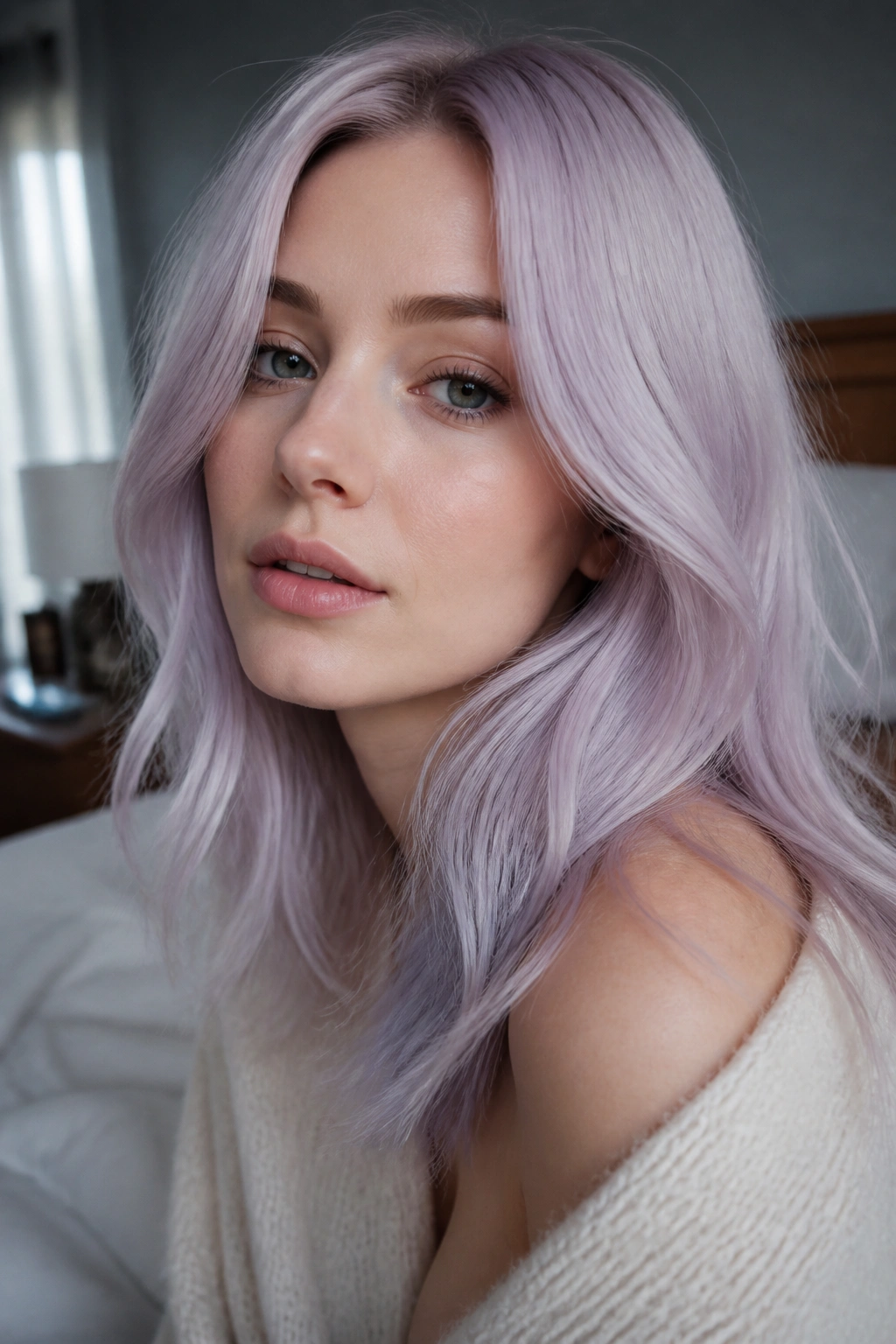
Icy lilac is the shade I reach for when someone wants purple but still wants the face to look crisp and bright. It sits near pastel territory, but the blue-violet base keeps it from drifting into chalky territory. On cool skin, that matters a lot.
Why It Flatters Cool Undertones
Cool undertones already play well with silver jewelry, ash blondes, and blue-red lip colors. Icy lilac slides right into that family. It gives the skin a clean frame instead of a yellow cast.
The trick is the base level. This shade works best on hair lifted to a pale blonde, usually level 9 or 10. Anything darker and the lilac can go dull in a hurry. On very light skin, it looks airy. On medium cool skin, it reads soft and polished.
- Best base: pale blonde, level 9-10.
- Best formula: a sheer violet gloss with a blue cast.
- Maintenance: refresh every 4 to 6 weeks.
- Best styling: soft waves, blunt bobs, or sleek straight hair.
Tip: If your ends start looking gray instead of lilac, back off the purple shampoo first. Too much pigment can make the shade muddy.
2. Silver Lavender
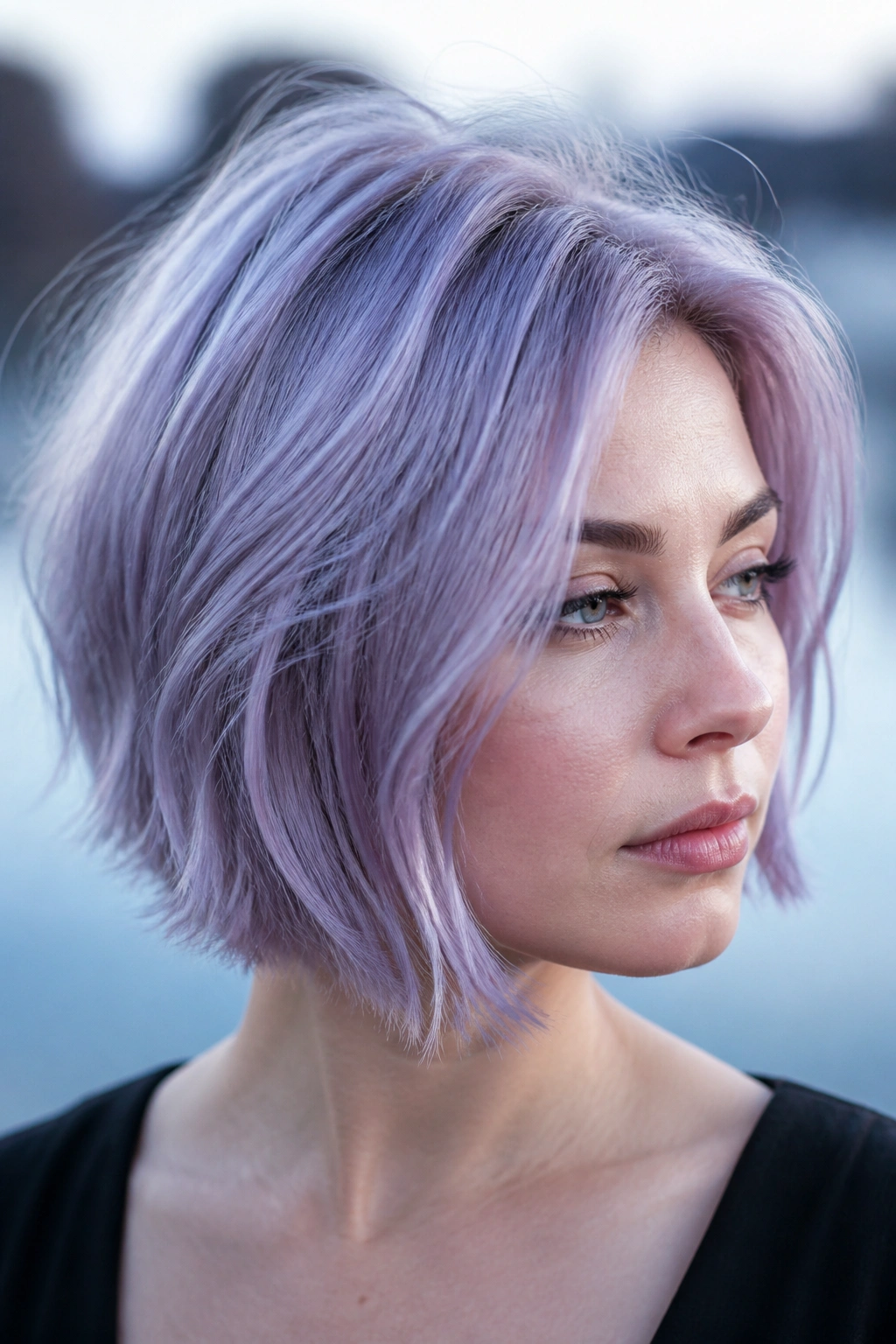
Silver lavender is the easiest purple to wear when you want something pale, cool, and controlled. It has a gray veil over the lavender, which keeps the color from going sugary or too bright. That gray note is exactly why it sits so well against cool skin.
I like this shade on shorter cuts because the shape does half the work. A chin-length bob or a clean pixie makes the silver tones read on purpose, not accidental. Long hair can wear it too, but it needs shine. Dull silver lavender can look flat if the hair is dry or overprocessed.
Ask for a lavender formula with a soft metallic finish, not a bright lilac. If your base is porous, a clear gloss on top helps the color stay even instead of grabbing at the front pieces and fading out at the ends first. That tiny bit of shine changes everything.
3. Smoky Orchid
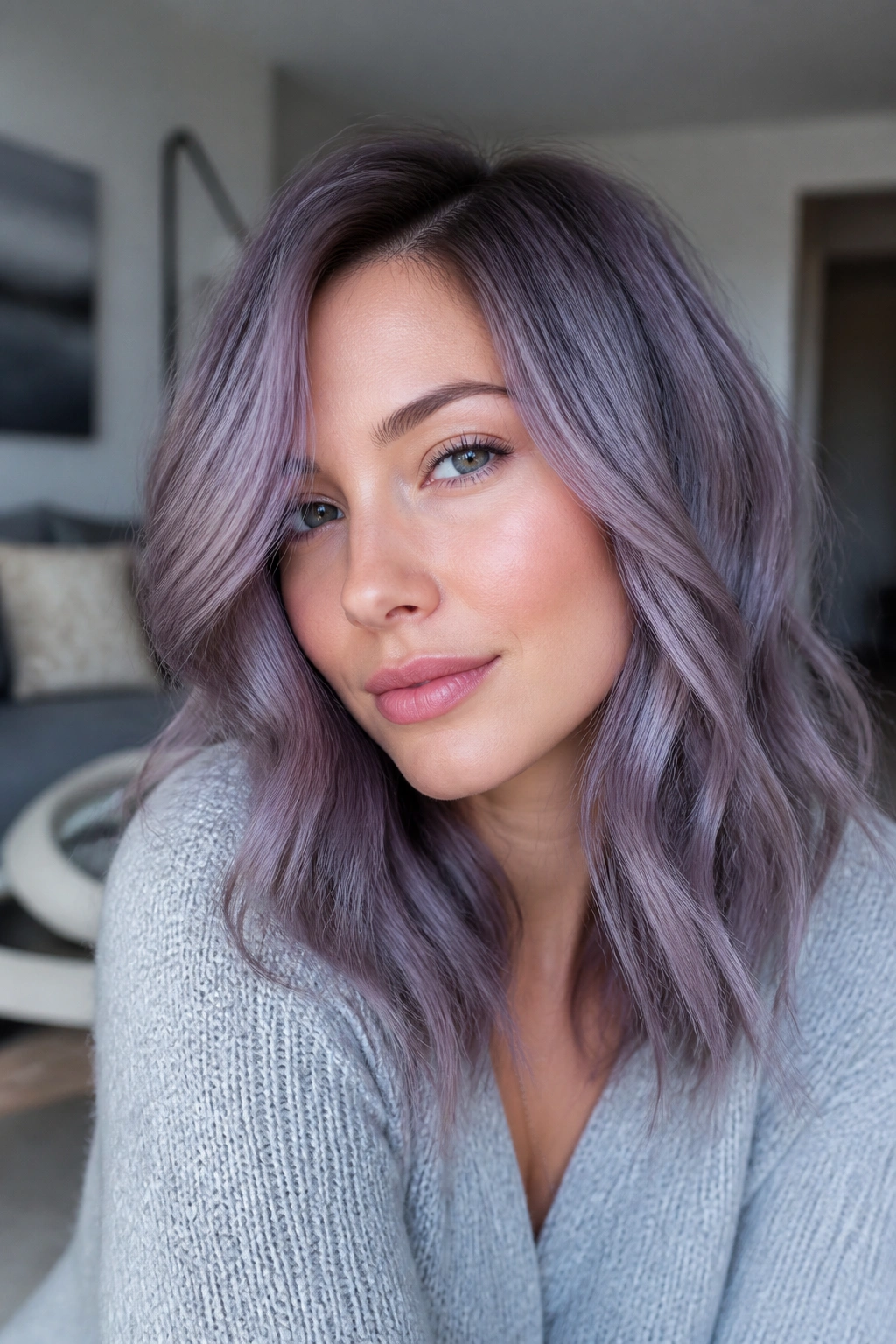
Why does smoky orchid work so well on cool skin? Because it keeps the violet present without turning the whole head loud. The smoky part is what saves it. A gray-violet veil softens the color and gives the skin room to breathe.
This is the shade for someone who wants purple with a little depth. It looks less pastel, less neon, and more like a soft shadow in the right light. Cool skin tends to like that contrast. Pink undertones in the face look calmer, not flushed.
How to Ask For It
- Ask for a violet base softened with gray or silver.
- Keep the saturation medium, not bright.
- Leave the roots a shade deeper for depth.
- Finish with a cool gloss instead of a warm toner.
The best part is how wearable it feels on wavy hair. The bends catch the smoky pieces and give the color movement without needing a lot of styling. It’s one of those shades that looks expensive even when the cut is simple.
4. Blue-Violet Dip Dye
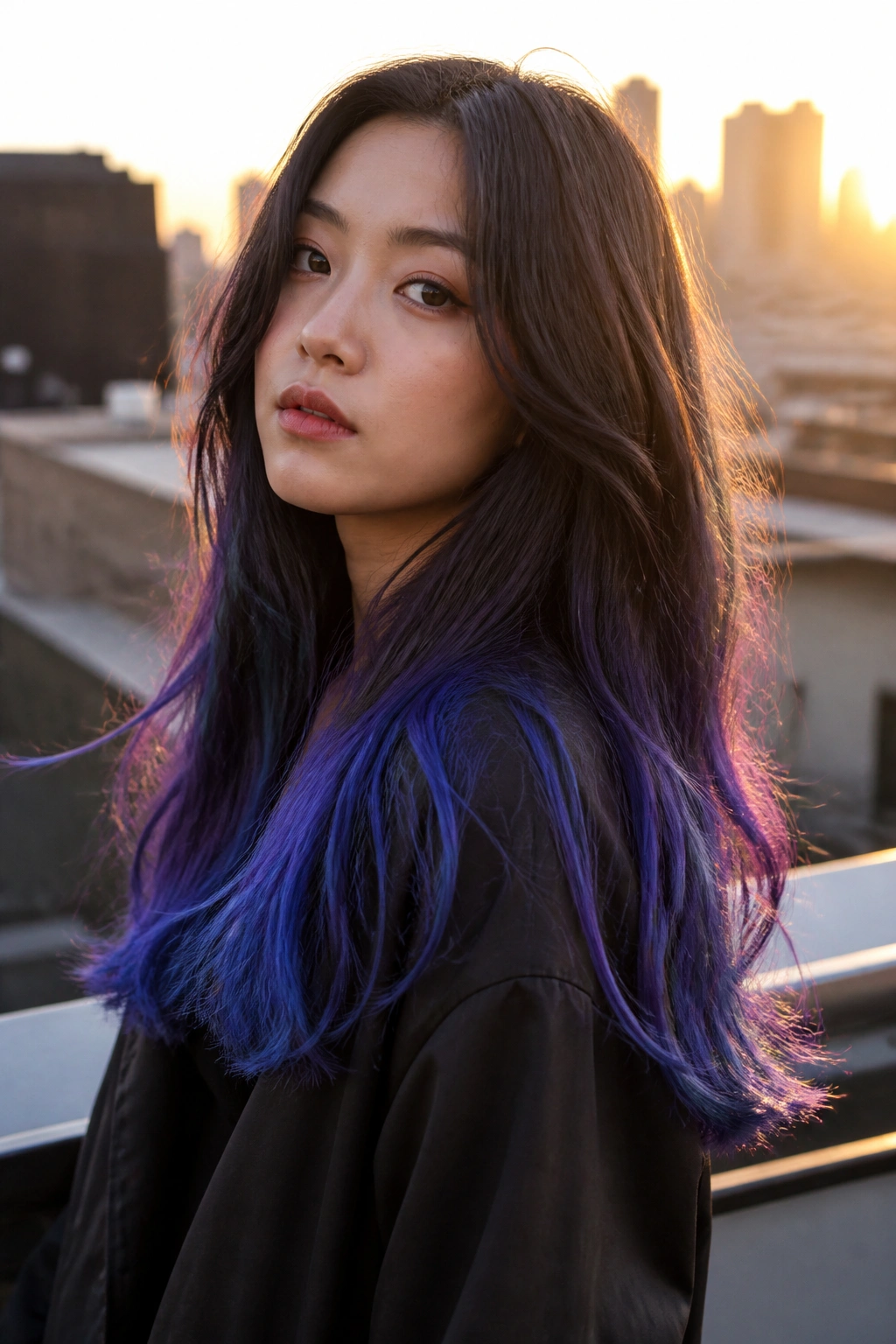
A dip-dye purple is the move when you want drama without signing up for an all-over commitment. The ends carry the color, so the root line stays quiet and the face keeps its natural brightness. On cool skin, blue-violet ends look sharp instead of loud.
This works especially well on long lobs, layered cuts, and curly hair. The color lands where the hair moves, which means it shows off every bend and twist. On straight hair, the line feels cleaner and a little more graphic.
- Great for first-timers who want to test purple.
- Best when the bottom 4 to 6 inches are light enough to hold pigment.
- Easy to trim off later if you want to go back to natural.
- Looks strongest when the purple starts below the chin line.
Bottom line: if you want a purple that grows out quietly, this is one of the easiest options to live with.
5. Amethyst Melt
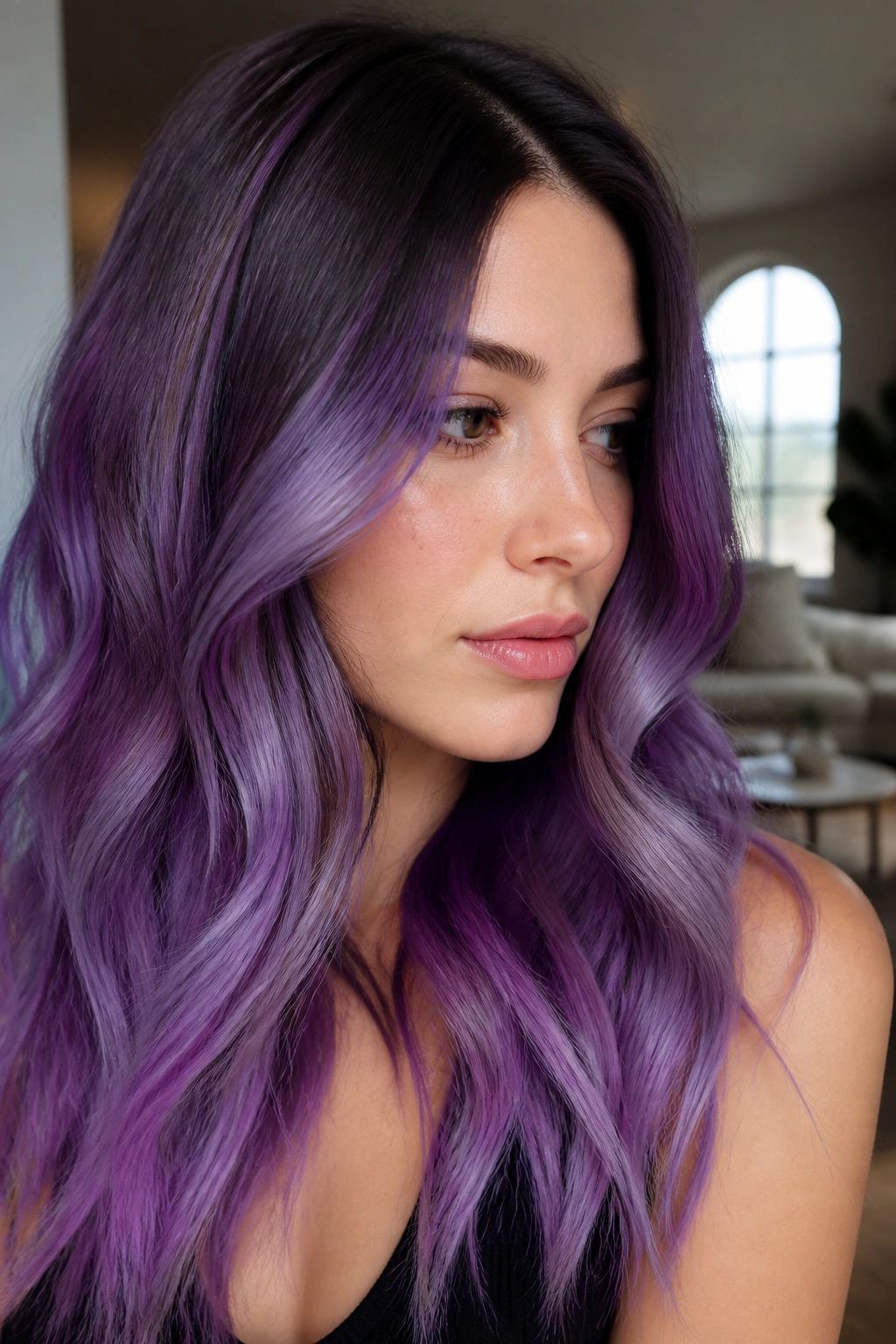
Amethyst melt has a depth that a flat color just can’t fake. The shade moves from a deeper root shadow into midlengths with violet and ends that glow a little brighter, almost like polished stone under a lamp. That layered effect is why it looks so good on cool skin.
It gives the face shape. That sounds small, but it isn’t. A good melt pulls the eye downward and creates a softer frame around the cheekbones, which helps cool undertones look calm rather than washed out. On long hair, the gradient looks rich. On shoulder-length hair, it looks neat and a little sharper.
I’d keep the root at least one level deeper than the rest of the color, not two. Too much contrast can feel chunky unless the haircut is very layered. A gloss finish helps the amethyst part stay glossy instead of turning flat after a few washes.
6. Plum Money Piece
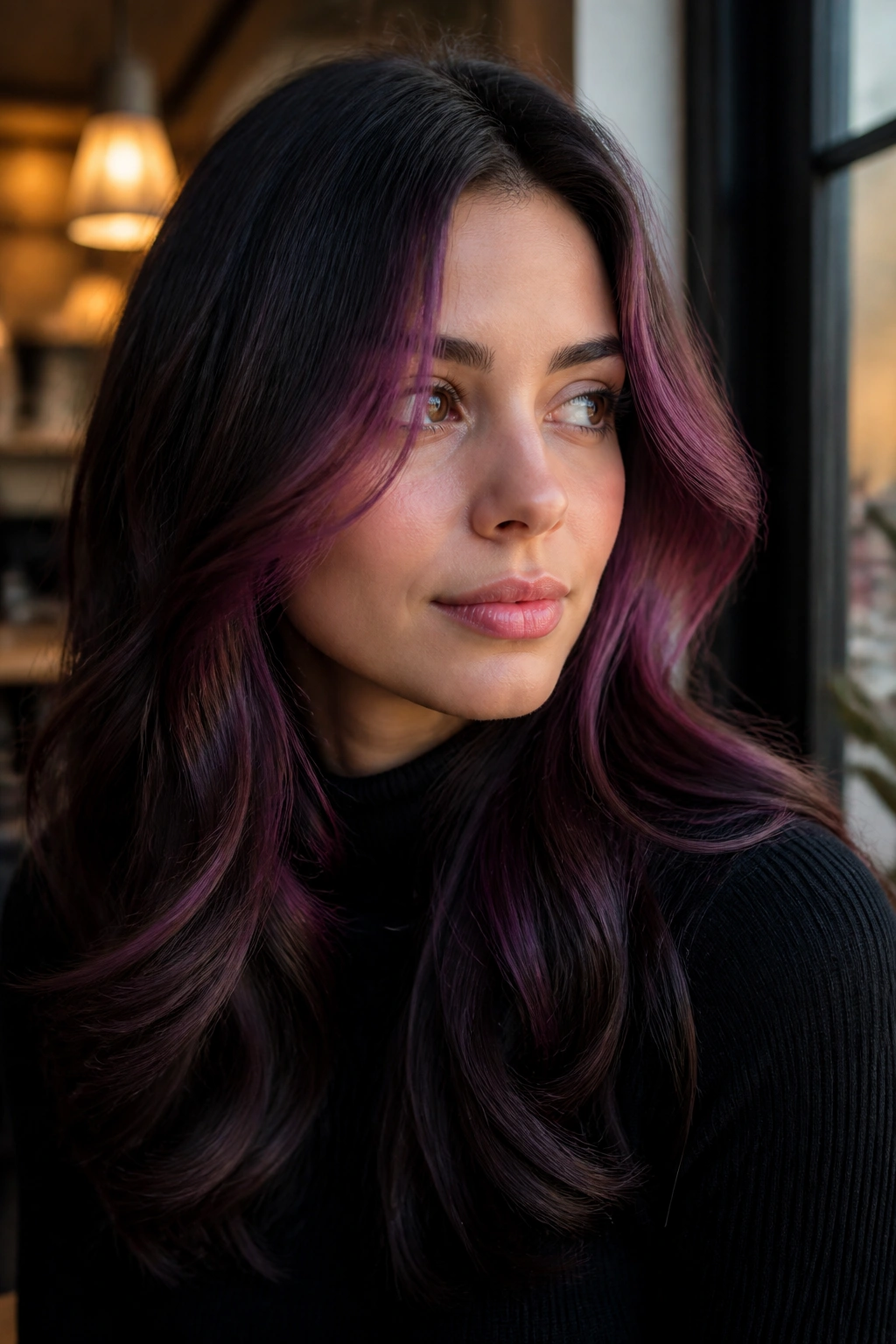
Unlike an all-over purple, a plum money piece puts the color right where it matters most: around the face. That makes it a smart choice if you want to test purple without giving up your natural base. On cool skin, the plum framing pieces can sharpen the eyes and make the cheeks look a little more defined.
This idea works best with side parts, curtain bangs, and updos. The purple sits in the front and becomes part of your features rather than your whole haircut. That also means you can keep the rest of the hair dark, blonde, or brunette and still get the effect.
I prefer a cool plum here, not a red-heavy wine shade. The blue side of plum keeps the color clean. If your skin is very fair, ask for the front pieces to stay slightly muted so they don’t bully the rest of your face. A couple of well-placed ribbons can do more than a full head of color.
7. Periwinkle Purple
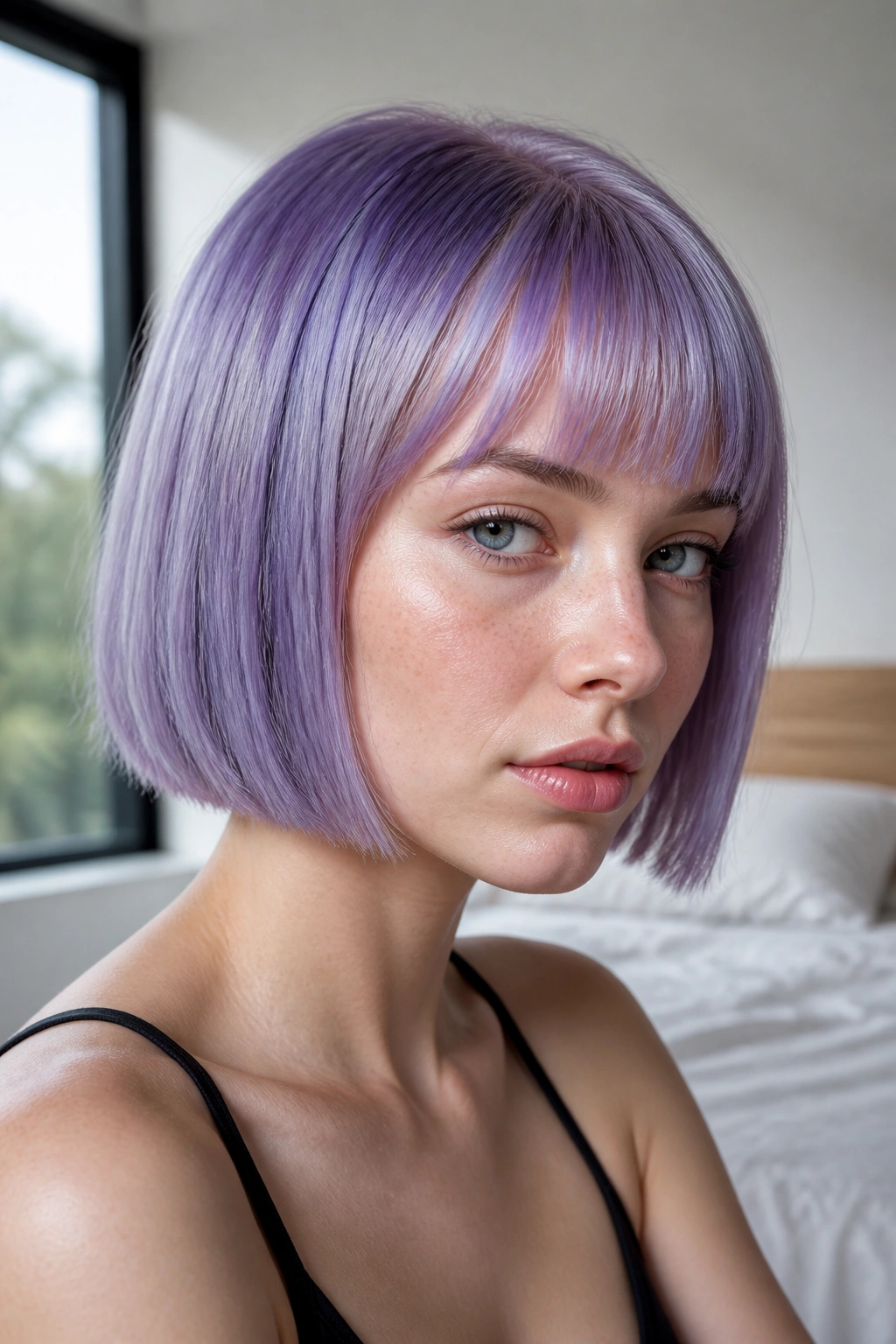
Periwinkle purple lives in that sweet spot between blue and lavender, and that’s why it flatters cool skin so well. It brings a soft brightness to the face without sliding into baby pink or warm pastel territory. The color has enough blue in it to keep the whole look crisp.
What Keeps It From Going Flat
Periwinkle needs a pale canvas. If the hair is too yellow, the shade can look off fast — almost cloudy, almost green in a bad light. A proper tone-down before color makes the difference between “soft pastel” and “why does this look dusty?”
It also suits clean shapes. A sharp bob, a blunt fringe, or a sleek shoulder-length cut makes the shade feel deliberate. On big curls, periwinkle can still work, but the color reads softer and a little more romantic.
Quick Notes
- Best on level 9-10 blonde.
- Ask for blue-lavender with a silver veil.
- Use cool-toning conditioner sparingly.
- Pair with cool blush and a sheer lip.
8. Mulberry Velvet
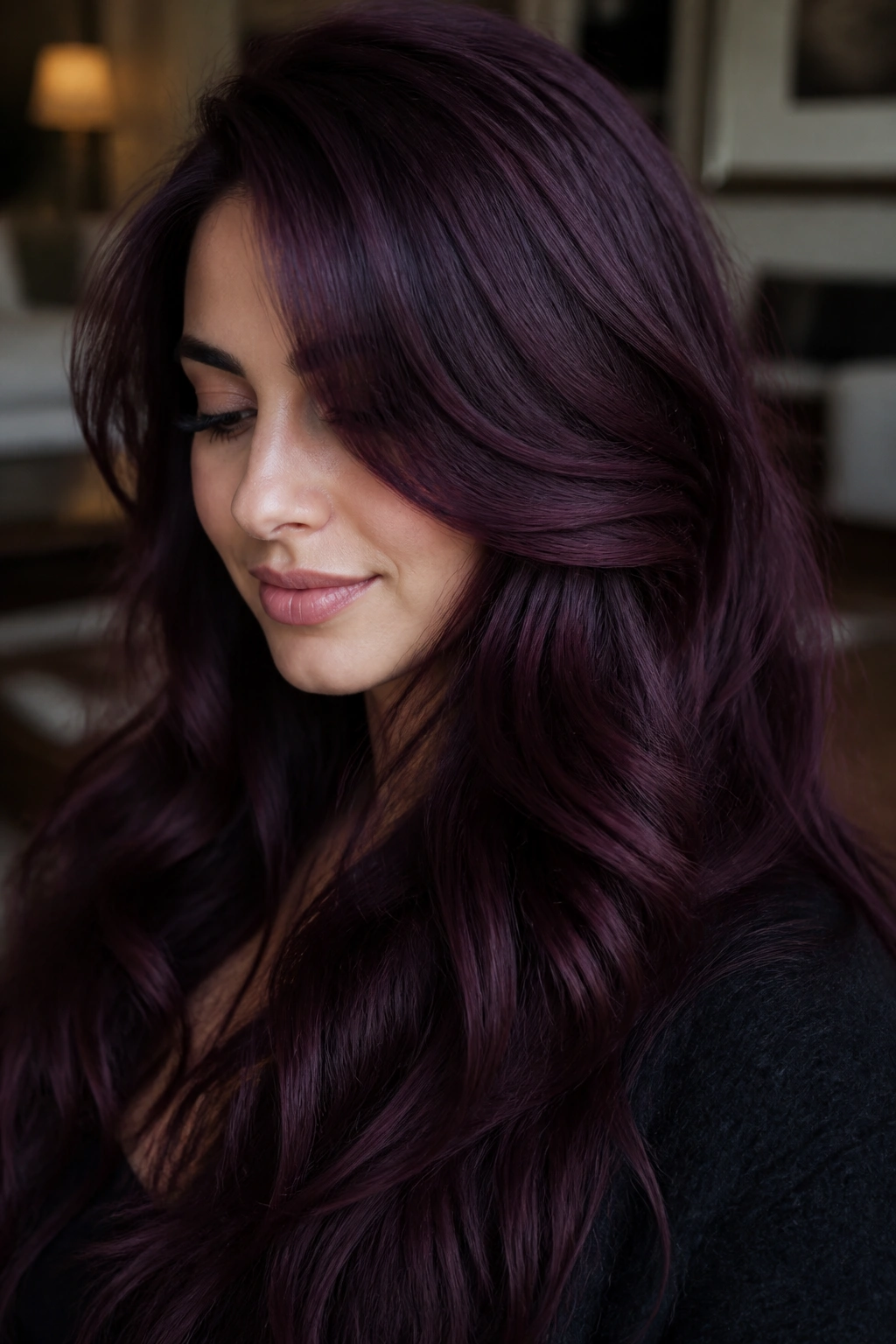
Mulberry velvet is the richest shade on this list. It sits deeper than lavender and less bright than orchid, which gives cool skin a darker frame without pushing the face into heavy territory. The color has a berry note, but it should stay blue-leaning, not red and sticky looking.
I like this shade on medium to deep cool skin because it brings depth without washing the complexion out. It also works on dark eyes in a way that lighter purples sometimes don’t. The shine matters here. A matte mulberry can go dull, while a glossy one looks plush and deliberate.
If your hair is naturally brunette, this is one of the easier purples to wear because it can live over a darker base. You do not need to bleach everything to the bone. A colorist can build it with a violet glaze and still leave some depth underneath. That’s part of the appeal.
9. Heliotrope Highlights
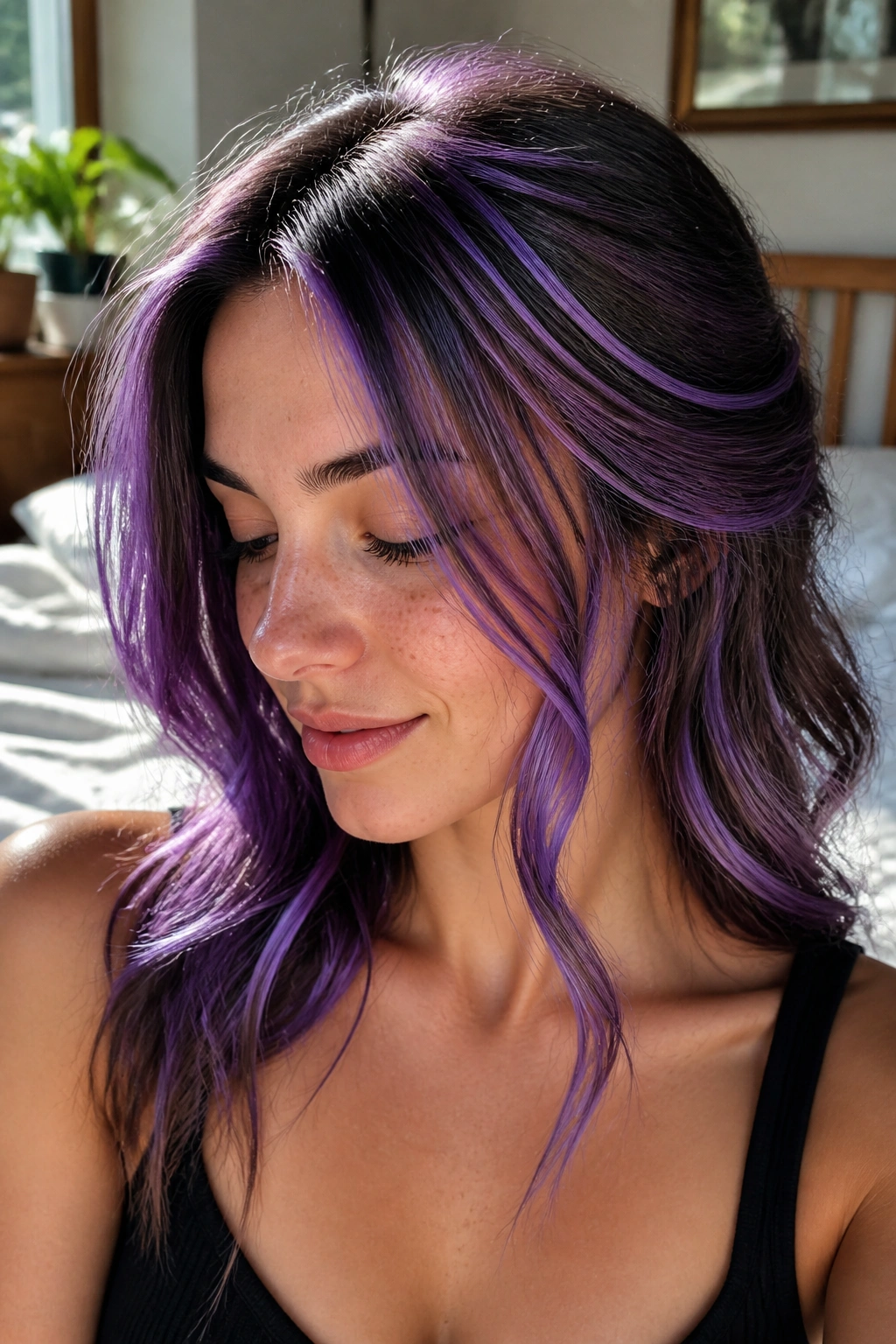
Need purple without the full-color leap? Heliotrope highlights get the job done. The shade sits in the violet family, but as thin ribbons through the hair, it feels lighter and more scattered than an all-over dye job. Cool skin likes that little flash of color.
Where the Ribbons Should Go
Place the highlights near the face, crown, and upper layers if you want the color to show in movement. On curls, the ribbons can be a bit wider because the texture breaks the color up anyway. On straight hair, thinner ribbons look cleaner and more polished.
The best part is flexibility. You can keep most of your hair natural and still get a purple that shifts when the light hits it. That makes it a smart choice for people who want something fun but not fussy.
A heliotrope highlight pattern also gives the haircut more dimension. A flat one-length cut wakes up fast when a few violet pieces cut through it. It’s a small move with a big visual payoff.
10. Deep Eggplant
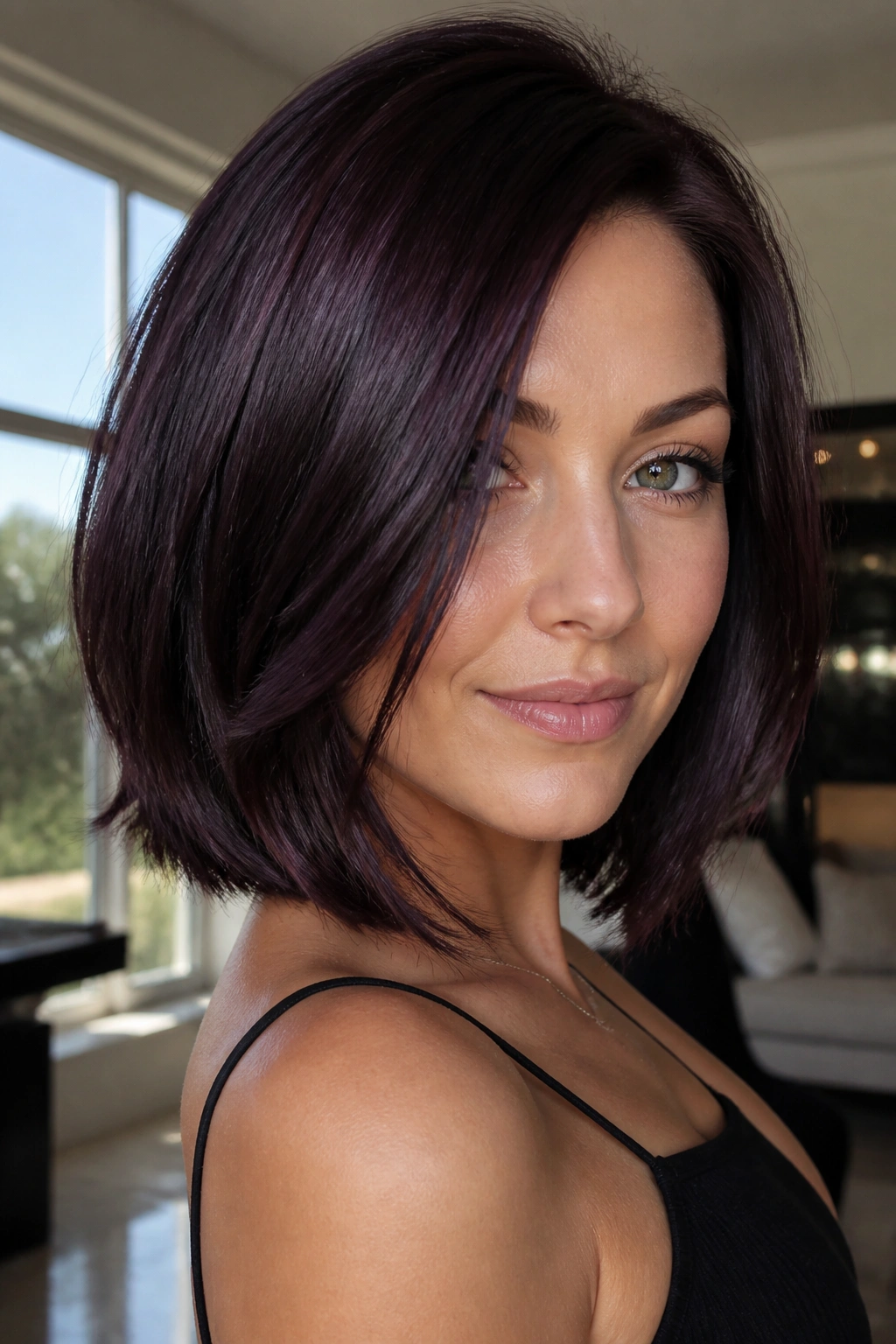
Picture a shoulder-length bob in low indoor light. Deep eggplant can look almost black at first, then turn purple the second you move near a window. That is the appeal. It gives cool skin contrast without screaming for attention.
This shade is especially strong on glossy, healthy hair because the depth depends on shine. If the hair is dry, the color can look heavy instead of rich. On cool undertones, though, a good eggplant shade can sharpen the jawline and make light eyes look a little brighter.
- Best starting base: medium brunette or darker.
- Best finish: glassy gloss, not matte.
- Best haircut: bob, lob, or layered long hair.
- Watch for: over-warm red pigments that turn the shade wine-like.
It’s a smarter dark purple than a lot of people expect. Subtle, yes. Boring, no.
11. Mauve Rose Purple
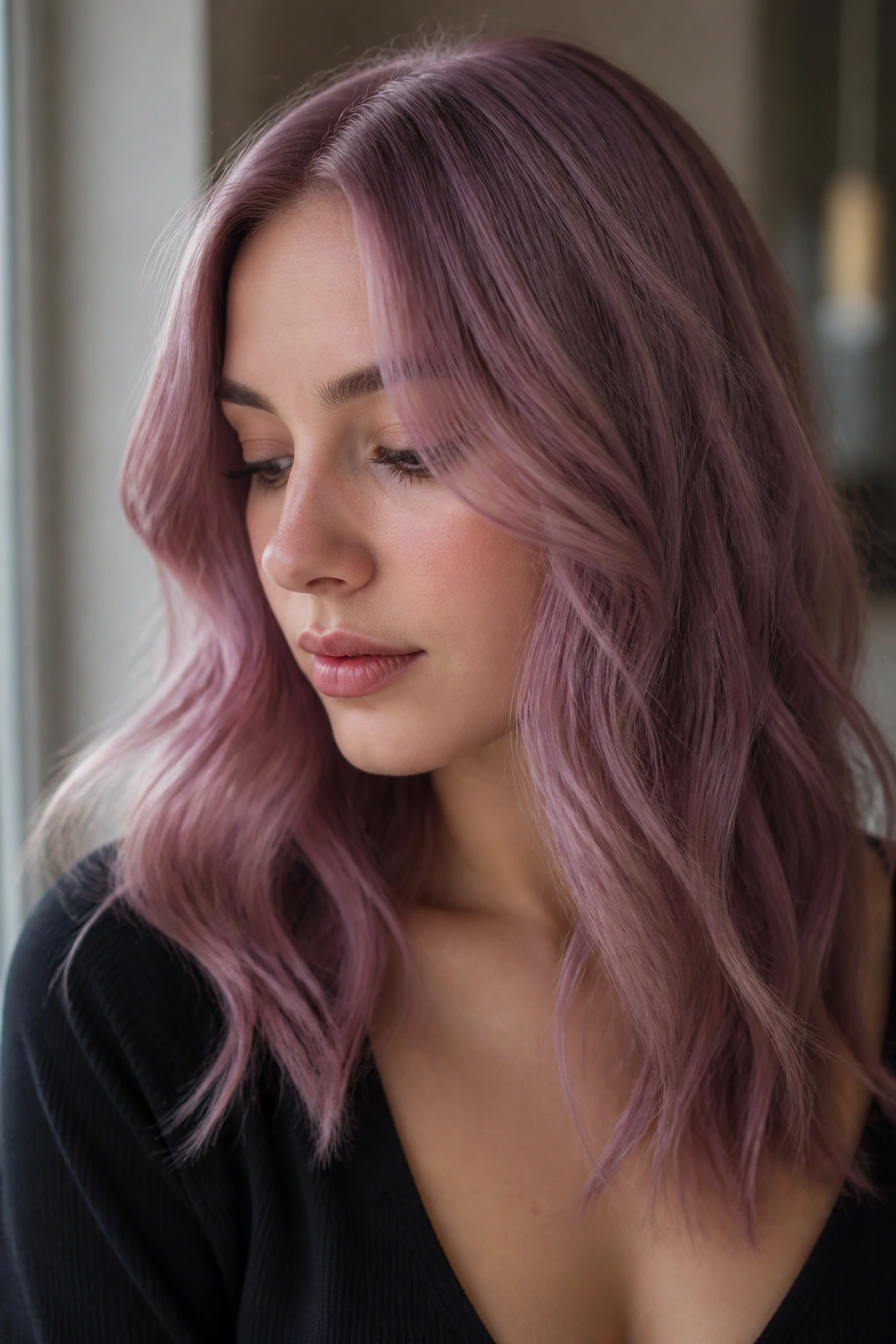
Mauve rose purple is for someone who wants softness more than shock value. It leans dusty and a little muted, with enough rose in it to keep the color flattering on cool skin. The trick is that the rose should stay cool, not peachy.
This shade has a calmer face-framing effect than a brighter violet. It works well if your style already has gentle lines — loose waves, soft bangs, a fine-haired bob, or a layered cut that moves a bit when you walk. On very bright makeup, it can feel delicate. On berry blush and a mauve lip, it feels pulled together.
I’d call this a wearable purple. Not plain. Wearable. If you want a salon color that can slide into both casual and polished looks, mauve rose purple earns its place.
12. Grape Soda Ends
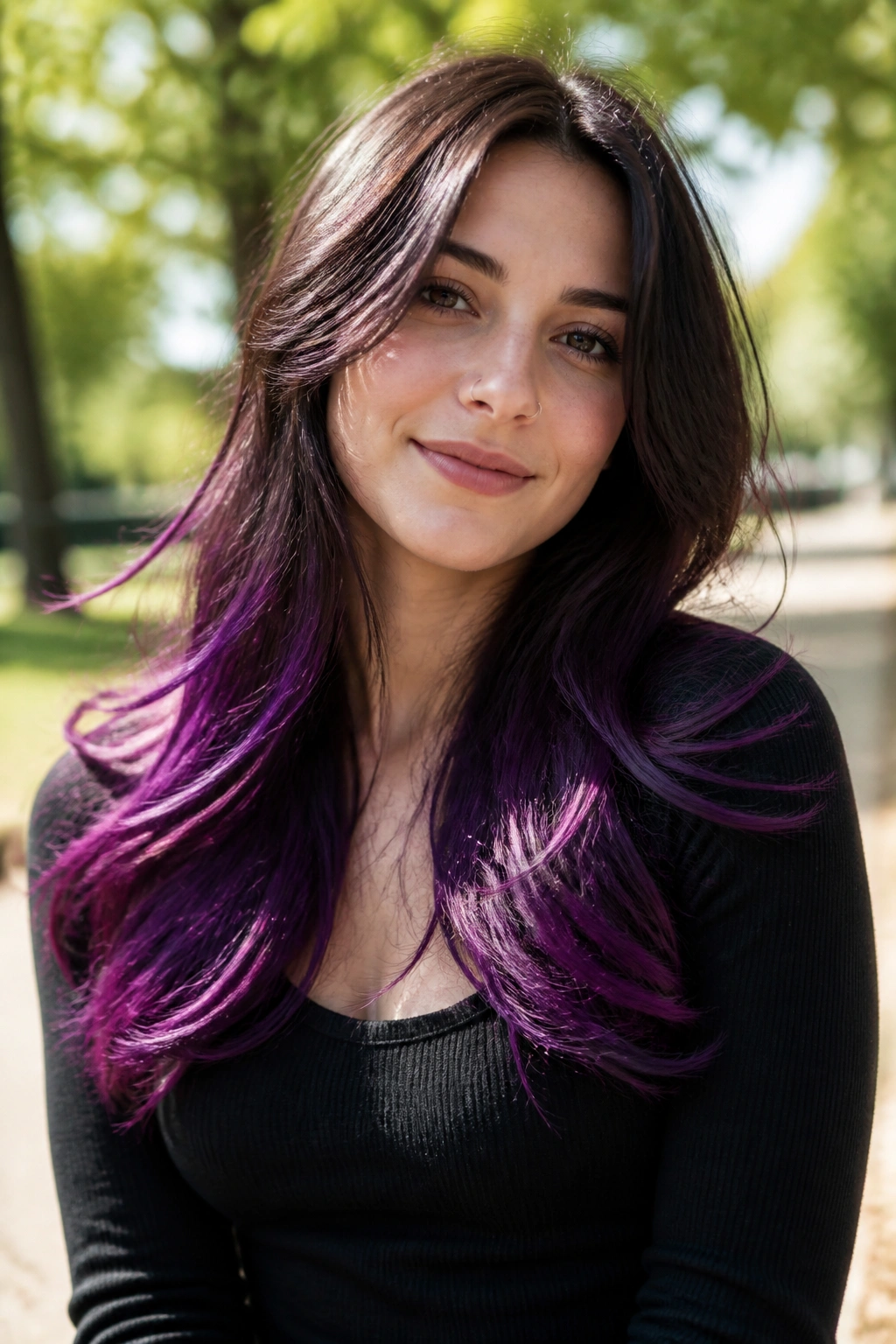
Unlike ombré that melts all the way into brown, grape soda ends keep the lower half of the hair saturated and fun. That tighter focus on the tips makes the color feel more modern and less blended-away. Cool skin gets a nice pop near the shoulders, which keeps the face from looking too bare.
This shade works best on layered cuts because the ends move. If the hair is long and blunt, you still get the effect, but the color appears more like a strong block. On waves, the purple catches in pieces and looks less heavy.
You’ll want enough lightness in the bottom section for the grape tone to show cleanly. A colorist can keep the top half deeper or natural and then build the saturated purple just through the last few inches. It’s a neat choice if you like color that feels playful, not costume-like.
13. Lavender Root Shadow
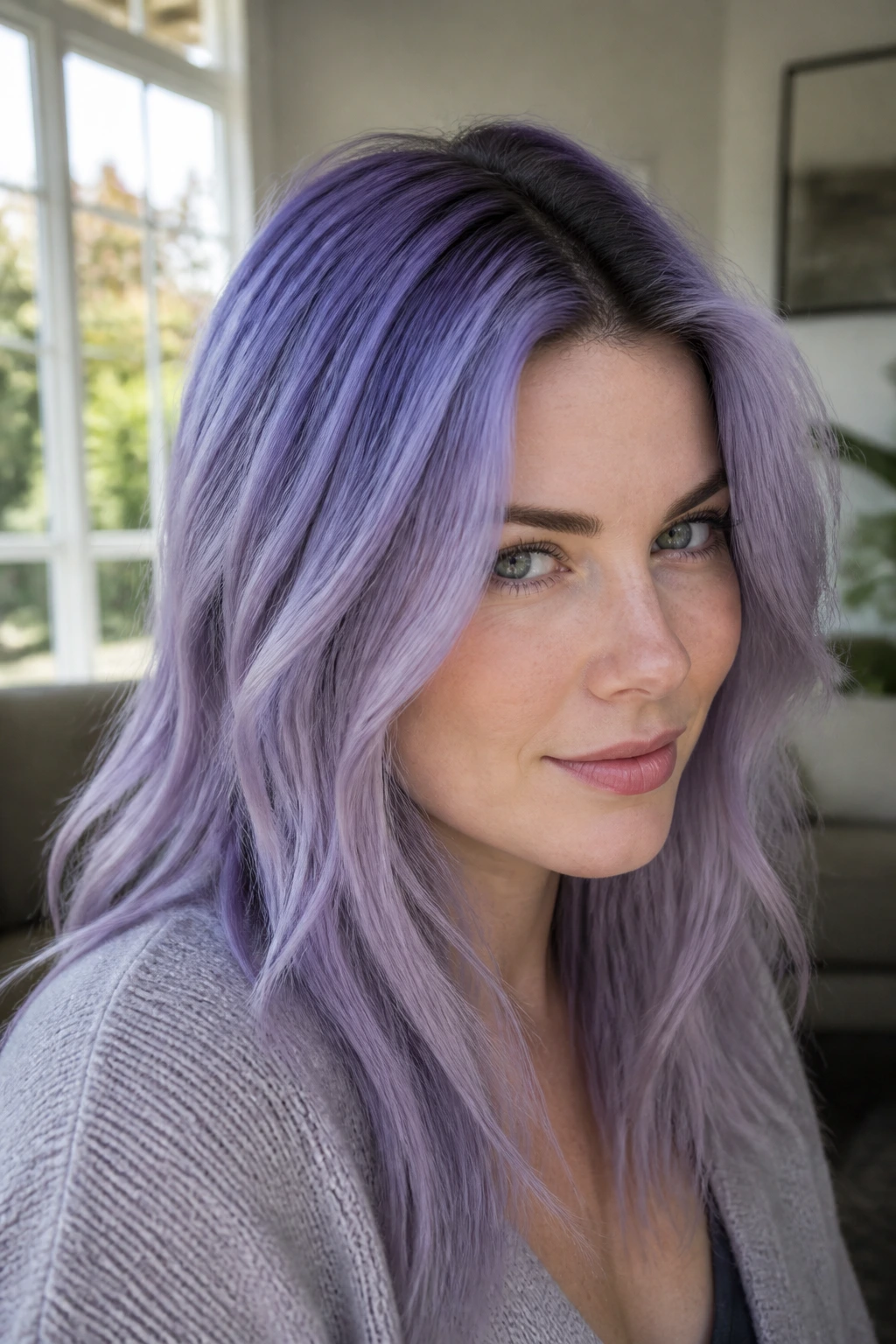
Lavender root shadow is one of the most practical purple ideas in the bunch. The darker root makes regrowth less annoying, and the lavender midlengths keep the color soft around the face. Cool skin gets both depth and brightness in the same look.
Why the Root Shadow Helps
- It buys you more time between salon visits.
- It keeps the purple from looking too flat at the scalp.
- It works well with bangs because the roots don’t need to be perfect.
- It gives the rest of the color a little structure.
The root should stay only one or two levels deeper than the lavender, not brown and heavy. That keeps the look airy. On cool skin, the shadow adds shape without taking warmth into the picture, which is the whole point. If you want purple that won’t punish you every time it grows out, this is a smart pick.
14. Electric Violet
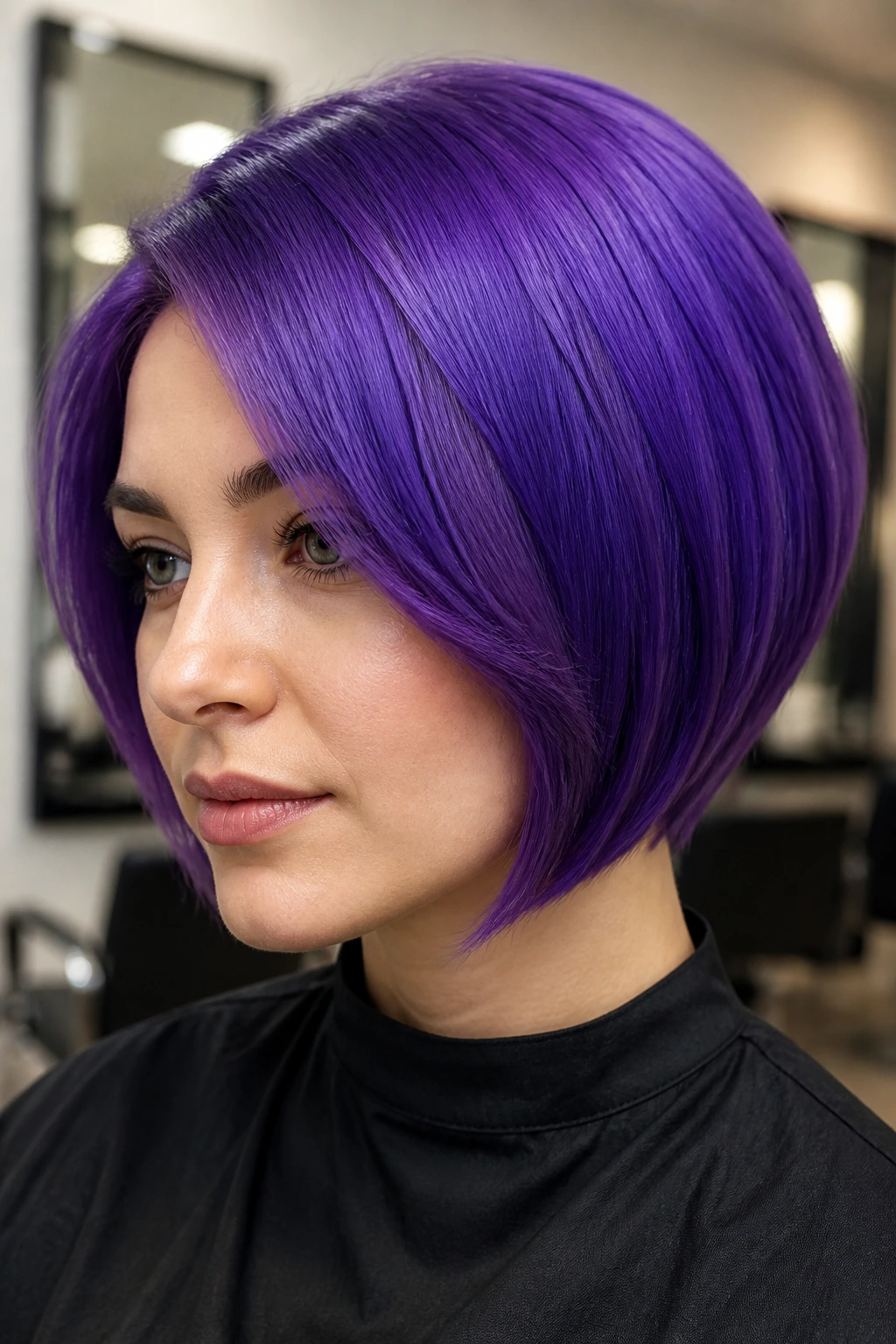
Electric violet is not shy. It’s the shade for anyone who wants the purple to show first and the haircut to follow. On cool skin, the blue base keeps the color from turning harsh, which is why this shade can look so clean when it’s done right.
The cut matters here. Short bobs, pixies, shaggy layers, and straight blunt styles make the color look intentional. When the hair is too long and overworked, electric violet can feel busy. Keep the shape clean and the shine high.
Maintenance is part of the deal. This is not a fade-and-forget color. Use sulfate-free shampoo, wash less often, and expect the brightness to soften before the depth disappears. If you like saturated color and don’t mind a little upkeep, electric violet gives a lot back. Loud? Yes. But in a good way.
15. Frosted Iris
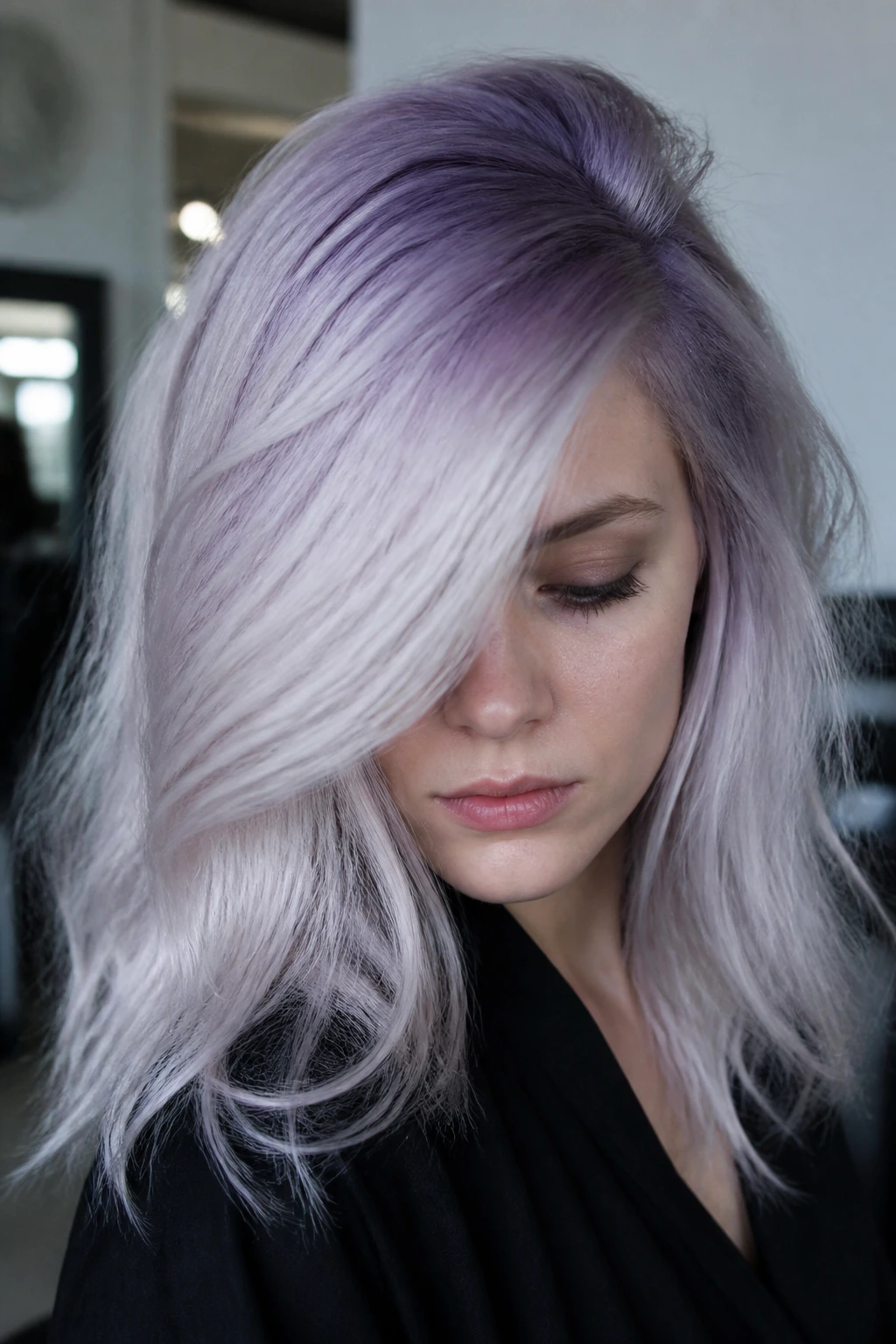
Why does frosted iris flatter cool skin so well? Because it mixes icy silver with a violet core, and that combination keeps the face from getting swallowed by pastel. The result feels airy but not weak.
Best Base and Finish
This shade needs a very pale base. Anything yellow or brassy underneath will muddy the frosted effect. A violet-blue toner before the final deposit helps the color land in the right place, and a clear gloss after coloring keeps the surface from looking dry.
Frosted iris can shift depending on the light. In daylight, it looks pale and soft. Under indoor lighting, the violet comes forward and gives the hair more depth. That little shift is part of the charm.
It’s a good choice for people with fair cool skin and sharper features, but it can work on medium tones too if the saturation is kept light. Clean, cold, and a little dreamy. That’s the lane.
16. Blackberry Purple Balayage
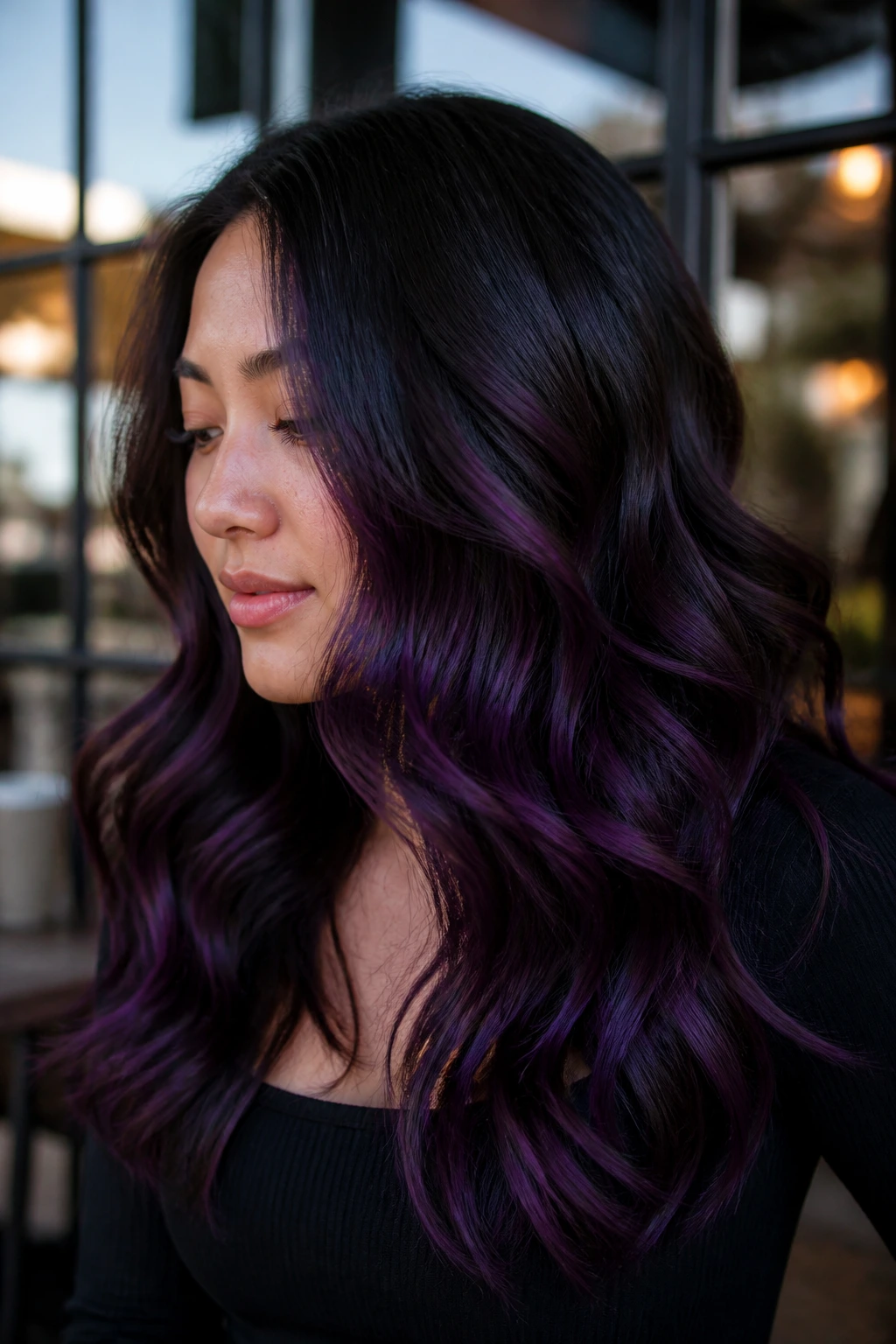
A blackberry balayage gives you purple depth without locking the whole head into one flat shade. The darker base stays visible, while hand-painted blackberry pieces add movement through the midlengths and ends. On cool skin, that contrast makes the color feel dimensional rather than loud.
This is one of the better options for curly and wavy hair because the painted pieces break up naturally as the hair moves. On straight hair, the ribbons sit more neatly, which can look sleek and polished. Either way, the balayage grows out better than a solid color because the root line stays soft.
What to Ask For
- Hand-painted blackberry ribbons on a cool brunette or dark blonde base.
- A blue-violet tone, not a warm berry shade.
- More saturation near the face and ends.
- Soft blending through the midlengths.
If you want something rich that does not demand constant touch-ups, this one makes sense.
17. Dusty Wisteria
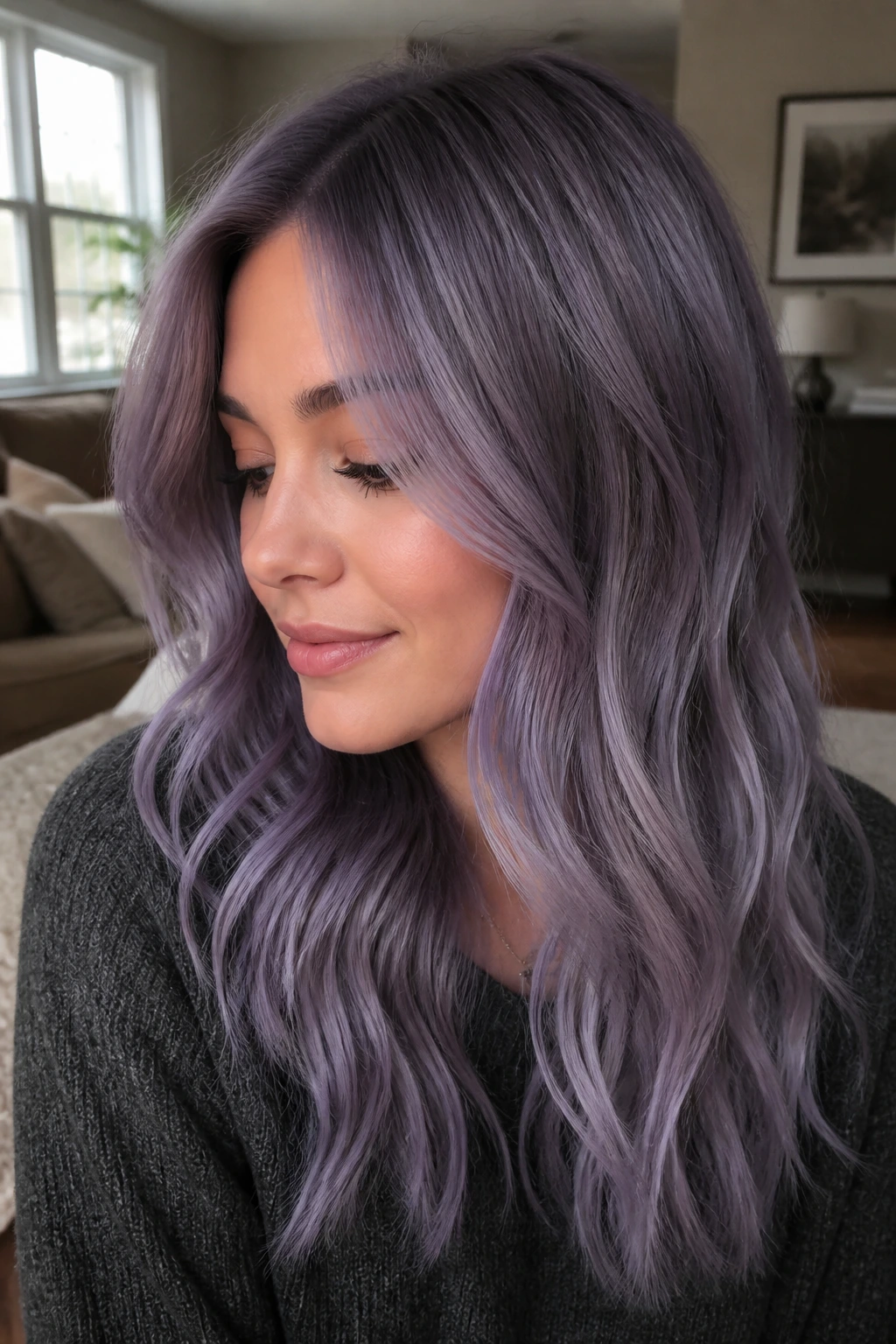
Dusty wisteria is the shade I recommend to people who like soft color but hate anything that looks sugary. It’s muted, slightly gray, and low-key in the best way. On cool skin, that dusty quality keeps the face from looking too pink or too stark.
This color works especially well when the haircut has movement. Medium layers, airy fringes, and shoulder-length cuts let the wisteria color breathe. On very thick hair, it reads more matte and architectural. On finer hair, it can look almost foggy, which is a nice effect if you like lightness.
The one thing to watch is warmth underneath. If the base is yellow, dusty wisteria can turn off-color fast. A proper tone before depositing the purple keeps the whole look clean. It’s not a dramatic shade, but it has staying power because it feels lived-in rather than flashy.
18. Royal Purple Streaks
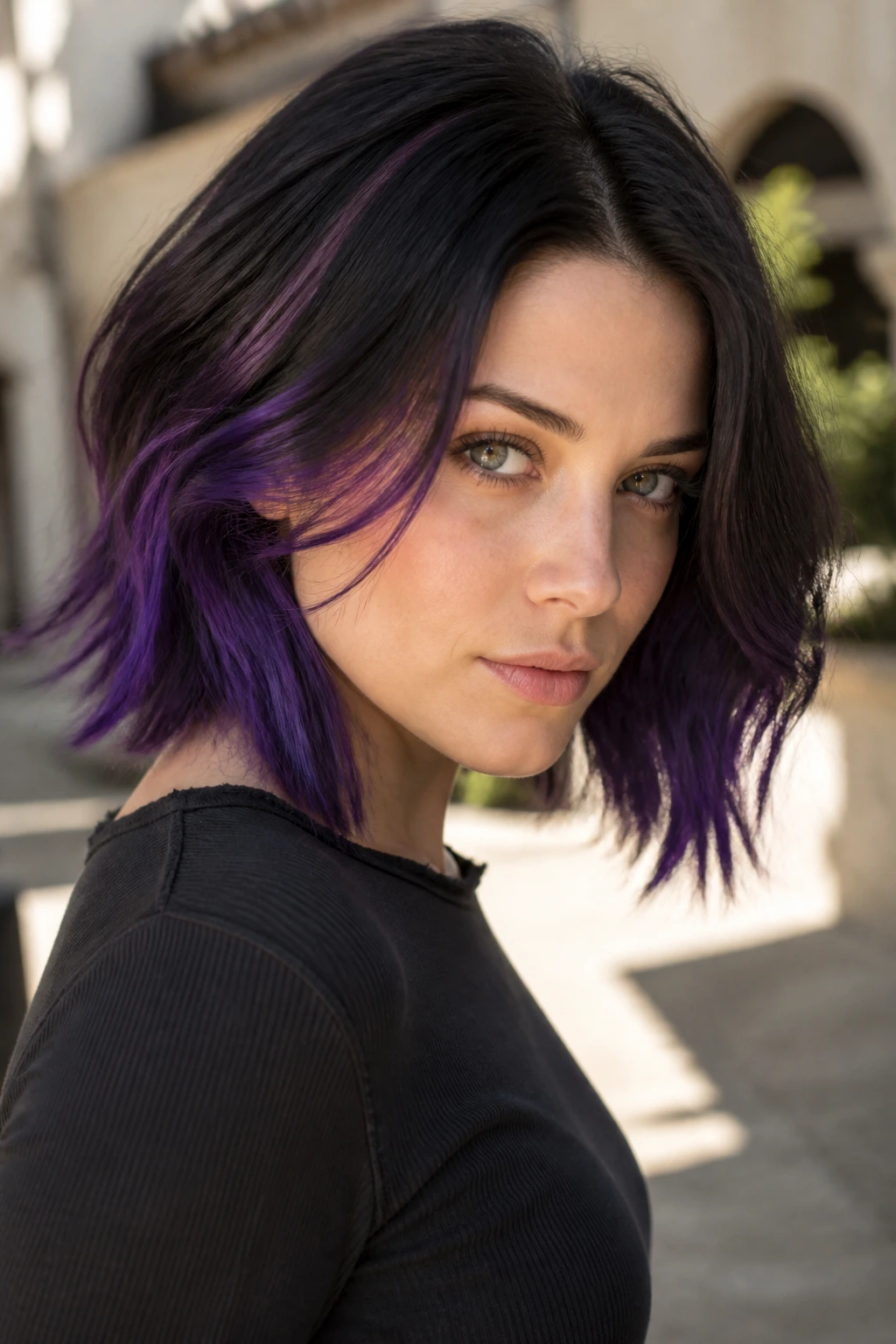
Unlike an all-over dye job, royal purple streaks let your natural hair stay in the picture. That makes the color feel sharper and easier to wear if you’re not ready to commit to full coverage. Cool skin gets the benefit of strong purple accents without losing all the contrast from the base color.
This shade works well in underlayers, near the part line, or as a few bolder streaks around the temples. Short hair loves it. A pixie with one or two royal purple panels can look clean and graphic. On long hair, the streaks show best when the cut has movement or a little layering.
I’d keep the purple rich and blue-leaning so the streaks don’t go red. A handful of well-placed pieces does more than a lot of scattered ones. Too many streaks and the whole thing starts to blur. Three or four strong placements usually beats ten thin ones.
19. Soft Violet Bob
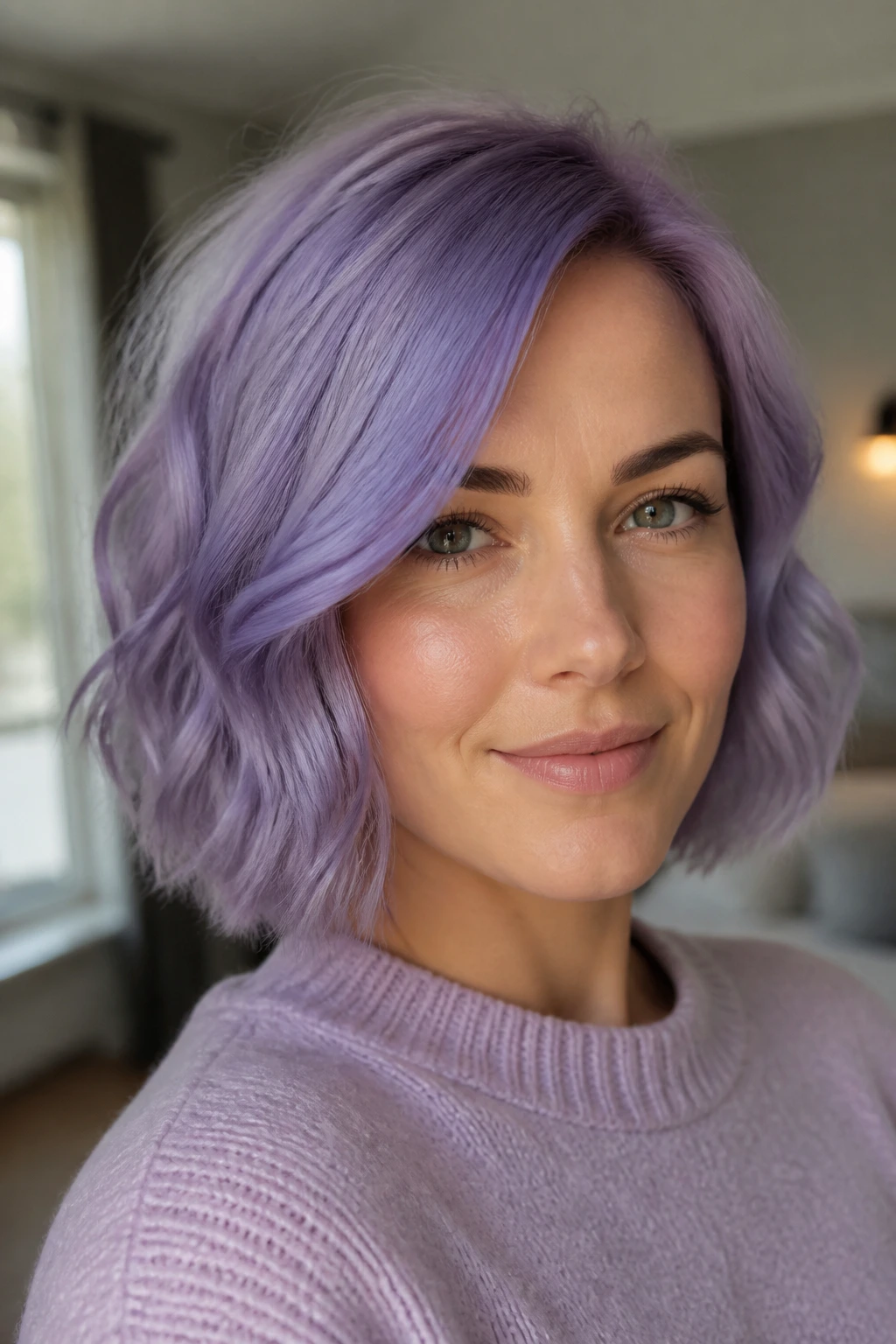
A soft violet bob is one of those ideas that looks simple until you see it in motion. The bob gives the color a clean edge, and the violet keeps that edge from feeling severe. On cool skin, the combination can make the face look fresh and awake.
Why the Bob Makes the Shade Pop
A shorter cut means the color has less room to hide. Every bend, tuck, and shine line shows up more clearly, so even a softer violet reads with purpose. If the bob is blunt, the shade looks modern. If it’s a little textured, it feels more relaxed.
- Best length: chin to collarbone.
- Best finish: sleek or softly waved.
- Best tone: a cool violet with a lavender cast.
- Best upkeep: gloss every 3 to 4 weeks.
Small tip: keep the ends neat. A violet bob with ragged, dry ends loses half its effect fast.
20. Cool-Toned Burgundy Purple
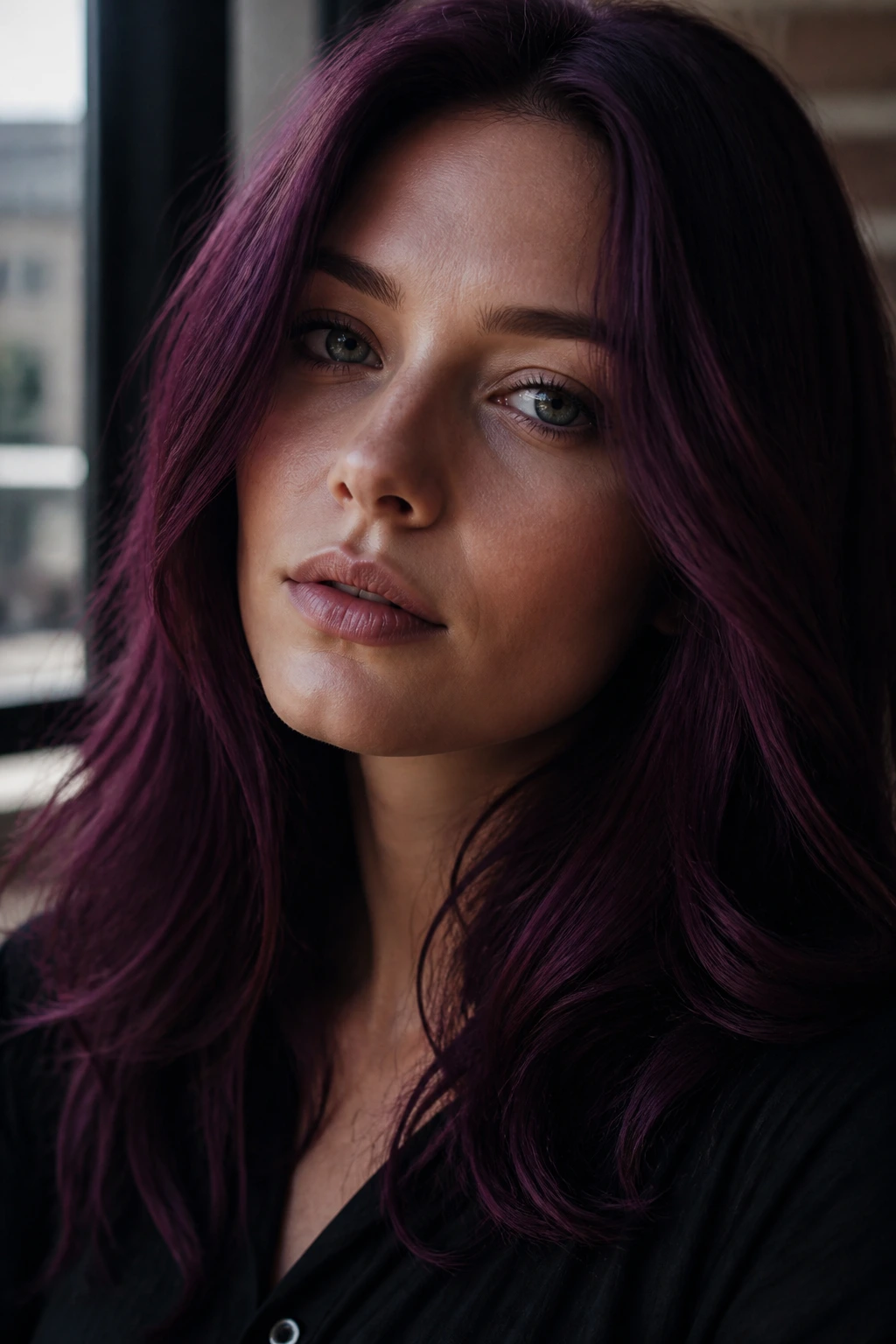
Cool-toned burgundy purple is the dark, moody answer for people who want purple without going bright. It has the depth of burgundy, but the purple edge keeps it from sliding into wine or brick territory. On cool skin, that blue-red balance is what makes it work.
This is a good shade for deeper complexions and for anyone who likes strong contrast. It can make the eyes look whiter and the skin look more even, especially if the burgundy stays cool and glossy. The shade feels polished on long layers, but it also looks clean on a bob or shoulder cut.
Be picky here. A warm burgundy will fight cool undertones and make the whole look feel off. A blue-toned burgundy, though, has enough richness to feel serious and enough purple to stay interesting. It’s one of the few dark shades that can read bold without being neon.
21. Pastel Amethyst Blend
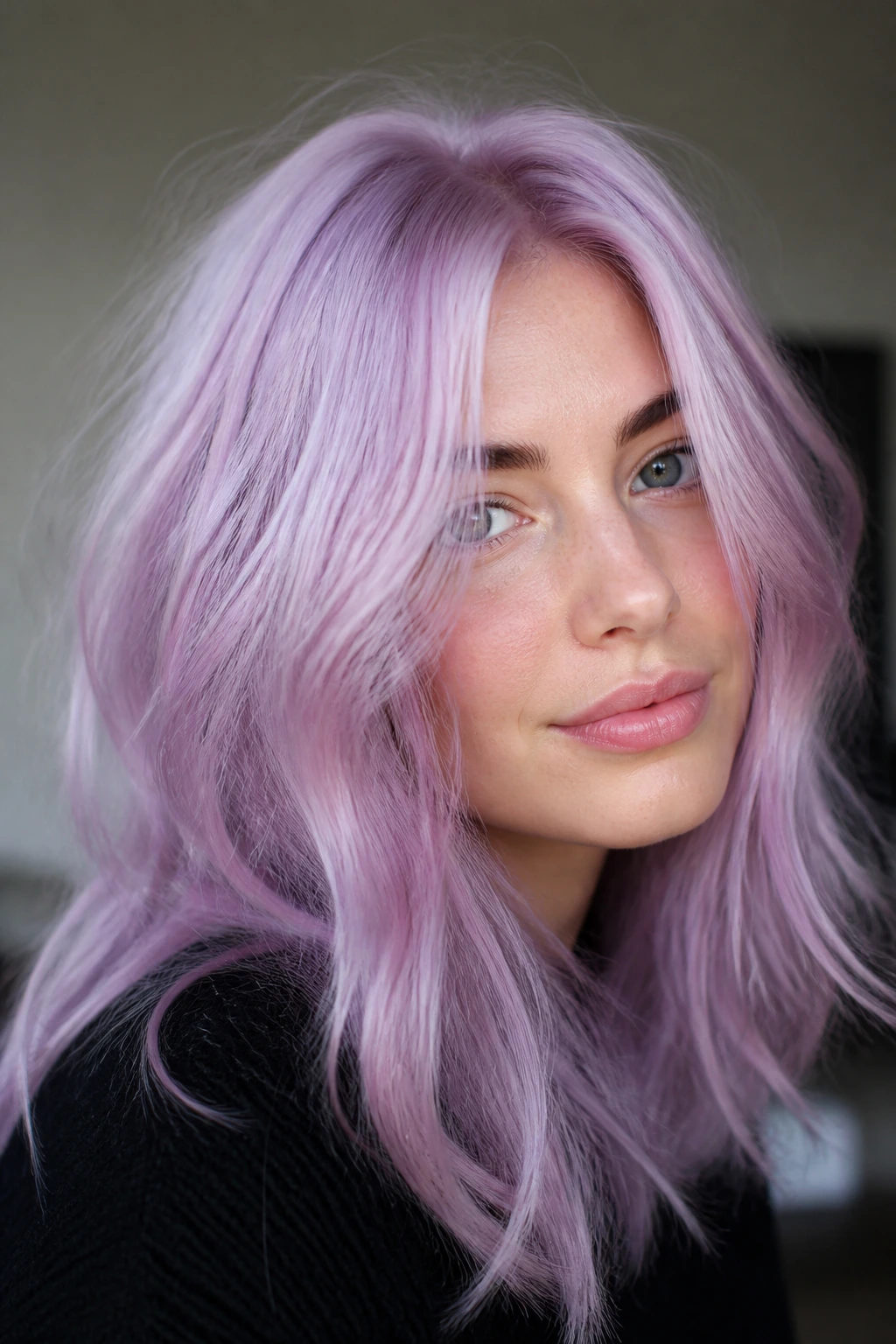
Can pastel amethyst stay soft without looking chalky? Yes, but only if the hair starts very light and the tone is kept clean. The amethyst part gives the color shape; the pastel part keeps it airy. Cool skin handles that mix well because it mirrors the coolness already in the complexion.
How to Keep Pastel From Going Flat
Use a gentle color conditioner instead of hitting it with heavy purple shampoo every wash. Too much pigment can mute the pastel and make it cloudy. A cool rinse and a sulfate-free cleanser do more for this shade than aggressive washing ever will.
This is a good choice if you like light, airy color and don’t mind upkeep. It suits fine hair especially well because the softness keeps the look from becoming heavy. On cooler undertones, it can make the face look fresh without stealing attention from the features.
If you want a pastel purple that still looks grown-up, this is the lane.
22. Midnight Violet Gloss
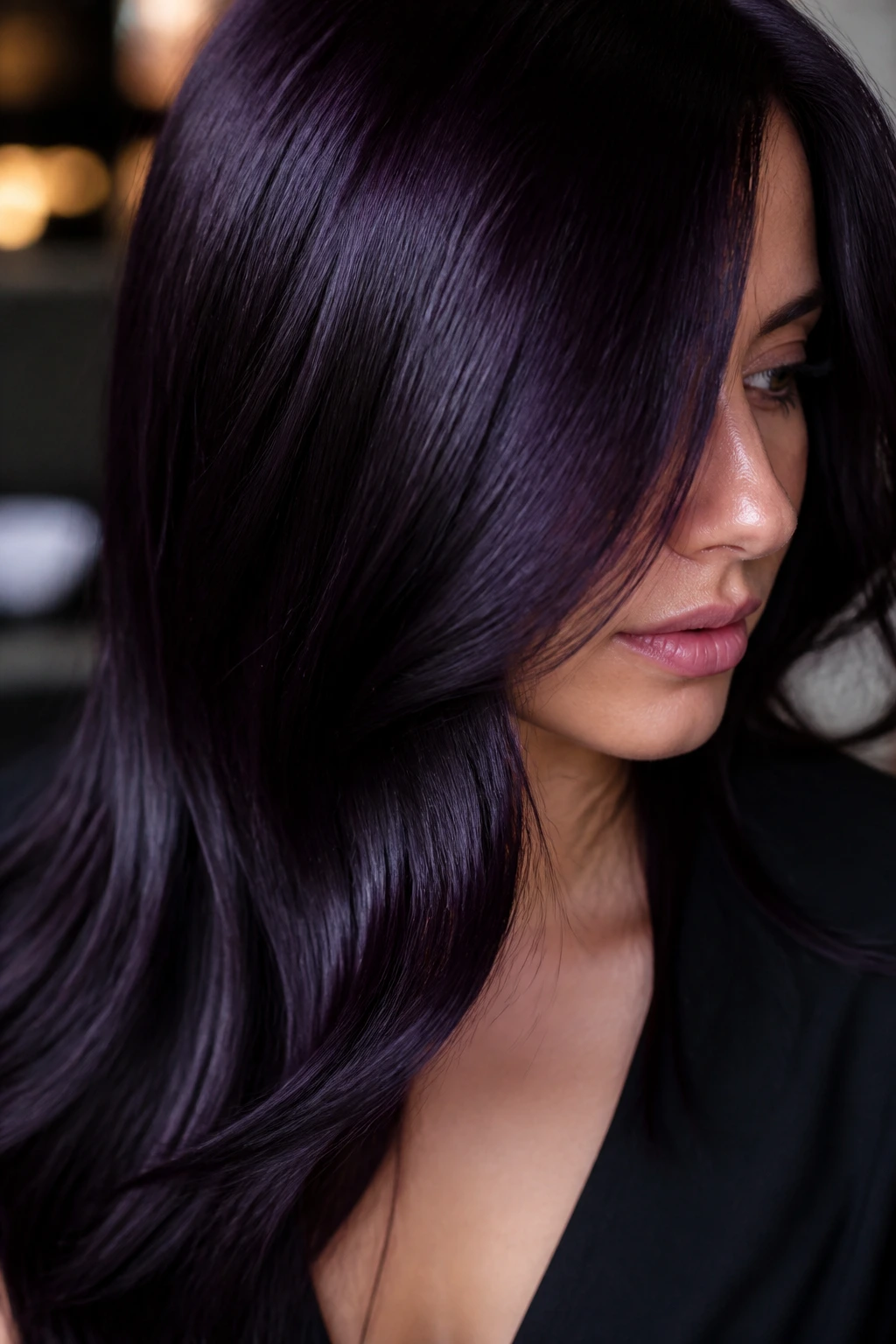
Midnight violet gloss is the deepest option here, and I think that’s exactly why it deserves a place. It looks near-black at a glance, then reveals violet when the light hits it. On cool skin, that hidden color gives contrast without forcing you into a bright shade.
This works beautifully on shiny hair, short or long. The gloss finish is the whole point; without it, the color can look like plain black with a tint. With it, the purple shows up as a shadow, which feels sleek and a little mysterious without turning dramatic in a costume-y way.
If you want purple that can slide into everyday life easily, this is the one I’d circle first. It’s low-maintenance compared with pastels, forgiving as it fades, and strong enough to hold its shape for a while. Quiet from far away. Violet up close. That’s a good place to end.
