



Fine hair can fall flat fast when the cut is too blunt, too heavy, or too long in the wrong places. A soft inverted bob changes that shape in a way you can actually see: shorter at the back, longer toward the front, and softened at the edges so the ends do not look wispy or chopped up. The result is lift without stiffness. Clean shape without looking severe.
There’s a detail people miss all the time. Fine hair is not the same thing as thin hair. Fine refers to the width of each strand; thin refers to how much hair you have. That matters because a soft inverted bob haircut for fine hair should keep the perimeter full, avoid over-thinning, and use graduation in the back to fake density where the eye wants to see it most.
The best versions don’t scream “layered haircut.” They whisper shape. A good one moves when you turn your head, holds a bend at the jaw, and still looks decent when you skip a perfect blowout. That balance is the whole point, and the 25 cuts below each solve it a little differently.
1. The Classic Soft Stacked Inverted Bob for Fine Hair
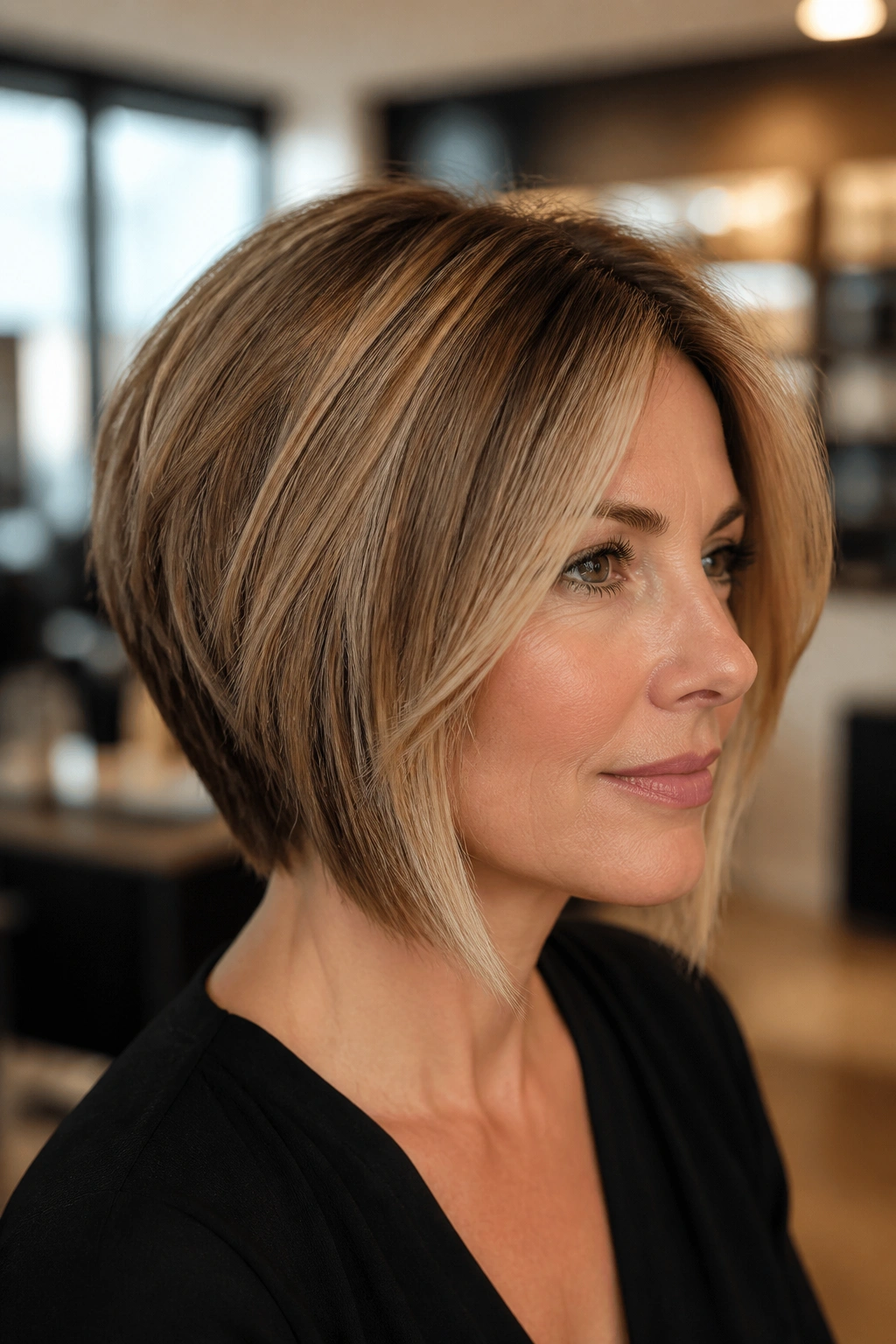
The classic soft stacked version is the safest place to start if you want lift without drama. It builds a little height at the nape, then lets the shape slide longer toward the front so the cut feels light, not bulky. On fine strands, that stacked back acts like a small built-in boost. Not loud. Just useful.
Why It Works for Fine Hair
The back is where fine hair usually collapses first, so putting the shortest length there gives the whole cut more backbone. Keep the stack soft, though. If the graduation gets too sharp, the back can puff out while the front starts to look stringy.
Ask for these details:
- Keep the nape about 1 to 1½ inches shorter than the front.
- Use soft graduation, not a hard shelf.
- Point-cut the ends so the line stays airy.
- Skip heavy thinning shears near the perimeter.
Pro tip: Style this one with a light root mousse and a round brush; that combination gives the back enough lift to show the shape.
2. The Collarbone-Length Inverted Bob with Long Front Pieces
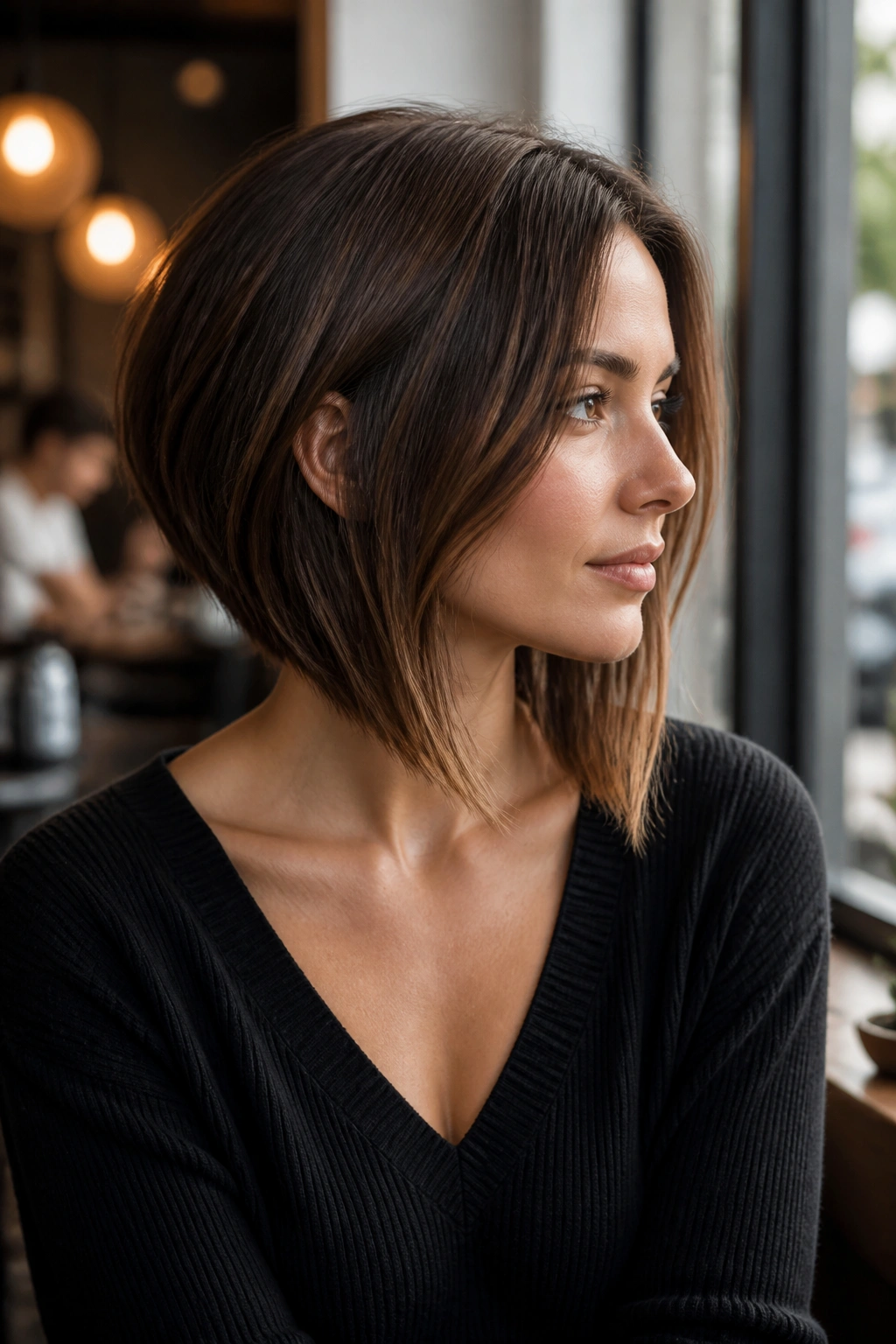
This is the cut for people who want the benefits of an inverted bob but do not want to lose the comfort of a little length. The front pieces skim the collarbone, which keeps the look soft and gives fine hair a longer vertical line. That length matters. It makes the hair swing instead of sitting in one flat block.
The cut also buys you a little more styling room. A blunt chin-length bob can feel unforgiving on fragile ends, while this version lets the front pieces bend under or flip out depending on your mood. It’s tidy, but not stiff.
For the cleanest result, ask your stylist to keep the back tucked close to the neck and let the front drift down just enough to brush the collarbone. Do not let the angle get too steep. The whole charm of this cut is that it looks relaxed, almost effortless, while still giving fine hair a thicker-looking outline.
3. The Chin-Skimming Soft Inverted Bob with Wispy Ends
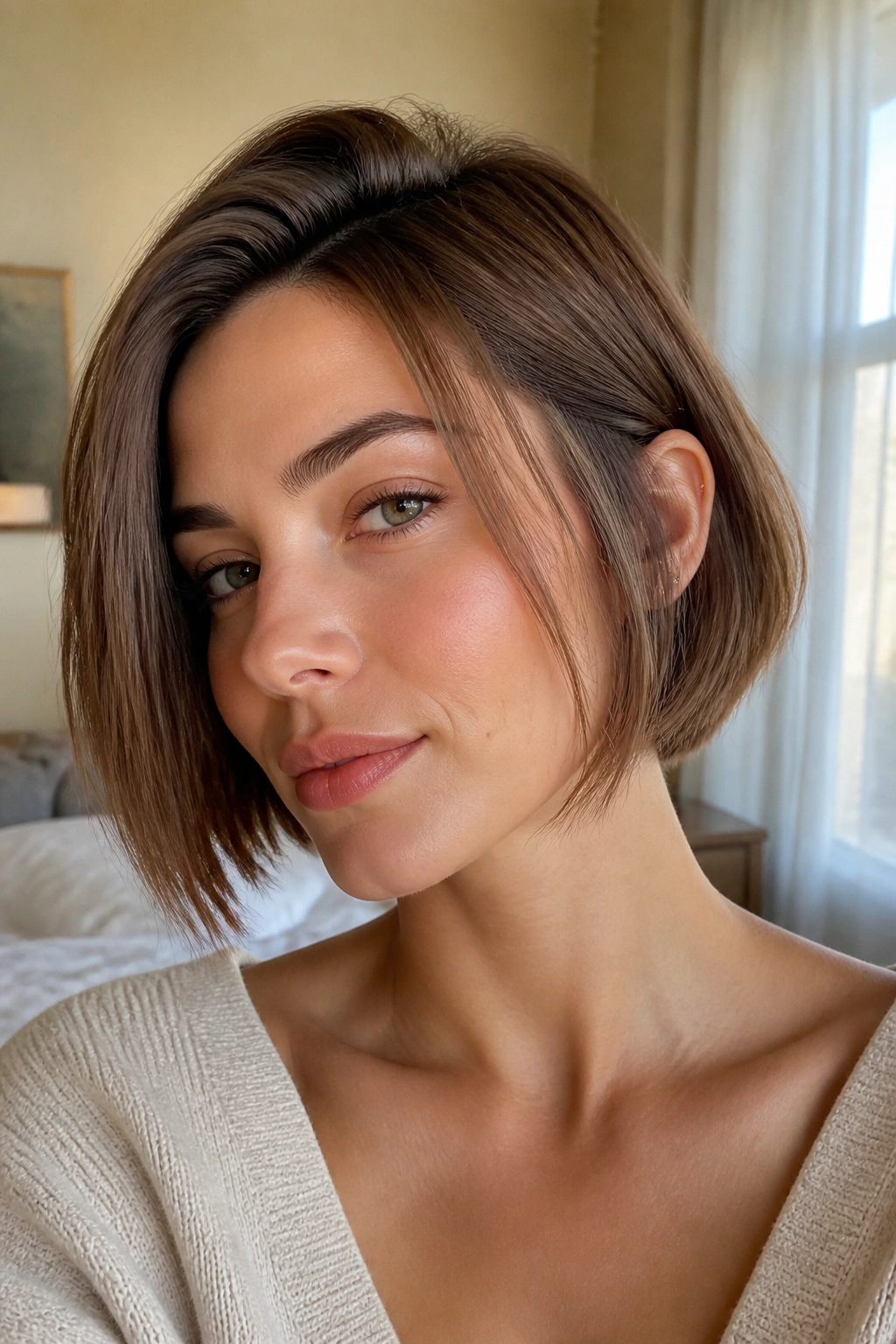
Want a cut that makes the jaw look sharper without feeling severe? This is the one. The chin-skimming length draws attention upward, while the soft inverted angle prevents the bottom from looking heavy. Wispy ends keep the line from turning boxy, which is a real risk with fine hair if the cut is too blunt.
How to Wear It
Wear it tucked behind one ear on one side and loose on the other. That little asymmetry gives the cut movement even on a lazy day. A small round brush, about 1 inch to 1¼ inches, is enough to turn the ends under without making the whole style too polished.
A lot of people think wispy ends mean “thinned out.” Not here. The best version is lightly point-cut, so the edge looks soft but still has enough weight to frame the face. If your hair tends to frizz at the bottom, this length is often better than a shorter crop because there’s enough mass in the front to control the shape.
4. The Rounded Graduated Bob That Hides the Fine Hair Problem
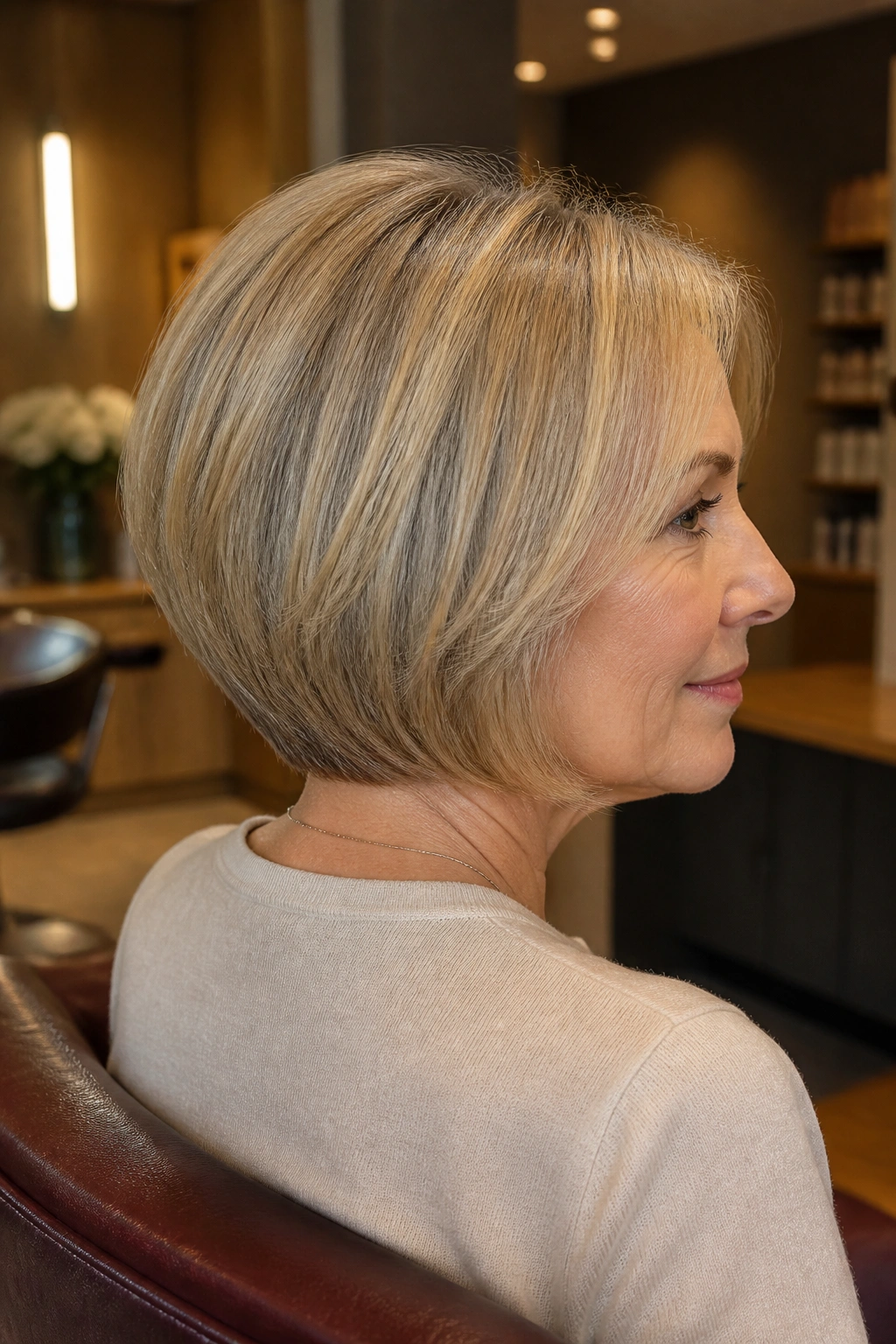
If your hair goes flat by lunch, a rounded graduated bob is the sneaky fix. The curve in the back creates a fuller silhouette, and the round shape makes the head look a little more lifted from behind. Fine hair likes that because it needs structure more than it needs extra layers.
The trick is keeping the graduation invisible from the outside. You want the line to look smooth, not stacked into obvious steps. When done well, the cut feels like a soft cap of hair that sits neatly against the head and then opens up slightly at the cheekbones.
What to Tell Your Stylist
- Build weight through the crown so the top does not collapse.
- Keep the back rounded, not square.
- Use internal graduation instead of removing too much from the ends.
- Avoid aggressive texturizing at the bottom.
One small warning: if the stylist overthins the sides, the rounded shape disappears fast and the whole cut starts looking narrow.
5. The Deep Side-Part Inverted Bob with Crown Lift
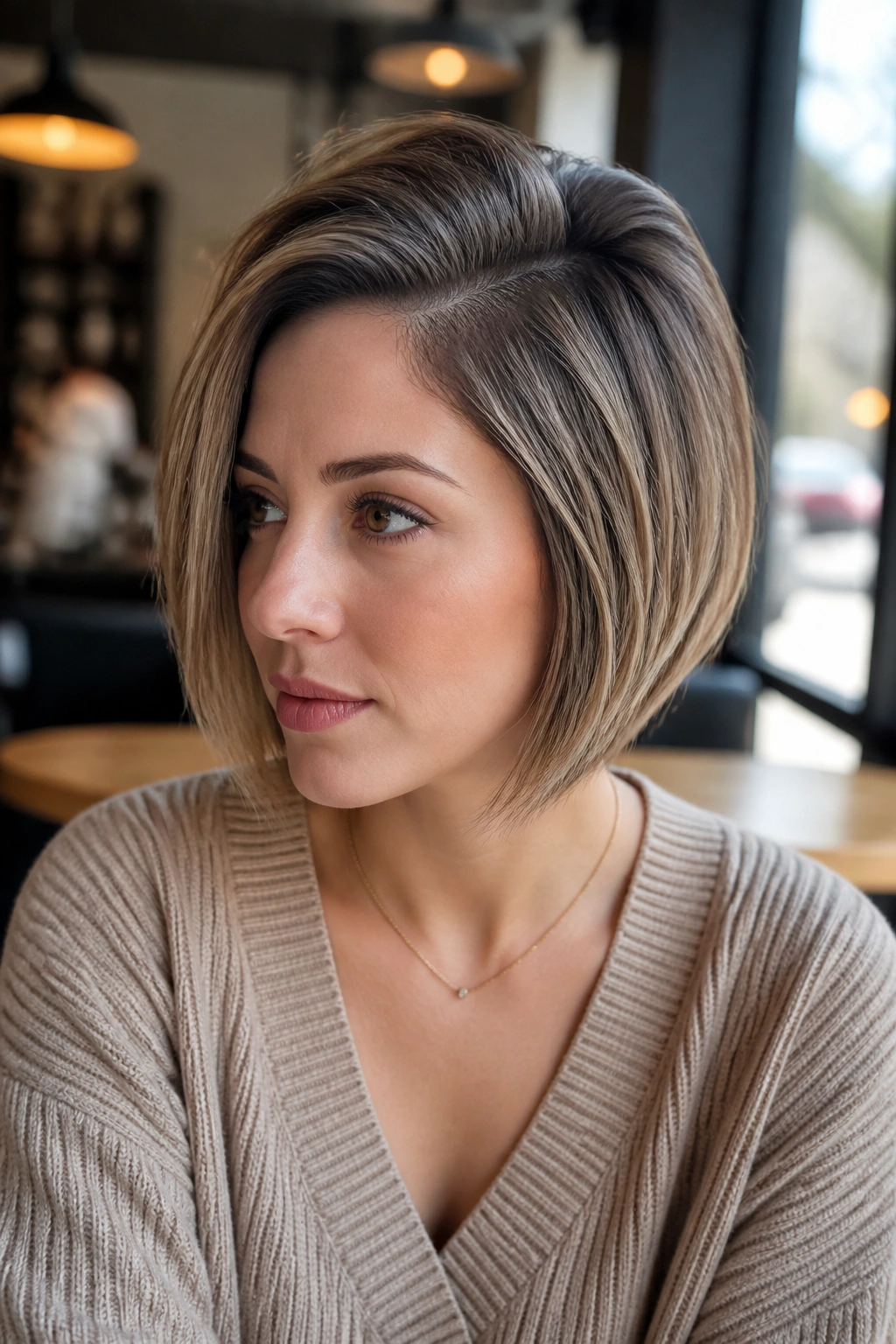
A deep side part does more for fine hair than most people expect. It shifts the weight line, creates instant lift near the crown, and gives the shorter side a little more body simply because the hair is working against gravity. That matters when the roots are soft and the strands need help pretending they have more density than they do.
The inversion in this cut is subtle, but the part is the hero. One side falls a touch closer to the cheekbone while the other side rises just enough to make the top look fuller. It’s a smart cut for anyone whose hair lies flat at the crown or splits around a center part no matter what product they use.
Clip the heavier side at the roots while it cools after blow-drying. That tiny habit makes the lift last longer. And if you have a cowlick near the part, this shape usually works with it rather than fighting it.
6. The French Bob-Inspired Soft Inverted Bob
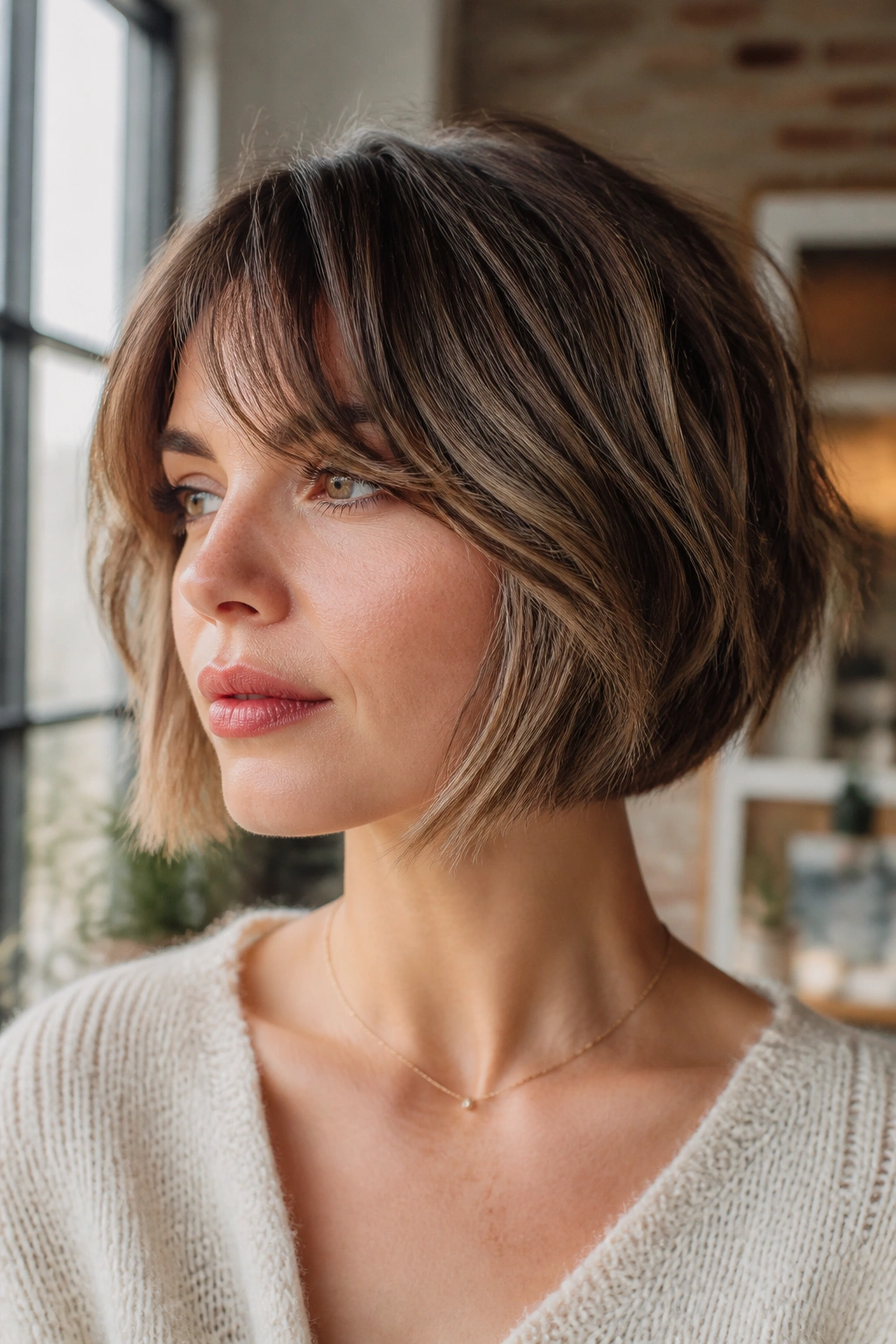
This version borrows the easy charm of a French bob, then softens the back so fine hair does not lose shape. It sits shorter and neater through the nape, but the front still carries a little length and bend. The result feels chic without becoming sharp. I like this one on hair that is straight or only lightly wavy.
What makes it different from a classic French bob is the angle. A true French bob can sit nearly level around the jaw, which is gorgeous, but sometimes too blunt for fine strands. The soft inverted version gives the eye more to follow. That helps the hair look fuller because the shape changes as it moves from back to front.
Best pairing? A light fringe or an air-dried bend. Keep the texture loose, not crispy. If the ends are too polished, the cut loses the relaxed feel that makes it work in the first place.
7. The Feathered Perimeter Inverted Bob
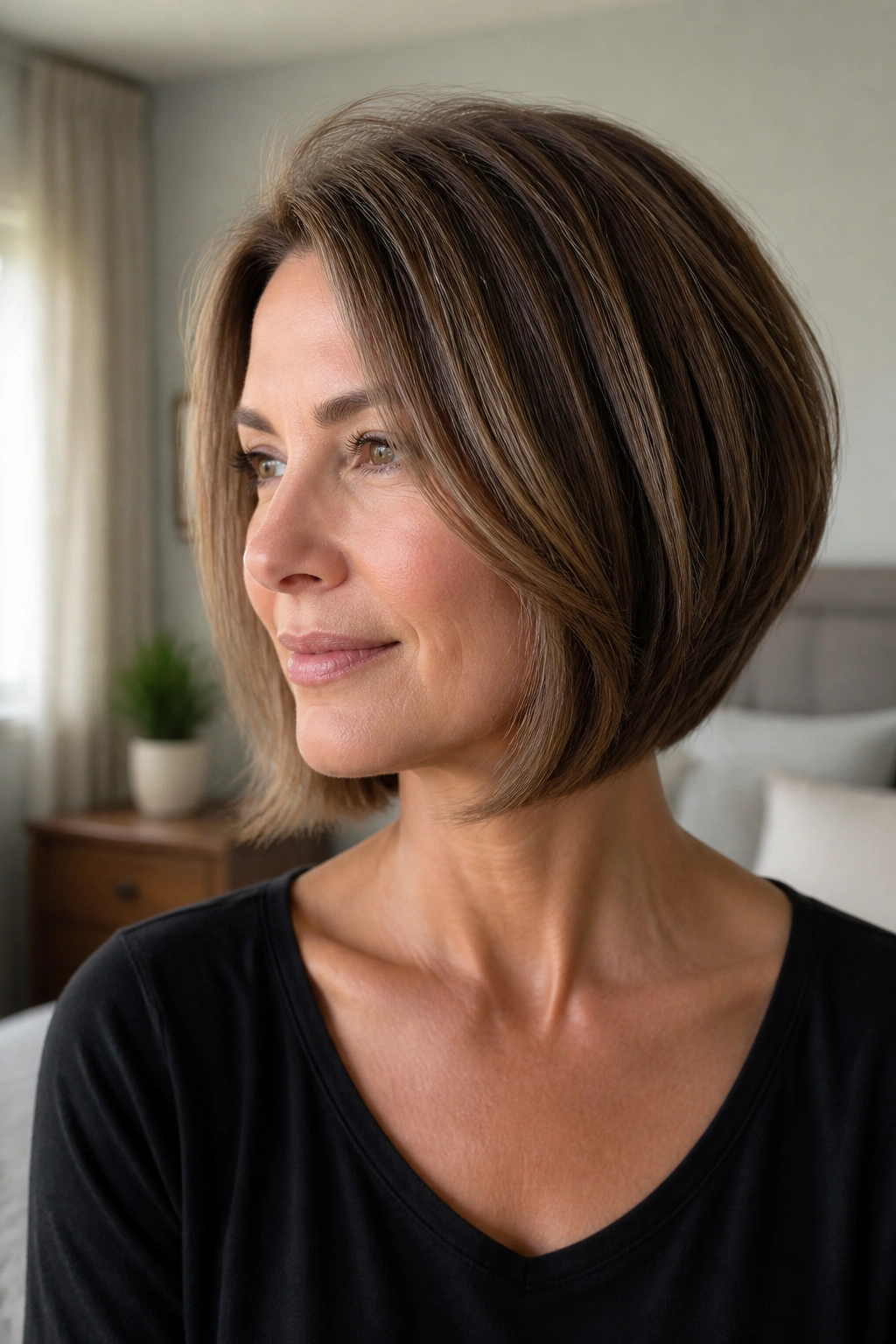
A feathered perimeter sounds like a small detail. It isn’t. On fine hair, the ends are where things either look airy and expensive or stringy and overworked. Feathering the perimeter softens the outline, so the bob keeps its shape without turning into a hard line around the head.
Key Details
- Ask for light feathering only at the very bottom edge.
- Keep the internal layers minimal.
- Let the back stay slightly fuller so the cut doesn’t collapse.
- Style with a brush that bends the ends under, not out.
The best feathered bob moves a little when you shake your head. It should not look fluffy. It should look like the hair has some give. That small bend at the ends also makes fine hair look healthier, because the line is not screaming at you from across the room.
8. The Inverted Bob with Curtain Bangs
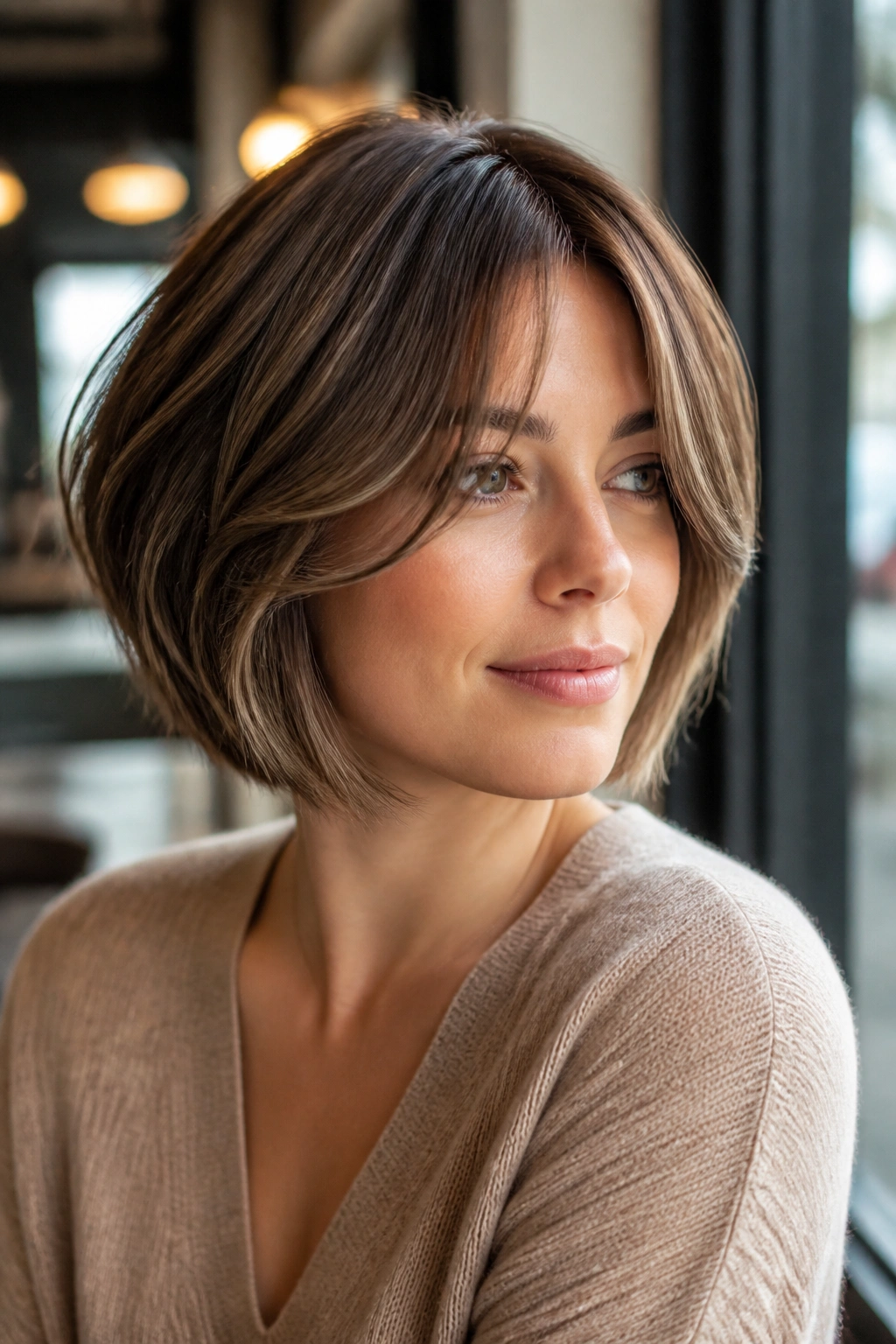
Curtain bangs do a lot of heavy lifting here. They widen the face, soften the forehead, and connect the front pieces to the rest of the haircut so the bob feels intentional instead of chopped into separate parts. For fine hair, that connection matters because it keeps the top from looking sparse.
The sweet spot is bang length. Too short, and the bangs can look skimpy. Too long, and they swallow the face. I usually like them to start around the cheekbone or just below it, then open softly toward the temples. That gives the hair a little swing when you part it down the middle or slightly off center.
Use a round brush and blow the bangs away from the face for the first few passes, then let them cool with a gentle bend. That cooling part is not optional. It is what makes the shape last instead of falling flat the minute you step outside.
9. The Air-Dried Textured Inverted Bob
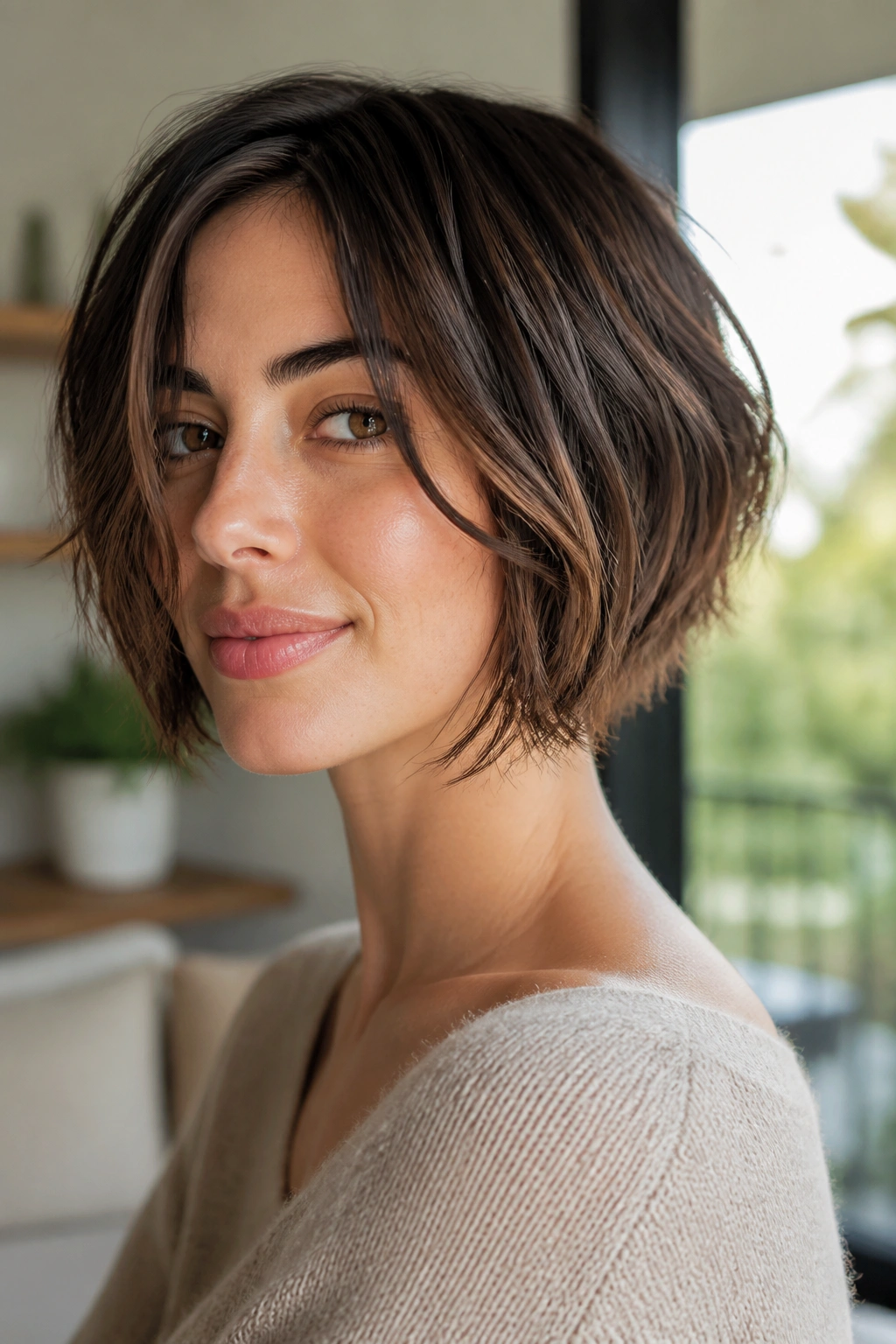
Can a soft inverted bob work without a blow-dryer? Absolutely, if the cut is built with the right internal shape. Fine hair that air-dries well usually needs a little more movement in the front and a clean, controlled back so the style does not puff in random places.
How to Get the Bend
Start with a leave-in that gives slip, then work a small amount of mousse through the roots and mid-lengths. After that, twist the front sections away from the face while they dry. That tiny twist creates a bend at the ends, which is often enough on its own.
The back should still be cut with soft graduation so it hugs the neck instead of flaring out. If the ends flip in odd directions, the cut probably has too much weight removed from the bottom. Air-dried bobs can look casual in a good way. They can also look unplanned. The difference is the perimeter.
10. The Sleek Beveled Inverted Bob
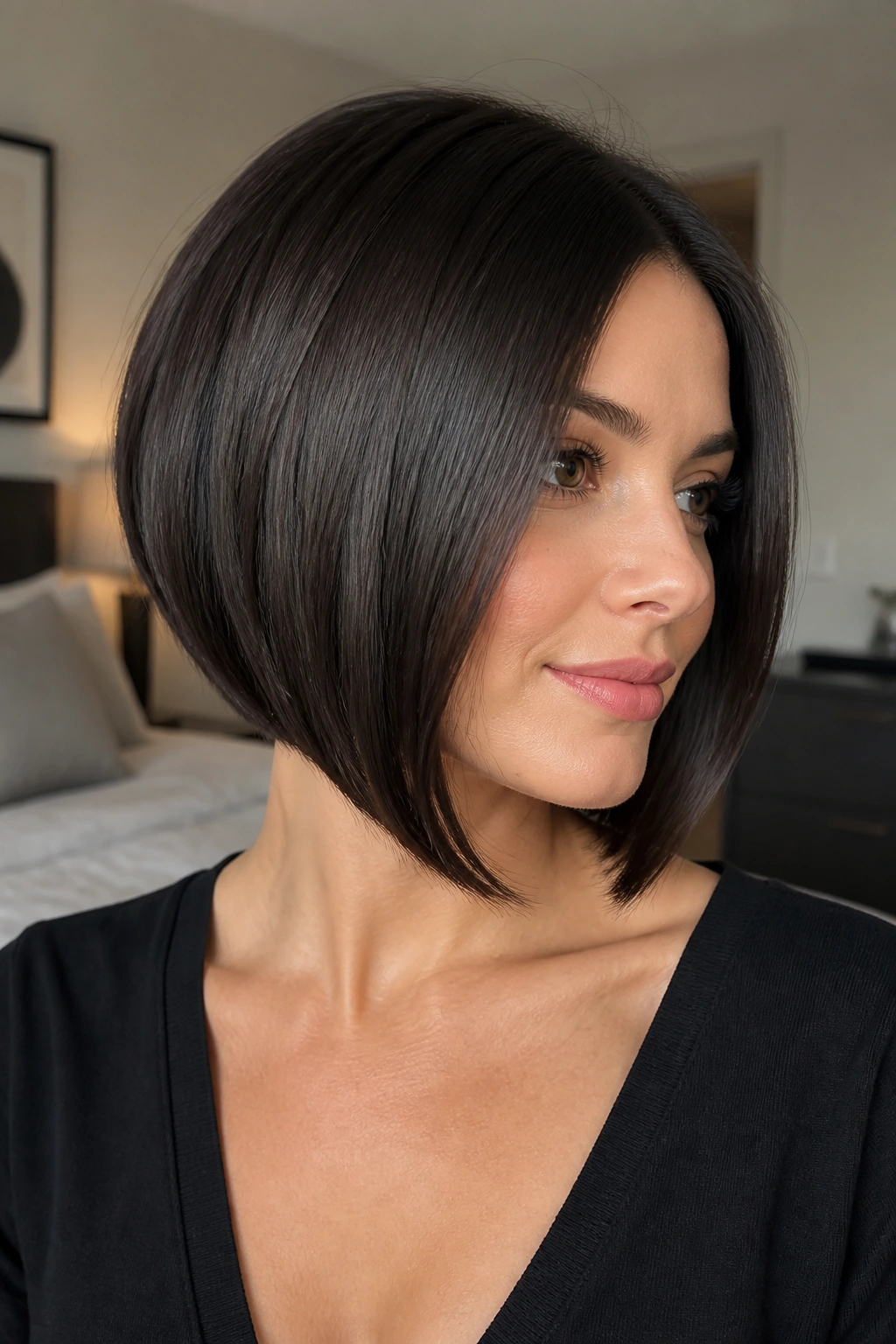
This is the polished cousin of the family. A beveled edge curls just under the jaw, which makes fine hair look denser because the eye sees a stronger outline. It also gives the haircut a clean finish, almost like the hair has been pressed into shape without losing movement.
A lot of people confuse sleek with flat. They are not the same. Sleek means the surface lies smooth; flat means there is no body left. The beveled bob keeps some lift at the roots and turns the bottom inward so the ends look deliberate.
What Makes It Different
The interior layers stay minimal. The outline does the work. That is the whole point.
If you want this version to hold, blow-dry with a paddle brush first, then finish the last inch of the ends with a round brush. Use a pea-sized amount of serum on the mid-lengths only. Too much at the roots and the whole thing slips.
11. The Wavy Inverted Lob for Fine Hair
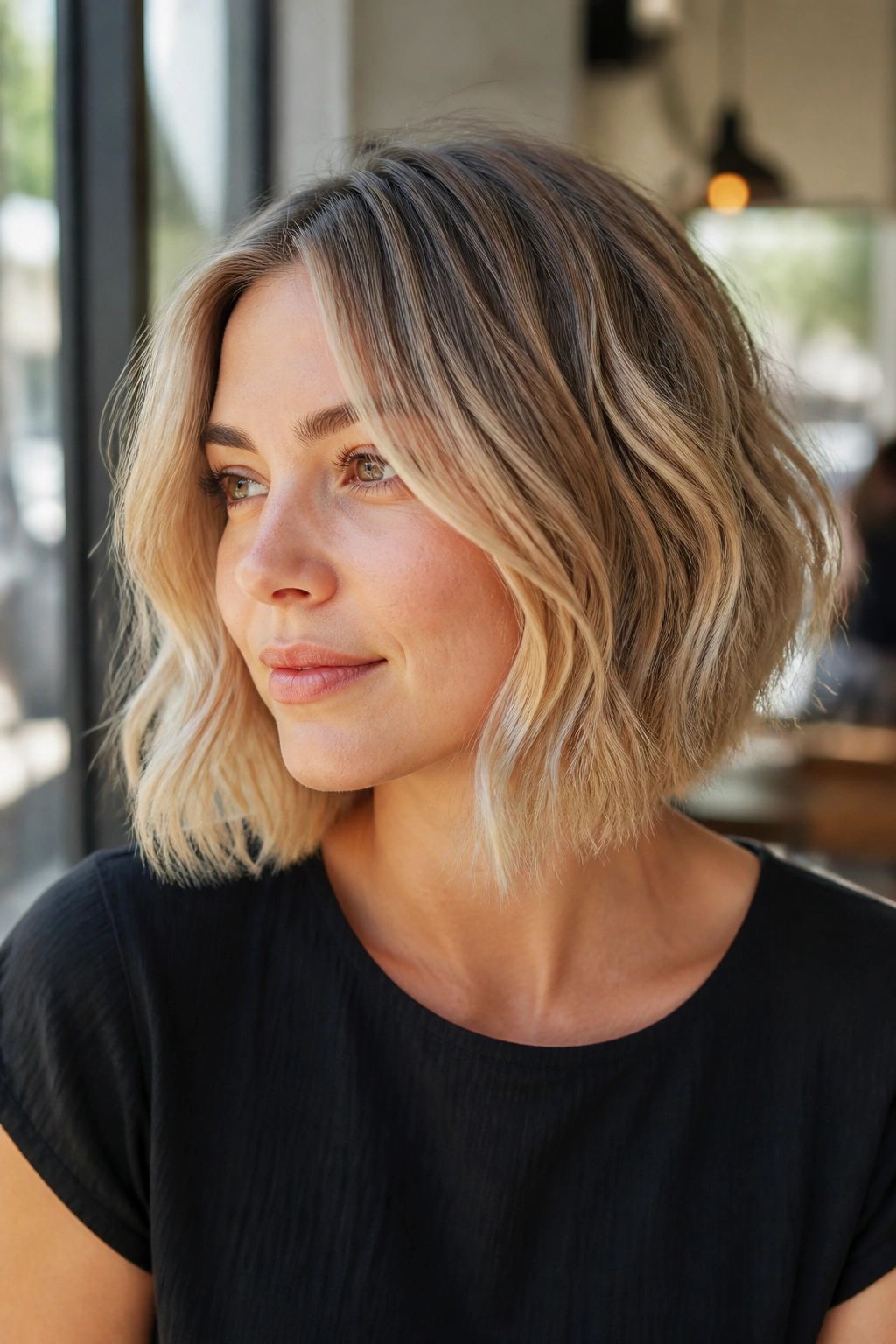
A wavy inverted lob is one of my favorite choices for anyone who wants length but still needs structure. The extra inches keep the hair from looking too sparse at the bottom, while the gentle angle creates enough shape that the cut does not sag. It is especially good for fine hair that bends easily but needs a little help holding a wave.
The best version uses soft, loose waves, not tight curls. Tight curls can make fine hair look busy in the wrong way, while a loose wave gives the ends a thicker-looking edge. Leave the last half-inch straighter if you want the cut to read modern instead of overly done.
A 1-inch iron works well here, but wrap only the mid-lengths and skip the roots. That leaves the crown lighter and keeps the wave from turning into a helmet. The key is movement, not volume for volume’s sake.
12. The Side-Swept Layered Inverted Bob
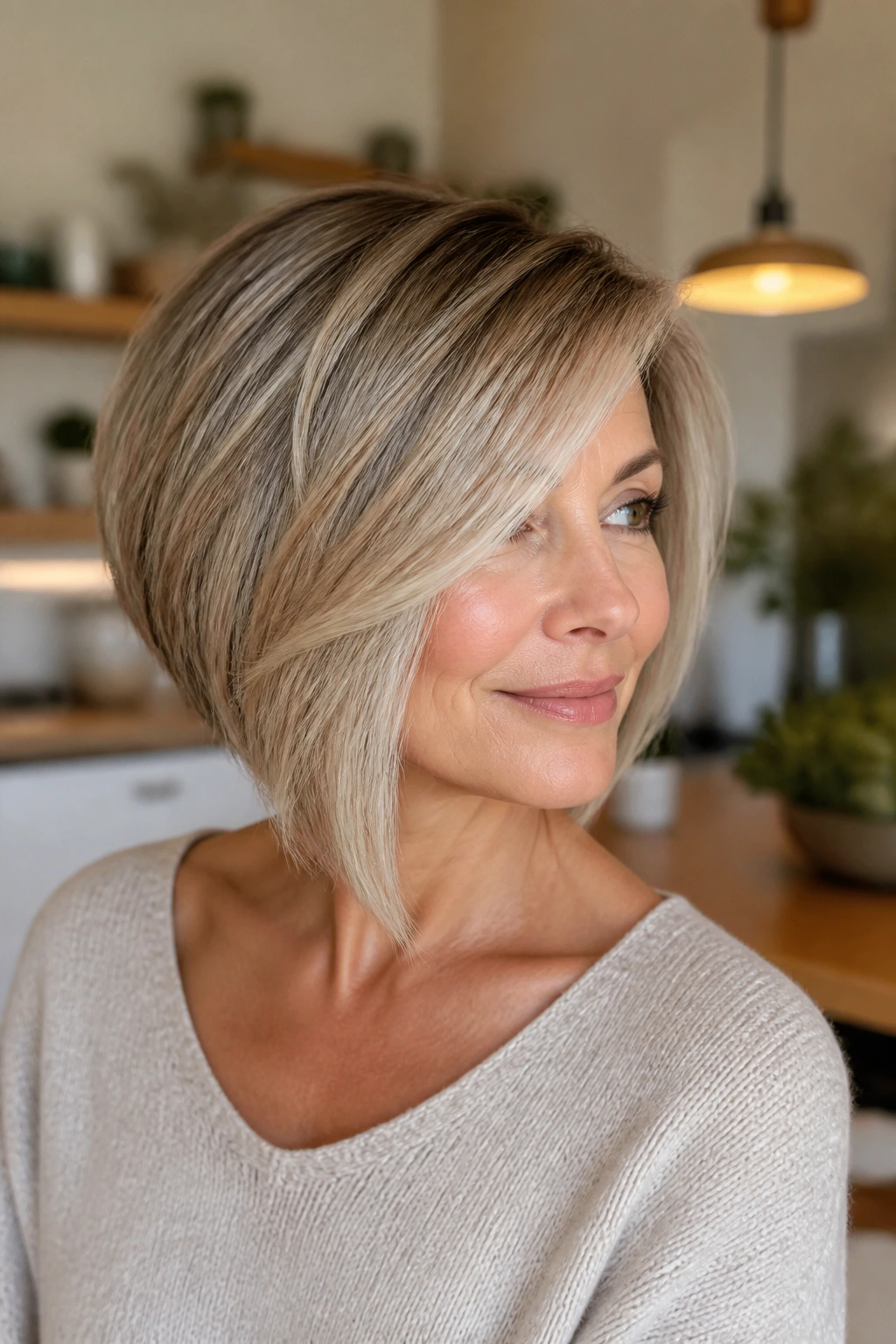
A deep side sweep can save a flat haircut in seconds. It lifts the front, shifts the visual weight, and gives the bob a diagonal line that feels more dynamic than a center part. Fine hair benefits from that diagonal because it tricks the eye into seeing more fullness where the hair crosses the forehead.
Unlike a center-part bob, which can expose every thin spot at the scalp, the side-swept version gives you a little camouflage at the roots. That’s not a bad thing. It’s smart styling. The cut itself should still stay soft through the back, with only enough layering to keep the side from falling into your eyes.
This one works especially well if your hair has a slight bend or if one side naturally looks fuller. Part it where the roots want to go, not where a ruler says they should. Hair is annoying that way. It has opinions.
13. The Micro-Angled Bob That Barely Tells On Itself
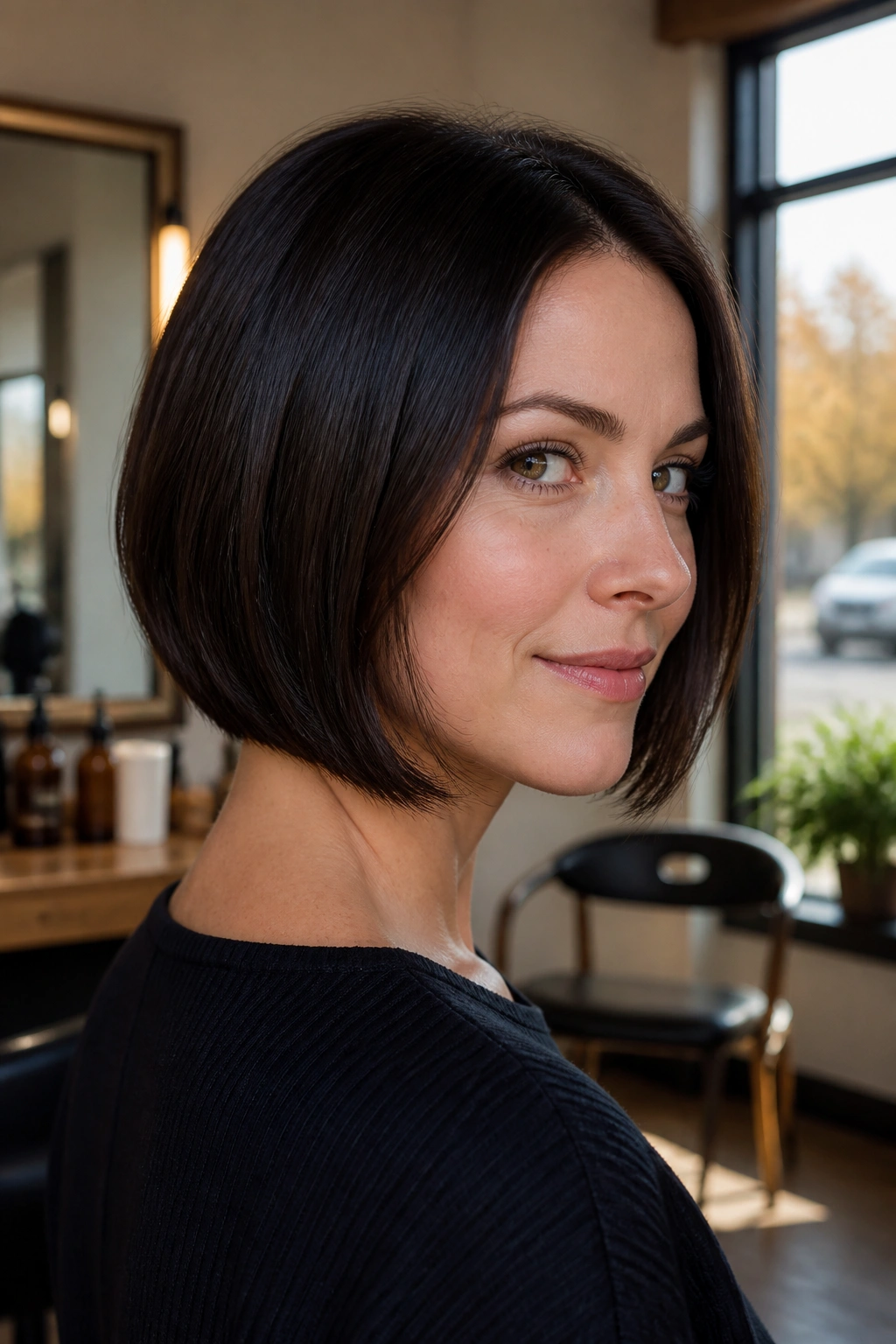
A micro-angled bob is for people who want a hint of inversion, not a dramatic slope. The back is just a little shorter than the front, which keeps the line subtle and lets fine hair hold onto more visual thickness. Big angles can be pretty, but they can also make the ends look too sparse if the hair is very soft.
What to Tell Your Stylist
- Keep the difference between back and front small, about ½ inch to 1½ inches.
- Avoid over-layering the sides.
- Keep the edge blunt enough to show density.
- Let the angle read as a slope, not a wedge.
This cut is a good fit if you like the bob shape but get nervous when things look too chopped or too short in the back. It gives you the feeling of movement without broadcasting the technique from across the room. Quiet haircuts are underrated.
14. The Shattered Piecey Inverted Bob
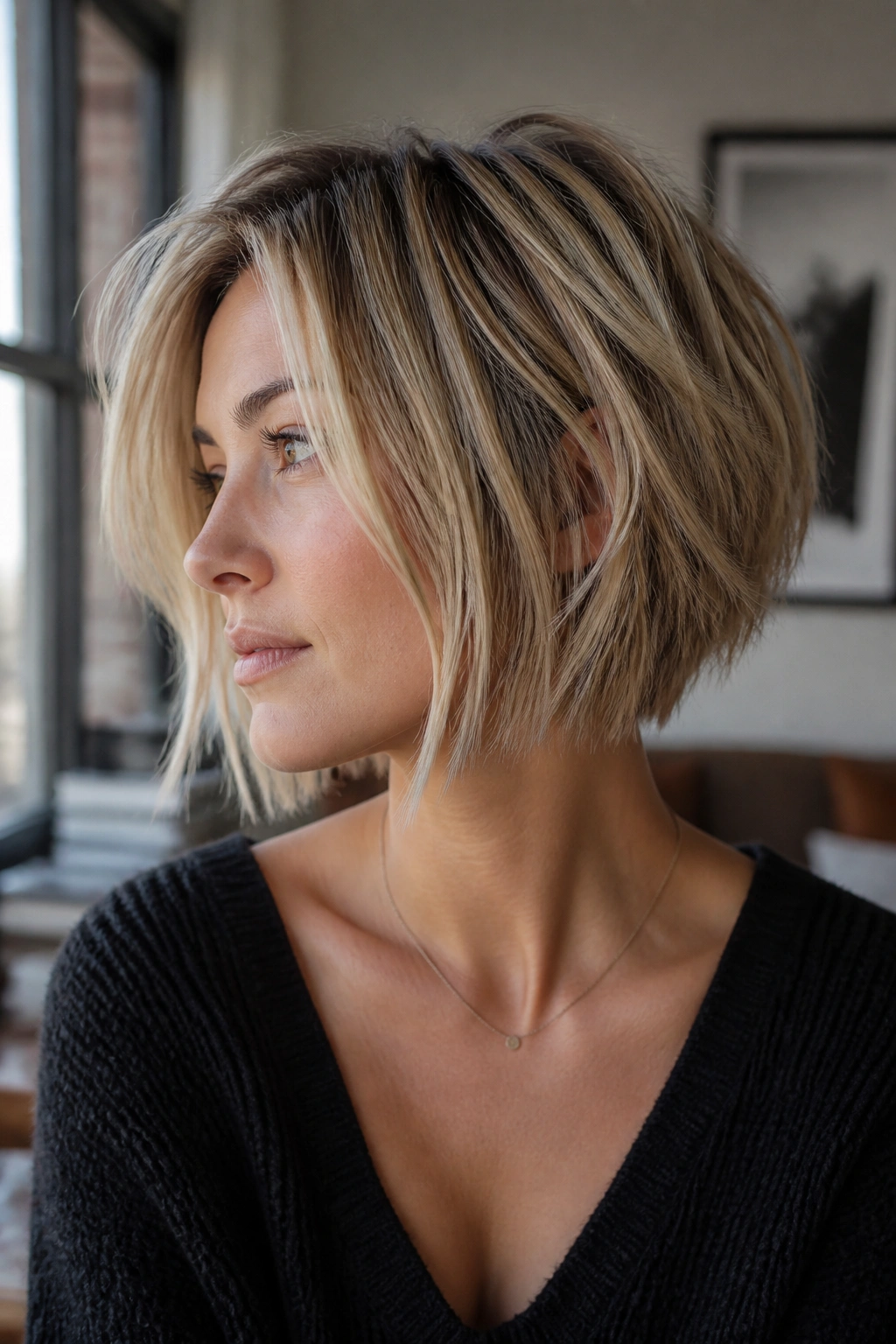
A shattered finish sounds rough, but on fine hair it can be exactly the right amount of mess. The ends are lightly broken up so the haircut feels lived-in, not hard. That makes the bob move better and stops the bottom from turning into one flat line.
What matters here is restraint. You want the edge piecey, not see-through. Ask for point cutting on the last half-inch or so, and keep the interior layers light. Too much texture and the whole cut loses its density. Too little and it goes helmet-shaped.
This is the bob I’d pick for someone who likes a bit of edge and does not mind using a texturizing spray once in a while. It works especially well on hair that already has a small wave. Straight hair can wear it too, but it needs a bit more styling to keep the separation visible.
15. The Asymmetrical Soft Inverted Bob
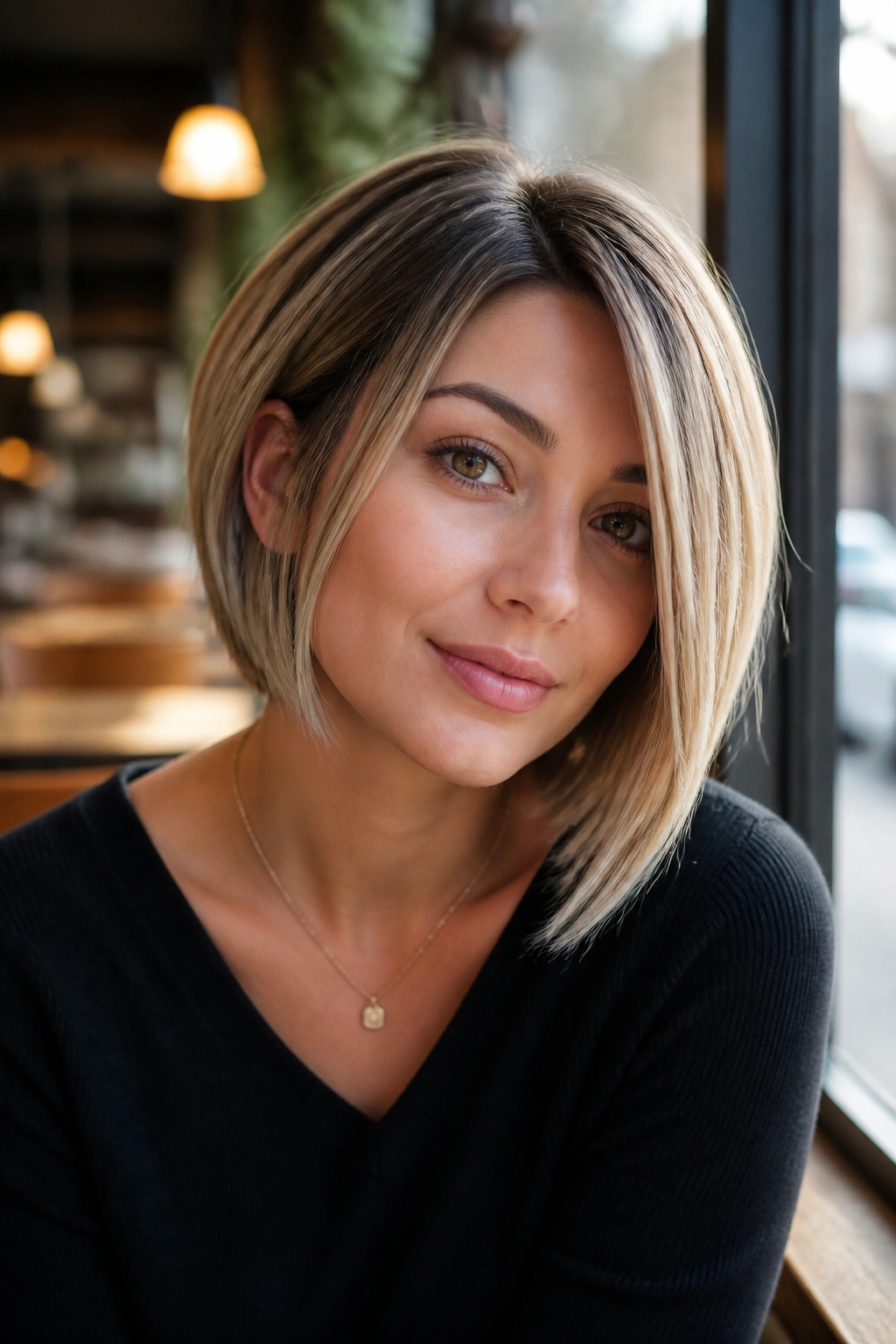
Asymmetry gives fine hair a strong shape to lean on. One side sits slightly longer, which creates tension in the line and makes the haircut feel more deliberate. That unevenness also distracts the eye from any areas where the hair feels sparse or flat.
Styling Rules
Keep the length difference modest. An inch or so is often enough. You do not need a huge contrast for the shape to work.
If the asymmetry gets too extreme, the longer side starts dragging the whole look down. That is the part most people miss. Subtle asymmetry looks modern. Extreme asymmetry can make fine hair look stretched.
I like this cut on people who wear one side behind the ear a lot or who want a little more drama without adding bangs. It has attitude, but not too much. The best versions still feel soft at the ends, so the shape stays wearable every day.
16. The Bottleneck Bang Inverted Bob
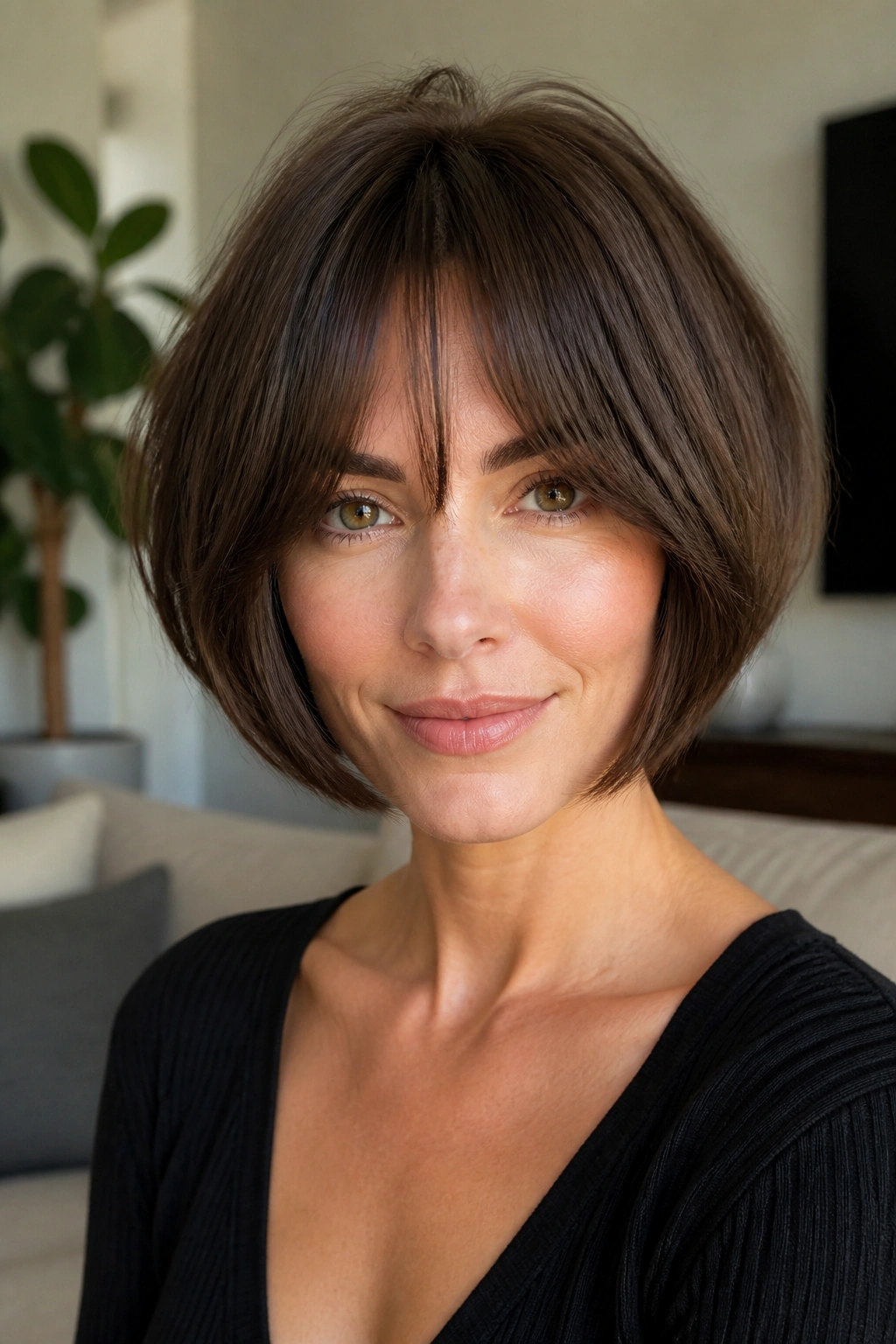
Bottleneck bangs are a smart partner for a soft inverted bob because they add width at the top and softness at the sides without dropping a heavy curtain over the face. The middle starts a little narrower, then opens out near the temples. That shape gives fine hair a fuller-looking fringe with less weight.
This matters if your forehead or temples tend to look open when your hair is pulled back or parted. The bangs fill in that space in a way that feels light. They also blend into the front pieces better than a blunt fringe, which can overwhelm a delicate bob.
For the cleanest result, keep the bang line soft and let the stylist cut them dry if your hair shrinks much when it dries. Wet bangs lie. Dry bangs tell the truth, and on fine hair that truth is usually kinder.
17. The Tucked-Behind-the-Ear Inverted Bob
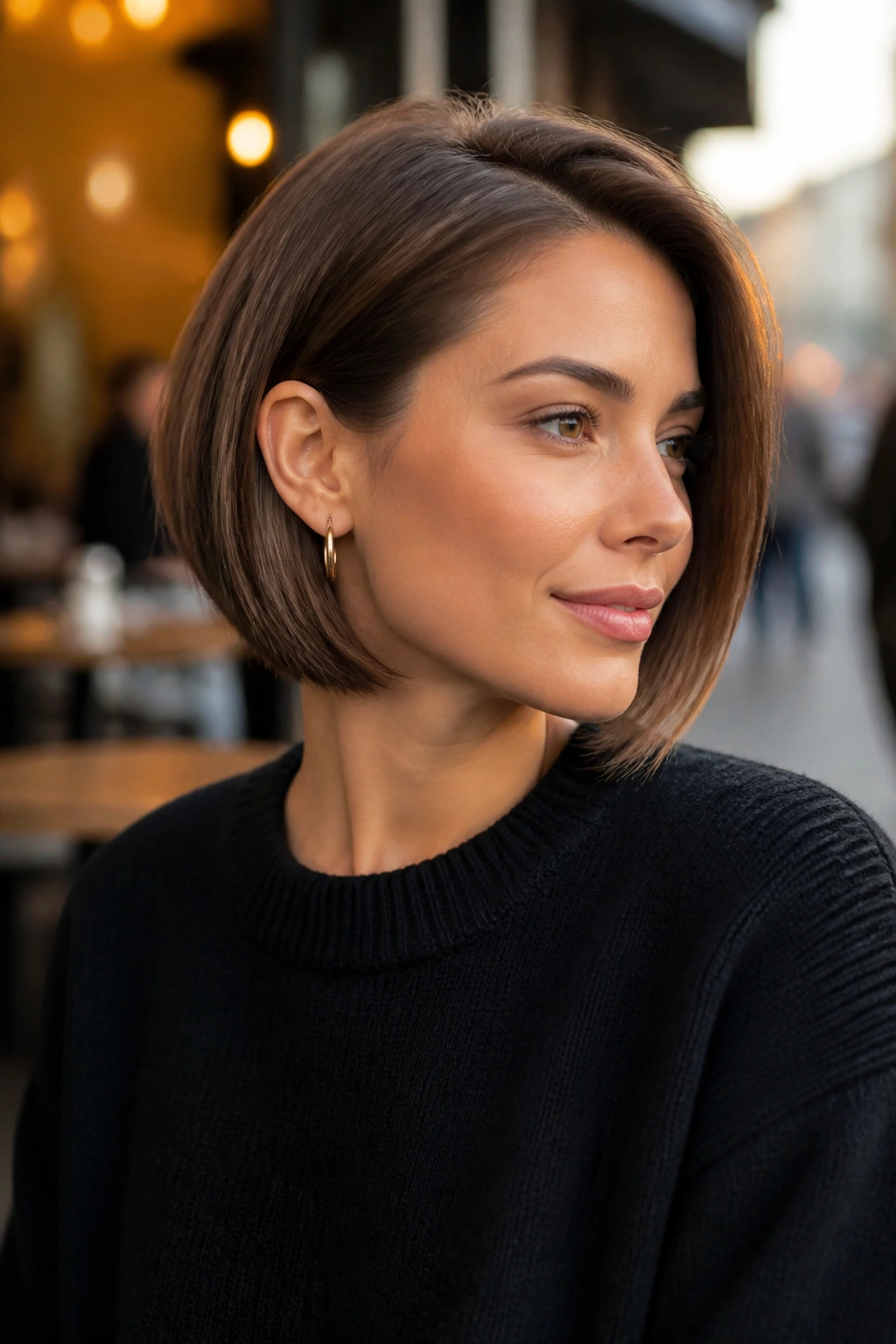
Some cuts are designed for a style trick you already do without thinking. This is one of them. A tuck-behind-the-ear bob looks polished because it creates a neat break at the cheek and exposes just enough neck to make fine hair seem lighter and more intentional.
The cut should have a little extra length around the ears so it sits flat instead of sticking out. That tiny adjustment makes the tuck look clean. If the front is too short, it pops away from the head and you spend the day fussing with it.
Small detail, big payoff. The tucked side creates asymmetry, while the untucked side keeps the overall shape soft. That contrast is flattering on a lot of face shapes, and it gives you an easy way to change the look without touching a hot tool.
18. The Blowout-Ready Inverted Bob
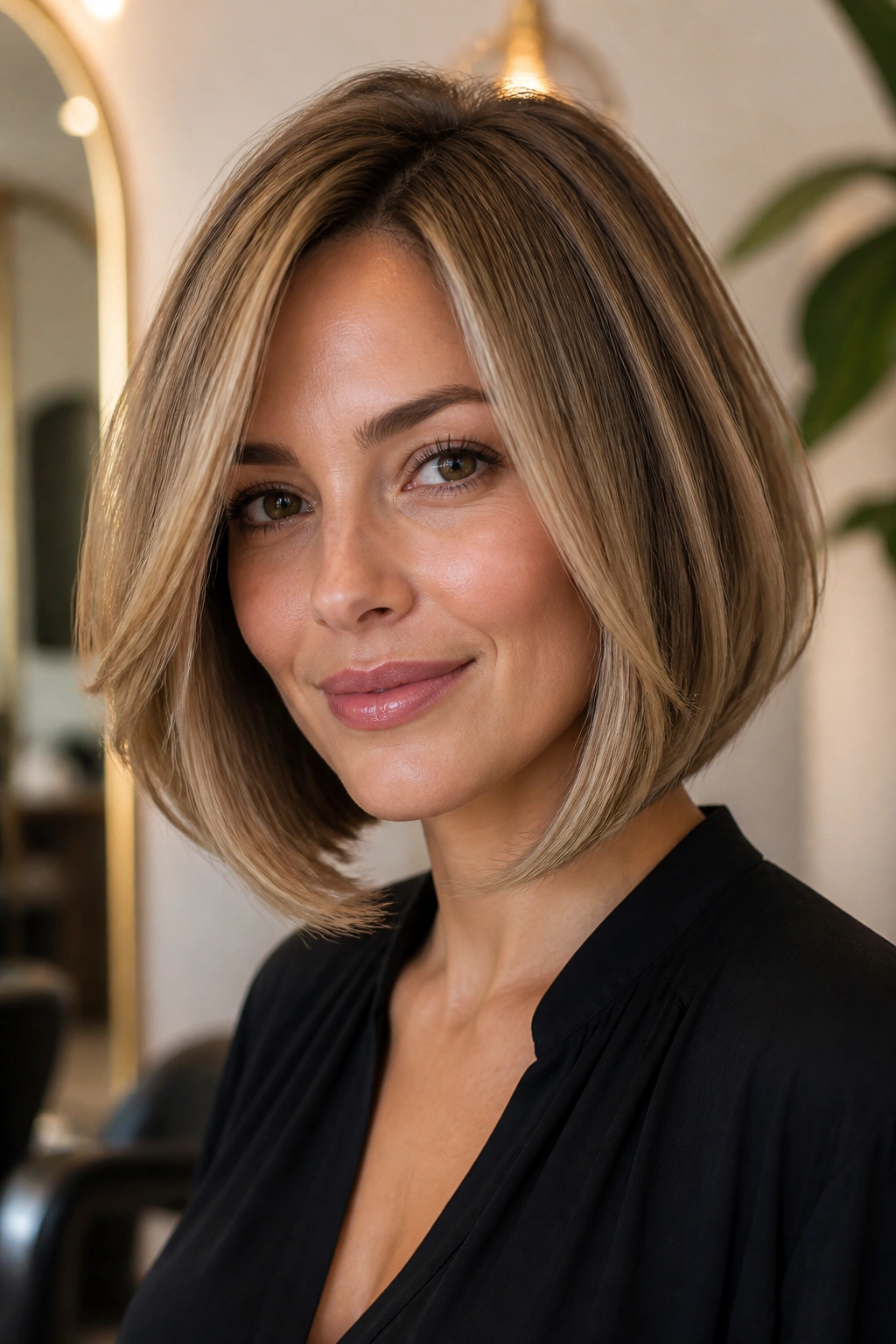
If you like hair that looks as if it got a good round-brush blowout even when it didn’t take long, this is your cut. The shape is built to bend under at the ends and lift at the roots, which makes fine hair appear fuller in a very clean, controlled way.
Compared with air-dried cuts, this one wants a little more polish. The back should hug the head, while the front curves softly away from the face. That means the angle needs enough structure to hold the line when you smooth it out with a brush.
A mousse at the roots, a medium round brush, and a cool shot at the end are enough. I’d avoid heavy oils here; they flatten the finish fast. The haircut should do the heavy lifting, not a pile of product.
19. The Soft Inverted Lob for Fine Hair
A soft inverted lob gives fine hair room to breathe. The longer length keeps the ends from looking too sparse, and the gentle angle still gives the cut a shape that feels on purpose. For a lot of people, this is the most forgiving version of the whole family.
Why the Extra Length Helps
Longer front pieces can be tucked, waved, or left straight. That flexibility matters because fine hair often changes mood depending on humidity, product, and how much sleep you got. A lob gives you options when a shorter bob feels too exposed.
- It keeps the ends from looking wispy.
- It grows out in a cleaner way.
- It works with a soft bend or a straight finish.
- It gives you enough hair to tuck behind the ear without opening the cut too much.
If your hair is fine and you like to switch styles often, this is the safest choice. It gives you shape without locking you into one mood every morning.
20. The Curly-Friendly Soft Inverted Bob
Fine curly hair needs a different kind of respect. Short cuts can turn triangular fast, and too much layering can leave the ends looking hollow. A soft inverted bob keeps the back controlled while leaving enough front length to let the curls settle without ballooning out.
The big trick is cutting it with the curl pattern in mind. Many stylists prefer to shape curly hair dry or nearly dry so they can see the real length and spring of each section. That matters even more on fine curls, because shrinkage can hide how short the cut will actually wear.
Let the curls form their own curve at the ends. Do not over-deflate them. A light cream, a tiny bit of gel, and a diffuser on low heat usually do more good than trying to force a perfect round shape with a brush.
21. The Scissor-Cut Inverted Bob with Clean Ends
Razor-cut ends can look soft on some hair types, but fine strands often need a cleaner edge. Scissors keep the perimeter fuller, which helps the bob read thicker and more stable. That is one of those small technical choices that makes a huge difference in the mirror.
Why Scissors Matter
A clean scissor cut keeps the ends from fraying early. It also lets the stylist place weight exactly where the shape needs it, especially around the nape and jaw. If your hair already feels delicate, this is not the place to experiment with aggressive texturizing.
Ask for a soft, scissor-cut outline and let the stylist point-cut only where the shape needs movement. That usually gives enough softness without making the ends look thin. Simple. Better. Less drama.
22. The Neck-Hugging Inverted Bob
There’s something satisfying about a bob that sits close to the neck. It feels neat, light, and easy to keep in shape, which is why this version works so well for fine hair. The close fit also makes the back look denser because the hair is following the head instead of floating away from it.
This is especially good if you want the haircut to look tidy in real life, not just in a salon chair. A neck-hugging bob keeps the nape short enough to show the line, but the front still carries enough length to keep the shape soft. It can look chic with almost no effort.
What to Watch For
- The nape should taper gently, not flare.
- The front should graze the jaw or just below it.
- The ear area should sit clean, not puffy.
- Blow-dry with tension so the hair follows the curve of the head.
23. The Minimal-Layer Inverted Bob
Too many layers can be a mess on fine hair. They steal weight from the ends, create see-through spots, and make the bob look chopped instead of shaped. A minimal-layer inverted bob avoids that trap by letting the cut keep a strong outline.
This one is for people who want the haircut itself to do the work. No extra fluff. No overworked texture. Just a clean, soft angle from back to front and enough graduation to keep the shape lifted. The beauty is in what is left in, not what is removed.
A one-sentence truth: fine hair often looks fuller with fewer layers than with more layers. That surprises people, but it is true often enough to matter. If your strands are delicate, ask for the lightest touch possible in the interior and keep the perimeter strong.
24. The Grow-Out-Friendly Inverted Bob
A lot of pretty bobs look great for two weeks and then fall apart. This one is different. The grow-out-friendly version keeps the angle soft enough that, as the hair gets longer, it still reads as a shape instead of a mistake. That matters if you do not want a salon appointment every few weeks.
The front should not be so long that it starts dragging the cut down, and the back should not be so short that it looks like a different haircut by the time it grows half an inch. The middle ground is what makes this one useful. It buys you time.
What to Ask For at the Salon
- Keep the front only 1 to 2 inches longer than the back.
- Soften the nape instead of carving it too high.
- Avoid a hard razor edge.
- Make sure the shape still reads after a few inches of growth.
This is the practical choice. Not the flashiest one. The one you thank yourself for later.
25. The Low-Maintenance Polished Inverted Bob
If you want one cut that lands between polished and easy, this is the one I’d hand to the undecided client. It has enough structure to make fine hair look thicker, but the edges stay soft enough that you are not forced into a full styling routine every morning. That combination is rare. Worth chasing.
The best version keeps a gentle angle, a full perimeter, and only enough layering to stop the back from puffing out. It should sit well whether you air-dry it, smooth it with a brush, or tuck one side back for a faster look. No drama. No heavy stack. Just a clean bob that behaves.
If you are taking a screenshot to show a stylist, make it this one: soft graduation, slightly longer front, minimal interior layering, and ends that curve instead of flicking out wildly. That brief is clear, and clear briefs get better haircuts.
