



Fine hair can look flat fast, which is exactly why the best messy bob haircuts for fine hair are built like little trick shots. The cut does the heavy lifting; the styling just nudges it along. If the ends are too shredded, the hair can look thinner than it is. If the shape is too blunt, you lose the movement that makes a messy bob look alive.
What works best is a cut with one clear anchor point — chin, jaw, or collarbone — plus enough texture to keep the outline from feeling stiff. That balance is the whole game. I’d rather see a bob that keeps density at the perimeter and uses soft internal texture than one that’s thinned out to the point of wispy little ends hanging there like threads.
And yes, product matters, but not in the heavy, sticky way people sometimes think. A touch of mousse at the roots, a rough dry with your fingers, and a quick bend through the mid-lengths usually does more for fine hair than a mountain of cream ever will. Start with the shape that fits your face and your patience level, because the best cut is the one you can actually live with on a Tuesday morning.
1. Soft Choppy Chin-Length Bob
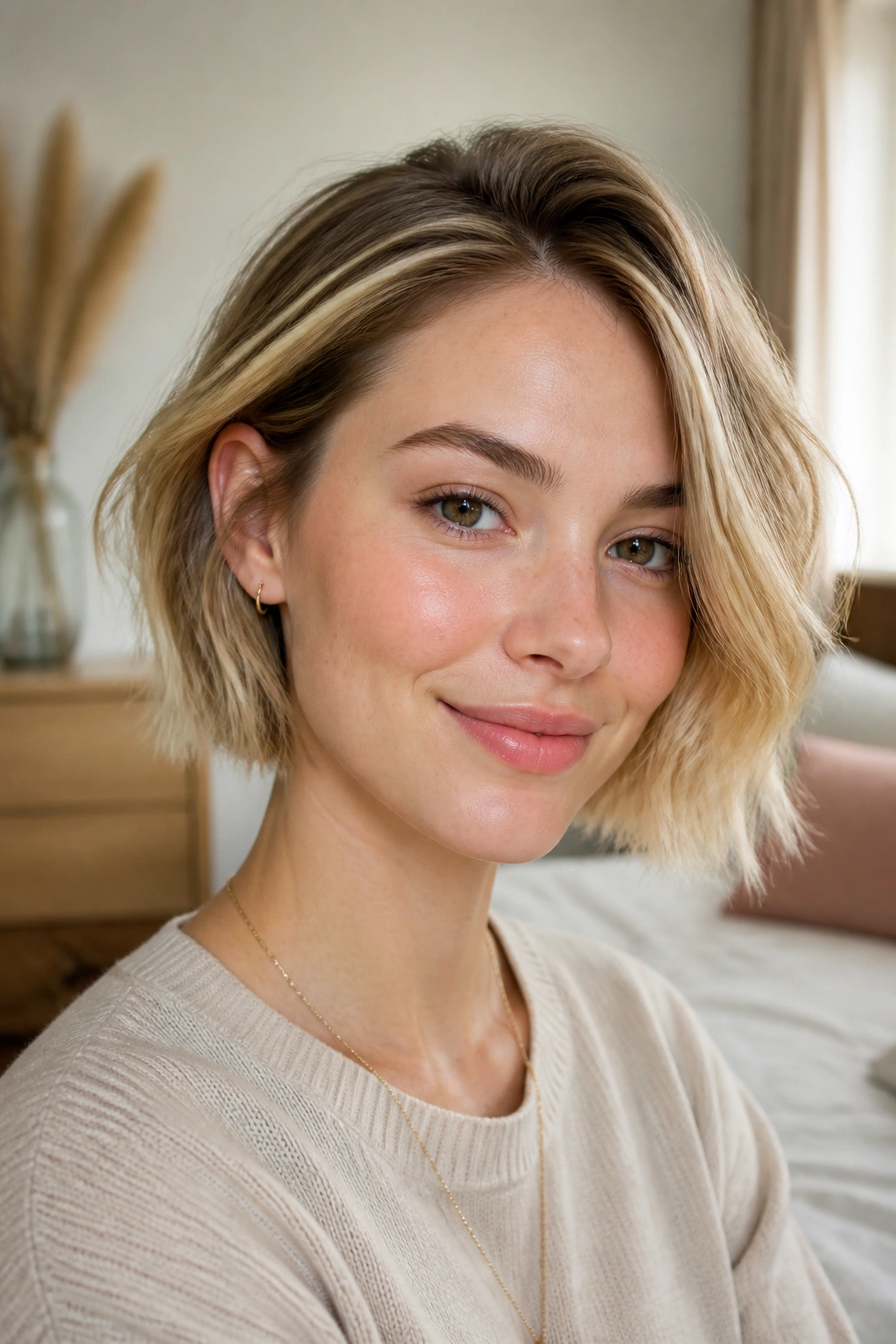
This is the safest place to start, and I mean that in the best way. A chin-length bob gives fine hair a clean edge, while the choppy ends stop it from looking helmet-like. The line stays strong enough to fake density, but the texture keeps it from feeling too stiff.
I like this cut when the hair is straight or only a little wavy. Air-dry it halfway, then rough it up with a pea-sized amount of lightweight paste between the palms. Too much product will collapse the shape fast. The beauty of this bob is that it looks intentional even when it’s not perfectly done.
A tiny side part helps. So does tucking one side behind the ear for five minutes and then letting it fall back out. That little bend and shift at the roots makes a bigger difference than people expect.
2. French Bob with Piecey Ends

There’s a reason the French bob keeps coming back. On fine hair, the shorter length can make the ends look fuller, and the piecey finish keeps the cut from feeling precious. It has a little attitude. Not much fuss.
Why It Works So Well
The magic is in the weight. A French bob usually sits around lip to cheekbone level, which means the hair doesn’t have to stretch itself out over too much length. That gives the illusion of thickness, especially if the ends are point-cut instead of thinned all the way through.
- Ask for soft, broken ends, not razor-fried strands.
- Keep the fringe optional if your forehead is shorter or your hairline is sparse.
- Use a texturizing spray on dry hair, then scrunch with your fingers.
- Skip heavy oils near the root unless you enjoy flatness by noon.
A little mess suits this cut. A lot of polish doesn’t.
3. Airy Layered Jaw-Length Bob
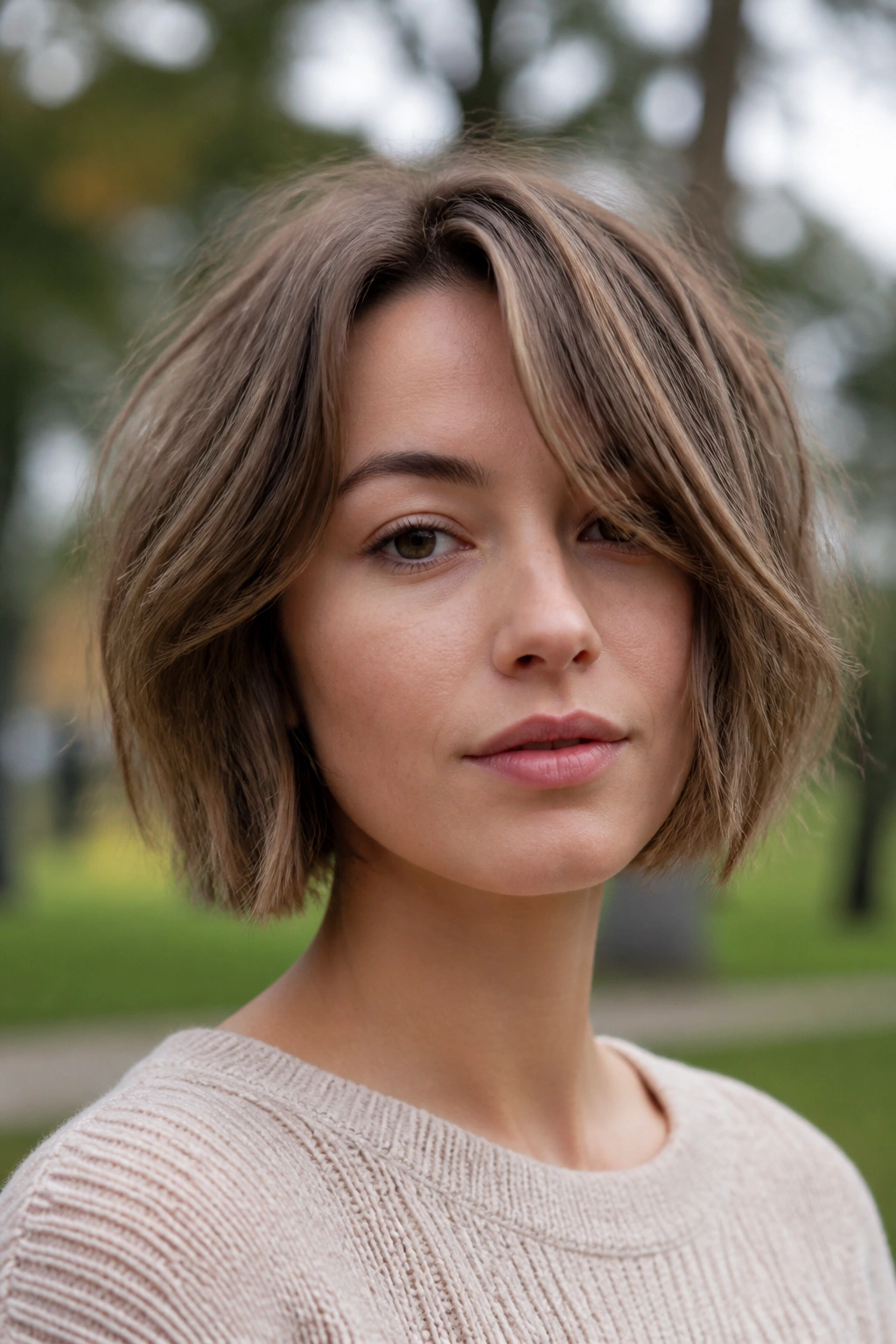
This one lives or dies by restraint. Fine hair does not need a pile of layers stacked on top of each other. It needs light internal movement, enough to create lift, with the outer line left calm and clean.
Why It Feels Lighter Without Looking Thin
Jaw-length is a sweet spot because it lets the hair swing without dragging the face down. When the layers are placed inside the shape, the bob gets bend and bounce without losing its outline. That outline matters. It’s the thing that keeps the cut from vanishing into fluff.
How to Style It
Blow-dry with a small round brush, lifting the roots for the first 30 seconds of each section. Then switch to fingers and stop fussing. A quick twist of the ends around your hand is enough.
The result should look a little undone, not perfectly curled. There’s a difference, and your stylist will know it if you say it plainly.
4. Tapered Bob with a Side Part
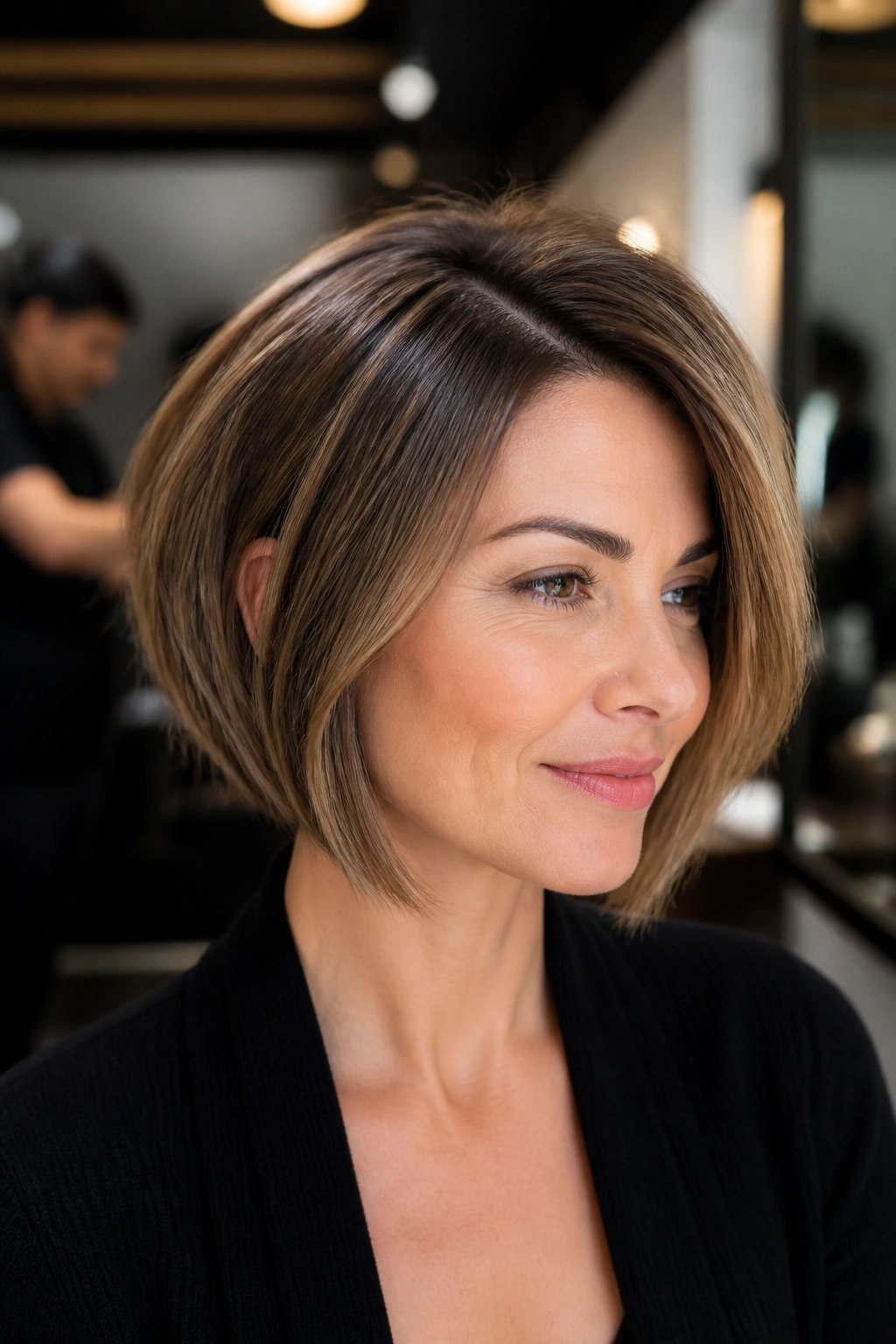
A side part is one of the oldest tricks in the book because it works. On fine hair, it creates an instant lift where you need it most, especially when the bob tapers slightly toward the nape. The head shape looks fuller on top without needing teasing.
This cut has a nice bit of drama if your hair falls flat at the crown. The longer side gives you movement around the cheek, and the shorter back keeps the neck area neat. It’s a good choice if you want volume without a lot of styling time.
A flat iron can help, but only at the ends. Bend them in one direction on one side and the opposite direction on the other. That uneven finish keeps the haircut from looking too tidy.
5. Textured Blunt Bob

Blunt sounds heavy, but on fine hair it can be the exact right move. The trick is to keep the shape blunt and the finish rough. If you thin the perimeter too much, you lose the fullness that makes this bob feel expensive rather than limp.
This version is especially good if your hair is naturally straight and you hate spending time with a round brush. You can mist in dry texture spray, shake the hair out at the roots, and be done. The blunt line gives the illusion of more hair because the eye reads a solid edge.
Honestly, I prefer this to over-layered bobs on a lot of fine-haired clients. Too many layers can make the ends look sad. A blunt base with a bit of grit is stronger.
6. Messy Bob with Curtain Bangs

Curtain bangs soften a bob in a way that fine hair often needs. They create movement around the eyes and cheeks, which keeps the cut from feeling too bare at the front. The rest of the hair can stay shoulder-skimming or just below the jaw.
The good part is that curtain bangs don’t need to be thick. That matters. Fine hair can pull off a lighter fringe without looking sparse if the part opens softly and the longest pieces brush the cheekbones. Blow-dry them away from the face with a medium round brush, then let them fall wherever they want.
If your forehead is shorter, keep the curtain fringe longer and lighter. If your face is longer, bring the starting point a little lower. Small changes like that make the whole cut behave better.
7. Tousled A-Line Bob

A little angle goes a long way. The A-line shape — shorter in back, longer in front — gives fine hair a built-in sense of movement because the eye follows the diagonal. It also helps the front feel fuller, since the weight stays toward the face.
What Makes It Different
Unlike a perfectly even bob, this one has a slope. That slope makes the ends swing when you walk, which is a lovely thing if your hair usually lies there like paper. A soft wave through the front pieces keeps the cut from reading too sharp.
- Keep the front length near the chin or just below it.
- Ask for the back to be slightly shorter, not aggressively stacked.
- Use a 1-inch curling wand on just the front sections.
- Finish with a light mist of flexible-hold spray.
If your hair is very fine, don’t overdo the contrast. A gentle angle looks chic. A harsh one can feel fussy.
8. Razor-Cut Bob with Feathered Ends
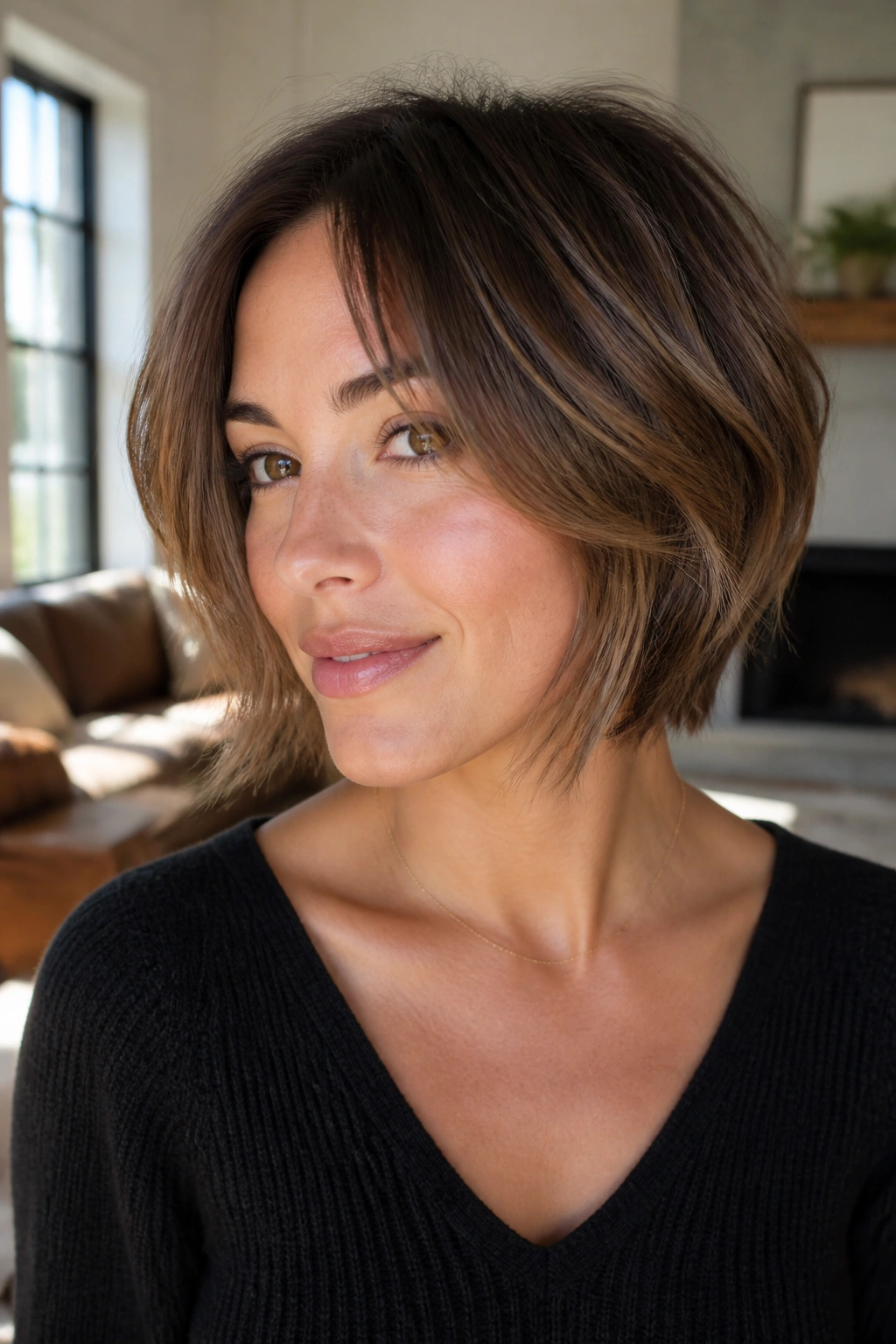
A razor cut can be beautiful on fine hair, but it needs a careful hand. The right version gives soft edges and movement; the wrong one chews the ends up and leaves them looking thin. That line between feathered and frayed is thinner than people think.
I like razor work best when the bob has a little natural texture already. The ends catch the light and separate into tiny pieces, which gives the whole shape a breezier feel. Use a light mousse before blow-drying, then scrunch the ends while they’re still warm.
This is not the cut for someone who wants crisp perfection. It’s for someone who likes hair that moves when they do. If you ask for a razor finish, ask for controlled feathering, not “make it wispy.”
9. Wavy Bob with Micro Layers
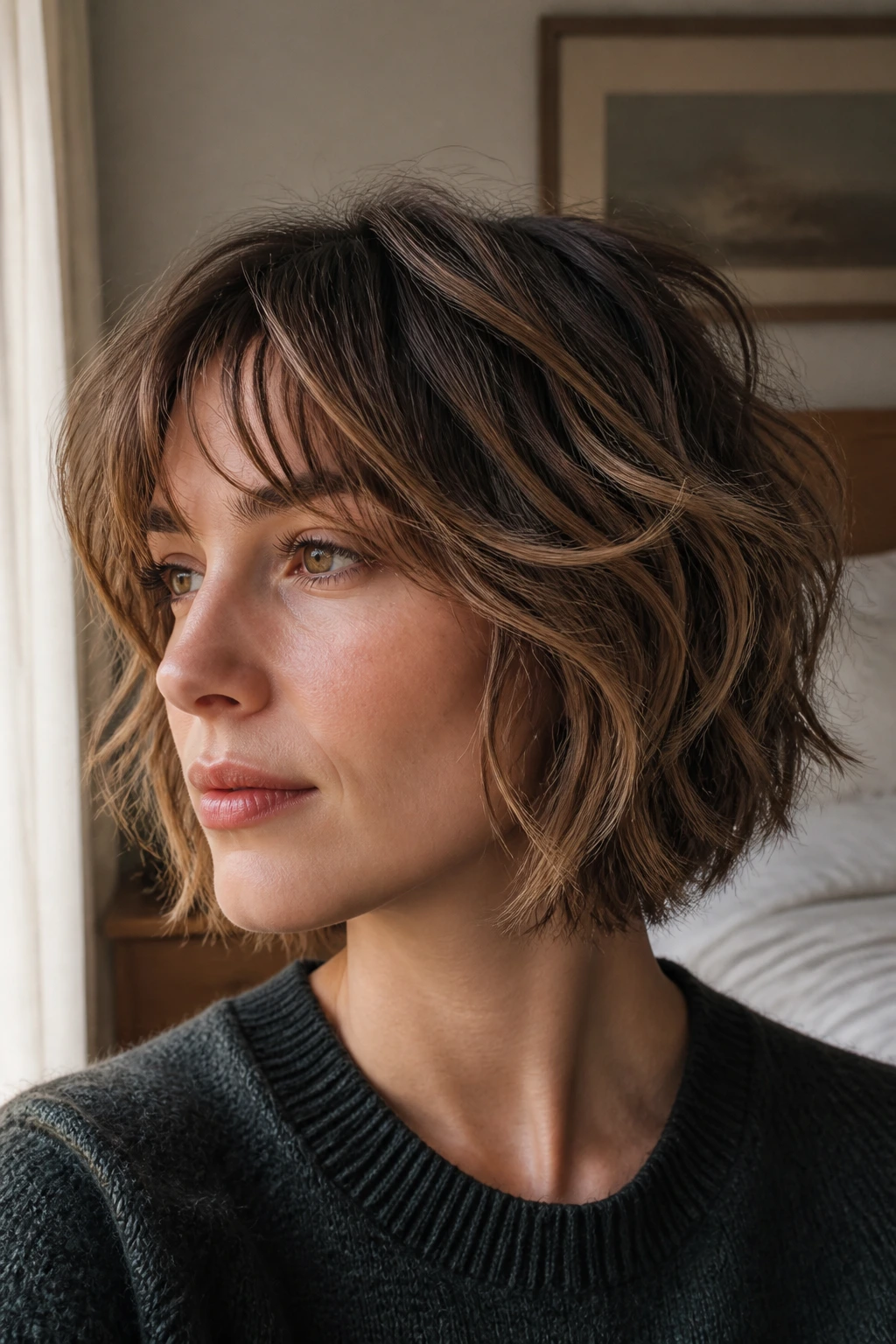
Why do micro layers matter so much on fine hair? Because big layers can hollow it out, while tiny internal layers give the waves somewhere to sit. The haircut keeps its outer line, but the inside gets just enough lift to stop the shape from collapsing.
The Science Behind the Softness
Fine strands bend easily, but they also lose structure quickly. Micro layers help by reducing weight in small zones rather than taking huge chunks out of the haircut. That means the waves stack instead of sliding flat against each other.
A salt spray can help here, but use it sparingly. One or two sprays through damp hair is enough. Scrunch from the ends upward, then let the hair dry on its own for a while before touching it again.
This is one of those styles that looks better after you stop staring at it. Leave it alone a little. Seriously.
10. Flip-Under Bob with Rough Texture
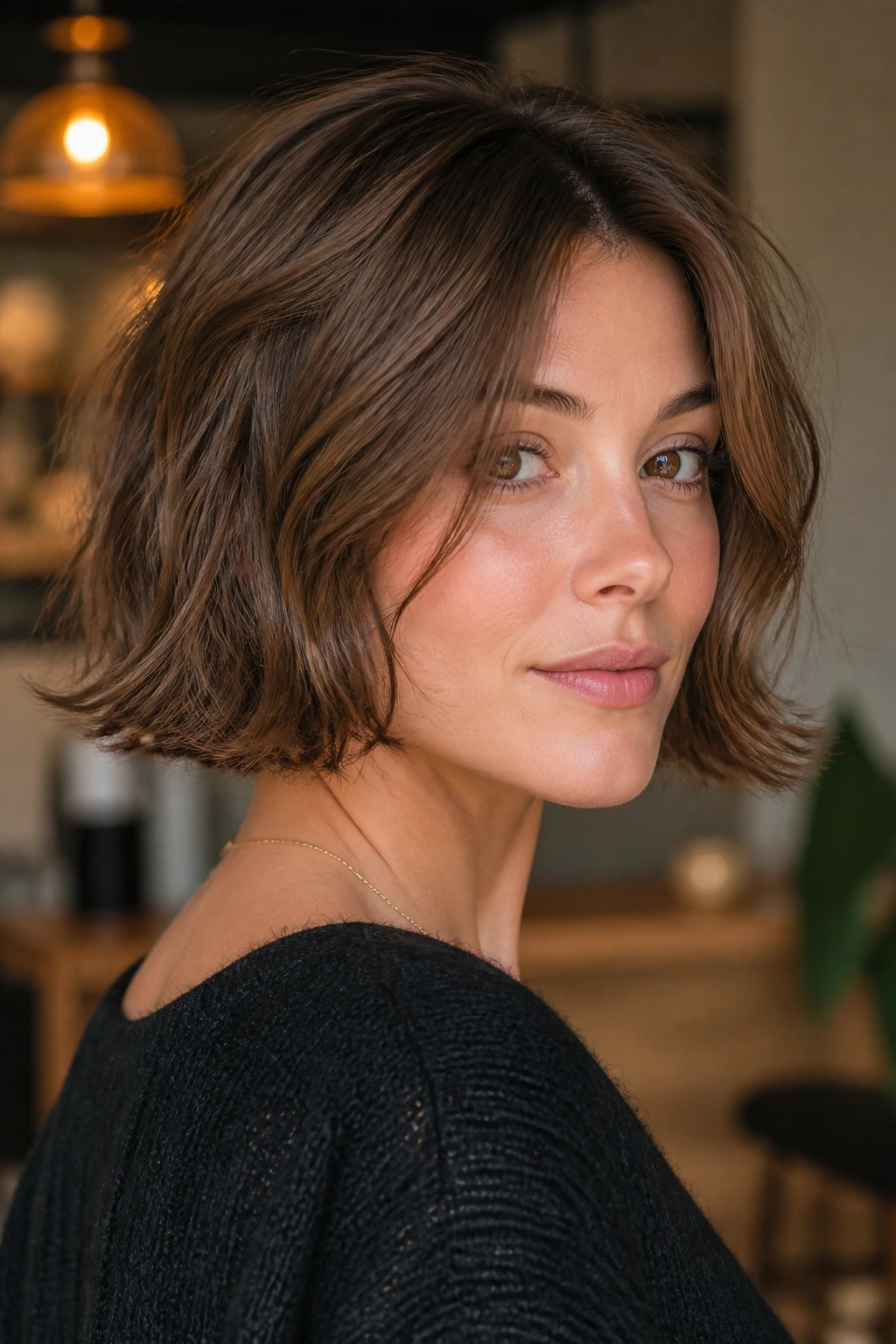
This cut has a little old-school charm, but the messy version feels fresh. The ends turn under just enough to create shape, then the rough texture keeps it from looking too neat. Fine hair benefits from that kind of structure because it gives the illusion of density at the hem.
A round brush and a quick bend at the ends are enough. You do not need a perfect blowout. In fact, a perfect blowout can make the style too polished and strip away the movement that makes it work.
- Blow-dry the roots upward first.
- Wrap only the last 1 to 2 inches around the brush.
- Shake the hair out while it’s still warm.
- Finish with dry shampoo at the crown for grip.
The whole point is to look like the ends decided to do their own thing.
11. Shaggy Bob with Bottleneck Bangs
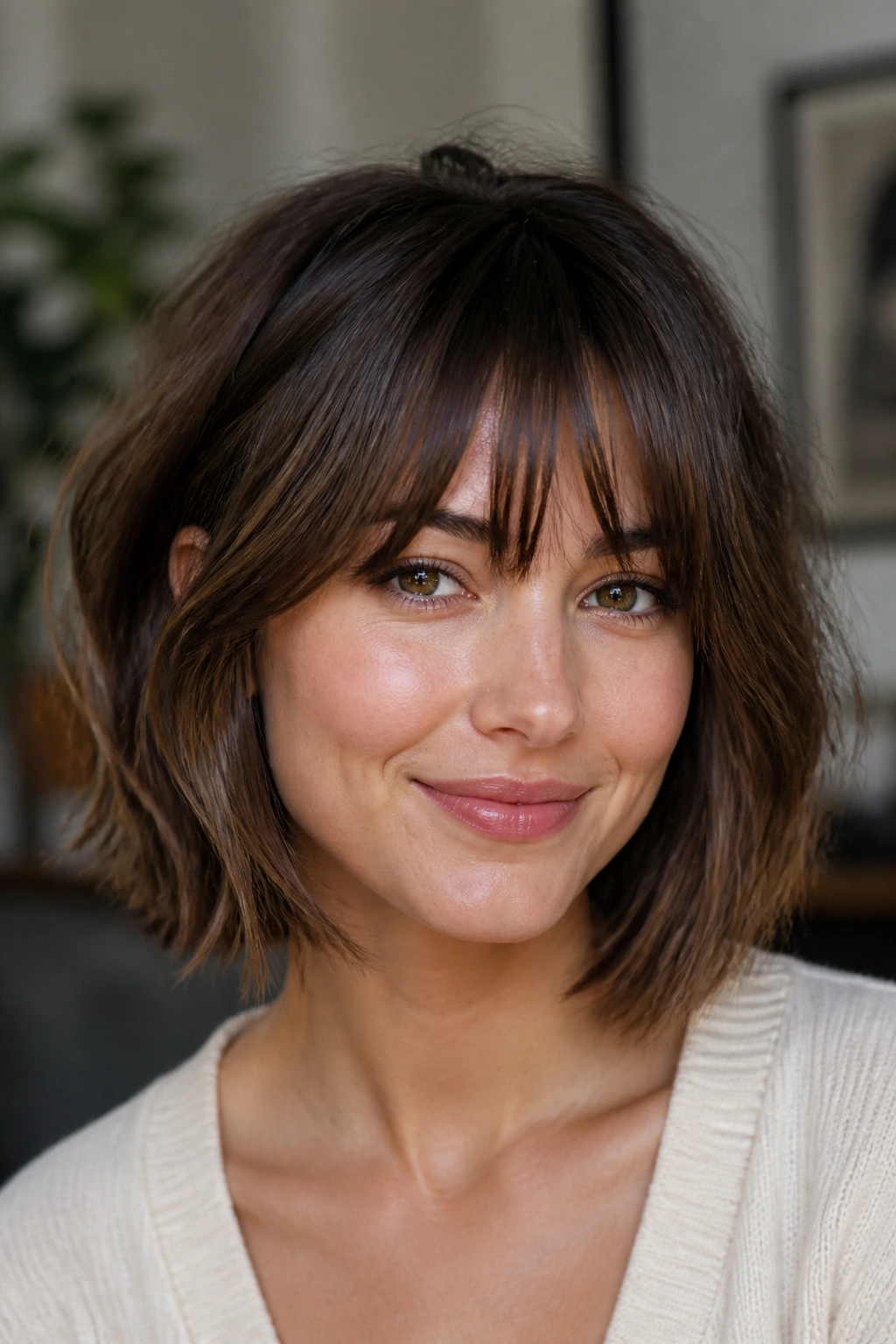
This is the bob for someone who wants a little edge without going full shag. Bottleneck bangs are softer than straight fringe and less blunt than curtain bangs, so they sit nicely on fine hair. They frame the face without swallowing it.
The shaggy finish helps the top layers lift while the bottom stays light and movable. That combination is useful if your hair tends to lie flat at the crown but puff out at the ends. A quick blast with a diffuser on low heat can bring out the texture without turning it fuzzy.
I like this cut on hair that has a slight wave. Straight hair can wear it too, but it needs a bit more product and a little patience. The best version looks lived-in, not overworked.
12. Inverted Bob with Soft Stack
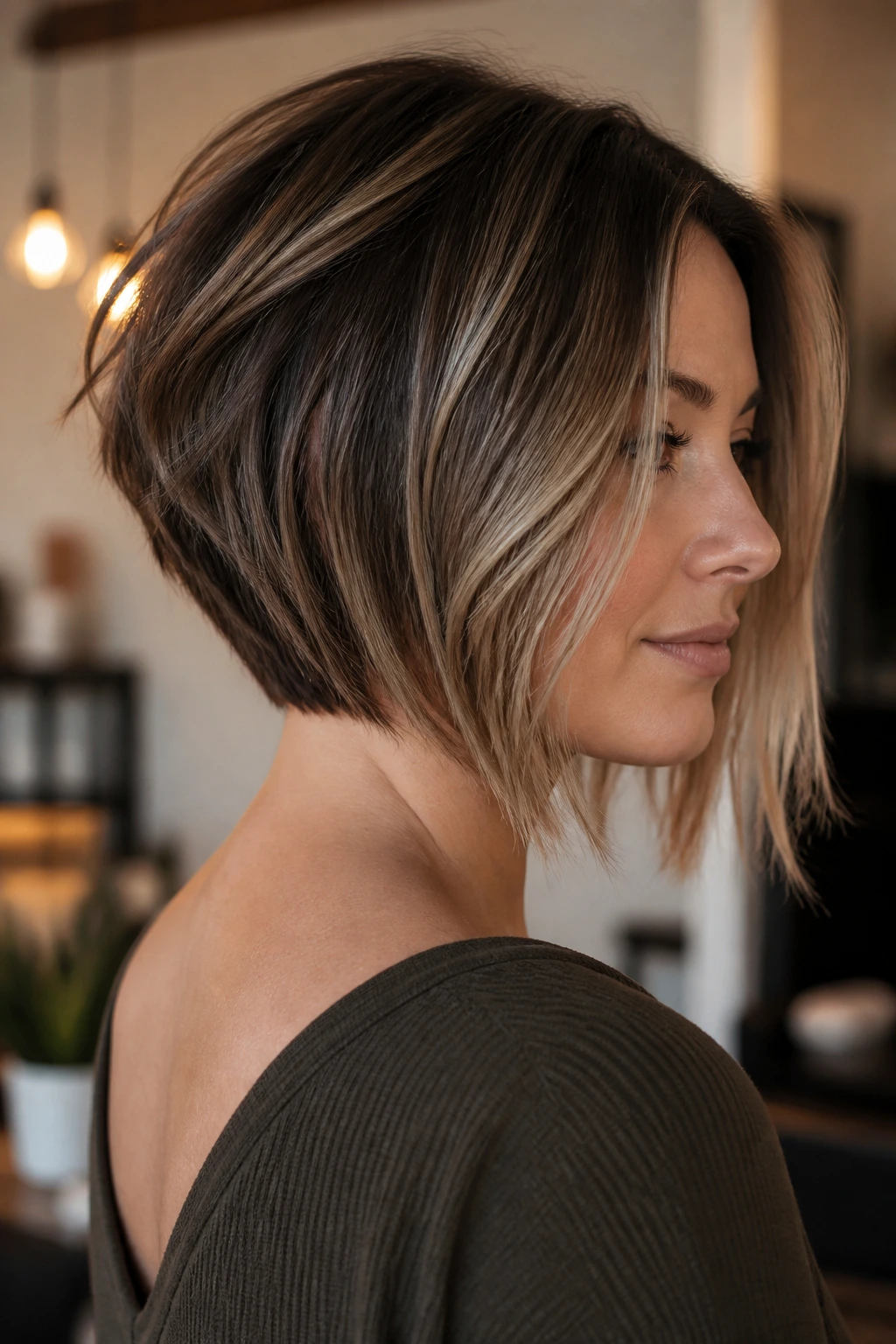
A classic inverted bob can feel too sharp on fine hair, so I prefer a softened version. The back is still a touch shorter, which lifts the shape, but the stack is gentle enough that the cut doesn’t go rigid. That matters a lot.
The short back gives fine strands a stronger base. The longer front pieces add movement around the jaw, which keeps the face from getting swallowed by hair that has no weight. This cut works especially well if you want your neck to look longer and your hair to look fuller at the same time.
Keep the finish slightly bent, not flat-ironed straight. A tiny bend at the ends makes the angle easier on the eyes.
13. Beachy Bob with Mid-Length Fringe
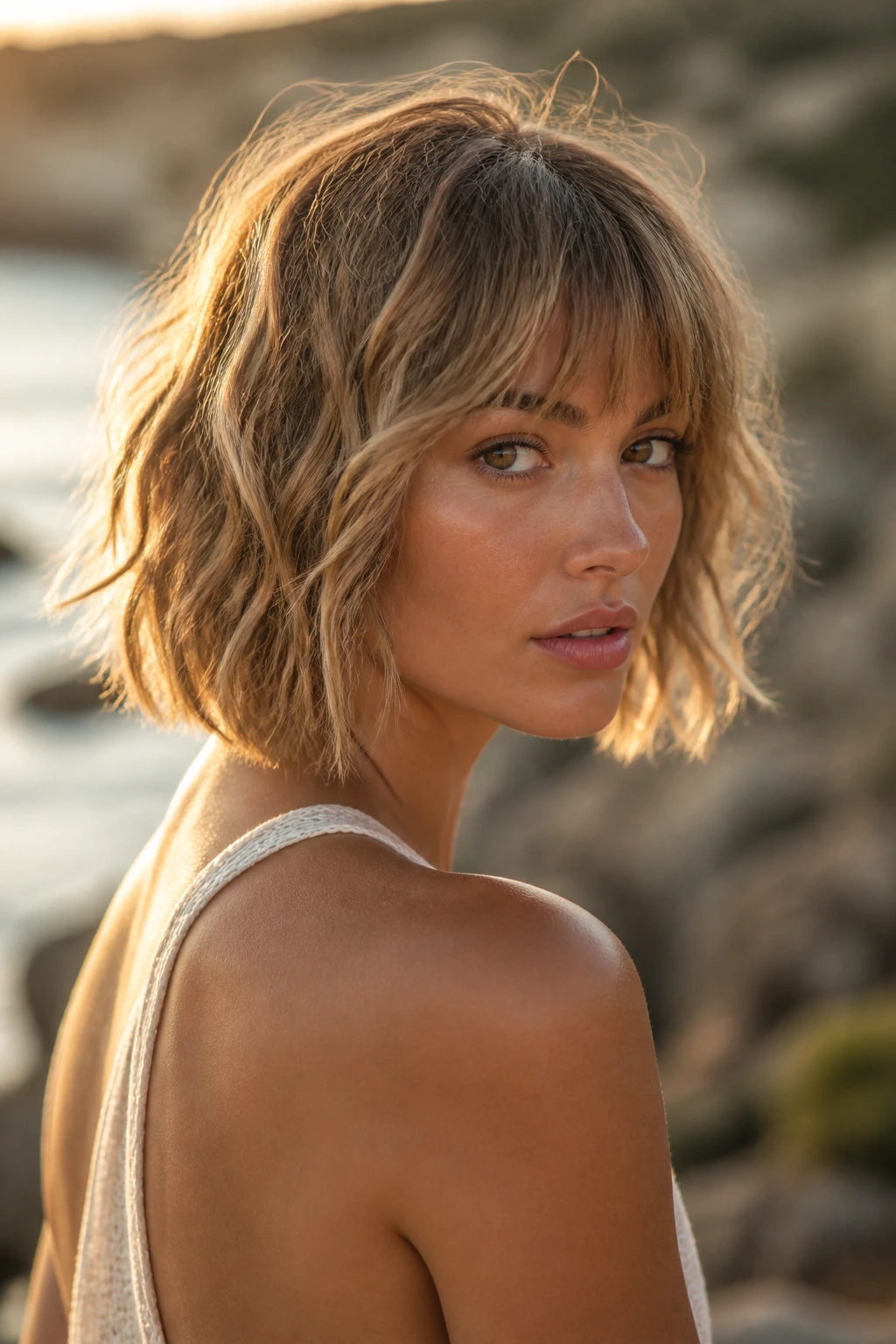
This is the version that looks like you slept on the right pillow, even if you didn’t. The beachy bob uses soft, broken waves to create width, while a mid-length fringe keeps the front from feeling too open. Fine hair can wear this shape nicely because the waves add body without adding bulk.
How to Keep It Soft
The key is spacing. Don’t curl every strand. Leave a few pieces straight, and curl in alternating directions so the waves don’t clump into one big shape. That broken rhythm is what keeps the bob from looking too styled.
A mid-length fringe should skim the brows or sit just above them. If it’s too short, it can look sparse. If it’s too long, it disappears into the rest of the cut.
A little sheen spray at the very end is enough. Anything heavier will make the waves droop.
14. Undone Bob with Face-Framing Pieces
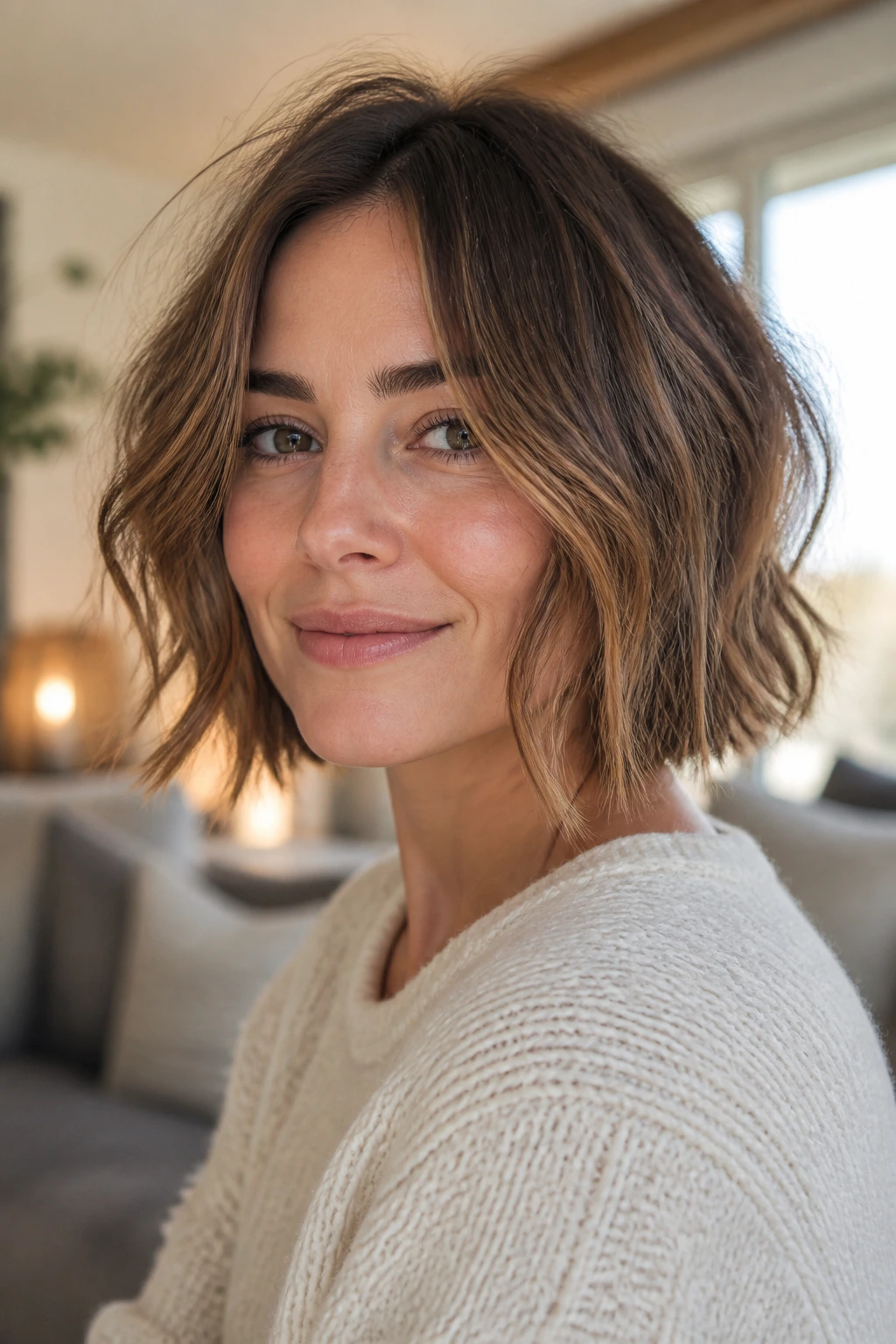
I’ve seen this cut save a lot of fine hair that felt too plain. The face-framing pieces create a bit of movement right where people look first, and the rest of the bob can stay compact and tidy. That balance makes the hair seem fuller without turning it into a frizz cloud.
The front layers should start around the cheekbone or a little below it. Too high, and the shape can get choppy in a bad way. Too low, and you lose the lift around the face. The sweet spot is where the pieces can swing when you turn your head.
- Ask for soft framing, not a harsh staircase.
- Keep the back blunt enough to hold weight.
- Style the front with a 1.25-inch iron and brush it out.
- Use fingers, not a paddle brush, to break up the finished wave.
It’s a pretty forgiving bob. That’s the appeal.
15. Collarbone Bob with Ragged Ends

A collarbone bob gives fine hair room to move, which helps if you hate hair that looks too short or too static. The length sits in a flattering zone, but the ragged ends keep it from becoming a plain lob. It has shape without looking severe.
This one shines when the hair is parted a little off-center and tucked loosely behind one ear. That asymmetry adds interest without any real effort. A mist of lightweight volume spray near the roots can stop the top layer from lying too close to the scalp.
I like this choice for people who want a messy bob but don’t want to commit to chin length. It’s the most easygoing version on the list.
16. Cropped Bob with a Deep Side Part

A deep side part can rescue fine hair faster than almost any styling trick. It shifts the weight, lifts the root, and creates an illusion of thickness on the fuller side. Pair that with a cropped bob, and you get shape with attitude.
This cut works because it doesn’t try to make the hair look bigger everywhere. It makes one area look fuller on purpose. That is smarter. The shorter length keeps the ends from getting straggly, and the deep part keeps the crown from falling flat.
Use a root-lifting spray before blow-drying, then flip the part once the hair is dry. That little reset at the end gives the roots a better bend.
17. Sliced Bob with Invisible Layers
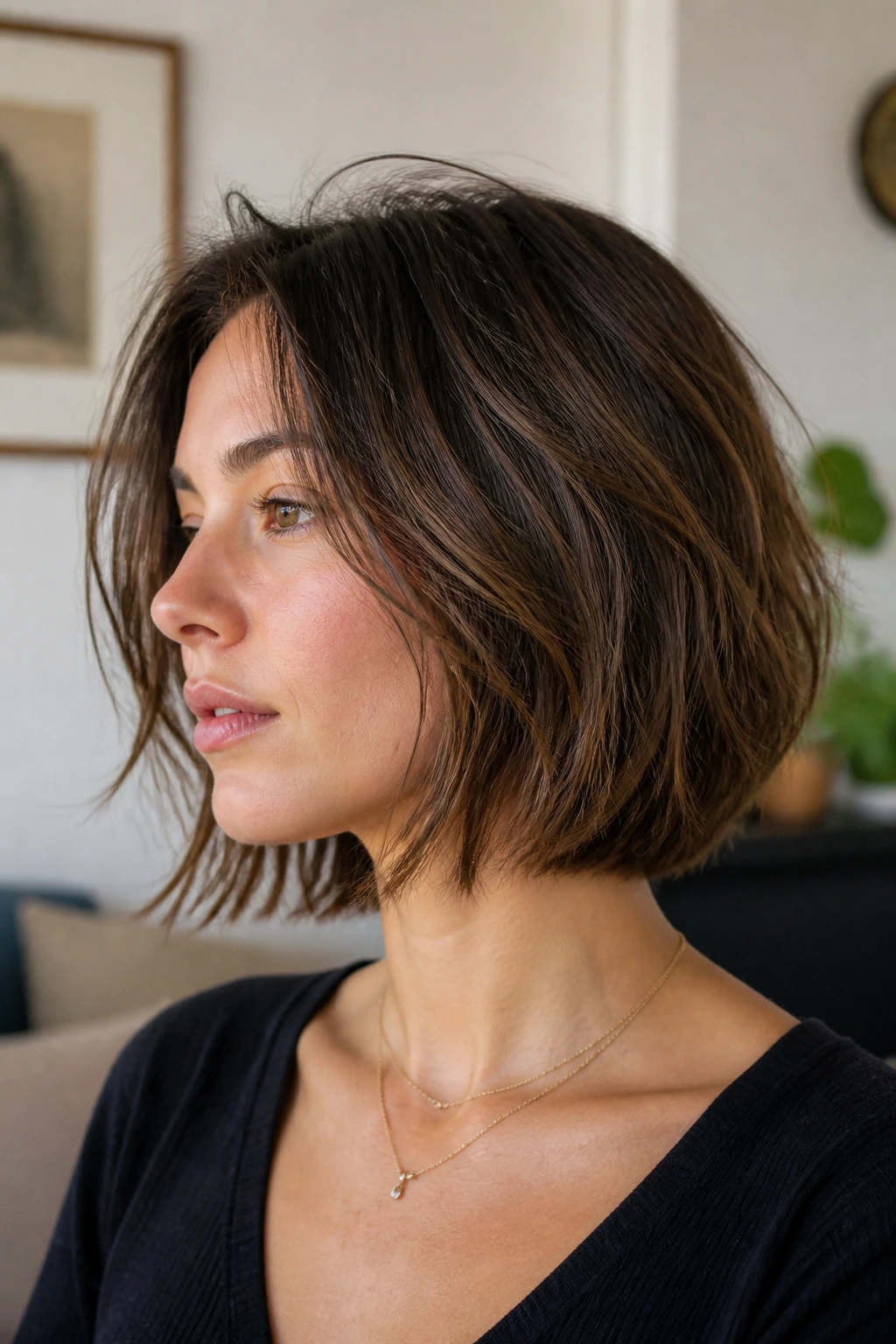
The sliced bob sounds technical, but the effect is simple: movement without visible chunks. Invisible layers are ideal for fine hair because they remove weight inside the haircut while leaving the outline smooth. That means the hair can swing without looking chopped up.
Why Stylists Like This Shape
A lot of fine hair problems come from too much visible layering. The hair gets airy in the wrong way. Invisible layers solve that by putting the movement where the eye can’t pick it apart, which keeps the bob looking full from the outside.
A light blow-dry cream can help tame static, but use a tiny amount. The finish should still feel soft and touchable, not slippery. If you like hair that falls into place with very little drama, this cut earns its keep.
It’s quiet. That’s the point.
18. Curly or Wavy Bob with Air-Dried Finish

Does fine hair need heat styling to look good in a bob? Not always. If your hair has natural wave or curl, an air-dried bob can look fuller than any polished blowout because the texture fills out the shape on its own. The trick is keeping the cut supportive enough that the curls don’t collapse.
A curl cream with a light hold works better than a heavy butter. Scrunch it through soaking-wet hair, then leave the shape alone until it’s at least 70 percent dry. Touching it too much causes frizz, and frizz on fine hair tends to look stringy rather than fluffy.
If the ends get puffy, ask for a slightly blunt perimeter. That gives the curl pattern a cleaner edge.
19. Bedhead Bob with a Tucked-Behind-One-Ear Shape

This is the easygoing cut for people who want hair that looks cool without looking done. One side gets tucked back, the other side stays loose, and the whole thing reads as casual in a way that fine hair often wears well. The asymmetry does half the styling for you.
The tucked side creates a little volume at the root, especially if you slide in a bobby pin under the hair for an hour and remove it later. The impression stays. Not forever, but long enough to matter. Add a touch of dry shampoo at the crown, and the shape holds better.
This one works particularly well with a softly roughened finish. It should look like you ran your fingers through it twice and stopped there.
20. Boxy Bob Softened by Broken Ends
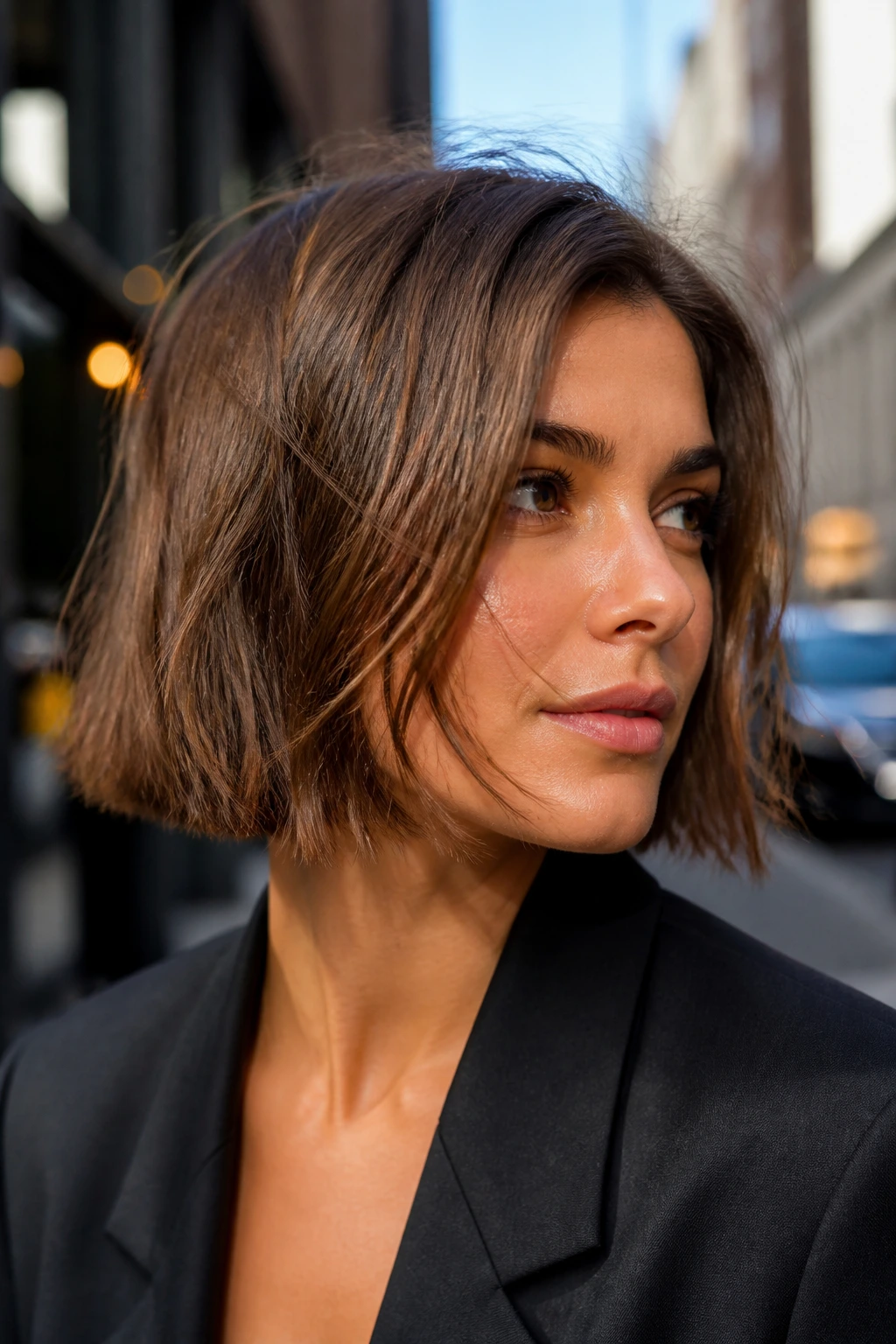
A boxy bob sounds blunt, maybe even a little severe, but on fine hair it can be a smart move. The strong shape makes the hair look thicker, and the broken ends keep it from feeling like a block. You get solidity and movement at once.
The trick is not to over-texturize the middle. That’s where people go wrong. If you carve too much into the body of the cut, you lose the strong silhouette and end up with a thin-looking bob that no one wanted in the first place.
I’d choose this if your hair is very straight and tends to hang there like a sheet. The box gives it a frame, and the broken ends make that frame easier to wear.
21. Rounded Bob with Light Internal Layers
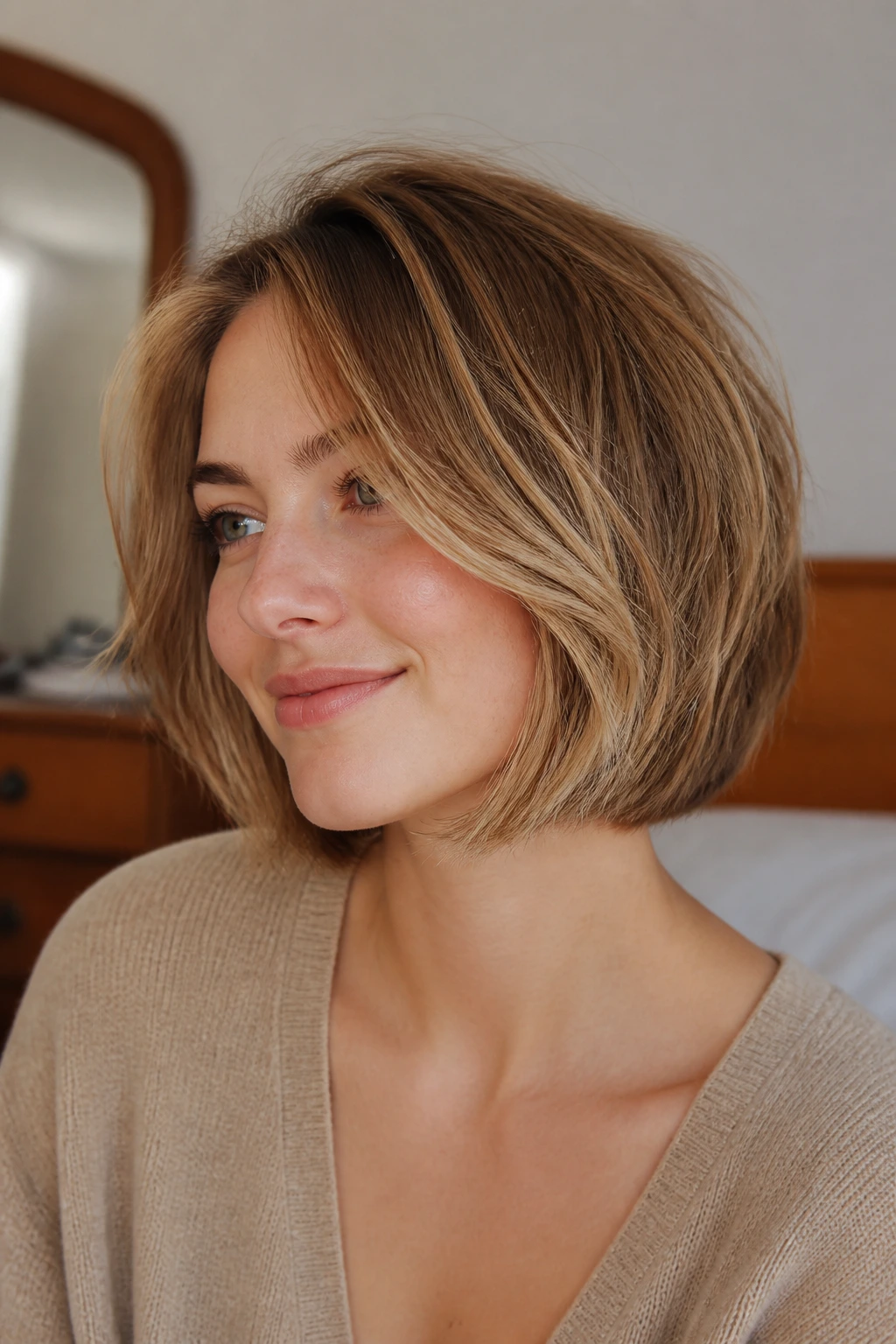
A rounded bob can be flattering on fine hair because it builds fullness through shape, not volume spray alone. The curve around the sides makes the hair look denser, especially when the top stays a little lifted and the ends turn softly inward.
What Makes It Better Than a Flat Bob
A flat bob can leave the sides looking narrow. The rounded version gives the head a softer outline, which is kinder if your hair is thin at the temples or through the crown. Light internal layers help the curve sit without sagging.
Use a medium round brush and focus on the side panels first. Once those sections have a bend, the rest of the haircut tends to fall into place. A cool shot at the end helps lock the curve without making it stiff.
This is one of the more elegant messy bobs. Quiet, but not boring.
22. Asymmetrical Messy Bob

A little imbalance can be your best friend. An asymmetrical bob shifts the eye from one side to the other, which makes fine hair seem fuller because the shape has more visual action. The messy finish softens the angle so it doesn’t feel harsh.
This cut shines when one side is just a touch longer than the other — not dramatic, just enough to notice if you look twice. The shorter side can be tucked, pinned, or left loose. The longer side swings and creates that small bit of drama people tend to like without knowing why.
A texturizing mist helps here, but keep it light. The shape should carry the style. Product is a backup singer.
23. Retro Flip Bob

There’s something oddly charming about a bob that flips at the ends. It feels a little retro, a little cheeky, and surprisingly good on fine hair because the flipped edges create motion where the cut might otherwise lie flat. The style has personality without needing much length.
I like this best when the hair hits just below the chin. That length gives the ends room to turn. Use a flat iron or small round brush to curl the last inch outward, then brush the curve open so it doesn’t look too neat.
The flip should feel spontaneous, not pageant-perfect. If the ends are curling in too much, they can make fine hair look tucked under and smaller than it is. Outward movement fixes that.
24. Wispy Bob with See-Through Bangs

See-through bangs work because they give you fringe without swallowing the face. On fine hair, that matters a lot. A heavy bang can steal too much density from the rest of the cut, while a wispy fringe keeps air in the style and frames the eyes gently.
How to Keep the Fringe Light
The bang section should be narrow, and the cut should be soft through the tips. You want brow-skimming pieces that separate a little when you move. Too much bulk at the front makes the whole bob feel weighed down.
- Dry the fringe first so it doesn’t stick in odd directions.
- Use a small round brush or your fingers, not both.
- Add a dry shampoo puff at the roots if the bangs lie too close to the forehead.
- Keep the rest of the bob loose and slightly bent.
This style is especially good if you want something sweet but not overly polished.
25. Low-Maintenance Airy Bob with Grow-Out Friendly Shape

If you want the easiest option on the list, this is the one I’d hand you first. A grow-out friendly bob keeps the perimeter soft, the layers light, and the ends slightly broken so the haircut still looks good as it lengthens. Fine hair likes that kind of mercy.
The shape should sit somewhere between jaw and collarbone, depending on how much length you want to keep. It’s airy enough to move, but it doesn’t rely on constant styling. That makes it useful if you’re not in the mood to fight your hair every morning.
Use a lightweight mousse on damp hair, scrunch once, then stop. When the cut is right, that’s often enough. The best version of this bob looks better with a little wear on it anyway.
Final Note
A good messy bob on fine hair is not about piling on layers and hoping for the best. It’s about keeping enough shape to make the hair look full, then adding just enough texture to keep it from feeling stiff. That’s the sweet spot.
I’d lean toward the versions with a strong perimeter, soft internal movement, and one smart detail — a fringe, a side part, a small angle, something like that. Those little choices do more than a drawer full of styling products ever will.
And if your hair is especially fine, don’t be shy about asking for less layering than you think you need. That’s usually where the better cuts start.
