



The best lob haircuts for medium length hair do one thing better than almost any other cut: they make hair look styled even when you barely touched it. That is the appeal. A lob lands between the chin and the collarbone, which gives enough shape to feel fresh and enough length to tuck behind an ear, pin back, or twist into a tiny knot when the day goes sideways.
Medium length is a funny zone. Too short, and every bad blow-dry shows. Too long, and hair can droop into the same shape from root to tip. A lob splits the difference, but the exact version you choose changes everything. A blunt edge makes hair look thicker. Layers make it move. An angle can sharpen a jawline. Curtain bangs can soften the whole thing in one sweep.
There is also a practical detail people skip past. Shoulder-length hair behaves differently depending on where it lands on the shoulder blade, how much natural bend it has, and whether the ends hit at the collarbone or sit right on top of the shoulder. That tiny difference can mean polish, or it can mean a permanent little kick at the ends. Haircuts are sneaky like that.
So the trick is not “getting a lob.” The trick is choosing the right kind of lob for your hair, your face, and the amount of styling you are willing to do before coffee. Some of these cuts are sleek and sharp. Some are soft and airy. A few are built for women who want to wash, shake, and go. The shape makes the difference.
1. The Blunt Collarbone Lob
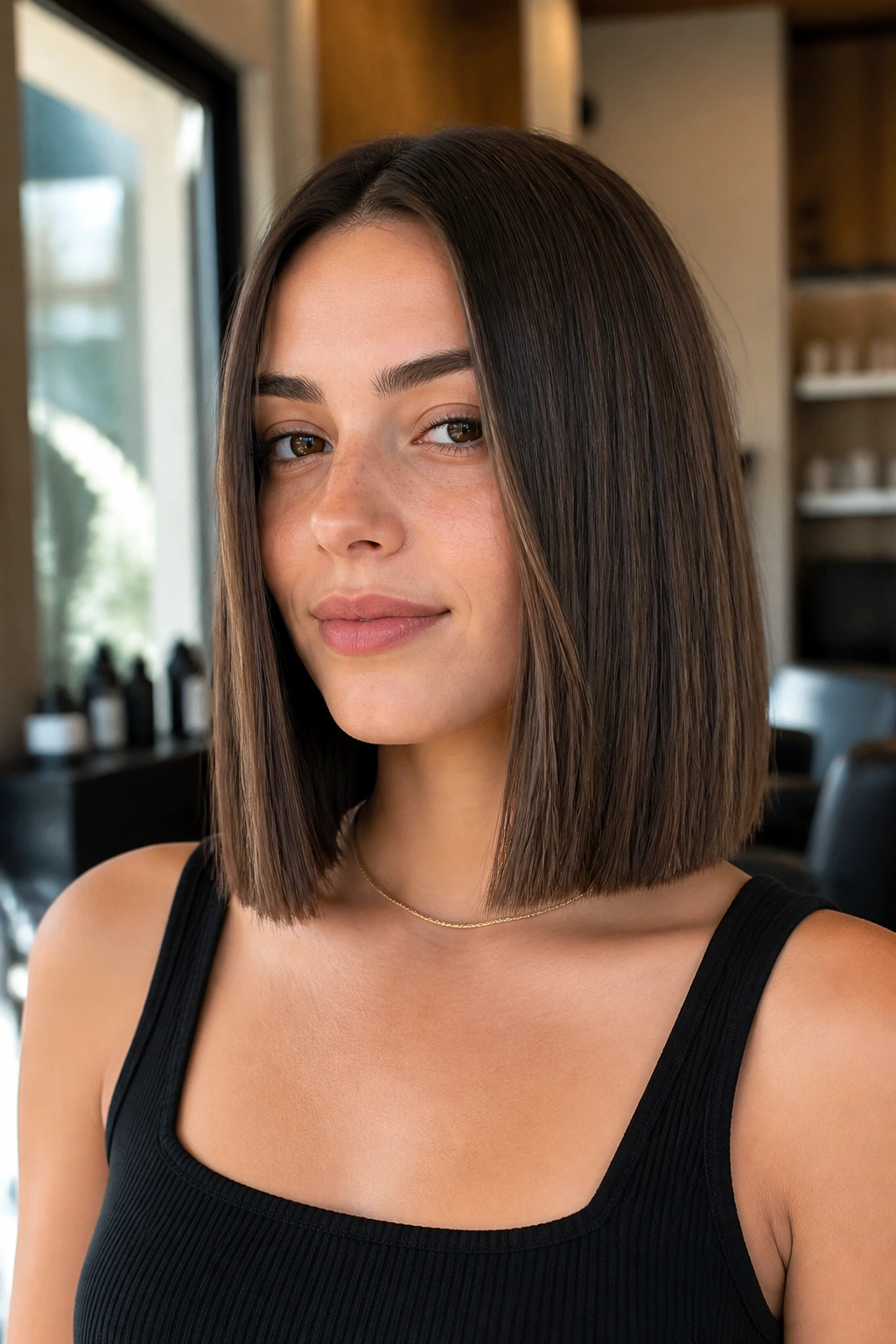
A blunt collarbone lob is the haircut version of a crisp white shirt. It looks clean, sharp, and a little expensive even when the styling is bare bones. If your hair tends to look thin at the ends, this cut gives it a fuller edge without relying on heavy product.
Why It Works
The perimeter stays strong, which means the eye sees one clear line instead of broken, wispy ends. That matters more than people think. A blunt edge adds the visual weight that fine hair often loses around the shoulders.
It also grows out in a neat way. The line softens, but it does not fall apart fast. If you want a style that still looks intentional on day three, this is a safe bet.
- Best for straight to slightly wavy hair
- Ask for one length, or almost one length, with minimal internal layers
- Style with a flat brush and a light bend under the ends
- Trim every 6 to 8 weeks if you want the edge to stay crisp
Tip: if your hair flips outward at shoulder length, ask your stylist to take the length just below the shoulder crease. That tiny move saves you from the awkward kick-out phase.
2. The Soft Layered Lob
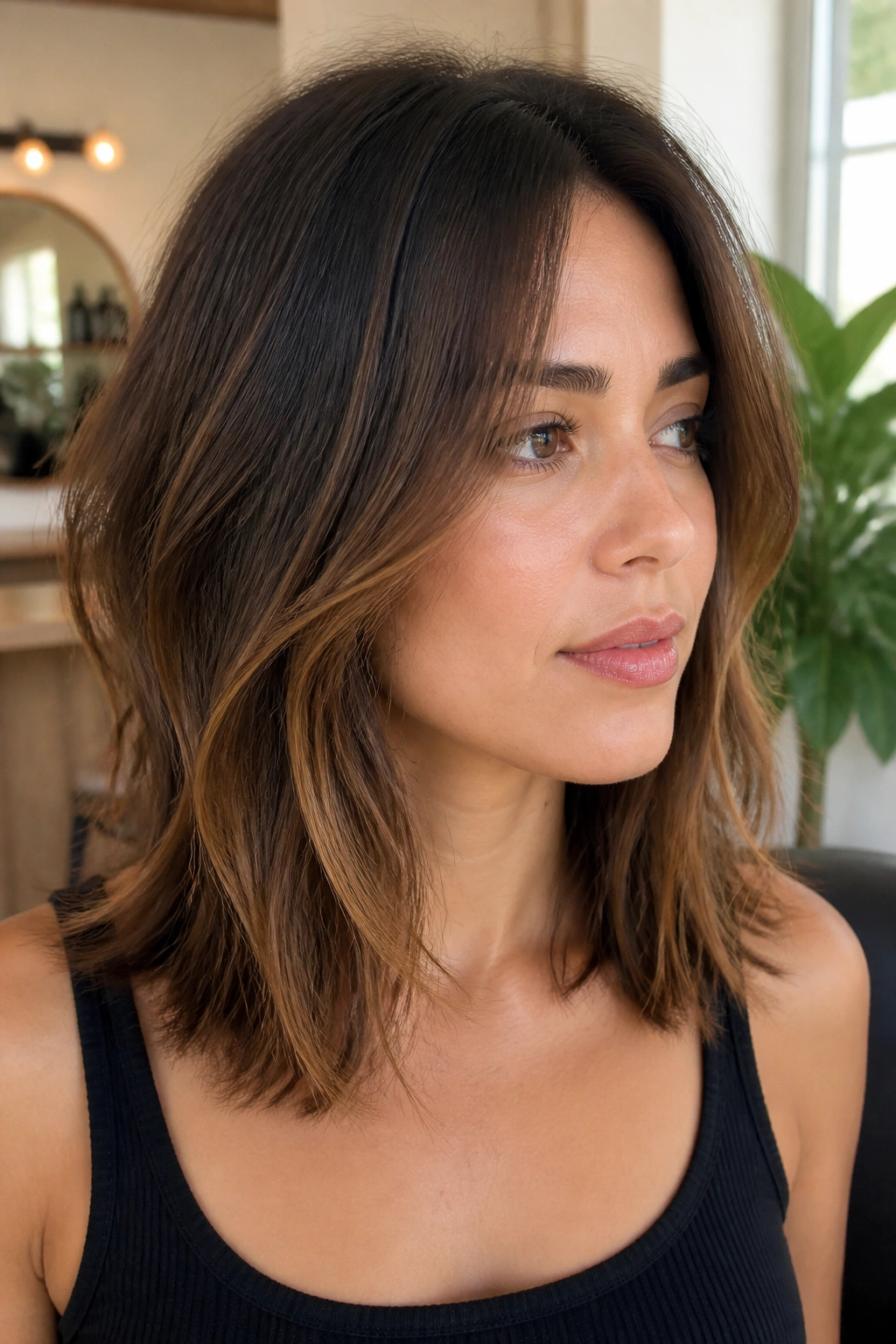
A soft layered lob is the answer when someone says, “I want movement, but I do not want a shag.” It keeps the overall length, then sneaks in long layers that break up the weight without stealing the shape. The result is easy, light, and a little more forgiving on busy mornings.
What I like about this version is how quietly it works. The layers do not shout. They just keep the ends from hanging like a curtain. On finer hair, that can mean a lift you actually see at the crown. On thicker hair, it keeps the shape from feeling boxy.
Use a round brush or even your hands and a dryer if you are short on time. The cut does not need perfect styling. It needs a little bend and some air around the ends.
3. The A-Line Lob
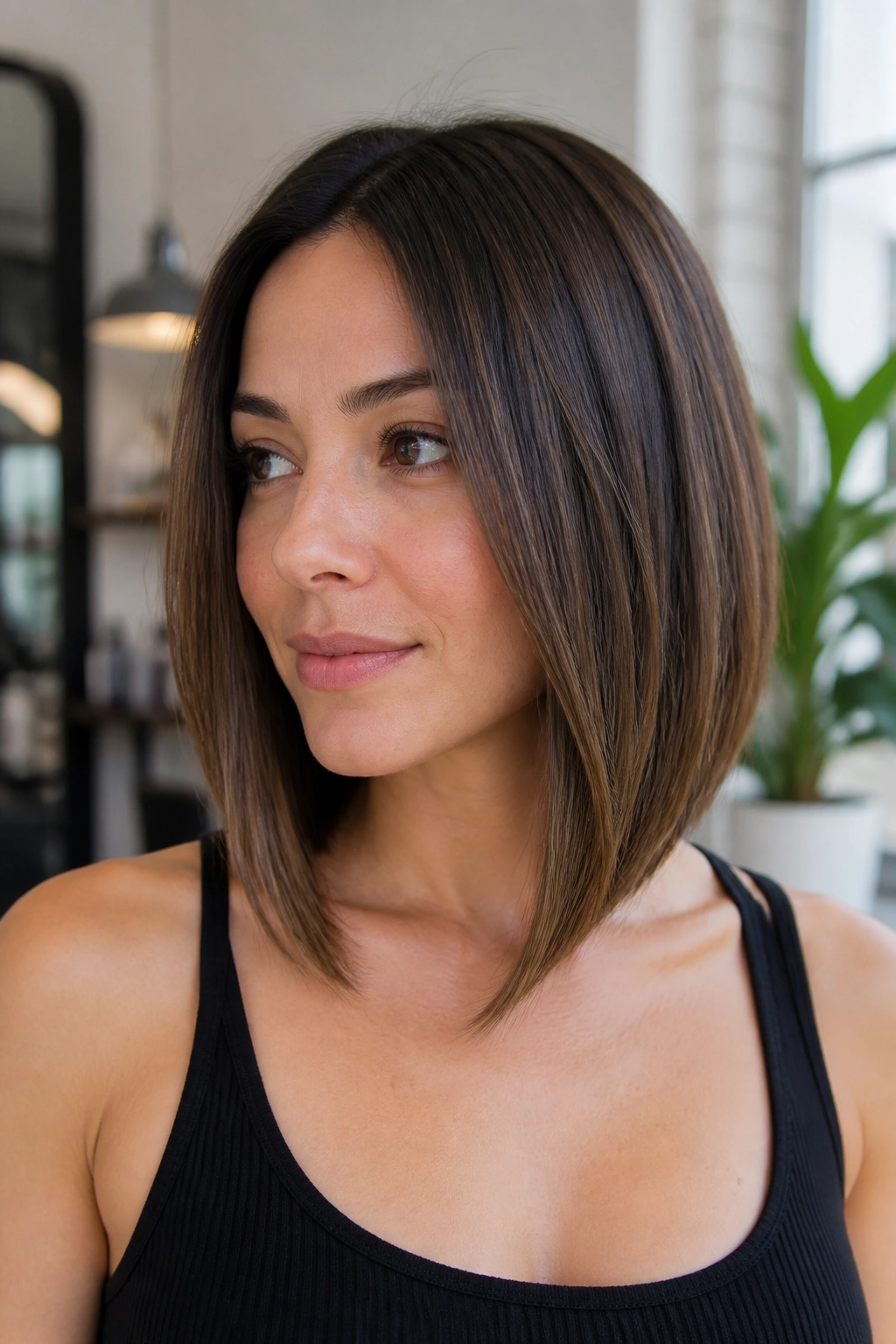
Why does an A-line lob make the neck look longer? Because the shape does the work for you. The back sits a touch shorter, while the front drifts forward in a gentle angle that frames the jaw and collarbone. It is one of those cuts that looks sleek without trying too hard.
This version is especially good if you like structure. The front pieces can be tucked behind the ears, worn loose, or curled under for a cleaner finish. And when the cut is done well, the angle is obvious enough to matter but not so steep that it starts to feel dated.
How to Wear It
Keep the front pieces polished if you want the line to read clearly. A slight bevel under the ends helps. If your hair is wavy, ask for the angle to be a little softer so the shape does not collapse into a triangle when it dries.
A-line lobs are best when the grow-out is part of the plan. Leave them too long, and the angle loses its point. A trim every 7 to 9 weeks keeps the shape honest.
4. The Curtain Bang Lob

If you want a noticeable change without committing to a blunt fringe, curtain bangs and a lob are an easy pair. The bangs split through the middle, skim the cheekbones, and open the face in a way that feels softer than straight-across bangs. That is why so many people keep circling back to this combo.
The key is length. Curtain bangs should hit somewhere between the cheekbone and the top of the lip when they are dry, depending on how much bend your hair has. Too short, and they can feel choppy. Too long, and they disappear into the rest of the cut.
A small round brush helps, but so does a velcro roller if you want less fuss. The front pieces need a little lift so they do not sit flat against the forehead. Without that bend, the whole look loses its shape fast.
- Best on medium-density hair
- Works well with a center part or a soft off-center part
- Ask for longer face-framing pieces that connect into the bangs
- Style the bangs first, then shape the rest of the lob
5. The Textured Wavy Lob
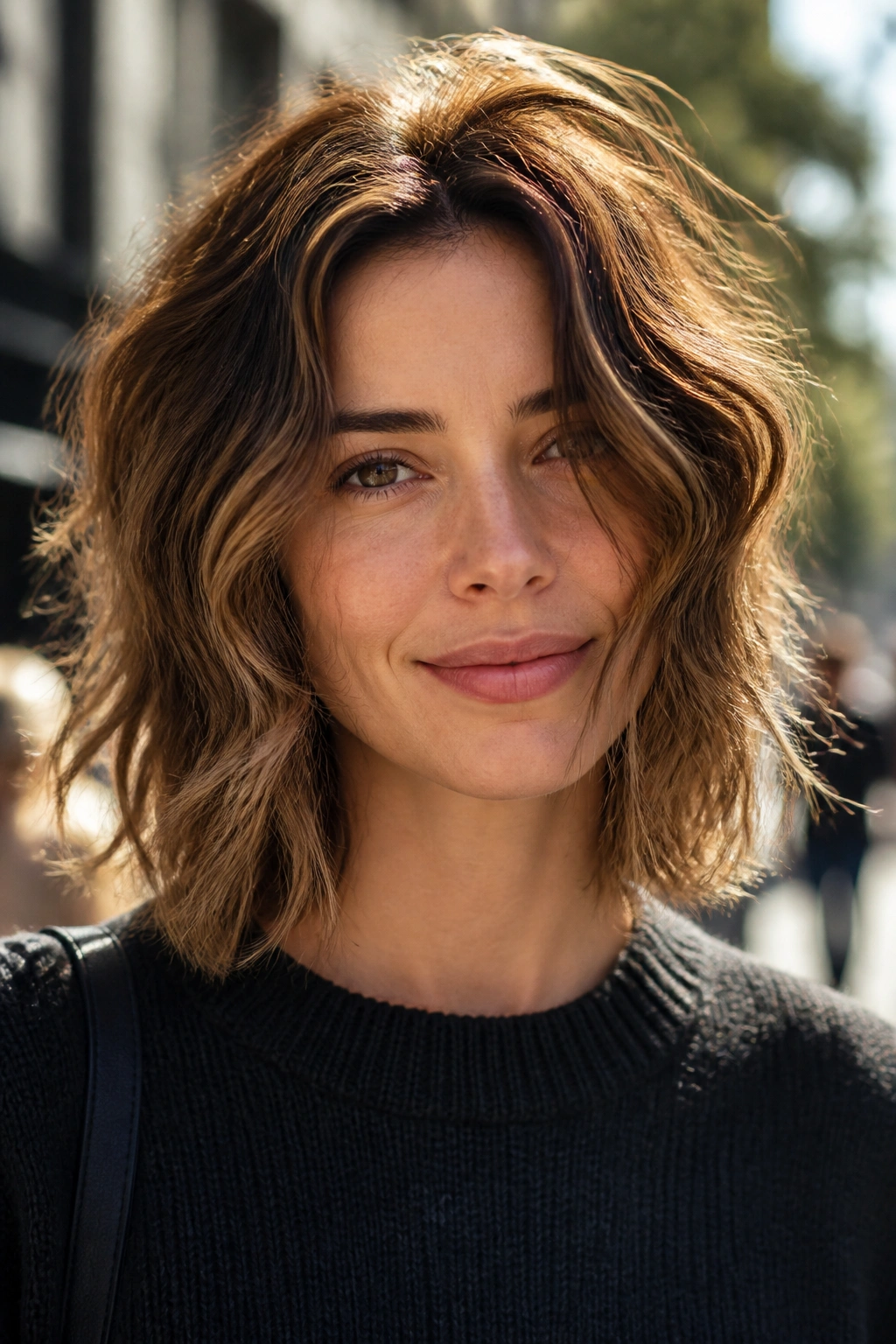
A textured wavy lob has the easiest kind of charm. It does not demand perfection. In fact, it looks better when the waves are a little uneven and the ends are not too polished. That is part of the appeal. It feels lived-in, but still deliberate.
This cut shines on hair with a natural wave, because the shape can work with the bend instead of fighting it. A few face-framing layers keep the waves from piling up at the bottom. If your hair is thick, a little internal debulking helps it sit lighter. If it is fine, too many layers can make it frizzier than you want.
Salt spray gives it grit. A light mousse gives it hold. A curling iron with a 1-inch barrel can help if your hair is stubborn, but you do not need perfect curls. You want bends, not ringlets.
The best version of this cut usually looks better the next day, after the wave has relaxed a bit. That is a nice perk. Not every haircut can say that.
6. The Sleek Middle-Part Lob
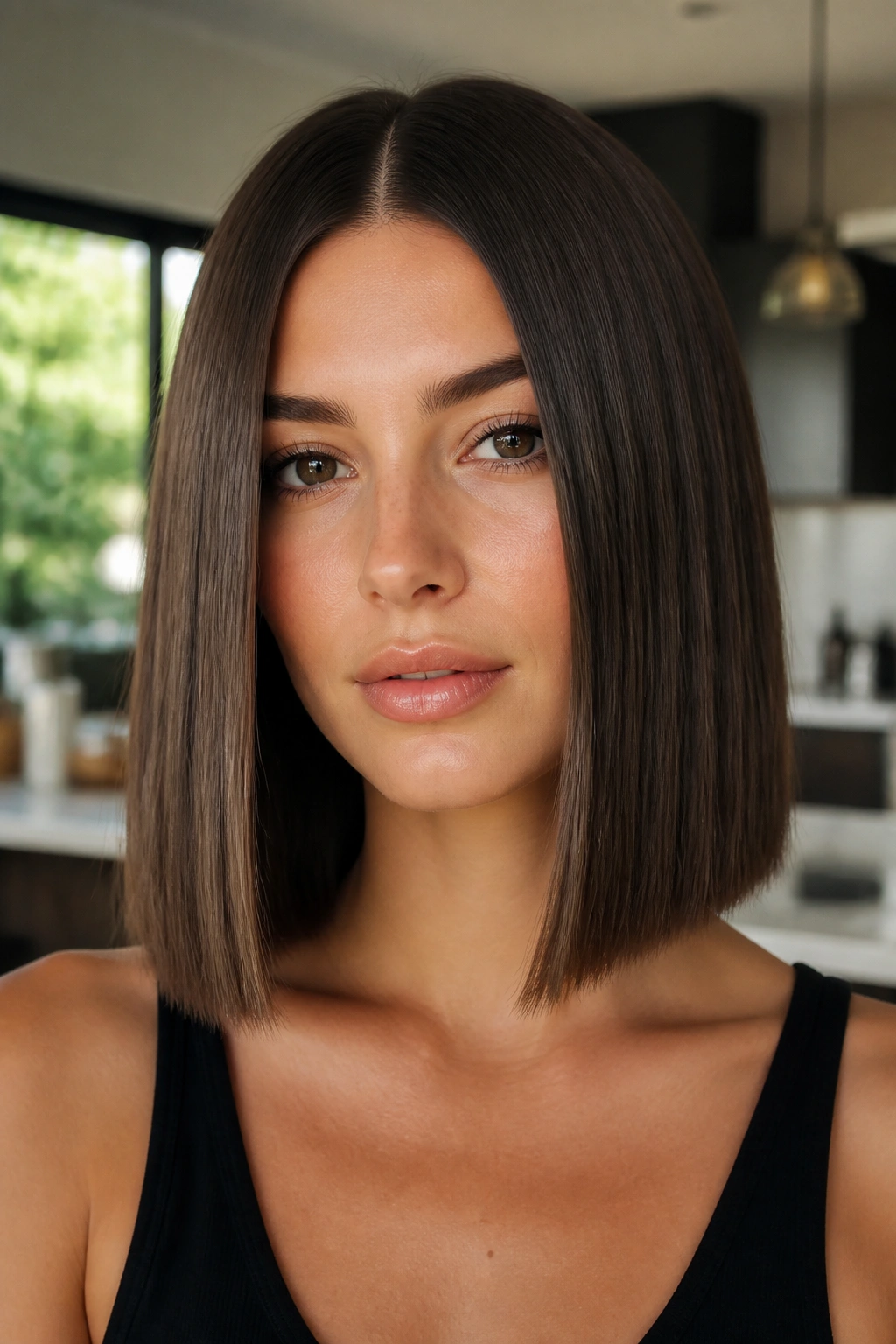
A sleek middle-part lob is the blunt instrument in the best possible way. No fluff. No overthinking. Just a clean line, a center part, and hair that falls in a smooth sheet around the face. If your hair is naturally straight or only mildly wavy, this can look incredibly sharp with very little decoration.
Compared with layered lobs, this one depends on finish. The line has to stay clean from root to end. A quick pass with a flat iron or a smoothing blow-dry makes a big difference, but so does the cut itself. If the ends are too choppy, the whole thing loses that sleek feeling.
It suits people who like minimal styling and a little polish. The middle part can lengthen the face, which is useful if you want a cleaner frame. If your face is already long, ask for subtle pieces around the chin so the shape does not stretch too much.
One good heat protectant. That is not optional.
7. The Side-Part Lob

A side-part lob gives you volume without asking for a complicated cut. The part shifts the weight, the hair lifts at the crown, and the whole style suddenly feels less flat. It is simple, but it changes the mood fast.
Where the Volume Lands
The side part works because it creates a natural push at the roots. Hair on the heavier side can sweep across the forehead, while the other side tucks back or falls close to the cheek. That asymmetry gives the haircut some life.
It is a smart pick if your hair tends to lie flat at the top. A deep side part can make medium length hair look fuller at the root without adding layers that you do not want. That lift is the point.
- Best for fine to medium hair
- Works well with blowouts or air-dried texture
- Pair it with a blunt edge for more drama
- Use a root-lifting spray at the crown if the part falls flat
The part does need adjusting now and then. Hair gets lazy. A quick switch on damp hair can keep the shape from settling into one groove.
8. The French-Girl Lob

A French-girl lob is less about perfection and more about ease. The ends sit a little undone, the movement looks natural, and the whole cut seems like it was styled in two minutes — even when it took twelve. That is the magic, really. It has attitude without stiffness.
The shape usually sits somewhere around the jaw to collarbone, with soft edges and a bit of bend. Some versions include a whisper of fringe. Some do not. What matters is that the cut does not look overworked. A little air around the ends is part of the deal.
I like this version on hair that has a slight wave or a bend that shows up once it dries. It also works well if you hate the feeling of too much product. A touch of cream, a rough dry, and a finger-twist around the front sections can be enough.
The Small Details
- Keep the line slightly broken, not razor crisp
- Ask for soft face-framing, especially near the cheekbones
- Skip heavy oils on the ends; they can make the shape collapse
- Use a matte paste only if the hair needs extra grip
9. The Razored Lob
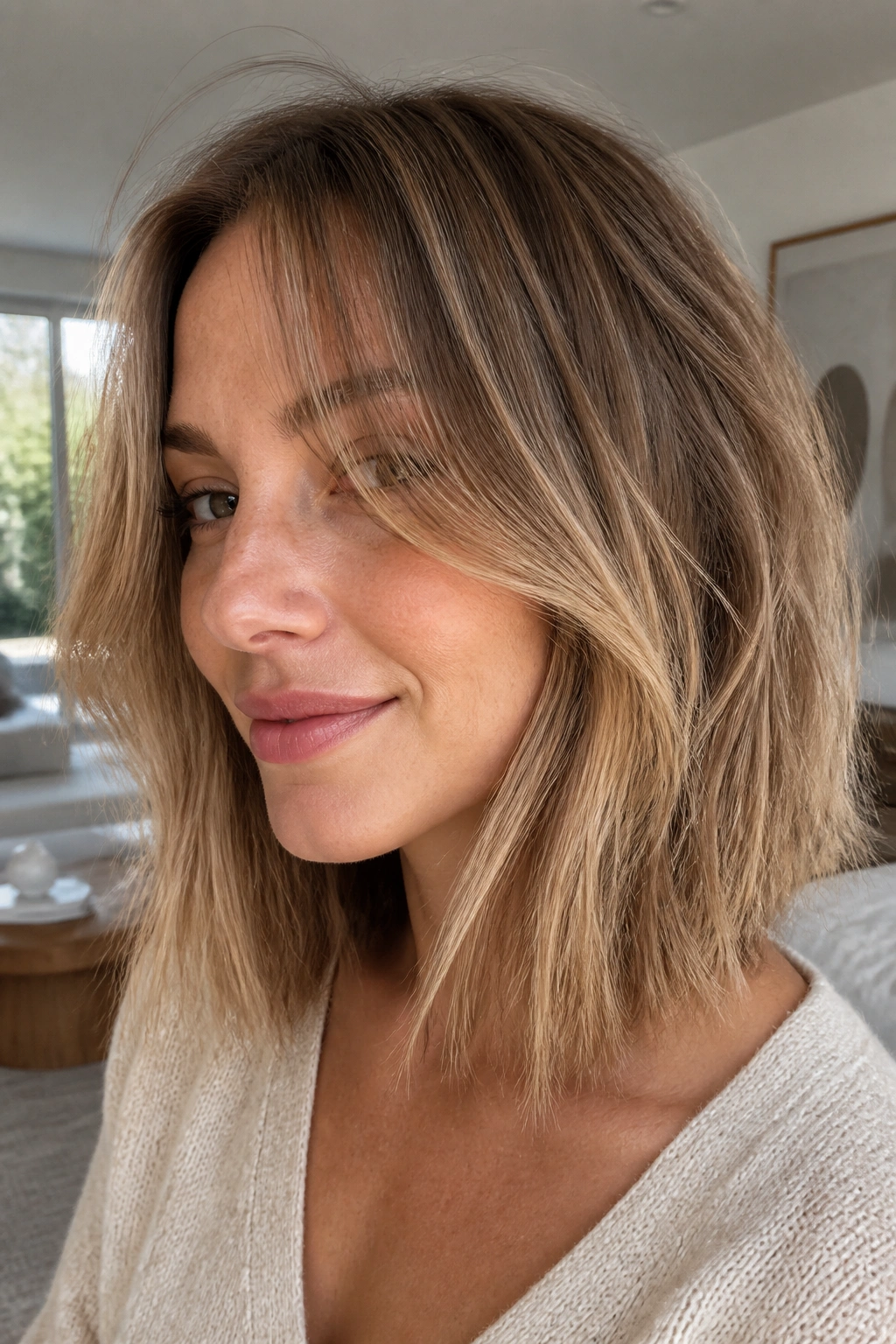
Does razoring make a lob feel lighter? Yes, but only when the hair can handle it. A razor cut breaks up the edge and takes out bulk, which can be a gift for dense hair that grows into a solid block. The finish looks softer and a little more piecey.
The downside is real. On fragile, very fine, or tightly coiled hair, too much razor work can fray the ends and leave them looking fuzzy. This is one of those cuts that depends on the hands doing it. The blade should shape the hair, not shred it.
How to Keep It Clean
Ask for soft razor work near the lower sections, not a heavy-handed pass through the whole head. If your hair is thick, that can remove enough weight to keep the lob from puffing out. If your hair is wavy, the finish gets a nice broken edge.
A small amount of styling cream helps the ends sit together. Too much, and the texture disappears. The cut should look airy, not stripped bare.
10. The Inverted Lob
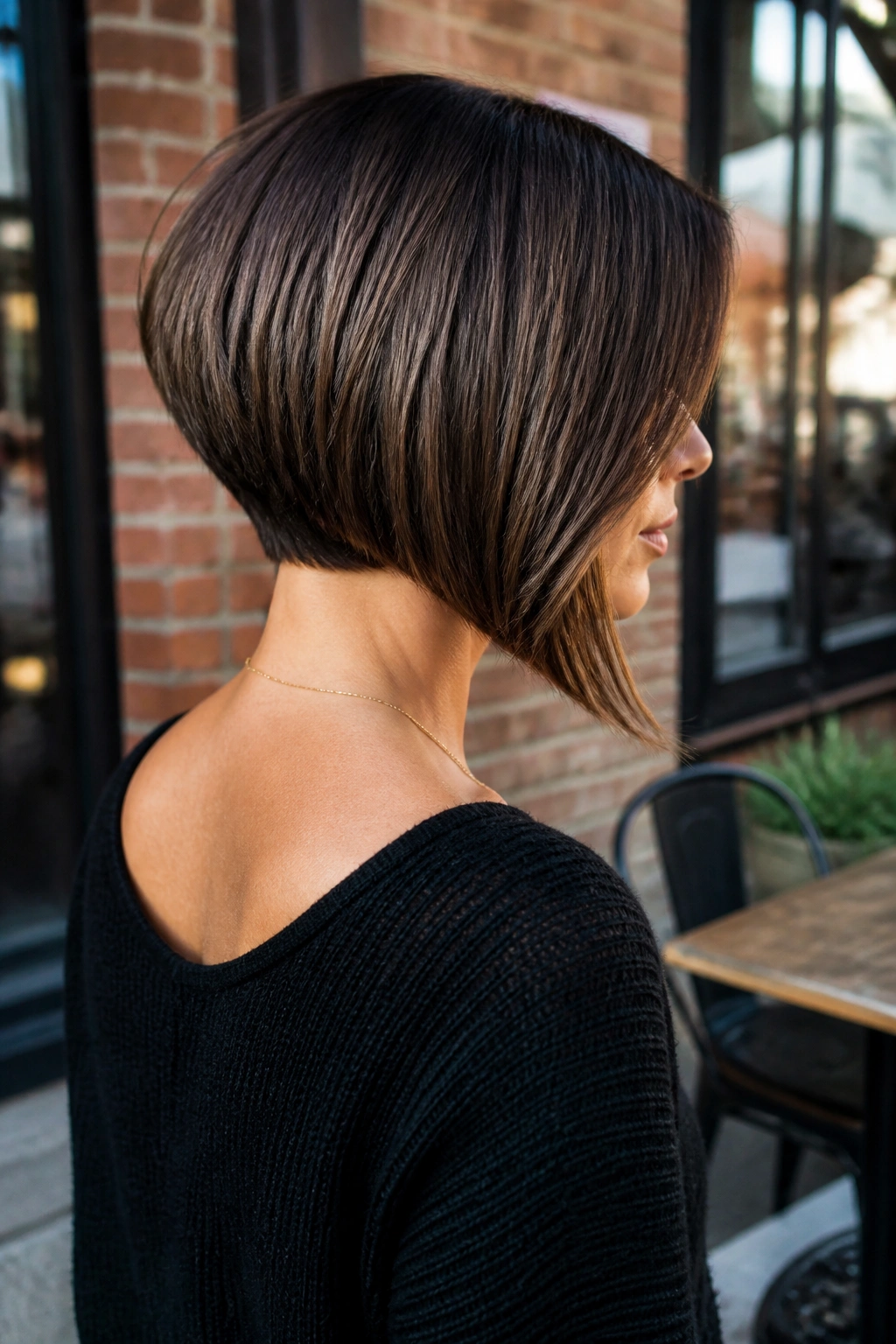
An inverted lob is for anyone who wants a sharper silhouette. The back sits shorter, the front drops longer, and the shape creates a clear slope that feels neat and tailored. It is a little more dramatic than a standard lob, which is exactly why people choose it.
Picture the back at the nape, clean and controlled, then the front grazing the chin or collarbone. That contrast gives the cut its edge. It can make the jaw look longer and the neck look leaner, especially when the front pieces are left a touch softer.
The grow-out is the catch. Angled cuts lose their punch faster than one-length versions, so the shape needs regular cleanup. If you like the line to stay visible, book a trim before the back gets too grown out.
- Best for straight or blown-out hair
- Strongest when the angle is clearly defined
- Works well with tucked sides
- Needs more upkeep than a blunt lob
11. The Choppy Lob With Fringe

A choppy lob with fringe has a little attitude to it. The ends are broken up, the fringe sits loose, and the whole style feels casual in a way that reads as a choice, not a mistake. That matters. Hair can look relaxed without looking careless.
This cut is especially nice if you like texture around the face. The fringe can sit above the brows, skim them, or land just under the lashes depending on how bold you want to be. The choppy ends keep the length from feeling heavy, which helps if your hair tends to fall flat when it gets longer.
Not every fringe needs a full commitment either. A soft, airy fringe can blur into the rest of the lob and grow out without too much drama. That is the version I’d steer toward if you are fringe-curious but cautious.
A little texturizing spray goes a long way here. So does restraint. Too much product turns a choppy lob into a sticky mess.
12. The Air-Dried Lob

If your mornings are messy, an air-dried lob may be the least annoying haircut on the list. It is built to look good with minimal effort, which means the cut itself has to do the heavy lifting. The shape needs enough internal movement that it does not dry into one flat wall.
The best air-dried versions usually have a few long layers and some face framing, but not so much that the ends become fuzzy. A cream for wave, a leave-in for slip, and a small amount of mousse near the roots can be enough. Then you leave it alone. That last part matters more than people admit.
This style works especially well for hair that has a natural bend or curl pattern. If your hair is pin-straight, you may need a touch of wave cream and some scrunching to keep it from looking too plain. The point is ease, not sameness.
No hot tools required. That alone makes it worth a look.
13. The Shoulder-Grazing Lob
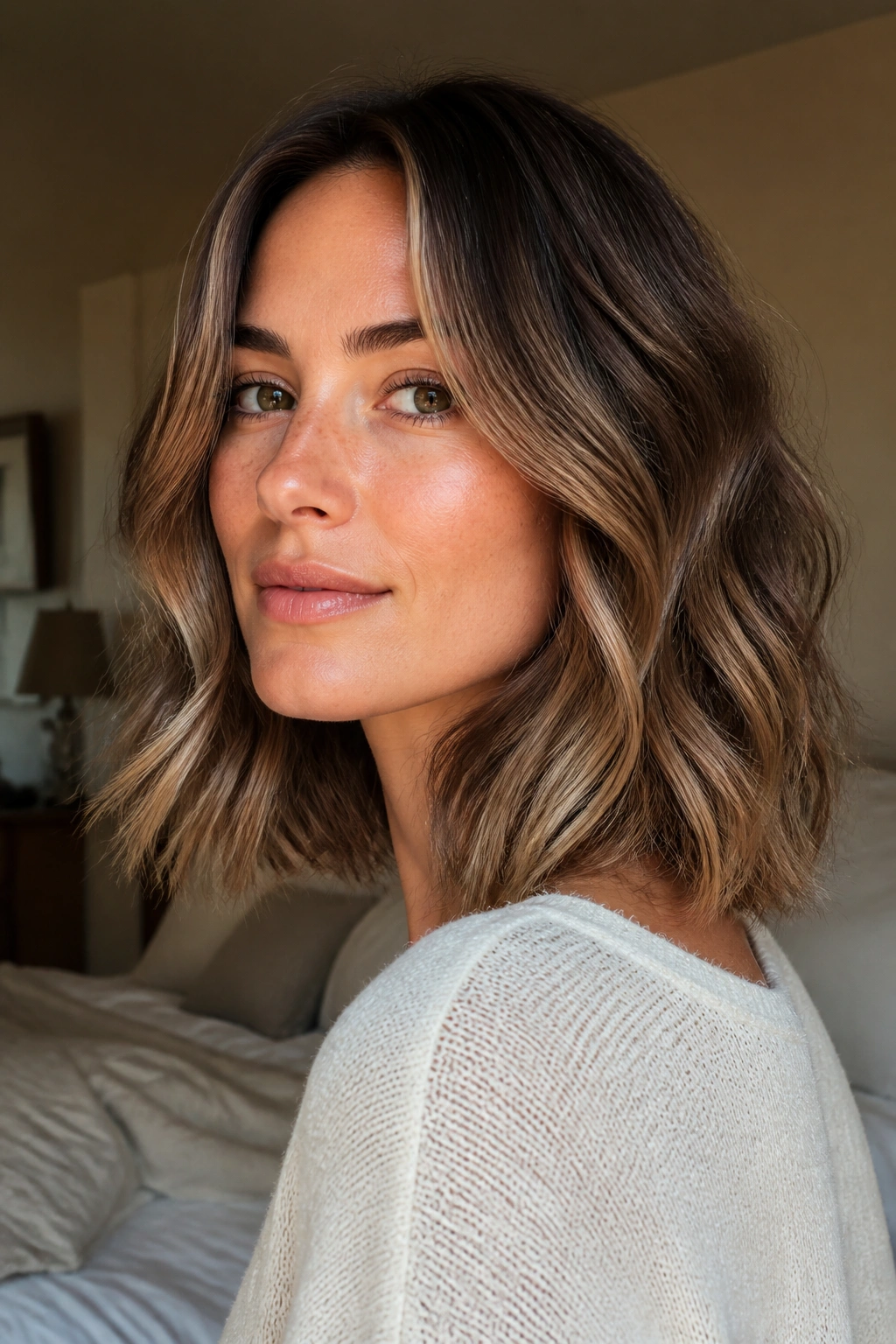
A shoulder-grazing lob is the practical one. It is long enough to tie back, tuck up, and grow out without panic, but short enough to feel lighter than longer hair. That balance is why so many people land here and stay here for a while.
Why This Length Works
It sits in a useful place. Above the shoulders, and the haircut starts to look more like a bob. Too far below them, and you lose the lob shape altogether. Right at the shoulders, it gains flexibility, even if it picks up a little flip on the ends.
That can be good or bad depending on how you style it. On wavy hair, the shoulder length gives the wave room. On straight hair, it can create a rounded edge that feels soft. The cut is forgiving, but it is also honest.
What to Ask For
Ask for a length that clears the shoulder by a fraction if your hair flips easily. If you want more movement, ask for long layers that start below the cheekbone. Keep the outline clean if you want it to look polished on a rush day.
14. The Polished Blowout Lob
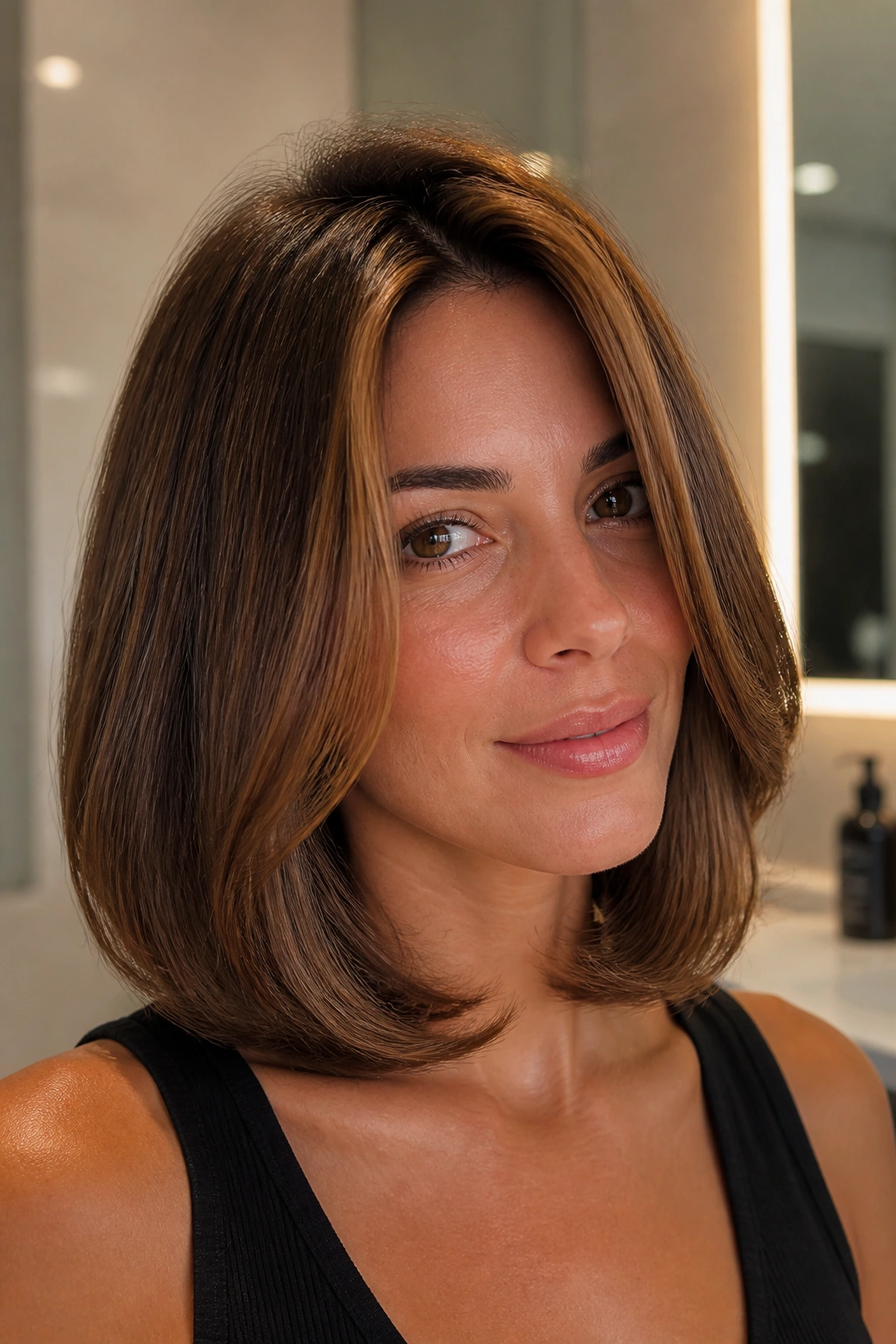
A polished blowout lob is the version that makes jeans look intentional. It has lift at the root, a smooth bend through the mid-lengths, and ends that curve neatly under or out with a little movement. The whole shape feels finished.
This cut makes the most sense if you like spending a bit of time with a round brush. You do not need salon-level skill, but you do need some patience. A medium round brush, a blow dryer with a nozzle, and a smoothing cream can do a lot of the work.
Thicker hair tends to hold this shape especially well. Fine hair can do it too, though it may need root spray and a cool shot at the end to keep the lift from falling flat. The trick is not volume everywhere. It is controlled volume.
This is the lob I would pick for a dinner, a work event, or any day you want hair to look deliberate without being stiff.
15. The Face-Framing Lob

Can a haircut soften a round face or a strong jaw without looking fussy? Absolutely, if the face-framing pieces are cut in the right place. The best versions start around the cheekbone or just below it, then angle down toward the collarbone. That gives the hair a shape around the face instead of a hard wall.
The key is not to let the shortest pieces land too high unless you want a more dramatic look. Pieces that hit at the cheekbone can pull attention upward, while longer face-framing strands can narrow a wider jawline. Small changes make a big difference here.
Face Shape Notes
- Round faces often look good with longer front pieces that skim below the cheek
- Square jaws can soften well with layers that move around the corners of the jaw
- Heart-shaped faces usually like a little width near the chin
- Oval faces can wear almost any version, which is annoyingly convenient
A face-framing lob is also easy to style. A round brush, a curling wand, or even a quick twist with your fingers can shape the front without reworking the whole head.
16. The Shaggy Lob

A shaggy lob has more grit than polish, and that is the whole point. The layers are choppier, the crown may carry a little extra lift, and the ends sit in a way that feels relaxed rather than precise. If sleek cuts make you feel boxed in, this one opens things up.
It works especially well when hair has some natural movement. Thick hair can handle the texture without going poofy. Wavy hair often looks best in this shape because the cut lets the bend do its own thing. Straight hair can wear it too, but it usually needs a little texture spray or a quick wave from a curling iron.
- Good for people who prefer an undone finish
- Better with a little natural texture than none at all
- Ask for layers that start around the cheekbone and break up the perimeter
- Avoid over-thinning near the ends
The shaggy lob has a personality. That is why people either love it or decide it is not for them within five minutes.
17. The Hidden-Layer Lob
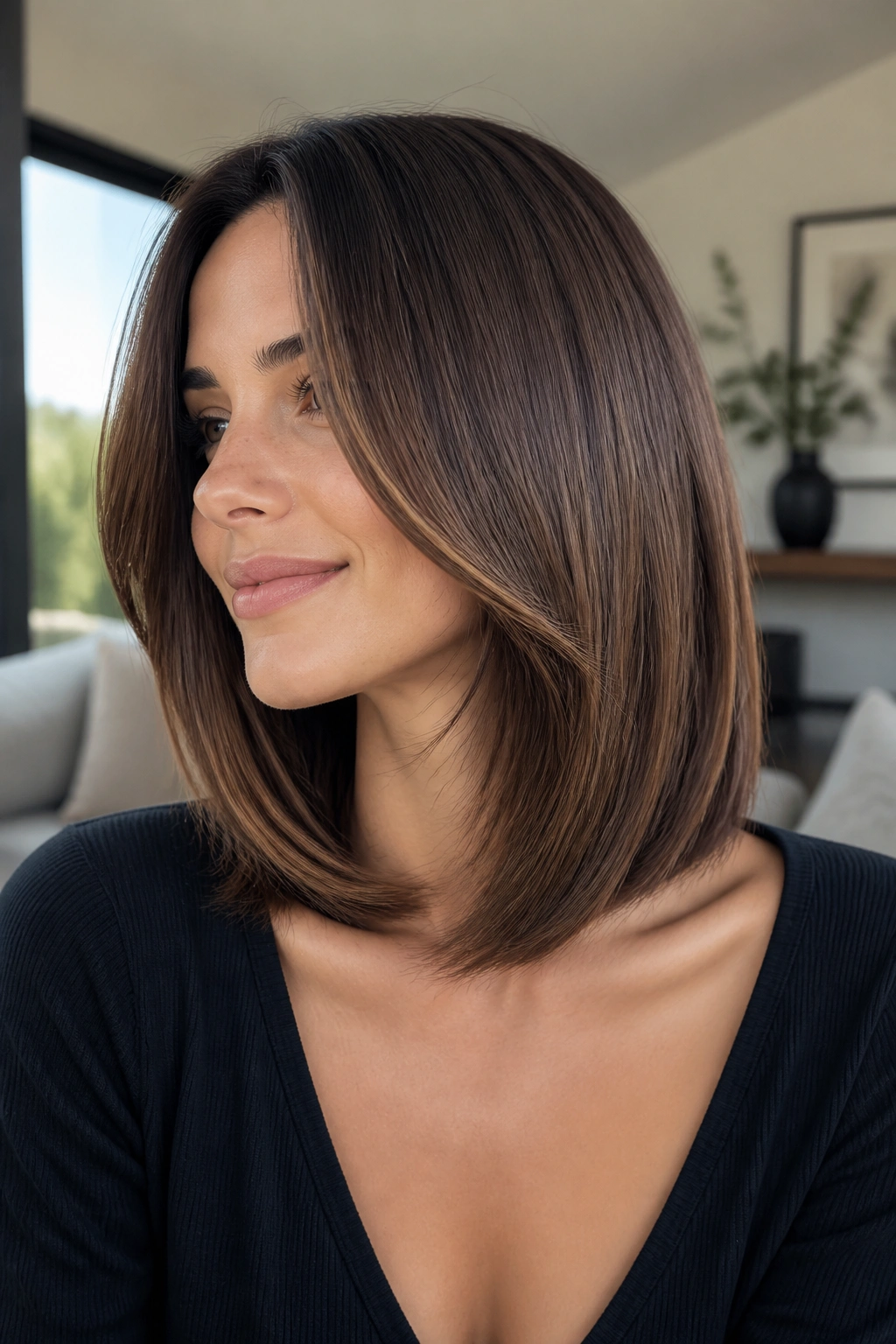
A hidden-layer lob is for the person who wants movement but does not want the haircut to look layered from across the room. The outside can stay clean and blunt, while the inside gets the lightness. It is a clever cut. Quiet, but clever.
This version is a strong choice for thick hair that turns into a helmet when it gets one length too heavy. Internal layers remove bulk where you cannot see them, so the perimeter still looks smooth. On finer hair, the effect is more subtle, but it can still help the ends move a little more freely.
Why It’s Different
The cut gives you two things at once: a neat outline and easier styling. That means you can blow it straight, wave it, or tuck it behind the ears without the shape collapsing. It also keeps the haircut from looking chopped up.
If you hate obvious layers, ask for weight removal inside the shape, not through the top line. That wording helps.
18. The Asymmetrical Lob
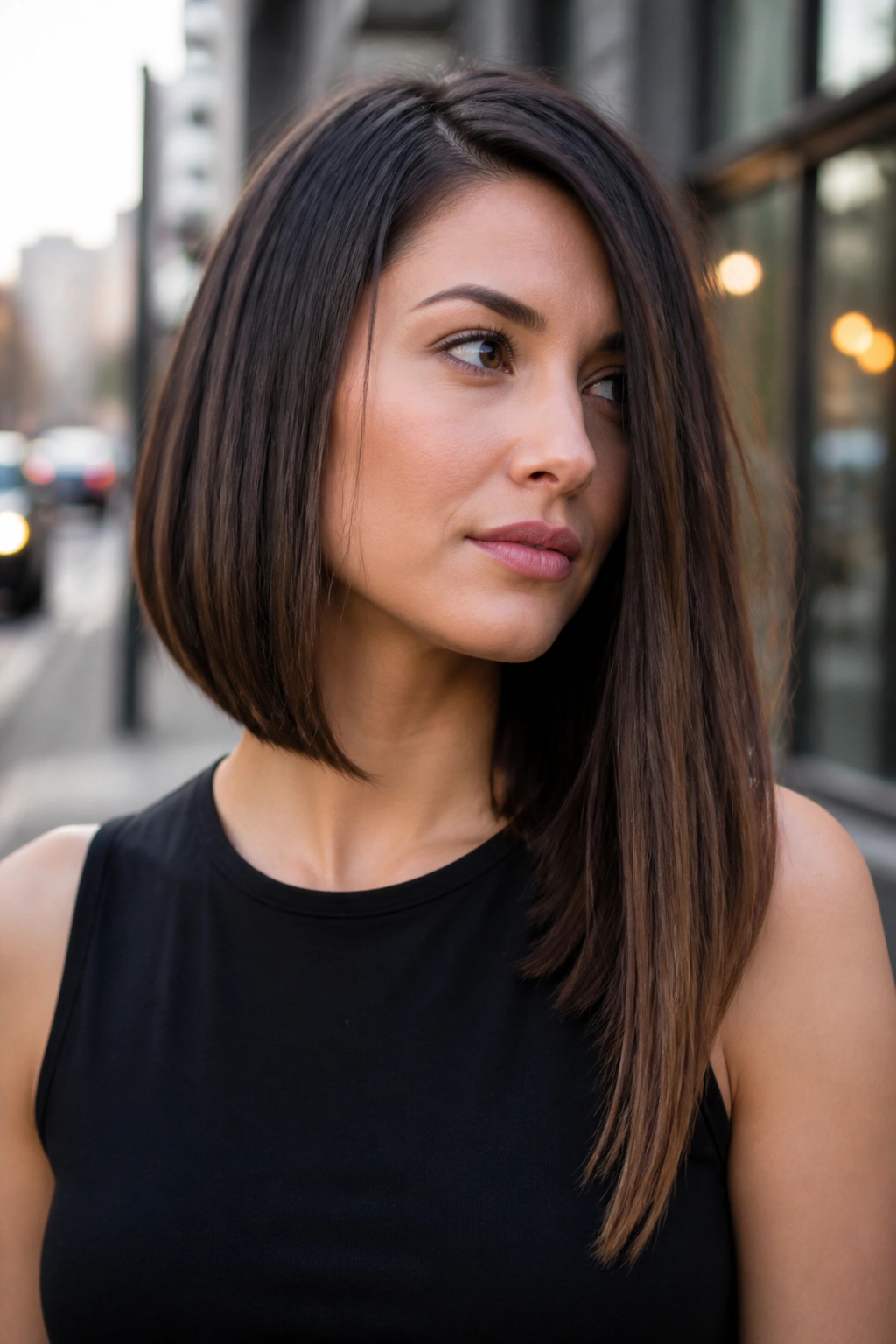
An asymmetrical lob is the bolder sibling in the group. One side is longer than the other, and that single shift changes the whole feel of the haircut. It can sharpen the face, pull attention to the jawline, and make a standard medium-length cut feel much less expected.
Unlike a balanced lob, this one thrives on contrast. The longer side can be tucked behind one ear, left to drape forward, or paired with a deep side part. If you want the style to read clearly, the difference between sides should be visible without looking severe.
It suits straight hair especially well, because the line stays readable. Wavy hair can wear it too, though the asymmetry softens a bit when the texture comes in. That is not a flaw. It just changes the mood.
Best worn with confidence. Not the fake kind. The kind where you know the shape is doing something on purpose.
19. The Curved-Under Lob
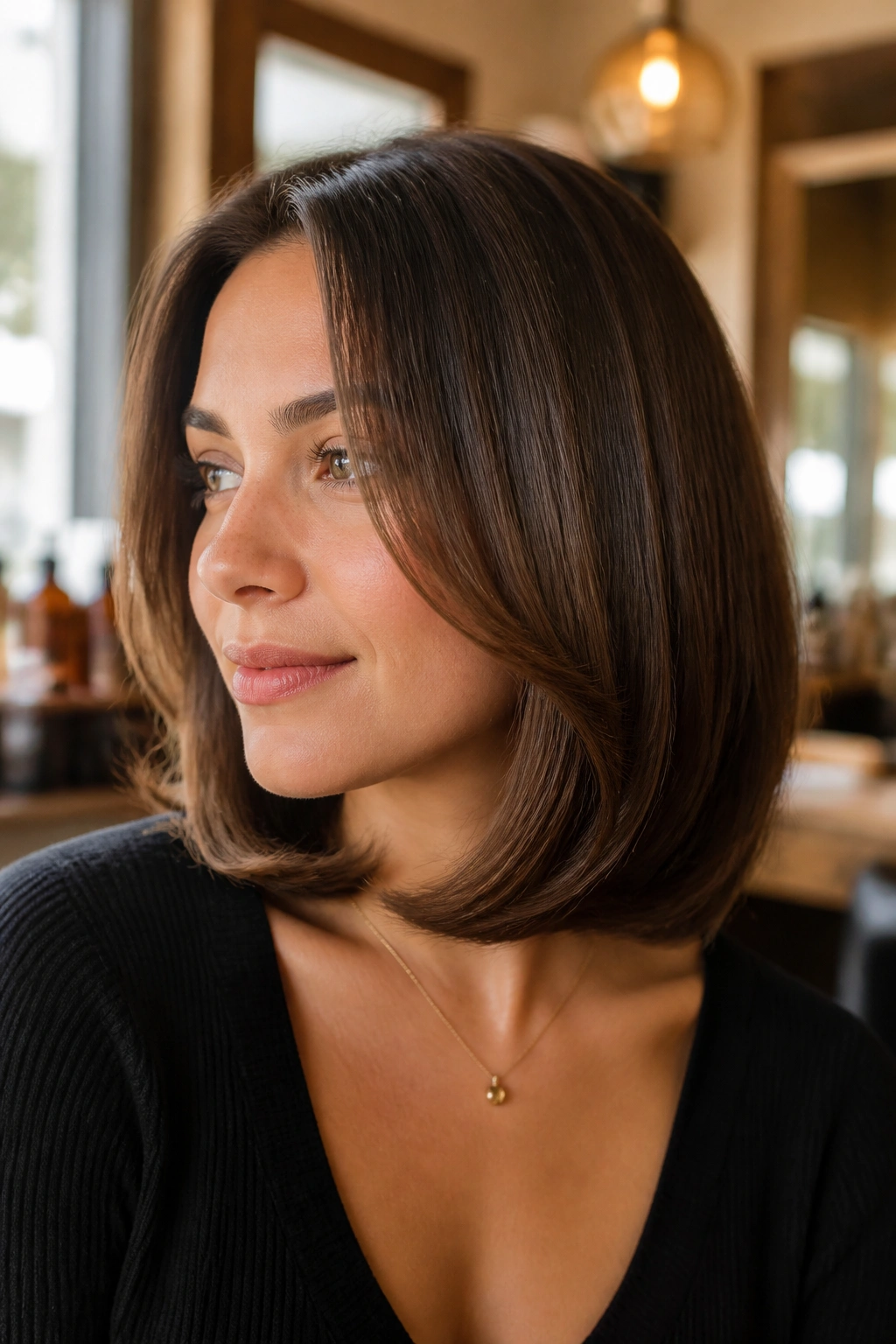
A curved-under lob is what happens when you want medium length hair to look neat without looking flat. The ends are styled under just enough to create a rounded silhouette, and the shape hugs the neck and jaw in a soft way. It feels tidy, but not severe.
This cut is a favorite on straight or slightly wavy hair because the curve is easy to see. A round brush or hot brush can bend the ends under in a few passes. If your hair is stubborn, a light smoothing cream keeps flyaways from breaking the line.
How to Style It
Dry the roots first, then work the ends with the brush so the shape does not get frizzy before you finish. Keep the movement at the bottom third of the hair. You do not need a huge curl. You need a clean sweep.
The cut looks especially good when the length sits right at the collarbone. That spot lets the curve show without swallowing the neck.
20. The Flipped-Out Lob

A flipped-out lob has a little retro energy, and I mean that as a compliment. The ends kick outward instead of tucking under, which gives medium length hair a playful edge. It can feel polished, but not too serious. Hair needs that sometimes.
The flip can be created with a round brush, a flat iron, or a small curling iron turned away from the face at the ends. The trick is to keep the rest of the hair smooth enough that the flip feels intentional, not accidental. Too much volume everywhere, and the whole cut starts to look busy.
This version works especially well when you want the haircut to have motion without piling on layers. It is also a nice answer for hair that naturally wants to kick out at the ends anyway. Why fight it? Sometimes the best move is to steer with it.
A touch of shine spray at the finish keeps the ends from looking dry. That tiny bit matters.
21. The Deep Side-Part Lob
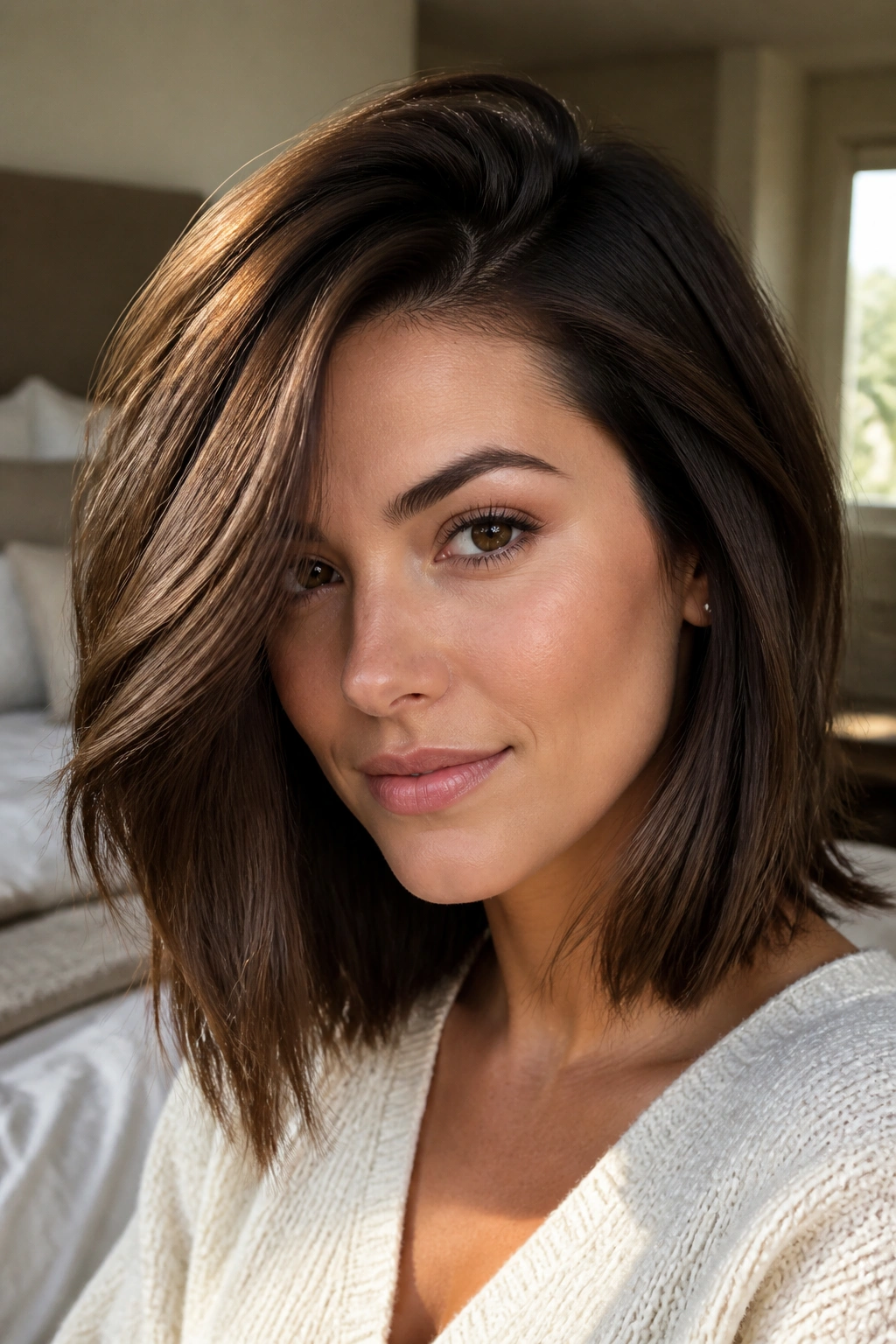
A deep side-part lob is one of the easiest ways to make medium length hair look fuller at the root. The part shifts the weight, the crown lifts, and the whole style gets a little drama without a haircut overhaul. It is especially useful on second-day hair that has started to collapse.
The side part also changes how the face reads. One side frames the cheek more closely, while the other side can sweep across the forehead and create a strong line. That asymmetry adds interest fast. If your hair feels too plain in the middle part, this is the quickest switch to try.
How to Keep It From Falling Flat
- Blow-dry the roots in the opposite direction of the part first
- Switch the part back once the hair is mostly dry
- Use a small amount of root spray at the crown
- Clip the front section for 5 minutes while it cools if the hair is stubborn
This cut is proof that parting changes matter more than people admit.
22. The Easy Grow-Out Lob
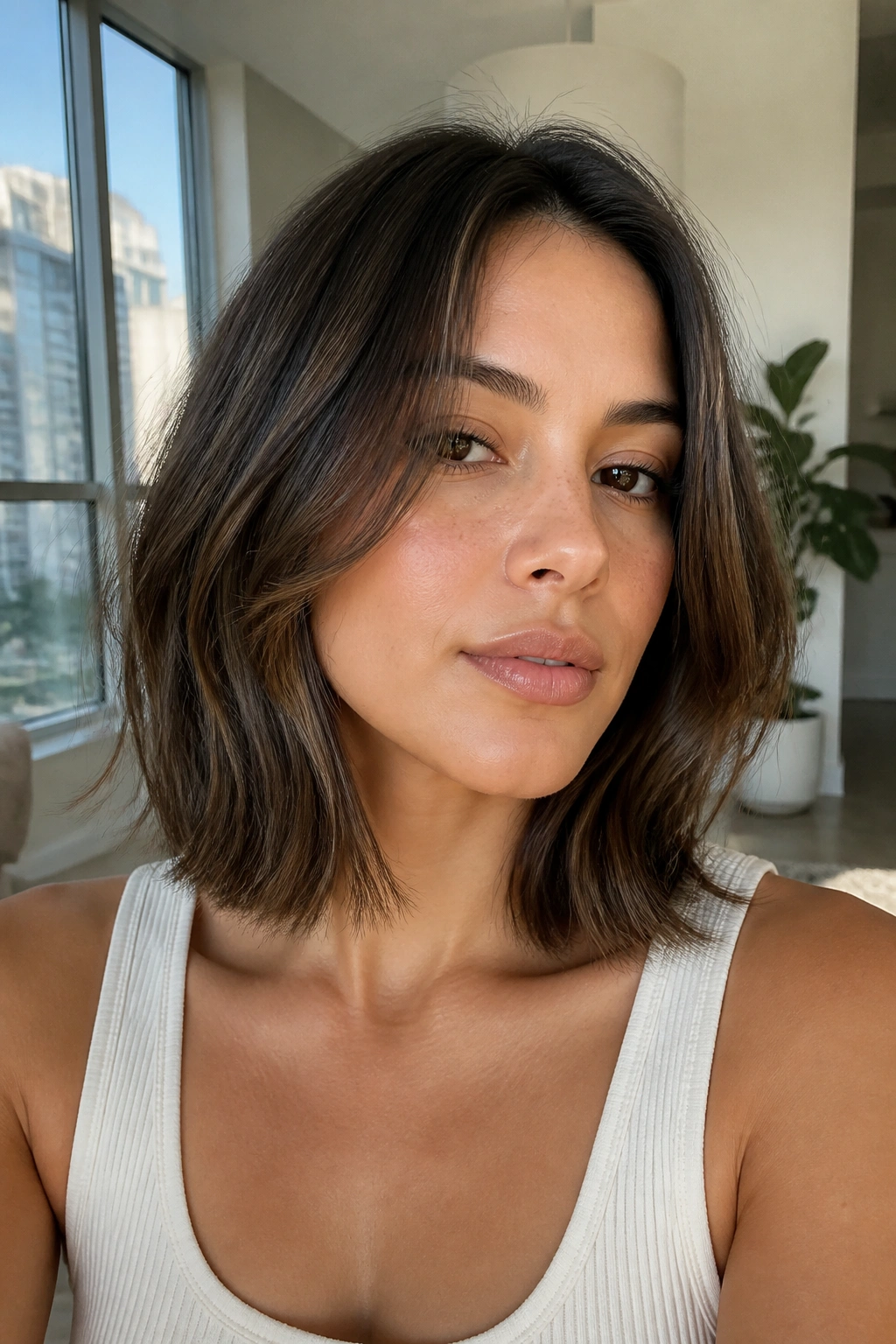
The easy grow-out lob is the one I keep coming back to for people who want medium length hair to look good across a long stretch of time, not just the day they leave the salon. It is usually a soft blunt cut with a little movement built in, which means it does not fall apart as fast when it starts growing.
That is the appeal. It behaves. You can wear it sleek, wavy, tucked, or air-dried, and it still looks like it belongs on your head. If you want a cut that survives messy weeks, last-minute plans, and the stretch between trims, this is the version to ask about.
A trim every 8 to 12 weeks keeps the outline from getting shaggy, but the grow-out stays graceful even if you push it a bit. That matters if you are not the type to run back to the salon every month. The cut should support real life, not fight it.
And that is really the point of a good lob. It gives you shape without trapping you in one mood.
