



Fine hair can look flat in a hurry. A little humidity, a heavy conditioner, a bad brush, and the whole style seems to sag by lunch. That’s why textured layered haircuts for fine hair are such a smart move: they give the hair shape, lift, and movement without asking it to do more than it can handle.
The trick is restraint. Fine strands need support, not a strip-down. Too many layers, especially if they’re carved too high, can leave the ends see-through and the whole cut looking airy in the wrong way. A good layered cut keeps enough weight at the perimeter to make the hair look denser, while building texture where it actually helps — around the crown, through the mid-lengths, or at the face.
I’ve always liked cuts that seem low-maintenance but quietly do a lot of work. That’s the sweet spot here. Some of these styles are short and punchy, some keep the length, and a few sit in that middle ground where fine hair finally gets a little body without turning into a daily project.
1. Chin-Length Textured Bob with Soft Ends
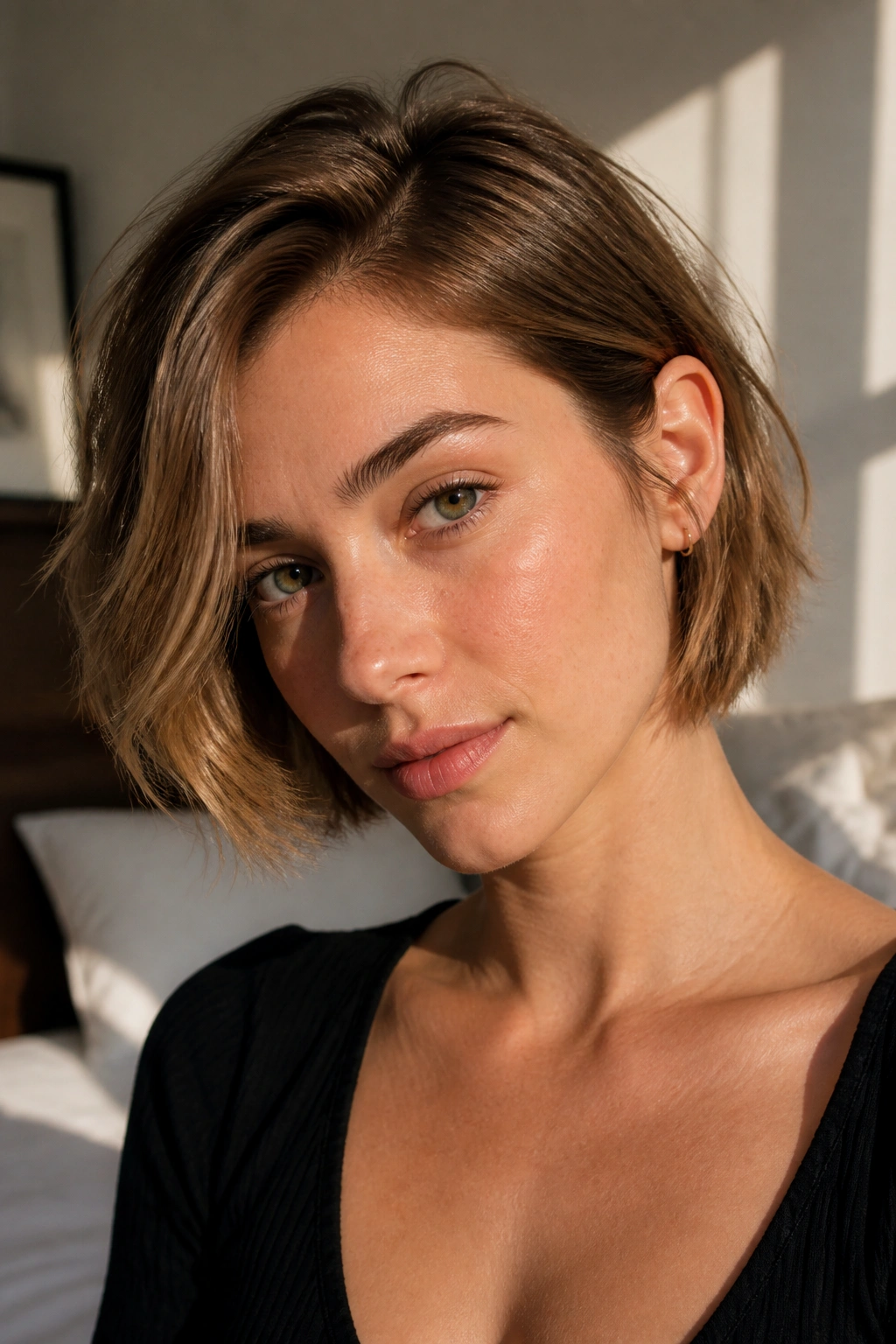
A chin-length bob is one of the easiest shapes to make fine hair look fuller fast. The line sits in a place where the hair still has some natural bounce, and the soft, textured ends stop it from reading as a hard block. That matters. A blunt bob can look sleek, but on finer strands it can also expose every thin spot if the cut is not handled well.
Why It Flatters Fine Hair
The shortest point lands near the jaw, which gives the illusion of density right where people notice it first. If the ends are lightly sliced or point-cut, the shape moves instead of sitting like a helmet. That little bit of movement keeps the cut modern and easy.
A deep side part works well here. So does tucking one side behind the ear and letting the other fall forward. Both tricks create a touch of lift at the root, which fine hair always appreciates.
Ask for: a chin-length bob with soft internal texture, not aggressive thinning. Too much razoring can make the ends look wispy, and wispy is not the goal.
- Best for straight or slightly wavy fine hair
- Easy to air-dry with a pea-sized amount of mousse
- Needs trims every 6 to 8 weeks to keep the line fresh
2. Collarbone Lob with Invisible Layers
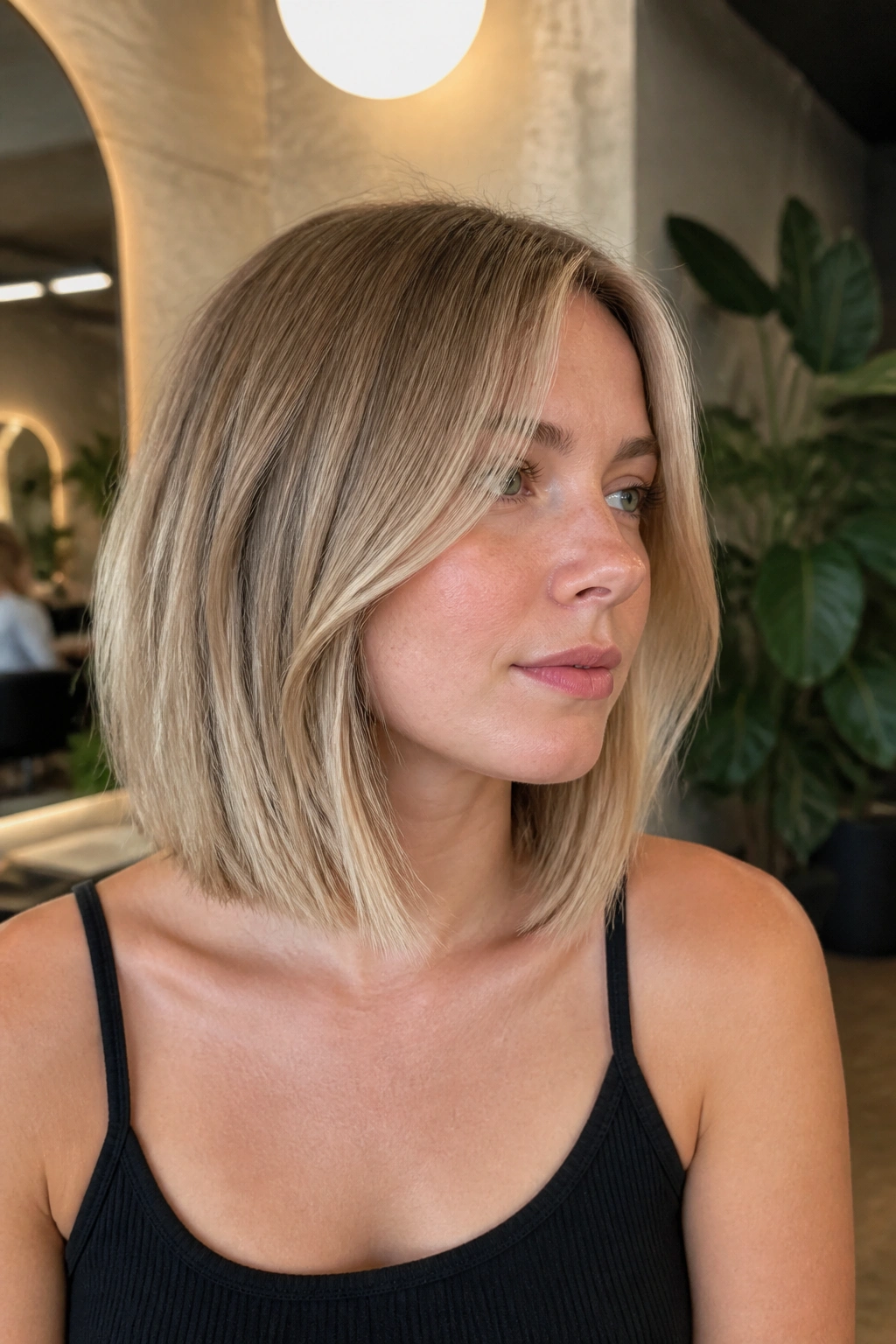
The collarbone lob is the one I reach for when someone wants movement but is nervous about losing length. It’s long enough to pull back, but short enough to keep the shape from dragging the face down. On fine hair, that little bit of length control matters more than people think.
Invisible layers are the quiet hero here. They sit inside the cut instead of showing up as obvious steps, so the hair keeps its outer line while still getting lift through the middle. The result is softer and thicker-looking than a one-length lob, but not choppy or overworked.
This cut does well with a loose bend from a flat iron or a large-barrel curling iron. Leave the ends a little straighter. That contrast helps the hair look fuller and keeps the style from collapsing into one flat sheet.
If your hair tends to split at the ends, this is a good shape because it lets you remove damage without making the whole head look shorter than you wanted.
3. Feathered Shoulder-Length Cut
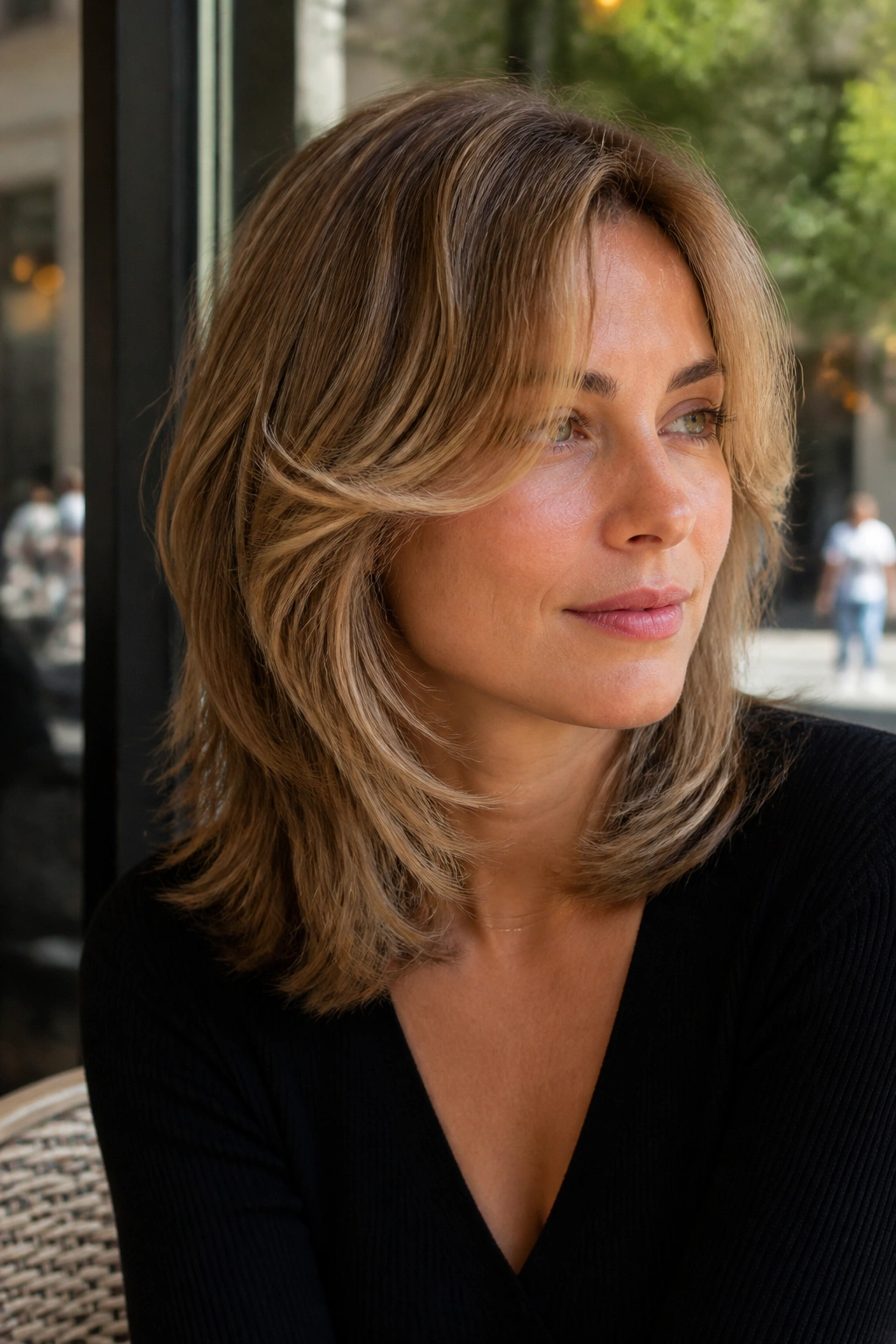
Why does shoulder-length hair often look better with layers than longer hair does? Because the shoulder line is where hair starts to snag, flip, and lose its shape. A feathered cut solves that problem by softening the ends and keeping the mid-lengths light enough to move.
The Part That Matters Most
The feathering should happen around the face and through the lower half of the cut. You want the hair to flow, not fray. Done right, the ends look airy, but the overall shape still feels full.
This is a nice option if you like hair that brushes the shoulders and swings a little when you walk. It’s not high drama. It just works.
How to Style It
- Use a lightweight volumizing spray at the roots before blow-drying
- Wrap the top layers around a round brush for 10 to 15 seconds
- Flip the ends under or out, but do not overcurl them
- Finish with a dry texture spray, not a heavy cream
A feathered shoulder-length cut is especially good if your hair lies close to the head on day one and loses volume by day two. The layering gives it a second life.
4. French-Girl Shag with Light Fringe
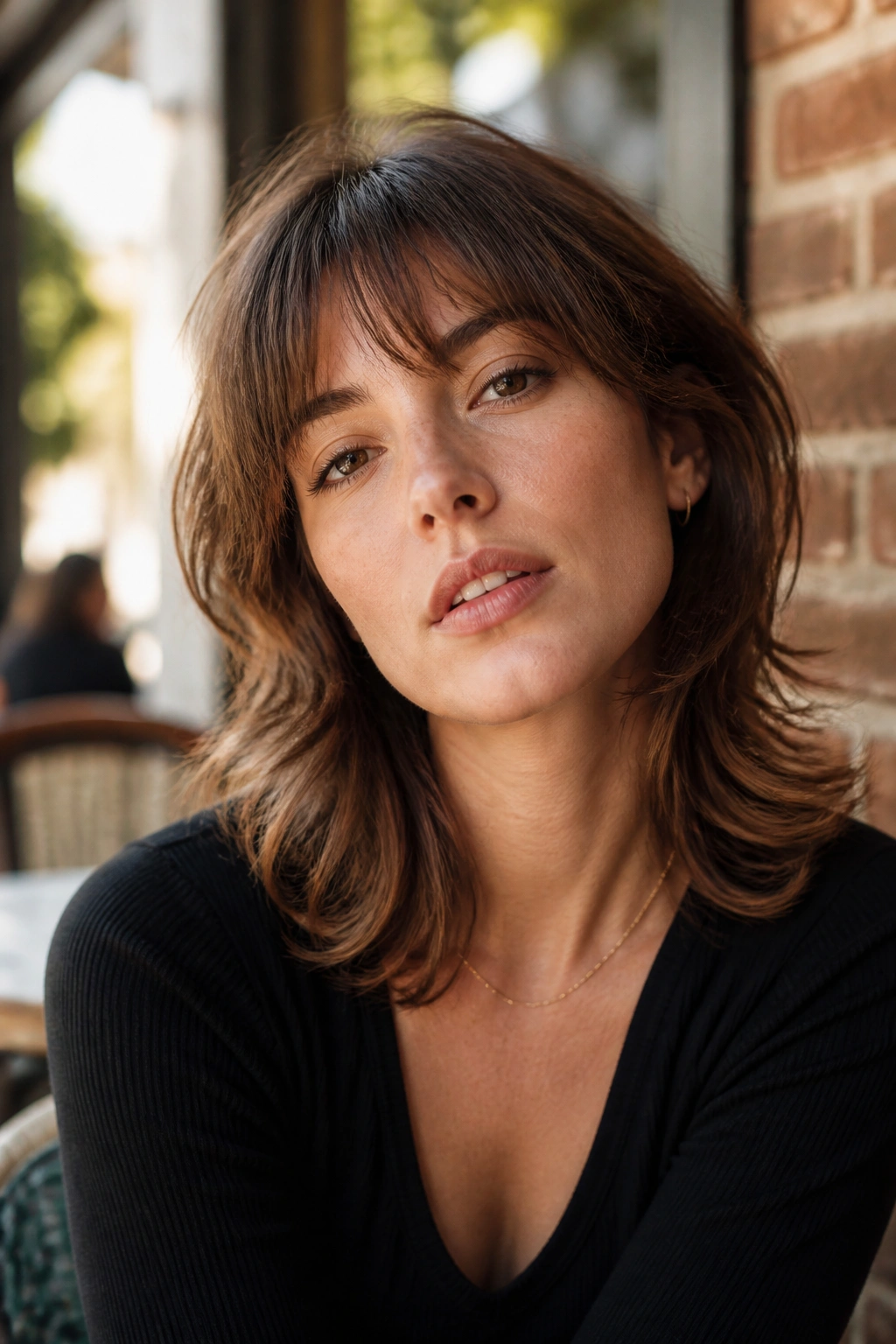
A shag can be a gift or a disaster on fine hair. The difference usually comes down to how much hair gets removed and where. A French-girl version keeps the edges softer, the fringe lighter, and the whole cut a little less hacked-up than the heavier shags people see on social media.
The fringe is the point. It adds interest near the eyes, which makes the rest of the hair seem more deliberate and less sparse. On fine hair, that matters because a heavy bang can overpower the face, while a light fringe gives you shape without stealing density from the sides.
This cut likes a bit of bend. A flat iron wave, a quick twist with a wand, or even a scrunch-and-diffuse routine can work. It should look lived-in, not carefully lacquered into place.
If your hair has a natural wave, this is one of the best places to use it. If it’s pin-straight, the shag still works — you’ll just want a texturizing spray and a little finger-tousling at the crown.
5. Curtain-Bang Lob with Face-Framing Layers
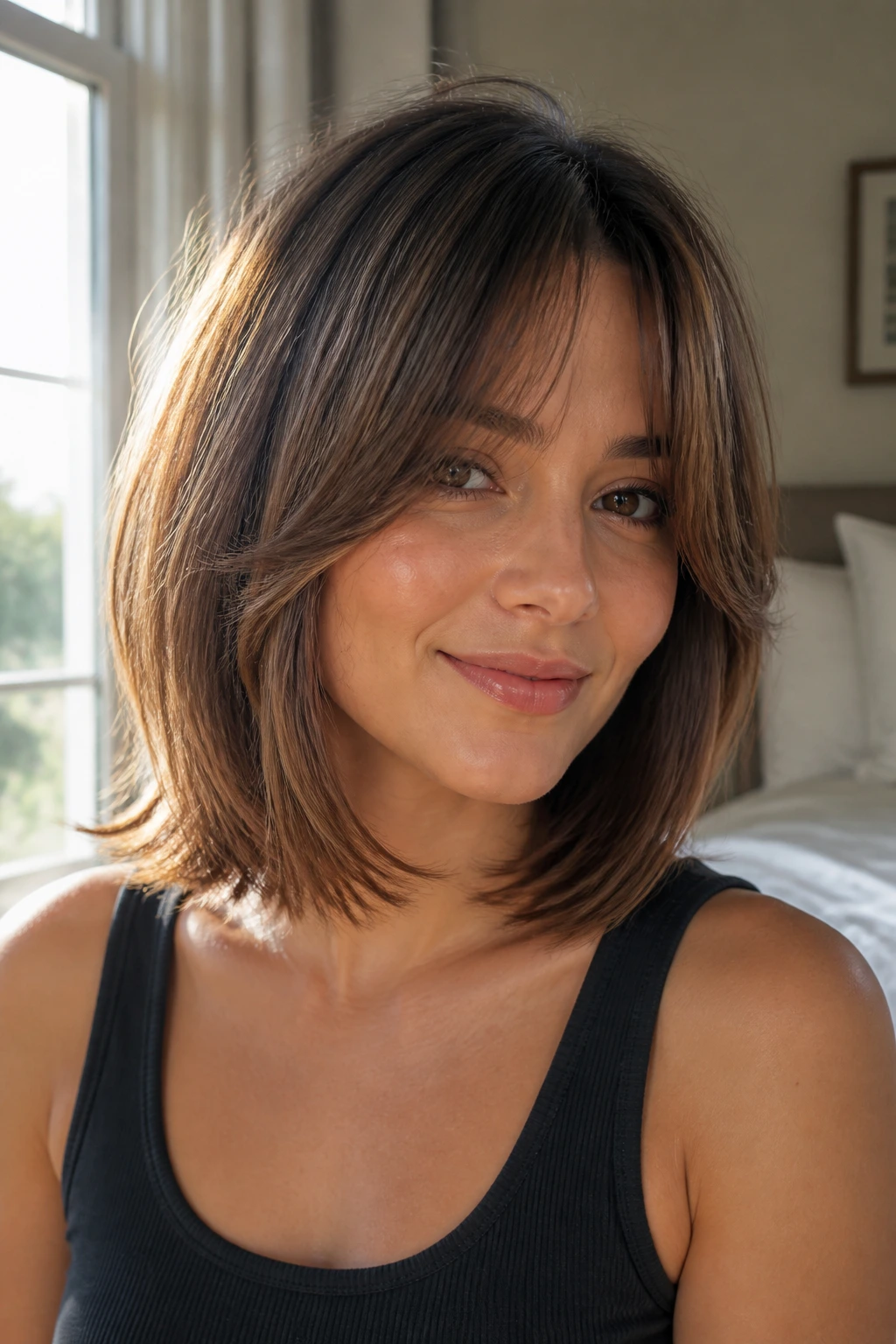
Unlike a blunt lob, a curtain-bang lob gives fine hair a little movement right where the eye lands first. That face-framing shape can make the rest of the hair look fuller, even if the actual length hasn’t changed much. It’s a clever cut, honestly.
Curtain bangs also buy you flexibility. Wear them center-parted for softness, sweep them off to the side when you want more forehead exposed, or let them blend into the sides when you’re in a hurry. Fine hair tends to behave better when the front has a job to do.
This style is strongest when the layers begin around the cheekbones or chin, not up near the temples. Too high, and you lose weight too quickly. Too low, and the bang loses its effect.
Best when you want: a cut that flatters your face and still ties back into a ponytail. Best avoided if: your front sections are super fragile and break easily, because bangs need more upkeep than people admit.
6. Soft Pixie with Crown Texture
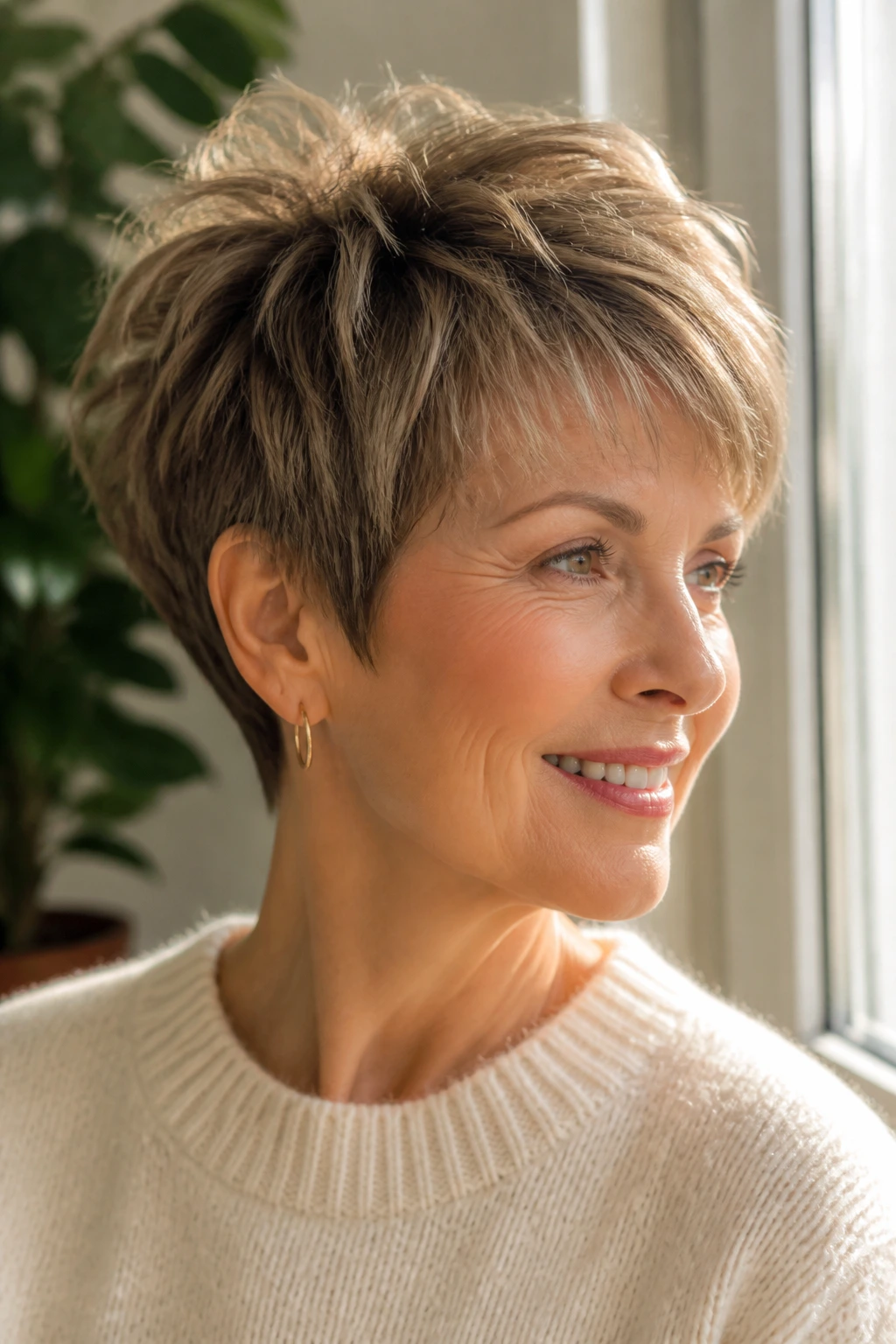
A soft pixie feels light at the nape and plush at the crown, which is a nice combination if your hair goes limp the moment it gets past a certain length. The crown texture gives you height without turning the cut stiff or spiky. That’s the whole point.
What to Ask For
You want texture on top, but not a shredded finish. Ask for a soft perimeter around the ears and neckline, then more lift through the crown and fringe. The shape should still have a line. A pixie with no outline can drift into fuzzy territory fast.
This is one of the few cuts where fine hair can look denser after a good styling pass. A dab of paste at the roots, a blow-dry in the opposite direction of growth, and a little finger shaping can do a lot.
Why It Works
- Short length removes limp ends
- Crown texture creates vertical lift
- Sideburns and nape can be kept neat for contrast
- Works well with glasses and strong brows
It does need trims more often than longer cuts. No way around that. A pixie gets shaggy fast if the edges are left to grow out for too long.
7. Razor-Cut Midi Layers
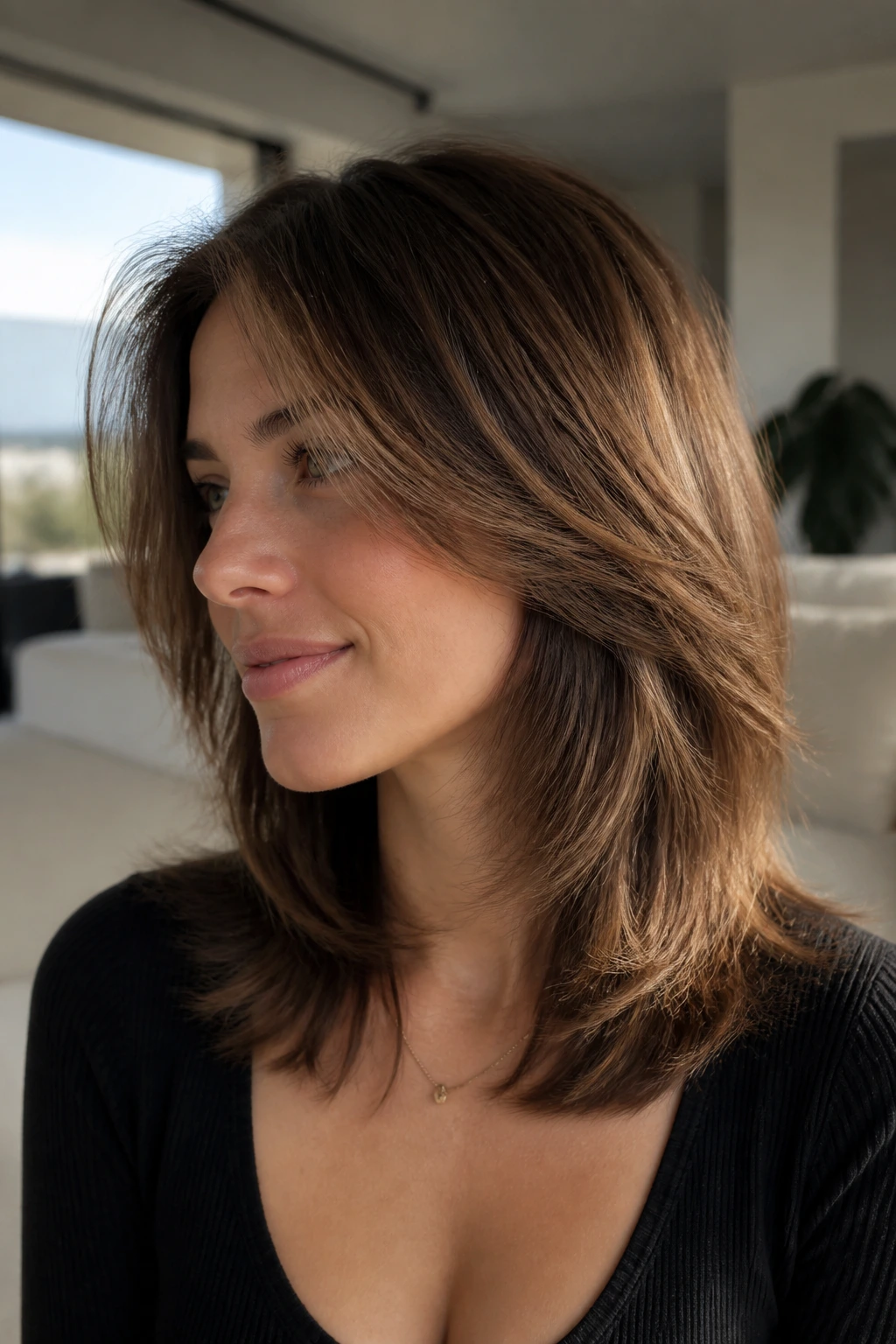
Razor-cut layers can be brilliant on fine hair, but only when the stylist knows when to stop. A razor removes weight in a softer way than scissors, which can help the hair move and keep the ends from feeling bulky. Used carelessly, though, it can leave the perimeter looking see-through.
The sweet spot is a mid-length cut with gentle razoring through the interior, especially around the lower half. That creates swing without sacrificing the outline. You still want to see a clean shape when the hair is down.
This style likes a sleek finish with a little bend at the ends. Air-drying can work too, as long as the hair is encouraged into a loose shape rather than left to dry in random directions. A small amount of smoothing lotion on the mids only — not the roots — keeps the cut from puffing out.
Razor-cut midi layers are for the person who wants movement but does not want obvious steps. They have a softer edge than a choppy shag and less fuss than a bob that needs precise styling every morning.
8. Airy Butterfly Layers
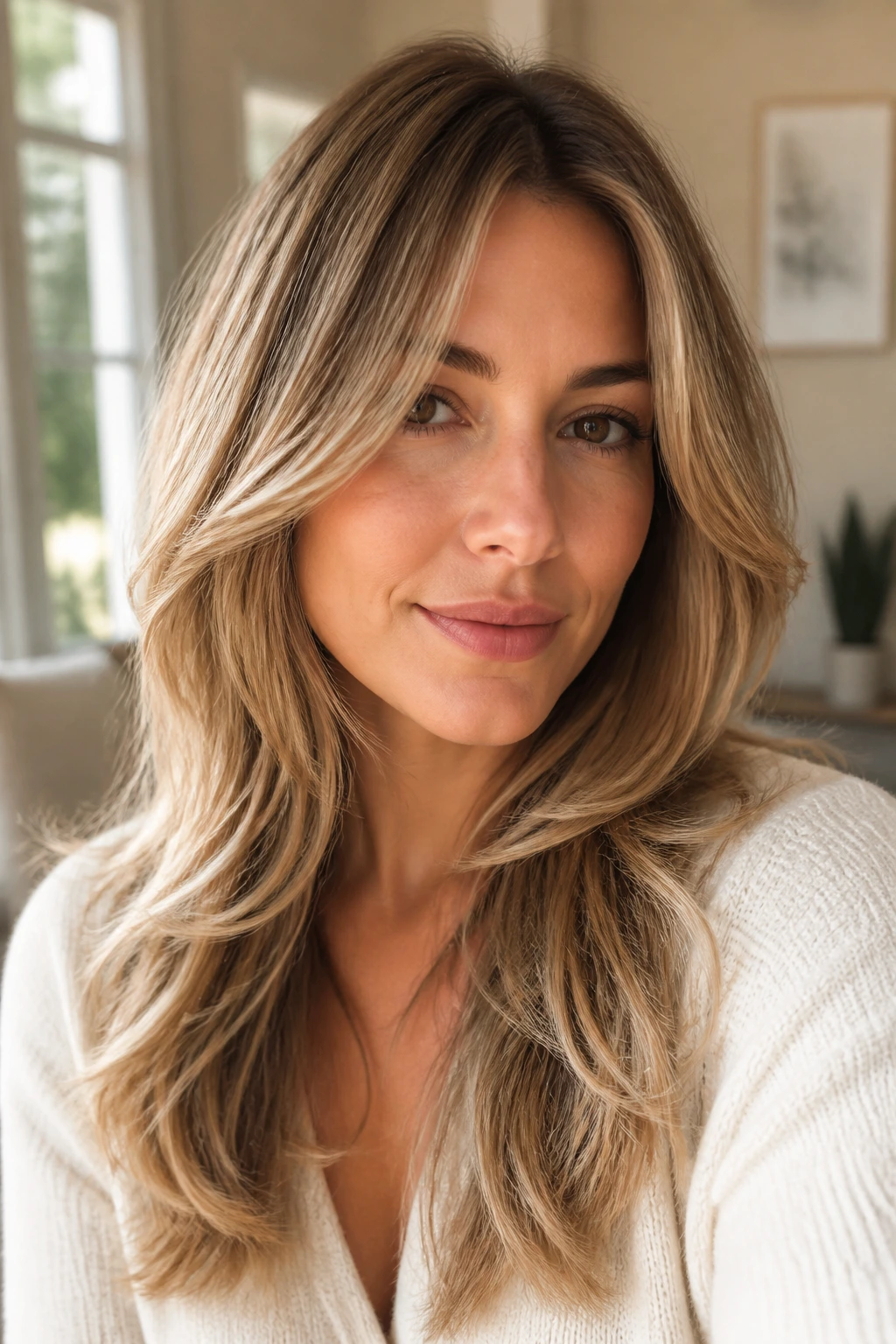
Butterfly layers can make fine hair look fuller because they separate the face-framing pieces from the longer length without chopping the whole head up. That separation creates lift around the cheekbones and keeps the lower length intact. It’s a smart illusion, and yes, it’s an illusion.
The cut usually starts with shorter layers around the front, then flows into longer sections underneath. On fine hair, the important part is keeping those top layers light enough to move while leaving enough density at the bottom so the ends do not look sparse. If the stylist gets too enthusiastic with the scissors, the “butterfly” effect turns into thinning.
This cut looks best with a blowout or a big round brush. The shorter front sections can be flipped back away from the face, which gives the style its signature lift.
It suits people who like the feeling of long hair but want more shape near the face. If your hair is very fine and very straight, this is one of the better ways to create body without a drastic chop.
9. Rounded Layered Bob with Side Part
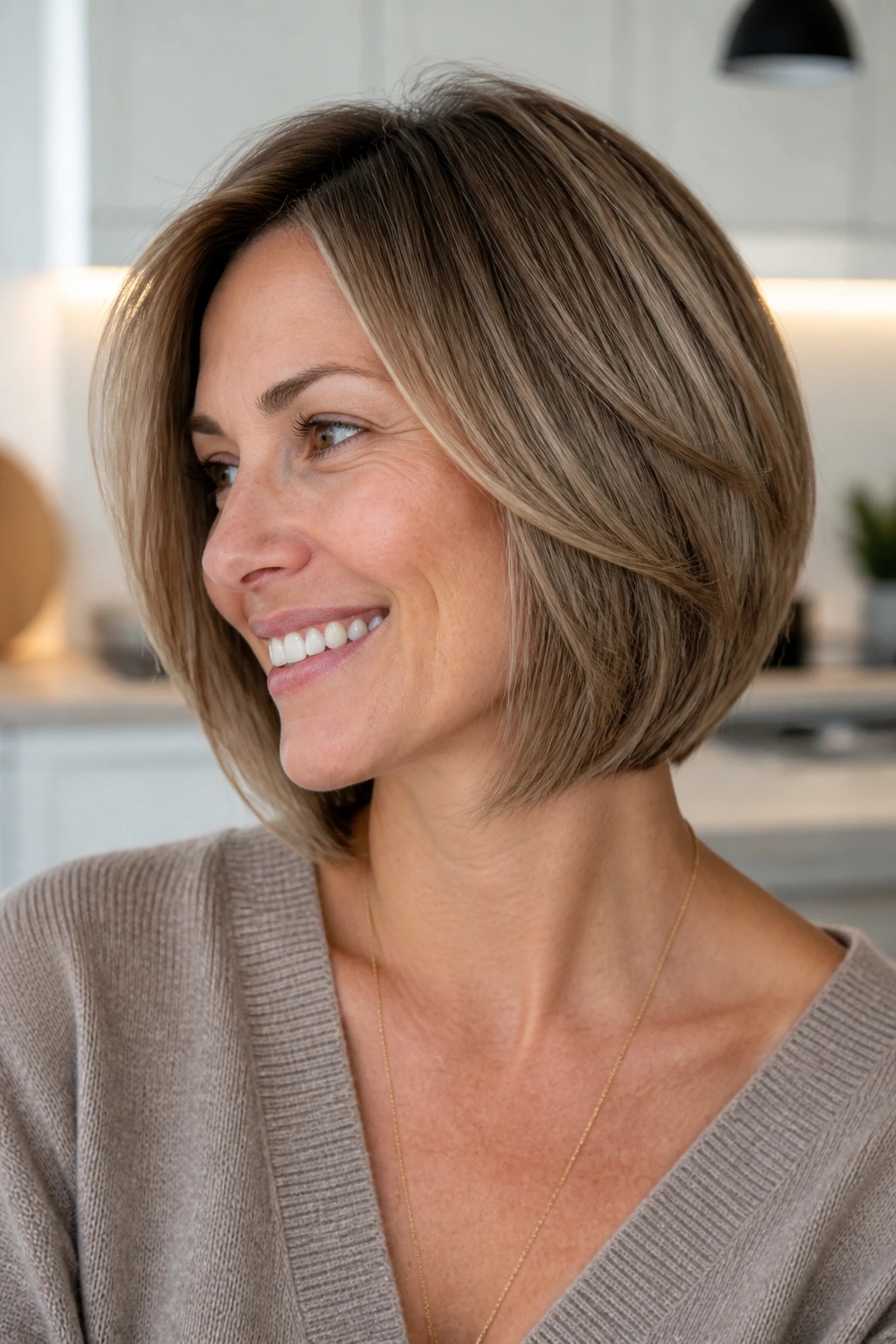
Can a bob feel fuller just because of its shape? Absolutely. A rounded bob builds width through the silhouette, which is a useful trick when the hair itself is delicate. Instead of hanging straight down, the cut curves slightly inward and creates the sense of density.
Where the Shape Comes From
The side part is doing some of the heavy lifting. It adds lift at the root and keeps the top from flattening into the scalp. The rounded ends then carry that fullness around the head instead of letting the style collapse at the jawline.
This cut works best if the layers are subtle. You want a soft curve, not a stack of obvious shelves. A little internal layering around the crown can help, but the perimeter should stay intact enough to look strong.
Styling Notes
- Blow-dry with a medium round brush
- Aim the airflow at the roots first
- Use a light mousse, not a creamy leave-in
- Finish with a cool shot to set the bend
It’s a tidy cut, but not boring. That’s a hard balance to get with fine hair, and this one gets there.
10. Long Layers with Piecey Ends
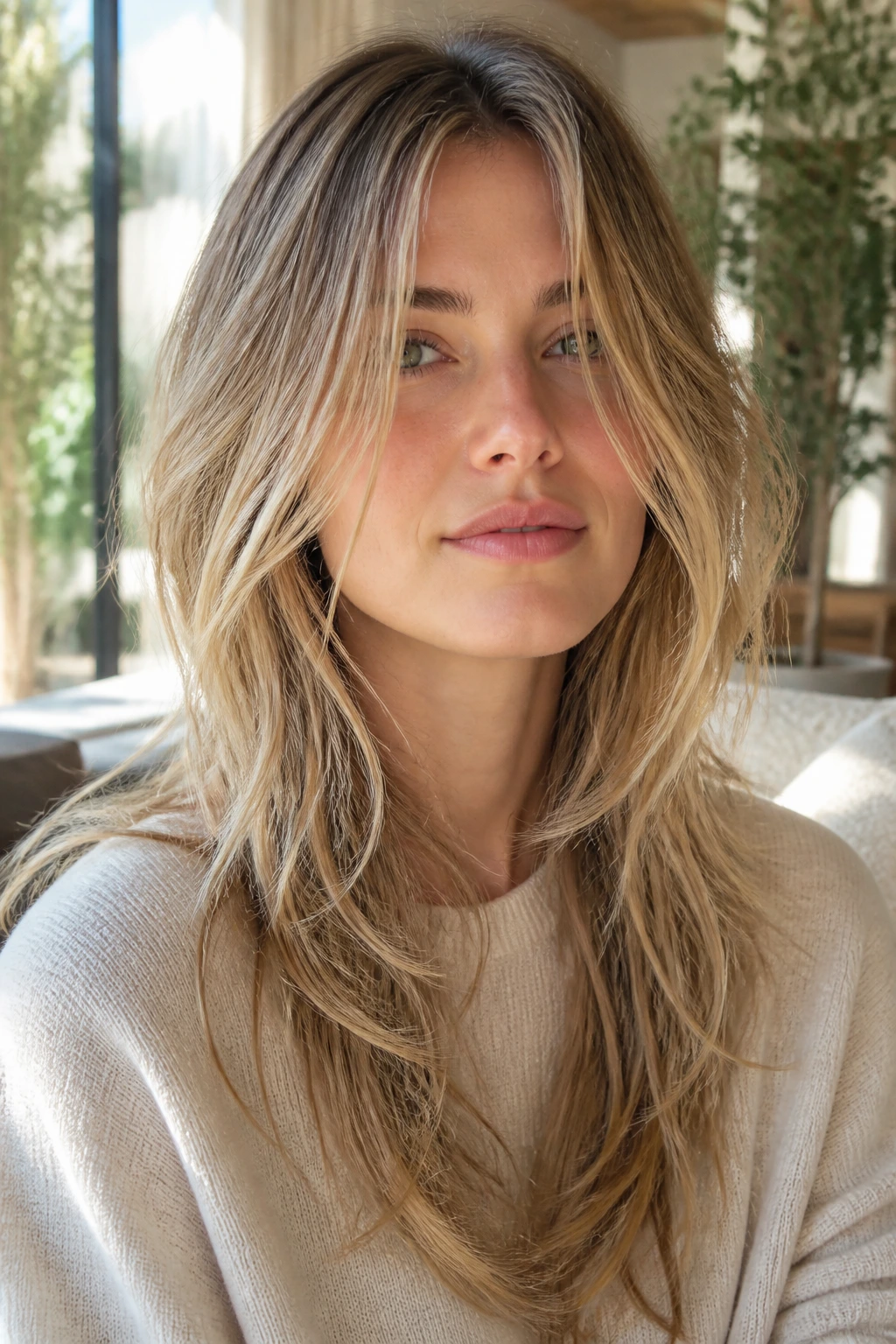
Long layers are not the enemy of fine hair. Bad long layers are. If the cut keeps too much weight at the bottom and does nothing through the mids, the hair hangs like a curtain. If the layers are too short, the length looks thin. The middle ground is where this one lives.
Piecey ends matter because they stop the hair from looking like one flat ribbon. A small amount of texture at the bottom makes the length more visible and gives the whole style a little edge. It also helps when you wear your hair in waves, since the bend separates the strands and makes the style look fuller.
This is a good option if you want to keep your hair past the shoulders but still need it to move. It likes loose curls, bendy blowouts, and a light finish spray.
If your hair is prone to split ends, keep the layers clean and the trims regular. Long, fine hair can look tired fast when the bottom starts fraying.
11. Layered Cut with Bottleneck Bangs
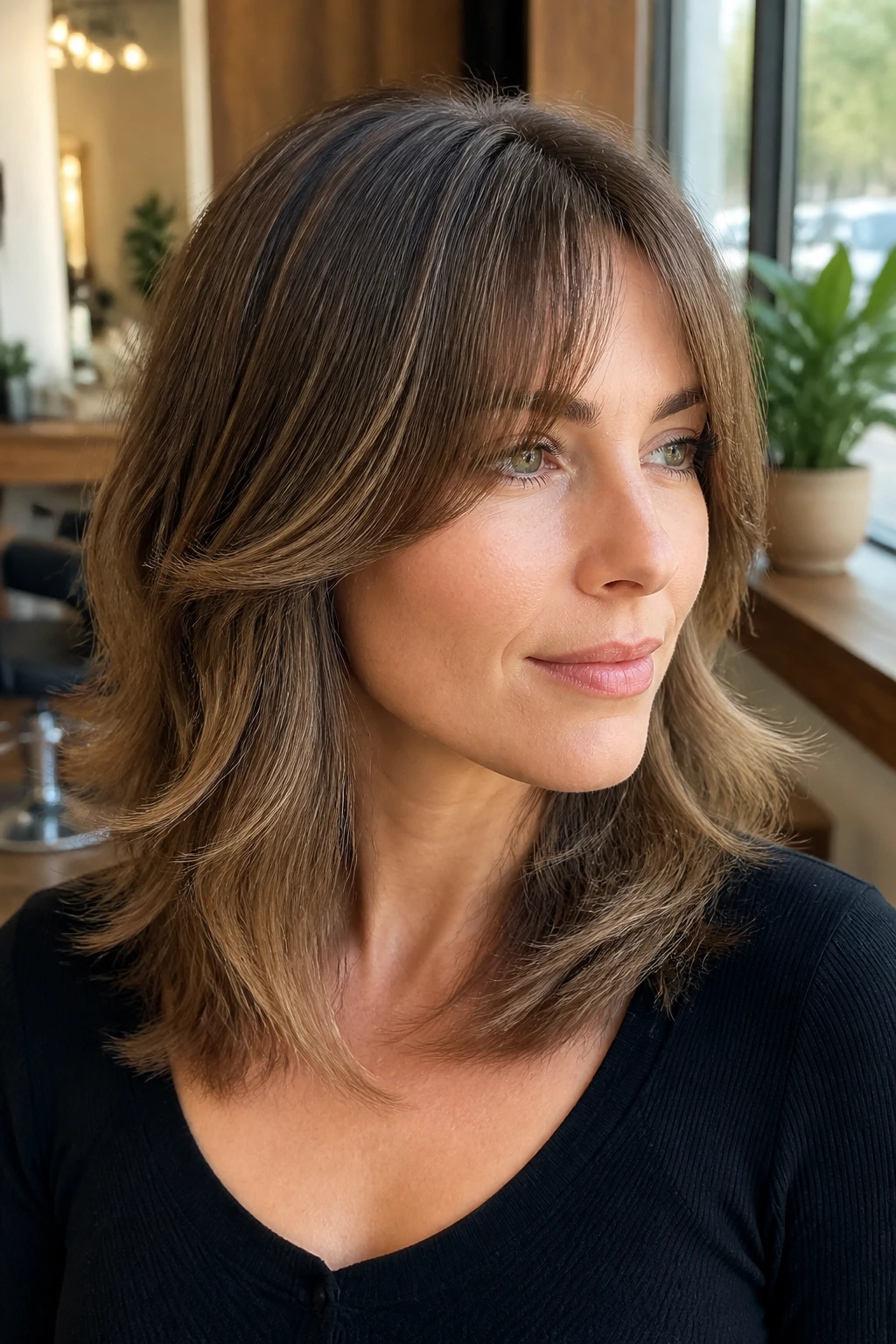
Bottleneck bangs are a useful compromise when you want fringe but do not want a heavy wall of hair across the forehead. They open slightly in the middle, then widen softly as they drop toward the temples. On fine hair, that shape gives structure without using too much density from the front.
The rest of the cut should stay light around the face and longer through the sides. That lets the bangs blend instead of sitting like a separate piece. The transition matters more than people expect. If the fringe looks disconnected, fine hair can read thin around the hairline.
This style has a nice softness when air-dried with a tiny bit of cream on the ends. If you blow it out, use a small round brush and lift the fringe away from the face so it does not split awkwardly.
I like this cut for people who want a little drama but still need a haircut that plays well with ponytails, clips, and half-up styles. It’s flattering without asking too much.
12. Choppy Crop with Tapered Nape
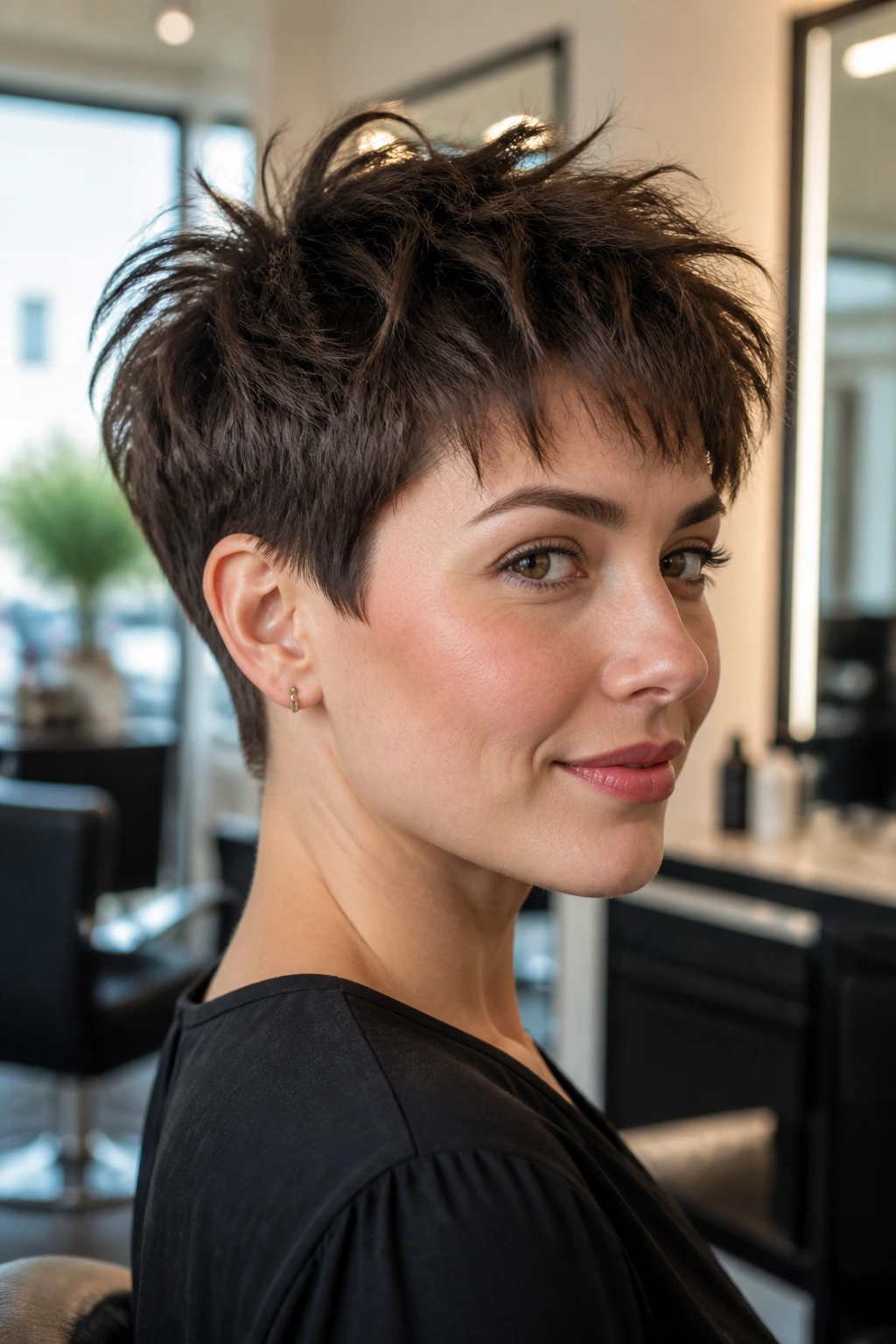
A choppy crop is not the same thing as a messy crop. The shape has to be deliberate, especially on fine hair. The tapered nape keeps the back neat, while the choppy top pieces create a bit of lift and bite.
The Pieces That Make It Work
The crown should carry the most texture. The sides can be softer, but they still need enough structure to avoid puffing out. A crop that’s cut evenly all over tends to go fuzzy on fine hair, and fuzzy is not a flattering word for a reason.
What Helps the Most
- Use a matte paste, not a wet gel
- Push the roots up with your fingers while blow-drying
- Keep the nape clean every 4 to 6 weeks
- Let the top pieces fall where they want a little
This cut has energy. It looks great on someone who wants a shorter shape with attitude, but it does require a stylist who knows how to keep the texture controlled. A good crop feels sharp. A bad one just feels unfinished.
13. Wavy Lob with Disconnected Ends
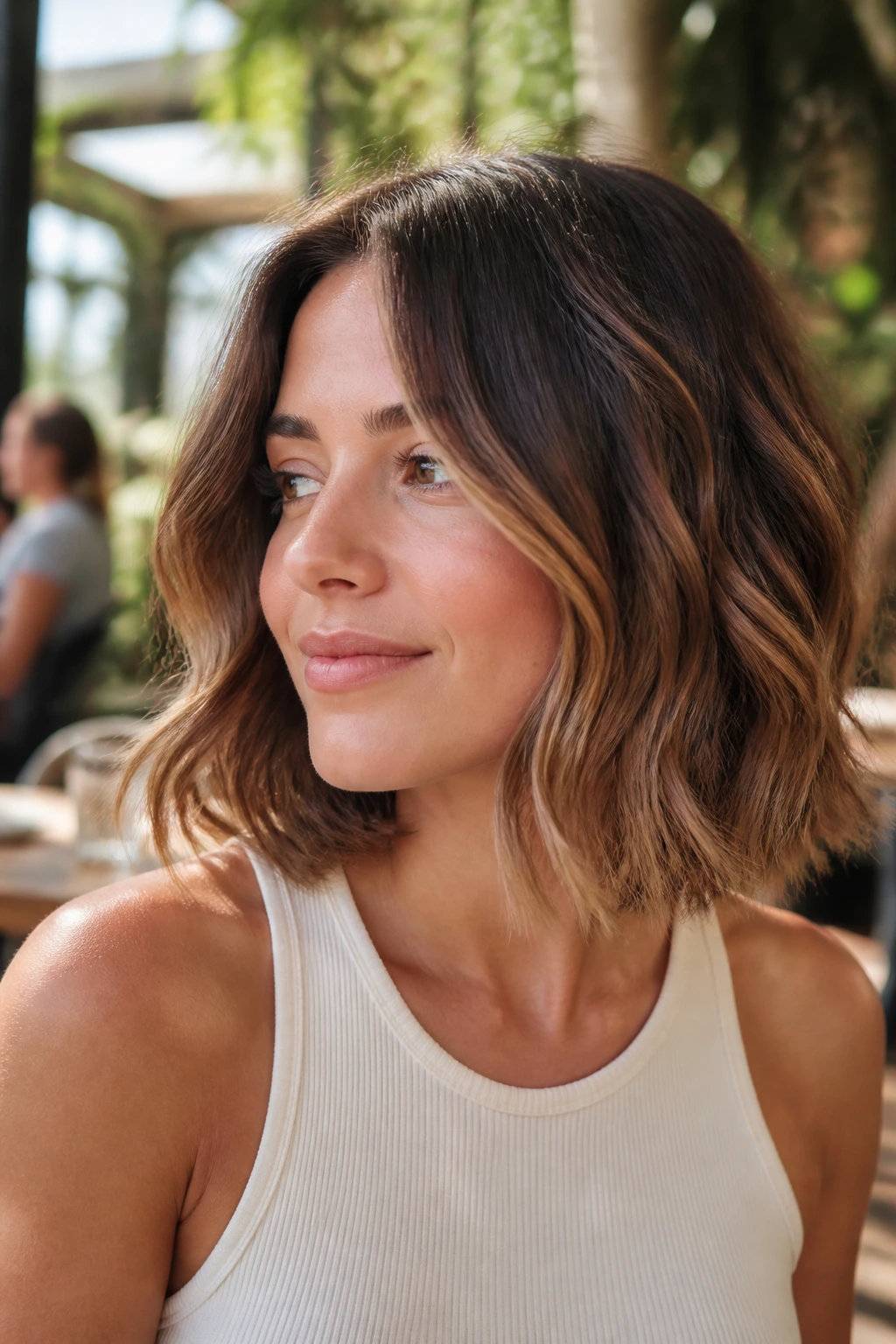
A wavy lob with disconnected ends is for the person who wants movement that looks natural, not overly blended. The ends have a tiny bit of separation, which helps fine hair avoid that too-perfect, too-soft finish that can make it look flat.
The cut works especially well if your hair has a loose wave or if you style it with a flat iron into broad bends. The disconnected ends pick up light and make the hair look more layered than it actually is. That’s useful when density is limited.
Here’s where it gets practical: keep the wave pattern loose, not tight. Tight curls can shrink the hair and expose sparse areas. Broad bends, on the other hand, create a fuller silhouette from mid-length to ends.
A spritz of texturizing spray at the lower half is enough. Heavy products can clump fine strands together and make the cut look greasy by noon. Nobody wants that.
14. Shoulder-Grazing Cut with Internal Layers

The shoulder-grazing length is one of those sweet spots that many people overlook. It gives enough hair to work with, but it avoids the drag that can make fine strands droop. Internal layers are the reason this style holds together. They remove bulk from inside the cut instead of hacking the outline apart.
That means the outside line stays calm and clean while the inside gets lift and movement. It’s a good setup if you like a polished look with a little flexibility. You can wear it straight, brushed out, or in loose bends without the style falling apart.
I’ve always liked this cut for people who want hair that can look neat at work and softer on weekends. It doesn’t scream for attention. It just behaves.
A center part can make the cut feel modern, while a side part gives you more root lift. Try both before you commit to one styling habit. Fine hair often behaves differently depending on where you split it.
15. Side-Swept Fringe and Layered Ends
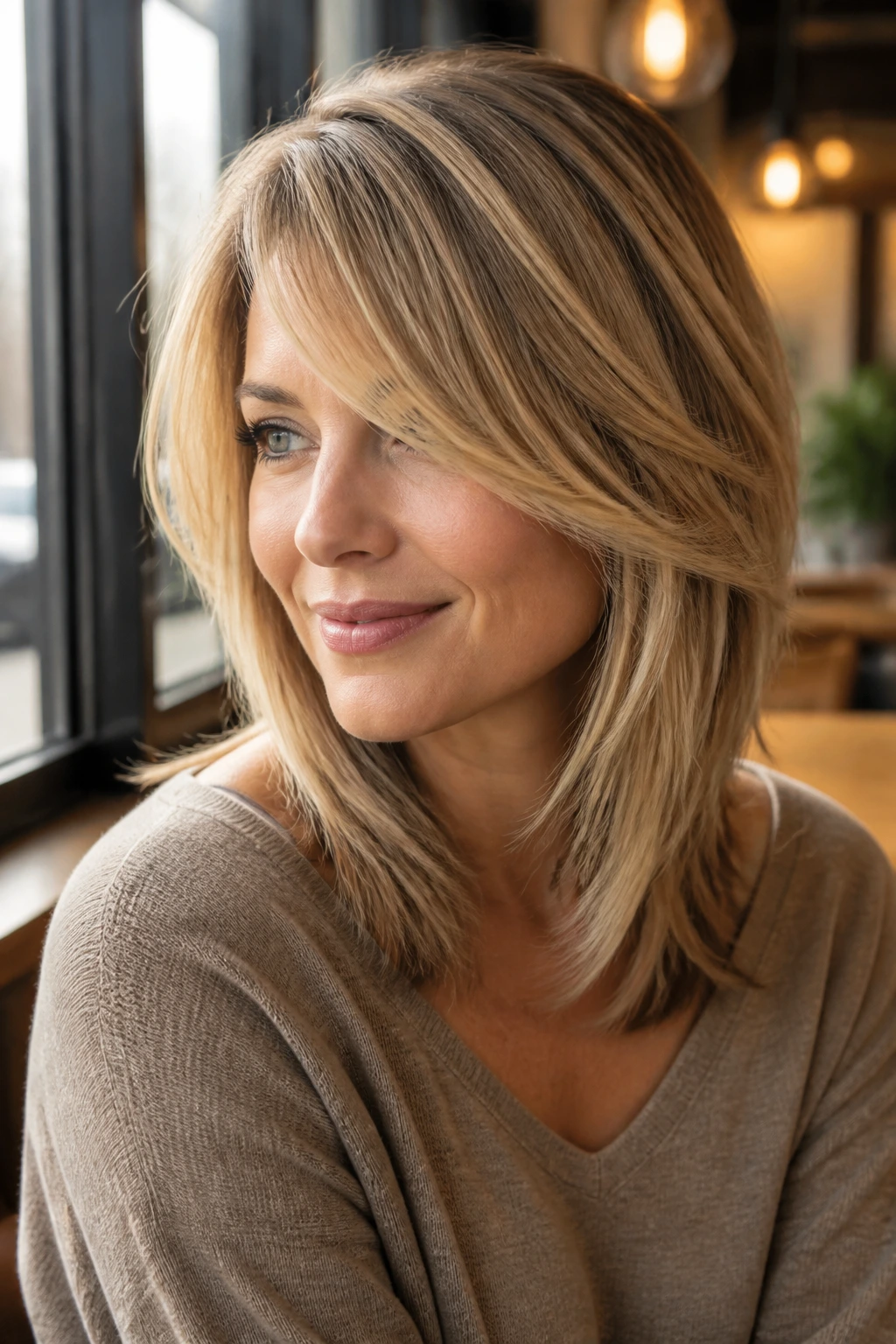
Does a side fringe still work? Yes, if it’s soft and blended instead of heavy and blunt. A side-swept fringe can disguise a sparse hairline, add movement around the face, and make the rest of the haircut feel fuller because there’s something happening up front.
The layered ends carry that softness down through the length. They should not be too thin at the bottom, or the whole style turns wispy. That’s the risk with fine hair — a pretty fringe paired with a too-light finish can leave the ends looking stringy.
This cut is friendly to people who like to change their part. Sweep the fringe one way when you want a little drama, then flip it back for a different look. That flexibility is a real advantage.
Tip: keep a small round brush nearby. A 2-inch brush is enough for most side fringes, and it helps shape the front in under 3 minutes.
16. Soft Wolf Cut for Fine Hair
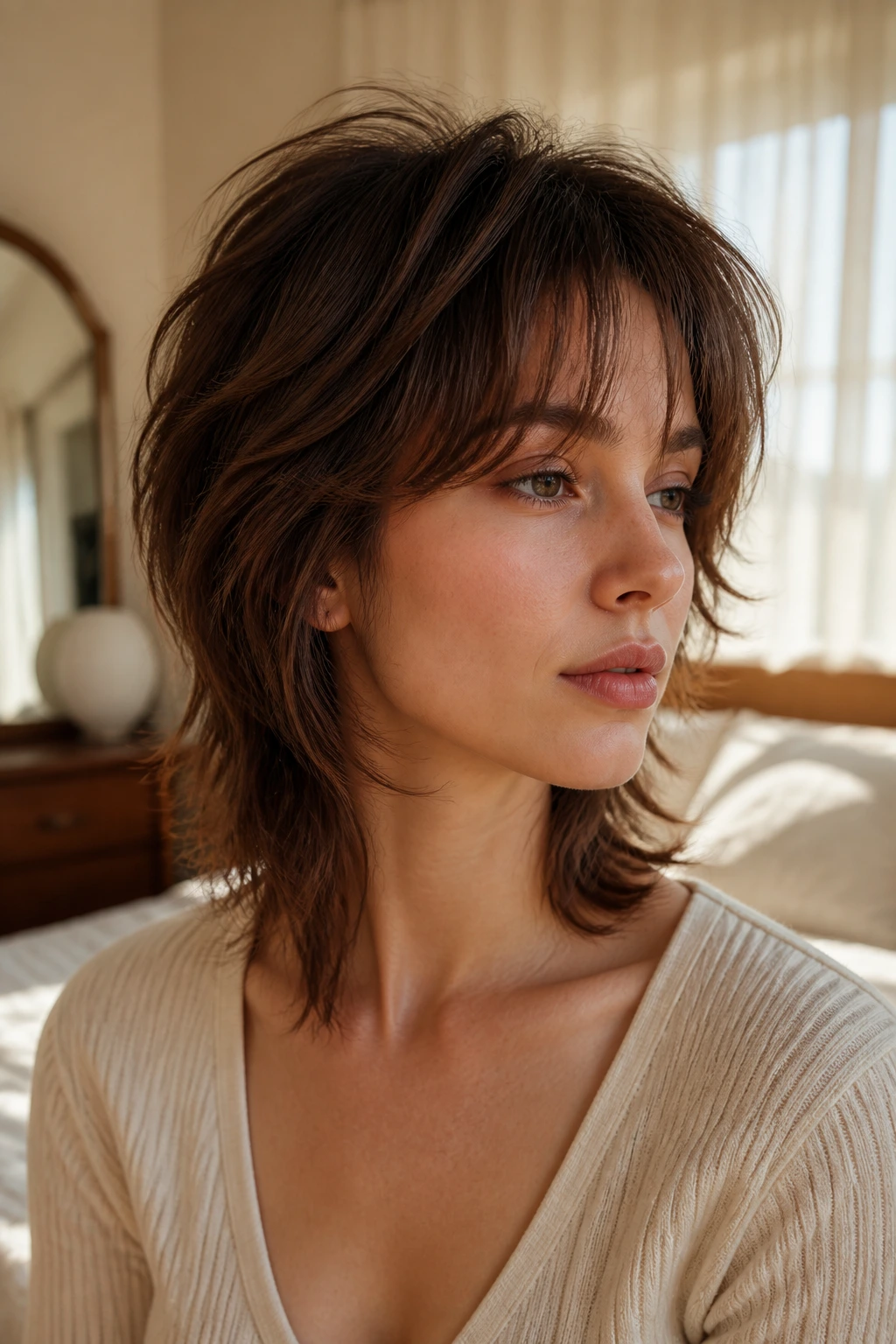
The soft wolf cut is the one that gets misunderstood the most. A harsh version can eat away too much weight and leave fine hair patchy. A softer version keeps the crown lifted, the sides blended, and the ends textured without making the whole shape look ragged.
That crown lift is the reason people like it. Fine hair often goes flat at the top before it loses volume anywhere else, so building a little height there changes the whole silhouette. The trick is not to overdo the layers around the face.
A soft wolf cut looks best when it has some roughness around the ends and some order near the top. That contrast is what makes it feel current without being fussy. It’s one of the few cuts that can make fine hair look intentionally undone.
If your hair is very straight, you’ll probably need a texturizing spray and a quick bend with a flat iron. If it already has a wave, you’re halfway there. Lucky.
17. Blunt Base with Hidden Movement
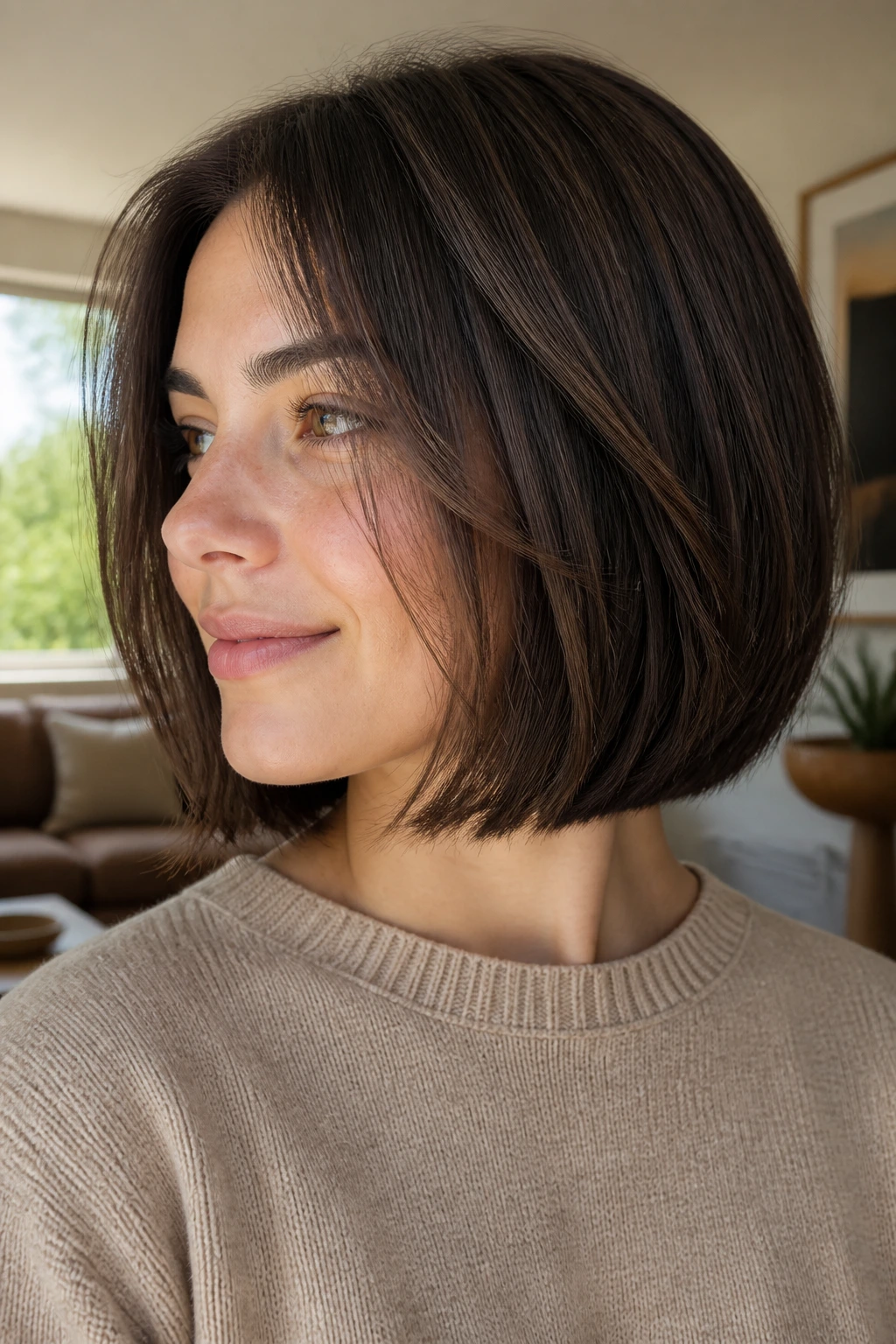
A blunt base with hidden movement is my favorite compromise for people who want fullness more than visible layering. The perimeter stays solid, which makes the hair look denser, but there’s quiet movement inside the cut so it doesn’t sit like a block.
This approach is especially useful for very fine hair that needs every bit of visual thickness it can get. A blunt line at the bottom creates a clean edge, while internal layers stop the style from feeling too heavy or too helmet-like. It’s a neat trick.
Unlike a heavily layered cut, this one doesn’t shout from across the room. You notice the difference when the hair moves. It bends easier, falls softer, and still looks thick at the ends.
It’s a strong option if you want to keep your styling routine simple. Blow-dry it smooth, tuck it behind one ear, or add one big bend through the mids. The shape does most of the work.
18. Air-Dry Layered Cut
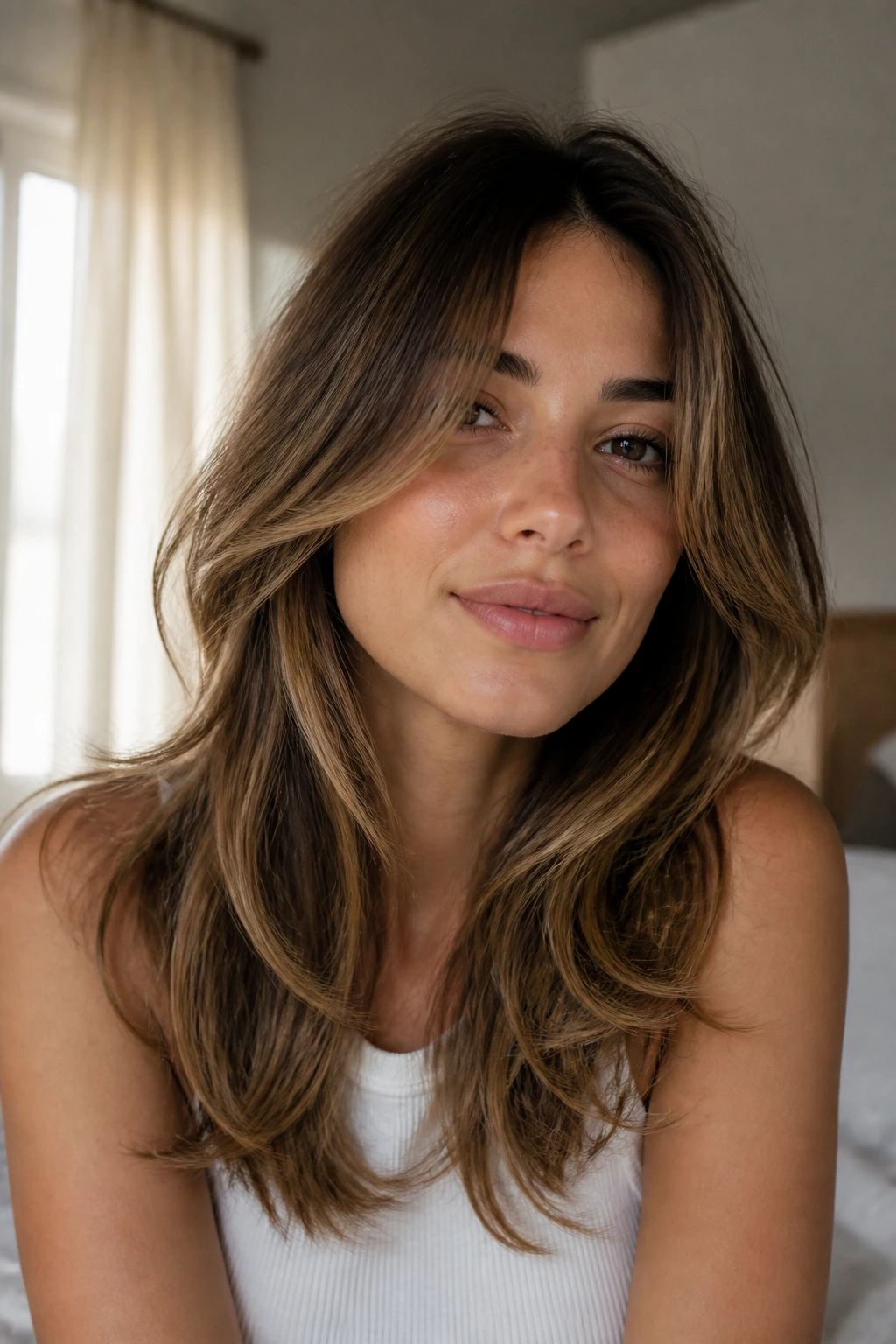
An air-dry layered cut has to be built for real life, not for a salon mirror. Fine hair dries fast, and if the cut is wrong, every bend and cowlick shows up exactly where you do not want it. A good air-dry shape makes peace with that.
The layers should encourage the hair to fall into a soft curve on their own. That usually means lighter front pieces, a clean shape at the ends, and enough internal texture to keep the hair from clinging to the scalp. It should look decent with zero heat, and better if you give it a little scrunch or finger twist while it’s damp.
This is a practical choice for people who do not want to blow-dry every time they wash their hair. Use a lightweight mousse or air-dry cream, then leave the hair alone. Touching it too much while it sets usually creates frizz.
The best air-dry cuts are the ones that still look like a haircut when they are unfinished. That’s the standard worth holding.
19. Face-Framing Layers on Straight Hair
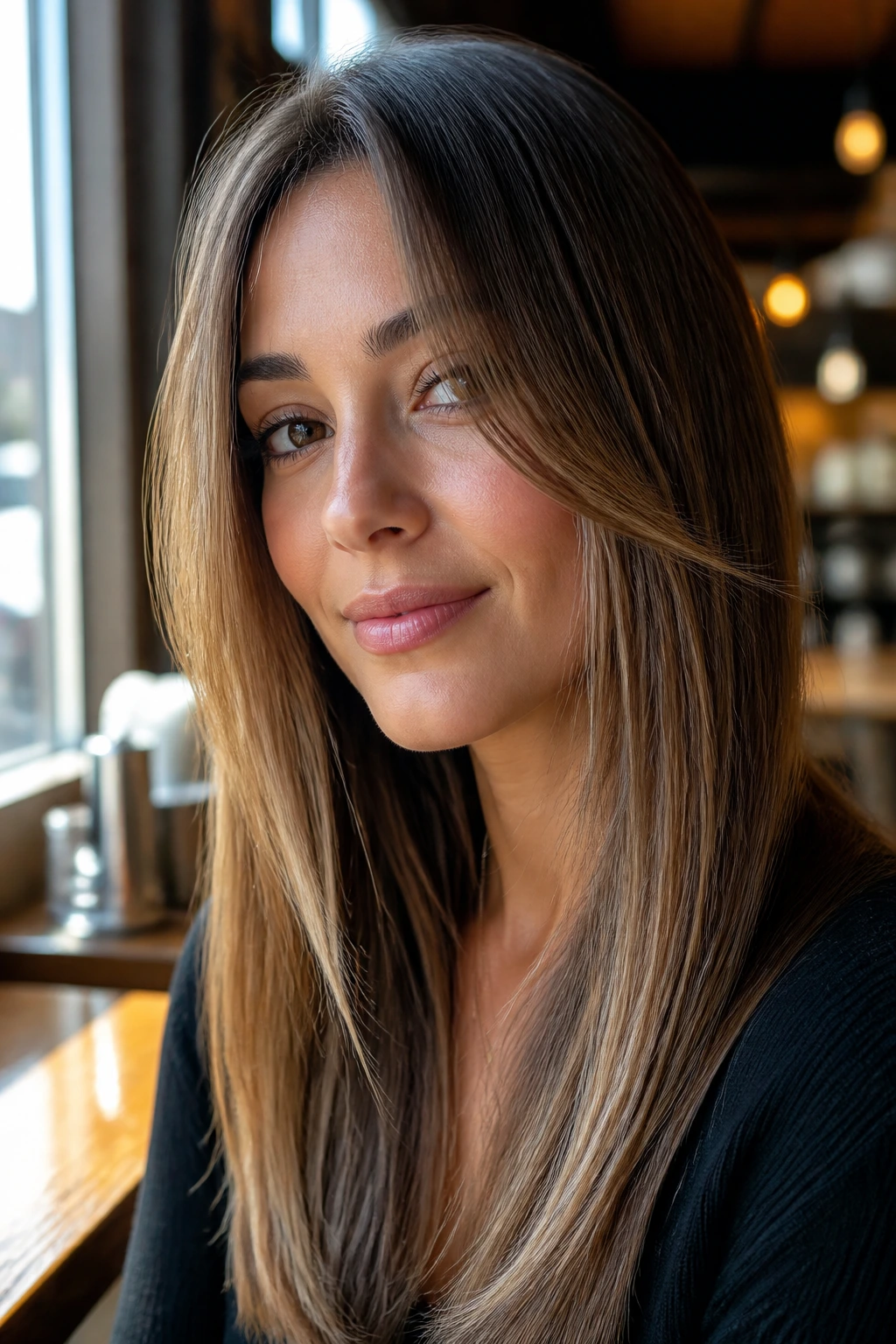
Straight fine hair can look almost too honest. It shows every line, every bend, every flat patch. Face-framing layers help by giving the front some shape and breaking up the long vertical fall that makes the hair look thin.
The layers should start somewhere around the cheekbone or jaw, depending on your face shape. Any shorter, and they can float awkwardly. Any longer, and they lose their job. The goal is to create movement near the face without stripping away too much from the back.
Easy Ways to Wear It
- Tuck the front pieces behind your ears for a cleaner look
- Add a soft bend with a flat iron only from the mid-lengths down
- Keep the roots lifted with a light spray before drying
- Avoid heavy oils near the front sections
This cut is a good one if you like sleek hair but need a little life around the face. It’s subtle, which is exactly why it works.
20. Layered Cut for Fine Curls and Waves

Fine curls and waves need a different kind of layer than straight hair does. Too much cutting can wreck the pattern and make the shape puff out in odd places. Too little, and the hair sits heavy at the bottom. Neither is good.
A layered cut for this texture should follow the natural movement of the hair. That means layers placed where the curl wants to spring and enough length left at the ends to keep the silhouette from frizzing out. The best cuts in this category usually look a little longer when wet and settle into shape as they dry.
Can this work without a diffuser? Sometimes. If the wave is loose, air-drying with a curl cream can be enough. Tighter fine curls usually do better with a diffuser on low heat and low speed.
The payoff is worth it. The right layers keep curls from forming a triangle and help waves stack more evenly. That makes the hair look fuller from root to tip, not just puffier.
21. Short Sliced Layers with Volume at the Crown
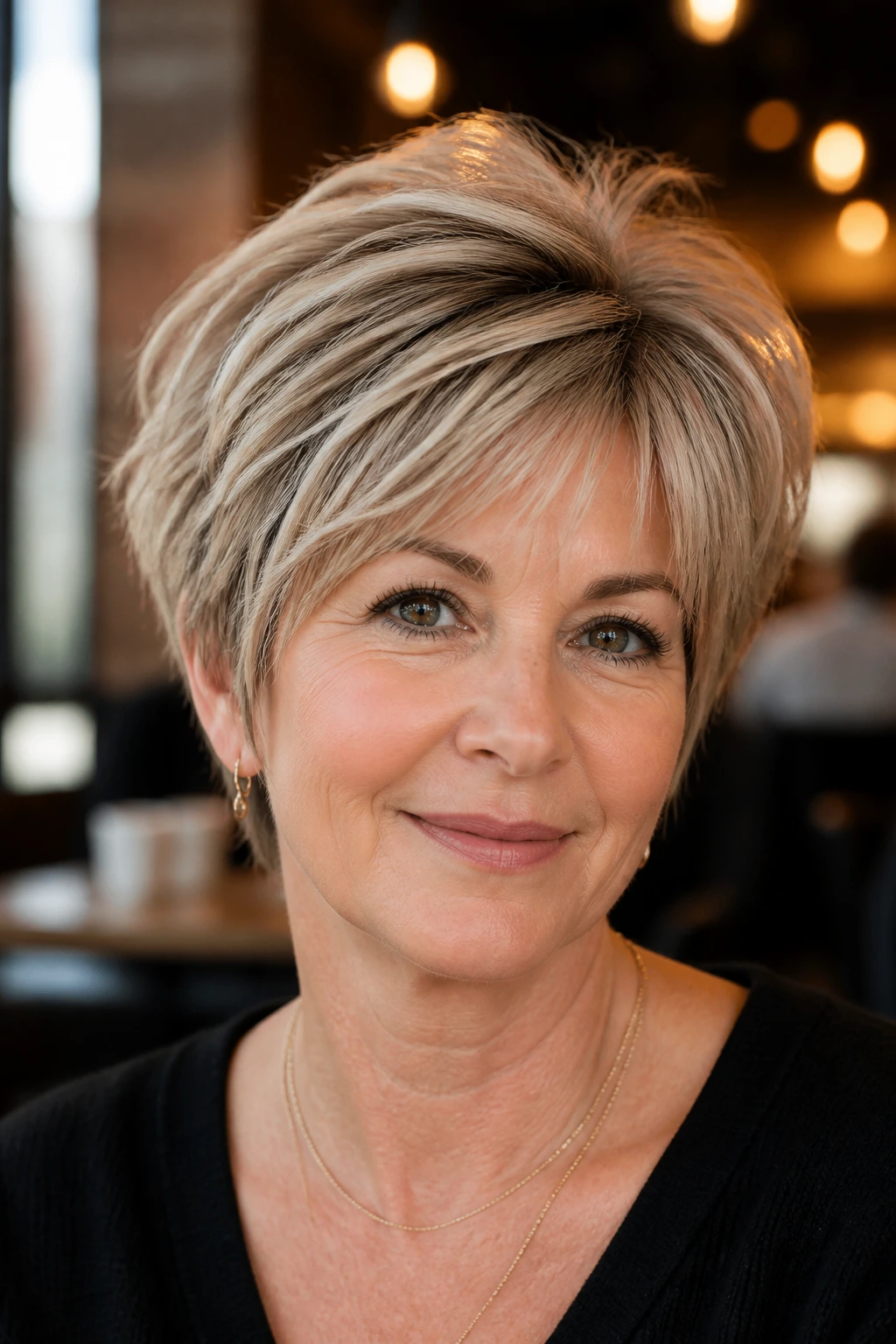
A short cut with sliced layers at the crown is one of those styles that looks simple until you realize how much it changes the head shape. The crown gets the lift, the sides stay controlled, and the ends do not drag the whole haircut downward. Fine hair benefits from that kind of targeted structure.
The slicing should happen in a way that removes bulk without breaking the outline. That distinction matters. You want the top to feel light and airy, not broken apart. A good stylist will leave enough length through the side sections so the cut still frames the face cleanly.
This is a strong choice if your hair lies flat against the scalp and resists volume at the roots. A little mousse, a quick round-brush lift, and a cool shot from the blow-dryer can wake the cut up fast.
It’s also a nice grow-out shape. Even when it softens, it tends to keep its form better than a more aggressively layered crop.
22. Low-Maintenance Textured Cut You Can Grow Out
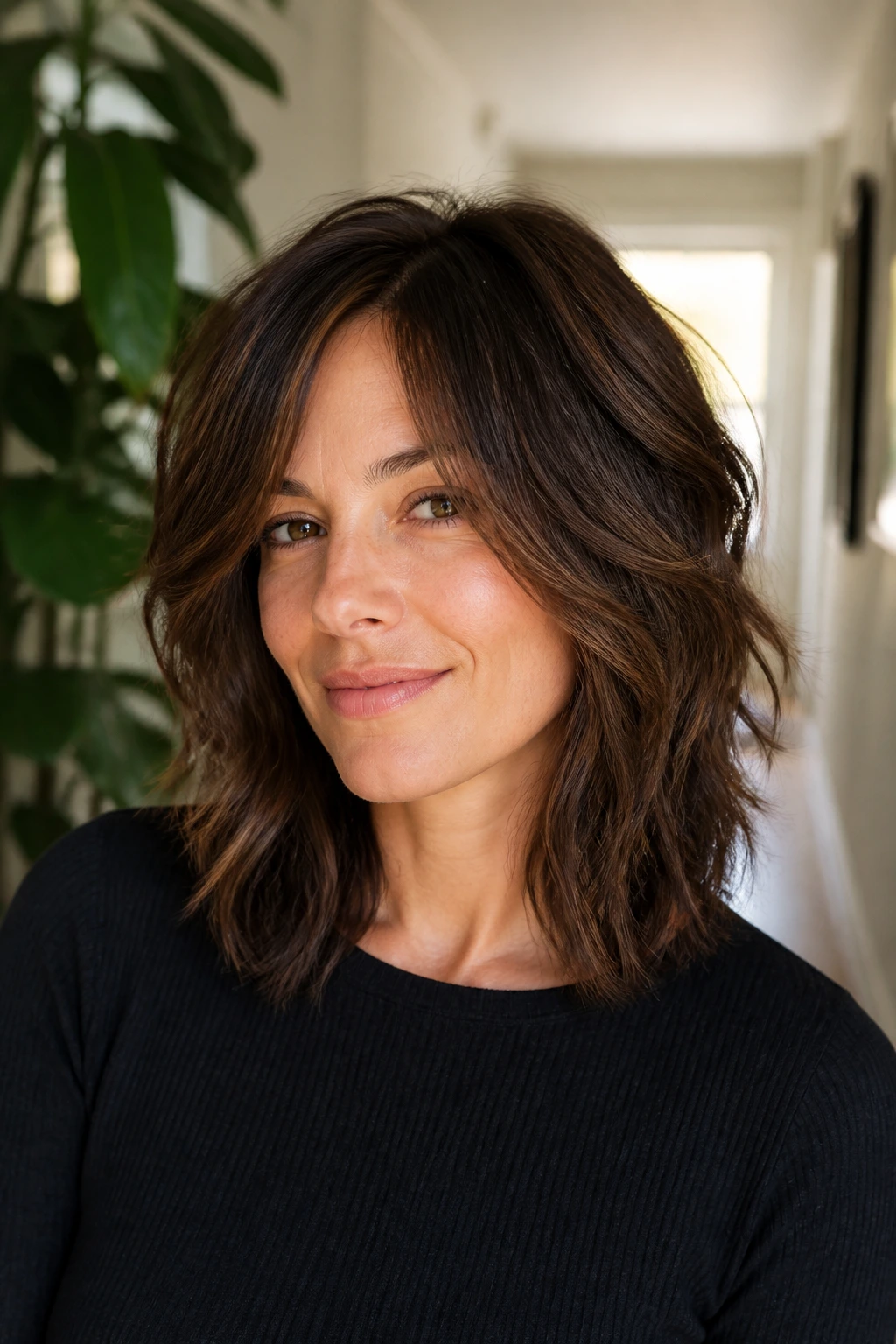
The best fine-hair cut is often the one that still looks decent six weeks after you forget to book the salon. A low-maintenance textured cut needs a strong outline, enough movement to avoid flatness, and layers that grow out without turning stringy. That is harder to get than people think.
This kind of cut usually sits somewhere between a lob and a mid-length shape. The texture is concentrated where it helps most — around the face, through the crown, or in the lower mids — while the ends keep enough weight to look solid. It should air-dry into something presentable and still take a blowout well when you want polish.
I like this option for people who do not want to babysit their hair every morning. It works with clips, half-up styles, and quick bends, which makes it a practical choice rather than a precious one.
If you want one rule to keep in your head, use this: fine hair looks better with clever shaping than with too many layers. That’s the quiet truth behind all 22 cuts here, and it’s why the right textured layered haircut can make thin strands look fuller without making them feel overworked.
