



Long shag haircuts for fine hair live or die by one small choice: where the layers start.
Go too high, and the ends can look see-through before you’ve even left the salon. Keep too much weight, and the crown collapses into the skull by lunch. It’s a narrower line than people think.
Fine hair isn’t the same thing as thin hair, and that detail matters more than most haircut charts admit. Fine strands can be plentiful; they just have a smaller diameter, so the cut has to protect the perimeter while sneaking in movement through the middle. That usually means softer layers, a smarter fringe, and less aggression with the thinning shears.
The best shag doesn’t look hacked apart. It looks full, a little airy, and deliberate — like the hair has room to move without losing its shape. And once you know where that balance lives, the choices get easier fast.
1. The Classic Curtain-Bang Shag
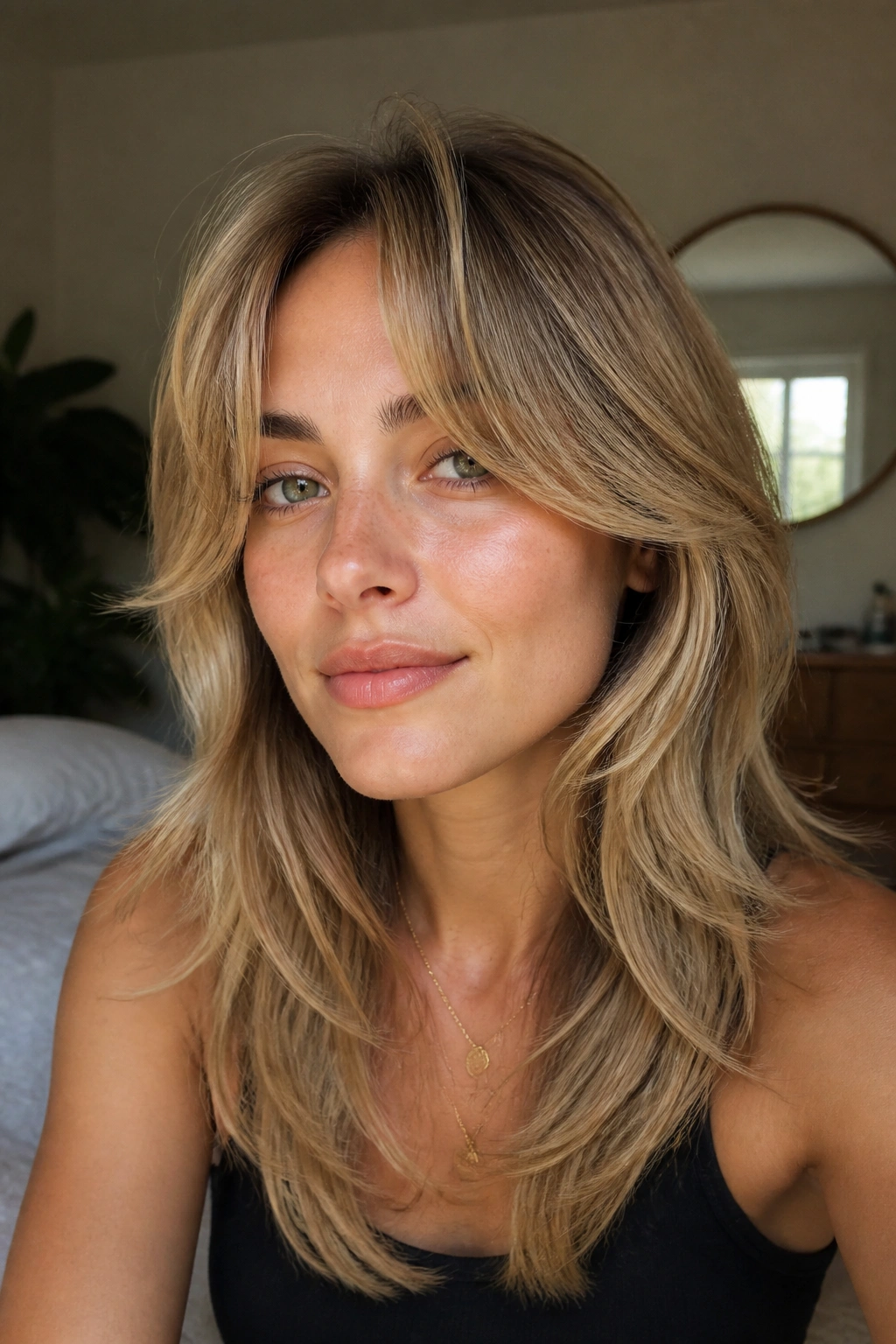
Curtain bangs are the old reliable here, and there’s a reason they keep showing up. They split the front without swallowing the face, which helps fine hair look softer around the hairline without making the whole cut feel sparse.
The trick is to keep the shortest layers around the cheekbone, not way up near the temples. That gives you lift where people actually see it. Ask for a long shag with a blunt-ish outline and airy face-framing pieces that blend into the bang, not a pile of choppy layers all over the head.
This cut is best when you want movement without drama. It grows out well, and it still looks decent on day three when the roots are a little flat. Blow-dry the fringe away from the face with a round brush, then let the rest fall loose. That tiny bit of direction makes the whole cut feel more expensive than it is.
2. The Invisible-Layer Shag
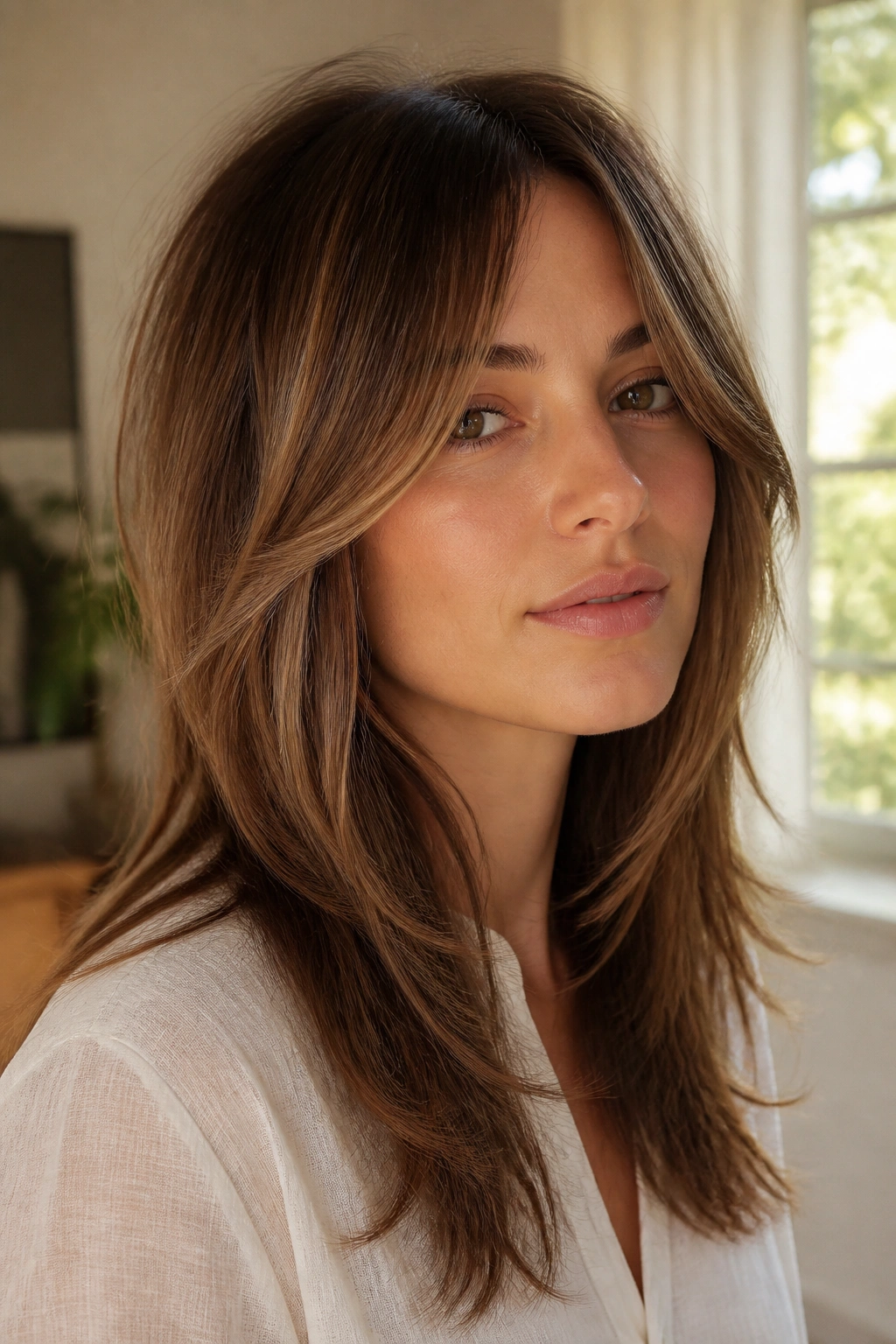
If you hate the look of obvious steps, this is the one to ask about. Invisible layers sit inside the haircut instead of slicing hard into the perimeter, so the ends keep their fullness while the top gets lift.
What to ask for
- Long internal layers that start below the cheekbone
- A soft face frame, not a dramatic disconnect
- A dense hemline so the ends still look thick
- Minimal texturizing at the bottom
That last point matters. Too much texture on fine hair turns into frizz or see-through ends fast, and that’s a headache you don’t need. The invisible-layer version gives you volume at the crown and swing through the mids without advertising every cut line.
It’s a quiet haircut. Some people think quiet means boring. Not here. It means the shape does the work without shouting about itself.
3. The Collarbone Shag With a Blunt Edge
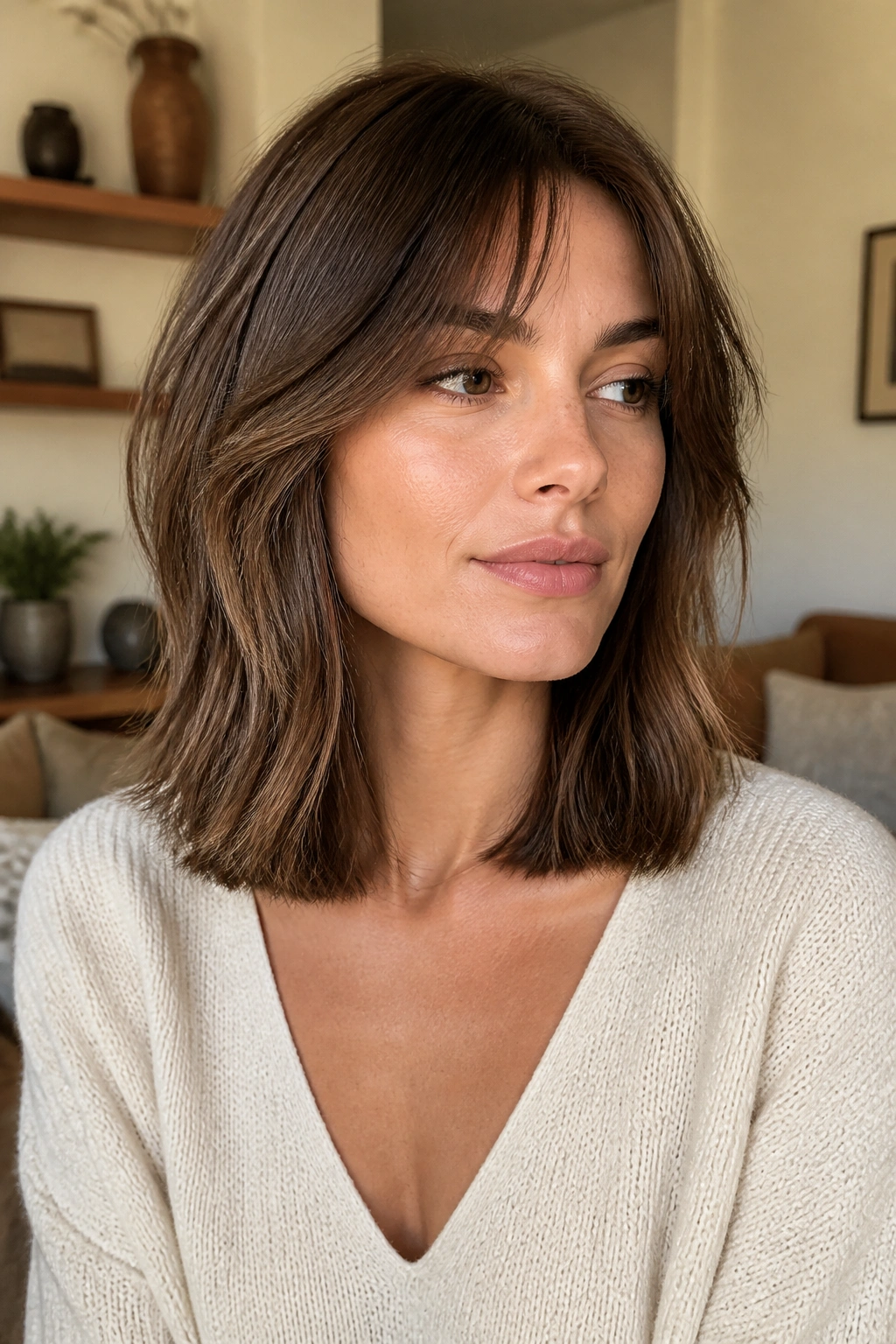
A collarbone-length shag with a blunt edge is one of the smartest choices for fine strands because the weight sits right where the hair needs it. The perimeter feels solid, but the layers still give the haircut that loose, lived-in bend people want from a shag.
This version is especially good if your hair falls straight and flat. A blunt line at the bottom keeps the ends from looking wispy, and the layers can start higher around the cheekbone or jaw so the top doesn’t go limp. If you wear your hair down most days, this one looks fuller than a super-chopped style.
Ask your stylist to keep the ends clean and only feather the interior. That keeps the haircut from looking air-dried into nothing by the third week. It also plays nicely with a quick bend from a flat iron or a brush and dryer combo.
4. The Butterfly Shag
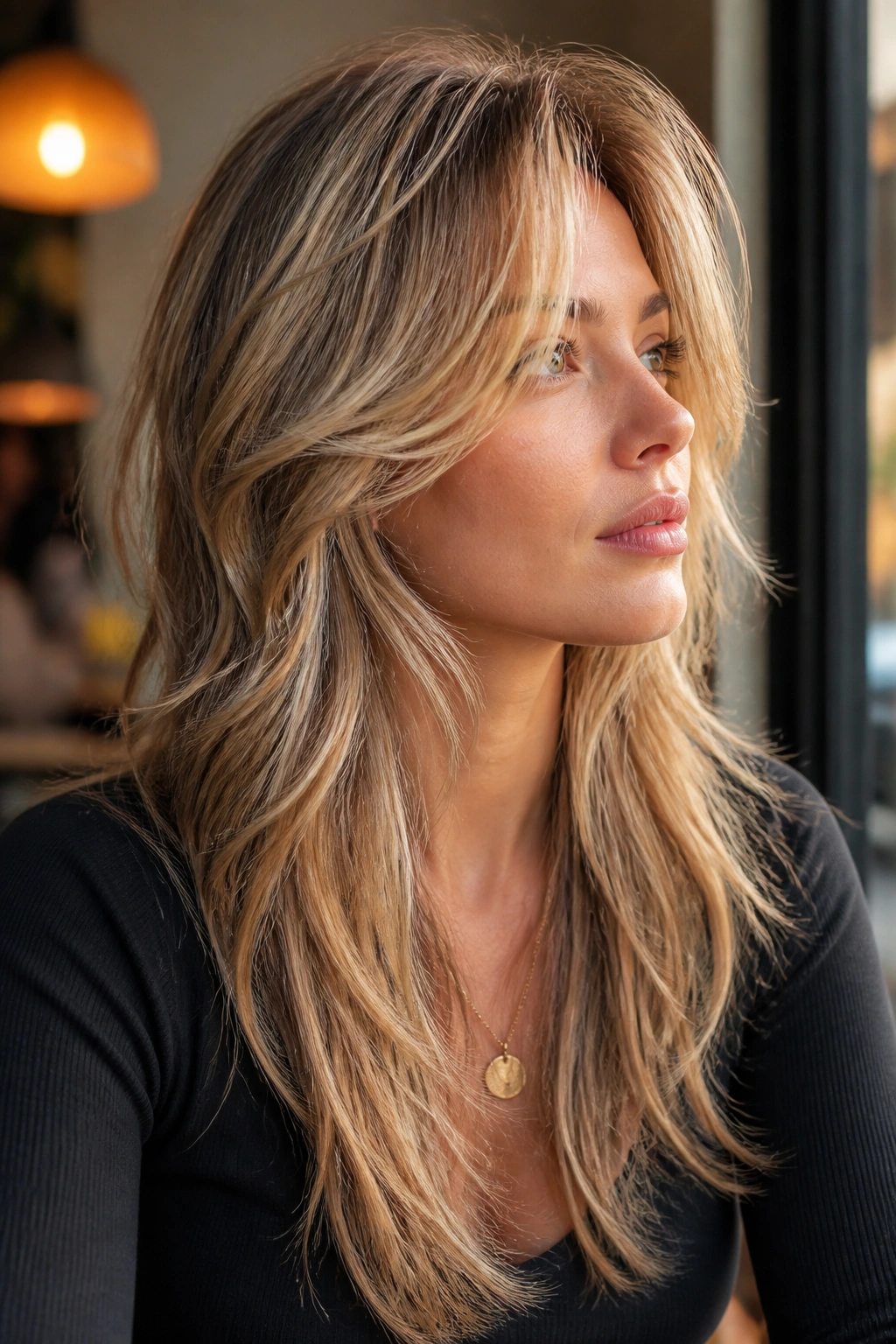
The butterfly shag has a lot of fans because it gives the illusion of fullness without turning the whole head into a cloud. Shorter top layers create lift around the crown, while the longer bottom layers stay in place and preserve length.
That split is the reason it works on fine hair. You get the volume up top where the eye looks first, and you don’t sacrifice the bottom half to get there. The cut usually lives somewhere between the cheekbone and lip line for the shortest pieces, then drapes out into longer lengths.
Try this if you like big hair but don’t want a heavy fringe. It’s also a good pick for anyone who likes a blowout brush. The shape opens up fast with a bit of root lift and a gentle flip away from the face.
Styling note
Use a lightweight mousse at the roots and a round brush on the top layers. Skip thick creams. They tend to flatten the very volume you’re trying to create.
5. The Razor-Soft Shag
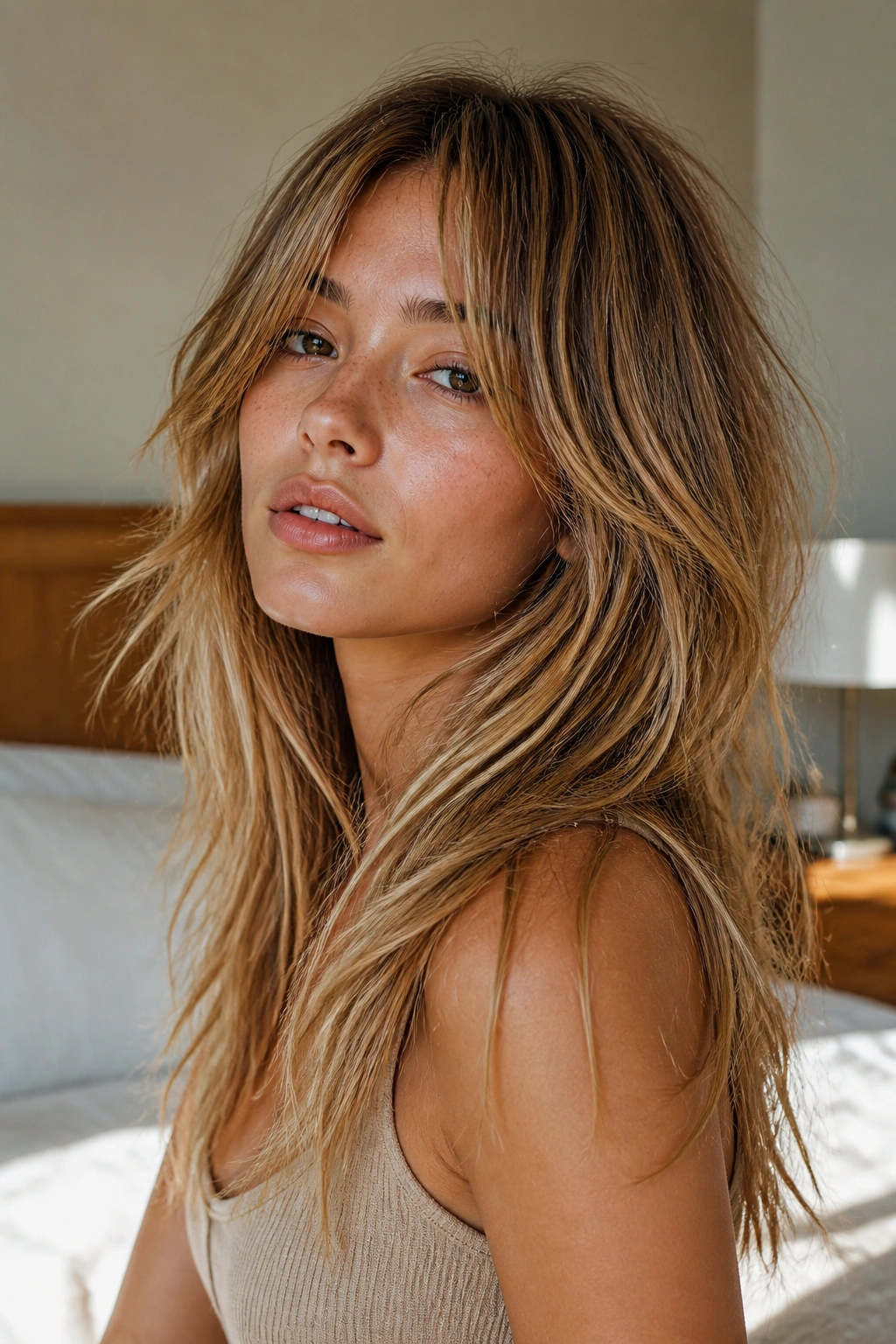
Can a razor cut work on fine hair? Yes, but only if the hands doing it know when to stop.
A razor-soft shag can be lovely because it removes bulk without leaving chunky steps. The edges look feathered, the layers blur together, and the haircut gets a little edge without the bluntness of scissor-cut layers. That softness is the appeal.
Here’s the catch: fine hair can tip into frayed fast. So the razor should be used to soften and detail, not to shred the perimeter into dust. Ask for long, feathered layers and keep the ends clean enough that the shape still feels there when the hair is air-dried.
This version is best if your hair already has a bit of wave. Straight, ultra-slippery strands can lose the effect by noon unless you add a touch of mousse or a light texture spray.
6. The Side-Swept Fringe Shag

A side-swept fringe changes the whole mood of a shag. It gives the front some movement without splitting the forehead in the middle, which can be helpful if your hairline is uneven or your cowlick has a stubborn opinion.
The side sweep also creates a little visual weight on one side of the face. That sounds small, but on fine hair it matters. More shape near the front makes the whole style feel denser, even when the ends stay light and soft.
This cut is a good fit if you like tucking hair behind one ear. It keeps the front from collapsing into a curtain. It also saves you from constant bang maintenance, which is a blessing if you are not in the mood for a trim every three weeks. The fringe can be long enough to blend into the face frame, so it still grows out without looking awkward.
7. The Wolf-Light Shag
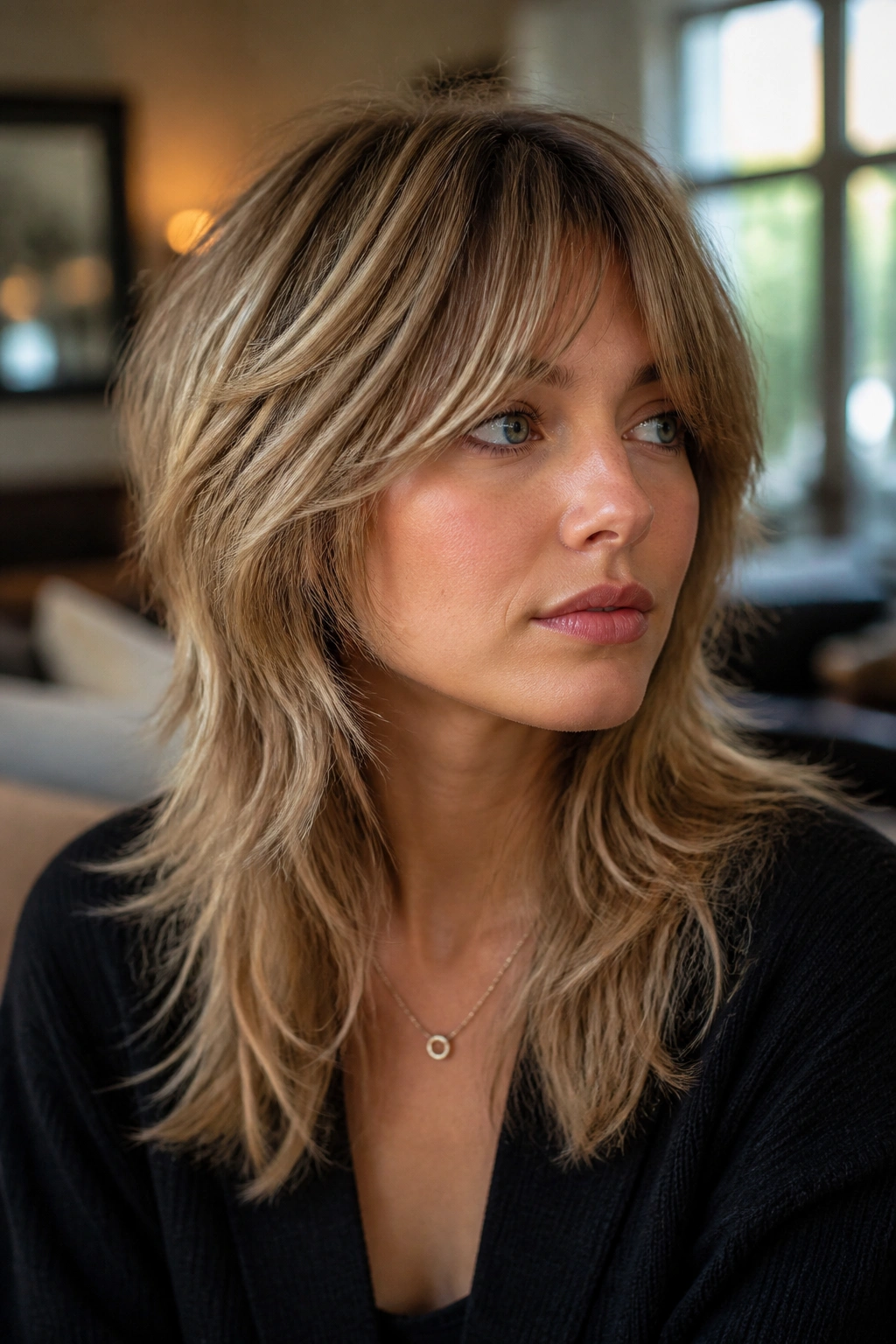
A wolf cut can be too much for fine hair if the disconnect gets aggressive. The wolf-light shag keeps the attitude but dials down the damage.
You still get shorter layers at the crown and some texture through the sides, but the transition is softer and the hemline stays more intact. That means less risk of the ends turning stringy. It’s basically the friendlier cousin of the wolf cut — less chopped, more wearable, less likely to make fine hair look like it lost a fight.
This is the one for people who want a little rock-and-roll without the full mullet edge. It looks best when the shortest layers stay above the cheekbone but below the top of the head, so you get lift without a weird shelf. A bit of mousse at the roots and a quick scrunch through the mids usually does the trick.
8. The C-Shape Blowout Shag
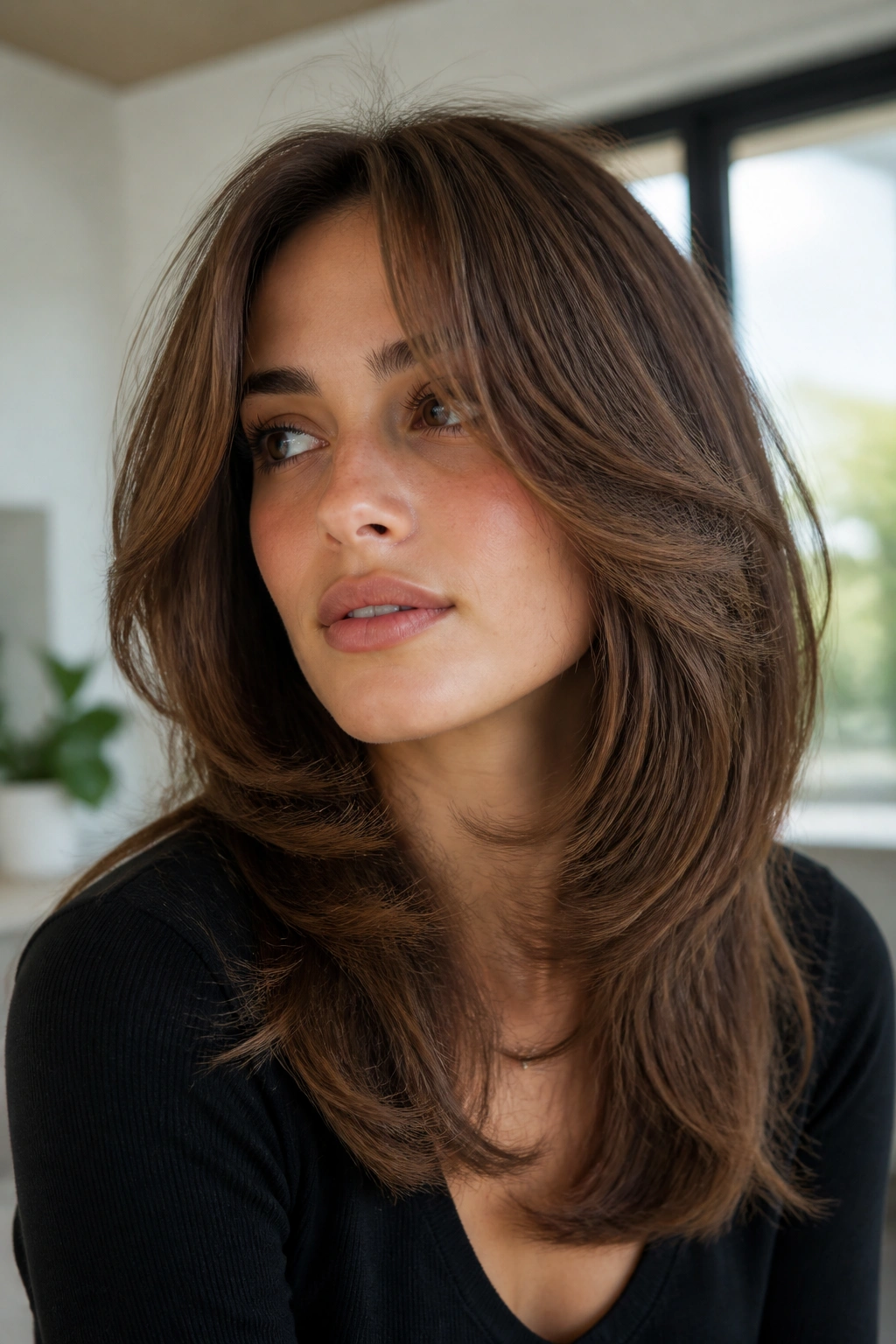
This cut is all about curve. The layers are shaped to bend around the face in a soft C, which gives fine hair a fuller outline and makes the ends look intentional instead of wispy.
Why stylists like it
The C-shape keeps the eye moving from the cheekbone down to the shoulder, so the haircut never feels boxy. On fine hair, boxy is the enemy. It makes the hair lie flat and can make the ends look clipped off instead of shaped.
How to wear it
- Blow-dry with a round brush, turning the front sections away from the face
- Keep the crown lifted with a root clip or a quick blast from the dryer
- Use a light mist of texturizing spray at the mid-lengths only
- Avoid loading the ends with heavy oil
The shape is especially flattering if you like that salon-fresh blowout look. It also grows out in a polite way, which sounds dull until you’ve lived with a bad grow-out. Then it feels like a gift.
9. The Jawline Face-Framing Shag
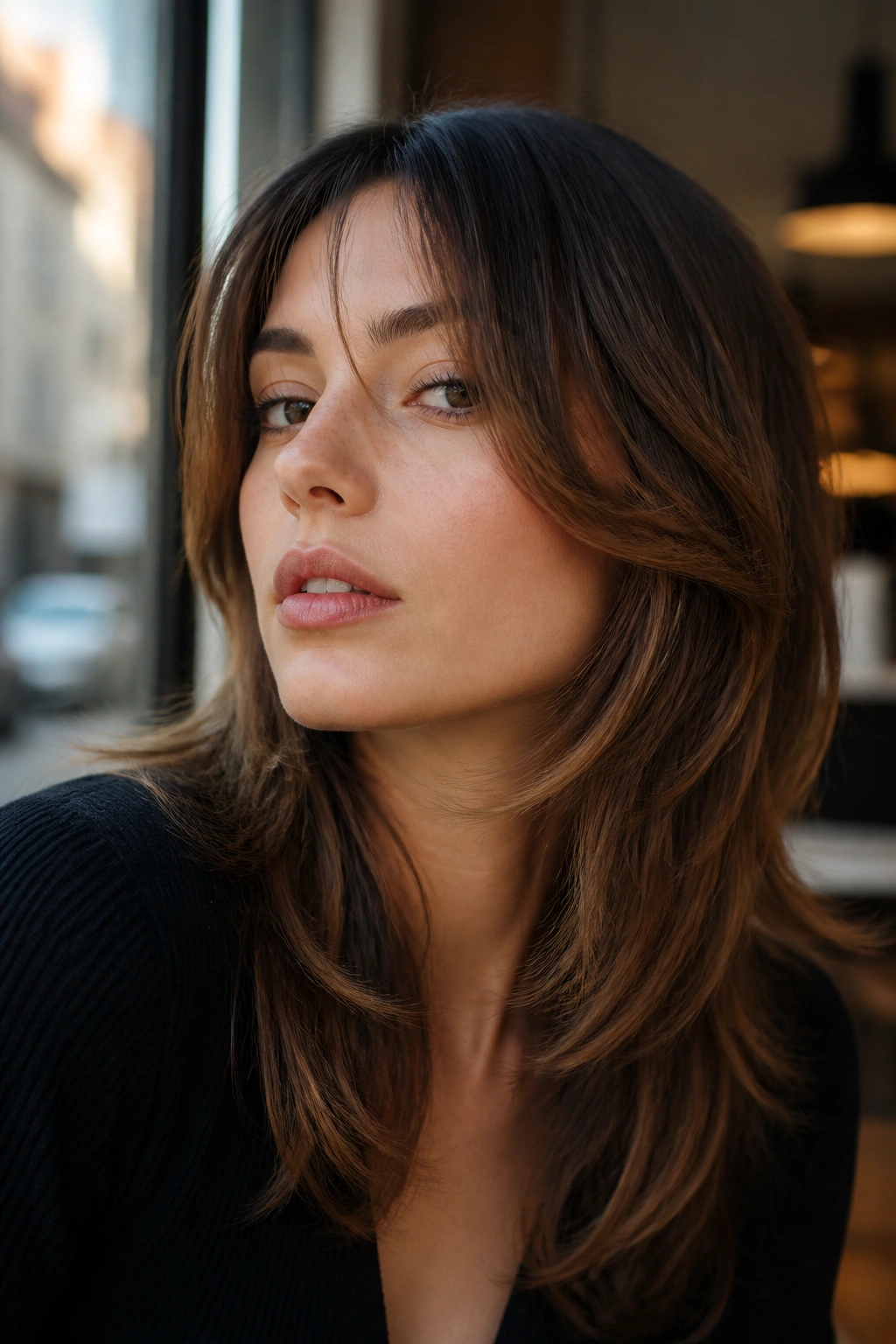
If your face needs a little contour, this is one of the easiest ways to do it with scissors instead of makeup. Layers that start around the jawline sharpen the outline without draining volume from the lengths.
That starting point matters. Jawline layers pull attention to the middle of the face and give the cut a bit of swing when you turn your head. On fine hair, they also keep the shortest pieces from getting too sparse near the temples.
This version works especially well on round and heart-shaped faces, but I’d still call it a safe bet for most people. It doesn’t rely on a heavy fringe. It doesn’t need dramatic styling. It just needs clean layering and a little bend through the front. If you want a shag that looks polished with minimal effort, this is one of the least fussy options on the list.
10. The Airy No-Bang Shag
Not everyone wants bangs. Frankly, I get it.
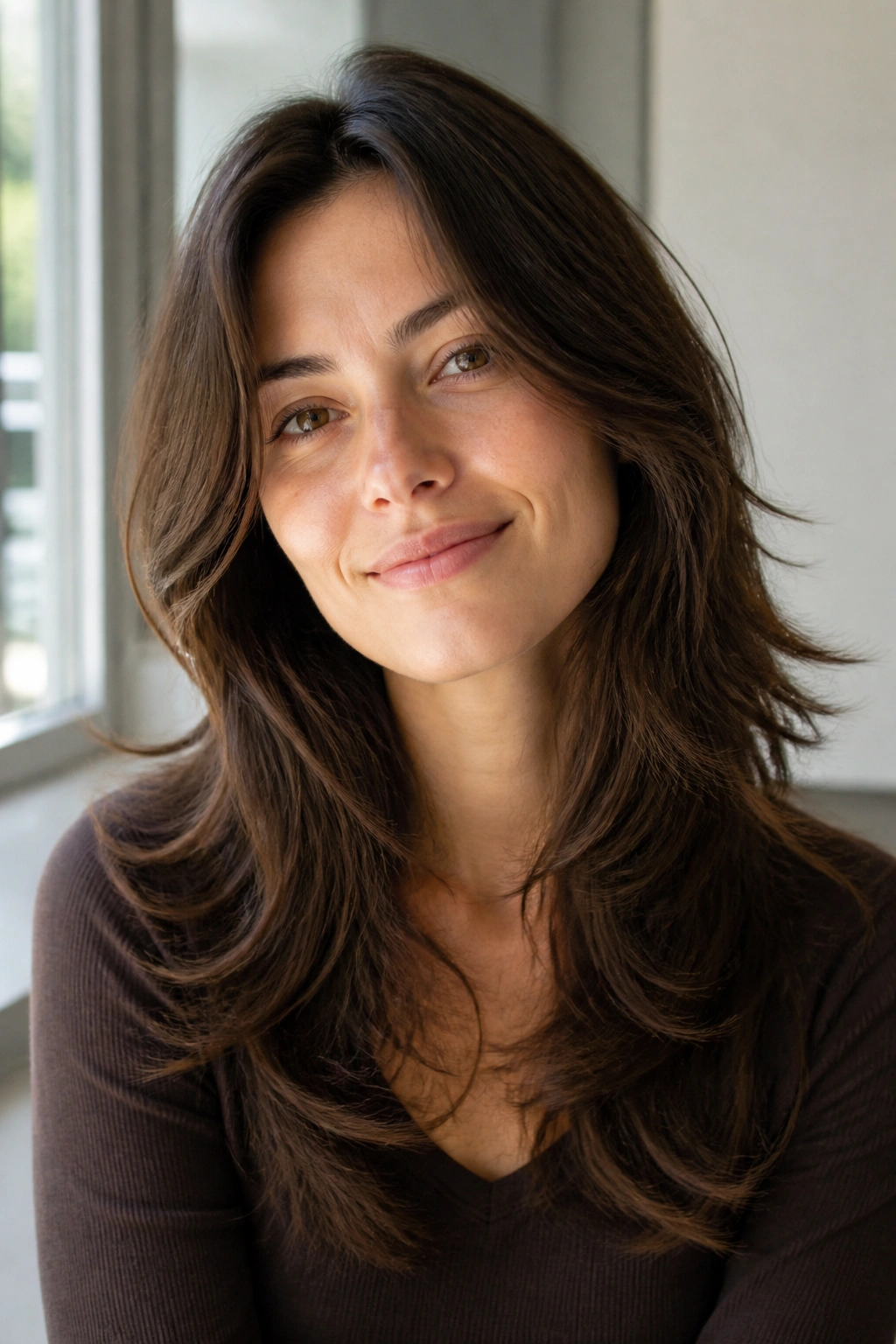
A no-bang shag keeps the front open and lets the layers do all the talking. That can be a relief for fine hair, because bangs sometimes take up too much density from the front and leave the rest of the style looking stretched. Without fringe, the haircut feels lighter on the face and easier to live with between salon visits.
This version depends on movement through the mids and a strong outline at the bottom. It’s a good fit if you wear glasses, like to tuck your hair back, or just do not want to think about bang pieces every morning. It can also make fine hair look longer because there’s no visual break across the forehead.
- Best for low-maintenance styling
- Good if your hairline is cowlick-prone
- Useful when you want the length to stay the main event
- Easier to grow out than most fringe-heavy shags
11. The Bottleneck-Bang Shag
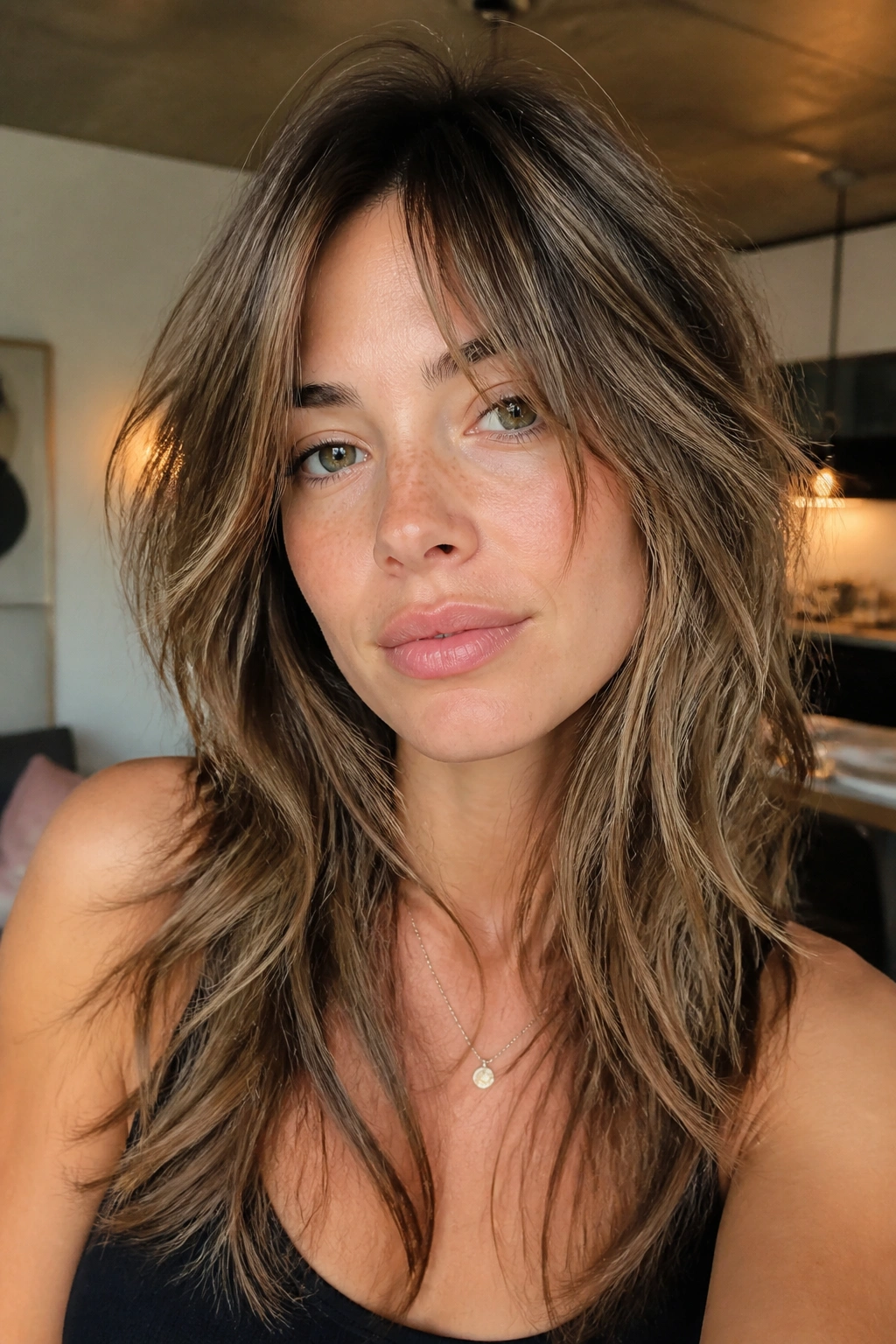
Bottleneck bangs are a little narrower at the center and wider as they move out toward the cheeks. That shape flatters fine hair because it avoids the heavy curtain effect that can split apart too fast.
The center pieces are short enough to open the face, while the sides taper into the rest of the cut. It’s a neat trick. You get the softness of fringe without putting too much hair into the bang zone, which can make the front look bulky or flat depending on how it’s cut.
This shag is a good middle ground if curtain bangs feel too wide and micro bangs feel too severe. It’s also easier to style than people expect. A quick blow-dry with the nozzle pointing downward, then a small round brush at the sides, usually gives the fringe enough shape to behave. Not perfect. Just enough. That’s often the sweet spot.
12. The Rounded Long Shag
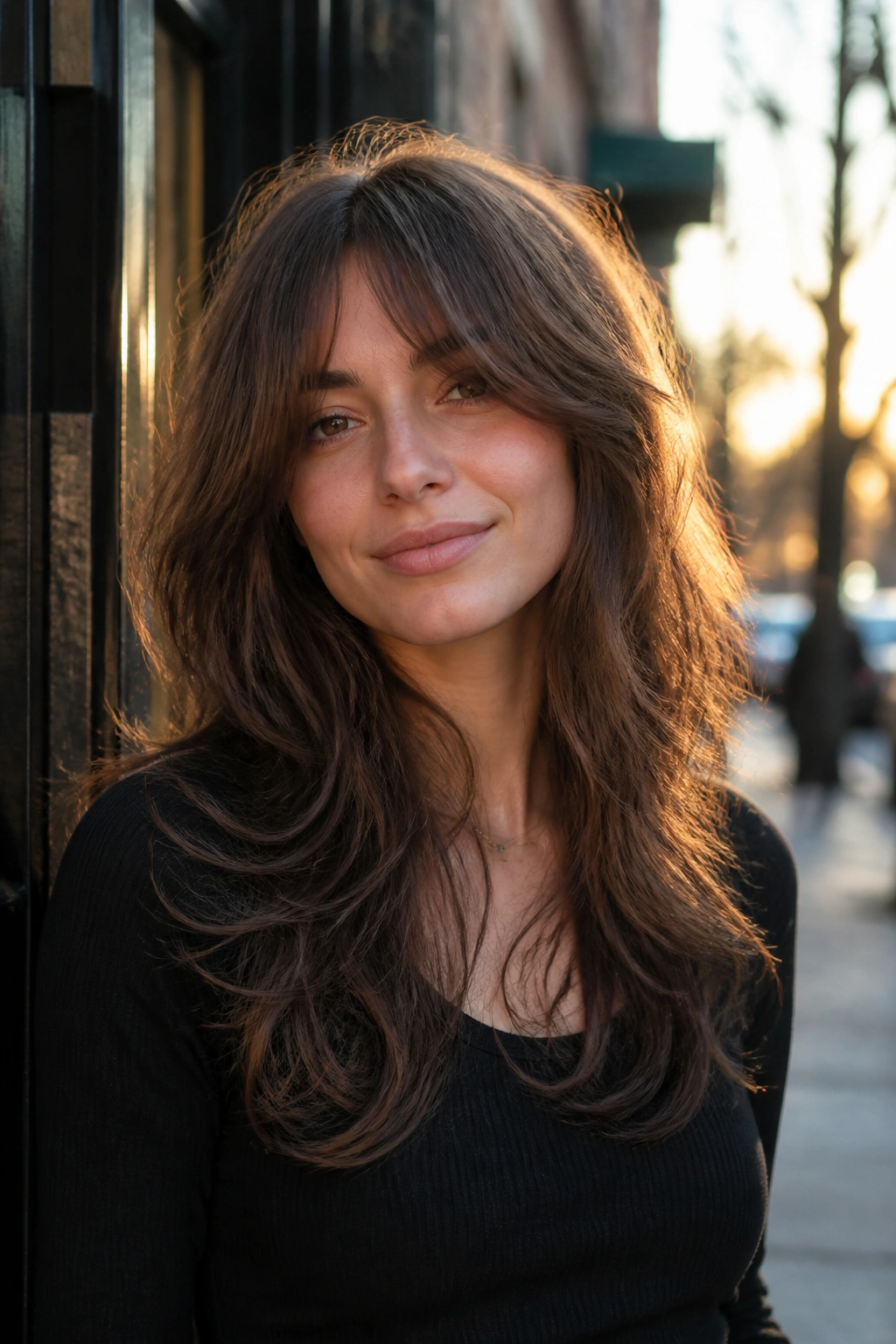
A rounded long shag keeps the silhouette softer than a square cut, and that softness is a gift to fine hair. The curve helps the hair look fuller through the sides, especially if you wear it down over sweaters, collars, or jackets that might otherwise make the ends look thin.
Think of this cut as a long shape with a little architecture built in. The layers are there, but the overall outline stays round rather than chopped. That makes the hair sit with more body around the shoulders.
It’s a favorite of mine for people who want movement without a huge style commitment. The haircut does not rely on a perfect blowout. A smooth air-dry with a bit of bend at the front can still look good. If you want something that feels grown-up rather than edgy, this is a strong choice.
13. The Deep Side-Part Shag
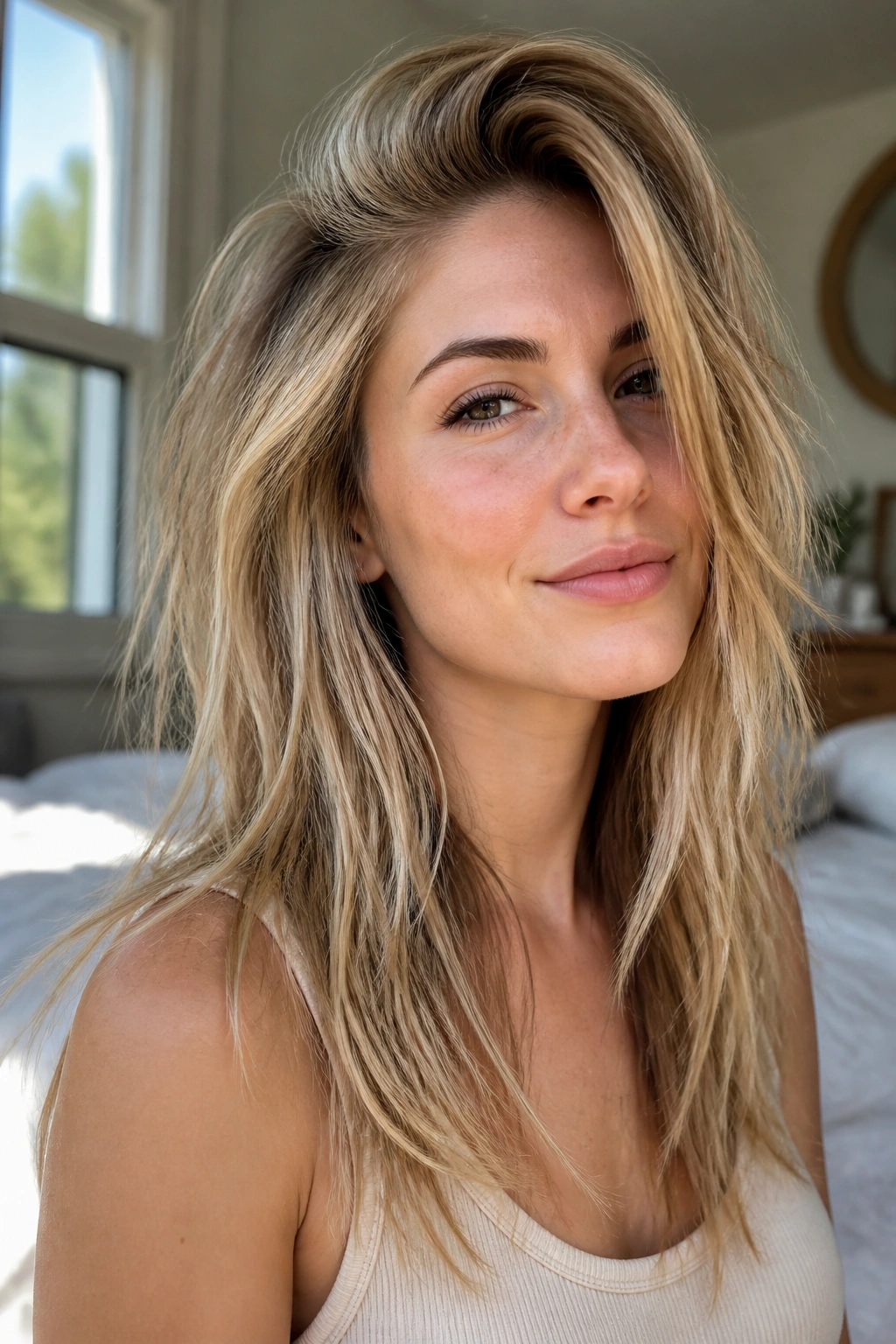
A deep side part can make fine hair look like it suddenly has more roots. That’s not magic. It’s just gravity being pushed in a different direction.
When the hair is split far to one side, the top section lifts at the root and the longer side falls with more body. On a shag, that added lift makes the layers visible in a better way. The cut reads fuller because the front isn’t collapsing straight down the middle.
This is the version to try if your hair is stubbornly flat at the crown. A side part paired with long layers and a soft fringe can rescue a haircut that would otherwise sit close to the head. Use a bit of root spray on the heavier side, then rough-dry the front up and over. Don’t overthink it. The point is asymmetry, not precision.
14. The Feathered Mid-Back Shag

Feathering gets a bad reputation when it turns into over-thinned ends, but a properly feathered shag is a different beast. The ends move, the layers blend, and the whole cut keeps a bit of softness around the shoulders.
What to ask for
Tell your stylist you want feathered movement, not shredded ends. That wording matters more than people think. Ask for long layers that start around the lip or chin, then taper gradually as they move down the length. The perimeter should stay thick enough to look deliberate from the back.
This cut shines on medium-density fine hair that needs shape more than bulk removal. It looks especially good with a slight bend from mid-length to ends, because the feathering catches the movement in a subtle way. If you like hair that swings when you walk, this is a good lane to stay in.
15. The Wavy Air-Dry Shag
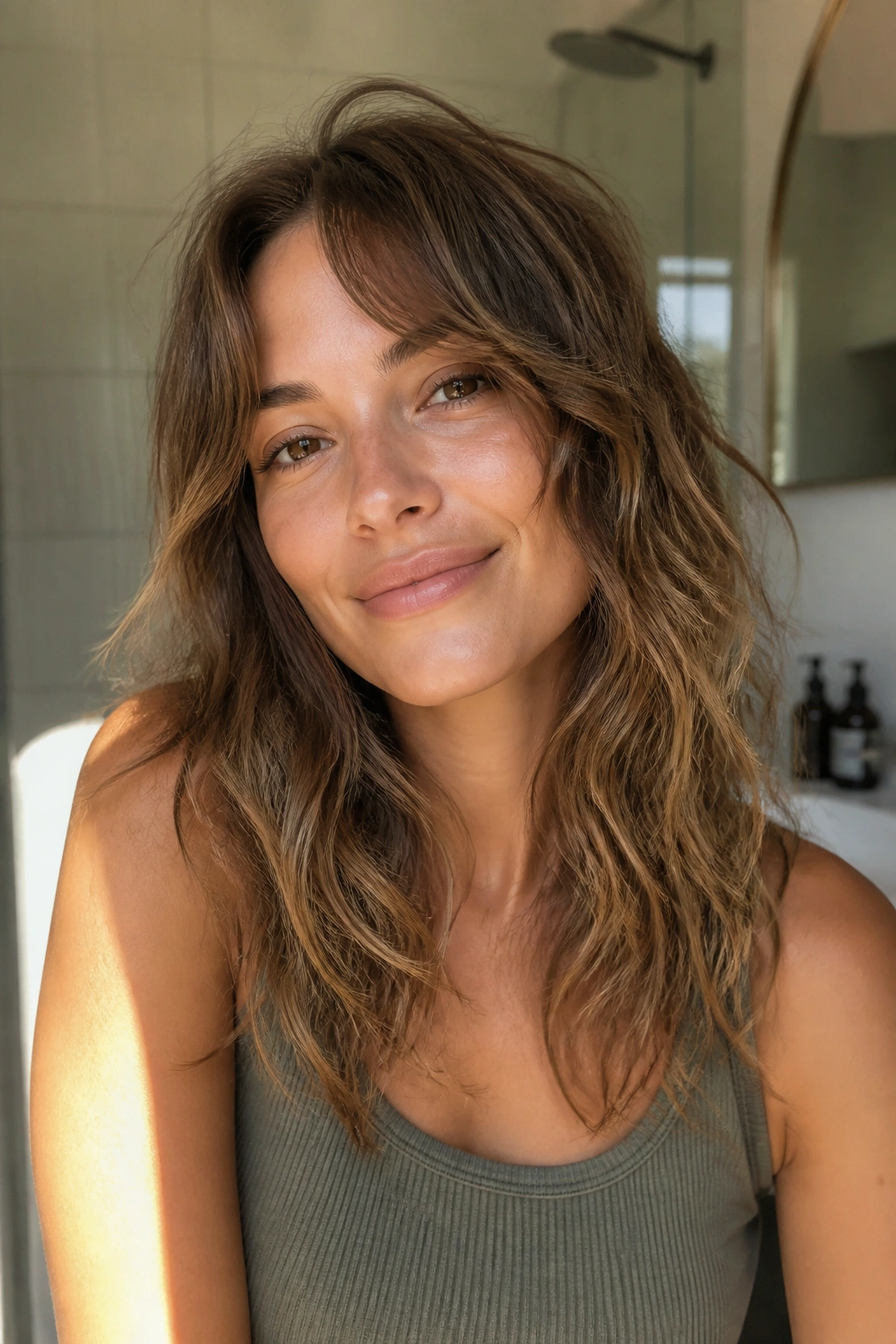
Some shags are made for a blowout. This one is made for a towel, a little product, and a decent understanding of your natural wave pattern.
The wavy air-dry shag keeps the layers long enough that they don’t puff into chaos, but short enough to let the wave show up. That balance is what makes it work on fine hair. The cut gives the wave somewhere to live without forcing the ends to hold too much weight.
Use a light curl cream or foam, scrunch from the ends upward, and leave the hair alone while it dries. Seriously. Touching it too much while it’s drying can break up the wave and leave the surface frizzy. If your fine hair tends to bend more in humidity than in dry air, this cut can still be useful — you just have to accept that it will look a little different on different days. That’s fine.
16. The Straight-Hair Polished Shag
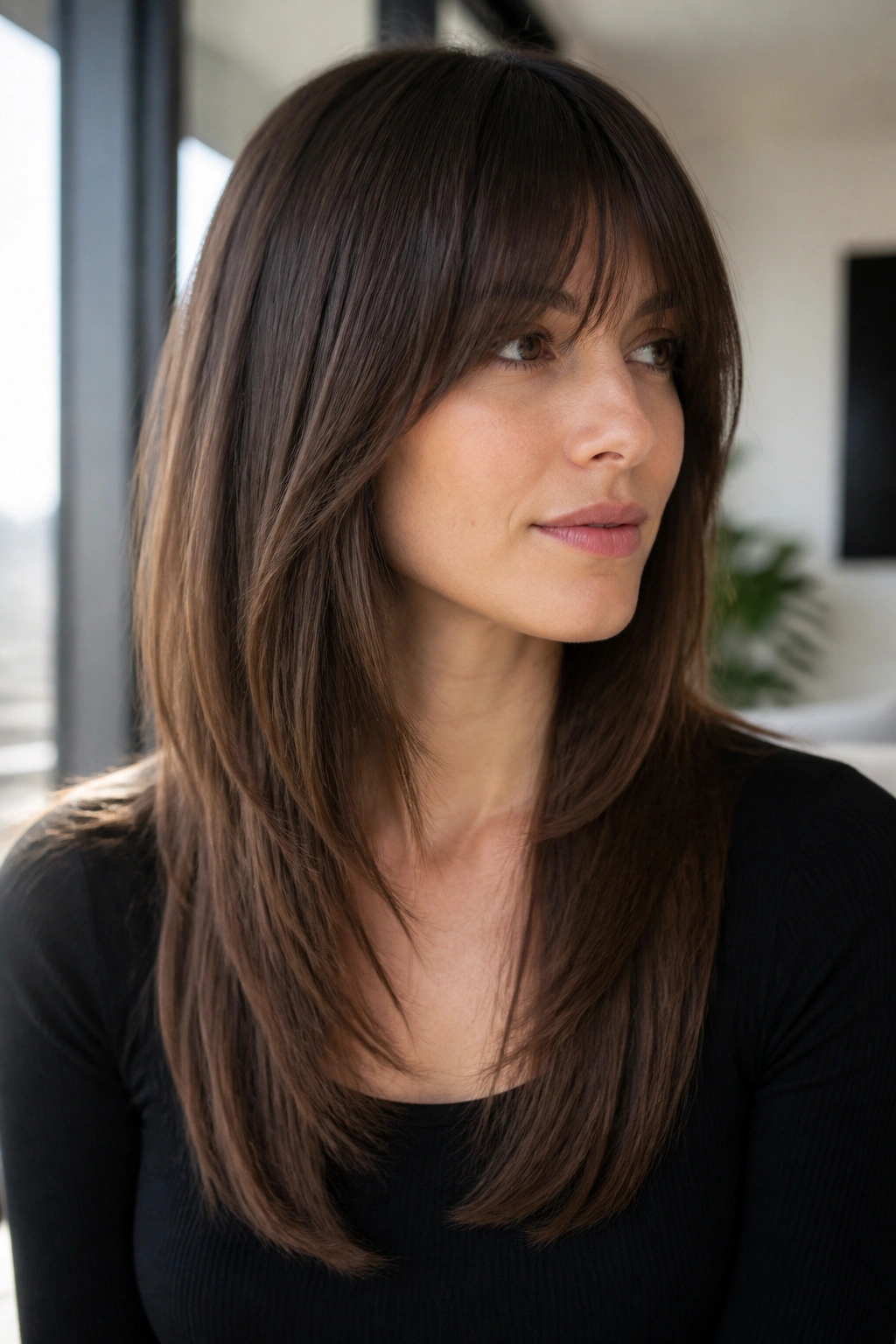
Straight fine hair can look gorgeous in a shag, but it needs a gentler hand than wavy hair. The shape should be smoother, with longer layers and a more controlled fringe so the haircut doesn’t fall apart into flyaways.
This version keeps the perimeter clean and lets the movement come from the inside. That makes the hair appear denser than a heavily razored cut would. It also means the style can be worn sleek without looking boring. A quick bend at the ends and a little root lift are often enough.
If your hair lies flat no matter what you do, this is the shag to consider. It doesn’t depend on big texture. It depends on line. And line is what gives straight fine hair its best shot at looking full.
17. The Choppy Fringe Shag
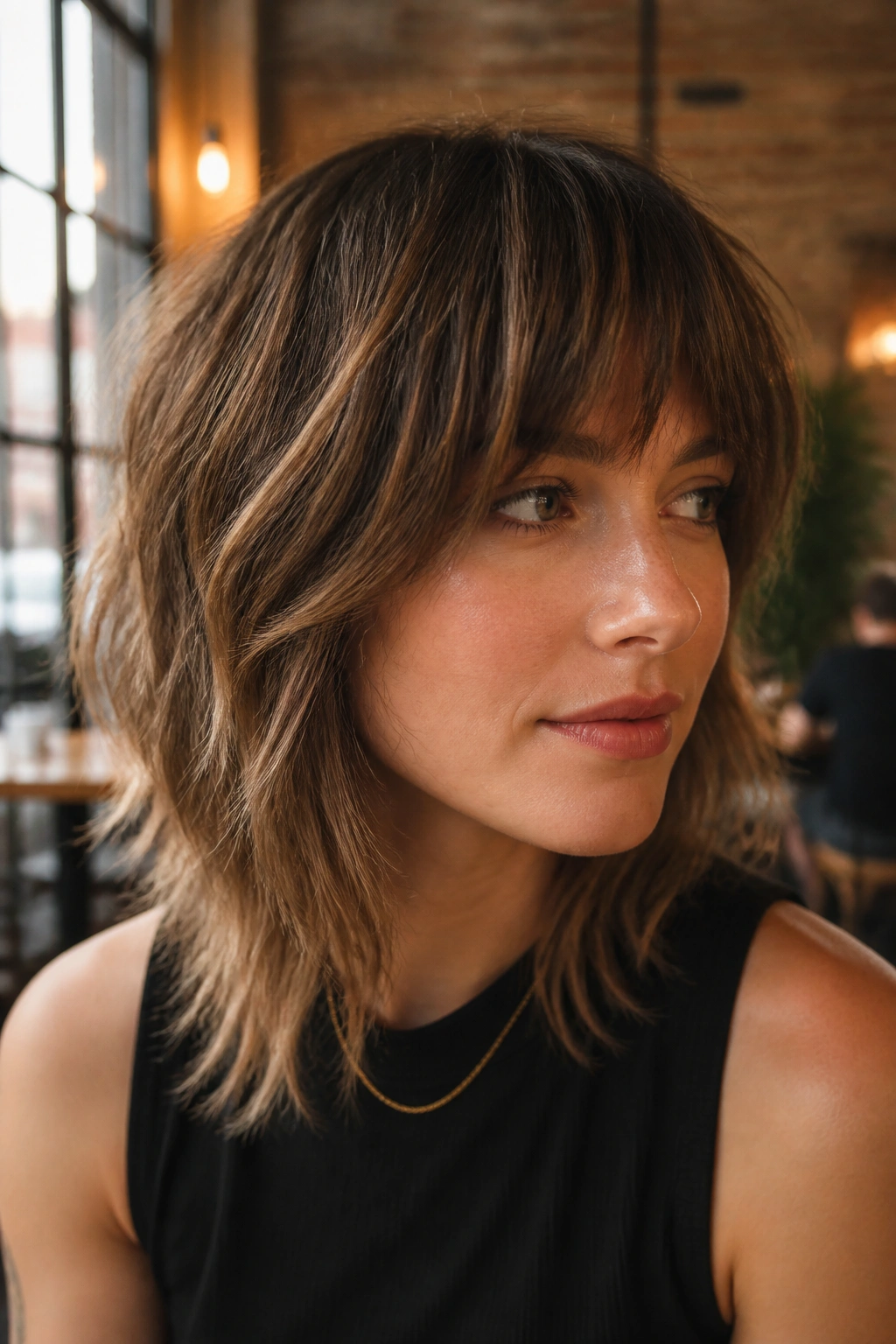
A choppy fringe gives the cut some attitude right away. The front looks broken up, a little piecey, and less precious than a soft curtain bang.
That can be useful on fine hair, as long as the fringe isn’t cut so short that it eats the front density. Keep the pieces soft enough to merge into the side layers. You want texture, not a row of tiny bangs that feel separate from the rest of the hair.
This one suits people who like their haircut to have personality. It’s less polished than the rounded shag and less sweet than curtain bangs. It also pairs well with a matte styling paste used sparingly on the fringe only. A pea-sized amount is enough. More than that, and the hair starts to clump in a way that looks heavy instead of piecey.
18. The U-Shape Shag
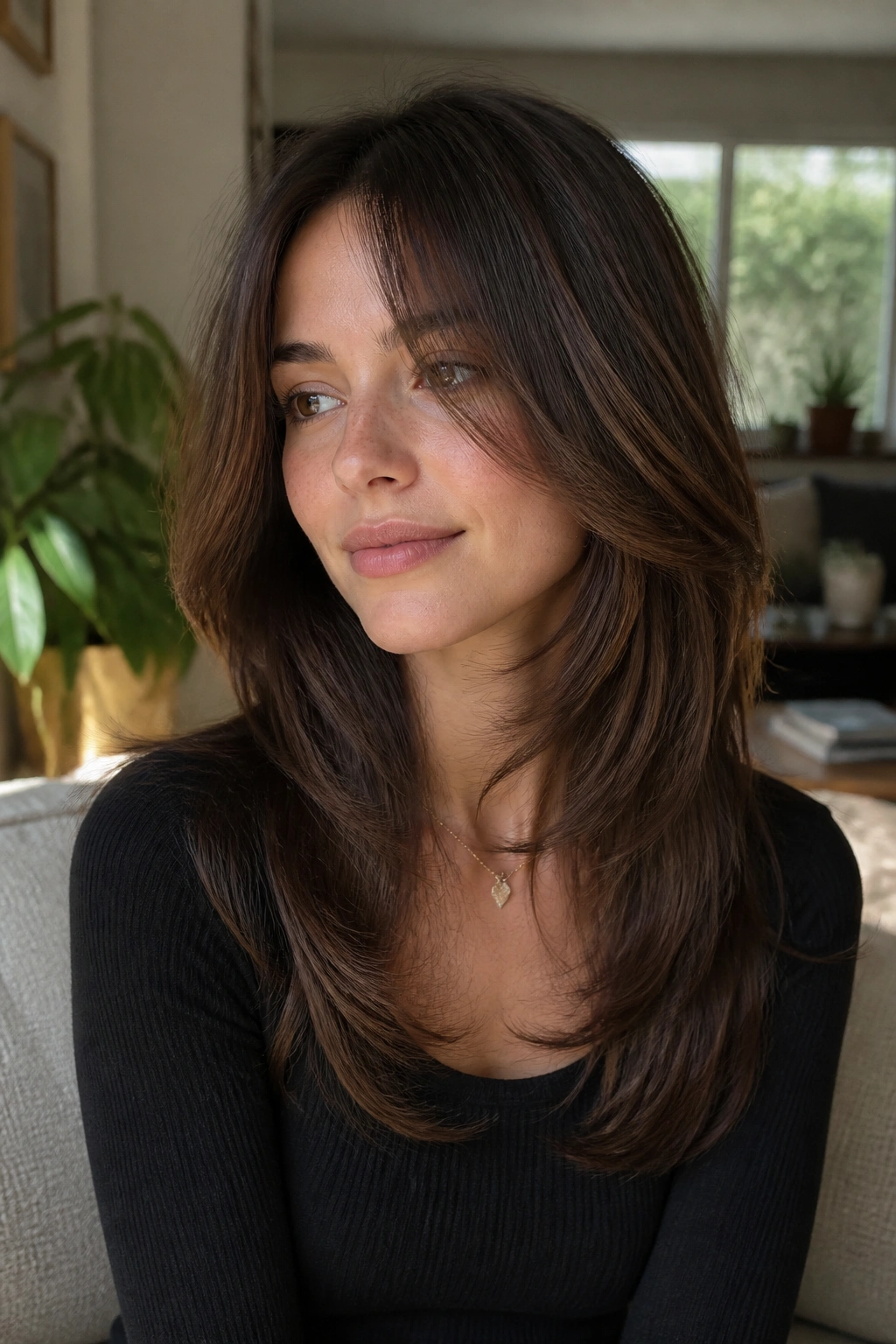
A U-shaped perimeter is one of the easiest ways to keep fine hair looking full from the back. The center stays a little longer, the sides softly rise, and the overall shape avoids that blunt shelf effect that can make a shag feel too boxy.
The layers sit on top of that U and add movement without stealing the fullness from the hemline. That’s the whole point. Fine hair usually needs help at the bottom more than people realize. A stronger base line makes the entire haircut look healthier.
This cut is especially nice if you wear low ponytails or half-up styles, because the shape still reads well when the hair is tied back. You’re not left with a wispy tail and a lot of regret. Small mercy, big difference.
19. The Internal-Layer Shag
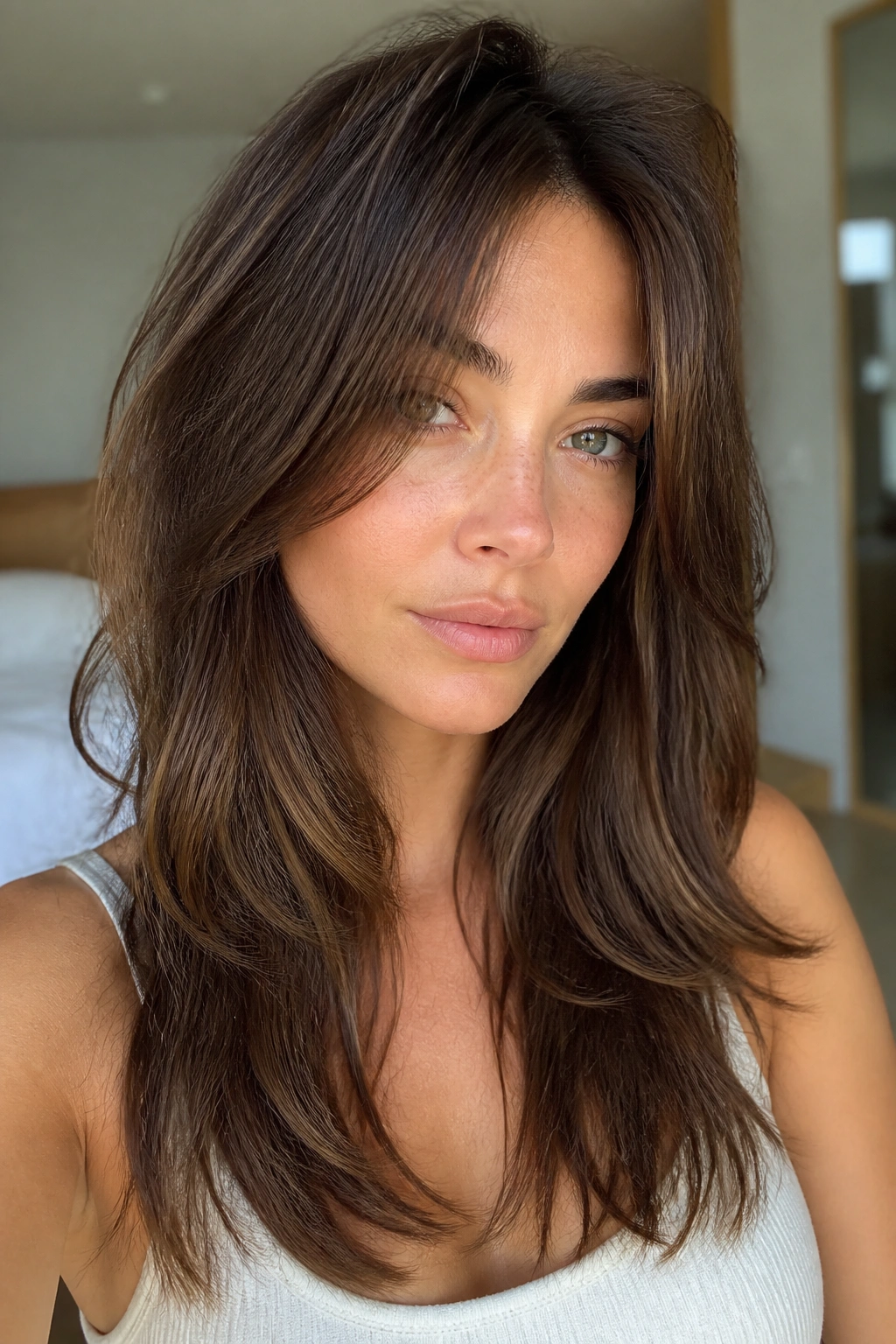
This is the quietest shag on the list, and that’s not a bad thing. Internal layers do their work under the surface, so the outside keeps a smooth outline while the inside gets movement and bend.
For fine hair, that can be the smartest move in the room. The hair still feels light when you lift it, but it doesn’t lose the visual thickness that comes from a solid outer line. If you’ve ever had a cut that looked great for two days and then seemed to disappear, this is the opposite of that problem.
Why this is often the smartest cut
Because it protects the edges. That’s the piece most people miss. When the perimeter stays strong, the whole haircut reads thicker, even if the interior has lots of layers. Ask for long internal layers, soft face-framing pieces, and a clean bottom line. It’s elegant without trying to be.
20. The Long Shag With Piecey Ends
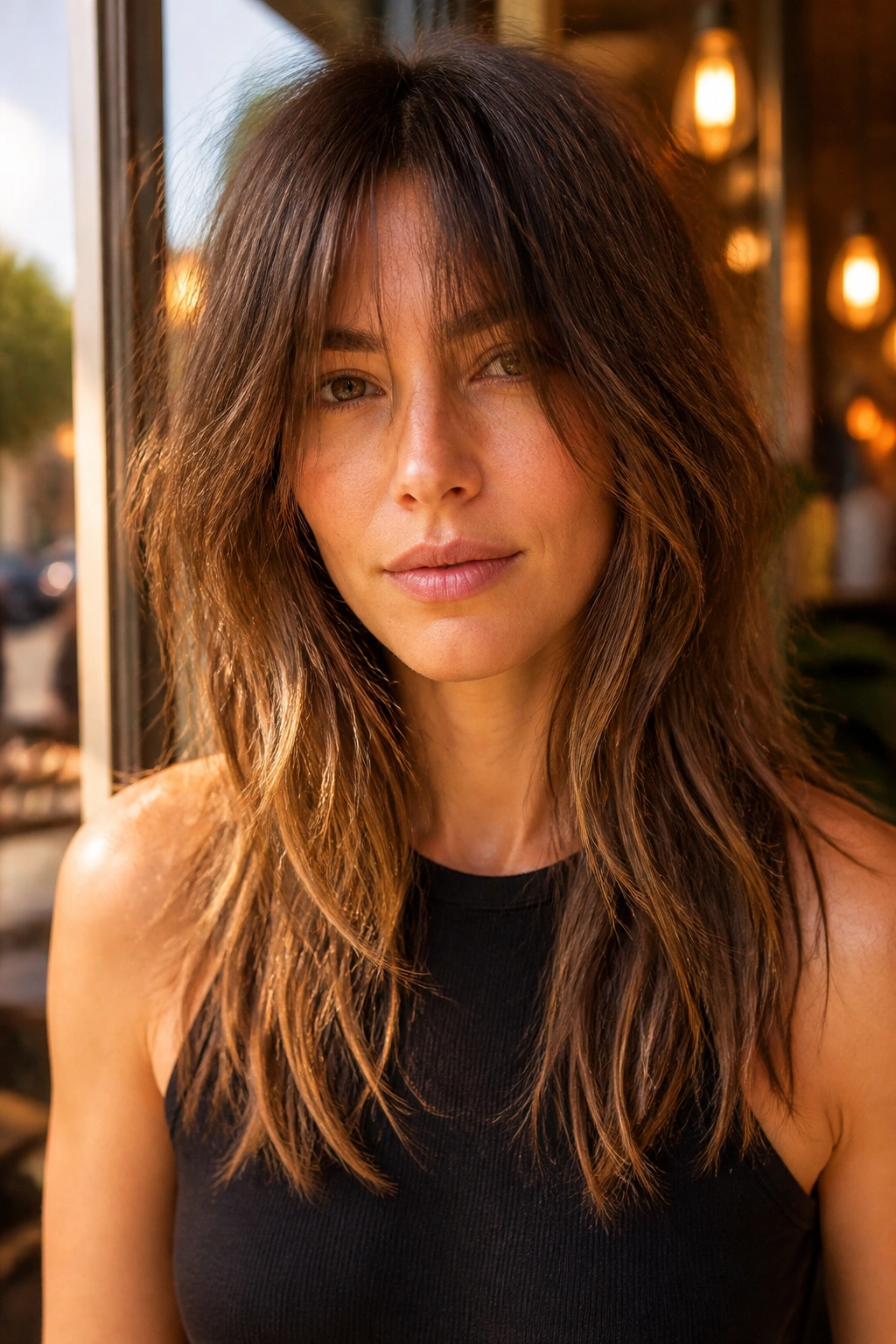
Piecey ends sound casual, but the difference between good pieceiness and plain frizz is the amount of separation. You want distinct little ribbons of hair, not dry-looking ends that split into nothing.
This cut works well if you like a lived-in look and don’t mind a bit of styling. A light mousse through damp hair, followed by a small amount of texture spray once it’s dry, usually gives enough separation to show the layers without wrecking the shape. Heavy oil is the wrong move here. It tends to collapse the airy bits and make the cut look greasy by afternoon.
This shag is not the best choice for someone who wants a sleek, glassy finish. It’s for people who want movement to stay visible. If that’s you, the piecey-end version has a nice balance of edge and softness.
- Best with shoulder-grazing to mid-back length
- Works well with scrunched waves
- Needs light product, not a heavy cream
- Benefits from trims every 8 to 10 weeks
21. The Soft Tapered Shag
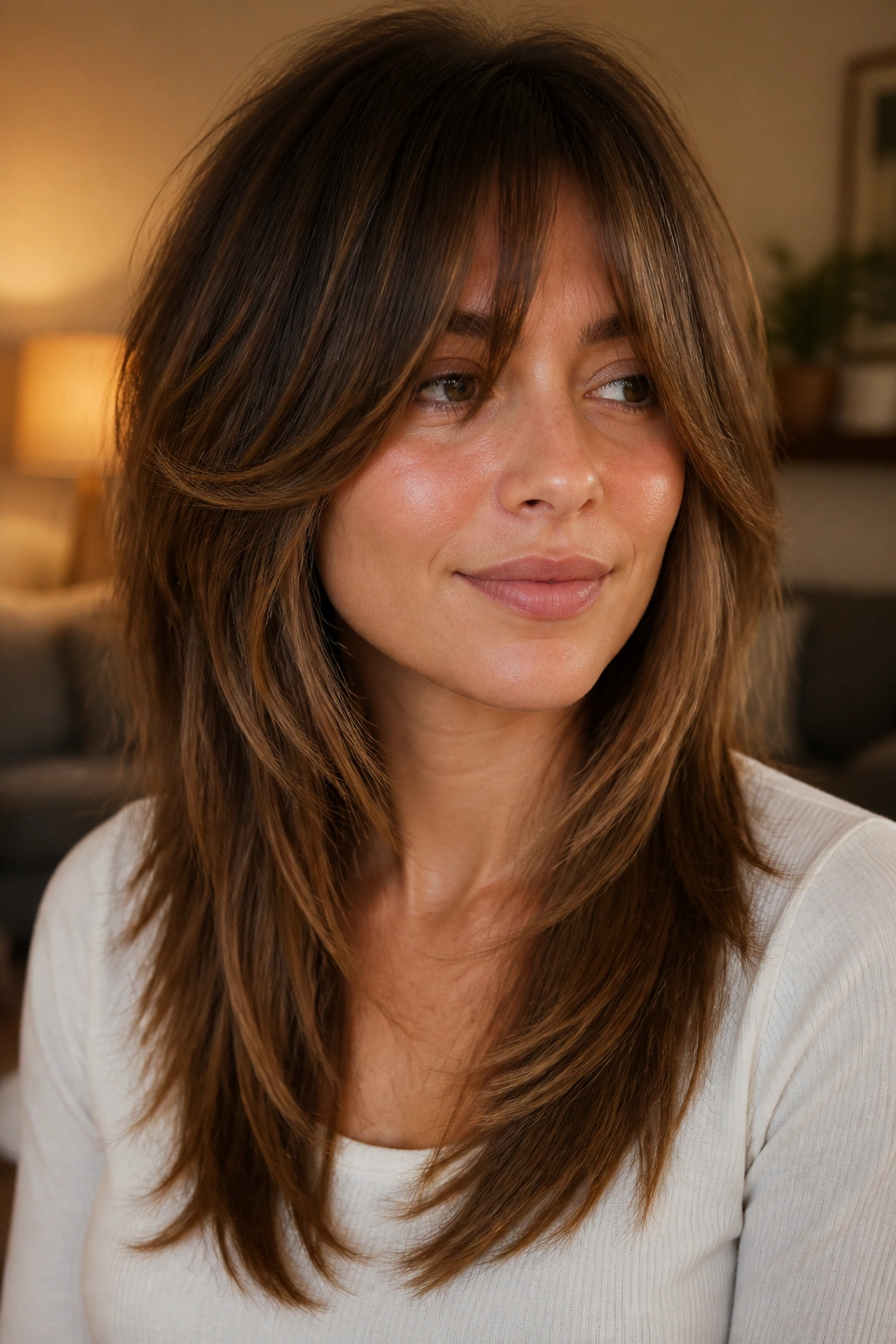
A soft taper at the ends keeps the haircut from feeling jagged. The hair narrows gradually, almost like the hem of a well-cut skirt, so the shape feels finished even when the layers are loose.
This is a strong option for fine hair that frays at the bottom faster than you’d like. Instead of relying on choppy texture to create interest, the cut uses shape. That means less dependence on styling and less chance of the ends looking ragged after a few washes.
The tapered shag also grows out gracefully. That matters more than people admit. A lot of cuts look good right after the salon but turn awkward in three weeks. This one usually keeps its line longer, which buys you time between trims. If your life is busy and your hair routine is short, that kind of mercy is worth taking.
22. The Low-Maintenance Grow-Out Shag
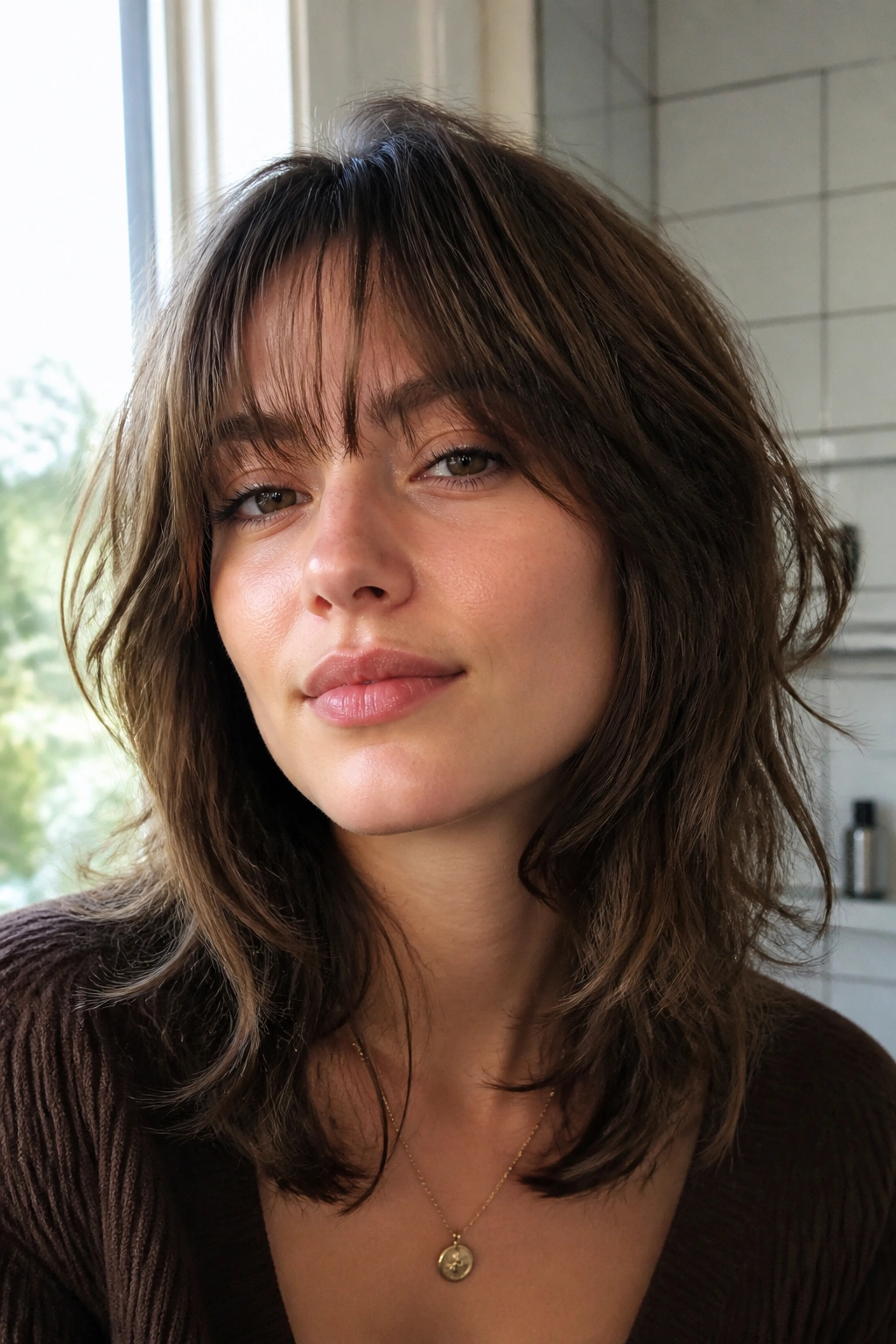
Some haircuts are made for people who enjoy styling. This one is made for people who would rather not fuss with their hair every morning.
The low-maintenance grow-out shag keeps long layers, a strong perimeter, and either a soft fringe or no fringe at all. Nothing is so short that it creates a weird grow-out stage in a week. Nothing is so heavy that the crown goes flat immediately. That middle ground is what makes it dependable.
If you’re unsure which shag to choose, start here. Ask for the longest version your stylist can shape well, with layers that begin around the collarbone or jaw and a bottom line that stays thick. Then style it with a little root lift and call it done. The point is to make fine hair look intentional on ordinary days, not only after a long salon session. That’s the haircut I’d trust first.
