



An undercut can look sharp in two minutes or awkward for three weeks. The difference is usually proportions, not bravery.
The best undercut styles for men all do the same basic thing: keep the sides short, leave real length on top, and decide how hard you want the contrast to hit. A #1 on the sides feels clean. A skin fade feels louder. A disconnected cut feels even sharper, almost architectural.
People get tripped up when they treat the undercut like one haircut instead of a family of cuts. It’s not one mood. It can be office-safe, streetwear, curly, polished, messy, old-school, or a little rebellious if that’s the lane you want.
Pick the wrong version and the whole thing looks off. Pick the right one and your face gets cleaner lines, your hair sits better, and mornings get easier. These 20 styles cover the versions I keep coming back to because they work in real life, not just in barbershop photos.
1. Classic Side-Part Undercut
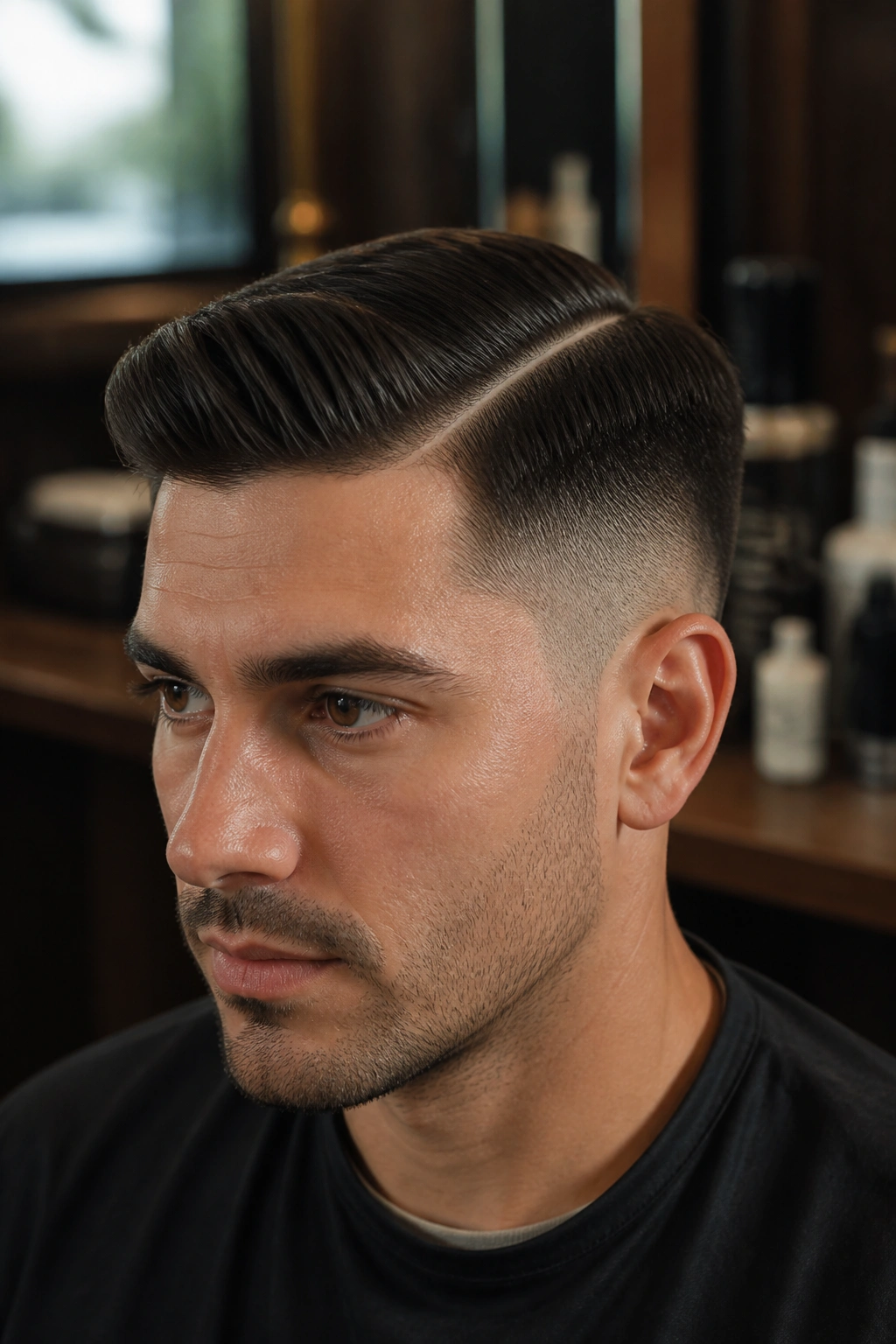
The classic side-part undercut is the cut most people picture when they hear “undercut,” and for good reason. It’s tidy, readable, and easy to wear without looking like you spent an hour in front of a mirror.
What makes it work is the contrast: short sides, longer top, and a clean part that gives the whole cut direction. Keep the top around 3 to 5 inches if you want enough length to comb over without drooping. A medium-hold pomade or cream keeps the shape in place without turning it helmet-stiff.
What to tell your barber
Ask for tapered or clipped sides with a clear separation from the top. If your hair is thick, leave a little extra weight near the crown so the part doesn’t split open and collapse. Thin hair can use a slightly shorter top to avoid that floppy look.
This is one of those cuts that rewards clean edges. A neat neckline and a sharp temple line do half the work for you. Simple. Clean. Hard to beat.
2. Slicked-Back Undercut
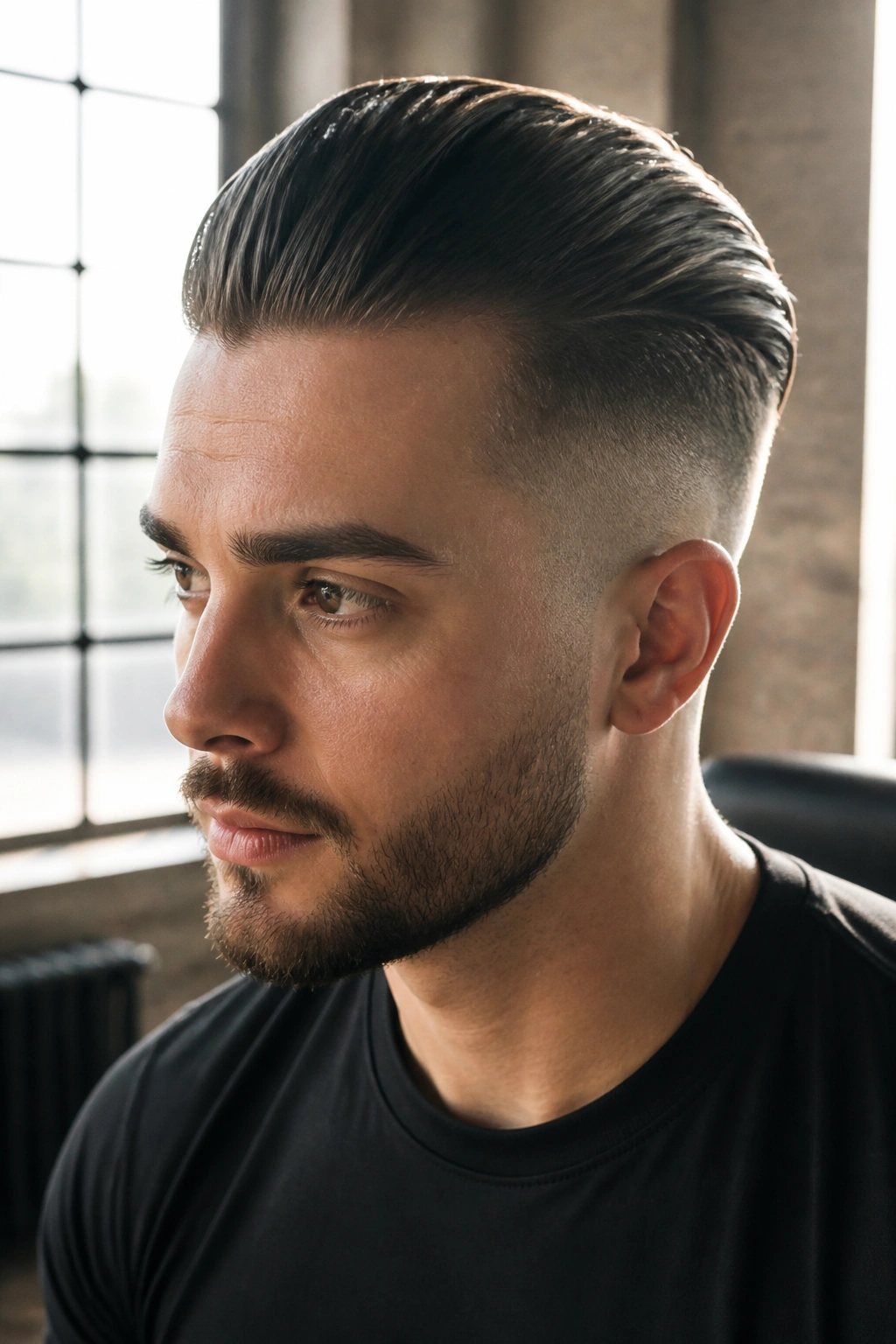
A slicked-back undercut has more attitude than the side-part version. It looks polished, but not shy, and it works especially well if you like a bit of shine in your hair.
The trick is control. You want enough length on top—usually 4 to 6 inches—to sweep everything straight back without tiny pieces falling forward. Blow-dry the top backward with a vent brush if your hair has any stubborn bend to it. Then work in a medium- or high-shine pomade, starting at the roots so the shape lasts through the day.
How to keep it from looking greasy
Use less product than you think. Seriously.
A quarter-sized scoop is often plenty unless your hair is very dense or coarse. The cut should look slick, not wet in the way gym hair gets when someone overdoes it. If you want a more modern finish, swap heavy pomade for a styling cream or a light gel-cream. You’ll lose some shine, but the haircut will feel softer and less old-school.
3. Disconnected Undercut
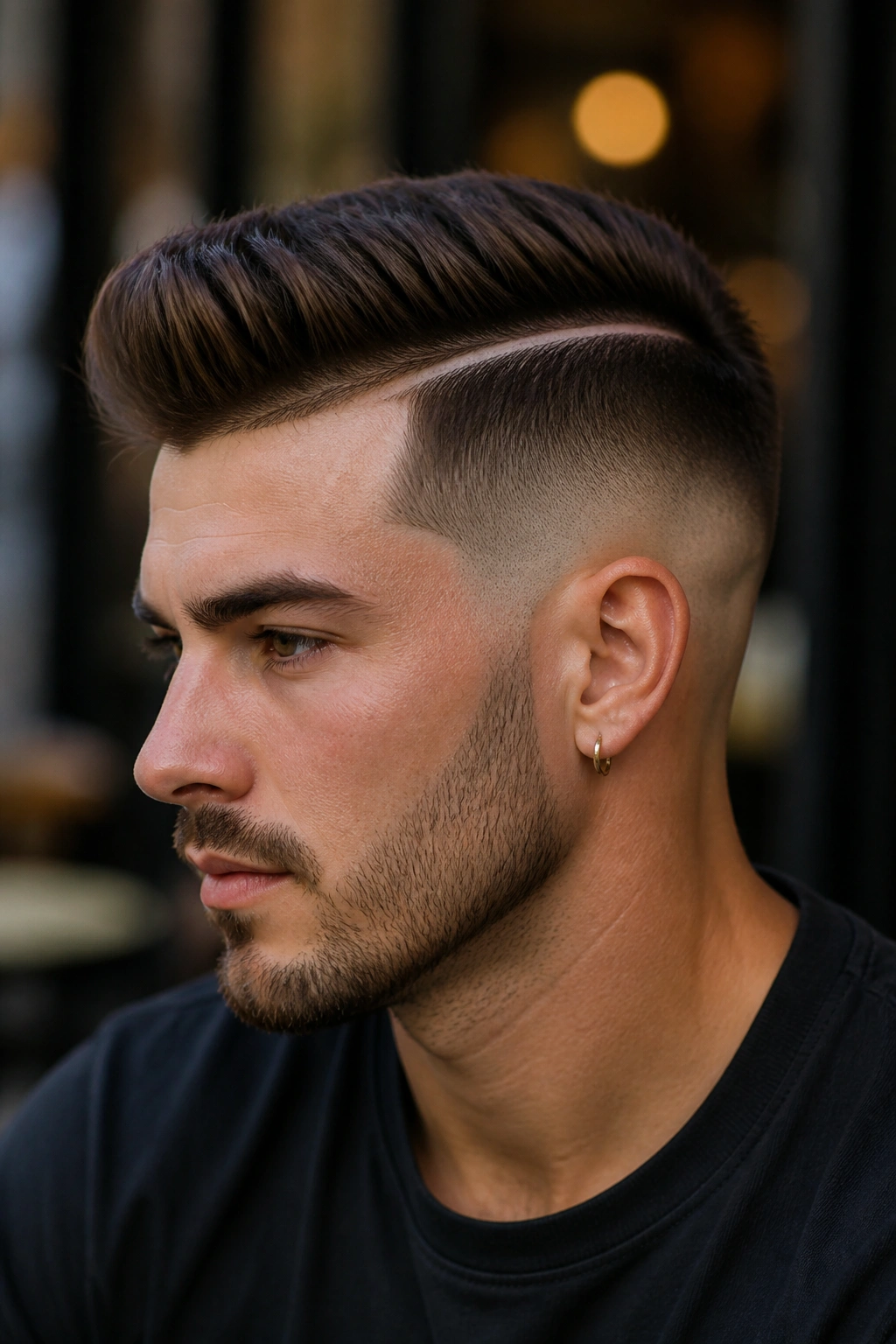
The disconnected undercut is the blunt one in the group. No soft fade. No gentle blend. Just a hard break between the short sides and the longer top.
That sharp seam is the whole point. It makes the haircut look deliberate, and it can make even simple styling feel more dramatic. A disconnected undercut is especially good if your hair is thick, because the top can sit with weight while the sides stay tight and clean.
Why it stands out
The line between the top and sides is what gives this cut its punch. If the barber fades too much into the top, the style loses the effect and starts looking like a regular clipper cut with some length on top.
This one asks for confidence. Not because it’s difficult, but because it’s obvious. If you like a haircut that looks precise from across the room, this is the version to ask for. If you prefer soft edges, skip it.
4. Textured Crop Undercut
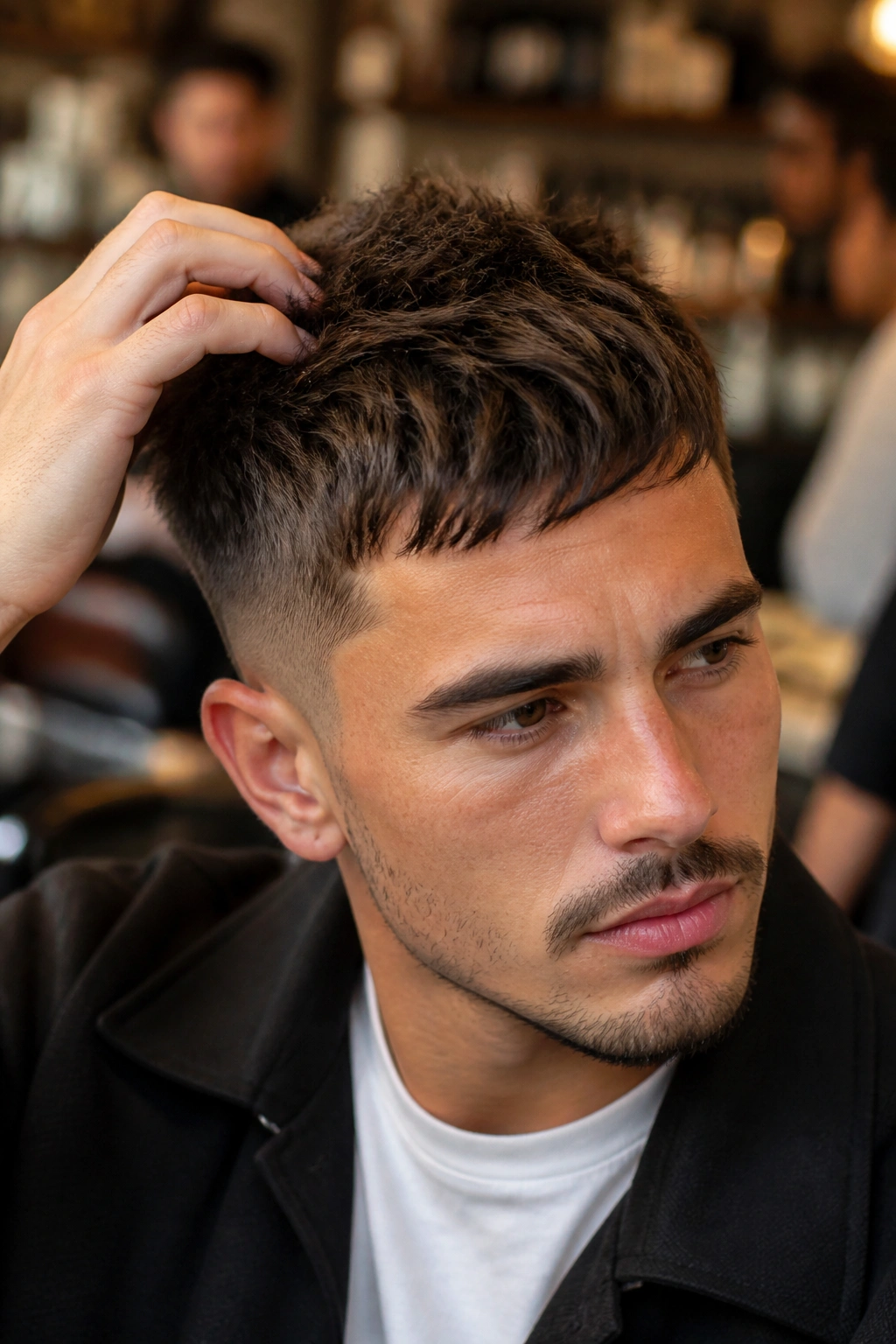
The textured crop undercut is one of the easiest styles to wear if your hair tends to sit heavy or flat. It keeps the sides tight, then leaves the top choppy and broken up rather than neat and combed.
That rough texture matters. It takes pressure off the style, so you can get away with less styling time in the morning. A matte clay or texture paste works best here, because shine fights the point of the cut. You want separation in the top, not slickness.
What it suits best
This style is especially good for straight hair that needs shape, or thick hair that refuses to lie down politely. The top usually sits around 1.5 to 3 inches, with the front left a touch longer if you want the fringe to show more.
A lot of guys make this cut too tidy. That ruins it. Ask the barber for point cutting or choppy texture on top, then use your fingers instead of a comb when you style it. If it looks a little imperfect, that’s the right direction.
5. Pompadour Undercut
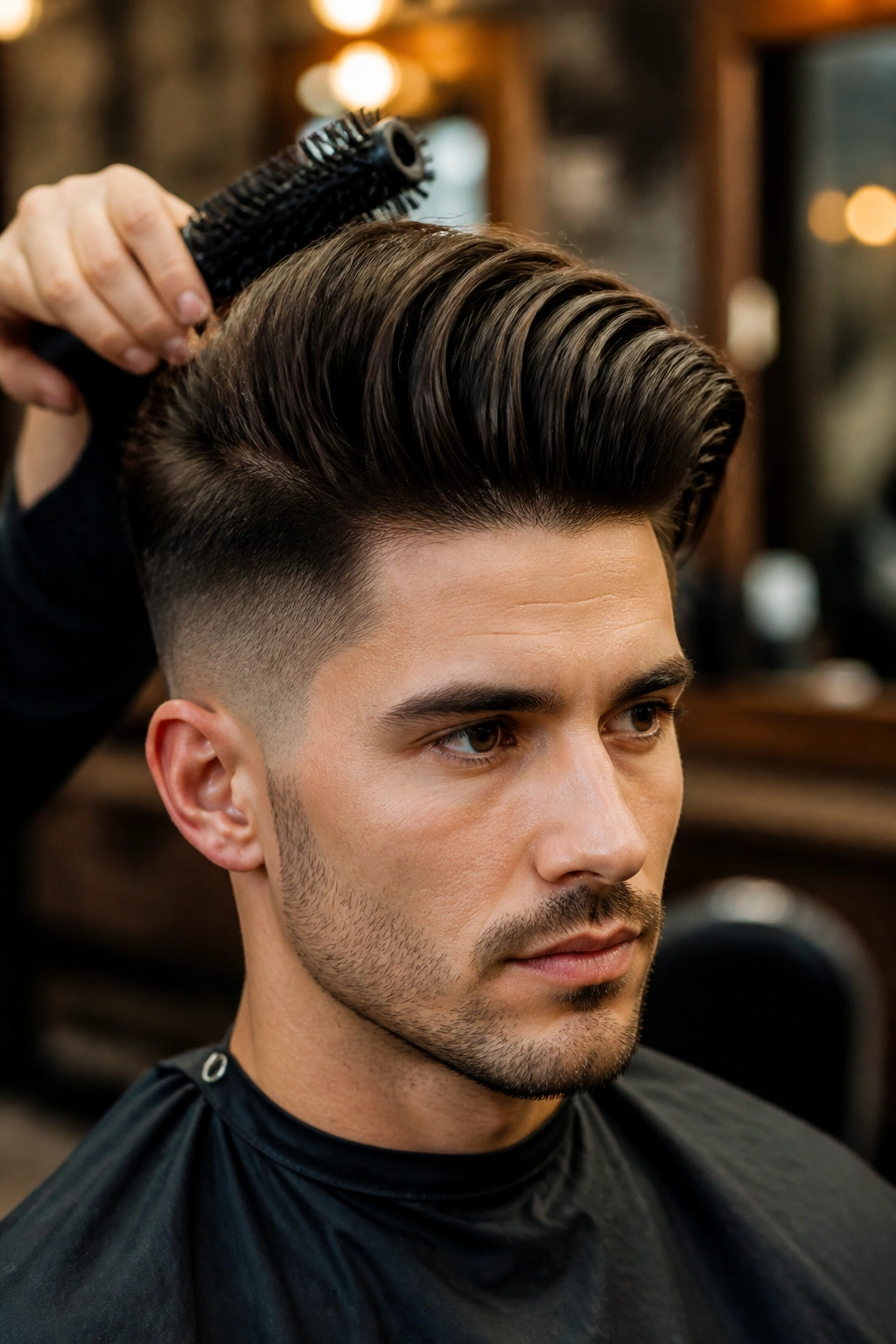
A pompadour undercut is for men who like height. Big height. The front lifts up and back, while the sides stay clipped short so the shape has room to breathe.
It’s a strong look, but it needs the right amount of hair. Plan on 4 to 7 inches on top if you want real lift, not a shallow bump. Blow-drying is not optional here unless your hair already has a good natural bend. Use a round brush or vent brush, push the front up and back, then lock it in with a product that can hold the shape.
How to wear it without making it look stiff
A pompadour can slide into costume territory fast. The fix is texture. Leave a little movement at the top instead of sanding every strand into place. A matte pomade gives a drier, more relaxed finish; a traditional pomade gives a glossier, older-school finish.
This is a good cut if you want your haircut to do some of the talking for you. It does ask for maintenance, though. If you hate styling your hair every morning, this is not the one to bluff your way through.
6. Quiff Undercut
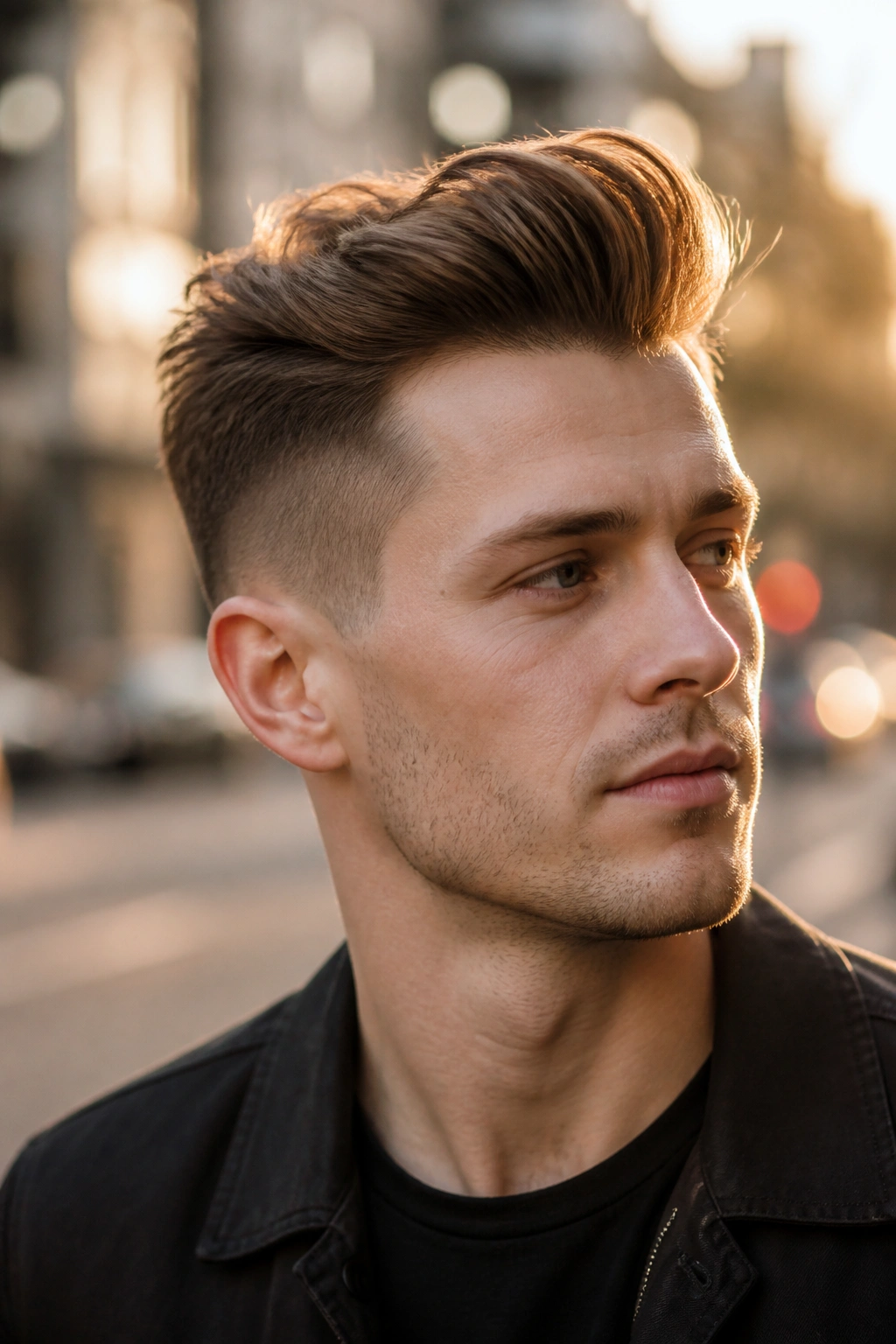
The quiff undercut is the pompadour’s looser cousin. Same basic idea—height at the front, short sides—but the shape feels more casual and less formal.
The front is brushed upward and slightly back, but not pinned down into a neat wave. A quiff likes movement. It also likes a little mess. A blow-dry with a small amount of mousse or sea salt spray can give the front enough grip before you finish with a light clay or paste.
Why it works so well
The quiff adds height without making the haircut feel heavy. That helps if your face is round or soft, since the extra lift can sharpen the outline. It also works on straight and wavy hair better than people expect, because the style benefits from a bit of natural bend.
A quiff undercut doesn’t need to look perfect every single time. A few loose strands make it better, not worse. If the front starts to separate in a natural way, leave it alone and let it live a little.
7. Messy Fringe Undercut
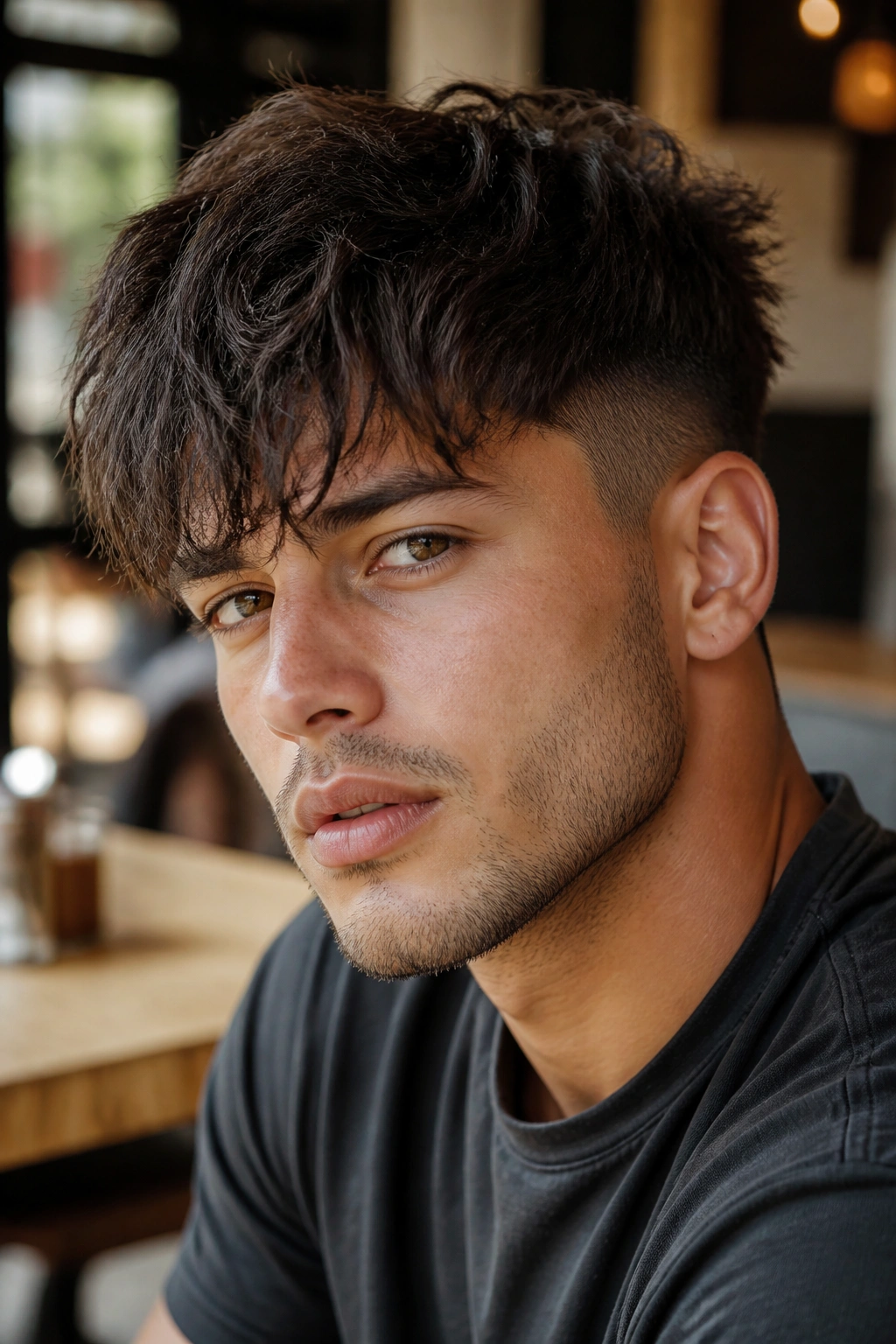
This one is the opposite of fussy. The messy fringe undercut lets the front fall forward instead of sweeping it back, which gives the cut a relaxed, slightly undone feel.
It’s a smart pick if you don’t want to spend a lot of time shaping your hair. A matte cream or light paste keeps the fringe from getting puffy, but the real point is to keep movement in the top. The fringe should look intentional, not like it dropped into your eyes by accident.
Who it flatters
The messy fringe undercut is good for guys with straight to slightly wavy hair, especially if the hair wants to sit forward on its own. It can also soften a strong forehead without hiding the whole face.
Avoid using too much product at the front. That’s the easiest way to kill the texture and turn the fringe into a flat strip. A quick finger-style is usually enough. If the front looks a little uneven, that’s part of the charm.
8. Curly Undercut
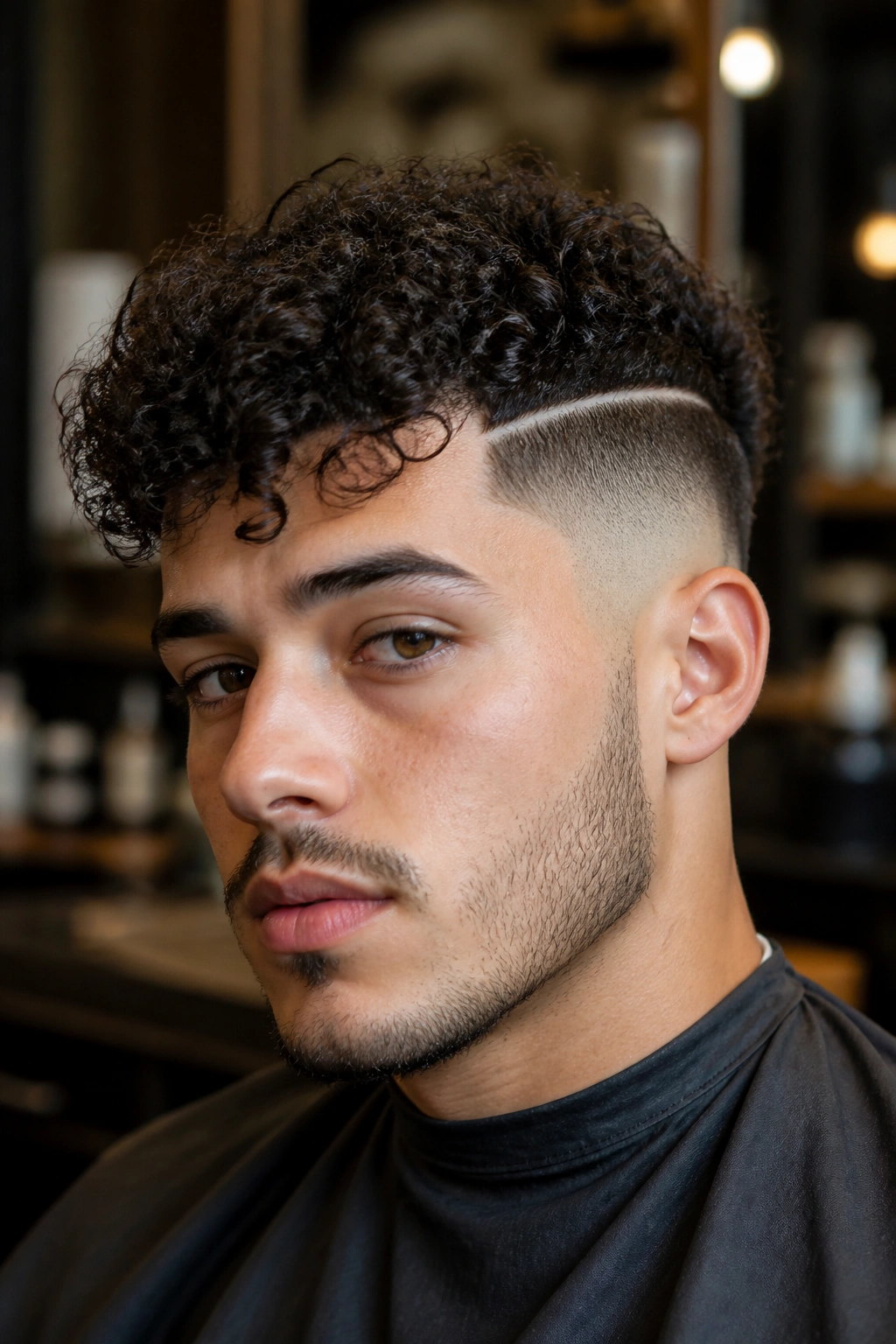
A curly undercut is one of the best ways to make curls look intentional instead of wild. The sides stay short and neat, while the top keeps enough length for the curl pattern to show.
The big mistake here is cutting the top too short. Curls shrink. A lot. If you want the shape to read well, leave enough length for the curl to spring up naturally. A curl cream or light gel works better than heavy wax, because curls need moisture and definition more than hold.
What makes it different
Curly hair brings its own shape, which means the undercut should support the curl, not fight it. A clean side line makes the curl mass on top look fuller. That contrast can be excellent.
This cut also holds up well on days when you do less. If the curls are healthy and the sides are fresh, the haircut still looks considered even with minimal styling. That’s the appeal. Not perfection. Structure.
9. Wavy Undercut
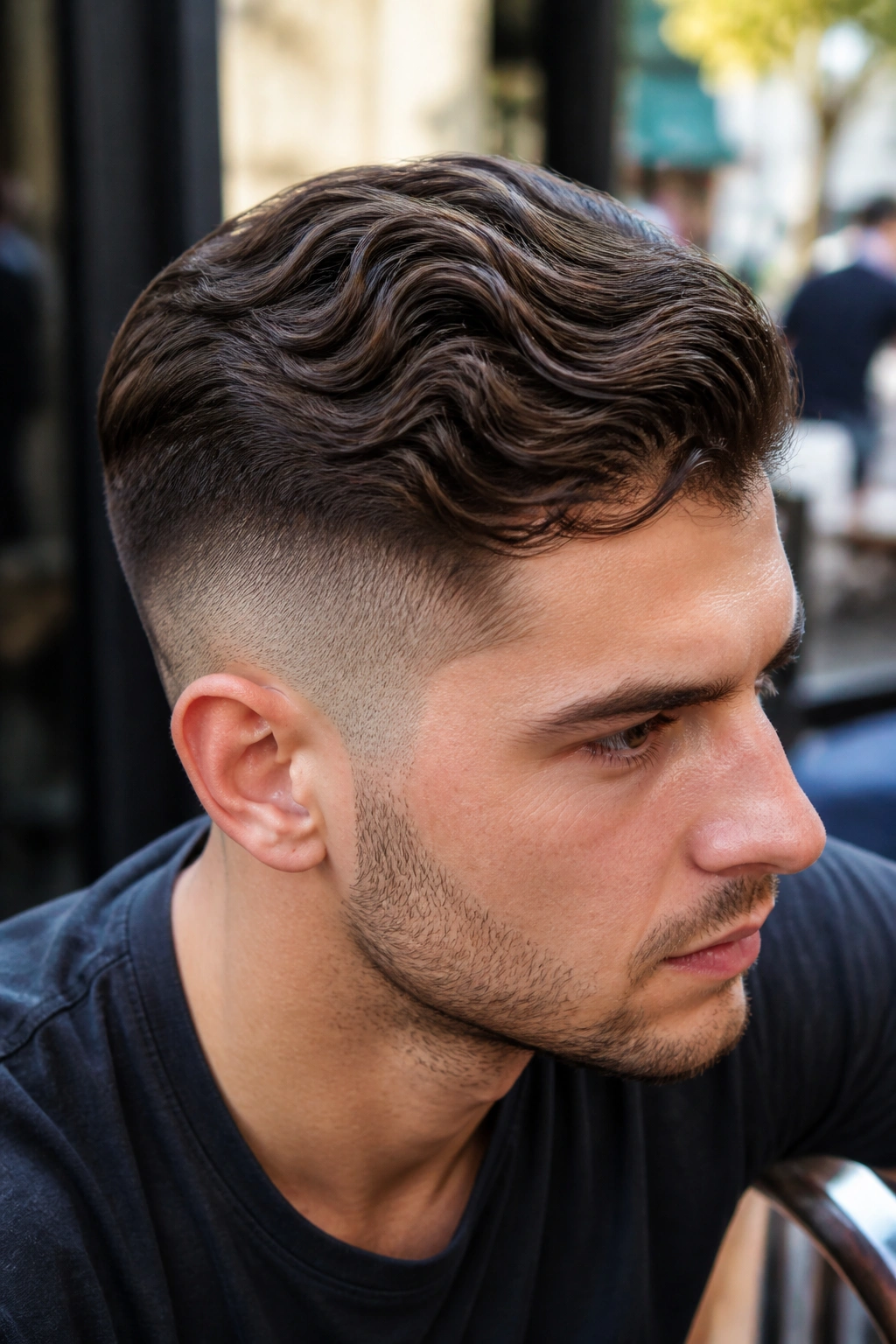
Wavy hair is a gift when it’s cut the right way, and the wavy undercut takes full advantage of that natural movement. The top keeps the wave pattern visible, while the sides stay tight enough that the waves don’t get swallowed by bulk.
A sea salt spray before blow-drying can wake the pattern up, but don’t overdo the product. Too much and the hair gets crunchy or frizzy. A light cream or matte paste afterward is usually enough to hold shape without flattening the wave.
How it behaves in real life
This style gets better when it looks a little lived-in. The waves should move. If you comb them into perfect order, the haircut loses its character.
Wavy undercuts are especially good for men who want something casual but not sloppy. There’s a sweet spot here: relaxed on top, crisp on the sides, and easy enough to reset with your hands after a long day. That’s a useful haircut. Not flashy. Useful.
10. Man Bun Undercut
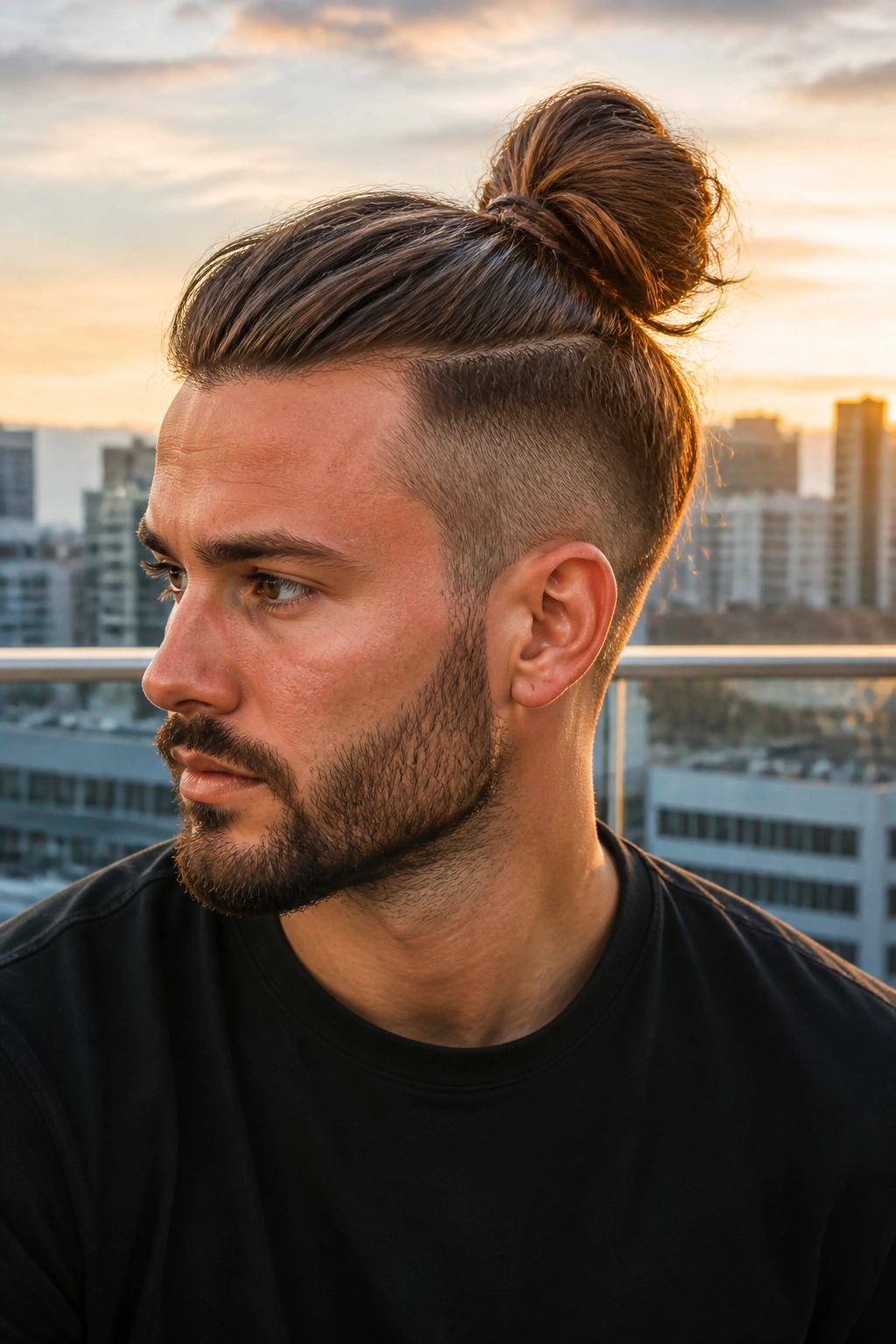
The man bun undercut is all about contrast and convenience. The sides are clipped short, and the top is long enough to tie back into a bun or knot, which keeps hair off the neck and out of the face.
Length matters here more than people expect. You usually need at least 6 inches on top to tie it back cleanly, and more if your hair is thick or very textured. The bun itself can sit high, low, or somewhere in between, but the undercut on the sides should stay clean enough that the shape doesn’t turn bulky.
Best use case
This is a good style for men who want long hair without the constant hassle of loose strands. It’s also handy if you work out a lot or live in a place where hair on the neck gets annoying fast.
The bad version of this cut looks lazy. The good version looks controlled. Keep the undercut fresh, tie the top neatly, and don’t let the bun sag into a lumpy knot. Small detail, big difference.
11. Top Knot Undercut
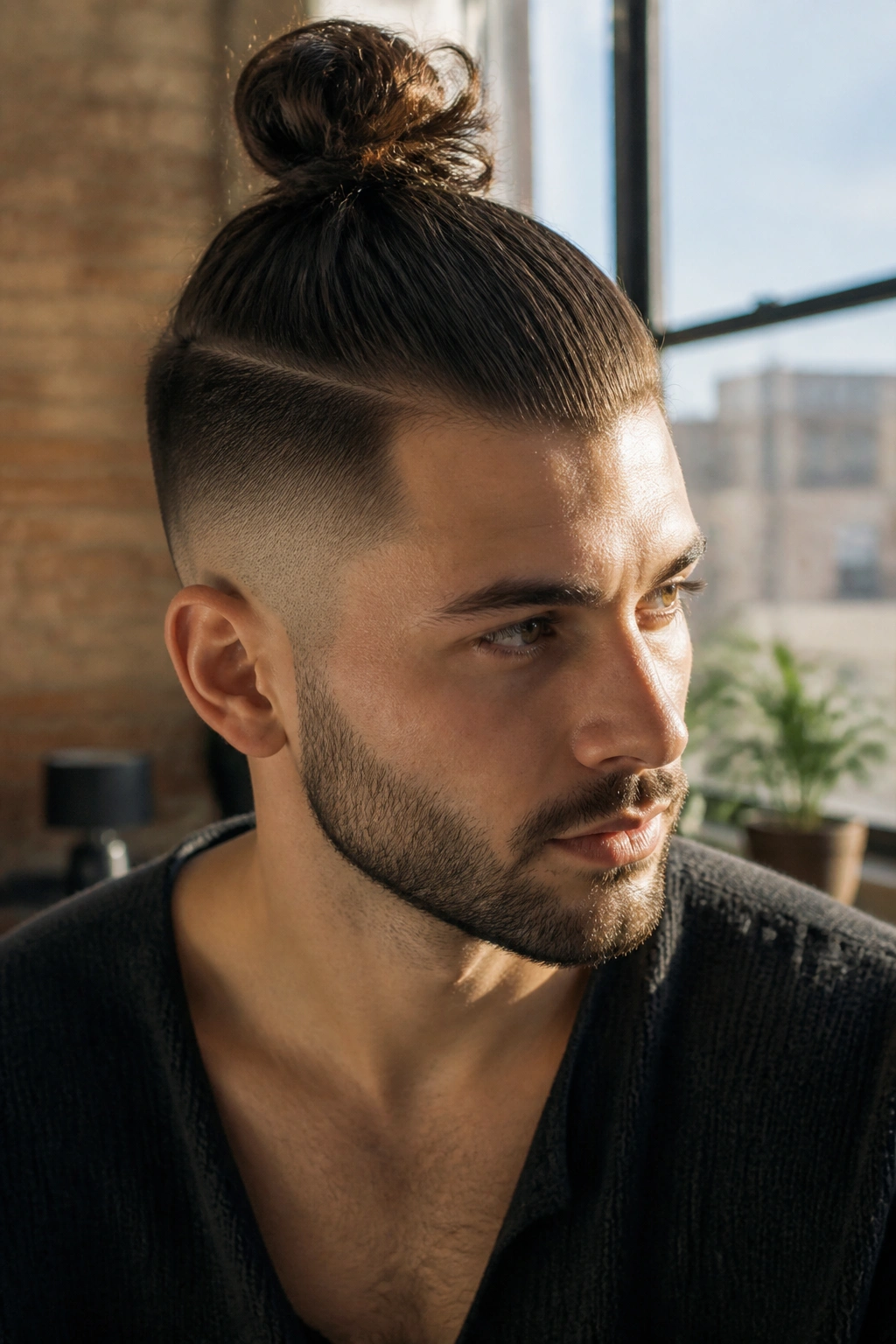
The top knot undercut is a little sharper than the man bun version. The knot sits higher, tighter, and usually feels more deliberate.
Because the top knot pulls more hair upward, the sides need to be cleaned up carefully so the contrast reads cleanly. A high undercut can make the knot look even taller, while a slightly lower undercut keeps the profile more balanced. If your hair is heavy, this style can save your neck in the most literal way.
A practical note
Don’t tie the knot too hard. A lot of men crank it tight, then wonder why their scalp feels sore after an hour. A secure knot should hold without making your hair look stretched.
This style suits thicker, longer hair best, especially when you want a cut that feels athletic or street-ready. It does ask for length and patience. If you’re still at the awkward in-between stage, wait until the top has enough weight to tie without falling apart.
12. Long Hair Undercut
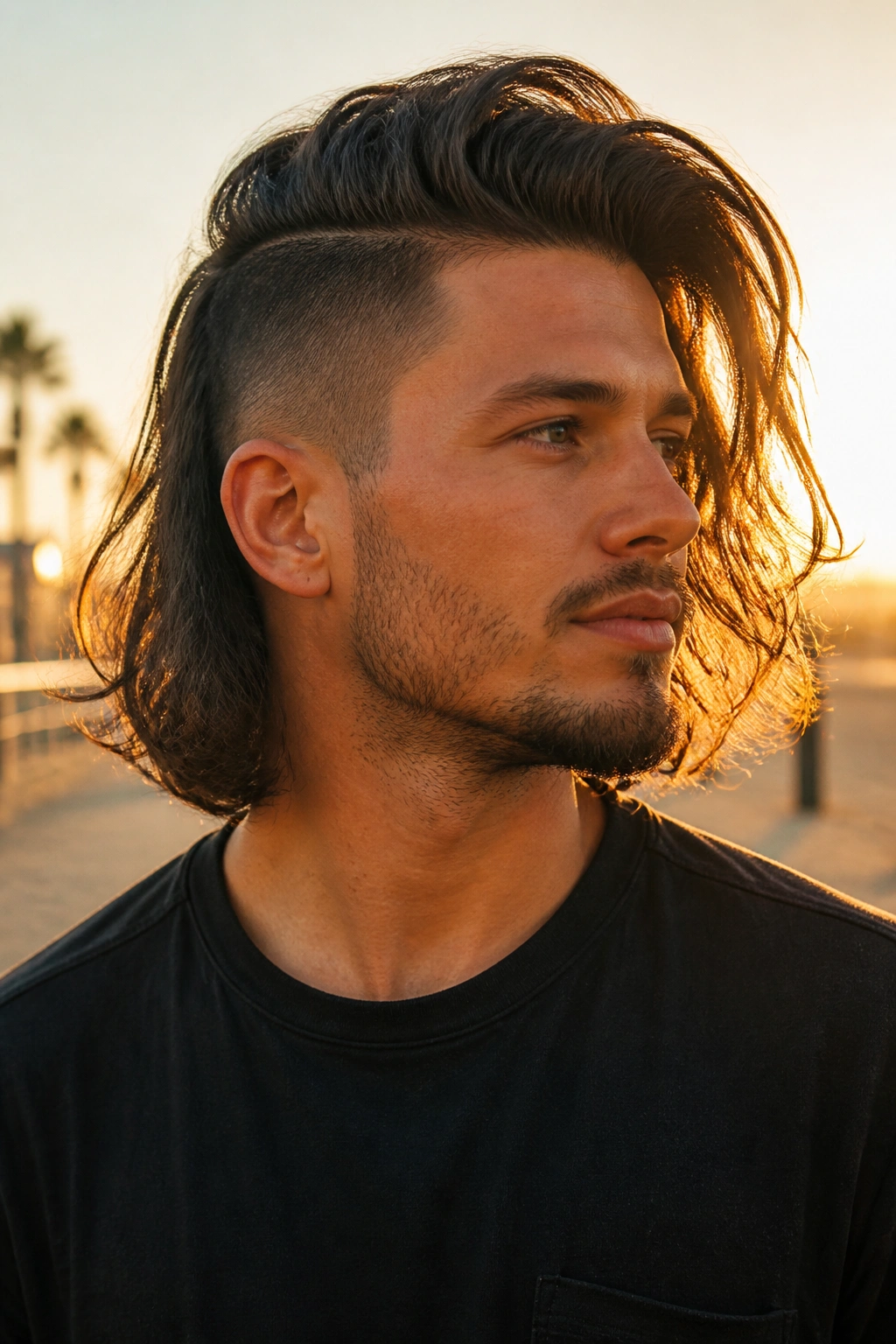
Long hair and an undercut sound like opposites until you see them together. Then the logic clicks. The short sides reduce bulk, and the long top gets room to move.
This style is good when you want length without the triangle shape that long hair can create around the ears and jaw. It also helps thick hair lie flatter. If the top is shoulder-length or close to it, the undercut can make the whole cut feel lighter and cleaner.
How to handle it
A long hair undercut needs occasional maintenance on the sides, even if the top is growing out. If the undercut gets shaggy, the contrast disappears and the cut starts looking accidental.
I like this style because it gives you options. Wear it loose. Tie it back. Tuck one side behind the ear. The haircut changes with the day instead of forcing one rigid look. That flexibility is worth a lot.
13. Hard Part Undercut
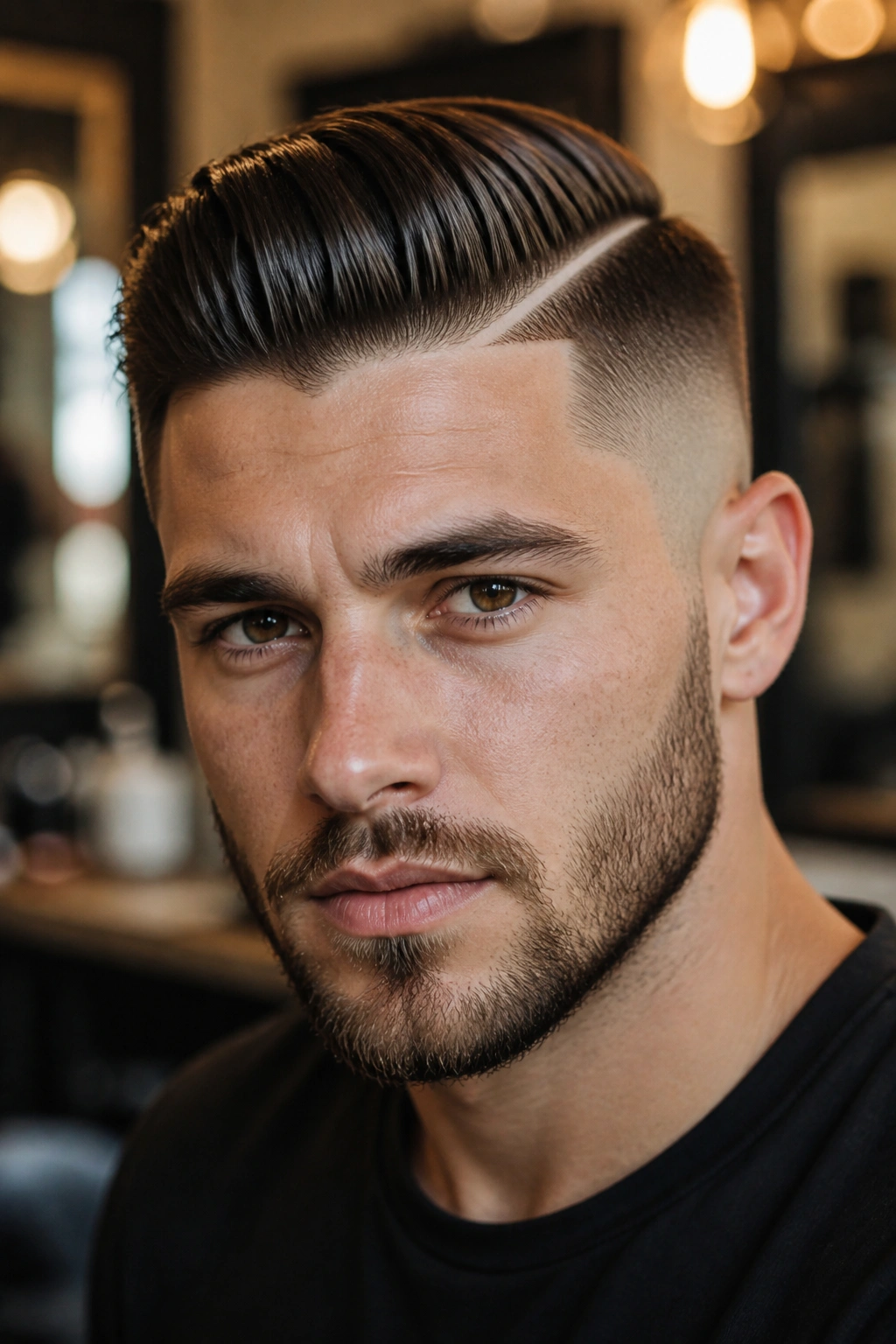
A hard part undercut is one of the most defined styles on the list. The barber uses a razor or trimmer to carve a visible part line, which makes styling easier and the haircut more exact.
The hard part does the work of the parting for you. That means you don’t have to coax the hair into place every morning. You still need combing and product, but the road is already marked.
Why people either love it or hate it
There’s no middle ground here. The hard part is sharp, sometimes almost severe, and that’s the appeal. It gives a side-part undercut extra definition and can make thin hair look a little fuller by locking the direction in place.
It also grows out faster than a soft part. If you like crisp lines, you’ll need regular cleanup. If you prefer a haircut that ages quietly between appointments, this may annoy you. Honest tradeoff.
14. Fade-Blend Undercut
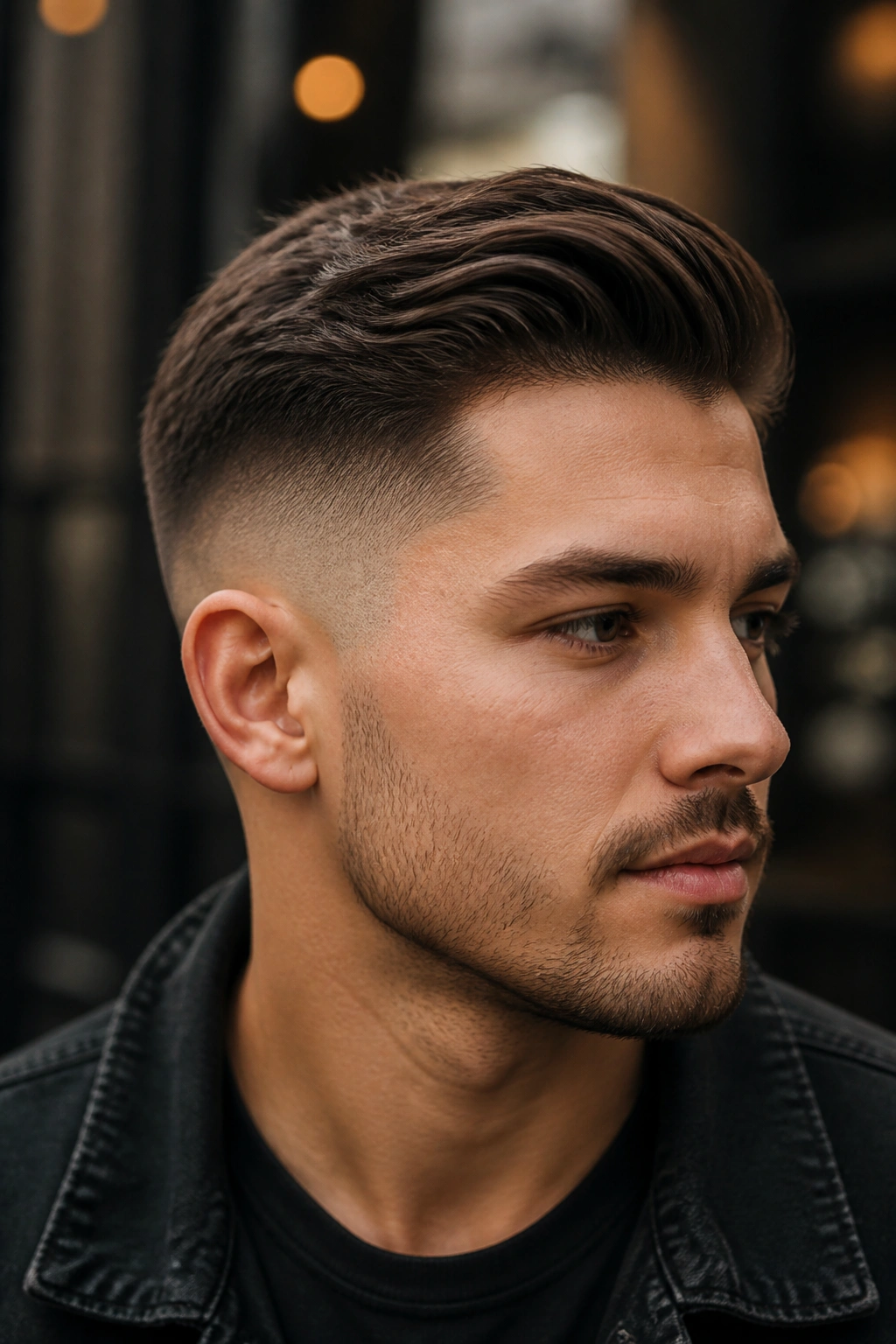
A fade-blend undercut softens the jump between the sides and the top. Instead of a blunt disconnect, you get a gradual fade that still keeps the undercut’s shape but makes it feel smoother.
That softer transition helps if you want the haircut to look polished rather than stark. Low, mid, or high fades all change the mood a bit. A low fade keeps the look conservative. A high fade makes the contrast louder and the head shape more obvious.
Best for
This is a smart option for men who want undercut energy without a hard line that stands out too much. It also works well on coarse hair, because the fade can help reduce bulk around the temples and sideburns.
A fade-blend undercut plays nicely with most top styles: comb-overs, quiffs, textured crops, even curls. That’s the strength of it. It gives you the undercut shape, then softens the edges just enough that the haircut feels easier to live with.
15. Skin Fade Undercut
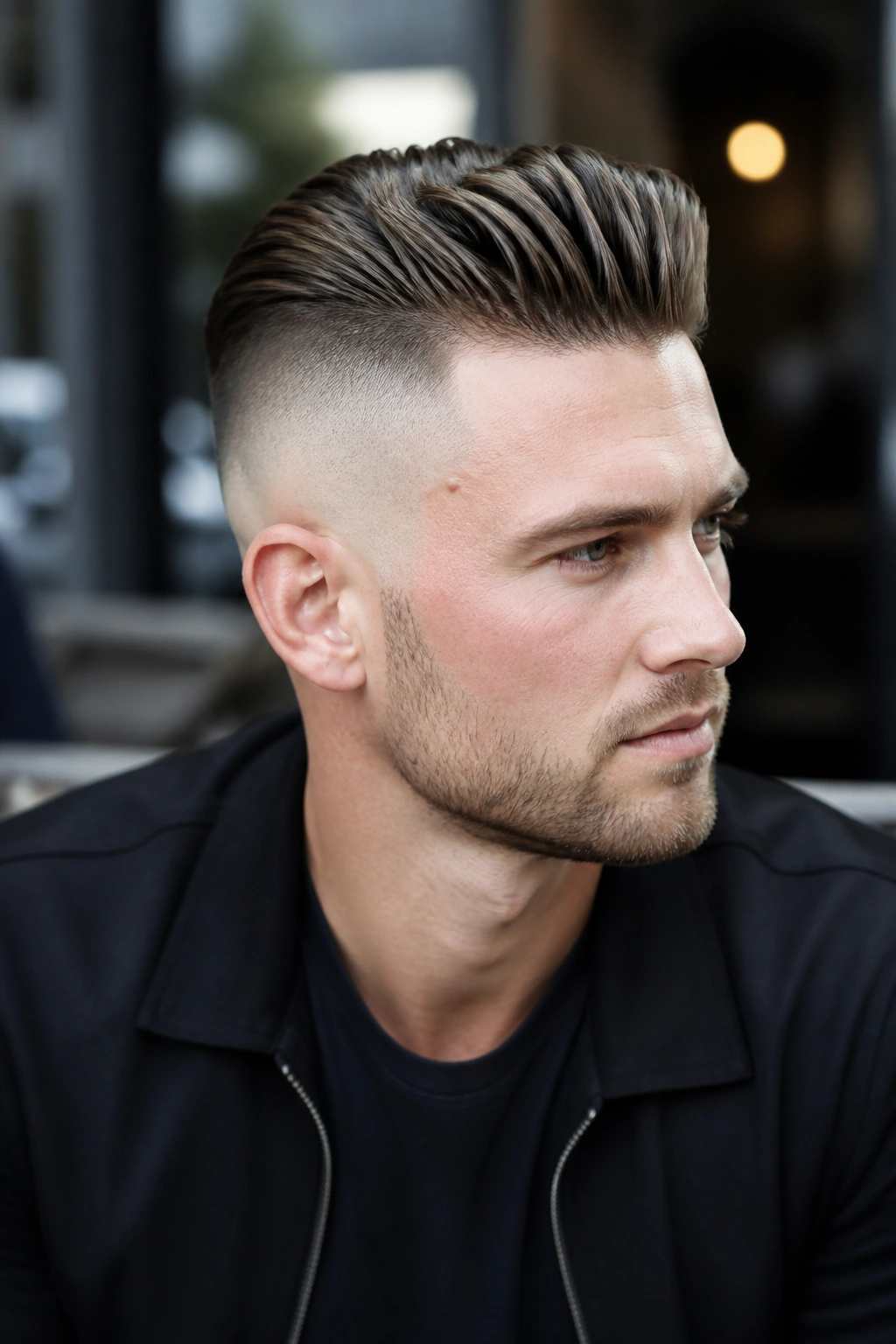
A skin fade undercut is the cleanest-looking version in the bunch. The sides drop all the way to skin, which makes the top appear even fuller by contrast.
This style has a crisp, almost high-contrast feel that can look fantastic on thick hair. It also keeps the sides cooler and lighter, which matters if your hair grows fast or tends to puff up around the ears. The top can be styled almost any way—slicked back, messy, curly, or brushed up—because the skin fade gives it a strong base.
What to watch for
A skin fade exposes more of your head shape. That’s not a problem if the fade is blended well, but a bad one is obvious from across the room. Ask for a fade that suits your temples and crown instead of chasing the most dramatic version just because it looks bold in a photo.
This cut is sharp. It is also maintenance-heavy. If you want clean edges, plan on upkeep before the sides get fuzzy.
16. Spiky Undercut
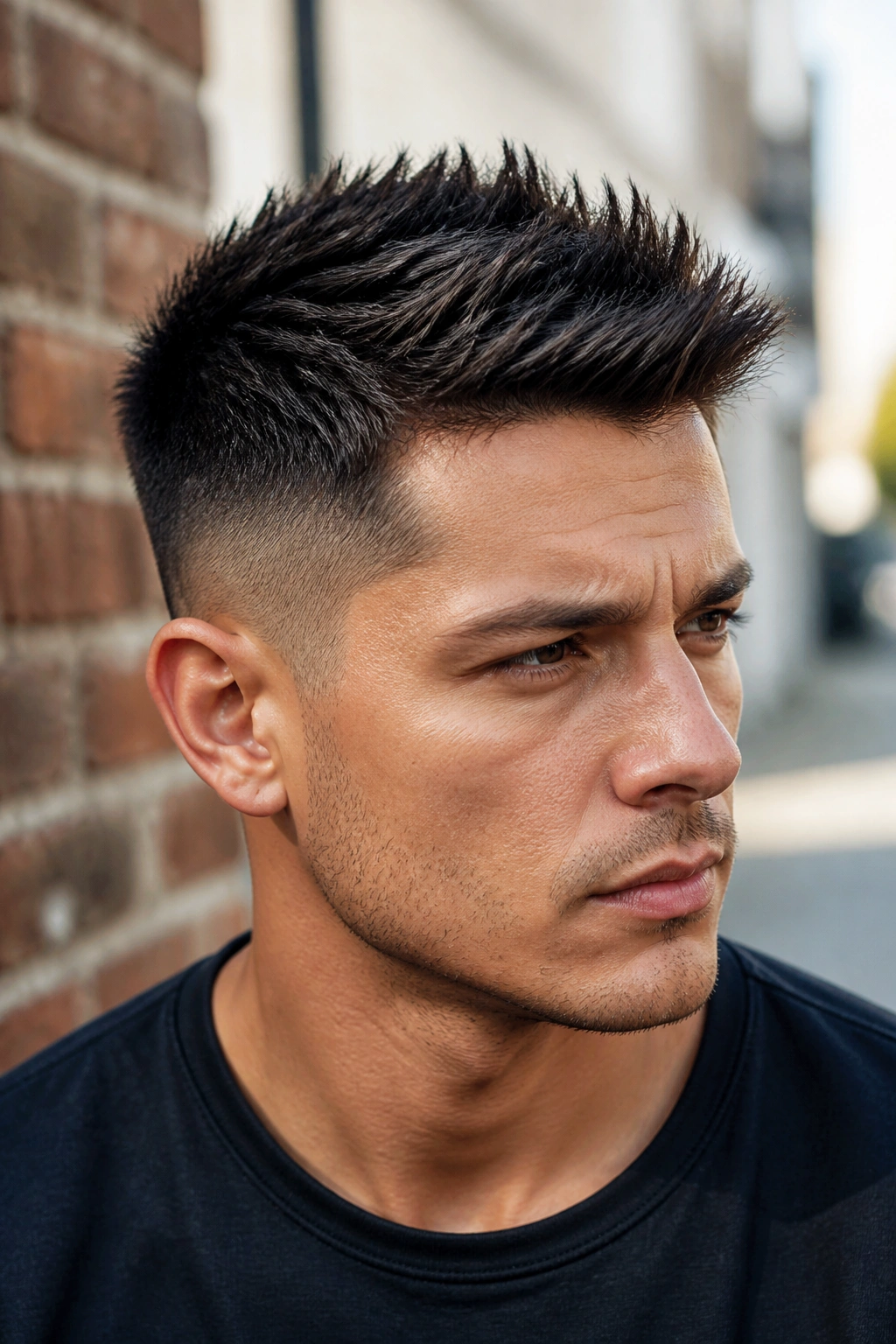
The spiky undercut has a bit of ’90s energy, but it can still look clean if you keep the spikes controlled instead of stiff. Shorter top length works best here, usually around 2 to 4 inches.
A matte fiber or paste gives the hair grip so the spikes hold shape without looking crunchy. Use your fingertips to lift sections of the hair upward and forward. Don’t try to make every spike identical. That’s the quickest way to make it look dated in the bad sense.
Why it still works
The undercut side keeps the style from looking too busy. Without that short side length, spikes can spread out and lose their edge. With the undercut, the top gets all the attention.
This cut suits straight hair especially well, though slightly wavy hair can also pull it off with enough product. It’s a good choice if you want a shorter top that still has movement. Fast, punchy, and easy to reshape.
17. Ivy League Undercut
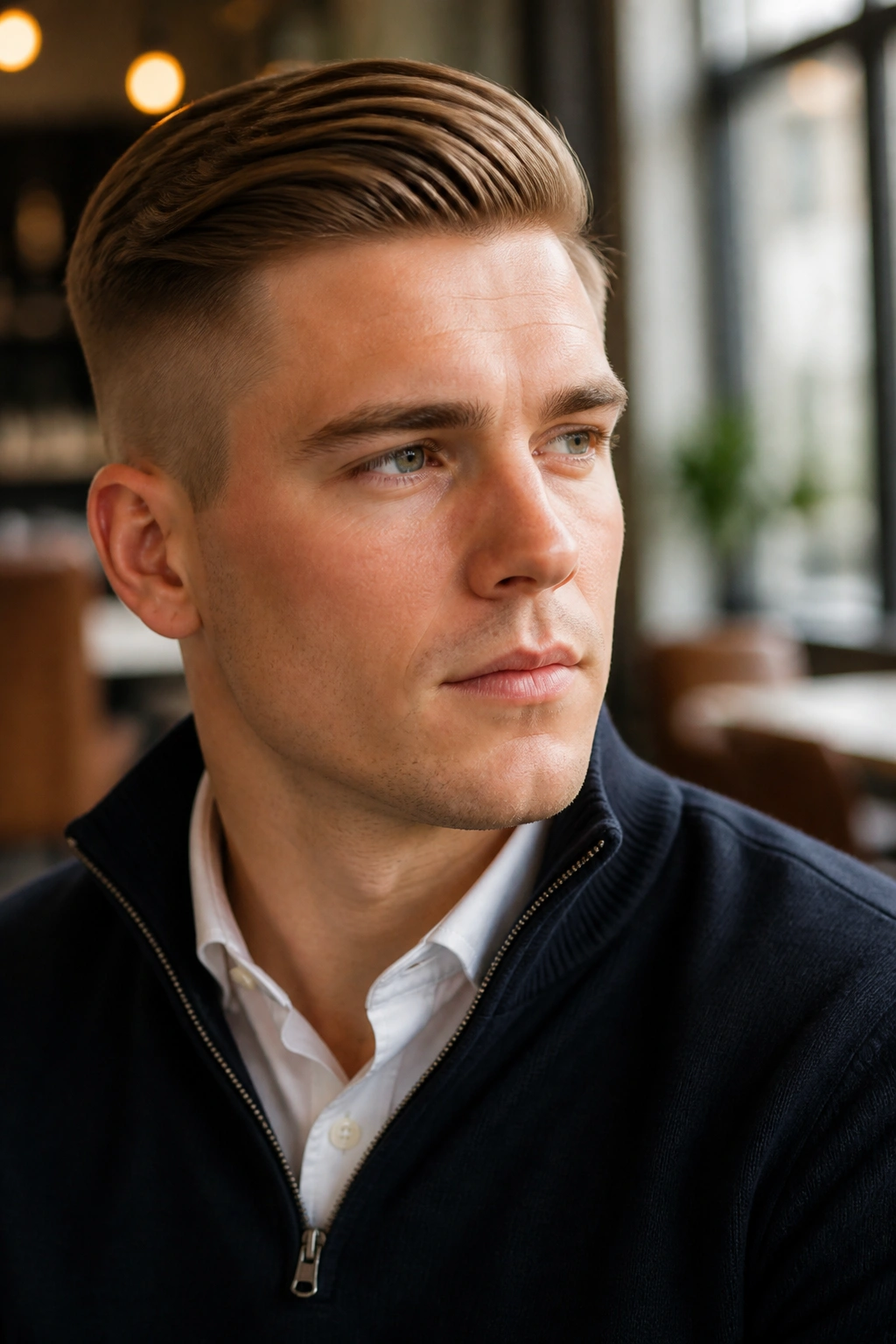
The Ivy League undercut is one of the more restrained versions on this list. It keeps the neat, preppy feel of the classic Ivy League cut, then adds the undercut’s shorter sides for a cleaner outline.
The top is usually kept short enough to part and sweep, but not so short that it loses flexibility. Think tidy, not stiff. A light cream or soft pomade works well because the haircut should look controlled without feeling shellacked.
Where it fits
This is a good style for men who need something sharp enough for work but still want a bit more shape than a plain crew cut. It also suits straight hair and finer hair, since the tighter sides can make the top look more deliberate.
If you want a haircut that reads polished from a distance and easy up close, this is one of the safest bets. Not boring. Just disciplined.
18. Curtain Undercut
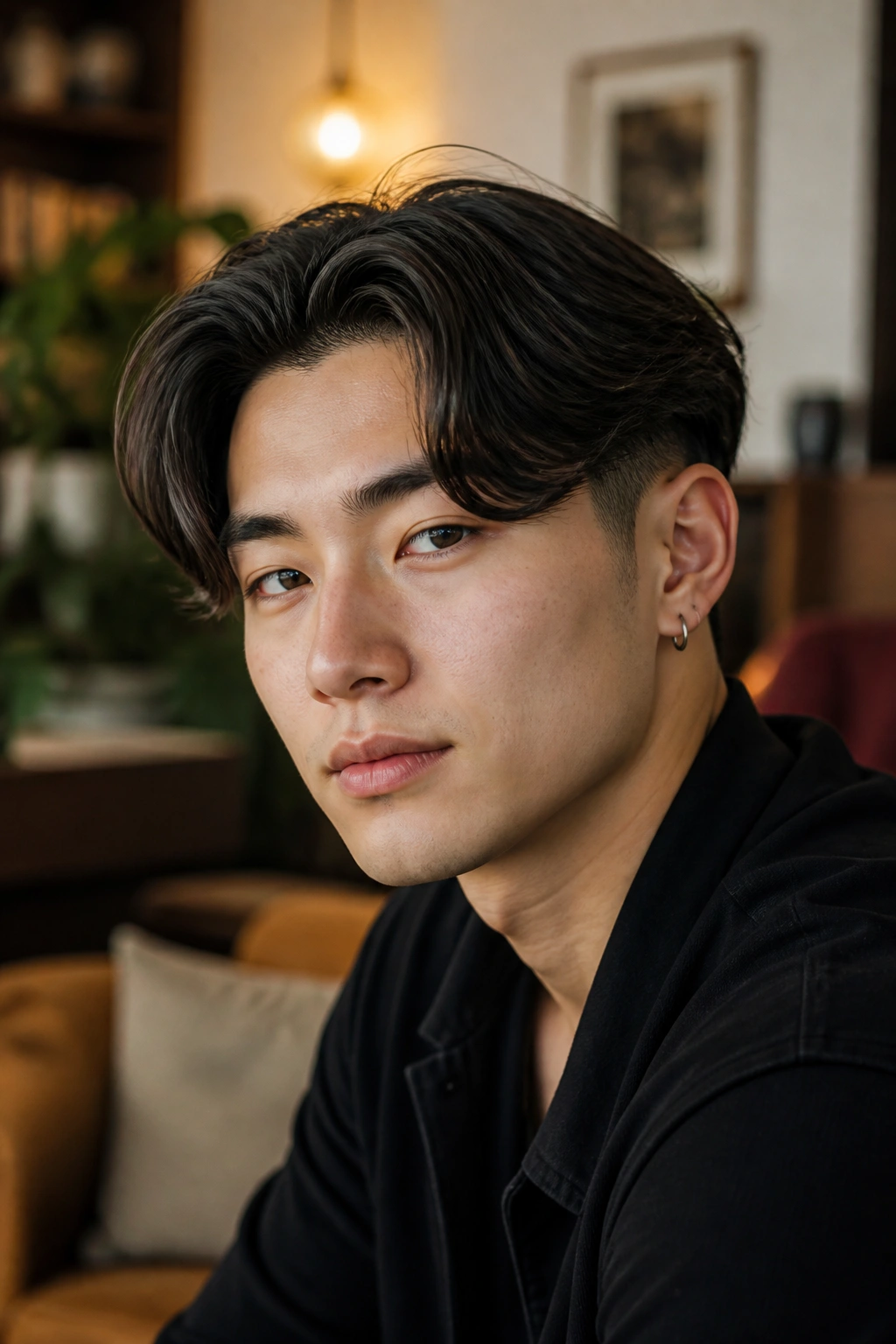
A curtain undercut brings the hair forward and splits it down the middle or slightly off-center, which gives the top a softer frame around the face. It has a relaxed feel that works best when the hair has a little natural movement.
The sides stay short, so the curtain fringe doesn’t swallow the face. That contrast is what makes the style land. A blow-dry with a middle part helps set the shape, and a light cream or mousse keeps the front from collapsing.
What makes it different
Unlike slicked-back styles, this one points attention toward the eyes and cheekbones. It can soften a square jaw or make a longer face feel a bit more balanced, depending on how much volume you leave near the temples.
The curtain undercut is also one of the better choices if you don’t love a strict, formal haircut. It has shape, but it doesn’t feel rigid. A little movement in the fringe goes a long way.
19. Faux Hawk Undercut
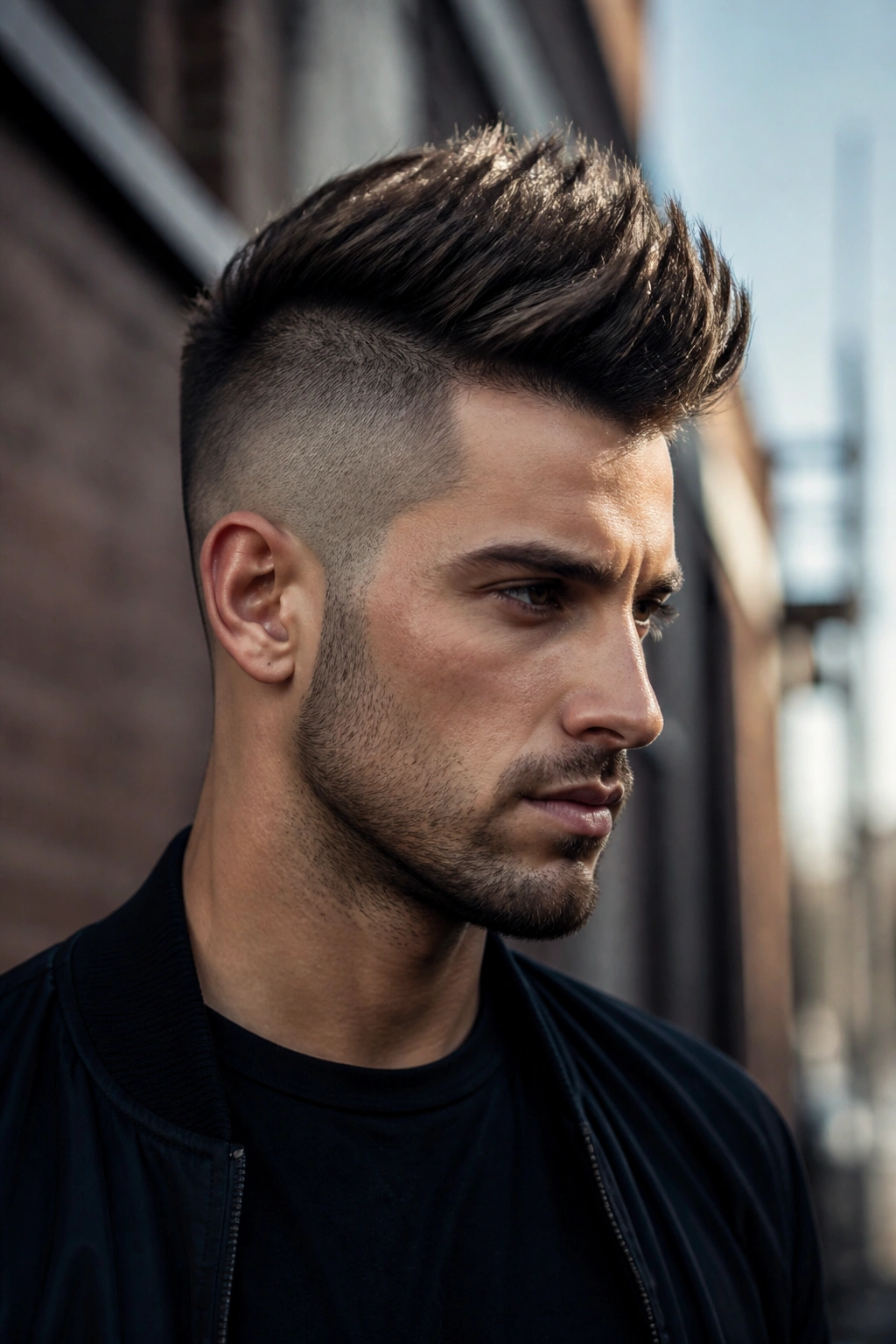
The faux hawk undercut sits between edgy and wearable, which is probably why it sticks around. The center strip stays longer and more lifted, while the sides stay short enough to create a clear ridge through the top.
This is not a full mohawk. That’s the point. You get the shape and the attitude without shaving the sides down to nothing. A strong-hold paste or clay helps the middle section stay up, and a blow-dry can make the ridge hold better if your hair tends to flop.
Who should try it
This cut works well for men who want something sharper than a quiff but less formal than a pompadour. It also plays nicely with dense hair, because thickness gives the center ridge better support.
The faux hawk undercut can look aggressive if the sides are too short and the top too tall. A balanced version is easier to wear. Keep the height controlled, and the cut stays interesting instead of theatrical.
20. Braided Undercut
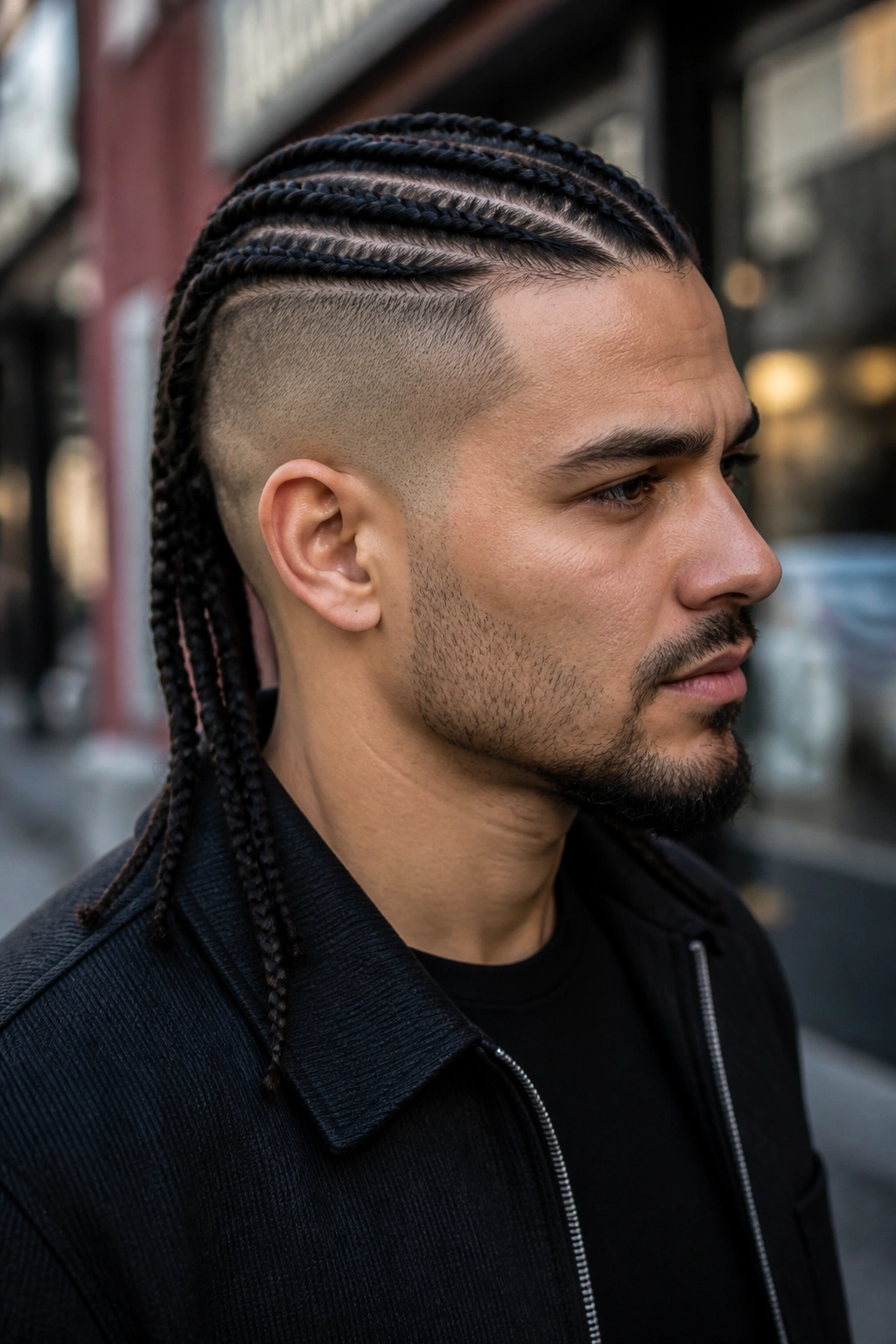
A braided undercut is one of the strongest ways to combine structure and texture. The sides are cut short, while the top or upper section is long enough to braid into cornrows, box braids, twists, or a single long braid depending on hair type and length.
This style needs planning. If the hair on top isn’t long enough, the braids will pull too tight or sit awkwardly. If the undercut is too high, you can lose too much support on the sides. Balance matters here more than in most styles.
How to keep it looking clean
The scalp should be cared for, not ignored. Braids plus an undercut can look excellent, but dry scalp and frizz will show fast if you skip maintenance. A light oil on the scalp and regular edge cleanup around the sides keep the cut neat.
Braided undercuts are practical, protective, and visually strong. They also carry a lot of personality. If you want a style that looks intentional from every angle, this one delivers.
Final Thoughts
The best undercut styles for men usually come down to two questions: how much contrast do you want, and how much time do you want to spend on your hair every morning? That’s the real fork in the road.
A slicked-back undercut or pompadour needs more care. A textured crop, messy fringe, or wavy version is easier to live with. Curly, braided, and long styles need their own kind of maintenance, which is different from fussing with pomade but still counts as upkeep.
Bring photos to the barber, yes. Bring one of the side view, too. That’s the part people forget, and it matters just as much as the front.
