



An undercut changes a haircut fast. Keep the top long, clip the sides tight, and the whole shape gets louder in a hurry.
That contrast is the point. A good undercut can look polished, punk, sharp, glossy, messy, or almost architectural, depending on how the top is cut and how clean the sides are taken down. It also does something practical that a lot of people appreciate: it removes bulk where hair tends to puff out, especially around the temples, behind the ears, and at the nape.
Not every undercut behaves the same way, though. A disconnected cut with a hard line feels much more aggressive than a softened version with a taper. A curly top needs a different finish than a straight one, and a thick head of hair plays by different rules than fine strands that collapse the minute you walk outside. That is where the real interest lives.
What separates one bold style from another is often tiny stuff — a few millimeters on the sides, a different part, a dry matte finish instead of shine, or a sharper edge around the ears. Get those details right and the haircut stops looking generic. It starts looking chosen.
1. Classic Disconnected Undercut
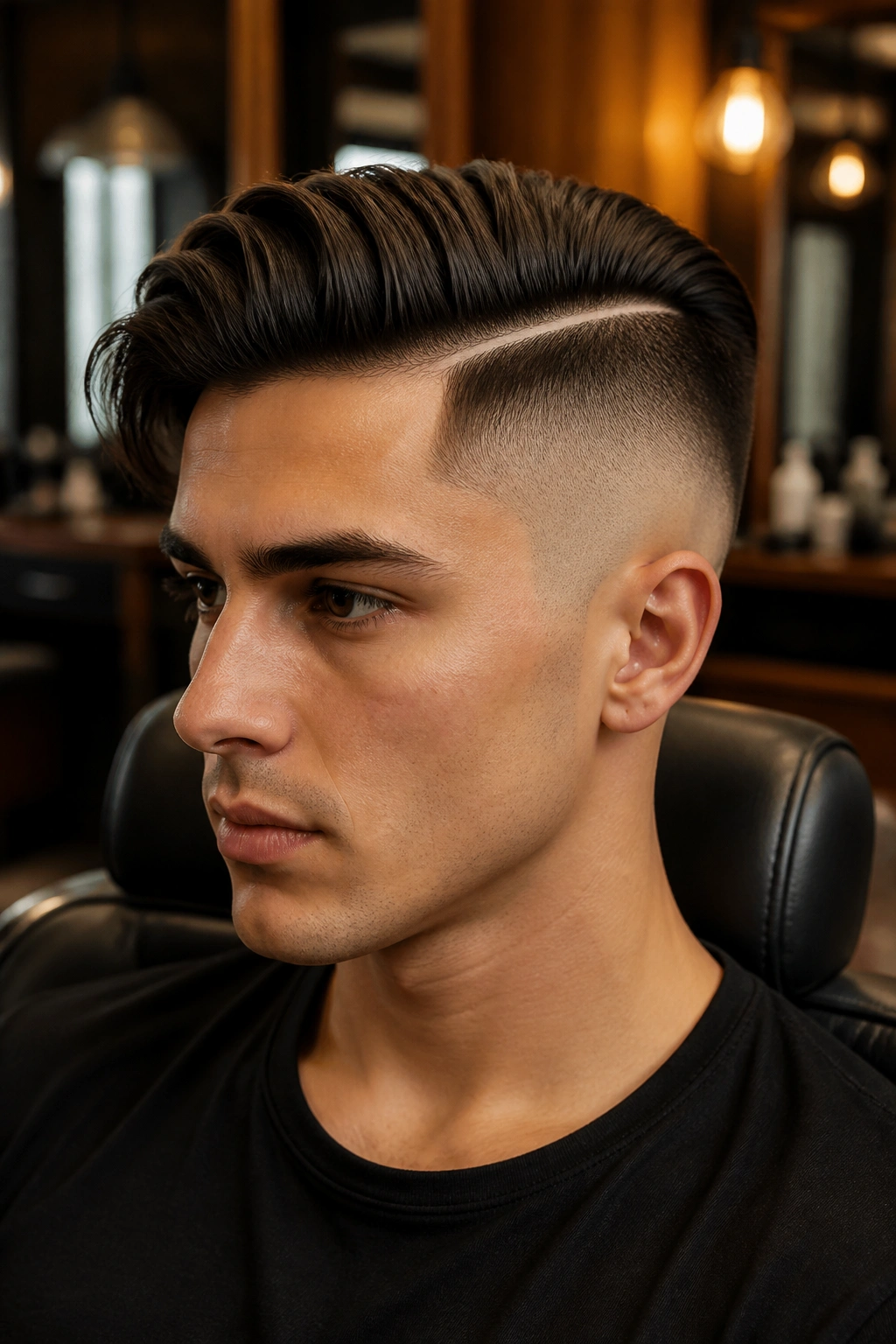
A classic disconnected undercut is the haircut equivalent of turning the volume knob until you feel it. The sides are clipped very short, the top stays long, and there is no soft blend between the two. That hard break is what gives it that clean, blunt edge.
Why It Works
The beauty of this cut is that it does not need a lot of styling to read as bold. Even if you leave the top loose and a little messy, the contrast does the heavy lifting. On straight or thick hair, the shape looks especially crisp because the separation is easy to see.
Ask your barber to keep the line deliberate. That means no faded blur where the top melts into the sides. A guard size around 0.5 mm to 6 mm on the sides keeps the cut in that sharp territory, while the top can sit anywhere from 3 to 6 inches, depending on how much styling room you want.
- Best for thick or straight hair
- Works well with pomade, cream, or matte clay
- Needs a cleanup every 2 to 3 weeks if you want the line to stay sharp
- Looks strongest when the top is combed back or pushed to one side
Bold tip: If your temples grow in fast, keep the side outline neat. A messy neckline can ruin an otherwise clean undercut in about ten seconds.
2. Slick Back Undercut
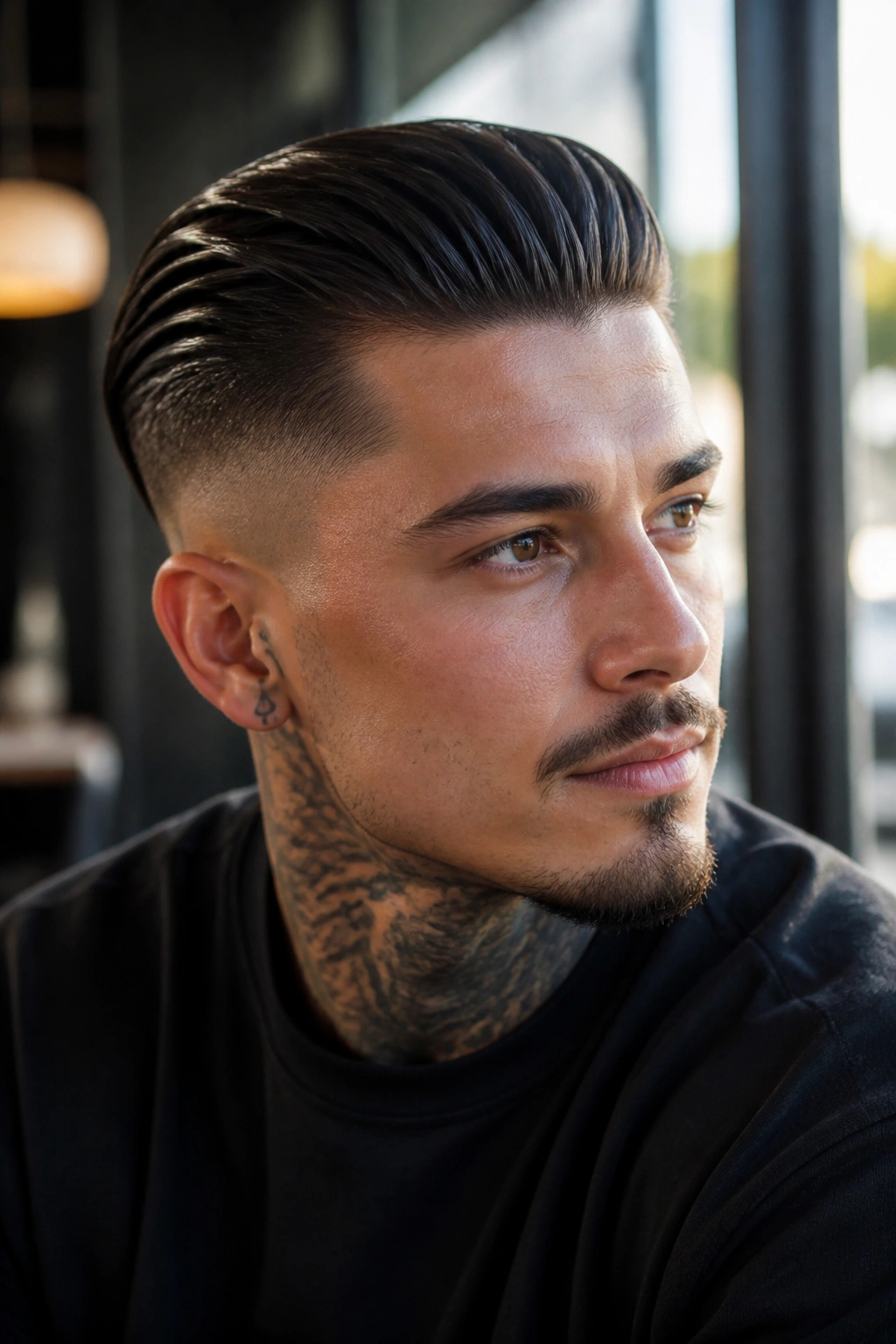
Want something sharp without looking like you spent an hour in front of the mirror? The slick back undercut does that nicely. It has old-school polish, but the short sides keep it from feeling stiff or too formal.
The trick is shine control. Too much product and the hair looks greasy. Too little and it falls apart by lunchtime. A dime-sized amount of pomade or styling cream usually goes farther than people expect, especially if the top is only 4 to 5 inches long and has some natural bend.
What Makes It Work in Real Life
Blow-dry the top back while it is still slightly damp, using your fingers or a vent brush to guide the hair away from the forehead. Then smooth the surface with a comb if you want a cleaner finish. If you have coarse hair, a light pre-styler helps keep the shape from puffing up.
This version suits square jaws and longer faces because it pulls the eye upward and backward. It also holds up well in dressier settings. Clean, but not boring. That’s the sweet spot.
3. Side Part Undercut
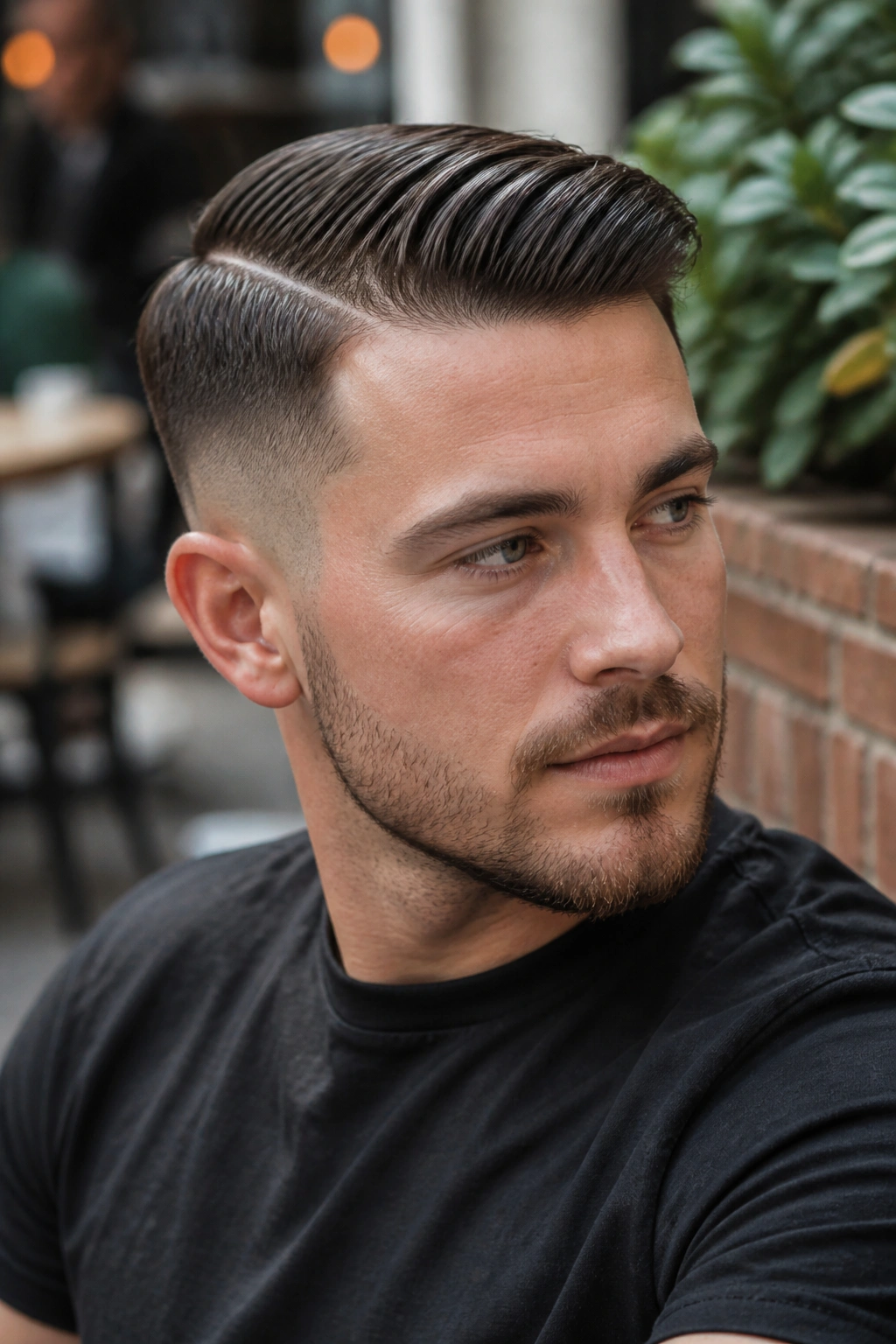
A side part undercut can look almost traditional at first glance, then you notice the sides are clipped tight and the whole thing feels much bolder. That little contrast is what makes it interesting. It gives you structure without going full shiny-boardroom.
How to Ask for It
Tell your barber where you want the part to sit — usually just above the highest point of the eyebrow on one side. If you want a dramatic result, keep the top around 4 to 6 inches and make the part line crisp. If you want a softer version, let the line live in the hair instead of shaving it in.
- Ask for short, disconnected sides
- Keep the top long enough to comb over cleanly
- Use a lightweight cream for a softer finish or pomade for more shine
- Dry the hair in the direction of the part before combing it into place
This style works especially well if your hair naturally falls to one side anyway. You are not fighting it. You are just making it look deliberate. That matters more than people think.
4. Textured Crop Undercut
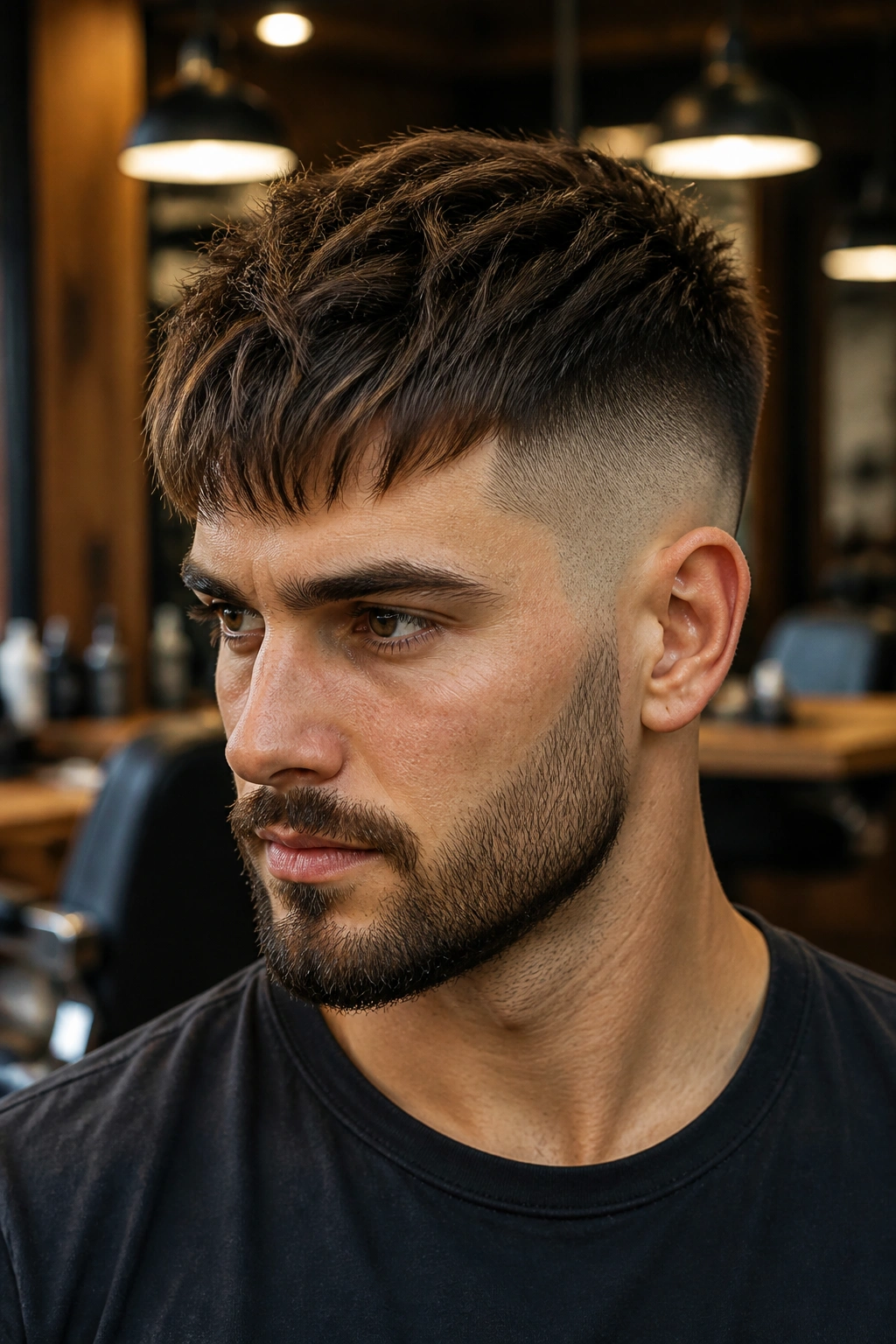
If your hair is thick and stubborn, this cut is a relief. The textured crop undercut takes bulk off the sides and breaks up the top so it does not sit like a helmet. It looks modern, but the reason it keeps showing up in barbershops is much simpler: it is easy to wear.
The top is usually cut with short, jagged layers and styled forward or slightly diagonally. You want movement, not a smooth shell. A matte clay or paste works better than anything shiny because the whole point is that rough, broken surface.
One small detail changes everything. Keep the fringe a little uneven.
That tiny bit of irregularity makes the top feel lived-in instead of precise. On fine hair, the texture gives the illusion of density. On thick hair, it prevents the cut from turning bulky and square. Either way, it keeps the shape from looking too neat, which is exactly why it reads as bold.
5. Pompadour Undercut
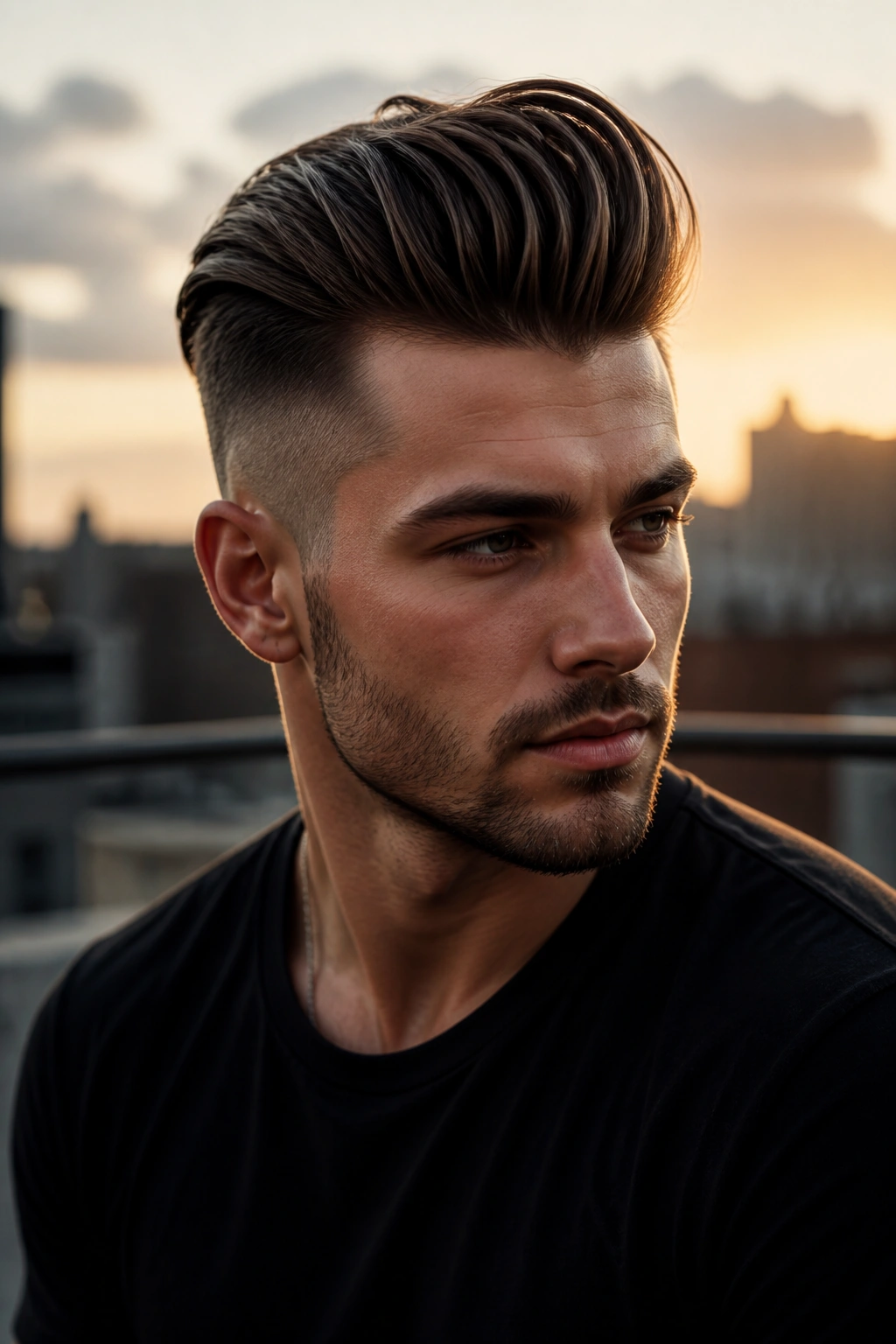
Unlike a quiff, the pompadour undercut pushes more height through the front and middle before it sweeps back. That change sounds minor. It is not. A quiff can lean casual; a pompadour wants presence.
The undercut sides make the volume look even bigger because the top has nowhere to hide. You need length — usually 5 inches or more — plus a blow-dryer and a round brush or at least a firm hand with a vent brush. If you skip the drying step, the style collapses faster than people expect.
What It Needs to Look Right
The front should rise, not just flip back. That is the detail many people miss. Pump the roots up first, then guide the rest of the hair into a smooth arc. A medium-hold product with some shine works well if you want that classic finish. Matte paste gives it a looser, more modern feel.
Best for thicker straight hair, though wavy hair can pull it off if you are willing to shape it. If your face is narrow, the height can balance it out. If your hair is very fine, you may spend too much time coaxing it into place. Honest truth.
6. Curly Undercut
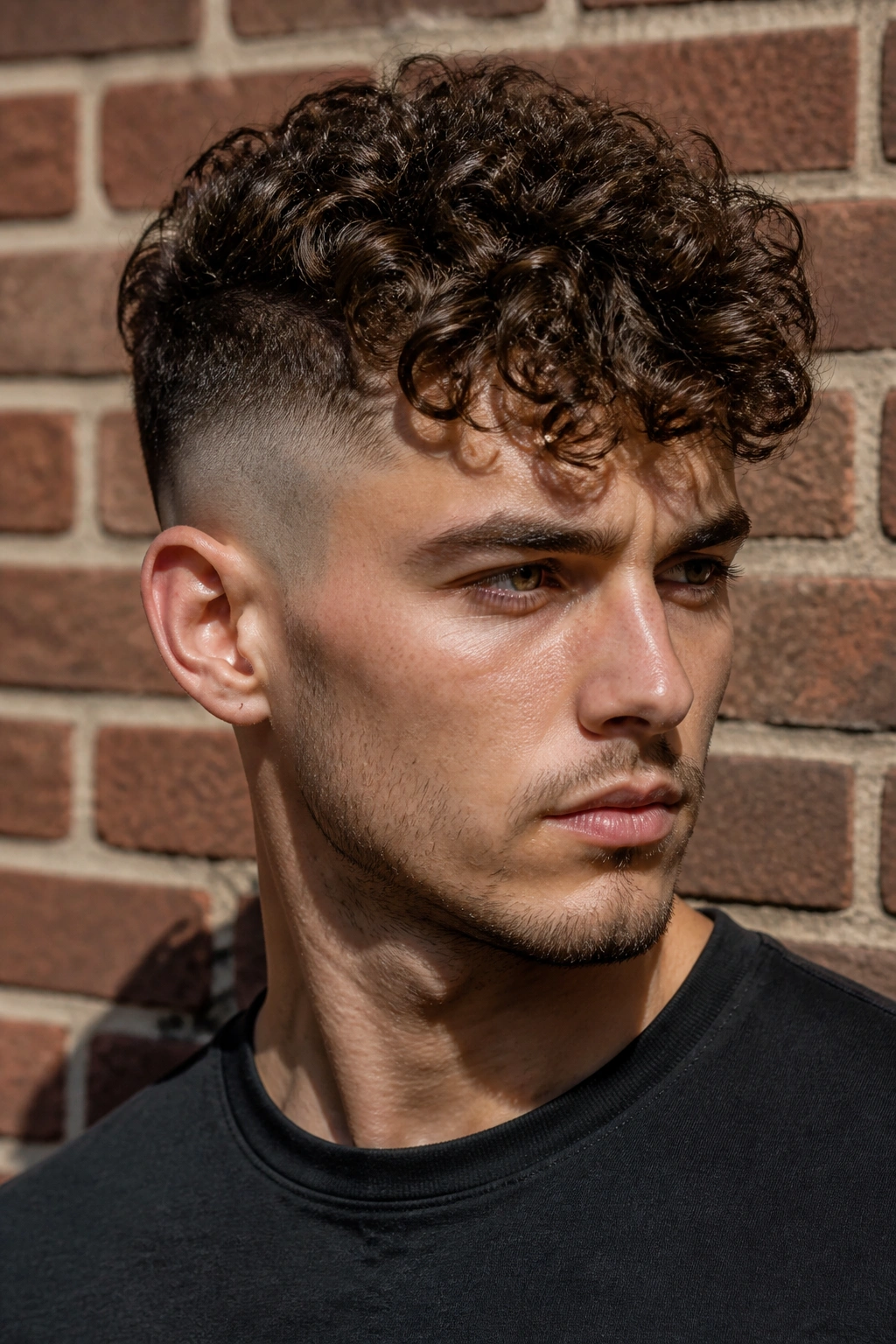
Do curls lose shape when the sides get bulky? Usually, yes. That is why the curly undercut works so well. It strips away the weight that makes curls balloon on the sides and lets the top do what it naturally wants to do.
How to Style It
Keep the top long enough to show the curl pattern — somewhere around 3 to 6 inches, depending on the spring in your hair. Use curl cream on damp hair, then either air-dry or diffuse on low heat. High heat can make curls frizz out and lose the very shape you are trying to show off.
- Use a wide-tooth comb or your fingers, not a brush
- Scrunch in product while the hair is still damp
- Avoid heavy waxes that crush curl definition
- Keep the sides tight so the curl volume stays centered up top
This cut is good when you want personality without a lot of fuss. The curls do the decorating for you. The undercut just frames them. That framing is doing more work than it gets credit for.
7. Wavy Undercut
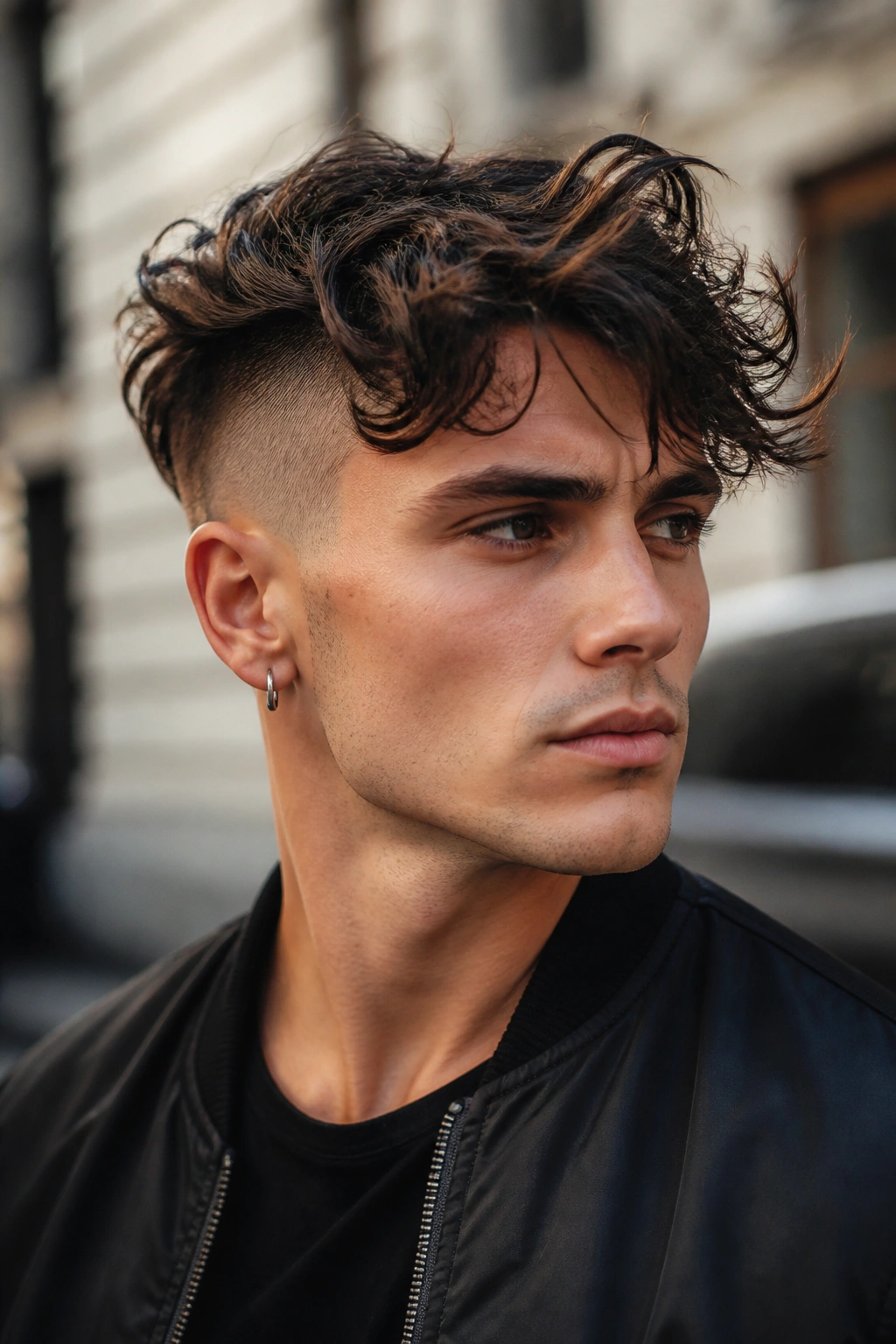
Waves can look sloppy when they are too long on the sides, and that is exactly why the undercut helps. It gives the movement somewhere to live without spreading it across the whole head. The result feels relaxed, but not lazy.
Picture a little wind in the hair and a slightly undone finish. That is the lane here. A light sea salt spray on damp strands can bring out separation, and a touch of matte cream keeps the waves from drifting apart by noon. You do not need hard shine. You need shape.
Quick Details That Matter
- Best top length: 3 to 5 inches
- Best finish: matte or low-shine
- Good product choice: sea salt spray or lightweight cream
- Clean up the sides every 3 to 4 weeks
This style works especially well when the waves are uneven in a nice way. Too perfect and it can feel overworked. A little asymmetry gives it character. The undercut keeps that character from turning into chaos.
8. Long Hair Undercut
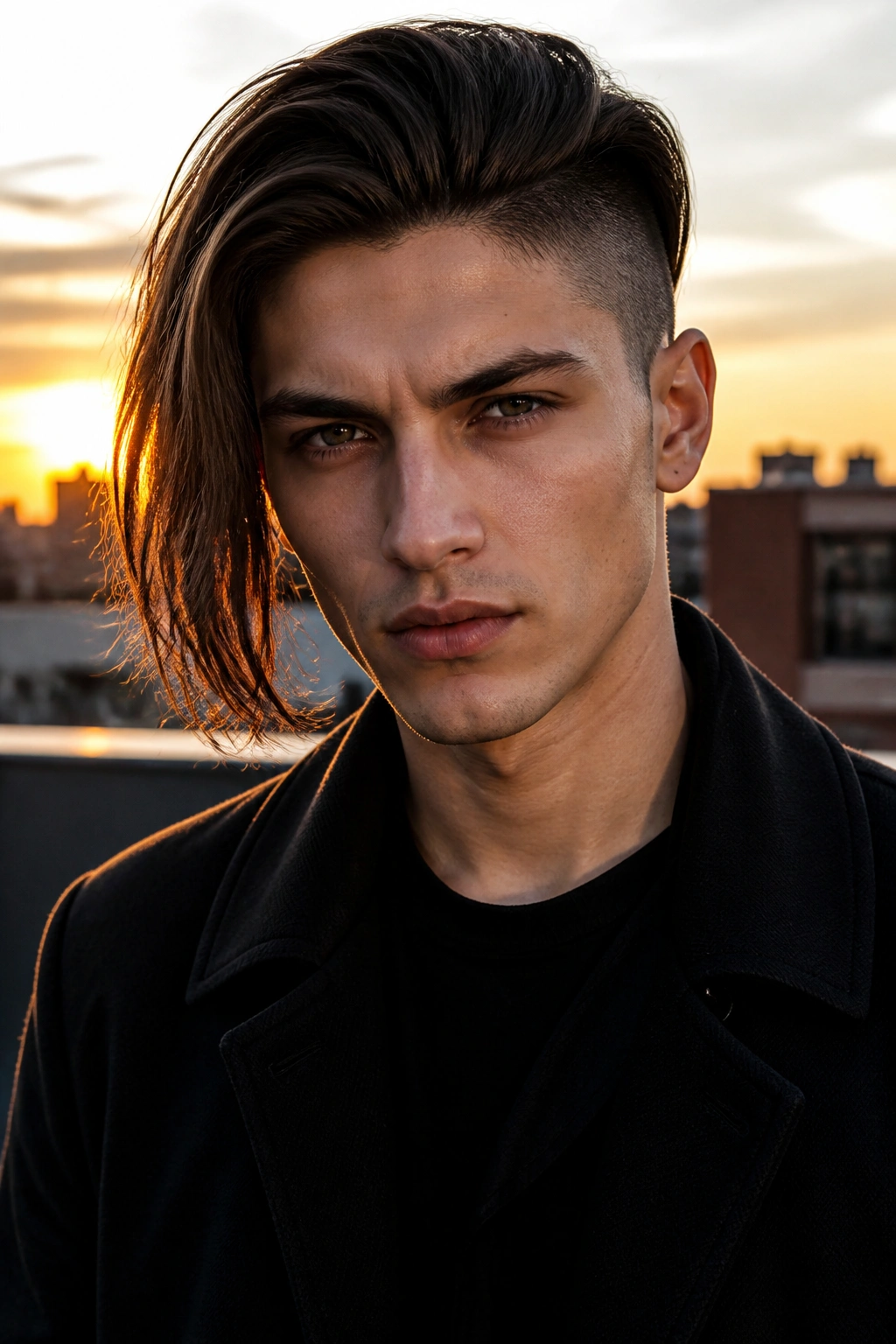
This is the dramatic version, and I mean that in the best way. Long hair with an undercut gives you a blunt contrast that looks strong from the front, then unexpectedly sharp when the hair moves and the short sides show through.
The top can sit at 6 to 10 inches or more, depending on how much you want to play with it. That length lets you wear it down, tuck it behind one ear, tie it back, or push it into a loose wave. The undercut removes weight from the sides and nape, which matters more than people realize when hair starts feeling heavy or hot.
A lot of long-haired people keep one foot in the safe zone. Fair enough. But if you want the haircut to feel bold instead of just long, the sides need to be short enough that they change the silhouette. A small trim will not do it. Go shorter than you think, then let the top bring the drama.
9. Man Bun Undercut
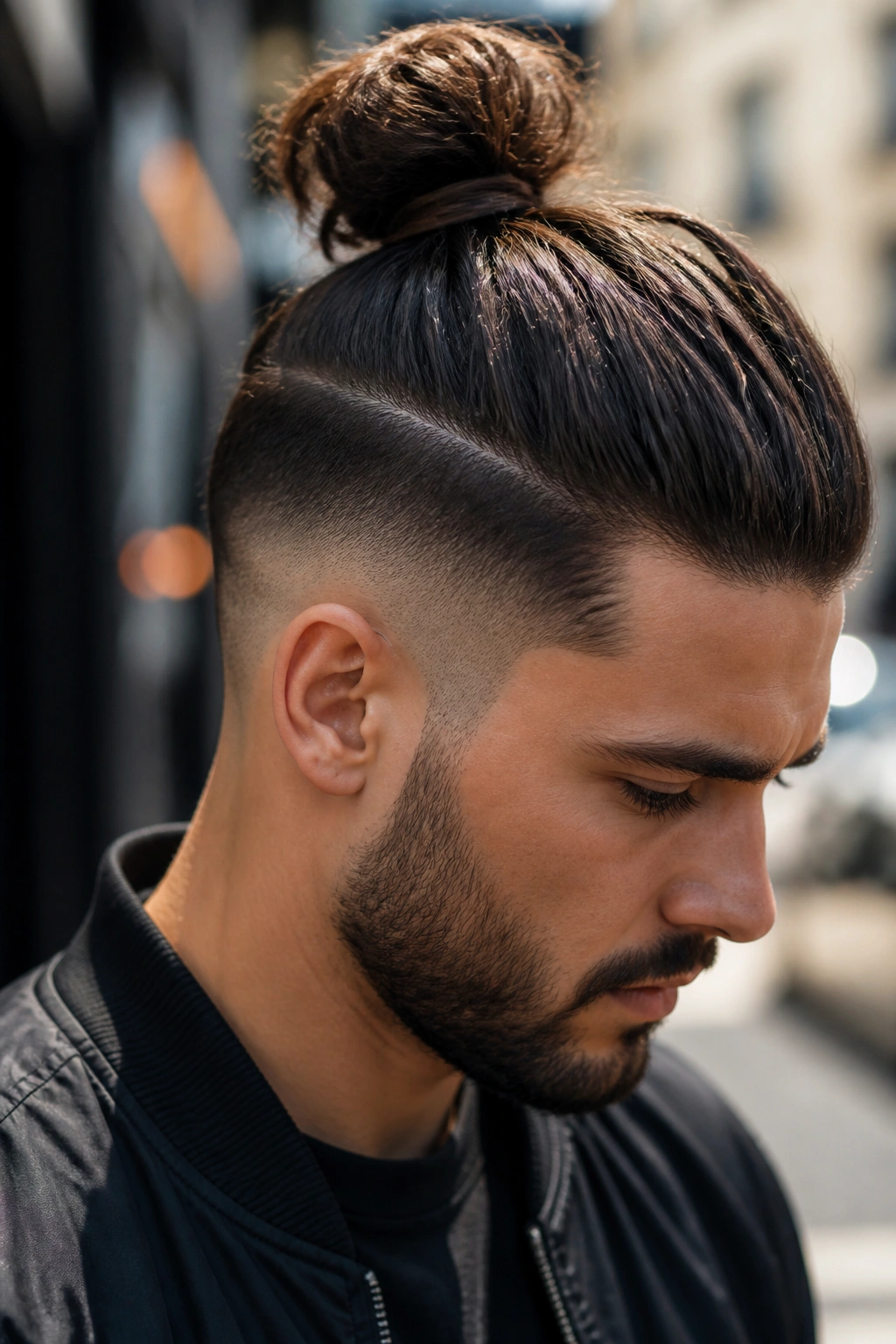
Why does the man bun undercut keep hanging around? Because it solves a real problem. It gives long hair a clean place to go when you tie it up, and it keeps the sides from puffing out around your ears.
When the bun sits high or mid-back on the head, the undercut makes the shape look intentional instead of accidental. It also makes hot days easier, which sounds practical because it is. Hair off the neck. Less bulk under hats. Cleaner lines around the temples.
How to Wear It
If the bun is tiny and floppy, the undercut can overpower it. Keep enough length on top to make the bun look full, usually 6 inches or more. Pull the hair back while it is dry or only slightly damp, then smooth the top with a little cream if you want to tame flyaways.
A tight neckline clean-up matters here. So does the shape at the temples. When those spots stay neat, the bun reads polished instead of neglected. That distinction is the whole game.
10. Curtain Undercut
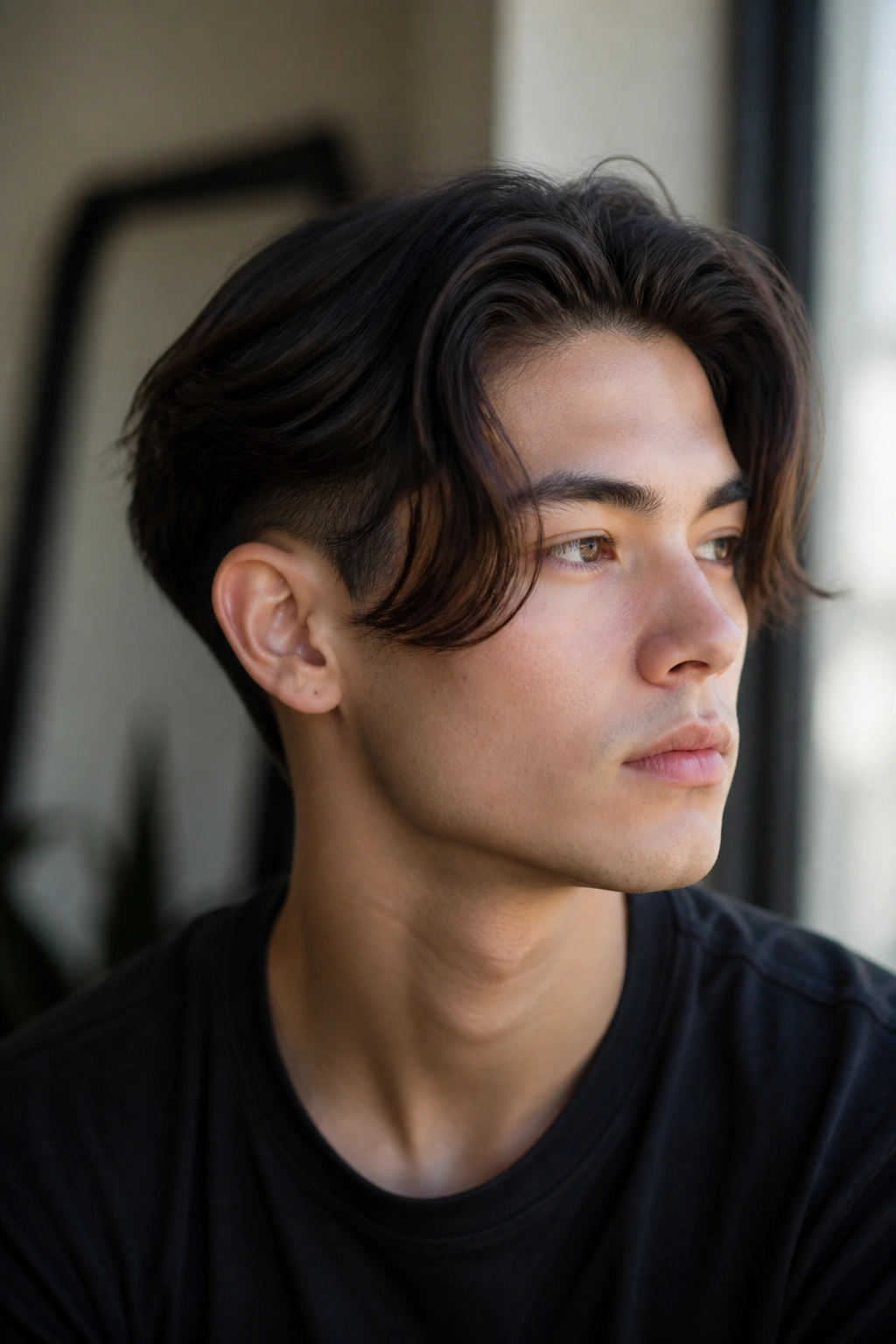
A curtain undercut has a very specific kind of confidence. The center part drops the hair to both sides, then the clipped sides underneath flash through when the top moves. It feels soft at first glance, then much bolder once you notice the contrast.
I like this look most on straight or loosely wavy hair. The part needs enough length to fall on its own, and the fringe should sit around the cheekbone or jawline if you want the shape to read clearly. Blow-drying the top forward, then splitting it into the middle while it is warm, gives the cleanest curtain effect.
What to Watch For
- Keep the top long enough to drape, not stand up
- Use a light cream or spray, not a heavy paste
- Ask for short sides that do not blend too high
- Trim the fringe before it starts covering the eyes
There is a reason this cut keeps pulling people back in. It frames the face without looking harsh. And when the undercut beneath it is tight, the whole thing gets a bit more edge.
11. Fringe Undercut
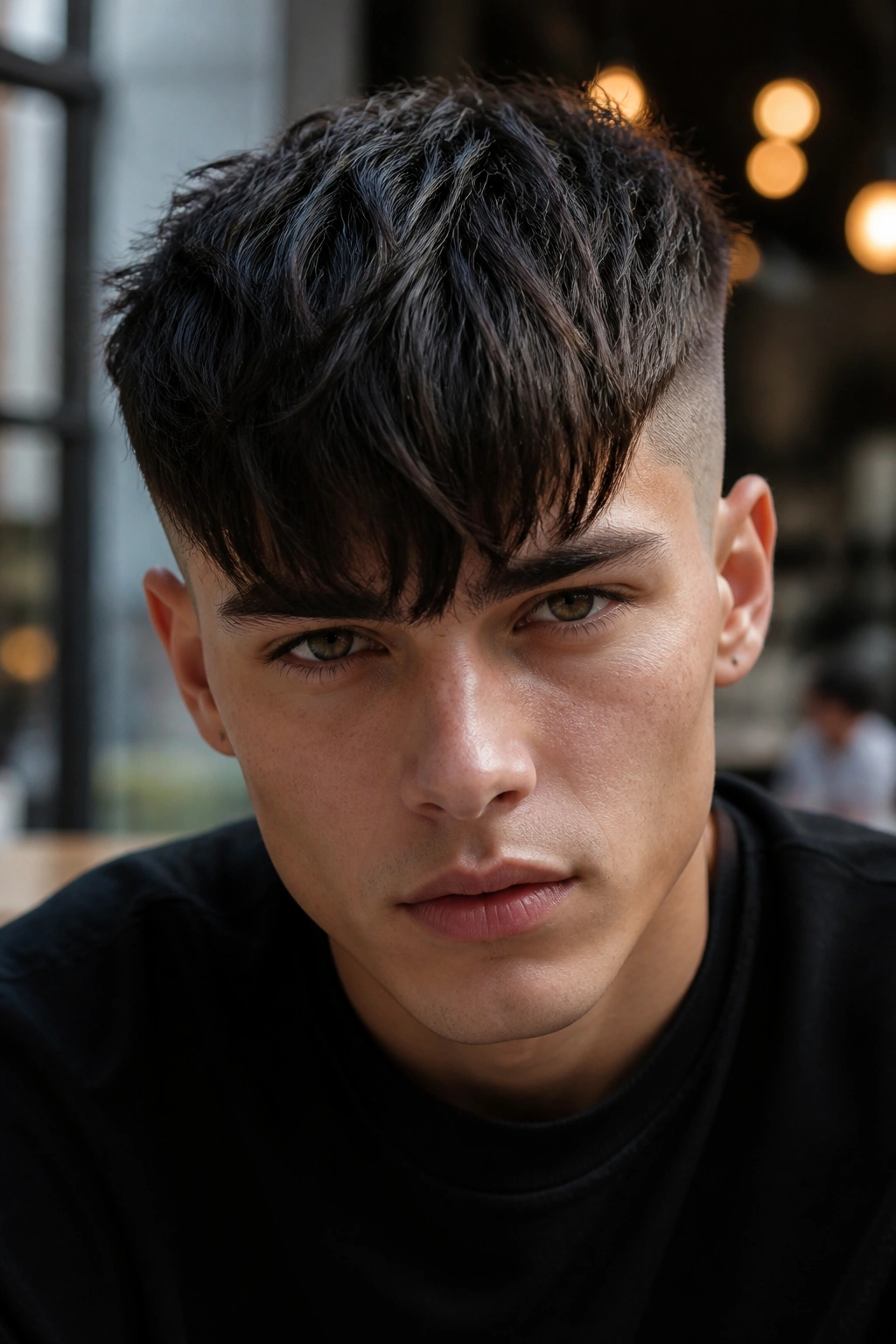
A fringe undercut works because it moves attention forward. Instead of building height or slicking everything back, the cut puts a heavy or textured fringe at the front and lets the short sides sharpen the outline. It is a good choice if you want the face framed, not exposed.
The fringe can be blunt, choppy, or slightly feathered. That choice changes the mood a lot. A blunt fringe feels more graphic; a broken one feels looser and less severe. In both cases, the undercut keeps the sides from stealing attention away from the top. That matters if you have a strong forehead line or just like the way forward weight changes the look.
You do not need much product here. A matte paste on dry hair is usually enough. Work it through the ends, pinch a few sections, and leave the rest imperfect. That little roughness keeps the fringe from looking like a wig cap, which is a problem I see all the time with badly styled versions of this cut.
12. Hard Part Undercut
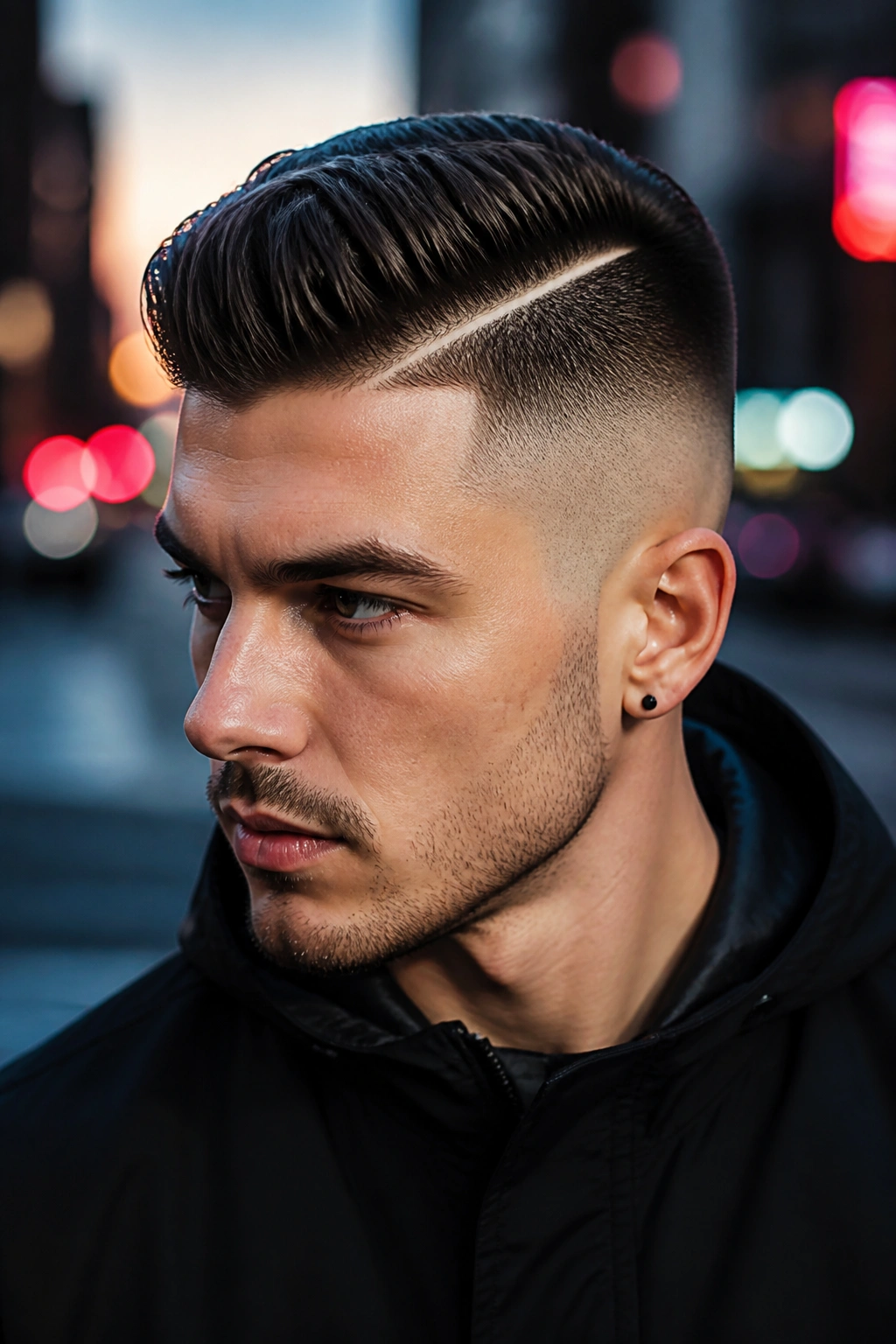
A hard part undercut is for people who like lines with their lines. The razor part gives the hair a visible path, and the short sides make that part stand out even more. Compared with a soft side part, this looks sharper, cleaner, and a touch more formal.
The real value is control. The part line creates a built-in guide every time you style it, which means you spend less time guessing where the hair should go. If your hair is thick or dark, the line shows up beautifully. If it is fine and light, the contrast can still work, but the barber needs to place the part with care.
Who It Suits Best
- People who want a tidy, defined finish
- Hair that falls to one side naturally
- Styles built around pomade, cream, or combing
- Cuts that need a clear visual break between top and sides
I would not call this a low-maintenance haircut. The line softens as it grows, and then the whole look loses some bite. If you like precise edges, though, it is one of the cleanest ways to make an undercut feel sharp without adding extra length.
13. Faux Hawk Undercut
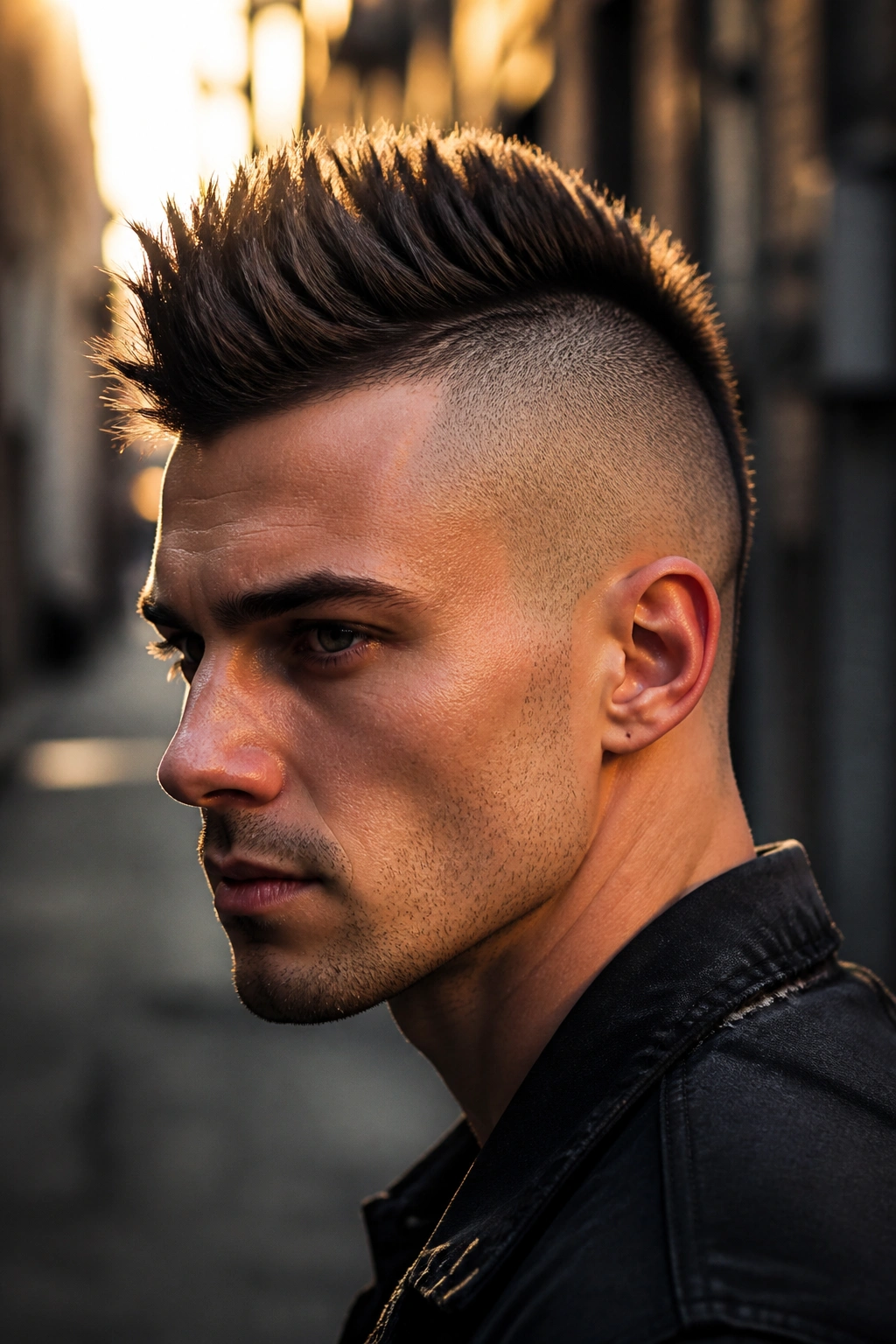
A faux hawk undercut gives you edge without forcing you into full mohawk territory. The sides stay tight, the center strip stays longer, and the middle rises just enough to make the shape look defiant rather than precious.
Why It Works
The center line pulls the eye straight up the head. That is the trick. Even if the top is only moderately long — say 3 to 5 inches — the shape can still feel dramatic because the sides are doing such a good job of disappearing. The result is narrower, taller, and a little sharper than a standard short style.
- Use matte clay for a rough finish
- Blow-dry the middle upward before shaping it
- Keep the sides very short to strengthen the contrast
- Pinch the ends instead of smoothing them flat
This cut is good if you want energy in the haircut without turning it into a costume. It works with straight, thick, or slightly wavy hair, and it looks especially good when the middle has a bit of separation instead of one solid ridge. That separation keeps it from feeling too locked in.
14. Mohawk Undercut
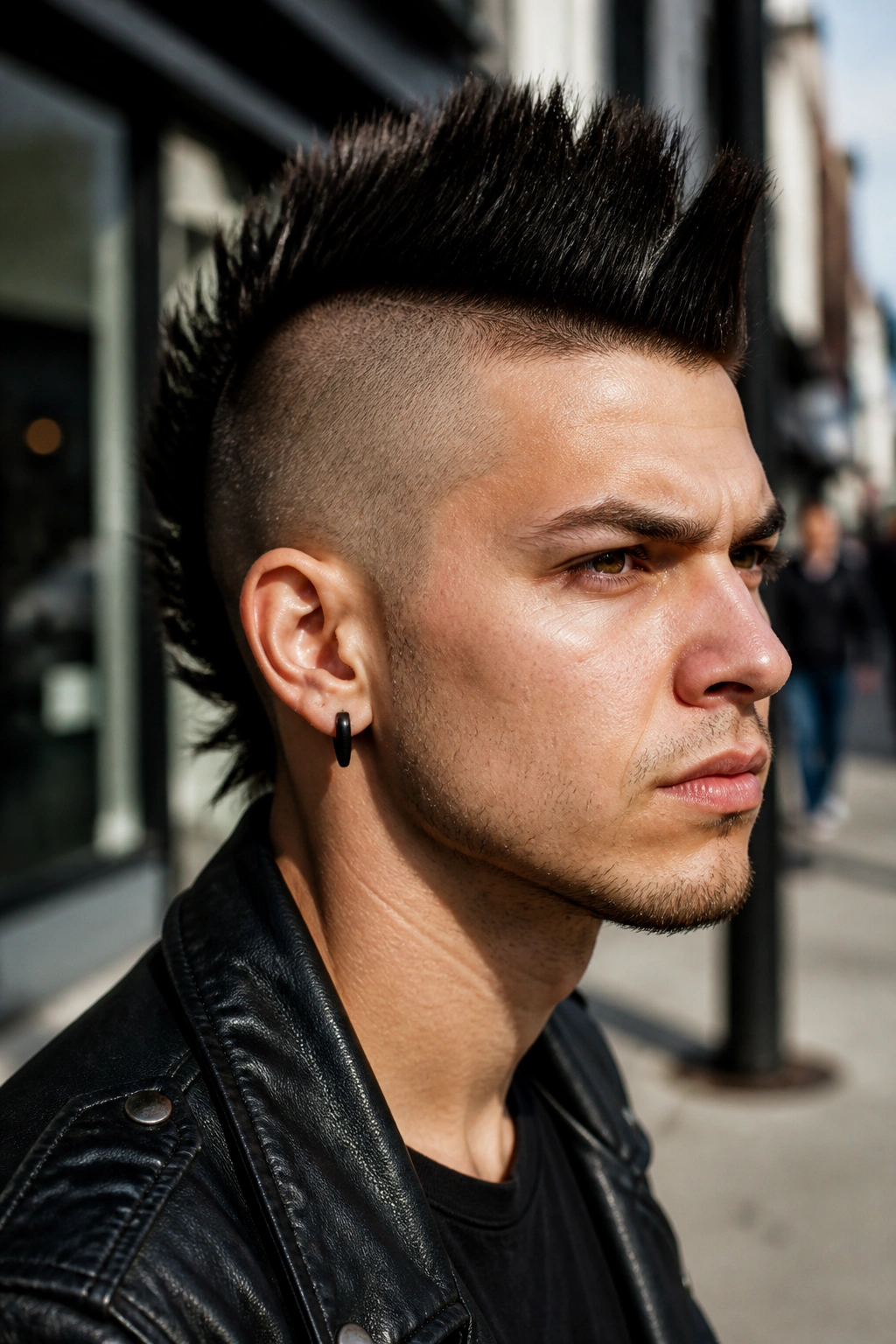
The mohawk undercut is not shy. That is the point. With the sides taken down close, the central strip has room to stand out, and the whole haircut gets that unapologetic shape people notice from across a room.
You can wear it narrow or broad, polished or rough. A narrow strip reads more severe; a wider strip can look almost sculpted. The top usually needs enough length to stand on its own, and if your hair is thick or coarse, that helps. Fine hair can still pull it off, but you will probably need more product and more patience.
A lot of people think this cut is only for loud personalities. Not true. It can work on quiet people who like strong lines. The difference is in the finish — if you keep the top neat and the edges clean, the cut feels intentional instead of chaotic. That is a useful distinction, because this style gets a bad reputation for being messy when it really rewards precision.
15. Skin Fade Undercut
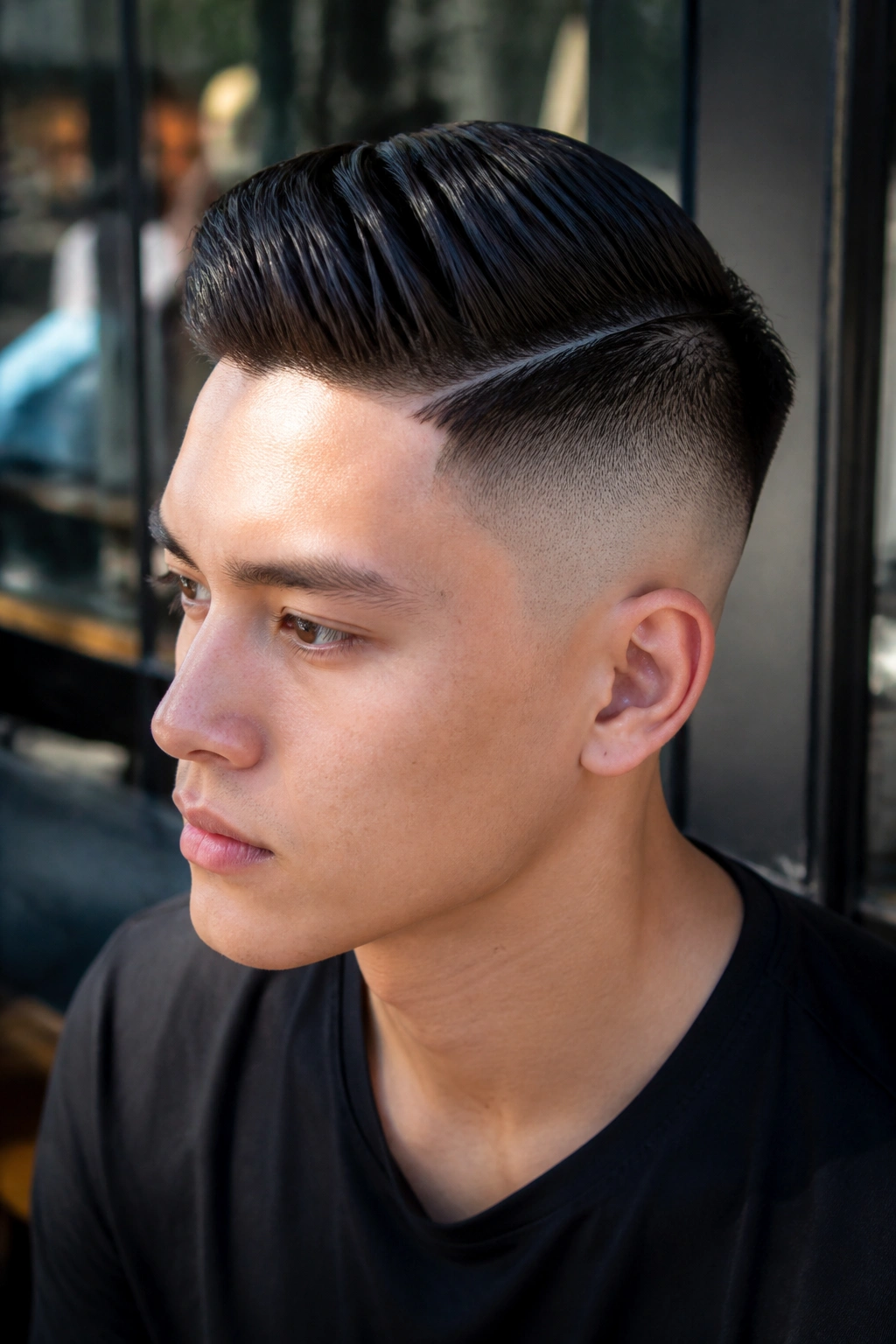
Does anything look cleaner than a skin fade undercut? Not much. The fade drops all the way to the skin near the ears and neckline, and that naked finish makes the top look even more deliberate. It is a high-contrast version of the undercut with a crisp edge that shows from every angle.
The top can go slick, curly, textured, or lifted. The fade does not care. It frames almost any top style, but it works best when you want the sides to disappear completely and the haircut to feel sharp around the outline. Maintenance matters here because the fade grows out in a way your eye notices fast.
How to Wear It
If you want a softer feel, keep the top textured and matte. If you want a dressed-up version, comb it back with a light pomade. A good skin fade should look smooth through the transition and clean around the ears, with no dark patches hanging awkwardly in the middle.
This is one of those cuts that looks expensive even when the styling is simple. That is not magic. It is just the visual effect of a clean gradient against a strong top.
16. Tapered Undercut
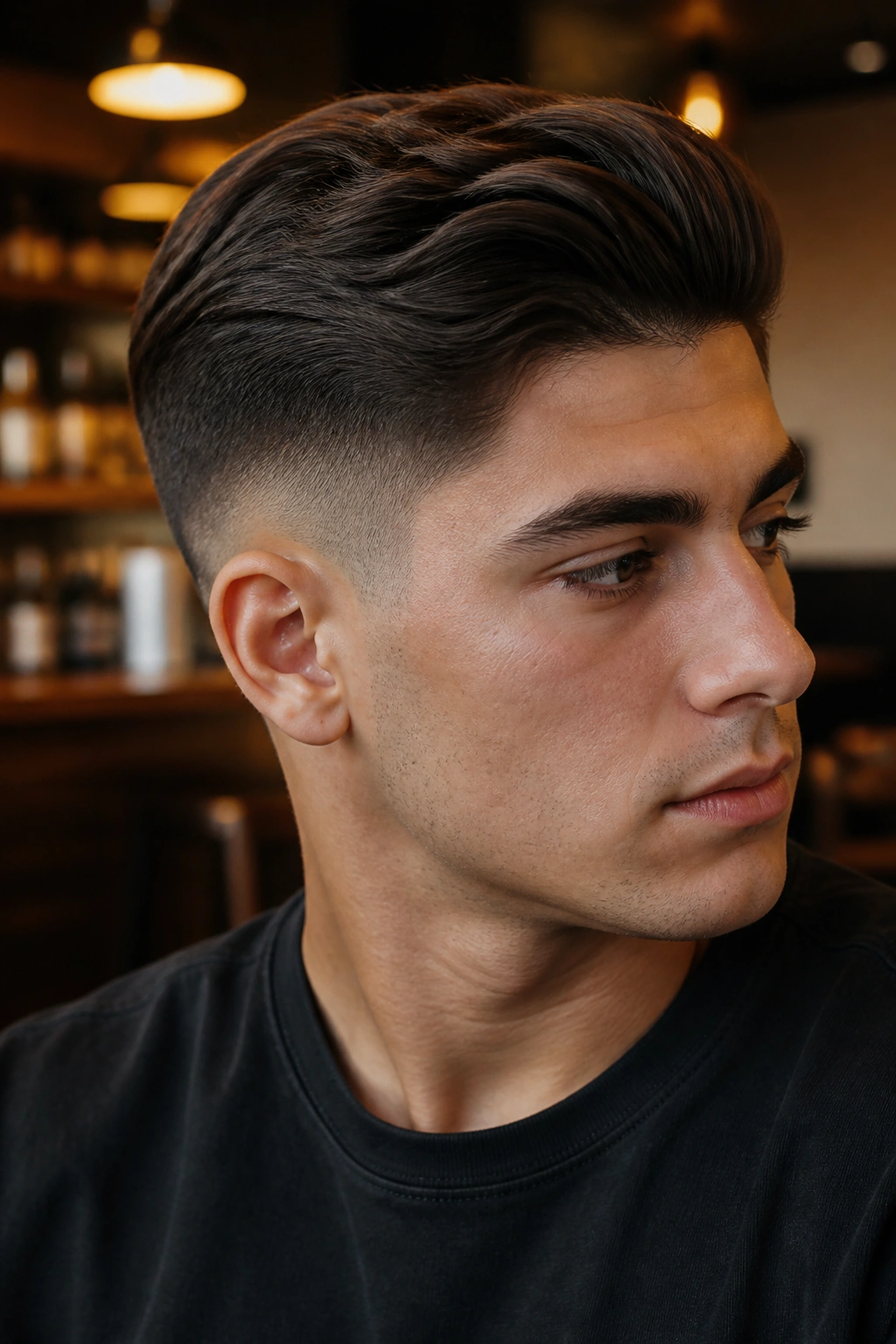
A tapered undercut is the friendlier cousin of the hard, disconnected version. The sides still get short, but the fade eases in a little more gently around the ears and neckline. That softer edge makes the haircut easier to wear day to day.
I tend to think of this as the undercut for people who want edge without shock value. The top can stay long enough to style, while the taper keeps the grow-out from looking rough. A lot of cuts look good fresh and awkward a week later. This one usually behaves better.
Key Details
- Cleaner grow-out than a blunt disconnect
- Good for people who need a balanced look
- Works with combed, textured, or curly tops
- Usually needs less constant sharpening than a skin fade
It still reads bold when the top has height or texture. It just feels a little less severe at the edges, which can be a good thing if you wear the style to work or prefer something that does not shout every time you turn your head.
17. Burst Undercut
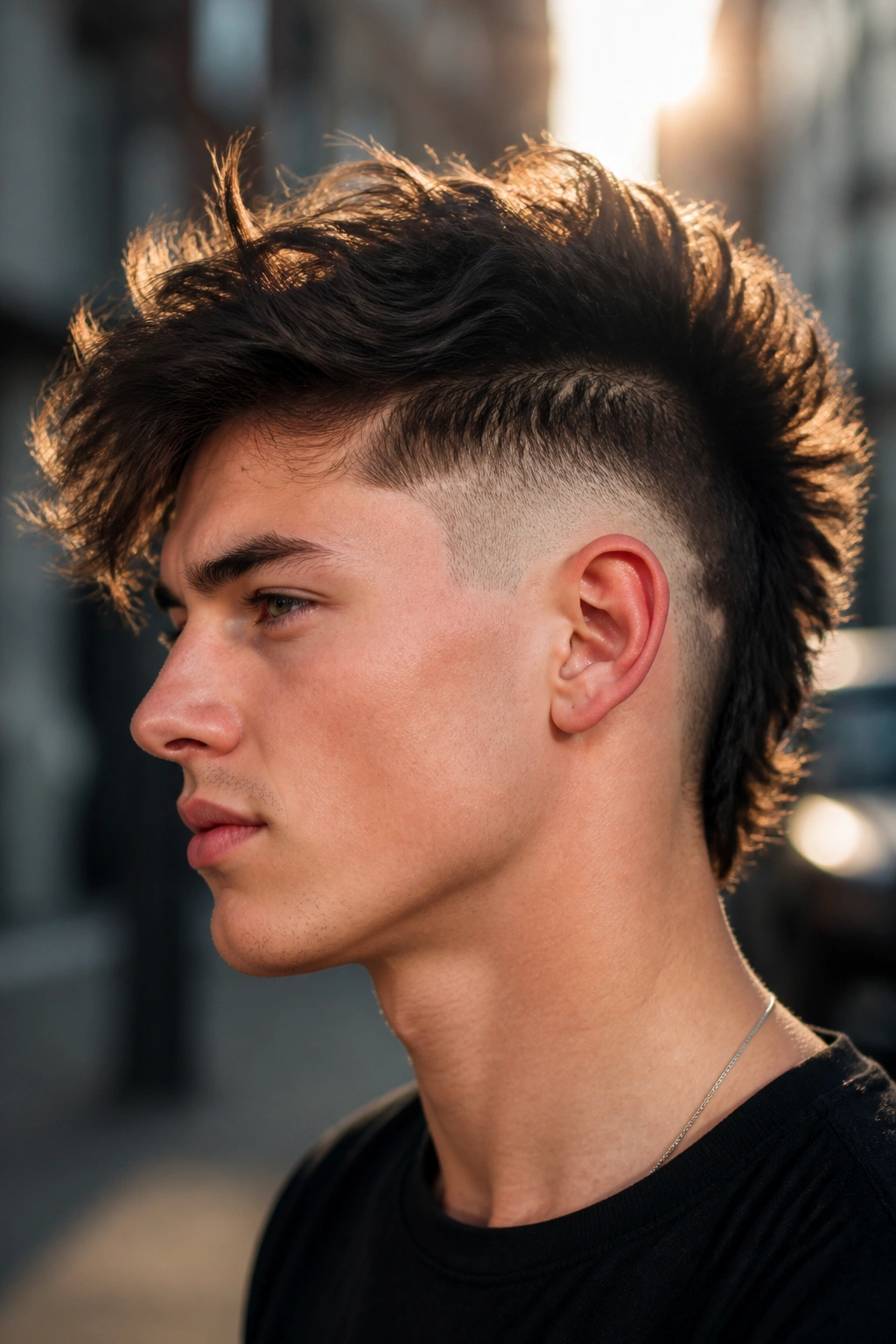
A burst undercut curves around the ear like the haircut is wrapping itself in a small arc. That shape gives it movement before you even style the top. It is especially good with mohawk-inspired cuts, mullets, or textured tops that need a little extra personality at the sides.
The curve is what makes it stand out. Instead of fading straight down the side of the head, the cut opens around the ear and then drops lower at the back. That little crescent shape looks clean on thick hair and can be especially nice with curls, because the fade gives the hair a frame without flattening it.
I like burst fades on people who want something bold but not boxy. A straight side can feel rigid. The burst shape softens that rigidity while keeping the haircut aggressive enough to register. It is a small thing, but the outline changes the whole read of the style.
18. Mullet Undercut
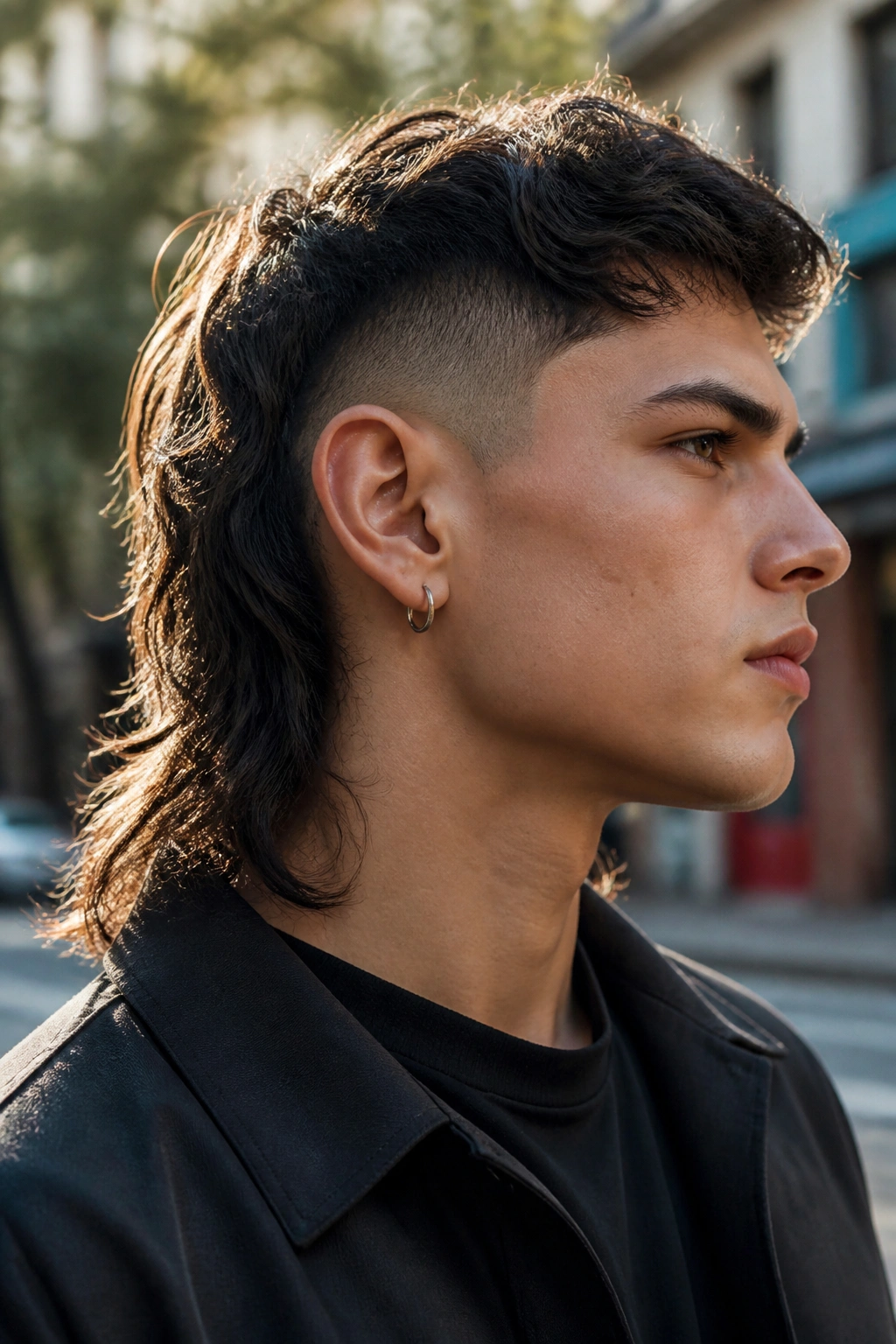
Unlike the classic undercut, this one keeps length in the back and makes a point of it. The mullet undercut is built on contrast: shorter at the sides, longer through the back, and usually some attitude sitting in the middle. It sounds like a throwback because it is, but the sharper modern version can look surprisingly clean.
The best versions do not rely on shock alone. They use shape. A neat top with a bit of texture, short sides that hold the silhouette, and a back that has enough length to move when you do. That combination keeps the haircut from looking like it was left unfinished on purpose.
Who It Works For
- People who want a retro edge
- Thick or wavy hair that can handle length at the back
- Cuts that need more shape than a standard undercut
- Anyone who likes a little contradiction in their style
If you want the style to feel wearable, keep the back controlled. Too much length and it tips into costume territory. Just enough length, though, and it has real character.
19. Bleached Undercut
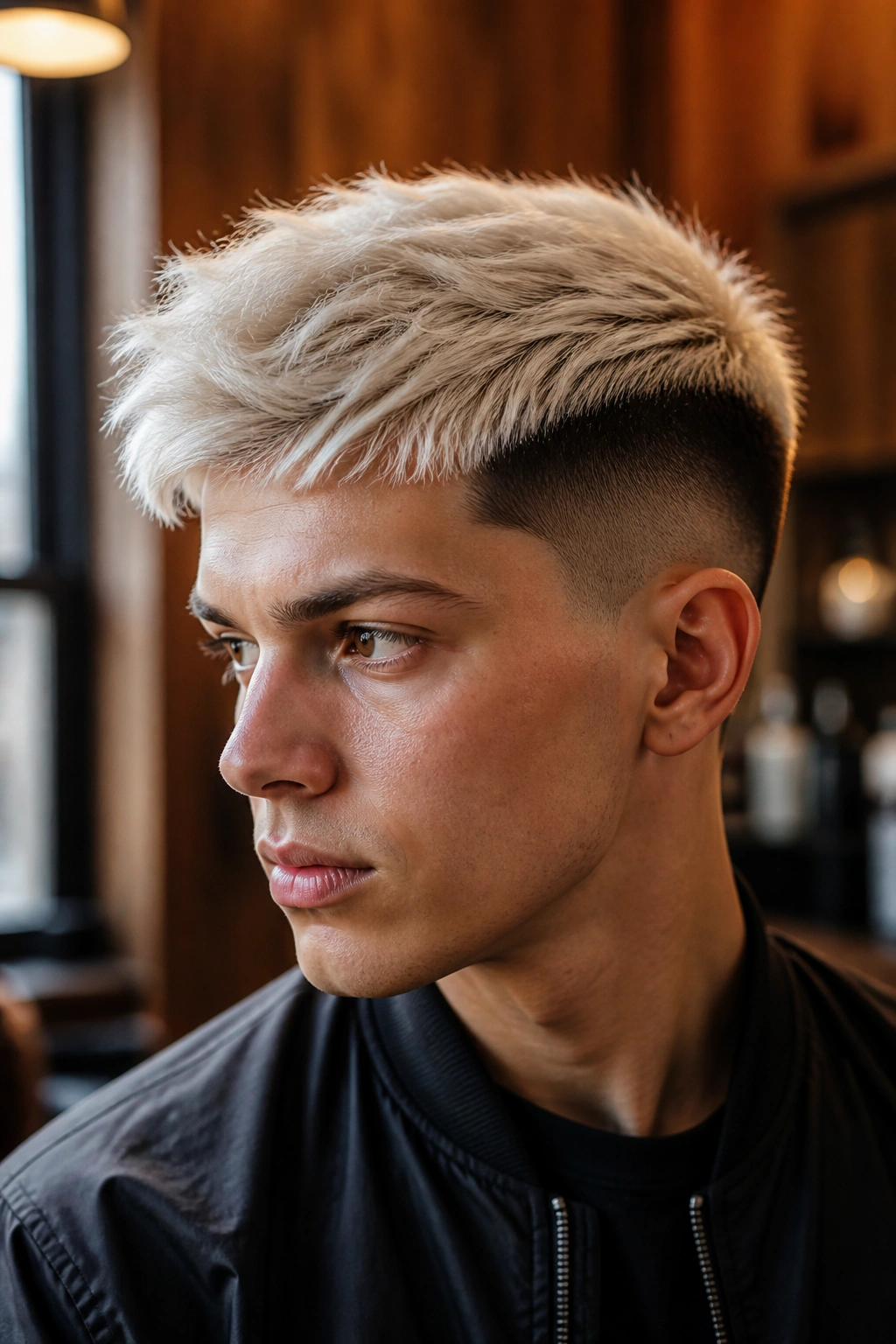
A bleached undercut makes the contrast obvious before anyone even notices the shape. Light on top, dark underneath, or a bright top against tight dark sides — either way, the color change adds another layer to the haircut. It is loud in a clean way.
Why It Works
Bleach does more than brighten hair. It changes the way texture reads. Rough ends, cropped sides, and sharp outlines all stand out more once the color lifts. That can be a big advantage if your haircut needs extra visual impact.
- Works well on short textured tops
- Pairs well with black roots or darker side growth
- Needs conditioner and occasional toner
- Can make curls or waves show more clearly
A small warning. Bleached hair can feel dry faster than unprocessed hair, so you want to stay on top of moisture. A rich conditioner and a gentle shampoo help more than fancy styling products do. If the hair already feels fragile, think twice before going lighter. The cut can be bold on its own; the color should support it, not wreck it.
Pro tip: If you want the style to age well between salon visits, keep the sides darker and let the top carry the color. Grow-out looks cleaner that way.
20. Design Line Undercut
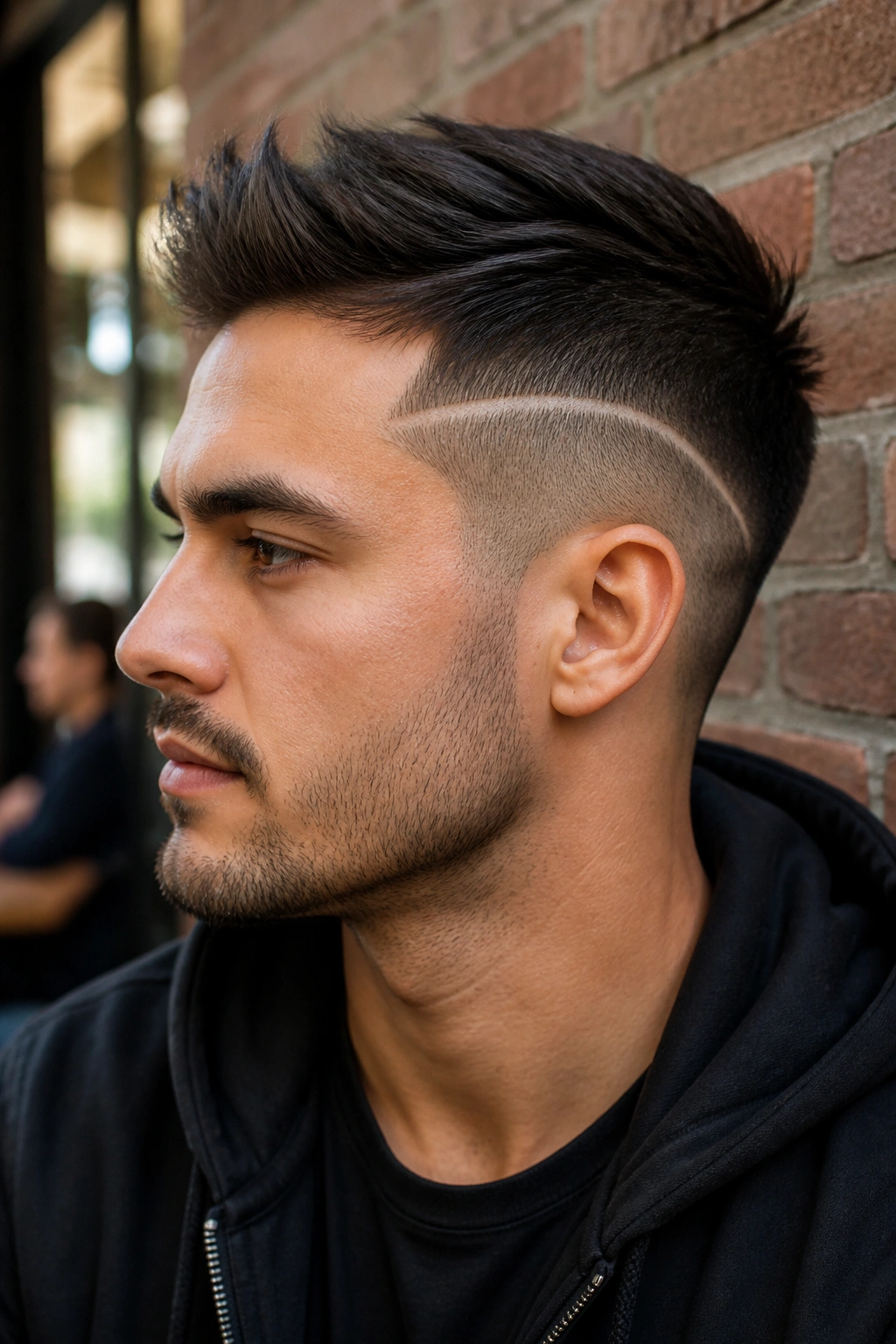
A design line undercut is for someone who wants the haircut to say something. The etched line, zigzag, or geometric carve in the side turns the undercut into something more personal. It is not subtle, and it should not be. The point is to make the cut feel chosen down to the last detail.
The line can be tiny and precise, or broad enough to read from a distance. Either way, placement matters. A clean line near the temple or above the ear looks sharpest when the rest of the fade is tidy. If the base haircut is messy, the design just looks pasted on. That is the mistake. The design only works when the haircut underneath is already solid.
I like this version on short to medium tops because the side detail stays visible. It also plays well with hard parts, skin fades, and textured crops. If you want something that feels a little more personal than a standard undercut, this is where the personality lives. Sharp line. Clean sides. Enough attitude to make the whole cut memorable without turning it into a gimmick.
