



Rose blonde hair color can look expensive on cool skin tones, but only when the pink stays on the blue-leaning side of the spectrum. Let it drift warm and the whole thing turns peachy, which is a different mood entirely.
If your skin leans pink, rosy, or blue, the nicest versions of rose blonde usually sit somewhere between icy beige and muted blush. I like that range because it can look soft in daylight and sharper under indoor light without screaming for attention.
The technical part matters. Most flattering rose blondes start on a pale blonde base, then get a demi-permanent gloss or toner with pink, violet, or pearl notes; once the base gets yellow, the pink reads coral, and that is where the whole thing goes sideways. Brass ruins the mood.
Some shades need a full lightening service. Others can live happily as a gloss over highlights or a rooted balayage, which is kinder to the hair and easier on your schedule. Pick the version that matches your maintenance tolerance, not the one that looks prettiest in a photo. Brains first. Pretty second.
1. Icy Rose Blonde
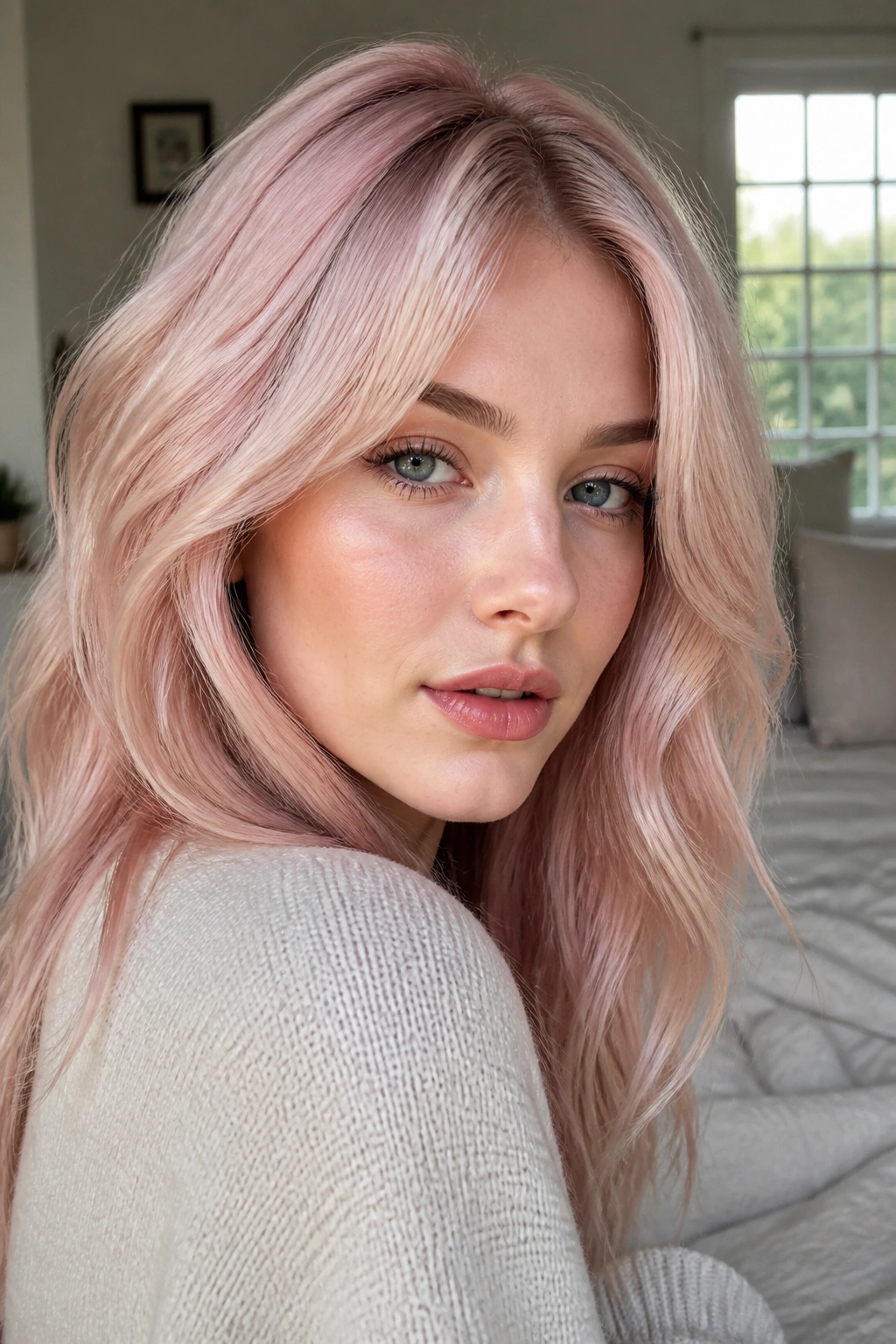
Icy rose blonde is the shade I reach for when someone wants pink hair, but cleaner. The blonde stays pale and cool, and the rose sits on top like a thin blush veil instead of a candy coating.
Why It Flatters Cool Skin
The magic is in the base. Level 9 or 10 blonde gives the pink room to show without turning orange, and the icy finish keeps the whole thing crisp against pink or blue undertones. On very fair skin, it can look almost frosted. On medium cool skin, it reads more polished than playful.
Quick Notes
- Ask for a violet-leaning toner with a sheer pink gloss layered over it.
- Best on hair that has already been lifted to a pale yellow, not gold.
- Works especially well with straight, glossy styles and smooth waves.
- Plan on a refresh every 4 to 6 weeks if you want the icy feel to stay sharp.
Best tip: keep the pink light and translucent. Once it gets dense, the whole shade loses that airy, expensive look.
2. Dusty Rose Balayage
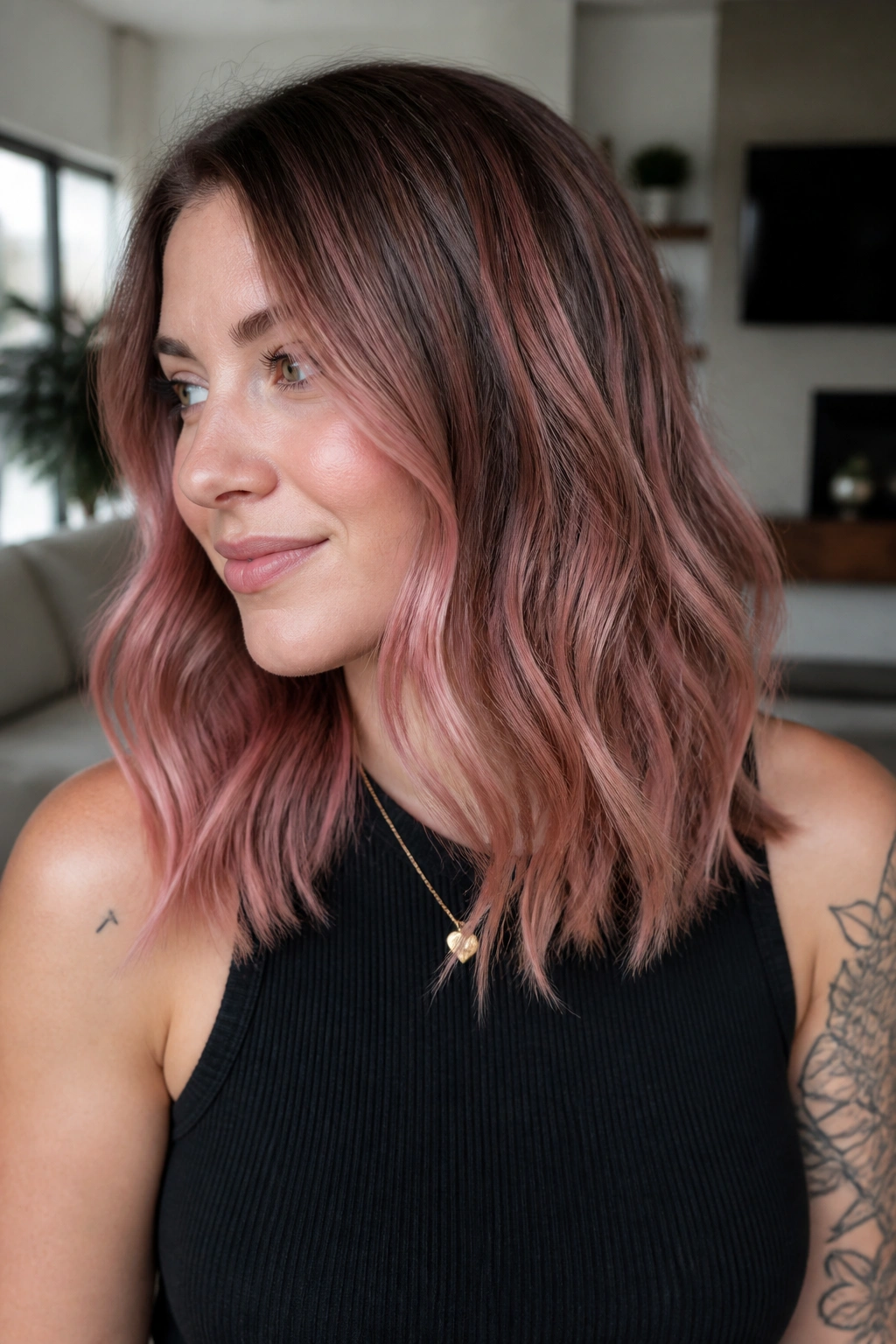
Dusty rose balayage is the easiest rose blonde to live with. The color is painted through the mid-lengths and ends, so the root can stay deeper and your grow-out won’t look harsh.
This version suits cool skin because the rose is muted. Not gray, not flat, just softened enough that it doesn’t fight with your undertones. If you wear charcoal, navy, black, or crisp white, it looks especially nice because those clothes make the pink read cleaner.
I also like dusty rose balayage for people who are nervous about going fully pink. The color shows when the hair moves, which is often enough. On a lob, it can look understated. On long waves, it gets more obvious and more dimensional. Ask for a cool beige base with pink washed through the ends, not a bright all-over tint. That little difference matters a lot.
3. Platinum Rose Tint
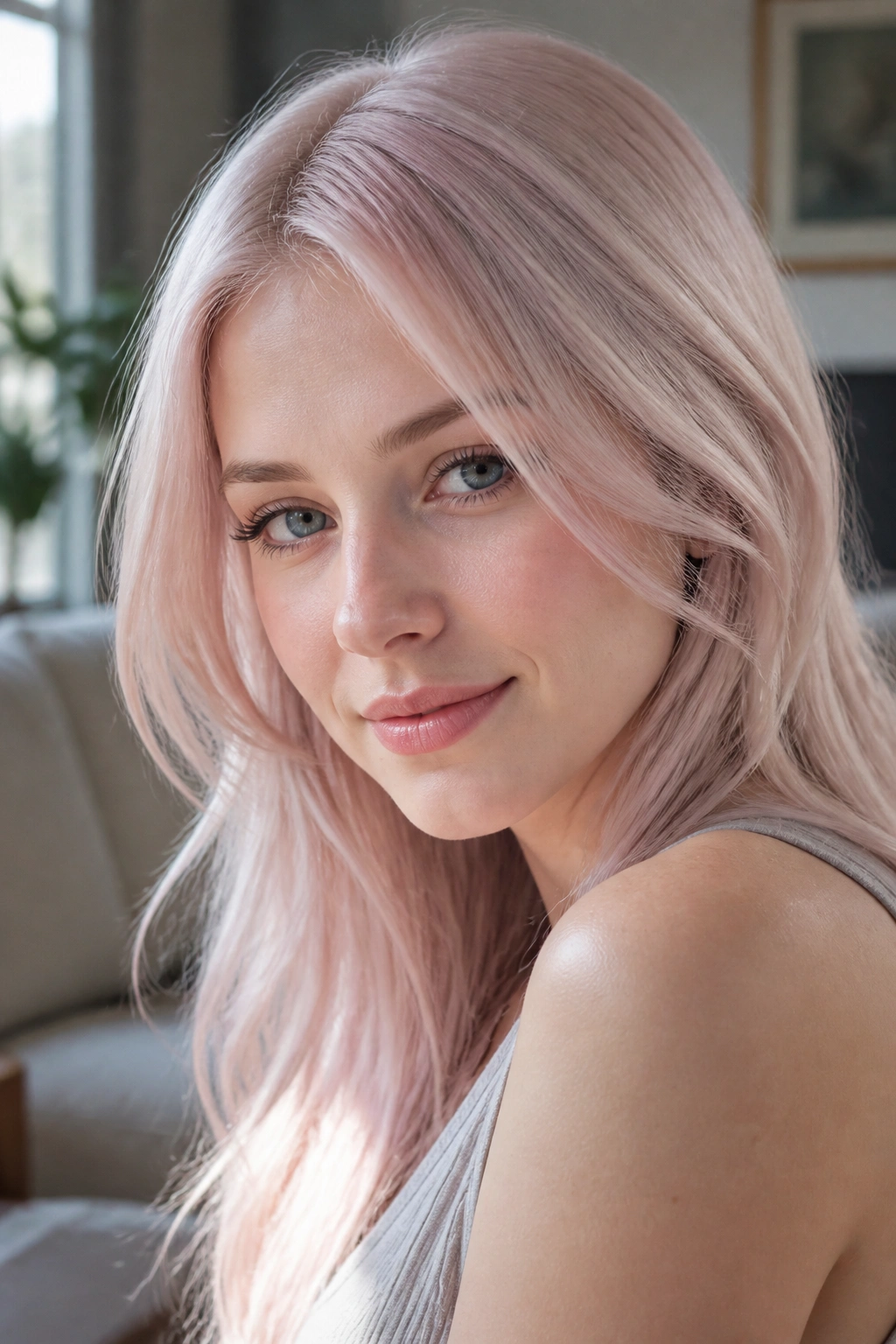
Why does platinum rose feel so fresh on cool skin? Because it keeps the blonde nearly white and adds just enough pink to stop it from looking stark.
The best version is delicate. You want a clean platinum base with a whisper of blush, not a heavy pastel layer that hides the shine. When the hair is too opaque, it starts to look chalky. When it’s translucent, it looks expensive and a little bit eerie in the best way.
How to Wear It
Keep the finish glossy. A clear or pearl topcoat between color services helps the blonde reflect light instead of going dull. Loose waves also help the rose tint show in soft flashes, especially around the front pieces.
If your hair lifts well and your skin has a pink or blue cast, this one lands beautifully. It is not the shade for brass-prone blonde. Get the base right first, or the rose tint will look muddy by week two.
4. Rose Beige Blonde
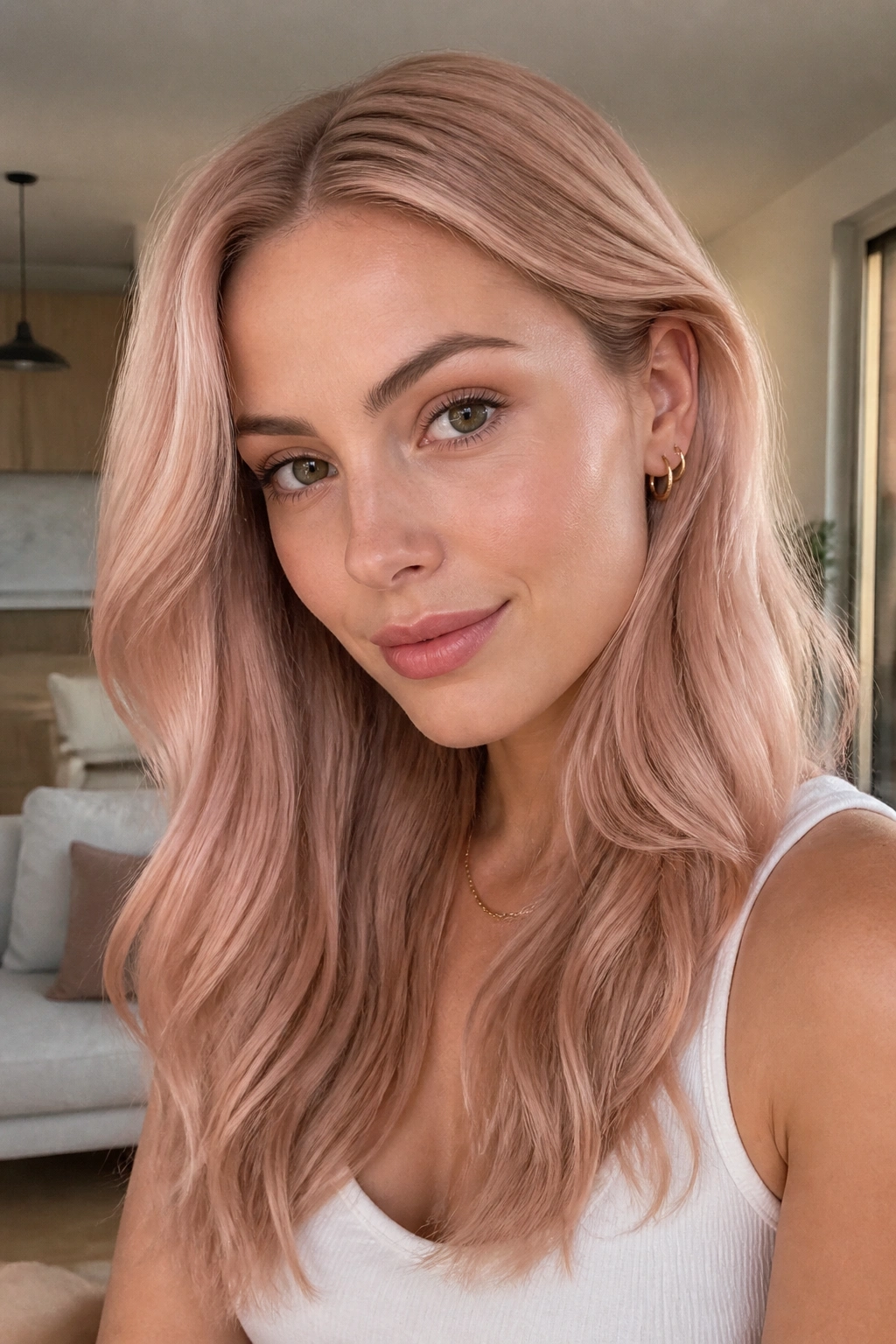
If you need a pink that can survive a dress code, rose beige blonde does the job. The beige softens the pink, and the pink warms up the beige just enough to keep it from feeling flat.
That balance is exactly why it works on cool skin. Beige can be tricky, since the wrong beige turns yellow fast, but rose beige stays calmer and more wearable. It’s one of the easiest rose blonde hair color ideas for someone who wants softness without a full pastel commitment.
What to Ask For
- A neutral-to-cool beige blonde base.
- A soft pink glaze, not a saturated fashion shade.
- Slightly deeper root shadow if you want less upkeep.
- A finish that sits between matte and glossy, not shiny enough to look metallic.
This is a strong choice for bobs, lobs, and shoulder-length cuts. The color shows shape well, and the beige gives the pink a grown-up edge. That keeps it from drifting into bubblegum territory.
5. Mauve Rose Blonde
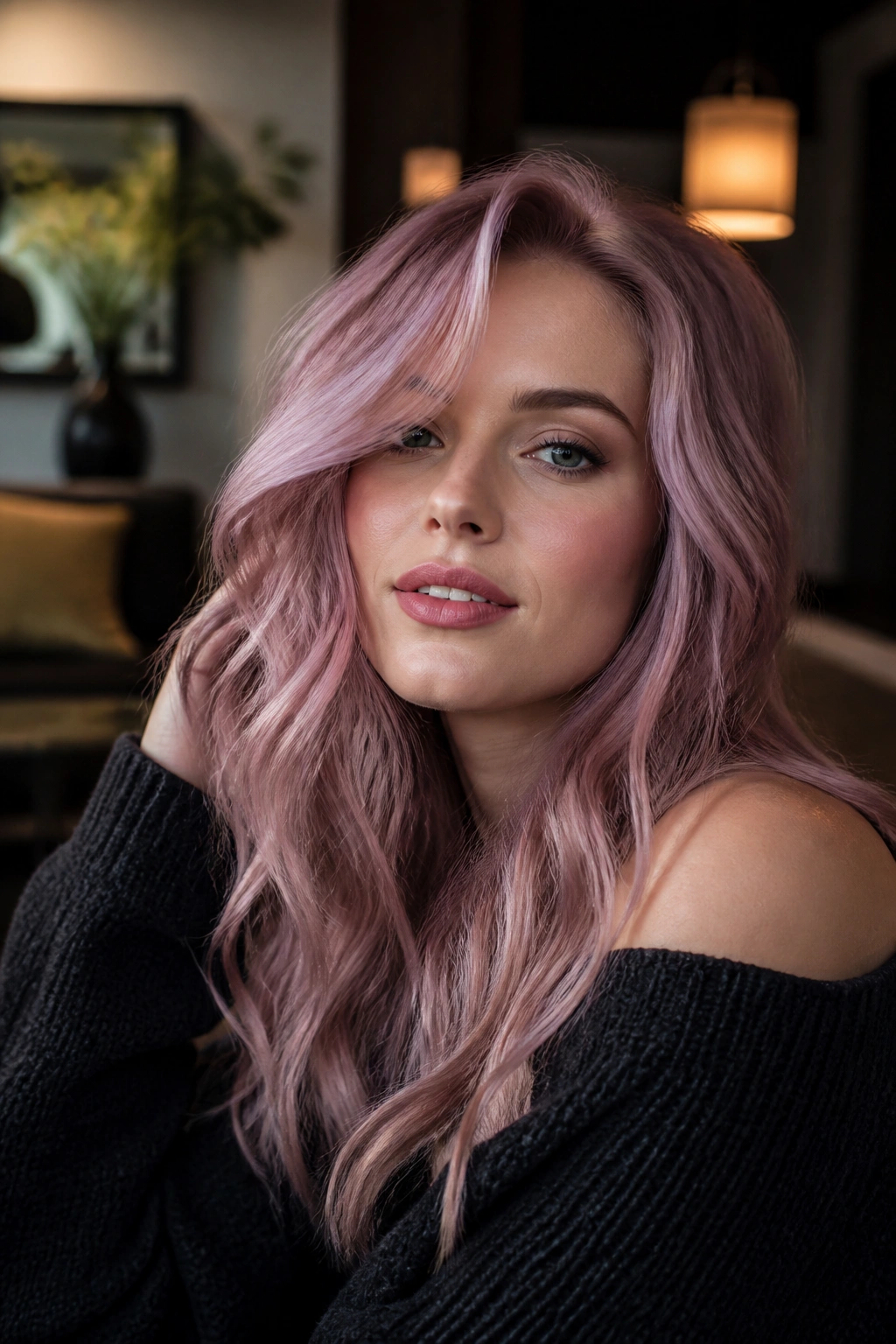
Mauve rose blonde has a little smoke in it, and that’s the point. It sits closer to lilac and dusty pink than to strawberry, which makes it one of the best cool-toned blonde options for people who want something moodier.
The shade flatters cool skin because it borrows from the same family as plum, mauve lipstick, and cool pink blush. It doesn’t need to be bright to make an impression. In fact, the quieter it is, the better it tends to look. On pale skin, it can feel almost velvet-like. On medium cool skin, it adds contrast without shouting.
I especially like mauve rose on layered cuts. The color breaks up beautifully around bends in the hair, and it looks richer when the light catches the mid-lengths. If you’re tired of sunny blondes and want something a little more interesting, this is the one that makes people look twice without trying too hard.
6. Champagne Rose Blonde
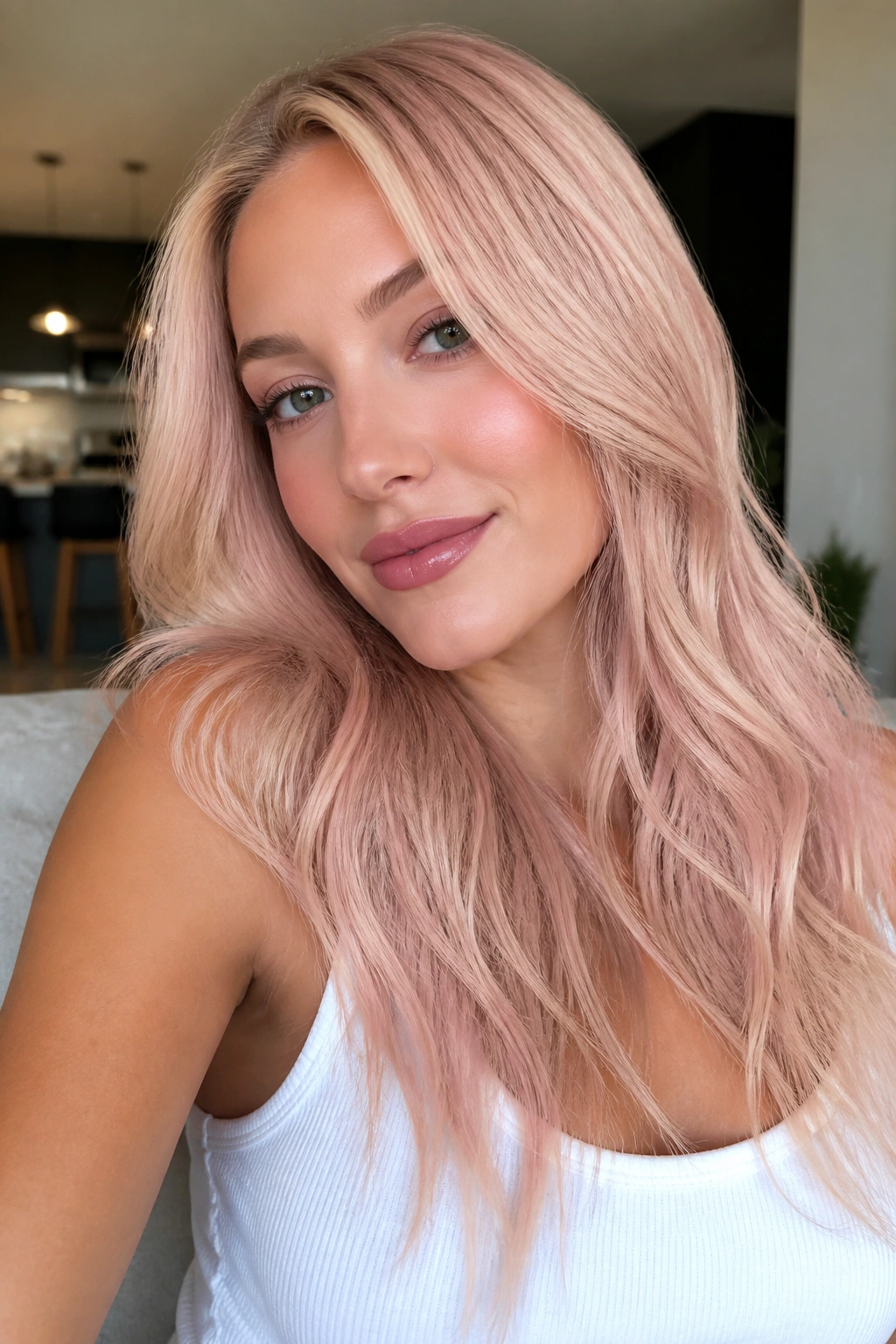
Unlike warm champagne blonde, this version stays pearl-led. That’s the whole trick. The gold is pulled back, the pink is kept cool, and the result lands somewhere between soft sparkle and pale blush.
Champagne rose blonde works on cool skin because it avoids the buttery note that can make the face look flushed or tired. The finish still feels bright, but it has a cleaner edge than a standard champagne shade. If your jewelry tends to be silver, platinum, or white gold, this one will feel more natural on you than a classic warm blonde.
Best of all, it’s easy to read as sophisticated without being severe. Ask for a cool champagne base with a rose gloss rather than a coppery toner. Keep the roots soft and the ends lighter. That balance gives the hair movement and keeps the shade from turning one-note under indoor lighting.
7. Silver Rose Blonde
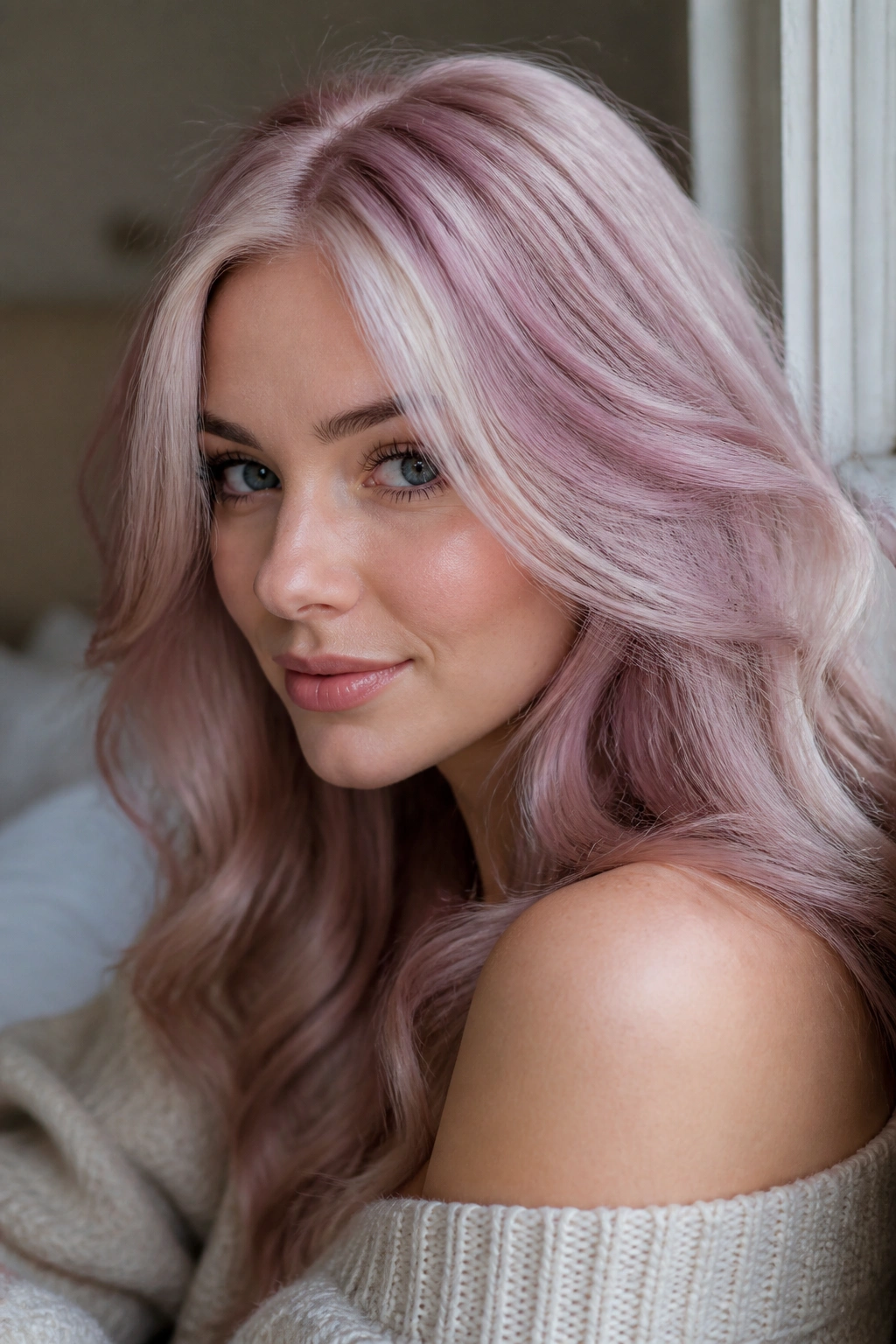
Silver rose blonde looks expensive when the silver sits on top of a pale pink base, not under it. If the silver takes over, the hair can go flat fast. If the rose peeks through, the whole thing feels dimensional.
Where the Silver Shows Up
The best placements are around the crown, face frame, and top layer where the light hits first. Silver tones near the face can sharpen cool skin in a good way, especially if your eyes are gray, blue, or green. The rose underneath stops the silver from feeling cold in a harsh way.
Quick Check
- Start with a clean platinum or very pale blonde base.
- Ask for a silver-violet toner with a pink wash.
- Use a purple shampoo sparingly; too much can mute the rose.
- Refresh with a gloss every 3 to 5 weeks.
My favorite detail: this shade looks best when the finish is glossy, not dusty. Shine is part of the look.
8. Rooted Rose Blonde Melt
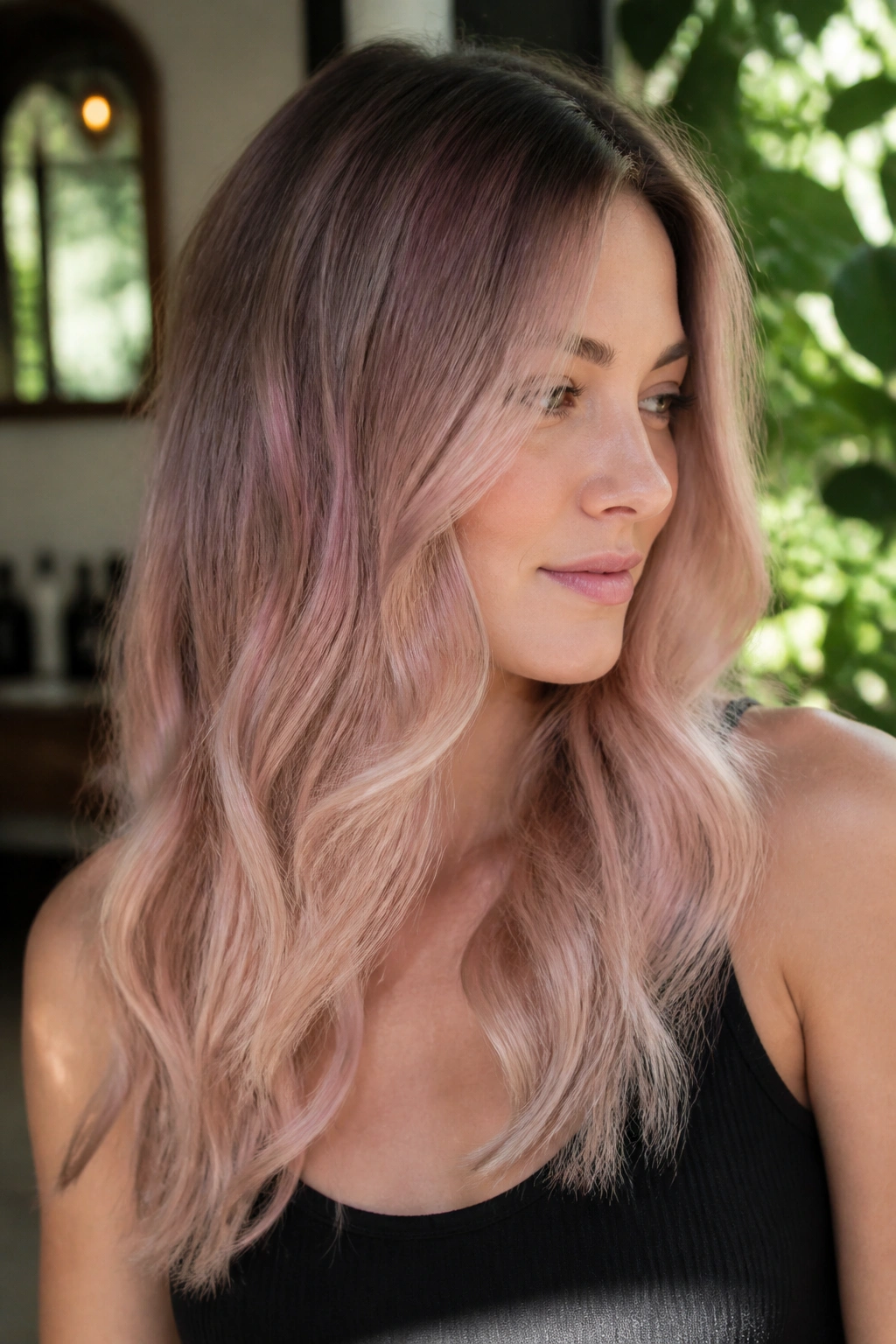
A rooted rose blonde melt is the smartest version if you hate obvious regrowth. The darker root gives the color a little shadow, and the rose blonde slides out of it like it was painted there on purpose.
This works especially well on cool skin because the root can stay ash brown, mushroom blonde, or dark beige while the mids and ends carry the pink. That contrast keeps the overall look calm instead of sugary. It also makes the rose feel more dimensional, which matters more than people think. A flat pastel can look cute for a week and then start looking tired. A root melt usually holds its shape longer.
I like this on longer hair and on people who wear their hair with bends or waves. The color shifts as the hair moves, so it never looks helmet-like. Ask for a shadow root about one to two levels deeper than the rest of the blonde, then fade into a muted rose glaze. Easy to grow out. Easy to love.
9. Pastel Rose Money Piece
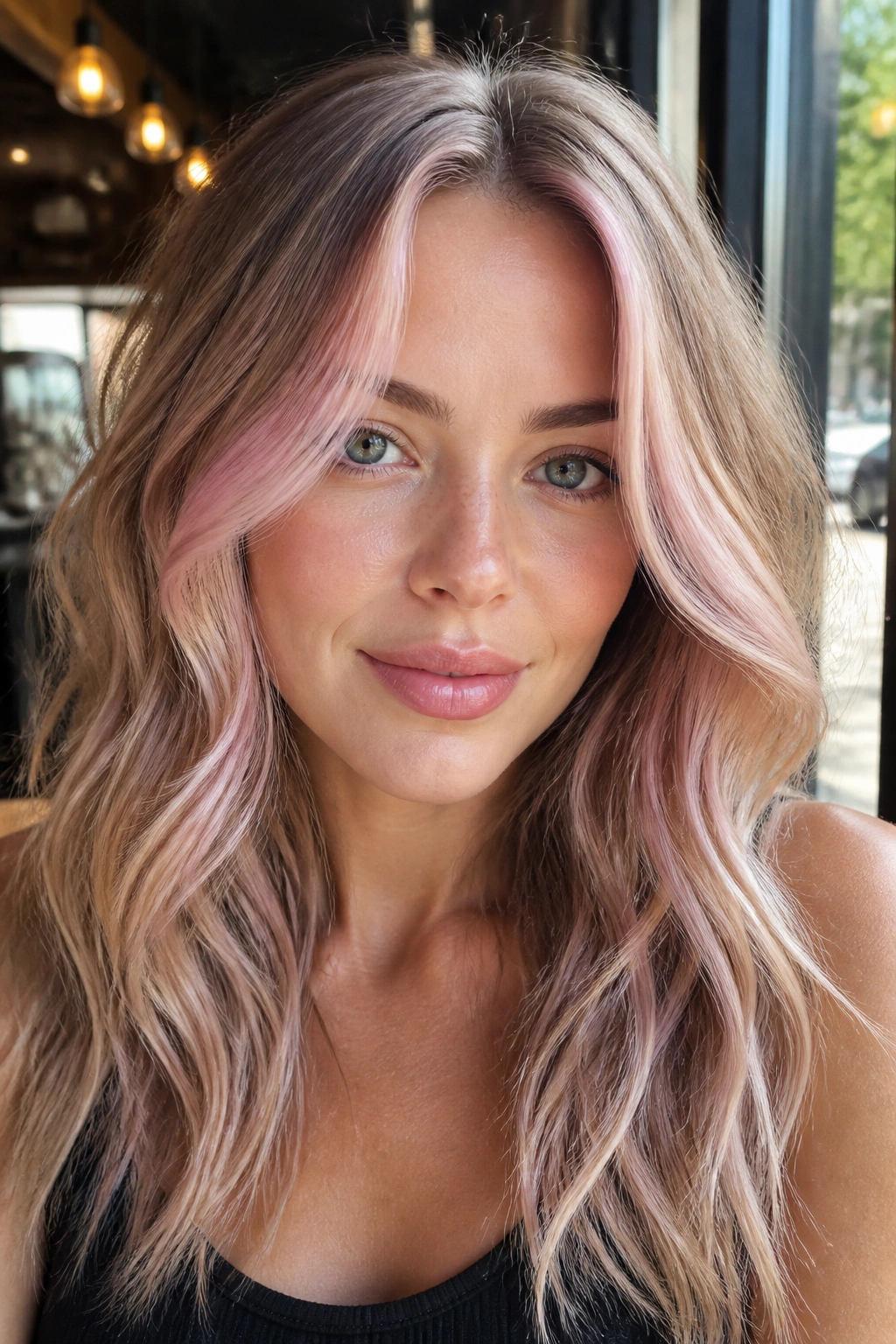
What if you want the pink, but not all over your head? Then the pastel rose money piece makes a lot of sense. A bright face frame gives you the rose blonde feeling without asking every strand to do the same job.
The placement matters more than the exact pink. You want the front sections to sit a touch lighter than the rest of the hair, with the rose kept soft so it doesn’t overpower your face. On cool skin, that can be a lovely little lift around the cheekbones and eyes. It’s especially good if your base color is a beige or ash blonde and you want a bit more personality near the front.
How to Wear It
Ask for the money piece to stay one level lighter than the surrounding blonde. Keep the rose transparent, not opaque. If your hair is wavy or curled, the contrast shows even better because the lighter pieces catch movement.
This is a nice choice for anyone testing rose blonde for the first time. Low commitment. High payoff.
10. Frosted Rose Ombre
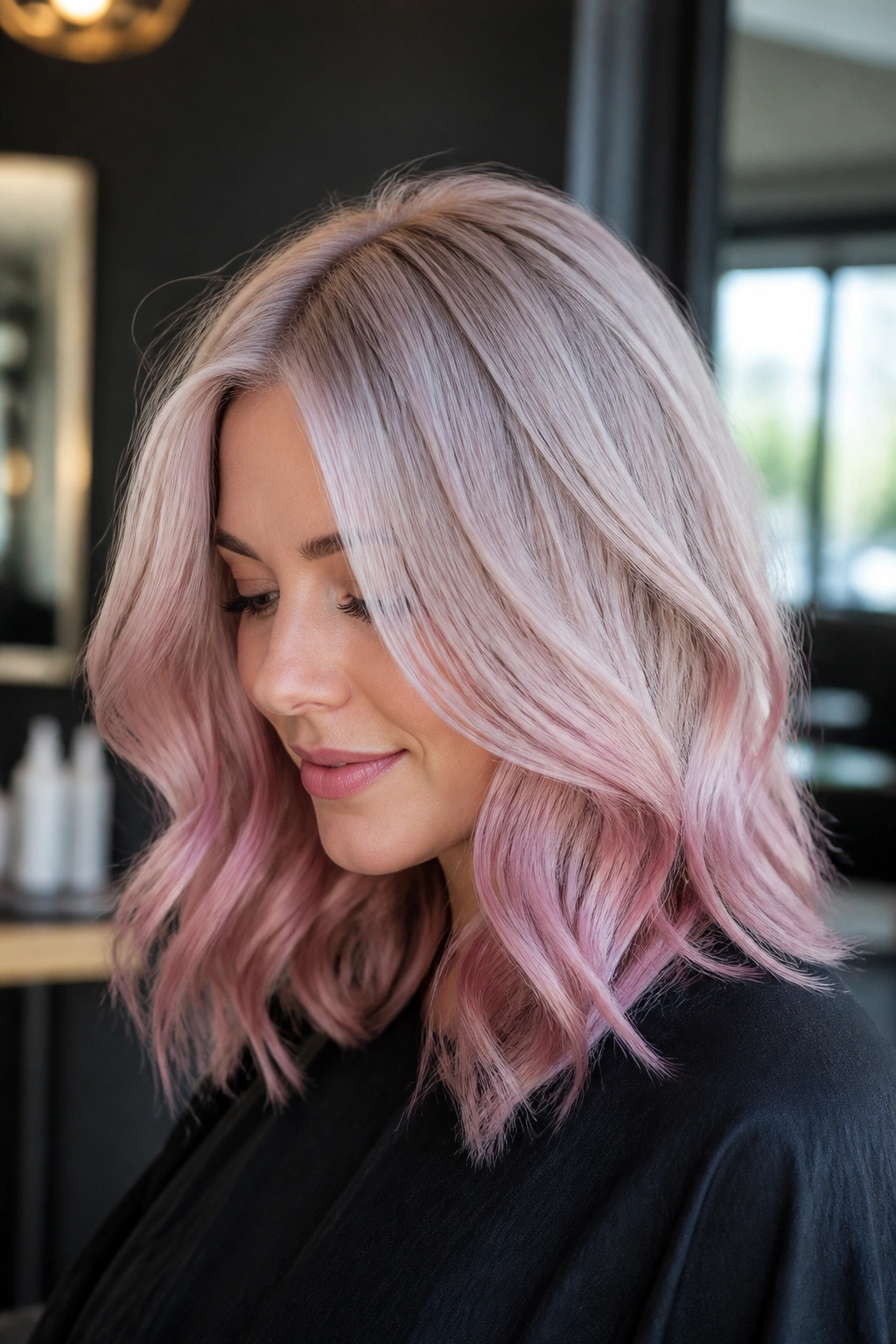
Picture shoulder-length hair that starts icy at the crown and melts into frosted blush through the ends. That’s frosted rose ombre, and it has a lot more edge than a standard pastel blonde.
The ombre shape does two things at once. First, it keeps the crown cooler and cleaner, which flatters cool skin beautifully. Second, it lets the rose get more visible toward the bottom, where hair usually takes color better and can hold more depth. That means you get the fun part without having to maintain full saturation at the roots.
- Best on medium to long hair where the fade has room to show.
- Works well with layered cuts, soft curls, and beachy waves.
- Ask for an icy blonde top and a muted rose end melt.
- Plan on toning the ends every few weeks, since porous hair grabs pink fast.
The finish should look deliberate, not stripey. That’s the whole appeal.
11. Pearl Rose Blonde
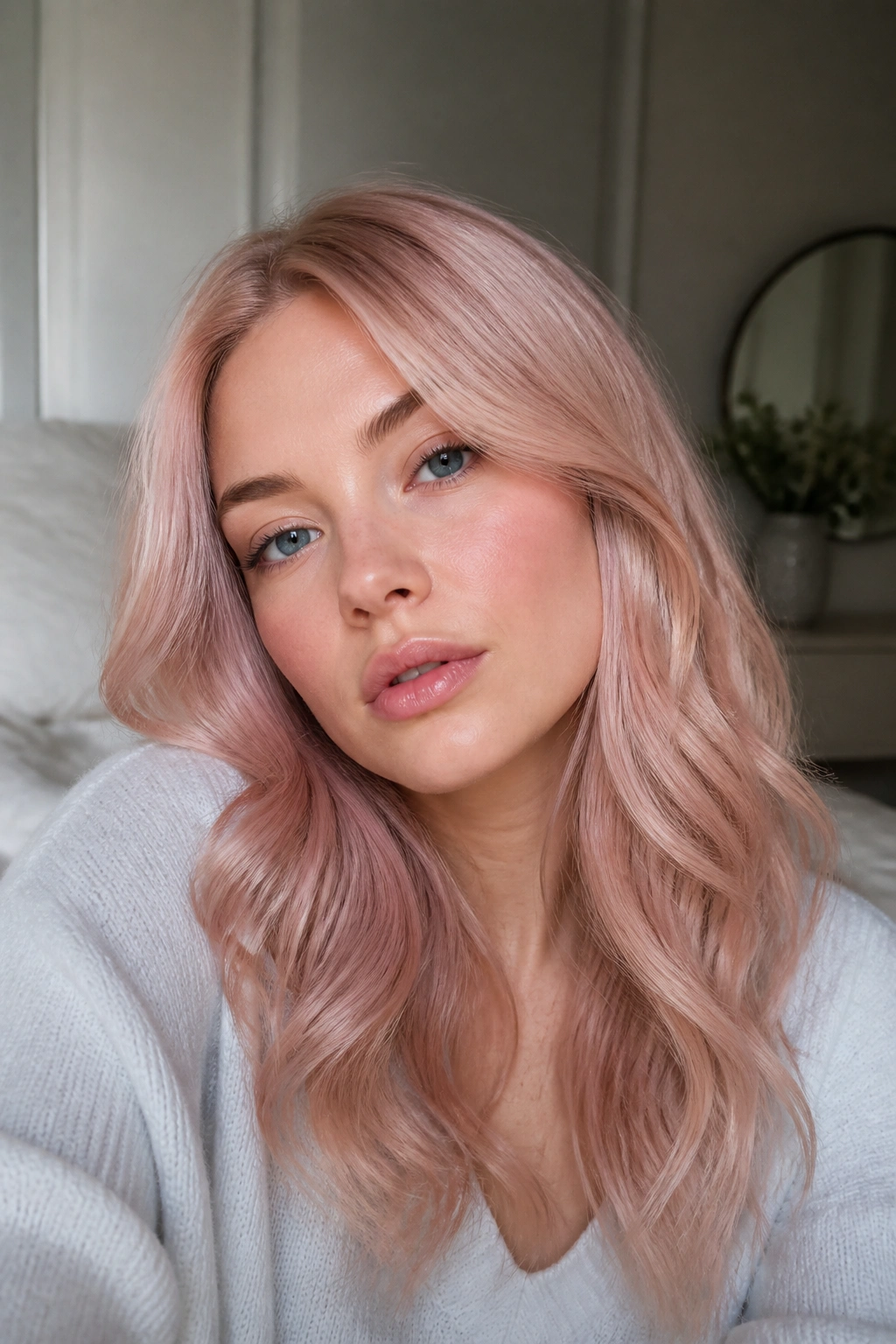
Pearl rose blonde is the shade for people who want their hair to look soft, not sugary. The pearl note adds shine and keeps the blonde clean, while the rose stays faint enough to feel almost like a blush reflected in glass.
On cool skin, pearl does a lot of quiet work. It keeps the color from going dull, but it doesn’t throw warmth back at the face the way gold can. That makes the whole look feel smoother, especially if your complexion is fair or has a pink cast. I also like pearl rose on finer hair because the glossy finish can make the strands look fuller without piling on a heavy color.
This is one of those shades that looks better when the hair is healthy and trimmed. Split ends ruin the effect fast. A blunt lob, a clean layered cut, or long sleek lengths all suit it well. Keep the tone light, the gloss fresh, and the rose barely there. The restraint is the point.
12. Mushroom Rose Blonde
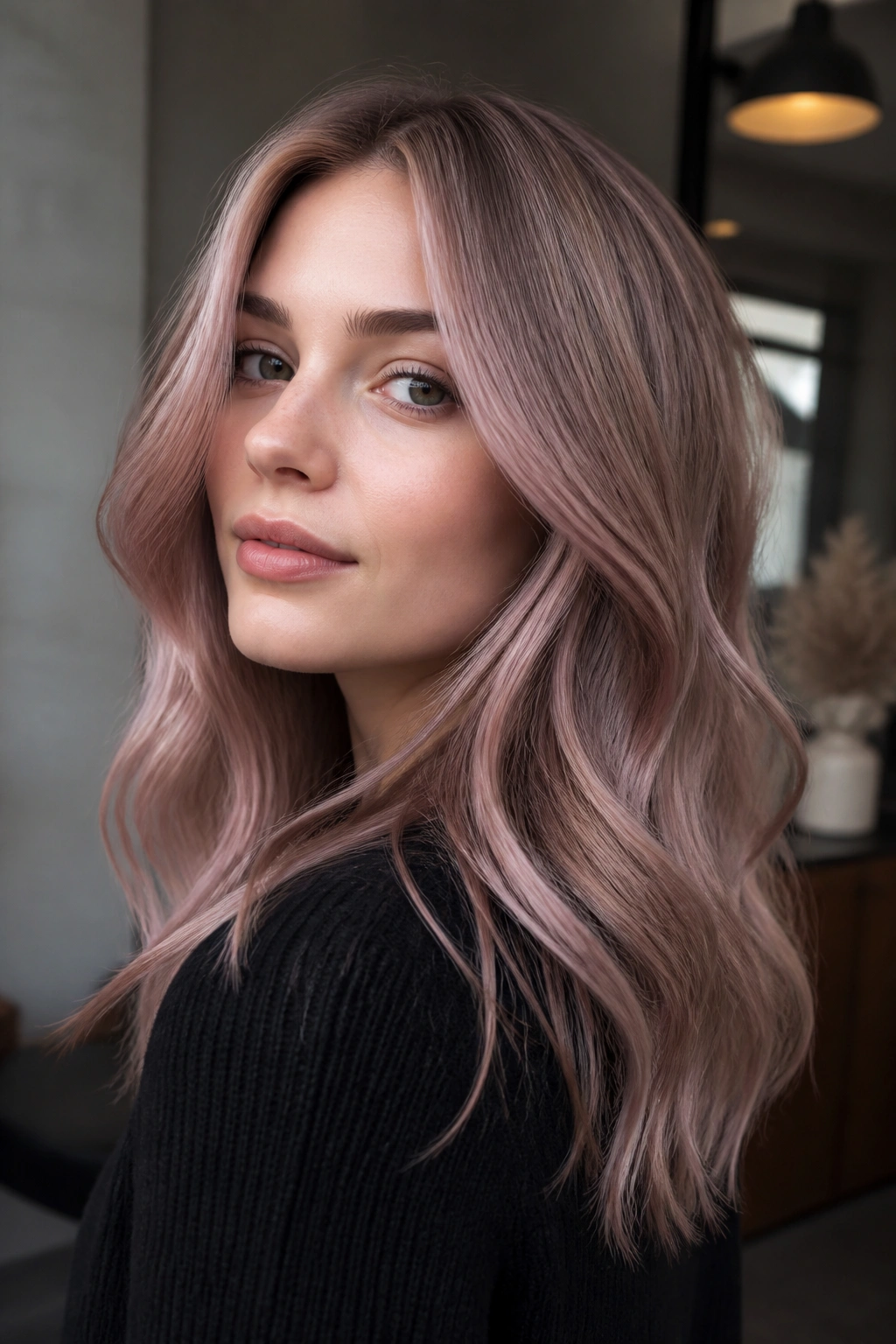
Mushroom rose blonde is what happens when beige blonde gets a cooler backbone. The mushroom base brings in that soft taupe-gray note, and the rose sits over it like color through fog.
This is a strong pick for cooler skin because it has depth without warmth. A lot of blonde colors on the market lean sunny whether they mean to or not. Mushroom rose does the opposite. It gives you softness and a little earthiness, which keeps the pink from becoming too sweet. If you have brown eyes, this shade can look especially good because the contrast is gentle rather than stark.
Unlike a brighter pastel pink, mushroom rose doesn’t need perfect lighting to look good. It stays interesting in shade and in daylight. I’d recommend it for anyone with medium cool skin who wants something stylish but not flashy. Ask for an ashy beige base with a muted rose glaze on the mids and ends. That combination is the whole reason this shade works.
13. Blush Vanilla Blonde
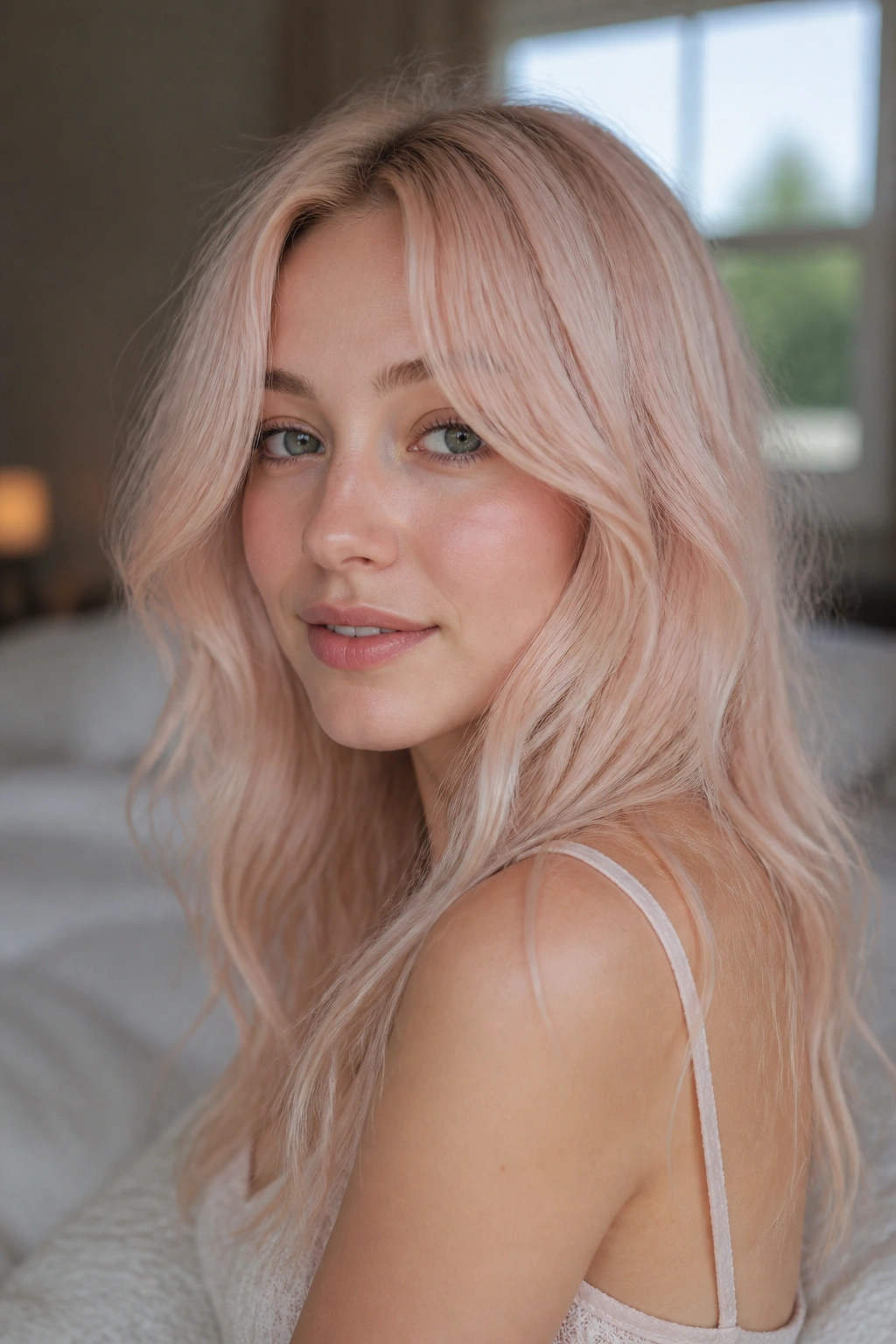
Blush vanilla blonde sounds sweet, but the best version is cool and sheer. The vanilla gives the blonde a soft creaminess, while the blush keeps it from becoming plain.
The Trick Is the Vanilla Base
If the vanilla starts too yellow, the rose disappears into peach. If it stays pale and neutral, the blush shows as a soft pink reflection rather than a full color change. That’s what makes this shade flattering on cool skin. It feels feminine without being loud, and it works well for people who want a very gentle shift from traditional blonde.
Quick Details
- Ask for a cream-toned blonde base with minimal gold.
- The blush should be more glaze than dye.
- Best on medium-length hair, especially with soft curls.
- Refresh with a clear gloss if the color starts to look dry.
Best tip: keep the pink veil sheer. A little goes a long way here.
14. Cool Rose Gold Blonde
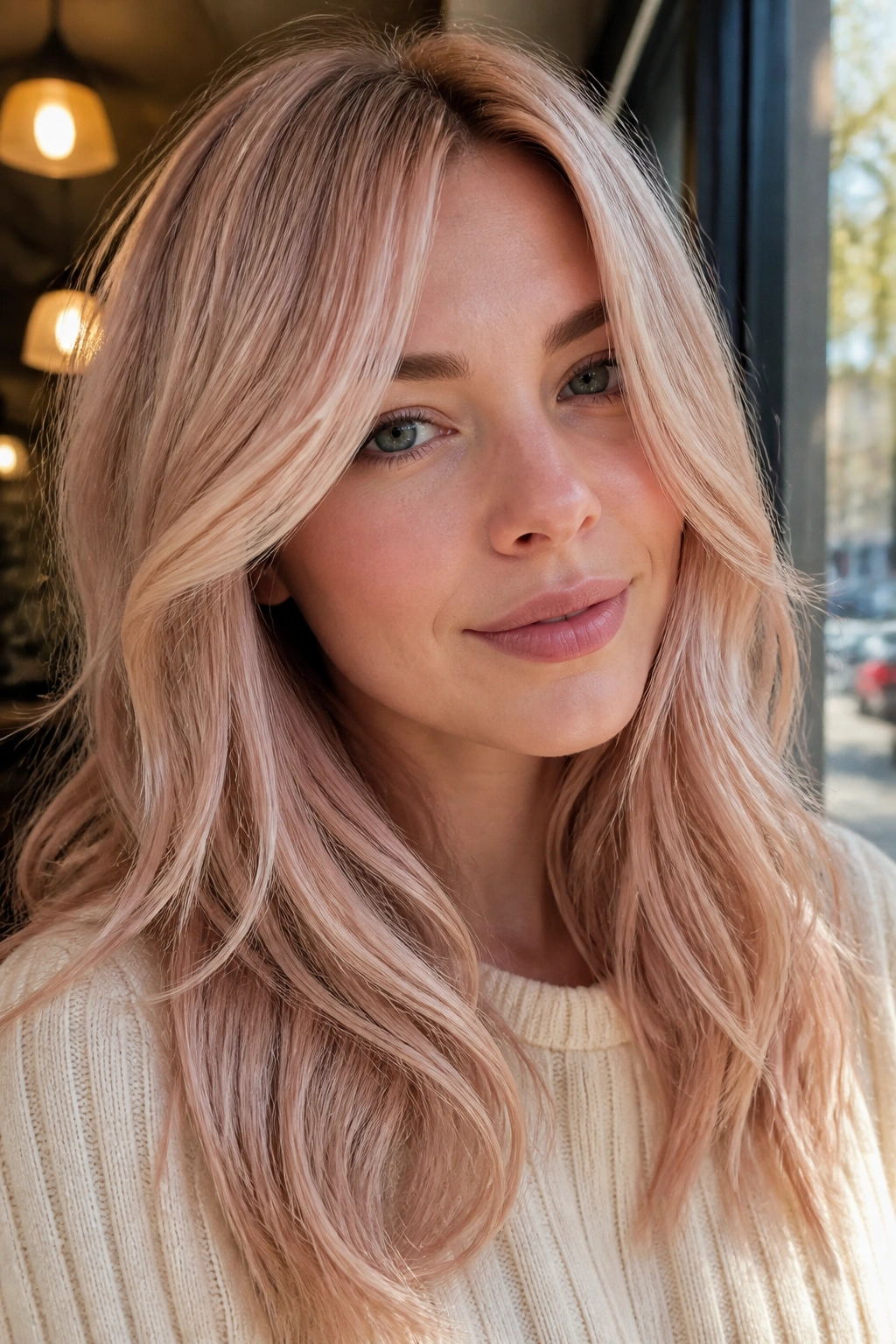
Cool rose gold blonde fixes the biggest problem with classic rose gold: too much warmth. The gold is still there, but it behaves. It’s muted, almost beige, and the pink has a cooler, cleaner line.
That makes a big difference on cool skin. Warm rose gold can sometimes pull peach or copper, especially under yellow lighting. A cooler version stays pinker and reads more balanced against the face. If you like the idea of rose gold but hate the orange edge, this is the version to ask for.
I’d call this a bridge shade. It sits between classic blonde and full pink, which makes it easier to wear at work or in settings where bright fashion color feels too strong. Ask your colorist for a beige-gold blonde with a rose glaze and a touch of pearl. Keep the root soft and the mids luminous. The color should glow, not blaze.
15. Face-Framing Rose Highlights
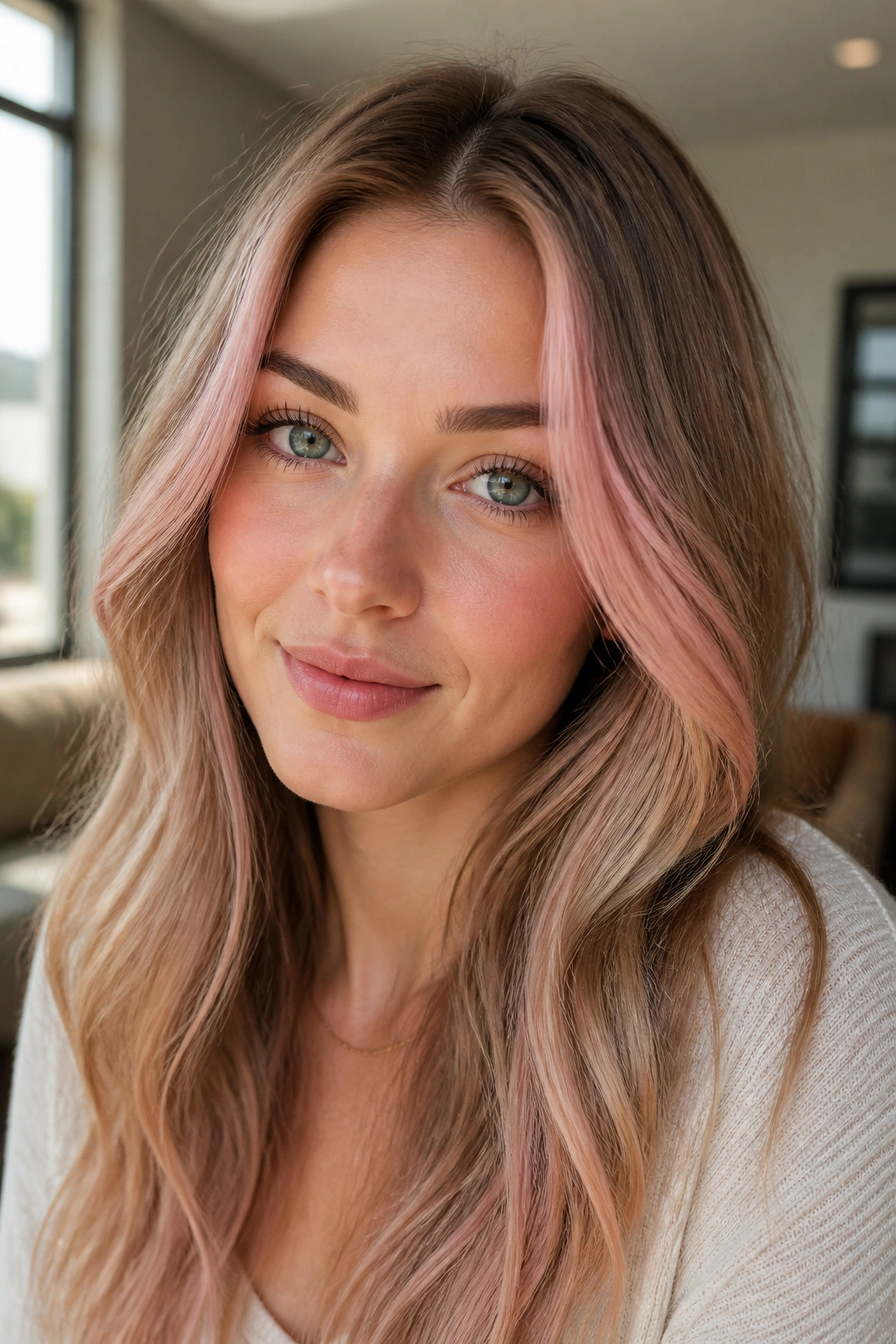
Why do a few rose highlights near the face sometimes work better than an all-over tint? Because they give you color where people actually look first. That’s the honest answer.
Face-framing rose highlights are especially useful if you have cool skin and want the pink to brighten your complexion without changing the whole head of hair. The highlights can sit around the part, temples, and cheekbones, where a soft blush tone can make the skin look clearer and the eyes look brighter. On a layered cut, they also help break up heavier blonde sections.
How to Ask For It
Tell your colorist you want delicate rose pieces that sit one to two shades lighter than the rest of the blonde. Ask for the pink to be placed on the front panels and the top layer, not buried underneath. If your hair is dark blonde or light brown, a few lighter ribbons can make the rose effect more visible without needing full saturation.
It’s a smart way to ease into pink. And it grows out kindly.
16. Berry Rose Blonde Ombre
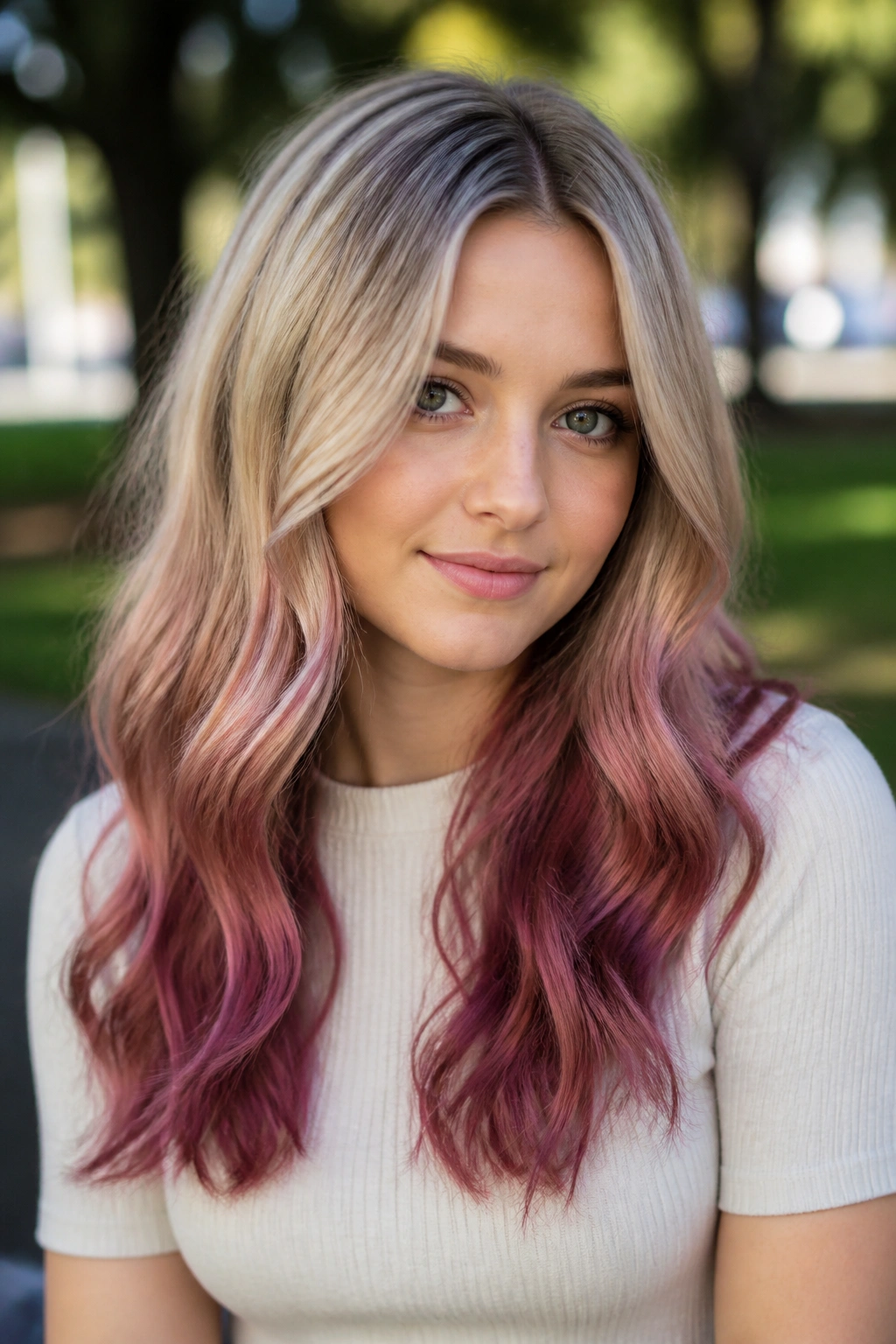
Berry rose blonde ombre is for the person who wants the pink to look deliberate. The berry note gives the ends more depth, while the blonde at the top keeps the look wearable for cool skin.
This shade works because it creates contrast without using a harsh color block. The roots stay pale and cool, the middle section softens the shift, and the ends carry the richest color. On wavy hair, that gradient feels especially pretty because the darker pink tucks into the bends and gives the style more shape.
- Best on hair that reaches the shoulders or longer.
- Ask for a cool blonde root area with berry-pink ends.
- Works well with loose curls and half-up styles.
- Needs more toner care on the ends, since they fade first.
If you like lipstick shades like rose plum or cool raspberry, this is the hair version that makes sense.
17. Ultra-Soft Rose Beige Blonde
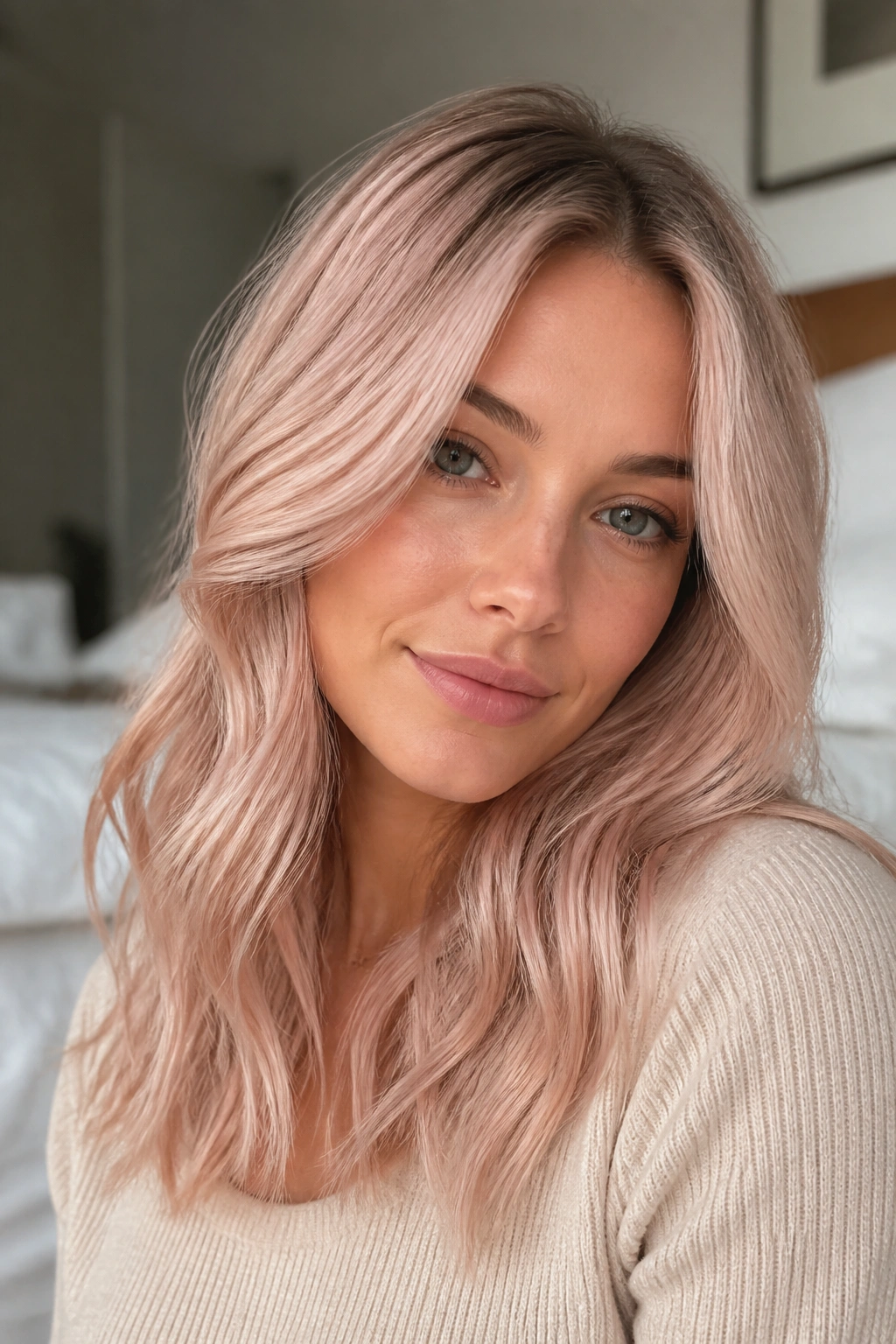
Ultra-soft rose beige blonde is the closest thing to a whisper of color. It does not shout pink. It barely even clears its throat. That is why so many cool-toned people end up loving it.
The beige keeps the blonde wearable, and the rose tint gives it a quiet flush that looks especially nice on fair to medium cool skin. This shade is one of my favorites for anyone who wants the idea of rose blonde more than the dramatic version of it. On fine hair, it can make the strands look softer and fuller. On thicker hair, it keeps the color from reading heavy.
The maintenance is gentler, too. Because the pink is subtle, it can fade back into a pretty beige rather than growing out in an obvious way. That makes it a good choice if you want a color that lives comfortably between salon visits. Ask for a soft beige gloss with a pink glaze and keep the saturation low. That restraint is the whole charm.
18. Smoky Rose Balayage
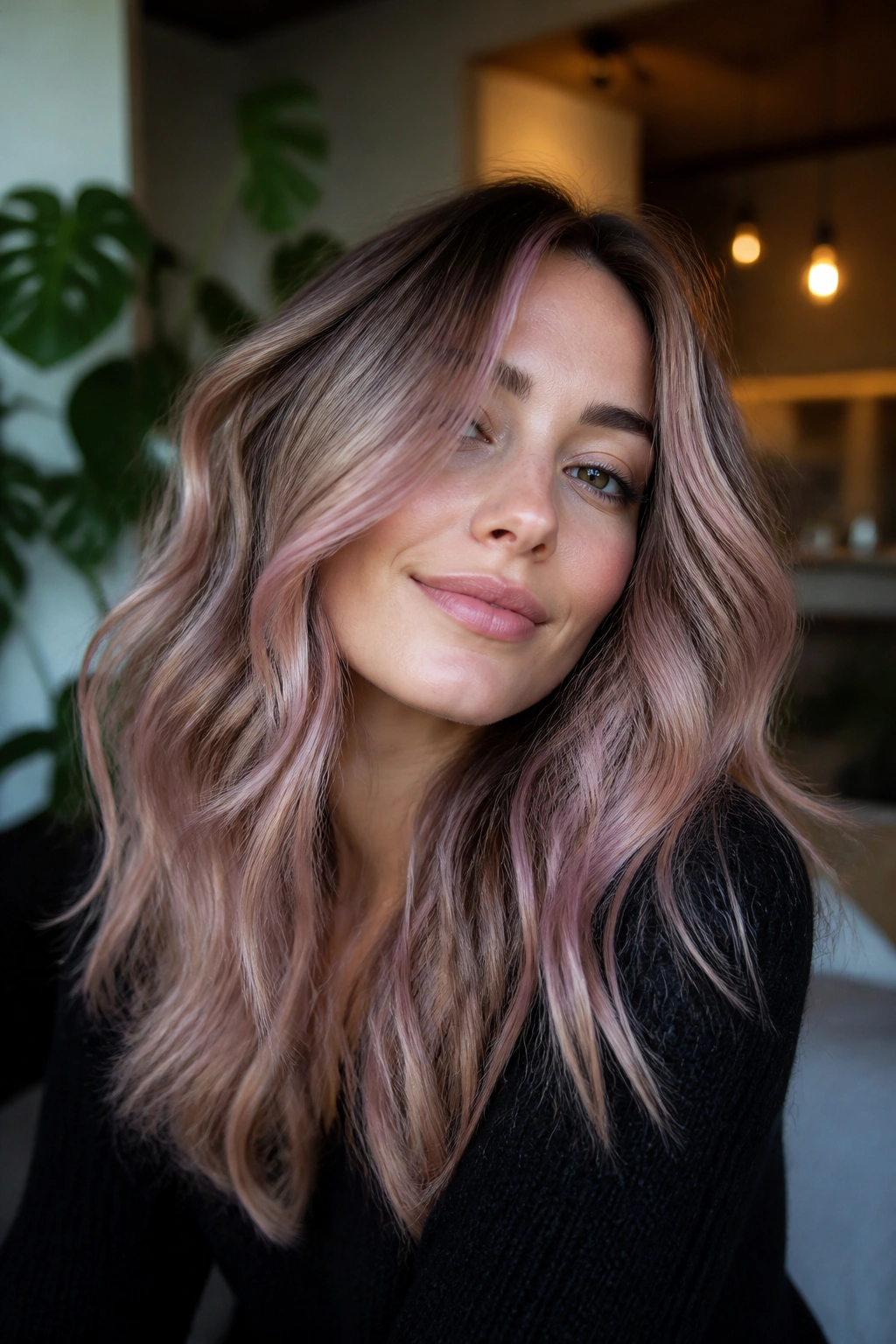
Smoky rose balayage feels moodier than dusty rose balayage because the ash notes stay visible longer. The color has a cooler backbone, which keeps it from drifting into sweet or glossy-pink territory.
This is a solid option for thicker hair, curls, and layered cuts. The smoky dimension gives the hair texture, so each bend looks a little different. On cool skin, that matters. A flat pink can compete with the face. A smoky rose blend tends to sit beside it instead of taking over.
Unlike brighter rose shades, smoky rose balayage can handle a slightly deeper root and darker lowlights. That makes the whole look easier to wear if you do not want to go ultra-pale. I’d ask for a cool ash balayage base with muted rose painted through the mid-lengths and ends. Keep the pink softened, not candy-toned. You want a haze, not frosting.
19. Cotton Candy Rose With Ash Base
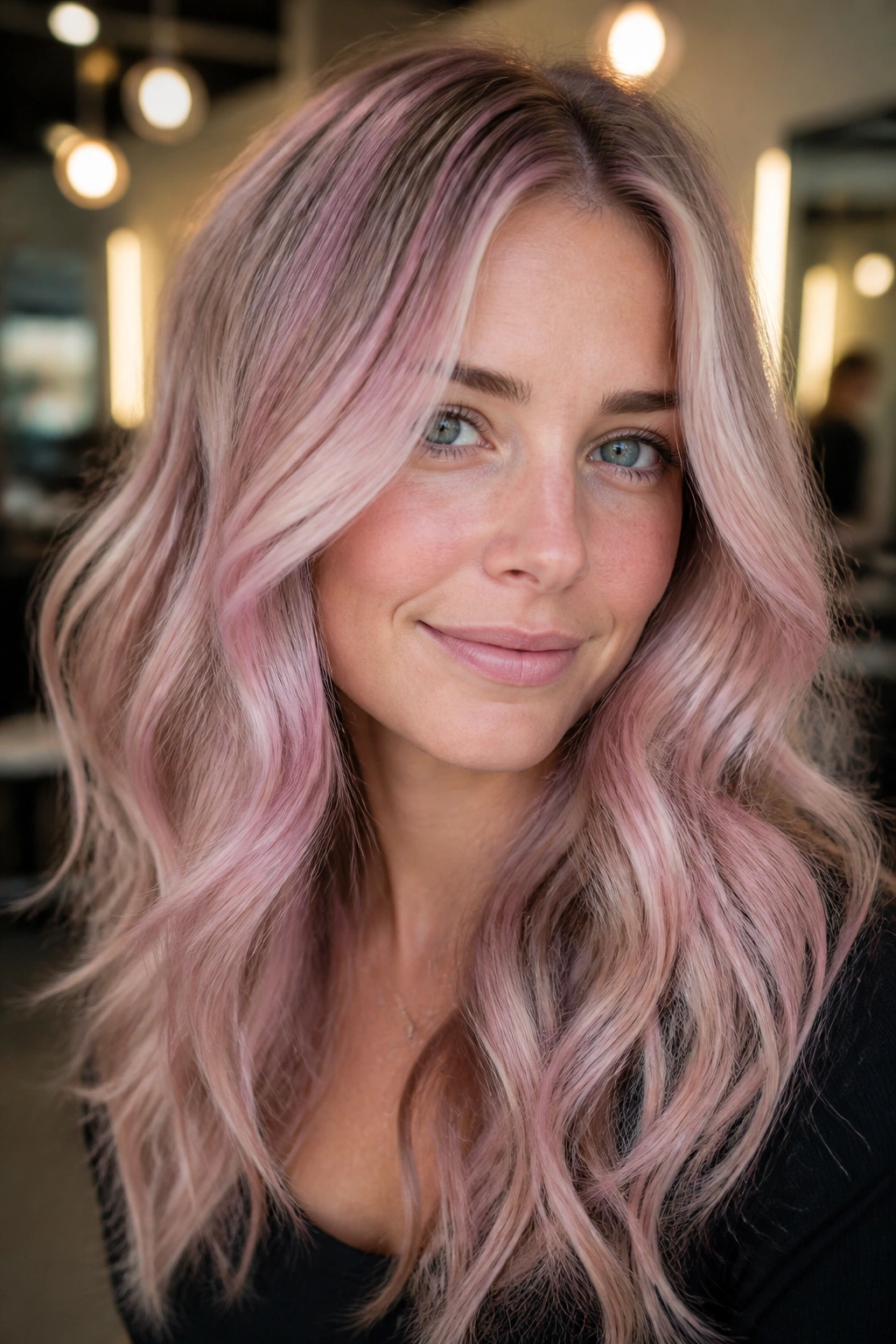
Cotton candy rose with an ash base is playful, but it does not have to look childish. The ash base is what keeps the shade from wandering into carnival territory.
How to Keep It Cool
The easiest way is to let the base stay smoky and pale, then place the pink in thin, light layers. That keeps the color airy. If you put too much pink in one place, the whole head starts to look dense. Thin panels, especially around the face and top layers, read far better on cool skin.
Quick Details
- Ask for an ash blonde foundation before the rose is added.
- Keep the pink semi-transparent, not fully saturated.
- Works well with textured waves and soft curls.
- Refresh with a gentle color-safe conditioner so the ash does not wash away first.
My opinion: this shade looks best when the pink is a little uneven. That gives it movement and keeps it from feeling toy-like.
20. Sheer Rose Beige Blonde
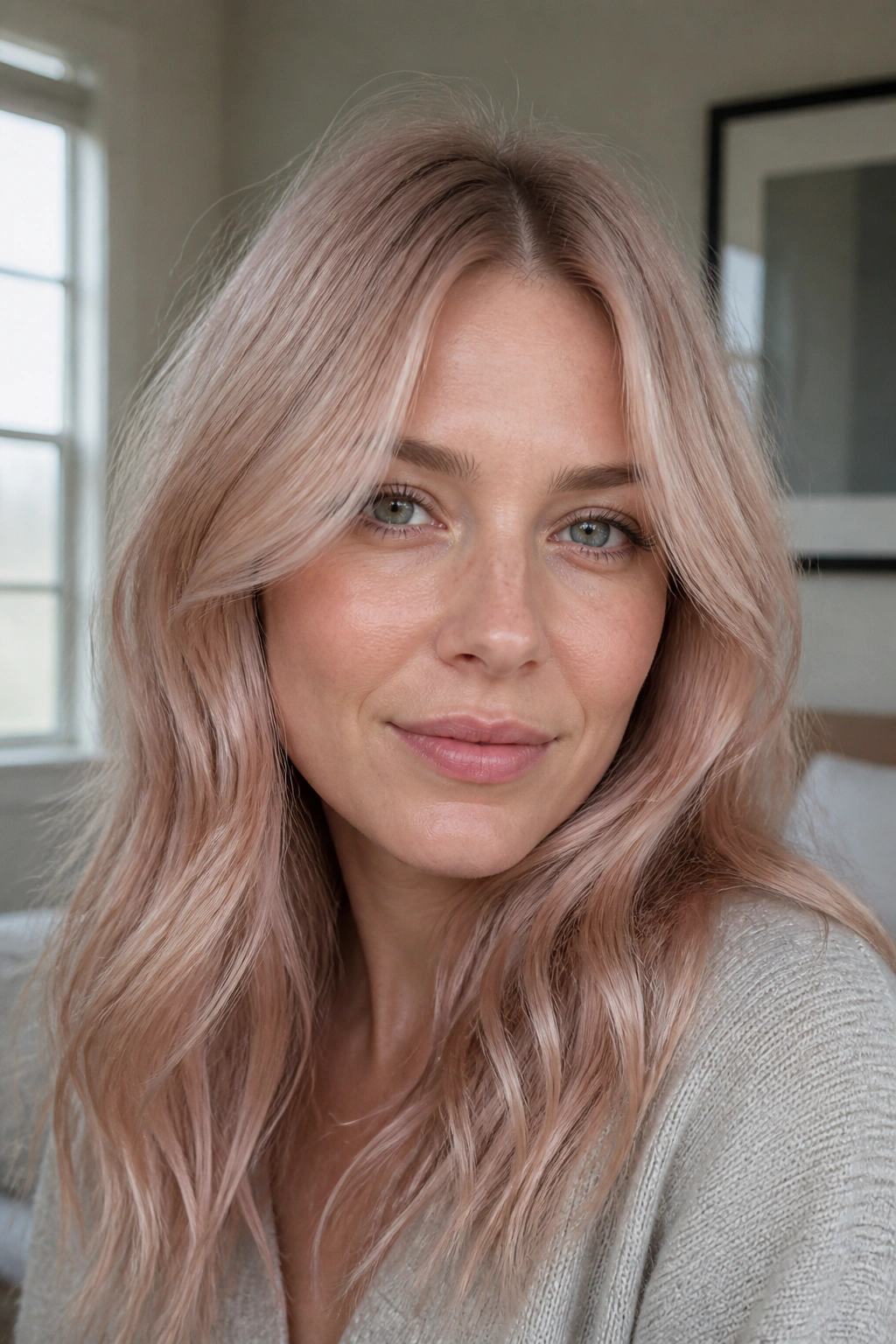
Sheer rose beige blonde is the one I’d choose if you want the faintest pink reflection and the least drama. It’s soft enough to pass as a blonde at first glance, then the rose appears when the light hits it.
That subtle shift is why it flatters cool skin so well. The beige keeps things grounded, while the pink adds a small, healthy-looking flush that never gets loud. On pale cool complexions, it can make the skin look cleaner. On medium cool skin, it can soften strong features without dulling them.
This is also one of the easiest rose blonde ideas to wear over time because it fades gracefully. The rose softens first, then you’re left with a pretty beige blonde instead of a strange leftover shade. Ask for a pale beige base with a sheer pink gloss and keep the toner cool rather than peachy. If your hair is light enough, the result feels almost like a natural blush in the hair itself.
