



Red blonde hair color can be gorgeous on cool skin tones, but only when the red leans berry, rose, strawberry, or softened copper instead of that loud orange people keep trying to pass off as “fun.” The wrong tone can make a cool complexion look blotchy, tired, or a little red around the nose and cheeks. The right one makes the skin look brighter, cleaner, and more even.
That’s the part people miss. Cool skin does not need to avoid red altogether. It needs red with discipline. Think pearl blonde, beige blonde, smoke, rose, and a touch of copper that has been tamed down a notch or two. If your skin has pink, blue, or neutral-cool undertones, those shades tend to sit on the face better than gold-heavy blondes that drift too yellow.
A lot of the magic comes from placement, not just the shade name. A soft gloss over pale blonde, a shadow root that keeps the base from turning brassy, or fine ribbon highlights can change how the whole color reads. One flat, blocky formula can look harsh. A little dimension goes a long way.
The shades below stay in that friendlier lane. Some are barely red at all. Some lean properly coppery. A few step closer to berry, which is where cool skin often starts looking especially fresh.
1. Strawberry Champagne Blonde
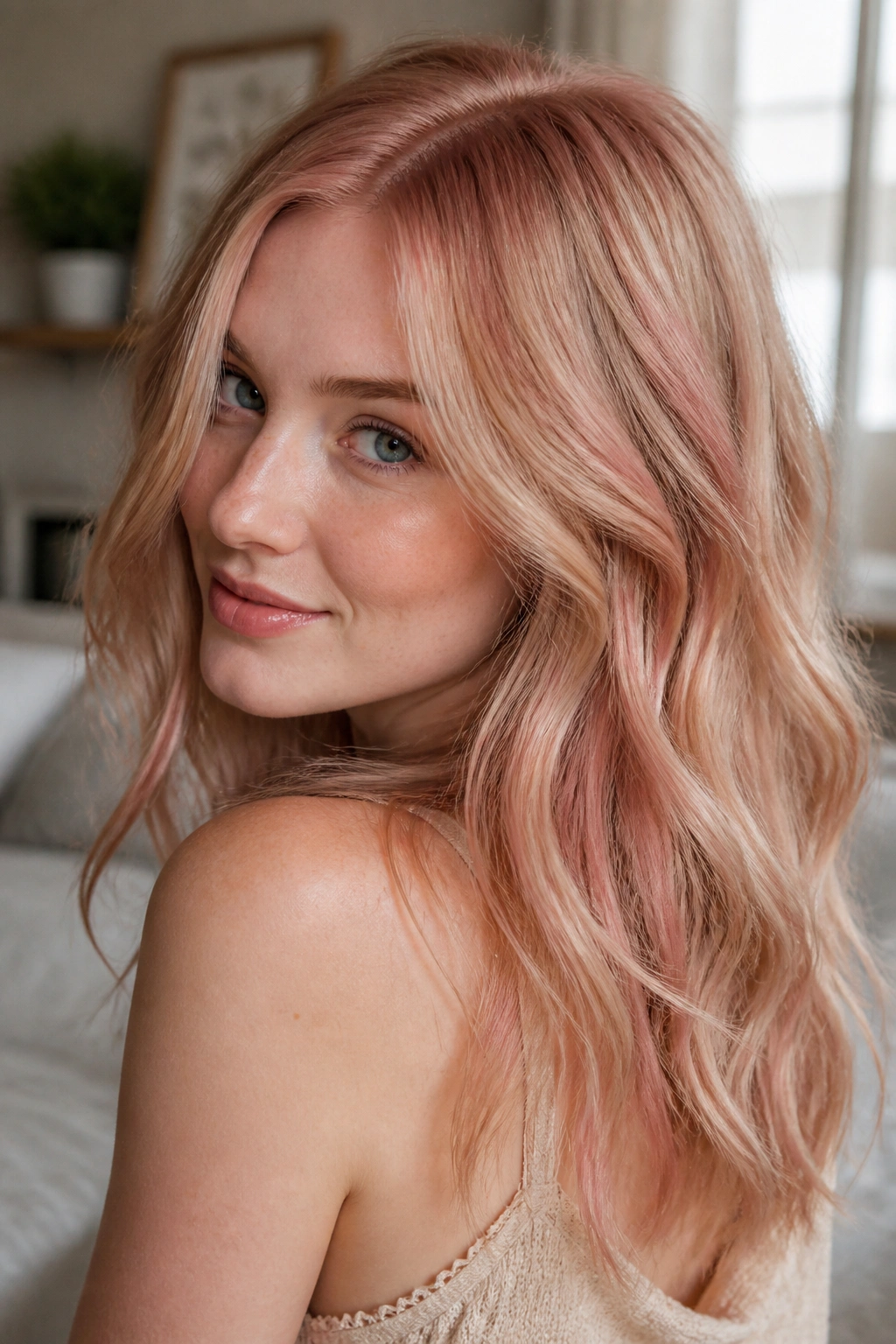
Strawberry champagne blonde is the shade I reach for when someone wants red-blonde hair color that feels soft, light, and easy on cool skin. The red sits in a pale berry zone, and the blonde underneath keeps everything airy instead of heavy. It has enough warmth to look alive, but not so much that it starts fighting with pink or blue undertones in the face.
Why it works on cool undertones
Champagne keeps the base light and slightly beige. Strawberry brings in that delicate pink-red cast that cool complexions usually handle well. Together, they make a color that reads polished without looking too warm or too peachy.
This one works especially well if your natural hair is already blonde or light brown. On darker hair, you’ll need pre-lightening first, then a soft gloss. A clean level 8 to 10 base keeps the strawberry from turning muddy.
- Best on fair to medium cool skin
- Ask for a strawberry gloss over a champagne blonde base
- Refresh the gloss every 4 to 6 weeks
- Use a purple shampoo only once a week so the pink tone does not disappear
My favorite part: it grows out nicely. The root line can stay soft, which matters if you do not want to live in the salon.
2. Dusty Rose Copper Blonde
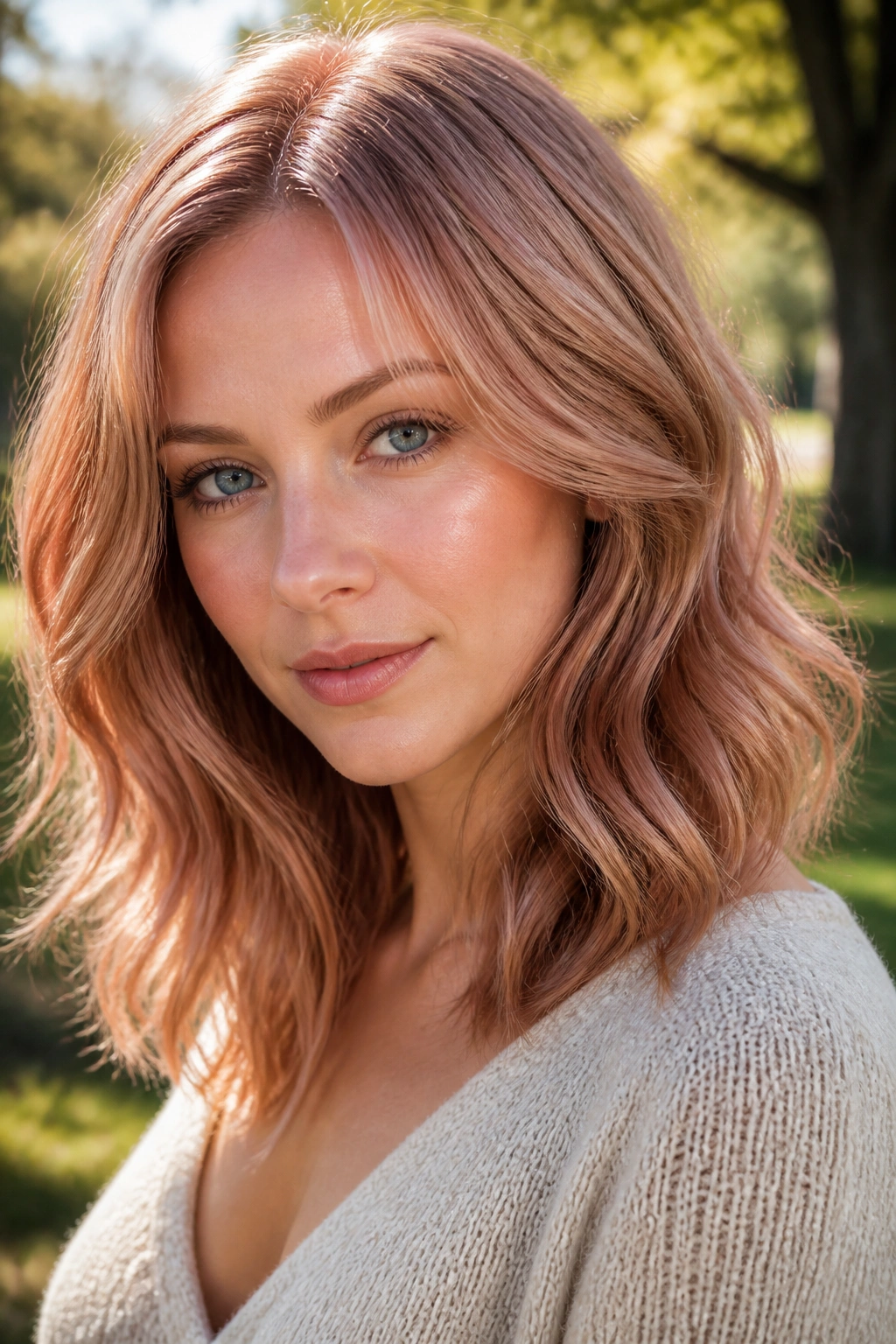
This is the shade that proves copper does not have to be loud. Dusty rose copper blonde has the lift of a light red blonde, but the rose note pulls it back from tomato territory. On cool skin, that softness matters. A bright orange copper can look blunt; this version looks more deliberate.
The rose tone also helps if your face turns a little flushed easily. Instead of making the redness obvious, it tends to blur it. That sounds small. It isn’t.
I like this shade on shoulder-length cuts and loose waves because the movement breaks up the color and keeps it from reading as one solid block. Ask for fine balayage ribbons with a dusty rose glaze, not a heavy all-over copper.
The maintenance is moderate. You will want color-safe shampoo, cool rinse water, and a gloss appointment every so often to keep the rose from fading into plain gold. If you hate brass, stay away from formulas that mention “golden copper.” That is not the same thing.
3. Peach-Beige Strawberry Blonde
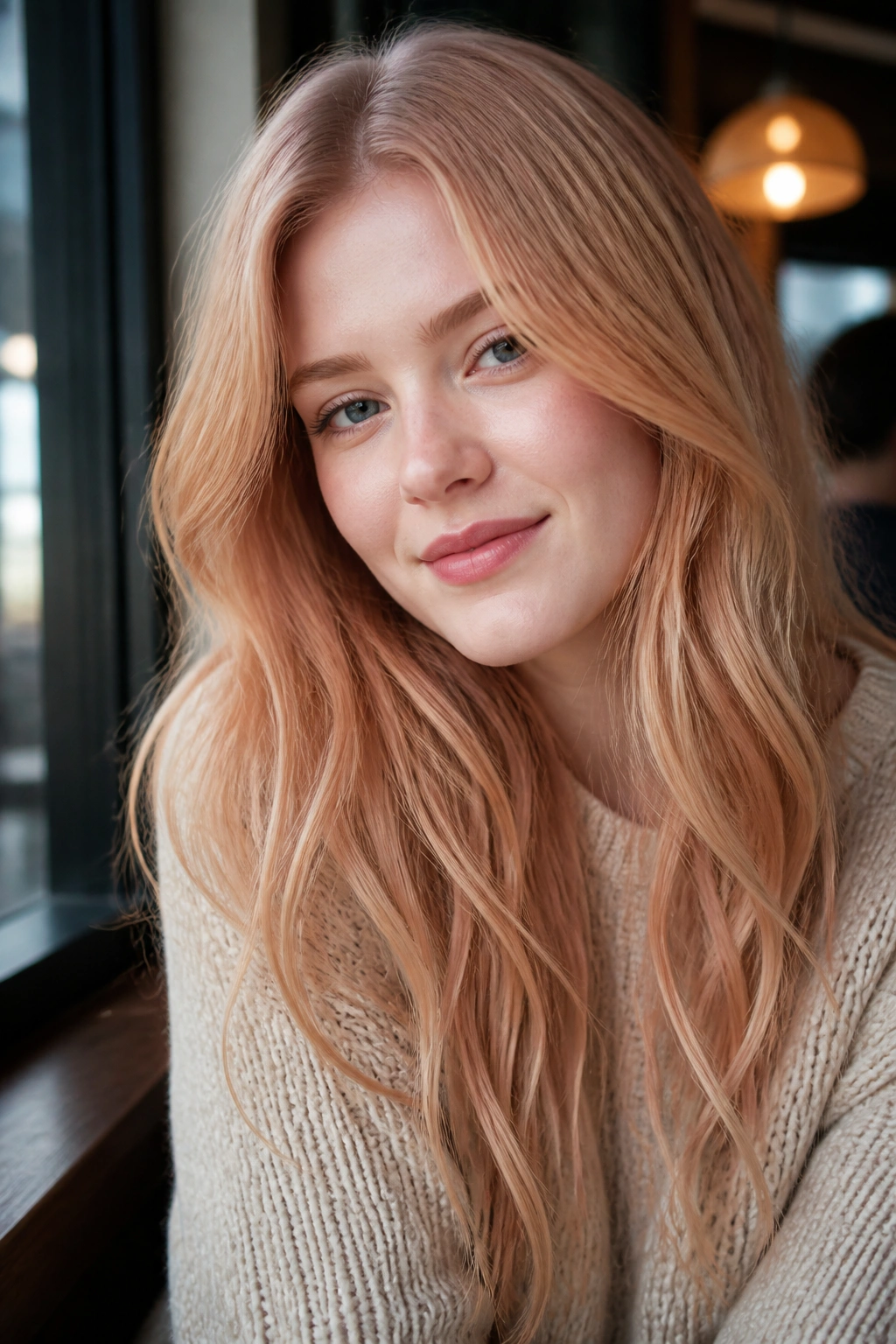
Can peach work on cool skin? Yes, if the peach is dry, pale, and held together with beige. That is the difference between a flattering red blonde and a shade that makes your complexion look overheated. This version stays soft enough to work because the beige cools down the fruitier notes.
How to ask for it
Tell your colorist you want a strawberry blonde with a peach veil, not a bright orange cast. That wording matters. “Peach” alone can wander into warm, saturated territory, and that is where cool skin starts losing its contrast.
A good formula usually sits somewhere between level 8 and level 9 with a sheer warm-pink glaze. It should never look like sunset hair. Too much orange and the whole thing goes flat against the face.
A few things to ask for:
- Beige blonde base, not yellow blonde
- Peach toner kept sheer
- Soft face-framing pieces around the cheekbone
- No chunky copper stripes
This one is especially nice if you wear muted blush, taupe, or soft berry makeup. The hair and makeup start speaking the same language. Nice when that happens.
4. Soft Venetian Blonde
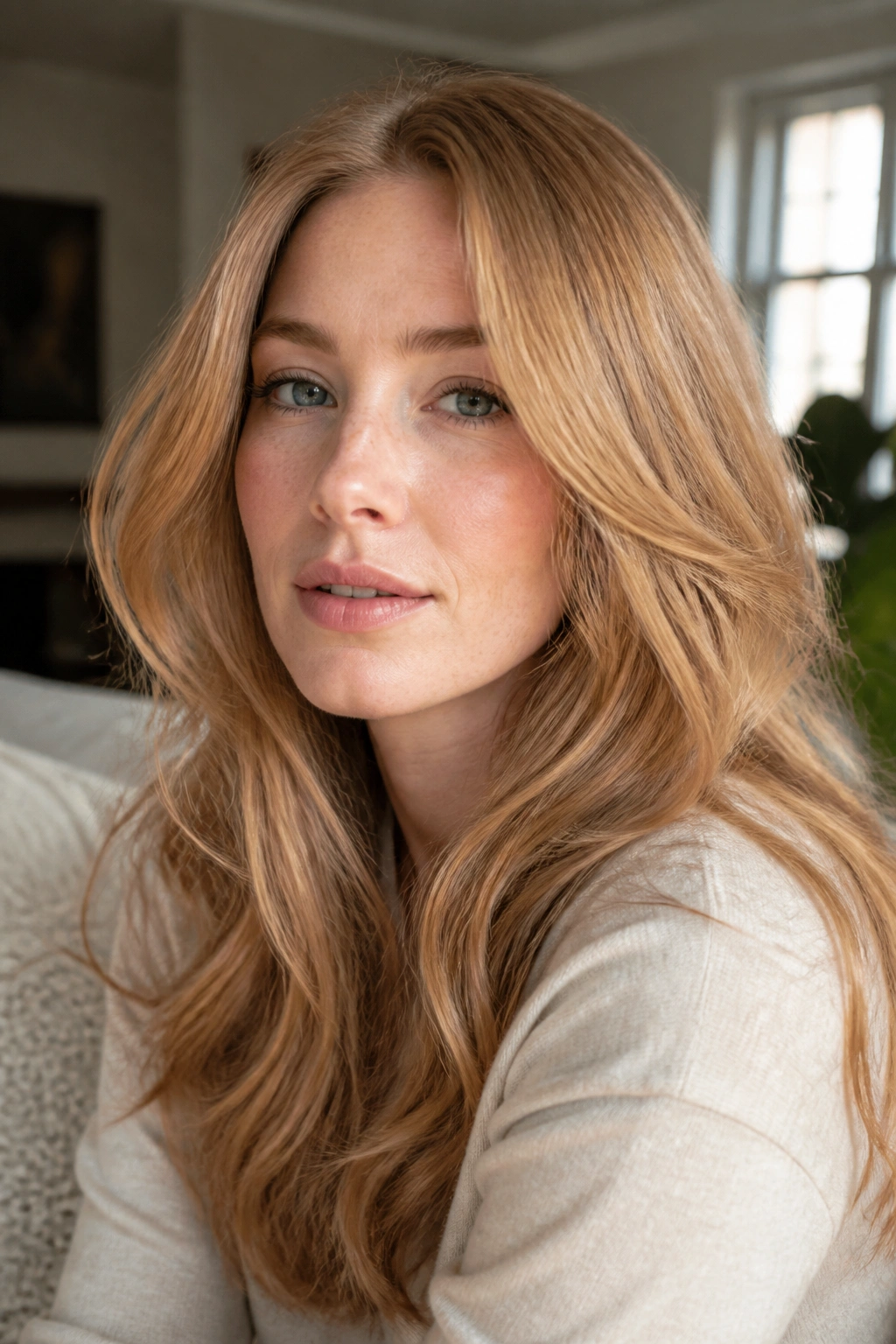
I once saw this shade catch afternoon light in a mirror and immediately understood why people keep chasing it. Soft Venetian blonde has that old-world red-blonde feel, but it is filtered through a cooler lens so it does not turn brassy. The result is romantic without getting sugary.
The classic Venetian idea leans redder than strawberry blonde, but for cool skin you want a diluted version. Think muted copper, pale auburn, and a blonde base that stays creamy rather than gold. The trick is restraint. Too much red and it starts looking theatrical. Too much blonde and it loses its character.
What makes it different
- Softer than true auburn
- Richer than strawberry blonde
- Better than bright copper for fair cool skin
- Works well with a shadow root in light brown
I like it on hair that moves — bobs, long layers, wavy cuts, all of it. The shade has enough texture to show off dimension, which is the real reason it looks expensive in person.
5. Apricot Cream Blonde
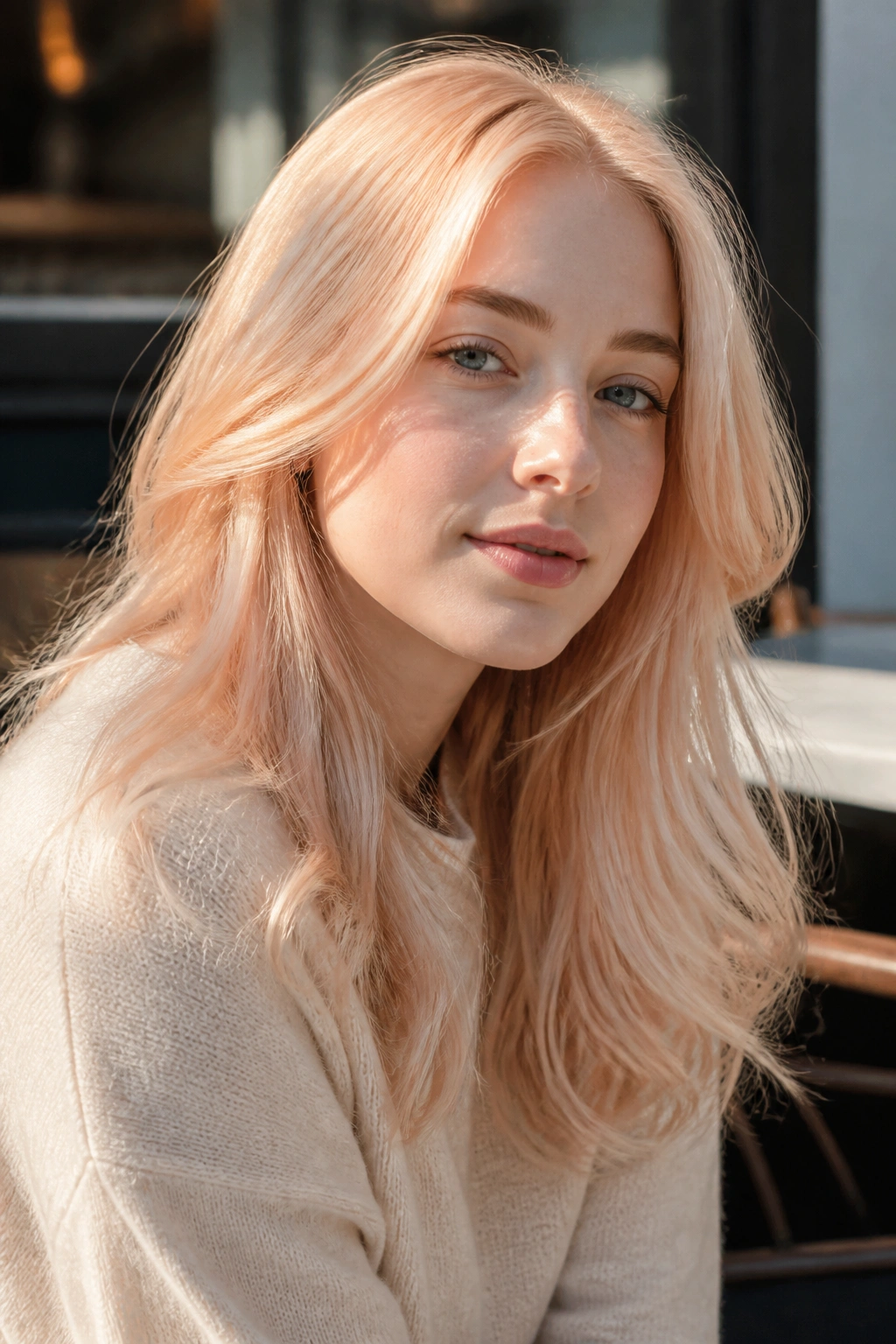
Apricot cream blonde sits in that middle place that a lot of people overlook. It is warmer than rose blonde, but it is not nearly as brassy as golden copper. The cream part matters most for cool skin. It keeps the apricot from turning sticky or orange.
This shade works when you want a little sunshine in your hair without giving up your cooler coloring. It suits pale skin with pink undertones, and it can also flatter medium cool complexions if the apricot stays pale. I would not push this one too dark. Once the base gets heavy, the color loses its softness.
The finish should feel light and glossy, almost like a tinted cream gloss over blonde. If the hair starts reading pumpkin, it is too warm. That is the line.
A good stylist will usually use a neutral blonde base with a whisper of apricot toner. You want the hair to glow, not blaze. There is a difference, and you can see it from across a room.
6. Rose Gold Beige Melt
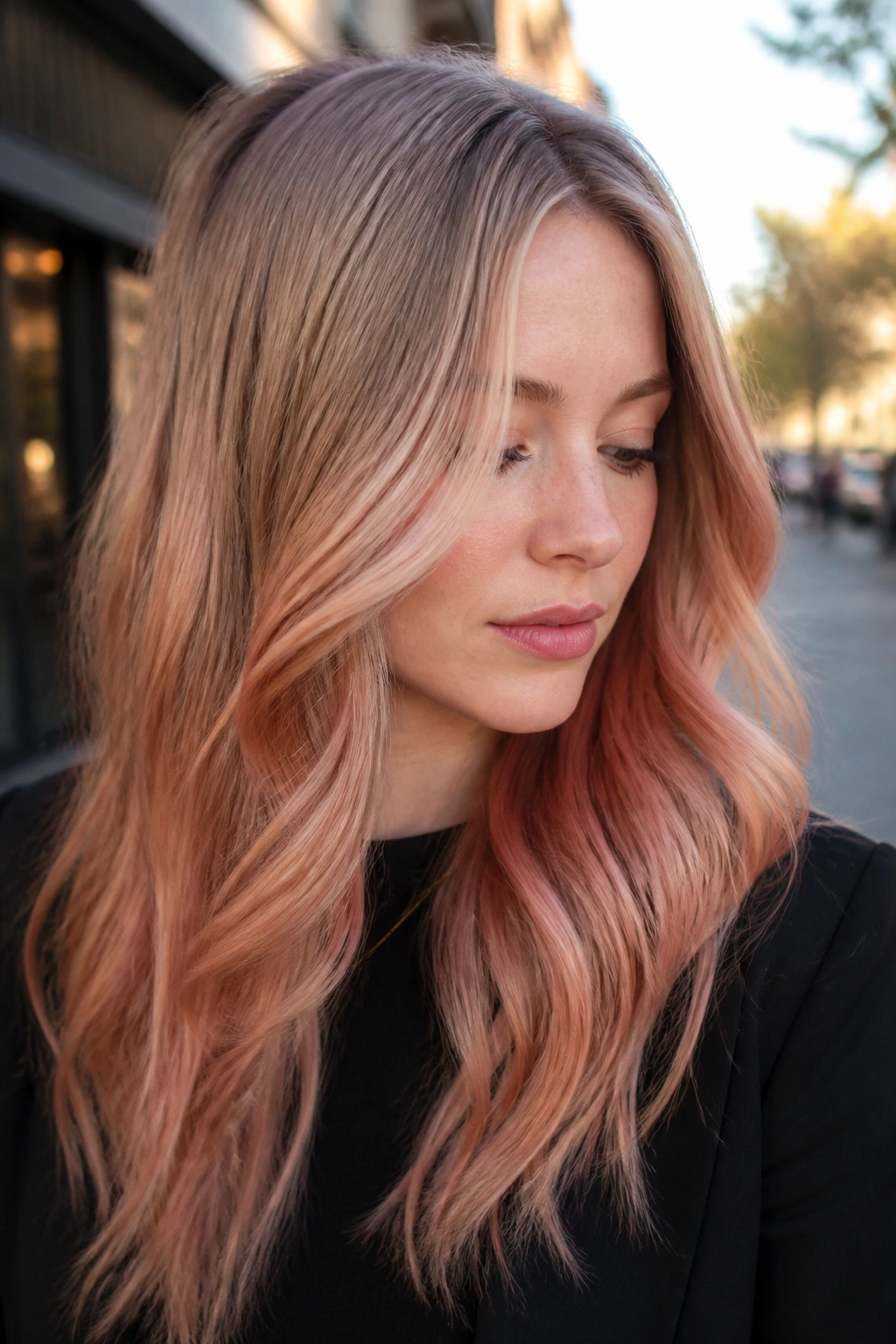
Unlike flat rose gold, this version keeps a beige root shadow and lets the rose run through the mid-lengths and ends. That small shift changes everything. Beige keeps the color from looking too pink or too warm, which is why cool skin usually tolerates it better than a full metallic rose formula.
The melt is what gives it polish. Darker roots fade into a soft rose-beige middle, then into lighter blonde ends. It feels dimensional, which is useful if your natural root color is deeper than your lengths. No hard line. No obvious grow-out panic.
Where it shines
This shade works best on straight, wavy, or softly textured hair, where the color shift can be seen. It also works nicely if you like low-maintenance color. The root shadow buys you time.
I’d ask for a neutral beige blonde base with a rose gloss layered through the mids. Keep the pink subtle. If the rose looks candy-bright, the whole thing starts pushing warm. And that is exactly what cool skin does not need.
7. Cinnamon Strawberry Blonde
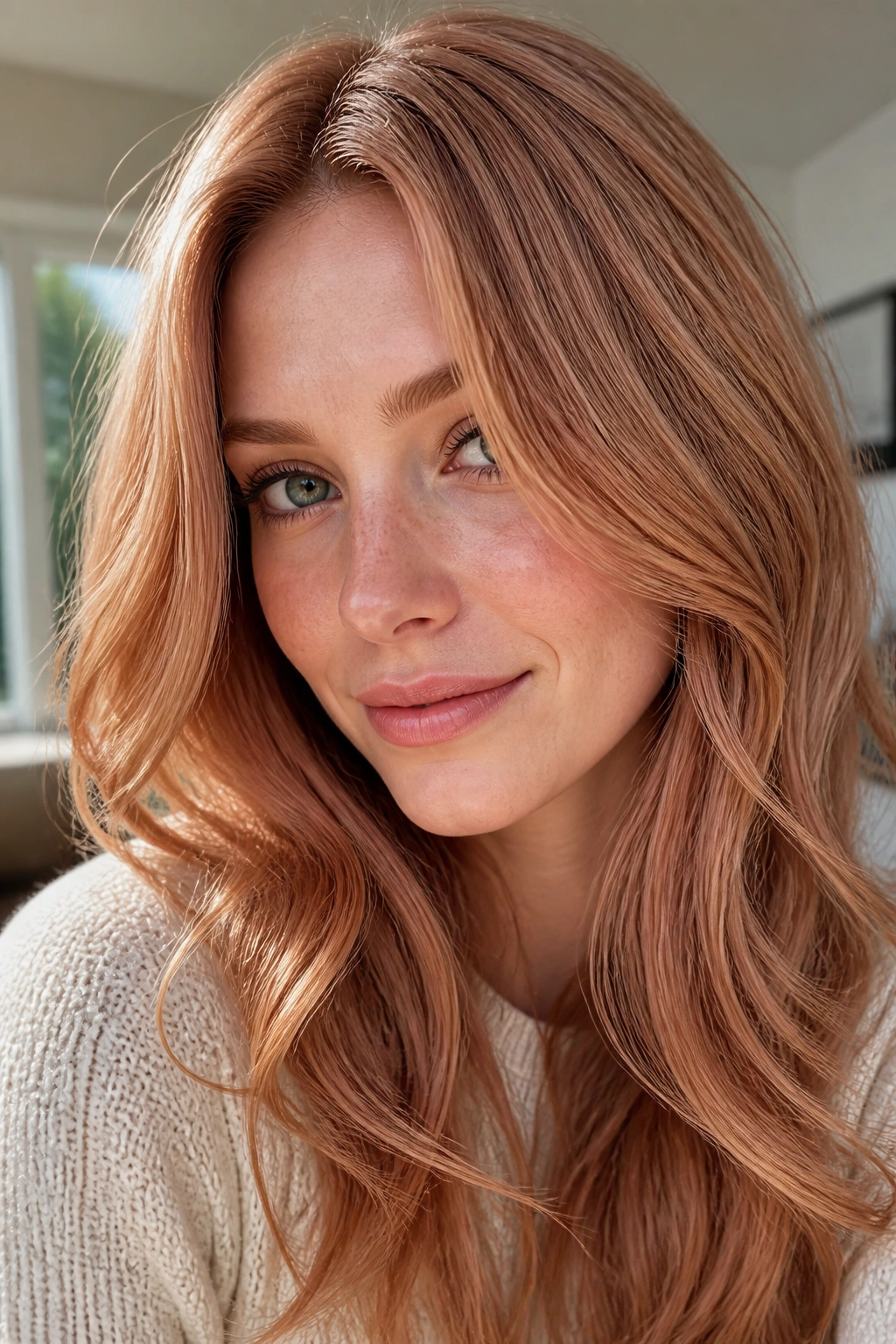
Cinnamon strawberry blonde is the kind of red blonde that sounds warmer than it actually is. The cinnamon note gives it depth, while the strawberry keeps it lighter and friendlier for cool skin. Think spice, not spice rack. Soft heat, not orange fire.
What to watch for
The big risk here is overloading the formula with copper. A good cinnamon strawberry should look like a toned-down auburn blonding job, not a copper penny. The red should be visible in movement and daylight, not shouting in indoor light.
If you have cool skin and dark eyebrows, this shade can look especially nice because the contrast stays clean. If your skin is very fair, ask for a lighter version with more blonde woven through it. That keeps the face from looking weighed down.
A few cues to mention at the salon:
- Keep the base around level 8
- Blend cinnamon through a strawberry blonde canvas
- Use soft lowlights instead of solid red
- Finish with a glossy toner, not a matte one
This is a good “first red” for people who are nervous about going too copper. It has attitude, but it does not bully the face.
8. Coral Tea Blonde
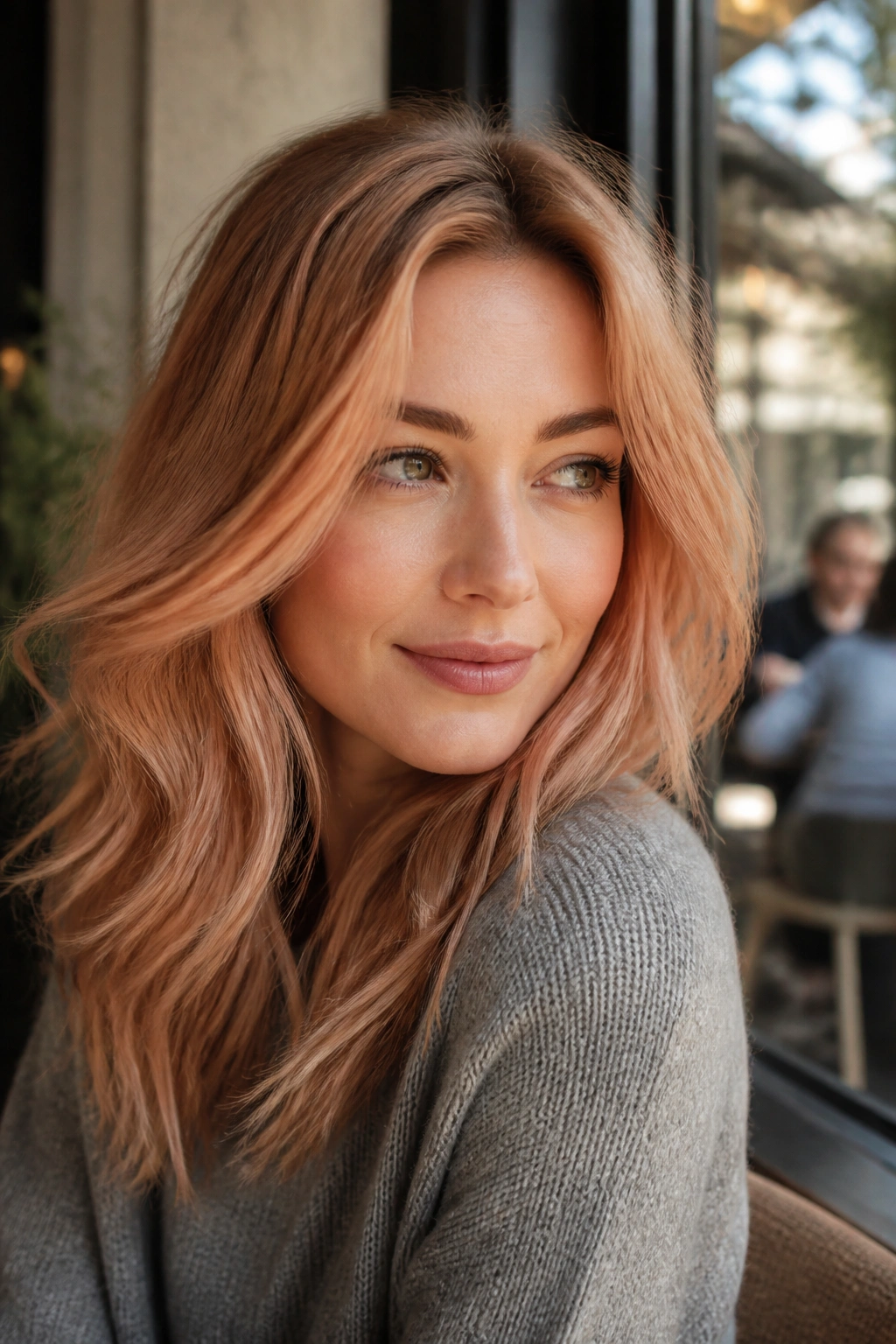
Coral tea blonde is a little quieter than it sounds, which is a good thing. The tea part gives the shade a softer, slightly smoky base, and the coral brings in enough red-orange to wake up cool skin without overwhelming it. If yellow blonde makes you look washed out, this shade can be a relief.
A bright coral can be hard to wear. A tea-toned coral is different. It feels filtered, almost like the color has been steeped for a minute too long. That slight dulling is the charm. Cool skin usually likes a bit of softness around the edges.
I especially like this on layered cuts because the ends catch the coral and the top reads more neutral. That balance keeps the hair from calling all the attention to itself. Which, honestly, is the point.
If you want a salon phrase, try this: “I want coral, but with a tea-beige base so it stays soft.” That usually gets people on the same page fast.
9. Rusted Apricot Balayage
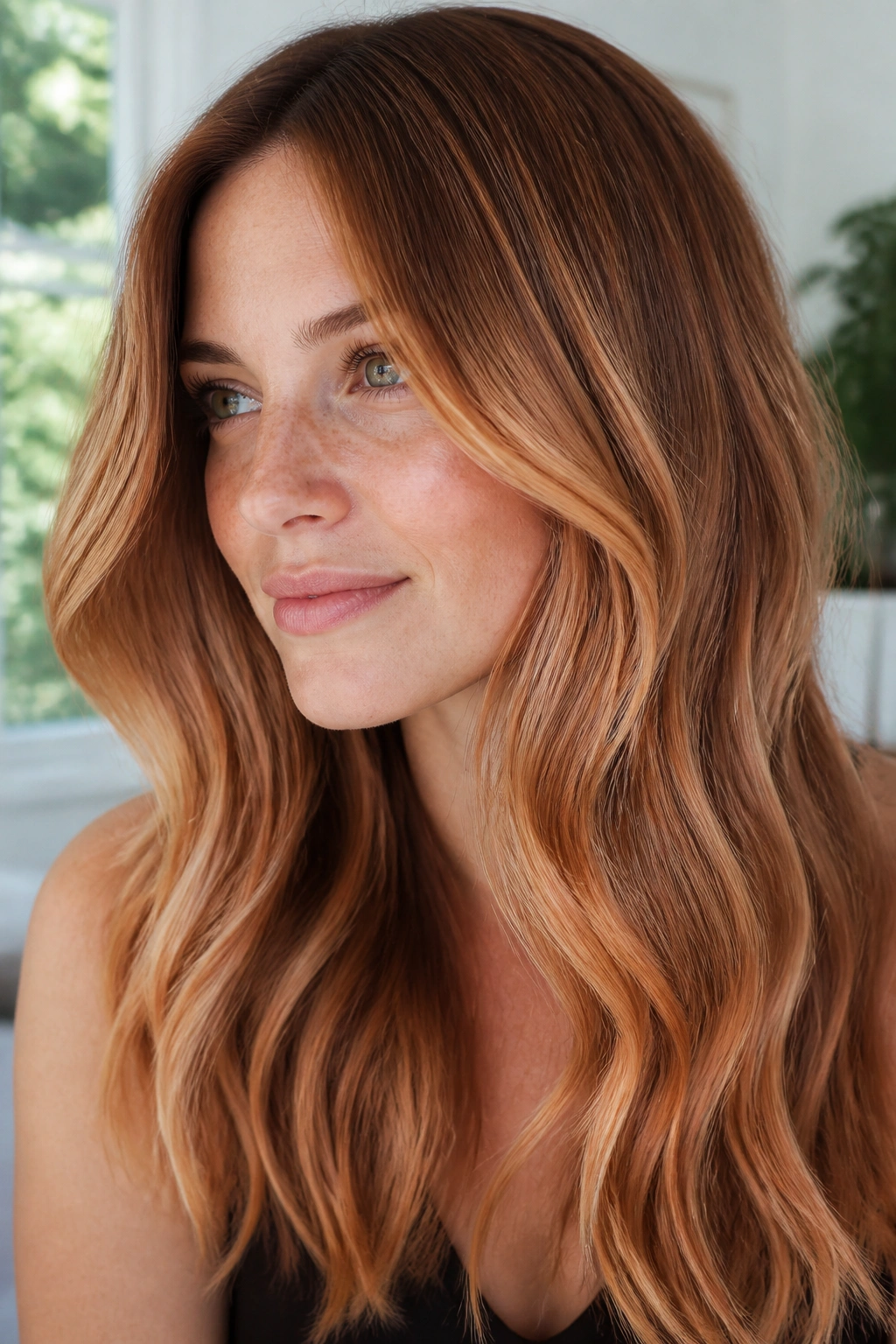
Rusted apricot balayage has movement baked into it. Instead of one full-color application, you get apricot pieces painted through a darker blonde or light brown base, then softened with a rust-toned gloss. The result is more lived-in than a solid red blonde.
This is a smart option if your hair is medium blonde or dark blonde and you do not want to bleach everything to a pale level. Balayage gives the color some air. The rust note adds depth, but because it sits in ribbons, it does not flatten the skin.
Quick placement notes
- Keep the light pieces around the face and crown
- Leave some neutral blonde between the apricot ribbons
- Avoid thick orange panels
- Ask for a matte-leaning rust glaze, not a shiny copper coat
That last point matters. Gloss changes the whole mood. A gloss that leans too gold will pull the shade warmer than you probably want. Better to keep the finish slightly smoky.
This is one of those shades that looks better after the first few washes. The apricot softens, and the balayage starts to read more natural. Nice side effect.
10. Pink Copper Ribbons
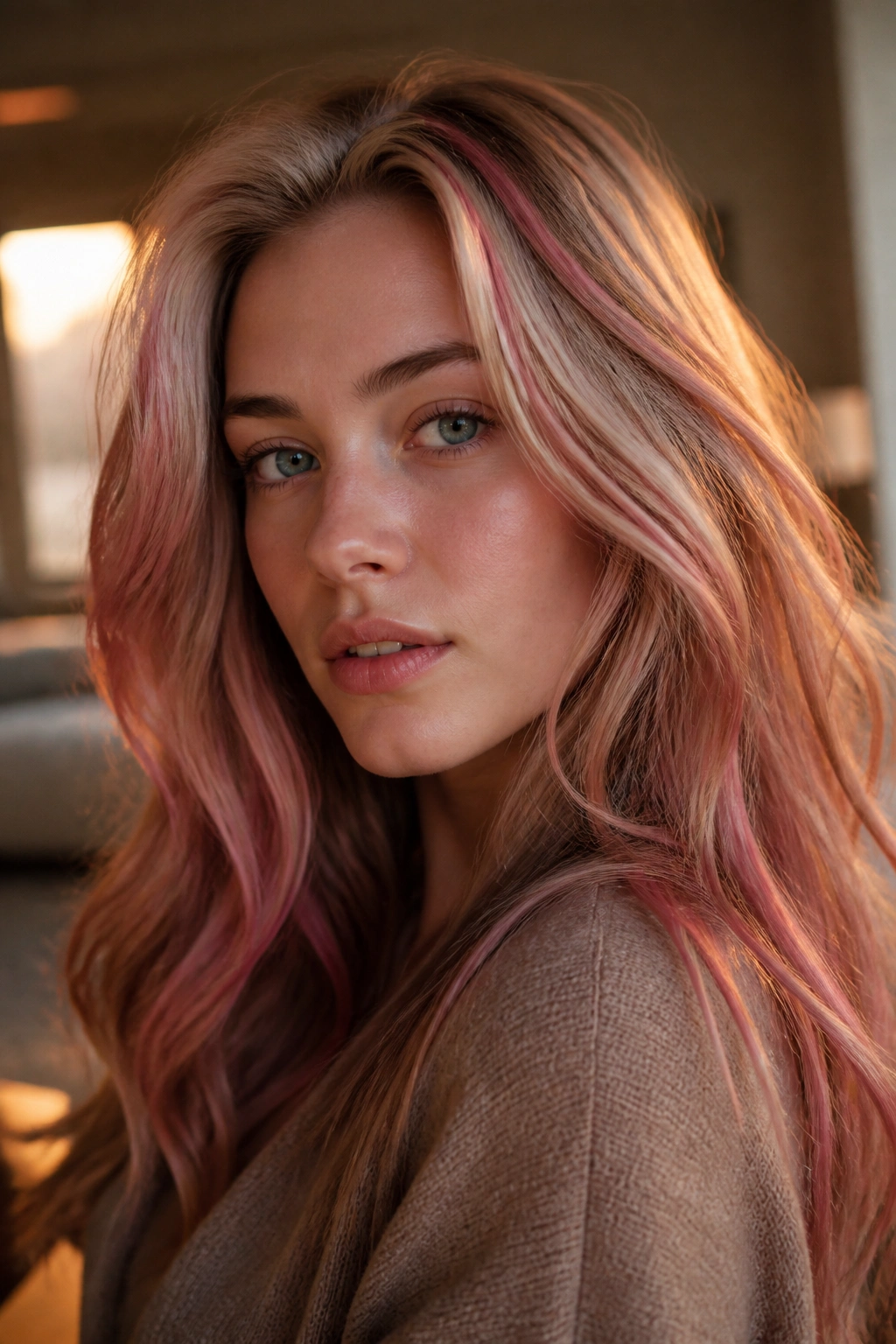
Pink copper ribbons are for the person who wants a red blonde with movement, not a solid block of color. The pink tone cools down the copper just enough to keep it wearable on cool skin, and the ribboning breaks up the warmth so it does not land all at once.
You can think of this shade as a striped effect, but prettier than that sounds. Fine copper pieces are painted through a blonde base, then softened with a pink-beige glaze. The eye reads shimmer first, color second. That is a good sign.
Why it doesn’t look flat
The contrast between blonde and copper keeps the hair from looking painted on. The pink tone prevents the copper from going too orange. Together, they make the shade look layered, especially on curls or beachy waves.
If your skin is very cool, keep the ribbons thin and the blonde base pale. If your skin is medium-cool, you can handle a little more copper through the mid-lengths. Thin ribbons beat chunky stripes every time.
I would not wear this shade with heavy, dark brows unless you want a stronger look. It can handle makeup, though. A clean berry lip looks excellent with it.
11. Sienna Rose Blonde
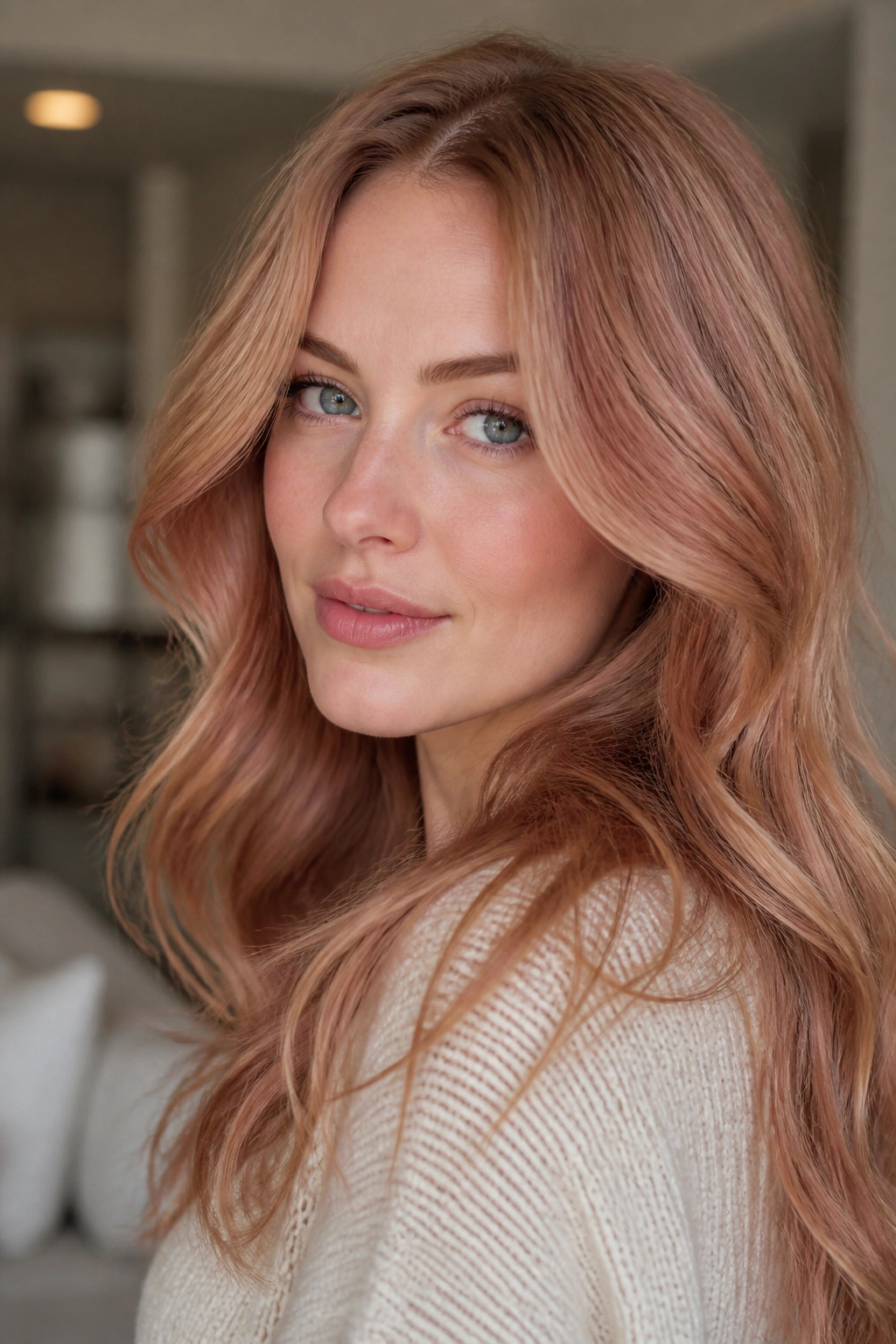
Sienna rose blonde is deeper than strawberry and less playful than peach. That is why it suits cool skin so well. The sienna brings in earthiness, while the rose softens the whole thing and stops it from turning too brown or too orange.
This shade feels mature in the best way. Not severe. Just grounded. It works on medium-length hair especially well because you can see the color shift from root to ends without losing the lightness around the face.
I like this shade on people who have cool skin but do not want anything too pastel. It gives more presence. More depth. The hair feels richer, and the skin usually benefits from that contrast.
Ask for a rose-toned sienna glaze over a light brunette or dark blonde base. If the formula includes too much gold, it starts drifting away from the clean, cooler finish that makes this shade work.
12. Berry Beige Blonde
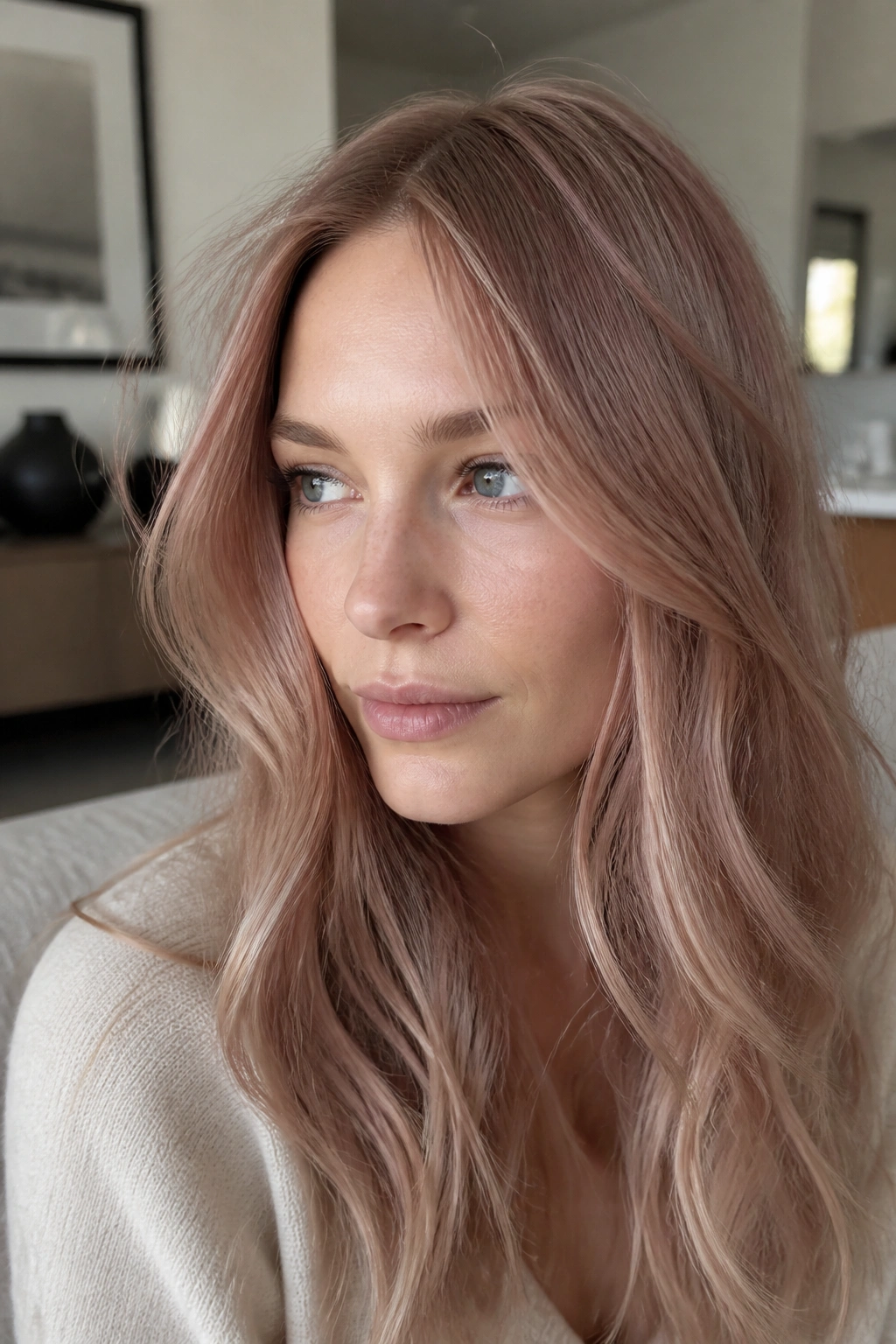
Berry beige blonde is one of the easiest red blonde directions for cool skin because it barely screams at all. The berry note is soft and muted, almost like a tint rather than a true red. Beige keeps the blonde calm. Together, they make a shade that reads polished and understated.
When to choose it
Pick this if you want warmth in your hair but do not want obvious copper. It is a good bridge shade for people moving from ash blonde into something with more color. The berry tone adds life around the face without making the skin look flushed.
This shade usually looks best with a neutral blonde base and a sheer berry gloss. A full-on red formula will lose the point. You want a whisper, not a statement.
A stylist can place berry beige through the ends and keep the crown lighter for dimension. That helps the color feel airy, especially if your hair is fine. Fine hair can go flat fast. This version avoids that problem.
It also wears well with minimal makeup. A bit of blush, a bit of mascara, done.
13. Burnt Peach Blonde
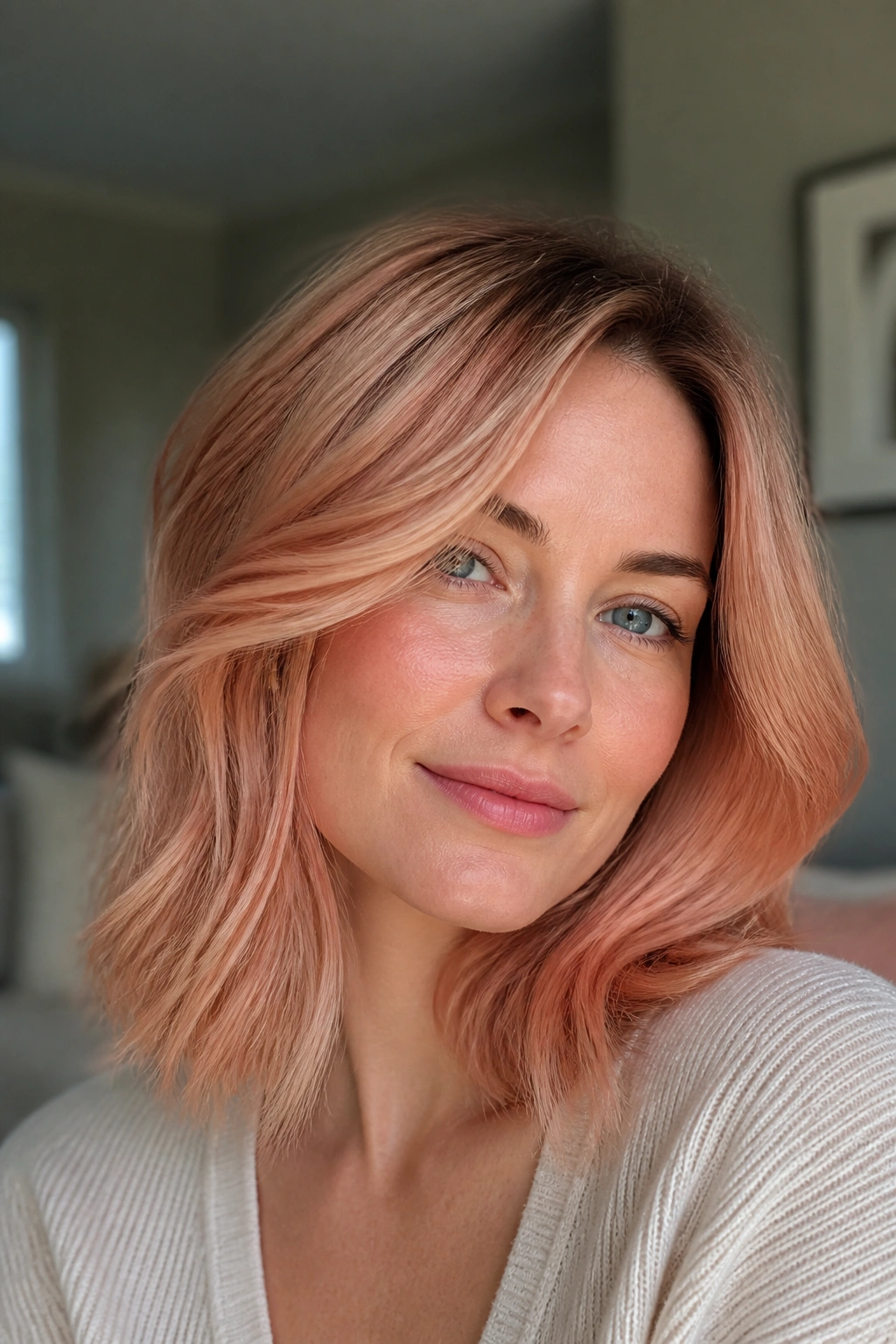
Burnt peach blonde is deeper and a little moodier than standard peach. That depth is what makes it workable on cool skin. The “burnt” part tones down the sugariness and gives the shade a slightly smoky edge, which keeps it from tipping too warm.
This is a nice choice if you want a red blonde that feels a little autumnal but not heavy. On cool skin, it can look surprisingly fresh when the peach stays muted and the blonde base stays light. Too dark and it starts acting like auburn. Too bright and it loses the charm.
I’d ask for a muted peach glaze over dark blonde or light brunette hair. The formula should lean soft beige at the root and warmer at the ends. That gradient makes the color feel more natural and helps the peach avoid looking like a stain.
One small detail: this shade loves shine. Dry, rough hair can make it look flat. A gloss or glaze makes a big difference.
14. Rose Cinnamon Melt
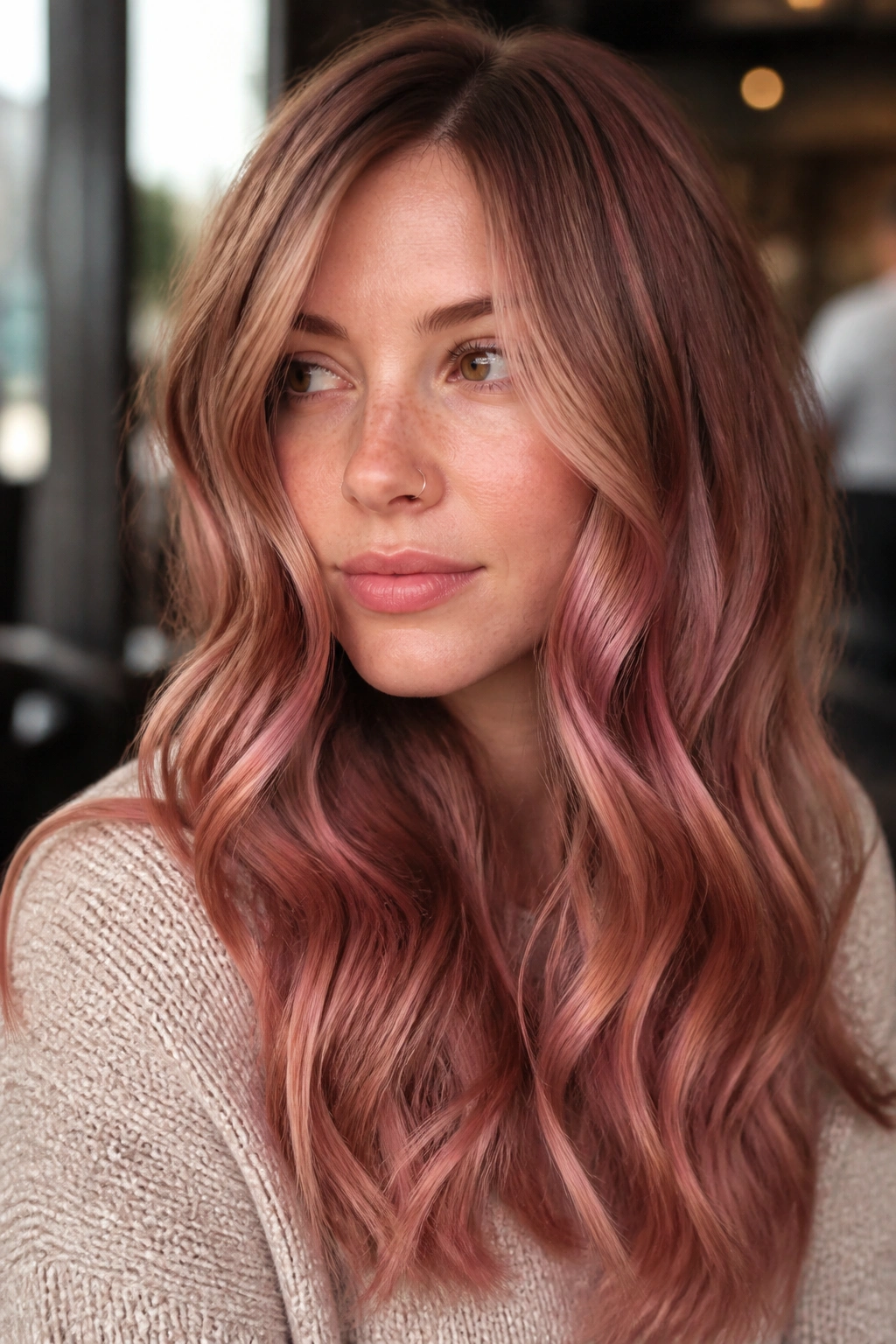
Rose cinnamon melt is where red blonde starts feeling a little more grown-up. The root melt keeps the color soft at the scalp, and the rose-cinnamon mix gives the lengths enough red to be interesting without turning neon. Cool skin usually likes this because the rose note cools the cinnamon down.
The melt effect matters more than people think. If the color starts too bright at the roots, the face can look too hot. A deeper root that fades into red-blonde mids gives the color a cleaner line. It also makes the grow-out easier, which is no small thing.
What to ask for at the salon
- Deep beige root shadow
- Rose-cinnamon mids
- Strawberry-tinted ends
- Gloss finish with no heavy gold
This shade sits well on wavy hair, where the darker root and lighter ends can shift with movement. If you style with a round brush or loose waves, the color will show off its range. Straight hair can wear it too, but it looks more vivid when it moves.
15. Ginger Rose Gloss
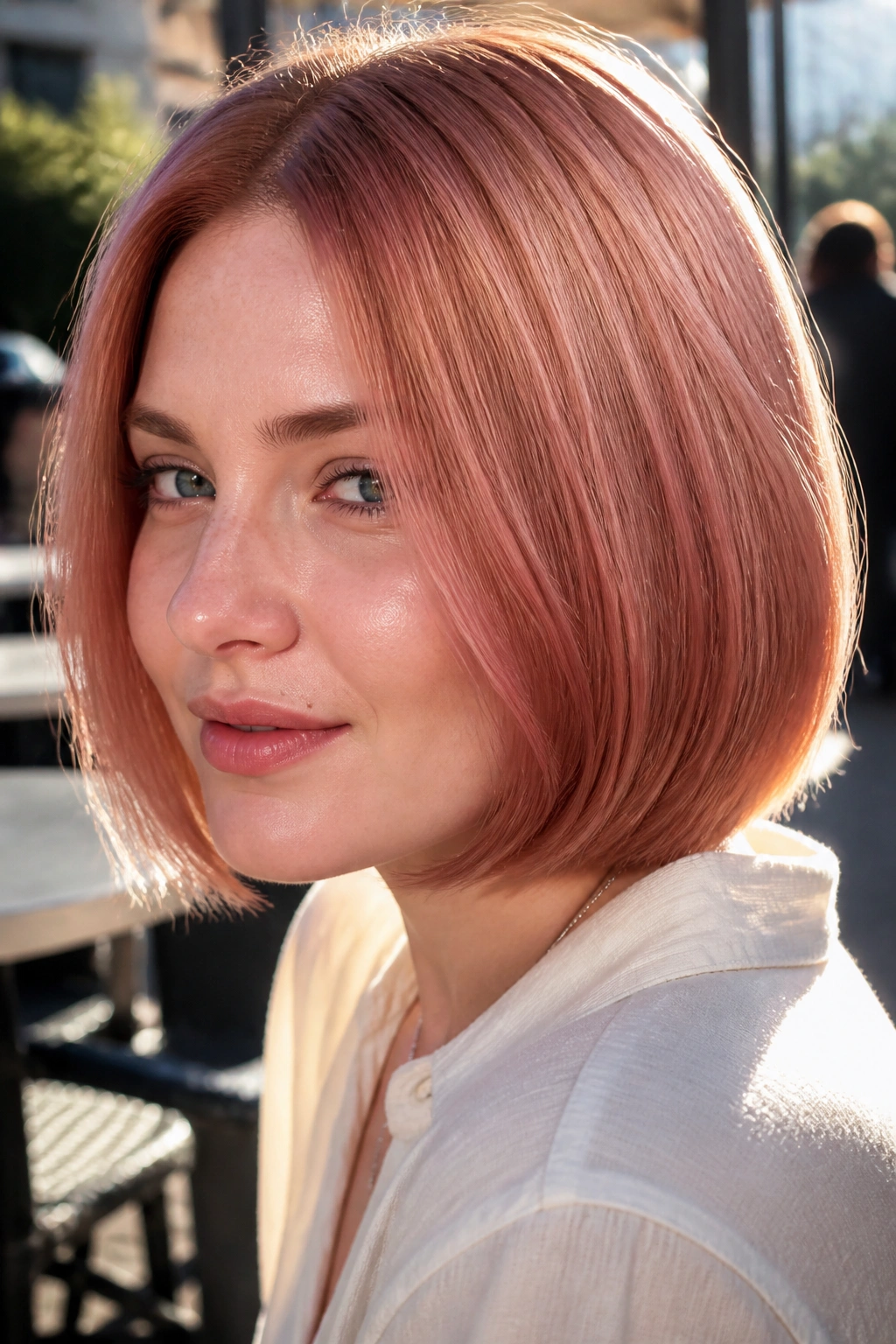
Ginger rose gloss feels brighter than it sounds, but the rose keeps it from going too hot. Think fresh ginger with a pink filter over it. That little pink cast is what makes it friendlier to cool skin. Without it, the shade can tip into hard orange fast.
This is a good pick if you want something bold-ish without going fully copper. It does not need to be loud to register. A glossy finish is enough. The shine does most of the work here, and that shine is what stops the color from looking dry or flat.
I like this shade on short cuts and blunt bobs because the shape gives the color more edge. Long hair works too, but a clean cut really makes the gloss pop. Sharp ends plus glossy ginger-rose color is a strong combination.
If you like berry lipstick, this one will probably make you happy. If you hate warmth, skip it. The ginger is still there.
16. Mauve Strawberry Blonde
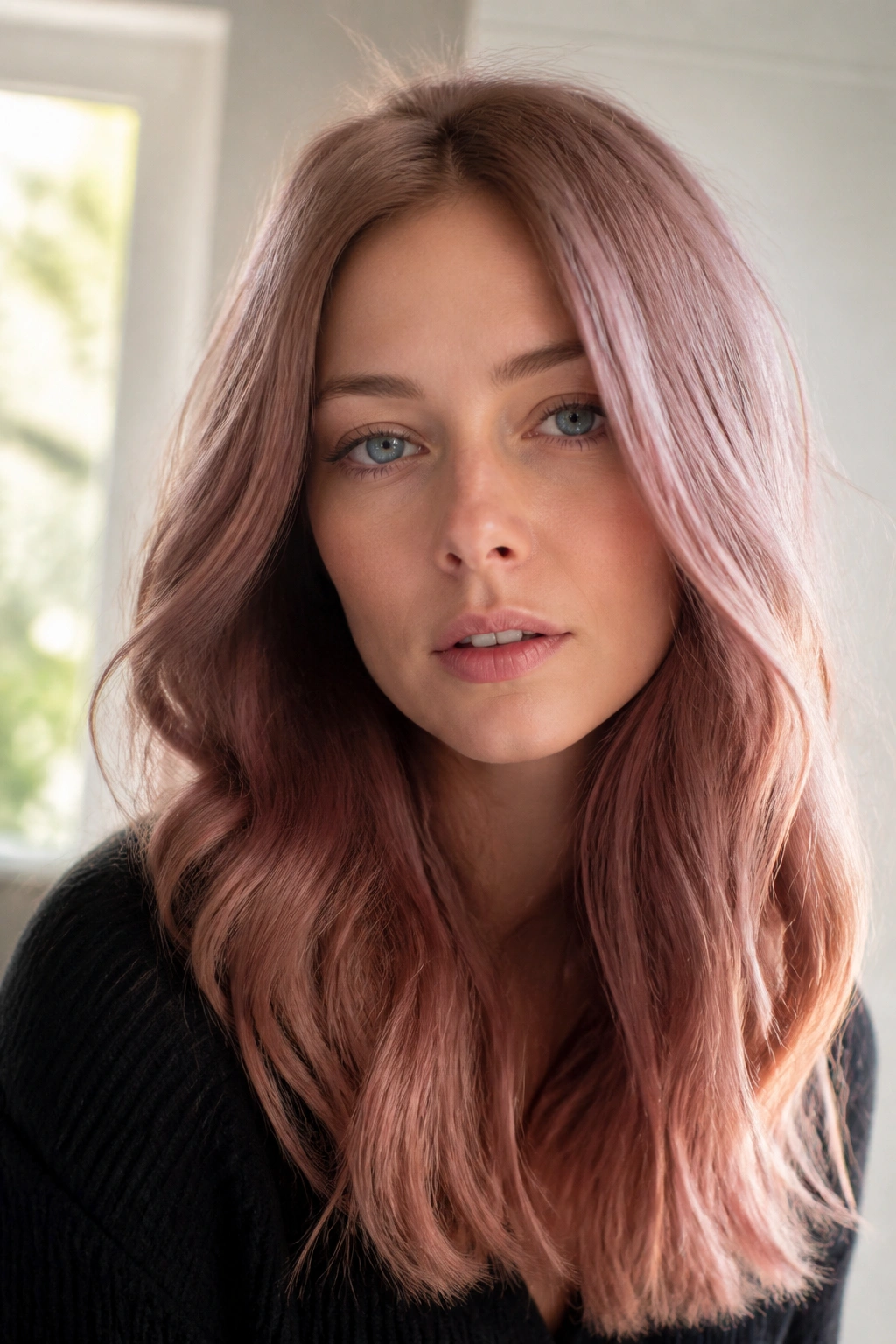
Mauve strawberry blonde is one of the more unusual red blonde options, and that is exactly why I like it. The mauve brings in a cooler, slightly lavender-rose note that helps cool skin stay balanced. The strawberry keeps it from going gray or flat.
This shade is especially good for anyone who wants red hair but does not want to look like they are wearing a classic copper formula. It has a soft edge. A little haze. Not gloomy, not bright. Just interesting.
Because mauve can fade fast, the upkeep matters. A color-depositing conditioner made for rose or berry tones can help keep the shade alive between salon visits. Skip anything that is overly gold. That will pull the mauve out of shape.
It works best on pale blonde bases. If the hair is too dark, the mauve can disappear. Light hair gives it the clean canvas it needs.
17. Clay Copper Blonde
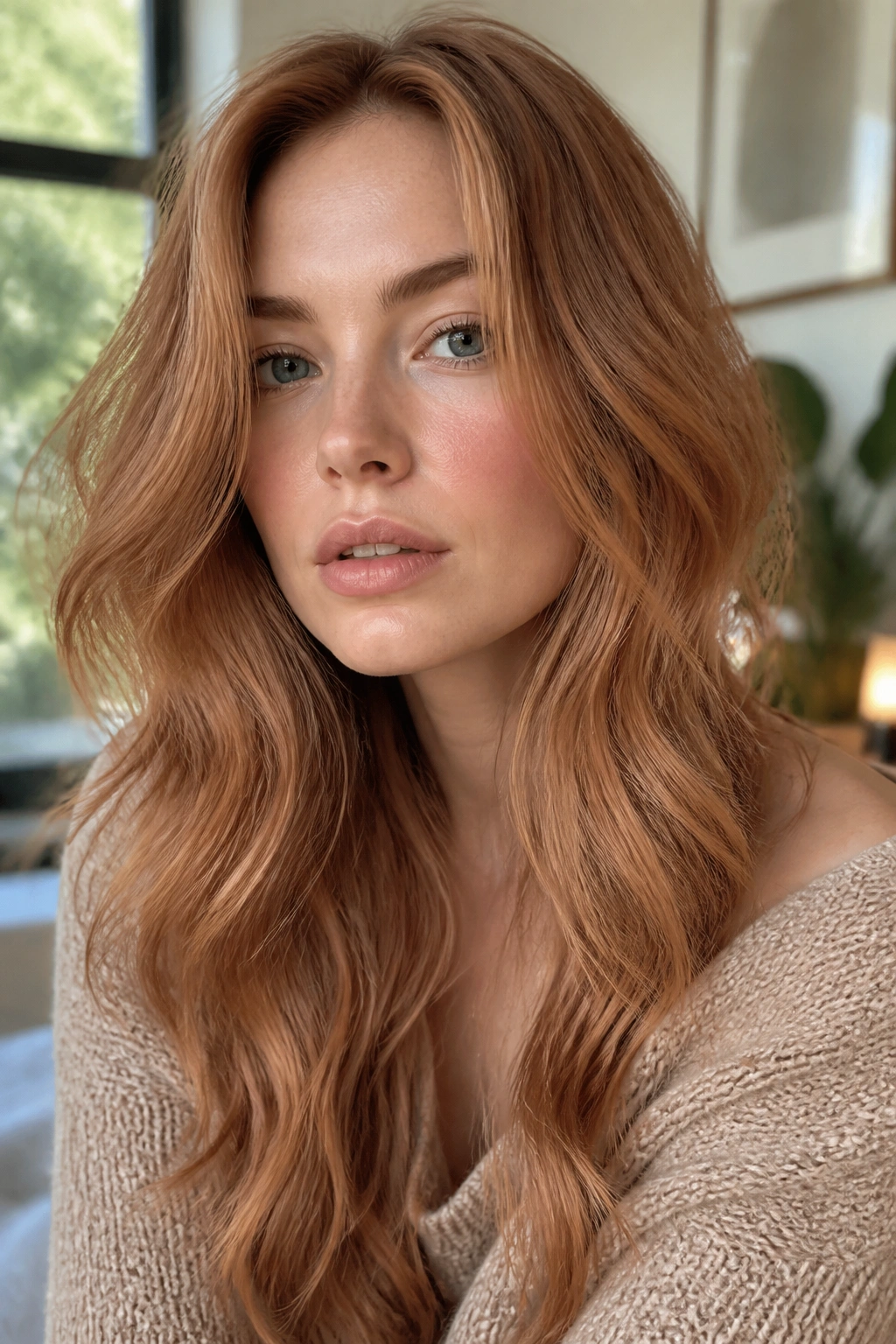
If bright copper feels too hot, clay copper is the fix. The clay tone mutes the copper and gives it a dusty, earthier finish that sits better on cool skin. It is still a red blonde. It just has a little more restraint and a little less glare.
The science behind it
What makes this shade work is the balance between red warmth and smoky beige. Clay tones usually soften reflection, so the hair does not bounce back too much orange light. That helps the skin stay clear and not look overly flushed.
This is a strong choice for someone with a cool complexion who still wants a copper story in the hair. It feels richer than strawberry blonde and less sweet than peach. Nice middle ground.
A salon request might sound like this:
- Copper, but muted
- Beige toner through the ends
- Soft root shadow
- No bright gold
I’d especially recommend it if your hair tends to pull warm quickly. The clay undertone buys you some control. That is worth a lot.
18. Coral Beige Balayage
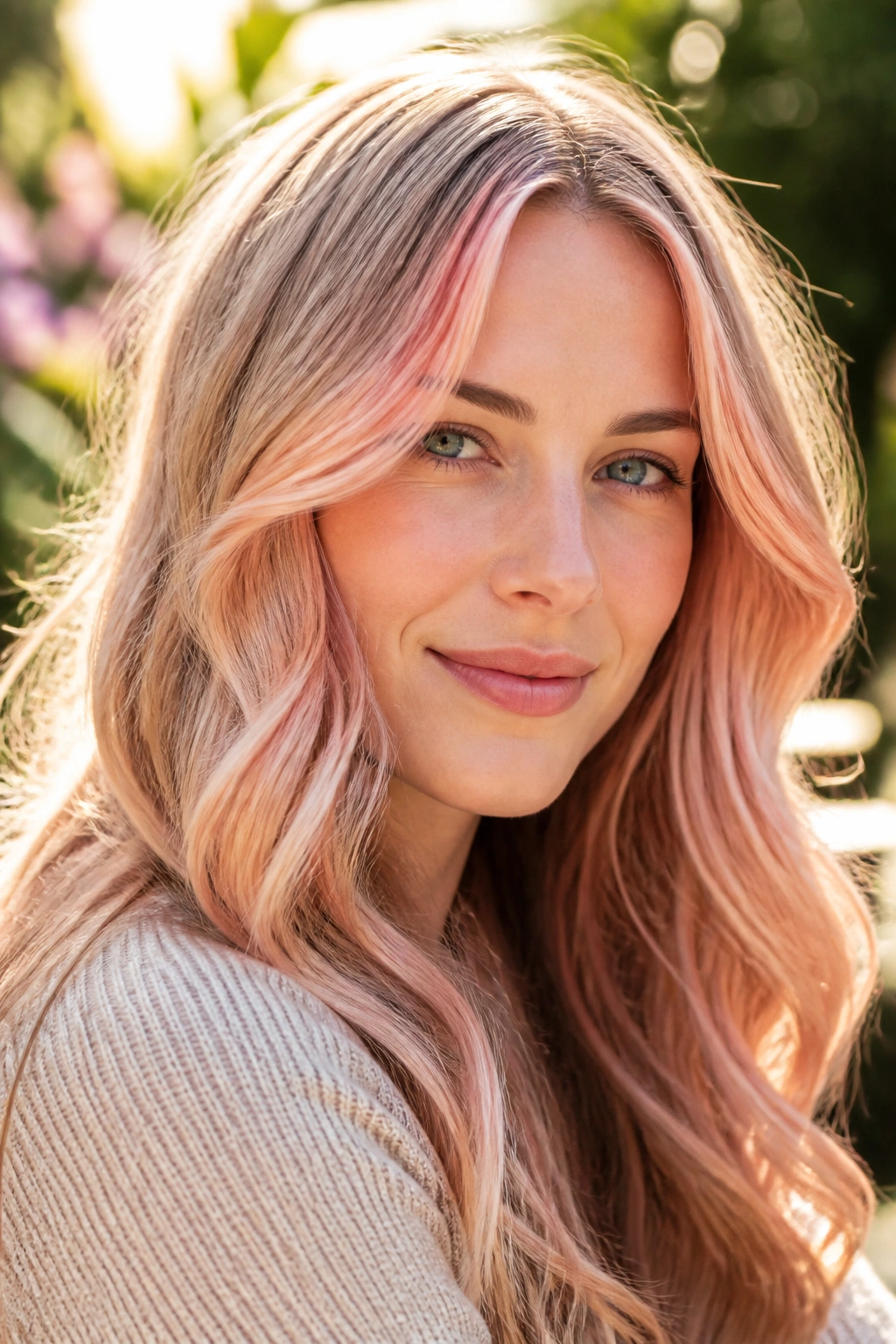
Coral beige balayage gives you the color of the moment without the headache of an all-over red formula. The beige keeps the base calm, and the coral pieces add enough red to wake up cool skin. Done right, it looks sunlit and soft rather than loud.
The placement matters more than the tone here. Keep the coral pieces around the face, through the top layers, and at the ends where the light hits. Leave some neutral blonde in between so the whole look can breathe. If every strand turns coral, the shade gets busy fast.
Best placement ideas
- Face-framing pieces in coral beige
- Lighter ends for movement
- A neutral beige root to soften regrowth
- Thin ribbons instead of chunky panels
This one is especially flattering with loose curls because the pieces separate just enough to show the color variation. Straight hair can wear it too, but the dimension is more obvious when there is texture. That’s the fun part.
19. Plum Strawberry Blonde
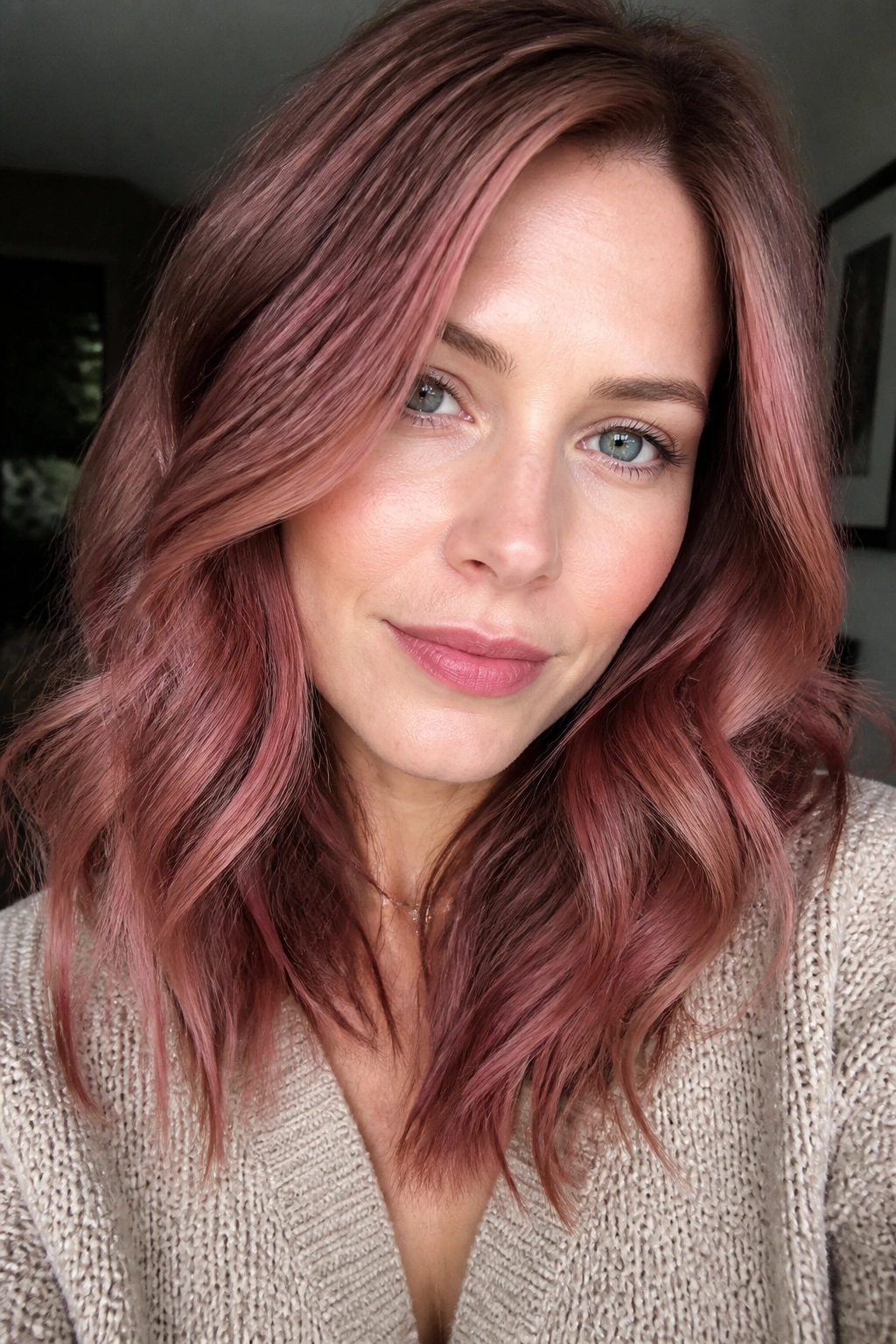
Plum strawberry blonde sounds darker than it is. In the right amount, the plum note acts like a cool filter over strawberry red, which can look excellent on cool skin. It adds depth and stops the color from drifting into peach or orange.
This shade has a little edge. Not punk, not dramatic. Just less obvious than classic strawberry blonde. If you wear silver jewelry, berry lipstick, or soft mauve blush, it all clicks together nicely. The hair does not need to shout to matter.
I like this version best on light brown or dark blonde bases, where the plum can sit in the mid-lengths and make the lighter pieces pop. If your hair is very pale, keep the plum sheer. Too much can darken the whole look.
It is also a smart shade for cooler months, when people sometimes want more depth in their color without giving up blondness altogether. That balance is the whole appeal.
20. Cherry Beige Blonde
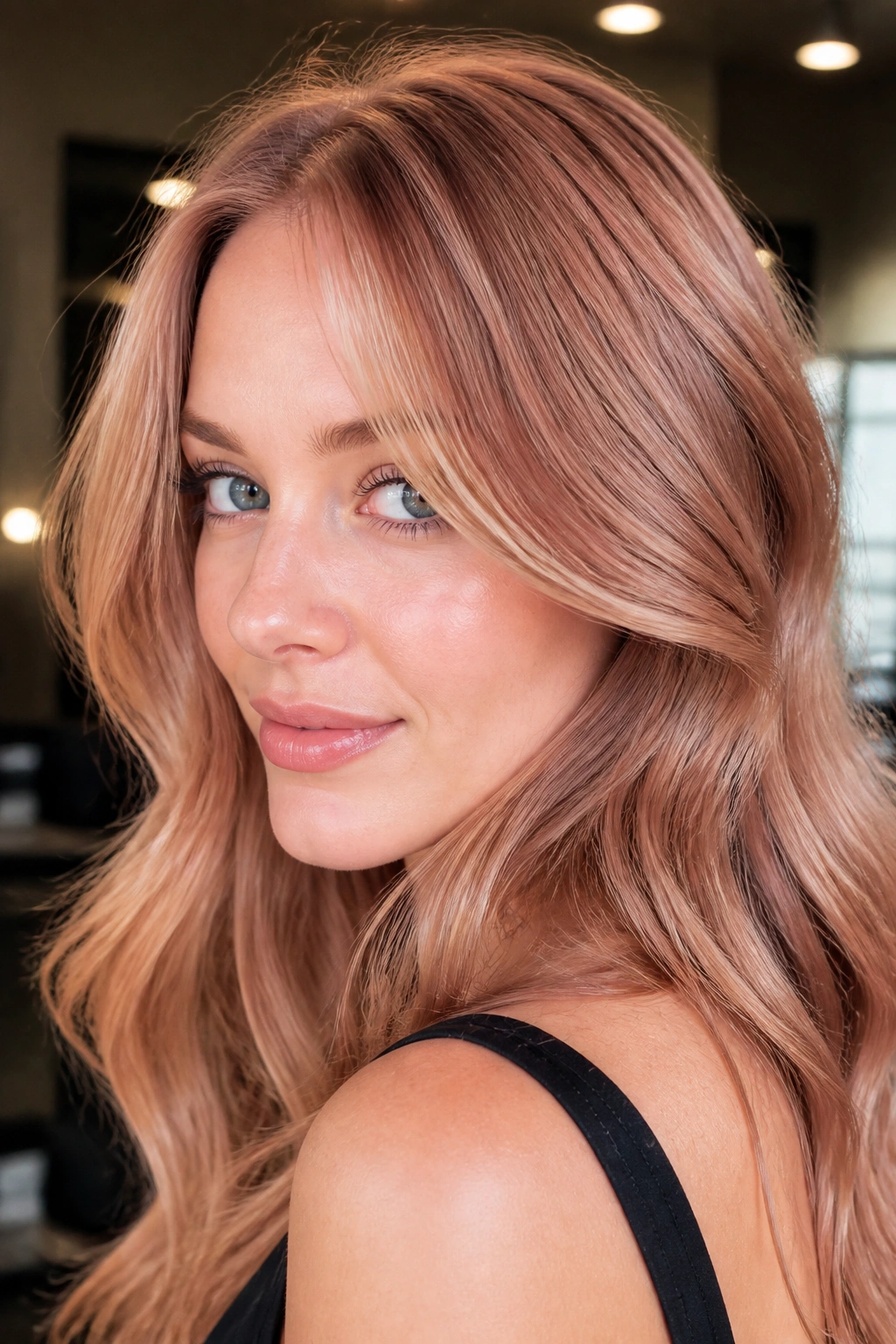
Cherry beige blonde is the richest option in this group, and it is the one I would hand to someone who wants a clear red-blonde statement without going full copper. The cherry note gives the color body, while beige keeps it from turning too warm or too dark for cool skin.
Short version: this shade has presence. It reads polished, not playful. The beige base stops the cherry from looking like dye straight from the tube, and that matters more than people admit. A little restraint makes the shade wearable.
If you want to ask for it, say you want a beige blonde foundation with a cherry gloss on top. You can also ask for a cooler red glaze if your skin is very fair. The goal is depth, not saturation. Saturation is where the trouble starts.
I like this as a final stop for anyone who has tried strawberry, rose, and copper and wants something with more attitude. It sits right at the edge of warm and cool, which is exactly why it can work so well on cool-toned skin.
