



A good curly haircut can make your hair look lighter, cleaner, and more expensive without changing your texture at all. A bad one can turn the same curls into a triangle that sticks out at the sides and collapses at the crown.
Shrinkage matters. A curl that lands at your shoulder when wet may bounce to your jaw once it dries.
The real trick is shape, not length. Curly hair needs a cut that respects spring, density, and the way each section bends on its own. That is why a dry cut can feel so different from a wet one: the stylist sees the actual silhouette instead of guessing at where the curls will land.
Some people want volume at the crown. Others want weight removed from the ends. A few want a clean outline they can air-dry and leave alone. The 20 haircuts for curly hair below cover all of that, from soft and easy to bolder shapes that still make sense when the curls start doing their own thing.
1. Curly Bob at the Jawline
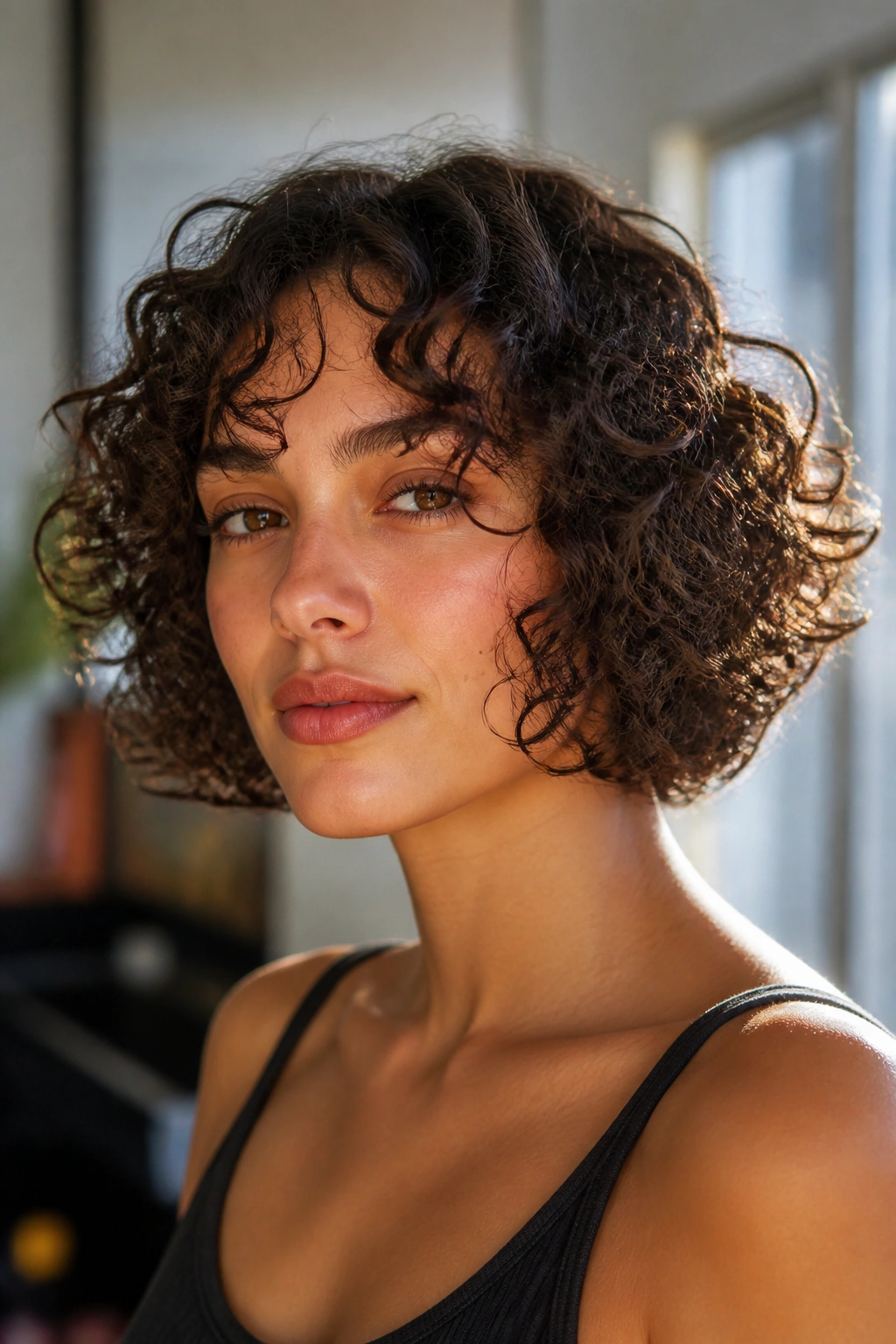
A jawline bob is a sharp little reset for curls. It puts the shape right where the face starts, so the whole cut reads as intentional even on a frizzy day.
The catch is shrinkage. If your curls bounce hard, a bob that looks chic when wet can climb up to the cheekbones once it dries, which is why a curl-aware cut matters more than the exact number on the tape measure. A good stylist will leave room for that spring and cut the shape in a way that still looks clean after the hair settles.
Why It Works
- It gives medium-density curls a clear outline without dragging the face down.
- It keeps the ends from looking stringy when the curl pattern tightens.
- It works especially well when the front sits a touch longer than the back.
Keep the perimeter blunt and the inside light. That mix stops the bob from turning puffy at the edges.
2. Collarbone Lob with Long Layers
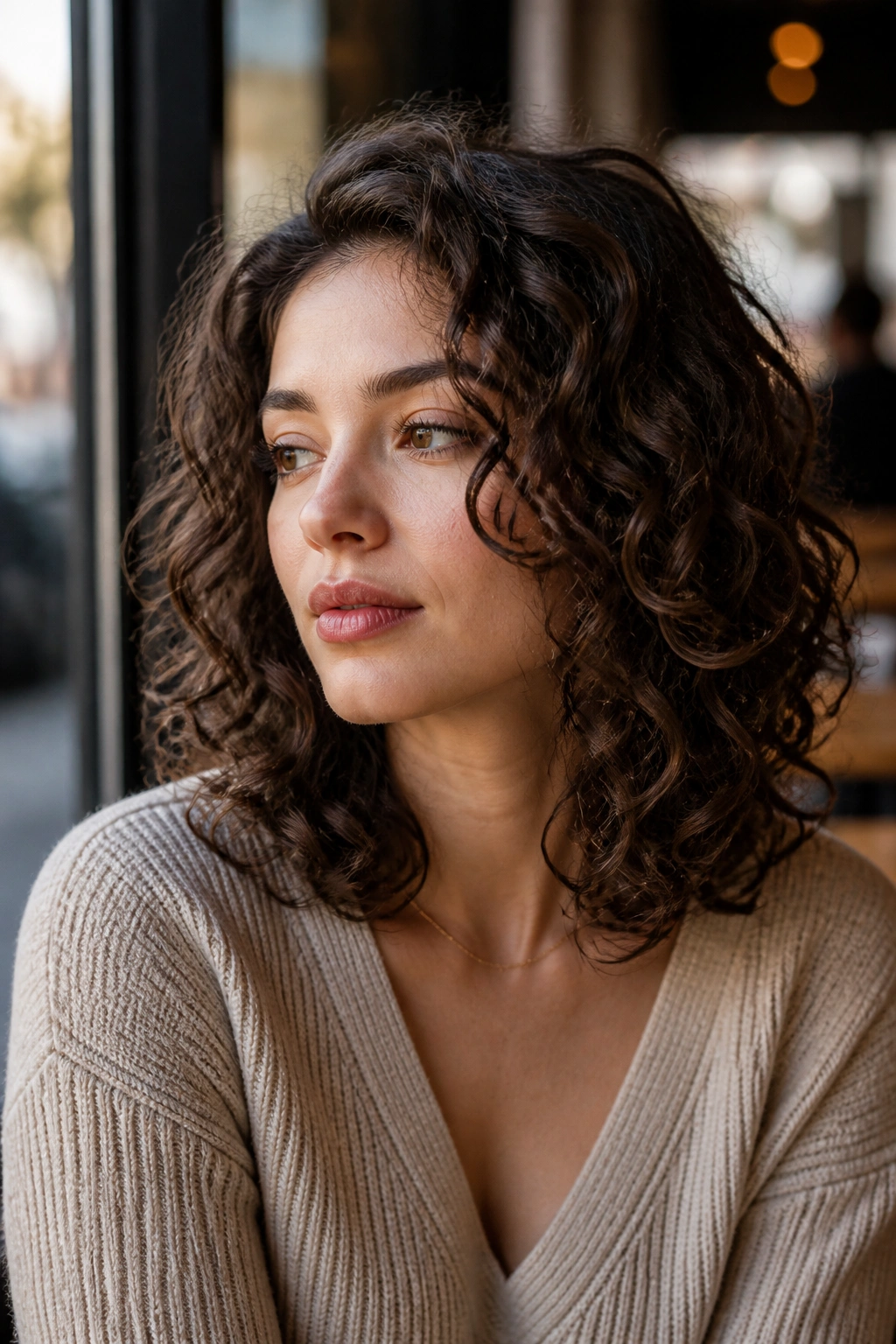
A collarbone lob is the easiest curly cut to live with if you want shape without drama. It’s long enough to pull back, short enough to stop the ends from feeling heavy, and it usually grows out without looking awkward.
What I like about this cut is that it gives curls room to move. The collarbone length keeps the silhouette soft, while long layers remove some of the weight that drags loose curls straight at the bottom. If your hair tends to form a triangle, this is one of the first haircuts for curly hair worth trying.
Ask for the layers to start below the cheekbone if you want the surface to stay smooth. Start them too high and the cut can get choppy fast. Keep the perimeter soft, not razor-thin, unless your hair is thick enough to handle a little edge.
It is a good everyday choice. Clean, practical, and not precious.
3. Curly Shag with a Soft Fringe
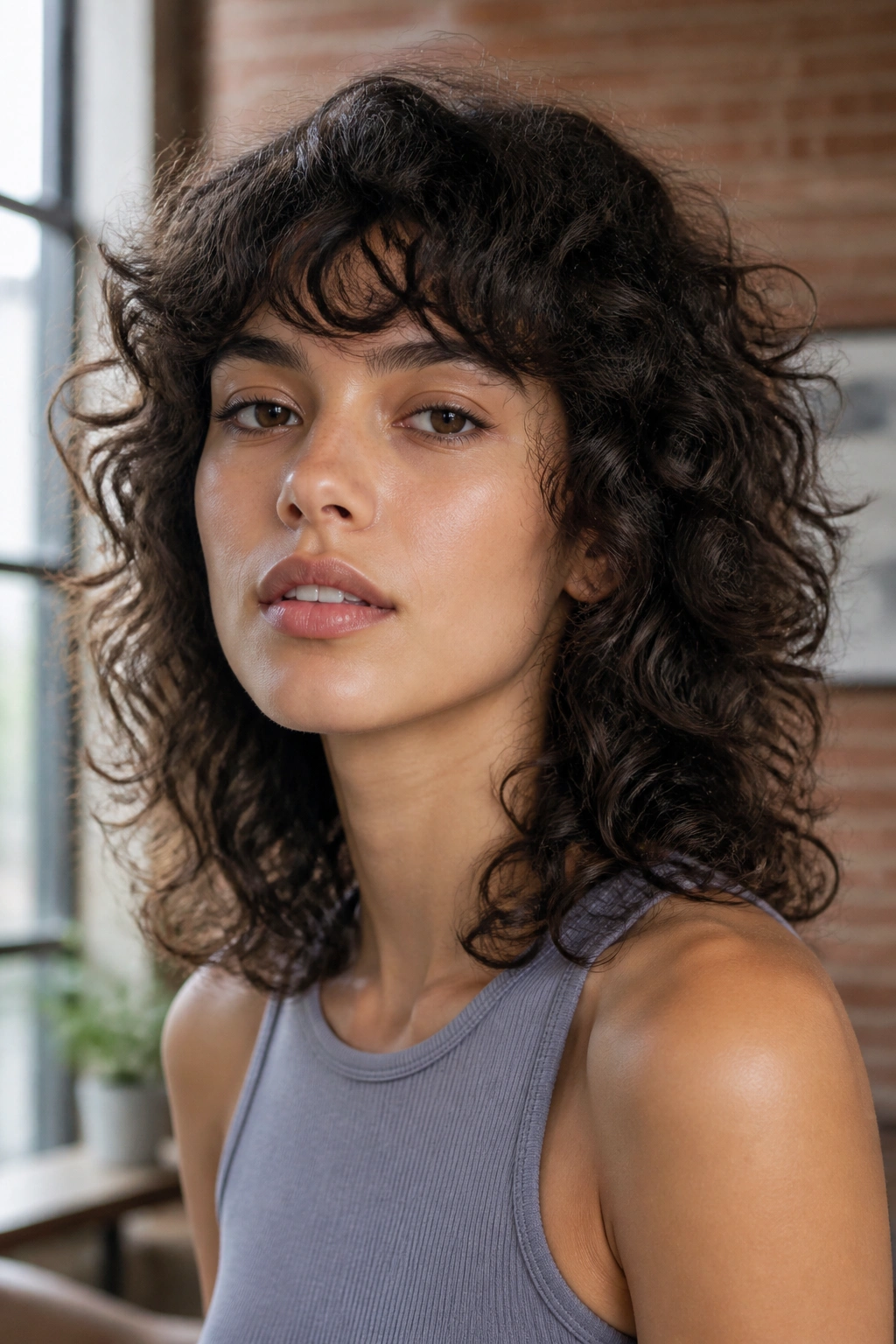
Why does a shag make curls look fuller so fast? Because it builds volume in more than one place instead of hanging all the weight at the bottom.
The crown gets a lift. The sides get movement. The fringe breaks up the front line so the whole cut feels airy instead of boxy. On looser curl patterns, a shag can make the hair look almost buoyant. On tighter curls, it keeps the top from sitting flat against the head.
How to Ask for It
- Keep the shortest layers long enough to curl, not puff.
- Let the fringe sit a little longer than you think; dry curls bounce up.
- Ask for texture around the crown, not a choppy chop at the ends.
A soft fringe makes this cut feel modern without making it fussy. Too much fringe, though, and the whole thing can start looking busy.
4. Wolf Cut with a Built-In Crown Lift
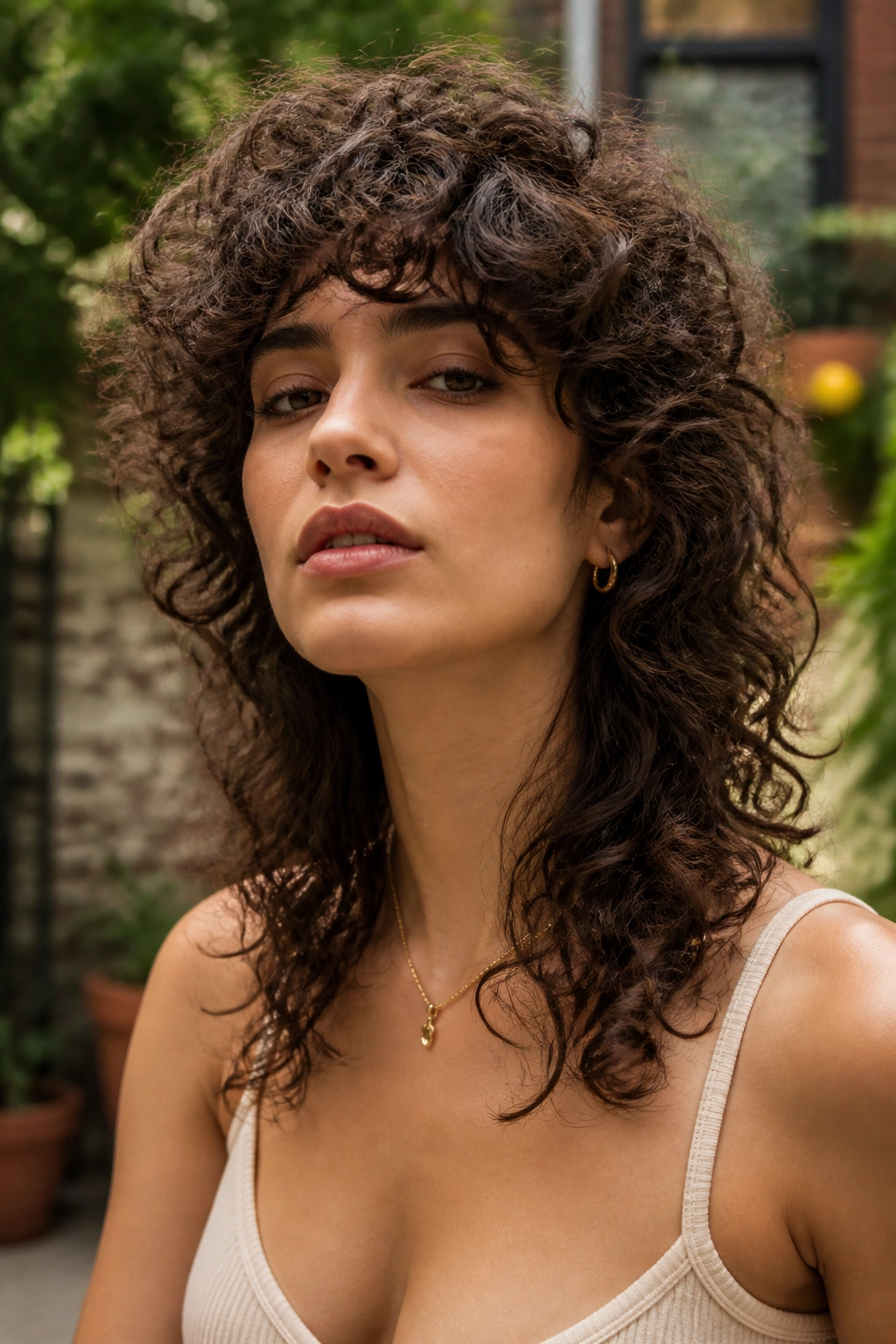
If the crown lies flat and the jawline balloons, the wolf cut fixes that fast. It borrows the wild volume of a shag and stretches it out with longer ends, which is why it looks so good on dense curls.
The shape is all about contrast. Shorter layers on top create lift, while the longer perimeter keeps the cut from looking like a cloud. That contrast is what makes the wolf cut feel undone in a good way rather than just messy. It is especially useful if you like air-dried texture and do not mind a little attitude in the shape.
Key Details to Ask For
- Keep the top layers soft enough to curl, not spike.
- Leave enough length at the nape so the silhouette does not jump out.
- Avoid over-thinning the sides; that can make curls frizz around the face.
This cut rewards a diffuser and a little mousse. It does not need perfect styling. It does need a stylist who understands that curly hair should move, not sit there like cardboard.
5. Tapered Cut for Coils and Dense Curls
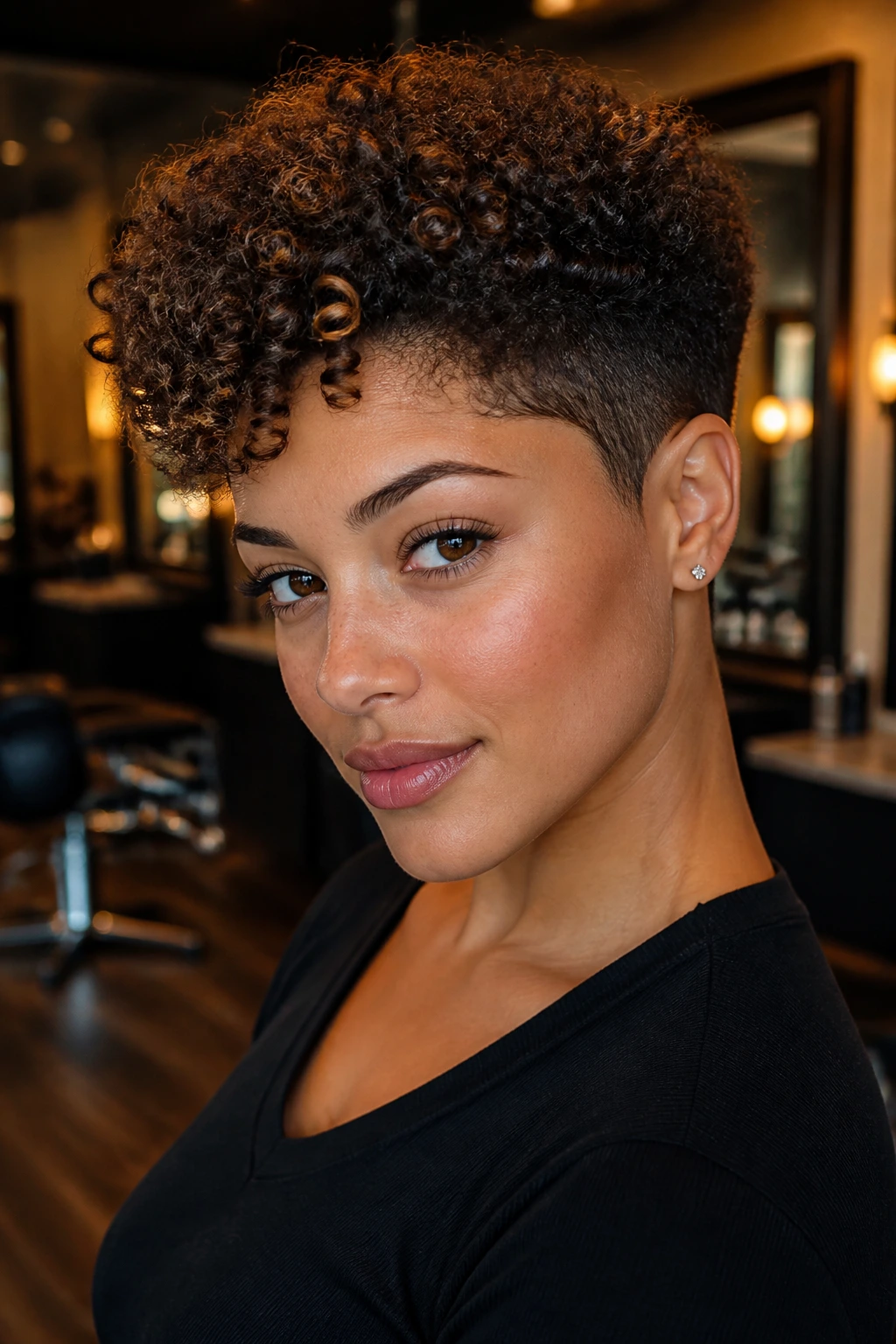
A tapered cut is the practical haircut nobody talks about enough. It keeps the sides and nape shorter, which lets the top and crown carry the shape without the whole head feeling heavy.
That matters a lot for coils and dense curls. Thick hair can trap heat, take forever to dry, and grow into a boxy silhouette if every section is left the same length. A taper solves that by removing bulk where you do not need it and keeping height where you do. The cut can be soft and rounded, too. It does not have to look severe.
One nice side effect: scarves, collars, and pillowcases stop fighting the hairline as much. Small thing. Big relief.
If you wear your curls stretched, twisted, or picked out, a tapered shape also gives the style more room to breathe. It keeps the head looking balanced instead of top-heavy.
6. Rounded Afro Shape
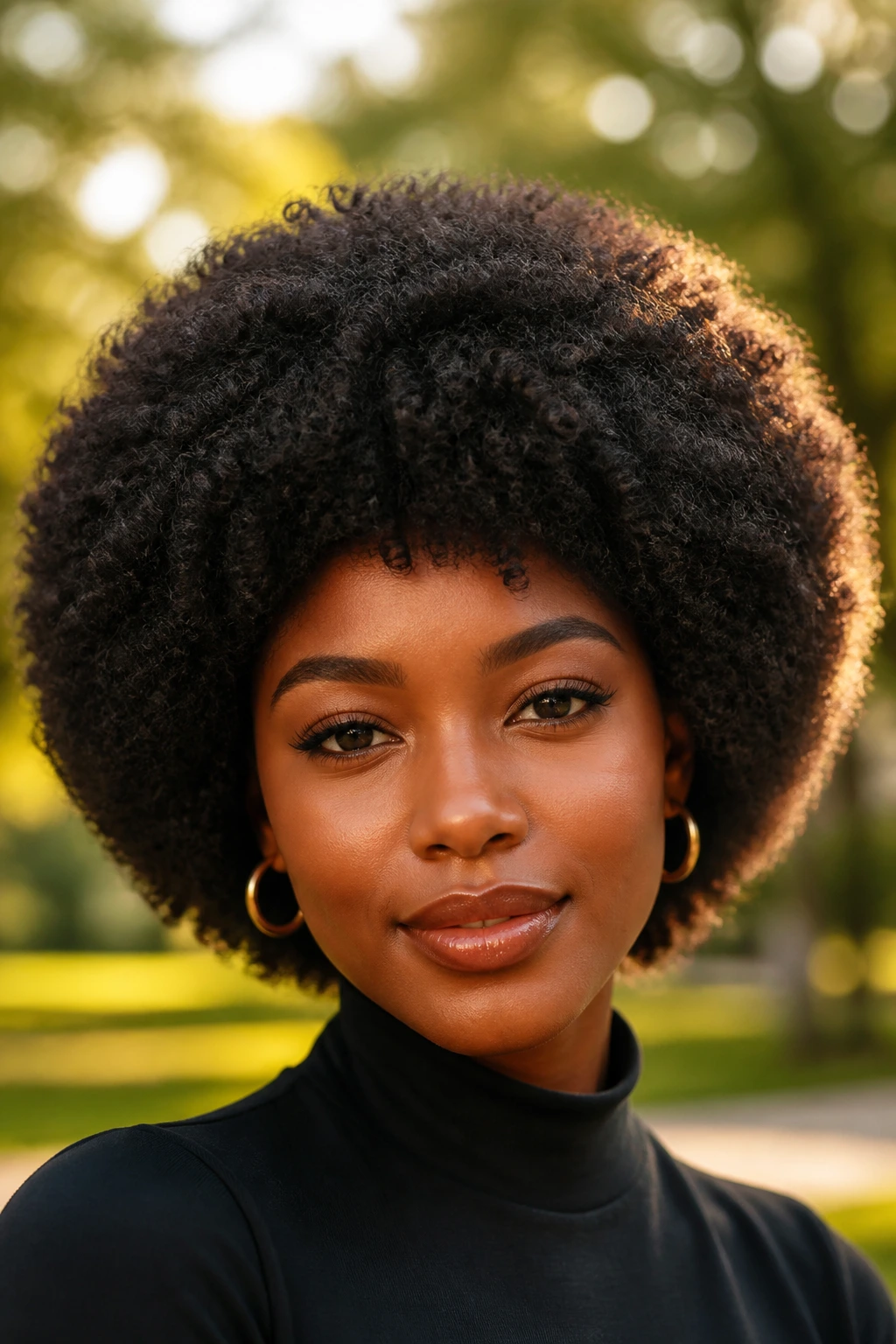
A rounded afro shape does one thing better than almost any other curly cut: it keeps the silhouette soft and even from every angle. No corners. No shelf at the sides. No flat patch at the top that refuses to cooperate.
Unlike a taper, which narrows at the nape and temples, a rounded afro keeps the fullness more evenly distributed. That’s why it works so well when you want height and presence without losing the natural dome of the hair. It also makes shrinkage feel like part of the design instead of a problem to hide.
A good rounded shape needs clean edges and controlled volume. The best version is not a perfect circle drawn by a ruler; it’s a balanced outline that follows the head and lets the curls stack naturally.
This is a strong pick for tightly coiled hair that likes definition and air. Ask for rounded corners, a gentle arch at the top, and enough length at the sides so the silhouette stays soft.
7. Classic Curly Pixie
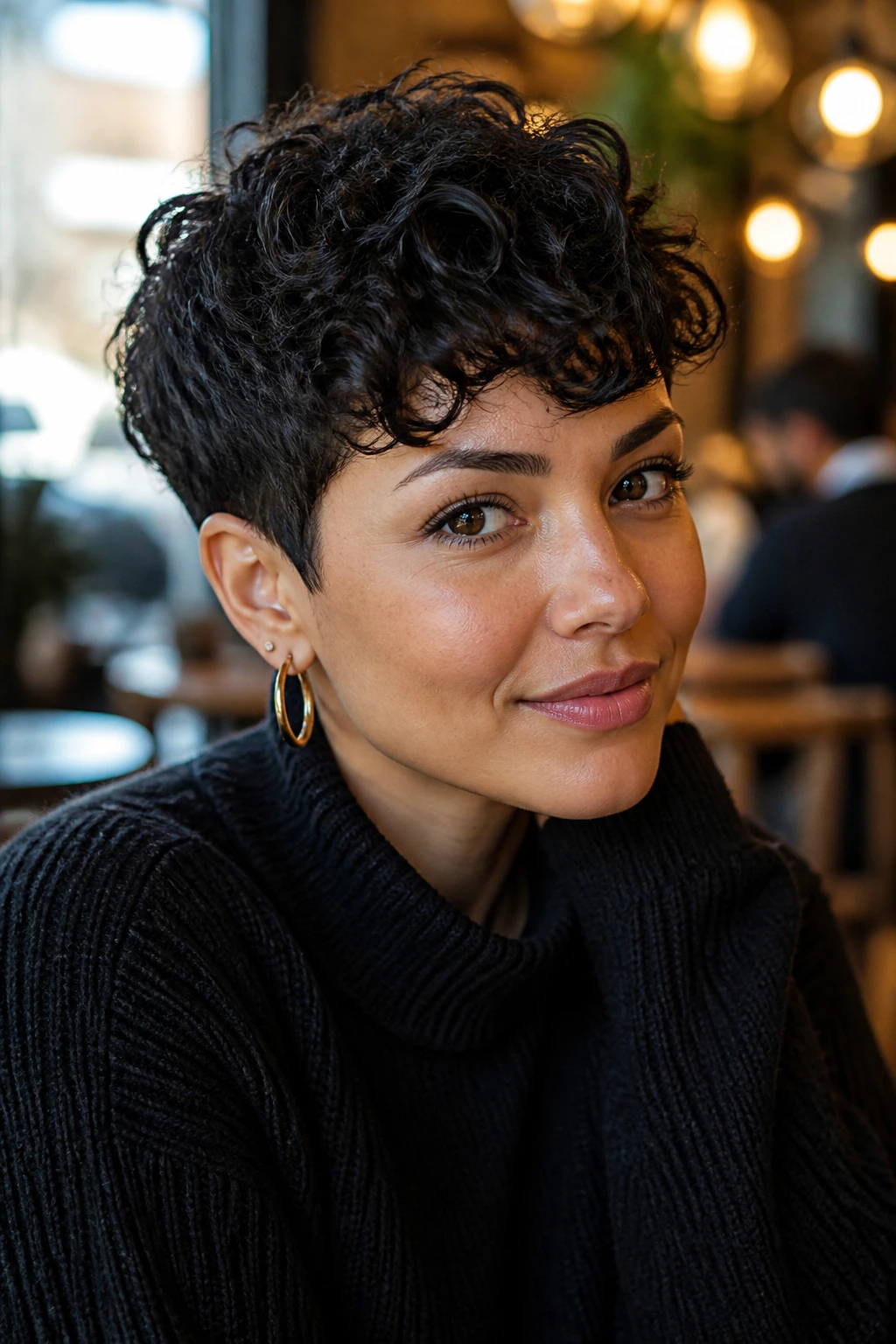
A curly pixie looks fearless on a salon mirror and even better once it settles into daily life. It opens the face, exposes the neck, and lets the curl pattern become the main event.
The trick is restraint. With curly pixies, a little extra length on top goes a long way, because tight curls shrink and spring in different ways from one section to the next. If the top is cut too short, the shape can puff up in a way that feels more accidental than chic. Leave enough length to show the curl, not just the cut.
What to Ask Your Stylist
- Keep the top around 2 to 4 inches, depending on curl tightness.
- Taper the sides and nape so the head stays clean, not mushroom-shaped.
- Leave the fringe area a little longer if your curls lift hard.
This cut suits people who do not mind regular shaping. It grows fast. That is the deal. But when it is fresh, it has a very clean, very confident look.
8. Bixie Cut for Curly Hair
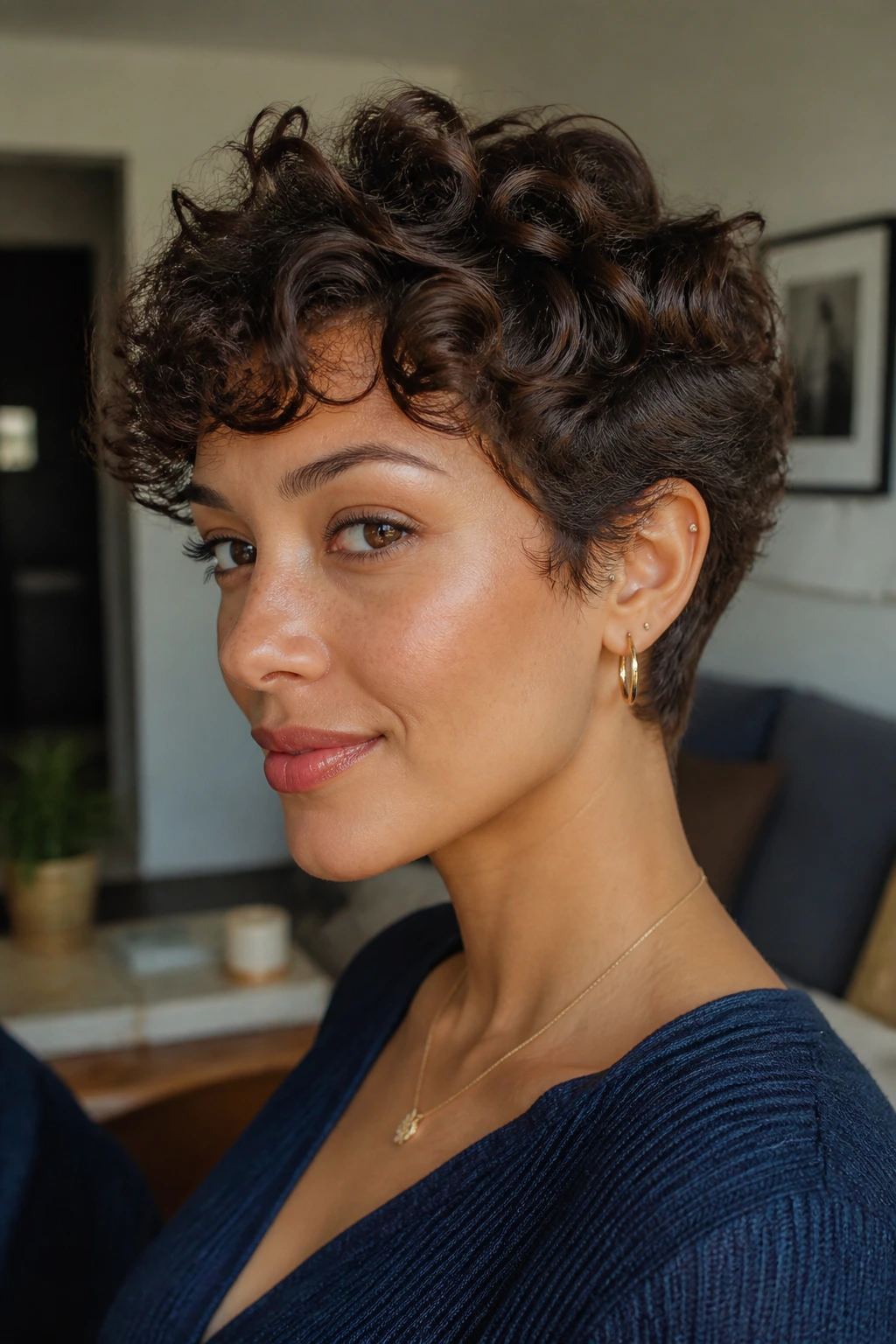
The bixie solves the “too short for a bob, too long for a pixie” problem. It sits in that useful middle zone where you get face-framing shape without giving up the ease of a short cut.
What makes it work on curls is the mix of soft length and tighter shaping around the ears and nape. You get movement at the top, but the sides stay tidy enough that the whole style doesn’t turn bulky. On medium curls, that balance can be a sweet spot. On tighter curls, it gives definition without demanding too much styling.
It also forgives grow-out better than a pure pixie. A bixie can drift toward a shaggy bob without looking like you missed your appointment by mistake.
If you want one product to go with it, use a light curl cream or foam rather than something heavy. The cut already has shape. You do not want to bury it.
9. Long Layers That Keep the Length
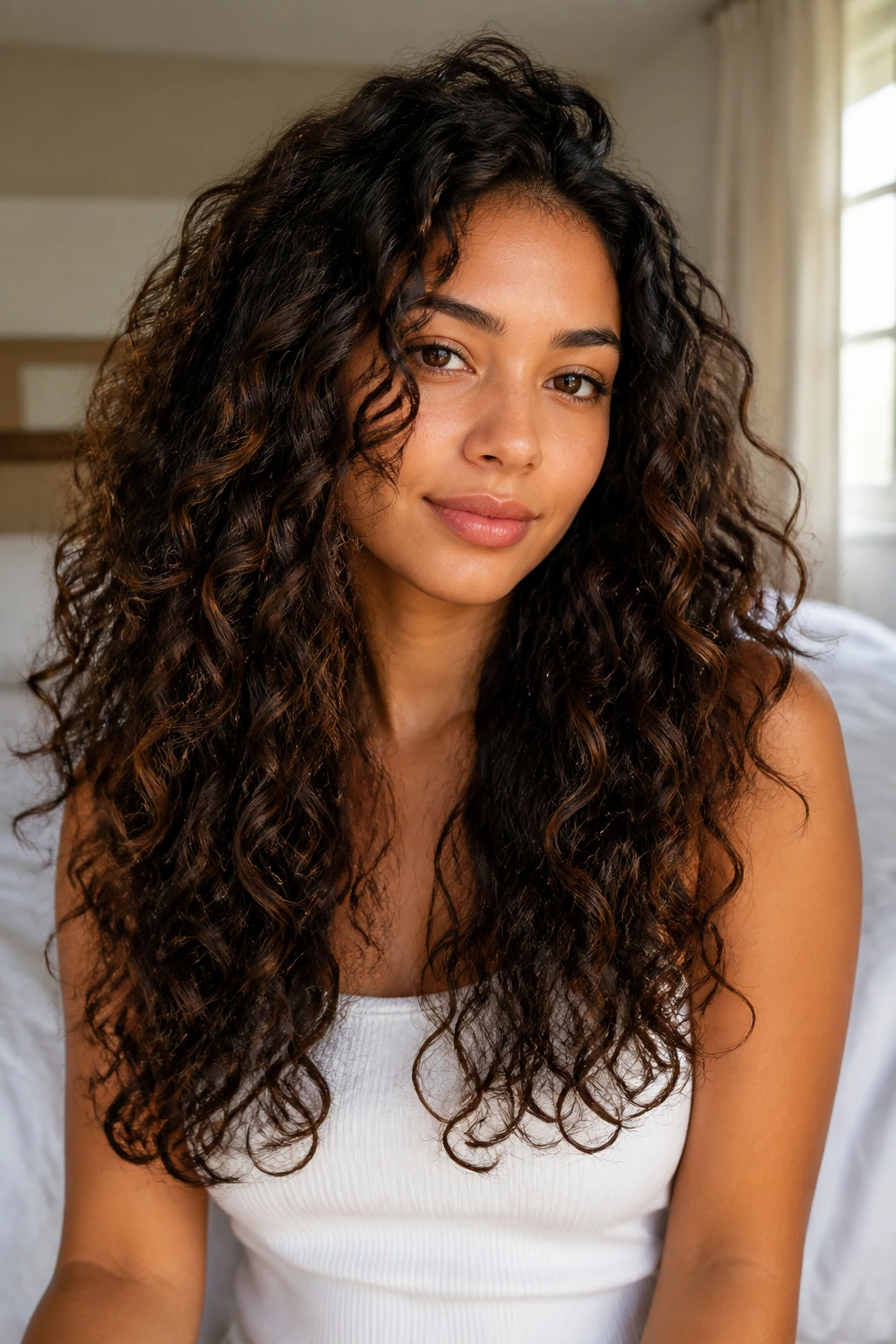
Do long curls have to live in one heavy curtain? Not if you cut them with long layers that take the weight out of the right places.
The whole point here is to keep the length people love while stopping the bottom from turning into a slab. Long layers let the curls stack in a looser way, which helps the shape fall instead of balloon. That matters most when your hair is dense, because dense curls can look longer and shorter at the same time depending on where the bulk sits.
How to Ask for It
- Keep the shortest layers below the chin unless you want a lot of movement.
- Ask for internal weight removal, not a chopped-up surface.
- Make sure the perimeter still has enough thickness to hold its line.
This cut is a safe place to start if you are nervous about losing length. It gives change without shock value. That matters more than people admit.
10. Face-Framing Layers Around the Cheekbones
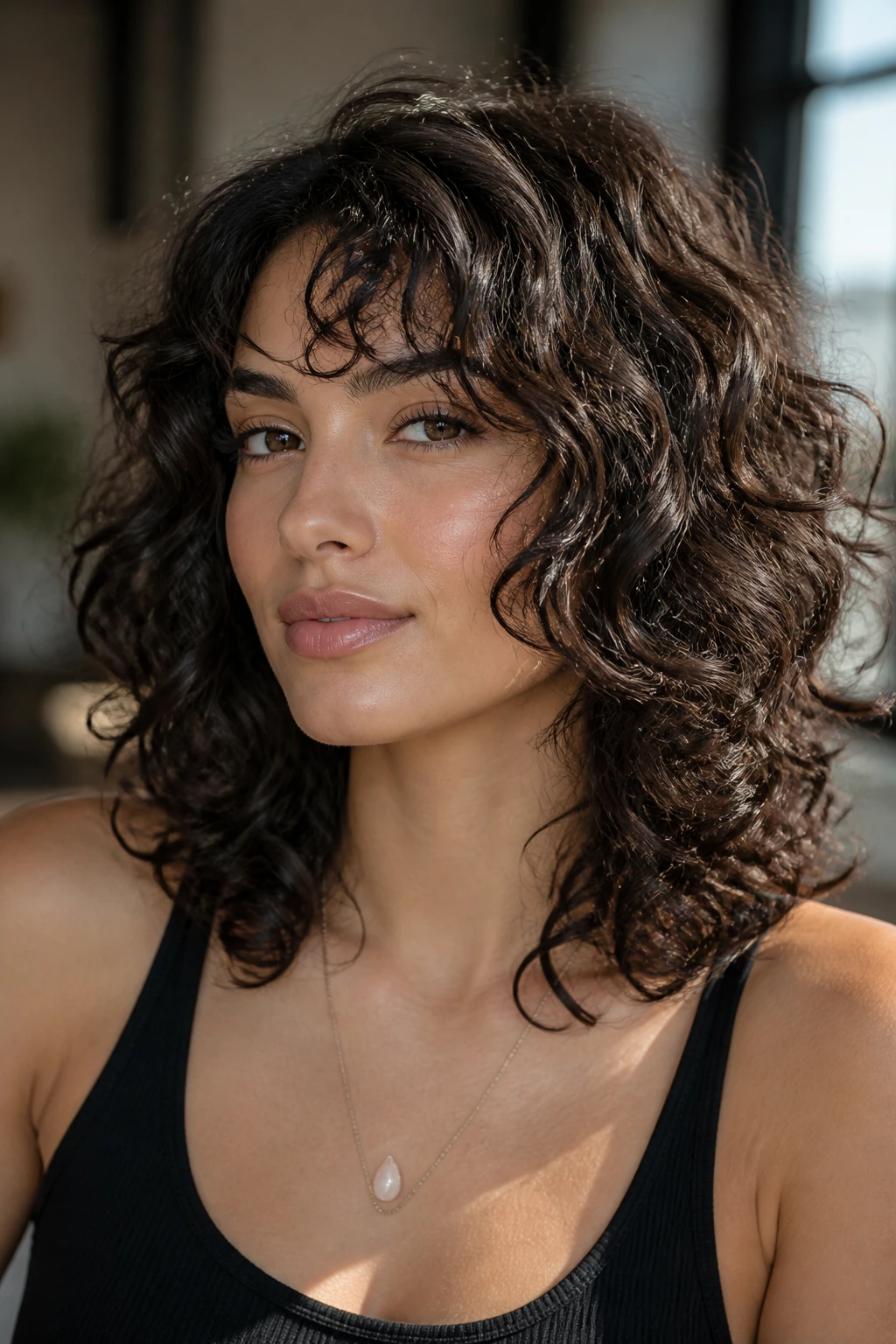
A few face-framing layers can change the whole mood of a cut. The curls fall forward, the cheekbones get more shape, and the hair stops hanging like one solid block around the face.
The best version starts higher for a shorter face and a little lower for a longer one. That is not a hard rule, but it helps. If the shortest pieces hit right at the cheekbone, the haircut tends to feel lifted. If they land closer to the jaw, the result is softer and a little more grown-up.
Key Things to Know
- Keep the front pieces long enough to curl together, not fray apart.
- Ask for a smooth transition into the side layers.
- Avoid cutting the front too short if your curls bounce high when dry.
This is a good option when you want a change without losing much length in the back. It’s subtle, but not boring. Sometimes that is exactly what the cut needs.
11. Curly Curtain Bangs with Shoulder-Length Hair
Curly curtain bangs look easy from a distance. Up close, they are all about restraint.
The best curly curtain bangs are longer than most people expect. That matters because curls spring up, and a fringe that lands perfectly at the lashes in the chair may sit halfway to the forehead once it dries. A good stylist will usually cut them with room to move, then shape the sides so the bangs blend into the rest of the cut instead of sitting on top of it like a separate piece.
They work especially well with shoulder-length hair, where the fringe can split and fall to each side without fighting the rest of the shape. If your curls are very tight, though, the bangs need a little more length and a little less ambition. Tiny bangs are a trap.
This is a cut for people who want softness around the face, not a hard line.
12. Asymmetrical Bob
A standard bob gives you balance. An asymmetrical bob gives you motion.
One side is left a little longer, which draws the eye diagonally and keeps the cut from feeling stiff. On curls, that angle can be especially flattering because the texture already has movement built in. The asymmetry adds a second layer of interest without needing lots of layers or a lot of styling time.
It works well if you like a clean outline but want something with a little edge. The key is keeping the difference subtle. A dramatic, one-side-very-long look can get awkward once the curls shrink unevenly, while a softer angle tends to stay wearable.
If your face is round, this cut can add length. If your jawline is strong, it softens the line. Ask for the longer side to graze the collarbone rather than hanging far below the other side unless you want a more obvious shape.
13. Stacked Bob with a Lifted Back
A stacked bob is one of those cuts that looks small on the hanger and surprisingly full on the head. The back is graduated so it lifts into the crown, which helps curly hair gain structure instead of collapsing at the nape.
That lift is useful for finer curls that need body without a ton of length. It also helps when the back of the head goes flat the minute the hair dries. The stacked shape keeps that area off the neck and builds a little shelf of volume that the curls can sit on.
What to Watch For
- Too much stacking can make dense curls flare out.
- The crown should be shaped, not chopped into a mound.
- Keep the front soft so the cut doesn’t feel helmet-like.
This one is not the quietest haircut in the room, and that is the point. It looks best when the curls are defined enough to show the layers working.
14. Blunt Shoulder-Length Cut
Not every curly haircut needs layers. A blunt shoulder-length cut can make curls look thicker, healthier, and cleaner because the ends land on one solid line.
That line matters. On curl patterns that are loose enough to hang but strong enough to keep shape, a blunt edge can give the whole head a nice weight and a bit of shine. The trick is to make sure the density is balanced underneath, because blunt does not mean bulky. If the inside is too heavy, the cut can tip into triangle territory fast.
This is the cut I’d point to when someone wants a polished look without a lot of surface texture. It’s also handy for people growing out a shorter cut. You get length, but the shape still feels deliberate.
Ask for hidden debulking if your hair is thick, and keep the outline even. That simple move saves a lot of trouble later.
15. Inverted Bob
Why does an inverted bob do so much for curls? Because it gives the back lift and the front length at the same time.
The shorter back stops the cut from dragging down at the nape, while the longer front pieces frame the jaw and neck in a cleaner way. That diagonal line is flattering on curls because it works with the natural movement instead of fighting it. It can make a round face look a little longer and give a softer edge to sharper features.
Who It Suits Best
- People who want shape without a lot of layering.
- Curls that shrink enough to hold a front angle.
- Hair that tends to puff at the sides when it gets too long.
The one thing to watch is balance. If the back is cut too short, the angle can get extreme once the curls dry. Ask for a smooth graduation, not a dramatic stack, unless you want the cut to read bold from across the room.
16. Curly Mullet with Soft Edges
A curly mullet sounds wild until you see a good one. Then it makes sense. Shorter curls at the top and front give lift, while the longer back keeps the length and movement that make curly hair look rich instead of boxy.
The soft-edged version is the key. Hard lines can make the cut look costume-like fast, but softer blending keeps it wearable. The shape works especially well on dense curls and coils, where the front can handle a bit of lift without the overall silhouette falling apart.
Good Reasons to Try It
- It removes weight from the front without losing length in the back.
- It gives flat crowns a better shape.
- It looks better when the curls are cut to move, not to sit perfectly still.
This is not the safest option in the lineup. It is, however, one of the most fun. If you like personality in a haircut, this is the lane.
17. Undercut with Longer Top Curls
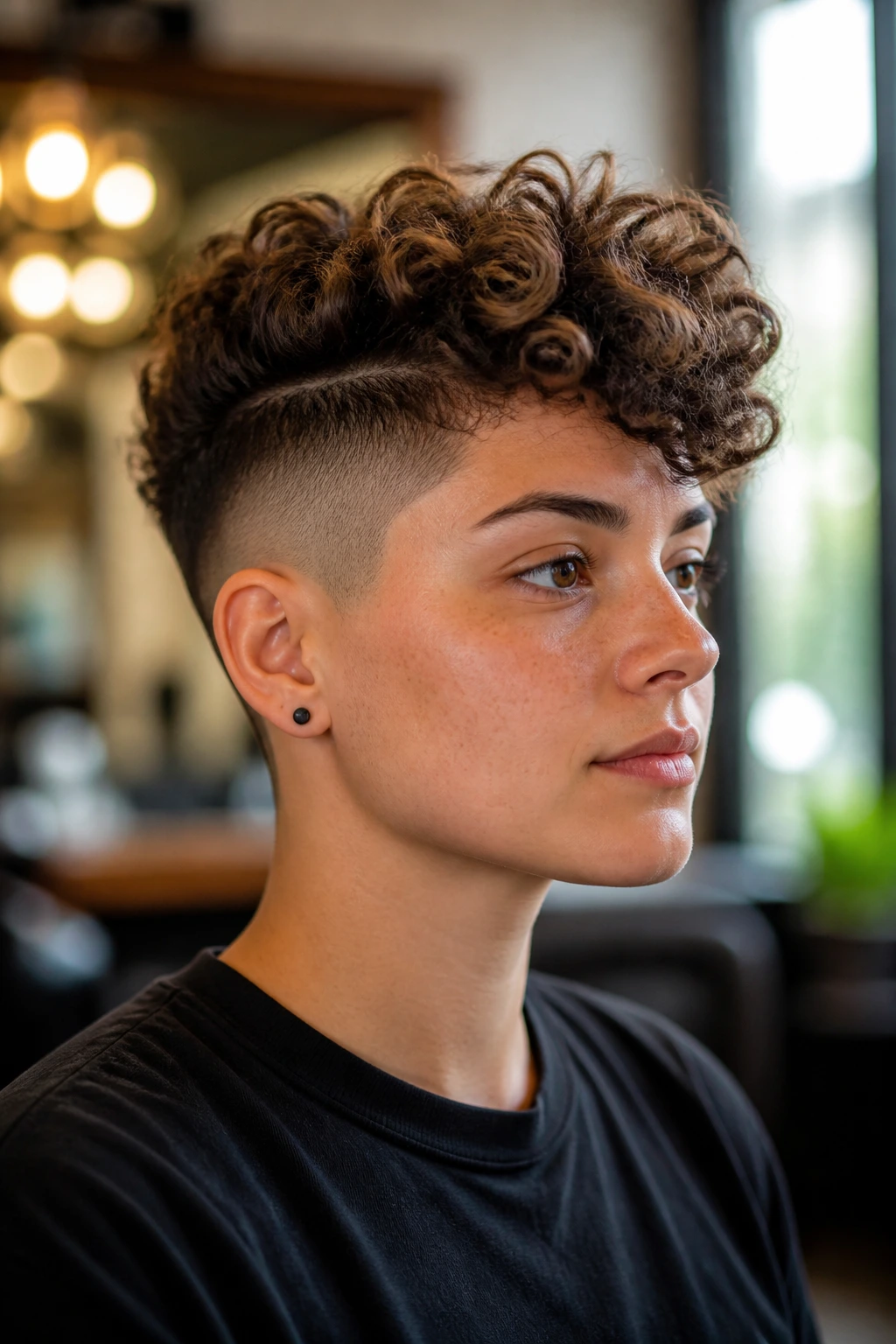
An undercut is one of the smartest ways to deal with thick curly hair. You keep the top length and remove bulk underneath, usually at the nape or sides, so the cut feels lighter without looking thin.
That hidden removal matters more than people expect. Thick curls can dry slowly, puff out at the lower half, and steal all the shape from the top. A small undercut fixes that by taking away the part nobody sees until it starts bulking out under a sweater collar. Your neck will thank you.
The top can stay long enough to wear curly, brushed out, or in a puff. That makes the cut flexible. It also grows out in a way that is easier to manage than a fully shaved look, which can go from crisp to awkward fast if you wait too long between trims.
If your hair gets hot, heavy, or slow to dry, this is a very sensible choice.
18. Rezo Cut for Balanced Curl Shape
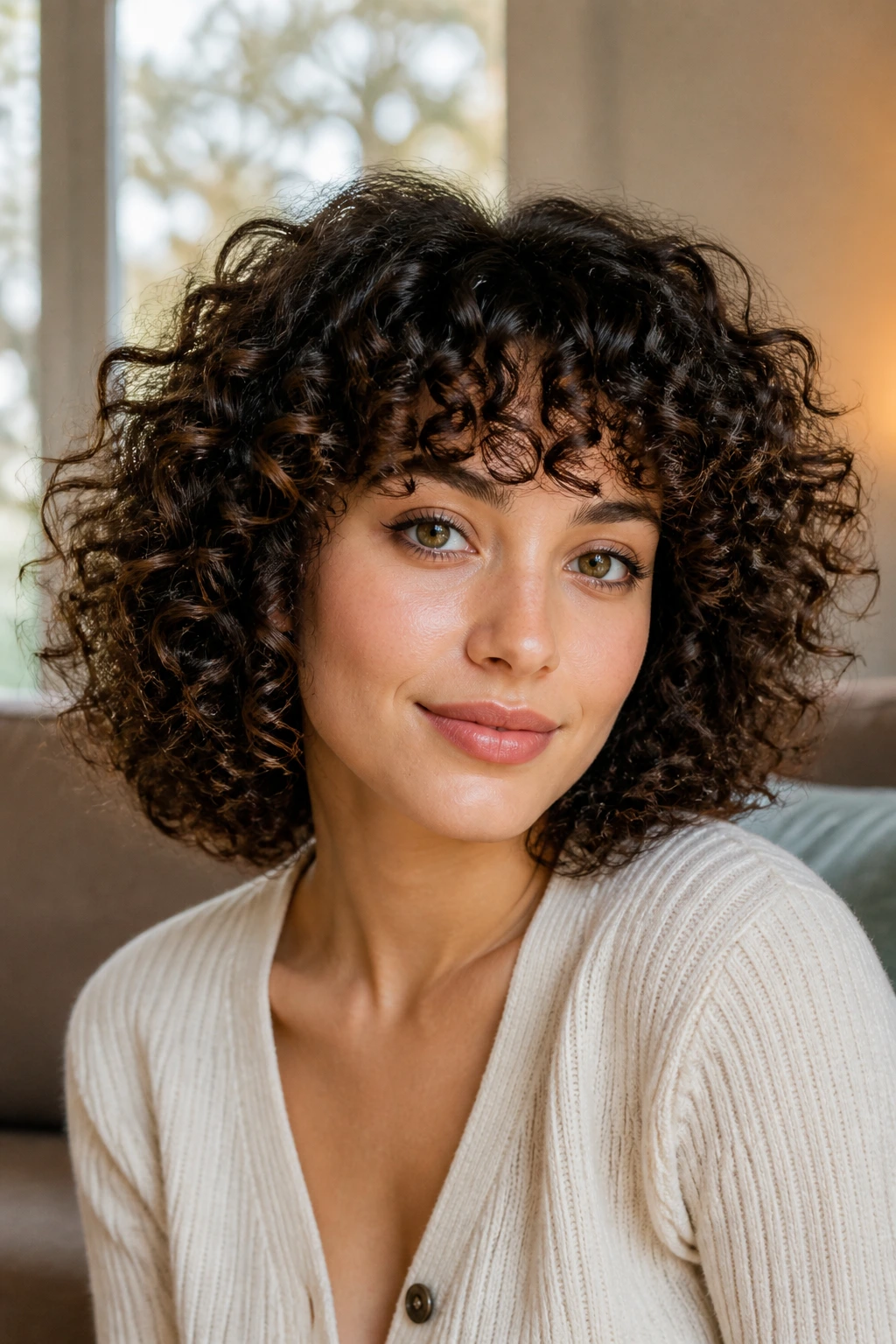
A Rezo cut is different from a standard layered cut because the goal is balance all around, not just shorter pieces stacked on top of longer ones. The curls are shaped so the silhouette looks even from the front, back, and sides, which is useful if your hair changes a lot from one area to the next.
That makes it a strong option for people who hate surprise holes in their shape. Traditional layers can sometimes leave the surface uneven if the stylist doesn’t account for curl spring. A Rezo-style shape tries to keep the outline round and consistent, which helps the curl pattern sit together instead of splitting into pieces.
It works for a wide range of curl types, but especially for people who wear their hair both down and half-up. Ask your stylist whether they shape the cut curl by curl in a circular pattern. If the answer sounds vague, keep asking. You want the method to match the hair, not the other way around.
19. Deva Cut Shaped on Dry Curls

What makes a Deva cut feel different? The stylist shapes each curl in its natural state, dry, so they can see how the hair really falls instead of guessing from wet strands.
That matters because curly hair never dries the way straight hair does. A section that looks long when wet can shrink hard. Another section may stretch out and sit lower than its neighbors. Cutting dry makes those differences visible. The result is a shape that often feels more precise around the face and crown, especially if your curl pattern is mixed or unpredictable.
How to Ask for It
- Ask whether the cut will be shaped while dry and in its natural curl pattern.
- Bring your hair styled the way you normally wear it.
- Mention any sections that shrink more, puff more, or go flat faster.
A Deva cut is not magic. It is just a smart way to see the hair honestly. For a lot of curly heads, that honesty is worth a lot.
20. Shoulder-Skimming Midi Cut with Invisible Layers

This is the quiet winner if you want movement without a dramatic shape change. A shoulder-skimming midi cut sits in that sweet spot where curls still feel long, but the weight does not drag everything down.
Invisible layers make the difference here. They remove bulk from the inside instead of slicing obvious steps into the surface, so the cut keeps a smooth outline while the curls still spring and separate. That helps if you want a style that works in an office, on a workout day, and on the days when you barely touch it. It also grows out nicely, which matters more than it gets credit for.
If you are unsure where to start, I’d point you here first. It is the least fussy option in a very useful way. Not boring. Just smart.
A good curly haircut does not fight the curl pattern, and that is the real theme running through all 20 of these. The best choice is the one that respects shrinkage, gives your hair room to move, and makes your mornings easier instead of louder.
