



An elvish shaggy mullet haircut works because it refuses to look tidy in the boring way. The shape has movement, the fringe falls a little loose, and the back keeps enough length to feel deliberate instead of accidental. That balance is what makes the style so magnetic: it looks soft from the front, a little unruly from the side, and oddly elegant when the layers fall the right way.
That distinction matters.
A bad shag mullet looks like someone gave up halfway through a haircut. A good one looks like it was cut with intent, then lived in for a week, then fluffed back into shape with fingers and a quick mist of texture spray. The real trick is weight placement. You want airy layers around the crown, broken-up ends through the sides, and a tail at the back that has some swing to it. Too blunt, and it turns boxy. Too thin, and it starts to look wispy in a sad way.
If you’re bringing this to a stylist, talk in specific numbers and landmarks. Say where you want the front to hit — cheekbone, jaw, or just below the chin — and how long you want the nape to stay. Ask for point-cutting or razor work if your hair can take it, because that softens the edge and gives the cut its fantasy feel. And if you’ve got waves or curls, dry shape matters more than people think. Wet hair lies. Dry hair tells the truth.
The 15 elvish shaggy mullet haircuts below lean into different moods: woodland-soft, moonlit sharp, bard-long, and a few that are plain mischievous. Some are better for fine hair, some for thick hair, and a few work best if you’re willing to style for ten minutes instead of two. That’s the tradeoff. Worth it, though.
1. Feathered Leaf-Frame Elvish Shag Mullet
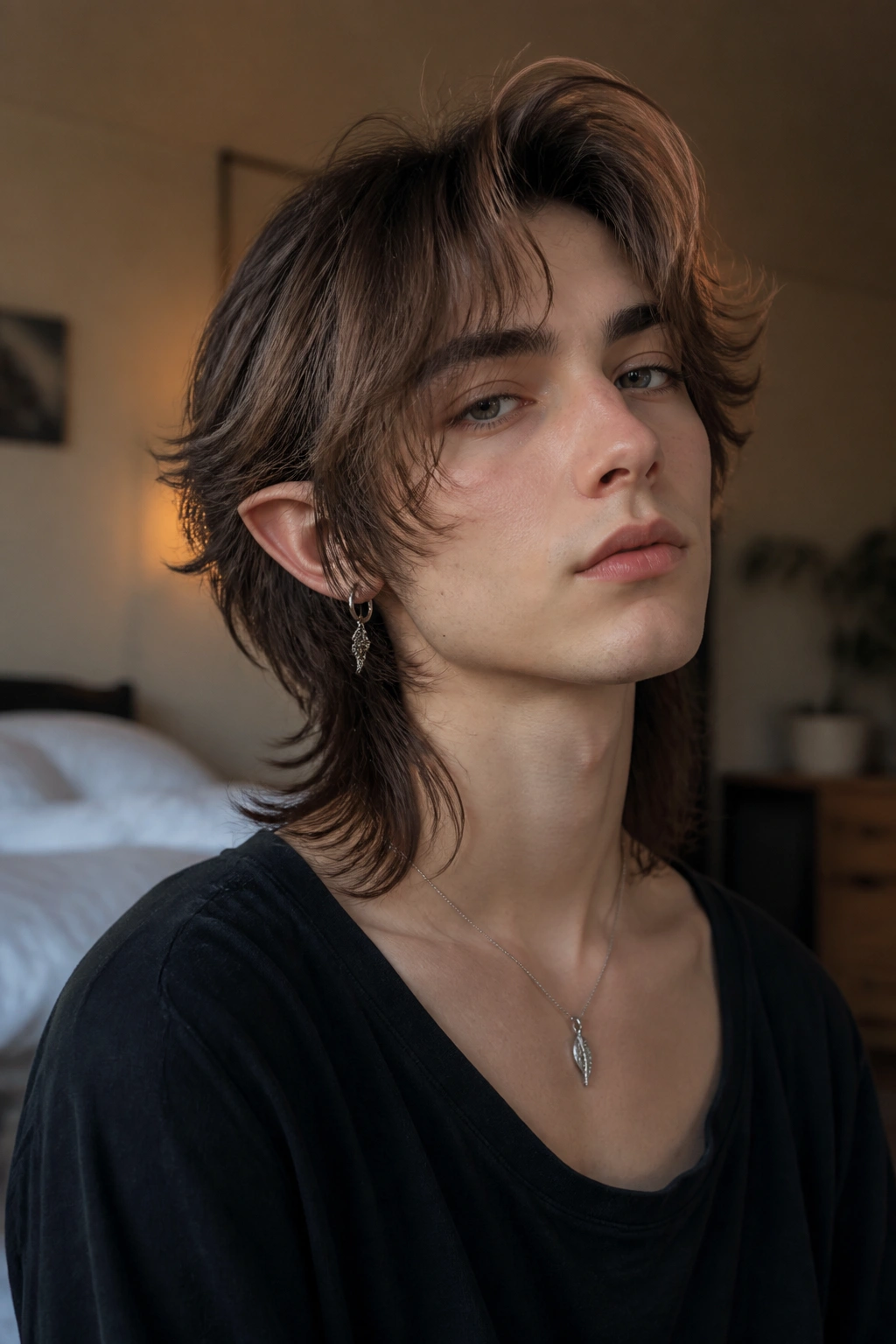
This is the softest place to start if you want the elvish shaggy mullet look without going full fantasy costume. The shape sits close to the face at the front, then breaks apart into feathered layers through the sides and back. Think cheekbone grazing pieces, a little lift at the crown, and a tail that moves instead of hanging stiff.
Why This Shape Works
The leaf-frame part comes from the front layers. They should sweep away from the face in a gentle curve, not sit in a hard curtain. That little bend gives the haircut its elf-like feel, especially when the ends are point-cut so they don’t look blunt.
A lot of people ask for “messy layers” and then wonder why the cut looks flat. The useful part is the crown. Keep that area lighter, but not over-thinned, so the top has enough air to lift when you scrunch or blow-dry it.
What to Ask For
- Front pieces that start around the cheekbone
- Crown layers cut 2 to 3 inches shorter than the longest back section
- Soft, broken ends through the sides
- A nape length that still brushes the neck
- Point-cutting instead of one heavy straight line
Best tip: this one looks better with a slight bend than with pin-straight hair. A round brush or a large curling iron, used loosely, gives it the right kind of movement.
2. Silver Ash Elvish Shag Mullet
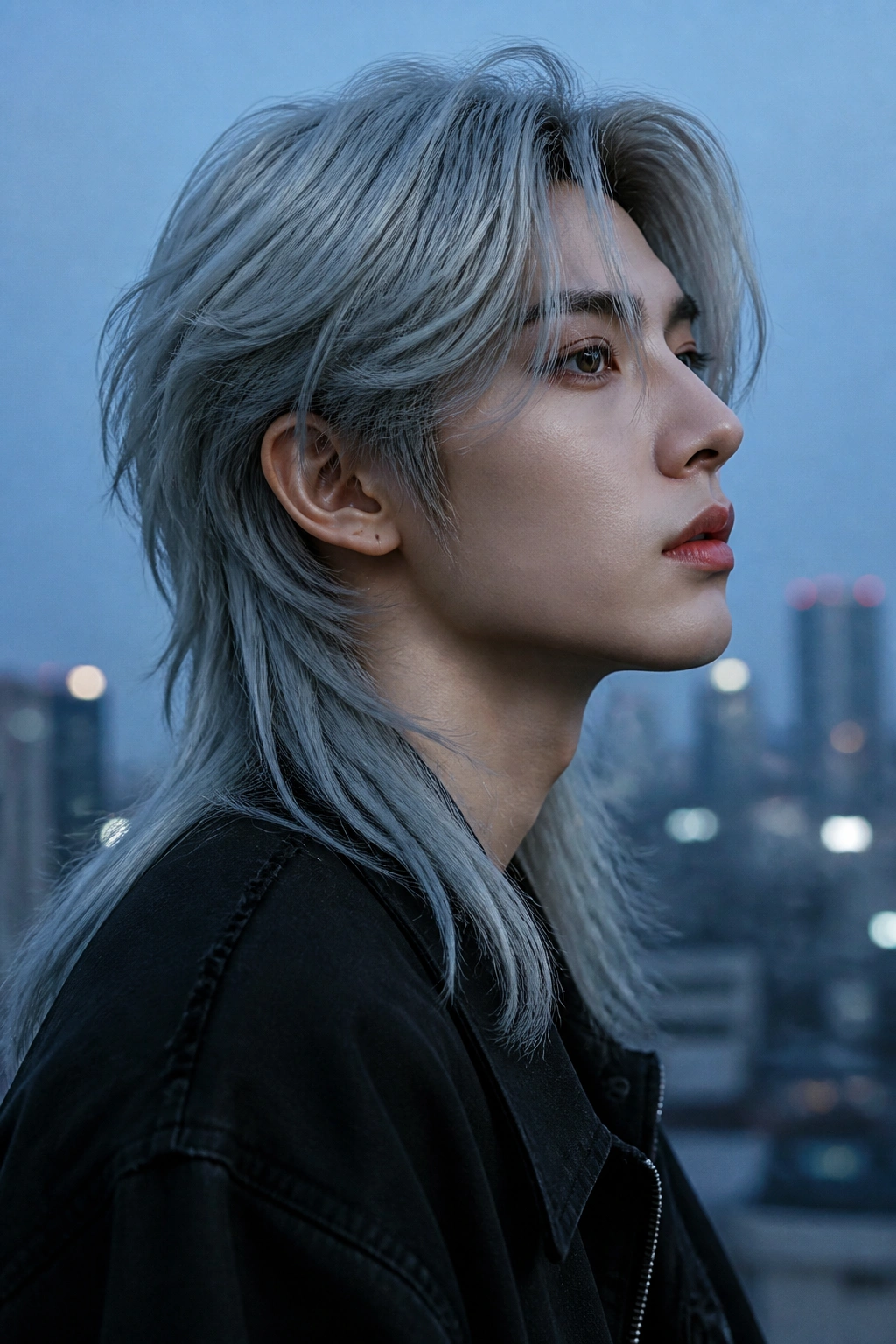
This is the sharpest version in the bunch, and I mean that in a good way. The silver ash tone — whether it’s real color or just a cool-toned gloss over natural hair — makes every layer show up more clearly. On straight or slightly wavy hair, the cut reads clean and airy instead of heavy.
The haircut itself should stay narrow at the sides and long through the back, but the texture is what sells it. Ask for razor-soft ends, not choppy chunks. Choppy can get loud fast. Razor-soft keeps the silhouette slippery and light, which is what gives the style that moonlit, elf-prince energy.
This version works especially well if you like a center part or a very soft off-center part. It frames the face without boxing it in. And if your hair tends to puff at the ends, a light smoothing cream on damp lengths will calm it down without killing the shape.
Wear this with a crisp shirt, a knit sweater, or anything with a clean neckline. It likes contrast. Big earrings help too.
3. Copper Ember Wavy Elvish Shag Mullet
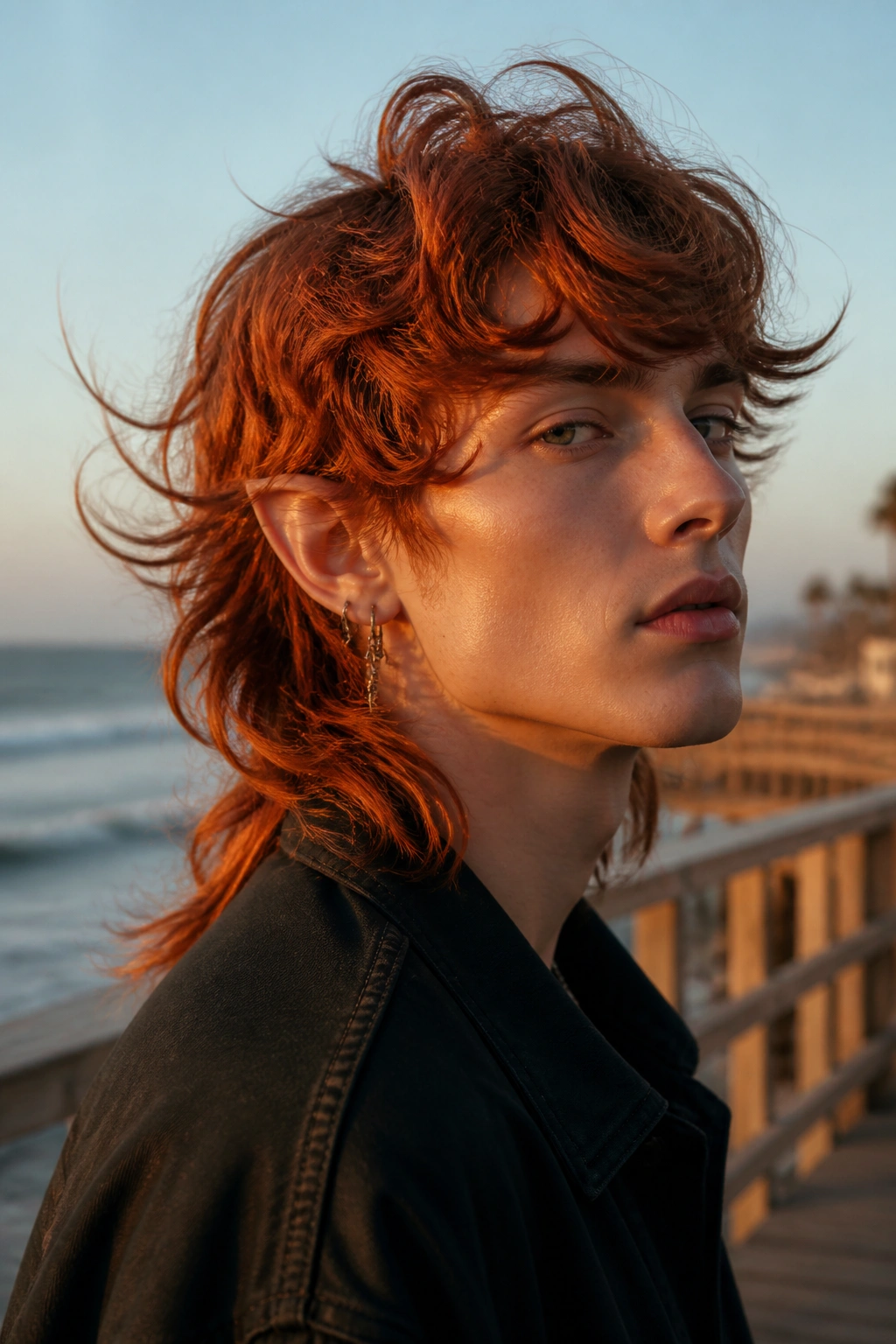
Picture thick waves, warm copper color, and a cut that looks like it was shaped by wind rather than scissors. That’s the feel here. This version is made for people whose hair already wants to move, because the layers catch the wave pattern and make it look fuller without turning bulky.
The back should be left long enough to flip over the collar, while the sides stay broken and soft. If the hair is dense, the stylist can remove weight from the interior so the shape doesn’t balloon out around the ears. That part matters. Otherwise the cut starts looking triangular, and nobody wants that.
Styling Notes That Actually Help
- Use mousse at the roots on damp hair
- Scrunch in a light curl cream through the mid-lengths
- Diffuse on low heat until the hair is about 80% dry
- Finish with a pea-sized amount of matte paste on the ends
- Don’t brush it after drying; use fingers or a wide-tooth comb
The copper shade makes the texture louder, but the haircut carries the look even if your hair is dark brown. Warm tones just throw the layers into sharper relief. That’s the real appeal here.
4. Curly Woodland Elvish Shag Mullet
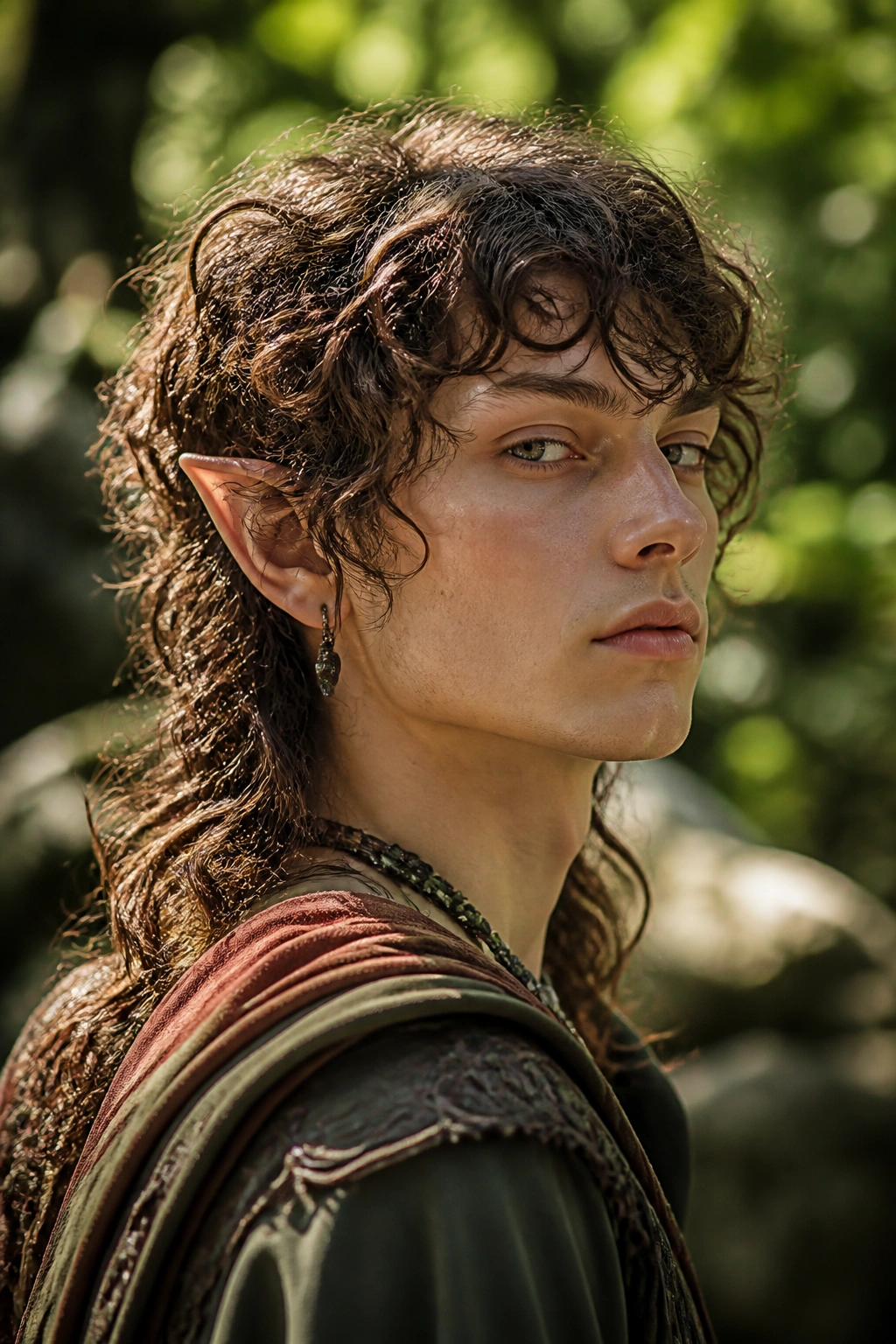
Can curls pull off a mullet without turning into a triangle? Absolutely. The trick is to cut for curl pattern, not against it. A curly woodland elvish shag mullet keeps the top and sides shaped enough to show movement, while the back hangs longer and lets the curls stack into a soft tail.
The haircut should be done with the curl’s spring in mind. A stylist who knows curls will usually leave the front a little longer than you expect, because curls shrink more than people guess. If the hair is cut too short in the front, you lose the face frame and end up with little puffs where the elf shape should be.
How to Style It
Keep the routine simple. Too many products weigh curls down and steal the air from the cut.
- Apply curl cream on soaking-wet hair
- Add a small amount of gel if you want more hold
- Diffuse on low heat, or air-dry if you have the patience
- Separate only the biggest clumps by hand once dry
- Trim the ends every 8 to 10 weeks to keep the shape from collapsing
One-sentence truth: this cut looks its best when the curls are free to do their own thing.
The woodland part comes from the softness. Nothing here should feel stiff or lacquered. If the curl pattern is intact and the layers are placed well, the haircut has that forest-creature feel without looking gimmicky.
5. Bard-Length Feathered Elvish Mullet
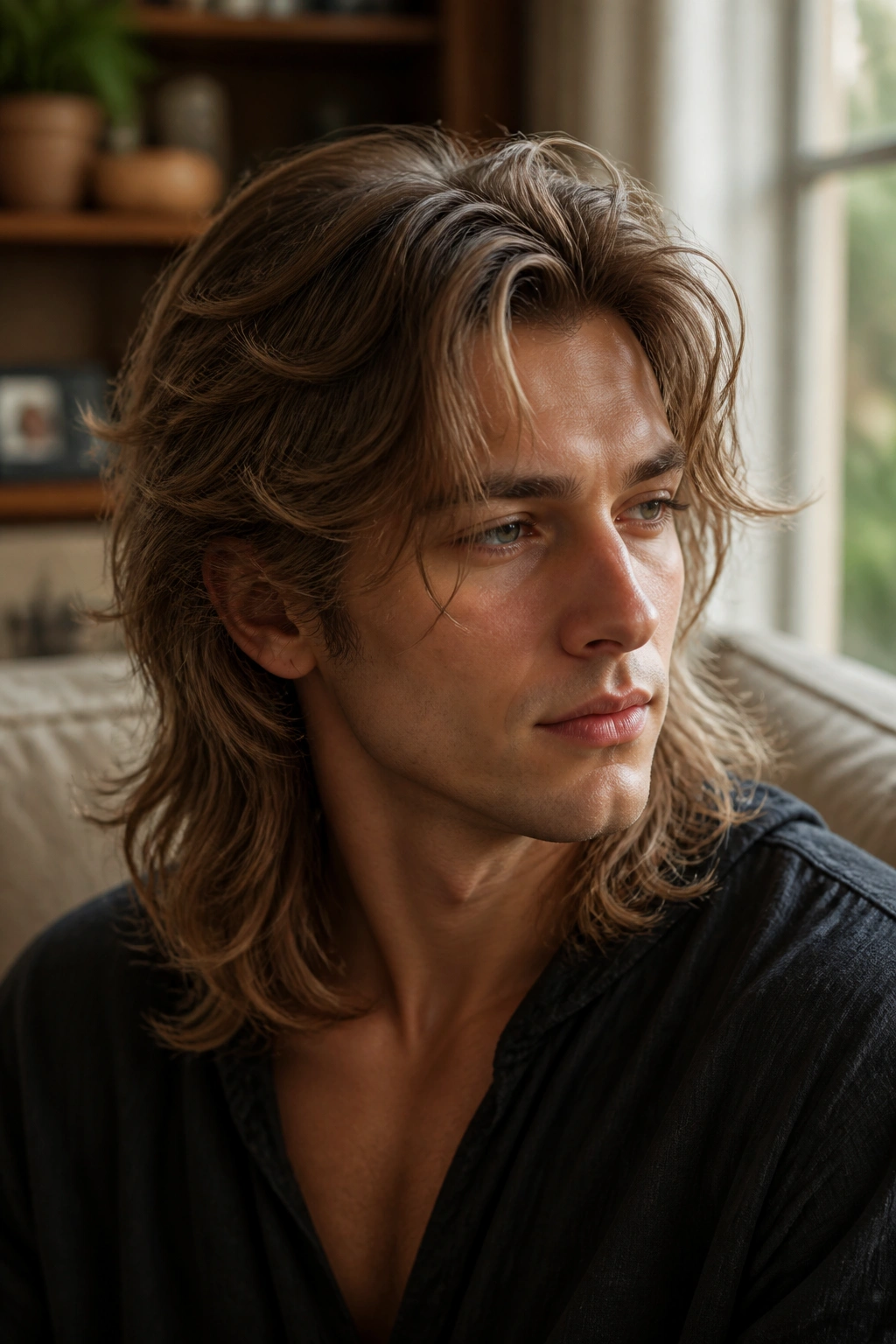
This is the version for people who like long hair but want the shape to say something. It keeps enough length to brush the shoulders or sit just below them, while the top layers and face frame get the shag treatment. The result is less “wild shortcut” and more “storyteller who knows exactly what he’s doing.”
I like this one because it doesn’t force drama through shortness. It gets its edge from the structure. The back stays long, the sides taper softly, and the crown gets enough internal layering to stop the whole thing from falling flat. On dense hair, that internal work is what keeps the style from becoming a curtain.
It suits straight hair that needs movement, but it’s also good for waves that get frizzy when cut too short. The extra length gives the ends some weight, which helps the whole shape settle. That’s the quiet advantage. It looks romantic without becoming high-maintenance theater.
If you want the bard version to feel right, keep the styling loose. Blow-dry with a medium round brush, then add a very small amount of serum to the ends. Not the roots. The roots need lift; the ends need separation. Easy mistake, that one.
6. Asymmetrical Moon-Edge Elvish Shag Mullet
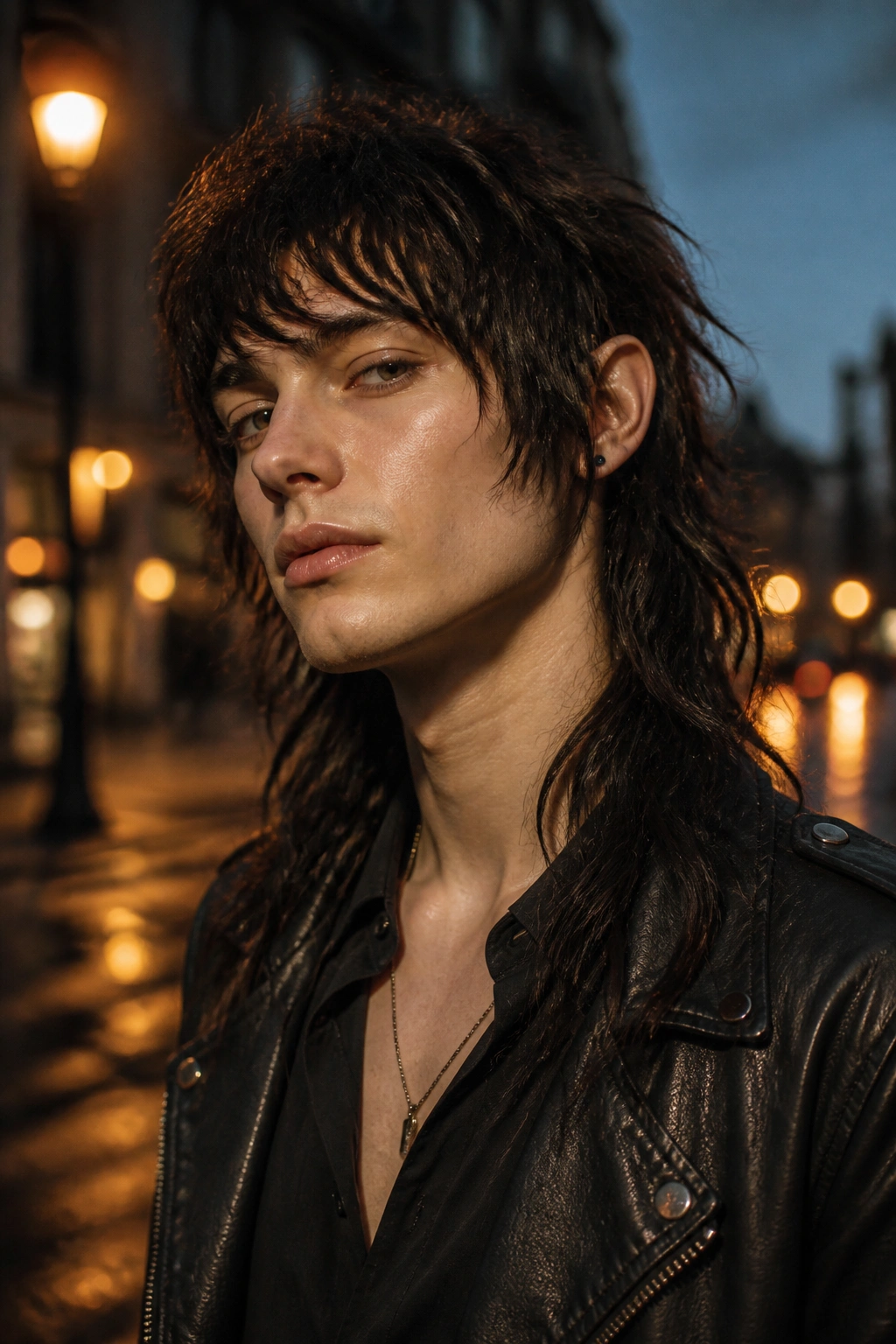
Unlike a symmetrical shag, this cut leans a little to one side on purpose. One front section sits slightly longer, or one side frame falls a touch lower, and that tiny imbalance gives the haircut a sharper, more mysterious shape. It’s a good choice if you want your elvish shaggy mullet to feel less soft and more editorial.
The asymmetry should be subtle. You’re not building a dramatic side-swept haircut with one side hanging to your collarbone and the other hovering at your ear. You want a difference of maybe an inch or so, enough to change the line without making the cut look lopsided. That small difference is what gives it bite.
This version flatters strong jawlines and square faces because the diagonal line breaks up the width. It also works well if you like wearing one ear exposed with an earring, cuff, or little braid. The cut gives you a reason to show off one side more than the other.
For styling, push the heavier side forward with your fingers and let the lighter side tuck back. That little push-pull is where the moon-edge effect comes from. Clean, but not fussy.
7. Braided Temple Elvish Shag Mullet
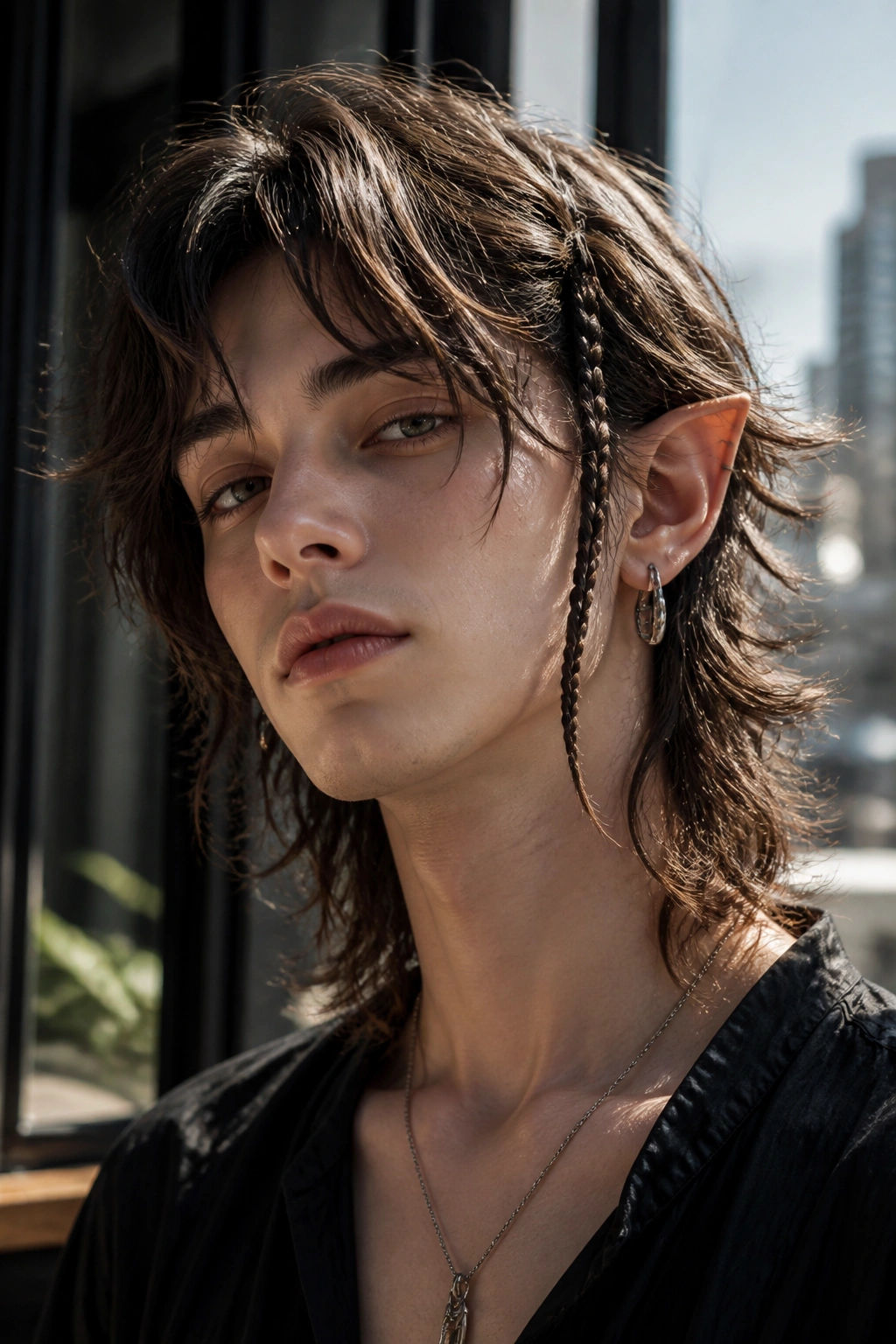
A braided temple mullet is for the person who likes one foot in fantasy and one foot in real life. The haircut itself stays shaggy and soft, but the temple area gets tiny braids, twisted sections, or even one narrow plait tucked back on each side. It changes the whole mood fast.
Why It Hits So Hard
The braids create structure against all the loose movement. That contrast is what makes the look memorable. Without the braid detail, the style can read as just another shaggy cut. With it, the face gets a little frame, and the rest of the hair feels more deliberate.
The braids do not need to be huge. In fact, small ones are better. Two slim braids near the temples or one braid feeding into the back layers is enough. Anything too thick starts stealing the softness from the cut.
Good Ways to Wear It
- Add one braid on each temple for a balanced look
- Mix a braid with loose tendrils around the ears
- Tie the back half into a low half-up shape
- Use clear elastics or tiny black ties so the finish stays neat
- Work in a light texturizing spray before braiding for grip
Best tip: braid the hair when it’s slightly damp, not soaking wet. It holds shape better and dries with a cleaner texture.
This is a very good choice for concerts, fairs, costume events, or any day when your hair is allowed to be a little theatrical.
8. Razor-Textured Raven Elvish Shag Mullet
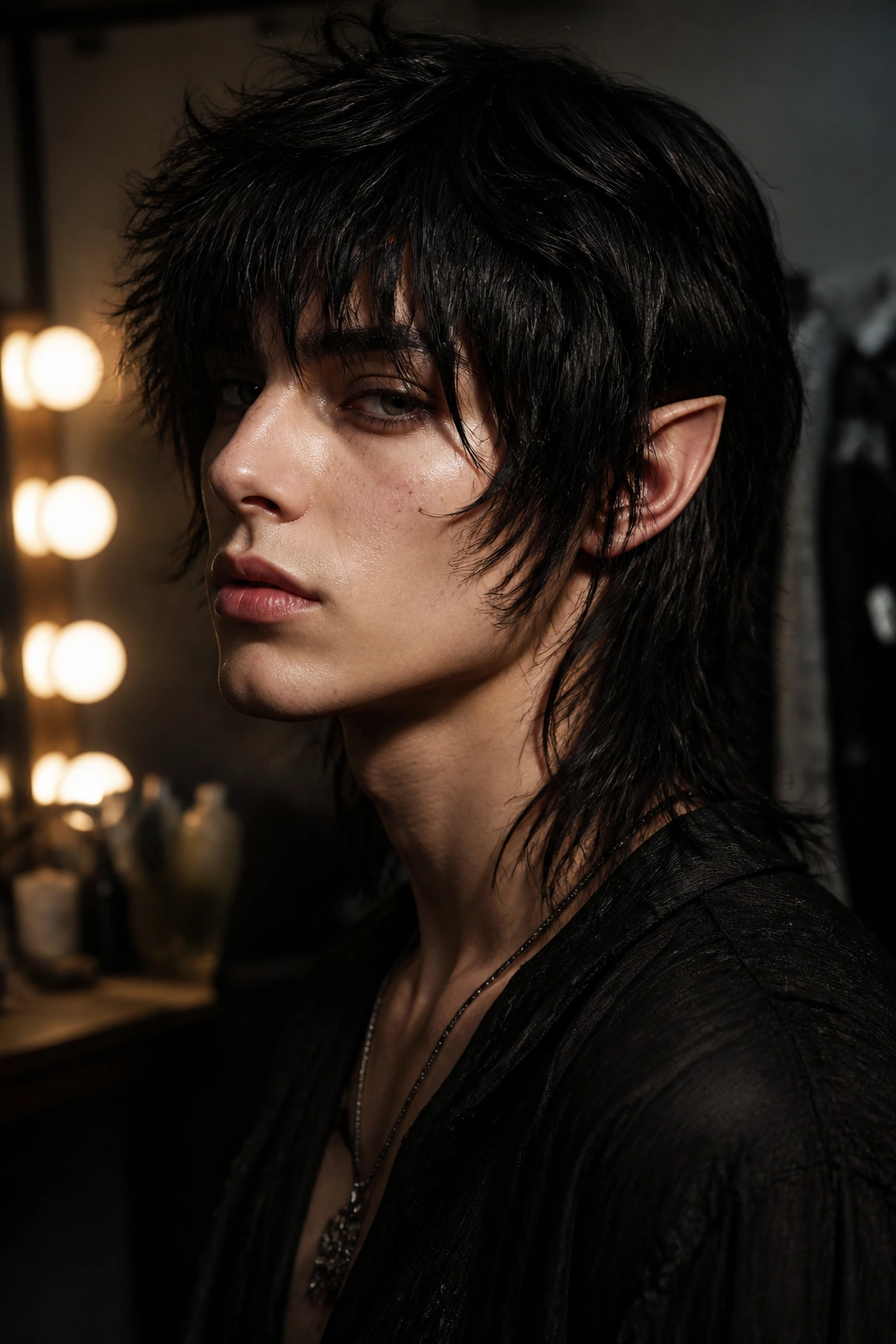
This one has teeth. The raven version is darker, sharper, and more broken-up than the softer elf cuts above it. A razor is the tool that gives it that jagged edge, especially on thick, straight, or stubborn hair that likes to sit heavy no matter what you do.
The whole point is to remove bulk without flattening the shape. If the layers are cut with shears only, the ends can look too neat. A razor softens them into feathered strips that separate when you move. That’s the difference between a haircut that sits there and one that actually lives.
This style does not love extremely fine hair. You can wear it, sure, but a razor-heavy finish can make thin hair look see-through at the ends. On thick hair, though, it’s a gift. The movement comes in fast, and the back gets that slightly shredded look that works so well with dark color.
Style it with a matte cream or clay, warmed between your palms, then pressed lightly through the mid-lengths. Skip glossy serums unless you want the shape to look heavier. This cut wants a dry finish, not a slick one.
9. Curtain Bang Elvish Shag Mullet
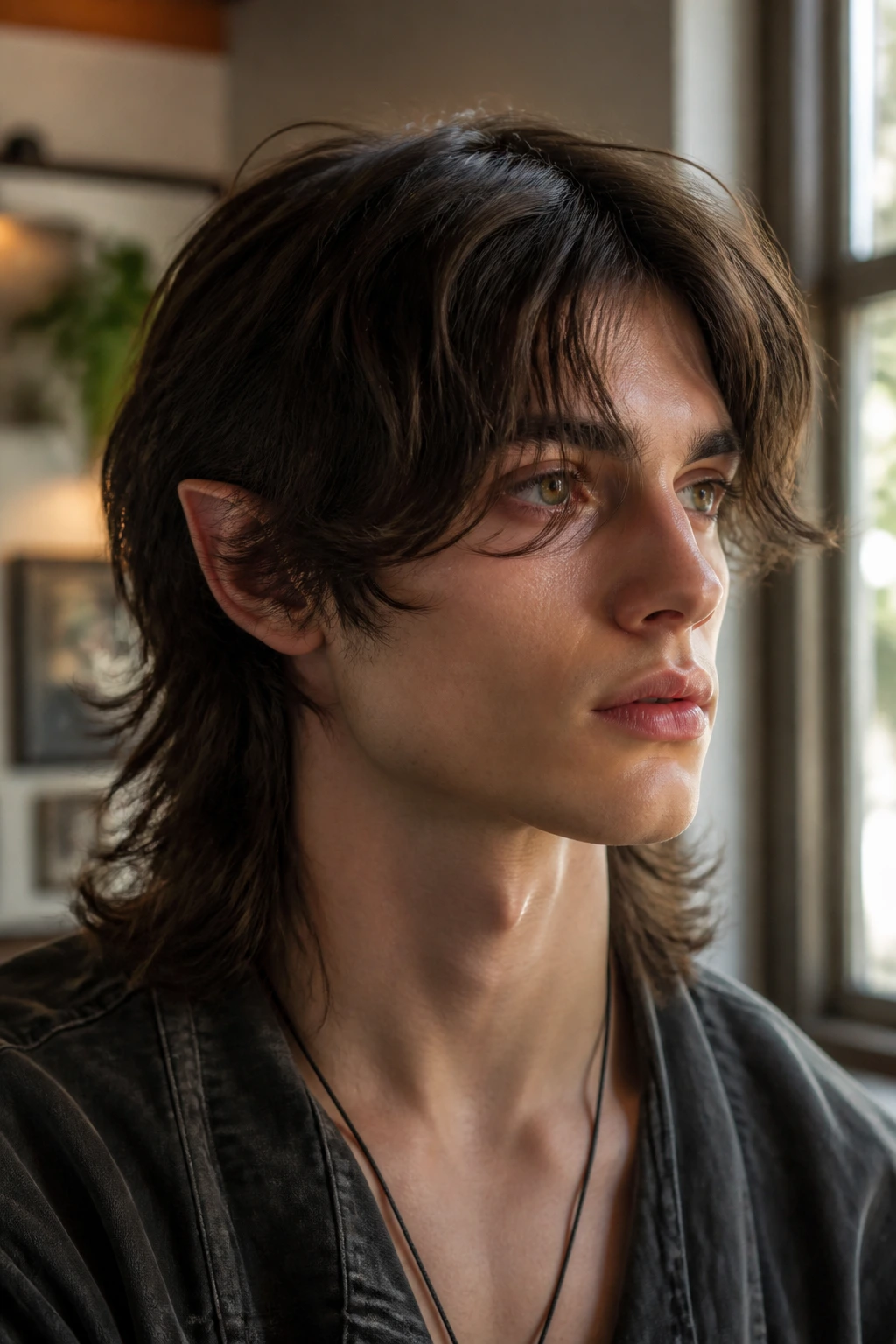
Can curtain bangs make a mullet feel softer? Yes — and more wearable, too. This version keeps the front split down the center or just off-center, with long bangs that open around the cheekbones and blend into shag layers. The back still does the mullet thing, but the curtain fringe keeps the whole cut from feeling abrupt.
The reason this works is simple: curtain bangs pull attention upward and outward. They stretch the face a little, which is handy if you’ve got a round face, a shorter forehead, or a strong desire to avoid a harsh fringe line. The bangs should be long enough to tuck behind the ears when you want them out of the way. That’s the sweet spot.
How to Ask for It
Tell the stylist you want the bangs to hit somewhere between the cheekbone and jaw, then melt into the front layers. Ask for softness around the eyes, not a thick block of hair that sits like a shelf. The back can stay collarbone length or longer depending on how bold you want to go.
For styling, a round brush and a quick blow-dry at the roots are usually enough. Flip the bangs away from the face as they dry, then let them settle. The whole cut looks best when it doesn’t look overly done.
10. Shoulder-Skimming River Elvish Mullet
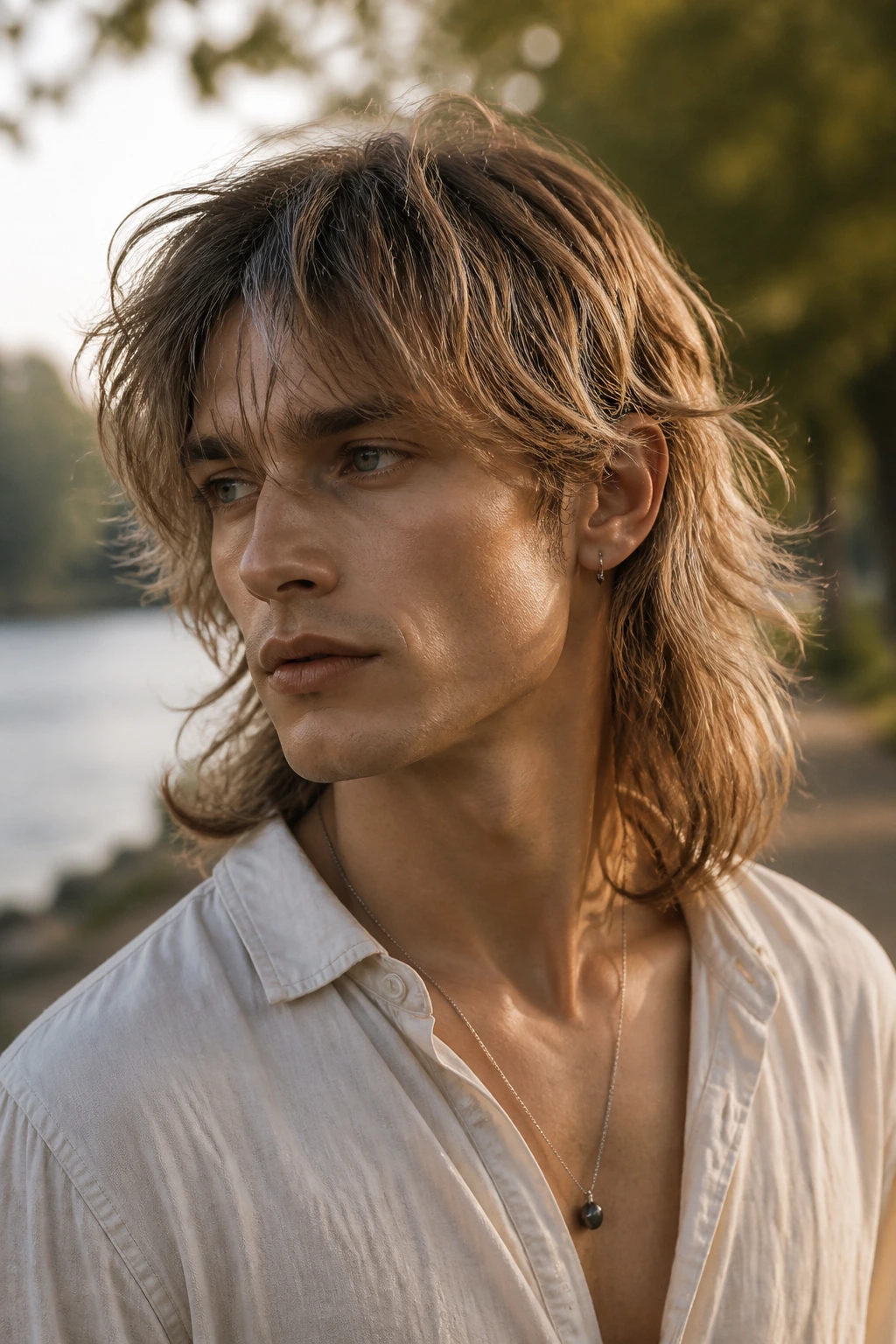
This is the mullet for people who want the idea of a mullet without the shock of one. The back skims the shoulders, the front stays layered and loose, and the whole cut moves like water when you turn your head. It feels less like rebellion and more like a long, easy shape with attitude built in.
I think of this one as the bridge cut. If you’ve never worn a shaggy mullet before, the shoulder-length back gives you room to adjust. The side sections don’t need to be extreme. They just need enough graduation to make the front fall forward in pieces instead of one solid curtain.
It’s a friendly cut for wavy hair, especially if your wave pattern gets frizzy with too much layering. The longer length keeps the ends from popping outward, which can happen when a stylist gets overexcited with the scissors. Been there. Not a fan.
Small Styling Choices That Help
- Use a wide-tooth comb after washing, not a brush
- Add a dab of leave-in conditioner to the ends
- Dry with a towel or soft T-shirt instead of rubbing hard
- Bend the front pieces with a large barrel iron if you want more shape
- Keep the top a little lighter so it doesn’t sit flat
This cut is easy to wear, but it is not boring. That’s a decent trick if you ask me.
11. Undercut Forest Elvish Shag Mullet
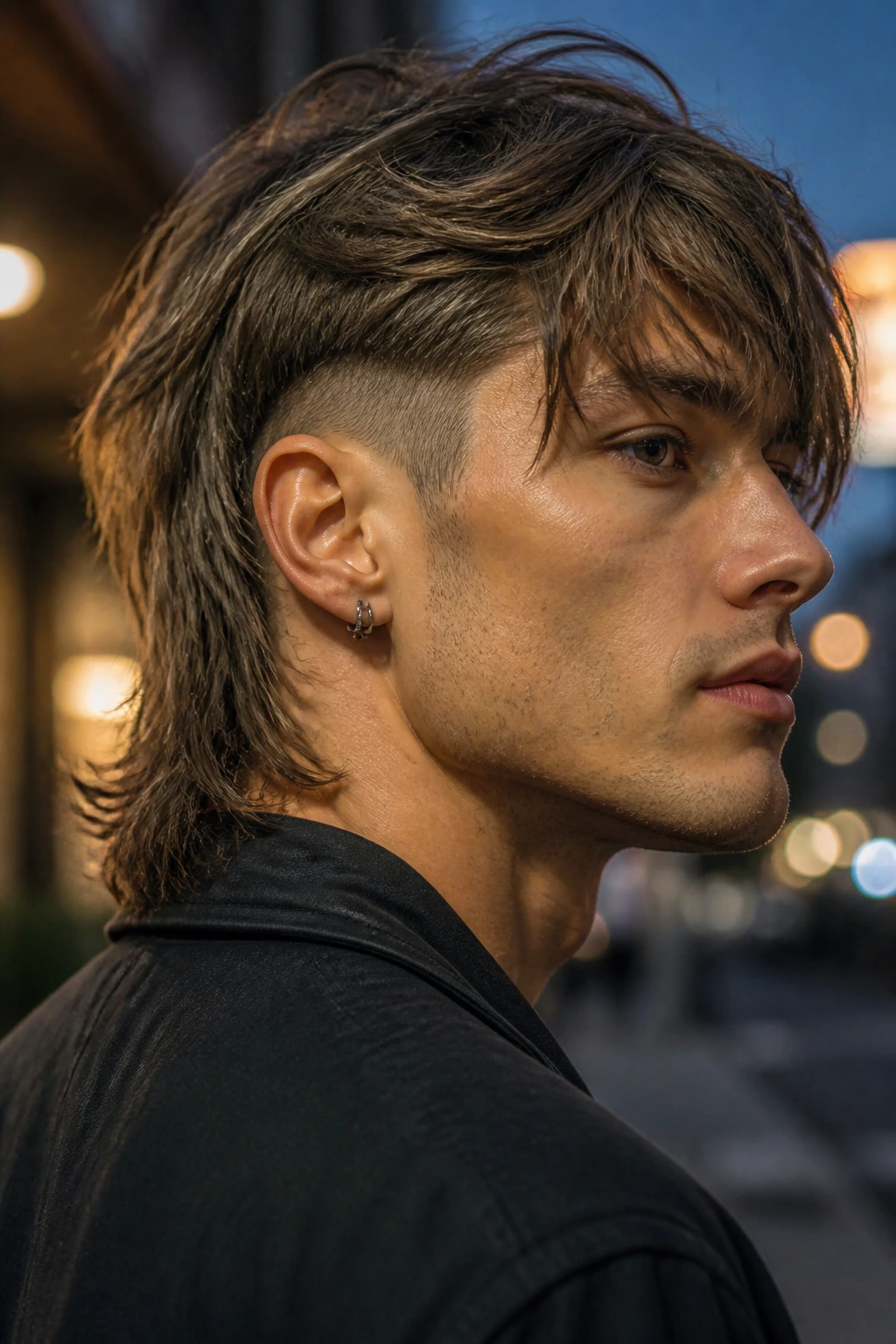
If you want the haircut to feel bolder from the side and back, this is the one to look at. An undercut forest mullet keeps the upper layers shaggy and soft, while the nape or lower sides are clipped shorter underneath. The top still looks dreamy. The hidden part underneath says you mean business.
That contrast makes the shape cleaner. It also helps if your hair is very thick and tends to puff at the neck. Removing a small underlayer can make the whole cut sit closer to the head, which gives the top layers more room to move. People often think an undercut has to be dramatic and shaved high. It doesn’t. A low undercut at the nape can be enough.
This style does need maintenance. The short section grows out fast, and once it does, the neat contrast starts to blur. If you like tidy edges and soft chaos on top, though, it’s worth the upkeep. The haircut looks especially good when the top is rough-dried and the underlayer stays clean.
One practical note: make sure the upper layers are long enough to cover the undercut when you want a softer look. That gives you two moods in one cut.
12. Wispy Sprite Elvish Shag Mullet
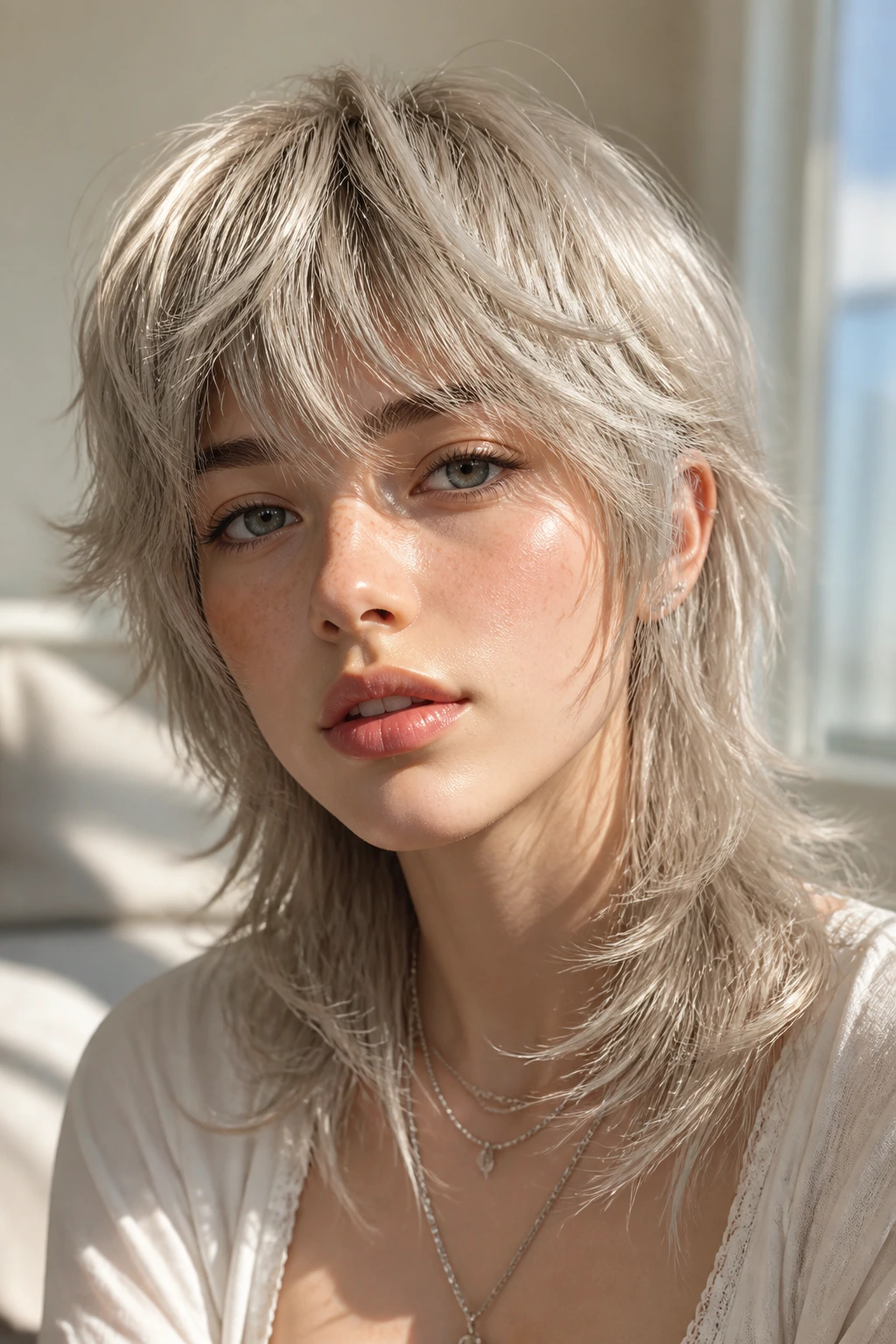
Unlike the heavier mullets above, this one stays light from root to tip. The wispy sprite version is the closest thing here to a delicate fantasy haircut. It uses fine, broken layers around the face, a light crown, and a back that moves like thread in the wind. On the right head, it looks almost airy.
This cut is a friend to fine hair, because too much texture can make fine strands look sparse. The trick is to keep the layers minimal but strategic. You want enough separation to show shape, not so much that the hair starts looking see-through. That balance is easy to miss, and stylists sometimes get carried away with thinning shears.
It’s also good for smaller faces or sharp features, since the soft ends don’t overwhelm the bone structure. The bangs, if you wear them, should be narrow and feathered rather than full and heavy. A little volume at the crown helps, but the overall effect should stay light.
I like this one with dry texture spray and a finger-combed finish. No heavy cream. No greasy shine. Just a soft halo of layers that move when you do.
13. Half-Up Crown Elvish Shag Mullet
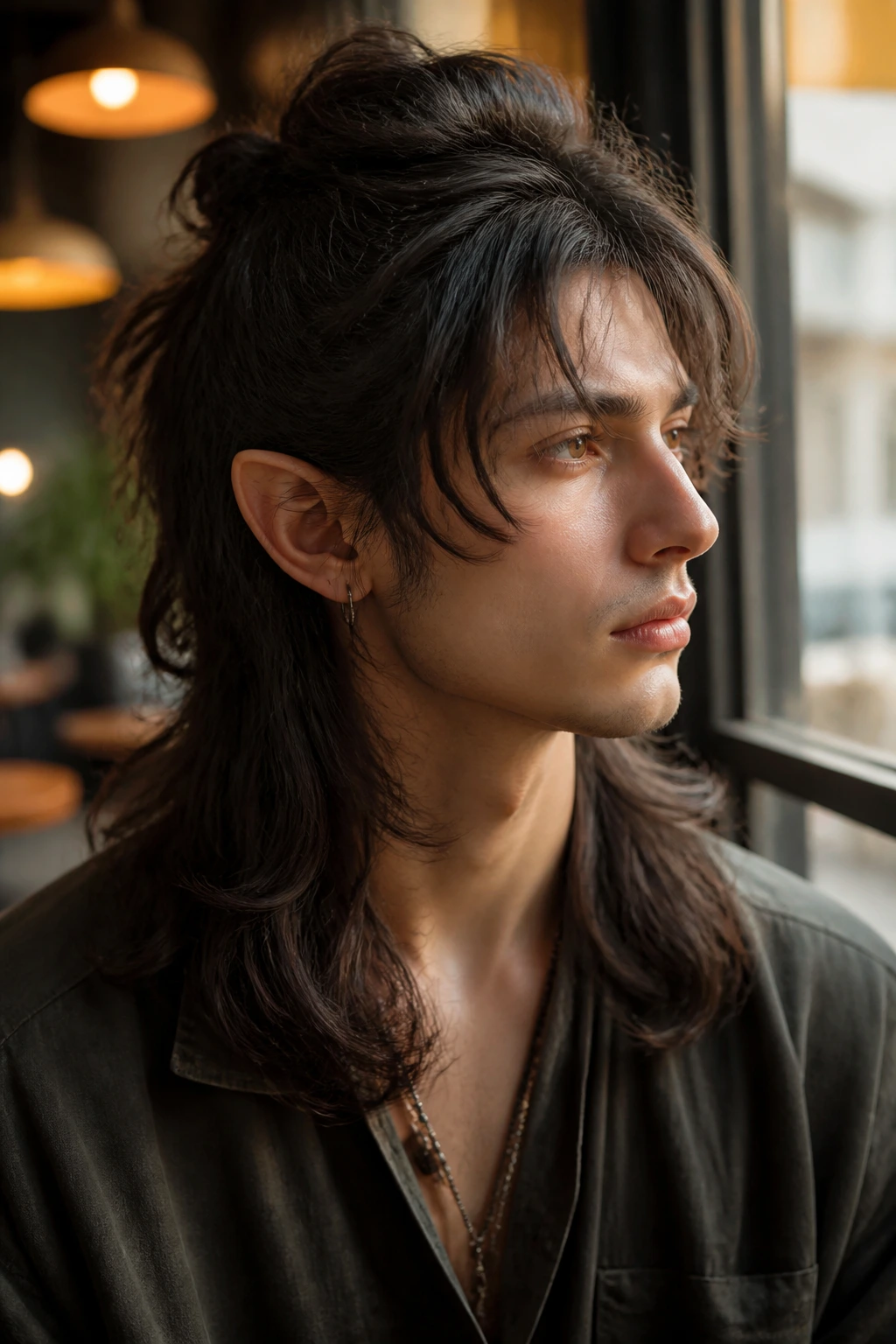
A half-up crown mullet is what happens when the haircut is designed to be worn pinned up half the time. The crown gets enough lift to sit nicely when you tie the top section back, while the lower layers stay long enough to spill underneath. It’s practical, but it still has that fantasy edge.
Why It Works for Busy Days
The shape gives you an easy styling option without losing the cut’s personality. On days when you want your face open, pull the top section back with a small clip or tie. The back still falls in layers, so you don’t lose the shaggy feel. That’s useful if you work, study, or simply dislike hair in your eyes.
The Shape to Ask For
- A little extra volume at the crown
- Face framing that still works when pinned back
- Back layers long enough to show movement under a clip
- Soft pieces around the ears so the updo doesn’t look severe
- Enough length in the top section to hold a small half-up tie
This cut looks especially good with a velvet ribbon, a matte claw clip, or two tiny braids feeding into the back. It’s one of those styles that can be casual or dressed up in about two minutes. Handy, honestly.
14. Micro-Layered Windblown Elvish Shag Mullet
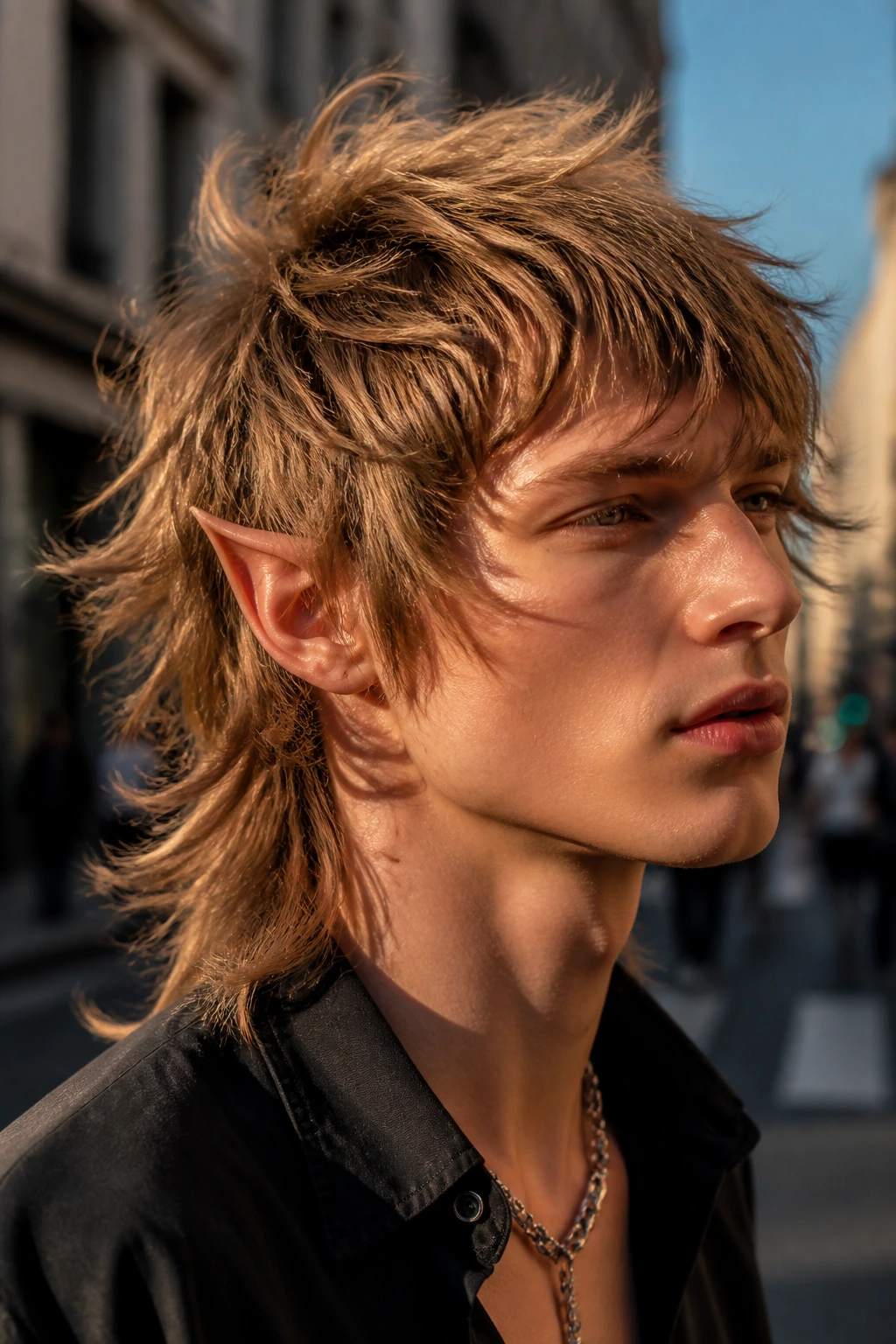
This is the one for people who like volume without a lot of obvious structure. Micro-layering means the stylist cuts several small internal layers rather than only the big, obvious outer ones. The result is a haircut that feels light and touchable, but still has enough body to puff up when you blow-dry it.
The main thing to know is that this cut depends on movement. If your hair is stick-straight and won’t hold any bend, you may need a blow-dry brush, rollers, or a quick pass with a curling tool to wake it up. On wavy hair, though, the micro-layers give the shape a nice, windblown quality that never looks too neat.
This version also works well if you hate heavy ends. Some mullets can feel bulky at the bottom if the back is too long and too blunt. Micro-layering fixes that by breaking the mass into smaller pieces. The ends still have presence, but they don’t sit like a shelf.
A light texture spray and a fast ruffle with your hands are often enough. That’s the appeal here. You get a lot of shape without a lot of fuss.
15. Regal Ranger Elvish Shag Mullet
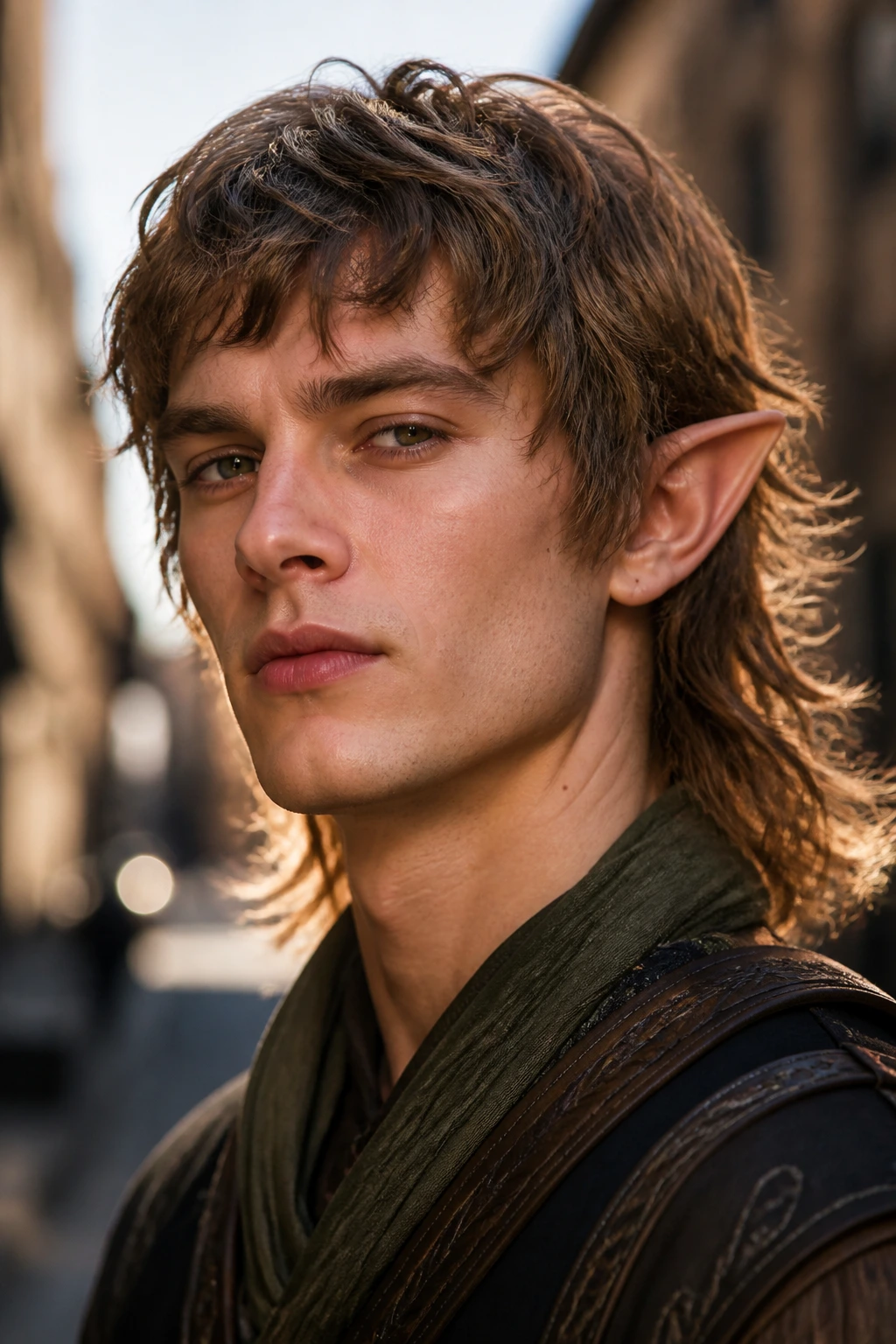
Can a mullet look polished without losing its edge? Yes. The regal ranger version is the most refined cut in the group, and it’s the one I’d point to if you want the elvish shaggy mullet idea without going full wild-forest mode. The outline stays clean, the front pieces stay soft, and the back is long enough to move but not so shaggy that it takes over your whole head.
This cut does best when the layers are tidy at the base and feathered at the ends. That gives the style a more controlled feel. It’s a smart option for people who want to wear the look with structured clothes, boots, a blazer, or anything else that benefits from a hair shape with a little discipline in it.
The ranger vibe comes from restraint. You can still add texture spray, a side braid, or a soft bend through the lengths, but the haircut itself should do most of the work. If the face frame is placed well — usually around the jaw or cheekbone — the cut can look sharp from the front and long from the back without needing much else.
I’d call this the easiest “bold” option in the list for daily wear. It’s the one that lets you make a statement without making your hair the only thing people notice. And that, in a lot of rooms, is the smarter move.
