



Some haircuts try hard to look polished. Shaggy mullet haircuts do the opposite, and that is exactly why they land so well. The shape has edge, but the texture keeps it from looking frozen.
A good shaggy mullet is not just “short on top, long in back.” That shortcut misses the point. The best versions carry movement through the crown, a broken-up fringe or temple area, and ends that feel lived-in rather than carved into place. A barber who understands point cutting, razoring, and how to leave weight in the right spots can make the difference between a sharp shape and a sad grown-out cut.
The bad ones are easy to spot. The crown gets thinned too much, the sides puff out, and the back turns into a lonely tail with no connection to the front. That look reads sloppy, not cool. A better version keeps the outline intentional while still feeling a little unruly — the good kind of unruly.
Some of the styles below lean soft. Others bite harder. A few work because they break the rules in small ways, not because they shout. First up is the version I’d hand to anyone who wants the mullet shape without looking like they borrowed it from a costume rack.
1. Soft Wolf-Shag Mullet
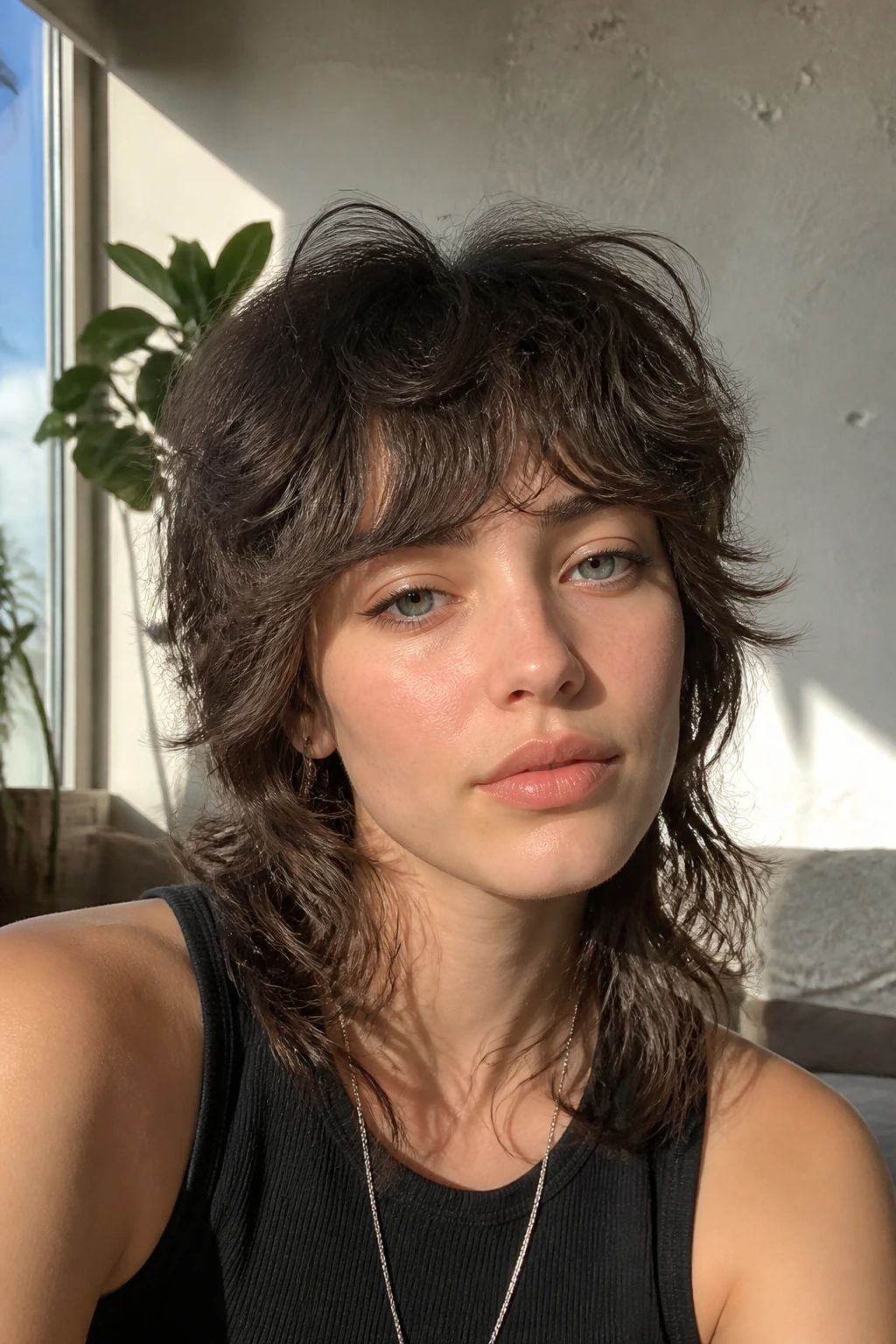
This is the easiest entry point if you want shaggy mullet haircuts with movement but not too much drama. The soft wolf-shag keeps the crown airy, the sides feathered, and the back long enough to give you that mullet outline without turning the whole cut into a statement piece. It looks especially good when the layers bend around the cheekbones instead of cutting straight across them.
What Makes It Work
The magic is in the balance. You want shorter, choppy layers through the top and a back that drops a little longer than the collar line. Nothing should feel blunt. If the perimeter is too neat, the cut loses that shaggy energy and starts looking like a standard layered haircut with a tail.
This version suits medium hair density the best, though fine hair can handle it if the layers stay light. Heavy hair needs those internal layers or the shape gets boxy fast. A stylist who point cuts the ends instead of slicing them straight across will keep the movement soft.
What to Ask For
- Keep the crown 1 to 2 inches shorter than the side lengths.
- Start face-framing layers around the cheekbone.
- Leave the nape slightly longer so it flicks when you move.
- Use point cutting, not a blunt line through the bottom.
Best for: people who want texture first and edge second.
One good rule: if the layers look neat in the chair, they may be too neat.
2. Heavy Fringe Mullet
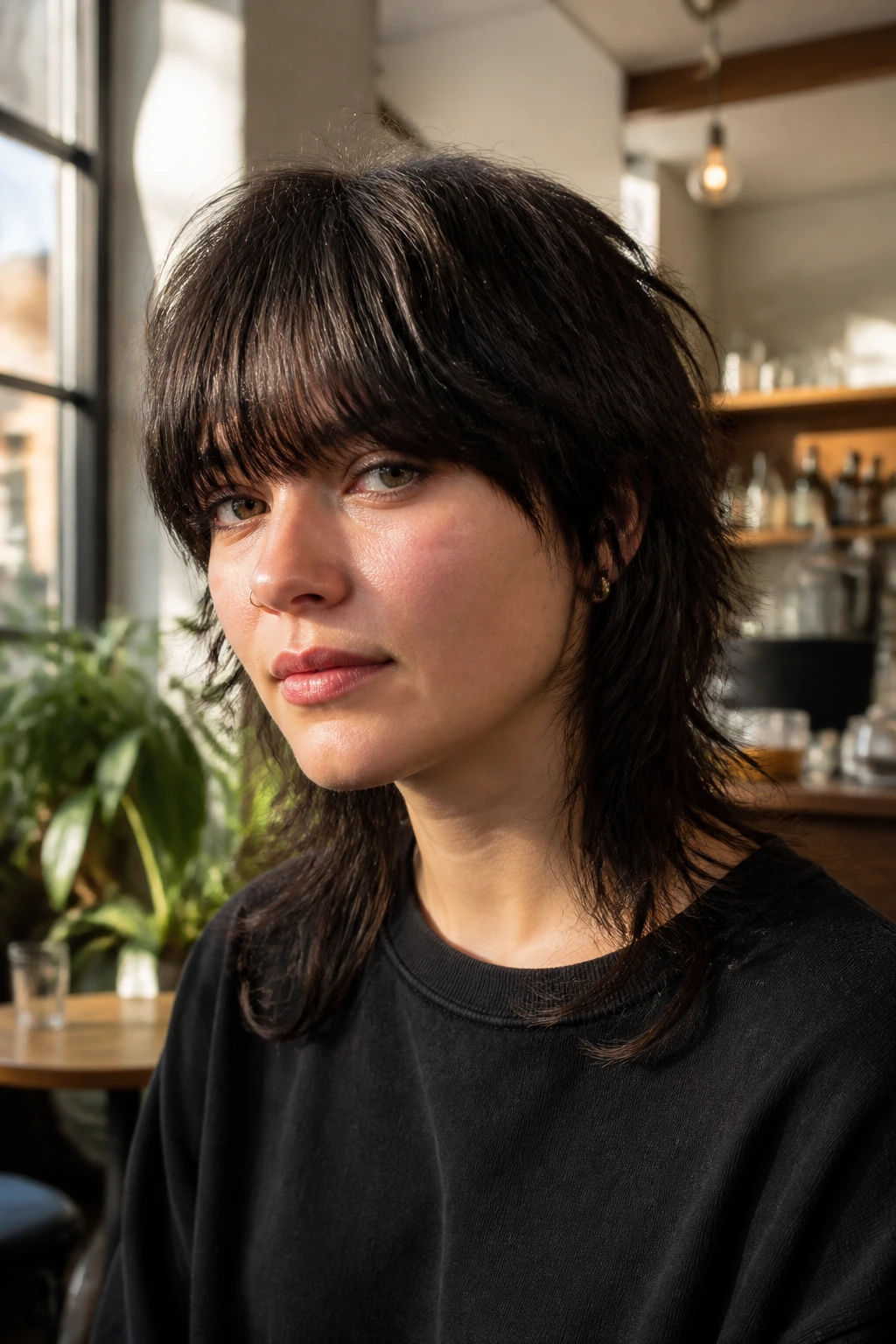
Can a mullet feel almost mysterious? Yes, if the front is heavy enough to steal the focus. A heavy fringe mullet keeps the back shaggy, but the front lands with more weight, usually somewhere between the brow and the lash line. That contrast gives the haircut a sharper face frame and a little attitude right where people look first.
The trick is to avoid making the fringe so thick that it blocks the eyes completely. You want density, not a helmet. The best version has a little softness at the corners, so the fringe sits like a curtain with a blunt edge rather than a flat shelf.
How to Keep It from Feeling Boxy
A heavy fringe needs air at the temples. If the stylist pushes all the weight forward and leaves the sides too full, the face can look crowded. A few shorter pieces near the outer eye help the fringe blend into the rest of the cut. That tiny move changes everything.
For styling, blow-dry the fringe side to side with a round brush or your fingers. A small amount of matte cream — about a pea-sized amount — is enough. Too much product makes the front clump together and kills the shaggy texture.
Ask Your Stylist For
- A fringe that lands just above or right at the lashes when dry.
- Soft, broken-up corners near the temples.
- Layering that keeps the back loose, not stacked.
- Enough weight in front to frame the eyes without hiding them.
This cut works well if you like structure up front and mess in the back. That’s the whole charm.
3. Curly Shaggy Mullet
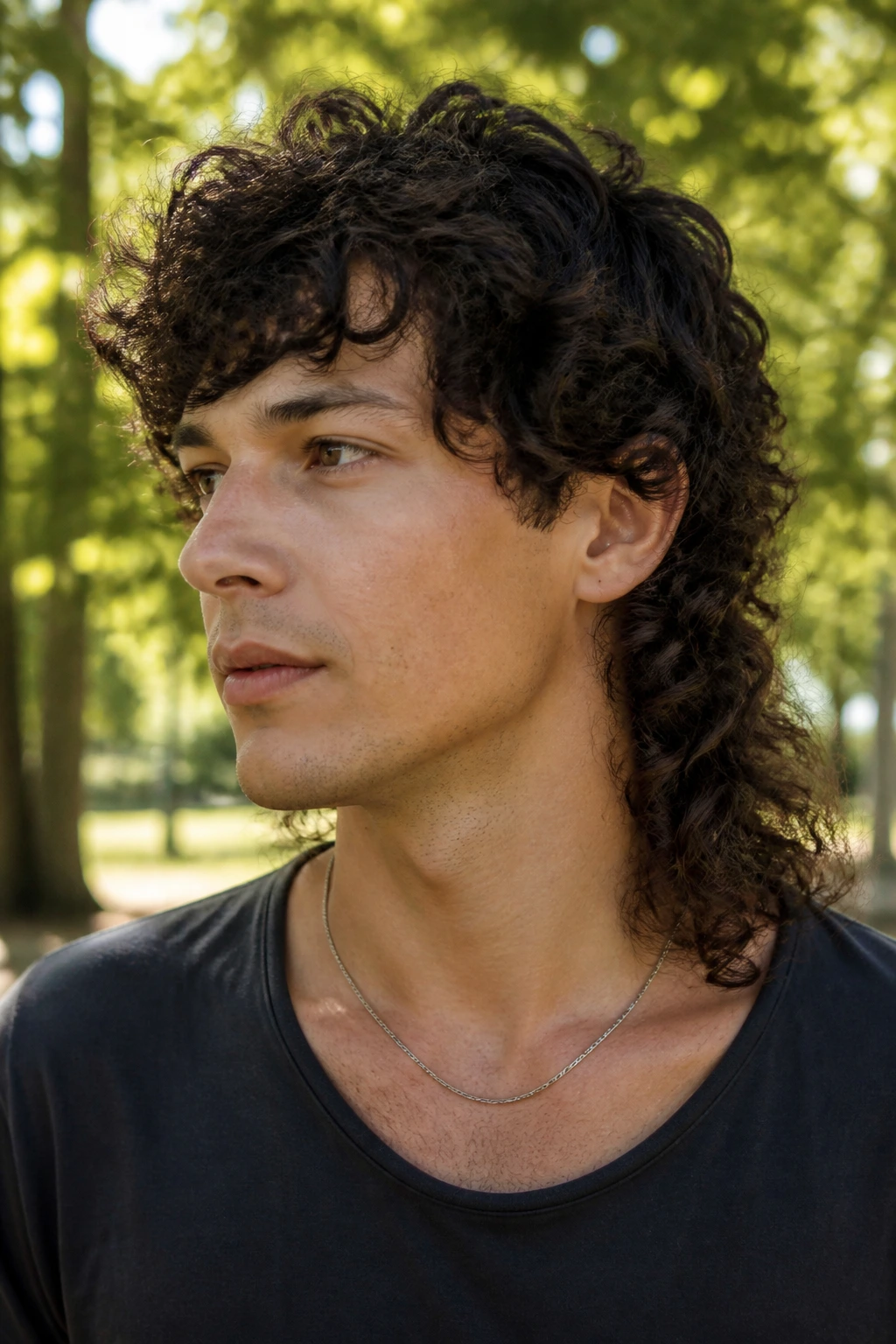
Curly hair changes the whole mood of a mullet. The shape becomes softer, rounder, and a little wild in a way straight hair never quite copies. A curly shaggy mullet works because the curl pattern does half the styling for you. The cut just needs to respect where the curls want to spring.
Cutting it dry is usually the safer move. Wet curls stretch, and then they bounce back later with a vengeance. You end up with a back that is shorter than expected and a crown that sits too high. Dry cutting lets the stylist see the actual curl clumps, which matters a lot when the goal is a shaggy shape instead of a pyramid.
The best curly mullets keep the crown light and the sides shaped around the ears, not chopped into a hard outline. The back should still hang long enough to show the mullet line, but it needs layers inside the length so the curls stack in loose pieces. When that happens, the haircut looks alive from every angle.
How to Wear It
Use a leave-in conditioner on damp hair, then scrunch in a curl cream or gel with medium hold. A diffuser on low heat keeps the curl pattern intact and cuts down on frizz. If you blow-dry curls with a rough towel and no product, the shape puffs out and the whole cut loses definition.
What to Watch For
- Avoid over-thinning the top.
- Ask for dry cutting if your curl pattern is tight or uneven.
- Keep the longest back pieces long enough to show movement when the hair shrinks.
- Use a curl cream, not a heavy butter that weighs the crown down.
One sentence matters here: cutting curls like straight hair is how people end up unhappy.
4. Razor-Cut Micro Mullet
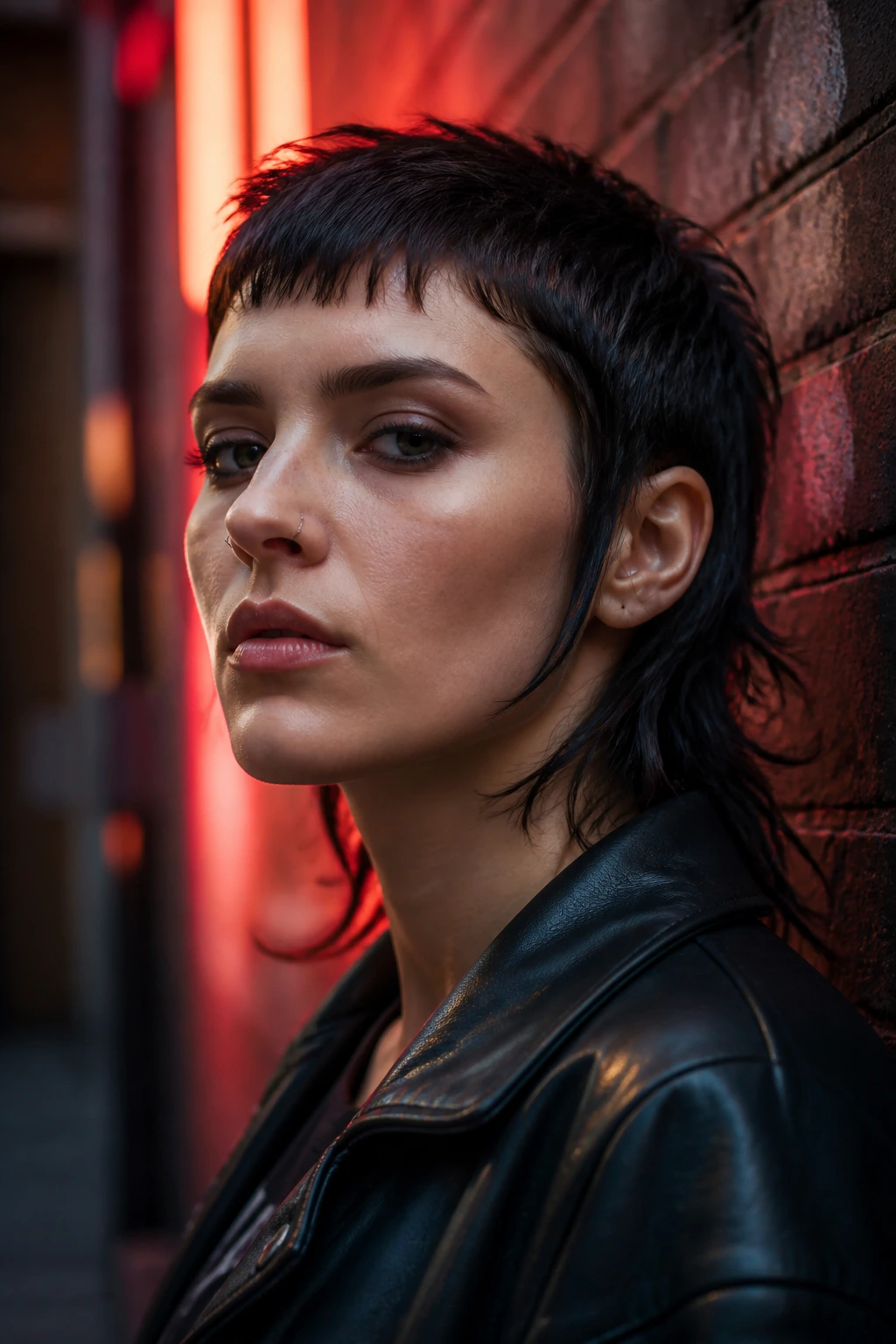
Short does not mean safe. A razor-cut micro mullet can look mean in the best way, because the layers are tight, the outline is compact, and the texture comes from the ends rather than from length. This is the cut for someone who wants a sharp silhouette without carrying extra hair around the neck.
The razor gives the shape a soft edge, which sounds backwards until you see it in motion. On straight or slightly wavy hair, it breaks up the bottom line and keeps the nape from looking heavy. The crown stays cropped and piecey, while the back lands just long enough to hint at a tail. Think 1 to 3 inches of nape length, not a dramatic drop.
This cut is strongest on dense hair, because density can take the roughness and hold the shape. Very fragile ends can get shredded if the razor is used too aggressively. That’s the catch. A skilled hand matters here.
Best Used On
- Straight hair that needs texture fast.
- Slightly wavy hair that goes flat in layered cuts.
- Dense hair that loses shape when it’s left too full.
- People who want a bold cut with a small footprint.
Styling Notes
A dry paste or clay works better than a shiny cream. Rub a tiny amount between your palms, then pinch the ends at the crown and around the temples. You want separation, not stiffness.
Bring photos with the length you mean. “Micro” means different things to different people, and this cut can swing from edgy to awkward if the nape gets taken too short.
5. Curtain Bang Shag Mullet
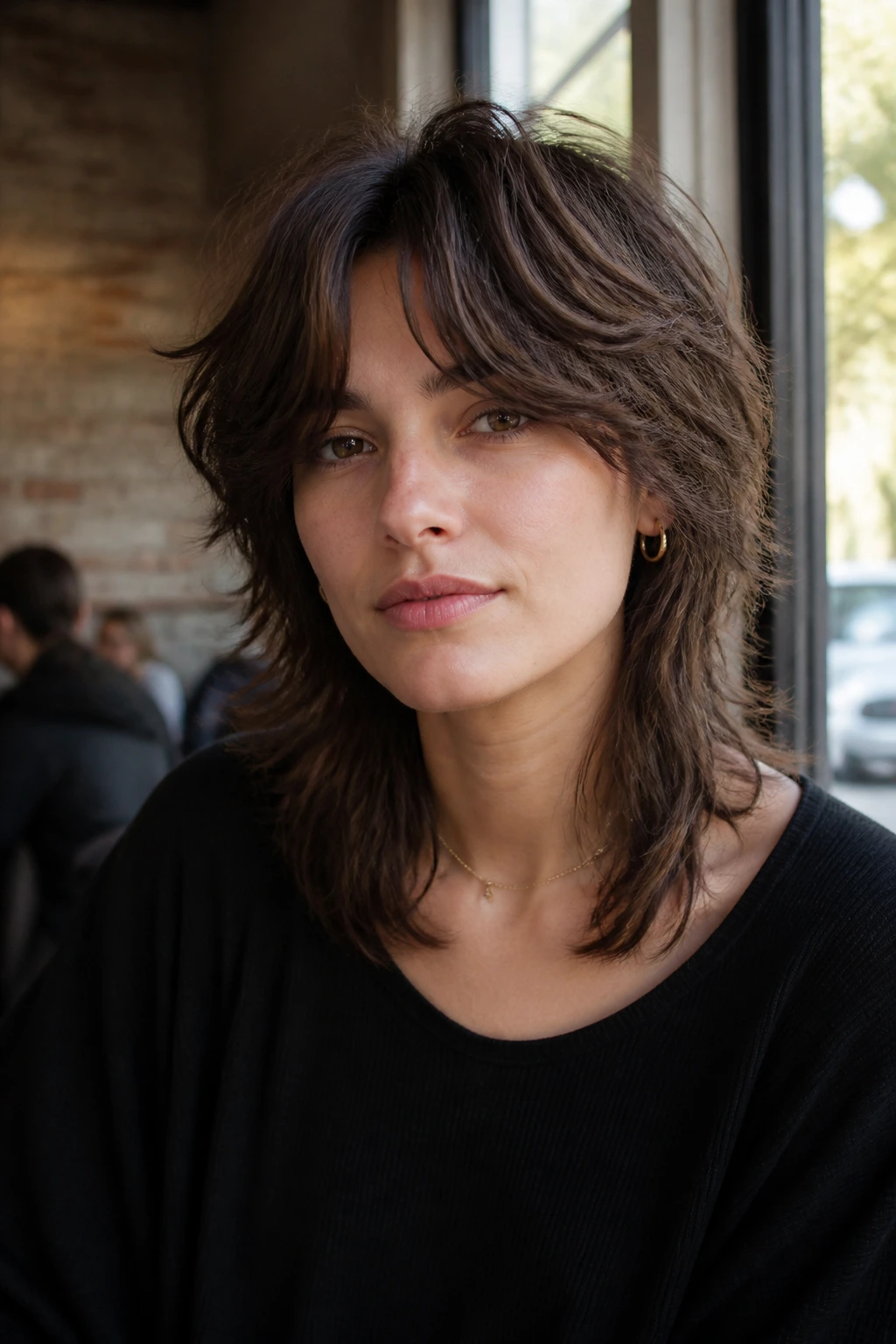
Unlike a heavy fringe, this version opens the face up. The curtain-bang shag mullet uses a center part or near-center part, with the front pieces sweeping away from the face and blending into shag layers around the cheekbones. It keeps the mullet shape, but the front feels softer and more grown-in.
That front shape matters. The bangs should not stop bluntly at the eyebrows. They need enough length to bend, which usually means letting the shortest pieces sit around brow level while the longer outer pieces graze the cheekbones. If the front is cut too short, the whole thing loses the relaxed fall that makes curtain bangs work.
The back can stay choppy and a little wild. That contrast is the point. The face frame looks easy; the nape keeps the attitude. On wavy hair, this cut can look almost effortless after a quick blow-dry. On straight hair, it needs a bit more shaping with a brush or a flat iron bend at the ends.
How to Ask for It
- Center-parted or slightly off-center fringe.
- Shortest front pieces around the brow to upper brow area.
- Longer face-framing layers that connect into the sides.
- A shaggy back with broken texture, not a clean line.
Who It Suits
Round faces, because the longer front pieces add vertical shape. Long faces, too, as long as the fringe starts high enough to shorten the forehead a little. Very thick hair can carry this beautifully, though it needs removal of bulk around the temples so the bangs do not sit heavy.
One small thing: the fringe should bend, not stick out. That’s the difference between soft and awkward.
6. Choppy Rockstar Mullet
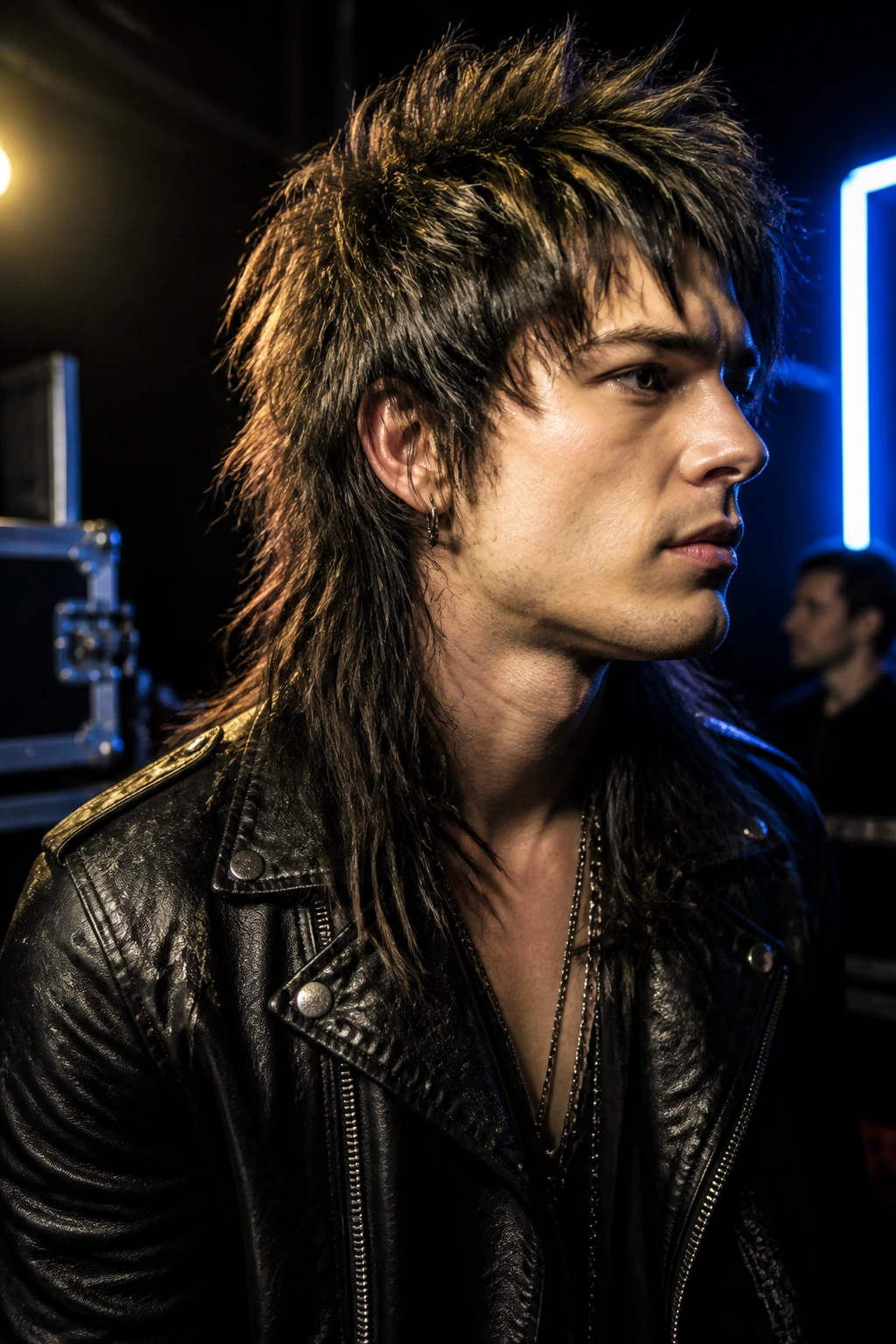
If your hair looks better after a long night than after a careful blowout, this is your cut. The choppy rocker mullet leans into broken texture, uneven movement, and a little bit of chaos on purpose. It feels louder than the soft wolf-shag and less polished than a curtain-bang version.
The shape starts with a rough crown and quick, jagged layers through the sides. The back stays longer, but not sleek. It should have little bends and notches in it, the kind that catch when you run your fingers through your hair. Point cutting and slide cutting both help here, because a blunt finish would kill the whole mood.
This cut is one of the best choices for people with straight hair that needs grit. Fine hair can also benefit, because the uneven layers create the sense of thickness. Dense hair is fine too, though it needs enough internal removal to keep the sides from ballooning out.
Styling It Without Overthinking It
- Spray a light mist of texturizing spray at the roots.
- Work in a matte paste from the mid-lengths down.
- Use your fingers, not a brush, to shape the front.
- Let the ends stay imperfect.
A lot of people ruin this look by chasing symmetry. Don’t. The charm is in the rough edges. The cut should look like it has already been lived in.
This one is not subtle. That is the appeal.
7. Feathered 70s Shag Mullet
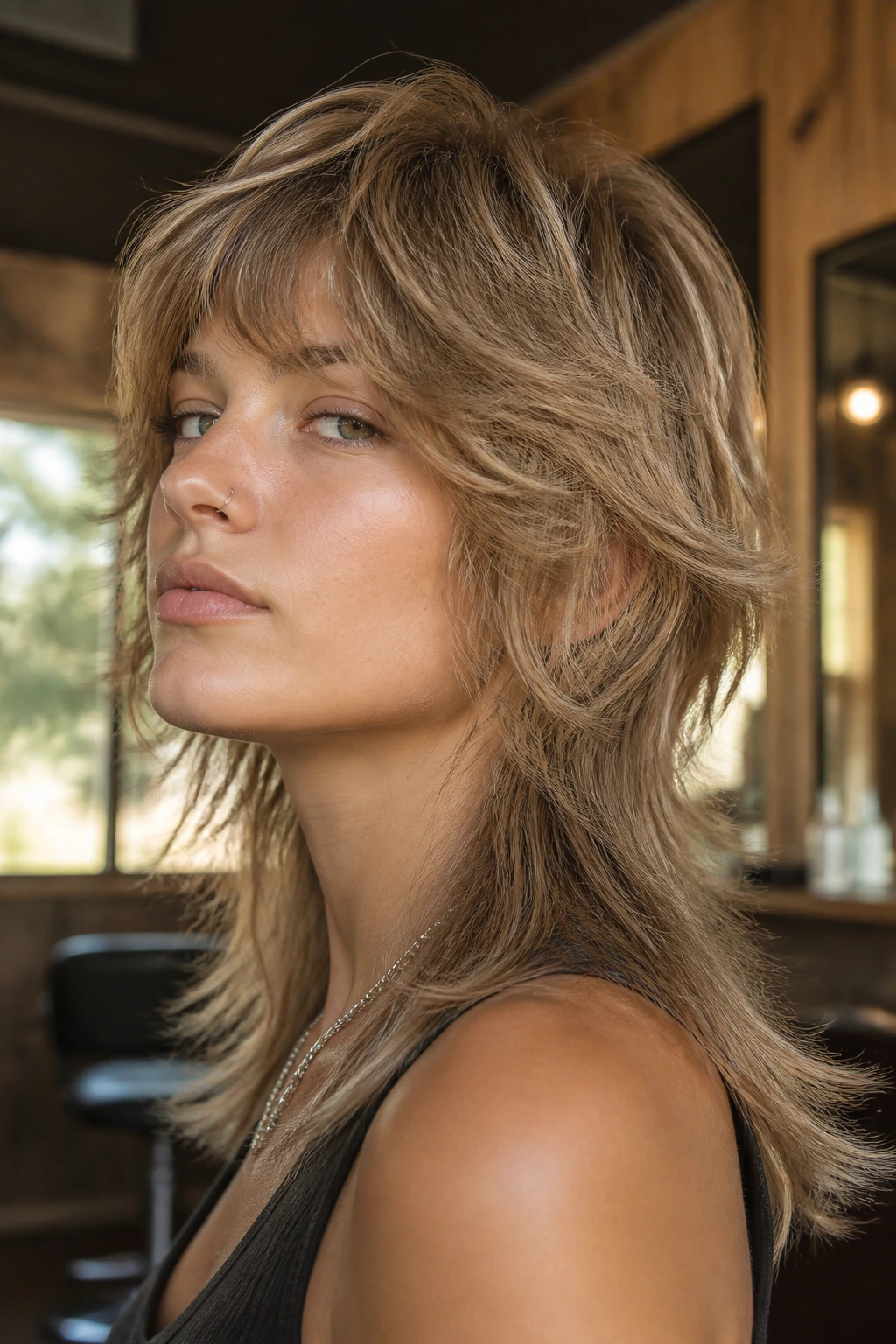
There’s a softer, airier side to mullets, and the feathered 70s shag mullet is the cleanest example of it. The layers are feathered away from the face and crown, so the hair moves in soft arcs instead of stiff pieces. It has a little retro flair, but it does not need to feel dated if the cut is handled well.
The key is how the top connects to the sides. The crown should keep enough length to sweep back, and the front should fall in soft wings that skim the cheekbones. The back stays longer, but the length should taper out instead of ending in a heavy block. That tapered finish keeps the whole cut light.
This style works especially well on medium-thick hair with a bit of natural bend. Fine hair can wear it too, though too much thinning will make it look wispy in a bad way. You want feathering, not a shredded outline.
Styling Notes That Matter
A round brush and a low-heat blow-dry can bring the layers to life fast. Aim the airflow upward at the roots, then curve the ends away from the face. A little mousse at the roots gives the crown lift without making the cut stiff. If you prefer air-drying, tuck the front pieces behind your ears for ten minutes, then let them fall. That helps set the sweep.
The Shape in Practice
- Keep the top soft and moveable.
- Ask for feathering through the front and temples.
- Leave enough length in the back for a gentle flip.
- Avoid heavy stacking at the nape.
Too much thinning ruins it. The cut needs air, yes, but it still needs weight to hang right.
8. Long Shaggy Mullet
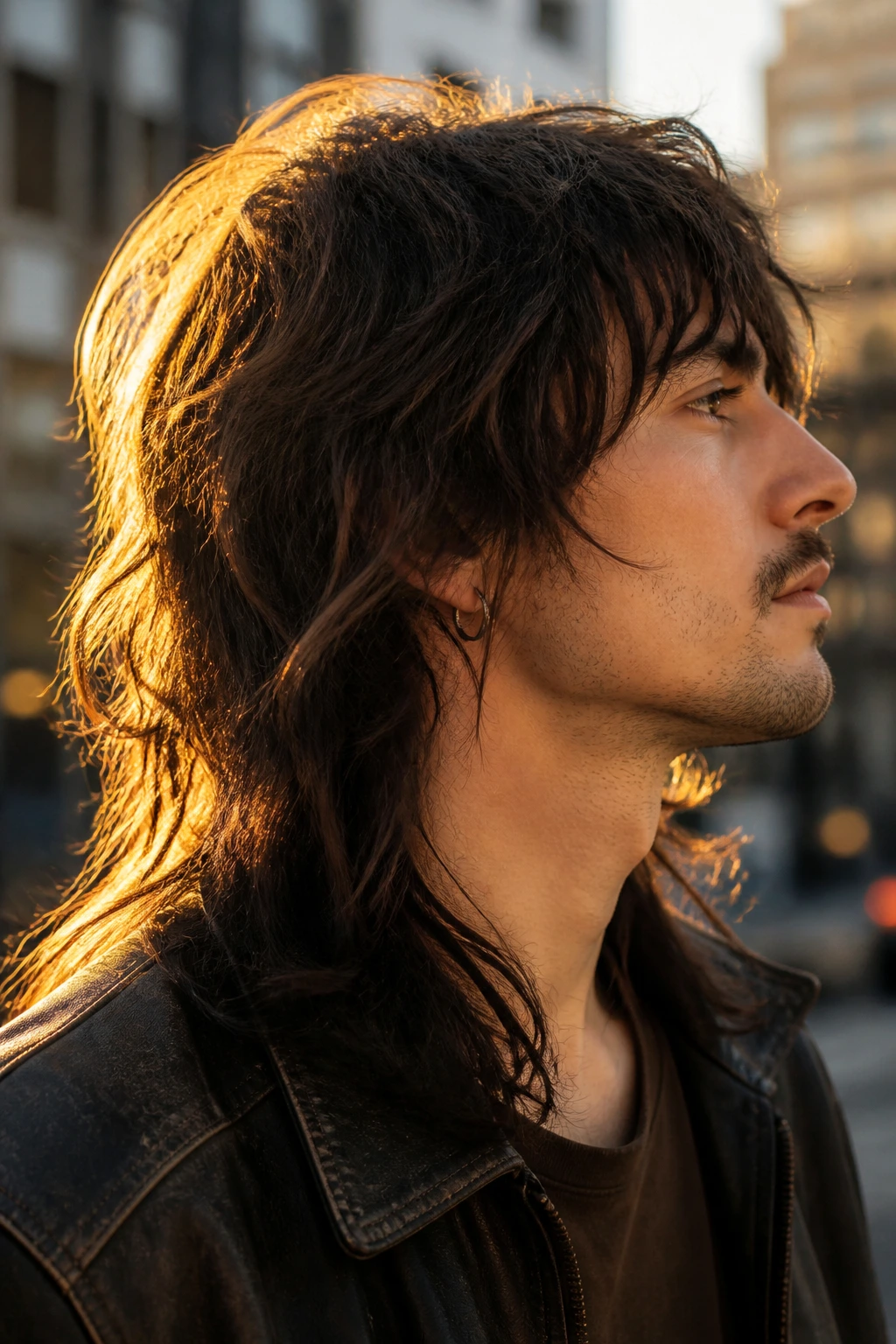
Imagine shoulder-length hair that still has a tail in the back. That is the appeal of the long shaggy mullet. It gives you the mullet outline without sacrificing length, which makes it a smart pick for anyone who wants a bolder cut but does not want to go short around the head.
The front usually stays below the chin, and the layers move through the sides in a slow taper instead of a jumpy chop. The back can sit past the shoulders, or just skim them if you want the shape to feel lighter. What matters is the connection from top to tail. If the transition is too sudden, the cut starts looking disconnected in a bad way.
This version is easy to grow out because the length is already there. That matters. A lot of shag cuts get awkward during the grow-out stage; this one tends to keep its shape longer. It also gives you room to wear it tucked, half-up, or loose without losing the silhouette.
How to Ask for It
- Keep the front layers around jaw to collarbone length.
- Leave the back long enough to touch the top of the shoulders.
- Build soft layers through the interior, not just the top.
- Keep the ends piecey so the weight does not collect at the bottom.
Best Hair Types
Wavy hair gets easy movement here. Straight hair can work too, but it usually needs a bit of styling cream or a bend with a flat iron near the ends. Thick hair benefits from the length because the layers stop it from feeling like a helmet. Fine hair needs restraint; too many layers and the density vanishes.
This is one of those cuts that looks casual but is actually built with care. That’s why it holds up.
9. Short Shaggy Mullet
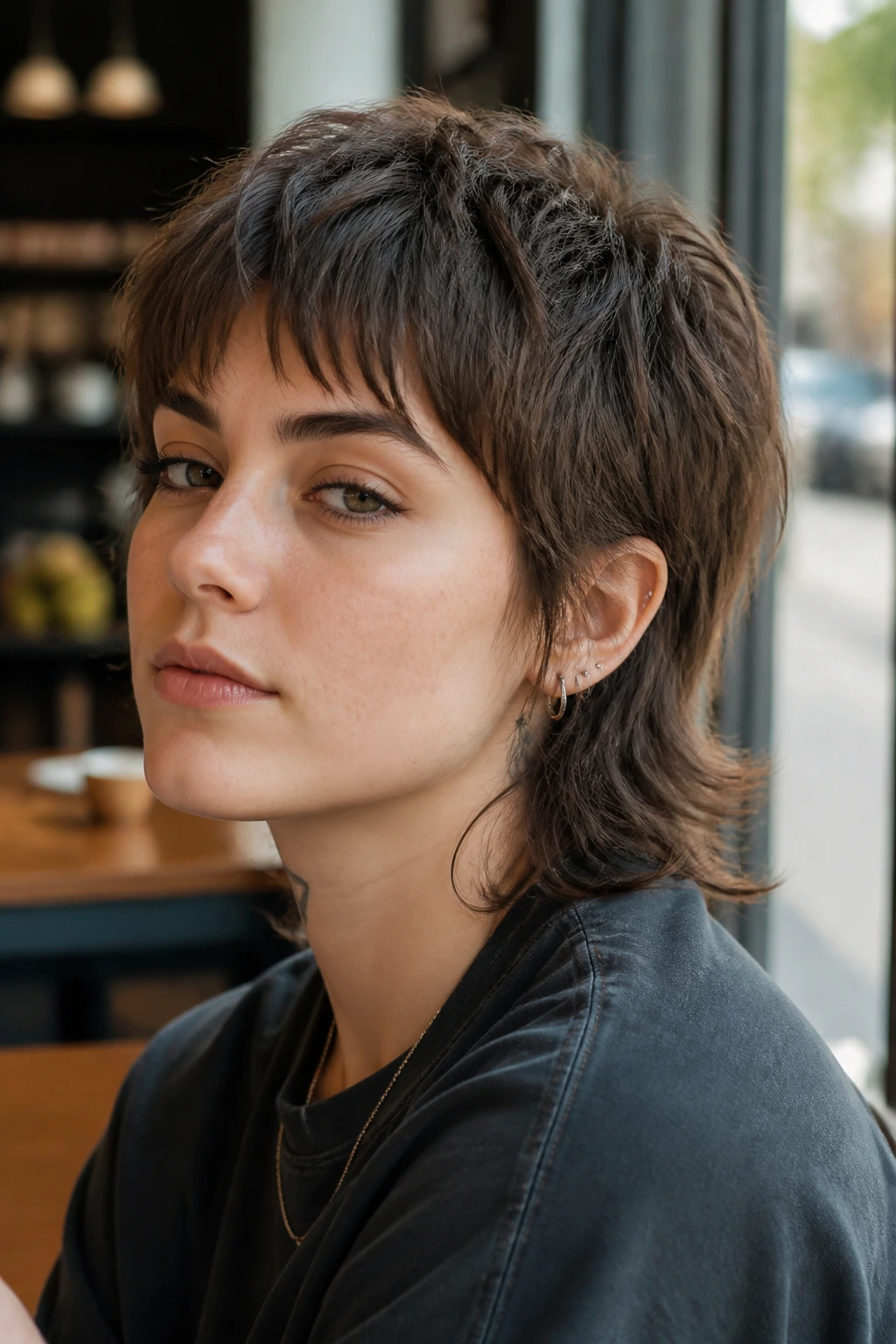
Short mullets hit harder. There’s less hair, less drag, and more shape showing at once. A short shaggy mullet keeps the crown cropped, the sides broken up, and the back just long enough to flick out at the collar. It reads confident because nothing is hidden under extra length.
The silhouette is tiny; the attitude is not.
This version works well when you want easy daily styling. The hair does not need much product to show texture, and the cut can still look intentional when it air-dries. The trick is to keep enough length in the crown for movement. If the top gets too short, the cut starts to look more like a crop with a tail than a shaggy mullet.
Short shaggy mullets are especially kind to fine hair, because the texture gives the illusion of body. Dense hair can wear it too, but the sides need real thinning or they’ll puff up. On curly hair, keep the back a touch longer than you think. Shrinkage is real.
Quick Styling Moves
- Use a pea-sized amount of matte paste.
- Push the crown forward, then rough it up with your fingers.
- Mist a little sea salt spray near the roots for grit.
- Skip heavy conditioner on the roots; it can flatten the whole shape.
This cut is not a pixie. The back still matters. The tail is small, but it should be there.
10. Undercut Shaggy Mullet
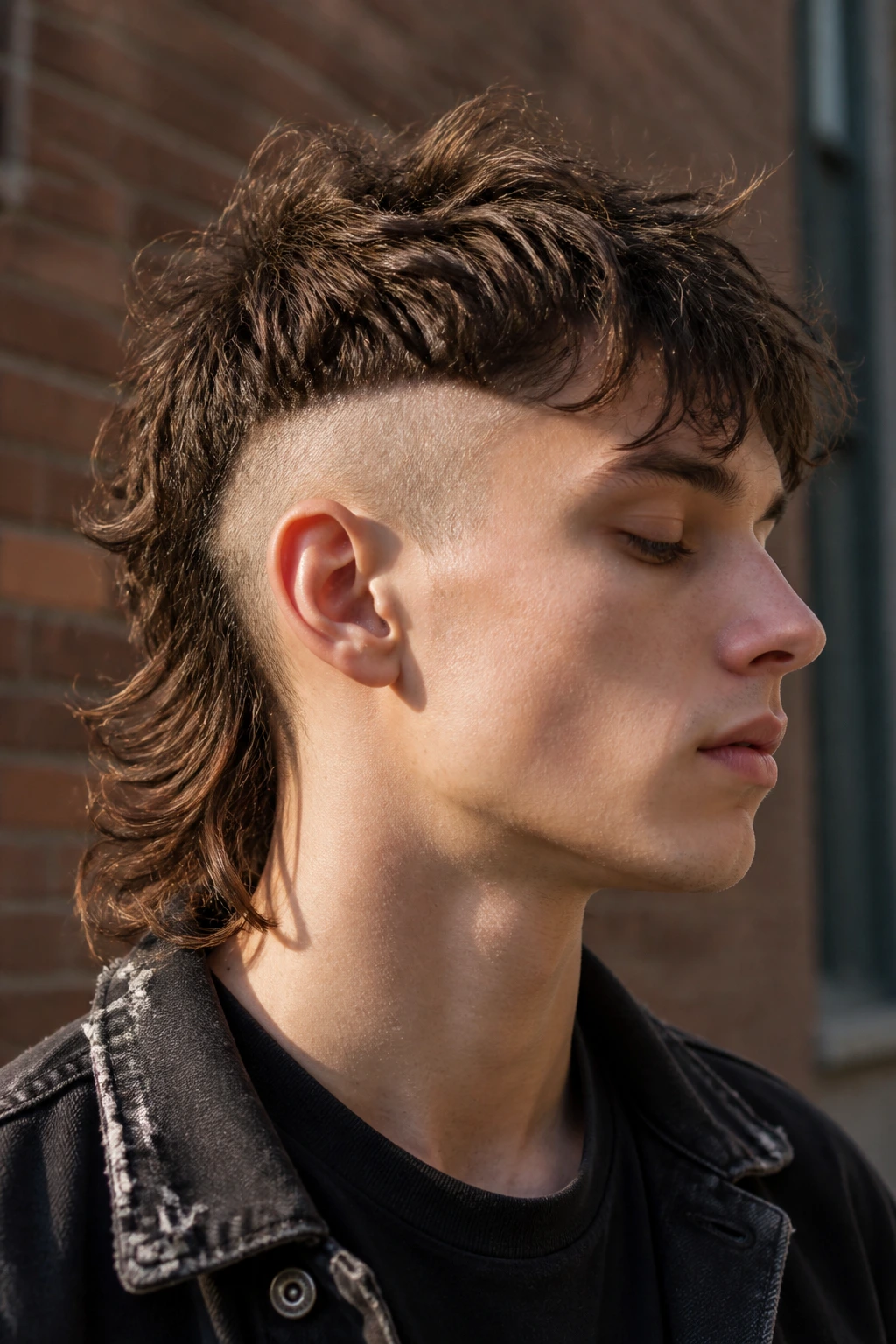
Do you want the shaggy mullet shape without the bulk on the sides? The undercut version is the answer. It removes weight at the temples and around the ears, then leaves the top and back shaggy so the overall shape feels lighter and sharper at once.
This is a useful cut for thick hair, because thick hair can turn almost any mullet into a triangle if the sides are left too full. Shaving or clipping the lower sides shorter clears that bulk away. The crown can still stay textured, and the back can still hang long, but the outline becomes cleaner. That clean edge is what gives the cut its punch.
The downside is simple. If your head shape is very pronounced, or your hairline is high, an undercut can show more than you want. That does not make it a bad idea. It just means the clipper work has to be thoughtful, not rushed.
How to Wear It
A dry wax or light clay keeps the top piecey. You can also tuck one side behind the ear to show off the contrast between the clipped section and the longer shag. That little contrast is half the charm.
What to Tell the Barber
- Keep the top disconnected enough to show texture.
- Remove bulk under the side panels.
- Leave the nape shaggy, not shaved clean.
- Blend the undercut so it grows out without a hard shelf.
If you like haircuts that look sharper when they move, this one has a lot to offer.
11. Asymmetrical Shag Mullet
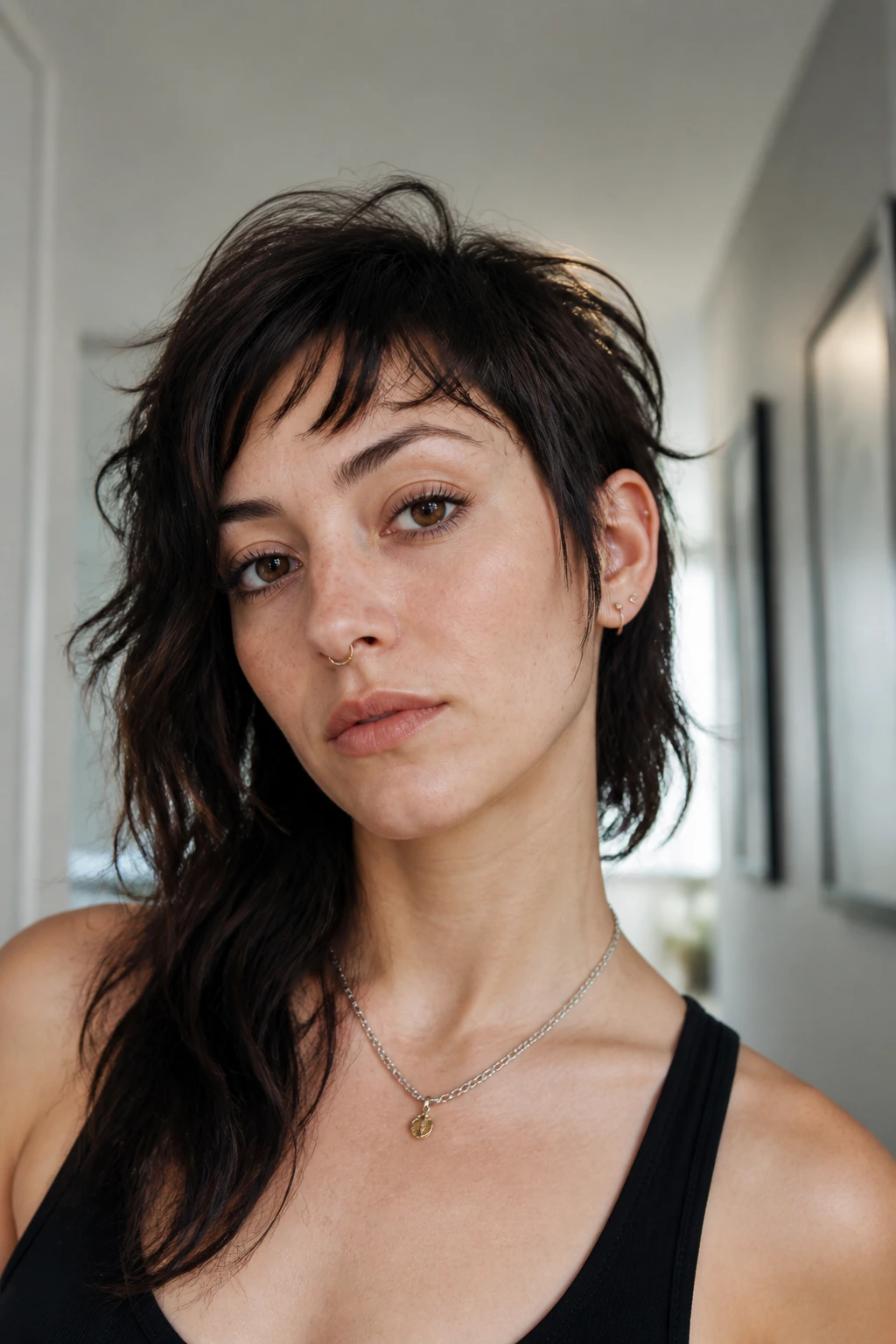
Symmetry is safe. Asymmetry is interesting. A shaggy mullet with one side slightly longer than the other changes the whole mood of the cut, because the eye keeps moving instead of settling into a neat shape. The difference does not need to be huge. Half an inch can be enough. One inch can be plenty.
The best asymmetrical version still feels deliberate. That means the longer side should be clearly longer, not accidentally uneven. Usually the front pieces on one side sweep lower toward the jaw while the other side stays a little cleaner around the ear. The back can echo that imbalance by landing a touch heavier on the same side.
This cut is a strong choice if you like a shape that feels personal. It does not look generic. It also gives you room to work with one side more than the other when you style it, which can be useful if one part of your hair has a stronger bend or a stubborn cowlick.
A Few Things to Keep in Mind
- Keep the length difference subtle enough to look intentional.
- Ask for the longer side to connect into the back, not drop separately.
- Use a texturizing spray so the shorter side does not sit flat.
- Check the cut from both sides before leaving the chair.
It’s a small shift, but it changes the whole read of the haircut. That’s why people notice it.
12. Bottleneck Fringe Mullet
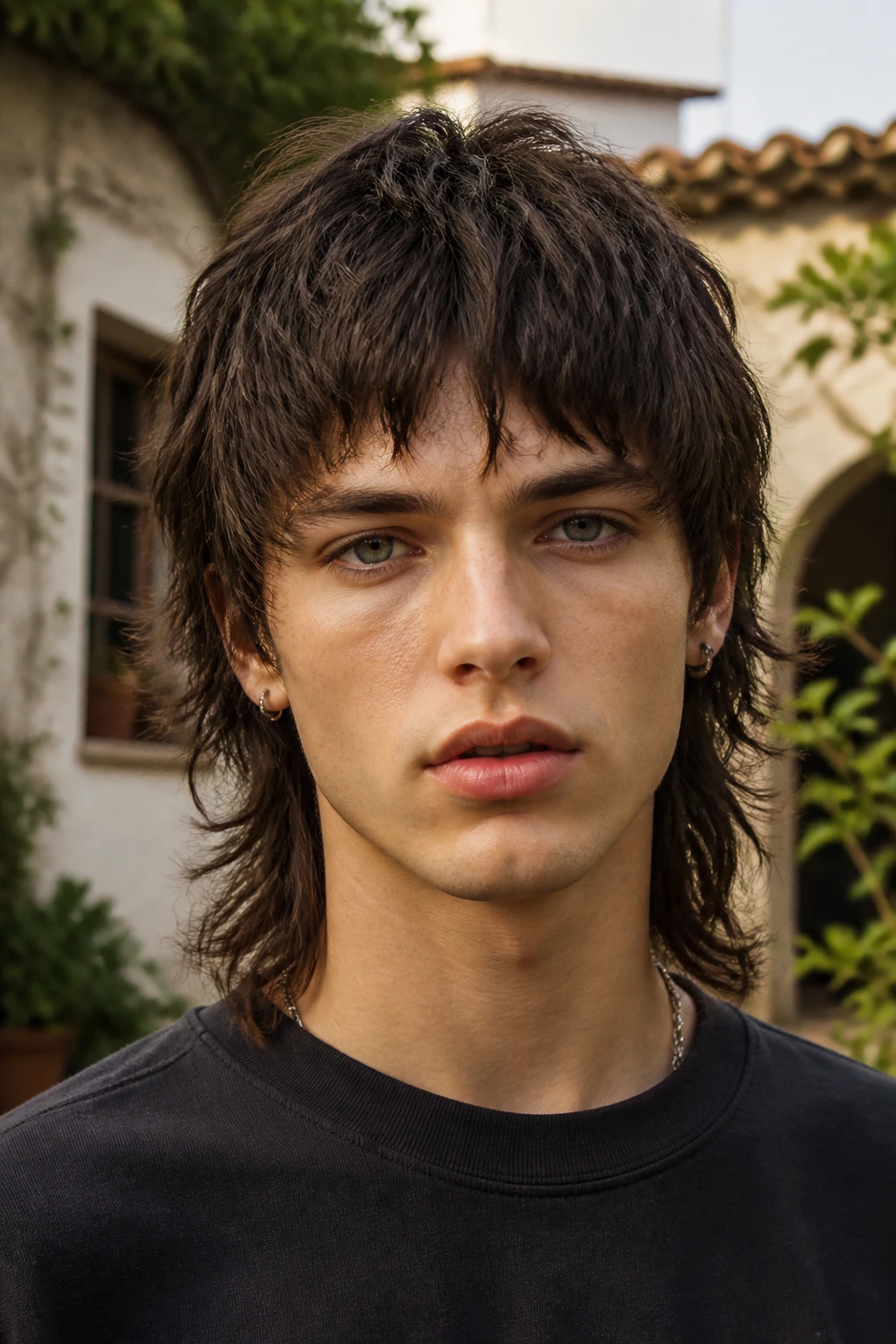
A bottleneck fringe gives the mullet a tighter, sharper front without losing the shag. The fringe starts narrower at the center, then opens up toward the temples and cheekbones. It is a little neater than curtain bangs and less heavy than a blunt fringe, which makes it a smart finish for a bold mullet shape.
What I like about this version is the contrast. The front is controlled, almost architectural, while the back stays loose and shaggy. That tension keeps the haircut from drifting into one-note messiness. The fringe gives the face a frame, and the back keeps the attitude alive.
This cut suits people who want shape around the eyes but do not want a full curtain of hair falling over the forehead. It also works nicely on hair that tends to separate at the center, because the bottleneck shape already builds in that split. Styling is straightforward: dry the front first, direct the center forward, then push the outer pieces down and out.
How to Wear It
- Use a small round brush or fingers to guide the center shorter section.
- Let the outer fringe pieces brush the cheekbones.
- Keep the back soft and layered so the front does not feel too formal.
- Use a light cream, not a heavy wax.
Best Pairings
This cut works well with denim jackets, sharp collars, and simple T-shirts because the haircut already does a lot visually. It also looks good on hair that has a little wave, since the fringe bends instead of sitting stiff.
If I had to name one version that balances edge and wearability, this would be near the top of the stack. It still looks bold. It also grows out with some grace, which is more useful than people admit.
