



Long hair and summer do not always get along. The minute the air turns sticky, loose lengths cling to your neck, fine strands frizz at the edges, and even a style that looked calm in the mirror can start feeling heavy by lunchtime. Summer braid styles for long hair solve that problem in the most useful way possible: they keep hair controlled, but they still leave room for personality.
A braid is never just a braid, either. It can look sporty, romantic, sharp, relaxed, polished, or a little messy in the exact way that makes it feel lived-in instead of overworked. On long hair, you get extra drama from the length itself, which means the braid doesn’t have to do all the heavy lifting. The hair gives you shape for free.
Silky hair usually needs grip. Texturizing spray, dry shampoo at the roots, or a small amount of mousse can make the difference between a braid that holds and one that slips apart an hour later. Thicker hair tends to want firmer tension and cleaner sectioning. Both can look gorgeous. Both can go wrong fast if you rush the prep.
Some of these styles take five minutes. Some ask for a mirror, a few pins, and a little patience. Start with the easy ones on hot, busy days. Save the more detailed ones for evenings, events, or any day when you want your long hair to do more than survive the heat.
1. Classic Three-Strand Side Braid
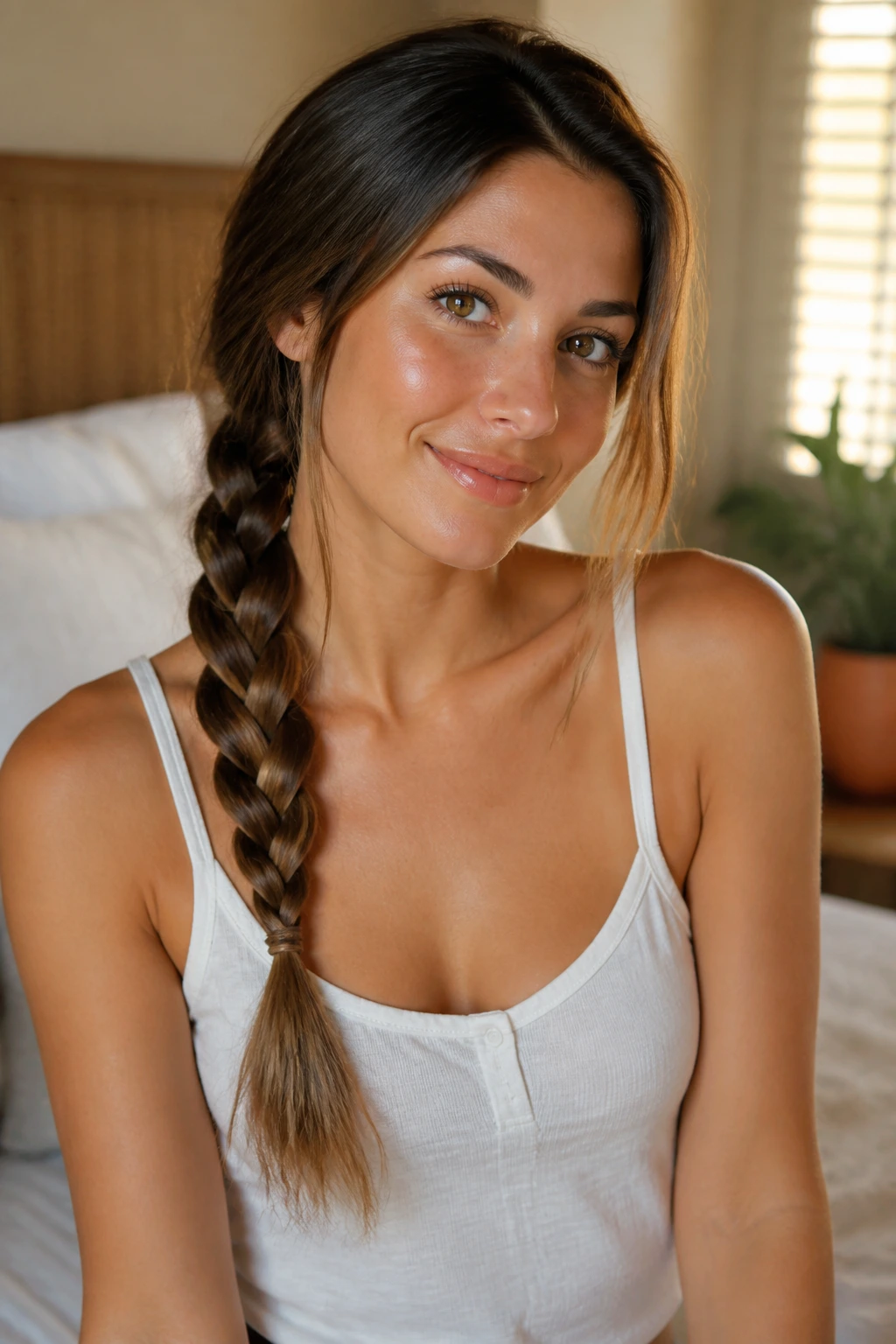
The plain side braid still earns its place because it works when your hair is hot, tangled, and slightly fed up with you. It sits low, stays out of the way, and looks better than it has any right to for such a simple move.
Why It’s the Reliable One
A side braid softens the weight of long hair by pulling everything over one shoulder, which feels especially good when the back of your neck is already warm. It also leaves a little movement in the front, so the style doesn’t read as severe.
- Best for: second-day hair, loose waves, and hair that needs quick control
- Finish: relaxed, casual, easy to loosen with your fingers
- Time: about 3 to 5 minutes once you know your hand placement
- Extra tip: pull the outer loops apart gently so the braid looks fuller without getting sloppy
Keep the tie low and small. A chunky elastic at the end tends to steal the whole look.
2. French Braid
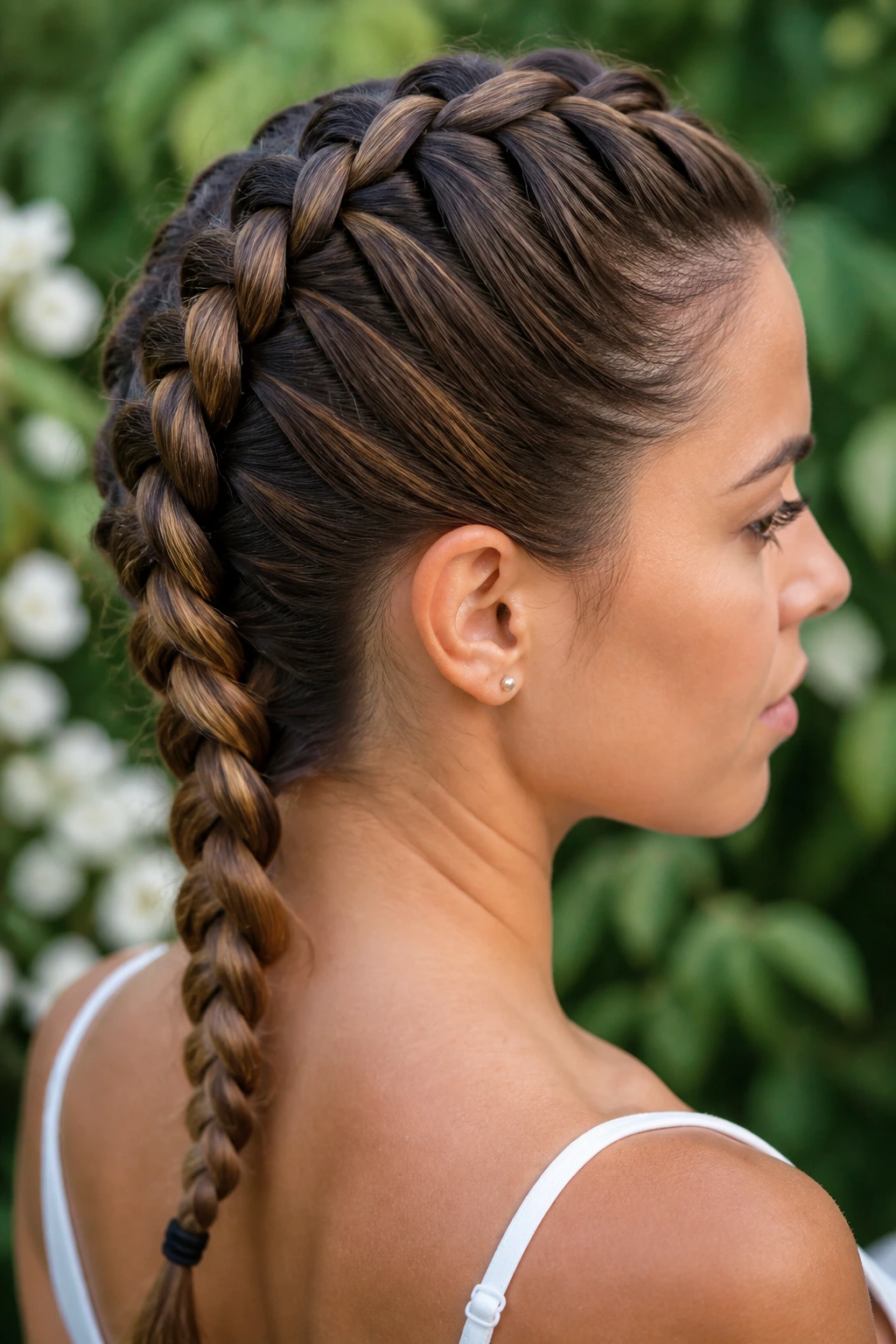
A French braid is one of those styles people call “basic” until they need it to survive wind, heat, and a long day outdoors. Then it suddenly looks genius.
It hugs the head, gathers layers as it goes, and keeps the surface smooth without flattening all the life out of the hair. On long hair, the payoff is even better because the braid has room to get long and elegant instead of stopping too soon. Start at the crown, take clean sections, and keep adding hair evenly from both sides. If the braid begins to drift, stop and reset before the shape gets crooked.
One small thing: tight at the top, gentler through the length usually looks better than pulling the whole braid like you’re tying down luggage. That first inch matters most.
3. Dutch Braid
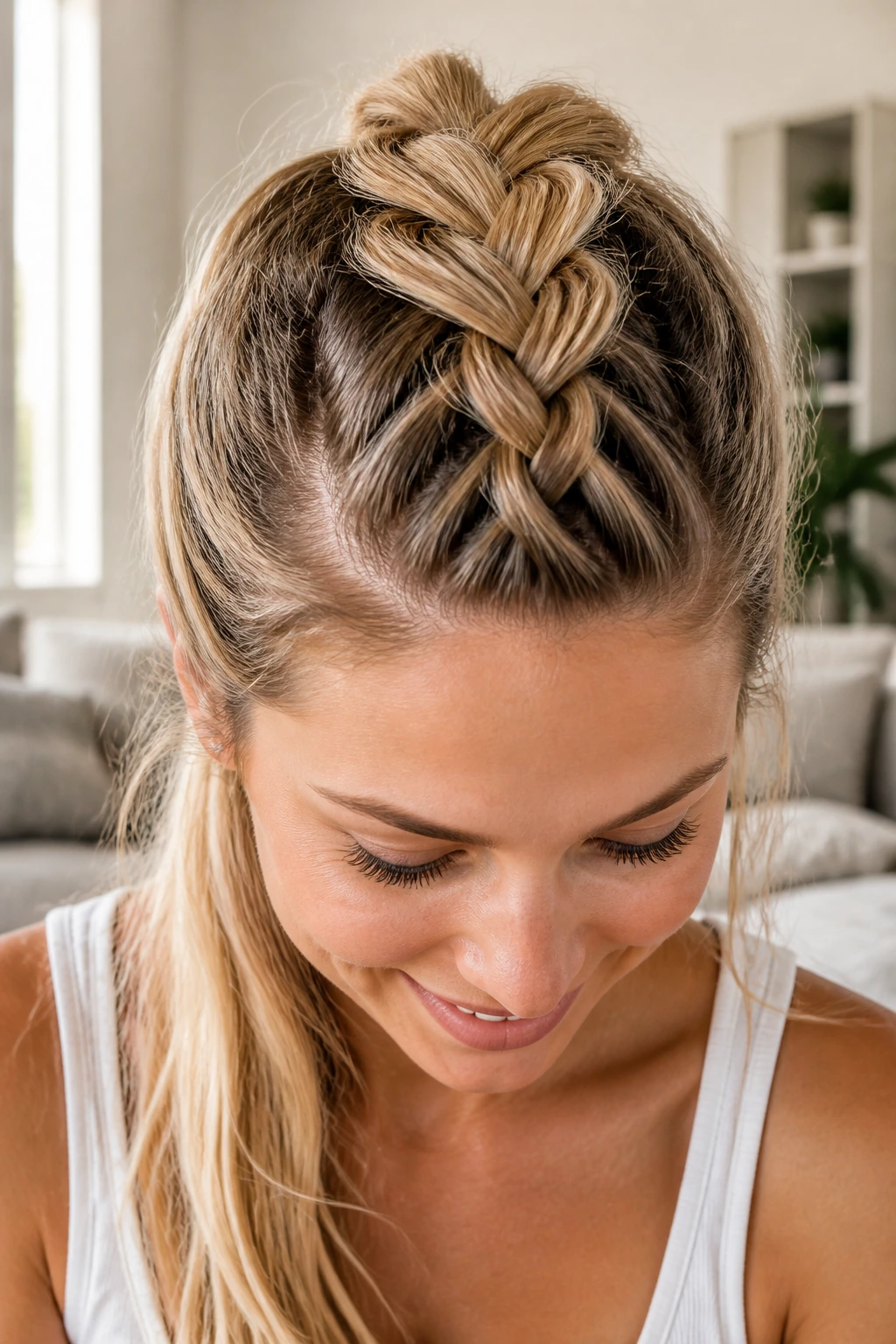
Want the braid to sit on top of the hair instead of disappearing into it? That’s the Dutch braid’s whole job.
Because the sections cross under instead of over, the braid pops outward and looks more defined. On long hair, that extra lift can be a gift, especially if your hair is thick or your layers keep slipping loose. A Dutch braid also photographs with more texture because the ridges cast tiny shadows. You don’t need to think about that too hard; you’ll just notice that it looks bolder.
How to Get the Lift
Keep your sections equal and feed in hair close to the scalp. If you grab too much at once, the braid gets bulky in one spot and loose in another. That uneven pull is what makes the style feel off.
A single Dutch braid down the center works well, but two Dutch braids are even better when the weather is rough and you want every strand contained. Clean part. Steady hands. No drama.
4. Fishtail Braid
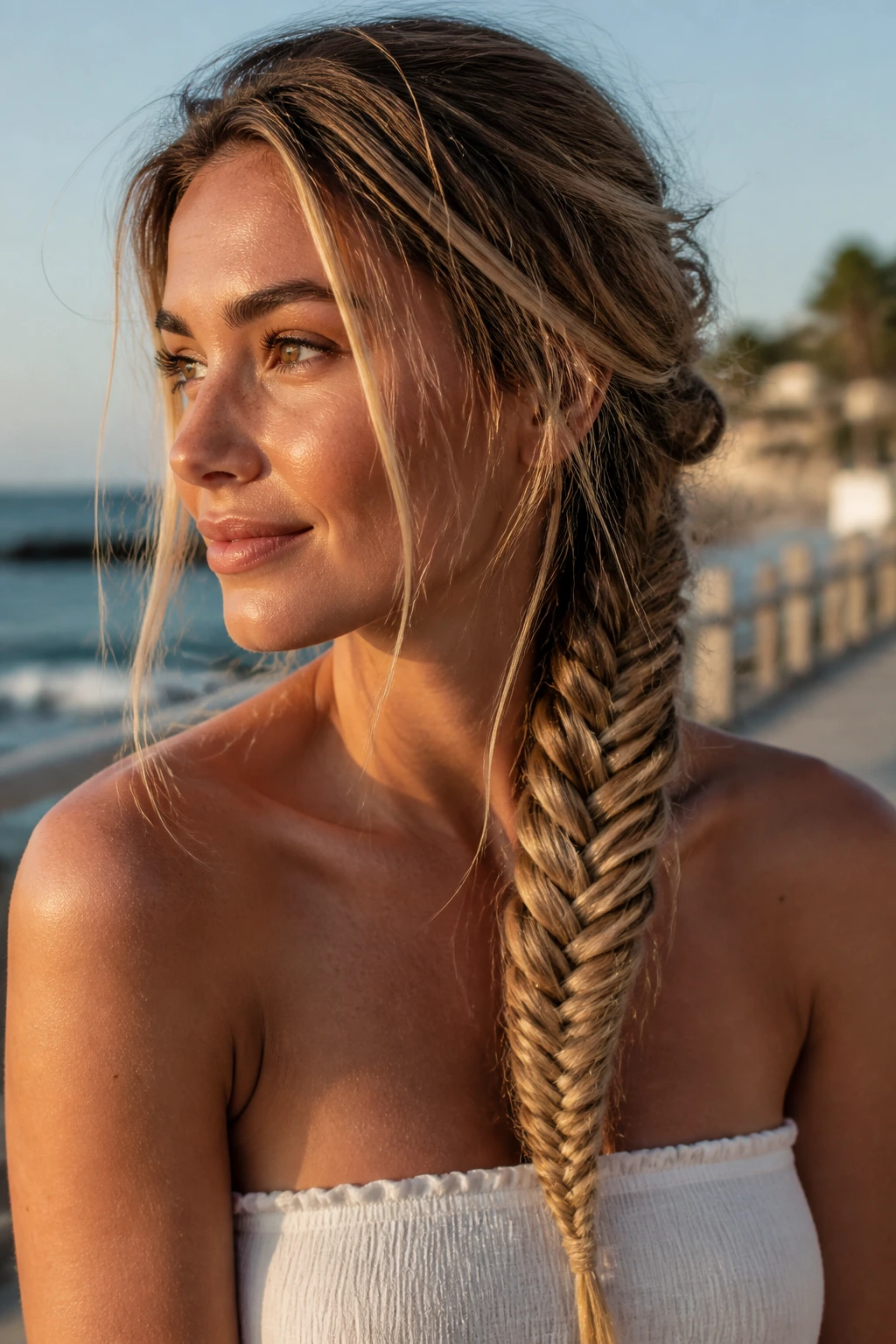
A fishtail braid has a softer, finer look than a regular three-strand braid, and that’s exactly why it works so well in summer. It feels a little beachy without trying too hard.
The trick is simple: split the hair into two sections, then take small pieces from the outer edge of one side and cross them into the other. Tiny sections create a tighter pattern, while larger sections give you a chunkier, more relaxed look. On long hair, a fishtail can go on forever in the best way. That length becomes part of the style instead of just hanging there.
If your hair is slippery, start with a light mist of texture spray. If it’s wavy already, even better. The braid holds faster and looks fuller without much effort.
5. Double Dutch Braids
Two Dutch braids are the braid version of practical footwear: not flashy, not fussy, and somehow better than almost everything else when the day gets long. They stay put during workouts, errands, pool days, and travel.
What Makes Them So Useful
The center part keeps the style neat, and the raised braid line gives long hair structure from the scalp down. That matters more than people think. Hair that’s pulled close to the head feels lighter, and the ends can be braided, tied, or tucked depending on how much length you want to show.
- Best for: active days, humid weather, and hair that tangles fast
- Works well on: medium-to-thick hair with some grip
- Finish choice: slick and clean, or pulled slightly loose for a softer look
- Hold tip: secure each braid as you go if your hair is very heavy
Do not start too loose at the crown. The whole style loses shape if the top section slips.
6. Crown Braid
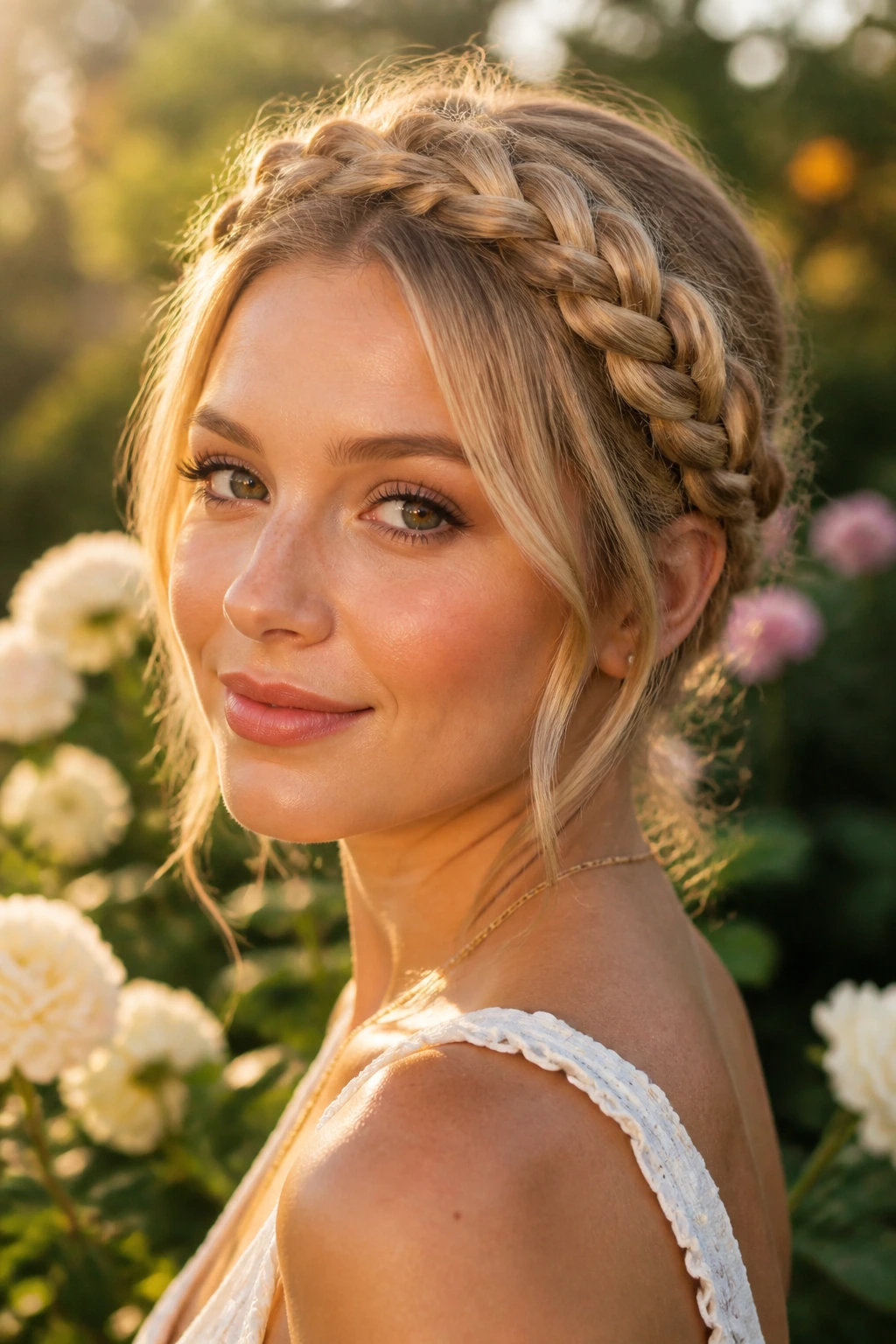
A crown braid wraps around the head and gives long hair a contained, almost dressy shape without needing a full updo. It’s one of the few styles that can look calm and a little formal at the same time.
The magic is in the placement. Instead of pushing the braid all the way back, you guide it around the hairline so it frames the face and clears the neck. On long hair, the braid usually has enough length to tuck and pin neatly at the opposite side, which makes the whole thing feel finished rather than improvised.
It’s a good style for weddings, dinners, and hot afternoons when you want your hair up but not spiky or severe. A few hidden pins do the work. Use them. They matter.
7. Waterfall Braid
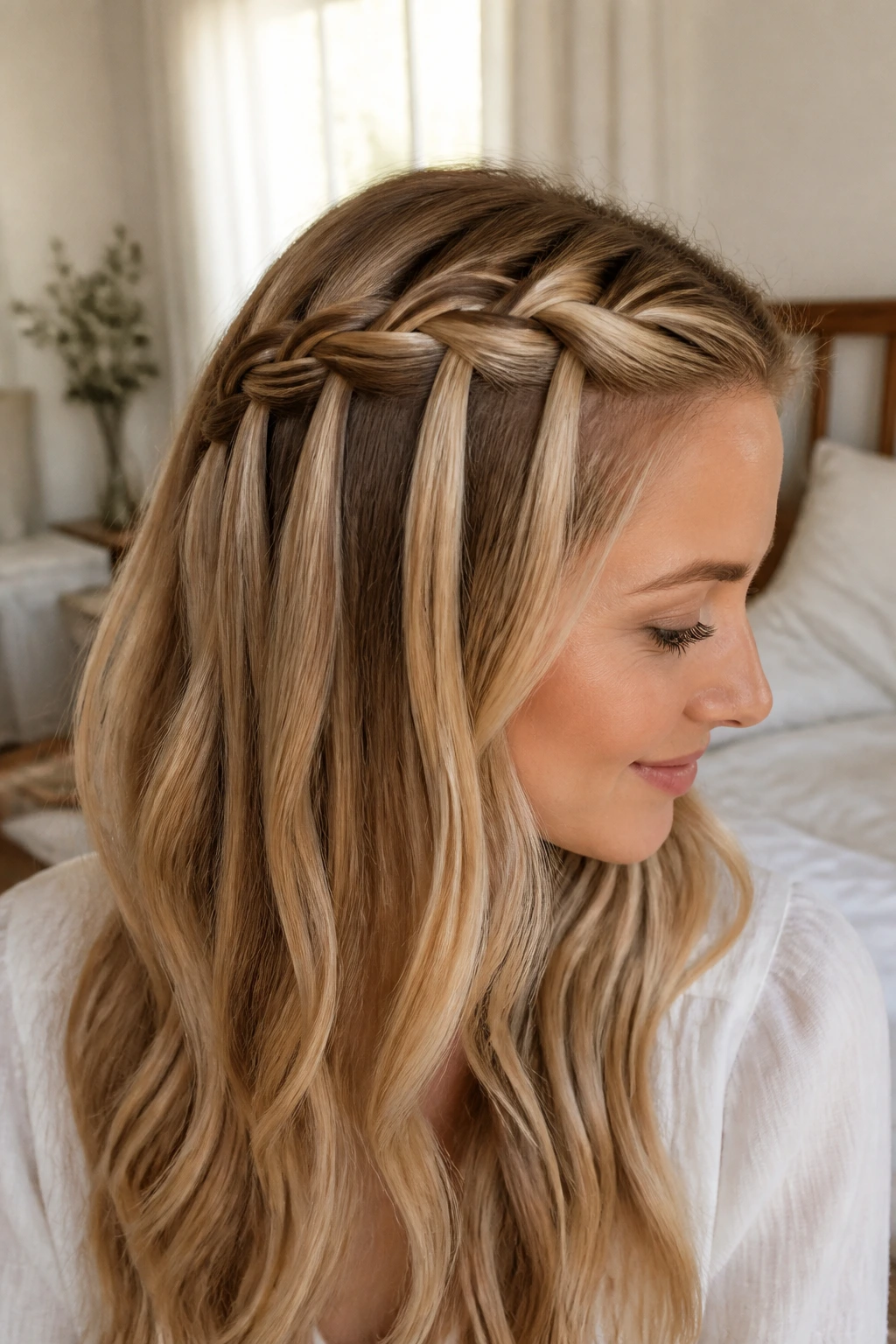
Why does a waterfall braid keep showing up in hair inspiration boards? Because it gives long hair movement while still controlling the top layer.
Instead of feeding every strand into the braid, you let one piece drop out each time and replace it with a new section from above. That falling strand becomes part of the look, which is why the braid seems to spill across the hair instead of sitting there like a block. On long hair, the effect is cleaner and more dramatic because there’s enough length for the loose pieces to show.
Best With Loose Waves
If your hair already bends a little, the waterfall pattern looks softer. Pin-straight hair can still work, but the style needs a touch more grip so the dropped pieces don’t slide apart.
A waterfall braid is not the fastest option here. It rewards a slower hand. If you like a bit of romance without turning your hair into a formal event, this is a strong pick.
8. Rope Braid
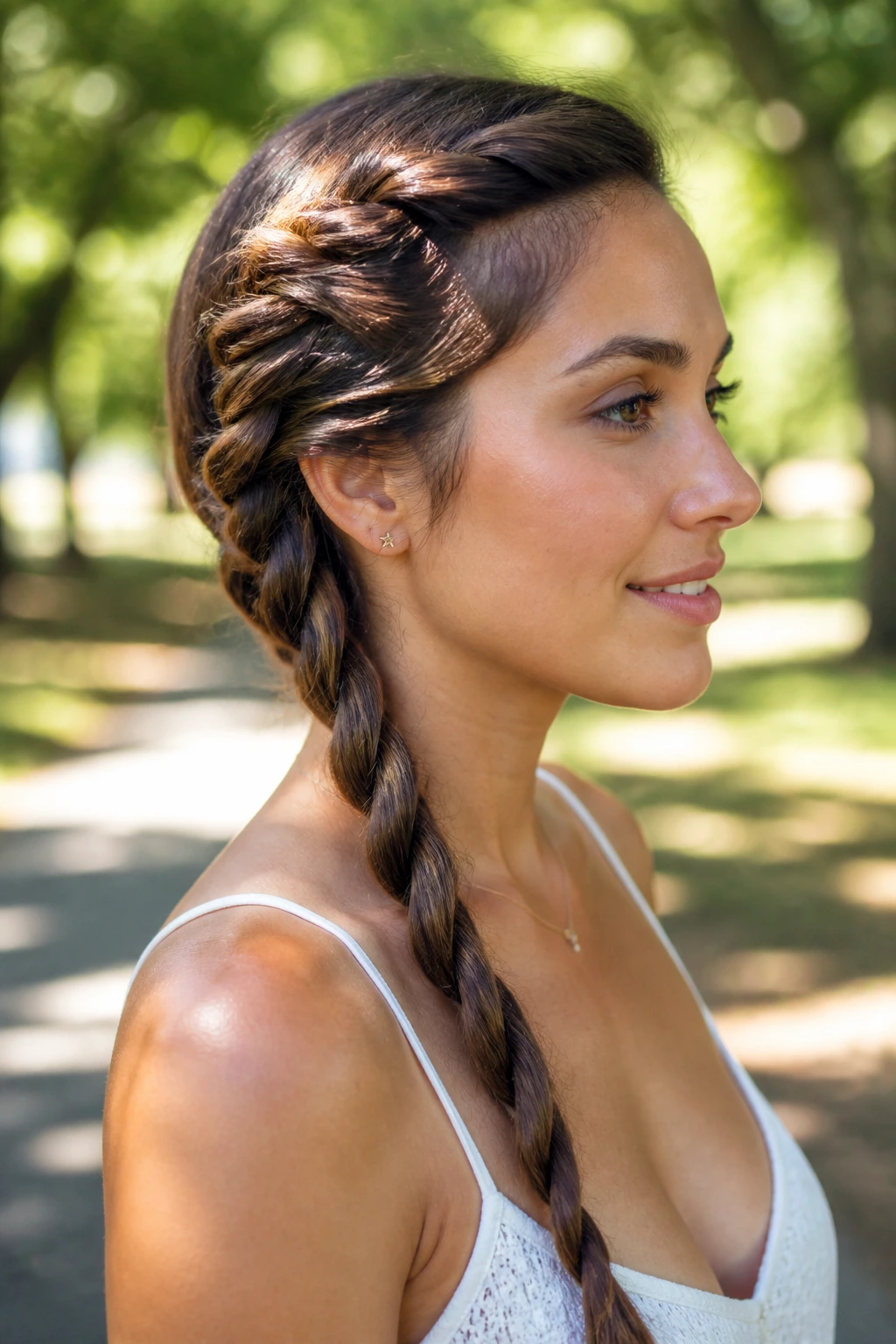
A rope braid looks more complicated than it is, which makes it a nice little cheat code on busy mornings. You twist two sections in the same direction, then wrap them around each other in the opposite direction.
That opposite twist is the whole trick. It keeps the braid tight and gives it a smooth, coiled look that works especially well on long hair with shine. If you want a polished finish, smooth each section before twisting. If you want something looser, tug the braid apart a little once it’s tied off.
It’s also a good option for layered hair, because the structure is secure even when the ends aren’t perfectly even. Fast. Clean. No need to overthink it.
9. Milkmaid Braid
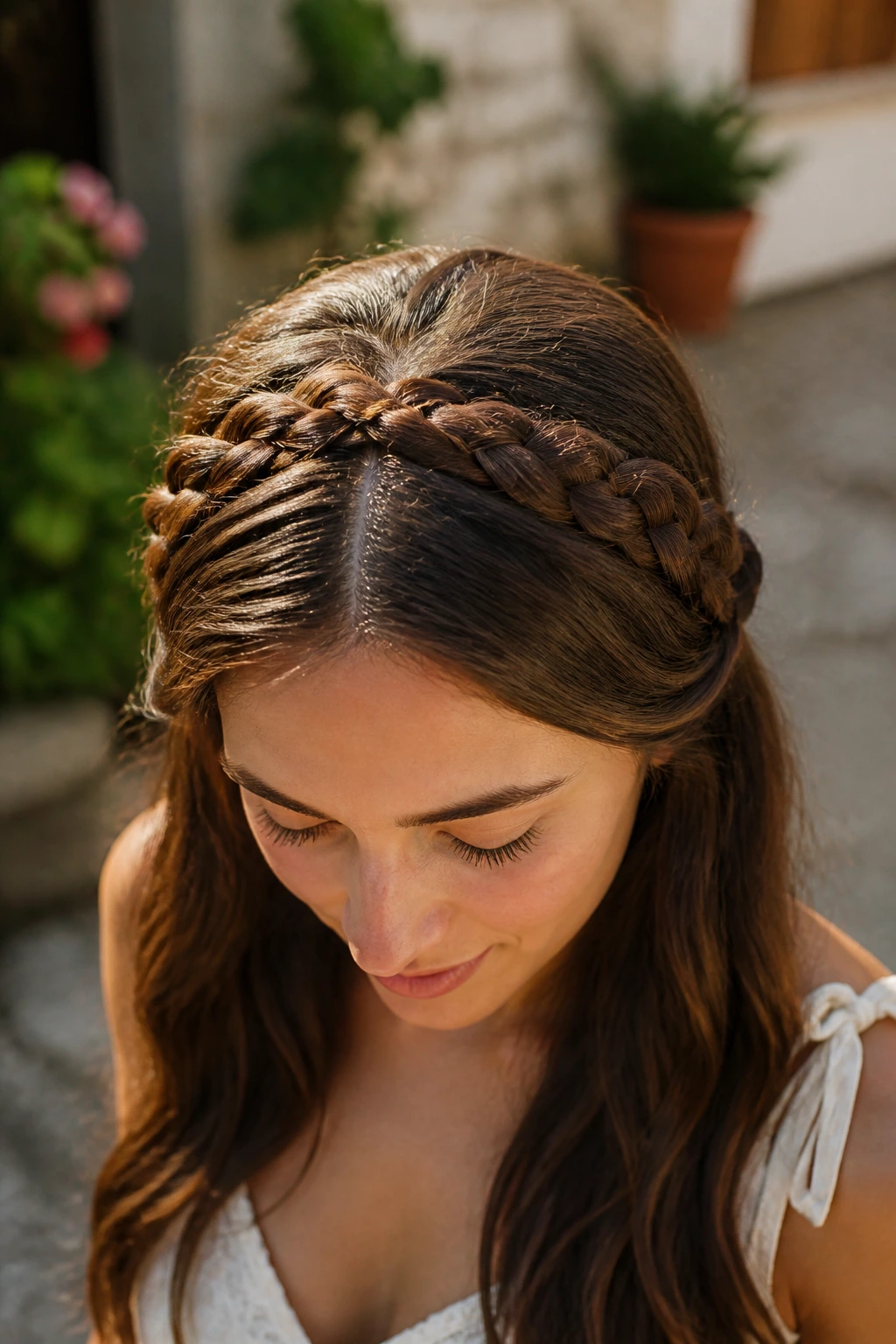
When the heat sits on your shoulders and you’re already tired of touching your hair, the milkmaid braid starts looking like a very smart idea.
The style uses two braids wrapped across the top of the head, usually pinned just behind the hairline. It gives you that tucked-away feeling around the face and neck, which makes a difference on hot days. Long hair helps here because the braids have enough length to cross cleanly without fighting each other.
It can look sweet or polished depending on how neat you keep the sectioning. If the braids are even and the pins are hidden well, the whole style reads as deliberate. If a few pieces escape near the ears, it softens up fast. Both versions work.
10. Boxer Braids
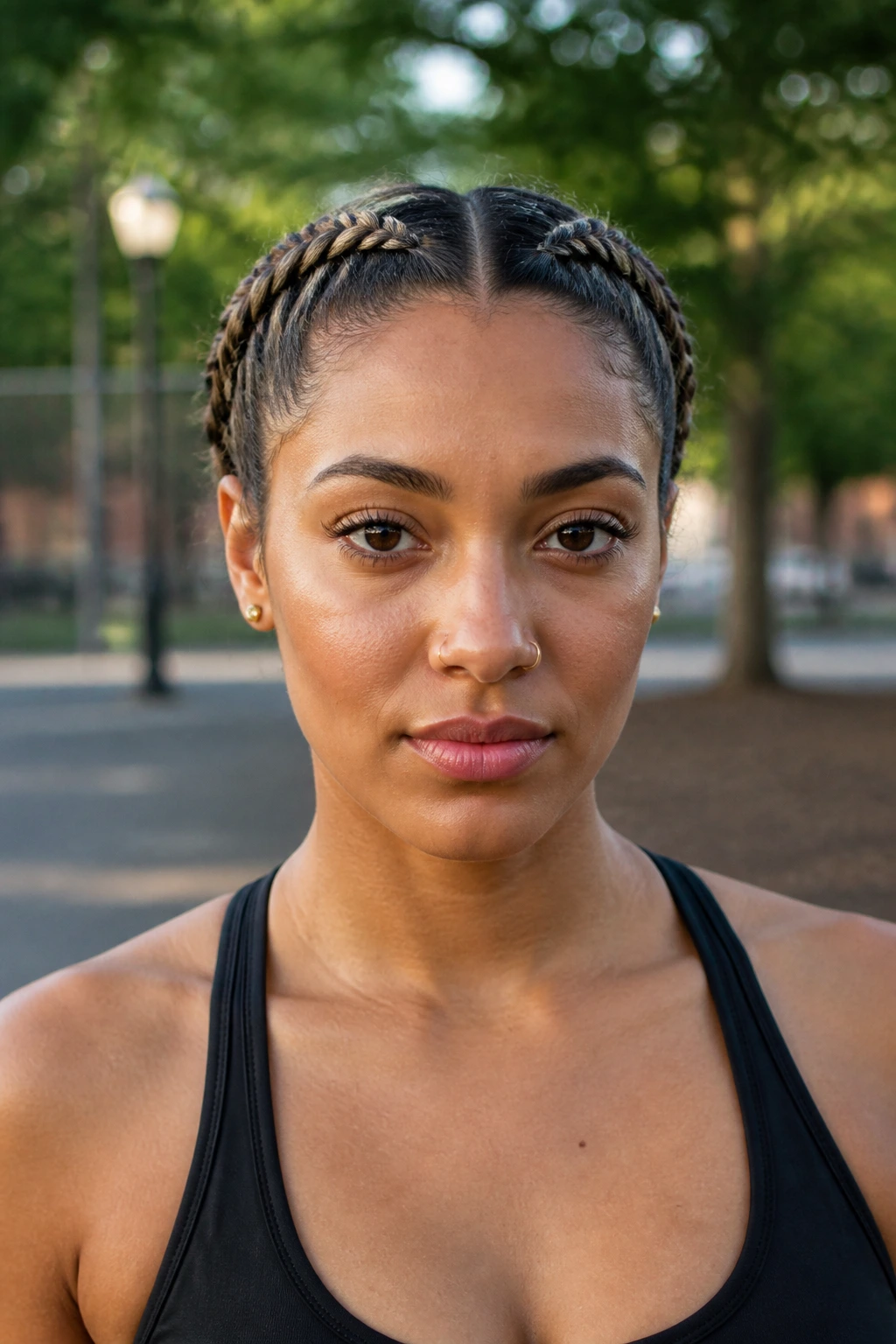
Boxer braids are one of the best answers to sweaty weather because they keep the hair fixed from root to end. No flapping. No slipping. No trying to rescue loose sections every half hour.
The style is built with two tight Dutch braids that track down either side of the head. On long hair, that length becomes the point of the style, not a problem to hide. You can leave the ends hanging, braid them all the way through, or pin them into buns if you want a cleaner finish.
One thing worth saying: the front should feel secure, not painful. If your scalp hurts after ten minutes, the braid is too tight. A little tension helps it hold; a headache helps nobody.
11. Pull-Through Braid
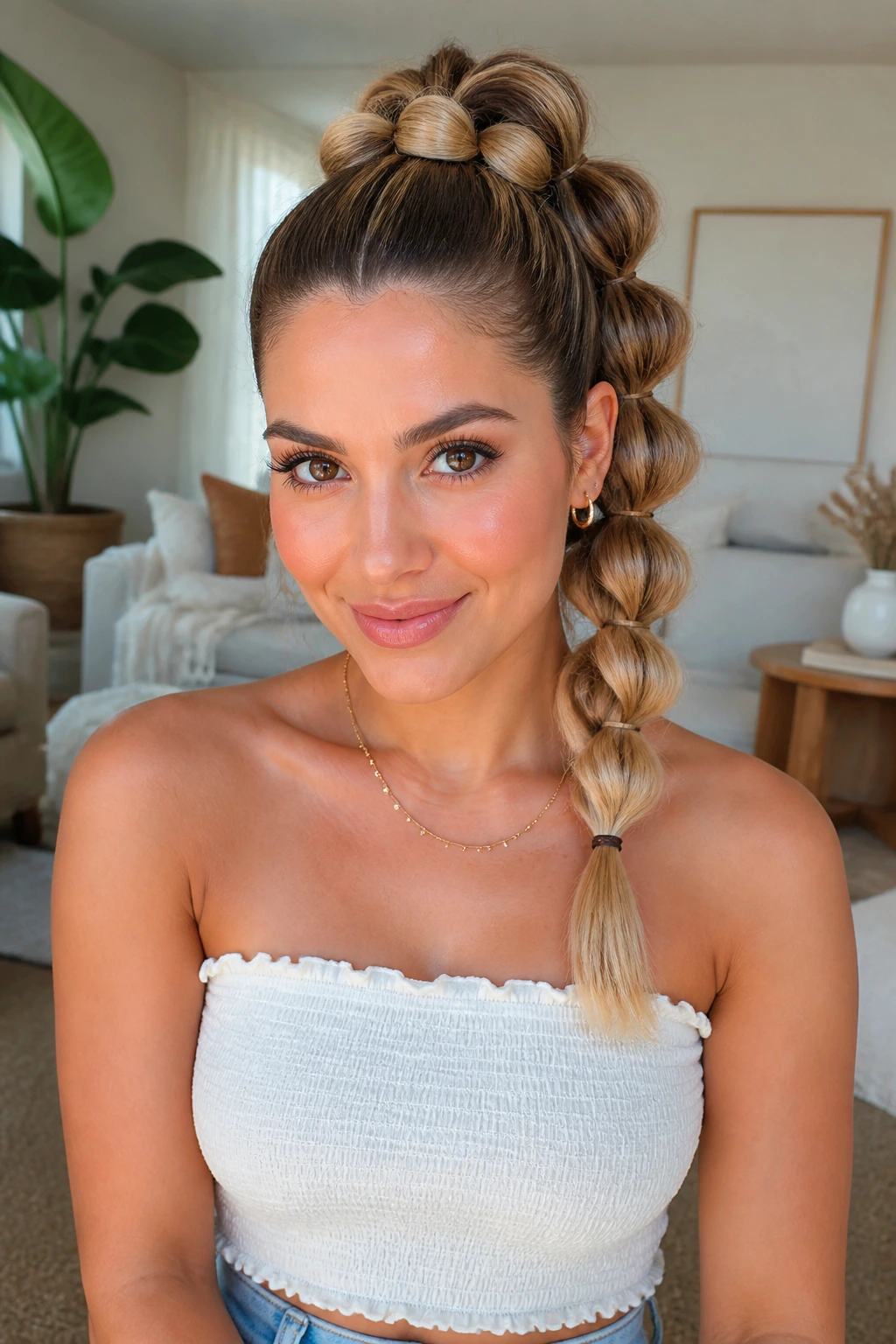
A pull-through braid is ideal if you love the look of a big braid but don’t want to wrestle with three strands all the way down. It’s built from small ponytails stacked and pulled through each other, which gives the braid a full, puffy shape.
How the Sections Stack
You create a row of mini ponytails, split the top ponytail in two, and pull the next section through that opening. The result looks intricate, but the actual motion is simple once you get the rhythm. Long hair makes this style shine because every new segment adds visible volume.
- Best for: thick hair, event hair, or anyone who wants size without traditional braiding
- Use: clear elastics or tiny snag-free bands
- Shape: bold, round, and easy to pancake for more fullness
- Watch out: don’t skip the smoothing between sections, or it gets messy in a bad way
It’s a good one when you want the braid to look a little fuller than your natural thickness would normally allow.
12. Half-Up Braid
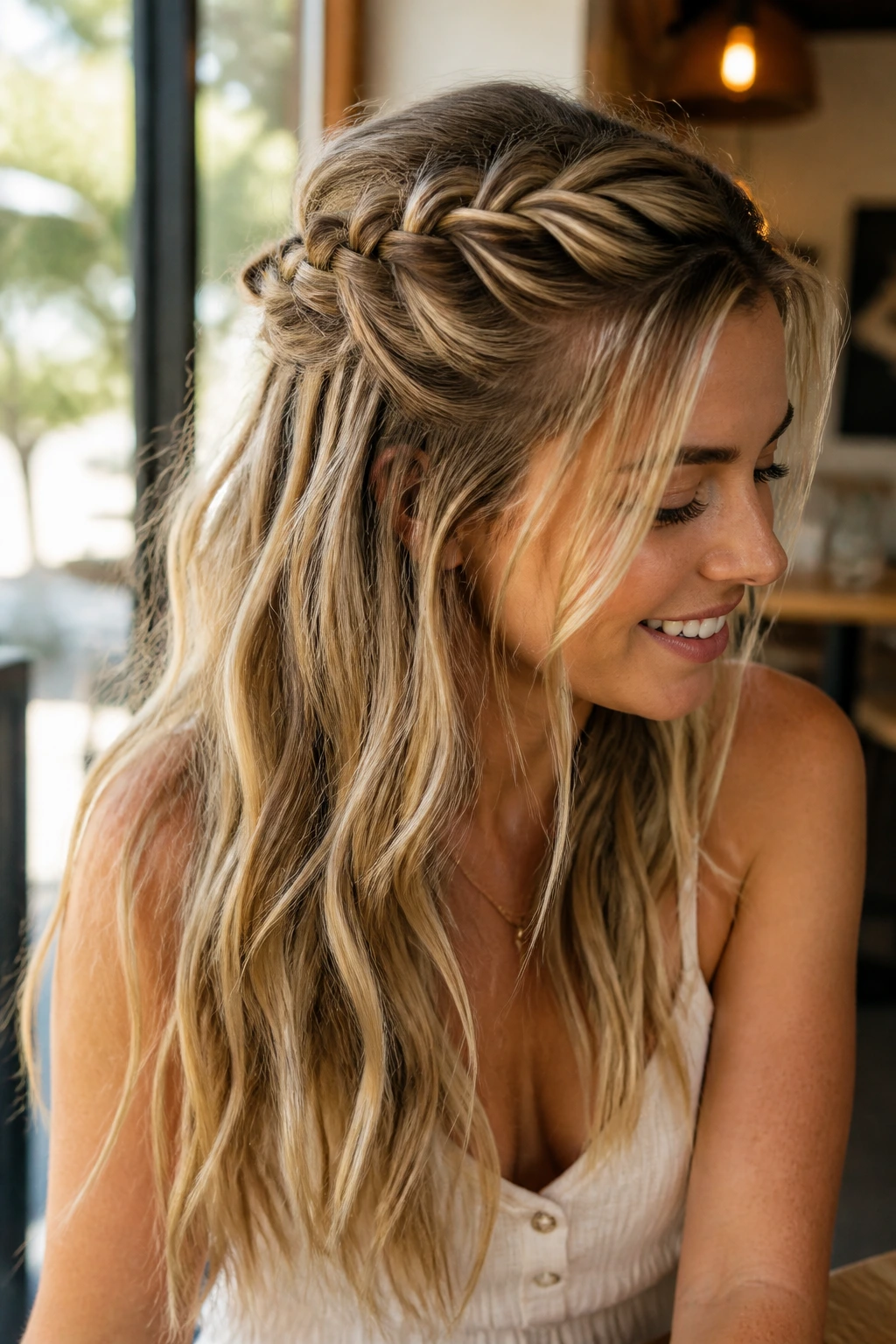
A half-up braid is what you reach for when you want some of the hair off your face but don’t want to hide the length. That’s a fair request, by the way. Long hair deserves to be shown off sometimes.
The braid can be tiny and simple, or it can start near the temples and travel back into a half-up knot, ponytail, or small bun. The point is control at the top and freedom at the bottom. On summer days, that balance matters because it keeps heat off the forehead while letting the rest of the hair move.
If you have layers, keep the section small enough that the shorter pieces don’t poke out everywhere. Too much hair in the braid turns the top half into a bulky lump. Nobody wants that.
13. Braided Bun
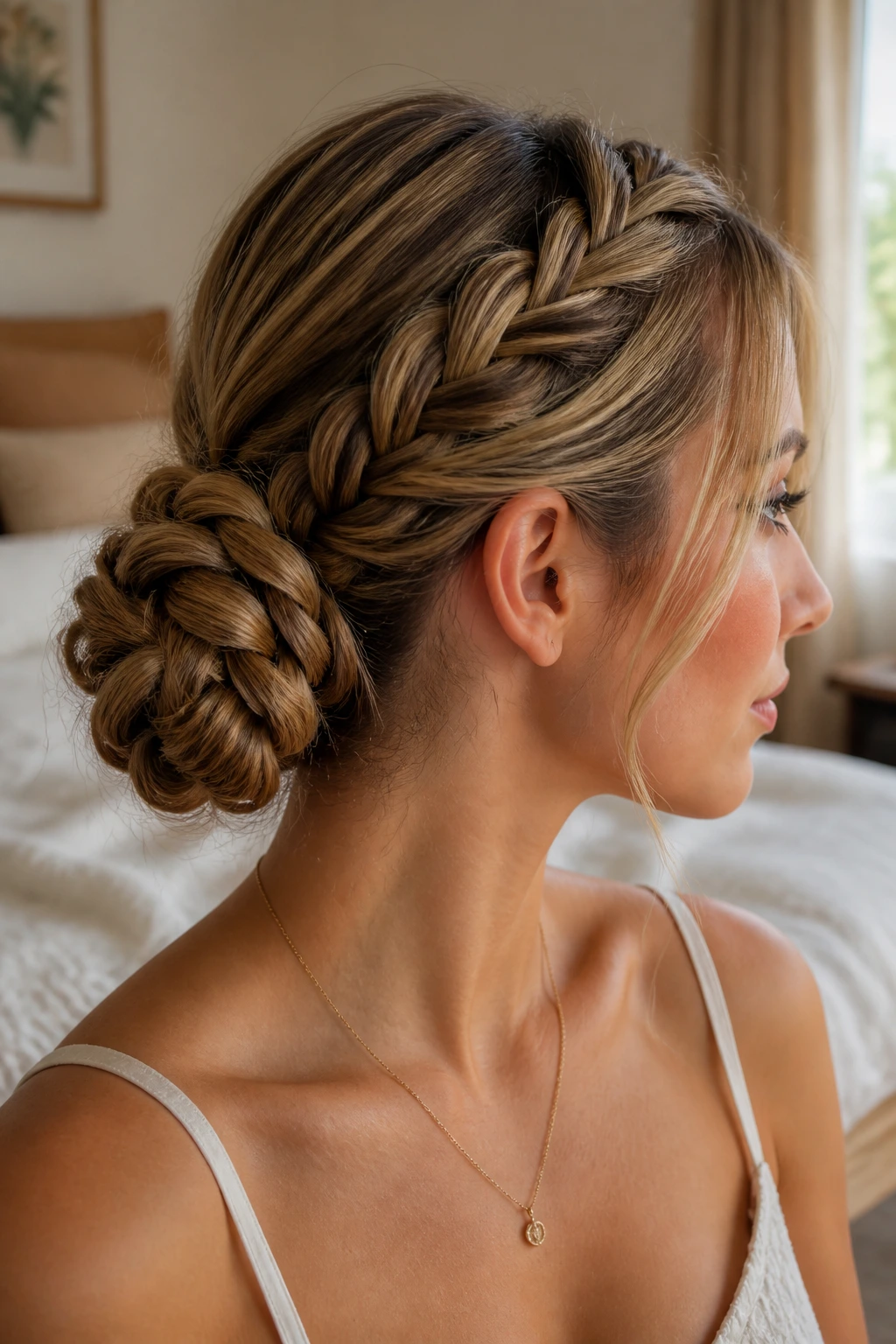
A braided bun is the style that says you still care what your hair looks like, even though the weather is trying to make you surrender. That’s why it works.
Braid the length first, then coil it into a bun at the nape or slightly higher on the head. The braid gives the bun texture and helps it hold, which is especially useful for long hair that likes to slip out of regular buns. You can make it sleek or a little loose, depending on how formal you want it to feel.
A few pins usually do more than one large tie. Tuck the ends under the coil and press the bun flat where it needs support. The base matters most. If the base is stable, the whole thing behaves.
14. Feed-In Braid Ponytail
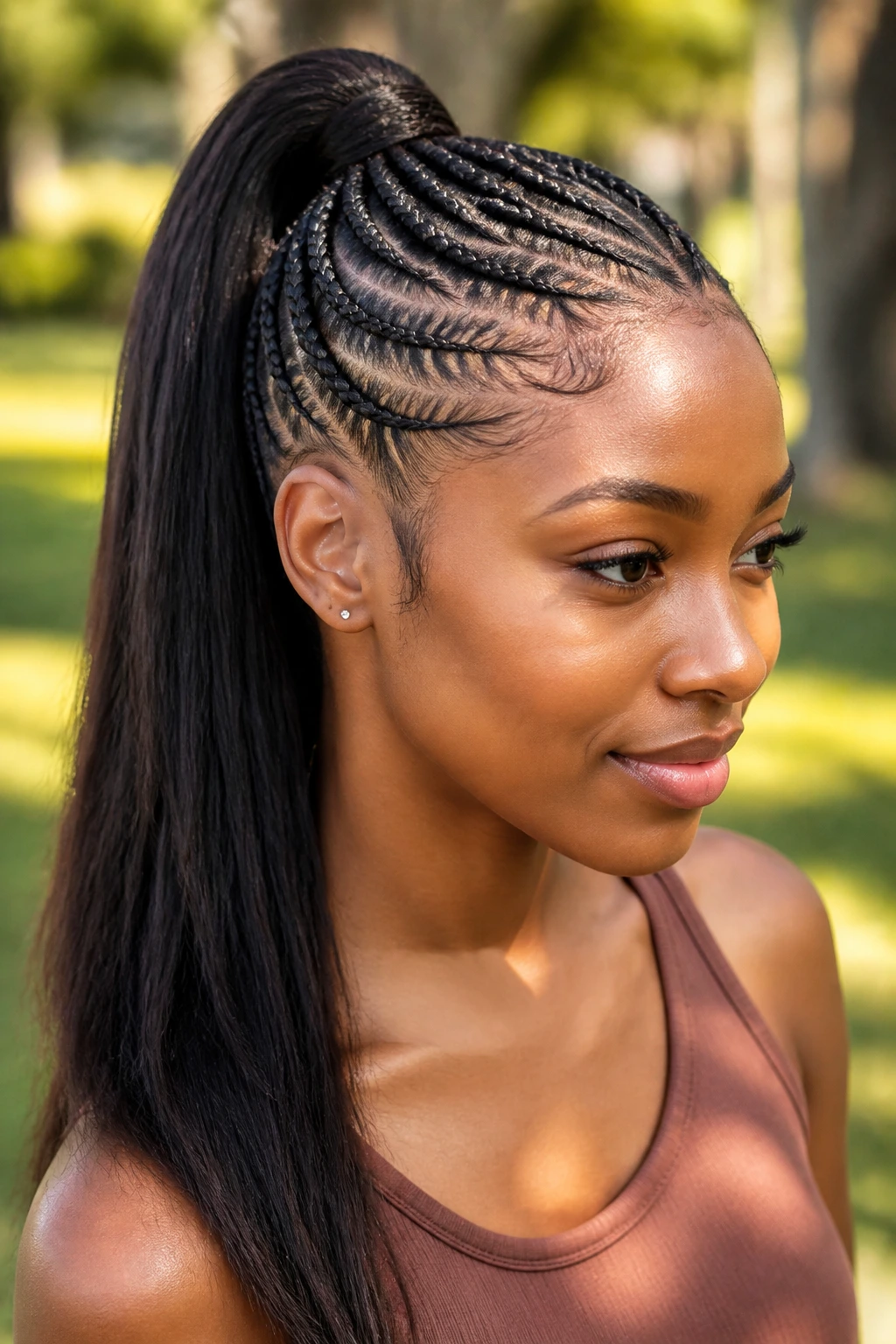
A feed-in braid ponytail looks sharp because the braid grows naturally from the scalp into a longer hanging ponytail. It gives the style a smooth start and a dramatic finish.
The feeding technique matters here. Small pieces are added gradually, which keeps the braid tight near the head and avoids that lumpy look you get when sections are added too fast. On long hair, the ponytail can stay thick and glossy at the end, which is part of the appeal.
It’s a strong summer choice if you want hair off your face but still want the length to show. A clean hairline helps a lot. So does a little shine serum on the surface, used lightly, not in a greasy streak.
15. Lace Braid
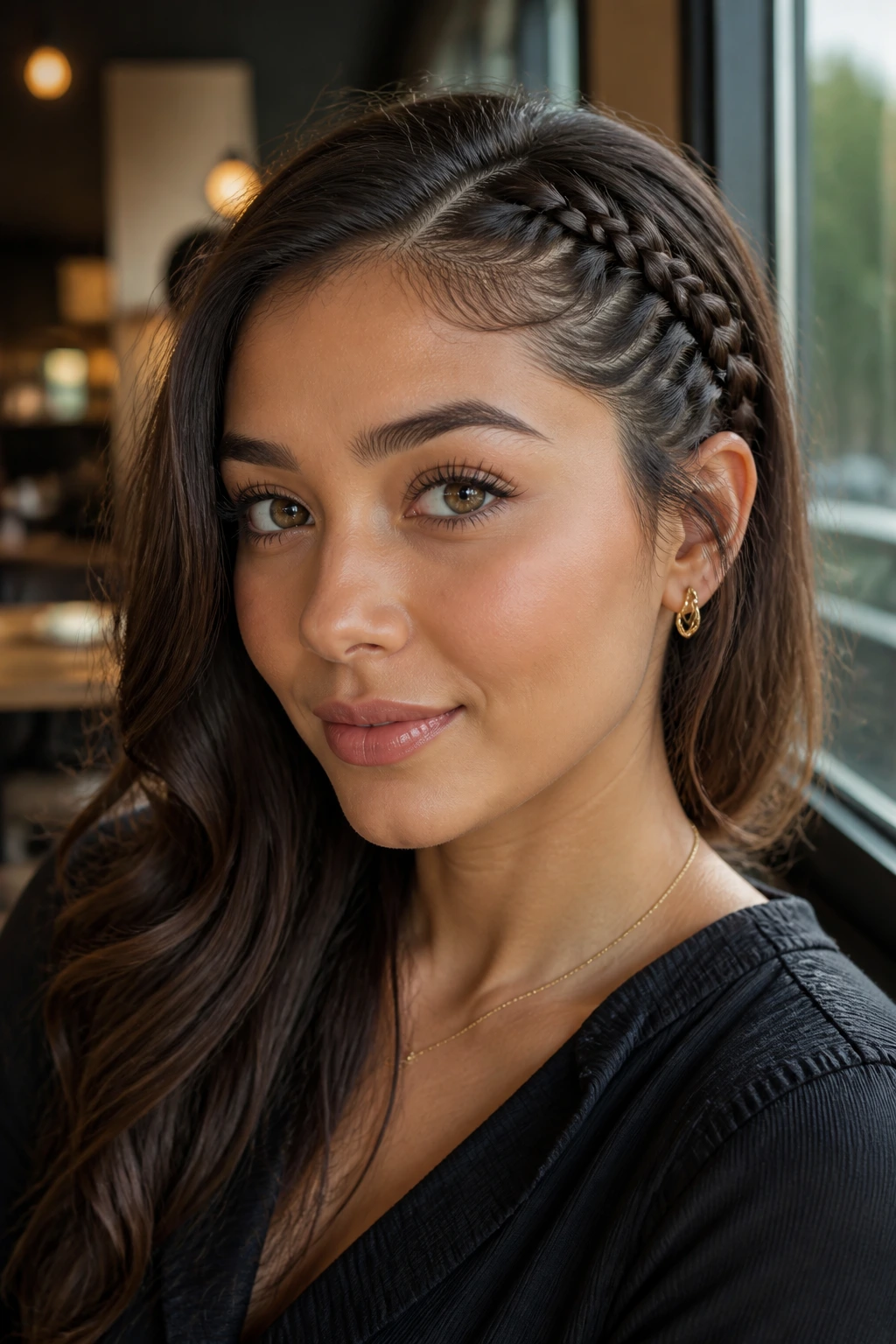
A lace braid behaves like a French braid with a lighter touch. Instead of feeding hair into both sides, you only add from one side and leave the other edge open. That makes the braid look like it’s tracing the hairline rather than taking over the whole head.
It works beautifully along a side part or across the front of long hair because it gives shape without hiding the length. You can stop the braid at the ear and pin it back, or carry it farther into a ponytail, bun, or low twist.
The style is especially useful when your front layers keep falling into your eyes. One neat lace braid can solve that without making the rest of the hair feel trapped.
16. Temple Accent Braid
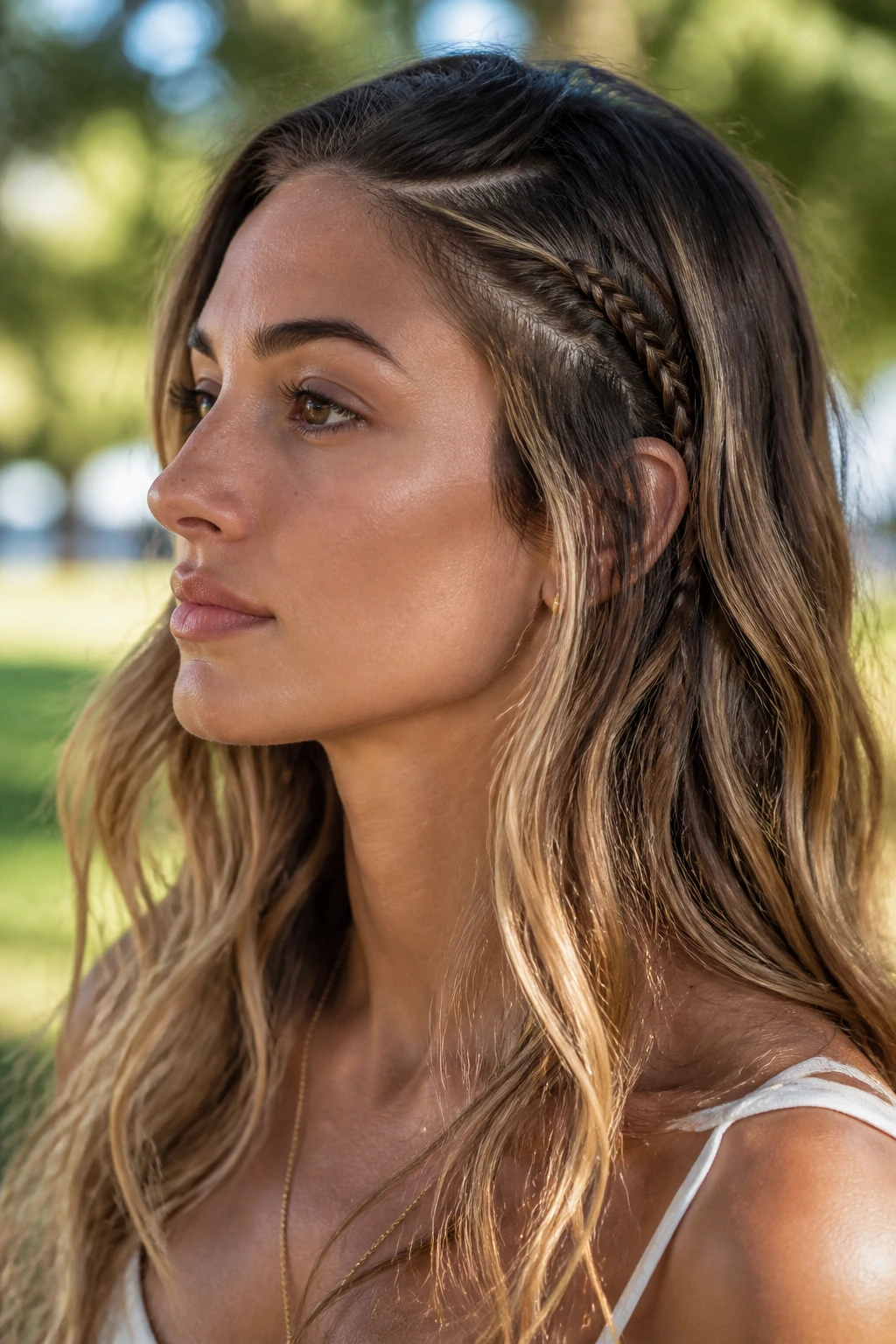
A temple accent braid is one of the fastest ways to make long hair feel intentional without spending ten minutes sectioning the whole head. You braid a small slice from the temple back toward the ear and let the rest of the hair stay down.
That little braid does a lot of work. It controls flyaways near the face, adds interest to loose waves, and keeps the style from looking too plain. If your hair is very straight, a small amount of bend or texture helps the braid blend better with the rest of the hair.
Tiny Details That Help
- Use a clear elastic or a tiny matching band
- Keep the section narrow, about 1 inch wide
- Tuck the end under a top layer if you want it hidden
- Loosen the braid slightly so it doesn’t look stiff
Simple. Fast. Surprisingly useful.
17. Four-Strand Braid
A four-strand braid has a wider, flatter look than a regular braid, and that extra width is what makes it worth the effort. On long hair, the pattern shows up more clearly, which is satisfying in a way that’s hard to explain until you’ve done it.
Why the Extra Strand Matters
The braid has more surface detail, so it catches the eye even when the rest of the style is simple. It also tends to lie neatly along the shoulder or down the back, which makes it good for anyone who wants structure without a bunch of extra pins.
The one catch is coordination. Your hands need a minute to learn the crossing pattern. Once that clicks, though, the braid feels less awkward than it looks from the outside. Practice on damp hair if your strands are slippery. It buys you a little control.
18. Five-Strand Braid
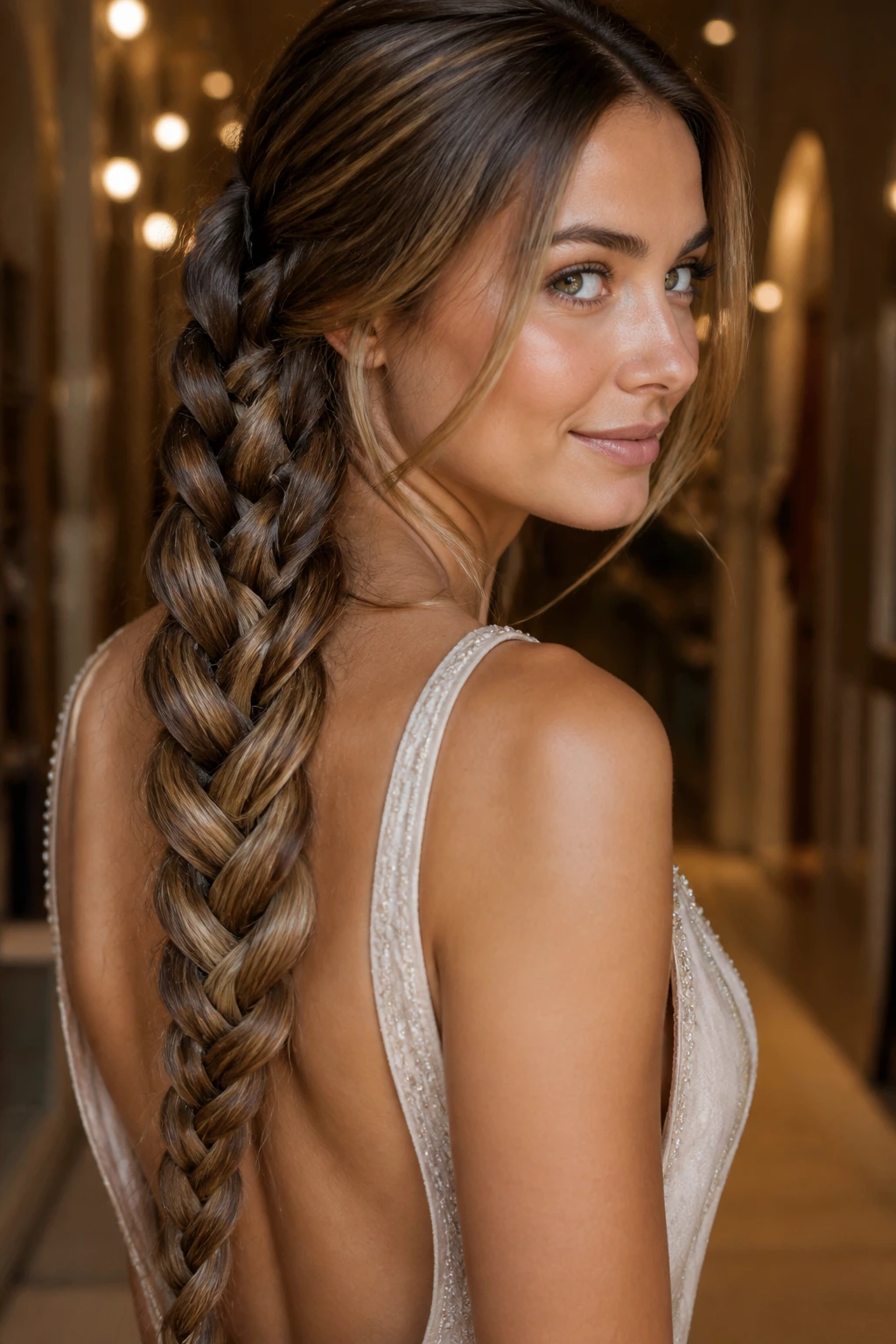
A five-strand braid is not the move for a rushed Tuesday morning. It is the move for the day you want the braid to be the whole point.
The pattern creates a dense, woven look that feels richer than a standard braid. Long hair gives it room to show off, and the finished shape looks especially good when the strands are glossy and well detangled. It’s one of those styles that rewards patience. Take too much hair at once and the pattern gets muddy.
Use it when you want something a little showier for a dinner, party, or photo-heavy day. You don’t need a million accessories. The braid already does the talking.
19. Mermaid Braid
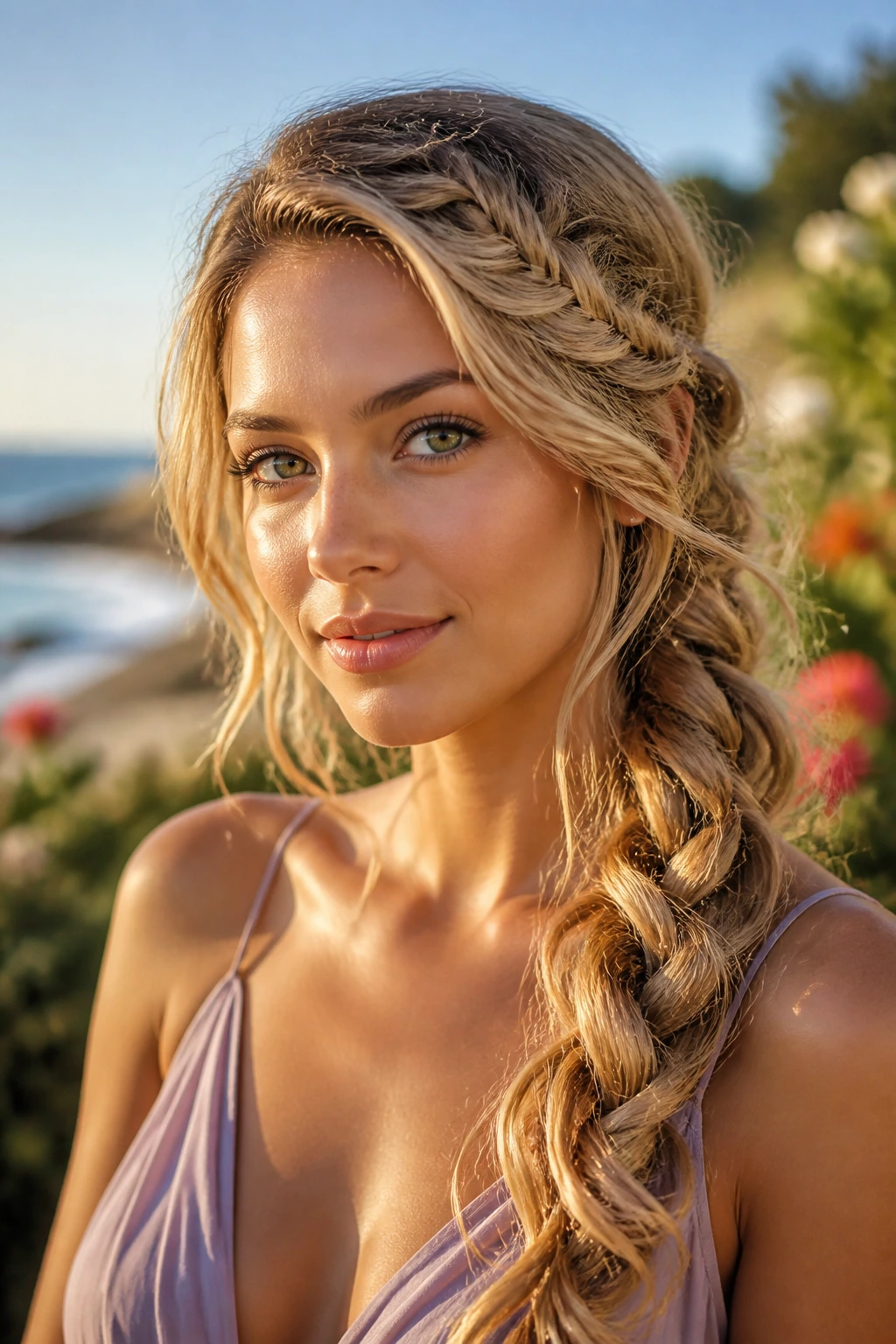
A mermaid braid sits somewhere between a braid and a soft wave arrangement, which is why it has that loose, dreamy feel people like for summer. It usually uses large sections, so the shape looks big and relaxed instead of tight and formal.
Long hair is the right canvas for it. Shorter lengths can make the style feel stumpy. With more length, the braid has room to drape and soften as it goes, which keeps it from looking too stiff. A little loose curling at the ends helps, but it isn’t required.
If your hair is thick, this style can look gorgeous with minimal work. If it’s fine, pull the sections apart gently after braiding so the shape doesn’t disappear.
20. Side Fishtail Braid
A side fishtail braid takes the neat pattern of a fishtail and moves it over one shoulder, where it can actually be seen and enjoyed. That placement changes the mood more than people expect.
It feels more relaxed than a center-back braid and keeps the length visible, which matters when your hair is one of your favorite things about the look. On long hair, the side drape prevents the ends from getting lost. You can wear it tight and smooth or loosen it after the fact for a more worn-in finish.
If your hair tangles easily, the side placement helps too. You’re not dragging a long tail down your back all day. Small mercy. Big difference.
21. Braided Pigtails
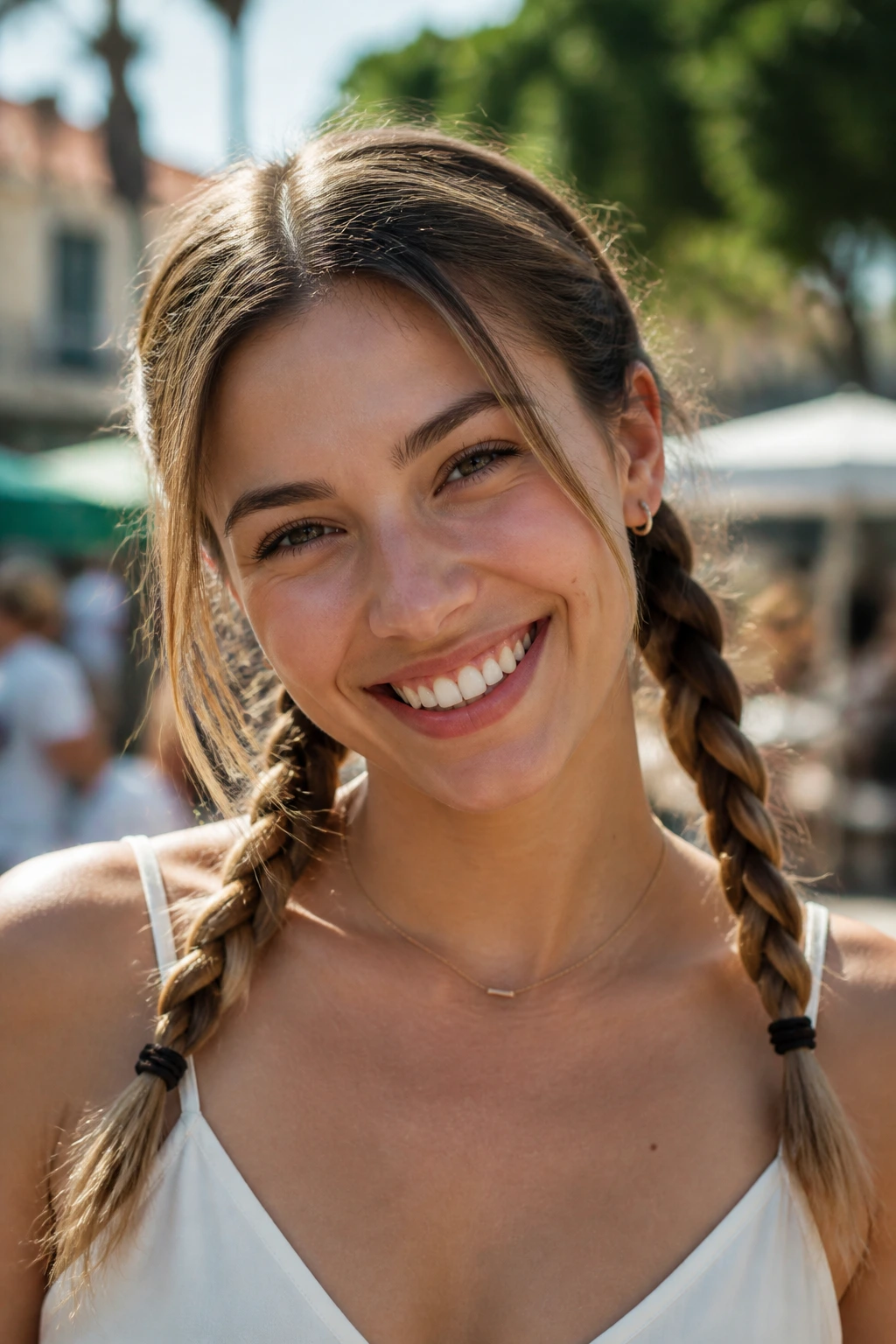
Braided pigtails are playful, practical, and oddly underrated for hot weather. Splitting the hair into two sections spreads the weight out, which feels lighter on the scalp than one heavy braid down the middle.
You can keep them low and neat or bring them up a little for a more casual look. Three-strand braids work fine here, but fishtails or rope braids can give each pigtail a different texture. That’s part of the fun. Long hair gives the ends enough length to swing a bit, which keeps the style from feeling childish if you don’t want it to.
Leave a couple of face-framing pieces out if you want a softer look. Or don’t. The style handles both.
22. Halo Braid
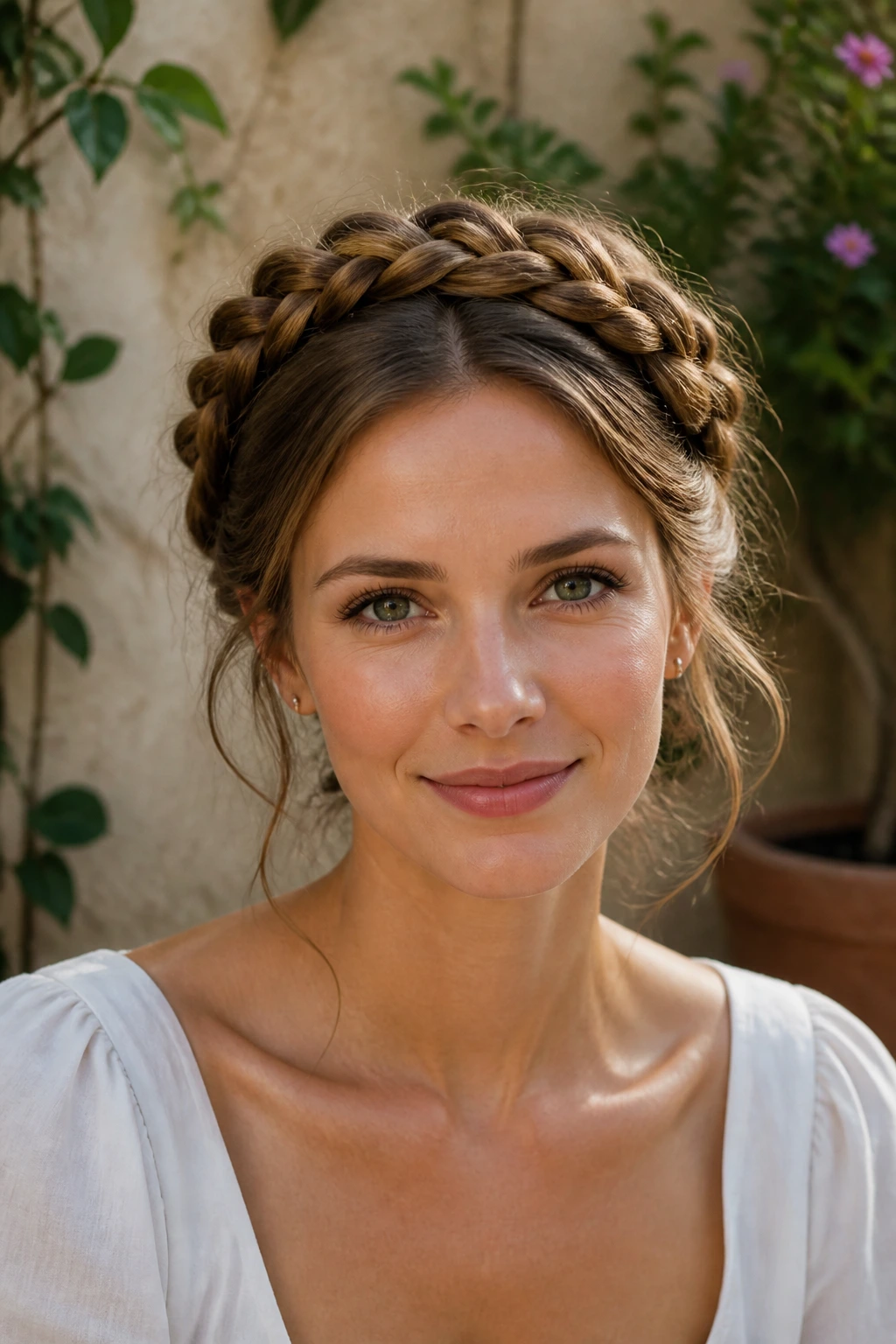
A halo braid traces the hairline in a full circle, and that shape gives long hair an almost sculpted look. It’s cleaner than a loose crown braid and usually sits a touch closer to the head.
The braid can be built from one long plait wrapped around or from sections woven together across the top and sides. Either way, the result is polished and neat, which makes it useful for warm-weather events where you want your hair controlled but still elegant. Long hair helps because there’s enough length to wrap around without exposing a messy endpoint.
Pinning It Without Bulk
Use slim pins and hide them under the braid rather than sticking them straight through the middle. That keeps the shape smooth. If the ends feel bulky, tuck them underneath the braid path instead of trying to force them flat.
23. Cornrow-Style Side Braids
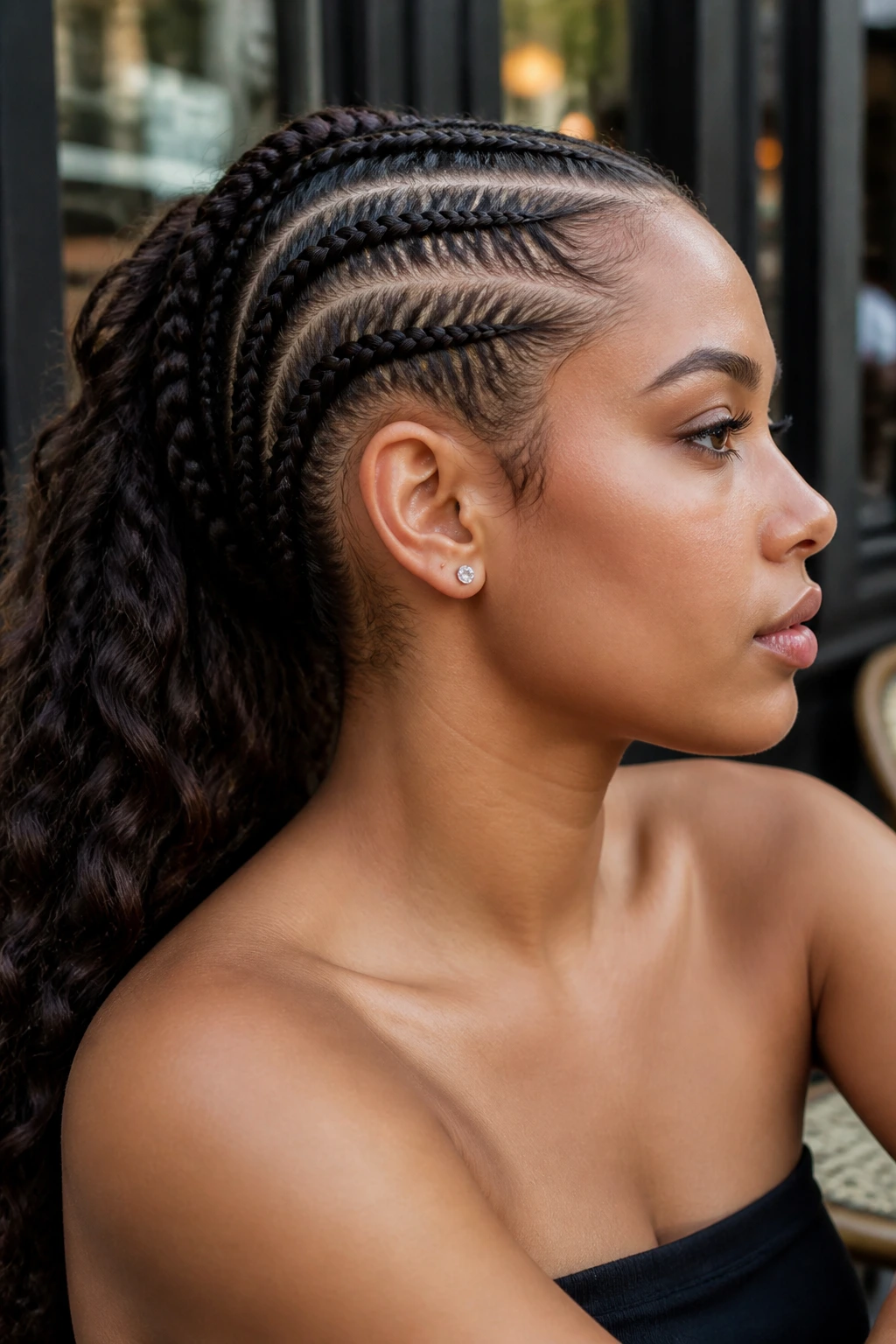
Cornrow-style side braids keep the hair close to the scalp, which makes them one of the smartest choices when you want control and a clean outline. On long hair, the braids can travel from the hairline into a ponytail, bun, or loose lengths.
The sectioning needs care. Small parts create the neat, even look that makes this style work. A touch of gel or styling cream at the roots helps hold the part and keeps the braid line crisp. If your hair texture is coarser, that grip often works in your favor. If it’s silky, you’ll want a little extra patience.
This is a strong summer braid option because it keeps the sides flat and gives the neck a break. Honestly, that part alone can make it worth doing.
24. Braided Top Knot
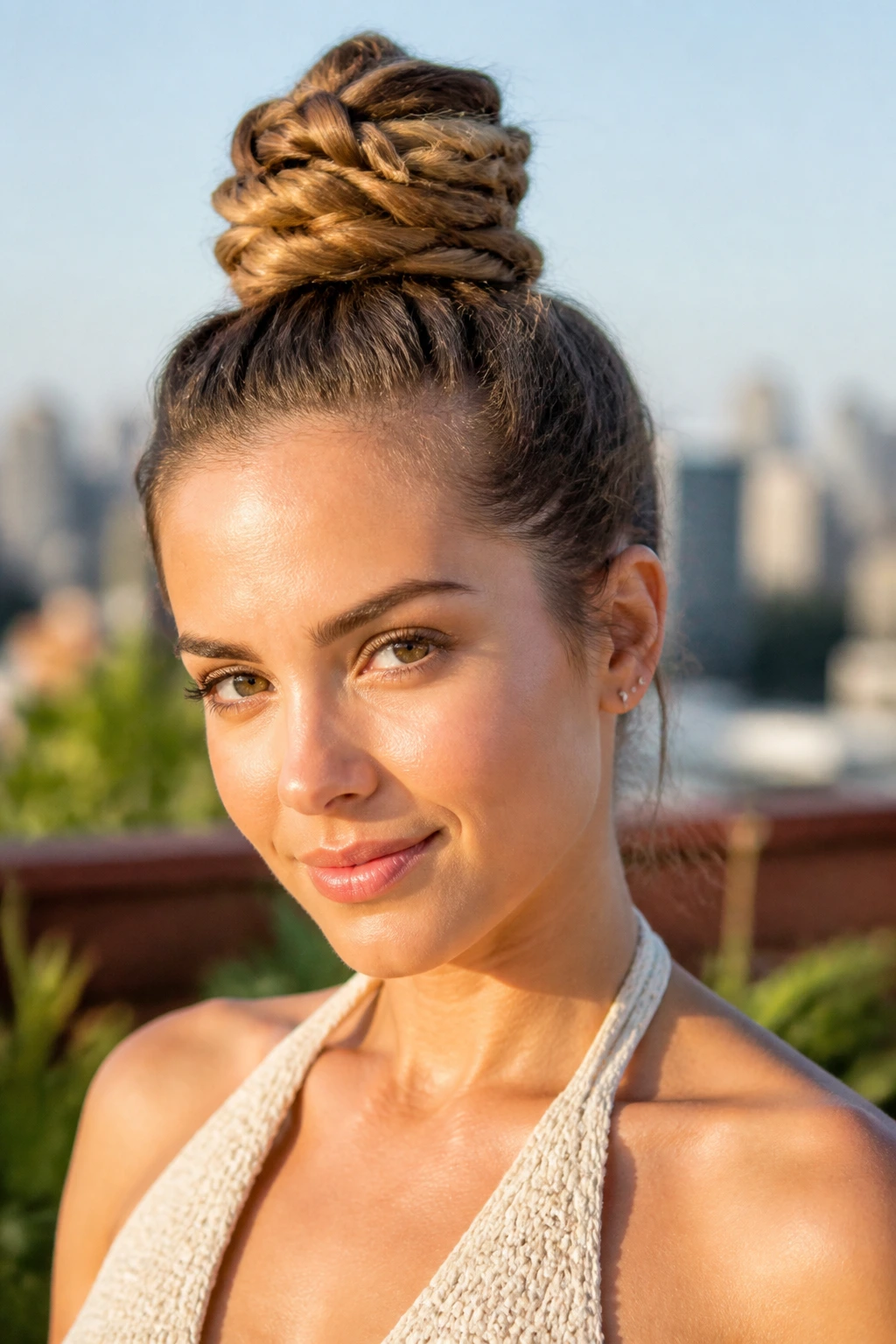
A braided top knot is what happens when a braid decides it wants to live on the crown instead of hanging around your shoulders. It feels more casual than a low braided bun, and a little more playful too.
You can braid the full length first and then wind it into a knot, or braid just the top section and wrap the remaining hair around the base. Either way, the height lifts the style away from the neck, which is exactly what you want on hot days. Long hair gives the knot enough material to look full without stuffing it.
One small warning: the higher the knot, the more it shows if the base is messy. Anchor it well, then stop fussing.
25. Dutch Braid Ponytail
A Dutch braid ponytail combines the structure of a braid with the clean finish of a ponytail, which makes it a nice middle ground between sporty and polished. The braid starts at the crown and feeds downward before ending in a tied tail.
Because the braid sits raised on the head, it gives long hair a bit of height before the ponytail drops. That extra shape helps the style avoid looking flat. You can keep the ponytail sleek, wave it with a curling iron, or wrap a small section of hair around the elastic if you want it cleaner.
This is one of those styles that works for errands, workouts, and dinners without needing a total redo in between. Always appreciated.
26. Infinity Braid
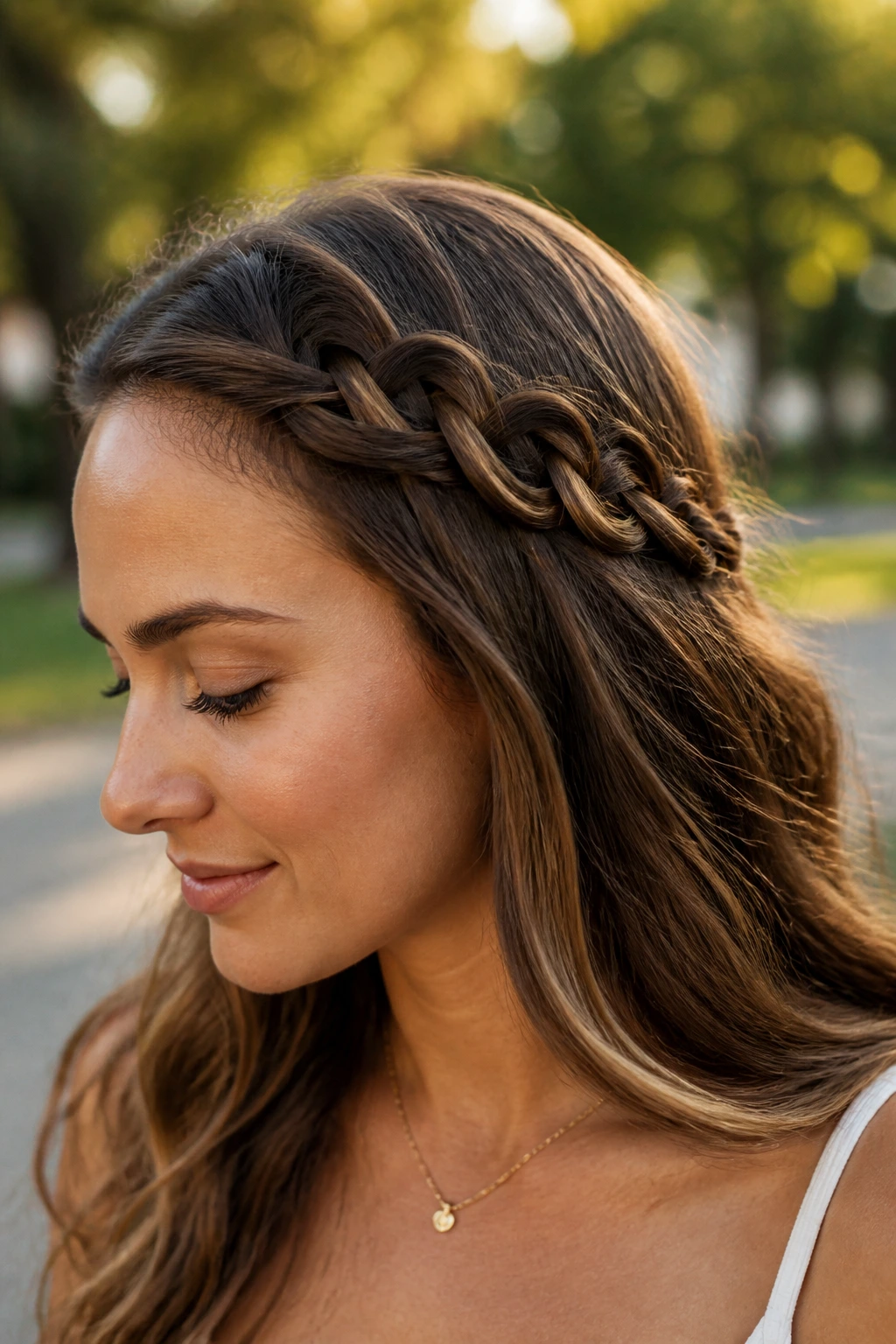
An infinity braid has a pattern that looks more intricate than the effort it takes once your hands understand it. The weave creates a figure-eight effect, which gives long hair a decorative, almost ribbon-like feel.
It works best on hair with a little texture or hold. Silky strands can slide while you’re learning the movement, and that can make the braid collapse at the wrong moment. Once it’s in place, though, the braid looks beautiful in a quiet, detailed way. It’s not loud. It doesn’t need to be.
This is a good choice when you want something more interesting than a plain plait but less elaborate than a full updo. It sits nicely on a single side or down the back.
27. Zigzag-Part Braids
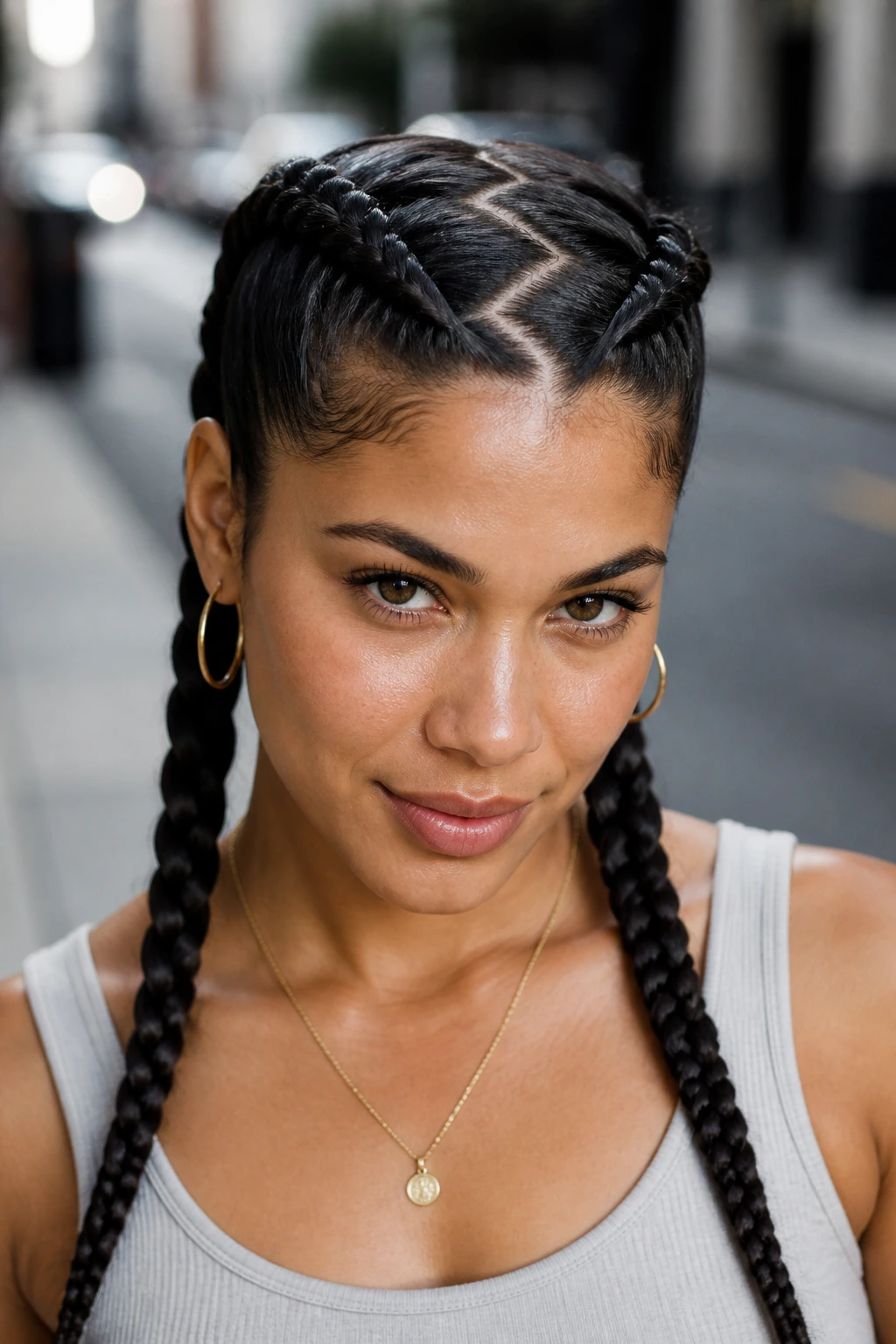
A zigzag part changes the whole mood before the braids even start. Instead of a straight center line, you create angled sections with a tail comb, then braid from there. That small shift makes the style feel sharper and a little more playful.
What Keeps the Part Clean
A pointed tail comb helps. So does keeping your hand steady while you carve the line. If the part gets fuzzy, the whole design loses its edge.
- Best paired with: two braids, pigtails, or half-up sections
- Works well on: long hair that usually sits flat at the roots
- Finish: neat and graphic
- Tip: smooth the part with a small amount of gel before braiding
It’s a good pick when you want the style to look deliberate without needing a pile of accessories.
28. Braided Headband
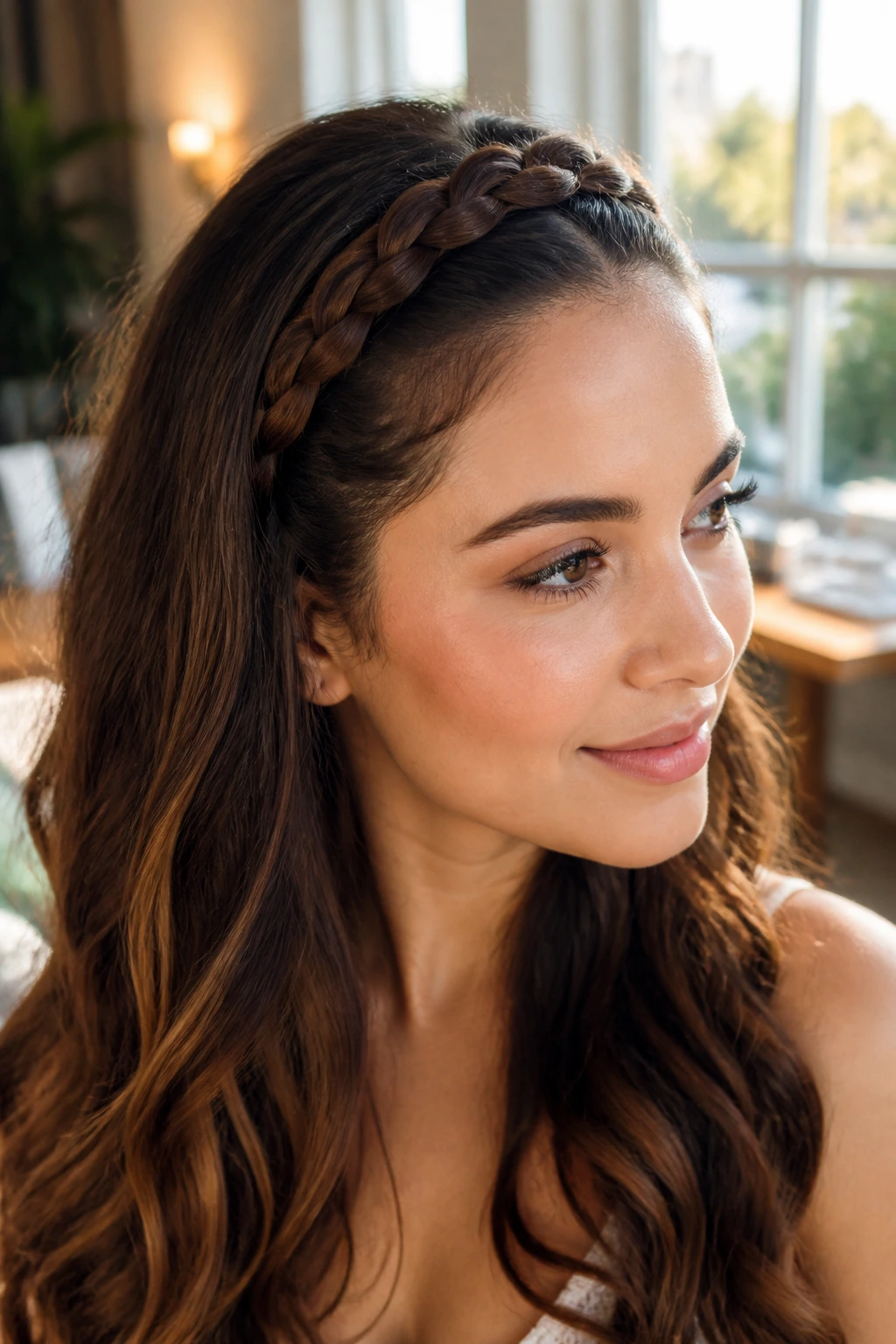
A braided headband is one of the easiest ways to keep hair off the face while leaving the rest of it down and free. The braid sits like a band across the hairline, which gives you control without giving up length.
It’s especially nice with soft waves because the braid adds a little structure near the face while the rest of the hair keeps moving. On long hair, the contrast is attractive: neat at the front, loose everywhere else. You can pin the braid behind one ear or tuck both ends under a top layer for a cleaner finish.
If you’re someone who hates full updos but also hates hair stuck to the forehead, this one earns its keep fast.
29. Braided Low Chignon
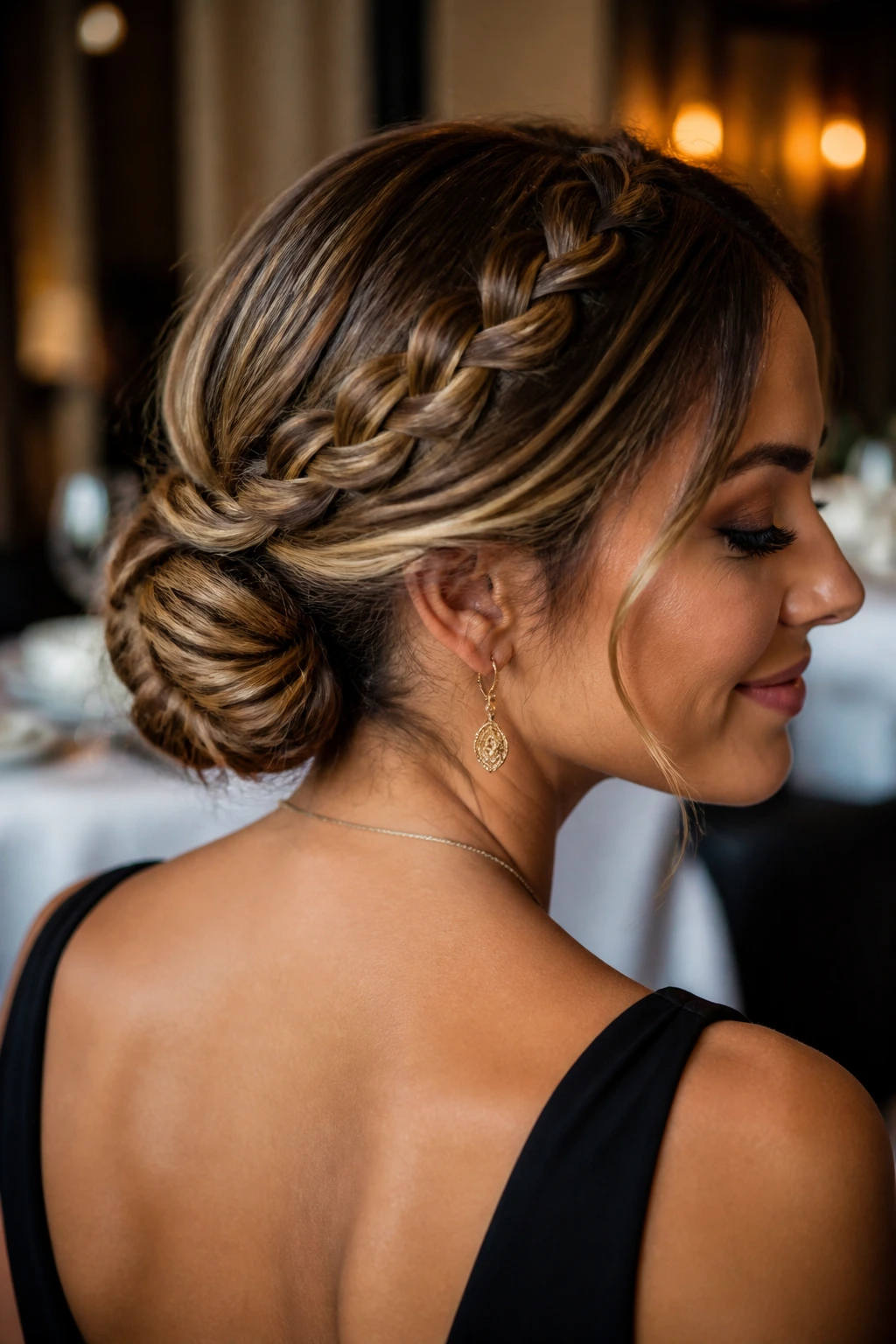
A braided low chignon is one of the sleekest ways to tuck long hair away without making it look severe. The braid feeds into a knot at the nape, so the style stays compact and controlled.
It works well for work events, dinners, or any time you want the hair off your neck but still polished enough to look intentional. The braid gives the chignon texture, which keeps it from looking like a plain bun. That’s the real difference. A plain knot can feel flat. A braided one has shape.
Use pins in a crisscross pattern if the hair is heavy. One pin almost never does enough. You already knew that, probably.
30. Double Fishtail Half-Up
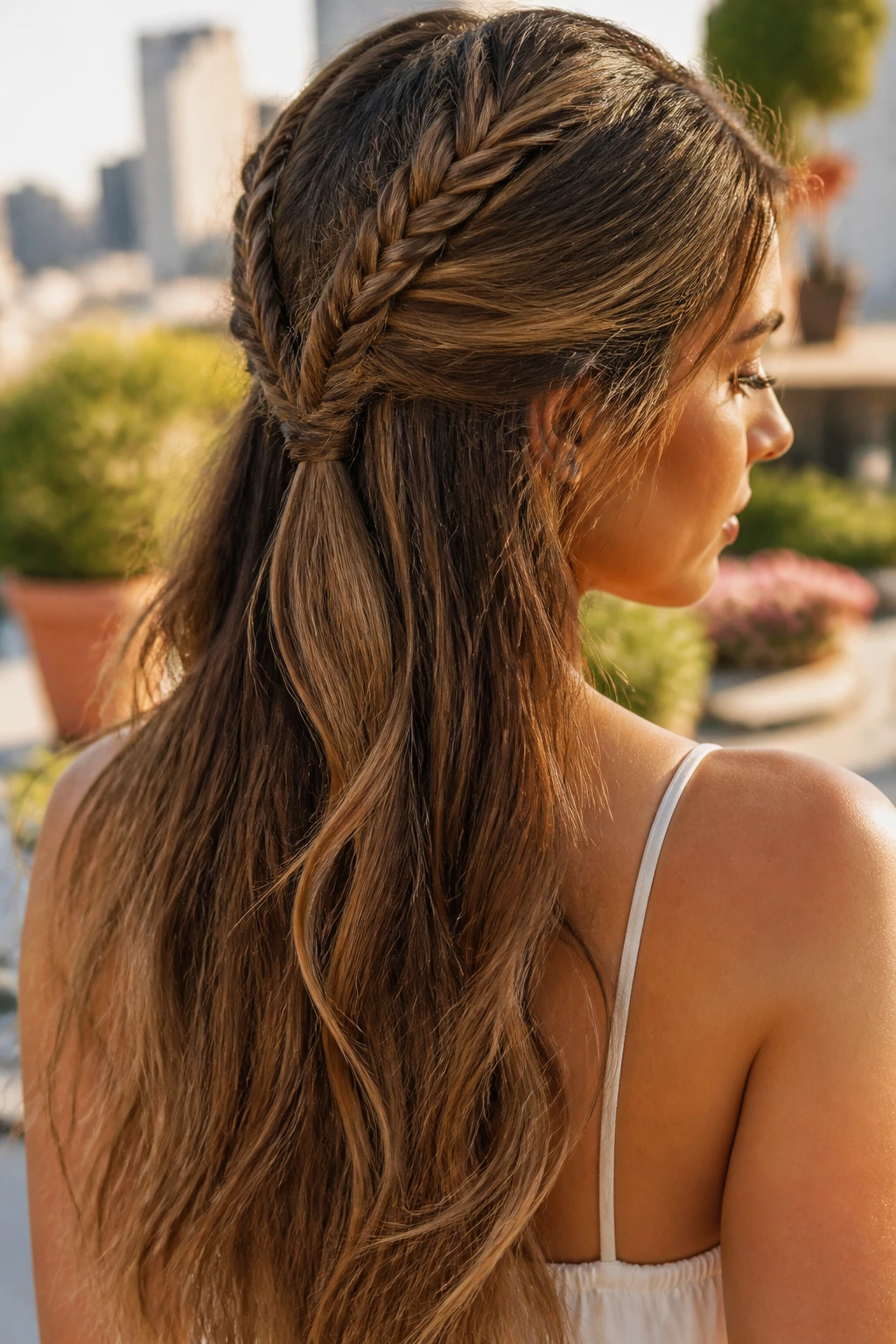
A double fishtail half-up style gives you detail near the top and movement through the rest of the hair, which is a nice summer balance. Two small fishtails meet at the back, then the lower length stays loose.
It’s a smart option for long hair because the fishtail texture shows up even when the sections are smaller. If you’ve got waves or curls in the ends, the contrast looks especially good. The top stays controlled, the bottom keeps its freedom.
This style works better when the sectioning is even and the elastics are tiny. That way the braids look delicate instead of clunky. A soft wave through the loose hair helps, but it isn’t mandatory.
31. Braid-and-Twist Updo
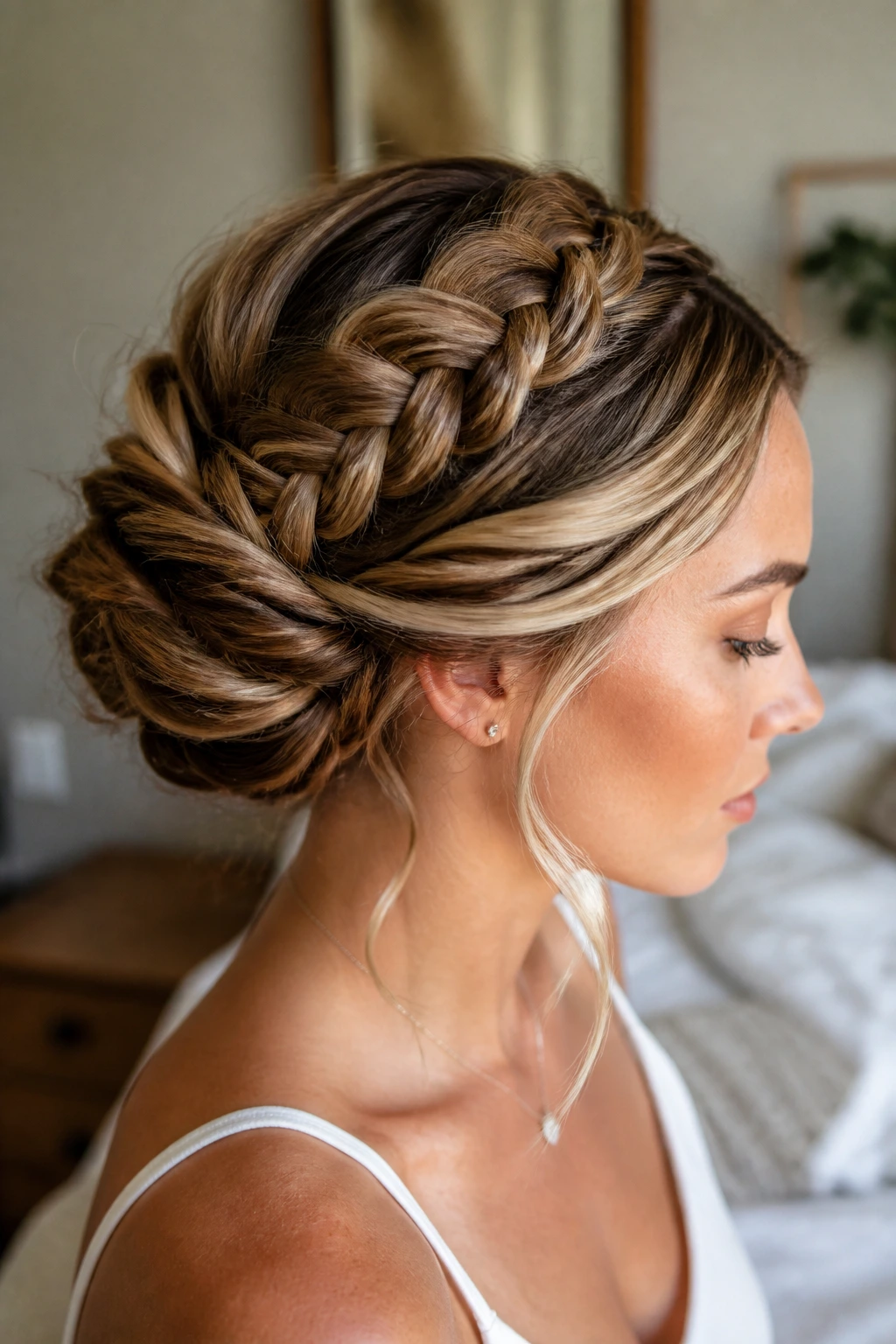
A braid-and-twist updo is useful when your hair has layers that refuse to behave in a straight braid. The twist sections catch those shorter pieces, while the braid provides the spine that holds everything together.
Why the Combination Helps
A braid alone can leave layered ends poking out. Twists alone can feel loose and unfinished. Put them together, and the style gets both structure and softness. That makes it a handy choice for long hair that’s cut with movement.
Pin the twists first, then tuck the braid around them so the shape stays tidy. A light mist of hairspray at the end helps, but don’t soak the whole thing. Stiff hair is not the goal.
If your hair is extra thick, this style can get bulky fast. Keep the sections smaller than you think you need.
32. Chunky Pancake Braid
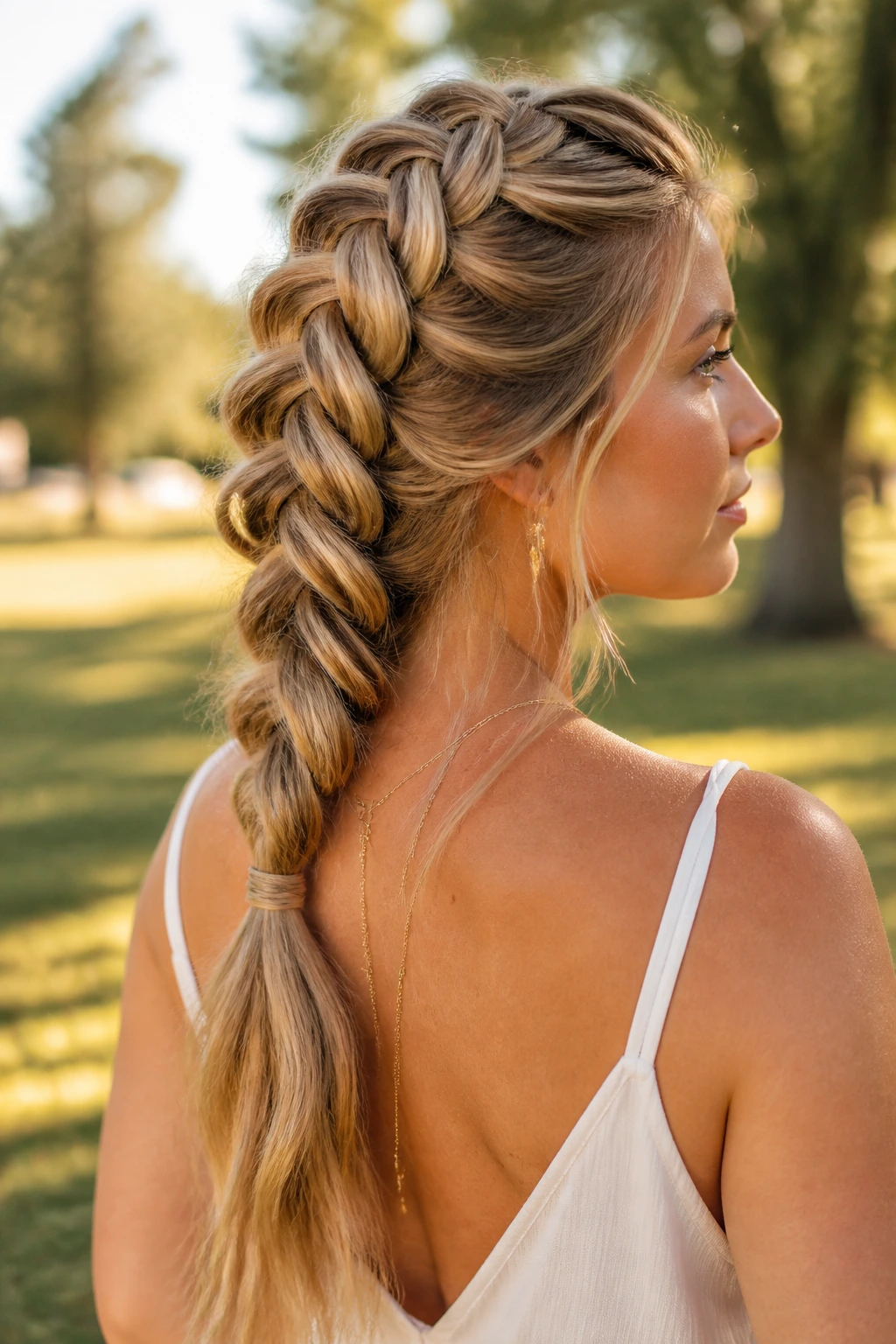
A chunky pancake braid is all about size. You braid it first, then gently pull the outer loops apart so the braid spreads wider and looks fuller.
The move works especially well on long hair because there’s enough length for the loosened sections to hold their shape. If the braid is pulled apart too aggressively, it turns fuzzy instead of full, so go slowly and use both hands. Start from the bottom and work upward, easing the edges out a little at a time.
This is a strong summer style when your hair feels flat and you want more visual weight. It’s also forgiving. That matters. Some braids punish mistakes. This one usually doesn’t.
33. Braided Space Buns
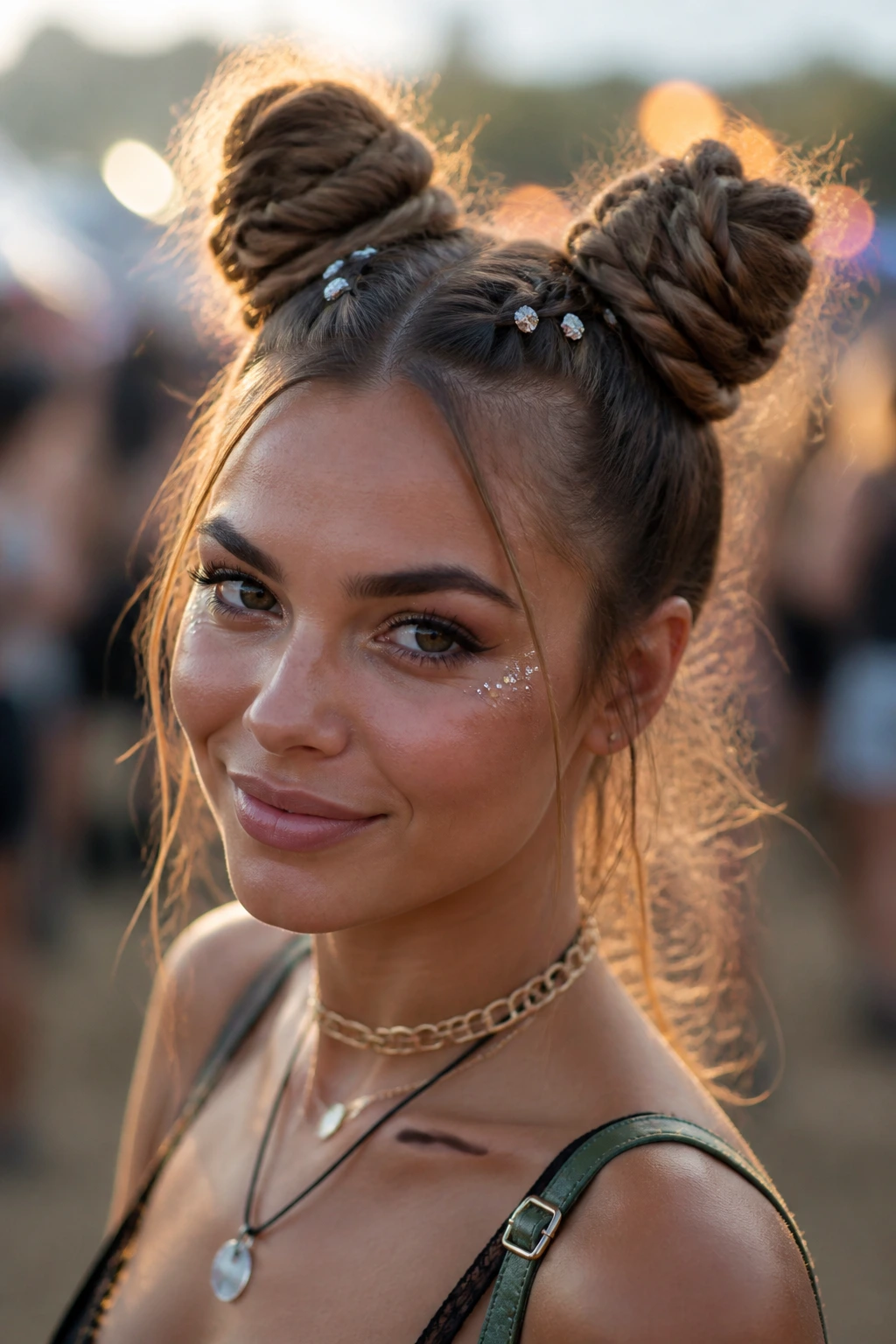
Braided space buns are fun in a way that doesn’t feel fake. Split the hair, braid each side, then wrap each braid into a bun high or mid-level on the head.
The style is practical too. It keeps the length off your back, balances the weight across both sides, and gives long hair a chance to behave during hot weather or busy days. If you’re going to a concert, festival, or workout class, it fits the mood without asking for a full styling session.
What Helps Them Stay Put
- Use small, strong elastics before pinning the buns
- Keep the buns close to the head if your hair is heavy
- Tuck the ends under the coil before securing
- Leave a few front pieces out if you want softness
Messy can work here. Messy is often the point.
34. Wrapped Ponytail Braid
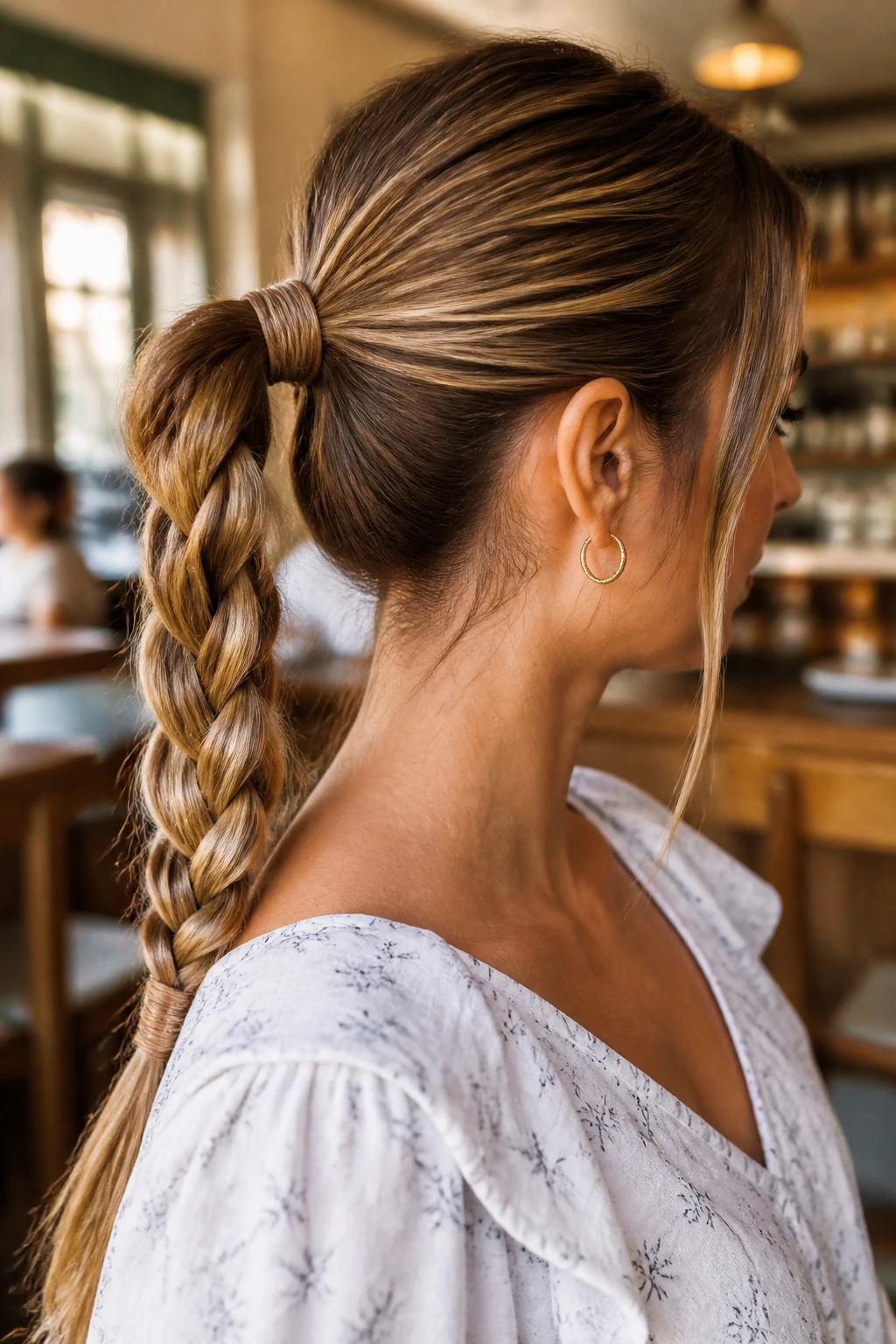
A wrapped ponytail braid is the polished version of “I just need my hair up, but I still want it to look good.” You braid a small section and wrap it around the ponytail base, or braid the ponytail itself and hide the tie beneath it.
The wrap makes a bigger difference than people expect. A plain elastic can look abrupt, especially on long hair where the ponytail is thick and visible. Wrapping the base gives the style a finished edge and keeps the hardware out of sight. You can do this high, low, or slightly off-center if you want it less formal.
It’s one of the easiest ways to make a regular ponytail look styled without turning it into a project.
35. Braided Faux Hawk
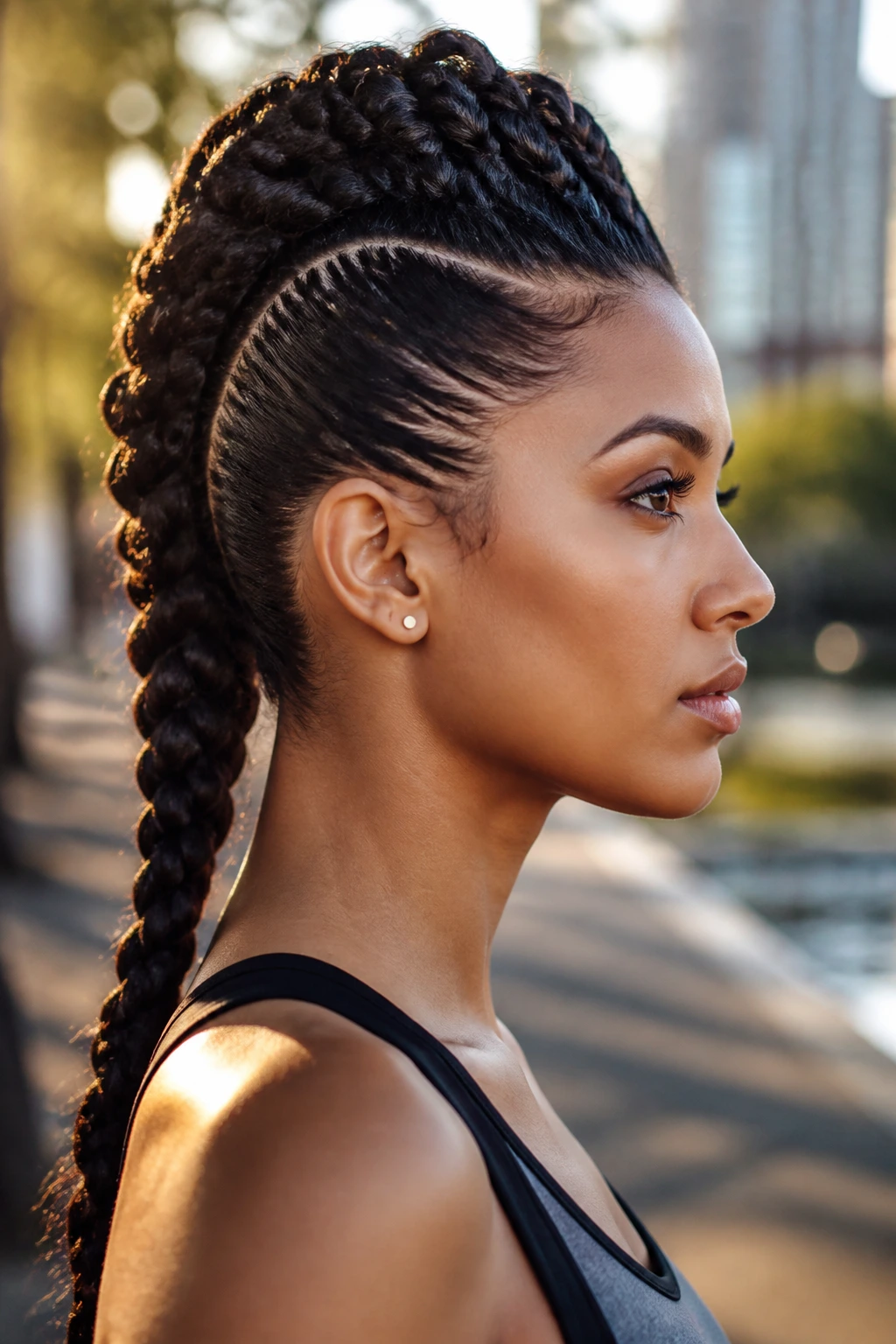
A braided faux hawk is the most dramatic option in this group, but it’s also more wearable than it sounds. The center braid creates the spine, while the sides stay pinned or smoothed back so the whole look rises through the middle.
Long hair helps a lot here because the braid has enough length to build height and texture without falling flat. You can keep it sleek for a sharper look or loosen the braid slightly for something softer. The style is useful when you want hair off the sides of the face and still want the center line to do something interesting.
It’s bold, yes. But it’s also practical. That’s the part people miss. A good faux hawk keeps the hair contained and gives the whole style direction, which is a nice way to end a summer braid lineup.
