



Warm brown hair has a way of doing the flattering work for you. It softens sharp features, brings shine back to dull lengths, and keeps brunette from looking flat under indoor light.
Flat brown is boring.
Warm brown isn’t. The difference usually comes down to undertone — gold, caramel, copper, chestnut, maple — and how much contrast you leave at the roots and ends. A warm brunette shade can feel soft and expensive, or rich and bold, depending on whether you lean into highlights, gloss, or a deeper all-over color.
If you’ve ever watched brown hair turn muddy after a few washes, you already know the trap: too much ash, not enough shine, or chunky highlights that fight the cut instead of moving with it. A good warm brown should still look rich after it settles, not orange on day one and tired by the time you’ve washed it three times.
The shades here range from soft chestnut to deep praline, with plenty of room for balayage, money pieces, lowlights, and glossy single-process color. Pick the one that fits how much brightness you want, how often you want to visit the salon, and whether you like your brown hair sweet, spicy, or sleek.
1. Golden Chestnut Brown
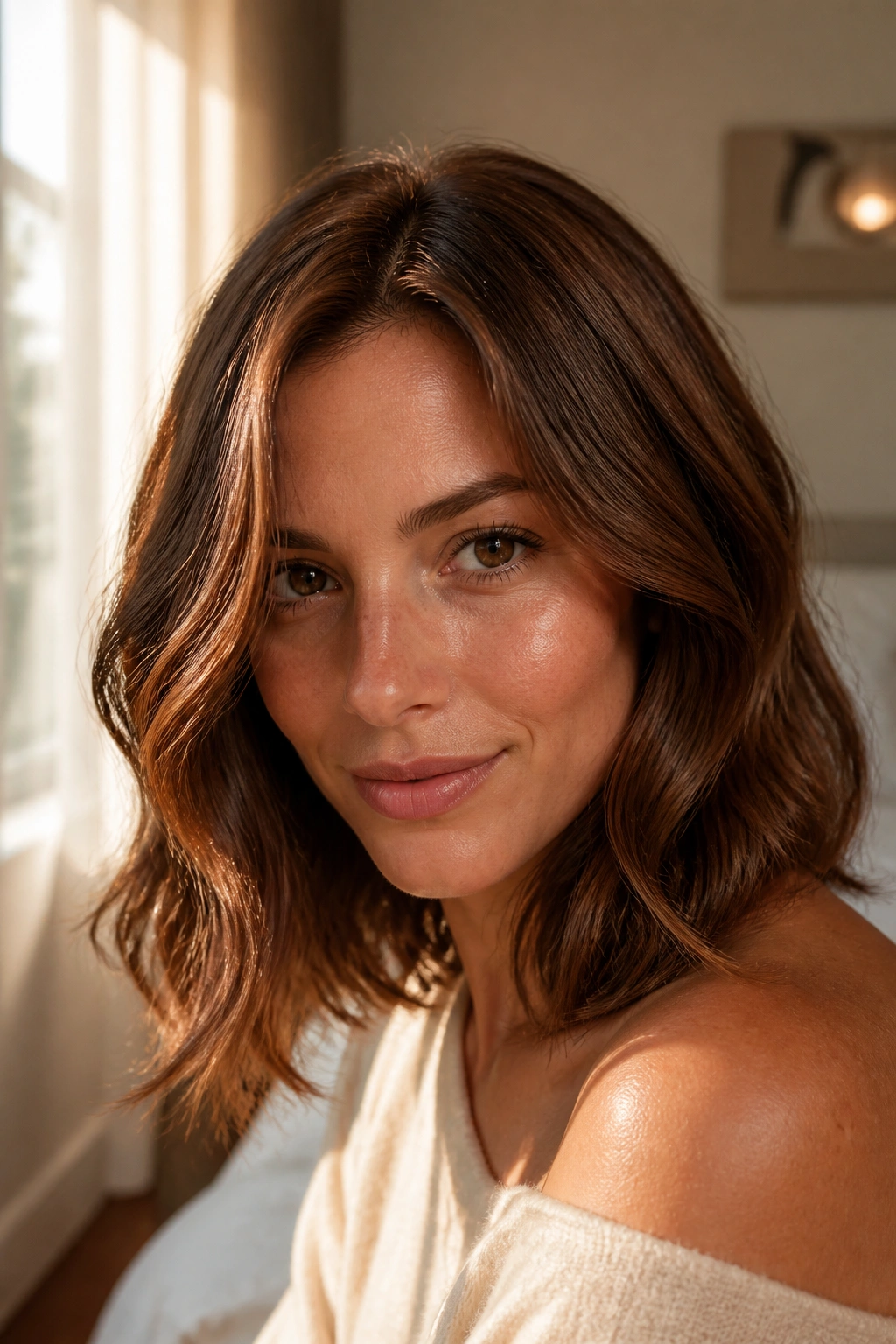
Golden chestnut brown is the shade I’d hand to someone who wants warmth without tipping into copper territory. It sits in that sweet spot between classic brunette and soft gold, so the hair still reads brown first and bright second. On shoulder-length waves, it looks especially good because the movement catches the gold reflect in little flashes.
Ask for a level 5 or 6 chestnut base with a neutral-gold gloss over the mids and ends. If your natural color is already brown, your colorist may only need to add a glaze and a few fine highlights around the face. That keeps the result soft, not stripey.
Why It Works
- The gold tones soften the face.
- The chestnut base keeps the color grounded.
- It grows out cleanly if the roots stay a shade deeper.
Best tip: keep the finish glossy. Chestnut without shine can look flat fast.
2. Caramel Ribbon Brunette
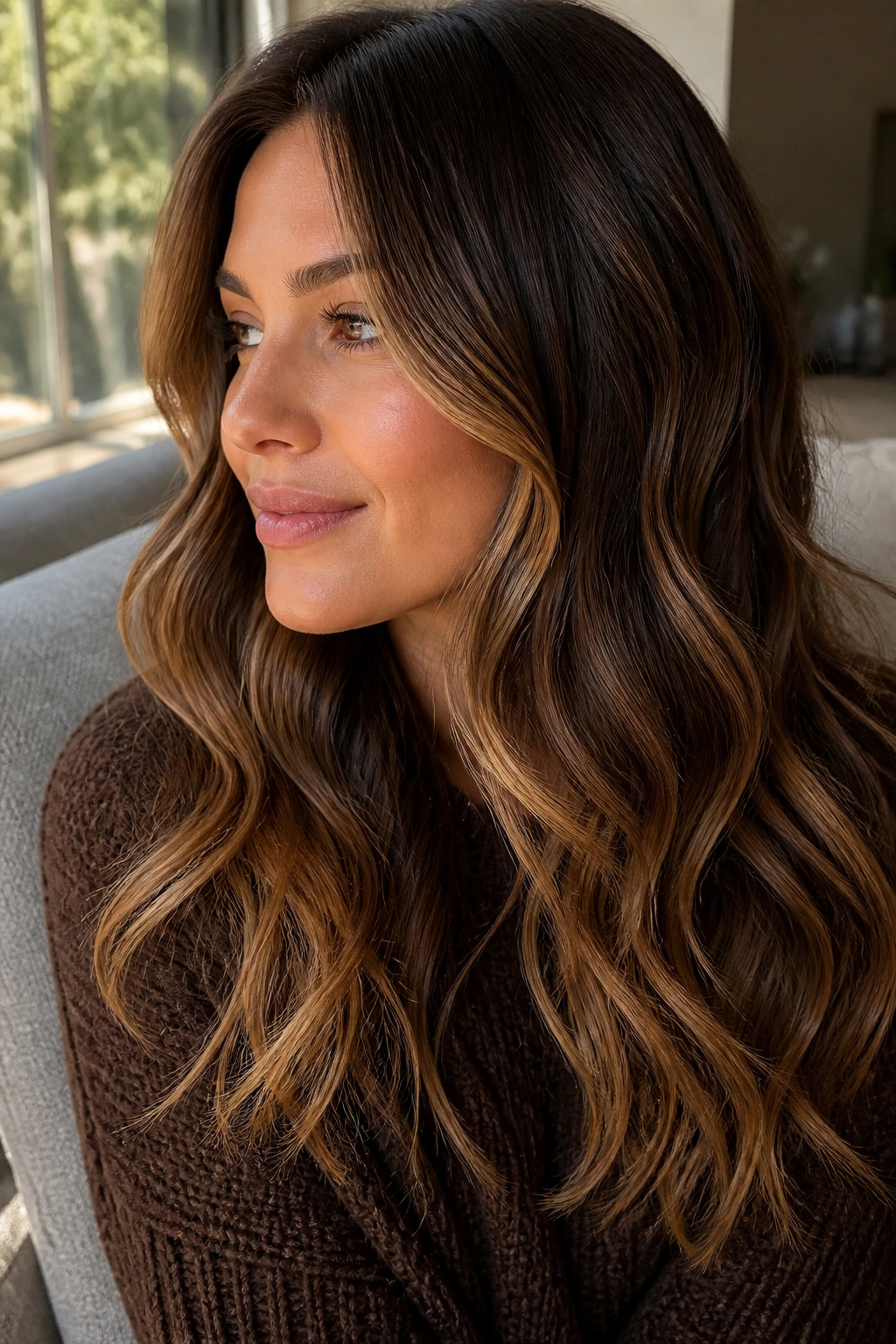
Want brown hair that moves when you turn your head? Caramel ribbon brunette does that job better than most shades. The ribbons of caramel sit inside a deeper brown base, so the contrast shows up in waves, curls, and even simple tucked-behind-the-ear styles.
How to Ask for It
Tell your colorist you want thin caramel balayage pieces placed through the mid-lengths and ends, with a soft root shadow. The ribbons should be 1 to 2 levels lighter than your base, not blond. That difference matters. Too much lift and the whole look starts to feel loud; keep it subtle and it looks expensive in a very quiet way.
A center part makes the color look modern, but side parts can show off the face-framing pieces better. Either works. This is one of those shades that looks polished on straight hair and even better on loose bends.
3. Cinnamon Cocoa Melt
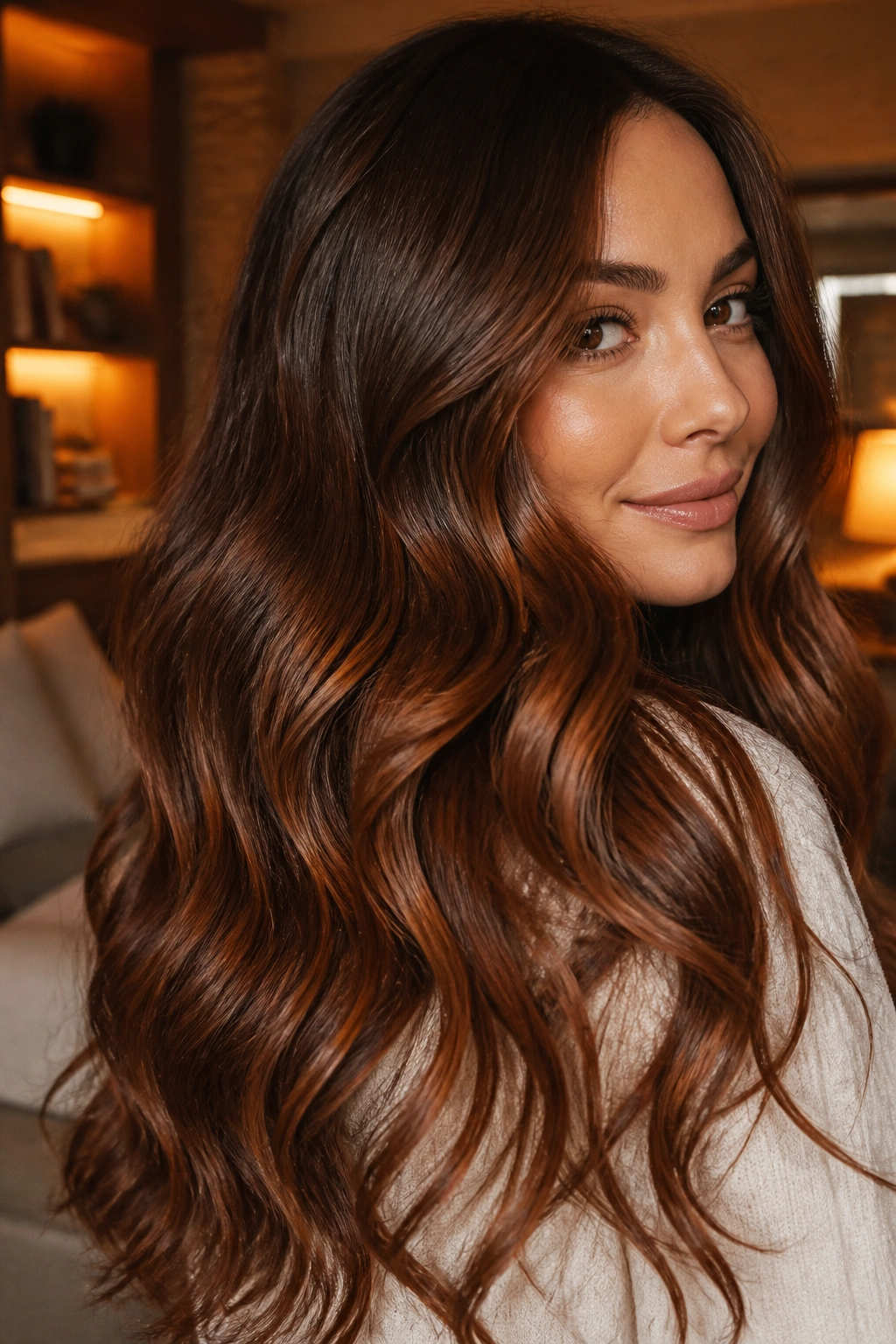
Cinnamon cocoa melt is what happens when brunette hair gets a little spice and a lot more depth. The warmth is more red-brown than gold-brown, which makes it feel richer and a bit softer around the edges. It’s especially pretty on hair that tends to look dark in winter light, because the cinnamon tones keep it from disappearing.
The best version starts with a chocolate base, then layers in a soft cinnamon glaze from the mids down. I like this shade on medium and deep skin tones, but it can flatter fair skin too if the red stays muted. You want warmth, not a bright copper finish.
What to Watch For
- Too much red can fade quickly.
- A gloss every 4 to 6 weeks helps keep the tone intact.
- Loose curls show the cinnamon ribbons better than pin-straight hair.
4. Toffee Brown Balayage
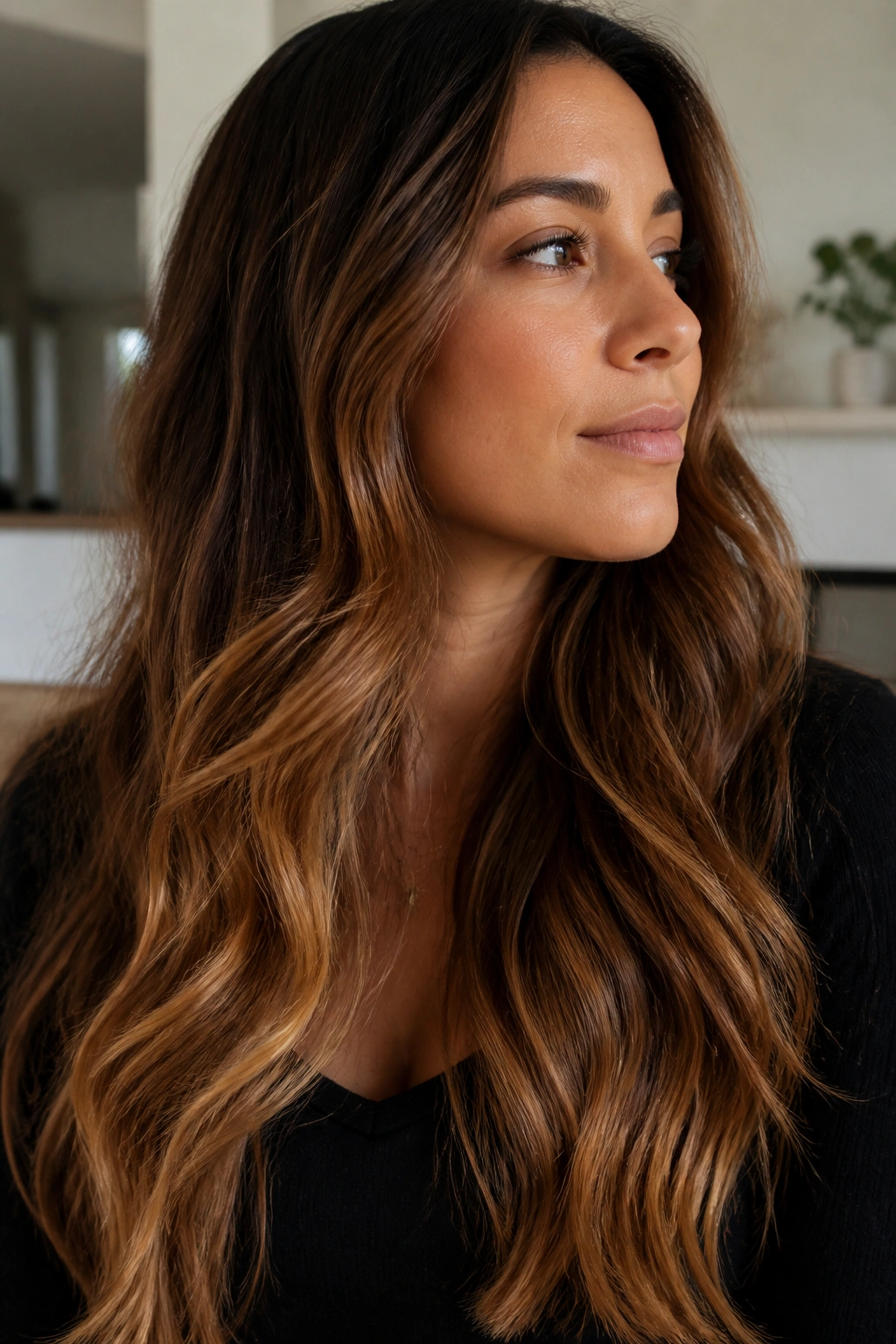
Toffee brown balayage has a creamier feel than caramel. It’s still warm, but the tone leans a little softer and a touch deeper, which makes it a nice choice if you want brightness without obvious contrast. On long layers, the toffee pieces sweep through the hair like melted sugar.
Unlike ultra-light balayage, this one works even when the base is rich brown. You’re not chasing blonde. You’re building dimension. That means the grow-out is easier, and the color stays believable for longer between appointments.
If you wear your hair in ponytails or buns a lot, this shade is a smart pick. The color still shows through when the hair is pulled back, but it doesn’t look patchy at the roots. That’s a small detail. It matters.
5. Honey-Kissed Chocolate Brown
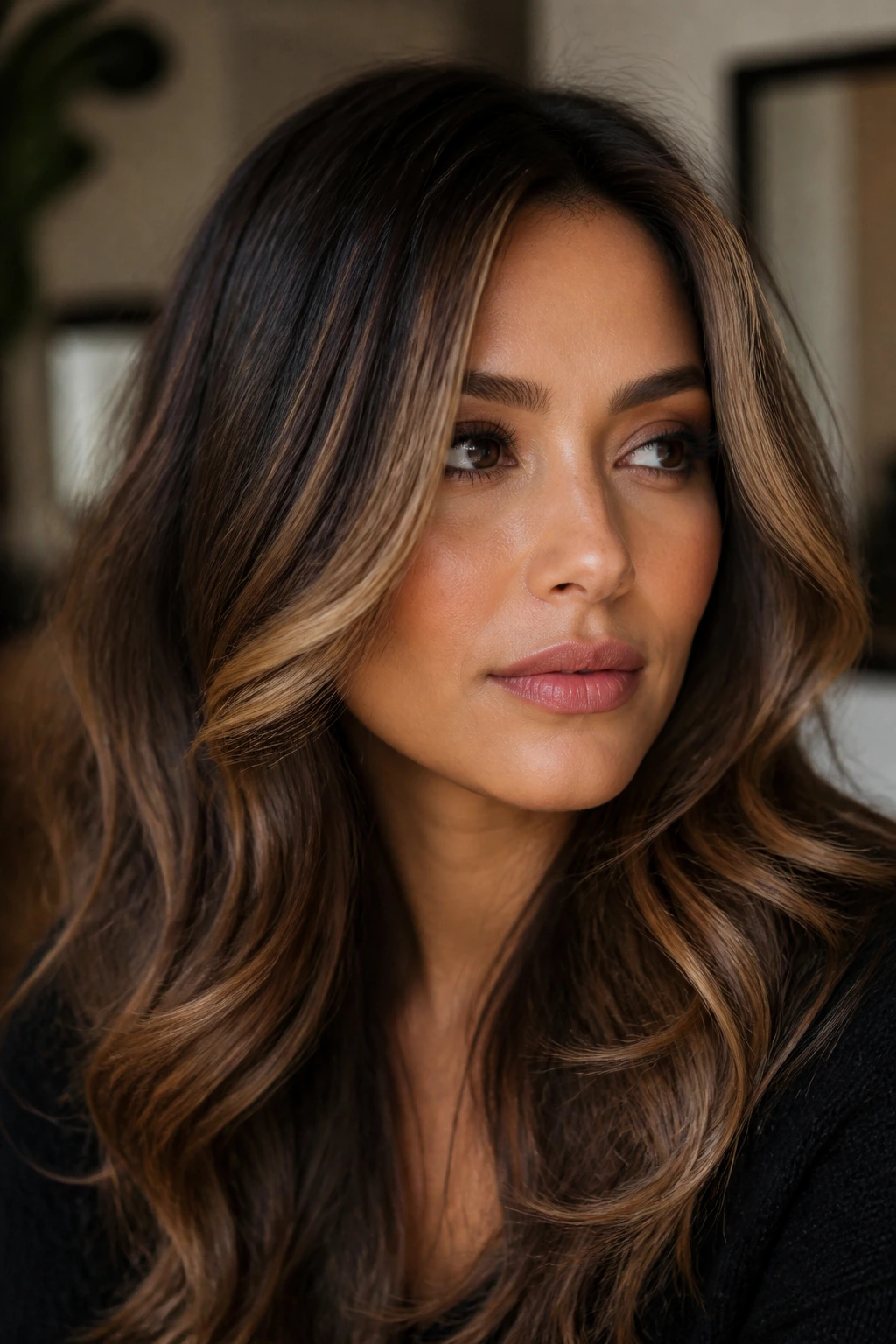
A chocolate brown base with honey accents is one of the easiest ways to warm up dark hair without making the whole head lighter. The honey should be placed where the eye naturally lands: around the face, through the top layers, and at the ends of long lengths. Chunky placement ruins the effect.
Why It Flatters So Well
Honey adds a little glow, while chocolate keeps the color grounded. That mix works on layered cuts because the highlights catch on the movement, not just the surface. On fine hair, it can make the shape look fuller. On thick hair, it keeps the color from feeling heavy.
A small note: honey tones can go brassy if the hair is porous. A gentle color-safe shampoo and a weekly mask help keep the shine even. If the hair has been lightened before, ask for finer pieces and a softer toner.
6. Maple Brown With Lived-In Roots
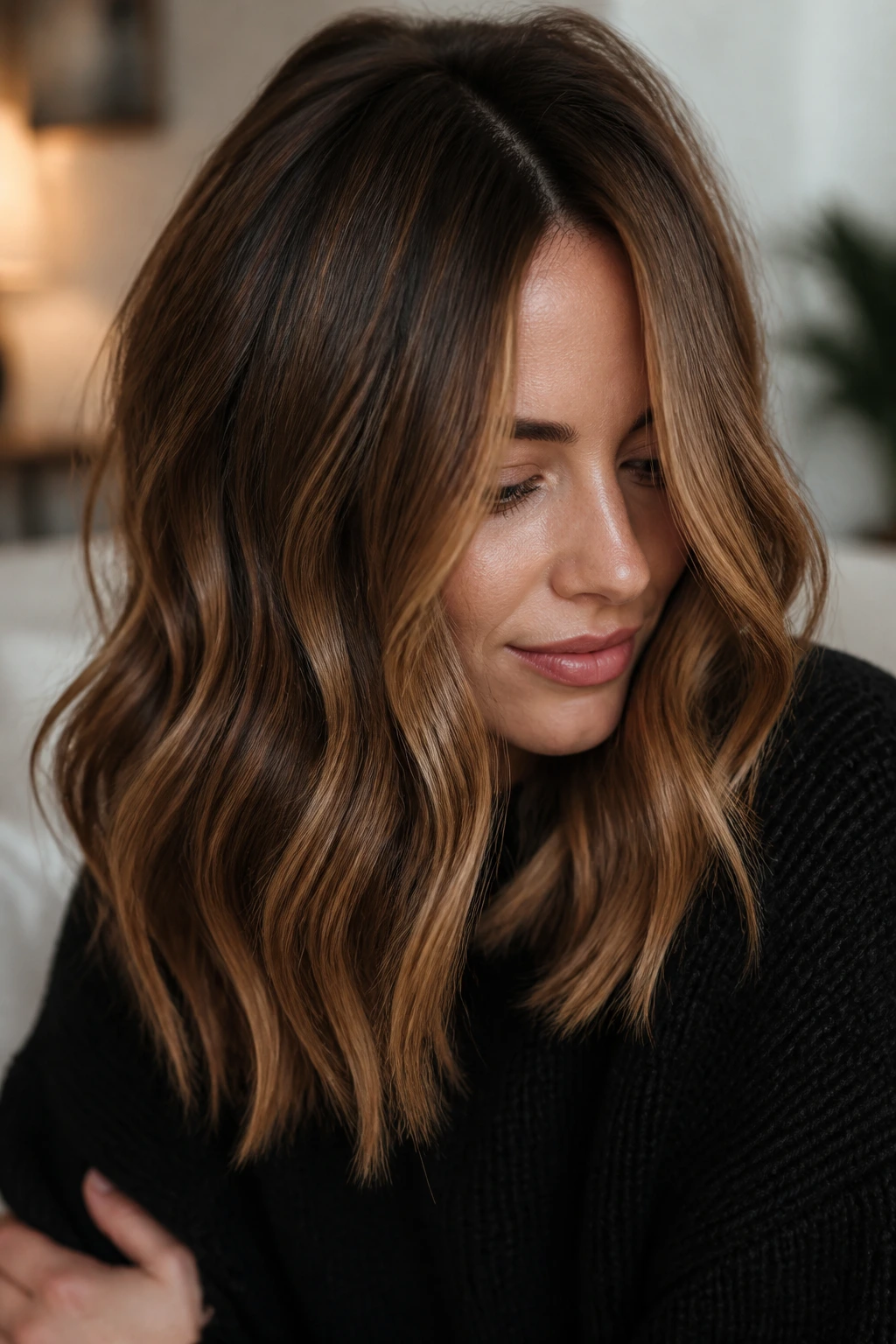
If you hate salon upkeep, maple brown is the practical answer. The color sits in the medium-brown range with a warm amber edge, but the roots stay a little deeper, which makes the grow-out look intentional instead of obvious. That soft shadow at the scalp is doing a lot of work here.
What to Ask For
- A level 5 or 6 root shadow
- Warm maple mid-lengths
- A gloss on the ends to keep the color reflective
This works especially well on wavy hair and lob-length cuts. The slightly darker roots give the style shape, while the warm mids stop it from feeling flat. If you like a low-drama color that still looks styled, this one is hard to beat.
7. Espresso Brown With Auburn Sheen
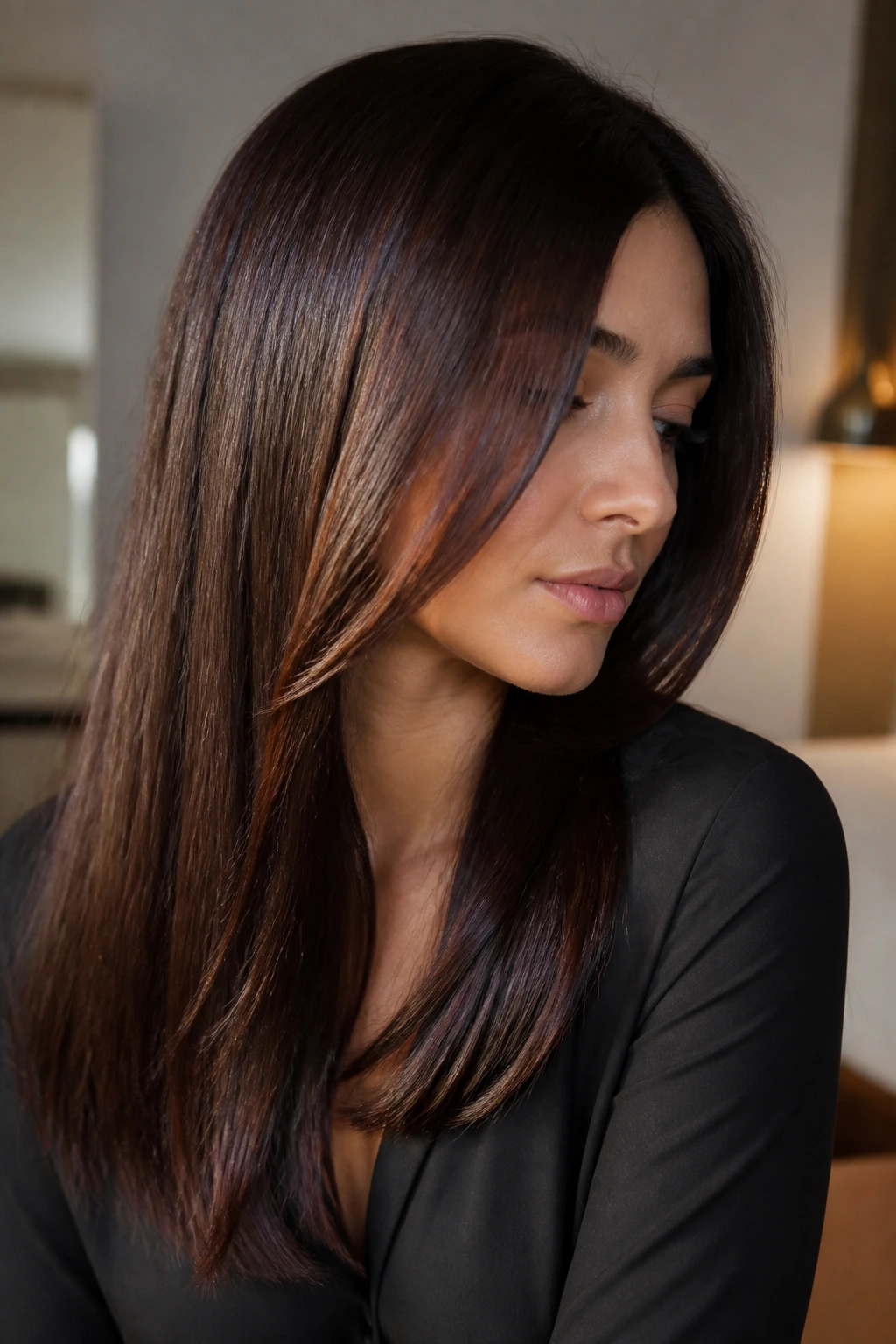
Can very dark brown still feel warm? Yes — if you add auburn reflect instead of trying to lighten it. Espresso brown with an auburn sheen is the answer for anyone who wants depth first and warmth second. From a distance it looks nearly black, but under light it reveals a soft red-brown glow.
This shade is lovely on blunt cuts, glossy blowouts, and very dark brows. The auburn should be subtle enough that you notice it in movement, not all at once. Too much red and the whole thing starts to look cherry. Keep it restrained and it looks polished.
Best Finish
A straight, smooth style shows this color well, but a large-barrel wave is even better if you want the auburn to peek through. Use a shine serum sparingly. A few drops are enough.
8. Hazelnut Bronde
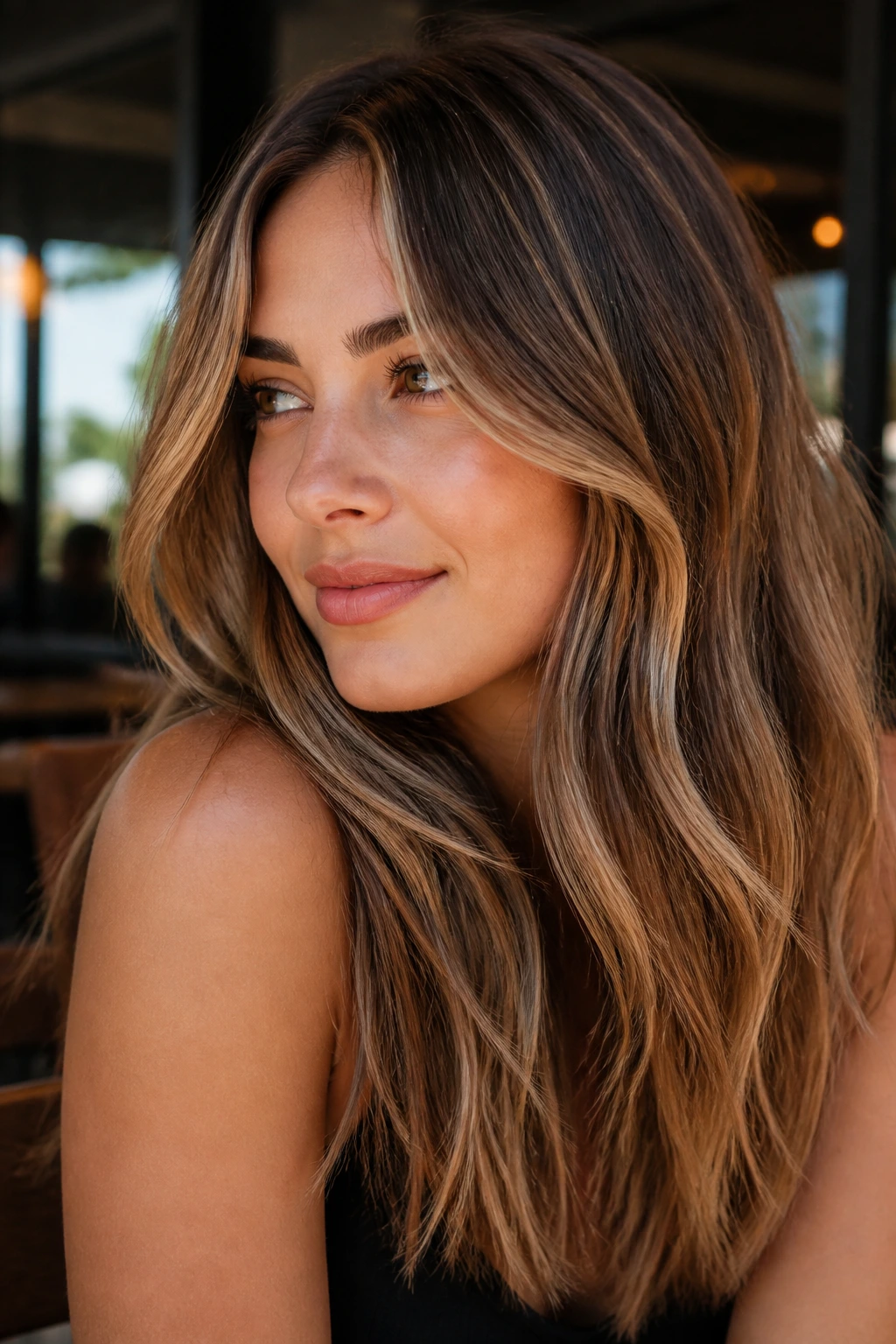
Hazelnut bronde is for the person who wants to stay in brunette territory but lighten the mood a little. It blends brown and blonde in a softer way than classic bronde, with the brown still leading the conversation. Think hazelnut spread, not bleached ribbons.
The trick is balance. Your base should stay a warm level 6, with highlights placed one or two levels lighter through the crown and around the face. That keeps the color wearable and avoids the harsh stripe effect some lighter brunettes get after a few washes.
It’s a good match for layered cuts, long bobs, and hair that already has some natural variation. On very dark brown hair, it may need more lifting, which means a little more maintenance. Worth it? If you want brightness but do not want to go blond, yes.
9. Molasses Brown
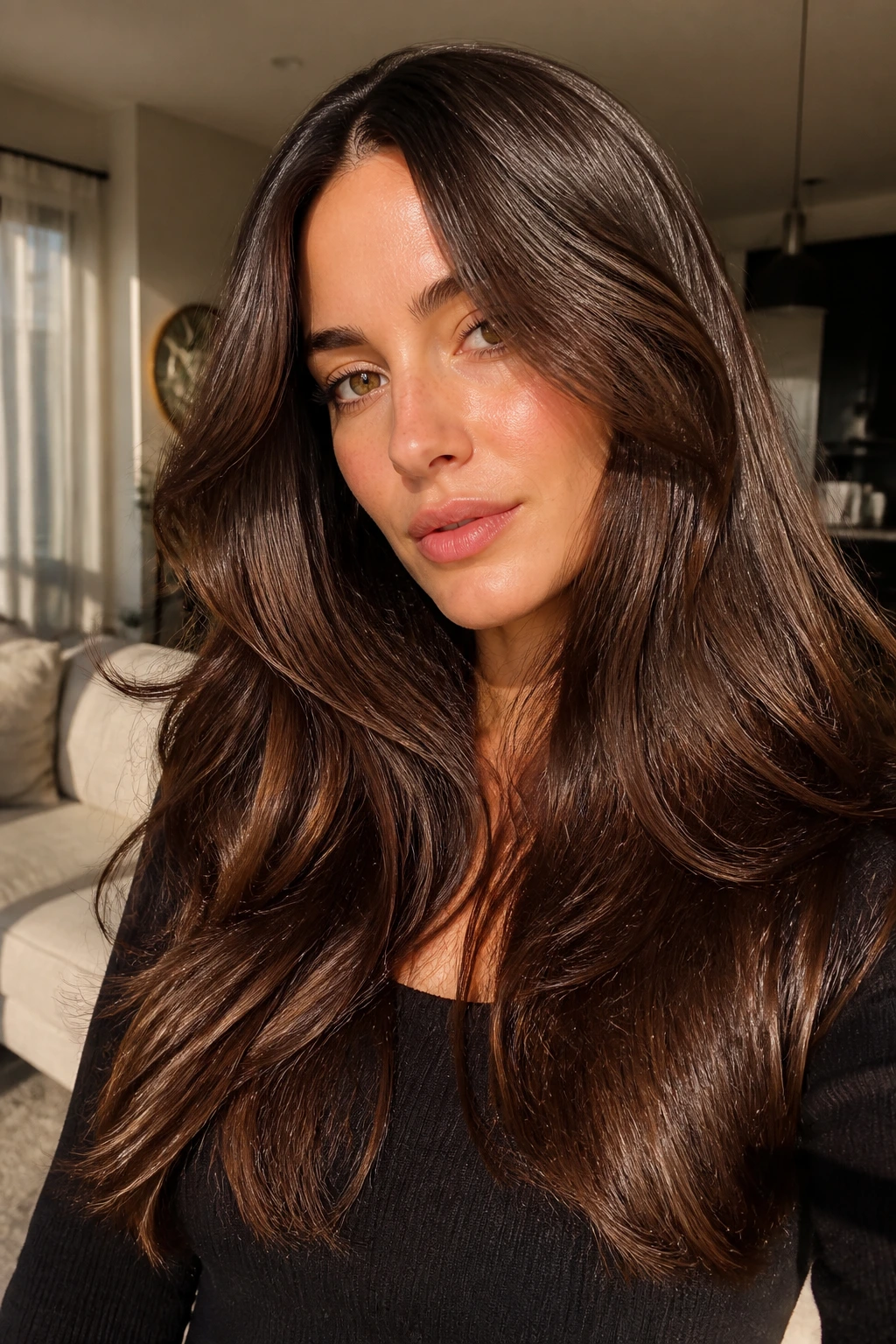
Molasses brown is dark, glossy, and quietly dramatic. It’s the shade I’d choose for someone who wants depth without the black-on-black feel of true espresso. The warmth is subtle, almost hidden, which makes the color feel richer than it sounds.
What Makes It Different
Unlike cooler dark browns, molasses brown has a soft amber-brown cast that shows up under daylight. It’s especially good on hair with a straight or blown-out finish, because the shine becomes part of the color story. If the hair is textured, the warmth lives in the bends and curves.
Keep this one healthy. Dark colors are unforgiving when the ends look dry, and molasses brown is no exception. Trim the ends regularly, use a lightweight oil, and skip heavy buildup. The color needs gloss to do its job.
10. Warm Mocha Melt
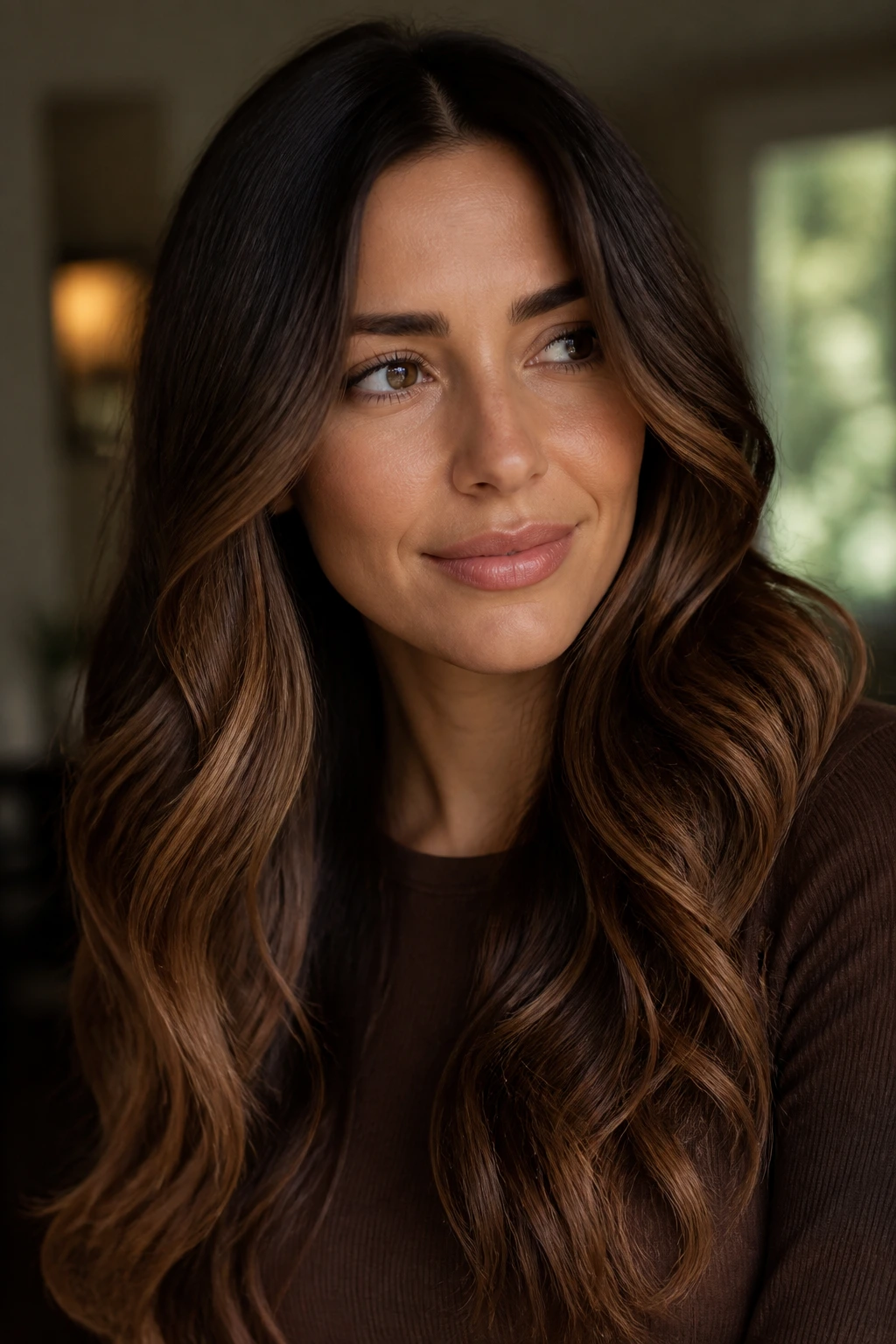
Warm mocha melt is one of those shades that seems simple until you see it done well. Then it suddenly looks deeper, softer, and more expensive than plain brown hair. The mocha base gives you richness, while the warmer ends keep the whole thing from sinking into a flat, single-note brunette.
Why It Stands Out
A mocha melt works because it avoids sharp lines. The color moves from a deep coffee base into softer warm brown mids, then into lighter ends that still stay in brunette family. That gradient matters more than the exact shade name. You want the transition to feel smooth when the hair moves, not obvious when it’s pinned back.
It suits medium to long lengths best. Short hair can wear it too, but the blend really shines when there’s enough hair for the tones to play against each other. If you want brown that feels calm but not boring, this is a strong pick.
11. Amber Brown Face-Framing Highlights
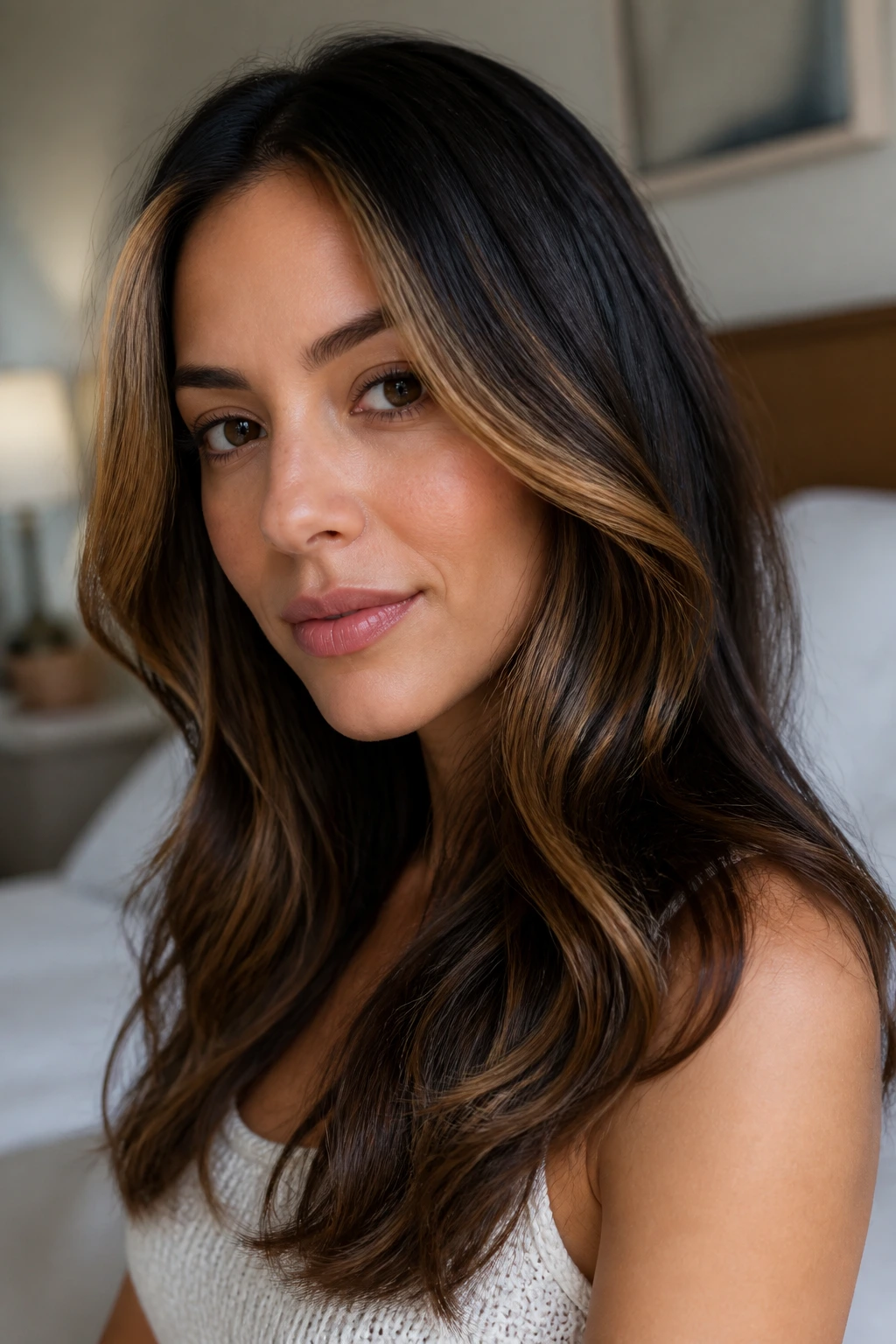
Face-framing amber highlights do a lot of visual work for a small amount of color. That’s why I like them so much. You can keep the rest of the hair deep brunette and still get that warm glow where it matters most — around the cheekbones, jawline, and eyes.
How to Place Them
Ask for two to four lighter pieces on each side, starting near the brow line and melting through the front layers. The amber should be warm enough to read gold-brown, not orange. If you wear curtain bangs, this color can make them look softer and more dimensional.
The best part is how low-commitment it feels. You’re not changing the whole head, so the grow-out is easier. A stylist can refresh these pieces in a short appointment, which is nice when you want impact without a full color overhaul.
12. Toasted Almond Brown
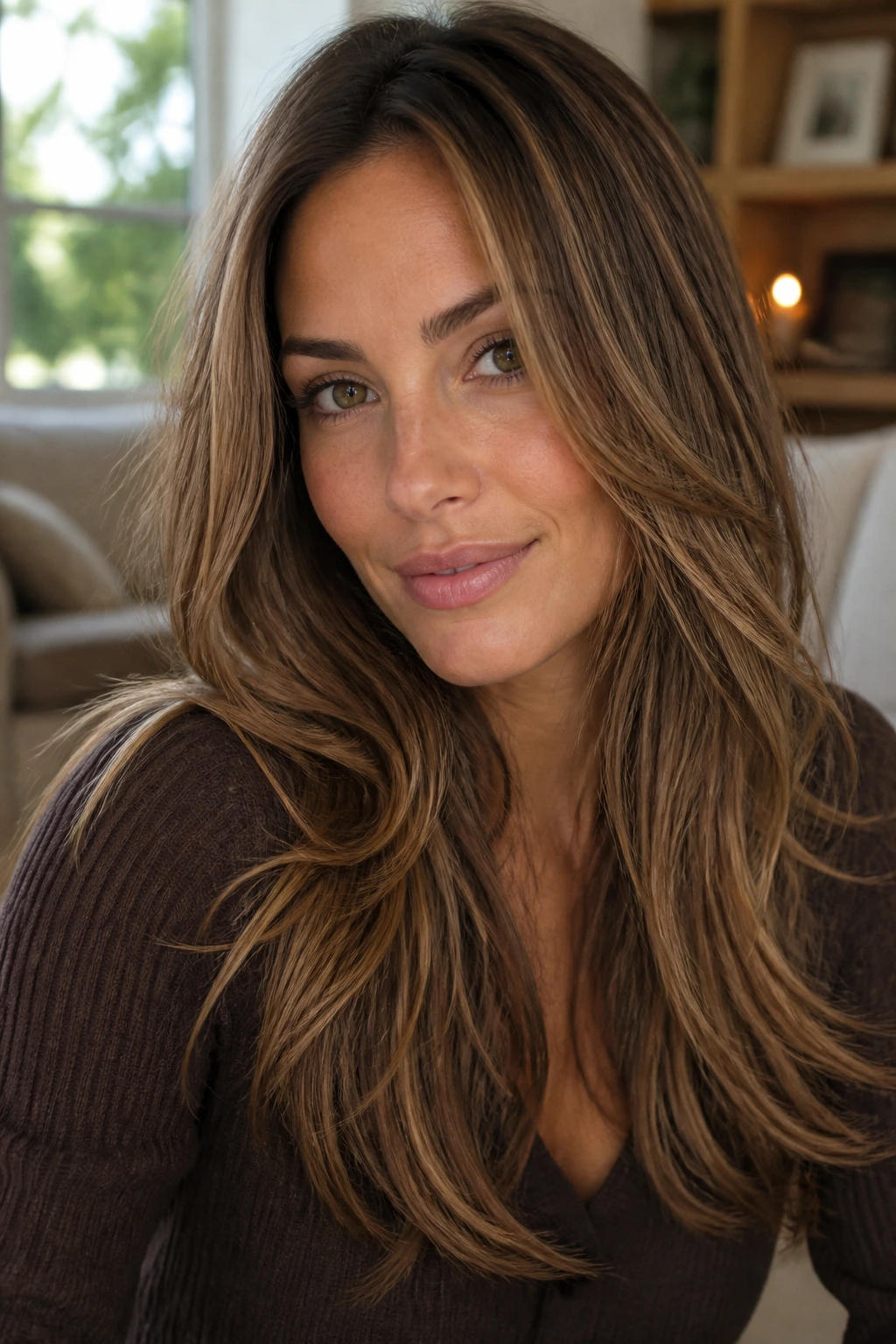
Toasted almond brown has a soft, creamy feel that sits somewhere between beige brunette and warm gold. It’s not a loud color, and that’s exactly why it works. On fine hair, the lighter notes can make the hair look fuller. On dense hair, the color breaks up the heaviness nicely.
Quick Details
- Base: warm medium brown
- Highlights: almond-beige, kept fine
- Finish: soft gloss, not matte
This shade is especially good if your current brown feels too dark or too red. It has enough warmth to look alive, but the almond tone keeps it from turning coppery. I’d pair it with loose waves or a smooth blowout. Either one lets the softness of the color show.
13. Chestnut Brown Gloss
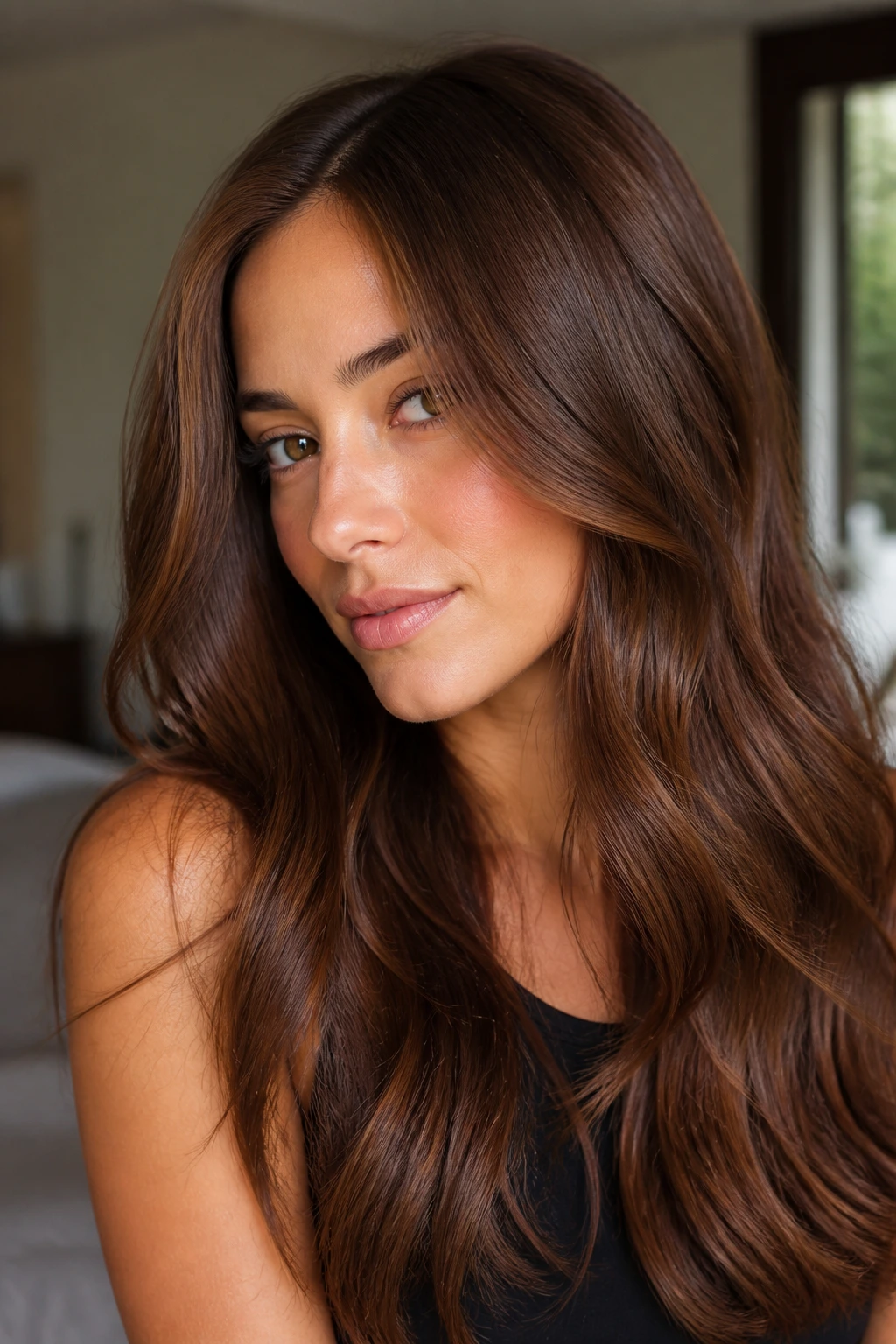
Sometimes you do not need highlights at all. A chestnut brown gloss can wake up tired brunette hair in one appointment, and it’s one of the easiest ways to bring warmth back without changing the structure of the color. The gloss deepens the base, smooths out uneven tones, and leaves the hair looking shiny instead of patched.
If your natural color is already brown, this is a smart first move. You can always add dimension later. A gloss also works well on color-treated hair that has lost its shine after a few washes. It refreshes the tone without asking the hair to go through another heavy process.
Good to Know
A semi-permanent chestnut glaze usually fades more softly than permanent color, which is a plus if you like to adjust your tone over time. Keep the shampoo gentle and the water lukewarm. Hot water is rough on gloss. It strips the shine faster than people expect.
14. Mahogany Brown With Warm Red Undertones
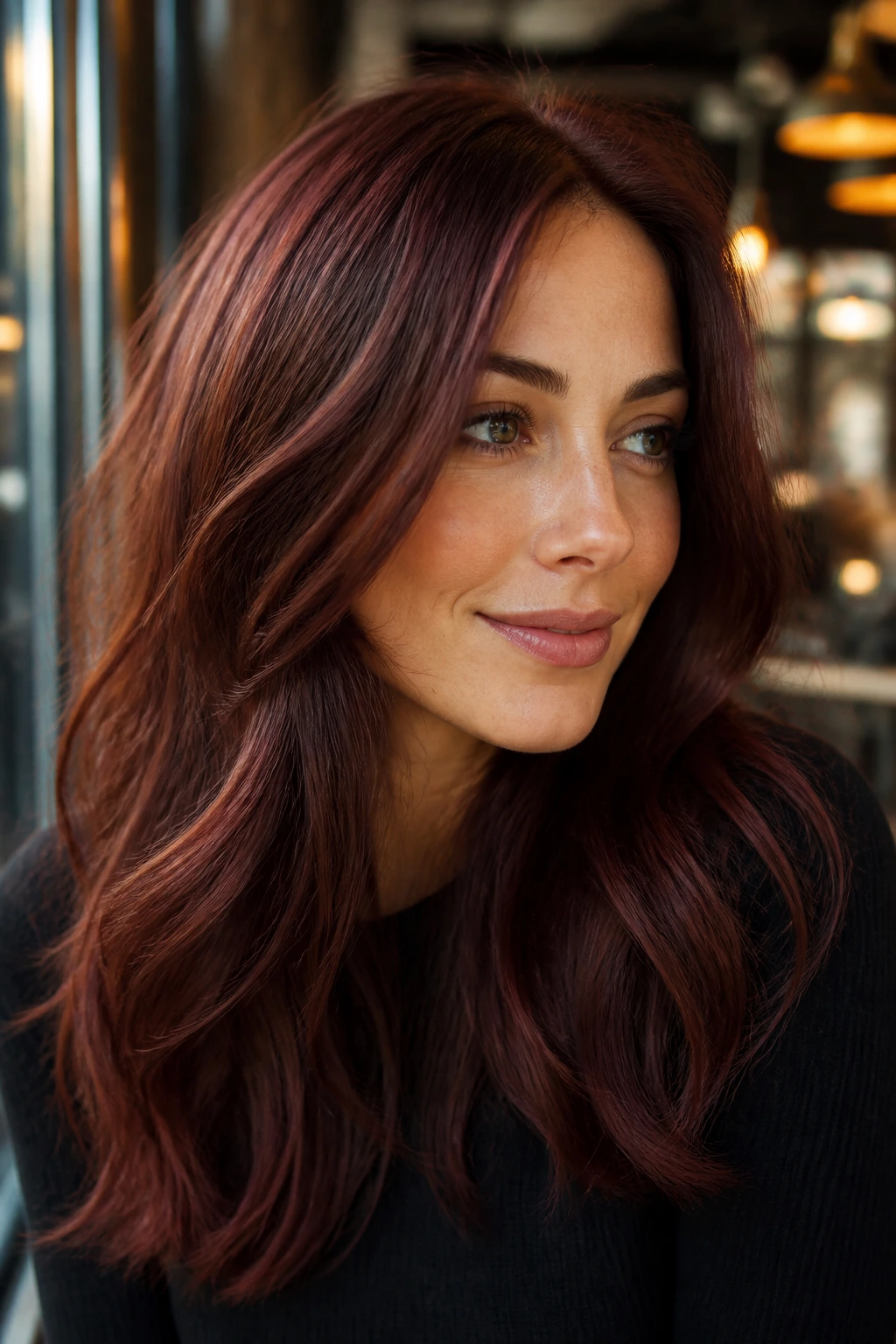
Mahogany brown is where warm brown starts to flirt with red, but in a controlled way. It’s deeper and moodier than copper, more refined than bright auburn, and usually looks richest when the hair has some length or a strong cut to anchor it. A sleek bob with mahogany tones can look sharp. Long waves can make it feel softer.
What to Tell Your Colorist
Request a dark brown base with red-violet warmth kept very soft. The red undertones should appear in reflected light, not dominate the whole head. That distinction matters. Mahogany gone too red can be harder to live with than people expect.
This shade is a nice match for warm olive or deeper skin tones, but it can also flatter fair skin if the red is muted and the roots stay dark. Use a color-depositing mask if the shade fades fast. Red-brown tones often need more frequent refreshing than gold-brown ones.
15. Latte Brown
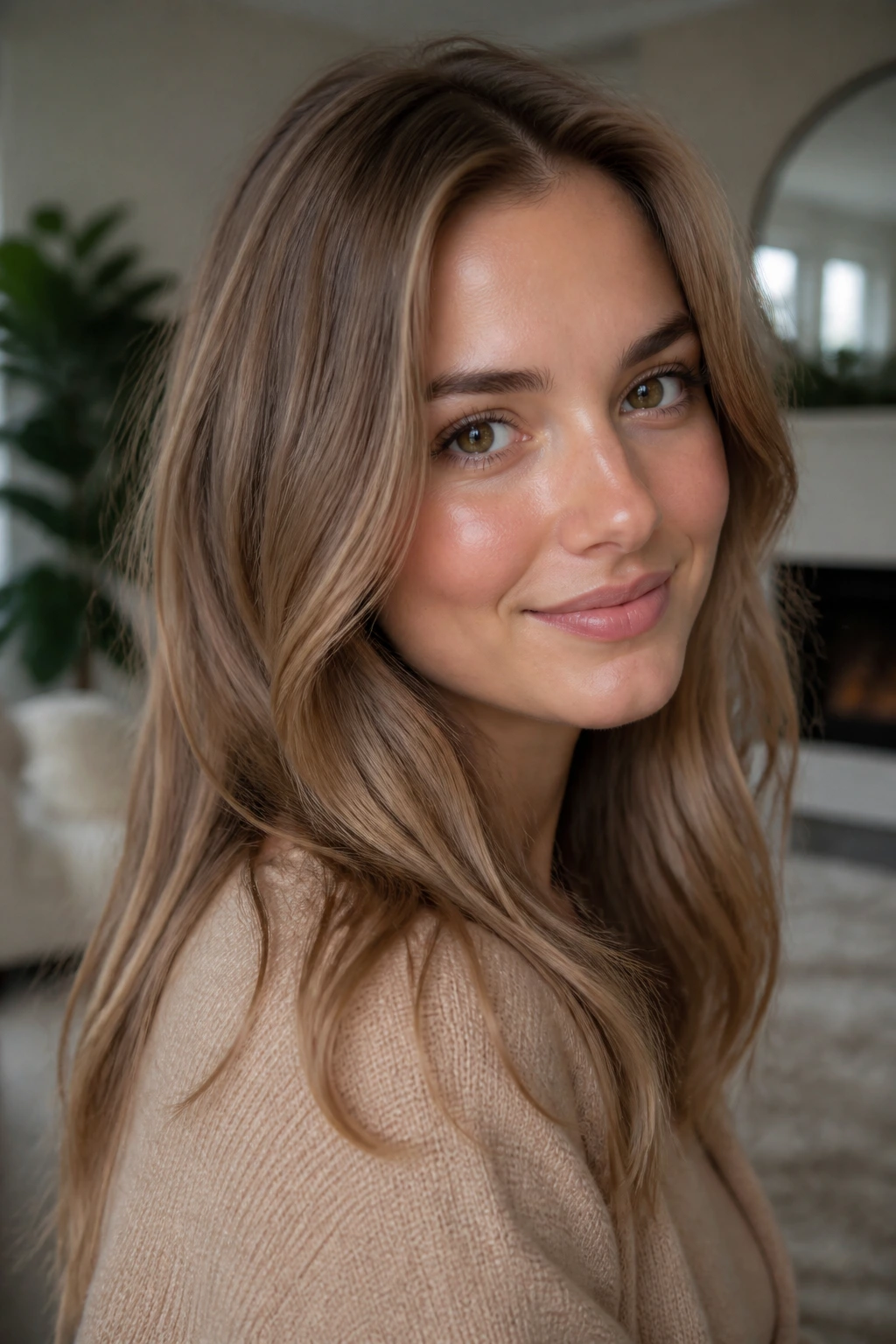
Latte brown is soft, creamy, and easy to wear. If chestnut feels too red and ash feels too gray, latte sits in the middle and keeps everything balanced. It’s a medium brown with a milkier warmth, the kind of shade that looks good in a loose blowout and even better in a simple half-up style.
Why It’s So Wearable
Latte brown doesn’t rely on high contrast. The warmth is built into the base, so the whole color feels even from roots to ends. That makes it a smart pick if you want something polished but not flashy. It’s also kind to regrowth, since a slightly deeper root blends naturally into the mids.
This shade pairs well with soft layers, curtain bangs, and shoulder-length cuts. The movement keeps it from feeling heavy. If you’ve been stuck with flat brown for a while, latte gives you warmth without forcing a dramatic change.
16. Copper-Glazed Brunette
Copper-glazed brunette is for the person who wants warmth with a little attitude. It is not a full copper head of hair. Good copper glaze lives on top of brunette, giving the hair a warm glow that changes in different light. In the shade it reads brown; near a window it wakes up fast.
How It Differs From Auburn
Copper leans brighter and more orange-gold than auburn, which sits deeper and redder. That means copper glaze needs careful placement and good toner work. A few missteps, and the whole result can go from rich to brassy. Done well, though, it looks lively and polished.
This one fades faster than deeper brunettes, so it’s worth asking for a gloss plan. A color-safe conditioner and occasional color-depositing treatment can help. If you like hair that looks shiny and warm without crossing into red all over, this is a strong choice.
17. Sandy Caramel Brunette
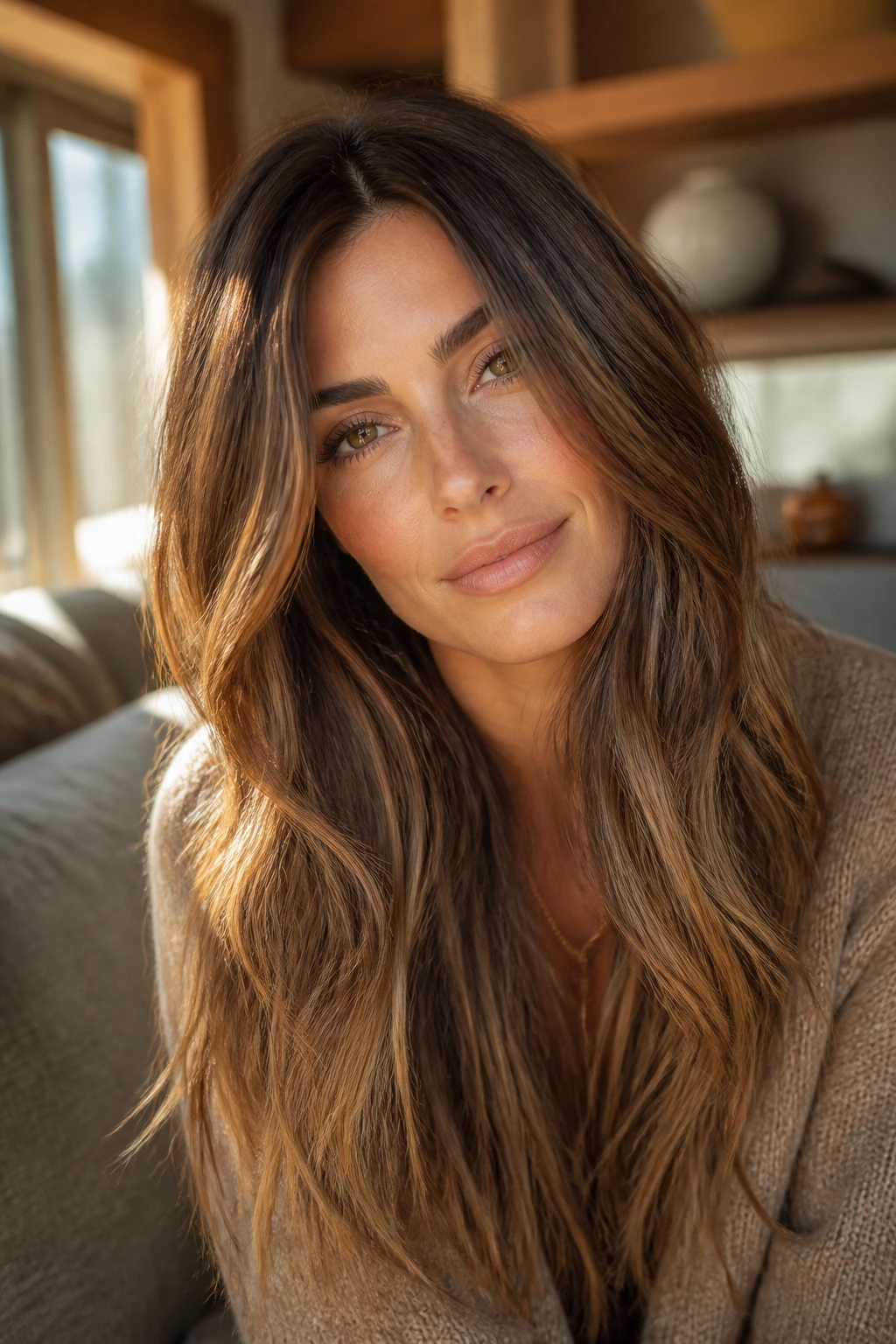
Sandy caramel brunette softens the whole idea of brown hair. It keeps the base warm and medium-deep, then uses lighter caramel tones that feel airy instead of heavy. I like it on long layers because the lighter ends keep the style from settling into a dark block.
A center part gives it a clean, modern feel. A side part makes the face-framing pieces pop a bit more. Either way, the color should be built with a soft shadow at the roots and lighter bits through the mid-lengths, not all over the scalp.
If your hair is naturally dark blonde or medium brown, this can be a comfortable shift. You stay in the brunette family, but the lighter caramel stops the color from feeling too dense. It’s one of the easiest warm browns to live with.
18. Walnut Brown
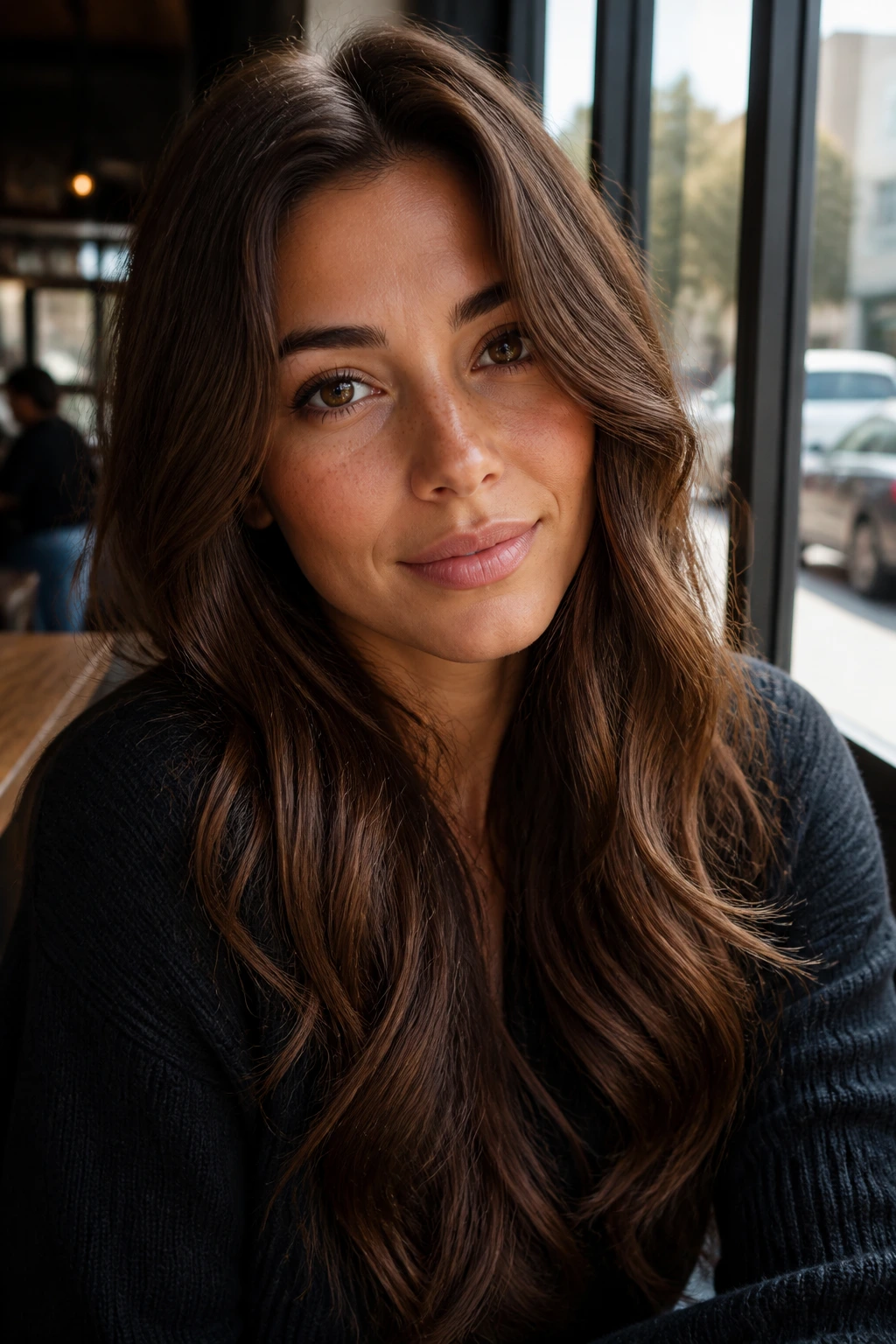
Walnut brown is earthy, rich, and a little quieter than some of the more golden shades here. That’s the appeal. It has warmth, but it doesn’t shout about it. Think deep nut-brown with a soft brown-gold finish, especially under natural light.
What Makes It Useful
Walnut brown works nicely when the haircut already has shape. It doesn’t need a lot of flashy highlight work to look good, which makes it a sensible choice for straight hair, layered shags, or longer cuts that rely on shine. The tone feels expensive in a restrained way.
This shade can also be a good reset color if your hair has been lightened too much and needs depth back. A walnut gloss or demi-permanent color can bring the richness back without piling on damage. Keep the ends trimmed, though. Deep brown color shows dry ends fast.
19. Brown Sugar Balayage
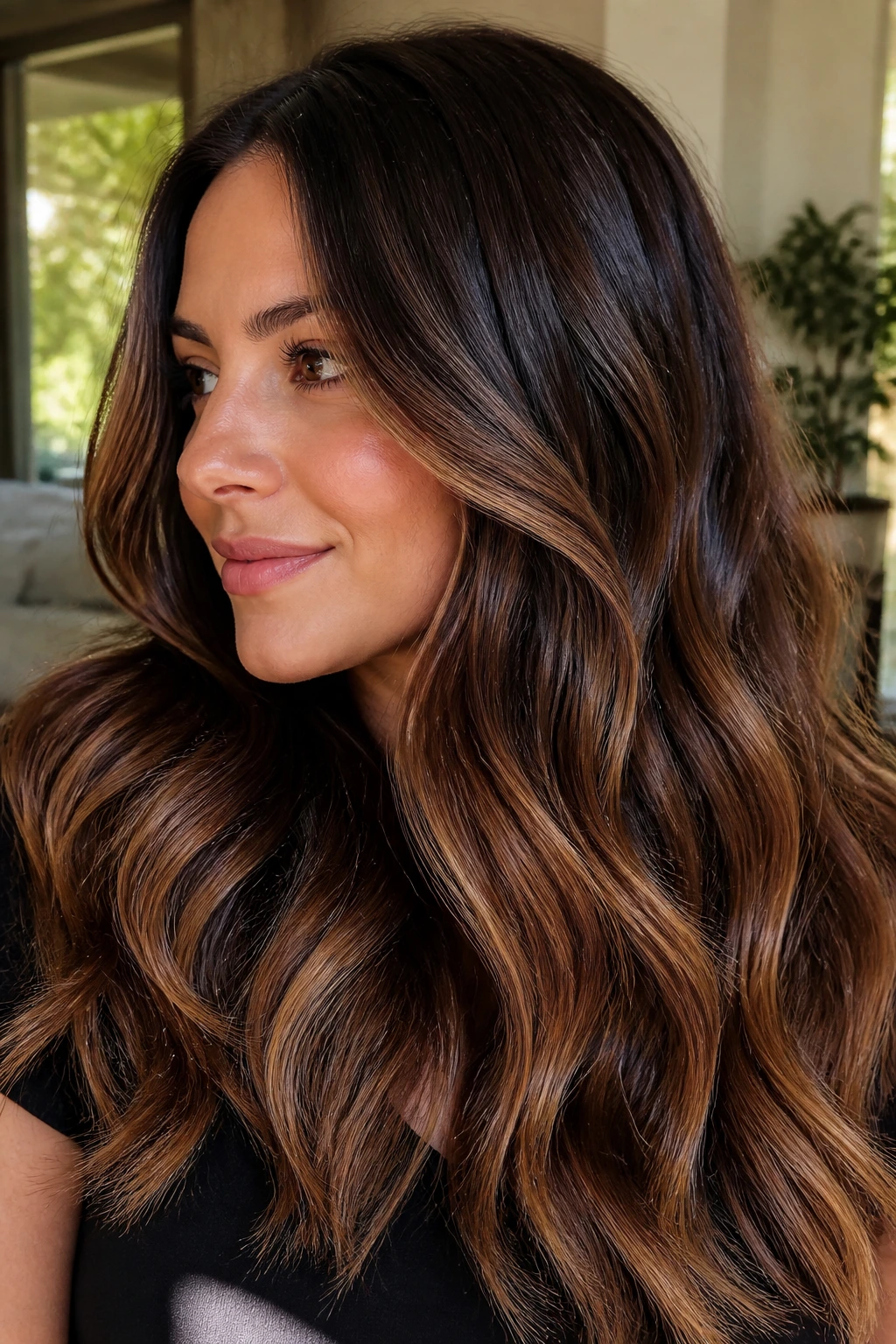
Brown sugar balayage has a warmer, sweeter feel than classic caramel. The highlights are more amber-brown than pale gold, which helps the look stay in brunette territory even when the hair catches a lot of light. It’s a nice shade for long layered hair because each movement shows a different tone.
The biggest mistake with this color is placing the lighter pieces too evenly. Leave some depth near the underside and around the root area. That gives you the contrast that balayage needs to work. Flat, all-over lightness is not the point here.
This is the kind of color that looks relaxed when hair is loosely waved and still feels tidy when straight. It works for women who want softness more than drama, and honestly, that’s most people.
20. Cinnamon Swirl Brunette
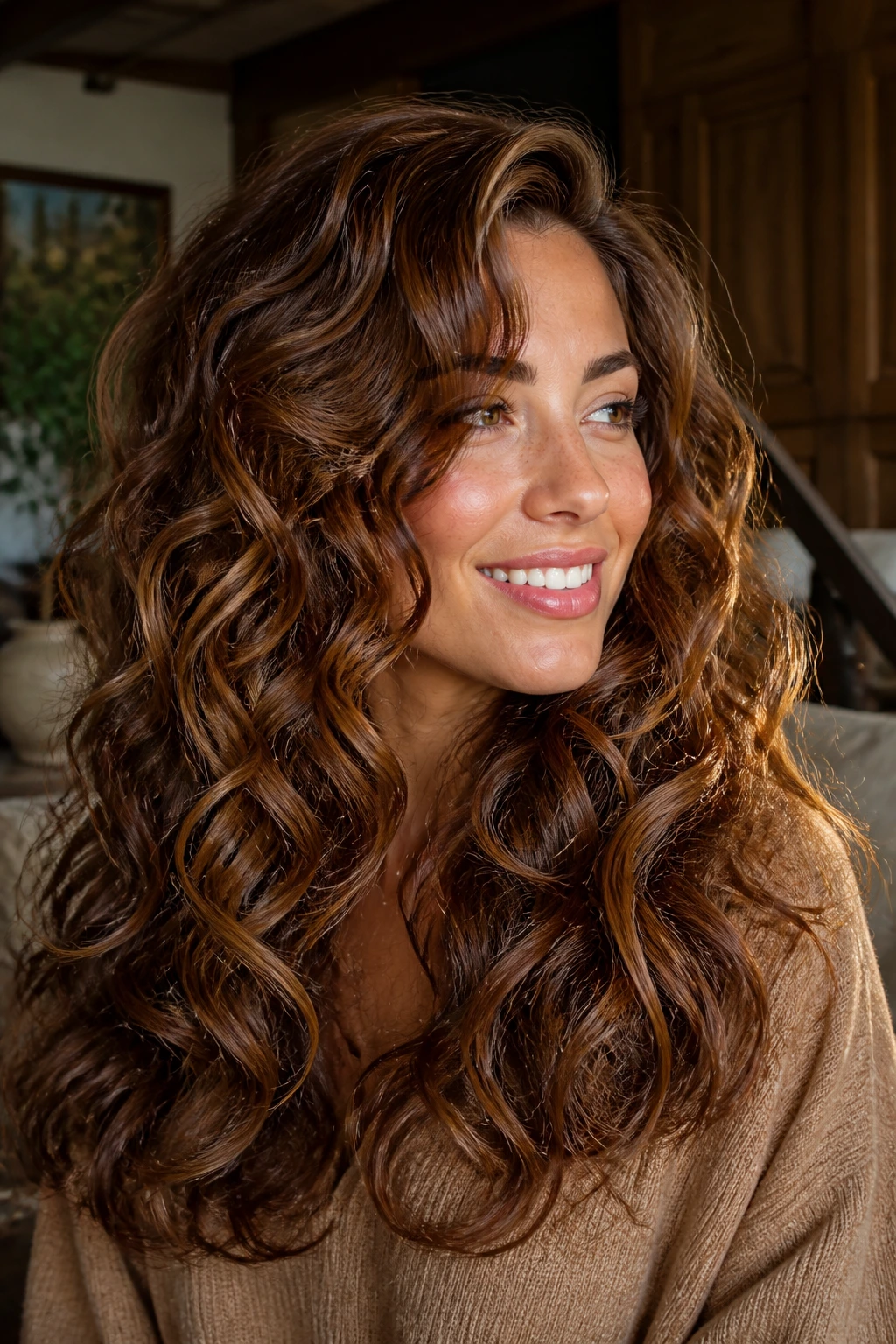
Cinnamon swirl brunette is a multi-tone warm brown that gets its personality from the way the tones twist together. You usually see chocolate, cinnamon, and soft golden brown all in the same head of hair, but the pieces should melt rather than sit next to each other like stripes.
The Science Behind It
Curls and waves make this color shine because every bend catches a different tone. On straight hair, the blend still works, but it looks more understated. That means the cut matters. Layers help. So does a little texture.
If you want this shade, ask for warm ribbons in varying depth, not one flat highlight formula. Keep the cinnamon pieces fine near the crown and a touch heavier through the ends. That keeps the top from looking busy while still giving the lengths plenty of movement.
21. Bronde With Honey Ends
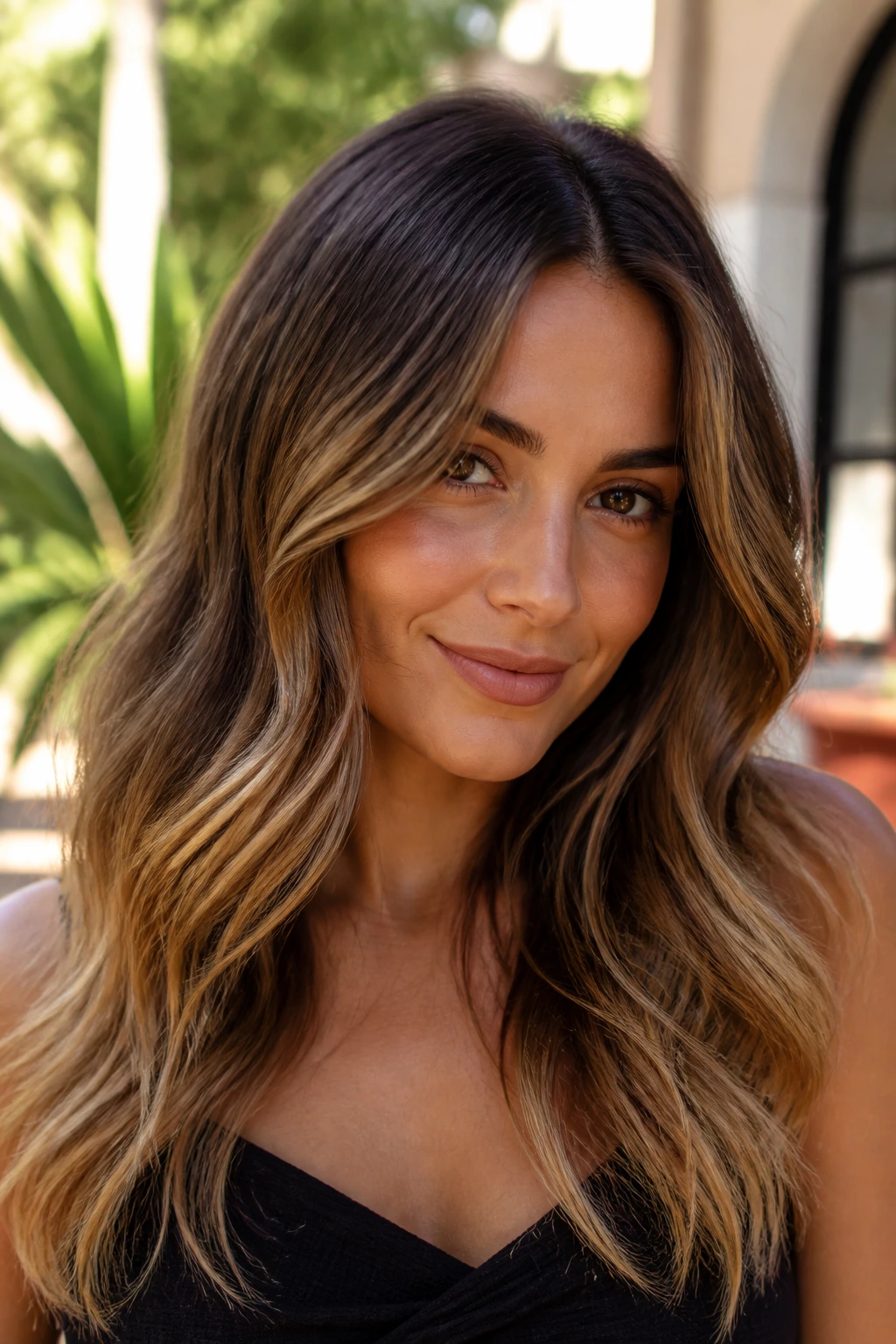
Bronde with honey ends is one of the easiest ways to lighten warm brown hair without losing the brunette base. The roots stay brown, the mids soften into a deeper bronde, and the ends pick up the honey. The result feels bright at the edges and grounded at the top.
This is a smart direction if you’re growing out blonde or just want more light near the face and shoulders. It also keeps the upkeep manageable, because the root area does not need to be lifted all the way through. The contrast should be gentle, not sharp.
Loose curls make the transition look seamless. Straight hair can wear it too, but the ends need to be blended carefully or the line between colors will show too much. A good toner keeps the honey from going too yellow.
22. Cocoa Brown With Golden Babylights
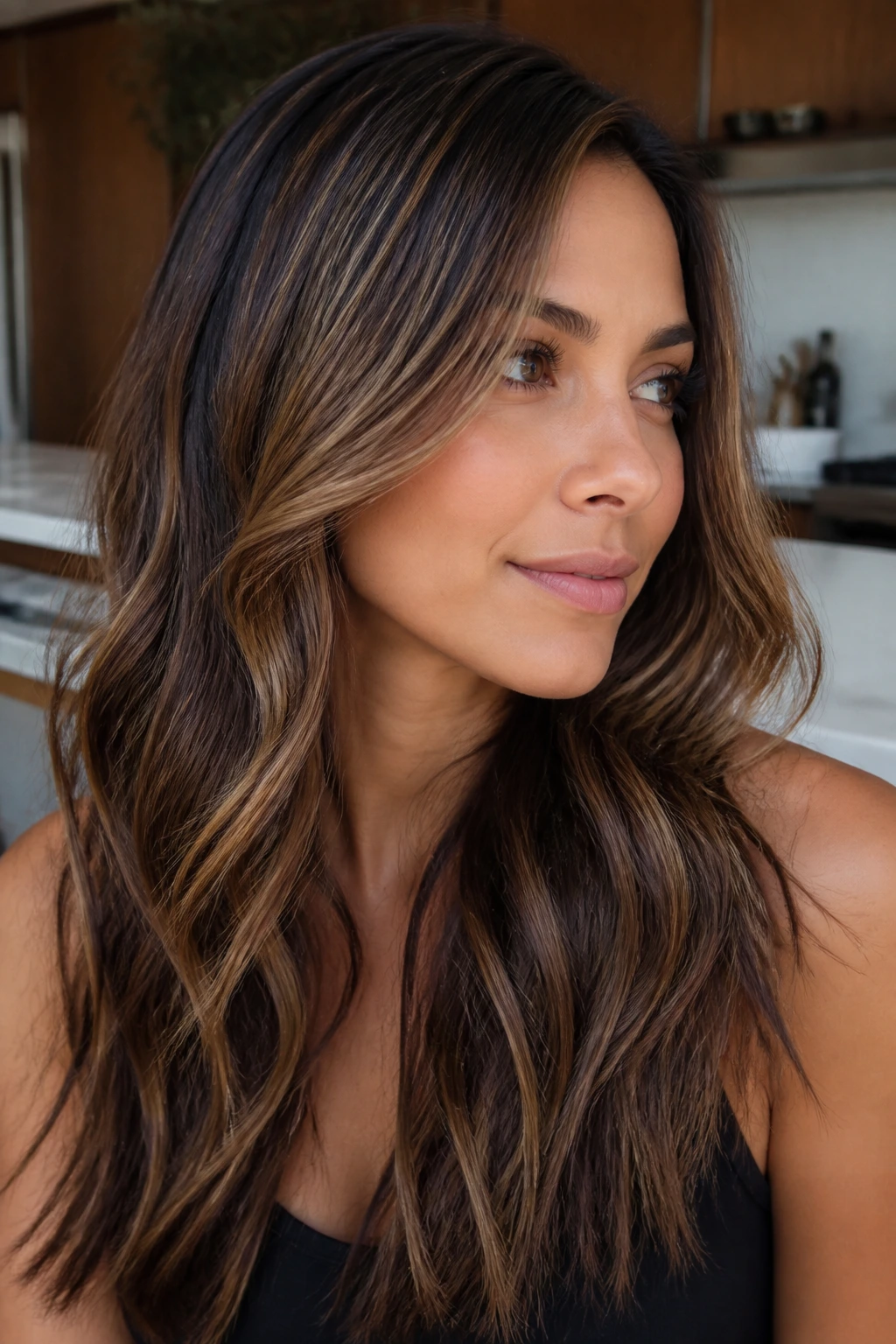
Cocoa brown with golden babylights is a small-detail color with a big payoff. Babylights are tiny, fine highlights, and when they’re woven through a cocoa base, they give the hair a soft sparkle instead of obvious streaks. This is the shade for someone who wants dimension but hates visible highlight lines.
What to Ask For
- A cocoa brown base at roughly level 4 or 5
- Babylights no wider than a few millimeters
- A golden toner, not a beige one
The fine placement makes this color especially good for dense hair. It breaks up heaviness without making the hair look lighter overall. On a layered cut, the effect is even better because the tiny highlights catch on the bends. If you want movement without drama, this is a very good direction.
23. Amber Chestnut Lob
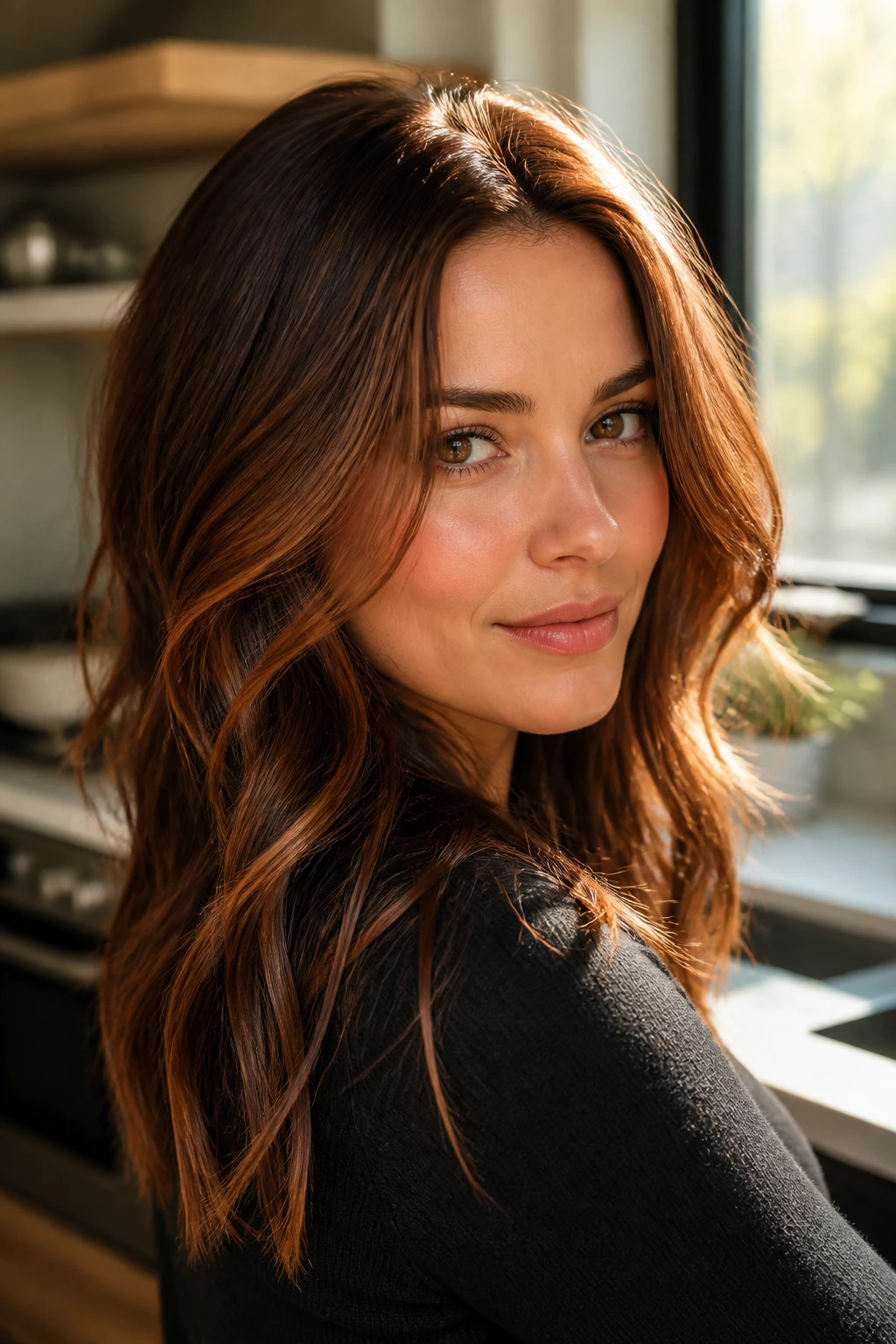
Amber chestnut and a lob are a strong pair. The shoulder-skimming length gives the warm tones room to show, and the chestnut base keeps the color from looking too light. Amber pieces near the front soften the face, while the chestnut body color keeps the shape clean.
This color is especially nice on straight or softly bent lobs because the line of the cut stays visible. You get structure from the haircut and glow from the color. That combination is more flattering than people expect, especially if the hair has a lot of density.
A round brush blowout helps the shade a lot. The curved ends catch light, and the amber pieces sit right where they can do the most work. If you like neat hair with a little warmth, this one’s easy to live with.
24. Butterscotch Brown Melt
Butterscotch brown melt sounds sweet, and the color should feel that way too. It starts with a medium brown base, then glides into warmer, buttery brown ends that still keep depth. The key is the melt. You do not want a hard jump from brown to blondish caramel. You want the color to slide.
How It Should Look
The root area stays richer, the mids soften, and the ends get that butterscotch glow. On long hair, this gives you a lot of movement without needing heavy layers. On thick hair, it can stop the color from feeling too solid and dark.
It’s a good shade for women who like warm hair but want the warmth to feel creamy rather than spicy. If your colorist uses a root smudge, make sure the transition stays soft. Sharp roots kill the effect fast.
25. Sunlit Espresso Balayage
Sunlit espresso balayage works because the base stays dark and the highlights stay warm, not loud. The contrast is there, but it’s softened by the depth of the espresso foundation. That makes the hair look dimensional without pushing it into full highlight territory.
This is a nice choice if you wear your hair down often and want the color to look rich from every angle. The balayage should sit mostly through the mids and ends, with just enough brightness around the face to keep the espresso from feeling too heavy. On curls, the warmth peeks through beautifully. On straight hair, the finish looks sleek and polished.
A shine spray can help, but don’t overdo it. Dark brown looks best when it reflects light in a few clean spots, not when it looks greasy.
26. Maple Syrup Brunette
Maple syrup brunette has a glossy, syrupy feel that lives somewhere between gold and amber. It’s warmer than mocha, softer than copper, and richer than a plain golden brown. The color usually works best when the base is medium brown and the warmth is built through the mid-lengths and ends.
How to Wear It Well
- Loose waves show the tone shifts.
- A side part makes the face-framing pieces stand out.
- A gloss refresh every 4 to 6 weeks keeps the shine alive.
This shade suits hair that tends to absorb color. The amber warmth helps the shade stay visible. If you like hair that looks polished in a ponytail and prettier when it’s down, maple syrup brunette does both jobs.
27. Chocolate Cherry Brown
Chocolate cherry brown is a warmer, moodier cousin of red-brown. It reads like deep chocolate with a soft cherry reflect underneath, which means it can look subtle indoors and richer under natural light. I like it when someone wants warmth but wants to avoid the obvious copper look.
The best version keeps the cherry tone deep enough that the brown still leads. If the red is too bright, the color gets tricky fast. But when the balance is right, the shade looks plush and glossy, especially on medium-length hair with a smooth finish.
This one needs a little more maintenance than gold-based brunettes because red tones tend to fade faster. A color-depositing conditioner in a red-brown tone can help stretch the time between salon glosses.
28. Burnt Caramel Brown
Burnt caramel brown has more depth than regular caramel and a little toasted edge that keeps it from feeling sweet in the obvious way. It’s a good shade for women who want warmth with some grit. The caramel pieces should be darker, almost like they were pulled back from full blonding on purpose.
A Good Match For
- Thick hair that needs dimension
- Long layers that can hold color variation
- Wavy textures that show the color changes
This shade gets a lot of mileage from placement. Keep the deepest brown underneath and let the burnt caramel sit on the surface and around the face. That contrast gives the hair movement without making it look overprocessed. It’s warm, yes, but it also has a little edge.
29. Auburn Brown Money Piece
Auburn brown money pieces are for anyone who wants a warm update without changing the whole head. The front sections are lifted into a soft auburn-brown, while the rest of the hair stays deeper brunette. That contrast draws the eye right to the face, which is the whole point.
What to Ask For
Tell your colorist you want two front pieces lifted 1 to 2 levels lighter than the rest, with a warm auburn-brown tone. Keep the pieces blended at the roots so they don’t look pasted on. A strong stripe is not the goal. A soft frame is.
This works especially well with curtain bangs, shoulder-length cuts, and hair worn in loose waves. It can also help grow out older highlights by giving the front a fresh focal point. Small area. Big effect.
30. Rich Praline Brunette
Rich praline brunette is the shade I’d save for the person who wants brown hair to look full, glossy, and a little luxurious without shouting about highlights. It’s a warm medium-to-deep brown with nutty undertones and enough softness to avoid looking severe. On a clean cut, it looks polished. On long layers, it looks plush.
What makes praline work is the balance between depth and glow. The roots stay a touch darker, the mids carry the warmth, and the ends hold the shine. That gives the hair shape even when the styling is simple. A straight blowout, a soft wave, or a tucked-behind-the-ear style all work here.
If you’re choosing one warm brown and want it to feel finished from day one, this is a strong place to land. Not flashy. Just good hair.
Final Thoughts
Warm brown hair works because it gives brunette depth without turning it muddy. The exact tone matters, but so does placement, shine, and how much contrast you leave near the roots. A chestnut gloss and a caramel balayage can live in the same family and still feel completely different on the person wearing it.
If your current brown feels tired, the easiest fix is usually not a drastic color change. It’s a better brown. A gloss, a few fine highlights, or a warmer root-to-end blend can do more than people expect, especially when the cut already has movement.
The shade that looks best on you will be the one that fits your routine as much as your skin tone. That part gets overlooked all the time. A warm brunette that you can actually keep shiny, soft, and healthy will beat a high-maintenance color that looks great for ten days and then starts asking for attention.
