



Cool skin tones and red-brown hair can be a perfect match, but the shade has to lean the right way. A copper-heavy brunette can make pink undertones look flushed, while a red-brown with berry, wine, mahogany, or violet notes usually looks cleaner and more expensive on the face.
The trick is balance. Brown gives the color weight and wearability. Red gives it life. And the cool side of the palette — the blue-red, plum-red, smoky-red side — is what keeps the whole look from drifting into pumpkin territory.
Orange is the trap.
If your skin leans cool, you usually want red-brown shades that read more cherry, merlot, claret, or mahogany than cinnamon bun. That doesn’t mean you’re locked into dark hair, either. A lighter level 6 chestnut can work, a level 4 burgundy brown can look incredible, and even a glossy espresso can pick up a red-brown sheen in sunlight if the toner is right.
What matters most is the undertone in the dye, not just the name on the box. A salon swatch that looks “auburn” can be warm enough to fight with cool skin, while a shade called “brown” can secretly carry the exact wine note you want. Read the tone, not the marketing.
1. Mahogany Brown
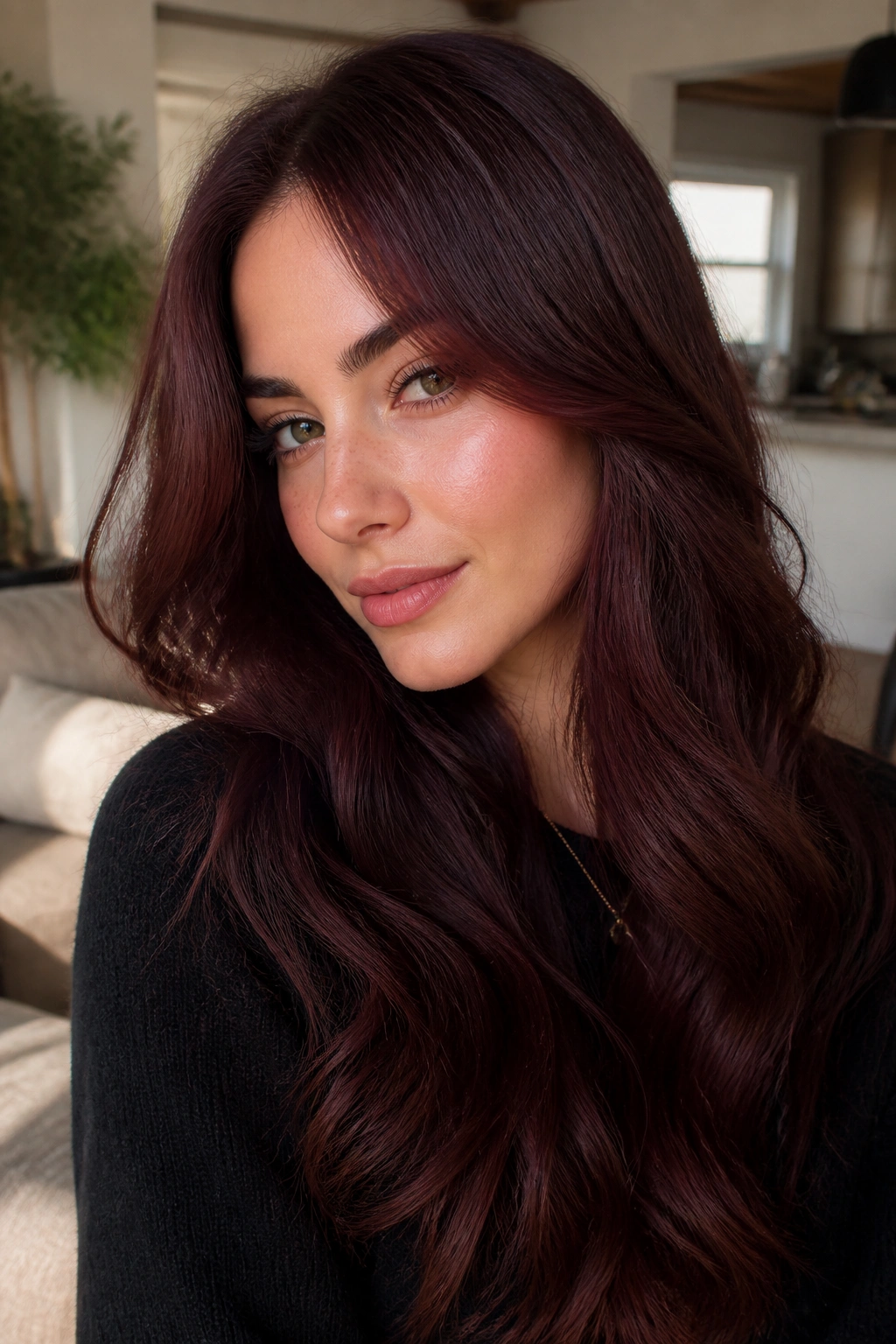
Mahogany brown is the safest starting point if you want red-brown hair that still feels polished on cool skin. It sits in that dark, woodsy middle ground where the red reads as blue-red instead of orange, which is why it flatters pink, rosy, and neutral-cool complexions so well.
Why It Works
Ask for a level 4 or 5 brunette base with mahogany tones through the mids and ends. That gives you enough depth to keep the shade grounded, while the red thread shows up as a soft wine sheen instead of a loud copper flash.
- Best for cool fair to medium skin.
- Looks especially good with a soft berry lip.
- Refresh with a gloss every 4 to 6 weeks.
- Fade is usually graceful, not harsh.
Pro tip: Keep the roots neutral or ash-brown if you want the mahogany to stay elegant as it grows out.
2. Cherry Cola Brunette
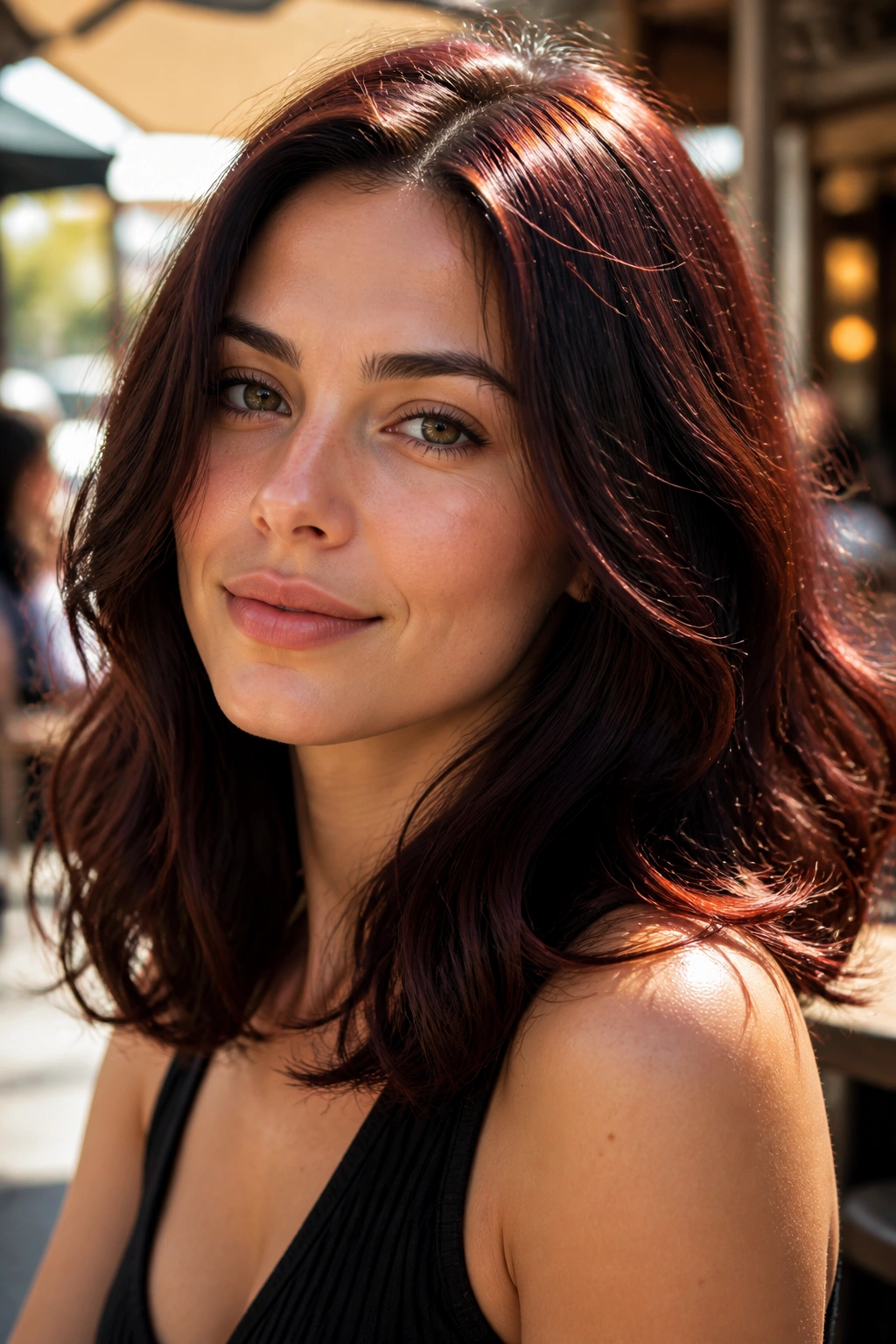
Cherry cola brunette has a little swagger to it. It looks dark and almost brown in low light, then the red comes forward when the sun hits, which is exactly why it works so well for people who want dimension without obvious copper streaks.
This shade is especially nice if your skin turns pink easily. The brown base calms everything down, while the cherry note adds warmth without the kind of orange cast that can fight with cool undertones.
I like this one on shoulder-length cuts and layered long hair. The movement helps the red-brown ribbons show up instead of sitting flat.
3. Burgundy Brown Melt
Why does burgundy brown look so good on cool skin? Because it sits closer to plum than copper, and that makes the color feel naturally at home against a cool face. The finish can be glossy, smoky, or almost velvet-like, depending on how deep you go.
How to Wear It
Ask for a root-to-tip melt: dark brunette at the crown, burgundy through the mids, and a soft brown-red at the ends. That blending keeps the color from looking striped or too heavy.
It works best on medium to deep cool skin, though fair cool skin can wear it too if the burgundy is softened with a brown glaze. The vibe is moody, not loud. Good hair. No fuss.
4. Rosewood Balayage
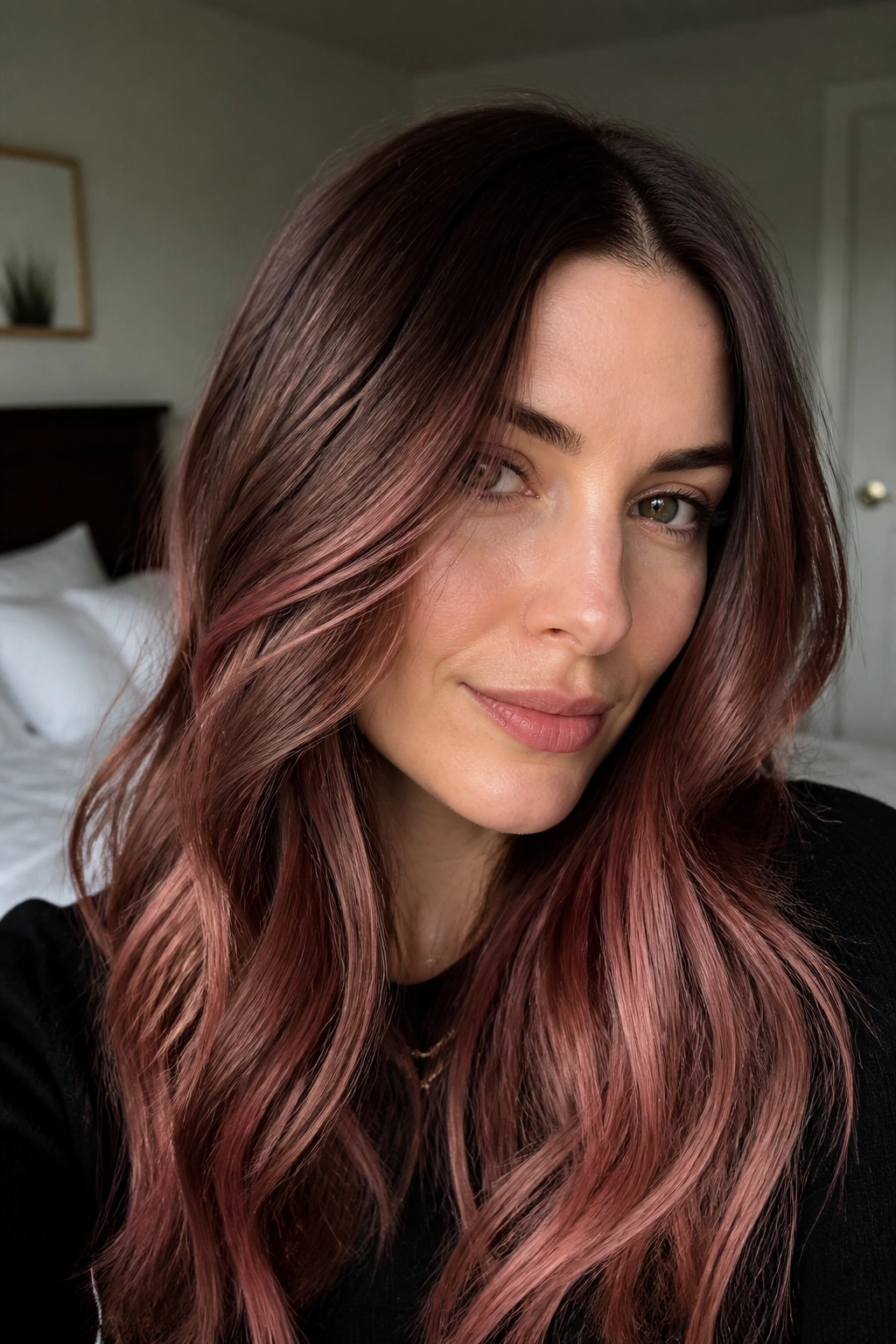
Picture a brown base with a muted rose-red shimmer running through the ends. That’s rosewood balayage, and it’s one of the easiest ways to wear red-brown hair without committing to a full head of red pigment.
What Makes It Different
Rosewood lives in the dusty, slightly pink side of the red-brown family. That little pink edge matters on cool skin because it keeps the color from leaning orange when the light shifts.
- Best on level 5 to 7 brunettes.
- Looks clean with soft waves or a blunt cut.
- Needs toner more than permanent color.
- Grows out gently, which is a relief.
One thing to skip: very bright face-framing pieces. They can pull the shade too warm fast.
5. Merlot Mocha
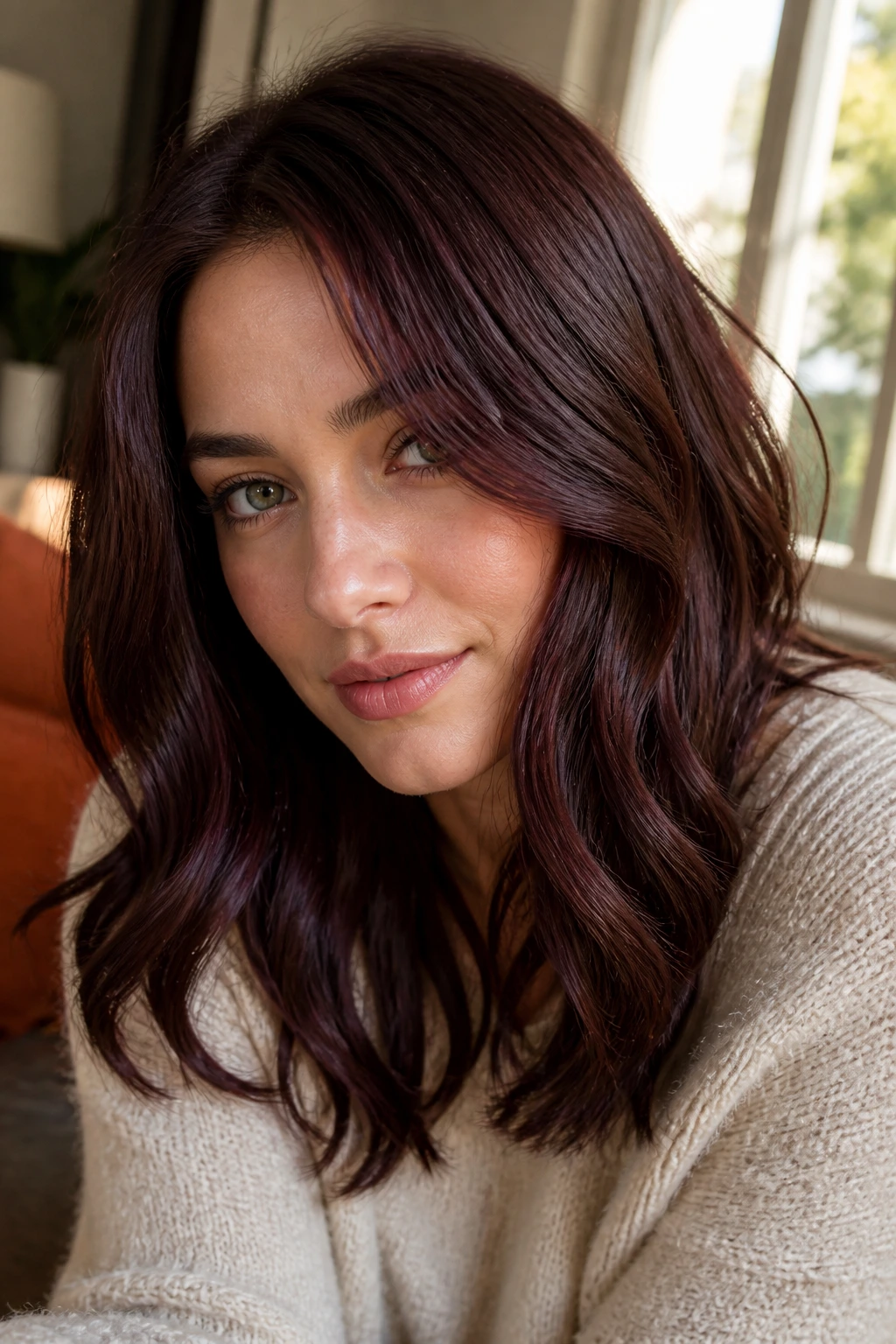
Merlot mocha is for the person who wants something richer than brown but calmer than full red. It is dark, plush, and a little wine-stained, with enough mocha underneath to keep the red from feeling too obvious.
I think this shade is underrated on cool skin with deeper coloring. It brings out the whites of the eyes and can make the complexion look smoother, especially if your natural hair is already dark brunette.
It also wears well in glossy straight styles. The shine does half the work here, so ask for a clear or tinted gloss after the color service. That little step keeps the merlot note crisp instead of muddy.
6. Smoky Auburn
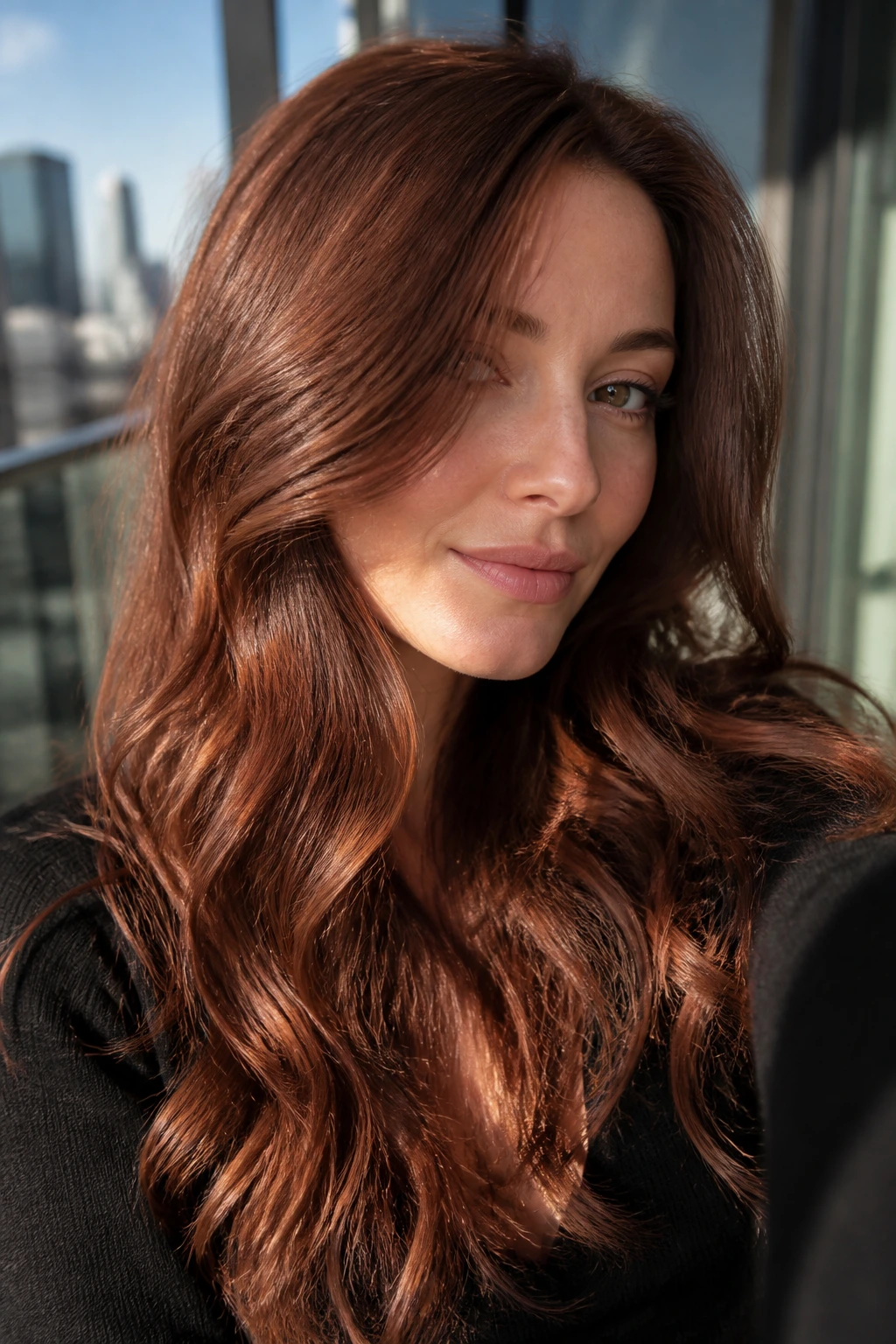
Smoky auburn is what happens when auburn grows up a bit. The color is still warm in spirit, but the smoke factor — ash, brown, and a touch of softness — keeps it from fighting cool undertones.
The Science Behind It
The best smoky auburn shades use a muted copper-brown base instead of a bright orange-red base. That tiny shift changes everything. On cool skin, the face still looks fresh, but the hair gets enough red to feel intentional.
This is a smart choice if you like movement and texture. Curls show it well. So do shag cuts and layers that catch light at the ends.
7. Raspberry Chestnut
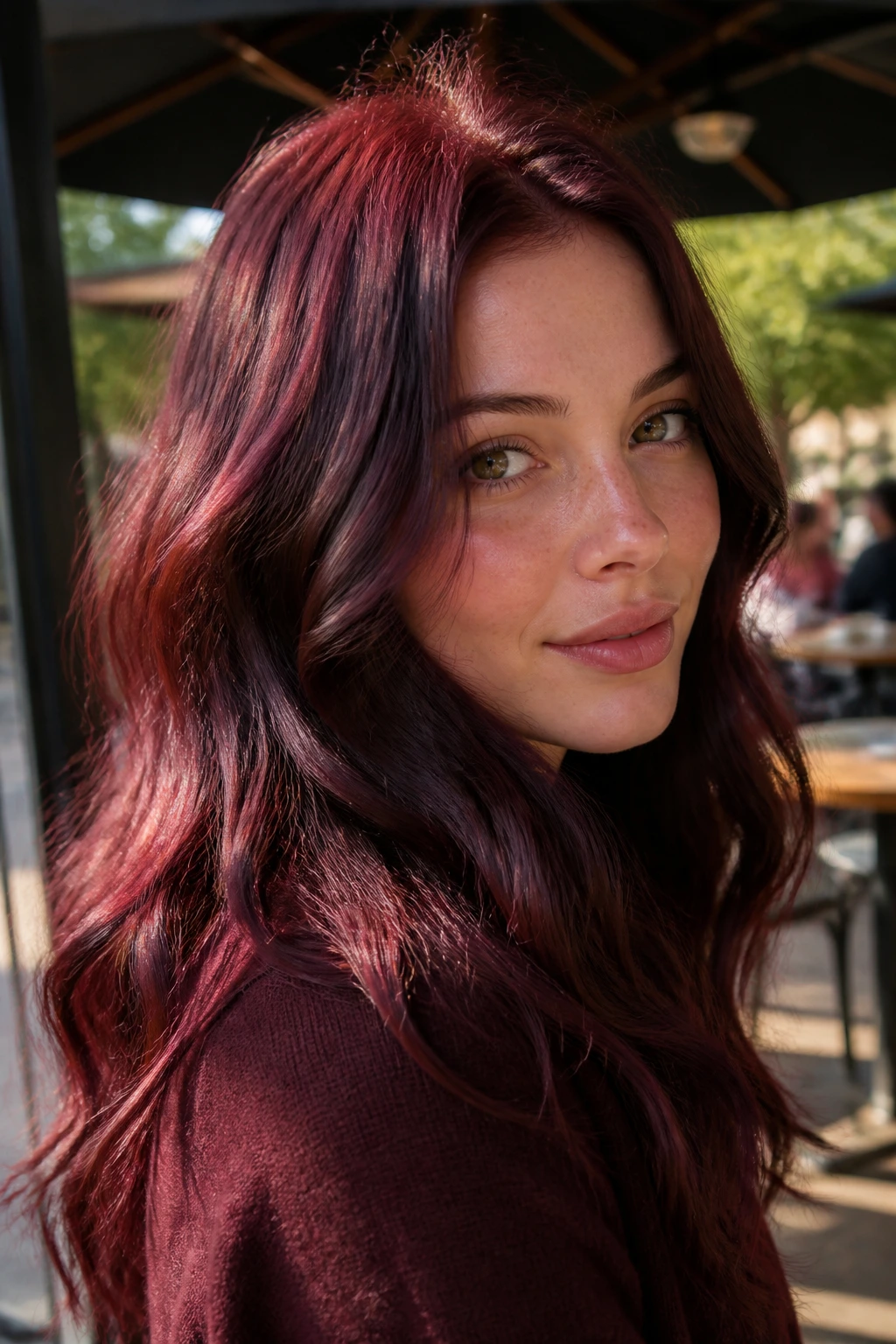
A raspberry chestnut brown gives you fruit-red energy without the harshness of copper. The raspberry note reads cool and bright, while the chestnut keeps the overall look grounded and wearable.
How to Get the Most From It
Ask for a chestnut base with raspberry lowlights or a tinted gloss over brown hair. If you start from a lighter brunette, the raspberry will show more clearly; if your hair is deep brown, it will act more like a hidden shimmer.
- Best for cool skin that can handle color.
- Strong on wavy hair and curly bob cuts.
- Needs a color-safe shampoo.
- Can fade into a pretty rose-brown, which is not a bad thing.
8. Plum Brown Gloss
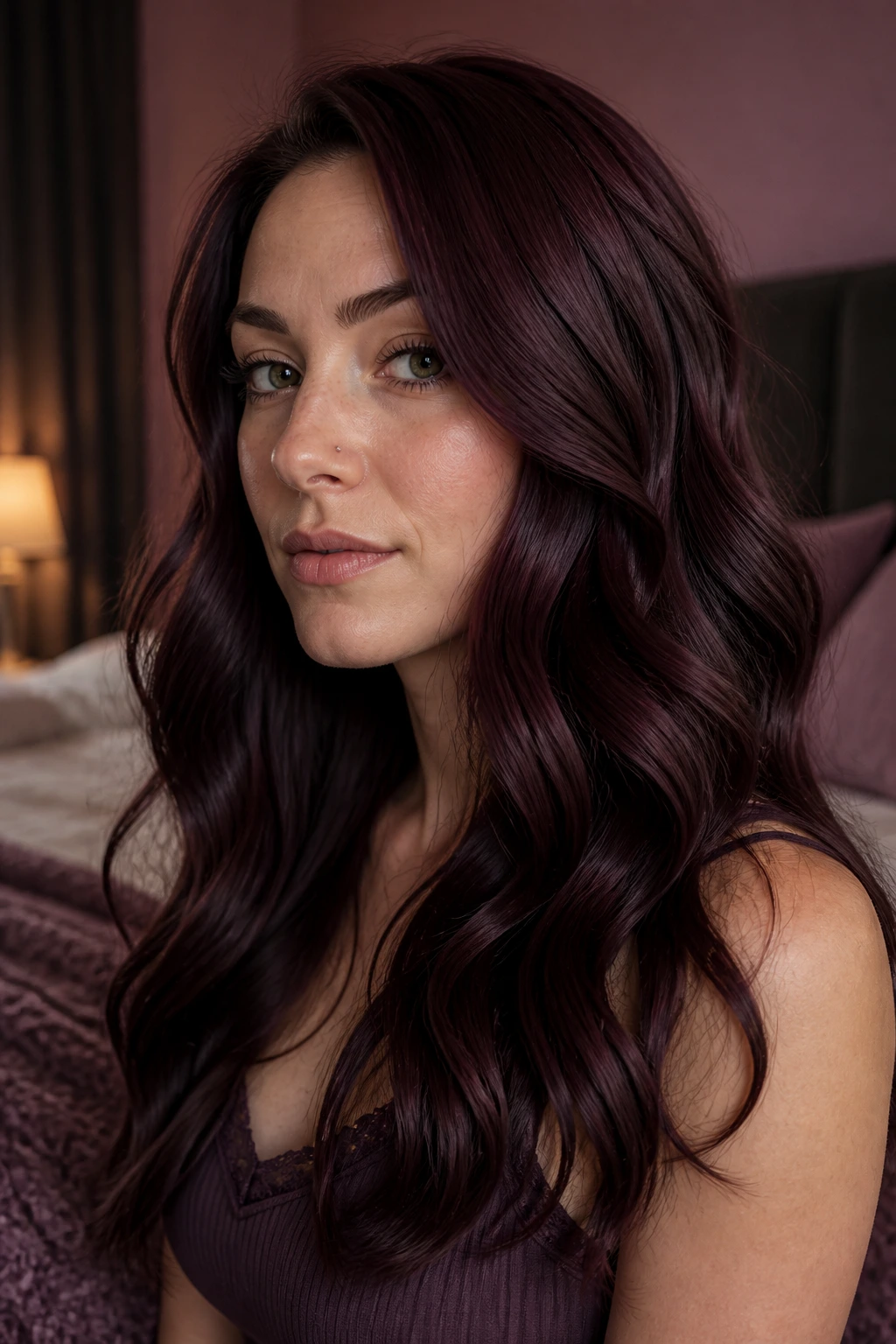
Plum brown gloss is one of those shades that looks understated in a photo and much better in person. The plum tone gives the hair a cool cast, while the brown base keeps it from turning into a flat violet.
This is a nice pick if you already wear silver jewelry or like makeup with mauve, berry, or cool nude tones. The hair and face tend to speak the same language.
A gloss is the whole point here. You do not need bright stripes or a chunky balayage. In fact, the cleaner the finish, the better this shade looks.
9. Black Cherry Brunette
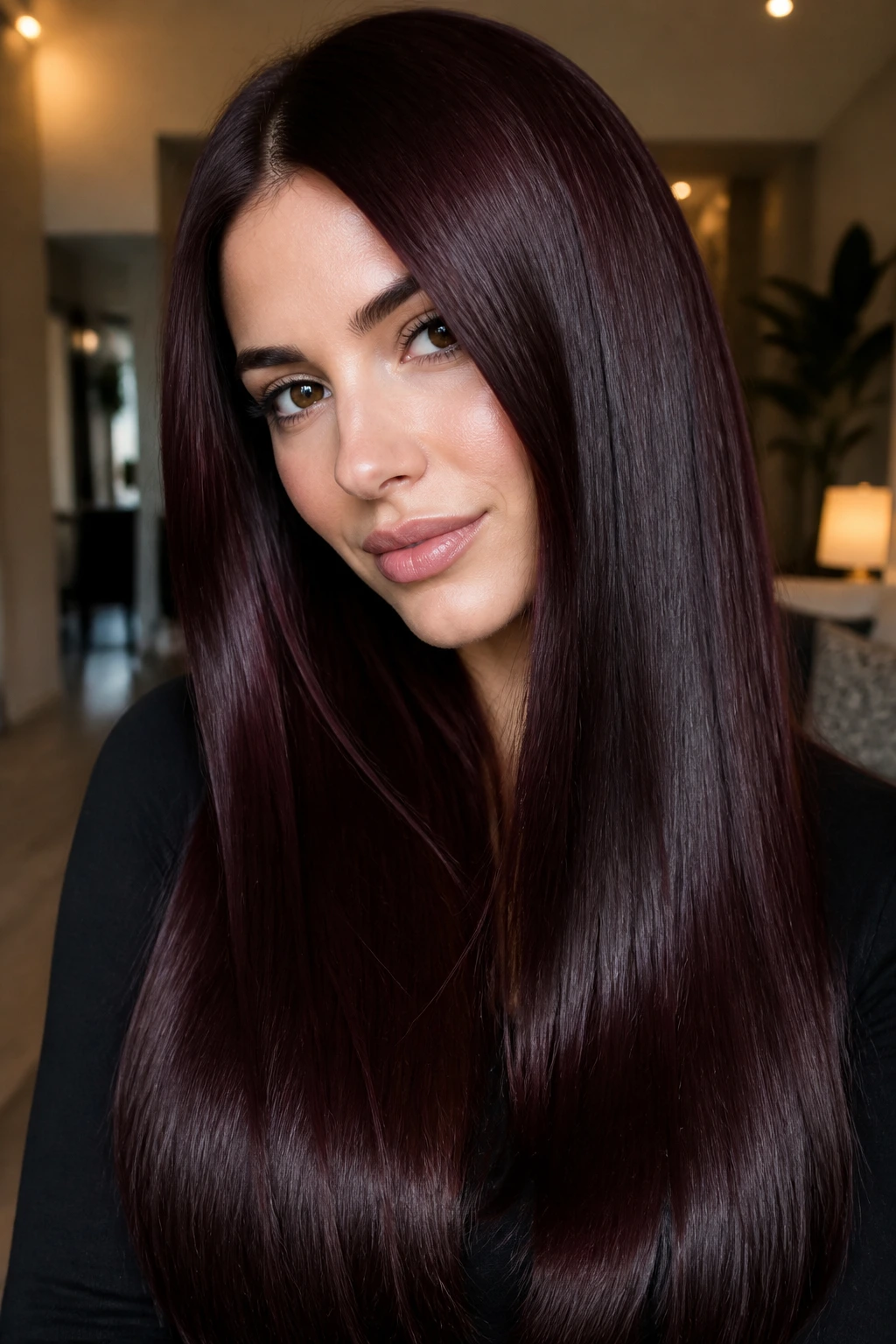
Black cherry brunette is darker than most people expect. Indoors, it often reads like espresso brown. Outside, the cherry note wakes up and the hair picks up a red-violet shine that cool skin tends to wear well.
What to Watch For
The danger with black cherry is overdoing the red. If the formula tilts too warm, the shade can suddenly look more burgundy-orange than cherry-black. That is not the look.
Keep the base deep and ask for a blue-red or violet-red toner. It works best on glossy, one-length cuts and sleek blowouts where the color can reflect light in a clean line.
10. Cinnamon Brown with a Cool Filter
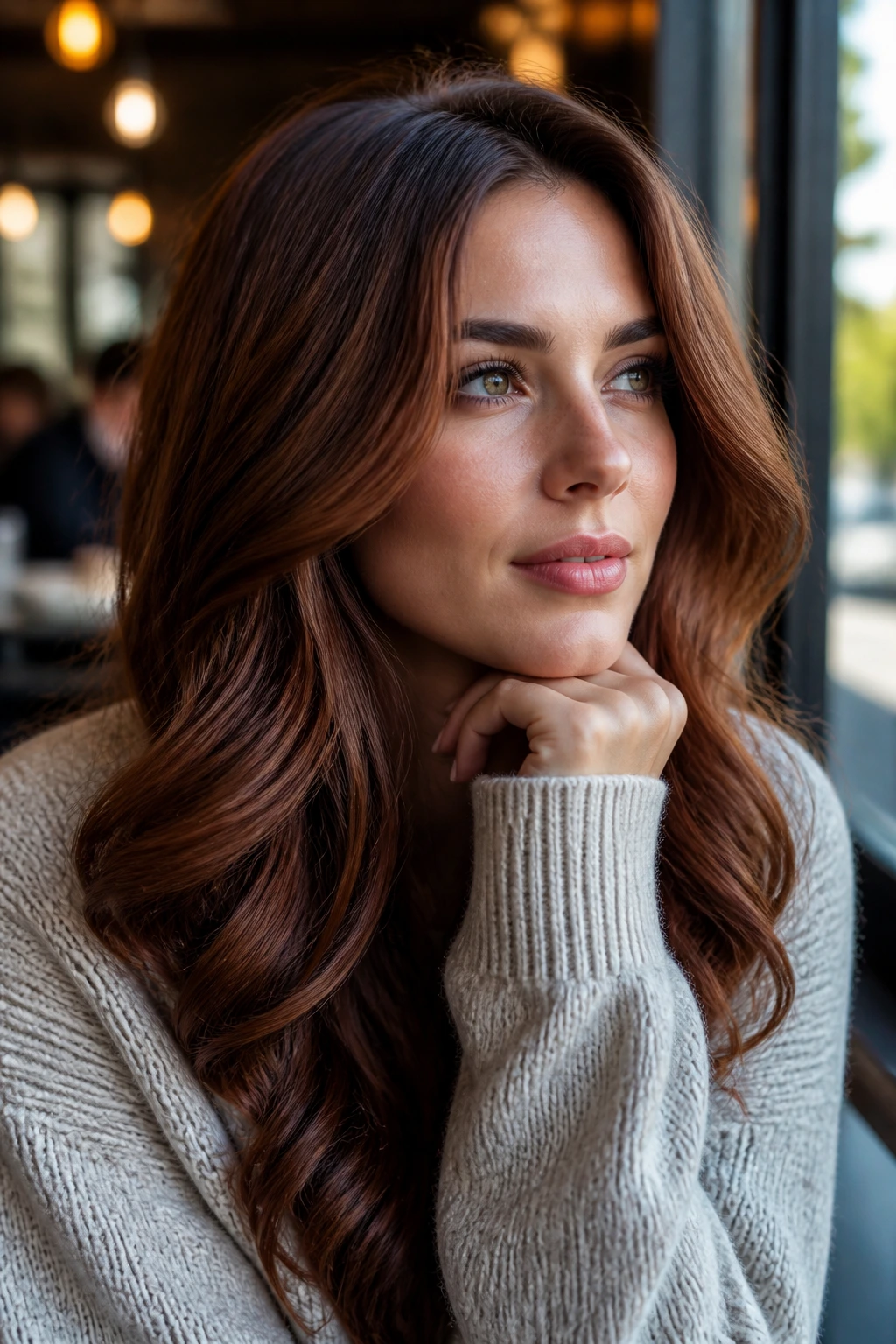
Cinnamon is usually warm, but cinnamon brown with a cool filter is a different animal. Think soft spice, not orange spice. The brown base stays dominant, and the red comes through like a muted glaze.
This one is good for people who want a little warmth without losing cool-skin harmony. It can soften very pale complexions and give medium cool skin a little more depth around the face.
A root shadow helps here. So does a neutral glaze over the ends. Without that, cinnamon can wander into copper too quickly, and that’s where the shine starts working against you.
11. Wine-Stained Money Piece
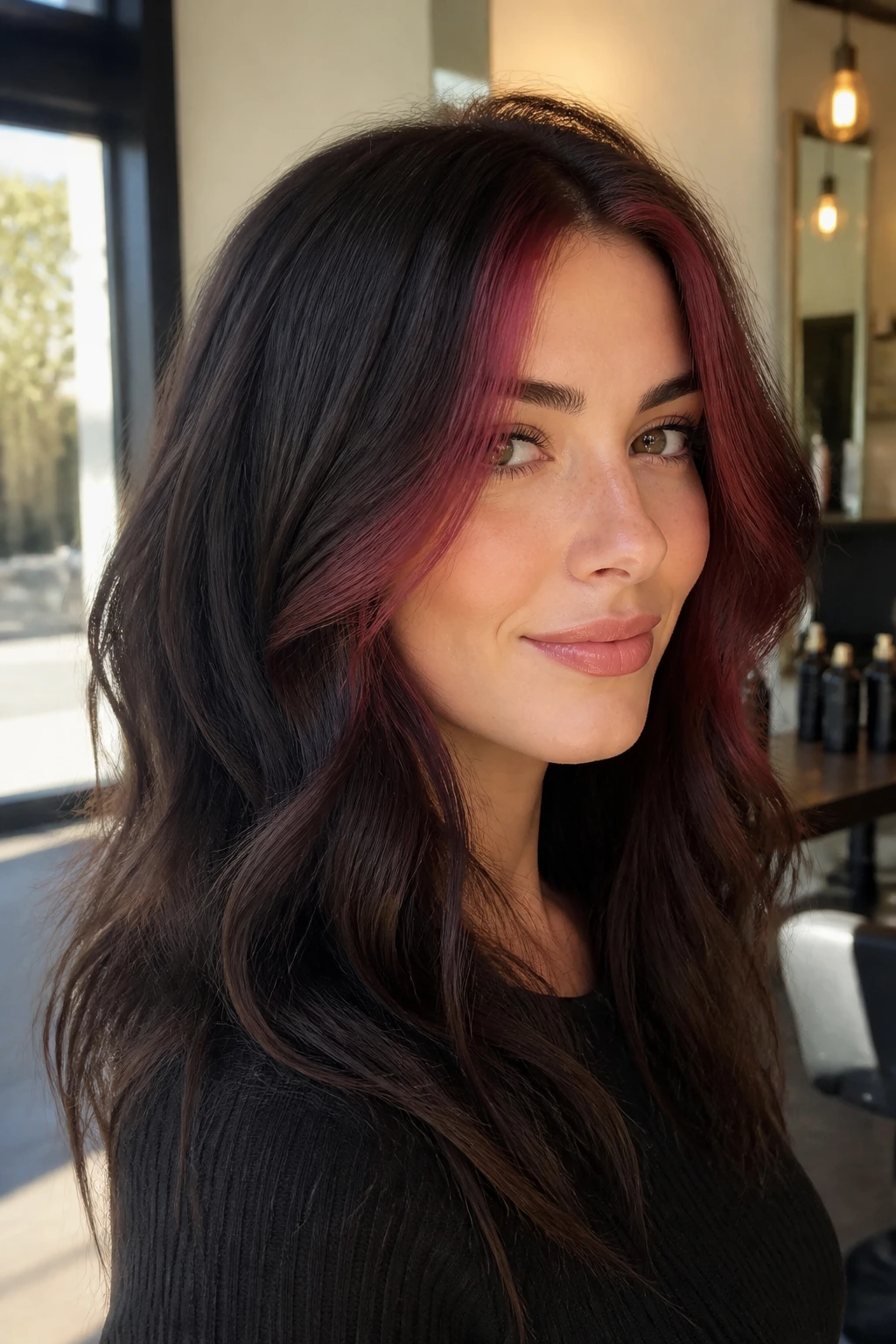
A wine-stained money piece is the right move if you want drama in a small dose. The face-framing strands carry the red-brown tone, while the rest of the hair stays brunette or espresso, which keeps the whole look controlled.
How to Wear It
This is a smart choice for cool skin because the brighter color sits right near the face, where the blue-red tone can flatter cheeks and eyes. The trick is keeping the front pieces deep enough to stay wine-like instead of red-orange.
- Best with layers around the face.
- Works on straight, wavy, or curled styles.
- Needs touch-ups more often than a full balayage.
- Looks bold even when the rest of the hair stays quiet.
12. Violet Chestnut
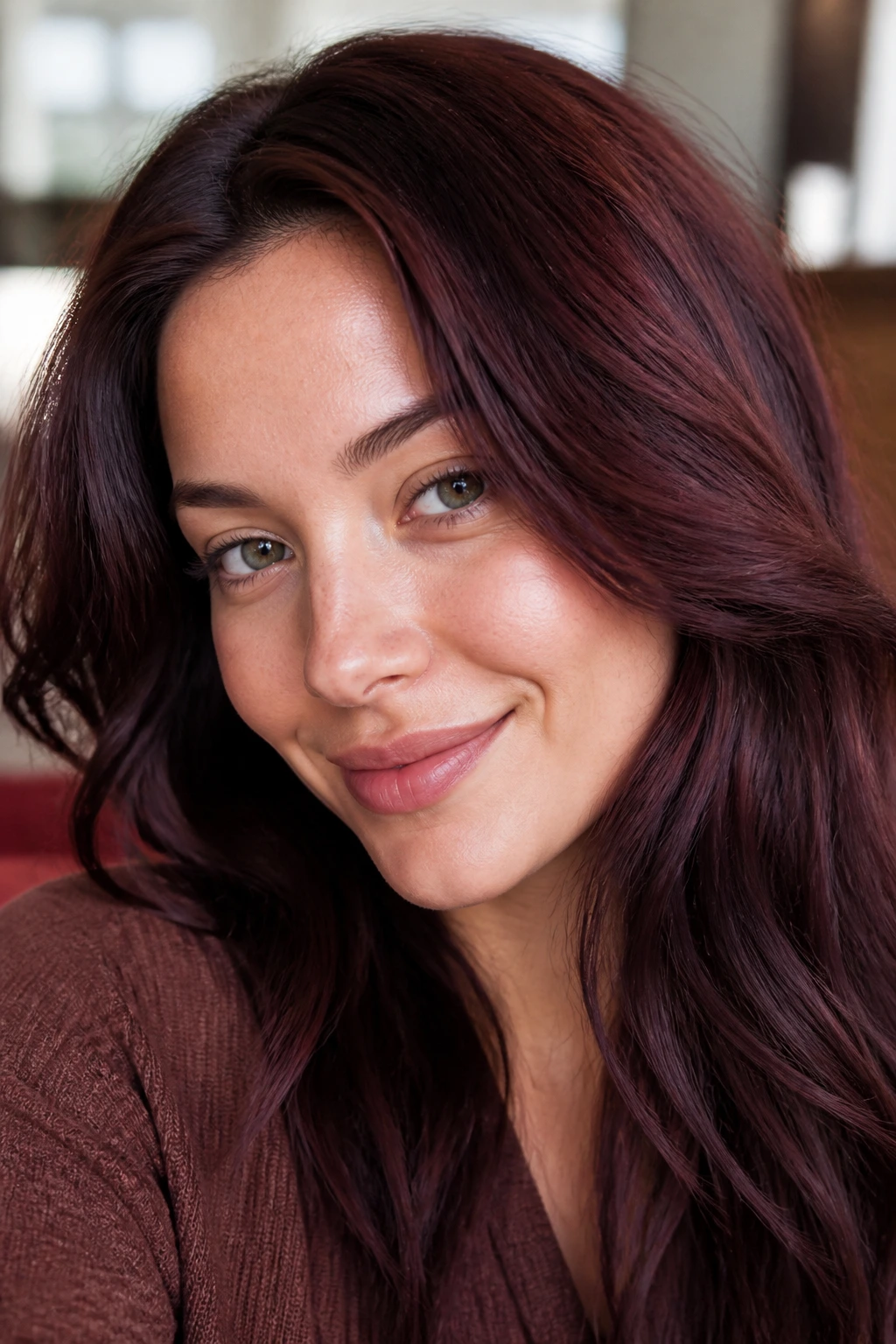
Violet chestnut is one of the easiest cool-toned reds to wear because the violet edge keeps the brown from looking flat. It is soft, rich, and a little mysterious without trying too hard.
If your skin has pink or blue undertones, this shade usually sits well because it echoes those cool notes instead of competing with them. The result is less “red hair” and more “deep brunette with a wine shadow.”
It is also forgiving as it fades. A lot of red-browns go muddy after a few washes. Violet chestnut tends to drift toward soft brown-purple, which is still flattering.
13. Oxblood Brunette
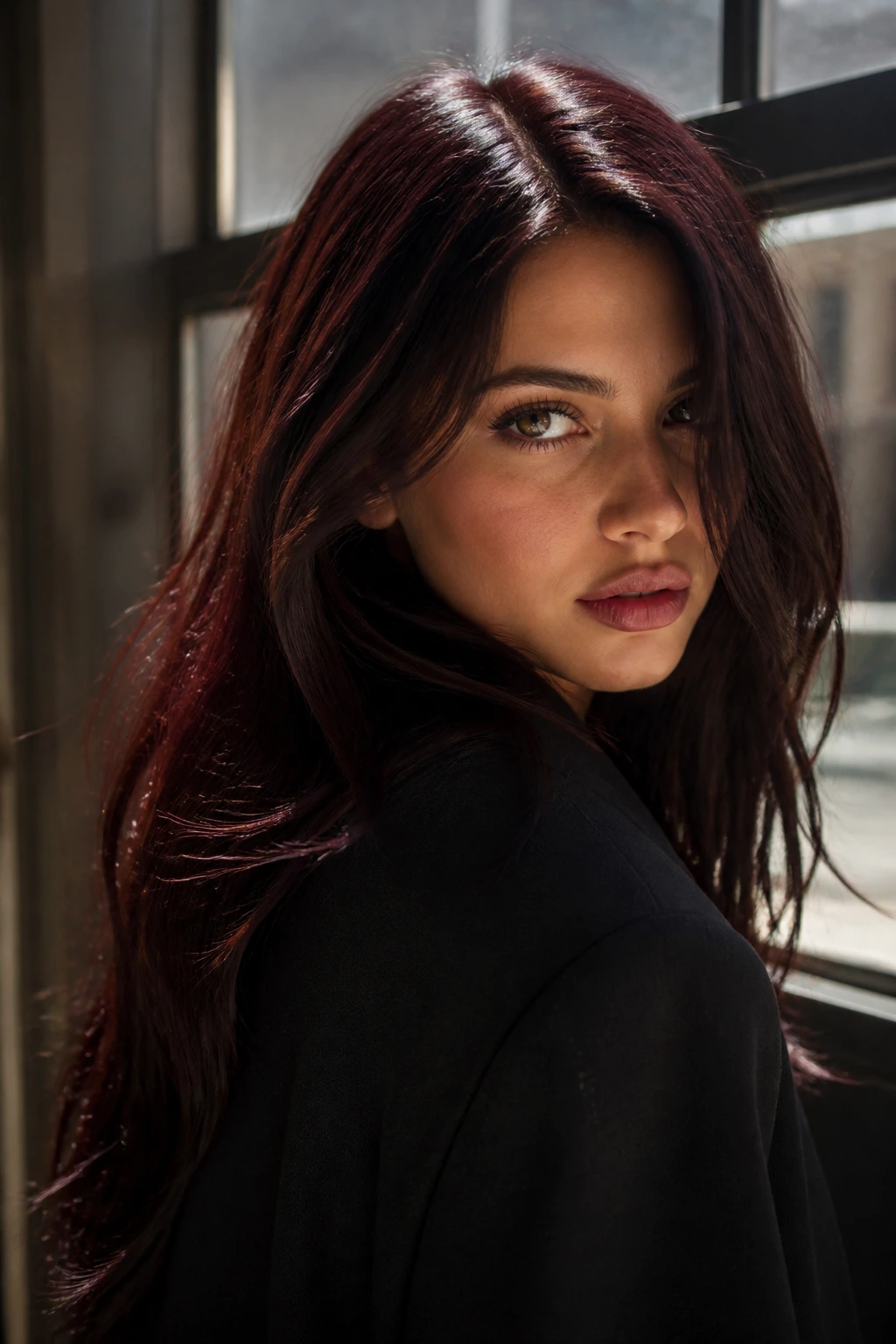
Oxblood brunette is dark, serious, and a little cinematic. It is the kind of color that looks almost black in low light and then shows a deep crimson-brown edge when the sun hits it.
Why It Works
Cool skin often looks sharper next to colors with depth, and oxblood does that job beautifully. The red is there, but it lives under the surface. That subtlety matters.
Try this if you like a strong lip, dark brows, or a polished wardrobe with black, charcoal, navy, and plum. The hair will feel like part of the outfit instead of competing with it.
14. Cranberry Balayage
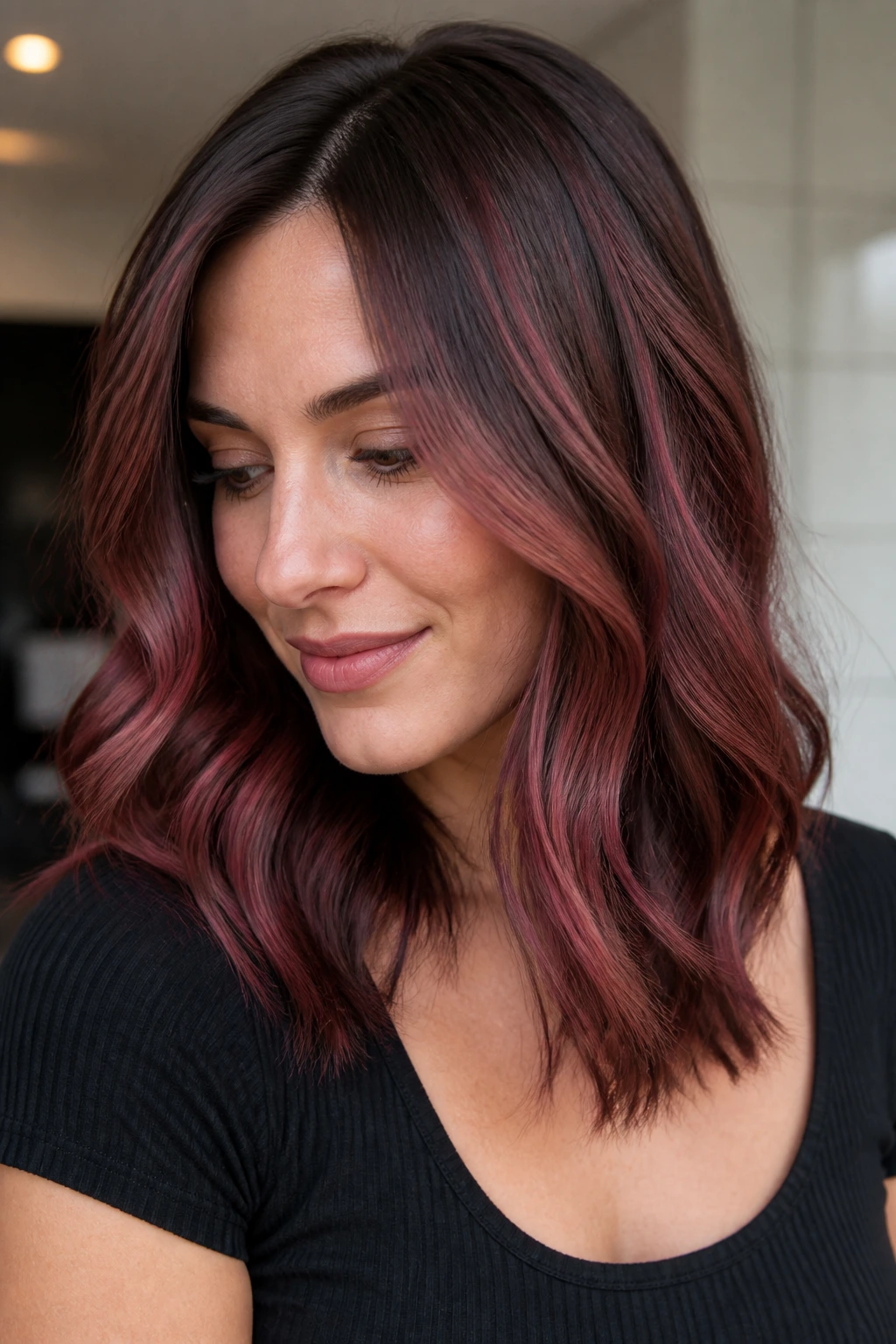
A cranberry balayage gives you brightness without the brass. The cranberry streaks bring in that cool berry-red note, while the brunette base keeps the look from becoming too loud or too warm.
I like this on medium brown hair because the contrast is soft enough to look expensive, but visible enough to read as a real color change. On very dark hair, the cranberry can appear almost like a tint in motion.
The best version has fine ribbons, not thick chunks. Thin placement looks more natural and helps the color catch light in a better way.
15. Garnet Root Shadow
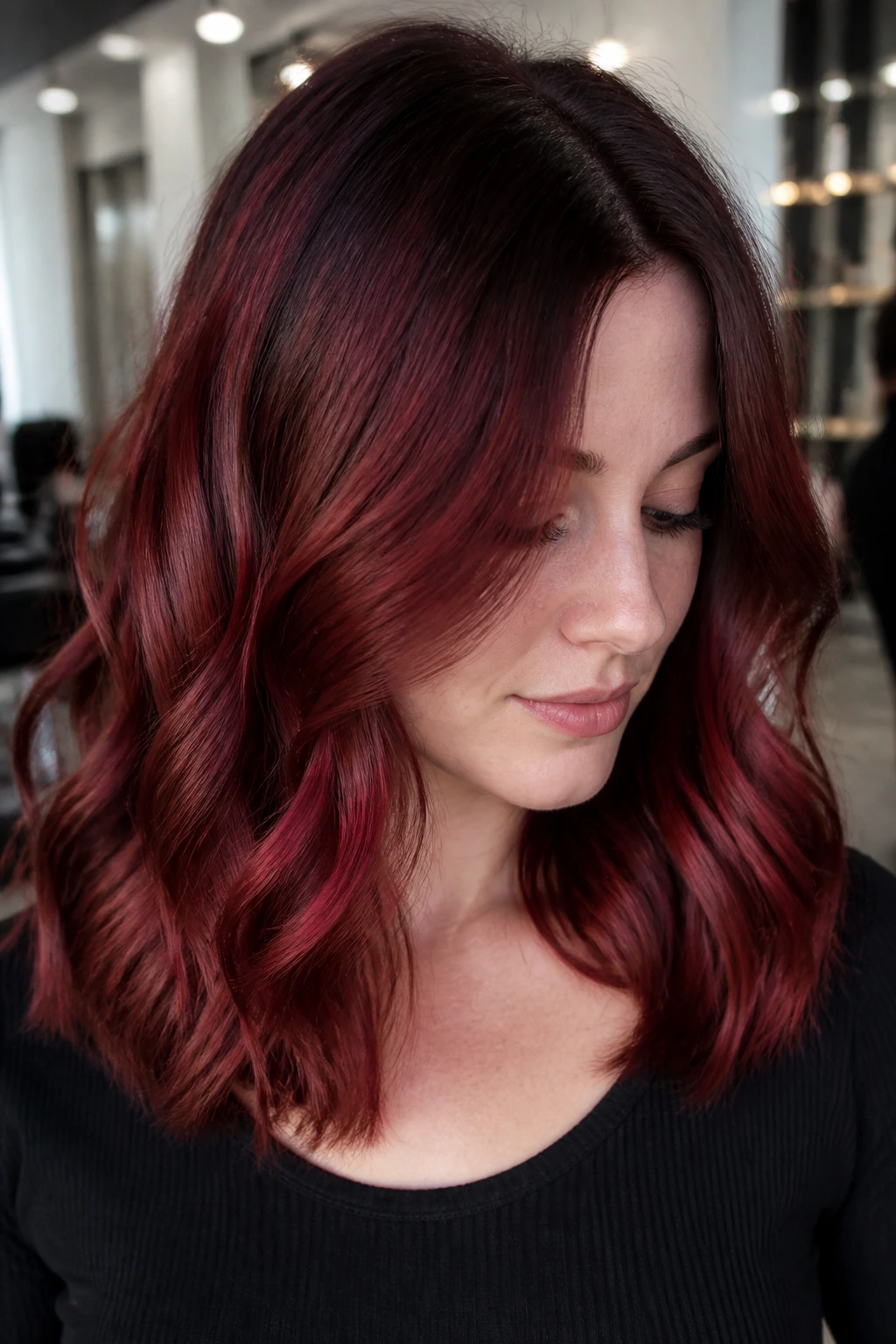
Garnet root shadow is a clever choice if you want red-brown depth with low drama at the scalp. The roots stay deeper and cooler, then the garnet tone opens up through the mids and ends.
How to Get the Most From It
This shade is particularly good for cool skin that goes pale in winter or loses color fast. The darker root adds structure, which helps the red feel rich instead of too exposed.
It also buys you some grow-out time. A root shadow softens the line between your natural hair and the color service, so you can stretch appointments a little longer.
16. Berry Brunette
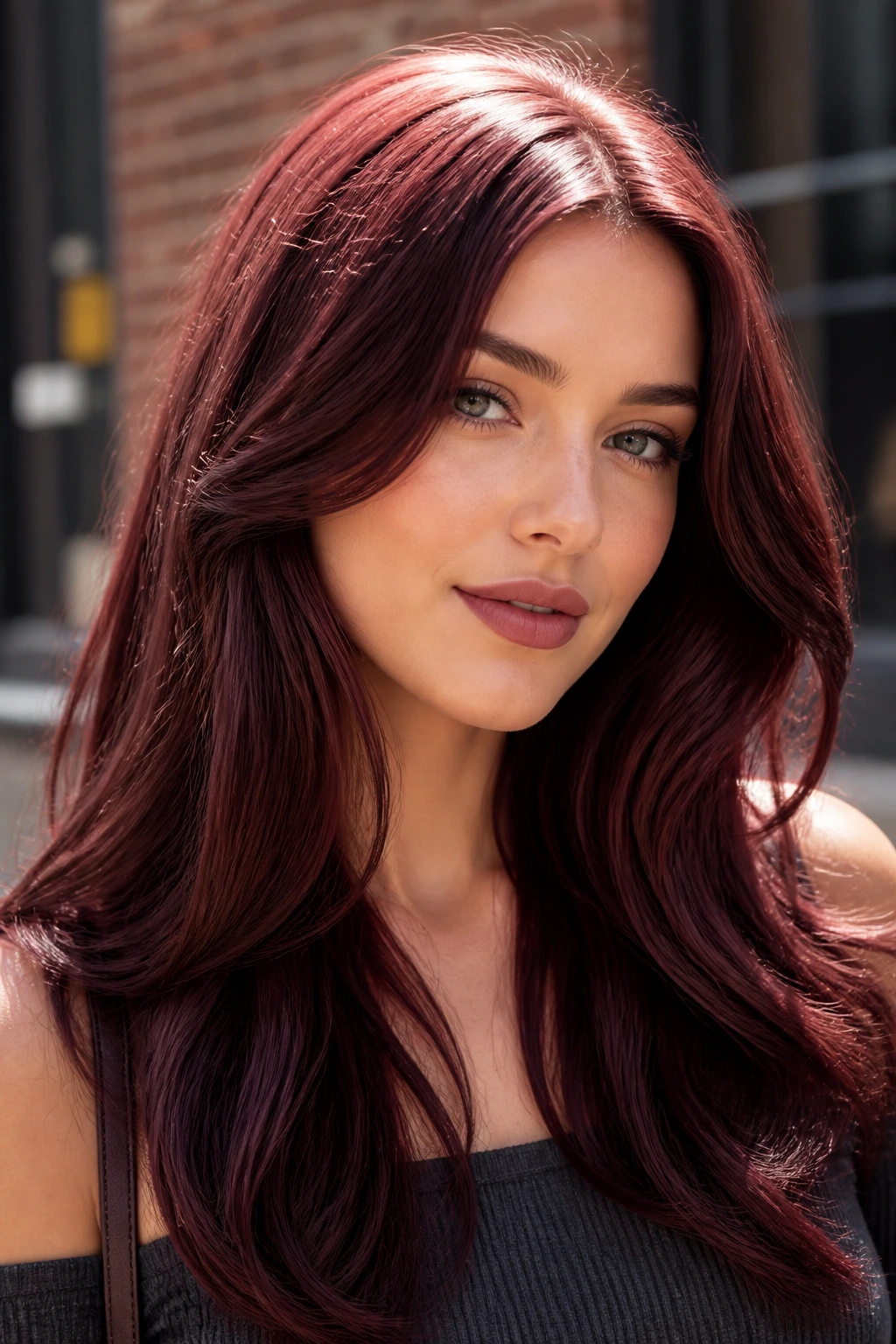
A berry brunette is basically red-brown with a fresher, slightly brighter edge. It has enough red to show movement, but the berry note keeps it cooler than classic auburn.
This shade works well on layered cuts because the different lengths show different amounts of red. Under indoor lights, it can look like a normal brunette. In daylight, the berry note wakes up and gives the hair dimension.
If you like makeup in mauve or rose tones, this one is a natural fit. It also looks good with cool blond highlights around the face if you want a softer contrast.
17. Cabernet Brown
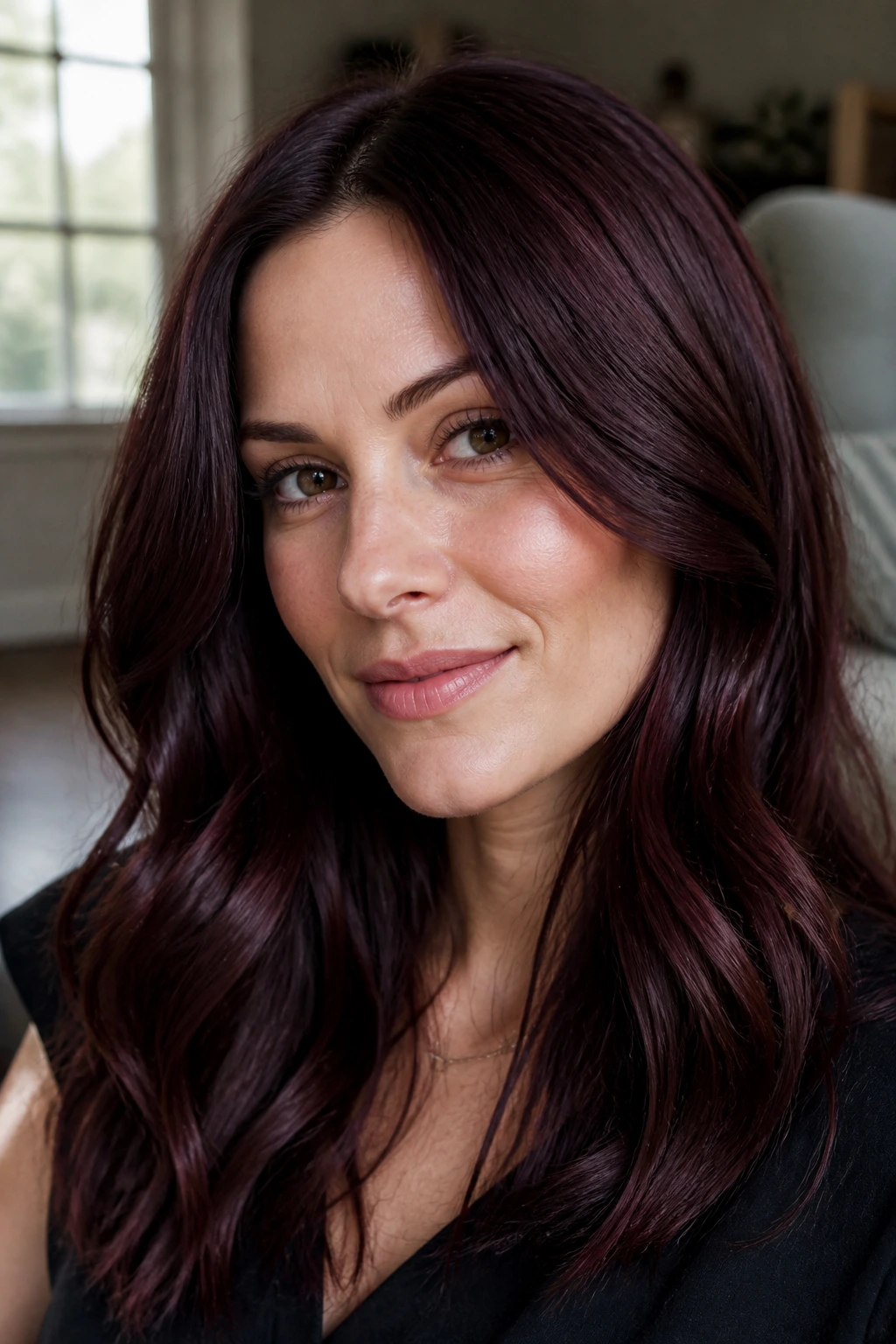
Cabernet brown is one of my favorites for deep cool skin. It has the depth of dark brunette and the wine-like richness of cabernet, which gives the hair a grown-up, polished finish.
It is especially flattering if you want the color to feel rich rather than playful. That sounds small, but it matters. Some reds feel cheerful. Cabernet feels composed.
A single-process tint works here, but a gloss afterward makes the shade look smoother and more even. If you see any orange in the formula, push it cooler. That one adjustment changes the whole result.
18. Mulled Wine Face-Framing Ribbons
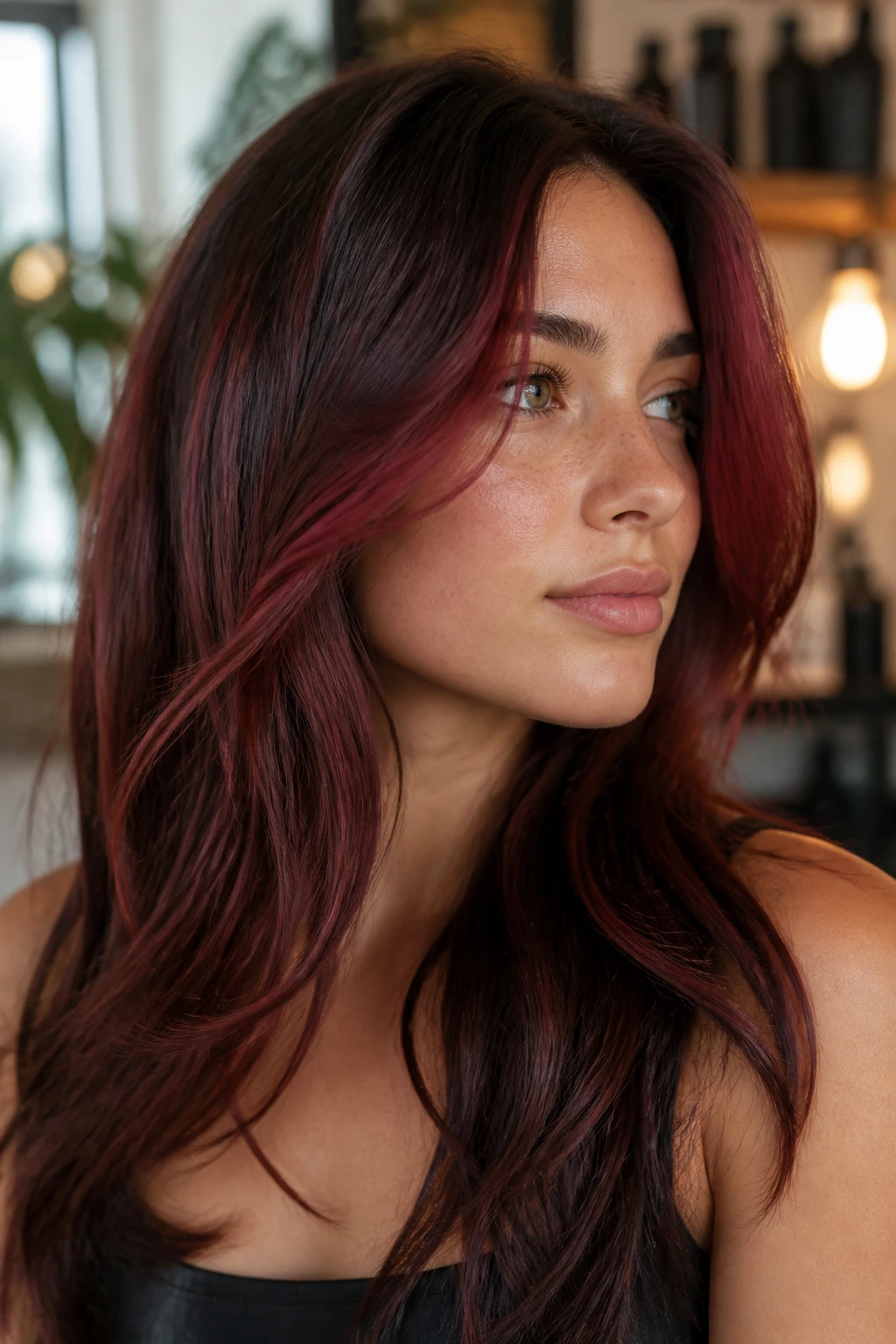
Think of mulled wine face-framing ribbons as a softer cousin to bold money pieces. The red-brown color appears in the front sections and a few surface ribbons, so the look stays dimensional without overwhelming the face.
For cool skin, this is a nice middle path. You get the warmth of red-brown hair without committing to all-over richness, and the face-framing pieces can be tuned cooler with a violet or berry toner.
This approach is especially flattering on long layers. The pieces move. They catch light. That matters more than people think.
19. Amethyst Brown
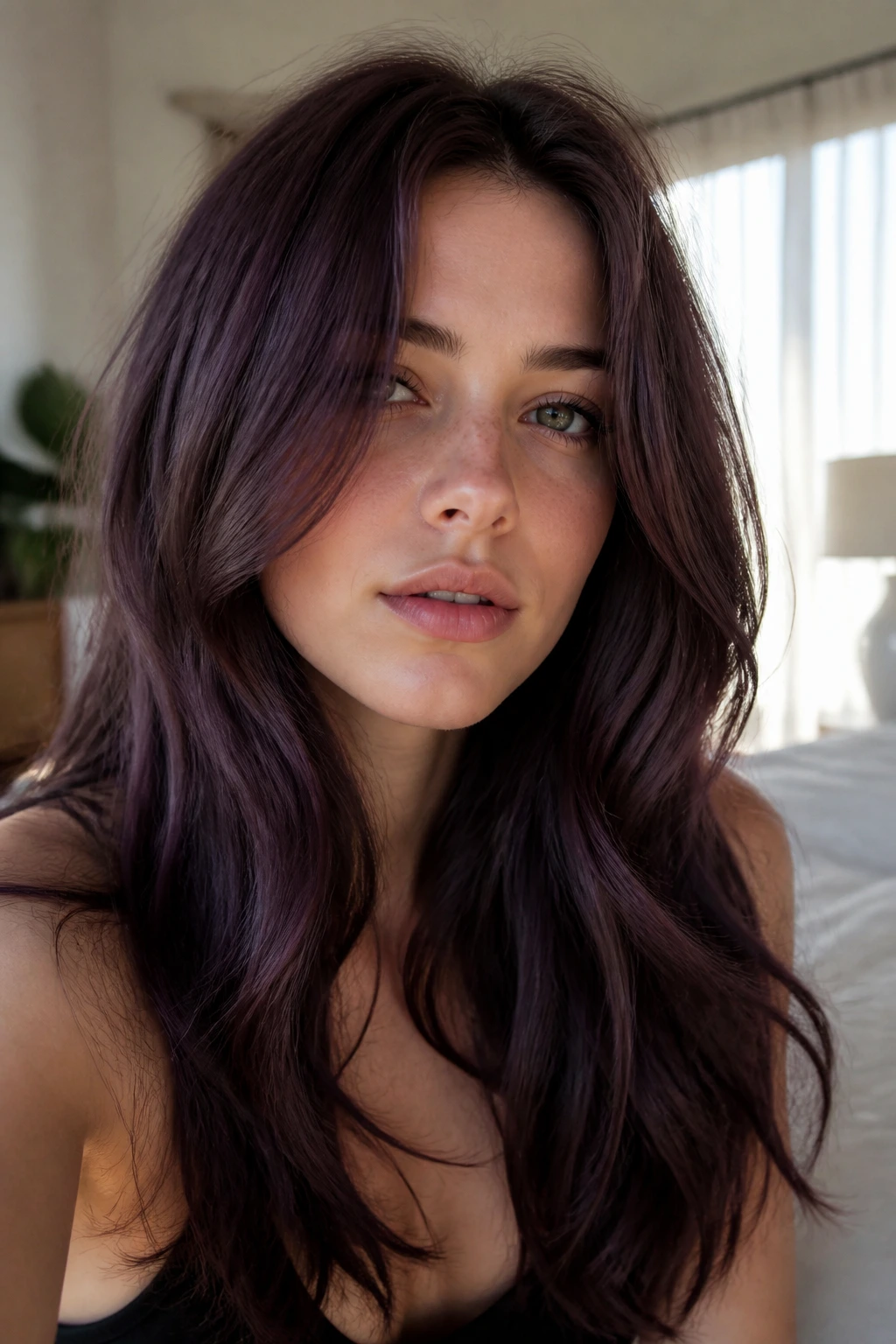
Amethyst brown pushes farther into purple than most red-brown shades, and that is exactly why it works on cool skin. The amethyst note gives the brunette a cool sheen, while the brown underneath keeps it wearable.
What Makes It Different
This is not a copper shade pretending to be cool. It is the opposite: a cool shade borrowing just enough red to feel dimensional. That makes it a strong choice if warmer reds tend to make your skin look tired.
- Best for fair and medium cool skin.
- Looks striking on straight hair.
- Needs purple-safe color care.
- Fades toward soft brown-plum rather than brass.
20. Deep Cherry Espresso
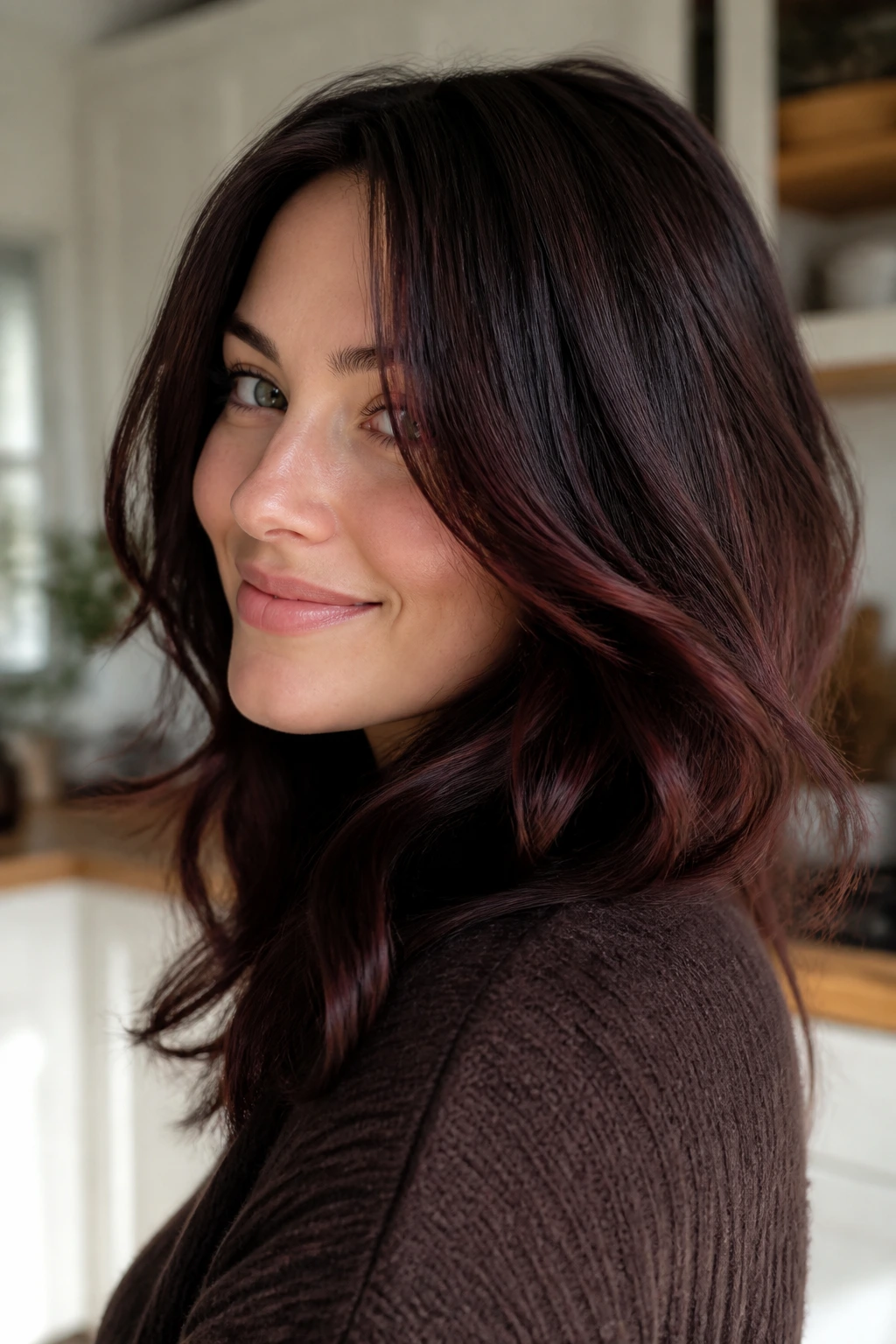
Deep cherry espresso is dark enough to pass for a classic brunette at first glance. Then the cherry tone catches light, and the whole color changes mood.
That hidden quality is why it works so well on cool skin. You get richness without making the face look flushed. And because the red sits inside the espresso base, it feels expensive rather than loud.
This one is a strong pick for low-maintenance people. It grows out well, doesn’t scream for constant touch-ups, and still gives you that red-brown payoff in sunlight.
21. Blackberry Brunette
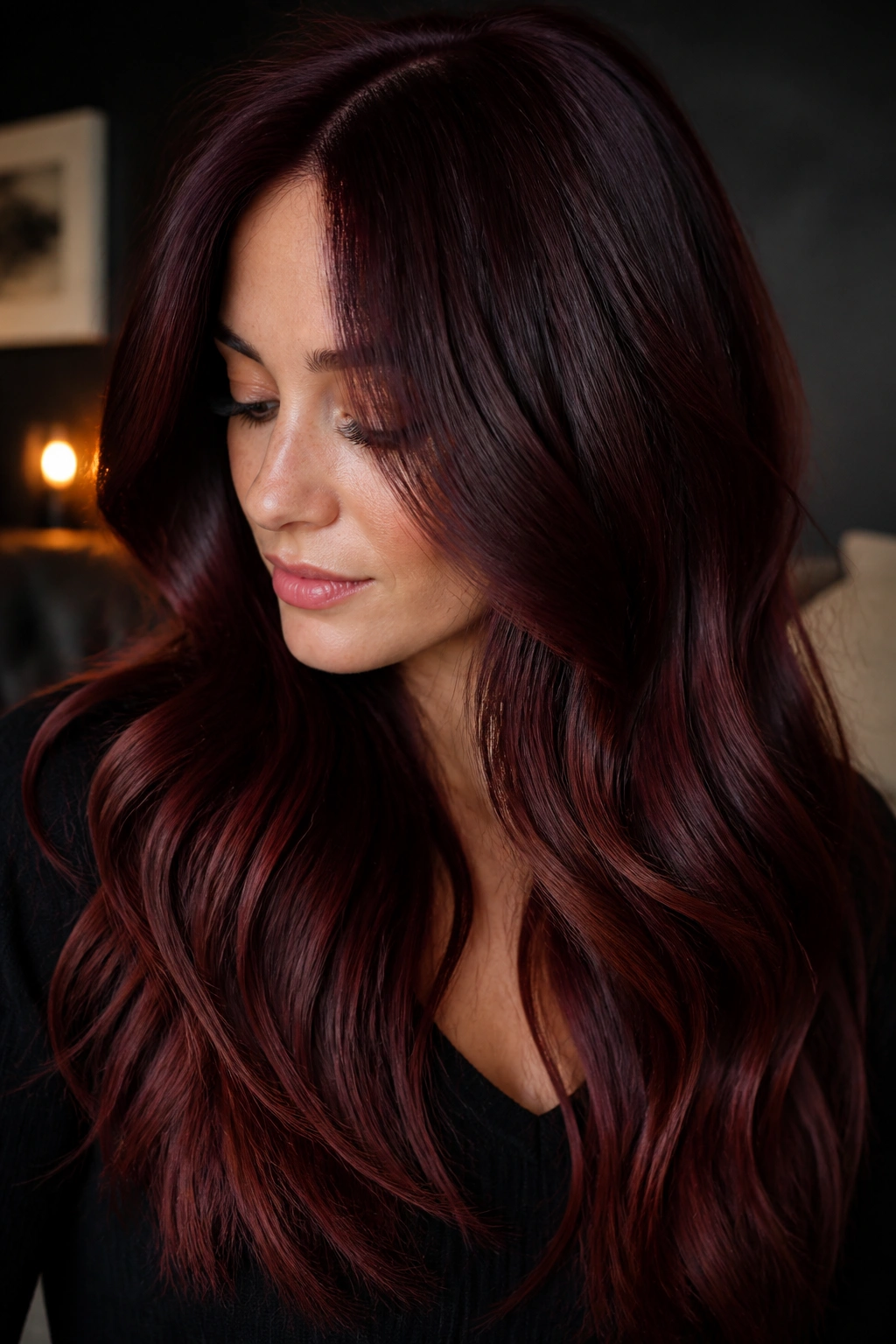
Why is blackberry brunette so flattering? Because blackberry sits on the cool side of red, closer to berry and plum than to copper. That means the hair adds color without colliding with cool undertones.
How to Use It
Ask for a brunette base with blackberry glaze through the mids and ends. If you want more movement, add very fine babylights a shade lighter than the base so the berry tone can show in pieces.
This shade has a moody edge that works well with deeper eye colors, though fair cool skin can wear it too if the finish stays glossy. Matte blackberry can look flat. Shine is your friend here.
22. Claret Brown
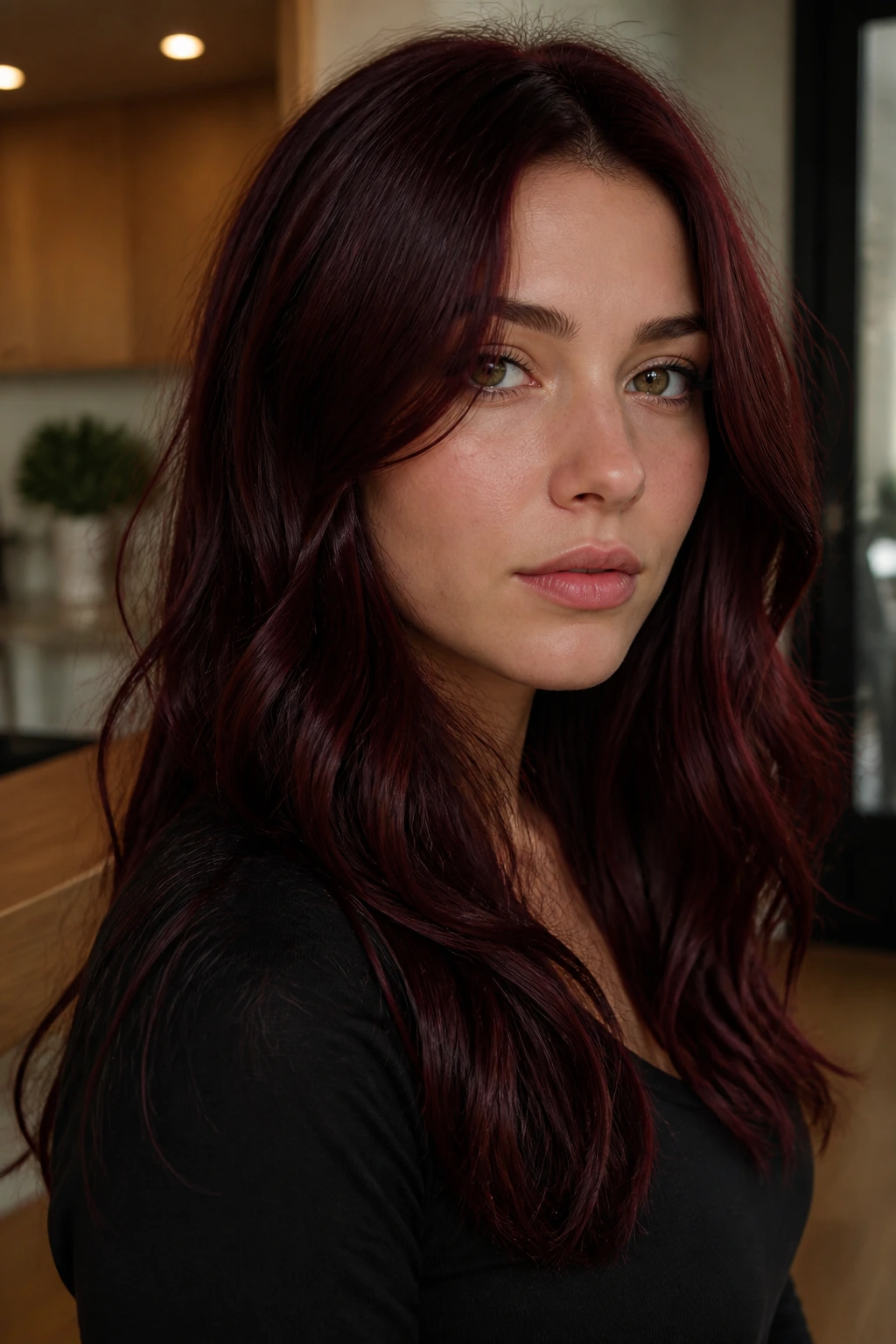
Claret brown is red wine in hair form. It has the deep red-brown richness of a vintage bottle, but the brown base keeps it grounded enough for everyday wear.
This is a smart shade if you want something elegant and not too playful. Cool skin tends to handle claret well because the tone lives in the same cool family as plum and burgundy.
I’d put this on medium to dark brunette bases first. Lighter hair can still wear it, but the shade gets better when the brown underneath has some depth. Without that, claret can look too bright.
23. Smoke-Red Balayage
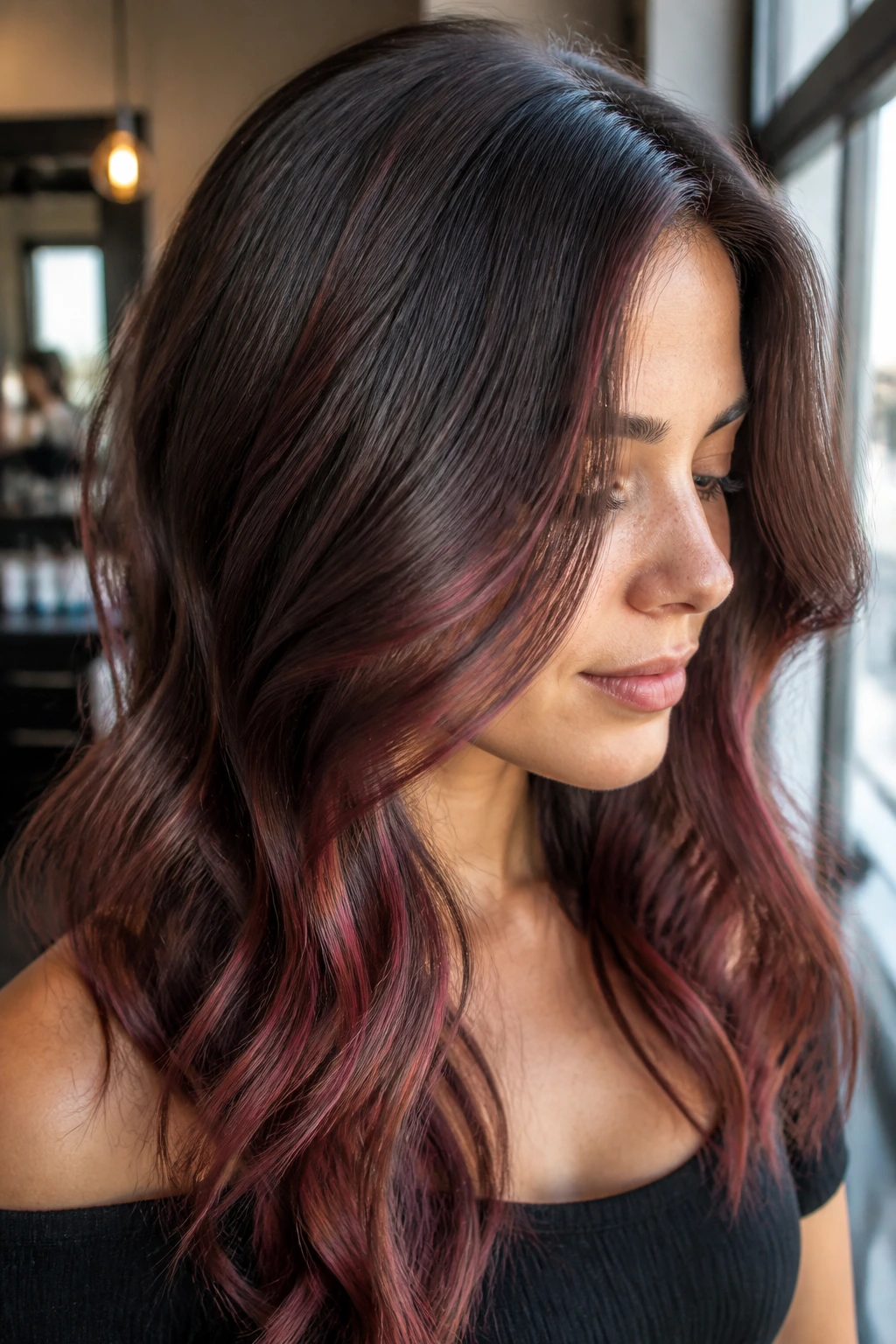
A smoke-red balayage is exactly what it sounds like: red, but softened. The smoky finish leans ash-brown around the roots and through the lower lengths, while the red appears as a shadowy ribbon instead of a bright stripe.
This is one of the easiest red-brown ideas for cautious people. It gives you movement and color, but it does not demand that you commit to a bold copper head.
The best version is hand-painted in thin sections. Thick balayage pieces can make smoky tones look patchy. Thin ones melt better and keep the overall finish calm.
24. Ruby Brown
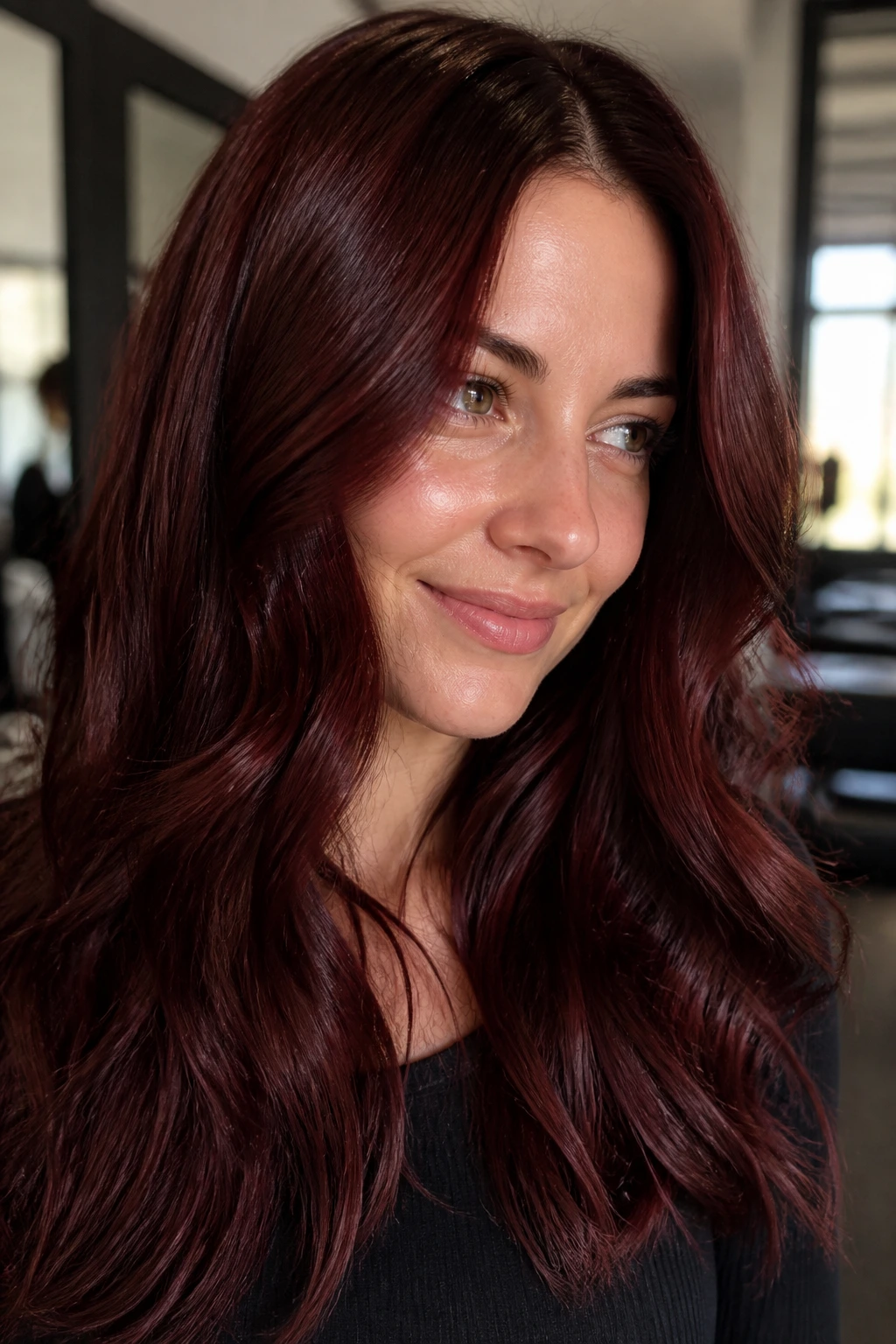
Ruby brown brings a little brightness to the red-brown family without losing the brown base. It feels jewel-like, which is why it often flatters cool skin more than orangey auburn ever will.
What to Watch For
Ask for ruby that leans deep red, not coral. That distinction matters more than people realize. A coral-leaning red can make the face look warm in the wrong way, while a ruby tone keeps the skin looking fresh.
- Best on medium brunette hair.
- Strong choice for layered bobs.
- Needs gloss maintenance if you want the ruby to stay clear.
- Works well with cool-toned makeup.
25. Blue-Red Mahogany
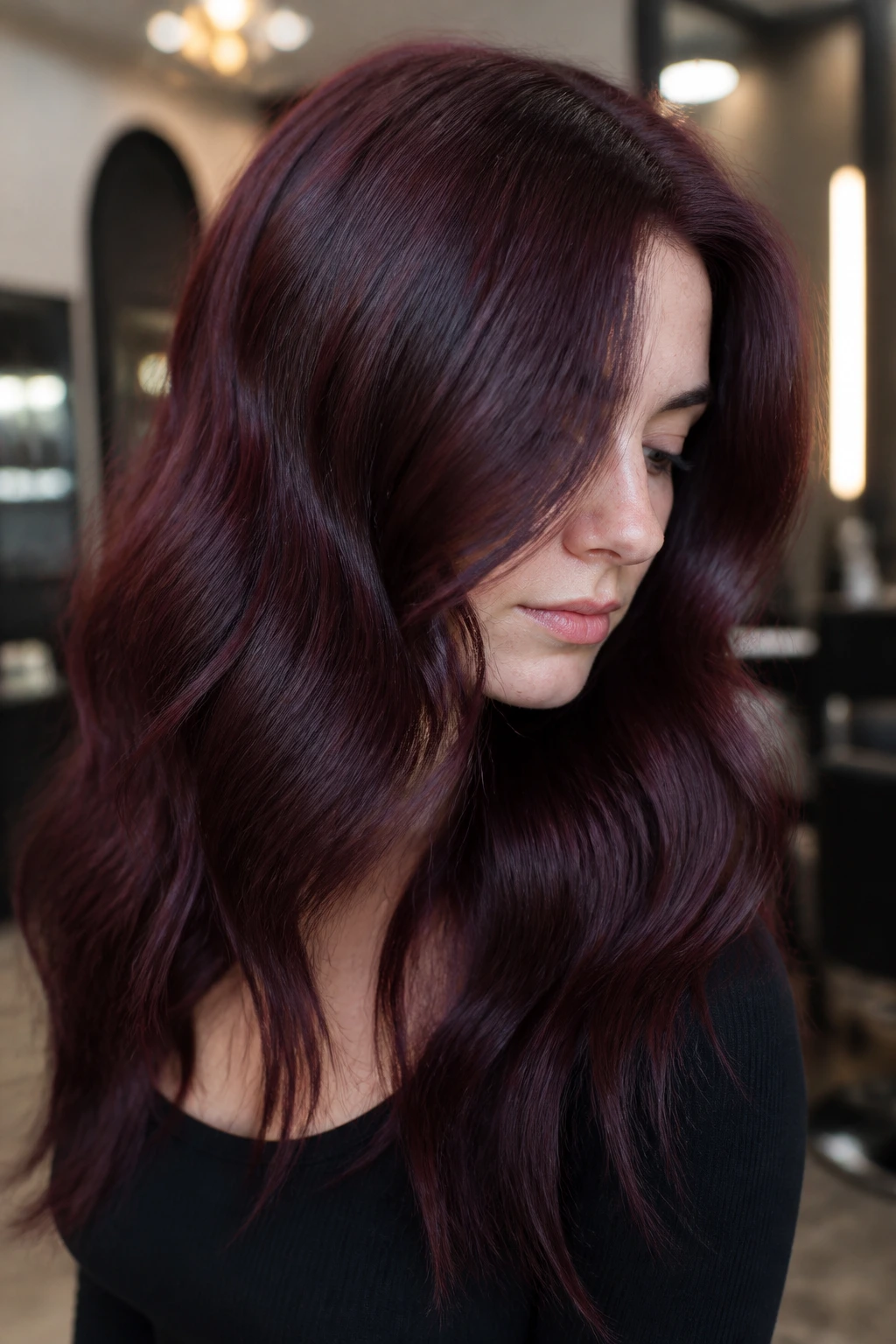
Blue-red mahogany is the sharper, cooler cousin of classic mahogany. The blue-red pigment shifts the color away from copper and into the richer, darker side of red-brown, which is often the sweet spot for cool skin.
This shade looks clean, especially on shinier textures. Curly hair can wear it too, but straight or softly waved hair shows the red depth better because the light slides across the surface more evenly.
If your hair fades fast, this is a good one to try as a demi-permanent gloss. It gives you the color story without locking you into a long grow-out line.
26. Cranberry Cola
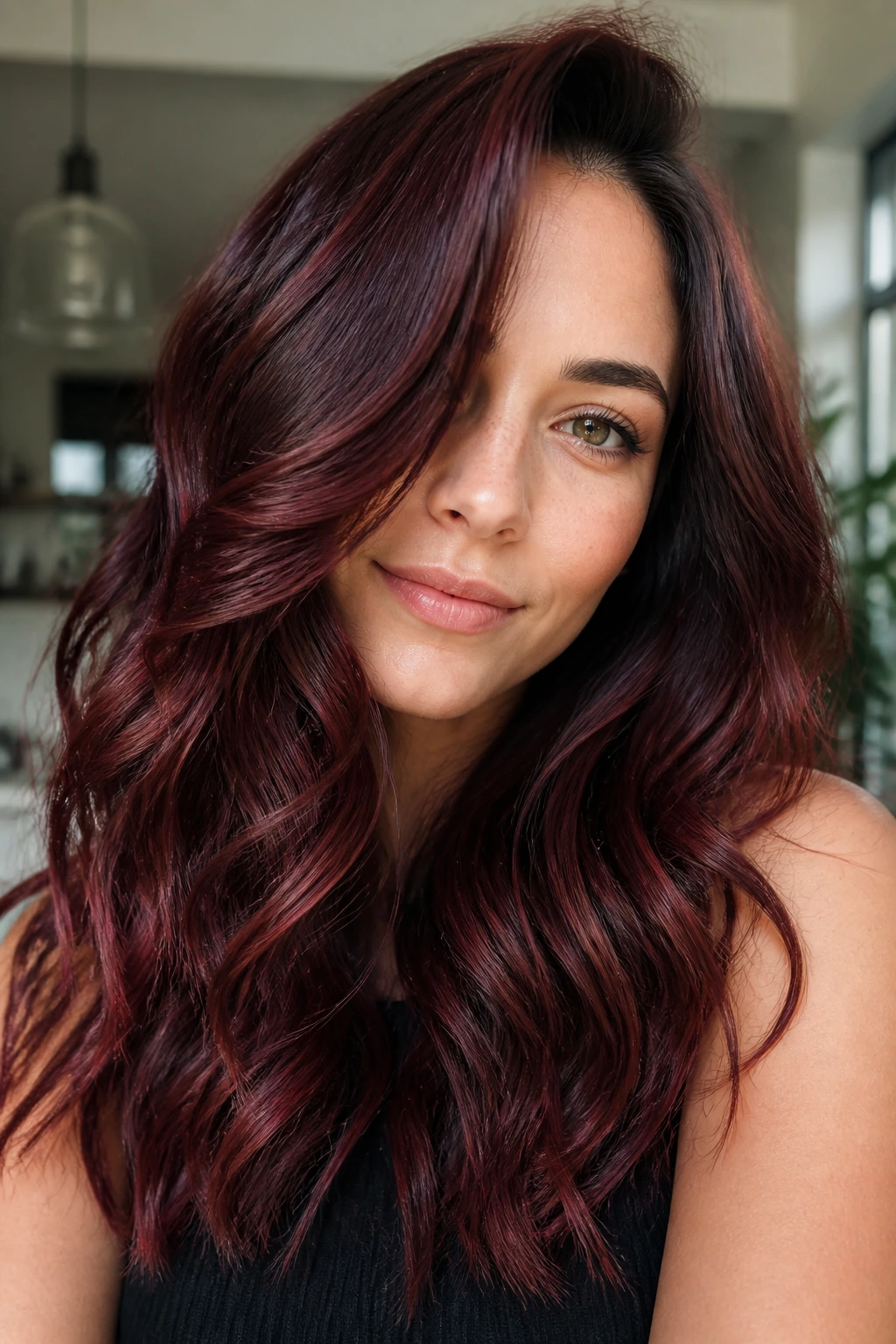
A cranberry cola color works because it has contrast built in. The cola base keeps the hair brunette, while the cranberry layer gives just enough cool red to wake it up.
I like this shade for people who want a little more personality than standard brown, but not a full fantasy color. It feels lived-in, not precious.
The finish matters. Keep it glossy and the cranberry looks juicy. Let it go dull and the whole thing can turn heavy. That’s the annoying part about red-browns, honestly — they ask for shine.
27. Wineberry Brunette
Wineberry brunette is a good shade for anyone who wants a softer, fruitier take on red-brown hair. It blends berry and wine notes over a brown base, which gives cool skin a friendlier flush than copper ever could.
This shade works especially well on medium-depth brunettes who want dimension around the face and crown. It doesn’t need heavy streaking. A soft veil of wineberry color is enough.
If you wear a lot of black, charcoal, or navy, this one fits in easily. The hair looks intentional without trying to steal the whole room.
28. Plum-Black Melt
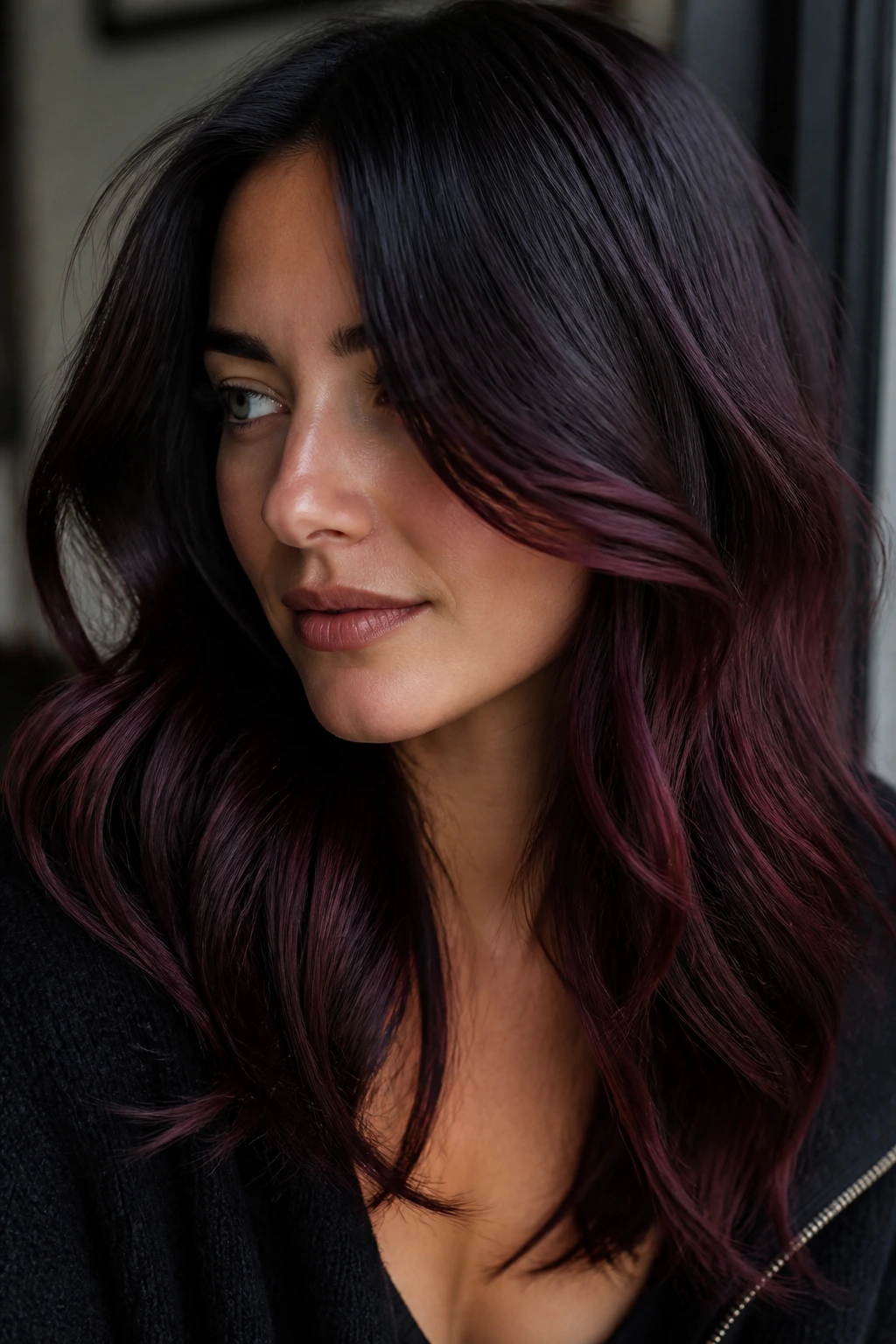
A plum-black melt is for the person who likes dark hair but wants a hint of red without obvious streaks. The roots stay nearly black, and the plum-brown tone melts through the midlengths and ends.
Why It Works
This is a strong choice on cool skin because the plum reflection shows up as a cool shadow, not a warm glow. It can make the hair look denser too, which is handy if your strands are fine.
A melt like this is especially good if you do not want obvious maintenance lines. The grow-out is softer than a full all-over red-brown, and the dark root keeps the color from feeling too bright.
29. Smoked Garnet
Smoked garnet has a depth that feels almost velvety. The garnet keeps the red alive, while the smoky brown base stops it from drifting into anything too bright or too warm.
This is one of the better choices for deeper cool skin, though it can look lovely on fair cool skin as well if the red is subdued. The trick is to keep the garnet dark and layered rather than shiny and neon.
It pairs well with textured cuts. The color looks even richer when the ends move a little and catch light in separate pieces.
30. Dark Cherry Brown
Dark cherry brown is the shade I’d send someone to if they wanted a red-brown that still behaves like a brunette. It is dark, glossy, and unmistakably cool-toned when the formula is right.
How to Wear It
Ask for a brown base with deep cherry pigment and a blue-violet gloss. That combination keeps the red from turning orange and gives the hair that rich cherry shine cool skin tends to love.
- Best for people who want low-drama color.
- Works on most hair lengths.
- Needs shine care to stay crisp.
- Looks especially good in natural light.
It is not flashy. That is the point.
Final Thoughts
The red-brown shades that usually flatter cool skin tones the most are the ones that stay close to wine, berry, mahogany, plum, and cherry. The farther you drift into orange copper, the more you risk a clash with pink or blue undertones.
A good rule of thumb: if the shade looks like red wine in a glass, you are probably in the right zone. If it looks like a spice rack, keep looking. The color you want should look rich at the roots, soft at the ends, and a little different every time you turn your head.
The smartest move is to ask for a tone plan, not just a color name. Roots, mids, and ends do not fade the same way, and that matters more than people admit.
