



Chestnut hair can go flat fast when it’s too orange, too red, or too shiny in the wrong way. The sweet spot for chestnut hair color ideas for cool skin tones is a brown that keeps its warmth in check and leans more ash, violet, smoky red, or deep mocha than copper.
That matters because cool skin tones tend to pick up a lot of reflected color. A chestnut that looks soft in the bowl can read brassy next to pink undertones, and a shade that looks rich on one person can look oddly loud on another. The trick is not avoiding warmth altogether. It’s choosing the right kind of warmth — the kind that looks like roasted coffee, black cherry, and wet leaves after rain, not orange peel.
The best chestnut shades for cool complexions usually sit around level 4 to 6, with controlled red-brown depth and a glossy finish that keeps the color from turning muddy. Sometimes that means a full dye job. Sometimes it means a gloss, a few lowlights, or a root shadow that lets your natural base do some of the work.
The good news: chestnut is flexible. And the best versions are the ones that look expensive in daylight, which is really the only test that matters.
1. Soft Chestnut Gloss for Cool Skin Tones
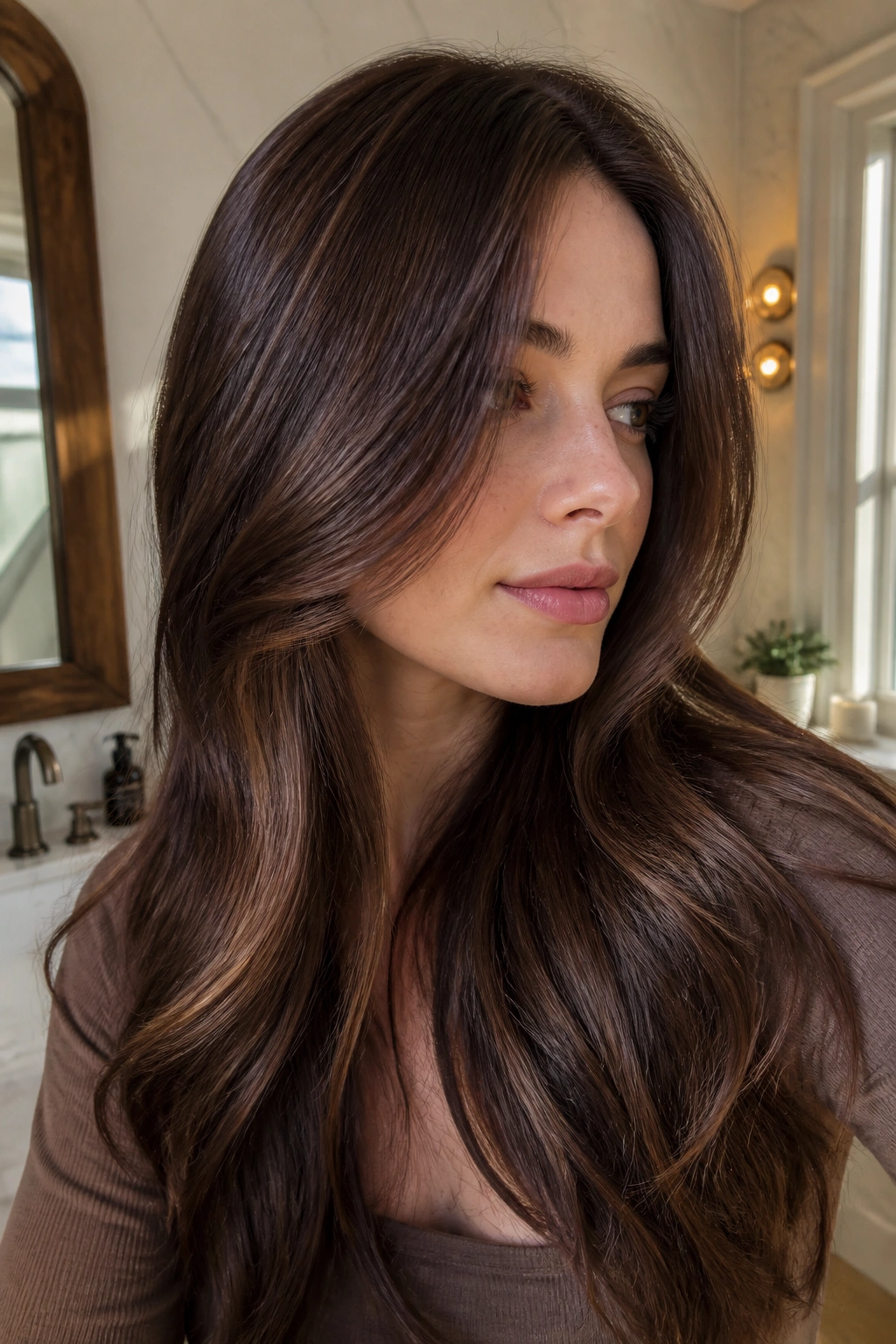
A soft chestnut gloss is the easiest place to start if you want brown hair that feels polished instead of heavy. It gives the hair a translucent layer of warm brown with a cool edge, so the color looks shiny and dimensional without turning orange at the ends.
This works especially well on medium brown or dark blonde bases. Ask for a level 5 chestnut gloss with ash or violet reflect, not a copper glaze. That small detail changes everything. The violet keeps red warmth from shouting, and the ash keeps the finish clean against cool skin.
If your hair is already dark, a gloss can wake it up without a full-color commitment. If your hair is lighter, the gloss adds richness without making your face look washed out. It’s a smart choice when you want the color to feel expensive but not dramatic.
A gloss like this usually fades in about 4 to 6 weeks, and that’s part of the appeal. It softens gradually rather than growing out with a hard line.
2. Ash Chestnut Balayage
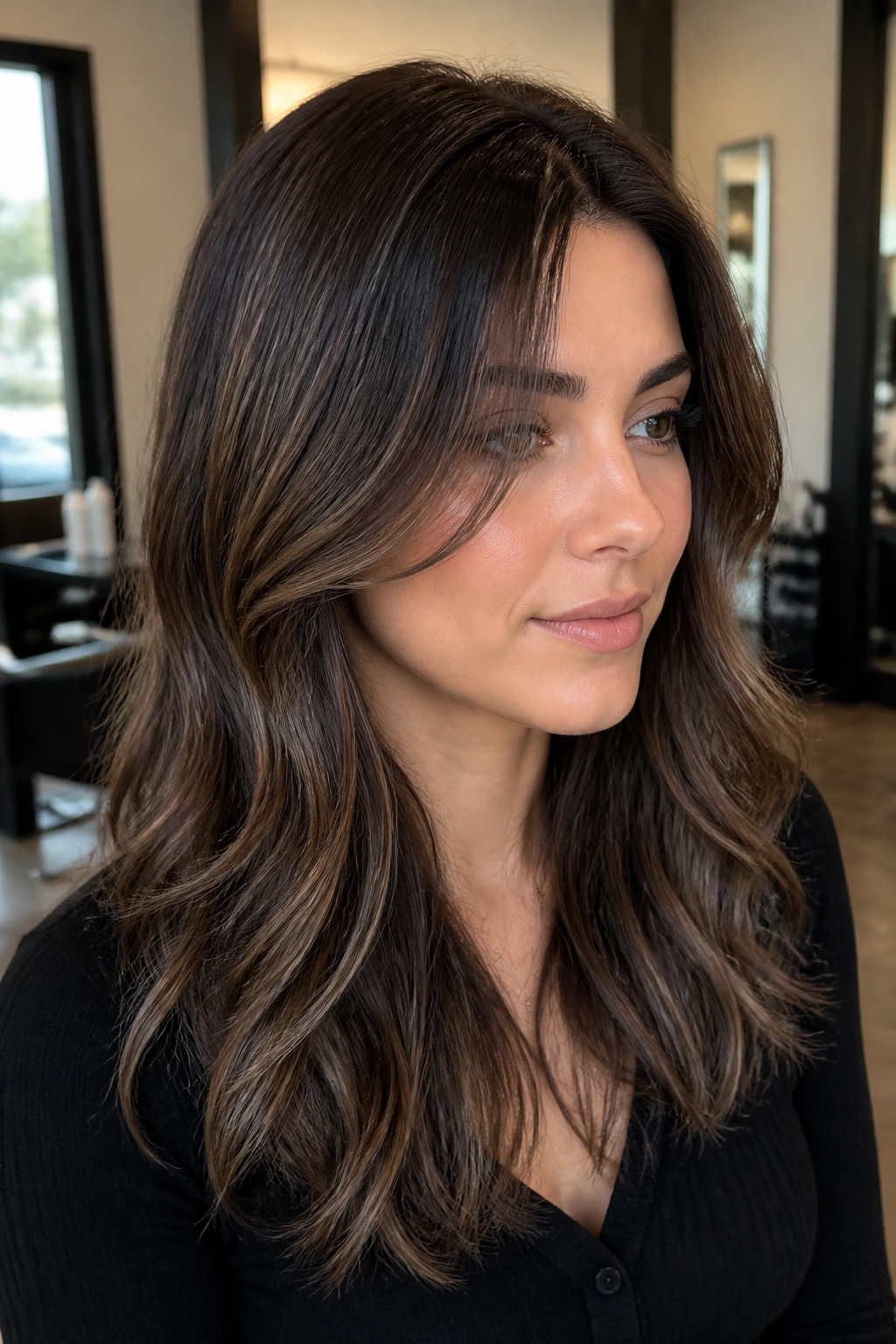
Why does ash chestnut balayage work so well on cool skin? Because the painted ribbons stay brown first and red second. The result is movement, not warmth overload.
The balayage pieces should be fine, not chunky. Think hand-painted strands through the mid-lengths and ends, with the lighter parts lifted only one to two levels from the base. If the colorist pulls the pieces too light, you get caramel. If they keep the tones too golden, the whole thing starts fighting your undertone.
How to Ask for It
- Request a medium brown base with ash chestnut balayage through the lower half of the hair.
- Ask for face-framing pieces that start around the cheekbone, not at the root.
- Keep the lightened sections narrow so the brown still feels dominant.
- Finish with a beige-ash toner, not a gold toner.
This style is forgiving when you want dimension but hate obvious stripes. It also grows out in a softer way than highlights, which is nice if you don’t enjoy touching up every few weeks. And if your hair is fine, the contrast can make it look fuller without making it look busy.
3. Mushroom Chestnut Brown
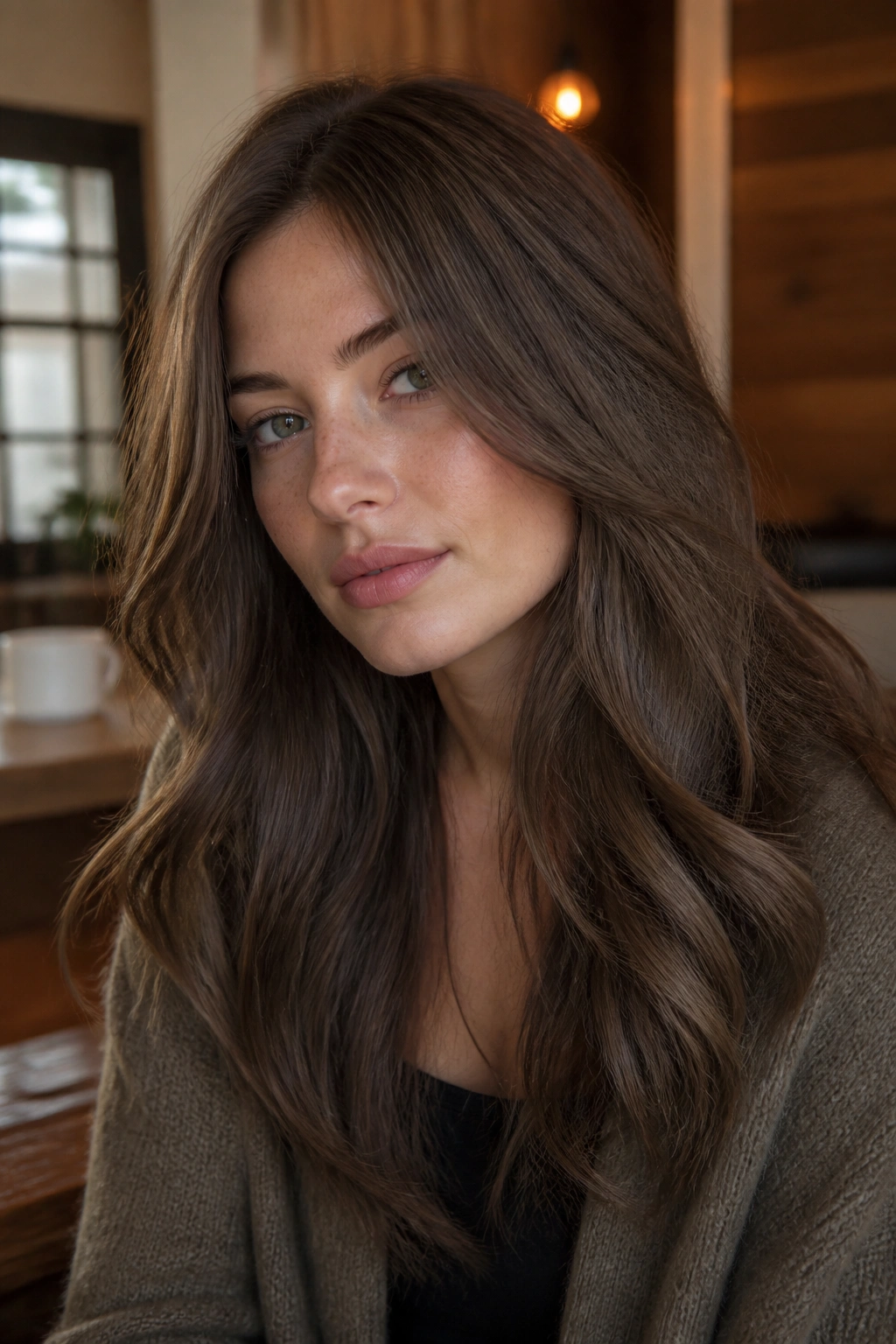
Mushroom chestnut brown has that slightly cool, earthy cast that makes brown hair look modern without trying too hard. It sits somewhere between brown, taupe, and muted red-brown, which sounds subtle because it is.
The magic is in the undertone. You want a shade that feels a little smoky, almost like wet bark or a roasted hazelnut with the sweetness pulled out. On cool skin, that gray-green softness keeps the hair from turning too fiery around the face.
A mushroom chestnut is especially good if you’ve had trouble with red-based browns before. A lot of people think they want chestnut, then end up with a color that pulls orange in sunlight and makes their skin look pinker than it is. Mushroom tones avoid that trap.
Best for:
- People with cool or cool-neutral skin
- Hair that turns brassy easily
- Anyone who likes earthy color with a soft finish
Not the best for:
- Someone who wants a bright, obvious red-brown
- Hair that’s already very porous and hard to tone
It’s one of my favorite choices when a client wants brown hair with personality but no brass.
4. Chestnut with Espresso Lowlights
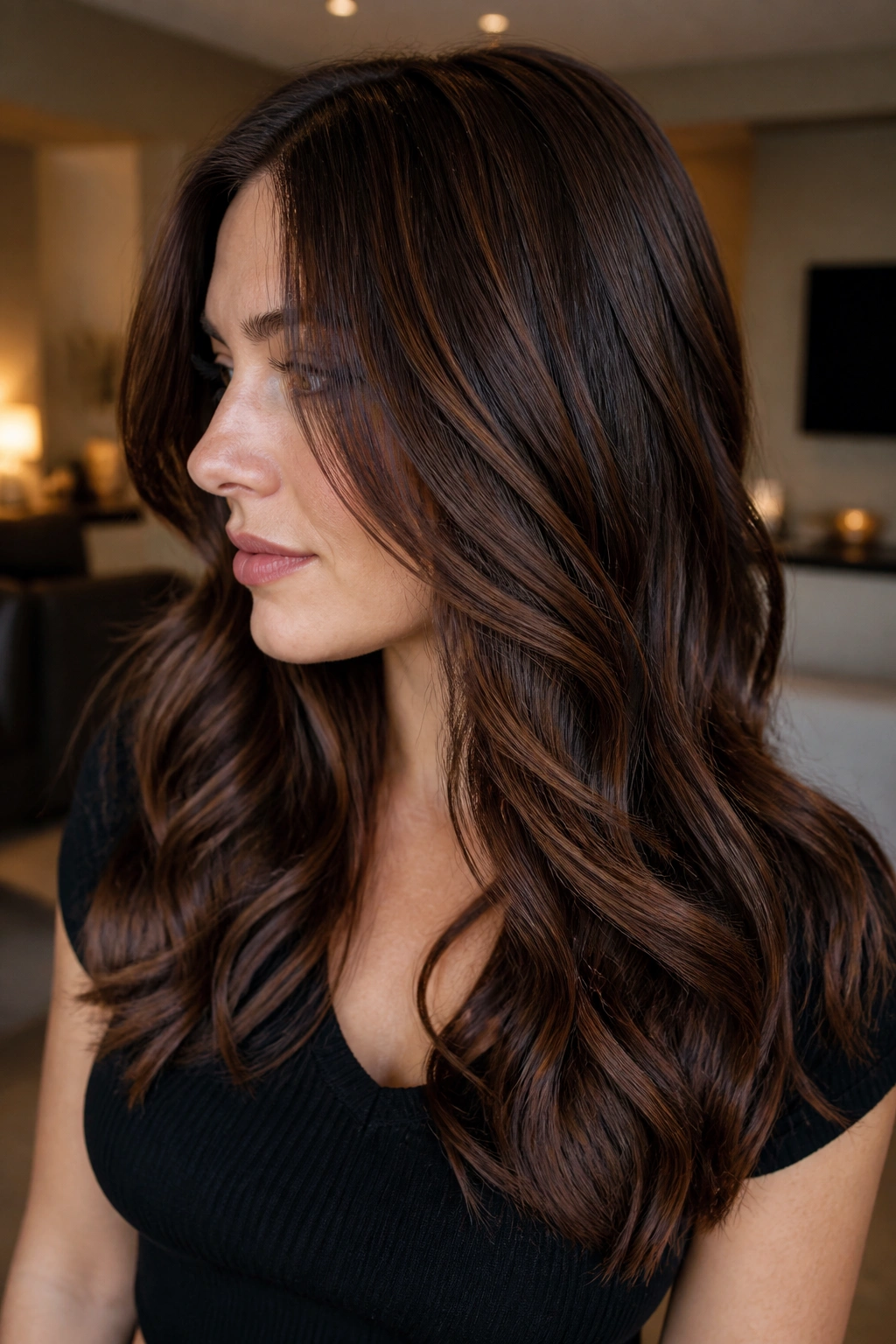
Espresso lowlights are the quiet trick that makes chestnut look deeper, richer, and more expensive. Instead of lightening the hair, you weave in darker strands so the chestnut base gets more contrast and a little more shadow.
This is a good move if your hair is fine or one-dimensional. The darker ribbons break up the color field and make the hair read thicker. They also help a chestnut shade stay cool, because espresso sits close to neutral brown rather than red.
The best version isn’t stripey. It’s scattered, soft, and placed where the light naturally hits — around the crown, through the back, and under a few top layers. You want the movement to show when you turn your head, not scream from across the room.
It’s also one of the easiest chestnut ideas to maintain. The lowlights grow out quietly, and the darker color hides some of the fading that would be obvious in a lighter brown.
If you like brown hair that looks glossy and layered instead of flat, this is a strong pick.
5. Mahogany Chestnut with a Cool Bias
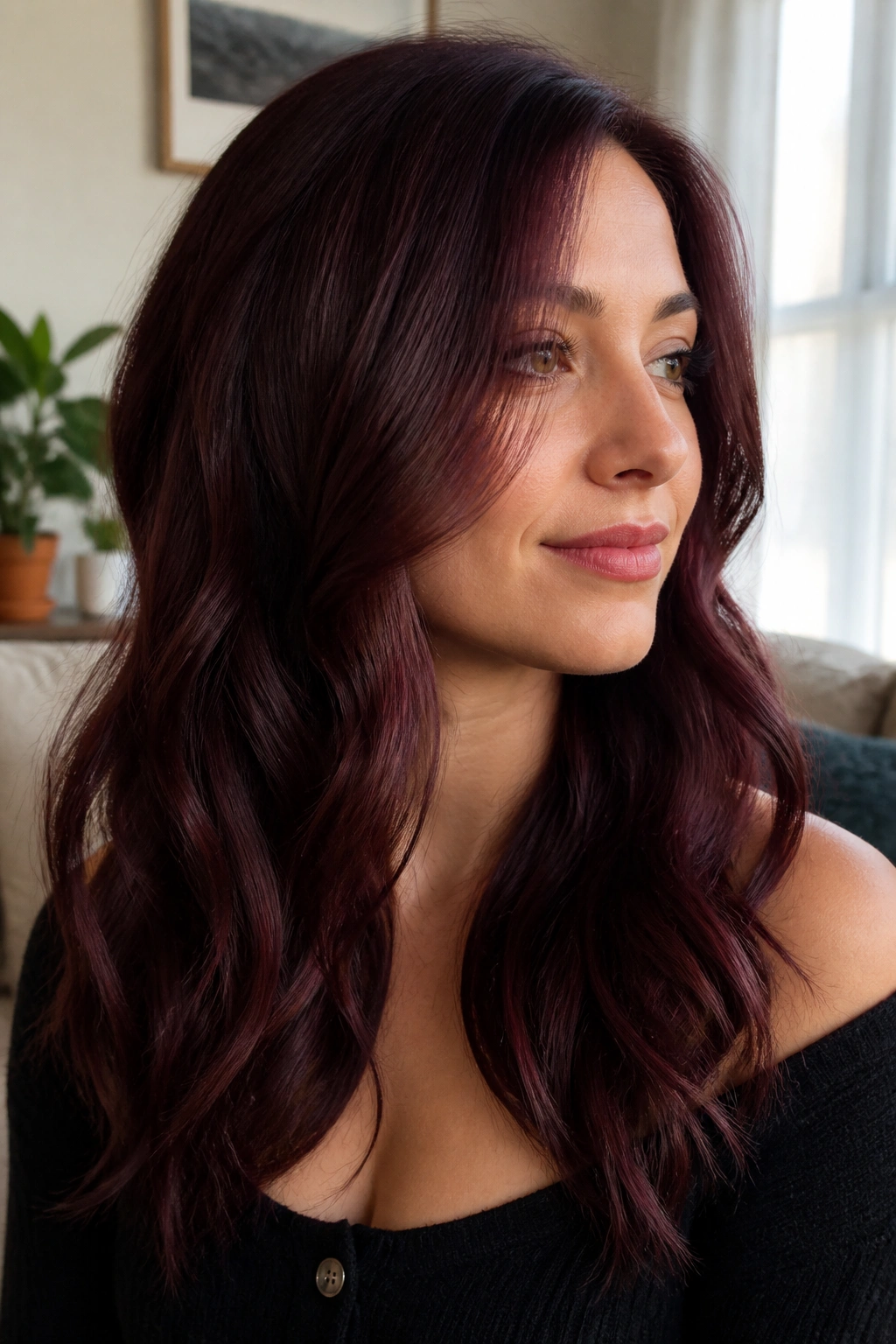
Mahogany chestnut can go wildly warm if nobody keeps an eye on it, which is why the cool version matters. You want the red to lean wine-colored, not coppery, and the brown to stay deep enough that your skin doesn’t get drowned out.
Compared with classic mahogany, the cooler version feels more velvety. The red sits under the brown instead of on top of it, so in bright light you get a soft burgundy cast rather than a fiery flash. That’s a much better match for pink, blue, or neutral-cool undertones.
This color looks especially good on medium to deep skin with cool undertones, though it can work on lighter complexions too if the red is kept muted. The key is restraint. Too much red and you’re in auburn territory. Too much brown and the mahogany disappears.
I’d choose this for someone who wants hair color with a little drama but not a bright statement. It’s elegant in a way that feels deliberate. Also, it photographs differently from room to room, which is half the fun.
6. Cool Chestnut Money Piece
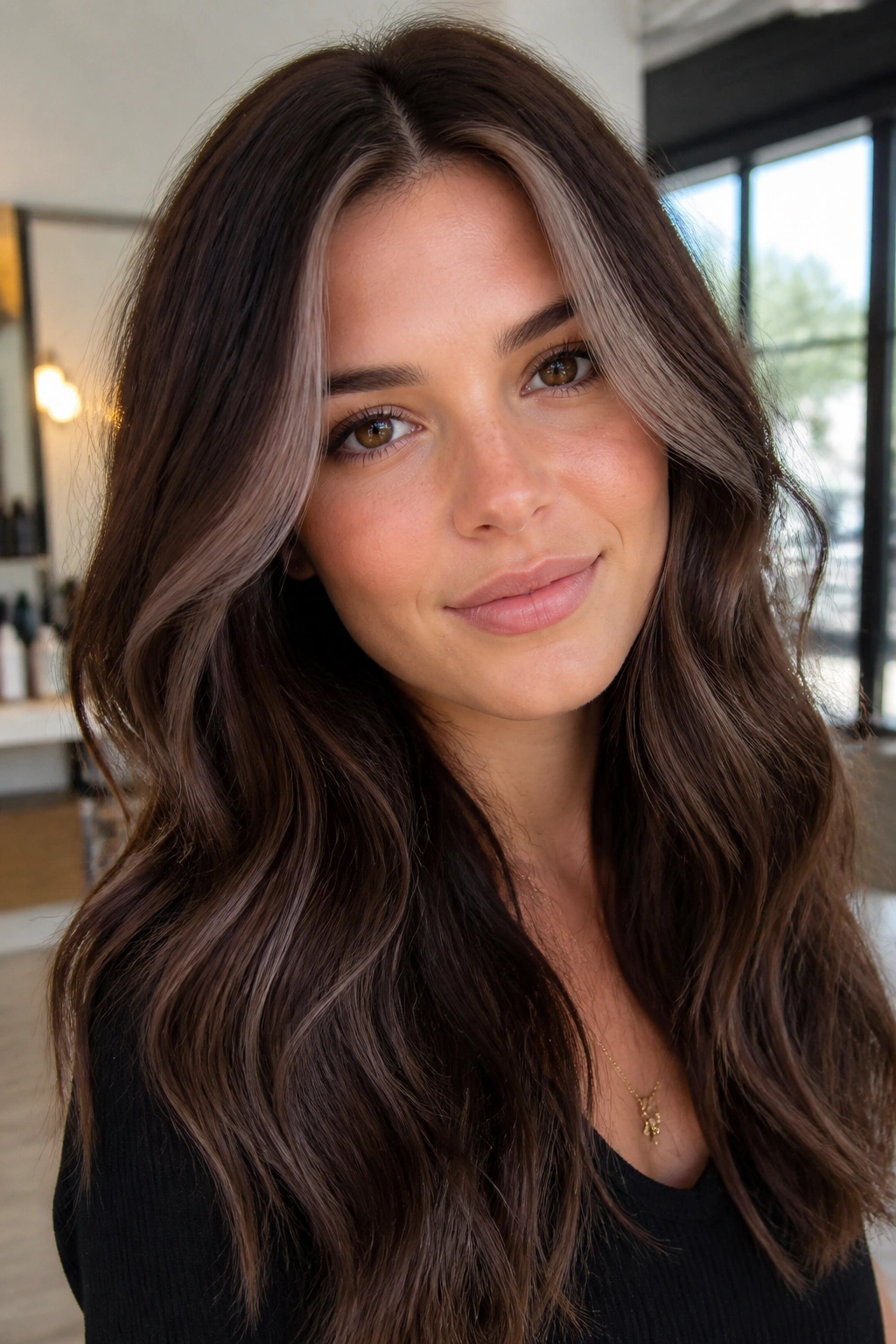
A chestnut money piece gives you brightness right where you want it — around the face — without turning the whole head lighter. For cool skin, that front section should stay beige-ash or smoky brown, never gold.
What Makes It Different
The surrounding base stays richer and deeper, so the face-framing pieces do the work. When the contrast is done well, your features look sharper and the color feels fresh even if the rest of the hair is low-key. That’s why this idea works so well on layered cuts, lobs, and long waves.
You don’t need a huge section either. A half-inch to one-inch ribbon on each side is plenty for most face shapes. Wider than that, and it starts to look like a stripe. Narrower, and you lose the point.
Placement That Looks Best
- Keep the brightest part just below the brow line or cheekbone.
- Blend the roots softly so the piece doesn’t look pasted on.
- Tone the front sections with ash-beige, not honey.
- Repeat a few tiny ribbons through the top layer for balance.
If you want a small change with a big visual payoff, this one delivers. It’s the kind of color tweak that looks subtle at first and then somehow makes the whole haircut look better.
7. Smoky Chestnut Ombré
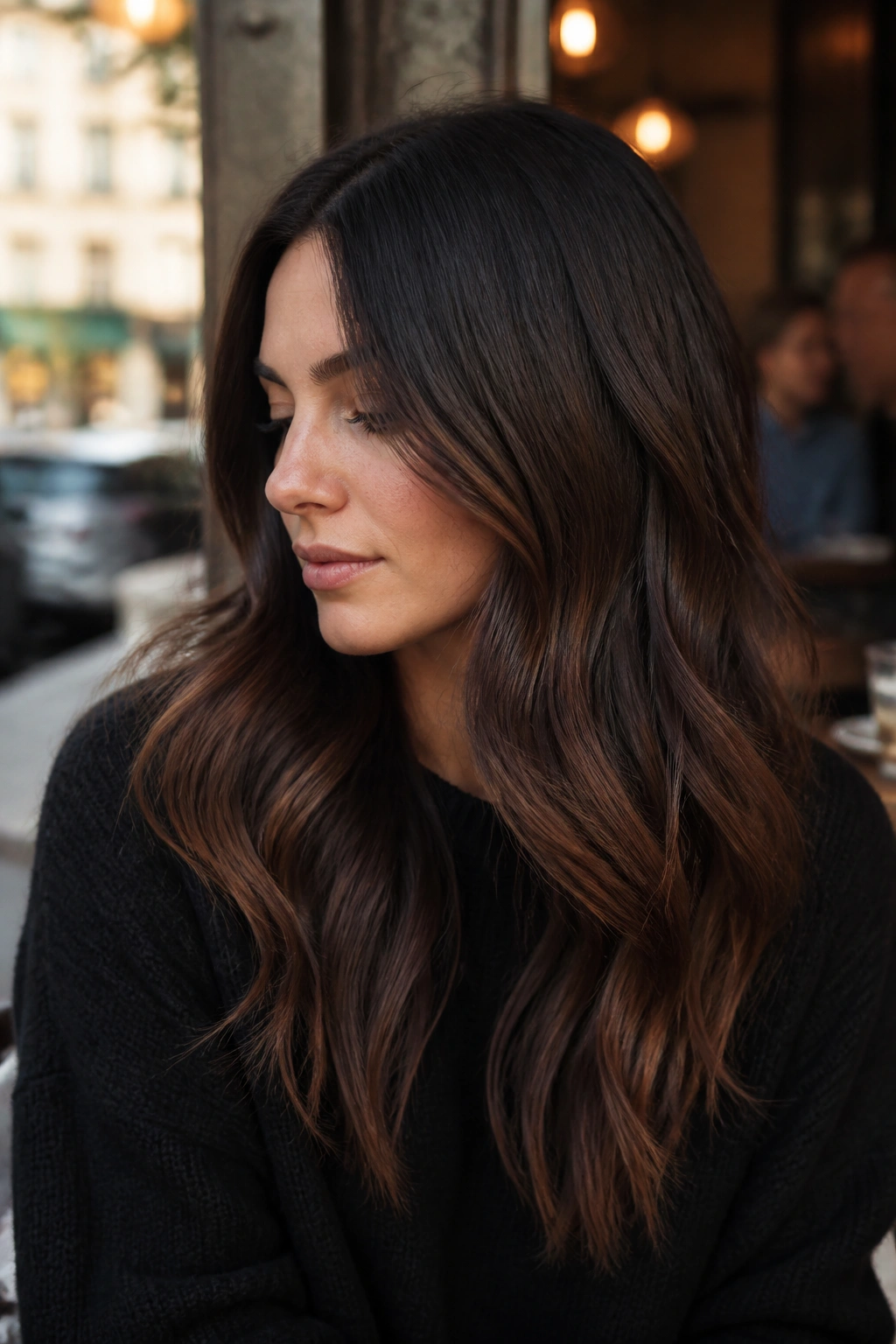
Smoky chestnut ombré is for anyone who wants the roots darker and the ends softer, but doesn’t want that classic warm fade that can make cool skin look a bit ruddy. The transition should feel blurred, not stripy.
The root area usually stays at a deep brown — think level 4 or even a touch deeper — while the mids and ends lift into a muted chestnut that still has brown in it. The ends should never tip into bright caramel. Keep them smoky, and the whole style stays cooler.
A good ombré depends on a long blend zone. You want the handoff between root and end to be stretched over a few inches, not dumped in one obvious band. That soft fade is what makes the look feel expensive instead of dated.
This is one of the better choices if you don’t like harsh maintenance. Dark roots look intentional here. They are part of the design. And because the color gets lighter only toward the ends, grow-out is far less annoying than with all-over lightening.
Honestly, it’s a practical color for people who want movement but don’t want to live in a salon chair.
8. Violet-Chestnut Glaze
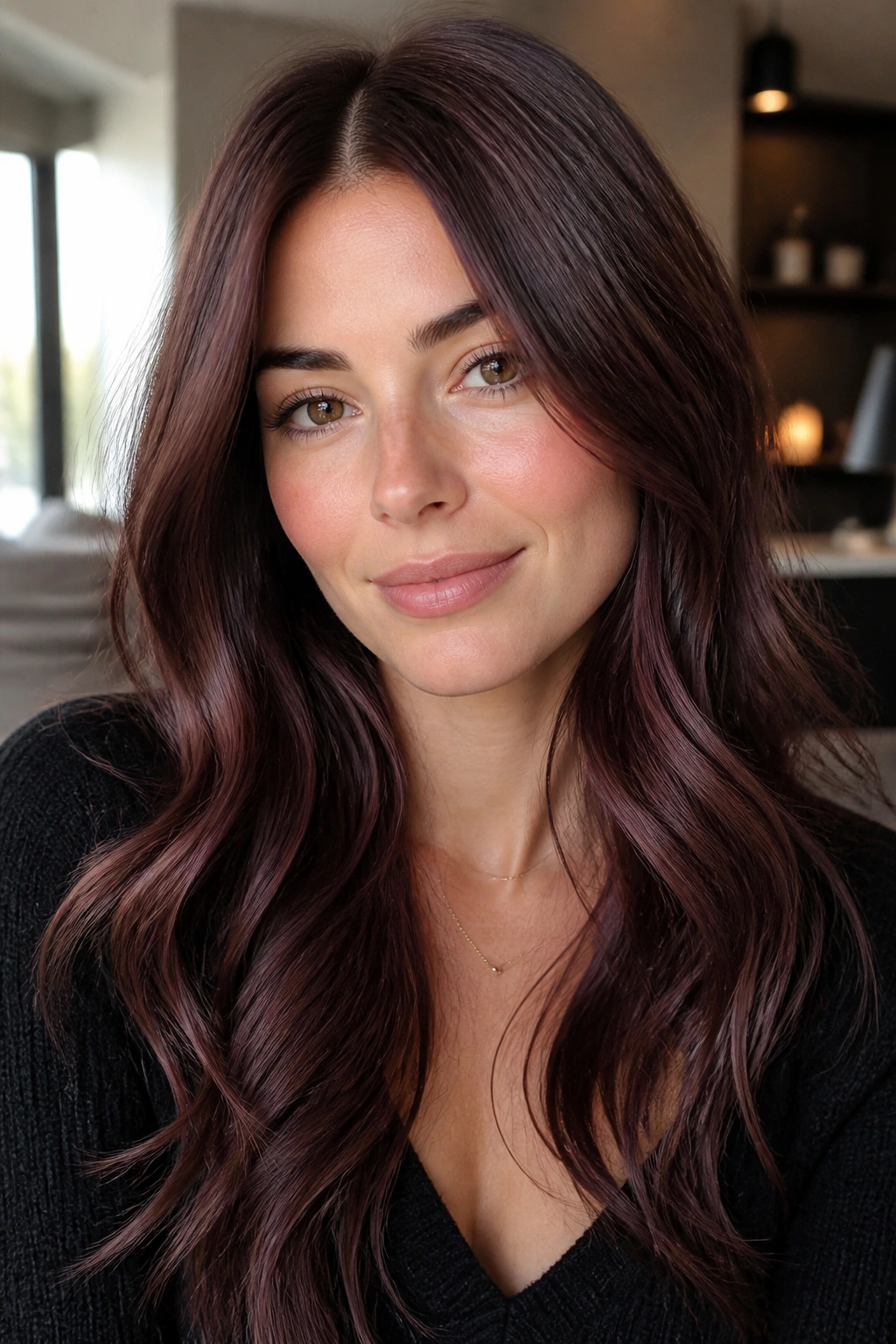
Can chestnut lean violet without looking purple? Yes, and that’s the whole point. A violet-chestnut glaze gives brown hair a cool-red finish that sits beautifully against fair or medium cool skin.
The violet note does a job a lot of people miss: it cuts orange. If your hair tends to go coppery no matter what you ask for, a violet-based gloss or toner can pull it back into a deeper, cleaner brown-red. The result is less berry, more mulled wine.
How to Keep It Balanced
A glaze works best when the base color is already brown. If the hair is too light, the violet can show up too strongly and the shade loses that chestnut feel. You want the tint, not the obvious color deposit.
- Start with a medium brown or dark blonde base.
- Ask for a violet-brown glaze or toner.
- Refresh every 4 to 5 weeks if your hair holds warmth fast.
- Use a color-safe shampoo that doesn’t wash the pigment out in two weeks.
This is a great option if you like cool lipstick shades, silver jewelry, and brown hair that has a little edge. It’s not loud. It’s sharper than it first looks.
9. Beige Chestnut Melt
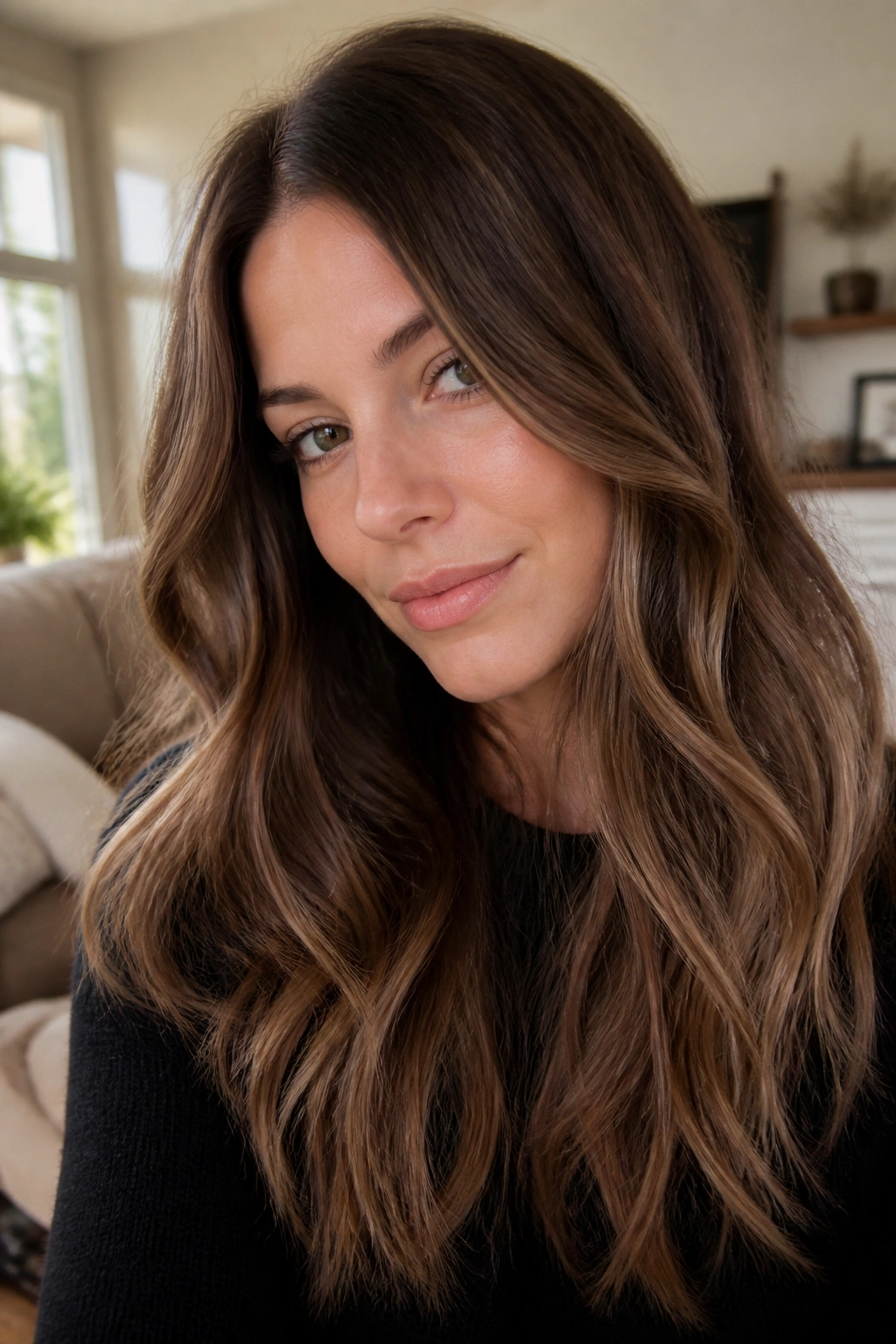
Beige chestnut sounds warm on paper, but the cool version is softer than that. Think stone, oat husk, and dusty brown rather than yellow beige. That distinction matters a lot on cool skin.
The melt effect is what keeps the color from looking blocky. Your roots stay a deeper chestnut, then the mids soften into a muted beige-brown, and the ends fade just enough to create movement. It’s gentle, which is why it flatters people who don’t want a hard contrast near the face.
A good colorist will keep the beige toned down with ash or pearl, so it doesn’t turn sandy. If the beige gets too golden, the whole thing fights cool undertones and can make the complexion look uneven. That’s the one place people get burned by salon language. Beige does not automatically mean cool.
Key Details to Ask For
- A root shadow one shade deeper than the mids
- Beige-brown ends with no obvious gold
- A soft melt over 2 to 4 inches
- A gloss at the end to keep the finish smooth
It’s a calm, wearable look. Nothing fussy. And it grows out in a way that still looks thought through.
10. Walnut Chestnut Lob
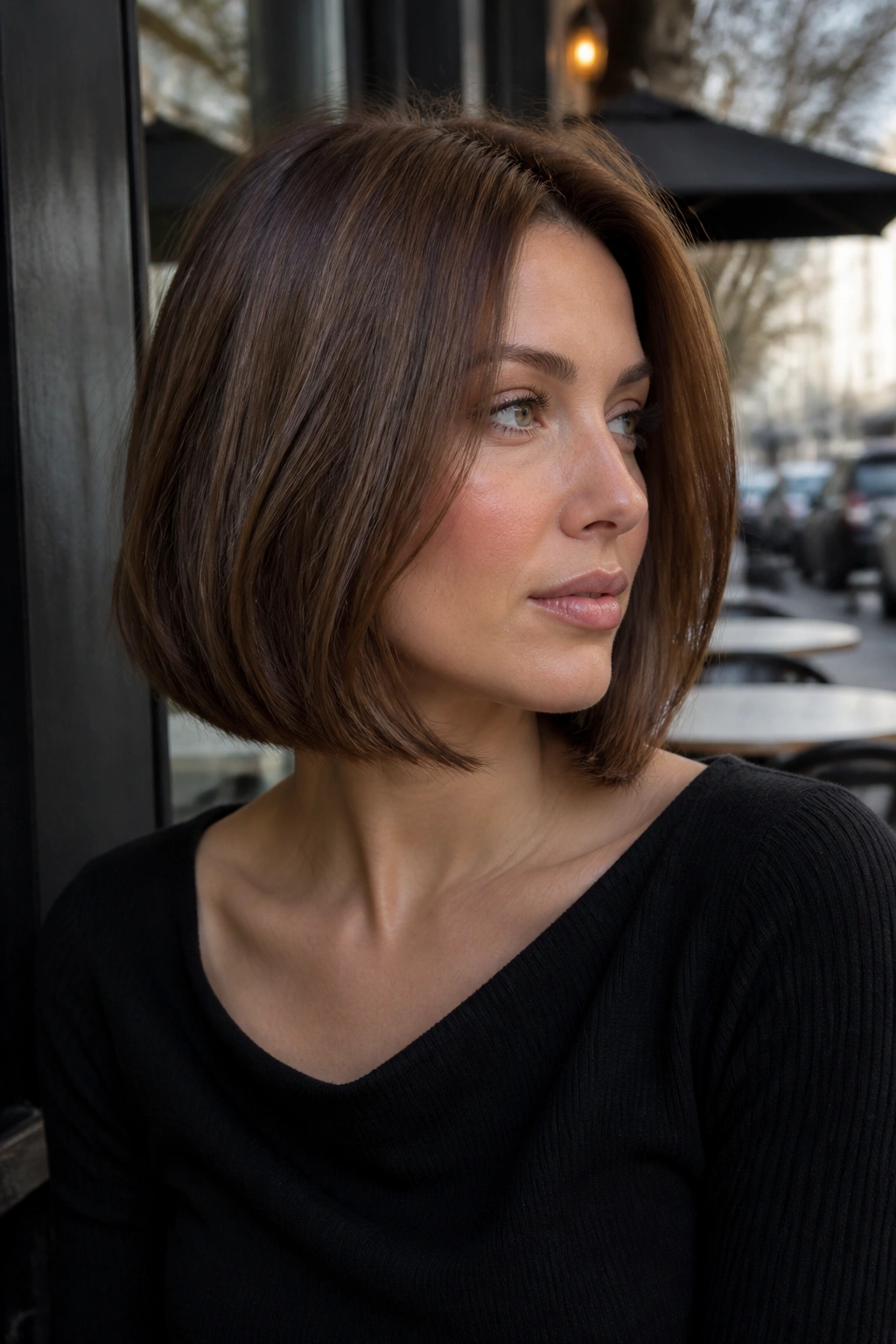
A walnut chestnut lob is one of those cuts-and-color combinations that makes sense the second you see it. The blunt edge of a lob shows off the depth of the color, and the chestnut-walnut mix keeps the finish from going flat.
Walnut adds a cooler, darker brown note under the chestnut, which is exactly what cool skin tends to need. The color reads clean and dense, with just enough variation to keep the surface from looking painted on. On a lob, that matters because the cut is already neat and structured. The color should support that energy, not fight it.
This is especially nice if your hair is straight or only lightly waved. The polished shape makes the color look deliberate, and the depth around the ends gives the haircut more weight. If you like minimal styling and crisp lines, it’s a strong fit.
One small note: keep the finish glossy. A matte walnut-chestnut can look flat in a bad way. A gloss or shine spray at the ends makes the whole cut feel more finished.
Sometimes the simplest combinations are the ones that work hardest.
11. Cocoa Ribbon Highlights
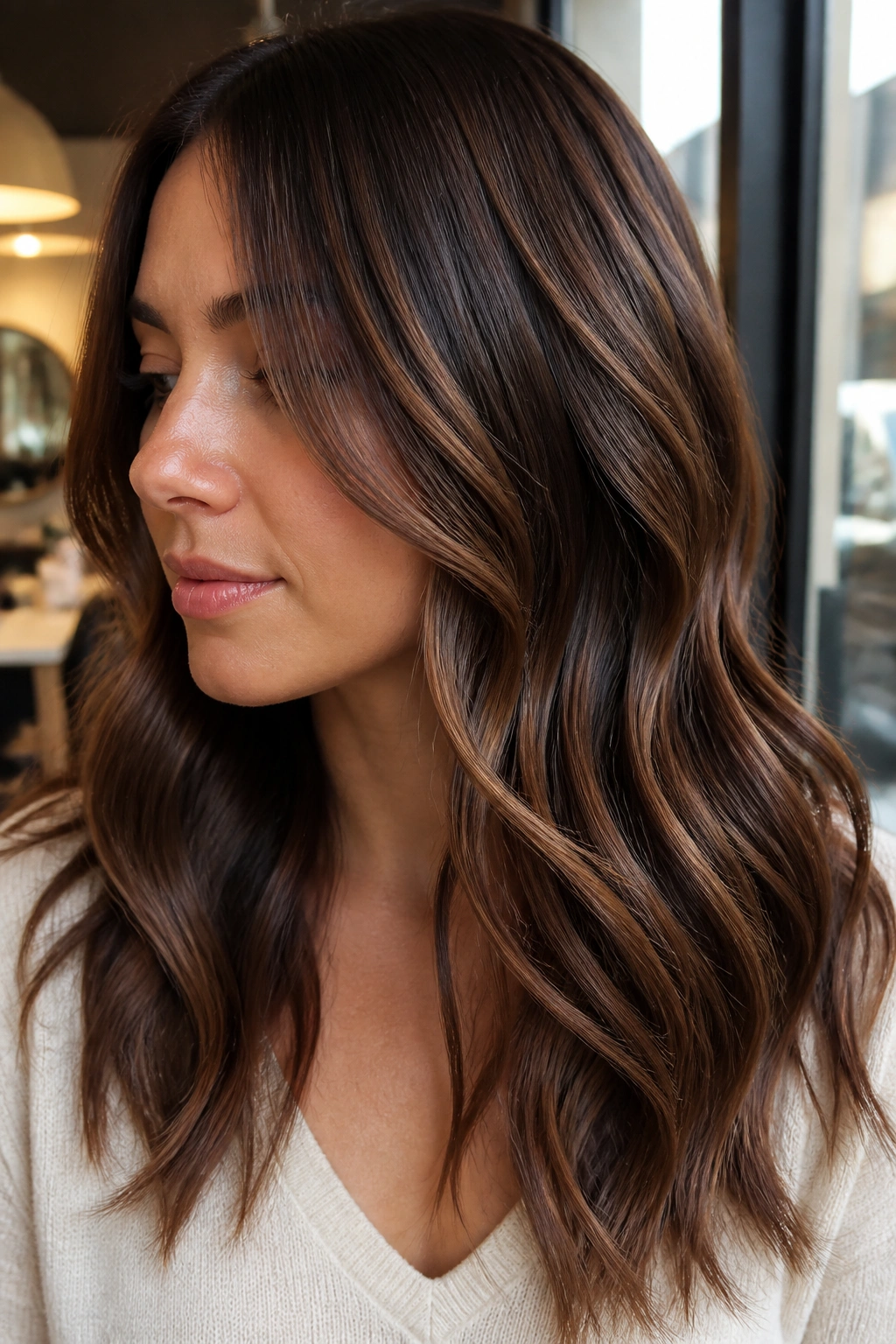
Unlike chunky highlights, cocoa ribbons move through the hair in thin, scattered lines. That’s why they look so good on cool skin — they add light without dragging in too much warmth.
The ribbons should be a shade or two lighter than the base, but still firmly brown. Not blonde. Not caramel. Cocoa. When the colorist paints the ribbons in soft curves, the hair starts to read thicker and more layered, especially around the crown and mid-lengths.
This look is best if you want dimension without obvious contrast. You can wear it on long hair, mid-length hair, and even a shoulder-length cut if the ribbons are kept narrow. It’s also useful if you’re growing out older highlights and want to shift back into a deeper brunette palette without going all the way dark.
I’d choose this over chunky money-piece color when the goal is a softer, more blended effect. The hair still moves, but it doesn’t shout.
If your wardrobe leans black, navy, charcoal, or crisp white, these ribbons sit nicely with that palette. They don’t compete.
12. Cool Chestnut Pixie Crop
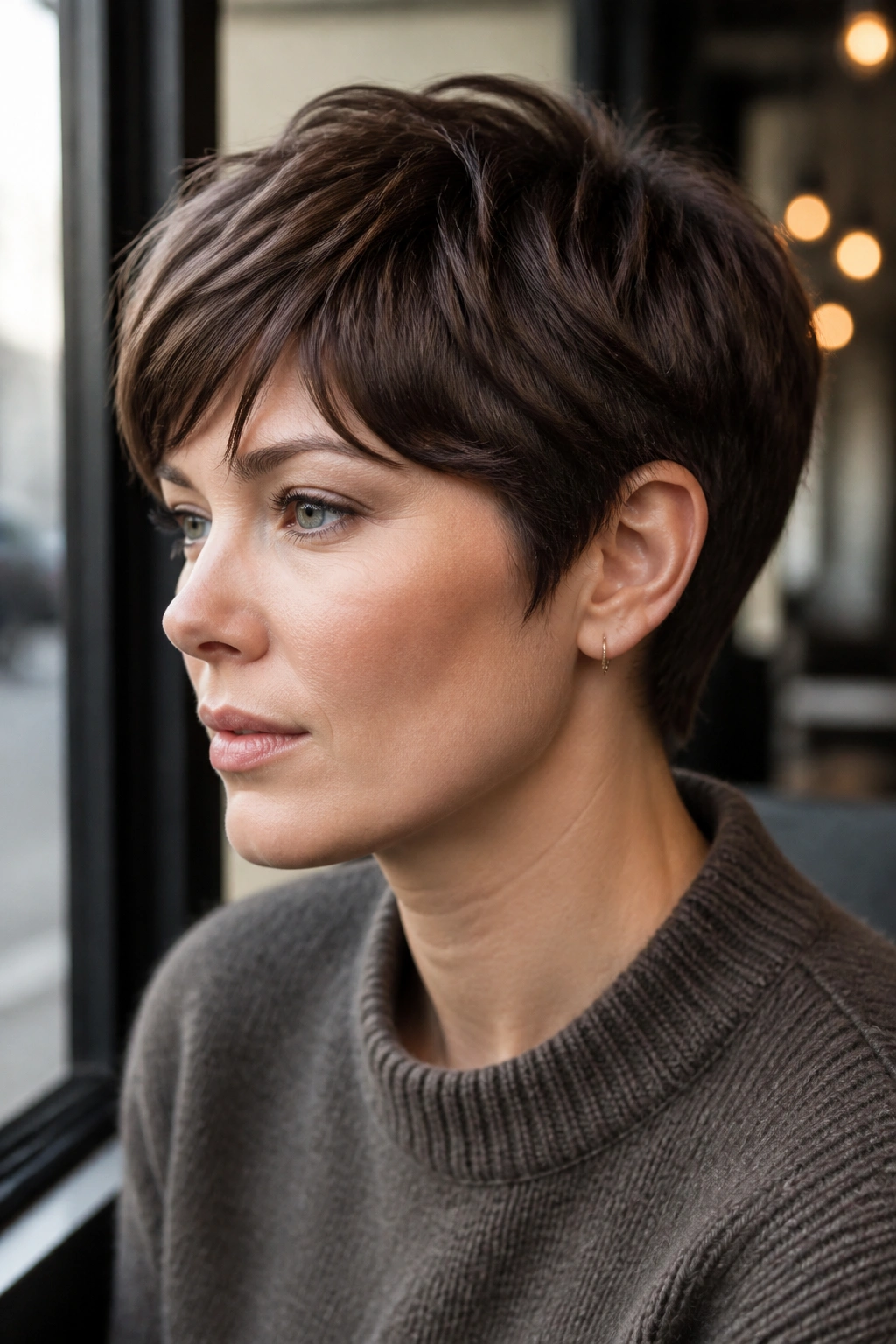
Short hair and chestnut color get along better than people expect. A pixie crop makes the brown look sharper, because there’s less length for warmth to hide in and more shape for the color to show off.
Why Short Cuts Make Chestnut Read Cleaner
On a pixie, the color needs to stay controlled. A cool chestnut with ash or mocha undertones can look sleek and intentional, while a too-warm brown can make the cut seem softer than you meant it to be. That’s useful if you want edge. It’s also useful if your skin is cool and you need the color to stay from drifting orange against the temples.
The layers matter here. The darker base usually sits close to the roots, and tiny lighter pieces through the top add a bit of texture. Because the hair is short, even small tonal changes show up.
What to Ask Your Colorist
- A level 5 to 6 chestnut brown with cool reflect
- Soft micro-lights on the crown if you want movement
- A matte-leaning toner only if the hair already pulls warm
- Regular gloss refreshes every 4 to 6 weeks
A pixie can be one of the boldest ways to wear chestnut, which is funny because the color itself is restrained. That contrast is the appeal.
13. Blue-Black Root Shadow with Chestnut Lengths
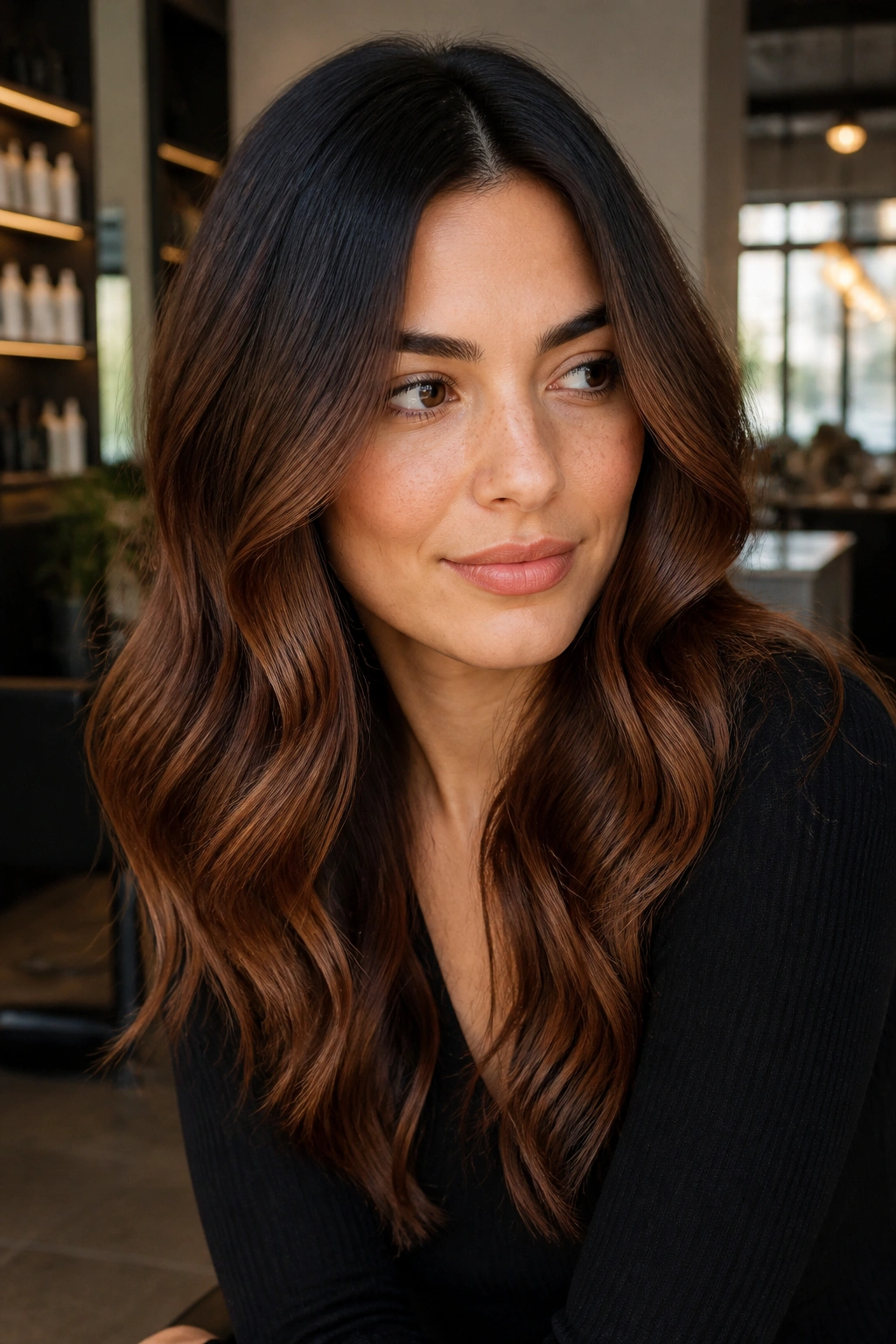
A blue-black root shadow sounds dramatic, and it is — but in a controlled way. The dark root gives the chestnut lengths a place to land, which makes the whole color look richer on cool skin.
The blue-black base is not there to make the hair look inky. It’s there to cool down the top section so the chestnut mids and ends don’t appear too red by comparison. That contrast can make the brown look deeper than it really is, especially on layered hair.
This is a smart pick if your natural hair is dark and you want to keep some of that depth. It also helps with grow-out, because the root shadow blends into natural regrowth better than a solid all-over color. The result is less fuss, more shadow, and a finish that looks deliberate even when it’s a few weeks old.
I’d be cautious if your hair is very fine and fragile. Dark root work can look harsh if the transition is too sharp. The shadow should fade softly into the chestnut, not stop like a line.
Done well, it’s a strong, glossy brunette look with a cool backbone.
14. Gray-Blending Chestnut for Cool Skin Tones
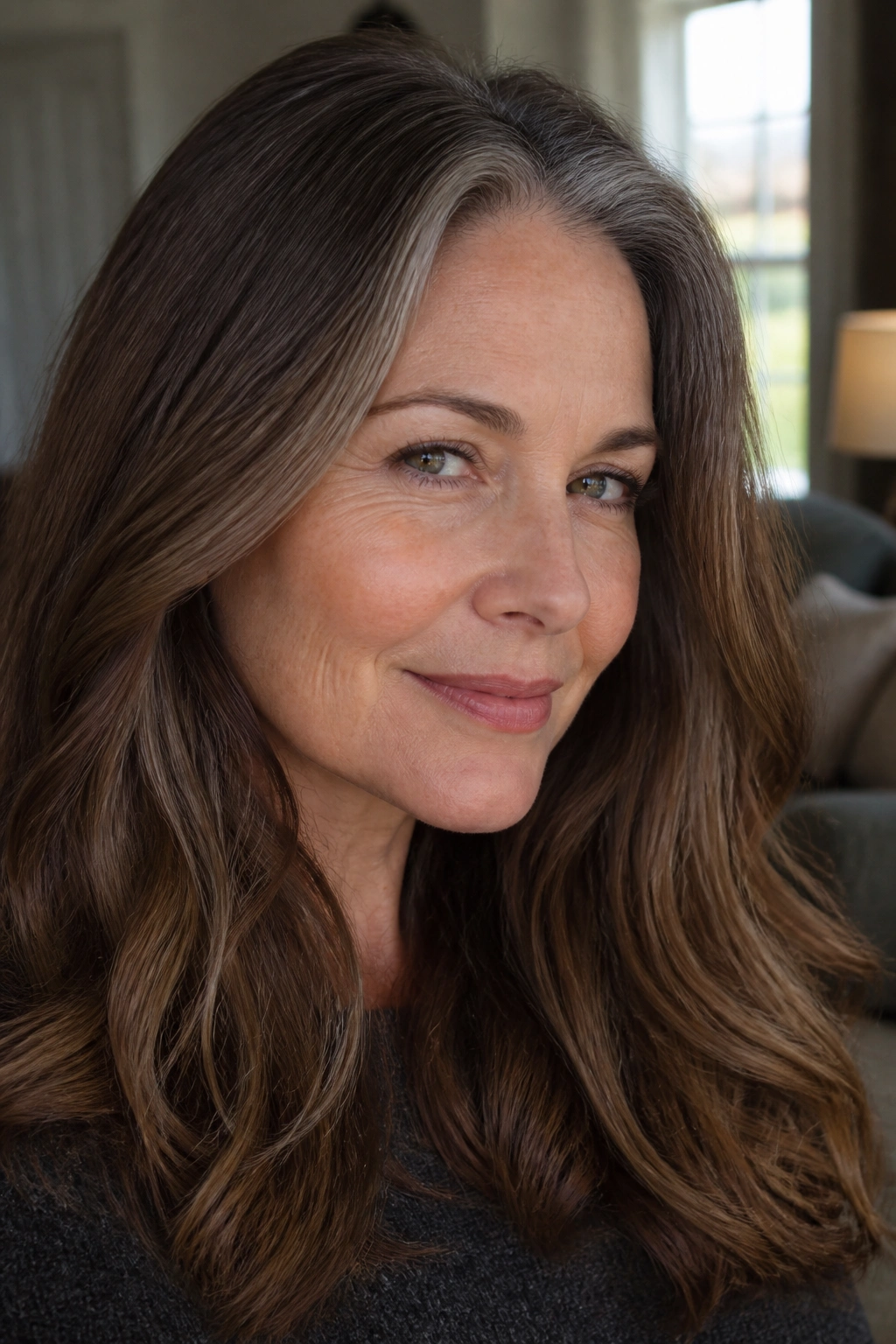
Does chestnut work for gray blending? Absolutely, and the cool version is often the nicest one. Instead of covering every silver strand with opaque color, the goal is to soften the contrast so the gray mixes into the brown.
This works best when the chestnut is a little smoky. Too much warmth and the gray can pop in a strange way. Too little depth and the whole look goes flat. A balanced chestnut with ash, mocha, or muted berry notes gives the silver something to sit beside.
When to Ask for Lowlights First
If your gray is concentrated at the temples or hairline, lowlights can make more sense than a full heavy dye job. They break up the brightest silver pieces and give the hair a more natural blend. You’re not trying to erase every gray strand. You’re making them feel intentional.
A nice bonus: gray blending often grows out more softly than full coverage color. That means fewer obvious lines and less pressure to rush back in for touch-ups. If you like the idea of lower-maintenance brunette color, this is one to take seriously.
It also looks good in a bob or a shoulder-length cut, where the movement of the hair helps the blend show.
15. Cool Chestnut Balayage on Curls
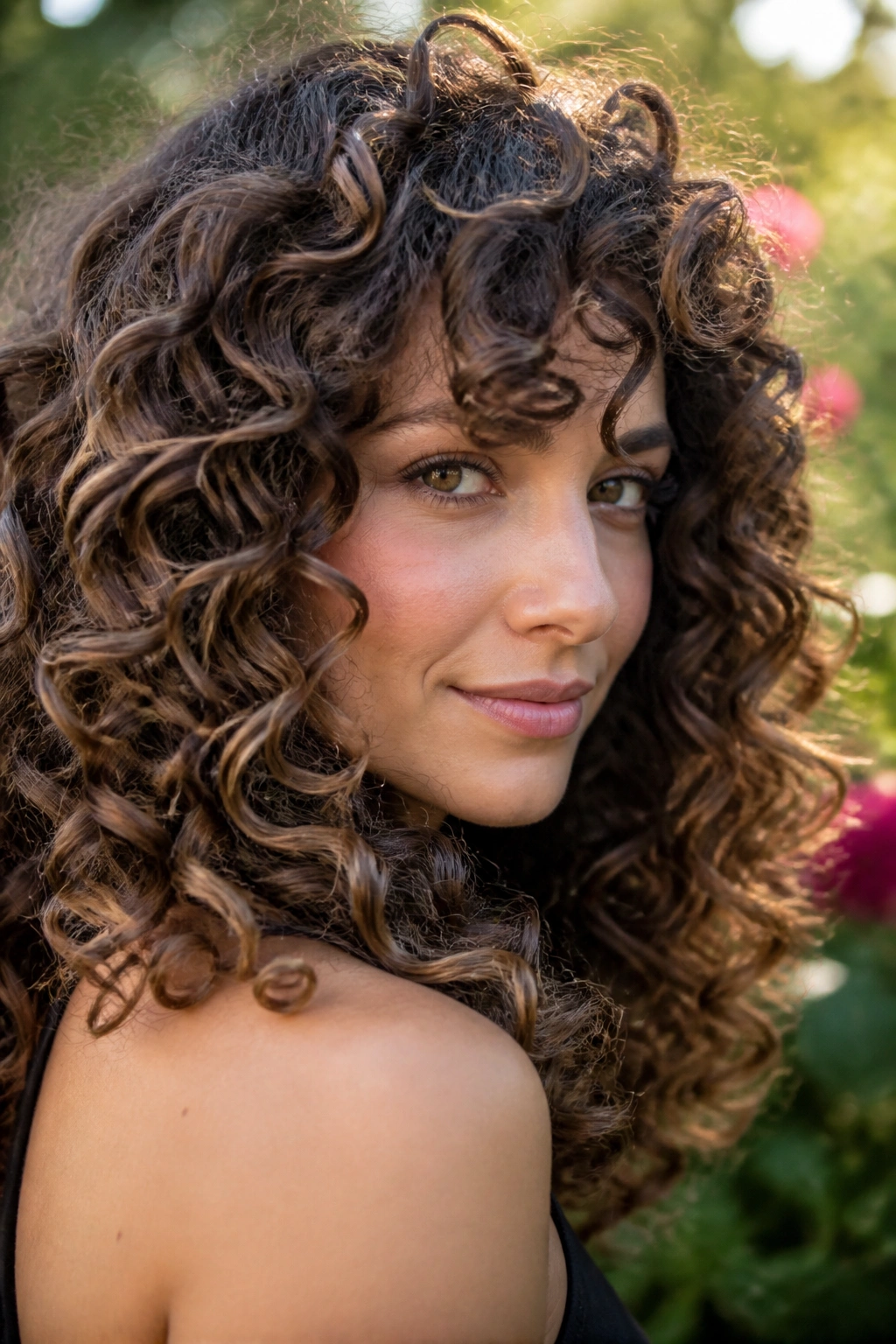
Curly hair needs a different map. Chestnut balayage on curls works because the color lands where the ringlet bends, not across a flat surface, and that gives the hair natural-looking depth.
The lightest chestnut pieces should sit on the outer curve of the curl and around the top layers where the sun would hit. That placement keeps the shape visible. If the highlights are dropped too evenly, curls can lose that spiral effect and start to look blurred.
A cool chestnut balayage for curls should stay on the brown side of the spectrum. Think toasted pecan with an ash rinse, not honey brown. You want the curl pattern to pop, not the warmth.
- Place lighter pieces through the crown and face frame.
- Keep the lower layers richer for shadow.
- Ask for a toner that mutes orange after lifting.
- Finish with a curl cream that has shine but not heavy oil.
This is one of those looks that improves when the hair moves. The color and curl shape work together instead of competing, which is the whole point.
16. Satin Chestnut Bob
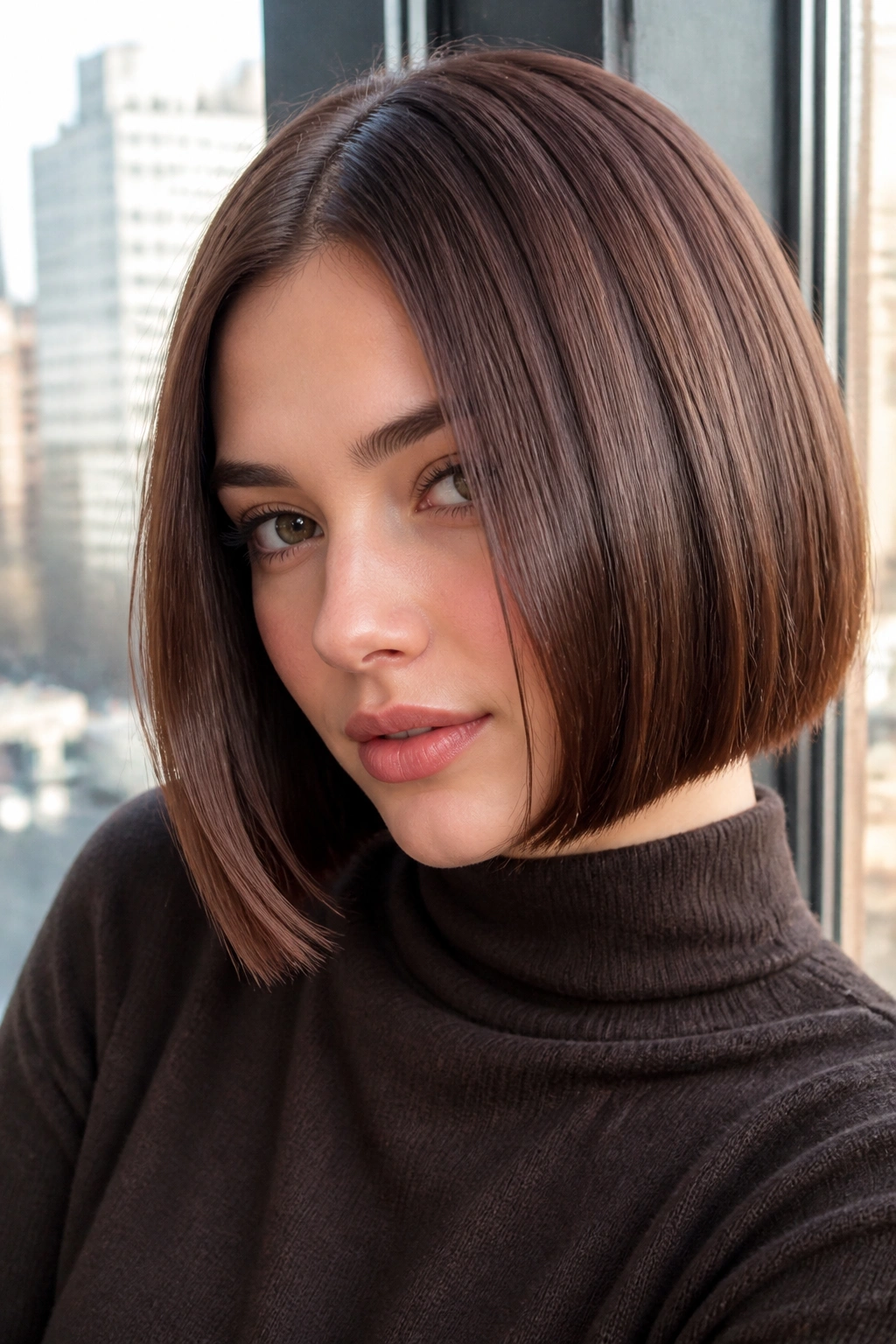
A satin chestnut bob is all about surface shine. The color sits in that sweet spot where brown looks smooth, creamy, and cool enough to flatter pink or blue undertones without feeling icy.
The bob cut matters because a clean shape shows off the color’s finish. One length, or nearly one length, makes chestnut look richer. Layering can work too, but the satin effect really comes alive on a blunt edge or a softly curved bob that catches light evenly.
I like this version for people who want their hair to look neat with minimal effort. A blow-dry, a round brush, and a little shine serum can go a long way. If the hair is healthy, the color almost does the styling for you.
The shade itself should stay in the medium-brown range with a controlled red-brown note. If the chestnut gets too red, the bob can start to feel more playful than sleek. That may be fine if that’s the goal. If not, keep the toner cool.
It’s simple. That’s why it works.
17. Plum-Chestnut Layers
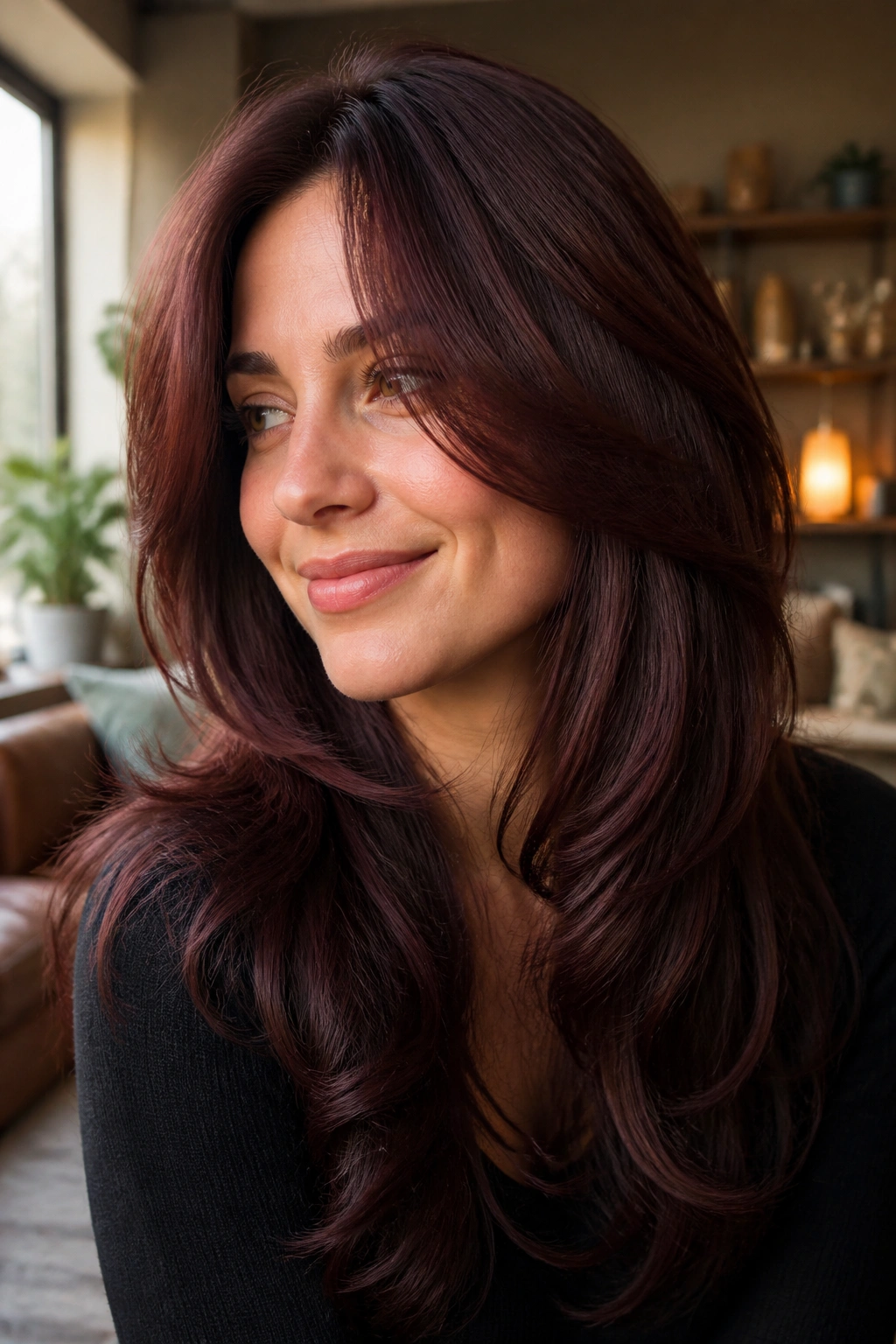
Plum-chestnut is for people who want the brown to show a little personality in low light. The plum note sits under the chestnut and gives it a cooler red-violet feel, which suits cool skin far better than orange-red browns.
Compared with a plain chestnut, plum-chestnut looks moodier and deeper. The difference is subtle at first, then it shows up in daylight or under indoor lighting, where the color gets that soft wine-like shift. If you like dark lipstick, silver hoops, and clothes in charcoal or navy, this shade can feel right at home.
The layered cut matters here because the movement reveals the different tones. Short layers, long layers, face-framing layers — they all help the plum come through. A single blunt line can still look good, but layering gives the color more room to breathe.
This is a nice pick for someone who wants richness without bright red. It leans artistic without becoming fussy. And when the color fades a little, it usually lands in a still-pretty brown rather than something awkward.
That’s a good place for brunette color to end up.
18. Smoky Chestnut Shag
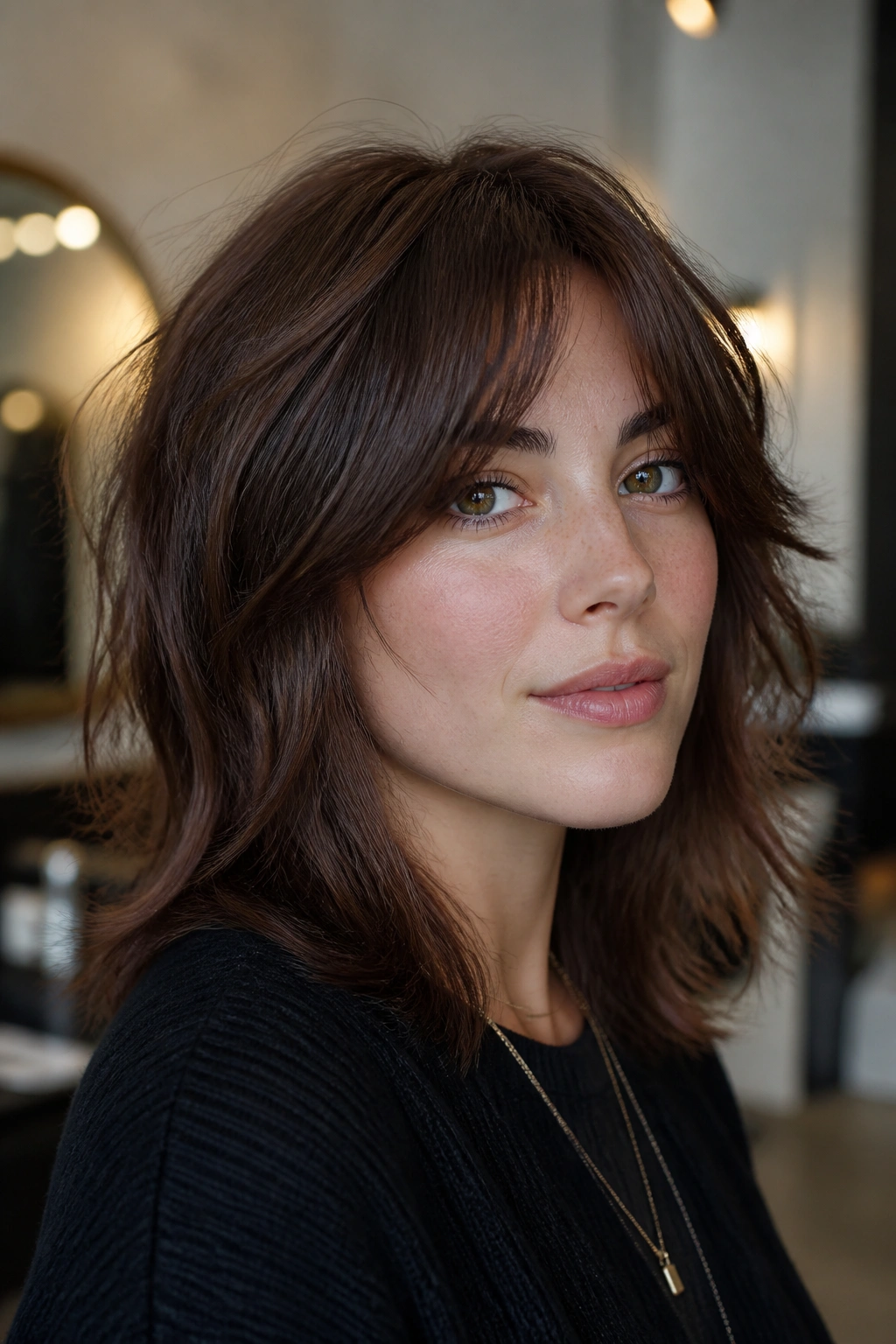
A shag cut gives chestnut a little attitude, and the smoky version keeps that attitude from drifting into warmth that clashes with cool skin. The texture does half the work, because the choppy layers break the color into pieces and keep it feeling airy.
What to Watch For
- Keep the base brown and smoky, not coppery.
- Let the shorter layers around the face carry the cool-toned dimension.
- Ask for a gloss if the ends start to look fuzzy or dry.
- Use a light mousse or cream so the texture stays piecey, not stiff.
A shag can handle more contrast than a neat bob, which is useful if you want the color to feel lived-in. You can add subtle highlights, deeper lowlights, or a shadow root without the look falling apart. That flexibility is half the appeal.
This is the most casual option in the group, and that’s what makes it interesting. It doesn’t need to be polished to work. It needs shape, a cool brown base, and enough shine to keep the layers from looking dull.
If you like hair that looks better when it’s a little undone, this is the chestnut shade to keep in your pocket.
Final Thoughts
Chestnut hair can be one of the best brunette choices for cool skin tones when the warmth stays controlled. The shades that work best usually lean ash, mocha, violet, smoky red, or deep walnut, not copper or gold.
If you’re torn between two chestnut colors, pick the one that looks softer in daylight. That’s the real test. Indoor salon lighting can flatter almost anything for ten minutes; natural light tells the truth fast.
Bring photos, but bring a few. And if the shade looks even a little too orange on the swatch board, ask for a cooler toner before anyone reaches for the bowl.
