



Beige hair can go flat fast on cool skin tones. The shade has to be cool enough to sit with pink, blue, or neutral-cool undertones, yet soft enough not to look gray or washed out.
That sweet spot usually lives somewhere between ash blonde, taupe brunette, and pearl beige. Too much gold turns the face a little muddy. Too much silver can look icy in the wrong way.
Hair color also changes under different light. What looks creamy indoors can flash yellow near a window, which is why toner, gloss, and root depth matter more than the mood board photo you saved.
The best beige hair color ideas for cool skin tones do one simple thing: they keep the hair bright without making the face fight the color. Some are soft and wearable, some are bolder, and a few are the kind of shade change that makes your features look cleaner in a mirror at arm’s length. Start with the first one, because that’s the easiest place to get beige right.
1. Ash Beige Balayage
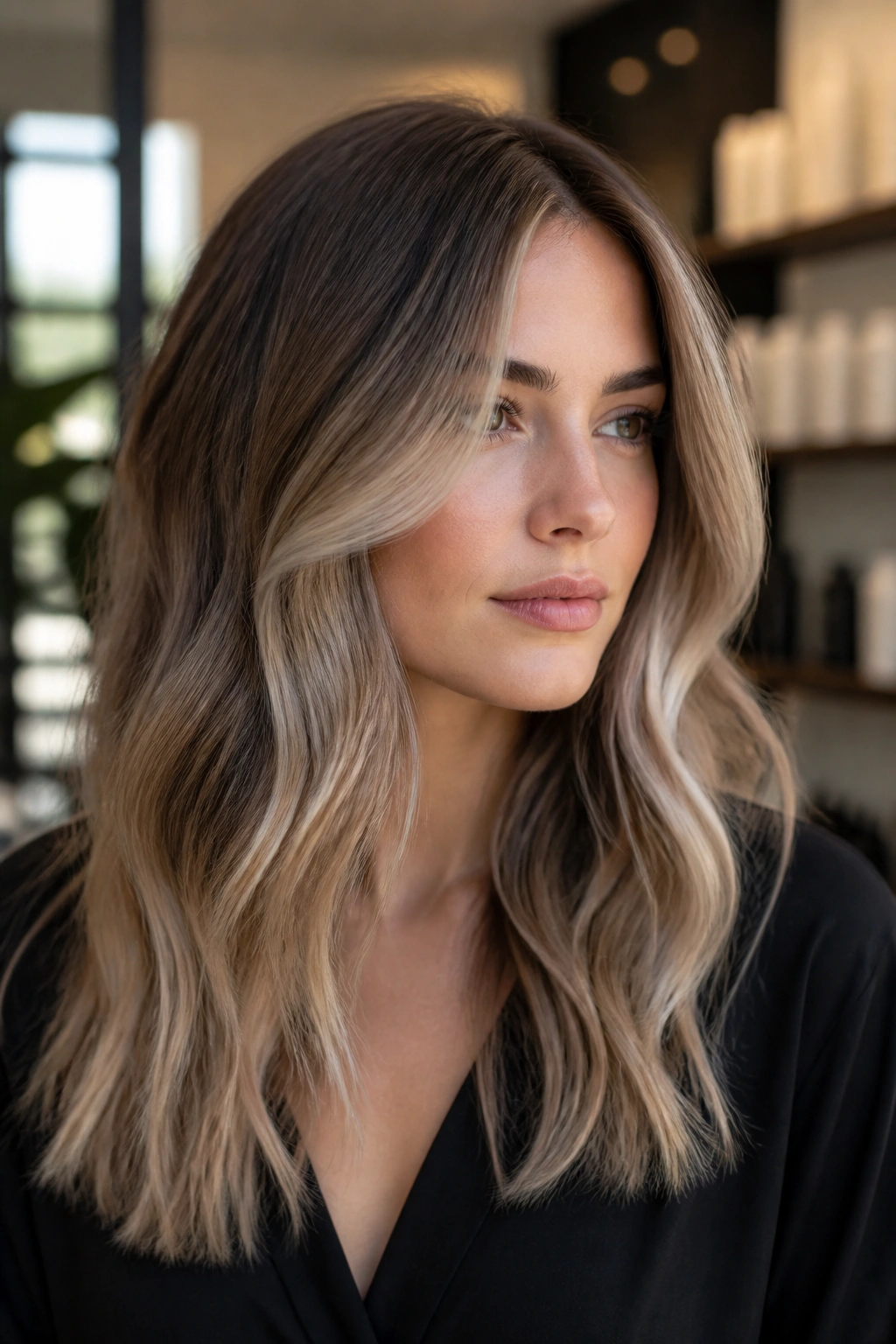
Ash beige balayage is the safest place to start if you want beige hair that behaves on cool skin. The hand-painted pieces keep the color soft around the face, while the ash base stops the blonde from drifting into gold.
Why it works so well
Balayage gives you movement without those hard stripes that can look dated fast. On cool undertones, the beige should read as soft smoke and cream, not caramel.
Ask for a level 7 or 8 base with cooler beige ribbons through the mids and ends. A root shadow helps the grow-out stay neat, and it also keeps the whole thing from turning too bright.
- Keep the lightest pieces around the face and crown.
- Leave some depth under the top layer for contrast.
- Use a blue or violet shampoo sparingly, about once a week.
- Plan for a gloss refresh every 6 to 8 weeks.
Best for: brunettes who want softness without losing depth.
2. Pearl Beige Blonde
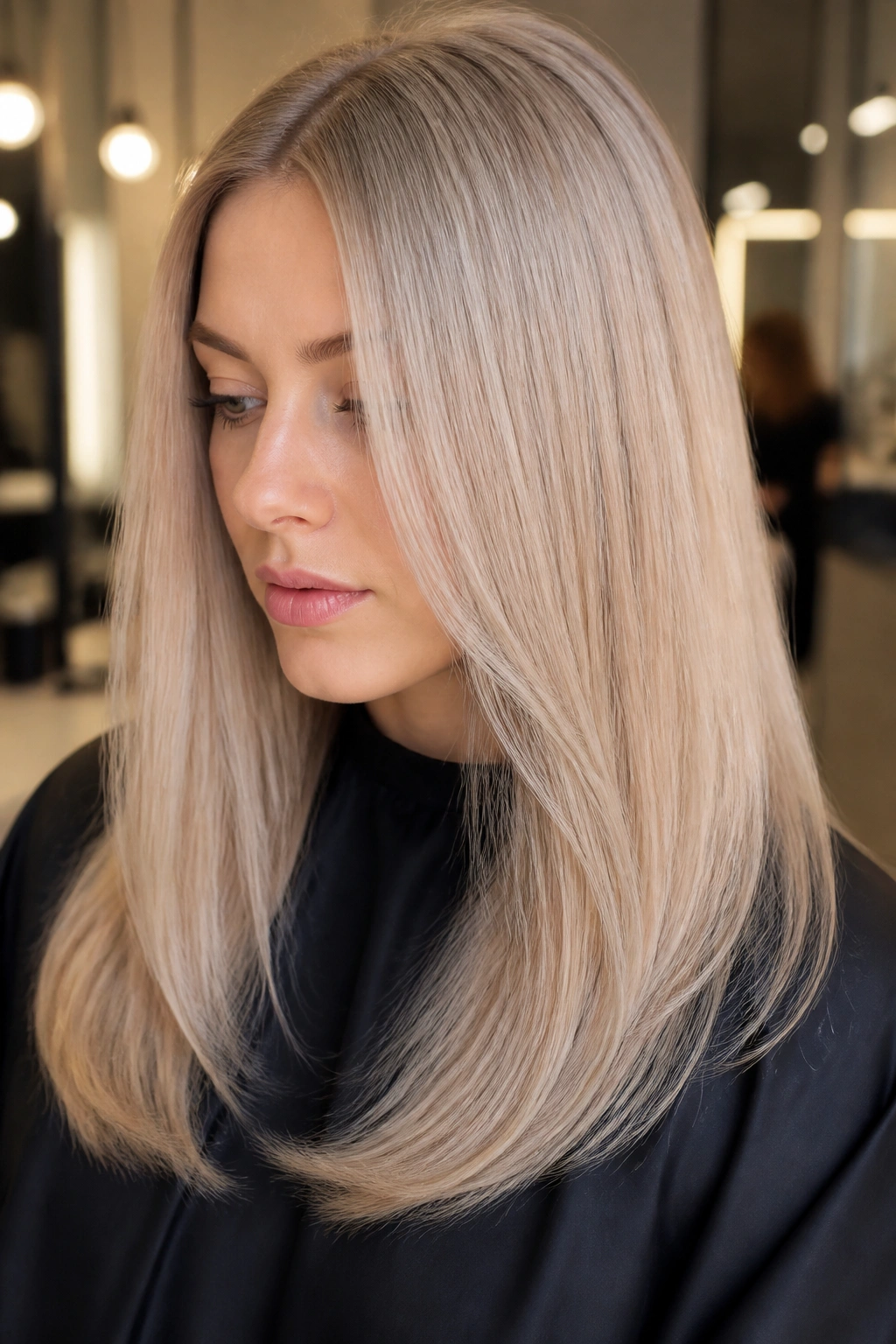
Pearl beige blonde is for the person who wants light hair that still looks polished next to cool skin. It has a satin finish rather than a sunny one, and that matters more than people think.
A pearl beige blonde usually sits cleaner than vanilla blonde and warmer than silver. That middle ground keeps the complexion from looking drained. It is especially flattering if your skin pulls pink in daylight.
The trick is tone control. If the blonde lifts to a pale yellow and then gets glazed with a pearl-beige toner, the result feels airy instead of brassy. If you push the toner too ash, the shade can flatten. Too gold, and the whole thing stops flattering cool undertones.
This one likes a sleek blowout, loose bends, or even straight hair with a clean center part. The color does a lot of the work.
3. Mushroom Beige Brunette
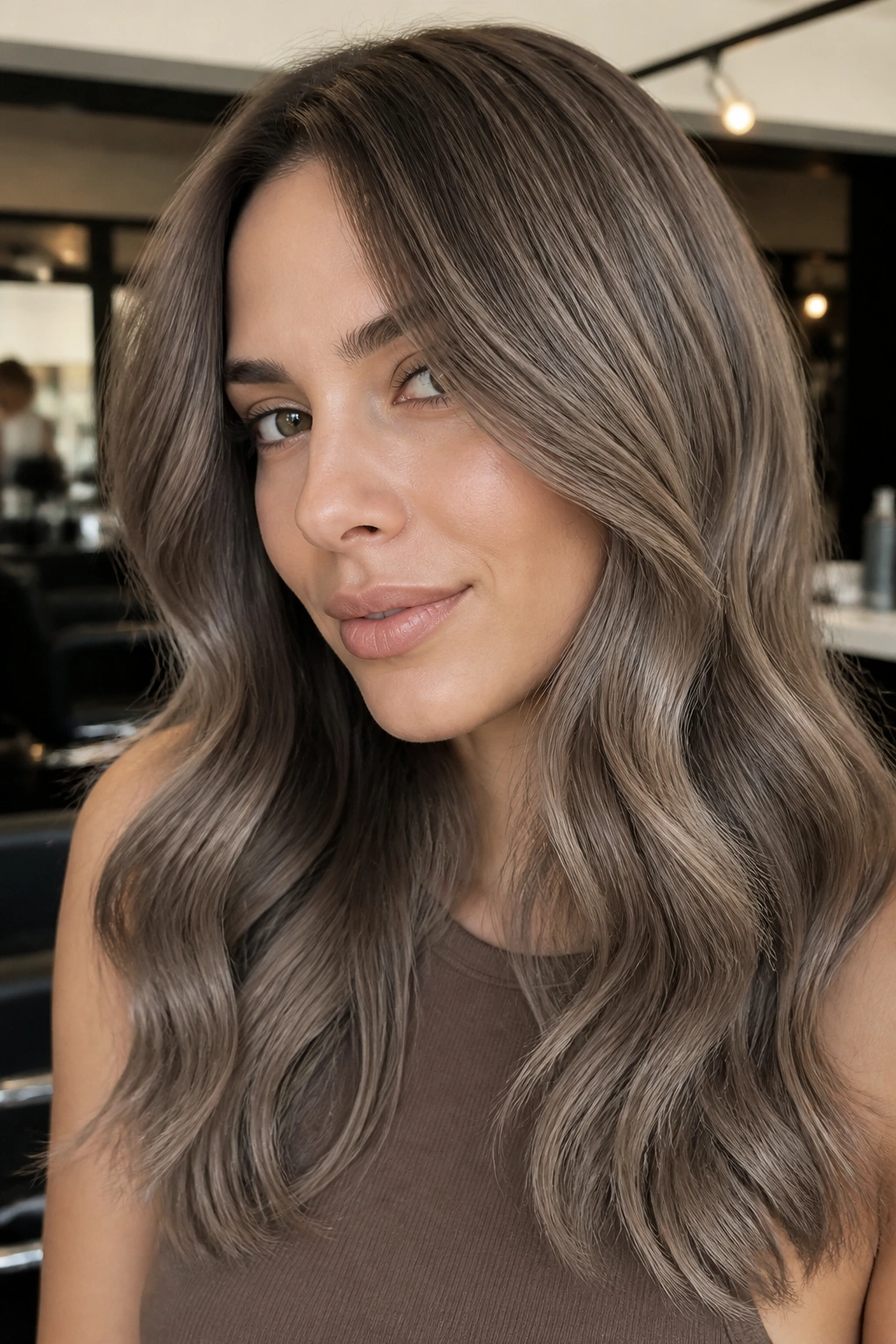
Why does mushroom beige keep showing up in cool-girl hair color photos? Because it solves the biggest beige problem: it keeps dimension without adding warmth.
Mushroom beige brunette lives in that gray-brown-beige zone that looks rich on cool skin and believable on real hair. It is not loud. That is the point. The shade feels earthy, but the earth has been dusted with ash and taupe, not cinnamon.
How to wear it
A blunt bob makes mushroom beige look modern. Long layers do the opposite in a good way — they let the muted ribbons move a little when you walk.
- Works best on bases from level 5 to 7.
- Needs a cool gloss every 6 to 8 weeks.
- Looks best with soft waves or a smooth, slightly tucked finish.
- Reads darker in low light, which is part of the appeal.
If your hair tends to go red, this is one of the better shades to fight back with. Quietly.
4. Smoky Beige Bob
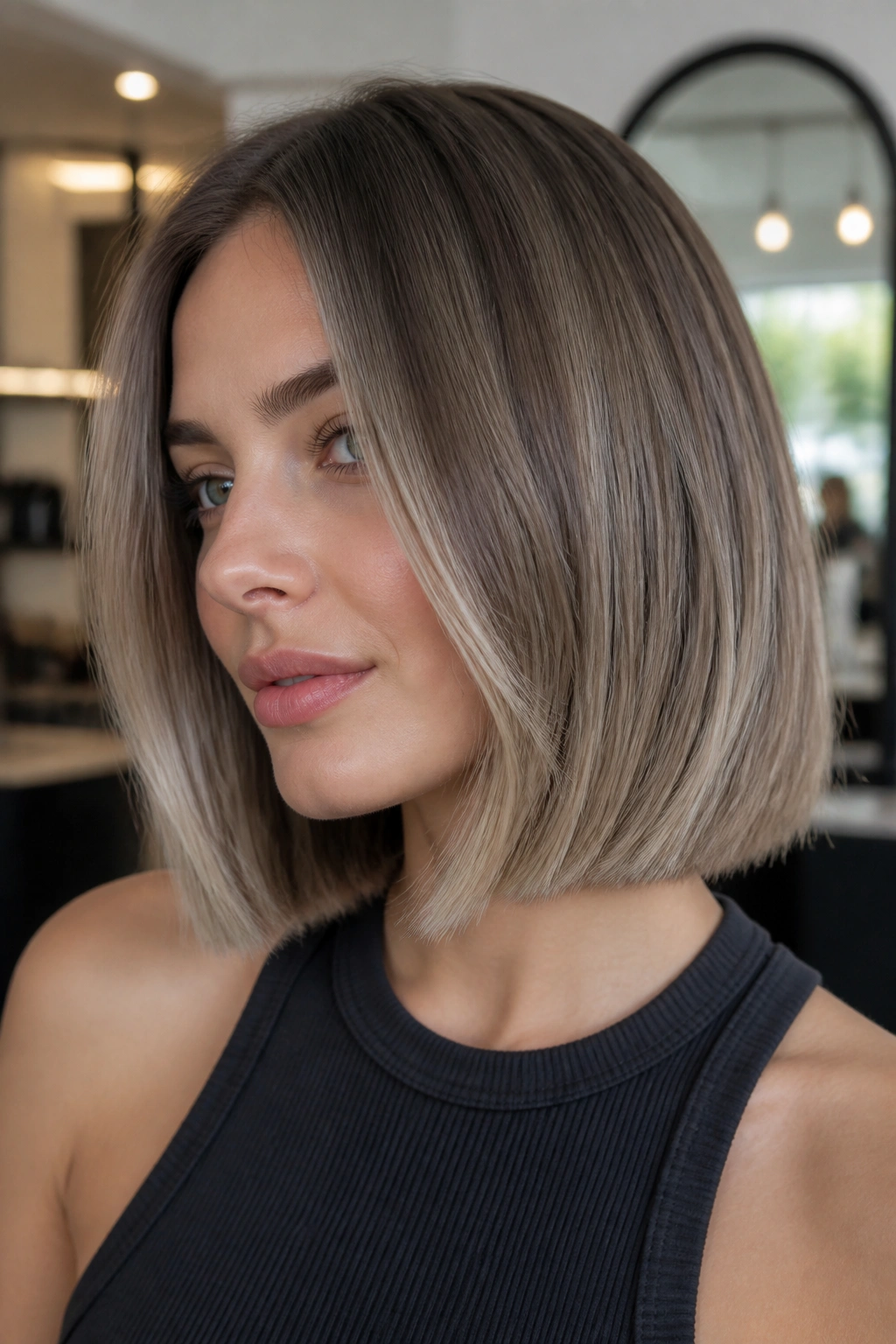
Short hair changes everything. A bob does not have the room to hide bad tone, so smoky beige has to be clean, cool, and precise.
This shade is a mix of ash beige and soft taupe, usually painted through a bob with enough brightness to show the cut line. On cool skin, the smoke in the color keeps the face from looking too yellow next to the length. That is the whole game here.
A smoky beige bob looks especially good when the ends are a touch brighter than the root. It creates movement even when the cut is blunt. If your hair is fine, that little shift in tone can make it look thicker at the ends.
Short hair needs regular toner upkeep, though. Every 4 to 6 weeks is not unusual if you want the beige to stay crisp.
5. Beige Money Piece
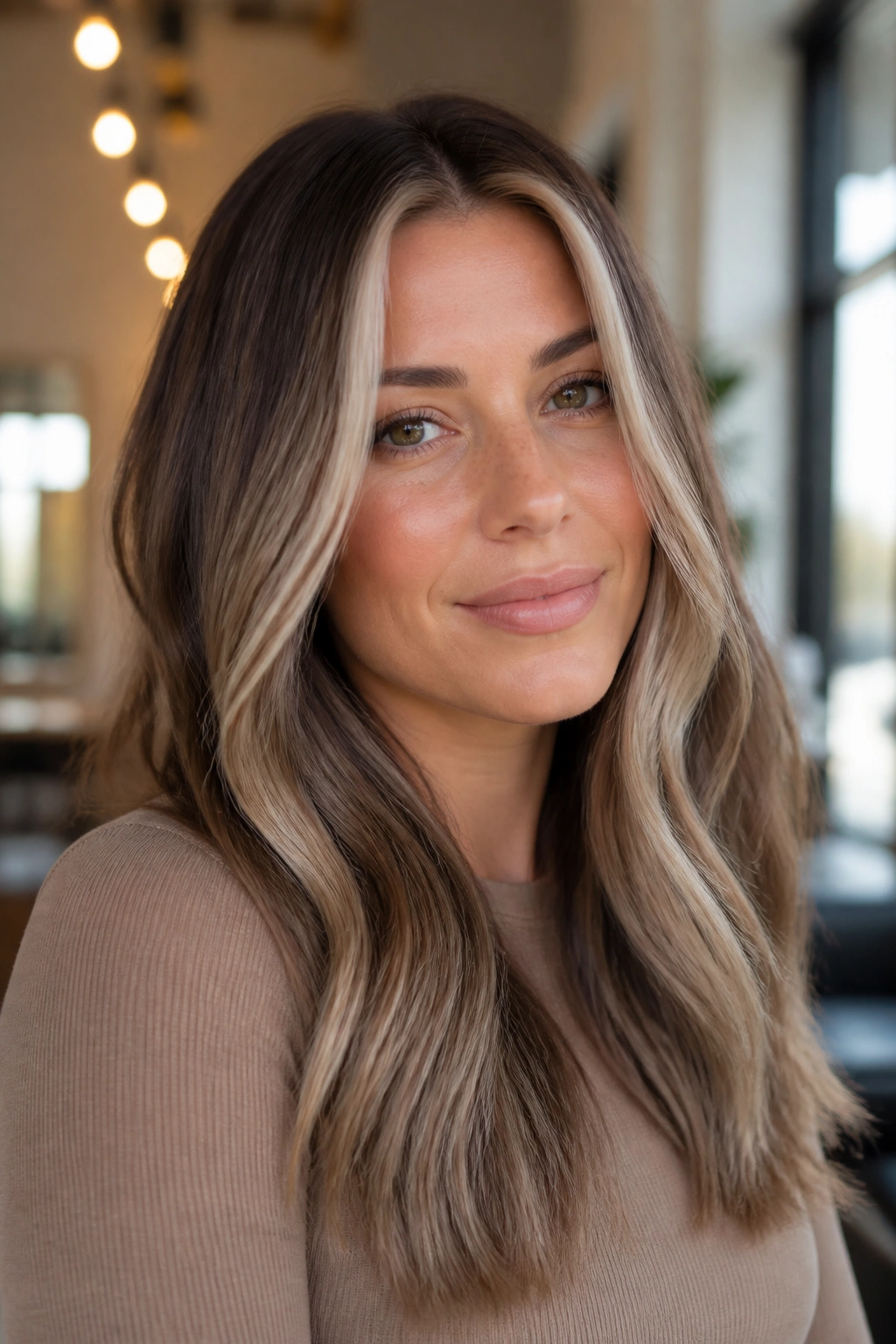
A beige money piece is the fastest way to change your face without committing to a full color overhaul. The front sections brighten the skin, while the darker base underneath keeps the color grounded.
If your cool undertones disappear when your hair gets too gold, this is a smart move. The face frame should be beige, not butter. I prefer a money piece that is soft at the root and a little brighter around the cheekbone, because that keeps it from looking like a stripe.
What to ask for
- Keep the money piece about 1 to 1.5 inches wide.
- Ask for beige, pearl, or ash-beige tone, not honey.
- Leave the root slightly deeper for contrast.
- Blend it into the front layers so the grow-out does not look harsh.
This idea is especially good with curtain bangs. The bangs pick up light, and the beige keeps the whole look calm instead of flashy.
6. Beige Bronde Melt
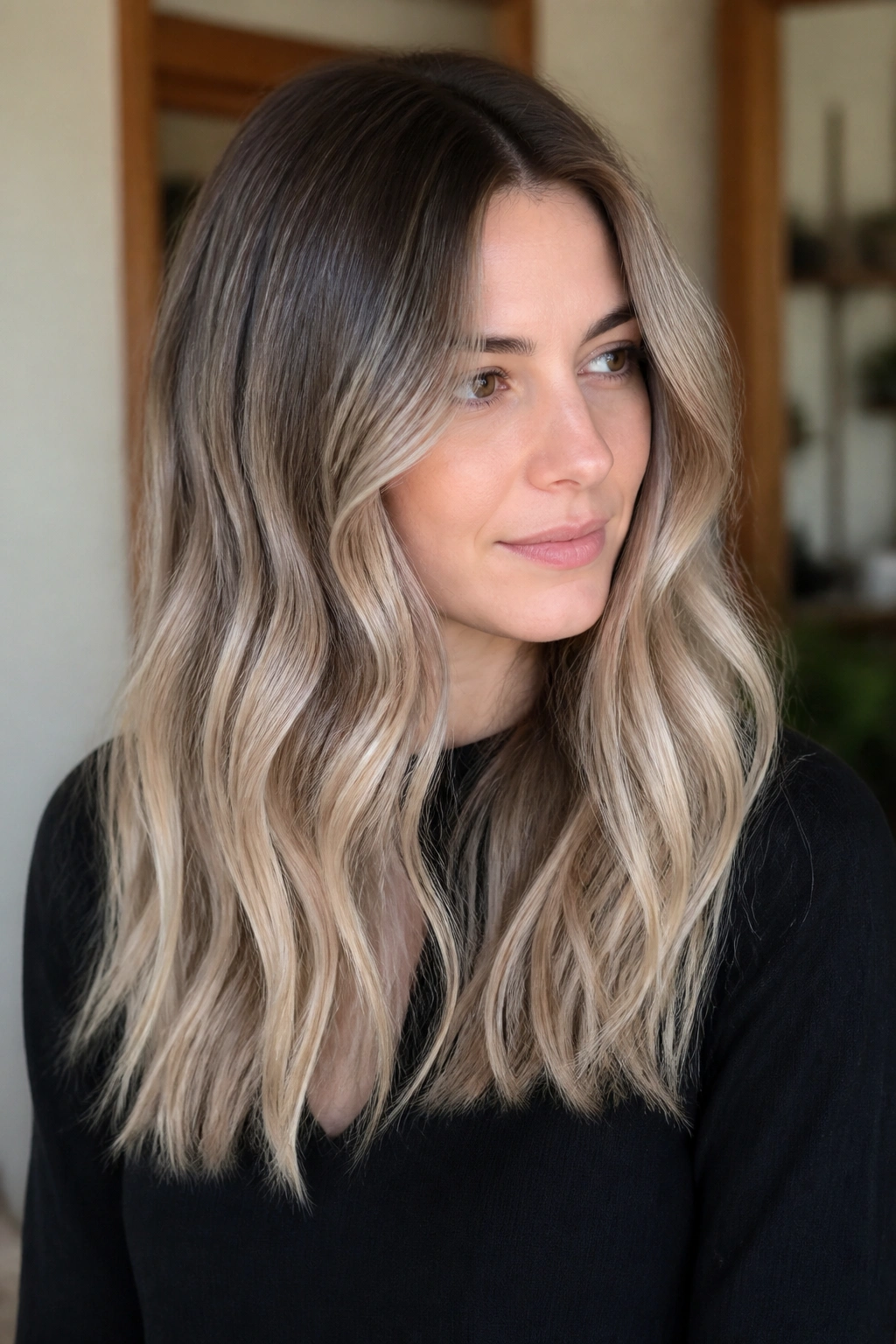
Bronde is one of those words people throw around, but a true beige bronde melt has a very specific feel. It sits between brown and blonde with no hard stop between the two.
For cool skin tones, the melt matters more than the shade itself. A beige bronde should fade from a cool brunette root into sandy-beige mids and lighter ends that still carry ash. If the blonde portion goes too golden, the whole look gets warmer than you probably wanted.
This is a strong choice if you like low-effort color that still looks done. Long hair, shoulder-length waves, and layered cuts all help the melt show properly. On straight hair, it can look quieter. On waves, the beige pieces catch the eye in motion.
It is also forgiving. Grow-out looks intentional instead of sloppy, which is the best kind of color when you do not want to live in a salon chair.
7. Taupe Beige Lob
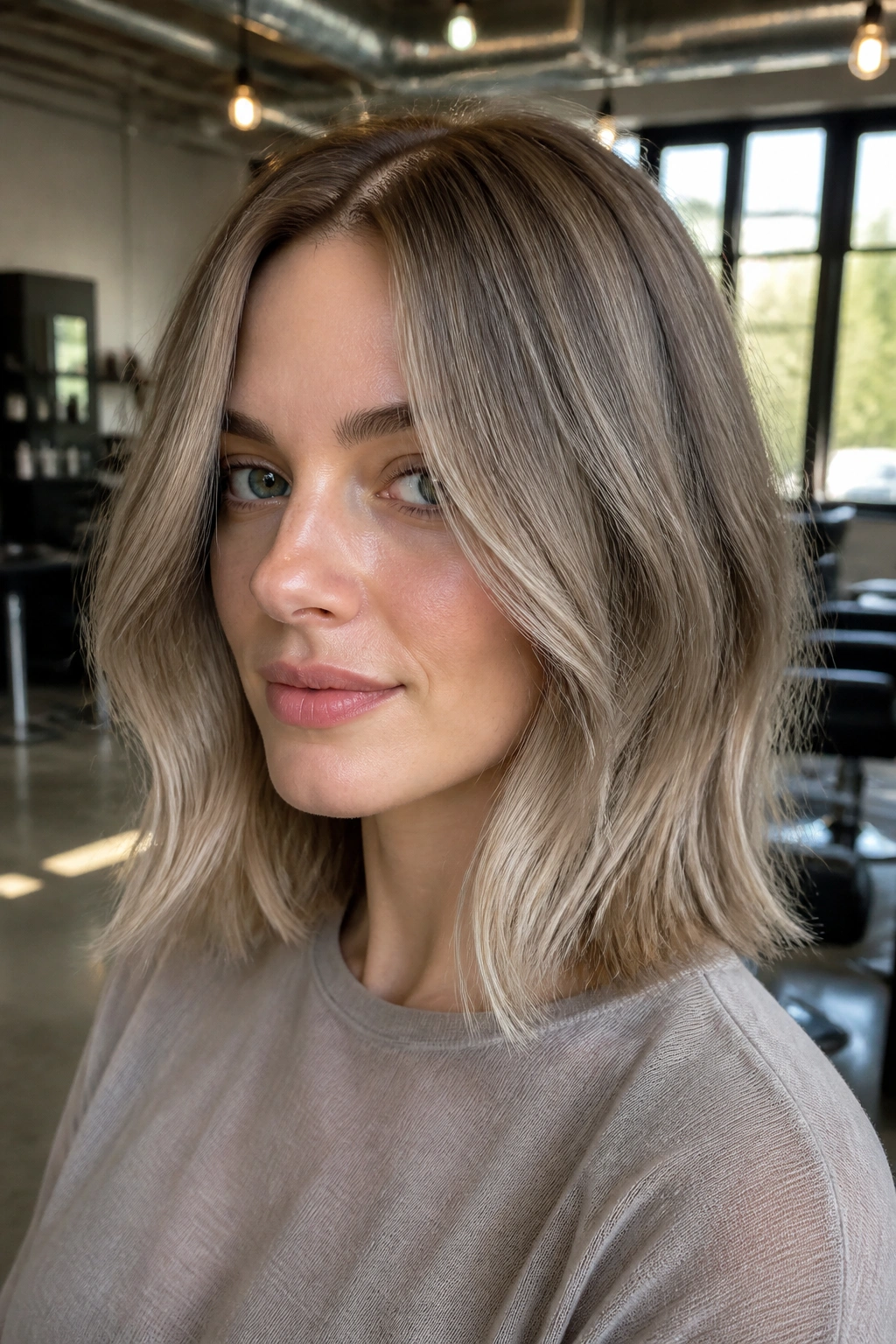
A taupe beige lob leans cooler and moodier than most beige shades. That is why it flatters cool skin so easily. Taupe brings in a brown-gray note that stops the hair from drifting warm.
The lob length makes the color look neat and expensive without trying too hard. A middle part gives it a sharper edge, while a soft side part makes it feel a little more casual. I like this shade on hair with a slight bend, not tight curls. The muted tone does not need much styling drama.
What makes it different
The taupe base softens any red or orange in the hair. That matters if your natural color pulls warm once lifted. The beige sits on top like a veil, not a blanket.
If you want something grown-up without feeling severe, this is a very good bet. Not boring. Just restrained.
8. Icy Beige Platinum
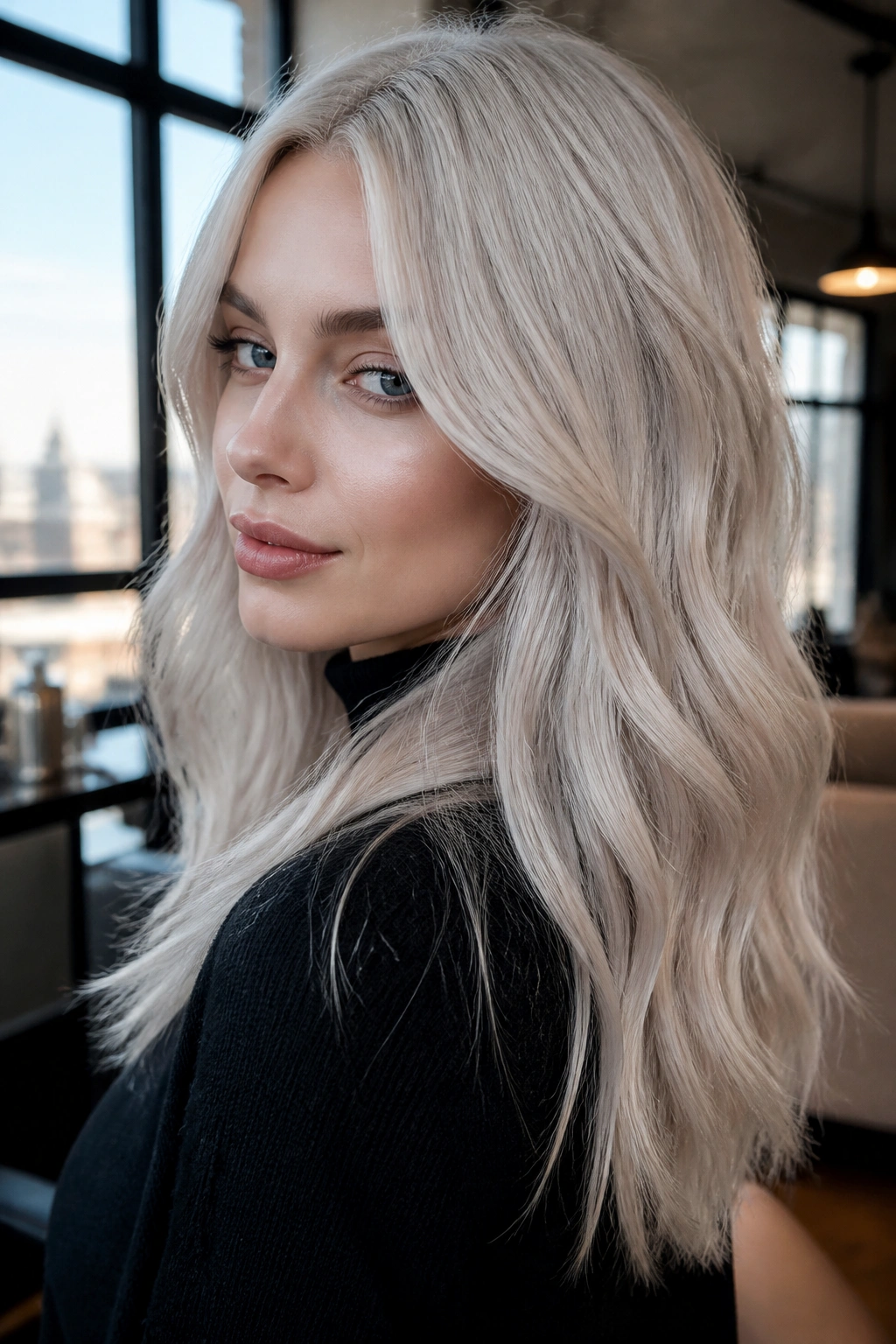
Can beige go almost white and still flatter cool skin? Yes, if the toner is handled with a light touch.
Icy beige platinum sits at the lightest end of the beige family. The hair lifts very pale, then gets softened with a beige glaze so it does not read pure silver or flat white. On fair cool skin, that can look sharp in a good way. On deeper cool skin, it can create a high-contrast finish that feels editorial.
This shade asks more from the hair. That is the trade-off. Lightening to platinum takes patience, and the tone has to be managed so the hair does not yellow between appointments. Purple shampoo helps, but it will not replace a proper gloss.
If you want this look, be honest about upkeep. It is gorgeous, and it is not low-maintenance. No pretending otherwise.
9. Beige Babylights
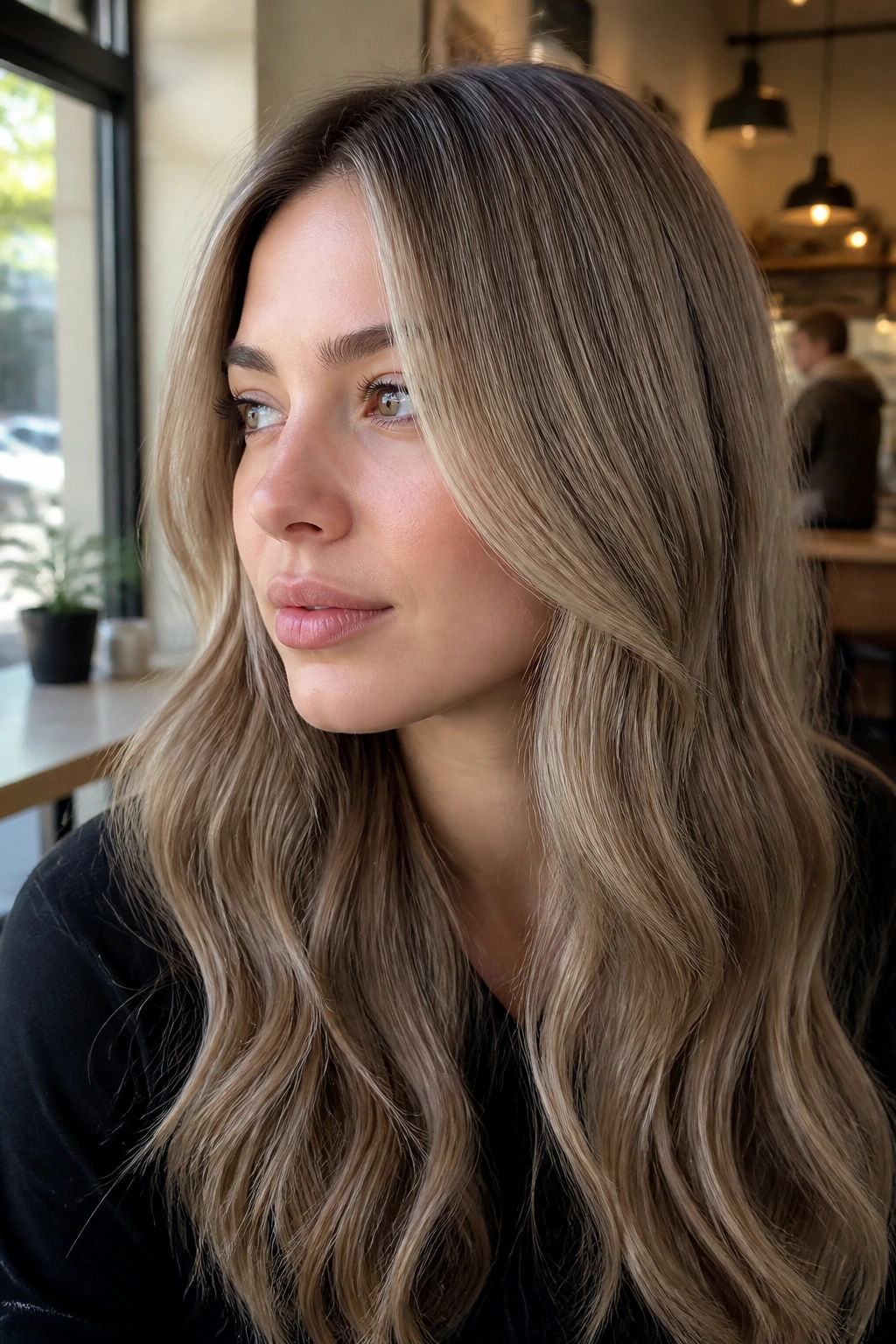
Babylights are what you choose when you want beige hair that whispers instead of speaks. The highlights are so fine they blur into the base, which is ideal if you hate seeing obvious color lines.
On cool skin tones, beige babylights soften the face without stealing attention from it. The tiny woven pieces keep the overall color light, but the result still looks believable. That matters. Thick highlights can look harsh on some complexions, while babylights melt in.
Why they flatter cool skin
- The fine weave keeps the tone soft and mixed.
- The beige stays closer to cream than gold.
- The grow-out is gentle, even after several weeks.
- They work well on straight hair and loose curls.
If your natural base is dark blonde or light brown, babylights are one of the easiest ways to get beige without a full color reset. They also play nicely with a low-key haircut, which is underrated.
10. Beige Root Smudge With Soft Ends
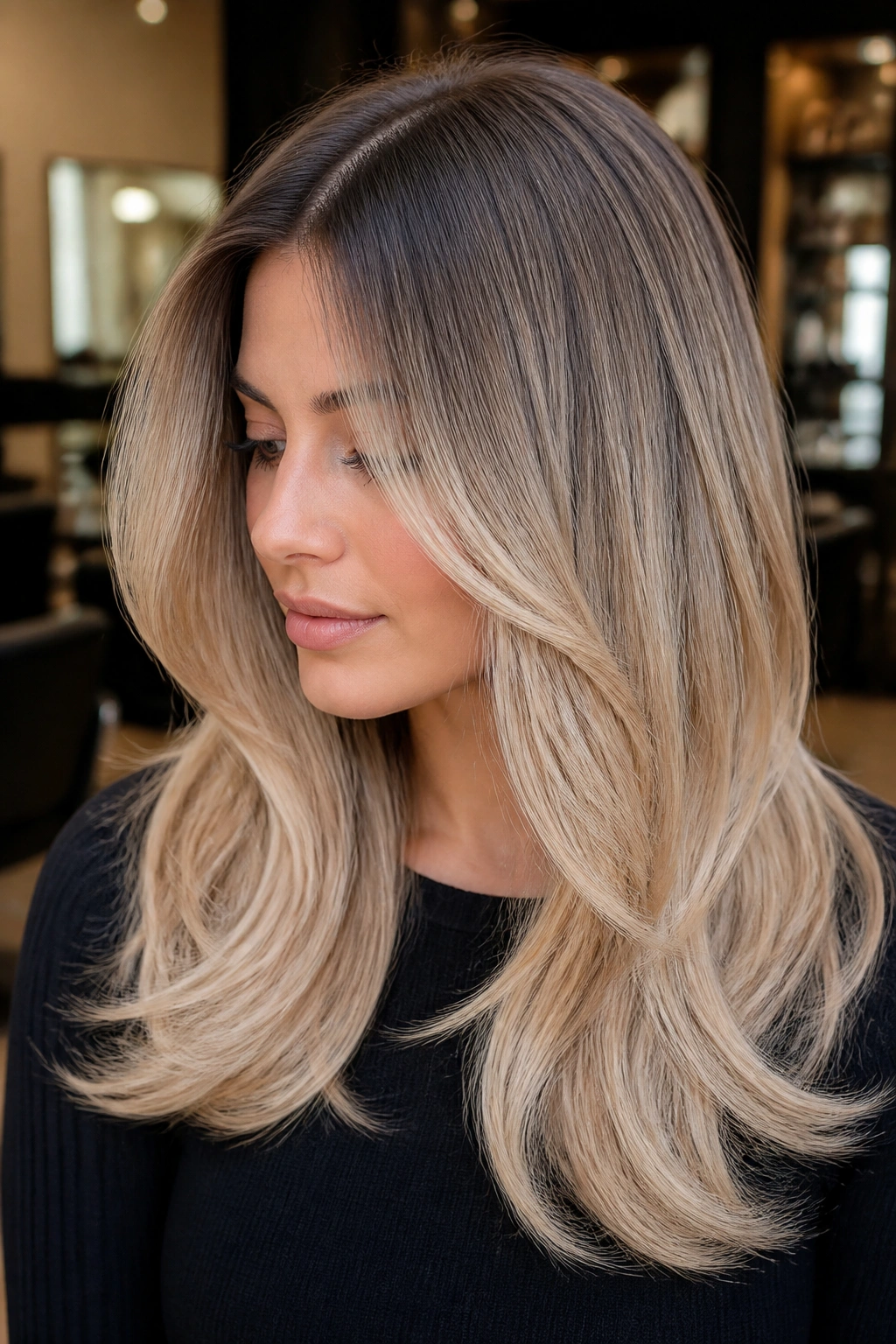
A root smudge keeps beige hair from looking stripy, and on cool skin that little bit of depth can make the whole color feel more expensive. The root stays deeper, then the length fades into beige blonde.
This is a smart option if you do not want to baby your color every three weeks. The smudge buys you time. It also keeps the lightest beige from sitting flat against the scalp, which can happen when the color is too uniform.
The best version keeps the root shadow one to two levels deeper than the mids. Anything darker can look heavy. Anything lighter and you lose the point.
This shade looks especially good on layered cuts, because the moving ends show off the shift in tone. It is a quiet trick, but a useful one.
11. Oat Beige Layers
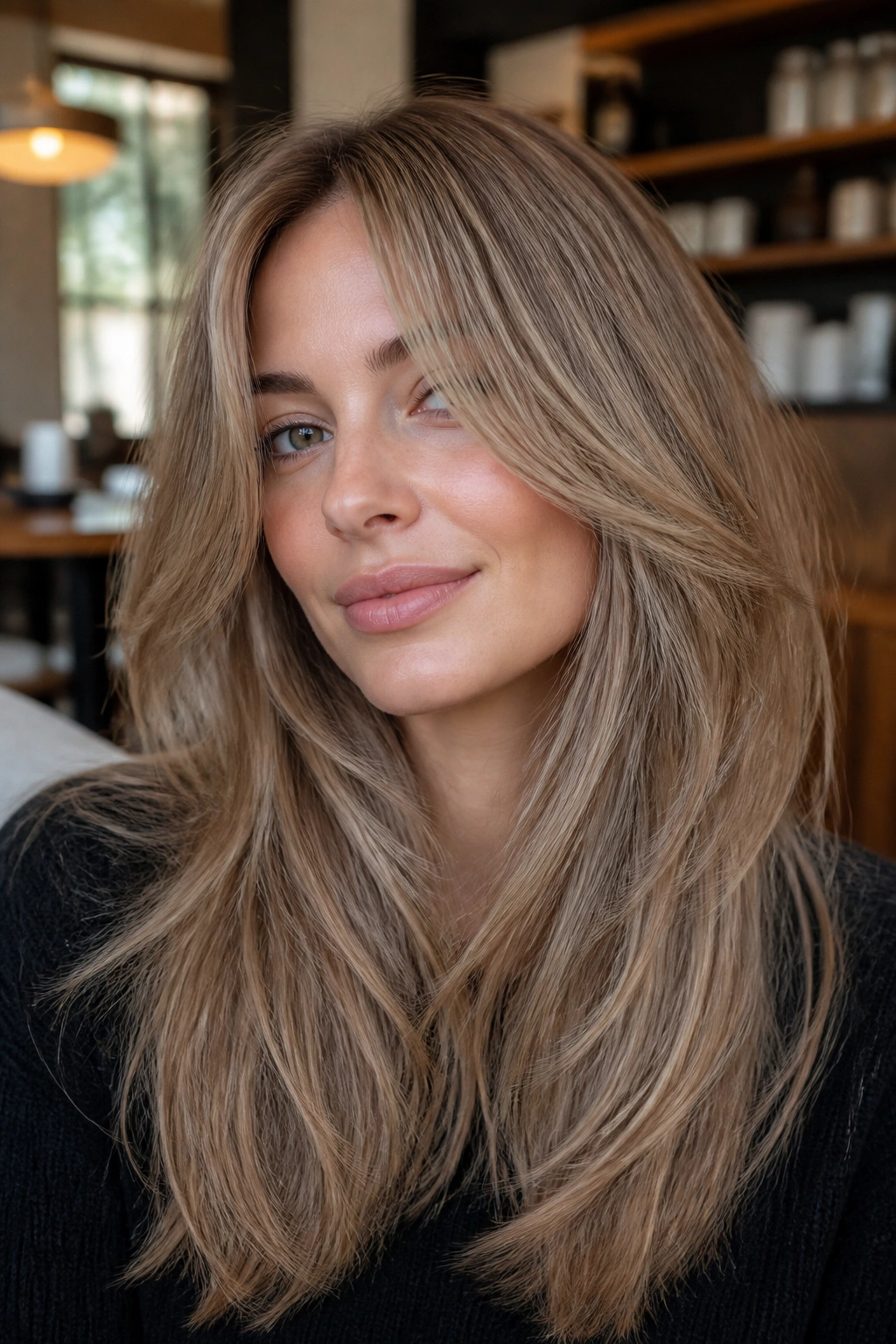
Oat beige is softer than ash, cooler than golden beige, and a little creamier than taupe. It gives cool skin a softer frame without making the hair look dusty.
Layers help this shade a lot. The cut gives the color room to move, and the muted beige catches light on the bends instead of sitting in one block. That keeps the hair from looking one-note.
If your natural color is around a level 6 or 7, oat beige can feel like a believable upgrade rather than a dramatic change. It works on medium-length hair especially well, because the cut shows enough movement to keep the tone alive.
I like this shade when someone wants something wearable for work, weekends, and everything in between. No drama. No brass. No apology needed.
12. Cool Sand Beige Waves
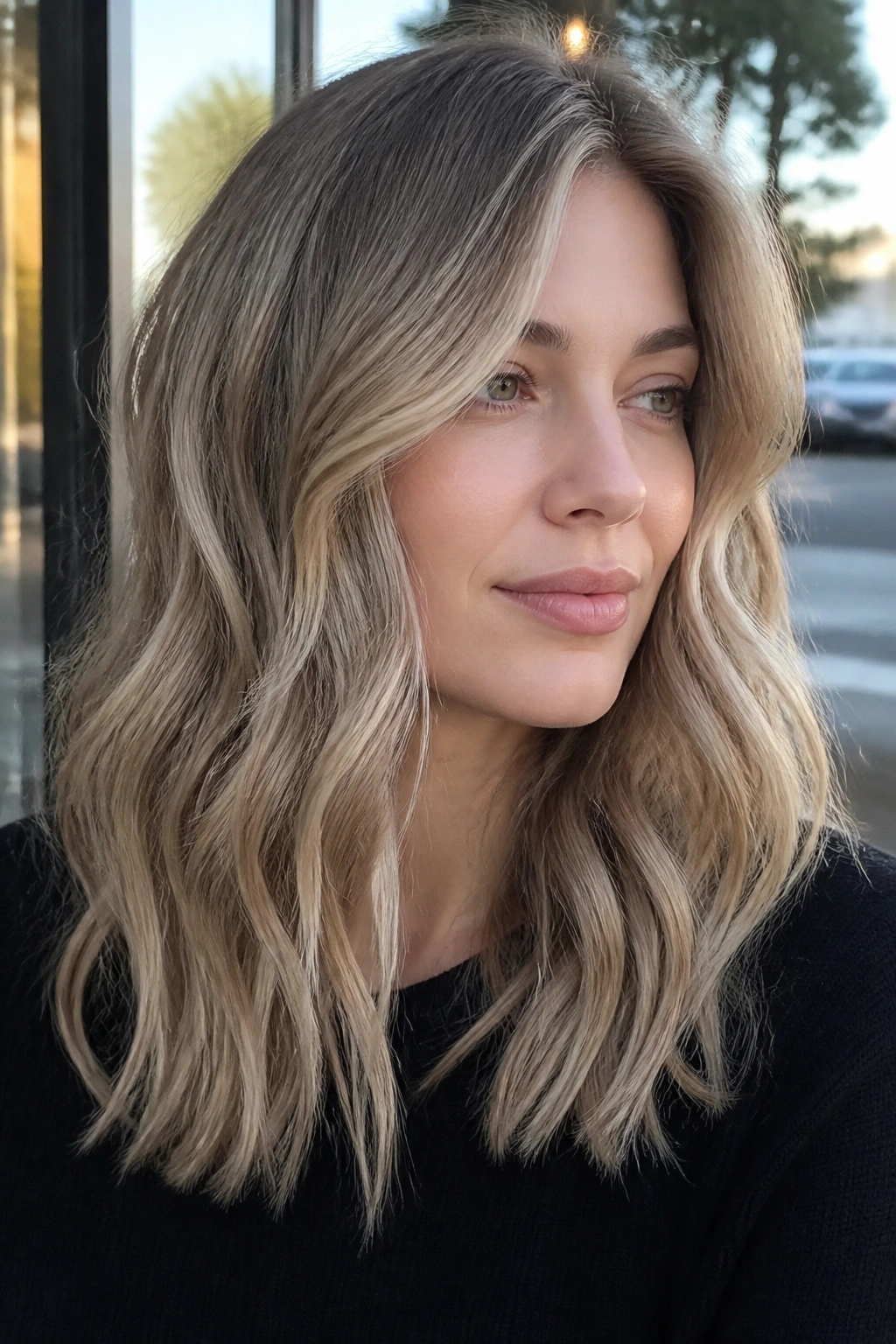
Sand beige can turn warm fast, which is why the word cool matters here. Cool sand beige keeps the soft, beachy feel of sandy hair but strips out the yellow and orange that can clash with cool undertones.
Loose waves make this color easier to read. The bends separate the beige pieces so you can see the nuance, especially around the front and mid-lengths. A wave pattern that is too tight can make the hair look more highlighted than blended, so a 1-inch curling iron or flat iron bend usually looks better.
This shade suits medium-length cuts and long layers. It also works when you want something relaxed without leaning too blonde. The color has enough warmth in the name to sound soft, but the finish needs to stay neutral-cool. That’s the part that counts.
13. Beige Ribbon Highlights
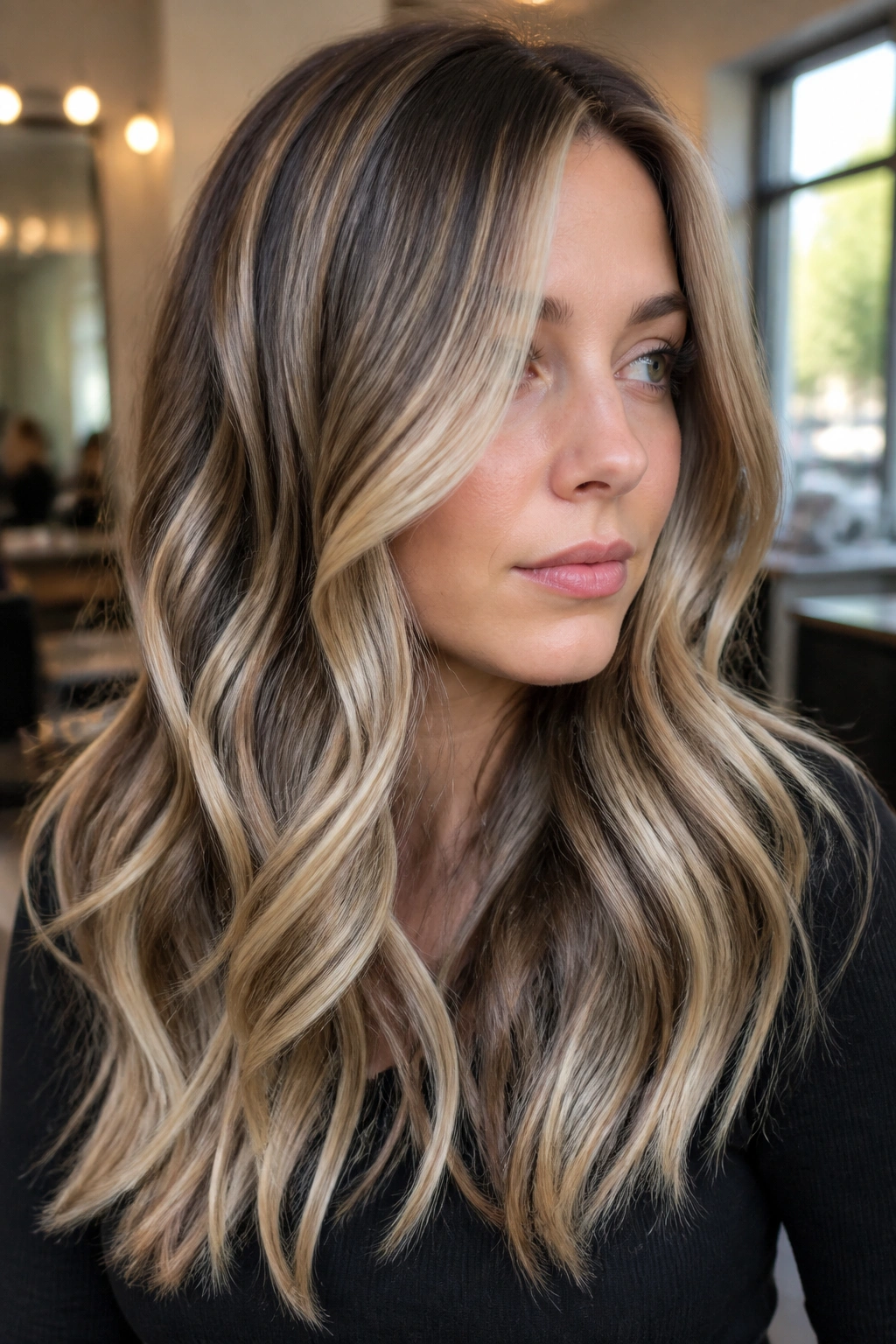
Ribbon highlights give beige more shape. Instead of tiny baby strands, you get broader, painted pieces that move through the hair like soft strips of light.
For cool skin tones, the bigger sections need to stay beige rather than buttery. That keeps the highlight visible without turning it yellow. The result looks richer on thick hair, where the ribbons have room to breathe.
What makes it different
- Thicker than babylights, thinner than chunky highlights.
- Better on medium to long hair.
- Useful when you want visible brightness without a high-contrast stripe.
- Needs careful placement around the face and crown.
Ribbon highlights are a good choice if your hair tends to disappear when the color is too subtle. They add enough structure that the haircut and the color work together, which is a small thing that makes a big difference.
14. Silver-Beige Pixie
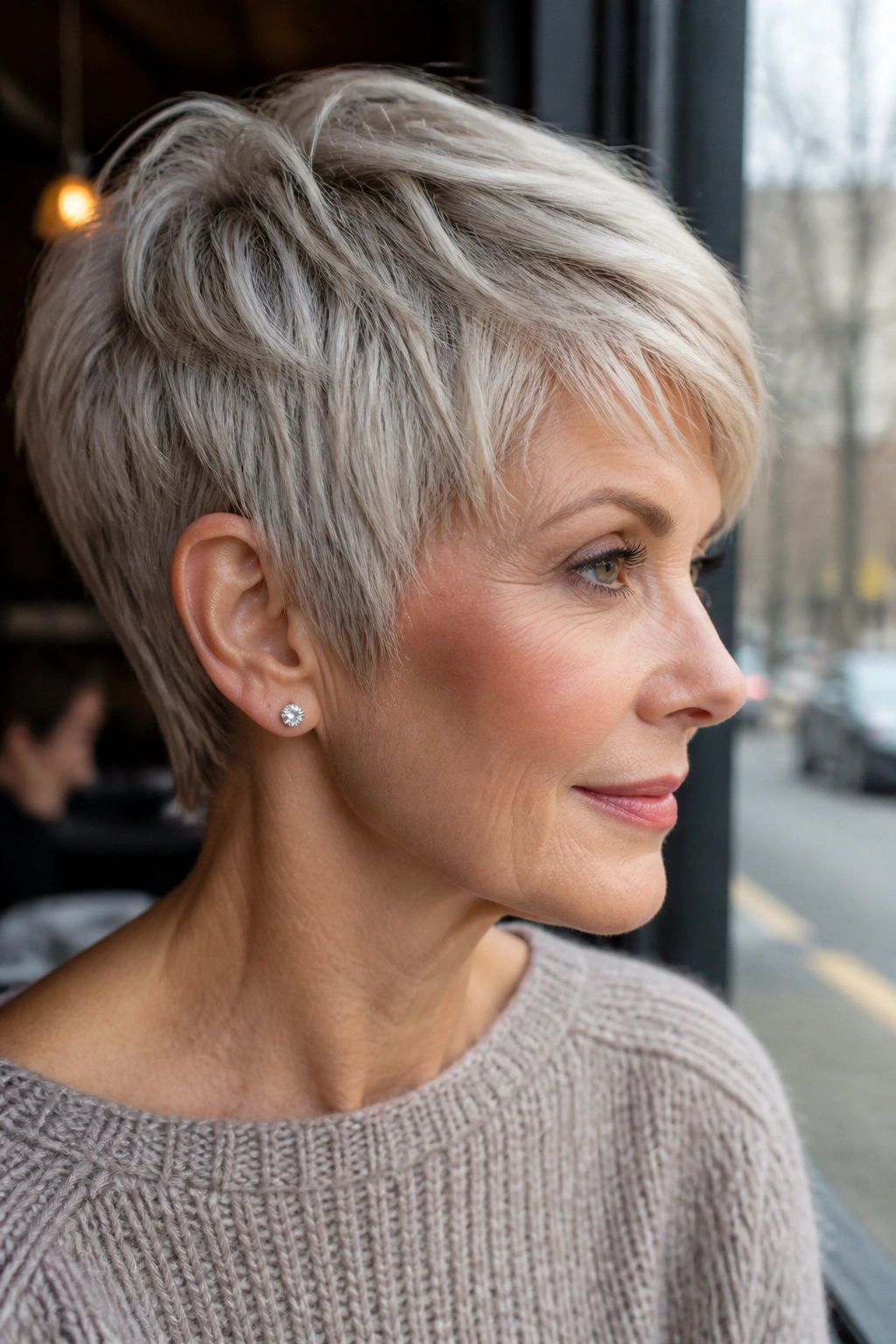
Short hair needs commitment. There is no curtain of length to hide a weak tone, which is exactly why a silver-beige pixie can look so sharp on cool skin.
The silver edge gives the pixie a crisp finish, while the beige keeps it from looking metallic in a harsh way. That mix is especially nice if your skin has a rosy cast. It keeps the face from being overwhelmed by brightness.
How to style it
Use a small amount of matte paste or light cream, then push the texture forward or to one side. The goal is not shine. The goal is clean separation at the ends.
A pixie like this needs a toner refresh more often than longer cuts, usually around every 4 to 6 weeks. It is not a lazy color. It just happens to look like one when it is done well.
15. Beige Ombré Ends
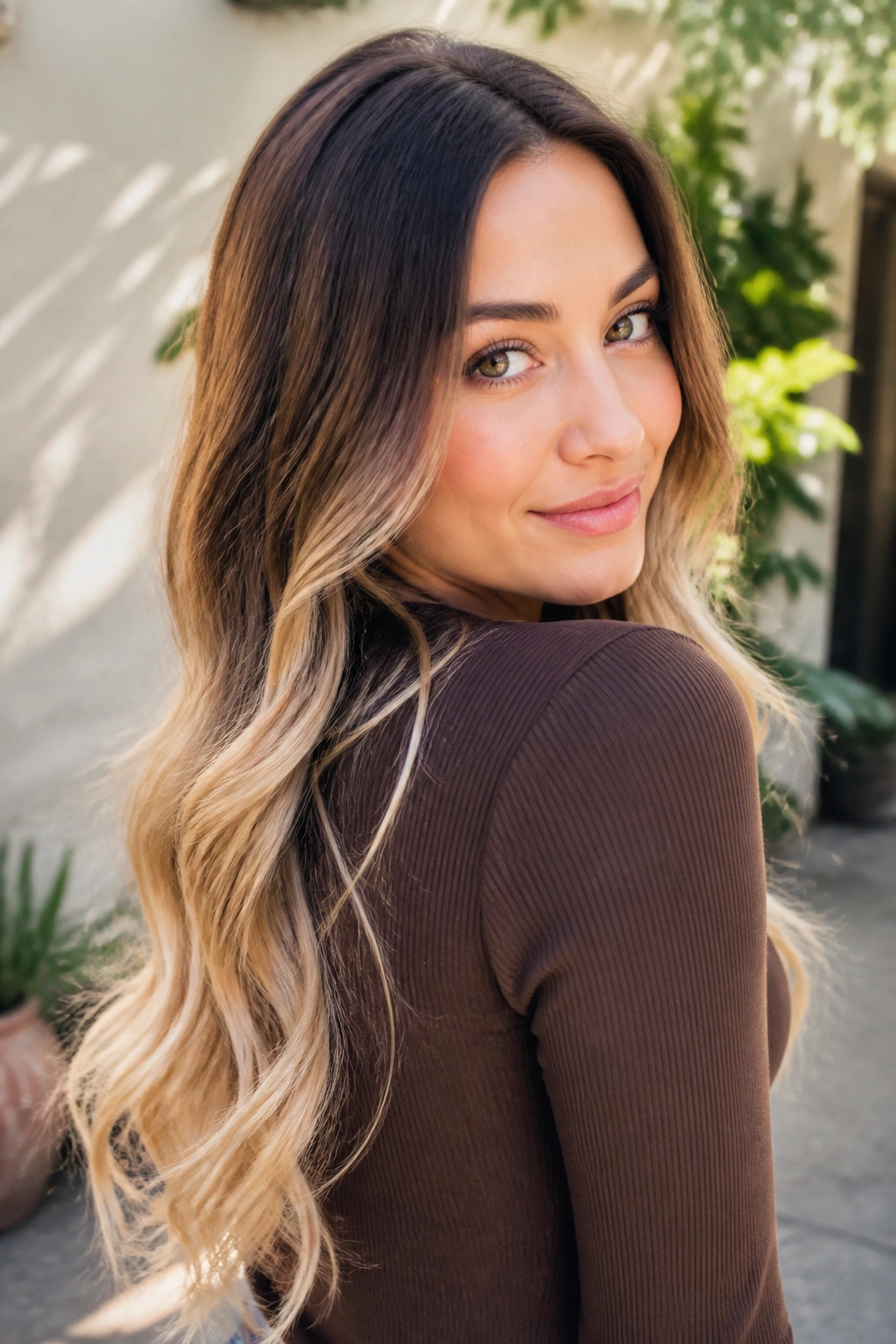
Ombré gets dismissed sometimes because people remember the harsh versions. The beige version is softer and, frankly, much better for cool skin tones.
The darker root gives the hair weight, then the ends drift into beige blonde with a cool finish. The fade should feel smooth, not dipped. If you can clearly see where one color stops and the other starts, the effect loses its charm.
This is a strong option for long hair because the fade has room to stretch. It also works when you want brightness around the perimeter without touching the root too often. The ends can be beige, pearl, or ash-beige depending on how light you want to go.
If you like a little contrast but do not want your whole head lightened, this one hits a good middle point.
16. Beige Gloss on a Level 7 Brunette Base
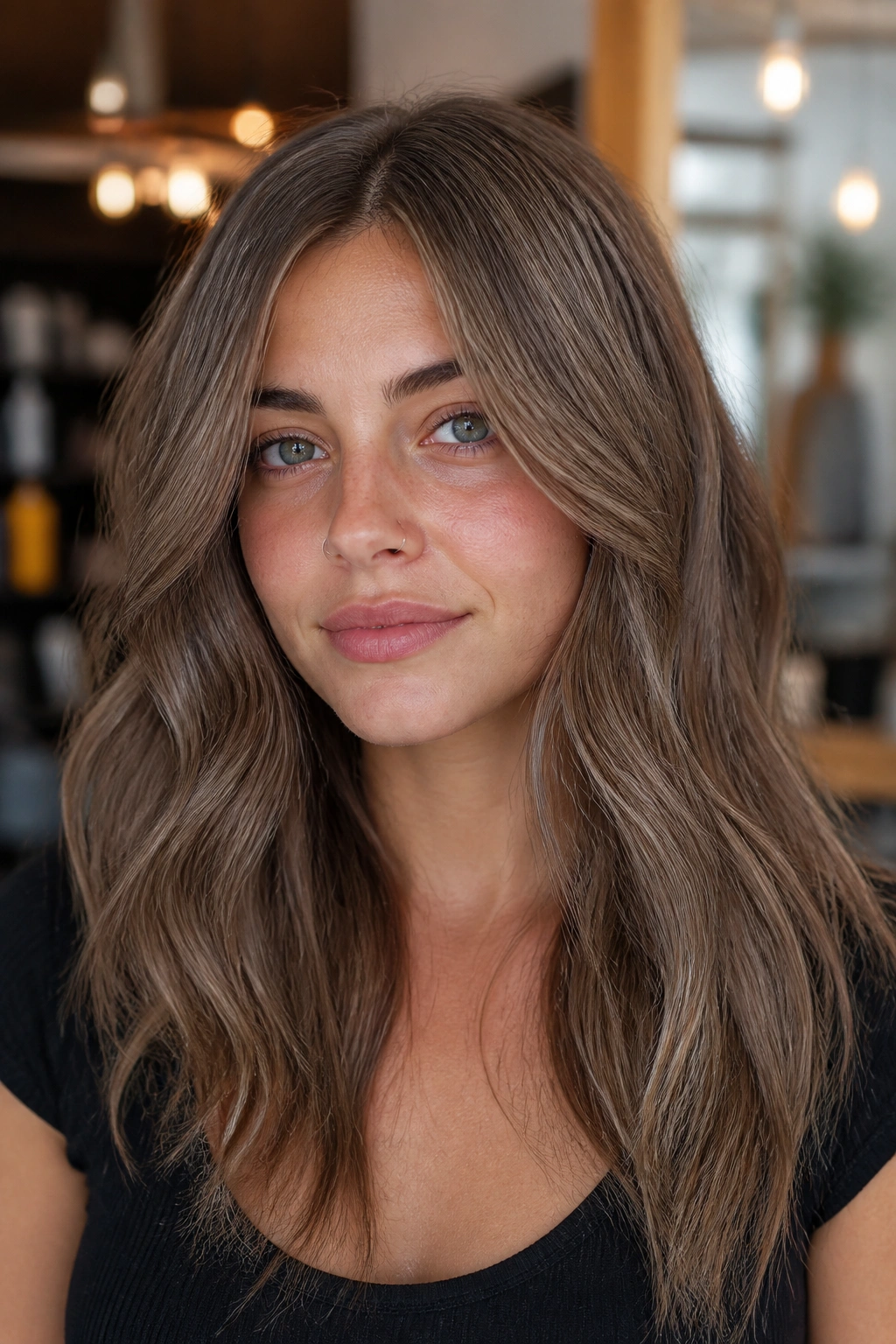
Not every beige look needs bleach. That is one of the nicer truths in hair color.
A level 7 brunette base can take on a beige gloss and shift from flat brown to soft taupe-beige in a single appointment. The change is subtle, but on cool skin it often does enough. The hair looks less red, less heavy, and more reflective.
This is the kind of service I like for people who are nervous about damage or just want to test the beige family before going lighter. A demi-permanent gloss usually fades over a few weeks, which is actually useful here. You can see whether the tone flatters your skin before committing to highlights.
It is also a good fix for brunette hair that went too warm after summer sun or too many warm shampoos. Sometimes the answer is not more light. It is better tone.
17. Dusty Beige Curls
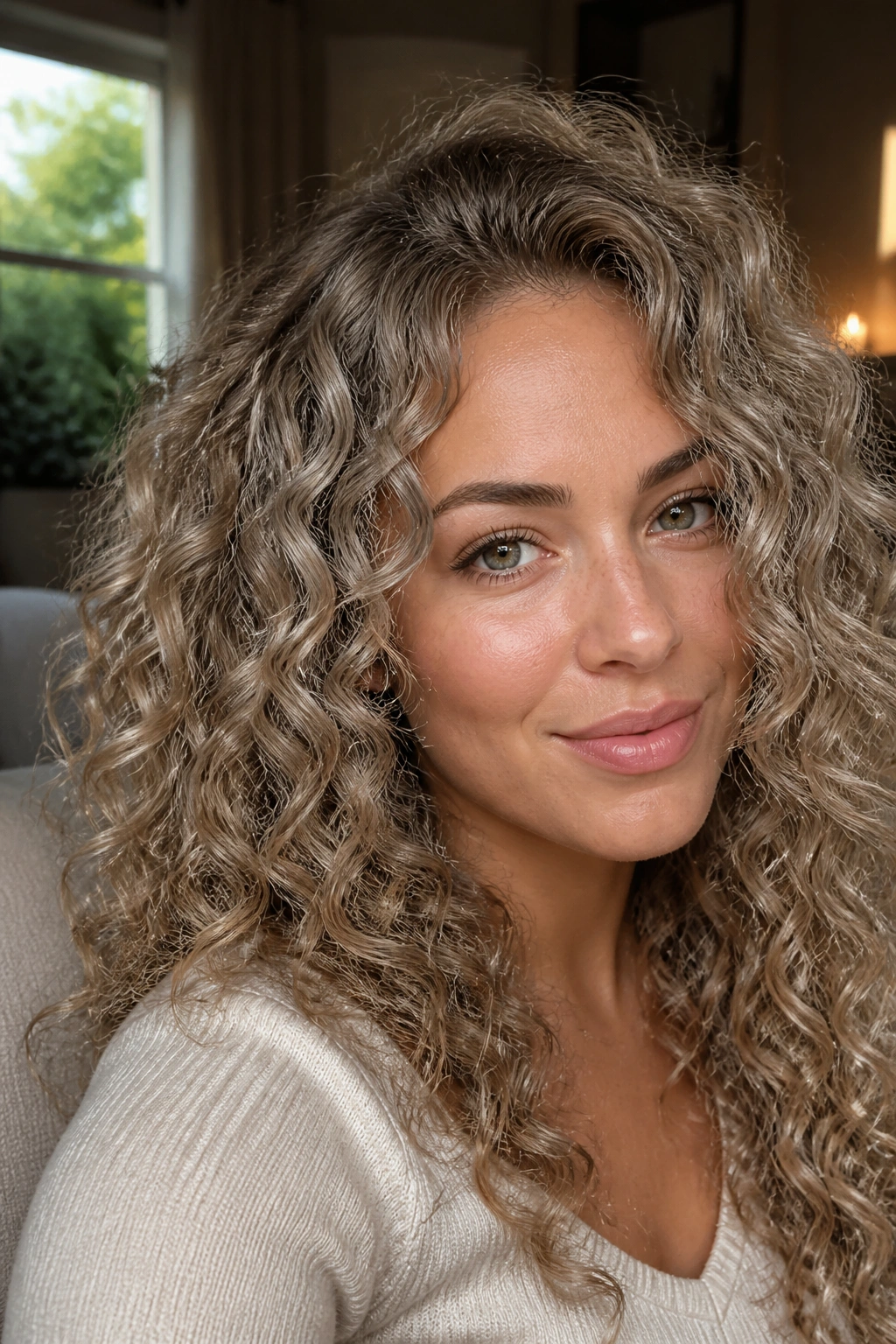
Curly hair changes beige in a way straight hair doesn’t. The bends and shadows create their own depth, so the color has to be placed where the curls actually move.
Dusty beige curls work because the shade is soft and matte enough to sit inside the curl pattern without looking streaky. On cool skin, the muted beige pieces near the face can brighten the complexion while the darker curl base keeps the shape defined.
Placement matters here
Curl color looks best when the lighter beige is painted on the outer curve of the curl, not stuffed everywhere. That helps the ringlets show dimension without drying the whole head out visually.
A gloss after lightening is almost always worth it on curls. The hair tends to lose shine faster, and a dusty beige tone needs that sheen to stay from looking dull.
18. Cool Champagne Beige Blonde
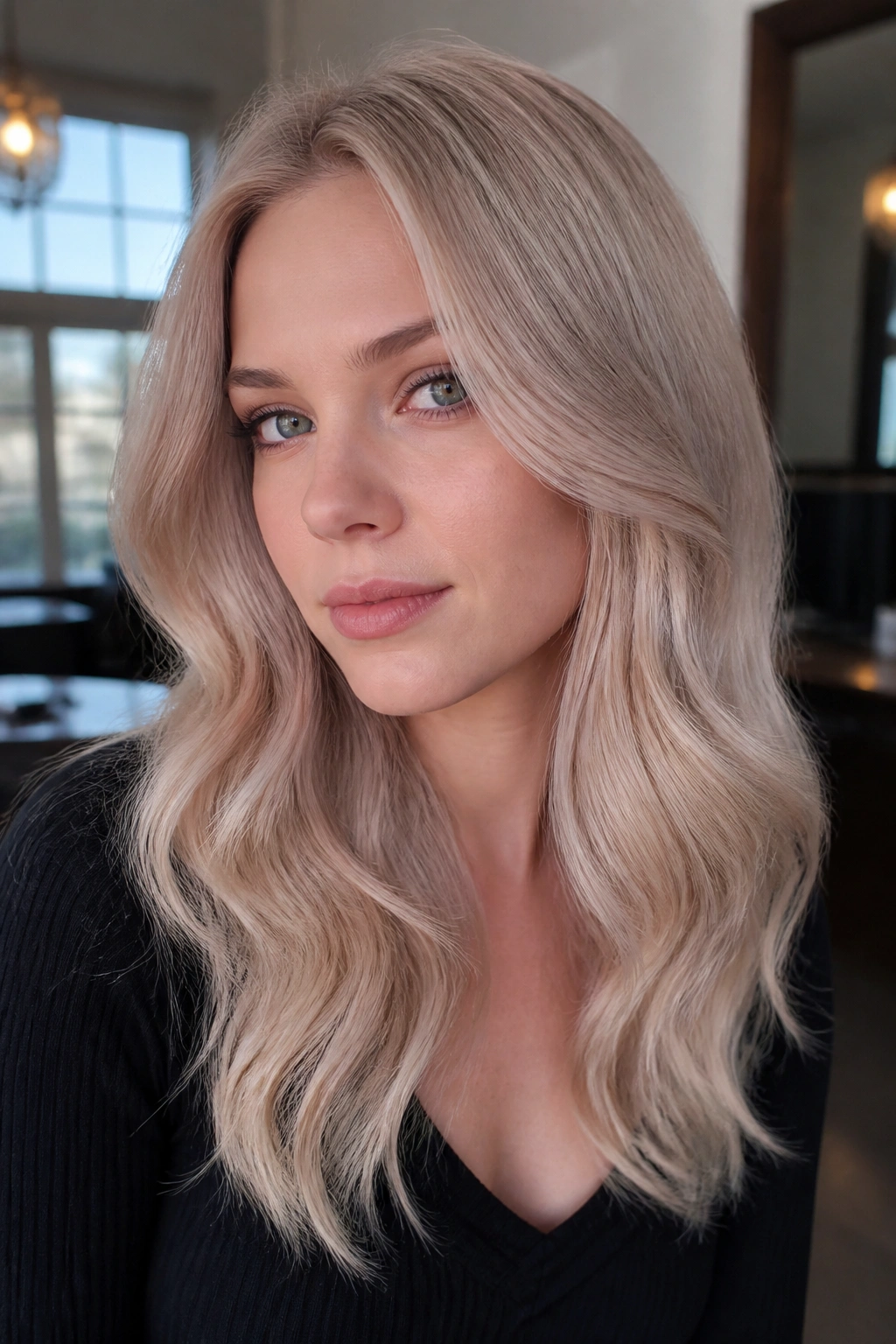
Champagne beige is a tricky one. Too much gold and it stops being cool. Too much pearl and it can go icy. The sweet spot sits right in the middle.
On cool skin tones, a champagne beige blonde should feel soft, faintly creamy, and never orange. Think pale beige with a whisper of pink-pearl, not warm champagne in a flute. The tone is elegant without being stiff, which is why people keep coming back to it.
This shade suits medium to fair cool complexions especially well. It also pairs nicely with medium-length cuts and glossy waves. The shine matters as much as the color, because champagne beige relies on reflection to stay lively.
If you want lightness without the severity of platinum, this is a solid middle path. Not as sharp. Not as sunny. Just easier to wear.
19. Beige Foilayage
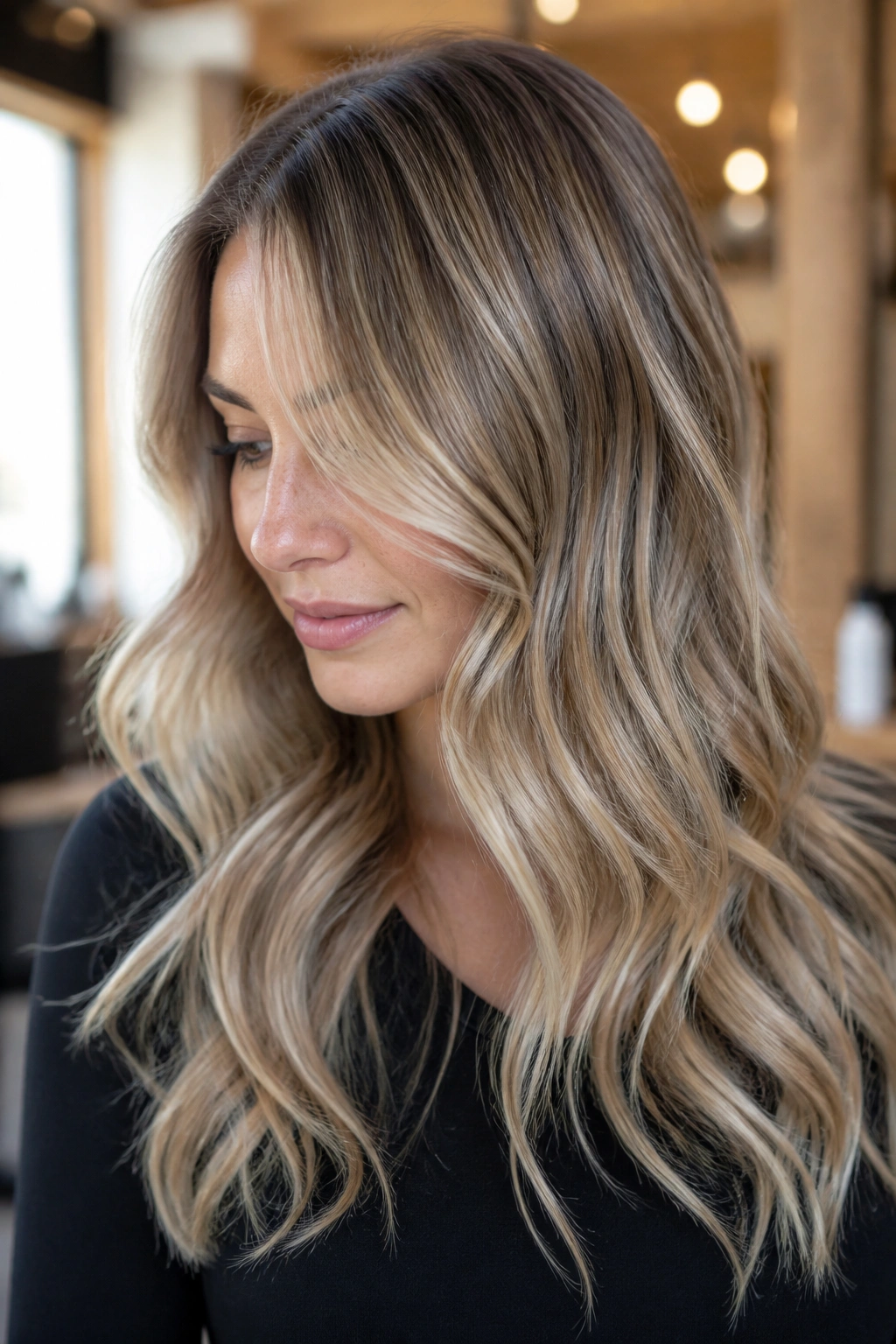
Foilayage is a good choice when the hair needs extra lift but you still want the beige to look painted, not striped. The foils give more brightness, while the hand-painted surface keeps the result soft.
That balance is useful for cool skin because it lets the beige stay clean from root to tip. Hair that resists light often comes back orange or yellow in the lifting stage, and foilayage gives the colorist more control. More control means a cleaner beige.
Best for darker bases
- Dark blonde to medium brown hair.
- Hair that needs a stronger lift than open-air painting can give.
- Clients who want dimension but hate harsh highlight lines.
- Longer maintenance between full services.
Foilayage tends to look especially good when curled or waved. The painted look shows through, but the lift is still strong enough to read from across the room. That is the sweet spot.
20. Frosted Beige Curtain Bangs
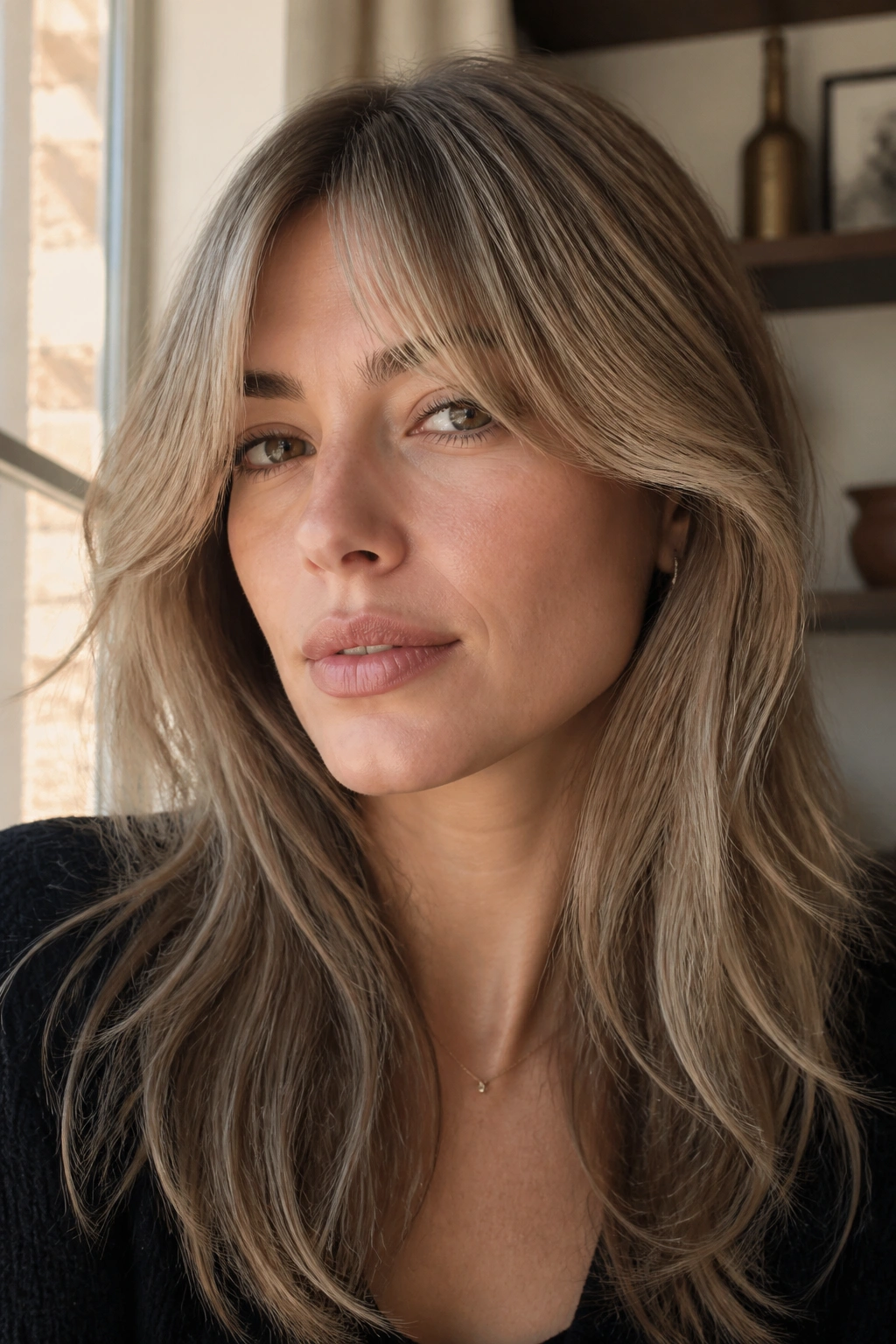
Curtain bangs are one of the easiest places to add beige without going all in. The front fringe catches the eye first, so a frosted beige tone there can change the whole haircut.
Cool skin tones benefit from that frosted look because it brightens the face without pushing warmth into the forehead area. The rest of the hair can stay deeper, which keeps the bangs from floating off by themselves.
The styling part matters. Blow the bangs away from the face with a round brush or a flat brush and a quick bend at the ends. If the fringe is too flat, the color can look patchy. If it is too curled, the whole thing becomes fussy.
This is one of my favorite options for people who want a noticeable change without a full-head color shift. Small area, big payoff.
21. Smoked Beige Brunette
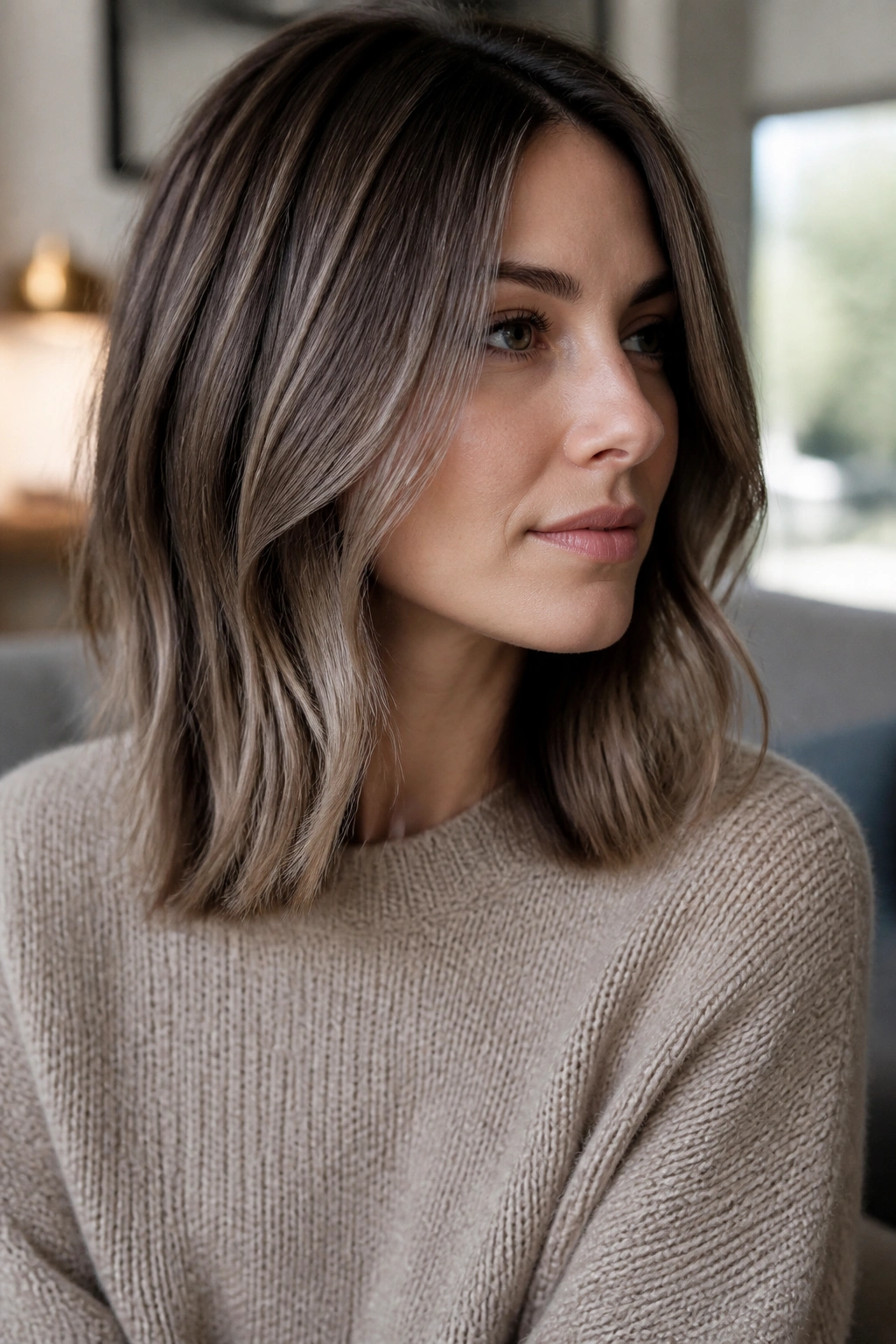
Smoked beige brunette is what happens when a brunette wants beige but refuses to lose depth. Good instinct.
The smoke keeps the color cool, the beige keeps it soft, and the brunette base does the heavy lifting underneath. On cool skin tones, that depth can be a lifesaver. Too much lightness can wash out some faces. This shade avoids that.
It is especially strong on shoulder-length cuts and long layers because the darker base and lighter ribbons have room to separate. If you wear your hair straight, the smoked tone looks sleek. If you wear it waved, the beige pieces show through more visibly.
This is a shade with a little more mood than pearl beige or oat beige. I like that. Not every cool-skin color needs to look airy.
22. Pearl-Taupe Beige Bob
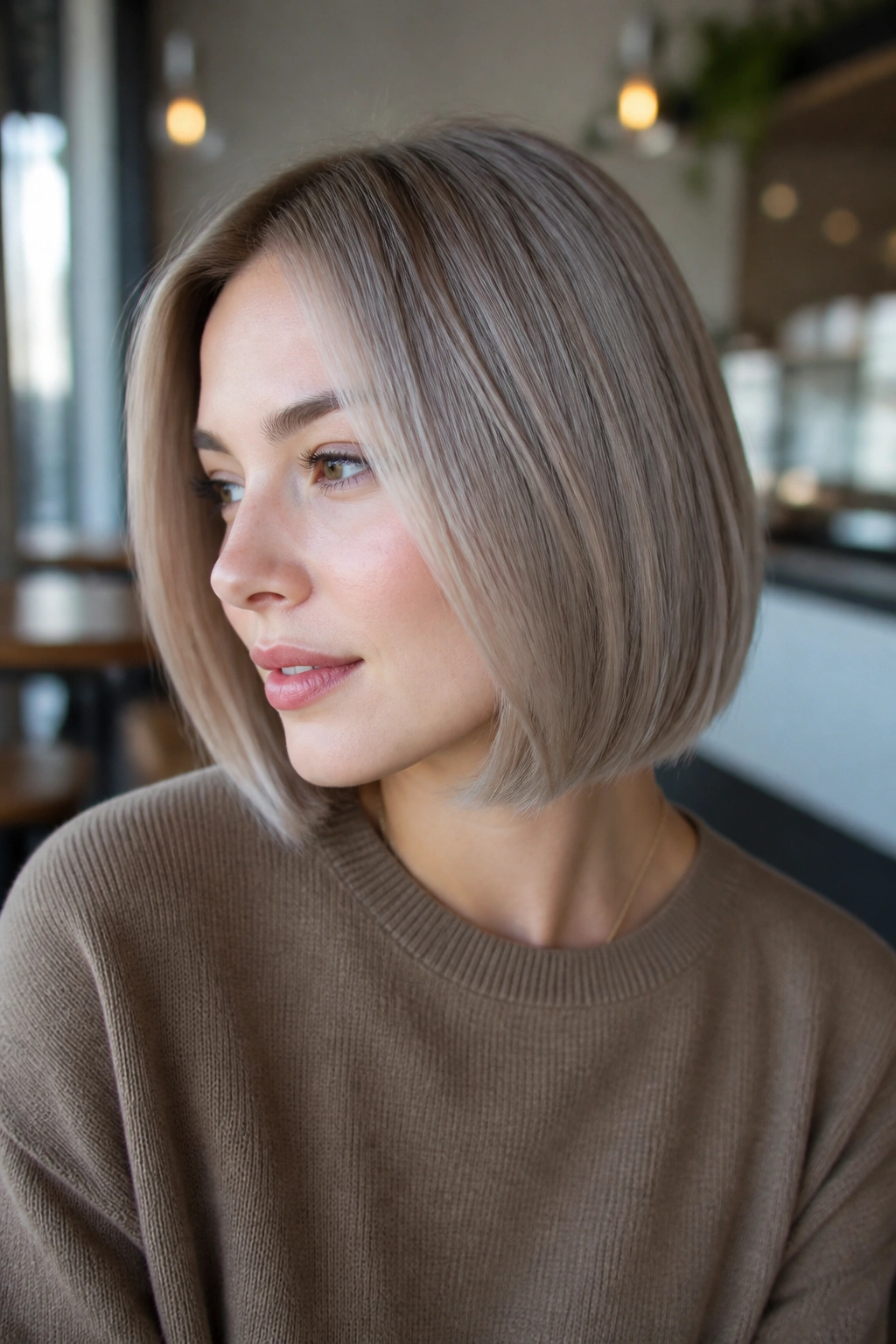
A pearl-taupe beige bob is clean, modern, and a little bit expensive-looking without trying to be. The pearl softens the light, while taupe keeps the whole color grounded.
On a bob, this shade looks best when the ends are sharp and the surface is smooth. The color itself does not need a lot of help. It already has enough texture in the tone. If the hair is overly layered or frizzy, some of that nuance gets lost.
Why it stands out
Pearl-taupe beige reflects light in a softer way than icy blonde, which makes it easier on cool skin that likes gentler contrast. It is also one of the easier beige shades to wear with makeup because it does not fight blush, lip color, or a strong brow.
If your style leans neat and minimal, this one makes a lot of sense.
23. Beige Lowlights in Blonde
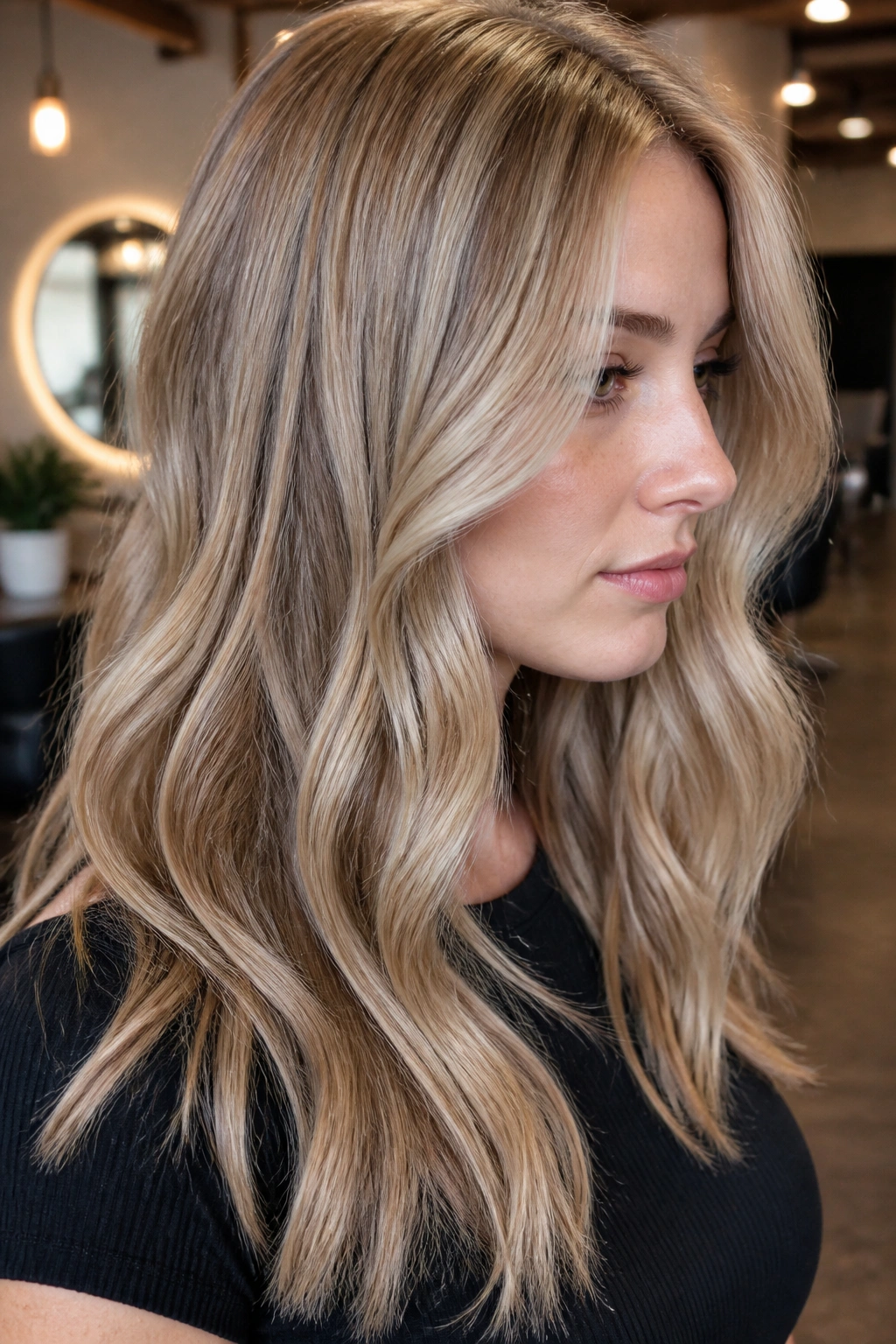
Sometimes the answer is not lighter hair. It is more depth inside the blonde.
Beige lowlights help cool blondes avoid that pale, overprocessed look that can flatten the face. By weaving in beige-brown pieces, you give the hair shape again. On cool skin, that depth keeps the complexion from looking washed out, especially when the rest of the blonde is very light.
This is a smart move if your hair is already lifted and you want to break up the brightness. It also helps with grow-out. Lowlights soften the line between salon visits, and they make the blonde feel more natural.
Keep an eye on these details
- Ask for lowlights no more than 2 levels deeper than your blonde.
- Place them under the top layer so they peek through.
- Use a toner to keep the blonde side cool, not buttery.
- Refresh the lowlights less often than highlights, since they fade more slowly.
The color ends up looking layered instead of flat. That matters a lot.
24. Cotton Beige Shag
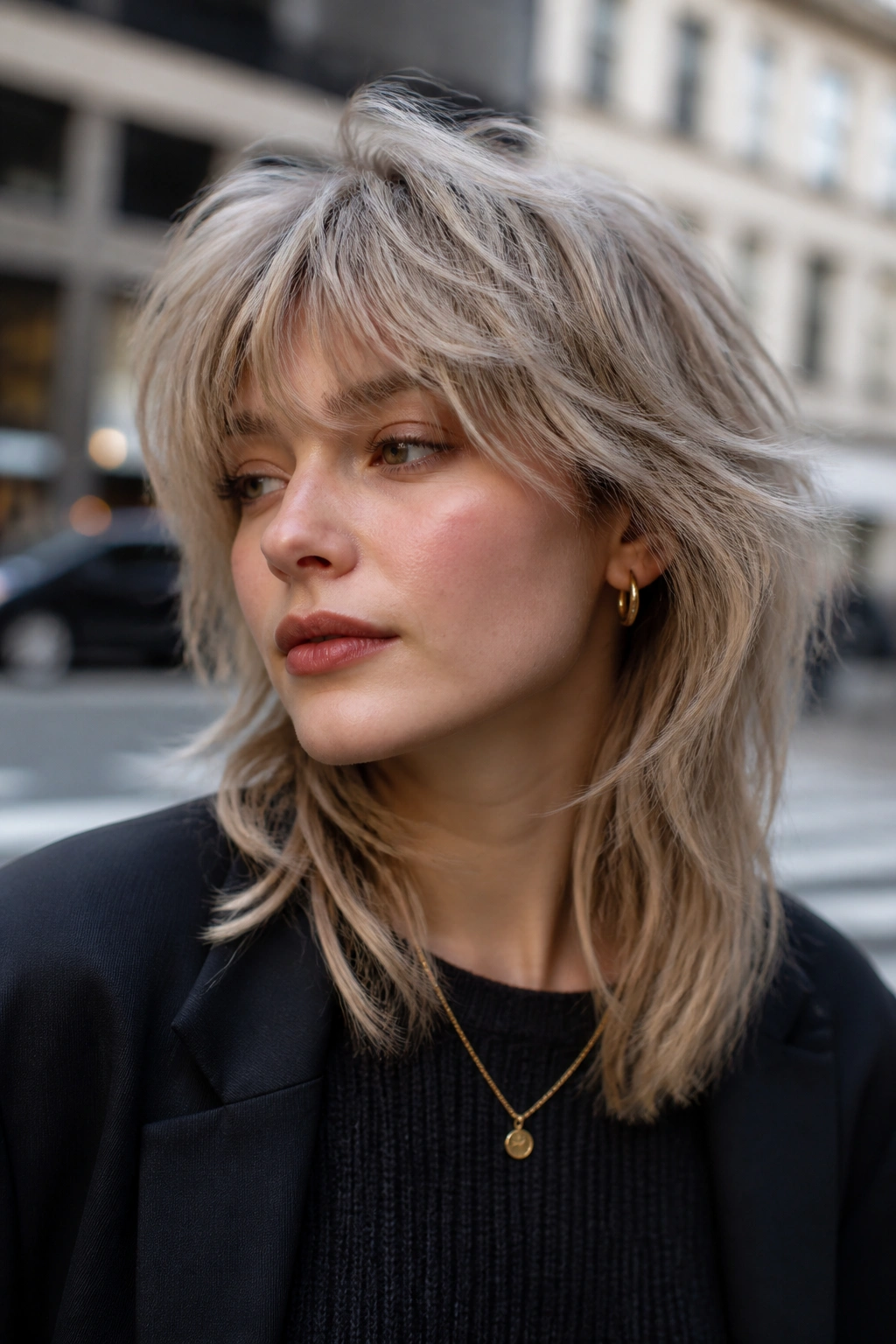
A shag cut needs movement, and cotton beige gives it exactly that. The color is pale and soft, but not chalky, so the layers do not disappear into one another.
Cool skin tones tend to like this shade when the hair has texture. The cut brings the color to life, and the color softens the cut. That mix keeps a shag from looking too severe. It also makes the whole style feel a little more effortless, which is not a word I use lightly because it gets abused so often.
A cotton beige shag works best with dry texture spray or a light mousse rather than heavy shine products. Too much gloss can make the layers collapse. The goal is airy separation at the ends and a soft beige haze through the mids.
If you like hair that looks a little lived-in, this one is easy to love.
25. Soft Mushroom-Beige Melt
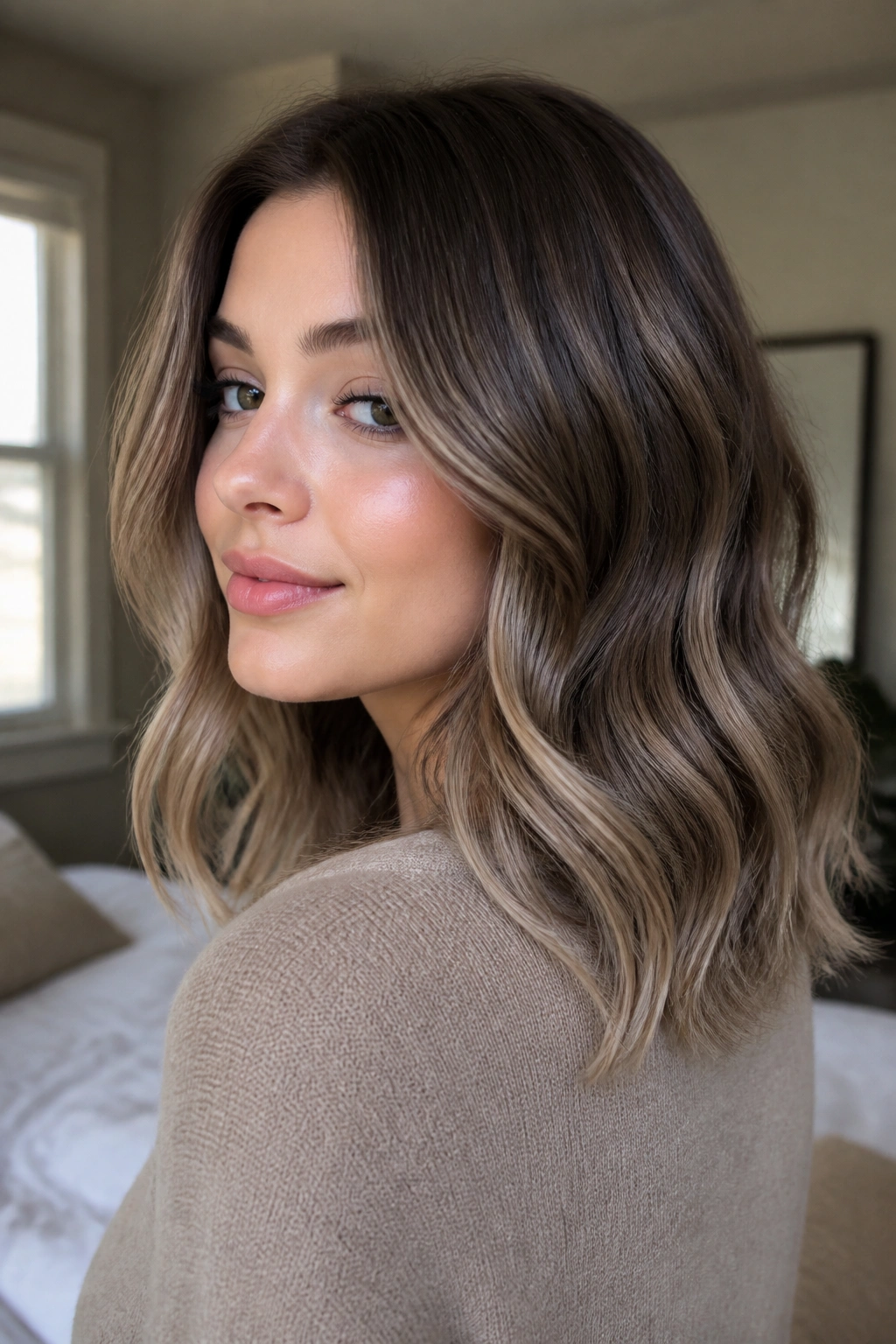
A soft mushroom-beige melt is probably the most wearable shade on this whole list if you want cool skin support without a dramatic shift. It blends brunette roots, mushroom mid-tones, and beige ends into one smooth line.
That melt matters. The eye should move through the color instead of stopping at a hard color change. On cool skin, the soft mushroom side keeps the face balanced, while the beige ends add enough lightness to keep the hair from feeling heavy.
This is a strong final pick because it does not pick sides. It works on straight hair, waves, curls, blunt cuts, long layers, and even shoulder-length shags. If you are torn between brunette and blonde, this is the shade that lets you have the conversation with yourself a little longer.
And honestly, that is sometimes the smartest beige move of all.
