



Burgundy brown hair color has a narrow sweet spot on cool skin tones: keep the red in the wine, plum, or black-cherry family, and the whole face looks cleaner and brighter. Push it toward copper, and the same shade starts fighting pink or blue undertones.
That’s why some brunette reds look expensive and some look tired. The difference usually isn’t depth; it’s undertone. A level 4 espresso brunette can carry a burgundy glaze that flashes only in sunlight, while a level 6 base may need a softer berry note so the red doesn’t take over.
Cool skin tones can be pale, deep, rosy, olive, or somewhere in between. The common thread is the undertone, not the shade depth. Silver jewelry usually looks better than yellow gold, and hair color should play the same game—blue-red, violet, smoky plum, and black cherry tend to sit more naturally than orange-red or auburn.
Some shades are so subtle that people notice the shine before they notice the color. Others read as full-on wine brunette. The trick is choosing how loud you want the burgundy to be, and the first option below is the one I’d put at the top of the pile for most cool complexions.
1. Espresso Burgundy Brown for Cool Skin Tones
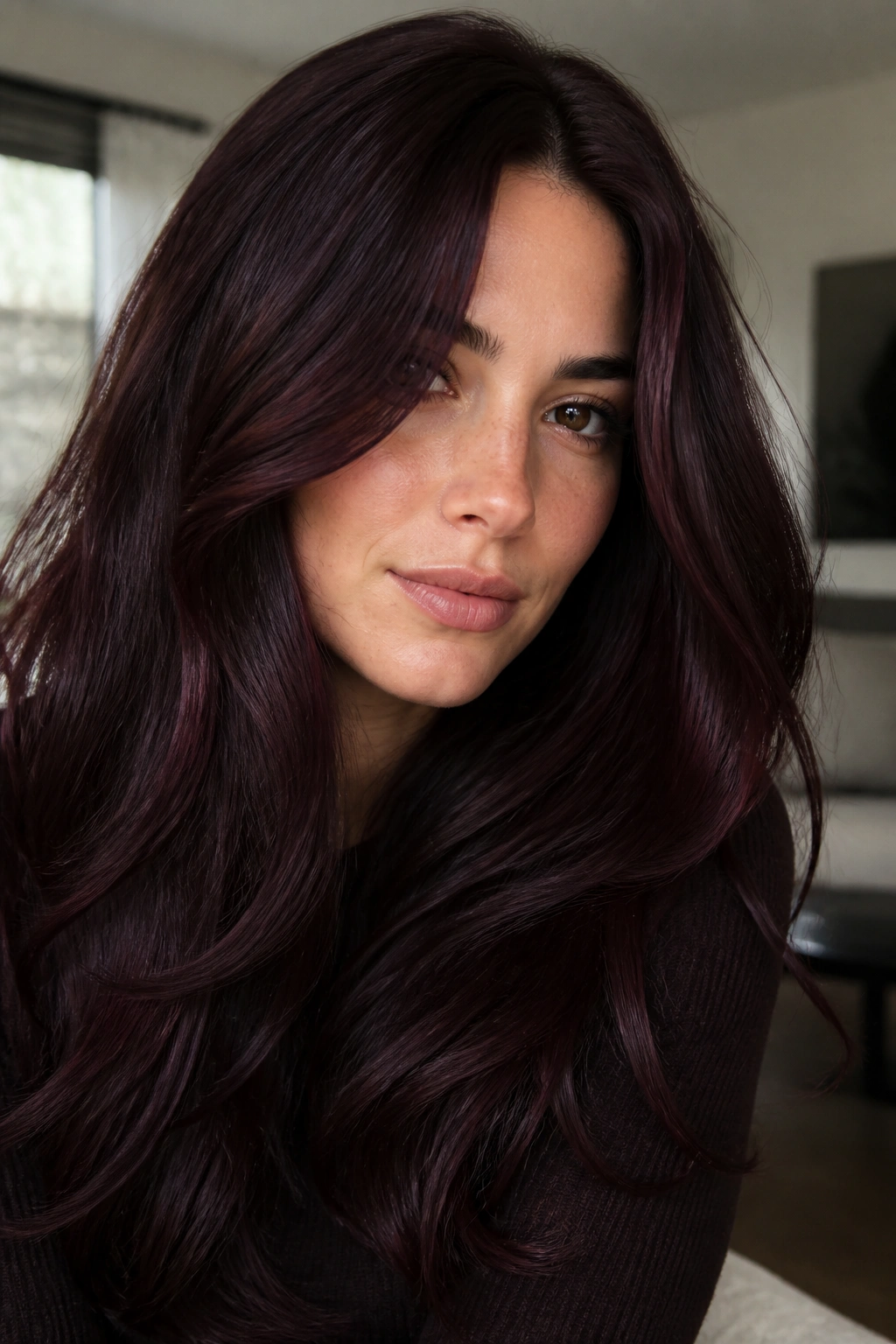
This is the safest burgundy brown hair color for cool skin tones, and I mean that in the best possible way. The base stays deep and brunette, so the burgundy never shouts. It just glows at the edges.
Why it flatters cool skin
The magic is in the restraint. Espresso brown gives the hair enough darkness to ground the red, while the burgundy overlay adds that faint wine reflection cool-toned skin usually likes. If you wear a lot of black, charcoal, navy, or silver, this shade fits the same visual lane.
A good colorist will keep the formula low in copper and high in blue-red or violet. That matters. Otherwise the shade can drift into chestnut territory, and chestnut is where cool skin often starts looking a little flushed.
- Best on natural base levels 3 through 5
- Works well with glossy blowouts and loose waves
- Ask for a demi-permanent burgundy glaze over espresso brown
- Refresh the shine every 4 to 6 weeks if you like the color crisp
Pro tip: If you want the red to stay quiet indoors and show more outside, ask for the burgundy only on the midlengths and ends.
2. Black Cherry Brown
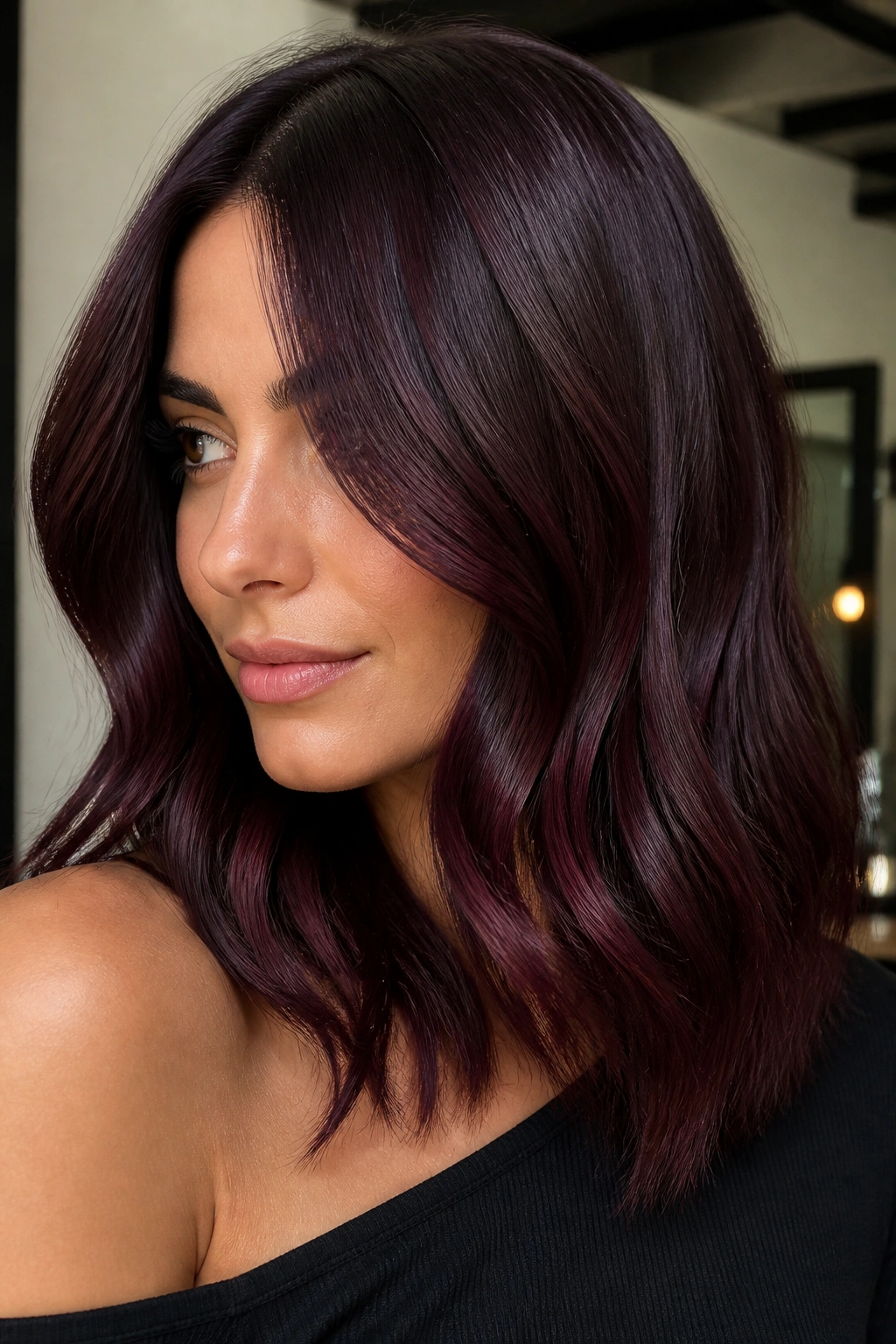
Black cherry brown has more attitude than espresso burgundy, but it still stays inside brunette territory. That’s the appeal. It looks like a dark brown shade until the light hits, then the cherry note wakes up.
What makes it work
Why does black cherry brown flatter cool skin so well? Because the red is cool, not fiery. It has that dark, almost syrupy quality that sits nicely against pink or blue undertones, especially if your features are high-contrast. Pale cool skin and deep cool skin both can wear it; the difference is how much shine you want.
A shoulder-length cut helps a lot here. The movement gives the color somewhere to catch, and the cherry tone reads richer instead of flat. Straight hair can wear it too, but the finish needs to be glossy or the shade can sink into a near-black blur.
What to ask for at the bowl
Ask for black cherry brown with a brown base, not a red base. That tiny wording change matters more than people think.
If you want the red to stay controlled, keep the formula close to level 4. If you want a brighter flicker, let the mids sit a touch lighter.
3. Plum Brown Balayage
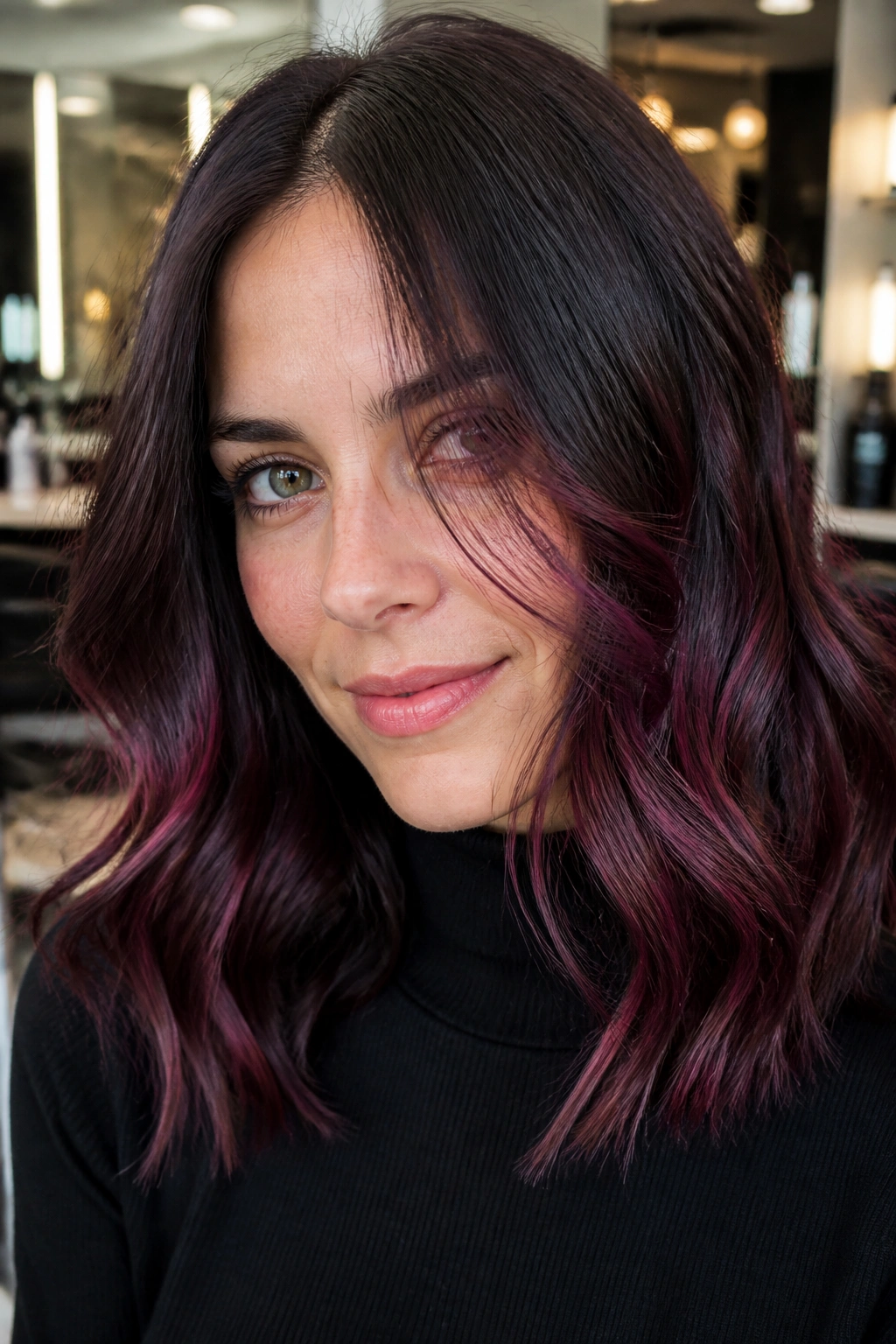
Picture medium brunette hair with plum ribbons woven through the midlengths and ends. That’s plum brown balayage, and it’s one of the easier ways to test burgundy without turning the whole head into one solid color.
The best part is the dimension. Cool skin tones tend to look good with hair color that has depth and movement, and balayage gives you both. The plum pieces can be soft enough for everyday wear, or they can be chunkier if you want the color to show up when the hair moves.
A few practical details matter here. Keep the ribbons thin around the face if your skin is very fair, because thick plum panels can feel heavy fast. On deeper cool skin, you can go bolder and still keep the look clean.
- Best on wavy or layered hair
- Ask for cool plum ribbons over a brown base
- Keep the brightest pieces around the top layer and face line
- A toner gloss can help the plum stay from drifting muddy
Tip: This one looks especially good when the ends are slightly lighter than the roots. Tiny contrast, big payoff.
4. Cool Mahogany Brown
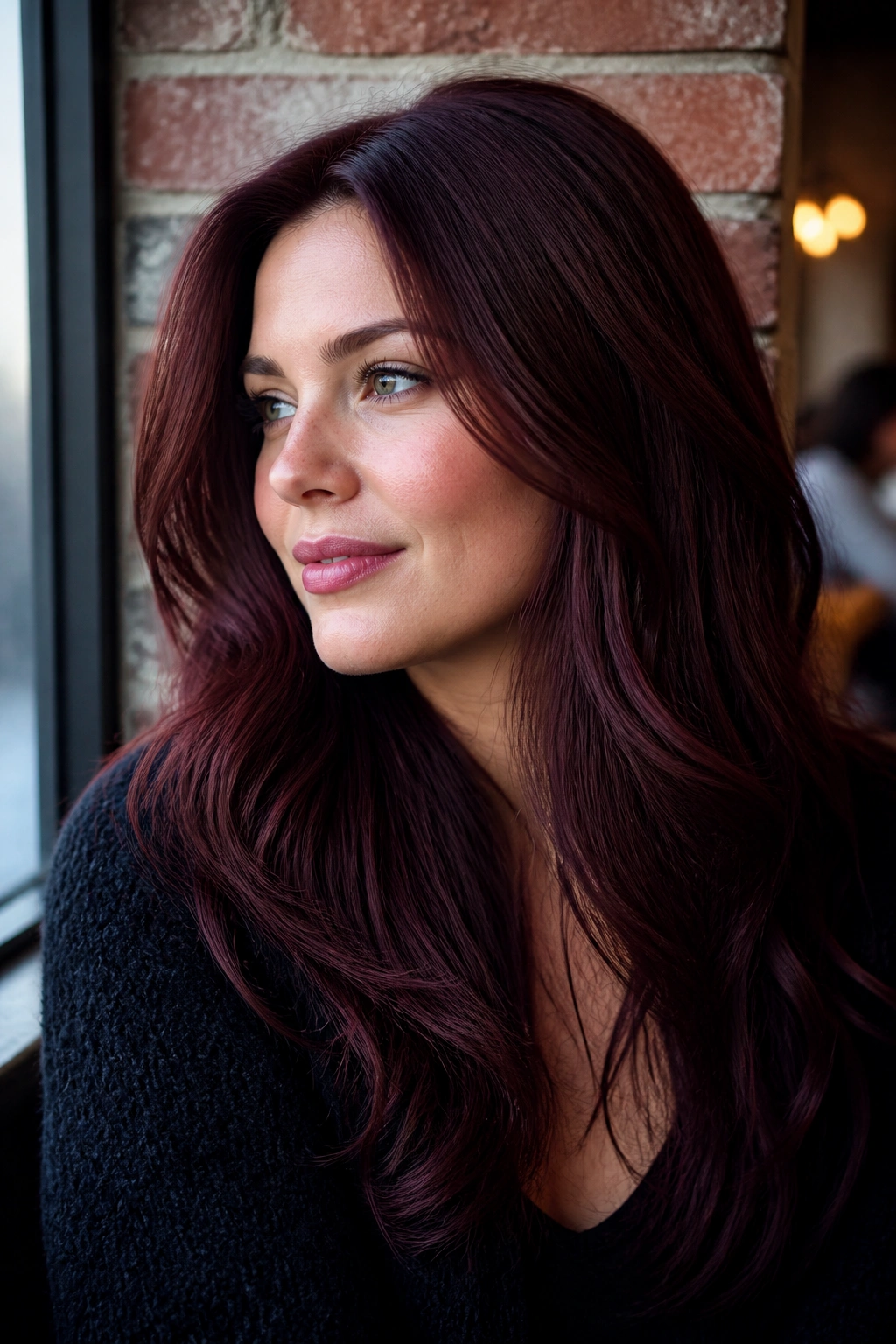
Mahogany gets labeled warm all the time, and that drives me a little nuts. Cool mahogany is a different beast. It keeps the red-brown family, but the red leans more wine than spice.
That makes it useful for cool skin tones that want softness instead of drama. If your coloring is neutral-cool and you don’t want anything too purple, cool mahogany sits in a nice middle ground. It’s rich, polished, and a little old-school in the best way.
The trick is to avoid gold in the formula. Gold makes mahogany swing warm fast. Blue-violet pigment keeps the finish cleaner, and on straight hair the color reads like polished wood instead of cinnamon.
Some people skip mahogany because they think it will look reddish in every light. Not if it’s done right. In low light it can read almost brown-black. In daylight, you get a dark wine sheen that doesn’t fight the face.
5. Smoky Burgundy Melt
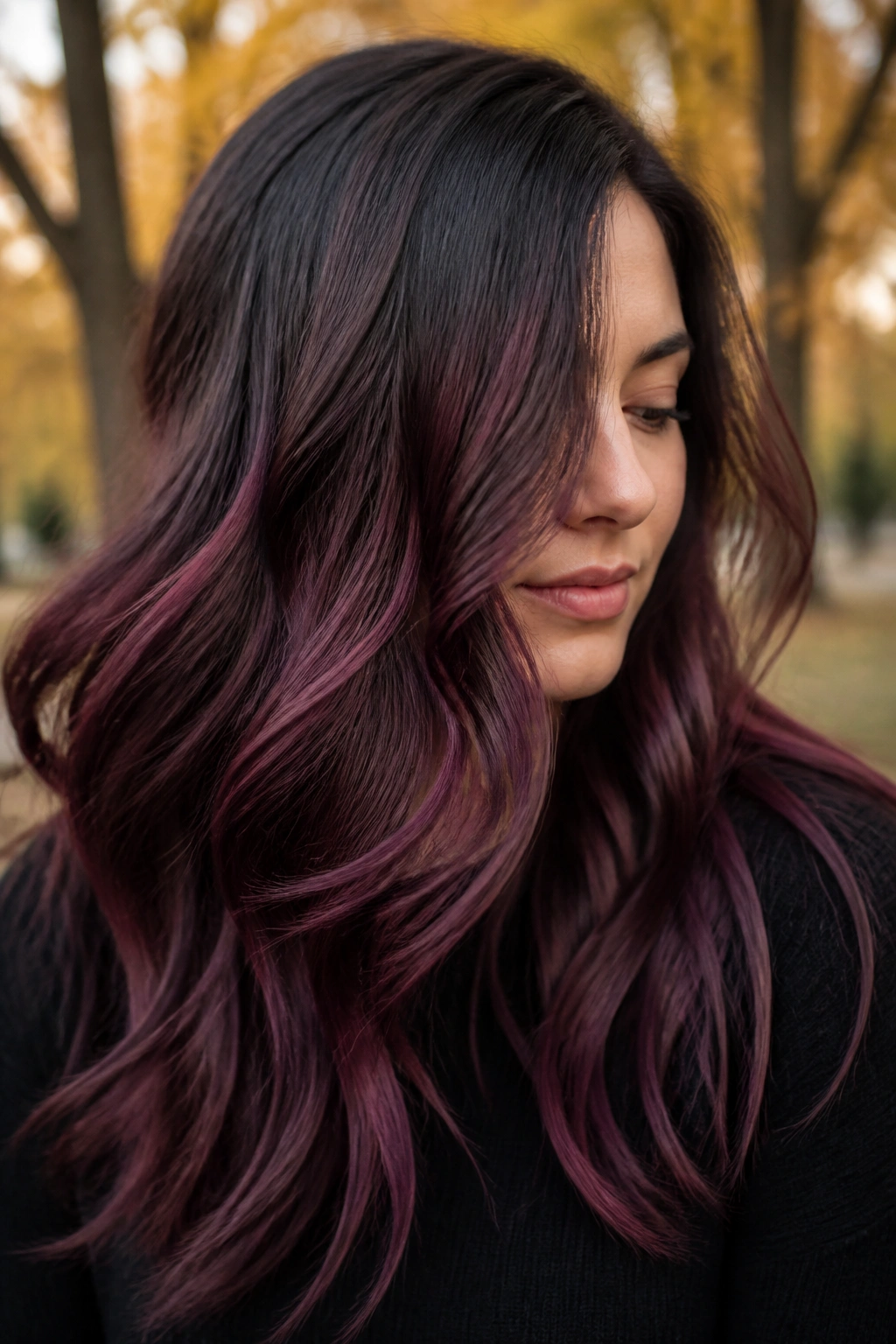
A smoky burgundy melt is for anyone who wants the color to move from dark roots into softer burgundy ends without a harsh line. It’s one of the easiest ways to keep the look wearable, because the darker root keeps everything anchored.
This works especially well on people who like their brown shades to feel moody rather than bright. The “smoky” part comes from adding ash or muted violet so the burgundy doesn’t turn sugary. That keeps cool skin from looking washed out.
Where it sits best
- Natural base level 4 or 5
- Best on mid-lengths and long layers
- Ask for a root shadow that fades into burgundy brown ends
- Works well if you style with a round brush or loose barrel waves
Why it’s such a practical choice
The root melt also makes grow-out less annoying. You won’t get a loud line as quickly, which means the color can stretch longer between salon visits. That matters if you hate the look of obvious regrowth.
One caution: If the ends are too light, the burgundy can flare into plum. Sometimes that’s lovely. Sometimes it just looks overexposed.
6. Cabernet Brown
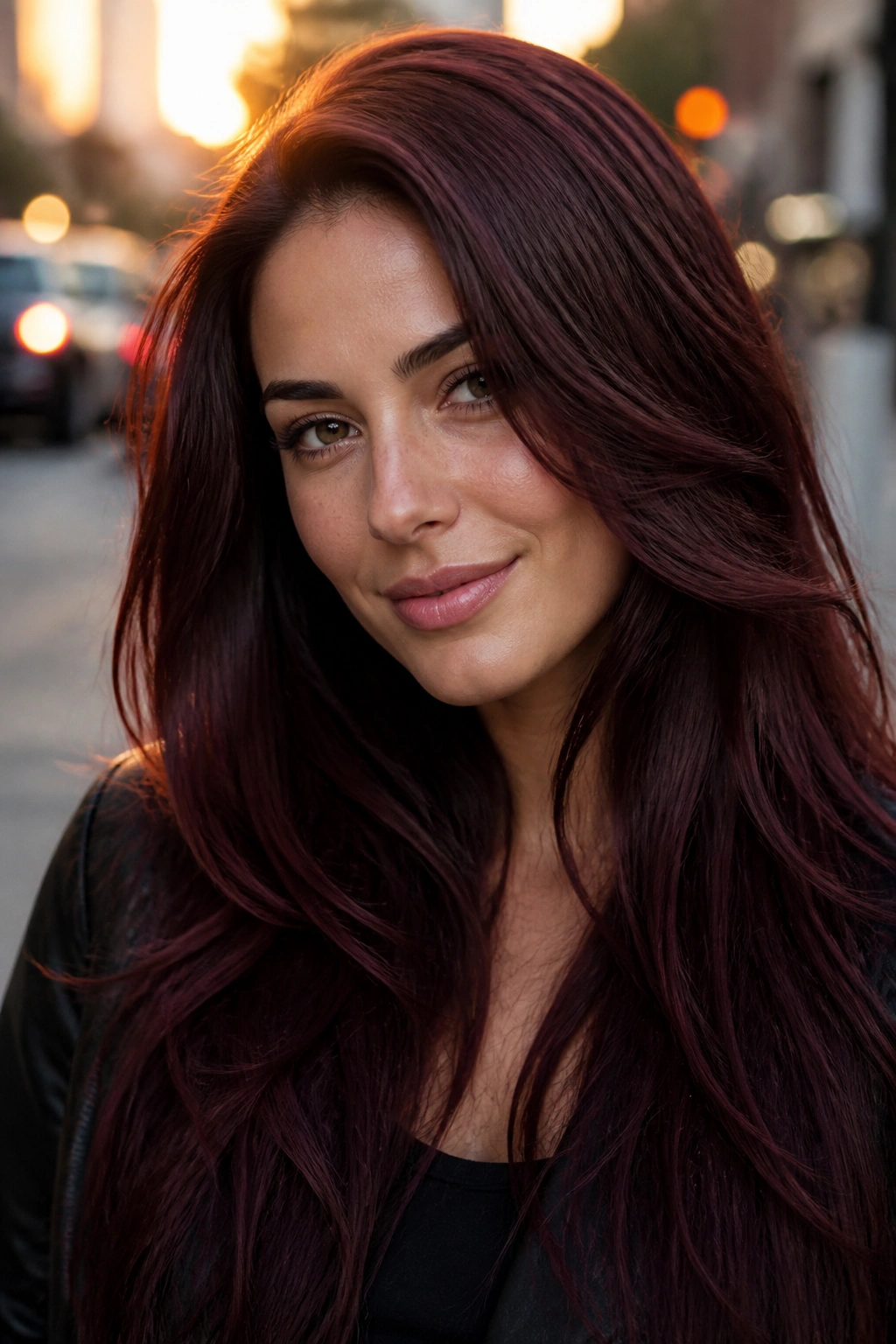
Cabernet brown is the shade I’d choose when someone wants burgundy brown hair color with a little more body. It’s darker than cherry, deeper than plum, and a touch more grown-up than the brighter wine shades.
Unlike brighter reds, cabernet doesn’t shout from across the room. It has that dense, velvety look that makes hair seem thicker than it is. Cool skin tones usually like that because the shade doesn’t throw orange or gold around the face.
This one is also a nice fit for long hair. The extra length gives the cabernet room to show its depth, and the color looks especially good in layered cuts where the ends move. On a blunt bob, it can read almost ink-dark. On waves, it opens up and shows the burgundy more clearly.
If you want something that feels elegant without drifting into flat brown, this is a strong pick.
7. Chocolate Cherry Brown
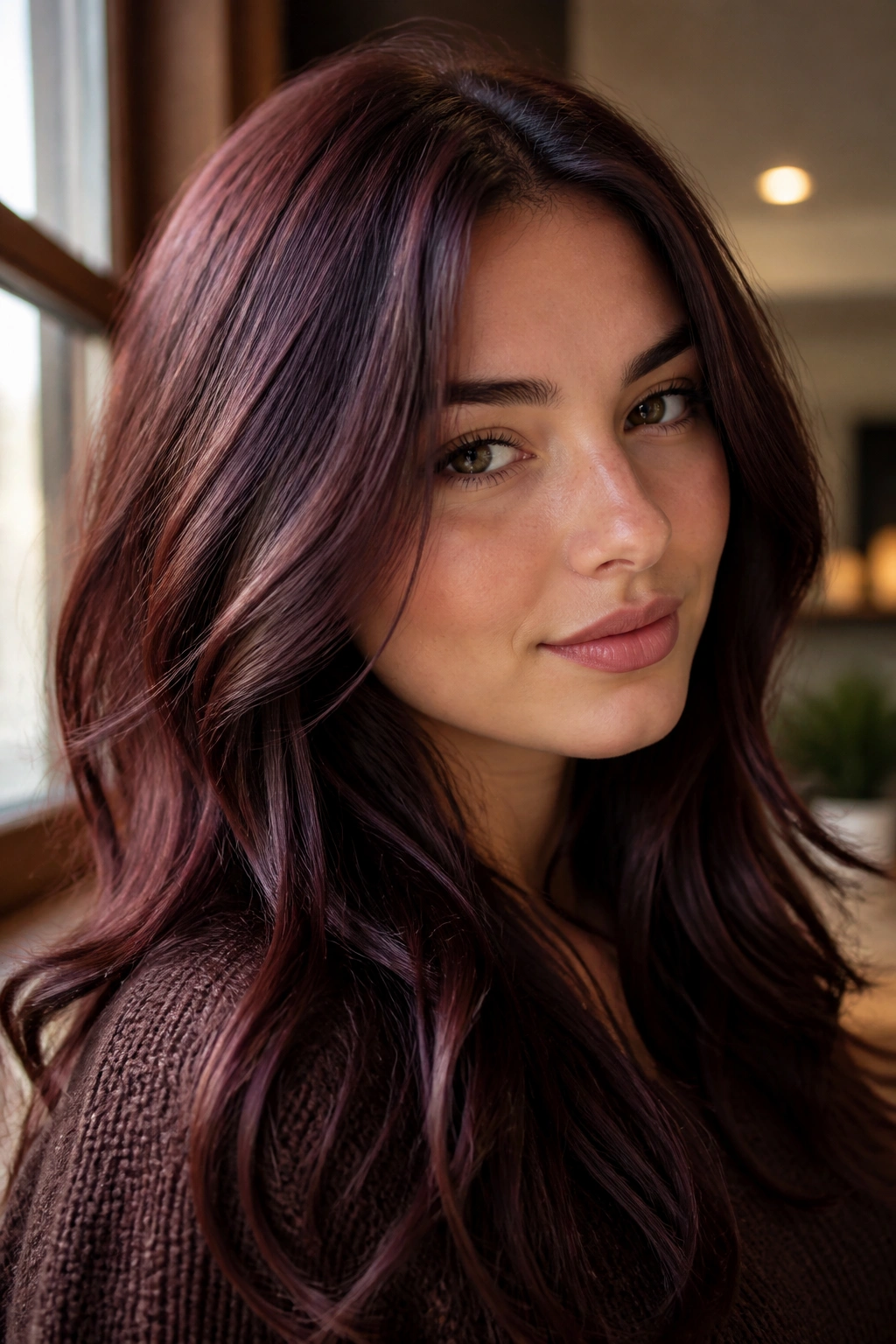
Chocolate cherry brown is what happens when you want brown to stay in charge but you still want the red to be visible. It’s friendlier than black cherry and less dramatic than merlot. That balance is the whole point.
How to ask for it
Tell your colorist you want a chocolate base with a cherry glaze, not a red overlay on a light base. That keeps the result grounded and keeps the cool skin-friendly undertone in place. If the chocolate is too milk-bright, the whole shade can warm up fast.
The best thing about this shade is that it works in a lot of settings. It’s not loud, but it doesn’t disappear either. If you wear makeup that leans cool—rosy blush, plum lipstick, taupe shadow—this hair color can tie the whole face together without making the skin look ruddy.
A loose bend in the hair helps it most. Straight, flat lengths can make the cherry note hide. With a bit of movement, the red-brown reflection shows up right where you want it.
8. Rosewood Brown
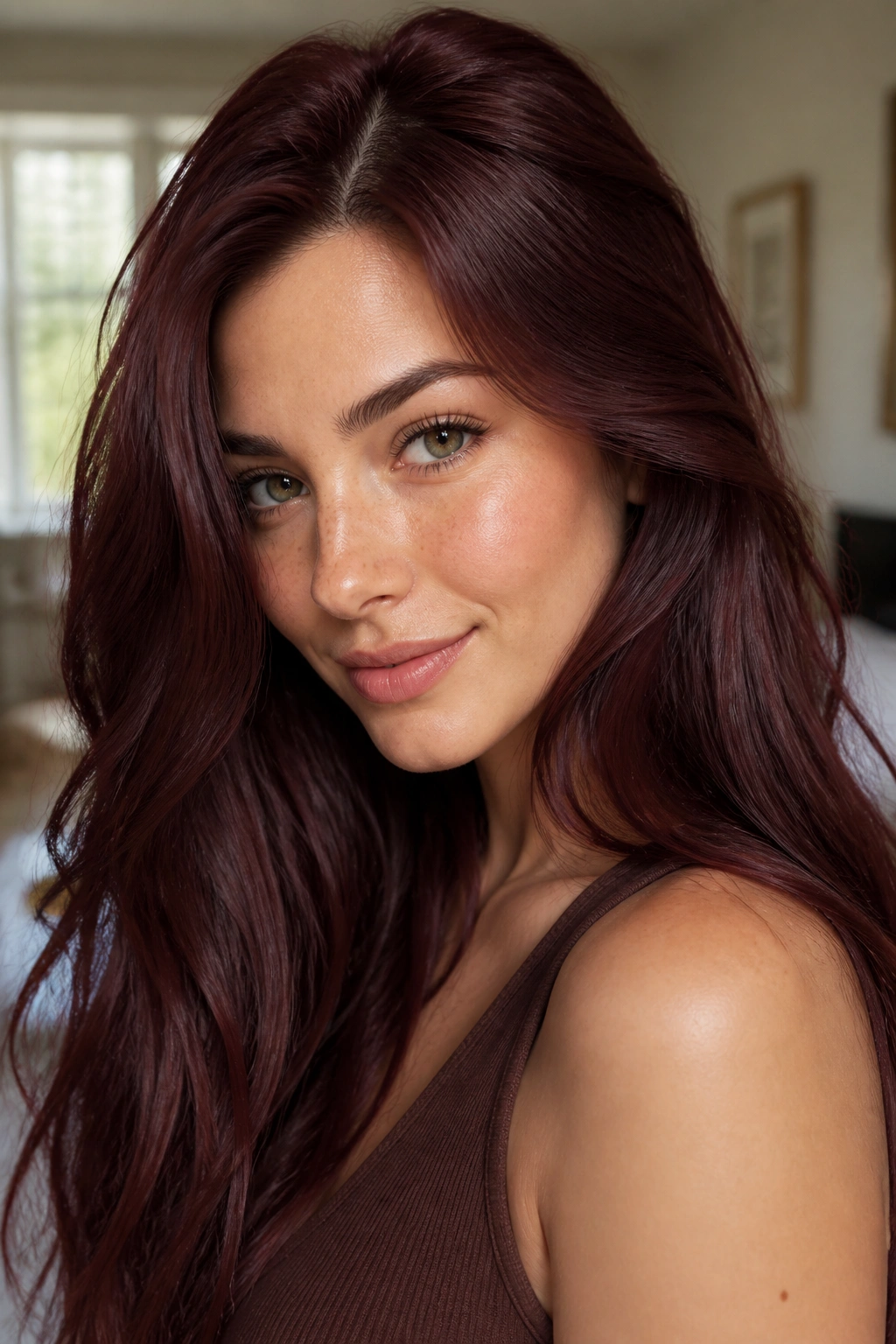
Rosewood brown has a softer edge than most burgundy shades. The color sits somewhere between dusty plum and muted berry, which sounds delicate because it is.
That softness is exactly why it flatters cool skin. There’s no copper flash fighting the undertone, no brick-red noise near the face. Instead, you get a brown that feels slightly tinted, almost as if the hair picked up color from a good bottle of wine and kept the prettiest part.
What makes it different
Rosewood works best when the finish is smooth. Frizz and dryness can make the shade look dull, and this is one of those colors that relies on shine to do its job. A blunt cut, a polished lob, or even sleek long hair all suit it better than very textured ends.
- Best on medium brown starting points
- Great for people who want subtle burgundy
- Ask for a dusty berry-brown gloss
- Keep heat styling moderate so the color doesn’t fade unevenly
Small detail, big difference: If your natural hair has a lot of warmth, rosewood can calm it down without needing a full dark dye job.
9. Burgundy Money Piece on a Brown Base
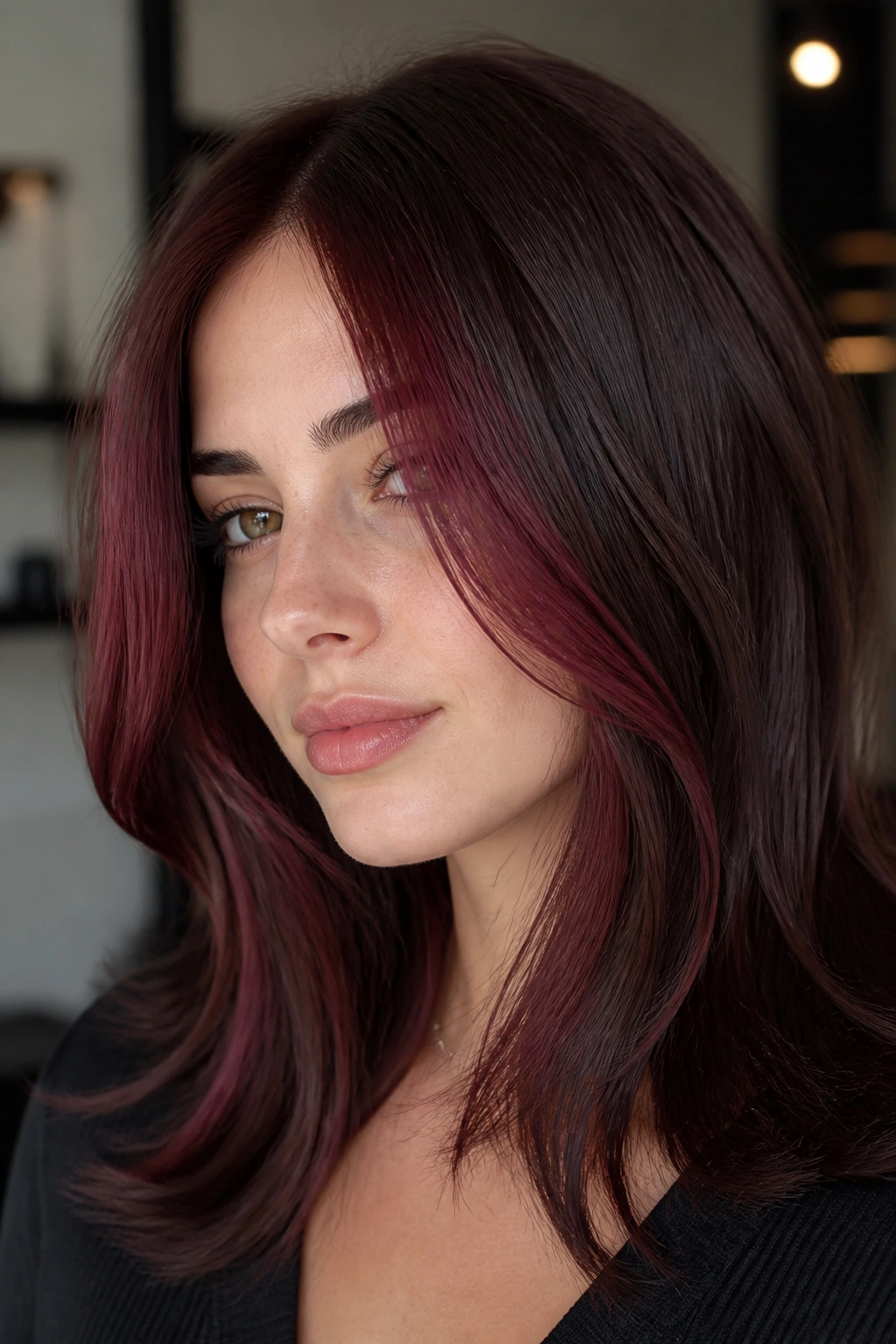
A burgundy money piece is the easiest way to get interest around the face without committing to an all-over change. Two face-framing sections, done right, can make a plain brown base feel deliberate and fresh.
The key is placement. Keep the pieces soft and slightly blended at the root, then let them get richer through the front layers. On cool skin tones, the burgundy should sit close to wine or berry, not red velvet. That keeps the face bright without turning the front of the hair into a warm frame.
What to tell your colorist
- Use one or two face-framing pieces, not a whole stripe
- Keep the width around 1/2 inch to 1 inch
- Ask for burgundy with a cool base, not copper burgundy
- Blend the root so grow-out doesn’t look harsh
This is especially good if you wear bangs or curtain fringe. The color shows with movement, which is a nice trick if you want something noticeable only when you’re close enough for people to see it.
And yes, it can be surprisingly flattering on cool skin because the rest of the hair stays brown and calm.
10. Violet Brown
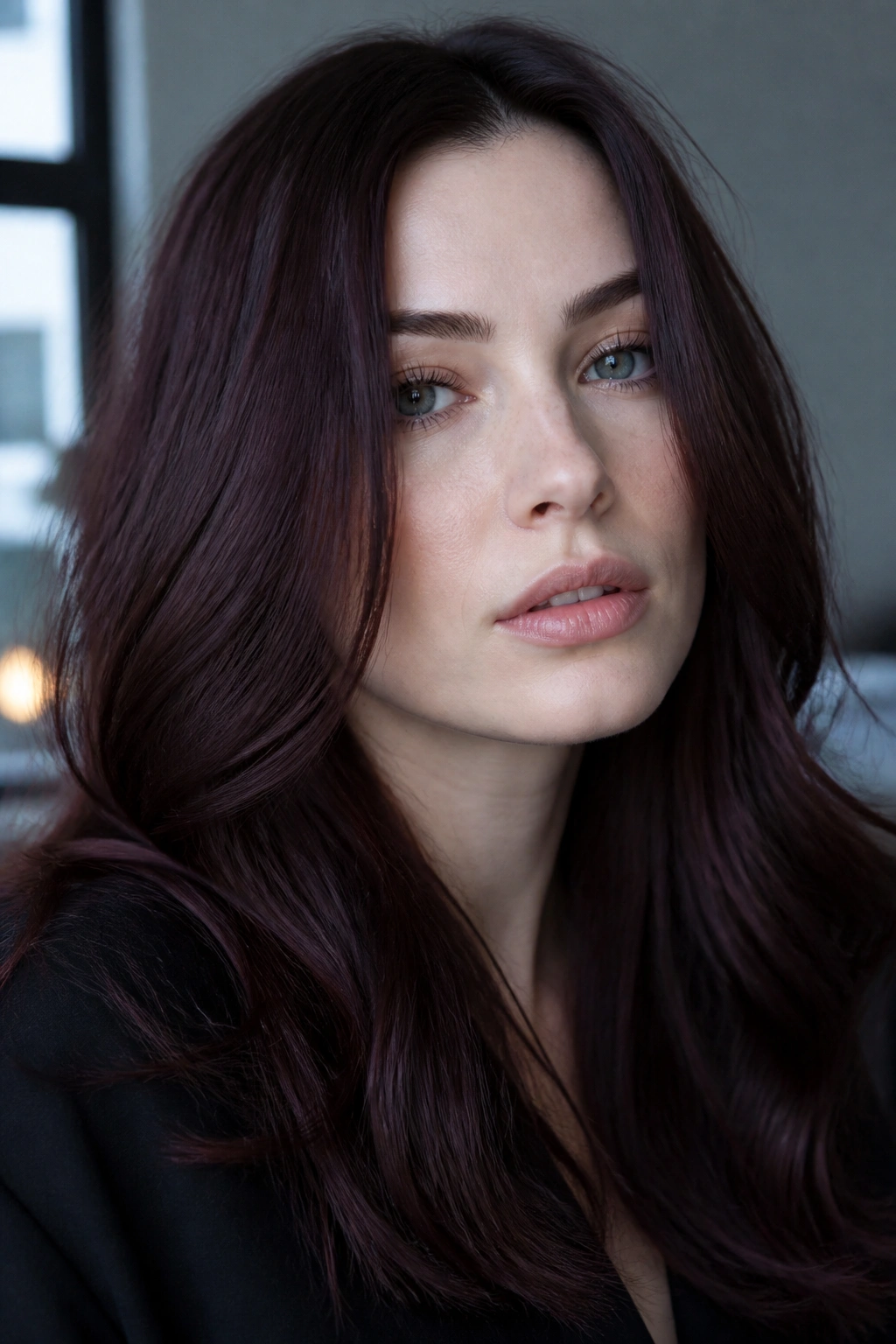
Violet brown is the quieter cousin of plum, and that quietness is what makes it useful. If plum feels a touch loud, violet brown gives you the same cool-family depth with less of the red pop.
That matters for very fair cool skin and for anyone whose face goes pink easily. The violet note cools the whole look down and makes the brown read smoother. Under indoor light, it can seem like a rich brunette. Under daylight, the violet flicker appears. Nice trick. No drama.
What I like here is the restraint. Violet brown doesn’t beg for attention. It rewards close viewing, which is often enough. It also works well on sleek hair because the surface reflects the color evenly, and that evenness is what keeps the shade from turning patchy.
If you like makeup in mauve, slate, or berry tones, this is one of the easiest hair colors to match to your face.
11. Merlot Brown
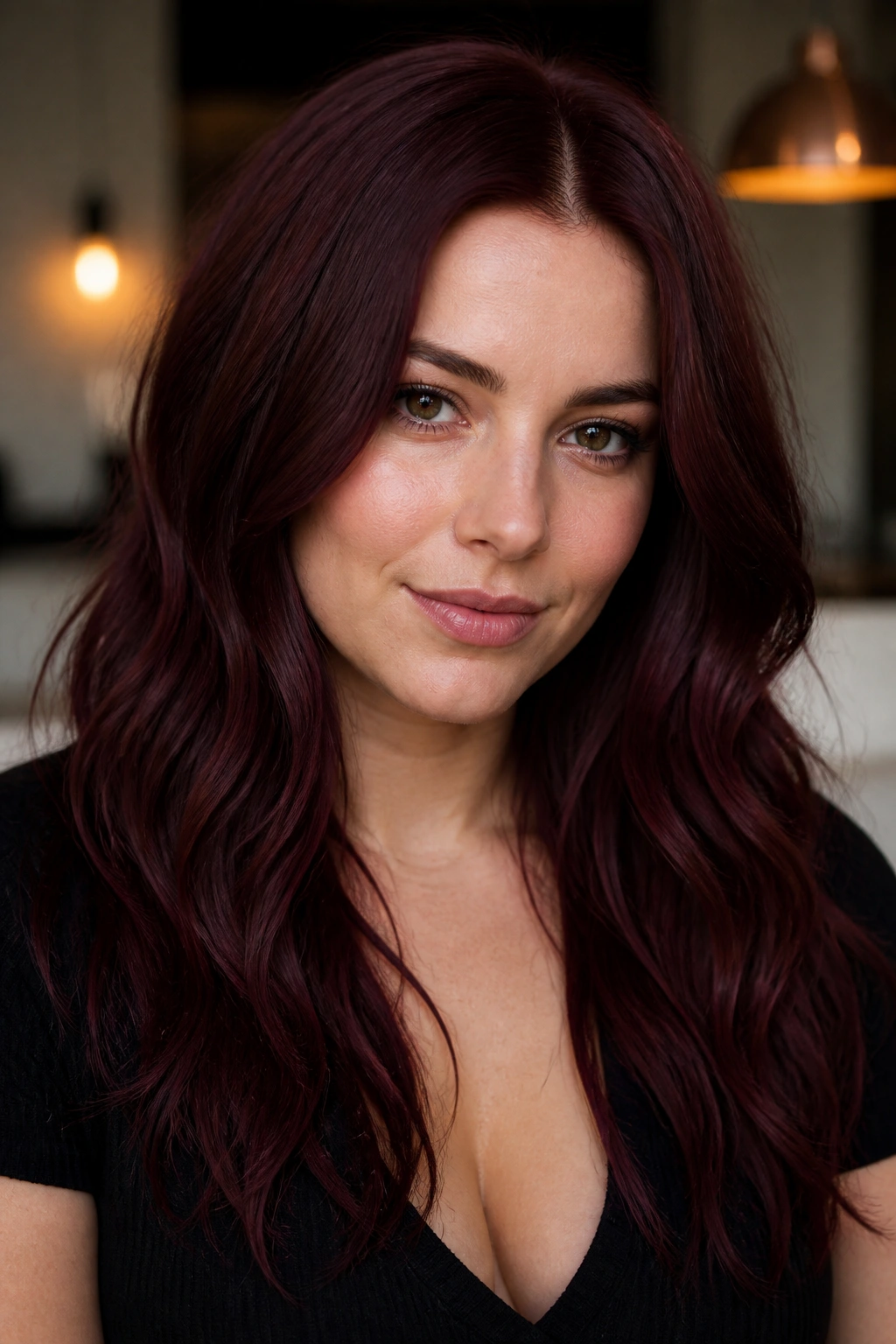
Merlot brown is for someone who wants the burgundy note to be obvious, but not cartoonish. It carries more red than violet, yet it still stays dark enough to feel like brunette color.
That balance helps cool skin tones that can handle a little color near the face. Merlot can be gorgeous on medium and deep cool complexions because the depth keeps it grounded. On very fair skin, you may want to keep the root darker so the red doesn’t take over.
Why this shade holds up well
The pigment mix matters here. Blue-red pigments keep merlot from slipping into copper, and a slightly shadowed root helps the rest of the color look richer. If the hair is one-dimensional, merlot can look flat. With layers or a bit of wave, it gets the kind of movement that makes the wine note obvious.
A gloss refresh every few weeks helps. Merlot is one of those shades that looks strongest when it shines. Dry ends make it dull fast, and no one wants that.
12. Cool Chestnut Burgundy
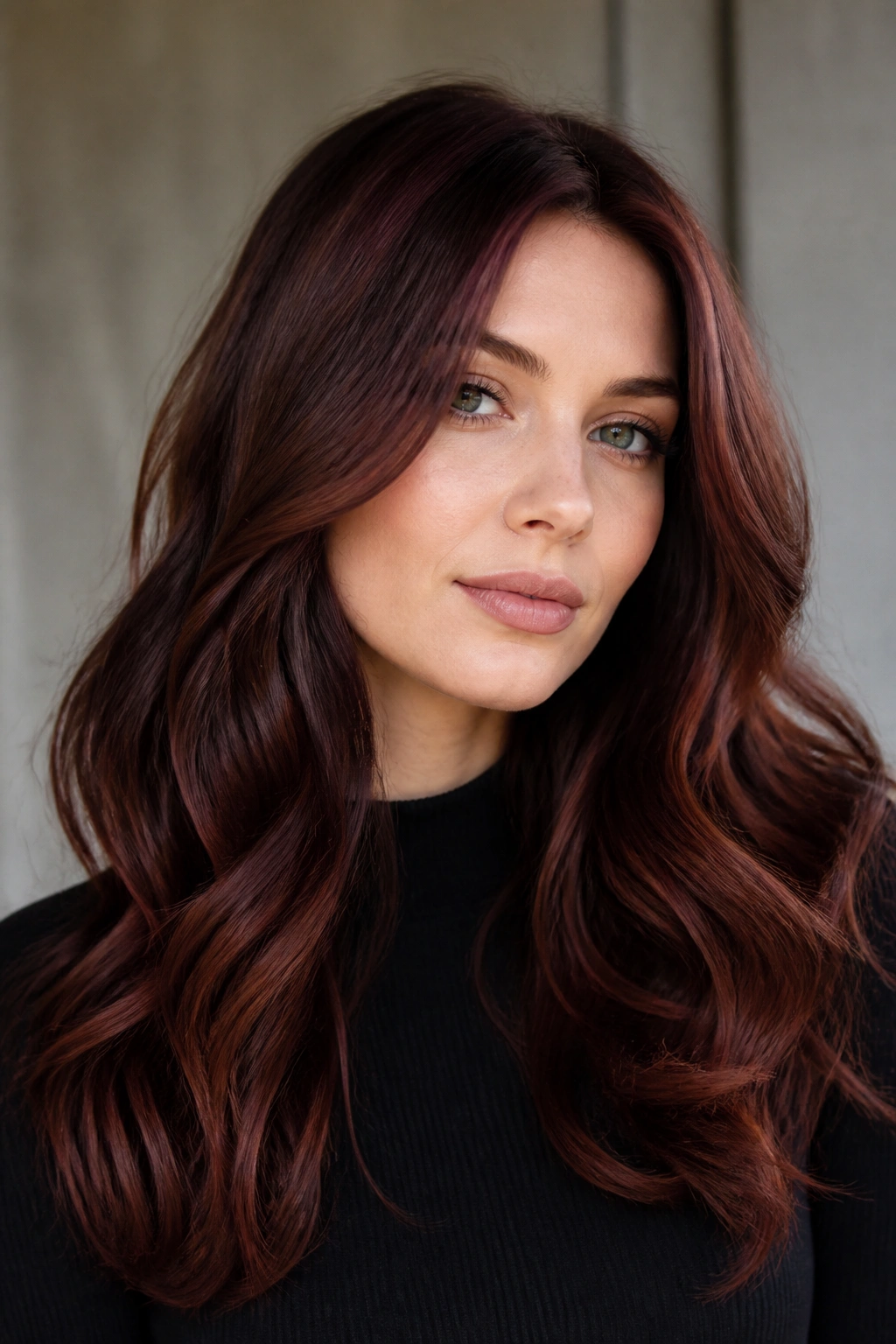
Chestnut sounds warm, but cool chestnut burgundy is a different thing entirely. Think brown first, berry second, and no orange at all.
That makes it a good middle-road choice for people who want burgundy brown hair color without going too dark or too red. Cool skin tones often do well with this shade because the chestnut gives a familiar brunette base while the burgundy keeps it from looking flat.
Who usually likes it
- People with medium-length hair that needs dimension
- Anyone moving from plain brown into something richer
- Cool undertones that want a soft, wearable change
- Hair that tends to look dull in straight, single-process brown
The shade is especially flattering when the hair has a bit of texture. Curls, waves, and even a simple blowout help the chestnut-burgundy blend show its two sides. In a ponytail, it can look like a deep brown. Let it down, and the cool red-brown note appears.
If you want a shade that doesn’t demand makeup changes or a wardrobe overhaul, this is one of the easiest to live with.
13. Berry Brunette
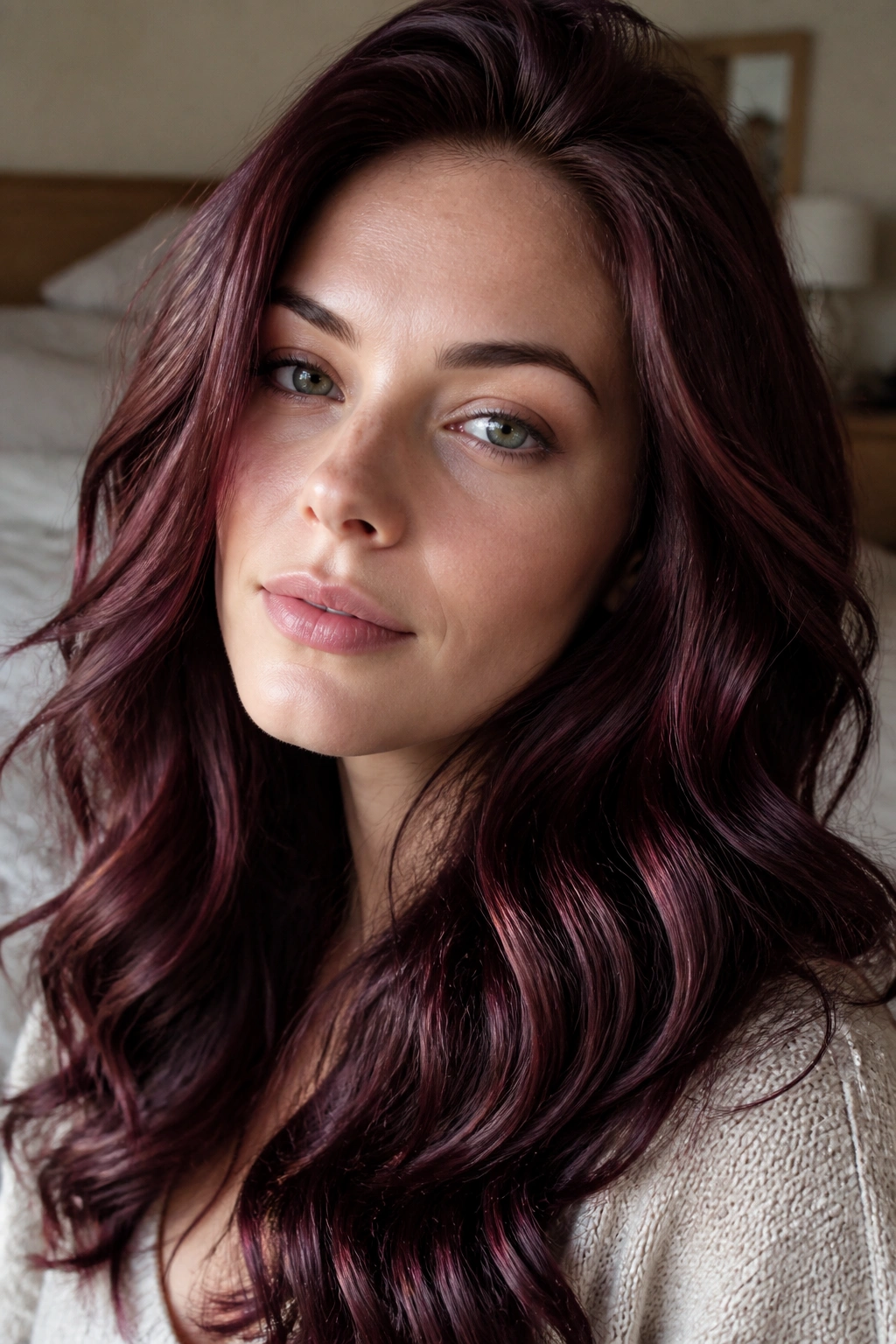
Berry brunette is the livelier end of the burgundy brown spectrum. It reads less like a wine stain and more like a dark berry cordial poured over brunette hair.
A lot of people reach for this shade when they want the red to show up in daylight and under indoor lighting. Cool skin tones can wear it well as long as the berry leans blue rather than pink. Pink berry is where things start to get too sweet. Blue berry keeps the look clean.
The best way to wear berry brunette is with movement. Soft curls, brushed-out waves, or layered ends all help the berry threads appear and disappear as the hair moves. Straight hair can work too, but the color has to be balanced carefully or it can look like a flat red-brown block.
If you like a visible change without jumping into fashion-color territory, this is a smart middle ground.
14. Midnight Plum Brown
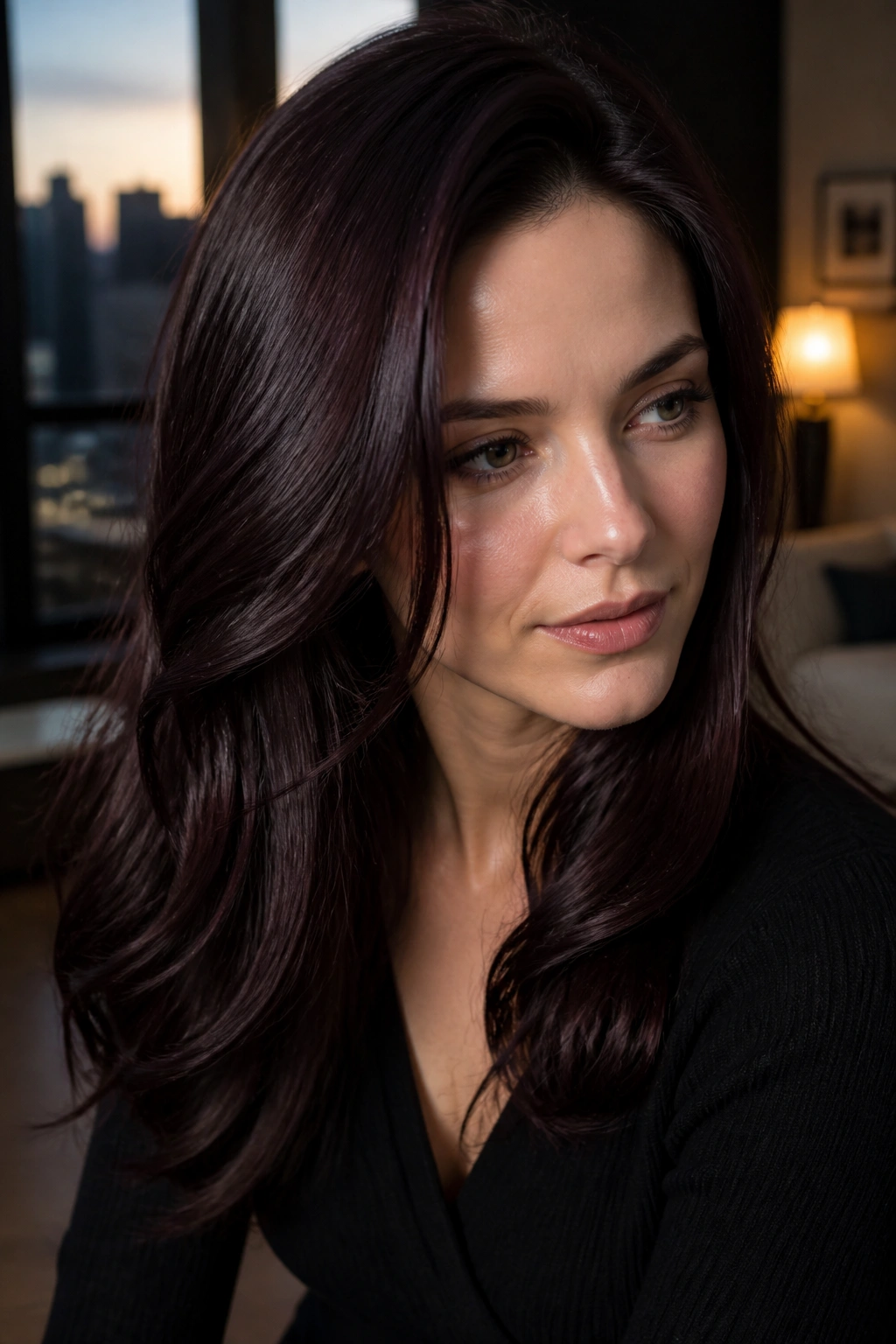
Midnight plum brown is nearly black at first glance, and that is exactly why it works. The plum tone hides inside the darkness, then flashes out when the light hits the hair from the side.
For cool skin tones, that hidden color can be a gift. It gives depth without warmth and contrast without brass. Very fair skin gets a lot of pop from it. Deep cool skin gets a polished, almost lacquered look. Either way, the shade feels deliberate.
This one needs shine. A dry midnight plum brown can look dull and a little heavy, which defeats the whole point. Smooth finishes, healthy ends, and a good serum on the lower half of the hair make a difference.
I’d keep this shade in the mix if you like dramatic makeup—berry lips, soft gray shadow, clean liner. It can handle the contrast.
15. Soft Burgundy Balayage
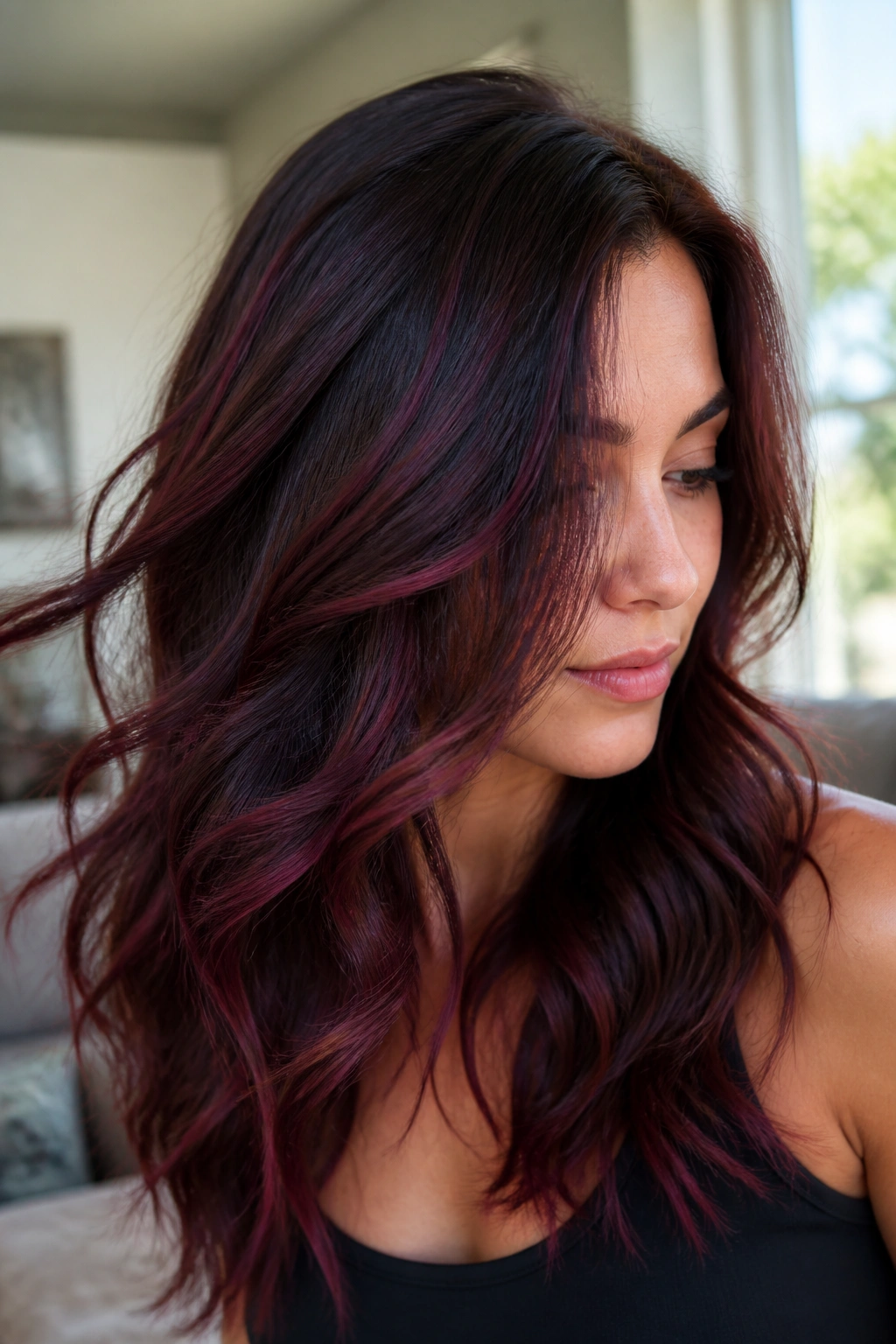
Soft burgundy balayage is what you choose when you want depth and movement more than a hard color statement. The burgundy sits in ribbons, not slabs, and that keeps the result airy.
Unlike all-over burgundy brown, this version lets the brunette base stay visible. That’s a plus for cool skin tones that look better with some of their natural depth intact. You get red wine in motion, not red wine poured everywhere.
Best for first-timers
This is usually the friendliest entry point if you’ve never tried burgundy before. The grow-out is easier because the light pieces are blended, and the color can be adjusted without redoing the entire head.
- Works well with layered cuts
- Ask for thin, feathered ribbons instead of chunky stripes
- Keep the lightest burgundy pieces around the front and upper crown
- Use a cool brown base so the balayage doesn’t warm up
A subtle balayage also helps if your hair tends to look heavy when it’s one solid shade. The alternating pieces give the eyes something to follow.
16. Mulled Wine Brown
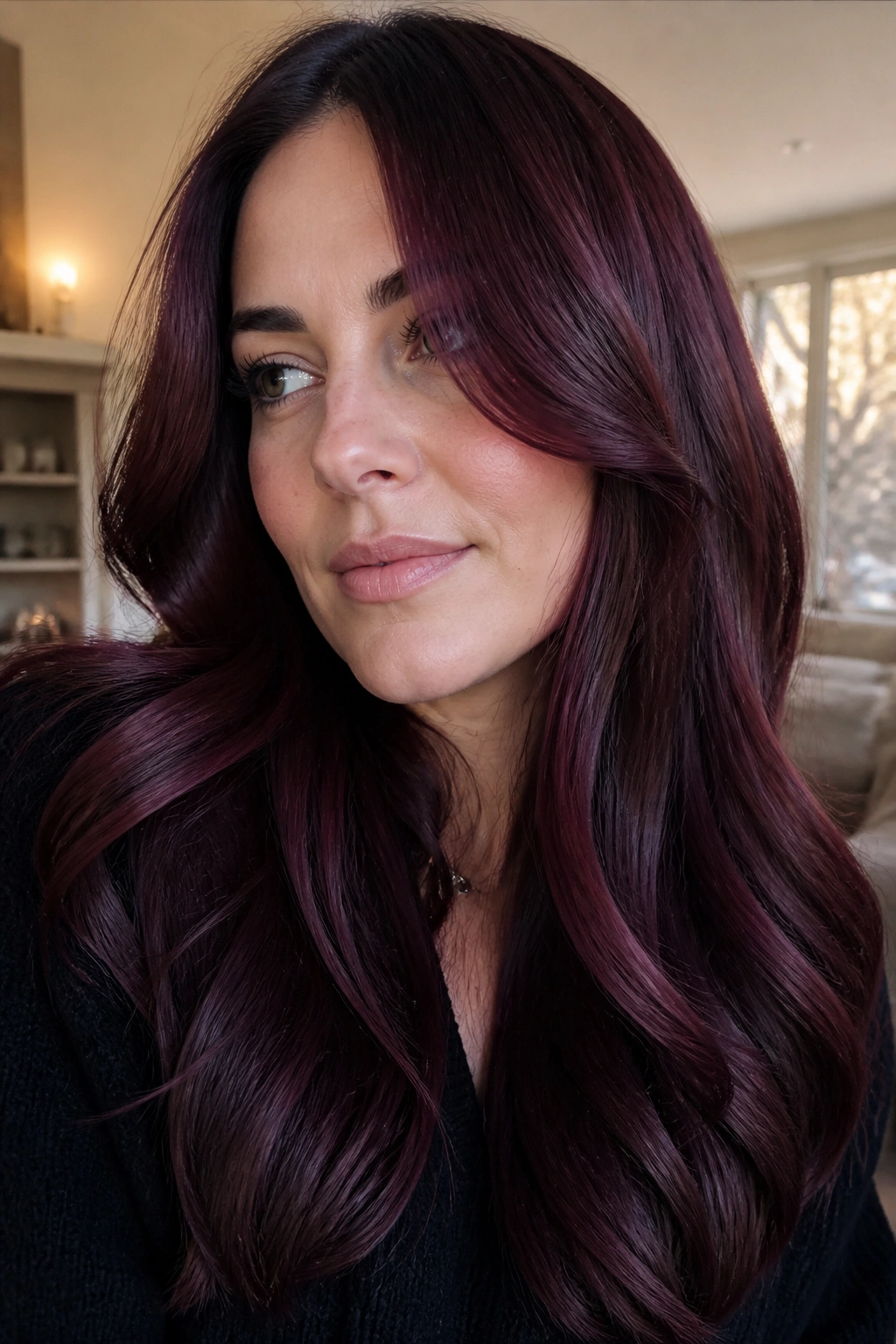
Mulled wine brown sounds warm, but the right version of it for cool skin tones keeps the spice in the background and the wine up front. That means less copper, more claret, and a little violet at the edges.
The result is rich. Almost dense. It works especially well on thick hair because the color can handle a lot of surface area without looking flat. On finer hair, it can still look good, but I’d lean toward gloss or lowlights rather than a heavy opaque dye.
What to watch for
If the formula has too much gold or cinnamon, the whole thing tilts warm fast. That is the trap. The cool version should feel like dark red fruit, not holiday spice.
This shade also likes dimensional cuts. Long layers, a heavy lob, or a soft shag can keep it from looking like a block of color. The movement lets the wine tones appear and disappear, which makes the shade feel richer.
If you’re drawn to moody brunette shades, this one sits near the top of my list.
17. Burgundy Gloss Over Brunette
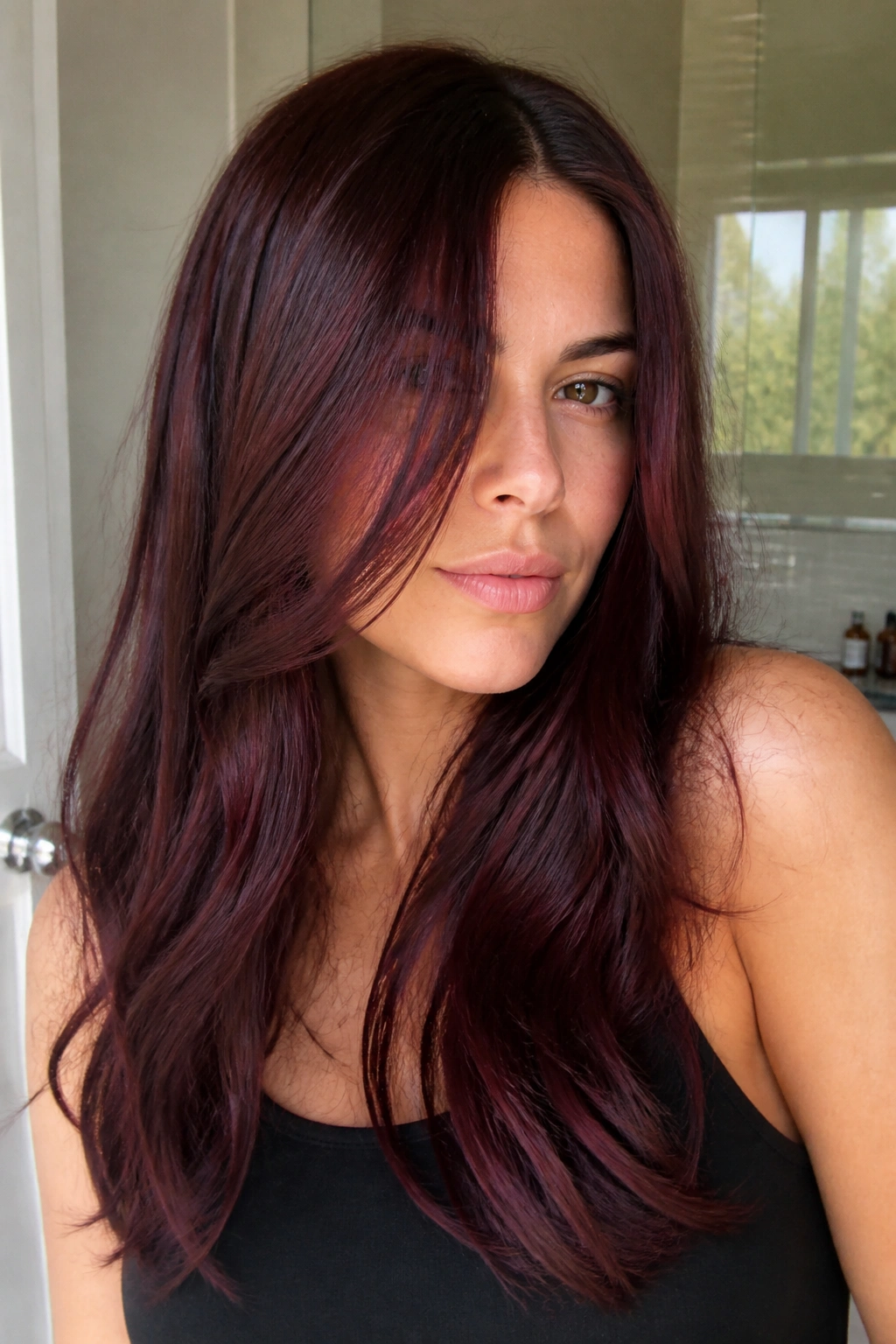
A burgundy gloss over brunette hair is the least committal way to test the color, and honestly, that’s why so many people should start here. You keep your brown base, add a translucent burgundy tint, and get a visible shift without a major color overhaul.
This technique is especially kind to cool skin because the gloss can be adjusted toward violet, cherry, or wine depending on how much red you want. It also fades more softly than permanent color, which means you’re less likely to get stuck with a tone you didn’t expect.
Why it’s worth trying
- Great for virgin brown hair
- Easy to refresh every 4 to 8 weeks
- Adds shine even when the burgundy fades
- Lets you test whether you want deeper or brighter next time
A gloss is also useful if your hair is already a bit porous from past color. It fills in the rough look and makes the burgundy reflect more evenly. That shine matters more than people think. Without it, the color can look muted in a bad way.
18. Cranberry Brown
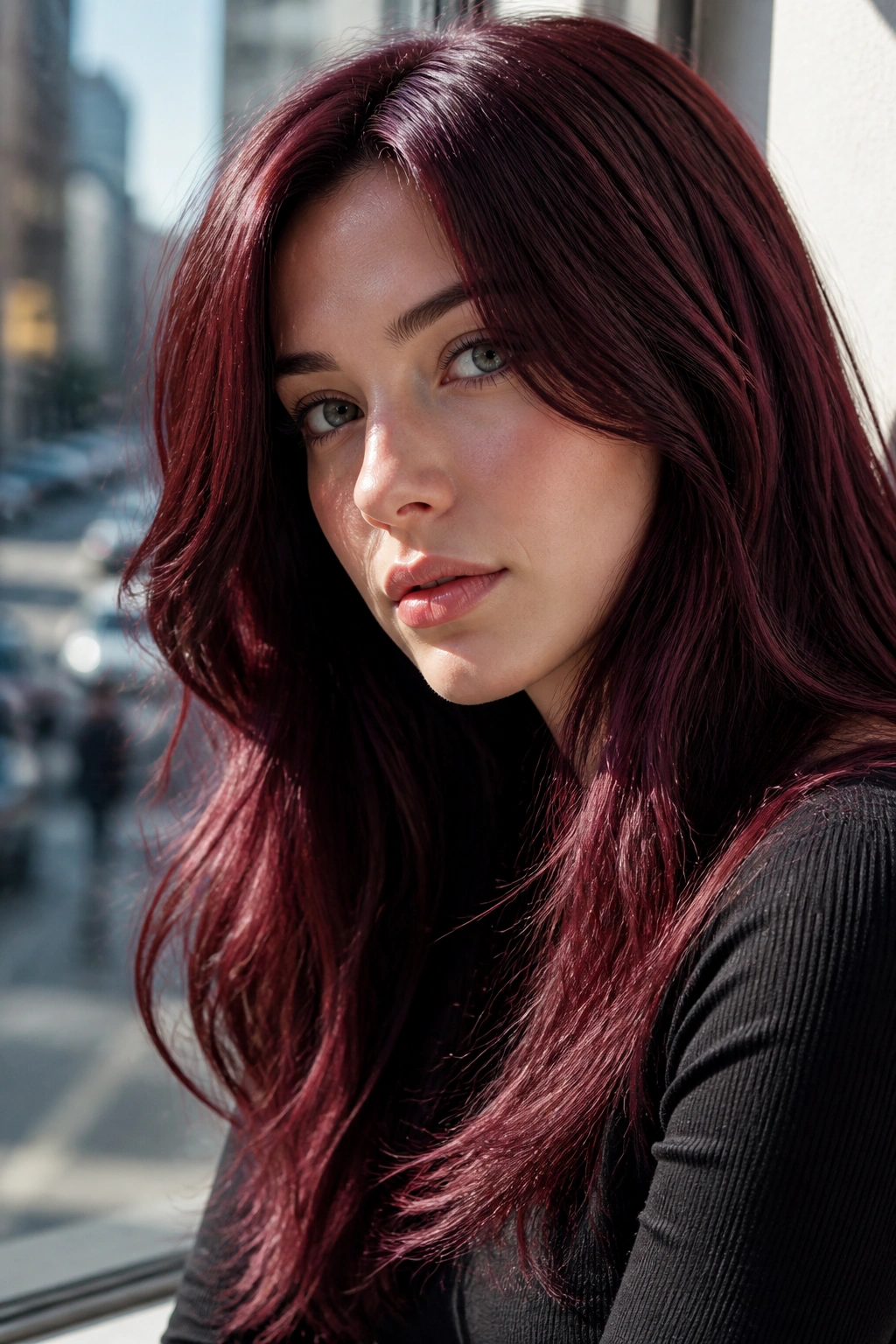
Cranberry brown sits at the brighter end of the cool burgundy family. It has more lift than merlot and more clarity than plum, but it still belongs to cool skin tones when the base stays brown and the red stays blue-leaning.
This is a good choice if you want people to notice the color right away. It’s not quiet. Still, the brown base keeps it from drifting into full red territory, which is what makes it wearable. On fair cool skin, it can look fresh and lively. On deep cool skin, it reads bold and polished.
The important thing is moderation. A cranberry tone that gets too pink can clash with cool undertones and start looking sugary. A muted version, though, has a crisp fruit-wine effect that works beautifully with simple makeup and dark clothing.
If you’re torn between berry and burgundy, cranberry brown sits neatly in the middle.
19. Smoky Wine Brown with Root Shadow
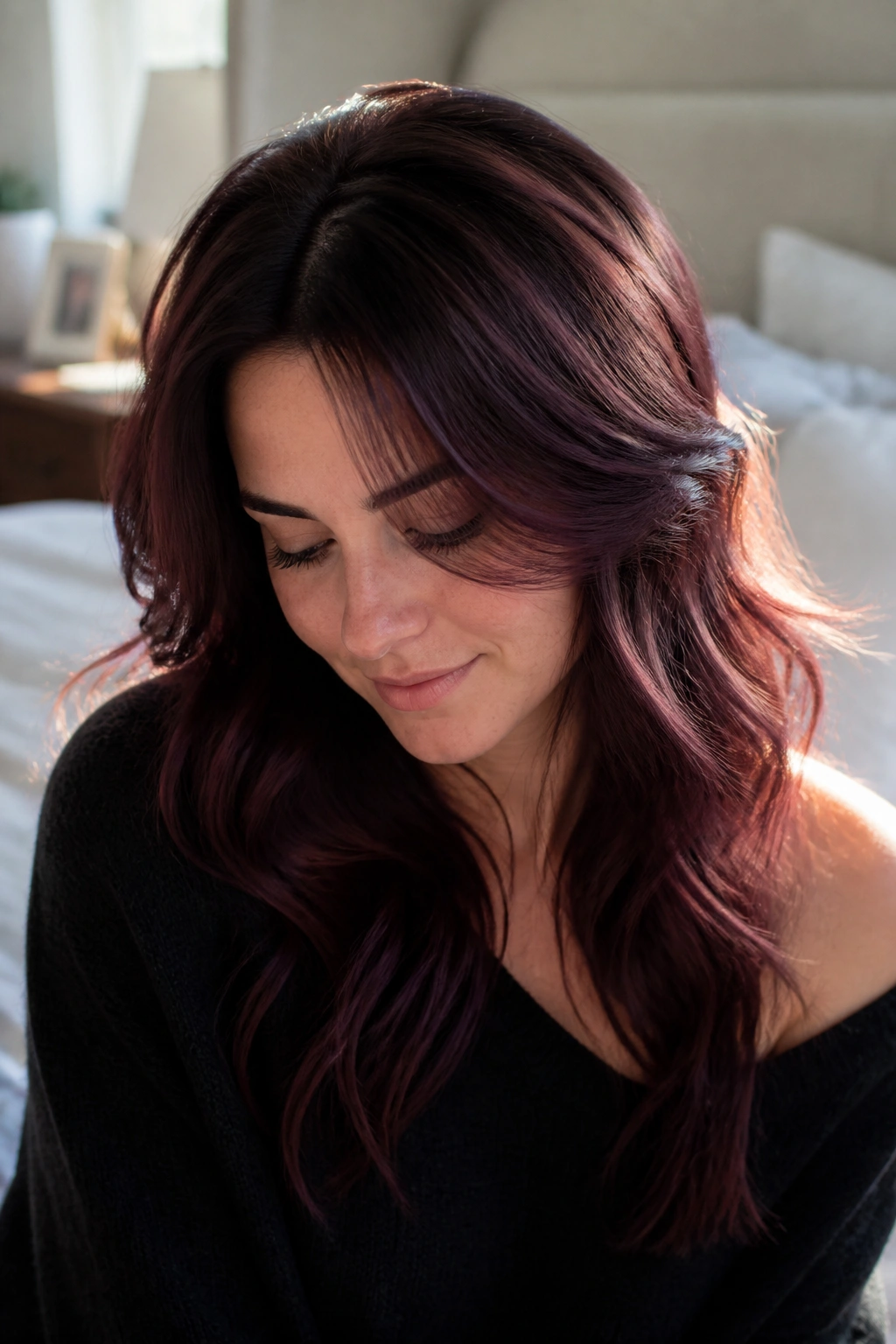
Smoky wine brown with a root shadow is one of those shades that looks expensive without trying too hard. The roots stay deep and close to natural brunette, while the mids and ends carry a smoky wine tone that never feels too bright.
That root shadow helps cool skin because it keeps the overall contrast clean. Too much red near the scalp can make the complexion feel flushed. A deeper root solves that. Then the wine tone opens up lower down, where it can move freely.
This is also a smart move if your hair is dense or coarse. The shadow root creates depth right at the top, which stops the color from looking puffy or oversized. On fine hair, it can add the illusion of thickness.
A few loose waves make the smoky wine pieces come alive. Straight hair can wear it too, but the color shows more when the light bends around the ends.
20. Deep Wine Brunette
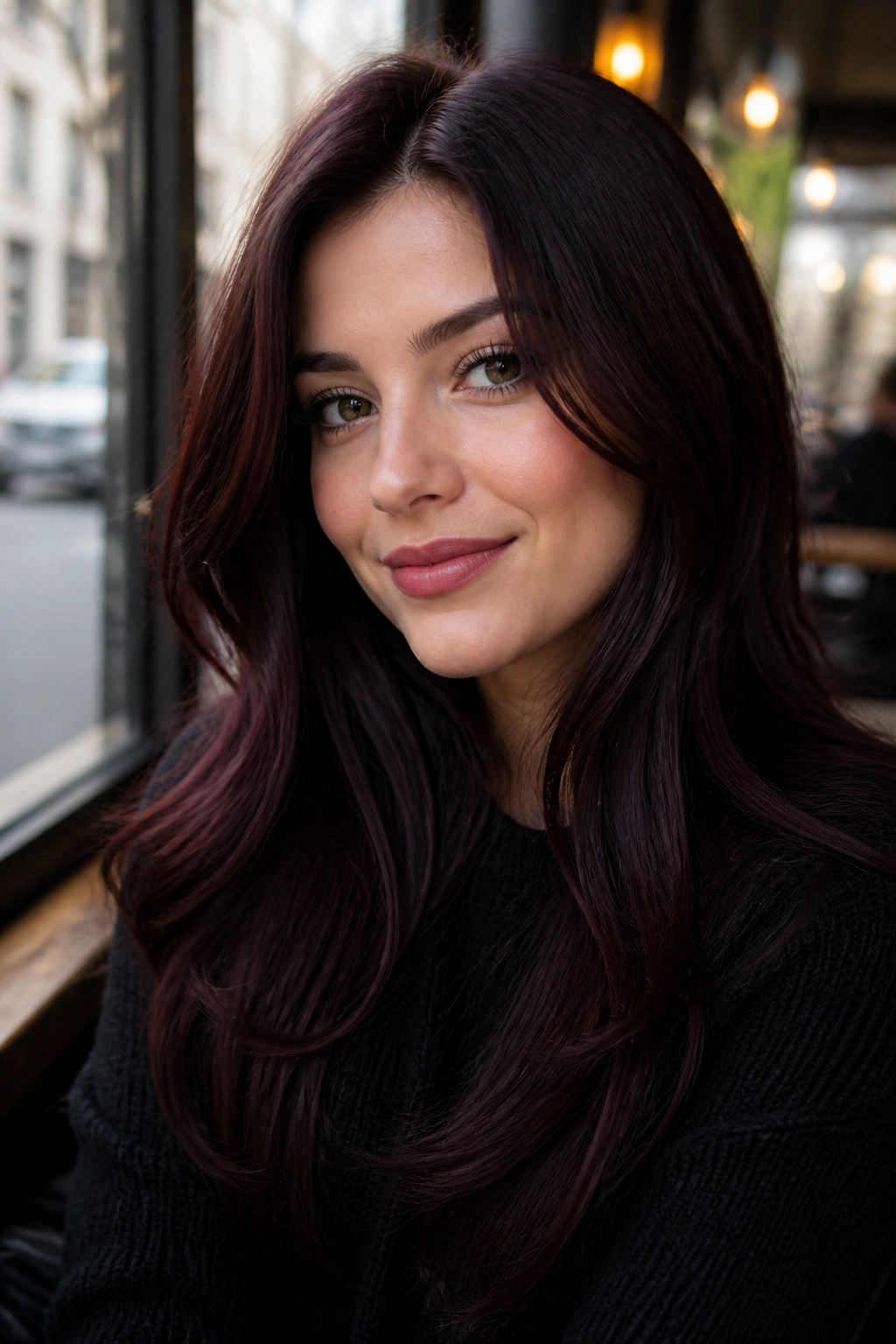
Deep wine brunette is the shade I’d pick when someone wants burgundy brown hair color to feel polished, dark, and unmistakably cool. It sits at the far end of the spectrum, close to black in some lighting, then opens into wine-red reflection in better light.
That makes it a strong choice for cool skin tones that can handle contrast. If your features are sharp, your eyes are light, or your wardrobe leans dark, this shade can make the whole face look more deliberate. It also helps if your natural hair is already dark brown, because the shift feels richer rather than dramatic.
How to keep it looking glossy
- Ask for a deep wine base with blue-red pigment
- Keep the finish sheer enough to reflect light
- Use a cut with movement at the ends
- Avoid formulas that drift into auburn or copper
This is the shade I’d choose for someone who wants depth first and red second. It’s moody, yes, but not muddy. There’s a difference.
Final Thoughts
Cool skin tones and burgundy brown hair color are a strong match when the red stays in the wine lane. Blue-red, plum, black cherry, and smoky berry shades usually behave better than anything copper-heavy, and that one choice makes a bigger difference than most people expect.
The smartest move is to think about how visible you want the color to be in ordinary light. A gloss, a balayage ribbon, or a deep all-over brunette can all work; the right one depends on how much contrast you want near your face and how much upkeep you’re willing to live with.
If you’re unsure, start deeper than you think. Burgundy can always be made brighter later, but pulling an orange cast out of brown hair is the part that turns into a headache.
