



If your skin runs cool, ginger brown hair color can be gorgeous — but only when the red is handled with a steady hand. Too much orange and the hair starts shouting over your face. The right version feels softer, deeper, and a little smoky, with copper or auburn tucked into a brown base instead of sitting on top like a costume.
That’s the part people miss. Cool skin tones usually look best when the ginger has restraint: more chestnut, rose, berry, mushroom, or espresso underneath; less pumpkin, less neon copper. The shade should look like it belongs with silver jewelry, pink cheeks, and blue or violet undertones in the skin. Not fight them.
Less orange. More smoke.
A good colorist will talk about level, undertone, gloss, and placement before they ever say “copper.” That matters. A level 5 auburn-brown can look expensive on cool skin; a level 7 bright copper can make the same face look tired in five seconds flat. The details are the whole game here, and the good news is that the details are learnable.
1. Smoky Ginger Brown With a Root Shadow
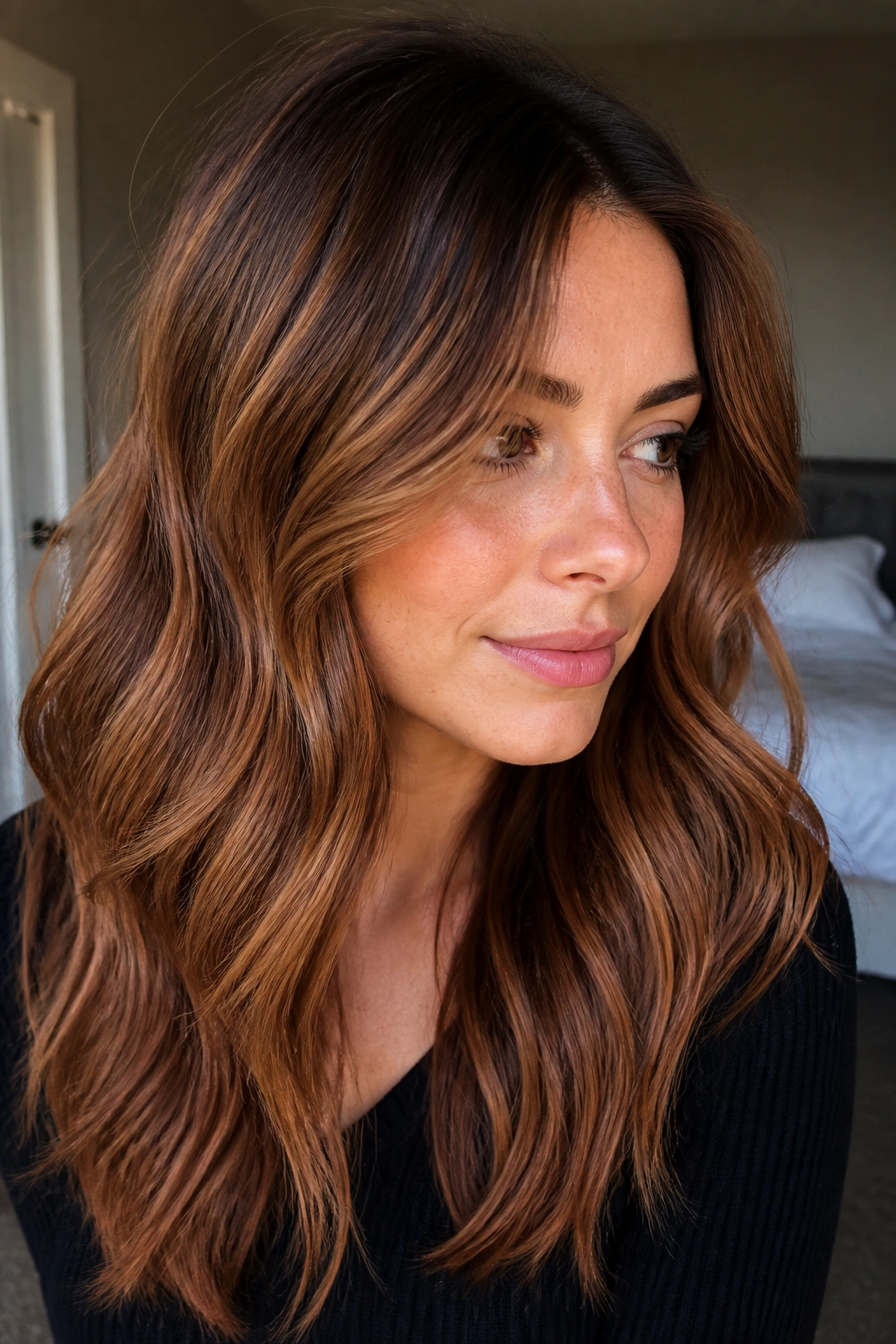
Smoky ginger brown is the shade I reach for when someone wants warmth but refuses to look brassy. The brown base keeps the color grounded, while the ginger lives in the middle and ends as a muted copper-brown whisper. On cool skin, that balance matters more than people think.
Why It Flatters Cool Skin
Ask for a level 5 or 6 brunette base with soft auburn ribbons and a root shadow one shade deeper. The darker root smudge keeps the face from getting washed out, and the smoke in the formula stops the ginger from turning orange. It’s a good choice if your skin leans pink, your veins look blue, or bright copper usually feels too loud.
Quick notes:
- Best with a demi-permanent gloss
- Works on straight, wavy, or loose curly hair
- Ask for copper that leans brown, not gold
Tip: bring one photo of a shade you like and one you do not. That second photo helps more than people expect.
2. Cherry Cola Brown
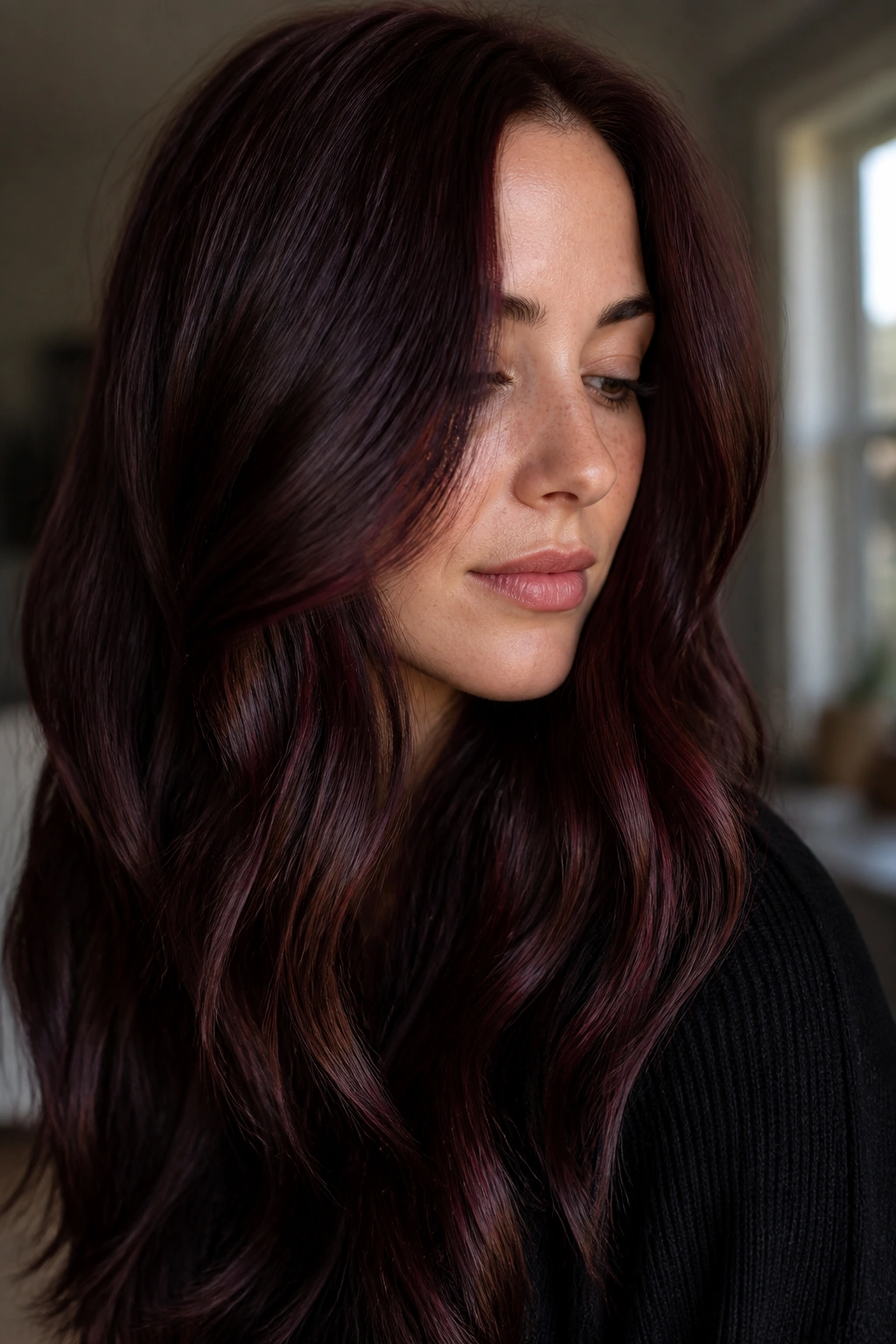
Cherry cola brown has a dark, glossy base with red that stays on the berry side of the line. It is one of the easiest ginger-brown hair color ideas for cool skin tones because the red reflection feels wine-stained instead of orange-fired. That small shift changes everything.
The shade looks especially good if your eyes are dark brown, hazel, or gray-green. Under indoor light, it reads like rich brunette. Outside, the berry notes show up and give the hair movement without screaming “redhead.” That quiet shift is why it works on cool complexions.
Keep the gloss cool and translucent. If the red gets too opaque, the color can flatten. If it gets too bright, the whole thing starts leaning warm in a way cool skin usually does not love.
3. Cinnamon Mocha Brown
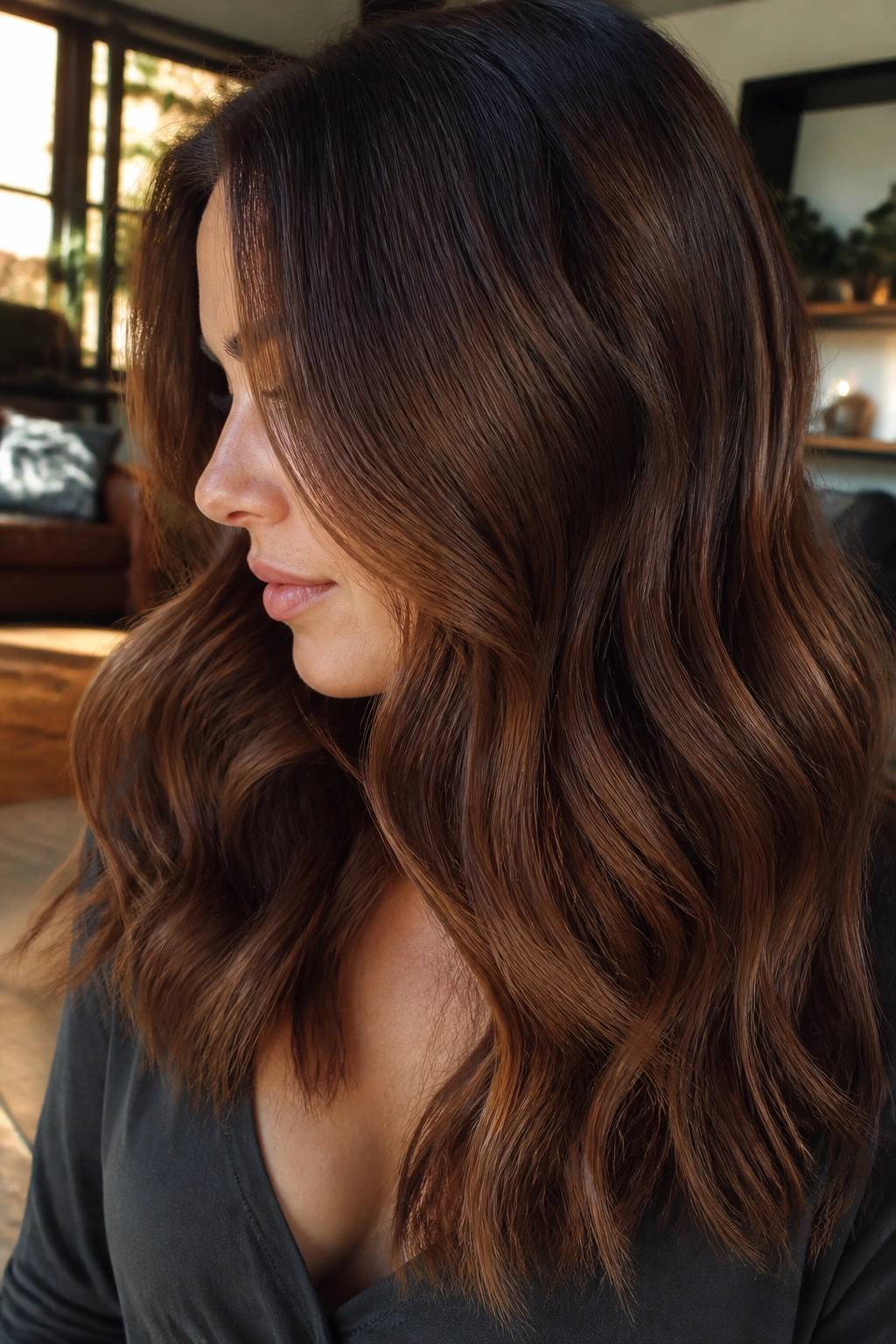
Can cinnamon work on cool skin? Yes, if the mocha base is doing the heavy lifting. Cinnamon mocha brown blends soft spice with a creamy brunette foundation, so the warmth shows up as texture rather than neon brightness. It feels polished, not sugary.
How to Ask for It
Tell your colorist you want a brown base around level 5 or 6, then fine cinnamon-toned lights through the mids and ends. The trick is keeping the cinnamon muted. Not pumpkin. Not orange peel. More like the color of a toasted spice jar when the light hits it.
This shade is a smart middle ground if you want ginger energy but don’t want full copper maintenance. It grows out well, and the mocha base keeps the tone wearable on skin with pink or blue undertones. If your hair pulls yellow fast, ask for a cooler gloss every few weeks to keep the warmth in check.
4. Mushroom Brown With Ginger Ribbons
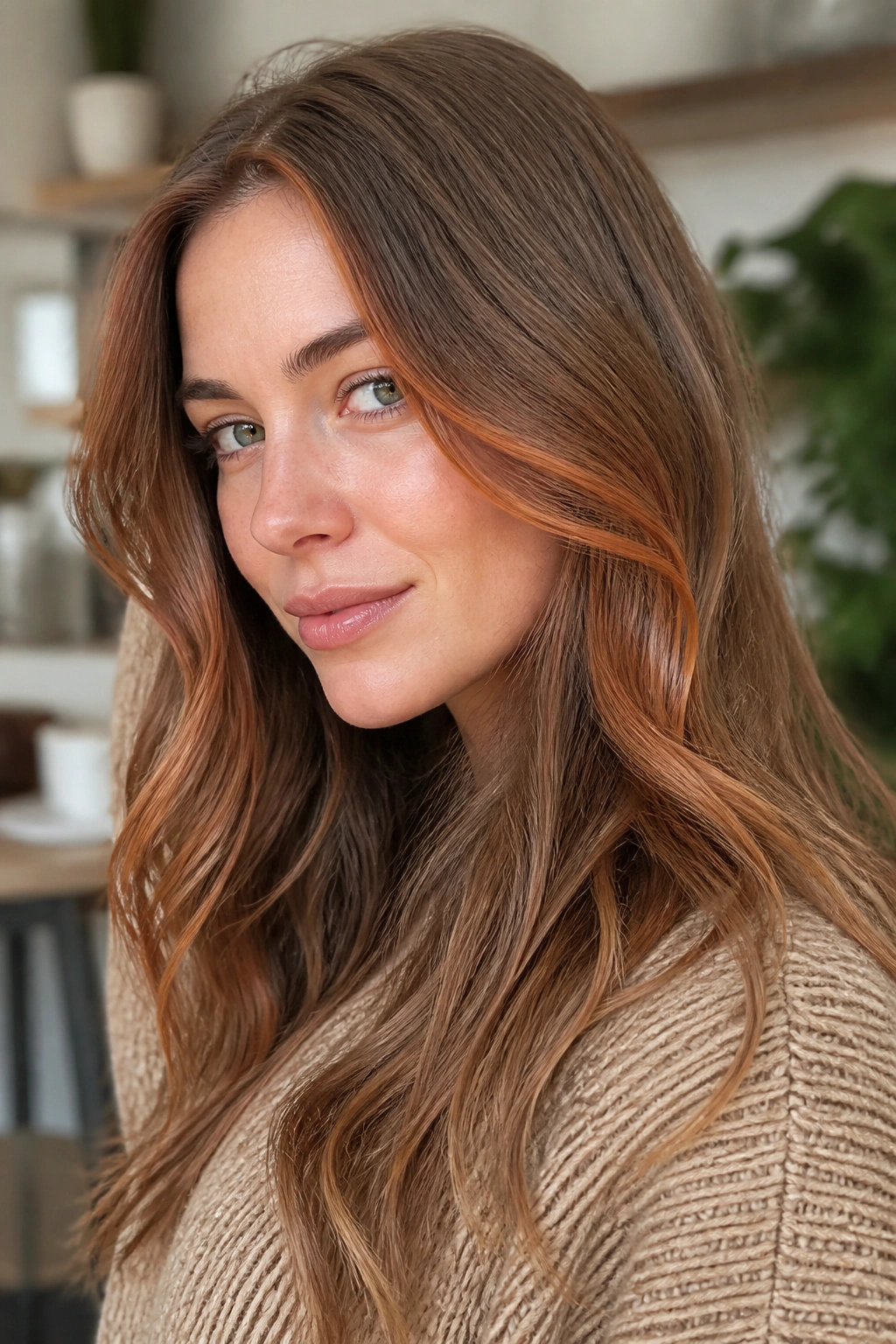
Mushroom brown is the most underrated shade on this list, and honestly, it might be the smartest one. The base is earthy and cool, almost taupe-brown, so the tiny ginger ribbons look deliberate rather than loud. On cool skin, that contrast is clean and flattering.
If you want movement without a heavy color commitment, this is the one to ask about. The ginger pieces should be thin, scattered, and placed around the face and top layers. That keeps the brightness close to the skin where it can wake the face up, instead of spreading orange through the whole head.
What to Watch For
- Keep the base ash-beige, not golden
- Use fine ribbon highlights, not chunky stripes
- Ask for a gloss that softens brass, not one that deepens gold
The whole point is restraint. Too much copper ruins the mushroom effect. Too little and you just get plain brown.
5. Rosewood Brown
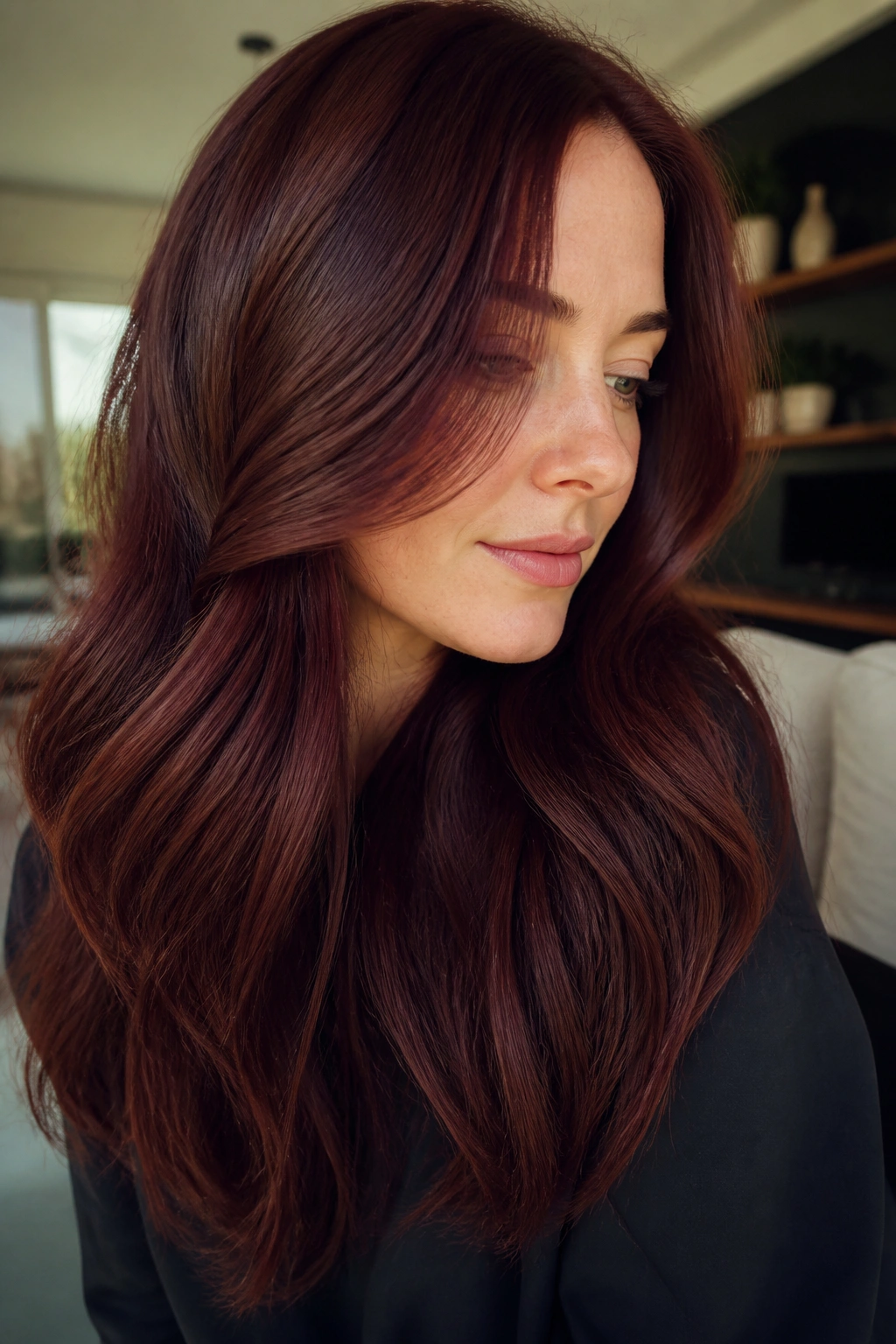
Rosewood brown has a red-brown depth that feels refined on cool skin, especially if your complexion already carries a pink flush. It sits somewhere between brunette and muted red, with a soft wine note that keeps the color from looking flat. I like it on medium-length cuts because the tone changes as the hair moves.
The best version is glossy, not opaque. That gloss is what gives rosewood its clean finish. If the color gets muddy, the red disappears and you lose the whole point. If it gets too bright, it starts reading like warm mahogany, which is a different story and a less forgiving one for many cool undertones.
This shade also plays nicely with silver earrings and cool makeup. Think taupe shadow, berry blush, and a nude lip with a pink edge.
6. Espresso Brown With Copper Peekaboo Panels
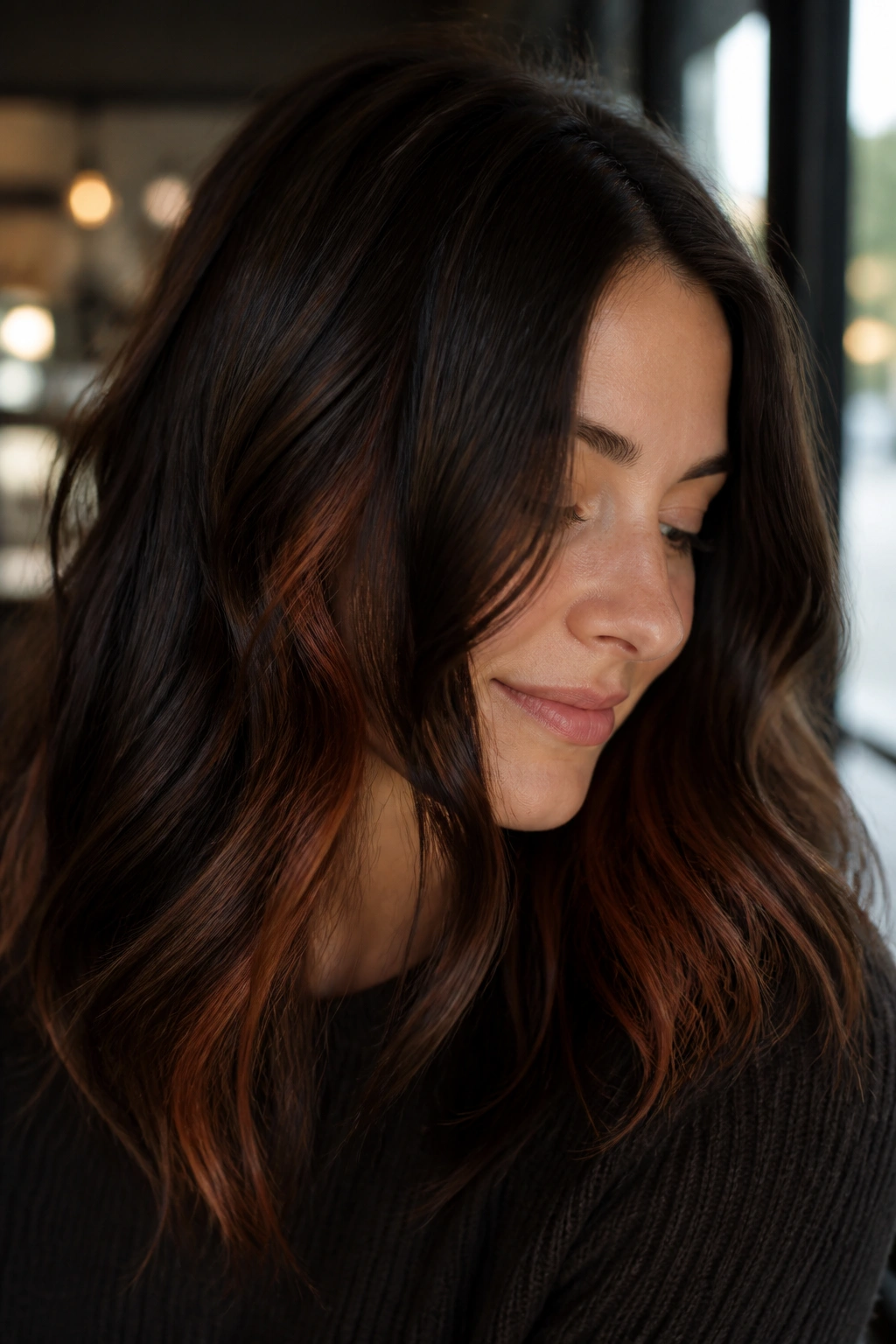
Espresso brown with copper peekaboo panels is for someone who wants ginger without signing up for a full-head commitment. The outer layer stays deep and cool, while hidden panels of copper-brown show up when the hair swings or gets tucked behind the ears. It’s a nice little trick.
Unlike full copper, this version gives you control. You can keep the visible surface dark and sleek, which is often kinder to cool skin, then let the ginger show in motion. That makes it a strong pick for straight hair, layered lobs, or a blunt cut where movement comes from the shape rather than curls.
The copper panels should stay muted. Ask for a brown copper, not bright orange, and keep the placement underneath the top layer so the contrast feels intentional. It’s subtle. Which is the point.
7. Chestnut Brown Balayage With Cool Copper Ends
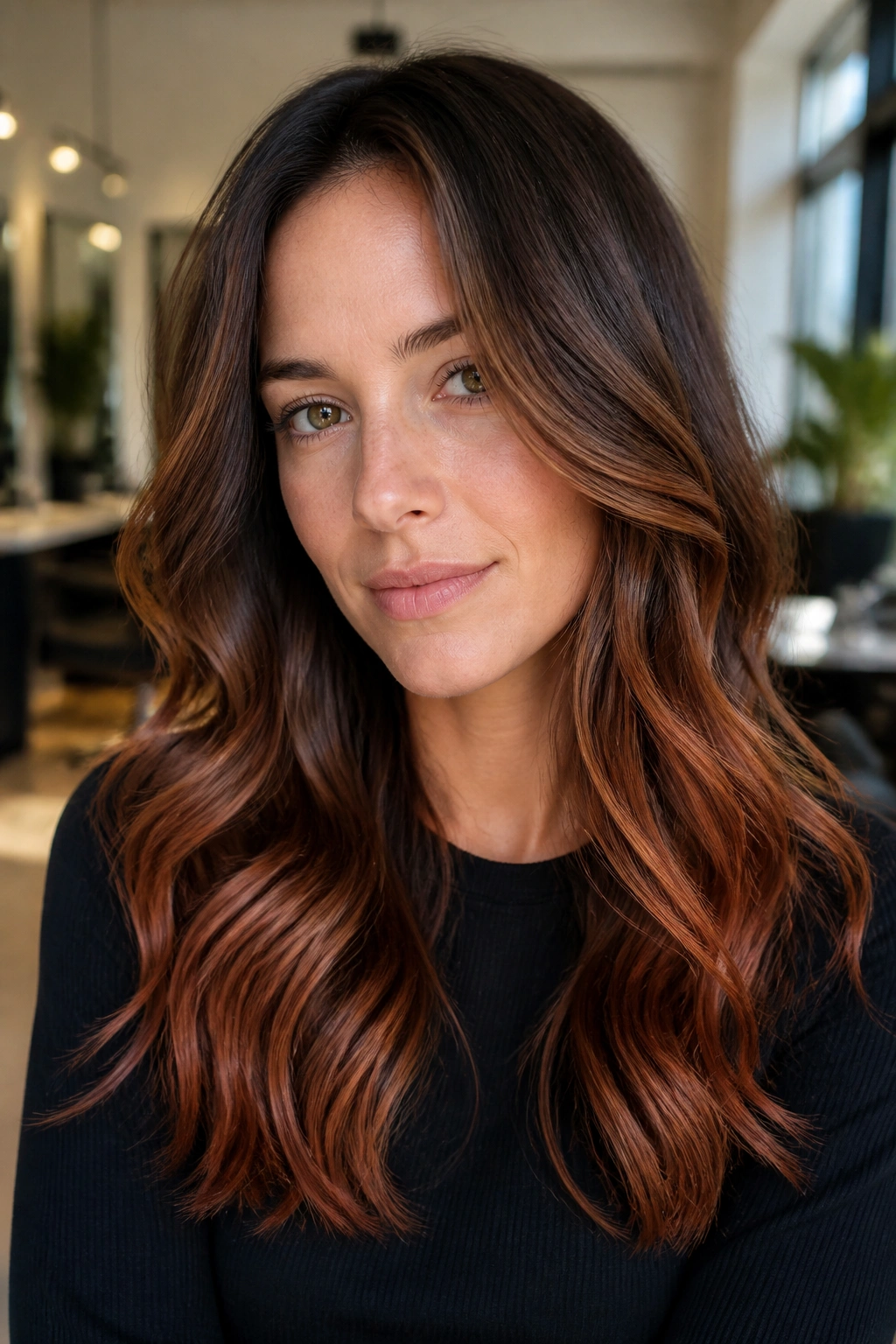
Chestnut brown balayage is one of those shades that looks expensive when it is done well and messy when it is not. For cool skin tones, the reason it works is simple: the chestnut base stays neutral, while the copper sits only on the ends and a few face-framing pieces. That keeps the warmth from swallowing the face.
A good balayage should look hand-painted, not striped. The copper needs to be soft, maybe even a little smoky, so it reads as a natural shift from brunette to ginger-brown. If the ends turn too bright, they can pull attention away from the eyes and make pink undertones feel sharper than they are.
This one does need maintenance. Not constant salon trips, but regular glossing helps. A cool brown shampoo once a week can also keep the chestnut side from drifting into gold.
8. Tawny Bronze Brown
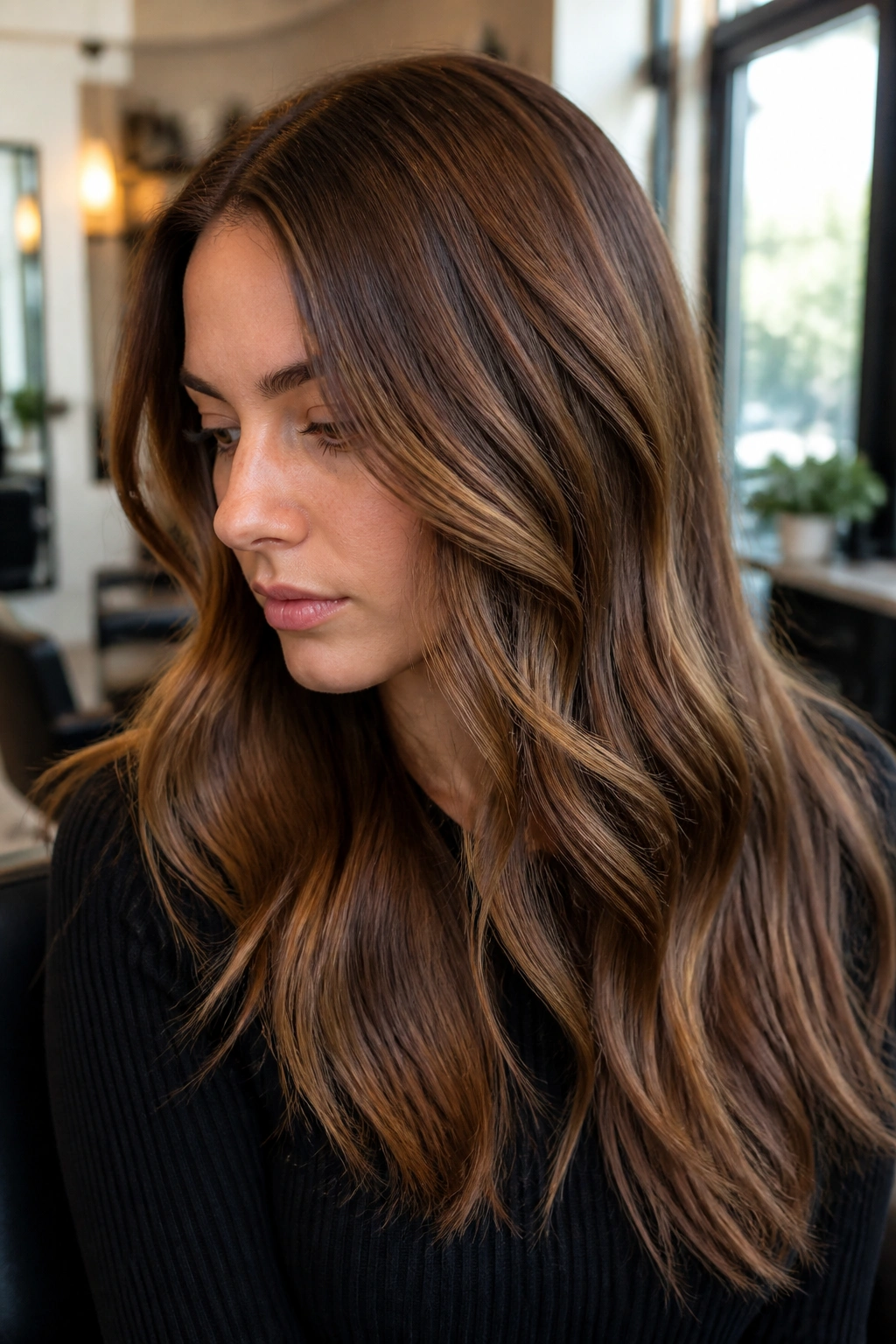
Tawny bronze brown lives in a narrow lane, and that’s why I like it. The bronze is there, but it should feel dusty and earthy, not shiny and metallic in a fake way. On cool skin, the shade works when the brown base anchors the bronze enough that the face still feels balanced.
The Shape of the Shade
A good tawny bronze brunette has depth near the roots and soft reflective warmth through the mids. The finish should move in the light, not glow like a penny. That distinction matters. Penny-bright bronze can be rough on cool undertones, while a softer tawny version tends to sit better next to pink or bluish skin.
If you wear a lot of black, charcoal, or navy, this color makes a nice bridge between wardrobe and complexion. Ask your colorist for bronze that leans smoky, and keep the shine from getting too gold. The best version feels quiet until daylight hits it.
9. Mahogany Brown
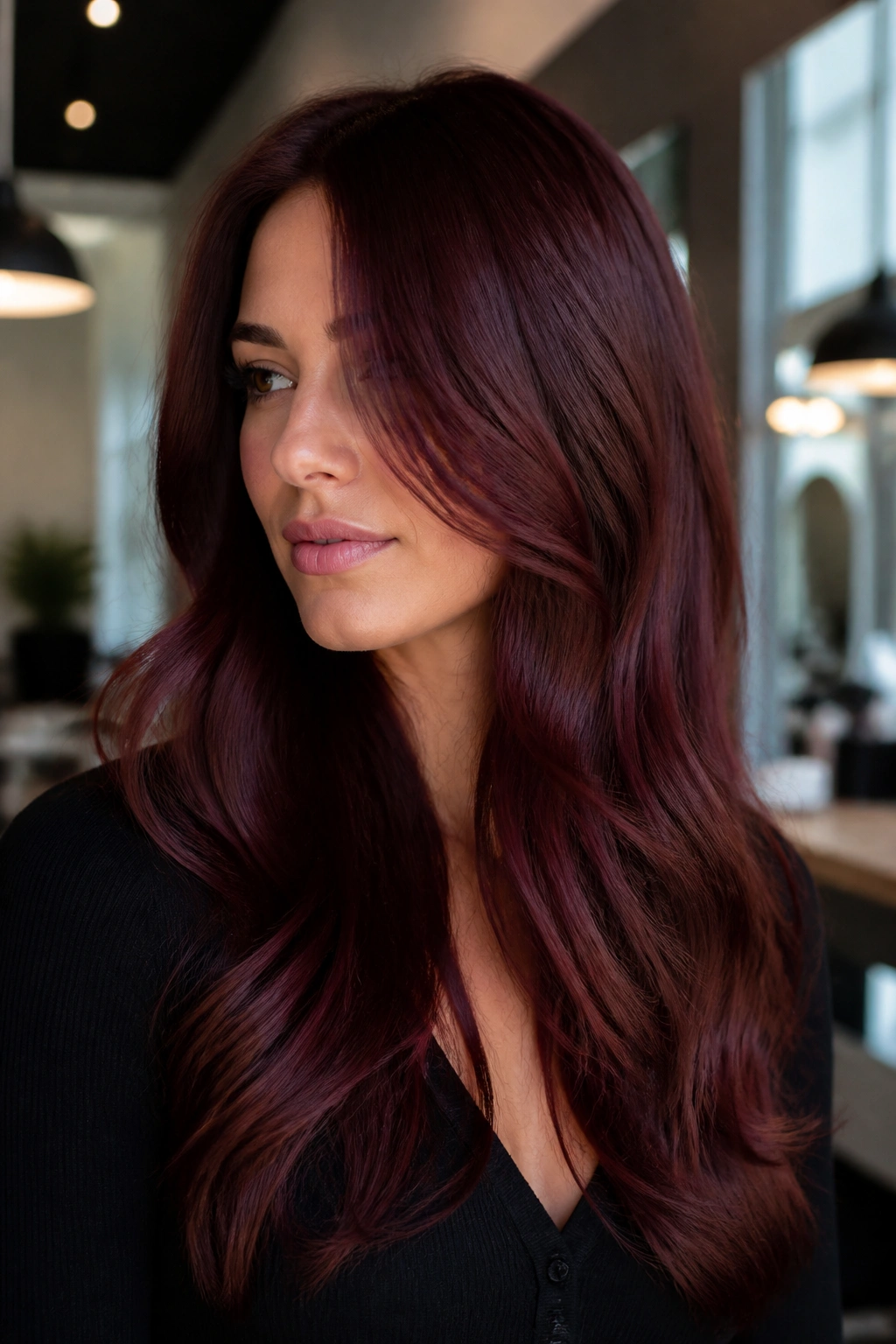
Mahogany brown is one of the safest red-brown choices for cool skin because the red is grounded in blue and violet, not orange. That gives the hair a rich, wine-dark look that usually flatters pale or rosy complexions. It is dramatic without being loud.
This is a great option if your natural hair is already medium to dark brown. The color does not need to be bright to be noticeable; it just needs depth and a clean red cast. On cool skin, mahogany often looks more polished than copper because it doesn’t bring extra heat to the face.
Keep the finish glossy and keep the color from drifting orange at the ends. A sheer red-brown glaze can refresh the shade without repainting the whole head. That matters if you hate high-maintenance color. I do, honestly.
10. Ginger Latte Brunette
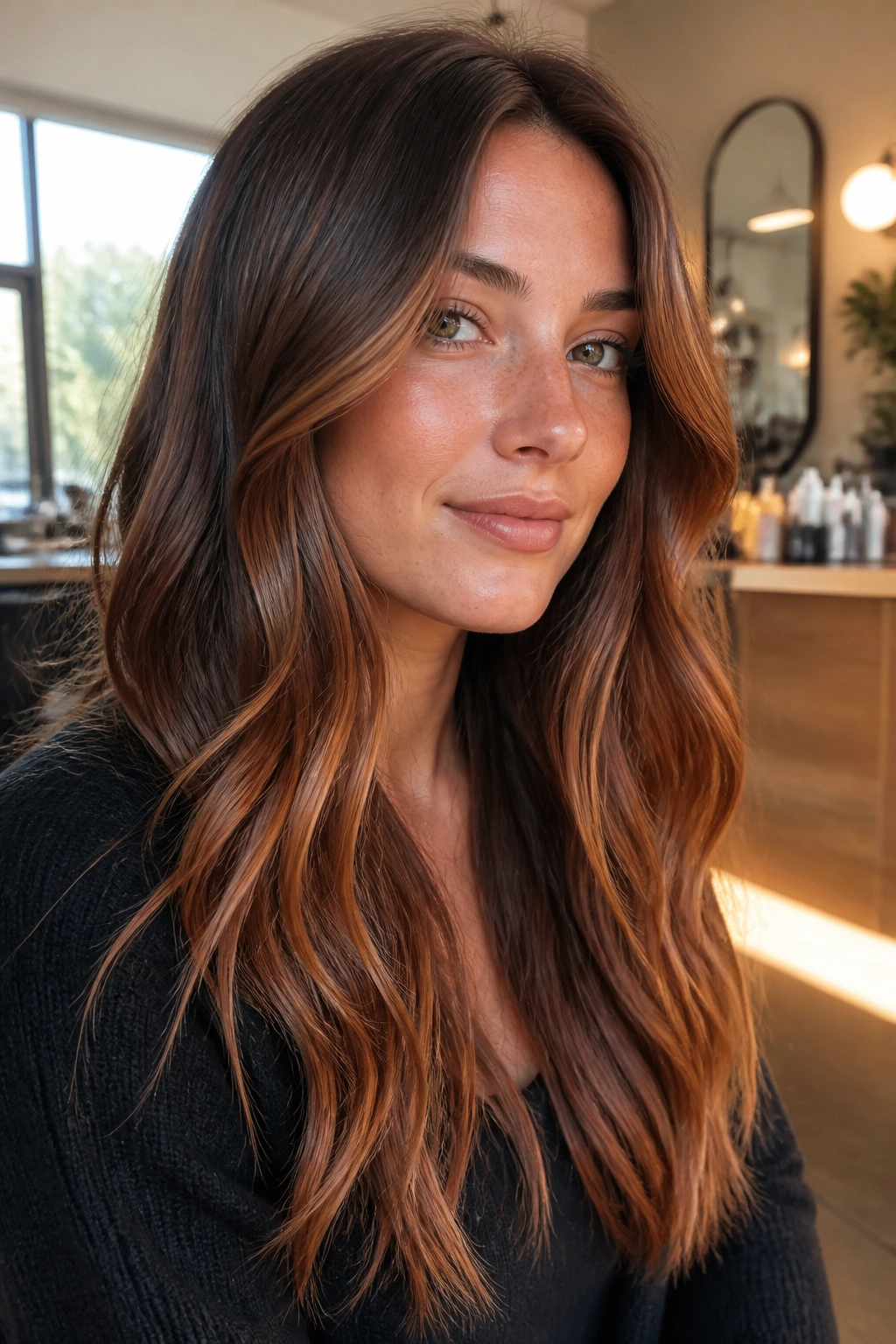
Ginger latte brunette sounds playful, but the formula should be controlled. Picture a creamy brunette base with a little ginger foam swirling through the mids and tips. The result is soft, warm-looking hair that still keeps enough brown in it for cool skin to handle.
What Makes It Wearable
The milkier the base, the better this shade tends to look on people with cool undertones. The ginger should stay muted and translucent, not bold. You want a latte color, not a flat orange wash. That means a neutral brown base, fine copper ribbons, and a gloss that keeps the whole thing blended.
This is one of the easiest shades to live with if you want something flattering but not dramatic. It also grows out well because the warmth is diffused, not packed into one obvious band. If you like low-drama color with just enough spice, this is a solid choice.
11. Caramel Chestnut With an Ash Glaze
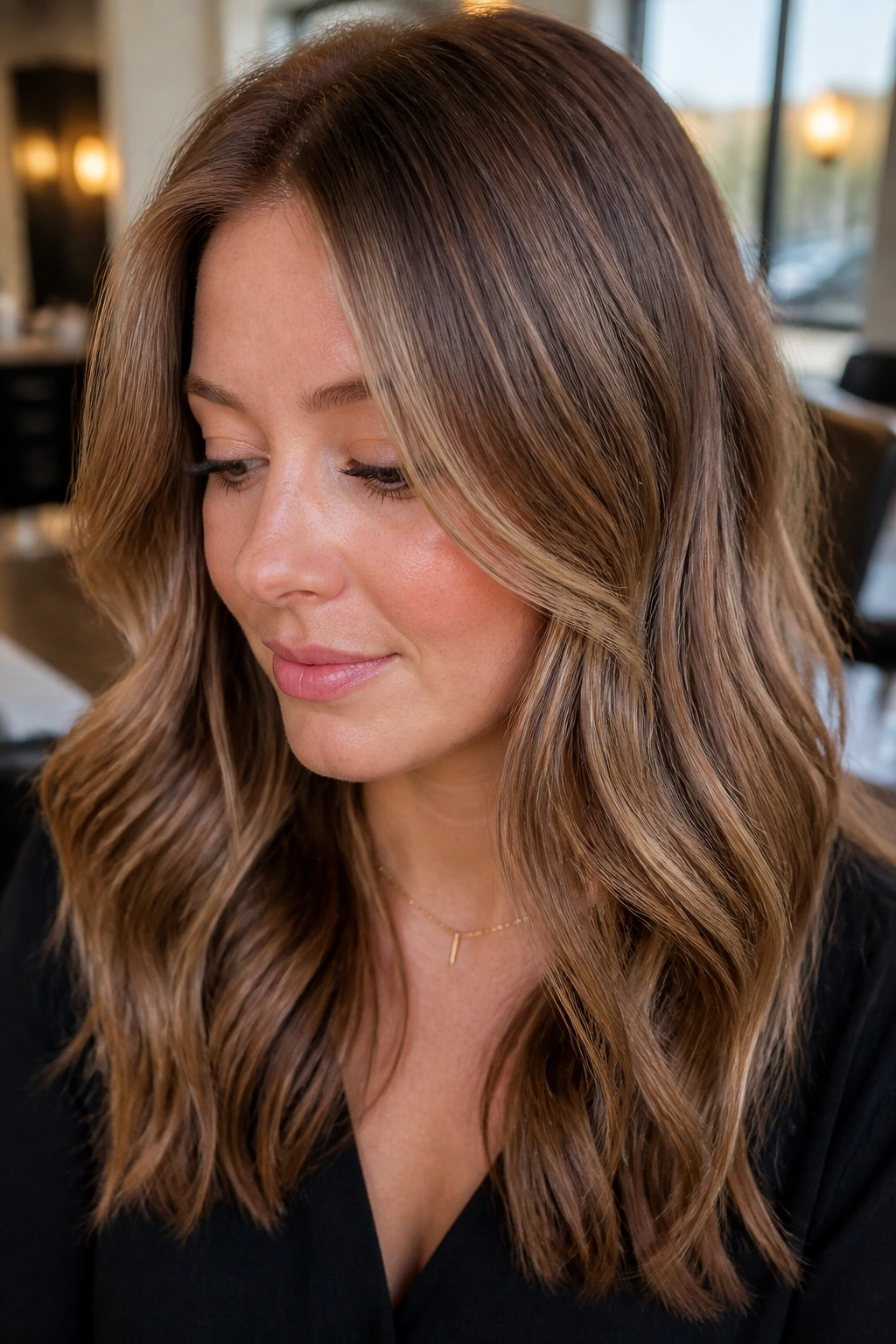
Caramel can be tricky on cool skin. Left alone, it often runs too golden. Add an ash glaze, though, and the whole shade shifts into a more wearable place. That’s why caramel chestnut with an ash finish earns a spot here.
The chestnut base keeps the hair brown. The caramel lives in thin ribbons, mostly around the face and surface layers. Then the ash glaze pulls the shine back toward beige-brown instead of yellow-brown. It’s a small technical move, but it changes the face-framing effect a lot.
If you like warmth but hate brass, this is worth asking for. The color feels softer in natural light than in salon photos, which is exactly what most cool-toned clients want. Photos can lie. Mirrors usually tell the truth.
12. Deep Auburn Gloss
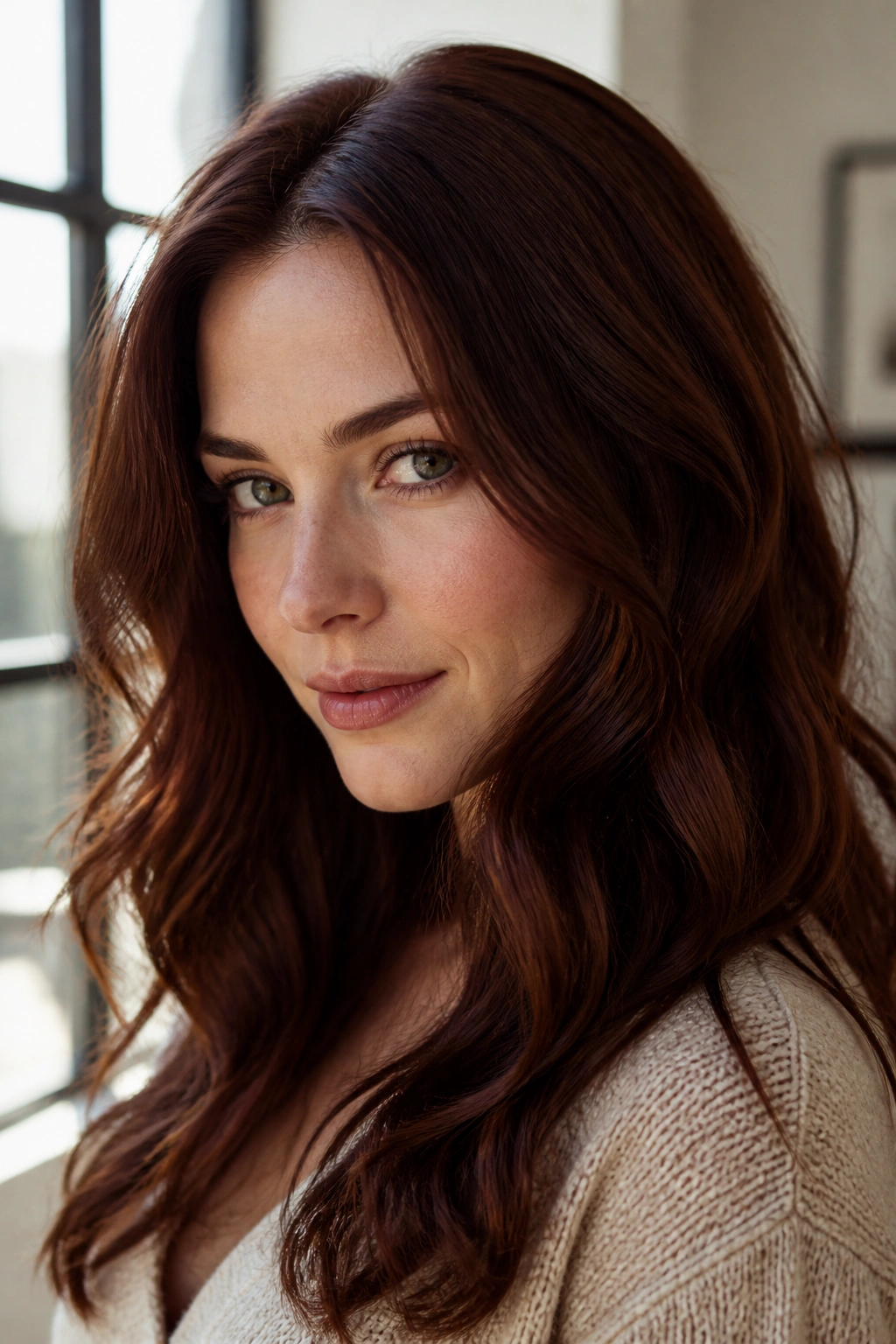
Deep auburn gloss is for the person who wants the red to stay elegant and close to brunette. This is not fire-engine copper. It’s brown first, red second, and the red should sit under a glossy finish that makes it look almost velvety.
Cool skin often handles this shade better than brighter copper because the depth keeps the complexion from looking flushed. On very fair skin, it can give a nice contrast without turning harsh. On medium cool skin, it can make the eyes look deeper and the lips look cleaner.
The gloss matters here. Without it, auburn can go matte and flat. With it, the color reflects just enough light to feel rich. Ask for a dark auburn glaze over a brunette base if you want the easiest version.
13. Copper Mushroom Balayage
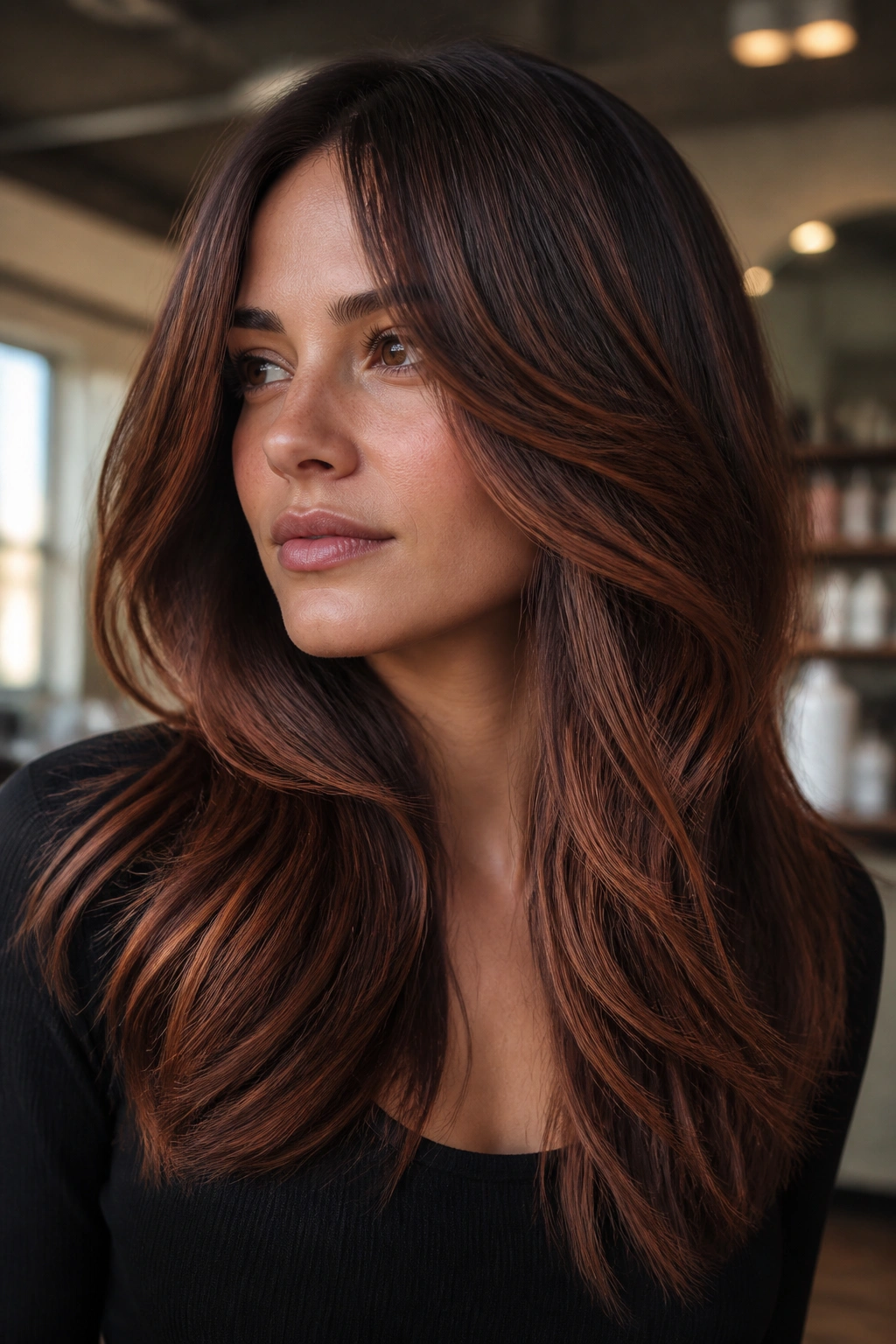
Copper mushroom balayage sounds odd until you see it on hair. Then it makes perfect sense. The mushroom base keeps everything grounded and cool, while the copper pieces give the whole head movement and a little spark. For cool skin tones, that balance is gold — well, not gold exactly. More like smoky bronze.
This works especially well on layered cuts because the color placement can follow the shape of the haircut. The ends can be slightly warmer than the roots, but the overall look still feels brown. That keeps the ginger from getting too strong near the face, where cool undertones are easiest to throw off.
Best Use Case
- Medium to dark brunette starting point
- Fine to medium hair that shows dimension easily
- Clients who want ginger, but not a full copper commitment
It’s one of those shades that looks casual and deliberate at the same time. Hard to fake, which is probably why it works.
14. Plum Brown With Ginger Melt
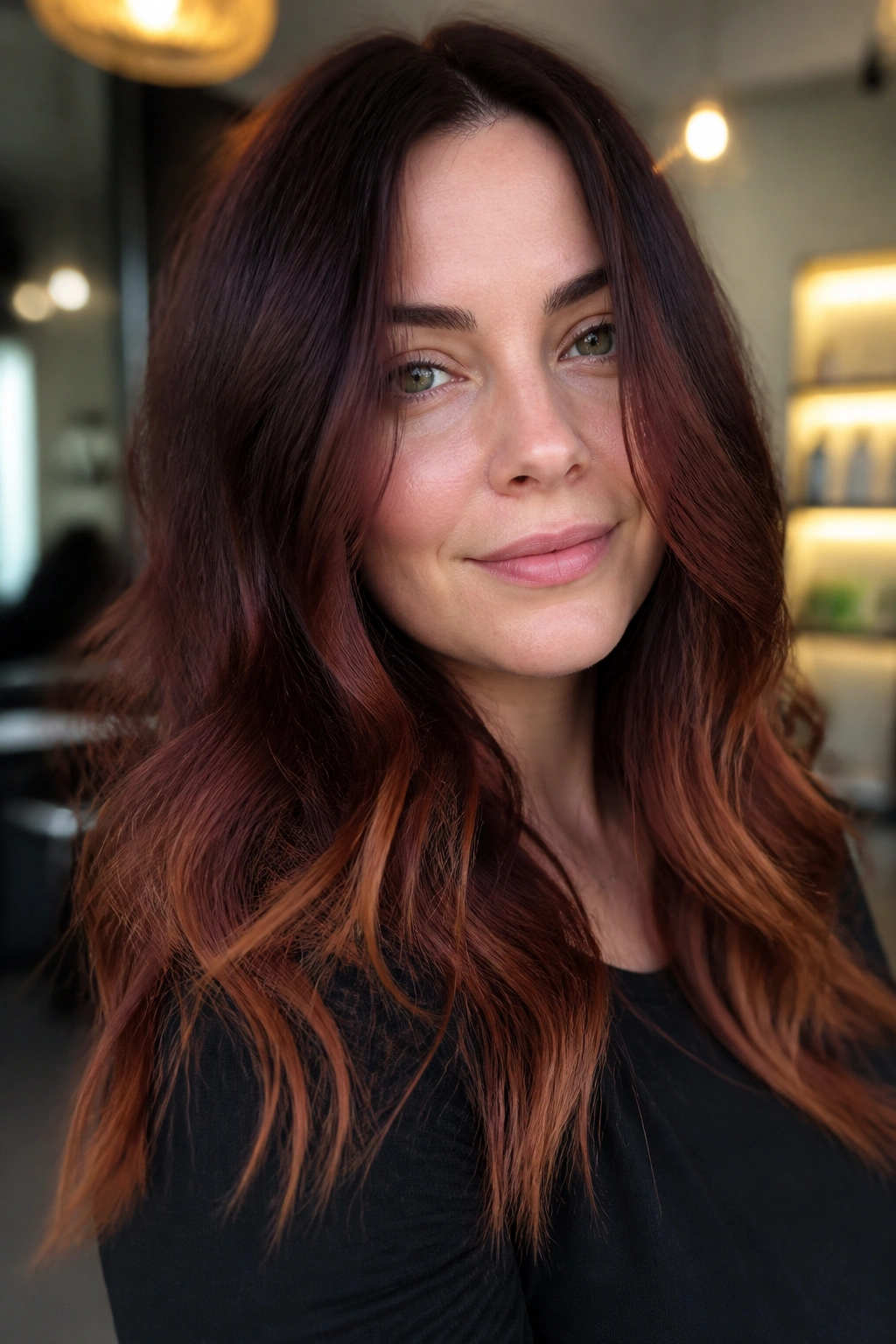
Plum brown with a ginger melt sounds strange on paper and oddly flattering on cool skin in real life. The plum base adds violet depth, which naturally suits cooler undertones, and the ginger melt through the ends keeps the color from going flat or too dark. It’s a clever mix.
The transition matters more than the individual colors. A good melt should move from plum-brown near the roots into a softened ginger-brown at the ends, with no hard line between them. That blur keeps the shade looking expensive instead of patchy. The red should feel folded into the brown, not pasted on.
This is a smart choice if you like cooler makeup, dark wardrobes, and hair color that feels a little unexpected. It has enough warmth to read as ginger-brown, but the plum keeps it from drifting into orange.
15. Toasted Walnut With Cinnamon Ends
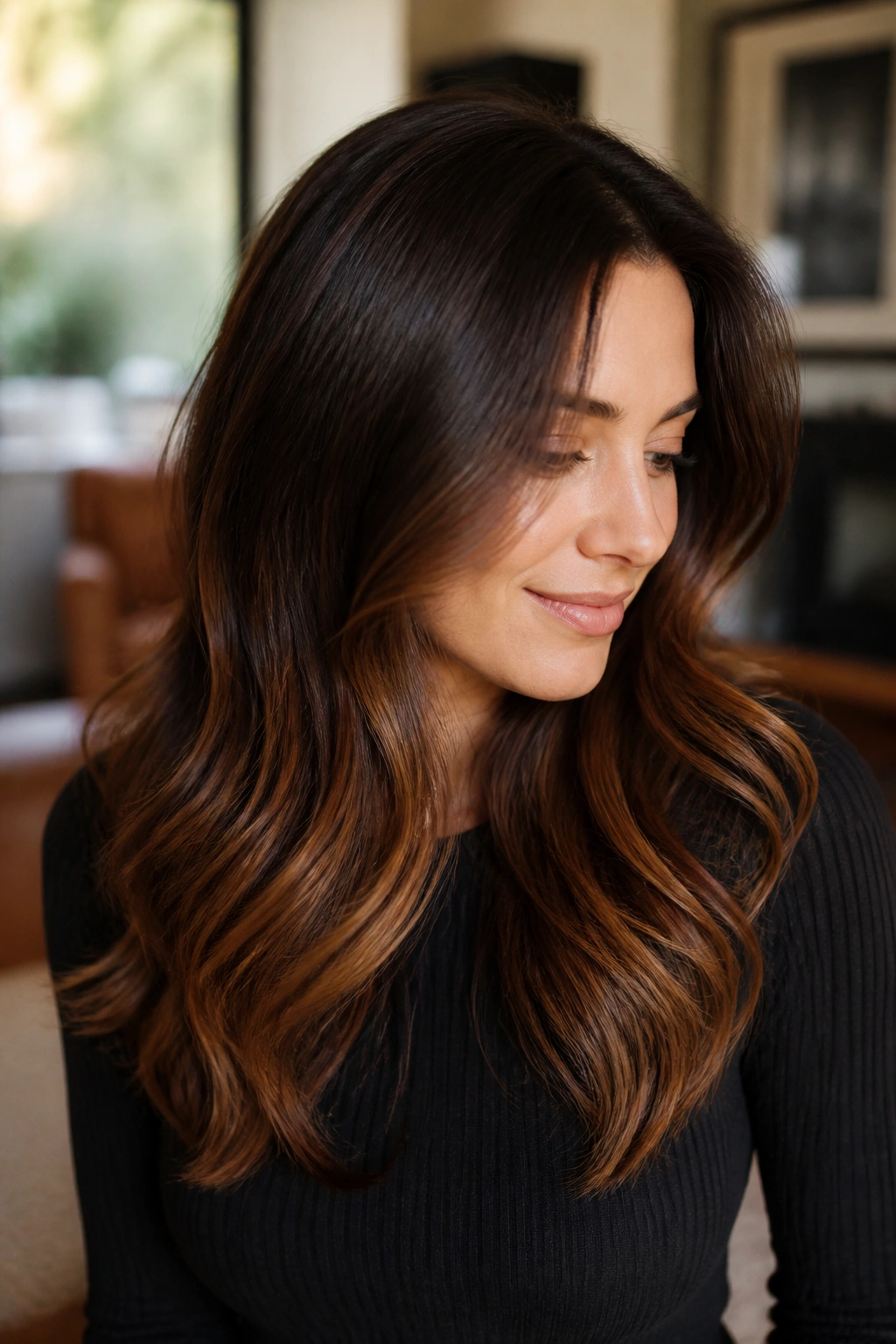
Toasted walnut is a strong base for cool skin because it stays deep, neutral, and a touch smoky. Add cinnamon ends, and you get a brown that opens up at the bottom without turning into a bright copper showpiece. It’s subtle in the best way.
I like this shade on longer hair where the ends have room to show off the color shift. On a bob, the effect can be lost. On shoulder-length or longer cuts, the cinnamon shows only when the hair moves or curves around the collarbone. That keeps it from overpowering the face.
If your natural shade is dark brown, this is a nice way to try ginger-brown without a big color jump. The ends should be thinly saturated and slightly muted, so the finish feels toasted, not orange. A soft wave helps a lot here.
16. Biscuit Brunette With Peach-Copper Ribbons
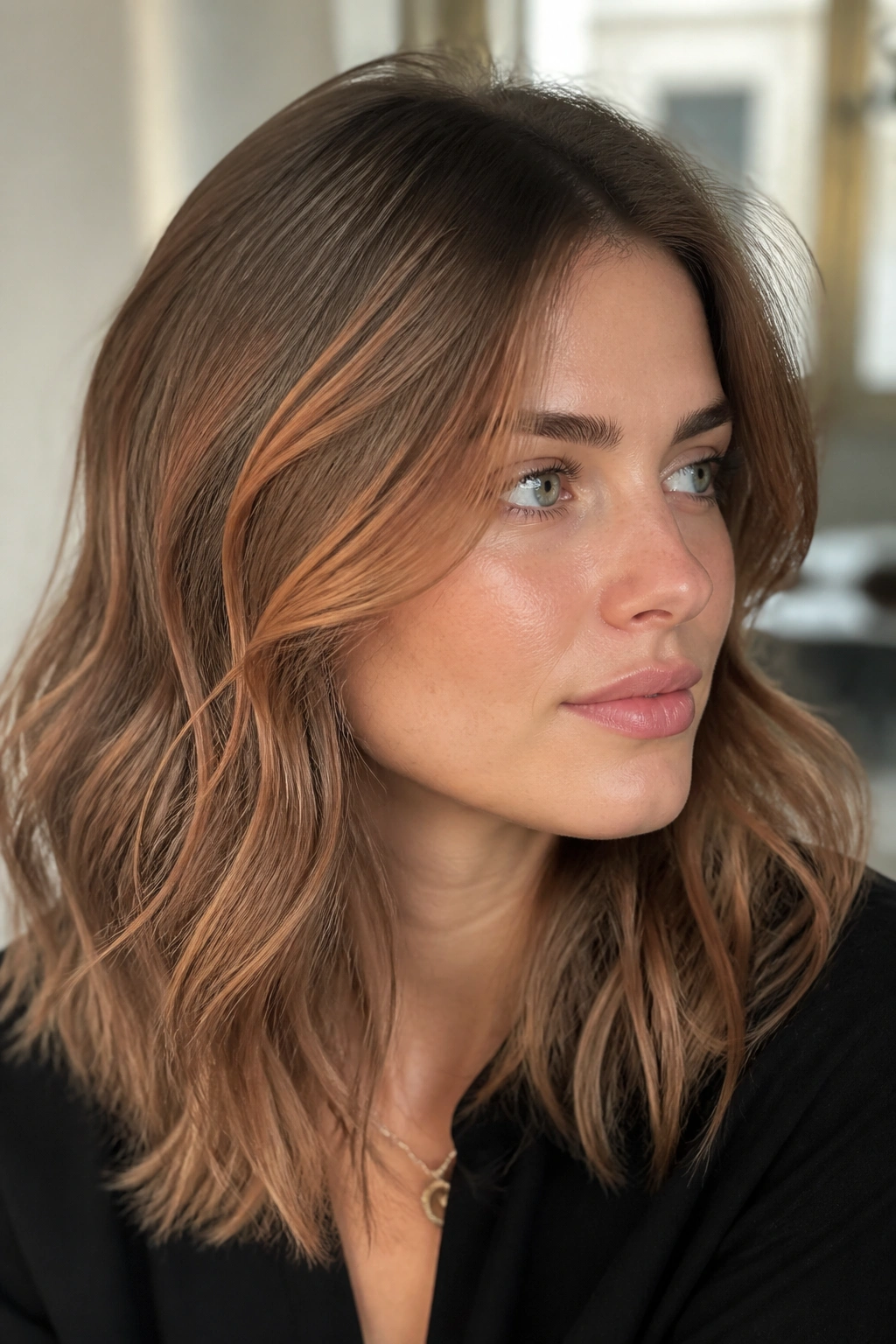
Biscuit brunette can go bland fast if it is done too flat, but a few peach-copper ribbons wake it up. On cool skin, though, the ribbons have to stay light and sparse. This is not the place to flood the whole head with warm highlights.
Unlike classic caramel highlights, peach-copper pieces should be fine and placed where the light hits naturally: around the temples, through the top layer, and at the ends. That keeps the color airy. A dense application turns the whole thing warm in a hurry, and cool skin can look a little pink beside it.
This shade is best for someone who wants a soft, lived-in look and does not mind seeing a little warmth when the hair catches daylight. Ask for a beige-brown base with peach copper woven in lightly, then finished with a neutral gloss.
17. Dark Chocolate With Muted Apricot Glaze
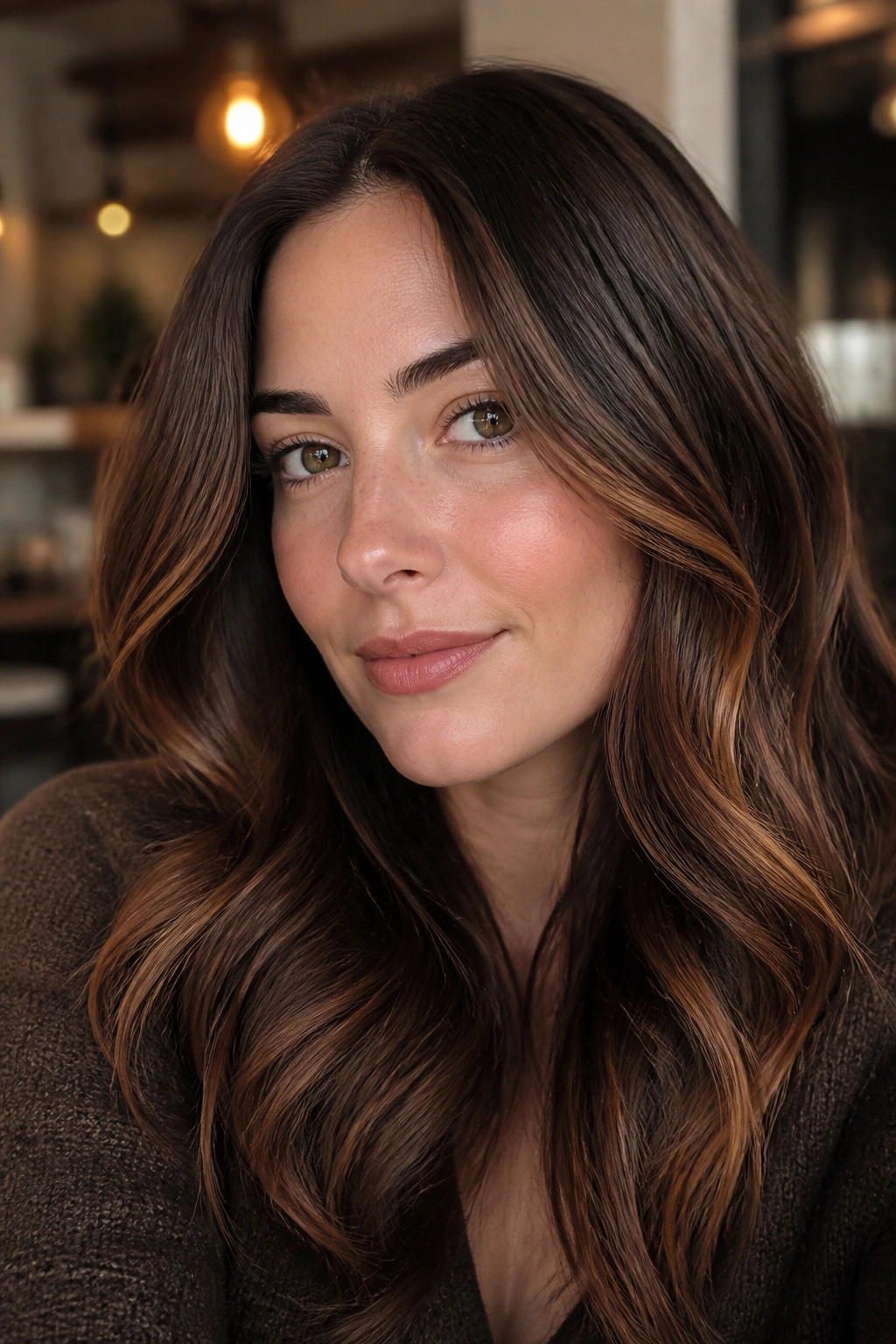
Dark chocolate hair can look too severe on some cool skin tones, especially if the complexion is pale or easily flushed. A muted apricot glaze solves part of that by adding a thin warmth over the dark base, just enough to keep the hair from going flat. The glaze should be sheer. That word matters.
The beauty of this shade is that the apricot is not the star. It sits on top like a soft filter, warming the chocolate only a little and leaving the overall look brunette. If the apricot gets too bright, the balance breaks and the color starts leaning playful instead of polished.
This is a good option if you want a darker, more conservative shade with a hint of ginger in the light. It’s also easy to refresh with gloss rather than full color, which is a relief if you dislike long salon appointments.
18. Smoky Cinnamon Bob
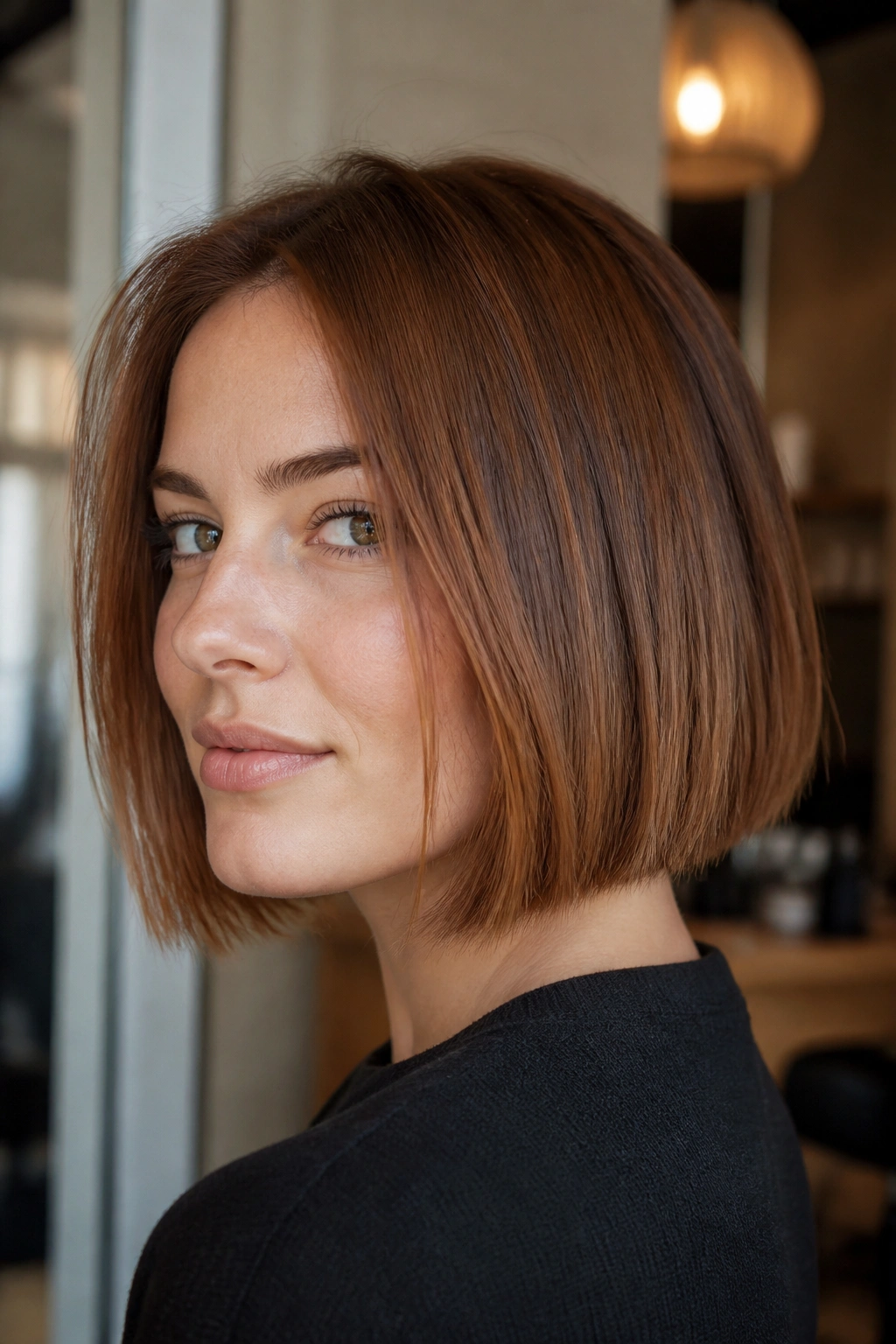
A smoky cinnamon bob works because the cut and color do half the job together. The blunt shape gives structure, and the muted cinnamon brown adds enough softness to stop the bob from feeling severe on cool skin. It is tidy without being hard.
What keeps this shade flattering is the smoke. You want cinnamon, yes, but held back with brown and a touch of ash so the tone sits near auburn instead of pumpkin. On a bob, every color shift shows fast, so the formula has to be clean. That means no chunky highlights and no bright ends.
This style looks especially strong on straight hair or a soft bend at the ends. The color reflects more than curls do, so if you want the ginger-brown tones to show, a smooth finish helps. A round brush and a light gloss serum are enough.
19. Chestnut Money Pieces
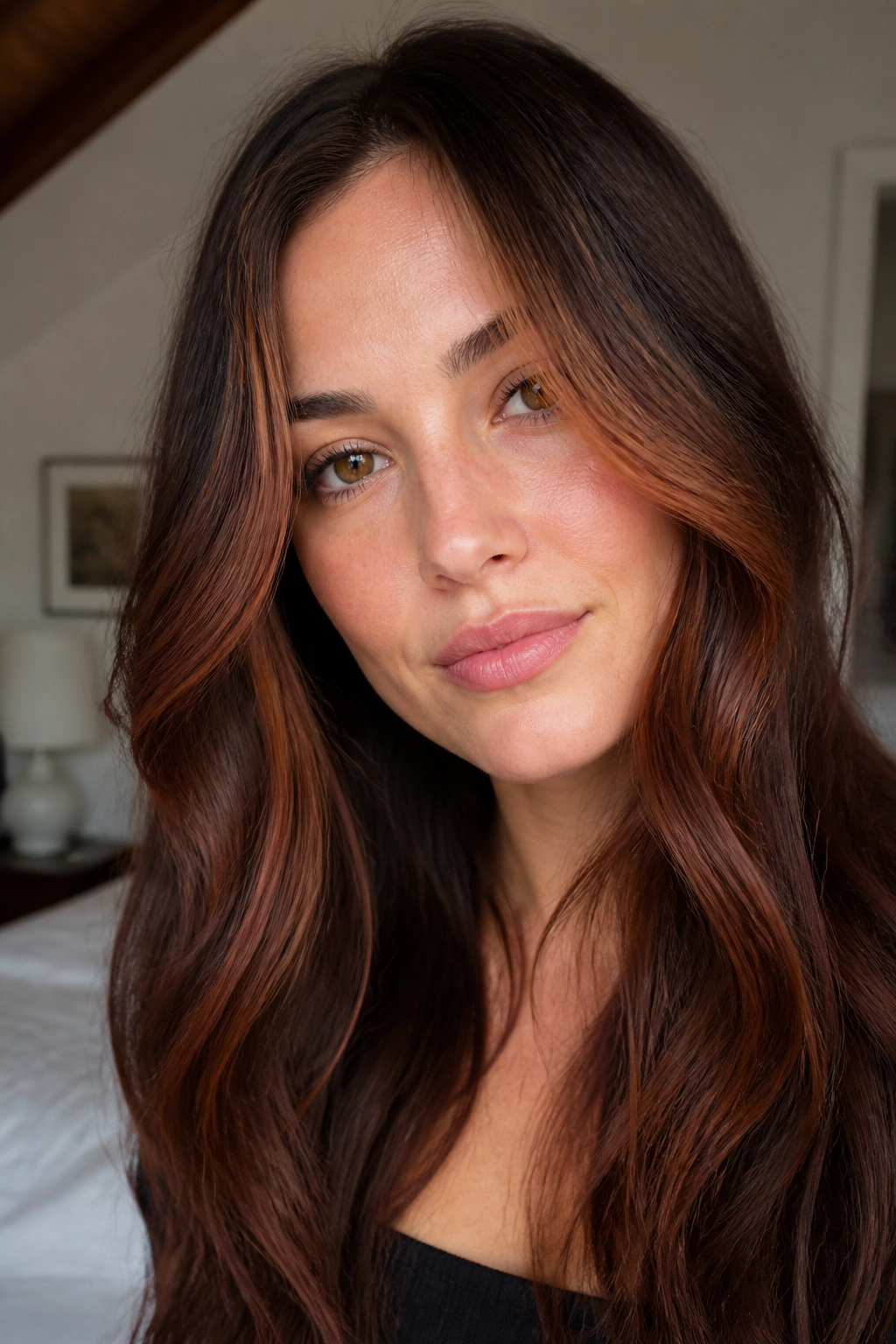
Chestnut money pieces are one of the easiest ways to wear ginger-brown hair color for cool skin tones without changing your whole head. The face-framing pieces bring the warmth forward where it can brighten the complexion, while the rest of the hair stays deeper and safer in tone.
The trick is keeping the money pieces chestnut-copper, not orange. They should soften around the face, not flare out from it. If you have a cool pink undertone, a little chestnut warmth near the cheekbones can be flattering because it adds contrast without overwhelming the skin.
This is a strong choice if you wear your hair up a lot, because the front sections do most of the visual work. It also grows out in a forgiving way. When you are ready for a change, you are changing only a few pieces, not the whole color story.
20. Muted Copper Ombré
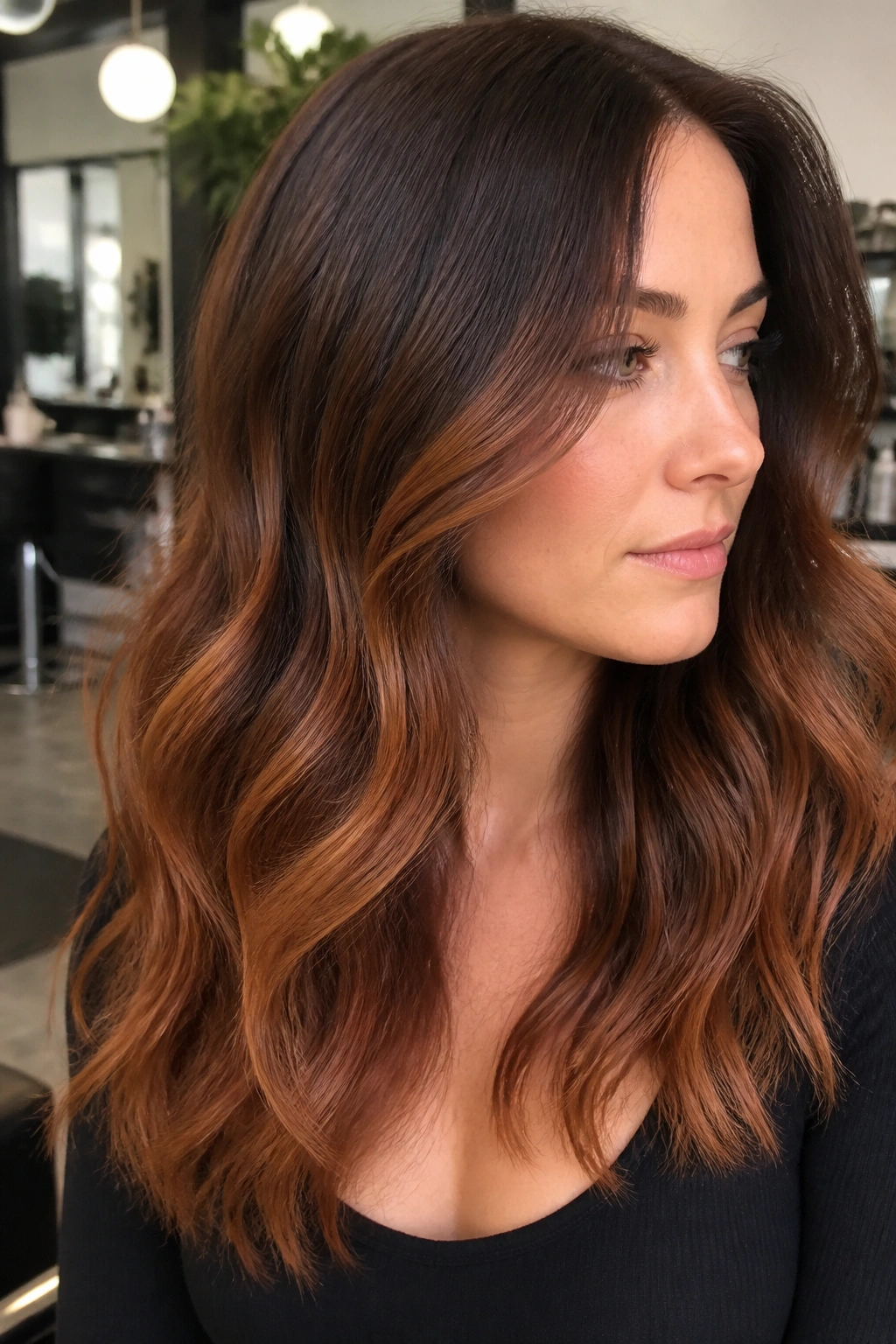
Muted copper ombré gives you the ginger look in a controlled gradient. The roots stay brunette, the mids carry a brown-copper blend, and the ends shift slightly warmer. For cool skin, that root-to-tip fade is useful because the face stays close to brown while the ginger lives lower down.
The ombré should be soft, not stripey. If the transition is too abrupt, the copper can dominate the whole look. If it is too subtle, you lose the point of the color. The sweet spot sits in the middle, where you can see the red-brown shift but never feel like the ends are wearing a different wig.
This is one of the better choices if you do not want constant root work. The natural root line is part of the design, which means the grow-out looks intentional. That makes life easier.
21. Soft Clove Brown
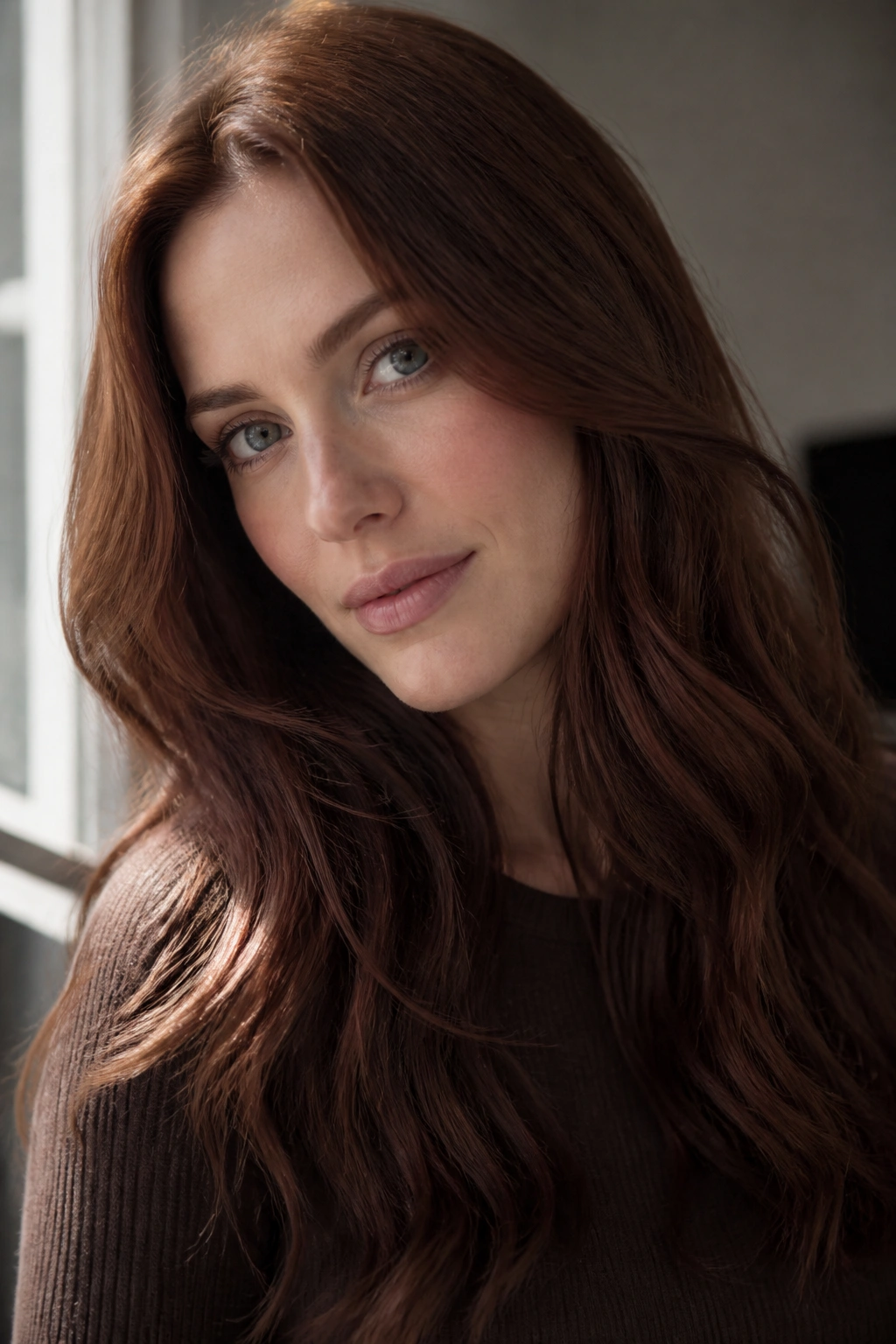
Soft clove brown is probably the quietest shade here, and that’s why some people love it. It has a brown base with a faint spiced-red note, almost like cinnamon that was mixed into espresso and then calmed down with ash. Cool skin usually gets along with it because nothing in the shade is shouting.
This is a very good option if you want ginger-brown hair color but you wear cool-toned makeup or a lot of black clothing. The color gives enough softness to keep the face from looking stark, but it does not bring so much warmth that your skin starts competing with the hair. That’s the line.
Ask for a muted brunette glaze with clove-red undertones. If your hair is porous, tell the colorist that too. Porous hair grabs red fast, and a shade this soft can go deeper than you expect.
22. Iced Ginger Brunette
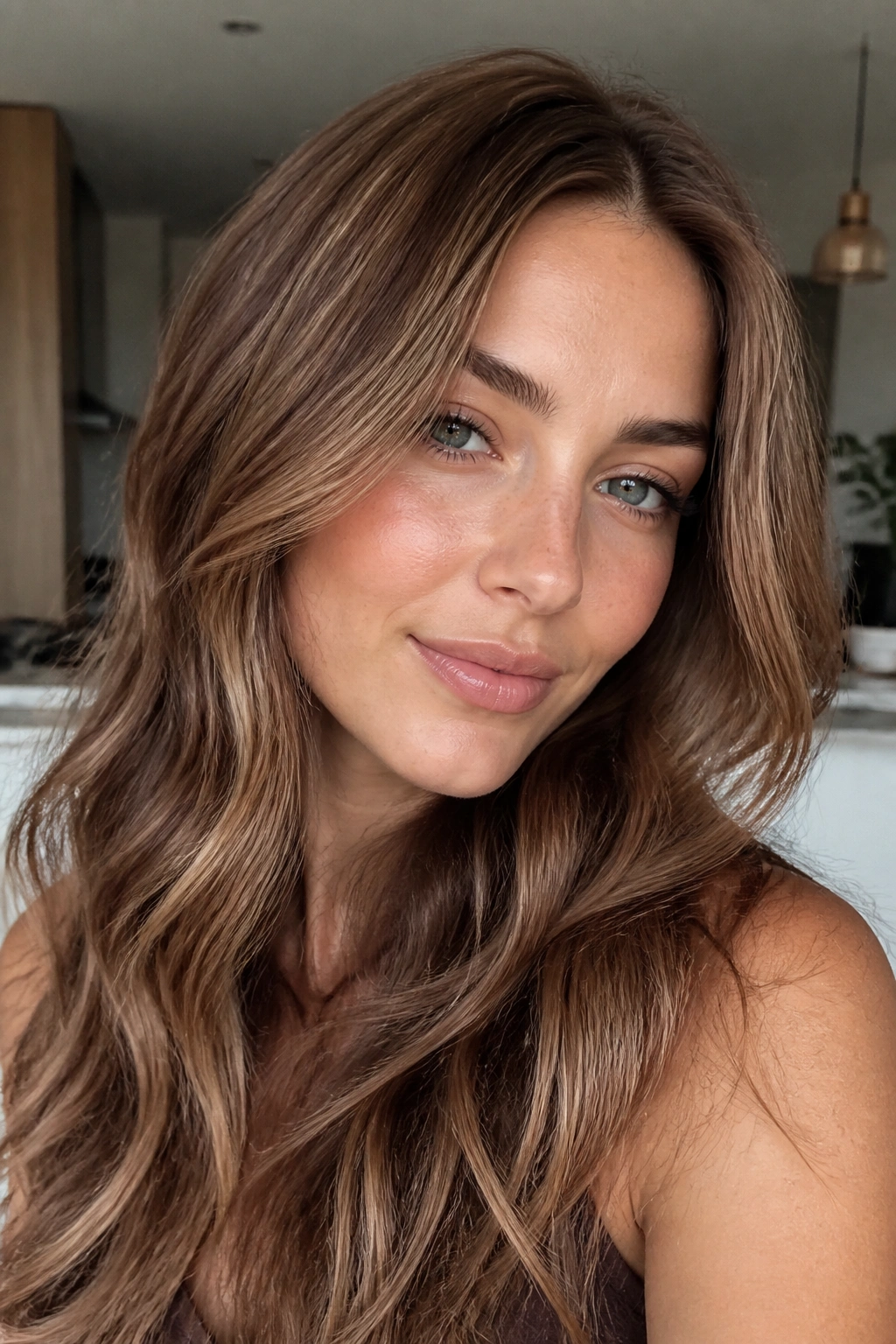
Iced ginger brunette is the closing shade because it does a little of everything right. The base stays brunette and cool, the ginger is softened with a frosty beige gloss, and the result feels light enough for cool skin without losing the copper-brown mood. It’s the most modern-looking shade in the group, if I had to pick one.
What Makes It Different
The “iced” part is not about making the hair silver. It is about cooling the ginger just enough that the warmth reads elegant instead of hot. That gives the shade more range. In bright daylight, you see copper-brown shimmer. Indoors, you mostly see glossy brunette.
If you want the ginger-brown look but hate orange, this is a strong answer. Keep the base around level 5 or 6, ask for soft ginger in the mids, and finish with a beige or neutral gloss. That last step keeps the whole color wearable on cool skin, especially if your complexion is fair and easily flushed.
Final Thoughts
The best ginger brown hair color ideas for cool skin tones all do the same basic job: they keep the warmth soft, brown-heavy, and a little smoky. That does not mean the color has to be boring. It just means the red should sit inside the brunette, not on top of it.
If you are stuck between shades, start with the one that matches your maintenance mood. Subtle money pieces, a glossed mahogany brown, or a mushroom base with ginger ribbons can all look great without a giant commitment. Loud copper can be gorgeous too, but cool skin usually likes a little restraint. That’s the honest part people skip.
