



Caramel brown hair color ideas for cool skin tones work best when the caramel leans beige, ash, or smoky instead of bright gold. Too much yellow can make pink or blue undertones look flushed, and that is the fastest way to end up with hair that fights your face.
Softer wins here.
That does not mean cool skin tones have to stay stuck in flat brown territory. Far from it. The good versions of caramel add shine, movement, and dimension without tipping into coppery, orange, or overly sunny territory. I always think of it as a tone problem and a placement problem. Get either one wrong, and the whole look starts to wobble.
Cool skin can be fair, medium, olive, or deep. The undertone matters more than the depth. If your complexion has a rosy cast, a blue cast, or that crisp, porcelain look that turns peachy next to warm colors, you usually want caramel shades that feel edited down a bit—more beige latte, less honey drizzle.
The 25 ideas below cover soft glosses, face-framing brightness, smoky balayage, deeper brunette melts, and a few bolder placements that still play nicely with cool undertones. Some are low-maintenance. Some need a sharper toner. All of them are more flattering than the warm, orange-leaning caramel a lot of people picture first.
1. Ash Caramel Balayage for Cool Skin Tones
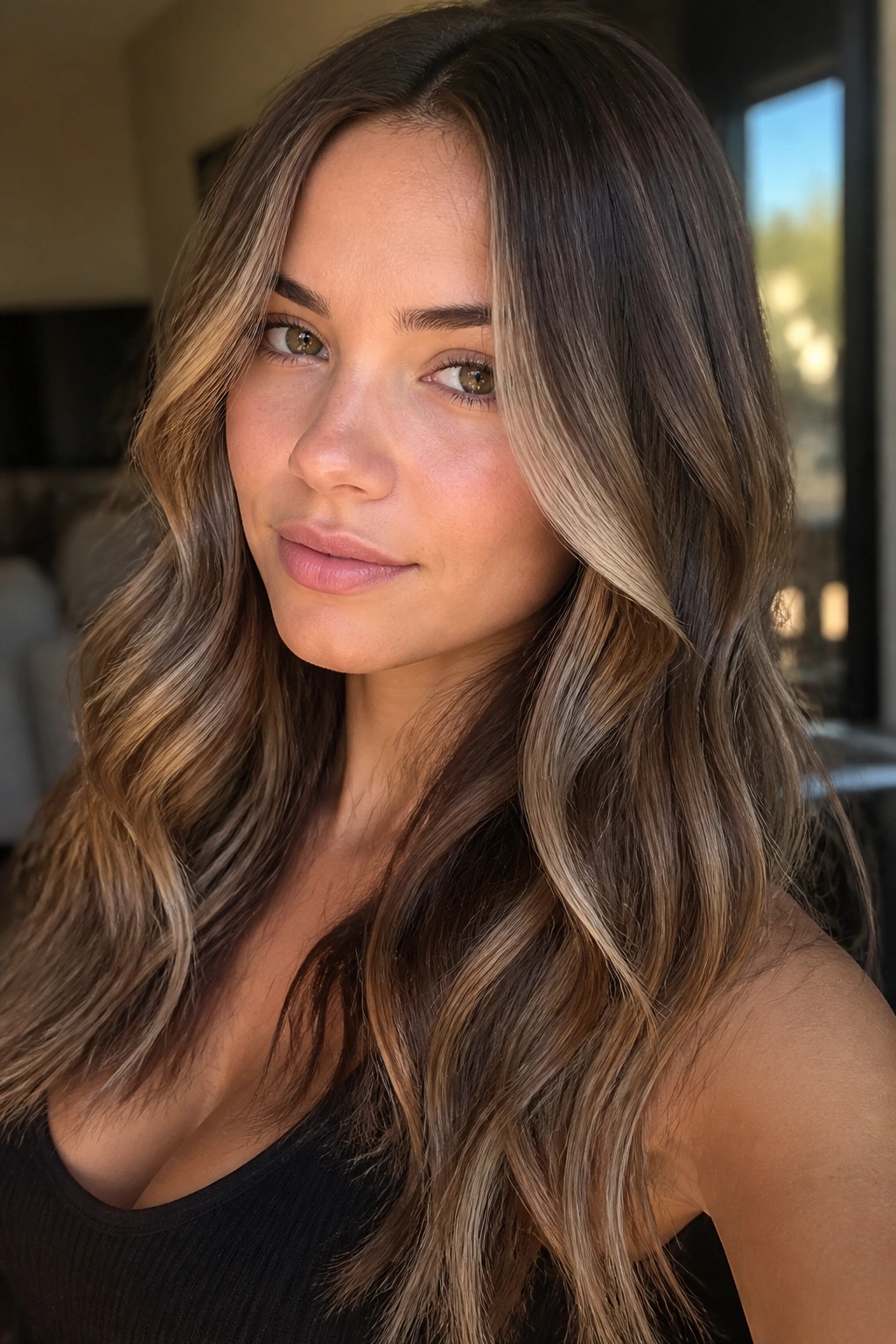
This is the safest caramel brown hair color if your skin leans pink or blue. Ash caramel balayage keeps the warmth under control, so the result looks soft instead of brassy. It also gives you that hand-painted, sunkissed dimension without shouting for attention.
Why It Works
The ash tone pulls the color back toward beige, which sits nicely against cooler skin. Ask for ribbons that are 1 to 2 levels lighter than your base, not a huge jump. That keeps the contrast believable.
- Keep the base a cool medium brown or espresso brown.
- Ask for beige-caramel ribbons, not golden ones.
- Request a gloss with ash or pearl undertones after lightening.
Best move: bring a photo where the highlights look creamy, not yellow. That one detail changes everything.
2. Beige Caramel Money Piece
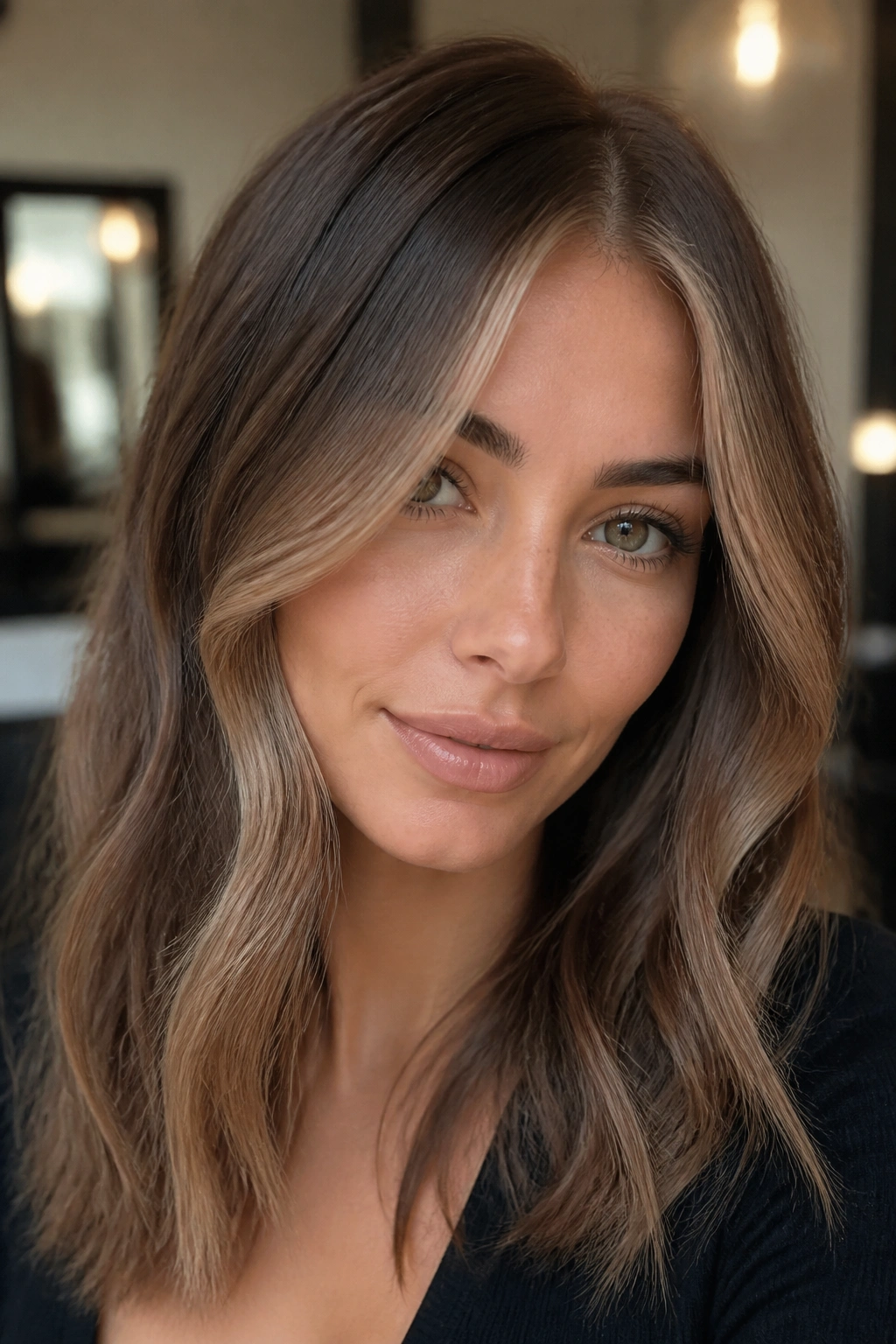
Want brightness near the face without the orange stripe effect? A beige caramel money piece is the answer I’d point to first. It lightens the front sections just enough to wake up the complexion, but the beige tone keeps it calm.
The trick is thickness. Too wide, and it turns loud. Too skinny, and it disappears. I like a money piece that starts near the part and falls through the cheekbone area, then softens into the rest of the hair. On cool skin, that beige strip acts almost like a soft reflector.
This works especially well with curtain bangs and shoulder-length cuts. It also grows out gracefully, which is nice if you dislike constant salon maintenance. Keep the front pieces about 1 to 1.5 inches wide and tone them cooler than the ends if your hair tends to grab gold.
3. Smoky Caramel Root Melt
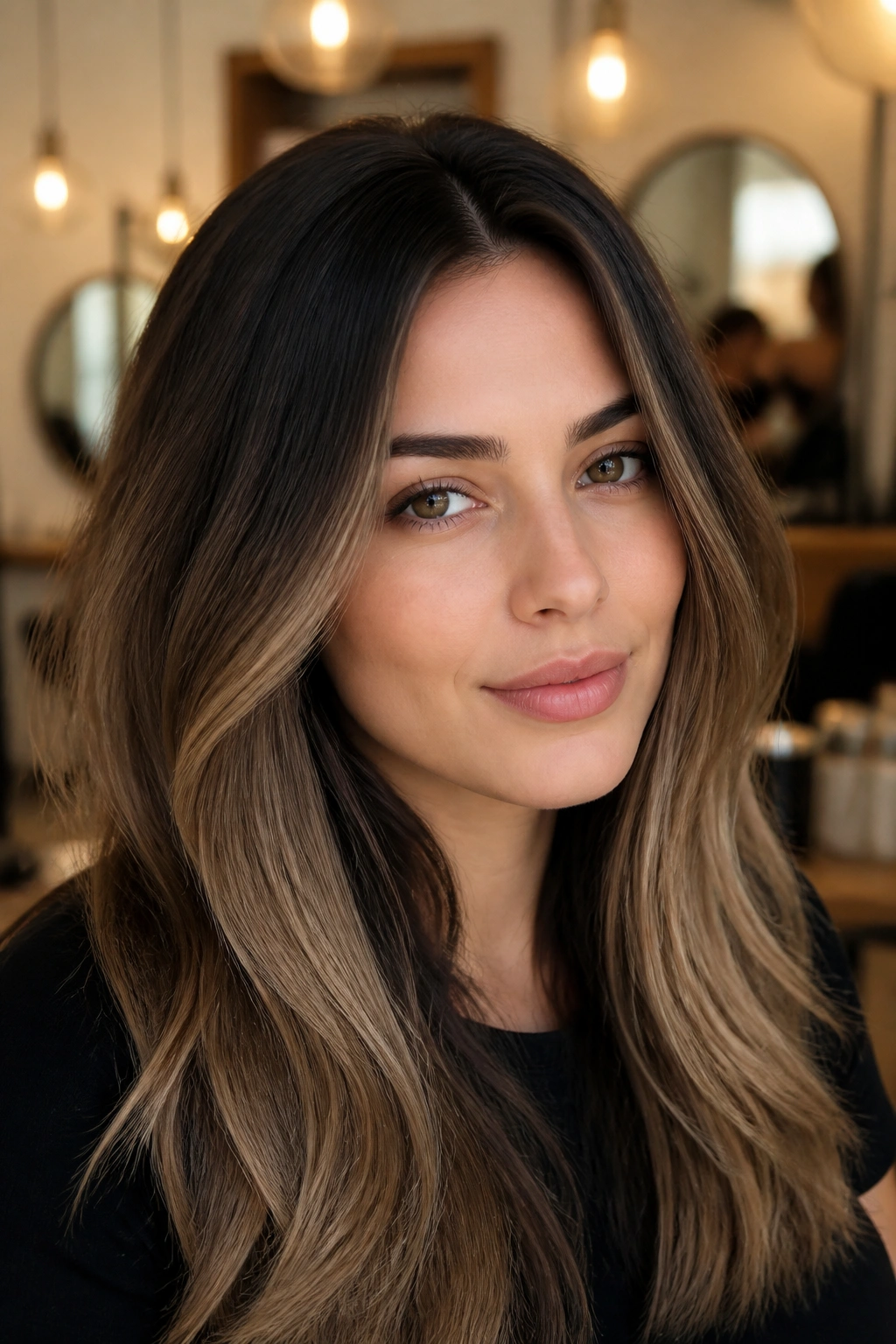
A smoky root melt makes caramel look richer, not lighter. That is the whole appeal. The roots stay deep and cool, then the color dissolves into caramel midlengths and ends with almost no hard line.
No stripe. No helmet effect.
This is one of the easiest ways to wear caramel brown hair on cool skin tones if you want movement but not a lot of upkeep. The root shadow can sit at espresso, dark mocha, or cool chestnut, while the caramel should read smoky beige rather than yellow-brown. When done well, the blend looks like it grew that way.
Maintenance is kind to you here. A gloss every 6 to 8 weeks keeps the midlengths from drifting warm. If your hair lifts fast, ask for the caramel to be left slightly deeper at the ends, because overly pale tips can make the whole head look warmer than it is.
4. Caramel Ribbon Highlights on Espresso Brown
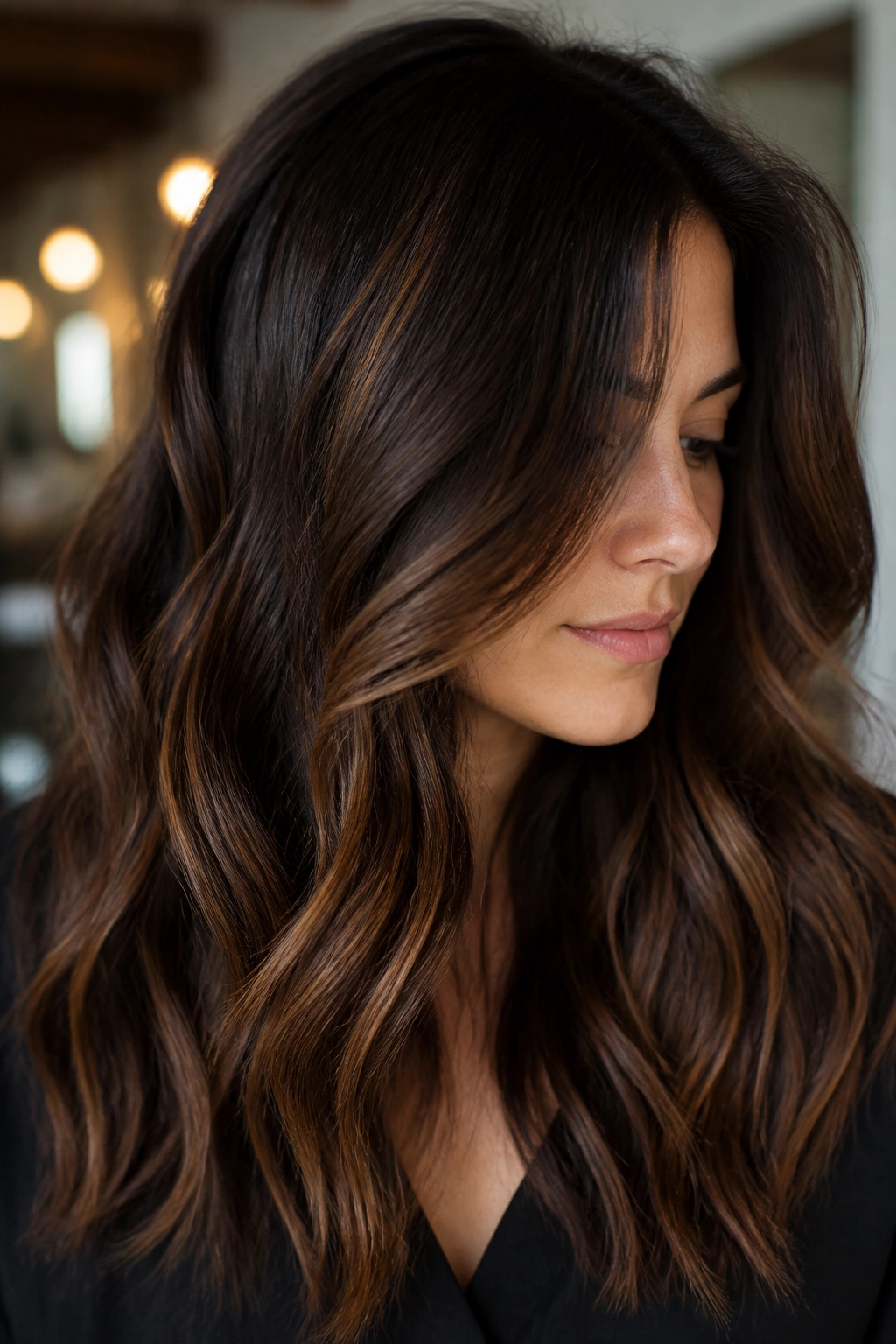
Picture dark espresso hair with thin caramel ribbons running through it. Not stripes. Ribbons. That softer placement keeps the contrast elegant and lets cool-toned skin stay front and center.
The nice part about ribbon highlights is that they move with the hair. When you curl or wave it, the lighter pieces show in flashes instead of sitting on top like paint. On straight hair, the effect is sleeker and a little more graphic. Either way, the caramel should be narrow and layered through the mid-lengths, not stuffed only around the part.
I prefer this look for people who want dimension without a big color commitment. Ask for a cool beige-caramel glaze after the foils come out. If the highlights start looking orange at the shampoo bowl, they were lifted too warm.
5. Mushroom Caramel Gloss
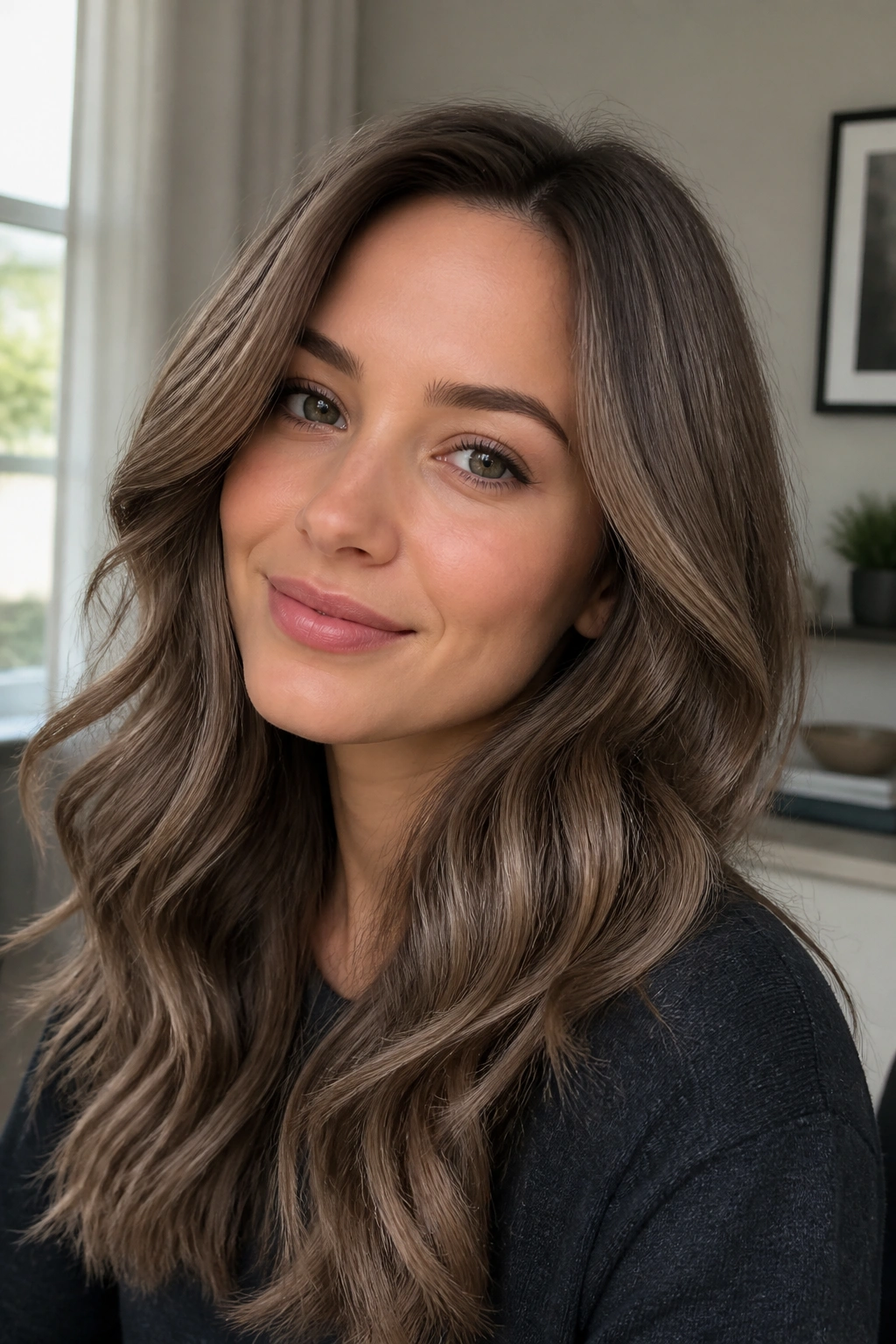
Mushroom and caramel are a prettier pair than people expect. The mushroom tone brings in that muted, gray-beige softness, while the caramel adds a little glow. Put them together and you get a brunette shade that feels polished without looking warm.
What to Ask For
Tell your colorist you want a cool beige caramel gloss with taupe or mushroom notes. That usually means a demi-permanent toner, not a bright permanent lift. The goal is tone, not drama.
Why It Flatters Cool Skin
Cool skin likes colors that echo its own undertone. Mushroom caramel does that without making the hair look flat. It sits in the middle ground—soft enough to calm redness, warm enough to keep the hair from feeling dull.
This is one of my favorite choices for fine hair, too. Glossing can make the strands look thicker and shinier without adding heavy highlights. If your hair already lifts easily, this kind of color can be maintained with a glaze every 4 to 6 weeks.
6. Cool Caramel Ombré
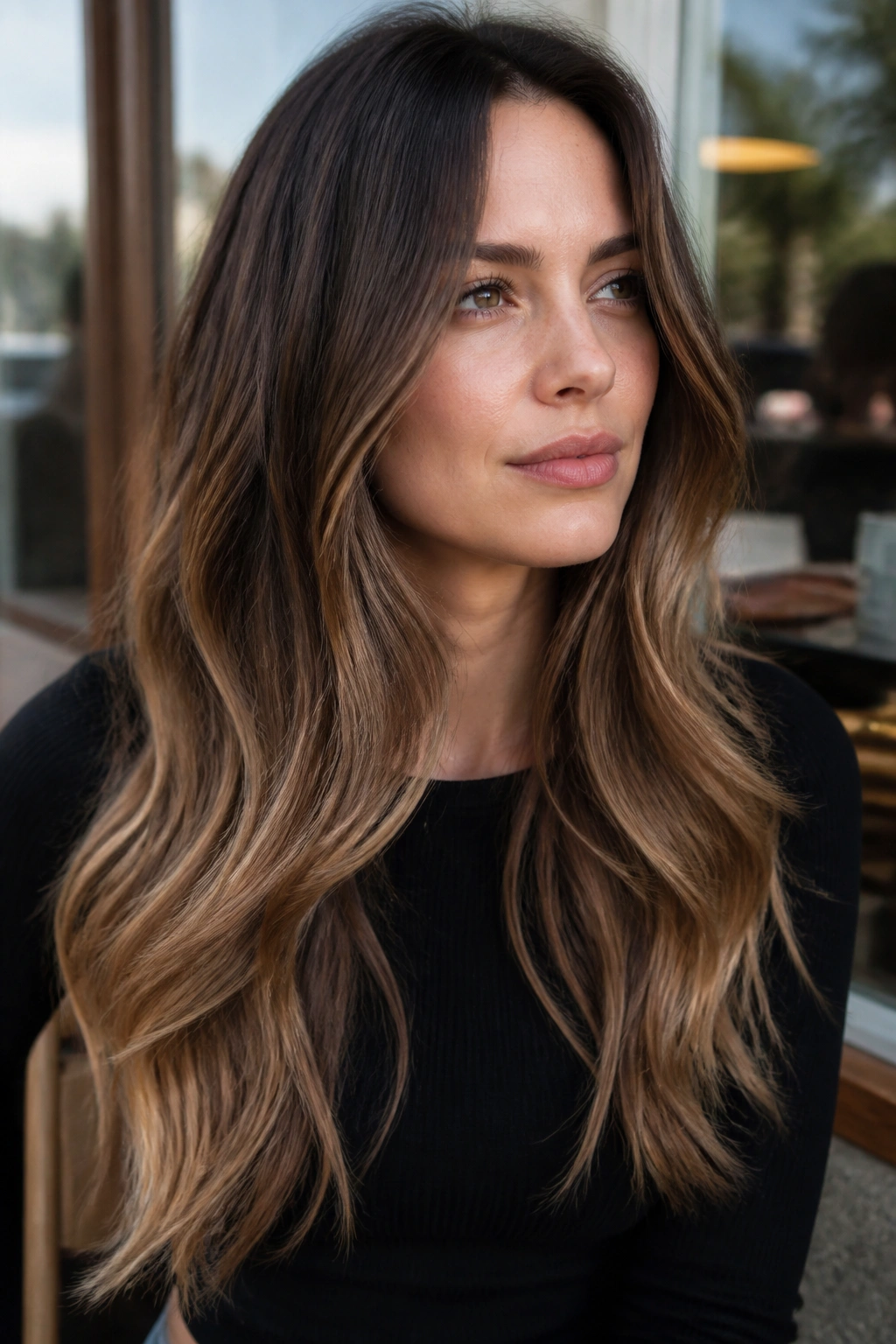
Ombré gets a bad reputation when it turns brassy. That is not a caramel problem. That is a tone problem.
A cool caramel ombré starts deep at the roots and gradually opens into a muted caramel near the ends. The shift should feel gradual, almost soft-focus, not like someone drew a line across the hair. On cool skin, this works because the darker top half keeps the face from getting washed out, while the lighter ends add movement.
This style loves longer lengths. Mid-back hair or longer gives the gradient enough room to breathe. If your ends are already dry, keep the lightest caramel only at the last few inches. That stops the color from looking puffy or overprocessed.
7. Soft Caramel Babylights
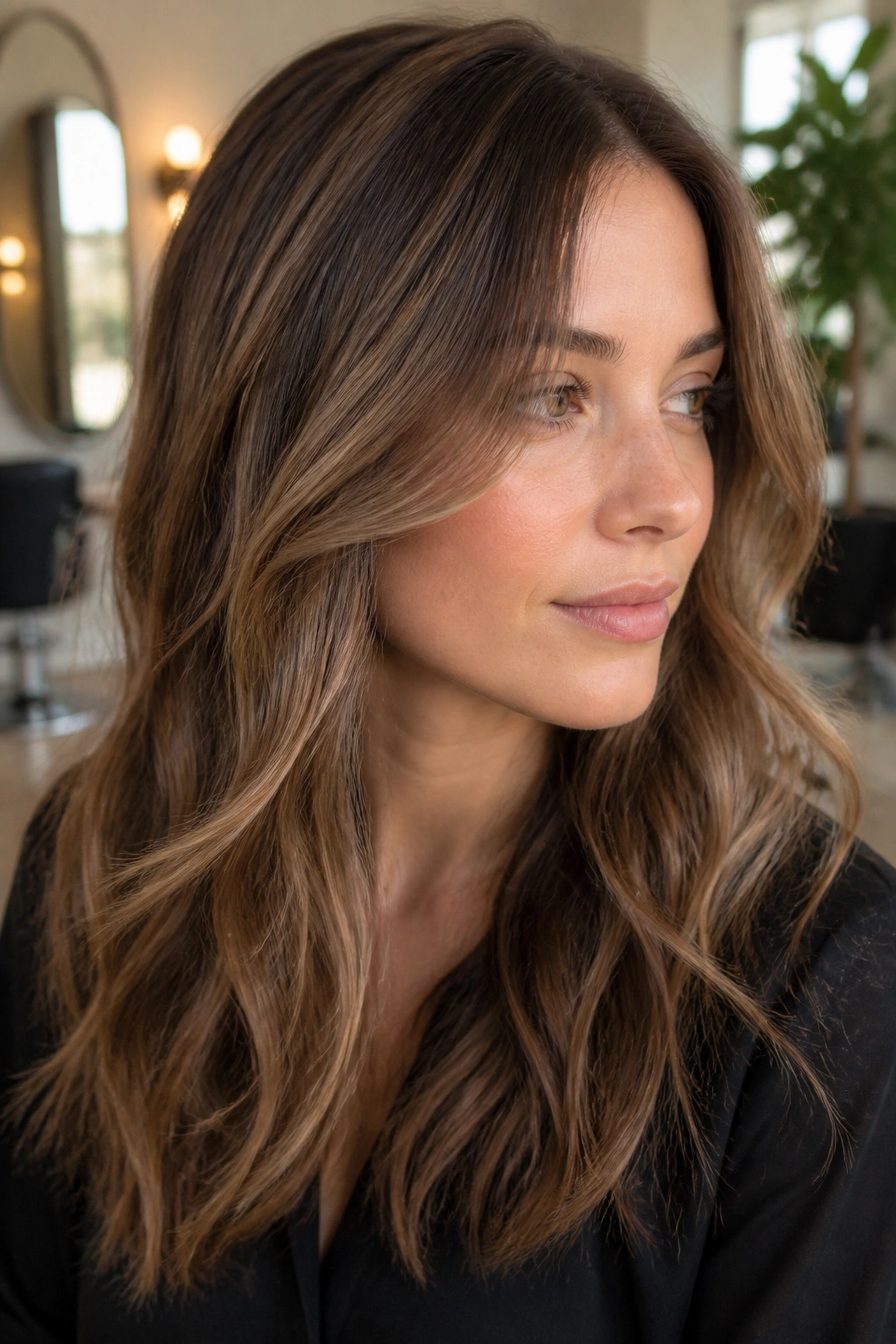
Babylights are for people who want the color to whisper. Tiny, fine slices of caramel threaded through brown hair can create a soft shimmer that looks believable in daylight and indoors. On cool skin, that quiet dimension is often better than chunky brightness.
These are especially good if you are trying caramel for the first time. The grow-out is gentle, and the overall effect stays close to your natural base. Ask for a cool caramel shade that sits just one or two steps above your brown, then keep the placement delicate around the crown and temples.
- Use fine weaves, not thick sections.
- Keep the caramel beige rather than honey.
- Focus brightness around the top and face.
- Refresh with a light toner every 8 to 10 weeks.
That last point matters. Tiny highlights look muddy fast if they get too warm.
8. Caramel Brown Lob with Shadow Root
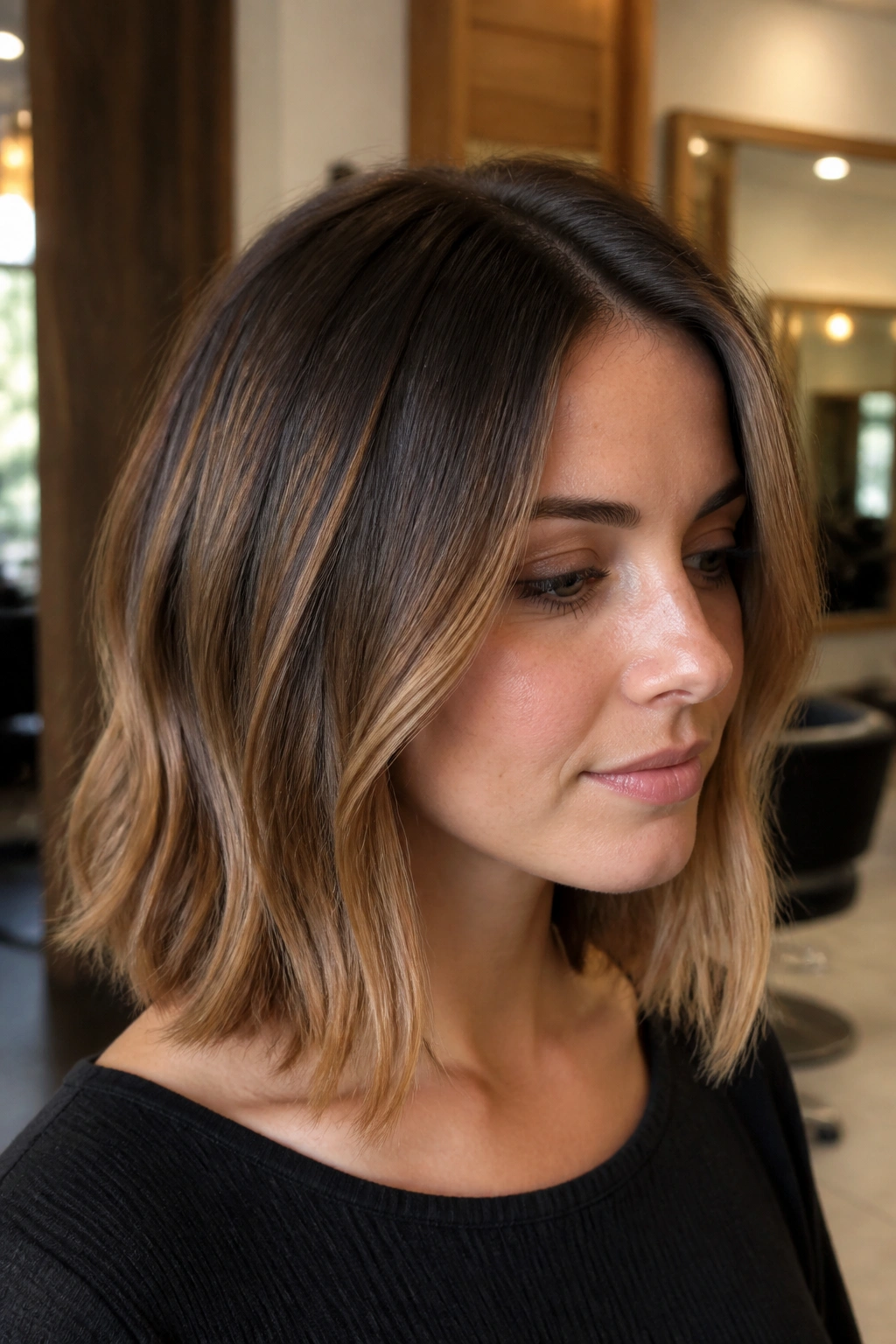
A lob gives caramel somewhere to land. The cut itself is sharp enough to keep the color from feeling muddy, and the shadow root keeps the whole thing grounded. That combination is especially nice on cool skin because the face gets definition, not warmth overload.
I like this on slightly textured lobs, not just pin-straight ones. A soft bend at the ends lets the caramel show in pieces, which keeps the color from reading like one solid block. The shadow root should stay a shade or two deeper than the midlengths, with the caramel sitting mostly from the ears down.
If you wear makeup with cooler blush tones or berry lipstick, this cut-color combo is easy to live with. It reads clean. A little sharp. Not fussy.
9. Iced Caramel Face-Framing Layers
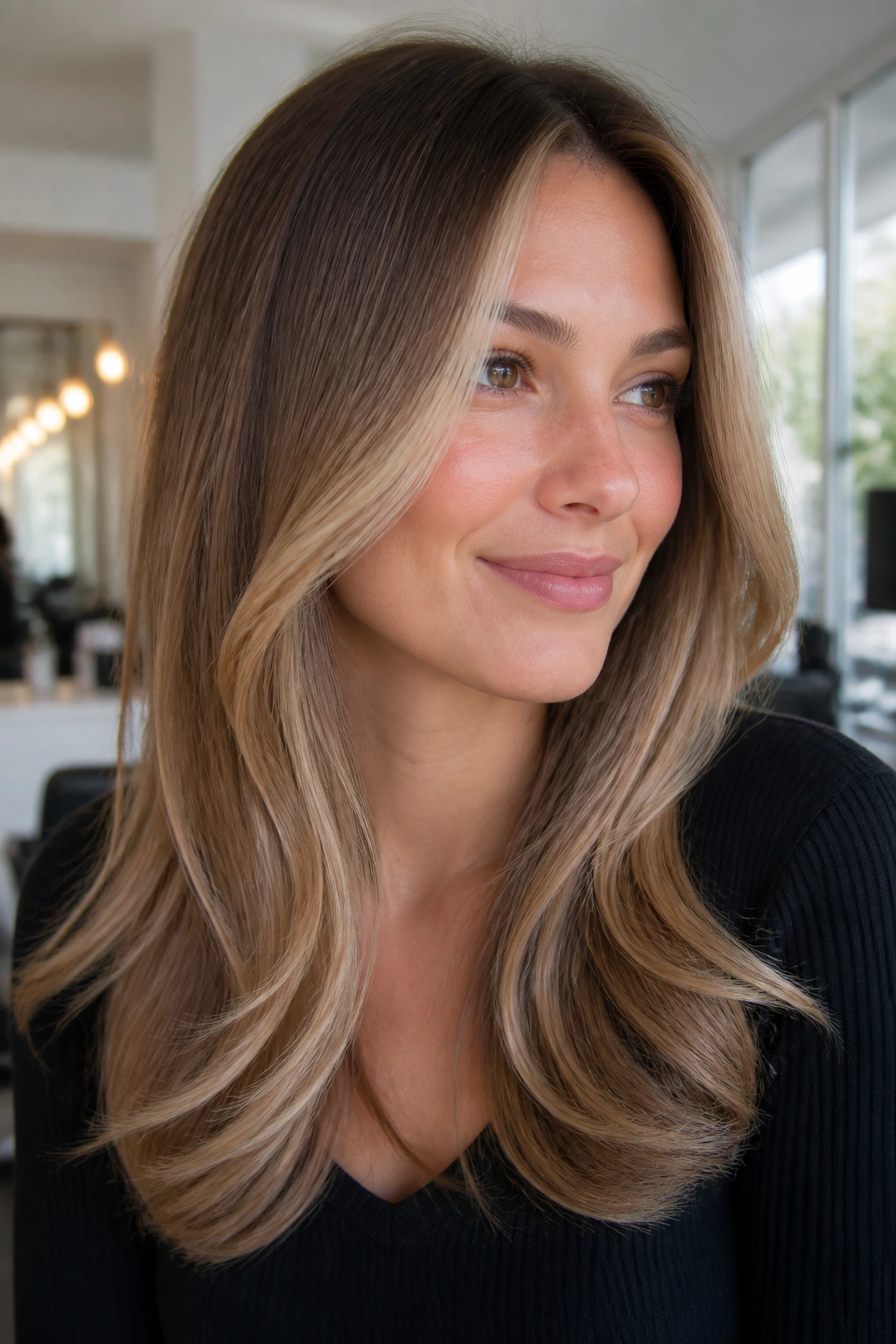
Face-framing layers can do more for cool undertones than a full head of brighter color. The reason is simple: the lighter pieces sit where the eye goes first. If they are iced enough—meaning beige, pearl, or cool caramel instead of yellow—they make the skin look calmer and brighter at the same time.
Placement Notes
- Start the brightest pieces at the cheekbone or just below.
- Keep the front sections about 1 to 2 inches wide.
- Let the color soften as it moves toward the ends.
- Ask for a cool gloss at the basin so the front doesn’t turn gold.
This style is especially good on layered cuts. The movement helps the color show, and the front pieces don’t need to be super light to work. Honestly, that’s the beauty of it. A little ice goes a long way.
10. Milk Tea Caramel Brunette
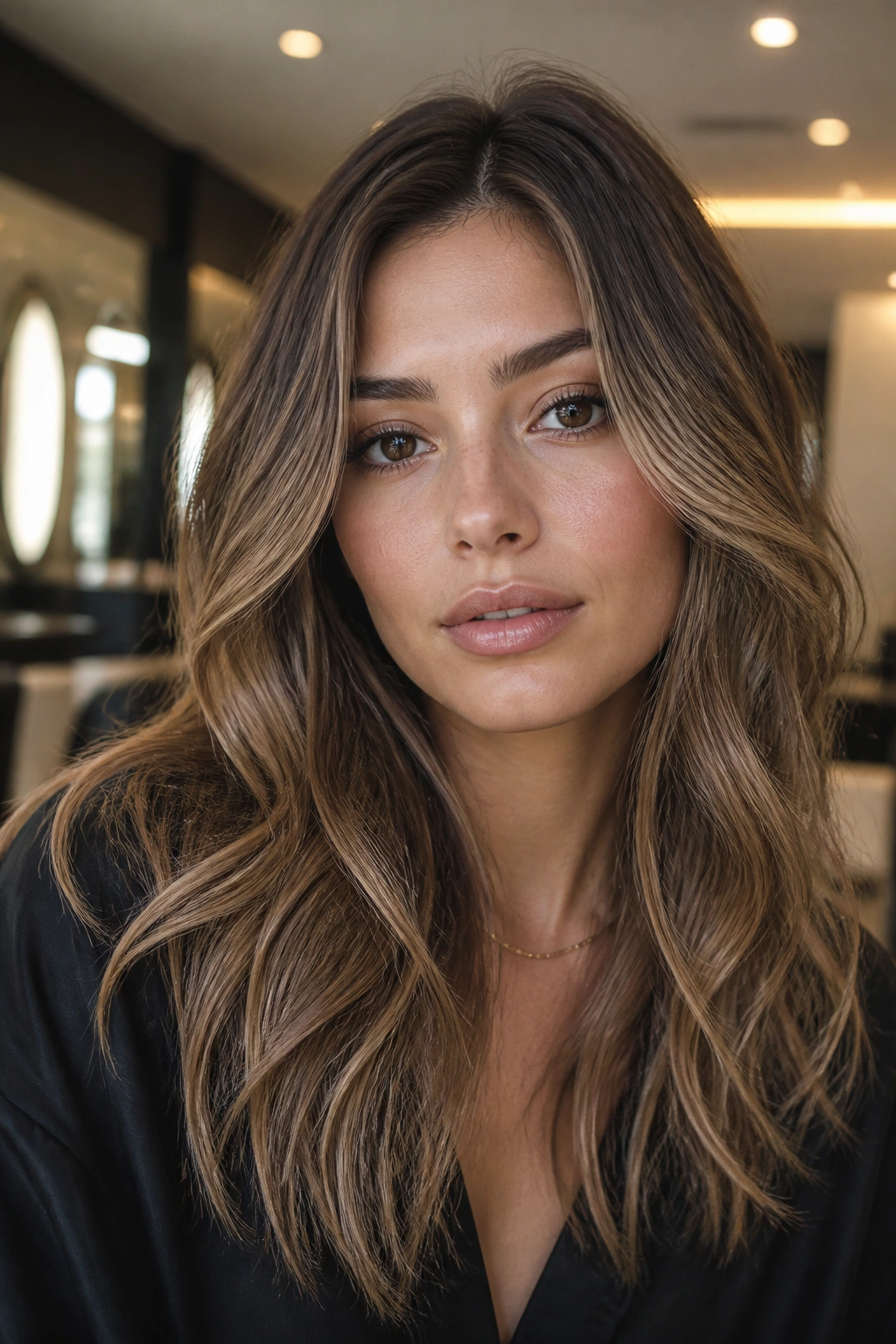
Why does milk tea caramel keep showing up in salon photos? Because it sits right in that sweet spot between beige brunette and soft caramel, and it does not scream warmth. It has a muted, creamy feel that cool skin usually likes a lot.
This shade is ideal if you want hair that looks expensive without looking obvious. The brown base stays intact, and the caramel shows up as a soft haze rather than a stripy highlight. Think cool latte, not butterscotch. If you have naturally dark hair, this color can be built gradually over two appointments instead of forcing a big lift in one go.
I’d call this a strong choice for people who want subtle luxury. It works with minimalist makeup, blunt cuts, and loose waves. It also ages well between salon visits, which is never a bad thing.
11. Caramel Smoke Balayage on Curly Hair
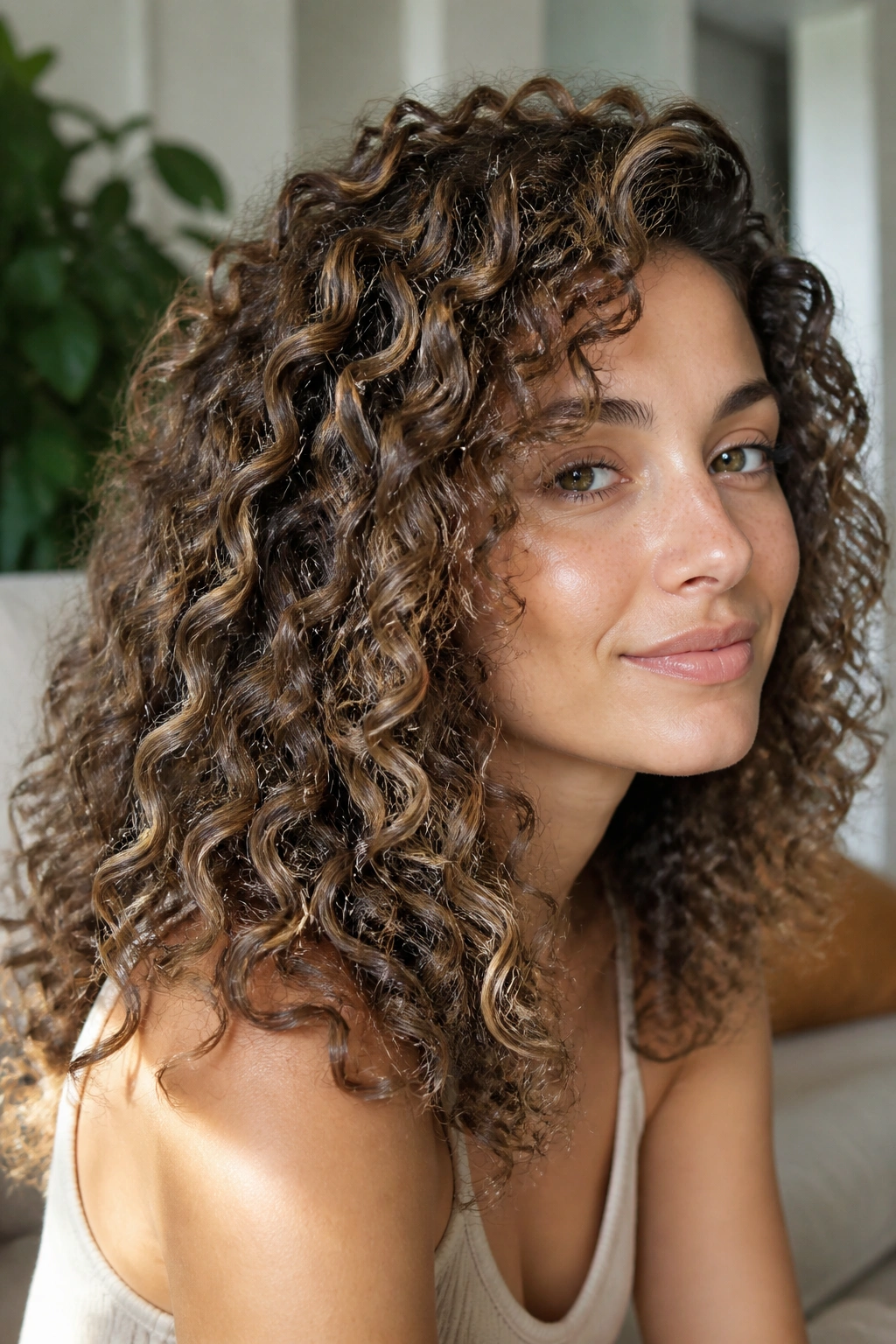
Curly hair changes the whole conversation. The curls already create shadows and highlights, so the caramel has to work with that pattern instead of fighting it. Caramel smoke balayage does exactly that because the tone stays soft and the placement follows the curl clumps.
The biggest mistake is over-lightening. Curly hair can look dry fast if the caramel gets pushed too pale. I’d keep the highlights diffused through the outer curl layer and around the top half of the head, with the ends left a touch deeper for balance. That keeps the shape springy.
A cool beige toner after lightening helps the curls hold their definition. Warm brass can make curly color look fuzzy. Smoky caramel does the opposite. It gives you dimension without stealing the show from the curl pattern itself.
12. Mocha-Caramel Dimensional Brunette
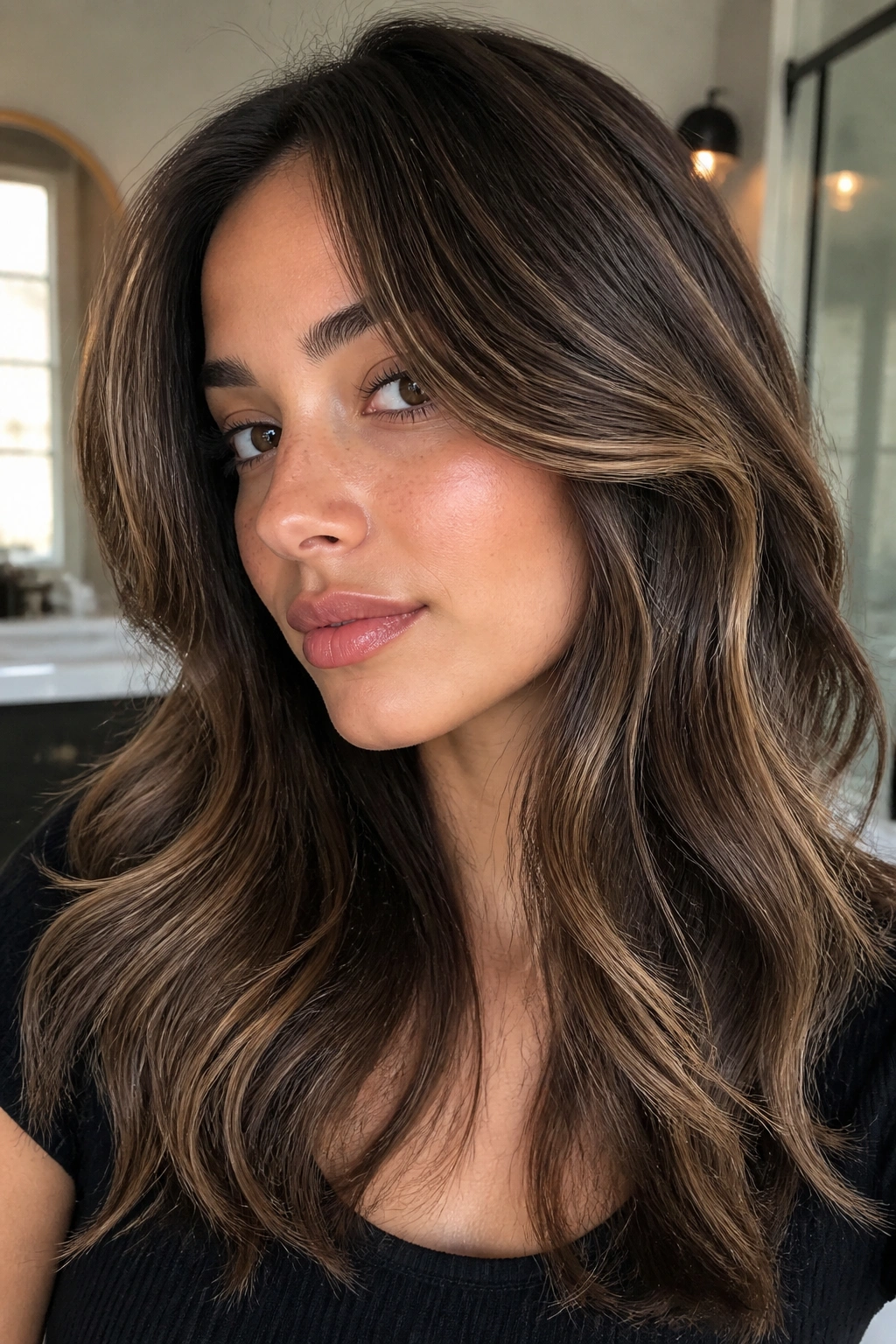
Mocha-caramel brunette is the move when you want dimension, not brightness. The mocha base brings depth, and the caramel pieces sit inside it like streaks of light rather than a full color shift. On cool skin, that balance matters.
This shade works well when the highlights are scattered, not packed. Think subtle ribbons near the crown, a few pieces through the midlengths, and a softer face frame if you want extra lift. The result is low-contrast enough to stay chic, but not flat. That’s the sweet spot.
I’d especially recommend this for medium or deep cool skin tones. The darker base helps the complexion stay grounded, while the caramel adds movement. It is also easier to maintain than a lighter brunette because you are not chasing brightness every few weeks.
13. Taupe Caramel Highlights
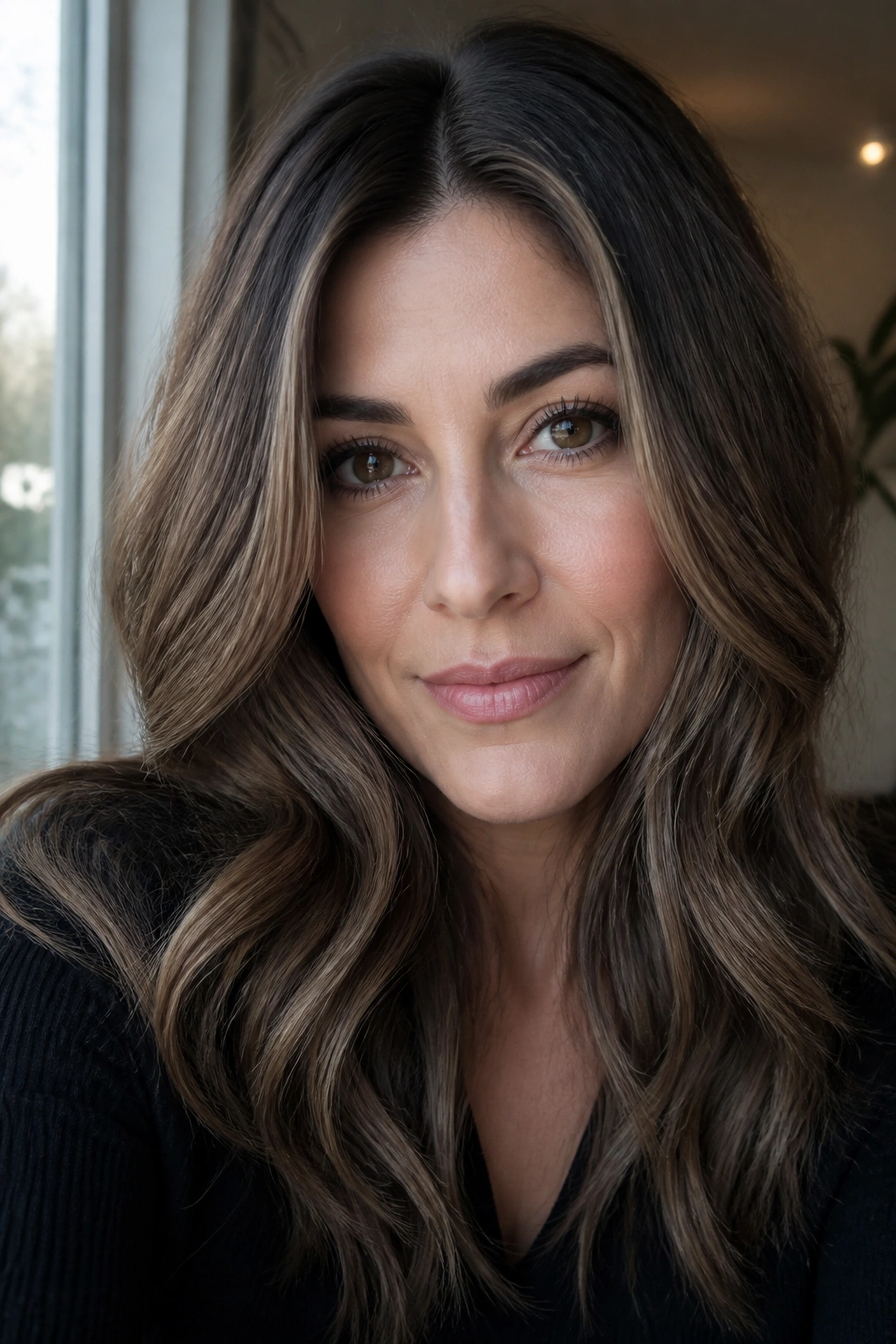
Taupe is the unglamorous word that saves a caramel color from going orange. It sounds plain. It looks good.
Taupe caramel highlights carry that gray-beige undertone that cool skin tends to like. They soften dark brown hair without making it look sun-bleached, and they work well when you want a more refined brunette rather than a shiny, sweet caramel. This is one of those shades that makes the hair look expensive in a quiet way.
If your natural brown has a little red in it, taupe highlights are even more useful. The cooler pigment helps balance the warmth instead of fighting it. Ask for narrow weaves and a beige-ash toner, and avoid anything labeled honey, golden, or amber. Those words are not your friends here.
14. Caramel Contour for Straight Hair
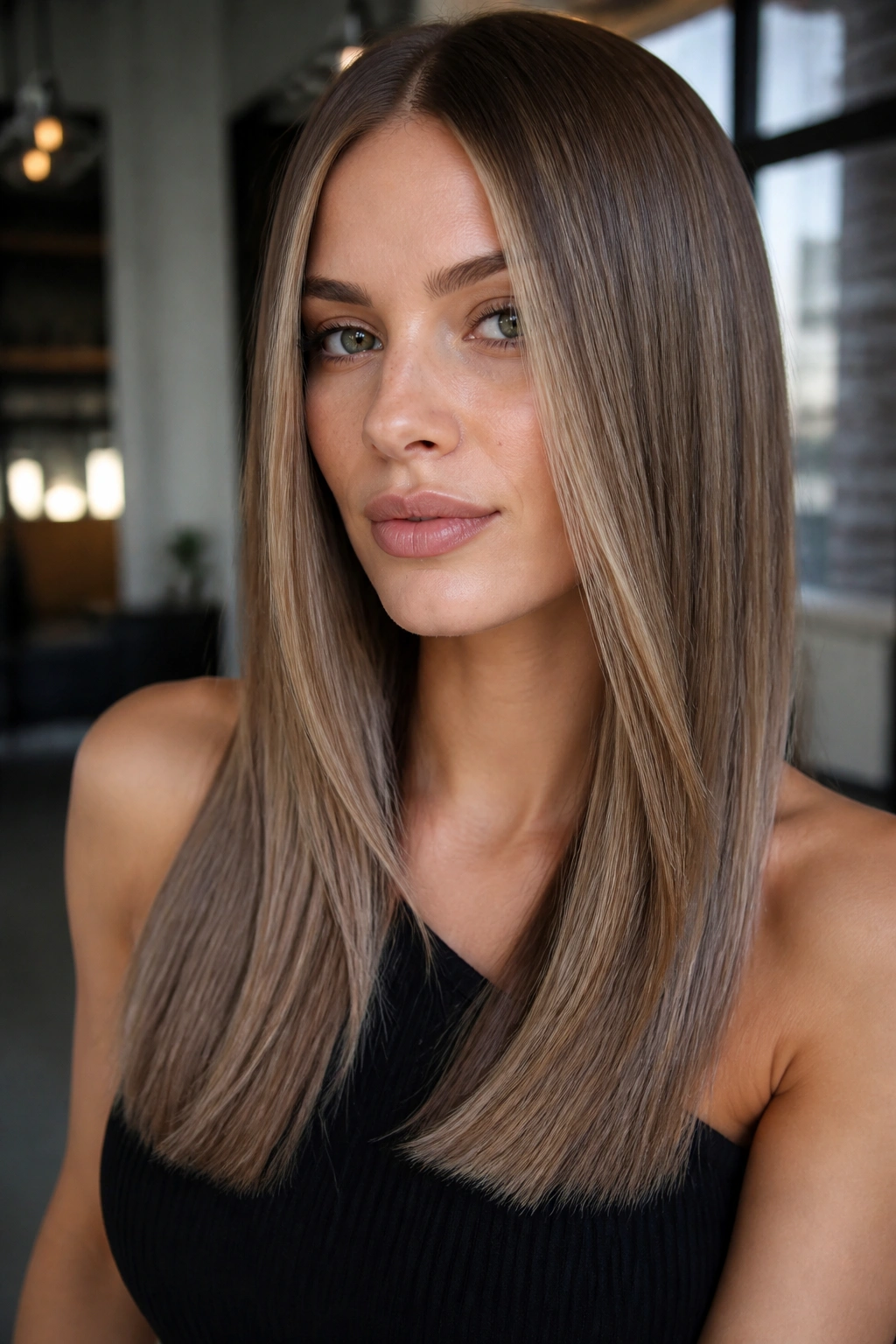
Straight hair shows every line, so placement has to be cleaner. Caramel contouring uses color the way makeup uses contour: lighter pieces where you want lift, deeper pieces where you want depth. On cool skin, that makes the face read more sculpted without turning the hair loud.
The front sections usually deserve the brightest caramel, but keep the rest of the hair calmer. A cool brunette base with subtly lighter ends can make straight hair move without looking streaky. I like this better than all-over highlights on pin-straight textures because the color has somewhere to settle.
One more thing. Straight hair often exposes warmth faster than wavy hair does, so the toner matters more than people think. A beige or pearl finish will keep the look clean. A gold finish will not.
15. Cool-Toasted Caramel on a Wavy Bob
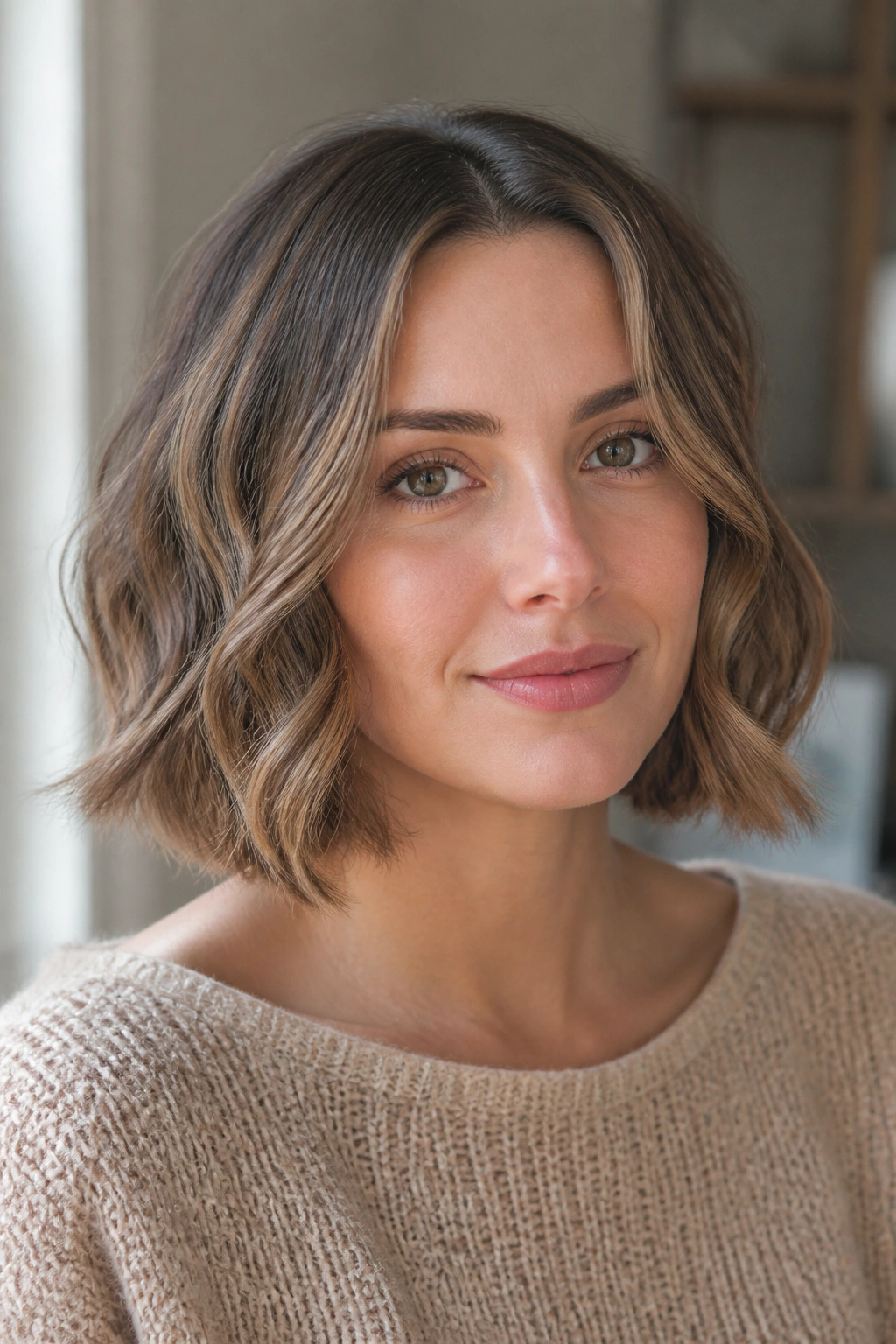
A wavy bob can carry more contrast than people give it credit for. Cool-toasted caramel sits just a notch deeper than bright caramel, which makes it perfect for a shorter cut that needs texture more than drama.
What To Ask For
- Keep the base in the medium brunette range.
- Paint caramel in soft, curved strokes that follow the wave.
- Leave the root a little deeper for shape.
- Finish with a neutral-beige gloss, not a golden one.
That last part is the whole game. A wavy bob with warm caramel can look cartoonish fast. Toasted caramel fixes that by pulling the color back toward brown. The result feels modern without looking trendy in the flimsy sense of the word.
16. Pearl Caramel Melt
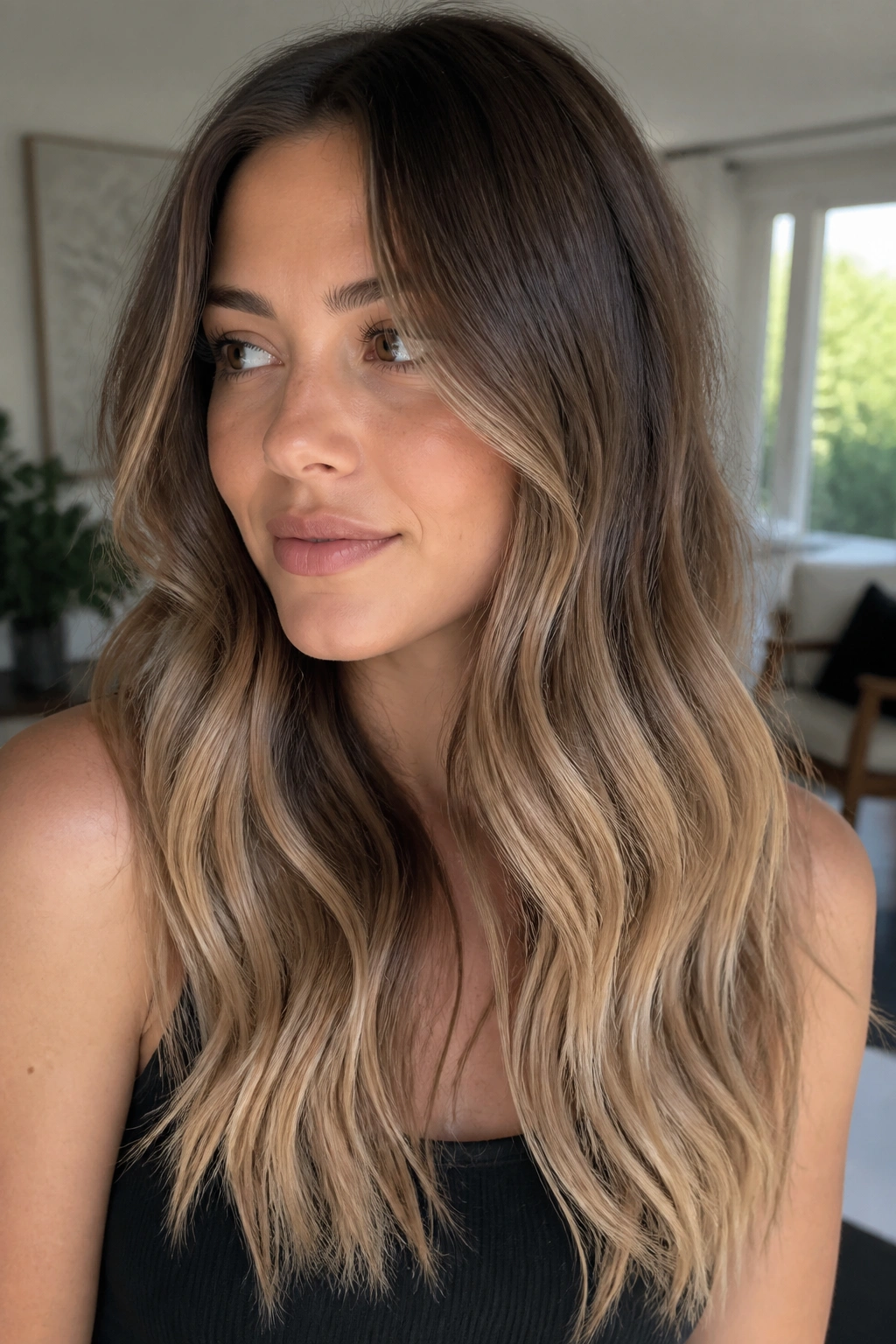
Pearl caramel is what happens when beige gets polished down. It has a soft sheen, almost like the color has been filtered through a cool glaze. That makes it especially flattering for cool skin tones that don’t want any orange near the face.
I like pearl caramel on medium brown bases. You get enough contrast to see the color shift, but not so much that the hair starts looking striped. The melt should be gradual from roots to ends, with the brightest tone sitting in the lower half of the hair. Keep the top a touch darker so the look stays grounded.
This shade is one of the easiest to wear with silver jewelry, berry lipstick, and cool-toned makeup. It doesn’t fight them. It sits beside them and does its job quietly.
17. Dark Chocolate Brown with Sparse Caramel Threads
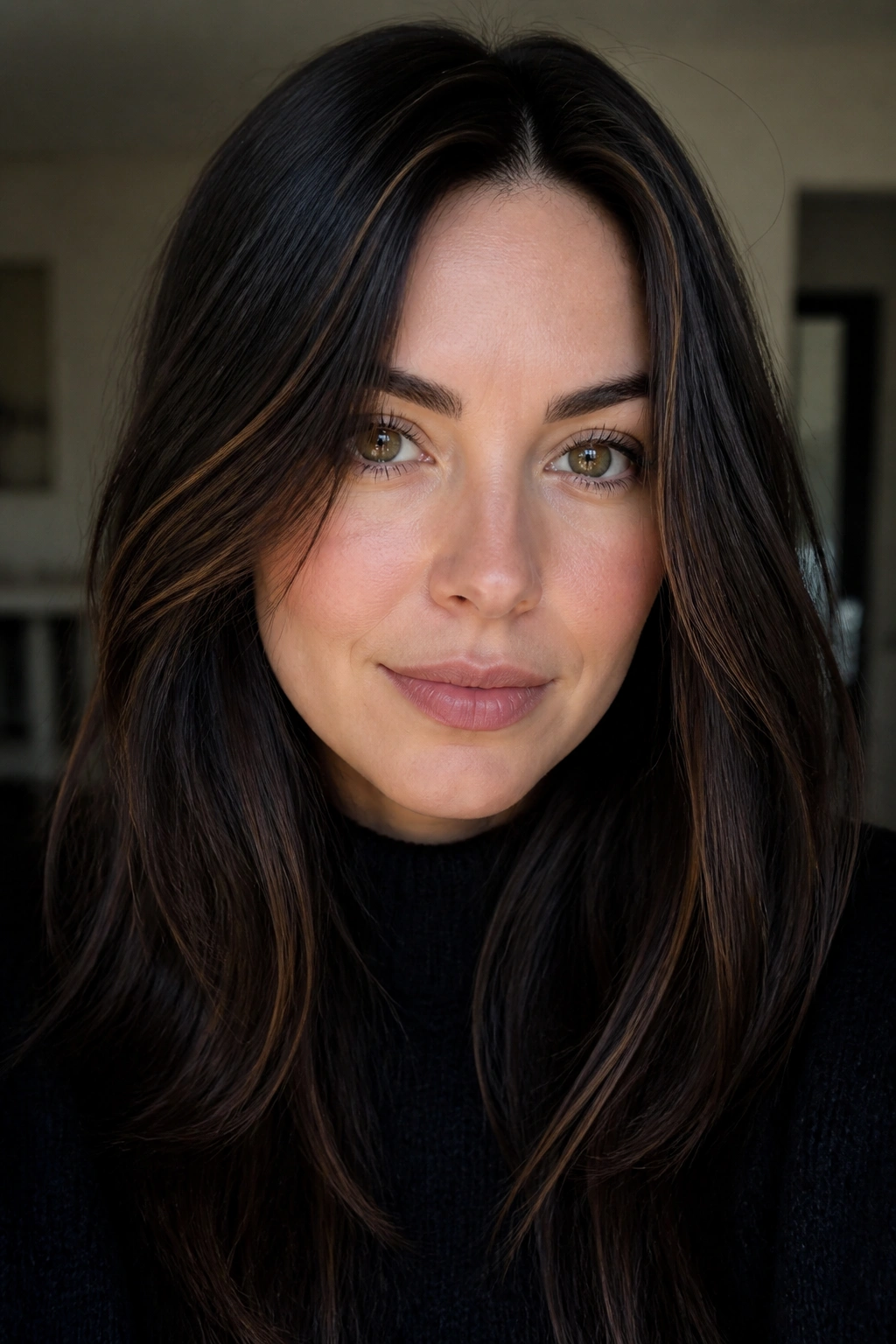
Can you use caramel on very dark hair without making it loud? Absolutely. The answer is sparse threads, not a full highlight job. A few thin caramel pieces woven through dark chocolate brown can create depth without dragging the whole look into warmth.
The key is restraint. The caramel should appear in fine lines around the crown, through the midlengths, and maybe around the face if you want a bit more light. Because the base stays dark, cool skin gets the contrast it needs without the hair looking washed out. That’s why this works so well on deeper complexions.
I’d keep the caramel beige or smoky, never bright gold. If you want the color to look even richer, ask for a gloss that deepens the brown after highlighting. It gives the threads a softer edge.
18. Caramel Peekaboo Panels
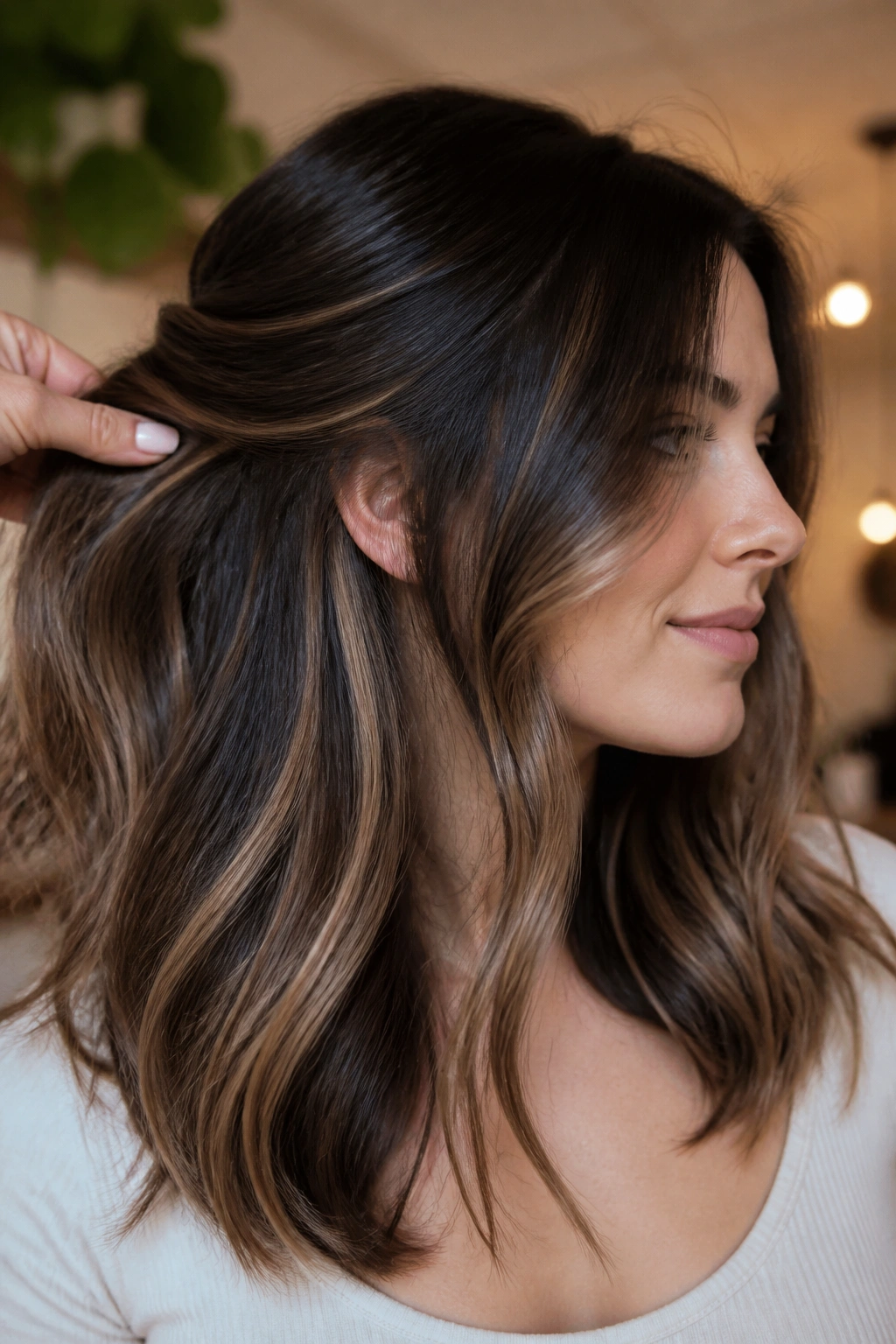
Peekaboo panels are for the person who wants a secret, not a billboard. The caramel hides underneath the top layer of hair, then flashes out when you tuck it behind your ears or wear it in waves. It is fun. It is also a smart way to test warmth without committing to a full head of highlights.
This style works especially well if you wear your hair up a lot. A braided section, a claw clip, or a messy bun can expose just enough caramel to keep things interesting. For cool skin tones, the hidden panels should still lean beige or ash, because warmth does not stay hidden forever. It pops at the worst possible moments.
If you want the color to feel a little more polished, place the panels near the nape and under the crown. That gives you movement without making the front too busy.
19. Caramel Curls with Low-Contrast Highlighting
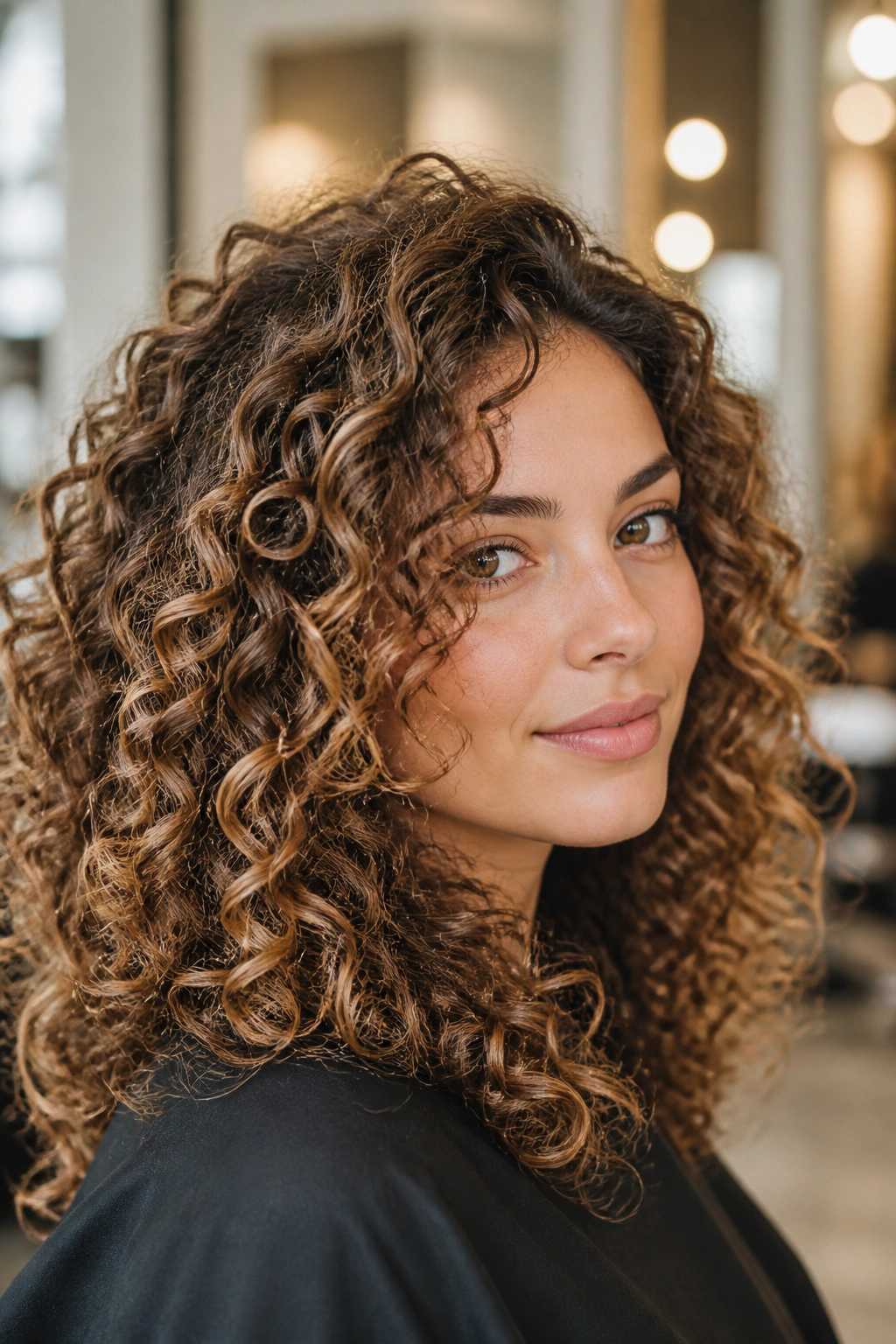
On curls, low-contrast highlighting beats chunky brightness almost every time. The shape of the curl already creates visual movement, so the caramel only needs to add a little light, not a full contrast map. That keeps the texture soft and the color believable.
I like this especially on curl patterns that are medium to tight, where big highlight panels can look disconnected once the hair dries. Fine, diffused caramel pieces follow the curl family better. They show up as glints, not stripes. Cool skin tends to look fresher when the color is handled that way.
Ask for highlights that stay one tone cooler than you think you need. Curly hair often reads warmer in sunlight than it does in the salon chair. That tiny adjustment saves you from the pumpkin problem later.
20. Ashy Caramel Bob with Soft Ends
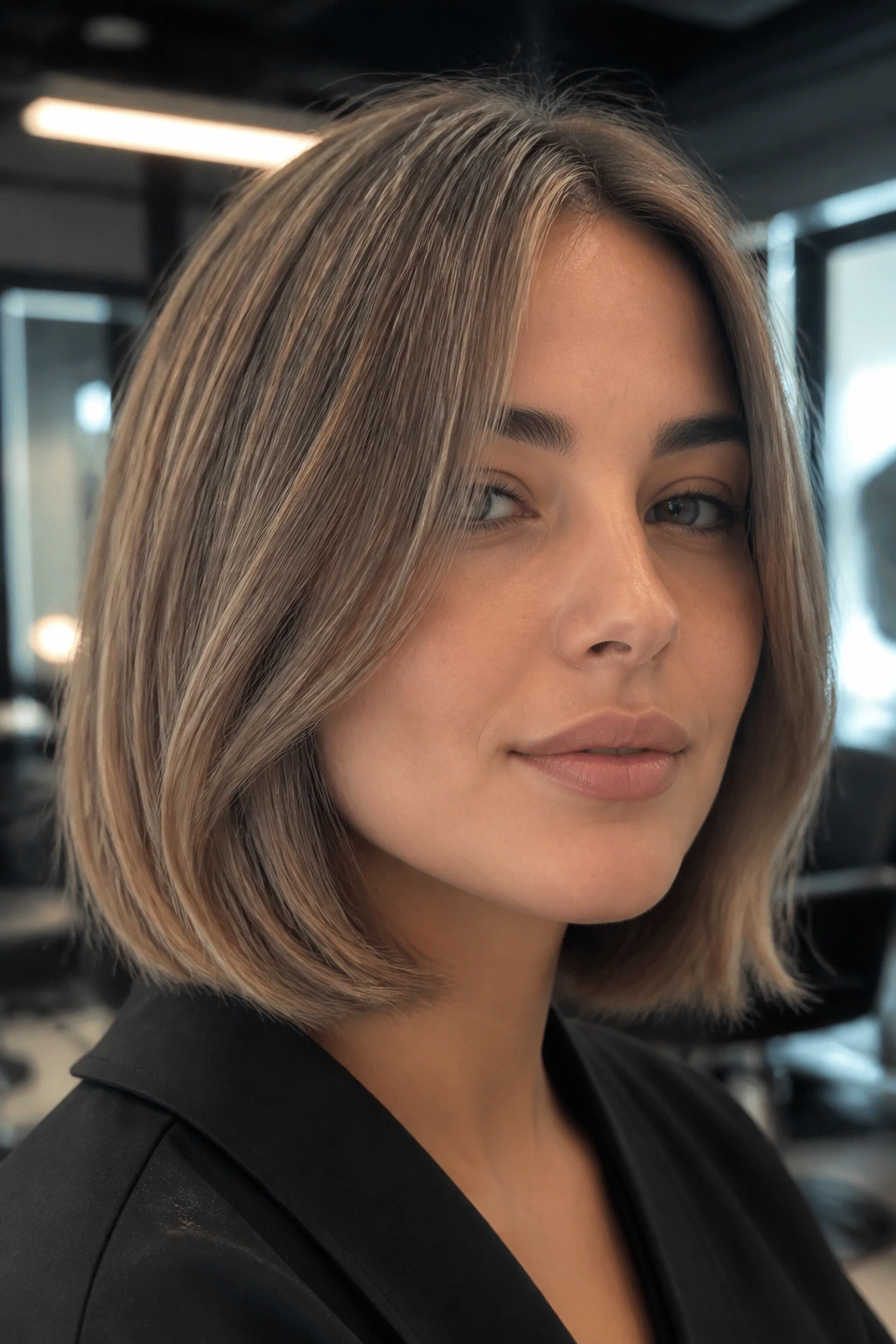
A bob and an ashy caramel glaze make a clean little package. The bob gives the haircut structure, and the ash keeps the color from drifting sweet or orange. Together, they create a look that feels neat without being stiff.
Soft ends matter here. A blunt bob with hard caramel can look boxy. Add a little internal texture or feathering at the ends, and the whole thing moves better. The caramel can sit through the midlengths, while the ashier pieces hug the outer surface and frame the face.
This is one of those colors that plays well with cooler makeup, black clothing, and silver earrings. It has enough warmth to keep the hair from looking flat, but not so much that it competes with your skin. Straightforward. Clean. No fuss.
21. Cool Caramel Face Frame on Long Layers
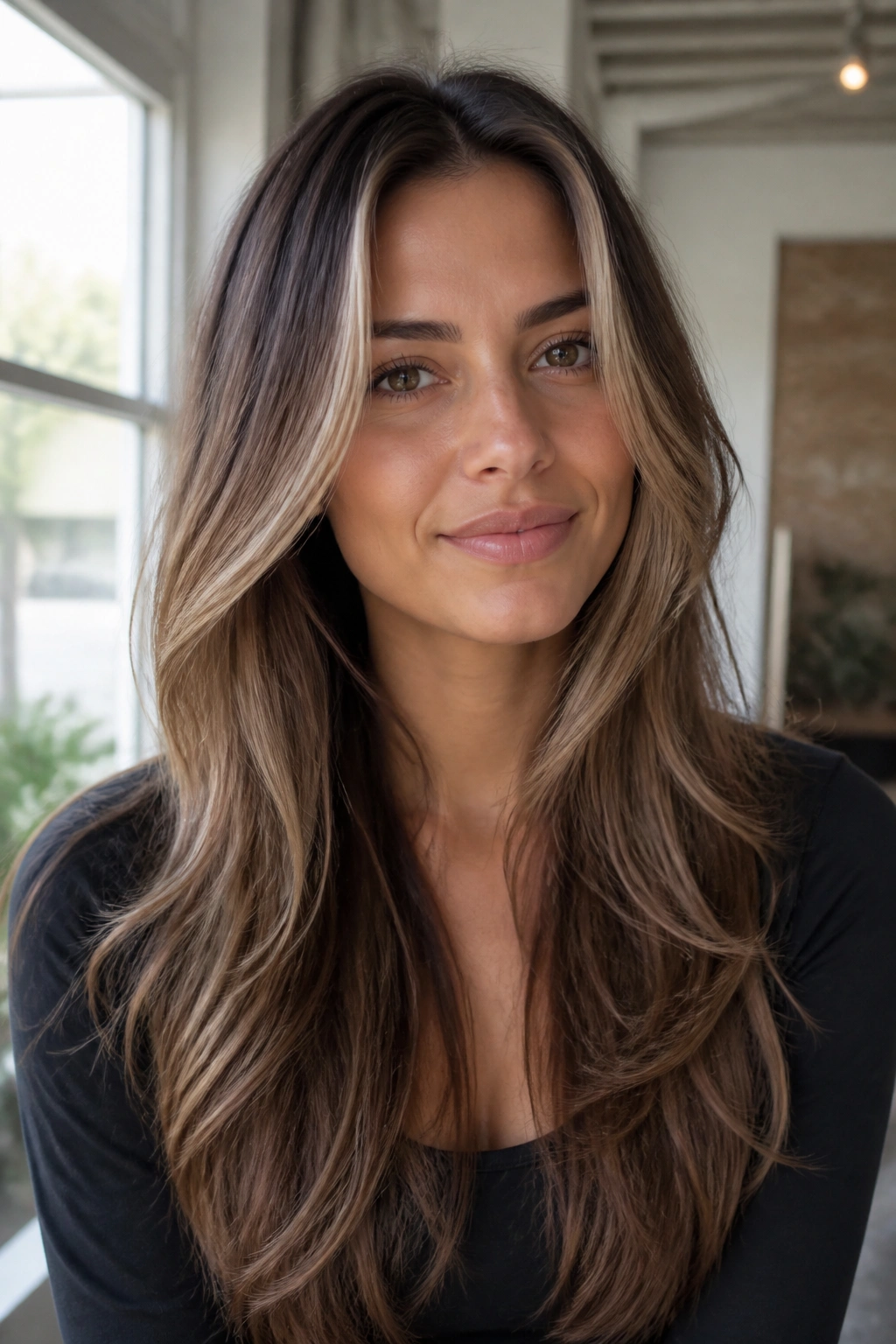
Long layers need caramel that follows the cut, not fights it. A face frame works best when the brightest pieces start around the cheekbone and melt into the longer sections below. That lets the layers do the work instead of relying on heavy highlights everywhere.
Placement Tips That Matter
- Keep the brightest pieces at the front and top layer.
- Let the lower layers stay darker for depth.
- Ask for a beige or pearl toner to cool the front pieces.
- Trim the face frame regularly so the light pieces keep their shape.
This is a strong choice if you wear your hair loose most days. The front frame softens the face, and the long layers keep the caramel moving. It also photographs well in motion, which is useful even if you are not trying to make a big style statement.
22. Smoked Bronze Caramel
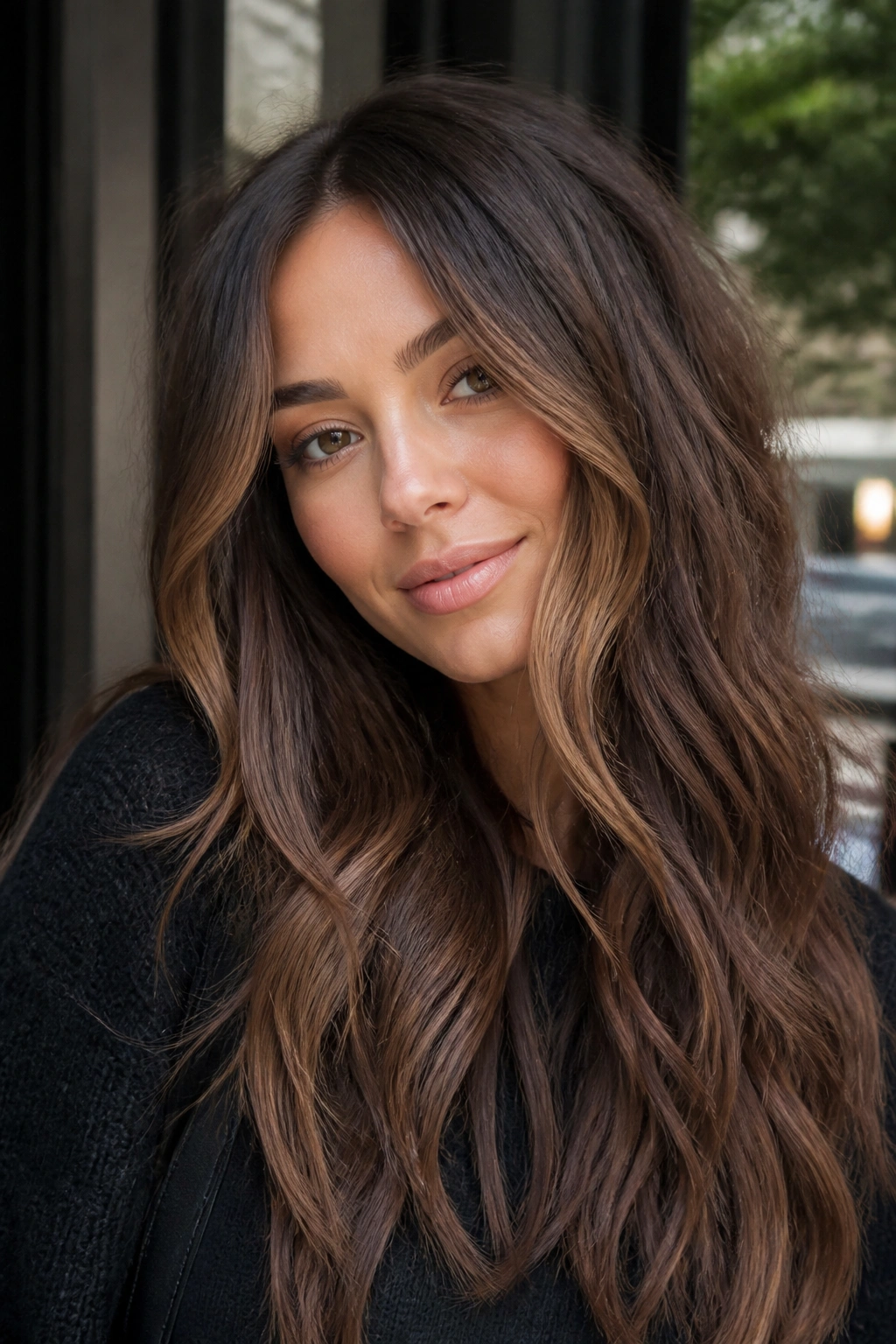
Bronze sounds warm, but smoked bronze caramel can still flatter cool skin. The smoky base tone reins in the golden side of bronze and leaves you with something deeper, darker, and more wearable than the name suggests.
I’d reach for this shade on thick hair or medium-to-deep brunettes who want dimension without a harsh lightening job. The bronze should sit under the smoke, not on top of it. That means the hair reads rich first and caramel second. Good. That’s the order you want.
If your skin is cool and you usually wear deeper neutrals—charcoal, navy, black, wine—this color can look excellent. It has enough depth to avoid washing you out, but the smoky finish stops it from tipping orange.
23. Caramel Sombre
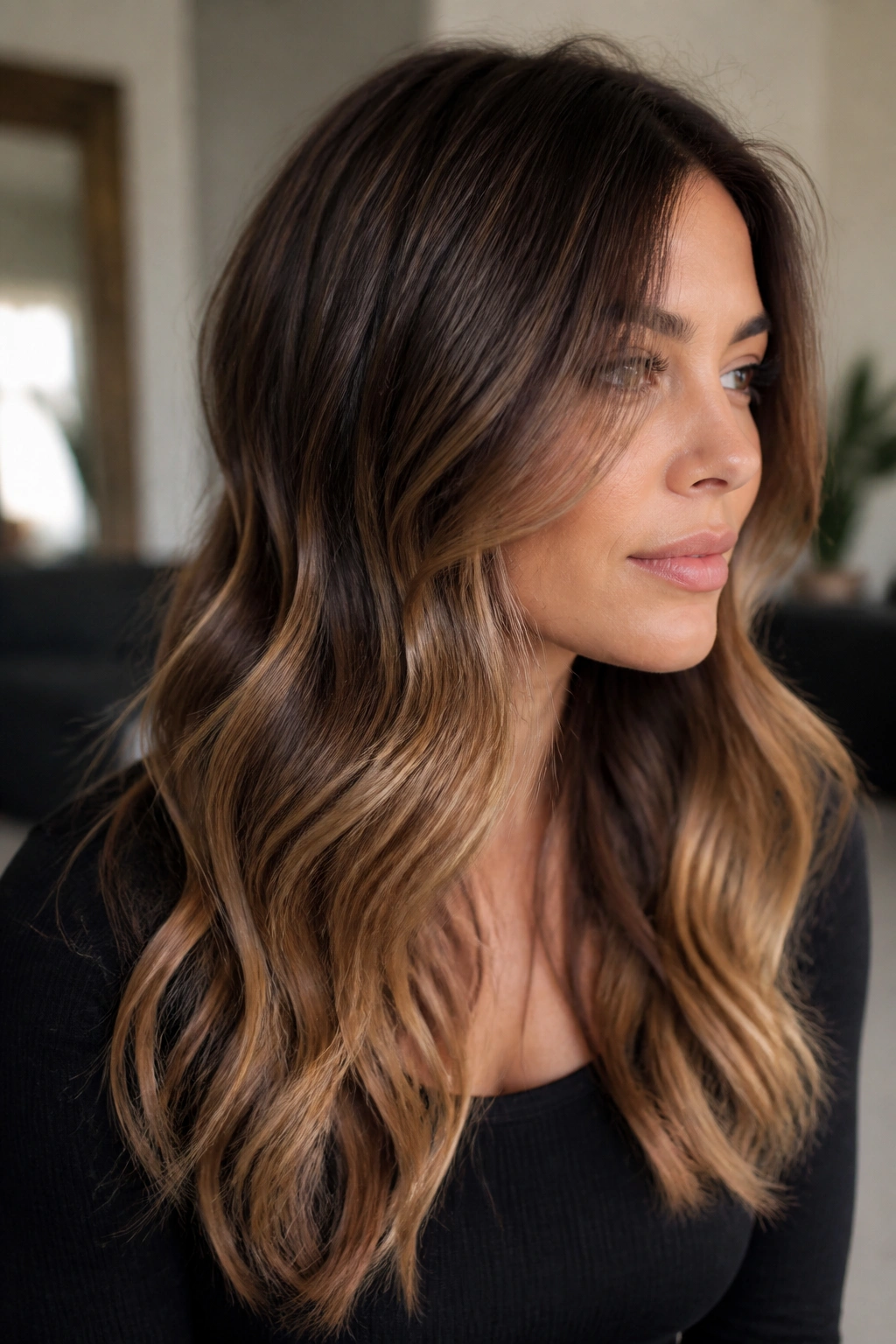
Sombre is the choice when you want caramel to fade in, not announce itself. It is softer than ombré, with less contrast and a more gradual shift from the roots to the ends. On cool skin, that low-key transition often looks more flattering than a stark color change.
The beauty of sombre is how forgiving it is. If your hair is a bit wavy or lived-in, the color looks even better because the soft transition gets broken up naturally. I’d keep the caramel in the midlengths and ends, then let the root stay cool and deeper. That stops the look from getting too sunny.
This is one of the easiest ideas to maintain if you do not want to see obvious regrowth. The blend ages well, and the cooler tone helps prevent brass from taking over too quickly.
24. Cool Caramel Gloss on Naturally Brown Hair
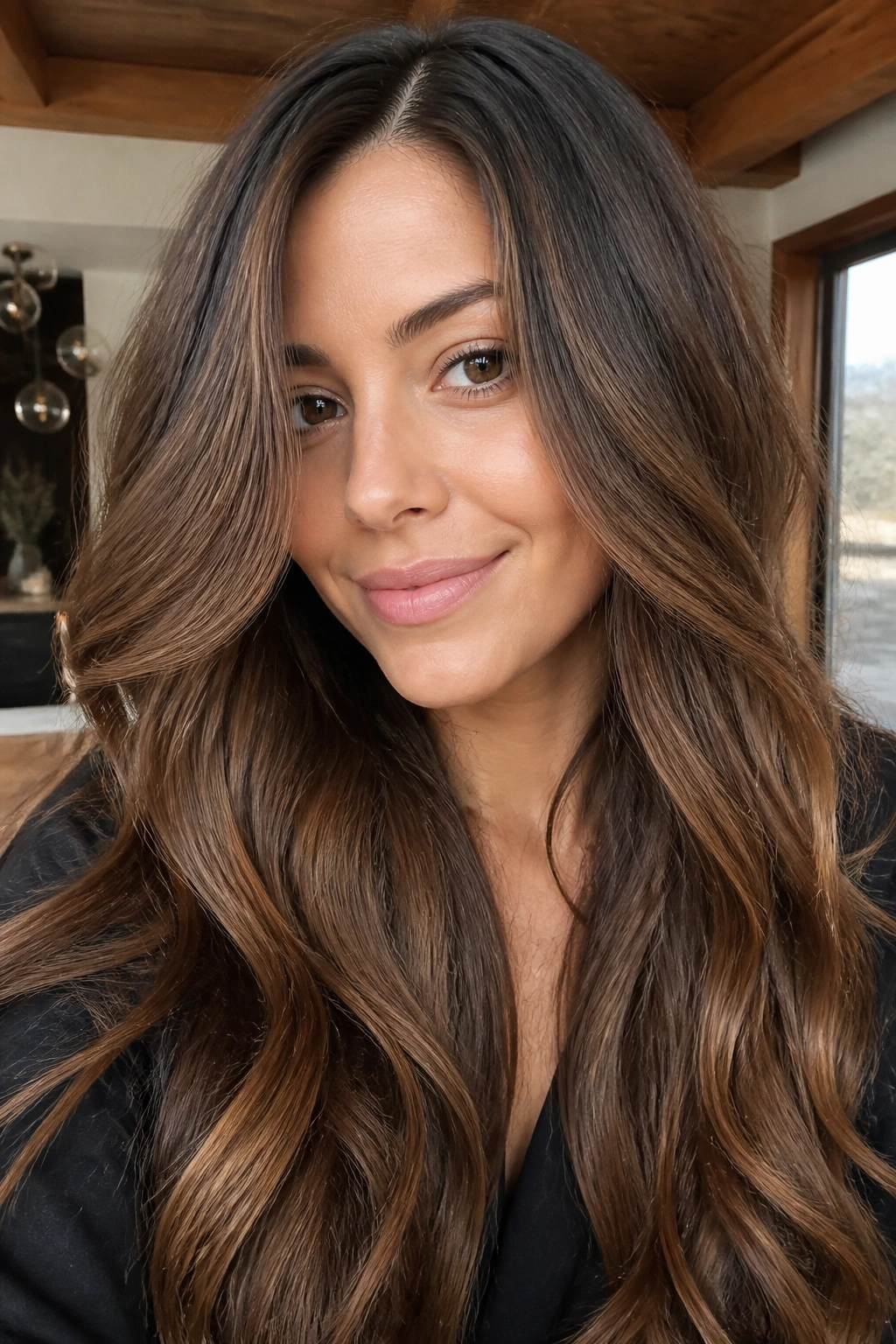
A gloss is the easiest way to test caramel if you are nervous about commitment. You do not have to commit to highlights, foils, or a dramatic lift. You can add a cool caramel gloss to naturally brown hair and get a soft color shift plus a smoother shine.
This works best when the gloss is only one level lighter than your base and leans beige or ash. It will not make your hair look blonde. That is the point. It just warms the brown enough to add depth while keeping the undertone cool enough for your skin.
I like this option for people whose hair already has good movement or a little natural texture. A gloss makes those shifts more visible. It also fades more gently than a full highlight session, which makes it a smart first step if you are still deciding how much caramel you really want.
25. Cooled-Down Caramel Balayage with Espresso Base
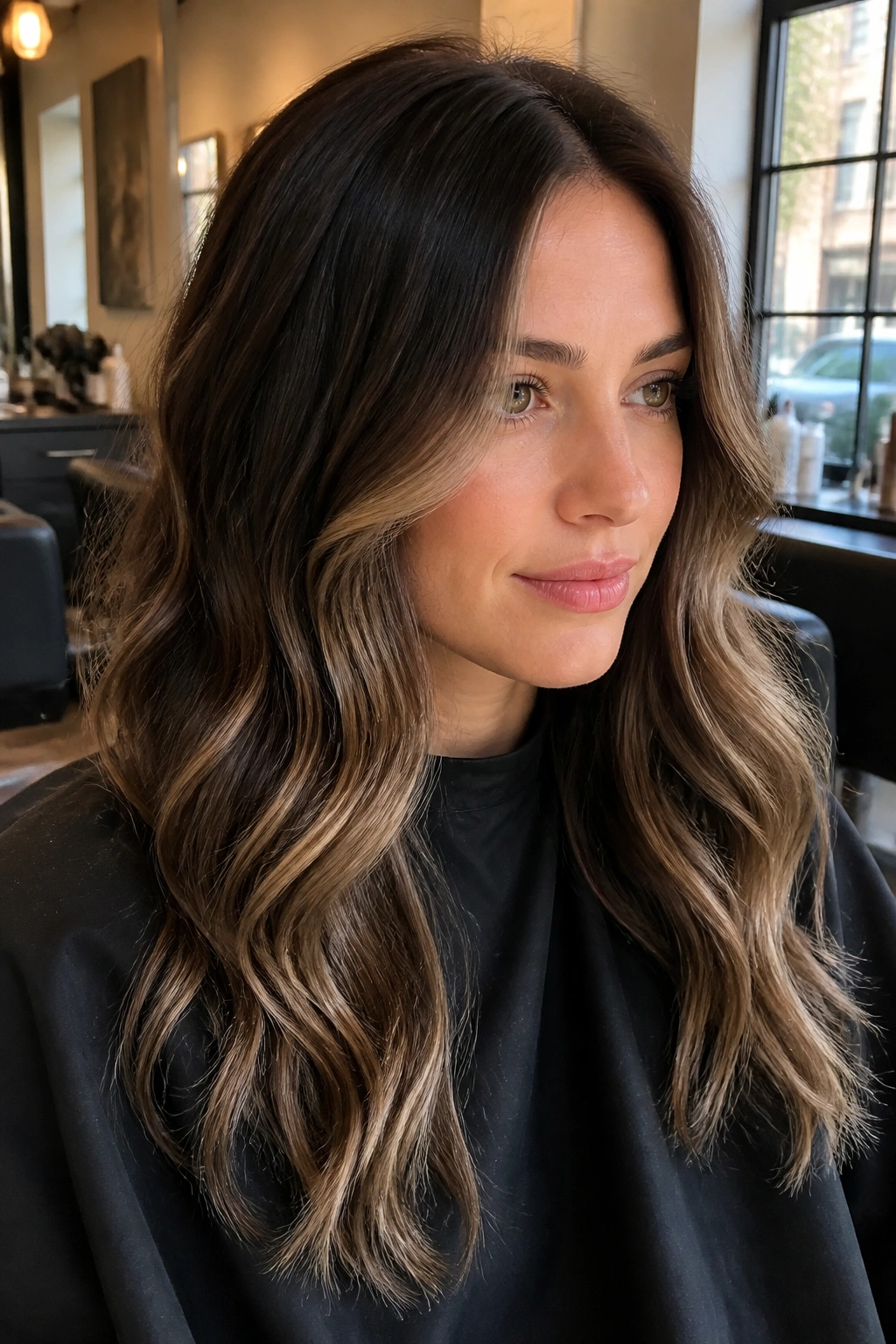
The cleanest version of caramel on cool skin often starts with an espresso base. That depth keeps the look polished, and the cooled-down caramel sits on top like light through coffee foam—soft, not sugary. It is probably the most balanced option in the whole bunch.
Ask for the base to stay deep and cool, then let the caramel live through the midlengths and ends with a beige or pearl toner. If you want a little extra brightness, keep it around the face only. The rest can stay low-key. That contrast is what makes the color feel modern instead of flat.
If you only save one photo before your appointment, make it a version of this. It gives you dimension, shine, and enough warmth to feel alive, while still respecting what cool skin tones actually need.
Final Thoughts
The best caramel brown hair color ideas for cool skin tones are rarely the most golden ones. They are the beige, ash, taupe, pearl, and smoky versions that leave room for your skin to stay the focus.
Placement matters just as much as tone. A narrow money piece, a soft balayage, or a cool gloss can do more than a heavy highlight job that ignores undertones. That is the part people miss when they start scrolling for hair photos.
If your current inspiration folder is full of honey and amber, trim it down a bit. Keep the cooler caramel shots, the muted brunettes, the softer blends. That shortlist will save you time in the chair and probably a correction appointment, which is always a nice thing to avoid.
