



Finding the right brown hair color when you have cool skin undertones is a lot like trying to find the perfect pair of denim—get it right, and it makes everything else in your wardrobe look better. Get it wrong, and you end up looking washed out, tired, or sallow. The secret lies in the color wheel. Cool skin tones possess blue, pink, or purple undertones. If you apply a warm, golden, or copper-based brown hair color on top, it creates a visual clash. The warmth in your hair fights against the coolness in your skin, and the result is rarely flattering.
Instead, you need browns that lean into the ash, violet, blue, or neutral spectrum. These shades effectively cancel out the brassy orange tones that hair often reveals during the lightening or coloring process. It is about precision. It is about understanding that brown is not just brown—it is a complex mix of pigments that can either breathe life into your complexion or drag it down.
When you are looking for that perfect, cool-toned brunette, do not just flip through magazines looking for a color you like. Look at the specific pigments. Are you seeing gold or copper? If so, keep flipping. You want to see smoke, steel, charcoal, or plum. You want colors that look like they have been filtered through a cool, gray lens. Below are eighteen distinct ways to wear brown if you have a cool skin tone, each offering a slightly different vibe and level of maintenance.
1. Mushroom Brown
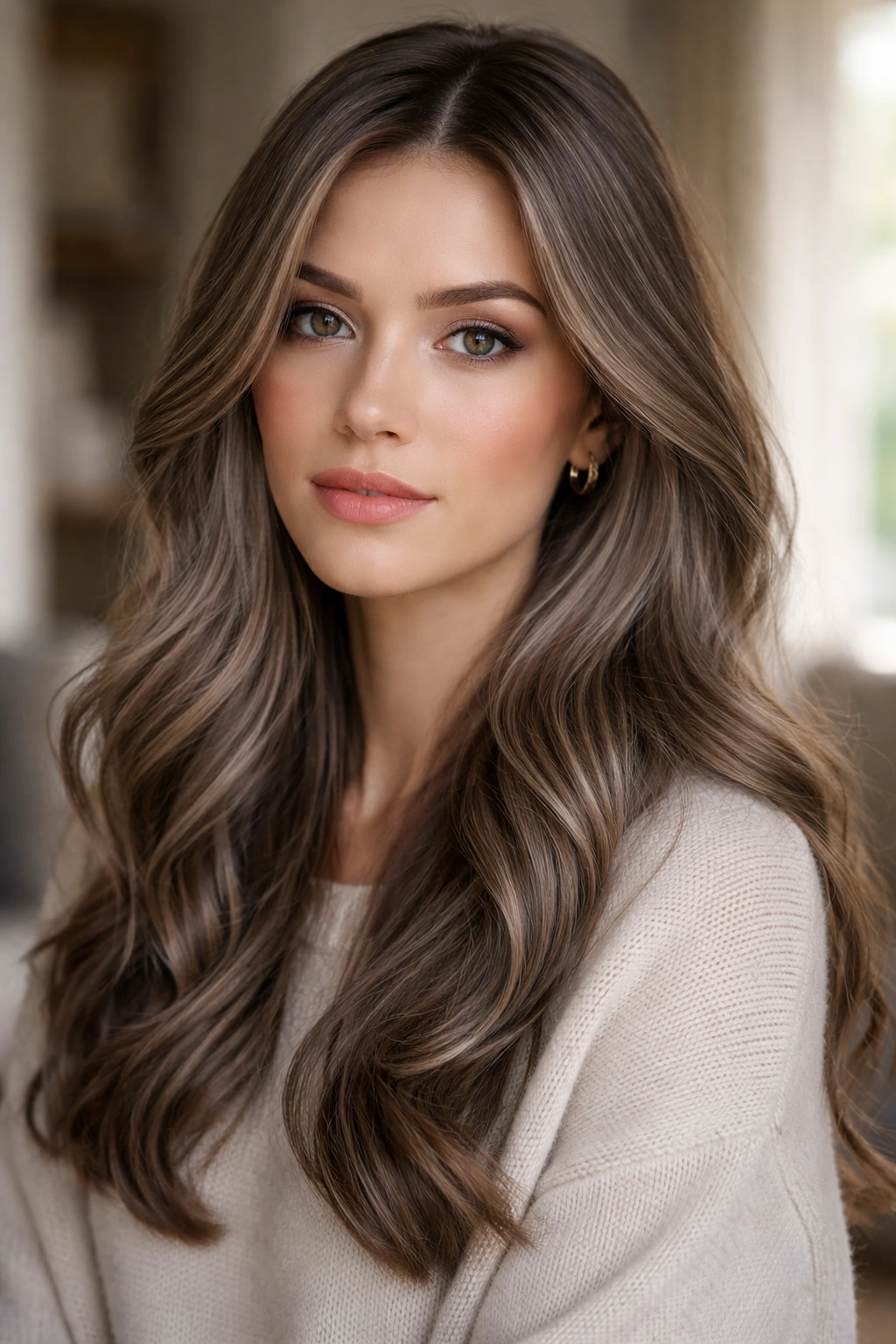
This is the ultimate entry point for anyone who wants to transition into a cooler brown without going full-on dark. Mushroom brown sits right in that sweet spot between gray and light brown. It is a muted, earthy shade that feels organic rather than manufactured. The key to this look is the “greige” base—that perfect intersection of gray and beige.
Why It Works
It relies on ash undertones to neutralize any potential warmth. Because it mimics the color of a portobello mushroom, it has a natural, understated quality that doesn’t scream for attention. It works especially well if you have fair to medium skin with blue or pink undertones.
How to Maintain It
You will need a high-quality blue-based shampoo. Since mushroom brown is essentially an ash-based color, it is susceptible to fading into a warmer, yellowish tone. Washing your hair with a blue or violet-toned shampoo once a week will keep the color locked into that cool, muted zone.
2. Ash Espresso
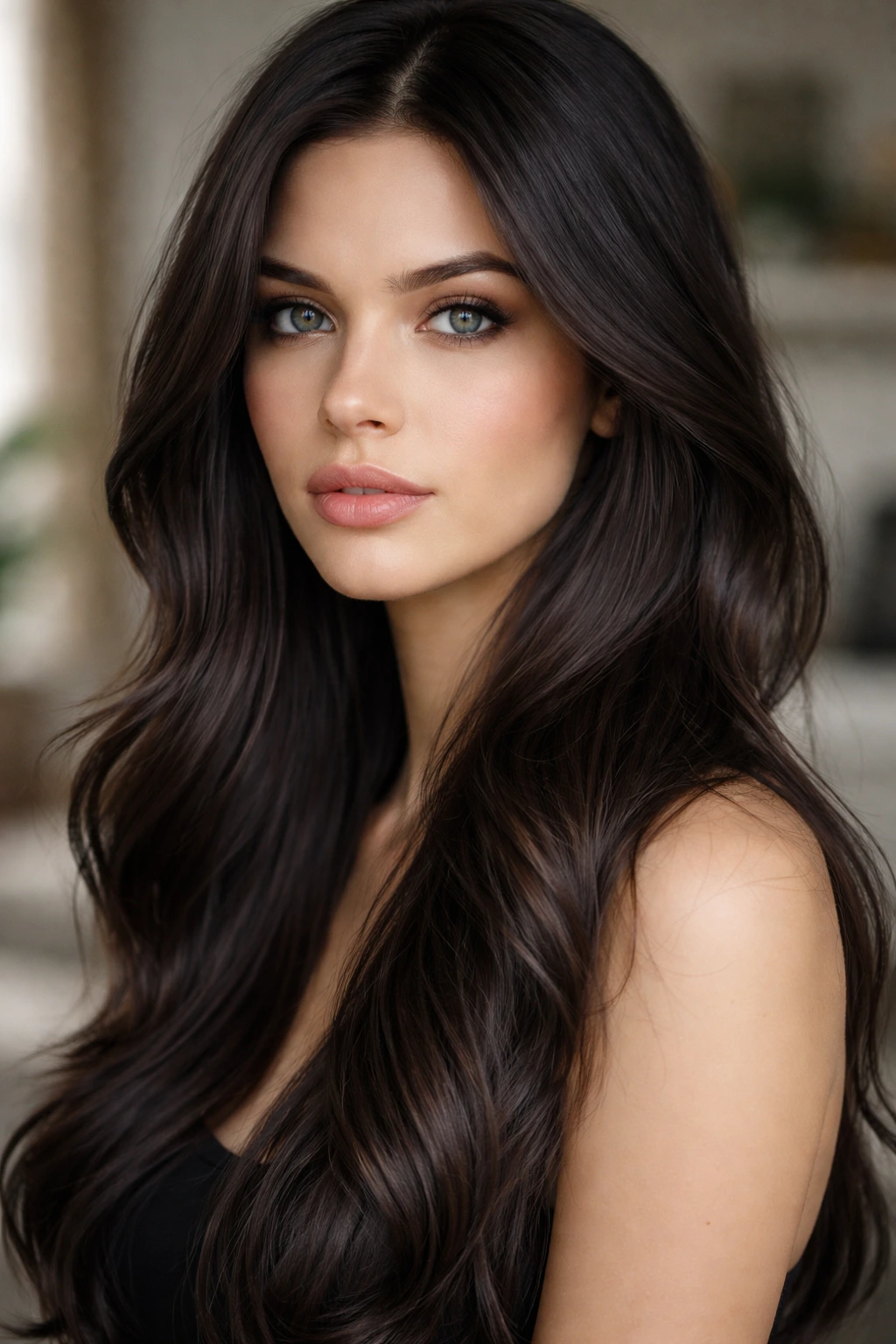
If you have very dark hair naturally and want to go richer without warming it up, ash espresso is the answer. It is a deep, dark brown, almost approaching black, but it has a distinctly cool, smokey finish. Think of a cup of black coffee that has been sitting for a few minutes—it’s dark, but it’s not glowing with golden light.
The Professional Technique
Ask your colorist for an ash-based gloss. This is not about lifting your hair color levels; it is about depositing a cool pigment over your existing strands to shift the tone. It gives your hair a “matte” appearance, which is incredibly chic and creates a sharp contrast against cool, pale skin.
Quick Styling Tip
This color looks best when it is shiny. Use a lightweight silicone-free oil to add gloss. Because the color is so dark and matte, it can sometimes look a bit “flat” if your hair is dry. A little bit of shine makes the deep pigment look intentional and expensive.
3. Cool Cocoa
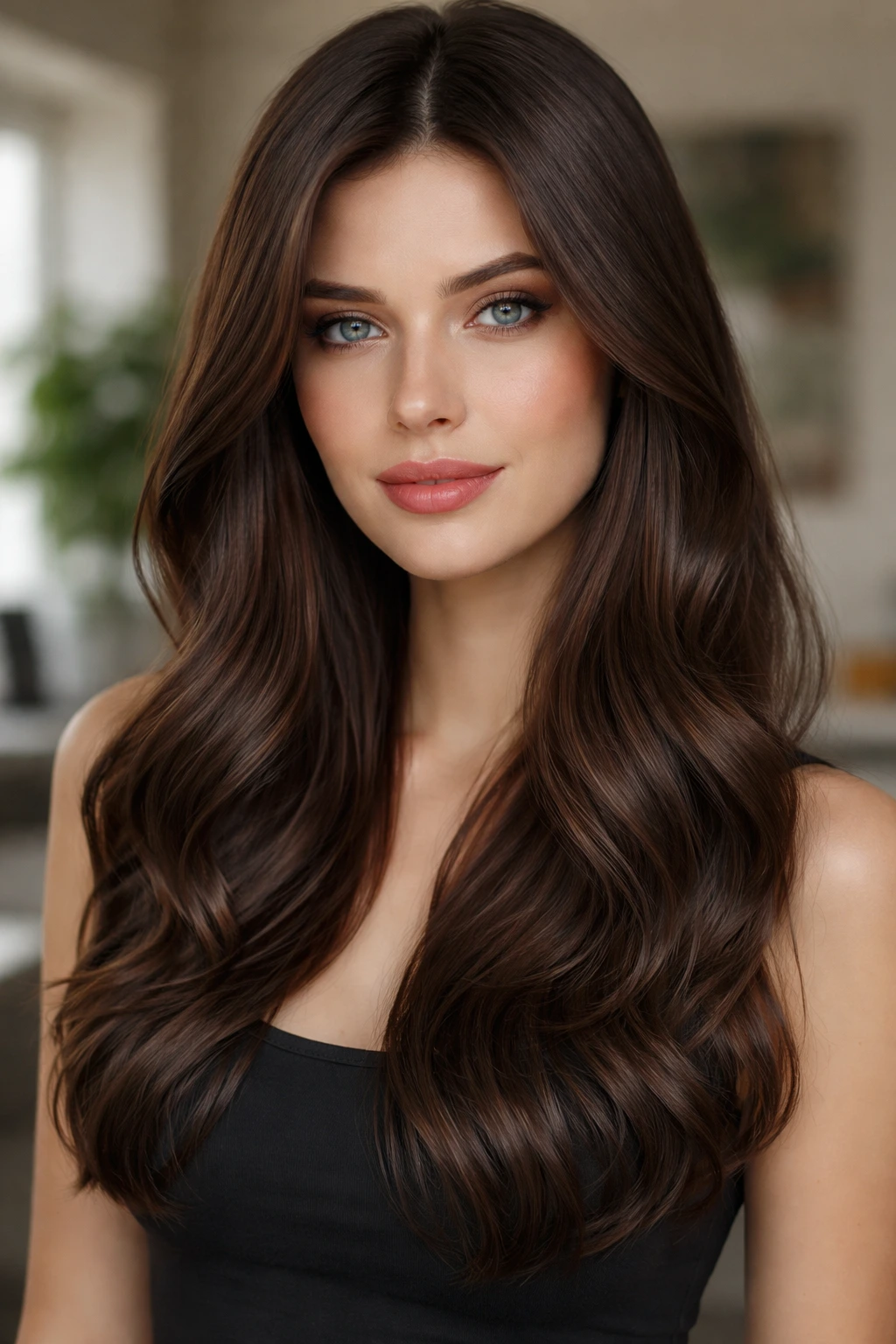
Cocoa brown is a classic, but the “cool” version removes the red-orange pigments that usually define chocolate shades. A cool cocoa is a medium-brown shade that looks like dark chocolate rather than milk chocolate. It is lush and rich, yet it remains firmly in the cool-neutral territory.
Who Should Choose This
If you have olive skin with cool undertones, this is a fantastic choice. It provides enough depth to keep you from looking pale, but it doesn’t have the golden glow that can make olive skin look greenish or sickly. It is a balanced, safe, and sophisticated option for those who want to be brunette but don’t want to experiment with extreme ash or purple tones.
4. Icy Mocha
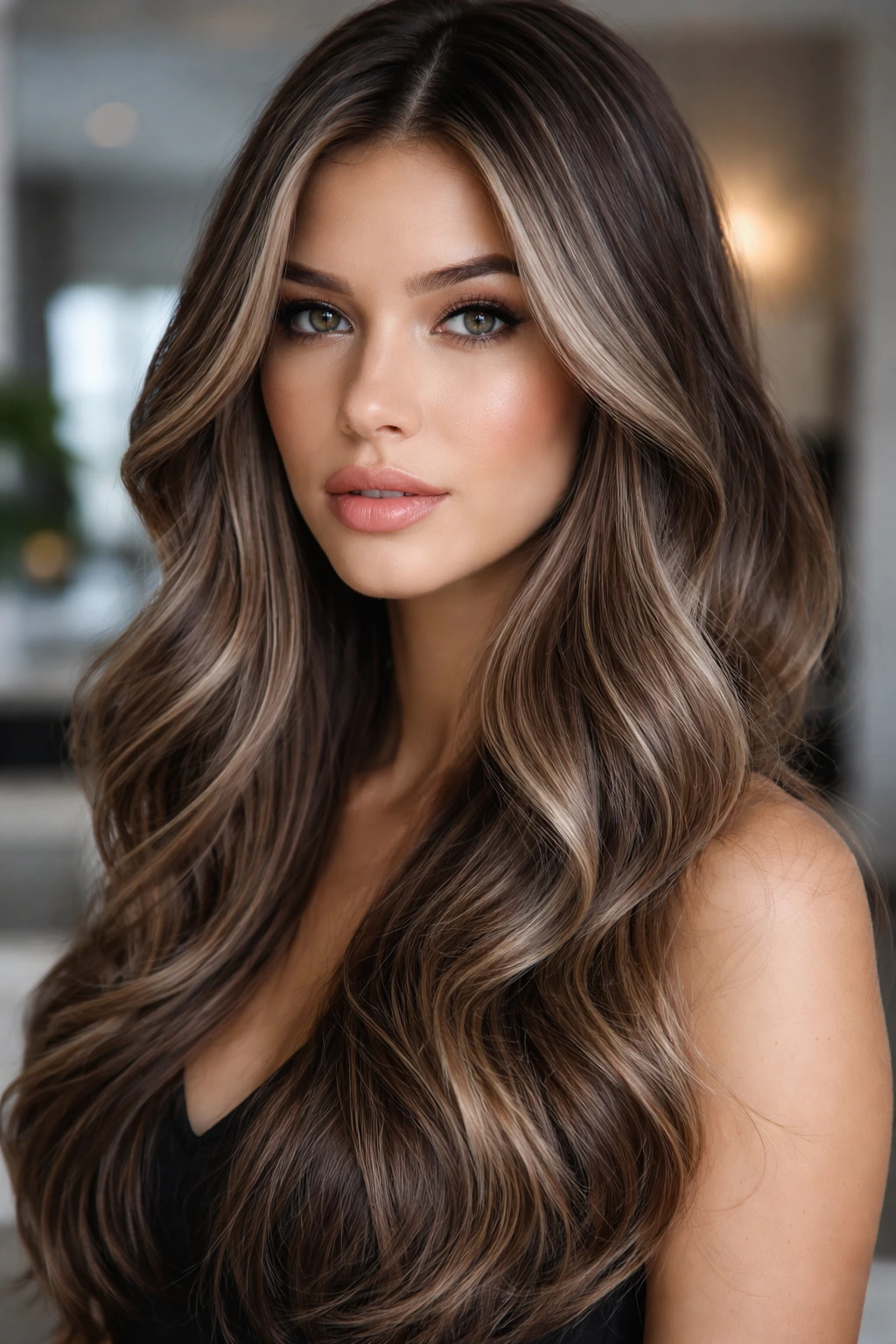
Imagine a mocha frappuccino, but strip out all the caramel and golden drizzle. Icy mocha is a multi-dimensional brown that incorporates very cool, pale-brown highlights against a medium-brown base. It creates a “frosted” effect that feels very modern and edgy.
Key Characteristics
This style requires the most effort because it usually involves some level of balayage or highlights. You need to ensure the highlights are toned correctly. If the highlights lift too warm (which is common), the look is ruined. Demand an “ash” or “cool” toner after the lightener is applied.
Daily Maintenance
Since this involves highlights, your hair structure is likely a bit more compromised than it would be with a solid color. Focus on deep conditioning masks once a week to maintain the integrity of the hair shaft. A healthy hair cuticle holds color longer.
5. Plum-Infused Brown
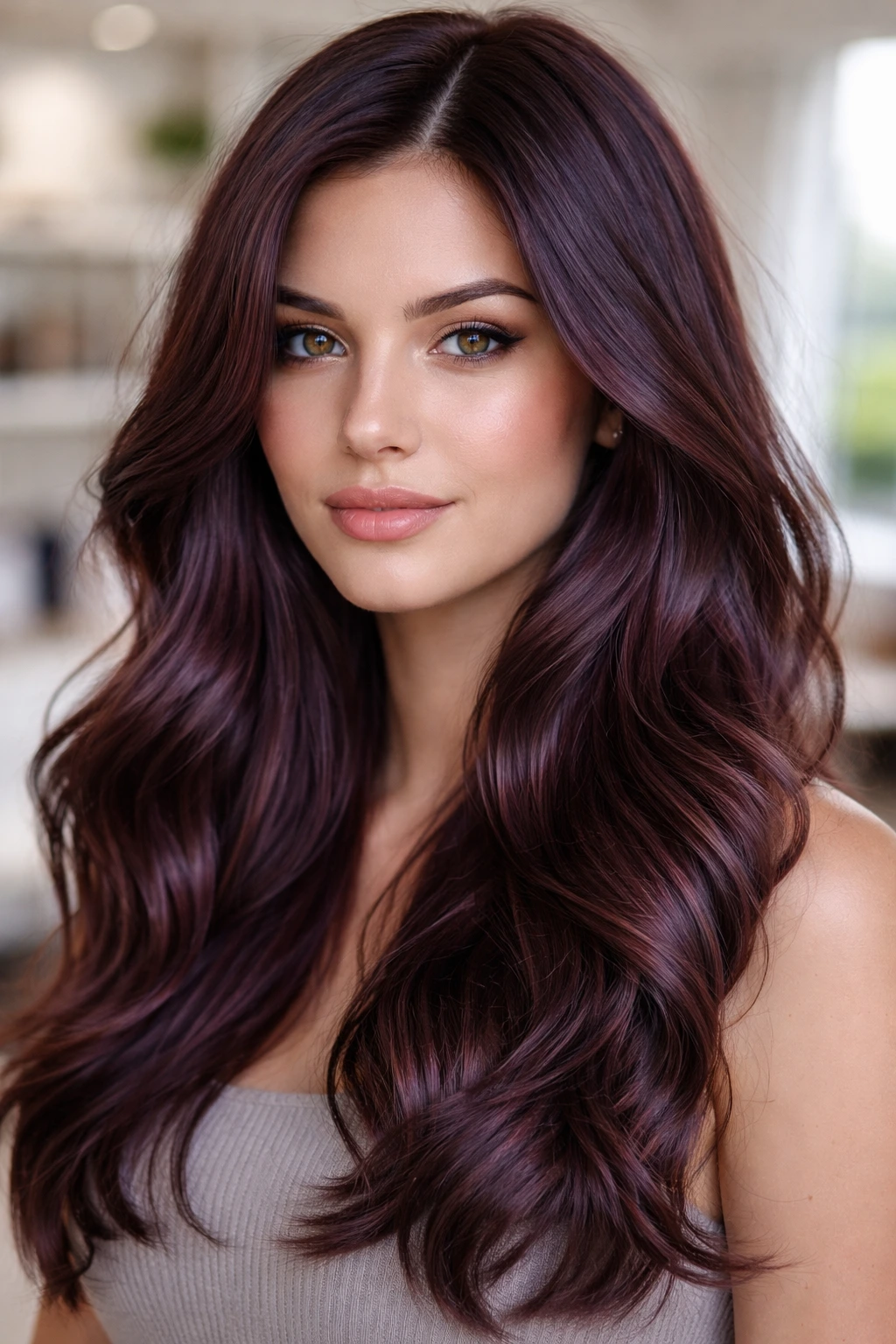
This is one of the most underrated shades for cool skin tones. By adding a subtle violet or plum undertone to a deep brown base, you are actively correcting any potential for brassiness. Violet and yellow are opposites on the color wheel; therefore, a violet-based brown will naturally make your skin look brighter and your hair look clearer.
Visual Impact
In low light, this looks like a sophisticated, dark brunette. When the sun hits it, or when you are under bright office lights, you will see a flash of deep purple. It is a “peek-a-boo” color that is professional enough for the workplace but fun enough to show off your personality.
Color Theory
Do not confuse this with “red-brown.” A red-brown is warm and can make cool skin look flushed or blotchy. Plum is cool. If you are unsure, hold a swatch of purple fabric up to your skin. If your skin looks clear and bright, this is your color.
6. Black-Cherry Brown
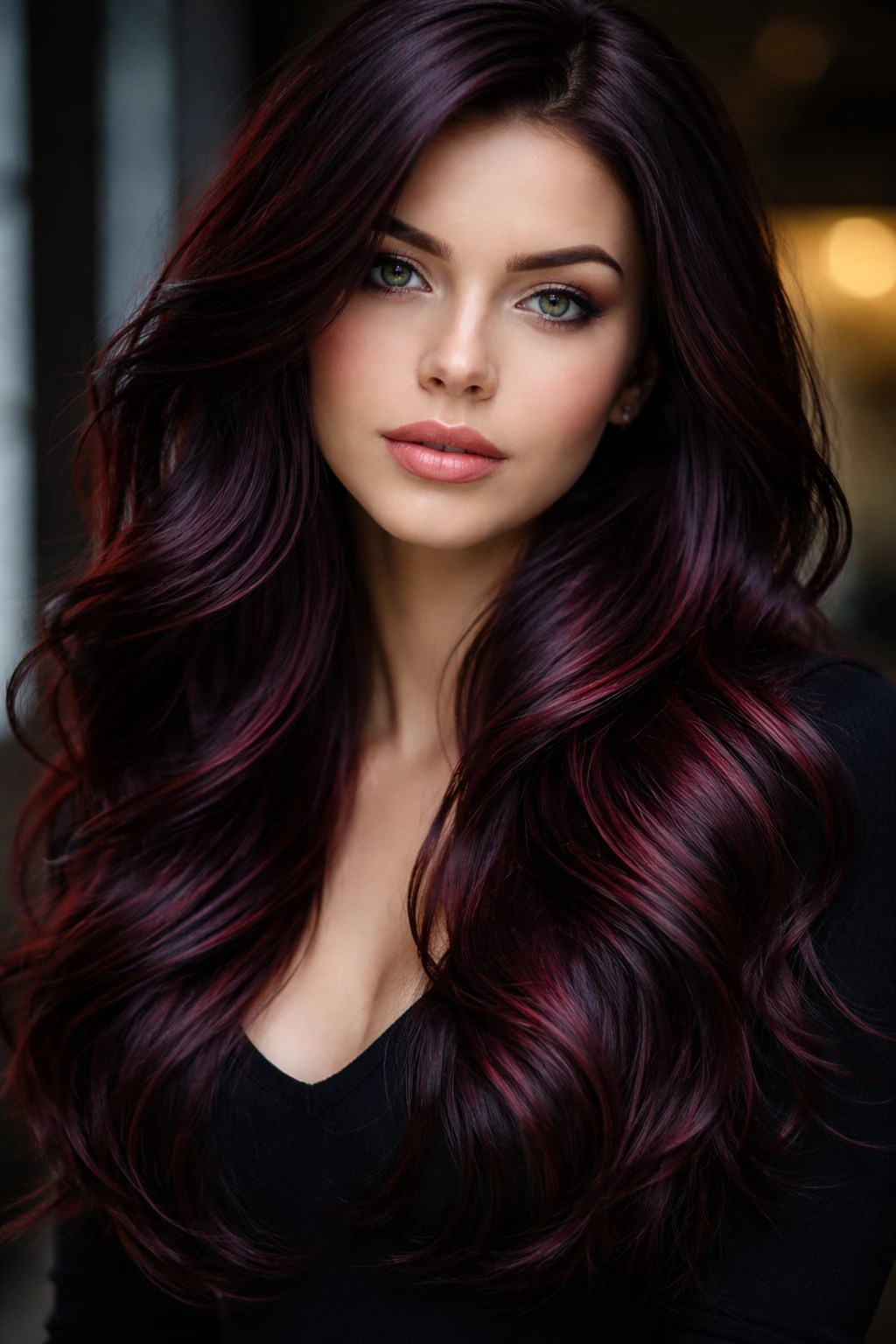
This is the deeper, more gothic cousin to the plum-infused brown. It is very dark, almost black, with a deep, cool-toned cherry tint. It is intensely pigmented and works wonders for those who want a dramatic, high-impact look that frames the face with intensity.
The “Cool” Factor
The key is to avoid “fire engine” red. Stay away from copper, ginger, or bright scarlet. You want a burgundy or wine-colored base. This deep, cool-toned red adds warmth to your eyes (especially if you have green or blue eyes) without warming up your skin tone in a negative way.
Styling Advice
This color looks incredible with a blunt cut. The sharpness of the cut matches the intensity of the color. Whether it is a lob or a chin-length bob, keep the ends trimmed to avoid the “faded” look that can plague dark red-toned hair.
7. Smoky Dark Brown
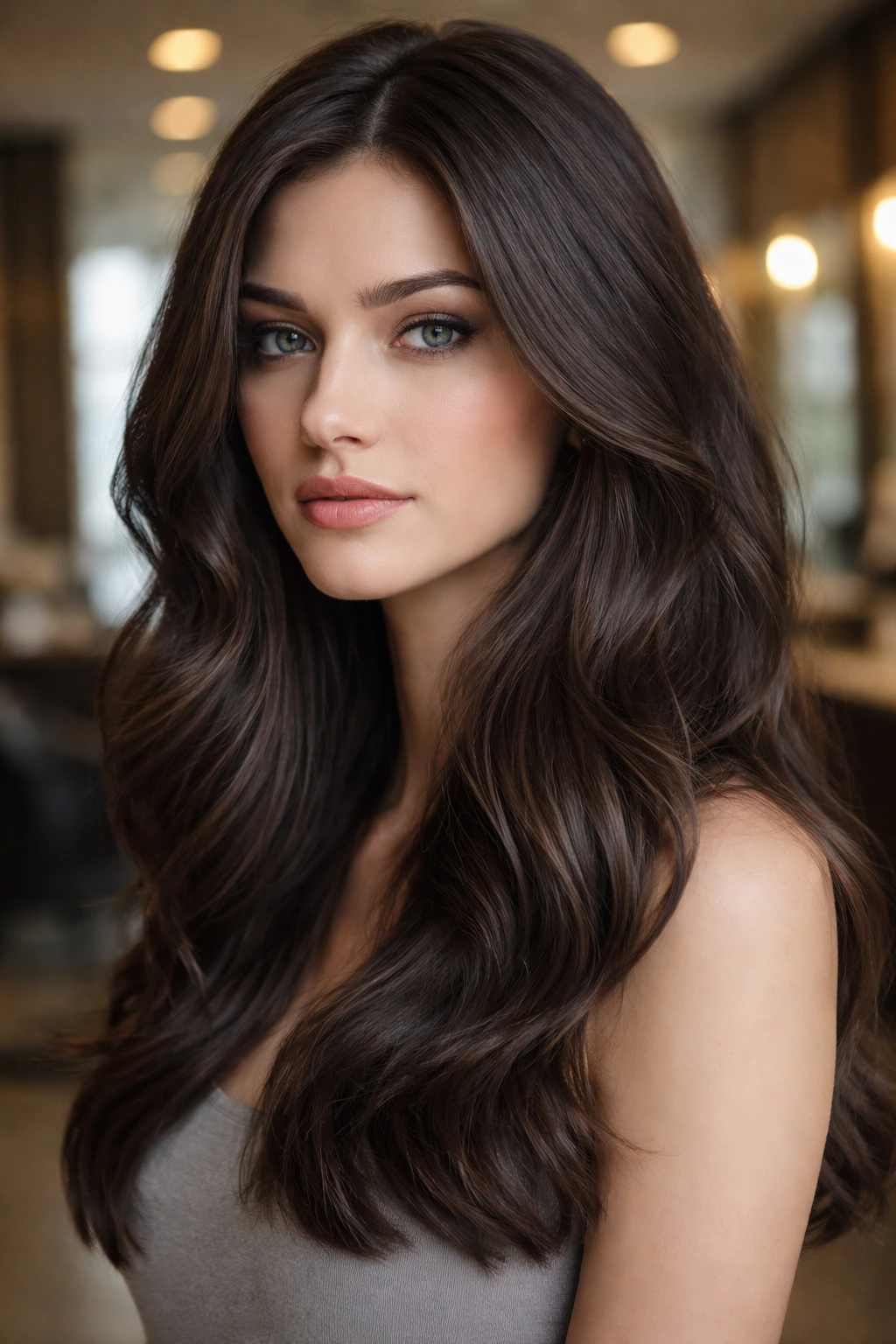
Smoky dark brown is exactly what it sounds like: a brown that has been desaturated. It lacks the vibrant, glossy, “healthy” sheen that some browns aim for. Instead, it has a dusty, matte quality that feels very Parisian and undone.
How to Achieve It
This is often achieved through a “smoke” toner, which is a specific type of demi-permanent color. It tones down the shine and leaves the hair looking a bit more textured and weathered in a fashionable way. It is a high-fashion look that isn’t for everyone, but if you have a cool skin tone, it can be incredibly flattering.
Why It Works
It is entirely devoid of warmth. Because it lacks that golden, glowing pigment, it doesn’t fight against the cool, blueish veins in your wrist. It is a harmonious match for someone who prefers a low-maintenance, edgy aesthetic.
8. Cool Caramel Highlights
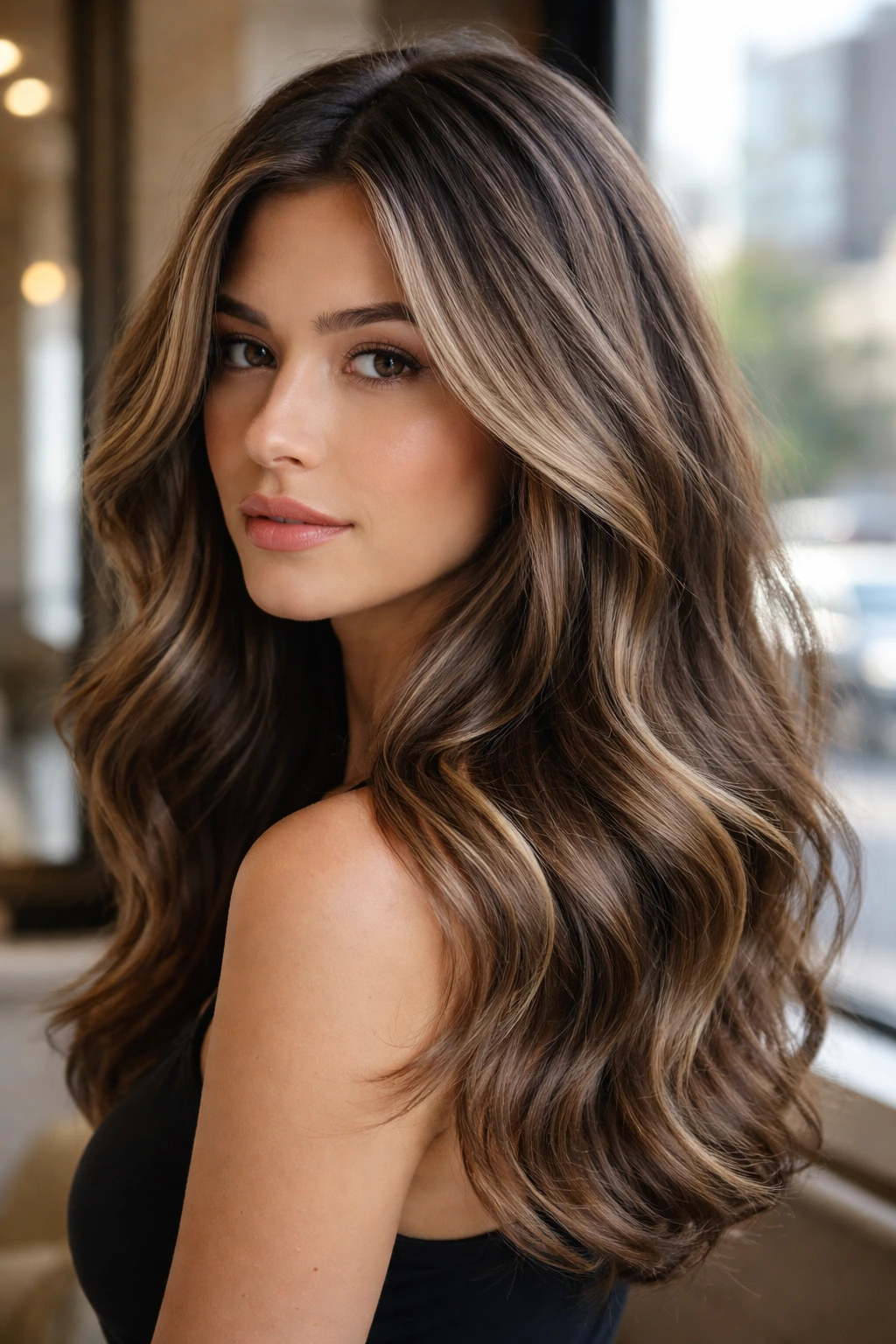
Wait, isn’t caramel warm? Usually, yes. But you can get cool caramel highlights. These are highlights that have been toned to have an ash, rather than a gold, finish. They are essentially a light, sandy brown that provides contrast against a darker, cooler base.
The Contrast
The beauty here is the contrast. You have a very dark, cool base—perhaps an espresso or a dark ash brown—punctuated by these lighter, sand-colored streaks. It gives the hair dimension without making the overall effect look “warm” or “brassy.”
Professional Tip
When booking this, be very clear. Say, “I want caramel highlights, but I need them toned to be ash or neutral. I do not want gold or yellow.” A good colorist will understand immediately that you are trying to keep the overall look cool-toned despite using a traditionally warm-sounding shade.
9. Slate Brown
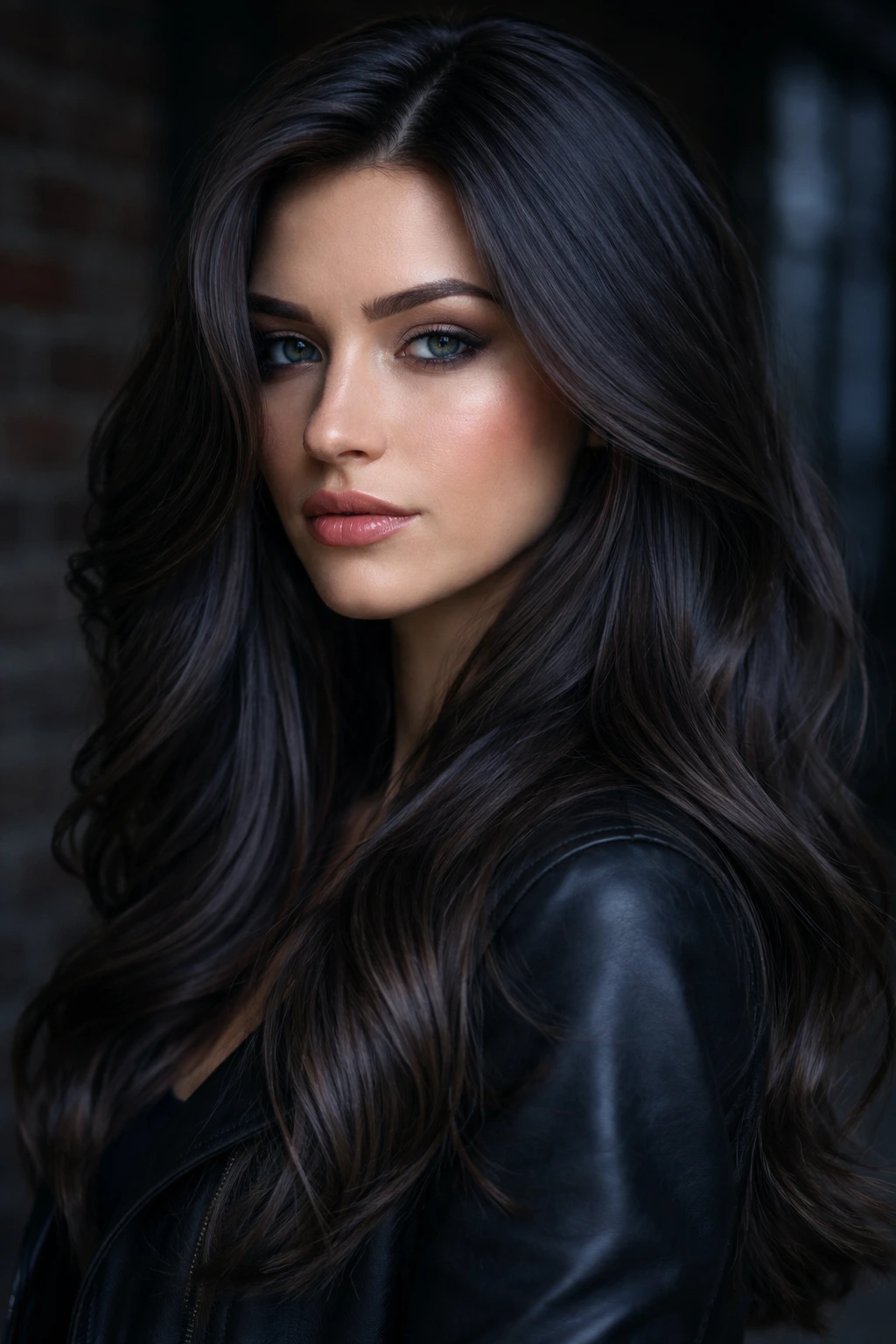
Slate brown is for the bold. It is a medium-to-dark brown that has a noticeable blue-gray tint to it. It is very close to the “granny hair” trend, but grounded in a brunette base. It is undeniably cool—literally and figuratively.
The Effect
It mimics the color of wet stone. It is a flat, cool, moody color. It is excellent if you have cool, pale skin with dark eyes. It creates a high-contrast look that is very striking.
Maintenance Reality
This color fades quickly. Blue and gray pigments are notoriously difficult for hair to hold onto. You will need to commit to regular gloss treatments at the salon, likely every 4 to 6 weeks, to keep that slate tone vibrant. If you wash your hair daily, consider a dry shampoo routine to stretch the time between washes.
10. Rooty Blonde-Brown
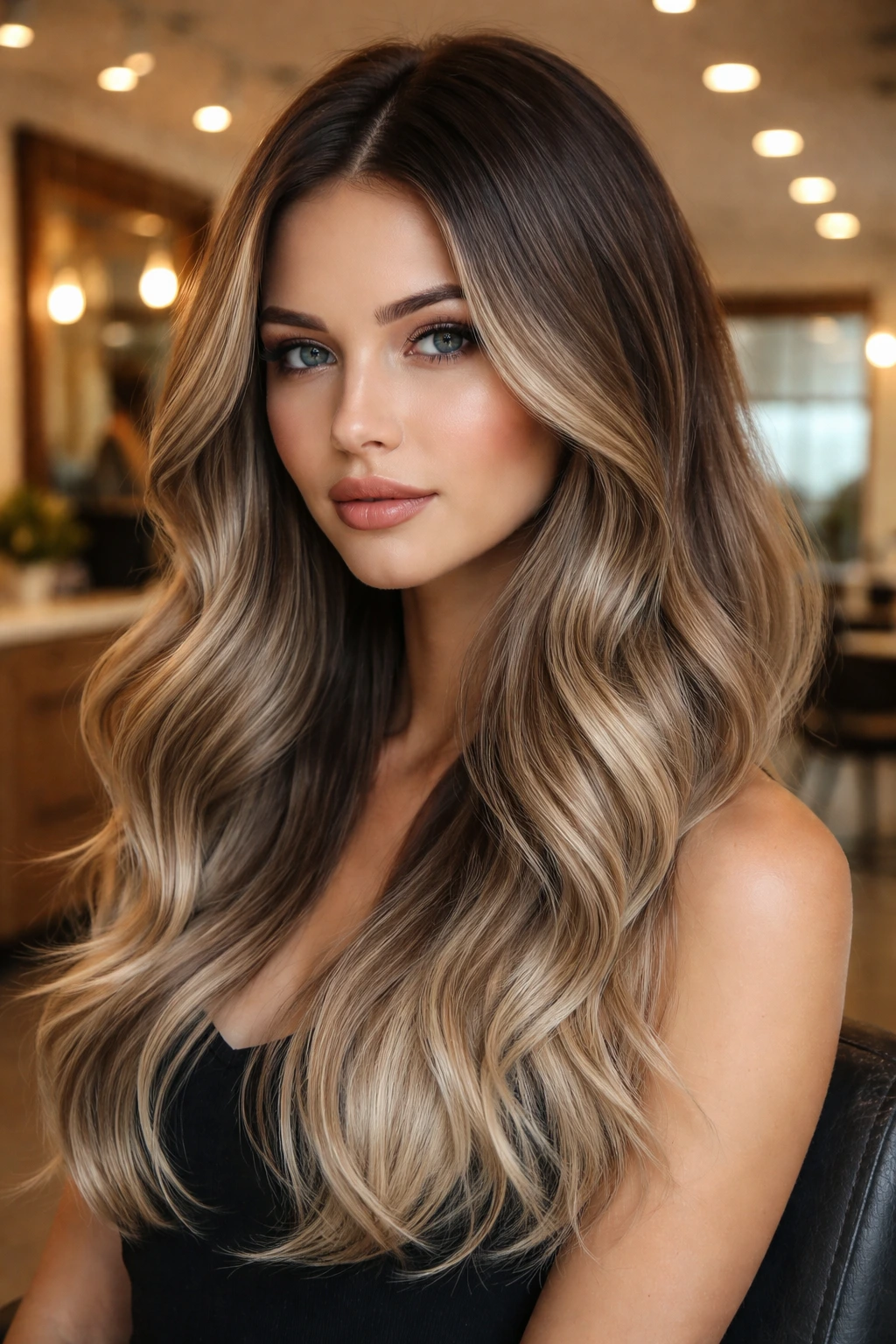
Also known as a “cool bronde,” this look keeps your roots a dark, cool brown and transitions the mid-lengths and ends into a cool, ash-blonde. It is the perfect solution for those who can’t decide between dark and light but want to stay away from honey, gold, or strawberry blonde.
The Transition
The secret is a “root smudge” or a “shadow root.” The transition between the dark brown and the ash blonde must be seamless. Any harsh lines will make the look feel dated. A shadow root blends the two colors, making the regrowth look intentional rather than sloppy.
Why It’s Great for Cool Tones
By keeping the roots dark and ash-based, you frame your face with the color that suits your skin tone best. The lighter bits are further away from your skin, so they don’t have to be perfect; they just need to be cool enough to not clash with your overall look.
11. Rich Mahogany
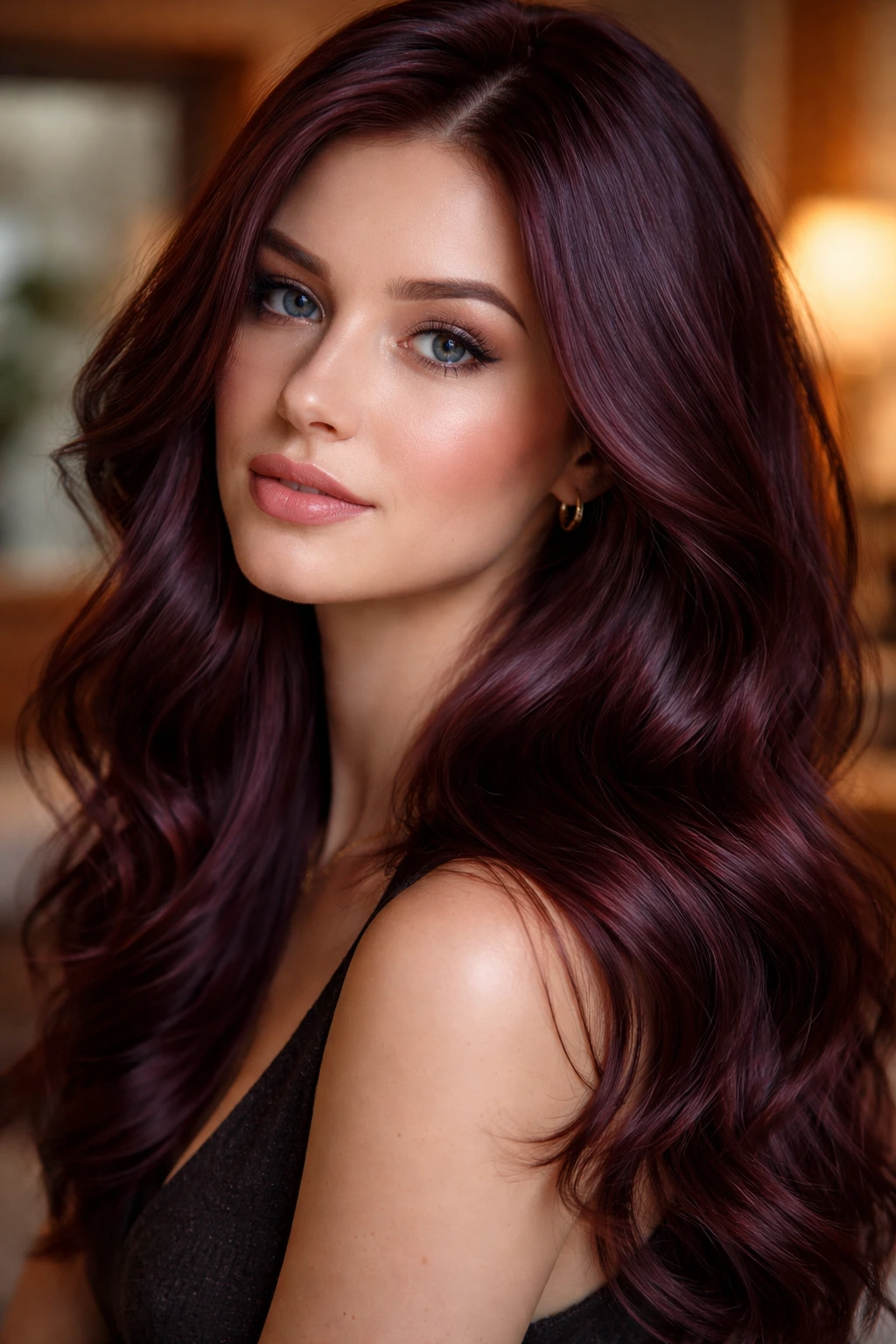
Mahogany is a tricky word in the hair world. It often implies a reddish-brown that can veer into orange. To make it work for cool skin, you need to demand “cool mahogany.” This shade focuses on the purple/blue side of the red spectrum rather than the orange/red side.
Identifying the Right Tone
When looking at swatches, avoid anything labeled “copper” or “ginger.” Look for words like “burgundy,” “violet,” or “cool red.” The goal is a deep, luxurious brown that looks like dark wood polished with a purple cloth. It is regal and bold.
Pairing with Skin
This color is stunning against cool skin because it mimics the natural flush people get when they are cold or embarrassed, making your complexion appear more alive rather than pale.
12. Espresso Glaze
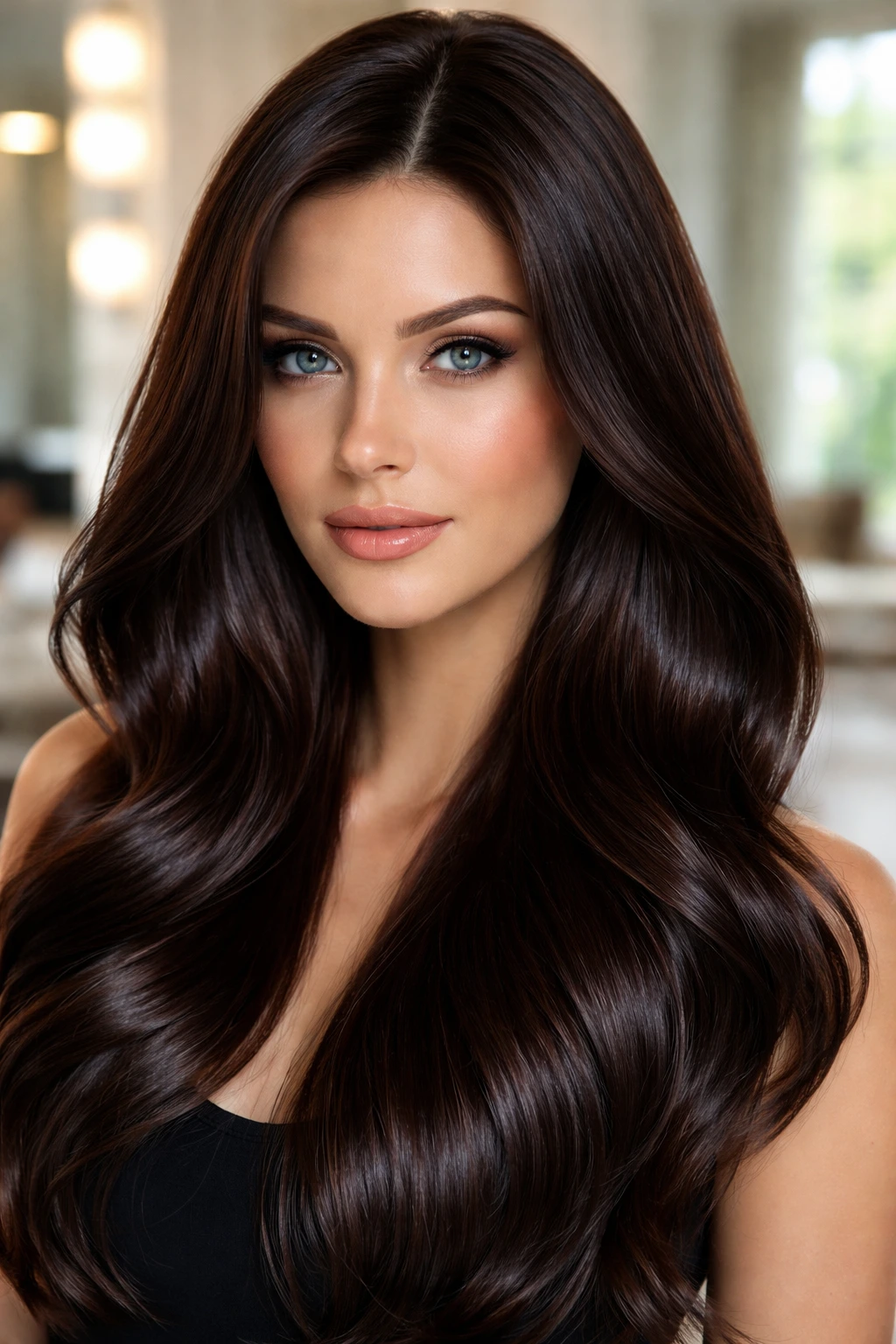
An espresso glaze is a temporary, high-shine treatment that deposits a sheer, cool-toned dark brown pigment over your hair. It is not permanent dye, which makes it perfect if you are nervous about committing to a dark, cool shade.
The Benefit
It corrects brassiness instantly. If your ends have faded to a light, orange-y brown, an espresso glaze will darken them and neutralize that warmth, returning your hair to a cohesive, cool-toned dark brown. It makes your hair look healthier immediately, as darker, glossier hair reflects more light.
Frequency
You can do this at home with a quality gloss or at the salon. It lasts about 3 to 4 weeks. It is the best way to “test drive” a cool dark brunette shade without the long-term commitment.
13. Silver-Flecked Brown
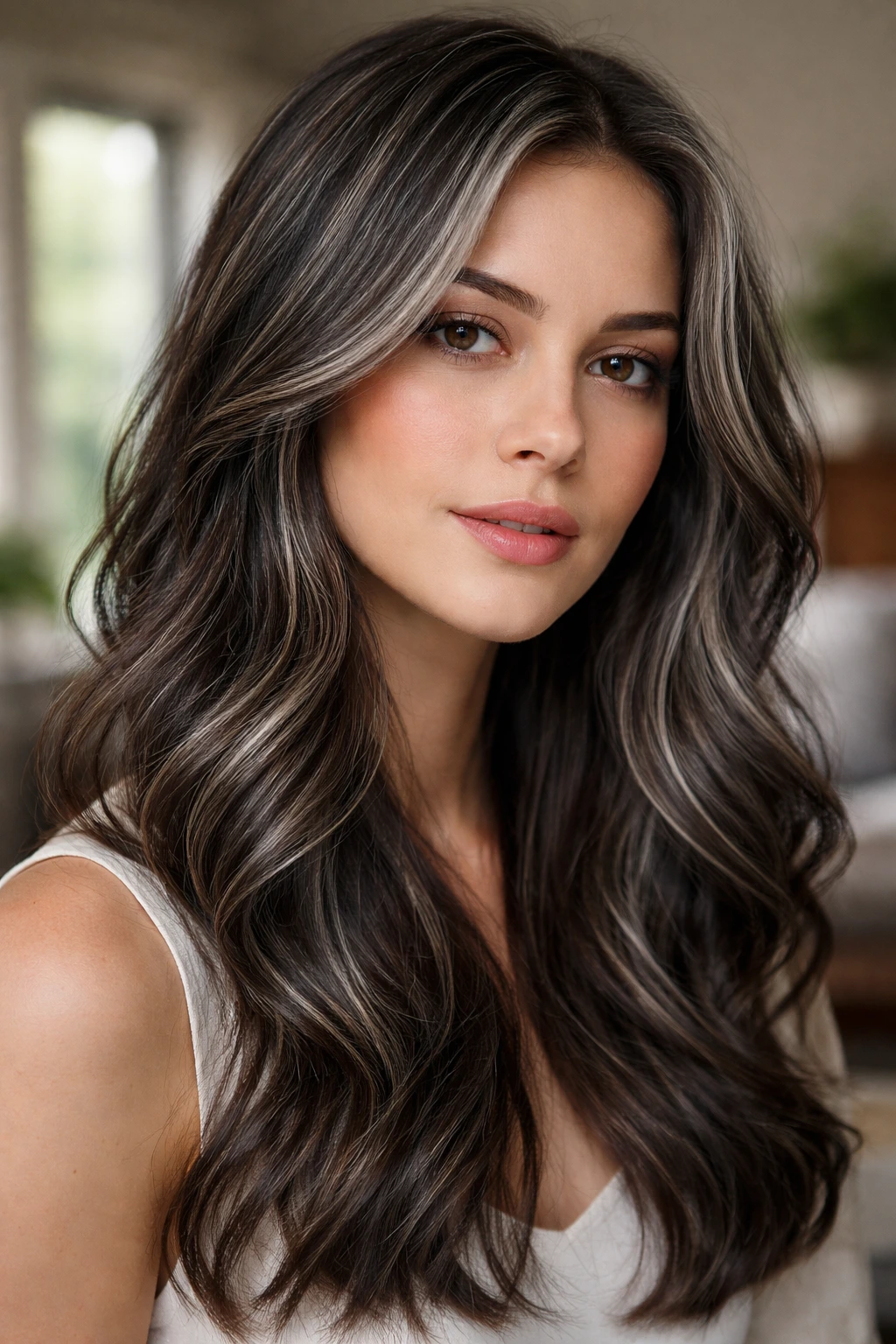
This look is for those who are starting to embrace their natural grays but aren’t ready to go fully silver. It involves weaving in fine, cool-toned silver or ash-blonde babylights into a dark, cool brown base.
The Visual
It creates a “salt and pepper” effect that is incredibly stylish and intentional. Because it incorporates silver, it is inherently cool-toned, which aligns perfectly with your skin’s needs.
Styling for Maturity
This color is very forgiving. As you age, your skin tone often shifts slightly, and your hair texture changes. A silver-flecked brown manages these transitions gracefully. You don’t have to fight your natural growth; you are simply incorporating it into a deliberate design.
14. Cool Chestnut
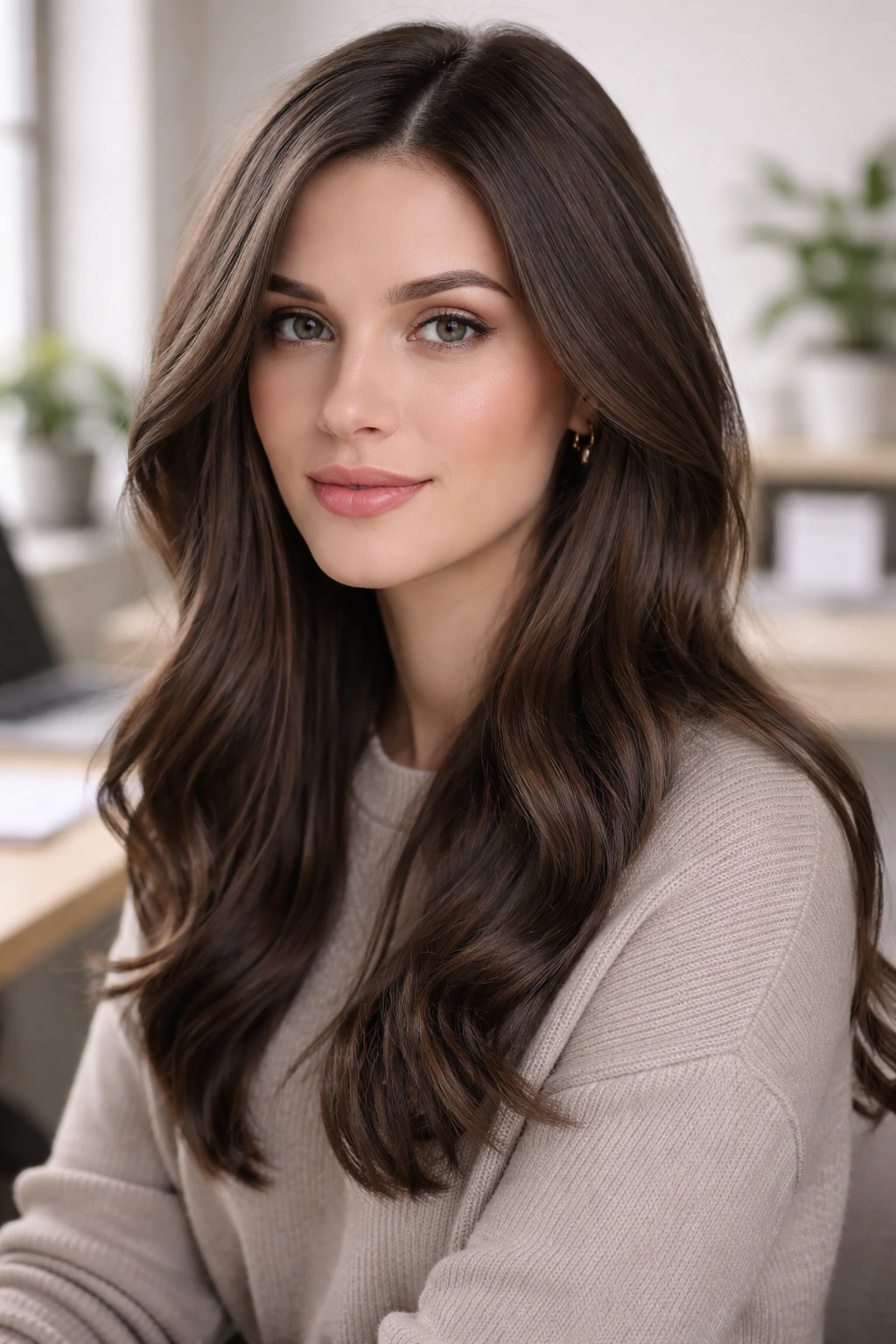
Chestnut is traditionally a warm, autumnal color. But a cool chestnut is possible. It is a chestnut brown that has been toned with ash. It removes the “pumpkin” or “copper” vibes often associated with chestnut and leaves behind a soft, natural-looking brown that feels like an upscale version of your natural hair color.
Who It Suits
If you have medium skin with cool, neutral undertones, this is your everyday “natural” color. It doesn’t look like you dyed your hair at all—it just looks like you have incredible, healthy, vibrant brown hair.
The Strategy
It is about “tone-on-tone” color. The colorist keeps the base close to your natural shade and simply shifts the reflection to be ash instead of gold. It is low-maintenance, healthy, and incredibly professional.
15. Blackberry
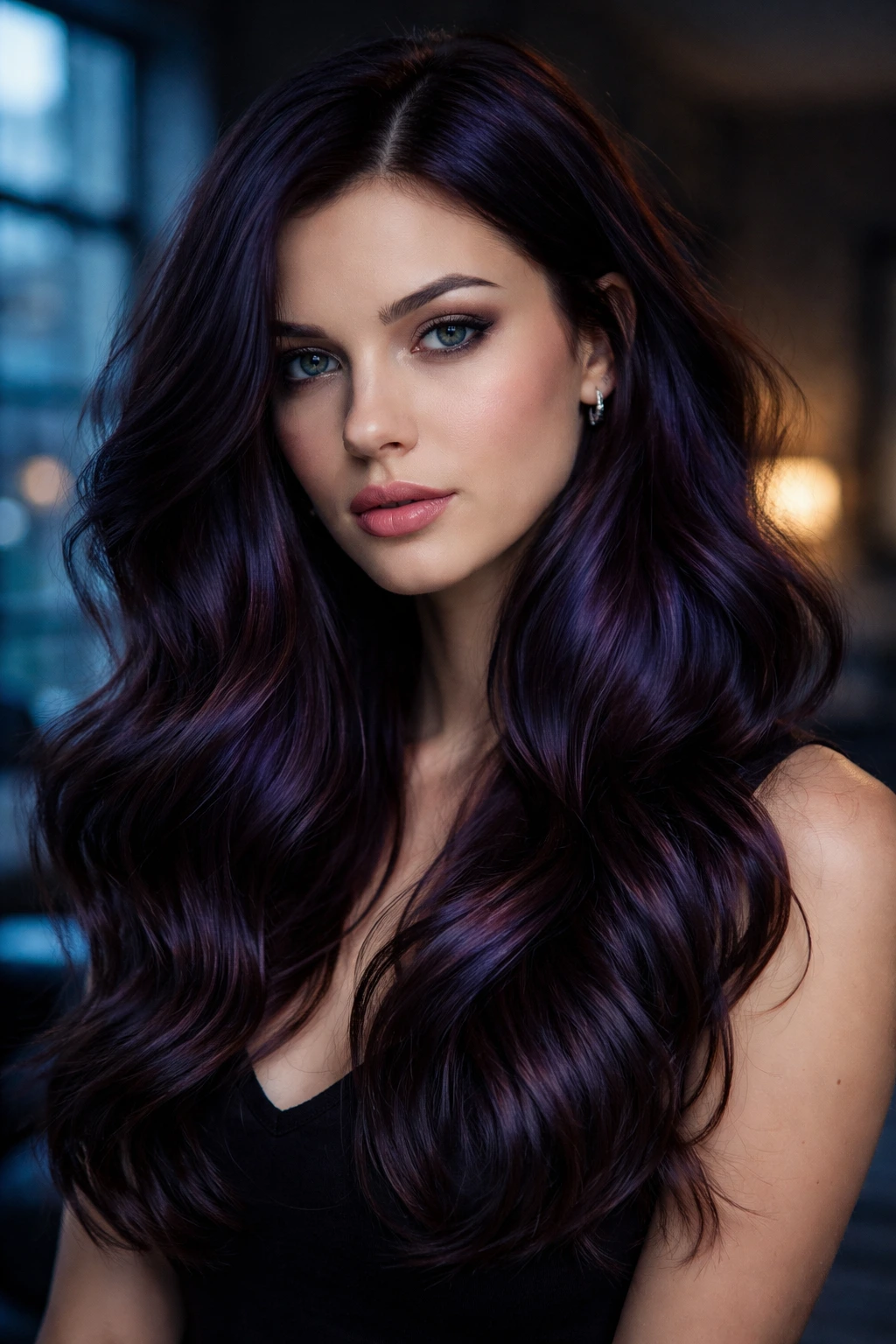
Blackberry is a deep, dark brown that features a visible, intense purple-blue undertone. It is distinct from plum-infused brown because it is darker and more saturated. It feels very modern and is perfect for the cooler months or for someone with a darker, more dramatic aesthetic.
Skin Tone Matching
This color is exceptionally flattering on very fair skin with cool undertones. It creates a stark, Snow White-esque contrast that is visually arresting. It makes your skin look like porcelain.
Maintenance Warning
This is a high-maintenance color because the purple/blue pigments are the first to wash out. You will need to use a color-depositing conditioner with a violet or blue tint to keep the “blackberry” effect alive between salon visits.
16. Mocha Ombré
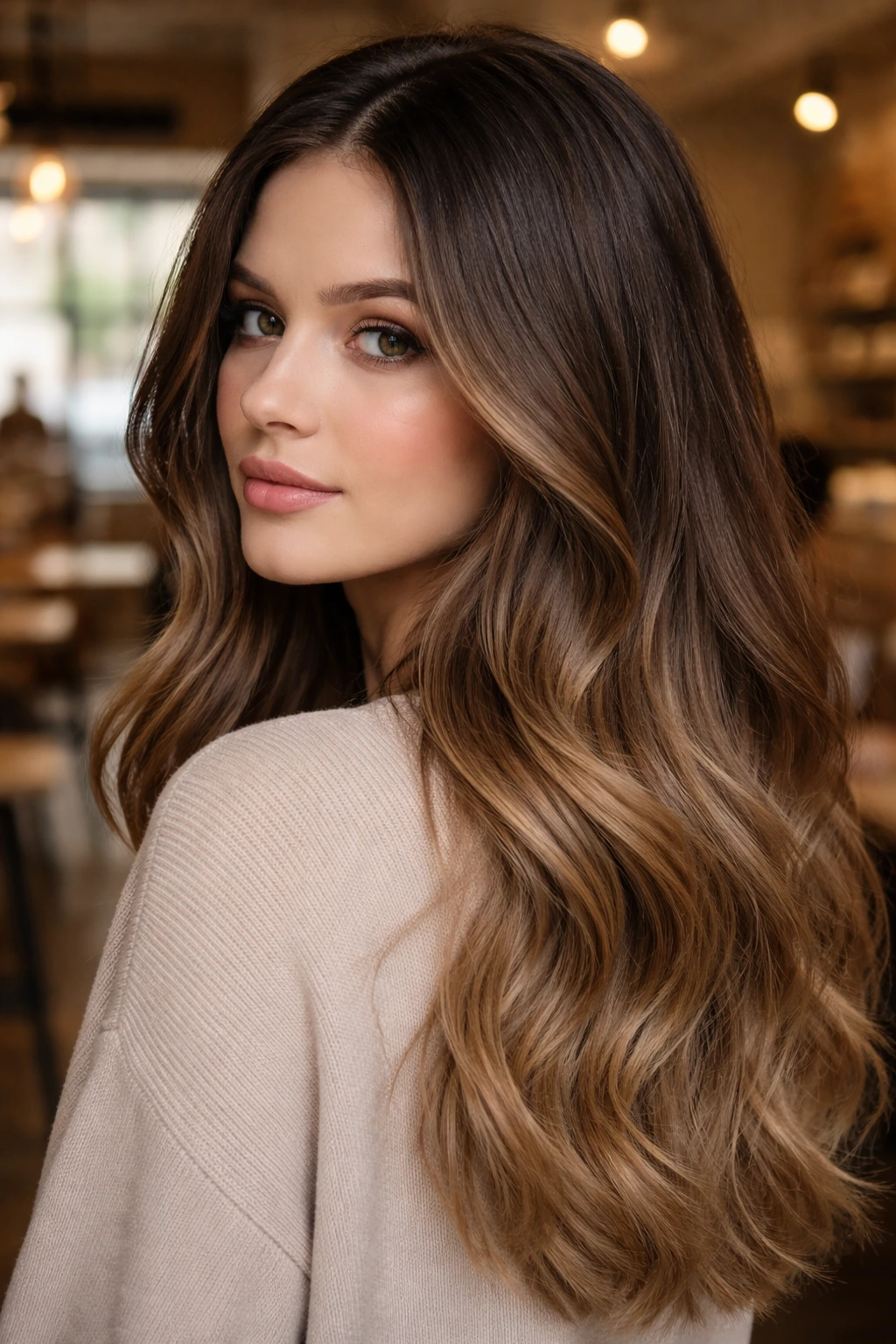
An ombré usually implies a transition from dark to light. For a cool skin tone, the key is ensuring that both the dark top and the light ends are cool-toned. You want a dark, ash-brown at the roots fading into a soft, cool, light-brown or “greige” at the tips.
Avoiding the Trap
The biggest trap with ombré is the middle section—the transition point. If it turns orange, the whole look fails. Ensure your stylist uses a toner on the mid-lengths specifically to kill any warmth that surfaces during the lift.
Why It Works
It is a great way to grow out your hair color. Because the roots are dark and your natural color, you don’t have to worry about a harsh line of demarcation as your hair grows. It looks purposeful for months.
17. Soft Greige
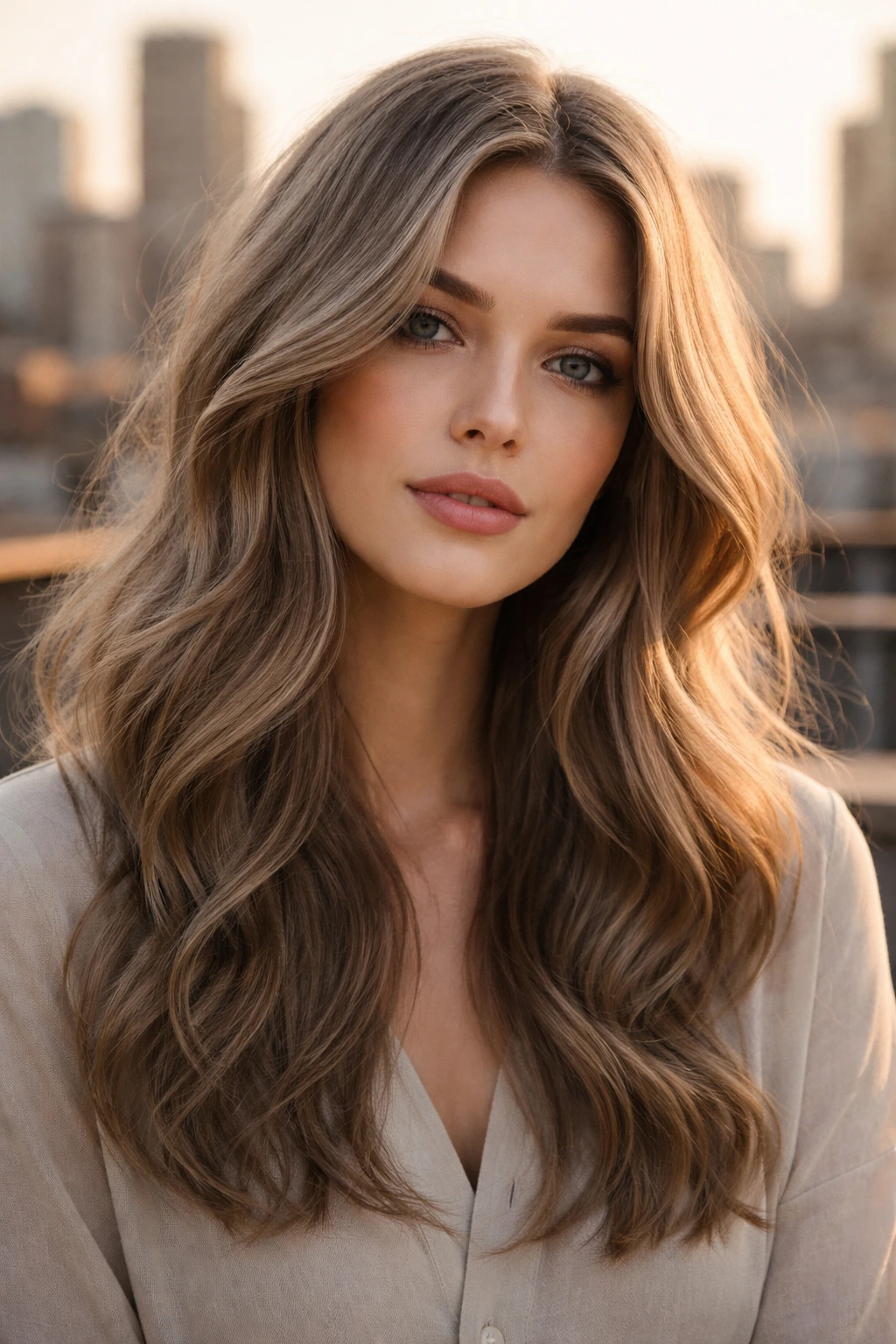
Greige is that wonderful, nuanced color that sits between gray and beige. When applied as a hair color, it is a lighter, soft brown that is completely lacking in warmth. It is very popular in fashion-forward circles because it looks like a high-fashion, intentionally “muted” color.
Texture and Style
This color looks best on hair with some natural wave or texture. Because the color itself is so flat and muted, the movement of your hair provides the “interest” and “light” rather than the color having to do all the work.
Daily Care
Because it is so light and cool, it can easily look “dirty” if not kept clean and glossy. This isn’t the color for the “lived-in, messy” look. It requires a bit more effort in styling—think sleek, straight, or carefully tousled waves—to ensure the color looks deliberate.
18. Midnight Brown
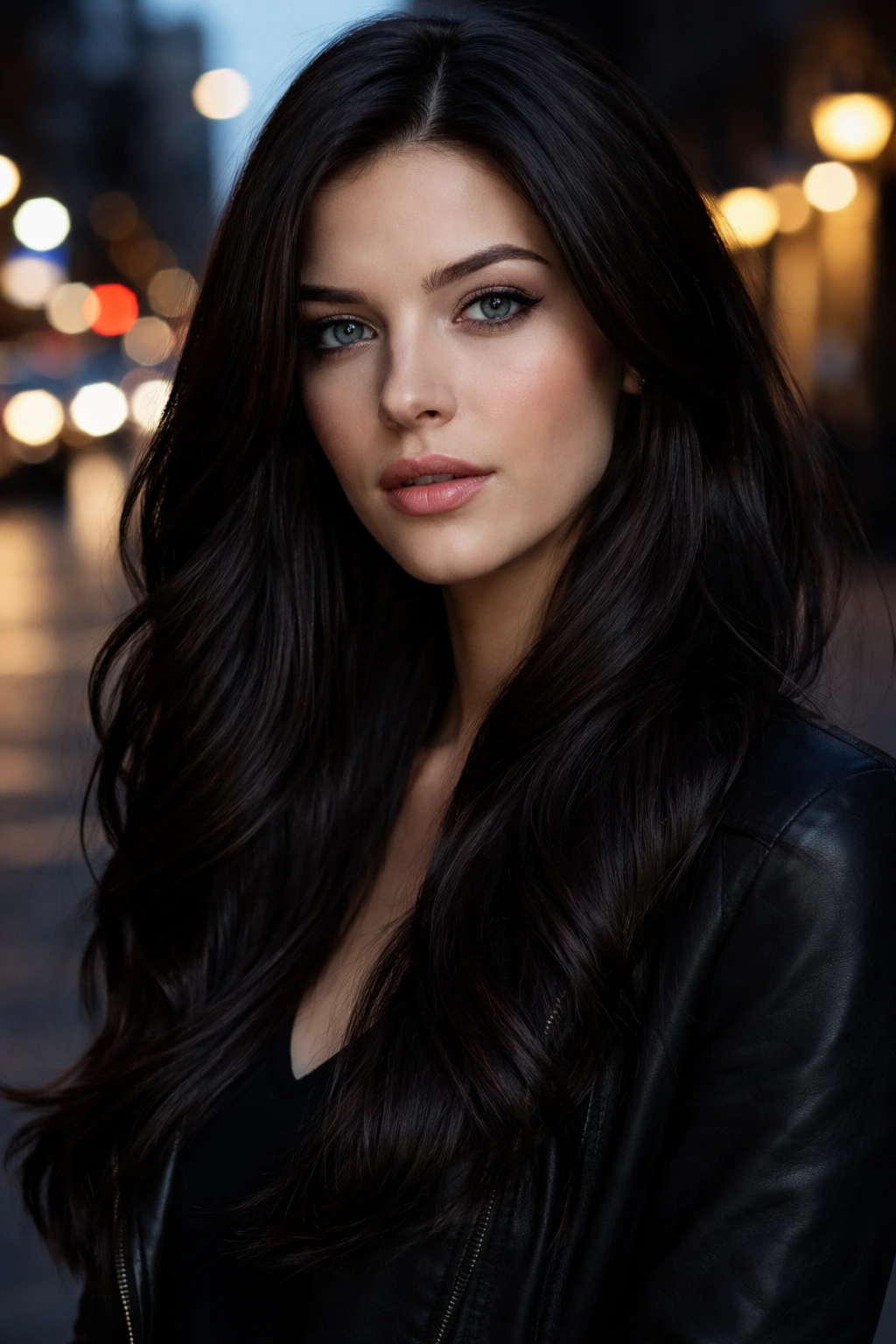
Midnight brown is the deepest brown you can get before it technically becomes black. It is intense, moody, and almost entirely absorbs light. It is sleek, shiny, and sophisticated.
The Depth
It is not black. It is brown. In the right light, you can see the brown pigments, but for the most part, it is a dark, cool-toned anchor. It is the ultimate “power color” for those with cool skin, providing a frame for the face that is stronger than any other shade.
Why Choose It
It is remarkably low maintenance regarding fading. Since it is so dark, you don’t have to worry about it looking “brassy” as it fades. It just slowly loses its intensity over time. If you want a color that stays consistent for weeks, this is the one.
The Importance of Maintenance
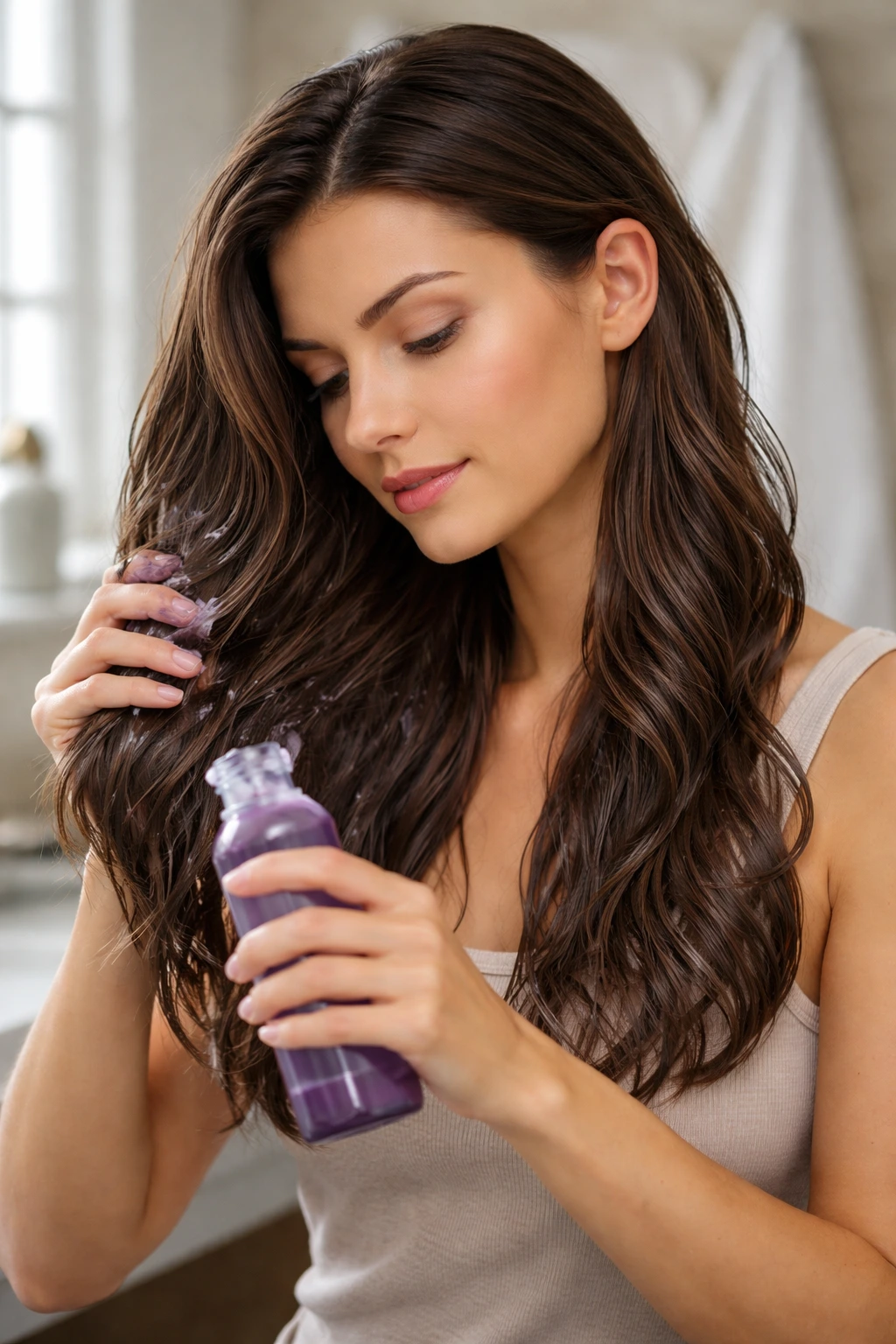
Choosing the color is only half the battle. Maintaining a cool-toned brown is a lifestyle commitment. Because your hair naturally contains warm pigments (which are revealed as hair is lifted), the heat will always try to return. You must be prepared to combat it.
Invest in a professional-grade blue or violet shampoo. Do not use this every time you wash your hair, as it can be drying or, if overused, turn your hair too purple. Use it once a week as a corrective measure. On other days, use a sulfate-free shampoo for color-treated hair. Sulfate-free is non-negotiable—sulfates strip color and open the cuticle, which allows your toner to wash out faster.
Also, consider scheduling a “gloss” or “toner” refresh appointment between your major color services. Most people wait 8 to 12 weeks for a full color treatment. If you get a simple clear or ash-toned gloss 4 weeks into that cycle, you will stop the fading process in its tracks. It is a cost-effective way to keep your hair looking fresh and to prevent the dreaded “warmth” from creeping back in.
Finally, manage your water. If you have hard water in your home, it is filled with minerals that will strip your toner and deposit their own warm, brassy tints onto your hair. If you notice your color fading rapidly within two weeks of your salon visit, the problem is likely your water, not your colorist. A shower filter can make a world of difference, effectively acting as a barrier between your hair and the harsh minerals that ruin your cool-toned investment. Taking care of your hair requires being proactive, but once you find that perfect, cool-toned brown that makes your skin look radiant, you will find it is worth every bit of the effort.
