



Finding the right hair color when you have cool-toned skin feels like navigating a minefield. For years, the conventional beauty advice has been rigid: if your skin has blue or pink undertones, stay away from the warm spectrum. Avoid anything red, orange, or golden at all costs, or risk looking washed out. I’ve heard this from stylists and magazines my entire career.
But here’s the reality: that “rule” is outdated and honestly a bit boring. You don’t have to stick to icy platinums or jet blacks just because your veins look blue under natural light. The secret isn’t avoiding warmth—it’s finding the right kind of warmth. Cinnamon is a masterclass in this balance. It’s spicy, vibrant, and rich, but when executed correctly, it holds enough brown or neutral pigment to ground it, making it perfectly wearable for cool complexions.
The trick to pulling this off is all in the ratio. You want the spice of the cinnamon without the overwhelming brassiness that clashes with cool skin. Whether you want a subtle shift or a complete overhaul, you can wear cinnamon shades as long as you pay attention to the base color and the placement. Let’s look at twenty-two ways to wear this color that don’t just work—they actually make your skin look brighter.
1. Deep Espresso with Cinnamon Lowlights
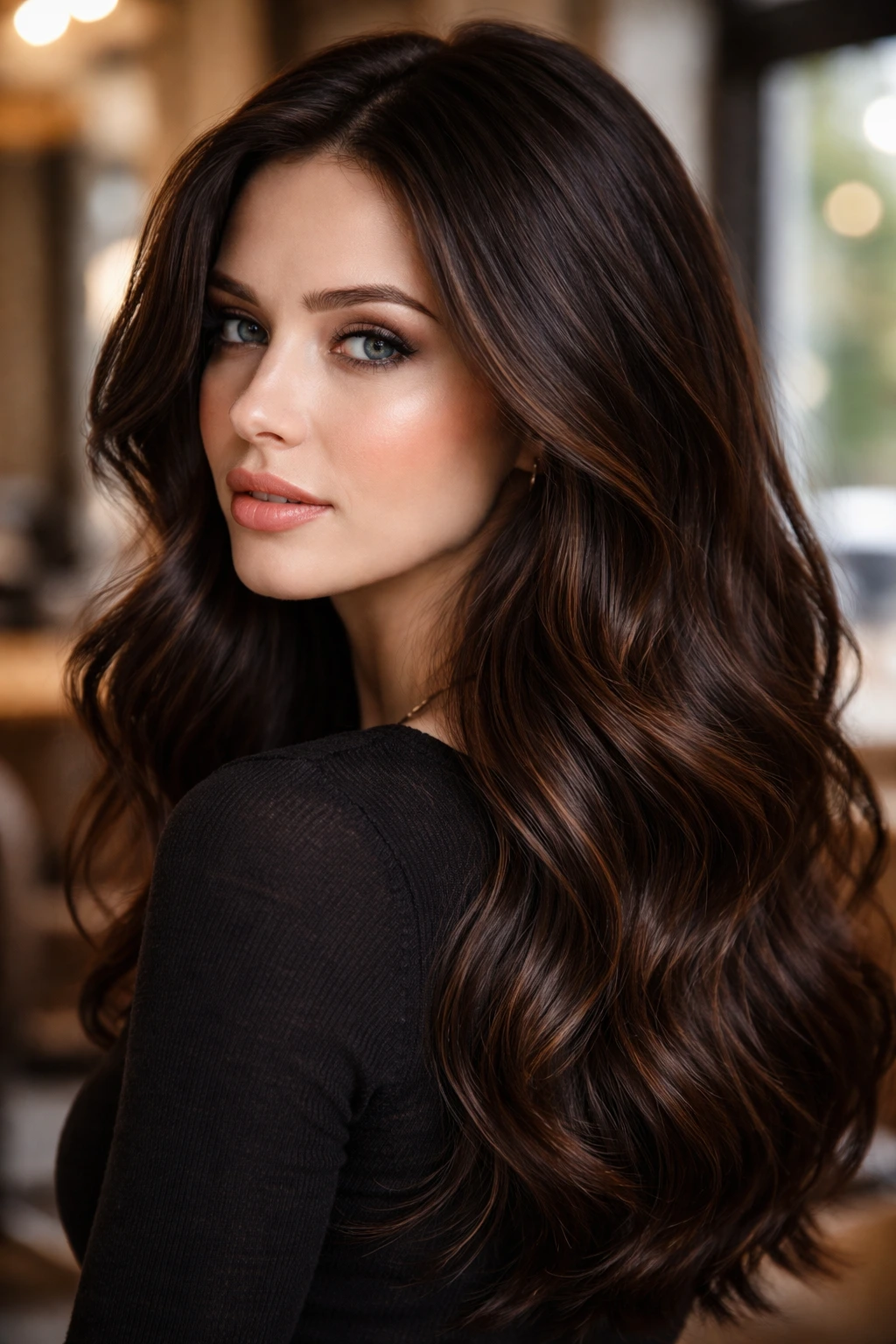
This is the entry-level approach for anyone terrified of going too bright. You keep your base a rich, dark espresso—something very close to your natural color—and weave in fine, delicate cinnamon lowlights. Because the bulk of your hair remains dark and cool, the cinnamon provides just a hint of dimension without overpowering your complexion.
Why It Works for Cool Skin
The dark base acts as an anchor. Since your skin is cool-toned, having a darker, cooler foundation keeps the color palette balanced. The cinnamon is relegated to the lowlights, which means it’s tucked inside the hair rather than sitting on top where it would reflect directly onto your skin.
Maintaining the Balance
- Ask your stylist for “cool-toned brown” as the primary base.
- Keep the cinnamon ribbons thin—think of them as threads, not chunks.
- Use a color-depositing conditioner once a week to keep the brown from turning muddy.
Pro tip: If you feel like the cinnamon is still pulling too orange after a few washes, a blue-tinted gloss will knock out that brassiness immediately.
2. Soft Cinnamon Balayage
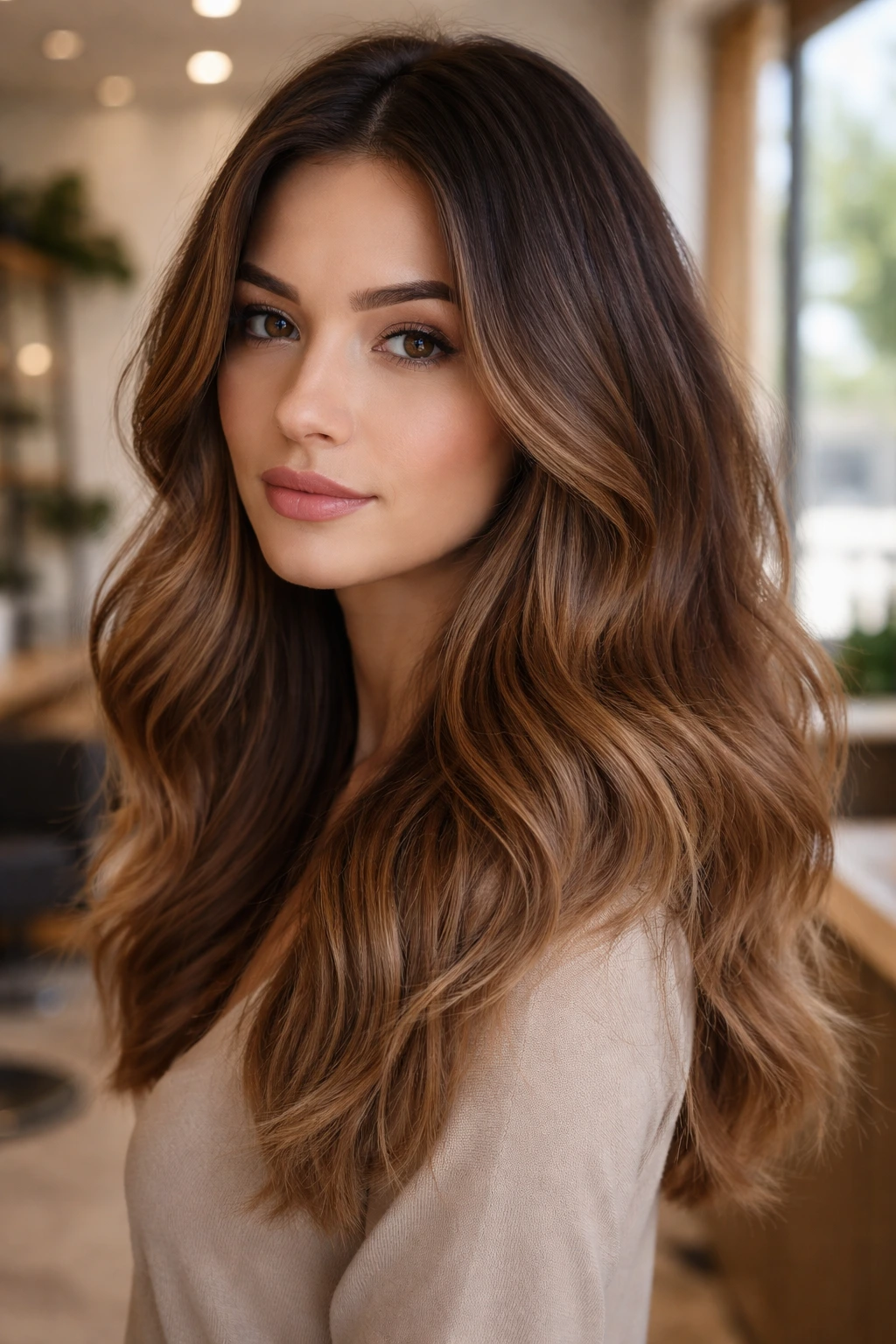
Balayage is the gold standard for a reason. It creates a seamless transition that mimics how the sun would naturally lighten your hair, which is exactly what we want when we’re trying to soften a cinnamon shade. A soft balayage keeps the roots dark and cool while the ends fade into a muted, dusty cinnamon.
The Application Technique
Your stylist should paint the cinnamon color starting mid-length. This ensures the warmth is as far away from your face as possible. By the time the color reaches your shoulders, it’s a soft, blended mix of brown and spice. It’s low-maintenance, and the grow-out is virtually non-existent.
What to Ask For
- “Root melt” technique to blend your natural dark base.
- “Muted spice” tones rather than “bright copper.”
- A gloss finish to add shine and seal the cuticle.
This style is perfect if you’re nervous about maintenance. Since the roots stay your natural color, you won’t be running to the salon every four weeks to cover regrowth.
3. Cinnamon Ribbon Highlights
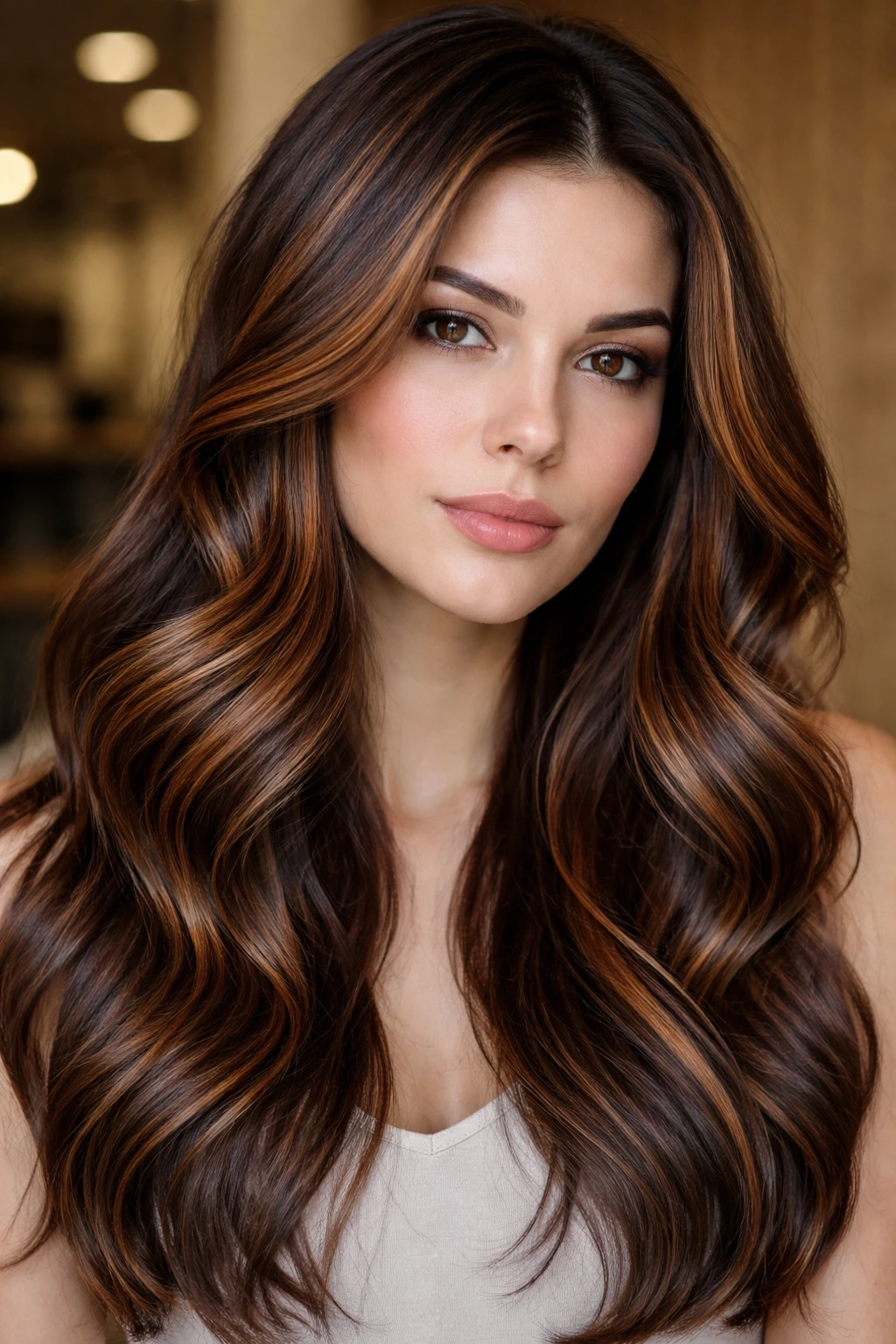
Instead of all-over color, we’re talking about strategically placed ribbons of cinnamon. This approach involves taking thicker sections of hair—about half an inch wide—and saturating them with a cool-leaning cinnamon dye. These ribbons catch the light beautifully without dominating the overall look.
Why It Works
It creates a sense of movement. When your hair moves, the cinnamon ribbons peek through the cooler brown base, giving the illusion of a multidimensional, expensive hair color. It’s less about a color change and more about texture and depth.
Quick Styling Tip
When styling these, use a large-barrel curling iron. The curls expose the different colors within the ribbons, making the cinnamon pop against the dark backdrop. A straight style might hide the dimension, so embrace the volume.
4. Icy Cinnamon Ombre
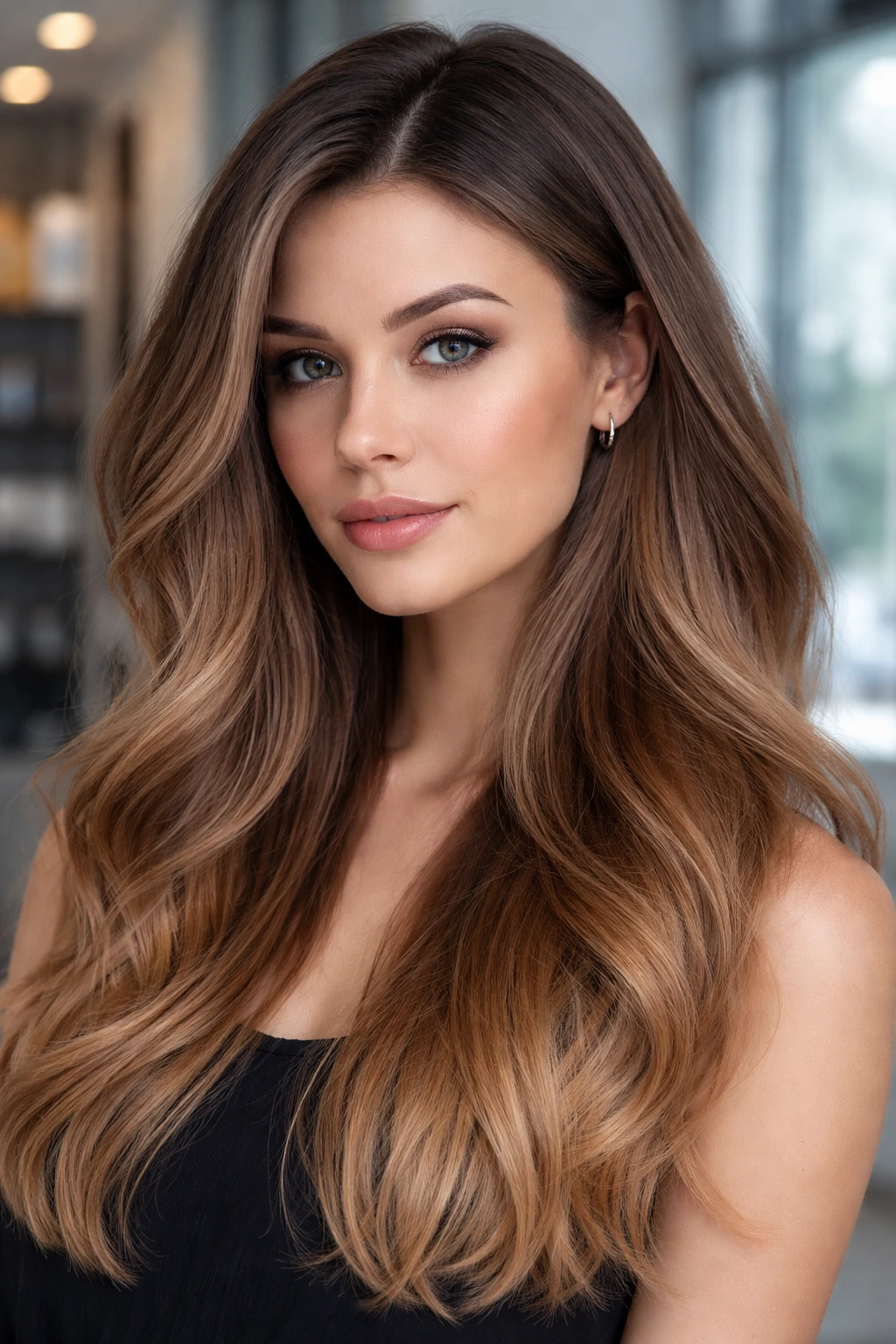
Think of this as the colder sibling of the traditional cinnamon ombre. Instead of fading into a bright, pumpkin-spice color at the ends, this version fades into a sophisticated, cool-toned auburn. The transition is sharp but smoothed out by a root smudge that keeps the top half of your head cool and neutral.
The Color Logic
The key here is the “icy” descriptor. You want the ends to have a slightly matte finish. Avoid anything too glossy or golden. A matte or satin finish on the cinnamon ends helps it blend with the cooler, ash-toned roots.
Maintaining the Ombre
- Expect to touch up the ends every six to eight weeks.
- Use a sulfate-free shampoo to preserve the integrity of the color.
- A heat protectant is mandatory, as bleached-then-colored hair is prone to dryness.
5. Cinnamon Glaze on Ash Brown
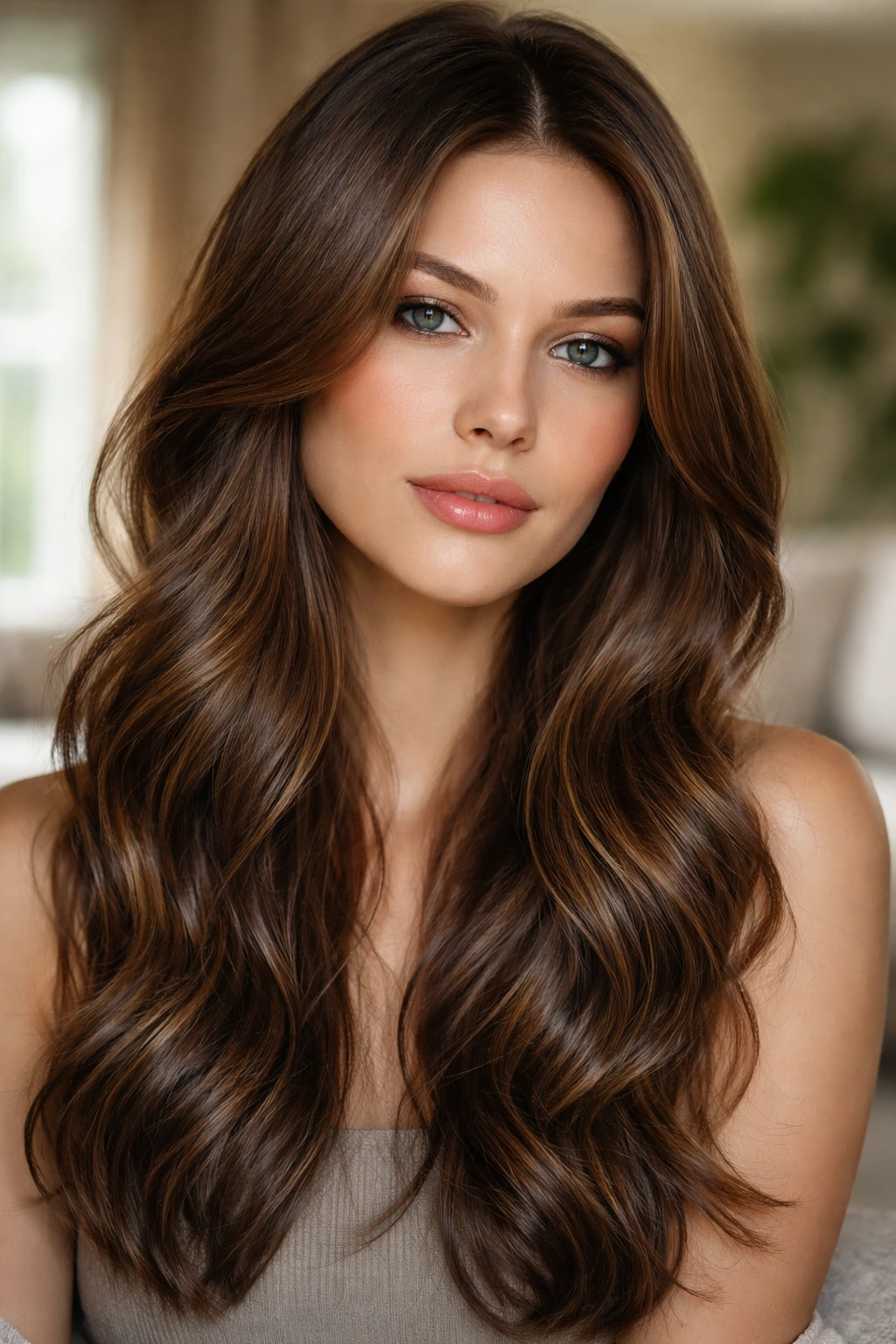
Sometimes you don’t need a heavy dye job; you just need a tint. A cinnamon glaze is essentially a sheer, semi-permanent color wash over your existing hair. If you already have cool, ash-brown hair, this is the easiest way to dip your toes into the cinnamon trend.
How It Performs
It’s not a permanent shift, so if you hate it, it washes out within a few weeks. It adds a translucent layer of cinnamon over your natural ash tones. The result is a color that looks like your hair but “better”—richer, deeper, and slightly more complex.
When to Choose This
- You have virgin hair and don’t want to commit to bleach.
- You’re between salon appointments and need a refresh.
- You have an event coming up and want a temporary change.
6. Copper-Cinnamon Melt
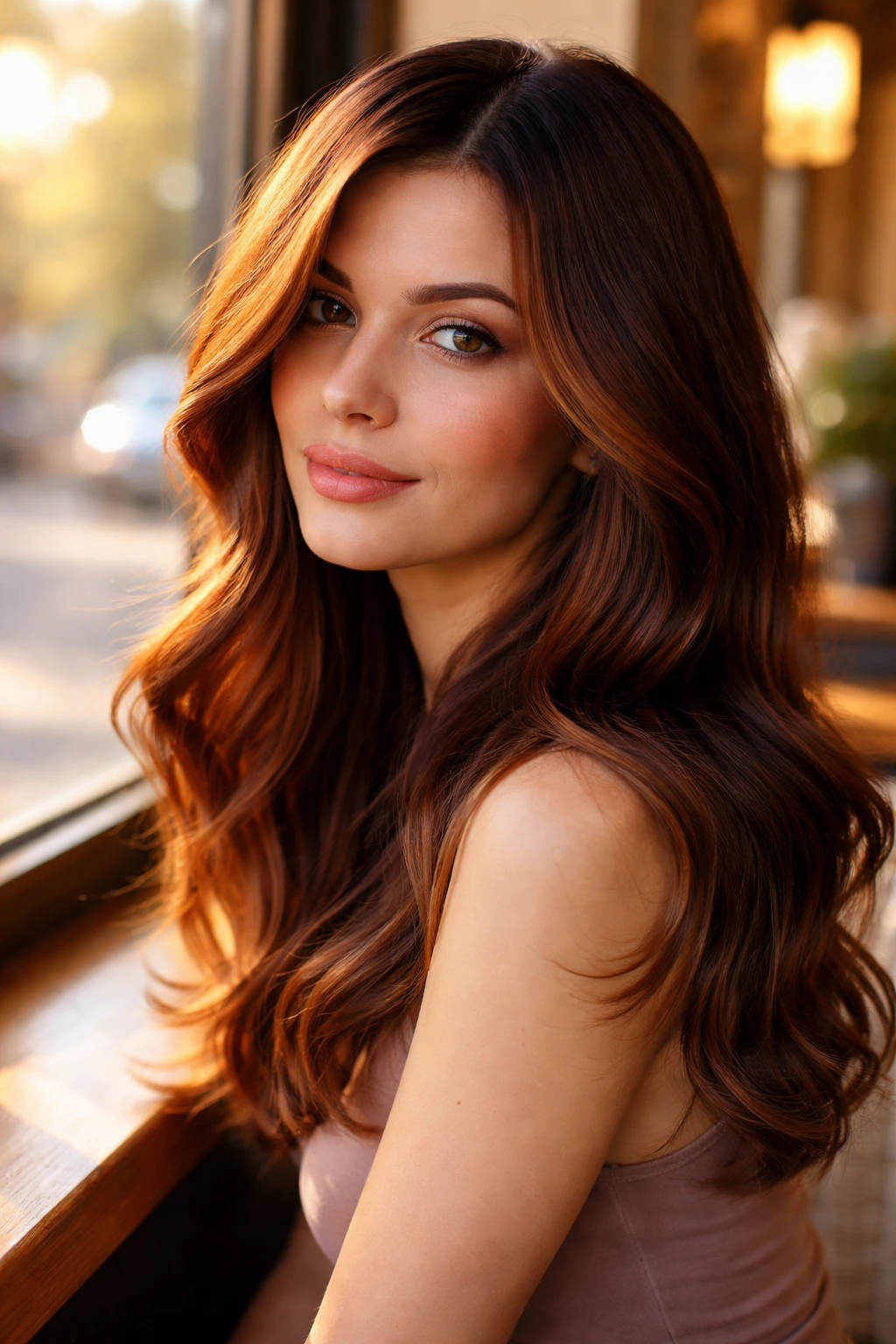
This is for those who are ready to lean into the warmth but still want that cool-toned safety net. We’re taking a classic copper tone and muting it with a heavy dose of cool brown. The result is a “melt” where the colors bleed into each other, creating a unique cinnamon-copper hybrid.
Why This Isn’t Just “Red”
Standard copper can look jarring on cool skin. By melting it into a cool-toned brown, you dilute the intensity. It becomes a rich, spicy brown rather than a bright, artificial red.
Styling for Maximum Effect
- Pair this with a slightly layered cut.
- Use a shine serum—this color looks best when it’s glossy.
- Avoid overly warm-toned makeup; stick to mauve or berry lip shades to complement the spicy hair.
7. Cinnamon Ash Brown
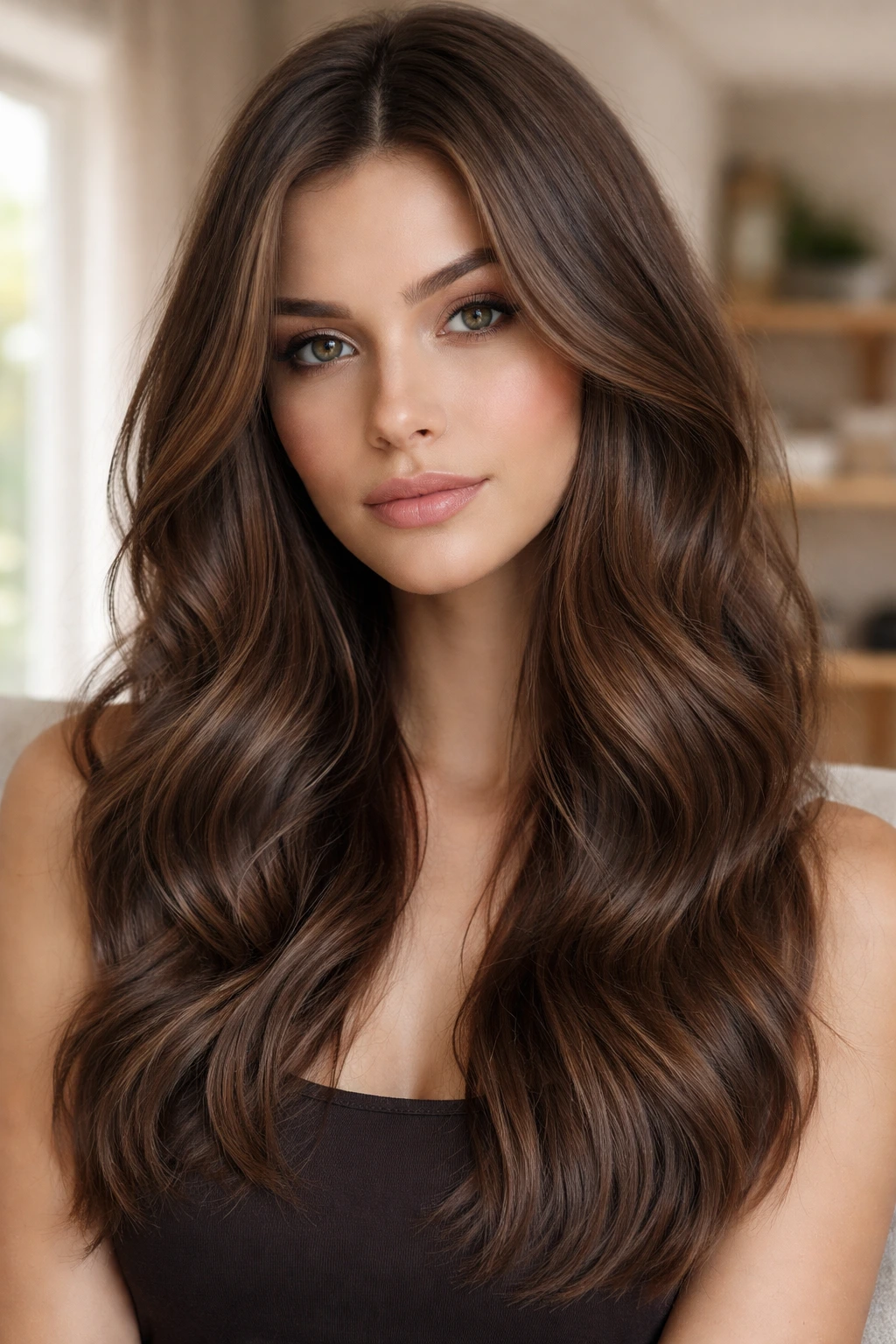
This is the most “cool-toned” version of cinnamon you can possibly get. It’s a literal oxymoron—cinnamon is warm, and ash is cool—but when done right, it’s stunning. It’s an ash-brown base with very subtle, muted cinnamon highlights that have been toned down with an ash-grey pigment.
The Science Behind the Shade
It’s all about neutralization. Your colorist uses a blue-green base to offset the red-orange in the cinnamon. This pulls the color back to a neutral, sophisticated shade that won’t make your cool skin look pale or sickly.
Who Should Get This
- Anyone who has naturally mousey-brown hair and wants a lift.
- People who usually struggle with hair color pulling “too orange” on them.
- Those who want a professional, understated look.
8. Dark Cinnamon Mahogany
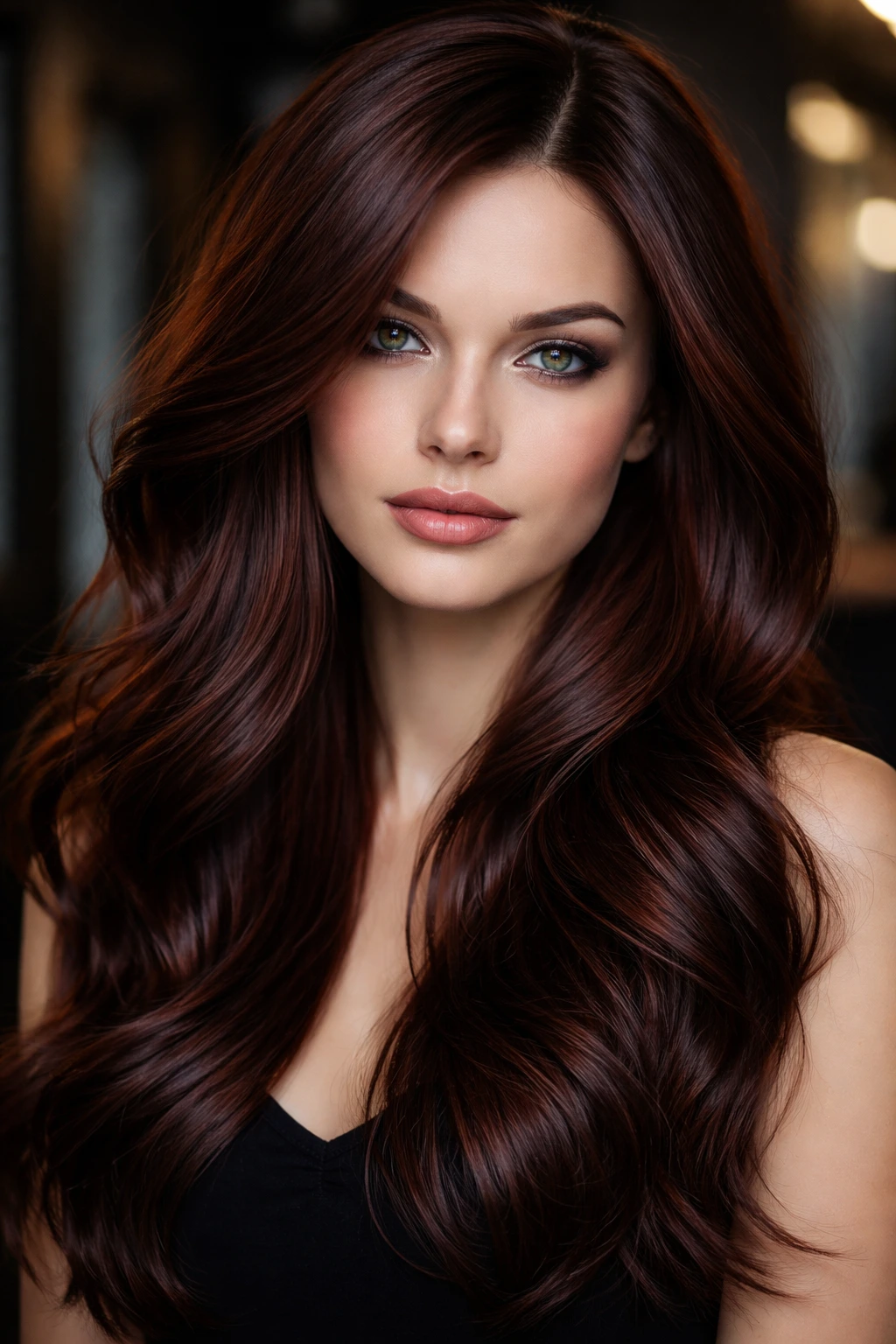
Mahogany is a dark, cool-toned reddish-brown that already leans into the plum or violet spectrum. When you mix cinnamon into mahogany, you’re creating a deep, moody, and very sophisticated color. It’s less “spicy cinnamon bun” and more “fine wine.”
The Effect on Complexion
Because mahogany has those purple/blue undertones, it’s naturally flattering for cool skin. It acts as a bridge, allowing you to incorporate the cinnamon without abandoning your cool roots. It’s dramatic, intense, and looks incredibly healthy.
Maintenance Notes
- Mahogany fades fast. You’ll need a color-depositing conditioner with red/violet pigments.
- Avoid washing your hair in hot water; cold water is the secret to keeping this shade deep.
- Consider a gloss treatment every four weeks to keep it looking shiny.
9. Cinnamon Mocha Blend
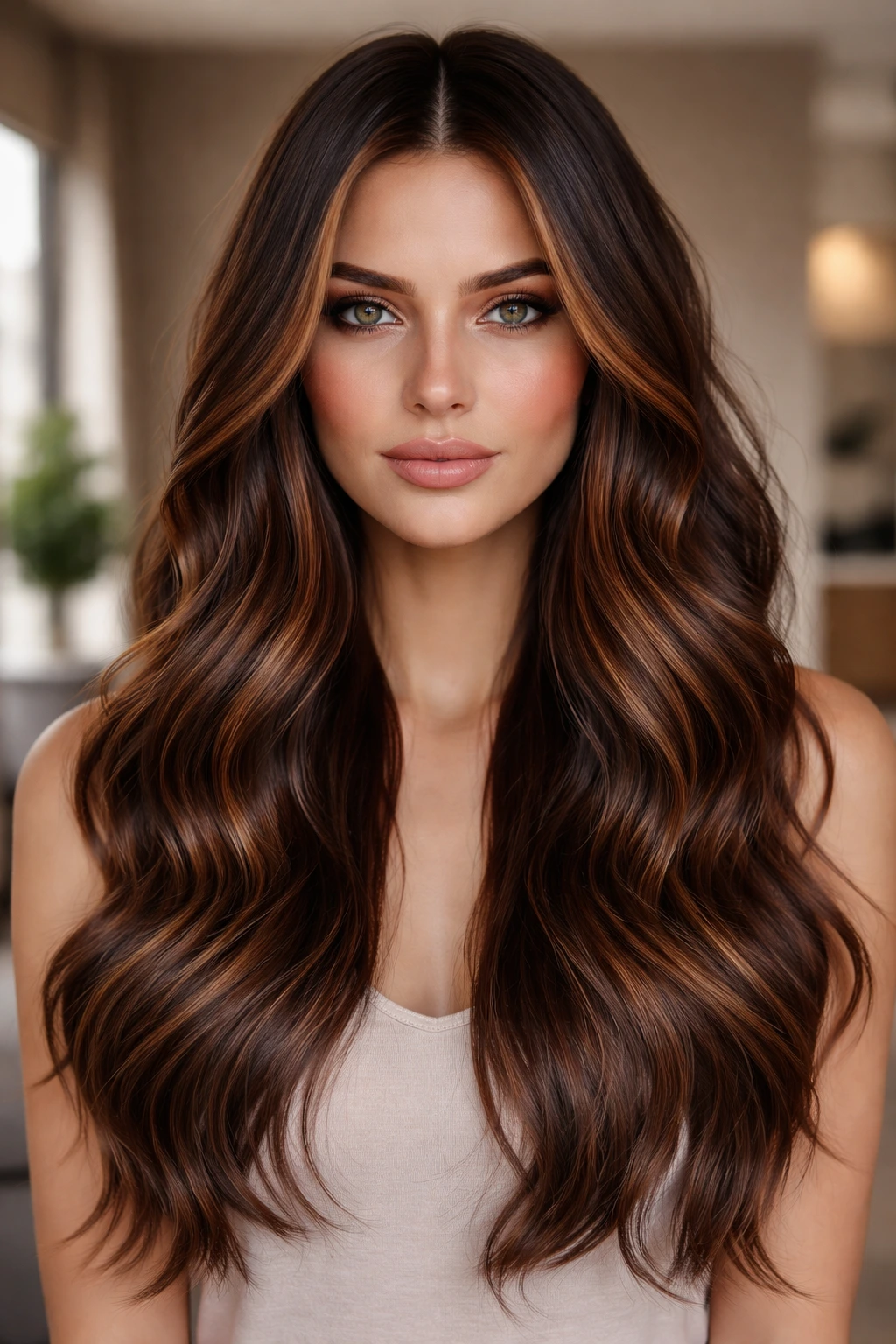
Mocha is the ultimate cool-toned brown. It’s dark, rich, and leans slightly grey/taupe. By blending cinnamon highlights into a mocha base, you get a high-contrast look that is still very much rooted in cool-toned territory.
The Contrast Factor
The contrast between the dark mocha base and the spice-colored highlights creates a look that is very popular for a reason—it’s striking. It draws attention to the eyes and cheekbones because the colors are playing off each other.
How to Style It
- Loose waves show off the blend perfectly.
- A center part keeps it modern.
- Keep your eyebrows a neutral, cool shade; don’t match them to the cinnamon.
10. Cinnamon Money Piece
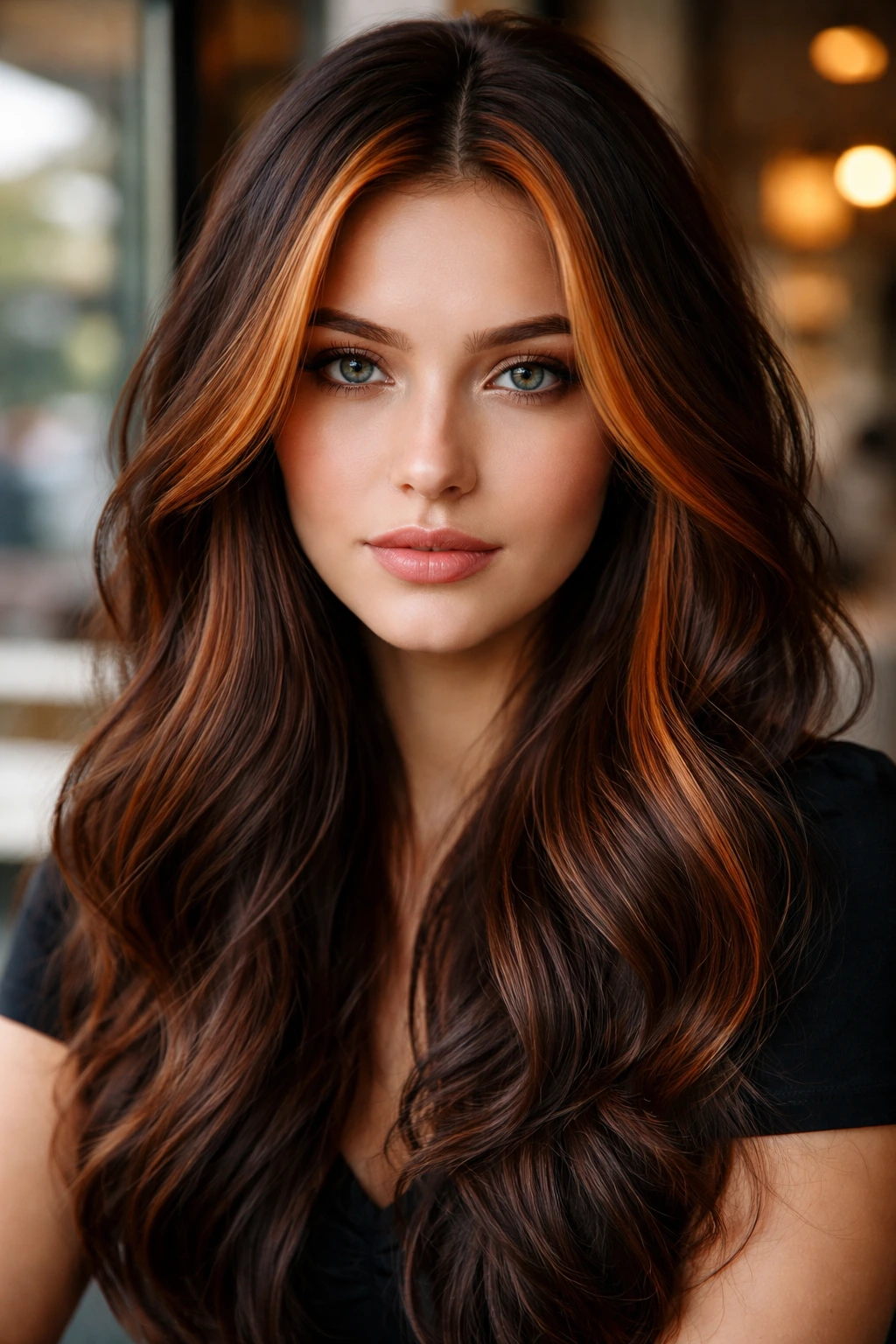
The “money piece” trend is still going strong, and it’s the perfect place to experiment with cinnamon if you aren’t ready to dye your entire head. By coloring just the two strands that frame your face in a bright, vivid cinnamon, you bring the warmth closer to your face—but only in a small, controlled dose.
Is It Too Much Warmth?
Usually, putting bright warm colors near the face is a “no” for cool skin. But because it’s just the two front strands, it acts like an accessory rather than a foundation. It’s like wearing a warm-toned scarf—it’s near your skin, but it doesn’t dictate your entire complexion.
Customization
- If it feels too bright, tone the money pieces with a cooler gloss.
- Keep the rest of your hair in a cooler, darker shade for contrast.
- Use a straightener to keep the pieces flat and polished.
11. Cinnamon Root Smudge
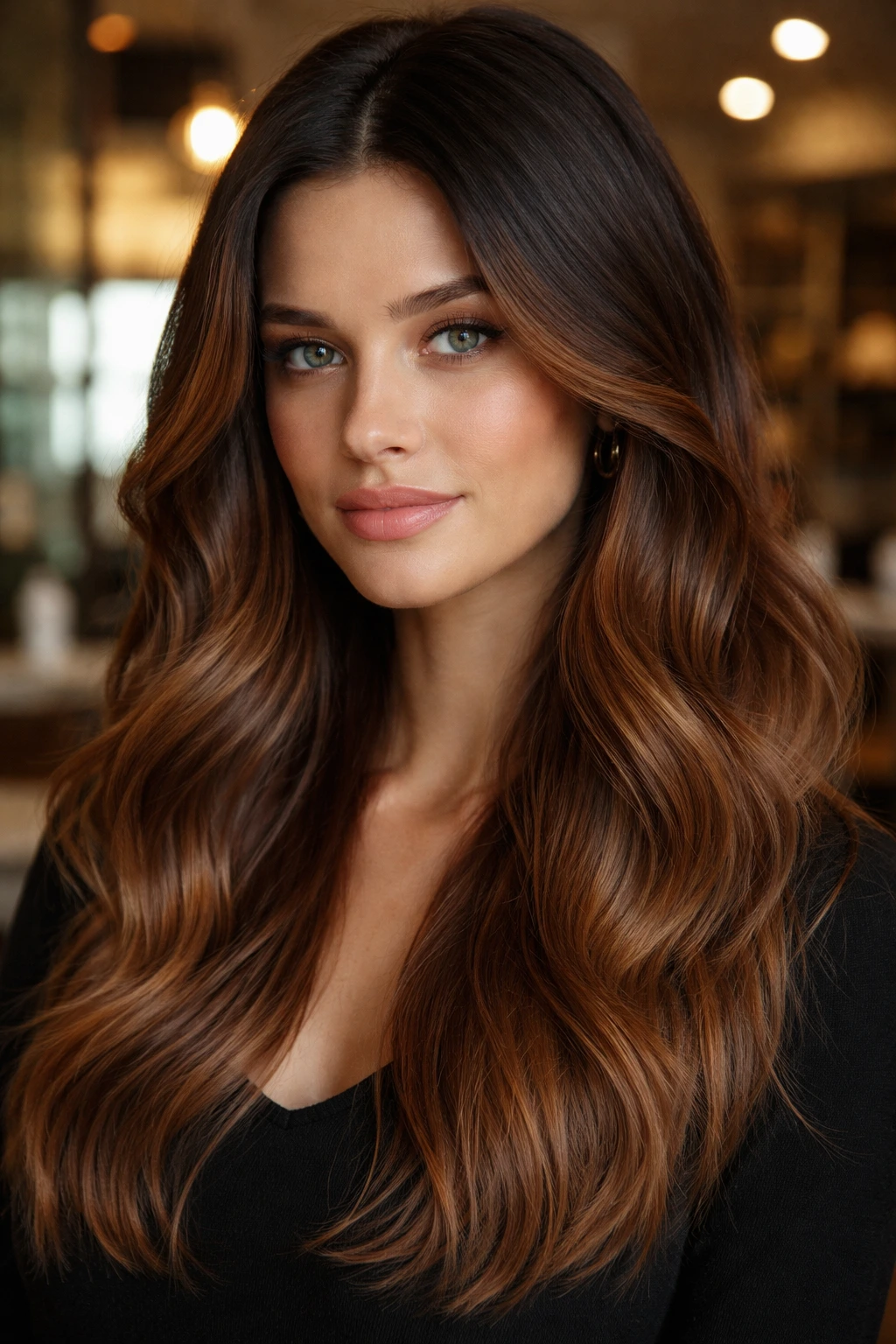
A root smudge is a technique where the stylist applies a darker, cooler color to your roots after highlighting. In this case, we use a dark, cool brown root smudge to blend out the cinnamon. This ensures that even if the cinnamon is bright, it isn’t sitting directly against your hairline.
The Practicality of Smudging
The smudge allows for a softer grow-out and prevents that harsh “stripe” effect you get with traditional highlights. It’s the best way to make a vibrant color feel “lived-in” rather than “freshly done.”
When to Refresh
- Every 8–10 weeks for the root area.
- Glaze the rest of the hair every 4 weeks to keep the shine.
- Focus on hydration at the ends, as the cinnamon areas will be more porous.
12. Cinnamon Rose Gold
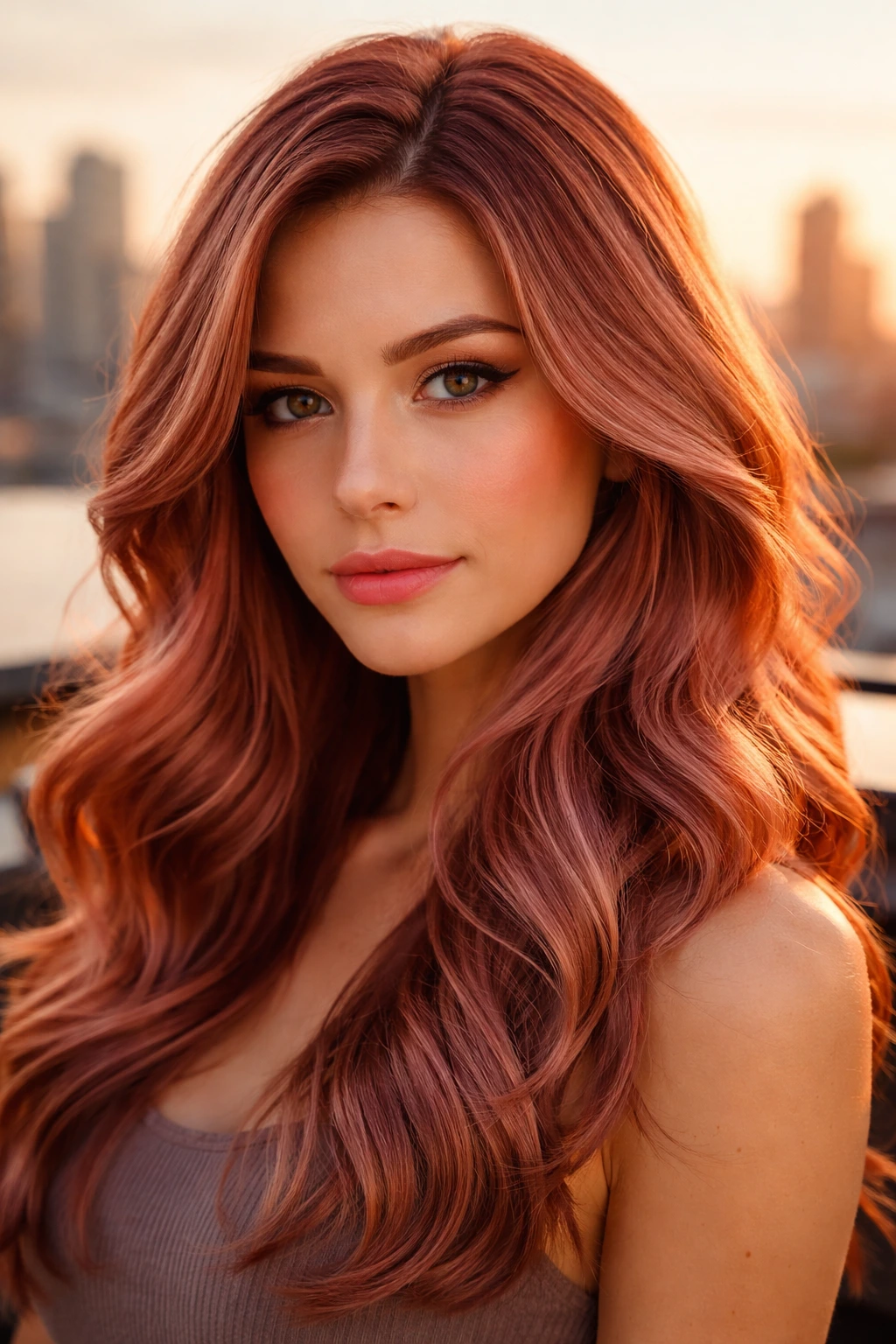
Rose gold is a cousin of cinnamon, but it’s naturally cooler, often having a pink or violet undertone. By merging cinnamon and rose gold, you get a shade that is incredibly trendy but also tailor-made for cool skin.
Why It Works
The pink/violet undertones in the rose gold neutralize the orange in the cinnamon. It’s a very modern, playful take on the look that feels less “autumnal” and more “fashion-forward.” It’s also surprisingly versatile—it looks great with everything from casual wear to formal attire.
A Note on Commitment
This is a high-maintenance color. To get that precise rose-cinnamon hybrid, your hair usually needs to be bleached. If you aren’t ready for the bleaching process, stick to a darker version with a semi-permanent dye.
13. Cinnamon Chocolate Swirl
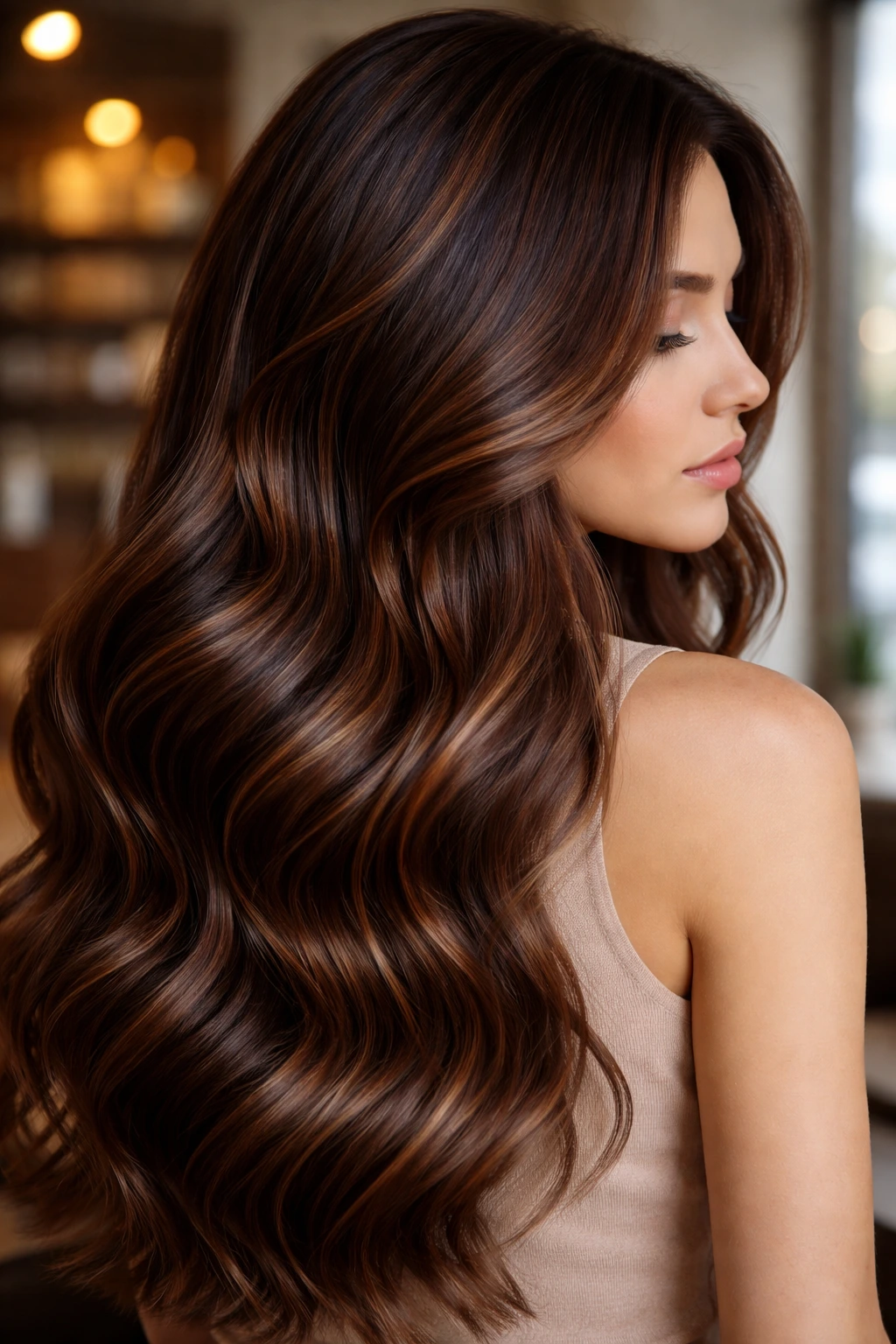
Imagine a marbled brownie. That’s this look. It’s a blend of dark chocolate brown and light cinnamon that is “swirled” through the hair. There are no clear highlights or lowlights; everything is blended to create a uniform, marbled appearance.
How to Get the Swirl
- Ask for a “color melt” where the two shades are worked into each other.
- The stylist should alternate between painting the chocolate and the cinnamon.
- Avoid foils if possible; hand-painting (balayage) allows for a more natural swirl.
Who This Suits
This is ideal for people with fine hair who want the illusion of thickness. The different tones catch light differently, creating depth that makes the hair look fuller.
14. Cinnamon Face-Framing Ribbons
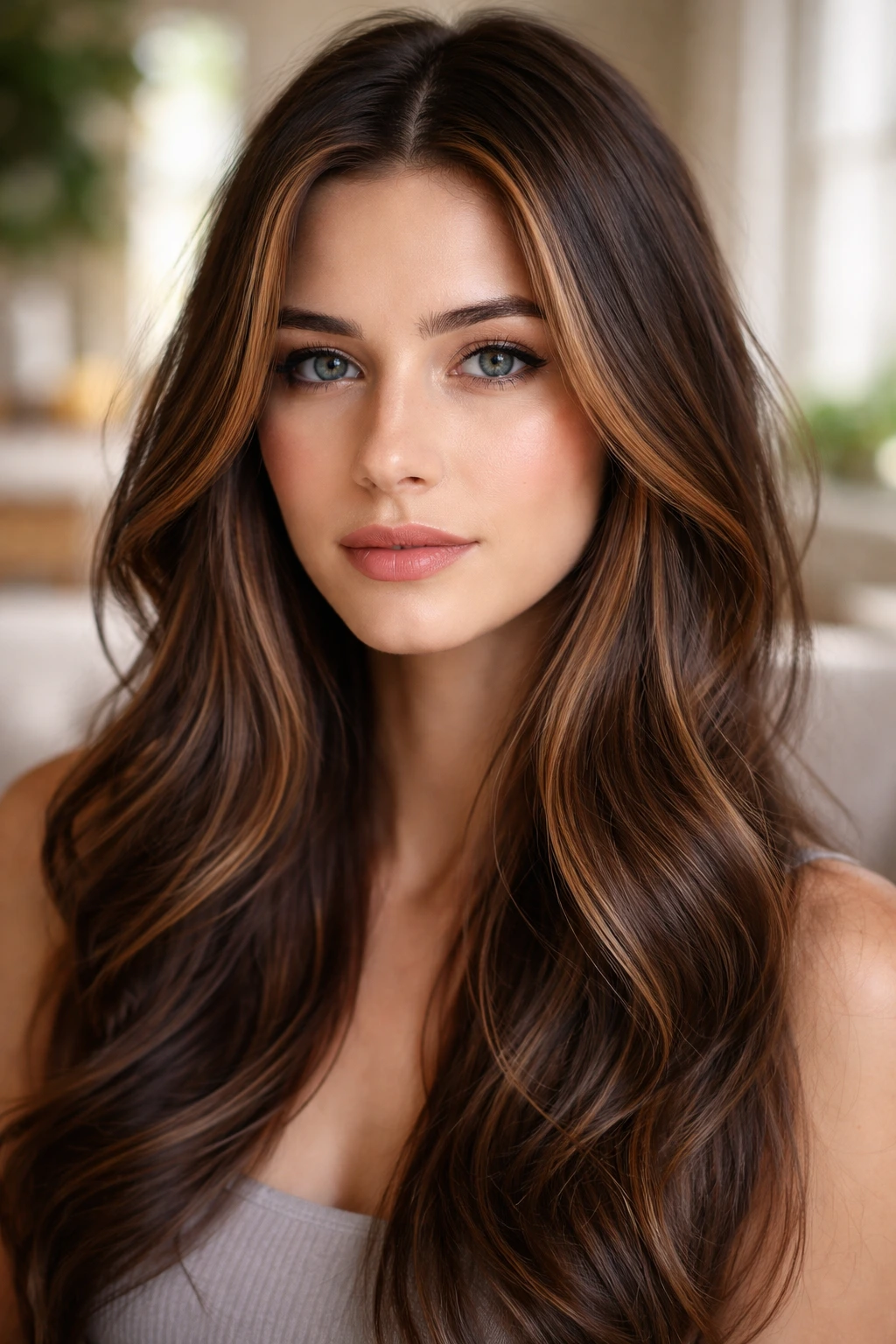
Similar to the money piece, but more extensive. These are thin, strategically placed ribbons of cinnamon that start at the part and flow down around the face. Unlike the chunky money piece, these are meant to be subtle and integrated.
Placement Strategy
The color should be placed specifically where the light hits your hair when it’s parted. This is usually the top layer and the area around the ears. It creates a soft halo effect of warmth without changing your base color.
Style Tip
This look is best paired with a layered haircut. The layers allow the ribbons to move and mix with the cooler base color, creating that “I just spent four hours at the salon” look.
15. Cinnamon Brunette Babylights
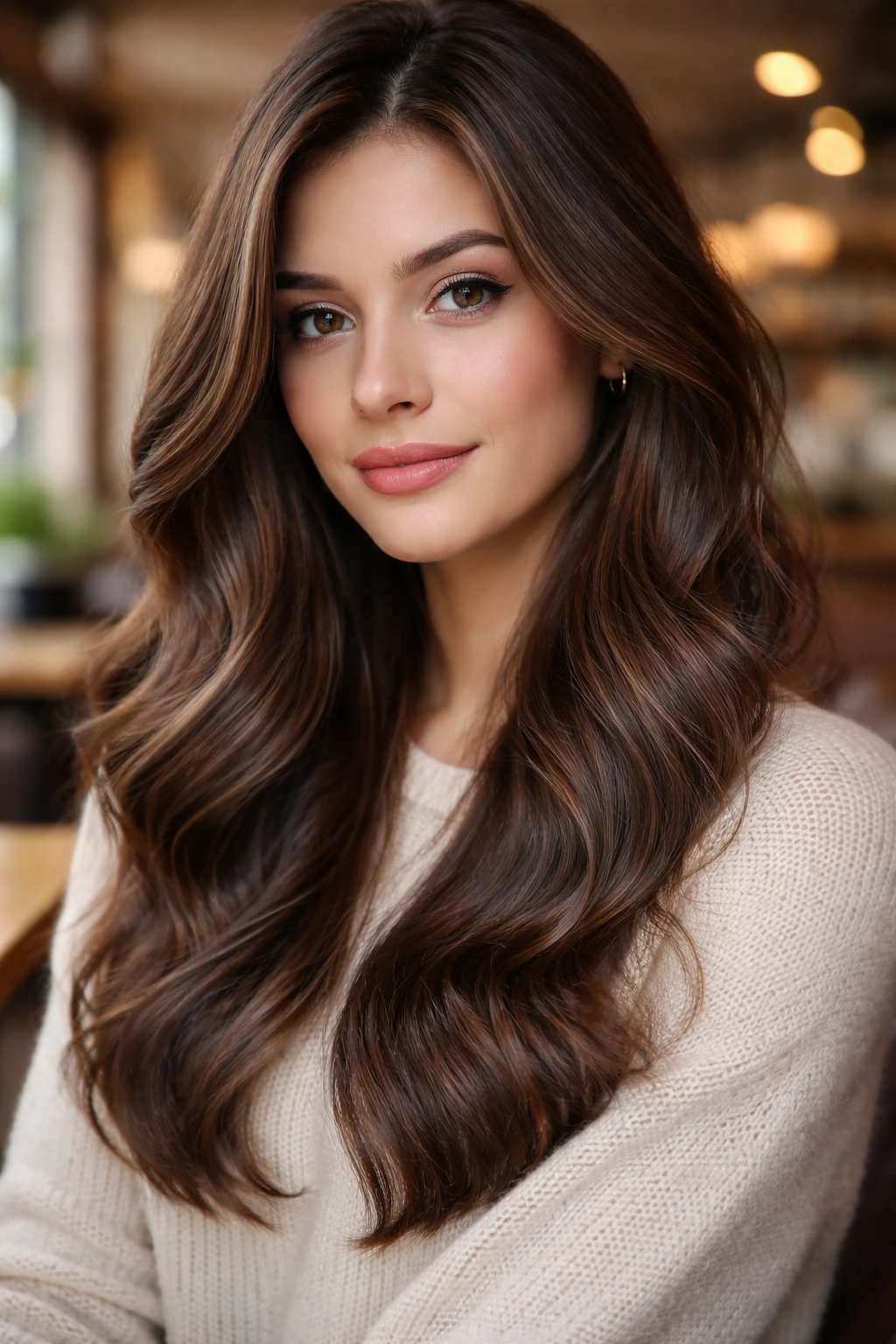
Babylights are the finest of fine highlights. They are so thin that they almost blend into the base color, creating a shimmering, sun-kissed effect. Cinnamon babylights on a cool brunette base are subtle, sophisticated, and perfect for the office.
The “Cool” Factor
Because the highlights are so fine, they don’t dominate the look. They just provide a “sparkle” of cinnamon. From a distance, it looks like you just have a very glossy, multidimensional brown. Up close, the spice is visible.
Maintenance
- Extremely low maintenance.
- You can go 4–6 months without touching up these highlights.
- Great for people who hate visiting the salon.
16. Cinnamon Truffle
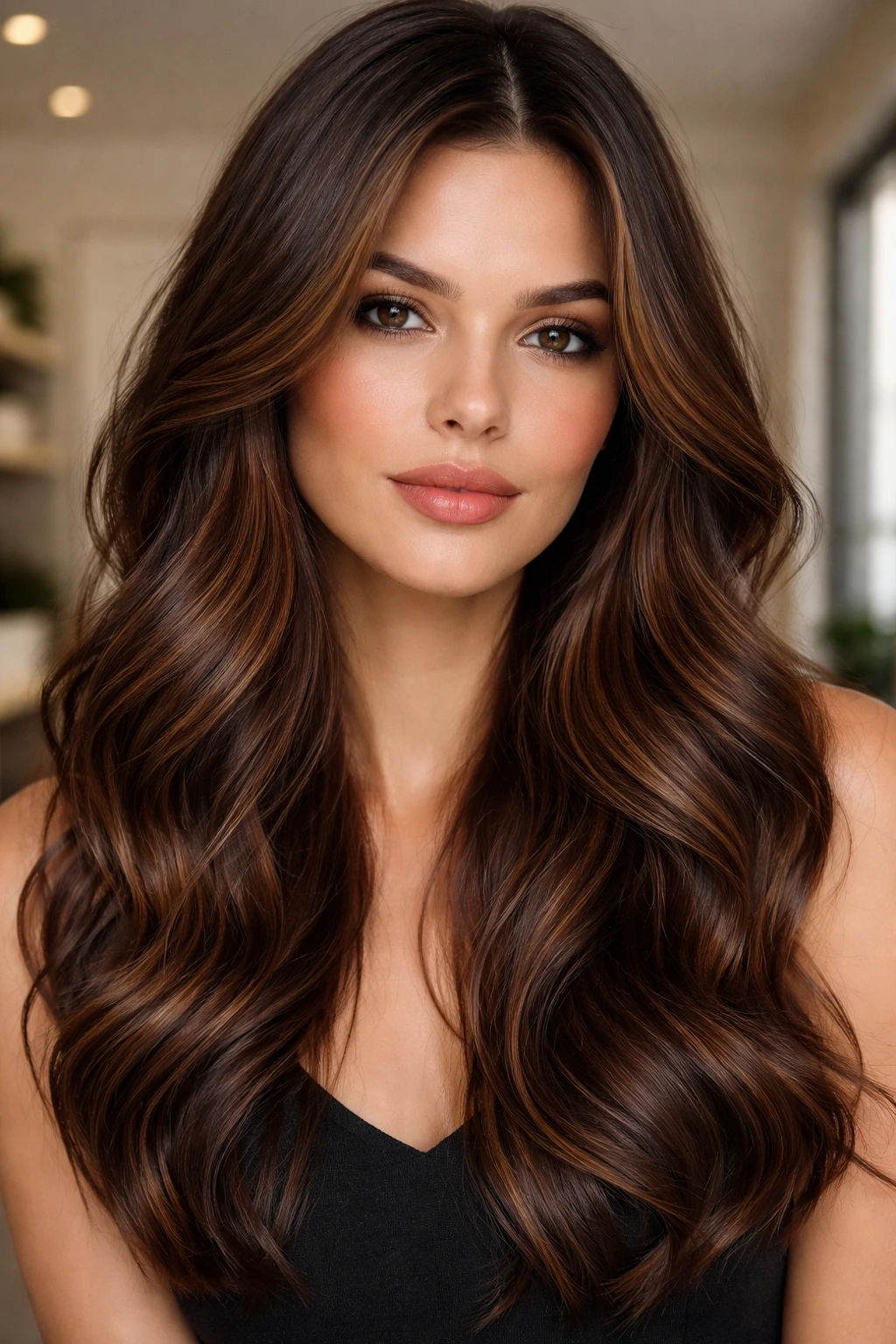
“Truffle” implies a deep, dark brown with a velvety finish. Think mushroom brown—cool, earthy, and muted. Adding cinnamon to this base is a sophisticated way to add a bit of personality to a very neutral, cool-toned color.
The Texture
Truffle brown is usually matte, so you want the cinnamon to be matte, too. Avoid any metallic or overly shiny finishes. You want the whole look to feel like a high-end designer coat—understated, expensive, and classic.
Making It Work
- Pair this with matte makeup—nude lips, soft brown eyeliner.
- It’s a very mature look; it works well for professionals or those who want a “grown-up” hair color.
17. Cinnamon Sunset Lowlights
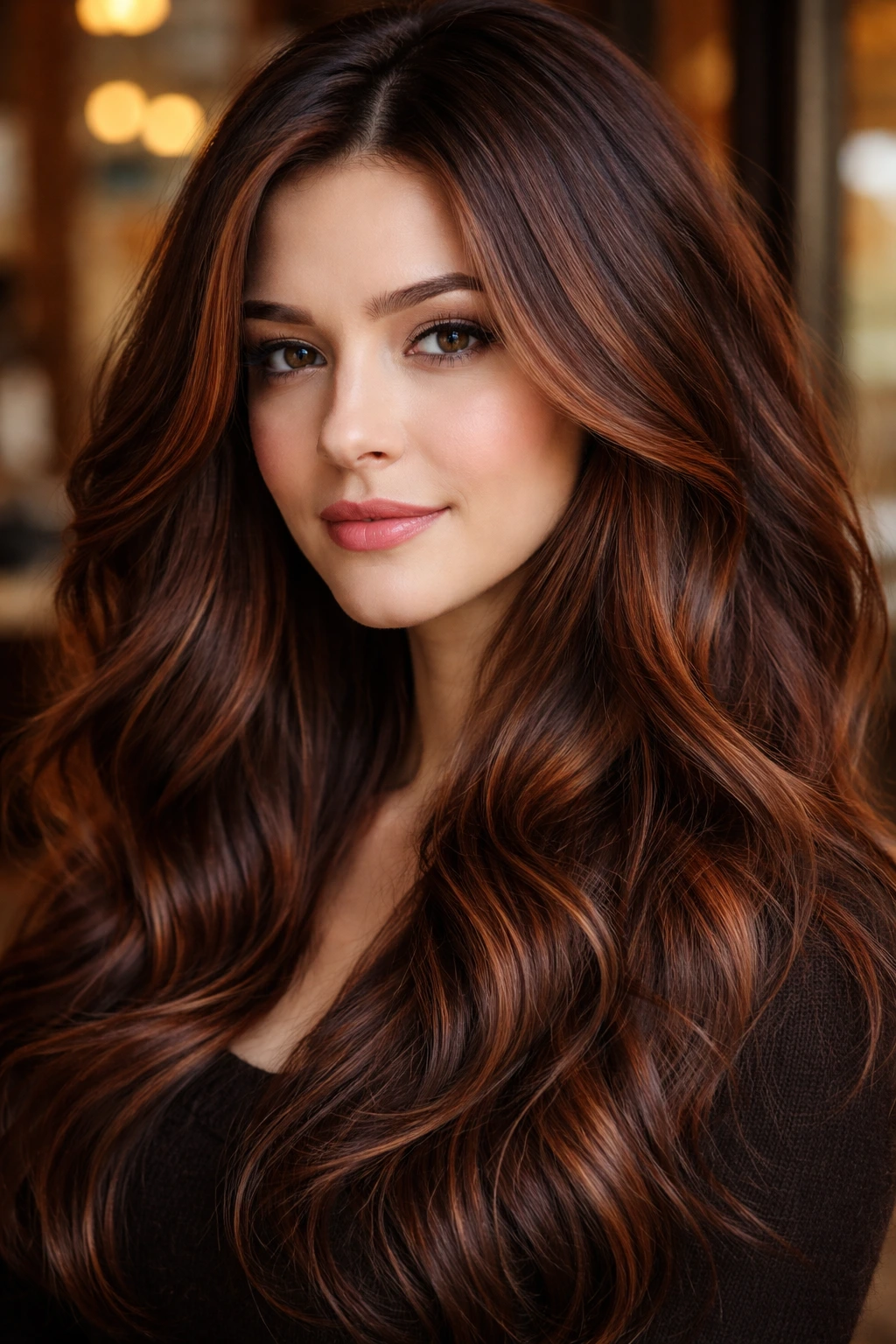
Sunset colors usually involve orange, red, and yellow. To make this work for cool skin, we take those shades but dilute them significantly. We’re talking about “faded” sunset—soft, dusty cinnamon, muted auburn, and a touch of rose. These are applied as lowlights into a dark brown base.
Why This Is Different
It’s not just one shade of cinnamon; it’s a spectrum of warm tones. By using multiple warm tones, you create a complex, earthy look rather than a one-dimensional orange look. It feels natural, like the leaves changing in late autumn.
Stylist Request
- “I want multi-tonal lowlights.”
- “Keep the base dark and neutral.”
- “Use a gloss to blend everything together.”
18. Cinnamon Espresso Frost
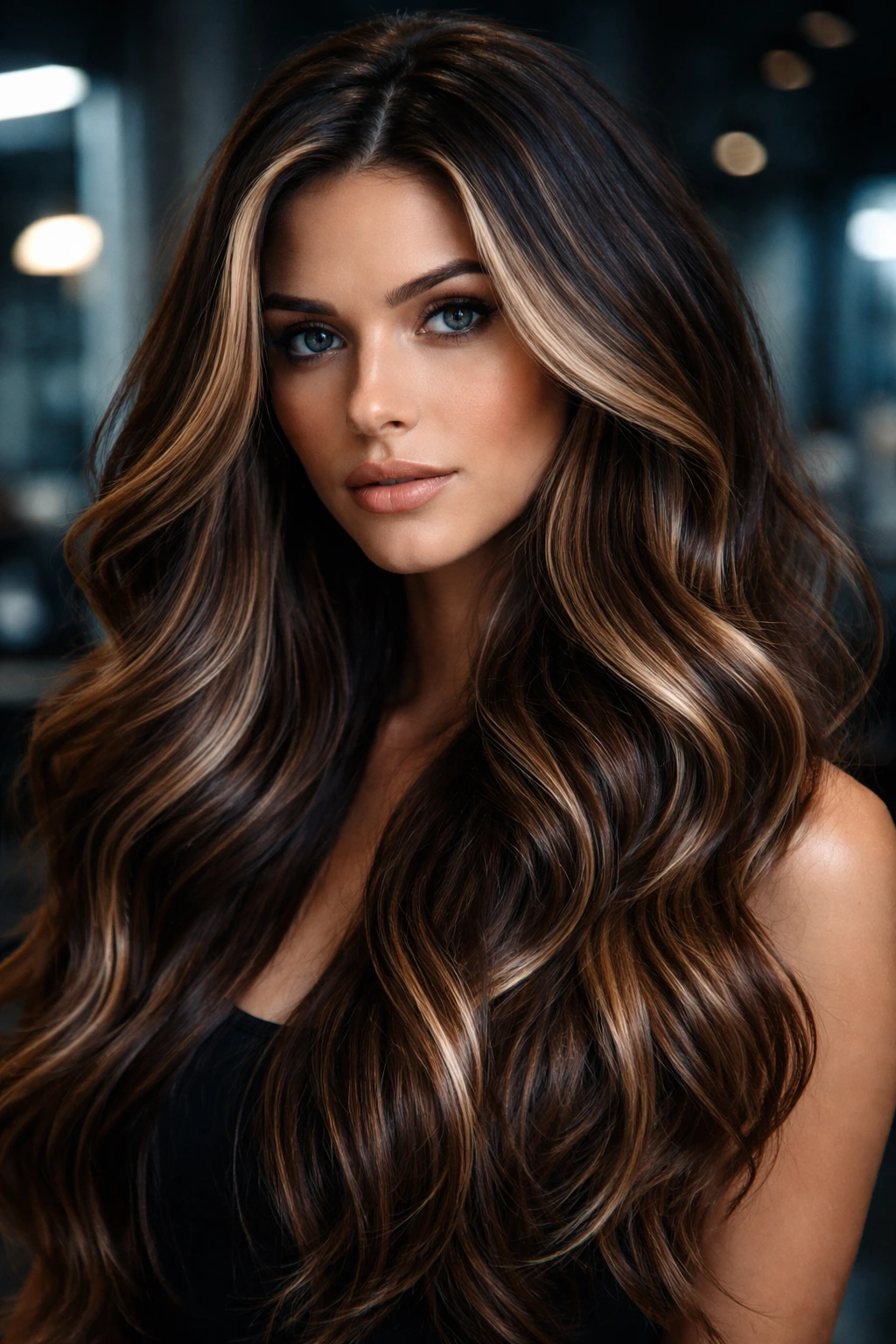
“Frosting” usually refers to a very light, bright highlight. Here, we’re doing a “cinnamon frost” on an espresso base. It’s like dusting a dark coffee with cinnamon powder. The highlights are very light (a pale cinnamon) but applied sparingly.
The Visual
The high contrast is the appeal here. The very dark base makes the light cinnamon pops stand out. It’s not for the faint of heart—this is a look that gets noticed.
Balancing Act
Because the cinnamon is so light, it could easily turn brassy. You must use a blue shampoo to keep the espresso base from warming up. If the base turns warm and the highlights turn brassy, the whole look falls apart.
19. Cinnamon Toffee Blend
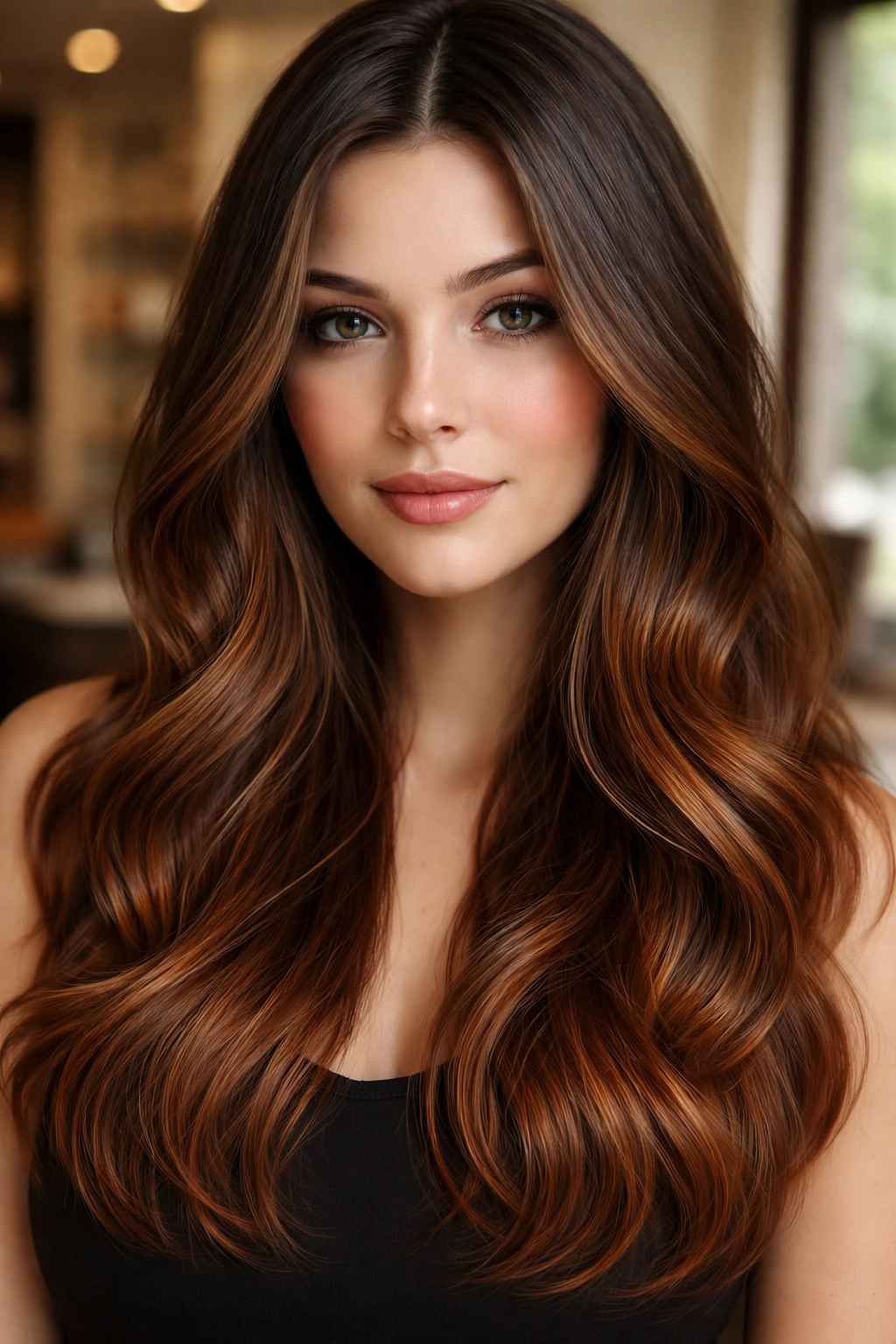
Toffee is a light, golden brown. Mixing it with cinnamon creates a warm, delicious-looking color. For cool-toned skin, we keep the “toffee” side of the blend slightly muted, leaning towards a sand color rather than a yellow-gold.
The Recipe for Success
- Root: Dark ash brown.
- Mid-length: Muted toffee.
- Ends: Cinnamon. This creates a gradient that slowly introduces warmth, so it doesn’t shock the cool skin near the face.
Lifestyle Suitability
This is a great summer look. Even if your skin is cool, a little bit of warmth in the hair during the warmer months can brighten up your complexion and make you look more vibrant.
20. Cinnamon Spice Dimension
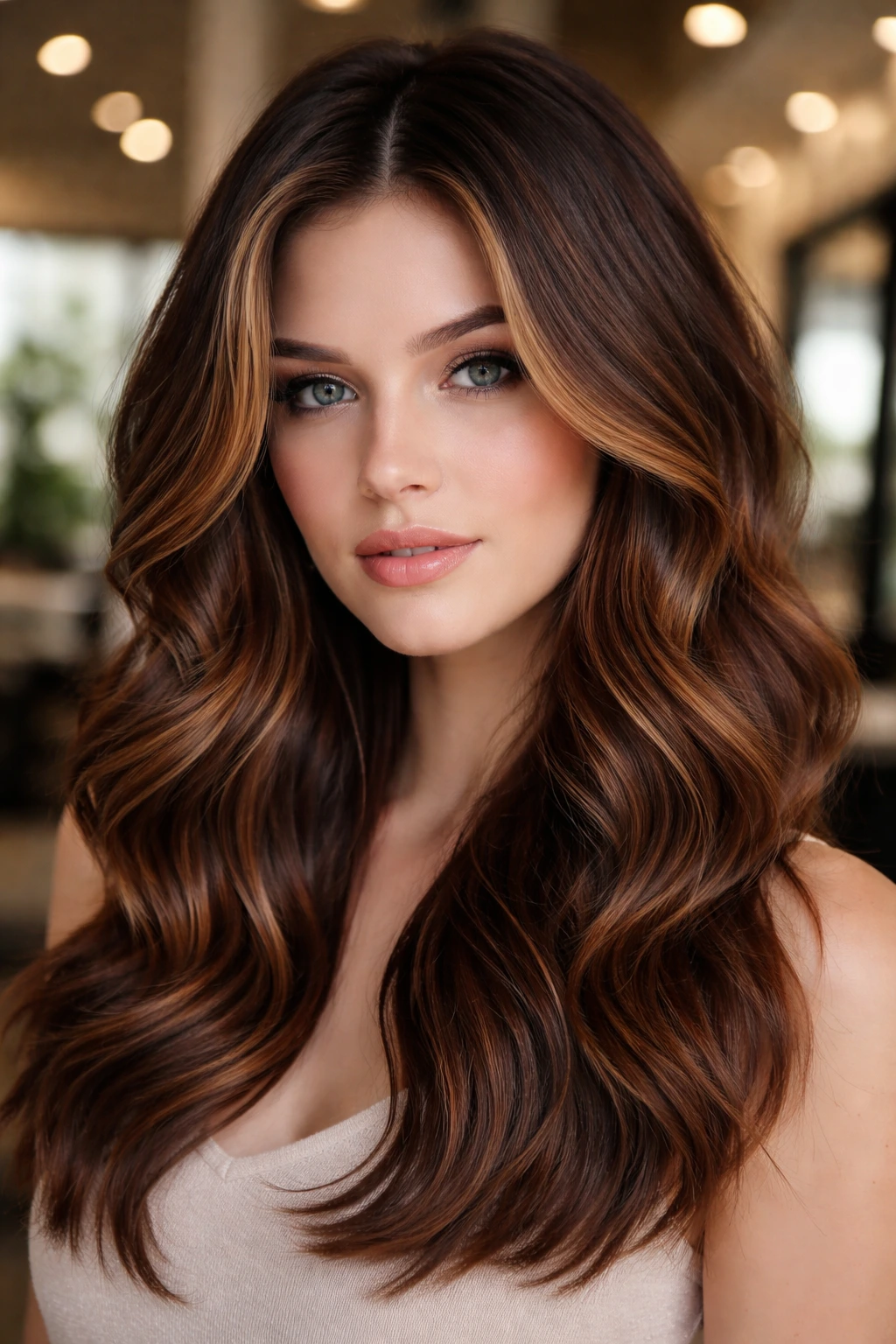
Dimension is created by using at least three colors. In this case, you have your natural root color, a dark chocolate lowlight, and a cinnamon highlight. It’s a busy, active color job, but it’s incredibly effective at creating the illusion of volume.
Why Three Colors?
Two colors can sometimes look striped. Three colors blend together to create a more natural-looking texture. It’s the professional way to do color.
Managing the Hair
- Use a lightweight oil to keep the hair shiny.
- Regular trims are essential; split ends ruin the look of dimensional color.
- A boar bristle brush will help distribute the natural oils and keep the colors blended.
21. Cinnamon Auburn Fusion
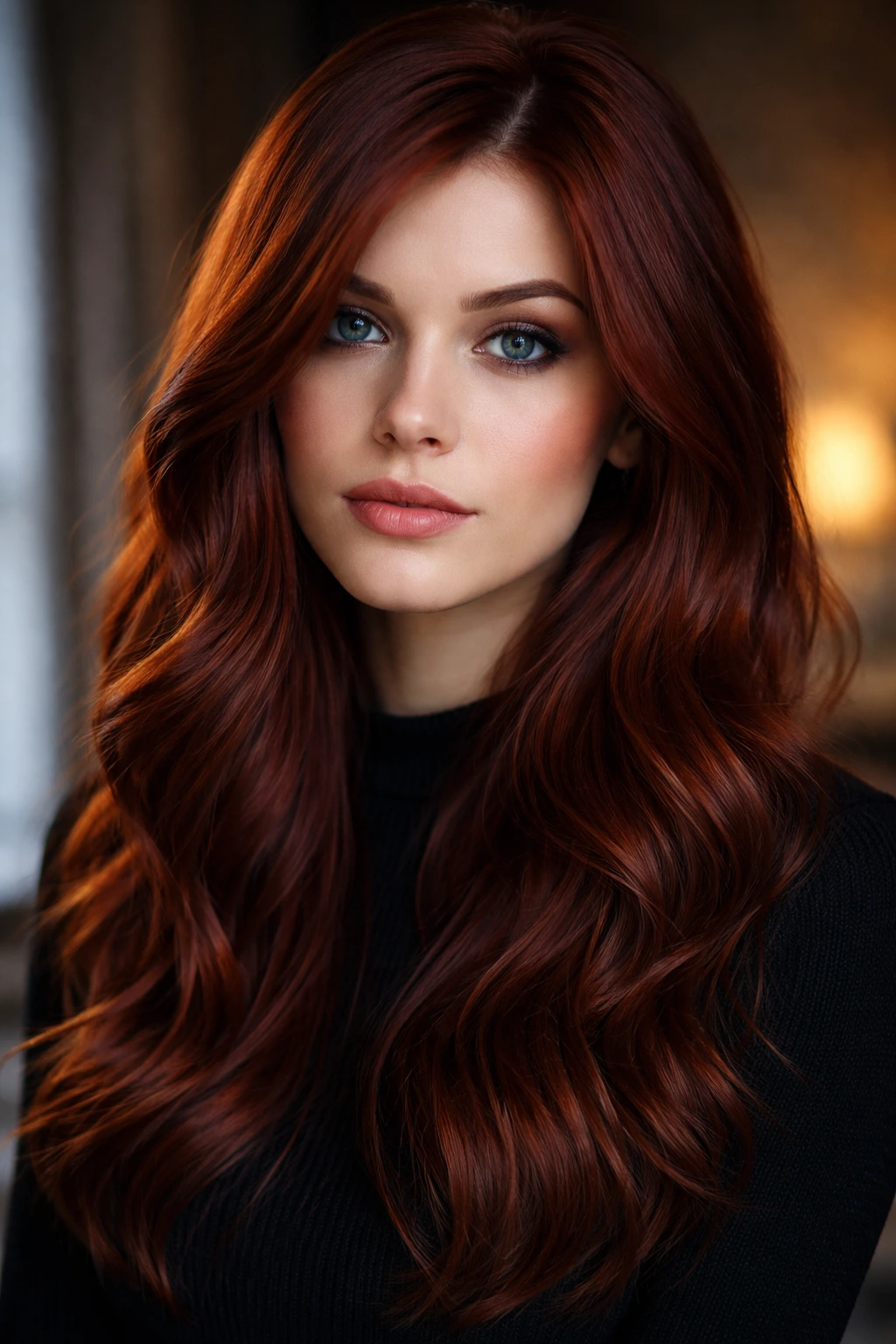
Auburn is a red-brown that can be cool or warm. We specifically choose a cool auburn—think of a dark, slightly purple-leaning red—and fuse it with cinnamon. It’s a very striking, “winter” look.
The Seasonal Factor
This color is perfect for colder months when the air is crisp and you want something that matches the mood. It’s deep, intense, and looks fantastic with dark clothing like charcoal grey, navy, or black.
The Commitment
This is a bold color. Don’t go for this if you want to fly under the radar. It’s a statement piece. It’s also the most difficult to remove, so be sure you’re ready for a long-term relationship with it.
22. Cinnamon Tinted Brunette
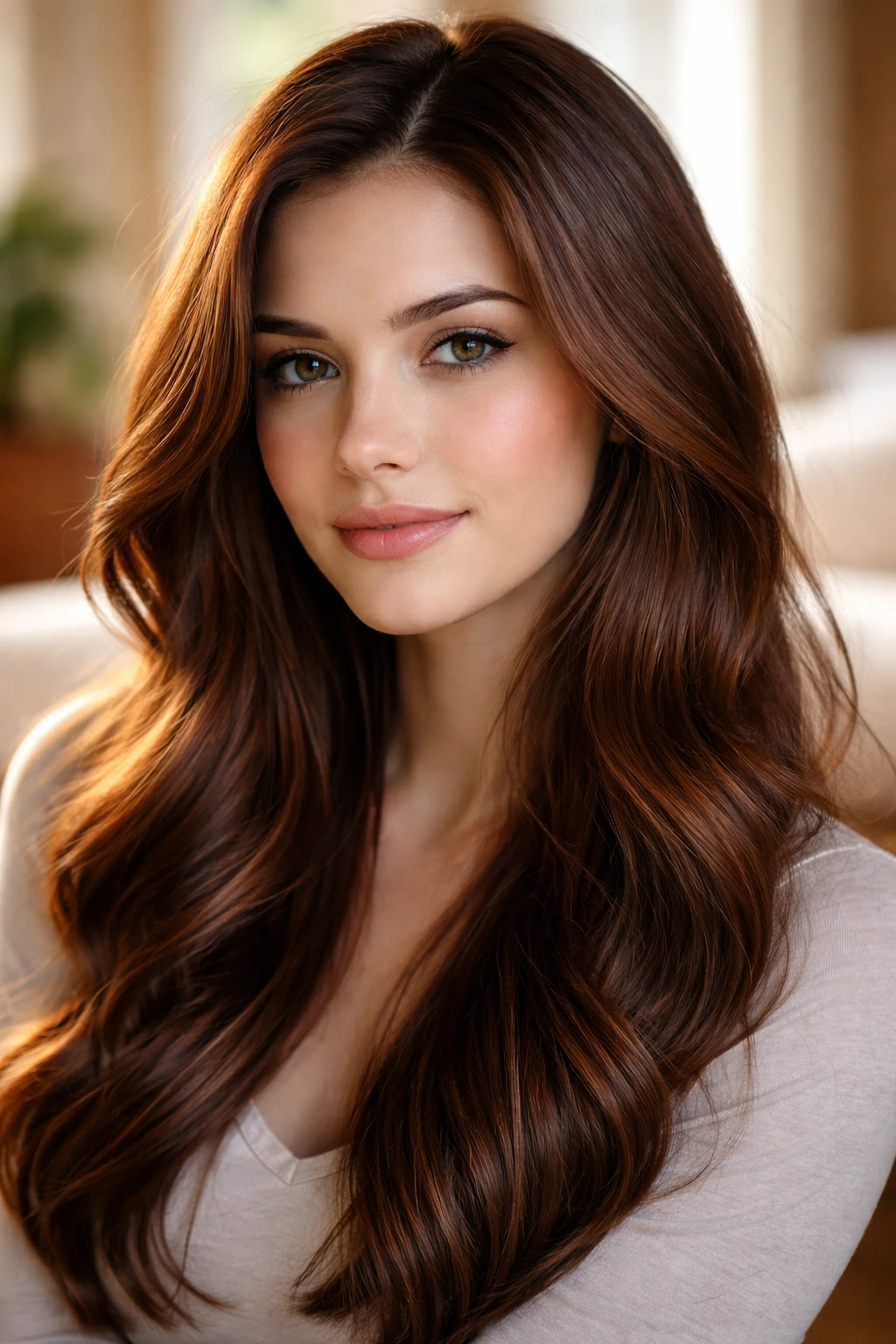
Sometimes, you just want a tint. This isn’t a highlight or a balayage; it’s a subtle shift of your entire base. Your stylist applies a cinnamon-toned dye over your brunette hair to give it a “tinge” of warmth.
Why This Is the Safest Bet
If you’re scared, start here. It’s the least damaging, the easiest to grow out, and the cheapest to maintain. It gives you a taste of cinnamon without the full commitment of lightening your hair.
The Result
You’ll see it most in direct sunlight. When you walk outside, your hair will glow with a soft cinnamon hue. In the shade or indoors, it will just look like a very rich, glossy brunette. It’s a secret way to wear a trend.
Wrapping Up
Choosing a cinnamon shade when you have cool-toned skin isn’t about breaking rules; it’s about playing with the spectrum. The key, as we’ve explored, is always the foundation. By keeping your base dark, cool, or neutral, you give yourself the freedom to play with those beautiful, spicy cinnamon tones without the fear of looking brassy.
Start small if you need to. A glaze or a few babylights are excellent ways to test the waters. If you fall in love with the depth and the way the spice catches the light, you can always go bolder. Hair is temporary, and color can be adjusted. Don’t let your skin tone dictate your entire identity—just let it be the guide for how to wear the colors you love.
