



Finding a hair color that actually flatters cool skin tones feels like walking a tightrope. One step too far toward golden-warm, and your complexion looks muddy and orange. One step too far toward intense ash, and you end up looking washed out, tired, or frankly, a bit gray. Most people with cool undertones end up playing it safe with dark browns or harsh, icy platinums, assuming those are the only two options on the table.
There is a third, much more sophisticated option that gets overlooked in the rush for trends: beige. Beige sits in that sweet spot between warm and cool. It isn’t as aggressively yellow as gold, and it isn’t as flat as silver-ash. It functions as a neutral balancer. For skin that has pink, blue, or violet undertones, a beige hair color pulls the brassiness out of the hair while simultaneously adding enough light reflection to make your skin look alive rather than drained.
The secret isn’t just picking a box off a shelf. It is about understanding that beige is a mixture. It requires a specific level of lift—usually a level 8 or 9—and a precise cocktail of toners. If you are ready to stop fighting your own complexion and start working with it, these are the variations that actually look good in the real world, not just on a filtered screen.
1. Soft Champagne Beige
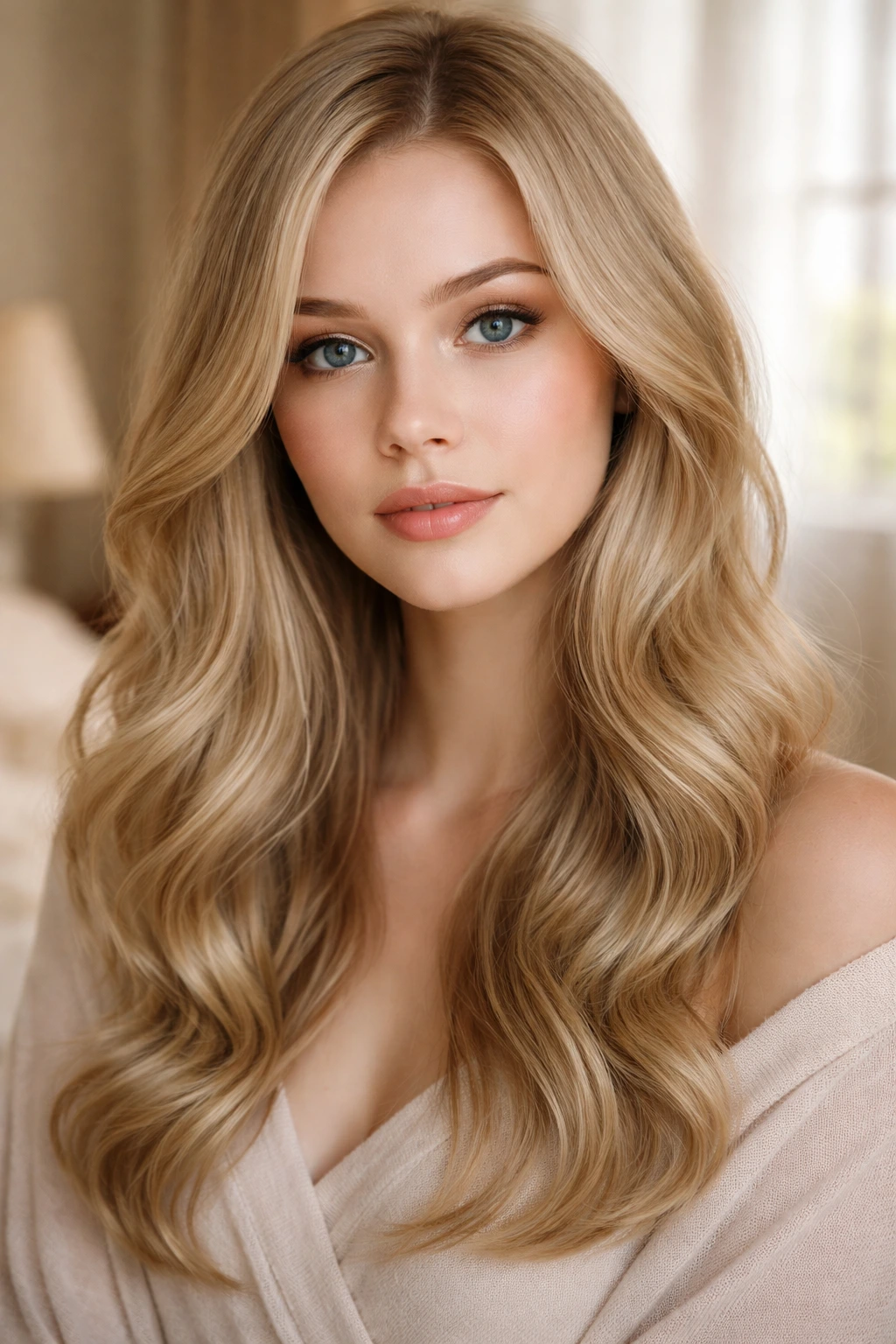
This is the quintessential beige for someone with very pale, cool skin. It leans slightly into blonde but remains grounded by that essential neutral base. It is essentially the color of high-end bubbly—bright but soft. Because it has a very subtle hint of gold without being overtly yellow, it prevents the skin from looking translucent.
Why It Works for Cool Skin
The Champagne hue is all about reflection. When you have cool skin, you need something that catches light to counteract any natural redness in your face. This shade acts like a built-in ring light for your complexion. It provides enough warmth to balance the pink in your skin without ever veering into orange territory.
Maintenance Note: This shade is notorious for fading if you use aggressive shampoos. Invest in a high-quality color-depositing conditioner that is specifically neutral, not purple. If you use a heavy purple shampoo, you will kill the soft gold undertones that make this shade special, leaving you with dull gray hair instead.
2. Cool Mushroom Blonde
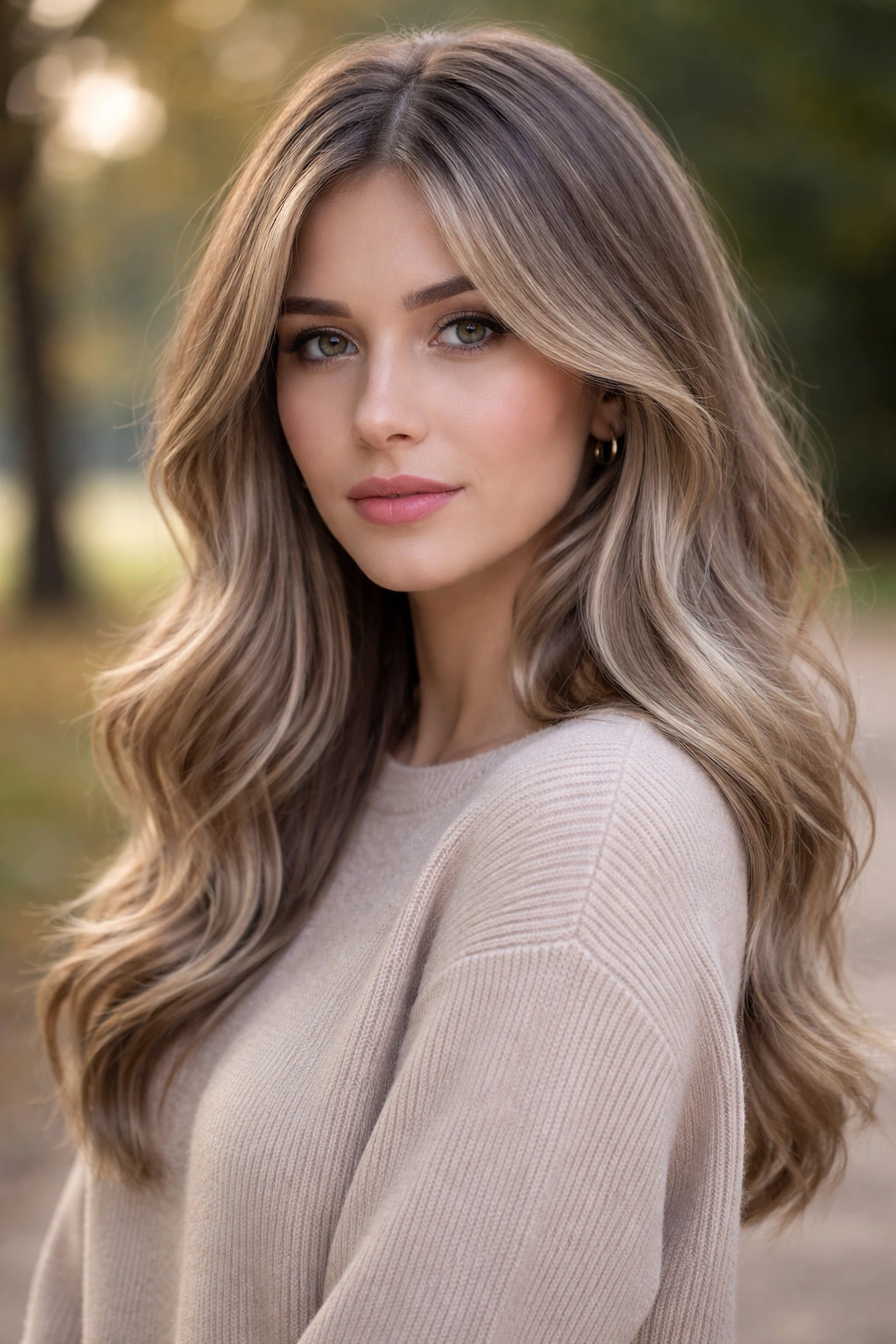
Mushroom hair has been popular for a long time, but the cool version is arguably the best fit for those who want to embrace a brunette base while staying in the beige family. It is an earthy, dusty shade that feels very natural. Think of the color of a portobello mushroom cap—grayish-brown but with a soft, organic warmth that keeps it from looking flat.
The Balancing Act
The trick with Mushroom Blonde is that it relies on a darker, ashier base with beige highlights woven through. This creates immense depth. For someone with cool skin, this is safer than a solid, dark color which can sometimes make the face look older or harsher. By keeping the beige highlights close to the face, you soften your features.
How to Style It
- Keep the ends slightly cooler to mimic natural growth.
- Use a texturizing spray to emphasize the “dusty” matte quality of the shade.
- Avoid high-shine, super-slick products, as they can make the color look muddy rather than dimensional.
3. Dimensional Sandy Beige
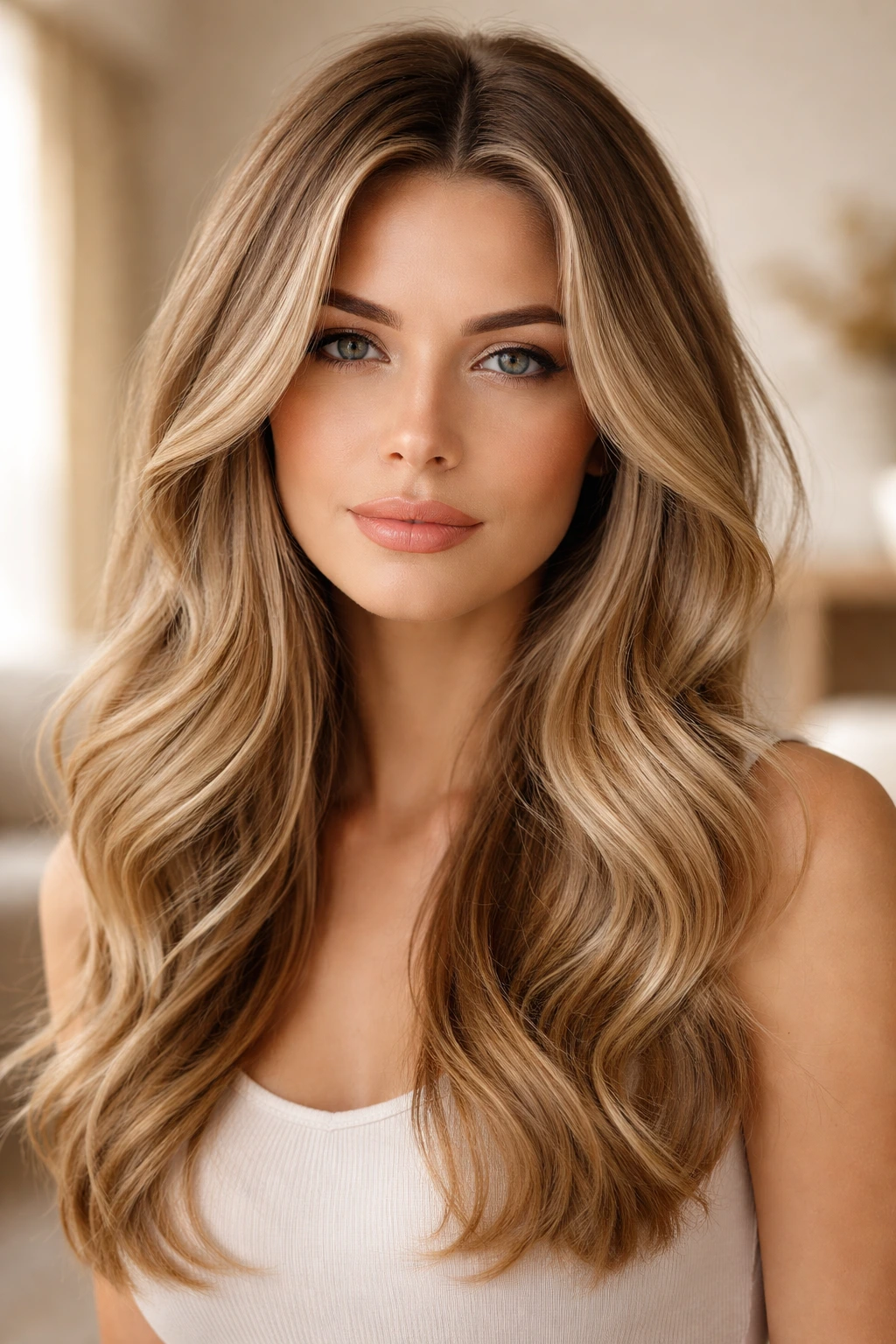
Sandy beige is the ultimate low-maintenance shade for anyone who wants to look like they spent a month on a beach, even if they haven’t seen the sun in weeks. It is less intense than champagne and less muted than mushroom. It is a true, neutral sandy hue that mimics the texture of wet sand.
What makes this iteration better than standard beach blonde is the dimension. You aren’t going for a solid color block here. You want a combination of darker, cooler beige roots and lighter, warmer beige ends. The contrast provides the visual interest, but the beige tonality ensures that the transition between the two is seamless. This creates a very flattering frame for the face.
4. Muted Ash-Beige Balayage
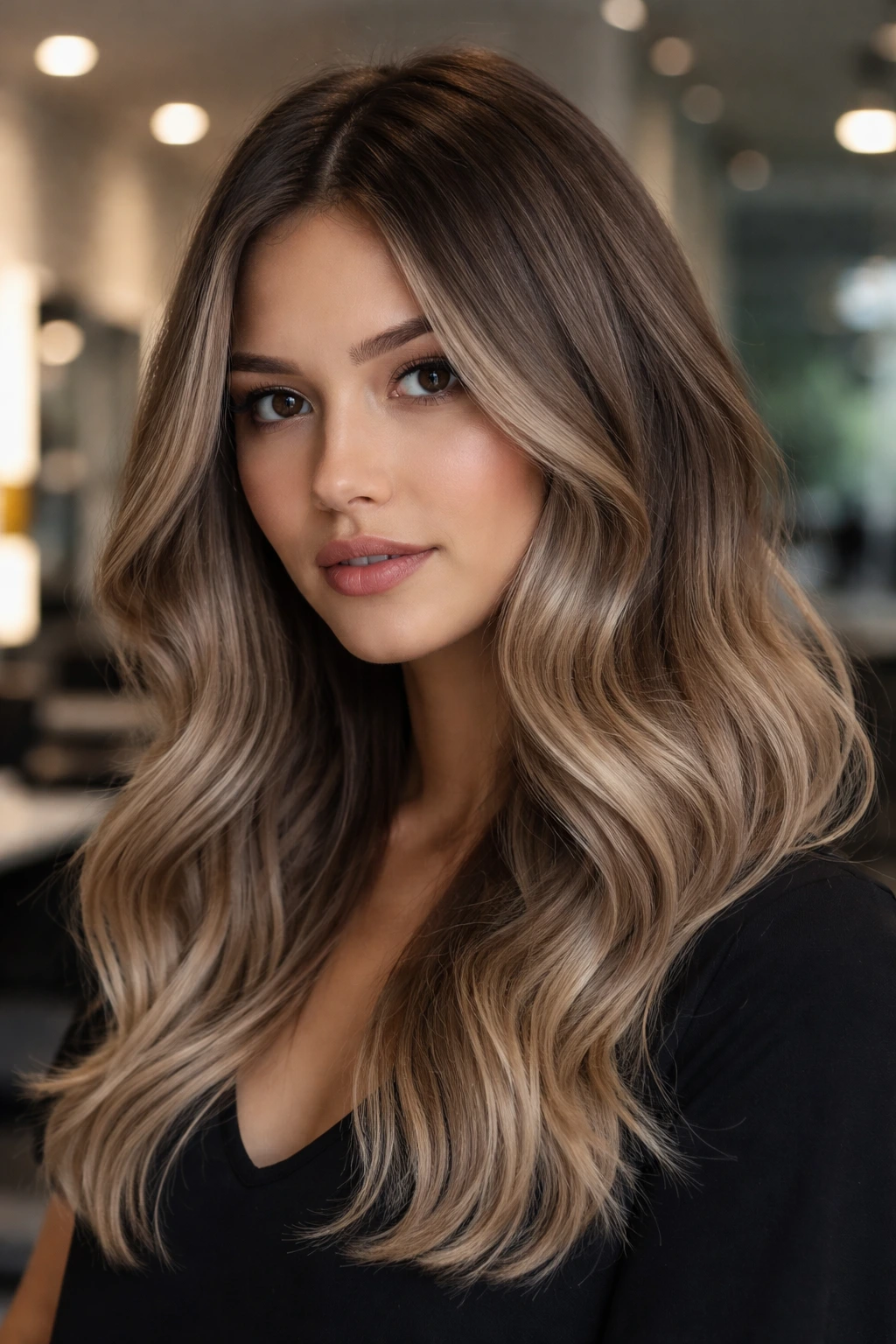
Balayage is technically a technique, not a color, but when applied with a muted ash-beige palette, it changes everything for cool-toned skin. The mistake many colorists make is using a warm, honey-colored toner during the balayage process. That will ruin the look immediately for you. You need to ask specifically for an ash-beige toner or “shadow root” to keep things cool.
The beauty here is in the “muted” aspect. You are not trying to be platinum bright. You are aiming for a subtle graduation of color. The roots remain your natural dark shade, and the ends are a soft, dusty beige. This transition is gentle enough that your skin tone doesn’t get overwhelmed by a sudden shift in color brightness. It is polished, refined, and incredibly easy to manage.
5. Neutral Beige Lowlights
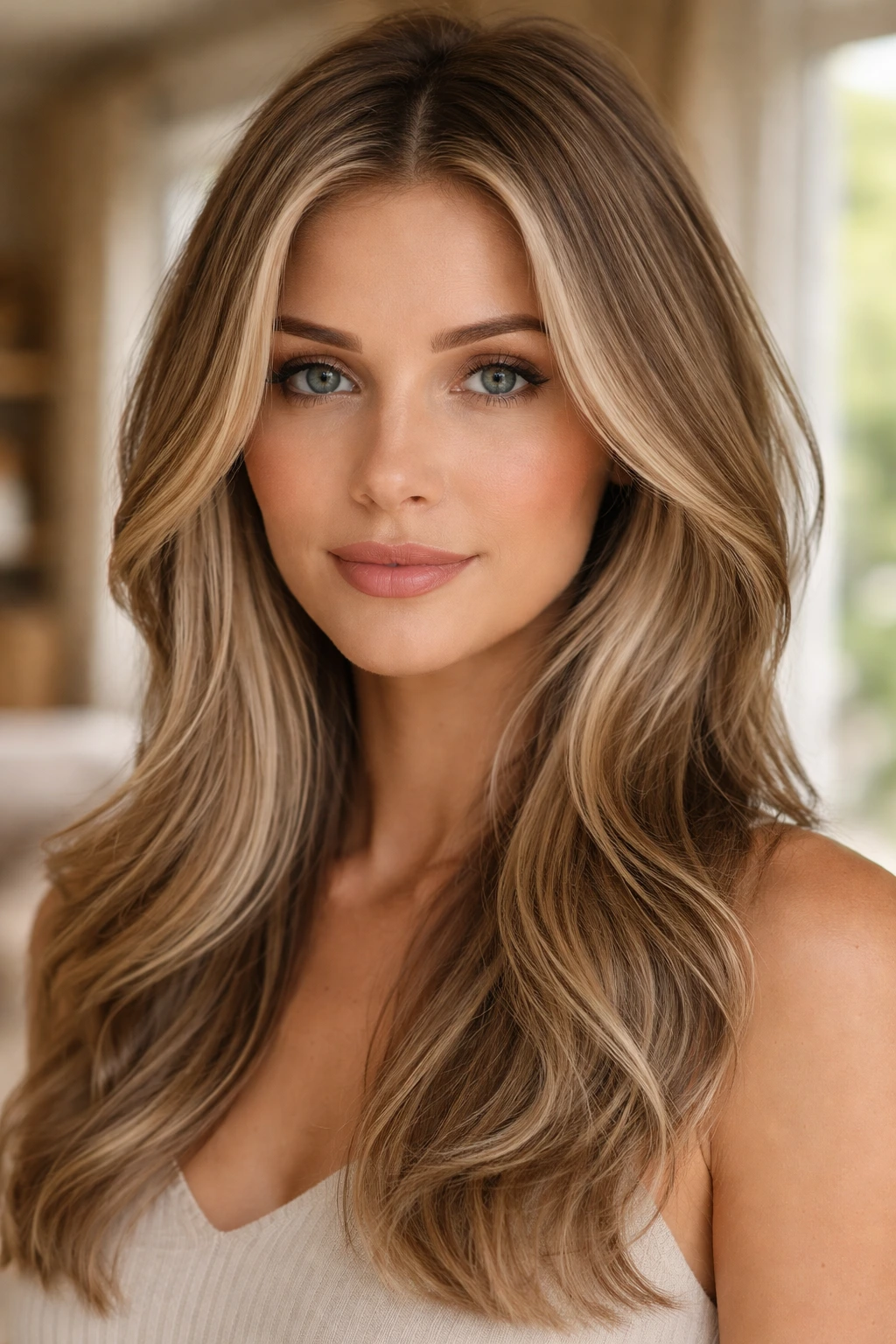
If you already have blonde hair but feel like your face is “disappearing” or looking washed out, you need lowlights. Specifically, beige lowlights. The problem with being entirely blonde is that there is no contrast against your skin. You need that depth to define your features.
The Placement Strategy
- Start lowlights at the mid-shaft, not the roots.
- Keep them thin. Thick chunks of lowlights look dated and striped.
- Focus the beige ribbons around the jawline and neck.
These lowlights ground the hair color. They add the “beige” factor without requiring you to dye your entire head. It is a fantastic way to transition into a beige palette without committing to a full-color overhaul. Plus, it gives your hair the illusion of being thicker and healthier.
6. Polished Beige Ombre
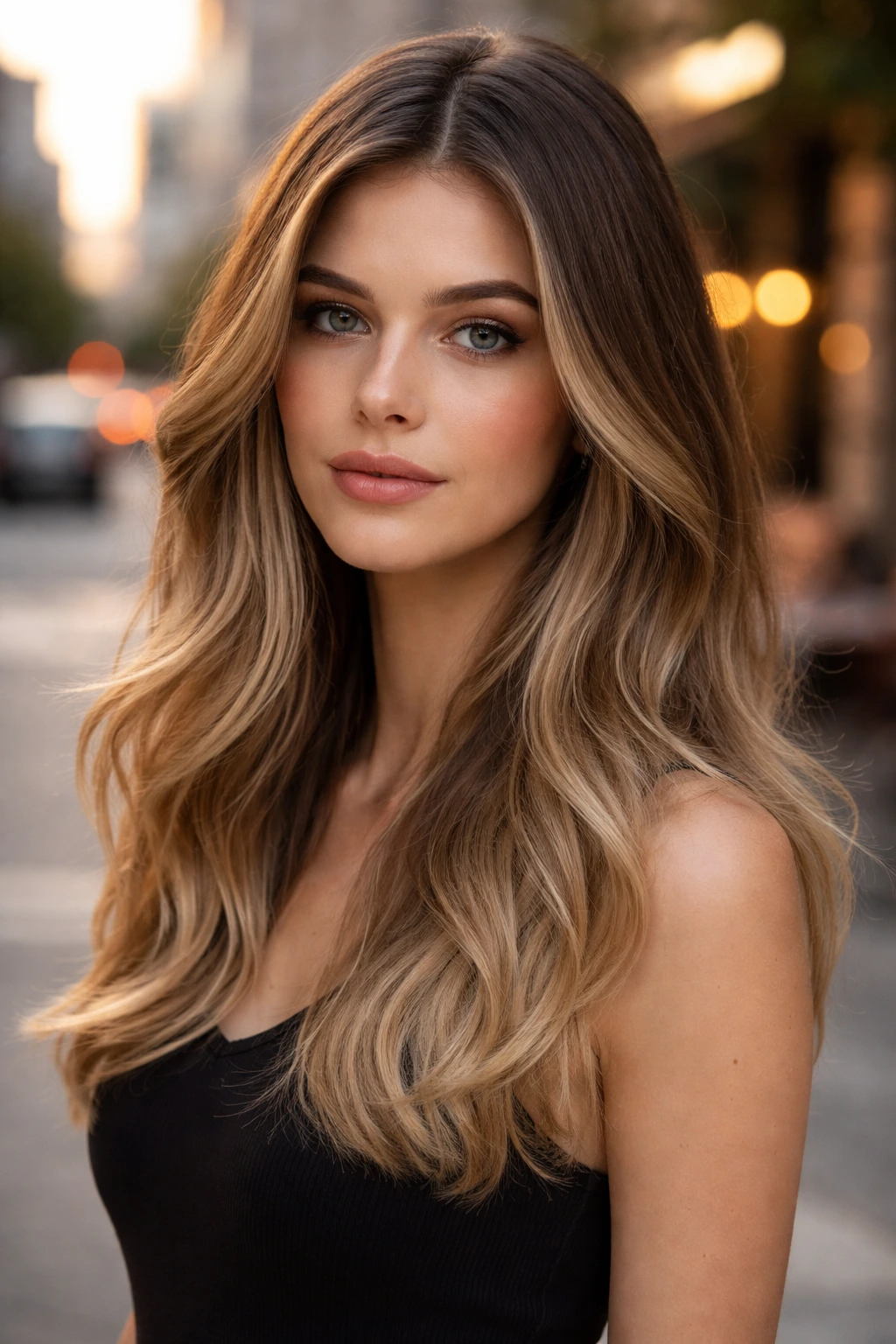
Ombre has evolved from the harsh “dip-dyed” look of the past into a sophisticated, melted gradient. For cool skin, the Polished Beige Ombre is excellent because it keeps the dark color near your face, where it’s most flattering, and pushes the lighter, beige elements toward the ends.
Because the dark color is next to your face, you don’t have to worry about color-clashing with your complexion. The beige acts as the accessory. It provides a soft brightness that catches the eye without washing out your facial features. This is arguably the most “forgiving” hair color for anyone who is nervous about changing their look.
7. Sun-Kissed Beige Highlights
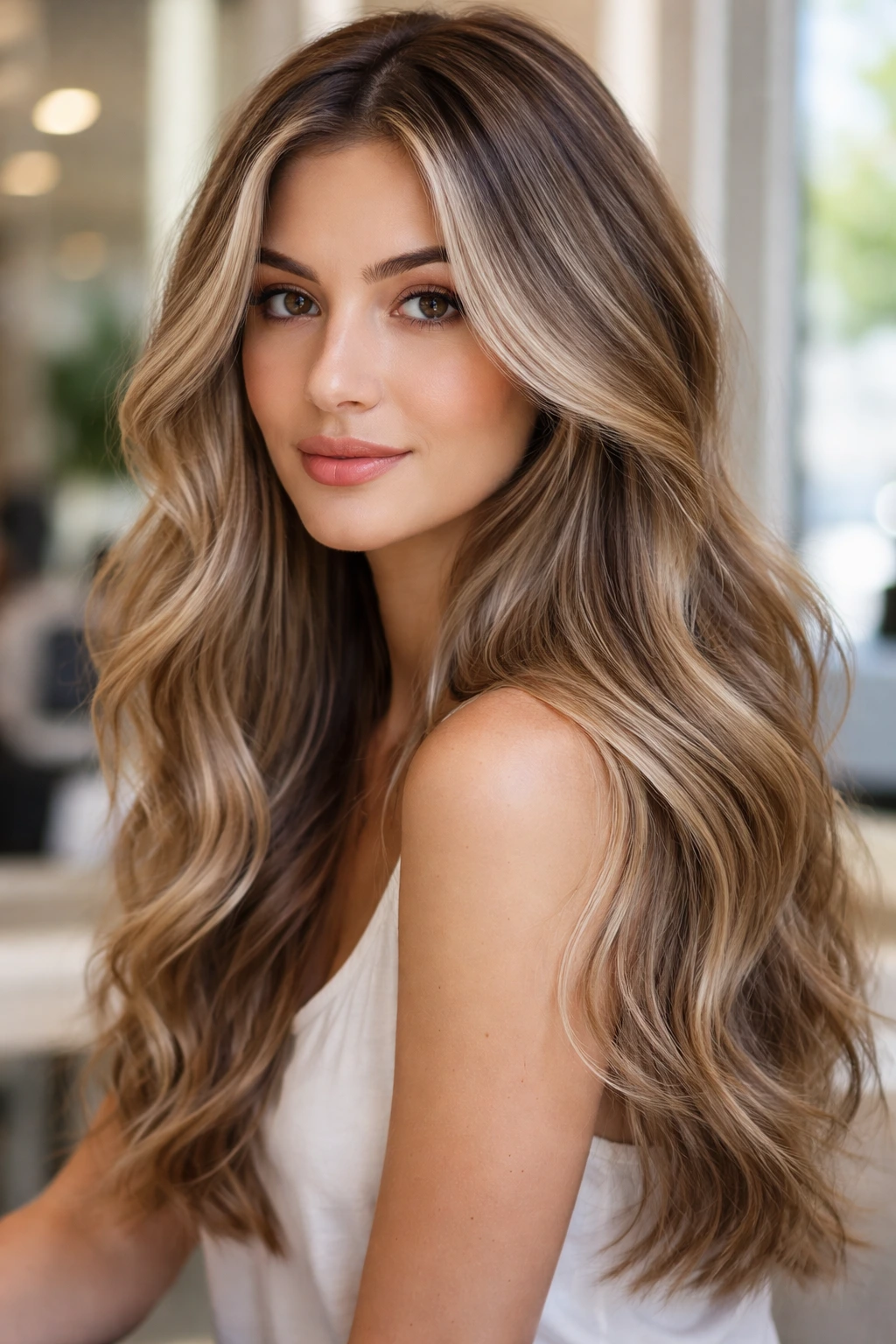
“Sun-kissed” usually implies warm, golden tones, but you can absolutely translate this into a cool-toned beige reality. The key is in the developer used during the highlighting process. You want to lift the hair just enough to remove the dark pigment but stop before you hit that yellow-orange phase.
Once the highlights are placed, the toner does the heavy lifting. A good colorist will apply a cool-beige toner over the highlights to neutralize any underlying warmth. The result? A hair color that looks like you were born with naturally lighter hair, but one that has been perfectly balanced for your cool undertones. It feels fresh and bright, not artificial.
8. Creamy Beige with Root Shadowing
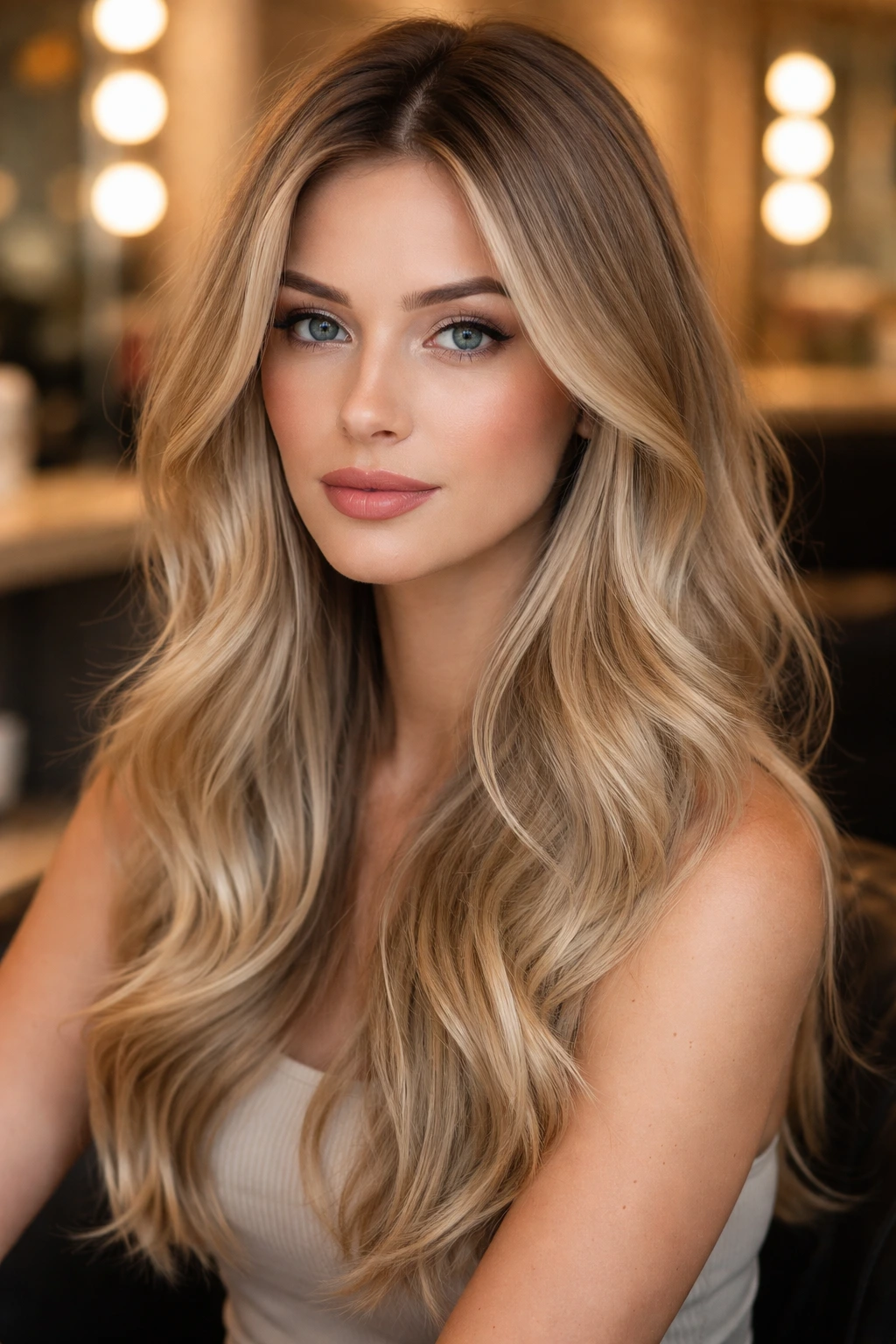
Creamy beige is a thicker, more opaque color. It isn’t transparent like champagne; it has a bit more “weight” to it. It is incredibly rich. Because it is so bright, it can sometimes be risky for very cool skin—it can make you look pale. Root shadowing is the antidote to that.
By leaving your roots darker (or even adding a slightly cooler, deeper toner to the root area), you create an anchor. The creamy beige lives in the lengths, where it adds brightness, but the shadow root keeps your face framed by a color that matches your natural intensity. It is a masterful way to pull off a bright shade without looking like a floating blonde wig.
9. Icy Beige Blend
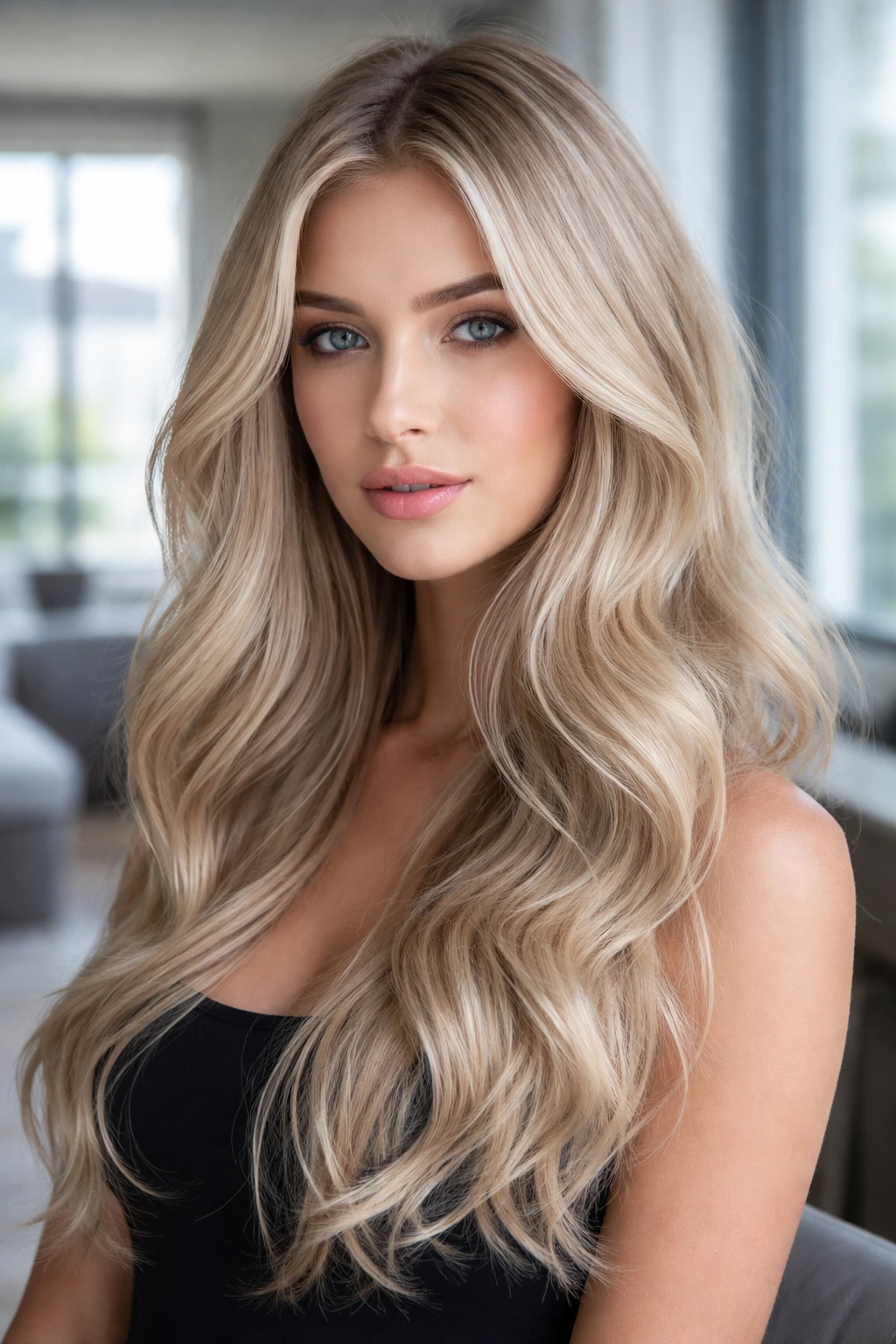
This is for those who love the look of platinum but find it too harsh against their skin. Icy beige is a hybrid. It has the brightness of a cool, silver-white blonde, but it is tempered by a soft beige undertone that prevents it from looking like hair that has been over-bleached.
It is a high-impact color. It reflects light in a very specific, cool way, which makes eyes pop—especially blue or green eyes. However, it is also high maintenance. If you choose this, expect to visit the salon for a gloss treatment every four to six weeks to keep the beige tone from washing out. If it washes out, you’re left with brittle white-blonde, which will definitely conflict with cool skin.
10. Toasted Beige
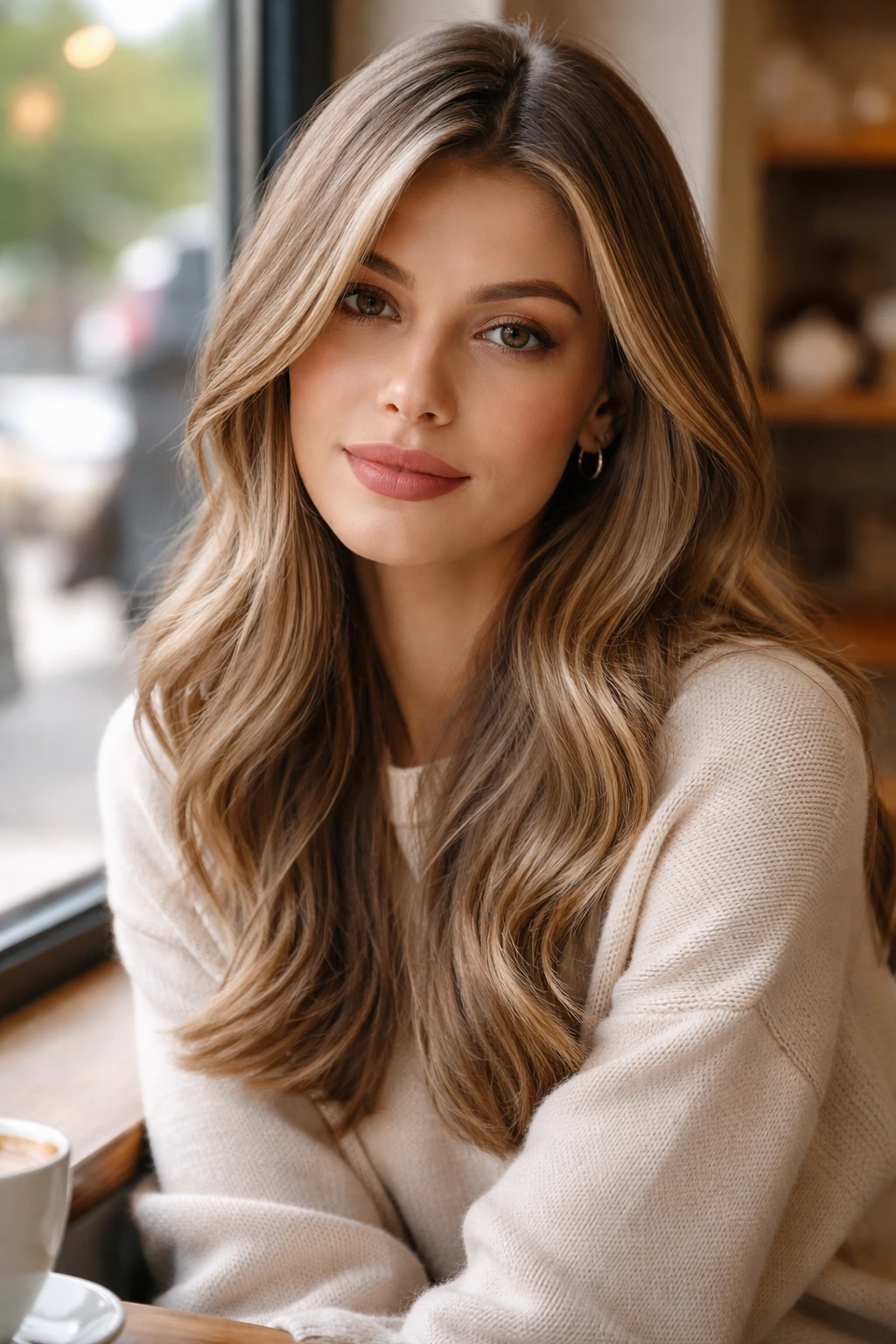
Toasted beige is the deeper, darker cousin of sandy beige. It is warmer than an ash brown but cooler than a chestnut. It is sophisticated. It is the color of a well-tailored wool coat. For someone with cool skin who wants to be brunette but is tired of jet-black or flat dark brown, this is the solution.
The color has a slightly “roasted” quality. It feels deliberate. It provides enough warmth to give you a healthy glow, but the base is distinctly cool-neutral. It is a very forgiving color that grows out beautifully because it doesn’t have the harsh red or orange shift that many dark browns develop over time.
11. Cool Toned Beige Bronde
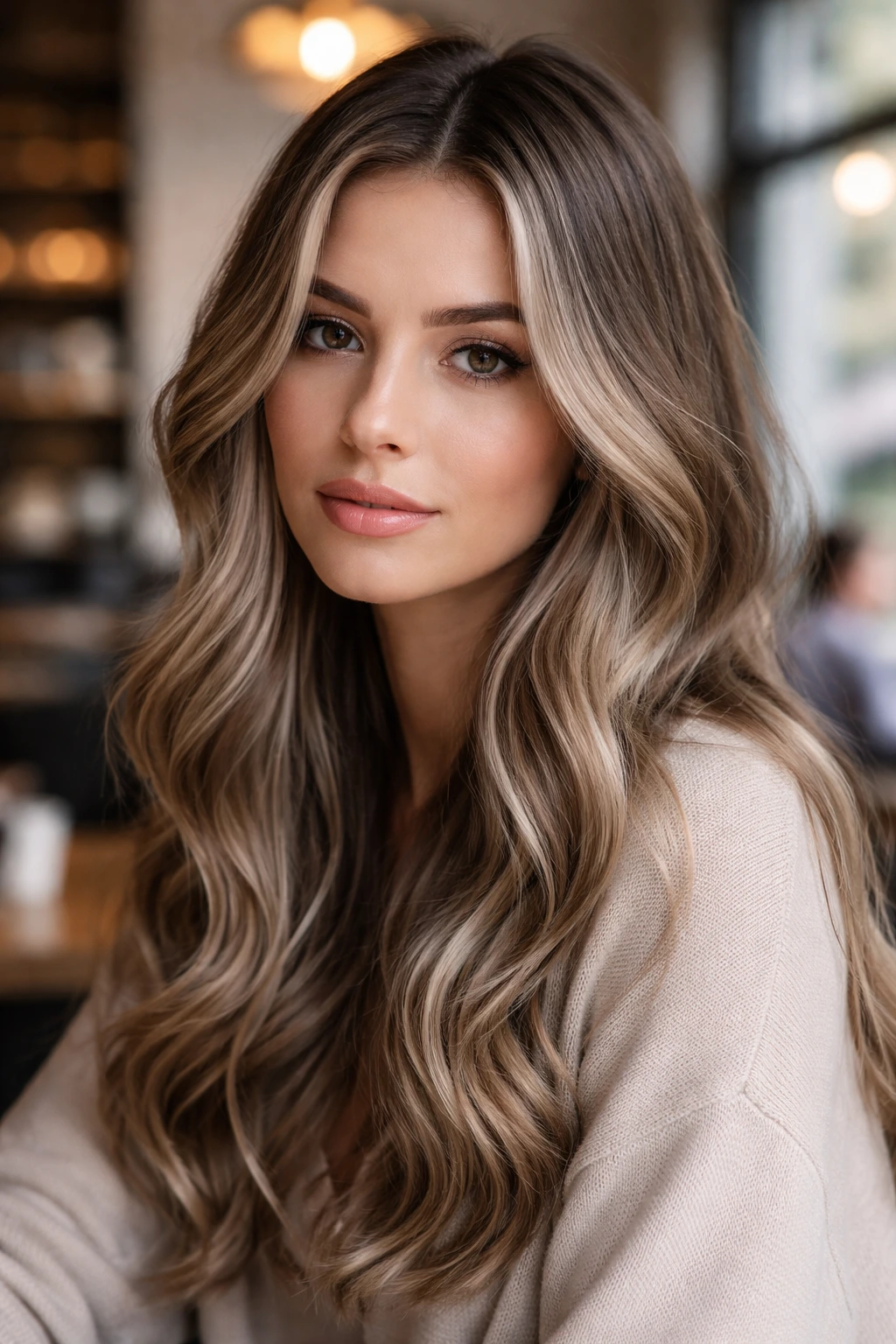
Bronde—the marriage of brown and blonde—is perhaps the most versatile color on this list. When you make it “cool-toned,” you move away from the traditional honey-bronde and into something much more intentional. This is a mix of ash-brown roots and cool-beige highlights.
Why does this work for cool skin? Because it bridges the gap. You get the depth and definition of a brunette base, but the brightness of the blonde highlights. Because the highlights are strictly beige (not golden), they harmonize with the ash-brown base. There is no clashing. It is a cohesive look that feels like a singular color rather than two different colors stitched together.
12. Natural Beige Gloss
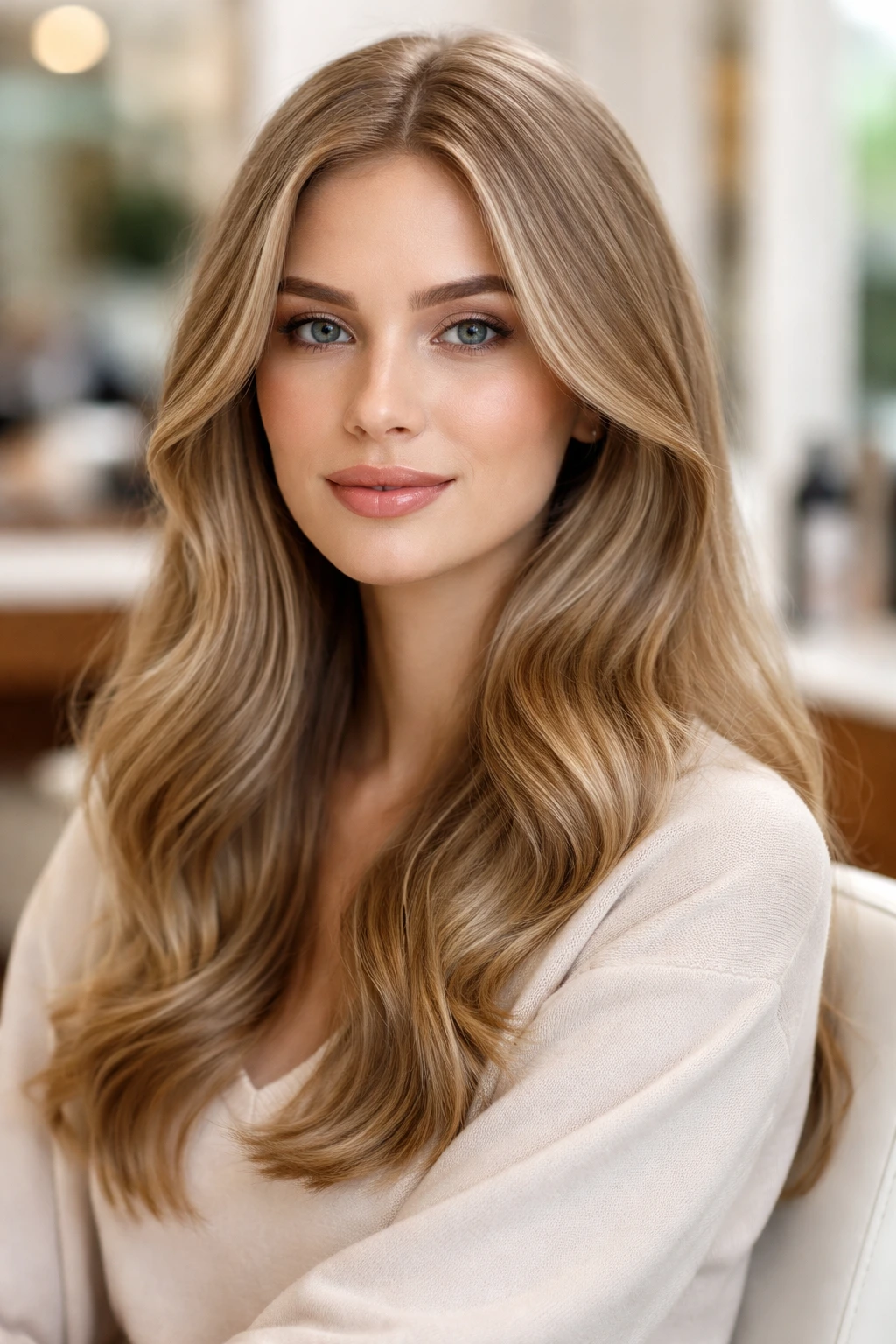
Sometimes you don’t need a massive change; you need an enhancement. A beige gloss is a semi-permanent treatment that deposits tone without stripping color. If you have light brown or dark blonde hair that is currently looking a bit flat or “dull,” this is your best friend.
What a Gloss Actually Does
- Smooths the hair cuticle for extra shine.
- Deposits a veil of beige pigment to neutralize unwanted warmth.
- Fades gradually, so you never have a “root line.”
A gloss is the ultimate “low stakes” experiment. If you have cool skin and your current color feels off, ask for a beige gloss at your next appointment. It usually costs less than a full color service and provides immediate, noticeable results in terms of tone correction.
13. Smoky Beige Babylights
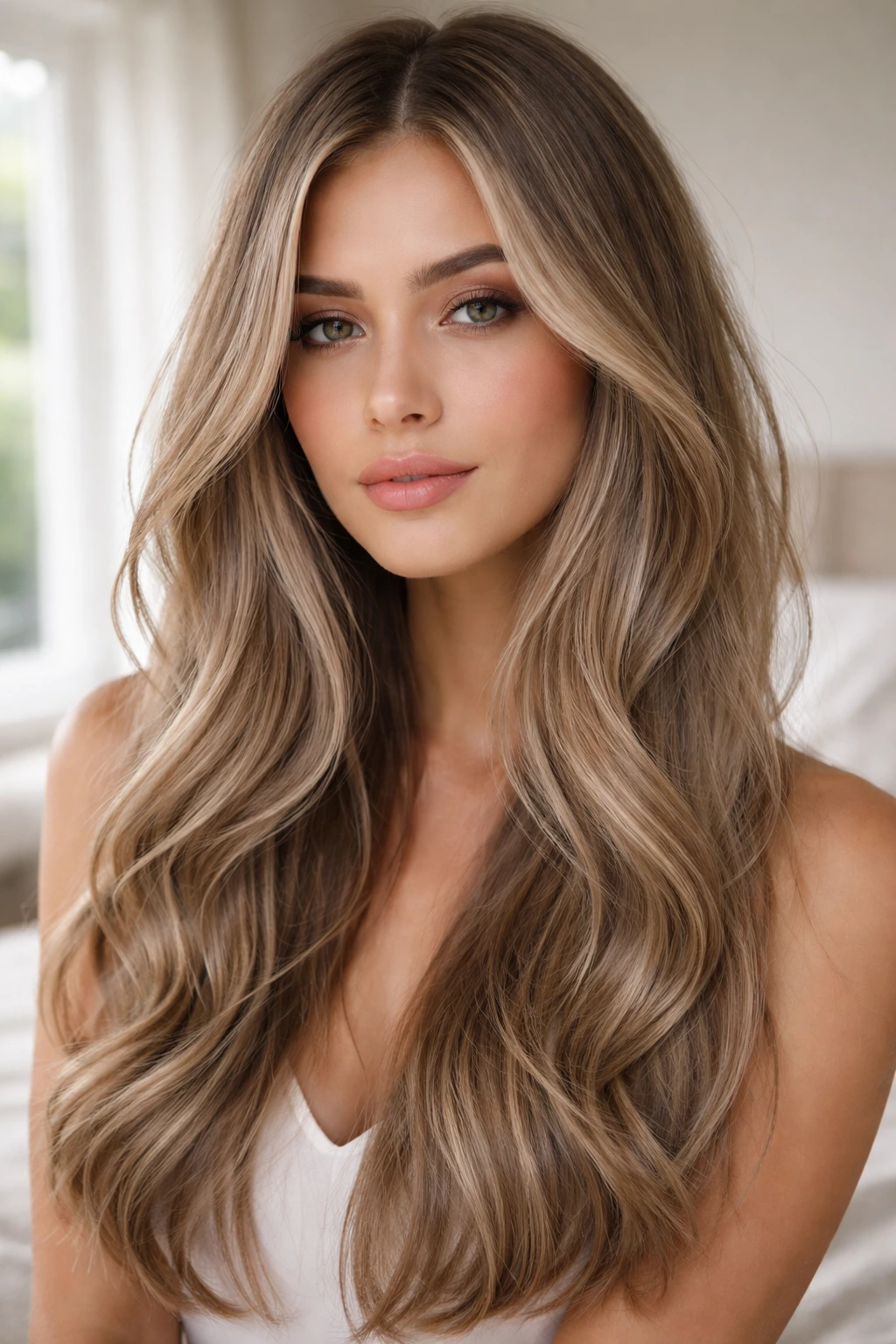
Babylights are ultra-fine highlights. They mimic the way hair lightens naturally in the sun. When you use a “smoky” beige tone for these, the effect is incredibly soft and blurry. There are no stripes. There are no thick sections. It looks like your hair has been infused with light.
Because the highlights are so fine, they blend perfectly with your natural base. This is excellent for cool-toned skin because it avoids the “high contrast” look that can sometimes feel too severe. It is a very delicate, feminine, and ethereal look. It’s perfect if your hair is fine, as the lack of harsh lines makes it look fuller and more intentional.
14. Soft Beige Face-Framing Pieces
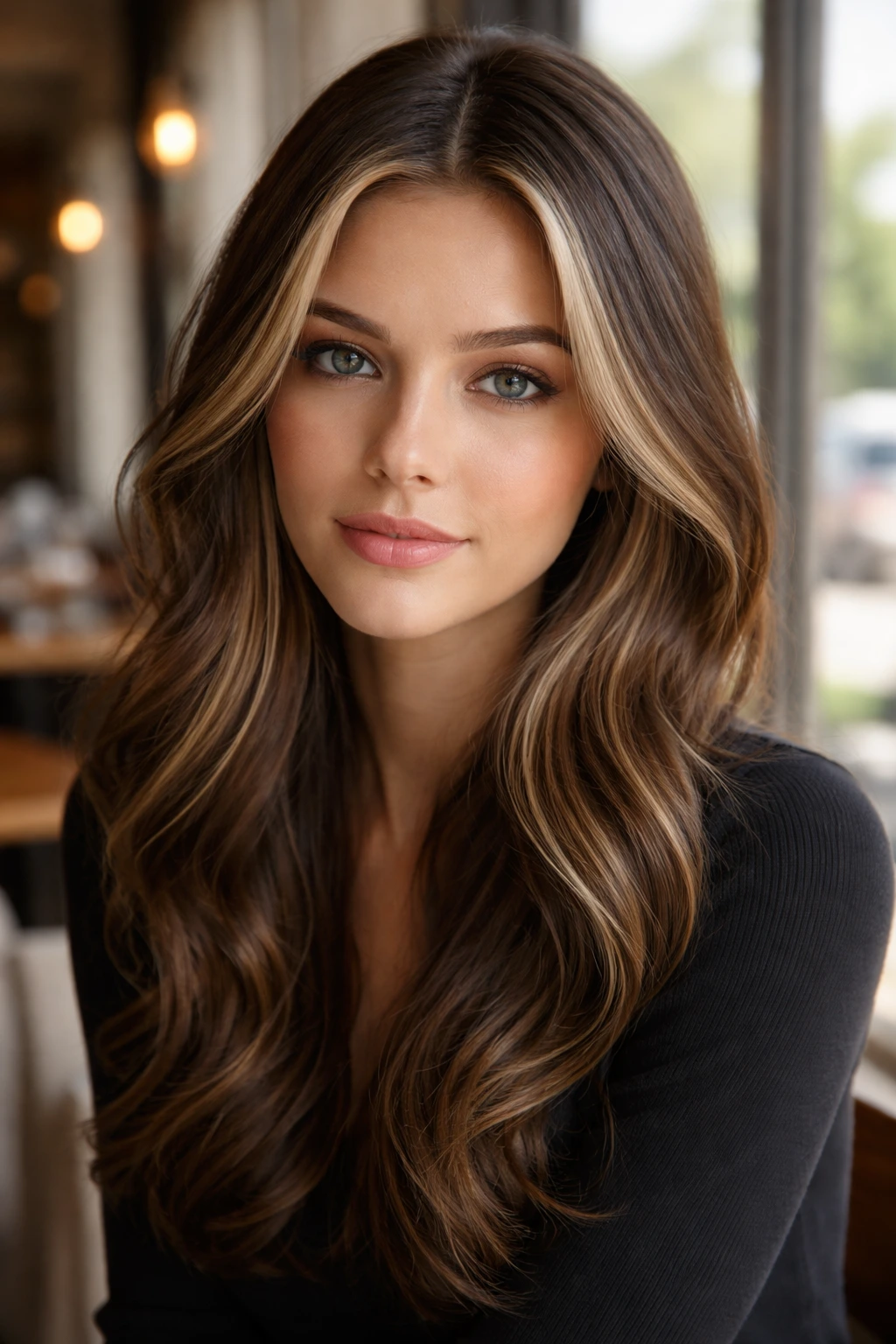
If you are terrified of commitment, start here. Keep the rest of your hair your natural color, but introduce a few “money pieces”—the two strands of hair right at the front of your face—painted in a soft, bright beige. This is about contouring with hair color.
The beige pieces reflect light directly onto your face, which can brighten your complexion and minimize the appearance of dark circles or shadows. It is an immediate, noticeable change that doesn’t damage the rest of your hair. Just ensure the beige is cool-leaning; a warm, golden money piece will only highlight the redness in a cool-toned complexion.
15. Cool Espresso with Beige Ribbons
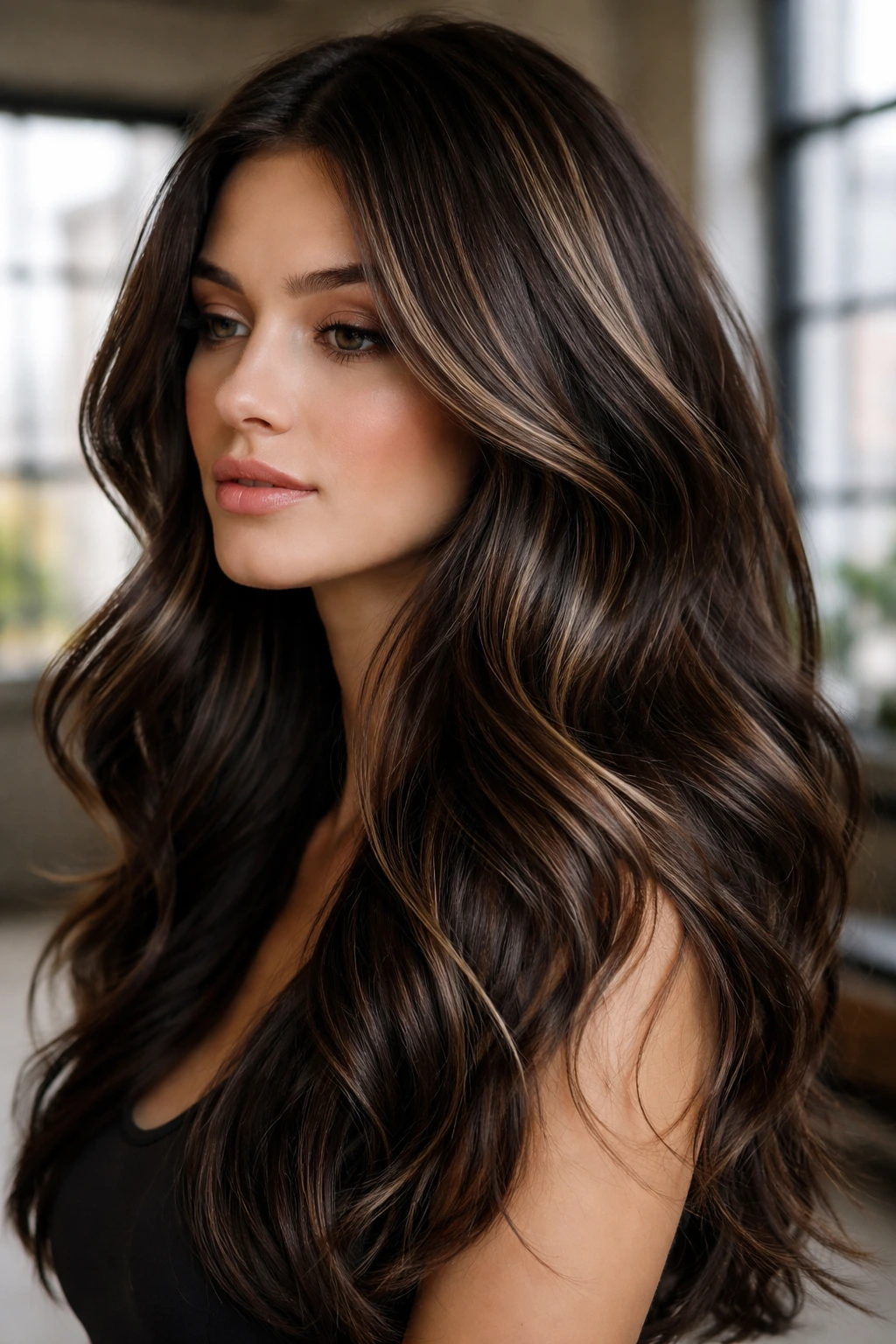
This is a high-contrast look for those with naturally dark, cool hair. You keep the roots and base a deep, cool espresso (almost black, but softened) and weave in thin, strategically placed beige ribbons. The contrast is sharp, but because the beige is neutral and the base is cool, it doesn’t look like the 2005 “chunky highlight” trend.
It looks like a high-fashion choice. The beige pieces need to be done with precision. They should look like they are dancing through the dark hair, not just sitting on top of it. This look is fantastic for adding movement and volume to thick, dark hair.
16. Platinum Beige Undertones
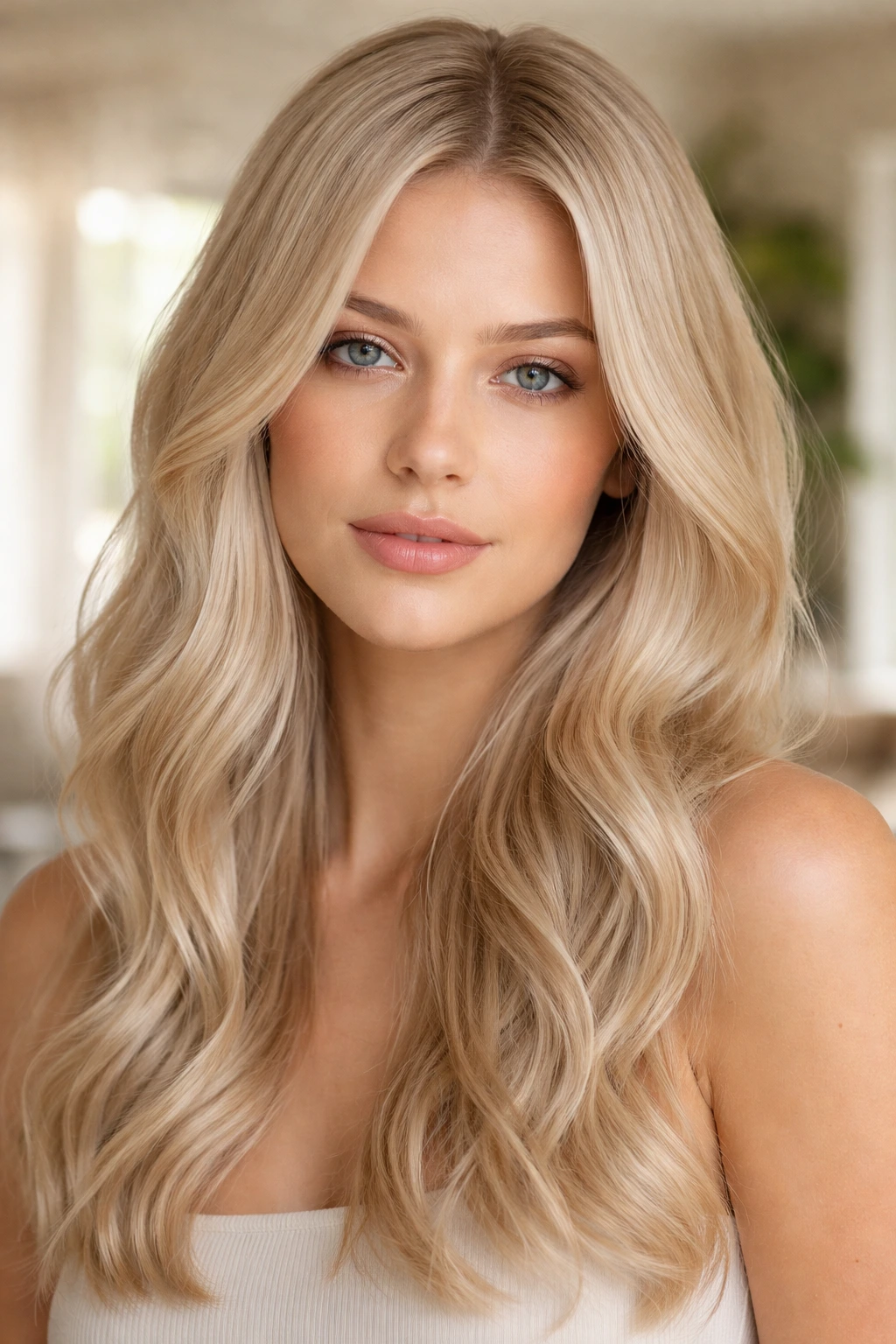
This is for the person who wants to be as light as possible. If you are already at a level 10 (platinum), but you hate how “hollow” or “white” it looks, you need a platinum beige undertone. This involves taking that white-blonde and applying a translucent, beige glaze.
It gives the hair a bit of “body” visually. It stops the hair from looking like it’s made of plastic. For cool skin, this is often better than pure platinum, which can drain all the color from your face. The beige adds just enough tint to keep the hair looking like hair rather than a bleached accessory.
17. Silver-Beige Fusion
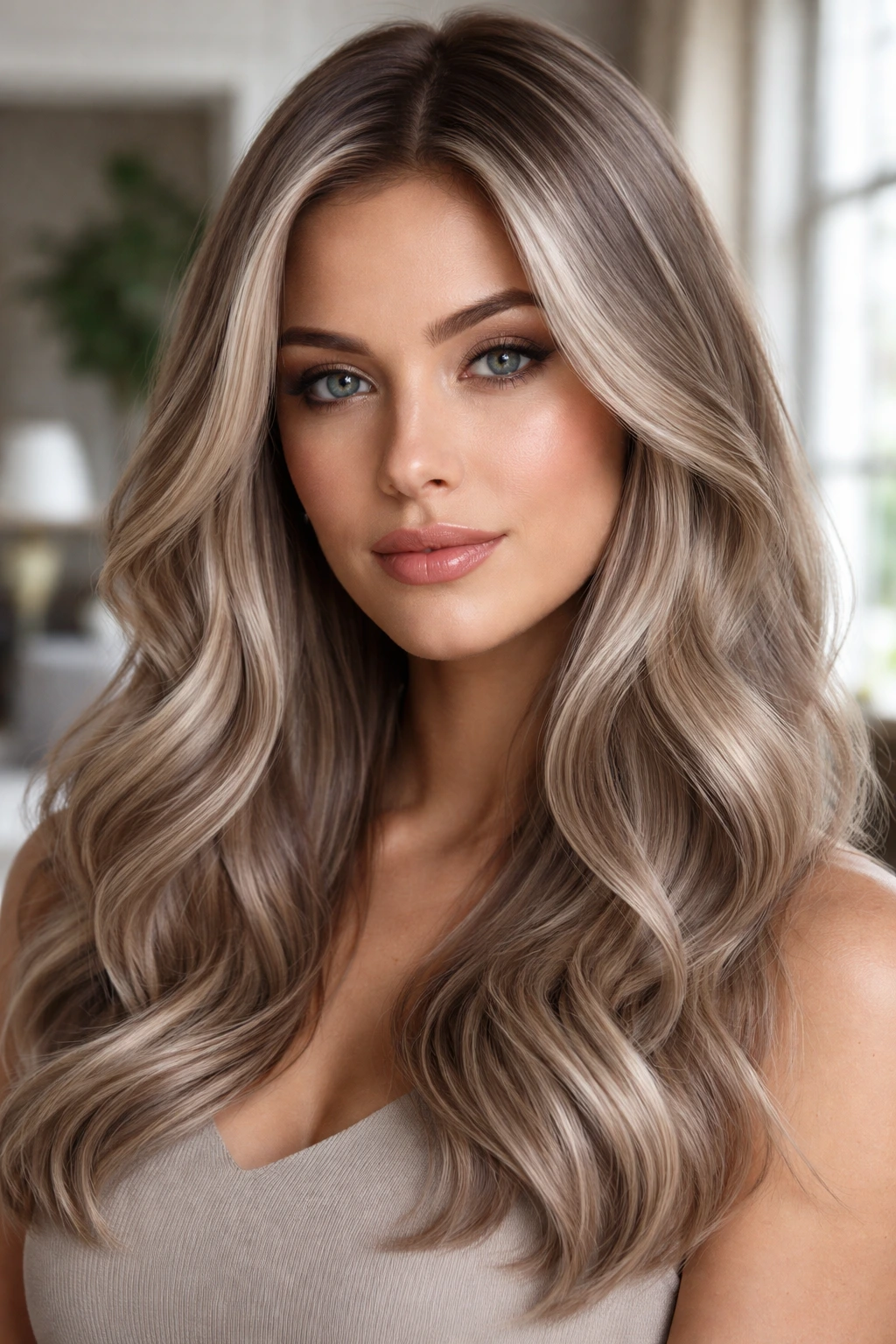
This is the bridge between the silver trend and the beige trend. It is exactly what it sounds like: a mix of cool, metallic silver tones and soft, neutral beige. It is an incredibly sophisticated color that is becoming very popular for its “expensive” look.
Because silver is inherently cool, it works effortlessly with cool skin. The beige provides the depth that pure silver lacks. Without the beige, silver can look like aging hair. With the beige, it looks like a deliberate, cool-toned fashion choice. It is a great way to transition into gray or silver without going fully stark.
18. Dark Roots with Beige Ends
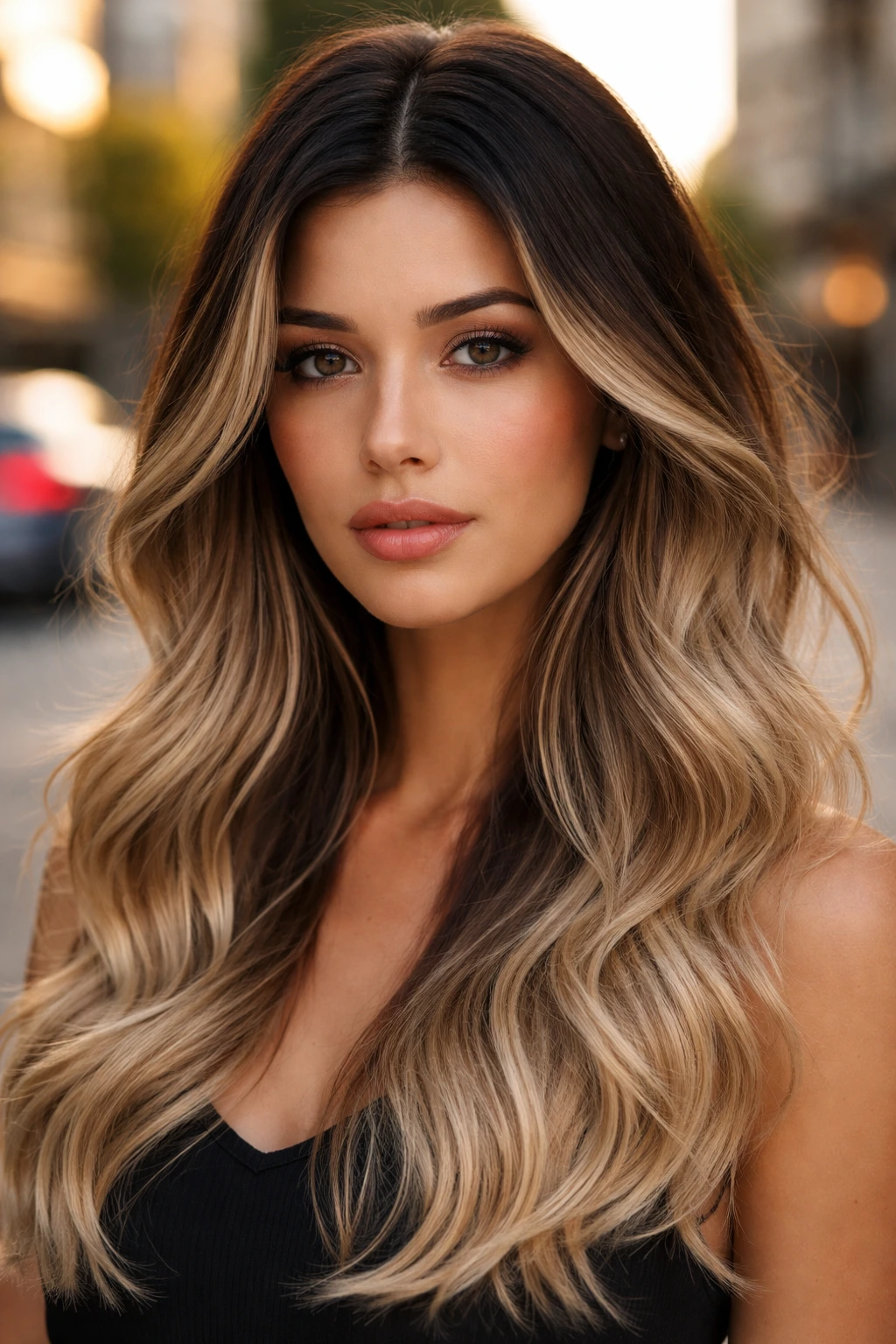
We are seeing a move away from the “perfectly blended” look toward a more grunge-inspired, high-contrast aesthetic. Dark roots with crisp, beige ends fit this vibe. It is low maintenance because you never have to worry about your roots.
The focus is on the contrast. The beige ends should be a clean, neutral shade—no warmth, no ash. They should be bright enough to stand out against the dark roots but neutral enough to complement your skin. This look is best styled with a bit of a wave or texture to help the colors blend visually.
19. Frosted Beige Dimension
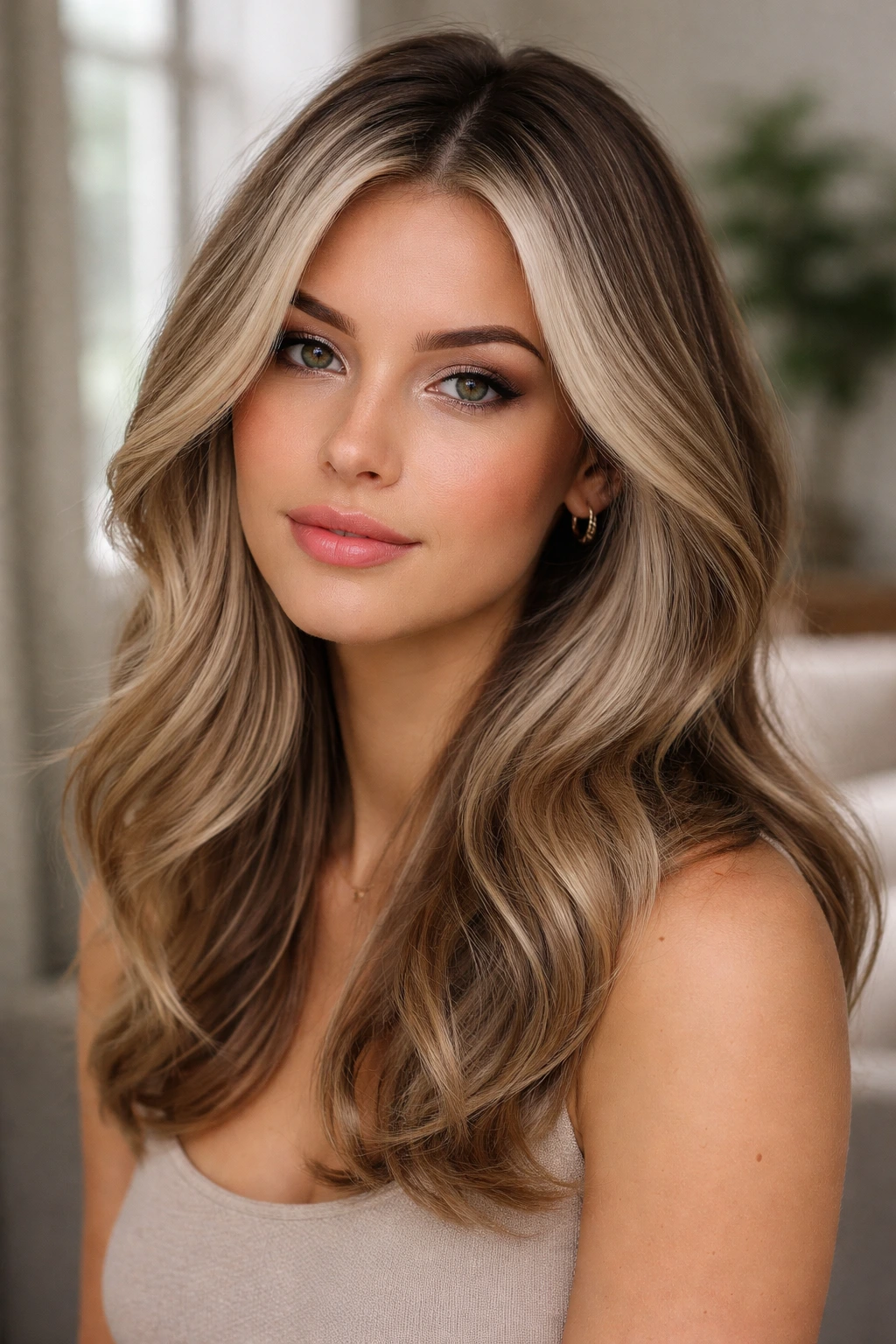
“Frosted” might sound like a relic from the 90s, but the modern iteration is all about light-reflecting dimension. This involves taking a light beige base and layering even lighter, almost white-beige highlights on top, specifically through the crown and around the face.
It creates a “frosted” effect that is stunning in the light. For someone with cool skin, this is an excellent way to add brightness without having to dye the under-layers of the hair. It keeps the nape of your neck and the interior of your hair darker, which makes the whole look feel grounded and sophisticated.
20. Earthy Beige Toner
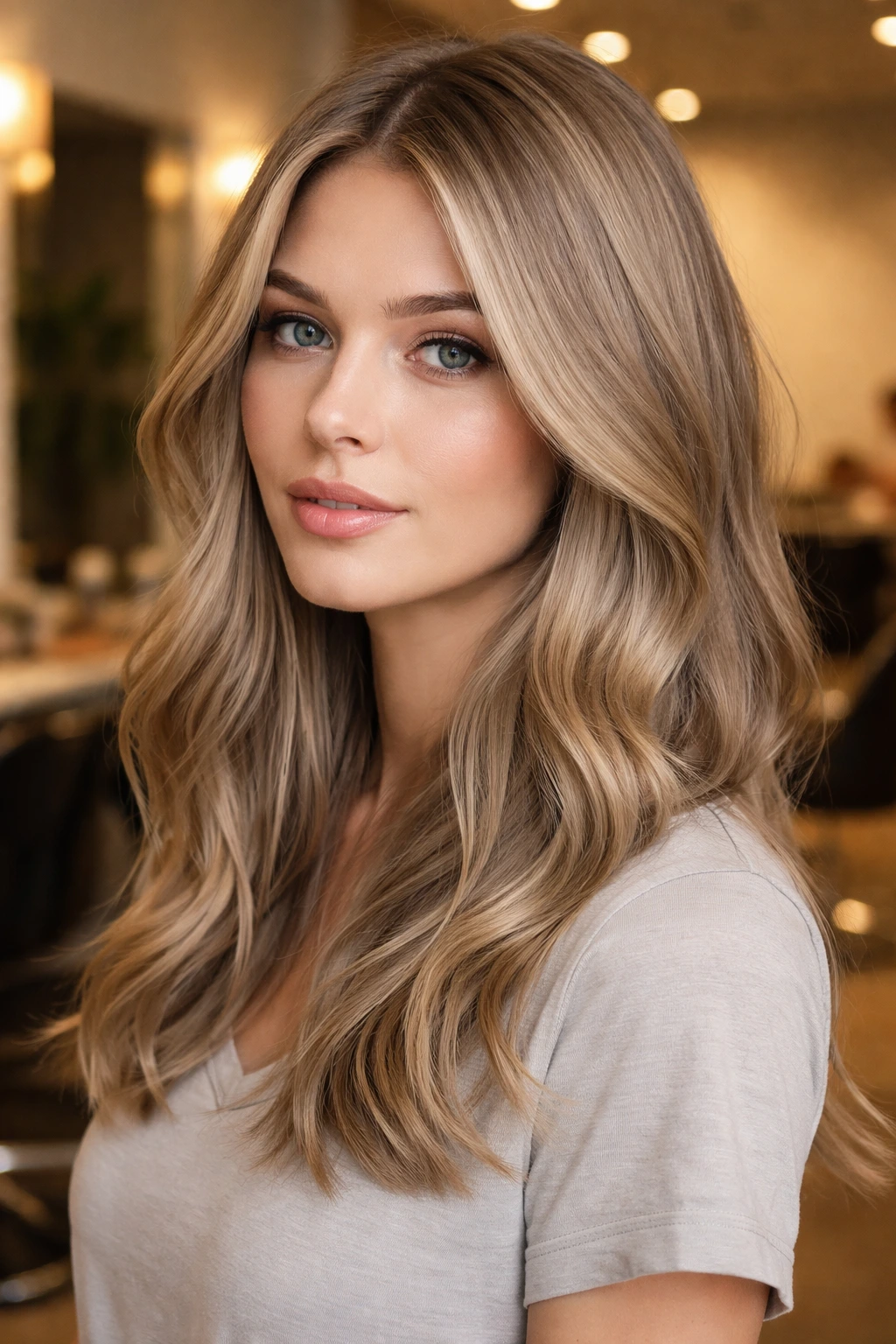
Sometimes, your hair isn’t the problem; it’s the toner. If you have been lightening your hair and find that it keeps turning orange, you are likely using the wrong toner. An earthy beige toner uses green and blue undertones (the opposites of red and orange on the color wheel) to neutralize that brassiness.
It isn’t a “color” service in the traditional sense; it’s a correction. If your hair is currently a shade that makes you feel self-conscious because it looks too warm, book an appointment for a color correction with a focus on an earthy, neutral beige toner. It is truly the most effective way to see if beige is the right path for your specific skin tone without doing anything permanent.
21. Warm-Cooled Beige Blend
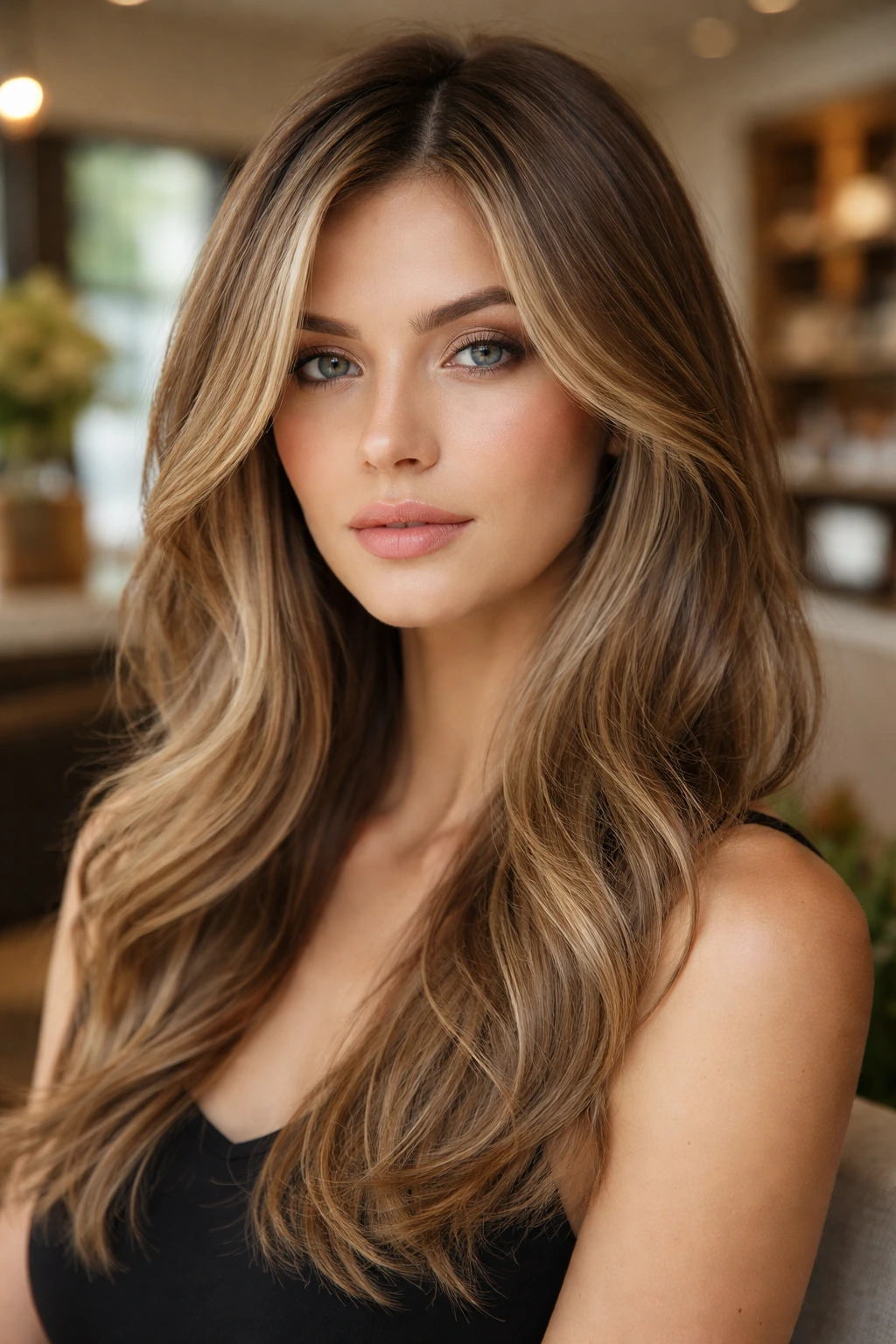
This is for the person who wants to break the rules. You have cool skin, but you want a little bit of warmth. The trick is to do a warm-cooled beige blend. This involves placing subtle, golden-beige highlights near the face (to add a glow) and balancing them with heavy ash-beige lowlights (to keep the overall tone cool).
It is a balancing act. You are using the warmth to flatter your skin but using the cool tones to maintain your overall aesthetic. It requires a skilled colorist—someone who understands color theory well enough to know exactly which shades will interact with your skin’s specific undertones. When it works, it is the most natural-looking hair color imaginable.
22. Satin Beige Solid Color
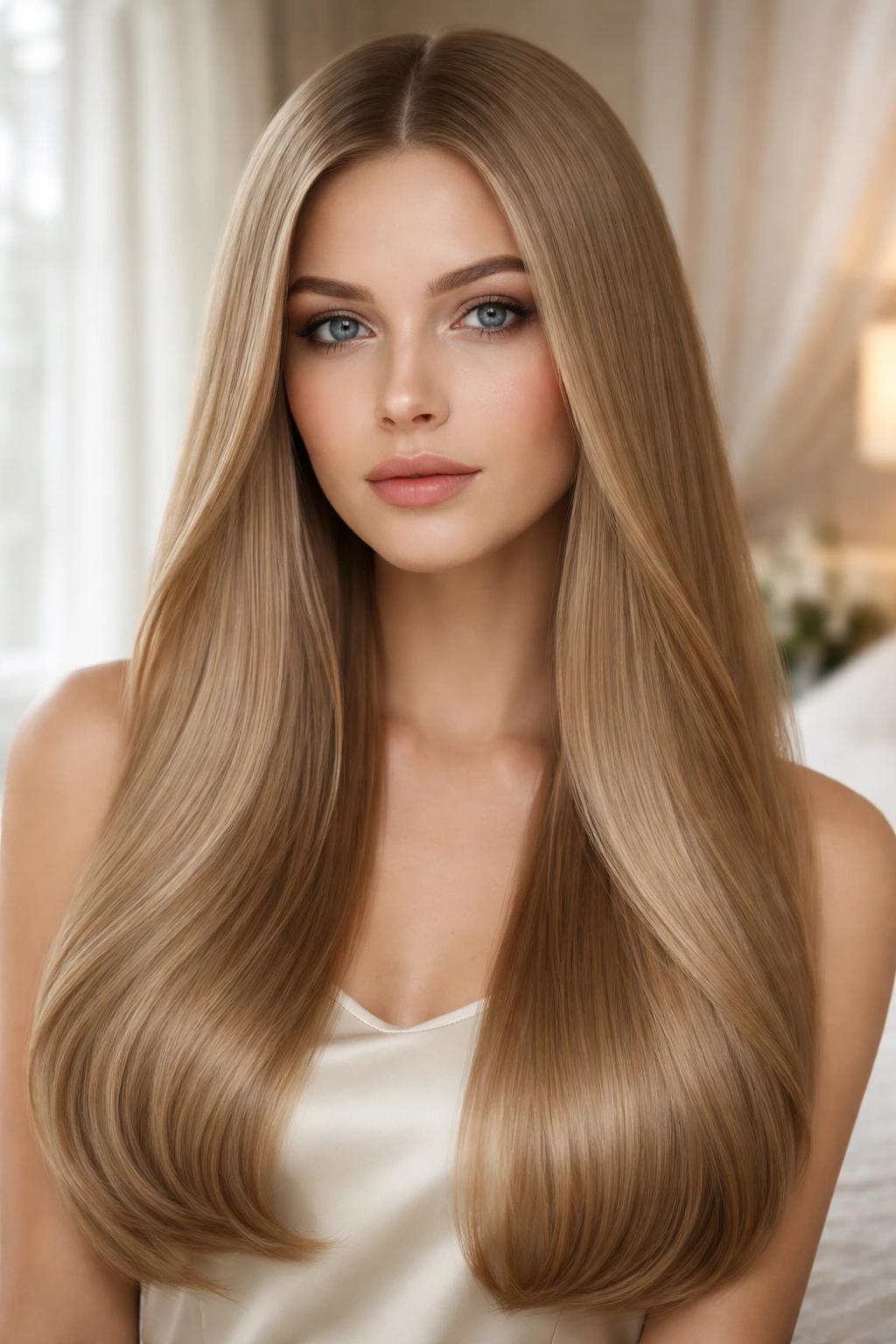
Finally, we have the solid, rich, satin beige. No highlights, no lowlights, no roots. Just one perfect shade of neutral, cool-leaning beige from root to tip. This is a very chic, very “French girl” approach to hair color. It is minimalist. It is clean.
For this to work, the hair needs to be incredibly healthy. Because there is no dimension to hide behind, any damage or dryness will be obvious. You must invest in high-quality bond-building treatments if you go this route. However, if your hair is healthy and shiny, a solid satin beige is arguably the most elegant, timeless, and expensive-looking hair color you can choose for a cool complexion.
The Final Verdict
Choosing the right shade of beige really comes down to your level of comfort with maintenance and the current health of your hair. If you are starting with dark hair, a beige balayage or root-shadowed look is your best entry point—it keeps the integrity of your hair and gives you a soft, natural grow-out. If you are already light, a gloss or a subtle beige toner is the lowest-effort way to test the waters.
Don’t be afraid to bring photos to your stylist, but make sure the photos are actually beige. People often confuse beige with “ash blonde,” which is entirely different. Ash is gray. Beige is neutral-sand. They interact with skin tones very differently. If you show a picture of an ash-gray color to a stylist and they give you exactly that, don’t be surprised if it looks a bit dull.
Remember that hair color is not permanent, but the damage from incorrect bleaching can be. If you have cool skin, prioritize the integrity of your hair. A healthy head of hair that is slightly off in tone is always better than a perfectly toned head of hair that is breaking off at the ends. Take it slow, find a colorist who understands toners, and lean into that beautiful, neutral beige space. It is the sophisticated choice for a reason.
