



Finding the perfect brunette shade is rarely as simple as grabbing a box off the shelf or pointing to a picture in a magazine. If you have cool skin tones, you likely know the frustration of trying a beautiful brown, only to have it turn bright orange or coppery red within two weeks. That isn’t a failure on your part—it’s just color theory. When your skin has blue, pink, or olive-cool undertones, your hair needs to match that specific frequency, or your complexion will look drained, tired, or just plain off.
The secret to mastering cool-toned chocolate brown hair lies in the toner. You are not looking for golden, honey, or caramel highlights. Instead, you need ash, violet, blue, and sometimes even grey-based pigments to neutralize the warmth that naturally pulls through when lifting or coloring hair. Many people assume brown is just brown, but the chemistry of brunette hair is incredibly complex. If you fight your natural pigmentation, you lose. If you lean into the cool spectrum, you create a seamless, sophisticated look that makes your eyes pop and your skin glow.
Whether you are looking for a deep, dramatic transition or subtle, multidimensional highlights, the range of cool chocolate options is surprisingly vast. It is not just about going darker; it is about choosing the right depth and the right secondary tone to keep the color icy rather than brassy. Let’s look at twenty-five distinct ways to achieve that coveted cool brunette look, ensuring you stay within the cooler spectrum while keeping your hair vibrant, healthy, and stylish.
1. Classic Dark Chocolate Brown
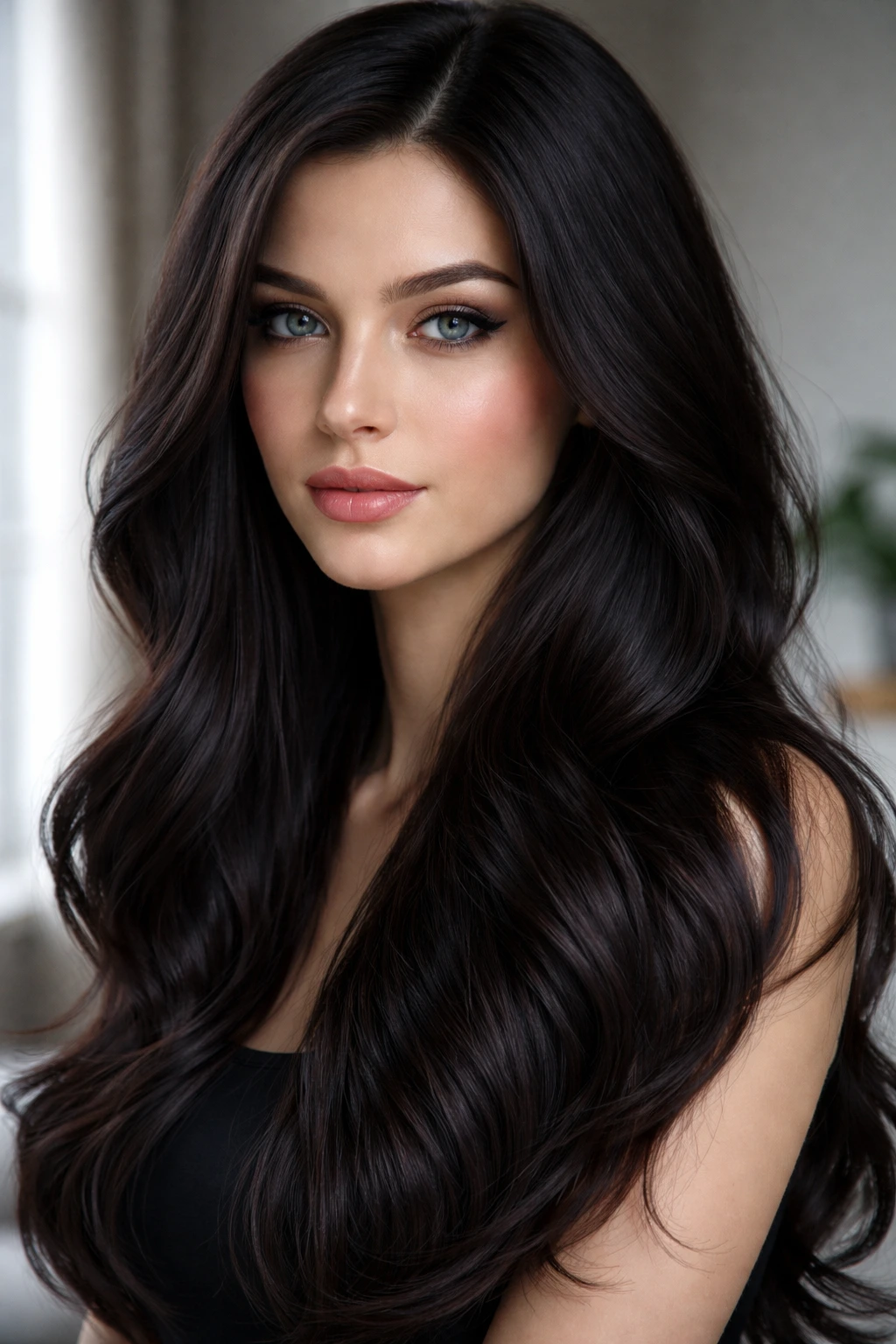
This is the benchmark for cool brunettes. It sits on the darker end of the spectrum and relies on a heavy blue or violet base to ensure that no stray red tones creep in over time. It is a bold, monochromatic color that looks sleek and intentional.
Why It Works for Cool Skin
Because it lacks the golden or reddish fillers found in standard drugstore browns, this shade keeps your skin looking bright rather than sallow. It creates a high-contrast frame for your face, which is particularly striking if you have a fair, cool complexion.
Pro Maintenance Tip
To keep this deep shade from fading into a muddy brown, you need to use a color-depositing blue shampoo once a week. This prevents the oxidation that eventually reveals the underlying warm pigments every head of hair has, regardless of the dye used.
2. Ashy Chocolate Brown
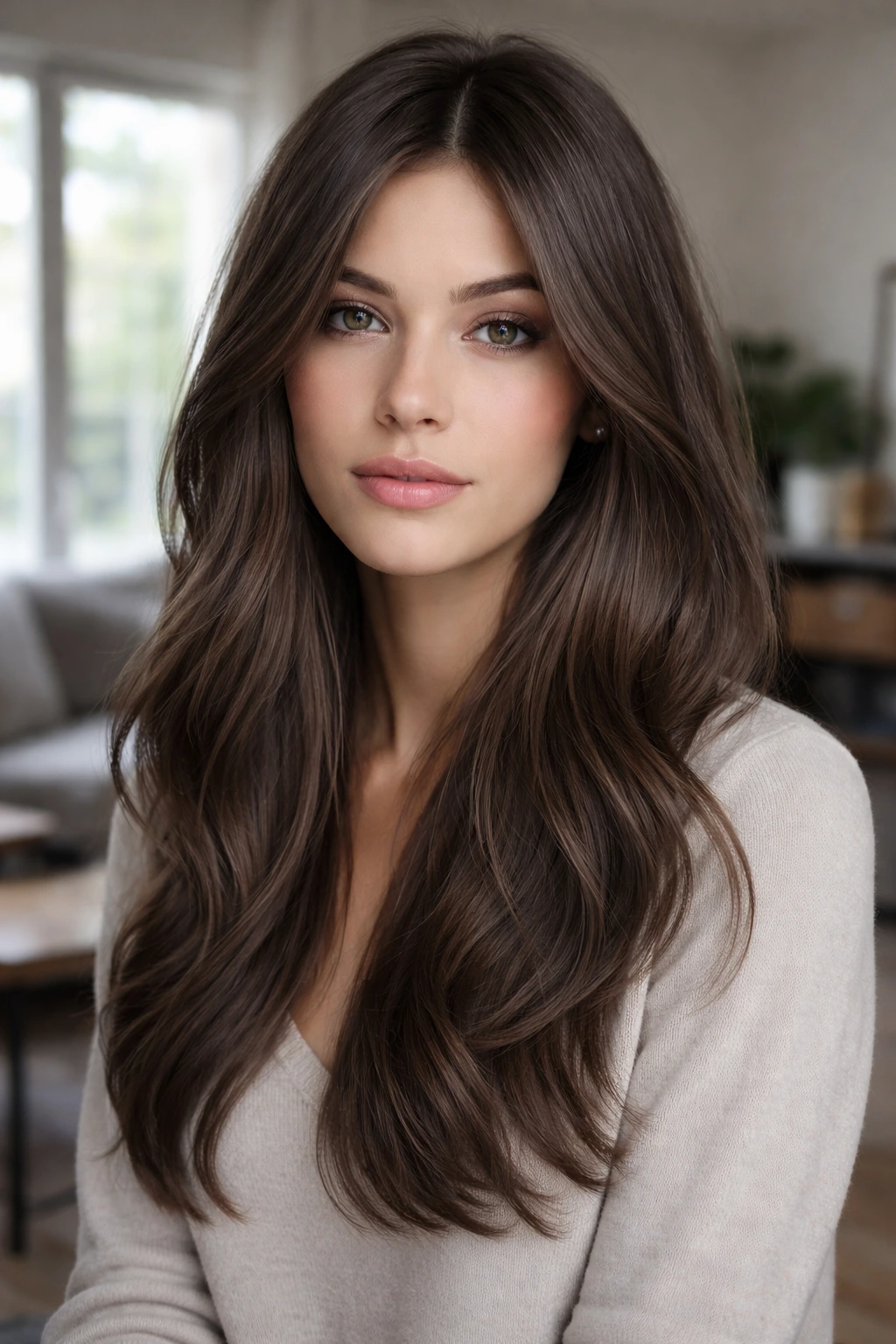
If you find that even “neutral” browns turn warm on you, an ash-based chocolate is your best friend. This shade leans heavily into the grey/ash spectrum, creating a matte, sophisticated finish that feels incredibly modern and understated.
It is less about shine and more about tone. You want that muted, dusty appearance that makes the hair look expensive and tailored. This color is excellent if you have naturally fine hair, as the lack of intense shine can actually make the hair appear thicker and more textured than a high-gloss, warm brown.
3. Mushroom Brown
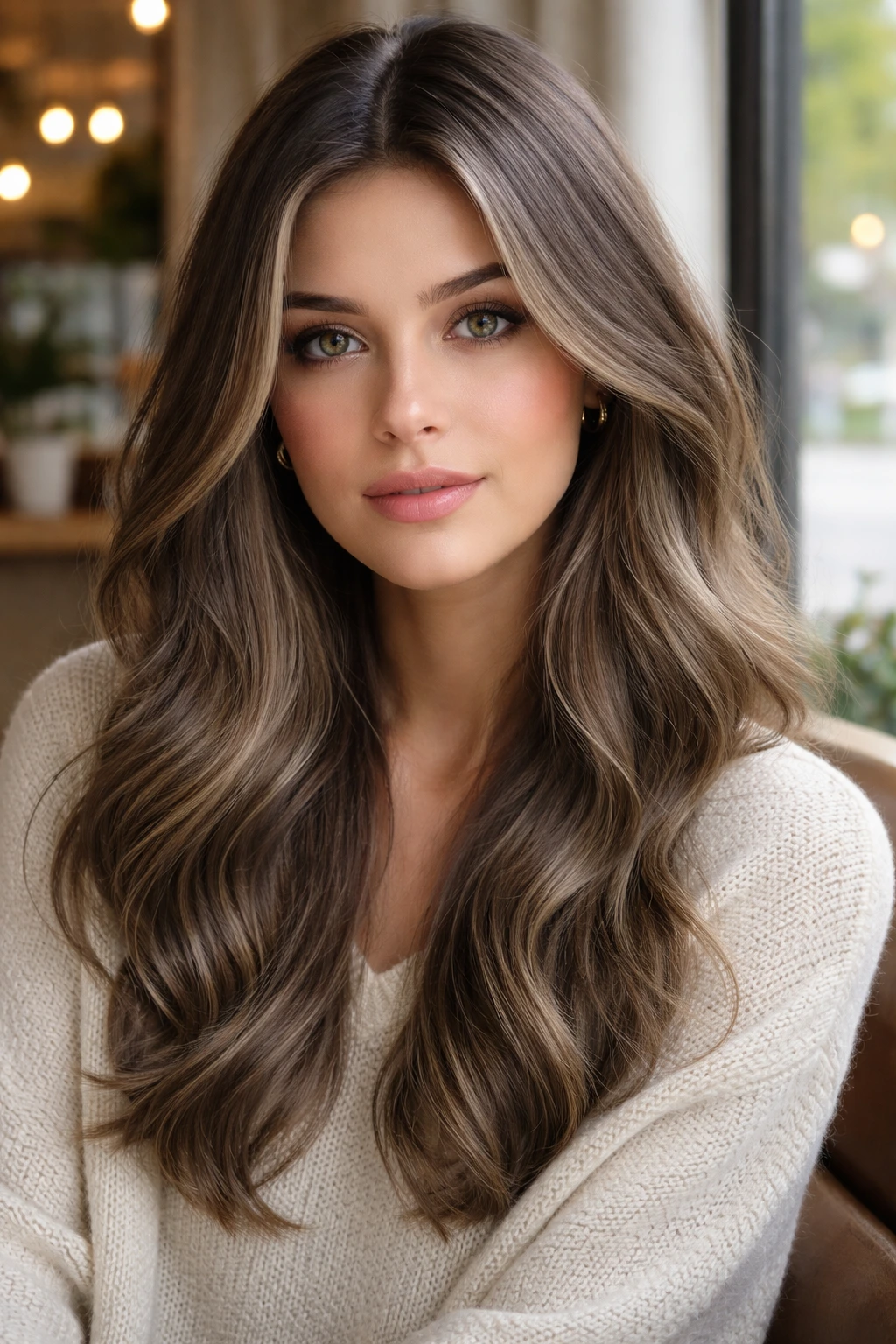
Mushroom brown has become a staple for those with cool skin because it effectively mimics the natural, earthy tones of a portobello mushroom. It sits somewhere between a dark blonde and a light brunette, utilizing a greige—grey and beige—base that is decidedly cool.
The beauty of mushroom brown is that it is incredibly low-maintenance compared to solid dark shades. It works beautifully with a balayage technique, as it allows your natural roots to blend into the cooler, multi-tonal mid-lengths. It is the perfect bridge for someone who isn’t ready to commit to a solid, deep brunette color.
4. Espresso Brown
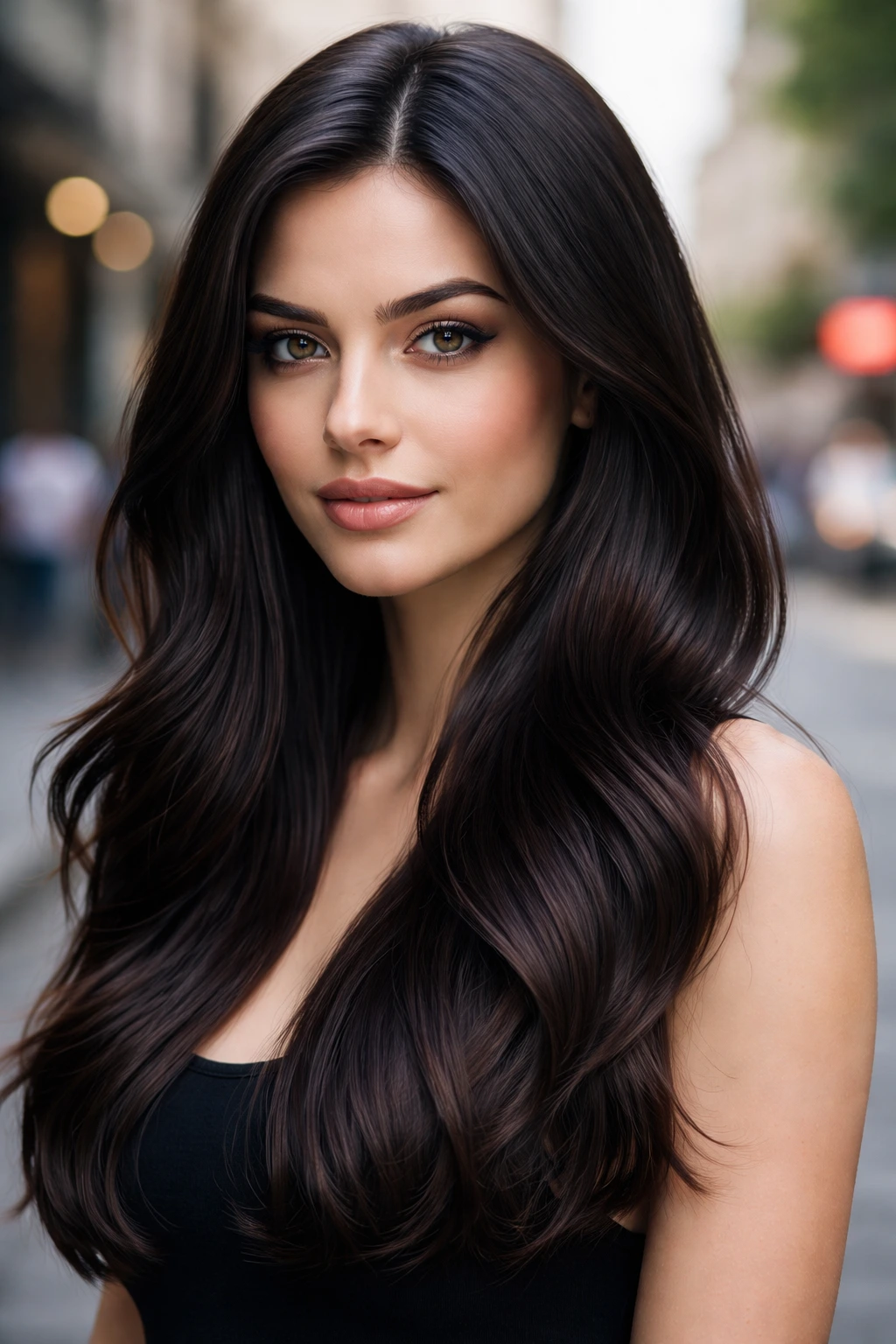
Espresso is essentially the darkest cool brown you can go before hitting black. It is intense, punchy, and incredibly chic. Unlike black hair, which can sometimes look flat or “gothic” if not done right, espresso has subtle, cool-toned depth that keeps it looking like a natural, rich brown.
Key Characteristics
- Depth: It is deep, almost black, but reveals warm-free brown tones in sunlight.
- Finish: High-shine finishes are preferred here to prevent the hair from looking heavy or one-dimensional.
- Contrast: Best suited for those with porcelain or very deep cool skin; the stark contrast is where the magic happens.
5. Cool Cocoa Highlights
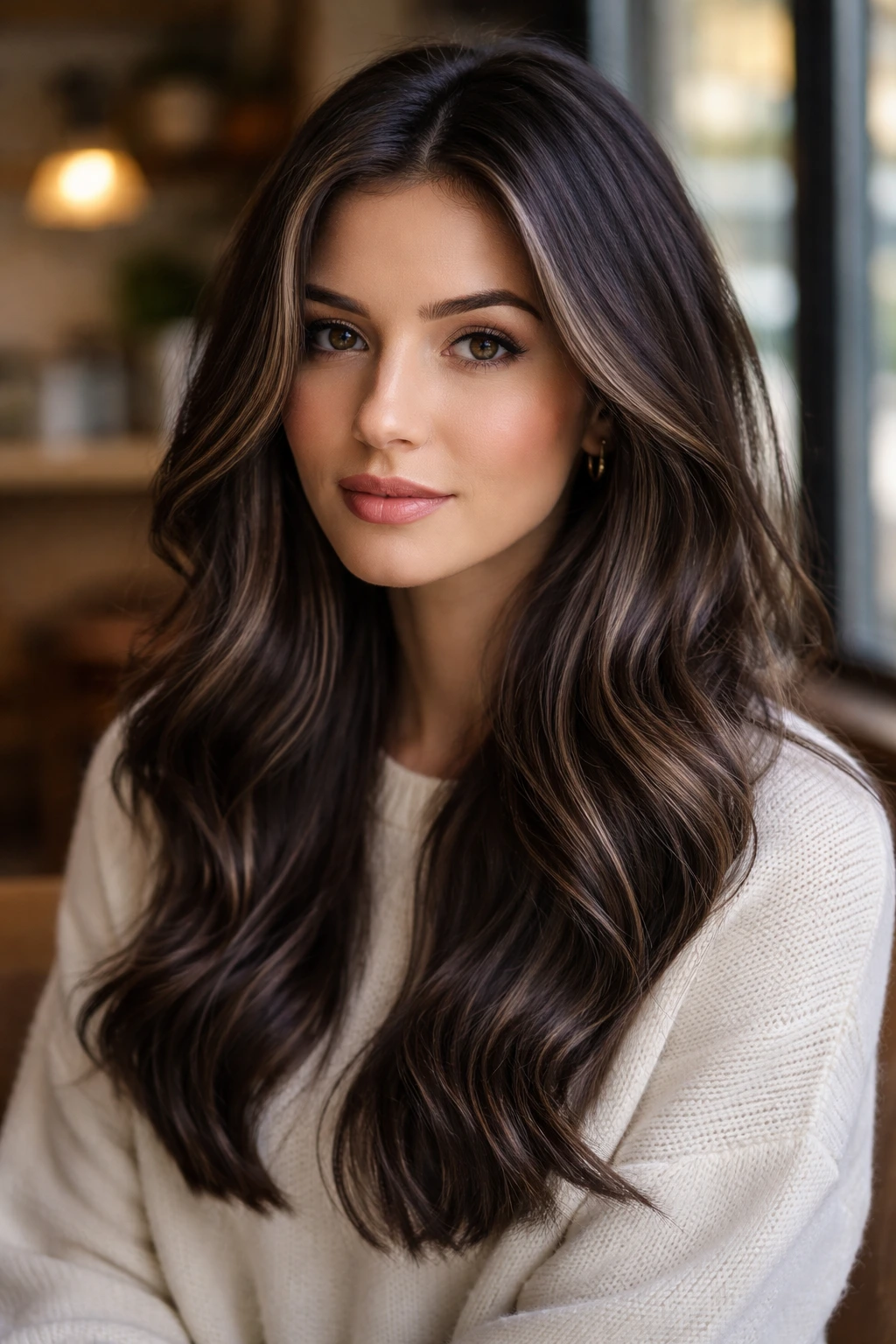
Sometimes you don’t want a full head of color; you just want dimension. Cool cocoa highlights are thin, ribbon-like streaks of a cooler, cocoa-toned brown placed strategically against a darker base.
The goal here is to break up the monotony of dark hair without introducing warmth. Ask your colorist for “cool-toned ribbons.” These should be a shade or two lighter than your base, but they must be toned specifically with ash or violet bases to avoid that dreaded honey or gold look.
6. Chocolate Mauve
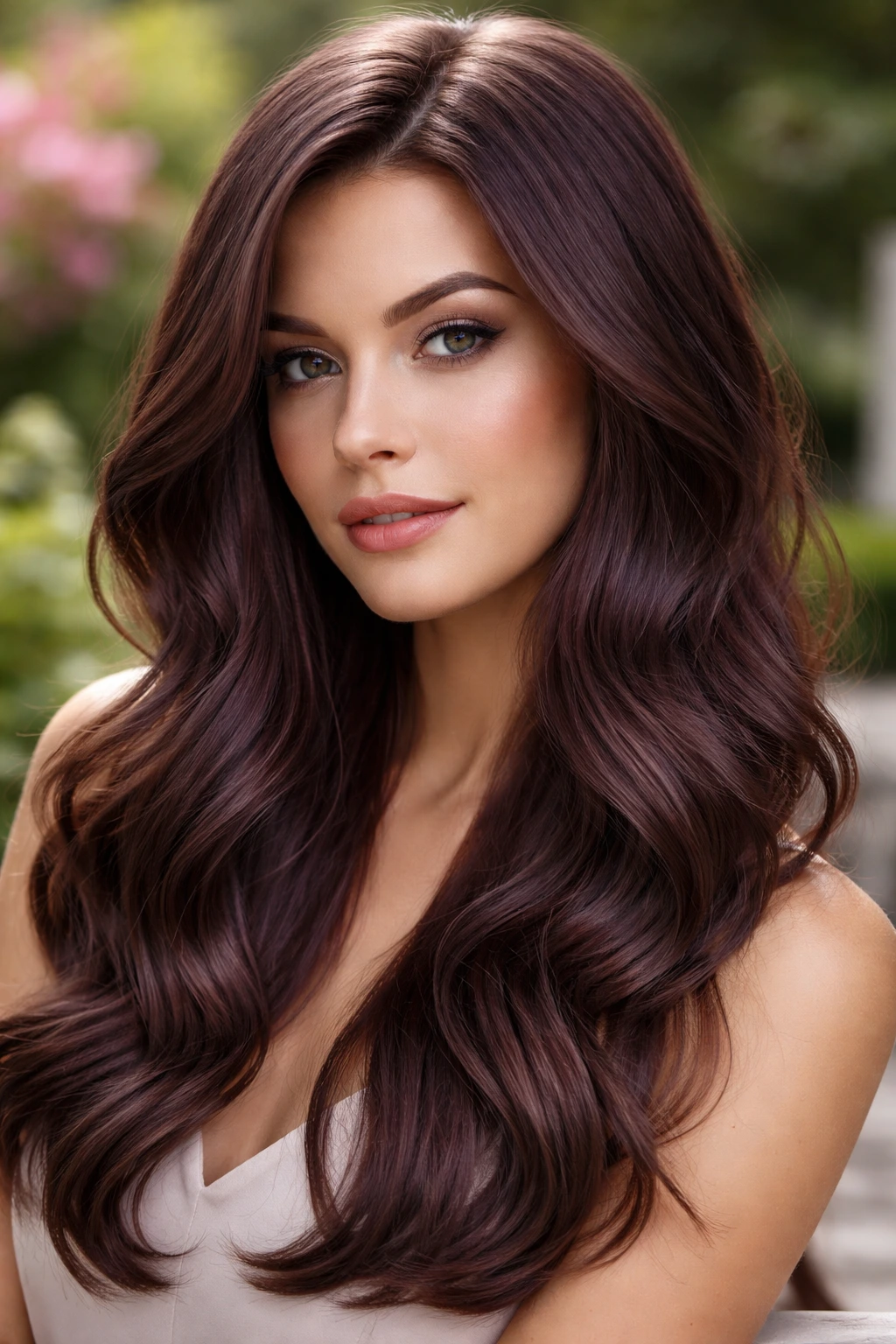
This is for the person who wants a bit of personality in their hair without going full-blown fantasy color. Chocolate mauve is essentially a cool-toned brown with a subtle, muted violet or plum undertone woven throughout the formula.
It is very subtle indoors—it looks like a rich, deep chocolate—but under natural sunlight or direct artificial light, you see that gorgeous, muted berry hue. Because it uses violet pigments, it actually helps neutralize unwanted yellow brassiness, making it a functional choice for someone who struggles with keeping their hair cool.
7. Mocha Brown
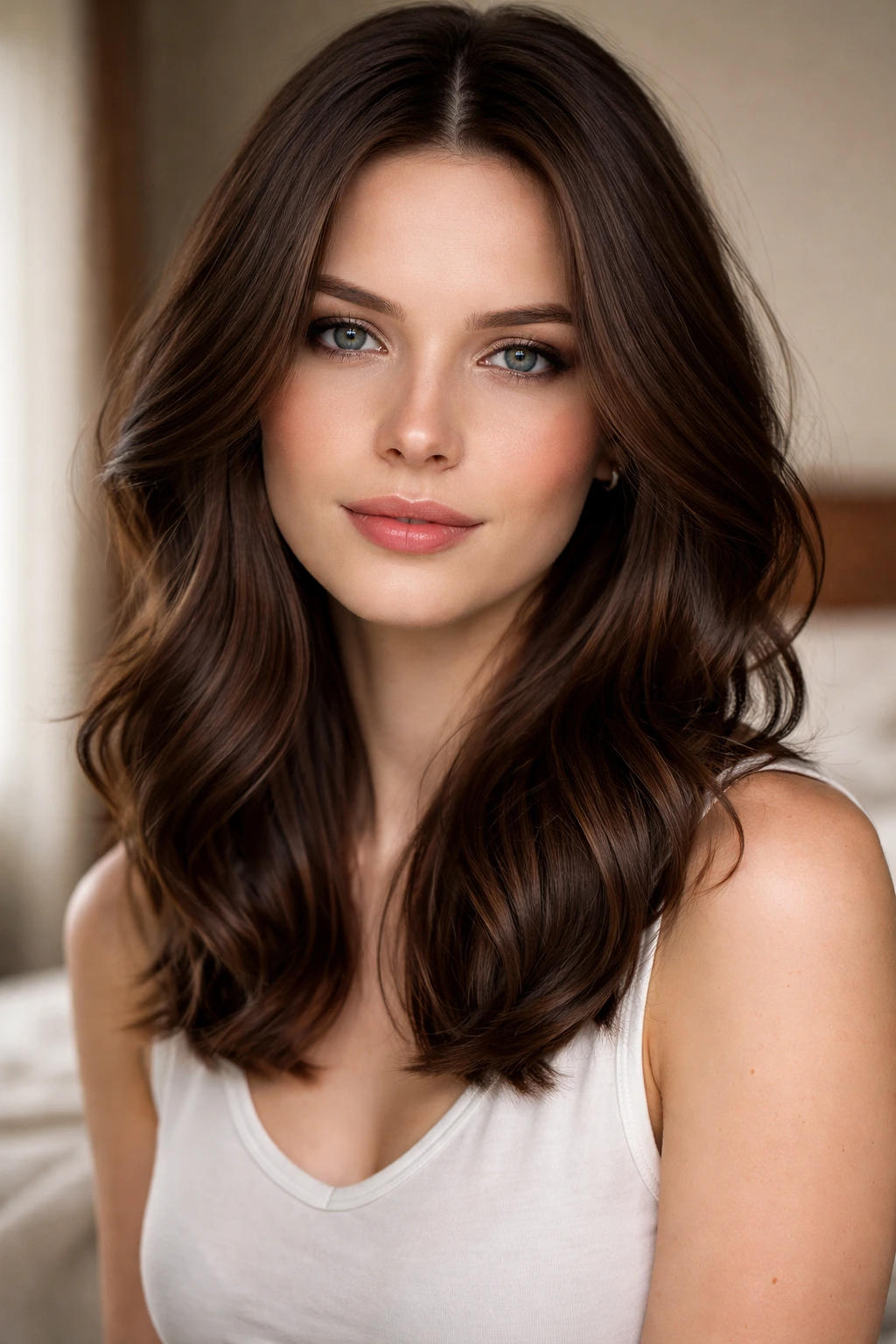
Mocha is a classic for a reason. It is a medium-to-dark brown that feels like a fresh cup of coffee—without the sugar. It relies on a neutral-to-cool balance that looks great on almost everyone with cool skin tones because it isn’t so dark that it drains color, and it isn’t so light that it gets brassy.
This is often the safest “first step” if you are transitioning from a lighter shade to a brunette look. It provides a clean slate that you can easily deepen or lighten in later sessions without worrying about lifting through layers of red or orange buildup.
8. Icy Chocolate Balayage
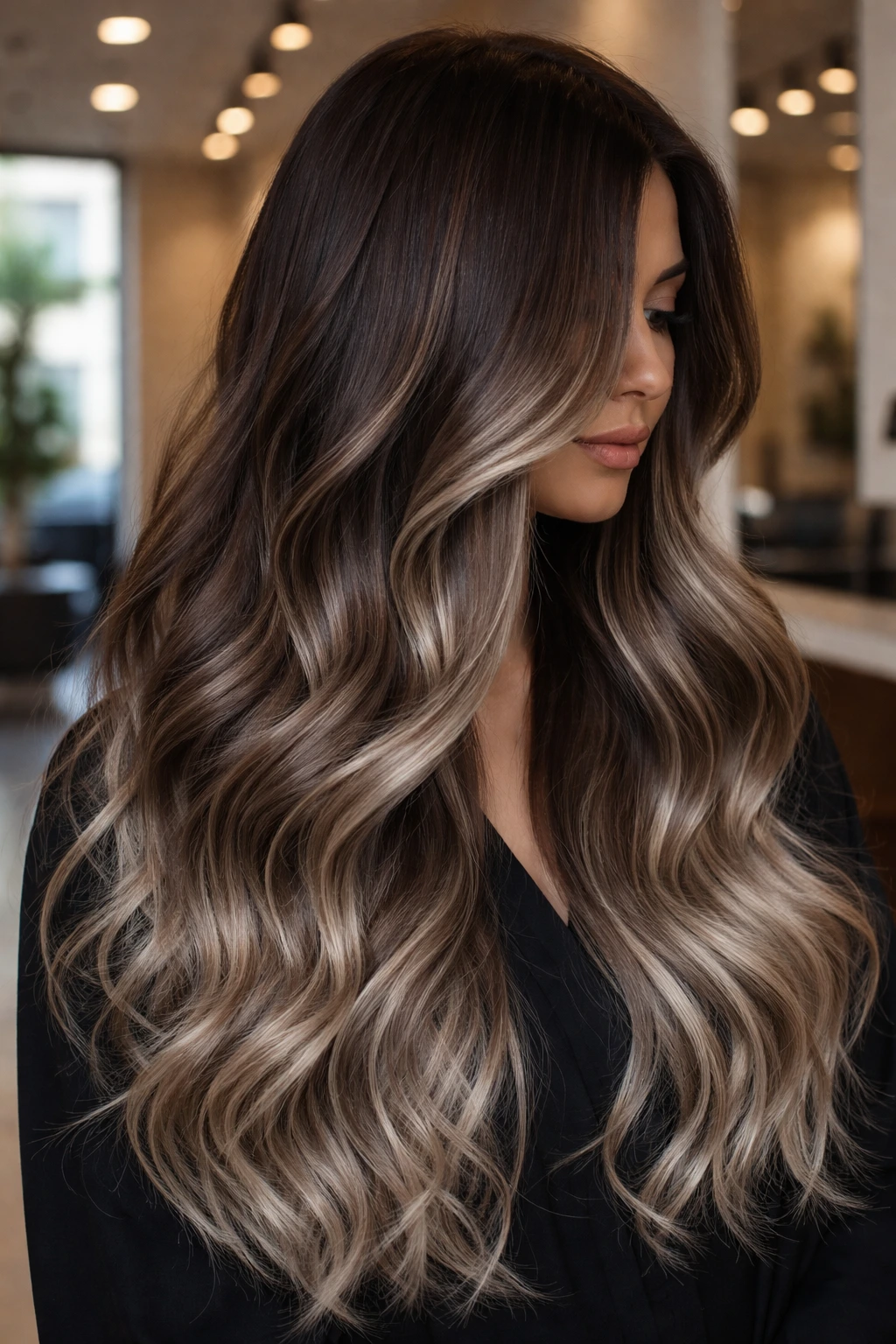
Balayage is typically associated with beachy, golden highlights, but it can be done just as effectively with icy tones. The key is to start the balayage lower, perhaps mid-shaft, and focus the cooler, ash-toned lighter pieces toward the ends.
The contrast between the deep, cool brown root and the icy, almost-silver-tinted ends is stunning. This works exceptionally well for long hair, as it creates a gradient effect that draws the eye downward and creates the illusion of more volume and movement.
9. Slate Brown
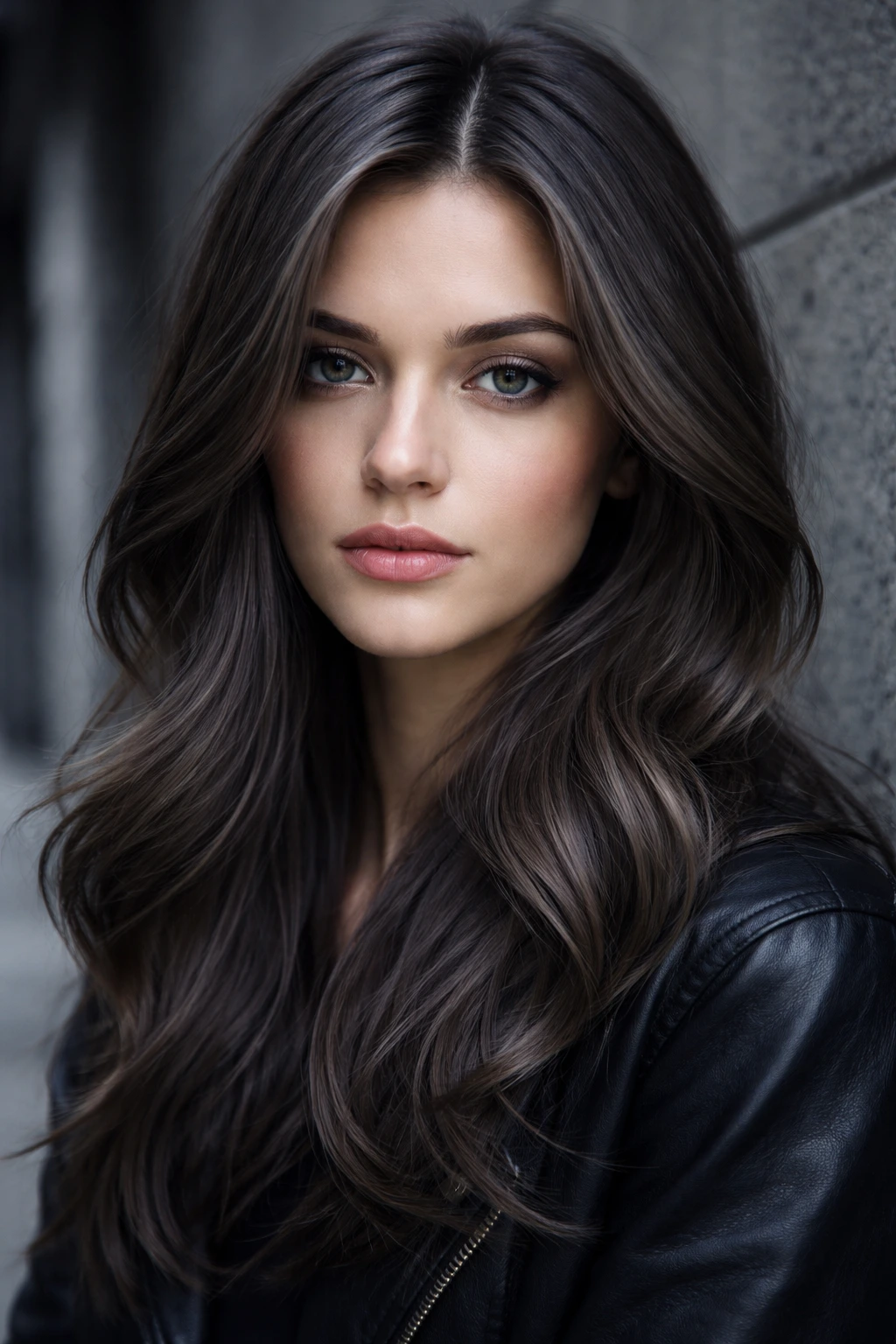
Slate brown is taking the “ashy” trend to the extreme. It is a brown that has been heavily neutralized with a blue/grey toner. If you were to look at it under a microscope, the pigment is brown, but the appearance is nearly grey.
This color is not for the faint of heart. It is very editorial and bold. It requires a lot of upkeep because as the cool pigments fade—which they do faster than warmer pigments—you are left with a very neutral brown. You have to stay on top of your toning appointments.
10. Chocolate Plum
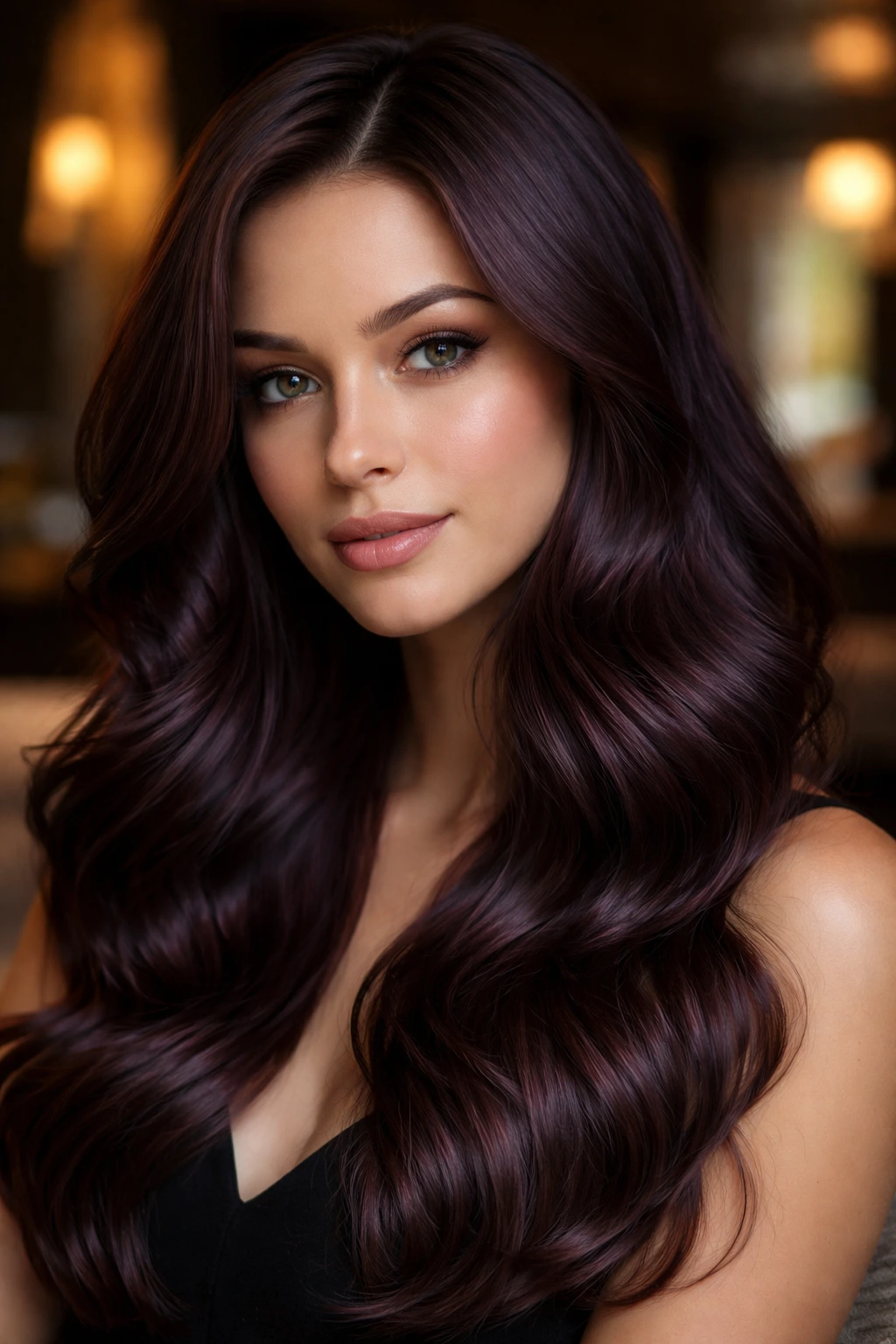
Chocolate plum is a deeper version of chocolate mauve. It uses a darker base color—usually a deep, cool brown—and infuses it with a rich, dark plum dye. The result is a color that looks almost black in low light but flashes a gorgeous, royal, cool purple in the light.
It is an incredibly sophisticated choice. It feels more mature than a bright fantasy color but more exciting than a flat, solid dark brown. Plus, the violet pigments are naturally anti-brass, meaning the color stays “cool” significantly longer than standard browns.
11. Deep Cool Chestnut
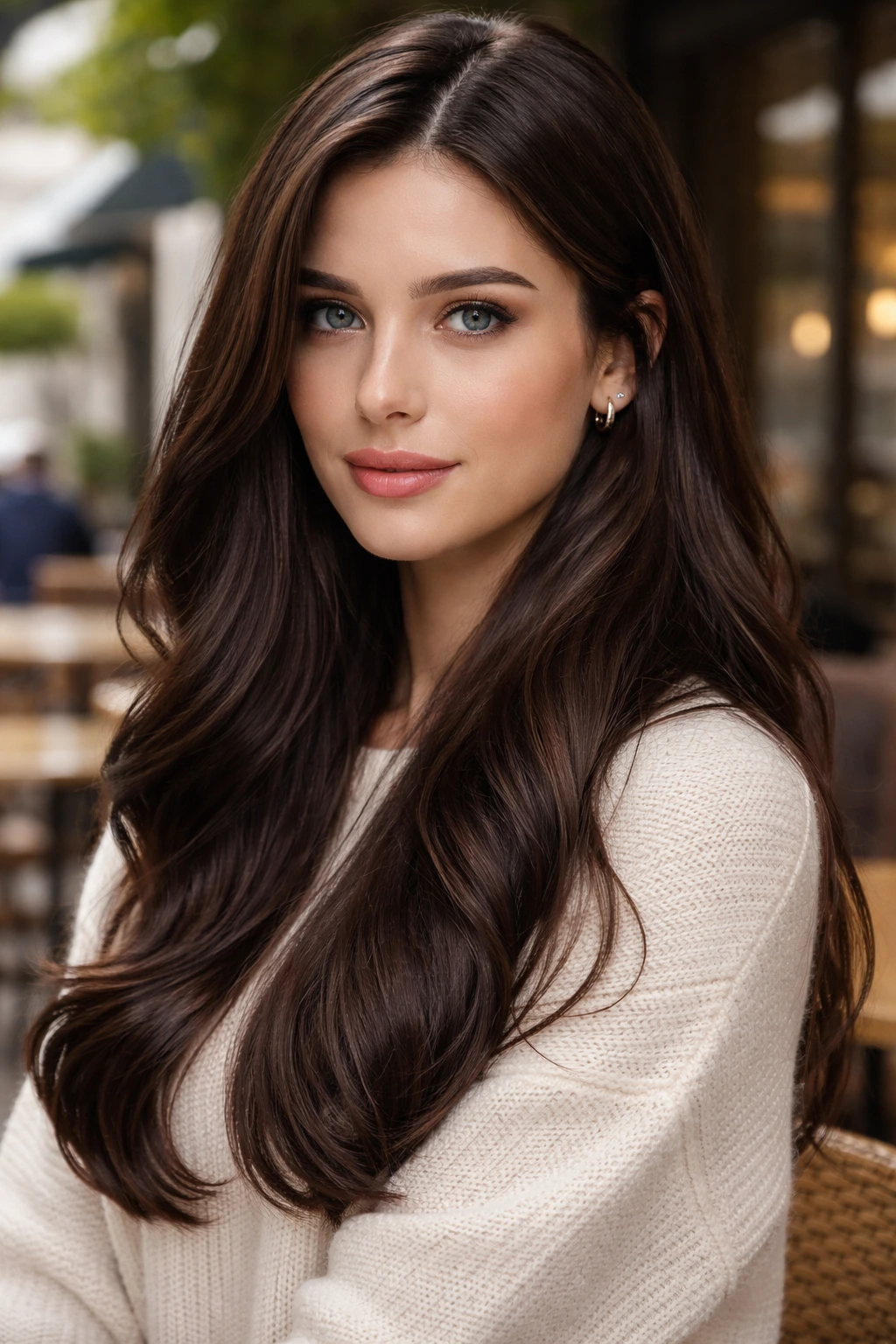
Chestnut is usually a warm, reddish color. However, by asking for a “cool chestnut,” you are essentially asking for the deep, brownish-red base but with the red neutralized by a green or blue toner.
It is the perfect choice if you love the richness of a red-leaning brunette but have skin that cannot handle the warmth. It keeps the vibrancy and the health-looking depth of a chestnut, but it sits flat on the color wheel rather than popping into the orange zone.
12. Chocolate Silver Ombre
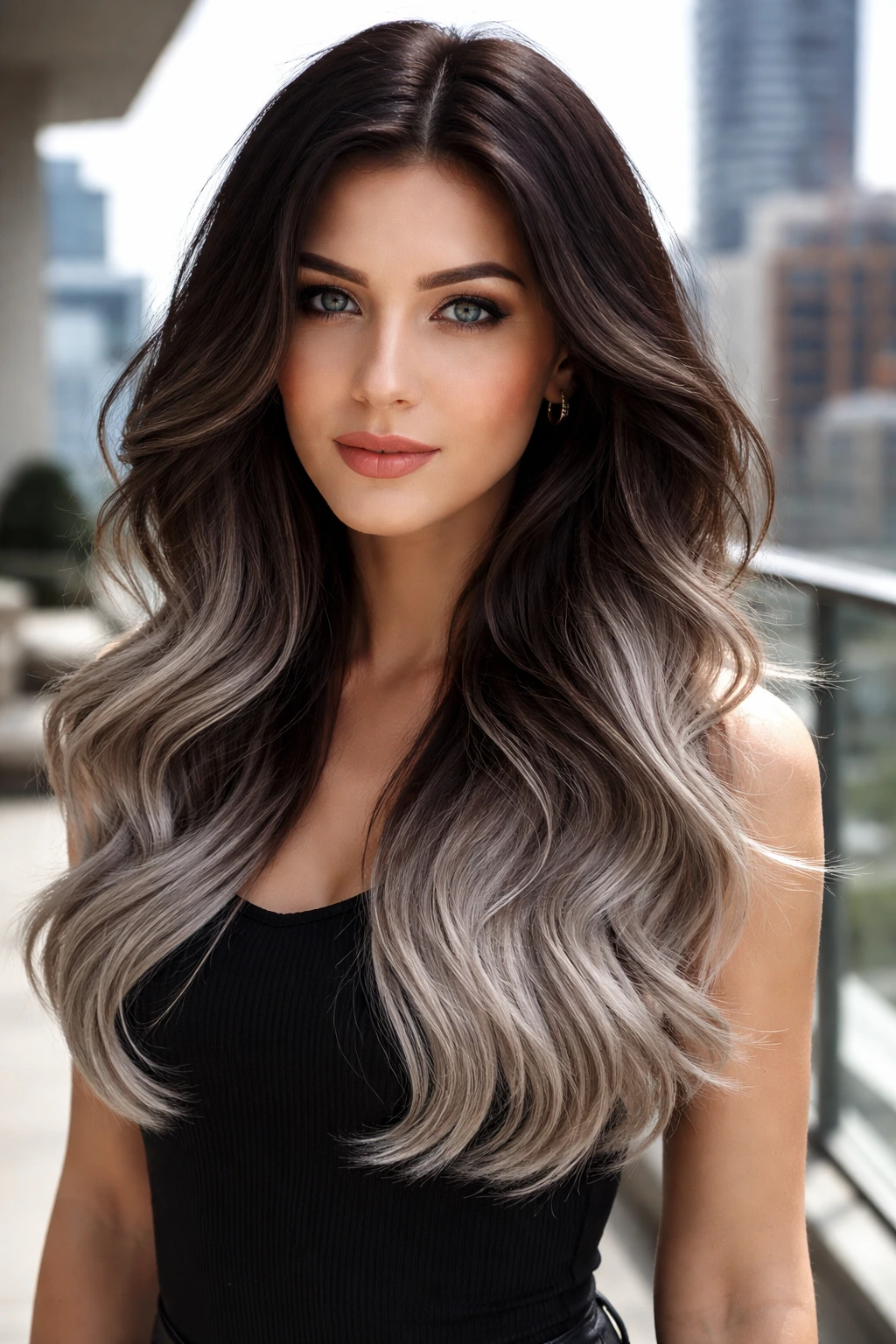
If you want to lean into the icy, cool trend, why not combine it with silver? An ombre application—where the dark chocolate roots fade into a metallic, cool silver at the ends—creates a dramatic, high-fashion look.
You need to ensure your base is a very dark, cool brown. If the base has any warmth, the transition to the silver will look muddy. The transition must be seamless. This is a high-maintenance style, as it requires both root touch-ups and regular toning on the silver ends, but the payoff is incredible.
13. Cool Toffee Brown
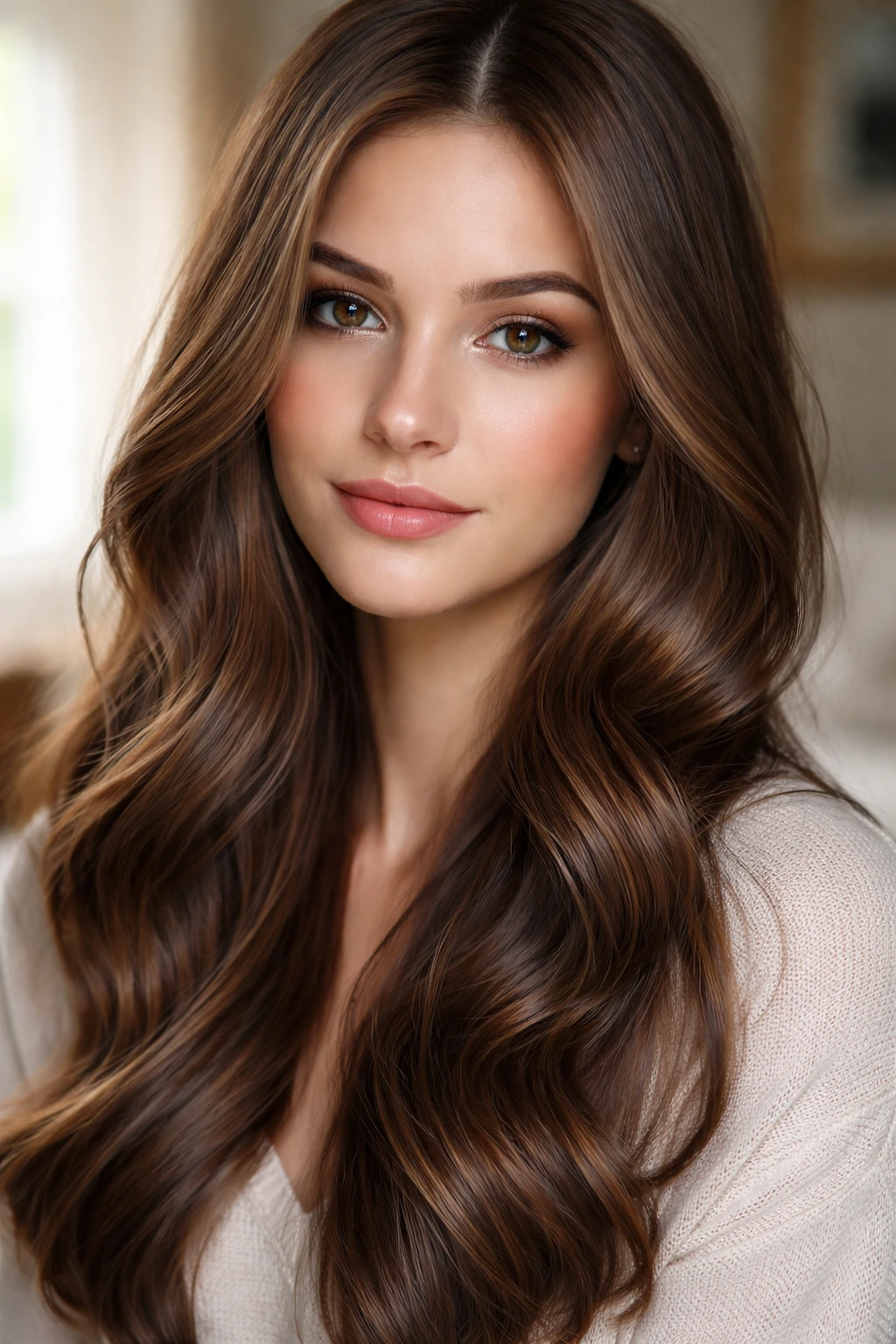
Toffee is typically associated with golden/yellow tones, which is a nightmare for cool skin. However, a “cool toffee” uses the depth and sweetness of a toffee color but tints it with an ash base.
Think of it as a muted, greyish-caramel. It provides that lighter, softer look that toffee usually gives, but with the blue-based toning required to keep it from looking brassy against cool skin. It is surprisingly effective for brightening up the face without making you look washed out.
14. Midnight Chocolate
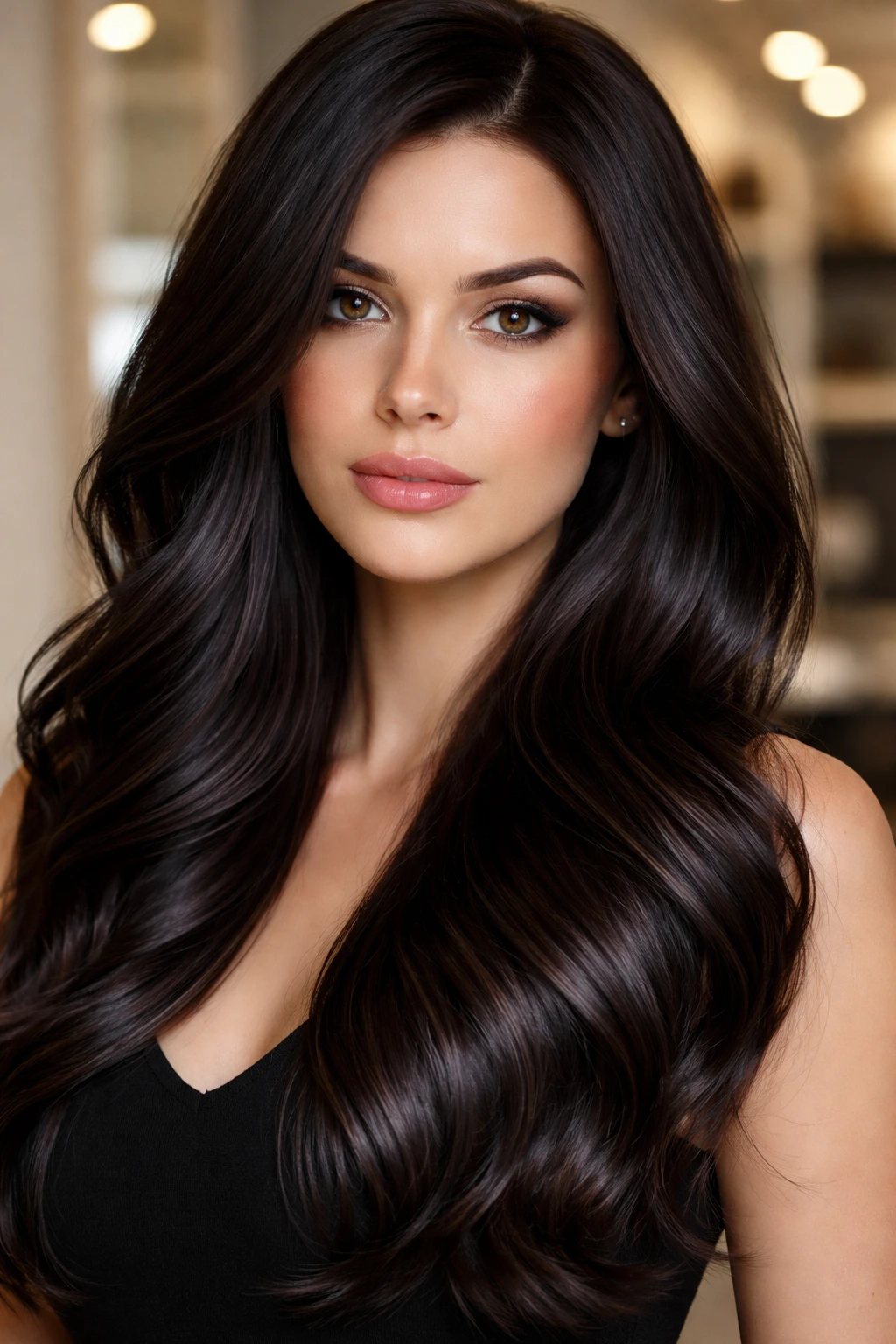
Midnight chocolate is the “little black dress” of hair colors. It is so dark, so deep, and so cool that it is almost indistinguishable from black hair, except that the sheen is distinctly brown.
Styling Tip
Because this color is so dark, the condition of your hair is paramount. Damaged hair doesn’t reflect light well, and with a color this dark, dull hair will just look like a flat, dry mop. Invest in a high-quality gloss treatment or a clear glaze every few weeks to keep that mirror-like, “midnight” shine.
15. Chocolate Truffle
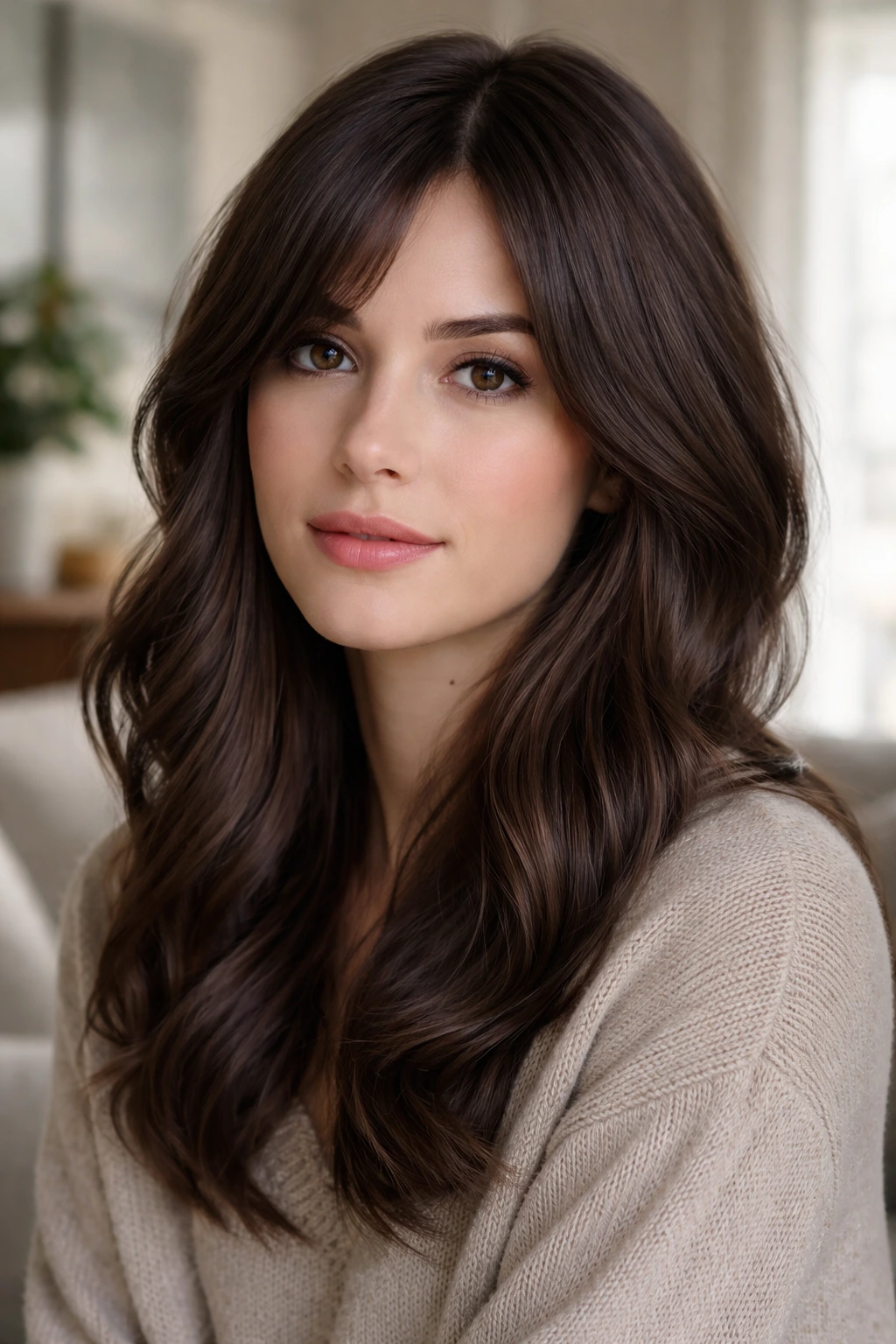
Think of the center of a high-end chocolate truffle—dusted with cocoa powder. This look is all about that matte, powdery, cool-toned finish. It is not overly shiny or reflective; it is soft, diffused, and very elegant.
To achieve this, your stylist might use a demi-permanent color that lacks the harsh, light-reflecting agents of permanent dyes. It results in a very natural, “my hair but better” look that ages gracefully as it fades out of the hair shaft.
16. Frosted Chocolate Brown
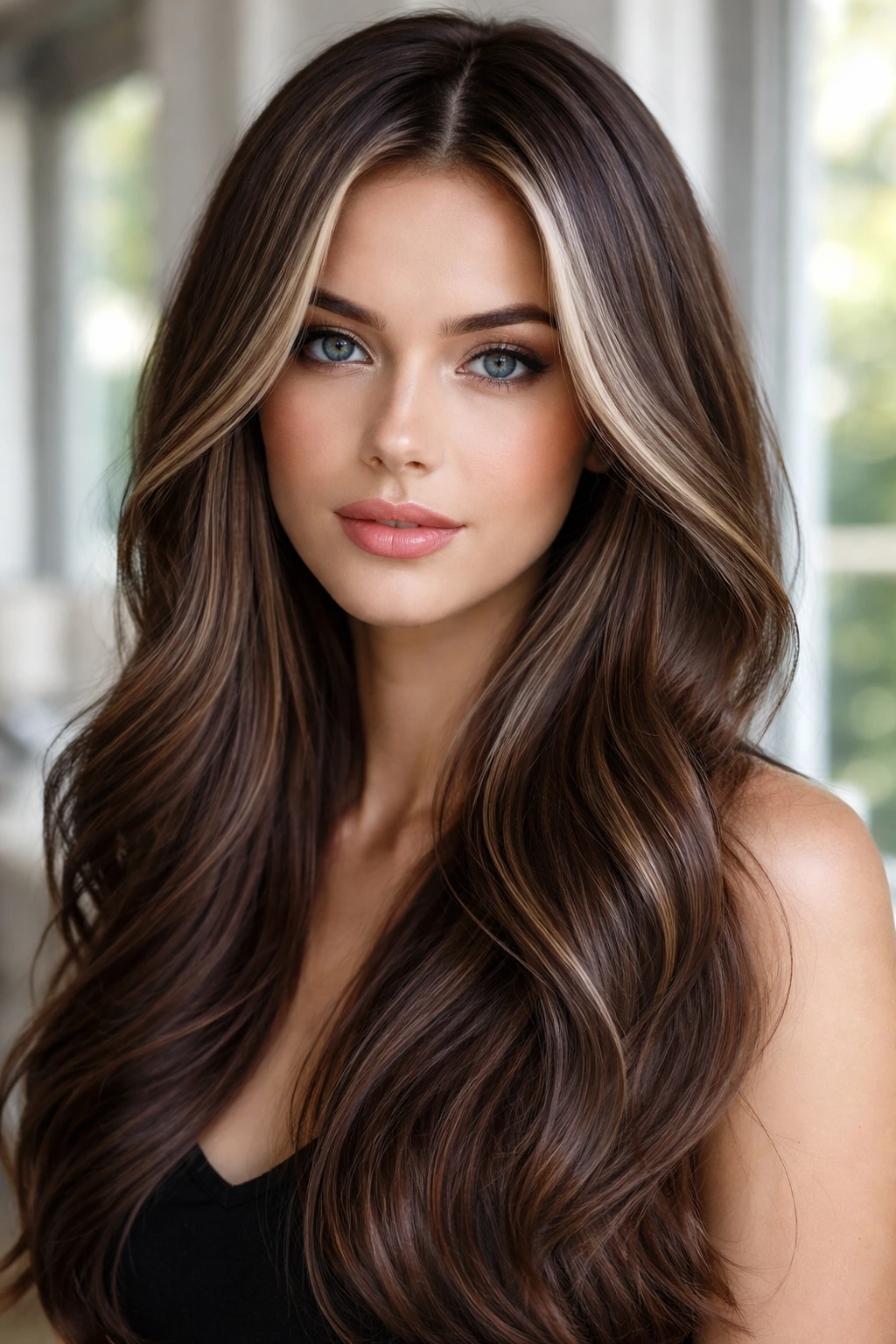
Frosted tips used to be a 90s staple, but the modern iteration is much more refined. This look involves taking a cool chocolate base and adding very fine, icy-blonde or platinum highlights through the crown and face-framing sections.
The key is the “frosting.” The highlights shouldn’t be big, chunky blocks. They should be babylights—delicate, thin strands that mimic how the sun would naturally lighten hair if the sun were an icy, cool-toned orb. The contrast against the cool brown base is sharp and clean.
17. Cool Walnut
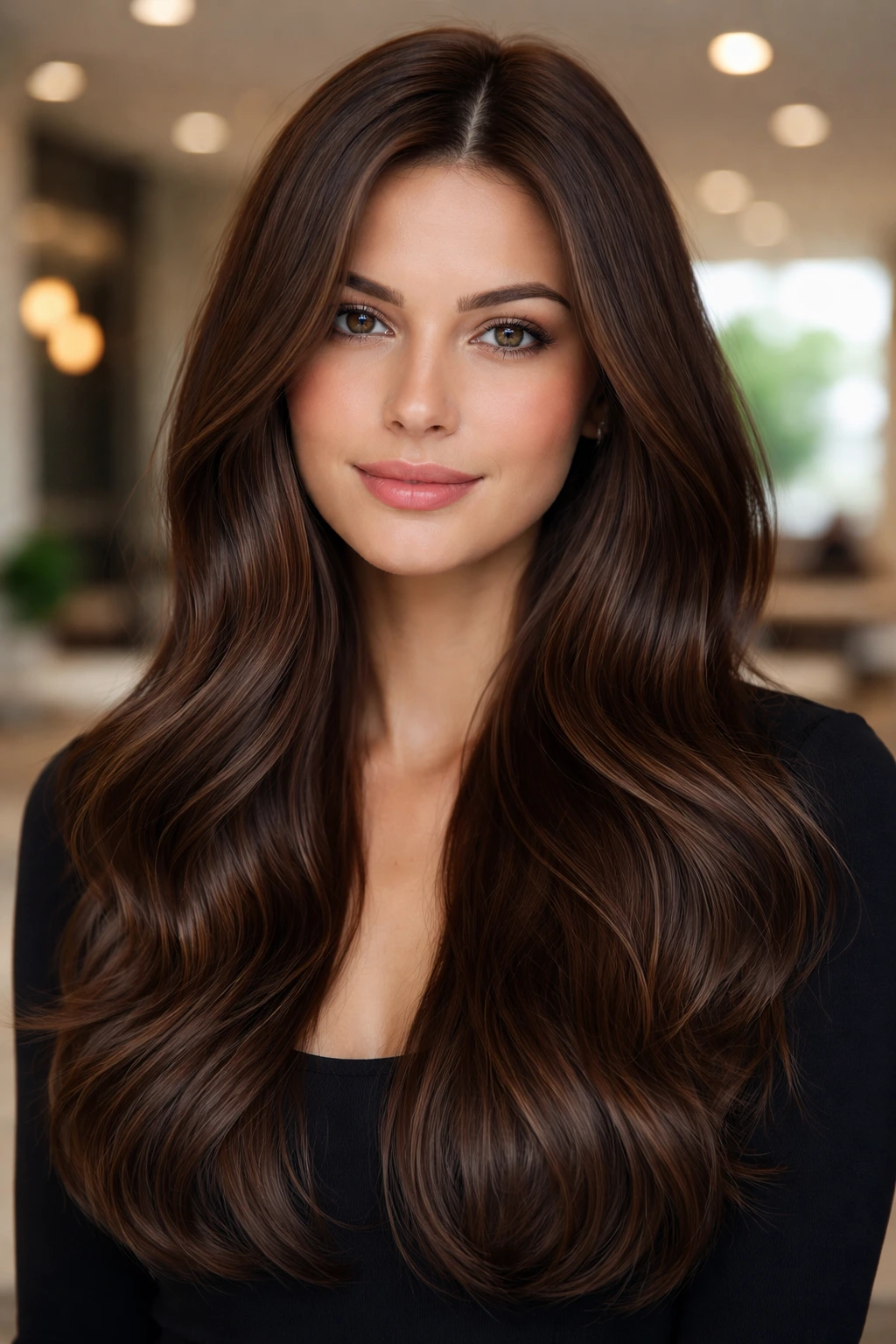
Walnut is naturally a more neutral brown, but by pushing it toward the “cool” side, you get a color that is incredibly versatile. It is the perfect professional shade. It doesn’t scream for attention, but it looks incredibly polished and healthy.
It is a medium brown with very subtle ash undertones. Because it isn’t too dark or too light, it is the easiest to maintain. If you are someone who hates going to the salon every six weeks, this is your best option. It grows out very naturally without creating a harsh root line.
18. Chocolate Berry
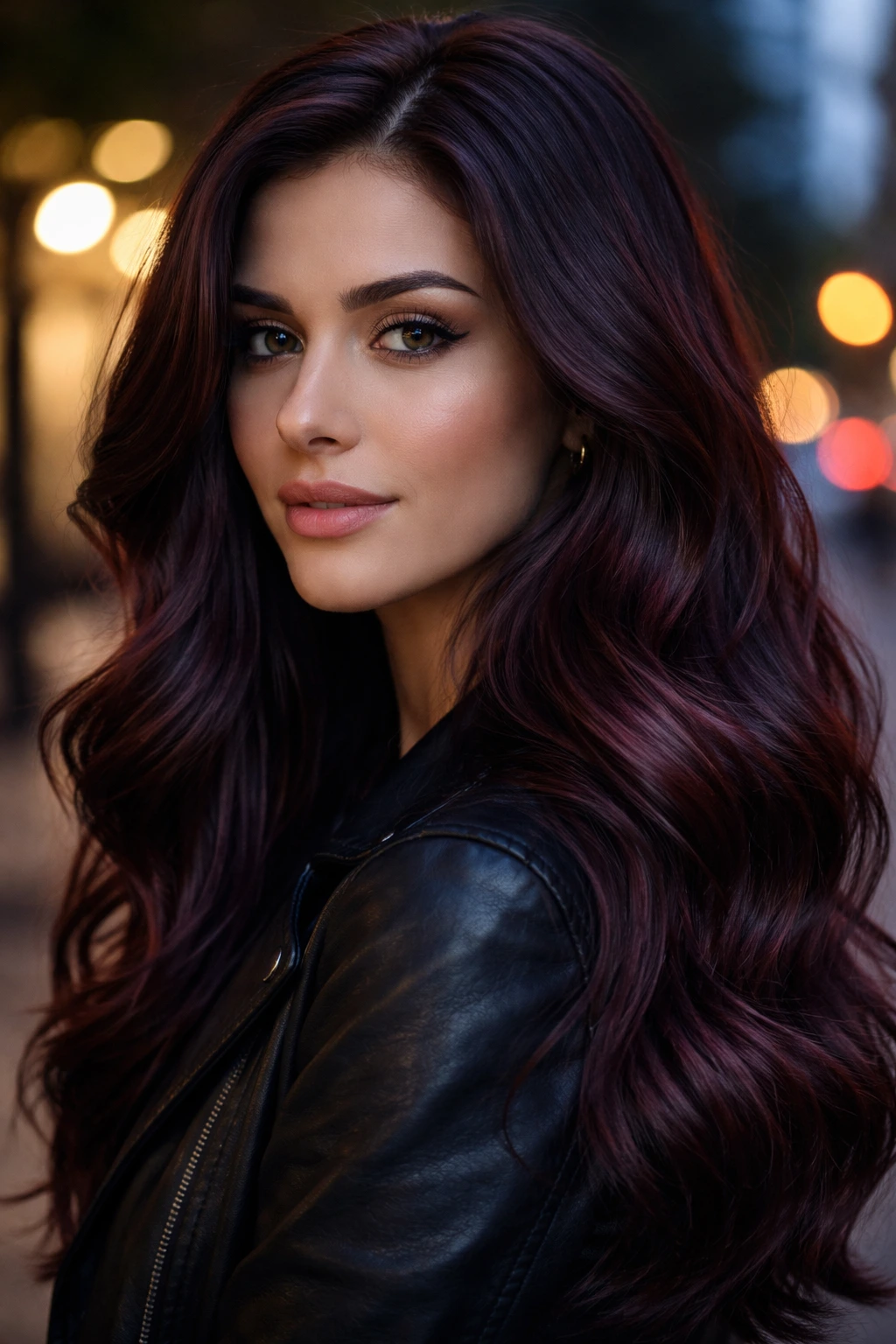
Chocolate berry is similar to chocolate plum, but the “berry” component leans more toward a blue-red or a deep burgundy rather than a true purple. It is a subtle way to add richness to a cool brown without looking like you’ve dyed your hair red.
This works exceptionally well for people with olive skin who want to avoid the “green” look that can sometimes happen when cool skin meets neutral brown hair. The tiny hint of red-violet adds just enough warmth to balance the skin without going full-blown “brass.”
19. Glazed Chocolate
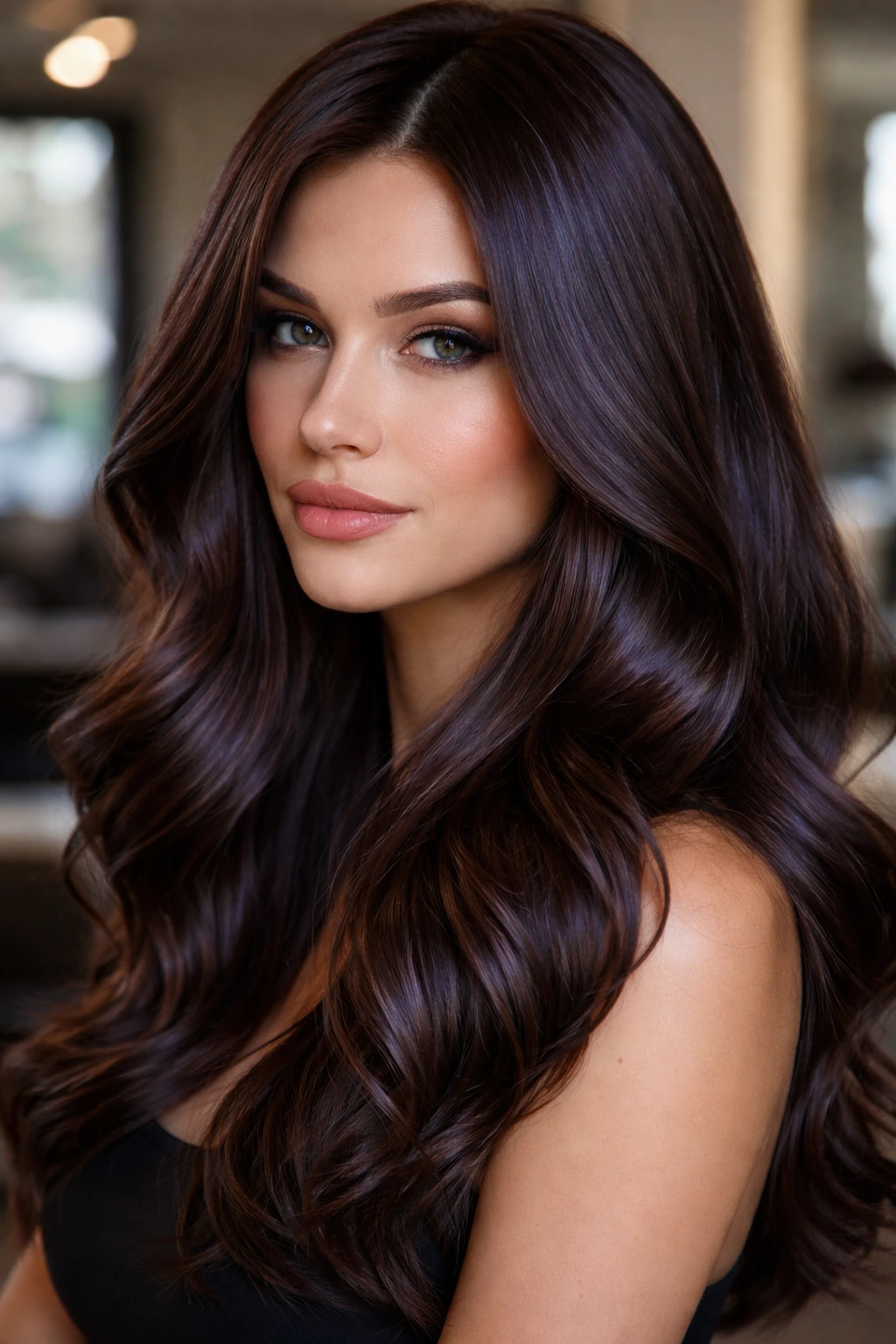
This isn’t really a shade so much as a finish. If you have a cool chocolate brown base, adding a sheer, cool-toned glaze on top can revitalize the color and change the way light interacts with your hair.
A glaze is essentially a clear or slightly pigmented semi-permanent coat. By using a “cool” glaze, you can deposit those blue-violet tones onto your hair, effectively cooling down any warmth that has started to emerge since your last full color service. It is a quick, inexpensive way to keep your hair looking fresh.
20. Chocolate Brown with Icy Babylights
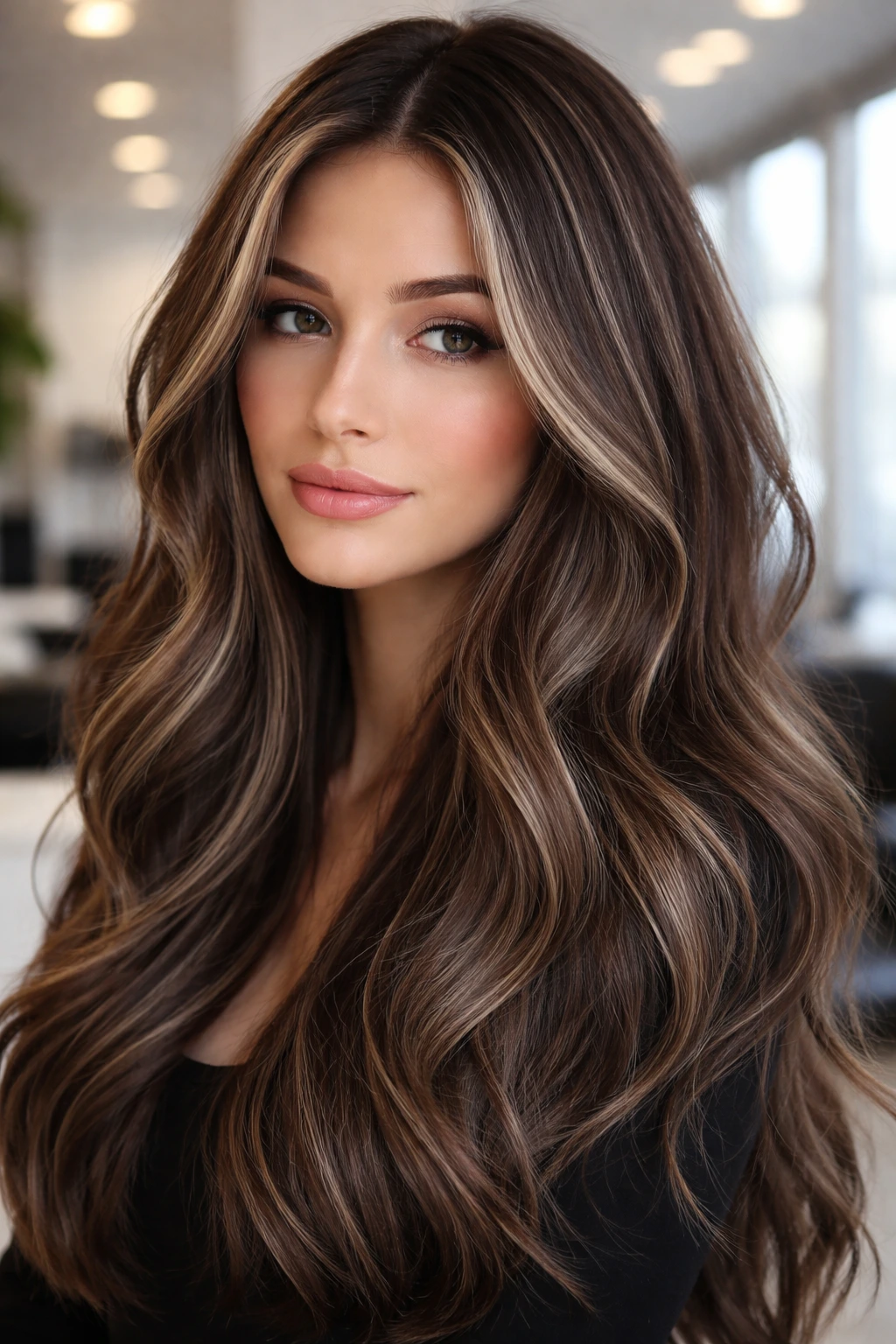
We touched on frosted tips, but icy babylights are a more comprehensive approach. This involves weaving micro-thin, cool-blonde highlights throughout the entire head, focusing on the mid-lengths and ends.
The goal is to create a multi-dimensional look where the brown and the icy blonde strands blend together to create a cohesive, cool-toned beige-brown. It is sophisticated, youthful, and adds incredible texture to the hair. It also hides regrowth exceptionally well because there isn’t a solid line of color.
21. Charcoal Chocolate
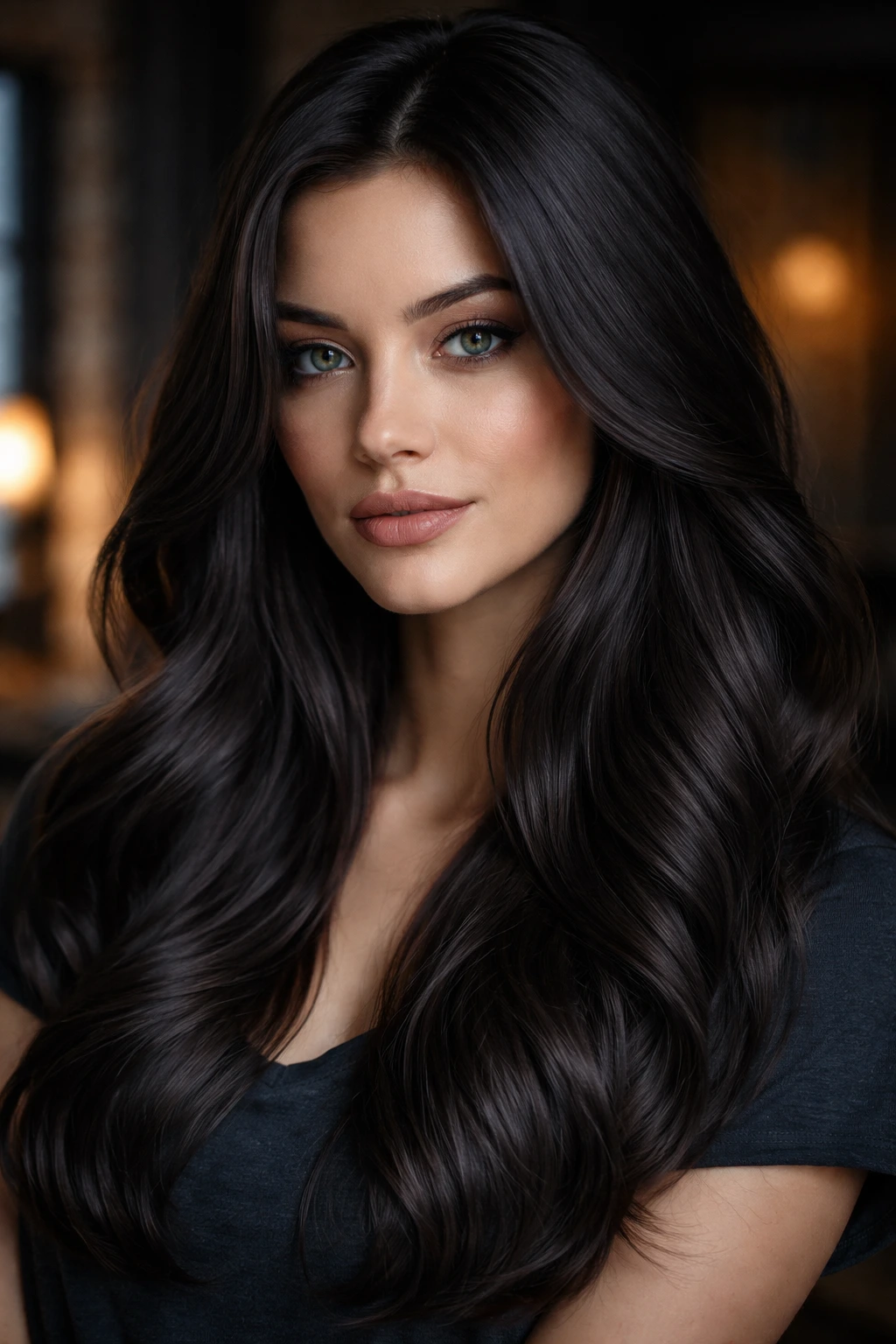
Charcoal is the ultimate neutral-cool. It is the color of wet pavement. When you mix this with a deep chocolate brown, you get a shade that is incredibly edgy and modern.
This is a very low-shine color. It absorbs light rather than reflecting it. If you have strong, sharp features, this color can be incredibly flattering because it doesn’t distract from your face. It is a background color—it frames you perfectly without stealing the show.
22. Cool Milk Chocolate
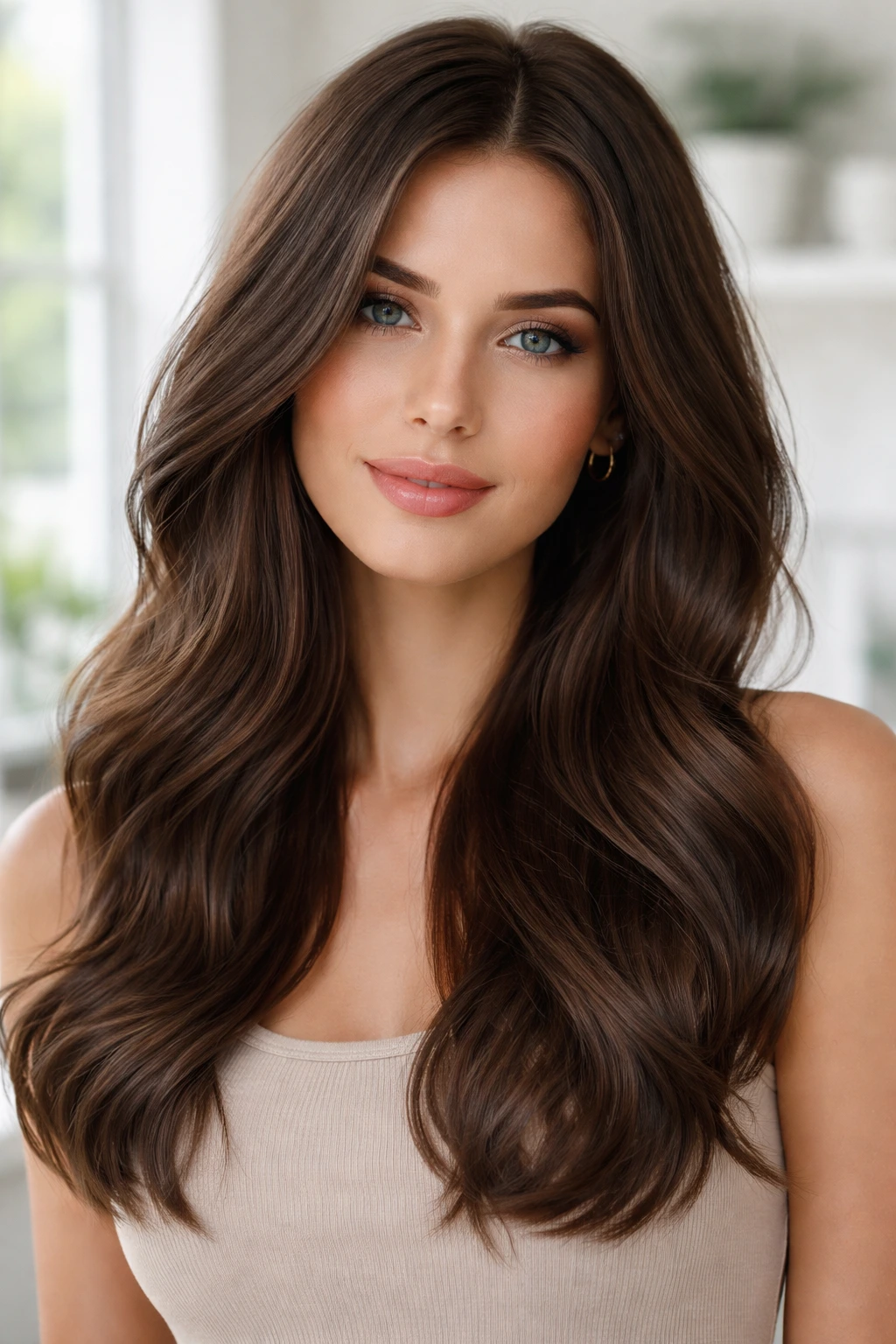
“Milk chocolate” is usually code for “warm and caramel-y,” but that doesn’t have to be the case. You can ask for a milk chocolate tone that has been neutralized with an ash or a violet toner.
It results in a softer, medium-brown shade that feels light and airy but remains strictly within the cool color family. It is a fantastic option if you feel like dark chocolate brown makes you look a bit harsh or washed out but you still want to maintain a brunet identity.
23. Smokey Chocolate
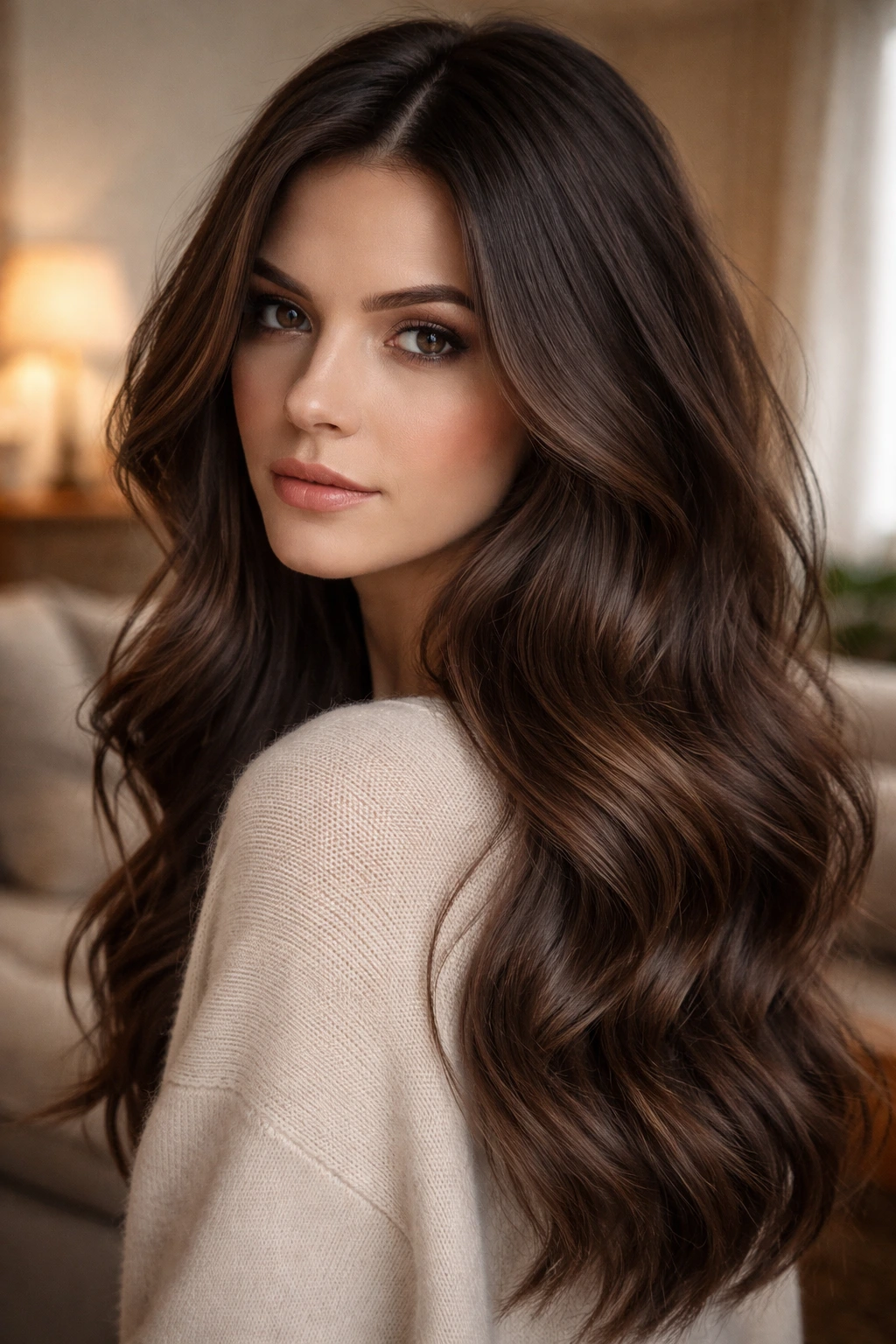
Smokey chocolate is achieved by using a technique called “smudging” at the roots and a very diffuse, hazy application of color throughout the lengths. It looks almost like the hair has been through a bit of smoke—it’s muted, soft, and slightly blurred.
This is less about precise highlights and more about a soft, blended color melt. It creates a very lived-in, effortless look that requires almost no styling to look good. It’s the “I woke up like this” hair color, but for brunettes.
24. Cool Hazelnut
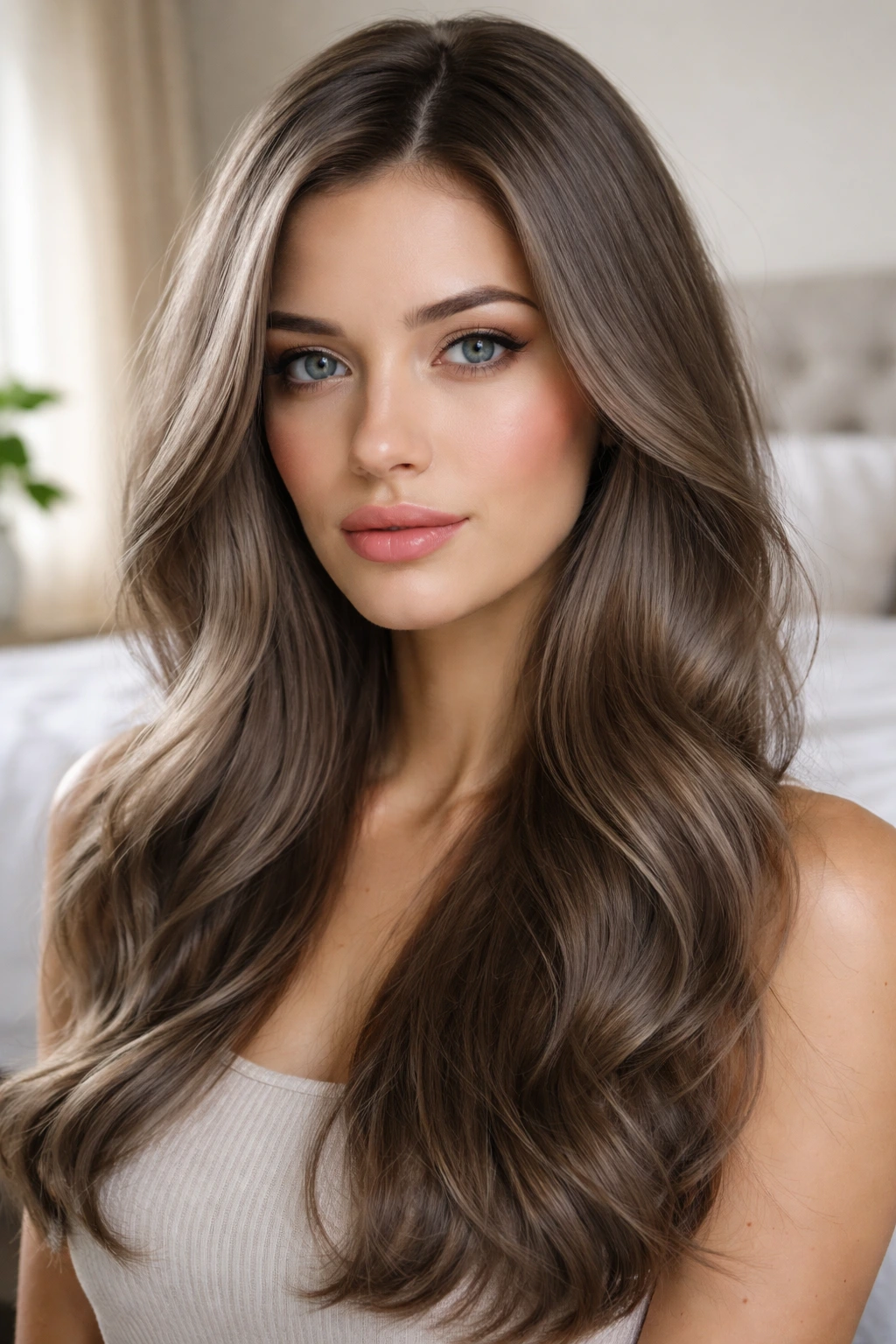
Hazelnut hair is typically a warm, golden-brown. To make it “cool,” you need to replace the gold with silver/ash pigments. It’s a very specific look—a light-to-medium brown with a distinct silvery, matte finish.
This is a beautiful choice for someone with lighter cool skin (think cool-toned fair or light-olive skin). It provides enough depth to keep you from looking washed out but is light enough to keep your features soft and delicate. It is a tricky color to mix, so ensure your stylist is comfortable working with ash-based browns.
25. Dimensional Cool Brunette
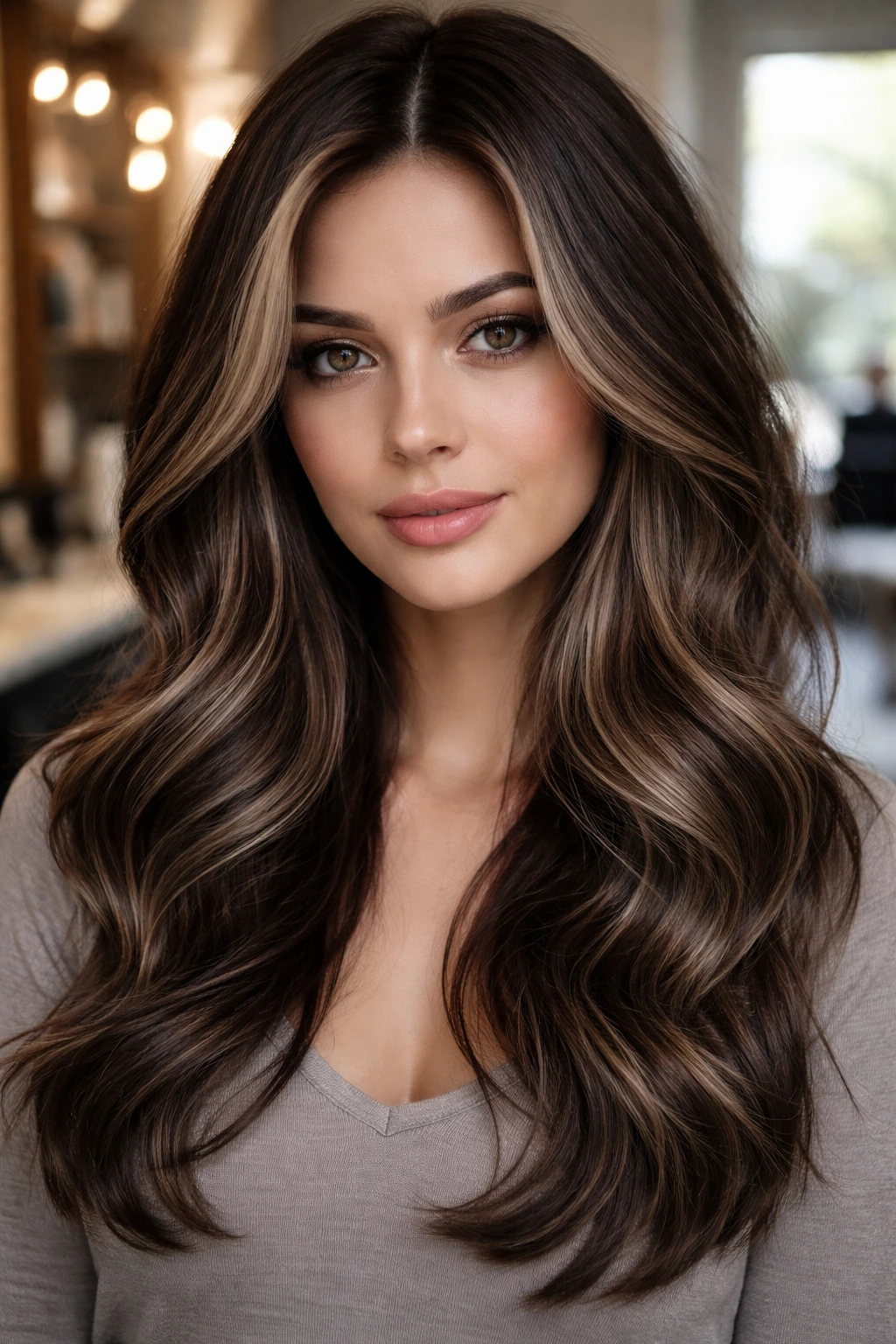
Finally, if you can’t decide, do it all. A dimensional cool brunette is a masterclass in color placement. It uses three or four different shades of cool brown—ranging from dark ash to light beige—woven together in a high-contrast balayage or foil application.
This creates a shimmering, multi-tonal effect that looks different in every light. It is vibrant, energetic, and visually interesting. Because it uses so many different cool shades, it is incredibly forgiving; as it fades, it just fades into a different, equally beautiful shade of cool brown.
Final Thoughts
Finding the right chocolate brown hair color for your cool skin tones is ultimately about embracing the cooler side of the spectrum and refusing to settle for the brassy, warm hues that are so common in the hair industry. Whether you choose a deep, monochromatic espresso or a light, dimensional ash hazelnut, the common thread is that neutralized, cool base.
Remember that your hair is a living, changing entity. What looks perfect in the salon chair might need a little help after a few washes. Don’t be afraid to invest in the right products—blue shampoos, gloss treatments, and professional-grade toners are the difference between a color that lasts and one that turns orange in a month. Work with your stylist to figure out which of these twenty-five shades aligns with your lifestyle and your aesthetic, and don’t be afraid to experiment with new techniques as you go.
