



Chestnut hair color ideas for cool skin tones work best when the brown leans smoky, not coppery. If your skin reads pink, rosy, porcelain, blue-beige, or even a little translucent in daylight, the wrong chestnut can pull out redness you did not ask for. The right one does the opposite. It steadies the face, softens shadows, and keeps the hair looking rich instead of brassy.
That part gets missed a lot. Chestnut is not one flat shade. It sits between brown and red, which means the undertone does most of the work. Under warm salon lights, a color can look balanced; step outside, and it may tilt orange in a way that feels too loud against cool skin. A good brunette formula watches that shift before it becomes a problem.
The smartest versions usually borrow from ash brown, taupe, espresso, plum, or blue-violet glosses. Those tones keep the depth chestnut is known for while cooling off the warmth that can make a face look flushed. Placement matters too. A root shadow, a soft balayage ribbon, or a face-framing panel can change how the whole color reads.
Some of these ideas are quiet and expensive-looking. Some lean a little edgy. All of them stay inside the chestnut family, which is the sweet spot if you want brunette richness without the heavy, red-brown look that can fight cool undertones. The first shade below is the one I’d hand to someone who wants the safest, cleanest starting point.
1. Smoky Ash Chestnut for Cool Skin Tones
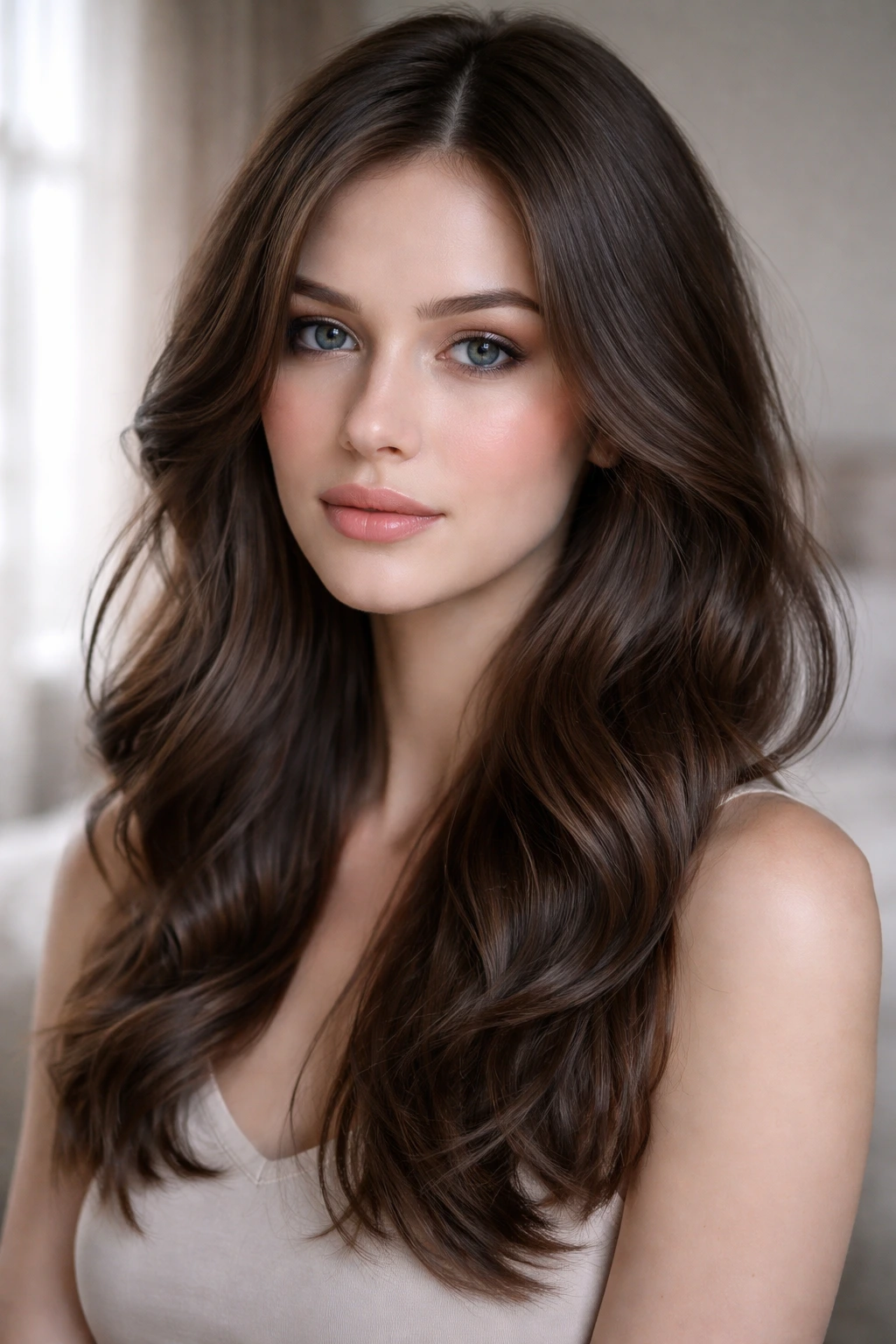
This is the chestnut shade I trust when someone wants brown hair that won’t argue with a cool complexion. Smoky ash chestnut keeps the richness of brunette, but the ash note pulls the orange out of the picture. On fair skin, it can make the face look calmer. On medium cool skin, it keeps the color from reading too coppery under daylight.
Why the Ash Base Matters
Ash is the quiet workhorse here. It does not shout, and that is the point. The gray-blue edge in an ash tone tones down red and gold, which is exactly what cool skin usually needs from a chestnut formula.
- Ask for a level 5 chestnut brown with ash and blue-violet support.
- Keep the finish glossy, not flat matte.
- Refresh with a toner every 4 to 6 weeks if your hair tends to pull warm.
- Skip chunky caramel highlights; they fight the shade.
Best tip: tell your colorist you want chestnut that stays brown in daylight, not reddish brown.
2. Espresso Chestnut With a Cool Root Shadow
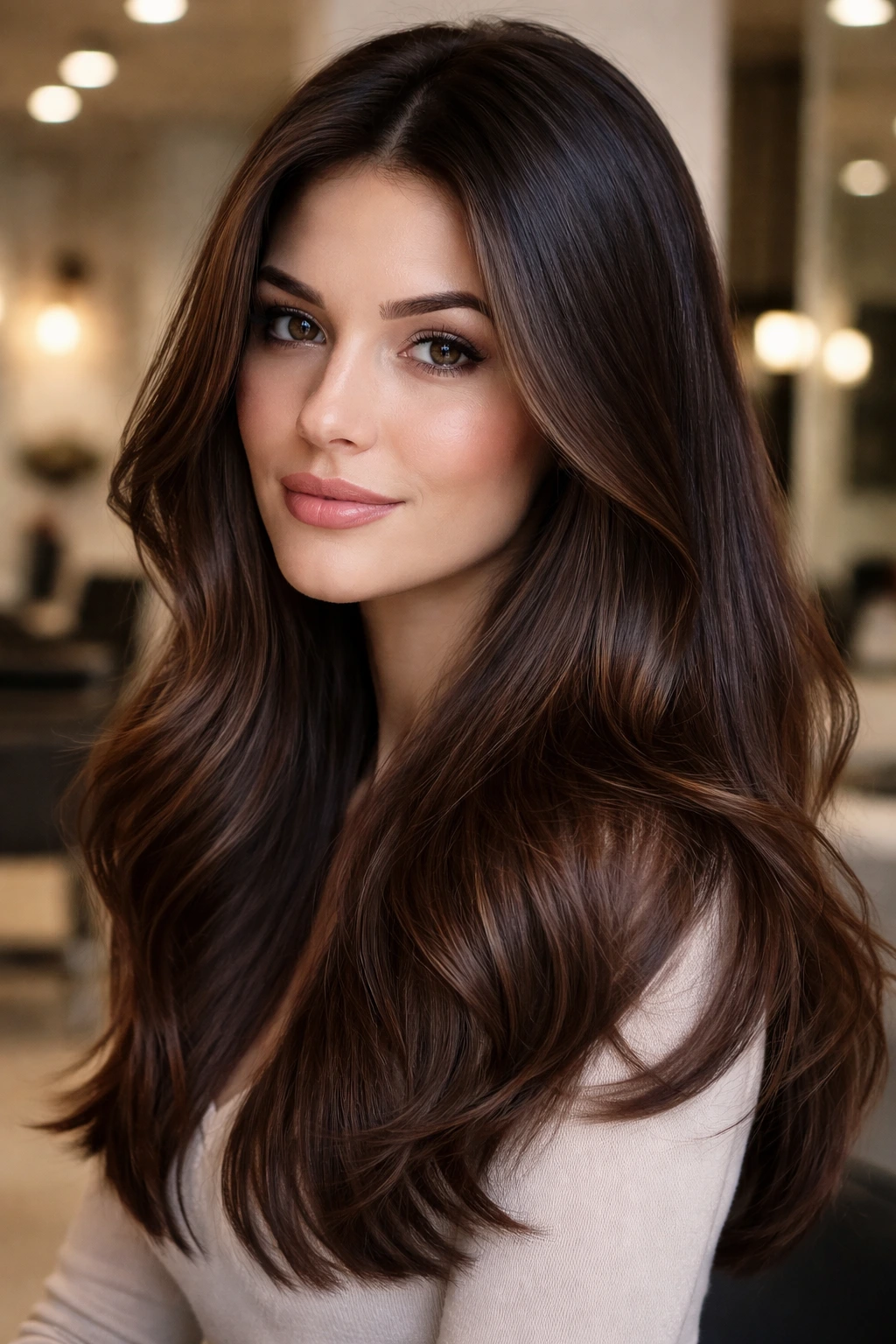
Can chestnut almost disappear into espresso and still keep depth? Yes, and that is why this version works so well for cool skin. A cool root shadow gives the color a darker frame at the scalp, then chestnut shows through in the mids and ends. The result feels sleek, not severe.
This is a good move if you like low-maintenance color and your natural hair is already dark brown. The root shadow softens regrowth, which means you do not get that harsh line at the part after a few weeks. On straight hair, it reads polished. On waves, the chestnut comes alive only when the light hits it.
A small warning: if the espresso base is too warm, it can turn muddy against pink skin. Ask for a neutral or cool brown root, not a red-brown one.
3. Mushroom Chestnut Balayage
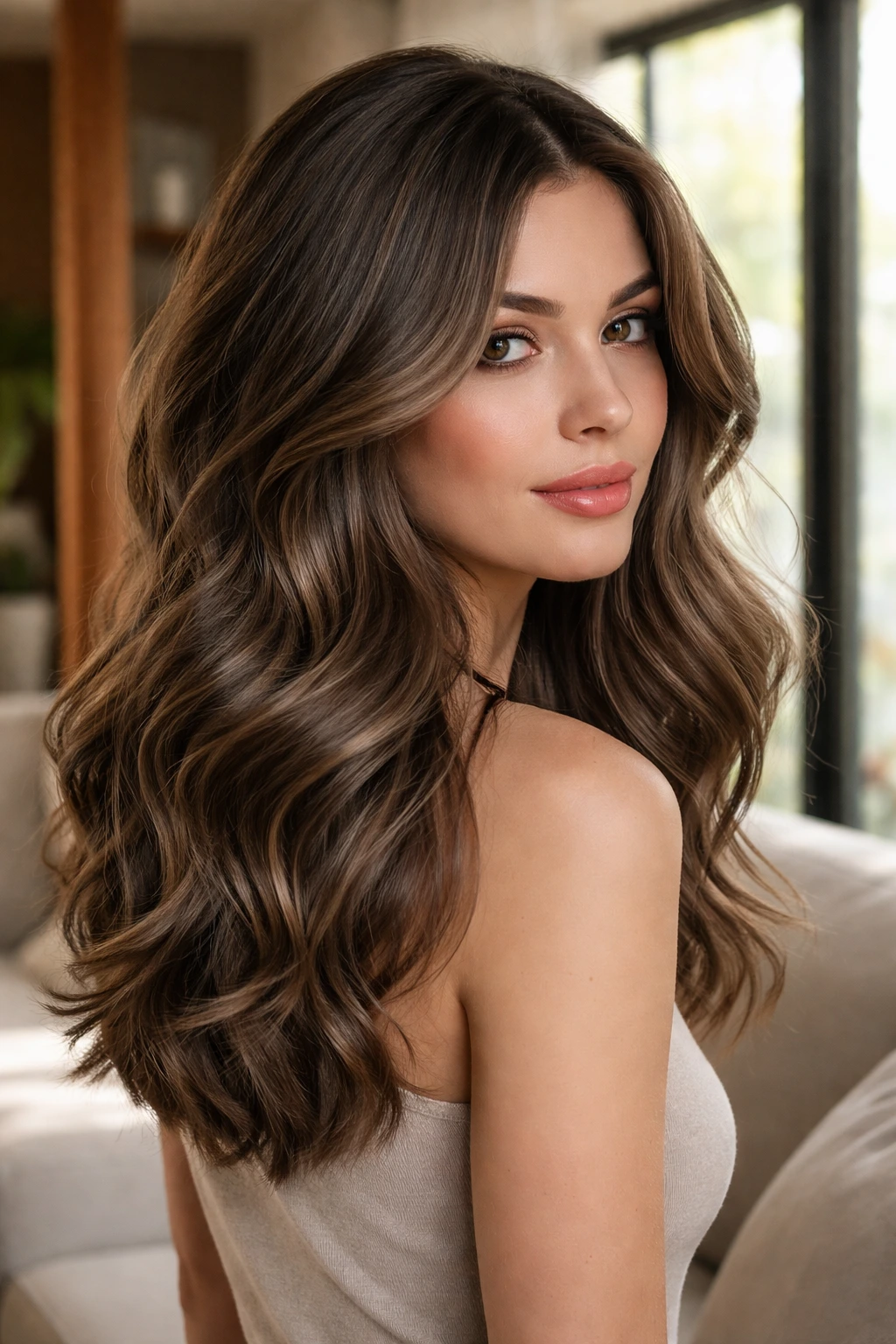
Think of mushroom chestnut balayage as brown hair with the warmth turned down and the texture turned up. It has that earthy, taupe-gray feel that cool skin tends to like, especially when the highlights are painted in soft ribbons instead of obvious streaks. The whole head looks expensive in a quiet way.
What Makes It Different
Balayage gives you movement without a hard line. The colorist paints lighter pieces where the hair would naturally catch light—around the face, on the top layer, and through the ends. With mushroom chestnut, those pieces stay muted. No yellow. No gold. No loud contrast.
If your hair is medium to thick, this shade gives you the most visible dimension with the least effort. It also grows out in a forgiving way, which matters if you do not want to live in a salon.
Pro tip: ask for soft beige-taupe ribbons, not blonde highlights. Blonde is too bright here.
4. Violet Chestnut Brown for Cool Skin Tones
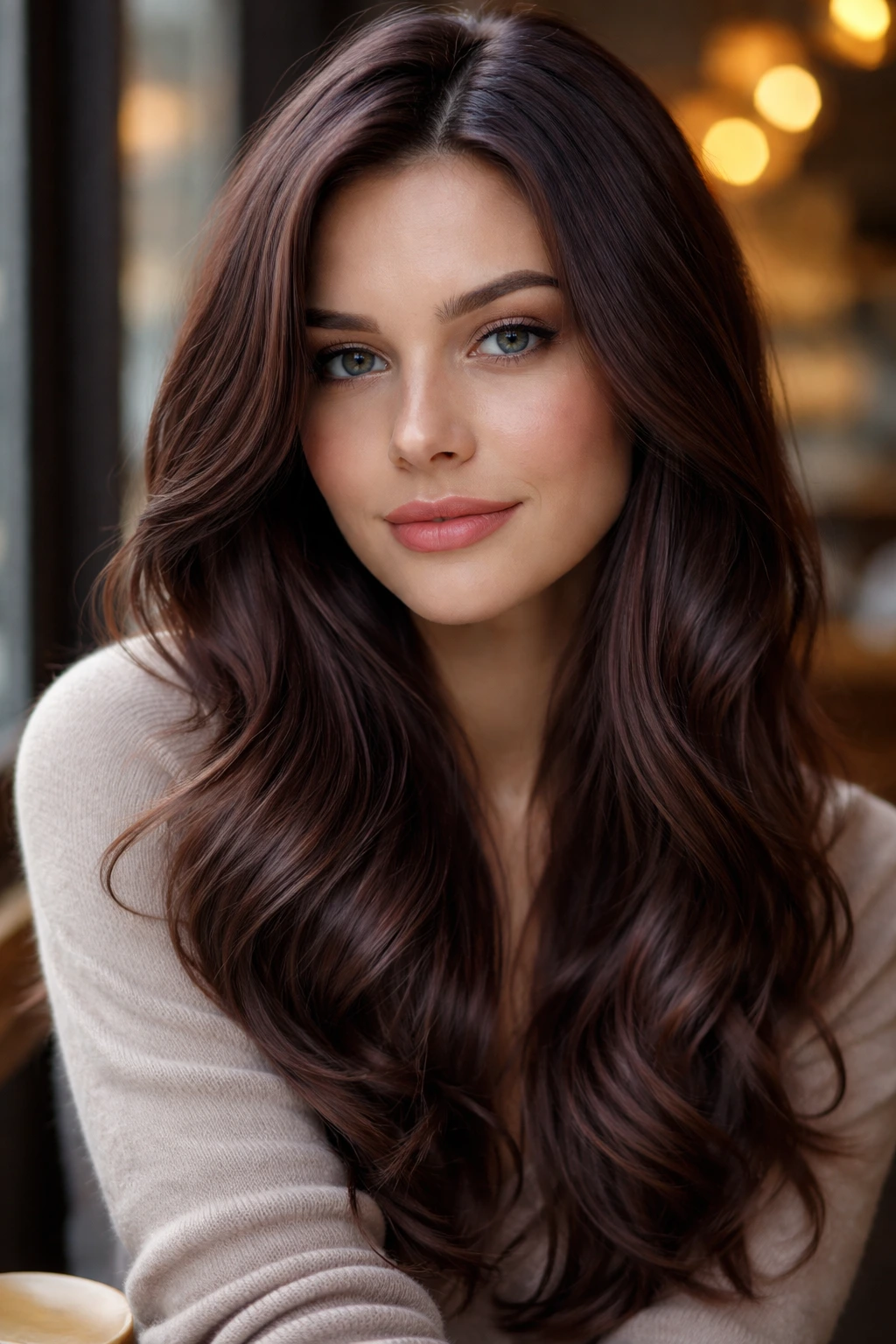
A little violet in brown hair is not a gimmick. It is one of the cleanest ways to keep chestnut flattering on cool skin. The violet note helps cancel warmth, so the brown stays plush instead of turning rusty. On porcelain skin, this shade can look almost wine-brown indoors and more neutral outside.
It is especially good if your hair has a habit of grabbing red pigment. That happens a lot on hair that has been colored before. A violet-brown chestnut gloss can pull everything back into line without making you look like you dyed your hair a plum shade on purpose.
How to Wear It
Ask for a chestnut base with a blue-violet glaze over the top. That combo gives shine and keeps brass down. If you wear cool makeup—taupe shadow, berry lip, soft rose blush—this color fits the face fast.
One caution. Violet chestnut can look a little flat if the hair is cut into one blunt shape with no movement. A few layers or soft bends help the tone breathe.
5. Cool Mocha Chestnut
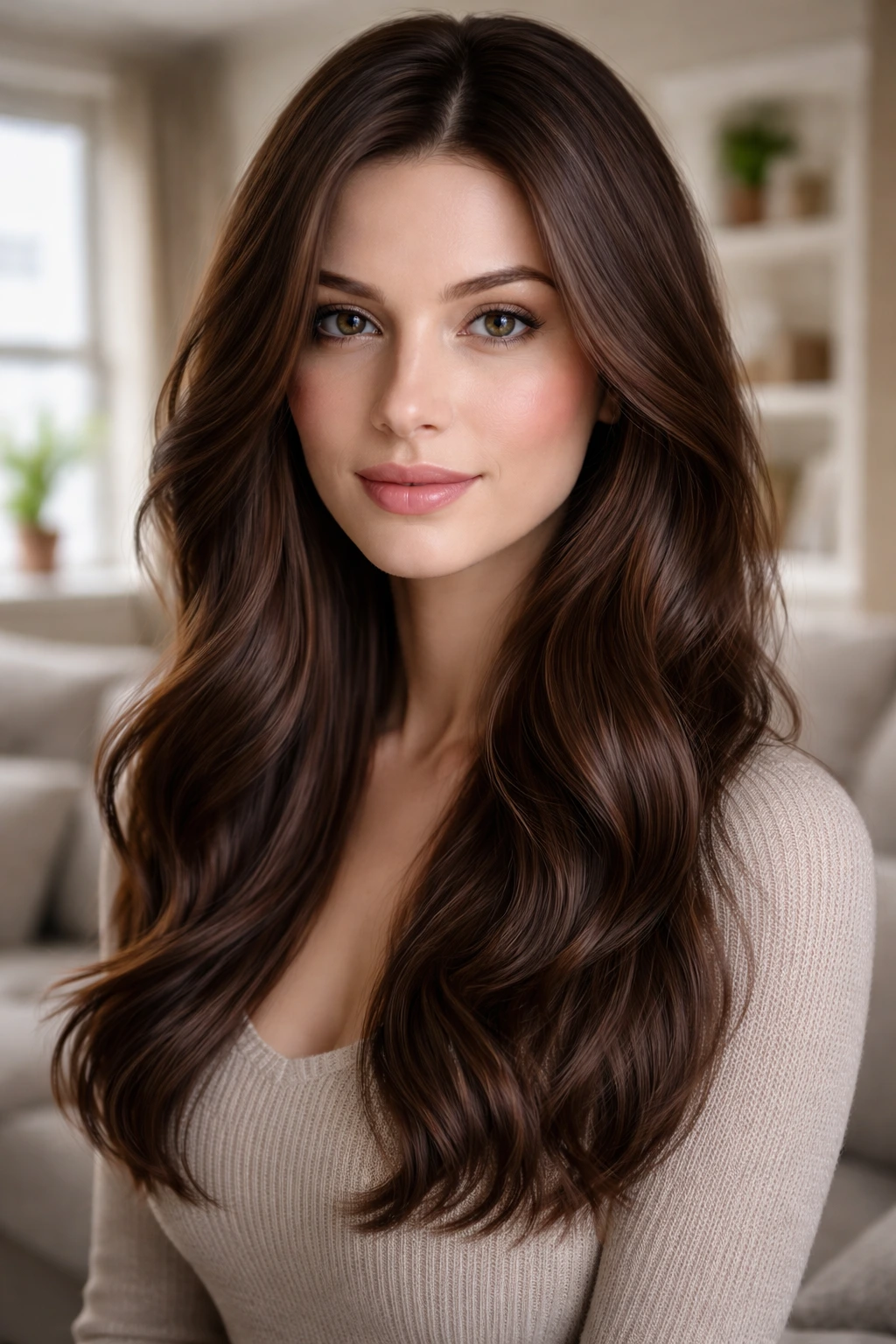
Mocha chestnut is the easiest chestnut to wear if you do not want your hair color to call attention to itself. It sits in the middle ground: not too dark, not too red, not too smoky. That makes it a smart pick for cool skin that wants brunette richness without drama.
The reason it works is simple. Mocha has enough depth to flatter the face, but not enough warmth to fight pink undertones. It is the sort of color that looks good with white T-shirts, black coats, and silver jewelry because it never competes for attention.
This shade is also friendly to people who color their hair for the first time. If you do not know whether ash or plum or taupe is your lane, start here. Mocha chestnut gives you a clean reference point. After that, you can decide whether you want more smoke, more violet, or more depth.
6. Walnut Chestnut With Soft Dimension
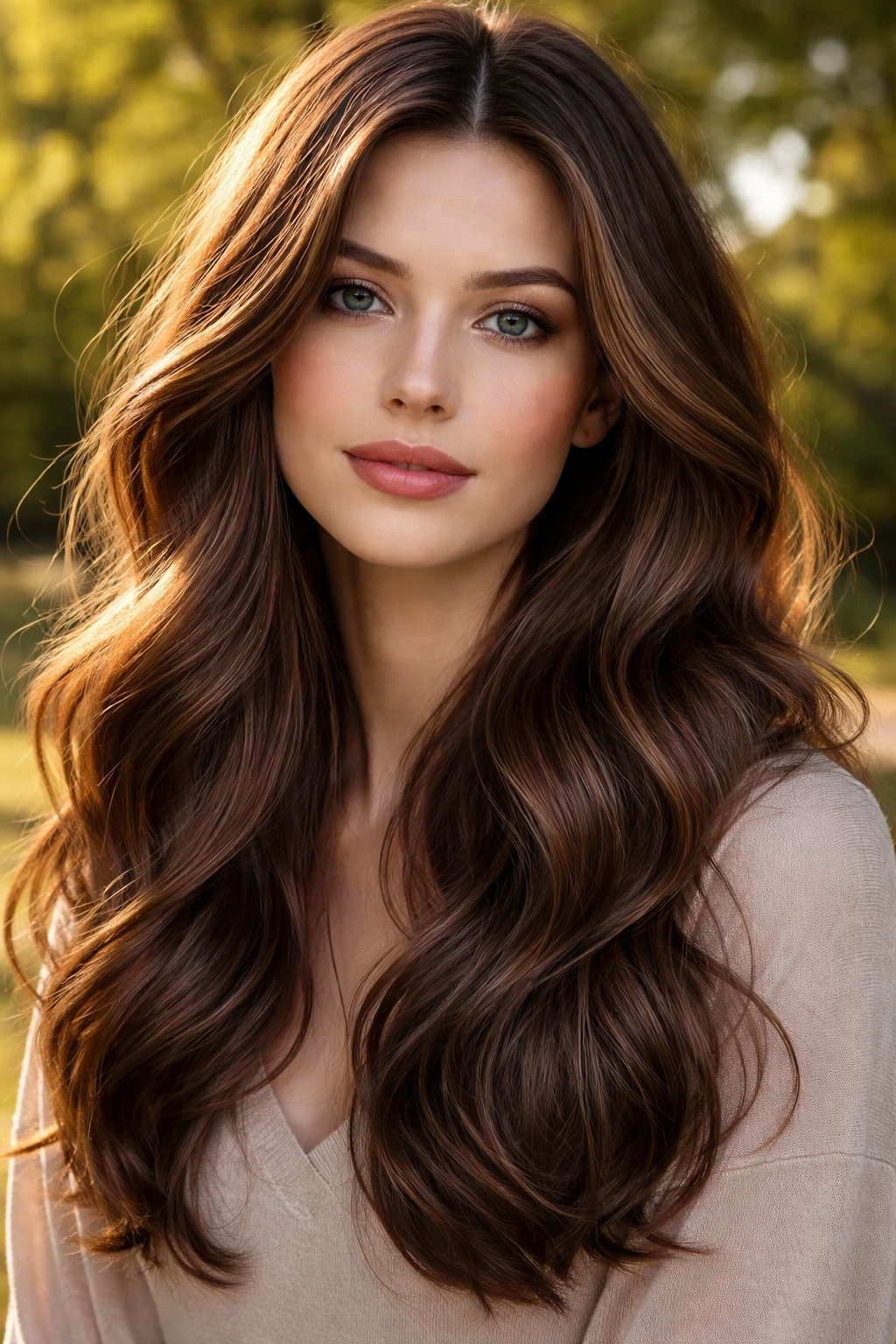
Unlike mushroom chestnut, walnut chestnut stays a touch deeper and a little less smoky. That makes it a nice bridge shade for people who want cool brunette energy without looking gray. The base still reads chestnut, but the added walnut note gives the hair a denser, richer look.
Where the Dimension Should Sit
The best walnut chestnut is not striped. It works through micro-lowlights and a soft variation in tone, not heavy highlights. That keeps the color from going patchy when the hair moves.
- Use lowlights one shade deeper than the base.
- Keep the ends slightly lighter than the roots.
- Ask for a neutral glaze after coloring.
- Works best on shoulder-length cuts and longer waves.
A color like this looks especially good if your skin is cool but not icy. It has enough softness to avoid harshness, and enough depth to keep the face from looking washed out.
7. Blackberry Chestnut Gloss
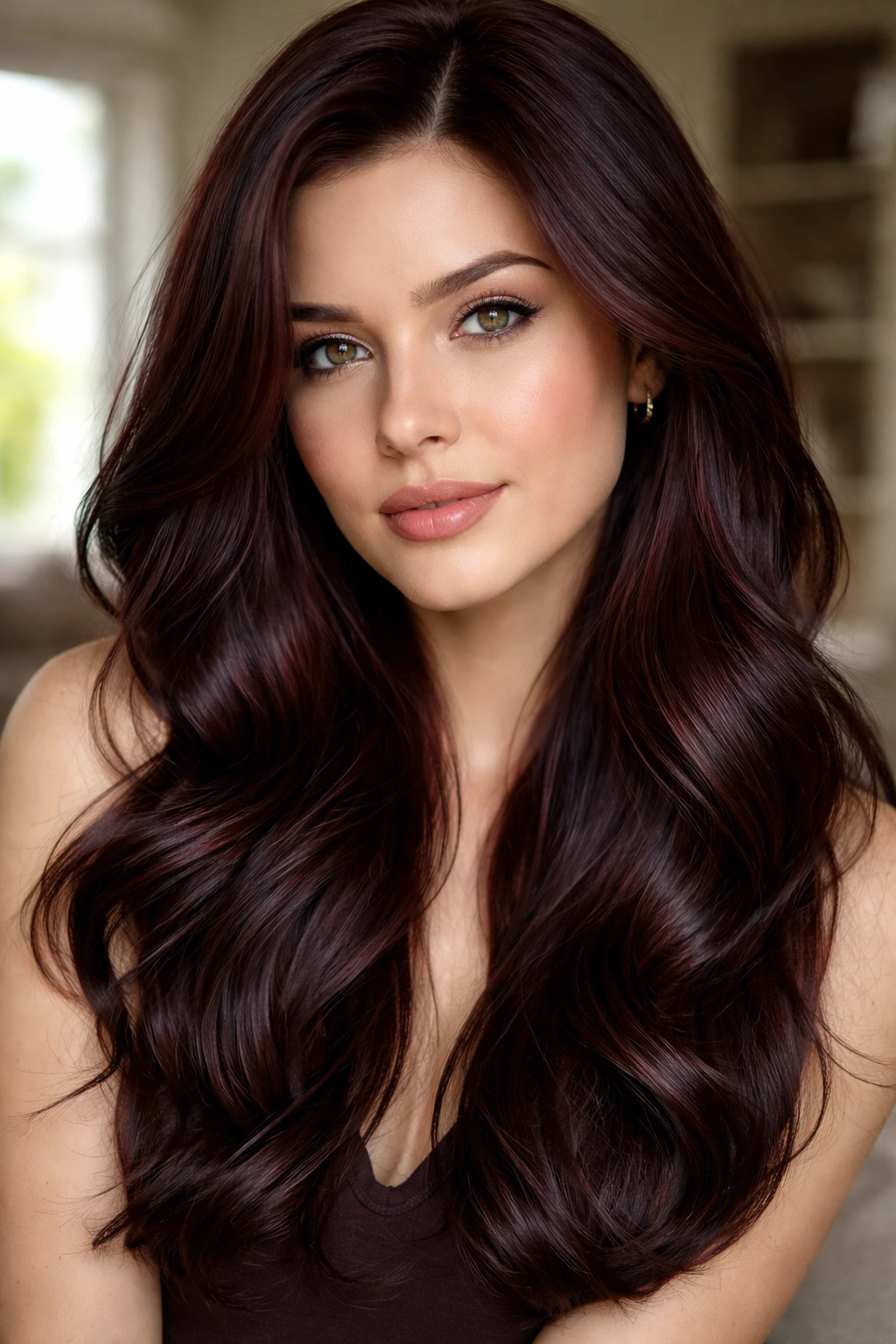
On cloudy days, this shade looks like polished brown velvet with a plum bite. Blackberry chestnut gloss is what happens when chestnut gets a berry-toned topcoat that stays cool instead of candy-red. It is richer than a plain brown gloss and more wearable than full plum.
This is a strong choice for deeper cool skin tones, but it can work on fair skin too if the formula stays muted. The gloss matters more than the base here. A warm brown underneath can still be cooled down if the top layer leans berry and the shine is high.
Keep in mind that this shade loves gloss and hates buildup. Heavy residue makes it look dull. A light shampoo routine and a color-safe conditioner are the difference between lush and muddy.
8. Taupe Chestnut
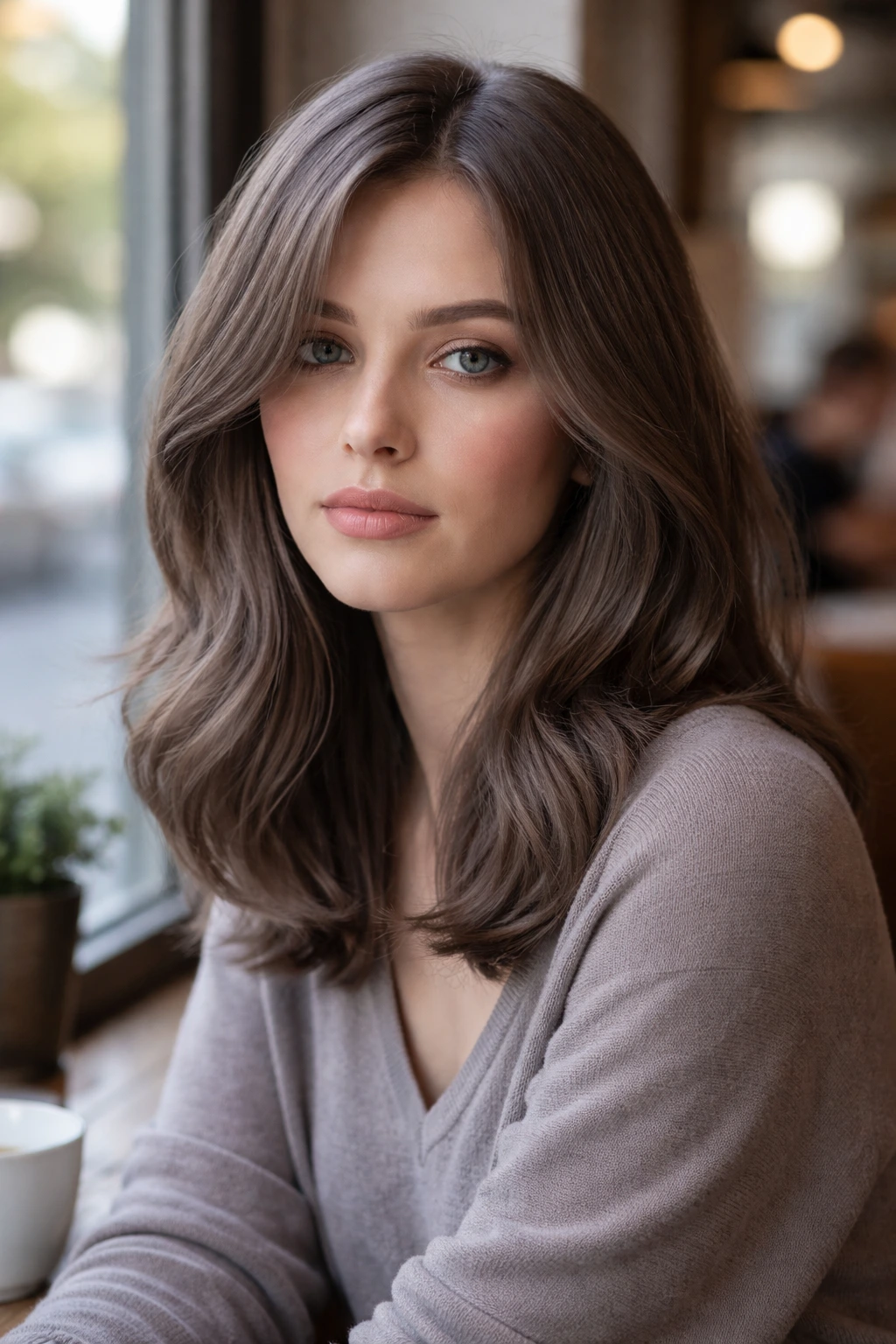
Why does taupe brown keep showing up on cool skin? Because it does the one thing many brunette shades forget to do: it removes the warmth. Taupe chestnut is dusty, muted, and softly gray-brown, which makes it one of the easiest chestnut ideas for very fair or pink-toned skin.
It is a quiet shade, and I mean that in a good way. Nothing about it shouts. The hair looks expensive in the way a well-made wool coat looks expensive—clean, restrained, and a little cool to the touch.
The trick is keeping it from going flat. Ask for a chestnut base with taupe gloss rather than a full gray-brown dye. That keeps a little movement in the strands and avoids the washed-out look that can happen when the hair is too porous.
9. Sable Chestnut Lob
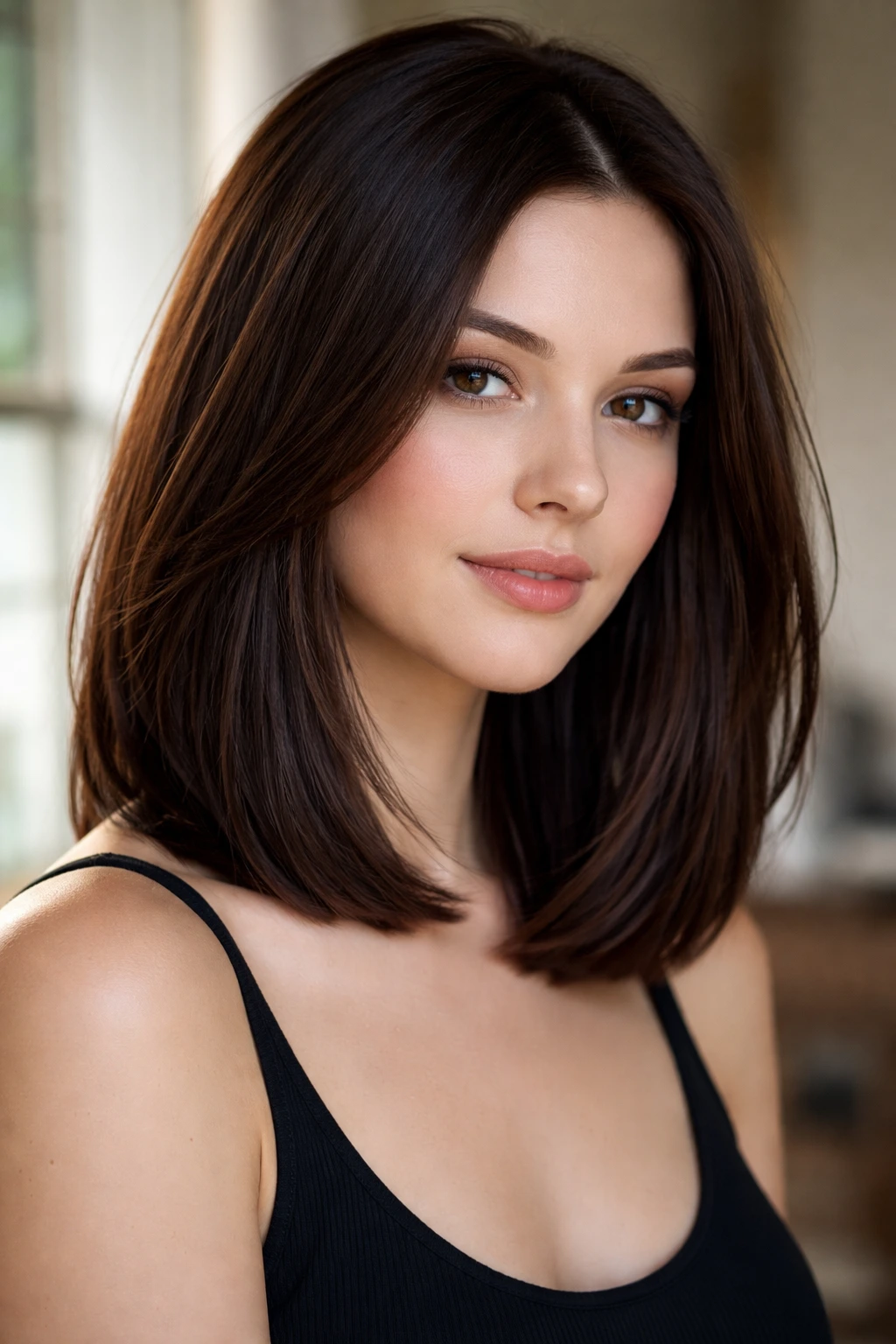
A shoulder-length lob in sable chestnut has a clean line that looks sharp even when you air-dry it. The color itself is deeper than mocha and softer than espresso, which gives cool skin a dark brunette frame without harshness. On a blunt lob, that depth looks crisp.
The haircut matters here. A lob gives the color a place to sit. The ends swing, the light catches the edges, and the chestnut tone shows up in small flashes instead of one big block. If your hair is fine, this is a nice way to make it look thicker too.
I’d keep the styling simple: a middle part, one-inch bends with a flat iron or curling wand, and a light shine spray. Too much wave can muddy the shade. A little polish goes farther.
10. Chestnut Bob With Pearl Highlights
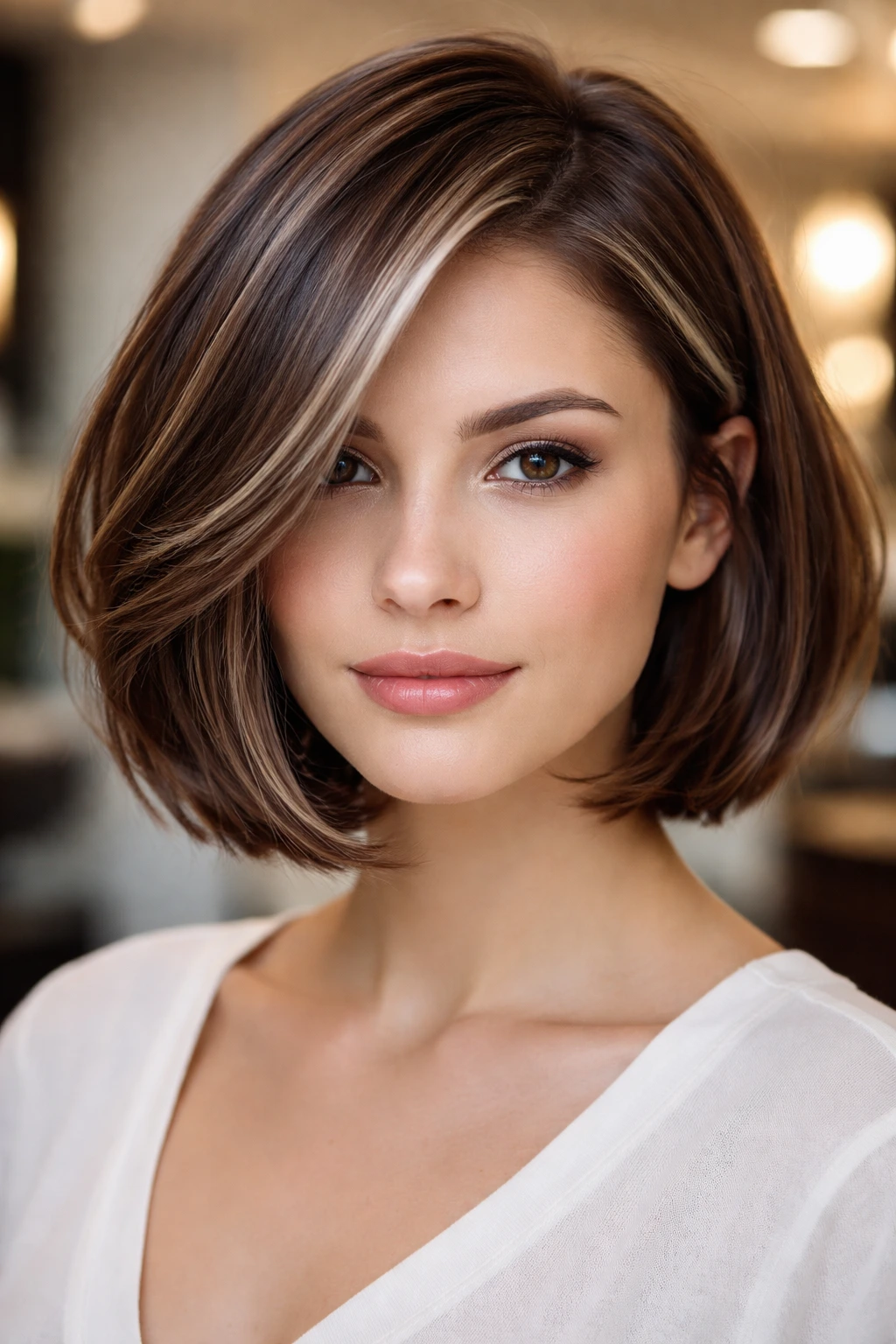
Short hair can carry highlight work better than long hair when the highlights stay narrow. A chestnut bob with pearl highlights gives you a cool, soft contrast that lifts the face without turning the hair blond. The pearl pieces sit somewhere between beige and silver, which is why they flatter cool skin so well.
This is the version to choose if you want movement around the eyes and cheekbones. The highlights should be delicate, almost threadlike, and placed mostly at the top layer and around the front. Thick streaks will break the illusion.
A bob also keeps the chestnut from feeling heavy. The shape is part of the color story. When the ends land around the jawline, the pearl pieces can act like tiny reflectors, not loud stripes.
11. Muted Auburn Chestnut
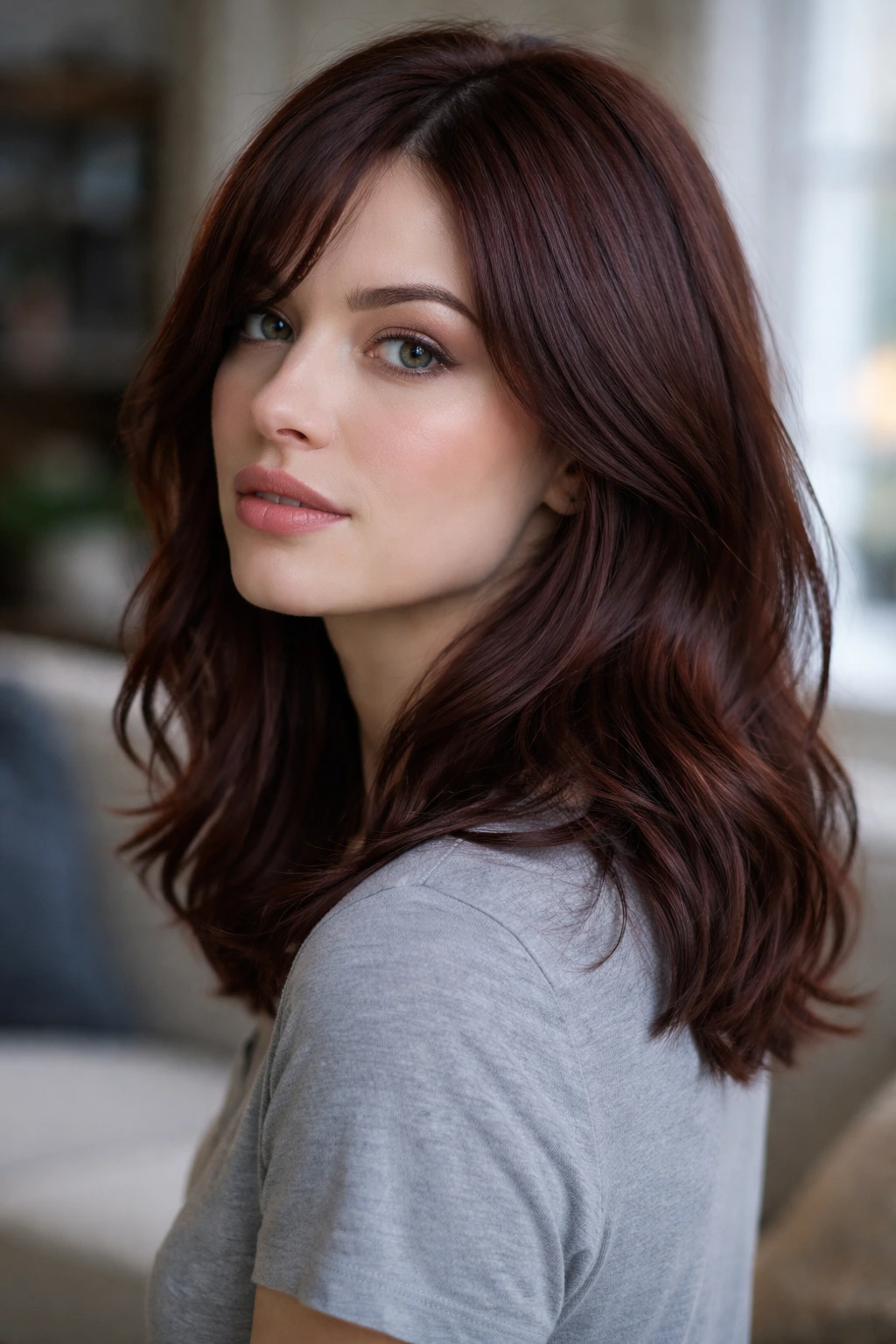
Muted auburn chestnut lives on the edge of warm and cool, which is why it needs a careful hand. If your skin can handle a touch of red without looking flushed, this shade can be lovely. The red note should feel buried, not bright. Think of it as brown with a whisper of dried berry, not copper.
How to Keep the Red Side Muted
A colorist should lean on blue-based red-brown pigment, not true copper. The goal is a chestnut that glows a little in light but never turns pumpkin.
- Keep the base one level deeper than you think you need.
- Ask for a muted glaze, not a bright auburn toner.
- Use a color-safe shampoo that does not strip too fast.
- Avoid orange-heavy balayage pieces.
This is a good choice if you like a little more personality than ash brown gives you. It has mood. It has warmth. It just needs to stay under control.
12. Chestnut Ombré With Ash Ends
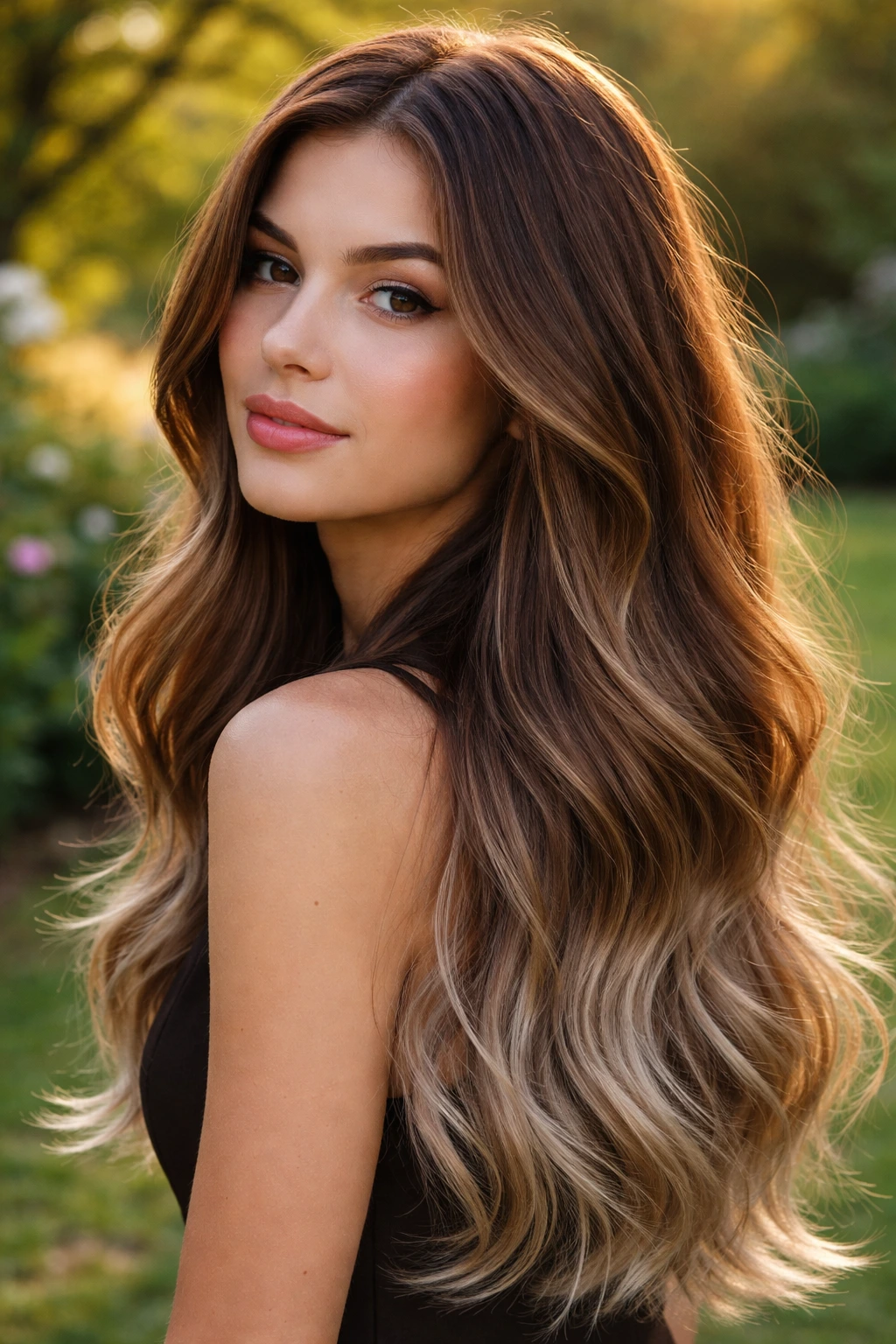
This is the easy version of a big color change. A chestnut ombré with ash ends keeps the roots deeper and the ends cooler, which makes the grow-out softer and the styling less fussy. It is especially useful if your natural base is already close to chestnut or dark brown.
The ash ends are the part that makes it work for cool skin. Instead of fading into golden brown, the hair softens into a smoky finish that keeps the whole look muted. That matters. Warm ombré can look beachy, but it can also pull redness forward. Ash ends do the opposite.
This shape suits waves and curls because the color shift shows up more clearly when the hair moves. On straight hair, the fade should be gradual so it does not look chopped in half.
13. Chestnut Money Piece With Icy Bevel
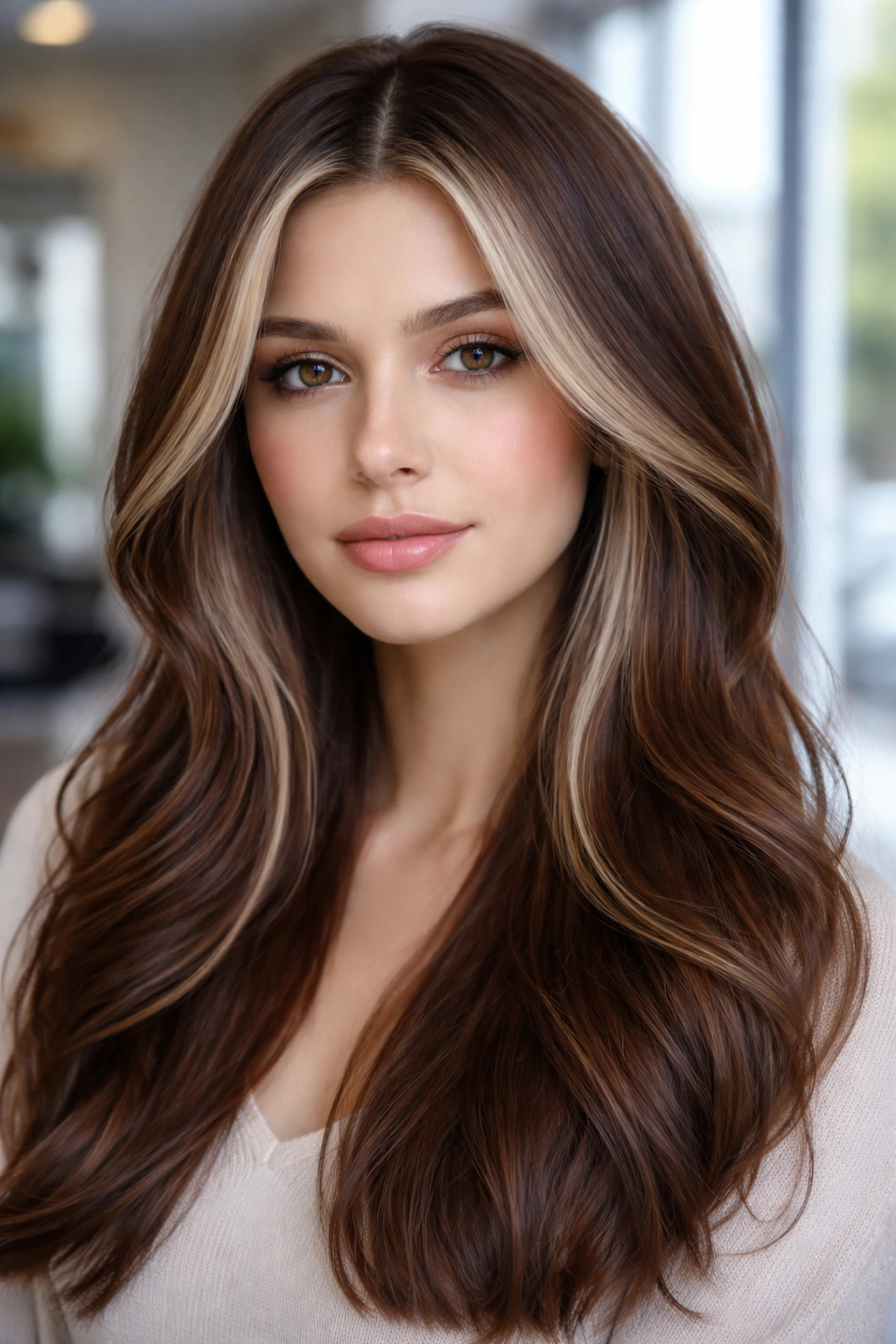
A client who wants change but not a full head color usually lands here. The chestnut money piece gives you brightness right where the face needs it, and the icy bevel around it keeps the look cool instead of brassy. The rest of the hair stays chestnut, which means the effect feels controlled.
The placement should be narrow enough to frame the cheekbones and temple, not so wide that it becomes a stripe. I like this idea on long layers and curtain bangs because the front pieces move enough to catch light. That motion matters.
If your skin is very cool, the icy parts should stay pearl or pale beige, never yellow. The contrast should feel crisp, not sunny. That tiny shift changes the whole read of the hair.
14. Cinder Chestnut Shag
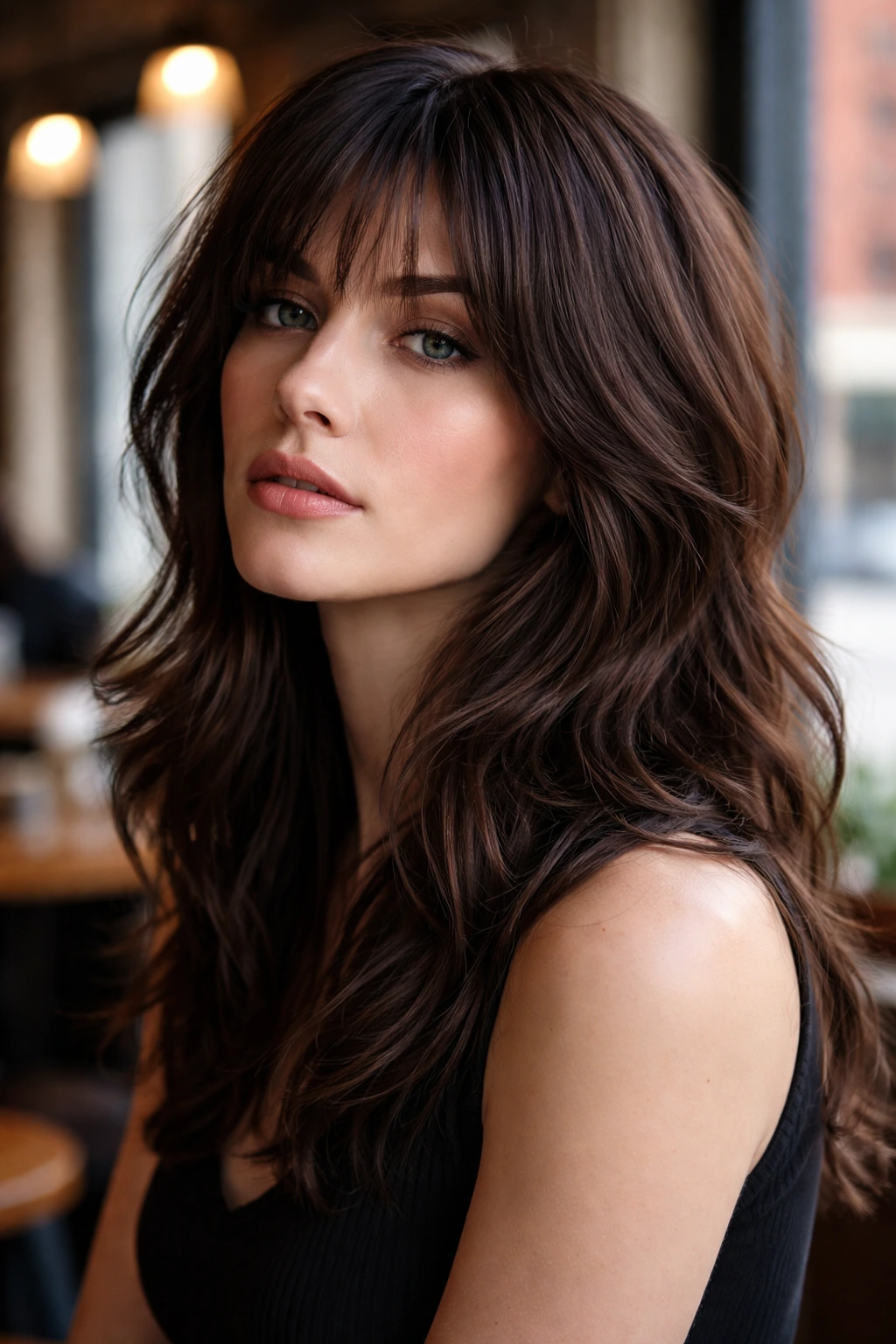
What happens when smoky brunette meets a shag cut? The layers do half the work for you. Cinder chestnut is a cool, dark brown with an almost soot-like edge, and the shag cut makes that tone move instead of sitting in one heavy sheet.
It is one of the better choices for people with fine or medium hair that needs body. The layers catch light at different angles, which lets the ash-brown tones show through without extra highlights. A little mousse at the roots, a rough dry, and you are done.
This color can look a bit severe if the layers are too blunt. The shag solves that. Fringe, choppy ends, and face-framing pieces keep the brown from reading flat. It feels a little rock-and-roll, but still wearable.
15. Chestnut With Mushroom Lowlights
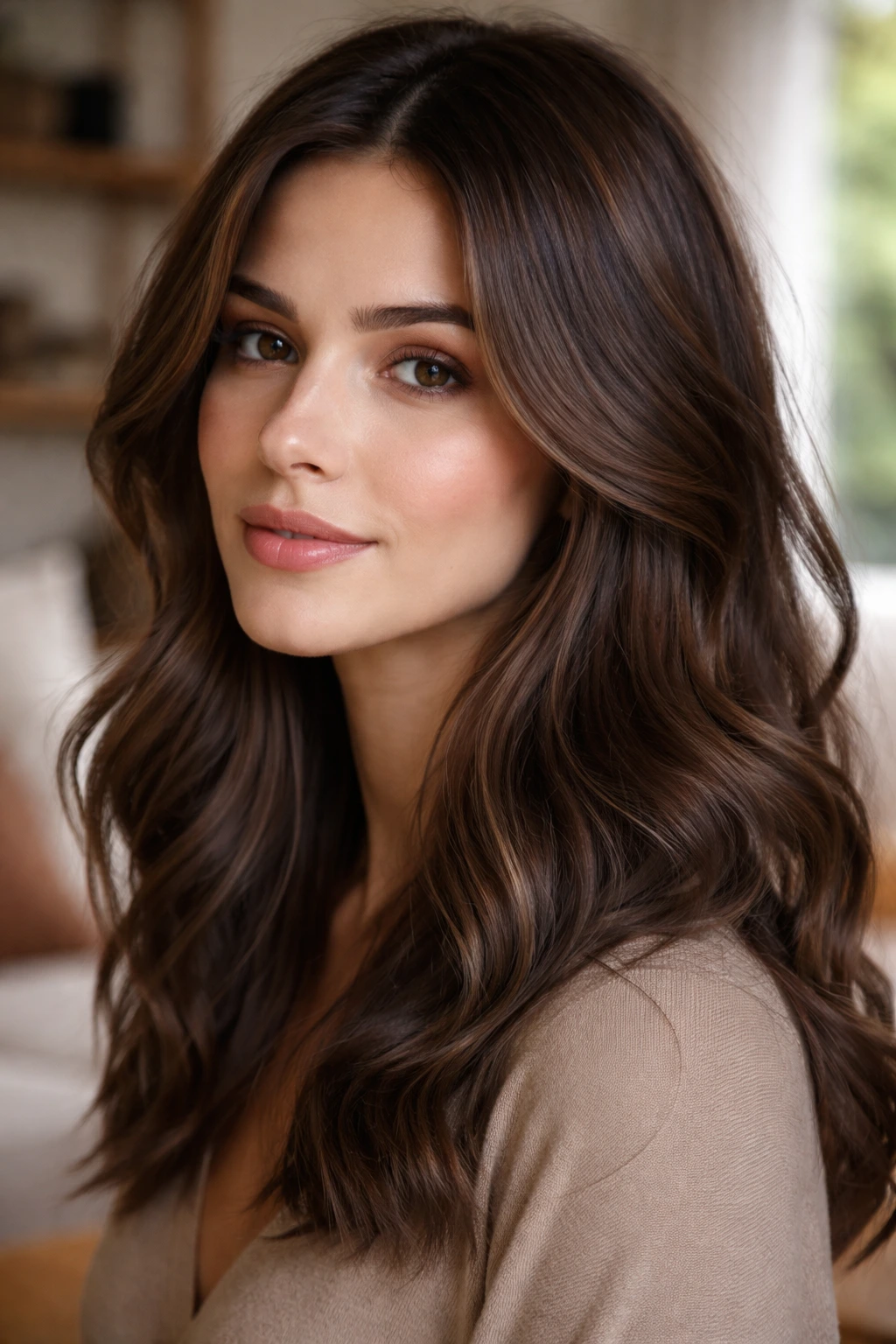
If your chestnut keeps reading too warm in daylight, lowlights are the quiet fix. Mushroom lowlights cool down the whole head without asking you to go full ash brown. They sit underneath the surface, which means the color changes when you move, not all at once.
That makes this option good for people who already have chestnut hair and want a correction more than a reinvention. The lowlights can be darker than the base by one or two levels, with a taupe or smoky undertone. On wavy hair, they create a soft shadow that looks natural.
The best part is how little maintenance they need. They grow out without a harsh line, and they do not force you into constant brightening. Sometimes the smartest brunette move is to darken a few strands instead of changing the whole head.
16. Rosewood Chestnut
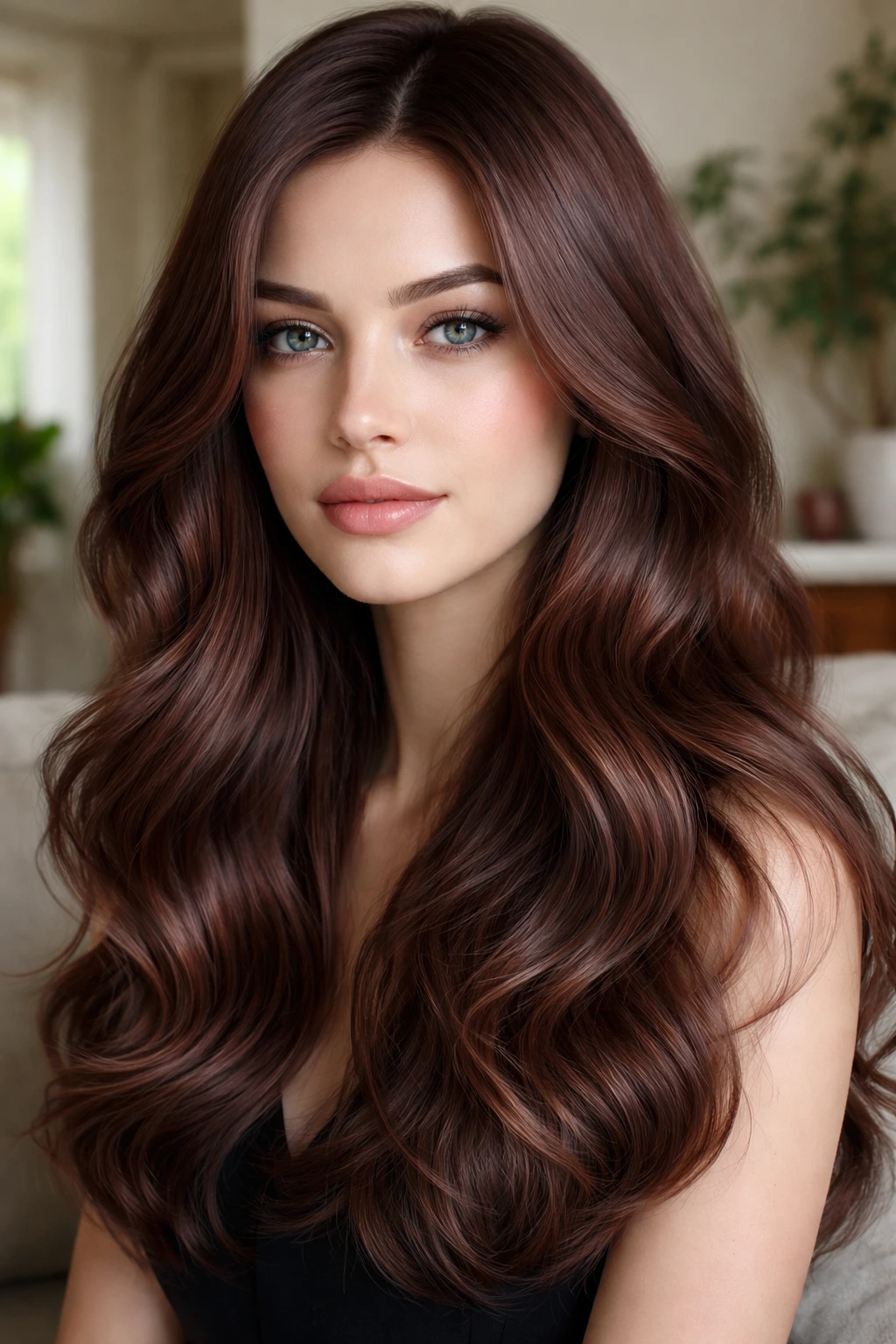
Rosewood chestnut sits in that rare space where brown hair gets a faint mauve edge without going full fantasy color. It works on cool skin because the rose note is dusty, not sugary. You get warmth from the chestnut base and coolness from the plum-rose reflection.
Who It Suits Best
This shade is especially nice on medium cool skin and deeper pink-neutral complexions. It can also look beautiful on cool-toned olive skin when the rose stays muted.
- Ask for a chestnut base with a dusty rose glaze.
- Keep the shine high so the mauve tones stay visible.
- Pair it with soft waves or a rounded blowout.
- Refresh with gloss, not permanent color, if you want flexibility.
I like this color on people who are tired of “safe brown.” It has personality without drifting into redhead territory. That balance is hard to fake.
17. Smoky Chestnut Layers
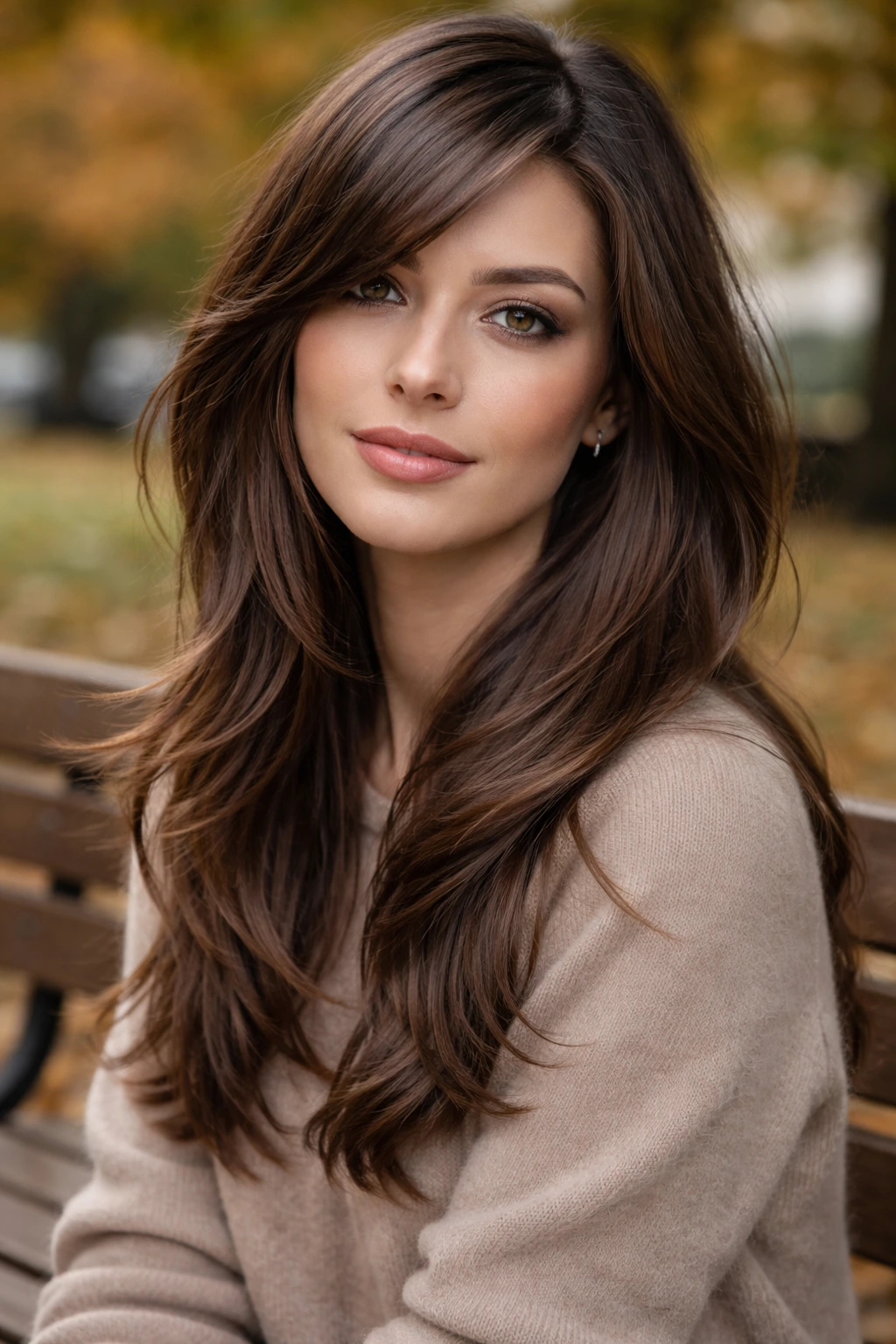
Unlike a single-process brown, smoky chestnut layers let light hit the hair in different places, and that matters more than people think. The shade itself is muted and cool, but the cut keeps it from looking heavy. Longer layers are enough if you do not want a dramatic shape change.
This is one of those colors that rewards movement. As you turn your head, the hair shifts between chestnut, brown, and a cooler ash-brown shadow. On very straight hair, the effect is subtle. On loose curls, it has more life.
If you wear your hair down a lot, this is a good choice because it does not depend on bold highlight placement. The cut and the tone do the lifting together.
18. Dark Chocolate Chestnut
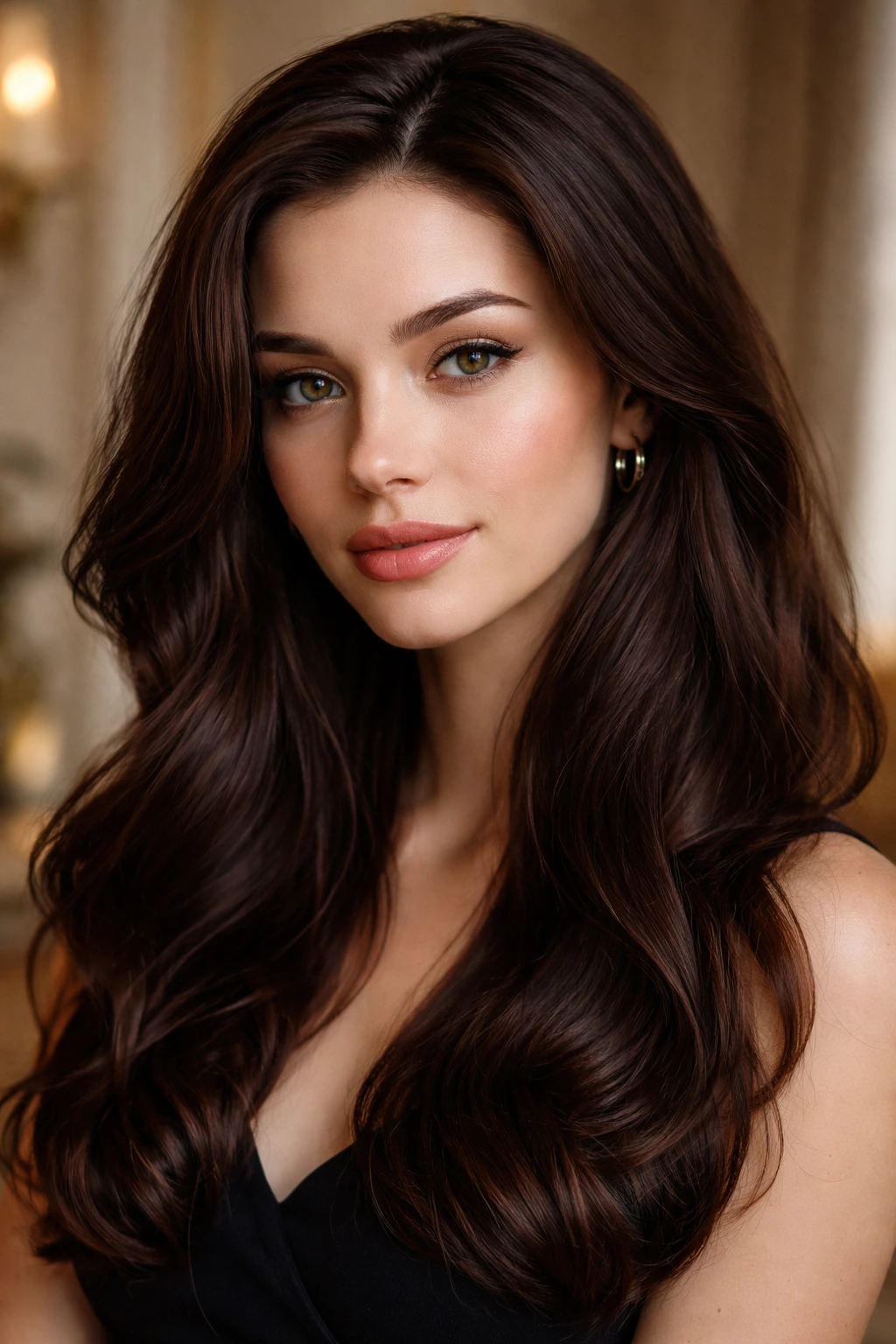
Do you want the richest version of chestnut without crossing into black? Then this is the lane. Dark chocolate chestnut is deep, smooth, and glossy, with enough brown-red warmth to stay chestnut but not enough to upset cool skin. It is a classic for a reason.
The shade is especially strong on thicker hair because the depth makes the strands look smoother and denser. On a good blowout, it can read almost mirror-like. That shine matters. Without it, the color can fall flat and look close to one-tone brunette.
Keep the formula neutral or slightly cool. If it gets too warm, it starts reading chestnut-red instead of chestnut-brown. The whole point is restraint.
19. Blue-Violet Chestnut Melt for Cool Skin Tones
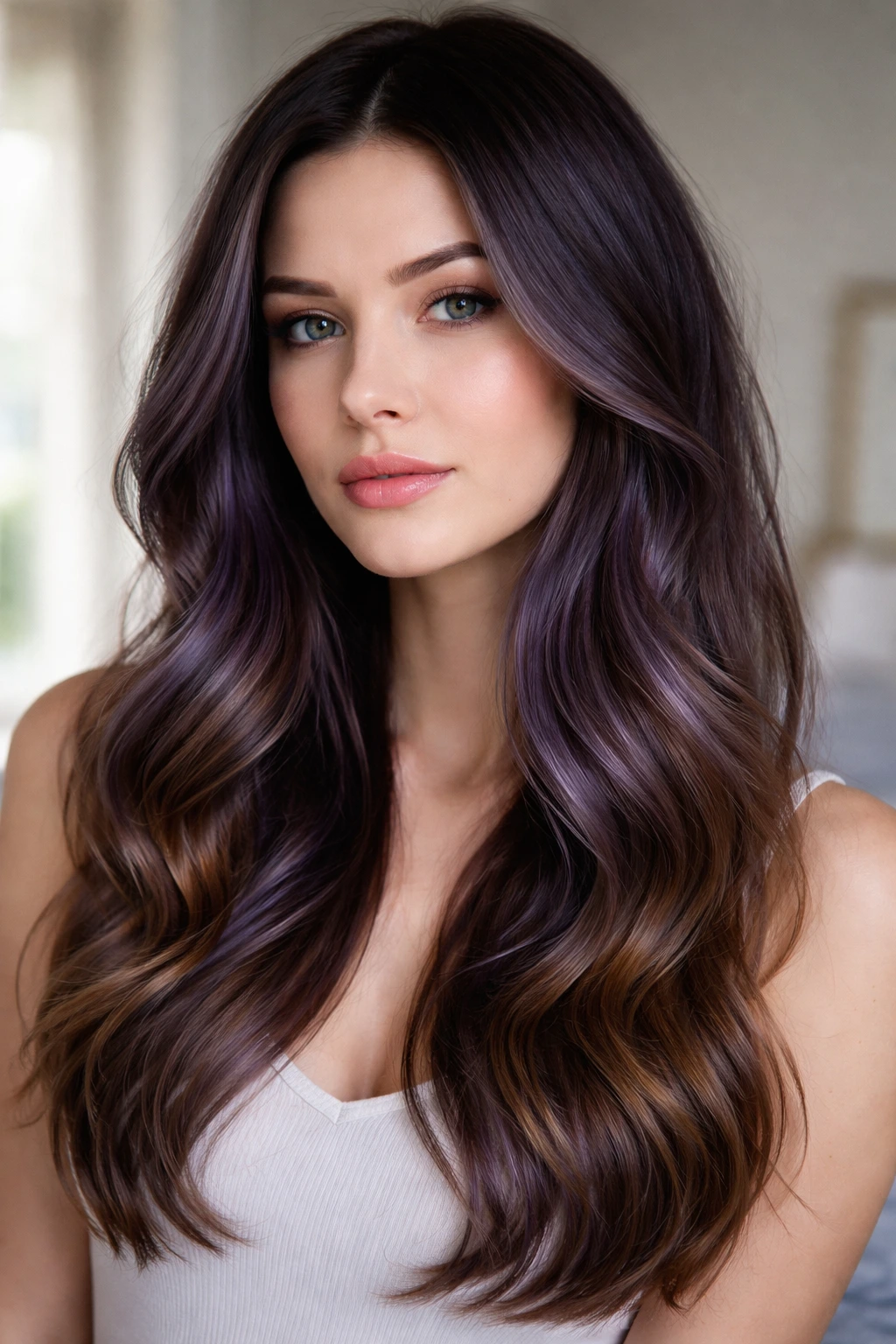
A dark root melting into blue-violet mids and soft chestnut ends gives you depth and edge at the same time. Blue-violet chestnut melt is one of the cooler looks in the chestnut family because the color shifts through the hair instead of staying fixed in one place.
Why the Melt Reads Cool
The blue-violet cast keeps the lighter sections from turning orange. That matters most where the hair is pre-lightened or porous, because those spots love warmth. The melt keeps everything anchored.
- Use a darker root at the scalp.
- Let the mids carry the violet-brown note.
- Keep the ends softly chestnut, not golden.
- Finish with a clear gloss so the color looks polished.
This shade has a little drama, and I think that is part of its appeal. It looks best when the hair is styled with bends or loose waves, since the tone changes more clearly when the hair curves.
20. Cool Cinnamon Chestnut
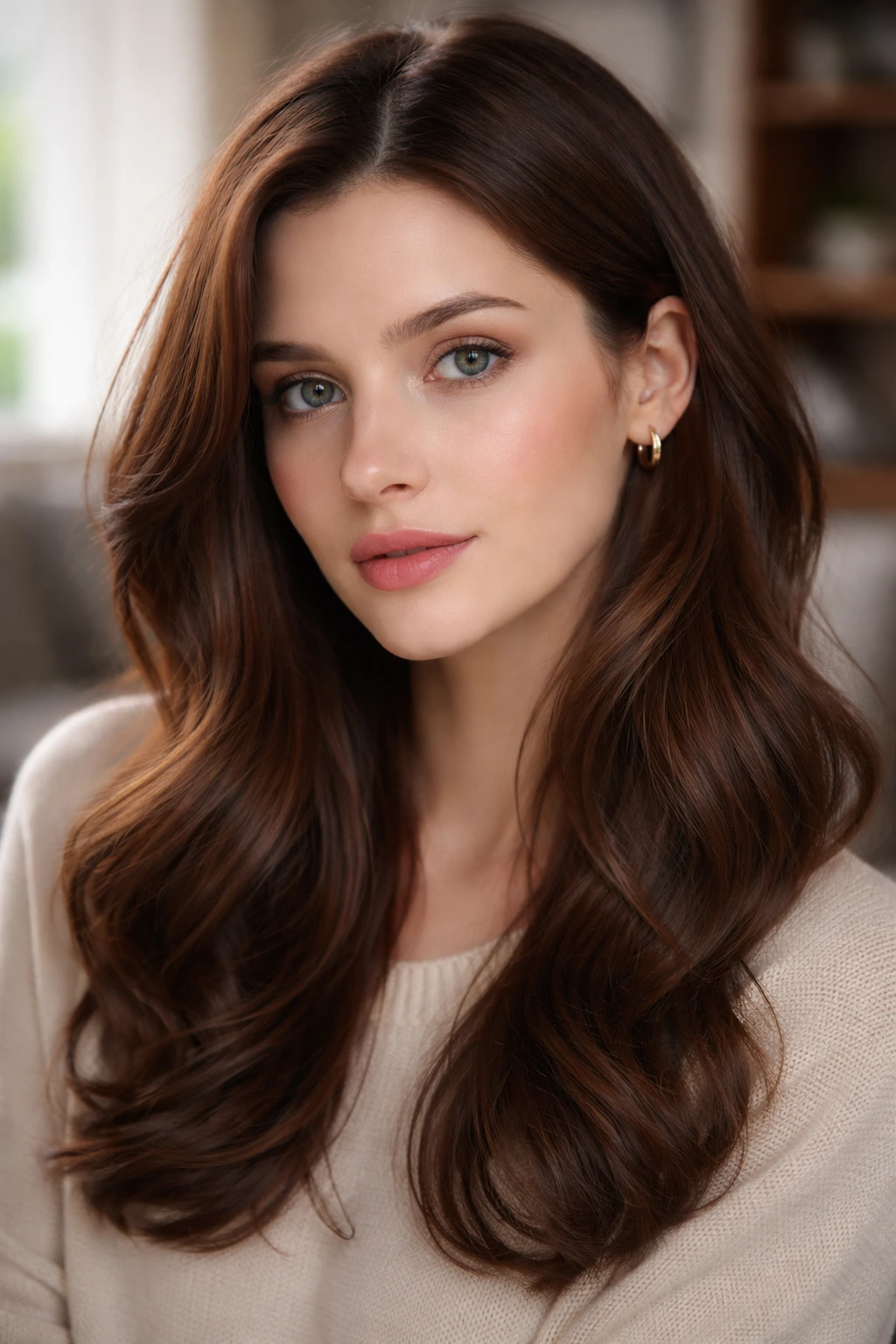
Cinnamon is only tricky when it turns orange. When it stays dusty and brown, it can work on cool skin in a way that feels warm but still controlled. Cool cinnamon chestnut is not a bright spice color. It is a brown base with a faint, muted red-brown note.
That makes it a good pick if you want a little more liveliness than ash gives you. Some cool complexions look better with a touch of warmth near the face, especially when the rest of the makeup stays cool and clean. The danger is overdoing it. Too much copper, and the balance is gone.
Ask for a cinnamon glaze that sits under the chestnut, not on top of it. That keeps the warmth soft and prevents the red from shouting. This one needs a careful eye.
21. Chestnut Pixie With Silver Gloss
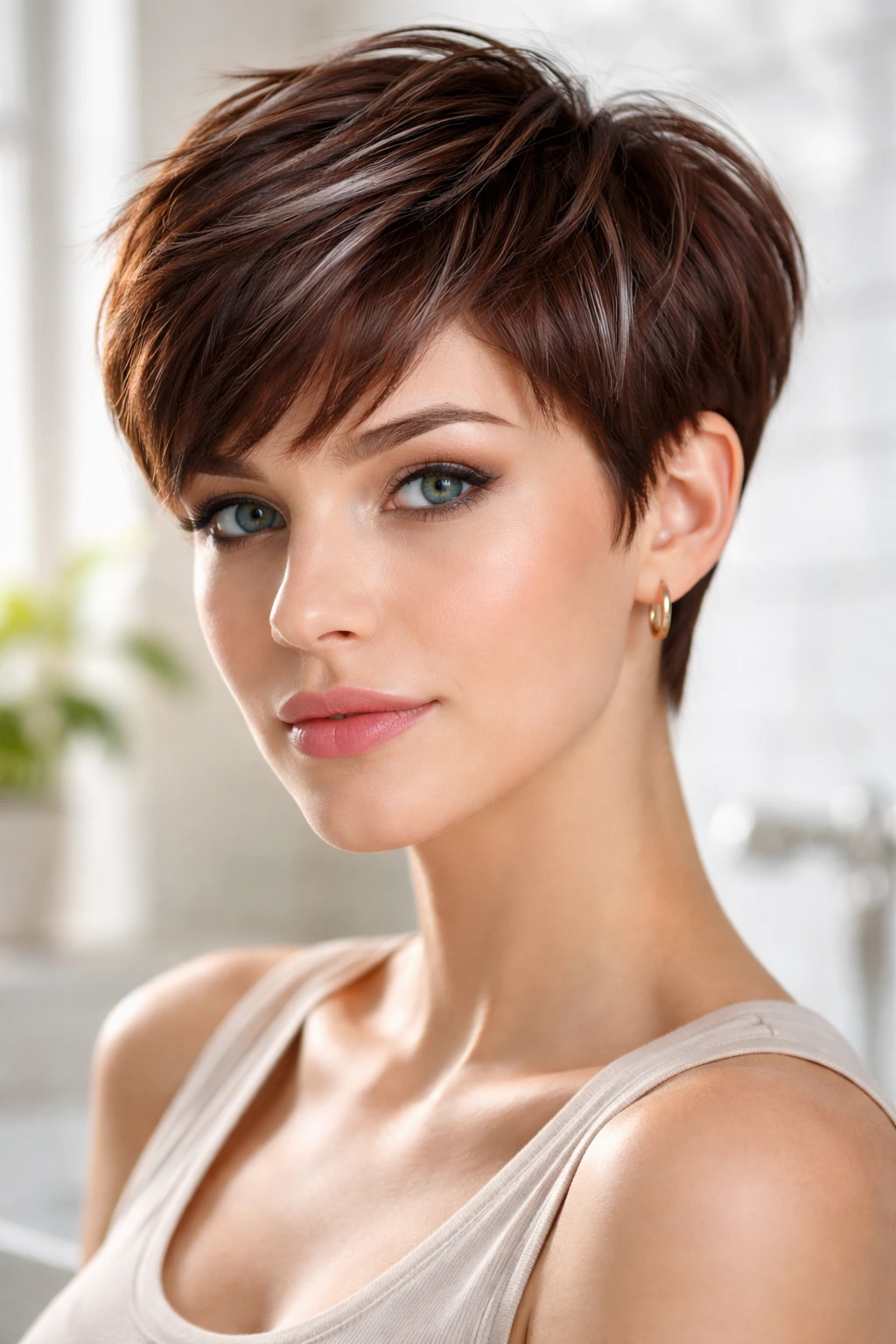
Short hair shows color fast. A chestnut pixie with silver gloss makes that work in your favor, because the cool sheen picks up every edge and layer. You do not need a lot of color variation when the cut already has shape.
What Makes It Work on Short Hair
The silver gloss cools the chestnut down without making the style look gray. That is the sweet spot. It keeps the pixie modern and clean.
- Keep the base close to level 5 or 6 chestnut.
- Add a silver-beige gloss on top.
- Use texture cream, not heavy wax.
- Schedule gloss refreshes every 4 to 5 weeks.
This shade looks especially good with strong brows and simple makeup. The hair becomes the statement, but not in a loud way. It is crisp. That is the word I keep coming back to.
22. Chestnut and Plum Dimension
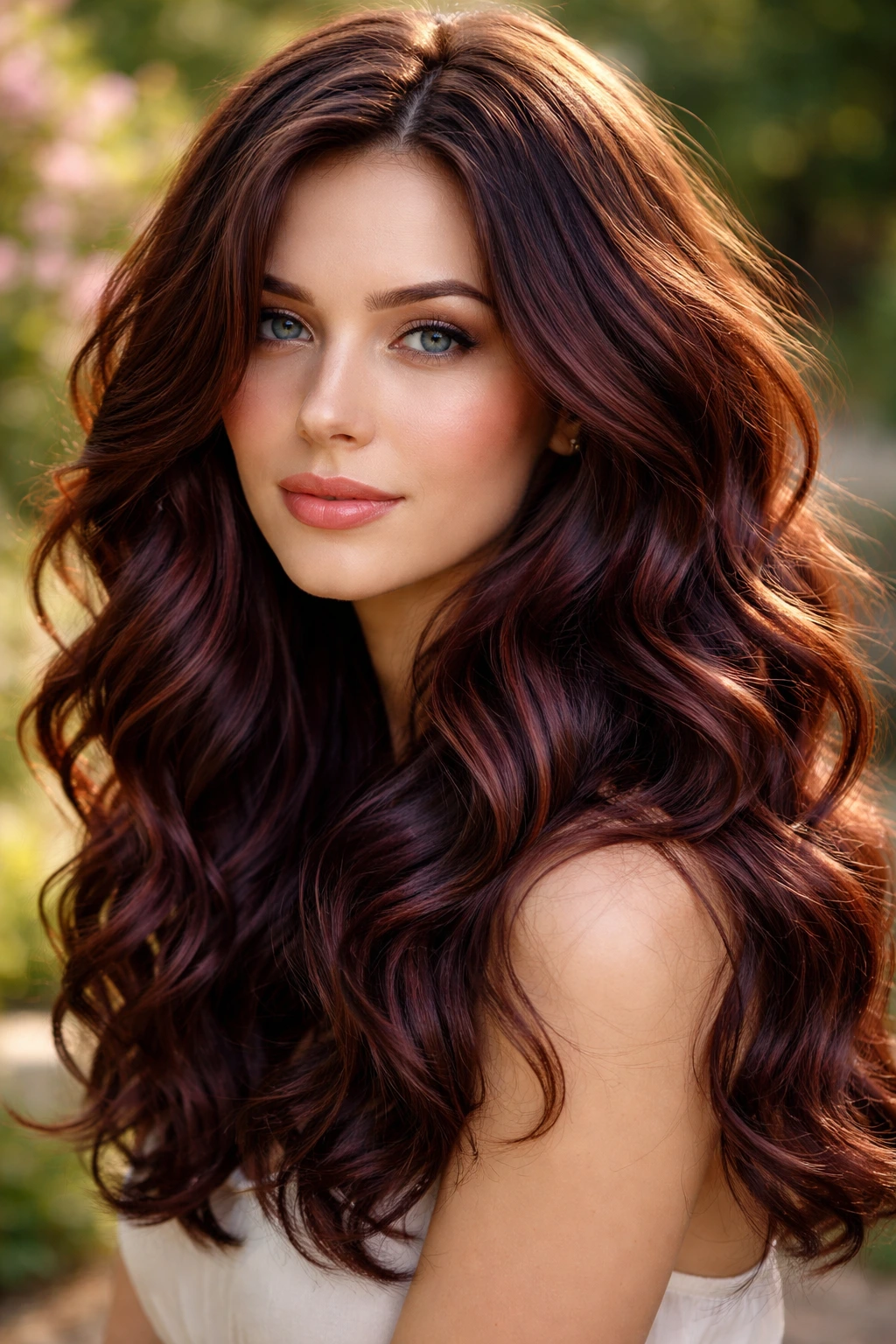
Plum is the easiest way to cool chestnut down without making it look flat. A chestnut and plum dimension mix gives you a brown base with darker violet-red pieces woven through it. The plum does not need to be obvious. In fact, it works better when it shows up in motion.
This is a smart choice for curls and waves because the different tones catch light at different moments. On straight hair, it feels more subtle and editorial. Either way, the cool undertone stays intact, which is the whole point.
If your hair is naturally dark, this can be a great refresh because the plum pieces add life without pushing you into high contrast. Just keep the red side blue-based. Cherry red is a different story.
23. Face-Framing Chestnut With Frosted Strips
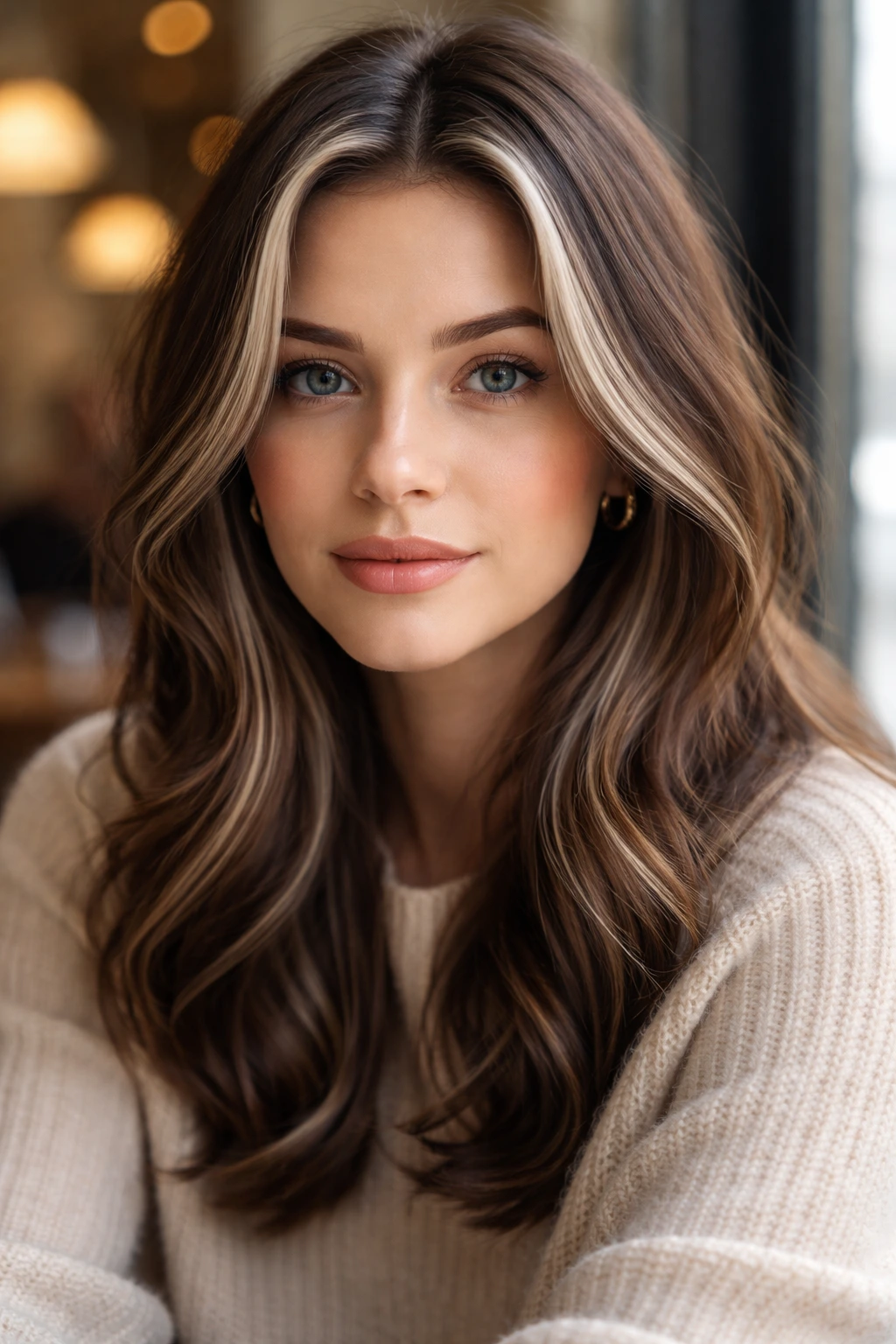
Do you want brightness near the face without a full highlight session? Then frosted strips are the move. Face-framing chestnut with frosted strips uses a chestnut base everywhere else, then places a few cool, pale ribbons around the front to lift the skin.
The key is restraint. These strips should be thin enough to look intentional but soft enough to blend into the rest of the brunette. Think around the temples, cheekbone area, and a little through the top layer. That is where light lands first.
This idea is friendly for first-timers because it is easy to grow out. It also lets cool skin keep its natural tone instead of turning golden around the face. A good colorist can make the front look brighter without touching the whole head.
24. Rooted Chestnut Lob
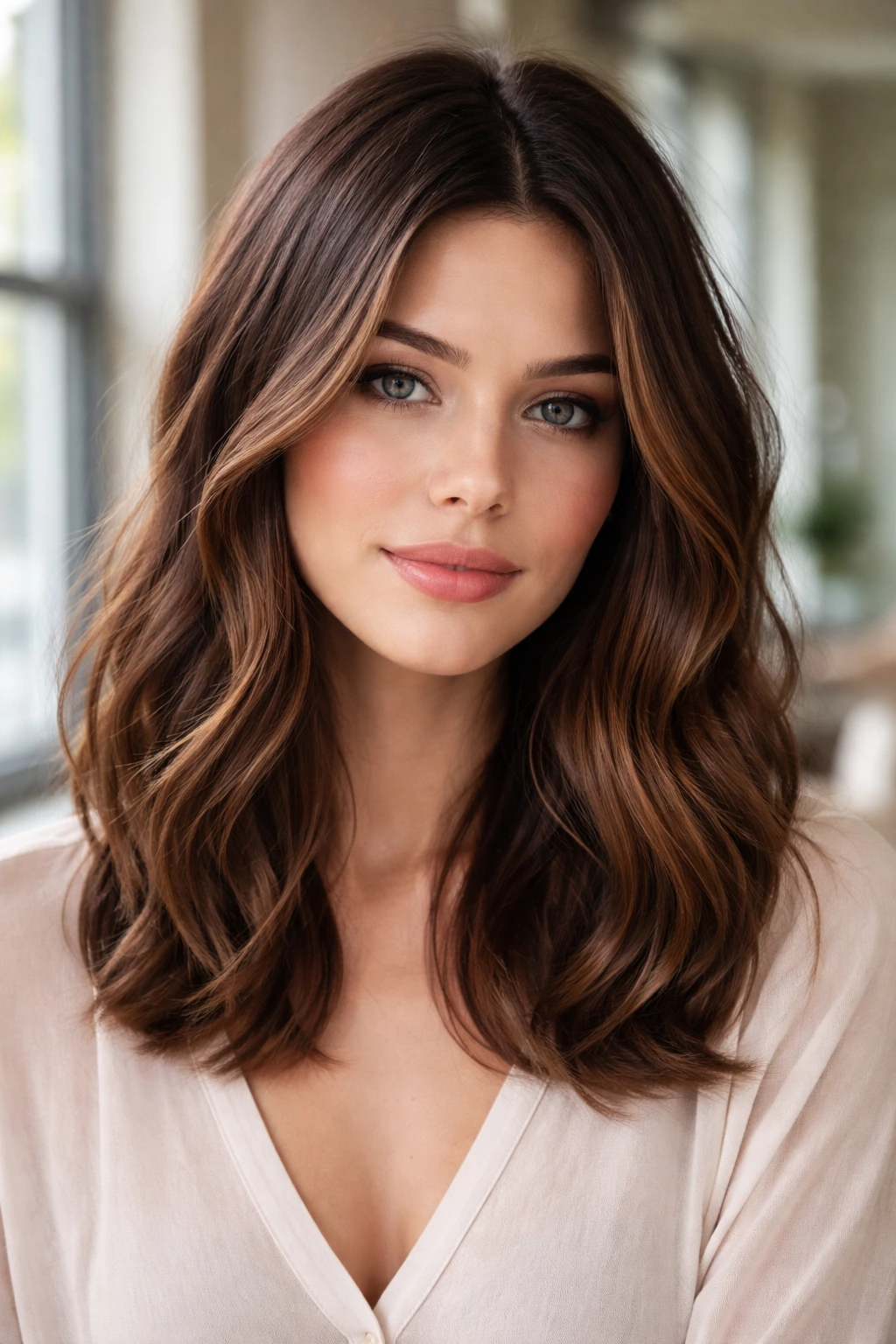
A rooted lob gives you the grown-out ease of balayage with a cleaner finish than ombré. Rooted chestnut lob means the crown stays a shade or two deeper, while the mid-lengths and ends keep the chestnut tone soft and wearable. It is practical, and that is not a bad thing.
This works especially well if you prefer air-drying or a rough bend with a wand. The root depth makes the hair look fuller at the scalp, and the lob length keeps the ends from looking too thin. The color supports the cut.
If your cool skin likes contrast but not harshness, this is a safe bet. You get shadow near the roots, brightness through the movement, and no obvious line as it grows out.
25. Mocha-Black Chestnut
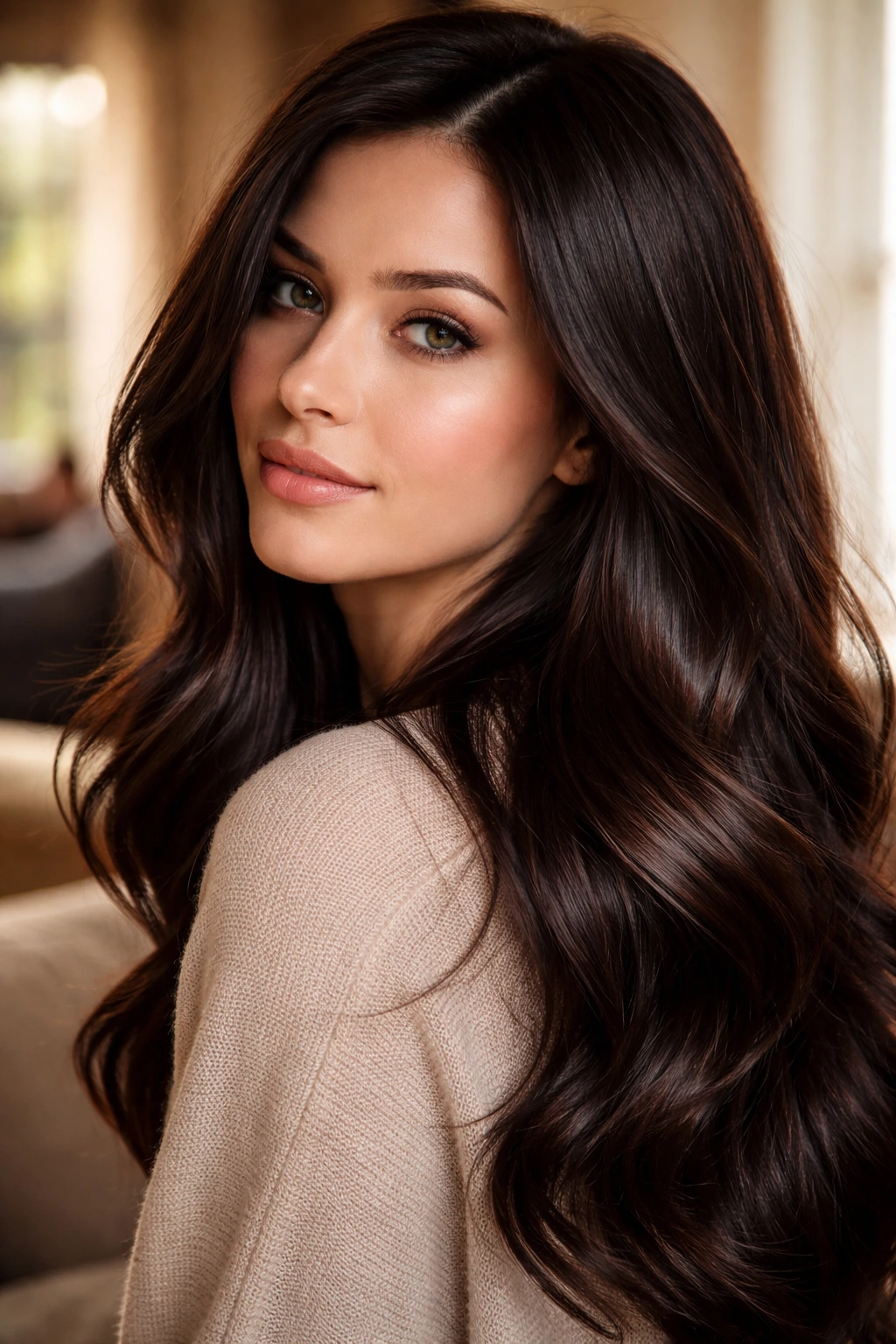
This is the darkest wearable chestnut in the bunch. Mocha-black chestnut sits near black, but the brown-chestnut undertone still shows when light hits it. That tiny shift matters on cool skin because pure black can look too hard. Chestnut-black stays softer.
It is a good choice for deep cool complexions and for anyone who likes minimal contrast. A strong shine serum helps here, because the tone looks richer when the surface reflects light. On coarse hair, that gloss can make the texture look smoother too.
One caution: if the hair is too one-note, it can flatten the face. A slight variation at the ends, or a subtle cool glaze, keeps it from looking like a flat dye job.
26. Cherry Cola Chestnut
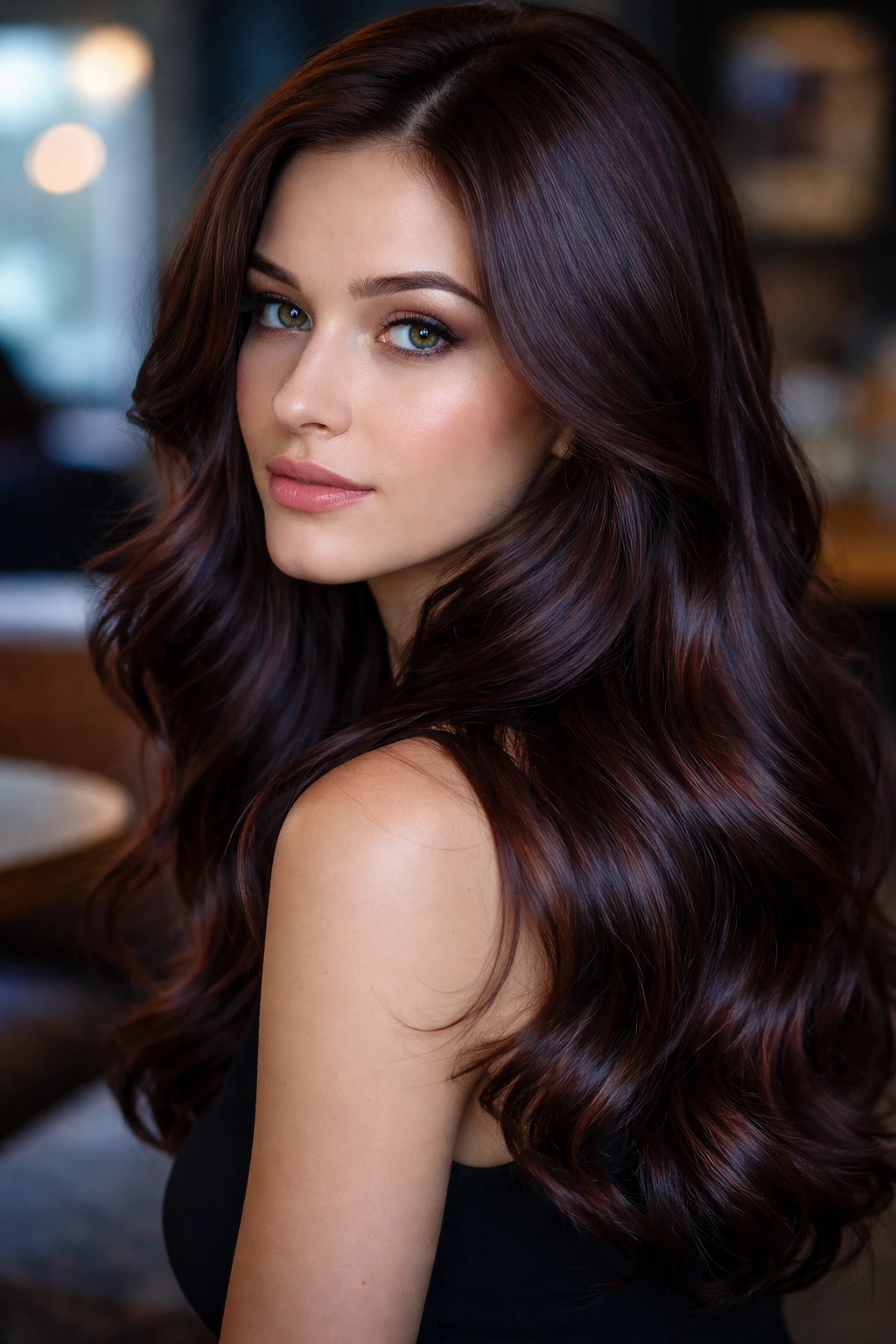
This shade looks like dark soda poured over mahogany glass. Cherry cola chestnut has that dark, glossy brunette base with a blue-red berry note that stays cooler than copper. It is one of the easiest ways to add personality while staying in chestnut territory.
How to Keep It Cool
The berry tone should read like a shadow, not a red stripe. That is what makes it work on cool skin.
- Ask for a blue-based cherry glaze over a chestnut base.
- Keep highlights minimal or skip them.
- Style with soft waves so the color shifts in the bends.
- Use color-safe products that do not strip red tones too fast.
This shade looks especially good on medium to deep cool skin because it gives warmth without orange. There is a little attitude here, and I mean that in a good way.
27. Soft Chestnut Waves With Ash Lowlights
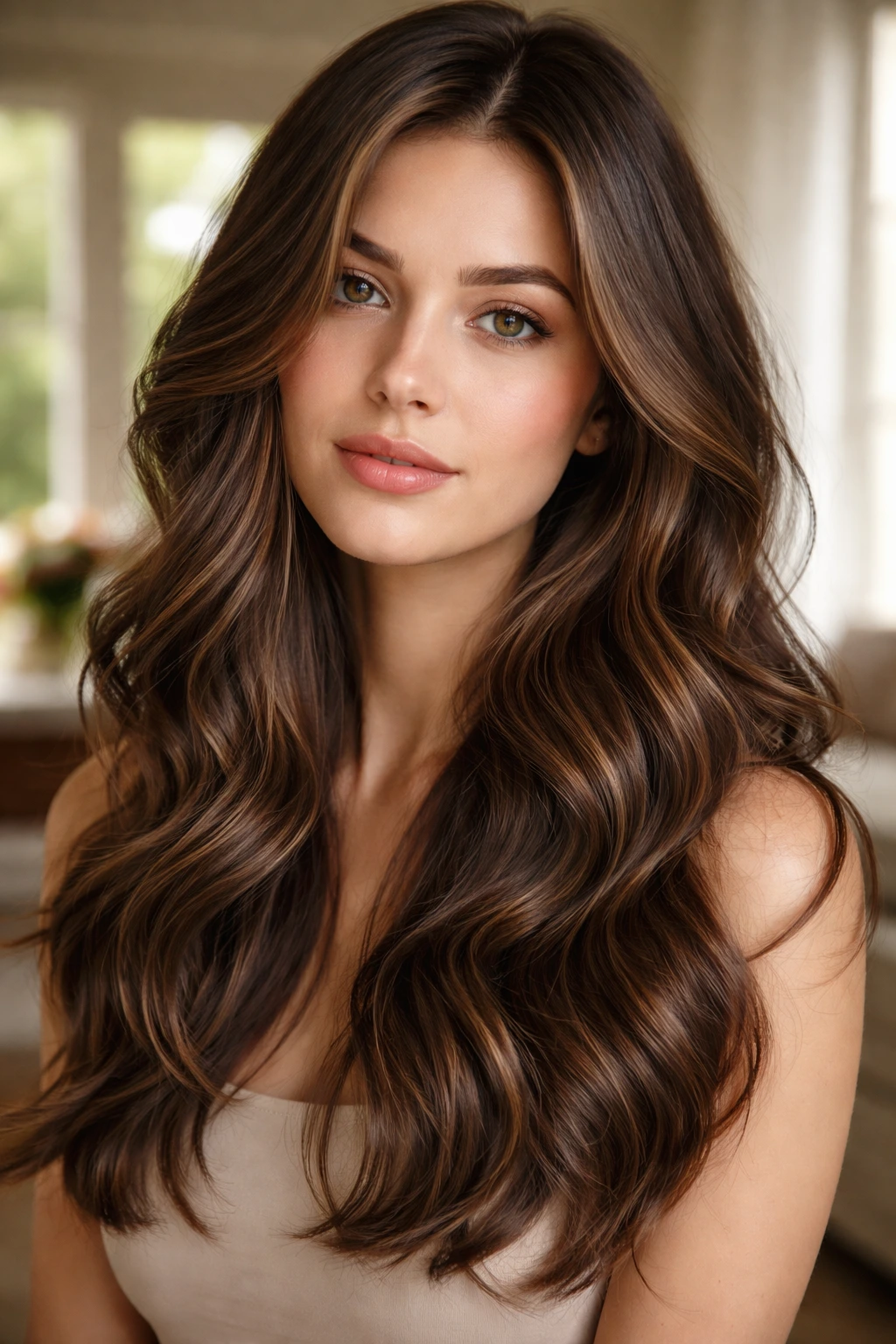
Why do lowlights look softer on waves than highlights? Because they sit in the dips, not on top of the hair. Soft chestnut waves with ash lowlights use that idea well. The chestnut remains the main color, while the ash lowlights create depth where the hair folds.
This is a good option if your current color feels too bright or too uniform. Ash lowlights cool the whole head down without making it look streaky. On medium-density hair, they add shape. On finer hair, they keep the waves from looking sparse.
I like this version because it feels lived-in without being messy. The color has movement even when the styling is simple. That is harder to get than it sounds.
28. Classic Neutral Chestnut for Cool Skin Tones
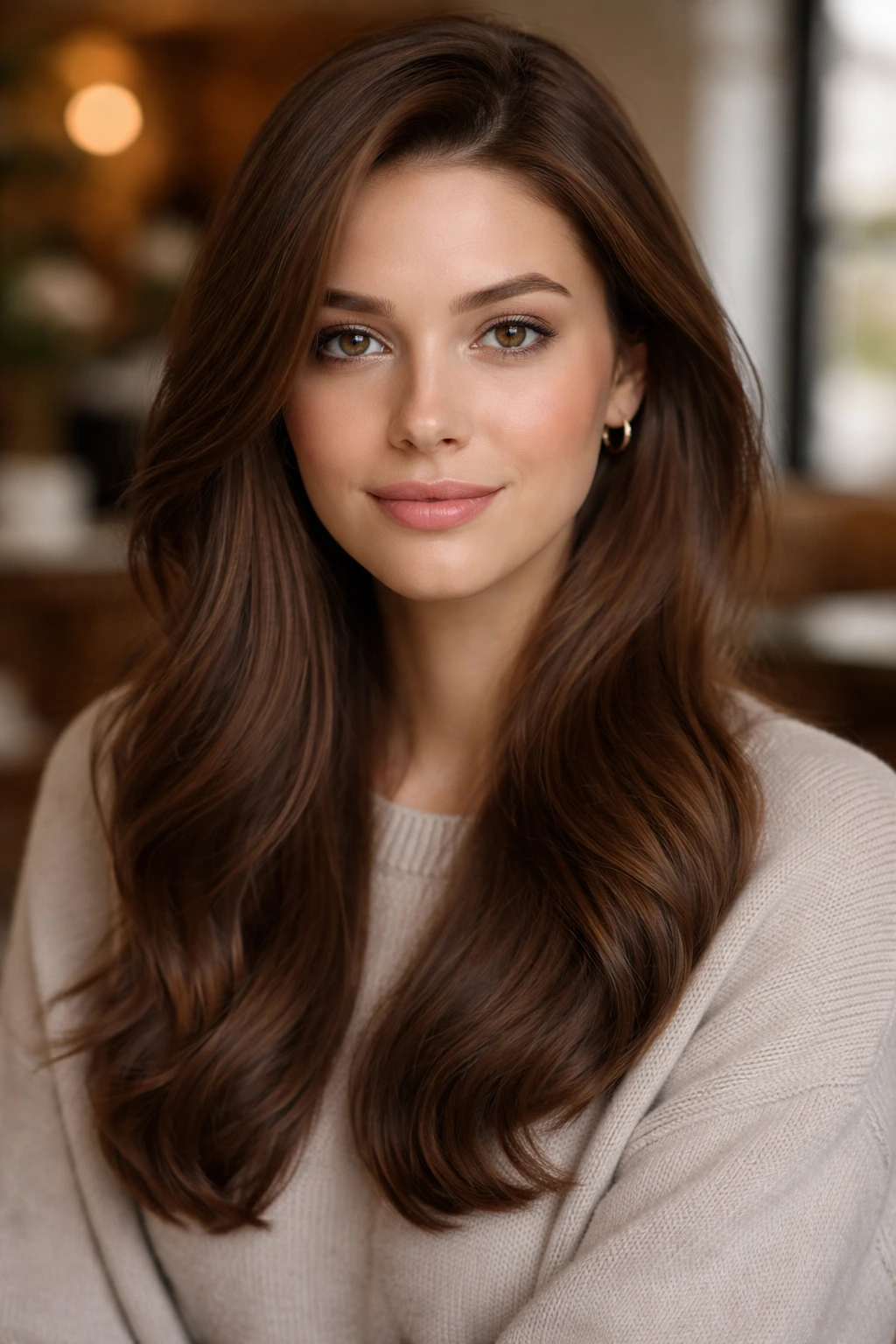
If you want one chestnut that can live through several salon visits, start in the middle. Classic neutral chestnut is the balanced version: not too smoky, not too red, not too dark. It is the kind of shade that works when you do not want the hair color to steer the whole look.
That balance makes it useful for people who wear a mix of cool and neutral clothes, or who change makeup often. A neutral chestnut is flexible. One week it looks soft and understated with taupe makeup. The next, it feels richer with berry lipstick and a clean white shirt.
This is also the safest long-term option if you hate frequent color corrections. A neutral base grows out more quietly than a heavily warm or heavily ash formula, and it gives you room to shift warmer or cooler later with gloss alone. If you are torn between shades, start here and let the first gloss decide the next move.
