



There is a distinct feeling that comes with stepping out of a salon after a successful color session, specifically when you have managed to bridge the gap between brunette and blonde without losing the integrity of your hair. Honey balayage remains one of the most requested techniques in salons, and for good reason. It provides a level of depth and dimension that flat, solid colors simply cannot achieve. It works by painting lighter pieces onto the hair in a way that mimics how the sun would naturally bleach your strands over a long, glorious summer.
Brown hair often suffers from looking dull or “muddy” if the tone is off, but introducing honey tones changes the entire dynamic. The warmth of a honey shade brings out the richness in your natural dark base, making your skin appear brighter and your hair look fuller. The beauty of this technique is that it is not about painting everything; it is about placement. A skilled colorist knows exactly where to deposit color to contour your face or emphasize the natural texture of your waves.
Whether you prefer a high-contrast look that mimics a heavy highlight or a subtle, “I woke up like this” aesthetic, the options are vast. You are not just choosing a color; you are choosing a strategy for how your hair will grow out and how it will reflect light. Let’s walk through the different ways you can approach this, keeping in mind your hair’s natural texture and your own lifestyle.
1. Classic Warm Honey Melt
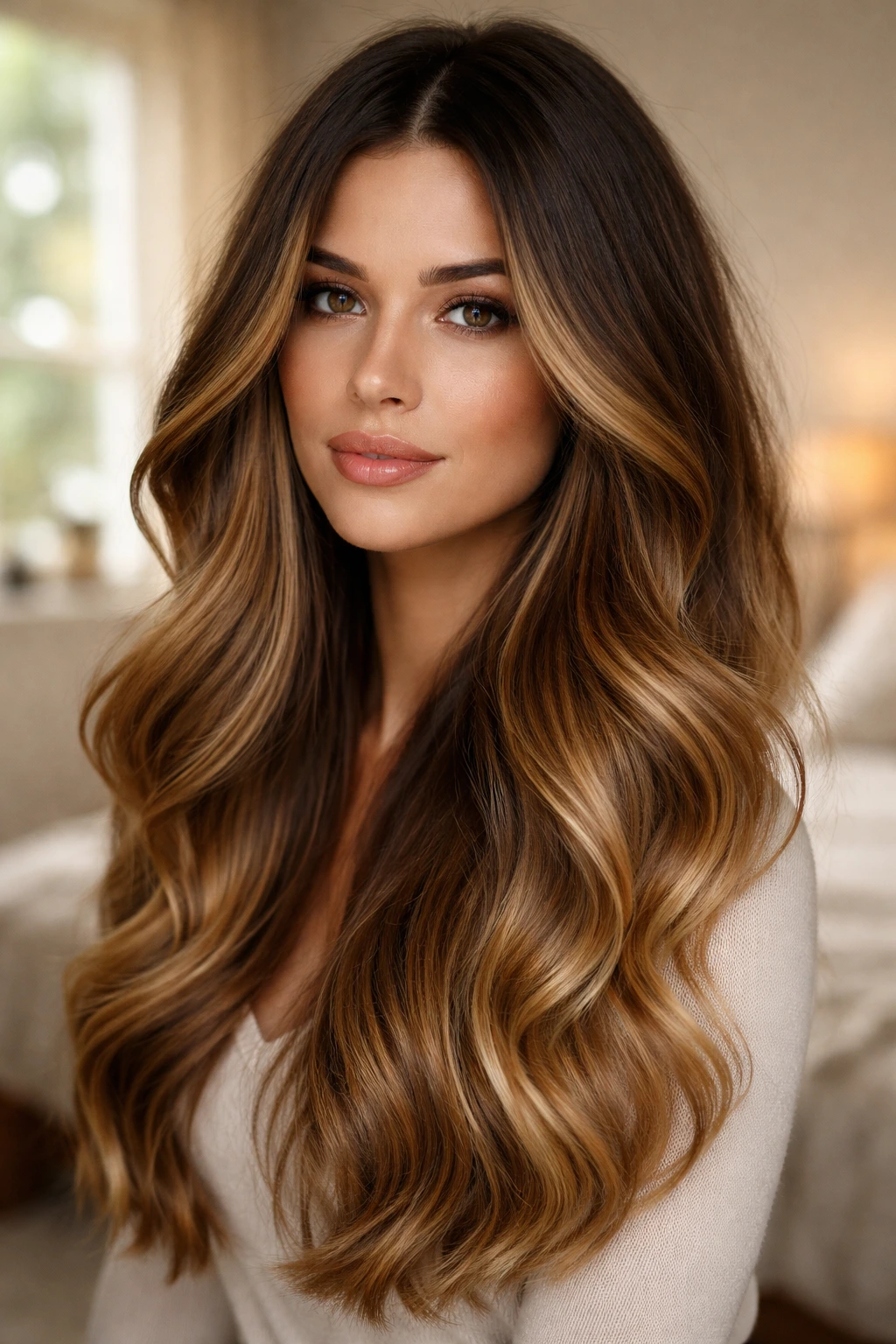
This is the baseline for a reason. It is the gold standard for brunettes who want to transition to blonde without a jarring change. By blending a warm, golden honey shade starting a few inches from the root and dragging it down to the ends, you get a seamless gradient that looks natural.
Why This Style Succeeds
The goal here is a melted effect where the dark root and the honey blonde ends meet in the middle. You avoid the “stripe” effect of traditional highlights. The transition is blurred, often using a root smudge or a shadow root technique, which makes your grow-out phase much easier.
Maintenance Considerations
Because the roots remain your natural color, you are not tethered to the salon every four weeks. You might only need to go in for a toner refresh every three months or so, depending on how quickly your specific hair color oxidizes and turns brassy.
Pro tip: Ask your stylist to use a warm-toned gloss between touch-ups to keep that honey richness from turning yellow or faded.
2. Face-Framing Honey Money Piece
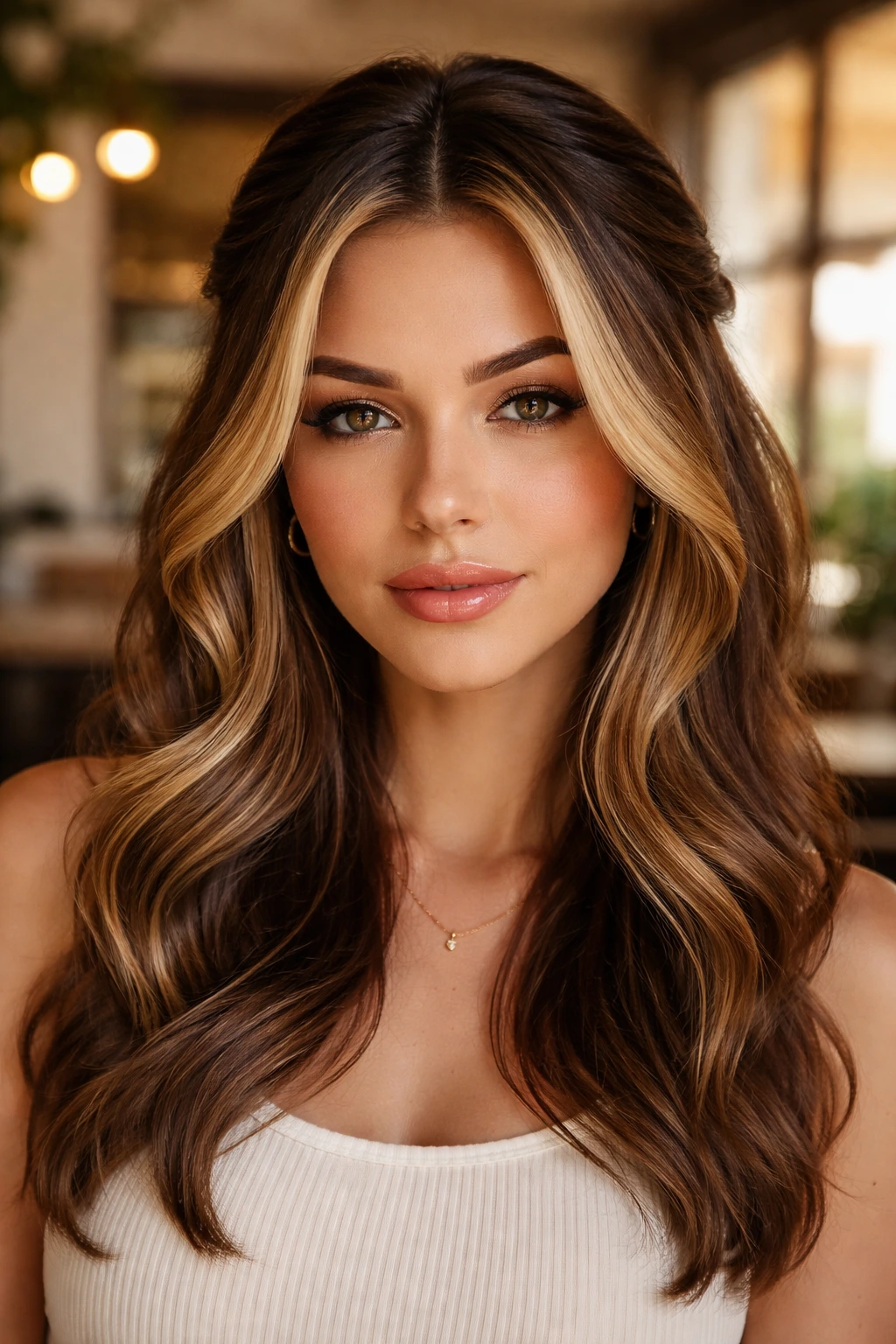
If you want a bold look without coloring your entire head, focus solely on the front sections. This trend involves lightening the two thick pieces of hair surrounding your face with a bright, warm honey tone.
The Visual Impact
It creates an immediate “halo” effect around your features. When the light hits your face, those honey-toned strands pick it up and reflect it, essentially acting like a built-in ring light for your complexion.
How to Style It
Because this look draws so much attention to the front of your face, it works exceptionally well with curtain bangs or long, layered cuts. You do not need to style it with tight curls; a simple blowout that turns the ends away from your face is enough to show off the contrast.
3. Subtle Honey Ribboning
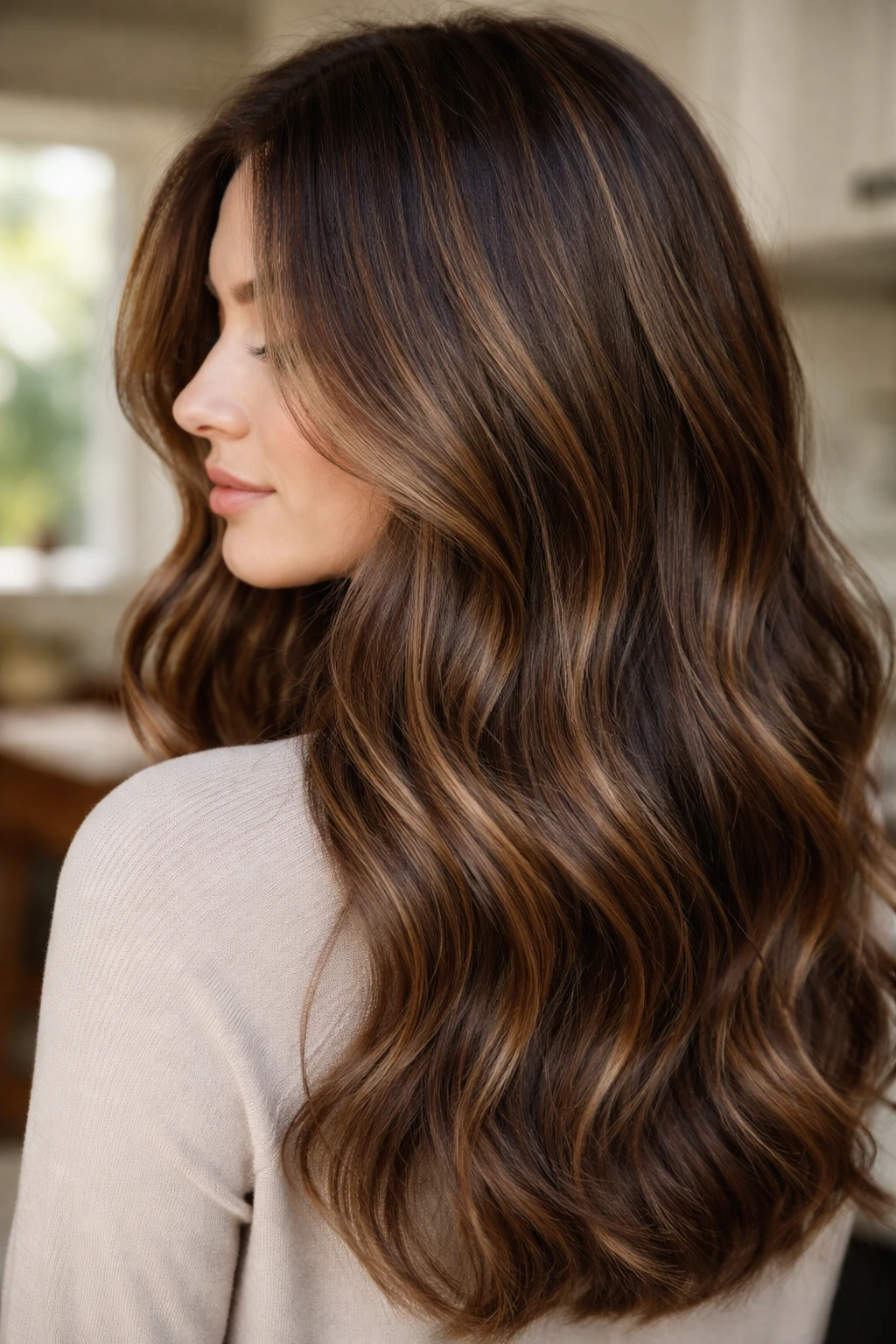
Sometimes, less is truly more. Instead of massive blocks of color, think of delicate, weaving ribbons of honey running throughout your hair. This technique is designed to add dimension rather than brightness.
The Technique
Your stylist will use a balayage board to hand-paint thin strips. By weaving these in, the honey color acts as an accent against your darker brown hair, creating a multi-tonal look that catches the light whenever you move. It is the perfect choice for someone with fine hair who wants the appearance of more volume without the commitment of a full lightening service.
4. Espresso Base with Honey Ends
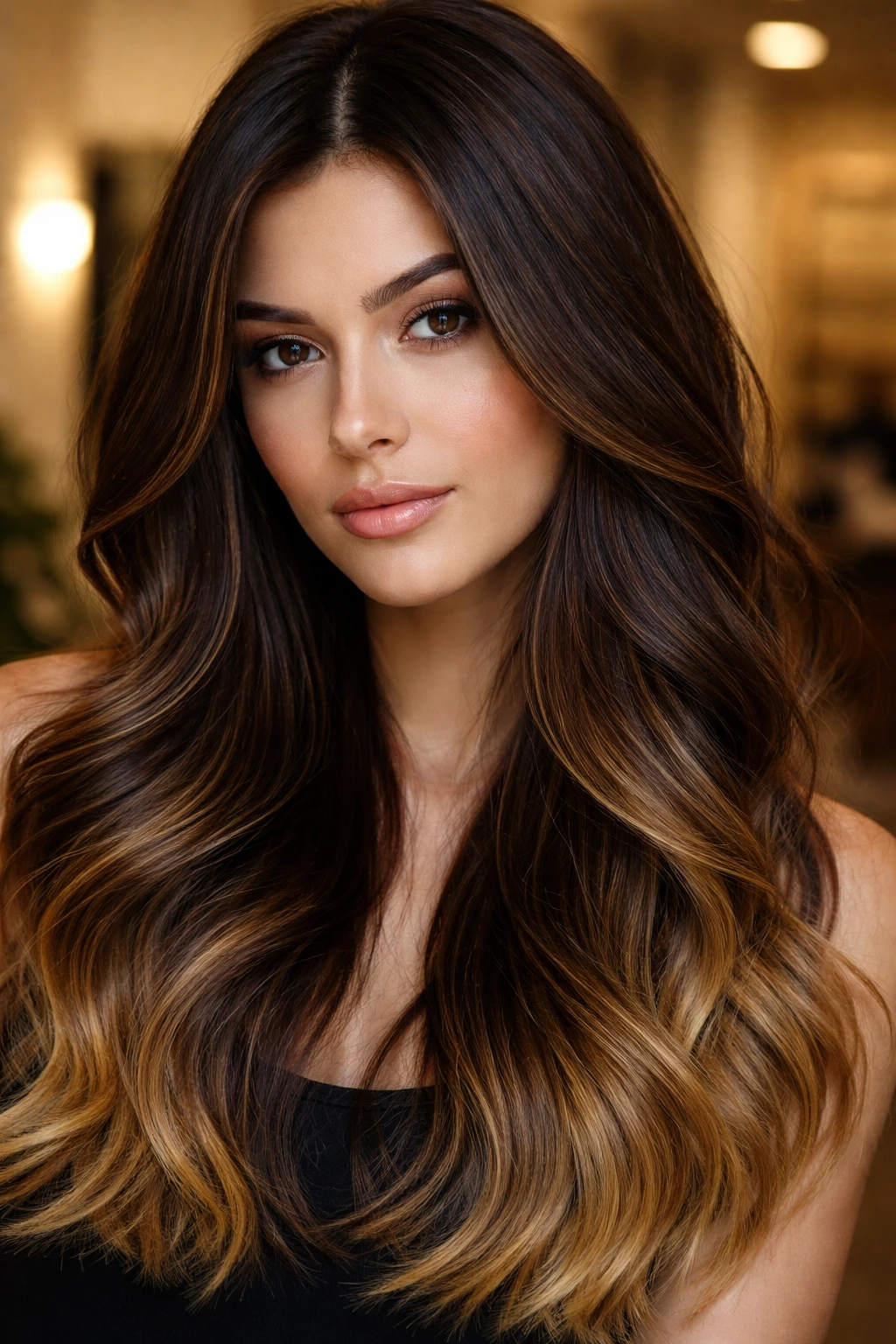
If you have a deep, almost black-brown base, this style provides the high-contrast drama you might be craving. You keep your natural color all the way through the mid-lengths, saving the honey intensity purely for the tips.
Why It Works
It is a modern take on the ombre trend but with a softer, more blended execution. By keeping the honey tone concentrated on the last three or four inches of your hair, you protect the health of your scalp and your roots. If you decide you are tired of the color, you simply cut the ends off, and you are back to your natural state.
5. Golden Honey Ombre
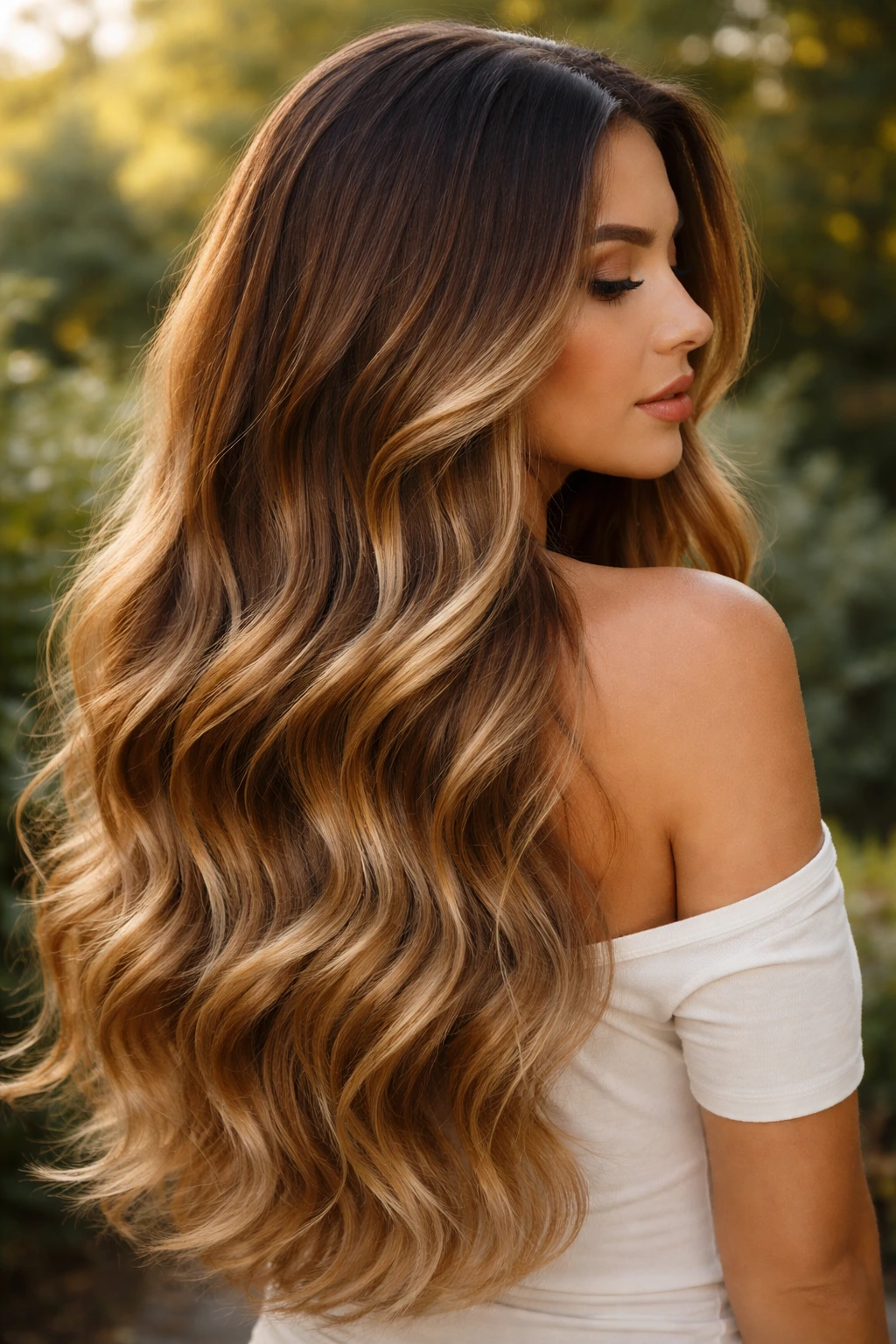
Think of this as the “summer-all-year-round” look. The transition here is more pronounced than a standard balayage. You start with a rich, deep brown at the roots and gradually fade into a lighter, golden honey blonde toward the bottom half of the head.
Achieving the Gradient
The key is to ensure the fade is not abrupt. If you see a hard line where the brown ends and the blonde begins, the technique has failed. You want a soft, misty transition. It is particularly striking on very long hair where there is enough length to allow the gradient to unfold slowly.
6. Ash-Brown and Honey Mix
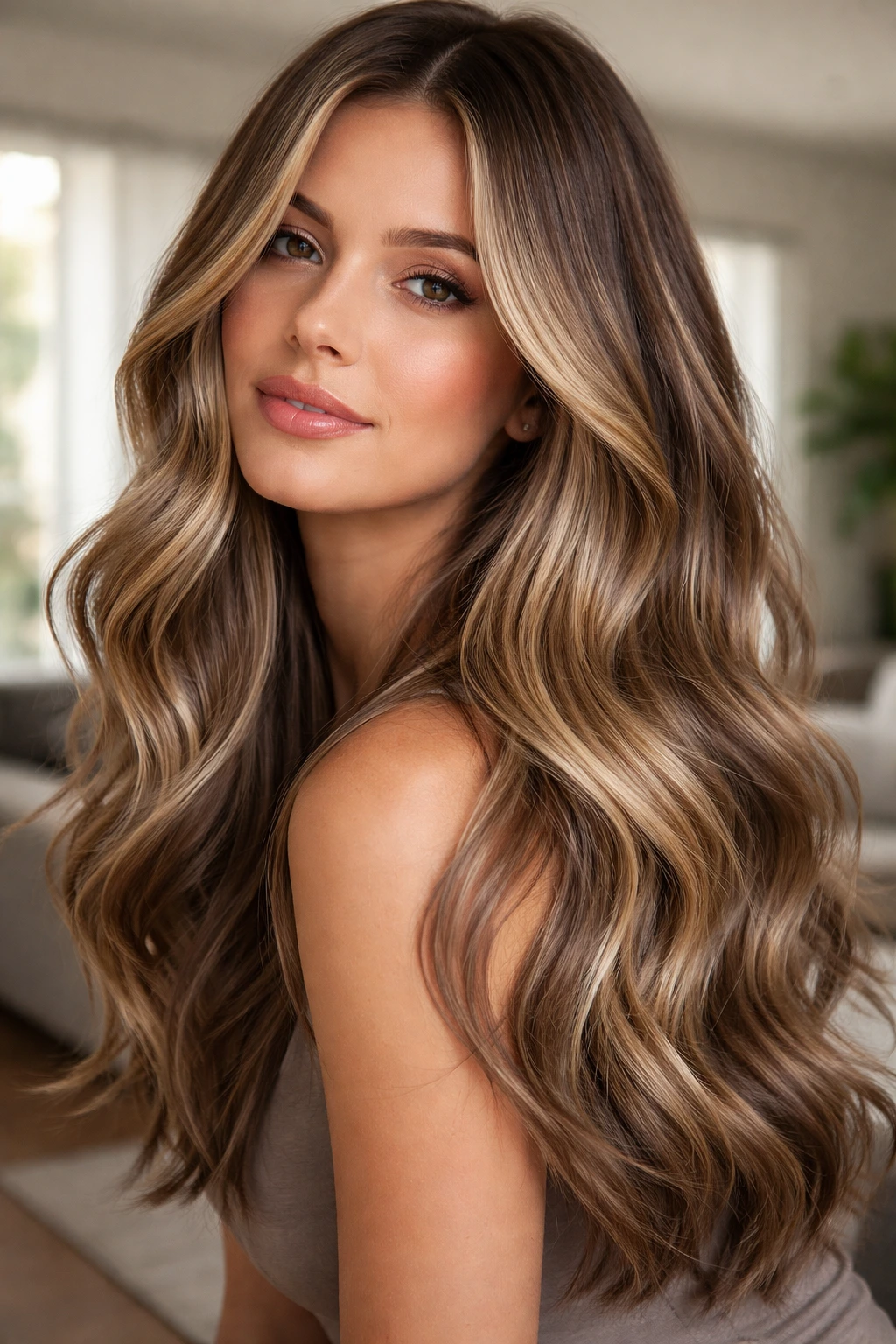
Not all honey needs to be warm, glowing gold. You can mix in cooler, ash-toned honey shades if you have a cool complexion. This creates a muted, sophisticated look that feels less “sunny” and more “polished.”
Balancing the Tones
Your stylist will likely use a neutral brown root and weave in both ash-blonde and honey-toned highlights. The result is a color that looks like expensive champagne. It is a fantastic option if you worry that traditional golden honey highlights will make your skin look too orange or red.
7. Sun-Kissed Honey Highlights
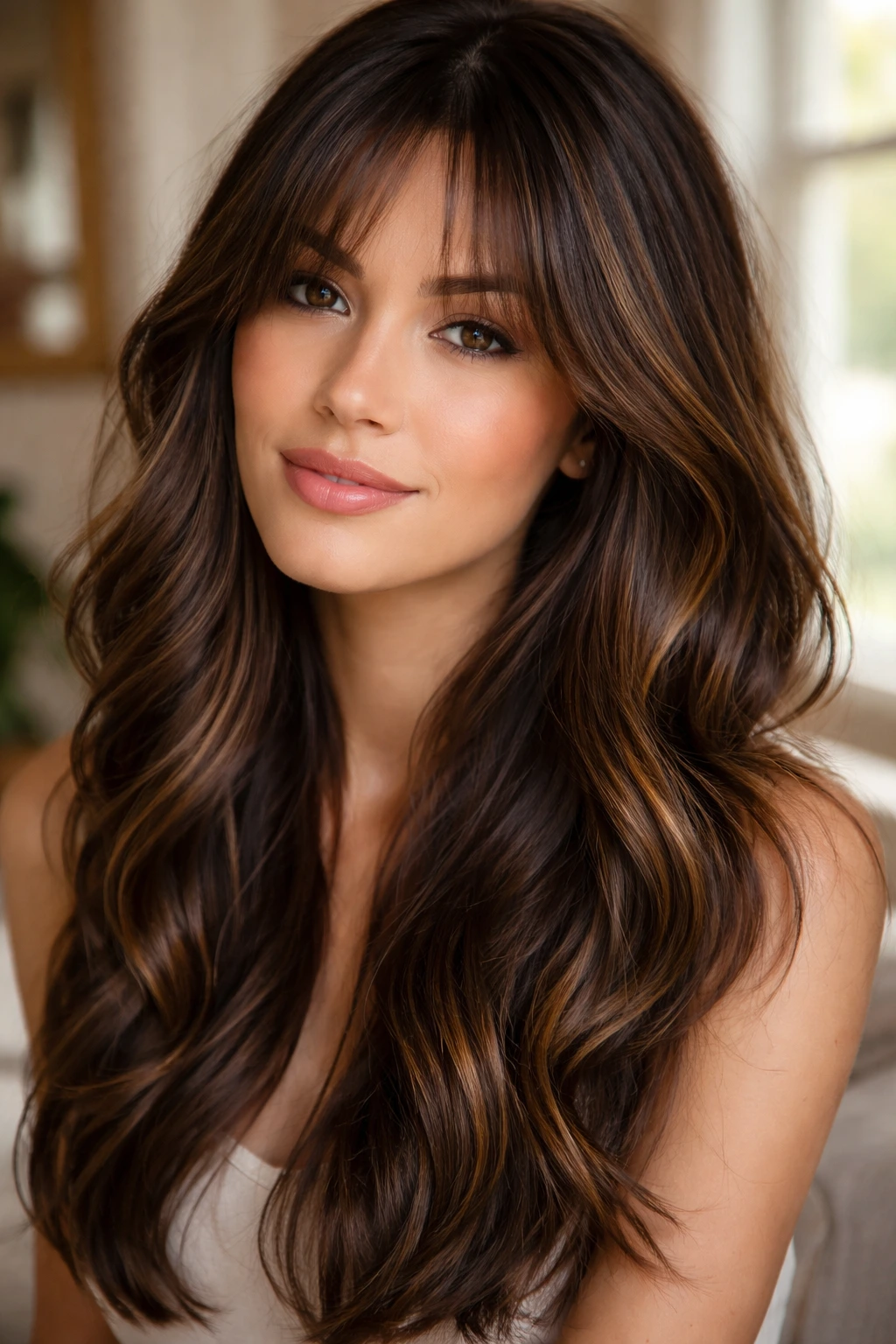
This is the most natural-looking variation on the list. It mimics the way hair lightens after a long period of outdoor exposure. You are looking for very fine, sparse highlights that are barely lighter than your base color.
Placement Strategy
The highlights should be concentrated where the sun would naturally hit: the crown, the top of the bangs, and the very ends. It is an understated, elegant way to add a bit of life to flat, dark brown hair. You should barely be able to tell you have had any work done at all.
8. Honey Balayage on Natural Curls
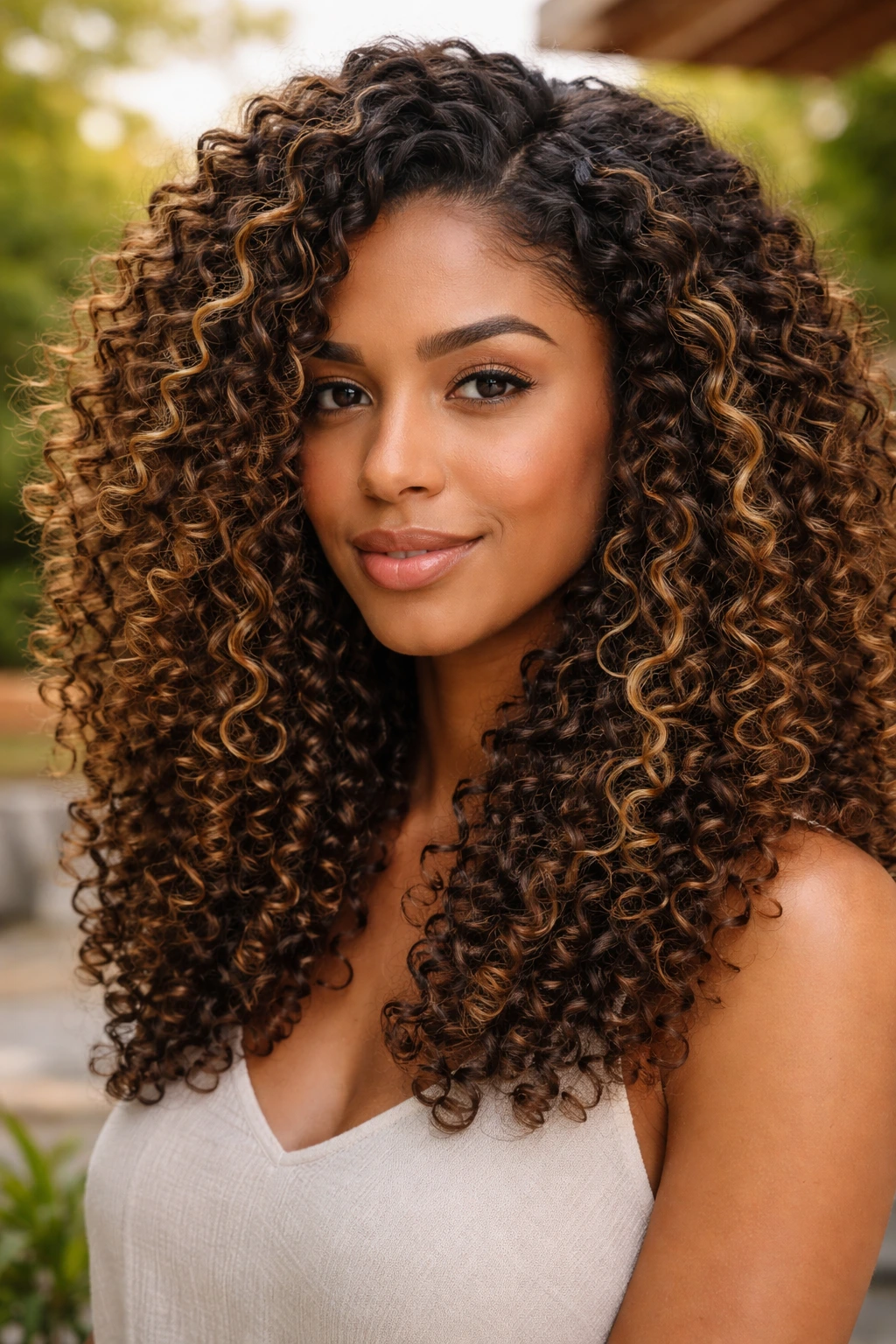
Curly hair absorbs light differently than straight hair. When you add honey balayage to a dark, curly mane, you are creating a map of your curl pattern. Every coil becomes a distinct, dimensional highlight.
The Curly Hair Challenge
You must find a stylist who understands how to paint curls. If they paint a straight line, it will look disjointed once your hair shrinks up. They need to paint onto the curl itself, usually working with your hair in its natural, dry, or damp state, to ensure the light catches the coils correctly.
9. Root Smudge Honey Transition
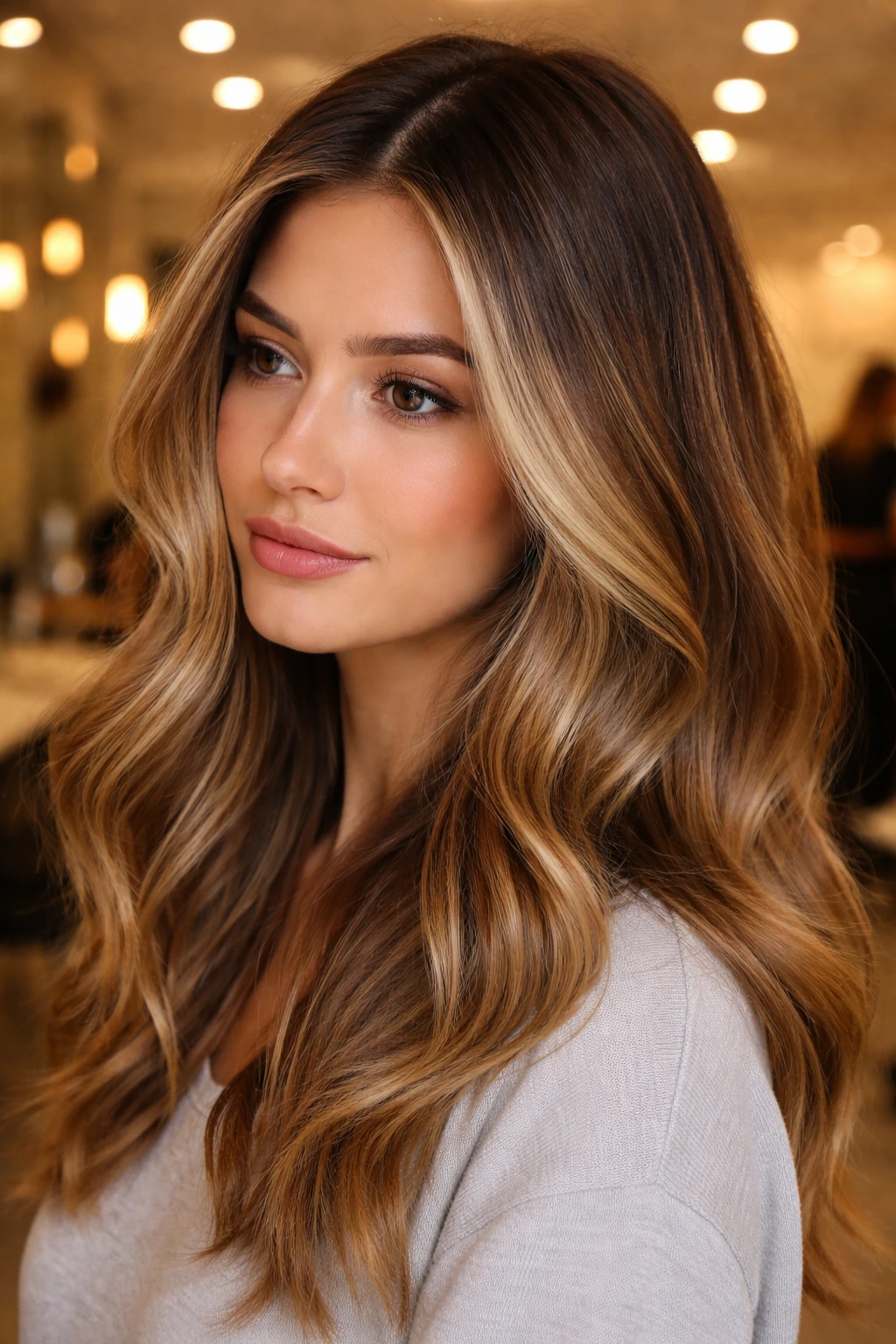
If you are worried about the line of demarcation (the dreaded “skunk stripe” look) when your hair grows out, the root smudge is your best friend. After applying the honey highlights, the stylist paints your natural root color back into the top few inches of the highlights.
The Benefit
This “smudge” blurs the line, allowing the honey pieces to seem like they are sprouting directly from your scalp. It is incredibly low maintenance. You can let your roots grow out for months, and it will still look like a purposeful design choice rather than an overdue salon appointment.
10. Honey-Toffee Swirl
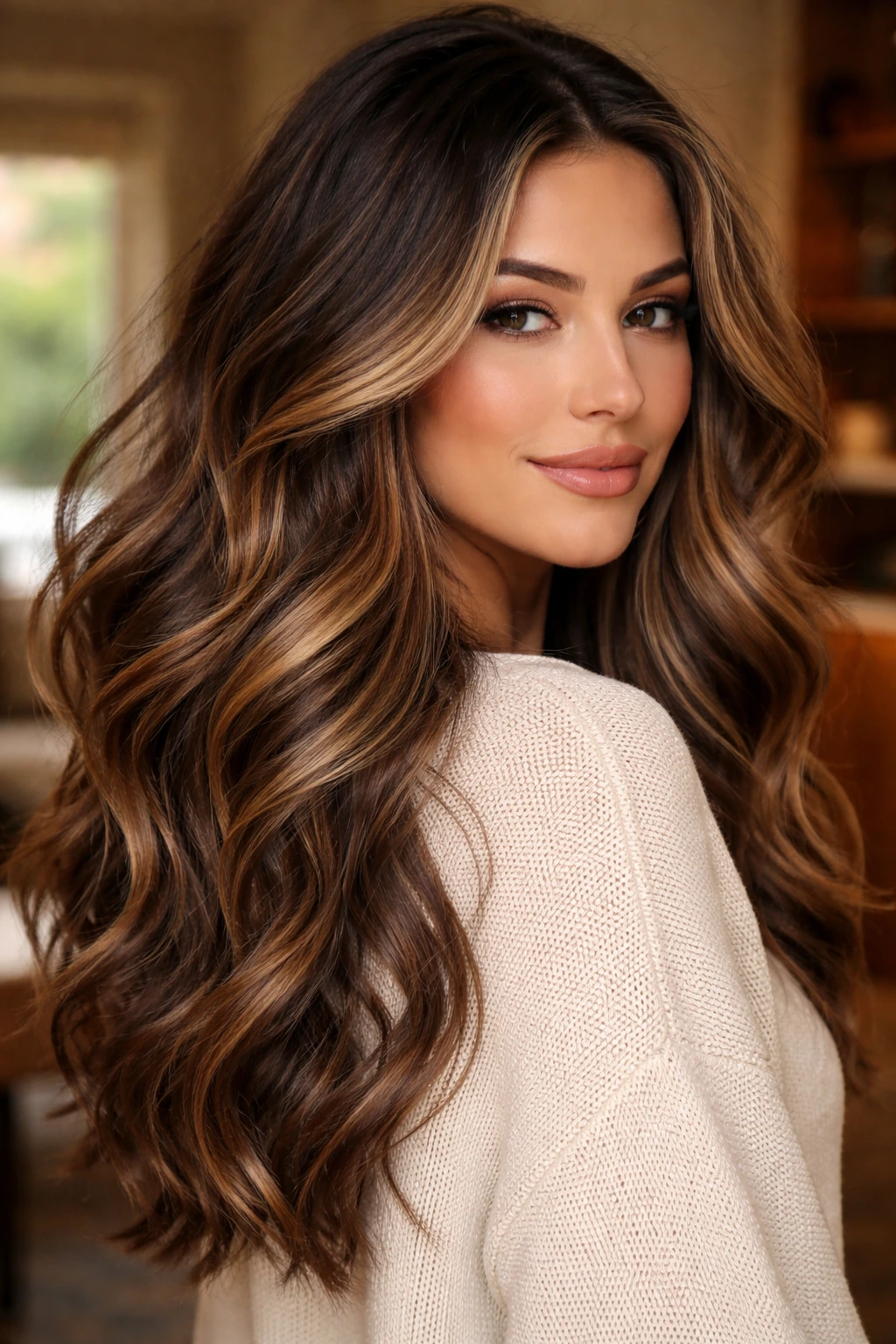
This look is all about richness. Toffee is a deeper, browner version of honey. By mixing true honey tones with these slightly darker toffee shades, you get a warm, caramelized effect that looks delicious.
Styling for Dimension
Because there are at least three colors involved—your dark base, the toffee, and the honey—this style begs for texture. Waves, braids, or messy updos are the best ways to showcase the swirl of colors. If you wear it pin-straight, you might lose some of that intricate depth.
11. Deep Chocolate and Honey Ribbons
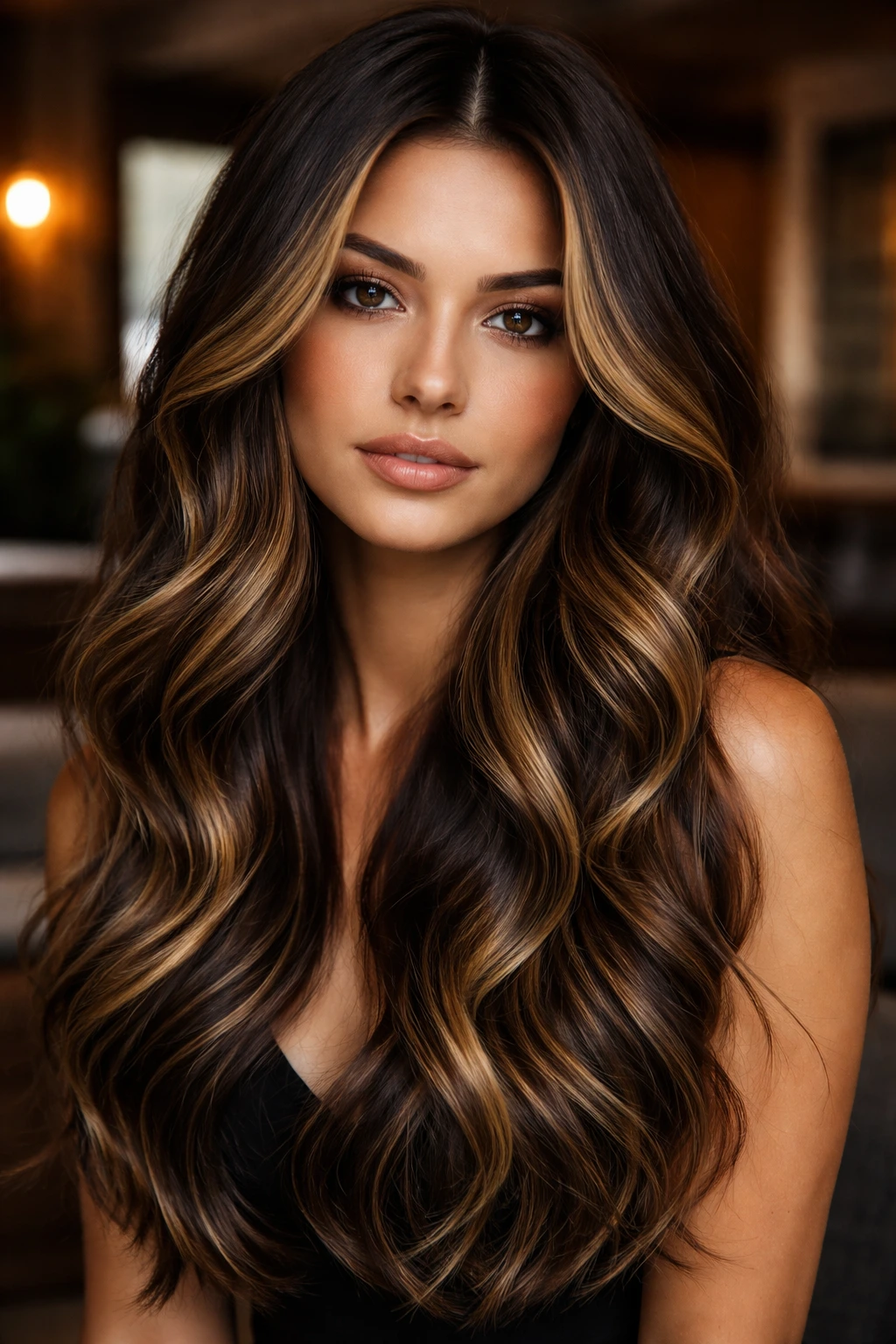
There is something undeniably striking about a very dark, cool-toned chocolate brown base paired with bright, warm honey ribbons. It is a high-contrast look that feels modern and edgy.
Who Should Try This?
If your natural hair is dark, do not feel like you need to bleach your entire head to a lighter brown first. This look thrives on the contrast. Just ensure the honey ribbons are spaced out enough so they don’t overpower the chocolate base. The goal is “accents,” not “overtaking.”
12. Honey Balayage with Curtain Bangs
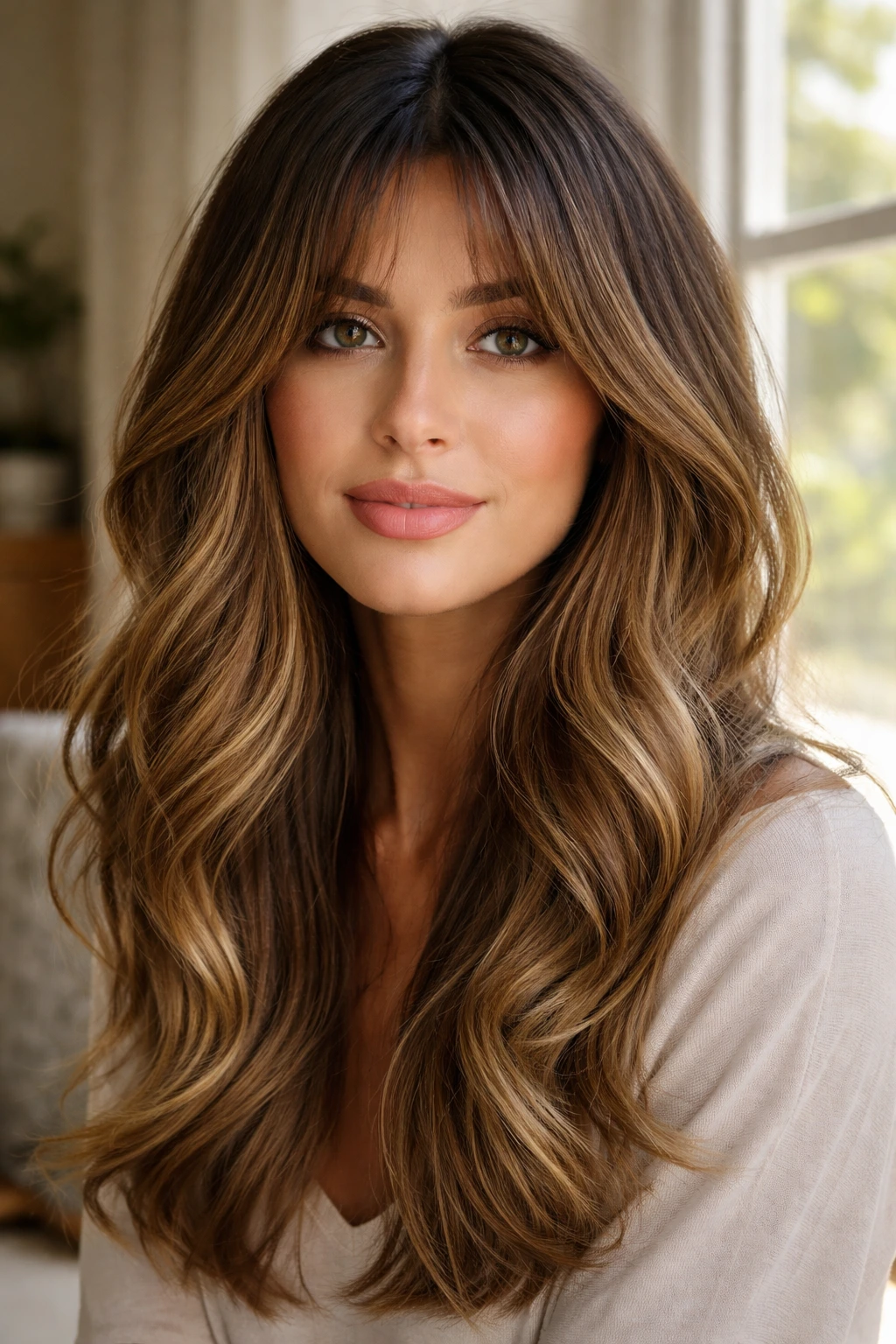
Curtain bangs are arguably one of the best cuts for showing off balayage. Because they are styled to sweep away from the face, they provide the perfect canvas for your colorist to add lighter honey pieces right near the eyes.
Framing the Face
The color should start subtly at the root of the bang and get progressively brighter toward the ends. It creates a framing effect that draws attention to the eyes and cheekbones. Keep the rest of your hair a bit more subtle to ensure the focus remains on the face-framing sections.
13. Bright Honey Balayage for Beach Waves
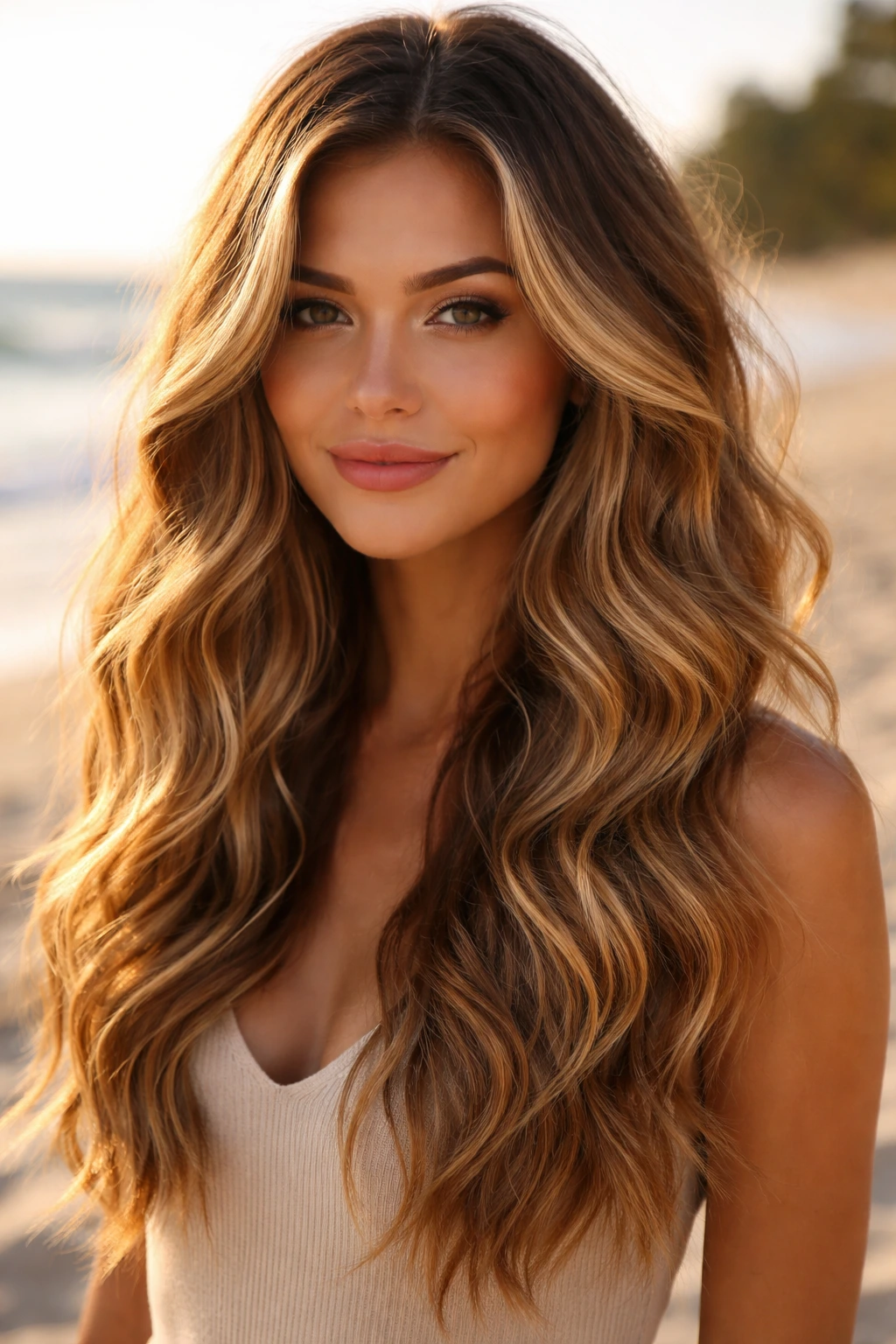
Beach waves and honey balayage are a match made in heaven. The texture of a beach wave—loose, tousled, and messy—is perfect for showing off color transitions.
Why It Works
If your hair is sleek and straight, balayage can sometimes look a bit distinct. But when you add a bend or a wave, the different tones of honey and brown blend together instantly. If you have naturally straight hair, do not fear; a light spritz of sea salt spray and a quick pass with a curling wand will give you the exact look you need to make the color pop.
14. Copper-Infused Honey Melt
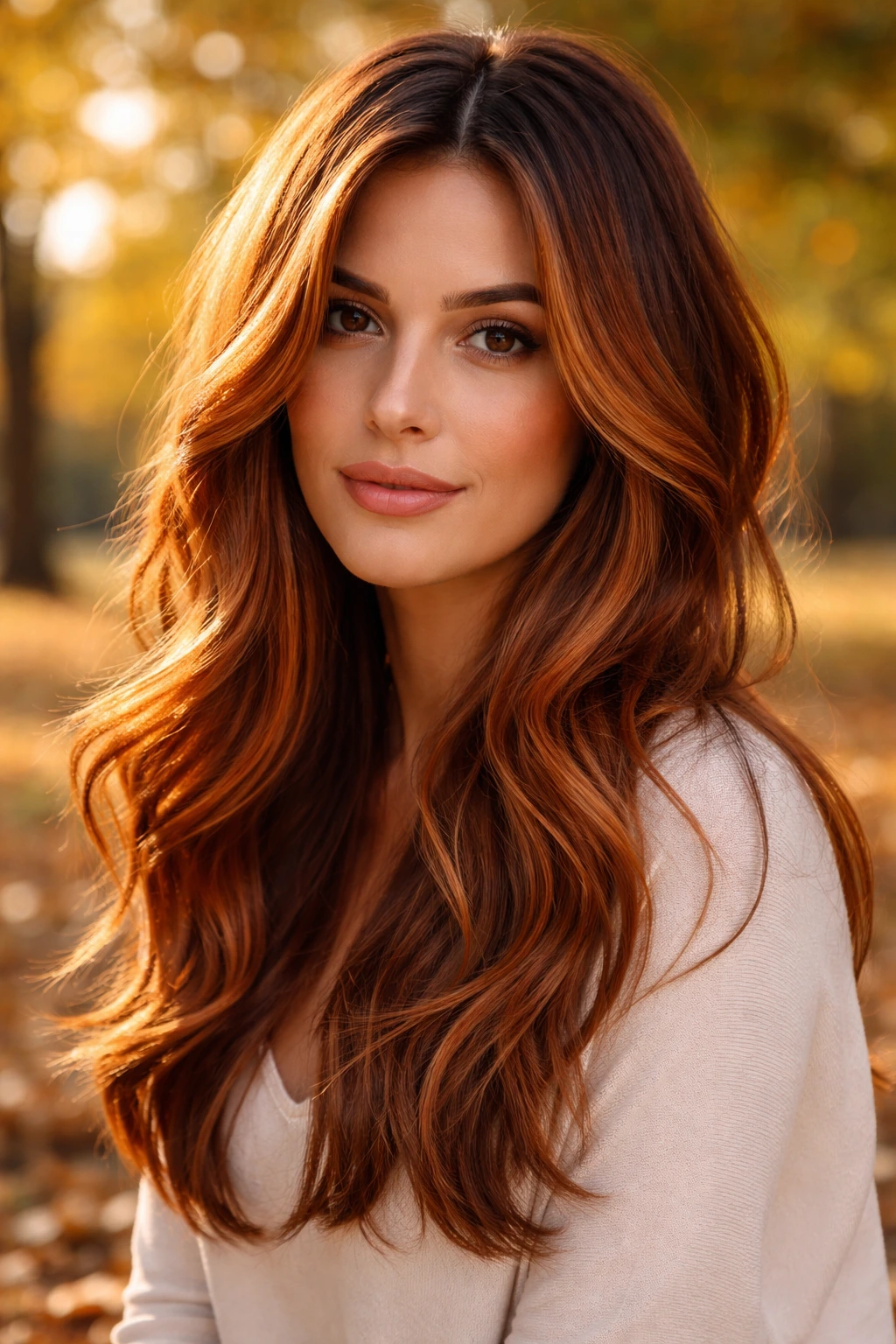
If you want to move slightly away from blonde and into the territory of red, ask for a copper-infused honey melt. This keeps the warmth but adds a distinct, spicy orange-red undertone to the honey.
The Aesthetic
This is incredibly flattering for people with hazel or green eyes. It adds a “glowing” effect that feels very autumnal and rich. It requires a bit more care, as red-toned colors tend to fade faster than pure blondes, but the richness is worth the extra attention with a color-depositing conditioner.
15. Honey and Caramel Blend
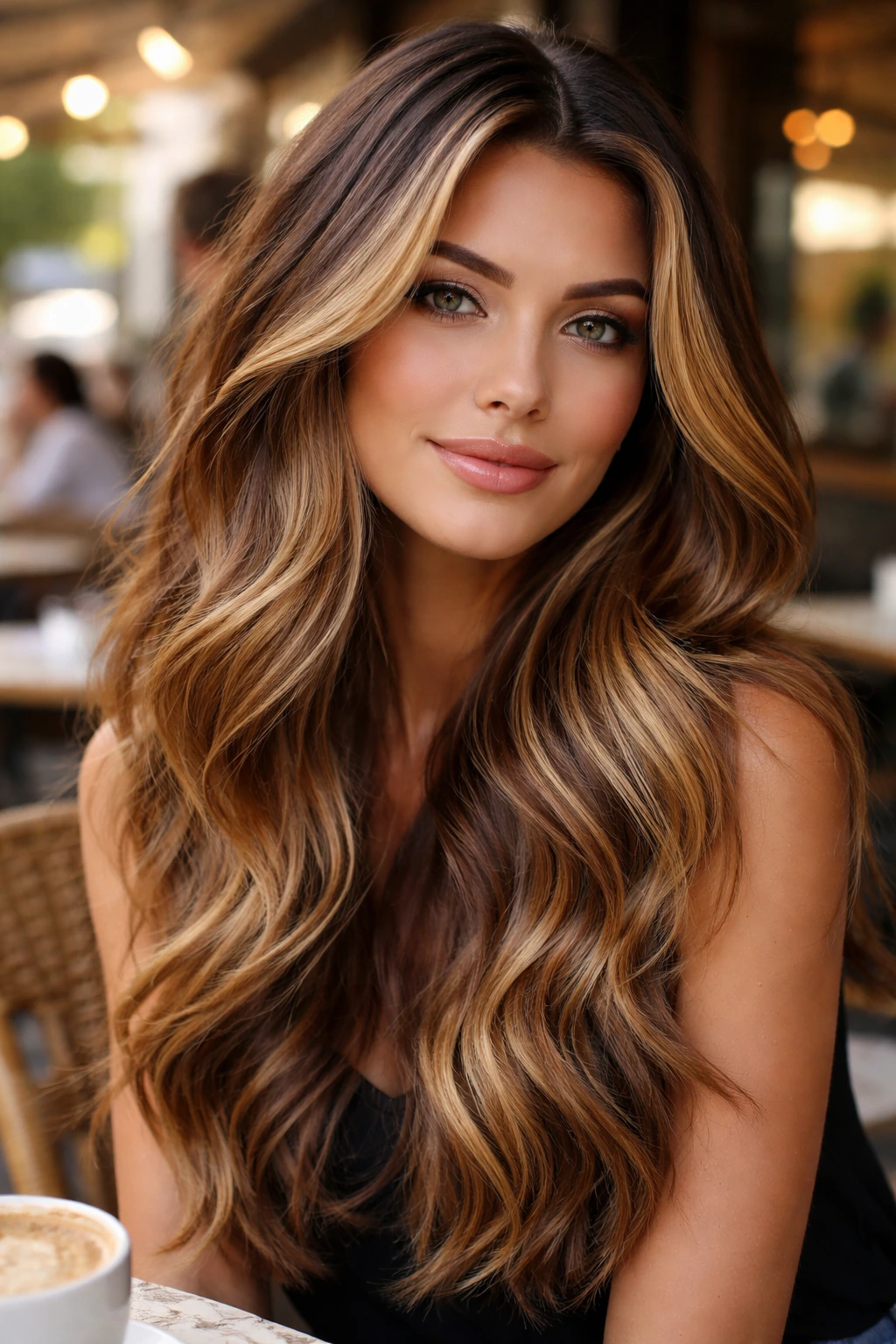
This is the ultimate “brunette-to-blonde” bridge. Caramel is a warm, medium-brown shade. By alternating between honey (the light piece) and caramel (the bridge piece), you create a soft, blurred effect.
Visual Depth
The caramel acts as a buffer between your dark brown base and the bright honey highlights. It softens the entire look, making it feel less about “highlighting” and more about “toning.” It is a sophisticated, mature way to lighten your hair.
16. Low-Maintenance Honey Babylights
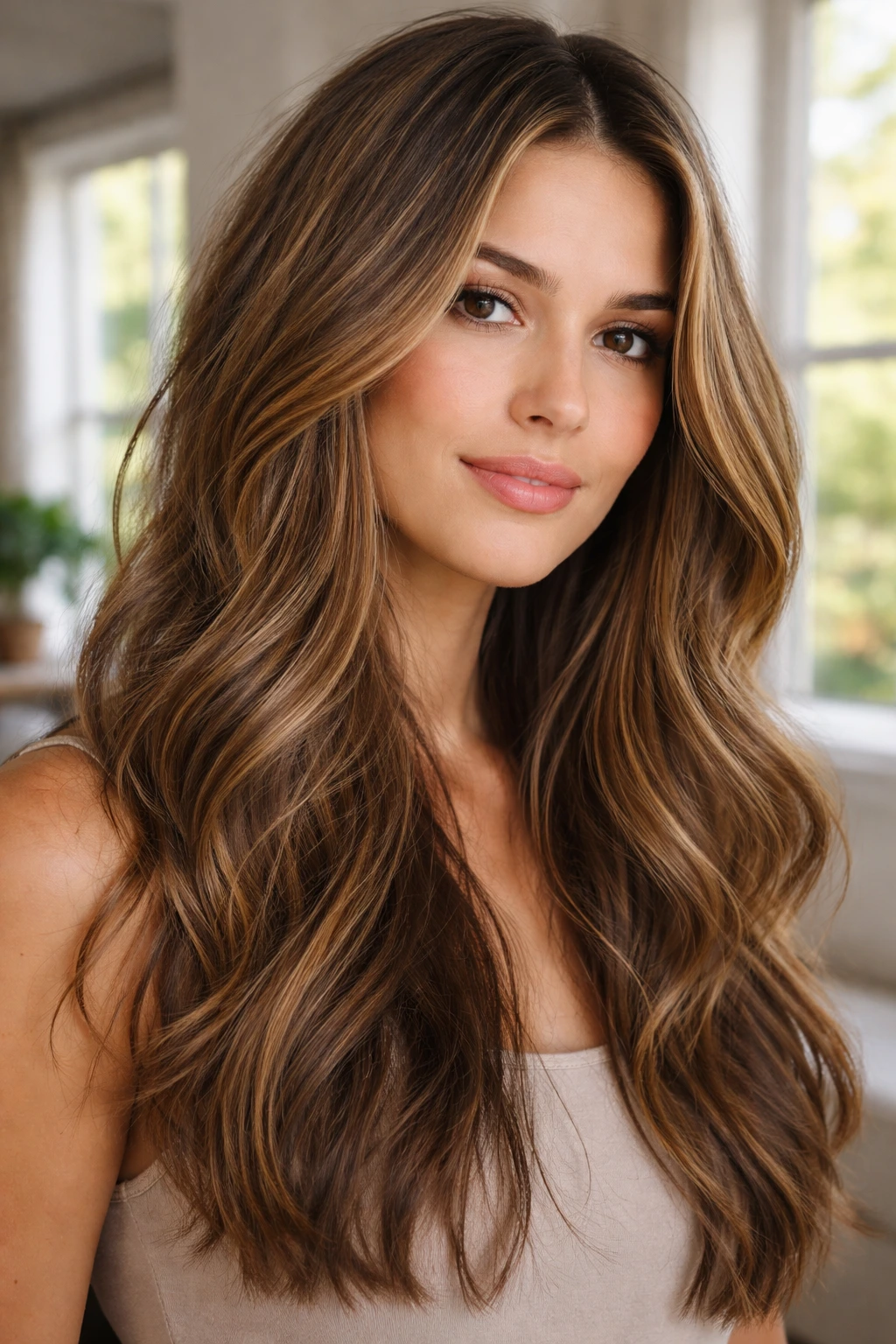
Babylights are ultra-fine highlights that are so closely woven they look like your natural hair color when you were a child. When you use honey tones for these babylights, you get a subtle, gleaming effect.
The Appeal
These are perfect if you work in a professional environment where bright, chunky highlights might feel too distracting. They are discrete and quiet, yet when you step into the sunlight, your hair will have a glossy, multidimensional quality that looks like high-end luxury.
17. Textured Lob with Honey Pieces
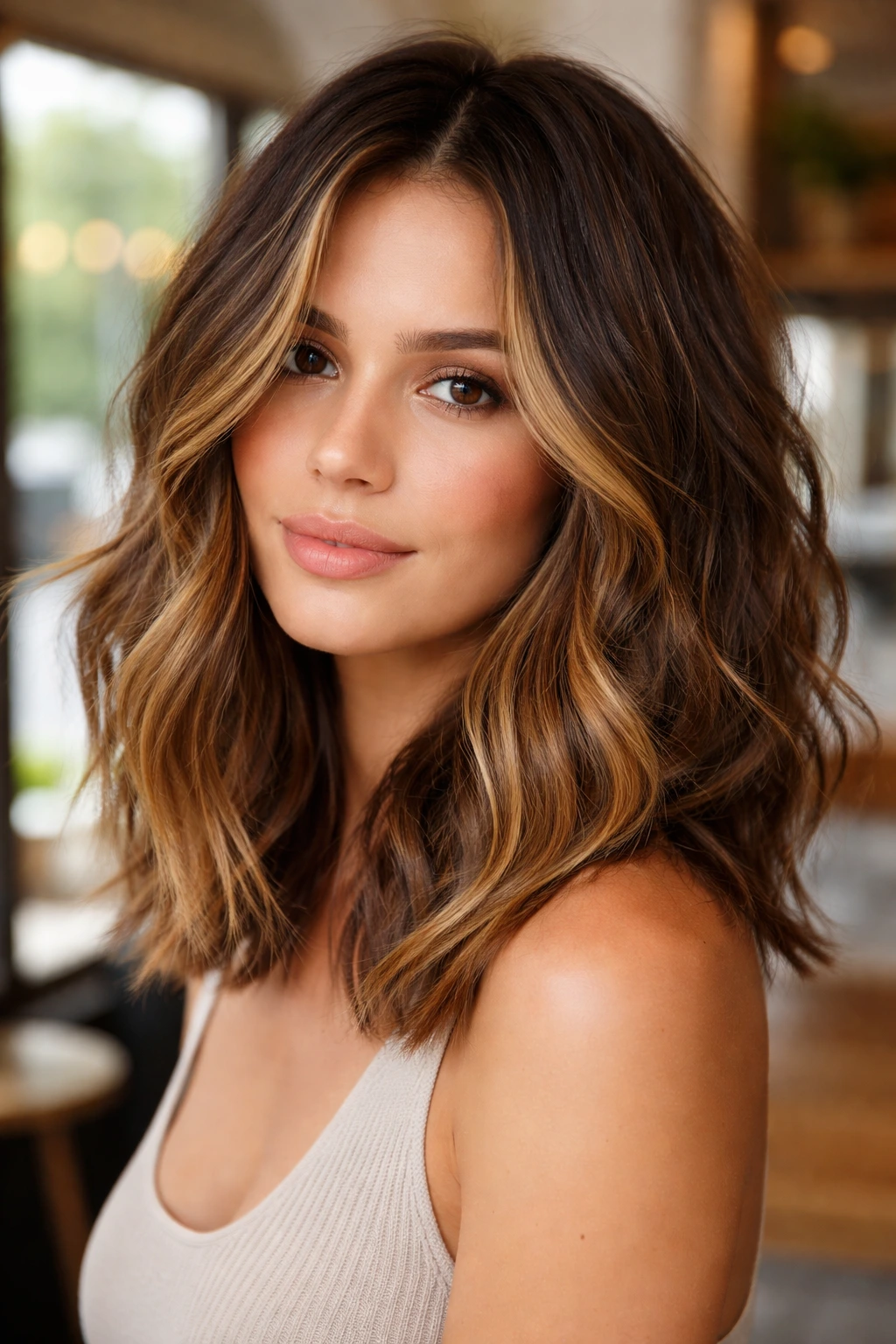
A long bob (lob) is a great cut, but it can sometimes feel a bit blocky. Adding honey pieces into the texturized ends of a lob can break up the heaviness of the cut.
The Technique
Focus the color on the bottom third of the hair. If the lob is heavily layered, paint the highlights on the ends of those layers. As the hair moves, the honey pieces will dance through the brown, adding a sense of lightness to the cut.
18. Honey-Glazed Bronde
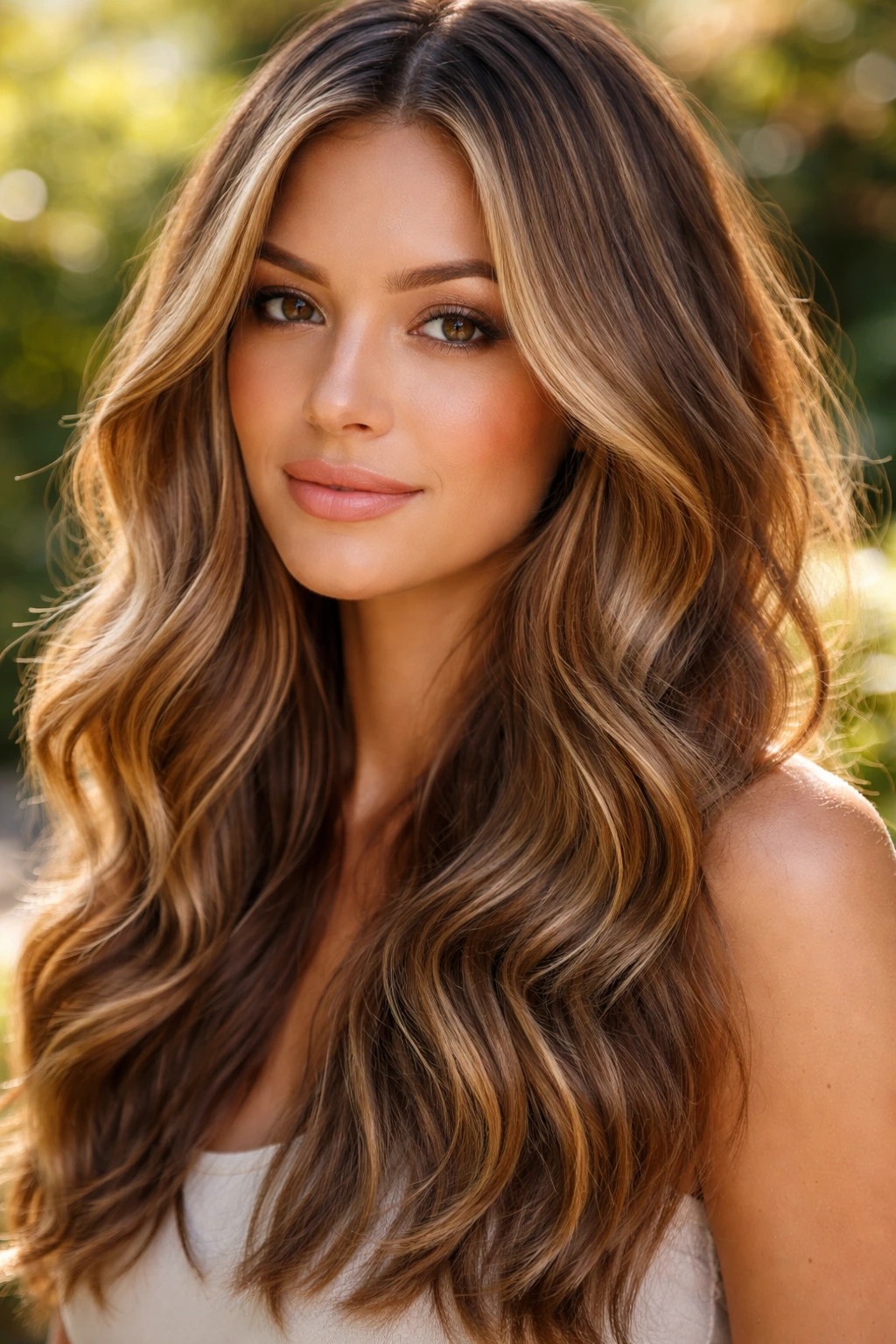
“Bronde” is the hybrid of brown and blonde. If you want a look that is definitively not blonde but definitely not just brown, this is your answer. It is a honey-based glaze over a light-brown balayage.
Glossing for Success
The “glaze” is the secret weapon here. Ask your colorist for a clear or slightly honey-tinted gloss service after the balayage is done. It seals the hair cuticle, adds immense shine, and blends all the painted pieces into one cohesive, shimmering color.
19. Honey Balayage on Tight Coils
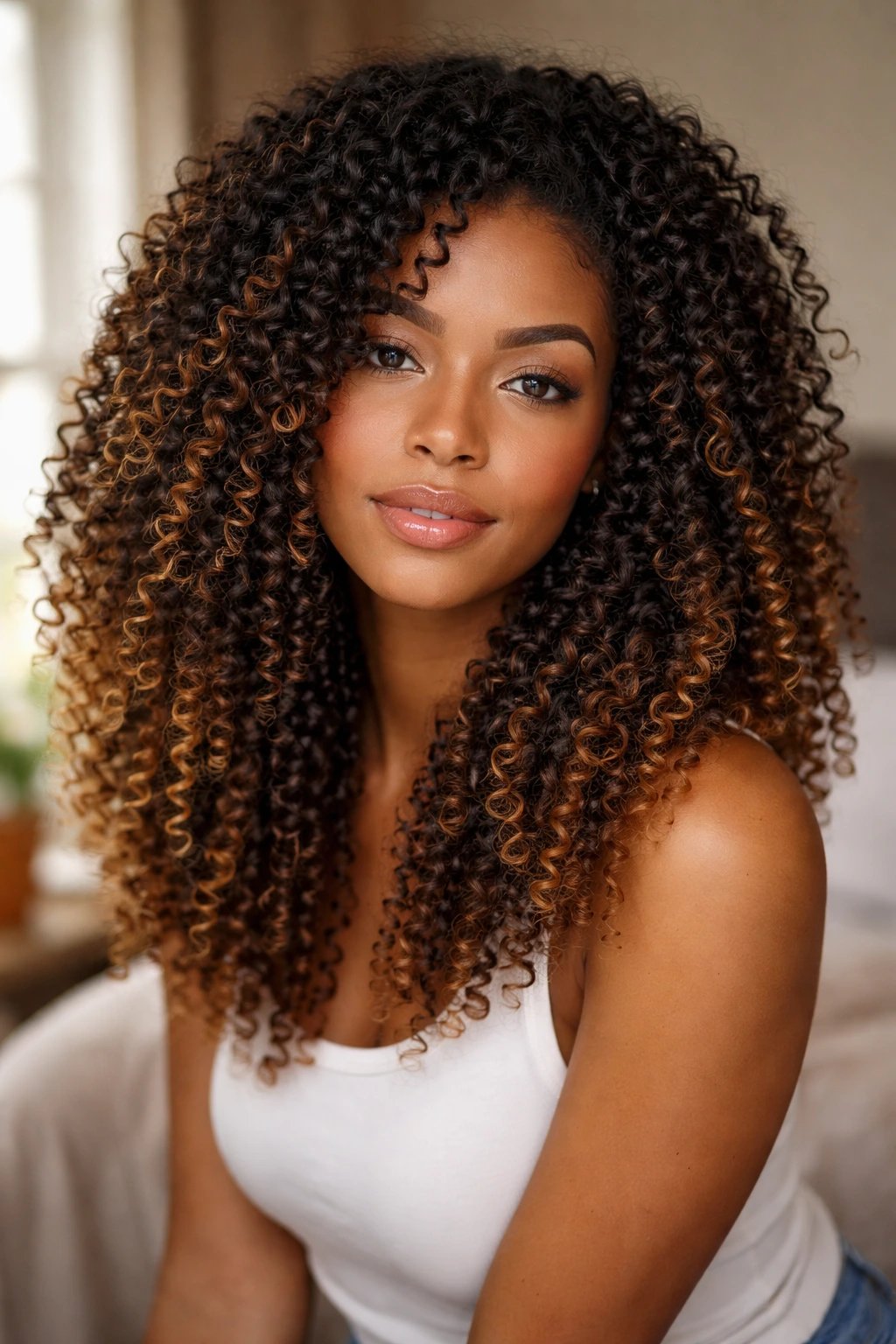
For those with tight coils, the strategy changes again. You do not want heavy saturation, which can damage the curl integrity. You want sparse, intentional placement of honey tones.
Protecting Your Pattern
The focus should be on the mid-lengths and ends. By avoiding the roots, you maintain the strength and health of your hair, which is crucial for coils. The honey color adds definition to the twists and braids, making the style look more intricate and detailed than a single-color style would.
20. Iced Honey Balayage
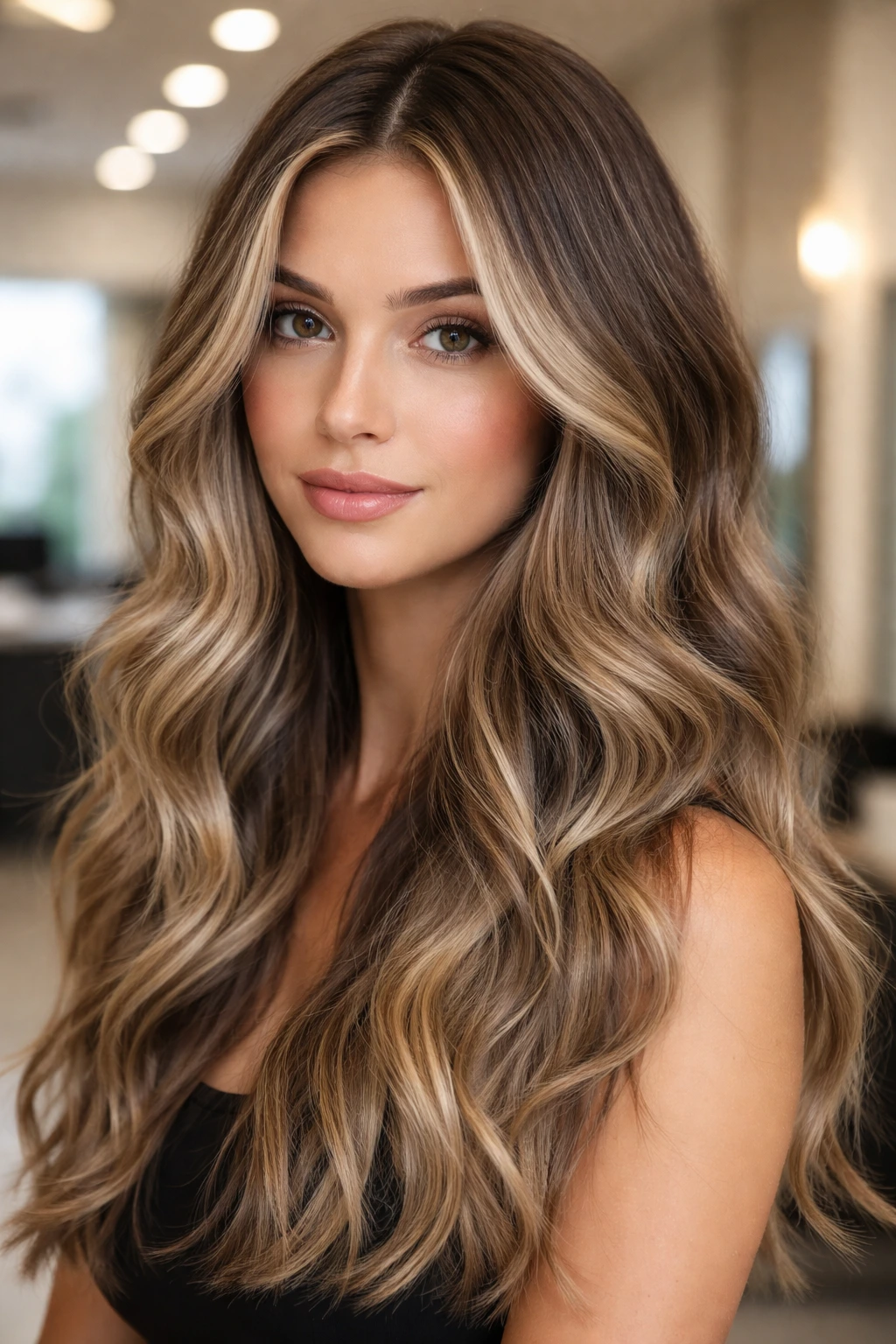
Think of this as the “cool” version of honey. It’s not quite platinum, and it’s not quite golden. It has a slightly beige, metallic quality to it.
Matching Skin Tones
This is excellent for people who generally find that warm gold colors clash with their skin tone. It keeps the brightness of a honey highlight but swaps out the yellow for a more neutral, slightly silver-toned base. It feels very contemporary and clean.
21. Soft Honey Tips
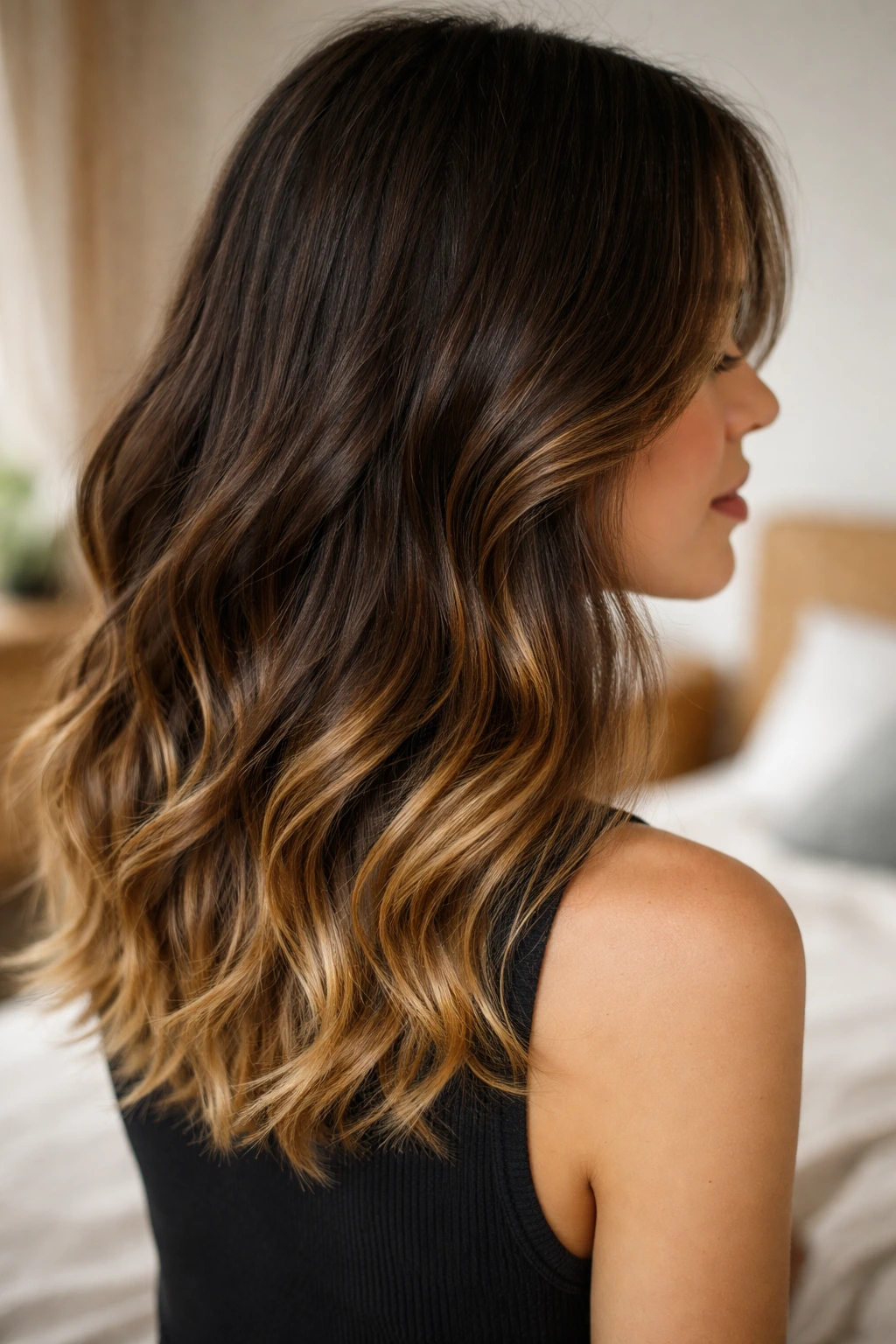
This is the most minimalist approach on the list. If you are hesitant about hair color, start here. You are only coloring the very ends of your hair, perhaps an inch or two deep.
Low Commitment
This is fantastic if you want to experiment with honey tones without touching your roots. You can see how you like the maintenance, the tone, and the way it affects your face shape. If you hate it, you can trim an inch off, and you are back to your natural hair.
22. Dimensional Honey Balayage
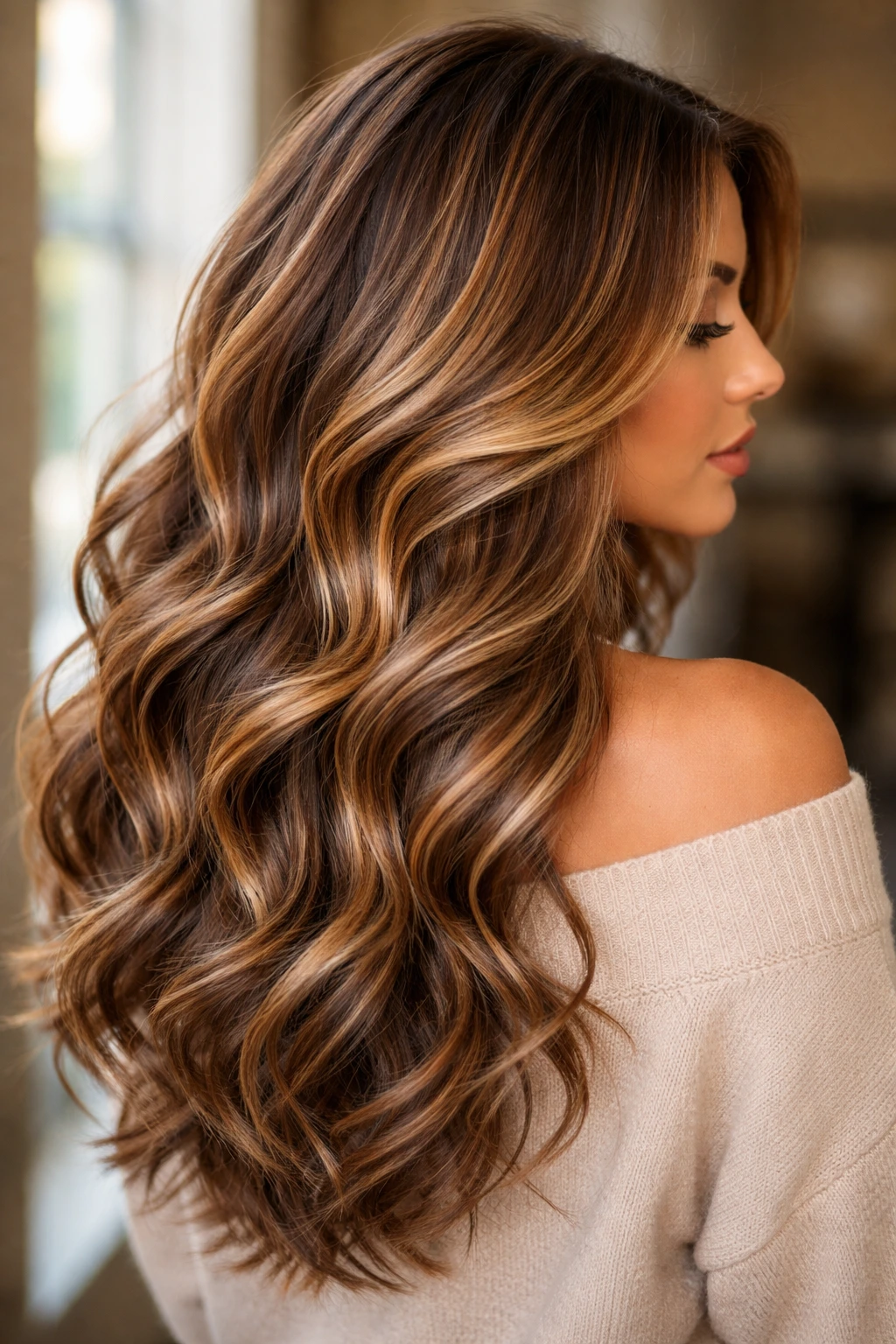
This is for the person who wants it all. It is not just one shade of honey; it is three or four. You have light honey, dark honey, and maybe even a touch of sandy blonde woven in.
Creating the Effect
Your hair should look like a mosaic. Because there is so much variance in tone, it is very forgiving. If one shade starts to fade, the other colors will still be there to hold the look together. This is a high-impact style that requires a very skilled hand with the paint brush.
23. Honey Balayage on Fine Hair
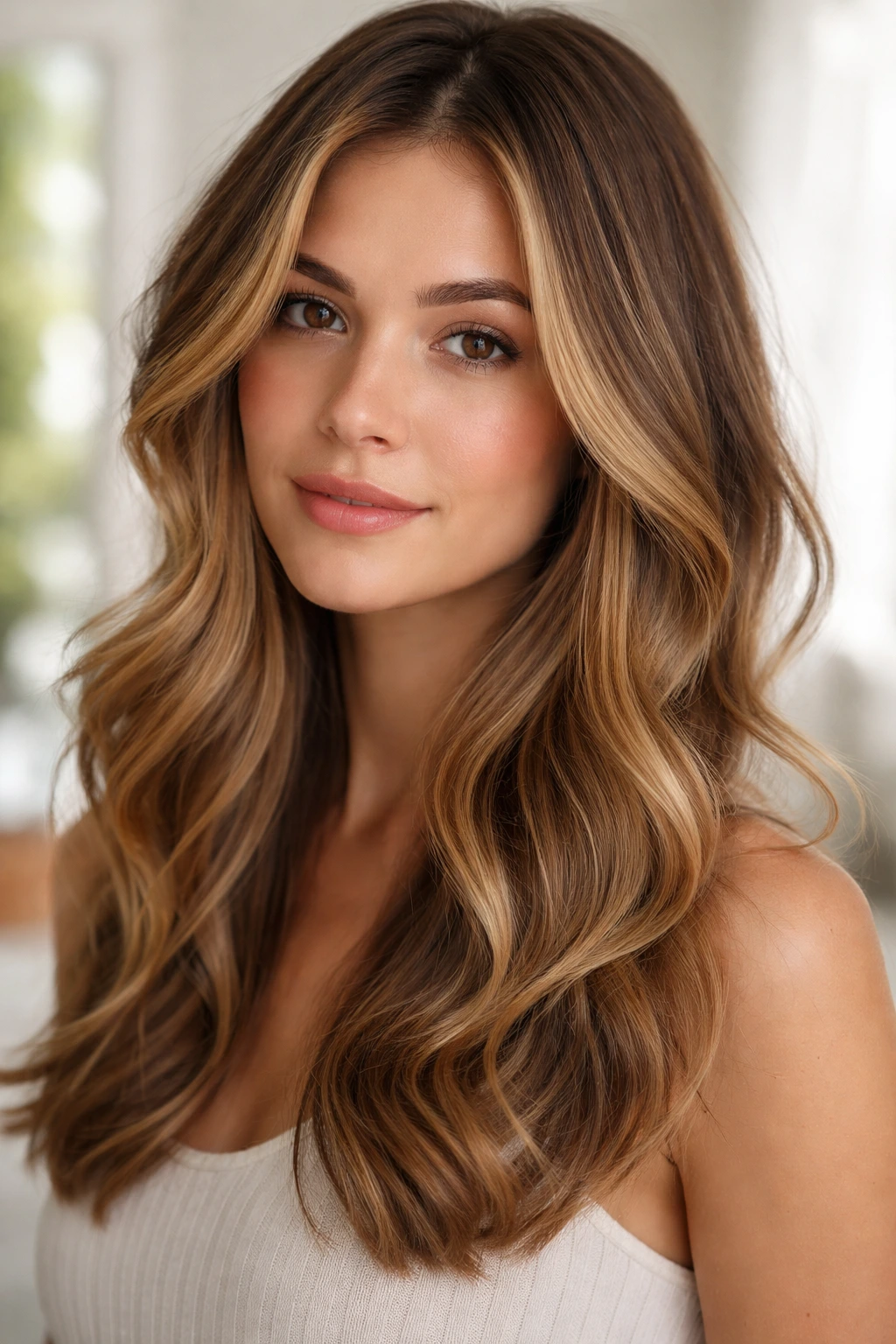
Fine hair needs help. If you paint it too aggressively, you risk damage. If you do not paint it at all, it can look limp. The solution is careful, strategic honey balayage.
Creating Volume
By adding lighter honey pieces, you create the illusion of depth. When you have multiple shades in your hair, the human eye perceives more texture and thickness than it does with a solid color. It is a classic stylist’s trick to make fine hair look significantly denser.
24. Honey Balayage on Long Layers
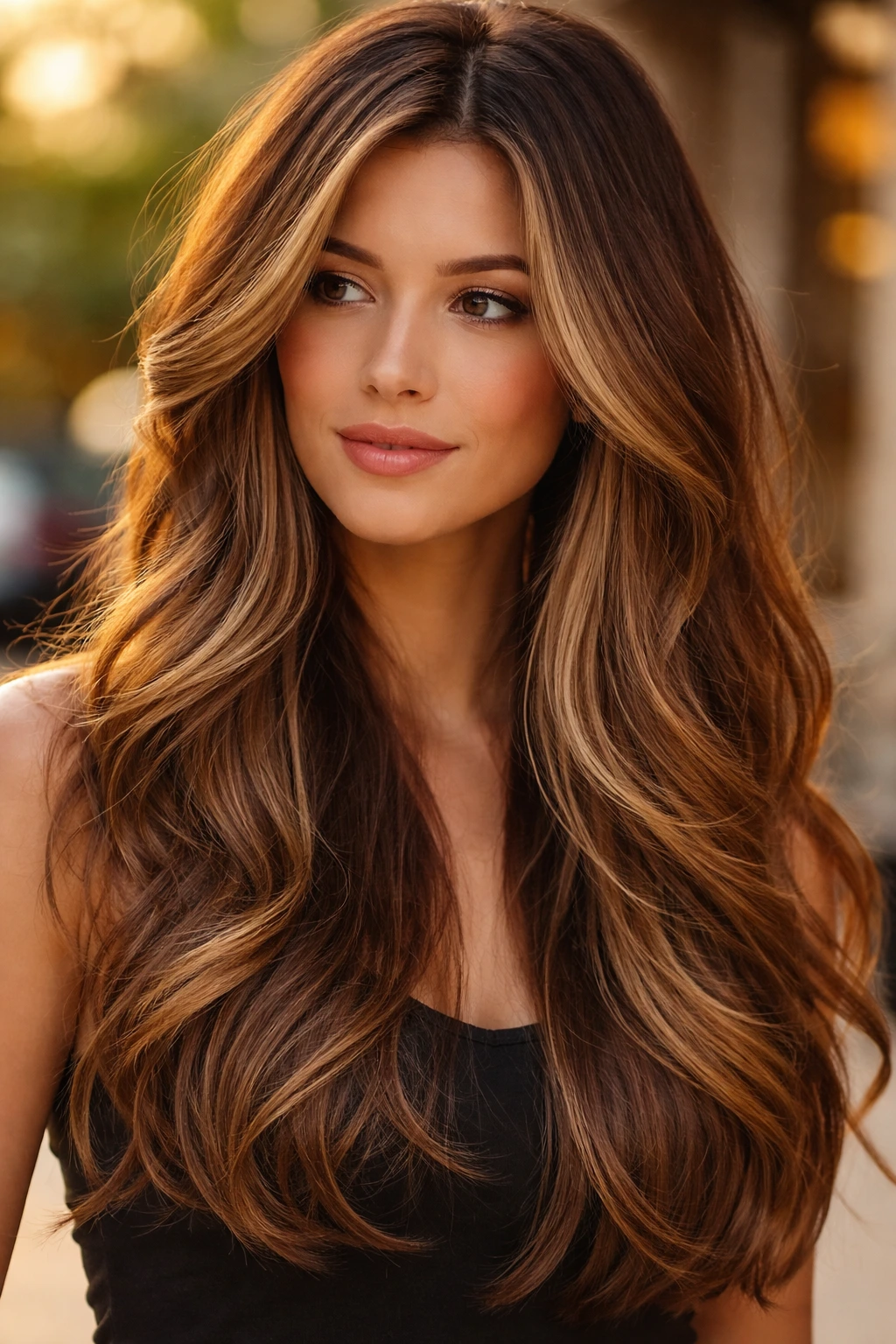
If you have long, layered hair, you have a lot of canvas to work with. Long layers are designed to create movement, and honey balayage is designed to accentuate that movement.
The Flow
Place the highlights specifically on the inner layers and the very ends of the longer layers. As you walk, those honey pieces will peek out from behind the darker top layers, creating a sophisticated, shimmering effect that looks intentional and expensive.
25. Sun-Drenched Honey Balayage
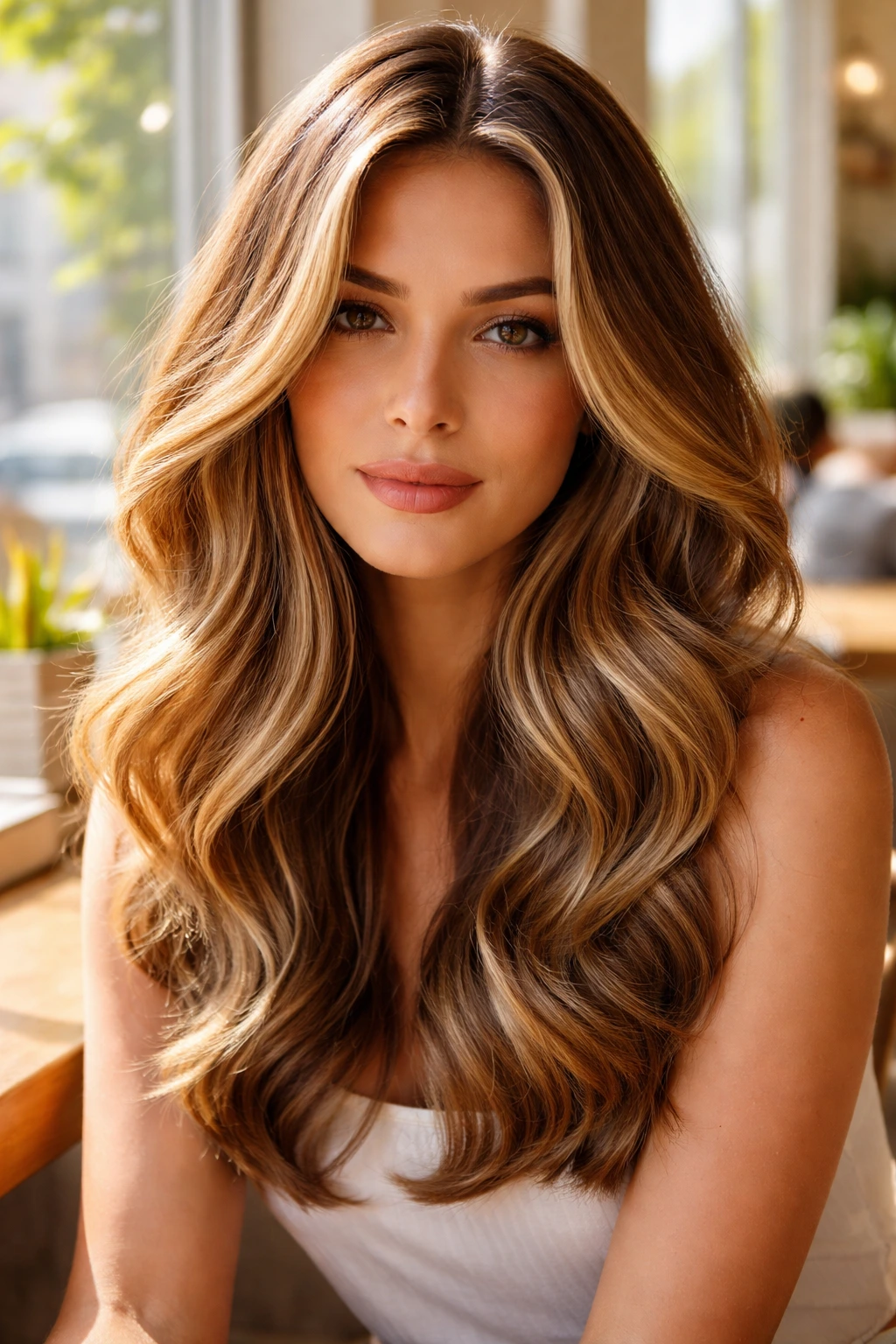
This look is characterized by higher placement. Instead of staying low, the honey pieces come up higher toward the roots, almost mimicking a full head of highlights, but blended in a balayage style.
The Vibe
It feels vibrant and energetic. This is the look for when you want your hair to be the main event. It is bright, it is bold, and it really lightens up the entire aesthetic. You will need to be diligent with purple or honey-toning shampoos to keep the color fresh.
26. Honey-Ginger Balayage
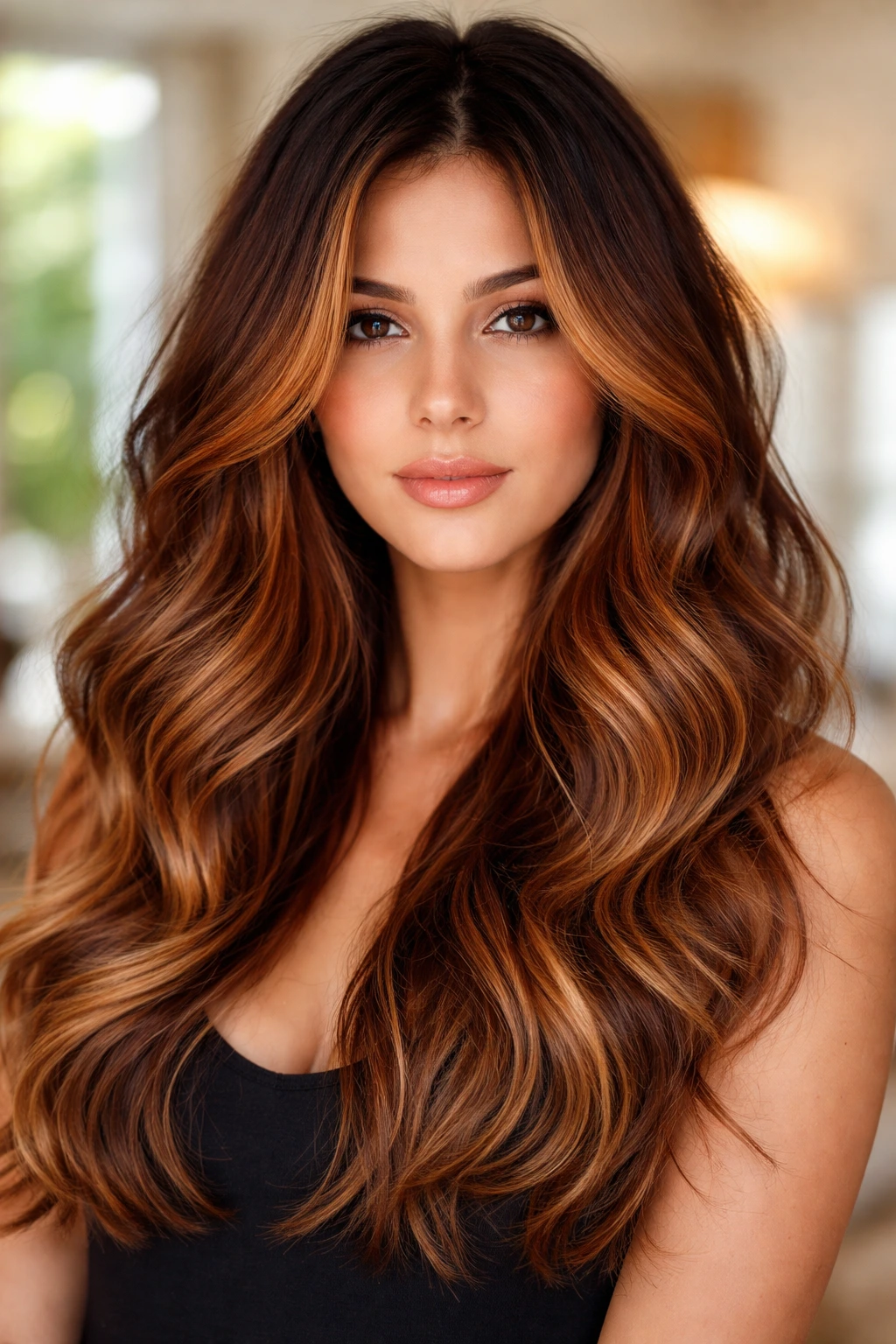
This is a fun, playful variation. By leaning into the warmer, redder side of the honey spectrum, you get a “ginger” effect. It is a stunning look for people with fair, cool-toned skin who want to add some warmth.
The Contrast
Pairing a copper-ginger tone with a dark chocolate brown base creates a look that is fiery and unique. It is not as common as standard honey balayage, so it stands out in a crowd without looking unnatural.
27. Honey Balayage with Dark Roots
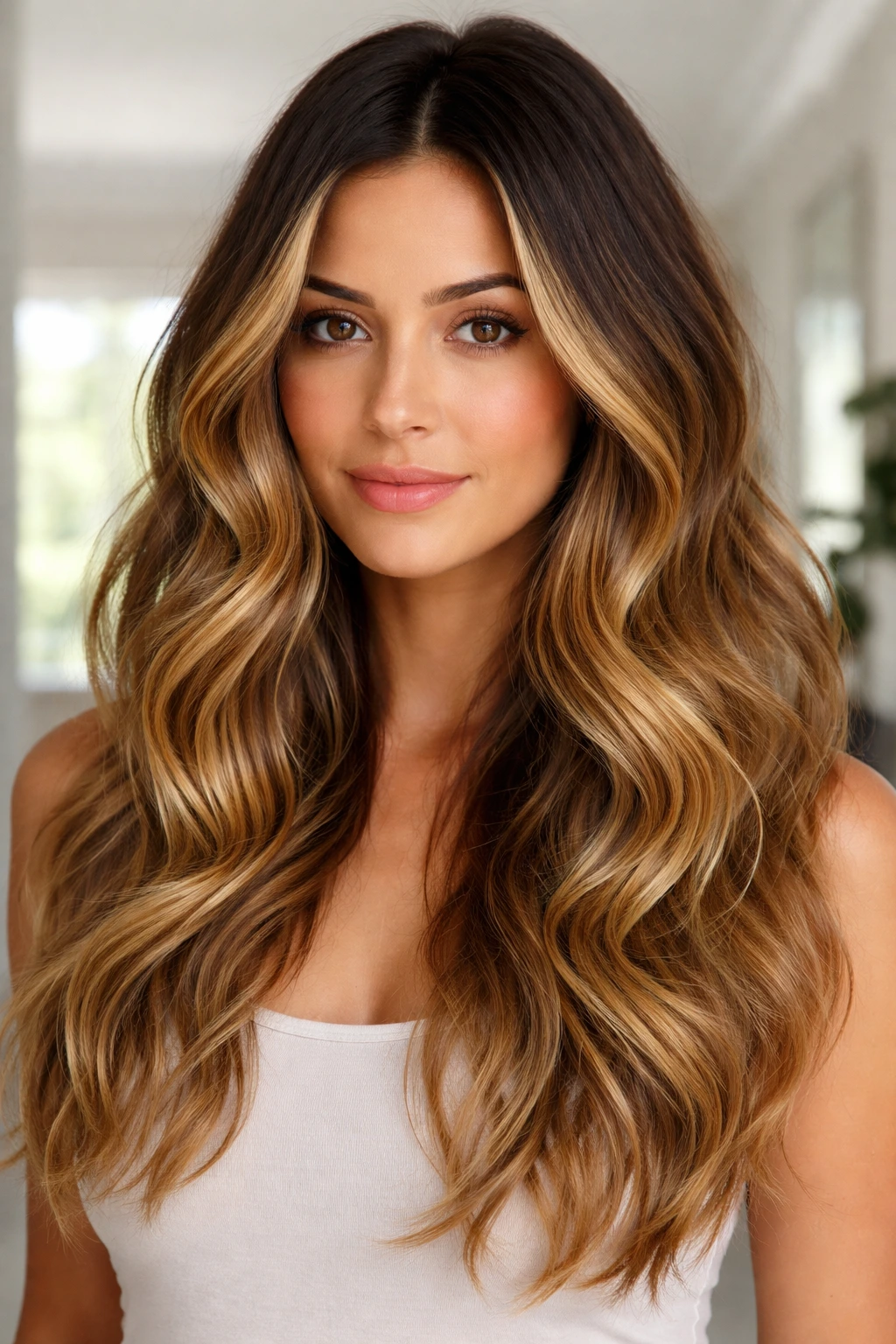
This is a intentionally “lived-in” style. You leave a significant amount of your natural dark root visible—perhaps even four or five inches of it—before the honey balayage begins.
Why This Works
It is practical and trendy. It embraces the dark root rather than trying to hide it. This look is very popular because it looks just as good in month four as it does in week one. It is effortless, chic, and completely minimizes the need for frequent salon visits.
28. High-Shine Honey Balayage
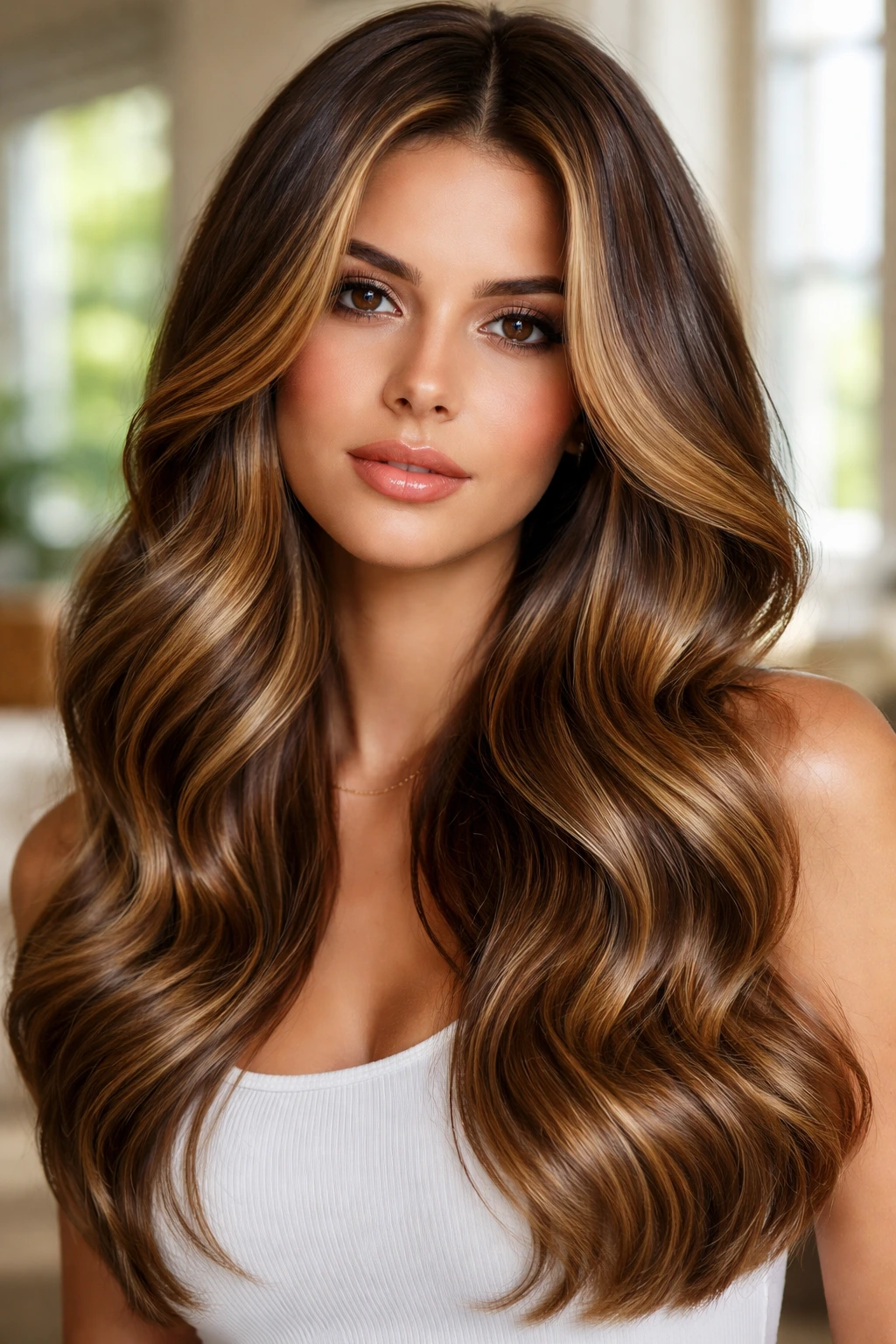
This isn’t really a color placement, but a finishing technique. A high-shine honey balayage is all about the gloss. After the coloring is done, the hair is treated with a semi-permanent clear gloss.
The Result
This gloss seals the hair, making the honey pieces look glassy and reflective. It is the best way to make any of the 27 looks above look premium. If you feel like your balayage has started to look “dull,” go back to the salon for just a gloss service. It brings the color back to life without having to re-lighten your hair.
Final Thoughts
Choosing the right honey balayage look for your brown hair comes down to finding that balance between your natural base color, your skin tone, and how much time you actually want to spend in a salon chair. The beauty of these techniques is that they are all customizable. You are not locked into a single shade of “honey.” Your colorist can lean into the golden, the copper, the ash, or the caramel depending on what makes your complexion sing.
Remember that lightened hair requires moisture. The process of balayage involves lightener, which naturally opens the cuticle. If you do not replenish that moisture with deep conditioning masks and leave-in treatments, the color will lose its luster regardless of how well it was applied. Keep your hair hydrated, use sulfate-free cleansers to protect the toner, and don’t be afraid to ask for a gloss service between your bigger highlighting appointments to keep the tone crisp and vibrant. It is all about maintaining the integrity of the hair while enjoying the glow that comes with that honey-kissed finish.
