



Brown hair can go flat fast when every strand sits in the same shade. Bronde balayage fixes that by slipping lighter pieces through the hair without wiping out the depth that makes brown hair look rich in the first place.
That’s why I like bronde so much on brunettes. Done well, it looks like your color has spent a few weeks in better light, not like it was dragged into blonde territory against its will. The good versions keep the root believable, soften the mids, and leave the ends with just enough lift to catch the eye.
The trick is placement. A few face-framing ribbons at level 7 or 8 can change the whole mood of a cut, while chunky light pieces can turn the hair patchy and obvious. The best bronde balayage looks for brown hair understand that brown is the star, not the backdrop.
1. Caramel Ribbon Bronde Balayage
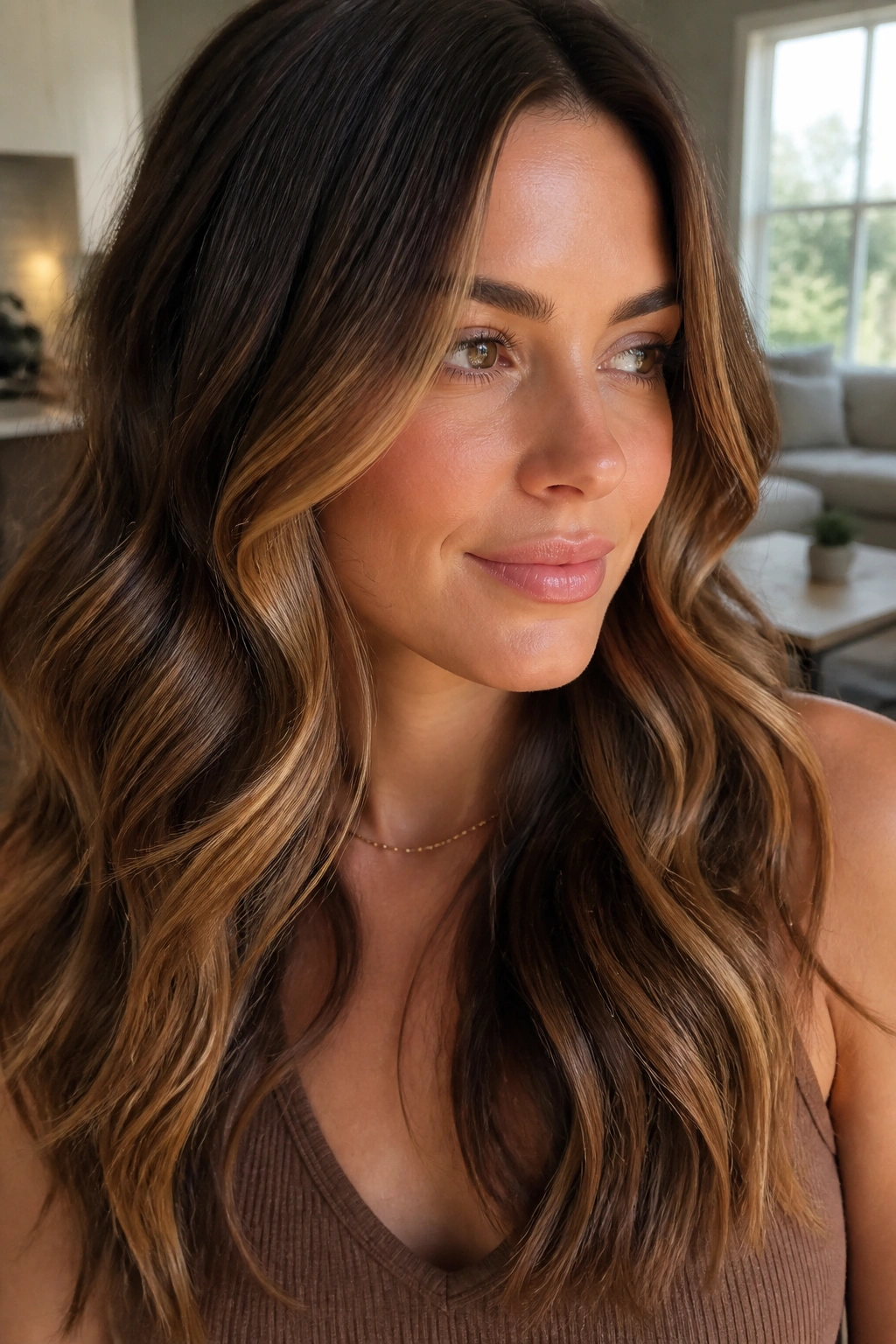
This is the easiest place to start if you want brown hair to look warmer, softer, and a little more expensive without going too light. Caramel ribbons woven through a medium-brown base give you movement right away, especially when the pieces are kept thin and spaced out.
Why it works
The color contrast stays gentle. You still see brown first, then the caramel lights show up when the hair moves. That matters, because the hair does not lose its depth or look overprocessed from across the room.
What to ask for
- Fine balayage ribbons painted from mid-length to ends
- A beige-caramel toner, not a bright yellow one
- Slightly brighter pieces around the face
- A soft root shadow so the grow-out stays tidy
Best on: medium brown hair, layered cuts, and anyone who wants a warm finish that does not scream for attention.
Use this when you want a color that plays nicely with waves, curls, and blowouts. The finish should look like light moved across the hair, not like a stripe was dropped on top of it.
2. Mushroom Bronde for Cool Brown Hair
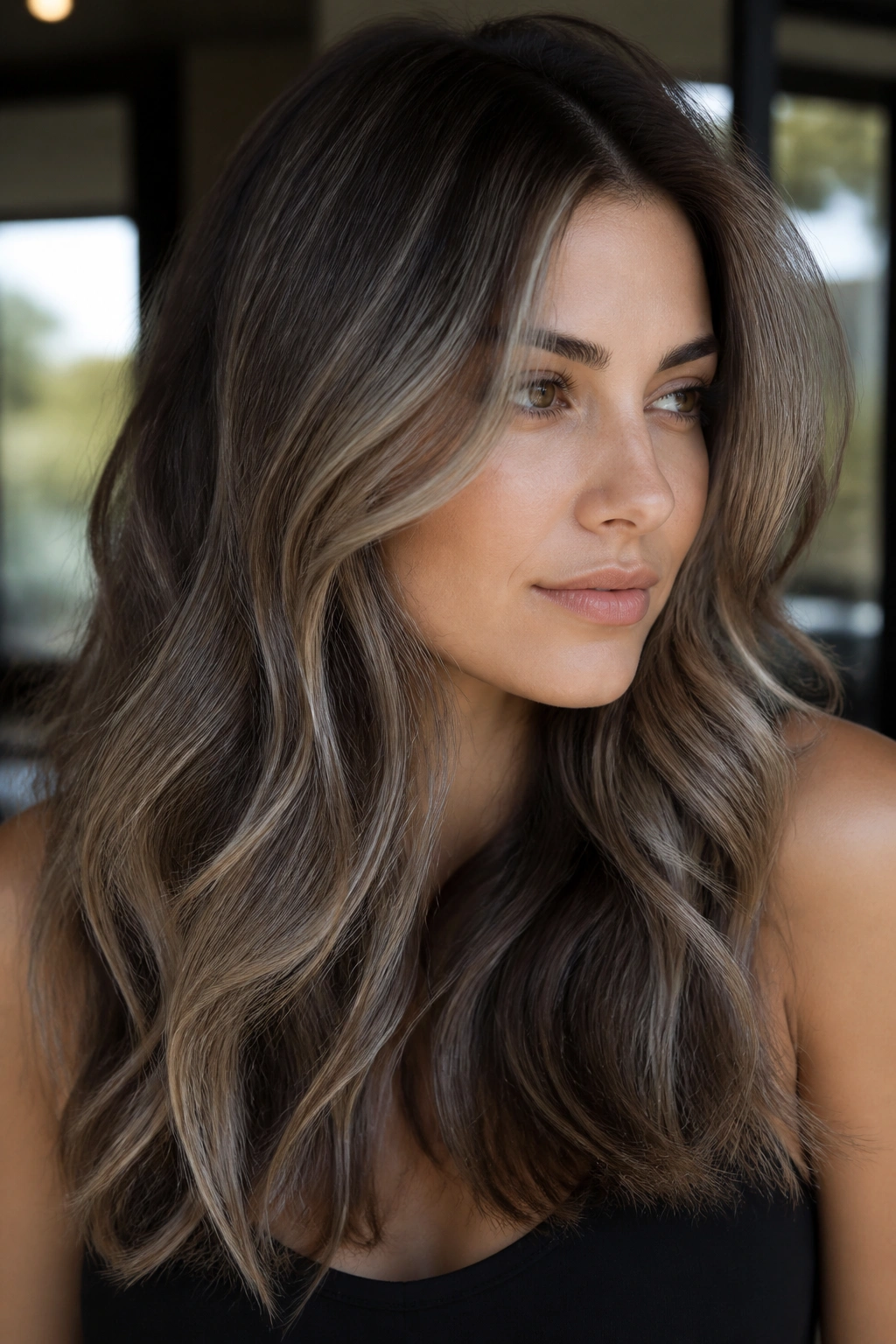
Mushroom bronde sounds a little odd until you see it on the right base. On cool or neutral brown hair, those taupe and smoky-beige tones stop the color from drifting orange and give the whole look a more lived-in edge.
A lot of brunettes ask for brightness but end up with warmth they do not love. This fixes that. The lifted pieces stay soft, almost suede-like, and the overall effect is cooler, cleaner, and more polished than caramel-heavy bronde.
This look works especially well if your skin has pink, blue, or neutral undertones. It also flatters people who wear black, gray, navy, or crisp white a lot, because the hair does not fight the clothes.
Ask for: a cool beige gloss, a muted root melt, and no chunky streaks at the crown. The best version has movement, not stripes.
3. Honey Money-Piece Bronde
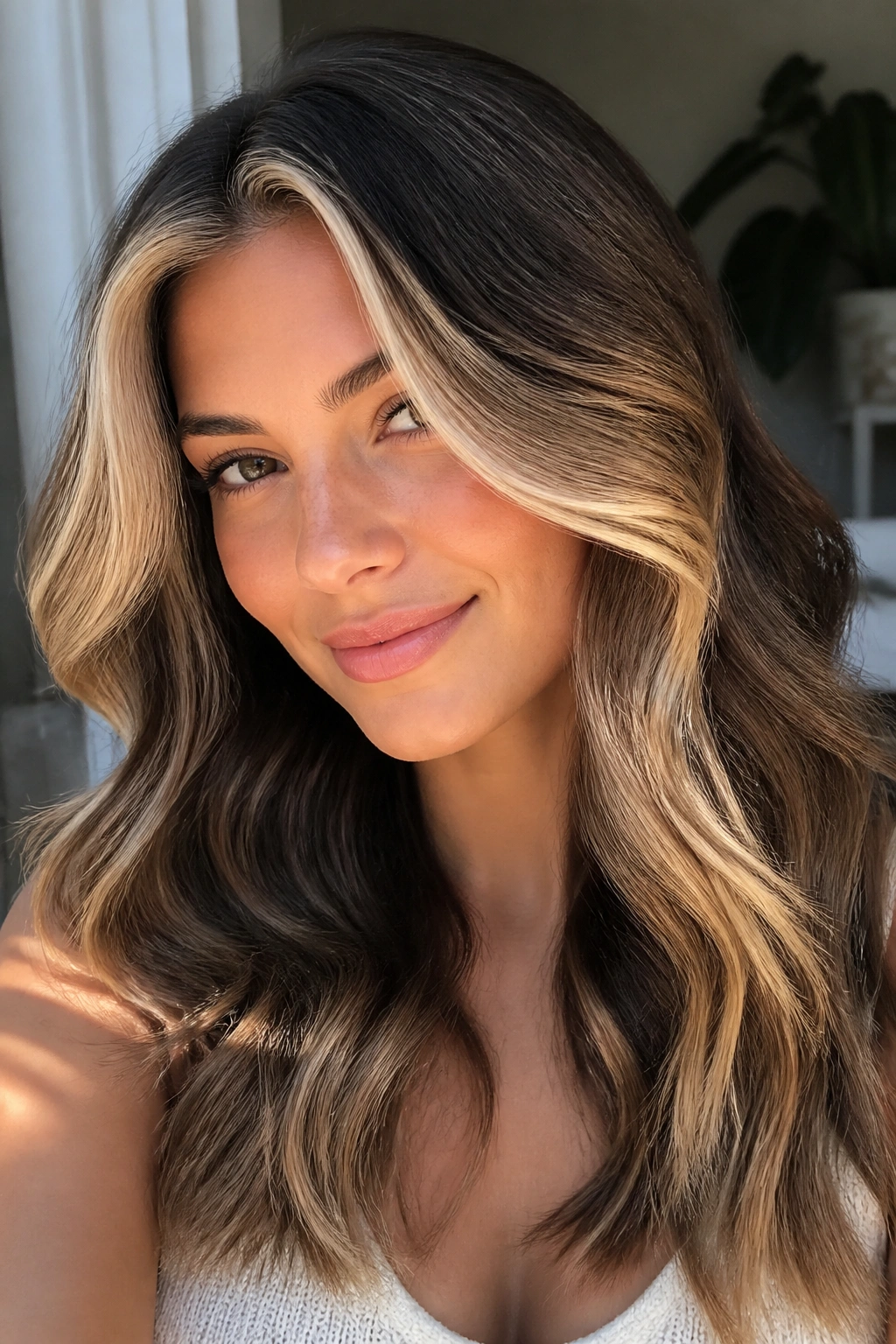
What wakes up brown hair fastest? A bright face frame. Honey money-piece bronde puts the lighter pieces right where the eye lands first, so your face gets a lift even if the rest of the hair stays fairly quiet.
Where the light should sit
The brightest sections belong around the hairline, temples, and just in front of the ears. Keep the back softer. That contrast gives the front a fresh, glossy feel while the rest of the hair keeps its natural depth.
How to wear it
- Loose waves show the money piece best
- Straight hair makes the contrast look sharper
- Ponytails show the bright front sections in a flattering way
- A side part can make one side look even lighter
This is a smart choice if you like change but do not want an all-over blonde shift. It grows out gracefully, and the front brightness makes skin look fresher on tired mornings.
4. Mocha Melt with Soft Ends
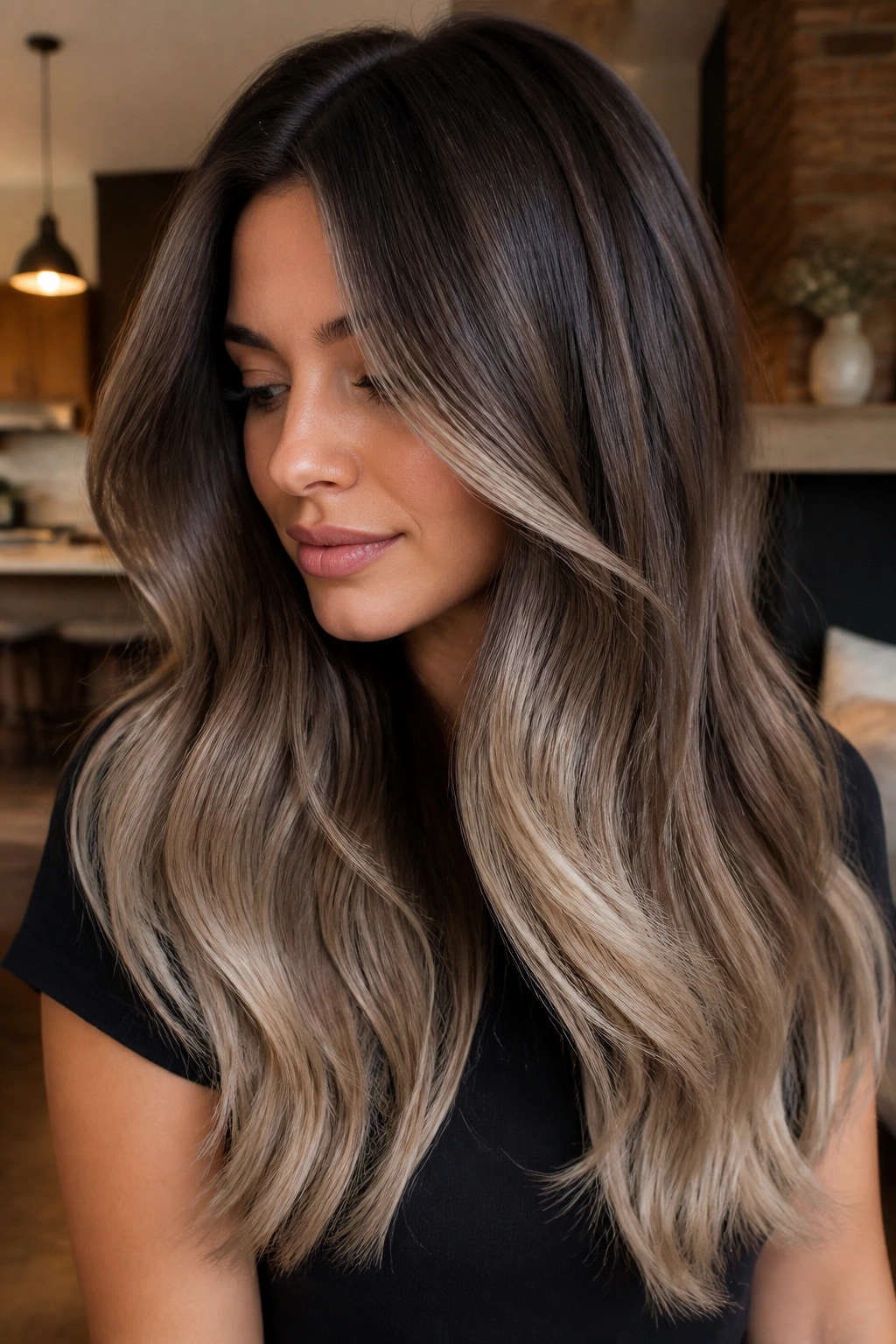
A good mocha melt looks almost too easy, which is part of why it works. The root stays a deep mocha brown, the mids lighten a shade or two, and the ends blur into a soft beige-brown finish that never feels harsh.
That gradual shift matters on brown hair because it keeps the length from looking blocky. Long hair especially can look heavy when the color is one solid level from top to bottom. A mocha melt breaks that up without stealing the richness that made the base pretty to begin with.
The nicest versions have a glossy, almost cream-in-coffee feel. Nothing brassy. Nothing over-toned. Just a smooth slide from dark to light, with the contrast kept low enough that the hair still reads brown first.
If you wear your hair in loose bends or soft curls, this is one of the prettiest options on the list. The color moves with the texture instead of sitting on top of it.
5. Beige Bronde on Espresso Base
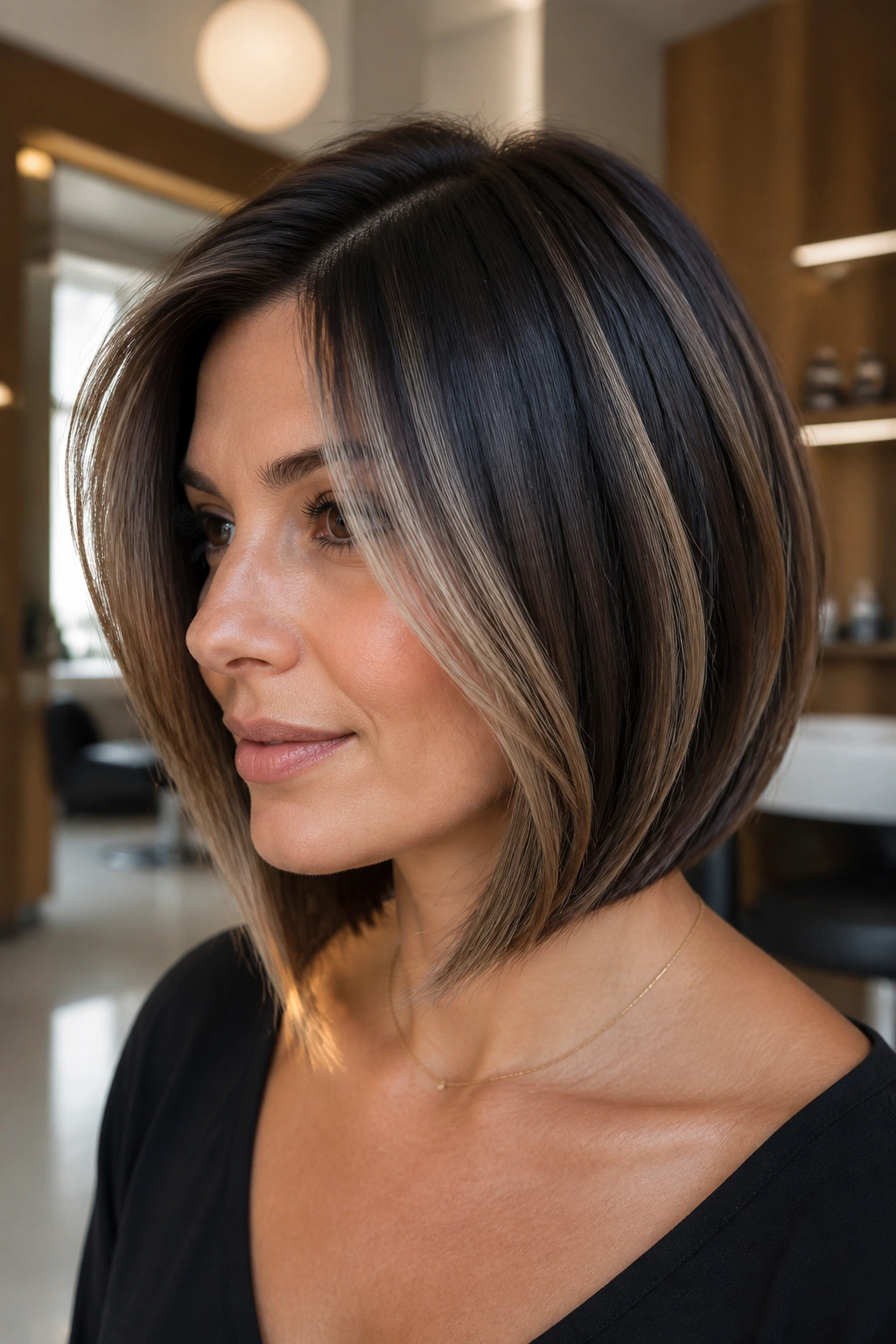
Beige bronde on espresso brown hair is for people who want a cleaner, brighter finish and do not mind putting in a little more salon work to get there. The base stays deep and rich, but the lighter pieces lift to a pale beige that reads crisp rather than warm.
That contrast gives the hair a sharper look, especially on straight styles and blunt cuts. A sleek bob with this color can look almost tailored. Long layers pick up the beige pieces in a way that makes the whole head look more expensive than a single-process brown ever could.
The catch is simple. The lift has to be even, or the beige can turn patchy. Ask your colorist for carefully placed hand-painted sections, then a beige toner that softens the yellow after lifting. You want cream, not gold.
This one is lovely if you like a neat finish. It feels modern, but not trendy in a way that will annoy you later.
6. Cinnamon Bronde with Warm Mid-Lengths
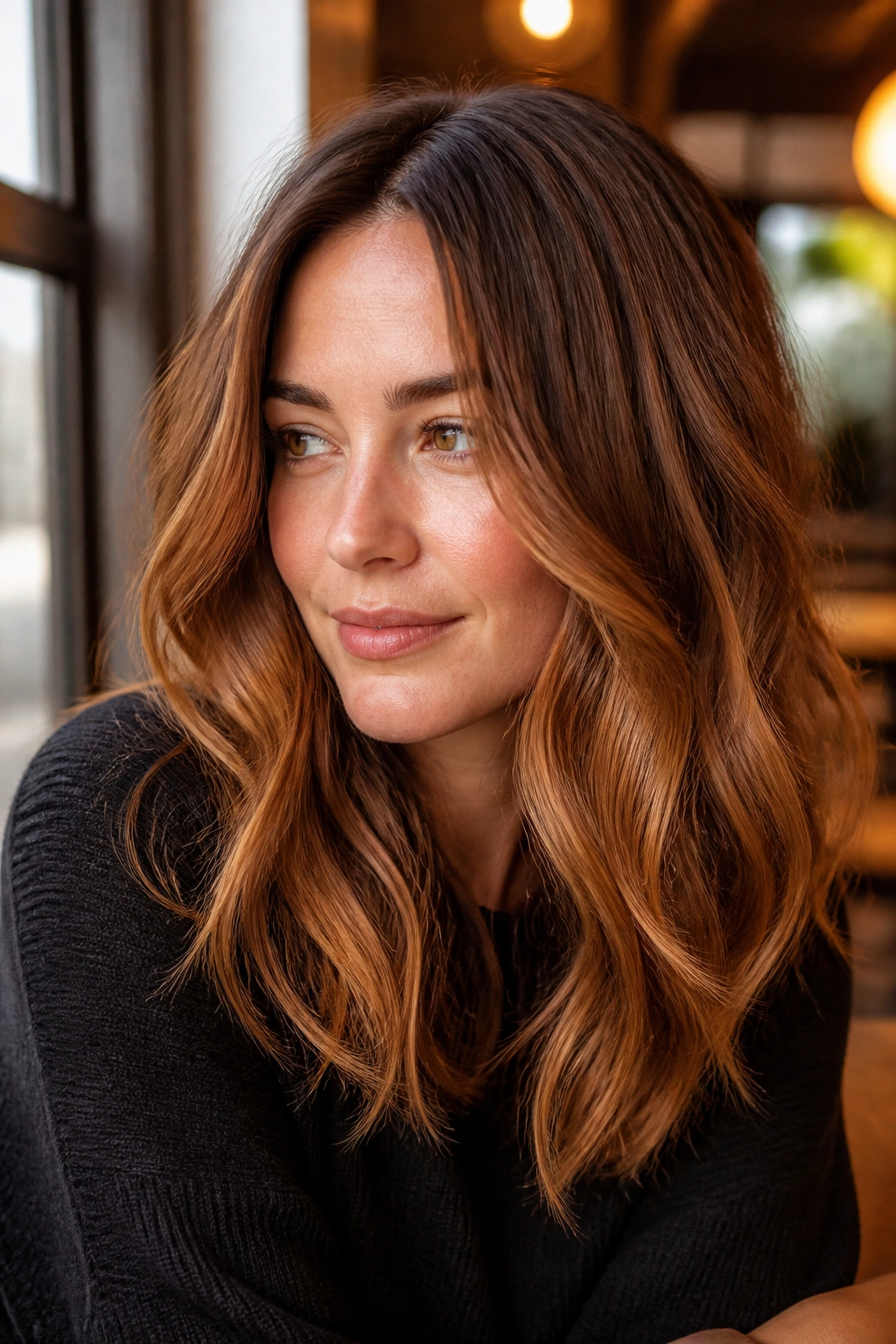
Cinnamon bronde is the warmer, richer cousin of caramel bronde. Instead of leaning sugary, it brings in a spiced warmth that looks deeper and a little more sensual on brown hair.
Unlike honey tones, cinnamon keeps more red-brown energy in the mix. That means the color can flatter olive, golden, and deep beige skin tones without washing them out. It also tends to look especially good in fall-light, though the color itself is easy to wear year-round.
What makes it different
- Mid-lengths carry most of the warmth
- Ends stay slightly lighter for movement
- The toner should sit between copper and gold
- A gloss helps keep the red-brown note rich, not muddy
My take: this is one of the nicest choices if you hate icy blondes but still want dimension. It looks expensive on layered cuts and even better when the hair has a little bend in it.
7. Ash Bronde with Smoky Toner
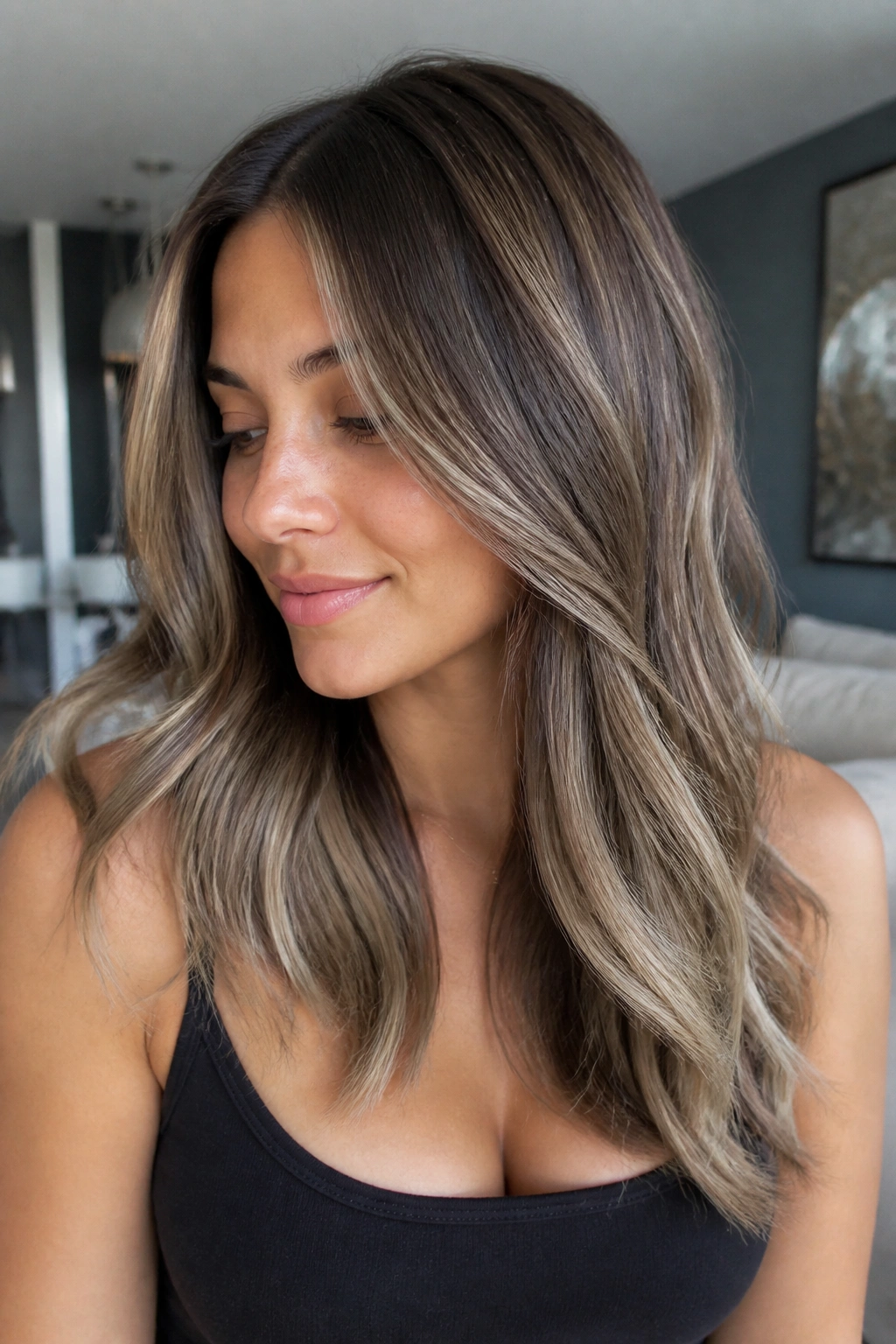
Ash bronde can be tricky. Get it right, and the hair looks cool, silky, and sharp. Push it too far, and it can go flat in a hurry.
The best smoky versions keep enough brown in the base that the hair still has body. Then the lighter pieces are toned with a cool beige or ash-brown gloss, which takes out brass and leaves a muted, smoky finish. This works best on brown hair that already leans cool or neutral.
A blue-violet shampoo can help between appointments, but don’t overuse it. Too much toning product can make the lighter pieces look dull and dusty. That is the part many people miss. Cool does not have to mean chalky.
If your wardrobe leans black, gray, charcoal, or white, this look makes a lot of sense. It’s clean, restrained, and a little moody in the good way.
8. Chestnut-Toffee Bronde for Curls
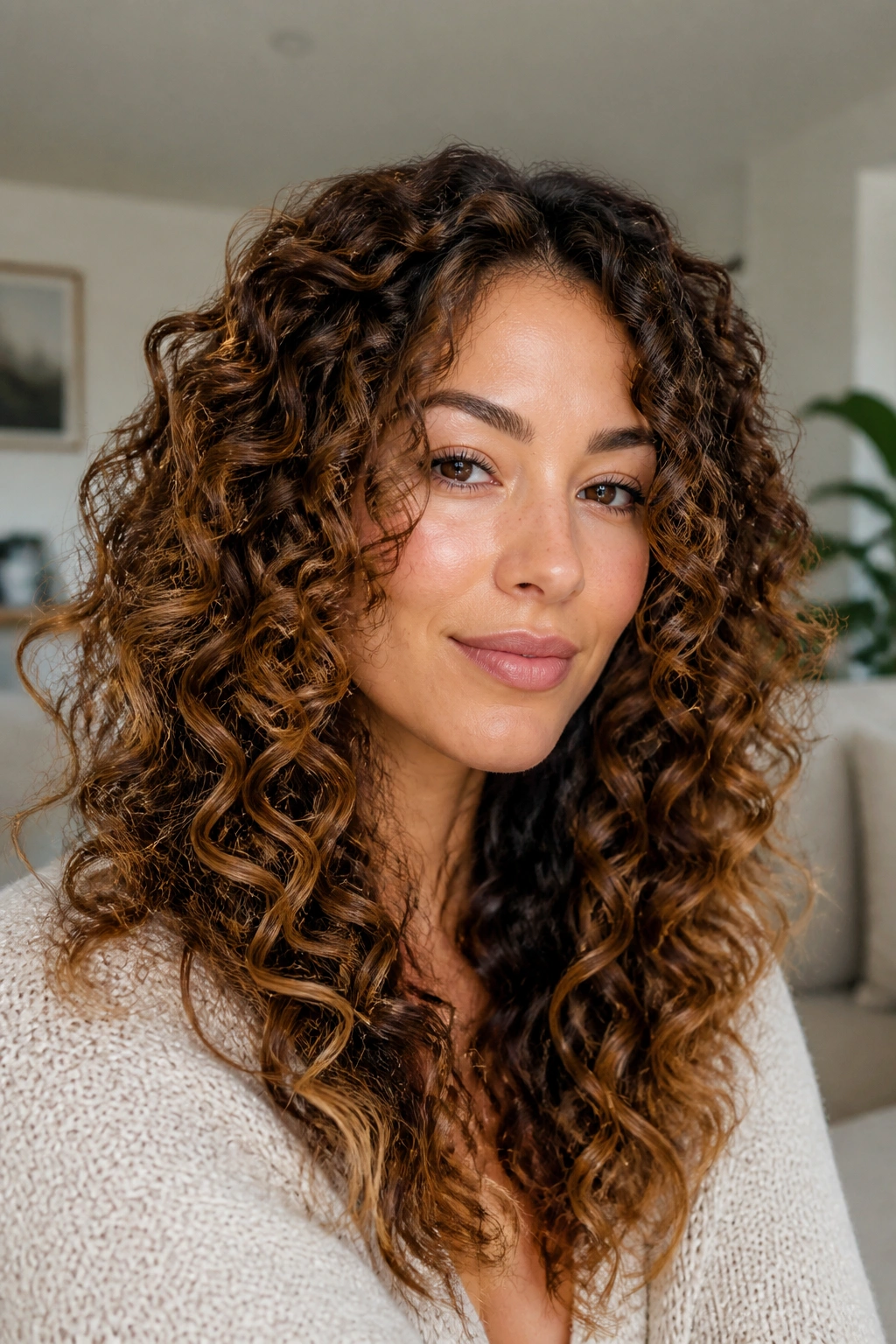
Curly brown hair needs a different hand than straight hair. If the light is painted in the wrong place, the curl pattern can look frizzy or patchy instead of dimensional. Chestnut-toffee bronde solves that by following the curl structure instead of fighting it.
The color should sit on the outer curve of the curl and around the pieces that catch light first. That way, the curl looks defined, and the lighter strands move around the bend rather than breaking it up. It’s a small detail, but it changes everything.
What to ask for
- Hand-painted highlights on visible curl panels
- A chestnut root with toffee ends
- No harsh streaks through the interior layers
- A gloss that keeps the finish warm and shiny
This is one of those looks that gets better when the hair has bounce. Diffuse it, scrunch it, air-dry it, whatever your curl routine is—the color should follow the movement, not flatten it.
9. Sun-Kissed Face-Framing Bronde
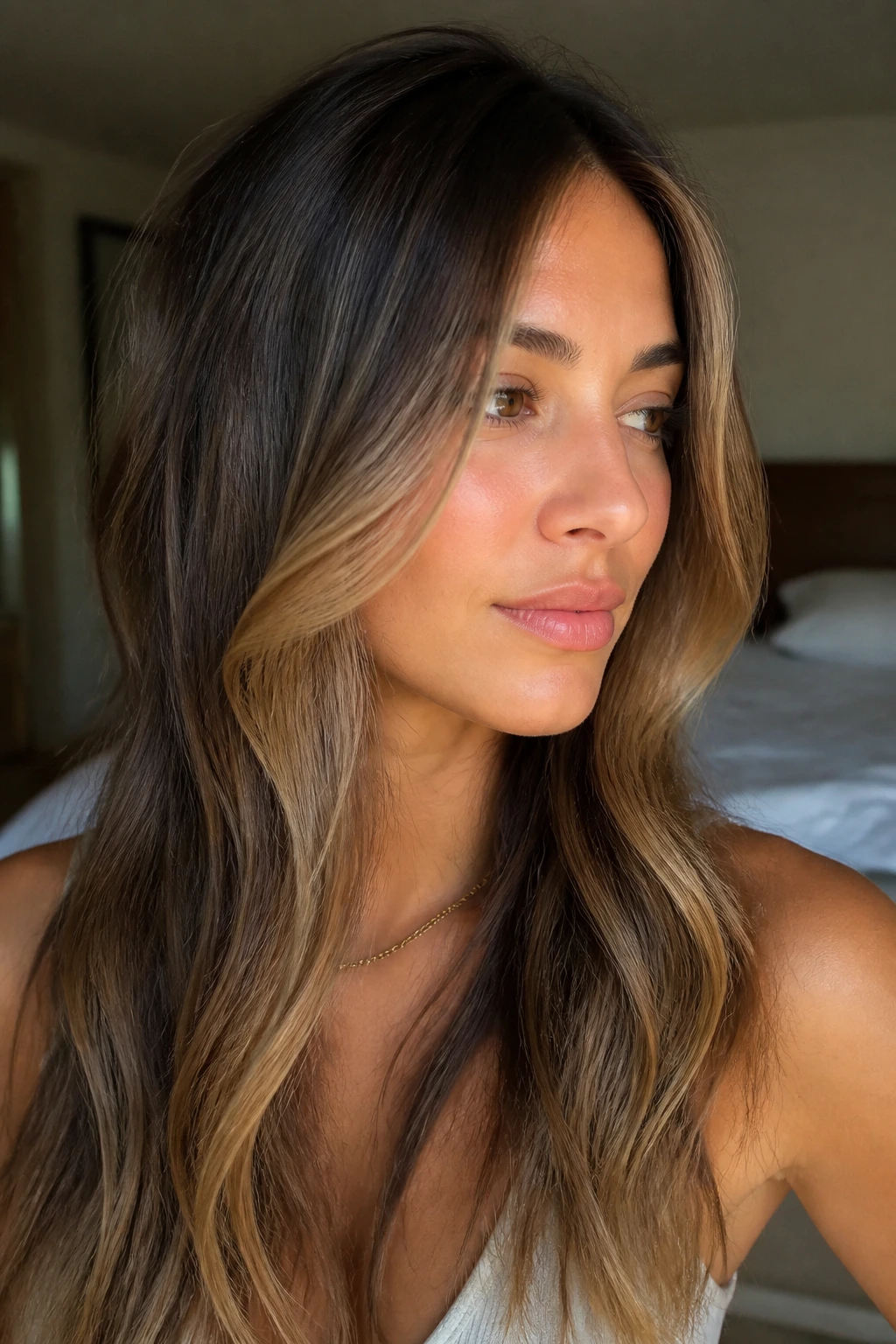
If you want a subtle change that still reads from across a room, face-framing bronde is the move. The light stays concentrated near the front, so the color gives brown hair a brighter edge without turning the whole head into a highlight map.
Why it works
The front pieces act like built-in lighting. They soften strong features, brighten the skin, and make layered cuts look more alive. The rest of the hair can stay deep and natural, which keeps the style from tipping into too much contrast.
Where the color should sit
A good placement starts around the cheekbone, then blends down through the front layers. The top should stay soft. The back should stay even softer.
This is the version I suggest for people who wear their hair in ponytails a lot, or anyone who wants the color to feel present but not loud. It is also a smart first bronde move if you have never lightened your brown hair before. You get the payoff early, and the grow-out is forgiving.
10. Rooted Smoky Bronde with Shadow Root
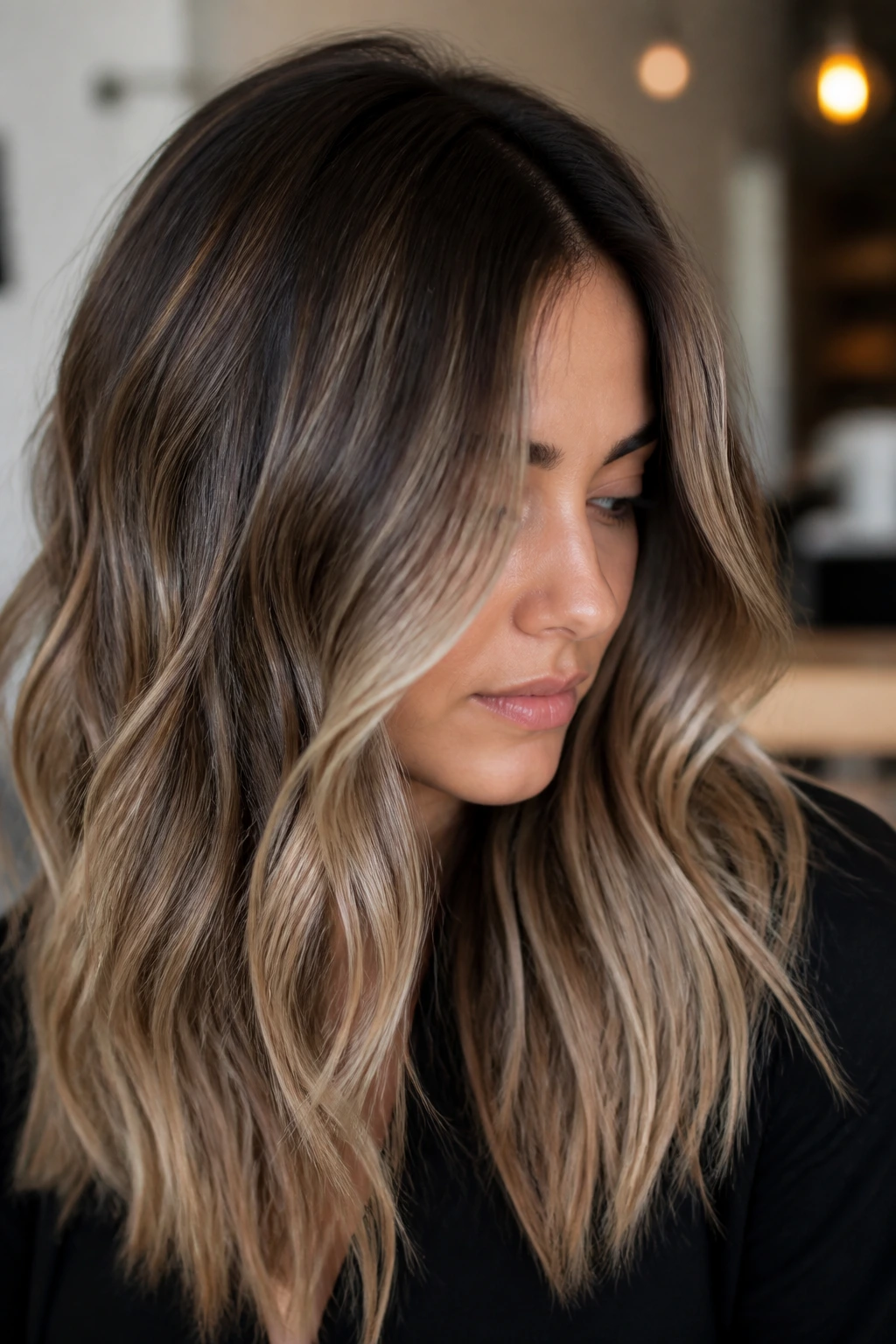
Rooted smoky bronde is for anyone who likes the idea of light hair but hates obvious regrowth. The shadow root keeps the top area close to your natural brown, then the mids and ends fade into cool beige-bronde pieces that look soft instead of stripped.
That root depth does two useful things. First, it makes the color easier to live with between appointments. Second, it gives the lighter pieces more contrast, which keeps them from disappearing on long or thick hair.
This is where a good toner matters. Ask for a root shade one level deeper than your natural brown, then lighter smoky ribbons through the rest of the hair. Do not let the root go too dark unless you want the style to read dramatic. A slight shift is enough.
It’s a strong pick for people with busy routines, but it still looks intentional when the hair is worn down and glossy.
11. Maple Bronde with Golden Ends
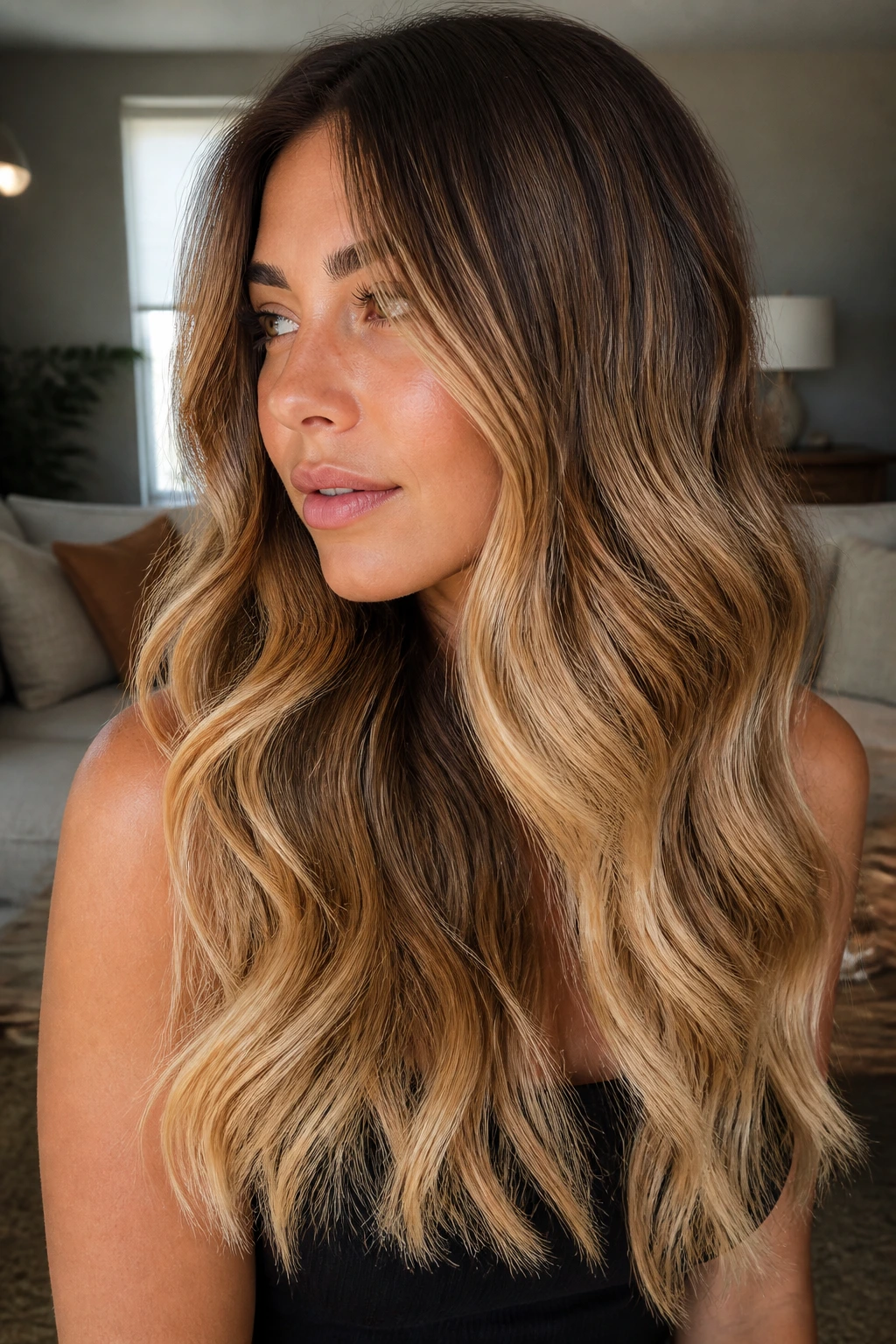
Maple bronde has a warmth that feels soft rather than sugary. The color sits somewhere between amber, light brown, and gold, which makes it a nice fit for brown hair that needs a bit more glow.
The ends are where this look really earns its keep. If they’re painted too light, the hair can lose its richness. If they stay too brown, the whole style falls flat. Maple gives you that middle ground where the ends look luminous but still believable.
Long waves make this shade look especially good because the gold-brown pieces move in and out of view as the hair bends. A one-length cut can wear it too, but texture helps. Always.
This color is also kinder than icy blonde if your skin runs warm. It plays well with bronze makeup, peach blush, and gold jewelry without making the hair look brassy. That’s a useful little win.
12. Bronze-Forward Bronde for Olive Undertones
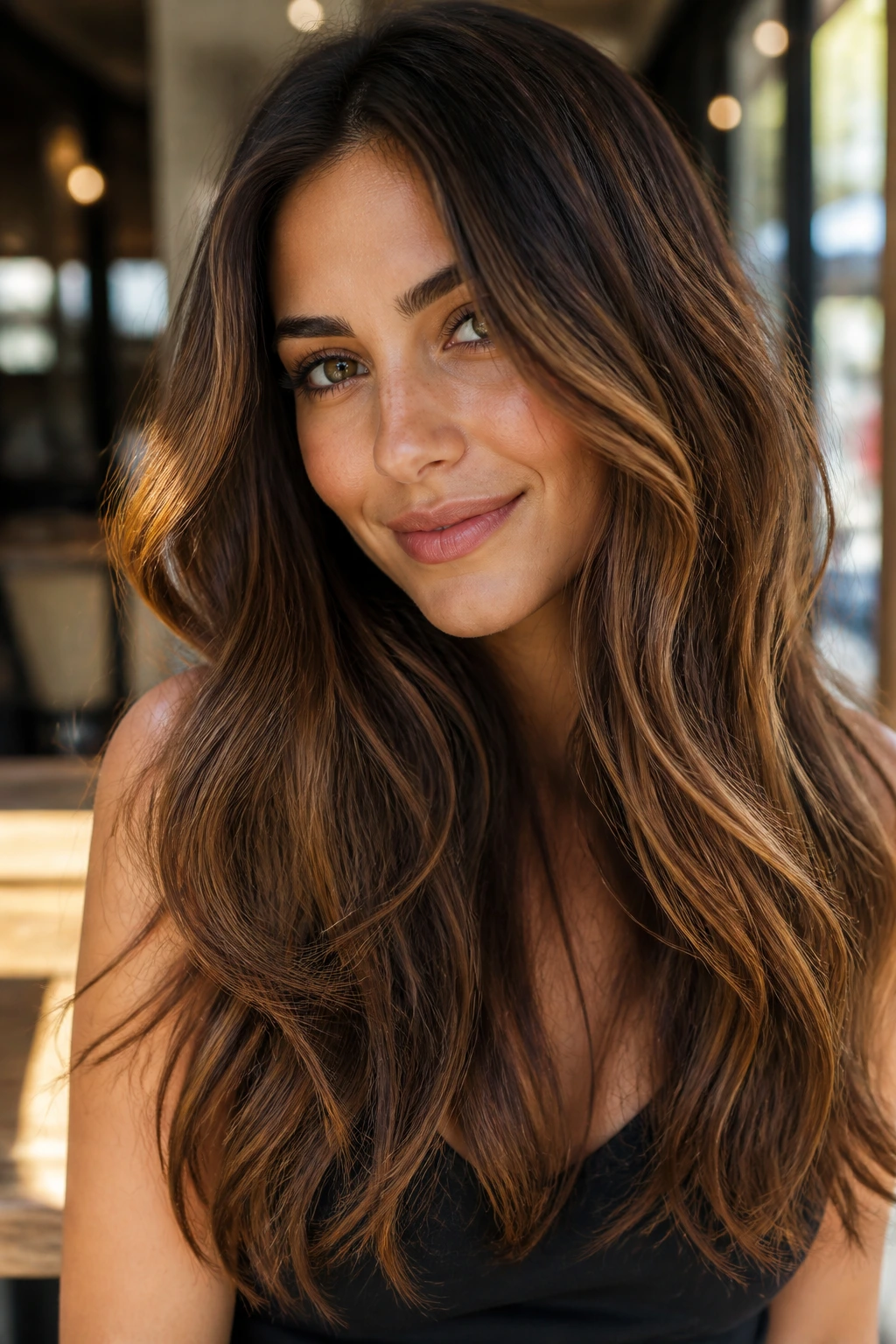
Bronze-forward bronde leans richer than classic honey bronde, and that is exactly why it works on olive undertones. The color keeps some golden warmth, but the bronze note gives it depth so the skin doesn’t turn washed out.
What makes it different
Unlike cooler ash bronde, bronze bronde does not try to mute the warmth out of the hair. It keeps the brown base alive and layers in soft bronze ribbons that look expensive on darker brunettes. The finish is smoother than red, less sugary than caramel, and less pale than beige.
Who it suits
- Olive and golden undertones
- Medium to dark brown bases
- Thicker hair that can hold color movement
- People who want warmth without copper overload
This version has a nice grown-up feel. Not stiff. Just rich. If your hair tends to look flat under indoor light, bronze gives it enough reflection to stay interesting without pushing the whole head toward blonde.
13. Walnut Bronde with Micro Highlights
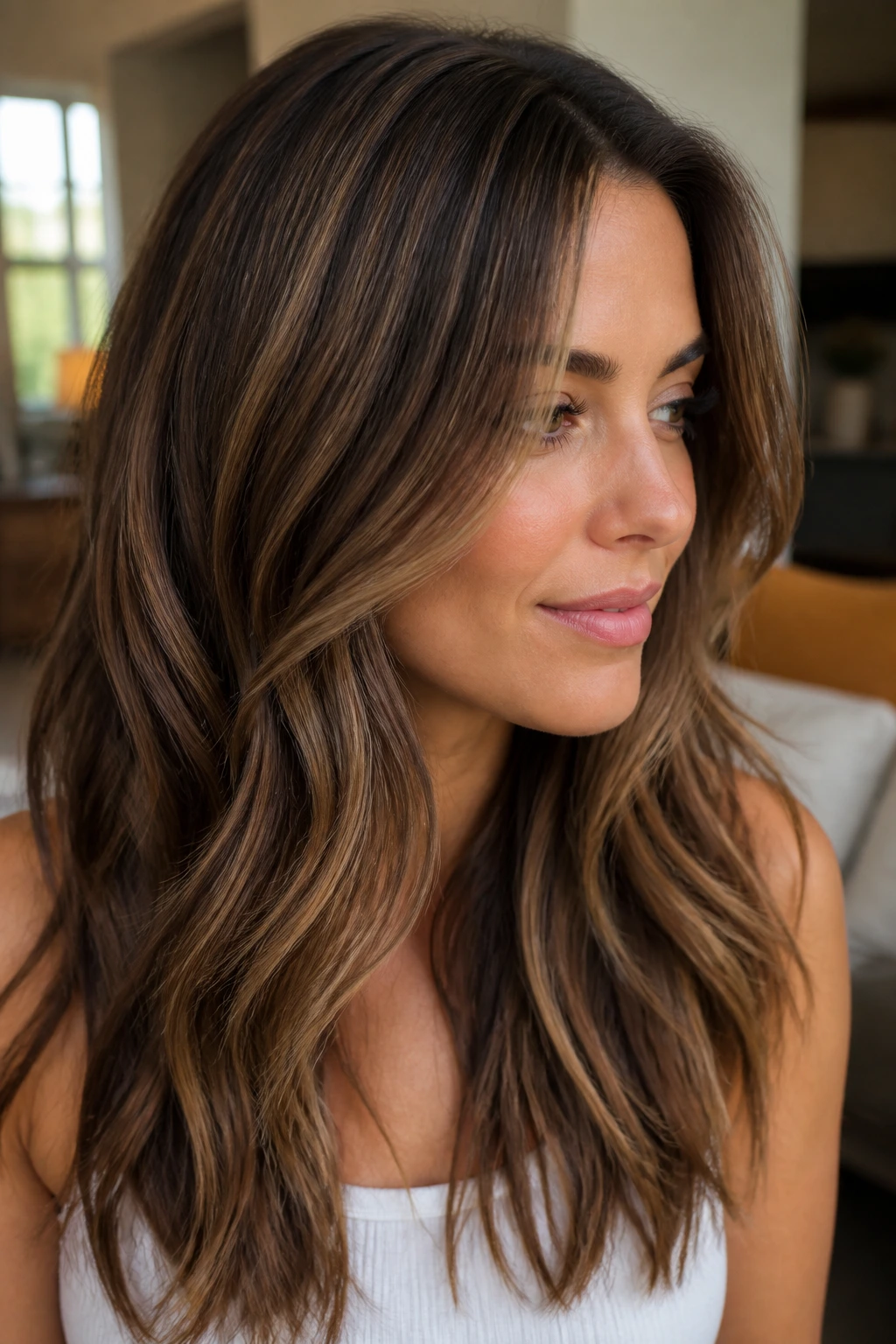
Walnut bronde is what I recommend when someone says, “I want dimension, but I don’t want anybody to clock exactly what changed.” The contrast stays low, and the highlights are so fine they look more like natural shifts in pigment than obvious pieces.
Micro highlights are the whole story here. They let the hair pick up light in thin threads rather than thick bands, which is especially good on fine hair. Big painted sections can make fine brown hair look sparse. Tiny ribbons do the opposite.
Quick notes
- Keep the lift within 1 to 2 levels of the base
- Ask for soft lowlights as well as highlights
- Finish with a glossy walnut-brown toner
- Dry with a round brush if you want the highlights to show more
This is a quiet look, but not a boring one. It works because you notice the movement before you notice the color. That is usually the better order.
14. Creamy Vanilla Bronde on Medium Brown
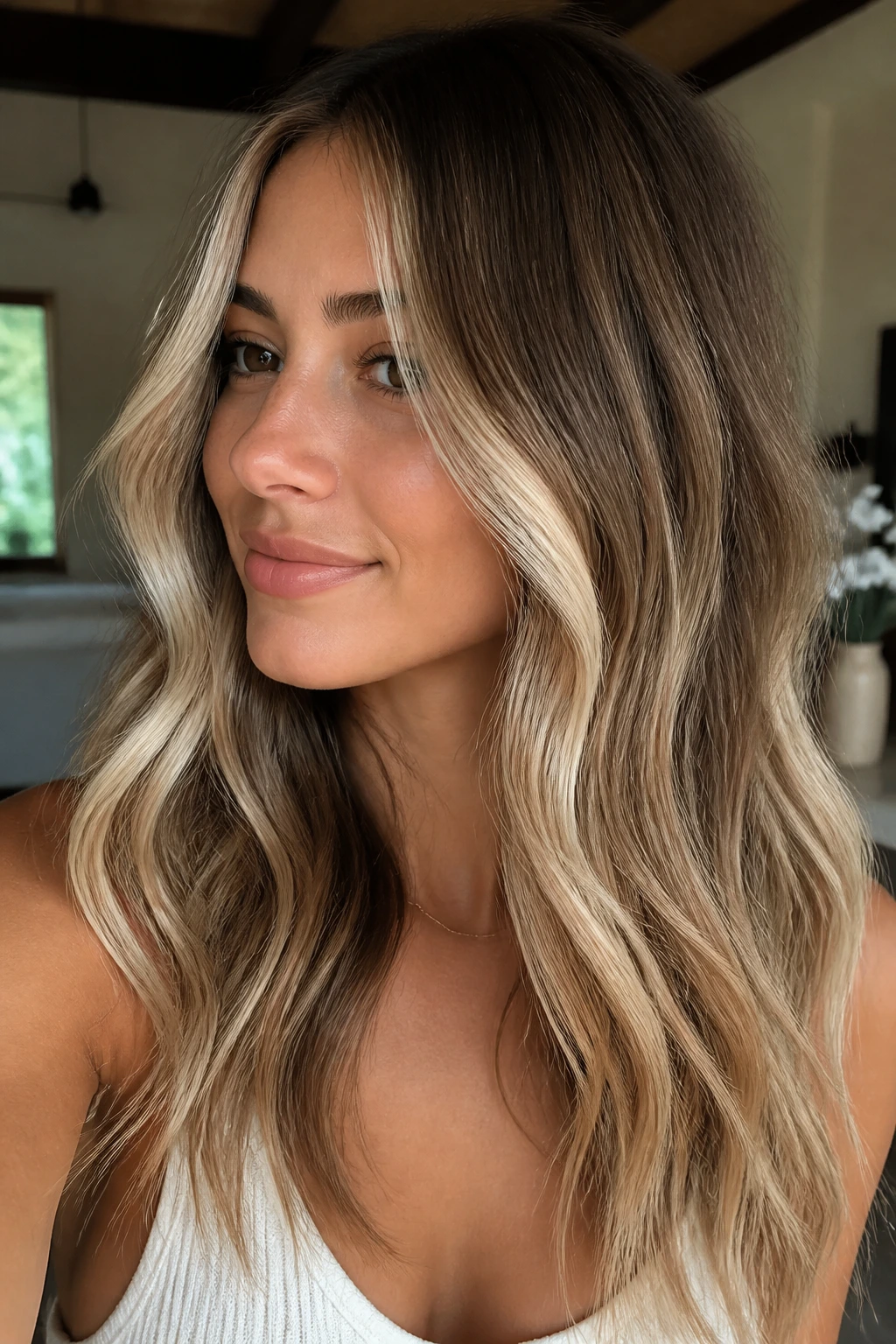
Creamy vanilla bronde brings the lightest, softest feeling on this list, but it still belongs to brown hair because the root stays grounded. The light pieces are pale enough to read bright, yet the toner keeps them creamy instead of yellow or stark.
What to ask for at the salon
Ask for lifted pieces that reach a pale gold stage, then be toned into a vanilla-beige shade. If the pieces come out too yellow, the whole look can feel loud. If they are toned too gray, they lose the creamy softness that makes this version pretty.
This works especially well on medium brown hair with some length. The contrast between the root and the ends gives the style a cloudier, lighter feel, which is nice when you want a change that reads fresh but not harsh.
There is a tiny warning here. You need healthy hair, or at least hair that can handle lightening without turning dry at the ends. Use a good mask, keep heat moderate, and don’t fry the shine out of it.
15. Copper-Bronde Hybrid
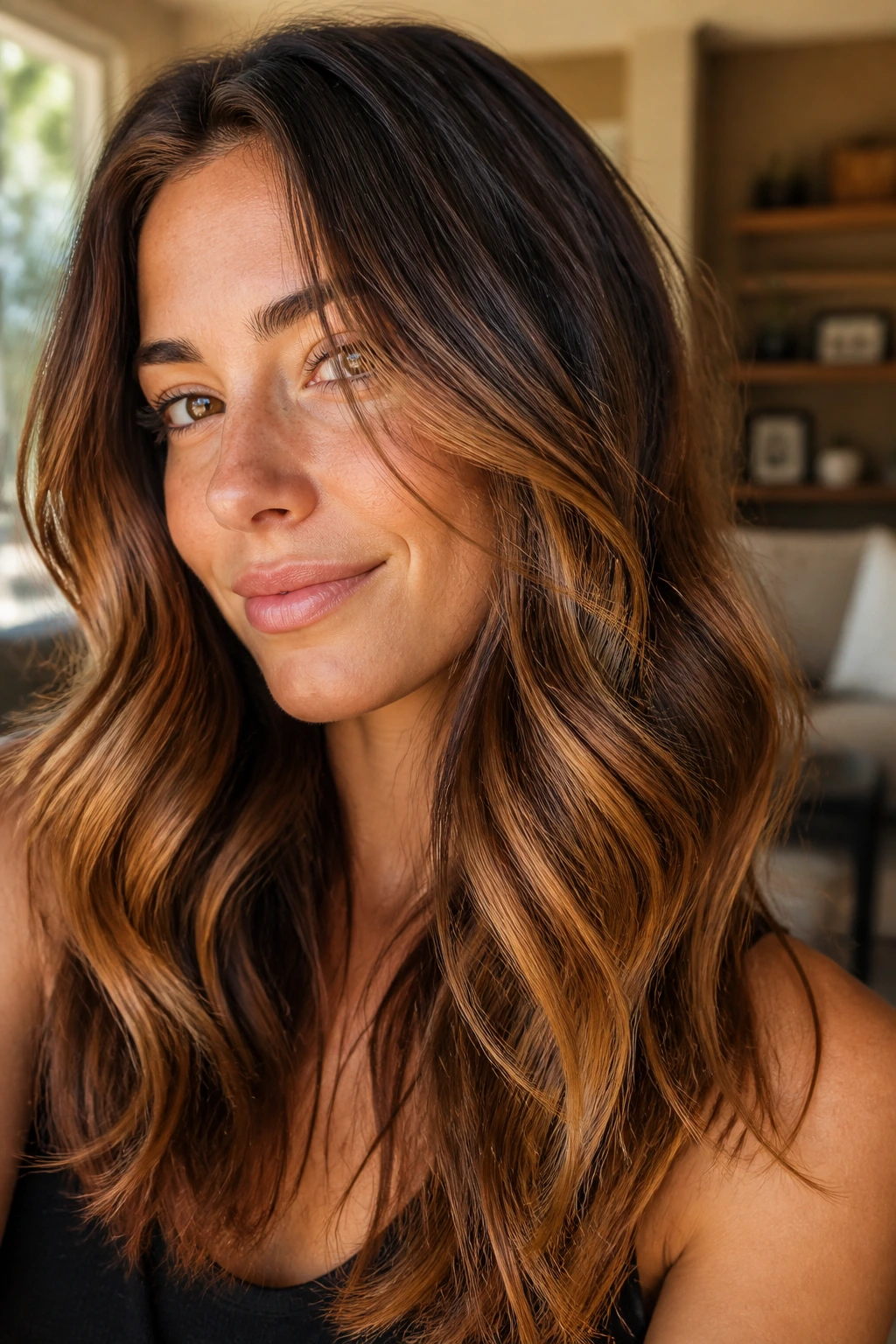
Want warmth without going full red? Copper-bronde sits in that middle zone and does a lot more than people expect. The copper note gives the brown base energy, while the bronde pieces keep it from reading like one solid auburn blanket.
The trick is restraint. A little copper goes a long way on brown hair. Too much and you lose the dimension. Too little and the style just looks warm brown, which is fine but not nearly as interesting.
A copper-bronde blend looks especially good in soft waves and layered shags because the movement lets both tones show up. Under indoor light, it can look deep and polished. Outside, the warmer pieces wake up. That shift is part of the fun.
If you tend to feel washed out by beige or ash highlights, this is a smart alternative. It gives the hair some fire without turning it into a full red color story.
16. Dimensional Bronde for Curly Brown Hair
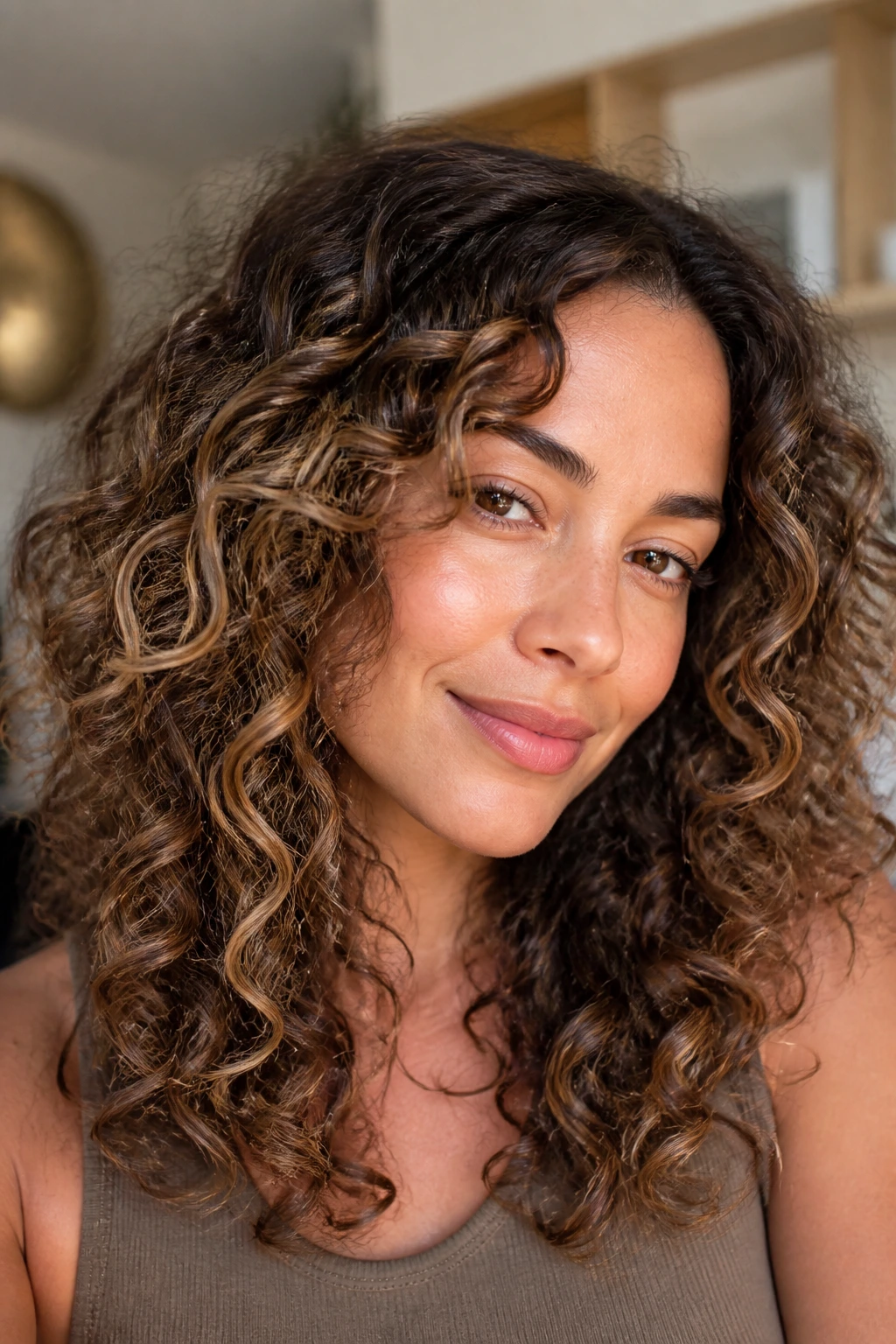
Curly hair needs light in the right places, not everywhere. Dimensional bronde works because it paints the brighter pieces where the curls expose themselves, then leaves the inner layers darker so the hair keeps its shape.
A curl is not flat, and the color should not be either. The top of the curl, the outer bend, and the face-framing spirals usually deserve the most attention. The underneath layers can stay darker and give the whole style a little shadow, which makes the highlights pop more.
How to keep it flattering
- Use hand-painted placement, not uniform foils
- Keep the root depth close to your natural brown
- Ask for a warm beige or bronze toner, depending on your skin tone
- Let the curl pattern decide where the light lands
This look gives curl definition without making the hair look busy. That’s the part I like. You see the texture first, then the color.
17. Long-Layered Beach Bronde
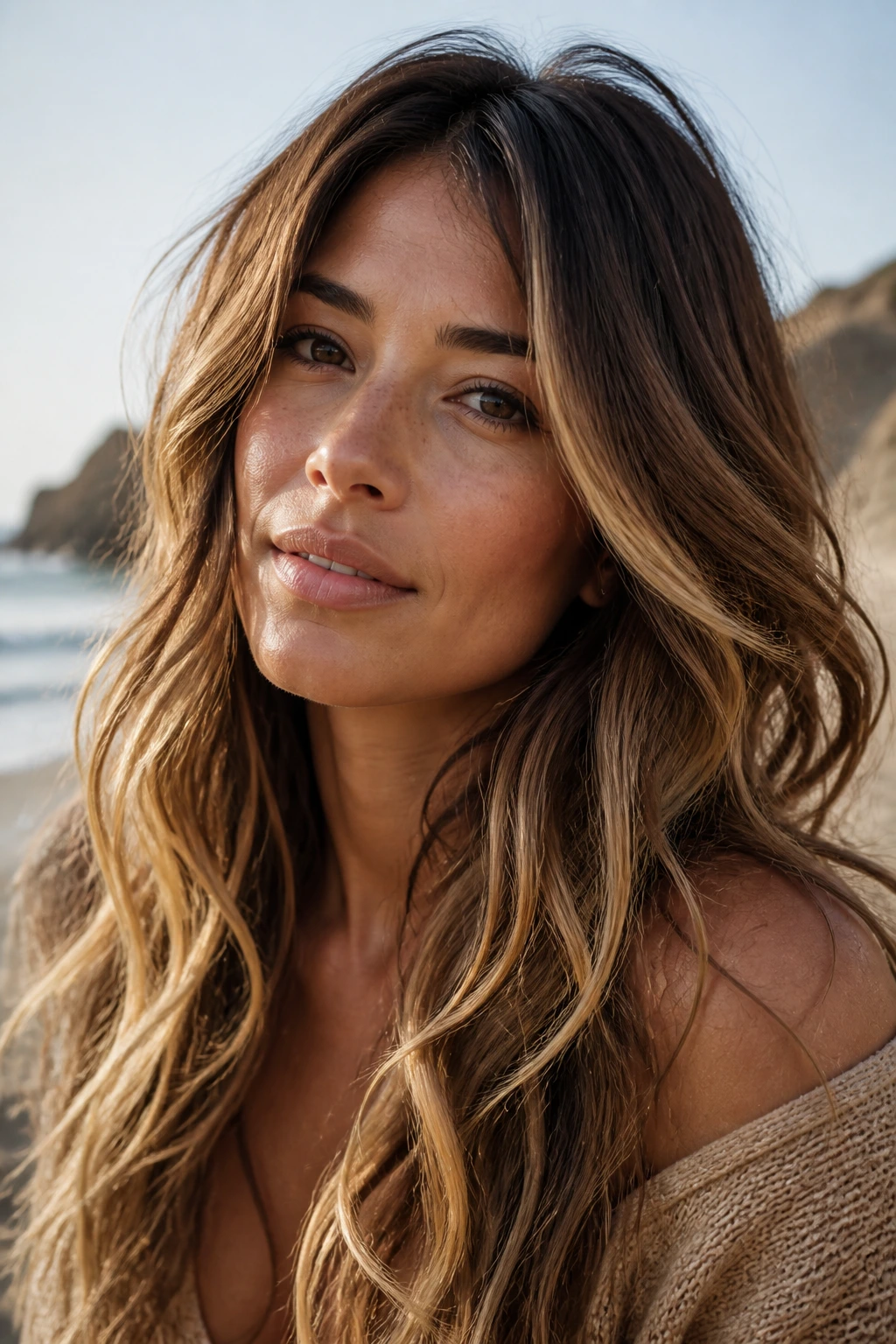
Long layers and bronde were made for each other. The layers let the lighter pieces fall at different lengths, so the color looks windblown even when the hair is perfectly still.
Beach bronde on brown hair usually means a soft root, brighter mids, and ends that look kissed by sun rather than bleached. The palette can lean caramel, beige, or honey, but the key is softness. Harsh contrast kills the easy feel.
This style is at its prettiest when the cut does some of the work. Long face-framing layers, a little texture through the ends, and a loose wave pattern all help the light catch in different places. Straight hair can wear it too, but the movement gives you more from the color.
There’s a reason people keep coming back to this version. It feels low-pressure. You can let it air-dry, rough blow it out, or wrap a few pieces around a curling iron, and the color still looks flattering.
18. Glossy Bob Bronde with Soft Contrast
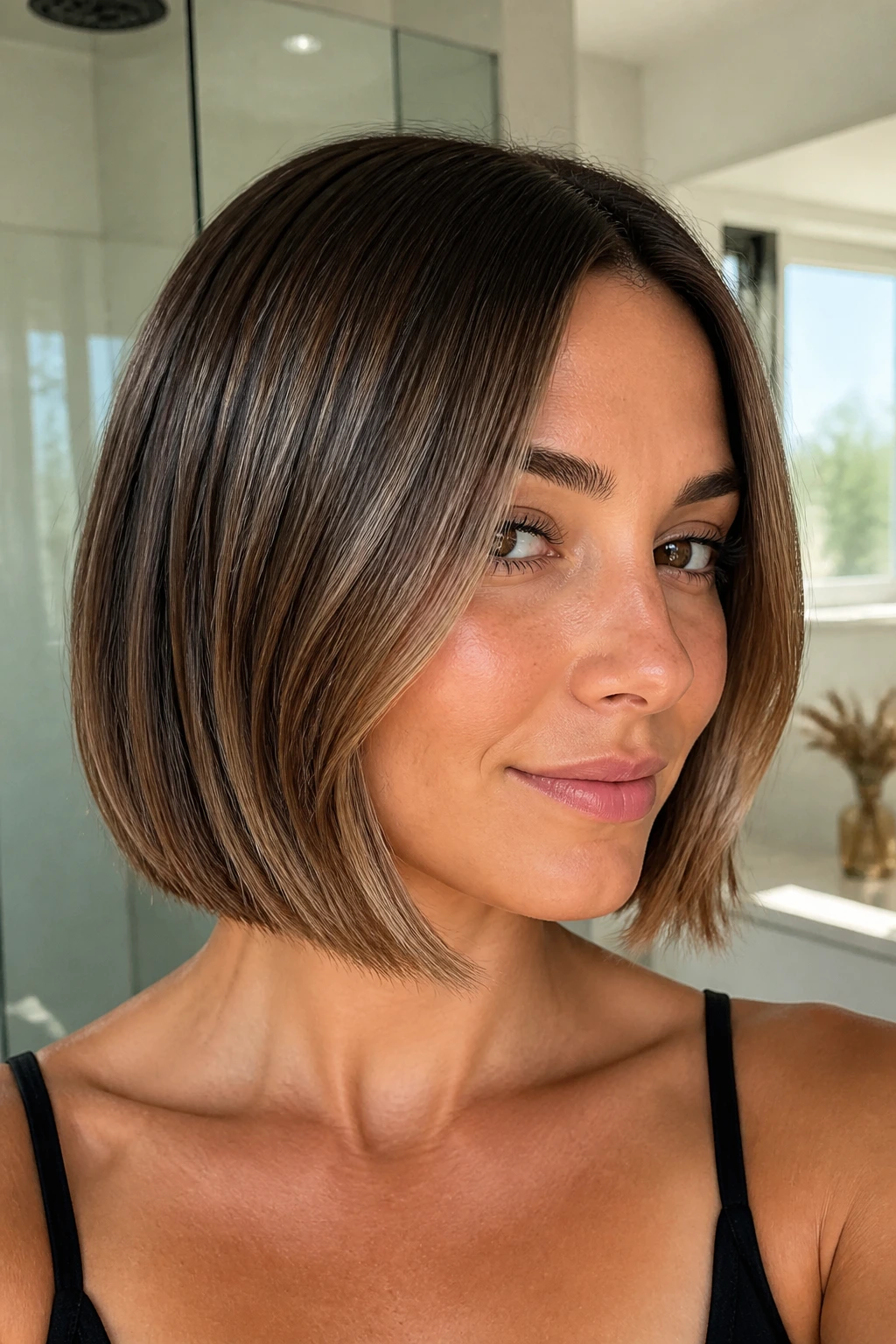
A bob does not need dramatic highlights to look expensive. In fact, too much contrast can make a short cut look busy. Glossy bob bronde keeps the difference soft, so the shape stays clean and the color supports it instead of stealing the show.
The best placement usually sits around the crown, front edge, and ends. That gives the bob movement when it swings, and the gloss makes the lighter pieces look shiny rather than dry. A sleek finish brings out the contrast. A tousled finish makes it softer.
Why it suits shorter cuts
- The hair moves more, so light placement shows faster
- Soft contrast keeps the cut from looking choppy
- A slightly darker root gives the bob more density
- Beige or caramel toner can shift the mood without redoing the whole color
This is one of my favorite ways to wear bronde on brown hair if the cut is blunt or slightly layered. The hair looks polished in daylight and neat at the ends, which short cuts need.
19. Low-Contrast Bronde for Fine Hair
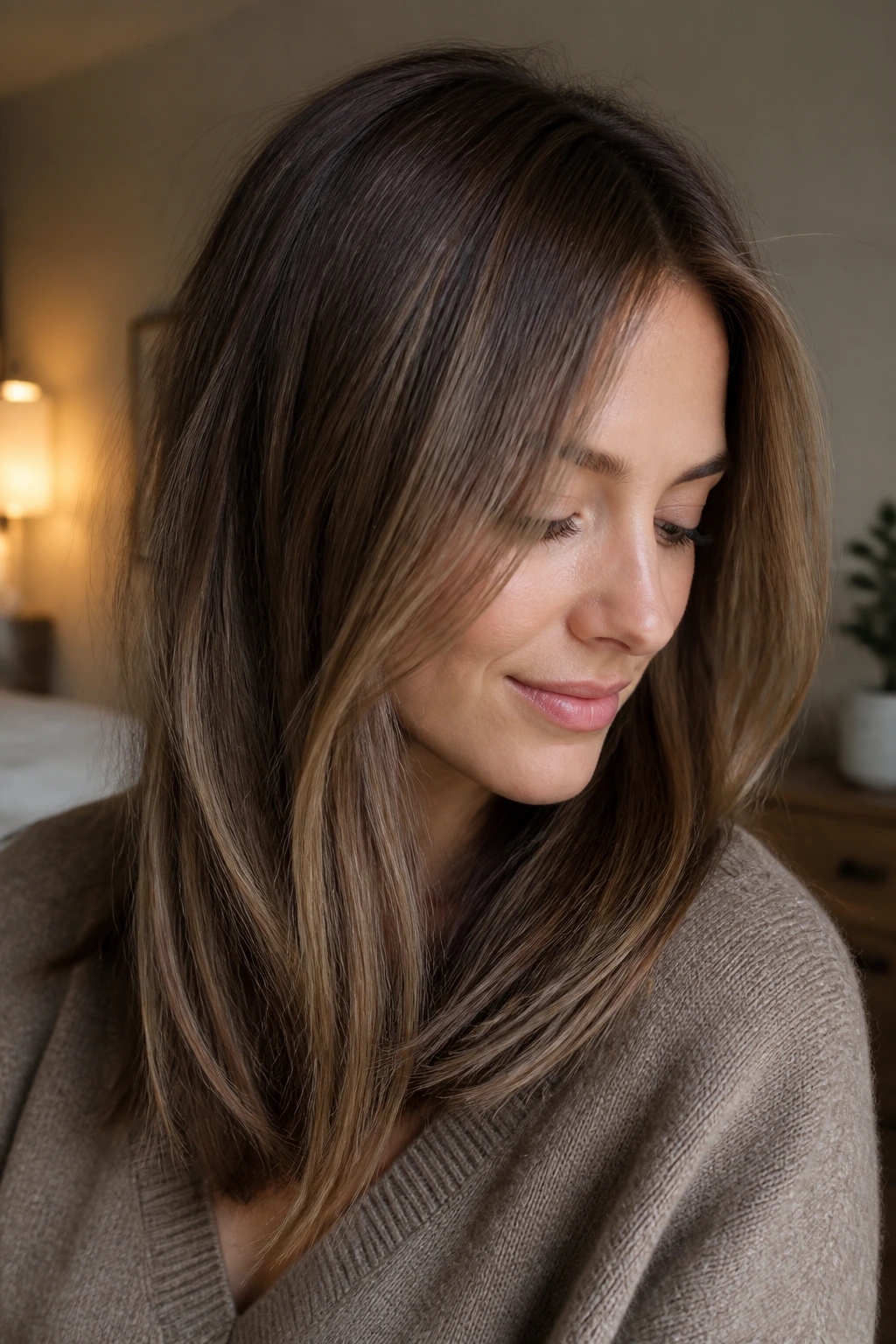
Fine hair can get overwhelmed by high contrast faster than people expect. Too much light and dark separation can make the strands look thinner, even if the hair is healthy. Low-contrast bronde avoids that by staying within a narrow color range.
What to ask for
Ask for a shade only one or two levels lighter than your base, with soft ribbons rather than thick sections. The highlights should melt into the brown instead of sitting on top of it. If your stylist reaches for a heavy blonde formula, pull it back.
Why it helps
The hair keeps its visual density. The ends still move. The color still changes in the light. But the base does not disappear, which is the real risk with fine brown hair.
This is a good place for a light gloss, especially if the hair needs shine more than brightness. A glossy finish gives the hair more body at a glance, and that matters when the strands are delicate. Small change, big difference.
20. High-Contrast Bronde with Bright Ends
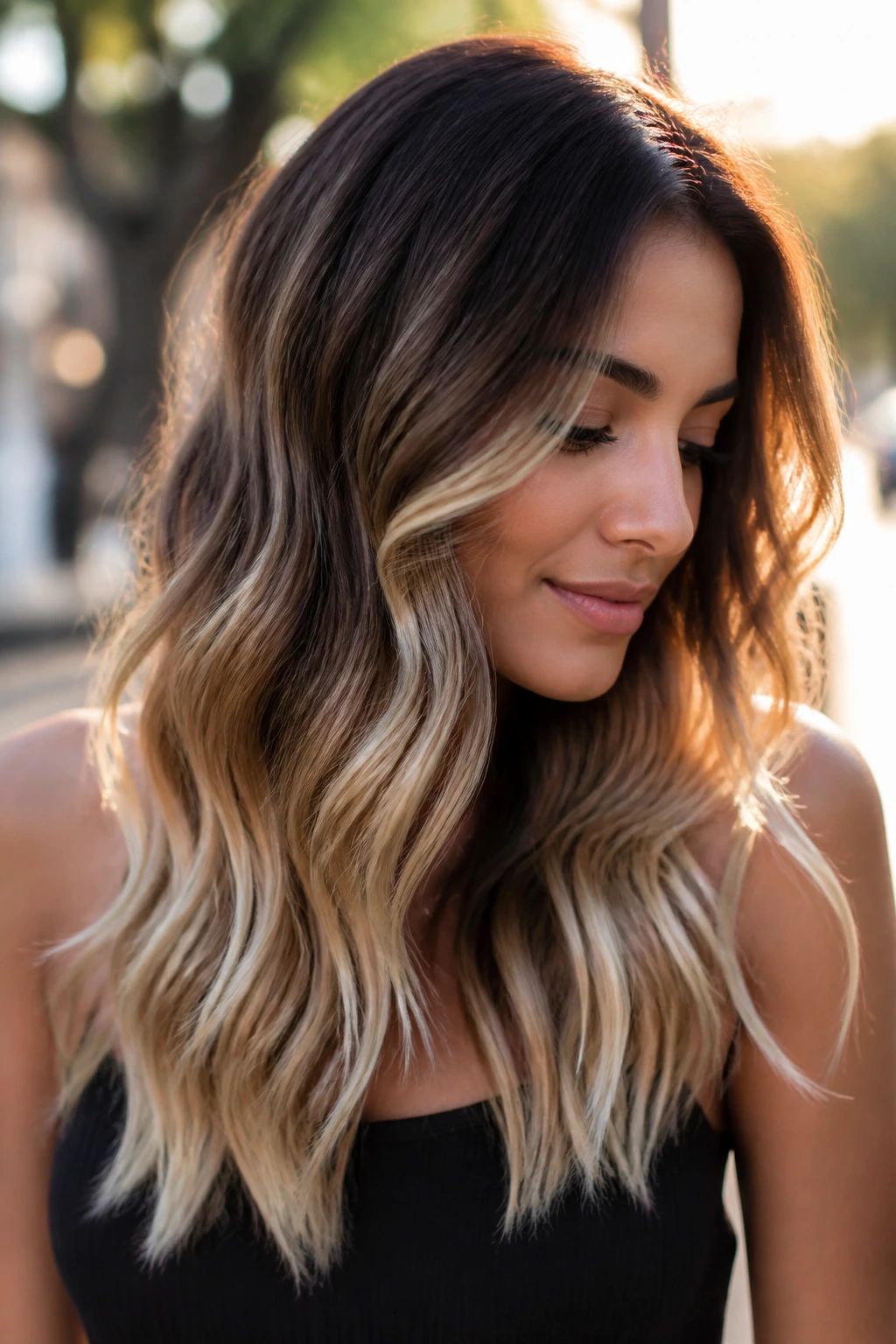
High-contrast bronde is not subtle, and that’s the whole point. The base stays brown and grounded, but the ends lift high enough to create a clear shift from dark to light, which gives the hair a bold, expensive-looking edge.
This version needs healthy hair and a stylist who knows how to blend the transition. If the line between brown and blonde is sloppy, the whole style falls apart. If the melt is smooth, the result can look striking without losing the brunette identity.
What makes it work
The best high-contrast bronde keeps the root natural, adds a soft bridge through the mids, and opens up near the ends. That shape helps the eye travel down the hair instead of stopping at a hard line. It also makes waves look fuller, which is useful on longer brown hair.
If you want a bronde look that feels a little more daring, this is the one. Keep the tone warm or beige if you want it soft; go smokier if you want it cooler and sharper. Either way, the brown base still does the heavy lifting, and that is why the whole thing stays wearable.
