



Choosing the right haircut is rarely just about aesthetics. It is about finding that intersection where personal identity, hair texture, and the reality of your daily morning routine actually meet. A cut might look incredible on a magazine cover or a screen, but if it requires forty-five minutes of precision blow-drying and your hair simply refuses to hold a style, that haircut becomes a chore rather than an accessory.
Before you step into a salon chair, you have to be honest about your hair’s natural behavior. Does it have a mind of its own? Does it crave volume or desperately need weight to keep it from frizzing? Does your hair texture demand high-maintenance trims, or can it grow out gracefully for months without looking disheveled? These are the questions that matter more than trends.
Let’s look at 28 distinct cuts. Each one offers a different silhouette, a different level of maintenance, and a different way of framing the face. By understanding the mechanical differences between these cuts, you can approach your next visit to the stylist with a clear, realistic plan.
1. The Classic Blunt Bob
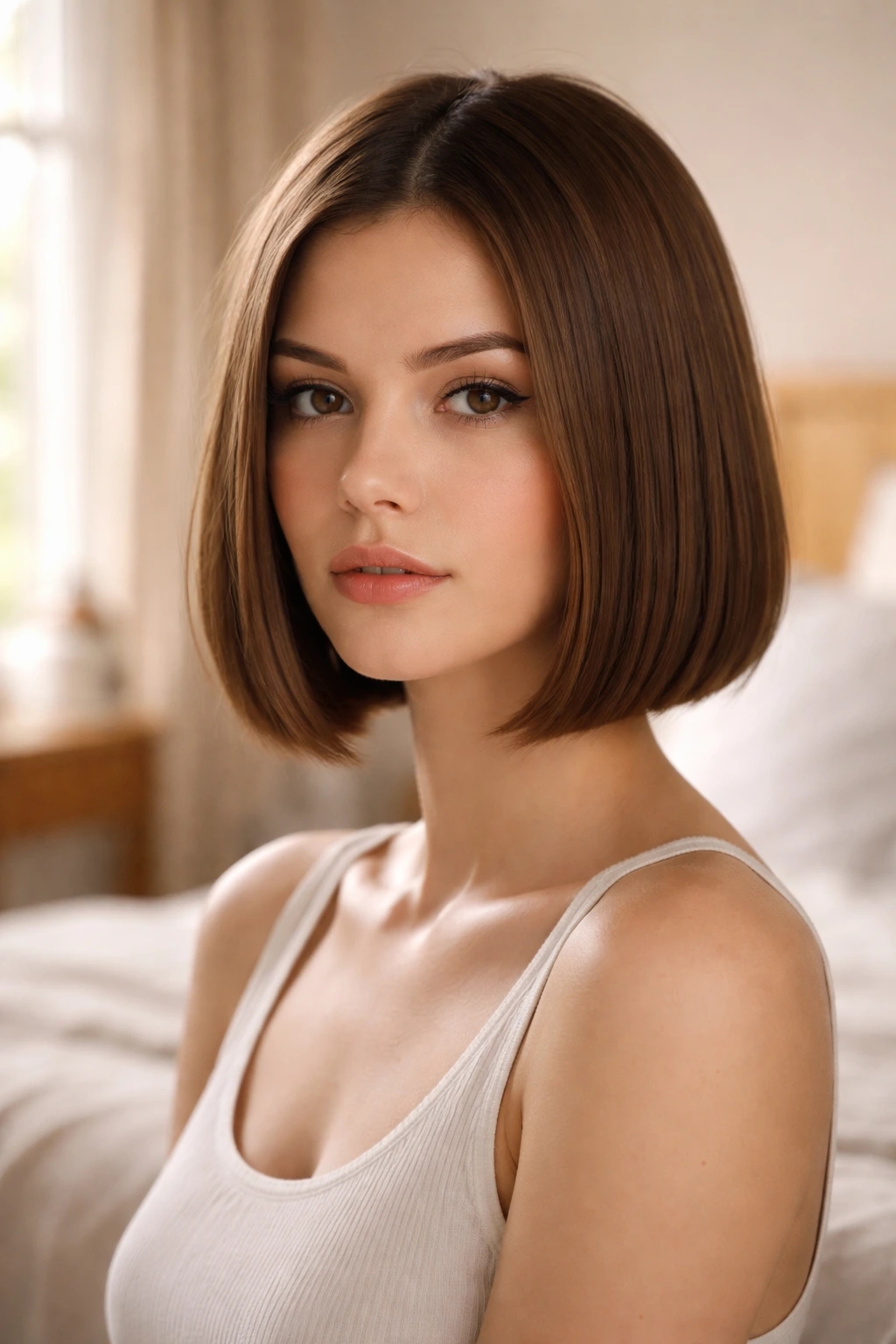
This is the baseline for short hair. It is cut to a single length, usually falling somewhere between the chin and the base of the neck, with absolutely no graduation or layering. The blunt edge creates the illusion of thickness, which makes it a fantastic choice for those with fine or thinning hair.
Because there is no texture added to the ends, this cut demands a very precise scissor work. Even a slight imperfection in the line will show, so do not go to an inexperienced stylist for this. Styling is generally straightforward, but you will need to keep your ends healthy. Split ends are immediately visible in a blunt cut, meaning you will need a trim every six to eight weeks to keep that sharp, clean line looking crisp.
2. The Textured Pixie
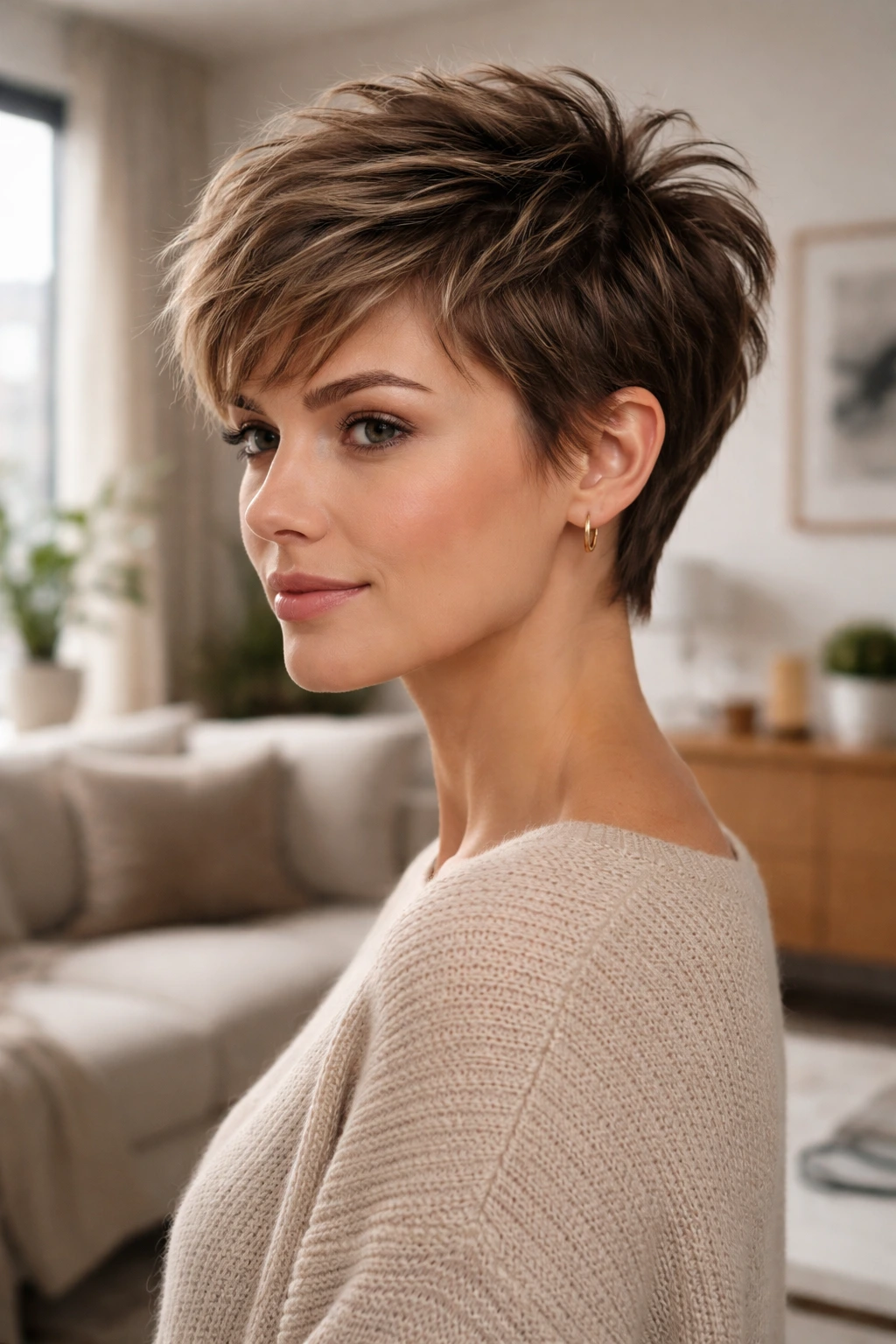
A pixie cut is a commitment, but it is also one of the most liberating decisions you can make. This version isn’t just sheared short; it incorporates texturizing shears or a razor to create a soft, piecey look. It avoids the “helmet hair” trap that can happen with a standard, blunt-cut pixie.
Who This Cut Suits Best
If you have a strong jawline or an oval face shape, a textured pixie will highlight your features rather than hiding them. It works particularly well for hair with a bit of natural wave. If your hair is poker-straight, you will likely need a light texturizing pomade or salt spray to give it some life and prevent it from lying flat against the scalp.
3. Long Layers
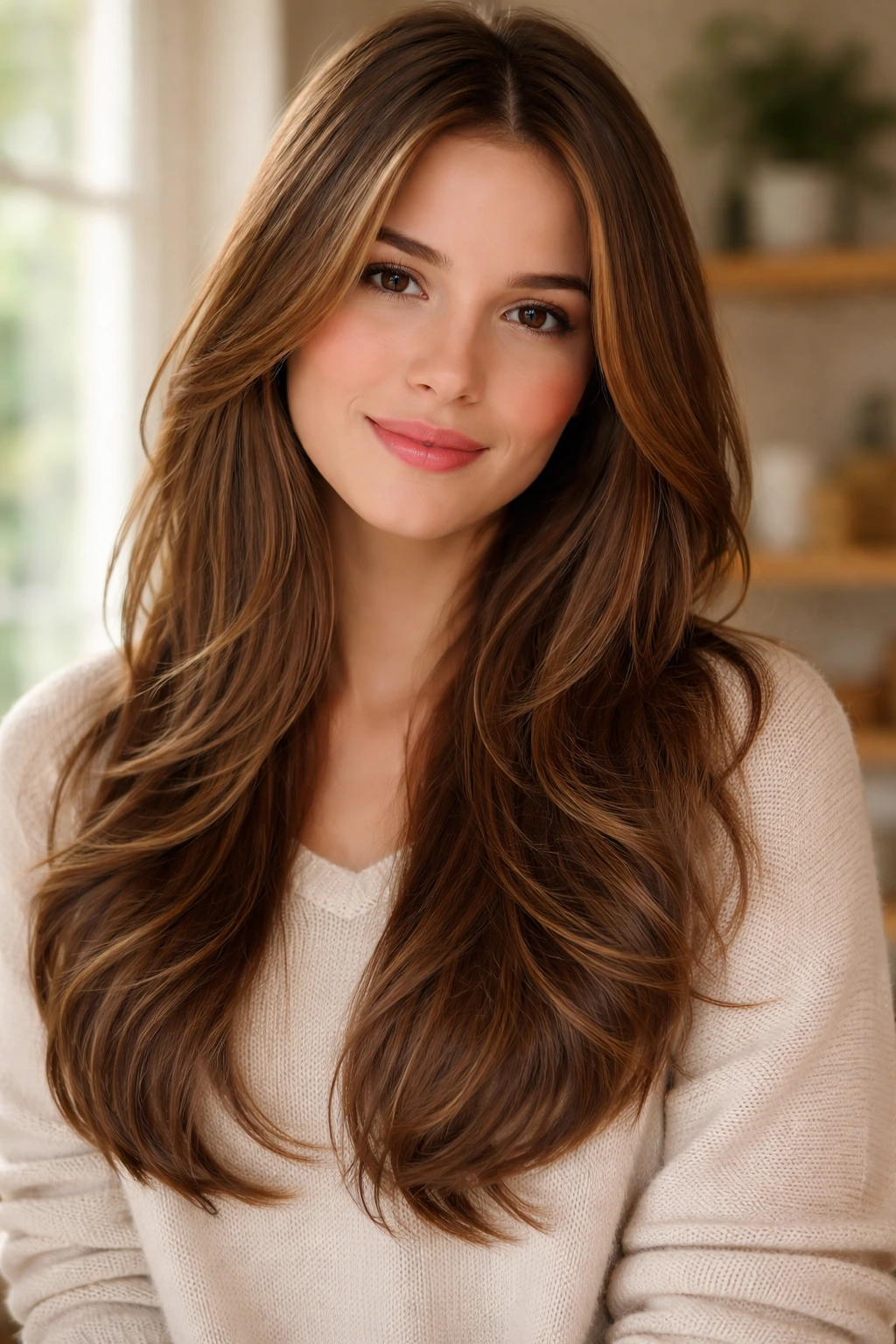
Many people think layers are just for removing weight, but they are actually about movement. Long layers start well below the chin, often beginning around the collarbone, to preserve the overall length of the hair while breaking up the visual weight. This prevents the “triangle effect” where long, one-length hair starts to look bottom-heavy and stagnant.
The Maintenance Factor
This is arguably the most low-maintenance haircut on this list. Because the layers are long, they grow out seamlessly. You can easily stretch your salon visits to three or four months without the cut looking overgrown. It is the perfect choice for anyone who wants a change but is terrified of losing their length or having to style their hair every single morning.
4. The Shoulder-Length Lob
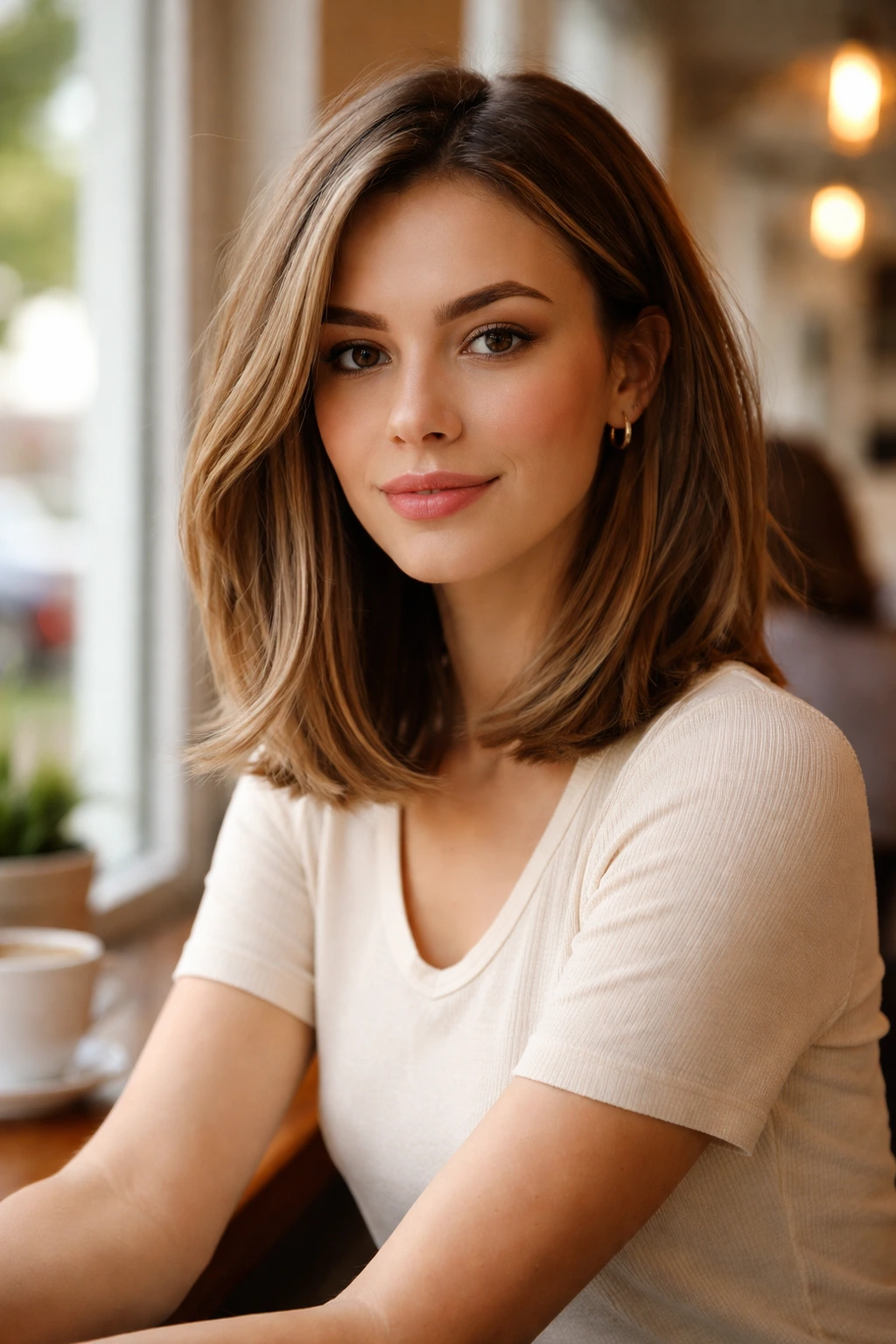
The “long bob” or lob is the goldilocks zone of haircuts. It hits right at the shoulders, offering enough length to pull back into a ponytail when you need it, but staying short enough to look styled and intentional even when you just let it air dry. It sits perfectly on almost every face shape.
If you are transitioning from very long hair to something shorter, this is the safest entry point. It is less drastic than a chin-length bob but provides a significant refresh. Keep in mind that when hair hits the shoulders, it tends to flip out because of the contact with your clothing. You need to be prepared to either embrace that flipped-out look or use a flat iron or round brush to train the ends to turn under.
. The Shaggy Layer Cut
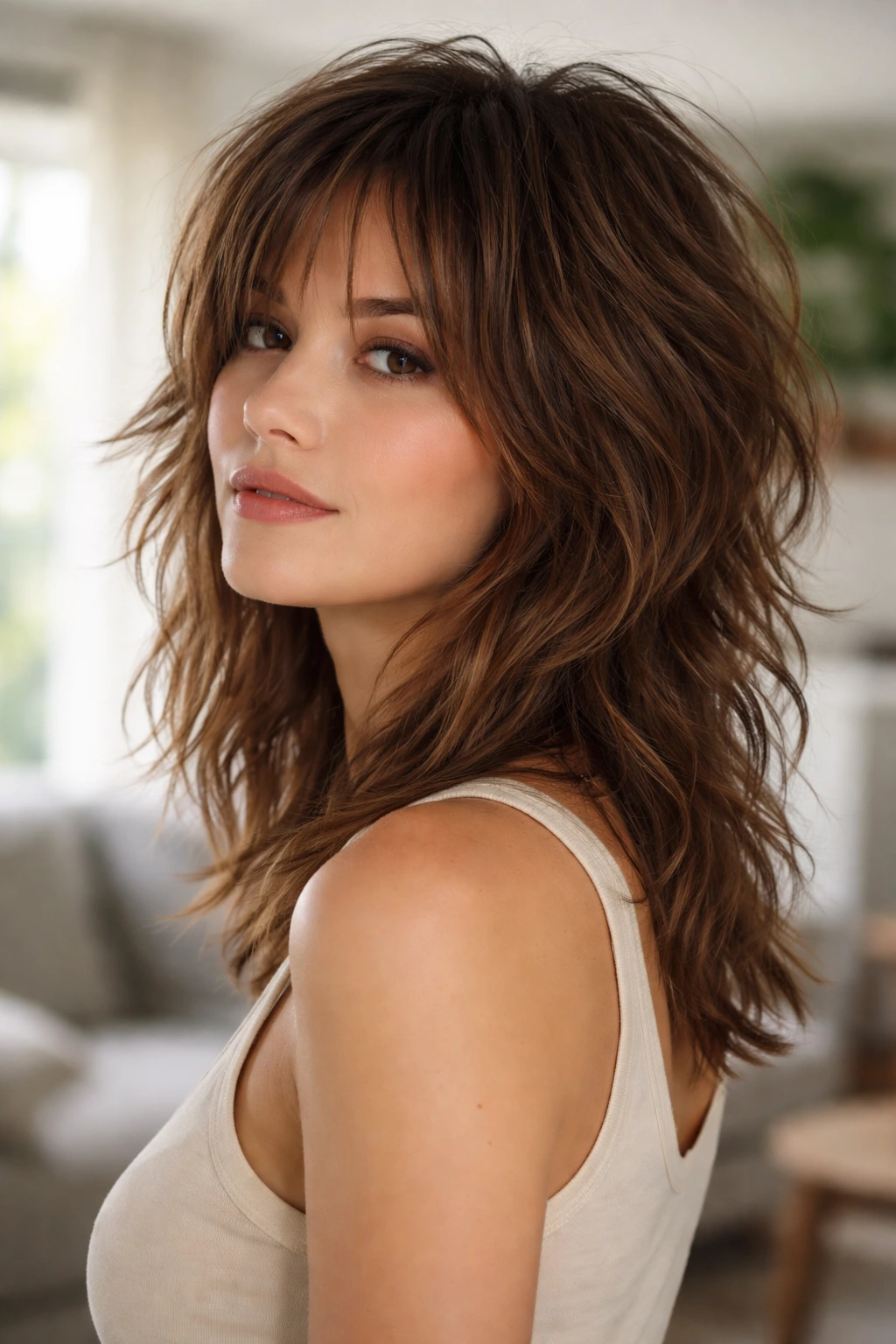
A shag is about controlled chaos. Unlike precise, blunt cuts, the shag relies on heavy layering around the crown and thinner, wispy ends. It is designed to look a bit messy, lived-in, and effortless. This cut is excellent if you have naturally wavy or curly hair that tends to get unruly with other styles.
You need to embrace your natural texture here. If you try to blow-dry a shag into a sleek, straight style, you lose the point of the cut. Let your hair air dry with a curl-defining cream, or use a diffuser attachment on your blow dryer. The more natural volume you can encourage, the better this cut will perform.
6. Blunt Bangs
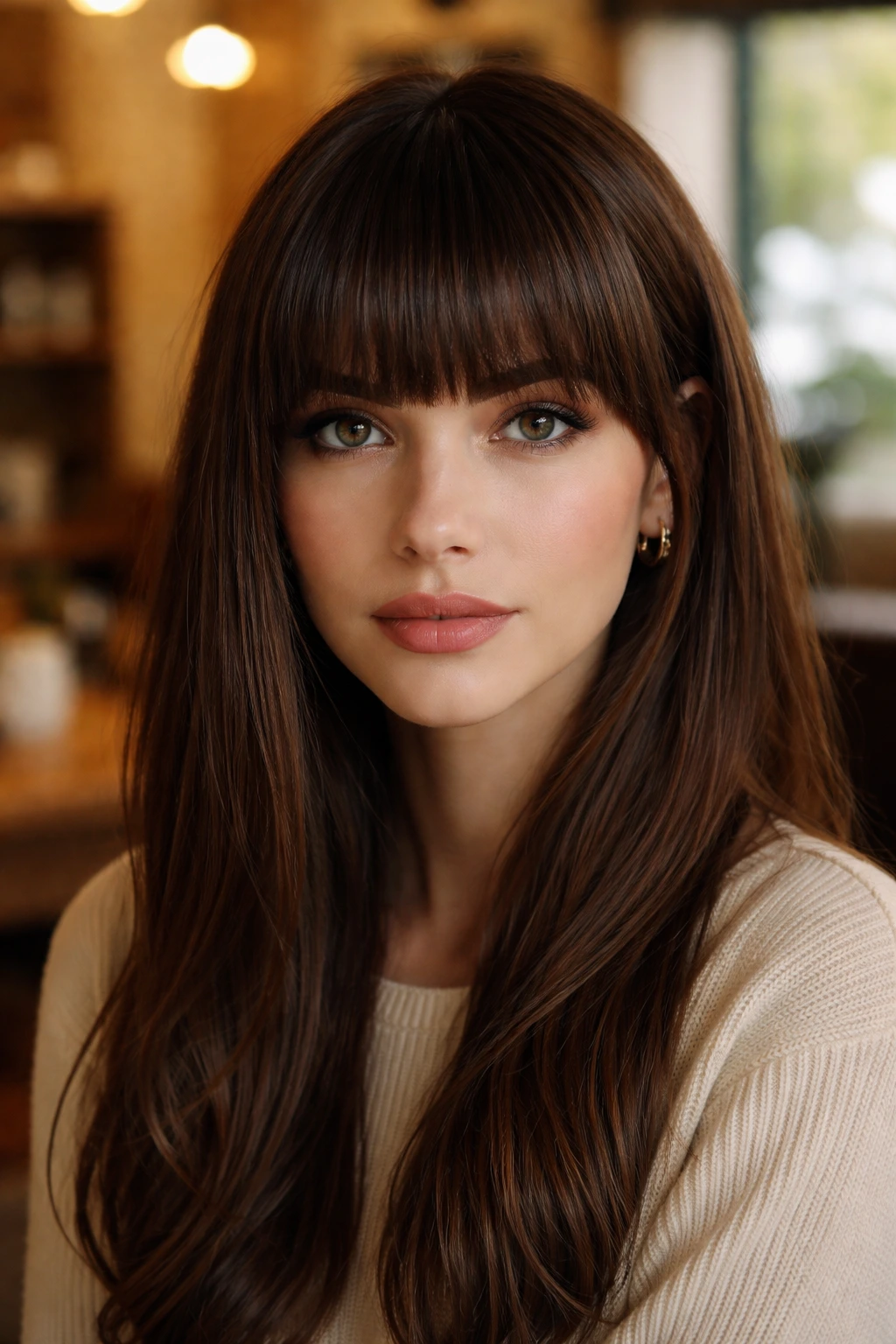
Bangs are the quickest way to change your appearance without cutting off any length. A true blunt bang is cut straight across the forehead, usually hitting just at or slightly below the eyebrows. They provide a striking, graphic frame for the eyes and can instantly make a simple long haircut look like a high-fashion style.
The Reality of Bangs
You cannot wake up, roll out of bed, and expect blunt bangs to look good. They require daily attention. You will need to style them with a round brush every morning to keep them smooth, and if your forehead gets oily, you will likely find yourself using dry shampoo on your bangs by midday. If you are willing to put in the two minutes of styling, they are worth it, but do not underestimate the maintenance.
7. Side-Swept Bangs
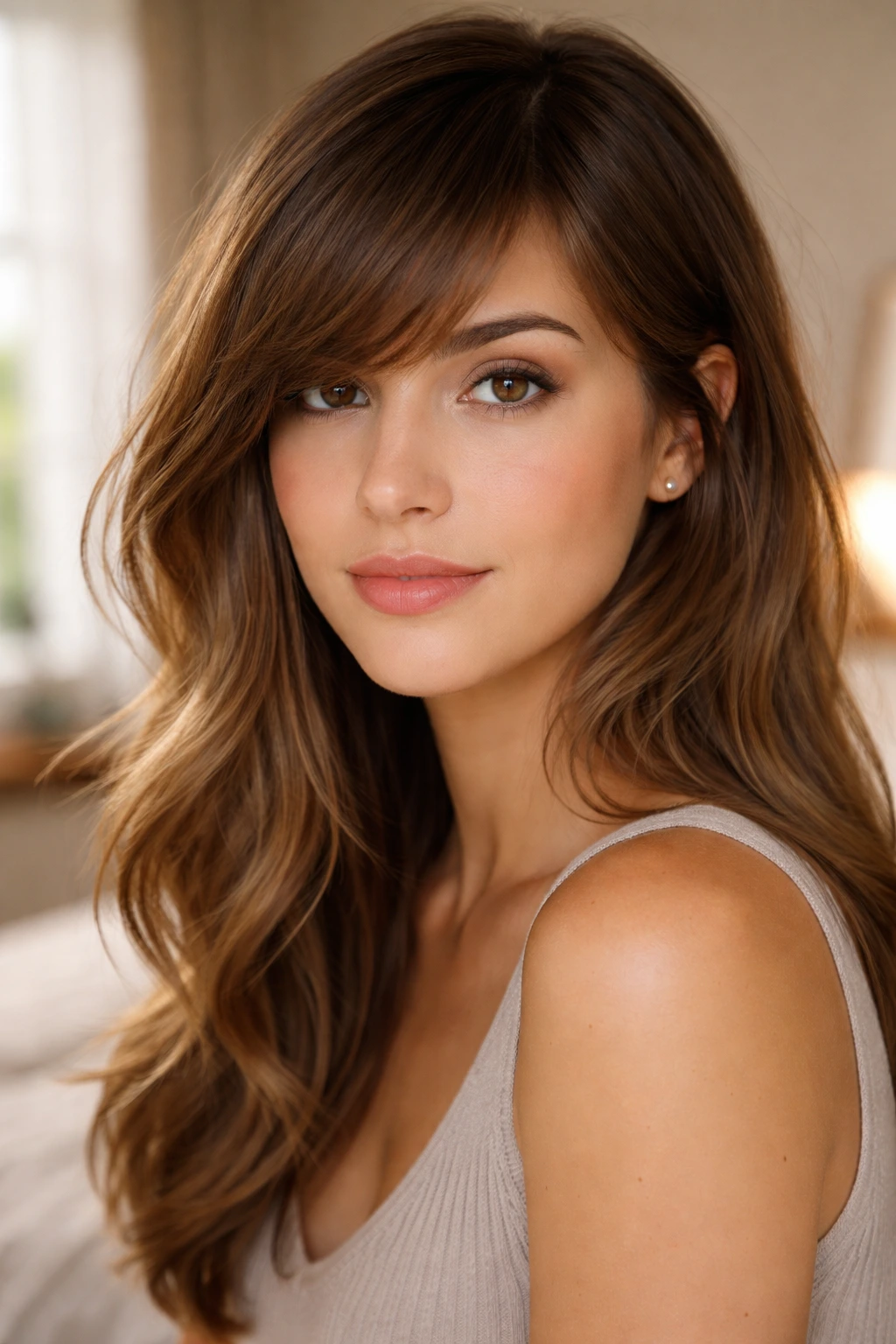
If blunt bangs feel too severe, the side-swept fringe is the natural alternative. These are cut at an angle, starting shorter near the arch of the eyebrow and tapering down toward the cheekbone. They are soft, flattering, and much more forgiving than blunt cuts.
Because they are not cut straight across, they grow out much better. You don’t have that awkward phase where they are stabbing you in the eyes every week. They are incredibly versatile and can be tucked behind the ear or pinned back easily if you want them out of your face. They are the ideal “starter bang” for anyone worried about the commitment.
8. Curtain Bangs
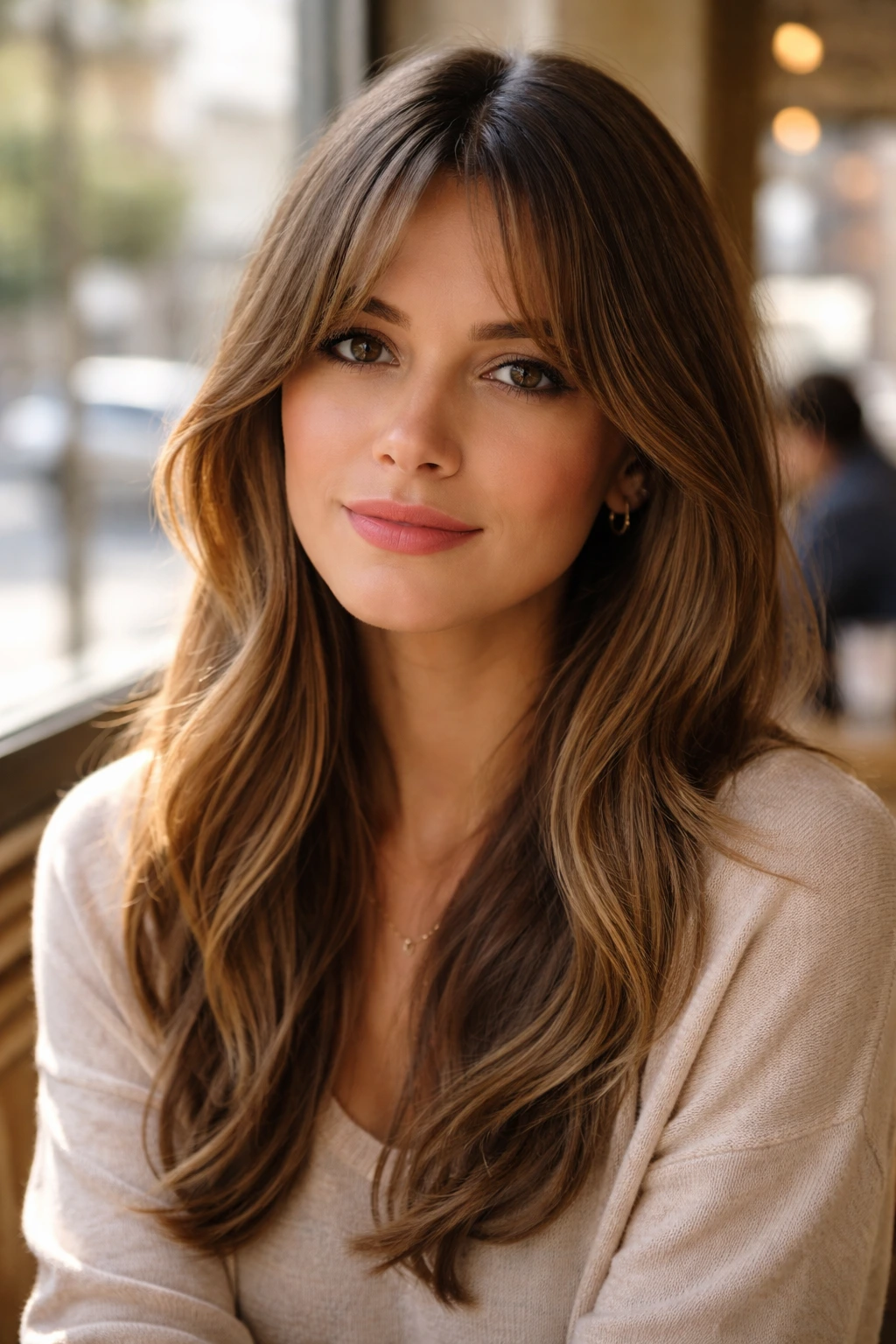
Curtain bangs are designed to part down the middle and sweep outward, framing the face like curtains on a window. They are longer than traditional bangs, usually hitting around the cheekbone or jawline. This style creates a soft, feminine silhouette and is perfect for blending into longer layers.
These are incredibly popular because they look great on almost everyone and don’t require the daily commitment of trimming. Even when they grow out, they just blend into the rest of your hair layers. You can style them with a simple velcro roller while you get ready, and they will hold that soft, swooping shape all day.
9. The Undercut
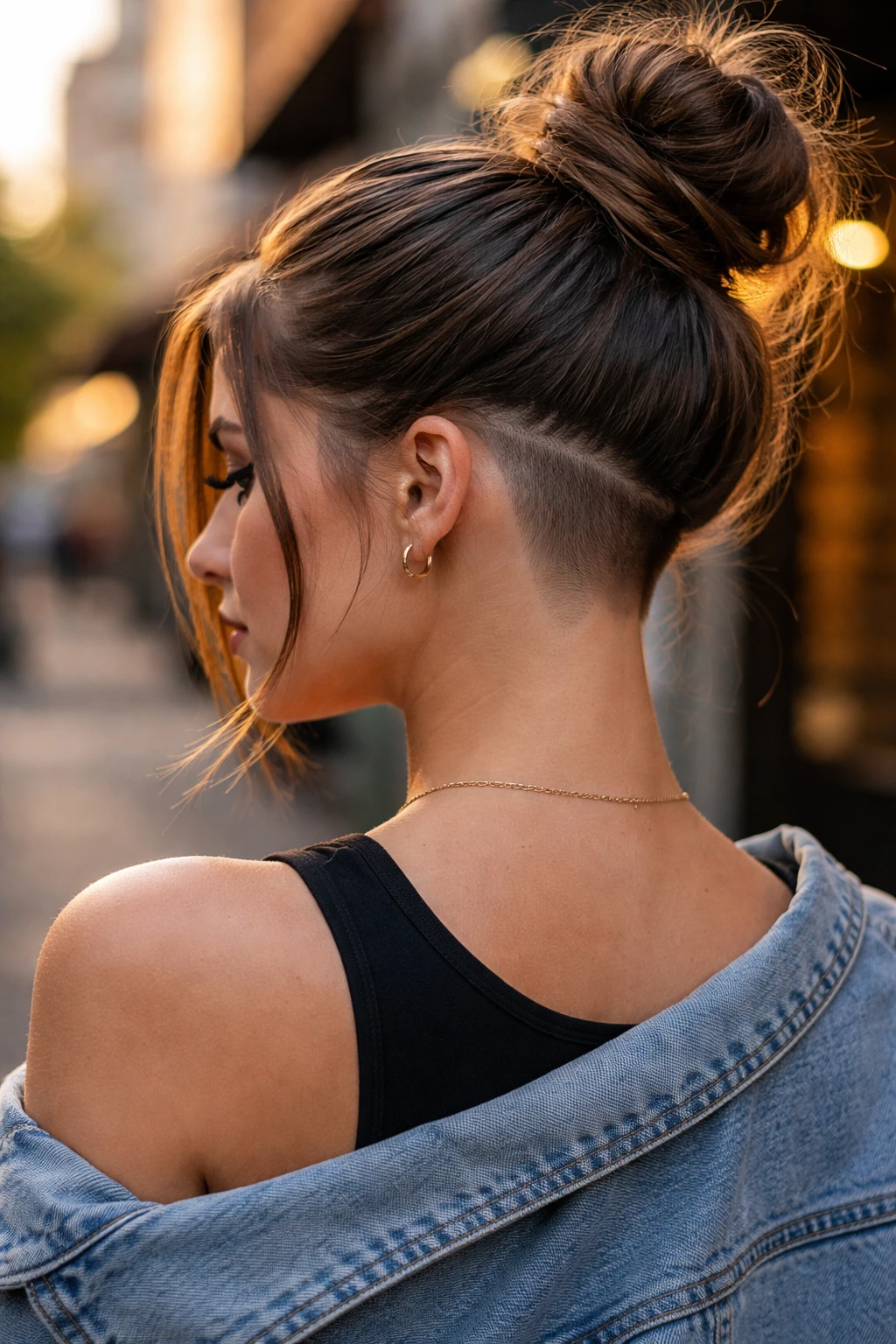
This is a bold, edgy choice. An undercut involves shaving the hair at the nape of the neck or sometimes the sides of the head, leaving the hair on top long enough to cover it. It is a hidden detail that can make thick, heavy hair much more manageable by removing bulk where you don’t need it.
Why It Works
It is a great way to experiment with shorter hair without actually cutting the visible length. If you wear your hair down, no one will know it is there. If you wear your hair in a high ponytail or a bun, the undercut is revealed. It is a fantastic option for girls with very thick hair that feels heavy, hot, or difficult to control.
10. The Asymmetrical Bob
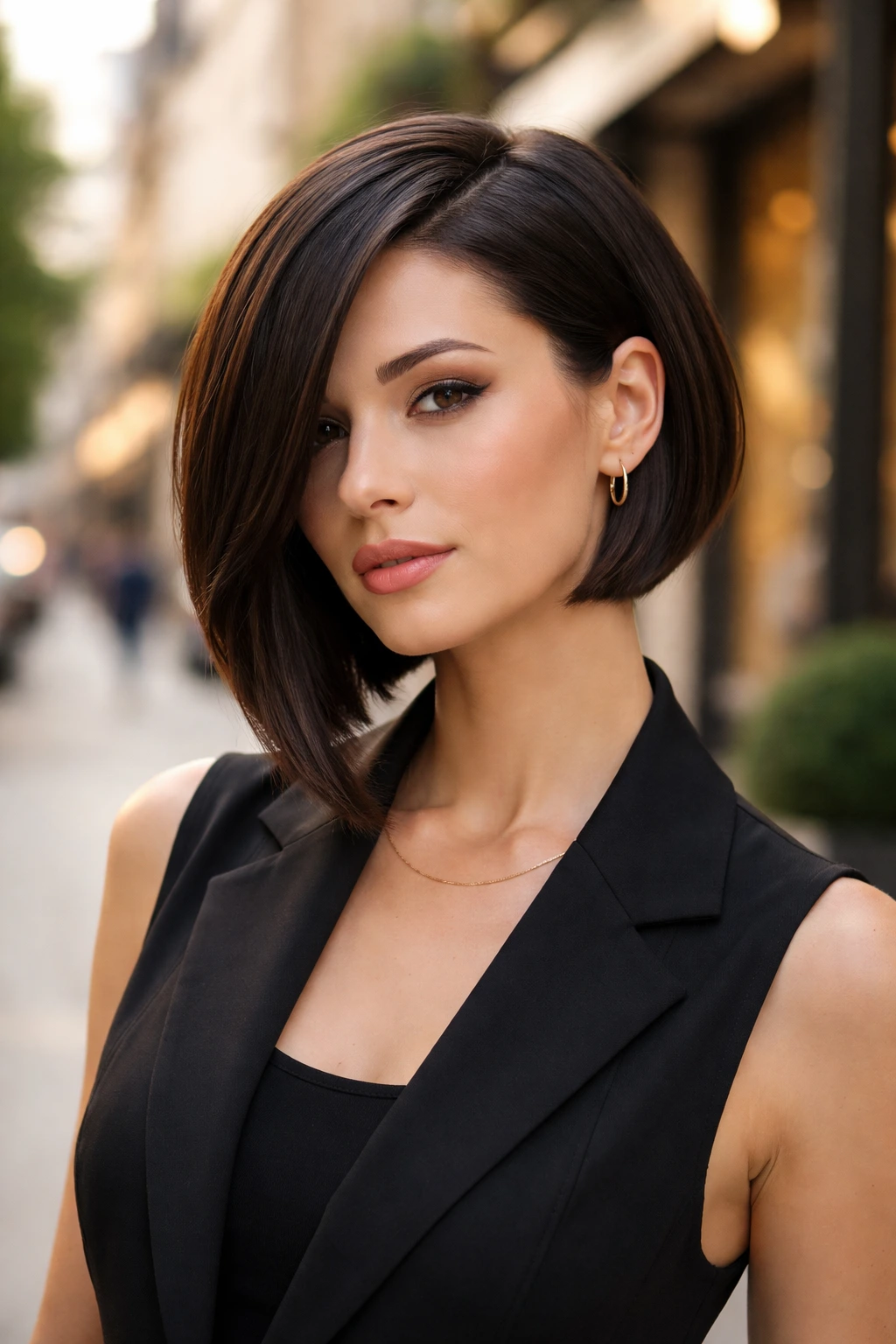
An asymmetrical bob is shorter on one side than the other, creating a dramatic, slanted line. It is a sophisticated cut that feels artistic and intentional. Because the lengths are uneven, it naturally draws the eye, making it a very flattering cut for rounder face shapes as it helps elongate the face.
The maintenance here is higher than a standard bob because the angle needs to be kept sharp. If you let it grow out unevenly, it can quickly look sloppy rather than styled. You will likely need to see your stylist for a “dusting” or a trim every six weeks to maintain that precise slant.
11. Textured Waves Cut
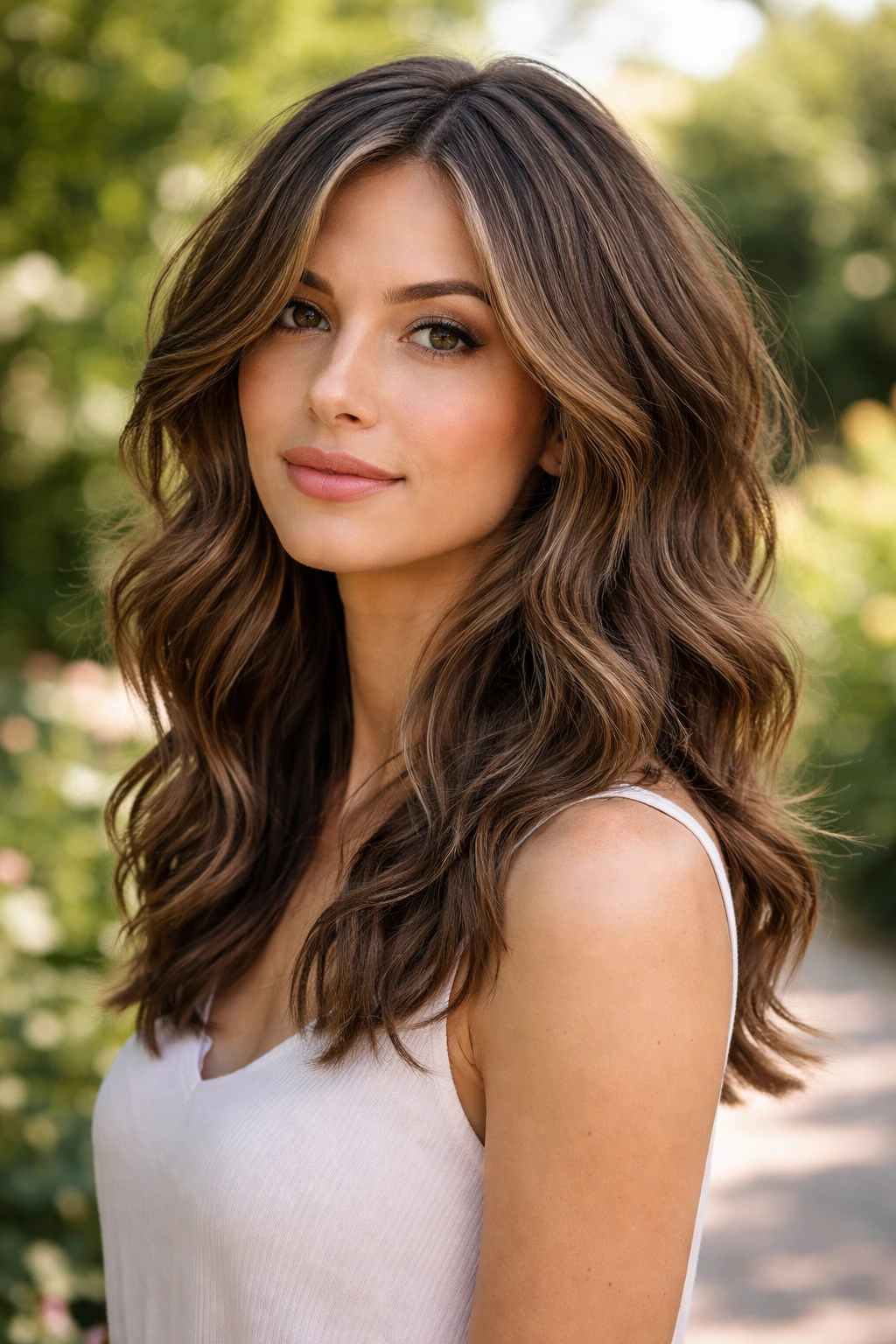
This cut is all about internal layering. The stylist will use thinning shears or a razor to remove weight from the inside of the hair, allowing the natural wave pattern to bunch up and look more defined. It is less about the length and more about the technique used to create movement throughout the head.
If you have hair that feels heavy and lifeless, this is the solution. The weight removal allows the hair to bounce up, creating volume without adding actual length. It works best on hair that has at least a slight bend to it. If your hair is stick-straight, this cut might just make it look stringy, so be careful.
12. The V-Cut Layers
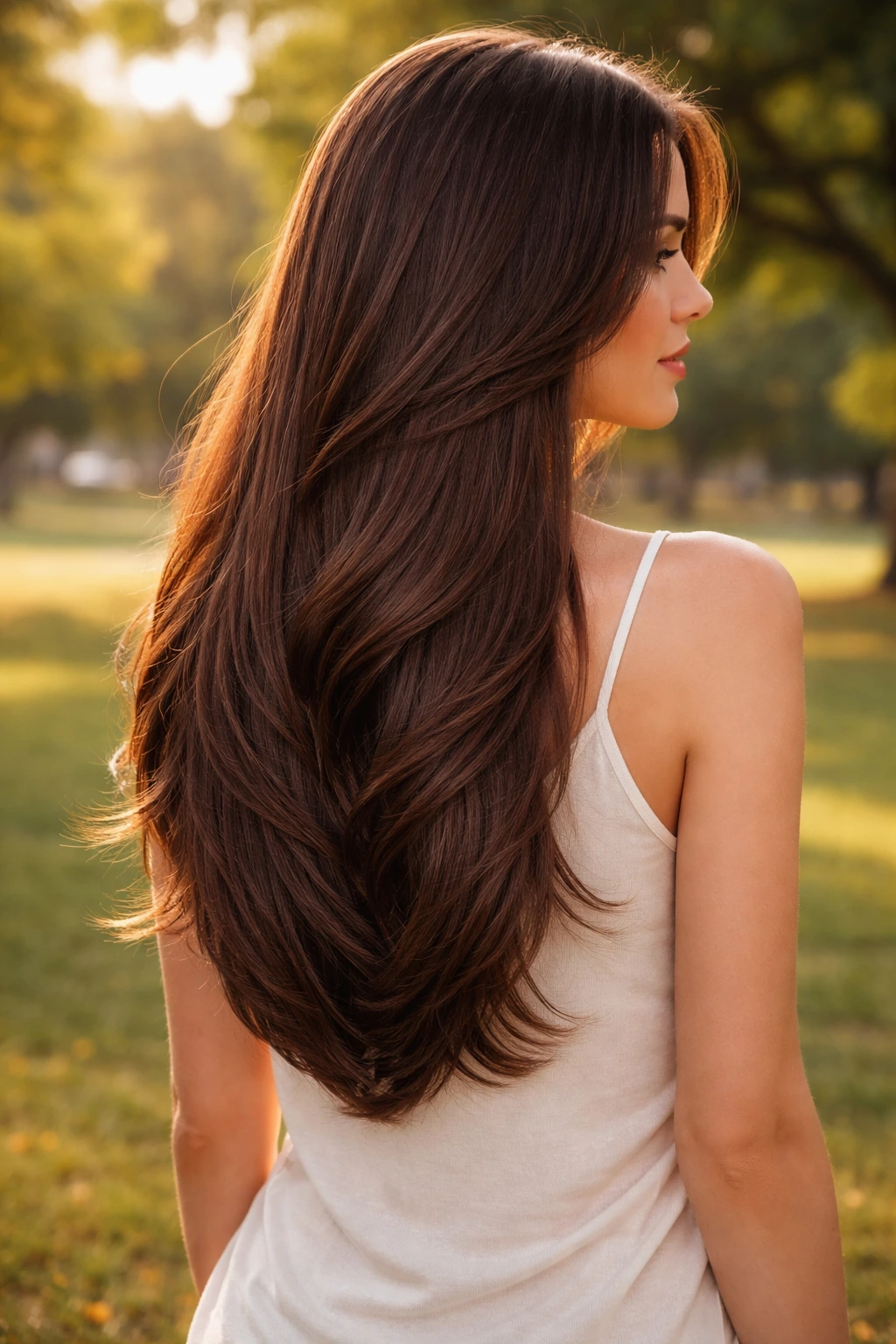
The V-cut is exactly what it sounds like—the hair is layered in such a way that it comes to a point in the back. This is an excellent way to maintain significant length while getting rid of dead, dry ends and creating a shape that looks intentional.
This cut is particularly striking on very long hair. When you pull your hair over one shoulder, the layers will cascade down, showing off the different lengths. It is very popular for those who want to keep their length but feel their hair has become a curtain that hides their face. The V-shape brings the focus to the center and creates a beautiful, flowing silhouette.
13. Tight Curls with Volume
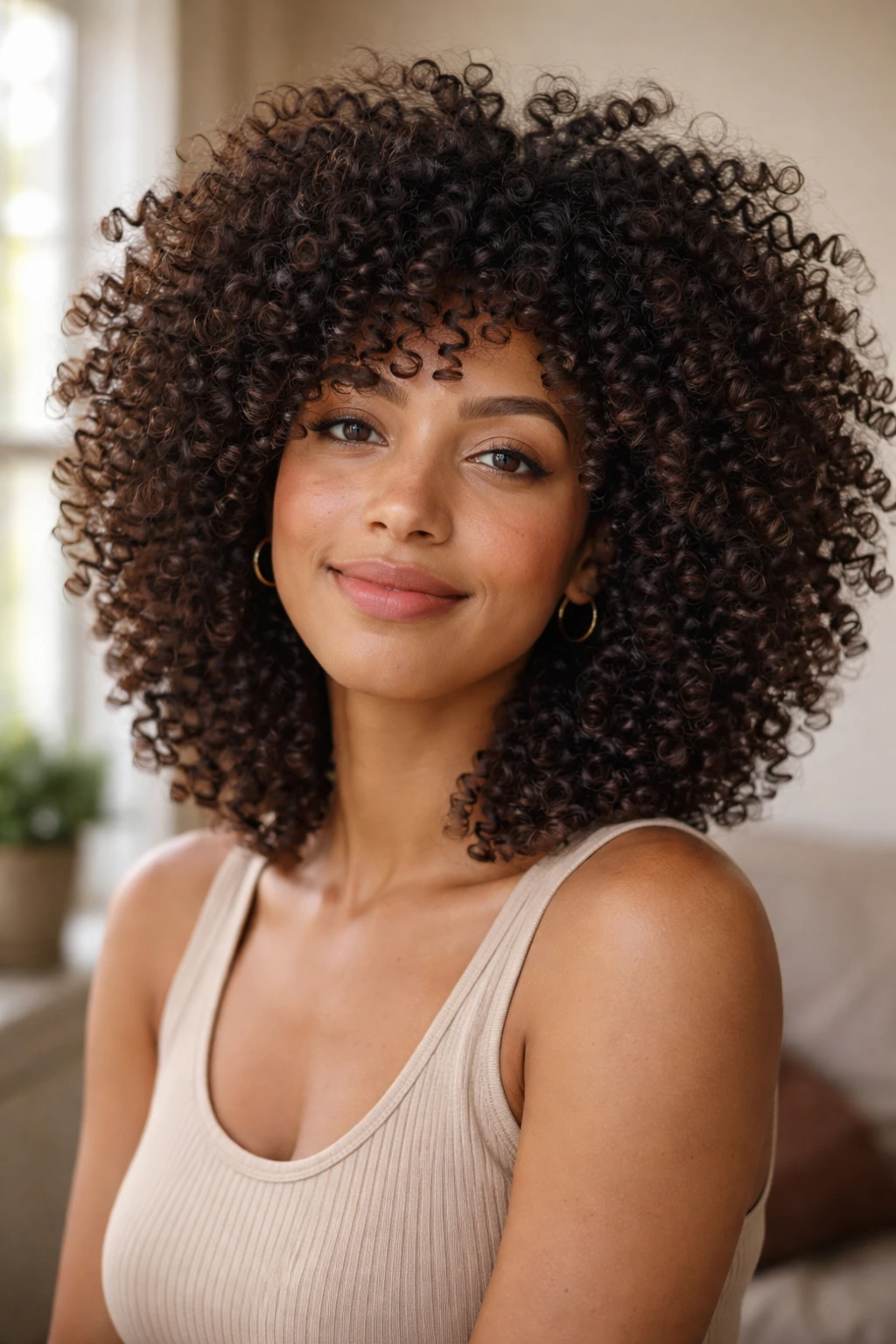
For those with tight curls or coils, the goal is often shape. A rounded or layered cut for curls ensures that the hair doesn’t end up looking like a pyramid, with all the volume at the bottom and none at the top. The layers should be cut dry, or by someone who truly understands curl shrinkage, to ensure the shape holds when the hair is dry.
You want to minimize the number of times you brush this hair. Instead, focus on hand-styling and using products that encourage curl clumping. Layers are essential here because they allow the curls to spring up individually rather than clumping together into a heavy, monolithic mass of hair.
14. Braided Crown Style
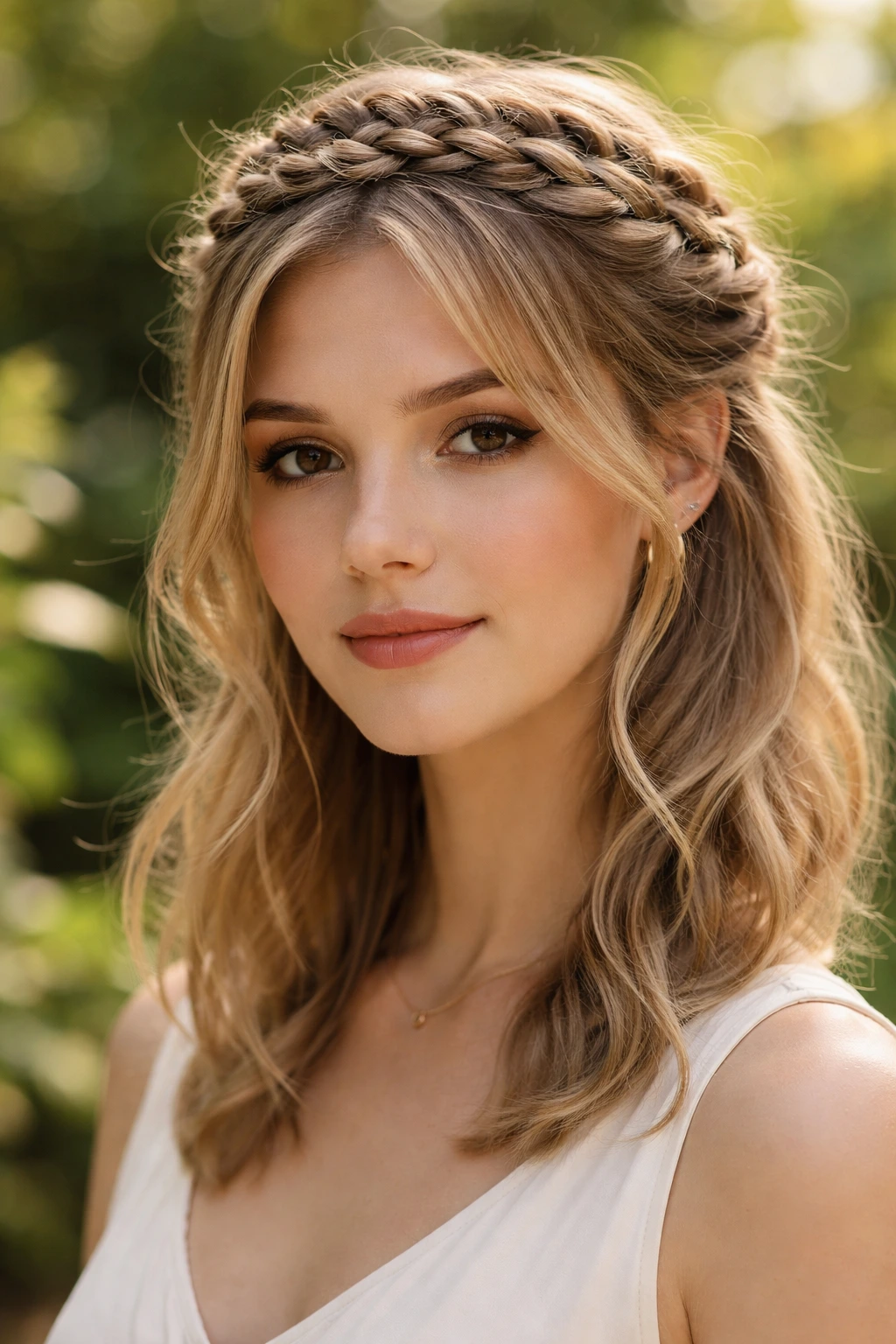
This is more of a styling choice than a cut, but you can definitely work with your stylist to create a cut that supports it. By having shorter, face-framing pieces and longer back sections, you create the perfect foundation for crown braids. The shorter pieces can be left out to soften the look, while the longer sections handle the braiding duties.
This approach is perfect for active girls or those who prefer to keep their hair off their face for sports or dance. It is functional, keeps the hair out of your eyes, and looks intentionally styled even if you did it in five minutes.
15. Top Knot Bun with Taper
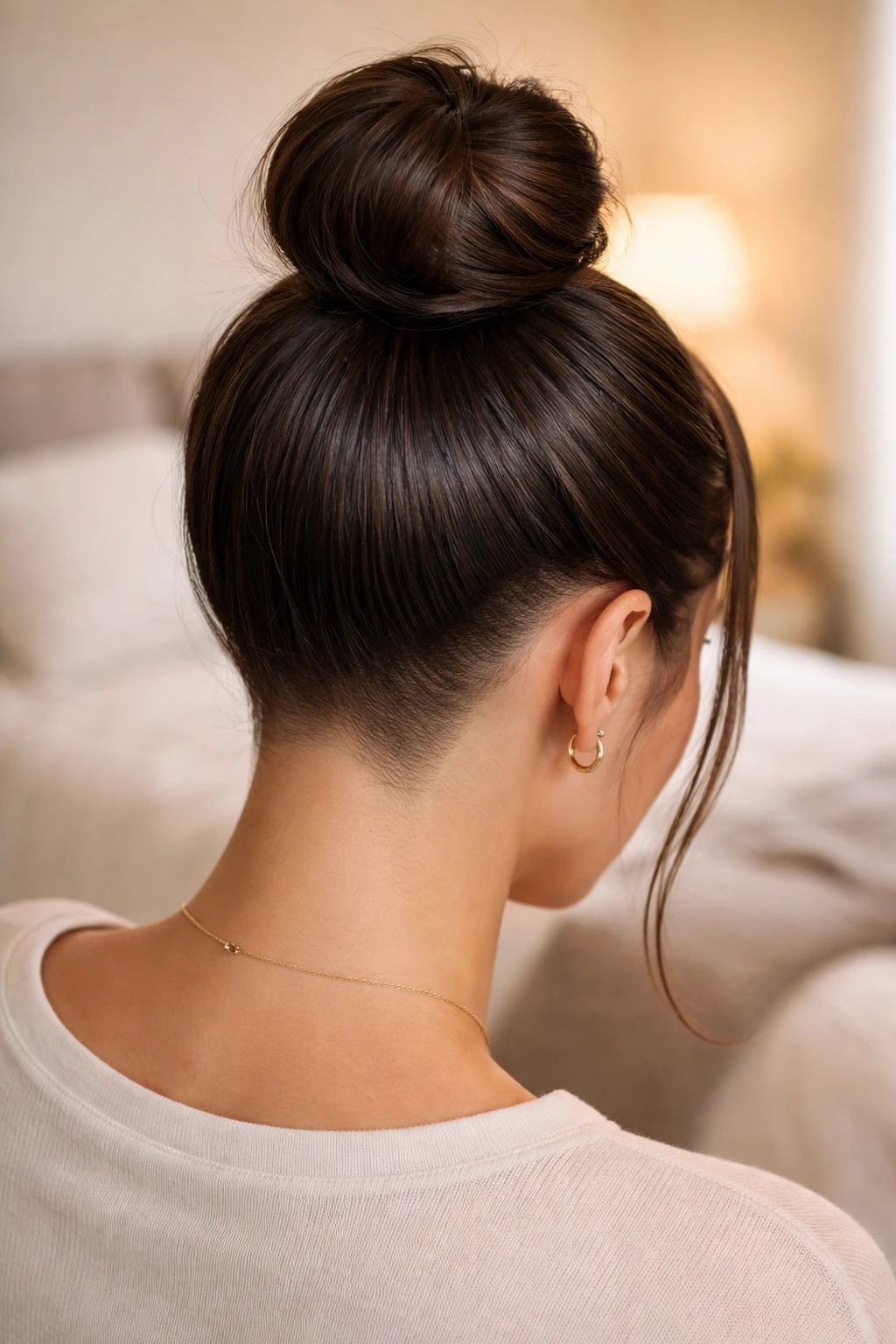
A tapered undercut at the nape of the neck is the secret to a perfect, sleek top knot. By removing the fine, wispy hairs at the very bottom of the hairline, you prevent those annoying loose strands that always fall out of a high bun. It makes the bun look cleaner, tighter, and more professional.
This is a specific choice for someone who wears their hair up the vast majority of the time. If you like to wear your hair down often, be aware that you will have a shaved patch at the back that you will have to grow out if you ever decide to stop wearing it up.
16. Face-Framing Layers
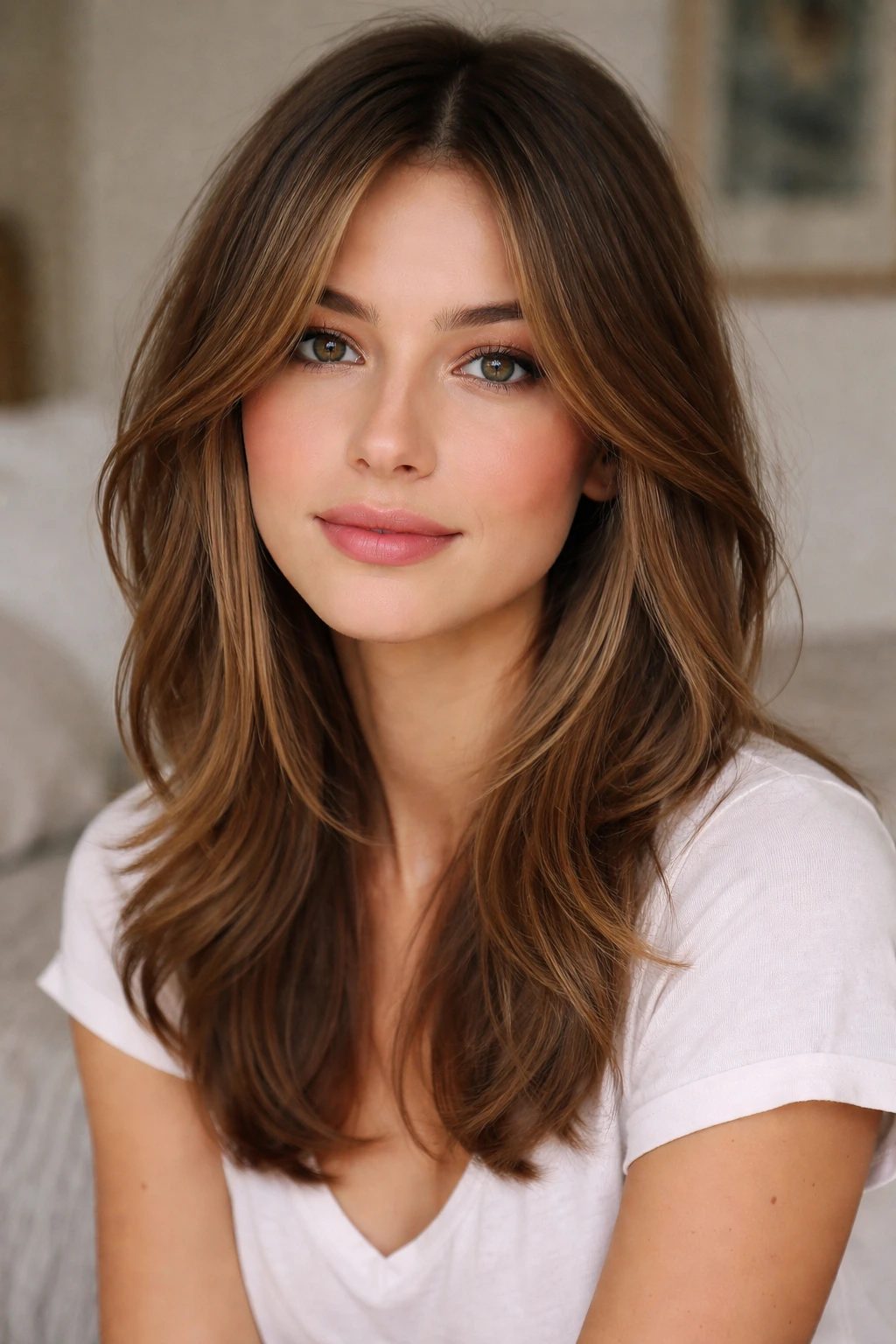
Sometimes you don’t want to change your overall length, but you want a change in how your hair interacts with your face. Face-framing layers, often called “money pieces” or “noodle layers,” start around the chin and continue down. They act like curtains, highlighting your cheekbones and jawline.
This is a subtle change that makes a massive difference. You can style them inward with a round brush for a polished, professional look, or let them air dry for a messy, beachy vibe. It is the easiest way to refresh a long, one-length cut without losing the progress you’ve made on your hair length.
17. The Choppy Bob
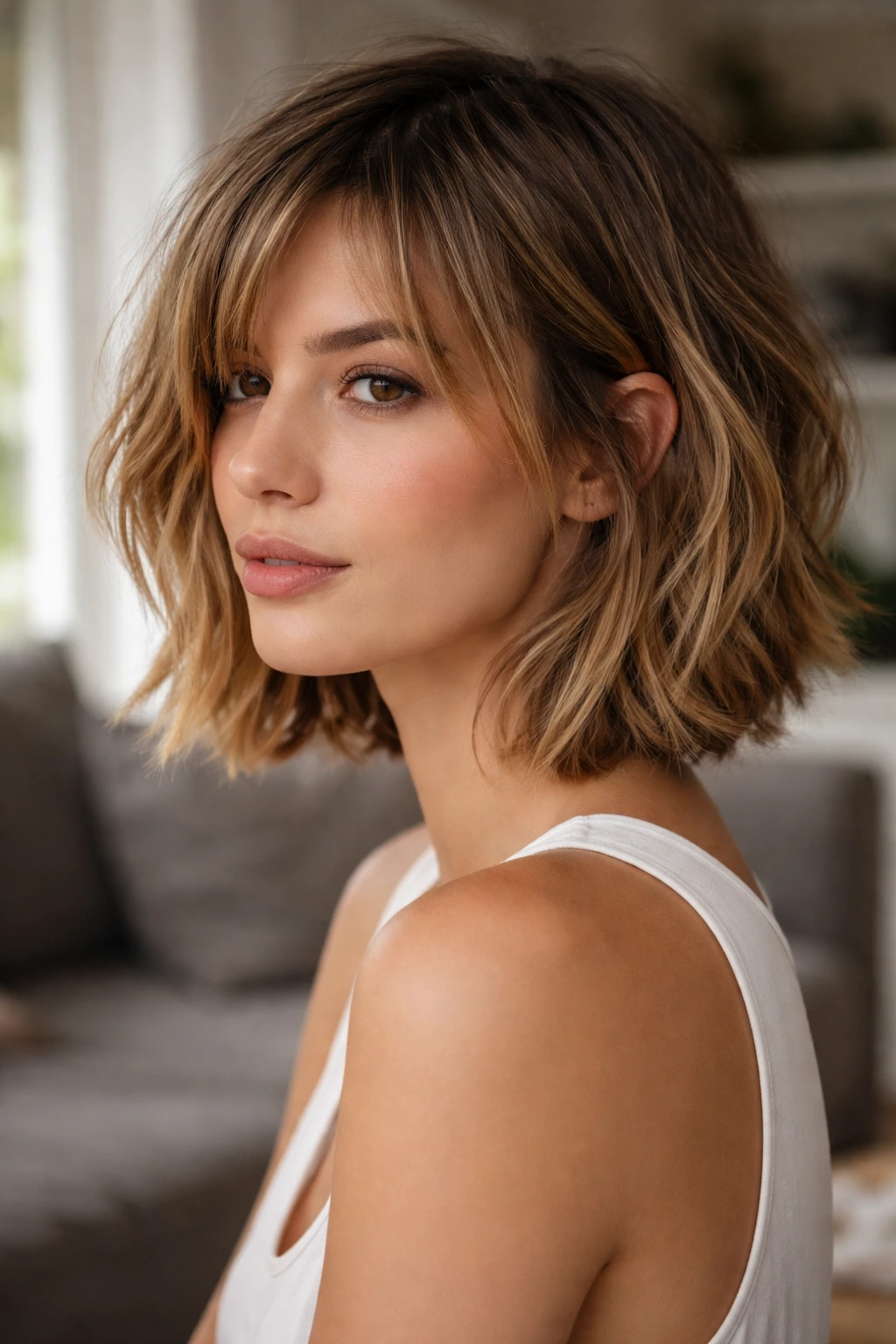
If a classic bob feels too rigid, a choppy bob is the antidote. It uses point-cutting—where the stylist cuts into the ends of the hair vertically—to create jagged, uneven tips. This gives the hair a playful, energetic look that is much easier to style than a perfect blunt line.
It is ideal for anyone with fine hair who wants volume. The uneven ends create air and space between the strands, which naturally fluffs the hair up. It’s also very forgiving. Because the ends are meant to be choppy, you don’t have to worry about a perfect trim every few weeks; the grow-out phase is seamless.
18. The Butterfly Cut
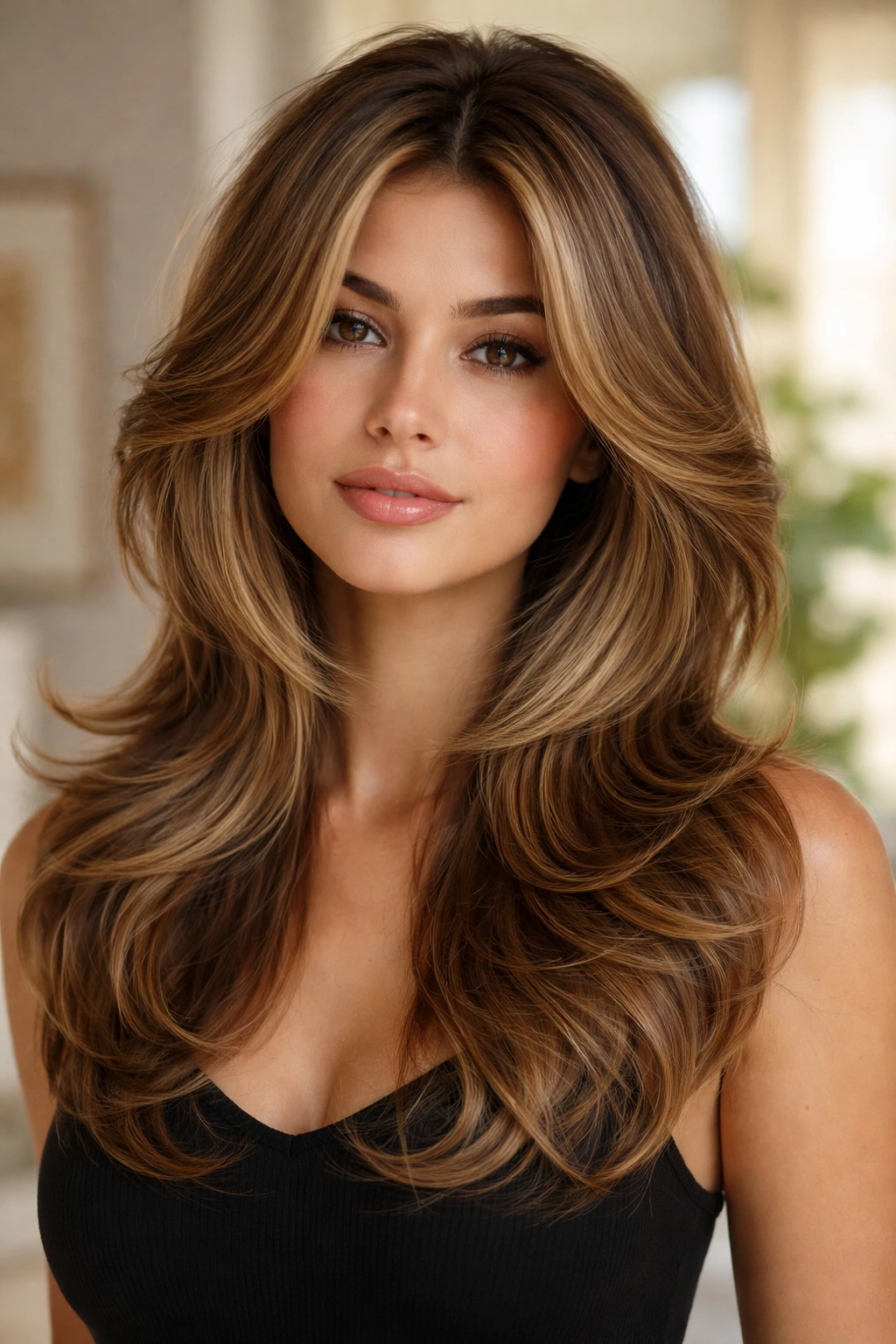
This is a modern take on the shag, focusing on very distinct, dramatic layers that look like butterfly wings when styled. It combines short, face-framing layers with long, flowing layers in the back. It is designed to give maximum volume and a blown-out, glamorous appearance.
This cut requires a bit of styling. You generally need to use a round brush to blowout the layers away from your face to get that signature flick. If you are someone who enjoys the ritual of blow-drying your hair, this will give you the most rewarding results.
19. The Long Shag
A long shag takes all the benefits of the traditional shag—the movement, the volume, the ease—but keeps the length. You get a lot of layering throughout the crown and the lengths, but the hair still falls well past the shoulders. It is fantastic for anyone who wants a “cool girl” aesthetic that isn’t too polished.
One warning: this cut can lead to frizz if you don’t manage your moisture. Because of the heavy layering, you have more ends exposed than you would with a blunt cut, so hydration is key. Use a leave-in conditioner or a lightweight hair oil to keep those ends smooth.
20. The Blunt Cut
There is something inherently powerful about a zero-layer, blunt cut. It is the ultimate “healthy hair” haircut. Because all your hair is the same length, it looks thicker, stronger, and more resilient. It is the best choice if you are trying to grow out damage, as you are constantly trimming the ends to keep them aligned.
You don’t need a lot of product with this cut, but you do need patience. It can feel a bit heavy, especially in warmer months. If you find it getting too hot, consider switching to a ponytail or half-up style, as the density can be quite warm against your neck.
21. The Wolf Cut
The wolf cut sits right at the intersection of a shag and a mullet. It is heavily layered on top, with plenty of volume around the crown, and tapers down into thinner, longer pieces in the back. It has been incredibly popular because it looks great on almost all hair textures, from straight to curly.
It is a high-style look. You really have to lean into the “rock and roll” vibe for it to work. If you prefer a clean, minimalist style, this will probably feel like too much hair. But if you like bold, expressive cuts that don’t take themselves too seriously, it is a fun option.
22. Layered Lob
If the blunt lob feels too heavy, adding layers transforms it into a much lighter, more dynamic cut. The layers should be soft and blended, not chopped or severe. This allows the hair to have movement and prevents that heavy, triangle shape that shoulder-length hair often falls into.
It is a great choice if you have fine hair that lacks body. The layers reduce the weight, which allows the hair to lift at the roots. It is also very easy to style—a quick pass with a curling wand to add a slight bend is usually all it takes to make this cut look finished.
23. Sleek Ponytail Base Cut
If you know that 80% of your life is spent with your hair in a ponytail, get a cut that reflects that. This involves a slightly rounded perimeter, which creates a more pleasing shape when the hair is pulled back. Your stylist can also cut the front pieces specifically to fall nicely around your face when the back is pulled up.
Don’t settle for a cut that only looks good when it is worn down. If your daily reality is a high pony or a bun, tell your stylist that. They can adjust the layering and the face-framing pieces to ensure you look put-together, not just like you threw your hair up in a rush.
24. Short Bob with Bangs
This is the ultimate French-girl aesthetic. A short bob that hits at the jawline, paired with full, soft bangs. It is timeless, chic, and incredibly low-maintenance once it is styled. It highlights the eyes and the neck, making it a very elegant choice.
However, you have to be ready to maintain two different things: the bob length and the bang length. They will grow at different rates. If you can handle the discipline of trimming your bangs every three weeks and your bob every six, this is a beautiful, classic choice that never goes out of style.
25. Feathered Ends
Feathering is a technique where the stylist uses a razor to shave the very ends of the hair, creating a soft, light-as-air appearance. It is distinct from heavy layering because it only happens at the very bottom of the strands. It removes the “dead weight” of blunt ends without creating choppy layers through the middle of the hair.
This is a great compromise for those who want their hair to feel lighter but are afraid of the volume that comes with traditional layers. It keeps the hair sleek and straight but prevents it from looking heavy or blocky.
26. Graduated Bob (Inverted)
An inverted or graduated bob is shorter in the back and longer in the front, creating a stacked look. It is a very structured, professional cut. It creates an incredible amount of volume in the back of the head, which is perfect if you have flat hair that tends to cling to your skull.
This cut needs professional maintenance. If it grows out, the beautiful stacking effect disappears, and you are left with an awkward shape. If you choose this, commit to the trim schedule. You can’t really grow this one out gracefully; you have to stay on top of the cut to keep the shape defined.
27. High-Low Layering
This involves taking the layers very high up toward the crown of the head. It creates a lot of lift and volume, but it can be risky if your hair is thin. This cut is best suited for those with thick, dense hair who struggle to find ways to make it feel lighter and less like a burden.
When your hair is very thick, it can feel like a heavy blanket. High-low layering effectively removes that weight throughout the entire head, not just at the bottom. The result is hair that feels airy and moves with you, rather than just sitting flat on your shoulders.
28. Messy Beach Waves Cut
This is a cut engineered for texture. The stylist focuses on creating uneven lengths throughout the hair so that when you use a salt spray or texturizing product, the hair naturally clumps into a messy, beachy wave. It is the definition of “undone” style.
If you hate heat tools, this is your best friend. It is designed to work with your hair’s natural inclination. After you wash it, just scrunch in some product, let it air dry, and you’re done. It is not about precision; it is about embracing the natural texture of your hair and letting it do its own thing.
Final Thoughts
At the end of the day, a haircut is just hair. It grows back. The most important factor isn’t what the current trends say or what a specific celebrity is wearing—it is about what fits your lifestyle. If you hate spending time in the bathroom, do not get a cut that requires thirty minutes of round-brushing. If you hate going to the salon, do not get a cut that loses its shape after three weeks.
Look for a style that makes your daily life easier, not harder. A great haircut is one that feels like an extension of who you are, making you feel a little more yourself every time you catch your reflection. Be honest with your stylist about your habits, your products, and your limitations. When you align those realities with the right shape, you will find the cut that actually works for you, not just for the photo.
